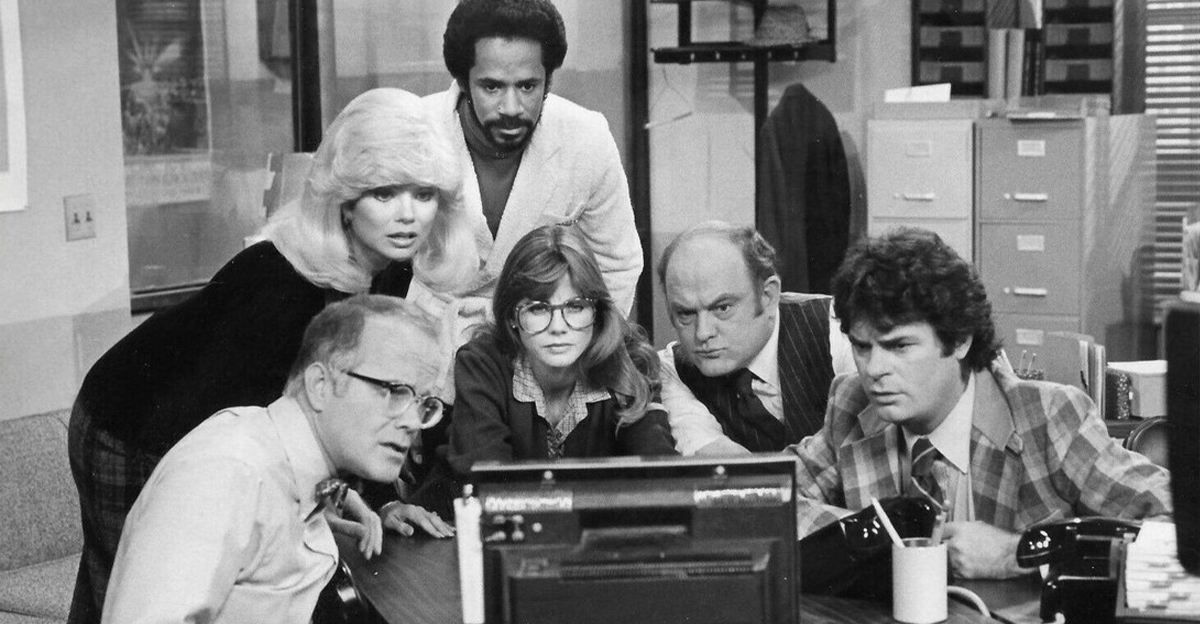
It had one of television's most unforgettable Thanksgiving episodes, a cast of wonderfully mismatched characters, and a theme song that still gets stuck in people's heads. Yet WKRP in Cincinnati vanished from CBS in 1982 after just four seasons. How did a sitcom that became a beloved television classic struggle to survive on the network that made it famous?
A Radio Station Full Of Misfits
When WKRP in Cincinnati premiered on September 18, 1978, it introduced viewers to a struggling Ohio radio station undergoing a dramatic makeover. New program director Andy Travis, played by Gary Sandy, wanted to replace the station's sleepy programming with rock music. Standing in his way were eccentric employees, questionable management decisions, and a workplace where almost anything could go wrong.
The Man Who Knew Radio
Creator Hugh Wilson understood the setting firsthand. Before entering television, he had worked in advertising at an Atlanta radio station, where he encountered personalities and situations that inspired the series. Wilson developed a workplace comedy that captured the absurdity of commercial broadcasting while treating its employees with unusual affection. The result felt more authentic than a conventional sitcom built around an improbable premise.
An Ensemble Worth Remembering
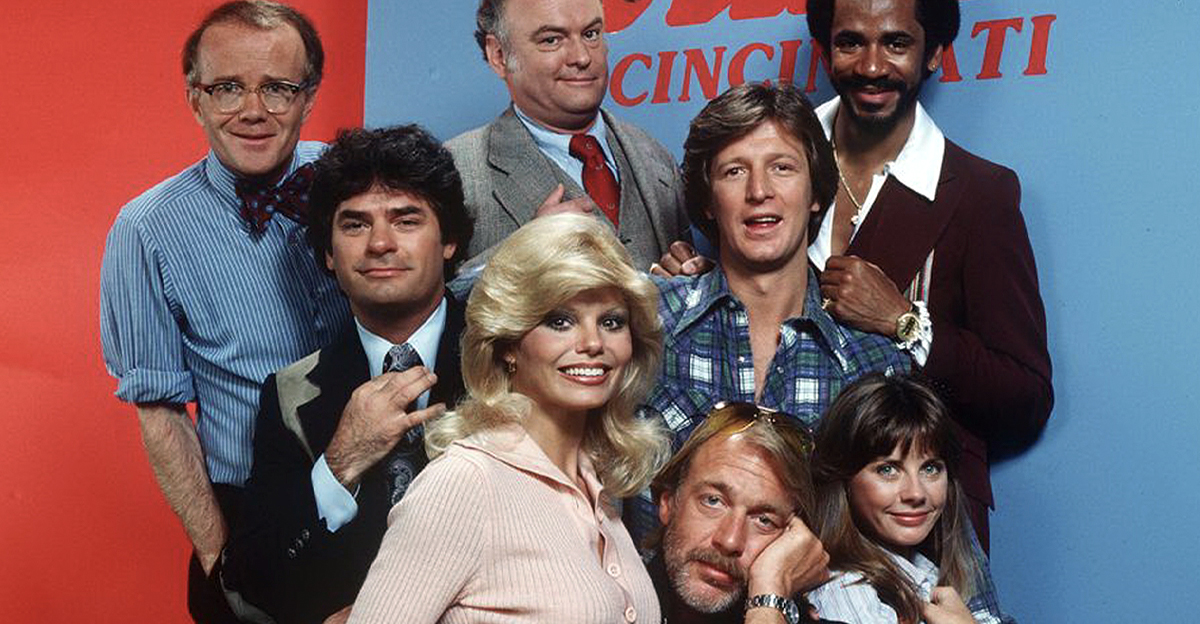
The show's strength was its ensemble. Howard Hesseman played rebellious disc jockey Dr. Johnny Fever, while Tim Reid portrayed the smooth-talking Venus Flytrap. Loni Anderson became a breakout star as receptionist Jennifer Marlowe, and Richard Sanders brought nervous energy to newsman Les Nessman. Gordon Jump's Arthur Carlson, Frank Bonner's Herb Tarlek, and Jan Smithers' Bailey Quarters completed a cast with remarkably distinctive personalities.
 Screenshot of WKRP in Cincinnati, (1978-82), CBS Television
The Turkeys That Made Television History
Just weeks after its premiere, WKRP delivered “Turkeys Away,” an episode that became one of television's most beloved Thanksgiving comedies. Mr. Carlson organizes a disastrous promotional stunt involving live turkeys dropped from a helicopter, while Les Nessman reports the chaos. The episode demonstrated the show's extraordinary comic potential, but even such memorable material couldn't guarantee strong ratings.
CBS Almost Gave Up Immediately
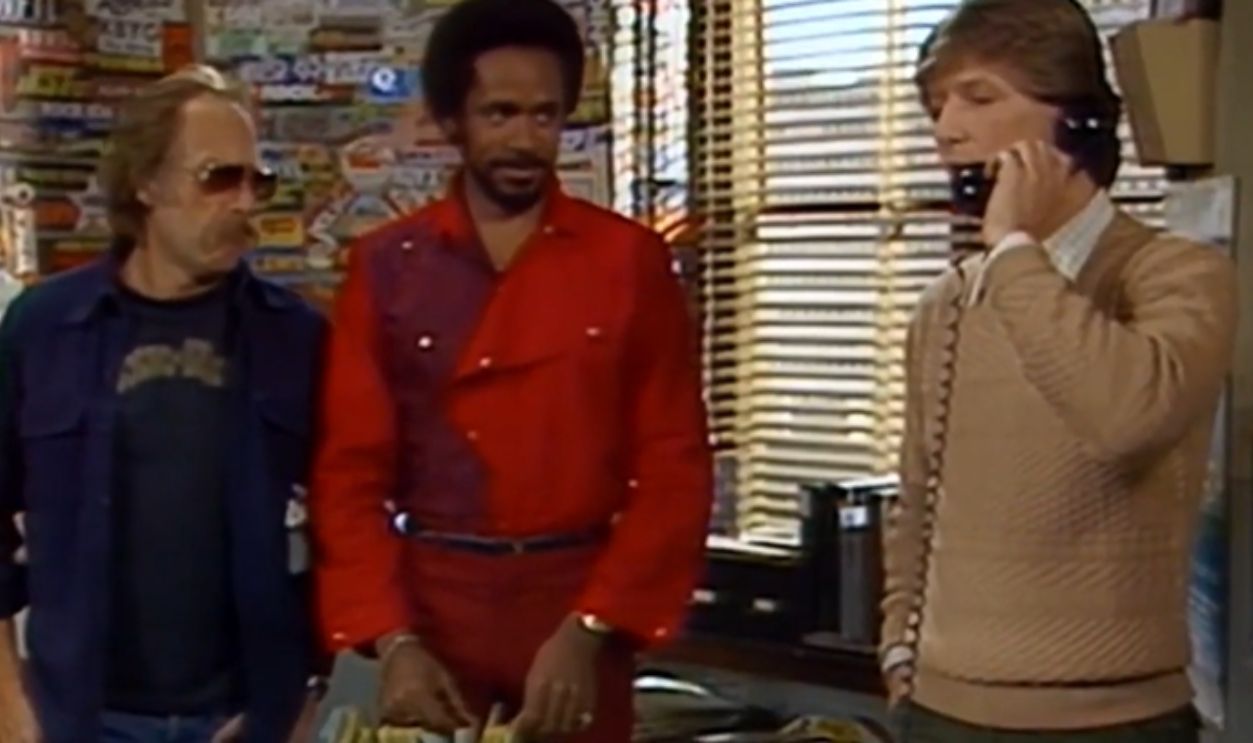
Despite favorable reviews, WKRP struggled in its original Monday evening slot, competing against NBC's Little House on the Prairie. CBS temporarily pulled the series from its Monday evening schedule after eight episodes. It returned in January 1979 with a much more favorable timeslot following M*A*S*H. Strong audience response helped persuade the network to bring it back, this time following the enormously popular M*A*S*H. The improved placement gave WKRP a chance to develop its characters and find a larger audience.
 Screenshot from WKRP in Cincinnati, CBS (1978–1982)
Success Came With A Catch
By its second season, WKRP had become a respectable ratings performer. But CBS moved the series from its advantageous position after M*A*S*H to make room for another comedy, House Calls. Despite that disruption, WKRP finished the season ranked 22nd nationally. Continued scheduling changes and disagreements over the show's suitability for earlier viewing hours would create bigger problems in subsequent seasons.
The Schedule Became Its Enemy
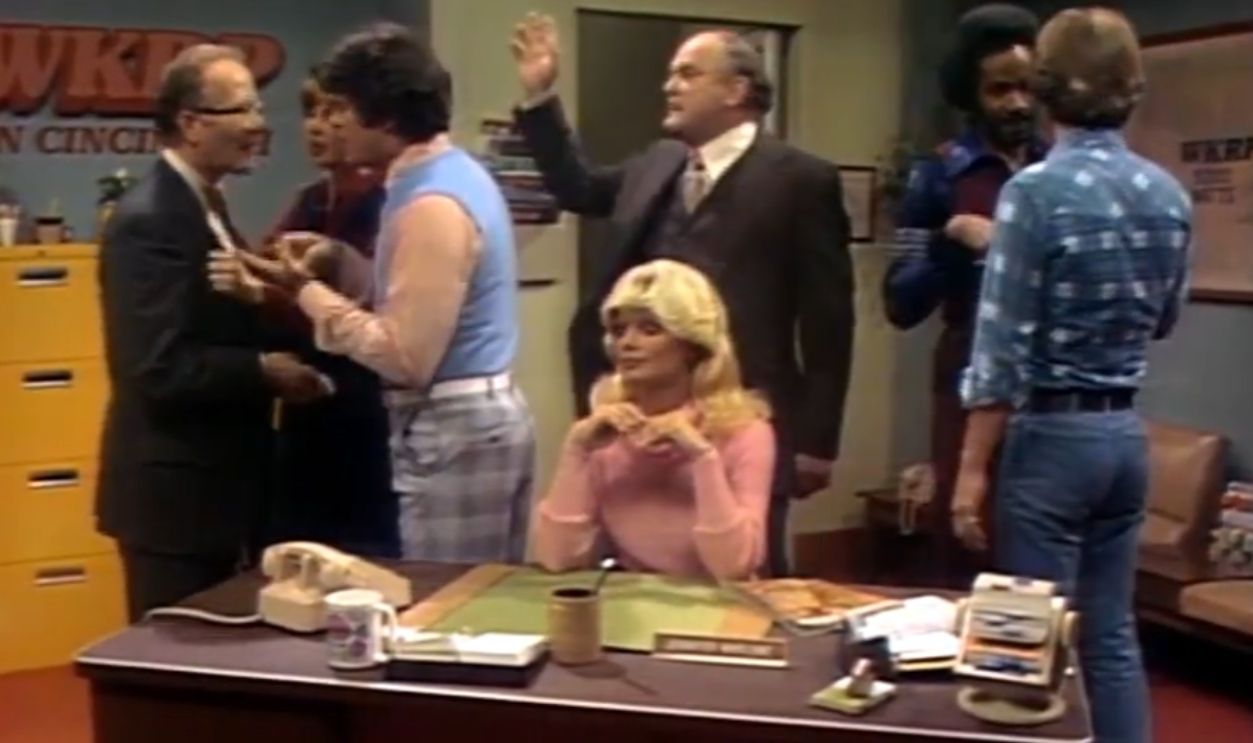
One of WKRP's greatest problems was that viewers couldn't always count on finding it at the same time. CBS repeatedly shifted the series around its schedule, making it difficult to maintain a consistent audience. The changes were a definite factor in the declining ratings. For a character-driven comedy that depended on viewers developing attachments to its cast, such instability was particularly damaging.
 Screenshot from WKRP in Cincinnati, MTM Enterprises (1978–1982)
The Cancellation Came In 1982
CBS canceled WKRP during its fourth season, and the final original episode aired on April 21, 1982. Ironically, that broadcast ranked seventh in the weekly Nielsen ratings, although the cancellation decision had already been made. The series ended with 88 original broadcasts, including two hour-long episodes. Its departure wasn't the result of a creative collapse, but rather a network losing confidence in a show that had never enjoyed consistent scheduling support.
Syndication Finally Made It A Classic
After cancellation, WKRP found the audience it had struggled to maintain on CBS. Reruns introduced the station's eccentric employees to viewers who had missed the original broadcasts. Its sharp writing, recognizable workplace frustrations, and memorable performances held up remarkably well. Creator Hugh Wilson later discussed the show's unexpected syndication success in interviews, confirming that its reputation continued to grow after its network run ended.
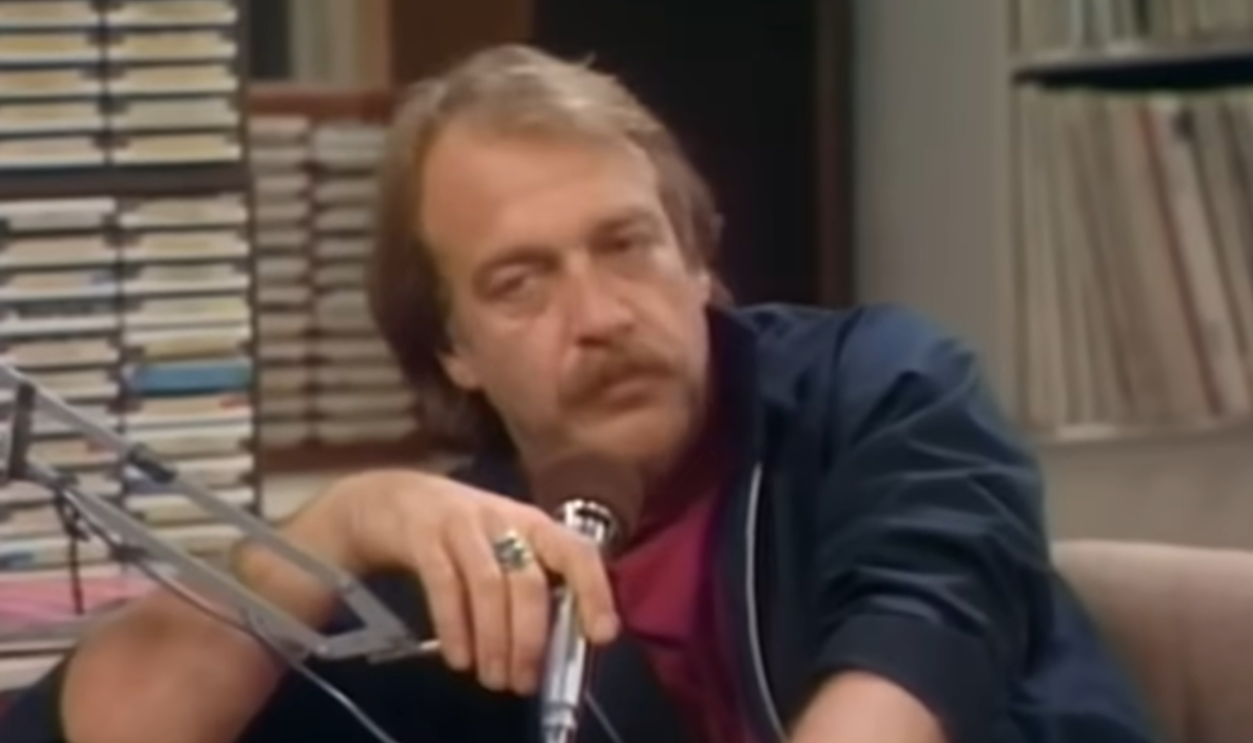 Screenshot from WKRP in Cincinnati, CBS (1978–1982)
The Music Created Another Problem
Ironically, the rock music that made WKRP authentic also complicated its afterlife. The show featured recordings by real artists, but licensing agreements eventually expired. Later reruns and the 2007 first-season DVD release replaced numerous songs, sometimes even requiring altered dialogue. In 2014, Shout! Factory released the complete series with most original music restored. By then, WKRP had already secured its place in television history. CBS may have canceled it, but the audience never really let it disappear.
You May Also Like:
The Unexpected Role That WKRP In Cincinnati Star Gordon Jump Ended Up In After His Sitcom Success