Fame Can Be A Funny Little Trap
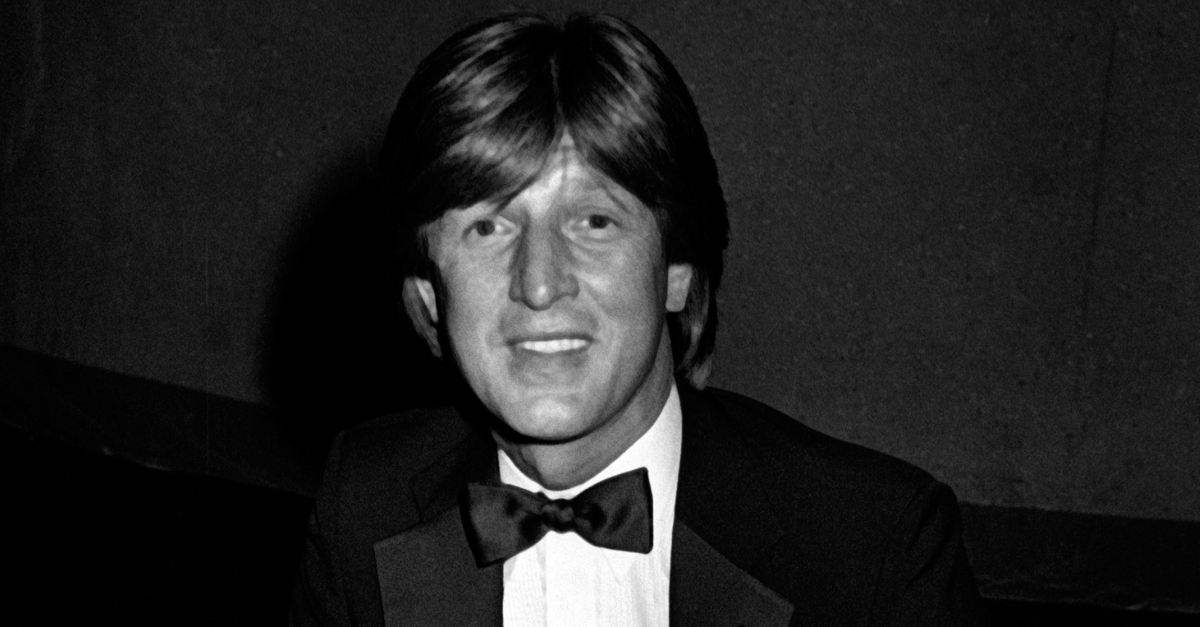
Some actors spend decades chasing one unforgettable role. Gary Sandy actually landed one—and then spent years trying to escape it. During the late ’70s and early ’80s, Sandy was everywhere thanks to WKRP In Cincinnati. But while audiences loved Andy Travis, Sandy eventually felt the role boxed him into a career corner.
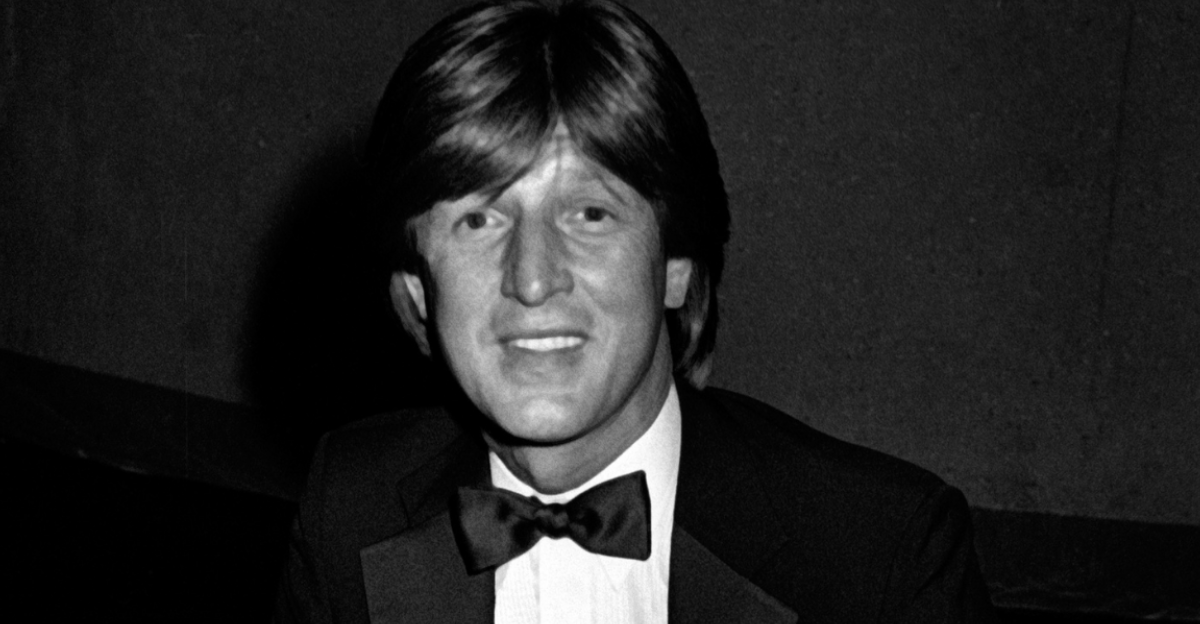 hoto by Ron Galella, Ltd./Ron Galella Collection via Getty Images
He Started Out As A Soap Opera Villain
Before sitcom fame arrived, Sandy built his early television career in daytime soaps. Producers often cast him as smug troublemakers and handsome villains, which became a pattern he desperately wanted to break.
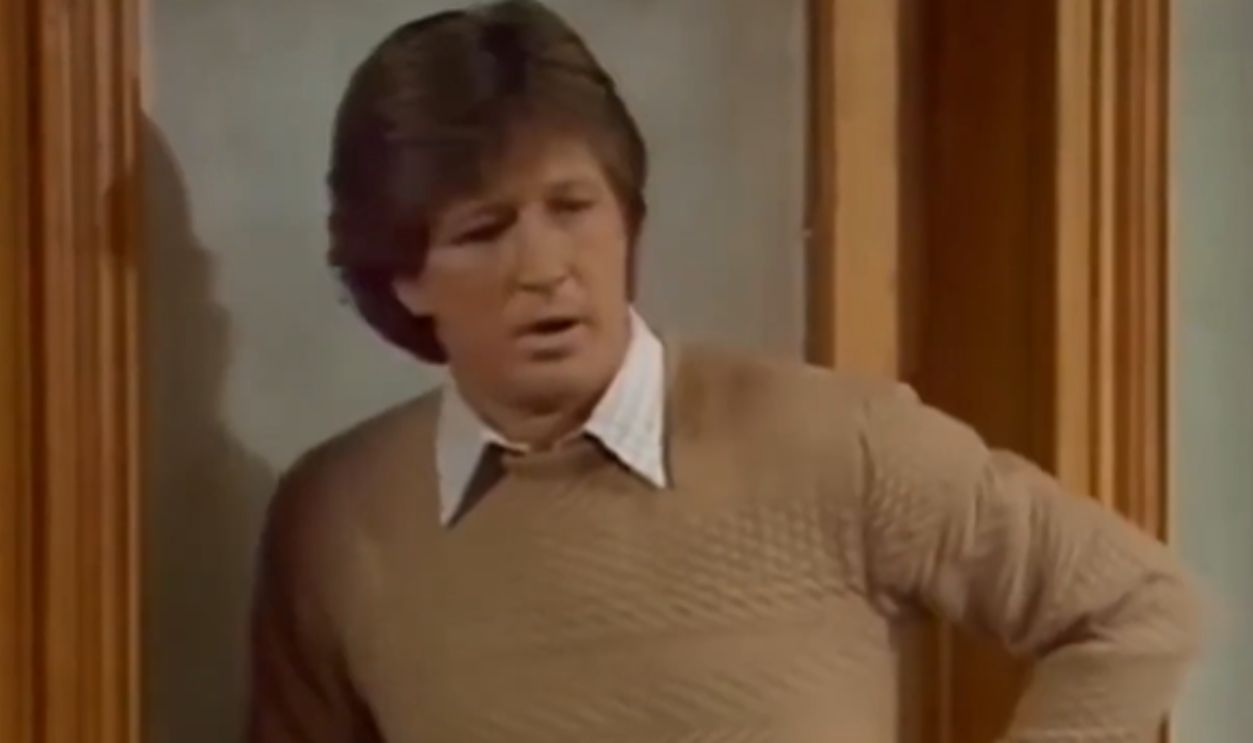 Screenshot from WKRP in Cincinnati, CBS (1978–1982)
WKRP Finally Let Him Play A Good Guy
When Andy Travis came along, Sandy jumped at the opportunity. After years of playing television creeps, he finally got to be the calm, likable straight man in a wildly chaotic workplace. The role felt refreshing instead of repetitive.
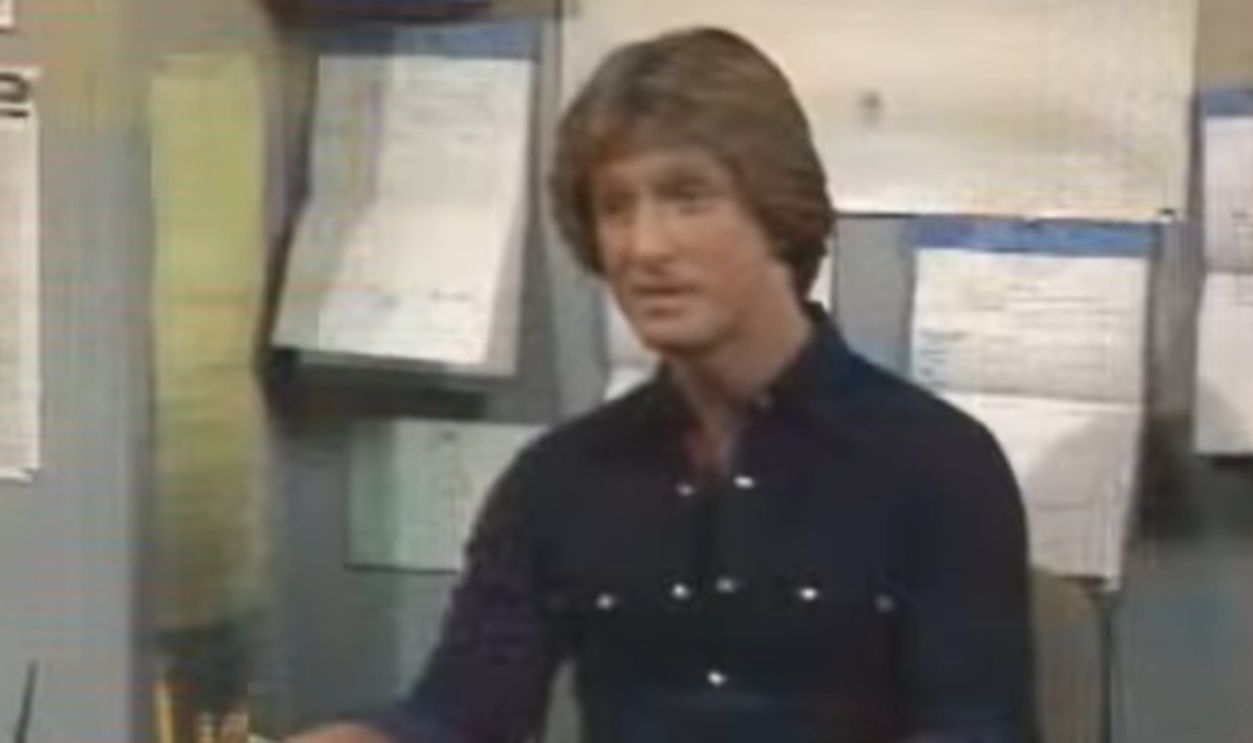 Screenshot from WKRP in Cincinnati, CBS (1978–1982)
Andy Travis Became The Audience Surrogate
Andy Travis served as the sane voice inside the circus that was WKRP radio station. While everyone else spiraled into absurdity, Sandy’s grounded performance kept the show balanced and believable.
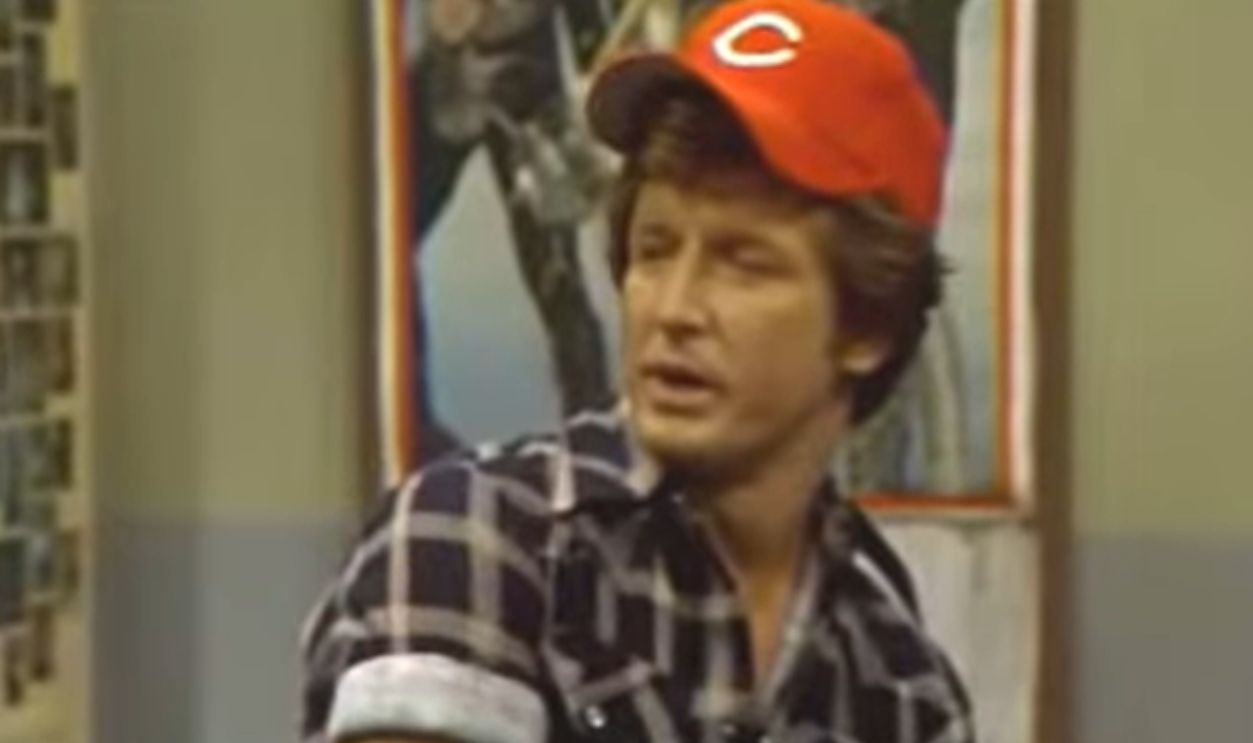 Screenshot from WKRP in Cincinnati, CBS (1978–1982)
The Cast Chemistry Was Ridiculously Strong
The series worked because every performer perfectly fit their role. Sandy played beautifully off Howard Hesseman’s unpredictable Johnny Fever and Gordon Jump’s hilariously clueless Mr. Carlson.
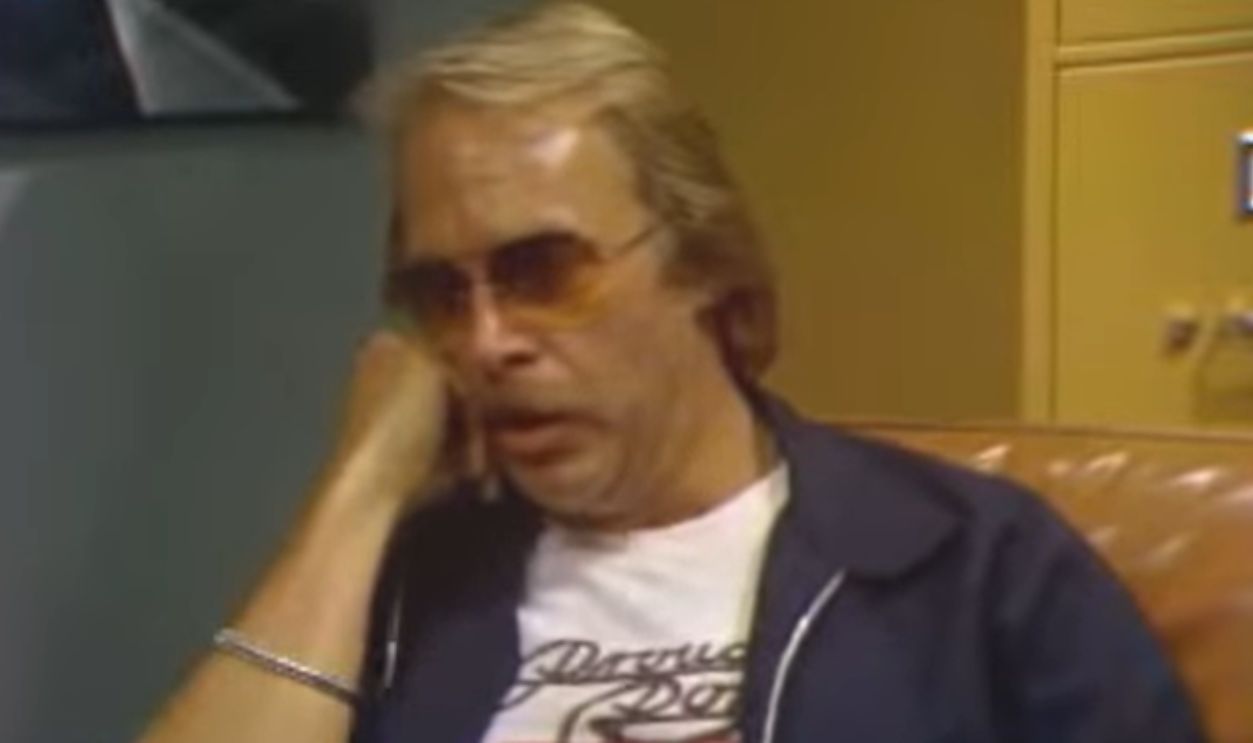 Screenshot from WKRP in Cincinnati, CBS (1978–1982)
The Show Was Smarter Than People Expected
At first glance, WKRP In Cincinnati looked like another goofy sitcom. Underneath the jokes, though, the series quietly became one of television’s sharpest workplace comedies. Sandy admired the writing and constantly praised creator Hugh Wilson.
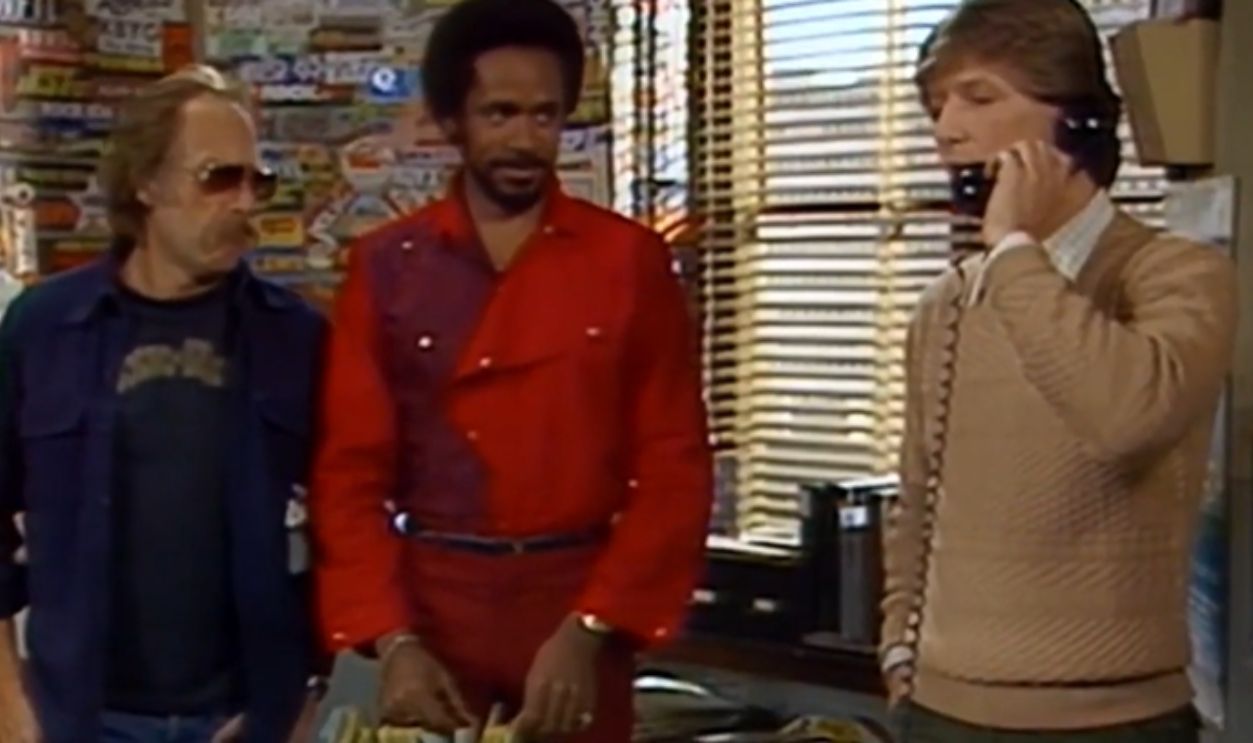 Screenshot from WKRP in Cincinnati, CBS (1978–1982)
Radio Fans Treated The Show Like A Documentary
Real-life broadcasters loved the series because it captured radio culture surprisingly well. Sandy later discovered countless DJs and station managers entered the profession partly because of Andy Travis.
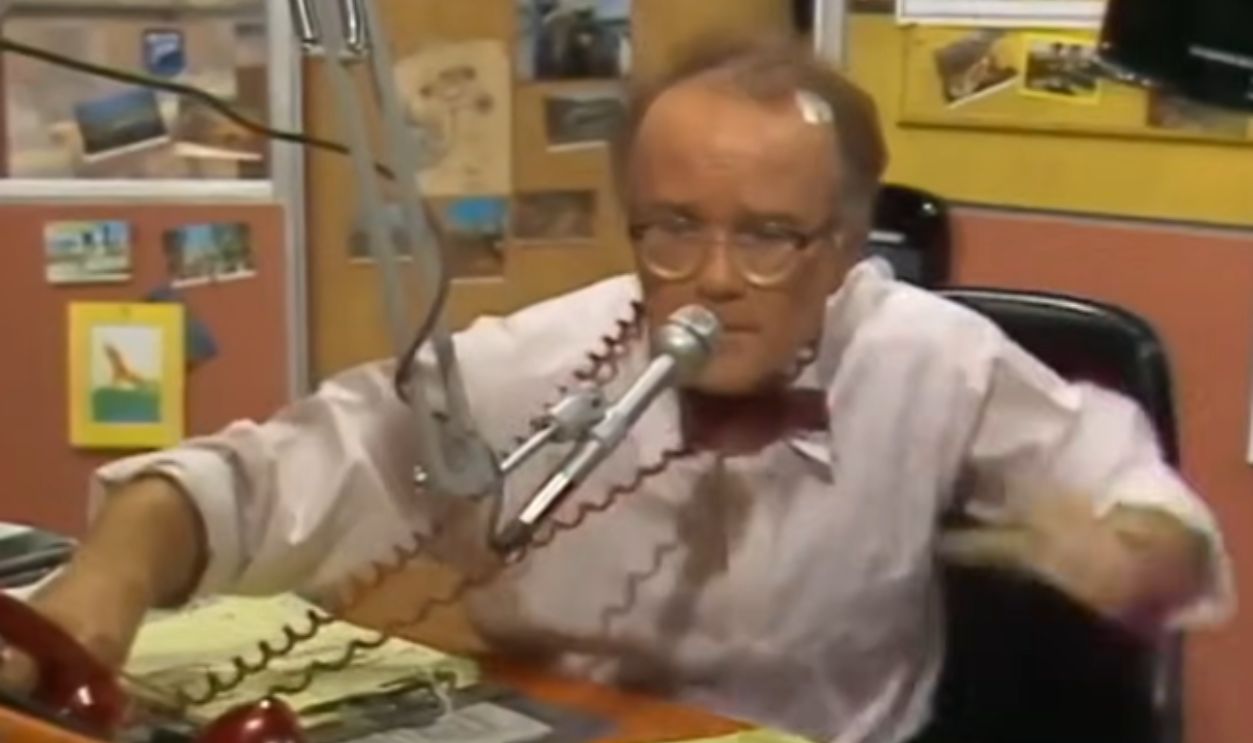 Screenshot from WKRP in Cincinnati, CBS (1978–1982)
Fame Arrived Faster Than Expected
Once the series gained momentum, Sandy suddenly became a recognizable television face. Fans associated him so strongly with Andy Travis that separating the actor from the character became nearly impossible.
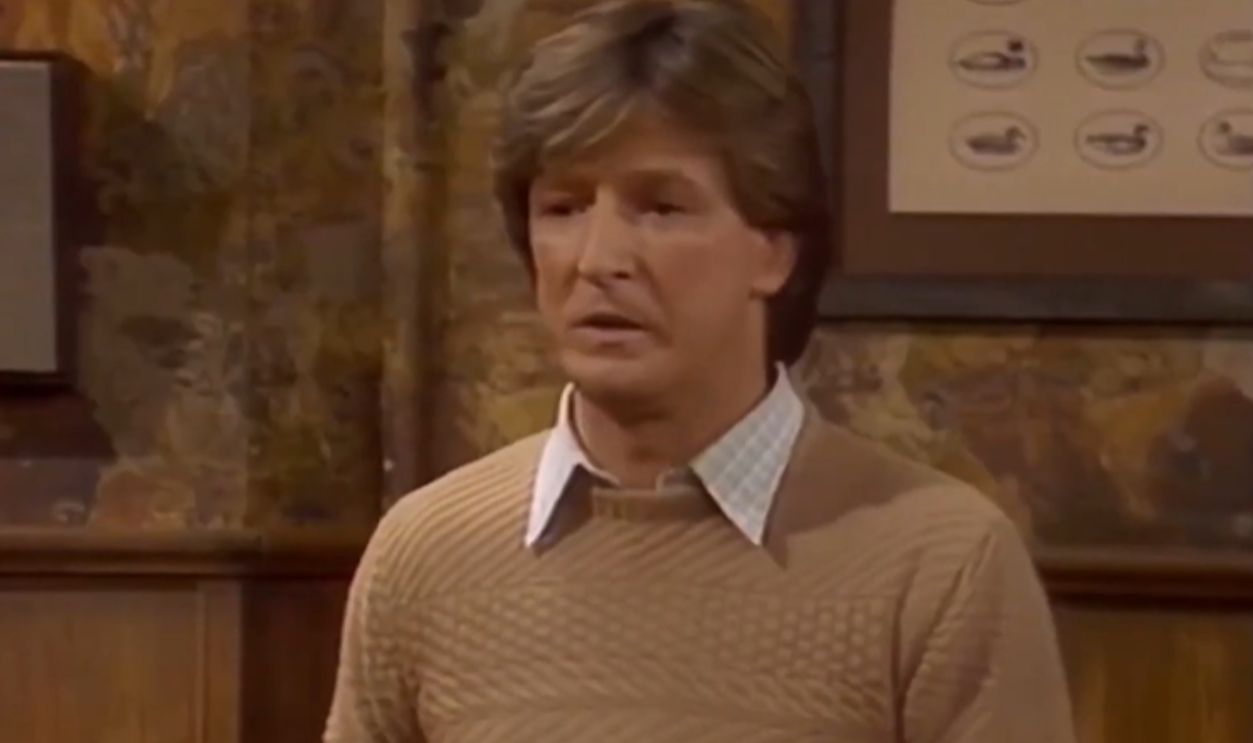 Screenshot from WKRP in Cincinnati, CBS (1978–1982)
Success Slowly Turned Into Typecasting
That recognition came with a downside. Casting directors stopped seeing Gary Sandy and only saw Andy Travis—the dependable, clean-cut program director from Cincinnati. Hollywood tends to cling tightly to familiar formulas.
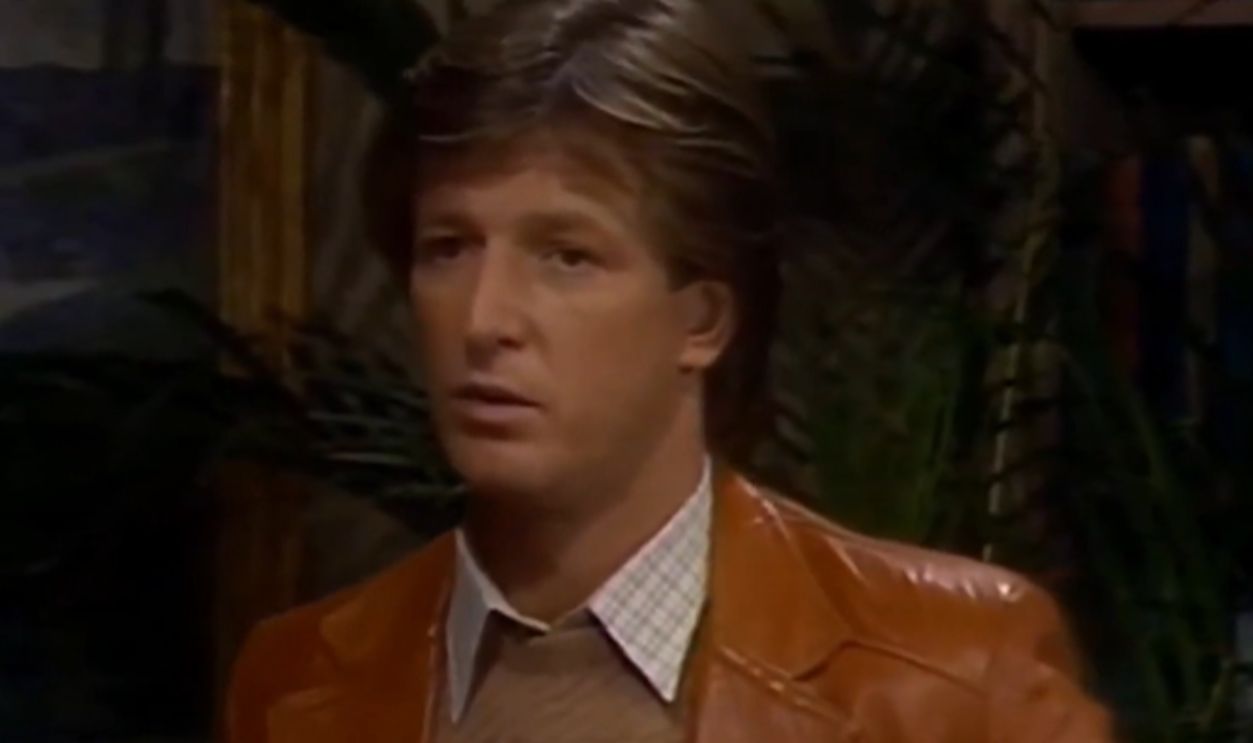 Screenshot from WKRP in Cincinnati, CBS (1978–1982)
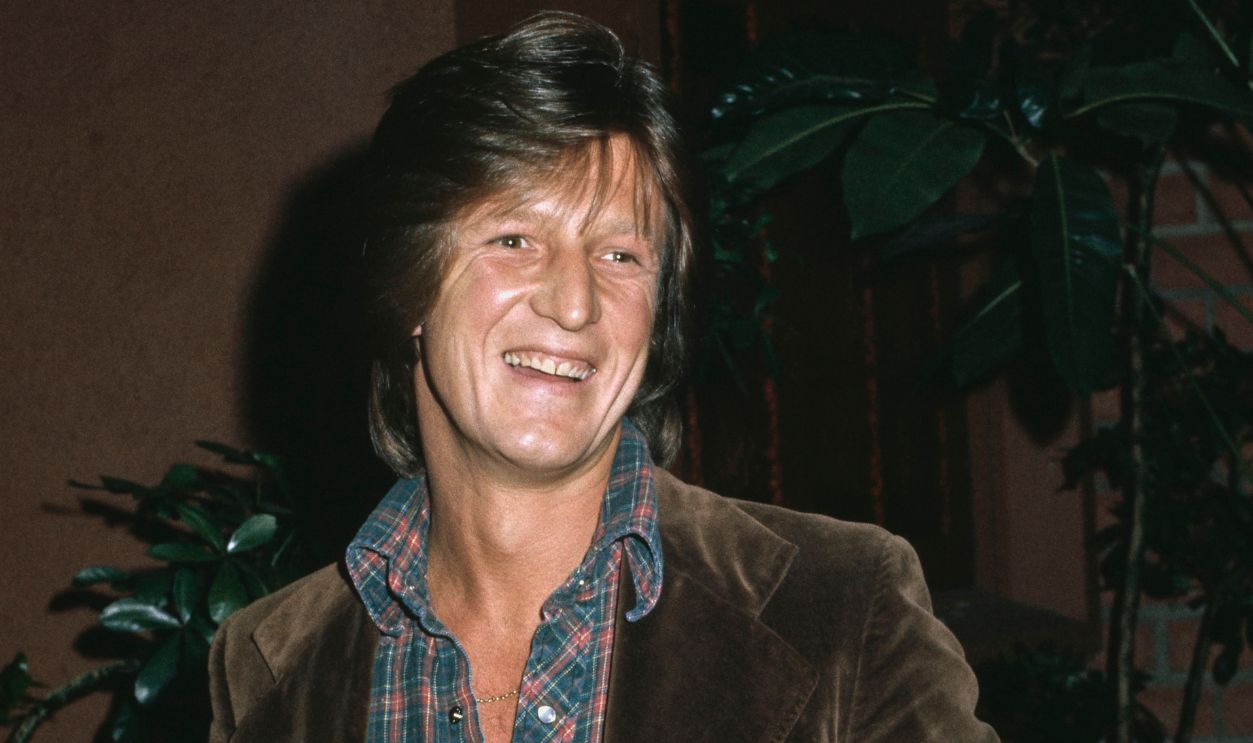
He Turned Down Several Television Roles
After the sitcom ended in 1982, Sandy received offers for more permanent television work. The problem was that many of those roles felt shallow or too similar to what he had already done.
 Michael Ochs Archives, Getty Images
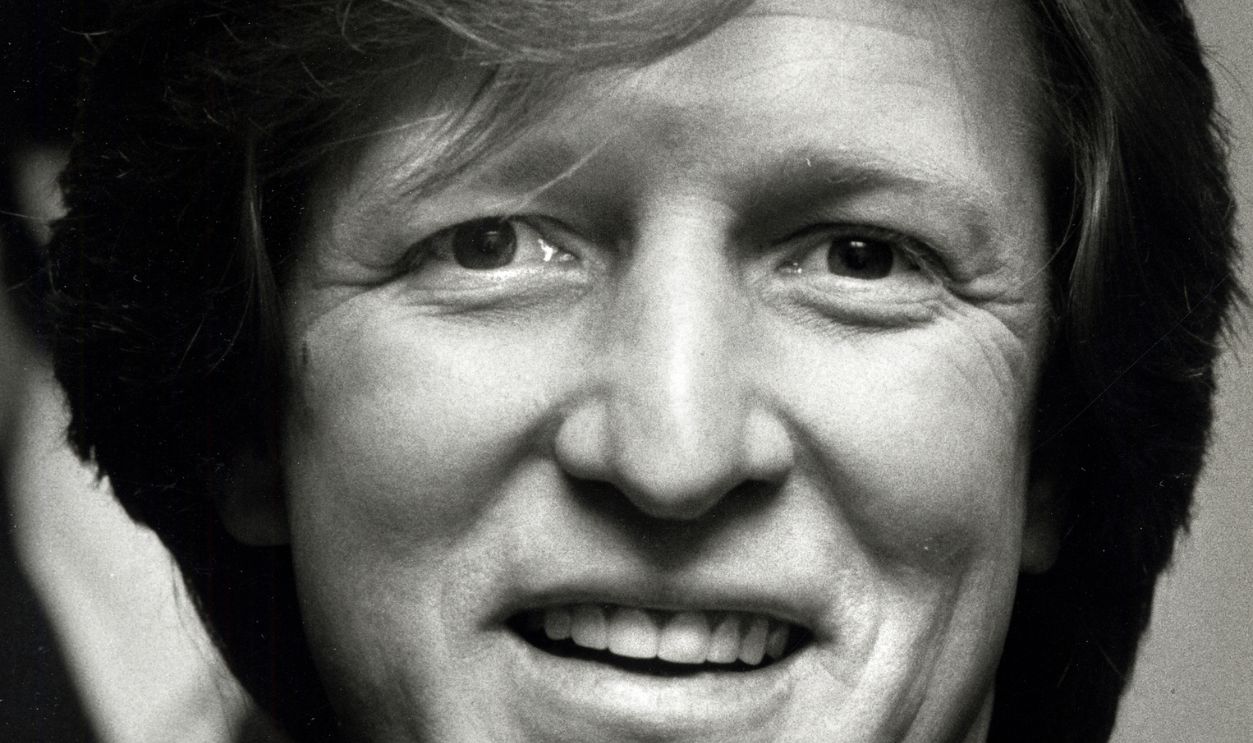
Sandy Wanted Better Material
Rather than grab every paycheck available, Sandy became selective. He believed many sitcom parts lacked depth, and he refused to spend years repeating the exact same character dynamics.
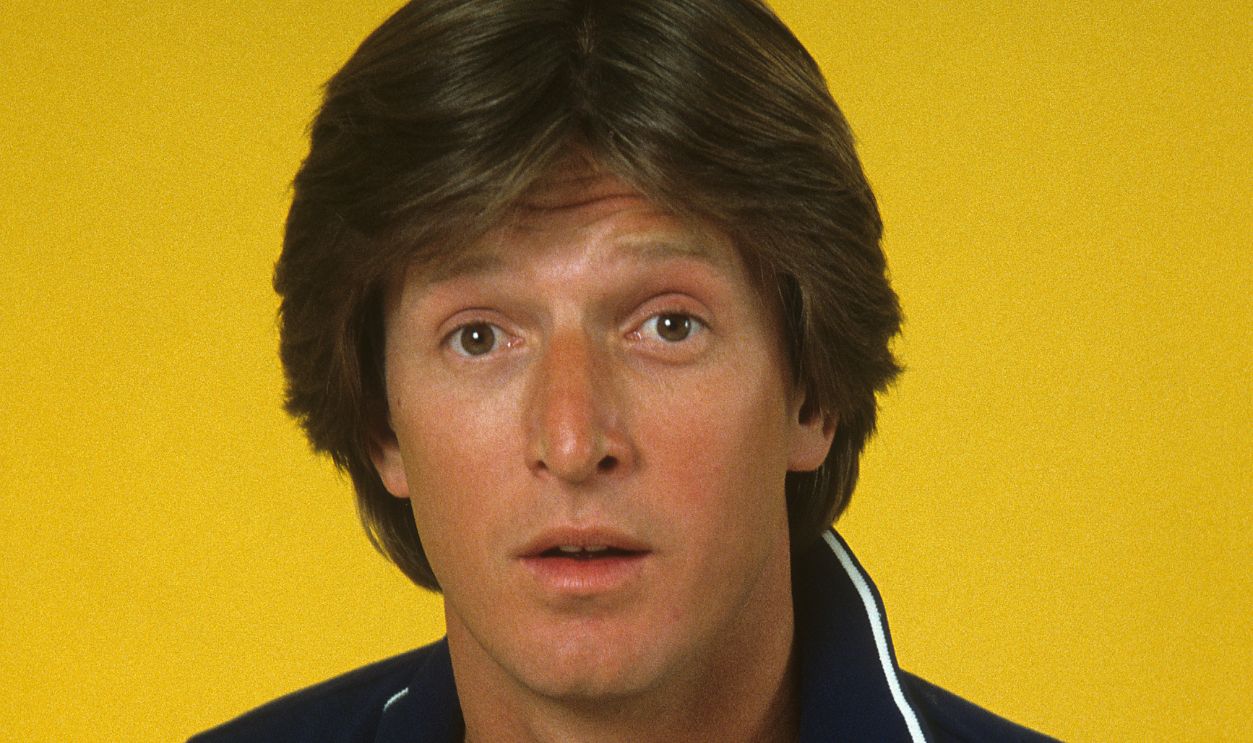
He Eventually Walked Away From TV Altogether
Instead of fighting endlessly against typecasting, Sandy shifted his focus elsewhere. By the mid-1980s, he had largely stepped away from television and returned to the stage, where he felt creatively freer.
 Michael Ochs Archive, Getty Images
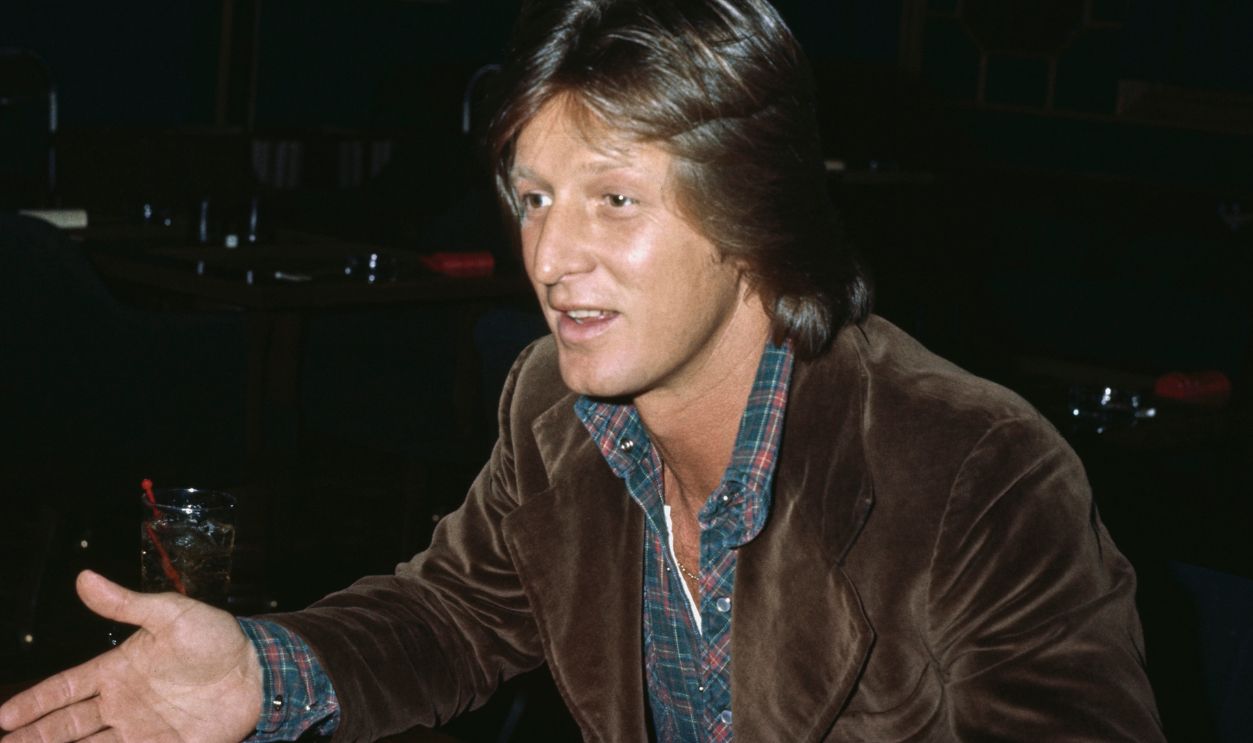
Theater Became His Safe Haven
Sandy appeared in more than 100 theatrical productions over the years. Musical theater especially suited him because it allowed him to stretch beyond the polished sitcom image audiences expected.
 Michael Ochs Archives, Getty Images
He Became A Respected Stage Performer
Long after network television stopped calling regularly, Sandy stayed busy in regional theater. Productions of The Music Man became a particular favorite because he loved playing charismatic leading men.
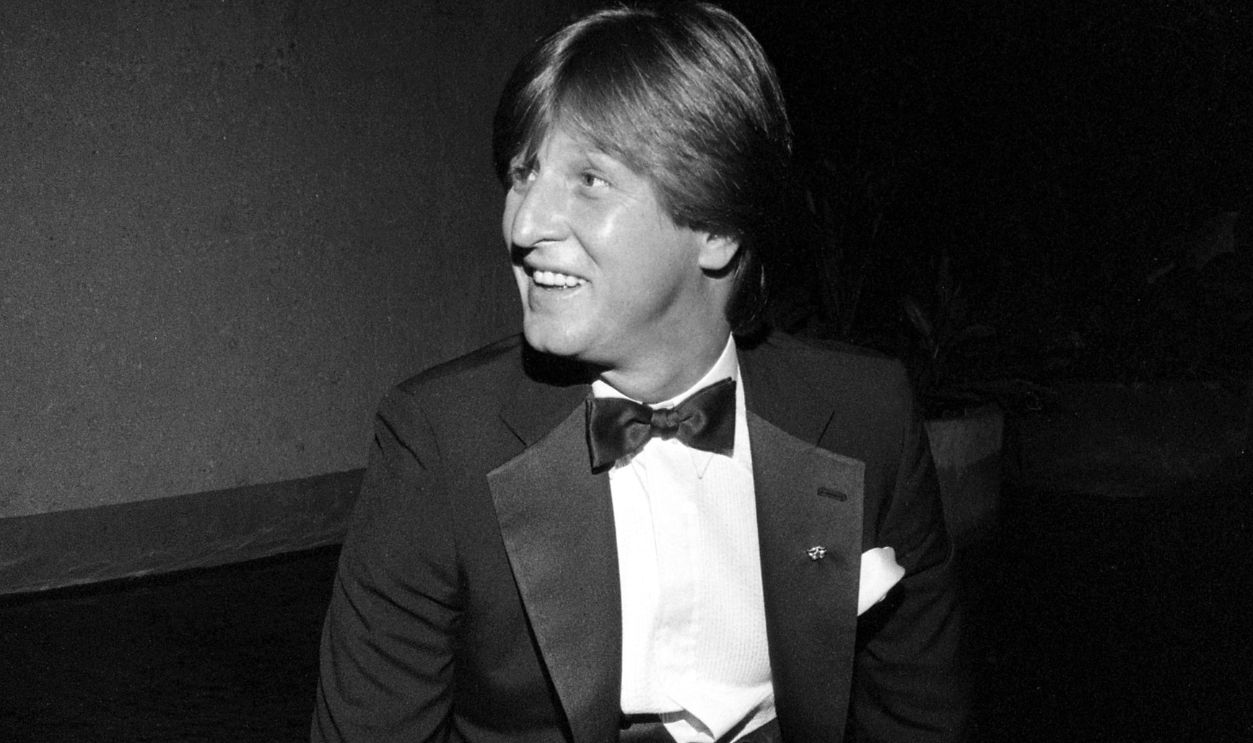
He Never Actually Hated WKRP
That’s the interesting twist in the story. Sandy never trashed the series itself. He consistently praised the cast, the scripts, and the experience of making the show.
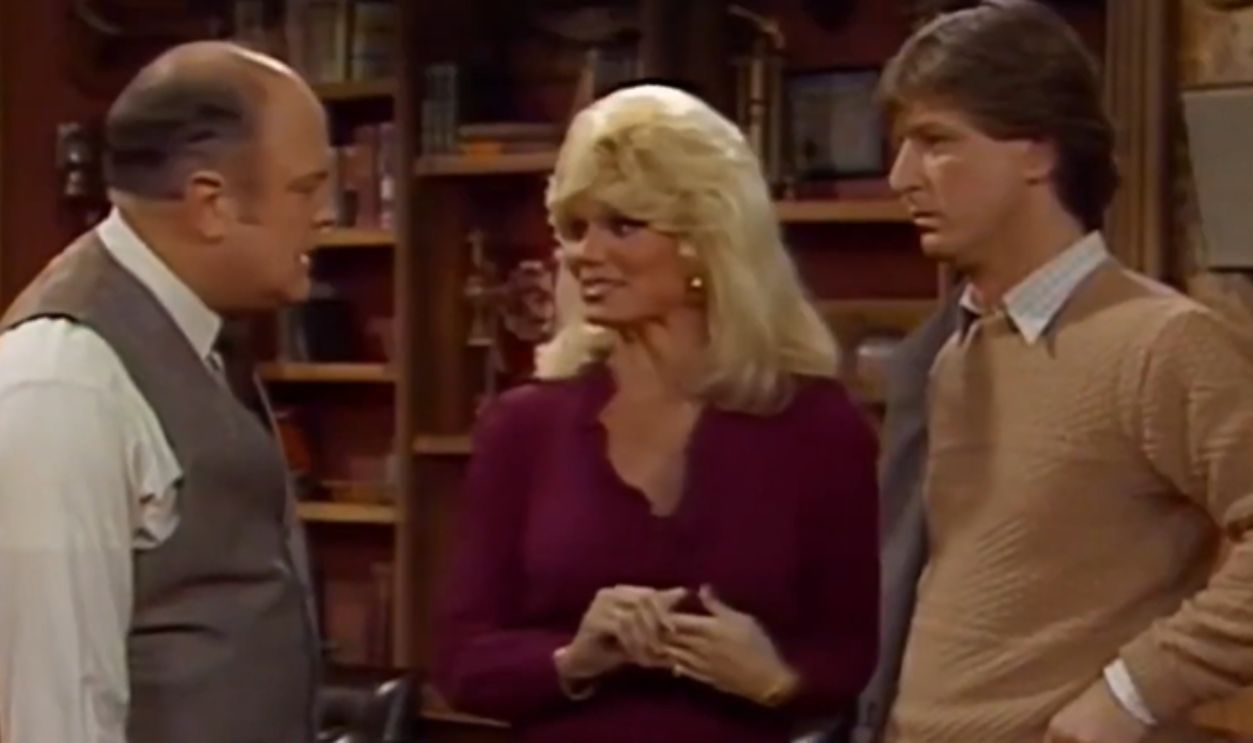 Screenshot from WKRP in Cincinnati, CBS (1978–1982)
His Frustration Was With Hollywood
Sandy’s real issue was the entertainment industry’s narrow thinking. Once an actor becomes strongly identified with a beloved sitcom character, executives often struggle to imagine them doing anything else.
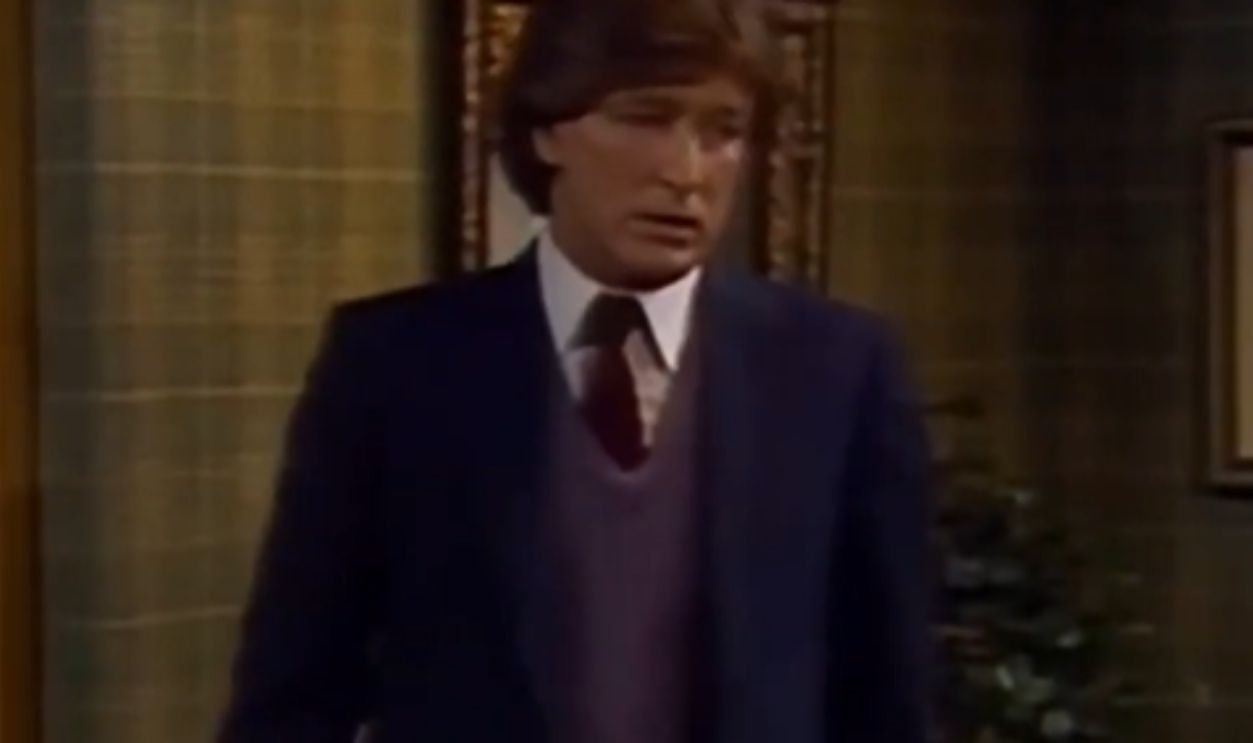 Screenshot from WKRP in Cincinnati, CBS (1978–1982)
Even The Revival Mentioned His Typecasting
When The New WKRP in Cincinnati appeared years later, Andy Travis was absent. The explanation floating around Hollywood was that Sandy had become frustrated after feeling permanently trapped by the original role.
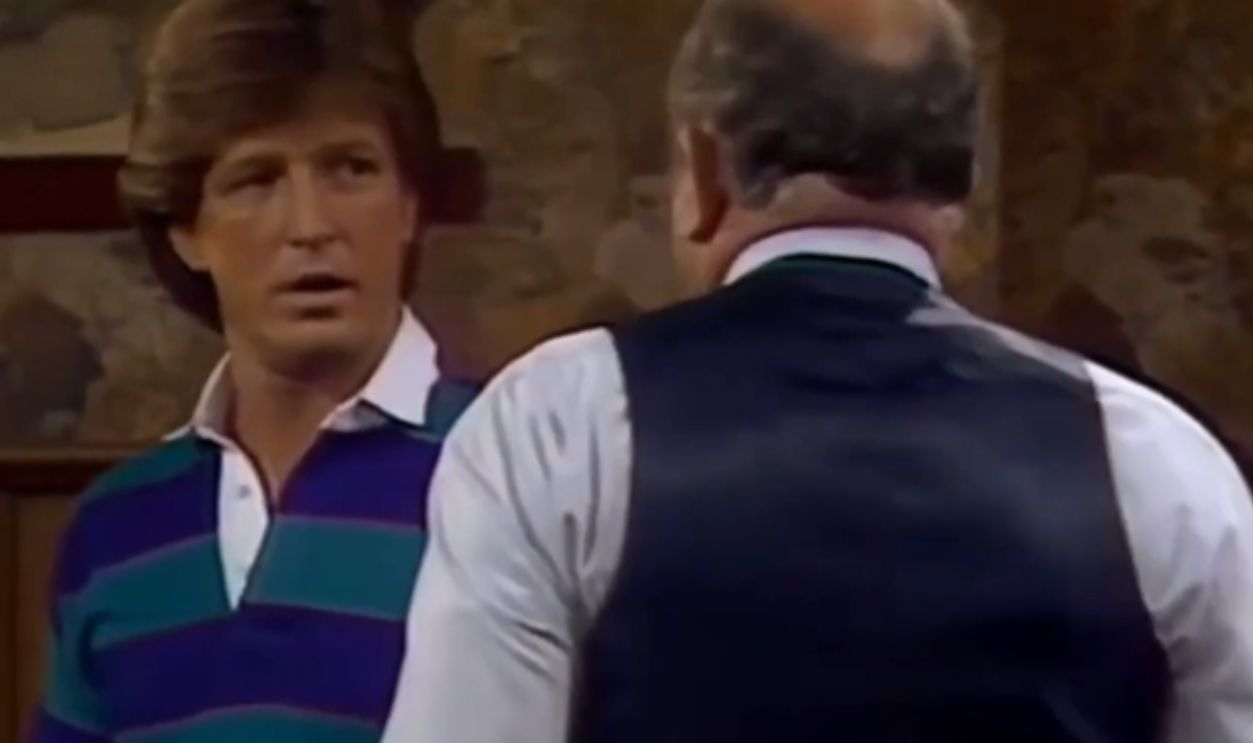 Screenshot from WKRP in Cincinnati, CBS (1978–1982)
Fans Never Forgot Him Anyway
Ironically, the same role that limited his acting opportunities also preserved his legacy. Decades later, fans still instantly recognize Gary Sandy because of Andy Travis and the legendary “Turkeys Away” era of the show.
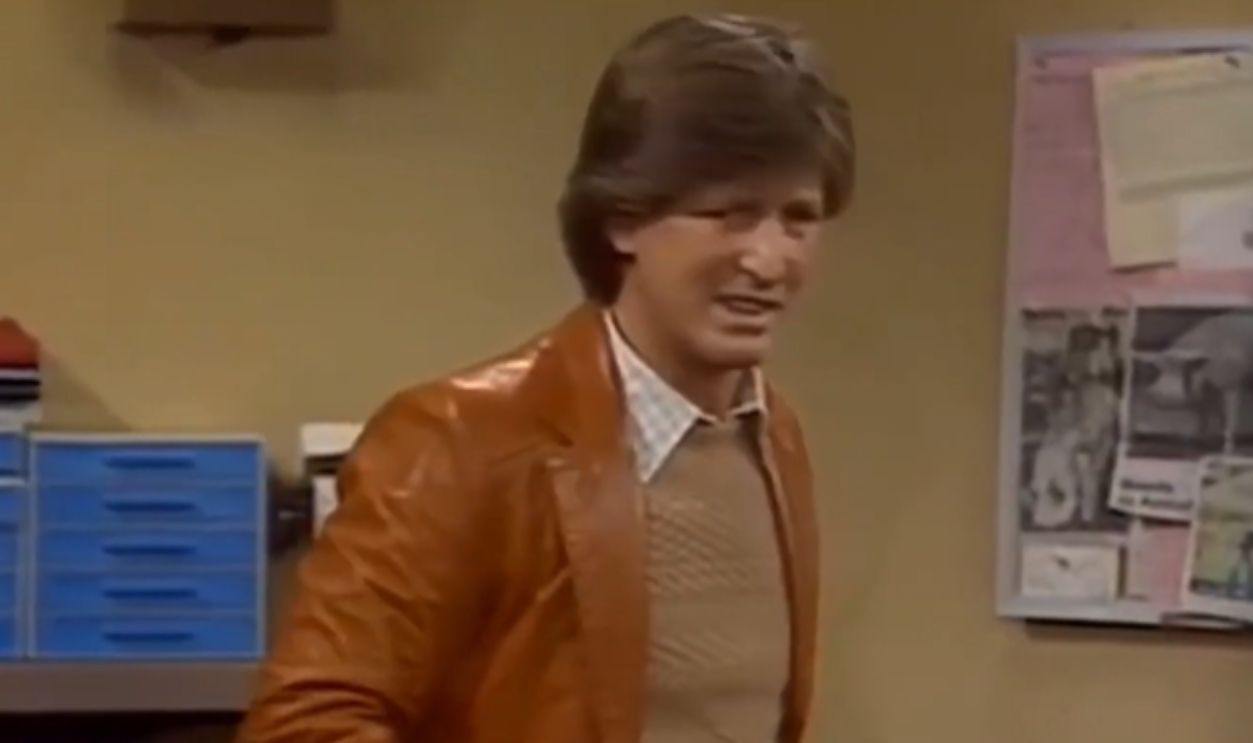 Screenshot from WKRP in Cincinnati, CBS (1978–1982)
The Industry Eventually Came Around
In recent years, Sandy has received renewed appreciation from radio organizations and longtime television fans. Broadcasters especially celebrate how authentically WKRP represented their world.
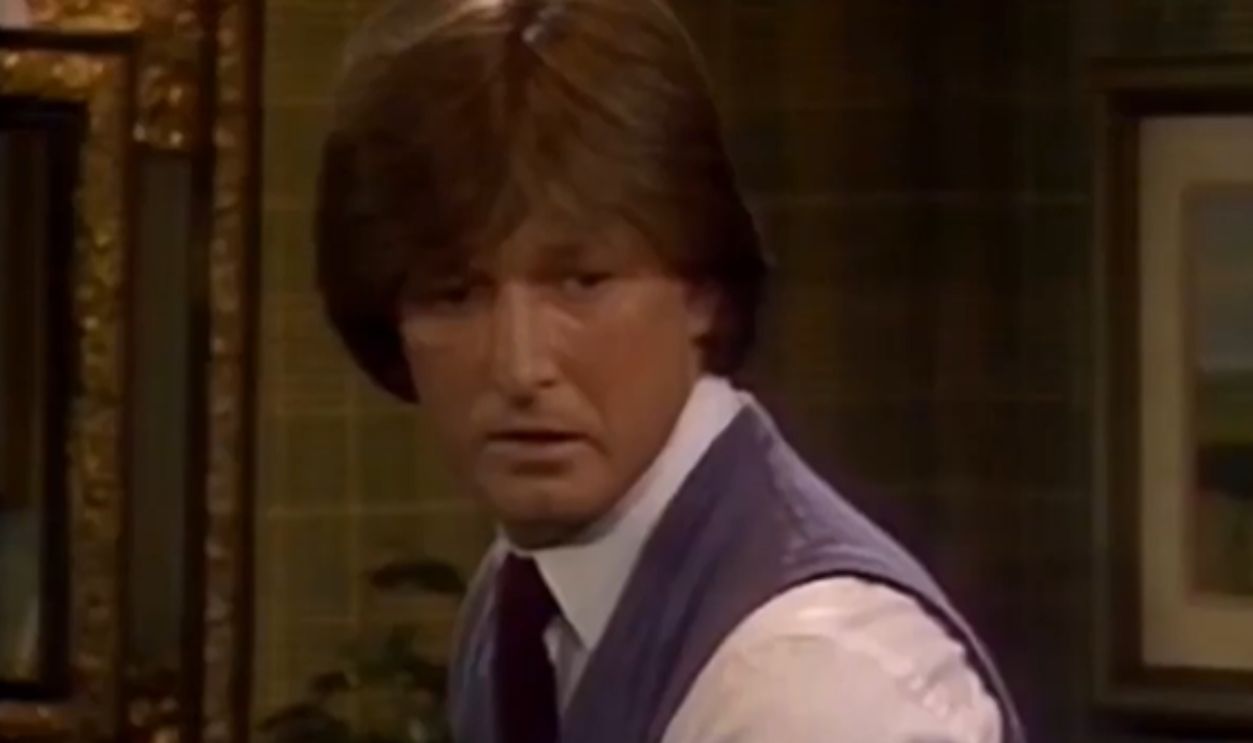 Screenshot from WKRP in Cincinnati, CBS (1978–1982)
Gary Sandy Says He Never Really Went Away
Despite the career frustrations, Sandy never disappeared entirely. He simply traded network television fame for stage work, smaller projects, and a quieter creative life. In his mind, WKRP In Cincinnati may have complicated his Hollywood future—but it also gave him a role audiences still adore decades later.
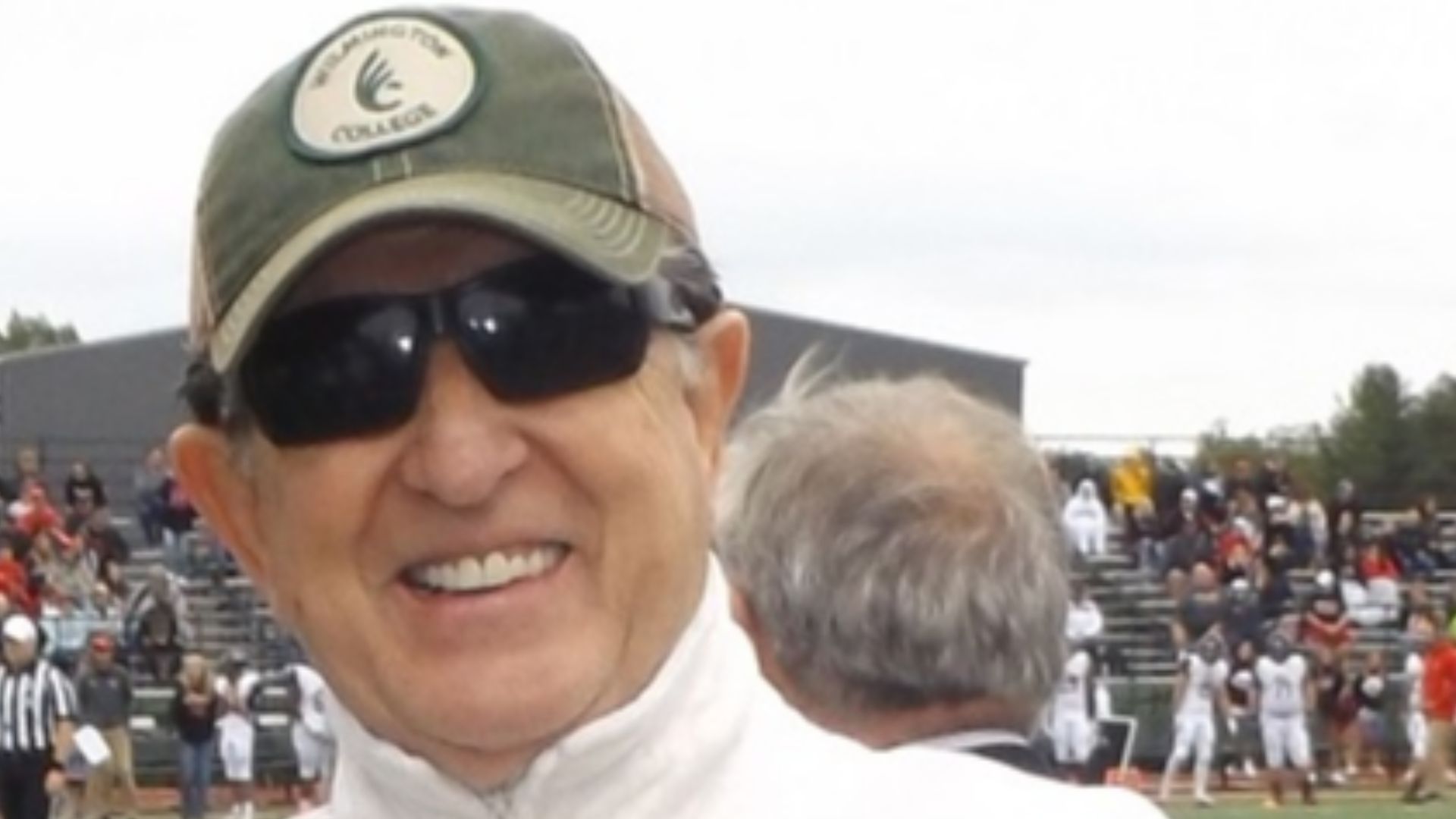 Triplecrown120, Wikimedia Commons
You May Also Like:
Feuding Facts About Bette Davis, The Empress Of Hollywood
Sources: 1