Velvet Voice, Troubled Life
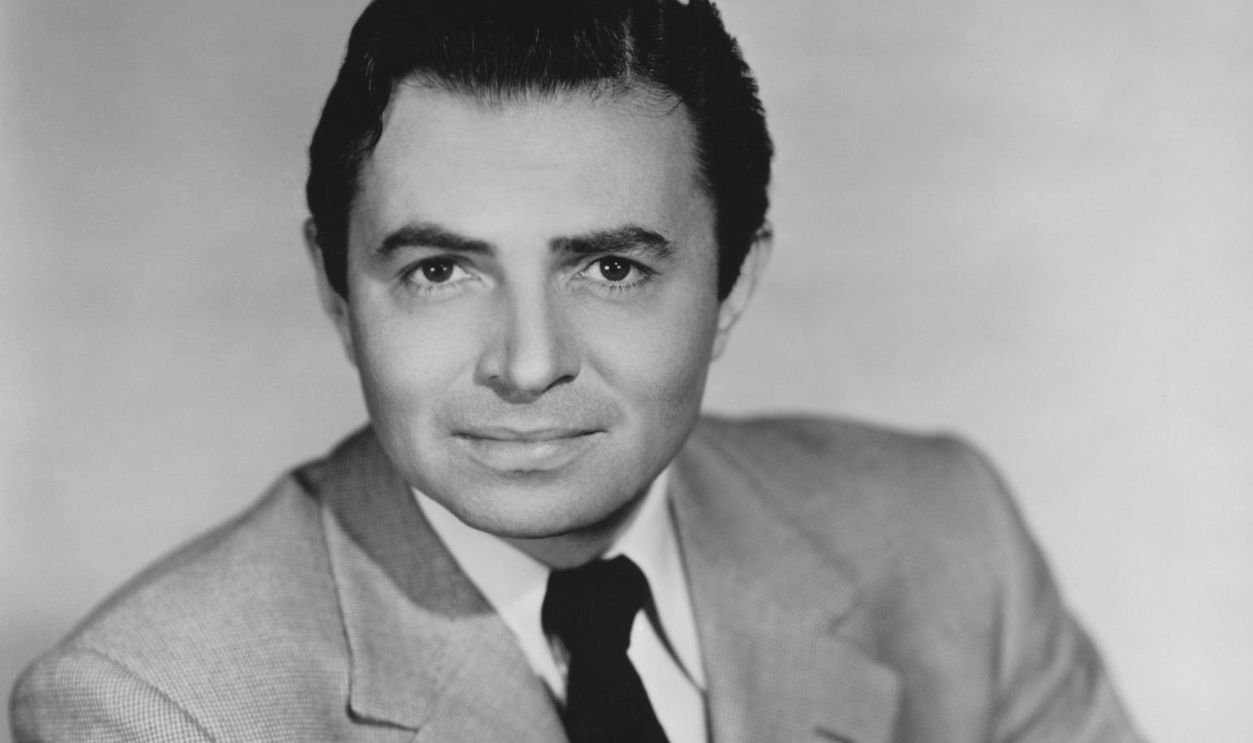
James Mason became one of Britain's greatest actors before conquering Hollywood with his unmistakable voice, refined presence, and extraordinary versatility. But behind the unflappable screen image stood a deeply private man whose personal struggles, turbulent marriages, and complicated decisions shaped an equally fascinating life.
Privileged Yorkshire Beginnings
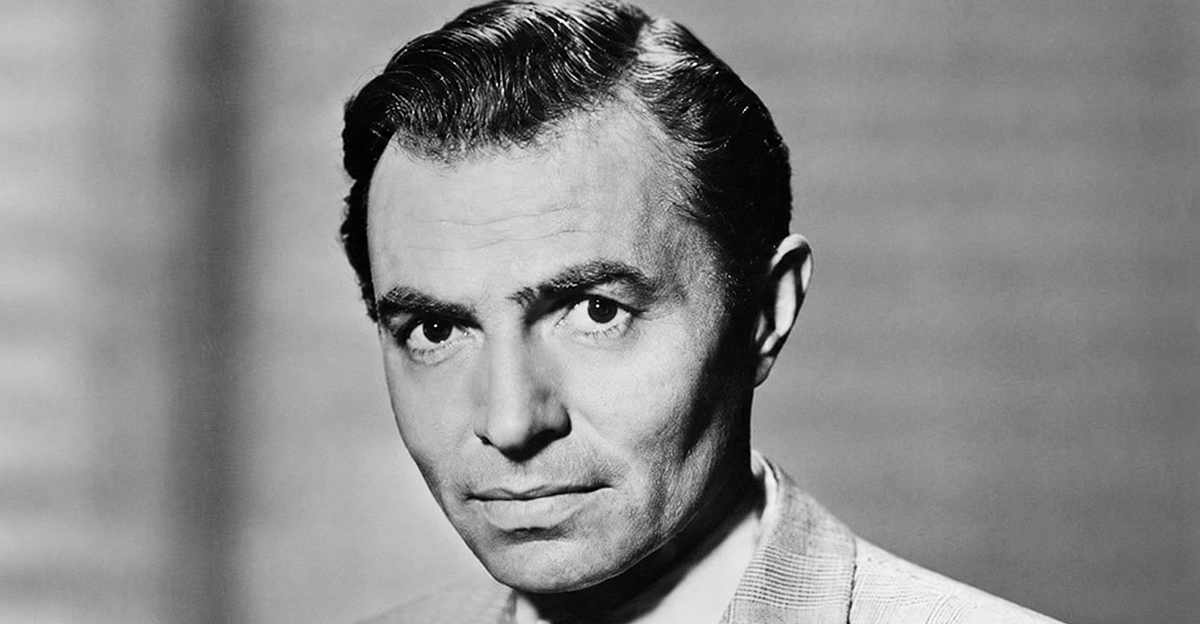
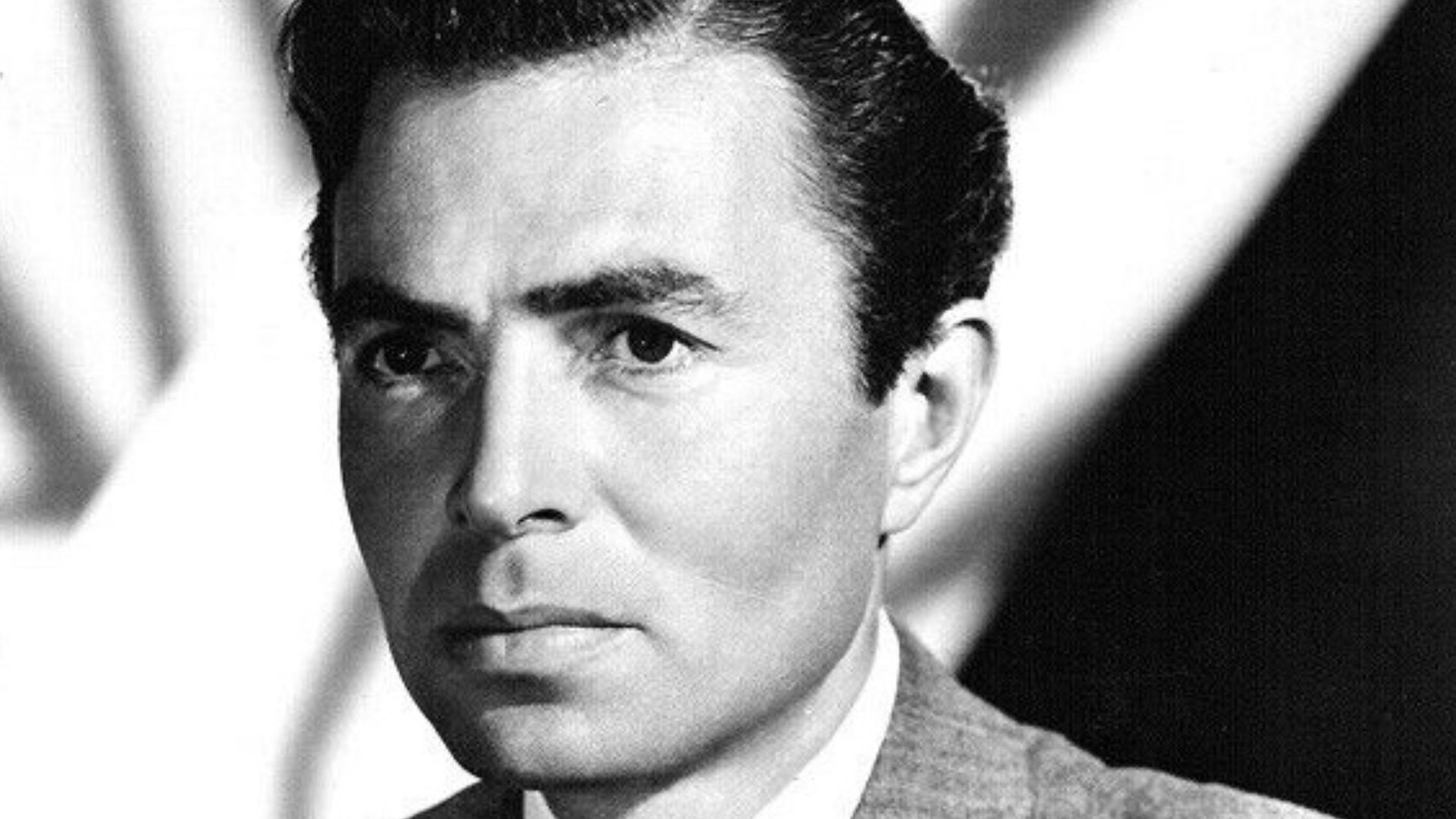
James Neville Mason was born on May 15, 1909, in Huddersfield, Yorkshire. His father, John Mason, owned a prosperous textile business, giving James an affluent upbringing that allowed him access to an excellent education and opportunities unavailable to many aspiring actors.
Architectural Ambitions
Following Marlborough College, Mason attended Peterhouse, Cambridge, intending to become an architect. Acting began merely as an extracurricular interest through university dramatic societies, but performing gradually started to overshadow his architectural ambitions and ultimately changed the direction of his whole career.
 Unknown authorUnknown author, Wikimedia Commons
Discovering The Stage
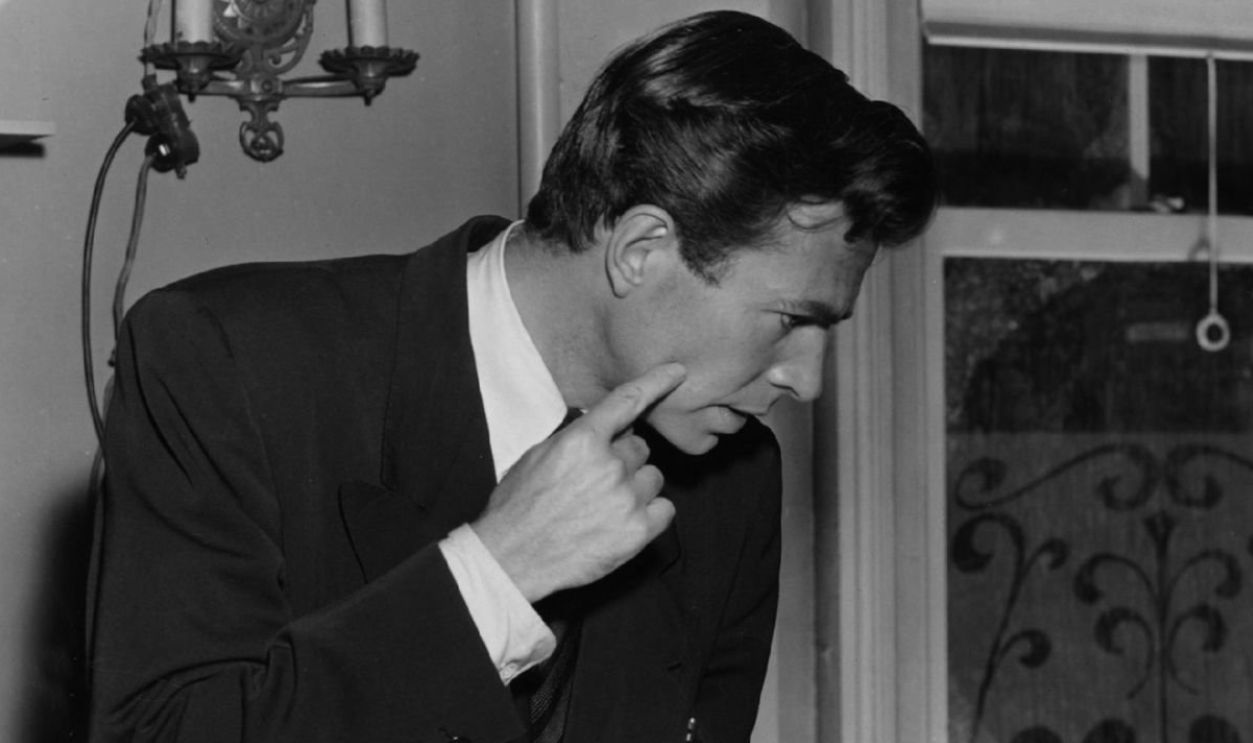
After leaving Cambridge without finishing his degree, Mason joined repertory theatre companies. One of his earliest appearances came in the play The Rascal, staged at Aldershot, where his natural stage presence convinced him that professional acting offered a far brighter future than architecture.
Joining The Old Vic
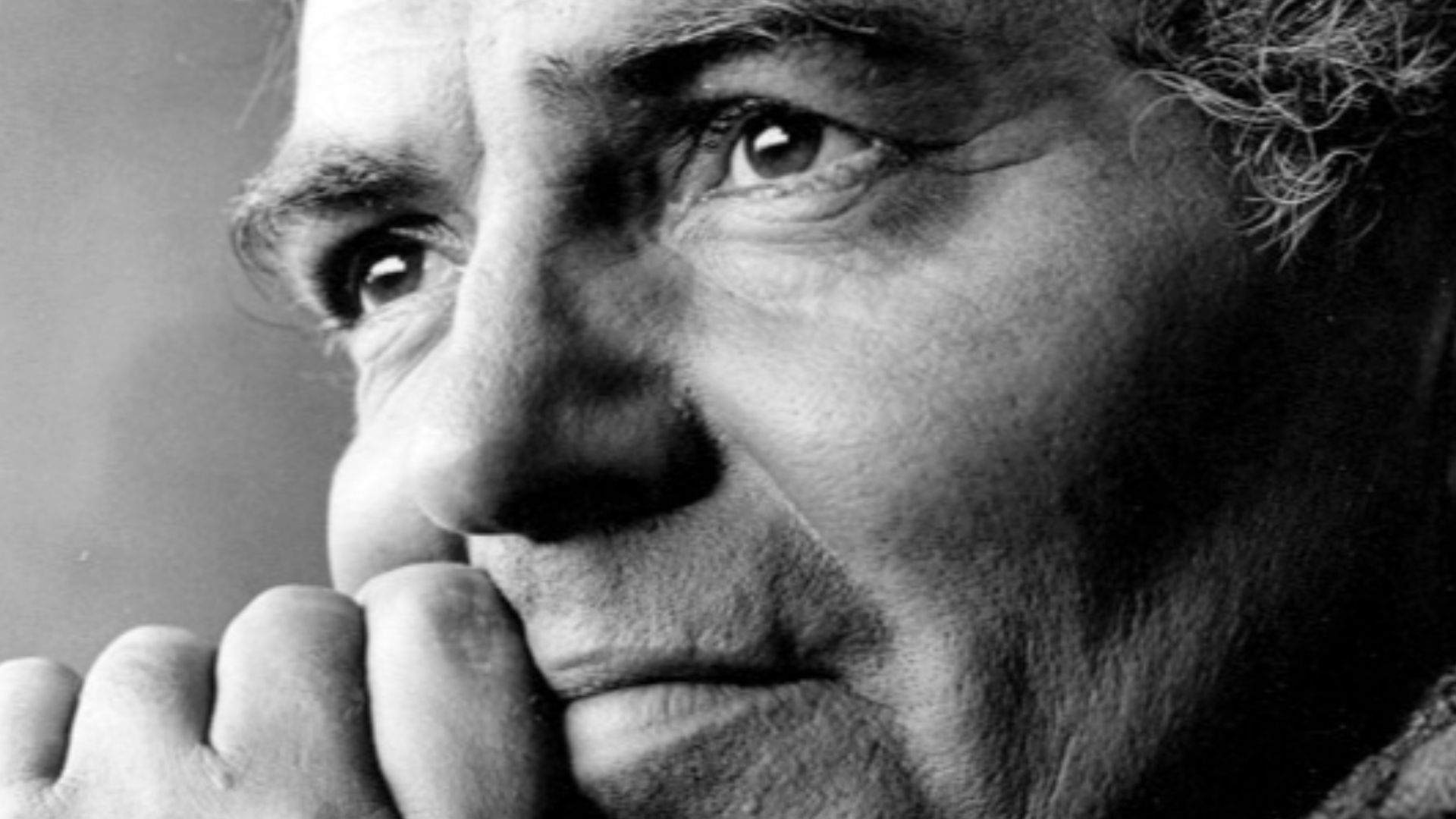
His growing reputation earned him work with the prestigious Old Vic company. There he developed discipline by performing Shakespeare and other classical works, refining the commanding voice and understated style that later set him apart from many of his contemporaries on film.
 Samuel Bronston Productions, Wikimedia Commons
An Early Setback
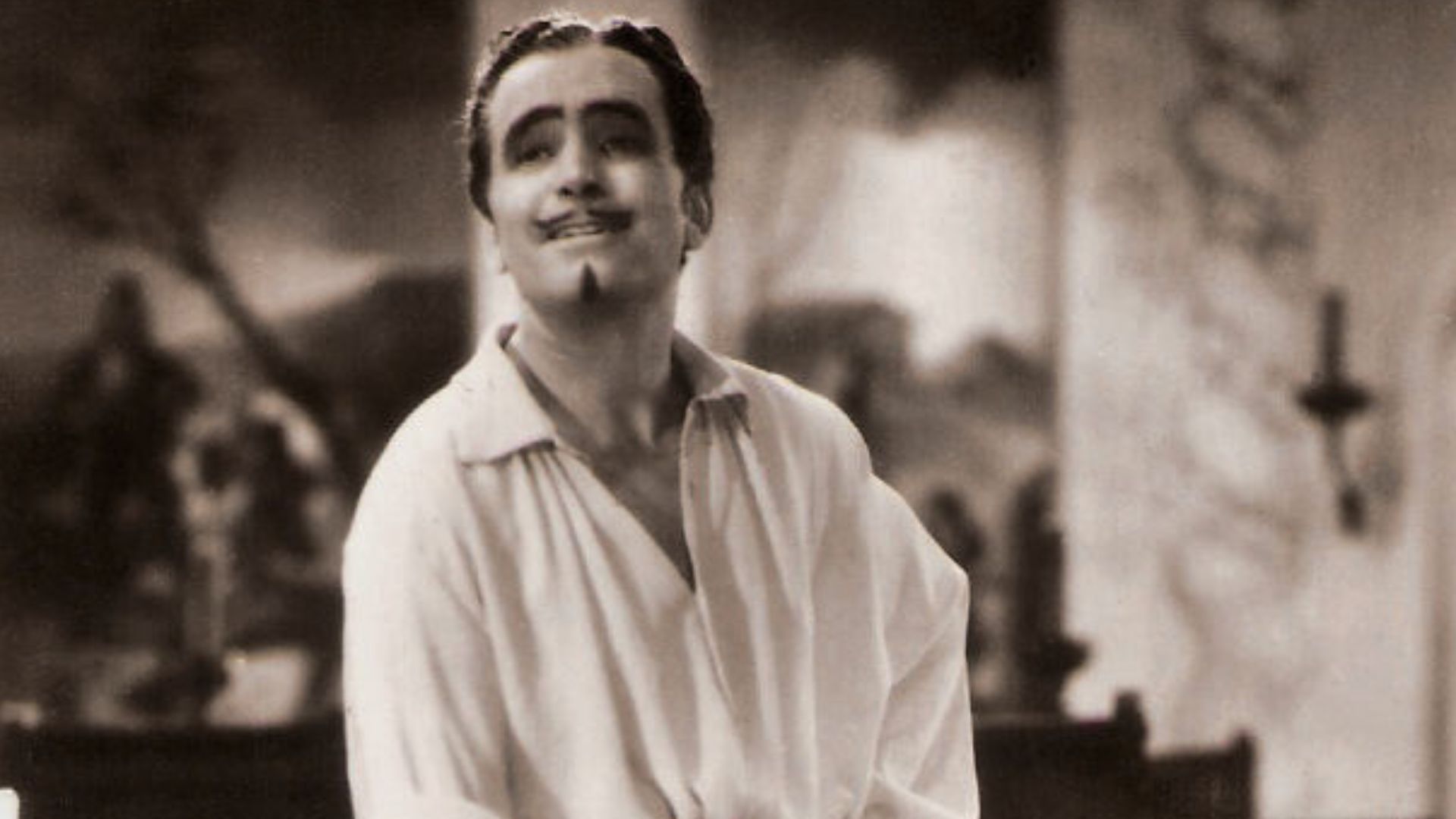
Mason's first serious film opportunity almost ended before it even began. Cast in The Private Life Of Don Juan (1934), directed by Alexander Korda and starring Douglas Fairbanks, Mason was dismissed three days into the production, an embarrassing disappointment that briefly threatened his confidence.
Finding Film Success
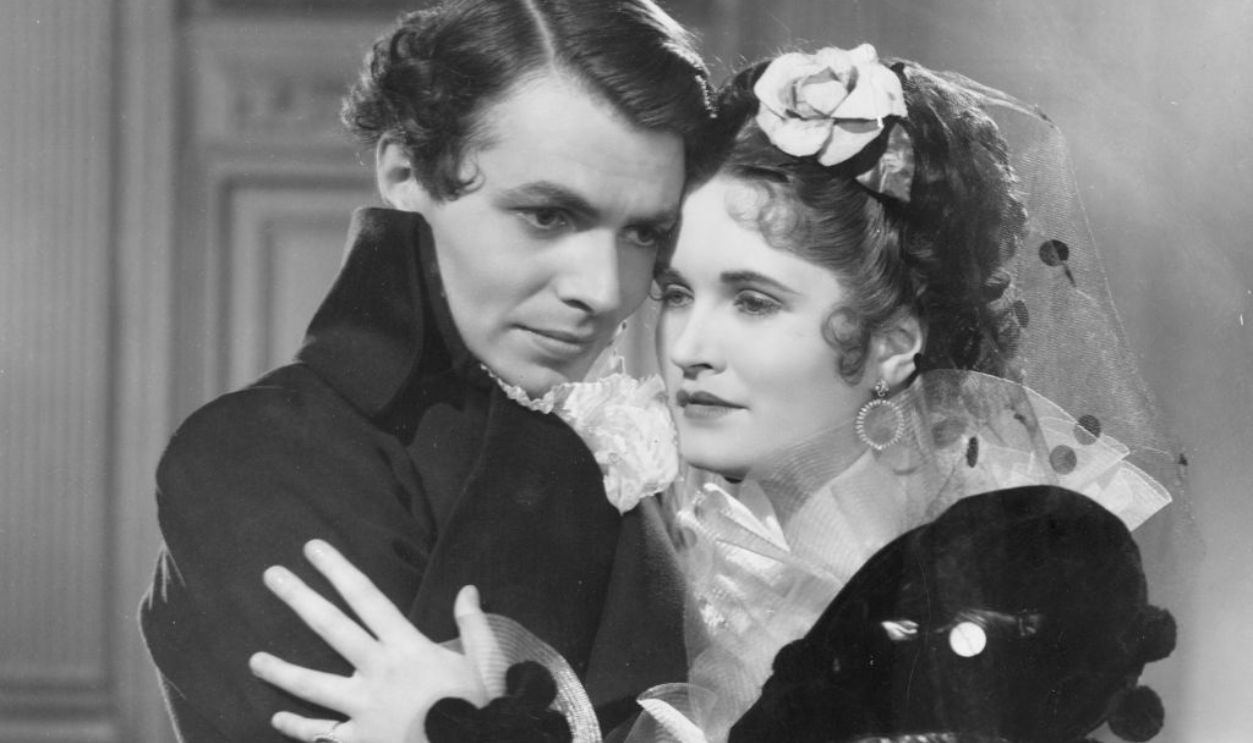
Rather than quitting, Mason accepted supporting roles in British productions throughout the mid and late 1930s. Pictures such as Late Extra (1935), Prison Break (1938), and The Return Of The Scarlet Pimpernel (1937) steadily established him as an emerging leading man.
Wartime Controversy
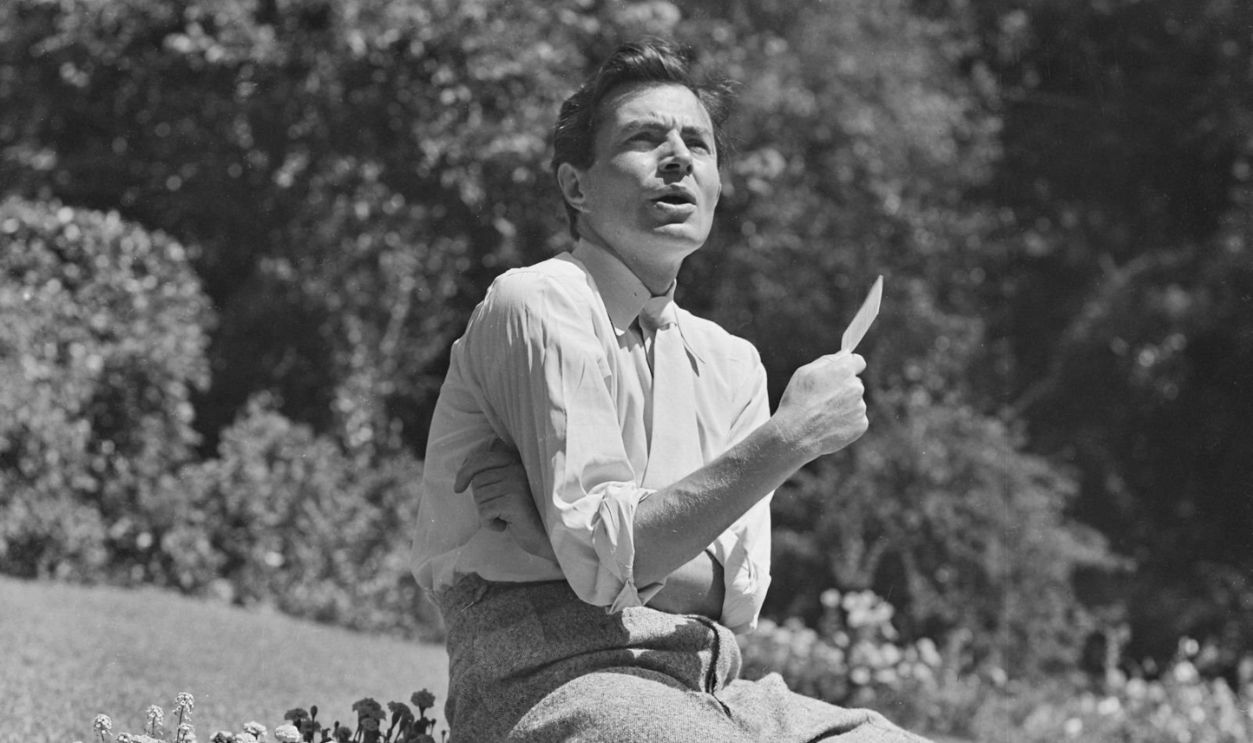
When World War II erupted, Mason declared himself a conscientious objector rather than entering military service. Although the decision attracted criticism, he maintained that his beliefs were sincere and continued acting while many fellow performers enlisted in Britain's armed forces.
Wartime Stardom
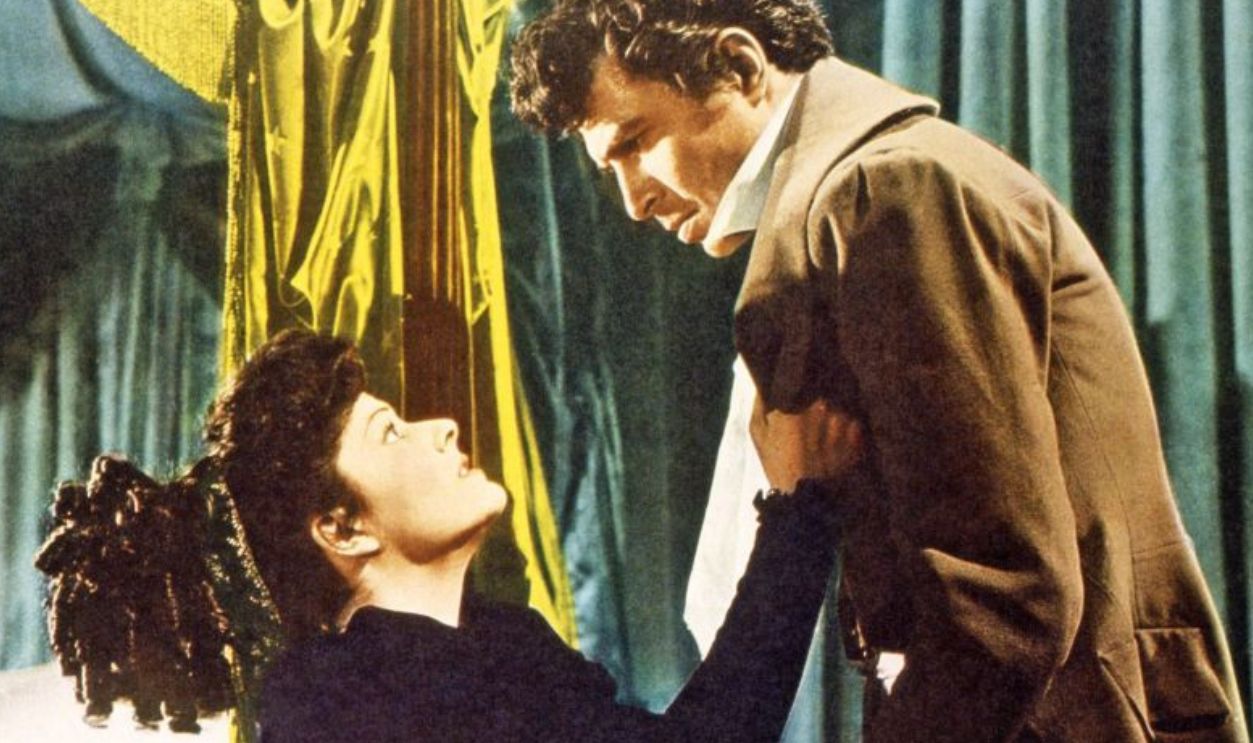
Ironically, the war years transformed Mason into Britain's biggest male film star. Performances in The Man In Grey (1943) opposite Margaret Lockwood and Phyllis Calvert, followed by The Wicked Lady (1945), made him enormously popular with British wartime audiences.
Marriage To Pamela
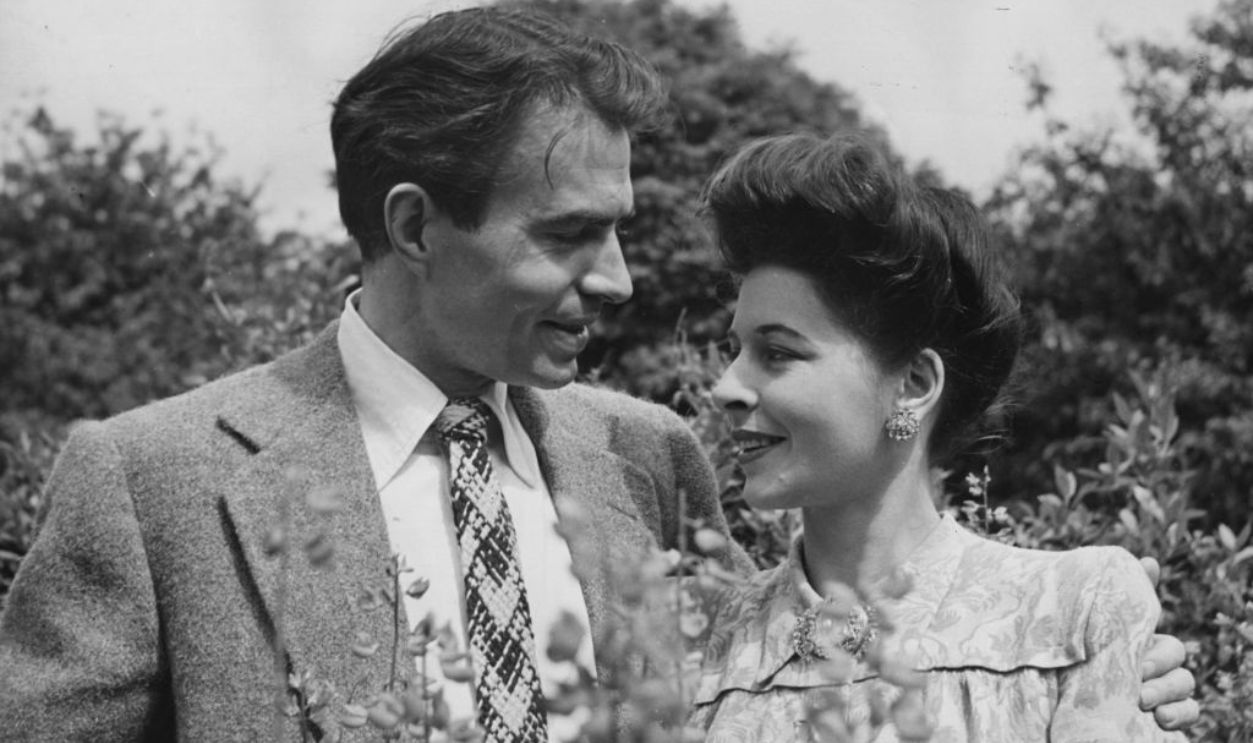
In 1941 Mason married actress and screenwriter Pamela Kellino, later known as Pamela Mason. Their marriage became one of Britain's most glamorous celebrity unions, with Pamela helping manage many aspects of her husband's rapidly expanding international career.
Britain's Biggest Star
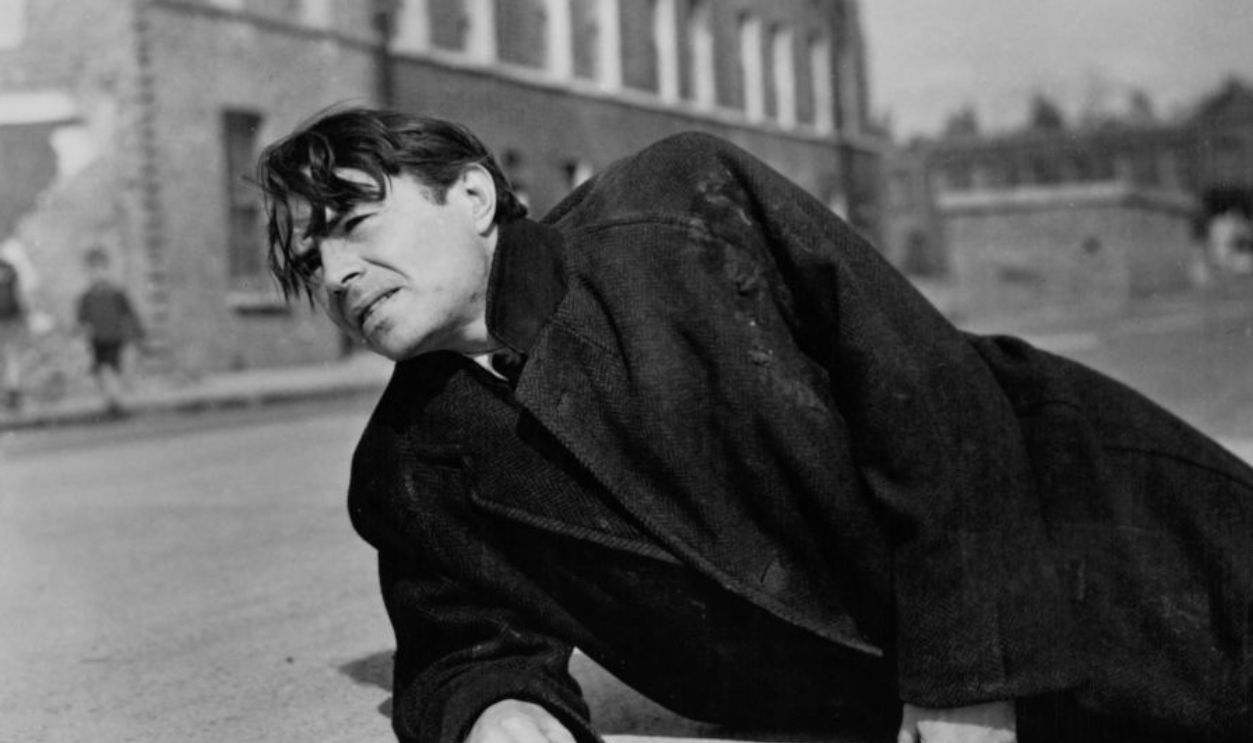
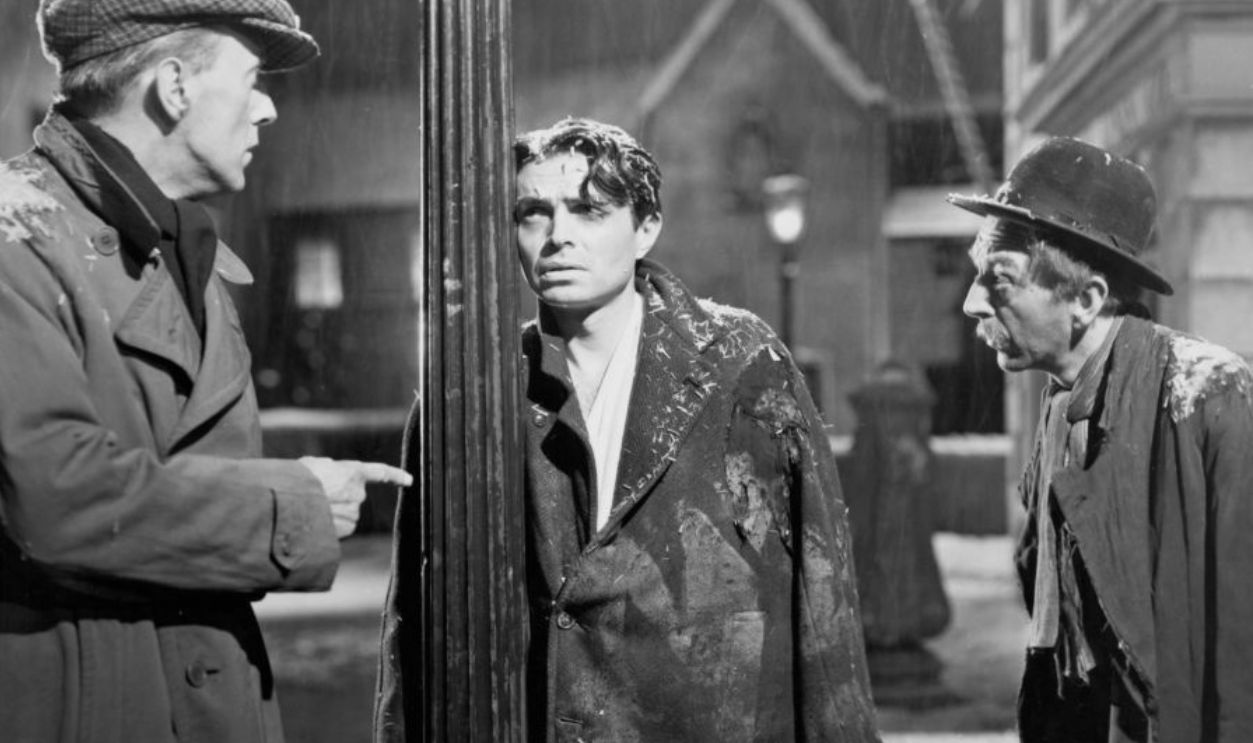
After the war, Mason reinforced his reputation through acclaimed performances in The Seventh Veil (1945), directed by Compton Bennett, and Carol Reed's Odd Man Out (1947) opposite Kathleen Ryan, widely considered among the finest British films ever produced.
Paramount Deal Falls Through
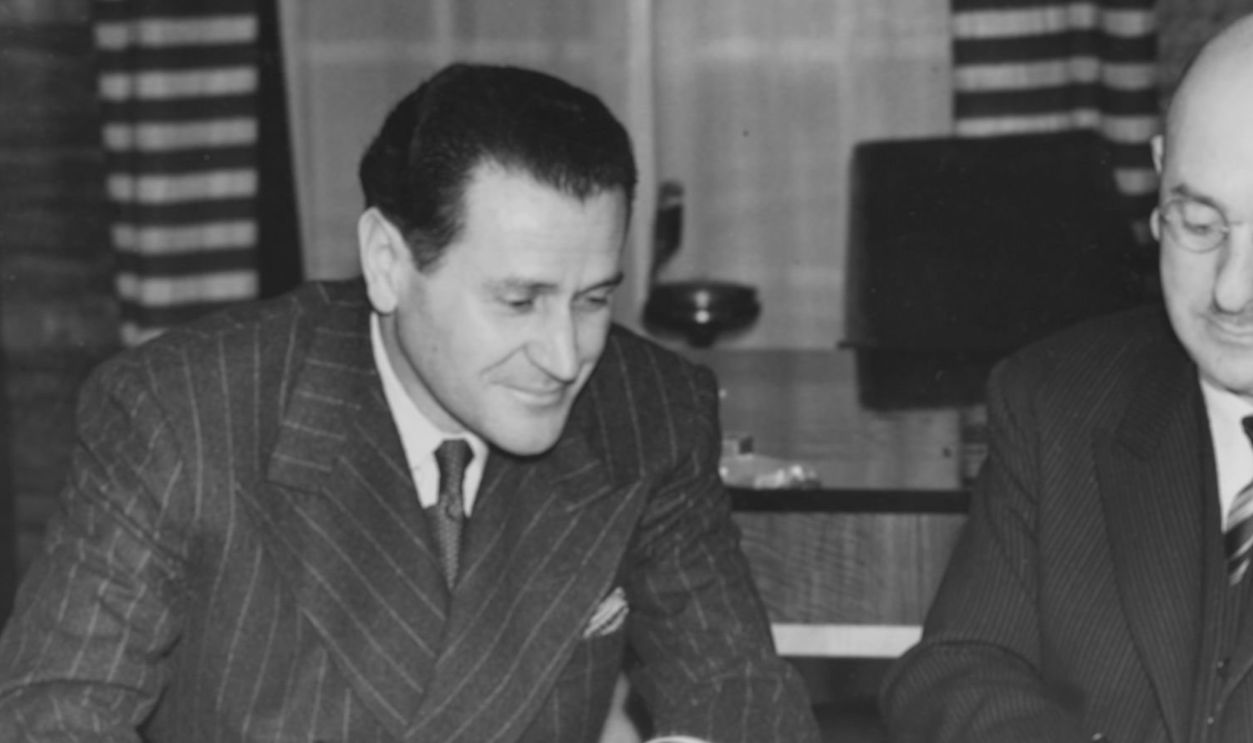
After establishing himself as Britain's biggest star, Mason attracted the attention of Paramount producer David Rose, who offered him a path into Hollywood. Mason quickly got tired of the weak scripts and uninspiring projects being proposed, and terminated the agreement. He then found himself embroiled in a lengthy but unsuccessful lawsuit filed by Rose that temporarily complicated his ability to secure work in the United States.
Crossing The Atlantic
By 1949 Mason relocated to Hollywood, believing British cinema offered fewer opportunities than the booming American industry. His elegant manner, distinctive voice, and intelligence made him especially attractive to studios seeking sophisticated leading men and memorable villains.
Becoming Rommel
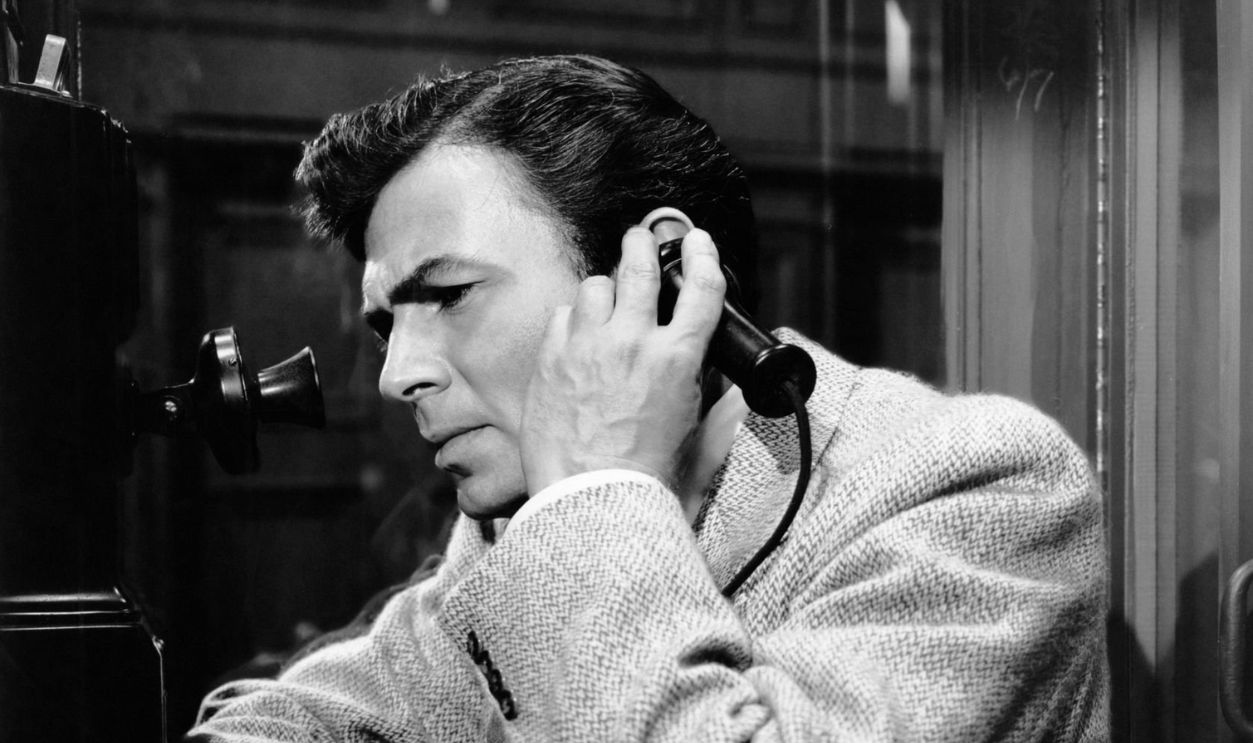
One of his earliest American triumphs came in The Desert Fox: The Story Of Rommel (1951), directed by Henry Hathaway. His sympathetic portrayal of German Field Marshal Erwin Rommel earned widespread praise and helped establish him as a major Hollywood leading man.
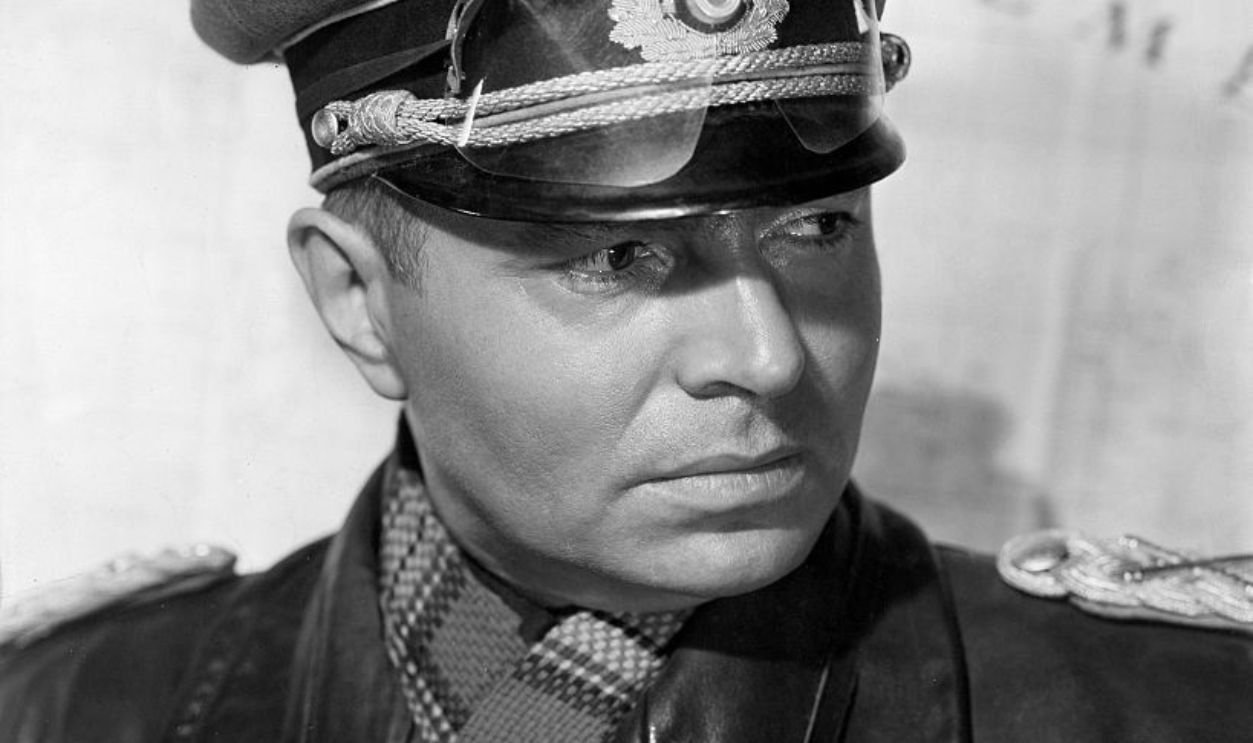 ullstein bild Dtl., Getty Images
He Saved A Piece Of History
After purchasing Buster Keaton's former Hollywood home, Mason discovered deteriorating nitrate reels containing several supposedly lost Keaton films, including The Boat (1921). Recognizing their importance, he arranged for their preservation, saving priceless pieces of silent film history.
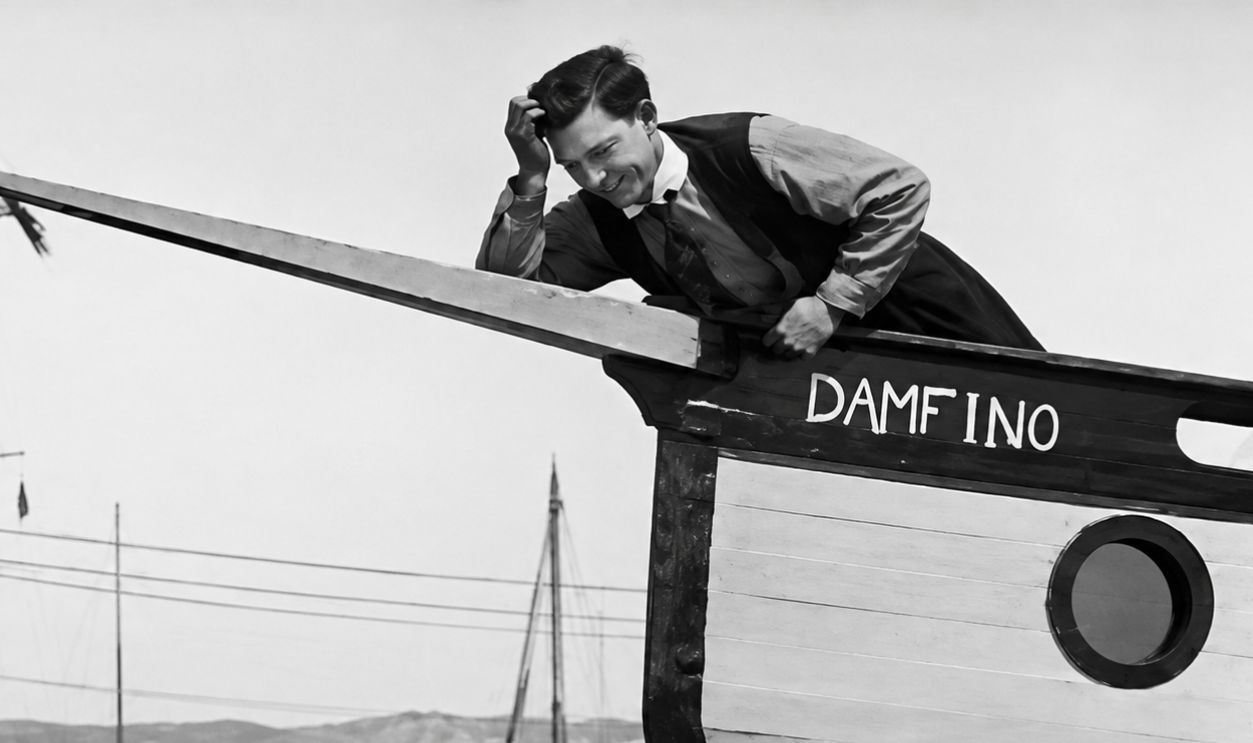 Elgin Lessley, cinematographer, Wikimedia Commons, Enhanced
Shakespeare On Film
Mason demonstrated his classical training in Julius Caesar (1953), directed by Joseph L. Mankiewicz. Sharing the screen with Marlon Brando, John Gielgud, Greer Garson, and Deborah Kerr, he delivered a dignified performance as Brutus.
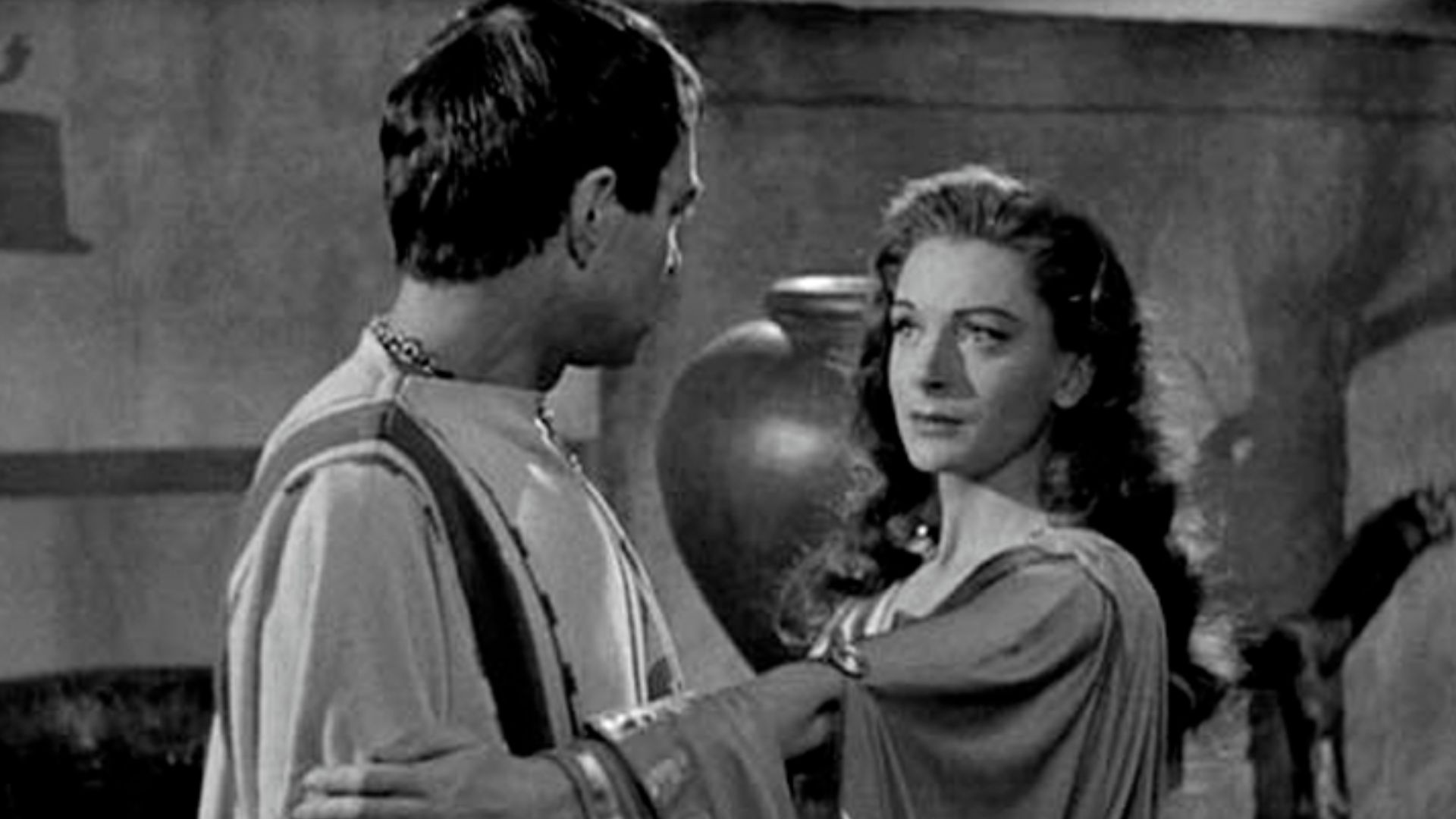 Trailer screenshot, Wikimedia Commons
Career Defining Performance
Cary Grant declined the role of Norman Maine before Mason accepted it in A Star Is Born (1954). Directed by George Cukor and co-starring Judy Garland, the emotionally devastating performance became the defining achievement of Mason's Hollywood career.
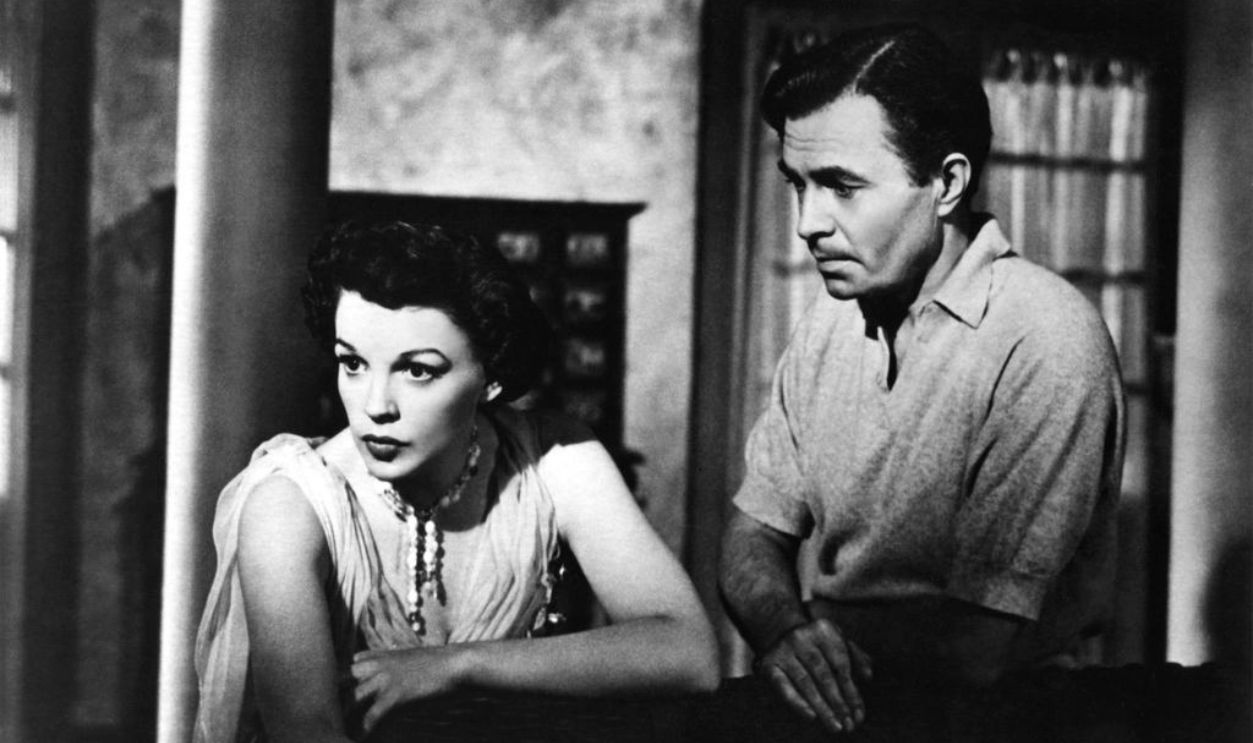 Donaldson Collection, Getty Images
Awards Recognition
His work in A Star Is Born (1954) earned Mason the Golden Globe for Best Actor in a Musical or Comedy and his first Academy Award nomination for Best Actor. Although he never won an Oscar, the performance remains one of cinema's finest.
 Universal History Archive, Getty Images
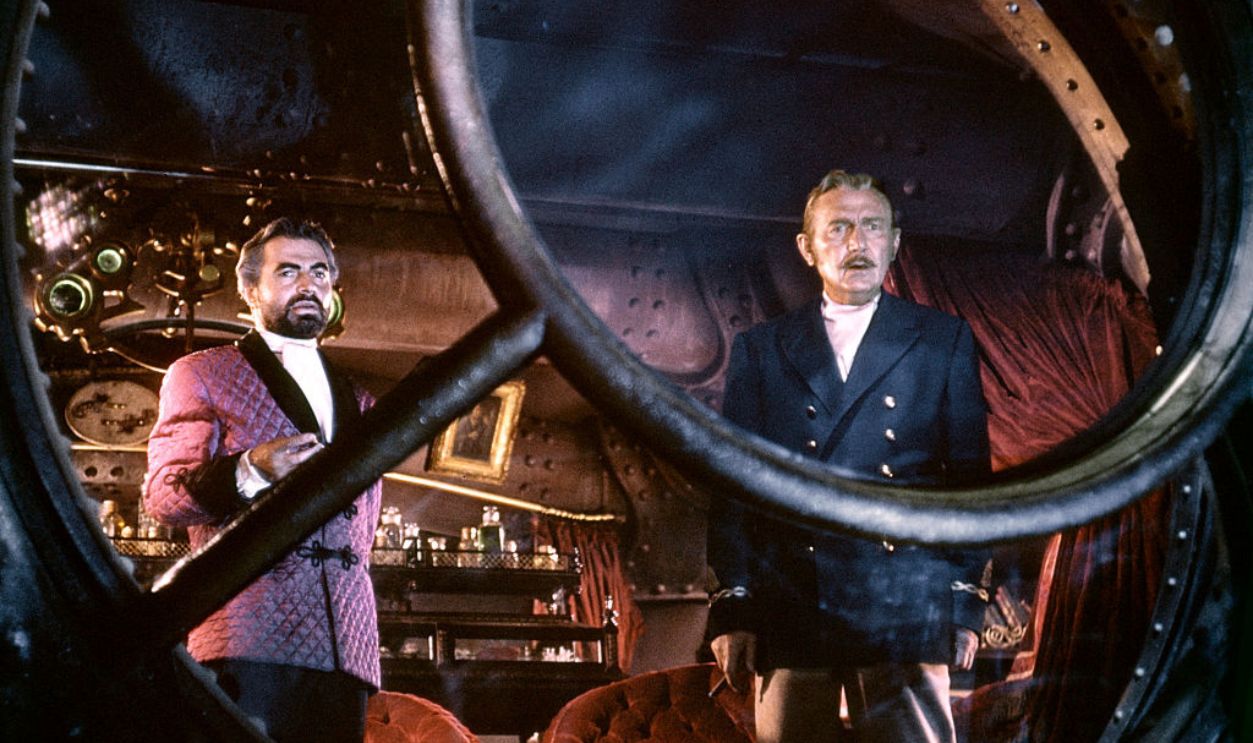
Becoming Captain Nemo
The same remarkable year saw Mason portray Captain Nemo in Walt Disney's 20,000 Leagues Under The Sea (1954). Directed by Richard Fleischer and co-starring Kirk Douglas, Paul Lukas, and Peter Lorre, the adventure became an enduring family classic.
 Sunset Boulevard, Getty Images
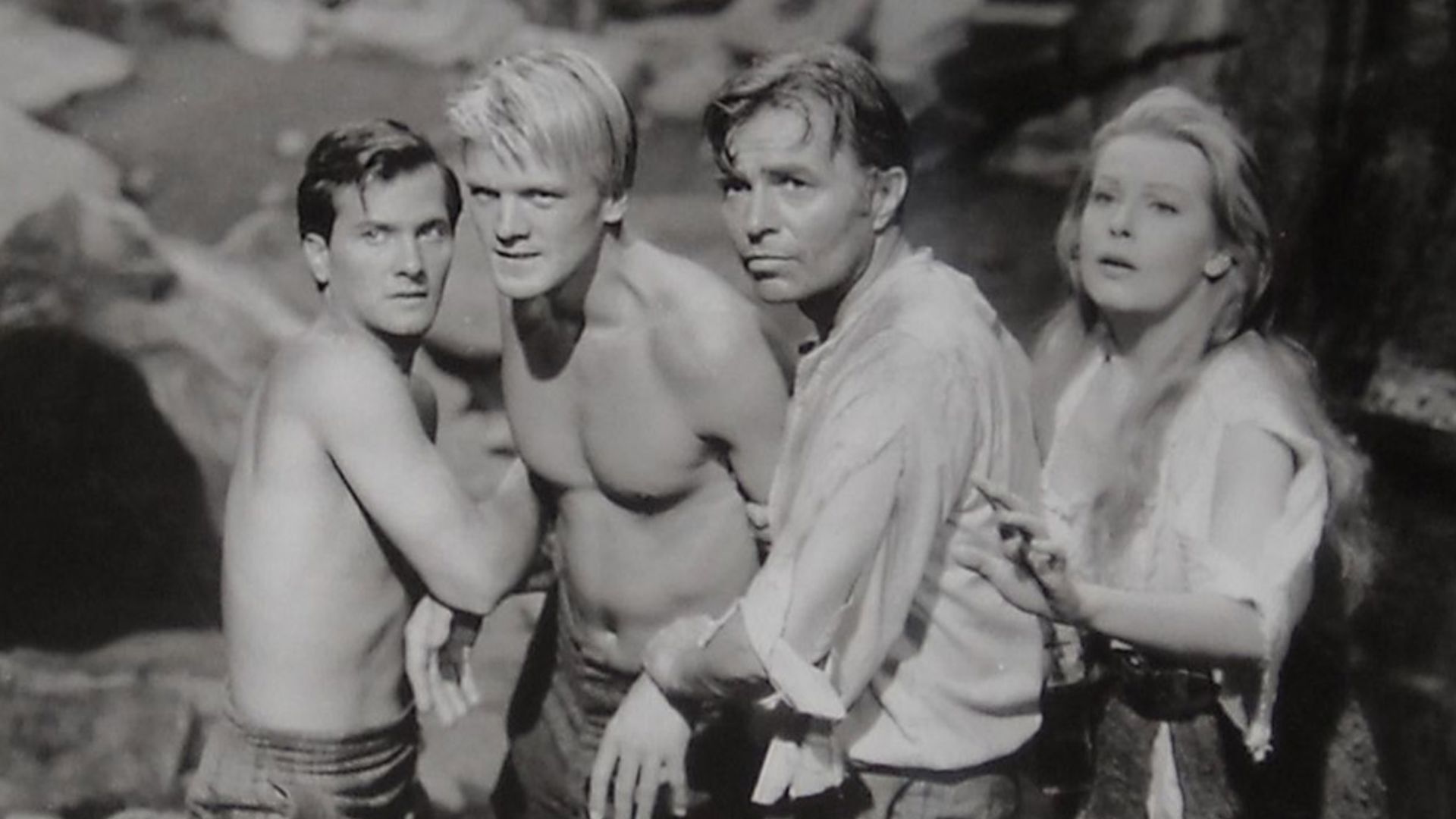
Heart Attack Survival
During production of Journey To The Center Of The Earth (1959), Mason suffered a serious heart attack. He recovered after extensive treatment and returned to complete the ambitious adventure film, demonstrating remarkable determination despite serious ongoing health concerns.
 Warner Bros. - Seven Arts, Wikimedia Commons
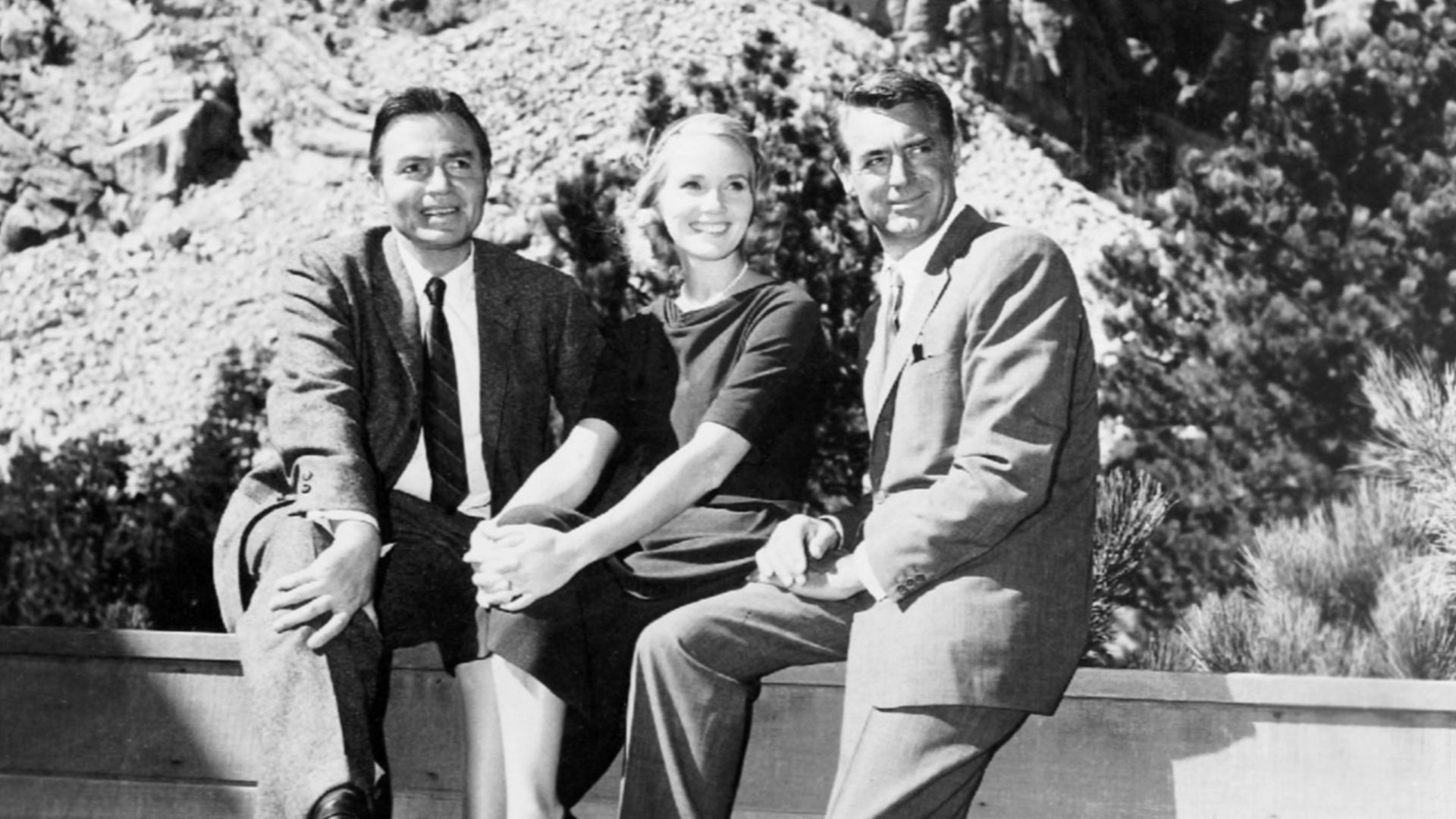
Hitchcock And Adventure
Despite health challenges, 1959 proved exceptional. Mason played sophisticated villain Phillip Vandamm opposite Cary Grant and Eva Marie Saint in Alfred Hitchcock's North By Northwest (1959), while starring in Journey To The Center Of The Earth (1959) with Pat Boone and Arlene Dahl.
 Motion Picture Daily name at top of page, Wikimedia Commons
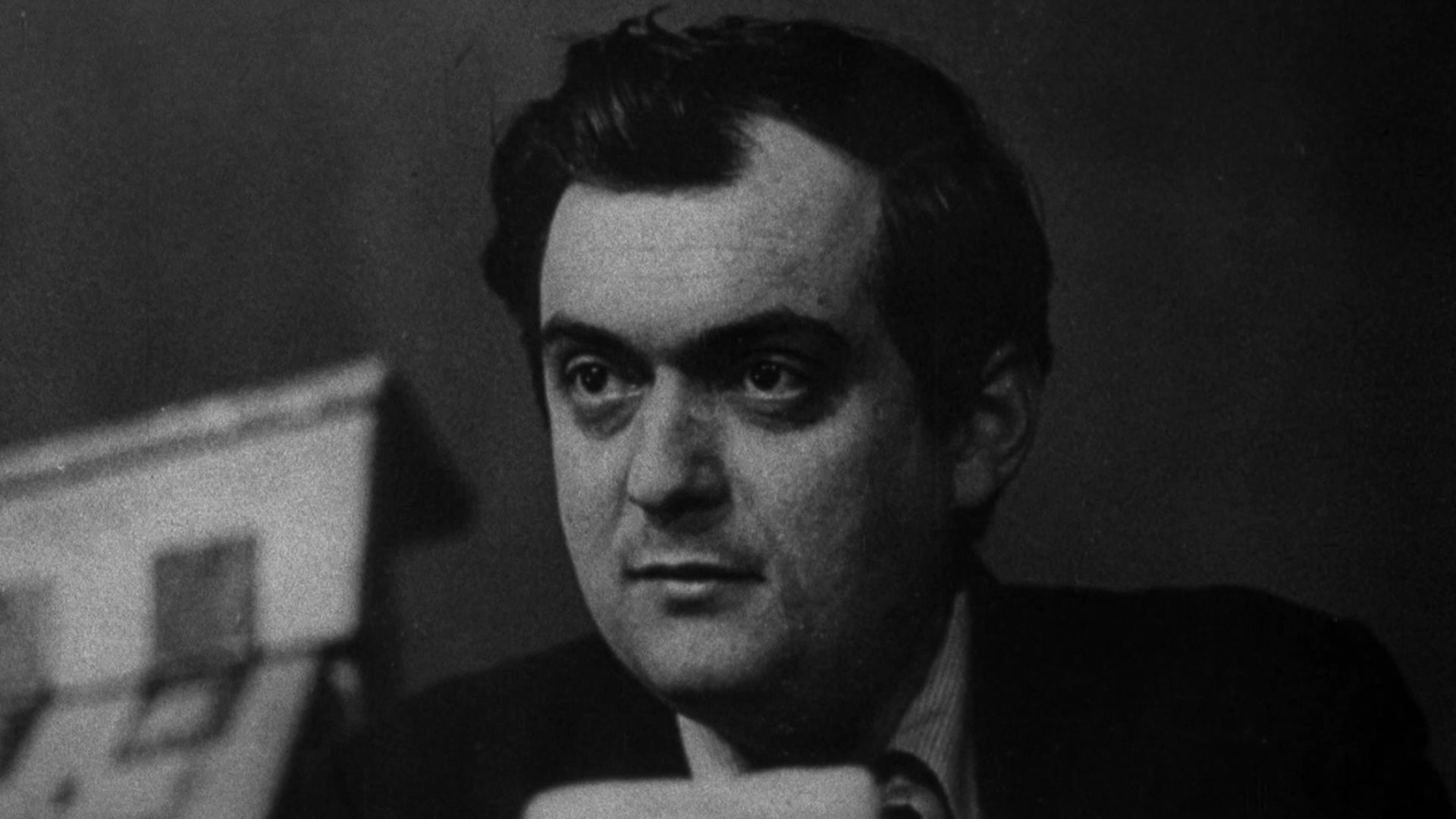
Kubrick's Controversy
Stanley Kubrick cast Mason opposite Sue Lyon, Shelley Winters, and Peter Sellers in Lolita (1962). His subtle portrayal of Humbert Humbert earned another Academy Award nomination and additional Golden Globe recognition despite the film's controversial subject matter.
 Columbia Pictures (Q186941), Wikimedia Commons
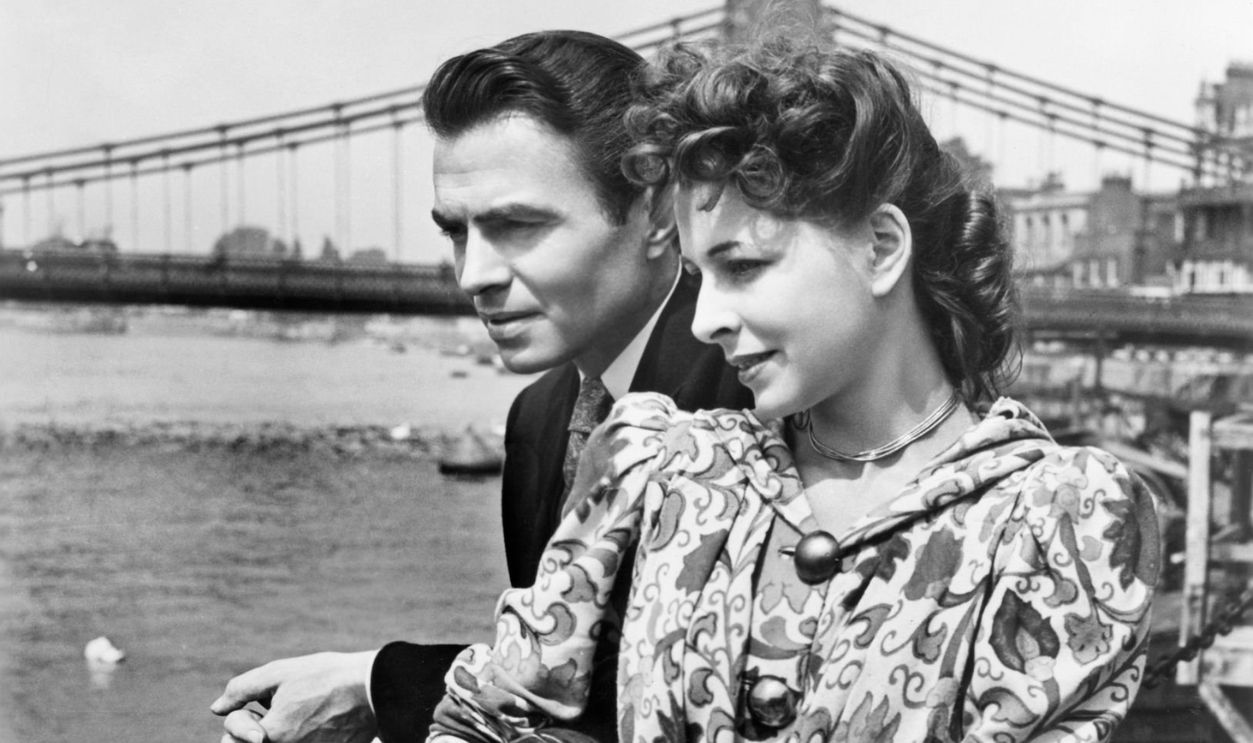
Costly Divorce Battle
That same year, Pamela filed for divorce. The proceedings concluded in 1964 with a settlement reportedly exceeding $1,000,000. Her attorney, Marvin Mitchelson, became America's most famous celebrity divorce lawyer after the highly publicized case.
 Universal History Archive, Getty Images
Strong Character Roles
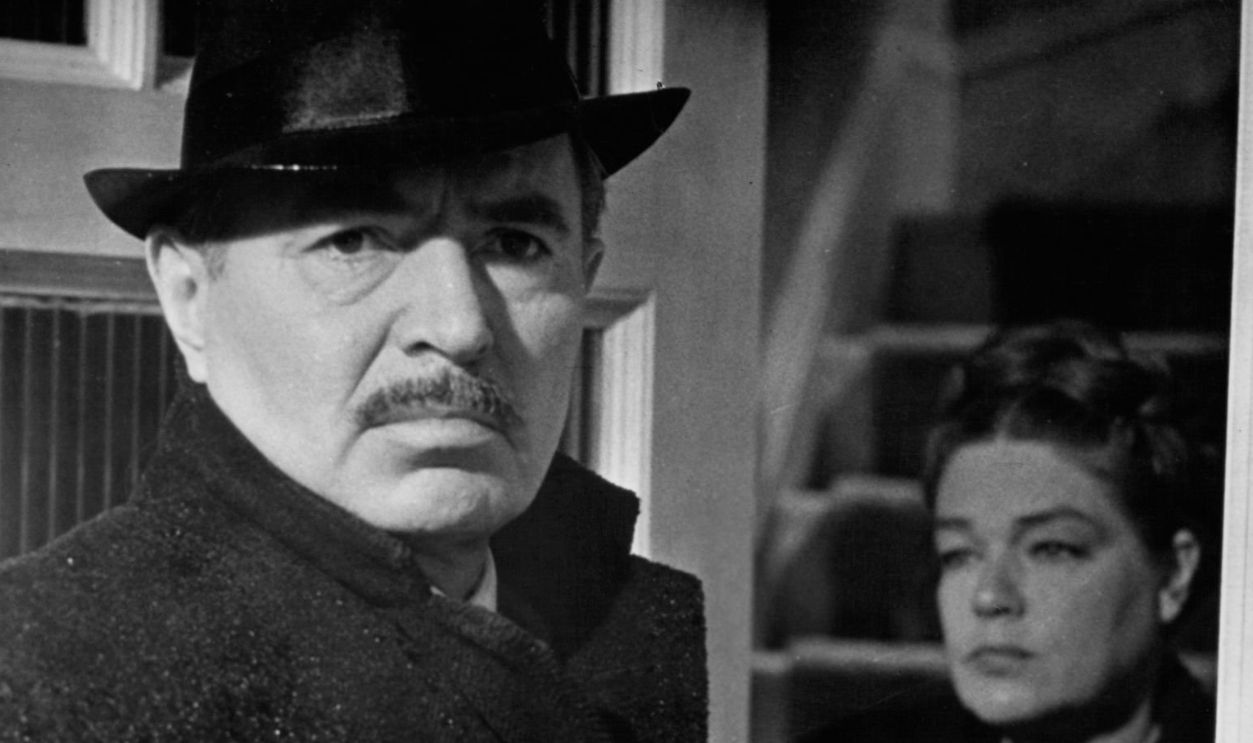
Throughout the 1960s Mason successfully transitioned into distinguished character parts. Highlights included Georgy Girl (1966) with Lynn Redgrave and Charlotte Rampling, and The Deadly Affair (1967), directed by Sidney Lumet and adapted from John le Carré's novel.
A Second Marriage
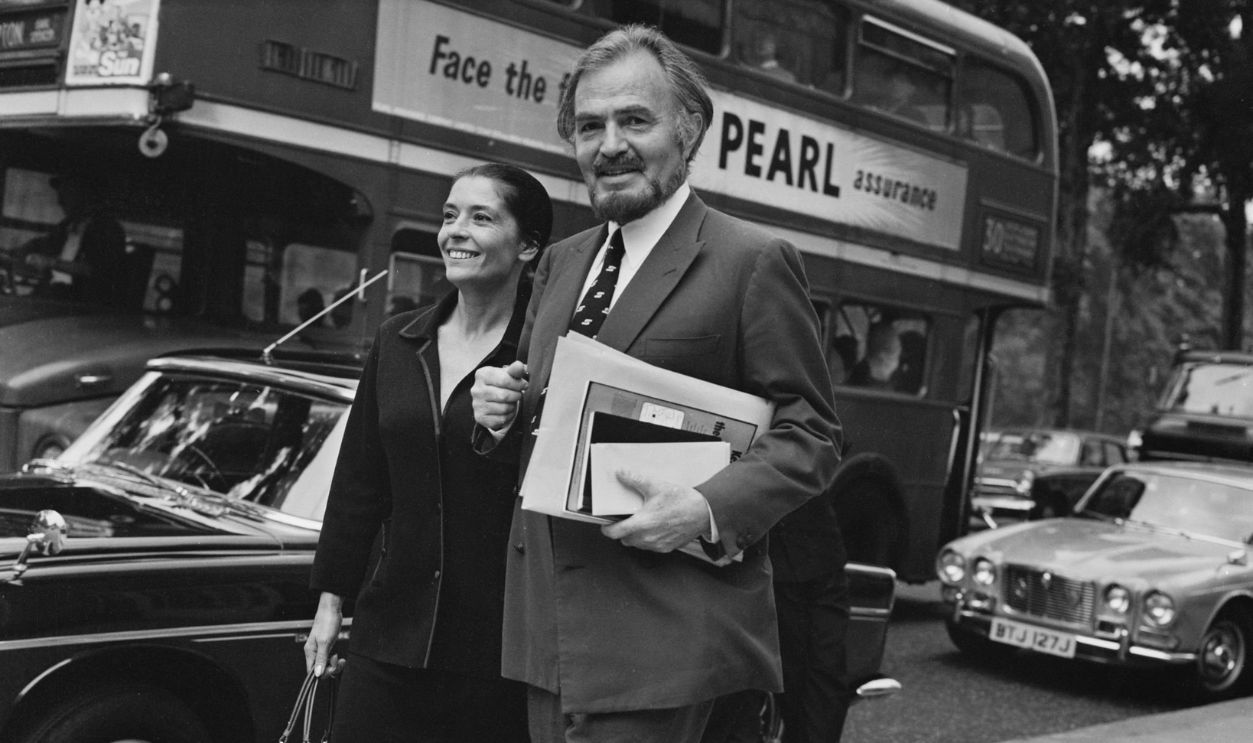
In 1971 Mason married Australian actress Clarissa Kaye. According to later accounts, he frequently insisted upon contract clauses guaranteeing small acting roles for her in his productions, reflecting both devotion and his influence within the industry.
Powerful Final Decade
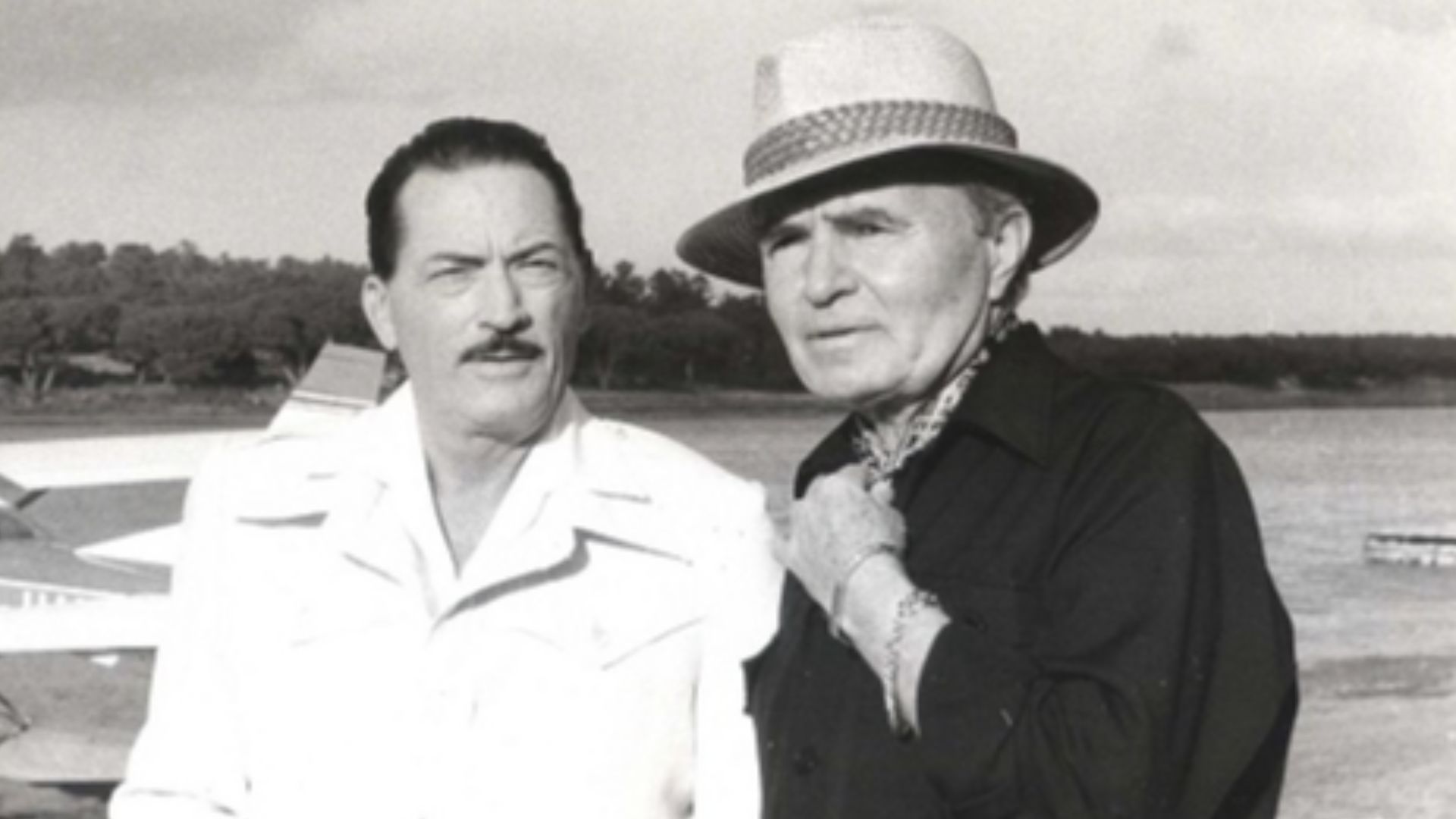
Mason remained remarkably active during the 1970s, appearing in Sam Peckinpah's Cross Of Iron (1977), The Boys From Brazil (1978) opposite Gregory Peck and Laurence Olivier, The Passage (1979), and the television miniseries Salem's Lot.
 20th Century Fox, Wikimedia Commons
Final Curtain
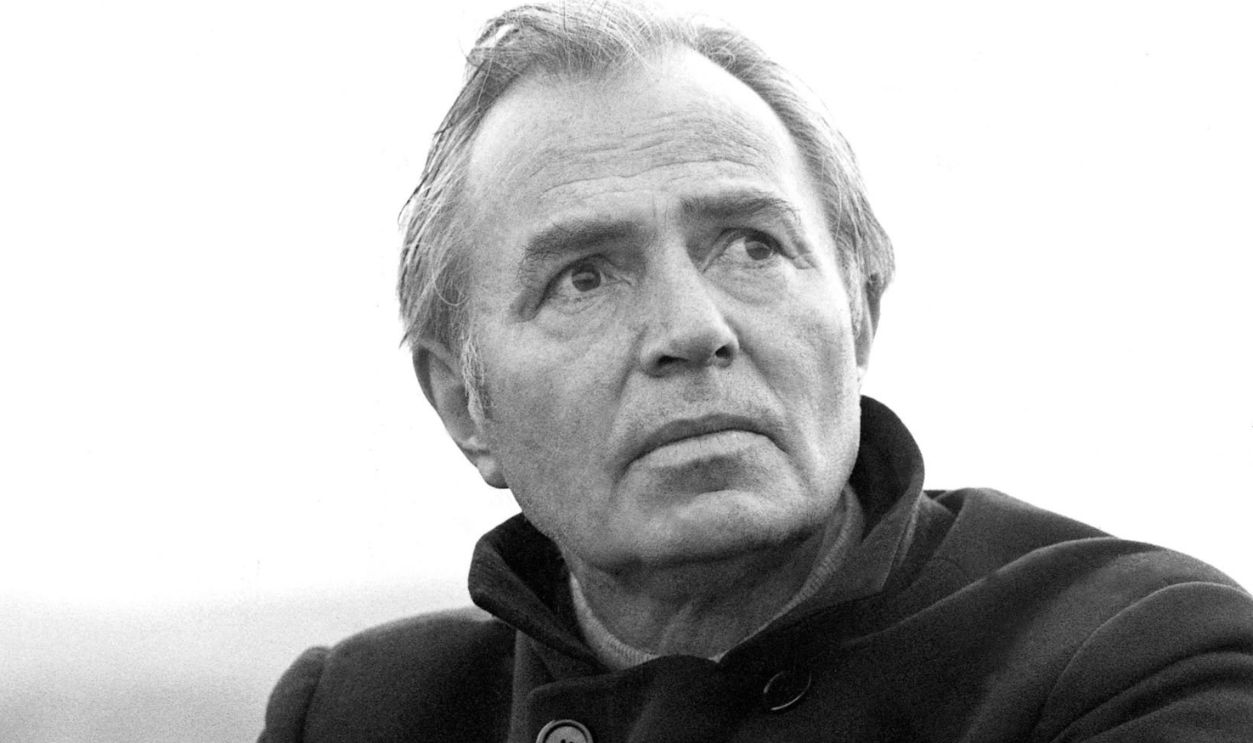
James Mason died from a heart attack in Lausanne, Switzerland, on July 27, 1984, aged 75. His death ended a remarkable screen career spanning more than five decades and over 150 film and television performances. He left his entire estate to his wife Clarissa, a will that was challenged by his two children in a legal dispute that dragged on for several years.
 Silver Screen Collection, Getty Images
Estate And Legacy
After Clarissa Kaye died in 1994, disputes continued over Mason's estate and final wishes before his children ultimately secured the return of his ashes. Today he remains celebrated as one of Britain's greatest screen actors, admired for elegance, intelligence, and extraordinary versatility.
You May Also Like:
Show-Stopping Facts About Judy Garland, The Tragic Hollywood Icon
The Best Movie Musicals (And Some Of The Worst)
Stanley Kubrick Is The Greatest Director Of All Time. Case Closed.