The Girl Behind Disney's First Princess
Nearly nine decades after Snow White and the Seven Dwarfs changed animation forever, the princess still looks remarkably alive. Her gestures are graceful, her dancing feels natural, and even tiny movements have an unmistakably human quality. That wasn't an accident. Before Disney's artists drew Snow White, a teenage dancer named Marge Champion stepped in front of a camera and showed them how their princess could move.
 Michael Ochs Archive, Getty Images
Dancing Was Practically The Family Business
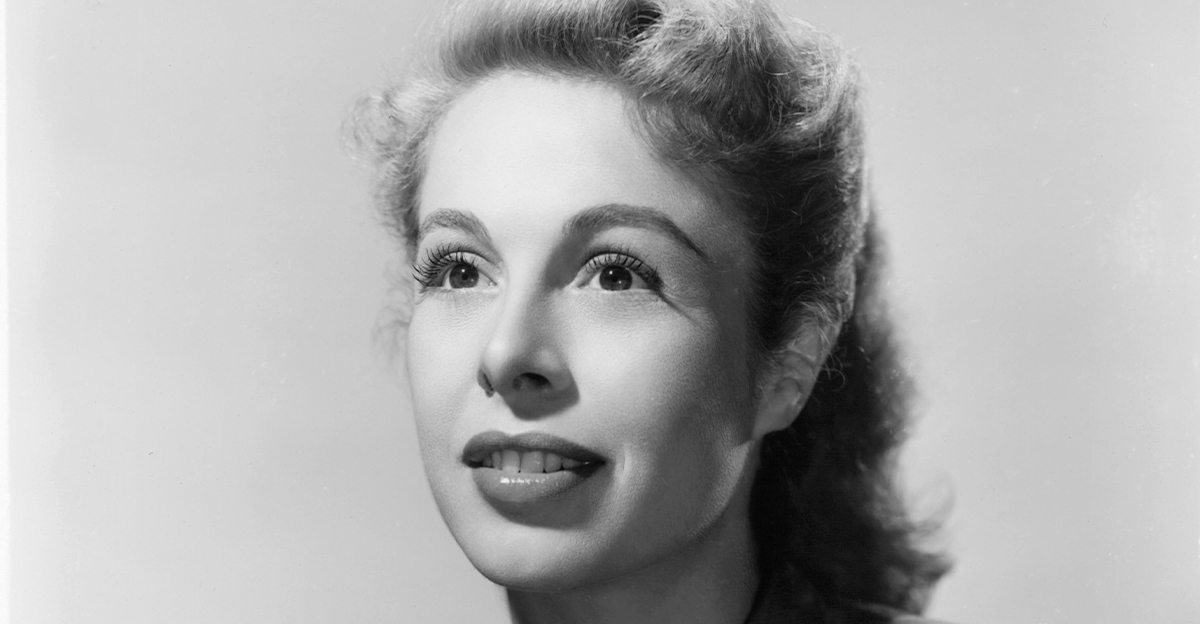
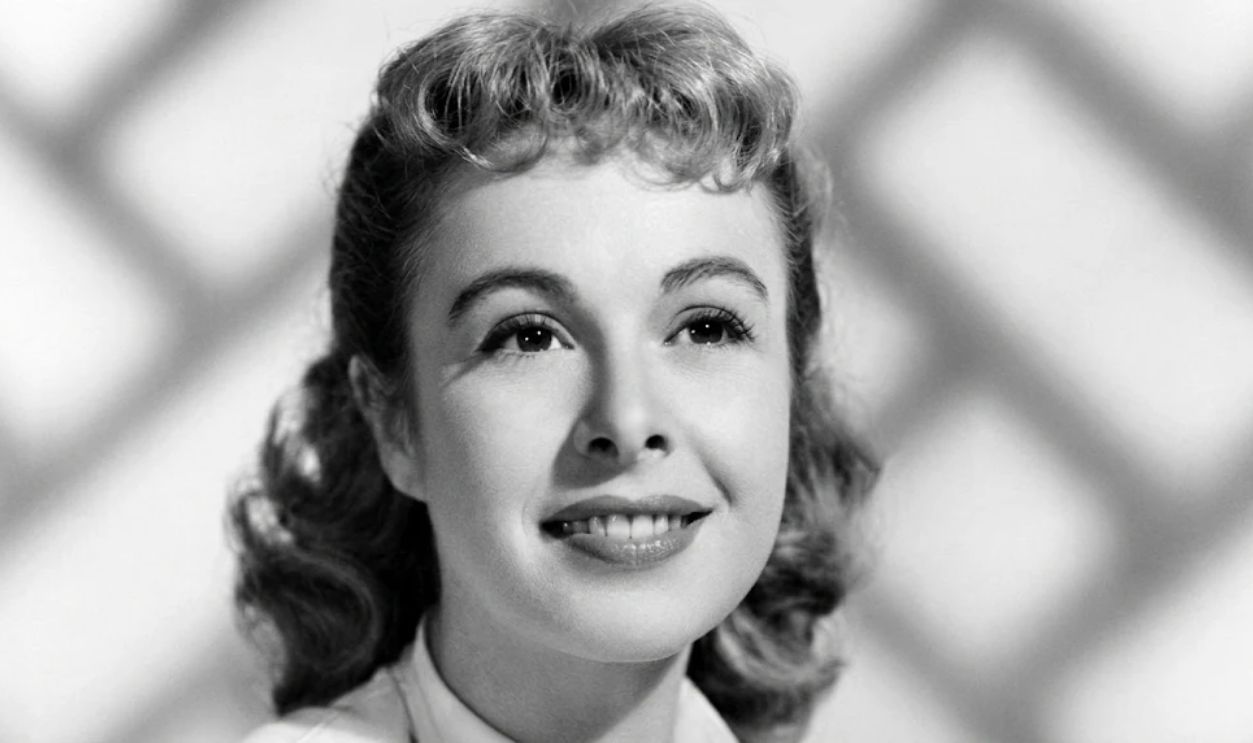
Marge Champion was born Marjorie Celeste Belcher in Los Angeles on September 2, 1919. She later said she couldn't remember a time when she wasn't dancing, and there was a good reason for that. Her father, Ernest Belcher, was one of Hollywood's respected dance coaches. Marge began serious training as a small child and was already teaching ballet at her father's studio by the time she was 12.
 Unknown authorUnknown author, Wikimedia Commons, Enhanced
Her Father Had Already Trained Future Stars
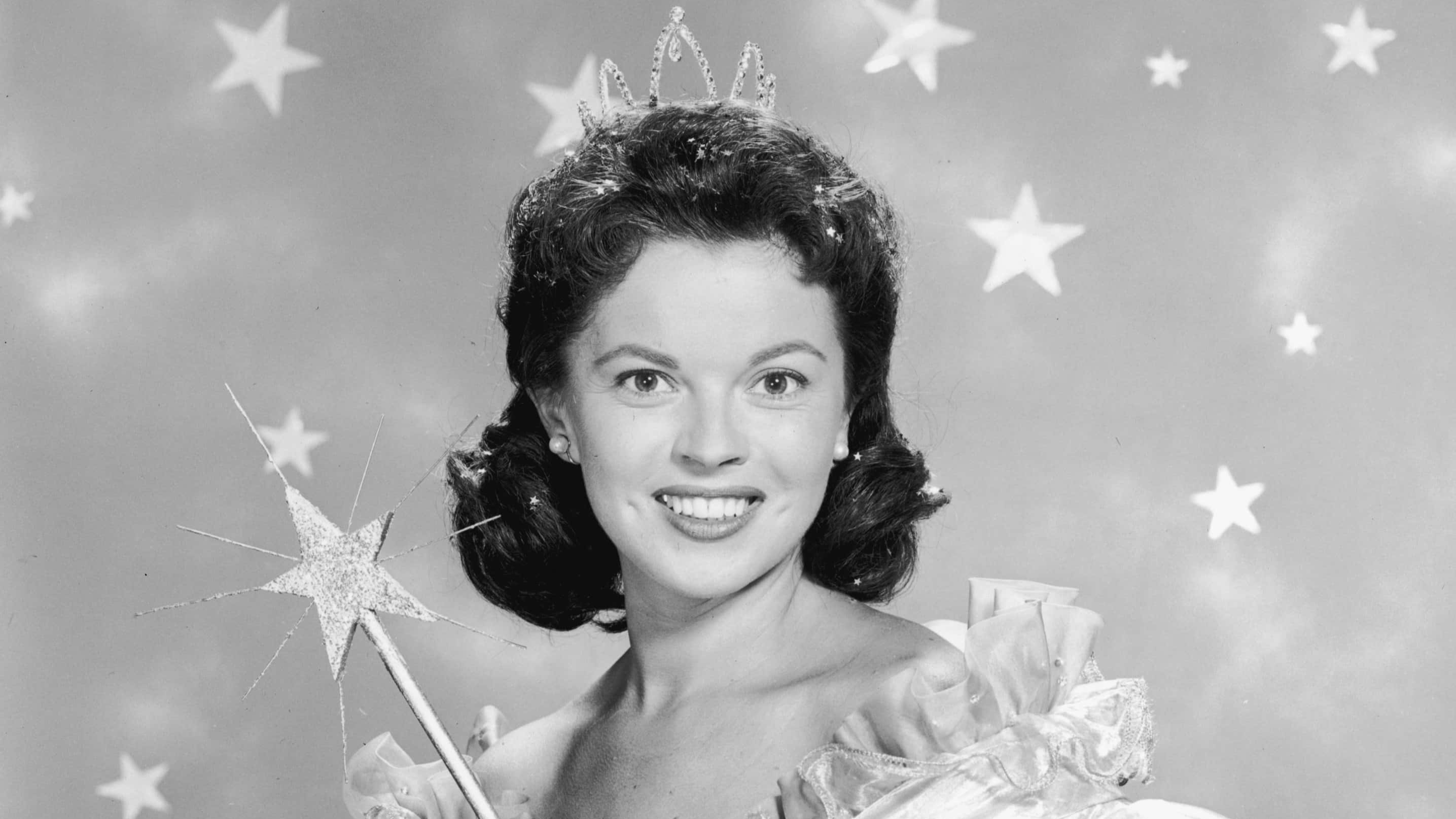
Ernest Belcher's students included performers who would become major names themselves, among them Cyd Charisse, Gwen Verdon, and Shirley Temple. Marge therefore grew up in an unusually professional dance environment where technique, performance, discipline, and teaching were part of everyday life, and by her early teens she already possessed exactly the physical control Walt Disney's animators were struggling to capture.
Then A Disney Scout Came Looking For A Cartoon
Champion later remembered how bizarre the opportunity initially sounded. A Disney talent scout came to her father's studio and selected three girls to audition for an animated film. "A cartoon?" wasn't exactly the kind of career opportunity a serious young ballet dancer expected. Yet Disney was attempting something unprecedented: a feature-length animated fairy tale whose heroine needed to feel convincing enough to carry an entire movie.
 Screenshot from Snow White and the Seven Dwarfs, Walt Disney Productions (1937)
Snow White Presented A Problem Animation Hadn't Solved Yet
Disney's artists could animate exaggerated comic characters beautifully, but Snow White couldn't move like Mickey Mouse or one of the Seven Dwarfs. Walt wanted a believable young woman whose movements still fit the stylized world around her. Production on Snow White and the Seven Dwarfs began in 1934, and live-action reference became one of the tools the animators used to study realistic human movement.
 Screenshot from Snow White and the Seven Dwarfs, Walt Disney Productions (1937)
Marge Was Only About 14 When The Work Began
Marge Champion was still in her early teens when she began working with Disney as Marjorie Belcher. She was young enough that Walt Disney reportedly encouraged her to call him "Uncle Walt". The sessions weren't glamorous movie-star work. Champion arrived at the studio, performed actions requested by the filmmakers, and was photographed on 16-millimeter film so the animators could study what her body actually did.
 De Carvalho Collection, Getty Images
The Sets Were Barely Sets At All
Champion later described crude stand-ins for the elaborate settings audiences eventually saw. If Snow White needed to kneel beside a bed, Champion might kneel beside a simple cot. When Snow White ran frightened through the forest, ropes could be hung so Champion had something to push aside. The point wasn't scenery. Disney wanted clear footage of posture, balance, hands, clothing, and the small physical reactions animators couldn't simply invent from memory.
 Screenshot from Snow White and the Seven Dwarfs, Walt Disney Productions (1937)
She Wasn't Snow White's Voice
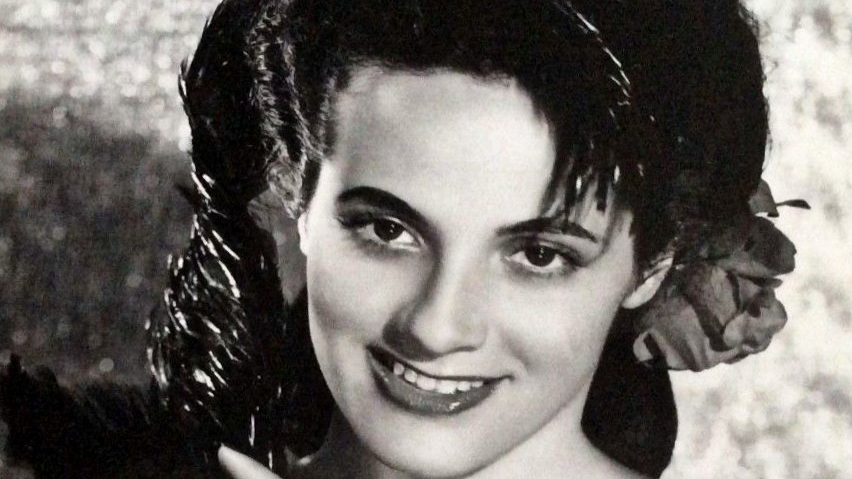
Marge Champion's contribution is sometimes confused with that of Adriana Caselotti, the young singer who supplied Snow White's speaking and singing voice. Champion provided something different: the body. Disney's artists studied her walking, turning, dancing, reacting, and interacting with imaginary characters and objects. Between Caselotti's voice and Champion's physical reference, the studio could make an animated heroine feel more like a living performer.
 SomedayMyLove, Wikimedia Commons
There Wasn't Always Choreography To Follow
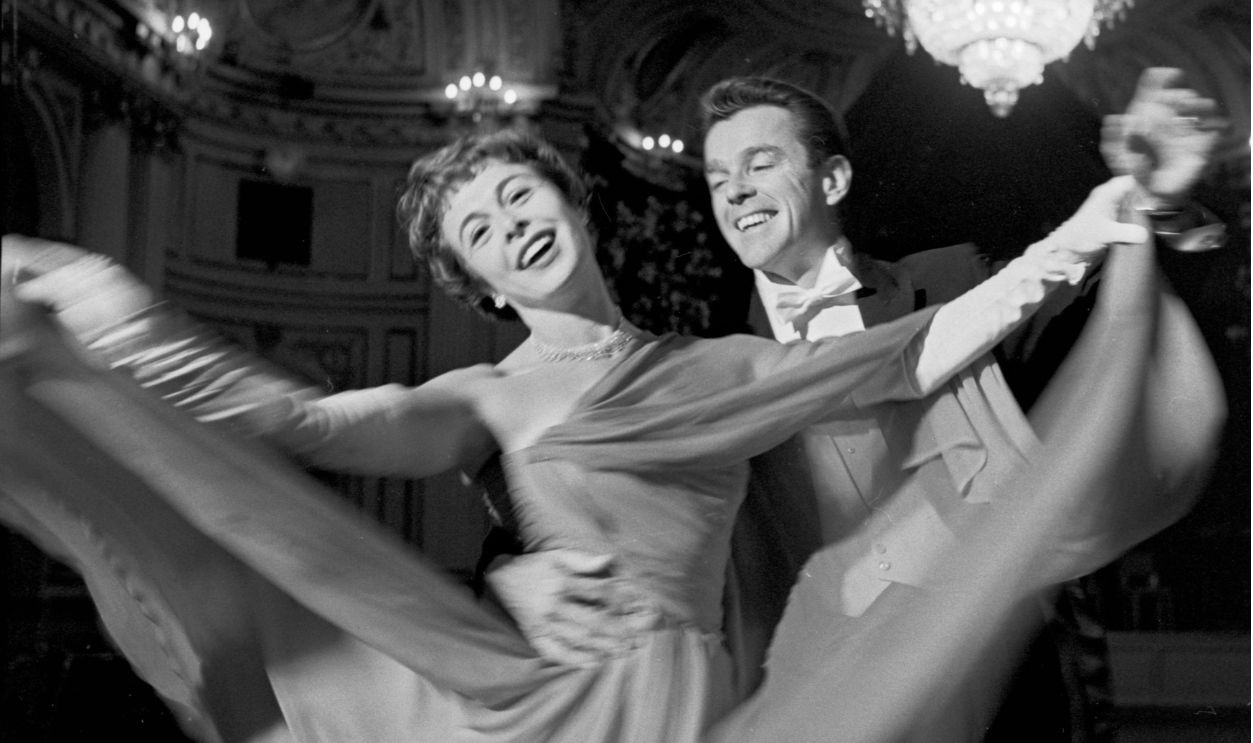
The remarkable part was how much Champion sometimes had to invent herself. She later recalled that there wasn't necessarily a choreographed routine waiting for her when Snow White needed to dance. She would improvise movements that fit the situation while the camera recorded her. Animators could then study those movements and adapt them rather than attempting to create believable dancing entirely from drawings.
She Helped Snow White Feel Young Rather Than Regal
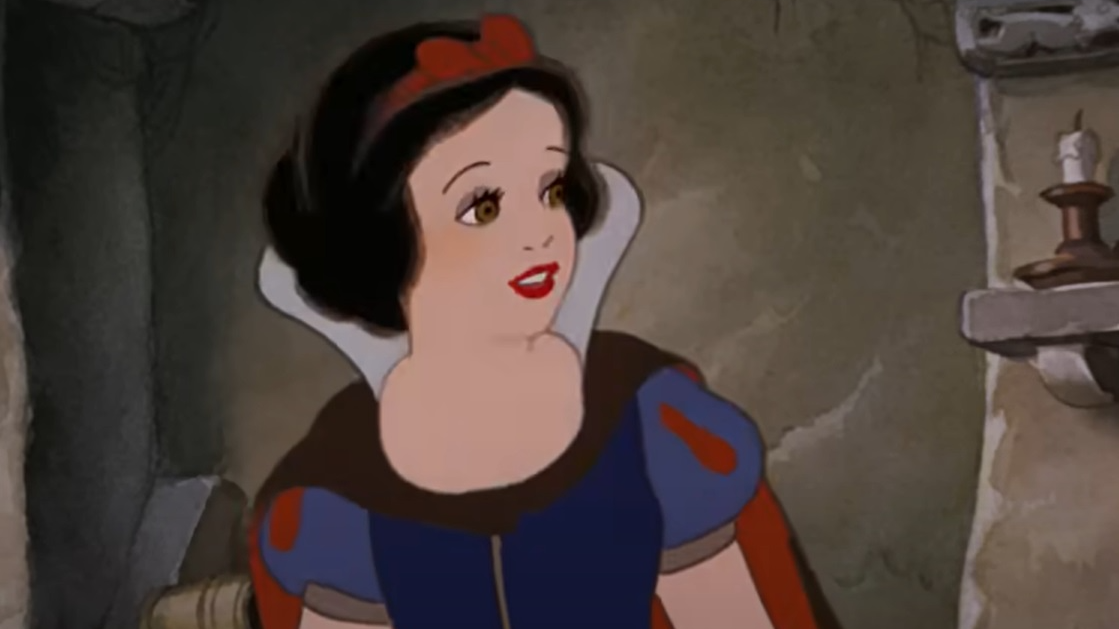
Champion's natural movement was especially useful because Snow White isn't presented as an elegant adult princess. She's youthful, playful, occasionally awkward, and at ease dancing with seven little men in a cottage. Champion could bring ballet training without making the character look like she was performing formal ballet. That combination helped Snow White remain graceful while still seeming spontaneous and approachable.
 Screenshot from Snow White and the Seven Dwarfs, Walt Disney Productions (1937)
The Dwarfs Were Imaginary Partners
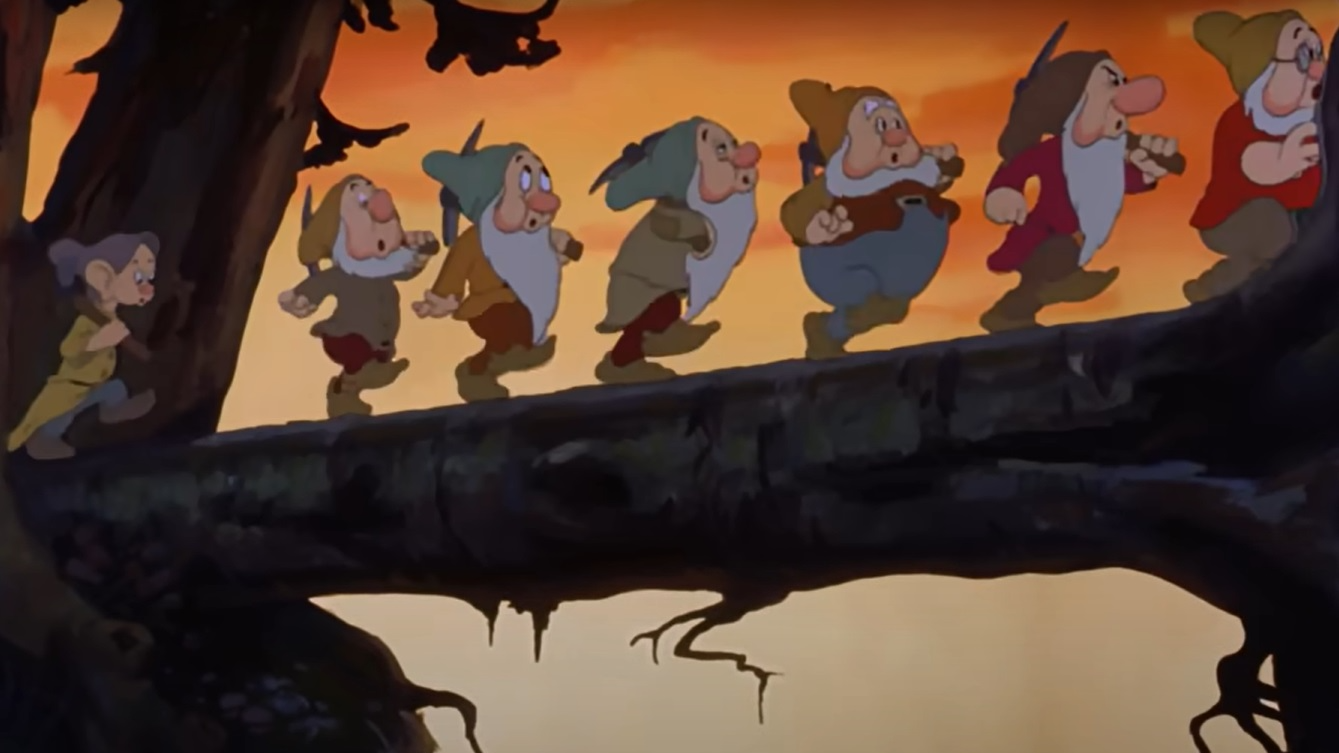
Some of Champion's most charming reference work involved scenes where nobody else was physically playing the dwarfs around her. She had to imagine their sizes and positions while dancing, bending down, gesturing, or reacting to characters who would be drawn later. That required acting as much as dancing. Champion eventually credited the Disney experience with helping her understand that movement worked best when it told a story.
 Screenshot from Snow White and the Seven Dwarfs, Walt Disney Productions (1937)
Animators Didn't Simply Turn Her Into A Cartoon Photograph
reference gave the animators information, but their job remained interpretation. They studied Champion's movement and adapted it to the proportions, personality, and visual style of Snow White. The result therefore wasn't simply Marge Champion traced onto the screen. Her timing, gestures, and physical instincts became raw material that Disney artists reshaped into a character who belonged inside an illustrated fairy tale.
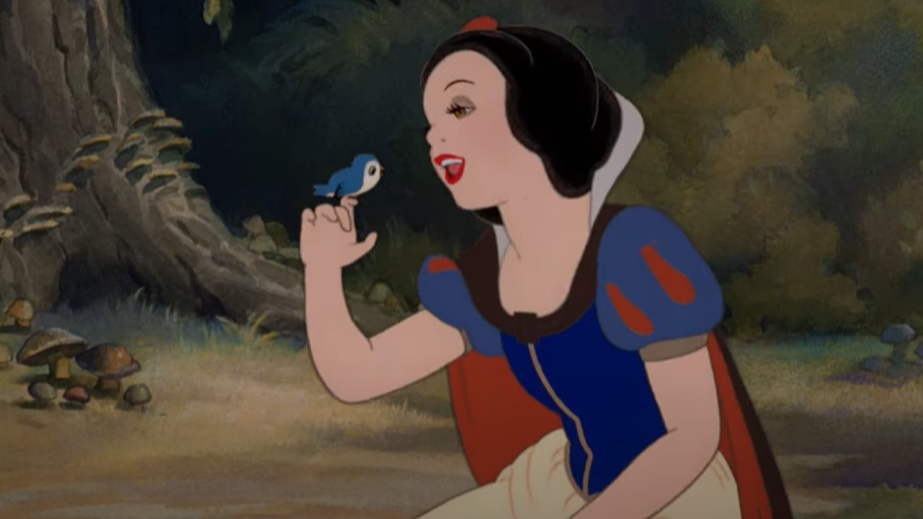 Screenshot from Snow White and the Seven Dwarfs, Walt Disney Productions (1937)
Seeing The Finished Movie Was A Revelation
Marge Champion didn't fully understand how much of herself had survived until she saw Snow White and the Seven Dwarfs finished. Looking at the character, she later recalled realizing that "every single movement was mine". The movie premiered at Hollywood's Carthay Circle Theatre on December 21, 1937 and became a sensation. Champion had quietly helped create one of cinema's most recognizable characters before she was even an established professional performer.
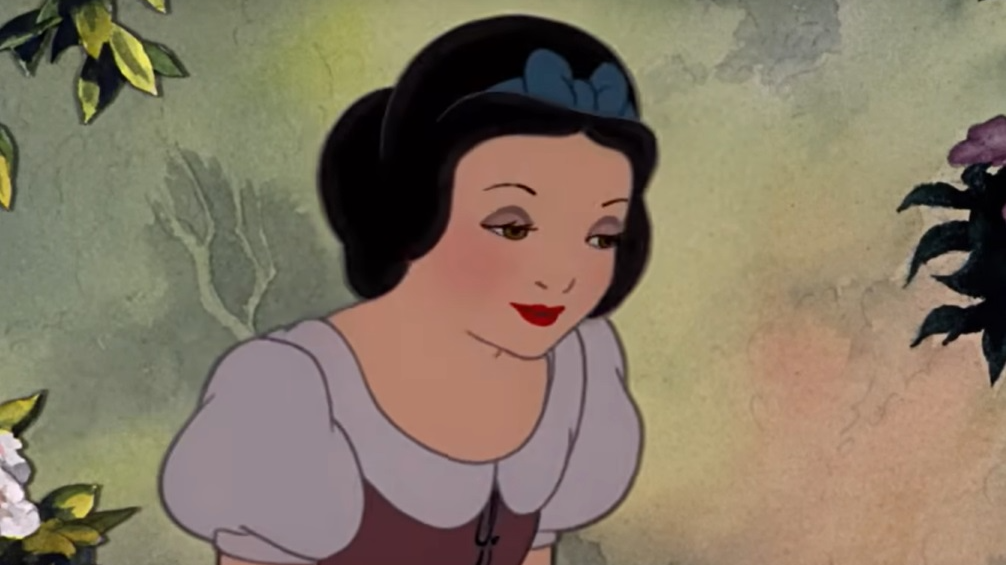 Screenshot from Snow White and the Seven Dwarfs, Walt Disney Productions (1937)
Disney Called Her Back For The Blue Fairy
Snow White wasn't Champion's only invisible Disney performance. She later served as live-action reference for the Blue Fairy in Pinocchio, released in 1940. The part required a very different kind of movement. Snow White could be playful and girlish; the Blue Fairy needed elegance and serenity. Champion again provided animators with a human physical foundation they could transform into something magical.
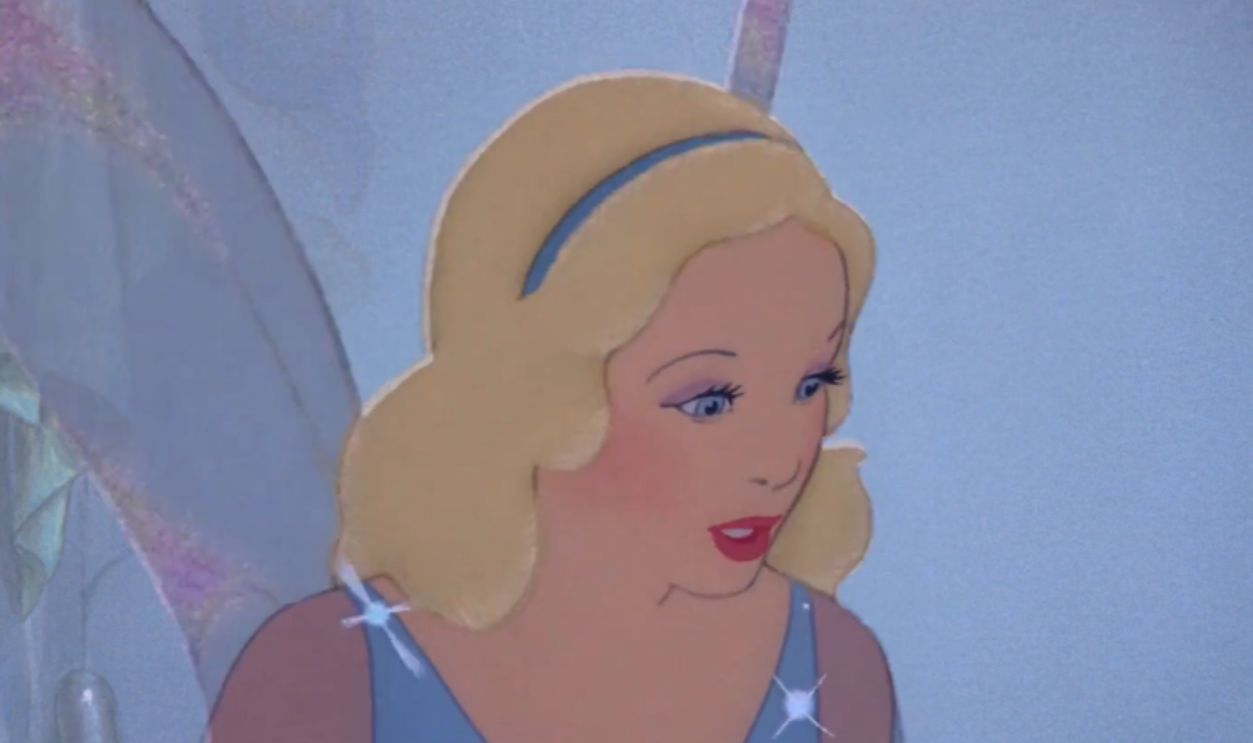 Screenshot from Pinocchio, RKO Radio Pictures (1940)
Then She Became A Ballet-Dancing Hippo
Her strangest Disney assignment may have been Hyacinth Hippo in the "Dance of the Hours" sequence from Fantasia. More than just modeling the movement for the enormous tutu-wearing ballerina, Champion also helped with the ballet parody itself. The joke worked partly because Hyacinth's body was ridiculous but her movement took ballet seriously, and Champion knew exactly which graceful conventions the animators could exaggerate.
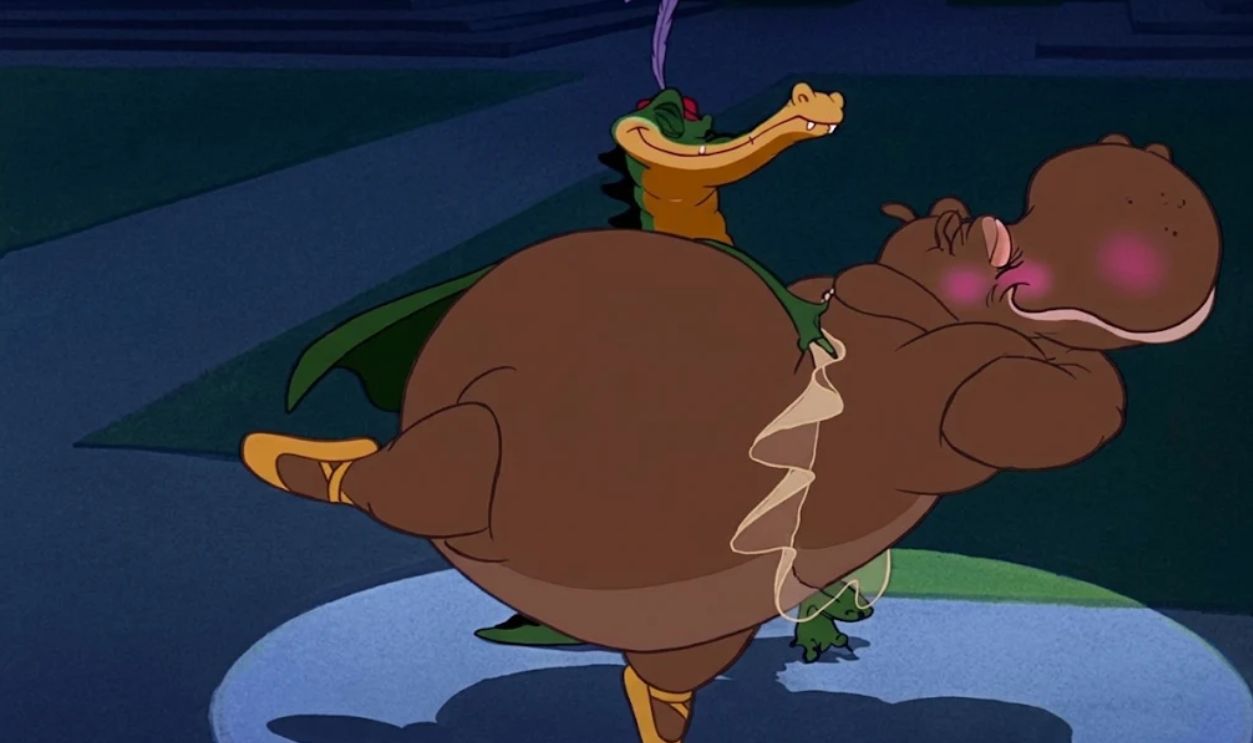 Screenshot from Fantasia, Walt Disney Productions (1940), Enhanced
She Even Helped With Dumbo
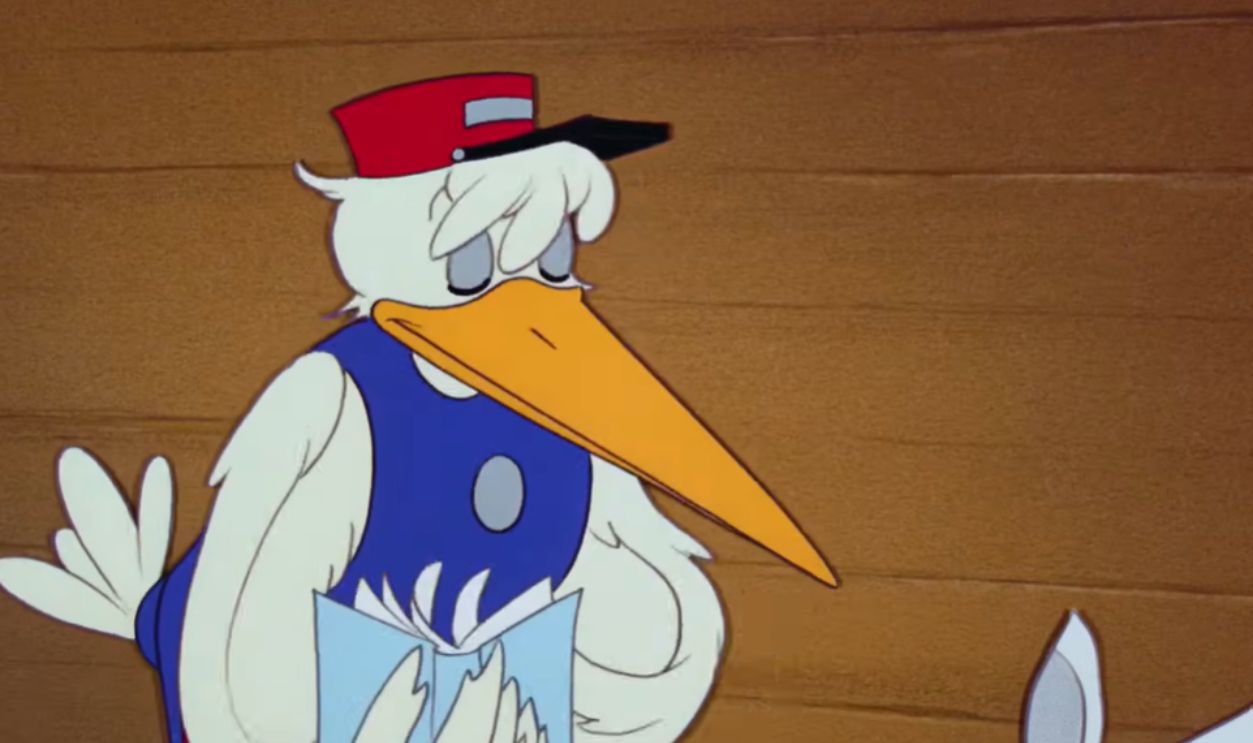
Champion also remembered doing reference work connected with Mr Stork in Dumbo, and Disney has noted that she modeled some movements for Dopey as well. By then, she'd contributed physical ideas to princesses, fairies, dwarfs, hippos, and birds. It's an extraordinary range for someone who never appeared onscreen in those films, and proof that live-action reference wasn't limited to characters who actually resembled the performer.
 Screenshot from Dumbo, RKO Radio Pictures (1941)
She Briefly Married Into Disney Animation
Marge Champion's Disney years also changed her personal life. Shortly before turning 18, she married animator Art Babbitt, an important Disney artist associated particularly with Goofy. The marriage didn't last. When Champion later went to New York with a Three Stooges vaudeville show, she recalled Babbitt wanting her to return to California and start a family. Champion had spent most of her life training to perform and wasn't ready to surrender that ambition.
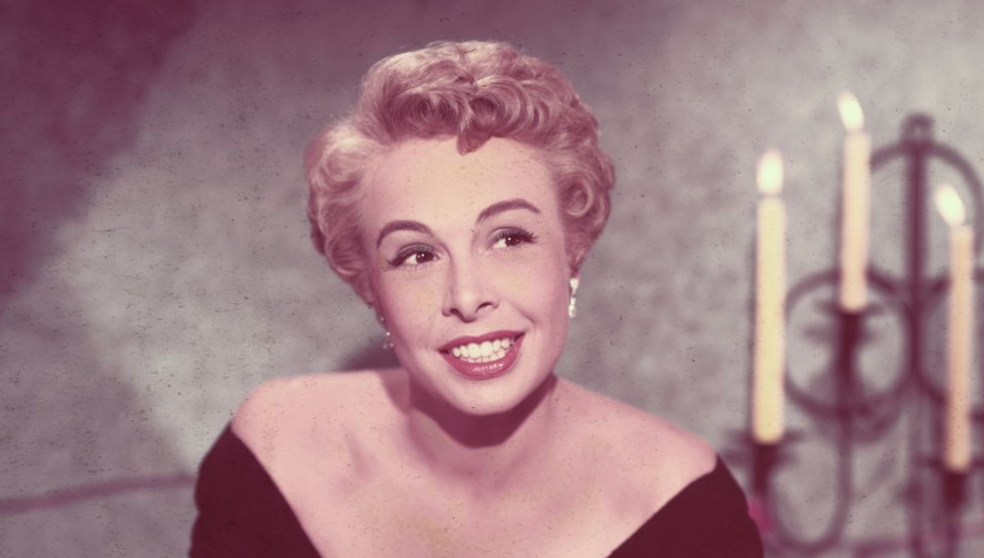
Snow White Made Her Want To Become A Better Actor
The Disney work convinced Champion that great dancing required more than technique. She began studying acting seriously, including training with respected teacher Maria Ouspenskaya. Champion later said that this acting background ultimately came out through her dancing. She didn't want a routine to be merely attractive movement. A dance should have characters, relationships, and some kind of dramatic progression.
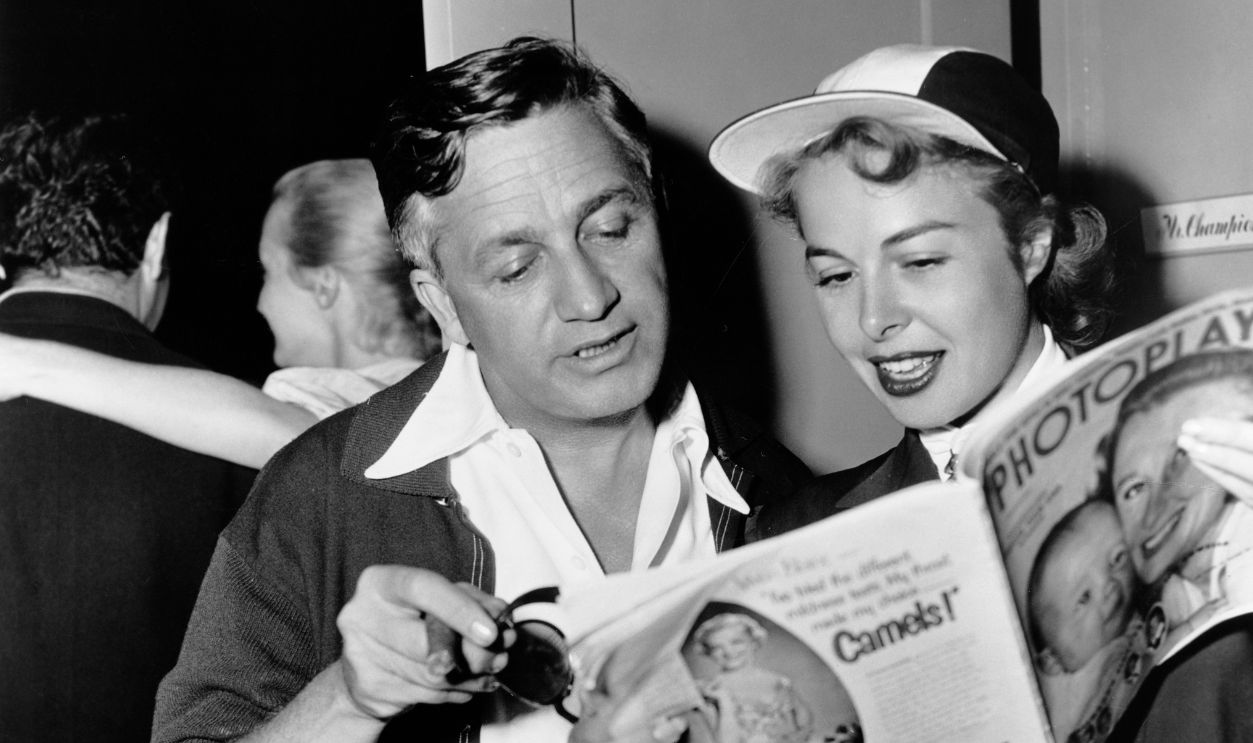
Broadway Became Her Next Classroom
Champion moved to New York and began building a stage career under variations of her birth name. Her Broadway work included What's Up, Dark of the Moon, and Duke Ellington's Beggar's Holiday. By then she had moved far beyond being Disney's anonymous reference model. She was establishing herself as a performer in her own right while learning the mixture of acting and dance that would eventually become her trademark.
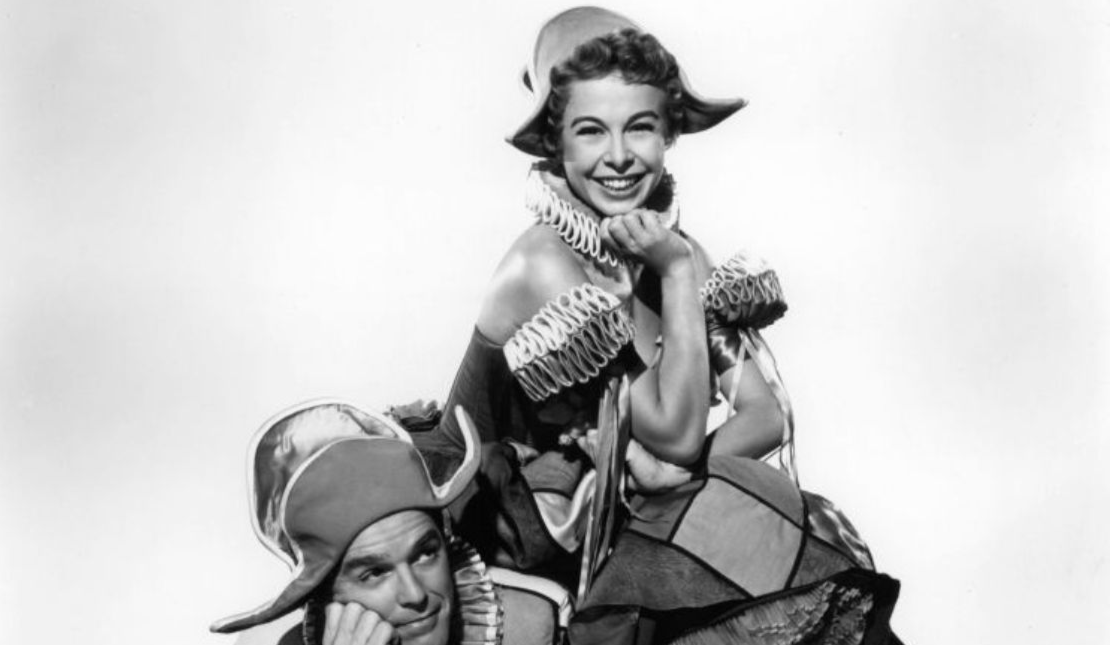
Gower Champion Changed Her Career Again
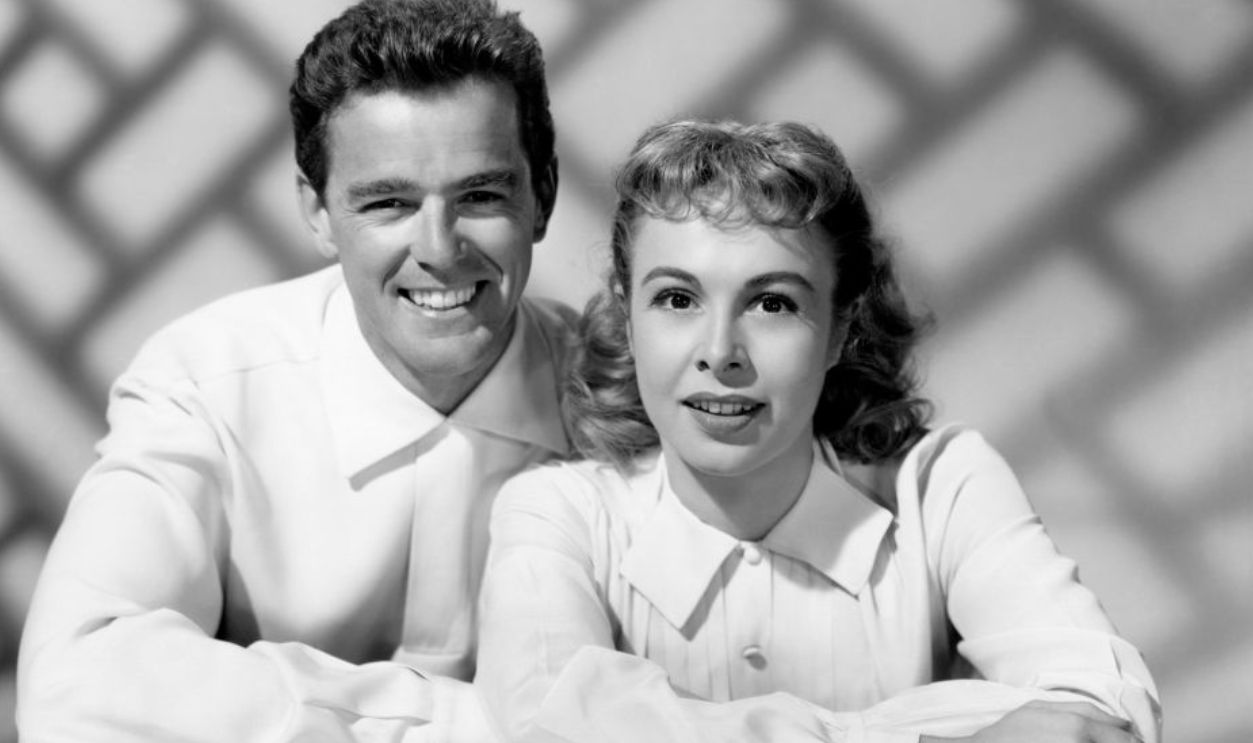
She had known Gower Champion since their school years, and he had also studied with her father. After World War II, the two reconnected in New York. When another dancer suggested Marge form a nightclub partnership with him, Gower objected with an alternative: if she was going to dance with anyone, she was going to dance with him. They began rehearsing almost immediately and married in 1947.
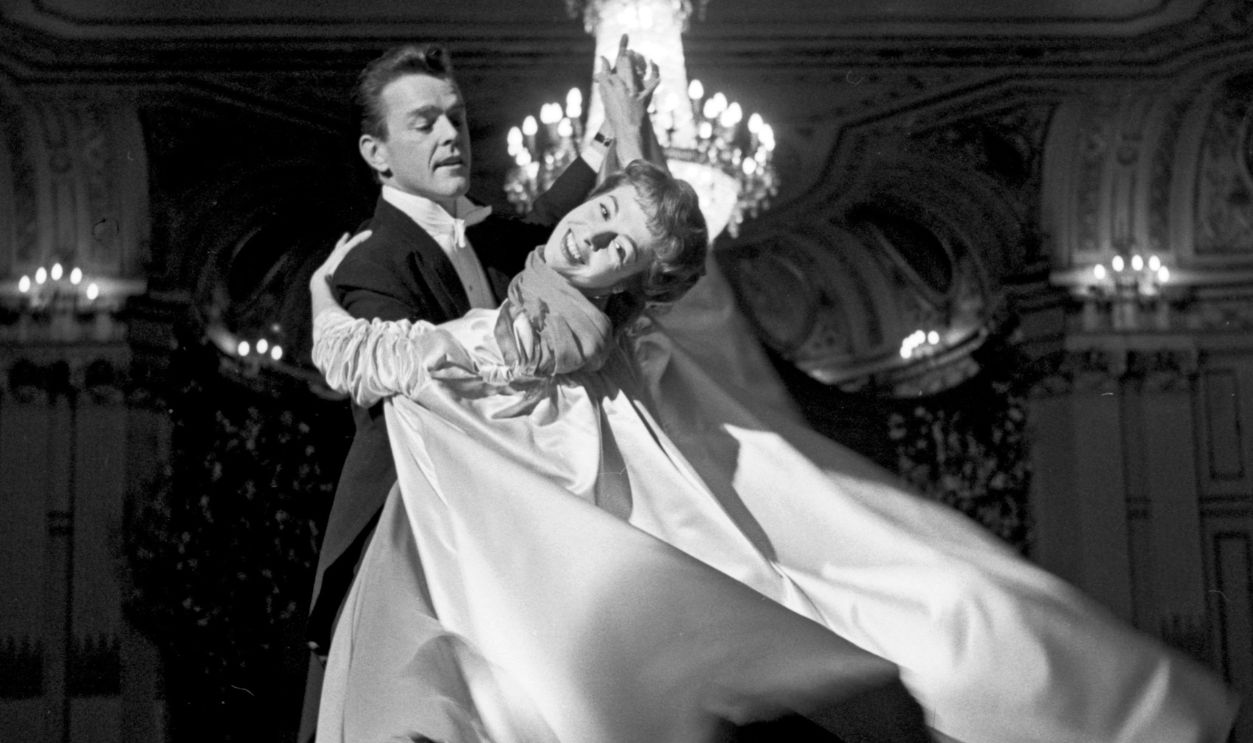
Marge And Gower Became A Genuine Dance Team
The Champions developed into one of the most popular dance partnerships of the postwar era. Their physical contrast helped: Gower was tall and lanky while Marge was considerably smaller, giving their partnering an immediately recognizable visual quality. More importantly, they shared the belief that dance should tell stories. Their routines often had plots and characters rather than simply showcasing difficult steps.
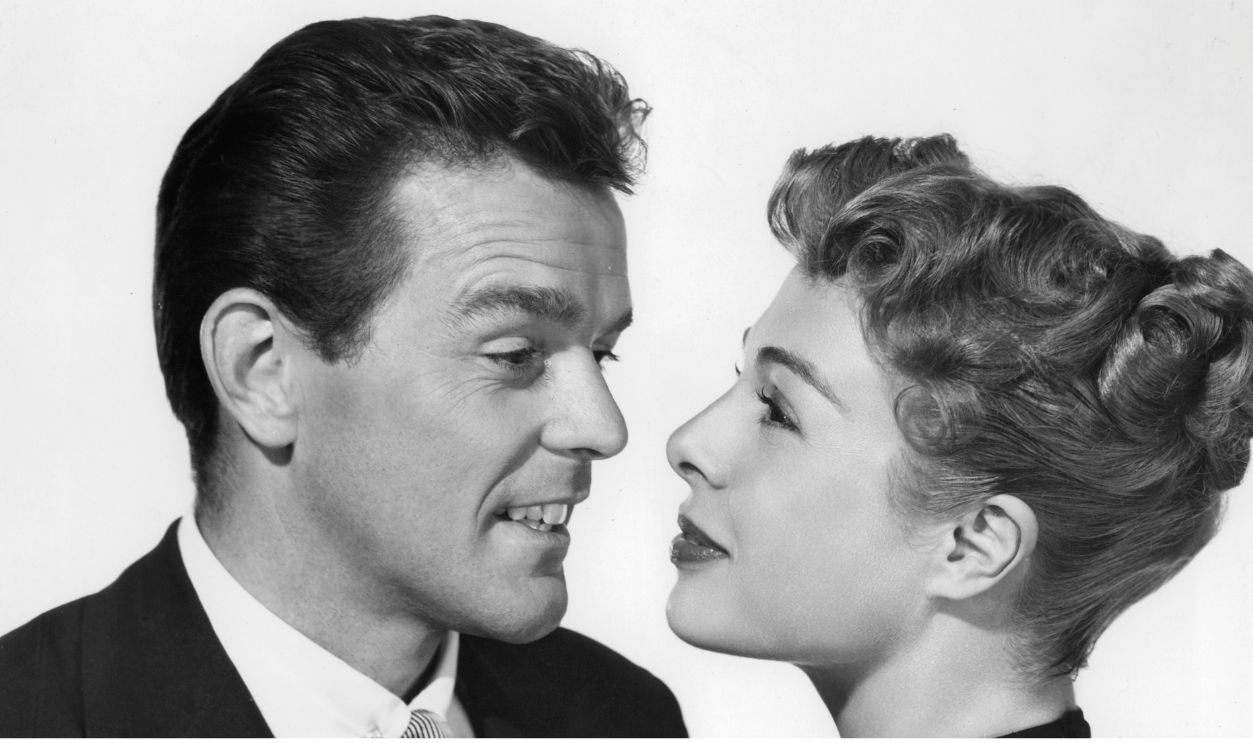
Television Made Them National Stars
Television arrived at exactly the right moment for Marge and Gower. They appeared on programs including Admiral Broadway Revue, Your Show of Shows, The Ed Sullivan Show, The Dinah Shore Chevy Show, and The Bell Telephone Hour. Choreography had to be adapted carefully for television cameras, and the Champions became early experts at making dance work inside the relatively small frame of a television screen.
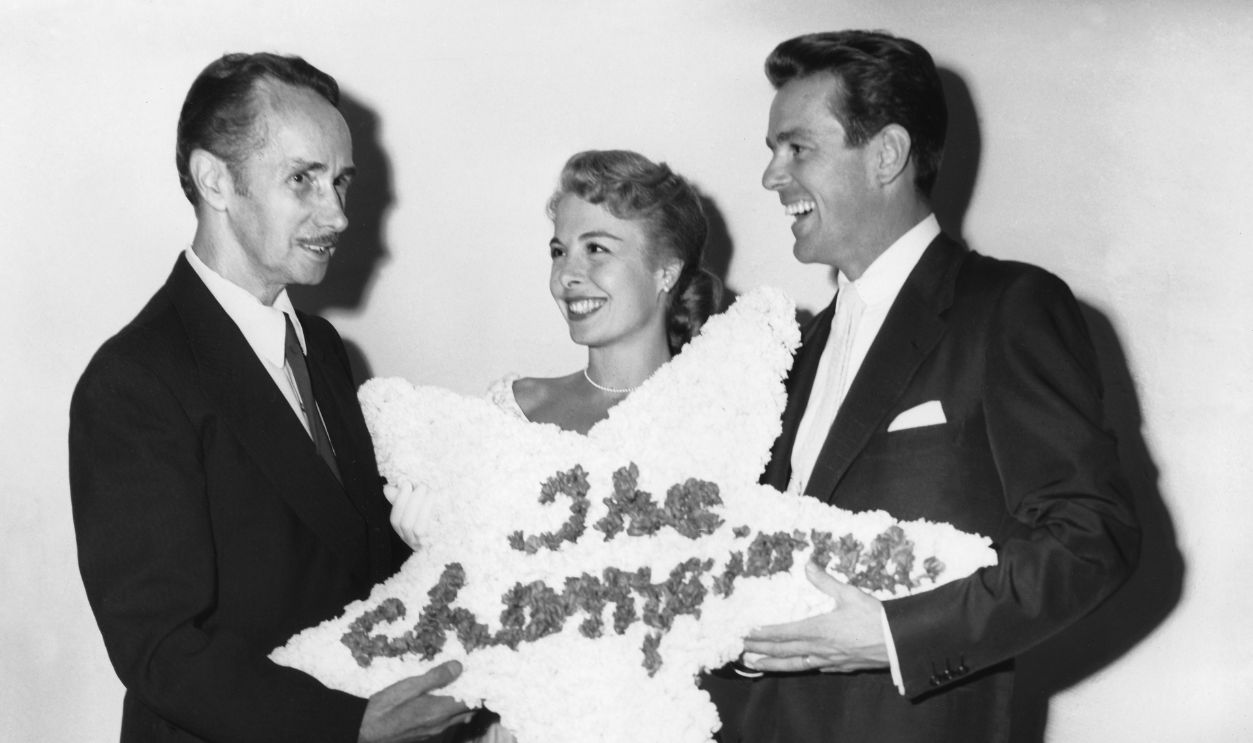 Underwood Archives, Getty Images
MGM Turned Them Into Movie-Musical Stars
Hollywood eventually brought Marge Champion back in front of the camera rather than merely using her as invisible reference footage. Marge and Gower appeared together in a series of major movie musicals during the 1950s. Their best-known films included Show Boat, Lovely to Look At, Give a Girl a Break, Three for the Show, and Jupiter's Darling. For a time, they were among Hollywood's most recognizable dancing couples.
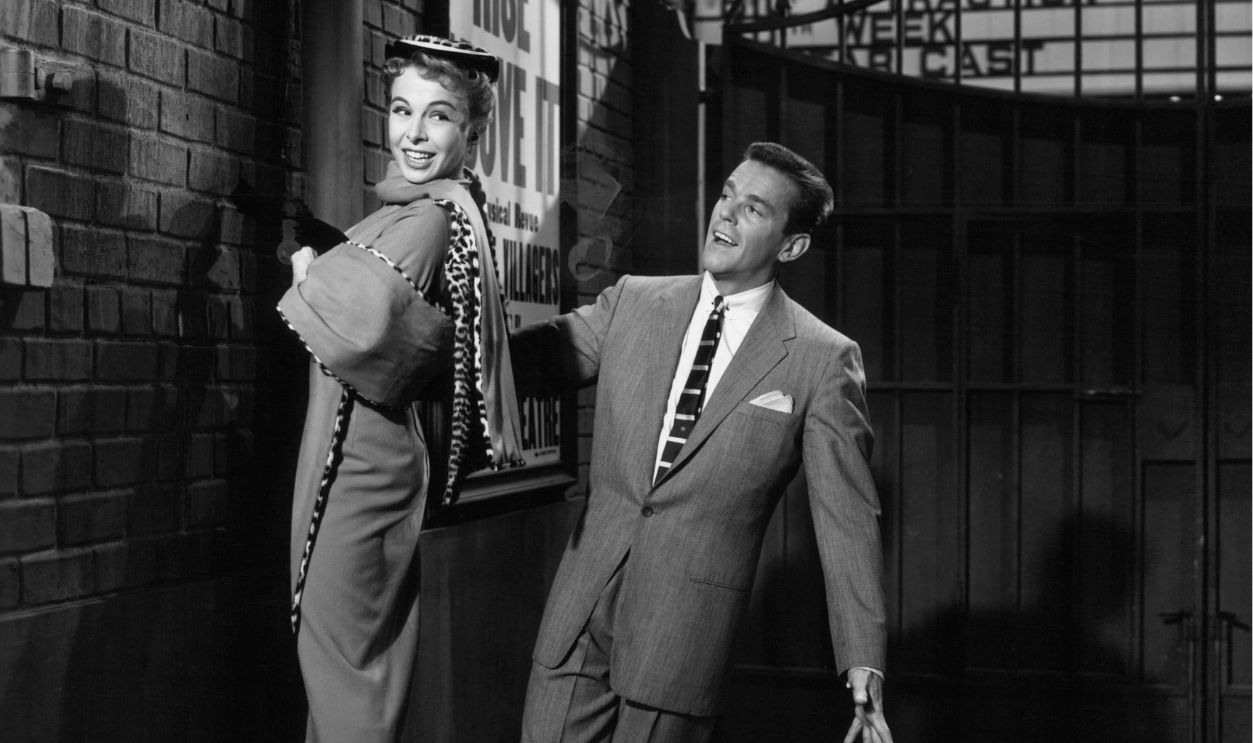
Show Boat Put Her In A Genuine Classic
The 1951 MGM version of Show Boat gave the Champions one of their most enduring film showcases. Marge played Ellie May Shipley opposite Gower as Frank Schultz, allowing audiences to see the storytelling quality that made their partnership special. Champion had once acted out dances for artists to draw. Now movie audiences could finally watch her perform those movements directly.
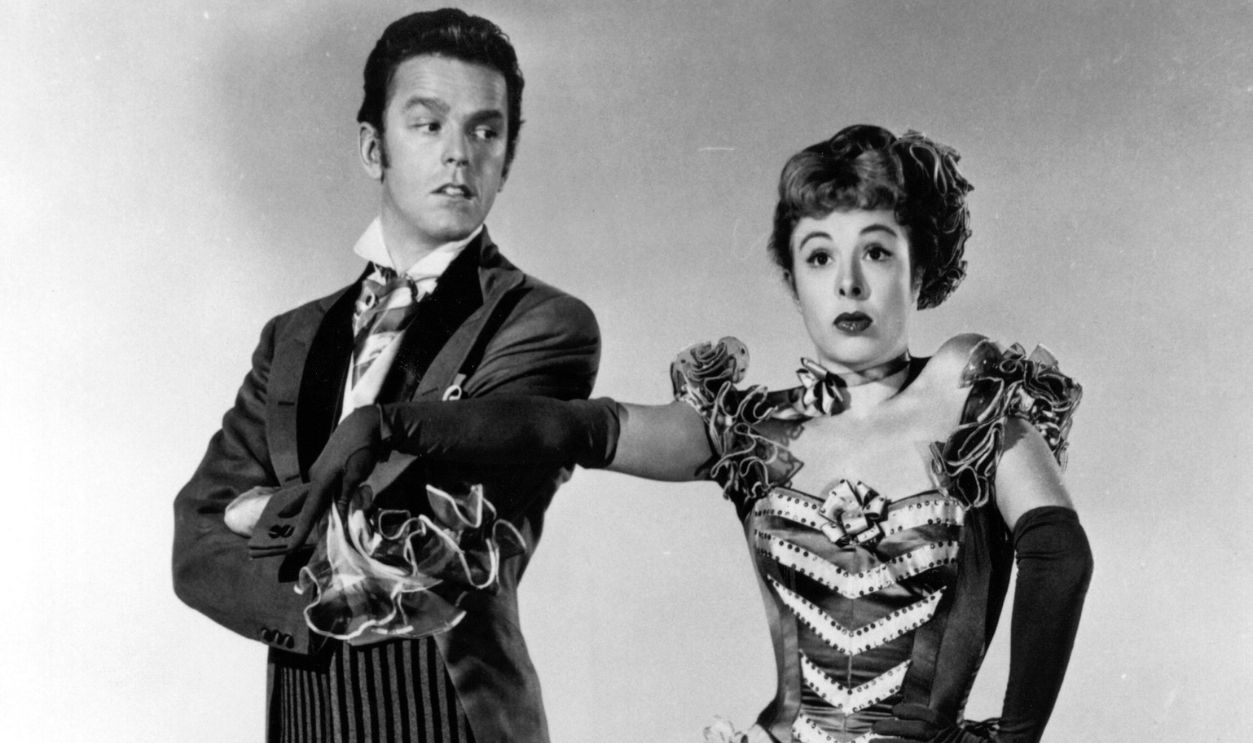
She Didn't Want Dance To Become Empty Spectacle
Marge Champion repeatedly emphasized that she and Gower tried to build character into their choreography. "Gower and I always told stories," she later explained. That approach connected her MGM career directly back to what she'd learned while portraying Snow White. She understood that technically perfect movement mattered less if the audience couldn't tell what the performer was thinking or feeling.
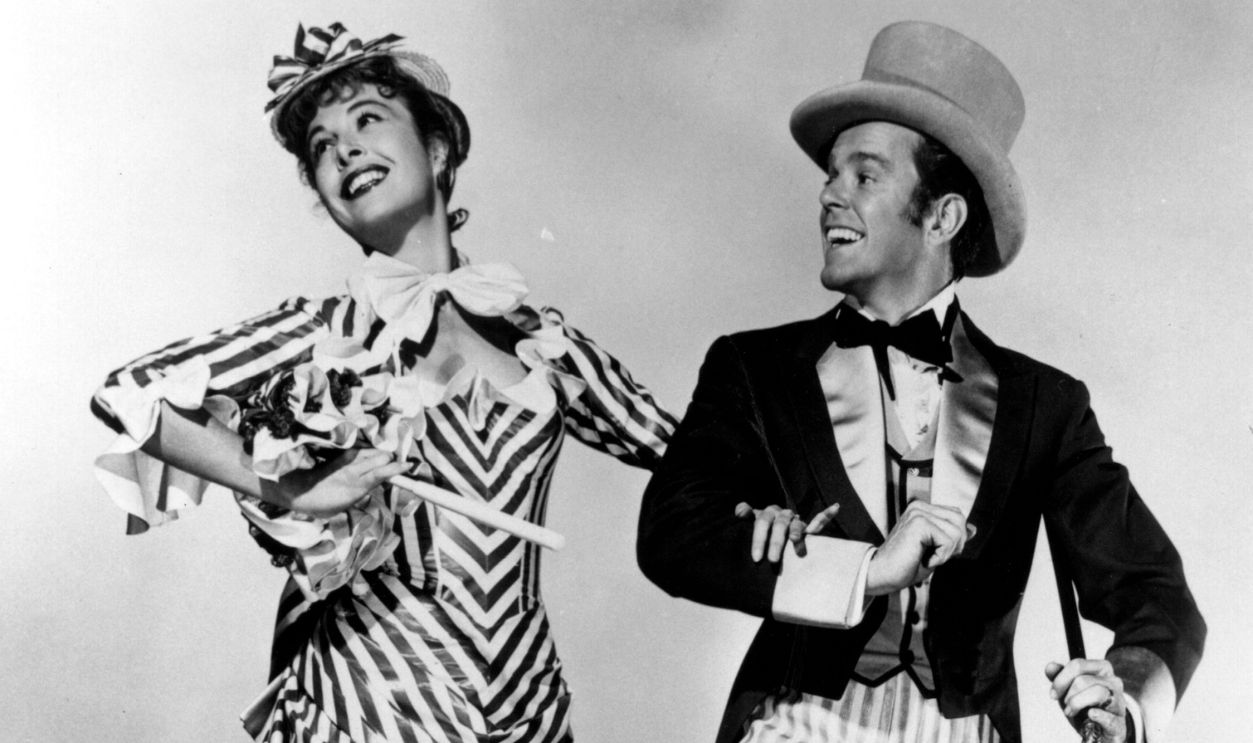
She Shared The Stage With Harry Belafonte
In 1955, Marge and Gower appeared with Harry Belafonte in 3 for Tonight, which played Broadway and then toured extensively. Champion later remembered the importance of taking a racially integrated show through American cities during an era when that remained far from routine, particularly in parts of the South. The production represented a more serious side of a career often remembered primarily for glamorous MGM musicals.
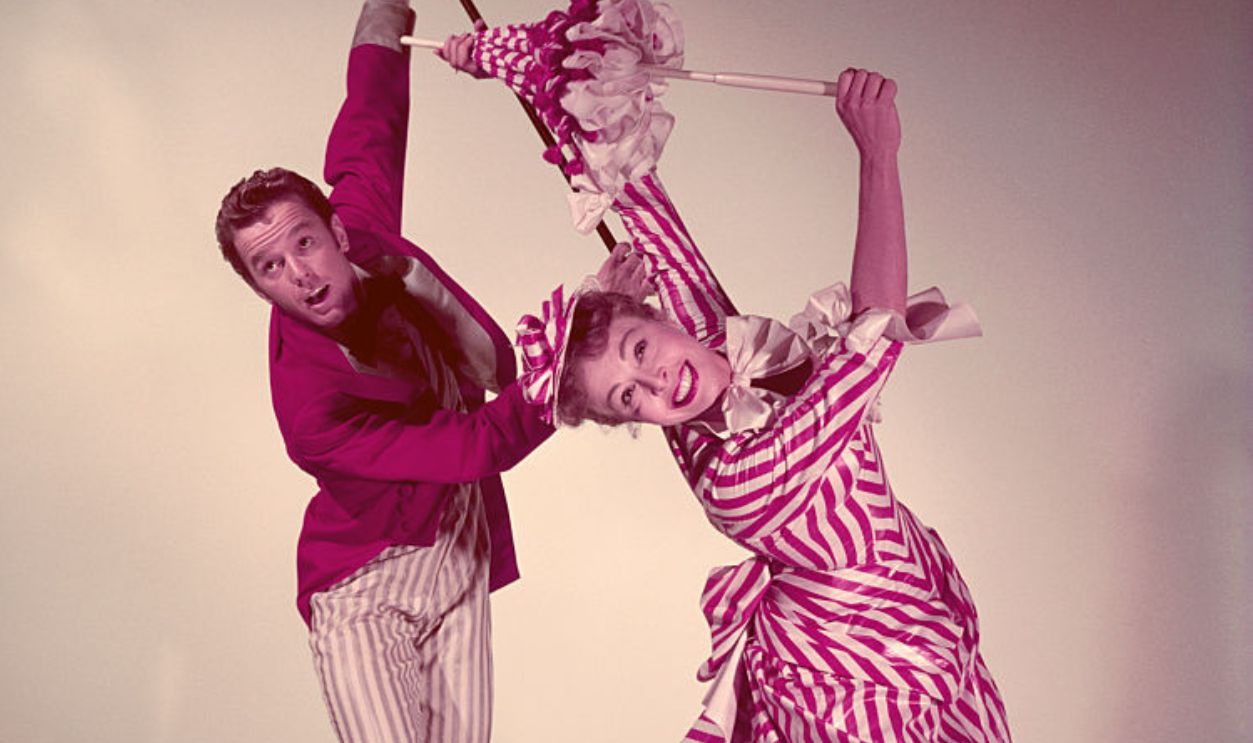
They Even Had Their Own Sitcom
In 1957, television gave the Champions The Marge and Gower Champion Show. Appropriately, Marge played a dancer while Gower played a choreographer. The series was short-lived, but getting a program built around them demonstrated just how recognizable the couple had become. The teenage girl once filmed anonymously for Disney animators was now famous enough for American television to put her own name in a show's title.
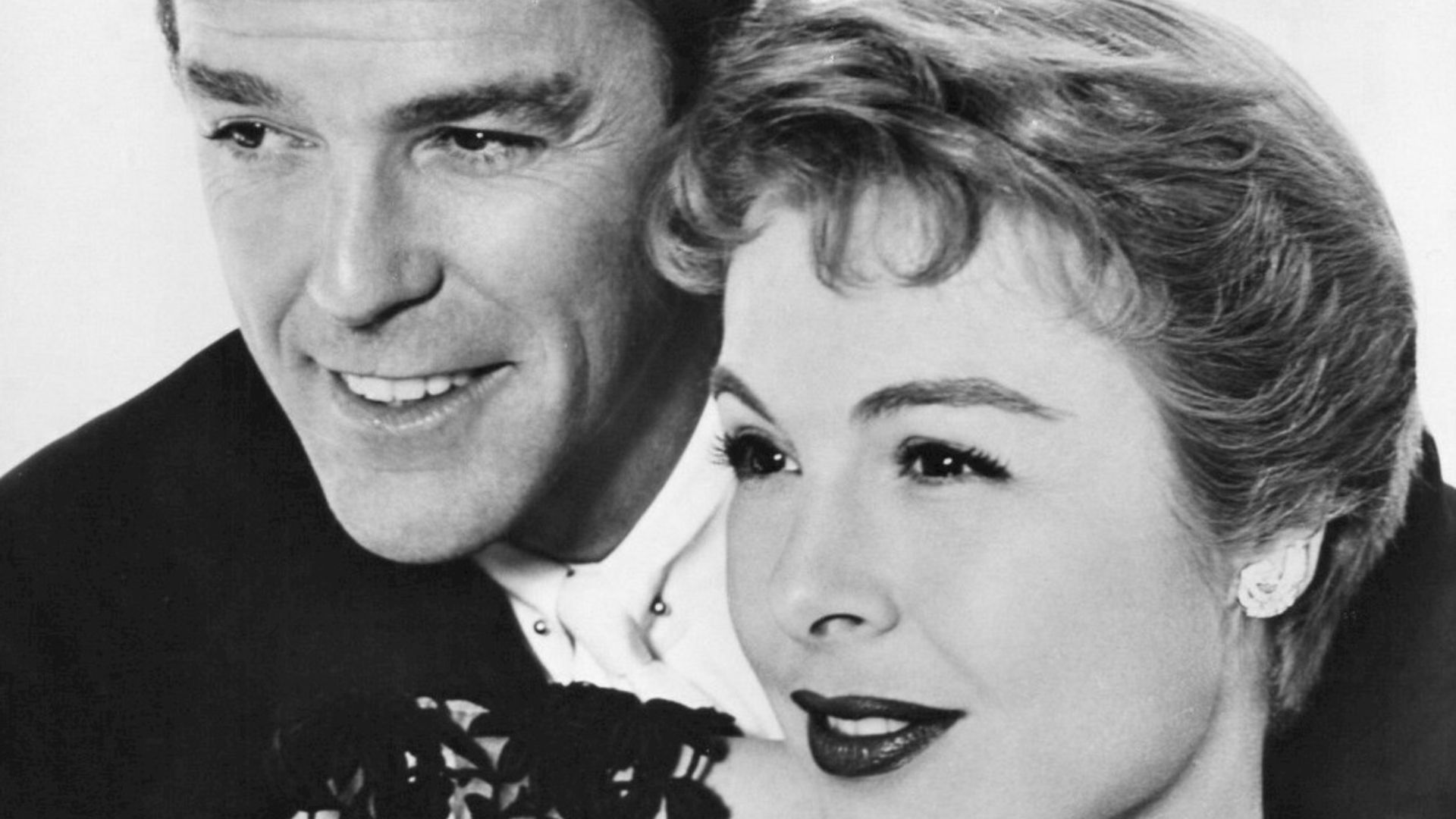 CBS Television, Wikimedia Commons
She Was Working Behind The Scenes Too
Performance was only one part of Champion's career. She assisted Gower with choreography on stage projects including Lend an Ear and Make a Wish, and she later held Broadway credits behind the scenes on productions such as Hello, Dolly! and Stepping Out. Her understanding of movement had always extended beyond what she personally performed. Increasingly, she helped shape what other performers did.
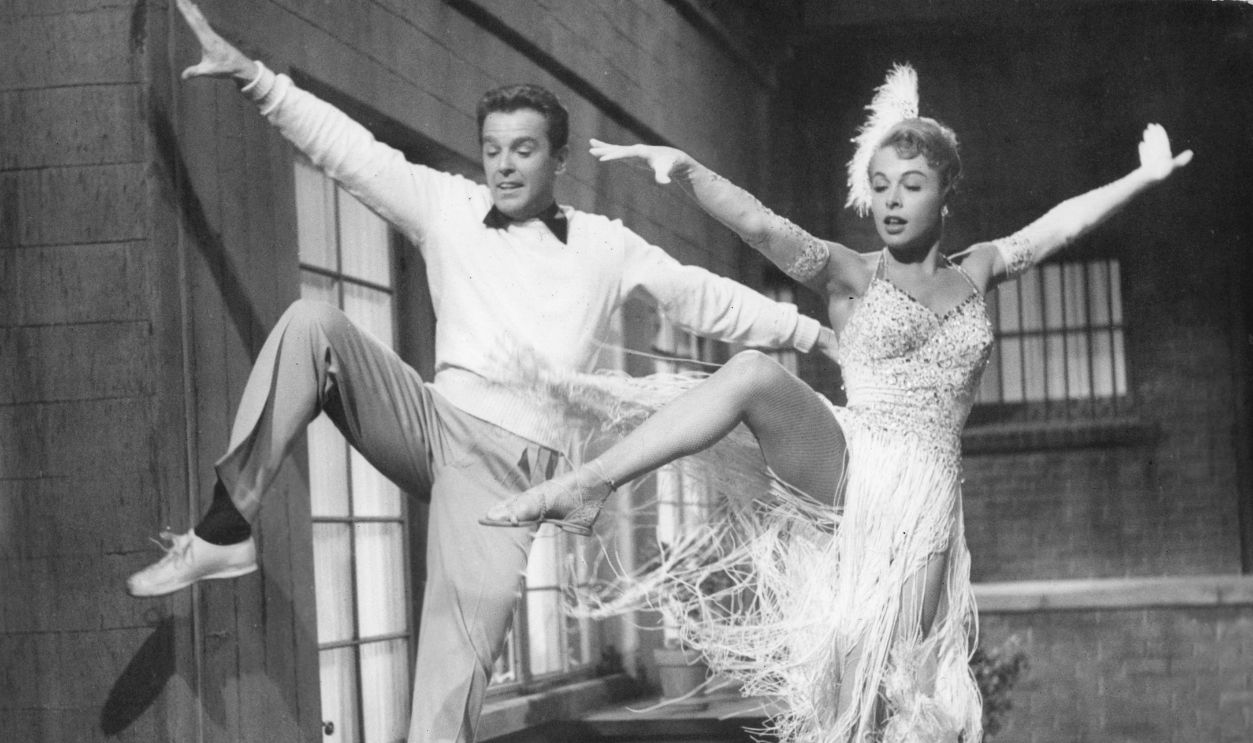
Her Career Continued After The Famous Partnership Ended
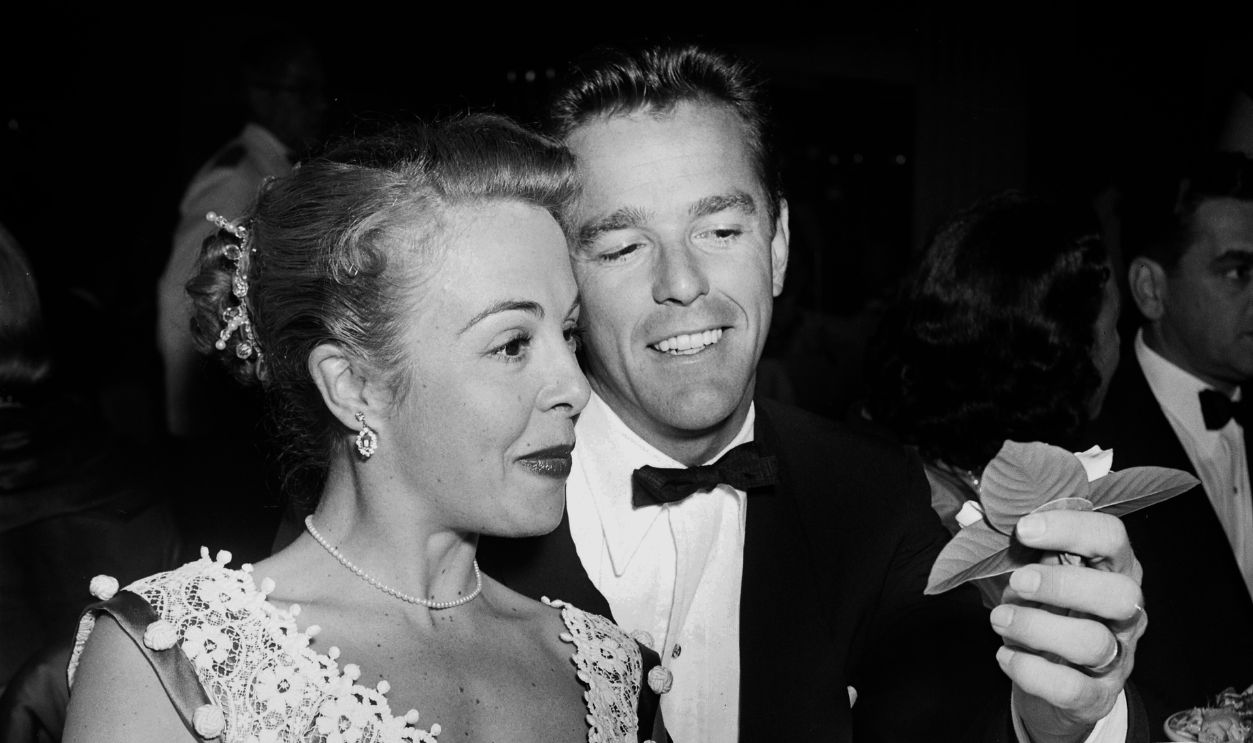
Marge and Gower divorced in 1973 after more than two decades of marriage and creative collaboration. By then, Champion had already begun moving away from being half of a famous dance couple. She took acting roles without Gower, including appearances in the 1968 films The Swimmer and The Party, and increasingly concentrated on choreography, teaching, and other work where her experience could shape new performers.
 Michael Ochs Archives, Getty Images
Queen Of The Stardust Ballroom Finally Won Her An Emmy
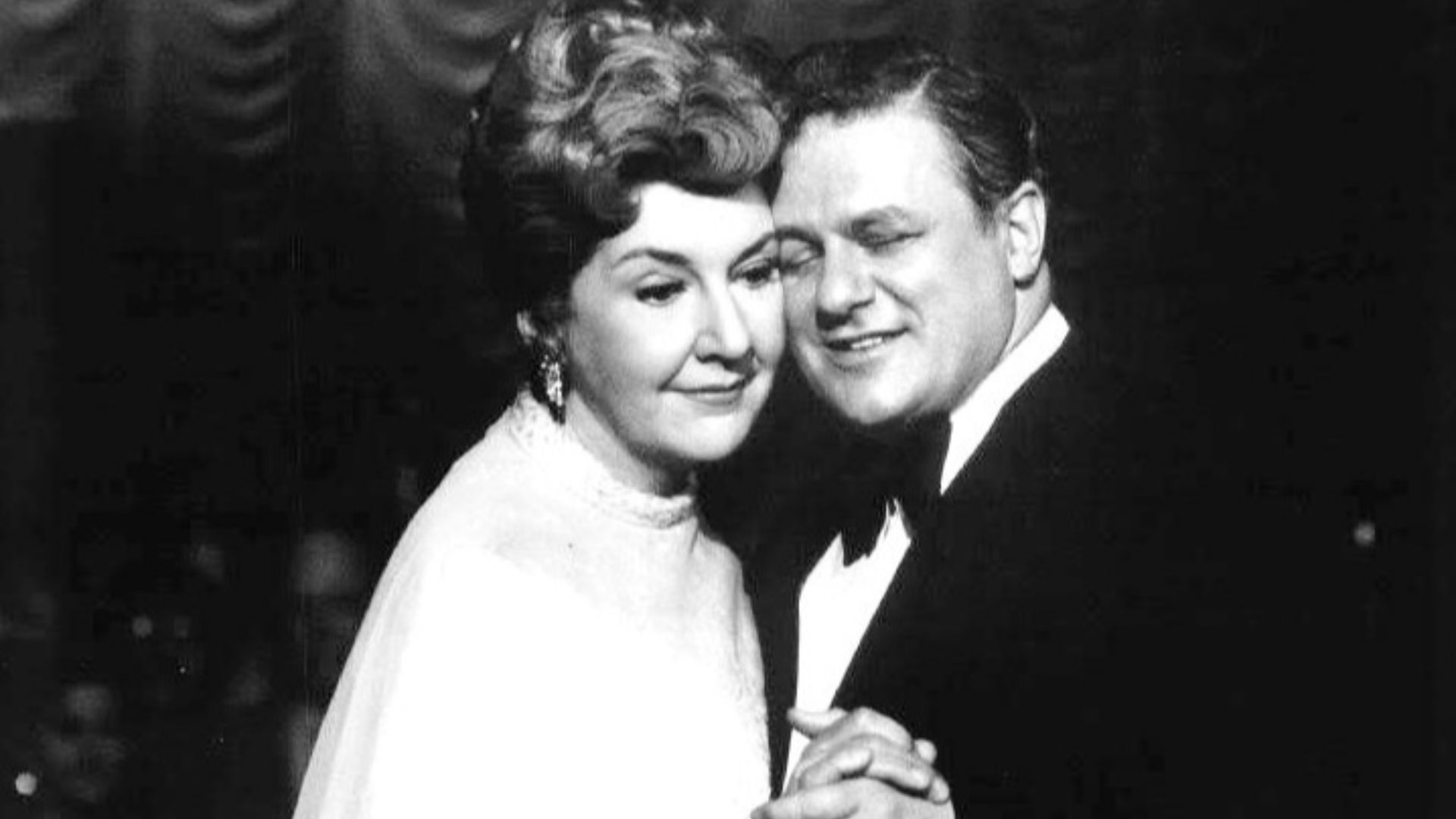
One of Champion's greatest individual achievements came in 1975 when she choreographed the television movie Queen of the Stardust Ballroom. The production starred Maureen Stapleton and Charles Durning and revolved around an older widow rediscovering companionship through ballroom dancing. Champion's choreography earned her the Emmy for Outstanding Achievement in Choreography, giving official recognition to skills she'd been developing since childhood.
She Returned To Broadway In Her Eighties
Marge Champion never completely abandoned performing. In 2001, at 81, she returned to Broadway in the revival of Stephen Sondheim's Follies, playing Emily Whitman opposite veteran dancer Donald Saddler. Their number "Rain on the Roof" celebrated performers whose bodies were older but whose connection to dance remained intact. For Champion, it was an unusually fitting late-career role.
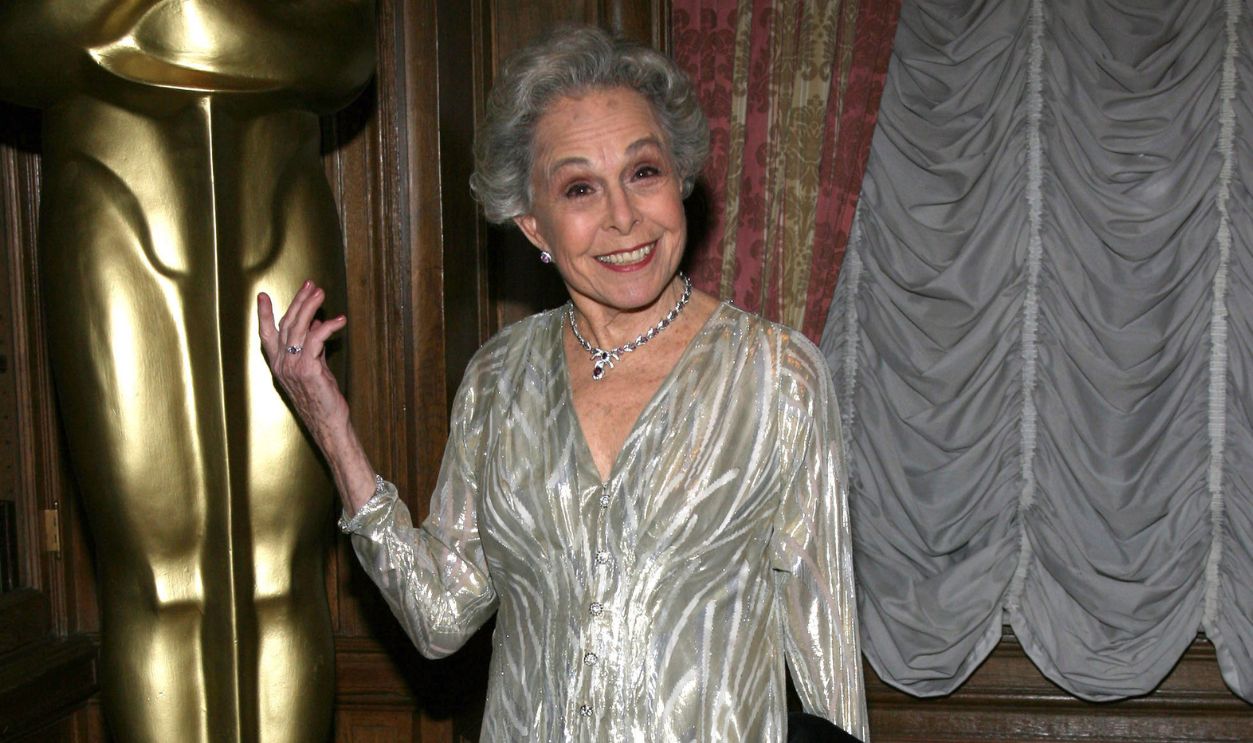
At 90, She Was Still Dancing
Champion and Saddler continued meeting to dance even after Follies closed. Their friendship and rehearsals became the subject of the documentary short Keep Dancing. Champion was around 90 by then and had no interest in pretending she could move like her younger self. Instead, she argued that each decade offered something different. Dancing had stopped being simply a profession. It had become a way of continuing to engage with life.
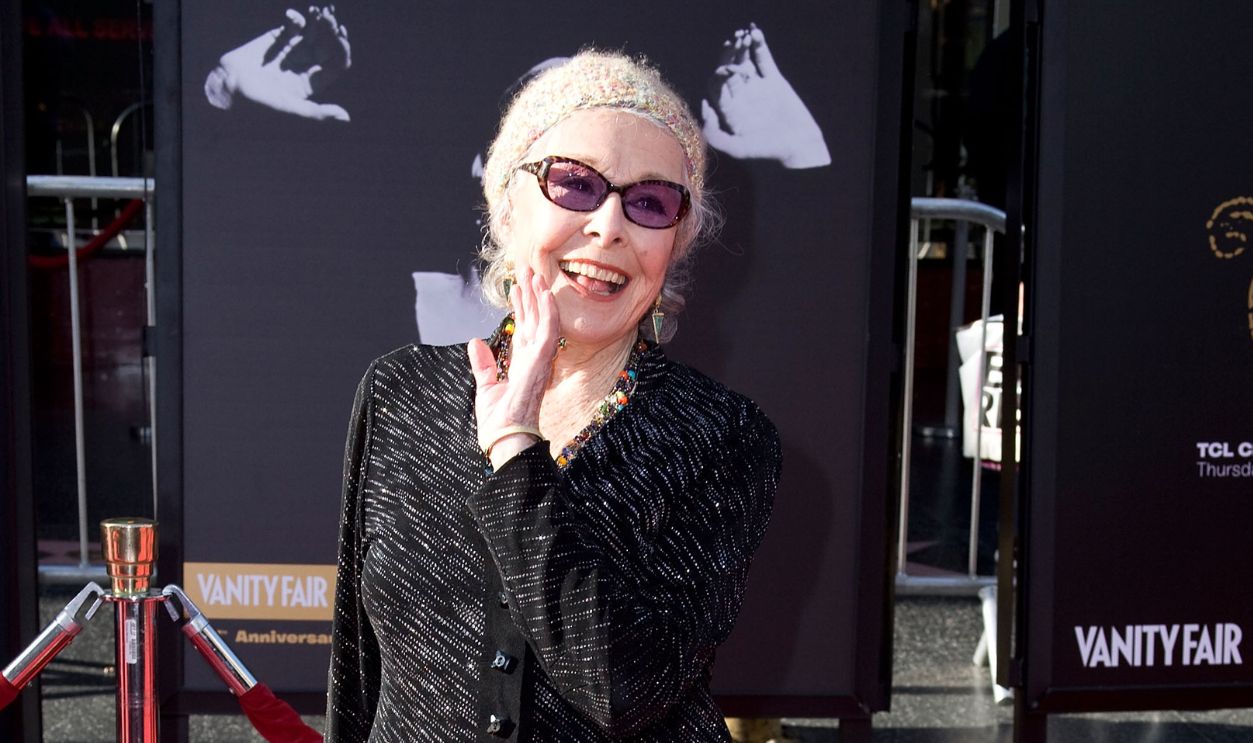 Vincent Sandoval, Getty Images
Disney Eventually Put Her Name Beside Snow White's
For decades, most viewers could watch Snow White without knowing anything about the teenage dancer whose movements helped bring her to life. Disney eventually gave Champion more visible recognition, naming her a Disney Legend in 2007. It was an unusually appropriate honor. The first Disney princess may have been drawn with ink and paint, but much of the humanity underneath those drawings came from a real young woman standing beneath hot studio lights.
 Screenshot from Snow White and the Seven Dwarfs, Walt Disney Productions (1937)
Marge Outlived The Era That Made Her Famous
Champion died in Los Angeles on October 21, 2020, at the age of 101. By then, she'd lived through silent movies, Hollywood's great studio musicals, the birth of commercial television, Broadway's postwar boom, and enormous changes in dance and animation. Remarkably, one of her earliest jobs remained among her most culturally enduring, even though audiences never actually saw her face.
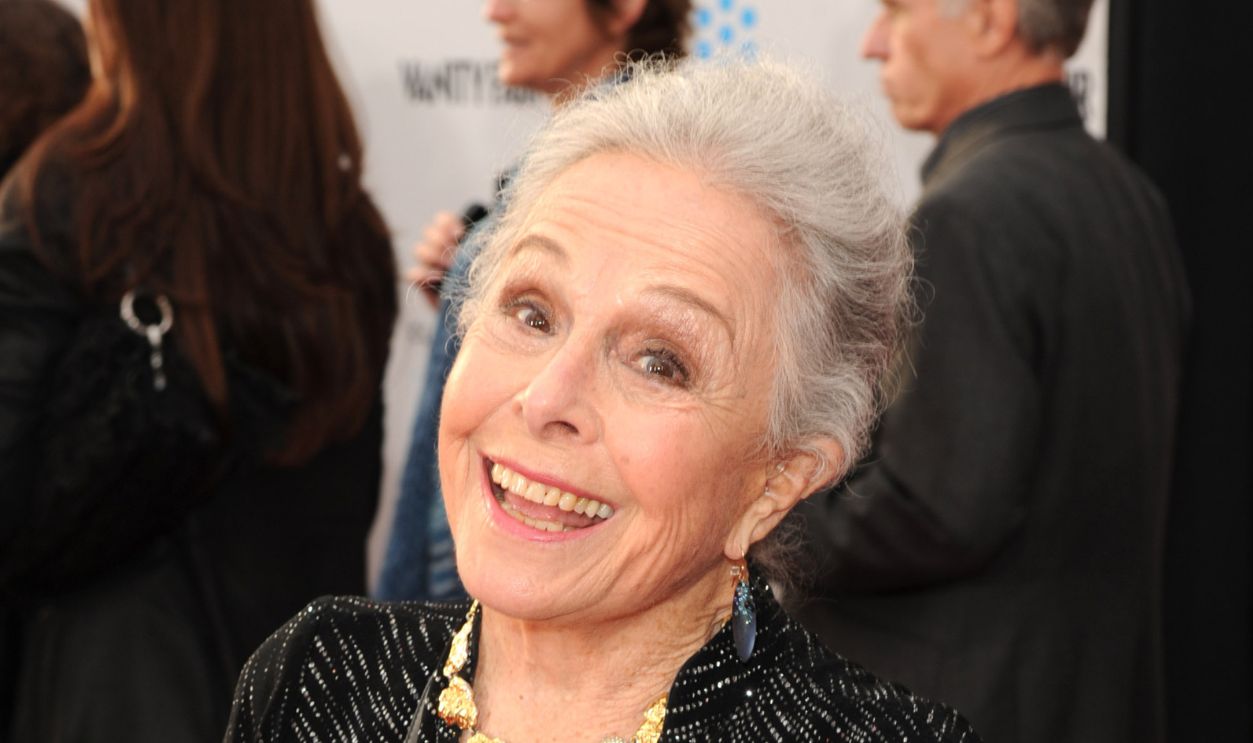
Snow White Couldn't Have Moved Without Marge Champion
Animators created Snow White, Adriana Caselotti gave her a voice, and countless Disney artists contributed to the finished character. But Marge Champion supplied something animation desperately needed in the 1930s: believable human movement. Then she spent the next seven decades proving that Snow White had only been the beginning. Champion became a movie-musical star, television pioneer, Broadway performer, choreographer, Emmy winner, and teacher. The princess survived forever on film, while the woman behind her built an extraordinary life of her own.
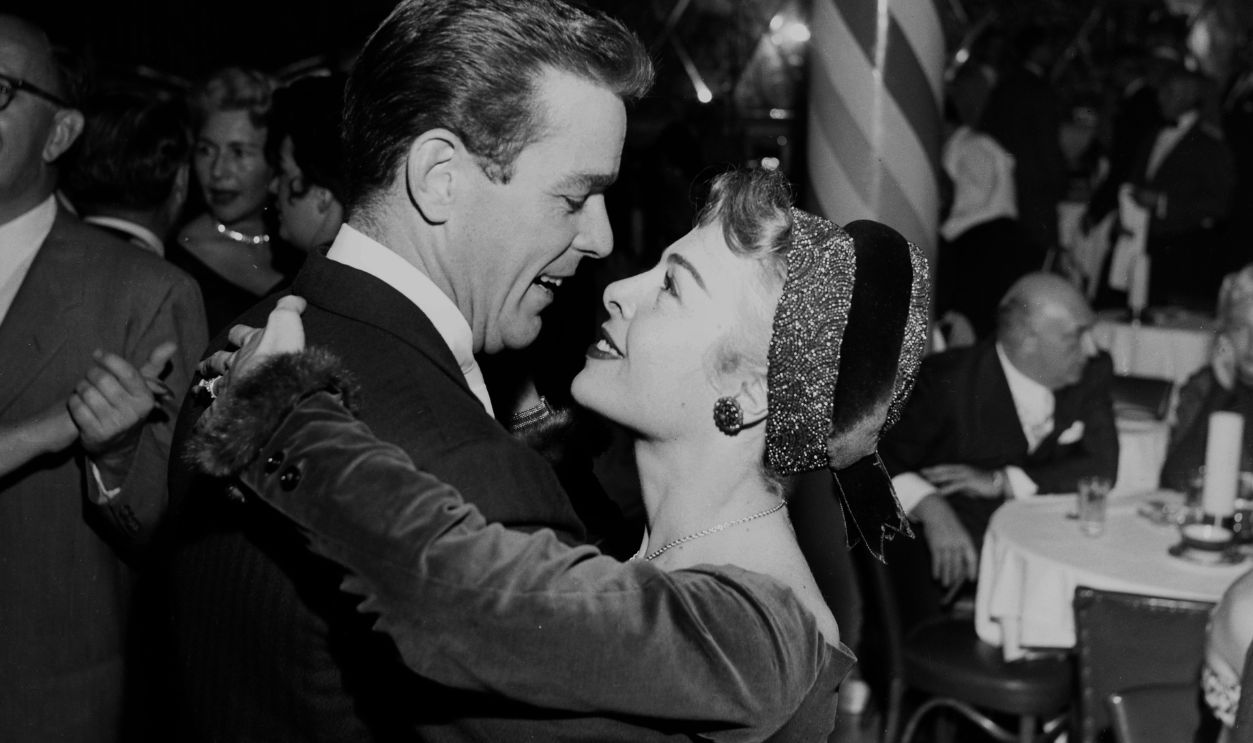 Michael Ochs Archives, Getty Images
You May Also Like: