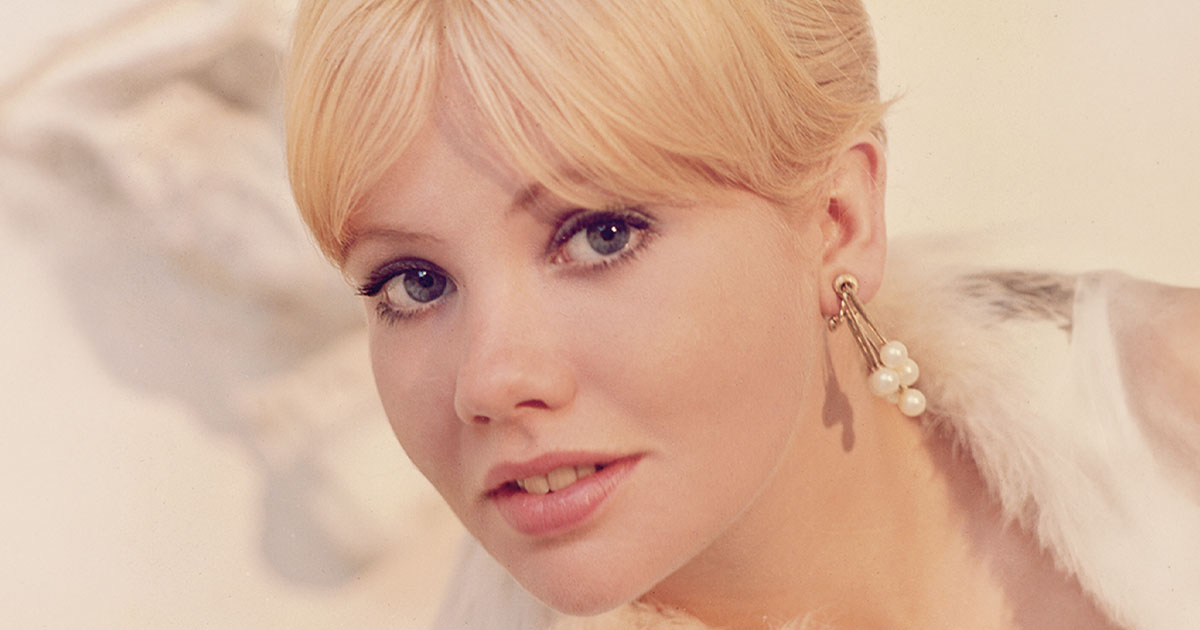
Hayley Mills Was Disney’s Golden Girl—Until Her Fortune Vanished Before She Could Touch It
In the early 1960s, Hayley Mills was Disney royalty. She charmed audiences in wholesome classics, won awards before she was a teenager, and helped define an era of family film. But while she was building a childhood empire on screen, something far less magical was happening behind the scenes — and by adulthood, most of her fortune was gone.
 Silver Screen Collection, Getty Images
Born Into British Acting Royalty
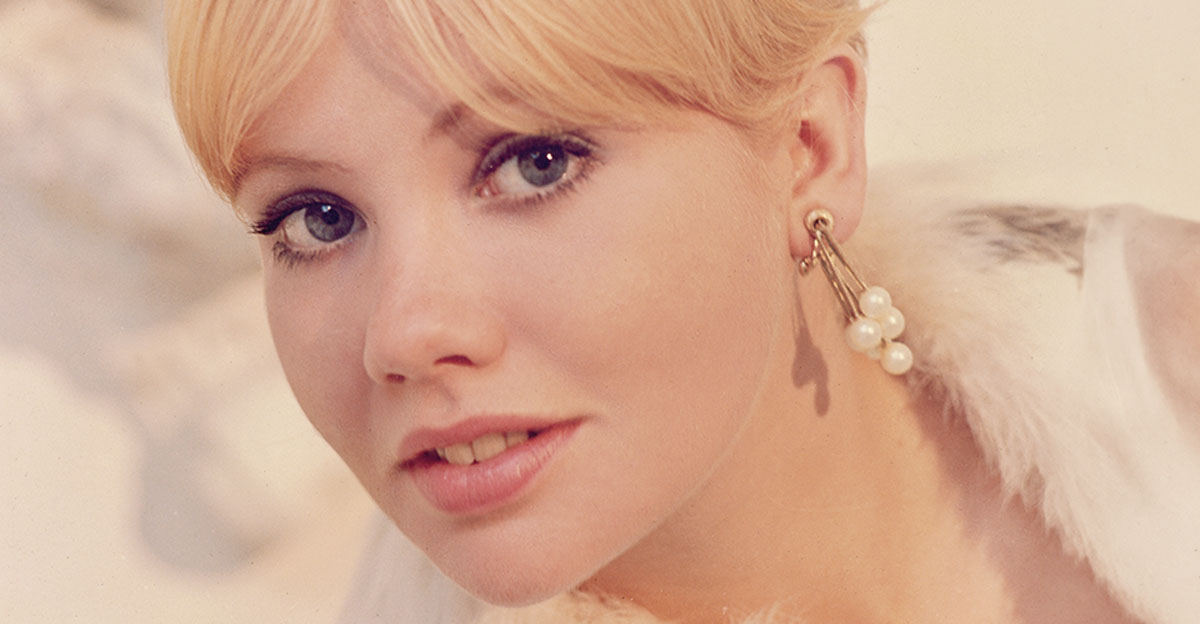
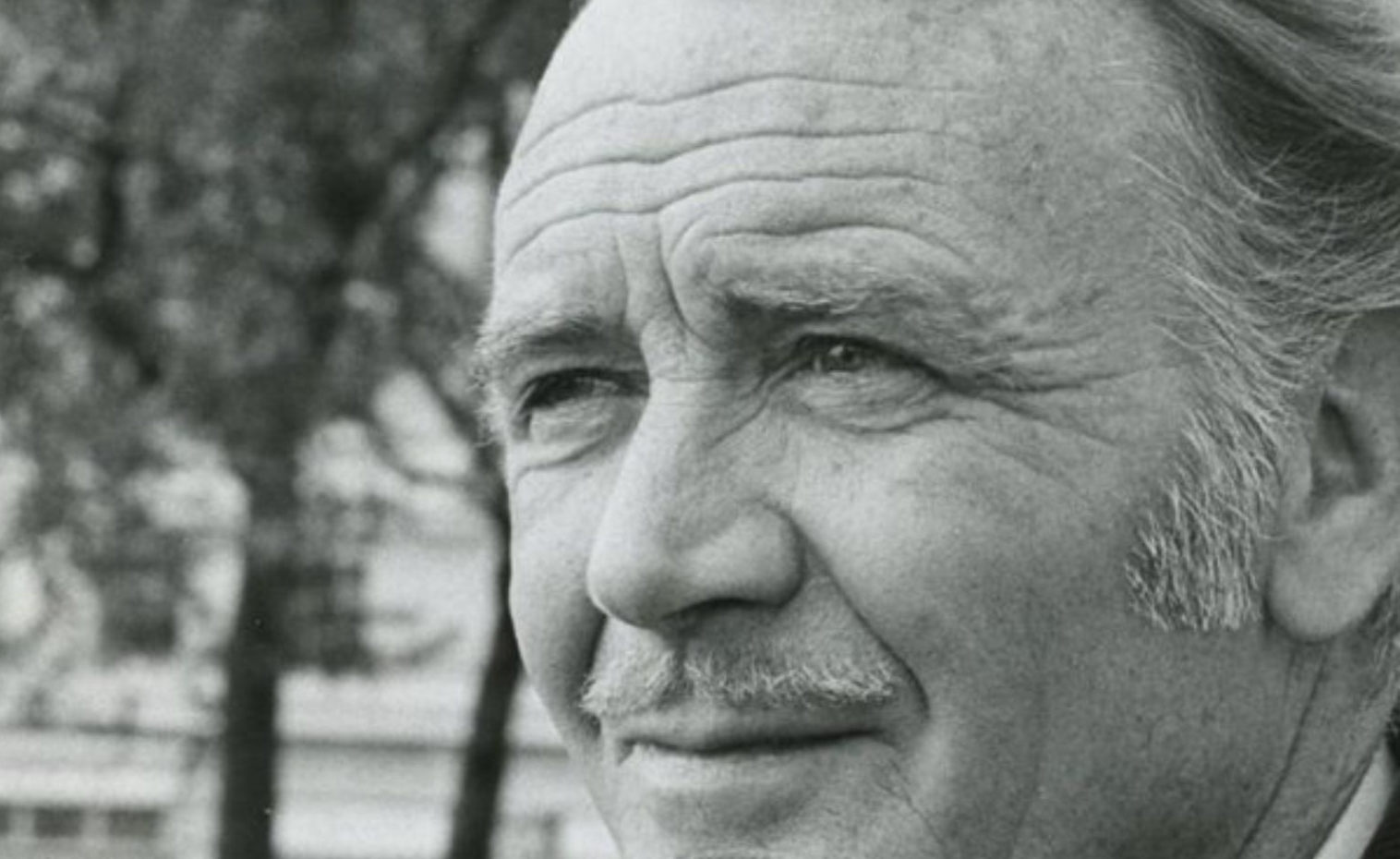
Hayley Catherine Rose Vivien Mills was born on April 18, 1946, in London. She was the daughter of acclaimed British actor Sir John Mills and playwright Mary Hayley Bell. Acting wasn’t a distant dream in her household — it was the family business.
Still, no one expected her to become an international star so young.
 CBS Photo Division, Wikimedia Commons
Discovered Almost by Accident
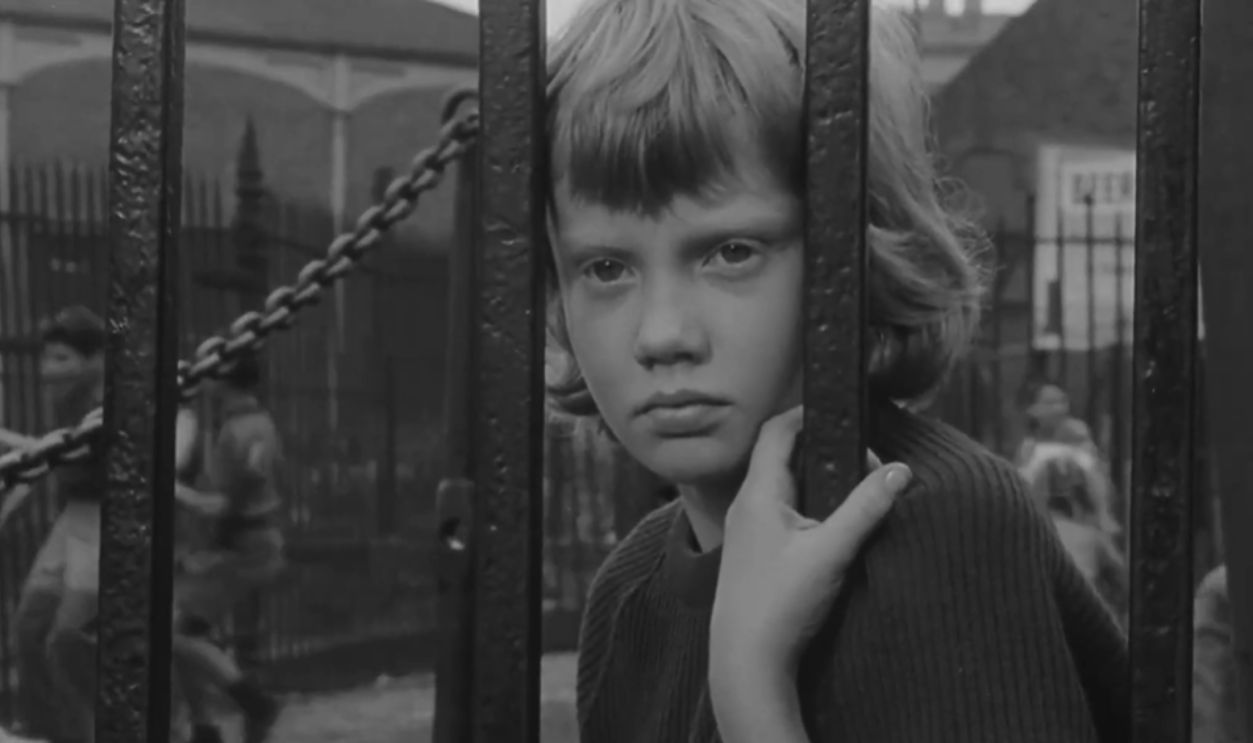
Hayley’s breakout came in 1959 when she starred in Tiger Bay, acting opposite her father. Her natural performance caught attention immediately. The role earned her a BAFTA Award for Most Promising Newcomer — and she was only 13.
Hollywood quickly noticed.
 Screenshot from Tiger Bay, The Rank Group (1959)
Walt Disney Sees a Star
After seeing Tiger Bay, Walt Disney personally signed Hayley to a multi-film contract. He reportedly believed she had an authenticity that American child actors often lacked. Disney cast her in Pollyanna (1960), and the film turned her into an international sensation.
She was just 14.
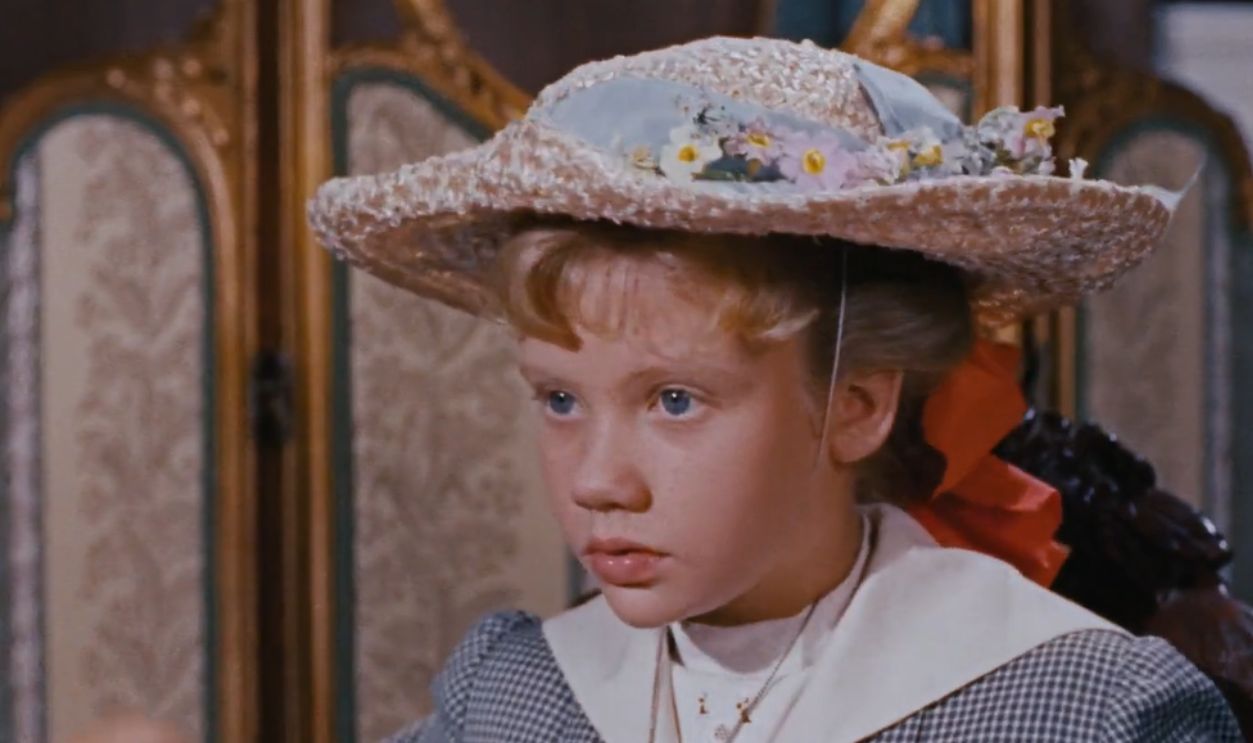 Screenshot from Pollyanna, Buena Vista Distribution (1960)
America’s Sweetheart Overnight
Pollyanna was a massive hit. Hayley won a special Academy Juvenile Award for her performance. Soon after came The Parent Trap (1961), where she famously played twin sisters — a technical achievement at the time and a cultural milestone.
She became one of Disney’s most bankable stars.
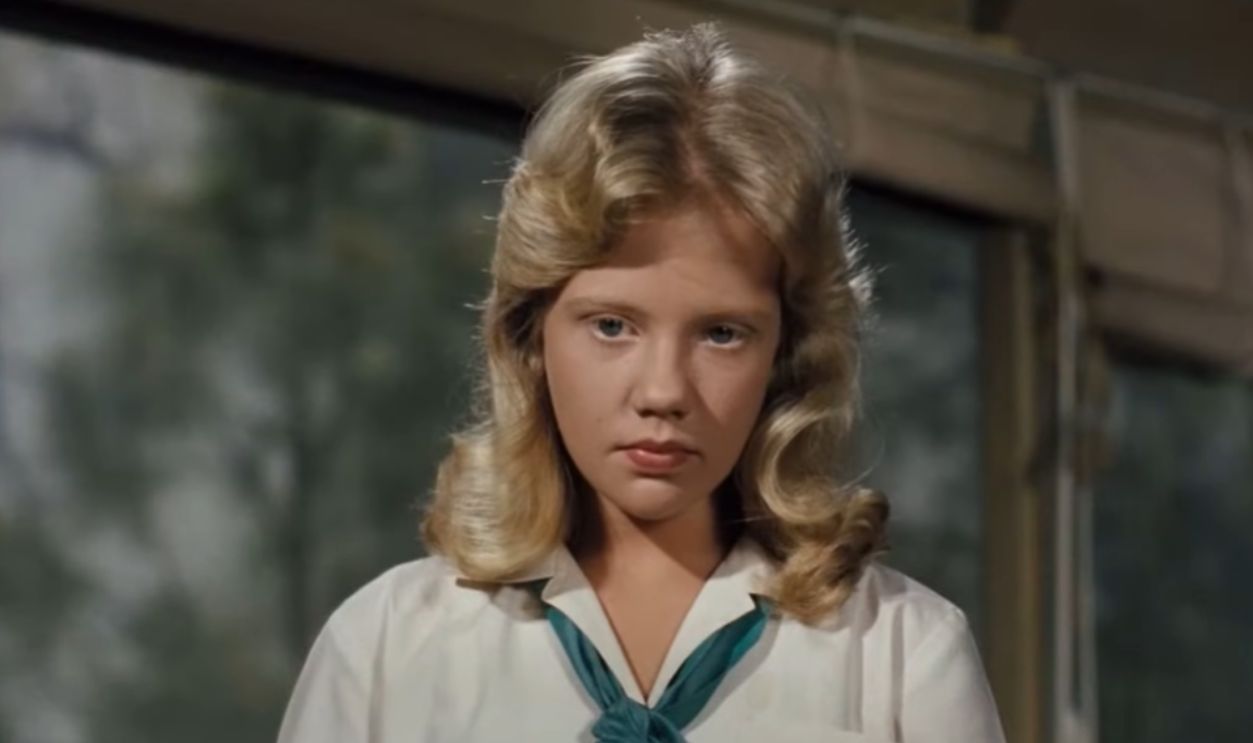 Screenshot from The Parent Trap, Walt Disney Productions (1961)
A String of Disney Successes
Throughout the early 1960s, Mills starred in hits like In Search of the Castaways (1962), Summer Magic (1963), and That Darn Cat! (1965). Her image was wholesome, intelligent, and charming — the perfect Disney formula.
Behind the scenes, the paychecks were enormous for a teenager.
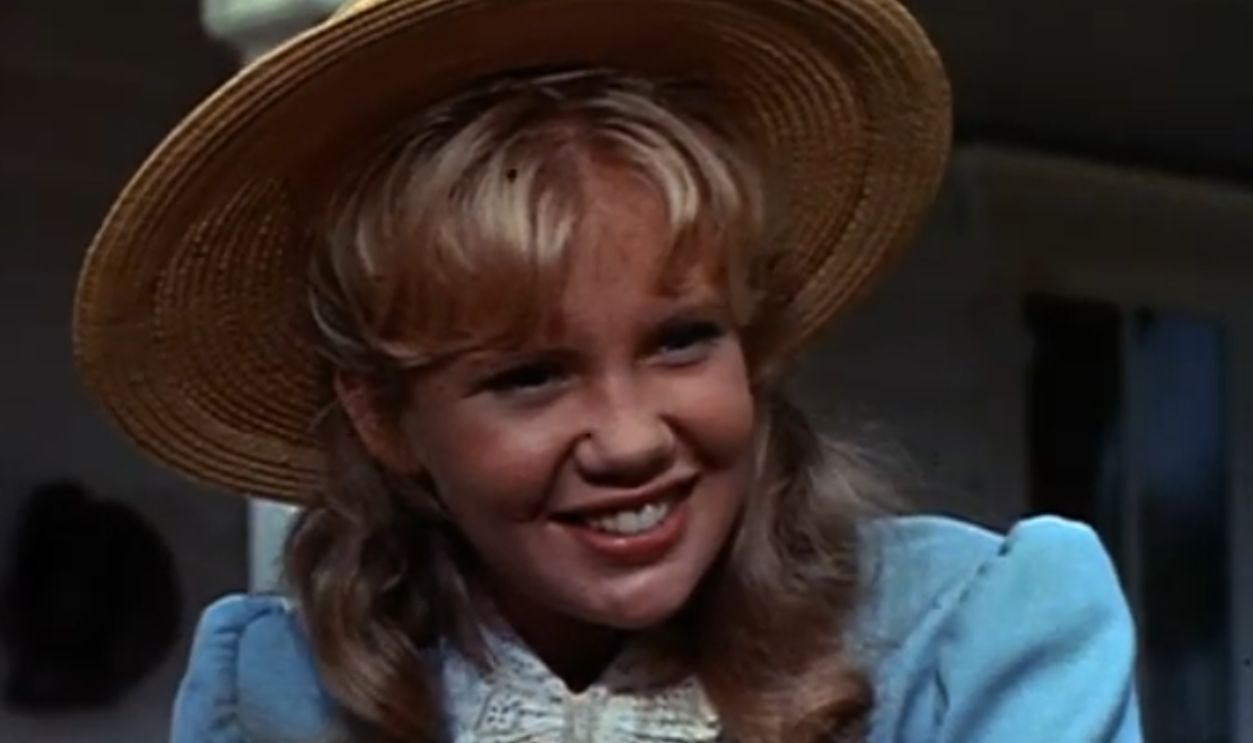 Screenshot from Summer Magic, Walt Disney Productions (1963)
A Childhood Spent Working
While many kids her age were in school full-time, Hayley was on film sets around the world. She later reflected that her childhood was structured around production schedules, publicity tours, and studio expectations.
She was earning millions — but she wasn’t managing any of it.
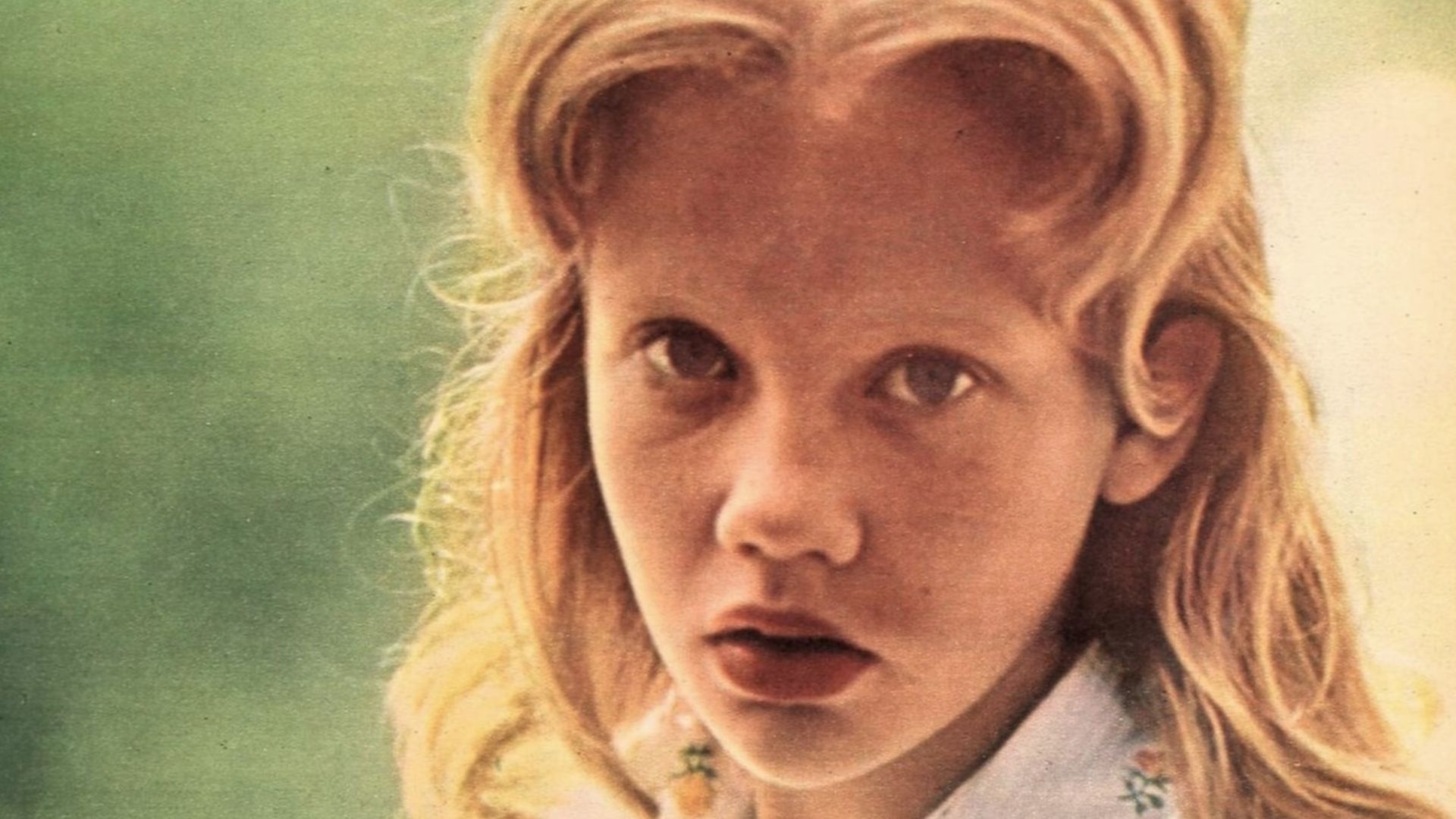 Dell Publishing, 1960. Photographer not credited (Topix [1]), Wikimedia Commons
The Tax Structure That Changed Everything
During the height of her career, British tax laws were punishingly high for top earners — sometimes exceeding 90%. To legally minimize that burden, Hayley’s father established a trust for her earnings.
The intention was protection. The result was devastating.

The Government’s Claim
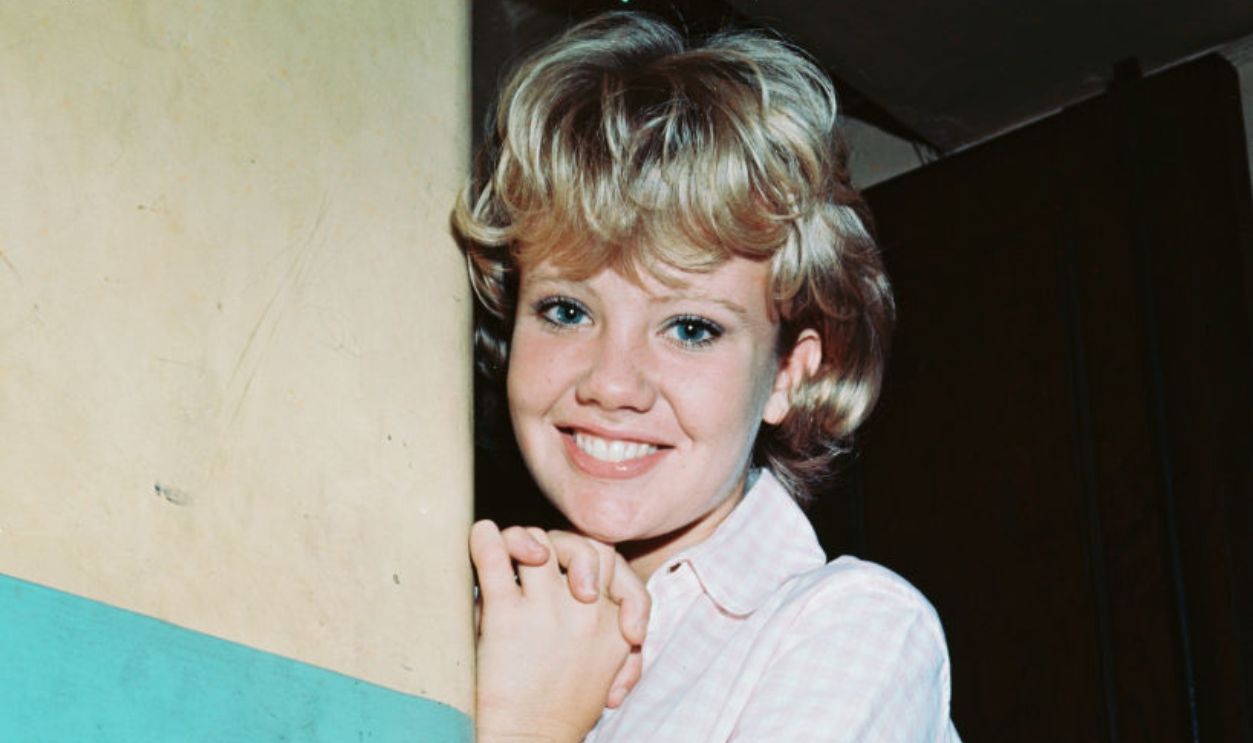
Years later, Hayley discovered that changes in tax interpretation meant much of her income was no longer shielded as expected. According to her later interviews, she lost the majority of her childhood fortune to taxes before she was ever allowed direct access to it.
By adulthood, most of the money was gone.
 Silver Screen Collection, Getty Images
“I Didn’t Know Anything About It”
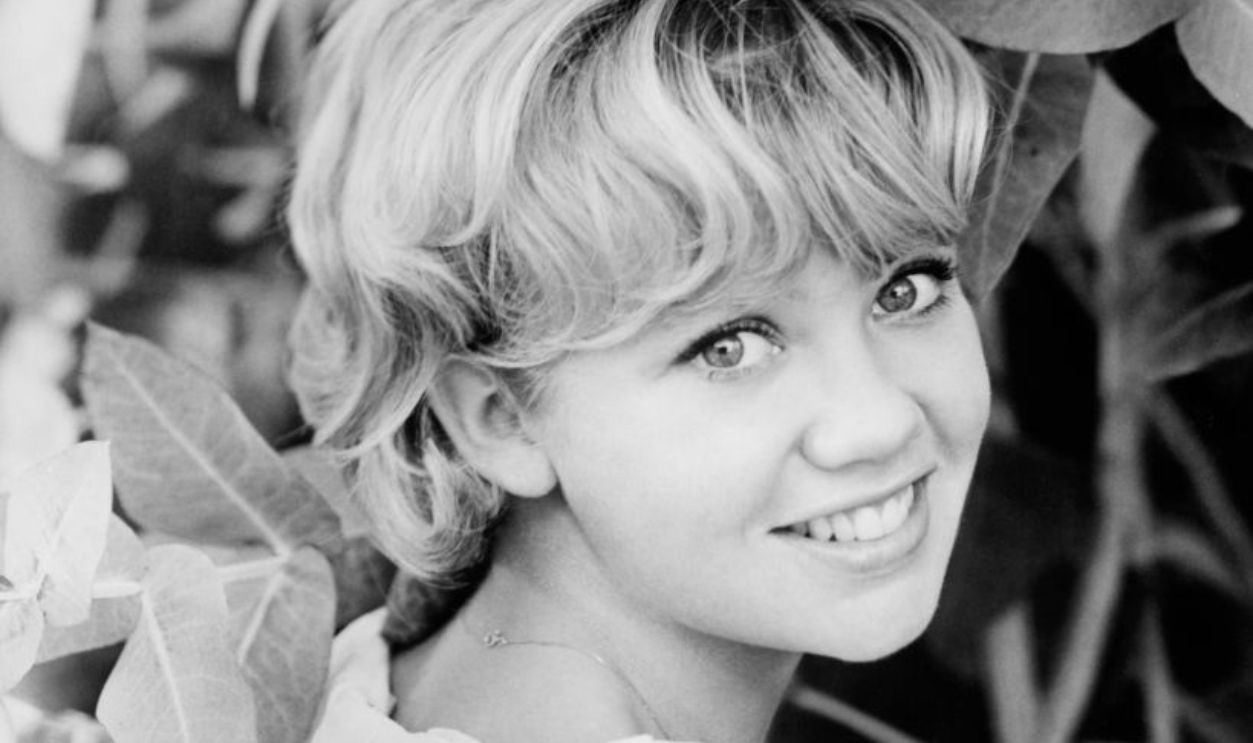
Mills later explained in interviews that as a child, she had no understanding of financial structures or government claims. She trusted the adults around her. The shock came later, when she realized the scale of what had been lost.
It wasn’t misbehavior. It wasn’t scandal. It was bureaucracy.
 Silver Screen Collection, Getty Images
Turning 21 — and Facing Reality
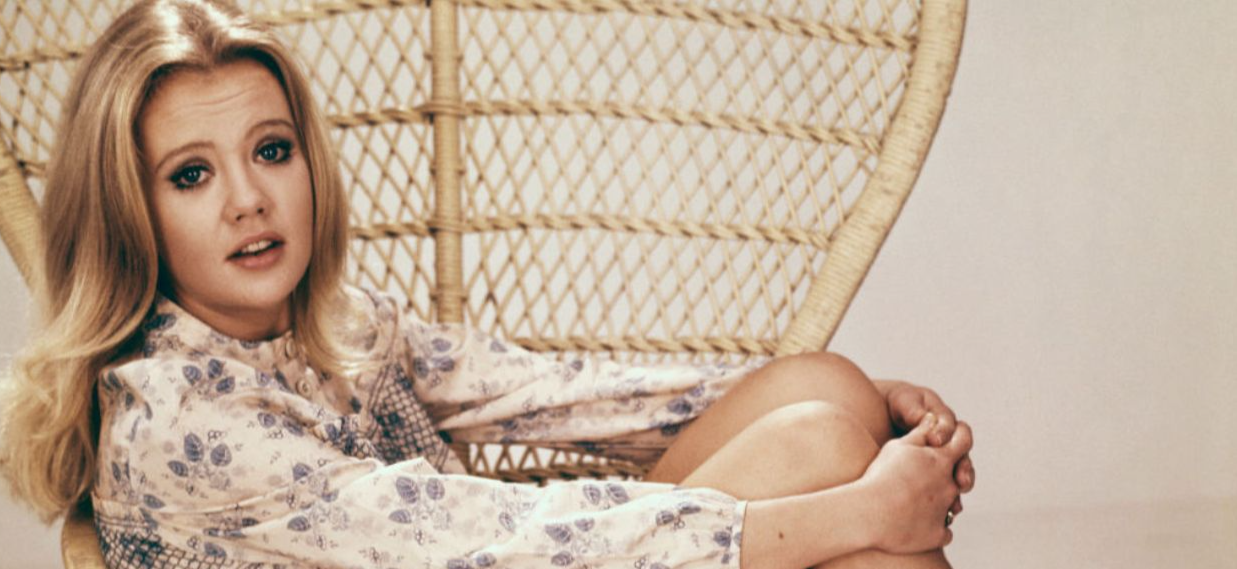
When she reached adulthood and gained control over her finances, the numbers were sobering. The fortune built during her Disney years had been dramatically reduced. The girl who had helped generate millions for studios was starting over financially.
Breaking Away From Disney
As she grew older, Mills intentionally stepped away from the wholesome Disney image. Films like The Trouble with Angels (1966) showed a more mature side, but transitioning from child star to adult actress proved difficult.
The industry doesn’t always grow up with its stars.
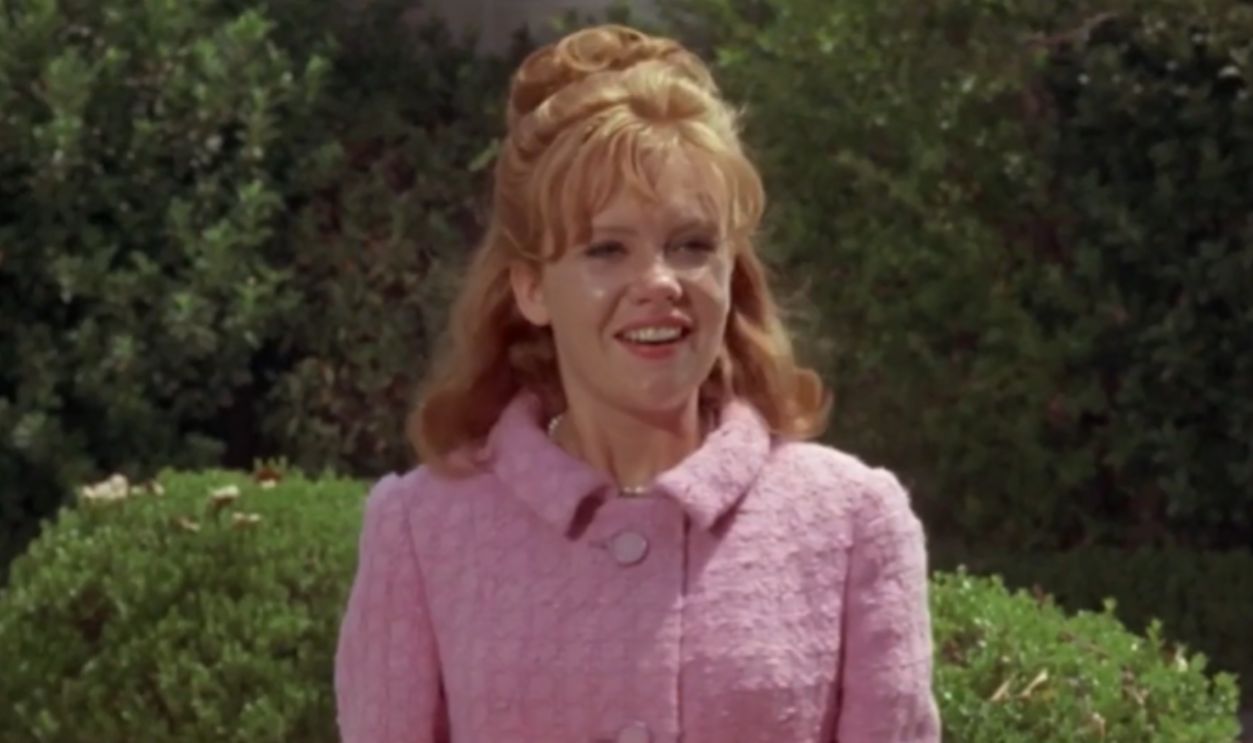 Screenshot from The Trouble with Angels, Columbia Pictures (1966)
Personal and Professional Challenges
In the 1970s and 1980s, Mills navigated a quieter career in theater and television. She faced the common struggle of former child actors — redefining identity after early fame. The financial losses only added pressure.
Speaking Out Years Later
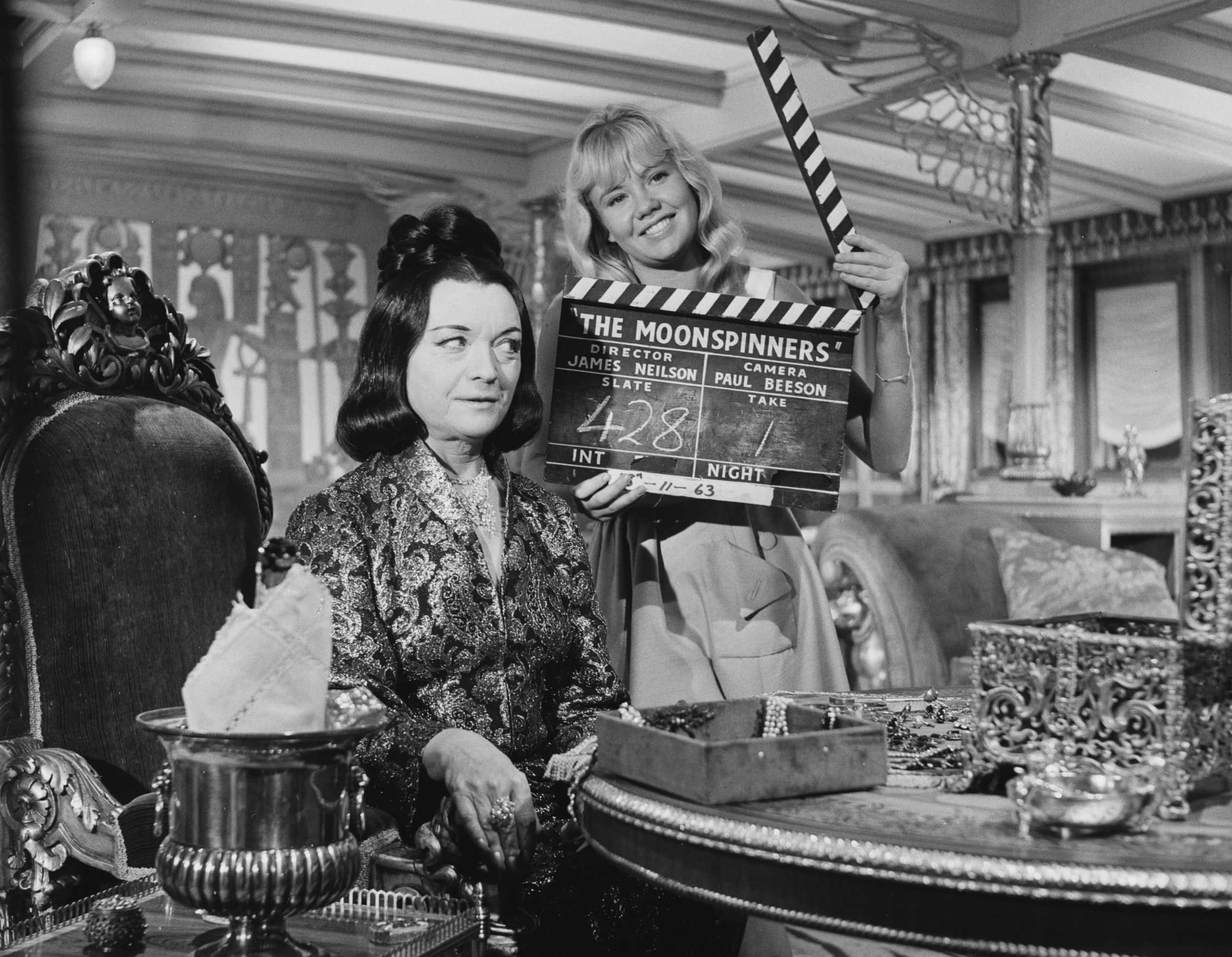
In later interviews and in her memoir, Mills spoke openly about the tax situation and how it reshaped her understanding of fame and security. She never framed herself as a victim — but she was honest about the emotional impact.
It was a hard lesson learned very young.
 Silver Screen Collection, Getty Images
A Different Kind of Resilience
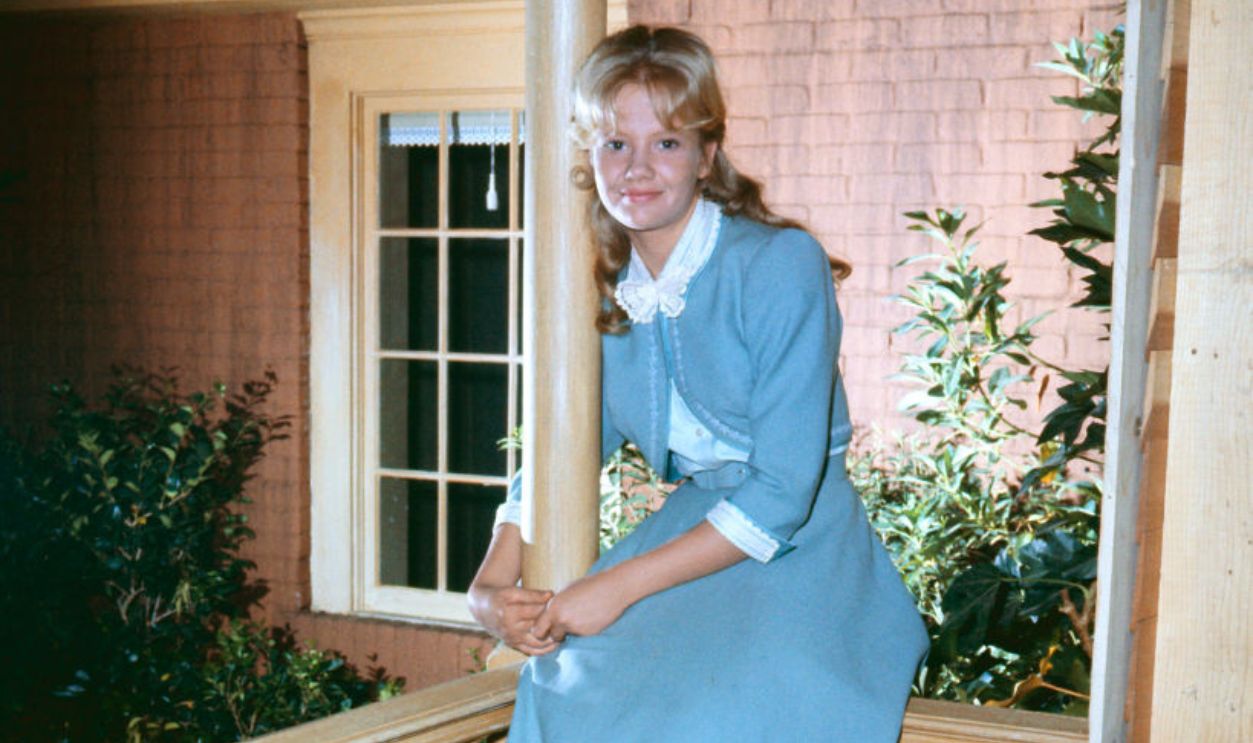
Rather than chasing blockbuster fame again, Mills focused on steady work. She built a respected stage career and returned to television projects, including reprising her role in The Parent Trap sequels decades later.
She wasn’t chasing nostalgia — she was reclaiming her legacy.
 Silver Screen Collection, Getty Images
The Cost of Being a Child Star
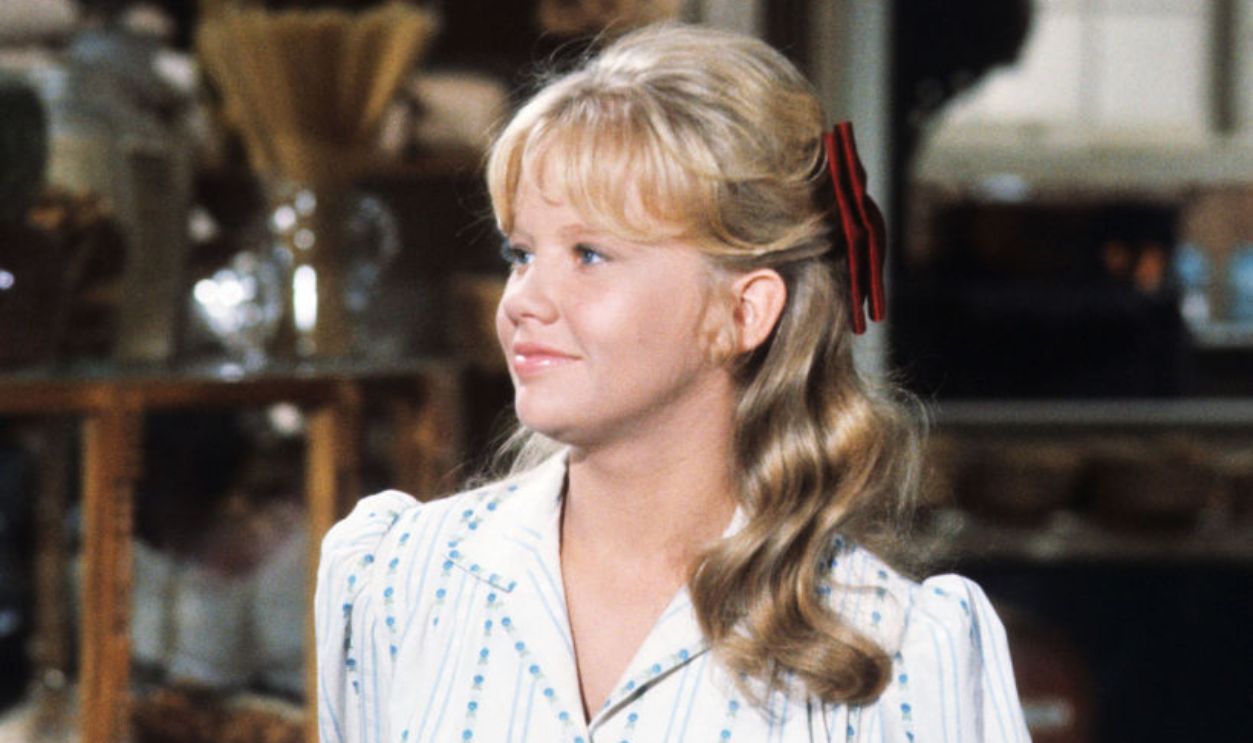
Hayley Mills’ story became a cautionary tale about child earnings, taxation, and financial protection. Unlike some child stars whose money was mismanaged by parents, her loss came through legal structures and government policy.
That distinction matters.

The Industry Changes Slowly
Stories like Mills’ contributed to broader conversations about child actor protections and financial safeguards. While laws vary by country, awareness around trust structures and earnings oversight grew stronger over time.
Her experience helped inform future generations.
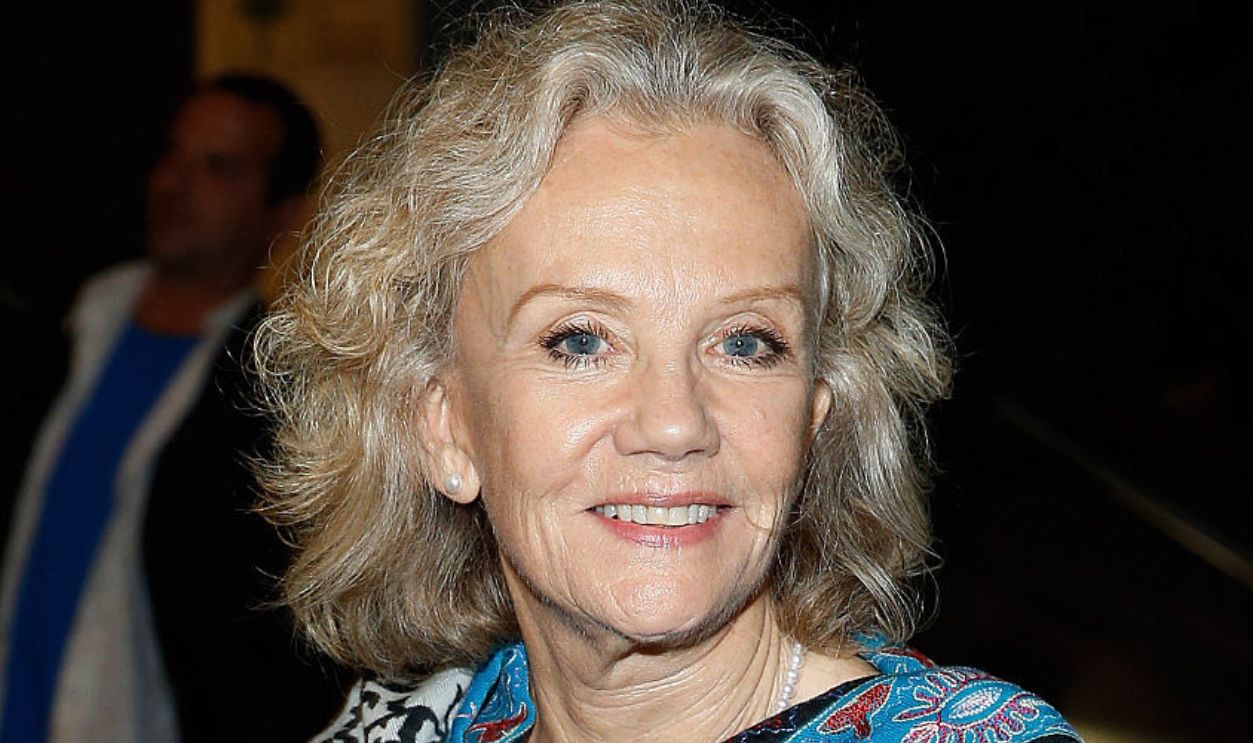
Still Working, Still Standing
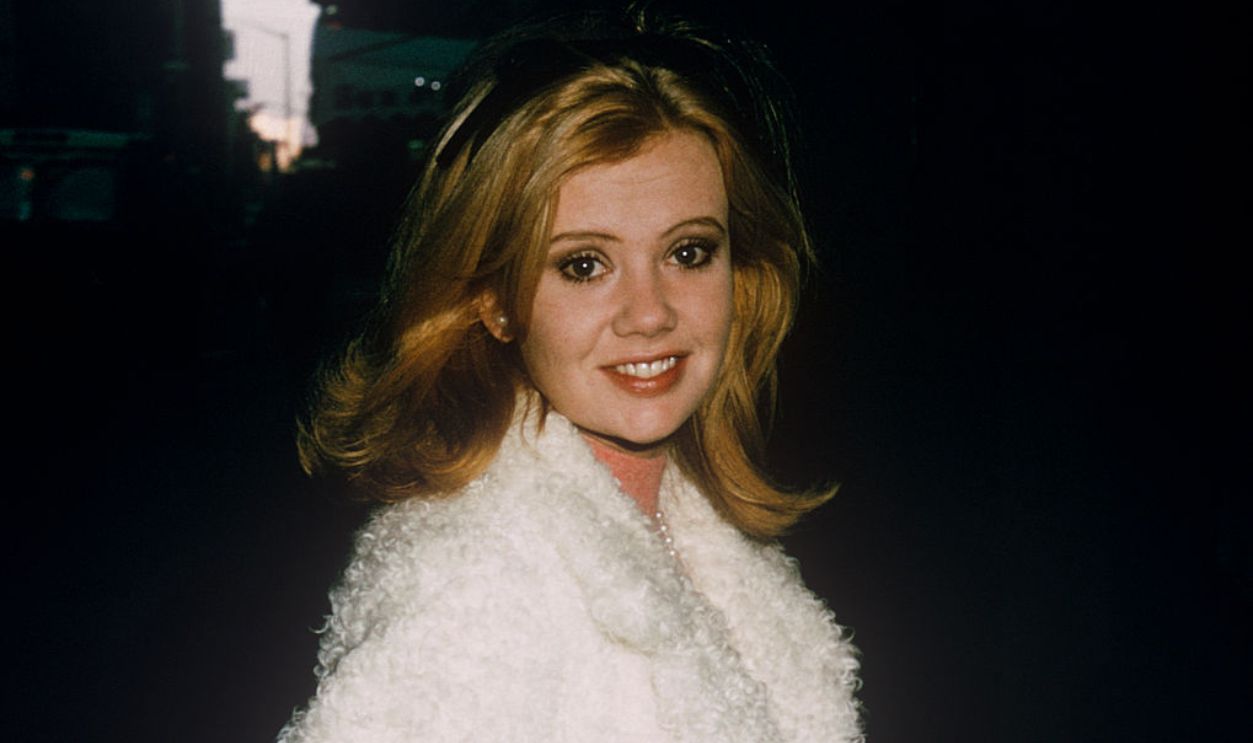
Unlike many former child stars, Hayley Mills never disappeared completely. She continued acting in film, television, and theater well into adulthood. Her talent — the thing that launched her career — remained intact.
Looking Back Without Bitterness
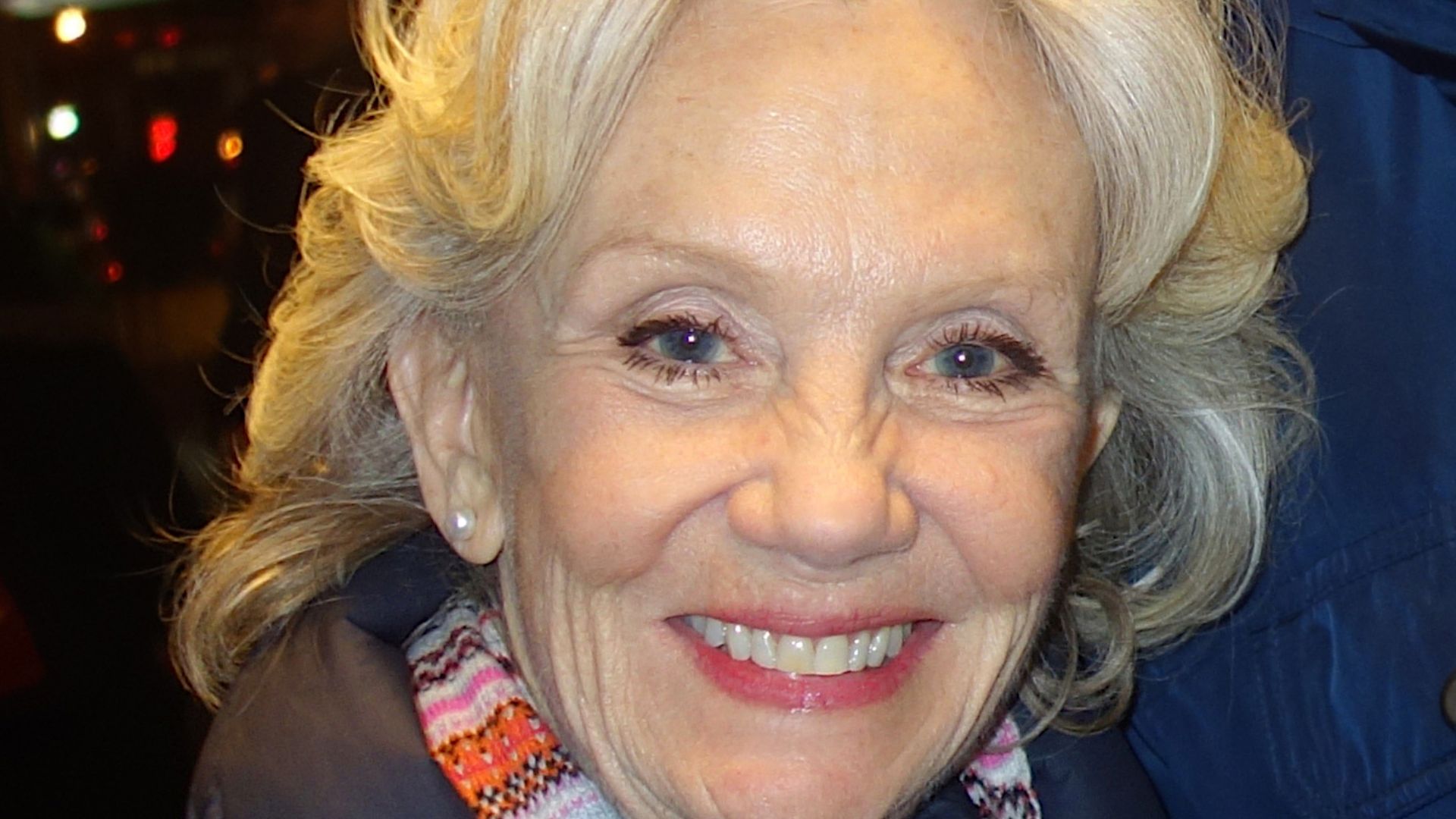
In interviews, Mills has expressed gratitude for her career despite the financial losses. She has spoken warmly about Walt Disney and the opportunities she received. The disappointment never erased the pride.
More Than a Fortune Lost
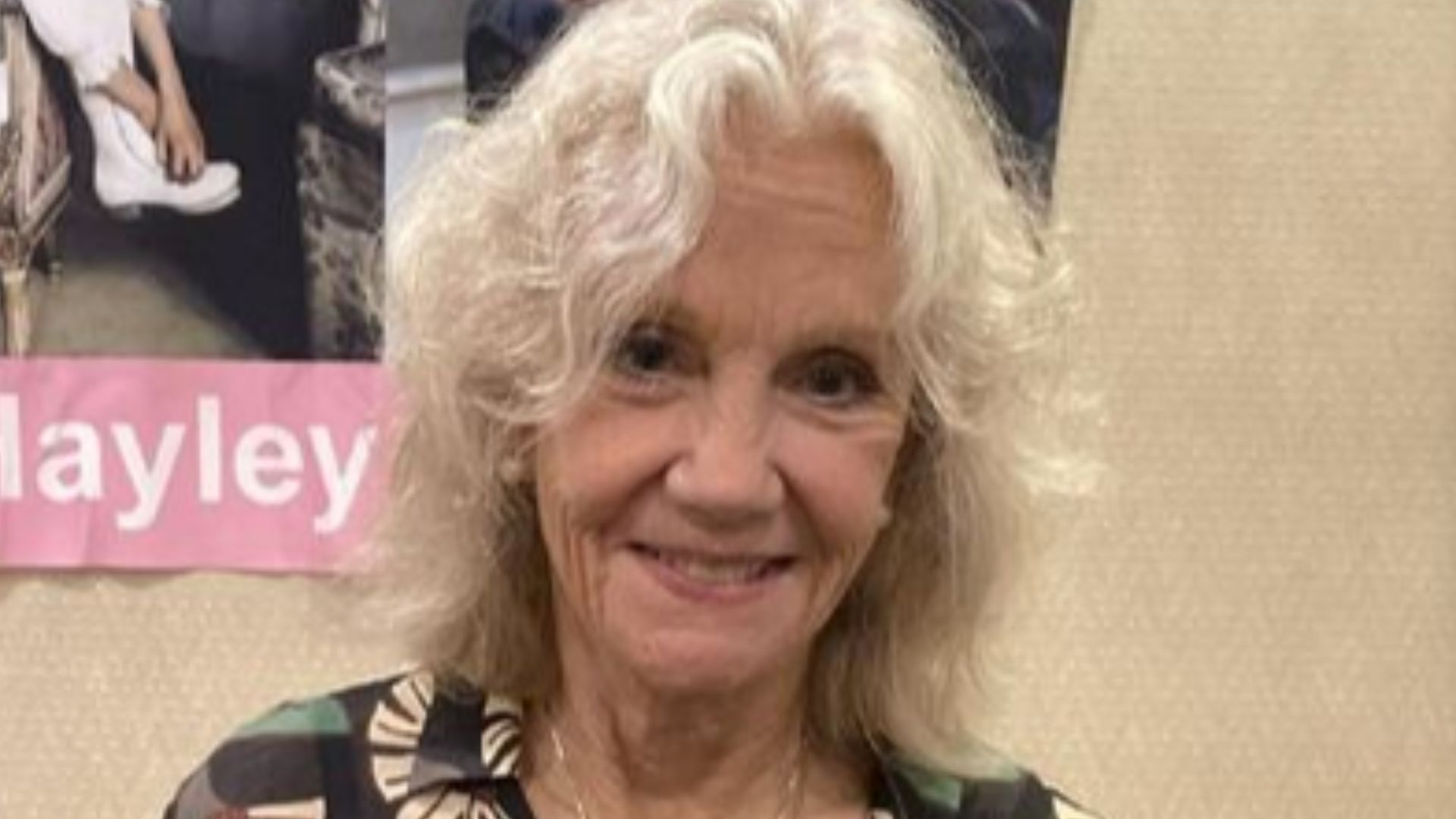
Yes, she built a childhood fortune she barely got to see. Yes, the government claimed much of it before she could touch it. But Hayley Mills also built something harder to tax — a lasting place in film history.
She was Disney’s golden girl. And she survived the fine print.
 John Mathew Smith & www.celebrity-photos.com, Wikimedia Commons
You May Also Like:
Hilary Duff was America’s favorite teen star—until the world decided she was no longer a child.