When Hilary Duff Grew Up Too Fast
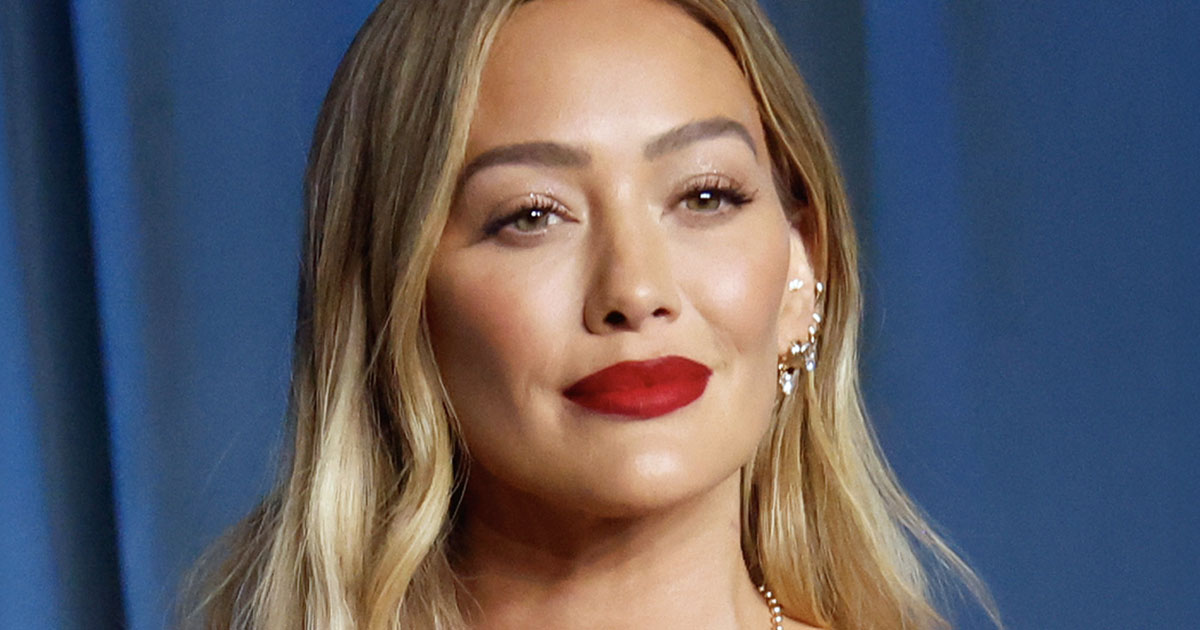
Hilary Duff became famous as the kind of kid everyone trusted. She smiled easily, spoke politely, and seemed untouched by Hollywood’s darker edges. But for years, there was a story trailing her childhood that never quite came into focus—one she carried quietly until she was strong enough to outrun it.
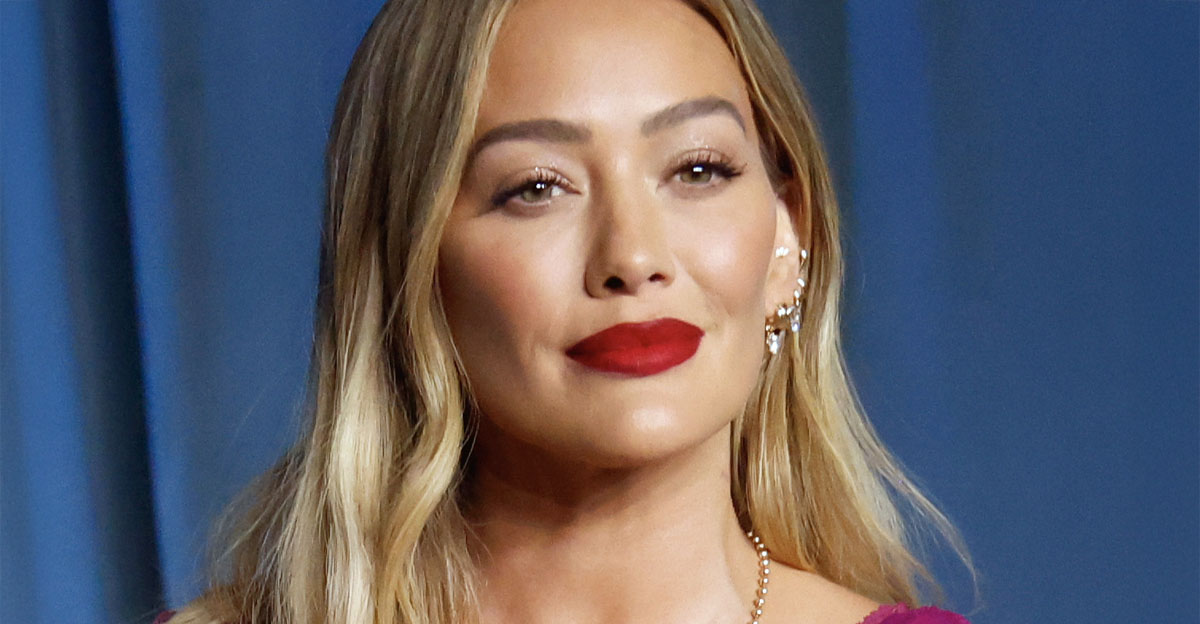 Taylor Hill / Contributor via Getty Images
A Childhood Rerouted Early
Hilary Erhard Duff was born on September 28, 1987, in Houston, Texas. Her mother, Susan Duff, was a film producer and manager who recognized Hilary’s interest in performing early. By age six, Hilary and her older sister Haylie were enrolled in acting, ballet, and vocal training. Childhood quickly became structured around auditions.
Leaving Home Before She Was Ready
In the mid-1990s, Susan Duff moved Hilary and Haylie to Los Angeles to pursue acting full time. Hilary was still in elementary school. The transition meant homeschooling, long days on sets, and a life shaped almost entirely by adult schedules and expectations.
Disney Finds Its Perfect Face
In 2001, Hilary landed the role of Lizzie McGuire on Disney Channel’s Lizzie McGuire. Filmed primarily in Los Angeles, the show became a phenomenon. Hilary was 13 years old when it premiered. Overnight, she became one of the most recognizable teens in the world.
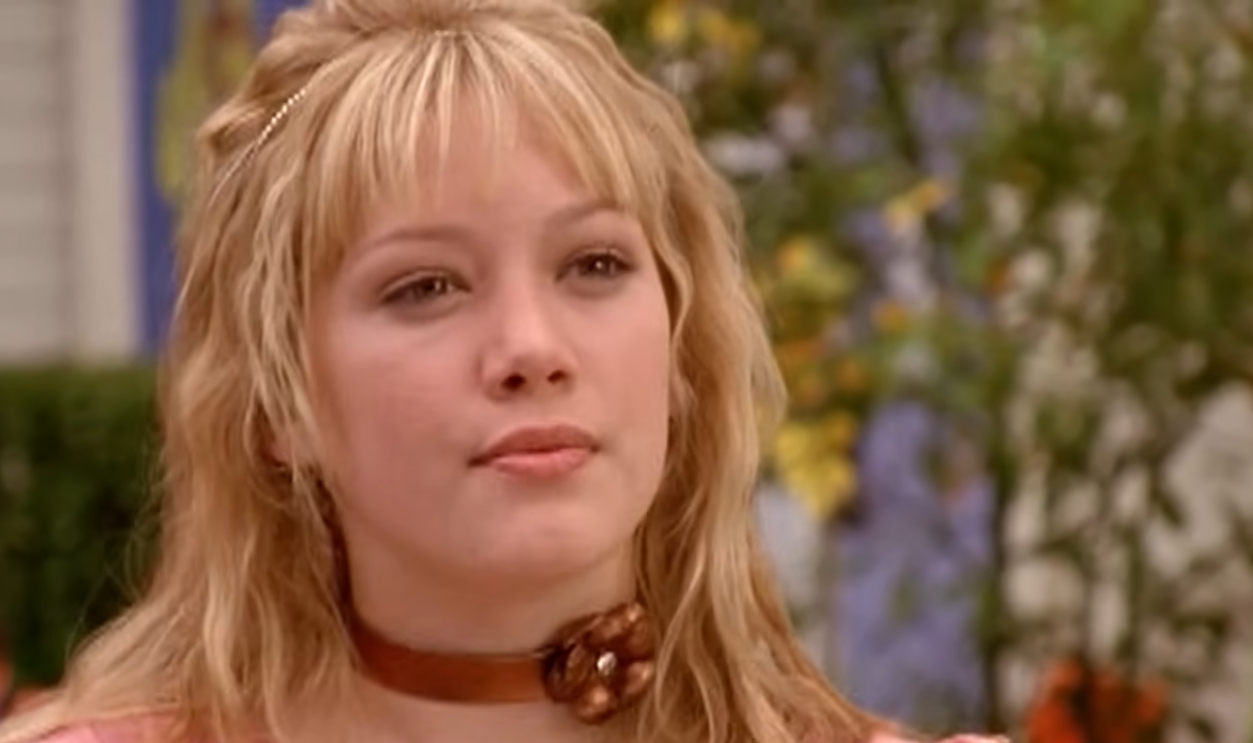 Screenshot from Lizzie McGuire, Disney Channel (2001-2004)
A Brand, Not Just a Kid
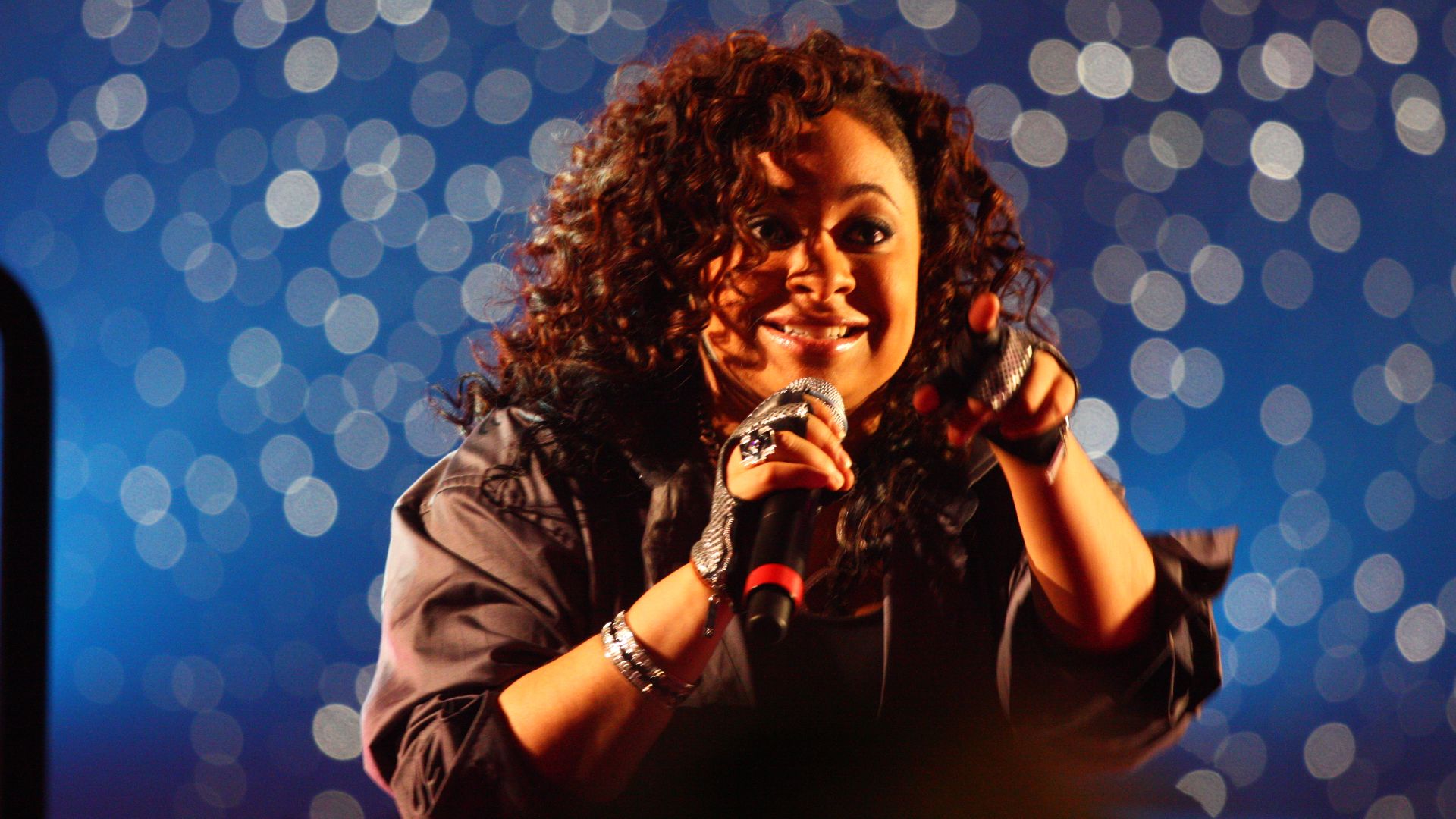
With Lizzie’s success came merchandise, albums, tours, movies, and press appearances. Hilary wasn’t just acting. She was a brand. Former Disney star Raven-Symoné later said, “You weren’t allowed to mess up. You had to be perfect all the time.” Hilary learned that lesson quickly.
 Alex Calderon, Wikimedia Commons
Growing Up Under a Microscope
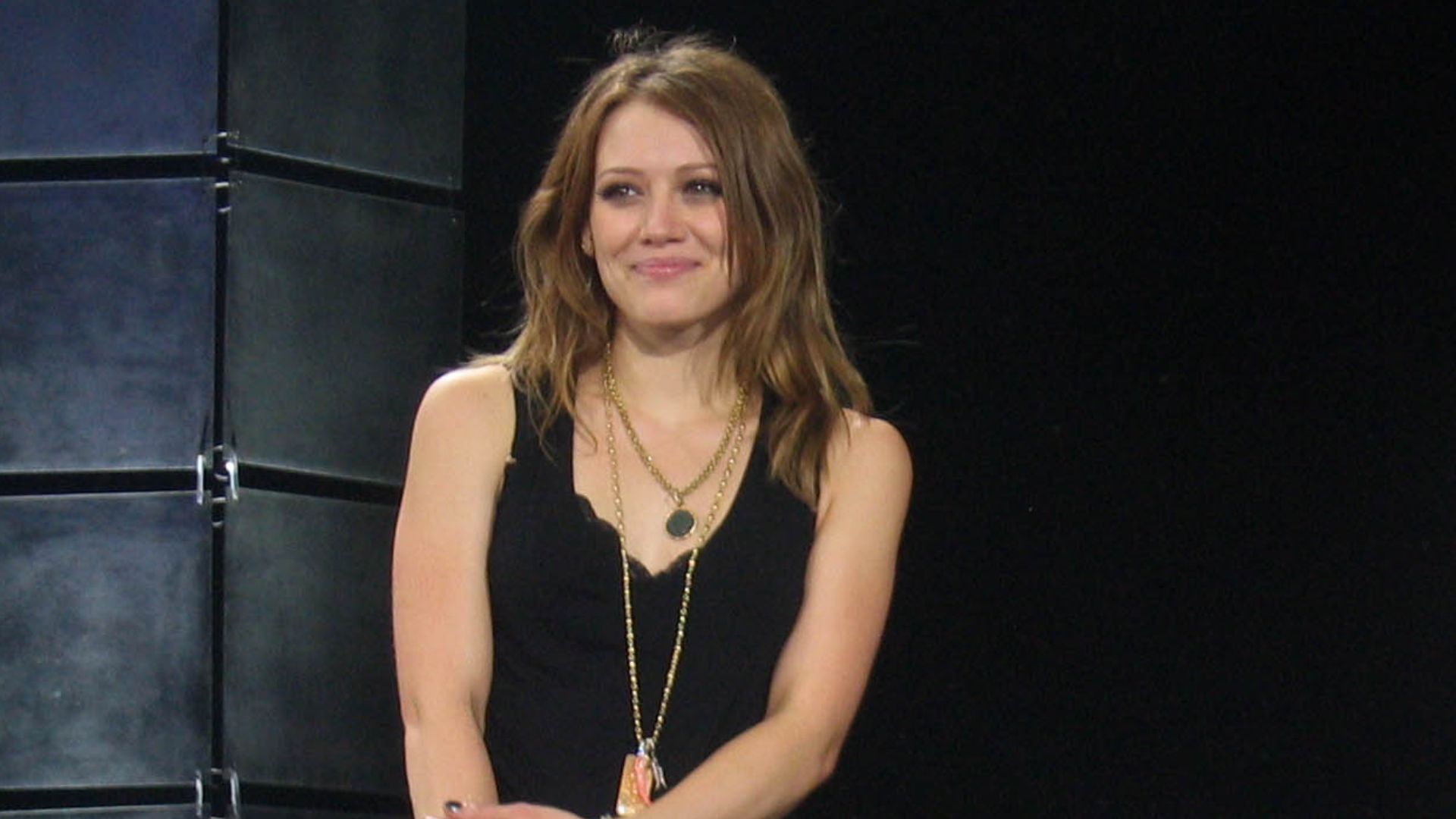
As Hilary entered her teens, media attention shifted. Outfits were scrutinized. Weight was discussed openly. In 2004, tabloids criticized her appearance relentlessly. Hilary later said, “I was 17 years old. I shouldn’t have been worrying about that stuff.”
 Wyatt Smith, Wikimedia Commons
Adults Deciding What Was ‘Appropriate’
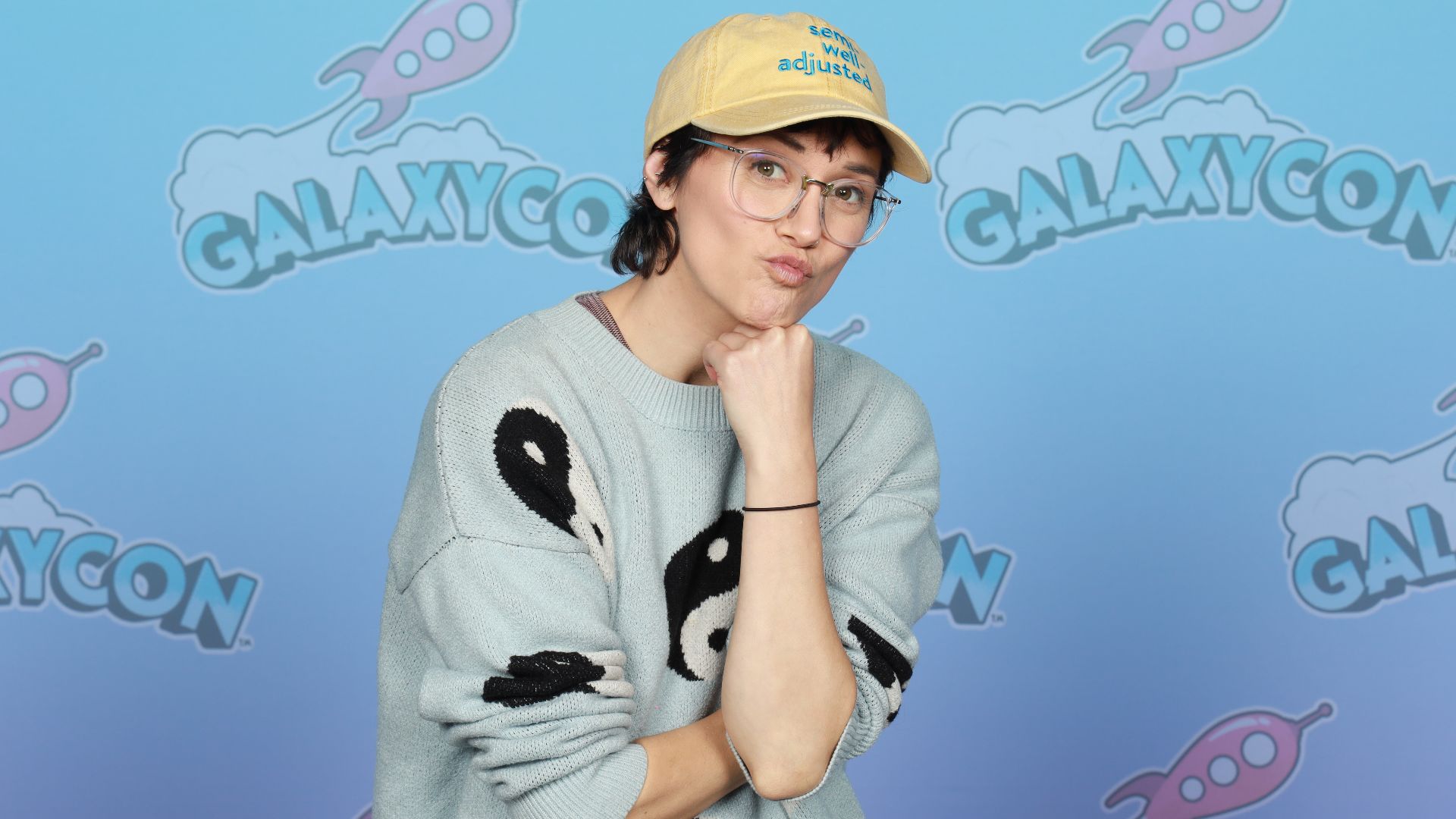
Creative decisions around Hilary’s image were rarely hers. Executives, marketers, and producers weighed in on how she should look, dress, and behave. Actress Alyson Stoner later reflected on the era, saying child performers were often “treated like products before people.” Hilary lived inside that reality.
 Super Festivals from Ft. Lauderdale, USA, Wikimedia Commons
The Pressure to Stay ‘Marketable’
Hilary was encouraged to mature just enough to stay relevant, but not enough to lose Disney’s approval. It was a narrow line. She once said she felt trapped between being a kid and being told to act like an adult, without being allowed to fully be either.
A Relationship That Raised Eyebrows
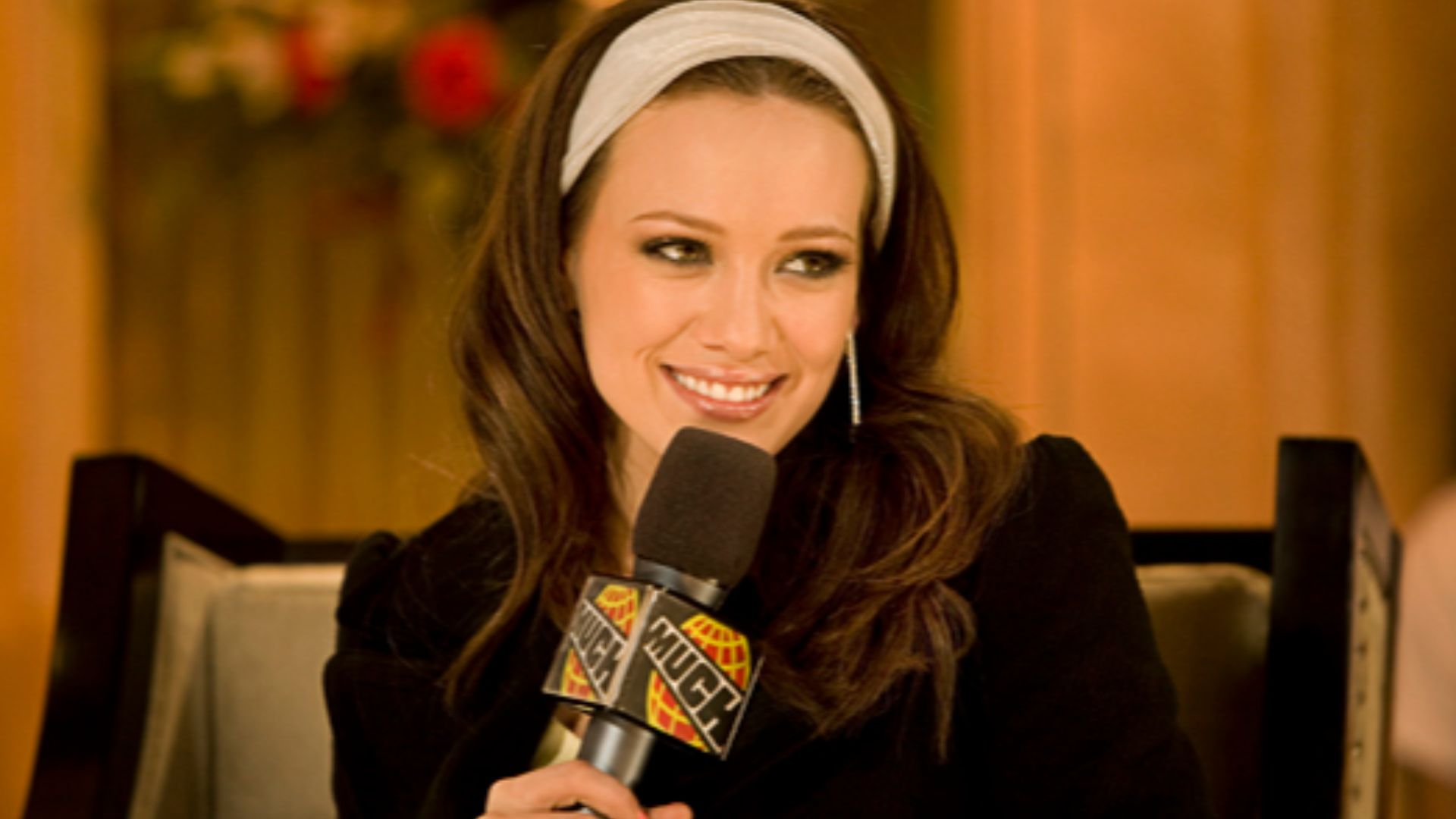
In 2000, when Hilary was 13, she met singer Aaron Carter, who was also young but heavily managed and touring. Their highly publicized relationship became fodder for tabloids and fan magazines. Years later, Hilary acknowledged how strange it felt to have private emotions turned into headlines.
 Peter Dzubay, Wikimedia Commons
Fame Without Emotional Armor
Hilary has said that she didn’t fully understand the consequences of fame while it was happening. “You don’t realize it until later,” she said in interviews. “You’re just trying to keep going.” The pace left little time to process discomfort.
A Legal Wake-Up Call
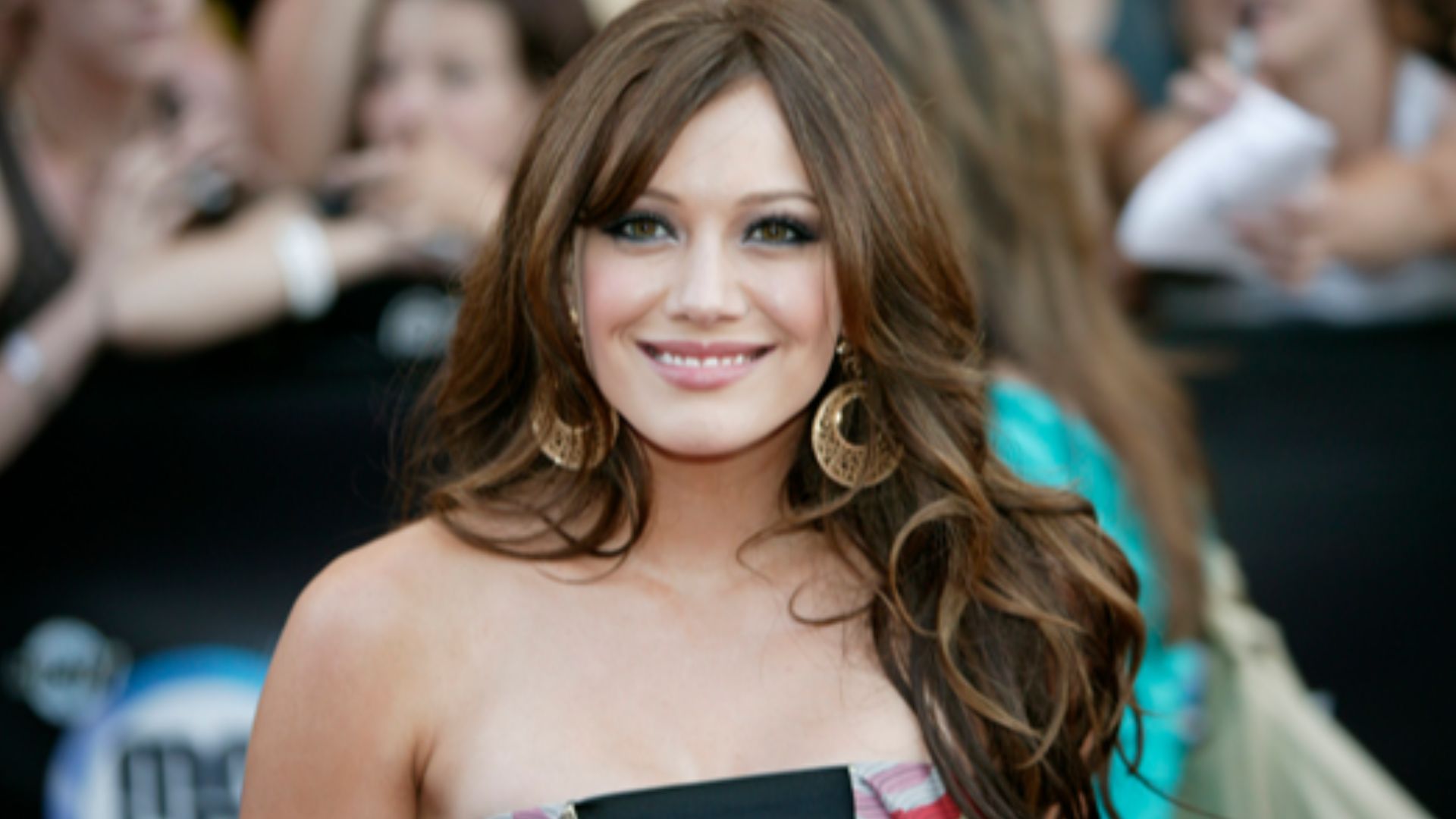
In 2006, Hilary sued her former manager, alleging mismanagement of millions of dollars earned during her childhood. The lawsuit was settled, but it marked a turning point. Hilary was finally asserting control over a career she’d never truly owned.

Watching Others Fall
Hilary quietly observed what happened to other child stars who couldn’t escape. She saw careers collapse under pressure. Amanda Bynes, Britney Spears, and others became cautionary tales. Hilary later said she was “lucky to have family protection,” even if it wasn’t perfect.
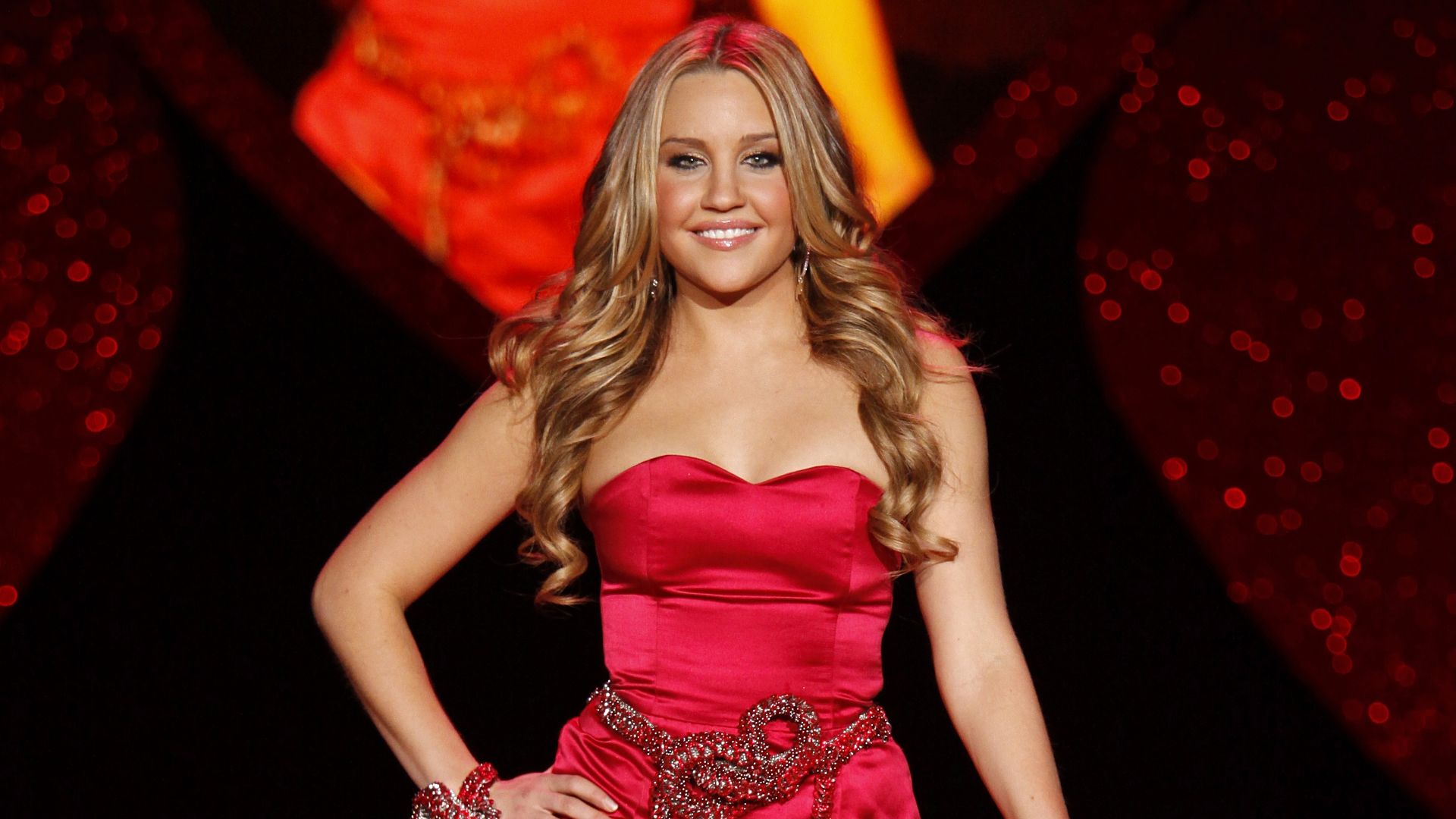 The Heart Truth, Wikimedia Commons
Stepping Away on Her Own Terms
By her early twenties, Hilary deliberately slowed down. She turned down roles, distanced herself from Disney, and focused on independence. “I needed space,” she said. The industry didn’t love that choice, but it saved her.

Reclaiming Her Voice as an Adult
Hilary returned to acting with Younger in 2015, filmed in New York City. The role was adult, grounded, and self-directed. For the first time, she wasn’t being shaped for a demographic. She was choosing her work.

Motherhood Changes the Perspective
Becoming a mother deepened Hilary’s reflections on her past. She’s spoken about wanting to protect her children from pressures she normalized as a kid. “I look back and think, how did I handle all that?” she said.
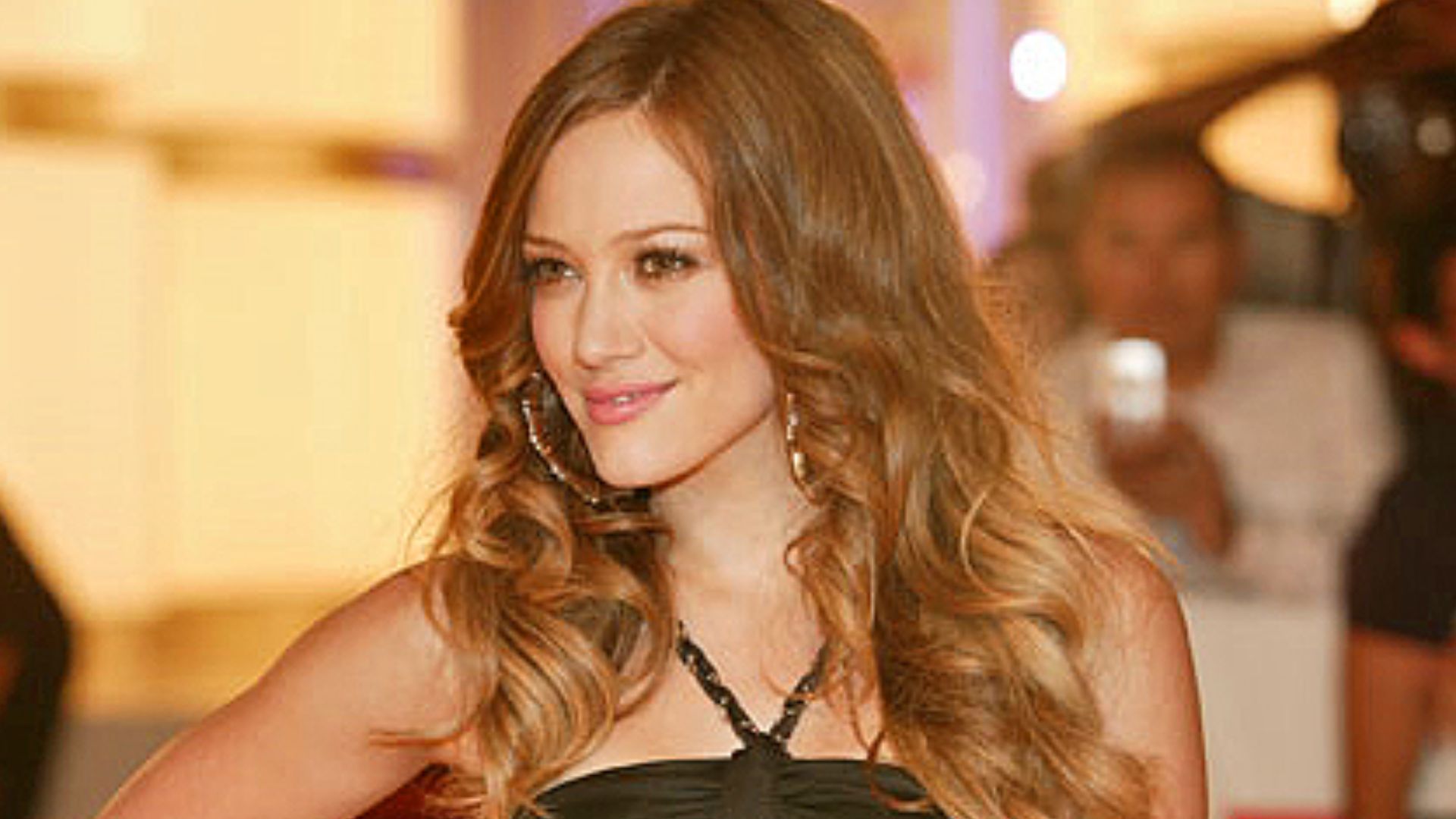 RobinWong www.robinwong.ca, Wikimedia Commons
Public Concern, Quiet Respect
Fans often comment on how different Hilary seems now—calmer, steadier, more private. There’s concern when childhood stars disappear, but with Hilary, there’s relief. She didn’t vanish. She stepped away.
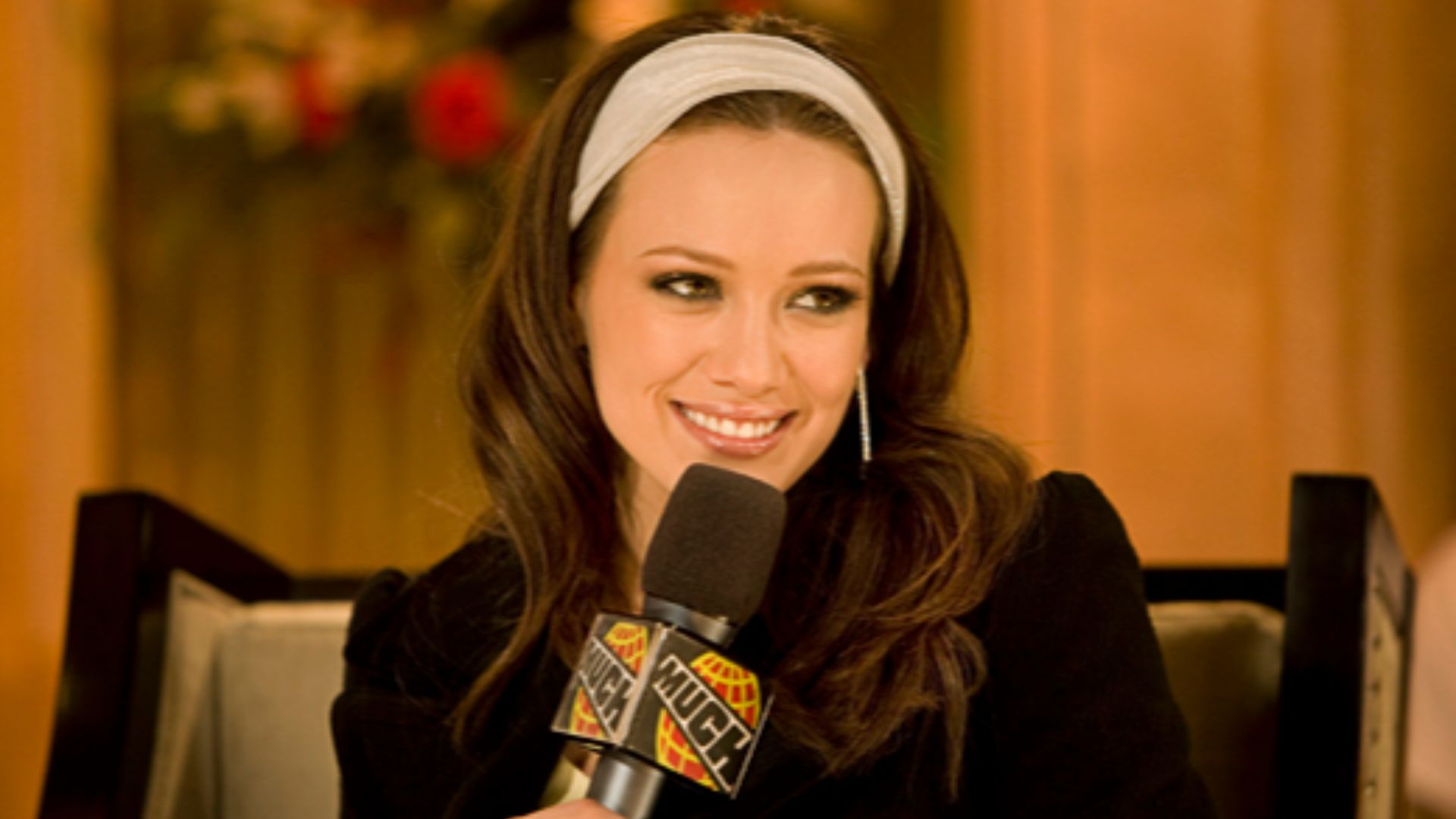
The Story She Rarely Told
For years, Hilary hinted at one experience that shaped her deeply. She never sensationalized it. She simply acknowledged that something crossed a line when she was young, and that it stayed with her.
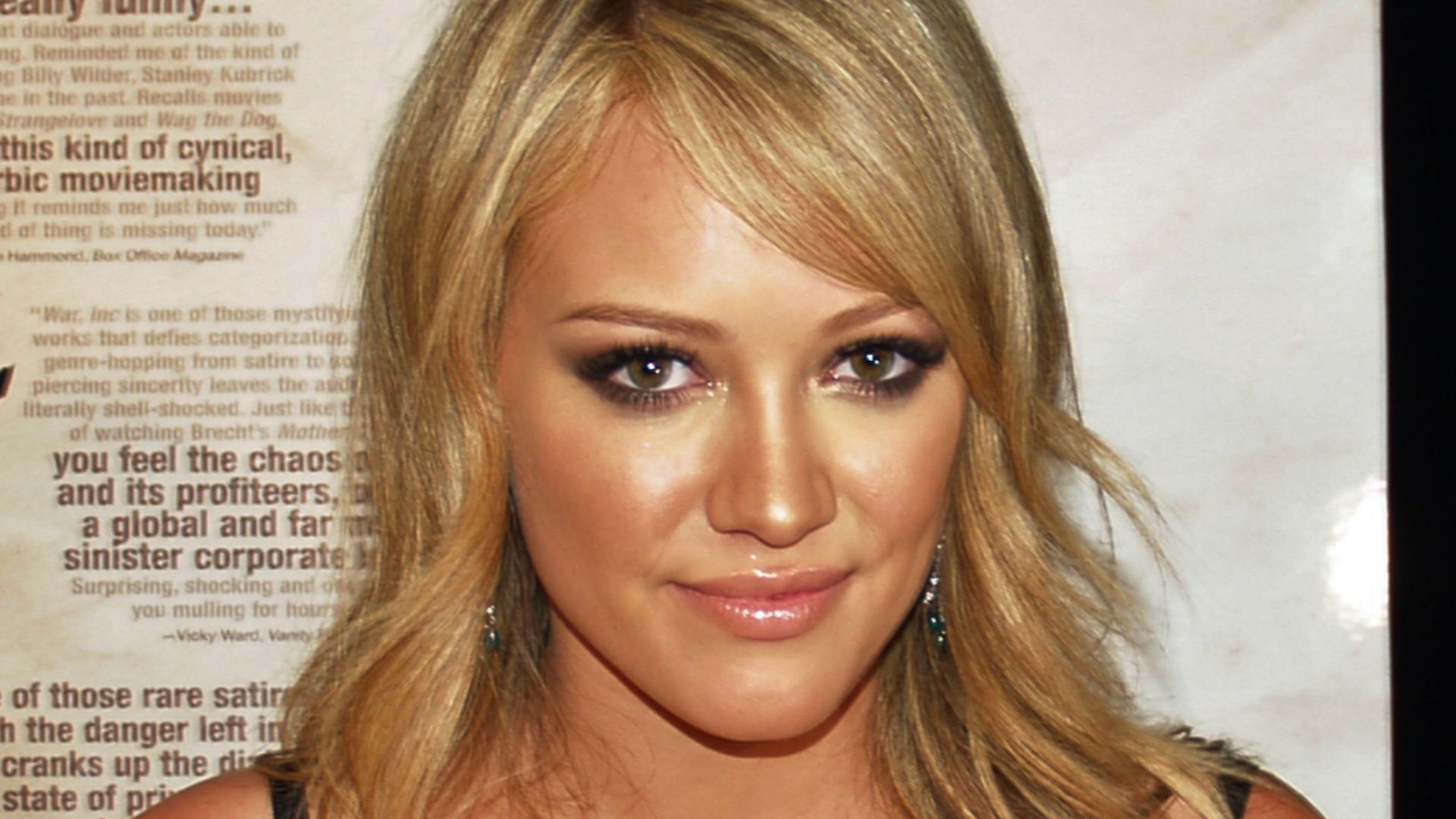 David Shankbone, Wikimedia Commons
The Moment That Changed Everything
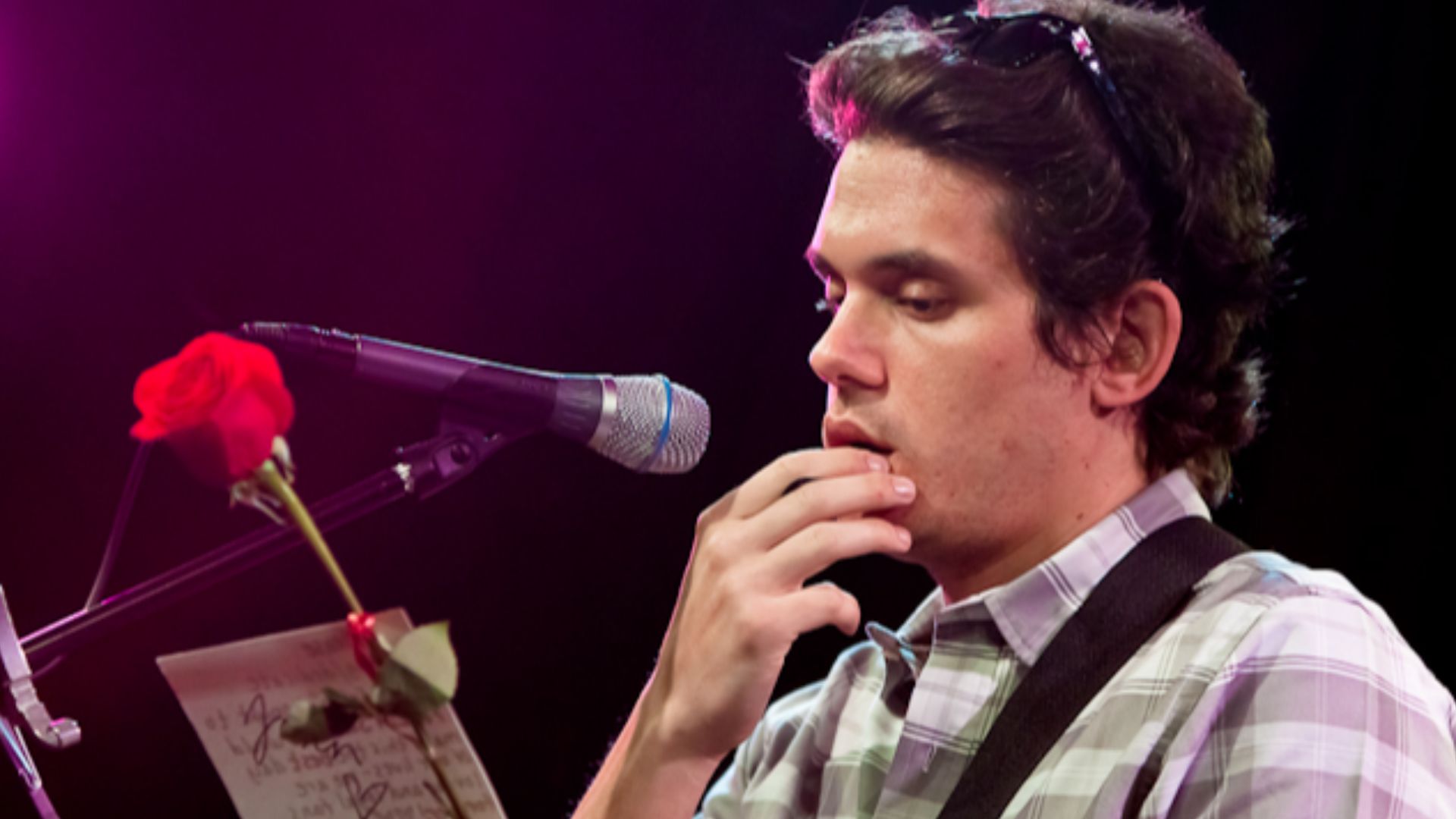
In 2006, when Hilary Duff was just 18, musician John Mayer publicly described her as “the most alluring presence” in pop culture in an interview with Rolling Stone. The comment quickly spread through tabloids, turning her from a former child star into a subject of adult scrutiny overnight.
 Stephen Eckert, Wikimedia Commons
When Childhood Protection Disappeared
Hilary later addressed the moment directly, calling the comment “inappropriate” and saying it made her deeply uncomfortable at a time when she was still figuring out who she was. “I didn’t know how to handle that kind of attention,” she later said. The incident marked a clear shift for her — a moment when she realized how little control she had over how her image was being used, and how suddenly childhood protection could disappear.
 Katie Krause, Wikimedia Commons
Why Her Survival Matters
Hilary Duff’s story isn’t about collapse. It’s about endurance. She grew up inside a system that blurred boundaries, survived it quietly, and chose herself before it could take more. And that may be her greatest achievement.
 The Heart Truth, Wikimedia Commons
You May Also Like: