
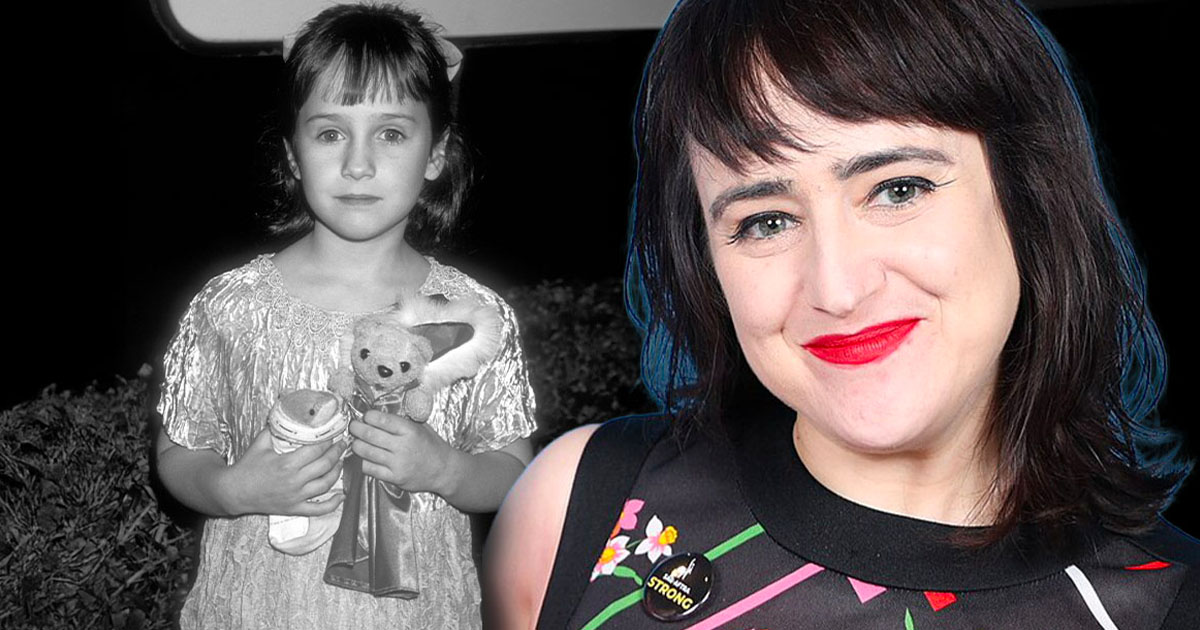
When Childhood Stardom Was More Than a Role
Mara Wilson enchanted audiences in movies like Mrs. Doubtfire and Matilda. Her performances felt joyful and bright. But as she’s shared later in life, some of the challenges she faced weren’t on camera — they were digital, public, and deeply distressing.
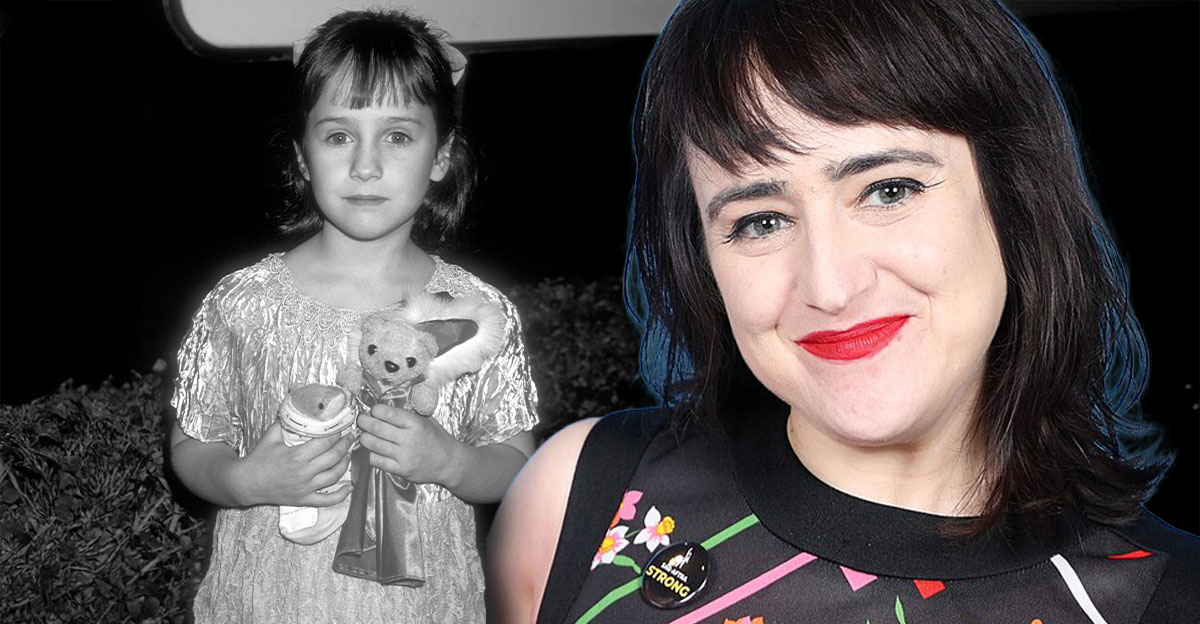
A World That Saw Her Too Early
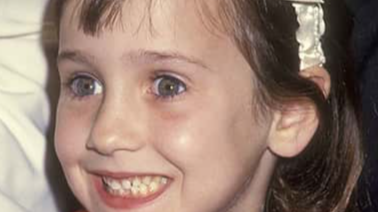
Mara Wilson was born on July 24, 1987, in Burbank, California. By age five she was acting in commercials and soon landed major movie roles. In Mrs. Doubtfire (1993) and later Matilda (1996), she exhibited talent, humor, and thoughtfulness far beyond her years. But there was little time or space to be just a child off set.
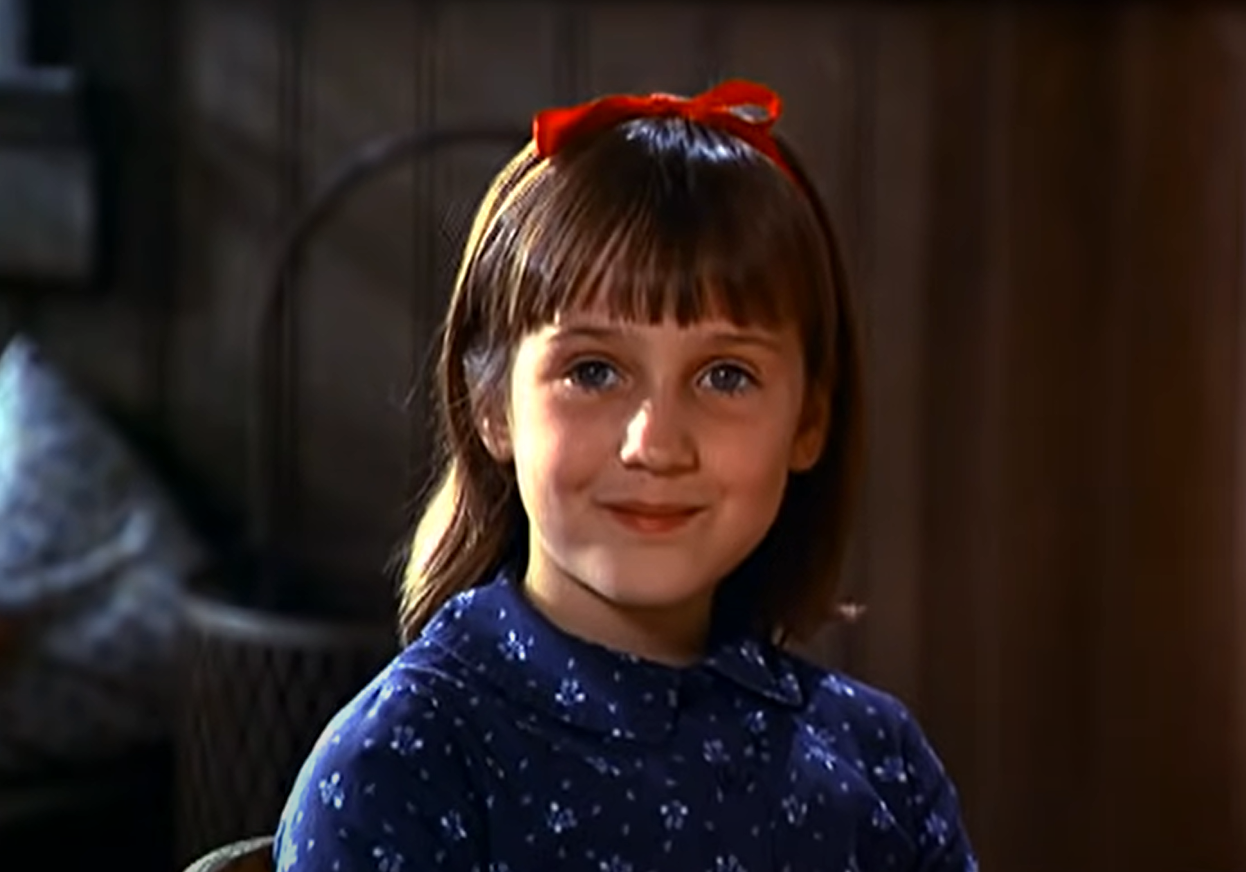 Screenshot from Matilda, TriStar (1996)
Safe on Set, Unseen Online
In a candid essay for The Guardian, Mara reflected on how her professional environment felt secure but that the real vulnerability came from outside it. She explained that while film sets had protective adults and structure, the public exposure that came with her roles made her far more accessible online.
A “Living Nightmare”
Mara wrote frankly that before she was even in high school, images of her had been taken from her family-friendly films and used on unsavory internet sites, often altered in ways she never agreed to. “I’d been featured on [adult] websites and Photoshopped into [explicit films],” she said, adding that she even received "creepy" letters from male adults.
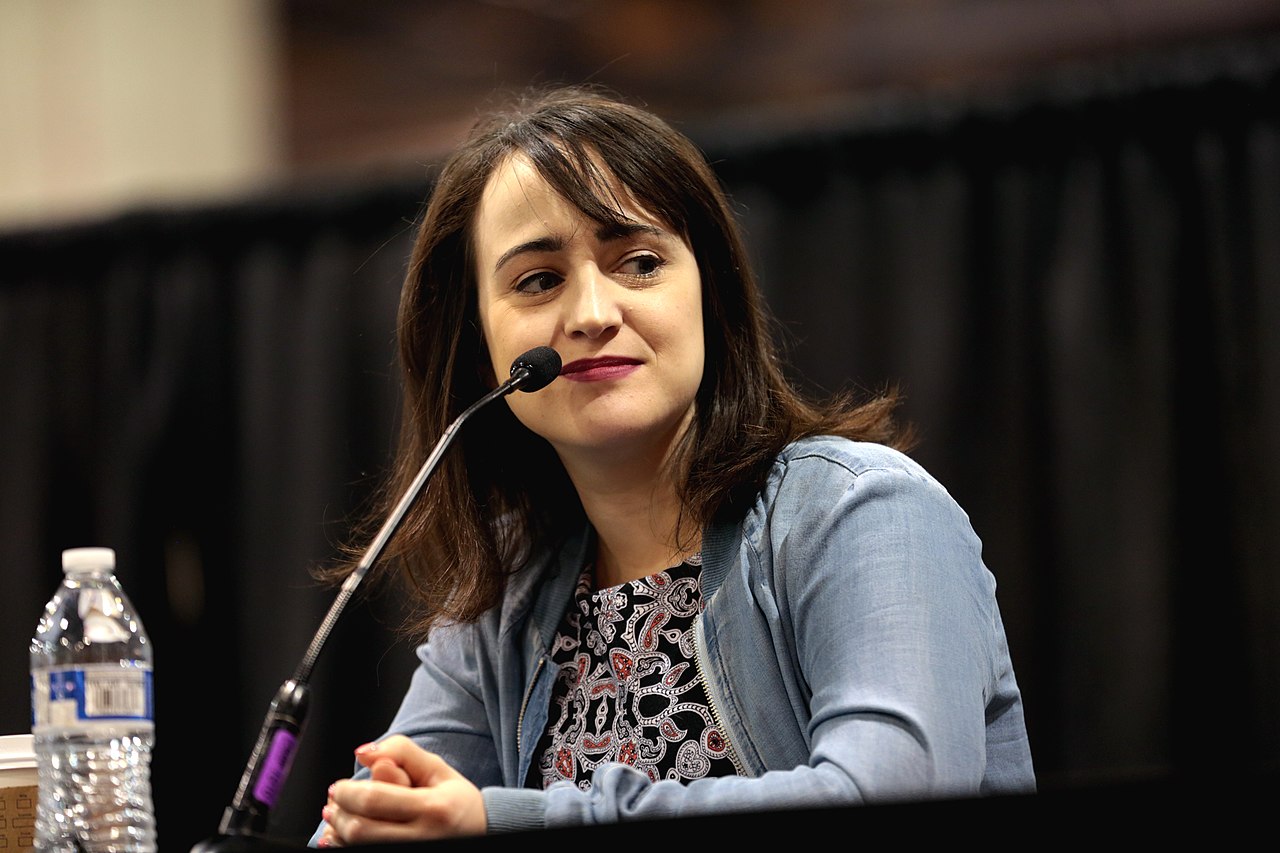 Gage Skidmore, CC BY-SA 2.0, Wikimedia Commons
Accessible but Not Seen
What made this all the more painful for her was that Hollywood had cast her as a wholesome, likable kid — yet the internet made her face accessible in contexts that felt violating. She pointed out that even though she wasn’t “a beautiful girl” by conventional standards, she was visible to millions, and that alone made her vulnerable.
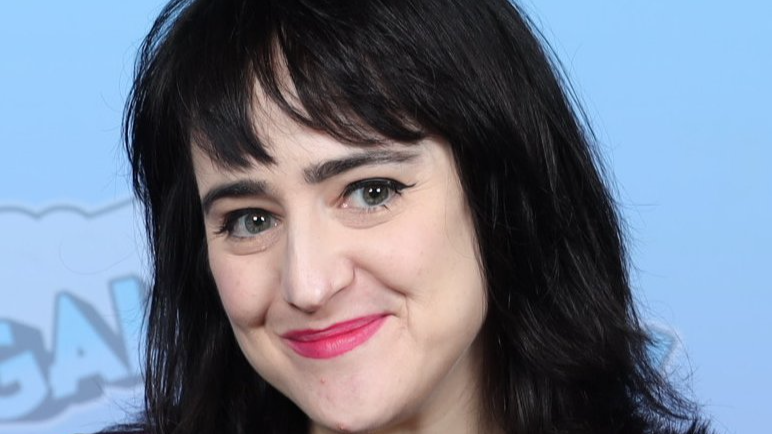 Super Festivals, CC BY 2.0, Wikimedia Commons
“Hollywood Throws You Into the Pool”
Mara shared one line that has resonated with many readers: “Hollywood throws you into the pool, but it’s the public that holds your head underwater.” This metaphor captured how film work could be safe, but the public’s unfiltered access to her image online changed things in ways no set ever had.
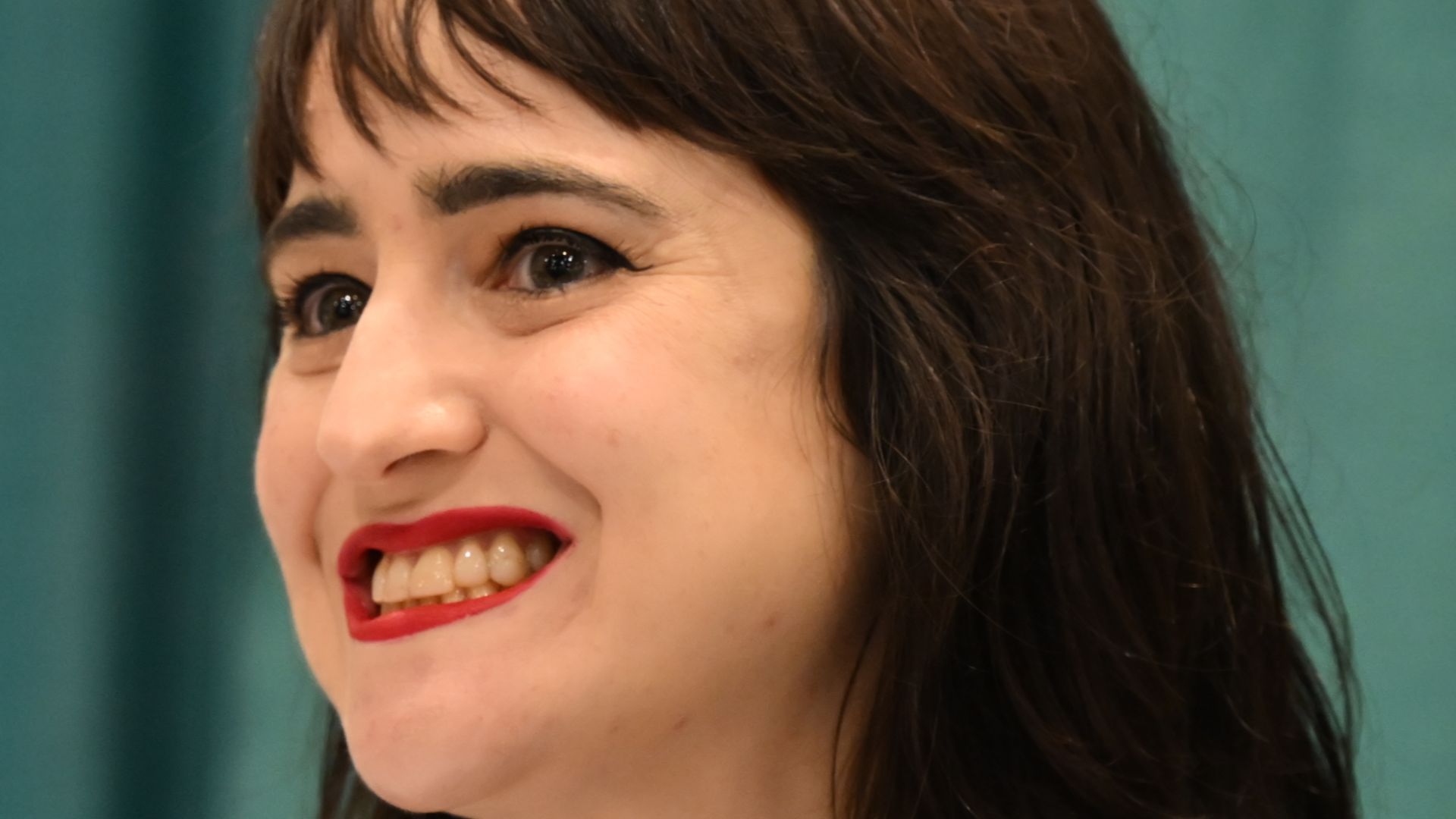 Super Festivals from Ft. Lauderdale, USA, Wikimedia Commons
Technology Bringing Old Fears Back
As digital tools grew more powerful, Mara worried about the new risks they posed. She described being familiar with stories of generative AI — tools that can create realistic images based on patterns from the internet — and how they could make harmful content even easier to produce.
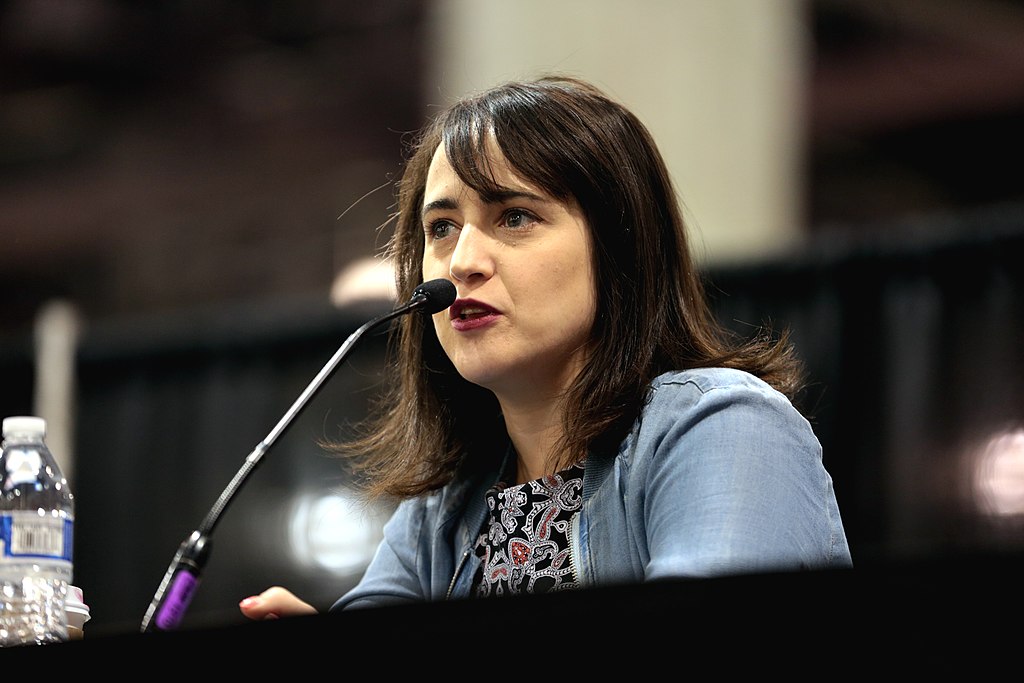 Gage Skidmore, CC BY-SA 2.0, Wikimedia Commons
A Broader Threat, Not Just Personal
In her essay, she tied her personal experiences to broader issues affecting many young people today. She warned that generative tools have made it infinitely easier for a child with a face online to be placed into harmful imagery, because these systems learn from datasets that include public photos.
Not Just a Hollywood Problem
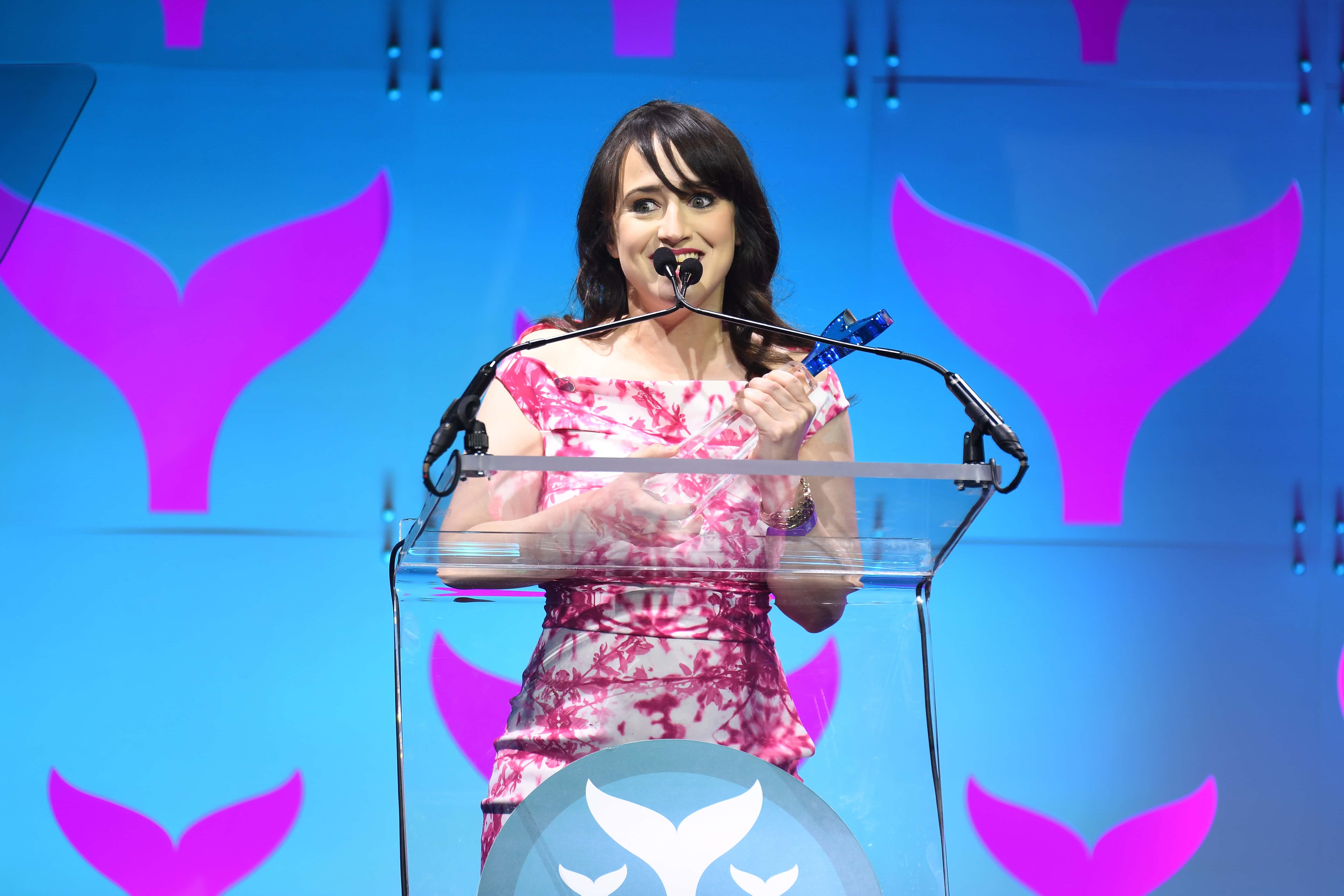
Mara asked readers to think beyond celebrity circles. She cited examples of tools used openly to generate undressed images of young performers, which made headlines in the news and heightened concern about the safety of all children whose photos appear online.
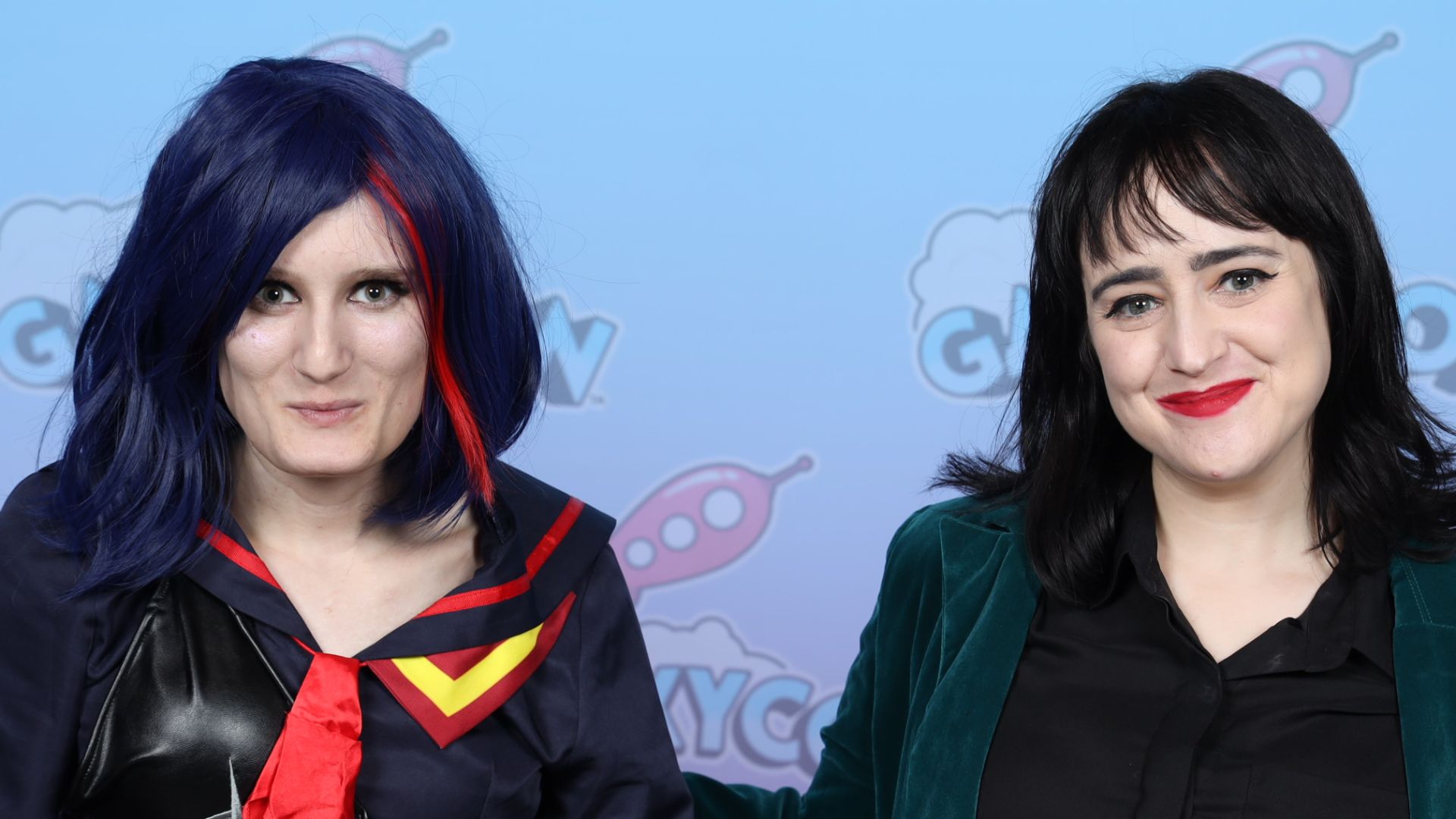 Super Festivals, Wikimedia Commons
From Stranger Danger to Digital Danger
Reflecting on cultural lessons like “Stranger Danger” from earlier generations, she noted those warnings were usually overblown compared with the real digital vulnerabilities children can now face. She urged a re-evaluation of how technology intersects with visibility.
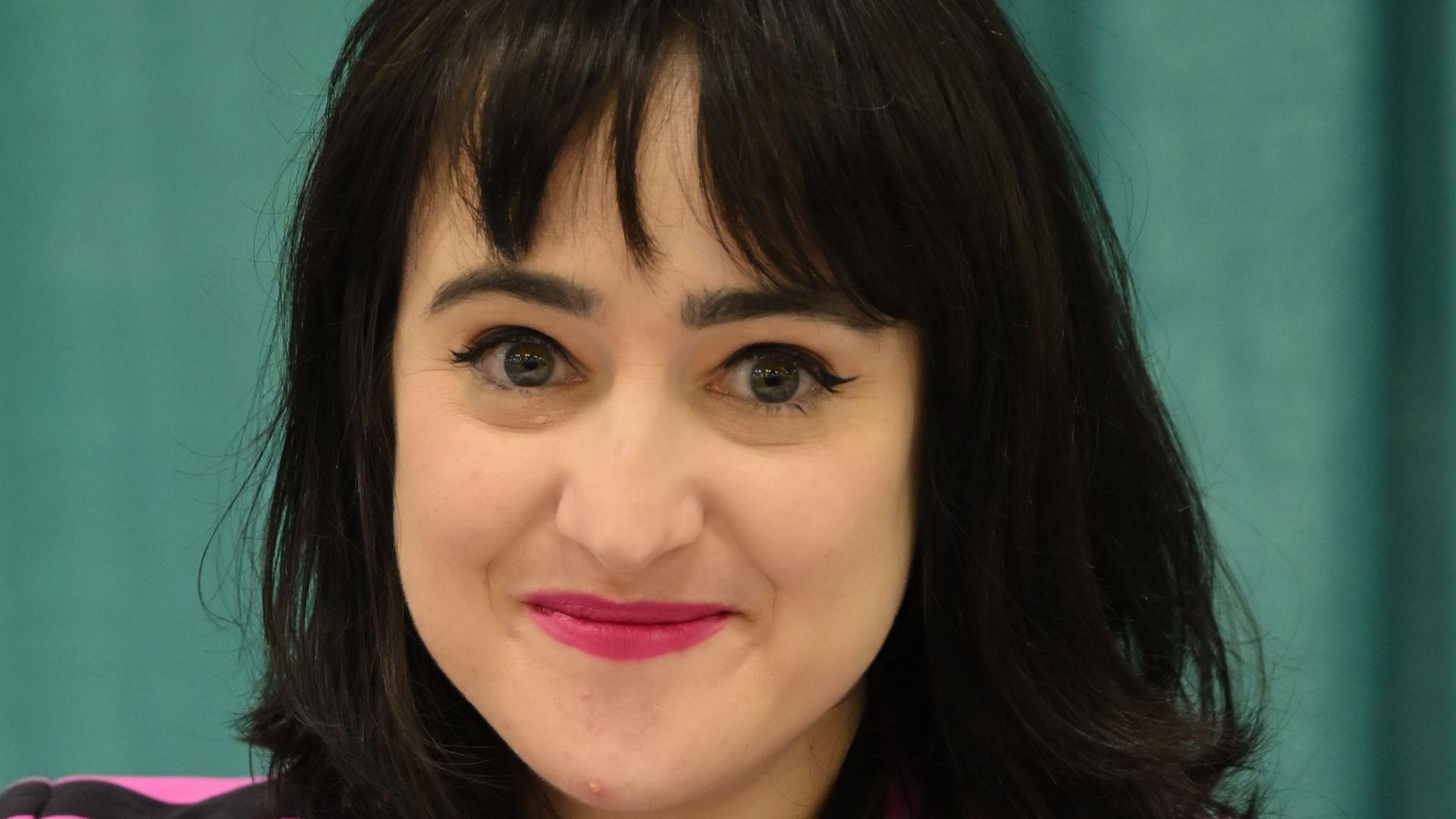 Super Festivals from Ft. Lauderdale, USA, Wikimedia Commons
The Price of Being a Public Figure as a Kid
Mara emphasized that she always felt safe on film sets, and that her early experiences with adults in production were not frightening. It was the wider world of public access online that introduced danger she never saw coming.
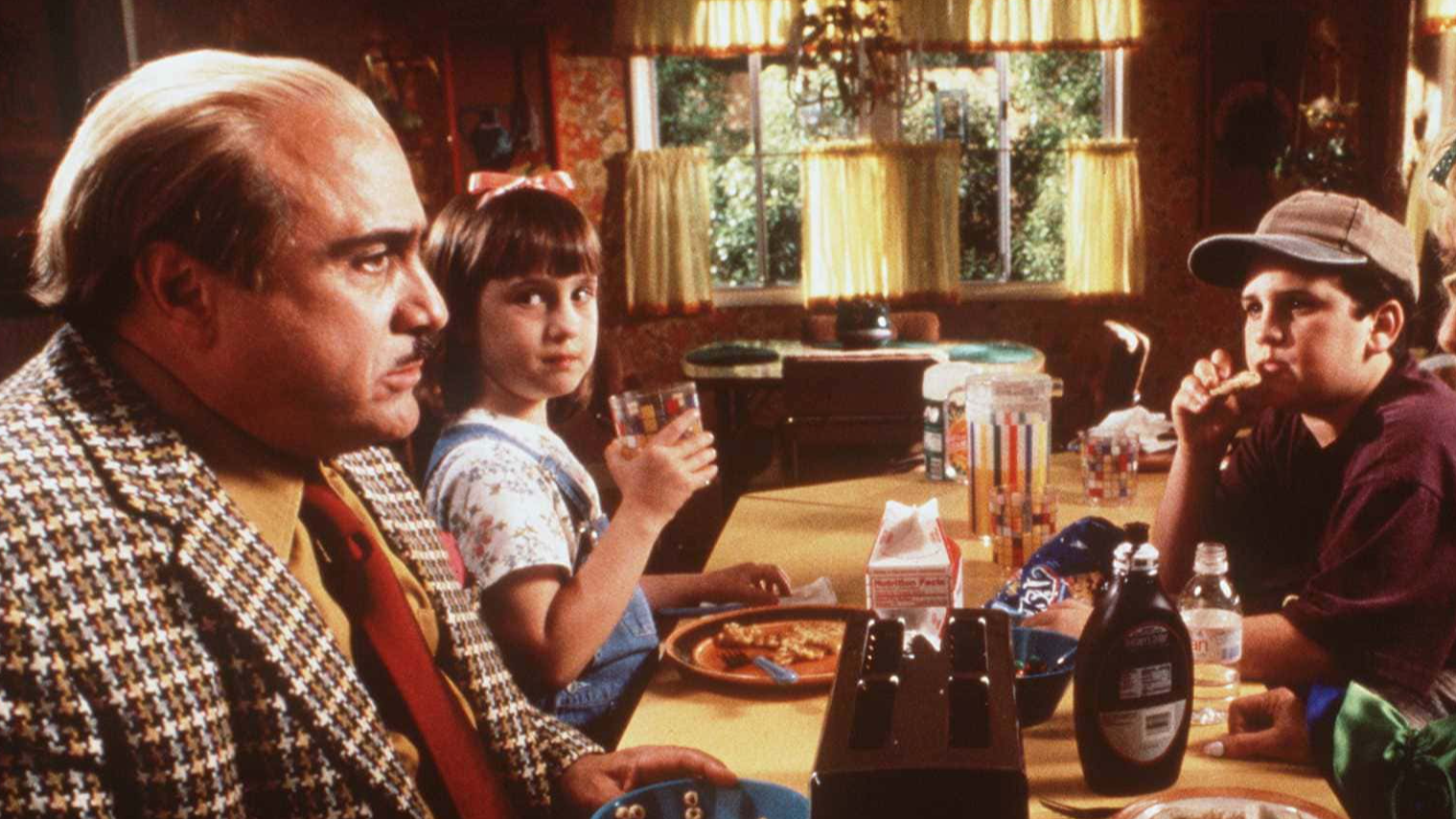
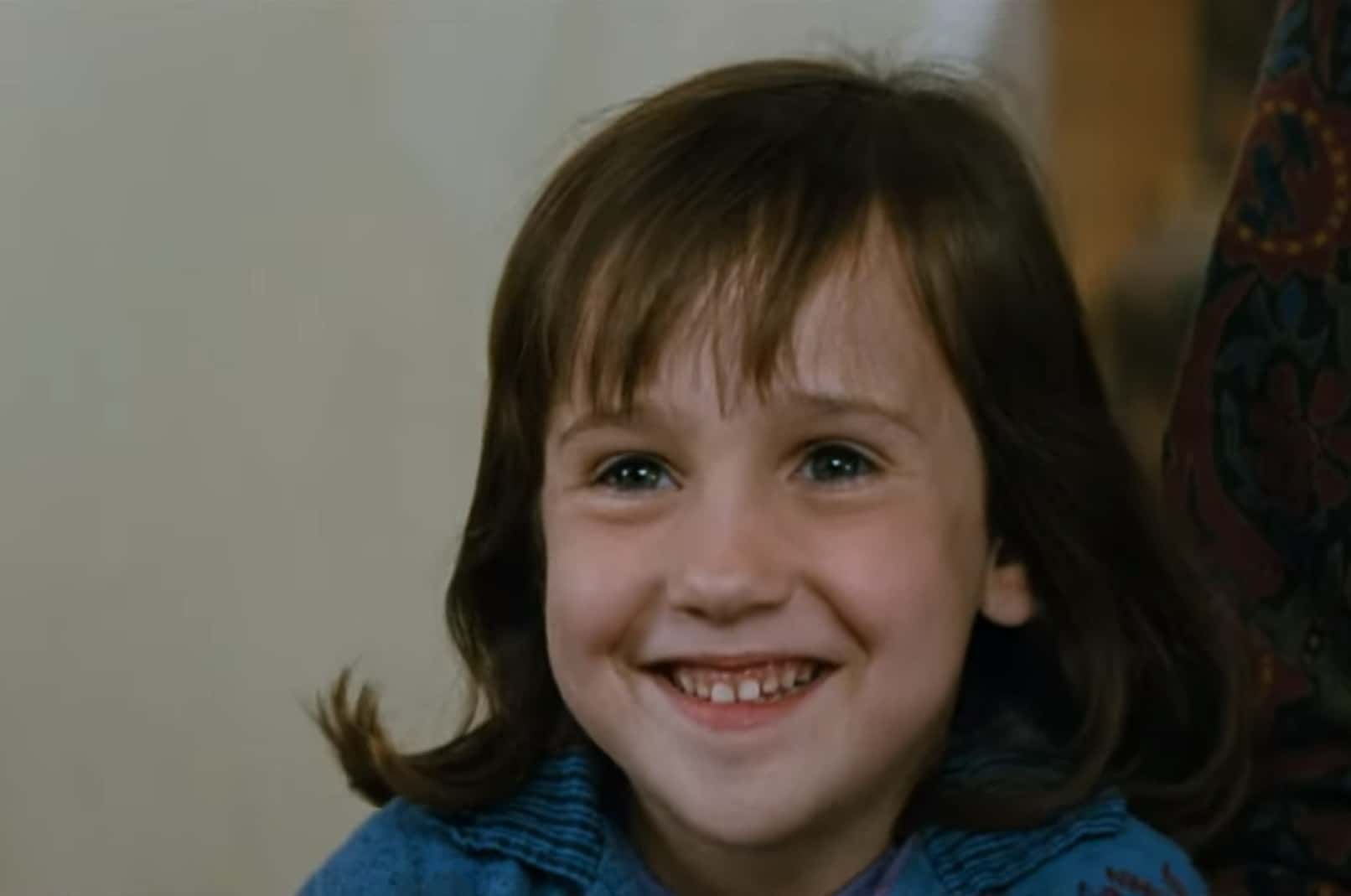 Screenshot from Mrs. Doubtfire, 20th Century Fox (1993)
A Call for Responsibility
Toward the end of her essay, she didn’t merely share her story. She asked for collective action, urging the public to demand stricter protections and accountability from technology platforms so that children’s images aren’t easily misused again.
Reflection, Not Blame
Throughout her writing, Mara avoided sensationalism. She focused on the emotional toll rather than stirring outrage. She acknowledged the complexity: that Hollywood did not directly harm her on set, but the combination of fame and digital exposure left lasting impact.
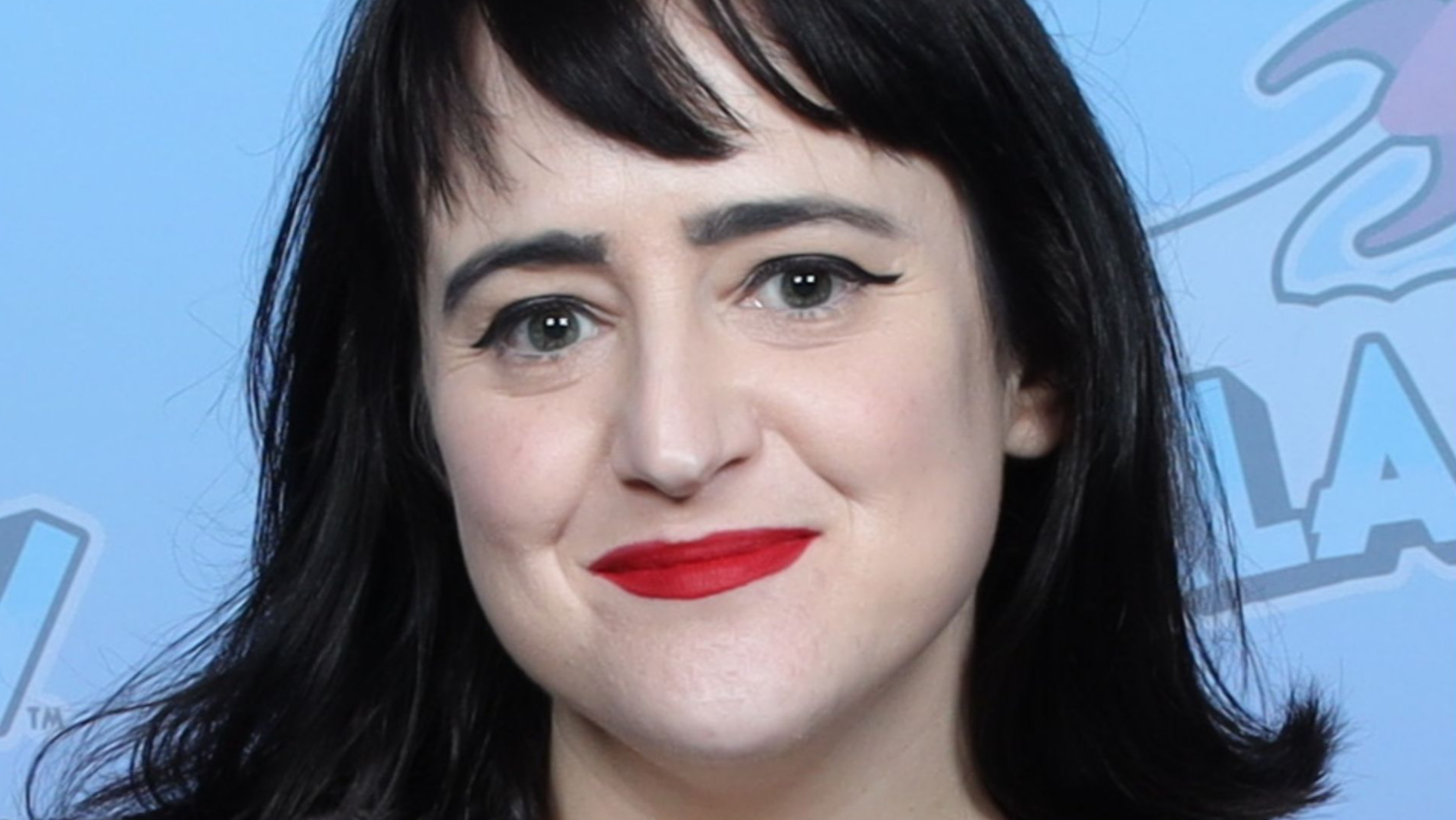 Super Festivals from Ft. Lauderdale, USA, Wikimedia Commons
How the Public Sees It Now
As fans read her words, many people who once felt nostalgic about her movies now express empathy and concern. Her public speaking and writing have helped shift the narrative from child star triumph to a nuanced discussion about boundaries, technology, and well-being.
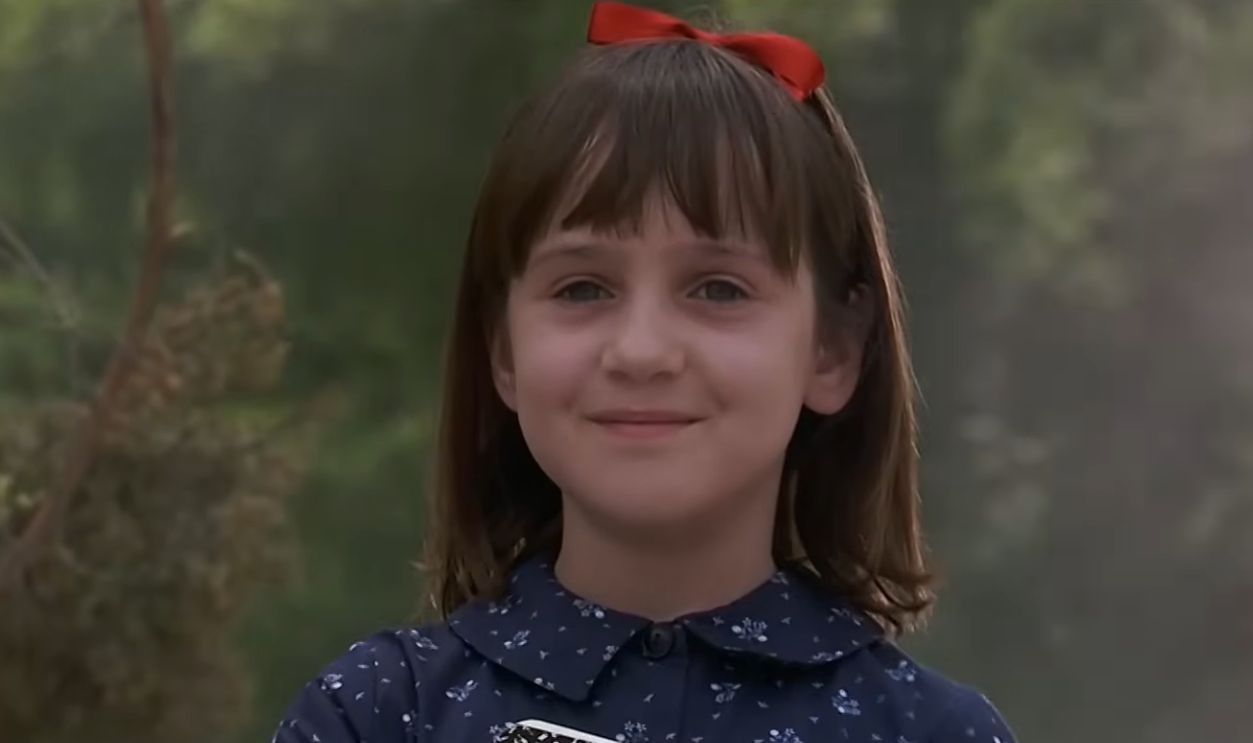 Screenshot from Matilda, TriStar (1996)
Reclaiming Her Life Beyond Fame
After stepping away from acting, Mara pursued writing and creative work on her own terms. She has focused on self-expression and thoughtful reflection, not public spectacle. Her current work is shaped not by roles she played as a child, but by the life she’s building now.
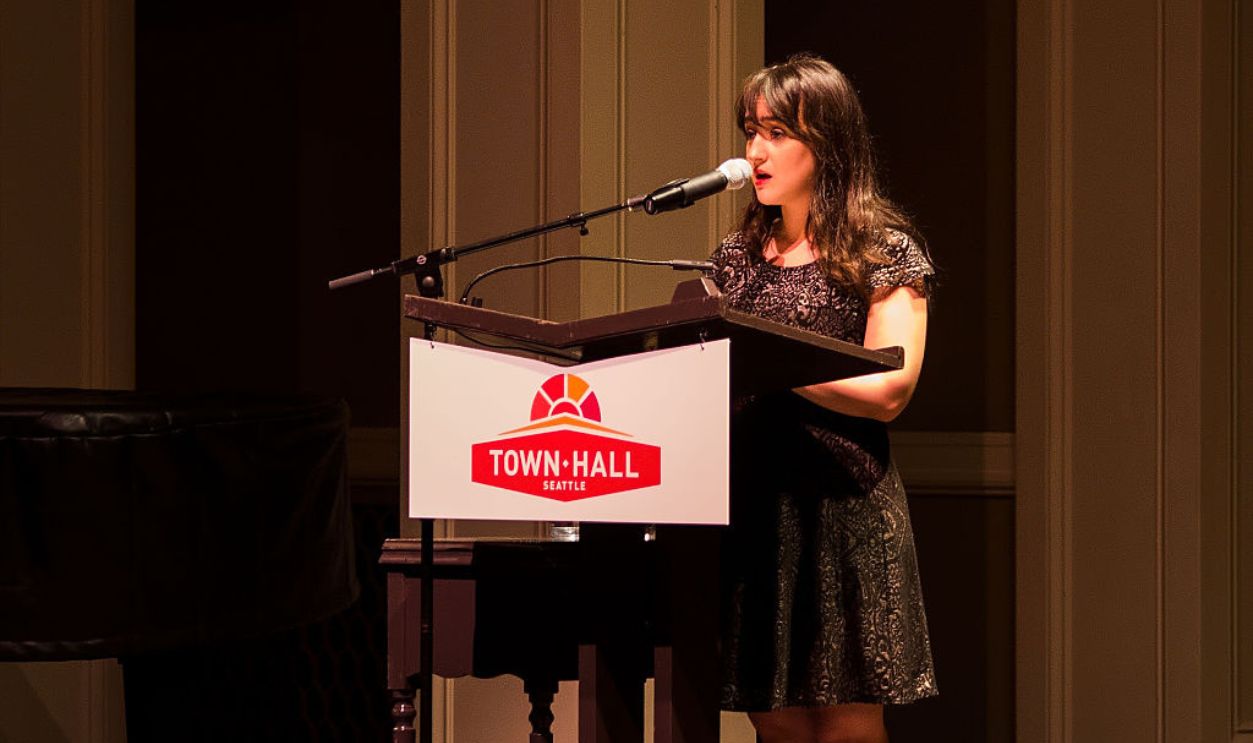
A Story Shared to Help Others
Mara’s willingness to share personal experiences has encouraged dialogue about online safety and digital privacy for children. Her voice serves not only as a memoir of childhood fame, but as a compassionate call for greater awareness and protection.
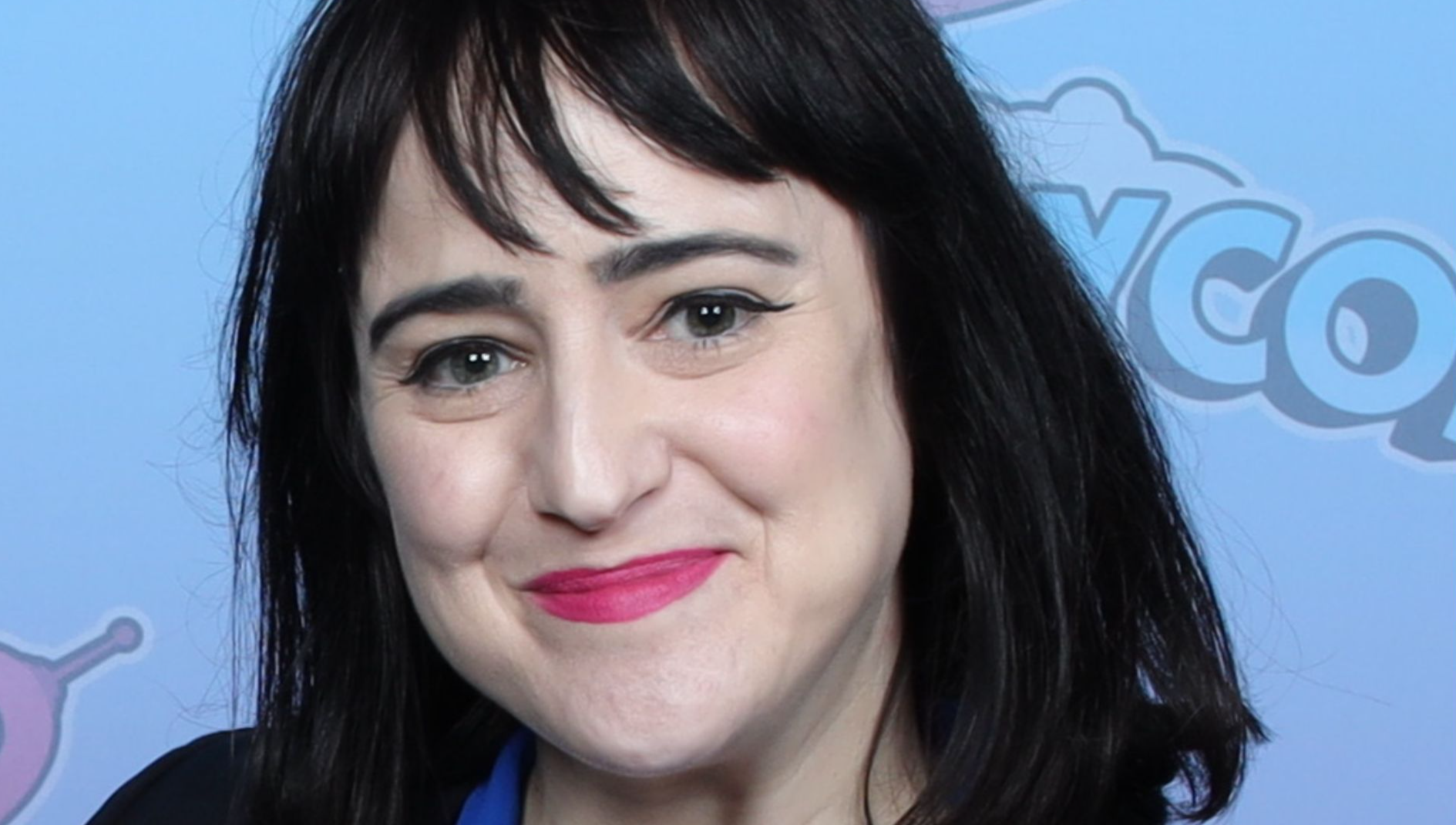 Super Festivals from Ft. Lauderdale, USA, Wikimedia Commons
You May Also Like:

.jpg)
.jpg)
.jpg)