When Brandon Cruz Smiled on Camera
Brandon Cruz looked like the happiest kid on television. But behind that smile was a childhood shaped by instability, pressure, and wounds that fame couldn’t heal. What happened after the cameras stopped rolling would define the rest of his life—and it’s not the story most people expect.
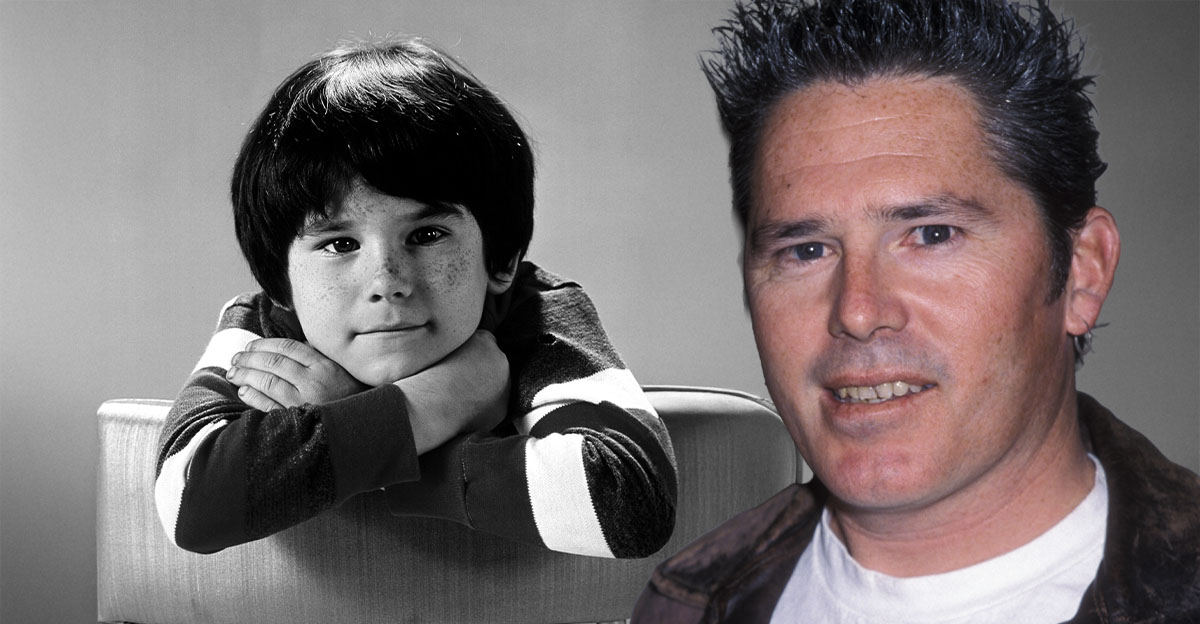 Michael Ochs Archives / Stringer via Getty Images
Born Into Chaos Before Hollywood
Brandon Edwin Cruz was born on May 12, 1962, in Bakersfield, California. His parents divorced when he was young, and he later described his early home life as unstable and emotionally unsafe. Substance use and conflict were present long before cameras entered his world.
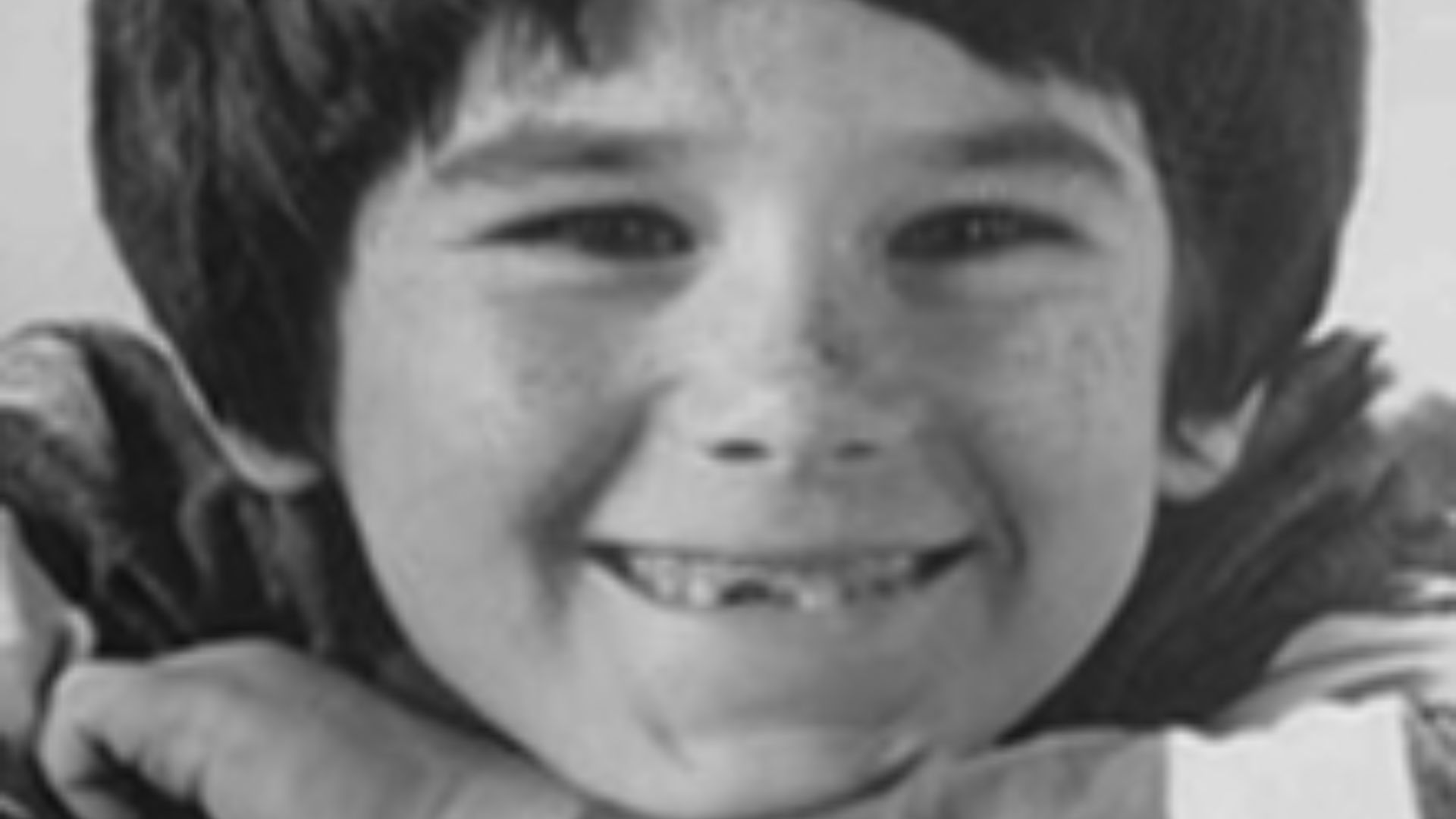
Hollywood Enters a Vulnerable Home
By age five, Brandon was already auditioning. Acting was not a dream he chased, but something adults around him pushed. He later said fame arrived before he had stability, turning acting into an escape rather than an opportunity.
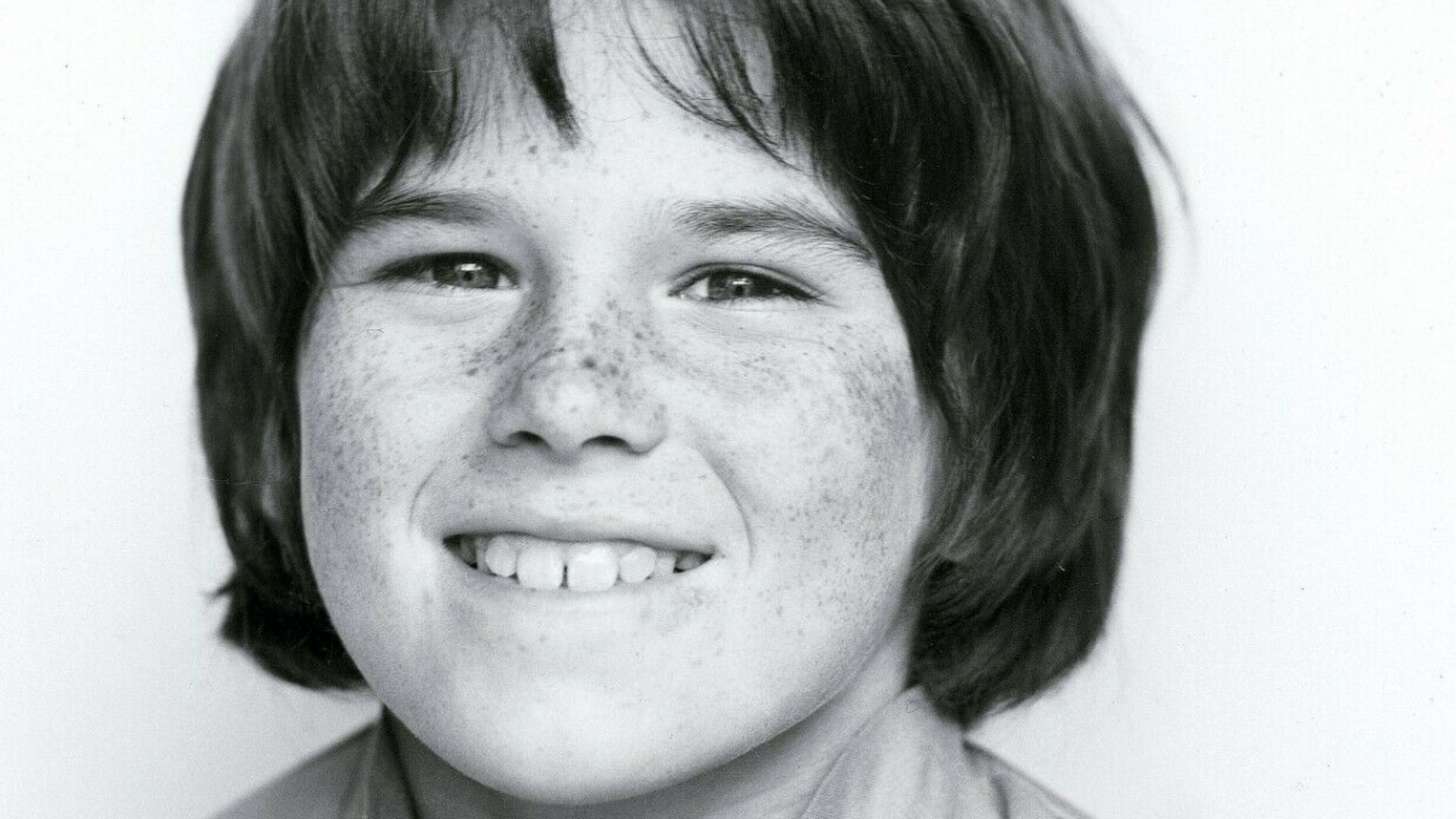 ABC Television, Wikimedia Commons
Cast as America’s Sweetheart Kid
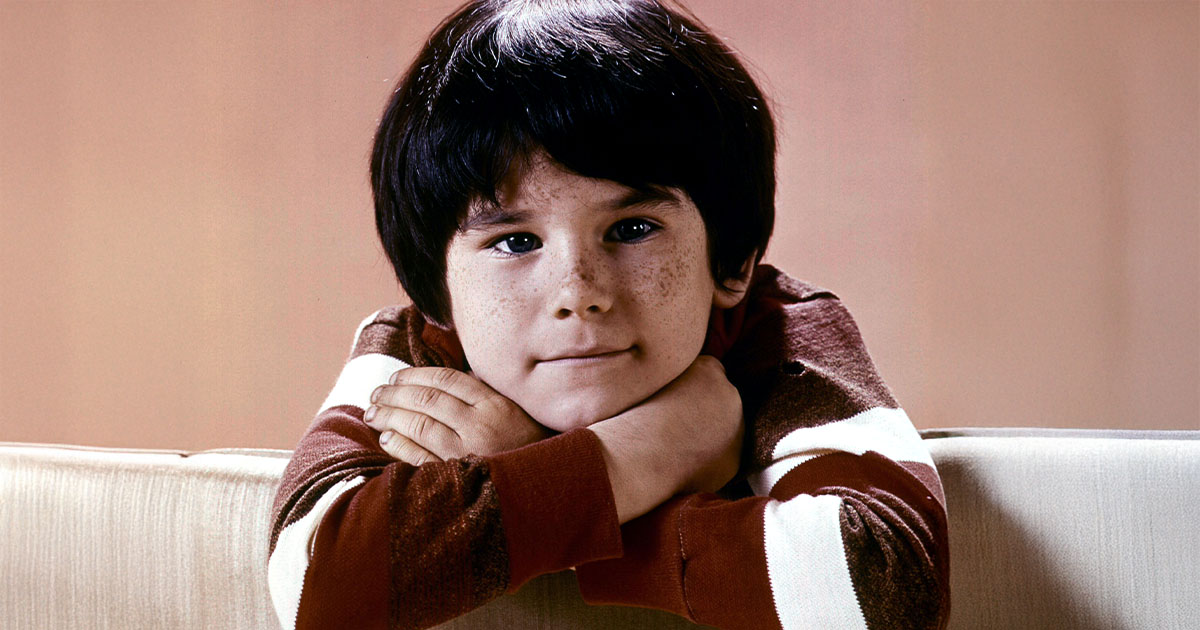
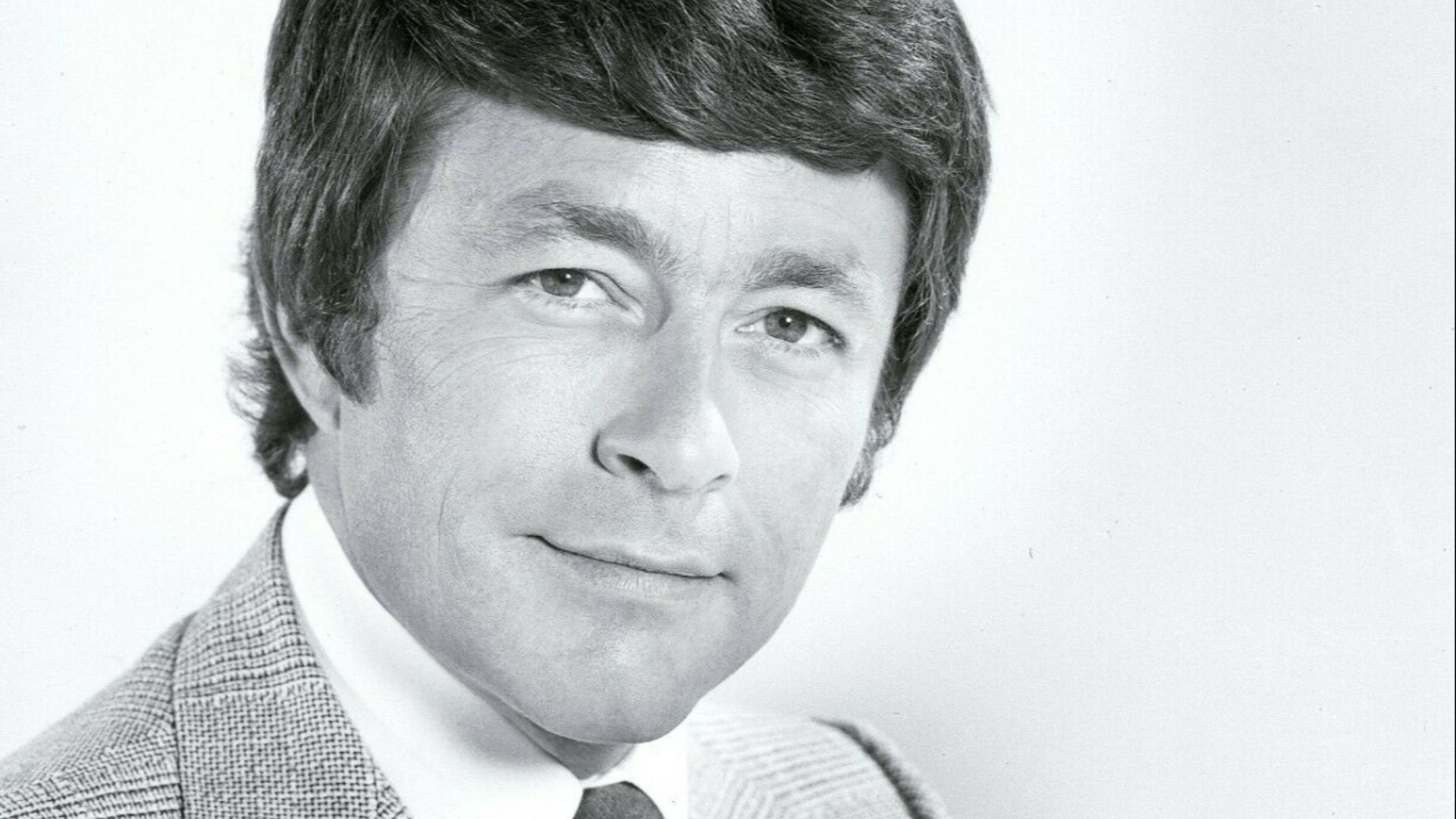
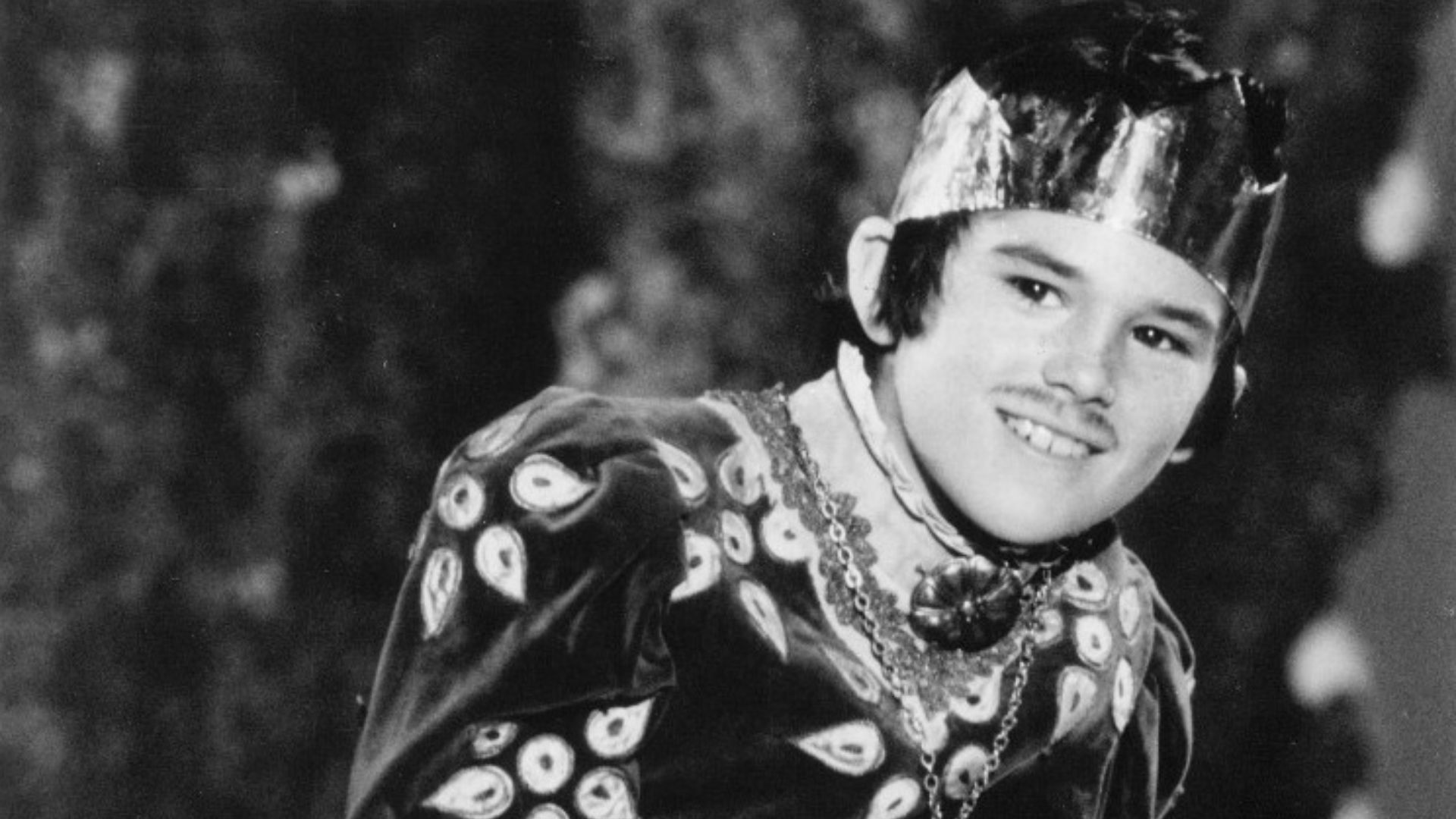
In 1969, Brandon landed the role of Eddie Corbett on The Courtship of Eddie’s Father, filmed in Los Angeles and starring Bill Bixby. The show was a hit. Millions saw Brandon weekly, laughing and smiling through carefully written scripts.
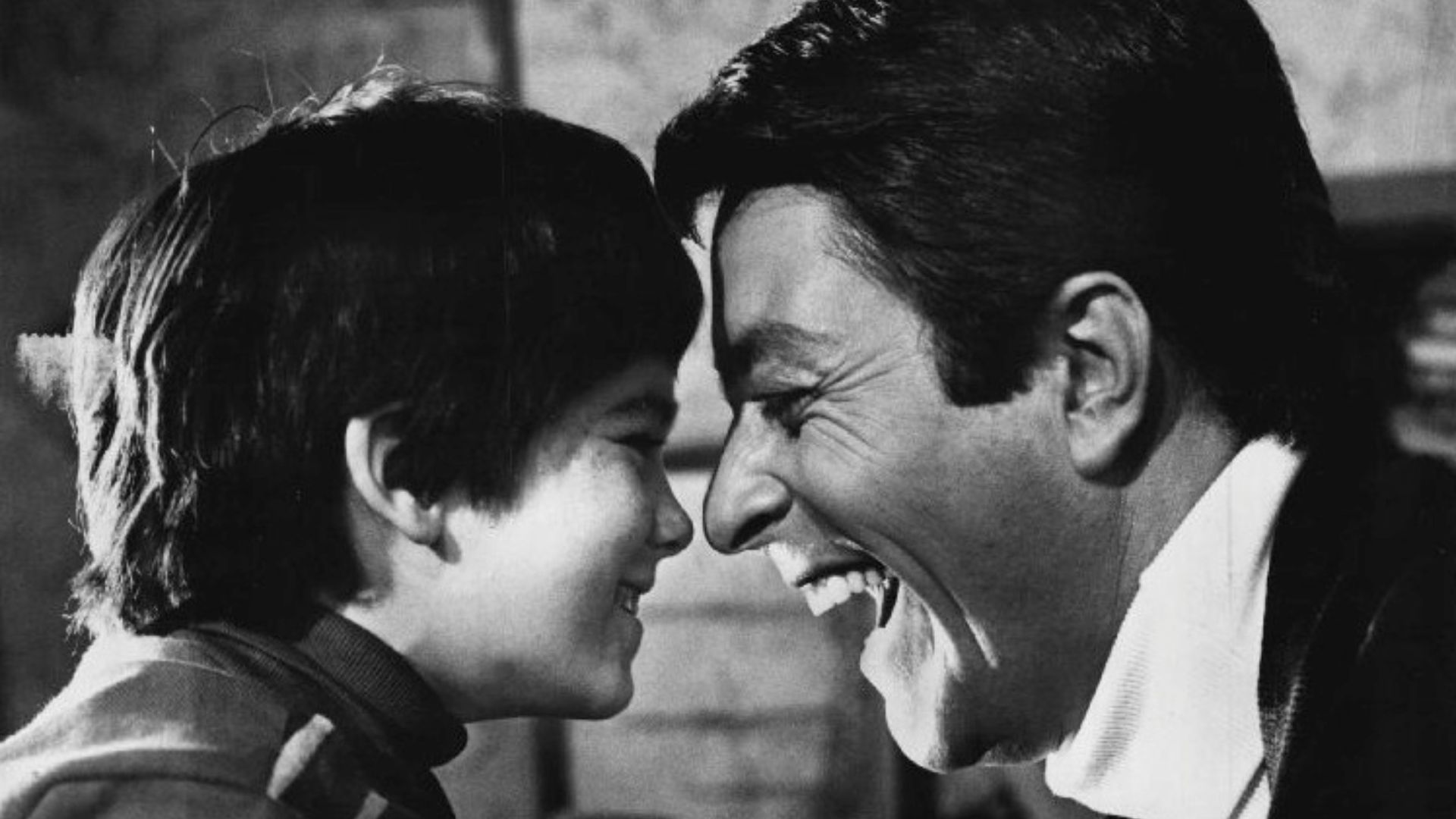
A Set That Looked Safe From the Outside
Brandon has said that the set itself was structured and professional. Bill Bixby treated him kindly and protectively. But safety on set did not extend to life off camera. Once filming ended each day, Brandon returned to chaos.
 ABC Television, Wikimedia Commons
Adults Making Adult Choices Around a Child
At home and in social environments tied to Hollywood, Brandon was exposed to substance use and volatile behavior at an early age. He later explained that boundaries were unclear, and adults often treated him like a peer instead of a child.
 MGM Television / ABC-TV, Wikimedia Commons
Fame Without Emotional Shelter
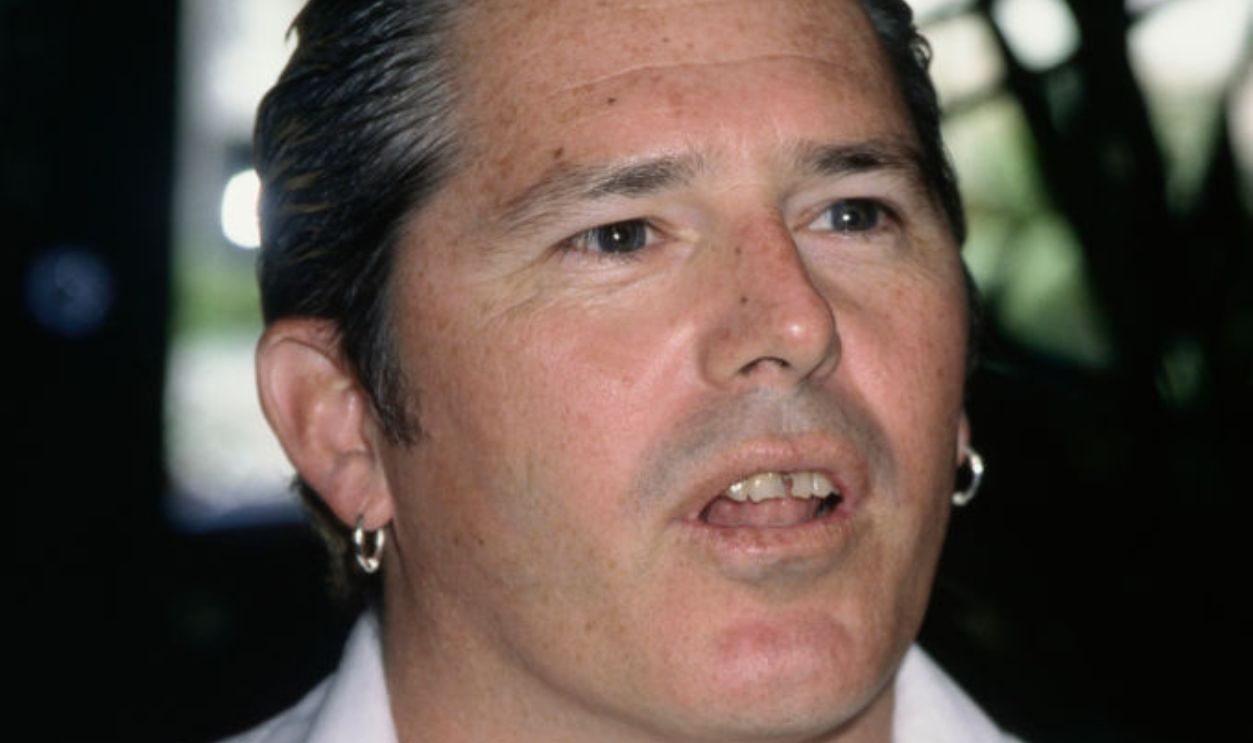
Attention did not bring care. Praise did not bring protection. Brandon learned quickly that adults valued performance more than wellbeing. He later said he felt invisible as a person while constantly being watched as a character.
When the Show Ended, So Did the Support
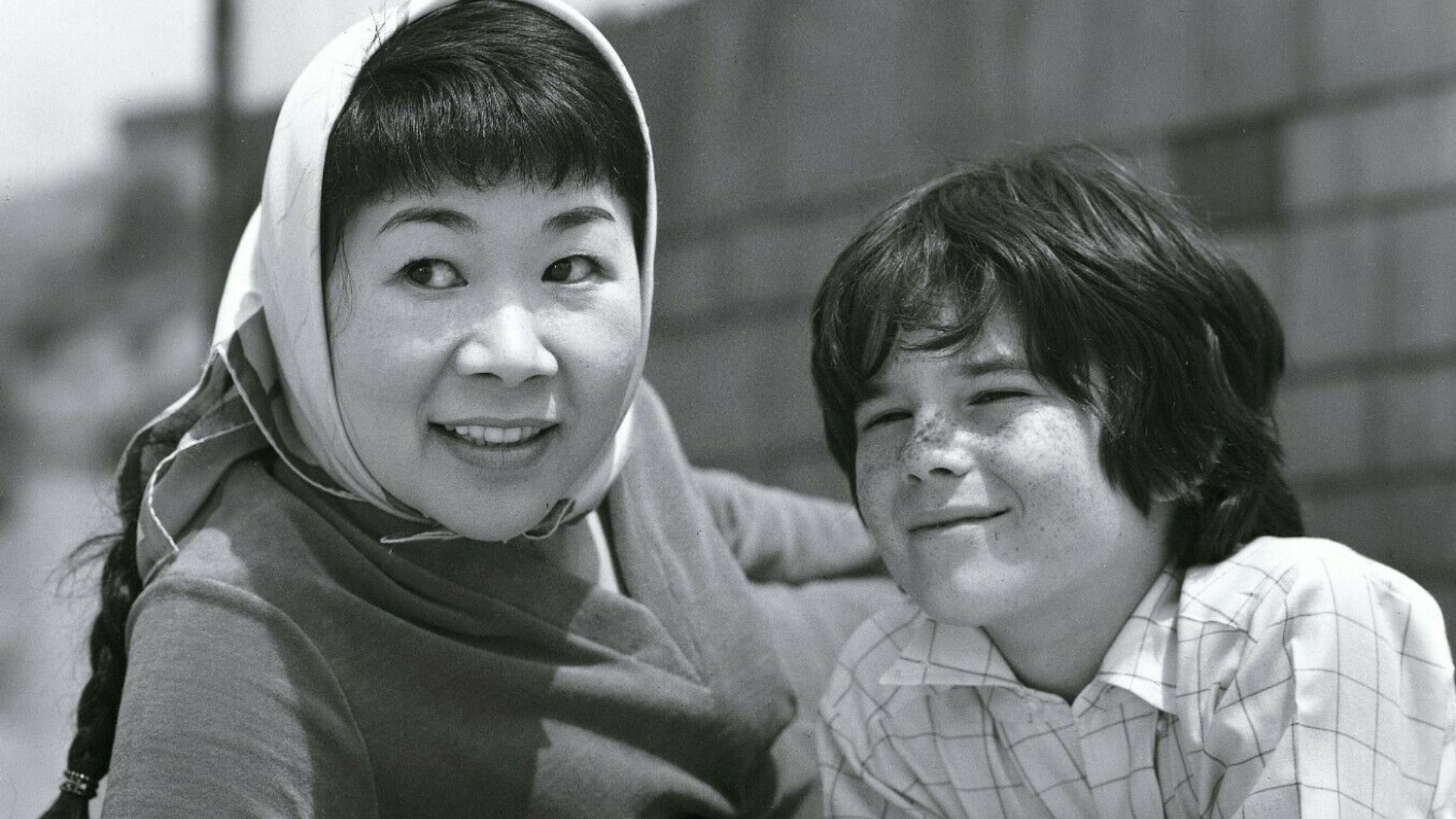
The Courtship of Eddie’s Father ended in 1972. Brandon was just ten years old. The industry moved on immediately. The adults who had guided his days vanished, leaving him without structure or purpose.
 ABC Television, Wikimedia Commons
A Child Star Cut Loose
Without school stability or emotional guidance, Brandon struggled. He described feeling abandoned and confused, unsure why he was no longer wanted. “I didn’t understand that the show ending meant my childhood ending,” he later said.
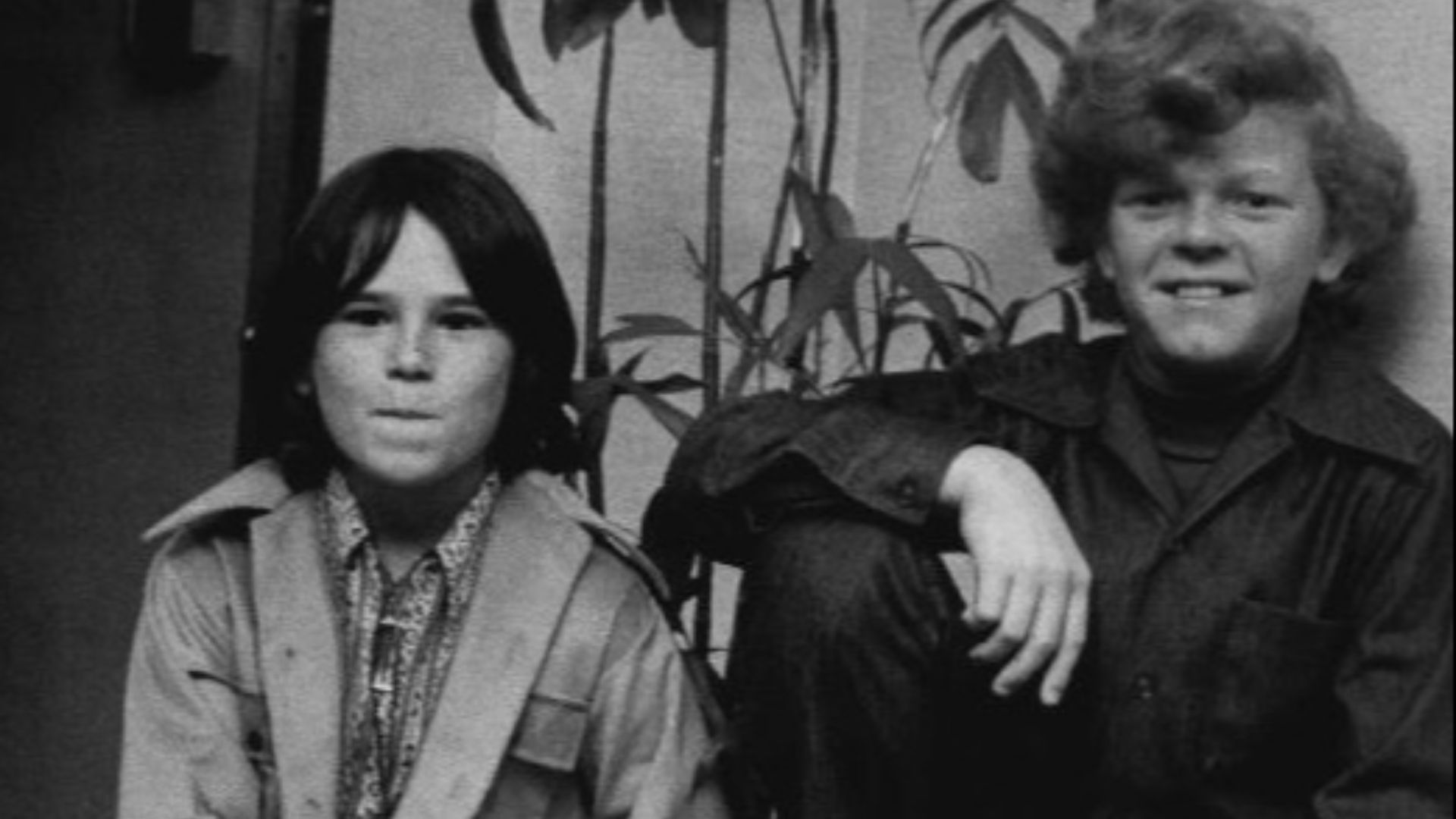
Substance Use Begins Shockingly Early
By his early teens in Los Angeles, Brandon began using substances. He has spoken openly about drinking and substance use before most kids reach middle school. It wasn’t rebellion. It was survival. “I was trying to quiet my brain,” he said.
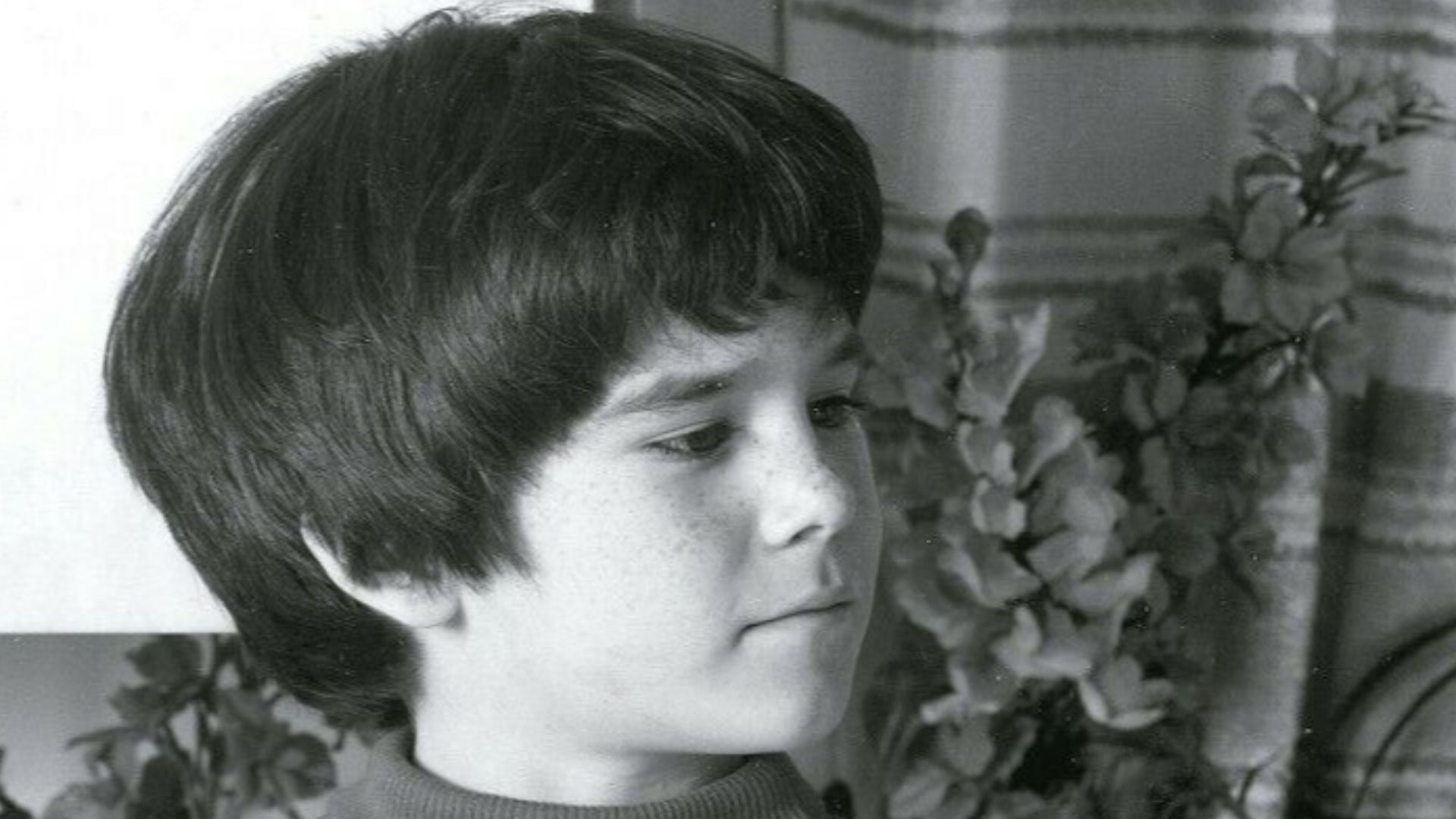 ABC Television, Wikimedia Commons
Pain Looking for Relief
Brandon later explained that substances dulled anxiety and emotional flashbacks. He did not yet understand trauma, but his body did. The coping mechanisms were destructive, but they were the only tools he had.
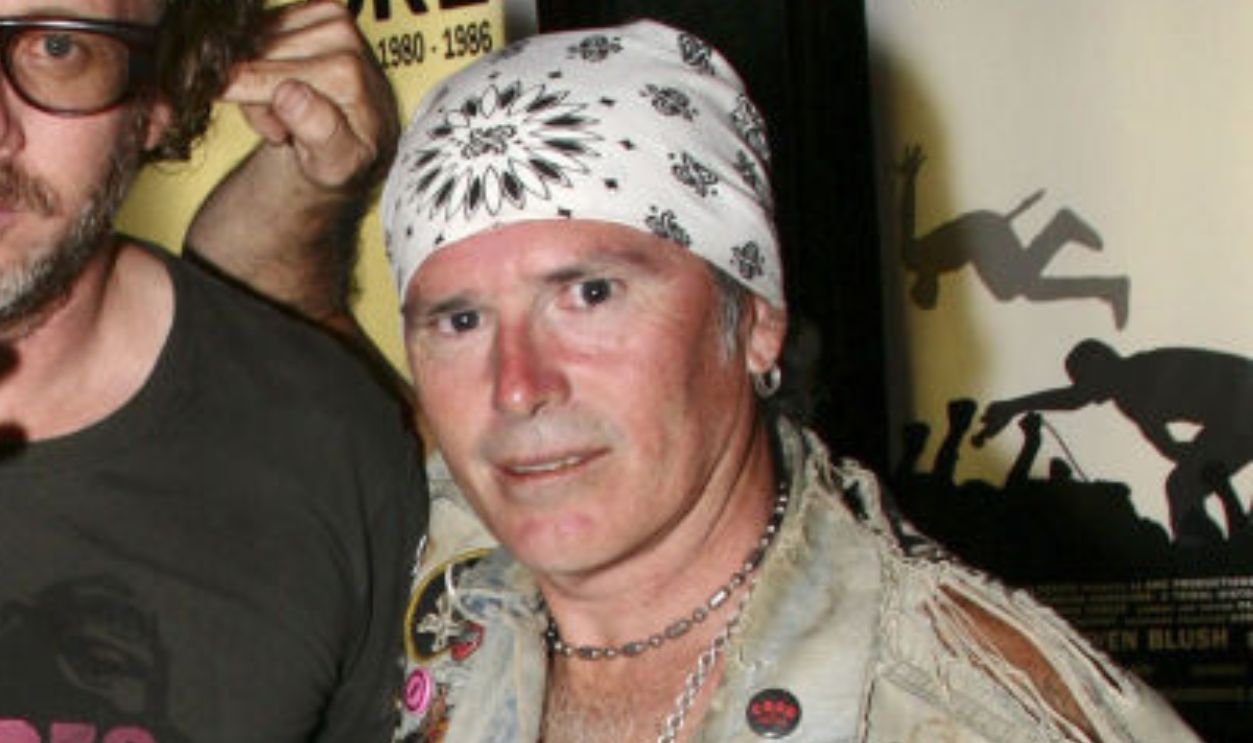
A Pattern Shared by Other Child Stars
Brandon formed friendships with other former child actors, including Danny Bonaduce. Bonaduce later said many of them felt “chewed up and spit out” by the industry. Several of Brandon’s peers did not survive their struggles.
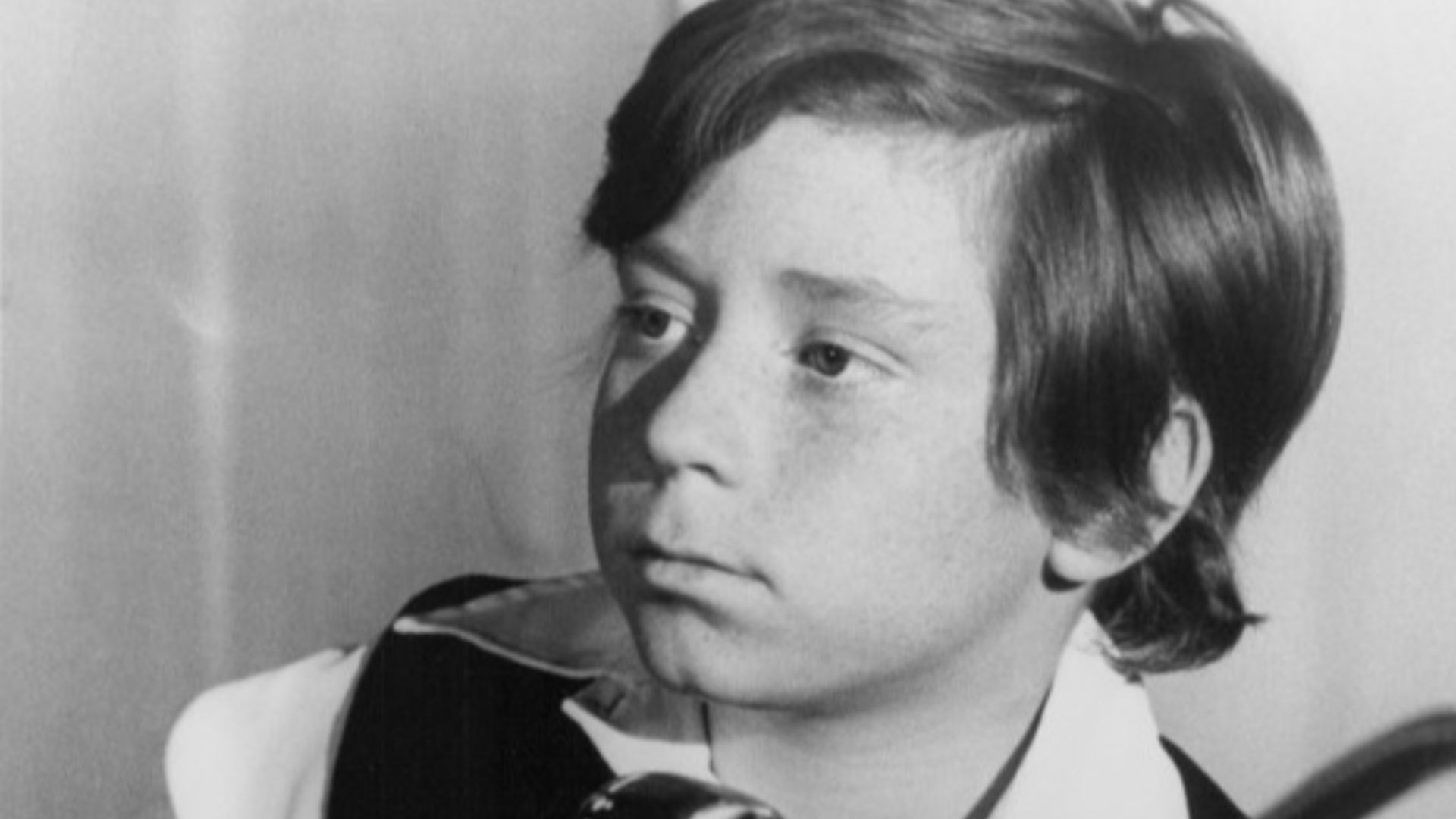 Screen Gems Television., Wikimedia Commons
Loss Becomes a Warning
As friends died young, Brandon recognized how dangerous his path had become. Each loss forced him to confront where unresolved childhood pain could lead. The stakes became terrifyingly real.
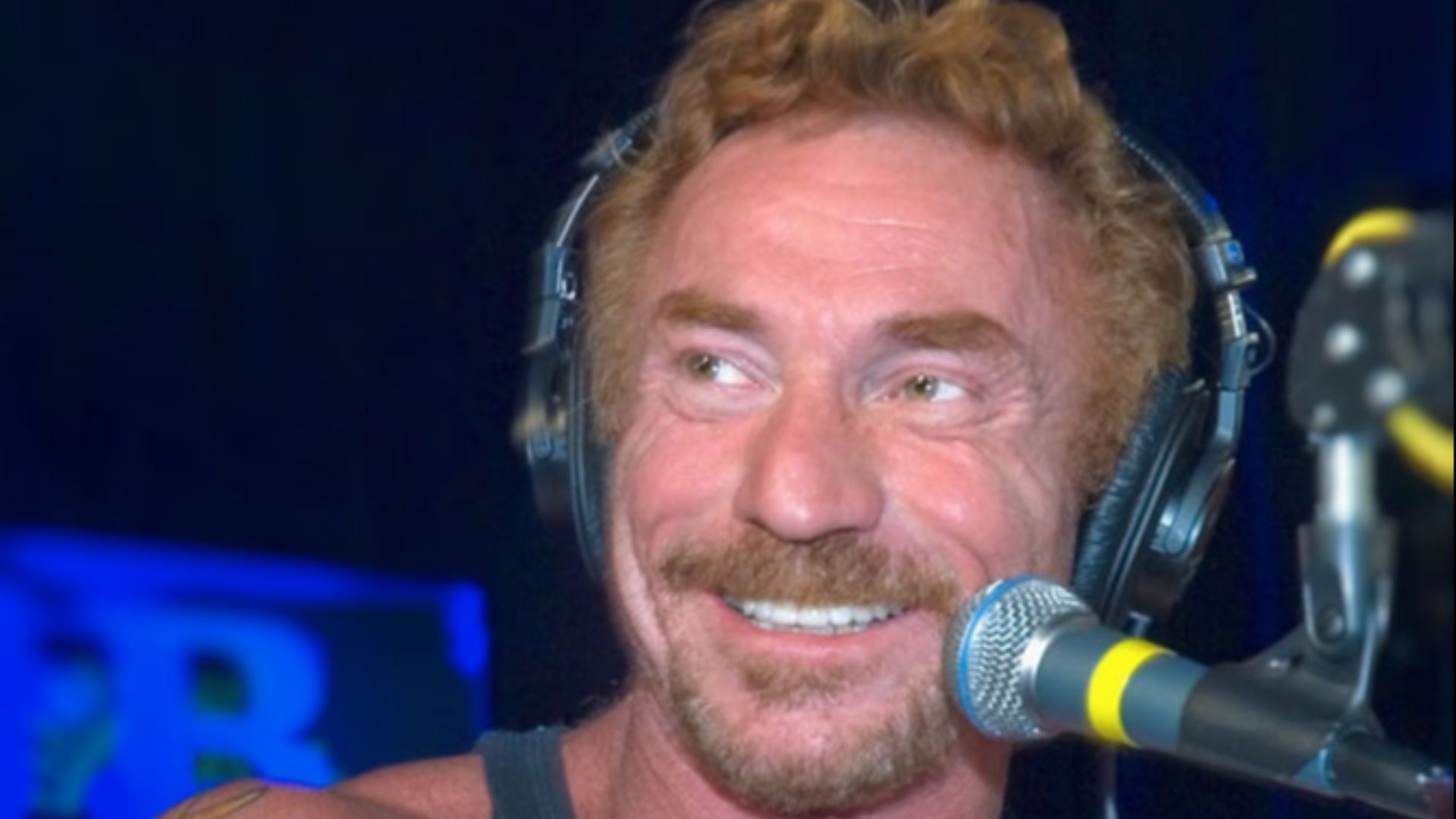 Fashion photographer Anthony Citrano at http://www.zigzaglens.com/, Wikimedia Commons
Punk Rock Becomes an Outlet
In the late 1970s, Brandon found the Los Angeles punk scene. He became the lead singer of Dr. Know, a hardcore band formed in Oxnard, California. Music allowed him to express rage and grief without pretending.
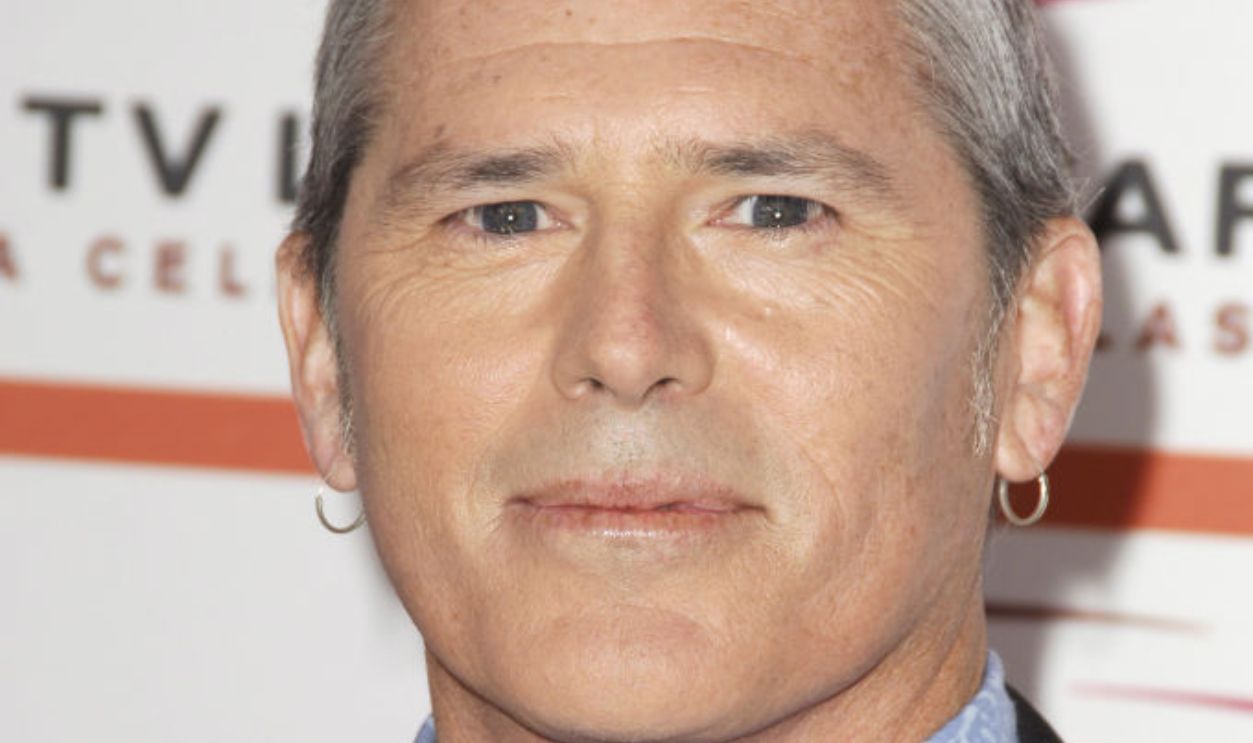
Screaming What He Was Never Allowed to Say
Onstage, Brandon could finally be honest. Punk did not demand charm or innocence. It welcomed anger. That rawness helped him survive when silence had nearly destroyed him.
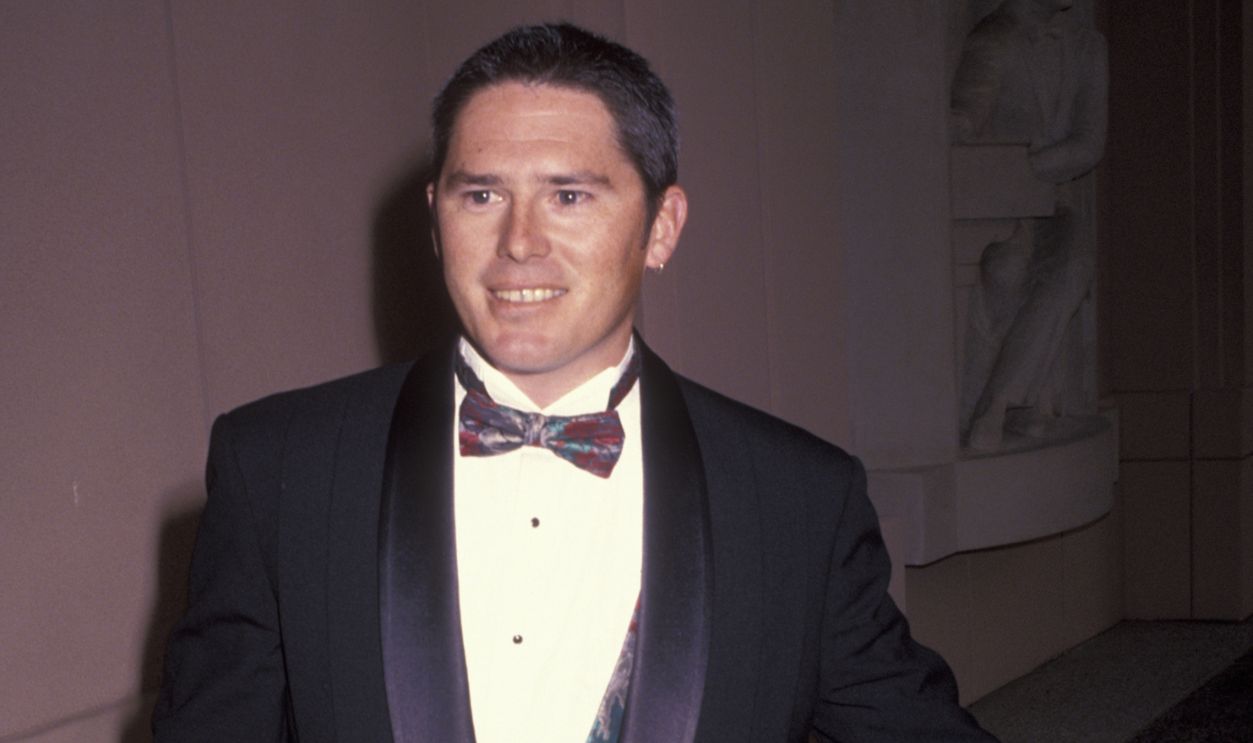 Ron Galella, Ltd., Getty Images
Facing the Past Head-On
As an adult, Brandon began therapy and recovery. He confronted his childhood honestly, naming the damage rather than burying it. He has emphasized that healing required truth, even when it was uncomfortable.
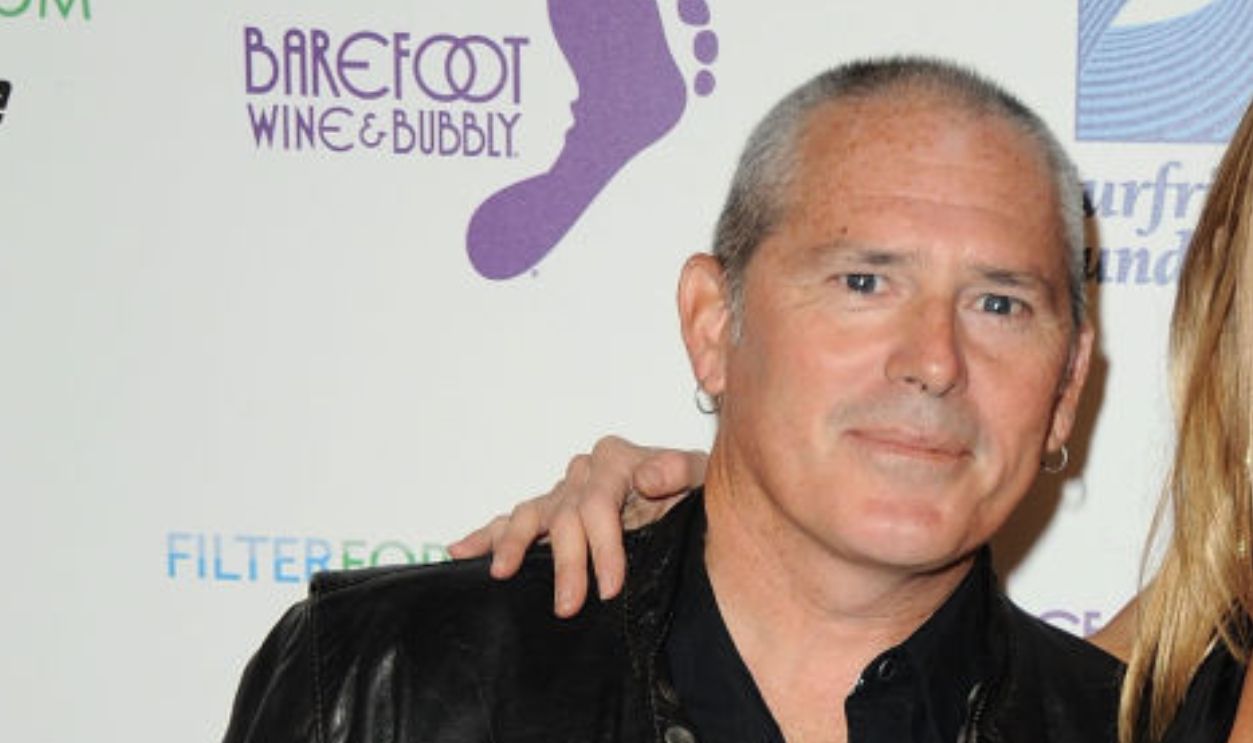
Speaking Out for Other Survivors
Brandon became vocal about the entertainment industry’s failures to protect children. He stressed that harm doesn’t always happen on set. “It’s the environment around fame that destroys kids,” he said in interviews.
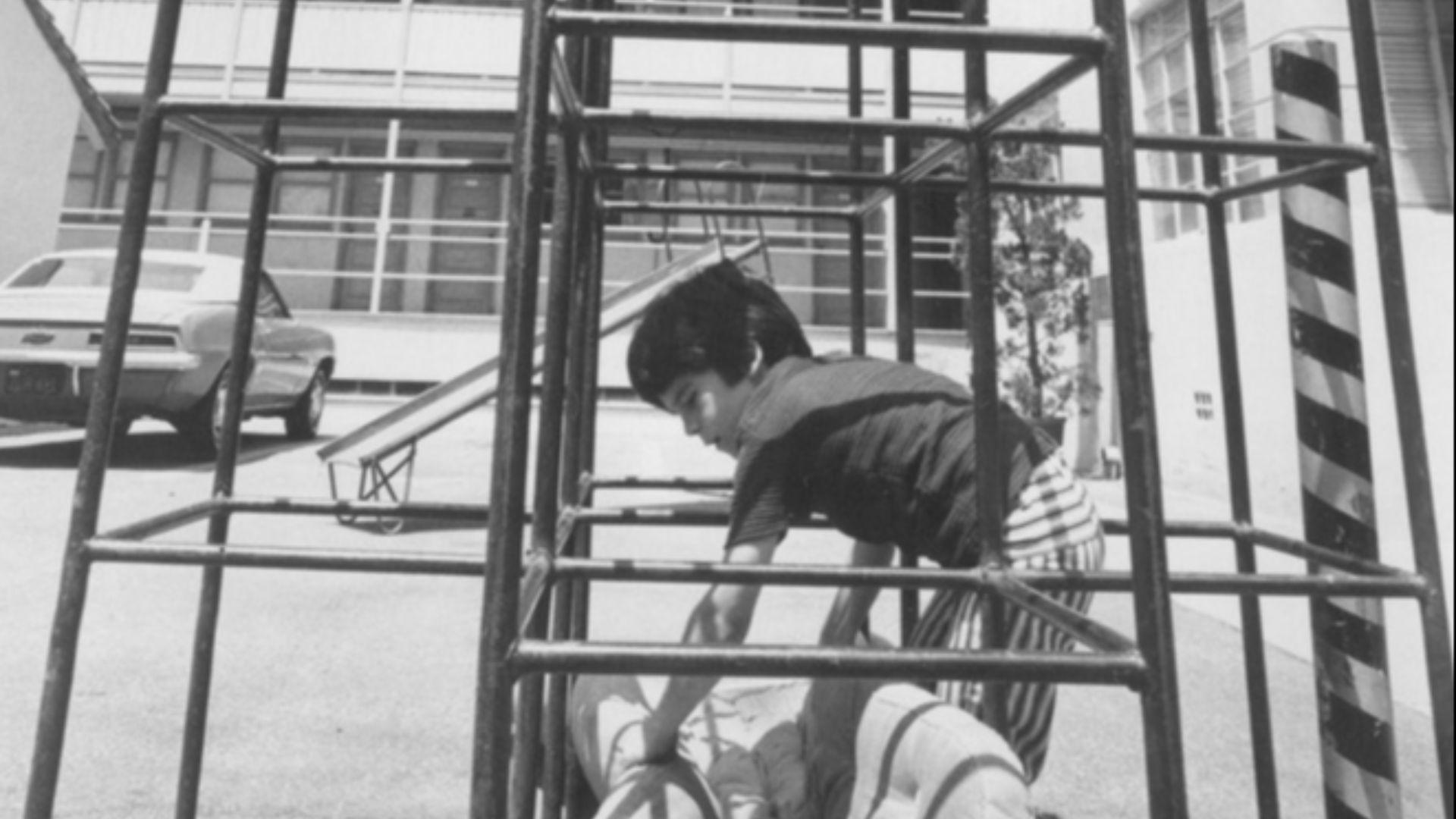
Challenging the Myth of the Lucky Child Star
He rejected the idea that child actors are automatically privileged. “Being famous doesn’t mean being safe,” he said. His story complicated nostalgia and forced audiences to rethink what success really costs children.
 MGM-TV / ABC-TV., Wikimedia Commons
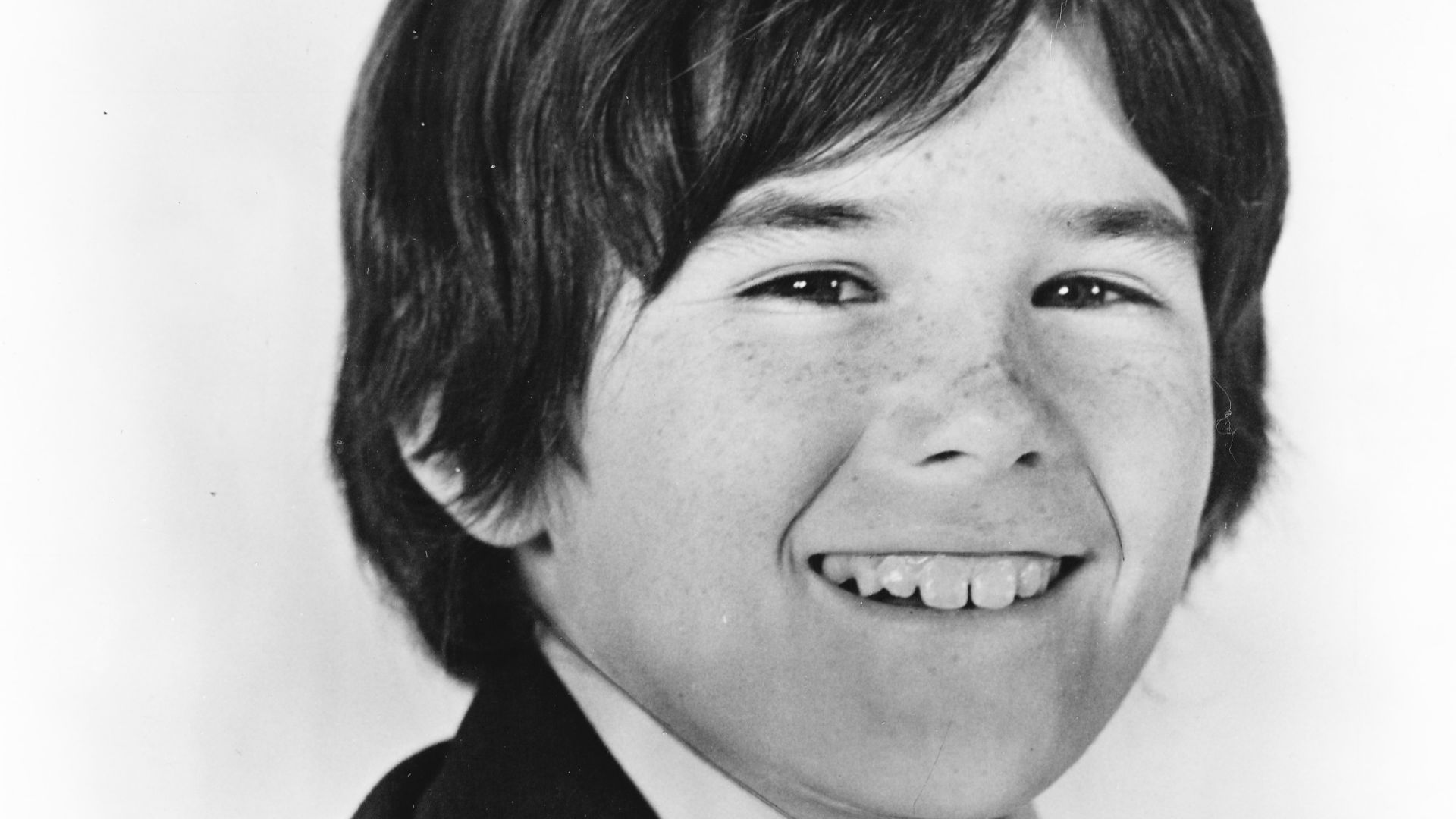
Choosing Peace Over Visibility
Unlike many former child stars, Brandon did not chase a comeback. He chose sobriety, privacy, and creative expression without pressure. Healing became more important than recognition.
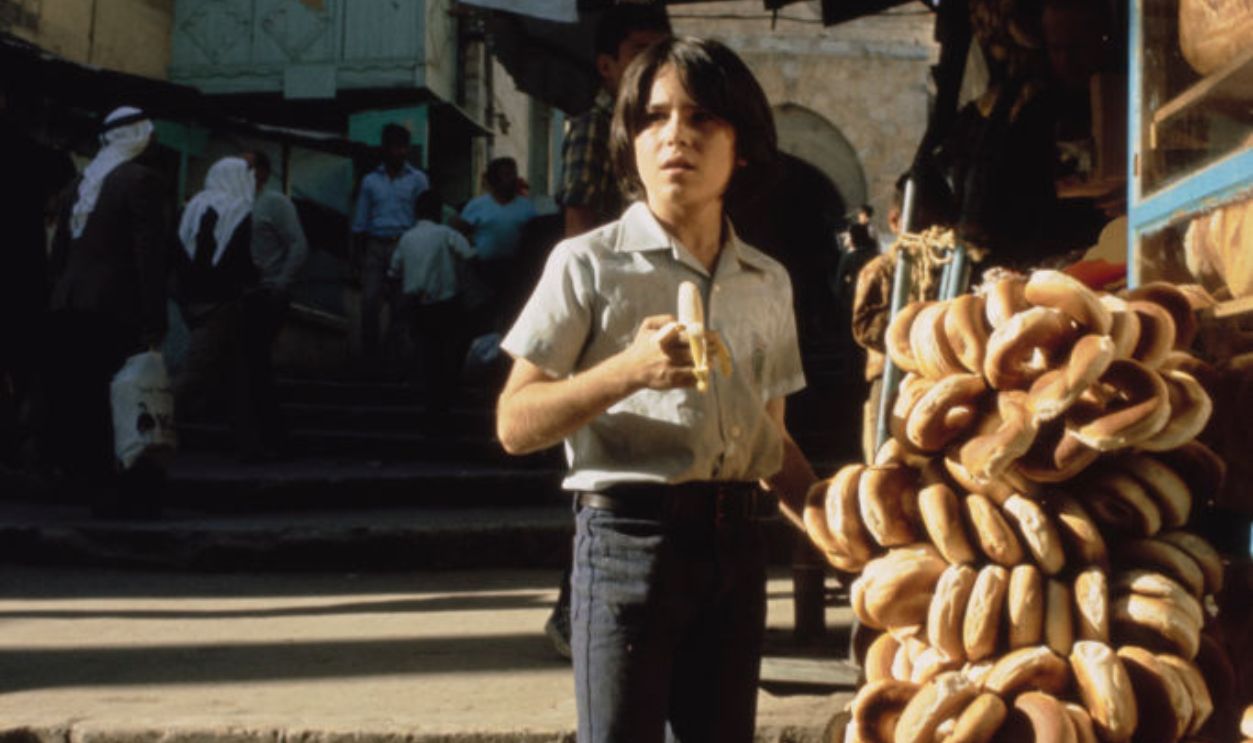
Why His Story Still Resonates
Brandon Cruz’s life reveals how easily trauma hides behind smiles. His experience is not rare, but it is rarely told with honesty. That truth is why his voice still matters.
After the Applause Fades
The world remembers Brandon Cruz as a cheerful kid on television. His real legacy is harder and more important. It is a reminder to look past performance, listen to survivors, and protect children before the damage becomes permanent.
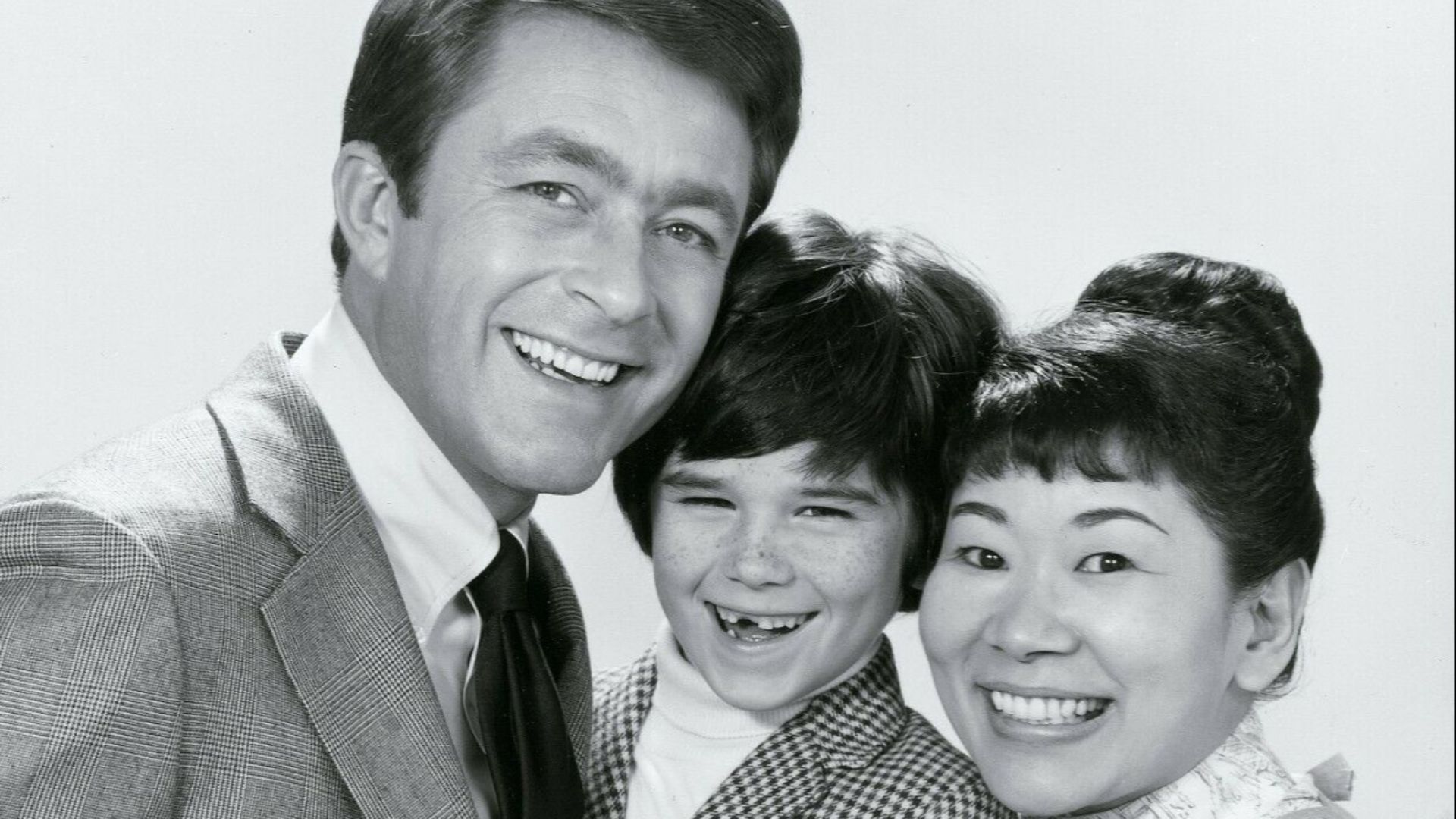 ABC Television, Wikimedia Commons
You May Also Like: