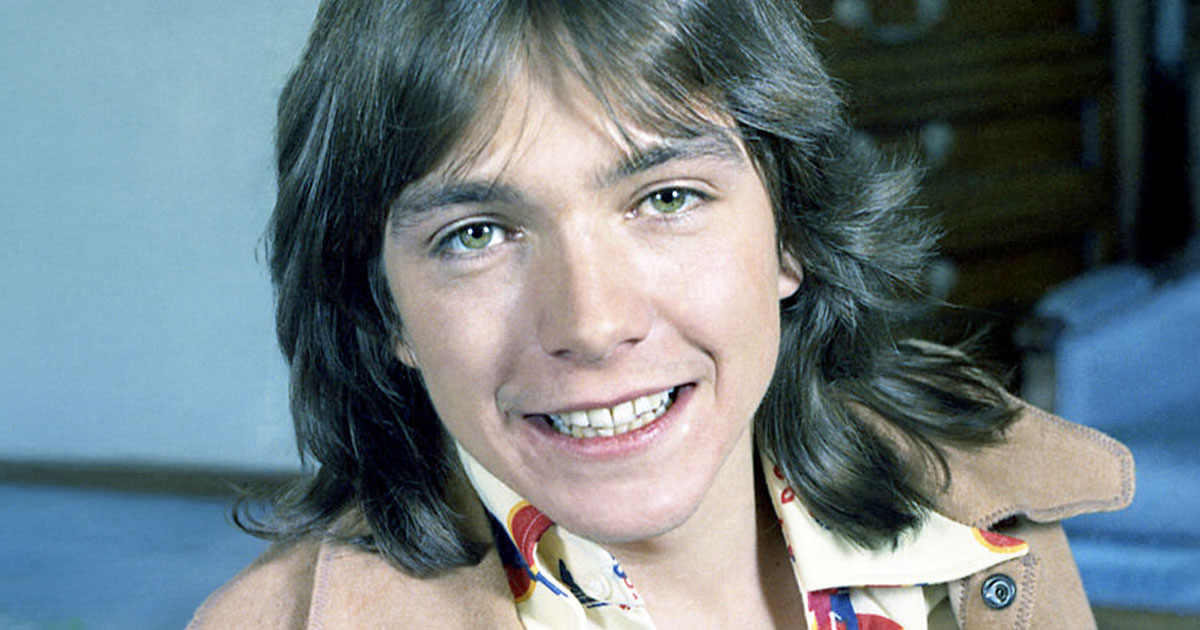
Loved by the World, Lost to the Pressure
For a few electric years in the early 1970s, David Cassidy wasn’t just famous — he was everywhere. Teenagers screamed his name, magazines couldn’t print his face fast enough, and his smile felt permanently etched into pop culture. But while the world saw a carefree teen idol, Cassidy was quietly unraveling under the weight of fame he never truly wanted.
A Childhood Shaped by Applause and Absence
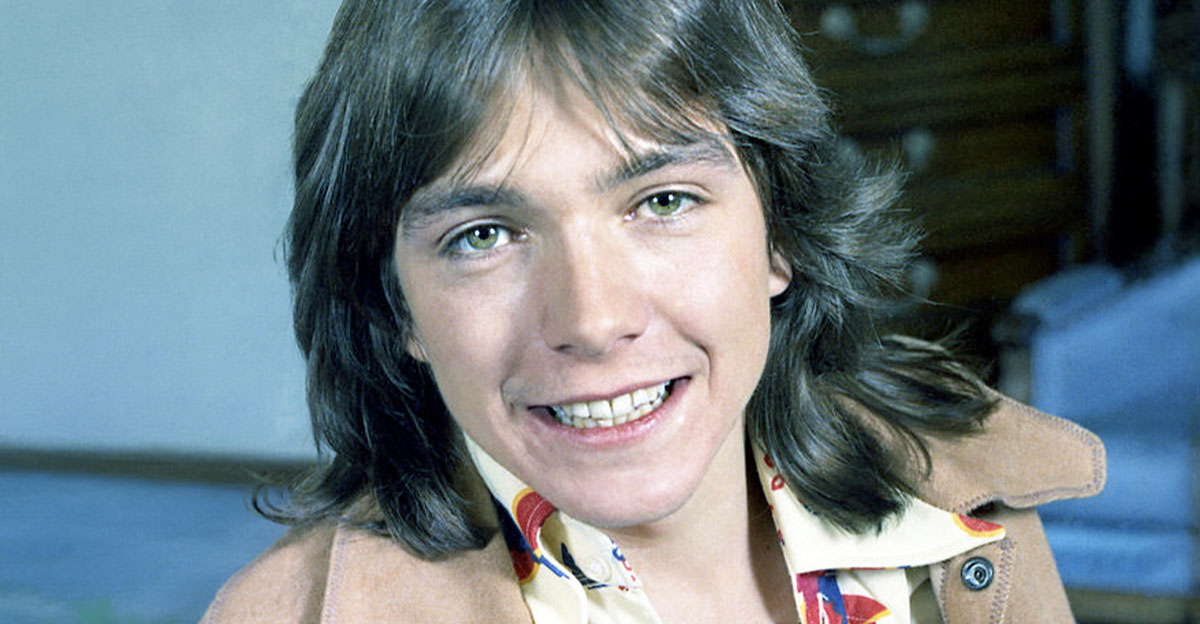
David Bruce Cassidy was born on April 12, 1950, in New York City, into a family already steeped in show business. His father, Jack Cassidy, was a respected Broadway actor and singer. His mother, Evelyn Ward, was also an actress. When his parents divorced, David was still young, and that early sense of fracture stayed with him.
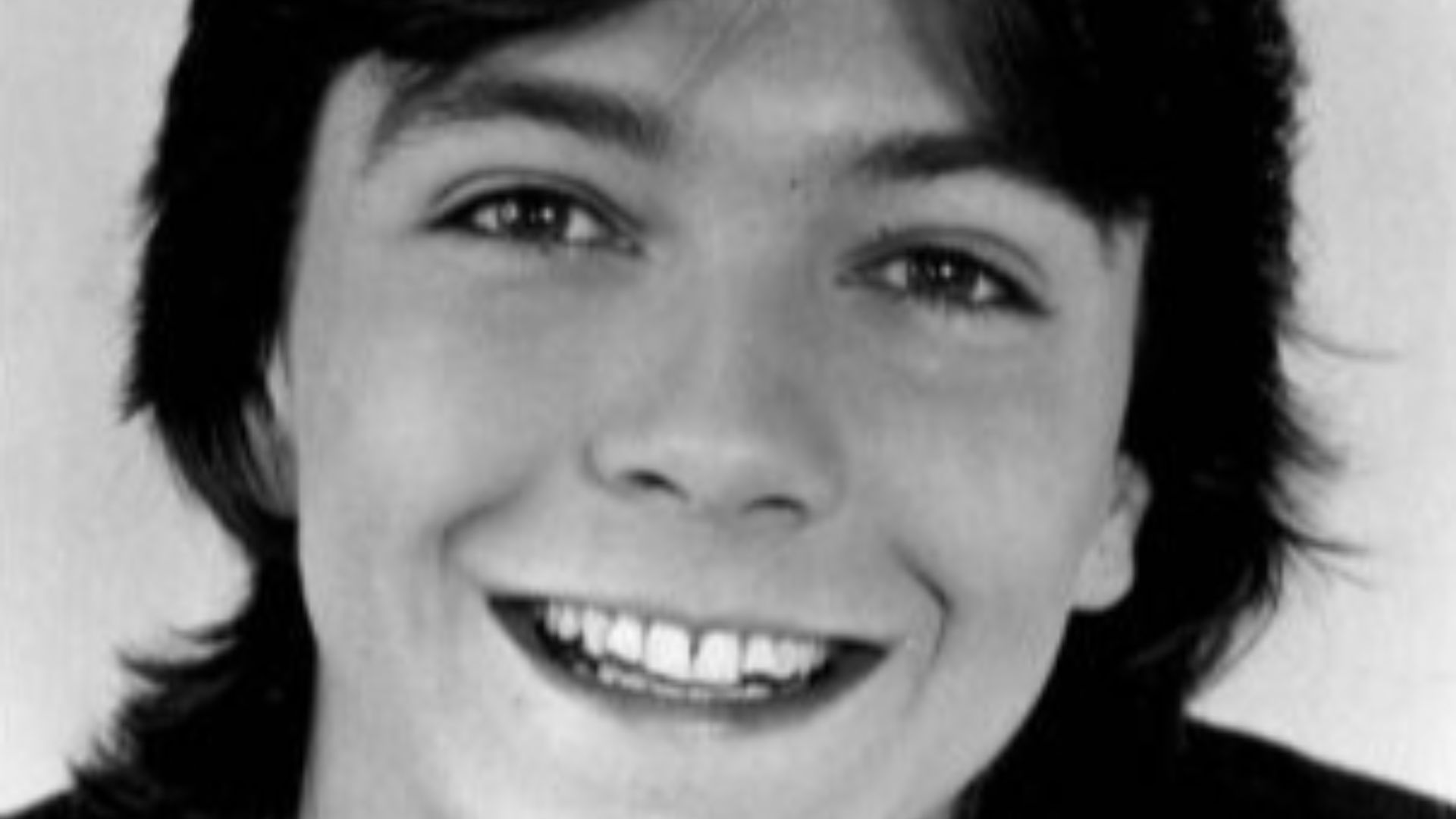 ABC Television Network., Wikimedia Commons
Instability Was Everywhere
He spent years moving between relatives before eventually living with his father and stepmother, Shirley Jones. The household was full of talent — but emotional stability was harder to find.
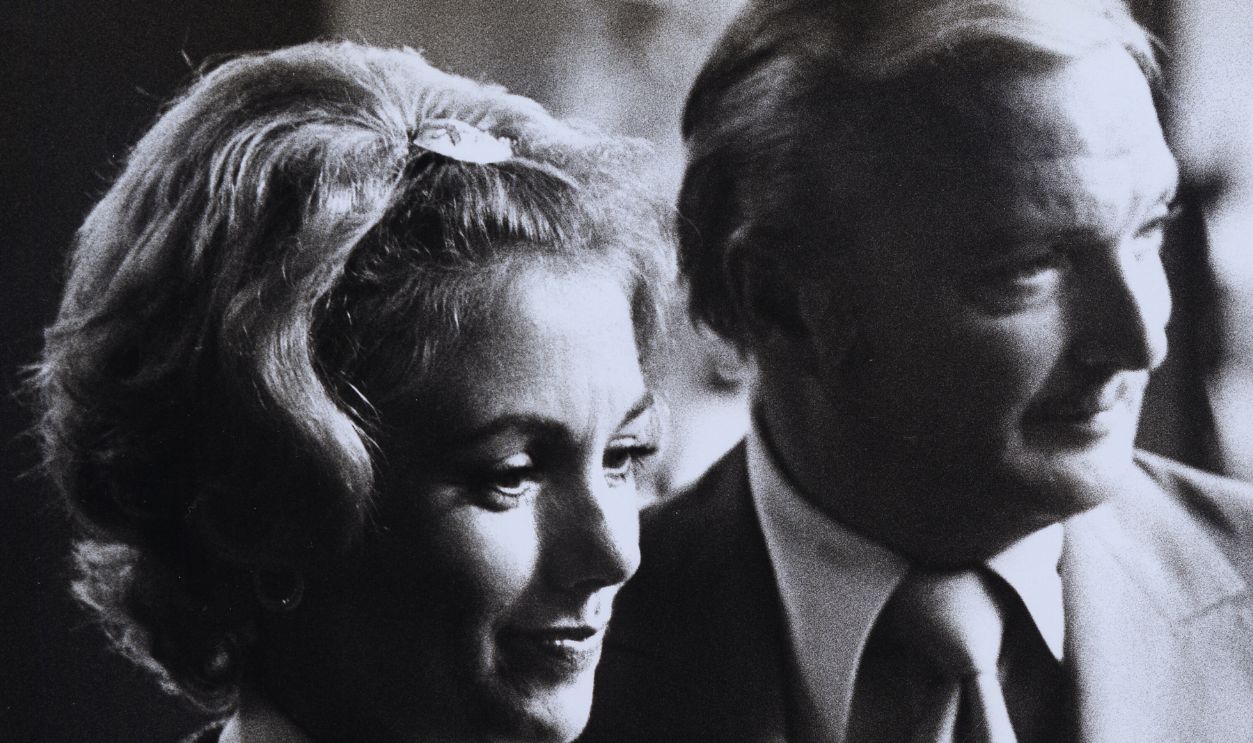
Always Trying to Prove He Belonged
David later admitted he often felt invisible growing up, especially in his relationship with his father. That feeling — of needing to earn love, applause, or approval — followed him into adulthood. Acting wasn’t just a career. It became a way to feel seen.
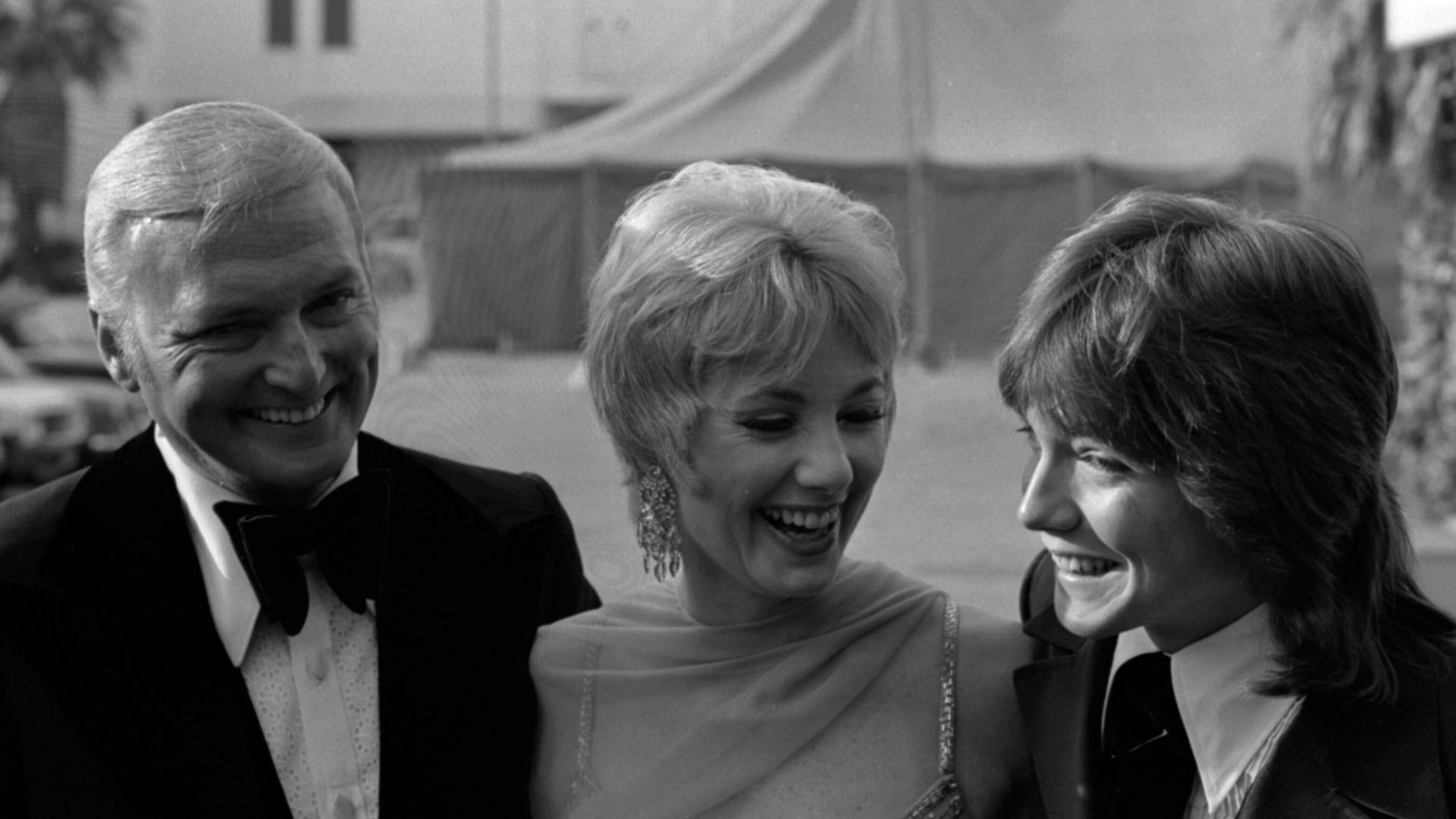 Mike Meadows, Los Angeles Times, Wikimedia Commons
Before the Posters, There Was the Work
Cassidy didn’t walk straight into superstardom. He took small roles, stage work, and TV guest spots, slowly learning the business. He wanted to be respected, not just recognized. That distinction would matter deeply later on.
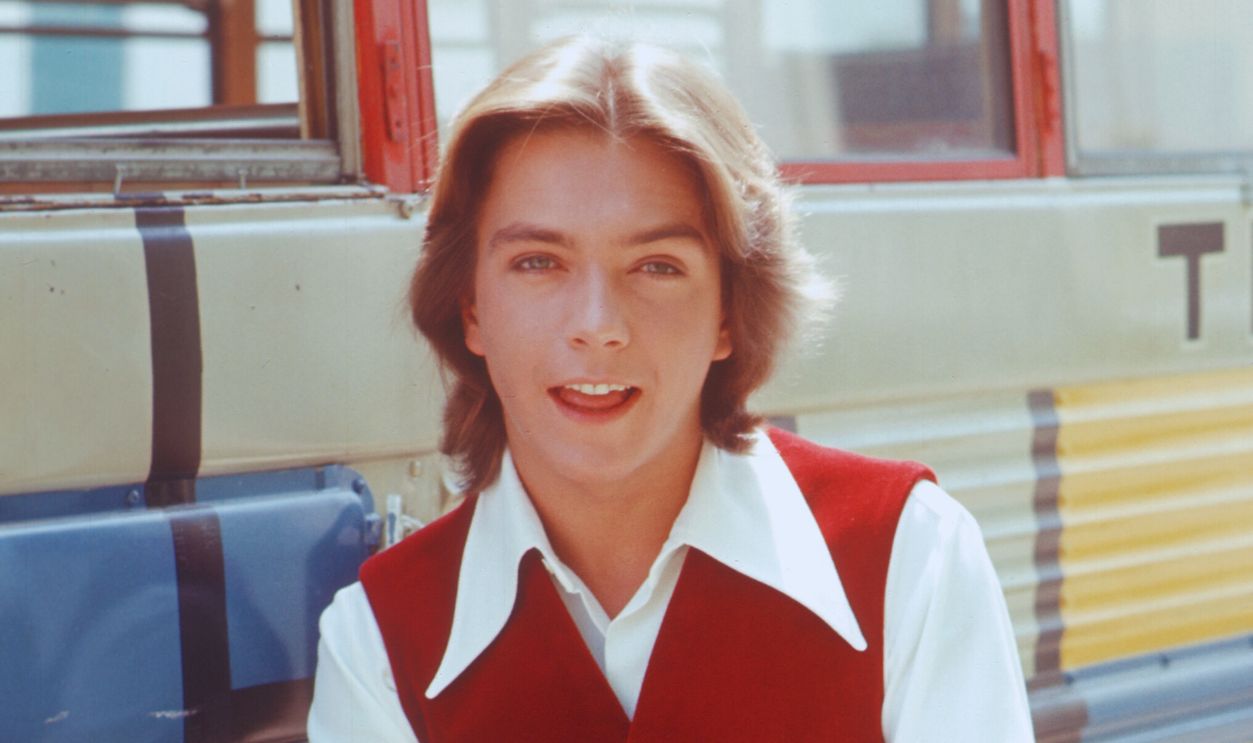 Michael Ochs Archives, Getty images
The Partridge Family Made Him a Phenomenon
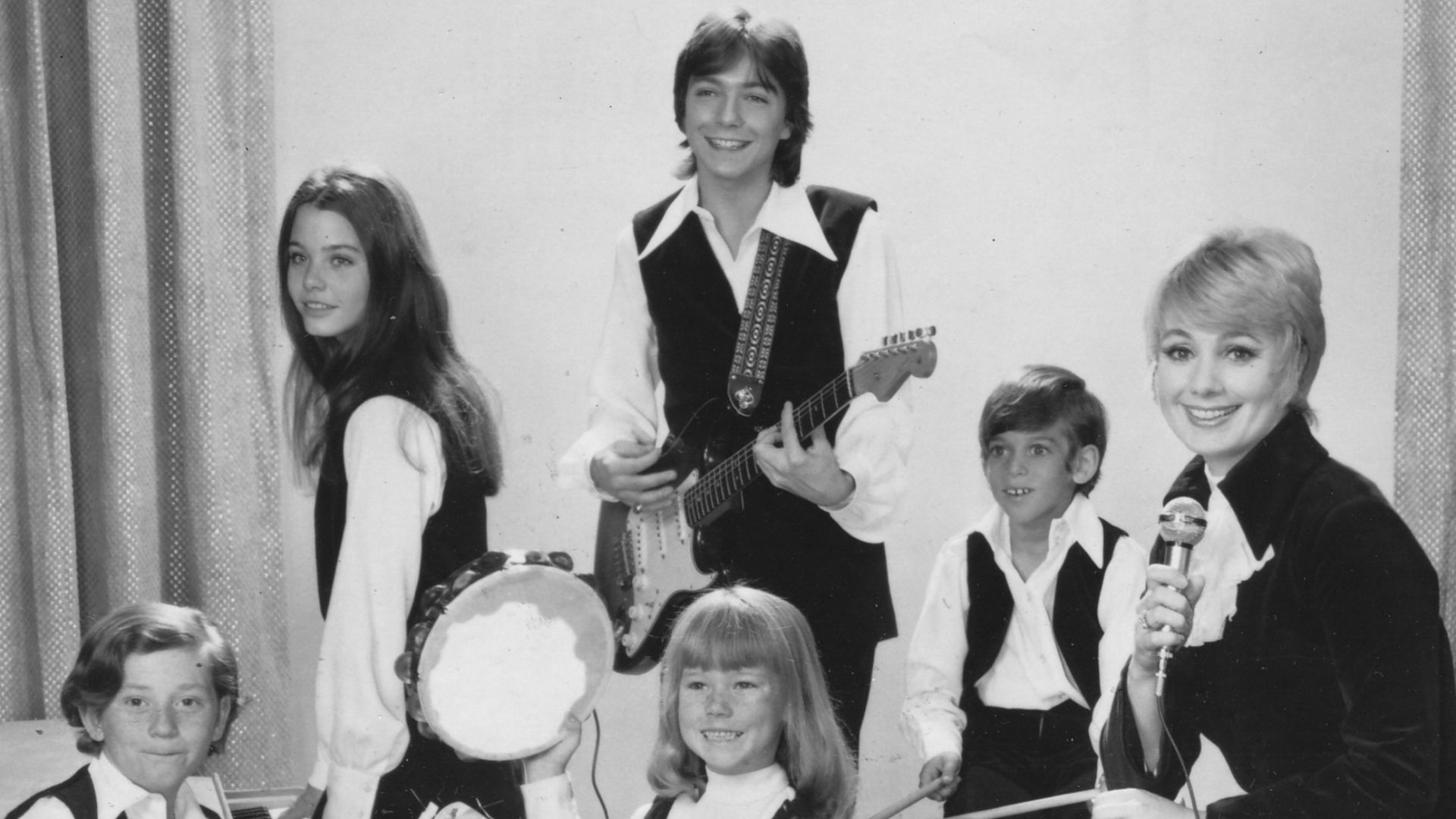
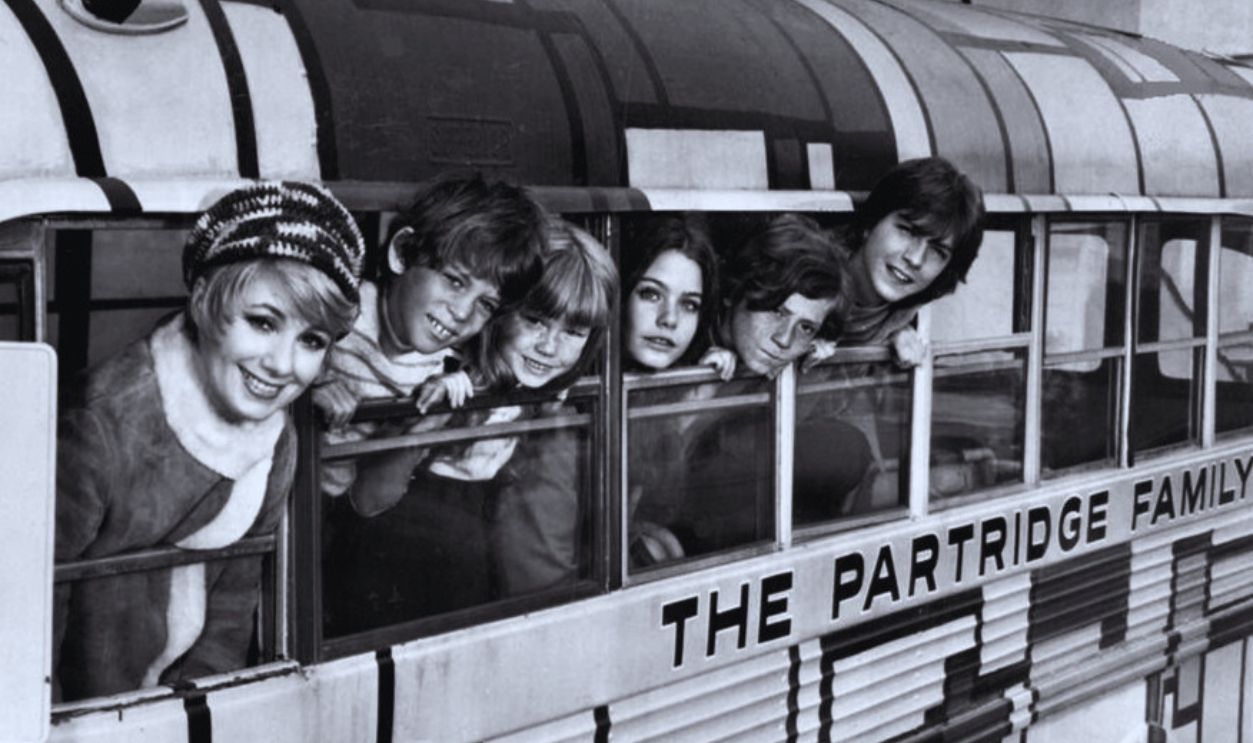
Everything changed in 1970 when Cassidy was cast as Keith Partridge on The Partridge Family. The show followed a musical family touring together, and it struck a nerve with young audiences. Cassidy wasn’t just part of the cast — he became the obsession.
 ABC Television Network., Wikimedia Commons
He Was Special
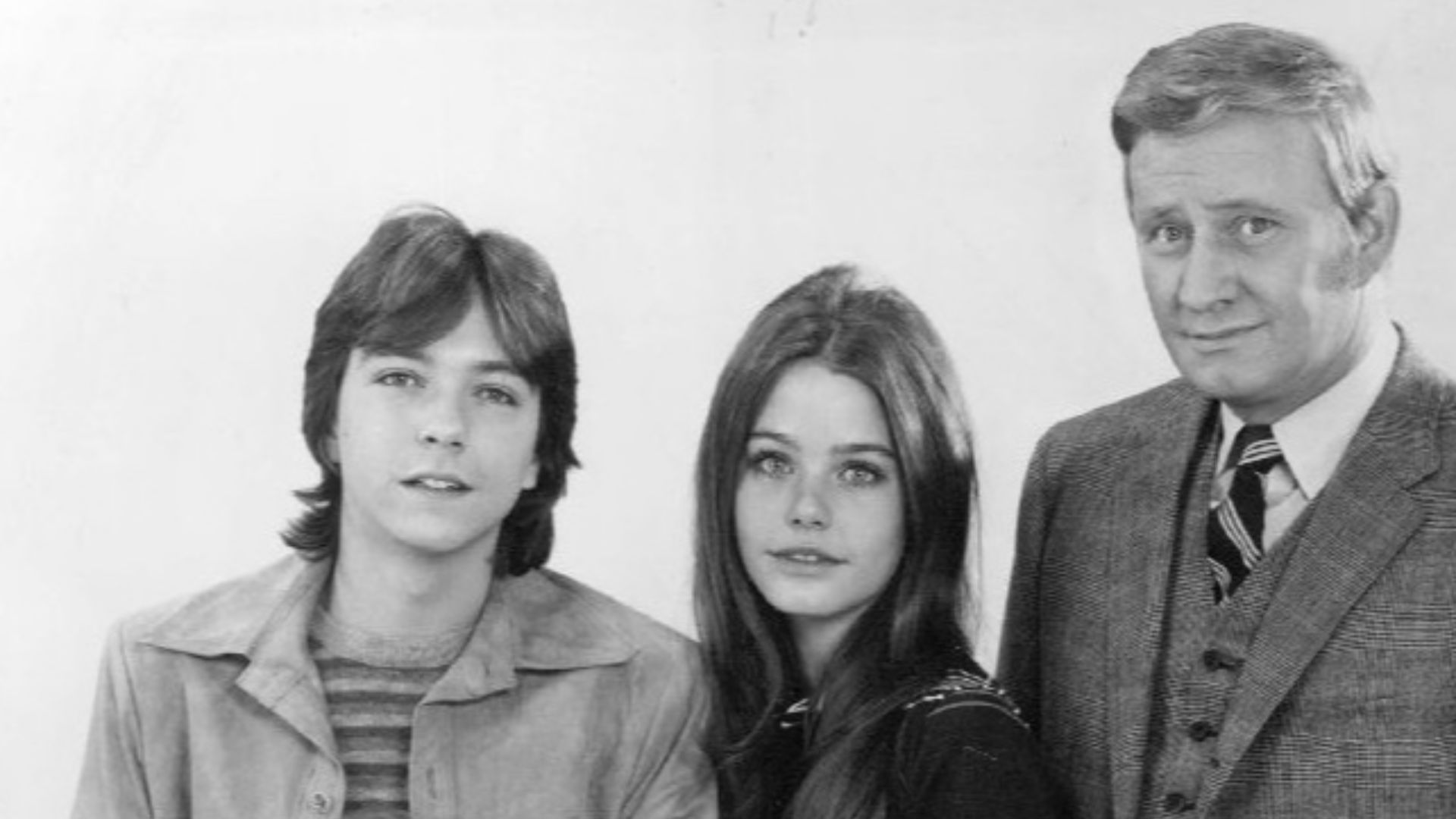
Cassidy's stepmother, Shirley Jones, who also played his TV mother, later said, “David had that something—you couldn’t take your eyes off him.” She went on to say, “He had an innocence and sincerity that came straight through the camera.” Viewers felt it instantly.
 ABC Television Network., Wikimedia Commons
Teen Idol at Full Volume
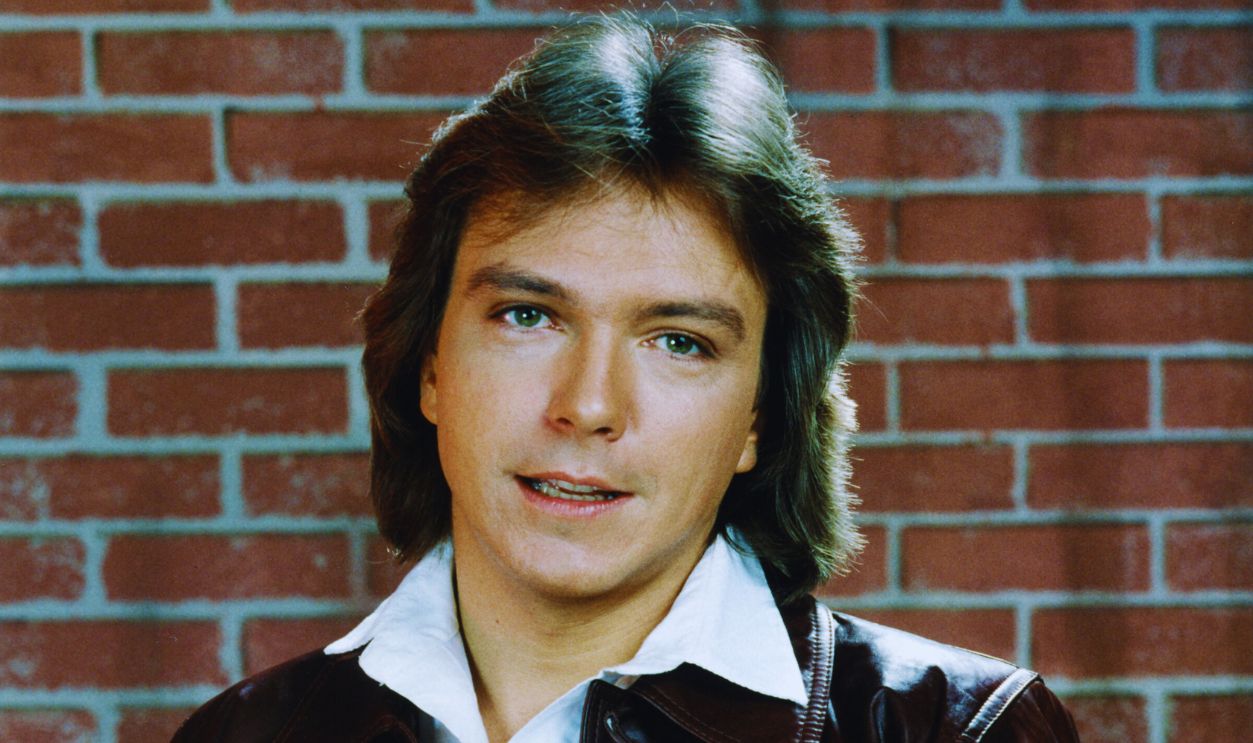
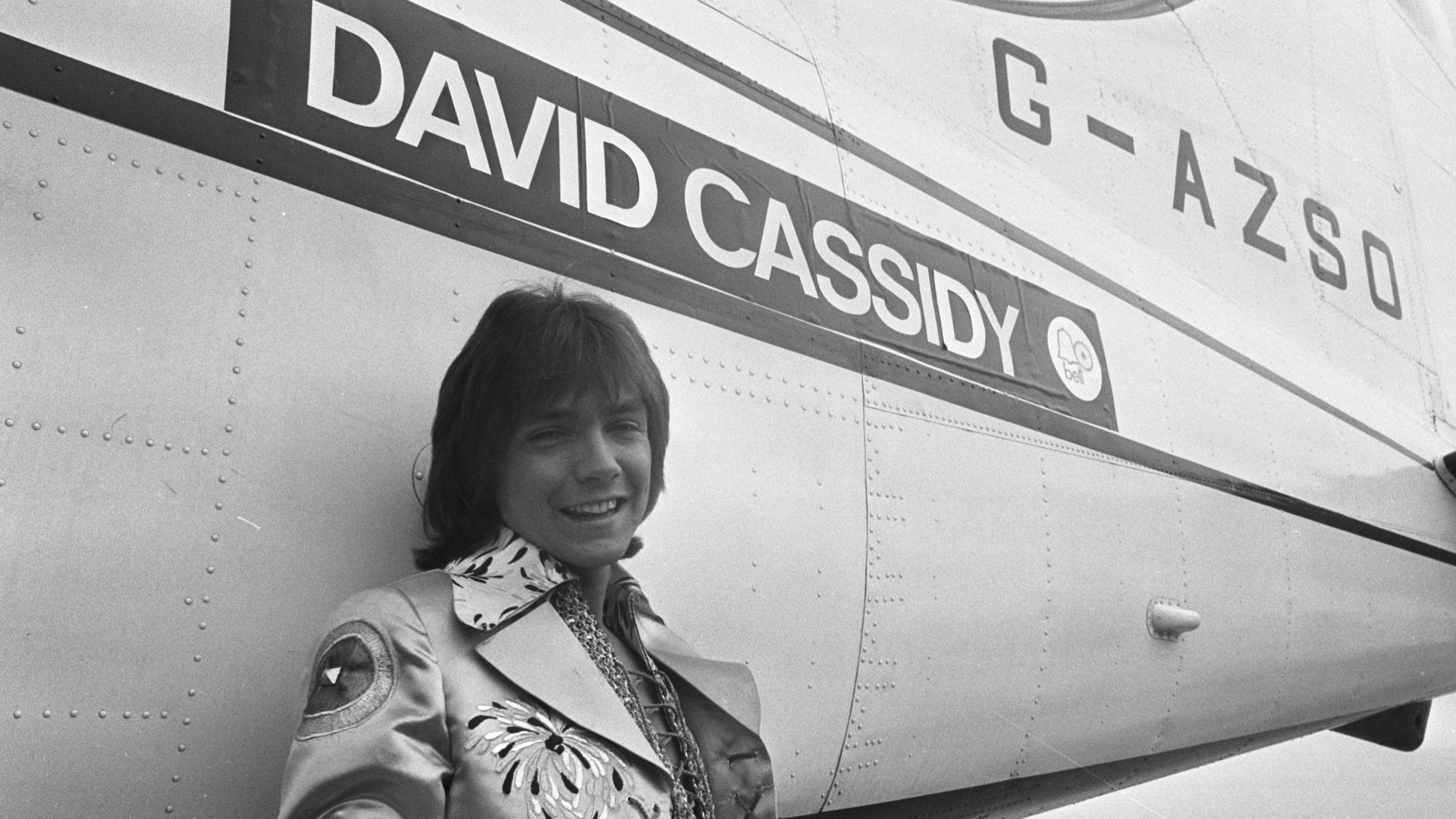
The show’s success exploded beyond television. The music took things even further. Songs like “I Think I Love You” dominated radio, and Cassidy’s face became unavoidable. His concerts were chaotic — fans screamed so loudly he could barely hear himself sing. In the UK and Australia, crowds bordered on hysteria, with some fans even fainting at the sight of him.
To outsiders, it looked magical. To Cassidy, it felt suffocating.
 Silver Screen Collection, Getty Images
Fame That Never Let Him Rest
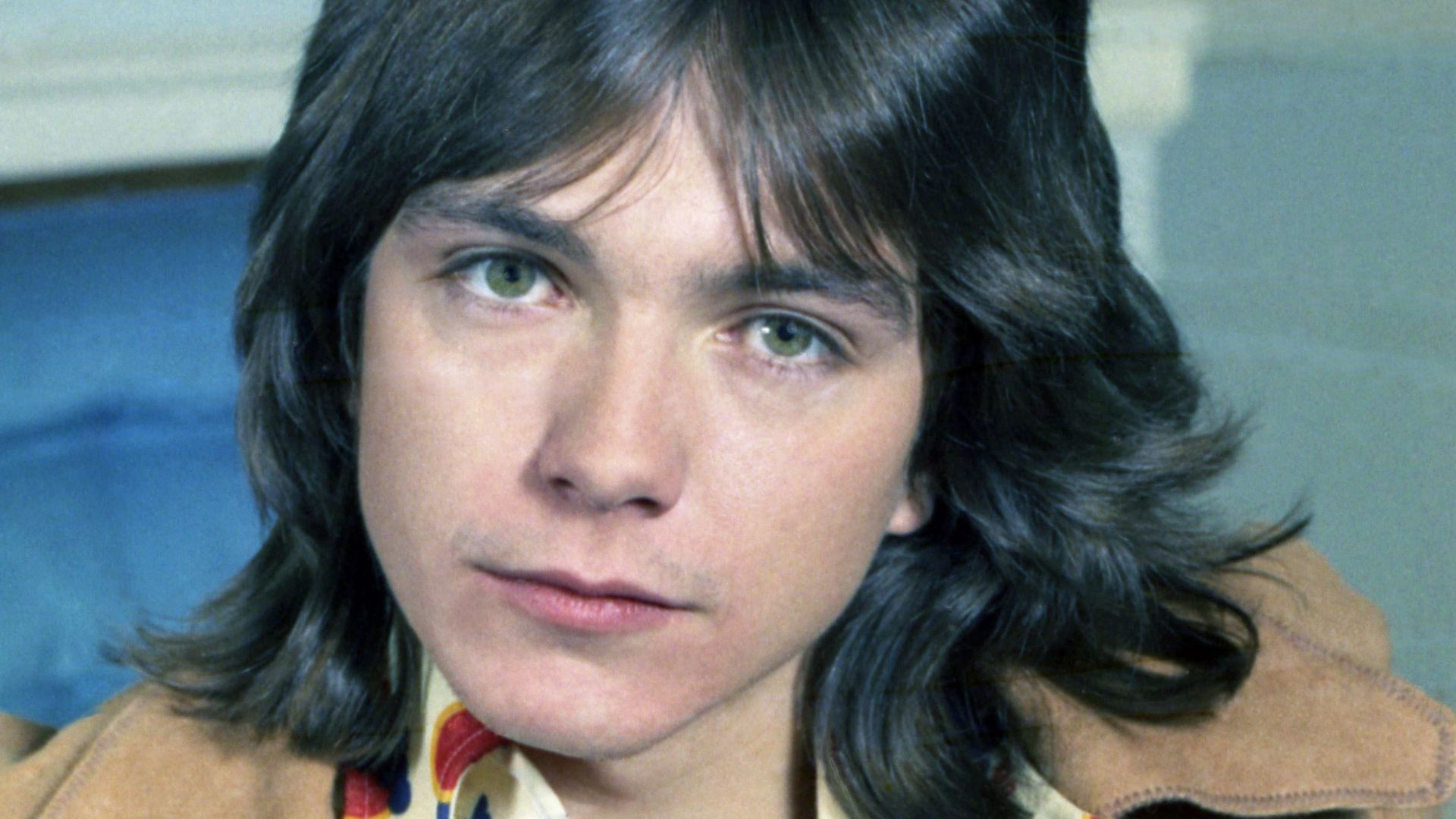
Cassidy was barely 20 years old and already exhausted. He toured constantly, filmed nonstop, and had almost no private life. Later, he admitted he felt trapped inside an image he didn’t create and couldn’t escape.
“I stopped being a person,” he once said. “I became a product.”
 Allan warren, Wikimedia Commons
Burning Out Far Too Young
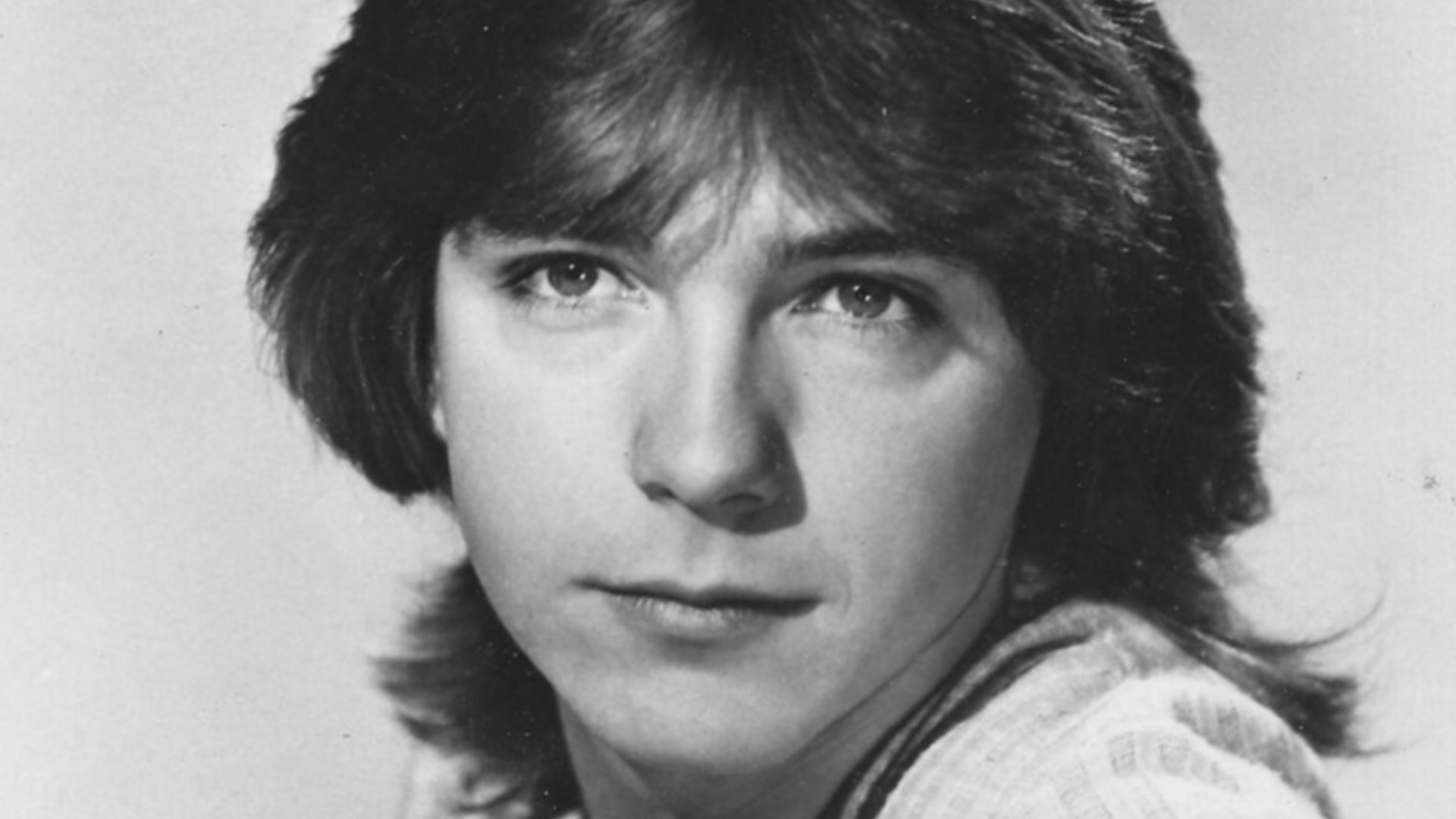
By his early twenties, Cassidy was emotionally spent. The pressure to stay cheerful, grateful, and perfect wore him down. The joy that once came with performing started to disappear, replaced by anxiety and loneliness.
 ABC Television Network., Wikimedia Commons
Drink Became an Escape
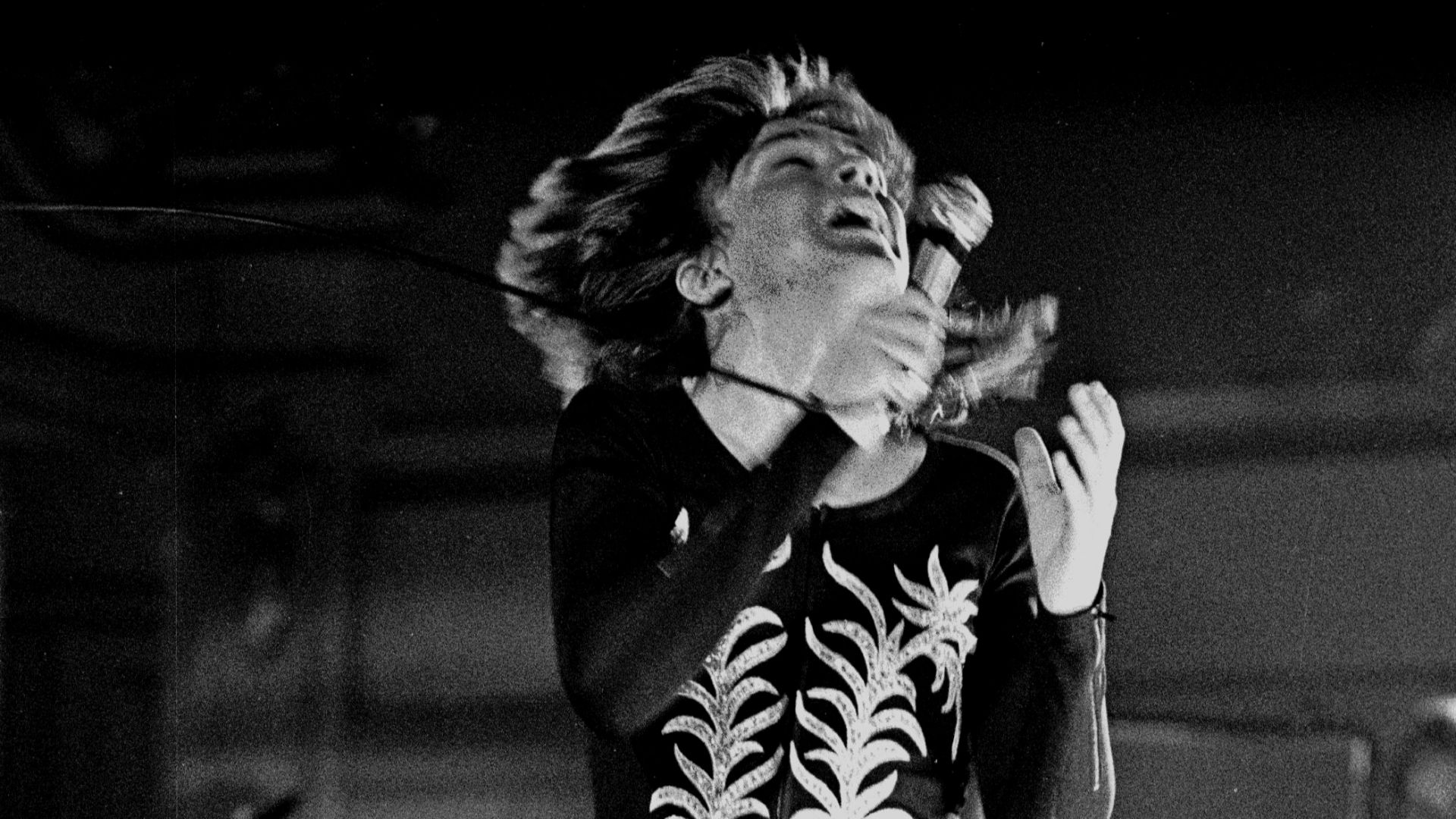
As the pressure mounted, Cassidy turned to drink. At first, it helped him sleep. Then it helped him forget. What began as a way to unwind became a dependency that followed him for decades. He later spoke openly about using drinking to quiet anxiety and escape the version of himself the world demanded.
 Heinrich Klaffs, Wikimedia Commons
Life After the Idol Years Was Complicated
When The Partridge Family ended in 1974, Cassidy struggled to redefine himself. He continued acting, recording music, and touring, but the industry and the public had already moved on to the next sensation. Reinvention is hard for anyone — it’s even harder when millions refuse to see you differently.
 ABC Television, Wikimedia Commons
Financial Struggles and Public Setbacks
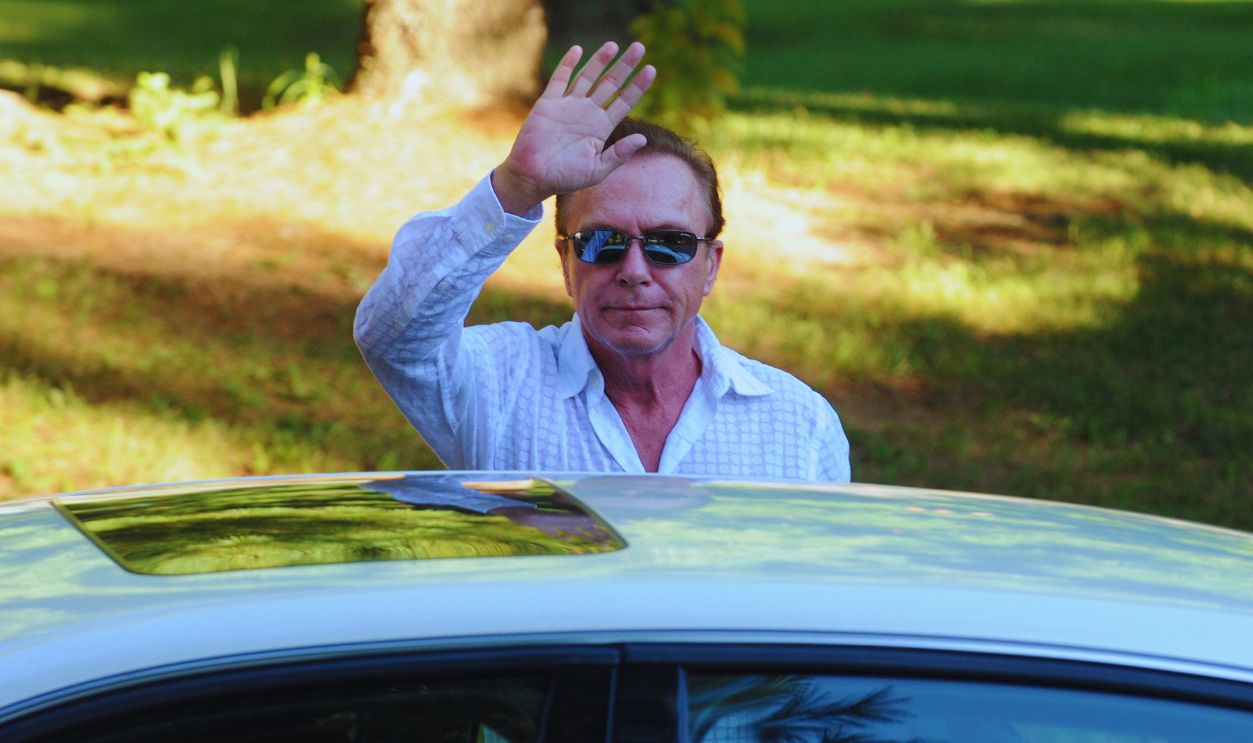
Despite earning enormous sums at his peak, Cassidy faced serious financial trouble later in life. In 2015, he filed for bankruptcy, a painful and very public reminder of how unstable fame can be when it fades.
 Albany Times Union/Hearst Newspapers, Getty Images
Declining Health and a Quiet Goodbye
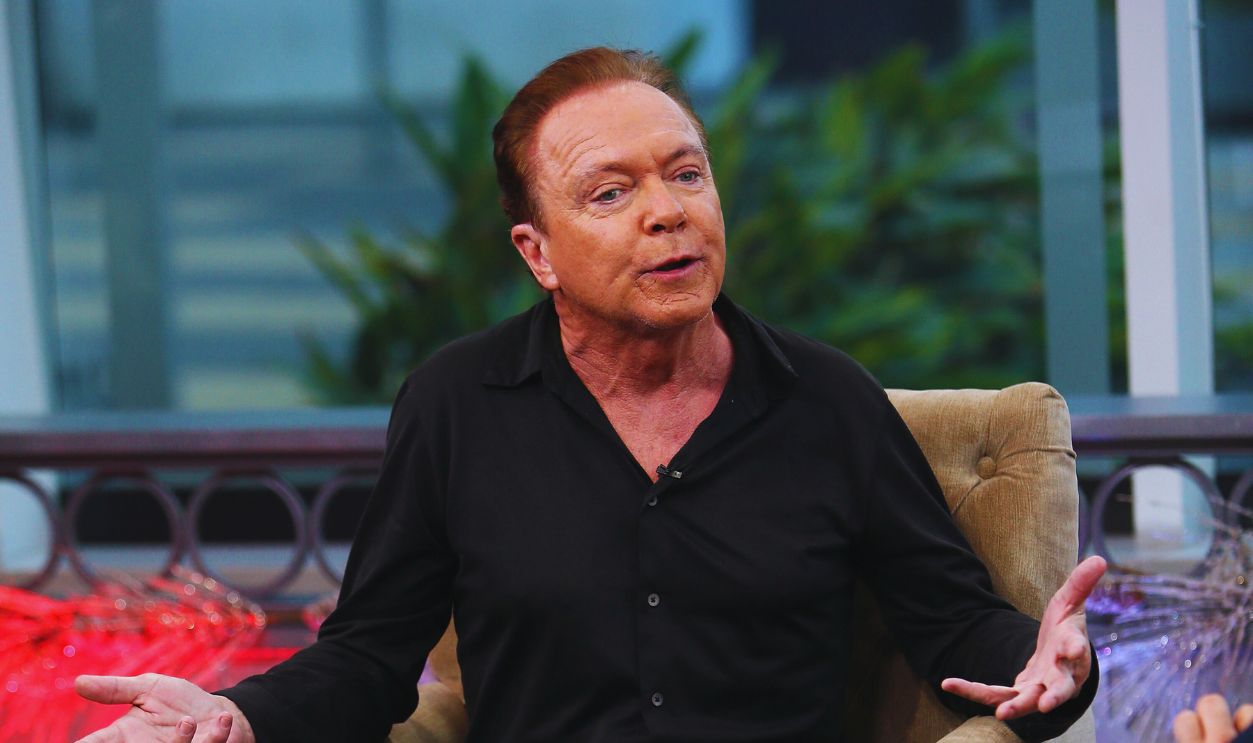
In 2017, Cassidy announced he was stepping away from touring after struggling onstage with memory and coordination. Later that year, he was hospitalized with liver and kidney failure linked to long-term alcohol use. He died on November 21, 2017, at the age of 67.
 David Livingston, Getty Images
“So Much Wasted Time”
After his death, Cassidy’s daughter Katie Cassidy shared his final words: “So much wasted time.” The quote struck a chord because it felt painfully honest — not bitter, just sad. A reflection, not an accusation.
 Heroes & Villains, Wikimedia Commons
How Those Close to Him Remembered Him
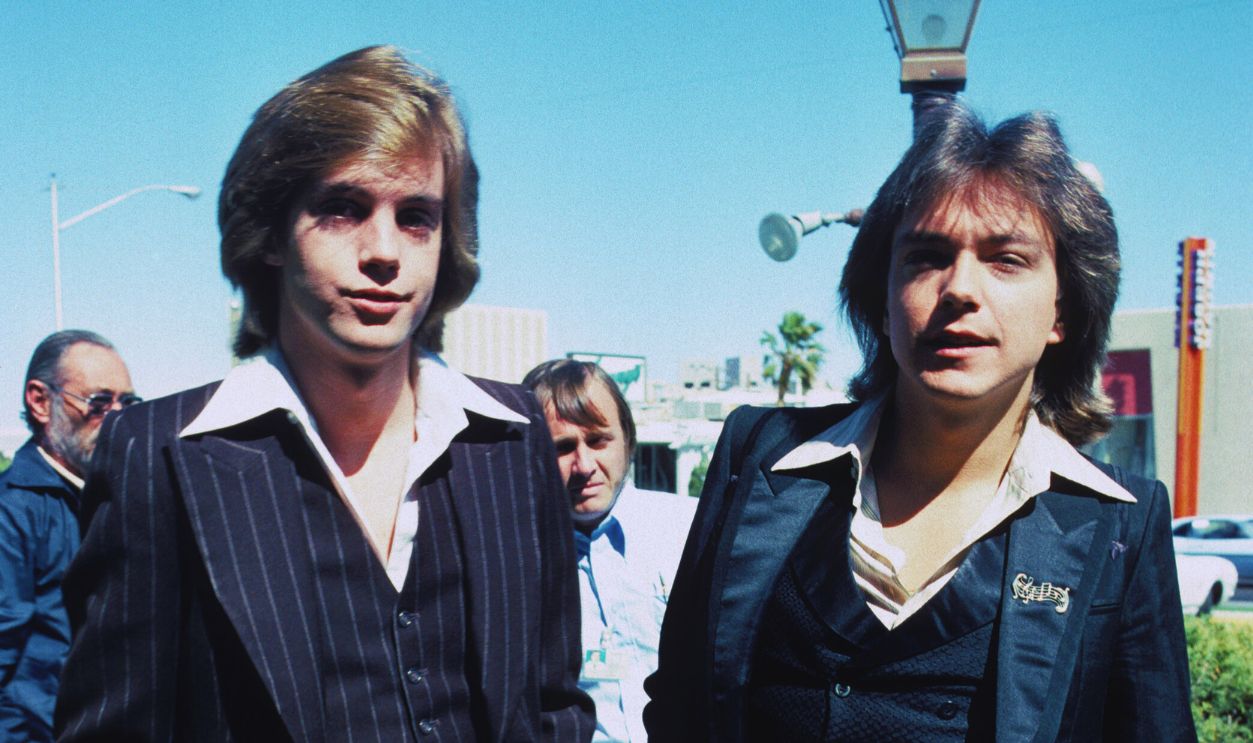
His brother Shaun Cassidy described David as deeply sensitive, someone who felt everything more intensely than most. Shirley Jones called him “a gentle, loving soul.” Those closest to him understood that his struggles came from vulnerability, not weakness.
The Good He Left Behind
David Cassidy’s greatest legacy wasn’t just the music or the fame. Later in life, he spoke candidly about addiction, mental health, and the emotional cost of celebrity. For many fans, his honesty helped remove shame from their own struggles.
He gave millions joy in their youth — and later, something just as important: permission to be human.
 Rob Mieremet (Anefo), Wikimedia Commons
You May Also Like: