Hollywood's Richest Little Girl
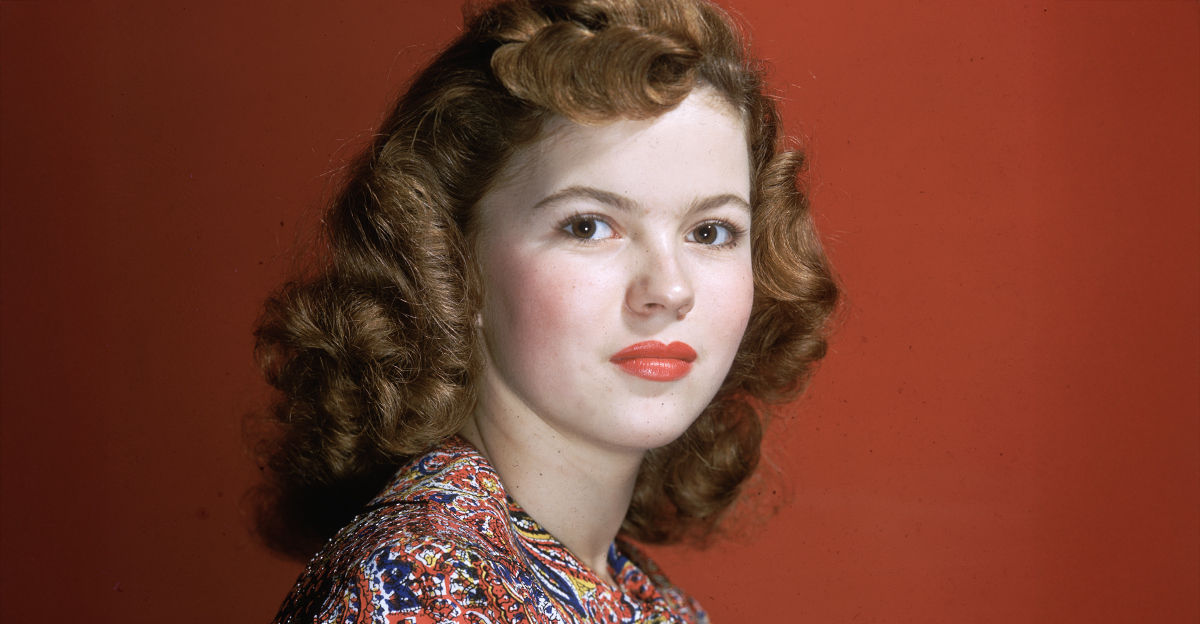
By the time Shirley Temple reached adolescence, she had become one of Hollywood's biggest money-makers. Her movies filled theaters, her face sold merchandise, and her earnings ran into the millions. Yet when she finally examined her finances as a young adult, she discovered that almost everything she had earned was gone. The explanation lay painfully close to home.
 Photo by Hulton Archive/Getty Images
A Childhood In Hollywood
Shirley Temple was born on April 23, 1928, in Santa Monica, California. Her father, George, worked in banking, while her mother, Gertrude, encouraged her performing ambitions. Shirley began dance lessons at three, and her mother quickly recognized her potential. Before most children had started school, Temple was already being prepared for a career in entertainment.
 Harry Warnecke / Lee Jennings Elkins, Wikimedia Commons
Her First Paying Jobs
Temple's earliest screen appearances came in the Baby Burlesks, a series of low-budget comedy shorts featuring very young children impersonating adults. These vignettes are considered highly controversial now, but they also offered little glamour or financial security. But they gave Shirley valuable experience before the cameras, and her remarkable confidence soon attracted attention from people working in Hollywood's much larger studios.
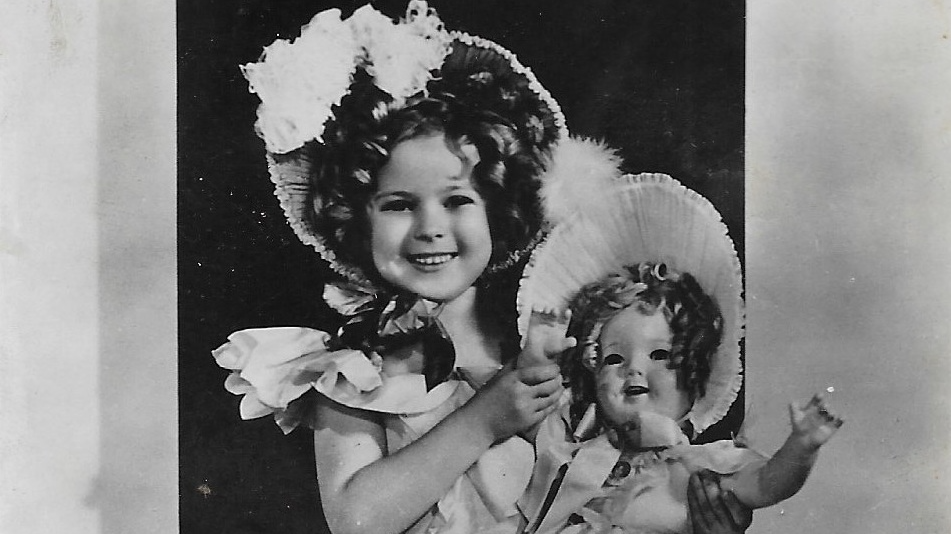 Inconnu, vers 1933, CC BY-SA 4.0, Wikimedia Commons
Fox Spots A Goldmine
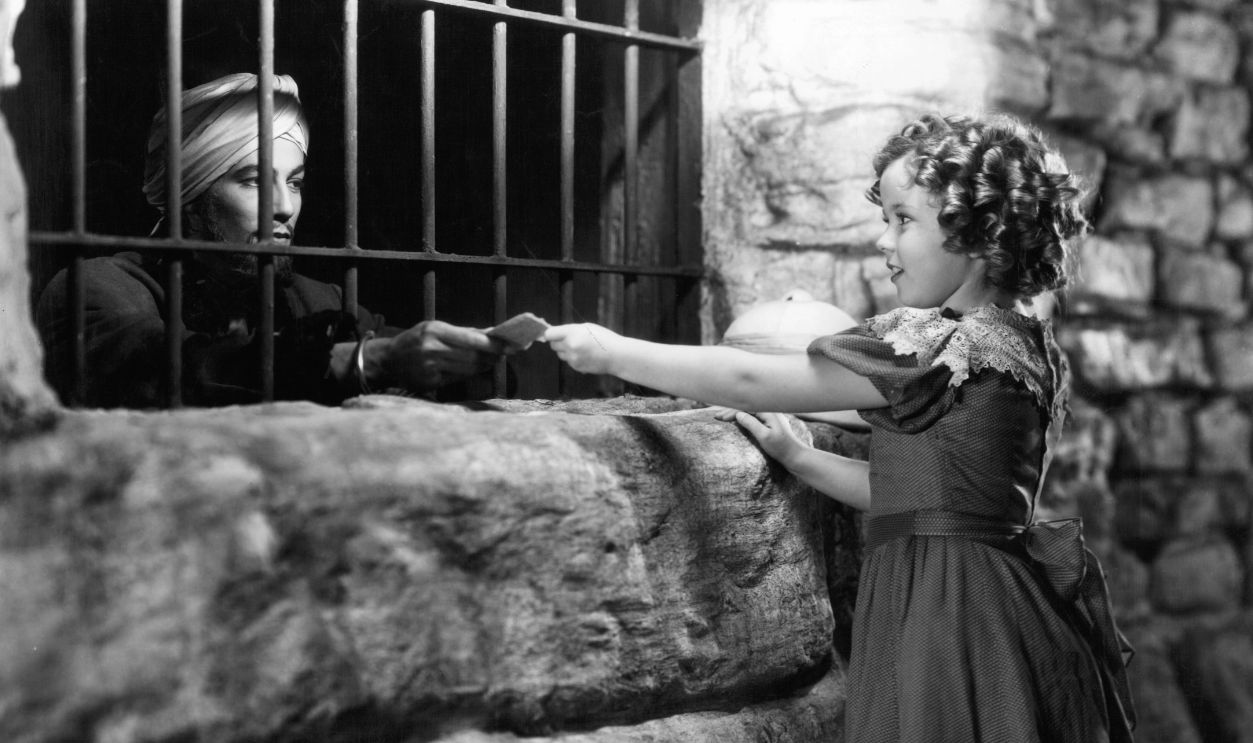
In late 1933, Temple signed with Fox Film Corporation. Her initial contract reportedly paid $150 a week, with another $25 going to her mother for coaching and hairdressing. It was respectable money during the Depression, but modest compared with what Temple would soon generate. Fox had acquired a performer whose commercial potential was only beginning to emerge.
A Breakthrough Worth Millions
Temple's appearances in Stand Up and Cheer! (1934) and Little Miss Marker (1934) demonstrated her extraordinary appeal. Then came Bright Eyes (1934), featuring "On the Good Ship Lollipop." Audiences adored her singing, dancing, and unmistakable curls. Fox realized it had something more valuable than another promising child actress: a star who could reliably attract enormous crowds.

Her Salary Suddenly Soared
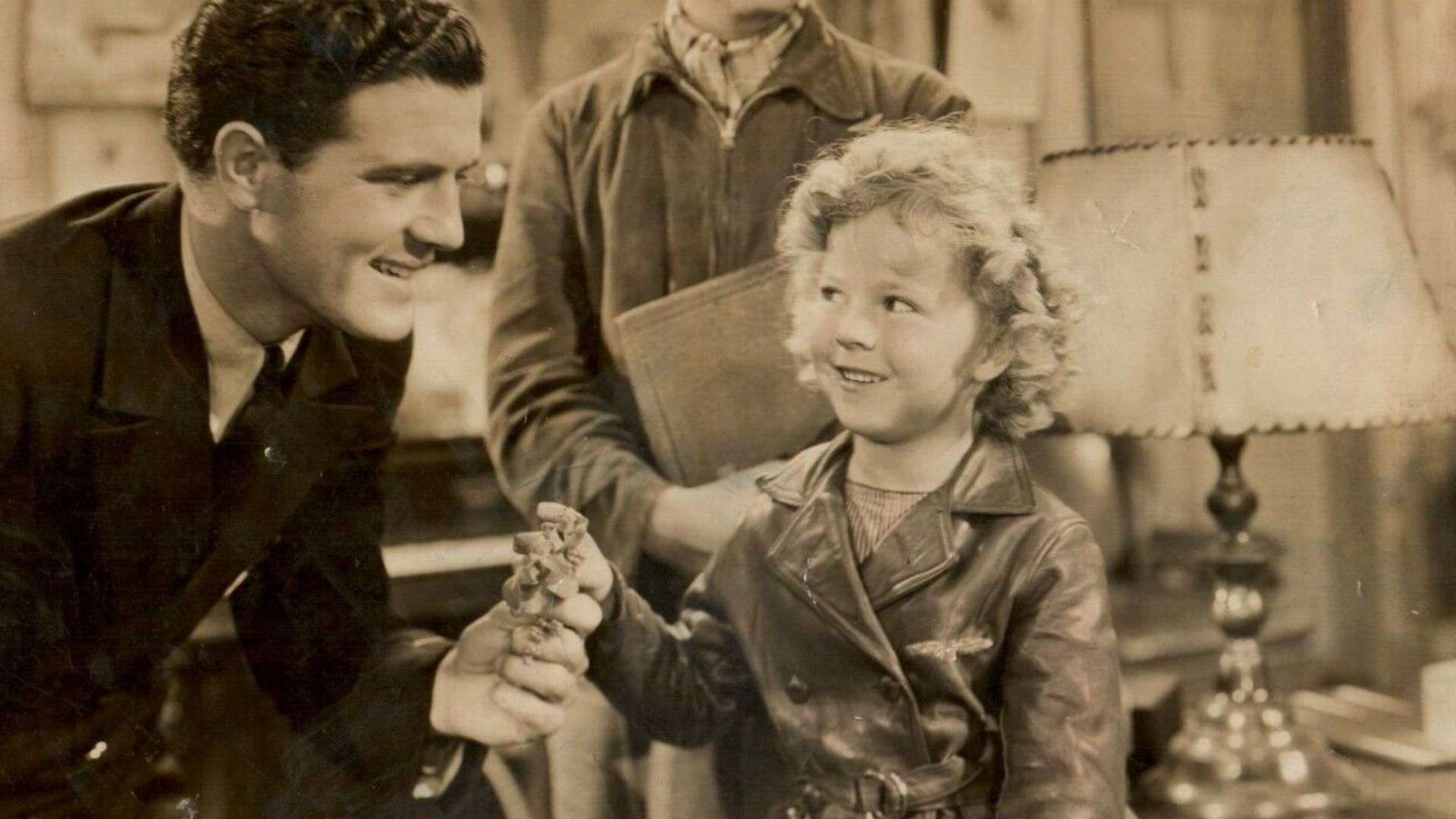
As Temple's popularity exploded, her representatives negotiated increasingly lucrative terms. By July 1934, her salary had reportedly risen to $1,000 a week, with additional payments for her mother and substantial bonuses. By the end of 1935, she was earning approximately $2,500 weekly. For a little girl still learning to read, those were astonishing sums.
 Fox Film Corp, Wikimedia Commons
The Depression's Biggest Star
From 1935 through 1938, Temple ranked as America's leading box-office attraction. During the Great Depression, audiences flocked to her cheerful movies for an escape from economic hardship. Her popularity surpassed that of established adult stars. Fox benefited enormously from this remarkable run, while Temple's salary and commercial value continued climbing to extraordinary heights.
 Fox Film Corp publicity photo, Wikimedia Commons
Even Roosevelt Was Impressed
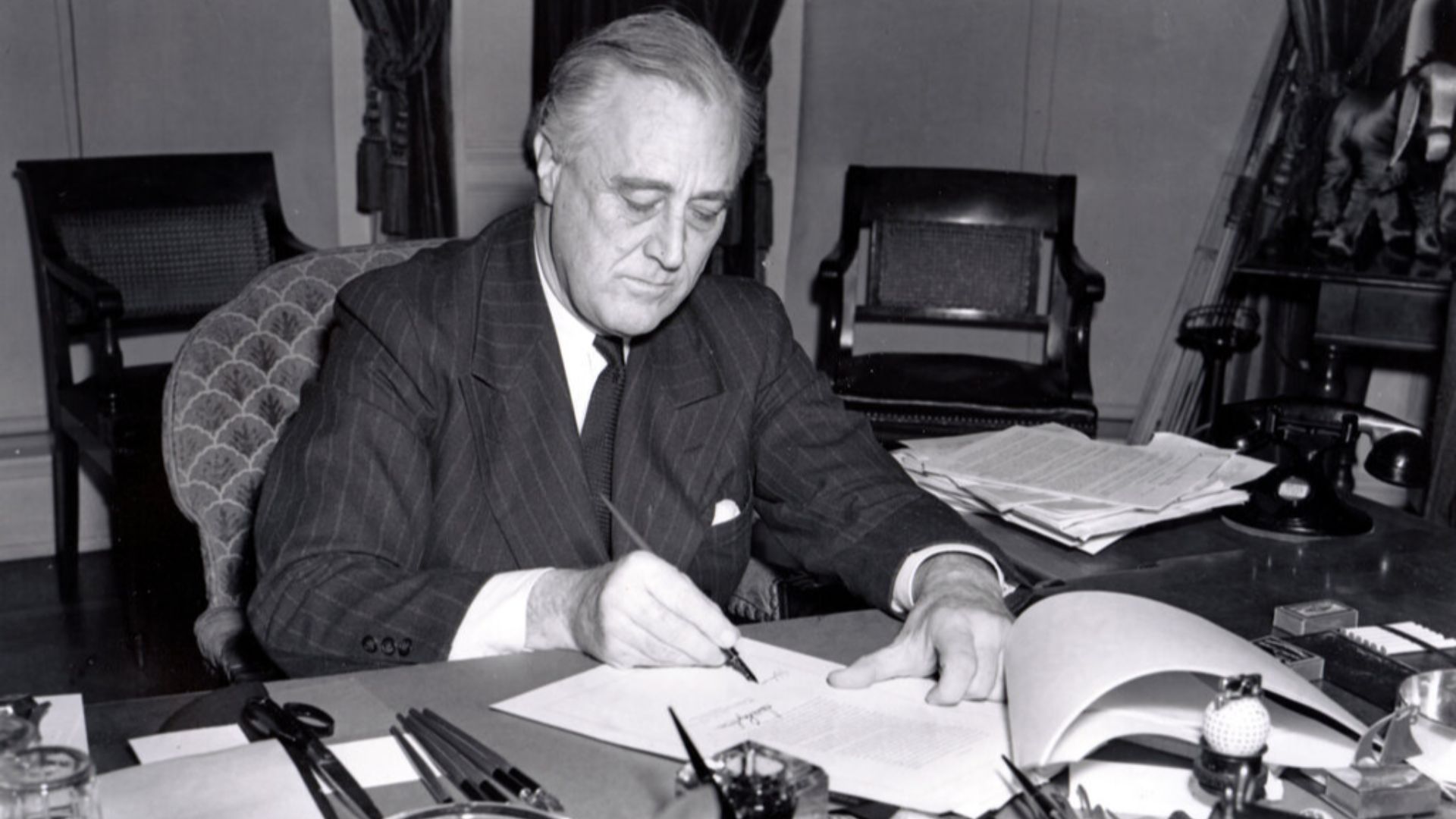
President Franklin D. Roosevelt recognized Temple's unusual ability to lift the nation's spirits. Her films offered inexpensive entertainment to families struggling through the Depression. Meanwhile, Fox enjoyed the financial rewards of a star whose appeal seemed almost limitless. Temple was not simply a successful child performer. She had become one of the studio system's most dependable commercial assets.
 Caddyshack01, Wikimedia Commons
An Oscar At Six
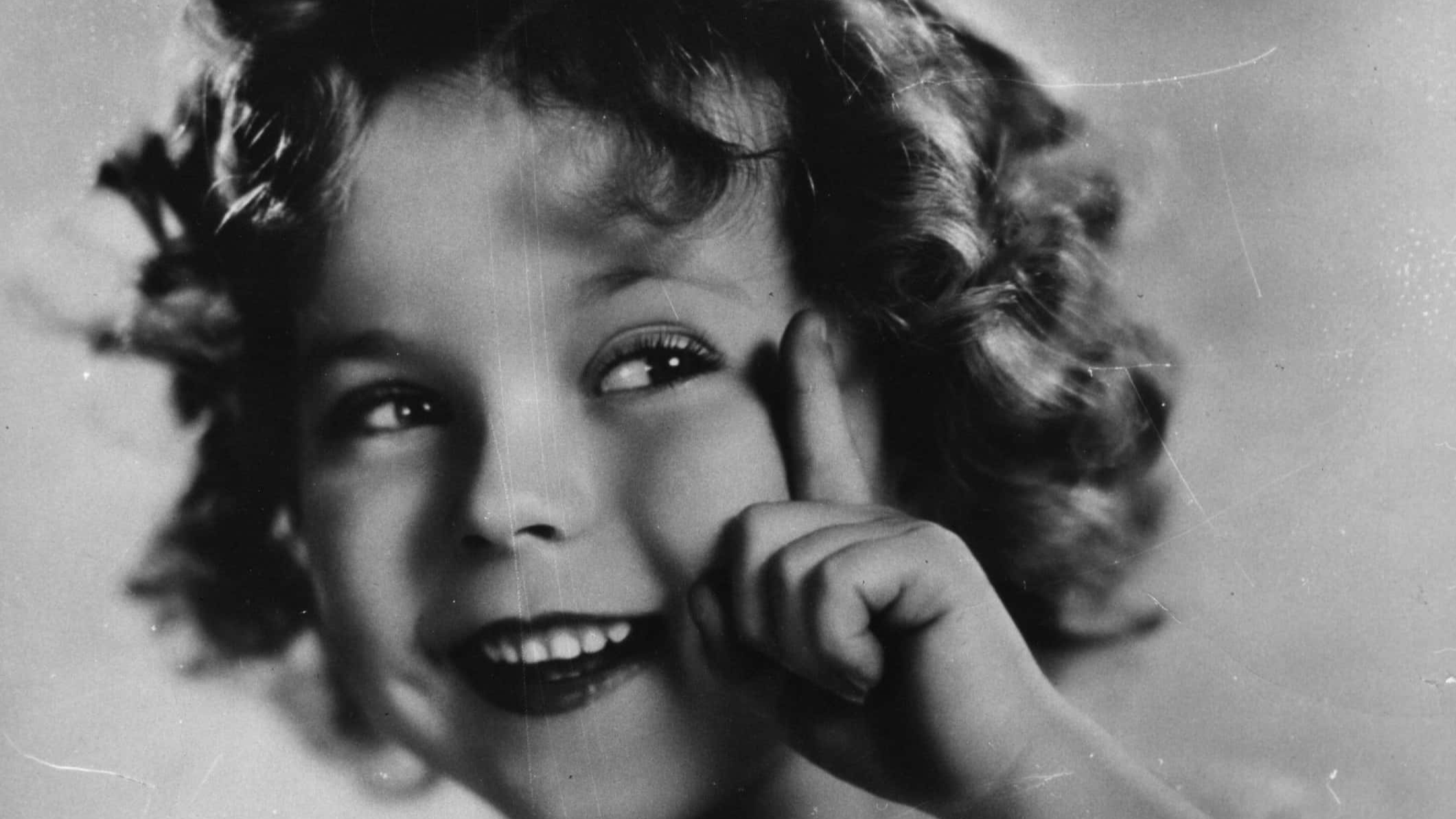
In February 1935, Temple received a special Juvenile Academy Award recognizing her achievements during 1934. She was only six years old. The miniature Oscar confirmed what Hollywood already understood: this little girl was an extraordinary phenomenon. Yet the recognition also increased expectations. Every new picture needed to preserve the charm that had made her so profitable.
The Films Keep Coming
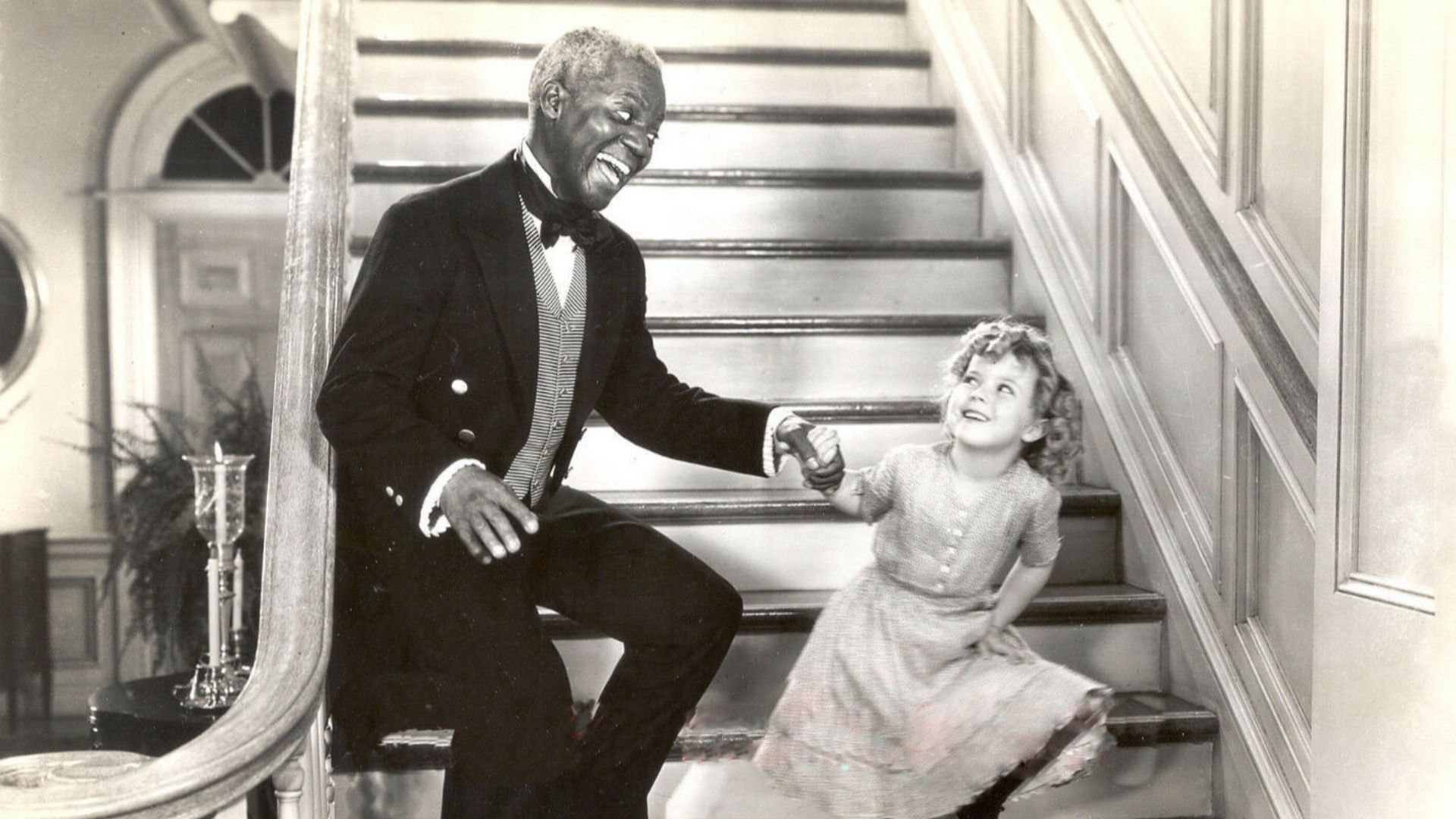
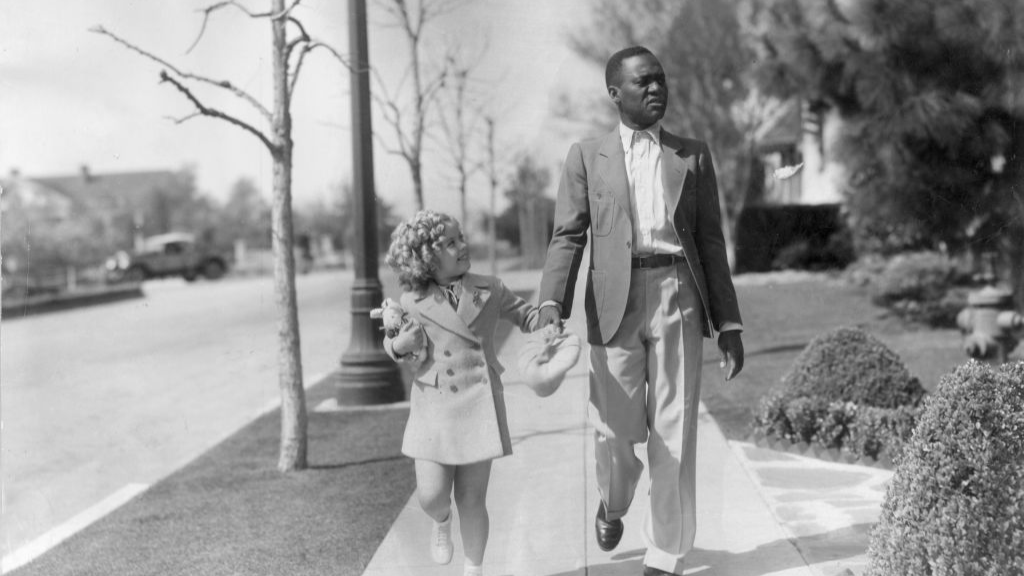
Hits such as The Little Colonel (1935), Curly Top (1935), Captain January (1936), and Heidi (1937) kept Temple constantly employed. She worked alongside performers including Bill "Bojangles" Robinson, creating some of her most memorable dance sequences. Each successful release reinforced her earning power, but the relentless production schedule left little room for an ordinary childhood.
 20th Century Fox press photo, Wikimedia Commons
Shirley Becomes A Brand
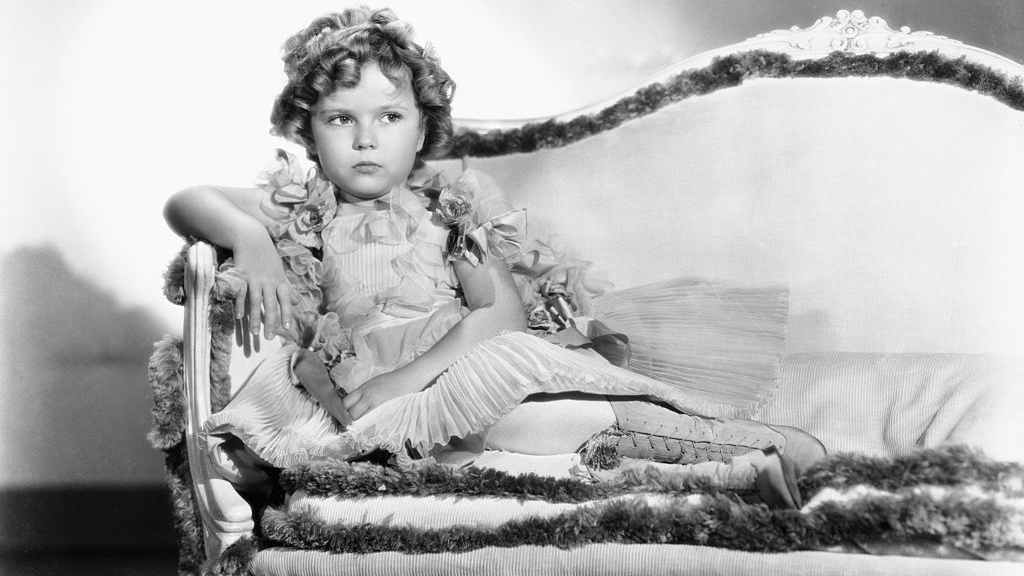
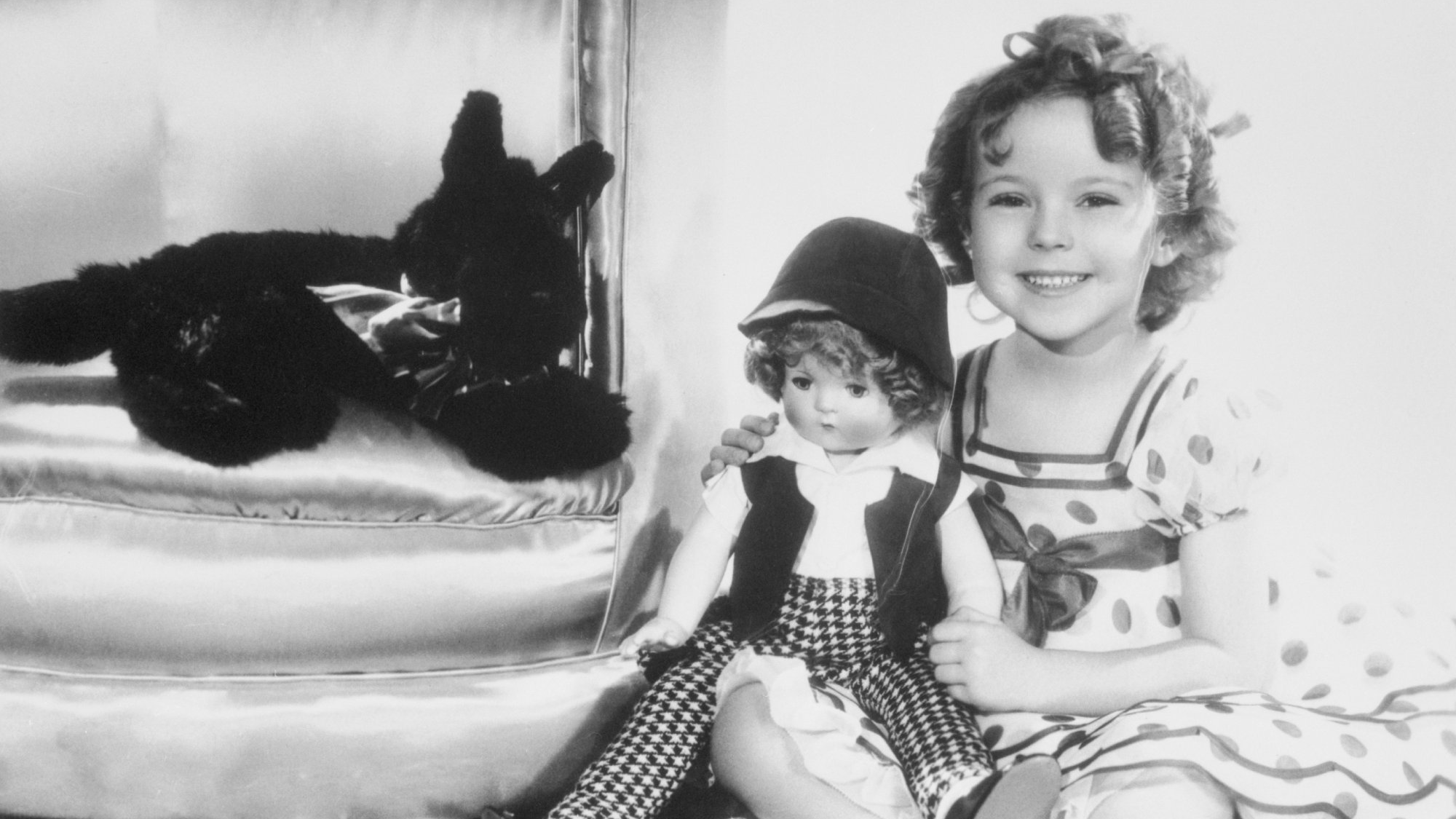
Temple's financial value extended far beyond movie tickets. Manufacturers licensed her name and likeness for dolls, clothing, dishes, jewelry, and countless other products. Children could dress like Shirley, play with Shirley dolls, and buy merchandise bearing her familiar curls. The licensing business generated substantial additional income, making her one of Hollywood's earliest child merchandising empires.
The Dolls Were Everywhere
Ideal's Shirley Temple dolls became particularly successful, selling in enormous numbers during the 1930s. They helped turn Temple's popularity into a business that reached far beyond movie theaters. Her image appeared on everything from clothing to household goods. Although licensing arrangements generated money, the important question was how much of that income would ultimately remain hers.
Her Father Takes Control
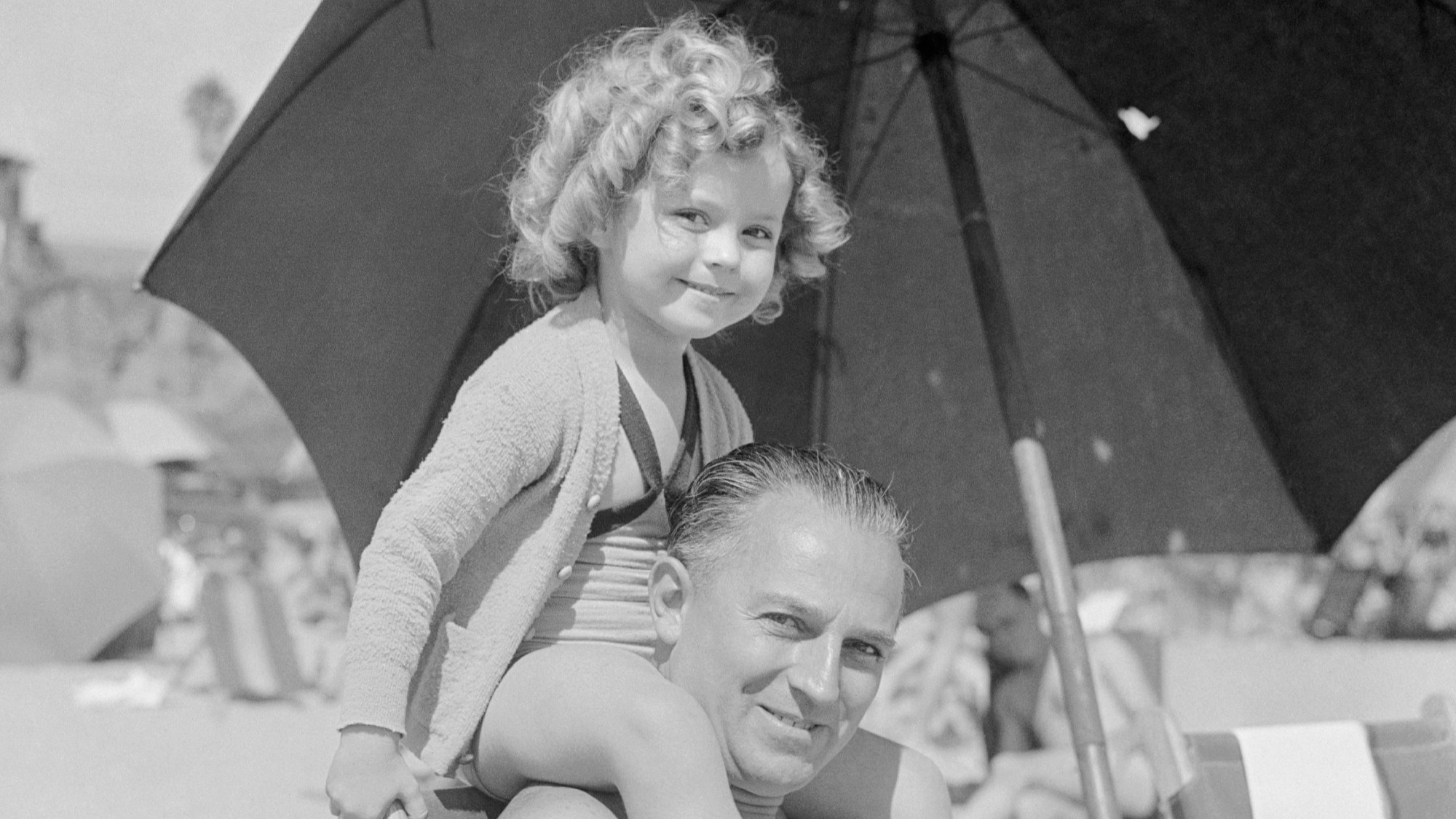
George Temple became responsible for managing his daughter's growing fortune. His background in banking might have seemed reassuring, but handling a movie star's earnings, investments, taxes, and licensing revenue required considerable expertise. Shirley was far too young to oversee these decisions herself. She trusted her parents, while the financial arrangements surrounding her career became increasingly complicated.
Her Mother Gets Paid
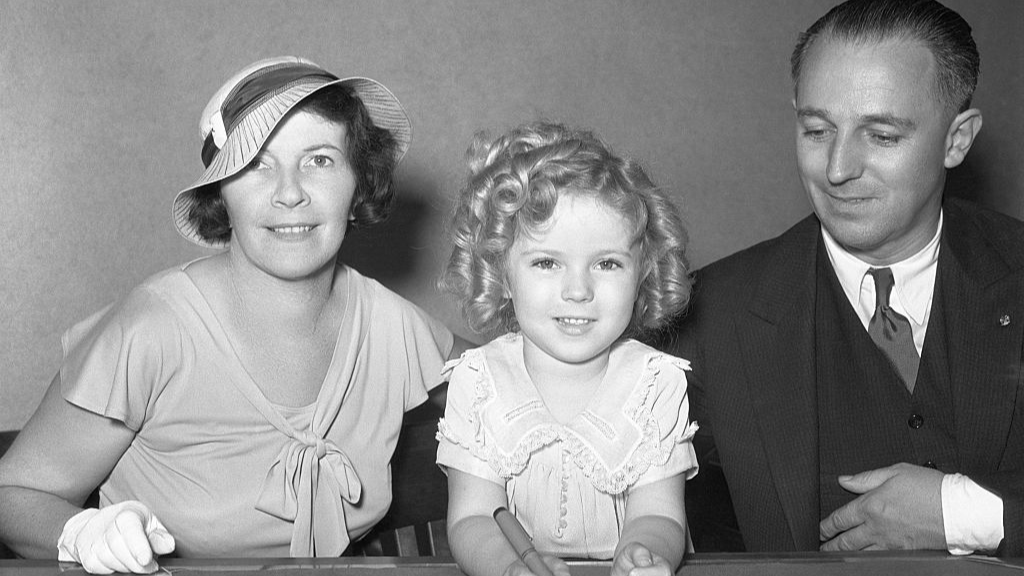
Gertrude Temple was deeply involved in Shirley's professional life, supervising her appearances, coaching her performances, and maintaining her famous hairstyle. She also received compensation connected to her daughter's work. Arrangements like this were not unusual in Hollywood, but they blurred the distinction between a child's earnings and the family's income. Shirley's career had become the household's principal financial engine.
A Fortune Supports Everyone
As Temple's earnings increased, so did the family's standard of living. Her income helped support expensive homes, household employees, relatives, and an increasingly elaborate lifestyle. In her autobiography, Temple later described a family operation dependent on the money she generated. The little girl entertaining America was also financing a much larger circle of people.
The Money Wasn't Protected
Temple's earnings were supposed to benefit her, and a court-ordered trust arrangement was intended to safeguard part of her money. But the system depended heavily on adults fulfilling their responsibilities. Her father failed to make required deposits over several years. Money that should have accumulated for Shirley's future was instead diverted into expenses and unsuccessful financial decisions.

Hollywood Learns A Lesson
Temple's experience belonged to a broader problem involving child performers and their earnings. Actor Jackie Coogan had already discovered that his parents had spent much of the fortune he made as a child. His legal battle helped inspire California's 1939 Coogan Law. Yet the original protections contained loopholes, and Temple's money was far from secure.
 Unknown authorUnknown author, Wikimedia Commons
Her Pay Reaches New Heights
At her commercial peak, Temple reportedly commanded earnings reaching $10,000 a week, an extraordinary figure for the 1930s. By age 10, she was among Hollywood's highest-paid performers. Her total childhood earnings would eventually be estimated at more than $3 million, including income associated with her films and merchandising. The apparent financial security was staggering.
Then The Hits Stop
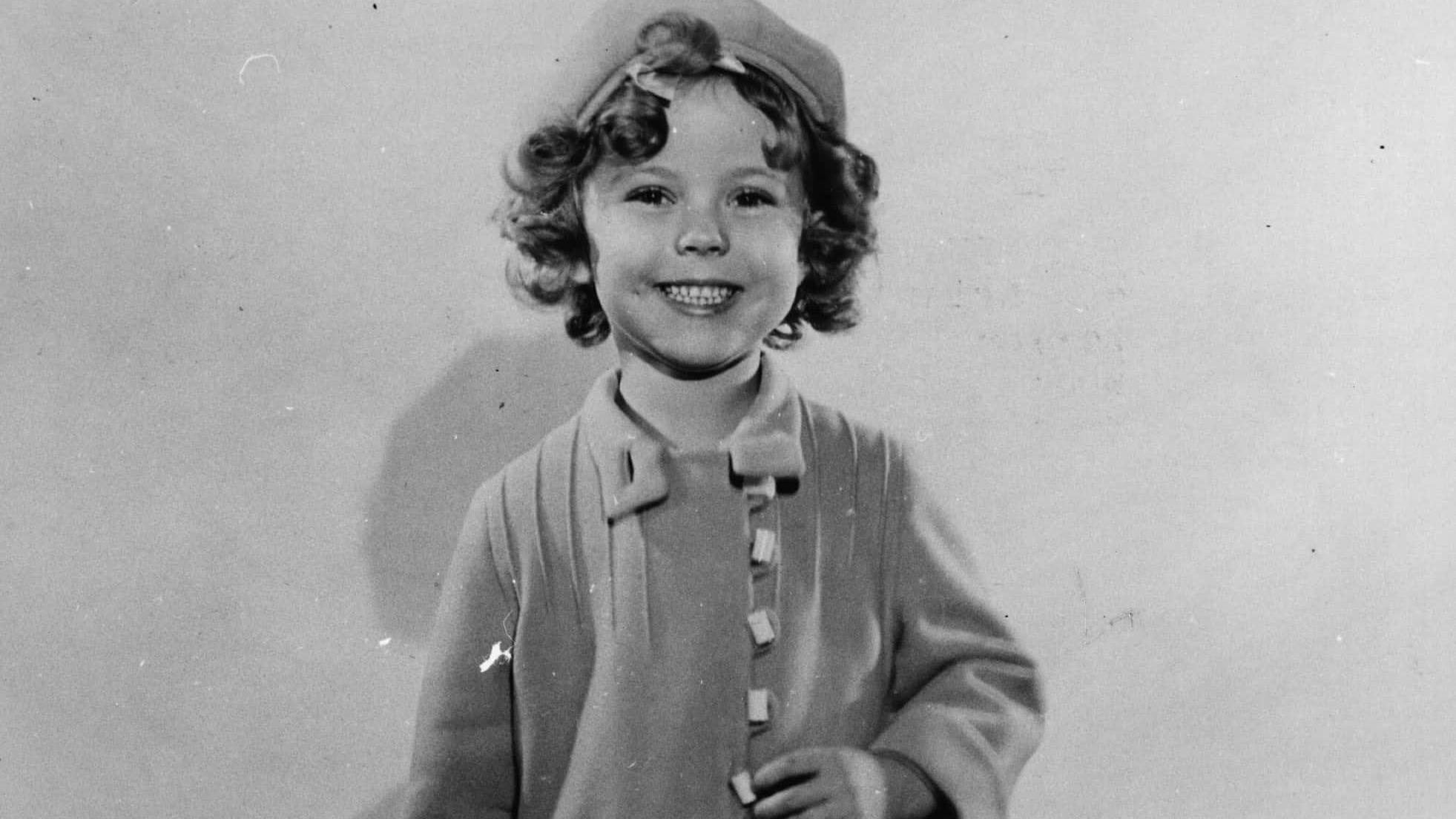
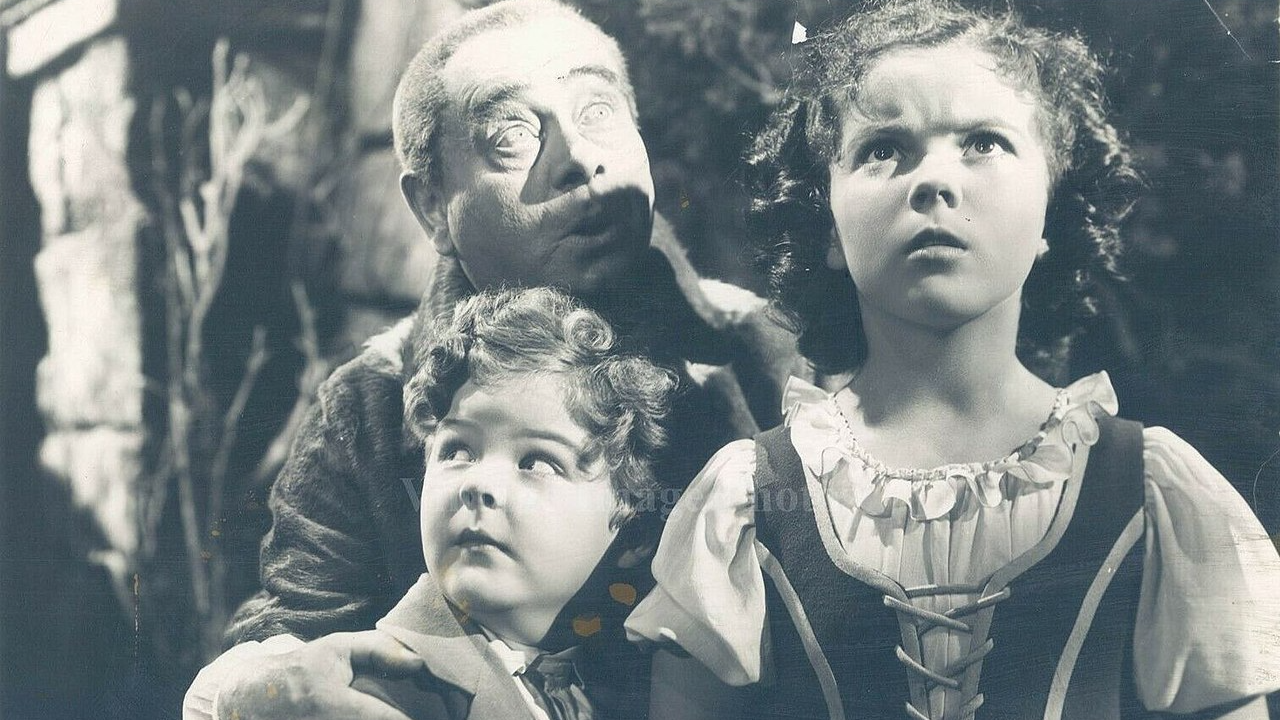
As Temple approached adolescence, audiences began losing interest in the familiar image of the adorable little girl with perfect curls. The Blue Bird (1940) and Young People (1940) disappointed commercially, and Fox ended her contract. The studio that had profited so handsomely from her childhood stardom was ready to move on.
 20th Century Fox press photograph, Wikimedia Commons
A Teenager Starts Over
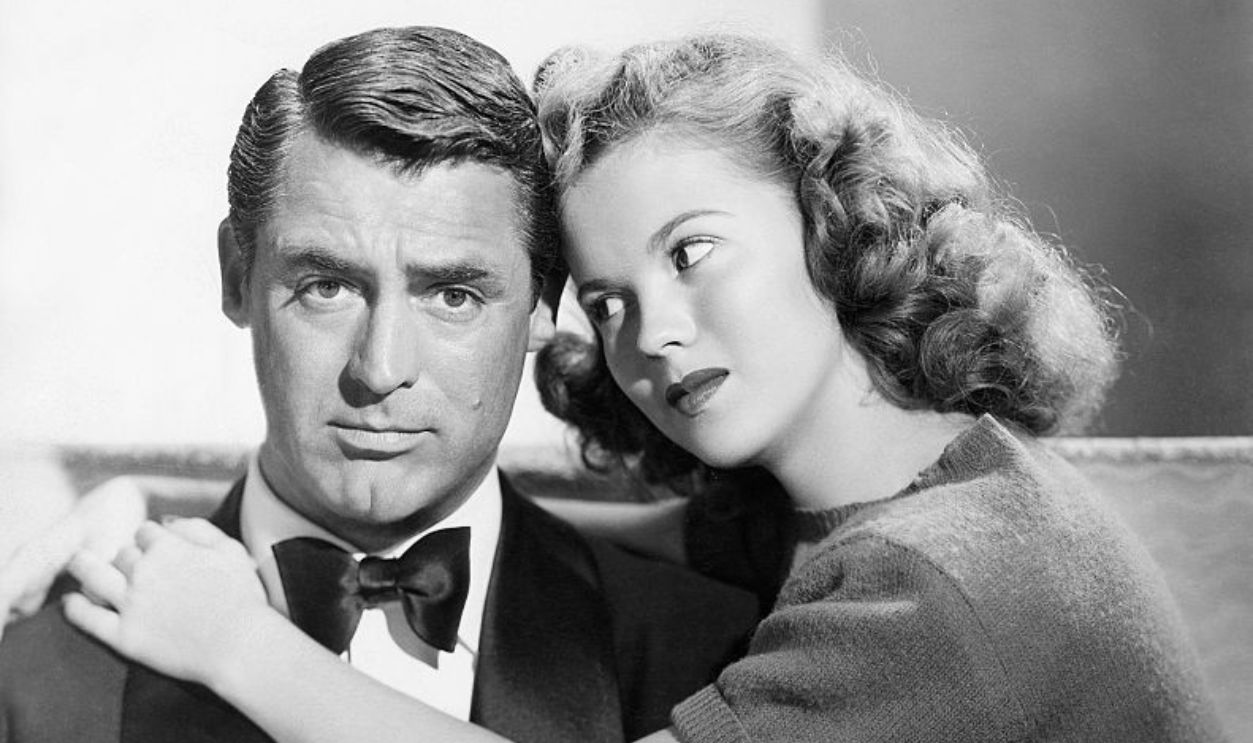
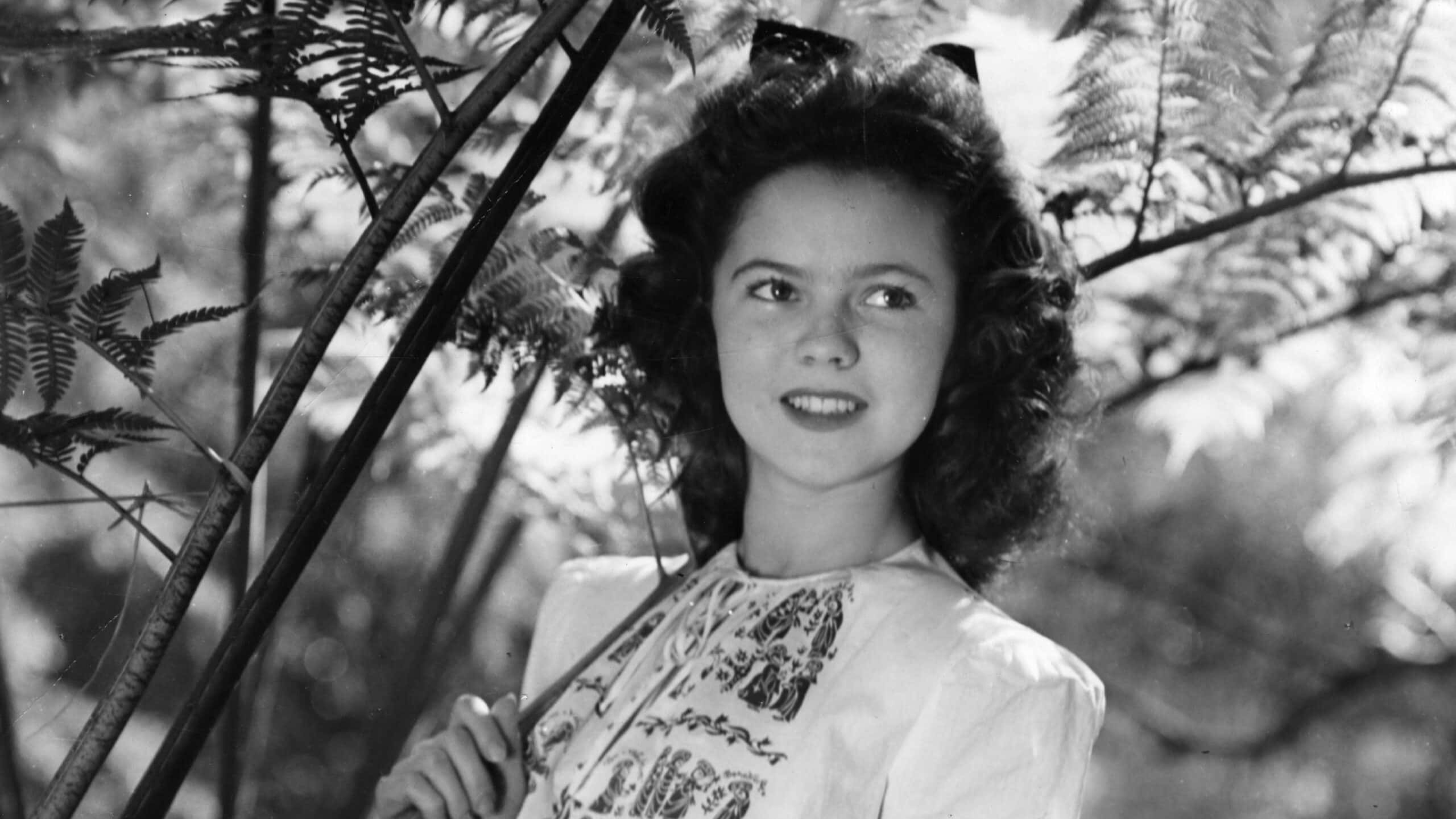
Temple continued acting through the 1940s, appearing in films such as Since You Went Away (1944), The Bachelor and the Bobby-Soxer (1947), and Fort Apache (1948). She remained recognizable, but the astonishing commercial dominance of her childhood was over. Without a continuing stream of blockbuster salaries, the importance of protecting her earlier earnings became painfully clear.
 ullstein bild Dtl, Getty Images
Marriage Changes Everything
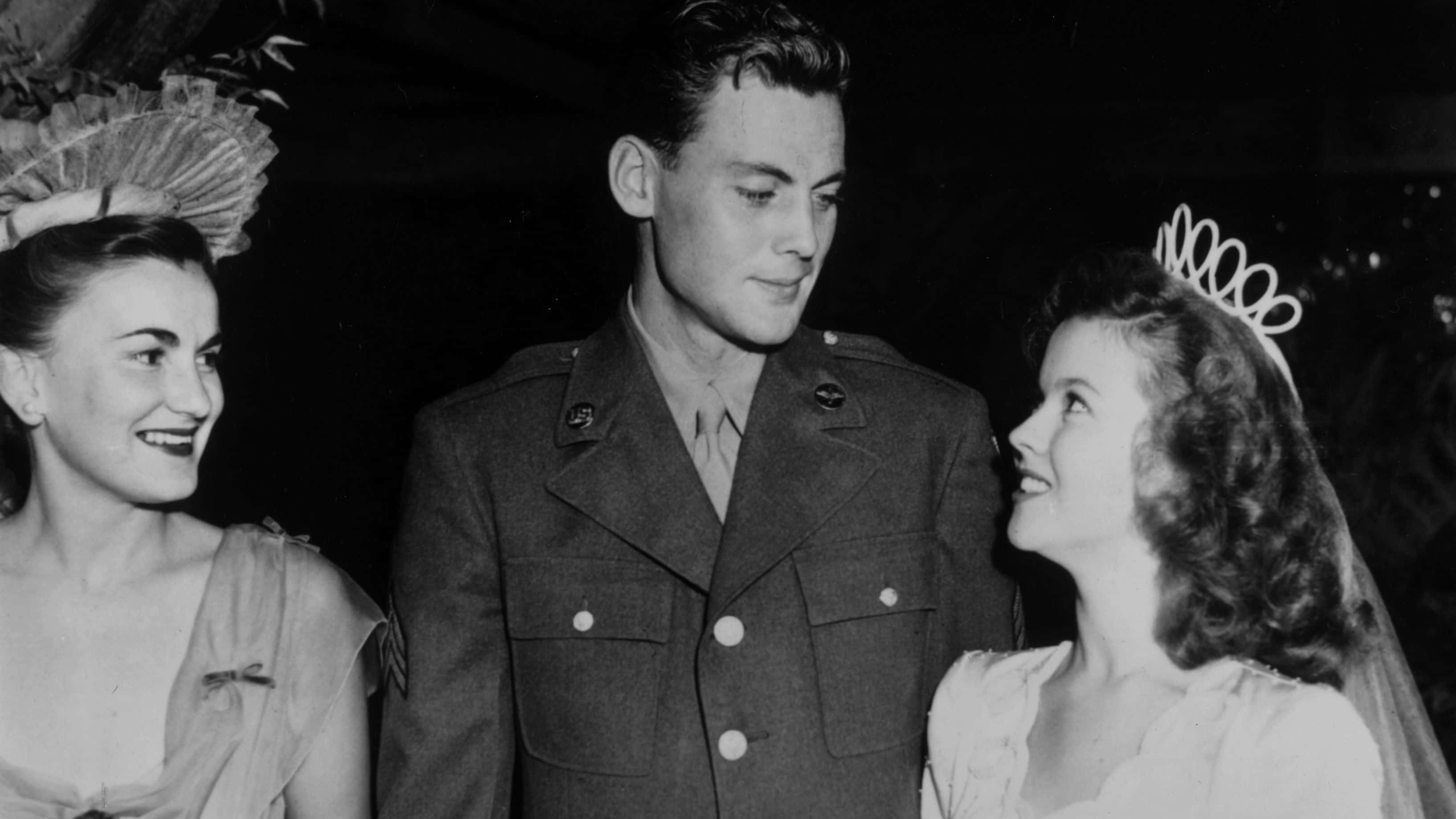
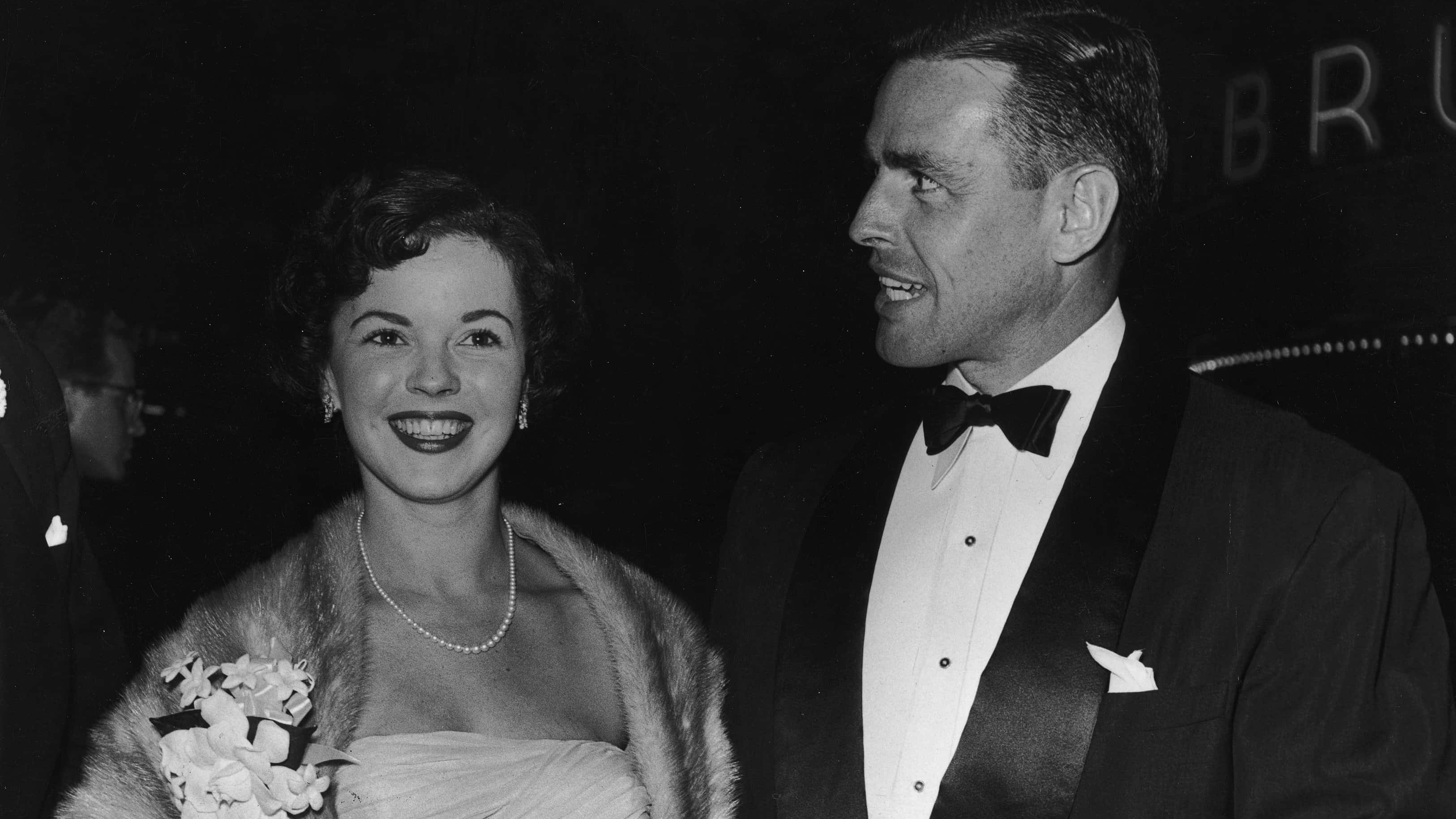
In 1945, Temple married actor John Agar when she was 17. Their daughter, Linda Susan, was born in 1948, but the marriage ended in divorce in 1950. That same year, Temple married businessman Charles Alden Black. As she began building a new family and financial life, she finally confronted a question she had largely left to her parents.
Where Did The Millions Go?
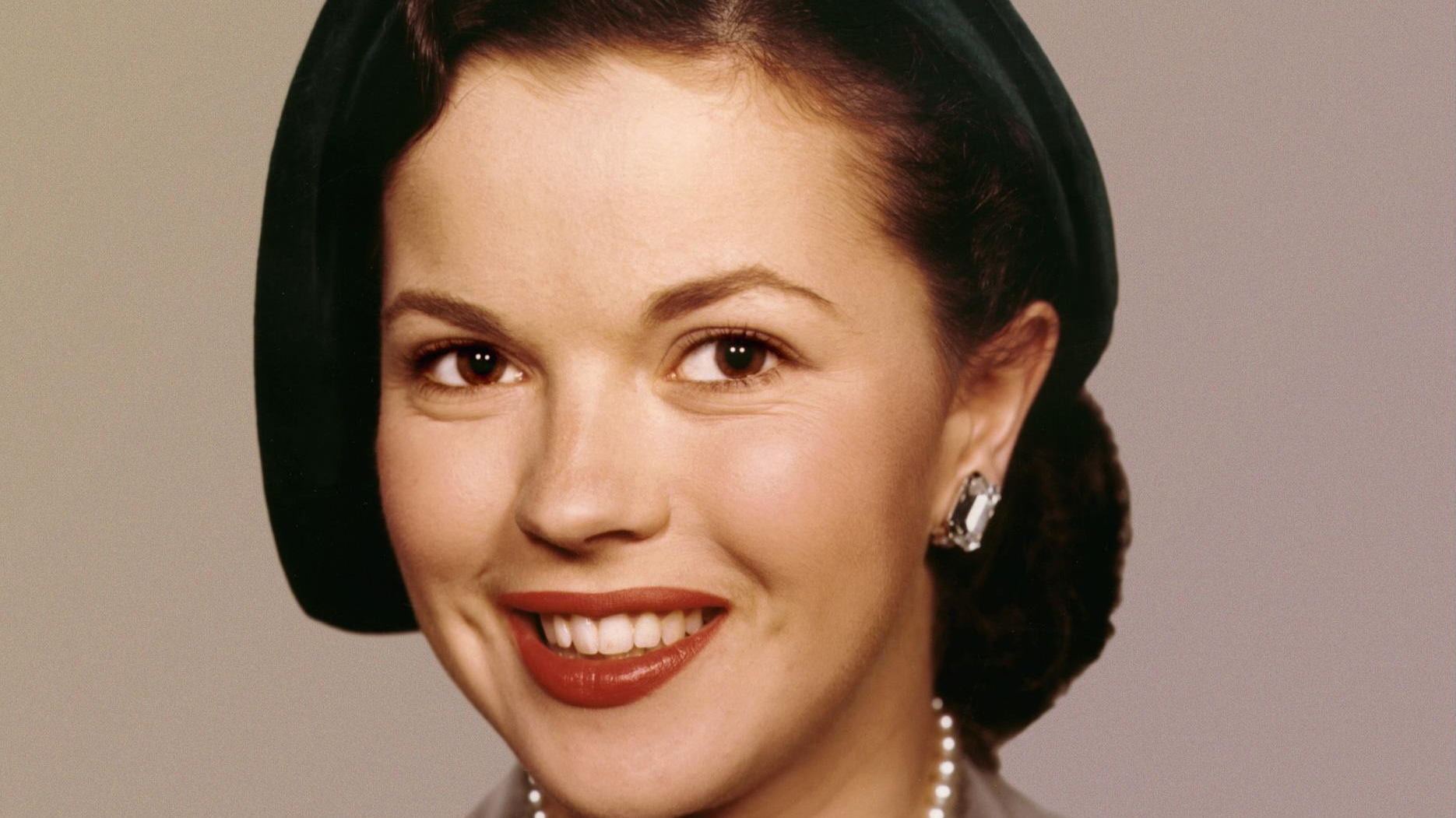
When Temple finally examined her finances at age 22, the discovery was astonishing. She had earned more than $3 million during her career, including income from films and merchandise, yet only about $44,000 remained in her trust account. Temple herself gave slightly different totals in later interviews, but the essential story never changed. A childhood spent generating millions had left her with only a tiny fraction of the expected fortune.
The Records Tell A Story
Temple's examination of the family finances revealed years of spending, questionable investments, and failures to protect her earnings. Her father hadn't consistently deposited money into the required trust. Expensive properties, household staff, relatives, and other obligations had consumed enormous sums. Much of the fortune had effectively supported everyone around Shirley rather than securing her future.
She Refused To Sue
Friends reportedly urged Temple to pursue legal action, but she chose not to sue her parents. In her 1988 autobiography, Child Star, she described the discovery without the bitterness many might have expected. She believed her father had received poor financial advice, although his decisions had devastating consequences. Rather than embroil her family in a public battle, Temple decided to move forward.
 Unknown author, Wikimedia Commons
A Different Kind Of Success
Temple's final feature film was A Kiss for Corliss (1949), and she formally announced her retirement from movies in 1950, aged 22. Her marriage to Charles Black proved far more enduring than her first, lasting until his death in 2005. Together they raised their children, including son Charles Jr. and daughter Lori, alongside Temple's daughter Susan. The former child star increasingly valued family life over Hollywood's unpredictable rewards.
From Hollywood To Washington
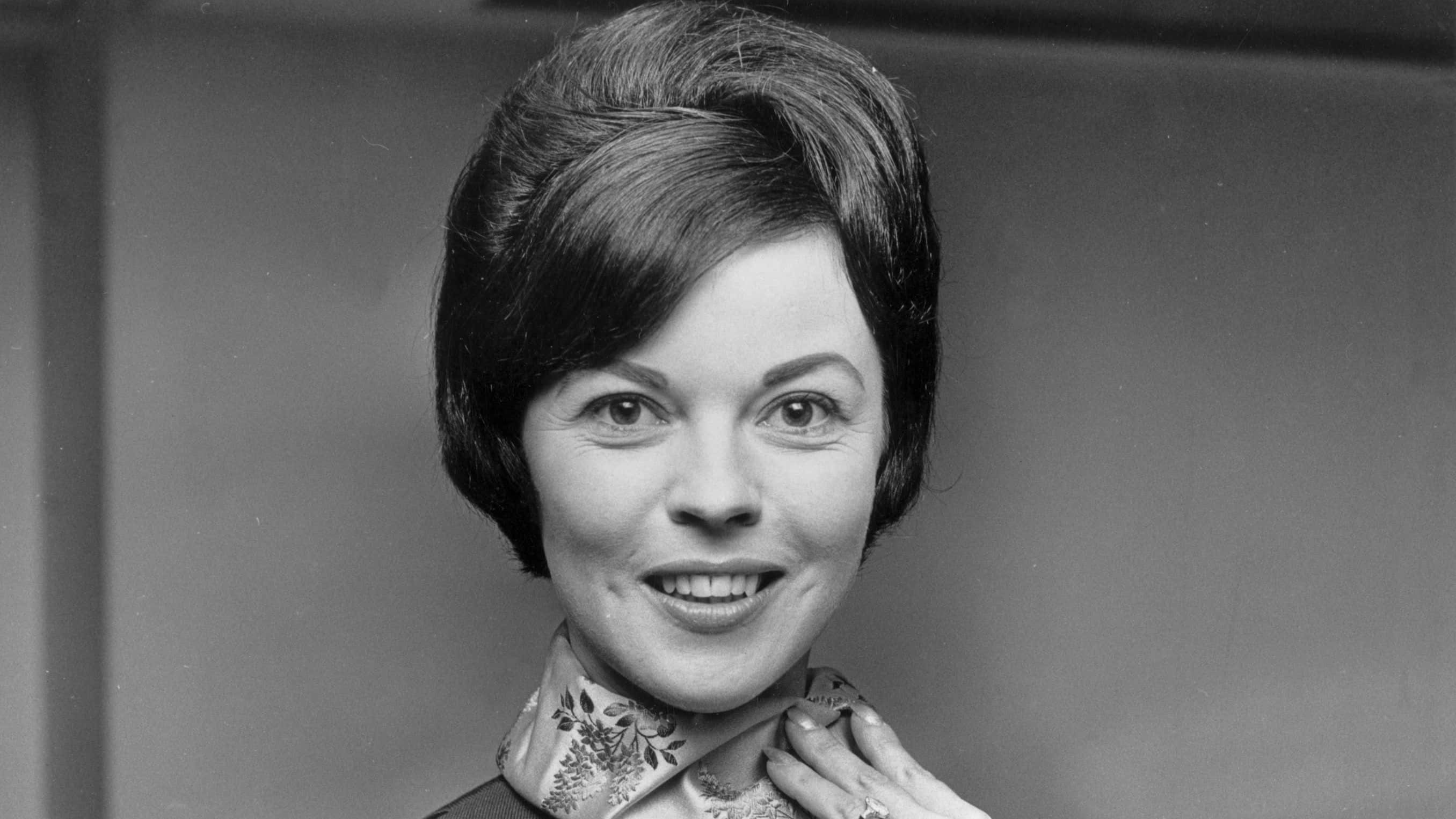
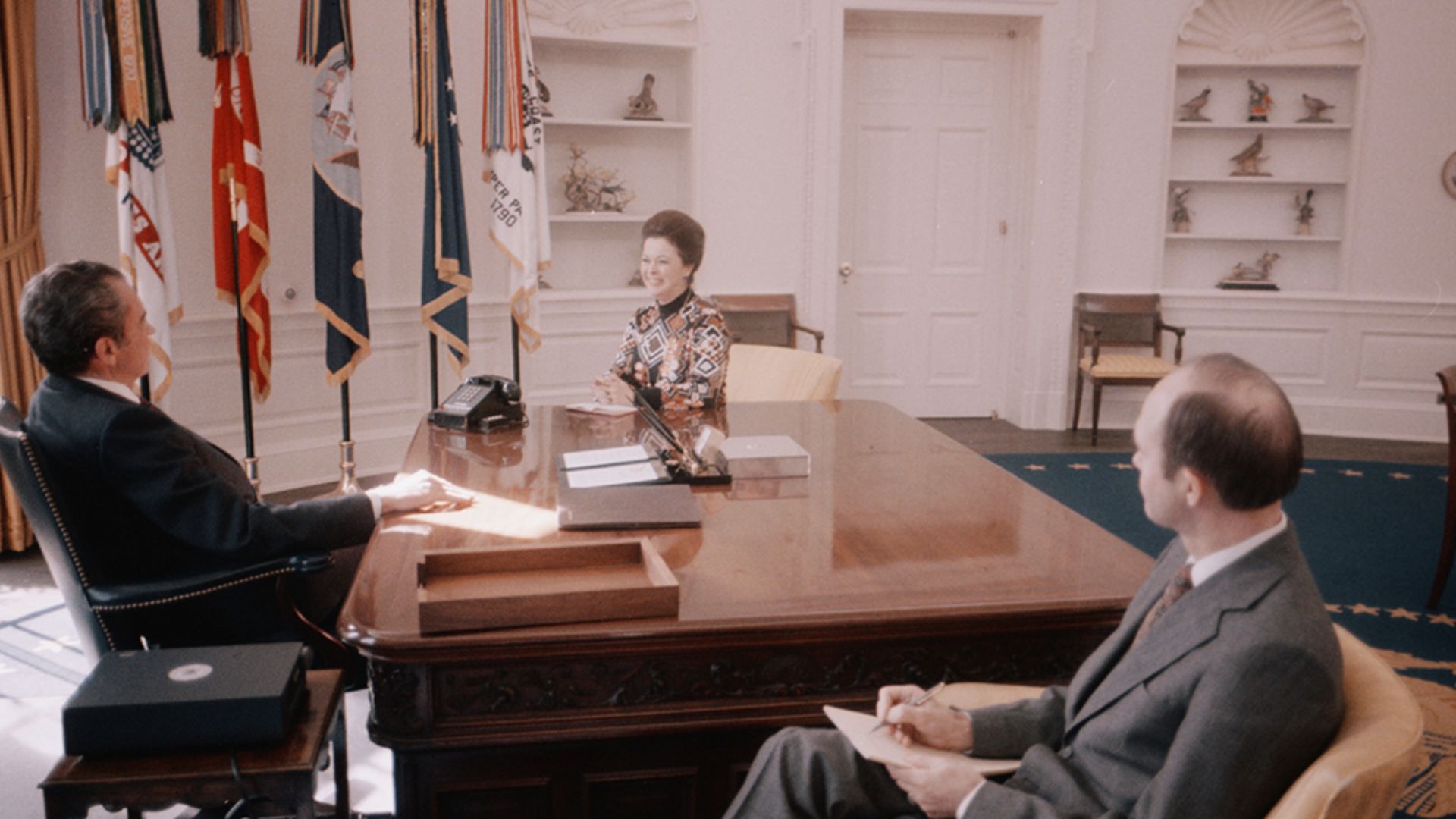
Temple eventually found a remarkable second career in public service. After an unsuccessful congressional campaign in 1967, she worked with the United States delegation to the United Nations. President Gerald Ford appointed her ambassador to Ghana in 1974 and later chief of protocol. Under President George H. W. Bush, she served as ambassador to Czechoslovakia from 1989 to 1992.
Her Greatest Fortune
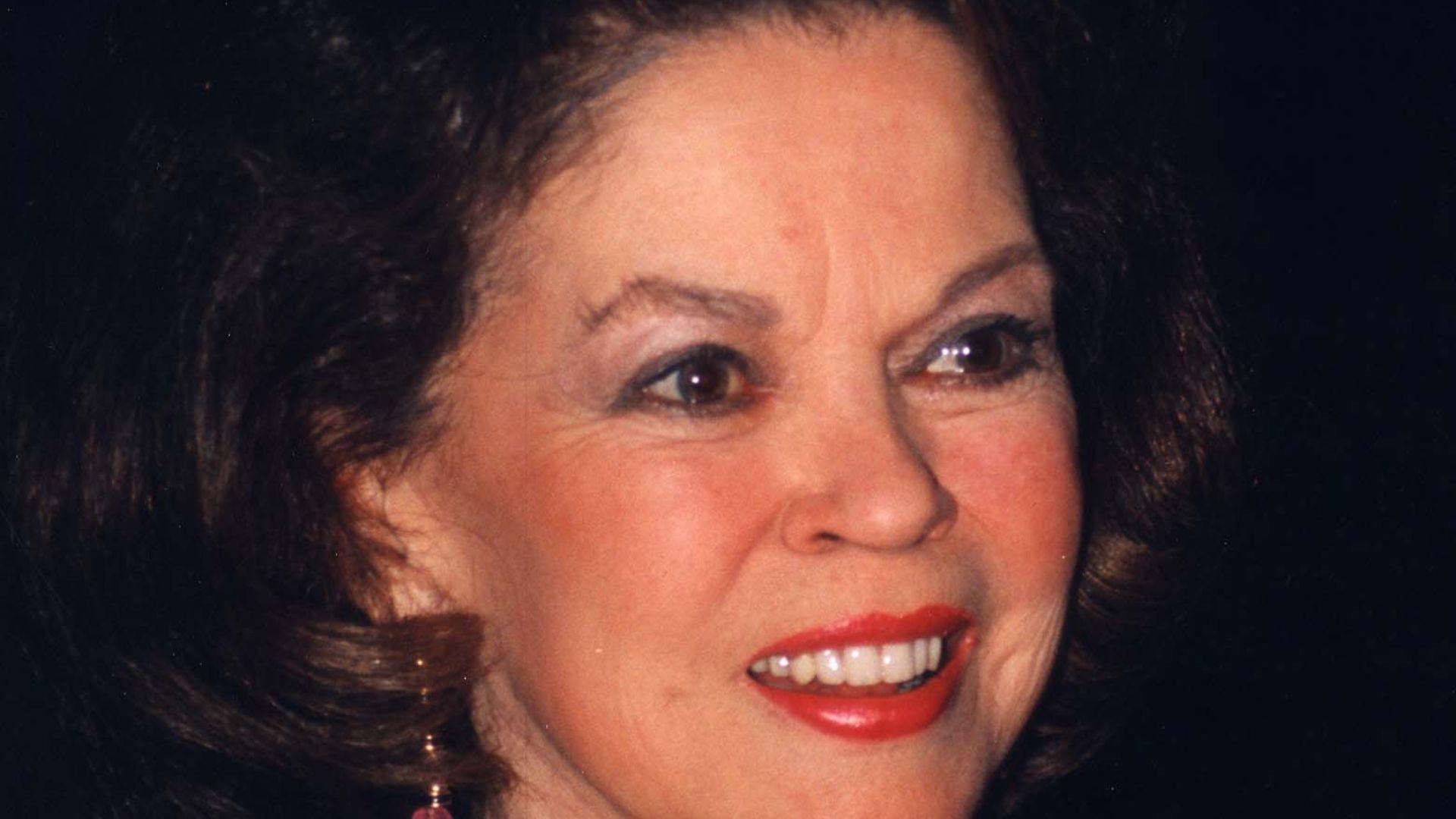
Shirley Temple Black died on February 10, 2014, at 85. Her childhood movies had generated extraordinary wealth, but much of her personal fortune disappeared through family spending and financial mismanagement. Yet her later life brought a lasting marriage, children, and diplomatic achievements. Hollywood had made her famous, but she ultimately built a life that extended far beyond its cameras.
 Kingkongphoto & www.celebrity-photos.com from Laurel Maryland, USA, Wikimedia Commons
You May Also Like:
Tragic Facts About Brandon deWilde, The Child Star Who Was Taken Too Soon
Why Did Goldie Hawn Refuse To Let Kate Hudson Become A Child Star?
Classic TV Child Stars Who Grew Up Faster Than Audiences Were Ready For