A Disney Betrayal He Never Forgot
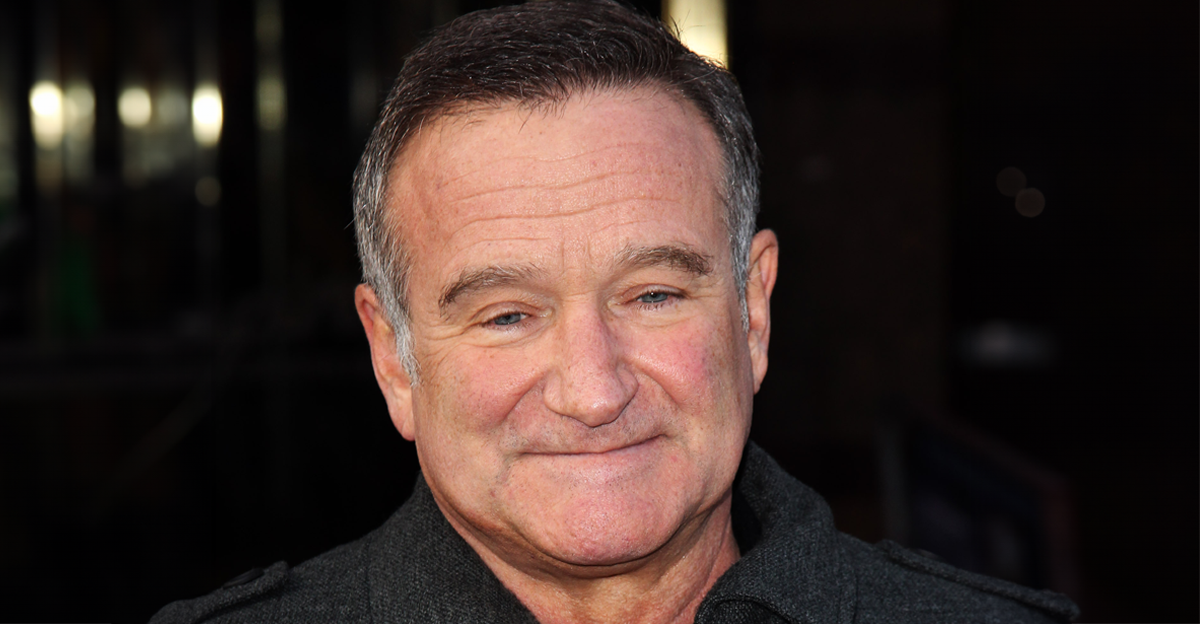
Robin Williams gave Disney one of its most unforgettable characters when he voiced the Genie in Aladdin. But behind the laughter was a bitter dispute that left the comedian feeling betrayed by the very studio he'd helped make a fortune. Disney even gave him a Picasso painting worth a reported $1 million, but the extravagant gift couldn't make things right. Years later, after Williams' passing, the studio honored him with a touching tribute that brought their complicated history full circle.
He Was Already A Household Name
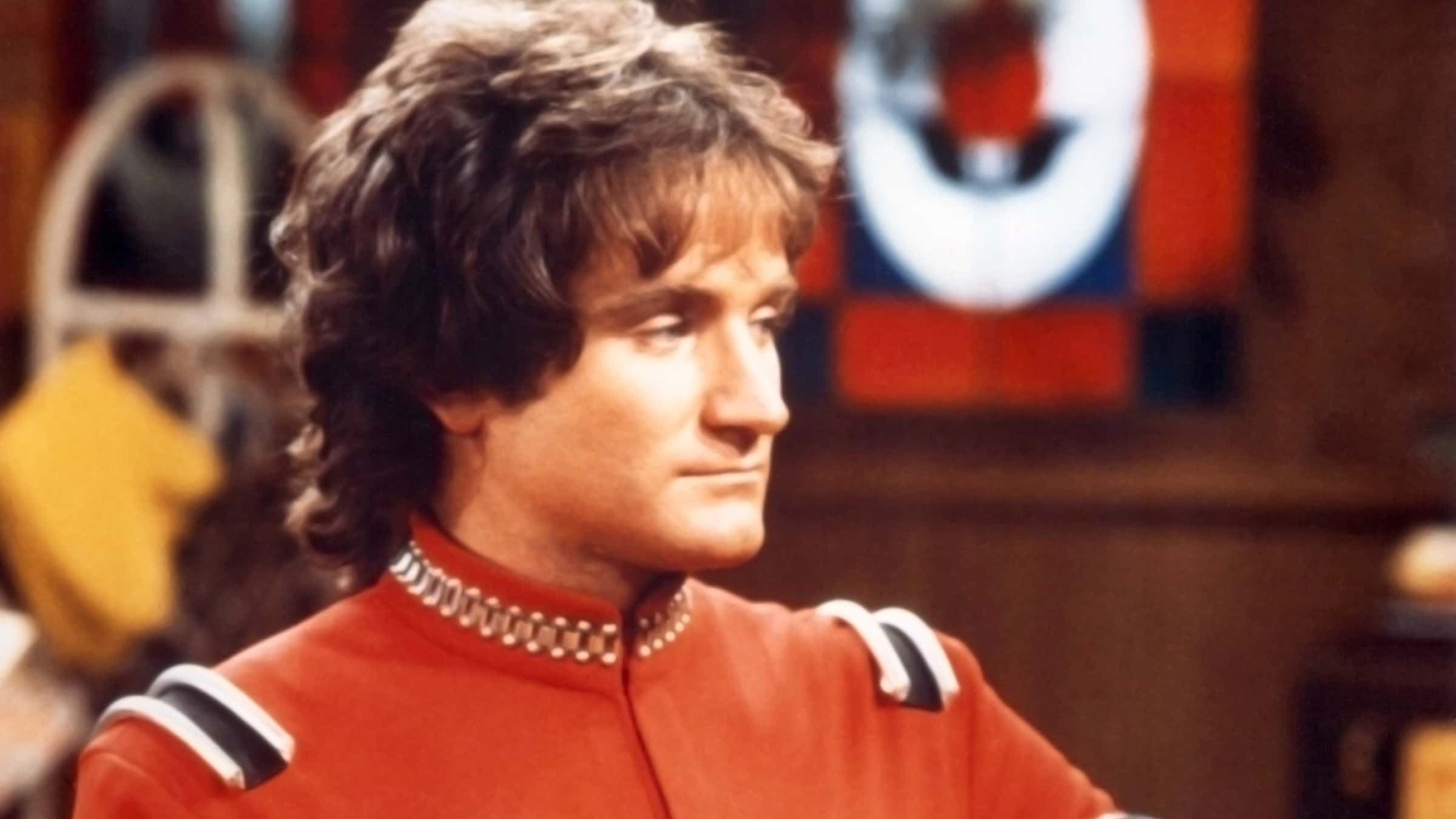
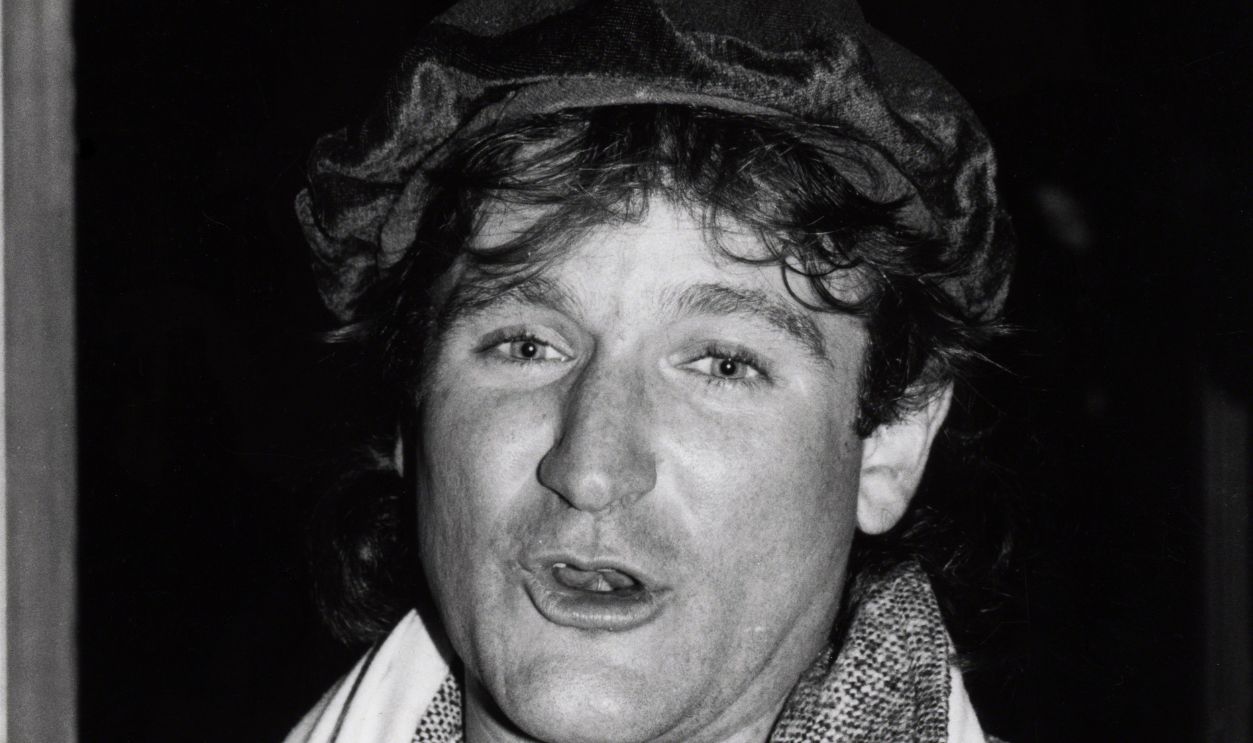
Long before Aladdin, Robin Williams had become one of America's most recognizable entertainers. His breakout role as the lovable alien Mork on Mork & Mindy introduced television audiences to his extraordinary comic energy. By the early 1990s, films like Good Morning, Vietnam and Dead Poets Society had established him as a serious dramatic actor. Yet one of his most beloved performances was still waiting around the corner.
 Silver Screen Collection, Getty Images
Disney Was Entering A Golden Age
During the late 1980s and early 1990s, Disney's animation department was enjoying a remarkable comeback. The Little Mermaid and Beauty and the Beast had helped restore the studio's reputation for creating animated films that captivated entire families. Its next major project was Aladdin, a colorful adventure about a young man, a magical lamp, and a wish-granting Genie. But the filmmakers had something unusual in mind for that final character.
 Screenshot from The Little Mermaid, Walt Disney Pictures (1989)
They Had One Man In Mind
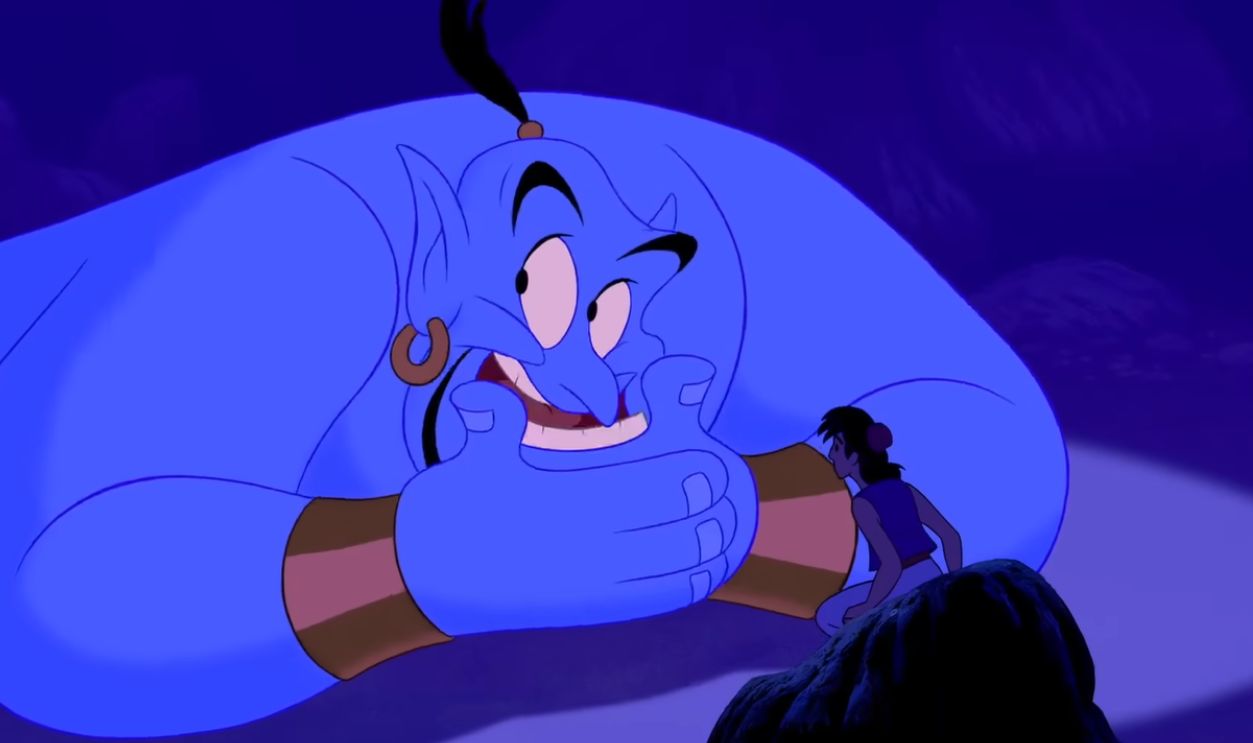
Directors Ron Clements and John Musker weren't interested in making Genie another conventional Disney sidekick. They wanted someone who could transform the character into a whirlwind of jokes, impressions, and unexpected personalities. The filmmakers developed the character with Robin Williams in mind, believing his extraordinary comedic style was exactly what Genie needed. There was just one problem: They still had to convince him to accept the role.
 Screenshot from Aladdin, Walt Disney Pictures (1992)
They Created A Secret Weapon
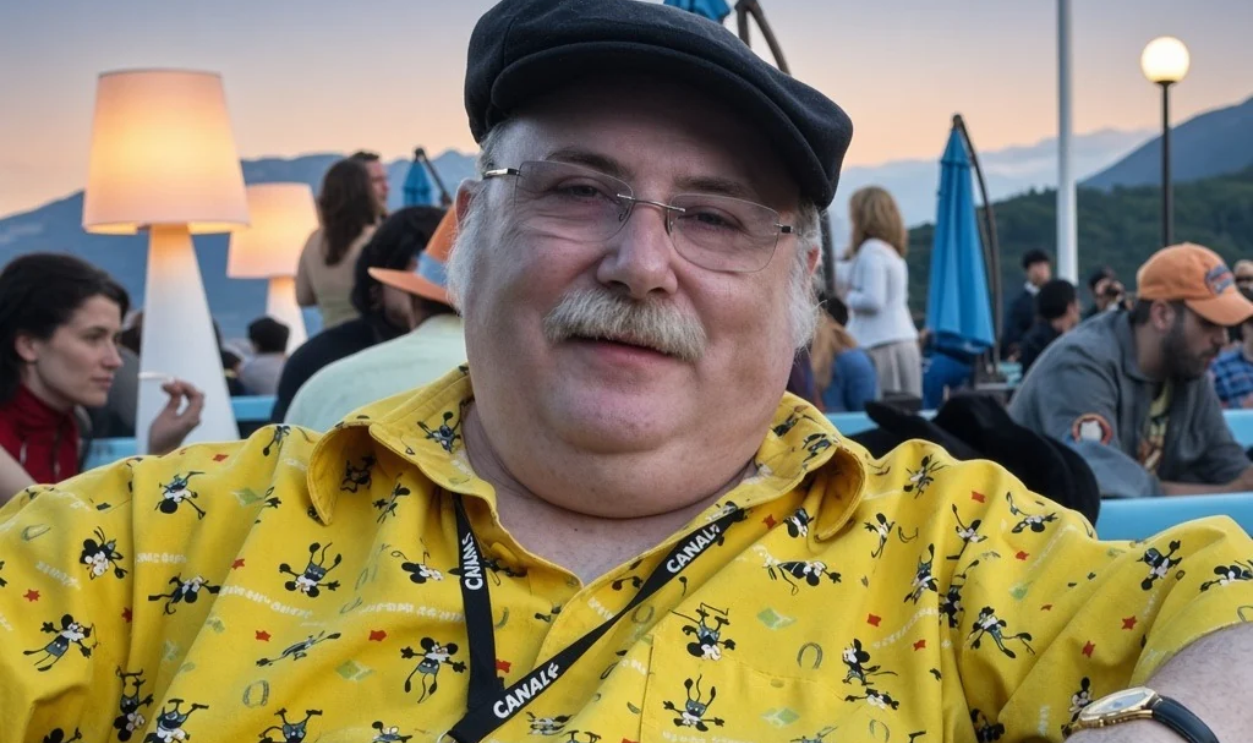
Disney animator Eric Goldberg was given an unusual assignment before Williams had agreed to participate. He took recordings from the comedian's existing stand-up routines and created animated sequences showing Genie performing the material. In one demonstration, the character even sprouted an additional head to act out a joke. The experiment showed just how perfectly Williams' comedy could translate into animation, and the studio knew it had something special.
 Boungawa, Wikimedia Commons, Modified
The Plan Worked Beautifully
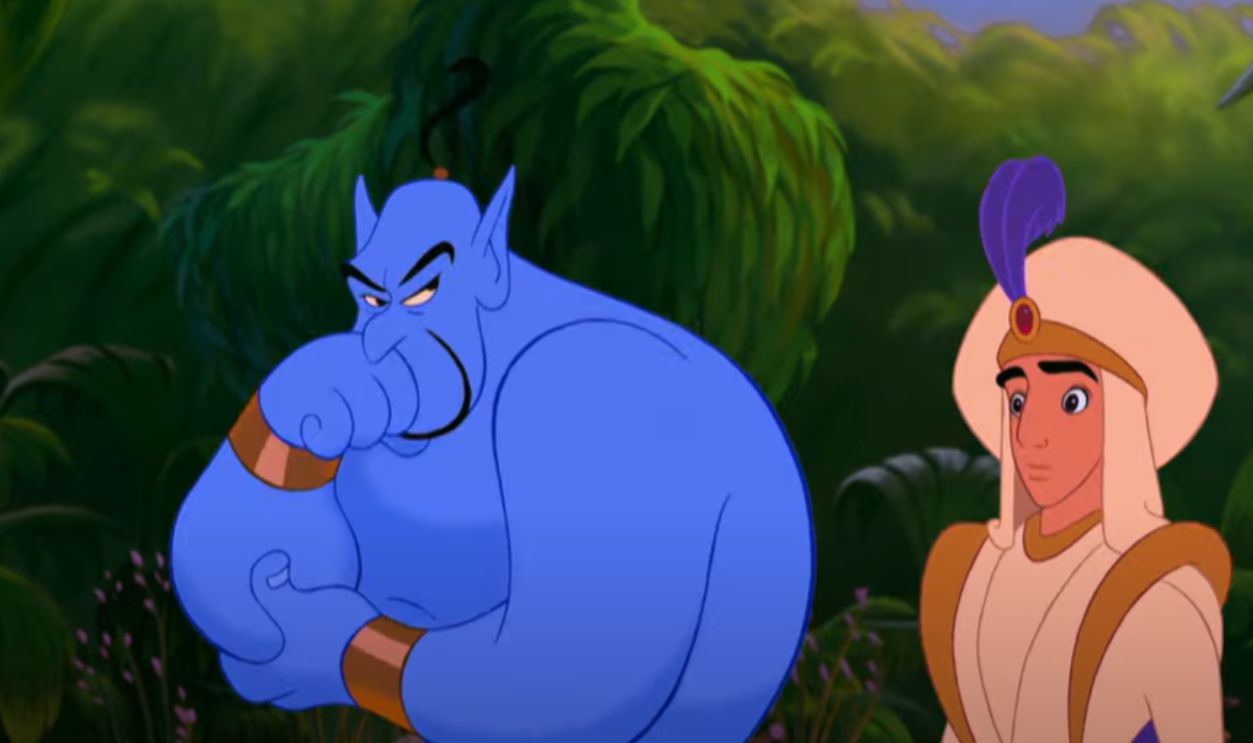
When Williams saw Goldberg's animation, he was impressed by how naturally his comedy fit the character. The filmmakers had essentially shown him what Genie could become before he had recorded a single line for the movie. Williams agreed to join the production, beginning one of the most celebrated collaborations in Disney animation history. But there was something important he wanted in return, and it had nothing to do with becoming richer.
 Screenshot from Aladdin, Walt Disney Pictures (1992)
He Wasn't Interested In A Huge Payday
By the time Disney approached Williams, he was already an established Hollywood star who could command substantial salaries. Nevertheless, he accepted just $75,000 for his work on Aladdin, far less than his usual movie earnings. He wanted to contribute to Disney's animation tradition and create something his children could enjoy. However, his willingness to work for relatively little money came with a condition that Disney would later regret ignoring.

He Made One Thing Clear
Williams understood that Disney movies were more than entertainment. They also generated enormous businesses built around toys, promotional campaigns, and merchandise. But the comedian didn't want his distinctive voice turned into a tool for selling products to children. He told Disney executives that he would play Genie as long as they respected that boundary, and he later said they had agreed.
His Children Were Part Of The Reason
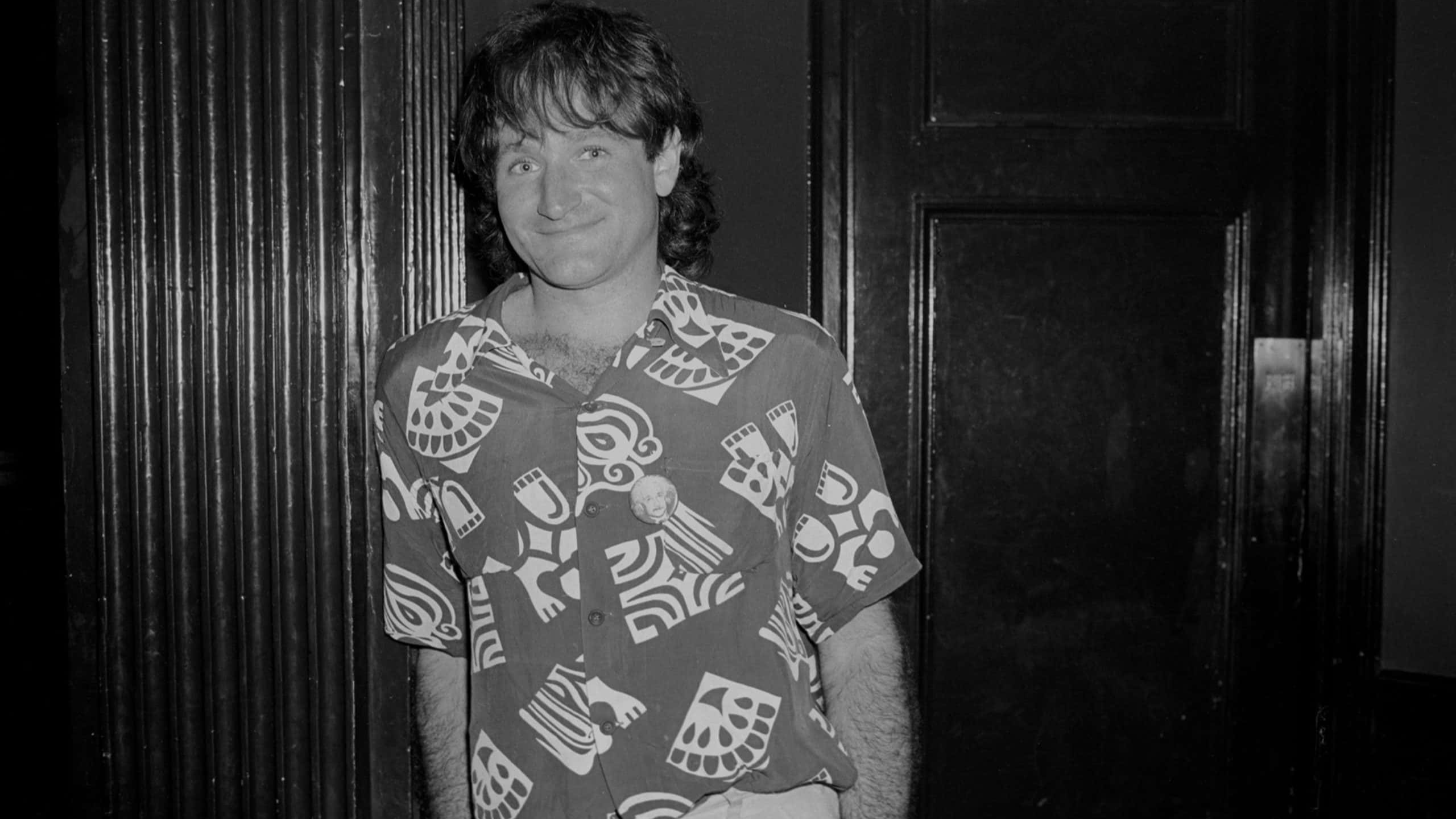
Williams was a father, and his children helped inspire his decision to appear in Aladdin. He liked the idea of contributing to a film they could watch and enjoy, rather than simply accepting another lucrative Hollywood job. During interviews, he explained that being part of Disney's animation tradition had been important to him. But he drew a distinction between entertaining children and encouraging them to buy things, and he expected Disney to respect it.
 Screenshot from Aladdin, Walt Disney (1992)
He Had Another Movie To Consider
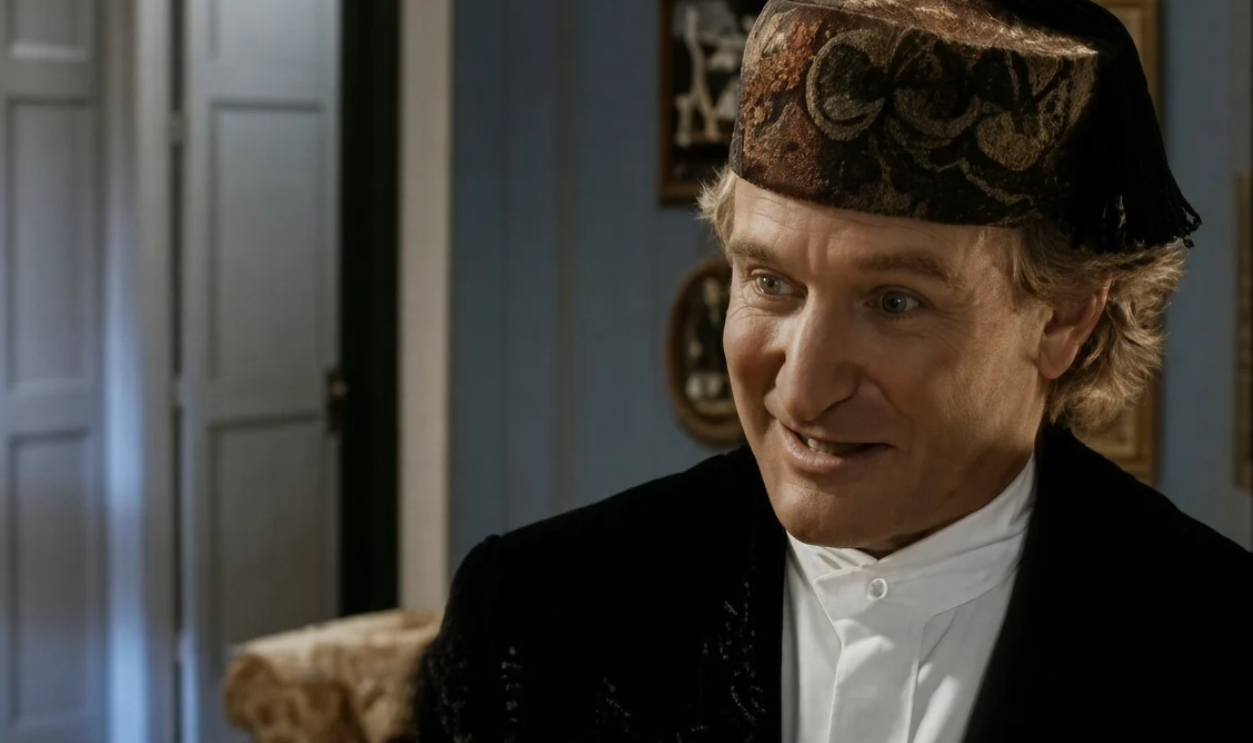
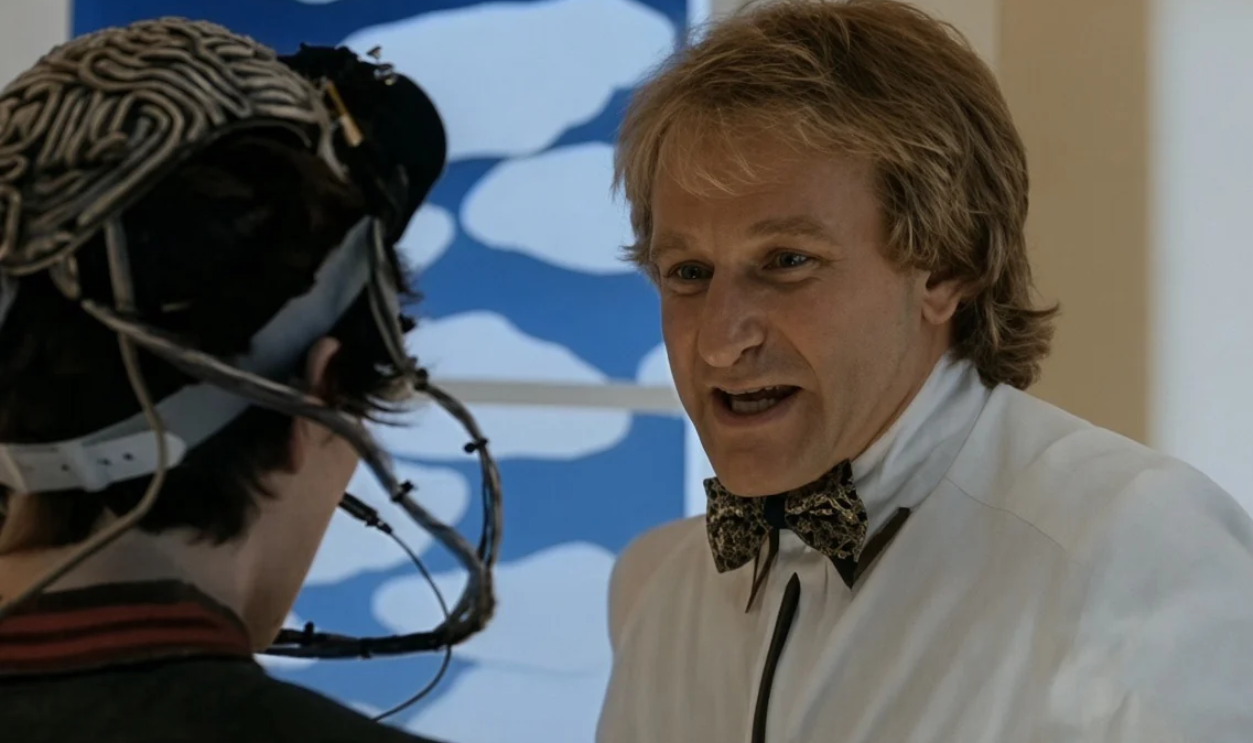
There was also a professional complication surrounding Williams' involvement in Aladdin. He was appearing in the live-action film Toys, which was scheduled for release during the same holiday season in 1992. The comedian was concerned about how his involvement in Disney's animated production might affect the marketing of his other project. His agreement with Disney therefore involved restrictions on how prominently his name and performance could be used in promotional material, making what happened next especially frustrating.
 Screenshot from Toys, 20th Century Studios (1992), Modified
He Unleashed His Imagination
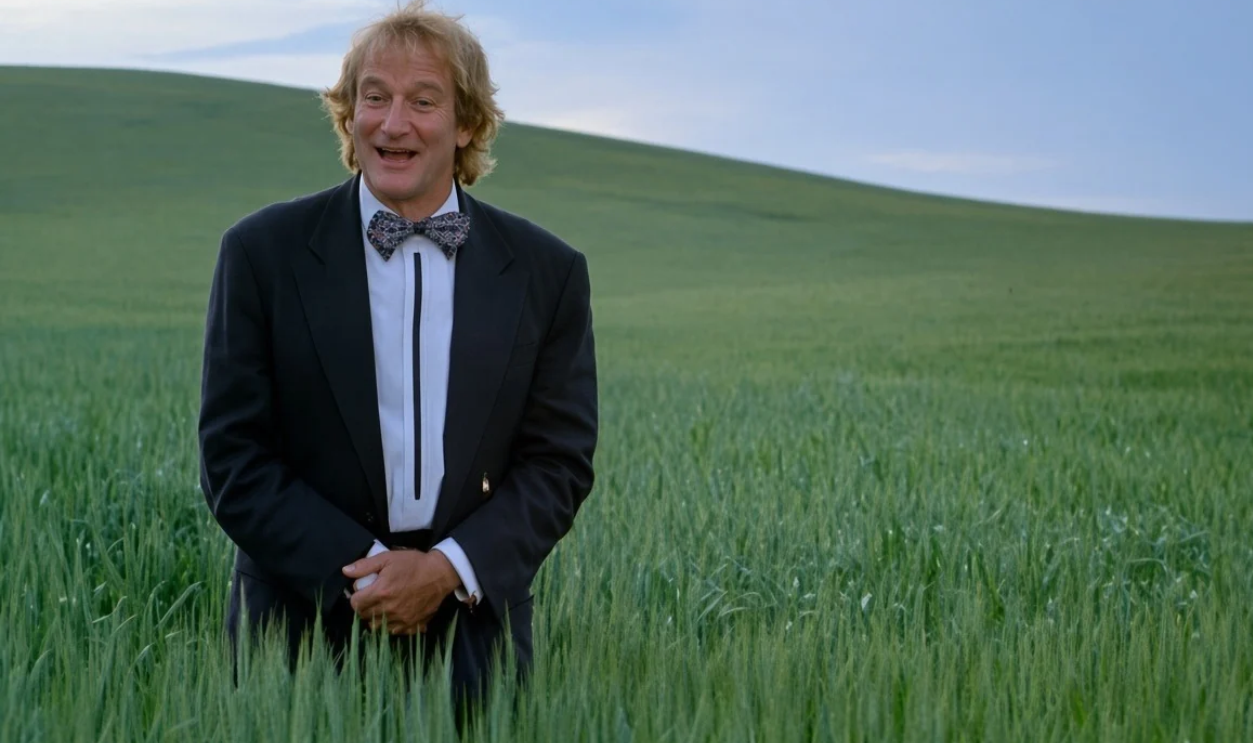
Once Williams began recording, the filmmakers discovered that their expectations had barely scratched the surface of his abilities. He launched into celebrity impressions, invented characters, and improvised jokes that weren't part of the original script. Goldberg later recalled the animation team being amazed by the recordings they received. Rather than forcing Williams to stick rigidly to the screenplay, Disney allowed much of his spontaneous comedy into the finished film.
 Screenshot from Toys, 20th Century Studios (1992), Modified
The Animators Had Their Hands Full
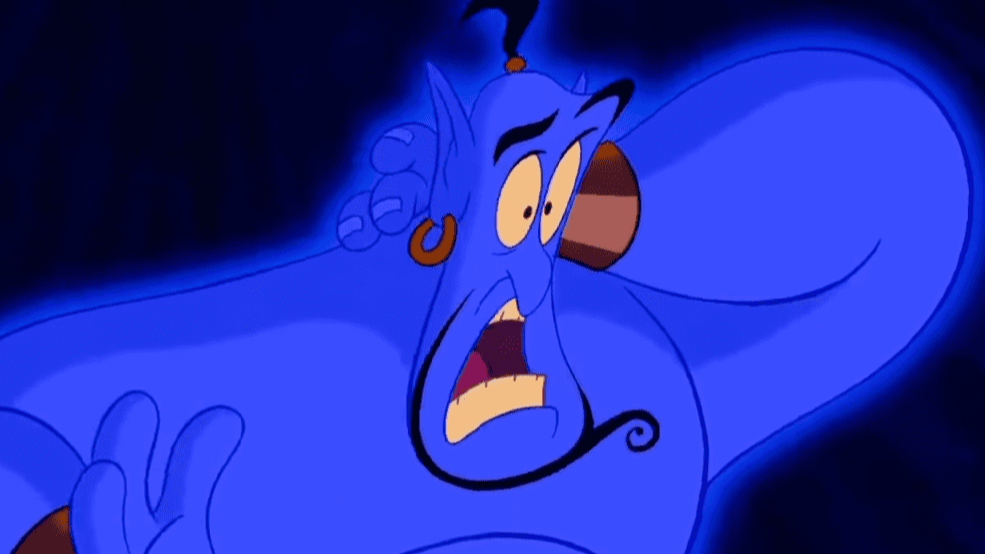
Williams' performance presented an extraordinary challenge for the people responsible for animating Genie. One moment, the character might resemble a famous actor, and the next, he could transform into something completely unexpected. Goldberg and his colleagues had to find ways to turn the comedian's rapid-fire ideas into recognizable visual jokes. Their work became one of the film's defining achievements, although Goldberg later emphasized that Williams brought something even more valuable than impressions.
 Screenshot from Aladdin, Walt Disney Pictures (1992)
He Gave Genie A Heart
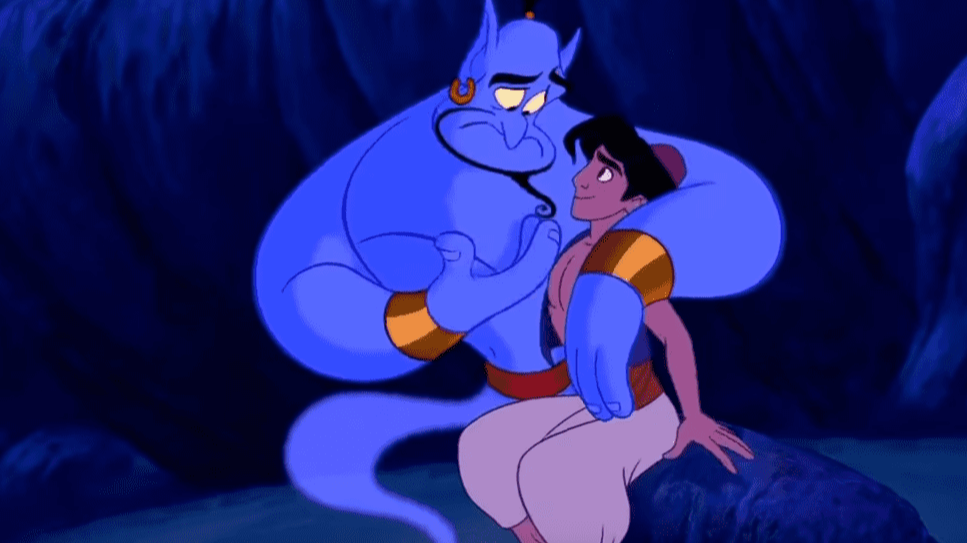
For all his outrageous comedy, Genie wasn't simply a collection of jokes. Williams also brought genuine warmth to the character, particularly in his friendship with Aladdin. The filmmakers understood that audiences needed to believe Genie sincerely cared about the young hero, rather than merely existing to deliver punchlines. That emotional quality helped make the character unforgettable, and it would become especially meaningful when Disney revisited Genie many years later.
 Screenshot from Aladdin, Walt Disney Pictures (1992)
Aladdin Became A Sensation
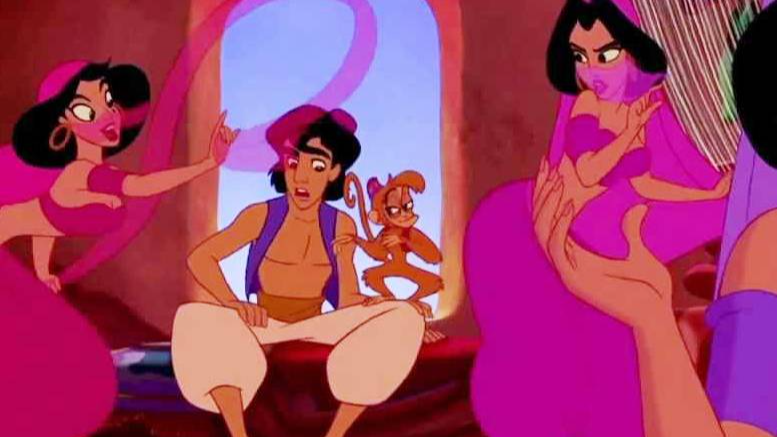
When Aladdin arrived in theaters in November 1992, audiences embraced Williams' performance. The film became a tremendous commercial success, earning more than $200 million at the American box office and approximately $500 million worldwide. Critics praised the extraordinary energy Williams brought to the animated character, while Disney had another enormous hit on its hands. But as the studio celebrated, the comedian began noticing something that troubled him.
 Screenshot from Aladdin, Walt Disney Pictures (1992)
He Saw Something He Hadn't Agreed To
Williams believed Disney had promised not to use his Genie performance to advertise merchandise. Yet he subsequently encountered promotional material that appeared to do exactly that. According to Williams, a television advertisement used his voice to promote Disney merchandise, despite his specific objections. What might have looked like ordinary marketing to audiences felt like a serious betrayal to the man behind Genie.
 Screenshot from Aladdin, Walt Disney Pictures (1992)
It Was About More Than Money
Williams wasn't complaining that he had received a modest salary while Aladdin became enormously profitable. In fact, he repeatedly explained that his disagreement concerned the studio's failure to honor its commitment. He had willingly accepted a smaller payment because he wanted to make the film, not because he expected a share of its merchandising success. For Williams, the real issue was that he believed Disney had taken something personal and used it in a way he had specifically rejected.
 Screenshot from Toys, 20th Century Studios (1992), Modified
He Finally Spoke Out
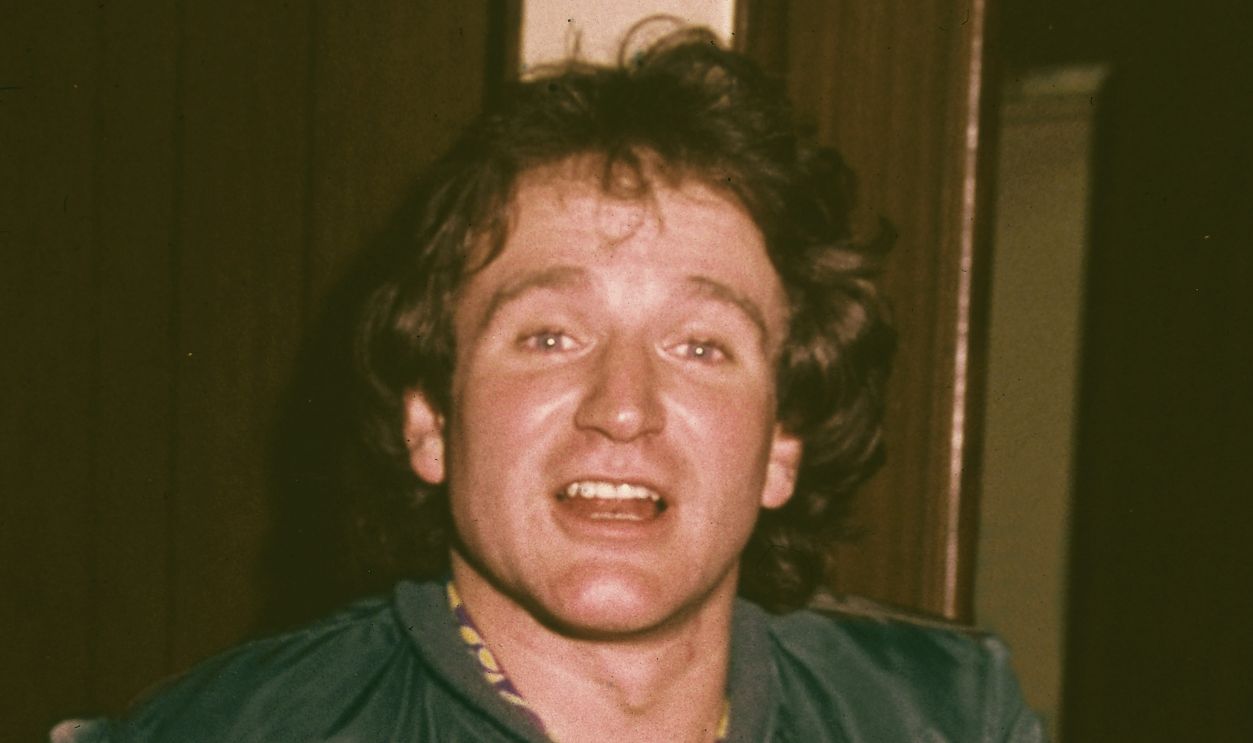
In November 1993, Williams publicly criticized Disney during an appearance on NBC's Today show. He accused the company of breaking its agreement and using his voice to promote merchandise without his permission. His frustration was obvious as he explained how much the arrangement had mattered to him. And while audiences knew Genie as a cheerful, endlessly generous character, the actor behind him was now deeply unhappy with Disney.
 Fotos International, Getty Images
Disney Initially Pushed Back
Williams' complaints quickly attracted attention, but Disney didn't immediately accept responsibility. An unnamed studio representative disputed his account, insisting that the promotional material had been approved by Williams and his wife, Marsha. Other sources portrayed the disagreement as a financial dispute involving an actor who had accepted a relatively small payment for an enormous hit. Williams rejected that interpretation, and the argument soon threatened his future with the company.
 Senior Airman Dakota C. LeGrand, Wikimedia Commons
He Refused To Return
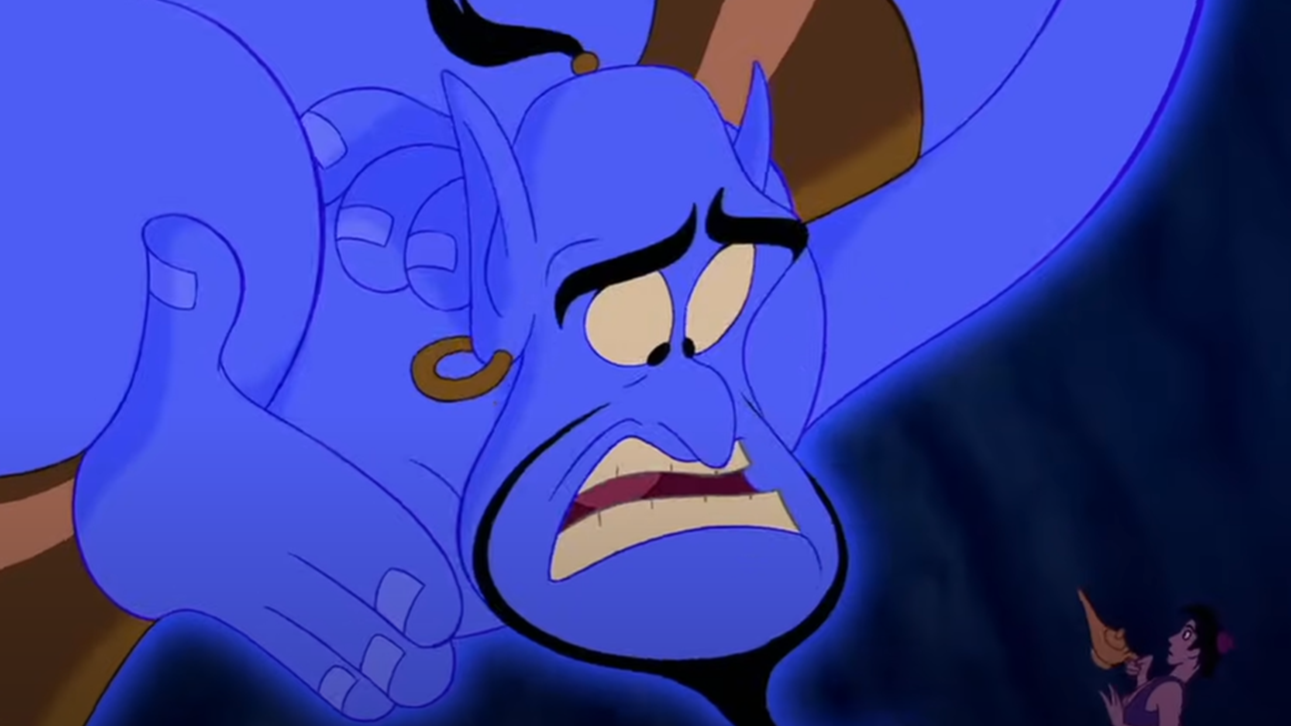
The dispute had consequences beyond a few uncomfortable interviews. Disney was expanding Aladdin into a franchise, and the studio naturally wanted Williams to reprise his most famous animated character. But with their relationship badly damaged, he didn't return for the 1994 sequel, The Return of Jafar. Instead, Disney hired another familiar television voice to take his place, and the difference was difficult to ignore.
 Screenshot from Aladdin, Walt Disney Pictures (1992)
Disney Offered Him A Picasso
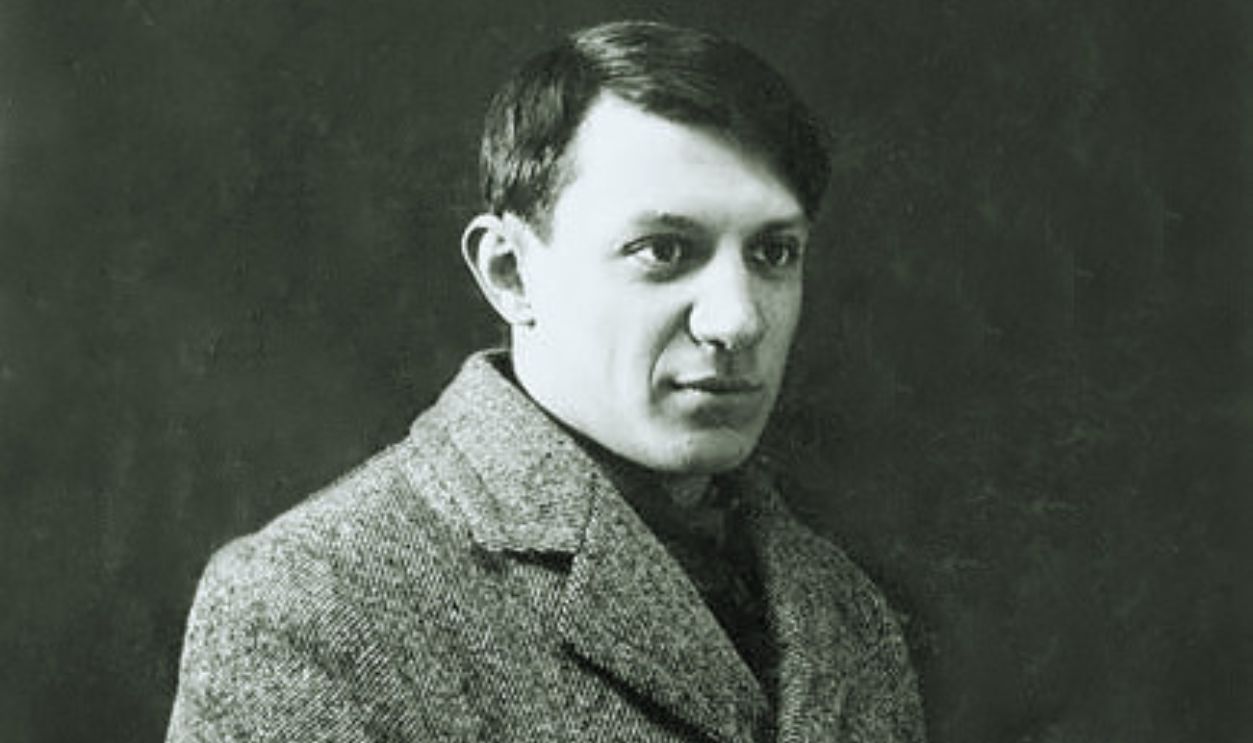
Disney had already given Williams an extraordinary gift: a painting attributed to Pablo Picasso, reportedly worth more than $1 million. The unusual artwork depicted Picasso imagining himself as Vincent van Gogh, complete with the Dutch painter's famously bandaged ear. But the painting reportedly clashed with the decor of Williams' home, and it certainly hadn't prevented his bitter disagreement with the studio. As Williams later clarified, Disney had actually given him the artwork before violating their agreement, meaning even this extravagant gesture couldn't soften the betrayal that followed.
 AnonymousUnknown author, Wikimedia Commons
A New Boss Made Things Right
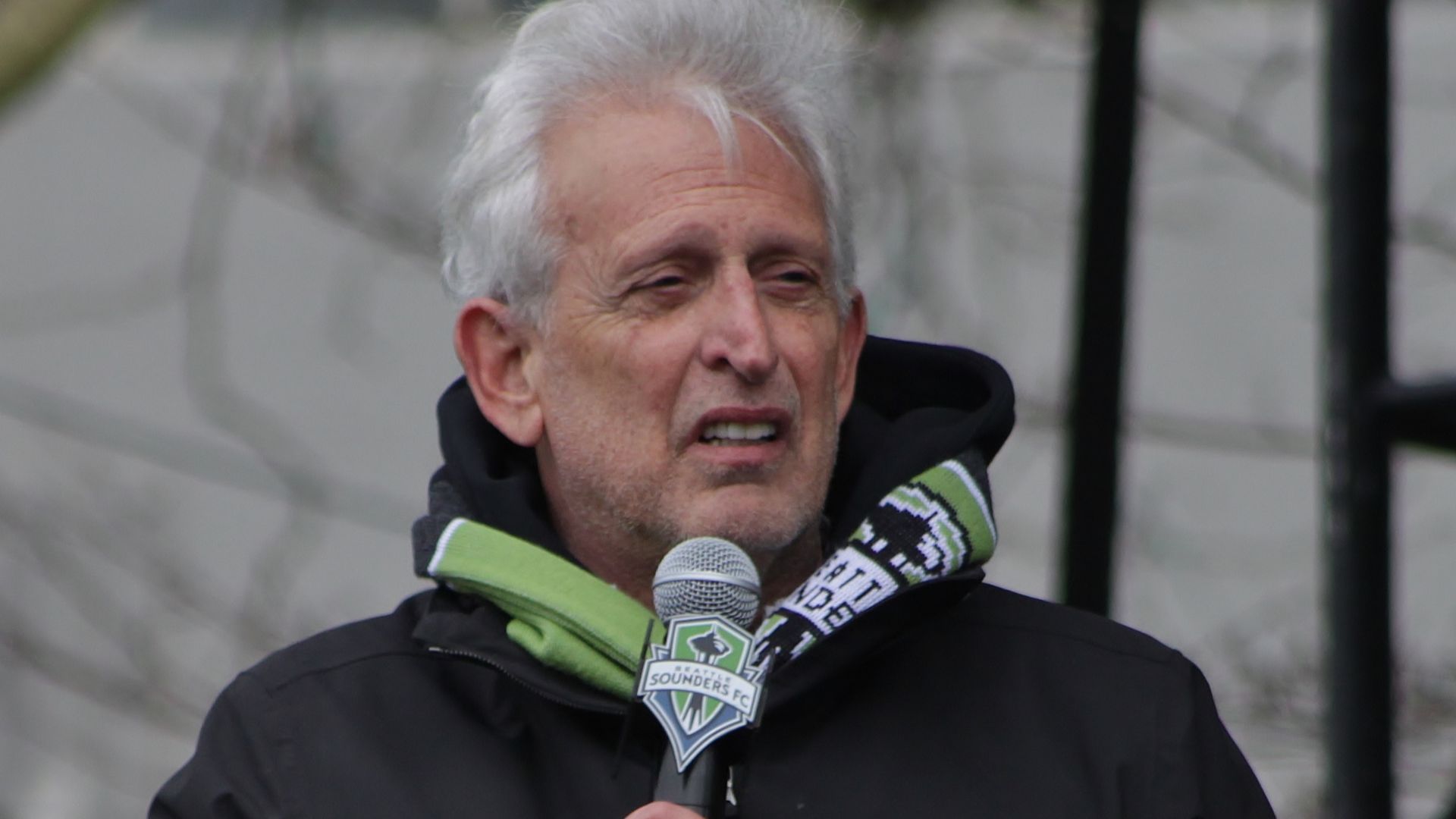
In October 1994, newly installed Disney studio chief Joe Roth did something Williams had been waiting to hear. He publicly acknowledged that the company had violated its understanding with the actor and offered an apology. Roth also challenged the suggestion that Williams had been motivated by money, explaining that the disagreement had been about principle. After nearly a year of public tension, Disney had finally admitted that Williams' complaint was justified.
 SounderBruce, Wikimedia Commons
He Accepted The Apology
Williams responded positively to Roth's attempt to repair their relationship. He later explained that the acknowledgment was what he had wanted all along, rather than another expensive gift or financial settlement. The apology addressed the real problem: Disney had failed to honor its agreement with him. After all the arguments and the extraordinary Picasso gift, a simple admission had accomplished what money couldn't.
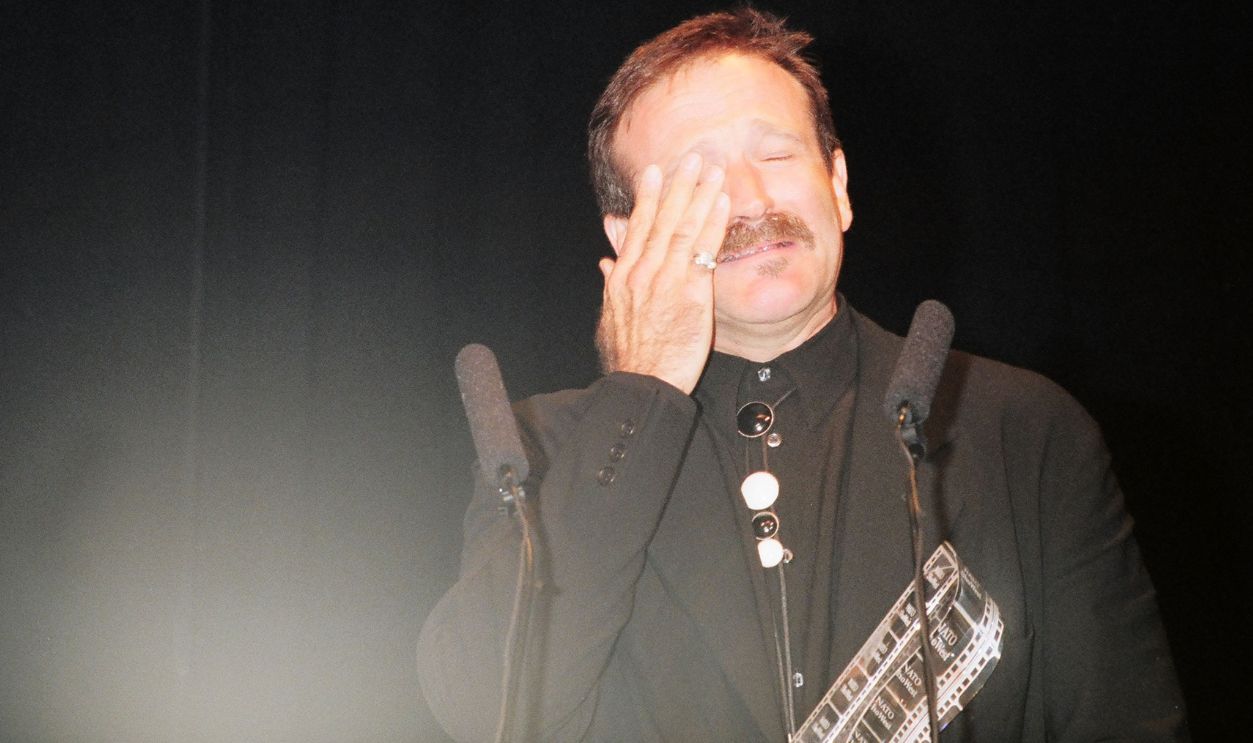
Genie Finally Came Home
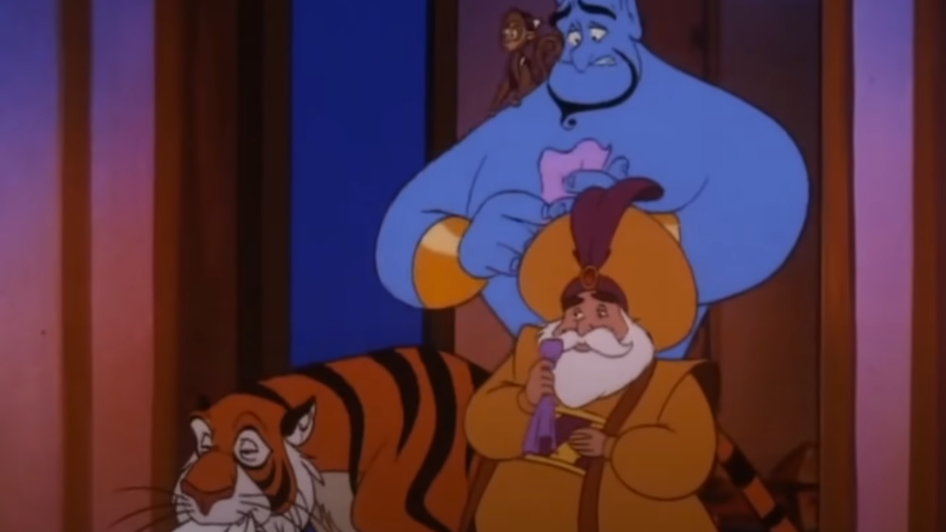
In 1995, Disney announced that Williams would return for Aladdin and the King of Thieves, a new animated sequel released on home video in 1996. This time, the studio offered him a substantially larger payment and renewed its promise concerning merchandise promotion. Williams' return was so important that Disney reworked a significant portion of the movie, replacing scenes that had already been animated for another voice actor. And fittingly, the finished film even included a playful joke about Disney's own marketing machine.
 Screenshot from Aladdin and the King of Thieves, Walt Disney (1996)
He Got The Last Laugh
During Aladdin and the King of Thieves, Genie briefly transforms into a Disney marketing representative promoting merchandise. The joke was particularly amusing given Williams' previous disagreement with the company over exactly that subject. In a 1996 interview, Williams expressed his enjoyment at being able to poke fun at Disney from within one of its own productions. What had once been a bitter dispute had become something he could laugh about, although the character's greatest emotional moment was still years away.
His Legacy Reached Far Beyond Disney
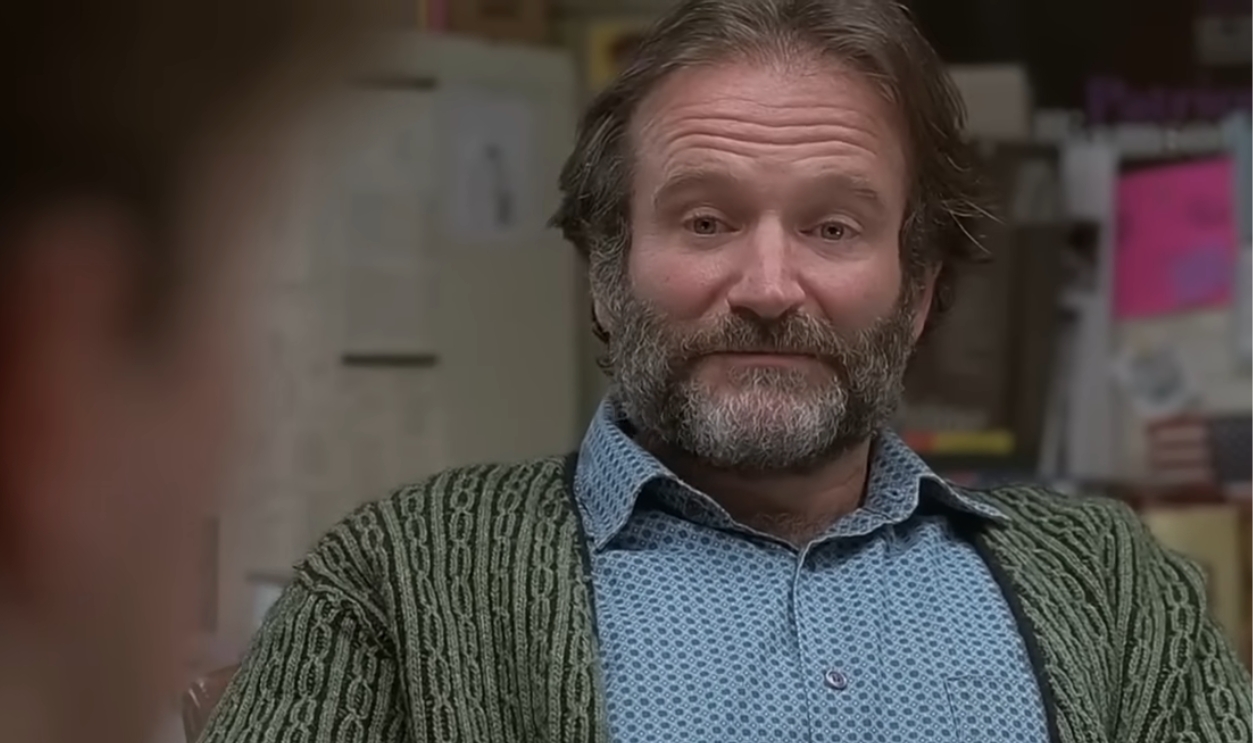
Williams continued entertaining audiences through films such as Good Will Hunting, which earned him an Academy Award, and family favorites including Jumanji. His extraordinary ability to move between comedy and drama made him a uniquely beloved Hollywood performer. For countless viewers, however, Genie remained one of the characters most closely associated with his talent. That connection would become especially poignant when heartbreaking news arrived in August 2014.
 Screenshot from Good Will Hunting, Miramax (1997)
Hollywood Lost A Beloved Star
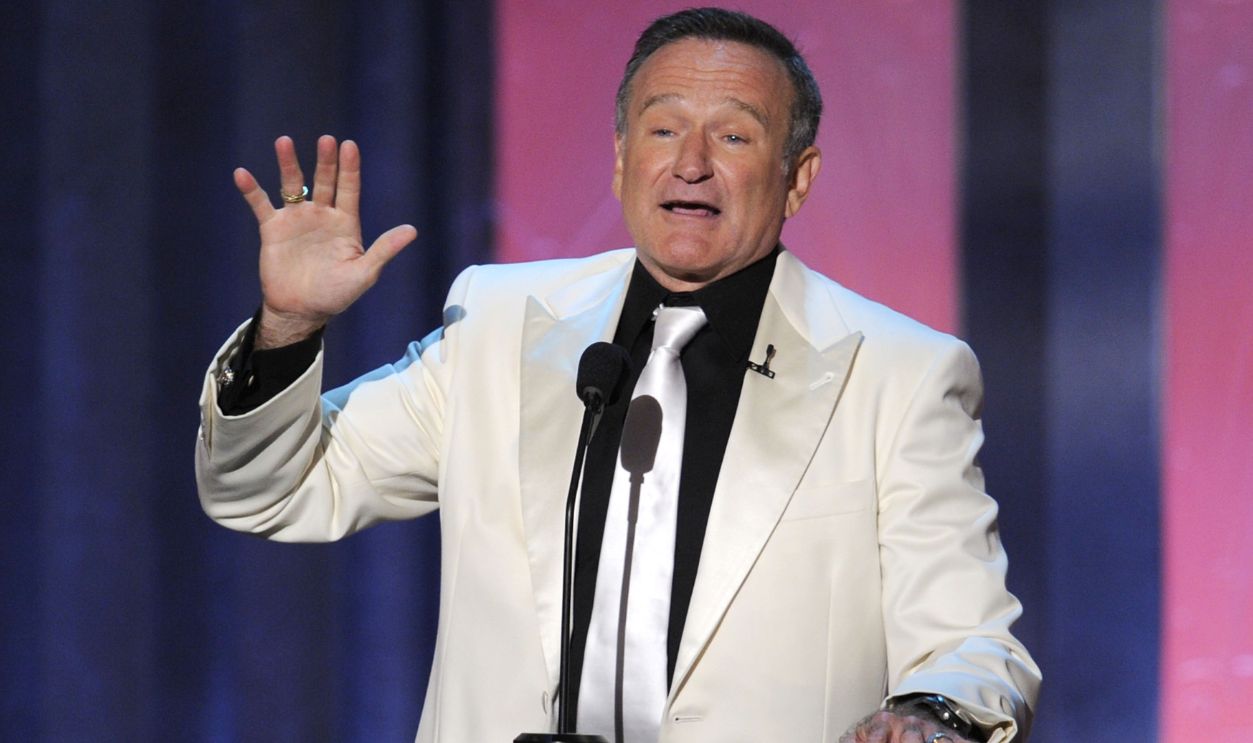
On August 11, 2014, Robin Williams passed away at the age of 63, leaving fans and fellow performers stunned. Tributes quickly poured in from across the entertainment industry, reflecting the enormous impact he had made throughout his career. Disney was among the organizations that publicly honored him, despite the complicated history they had shared. But one particular tribute would stand apart because it came from the artist who had helped create Genie himself.
His Genie Inspired A Moving Farewell
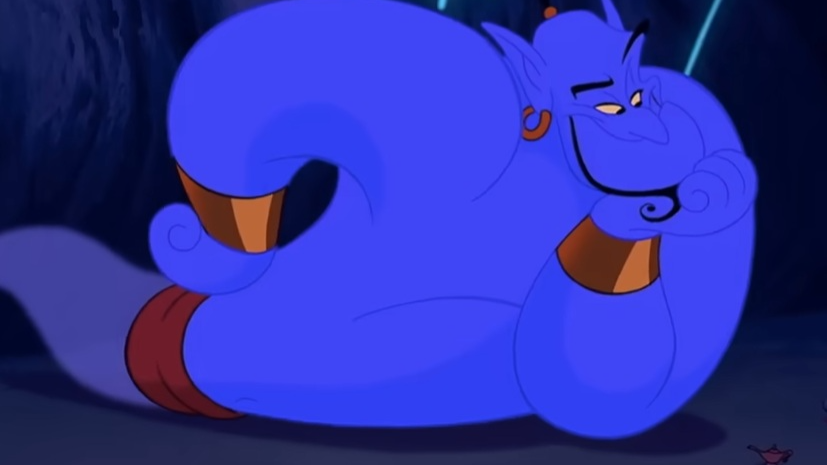
Eric Goldberg, the supervising animator responsible for bringing Genie to life, created a special illustration honoring Williams. The black-and-white drawing depicted Genie among the stars, smiling down toward his magical lamp. It was a beautiful visual tribute to the comedian whose voice and personality had made the character unforgettable. And accompanying the artwork was a message from the very company that Williams had once accused of betraying him.
 Screenshot from Aladdin, Walt Disney Pictures (1992)
Disney Had Something To Say
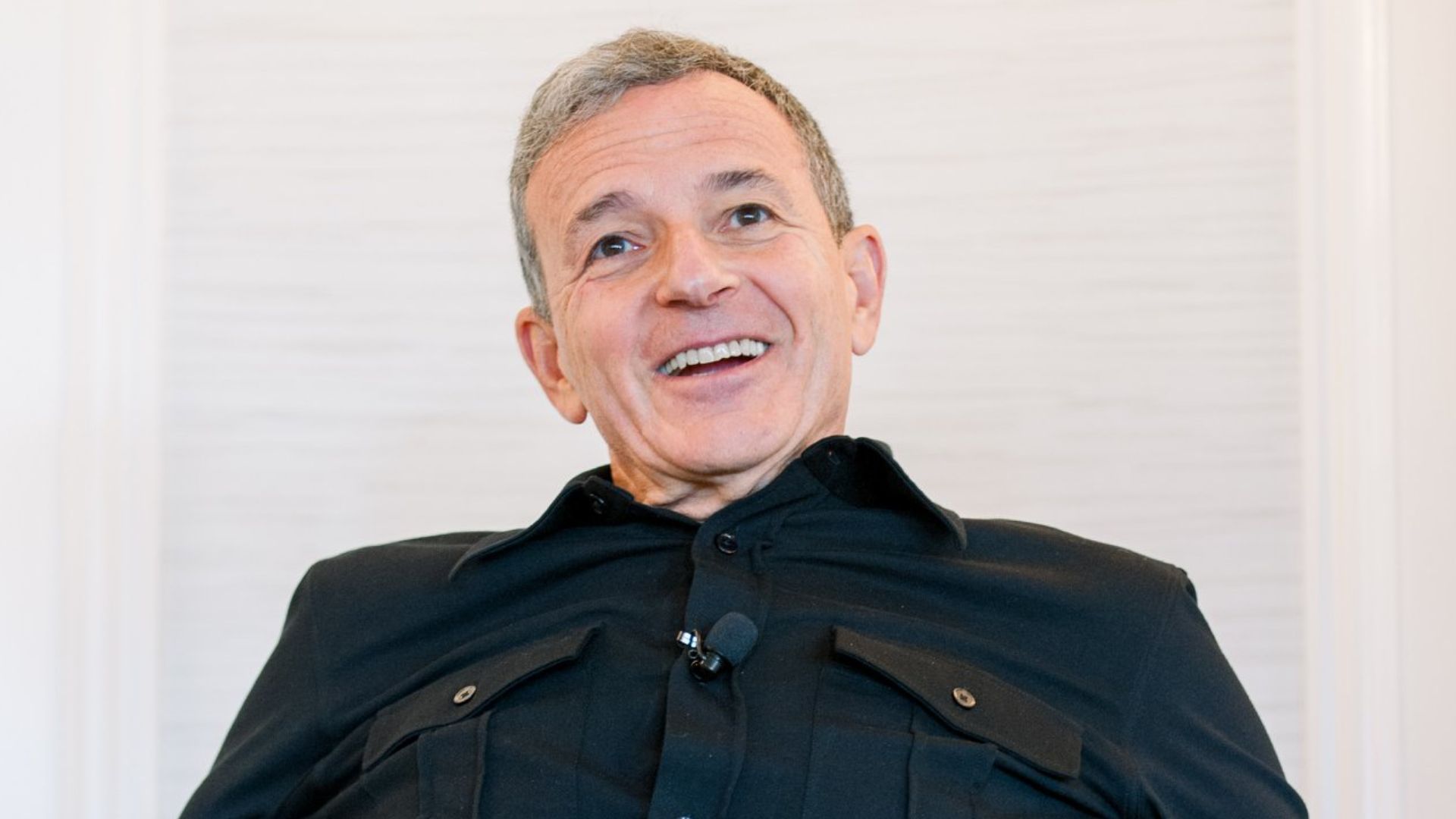
Disney chairman and CEO Robert Iger released a heartfelt statement celebrating Williams' extraordinary career and the joy he had brought audiences. He praised the comedian's talent and recalled the beloved characters he had created, including Mork and Genie. Iger also described Williams as a cherished member of the Disney family, a striking sentiment considering their earlier disagreement. The message, paired with Goldberg's illustration, offered a moving reminder of how much Williams had meant to the studio.
 Village Global, Wikimedia Commons
The Tribute Reached Millions
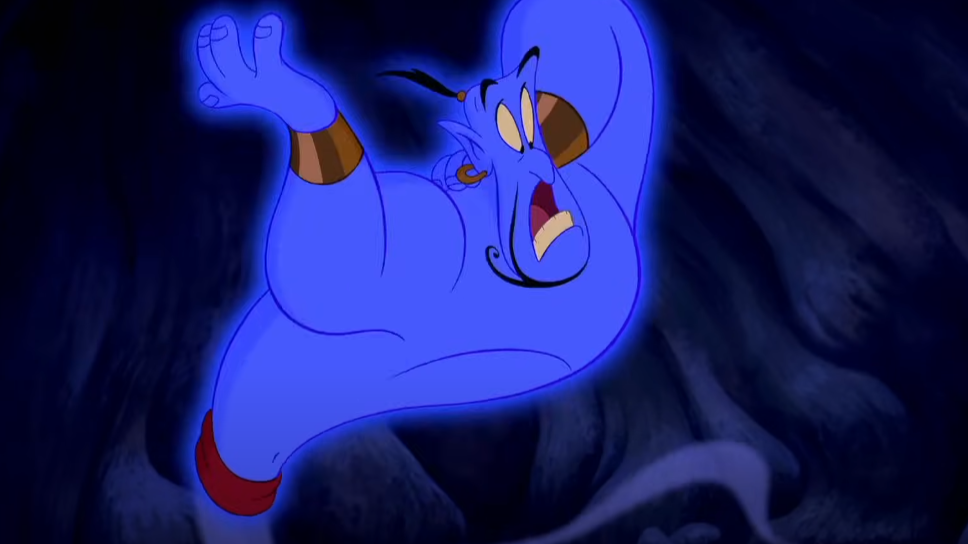
Disney's tribute wasn't limited to a statement shared with the public. In August 2014, Disney Channel also aired Aladdin with Goldberg's special illustration appearing near the end of the broadcast. Viewers shared images of the moment online, touched by the sight of Genie looking down from the stars. For audiences who had grown up with Williams' unforgettable performance, the simple drawing carried an enormous emotional weight.
 Screenshot from Aladdin, Walt Disney Pictures (1992)
His Greatest Gift Was The Joy He Brought
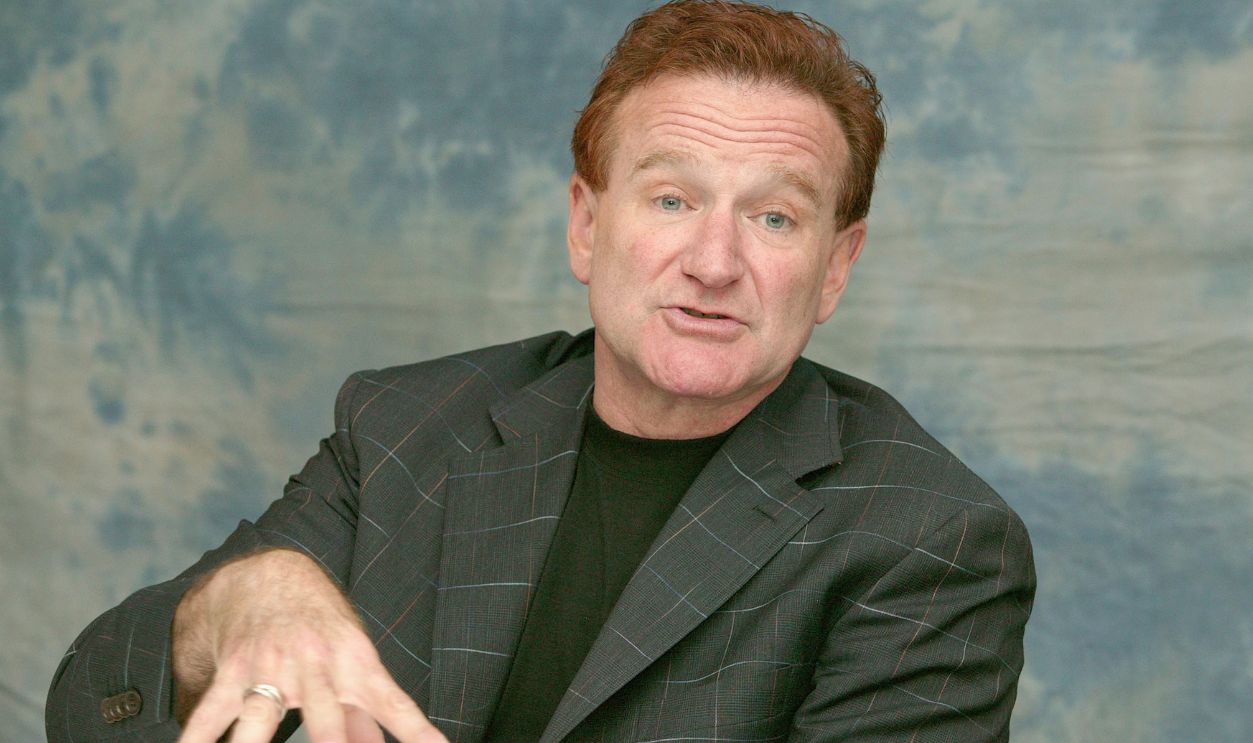
The story of Robin Williams and Disney wasn't always a happy one, but it ultimately became a story of reconciliation and lasting admiration. Williams had fought to protect his principles, Disney had eventually acknowledged its mistake, and the two had found a way to work together again. When Goldberg drew Genie smiling among the stars in 2014, the illustration captured something audiences had loved about Williams from the beginning. The man who had given Genie his voice was gone, but the laughter and warmth he brought to the character would remain.
 Fotos International, Getty Images
You May Also Like: