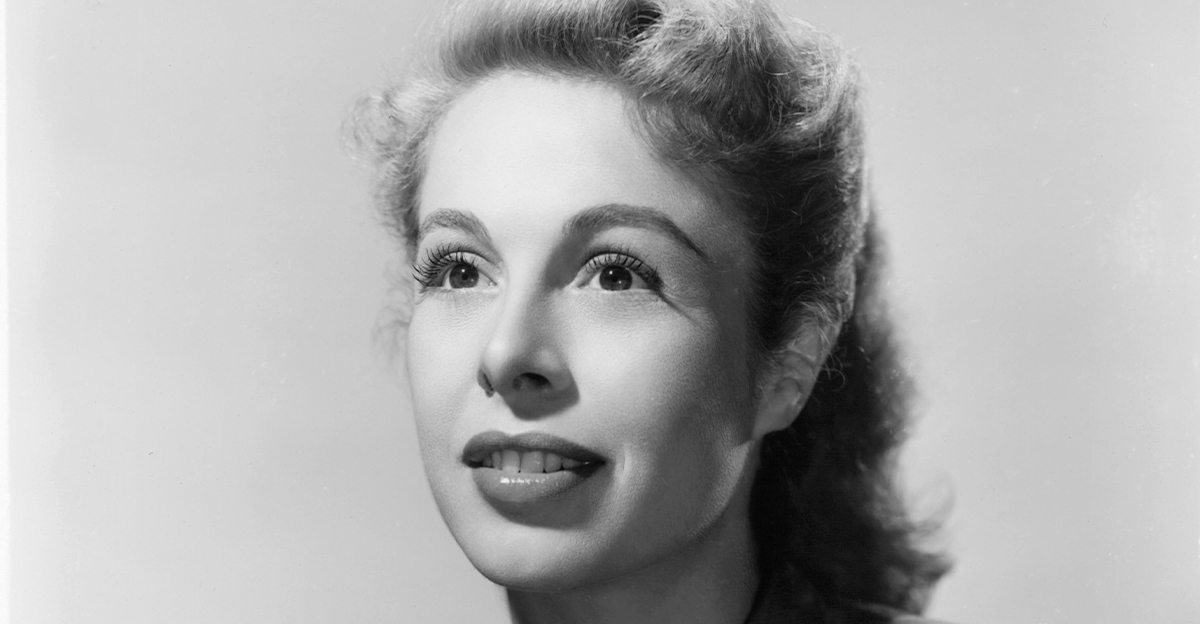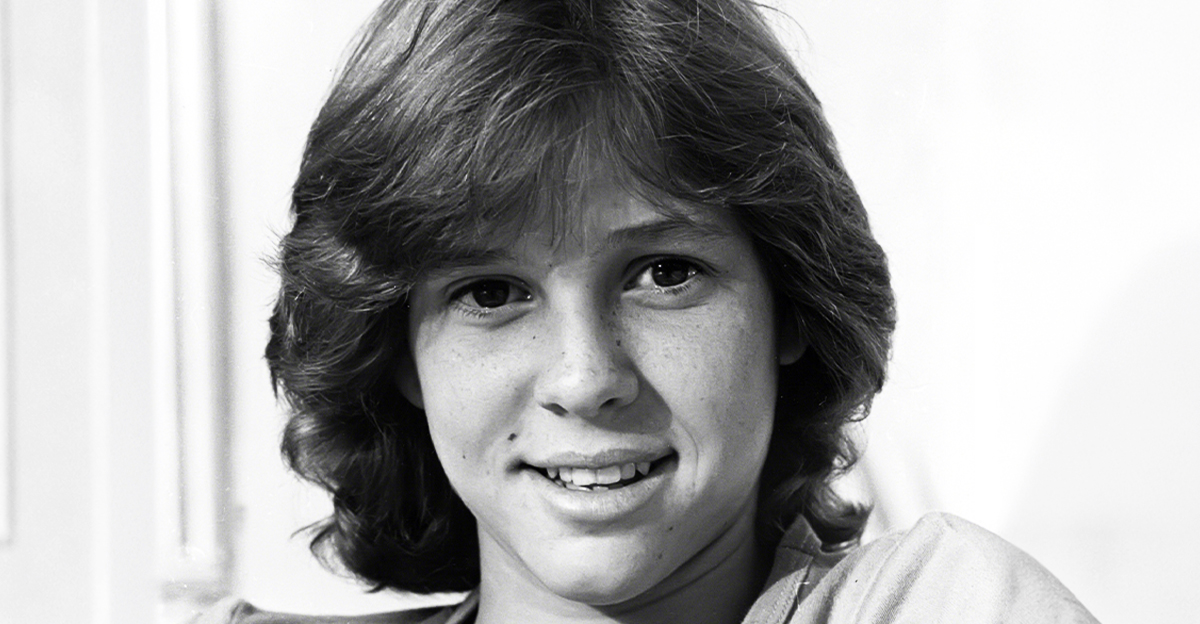
The Star Who Disappeared
For a generation of television viewers, Kristy McNichol was impossible to forget. She won two Emmy Awards before turning 18, became a movie star, and seemed destined for decades of Hollywood success. But behind her infectious smile, the pressures of fame were taking a toll. Eventually, McNichol made a decision that surprised her fans and walked away from the industry.
She Was Born To Perform
Christina Ann McNichol was born on September 11, 1962, in Los Angeles, California. She grew up in a family with connections to entertainment, alongside her older brother Jimmy McNichol, who would also become a successful young performer. Her childhood unfolded in the shadow of Hollywood, where opportunities for talented children were plentiful, but competition was fierce.

Her Career Started Early
McNichol entered show business as a child, appearing in commercials before landing television work. Her natural delivery and expressive face were appealing to casting directors. Unlike some young performers who seemed overly rehearsed, McNichol had an easygoing quality that made her believable as an ordinary American kid. That authenticity would become one of her greatest strengths.
She Made Her Television Debut
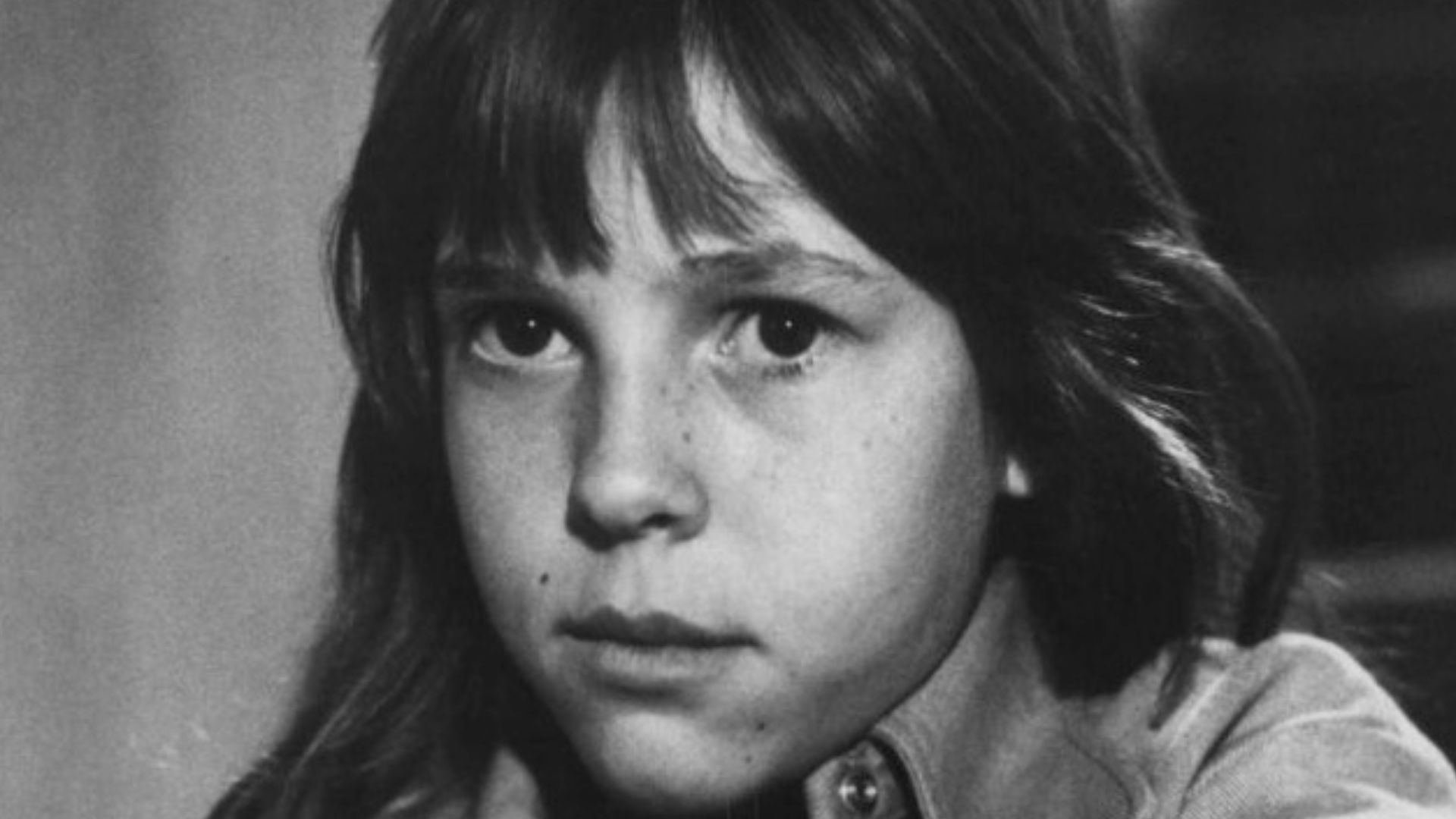
During the early 1970s, McNichol began appearing on television, including a guest role on Love, American Style. These early appearances followed her work in commercials and helped her gain experience in front of the camera. She was still years away from becoming a household name, but her natural delivery and ability to handle both comedy and drama were already opening doors.
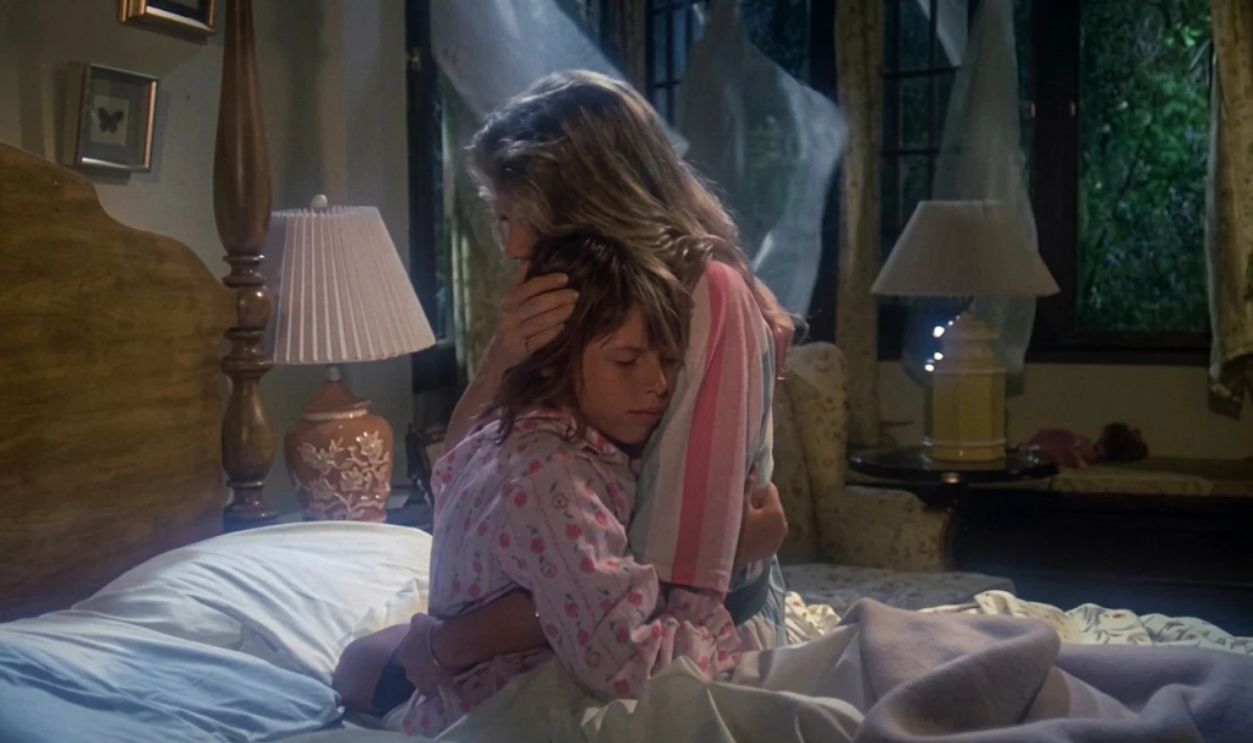 Screenshot from The Bionic Woman, Universal Television (1976), Enhanced
A Presidential Family Came Calling
In 1974, McNichol landed a recurring role on Apple's Way, a family drama created by Earl Hamner Jr., the man behind The Waltons. She played Patricia Apple, one of the children in a family adjusting to small-town life. The series starred Ronny Cox and Lee McCain as her parents and gave McNichol her first substantial television exposure.
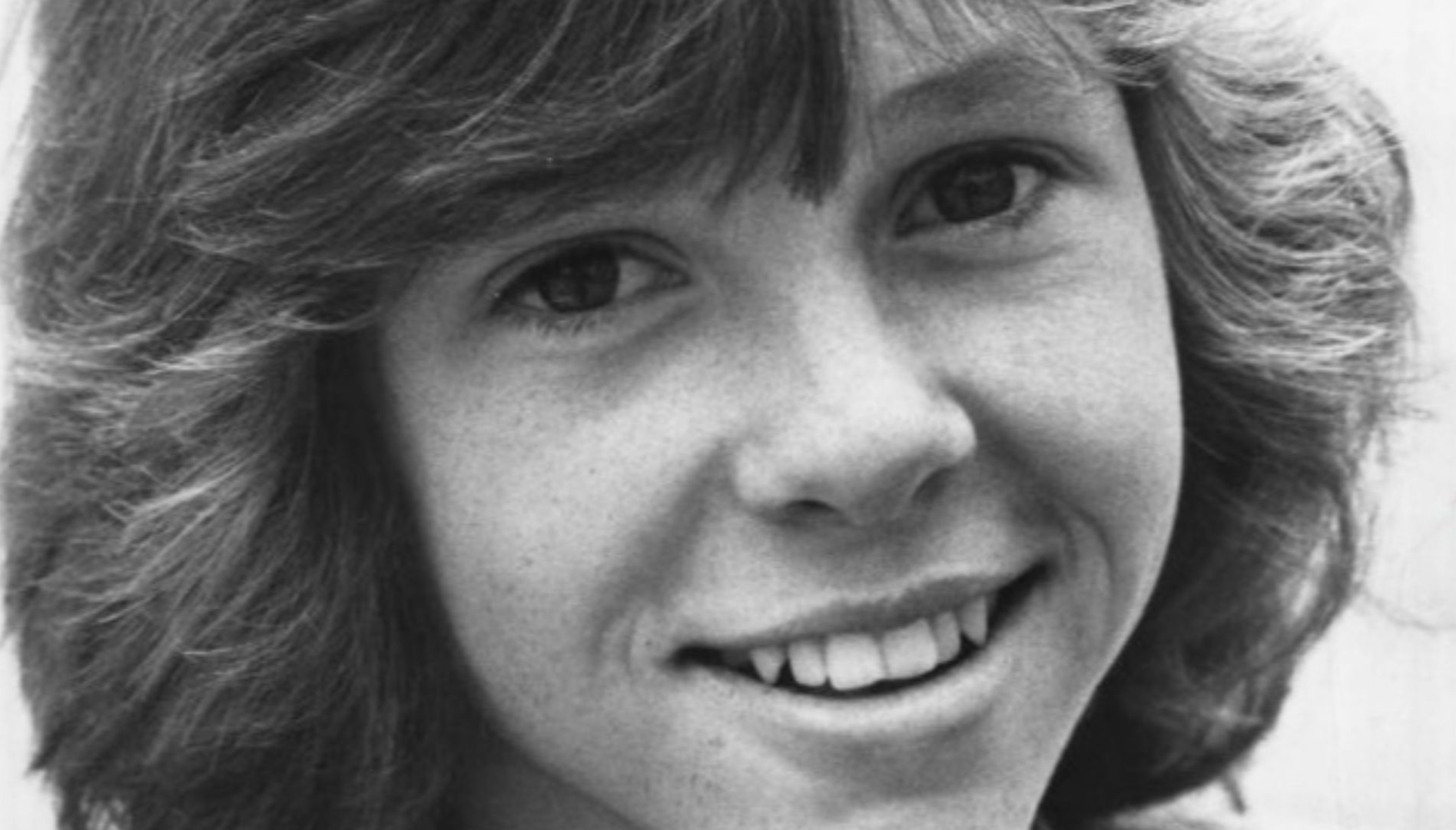 ABC-Television Network, Wikimedia Commons
She Joined A Hit Sitcom
McNichol also appeared on The Bionic Woman, the popular science-fiction adventure series starring Lindsay Wagner as Jaime Sommers. She played Amanda Cory, a young girl whose story brought her into Jaime's orbit. Although it was not a regular role, the appearance added another recognizable television credit to McNichol's growing résumé as she moved toward the breakthrough that would make her famous.
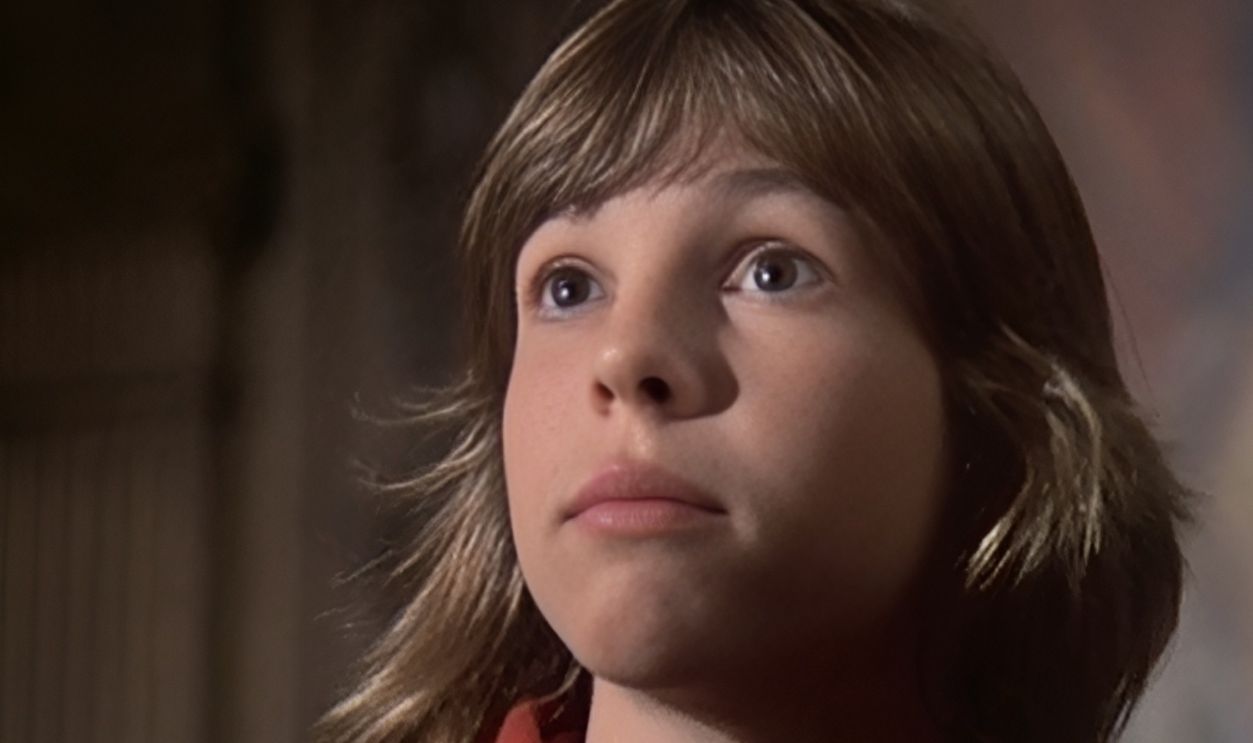 Screenshot from The Bionic Woman, NBCUniversal Television Distribution (1976–1978)
Family Changed Everything
In 1976, McNichol joined the cast of Family, an ABC drama centered on the Lawrence household in Pasadena, California. She played Letitia "Buddy" Lawrence, the spirited teenage daughter of Doug and Kate Lawrence, portrayed by James Broderick and Sada Thompson. The ensemble also included Meredith Baxter Birney and Gary Frank as Buddy's older siblings.
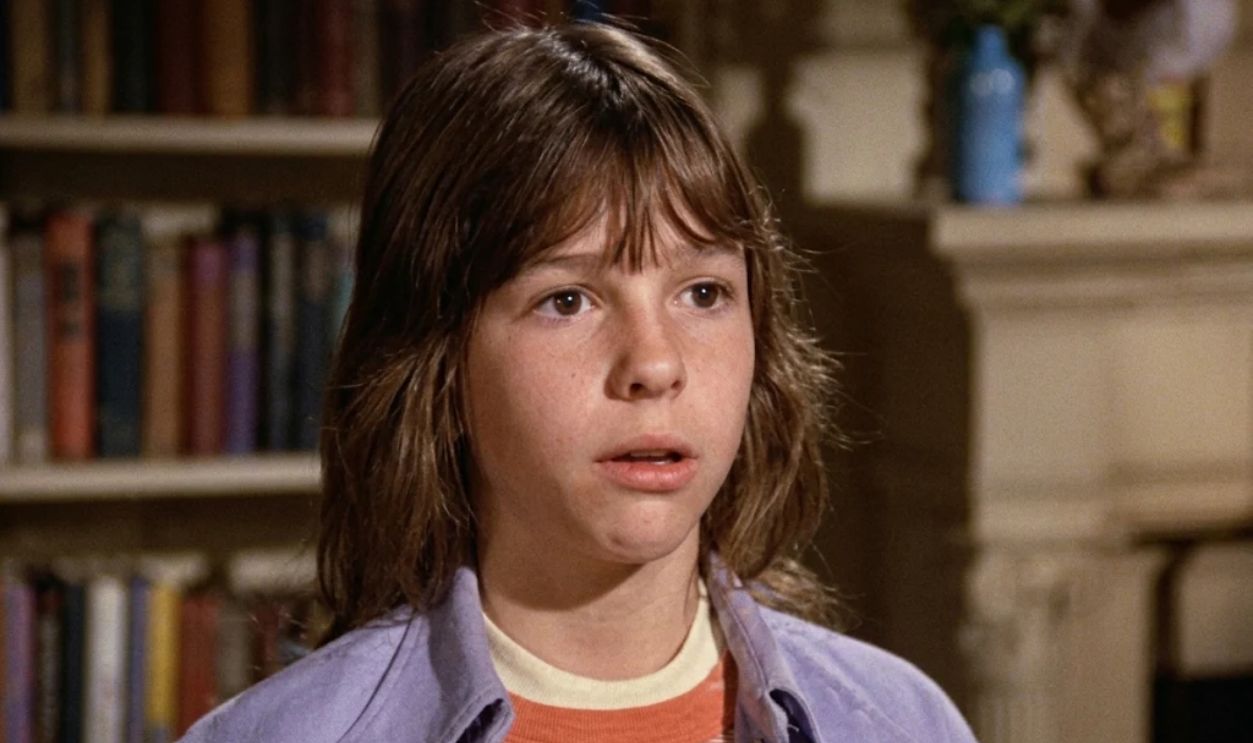 Screenshot from Family, Columbia Pictures Television (1976–1980), Enhanced
Buddy Became A Sensation
McNichol's portrayal of Buddy quickly became one of Family's biggest attractions. The character was funny, stubborn, sensitive, and frequently confused by adolescence. McNichol brought an unusual emotional honesty to the role, particularly in scenes involving friendships, romance, and family disagreements. Viewers watched Buddy grow up, and many young fans saw their own experiences reflected in her.
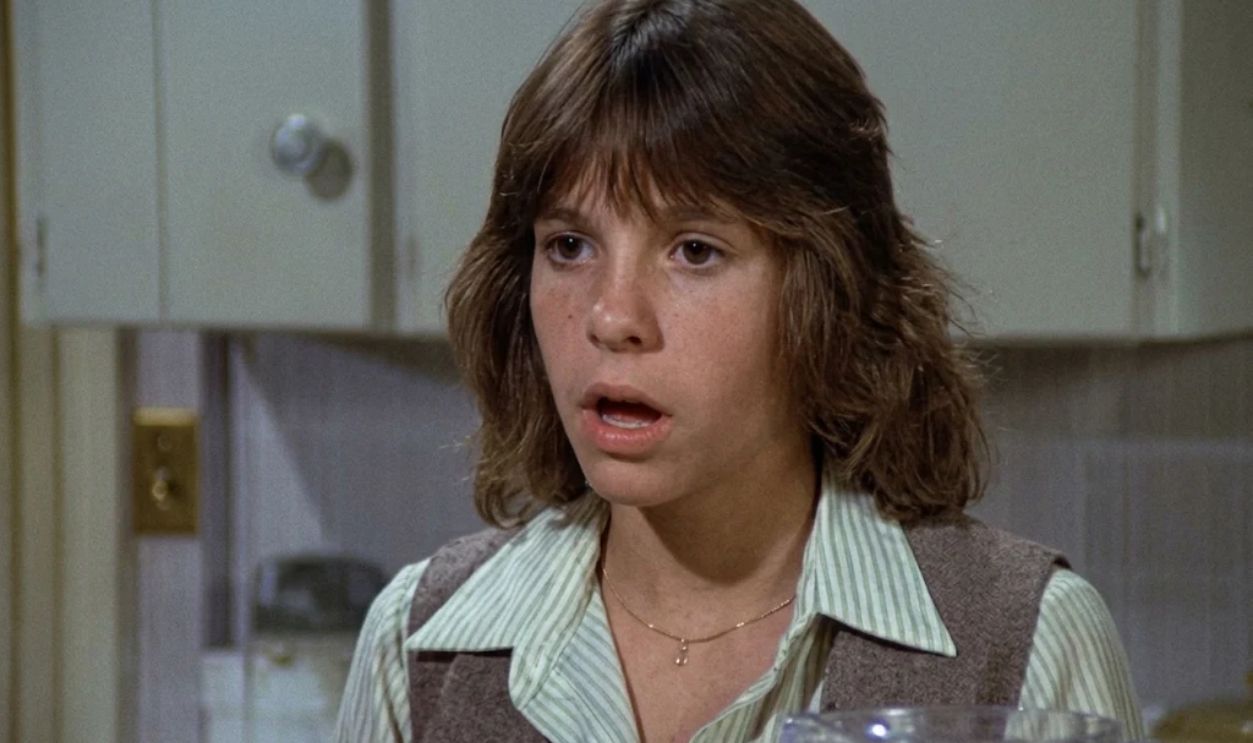 Screenshot from Family, Columbia Pictures Television (1976–1980), Enhanced
Her First Emmy Triumph
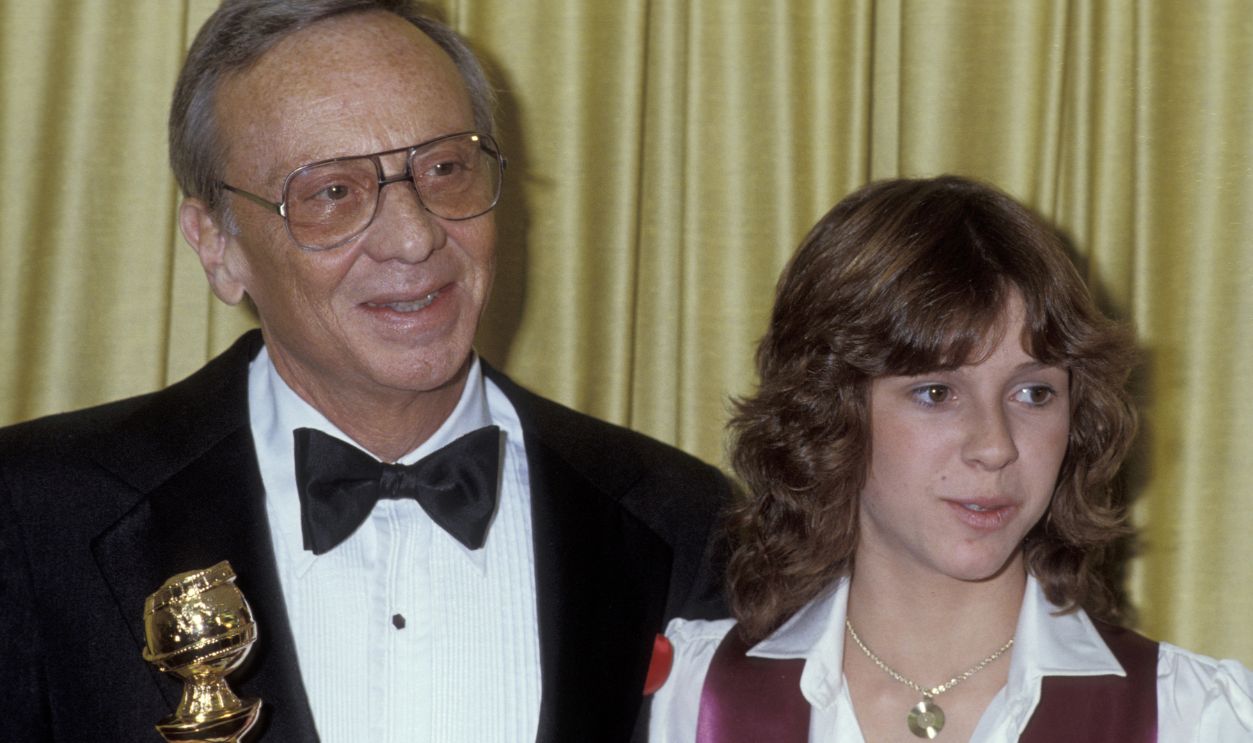
In 1977, McNichol won the Primetime Emmy Award for Outstanding Continuing Performance by a Supporting Actress in a Drama Series for Family. She was only 15 years old. The victory confirmed her status as one of television's most promising young performers and made her an increasingly familiar presence in magazines, interviews, and celebrity coverage.
She Did It Again
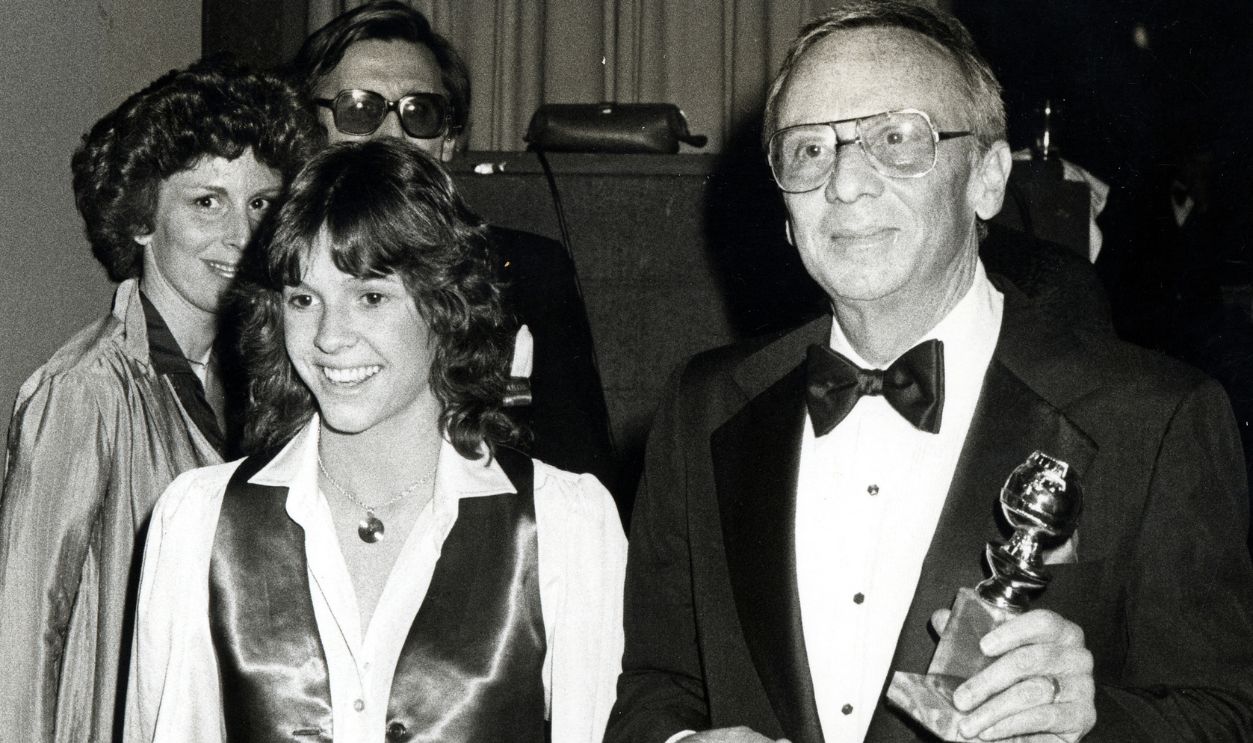
McNichol's success wasn't a one-season phenomenon. In 1979, she won a second Emmy for her work on Family, again in the supporting actress category. By then, she was among the most recognizable teenage actresses in America. Yet the acclaim brought growing expectations, and the teenager who had become famous for playing an ordinary girl was living an increasingly extraordinary life.
Fame Followed Her Everywhere
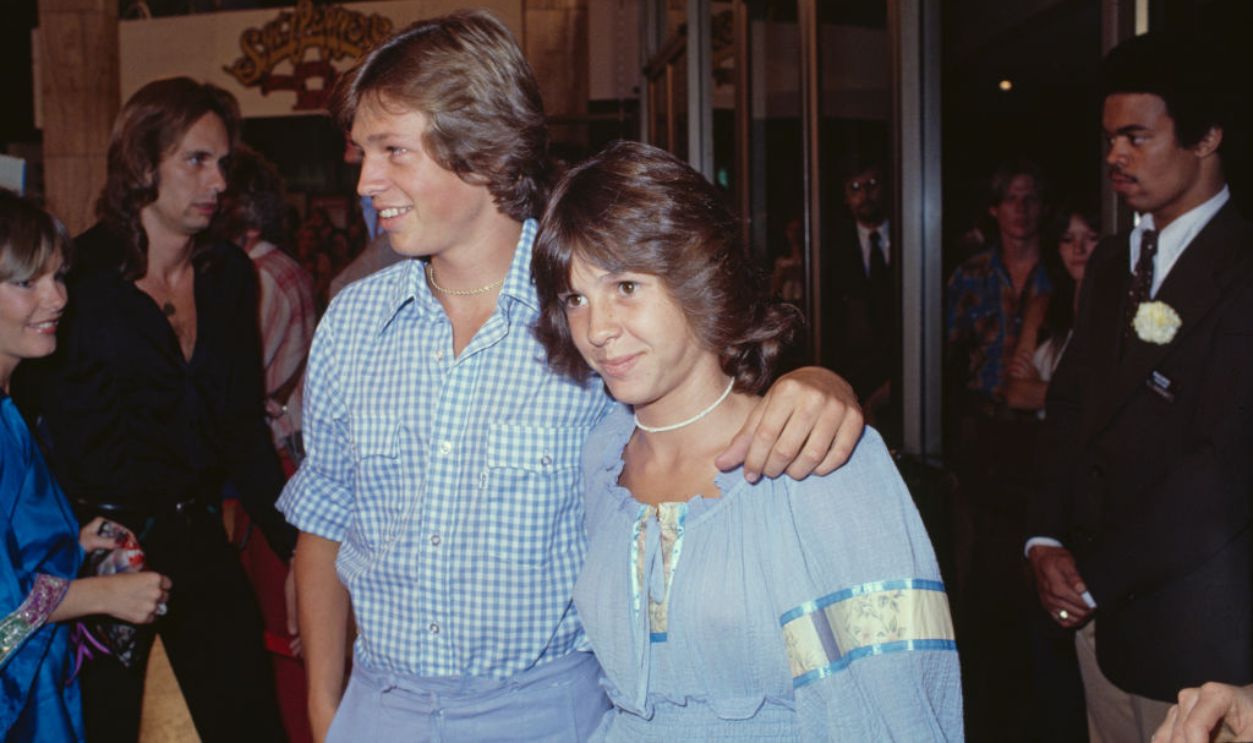
During the late 1970s, McNichol became a fixture in teen magazines and television publicity. Her friendship and professional partnership with her brother Jimmy attracted considerable attention, and the siblings recorded music together. Their 1978 album Kristy & Jimmy McNichol included the single "He's So Fine." McNichol was now balancing acting, music, promotion, and the demands of growing up in public.
 Michael Ochs Archives, Getty Images
She Made A Movie Breakthrough
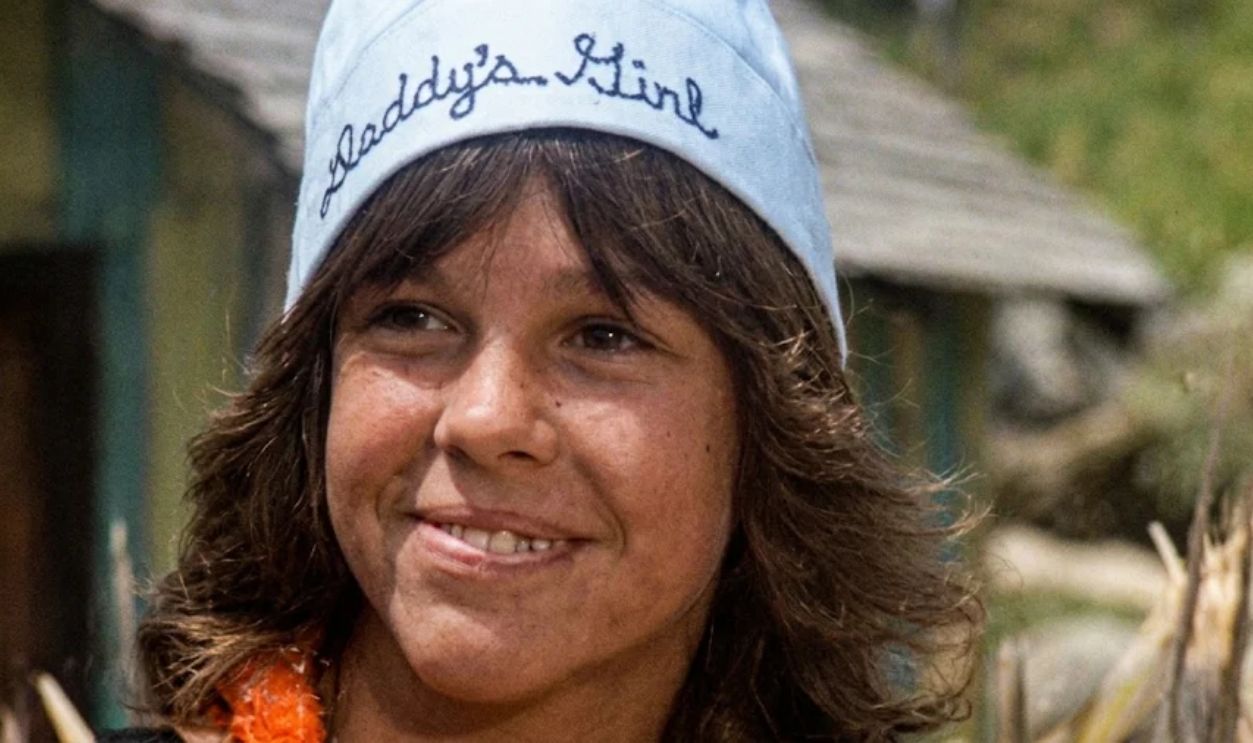
McNichol made a memorable transition to feature films with The End (1978), a dark comedy directed by and starring Burt Reynolds. She played Julie Lawson, the daughter of Reynolds's character, Wendell Lawson. The film also featured Dom DeLuise, Sally Field, and Joanne Woodward. Although McNichol's role was relatively small, the experience introduced her to major Hollywood filmmaking.
 Screenshot from The End, United Artists (1978), Enhanced
She Found Her Perfect Role
In Little Darlings (1980), McNichol starred opposite Tatum O'Neal as Angel Bright, a streetwise teenager attending summer camp. Directed by Ronald F. Maxwell, the coming-of-age comedy also featured Matt Dillon, Armand Assante, and Cynthia Nixon. McNichol's energetic performance contrasted effectively with O'Neal's more reserved character, helping make the film a memorable teenage favorite.
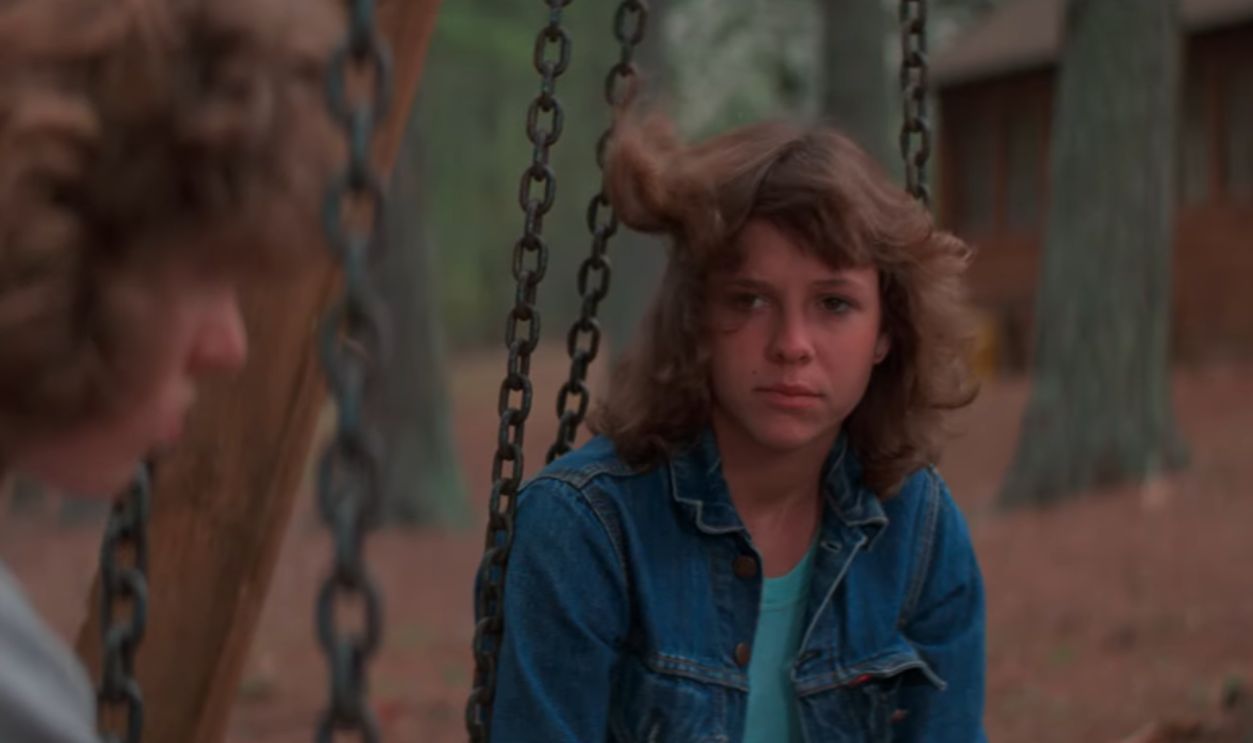 Screenshot from Little Darlings, Paramount Pictures (1980)
She Proved Her Dramatic Talent
McNichol demonstrated her dramatic range in the television movie Summer Of My German Soldier (1978), adapted from Bette Greene's novel. Playing Patty Bergen, a Jewish teenager who befriends a German prisoner of war, she delivered an emotionally demanding performance opposite Bruce Davison and Esther Rolle. The role reinforced her reputation as an actress capable of handling serious material.
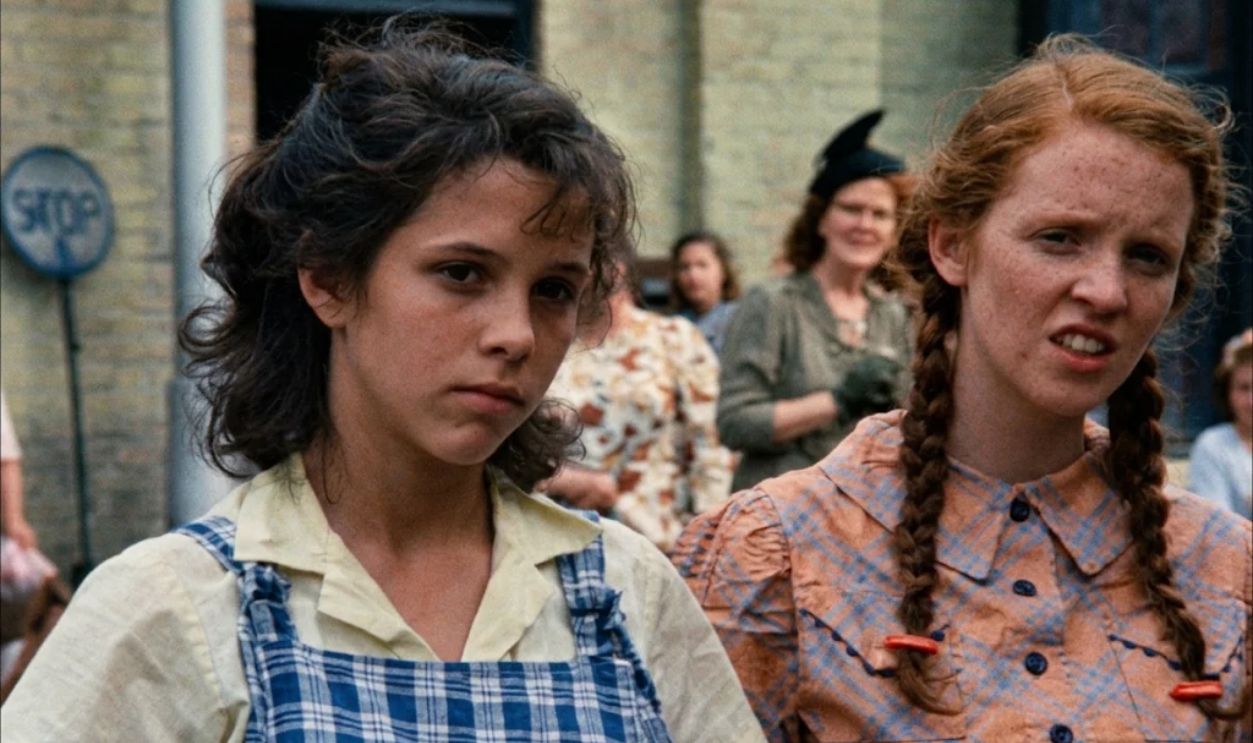 Screenshot from Summer of My German Soldier, NBC Productions (1978), Enhanced
Family Came To An End
When Family ended in 1980 after five seasons, McNichol was still only 17. She had already earned four Emmy nominations, winning twice, and had become one of the most recognizable young performers on television. The show's conclusion freed her to concentrate on movies, but it also removed the familiar professional environment in which she had spent much of her adolescence.
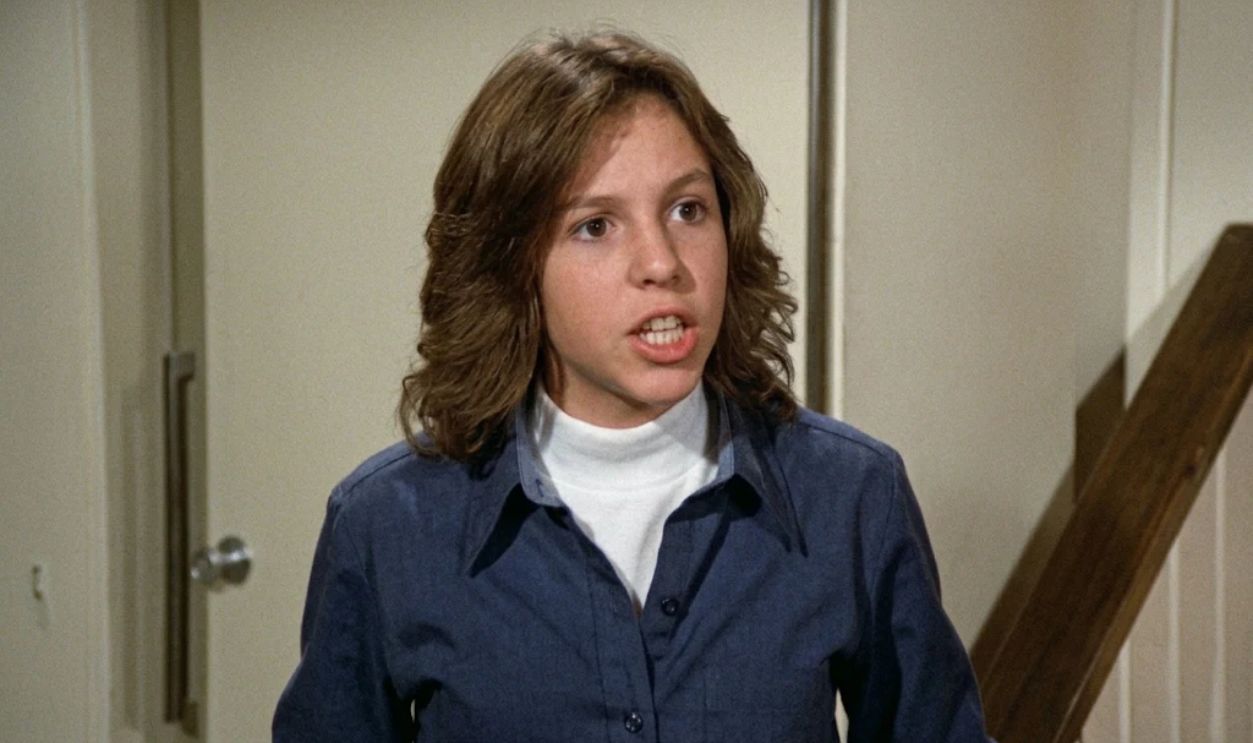 Screenshot from Family, Columbia Pictures Television (1976–1980), Enhanced
She Took On Hollywood
McNichol starred opposite Dennis Quaid in The Night The Lights Went Out In Georgia (1981), playing the ambitious younger sister of a struggling country musician. Directed by Ronald F. Maxwell, the film combined music, family conflict, and Southern drama. Although reviews were mixed, McNichol was now firmly established as a leading actress rather than simply a former child television star.
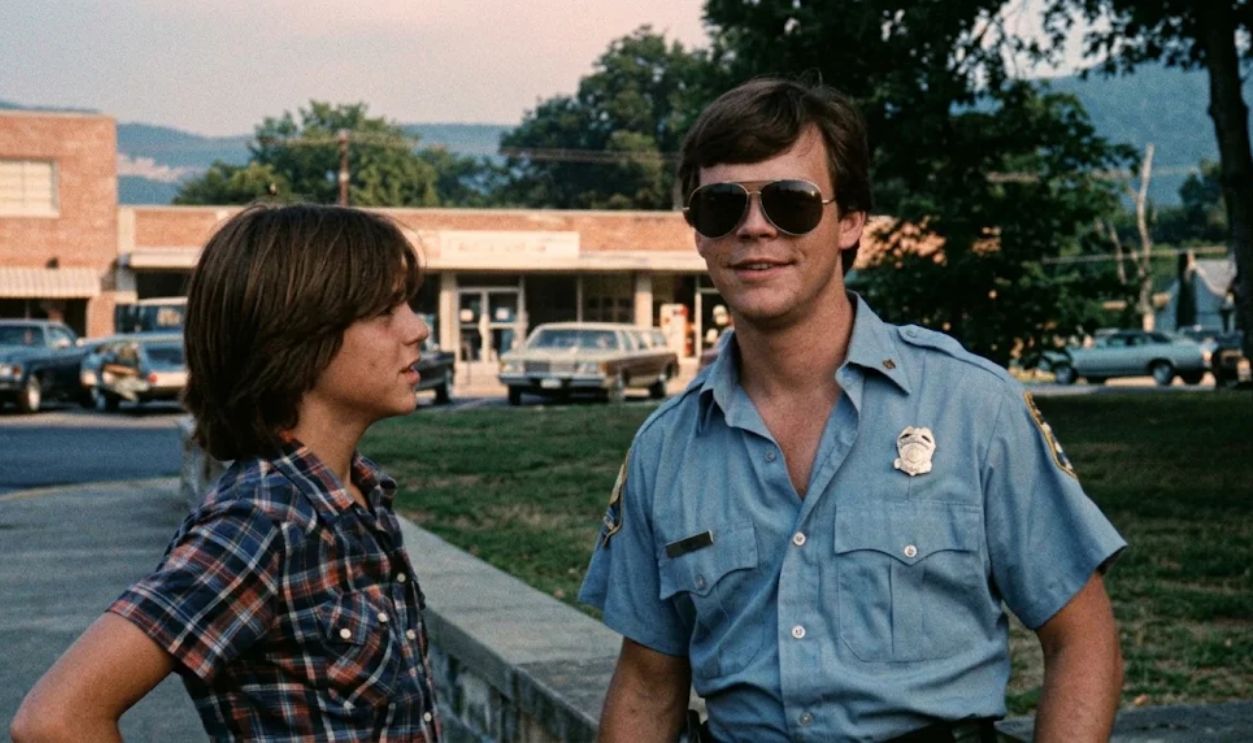 Screenshot from The Night the Lights Went Out in Georgia, Avco Embassy Pictures (1981), Enhanced
Another Performance Earned Praise
Later in 1981, McNichol appeared in Only When I Laugh (1981), directed by Glenn Jordan and adapted from Neil Simon's play The Gingerbread Lady. She played the daughter of an alcoholic actress portrayed by Marsha Mason, alongside James Coco and Joan Hackett. Her sensitive performance earned a Golden Globe nomination for Best Supporting Actress, proving that her dramatic abilities extended well beyond teenage roles.
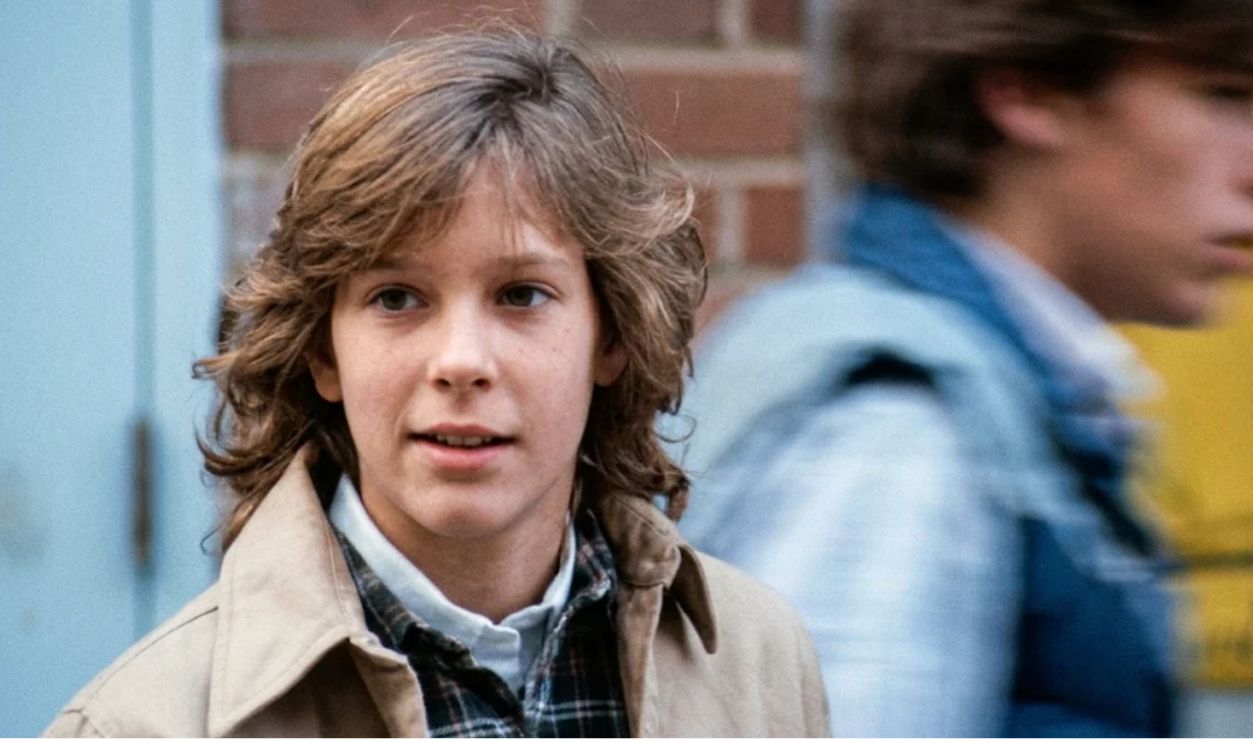 Screenshot from Only When I Laugh, Columbia Pictures (1981), Enhanced
Her Winning Streak Faltered
McNichol's next projects were considerably less successful. She starred opposite Christopher Atkins in the musical comedy The Pirate Movie (1982), directed by Ken Annakin. The film was poorly received and failed to reproduce the success of her earlier movies. For an actress accustomed to critical praise, the disappointment marked an uncomfortable turning point.
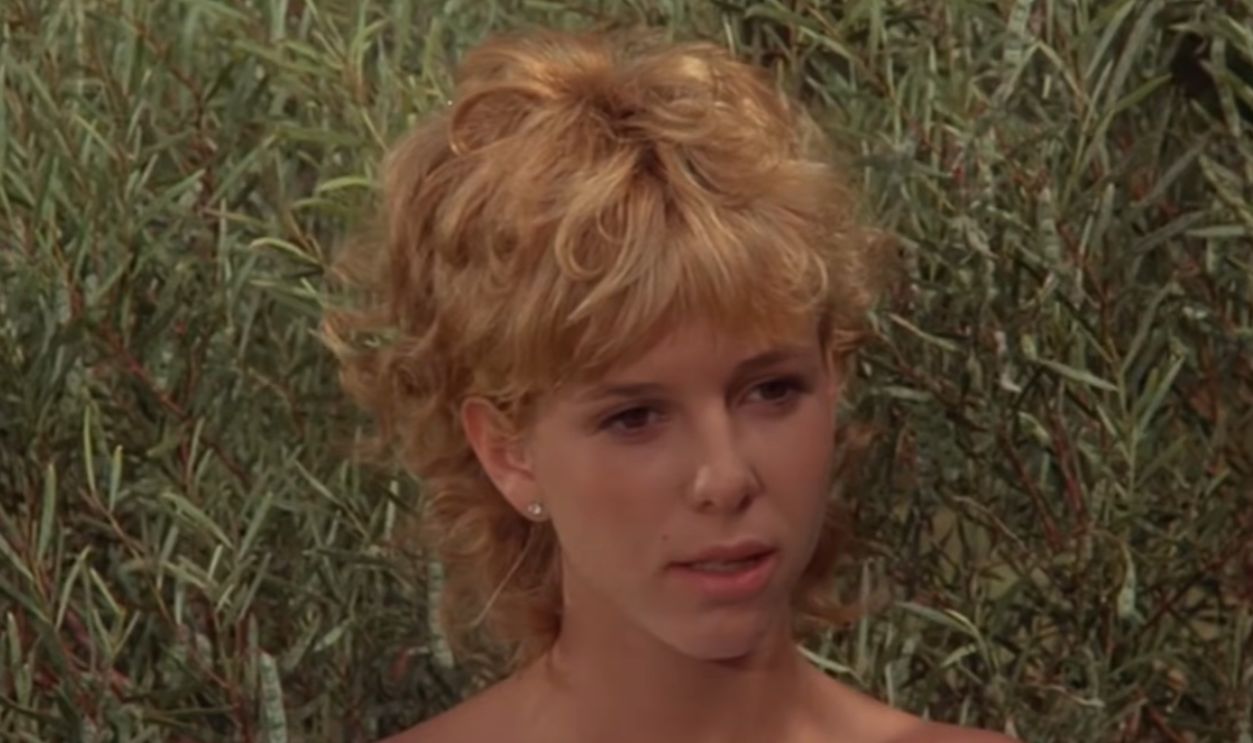 Screenshot from The Pirate Movie, 20th Century-Fox (1982), Enhanced
She Tackled A Controversial Film
McNichol also starred in Samuel Fuller's White Dog (1982), playing Julie Sawyer, an actress who discovers that a stray dog has been trained to charge and pounce on Black people. The disturbing drama examined prejudice and conditioning, with Paul Winfield and Burl Ives in supporting roles. Paramount largely withheld the film from American theatrical release amid controversy, although it subsequently earned considerable critical respect.
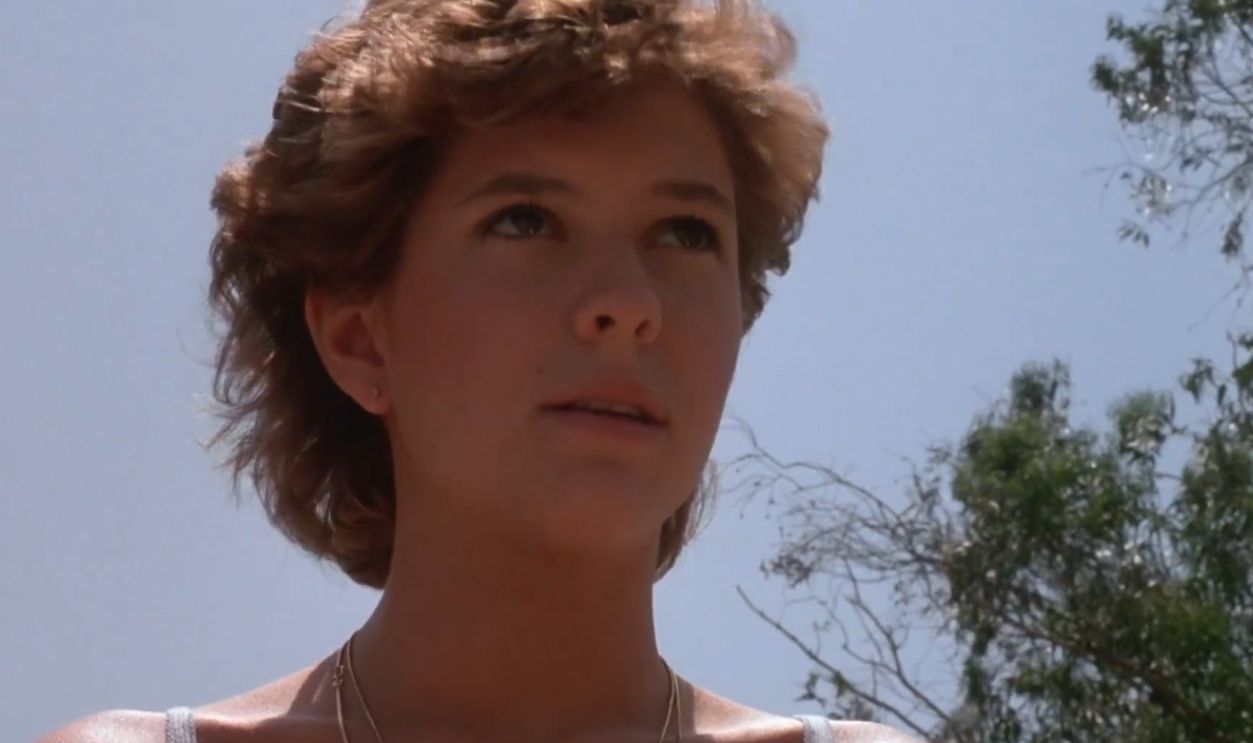 Screenshot from White Dog, Paramount Pictures (1982), Enhanced
The Pressure Became Overwhelming
By the early 1980s, McNichol had spent most of her life working. The demands of acting, publicity, and constant public attention had become increasingly difficult to manage. During production of the romantic comedy Just The Way You Are (1984), directed by Édouard Molinaro, she experienced a serious emotional crisis. Filming was interrupted, and reports about her condition generated intense speculation.
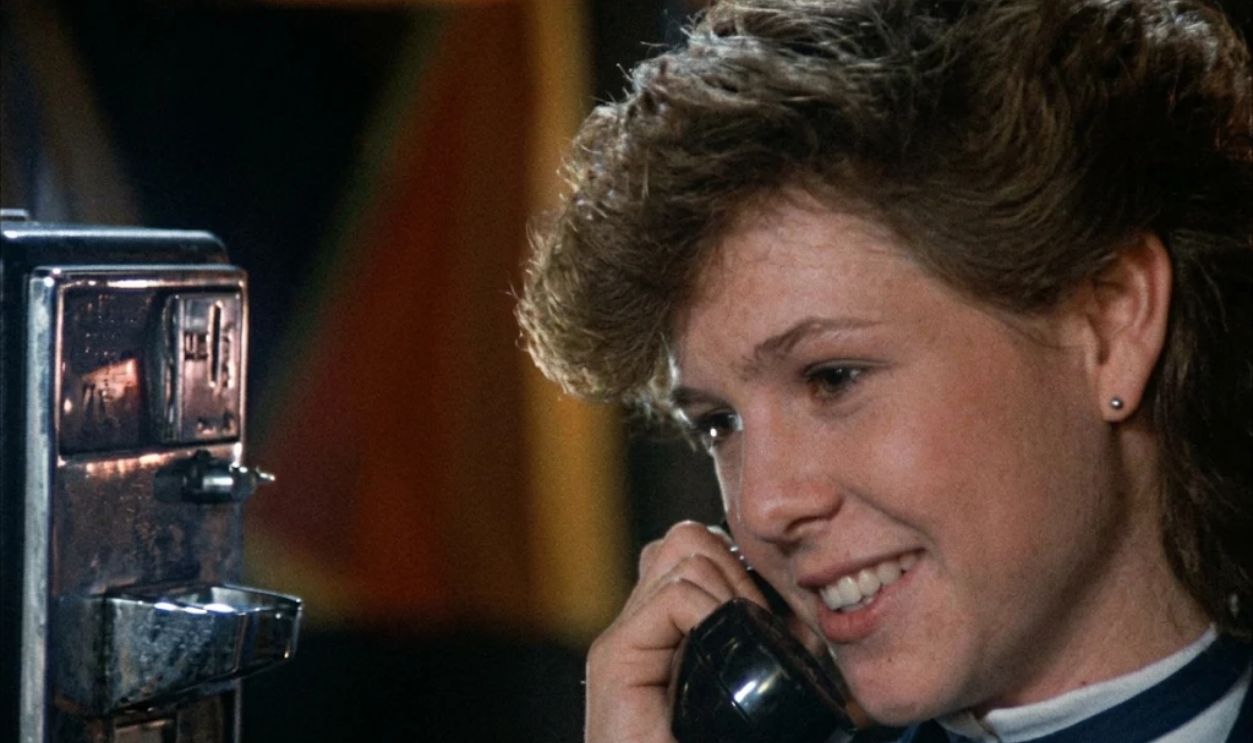 Screenshot from Just the Way You Are, MGM (1984), Enhanced
She Faced A Personal Crisis
McNichol later spoke about the emotional difficulties she experienced during this period, including severe sleeplessness and frequent crying. She received treatment and support while attempting to recover. Later accounts connected her struggles with bipolar disorder, although much of the contemporary coverage relied on speculation rather than confirmed medical information. Her experience revealed the intense scrutiny faced by young performers whose personal difficulties became public entertainment.
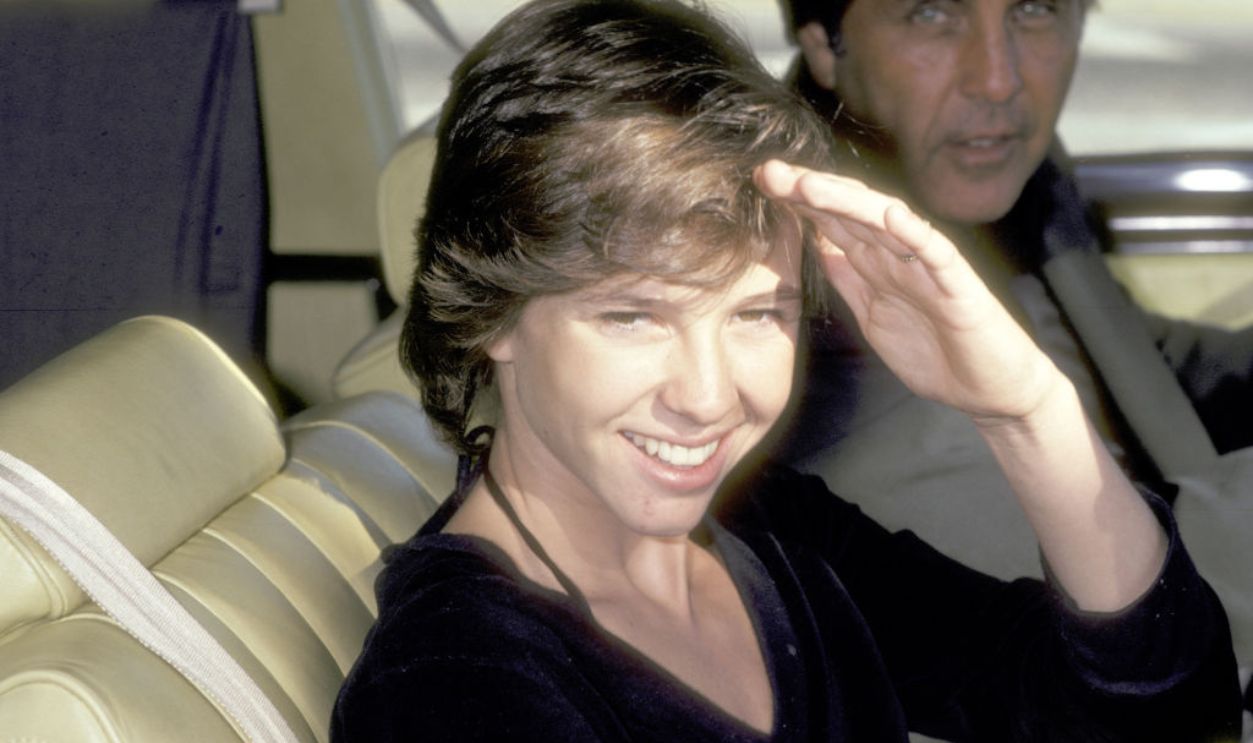
She Tried To Rebuild
McNichol gradually resumed acting, appearing in the television movie Love, Mary (1985), followed by the thriller Dream Lover (1986), directed by Alan J. Pakula and co-starring Ben Masters. She also appeared in Women Of Valor (1986), a television drama about American nurses imprisoned during World War II. The roles demonstrated her determination to continue working, even as her career followed a less predictable course.
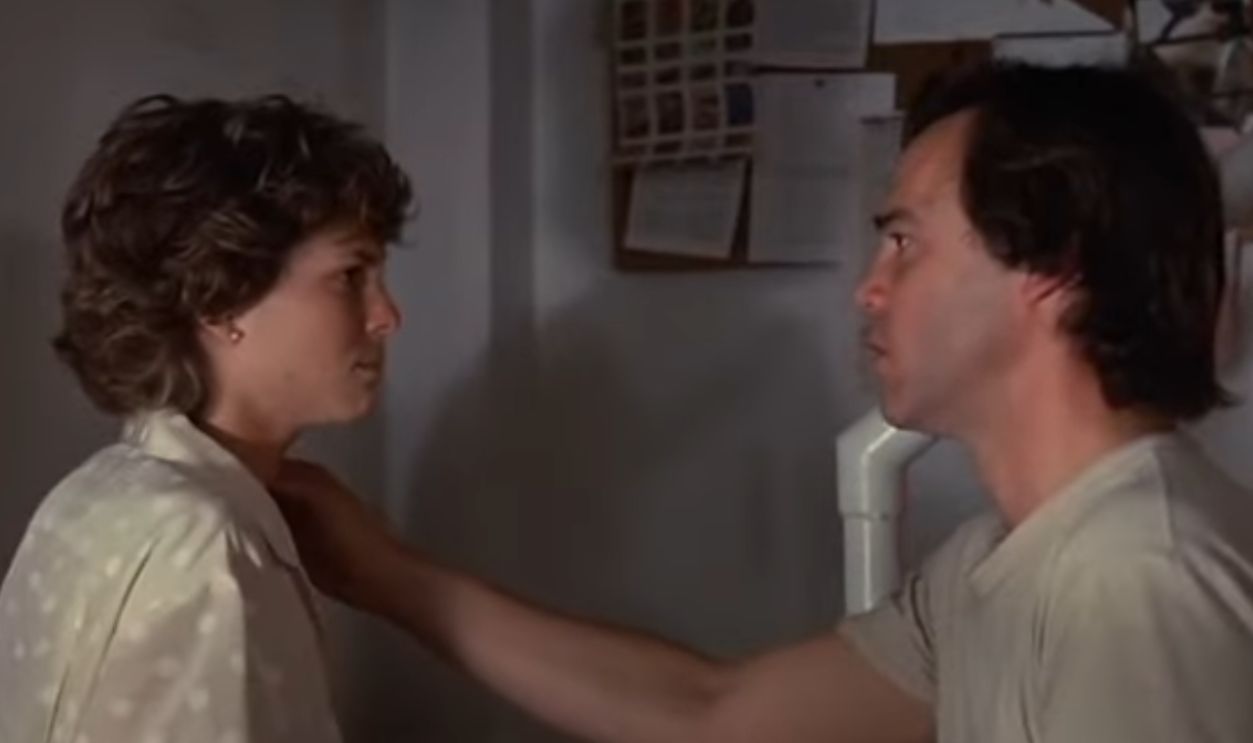 Screenshot from Dream Lover, MGM (1986)
The Eighties Brought More Roles
In 1988, McNichol appeared in the romantic comedy You Can't Hurry Love (1988), starring David Packer and directed by Richard Martini. She also had a supporting role in Zalman King's provocative drama Two Moon Junction (1988), featuring Sherilyn Fenn, Richard Tyson, and Louise Fletcher. Neither film restored her earlier movie-star momentum, but another major television opportunity was approaching.
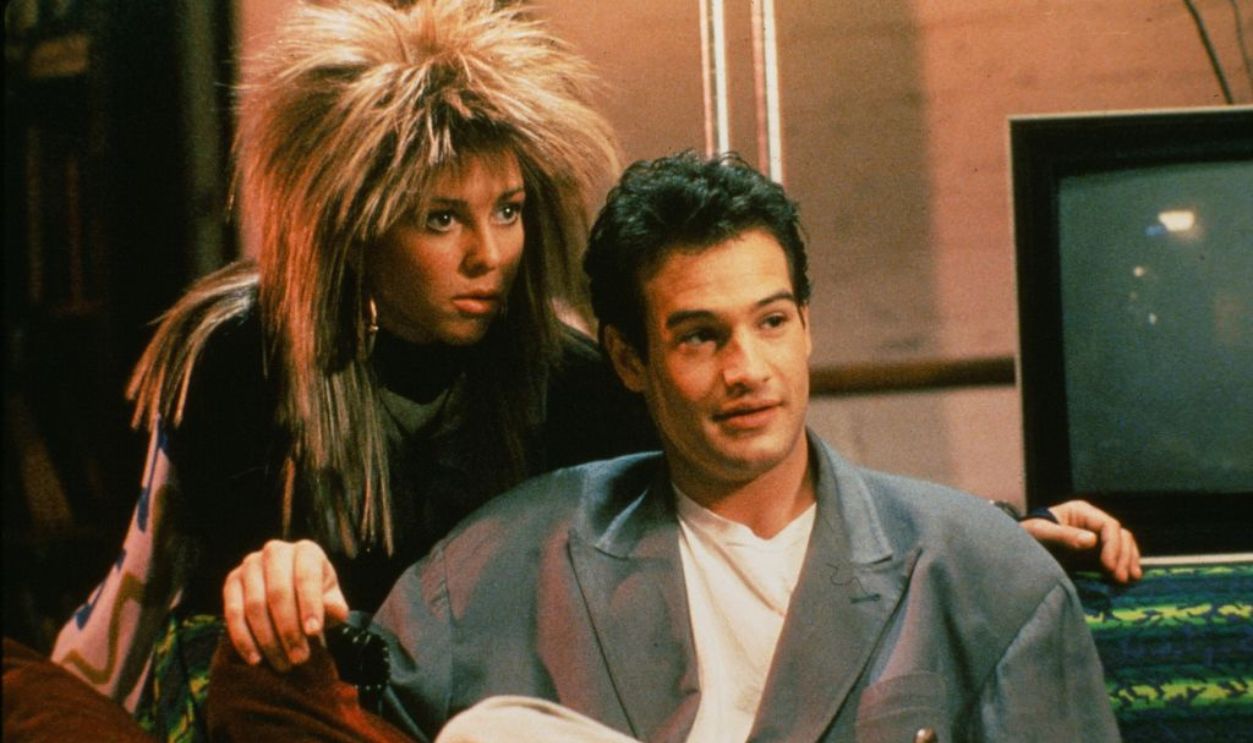
Television Gave Her A Comeback
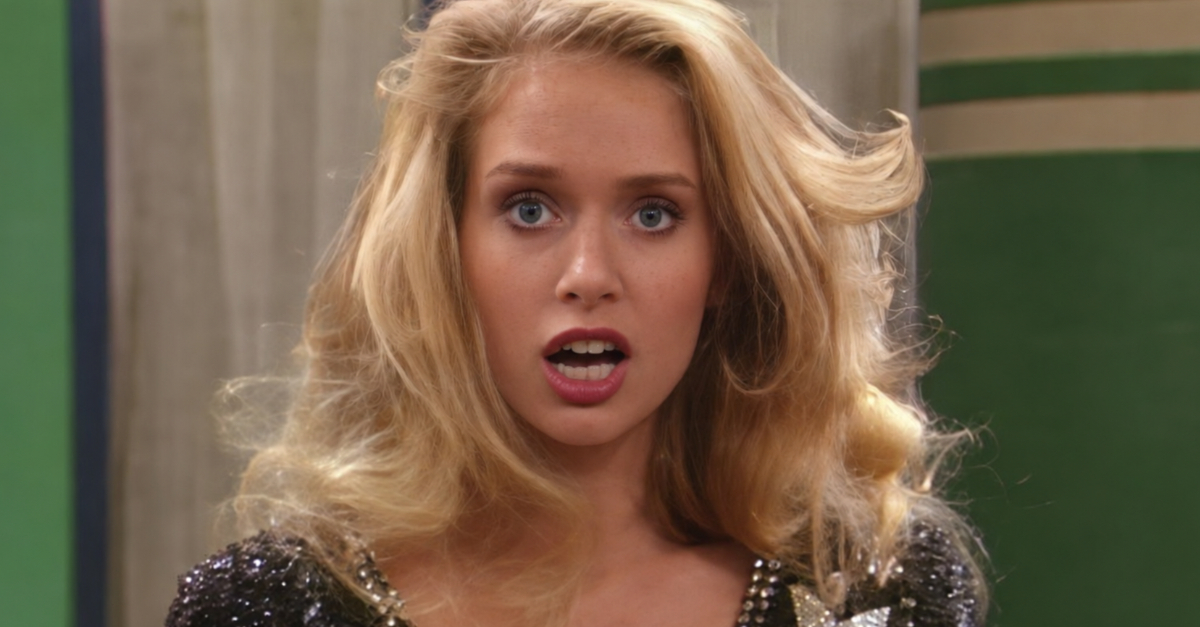
McNichol returned to prime-time prominence in 1988 with Empty Nest, a sitcom developed by Susan Harris and connected to The Golden Girls. She played Barbara Weston, a police officer and the daughter of widowed pediatrician Harry Weston, portrayed by Richard Mulligan. Dinah Manoff played her sister Carol. The successful series introduced McNichol to a new audience and proved that she remained a popular television performer.
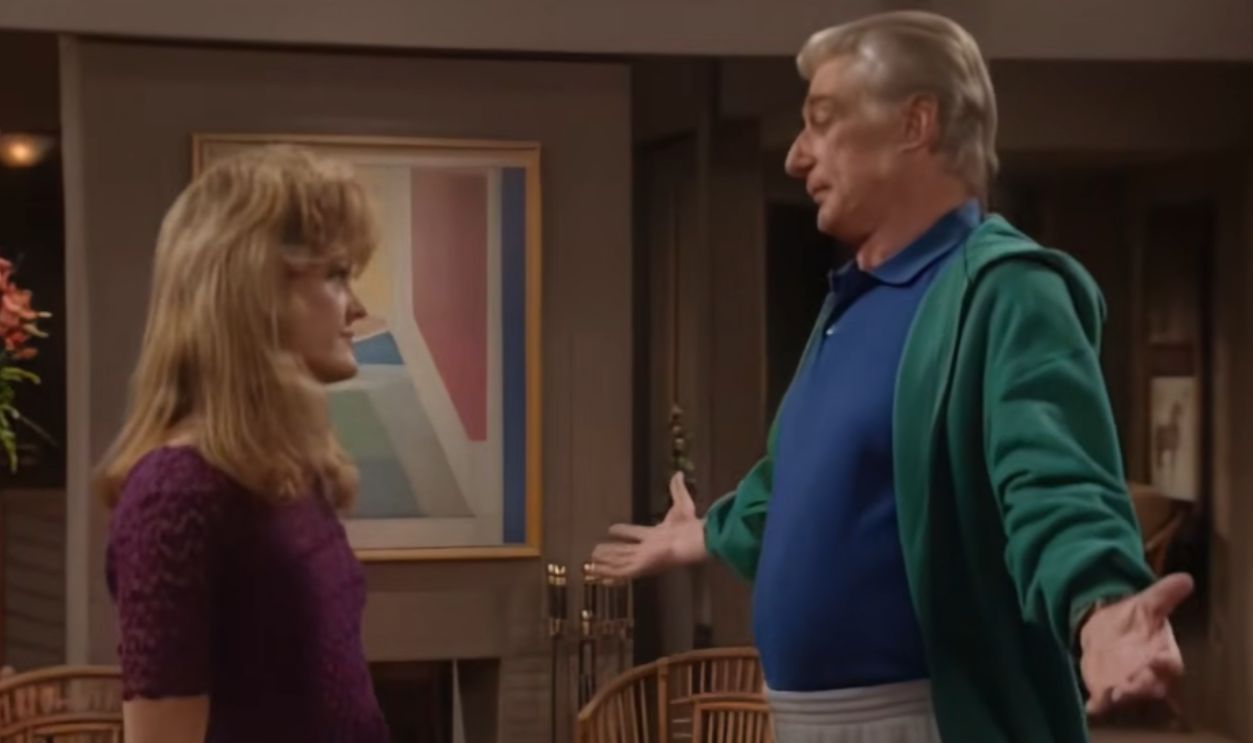 Screenshot from Empty Nest, The Walt Disney Company (1988-1995)
She Walked Away Again
Despite the success of Empty Nest, McNichol left the series during its fifth season in 1992. Her departure was associated with difficulties managing her mental health. She later returned for appearances during the show's final season in 1995, but her days as a regular television star were effectively over. After more than two decades in entertainment, she was beginning to reconsider what she wanted from life.
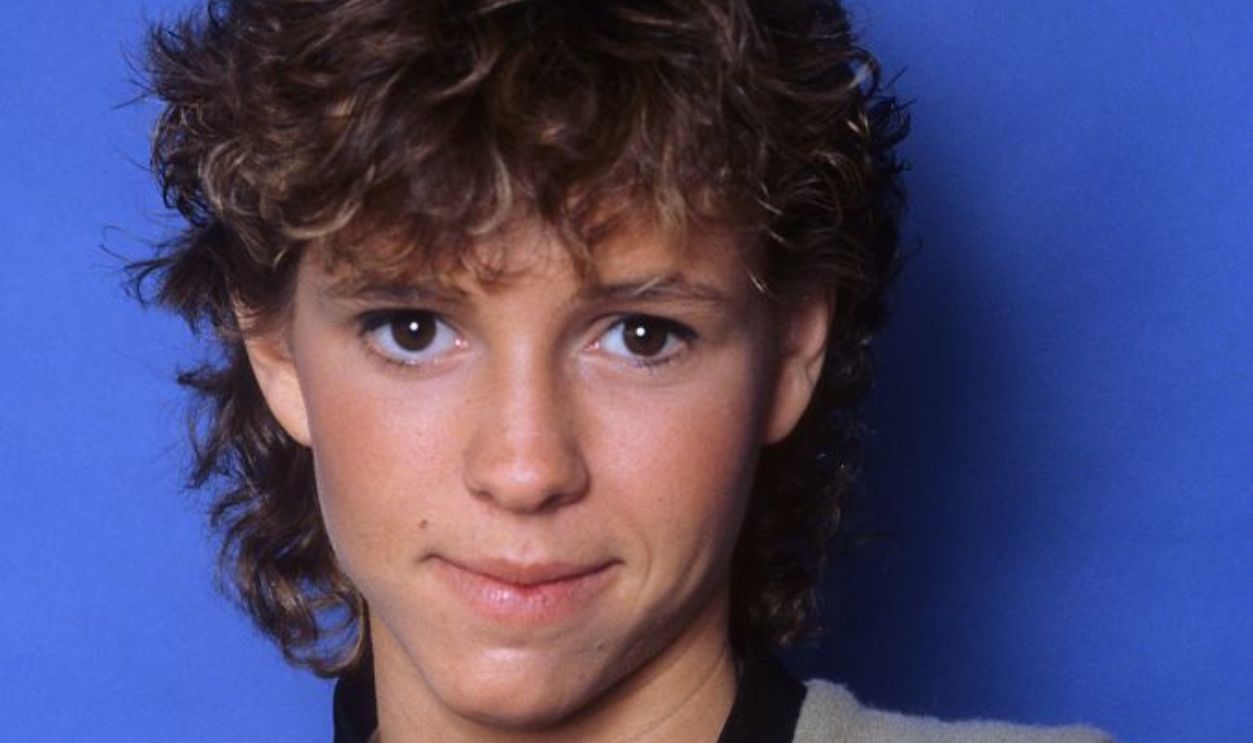 Donaldson Collection , Getty Images
She Chose A Different Life
McNichol continued occasional work, including voice acting on the animated series Invasion America in 1998, before formally retiring from acting in 2001. Away from Hollywood, she devoted time to charitable activities, teaching acting, and personal interests. In 2012, she publicly acknowledged her longtime relationship with partner Martie Allen, explaining that she hoped her openness would encourage young people experiencing bullying or discrimination.
 Screenshot from Invasion America, The WB (1998)
She Found Peace Away From Fame
In later interviews, McNichol described enjoying a quieter life filled with travel, music, tennis, yoga, and her beloved dogs. She expressed satisfaction with the freedom to explore interests beyond acting after spending so much of her childhood and early adulthood in show business. Although she has occasionally left open the possibility of returning, she hasn't expressed much interest in resuming the demanding celebrity lifestyle she once knew.
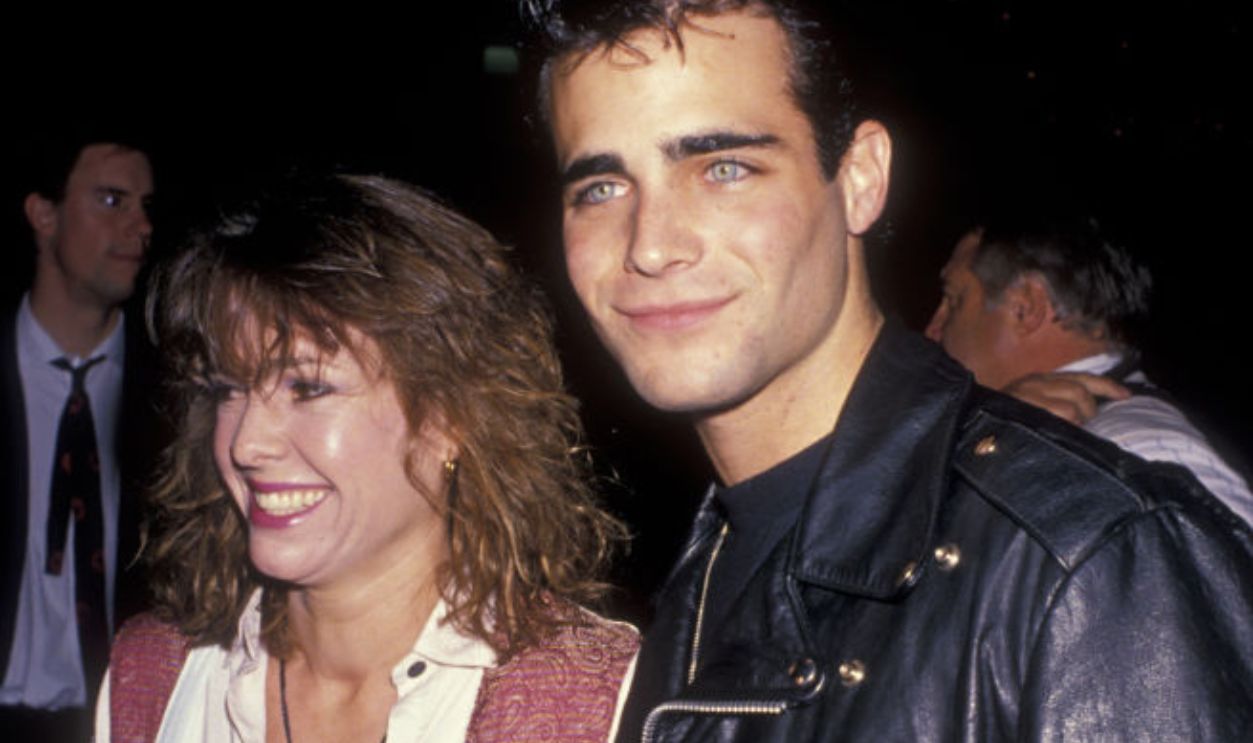 Ron Galella, Ltd, Getty Images
Her Legacy Never Disappeared
Kristy McNichol remains one of the defining young stars of 1970s and 1980s American entertainment. Her performances in Family, Little Darlings (1980), and Only When I Laugh (1981) showed unusual emotional depth, while her later openness about mental health helped illuminate the pressures facing child performers. Her decision to leave Hollywood was not simply the end of a career. It was the beginning of a life she could finally shape on her own terms.
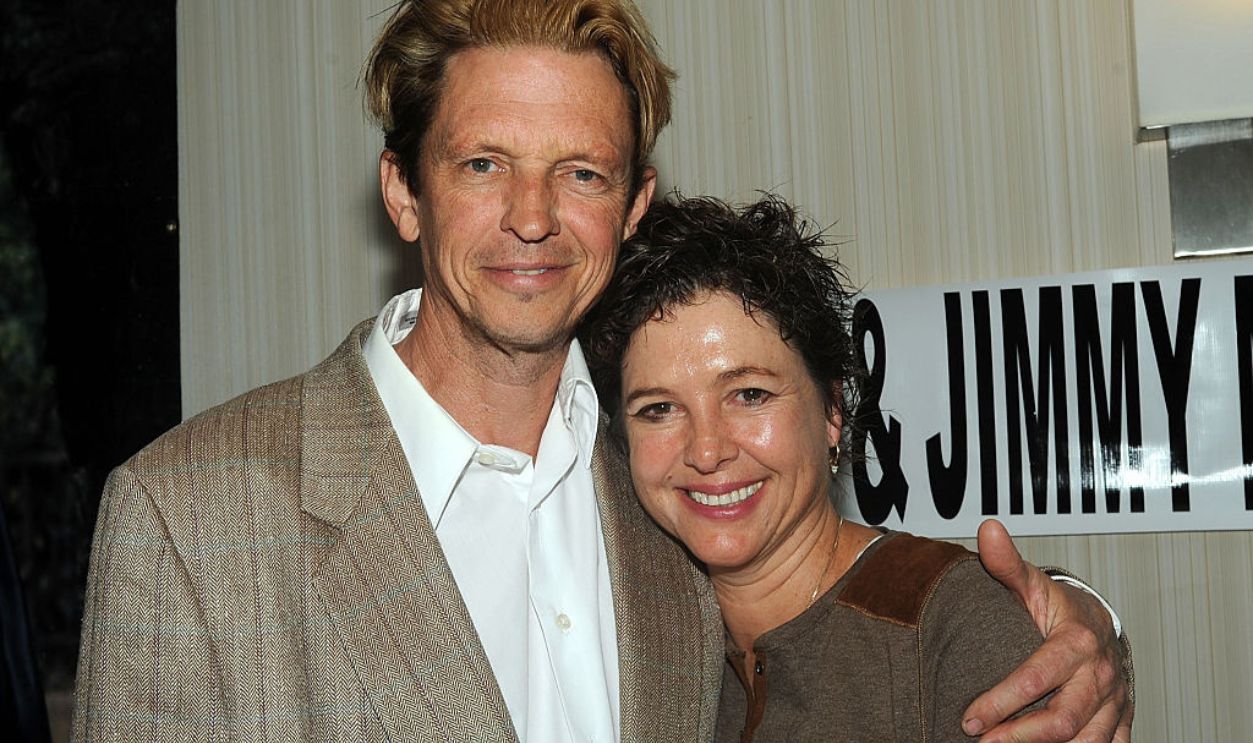
You May Also Like:
70s Child Stars Who Walked Away From Hollywood
Famous TV Guest Stars From The 1980s Who Stole The Whole Episode