From Lovable Boss To Television Villain
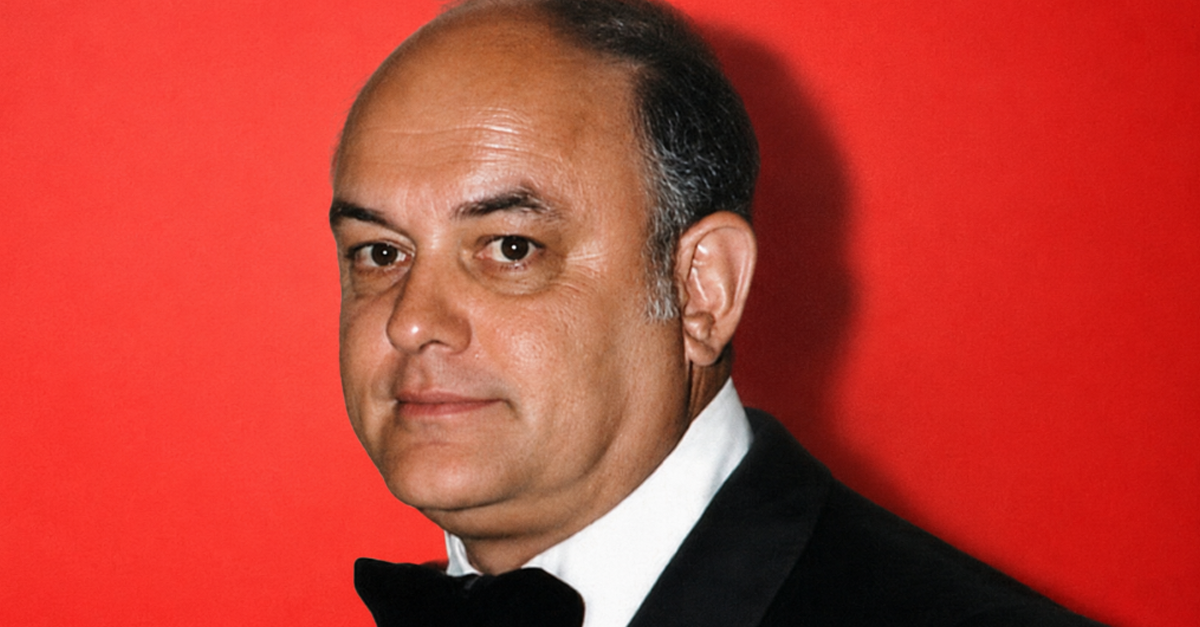
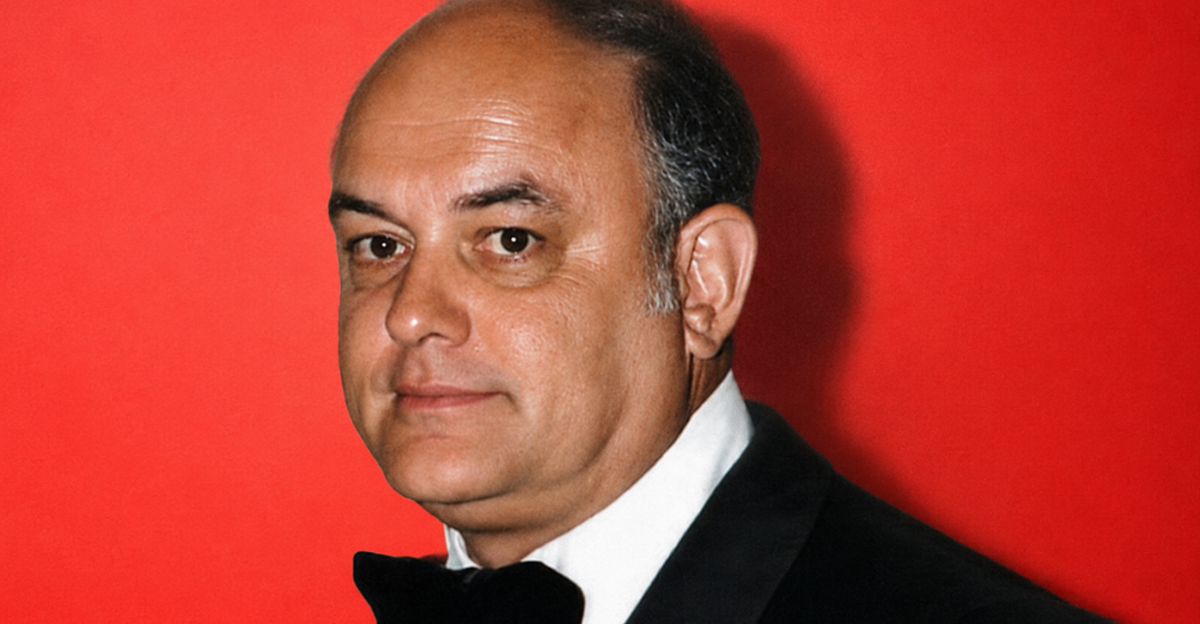
Gordon Jump became a familiar face as the good-natured Arthur Carlson on WKRP in Cincinnati. Shortly after the sitcom ended, however, he accepted a role that shattered his genial television image. Jump played a dangerously manipulative bicycle shop owner in one of the darkest episodes of Diff’rent Strokes.
 Alan Light, Wikimedia Commons, Modified
Broadcasting Came First
Long before Jump managed a fictional radio station, he worked in real broadcasting. After studying journalism at Kansas State University, he found jobs as an announcer, producer, and weatherman at stations in Kansas and Ohio. Those early experiences would later give him an unusually authentic connection to WKRP.
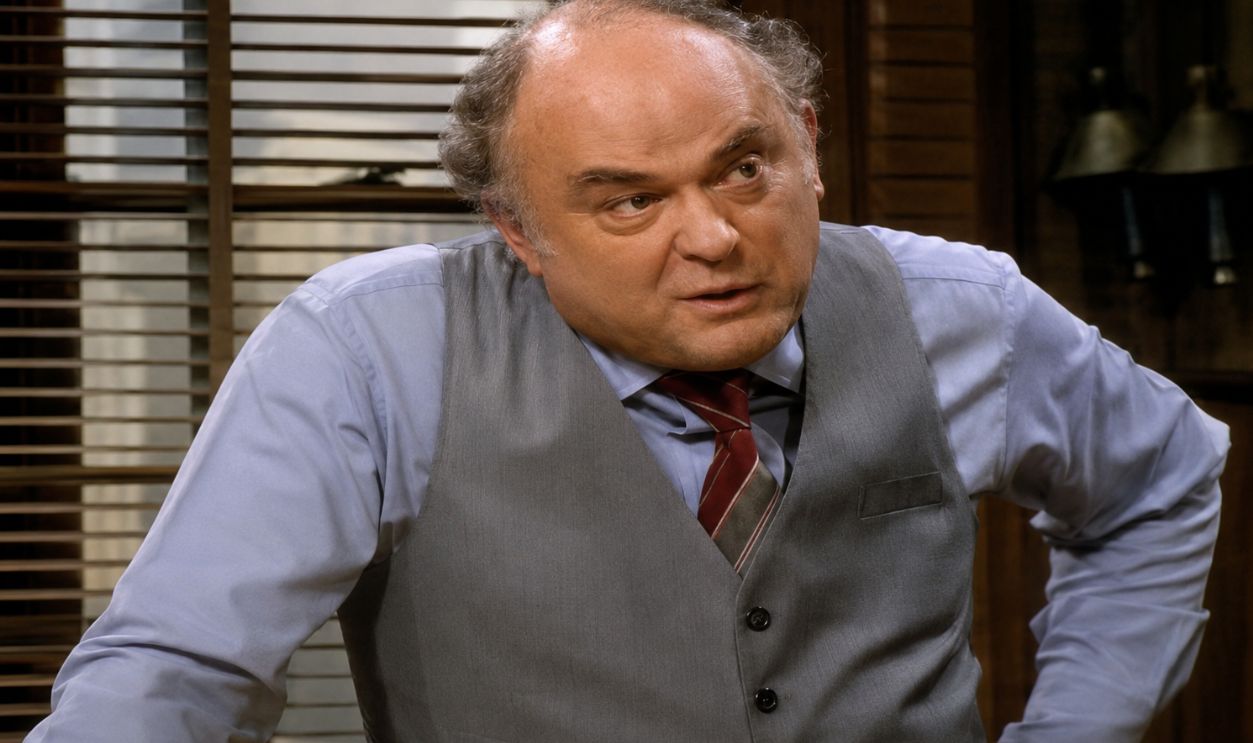 Screenshot from WKRP in Cincinnati, CBS (1978–1982), Modified
He Was WIB The Clown
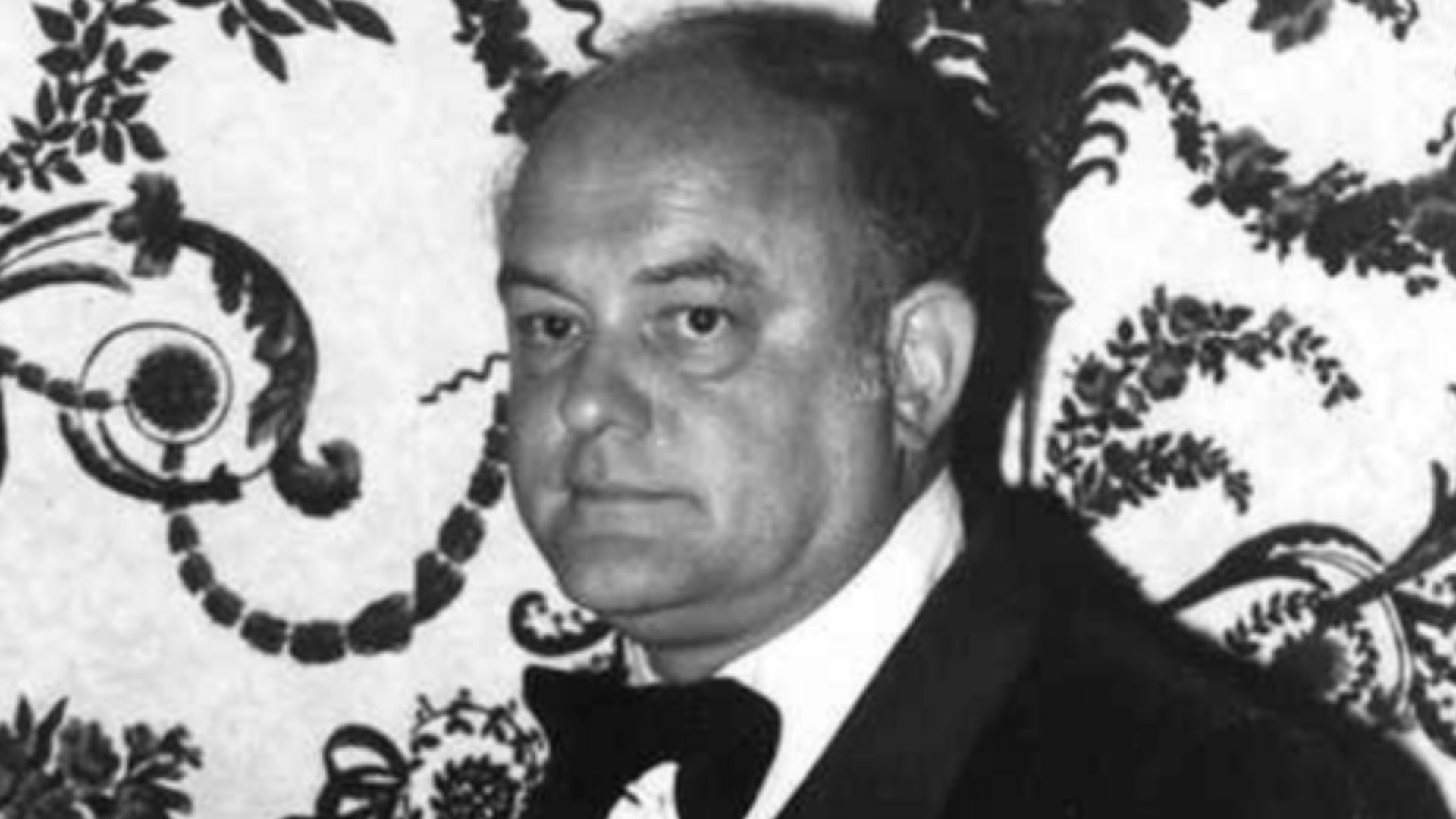
Jump’s broadcasting career included an unexpected turn in children’s television. While working at WIBW-TV in Topeka, he appeared as WIB the Clown on a Saturday morning program. It was an early example of the warm, approachable screen presence that eventually became his trademark.
Hollywood Became The Next Step
Jump left television production in Ohio and moved to Los Angeles in 1963. He began building an acting career through guest appearances on popular programs. His early television credits included Get Smart, Green Acres, The Partridge Family, and Daniel Boone.
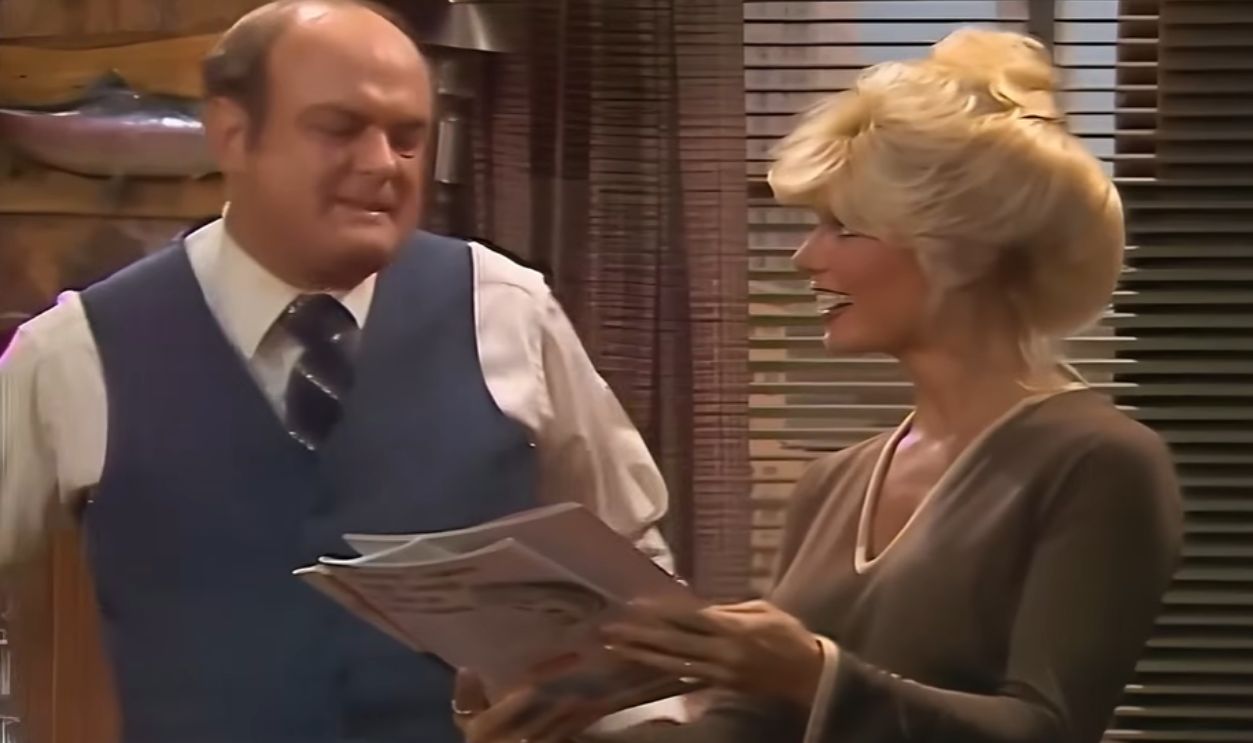 Screenshot from WKRP in Cincinnati, CBS (1978–1982)
A Reliable Character Actor
Jump rarely looked like a conventional Hollywood leading man, but that worked in his favor. His friendly face and understated delivery made him convincing as authority figures, fathers, police officers, and businessmen. He became the kind of character actor viewers recognized even when they did not immediately know his name.
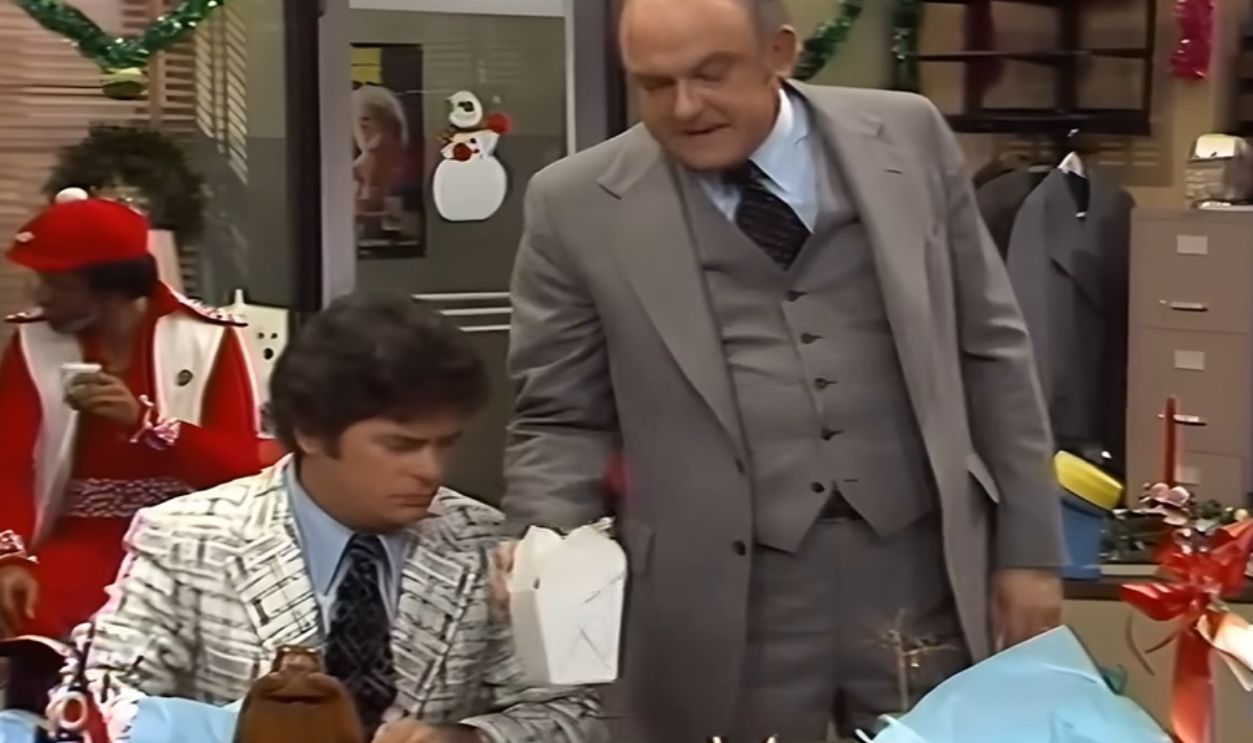 Screenshot from WKRP in Cincinnati, CBS (1978–1982)
Soap Gave Him A Recurring Role
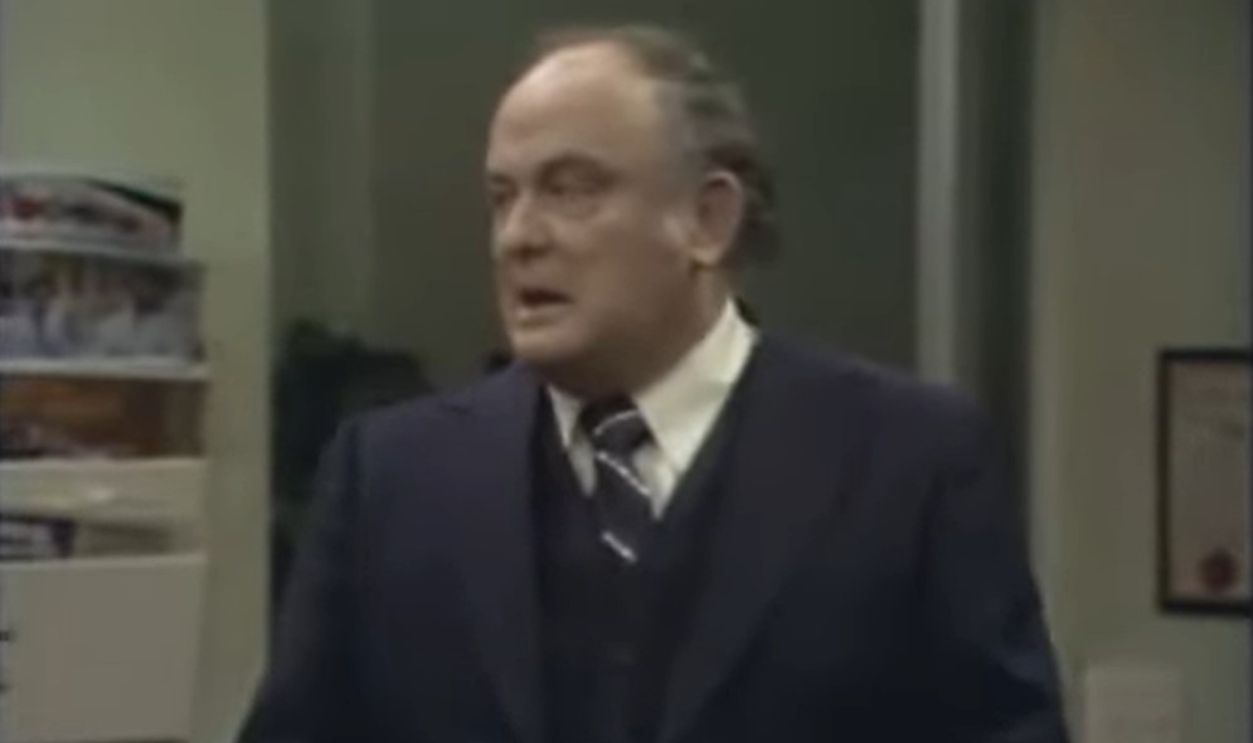
Before WKRP in Cincinnati, Jump appeared as Chief of Police Tinkler on the satirical sitcom Soap. The character was another well-meaning authority figure who was frequently overwhelmed by the people around him. Jump’s performance helped establish the comic persona that would soon make him famous.
 Screenshot from WKRP in Cincinnati, CBS (1978–1982)
The Big Guy Arrived
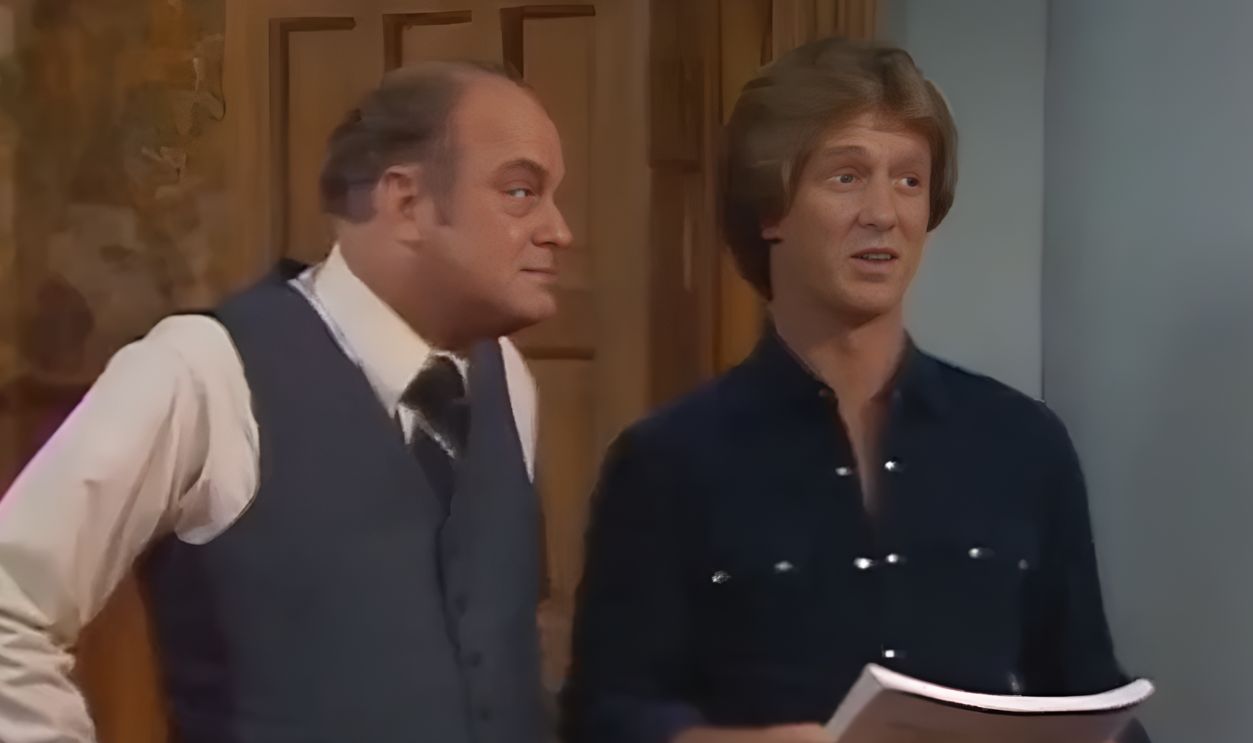
In 1978, Jump was cast as Arthur Carlson, general manager of the struggling radio station on WKRP in Cincinnati. Carlson was known around the station as the “Big Guy,” although he rarely seemed completely in command. Jump made the character both ridiculous and deeply likable.
 Screenshot from WKRP in Cincinnati, CBS (1978–1982), Modified
Carlson Was More Than A Fool
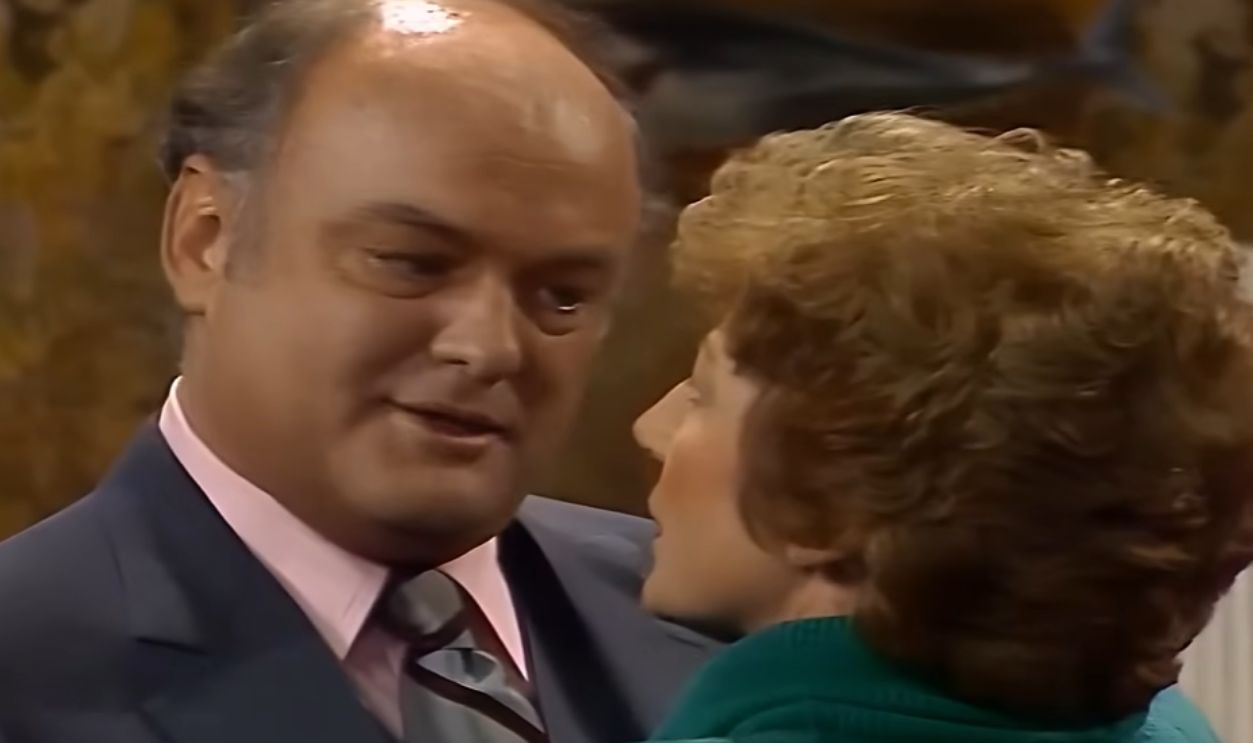
Arthur Carlson could be confused, old-fashioned, and spectacularly bad at promotions. Yet Jump never played him as a heartless or completely incompetent boss. Beneath the bluster was a man who cared about the station and the eccentric employees working for him.
 Screenshot from WKRP in Cincinnati, CBS (1978–1982)
A Perfect Ensemble Player
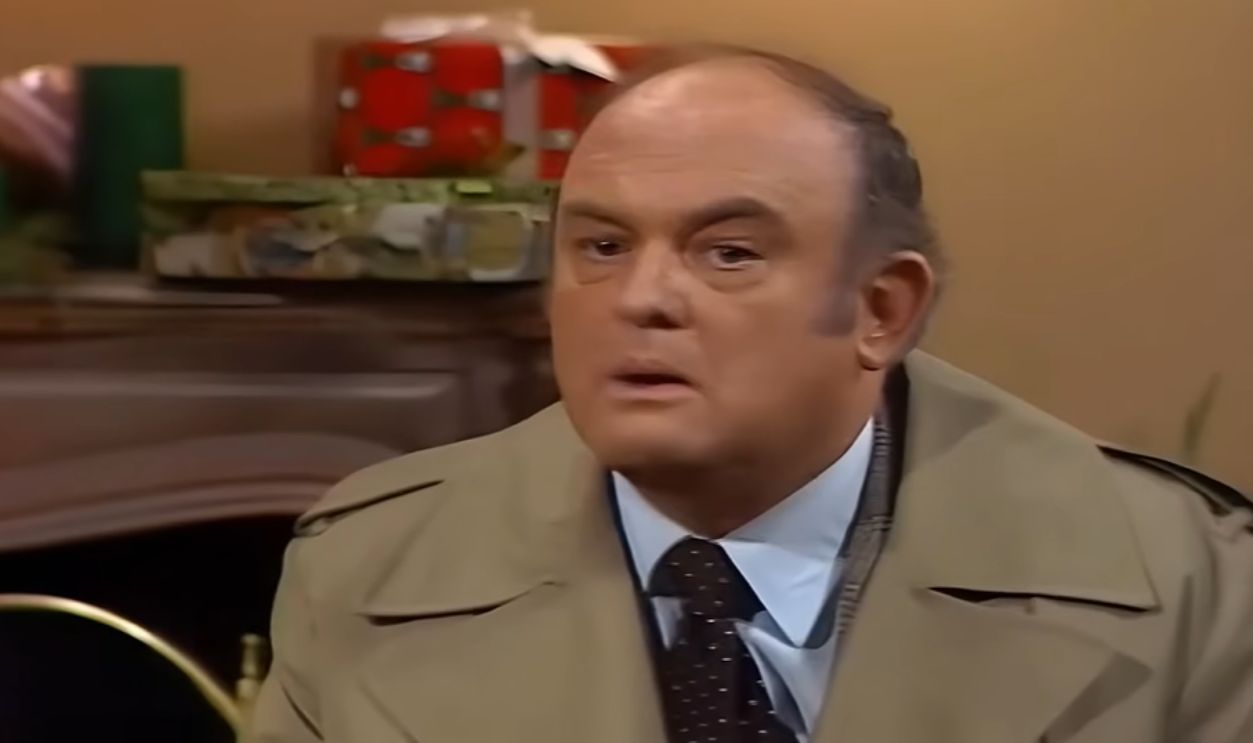
WKRP in Cincinnati featured a large cast that included Gary Sandy, Loni Anderson, Howard Hesseman, Tim Reid, Richard Sanders, and Frank Bonner. Jump did not need to dominate every scene to make an impression. His reactions often made the other characters’ jokes even funnier.
 Screenshot from WKRP in Cincinnati, CBS (1978–1982)
The Turkey Promotion Became Legendary
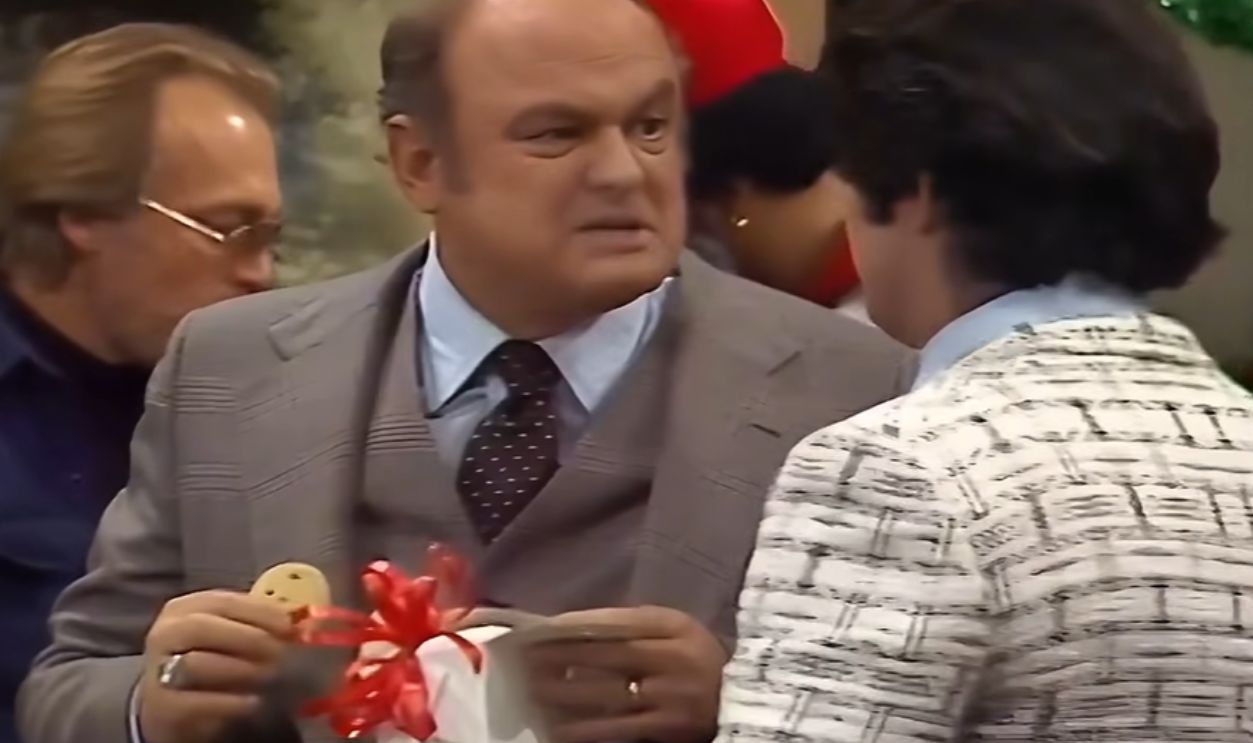
Jump delivered one of the show’s most famous moments in the Thanksgiving episode “Turkeys Away.” Carlson organizes a promotional stunt involving live turkeys, only to discover that the plan has gone horribly wrong. His stunned admission that he believed turkeys could fly became one of sitcom television’s best-remembered punchlines.
 Screenshot from WKRP in Cincinnati, CBS (1978–1982)
Success Did Not Prevent Cancellation
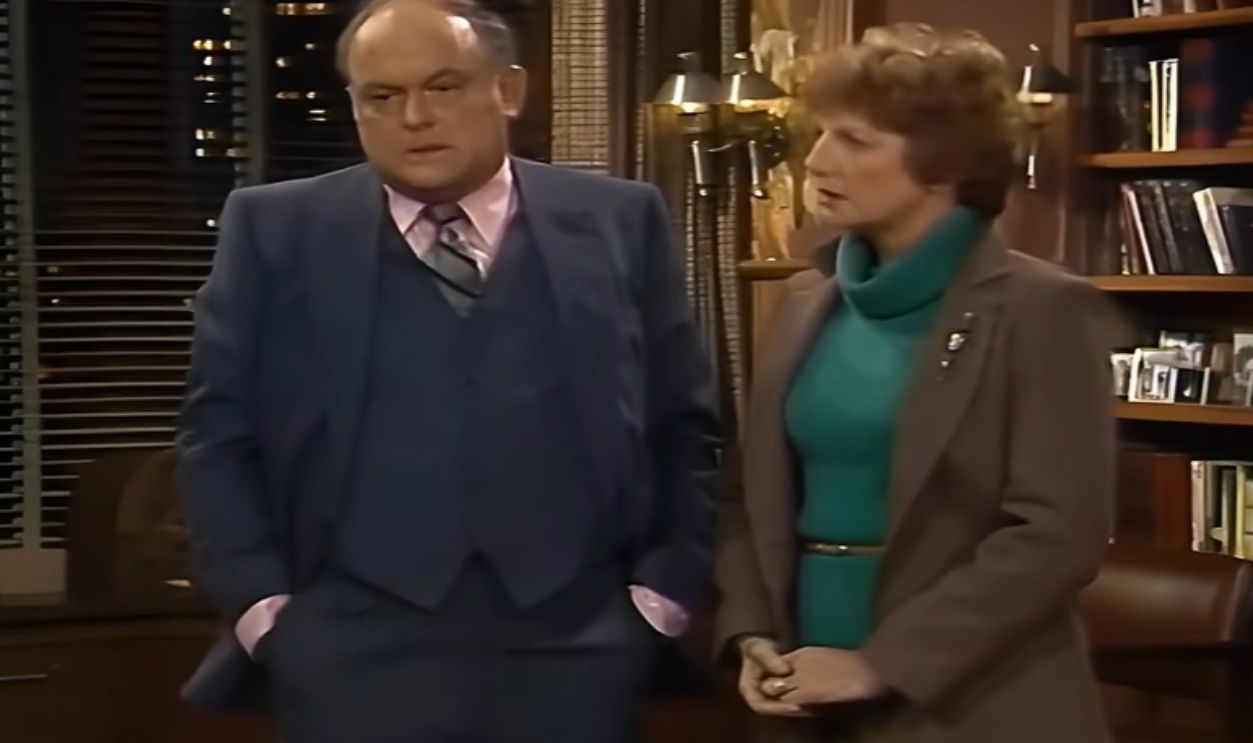
Although WKRP in Cincinnati developed a loyal audience, CBS ended the series in 1982 after four seasons. The show later found continued popularity through syndicated reruns. Jump was now strongly associated with one of television’s most lovable bumbling bosses.
 Screenshot from WKRP in Cincinnati, CBS (1978–1982)
A Risky Offer Appeared
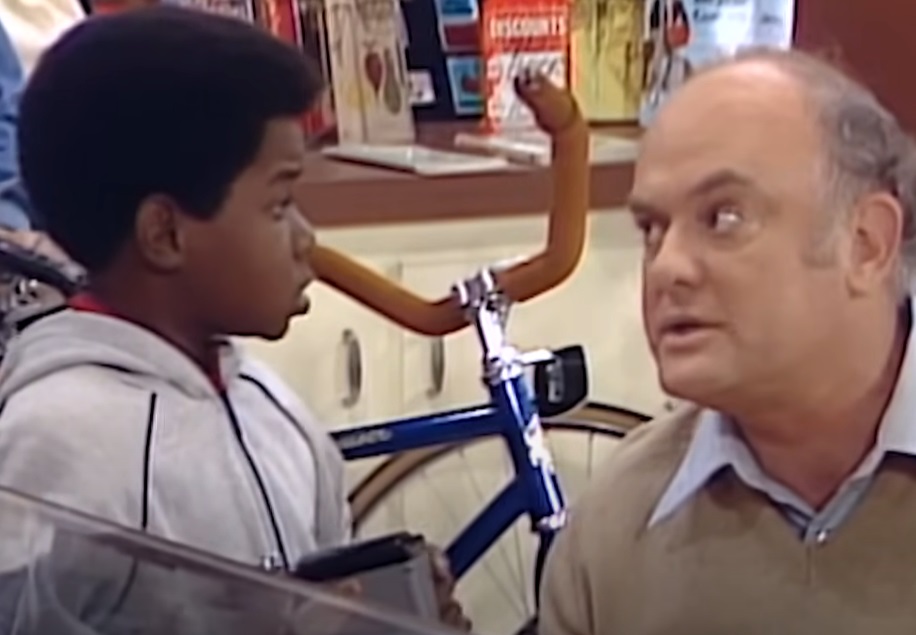
Jump’s next especially memorable television appearance could hardly have been further from Arthur Carlson. He accepted a guest role on Diff’rent Strokes, another sitcom known primarily for broad comedy and Gary Coleman’s catchphrases. The story, however, dealt with a frightening subject that network comedies rarely explored so directly.
 Screenshot from Diff'rent Strokes, NBC (1978–1985)
Meet Mr. Horton
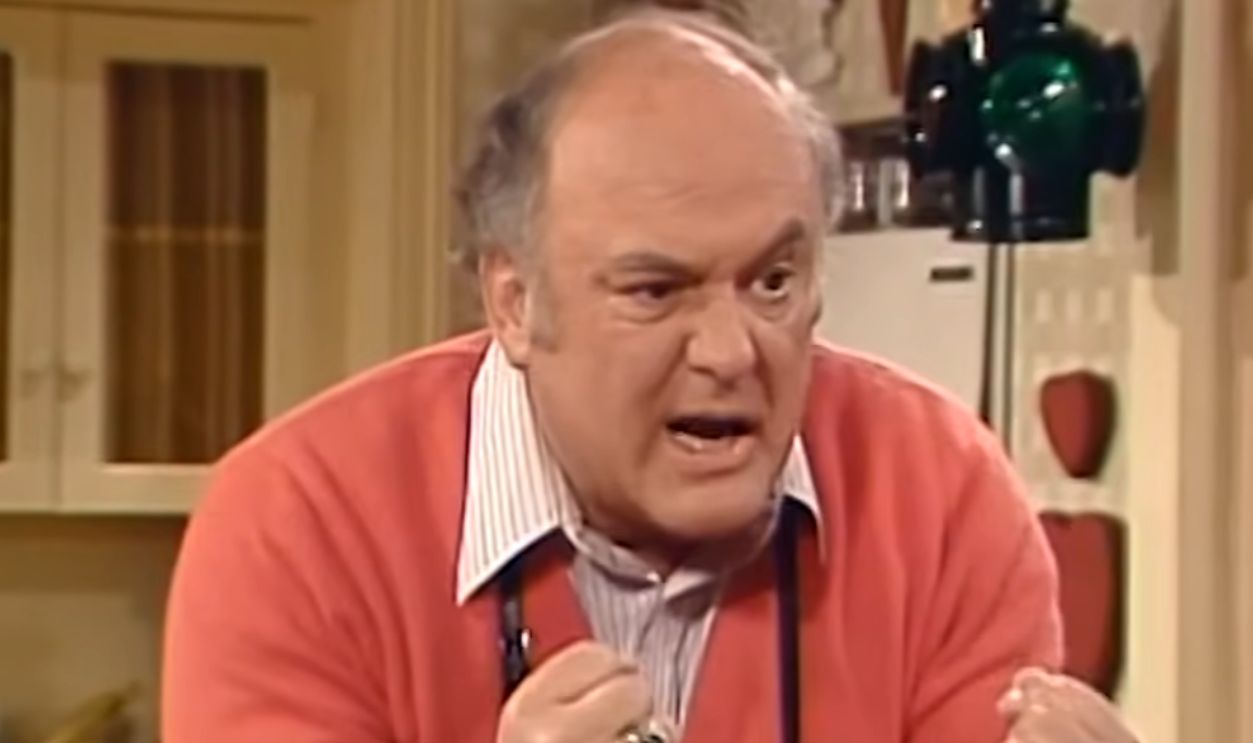
Jump played Mr. Horton, the seemingly cheerful owner of a local bicycle shop. Arnold Jackson and his friend Dudley initially see him as a generous adult who offers food, entertainment, and free merchandise. His friendliness gradually reveals itself as part of an effort to manipulate the boys.
 Screenshot from Diff'rent Strokes, NBC (1978–1985)
The Familiar Face Was Important
Casting Jump made the story more unsettling because audiences already trusted him. Viewers knew him as the harmless and frequently confused Mr. Carlson. That familiar image allowed Mr. Horton to appear safe before the character’s intentions became clear.
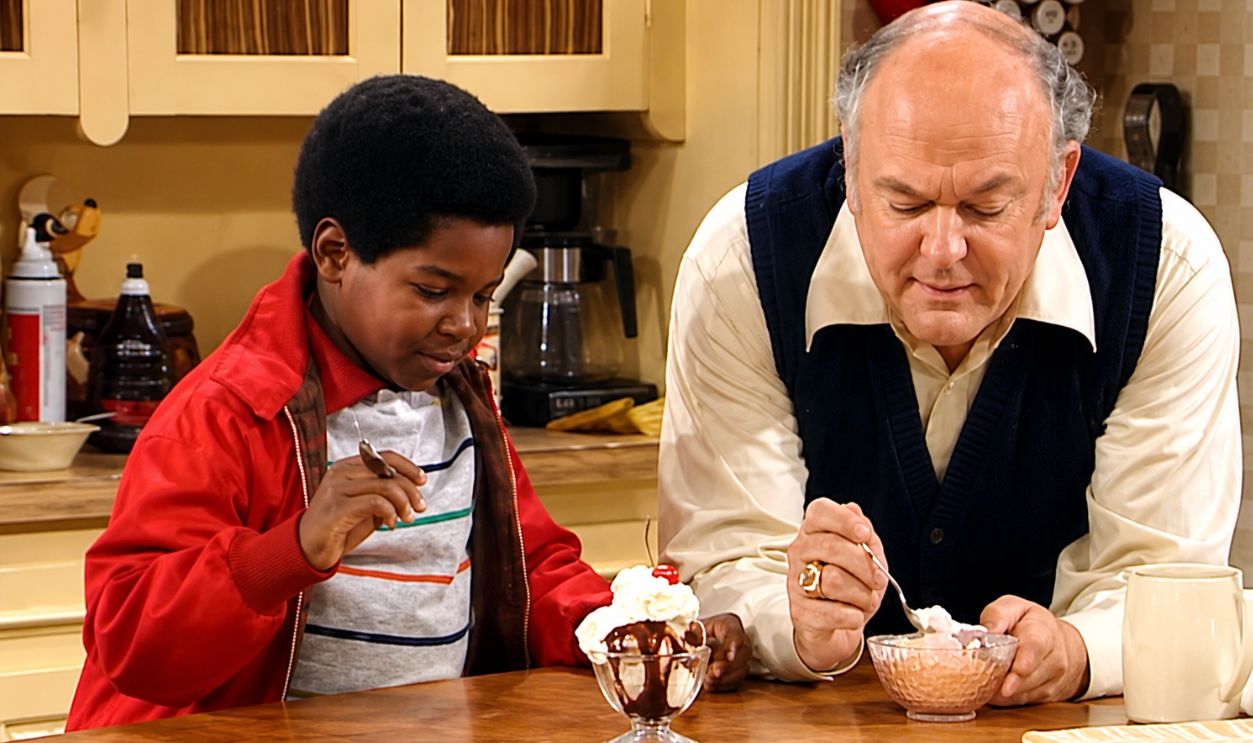 Screenshot from Diff'rent Strokes, NBC (1978–1985), Modified
The Story Unfolded Slowly
“The Bicycle Man” was presented as a two-part episode during the fifth season of Diff’rent Strokes. The first half aired on February 5, 1983, followed by the conclusion on February 12. Rather than immediately identifying Horton as a threat, the story showed him carefully gaining the children’s confidence.
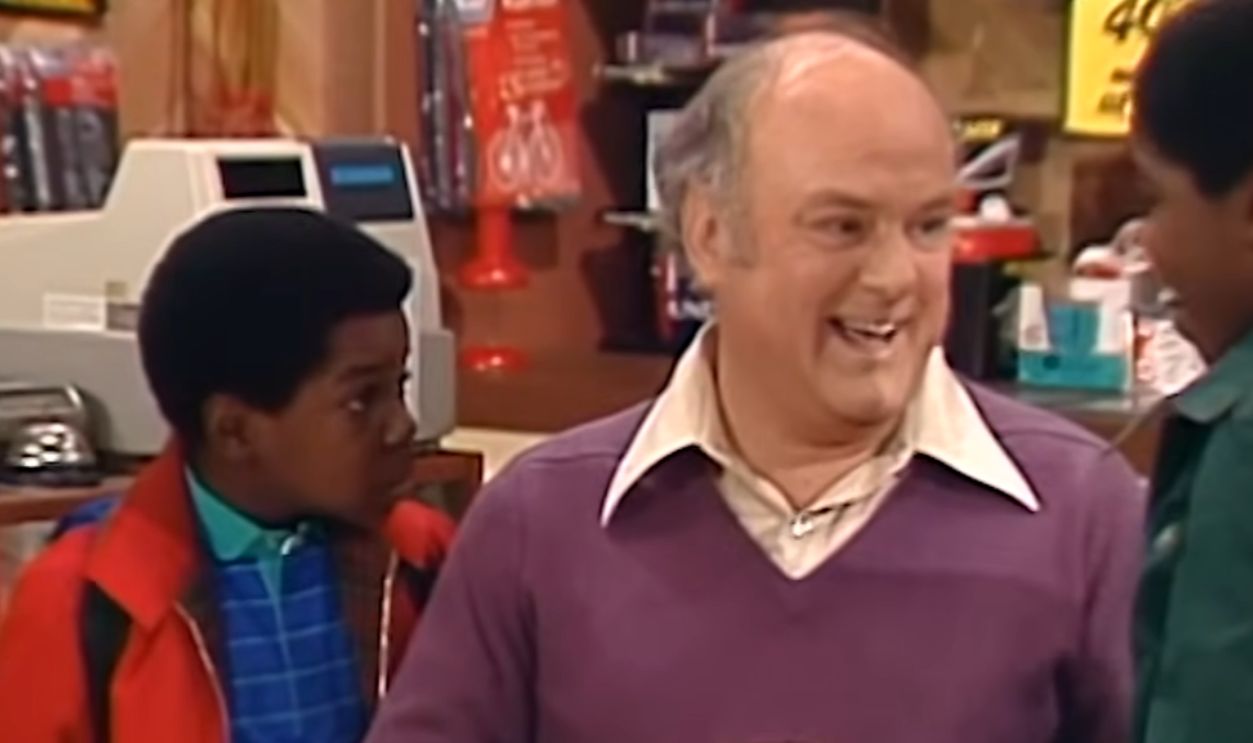 Screenshot from Diff'rent Strokes, NBC (1978–1985)
Gifts Became A Tool
Mr. Horton promises Arnold a free radio in exchange for helping advertise his bicycle shop. Arnold brings Dudley along, giving Horton further opportunities to draw the boys into his private living area behind the store. Each offer appears innocent enough until the pattern becomes impossible to ignore.
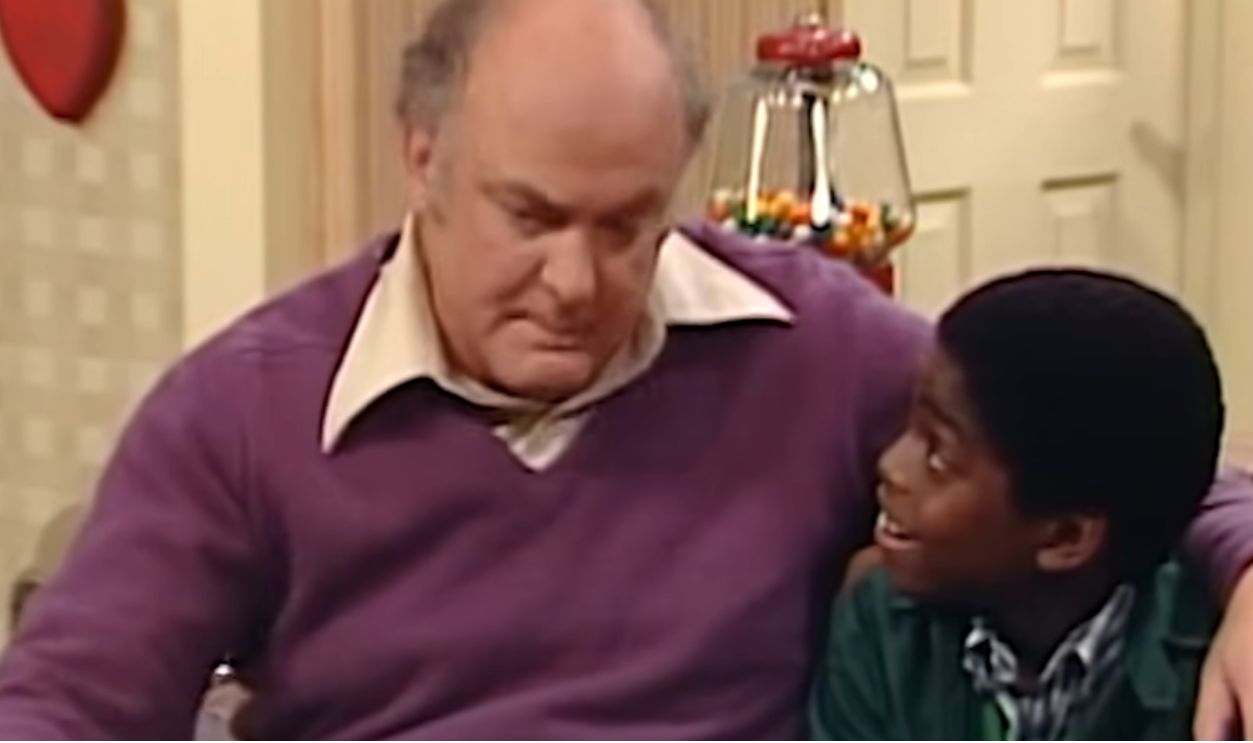 Screenshot from Diff'rent Strokes, NBC (1978–1985)
He Encouraged Secrecy
One of the episode’s central warnings involved Horton asking the boys to hide their visits and activities from their parents. He made secrecy seem exciting rather than dangerous. The tactic demonstrated how a manipulative adult could make children feel involved in something forbidden while shifting shame onto them.
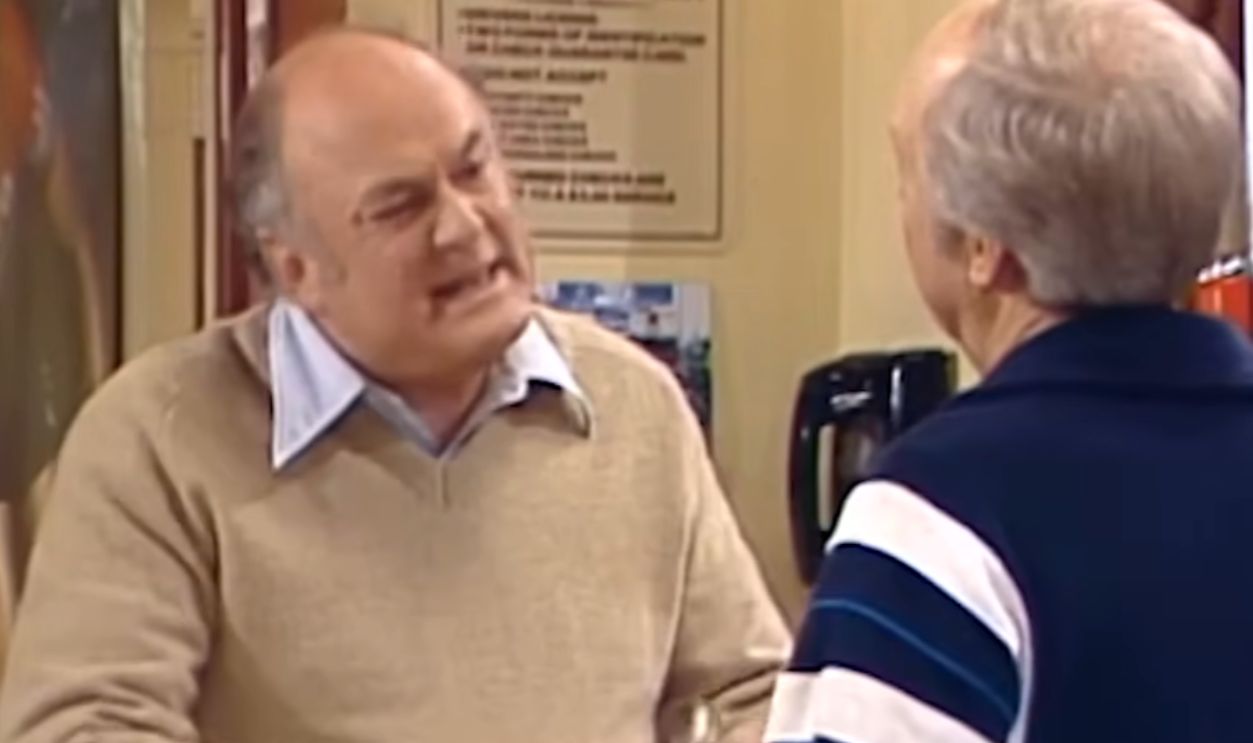 Screenshot from Diff'rent Strokes, NBC (1978–1985)
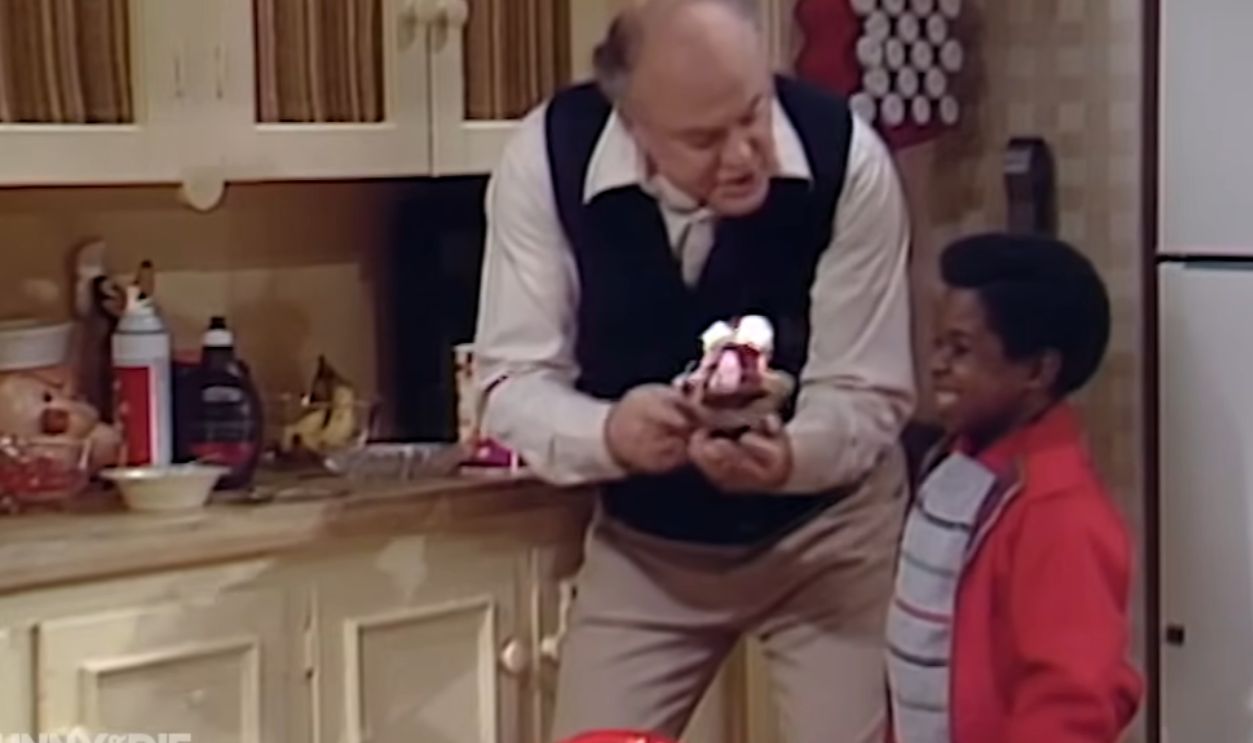
Jump Avoided An Obvious Monster
Jump did not portray Horton as openly threatening from the beginning. He remained jovial, patient, and almost grandfatherly as the danger increased. That restraint made the performance disturbing because Horton’s public manner never resembled the kind of villain children might have expected.
 Screenshot from Diff'rent Strokes, NBC (1978–1985)
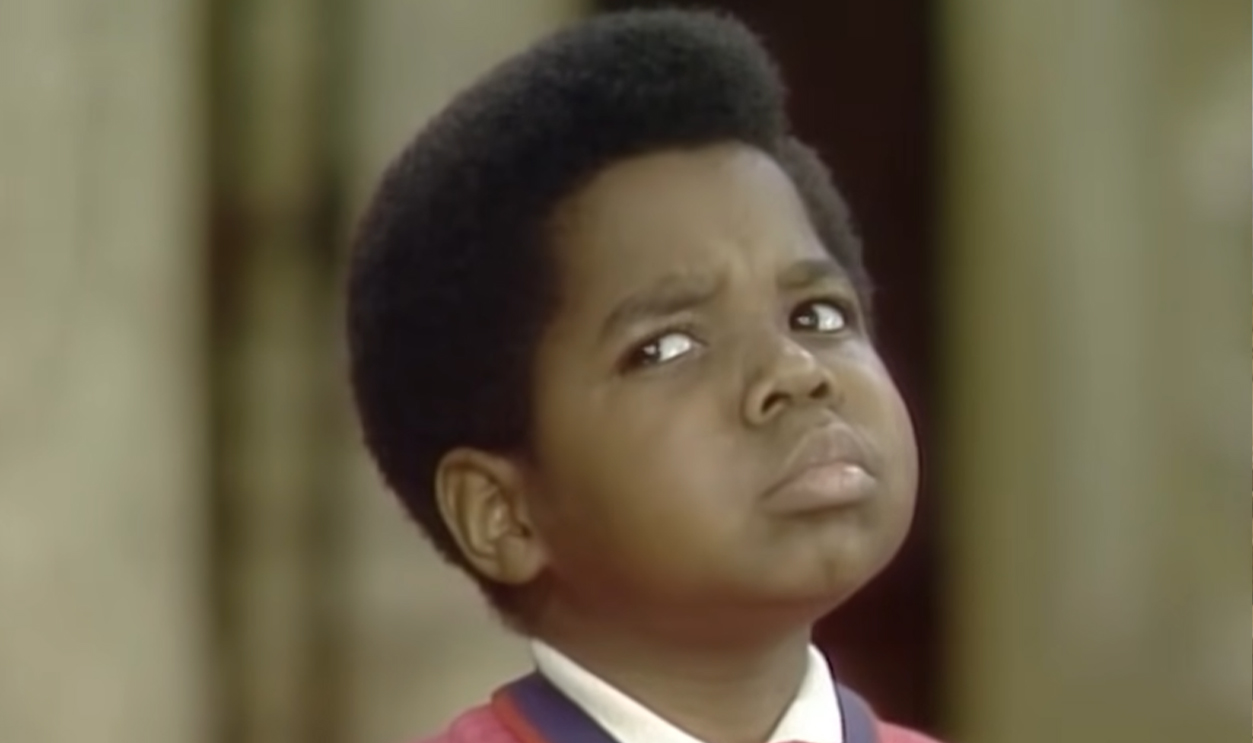
Arnold Recognized The Danger
Arnold gradually becomes uncomfortable with Horton’s behavior and leaves the shop. Dudley remains behind, still believing the friendly shopkeeper can be trusted. Arnold eventually tells his family enough for the adults and police to understand what is happening.
 Screenshot from Diff'rent Strokes, NBC (1978–1985)
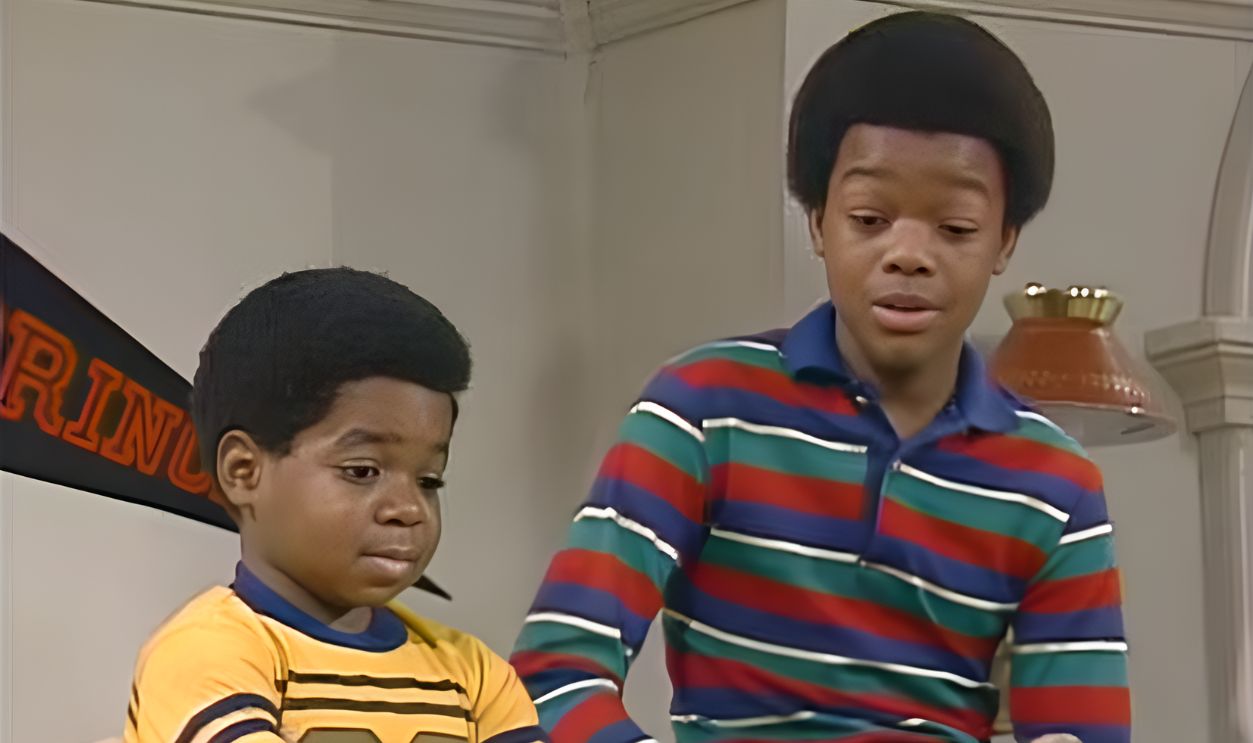
The Rescue Came In Time
The police arrive at the bicycle shop before Horton can further harm Dudley. The episode makes clear that Dudley is not responsible for having trusted an adult who deceived him. His father reassures him that he remains loved and will not be punished for what happened.
 Screenshot from Diff'rent Strokes, NBC (1978–1986), Modified
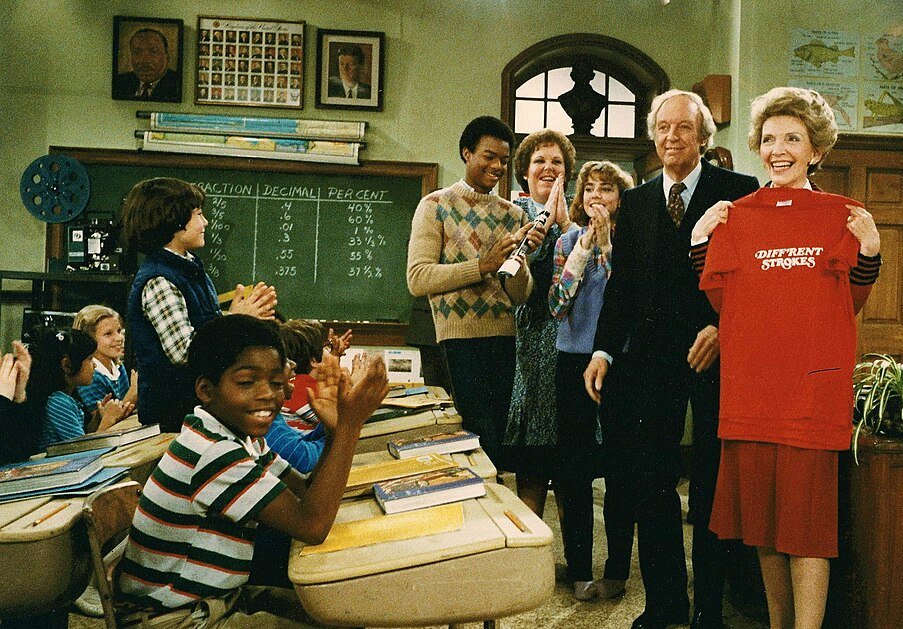
The Sitcom Format Felt Uneasy
The episode retained elements of the conventional Diff’rent Strokes format, including jokes and audience laughter. For many later viewers and critics, that laughter feels deeply uncomfortable beside the increasingly serious story. The collision between sitcom rhythms and disturbing subject matter remains one reason the episode is still discussed.
 Ronald Reagan Presidential Library, Wikimedia Commons
Television Critics Remain Divided
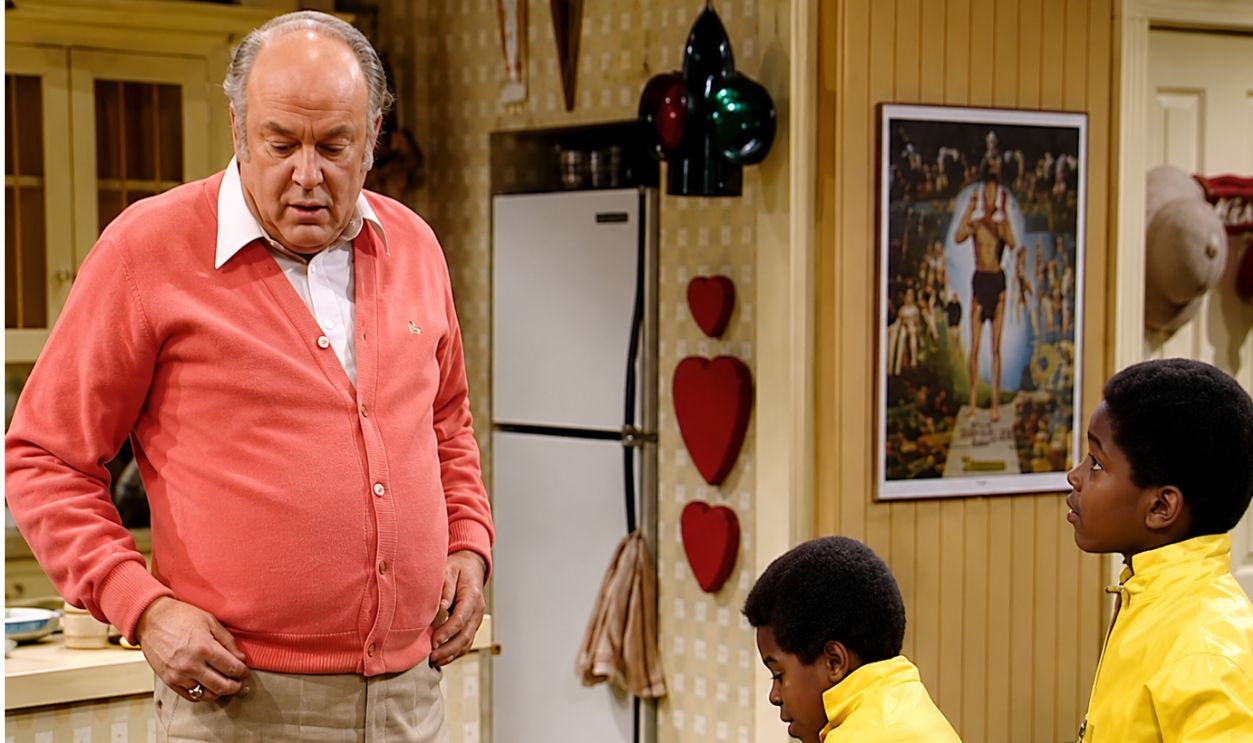
Some critics have argued that the episode’s comedy and heavy-handed explanations weakened its message. Others believe its slow depiction of manipulation was unusually effective for network television in 1983. Even its harshest critics have frequently acknowledged that Jump gave a convincing and deeply unnerving performance.
 Screenshot from Diff'rent Strokes, NBC (1978–1985) , Modified
The Episode Had A Clear Purpose
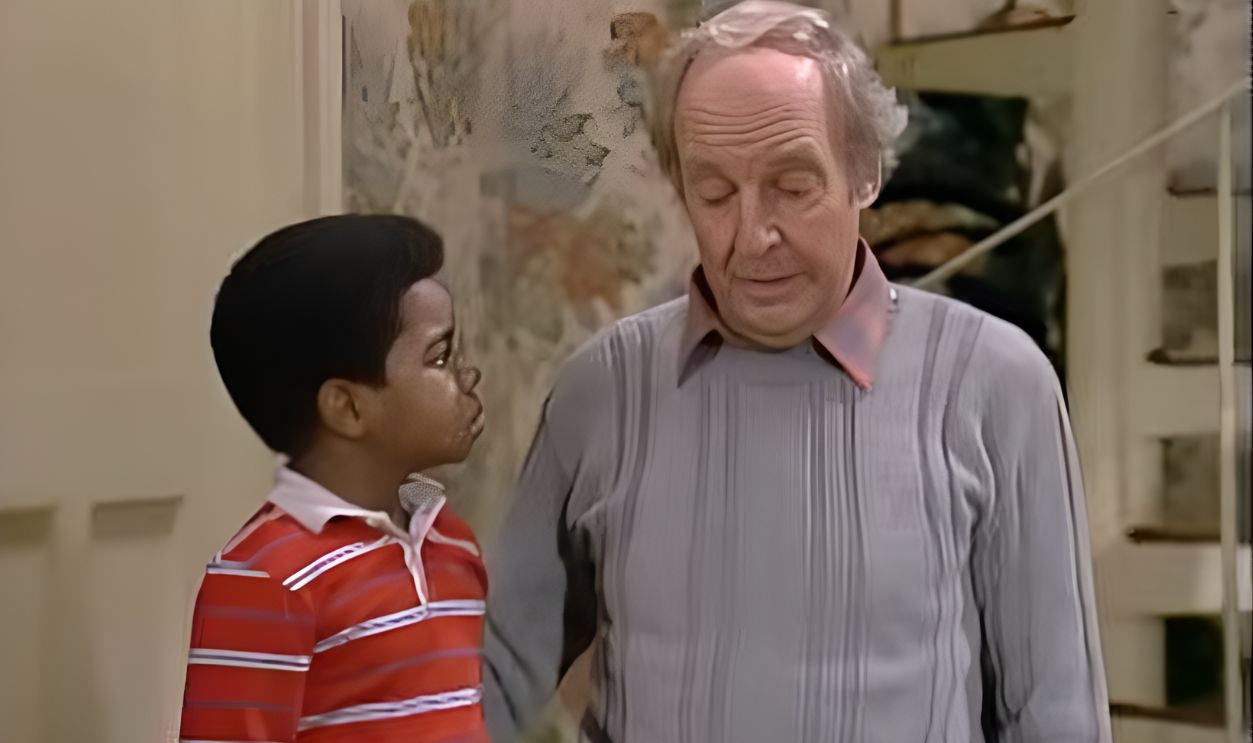
Conrad Bain introduced the broadcast with a warning about its sensitive subject. The program encouraged parents and children to discuss inappropriate adult behavior and the importance of telling someone they trusted. It belonged to a growing wave of so-called “very special episodes” that temporarily pushed sitcoms into serious territory.
 Screenshot from Diff'rent Strokes, NBC (1978–1986), Modified
It Reportedly Helped A Child
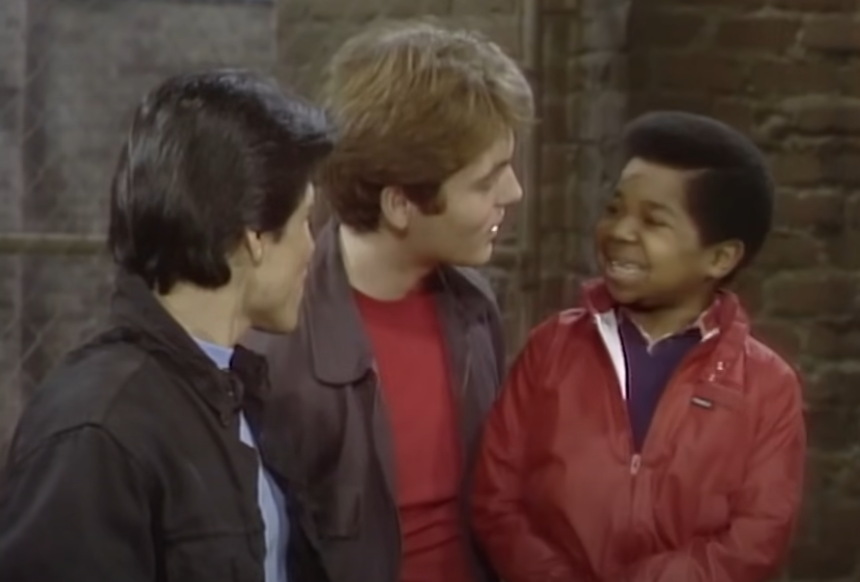
Months after the original broadcast, reports described a nine-year-old Indiana boy who recognized similar behavior after watching a rerun. He told his mother about an adult whose actions concerned him, and police later made an arrest. Jump said that helping someone avoid such an experience was one of the best opportunities an actor could receive.
 Screenshot from Diff'rent Strokes, NBC (1978–1986)
The Performance Changed His Image
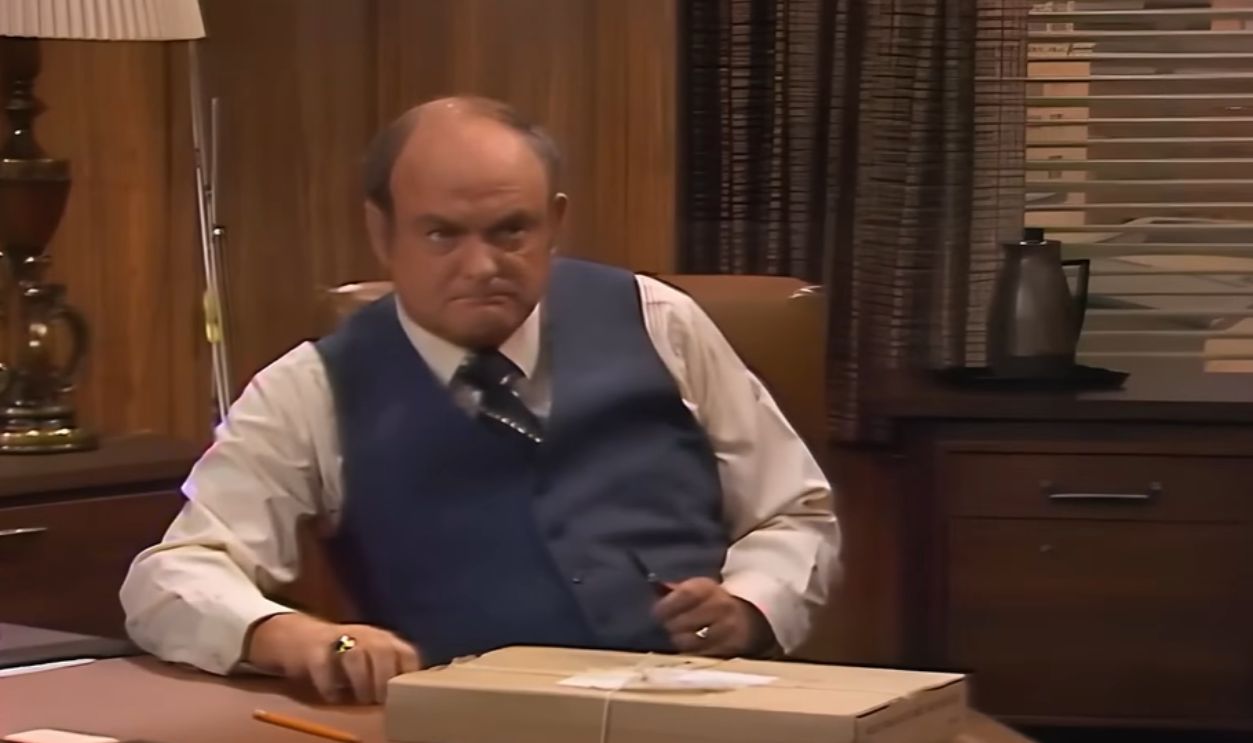
For viewers who knew Jump only from WKRP, Mr. Horton was a shocking transformation. He used the same warmth that made Arthur Carlson lovable and turned it into something calculated and frightening. The role proved that his abilities extended well beyond genial comedy.
 Screenshot from WKRP in Cincinnati, CBS (1978–1982)
Jump Returned To Friendlier Roles
Jump continued working regularly after the controversial appearance. He played Ed Malone, the father of Joanna Kerns’ character, in a recurring role on Growing Pains. He also appeared on series including The Golden Girls, Murder, She Wrote, Who’s the Boss?, and Night Court.
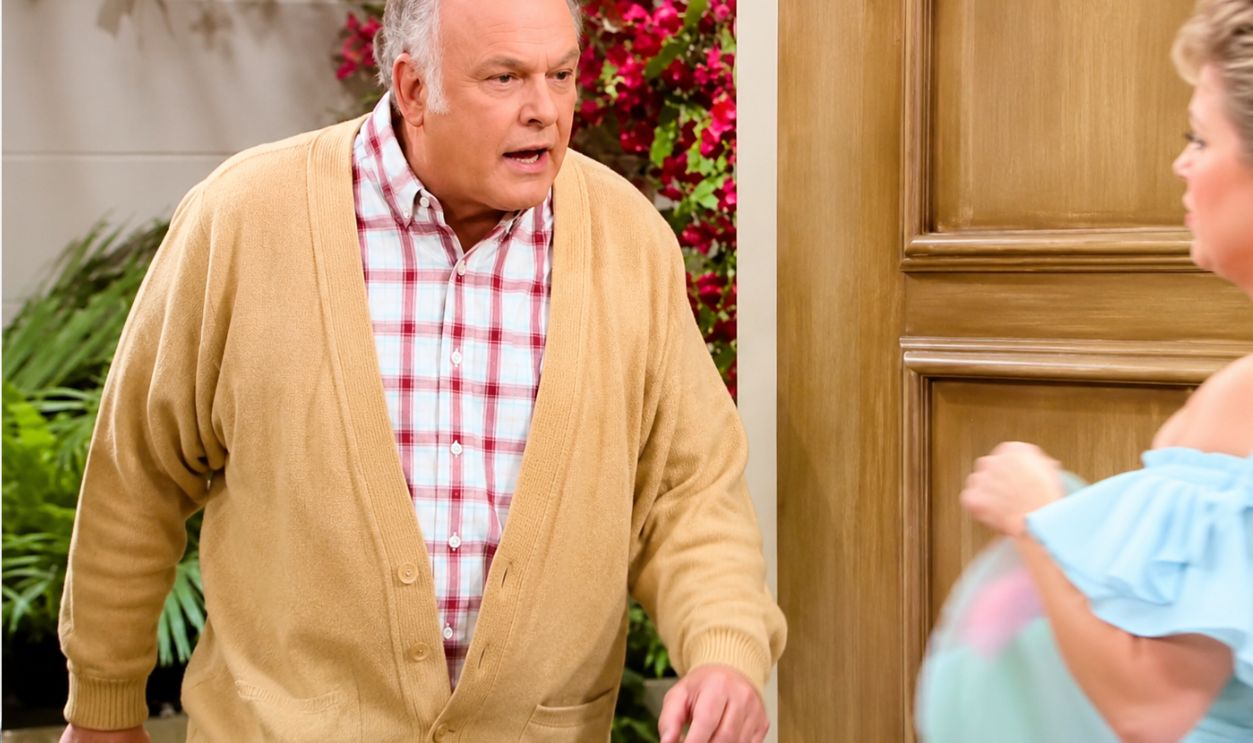 Screenshot from The Golden Girls, NBC (1985–1992), Modified
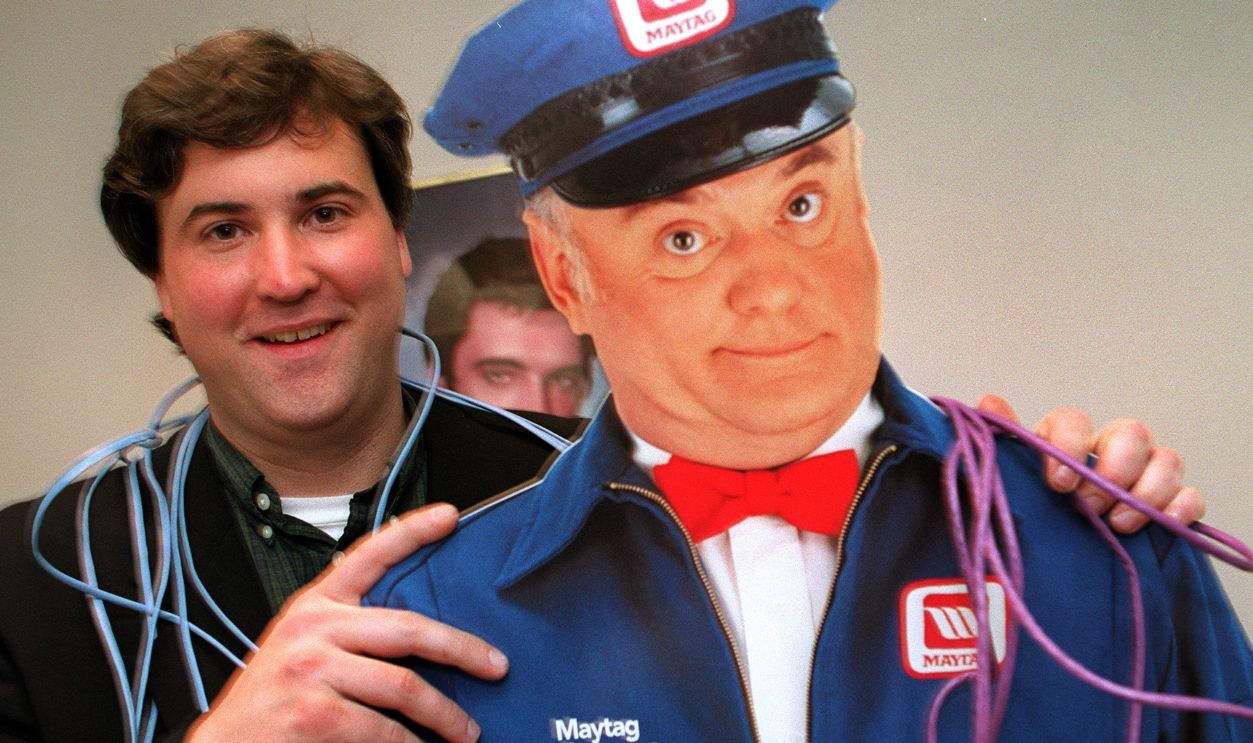
He Became The Maytag Repairman
In 1989, Jump took over the famous role of the lonely Maytag repairman from Jesse White. The character had little work because Maytag’s advertisements claimed the company’s appliances were exceptionally dependable. Jump appeared in more than 77 commercials and print advertisements during his 14 years in the campaign.
The Big Guy Returned
Jump reprised Arthur Carlson when The New WKRP in Cincinnati began airing in first-run syndication in 1991. The revival ran for two seasons and brought back several performers and characters from the original series. It gave Jump another opportunity to return to the radio station role audiences still remembered fondly.
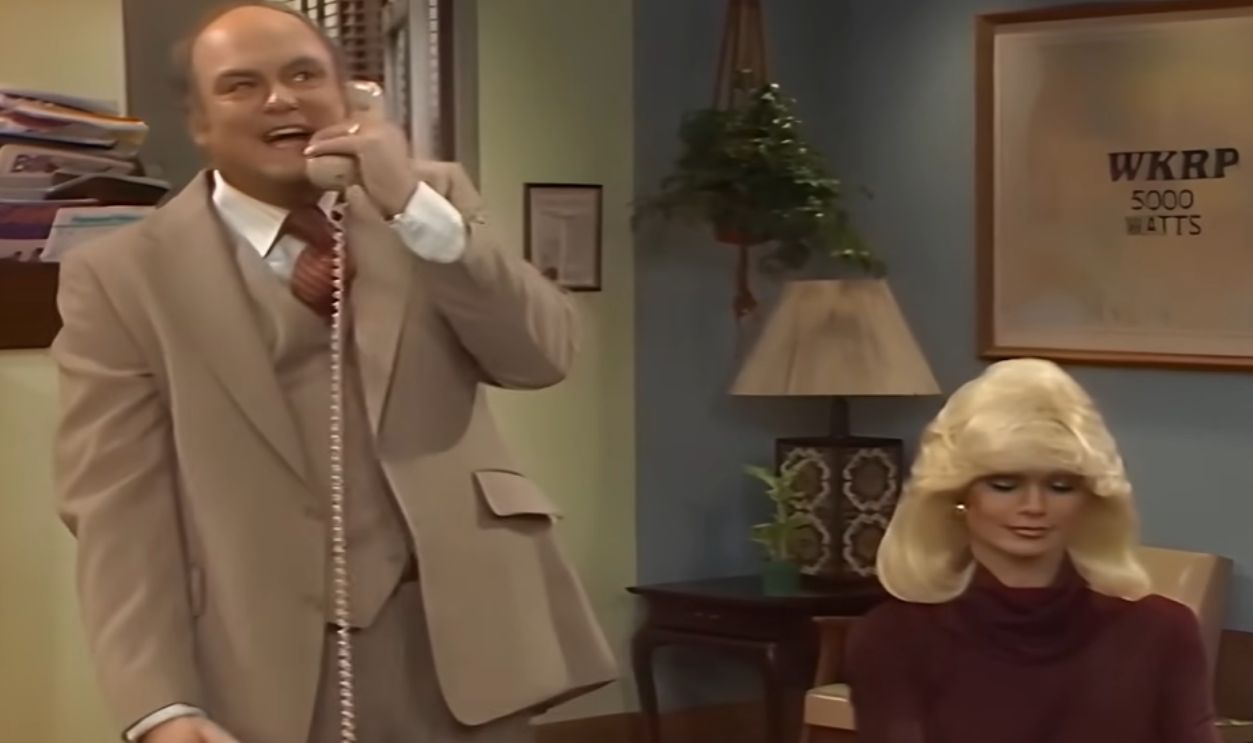 Screenshot from WKRP in Cincinnati, CBS (1978–1982)
Even Seinfeld Found A Place For Him
Jump continued making guest appearances throughout the 1990s. He played Mr. Thomassoulo, George Costanza’s suspicious boss at a playground equipment company, during the final season of Seinfeld. The role once again took advantage of his talent for portraying frustrated authority figures.
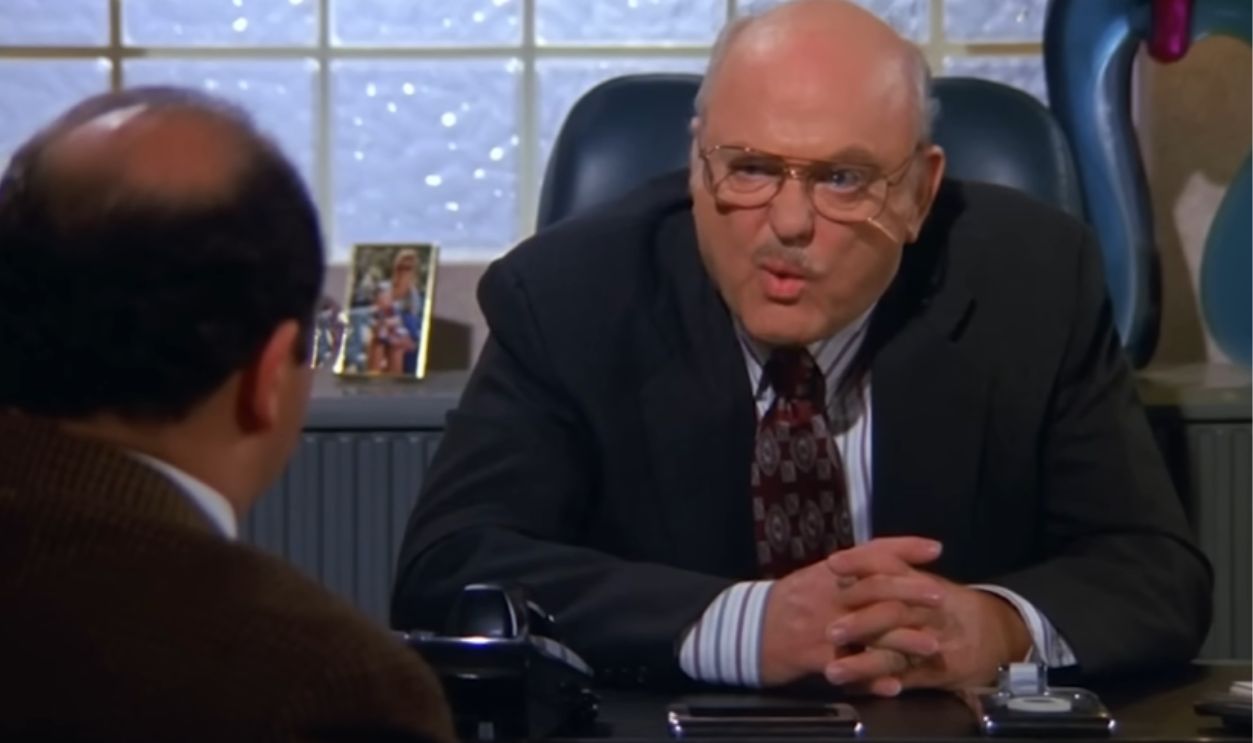 Screenshot from Seinfeld, NBC (1989–1998)
A Career Built On Trust
Jump retired as the Maytag repairman in July 2003 and died from complications of pulmonary fibrosis that September. He was 71 and had spent decades moving between television, film, theater, and advertising. His legacy includes a lovable sitcom boss, a lonely repairman, and one unforgettable performance that used viewers’ trust in him to deliver a serious warning.
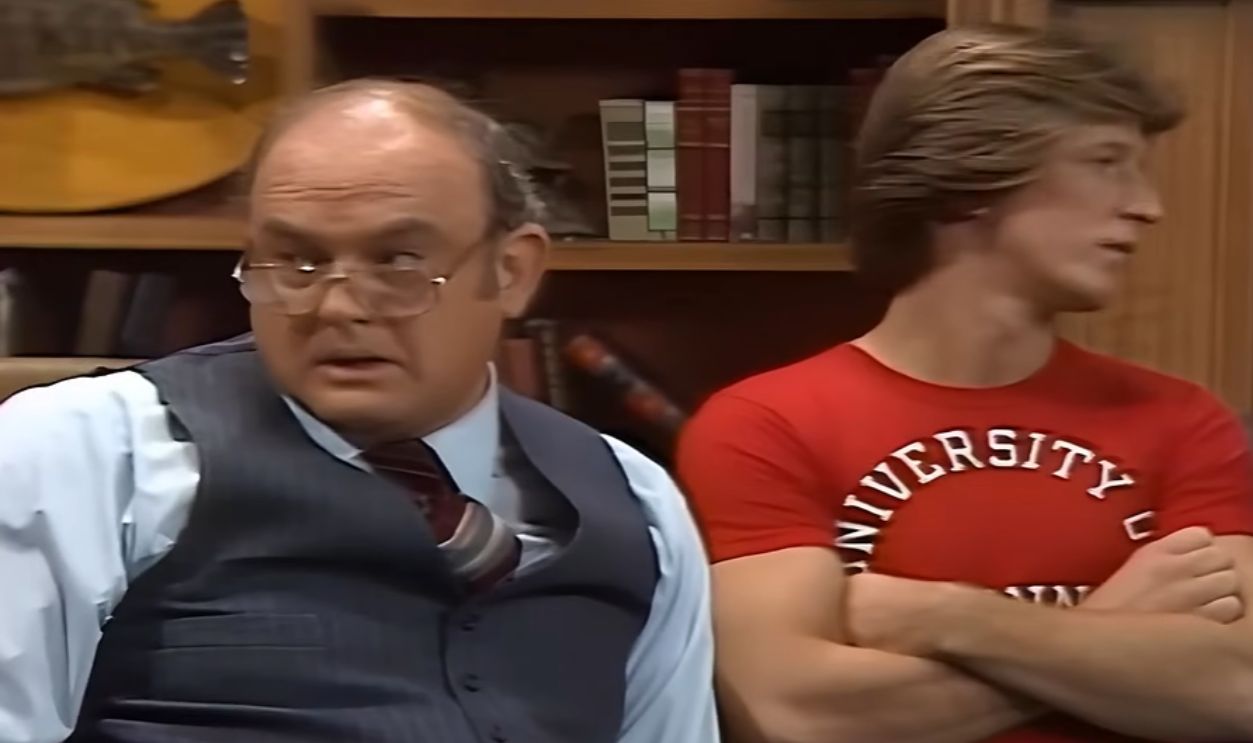 Screenshot from WKRP in Cincinnati, CBS (1978–1982)
You May Also Like:
What Happened To The Cast Of WKRP In Cincinnati?