From America's Sweetheart To Hollywood's Coldest Mother
For seven years, Mary Tyler Moore made Americans laugh as the lovable Mary Richards. Then, in 1980, Robert Redford cast her in Ordinary People, a heartbreaking family drama. What followed was one of the most remarkable transformations in Hollywood history.
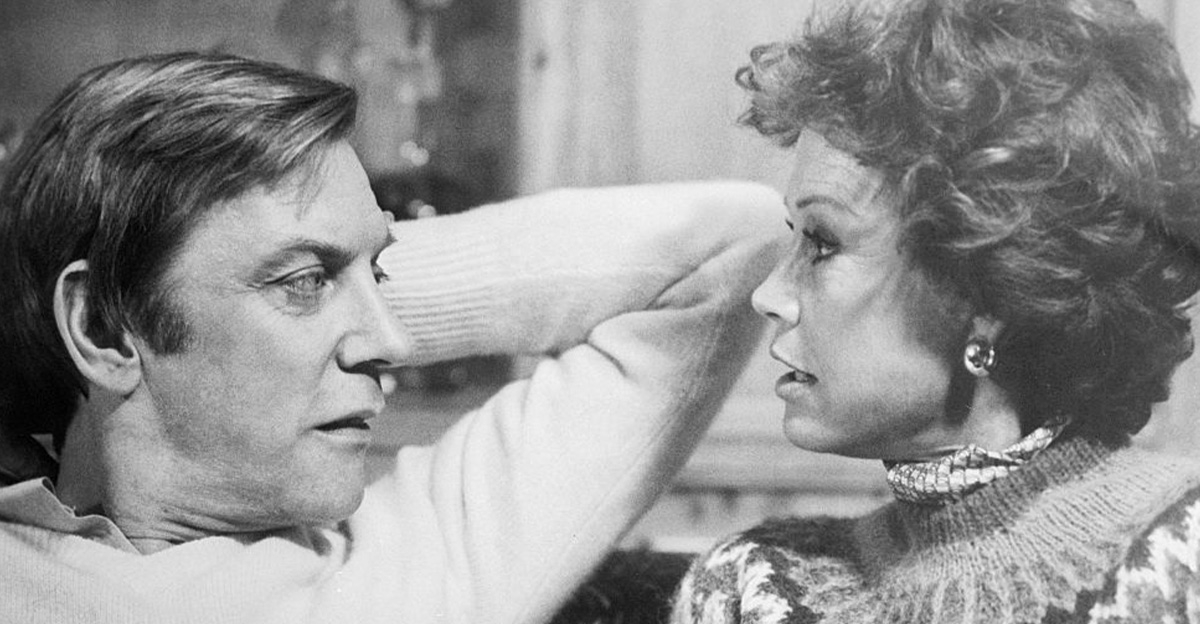
 Bettmann, Getty ImagesDonald Sutherland and Mary Tyler Moore are shown in a scene from their movie, Ordinary People directed by Robert Redford and released by Paramount Pictures
America Had Fallen In Love With Mary Richards
When The Mary Tyler Moore Show premiered on September 19, 1970, viewers met a single woman starting over in Minneapolis. Mary Richards was funny, independent, and wonderfully relatable. For millions of Americans, spending Saturday evenings with Mary became a cherished tradition.
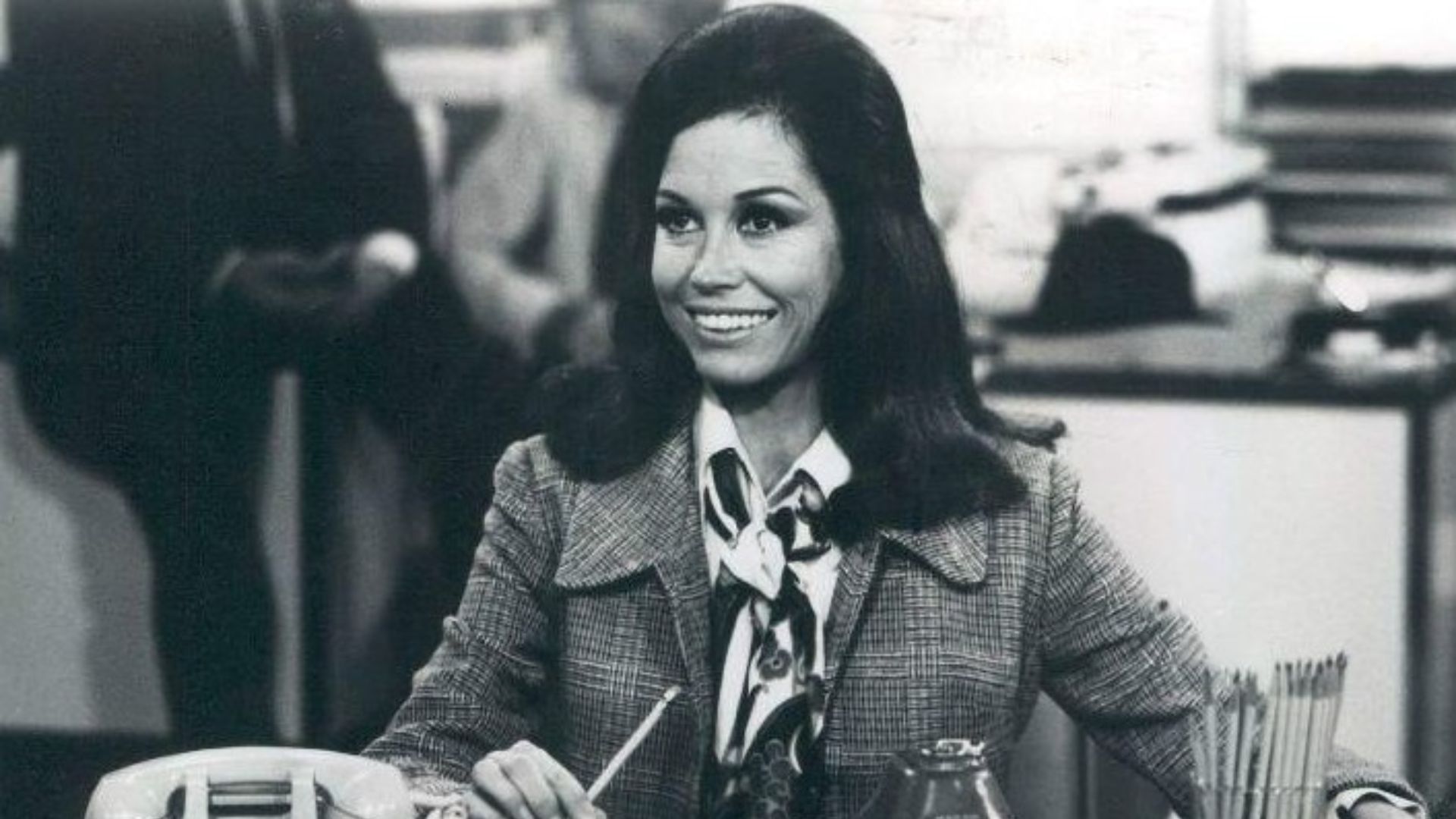 CBS Television, Wikimedia Commons
She Wasn't Your Typical Television Heroine
Unlike many female characters on television, Mary wasn't defined by her husband or children. She had a career, friends, and an apartment of her own. That independence helped make the series groundbreaking, without sacrificing the warmth and humor audiences loved.
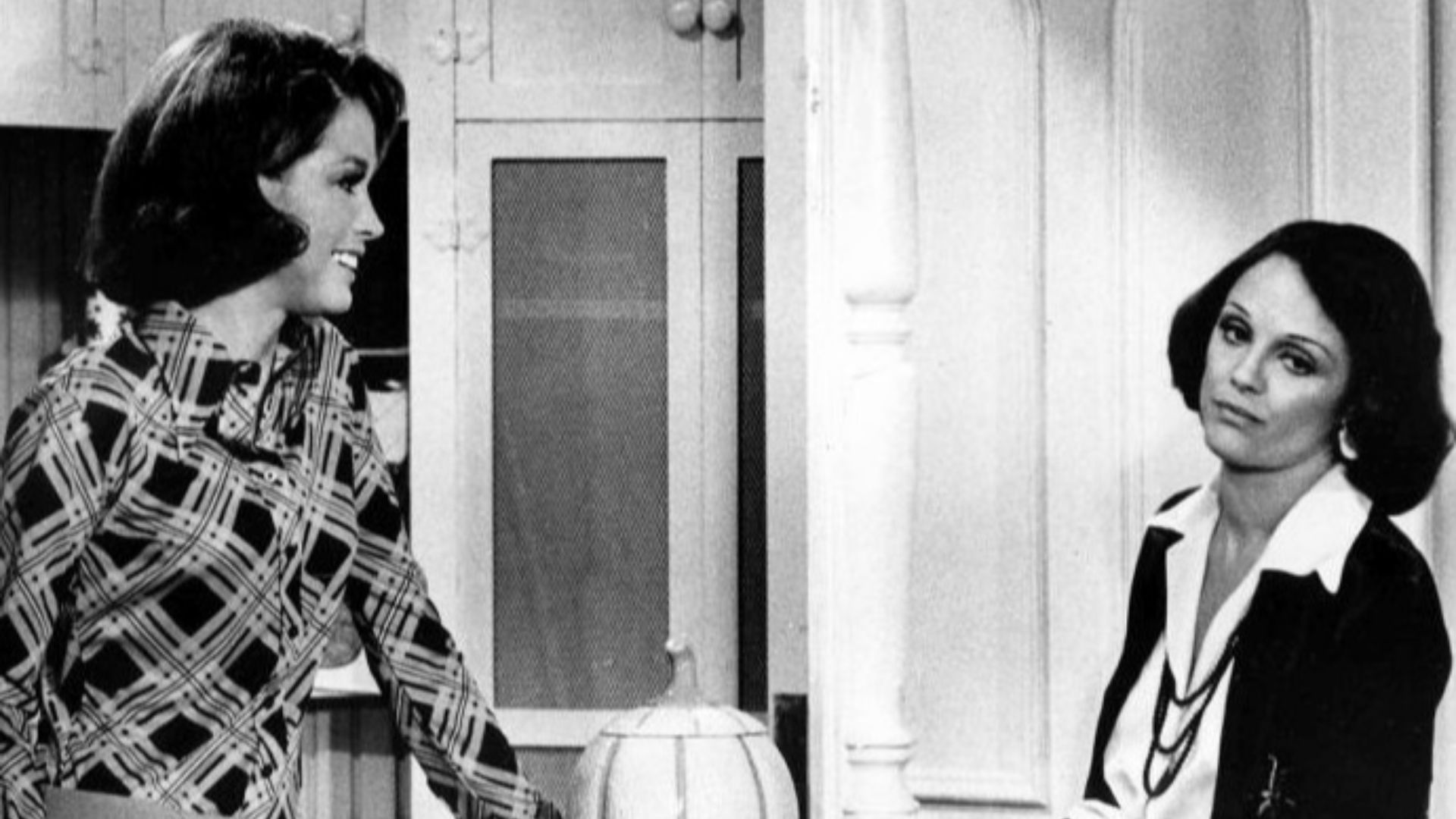 CBS Television Uploaded by We hope at en.wikipedia, Wikimedia Commons
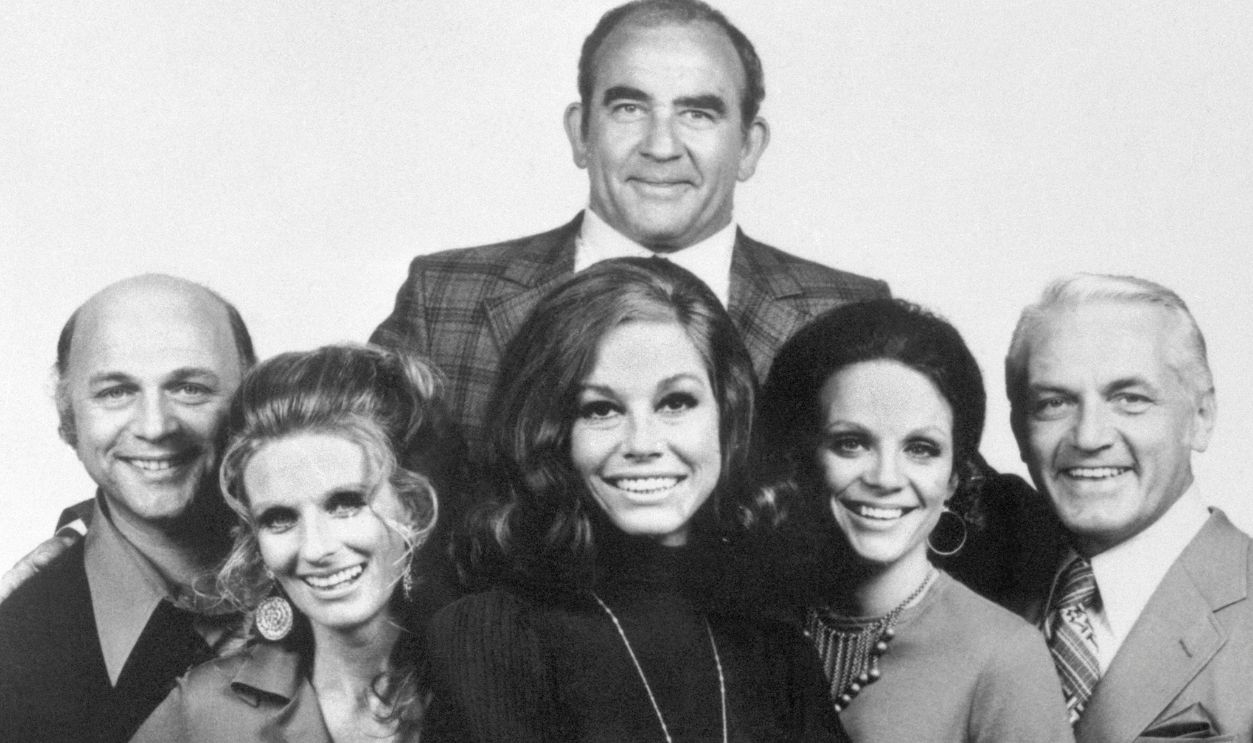
The WJM Newsroom Felt Like Family
Who could forget Lou Grant's gruff affection, Murray Slaughter's wisecracks, or Ted Baxter's spectacular foolishness? The WJM newsroom was full of unforgettable personalities. Mary somehow held everyone together, usually with a smile, a little patience, and an occasional exasperated look.
Mary Was Always The Heart Of The Show
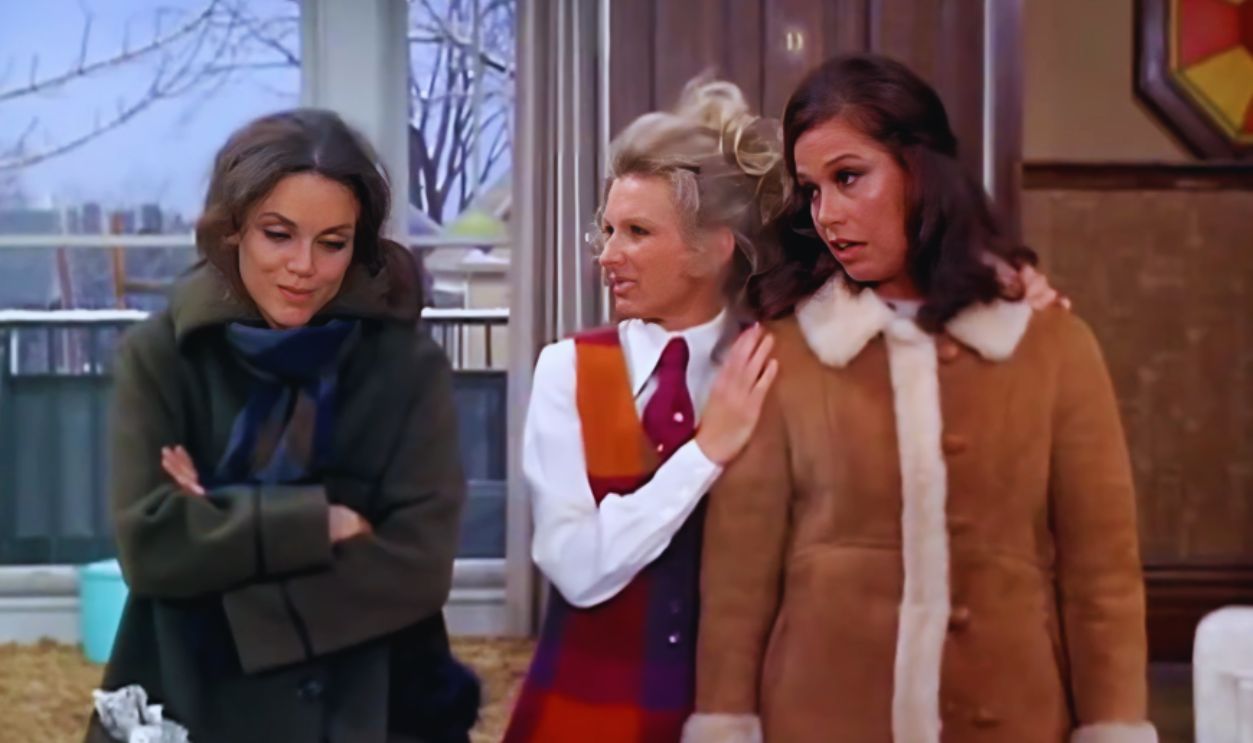
Even when everyone around her was behaving ridiculously, Mary Richards remained the show's emotional center. She made mistakes, occasionally lost her temper, and sometimes struggled with life's disappointments. But she was fundamentally kind, which made her remarkably easy to root for.
 Screenshot from The Mary Tyler Moore Show, The Walt Disney Company (1970-1977), Enhanced
Seven Seasons Of Television Gold
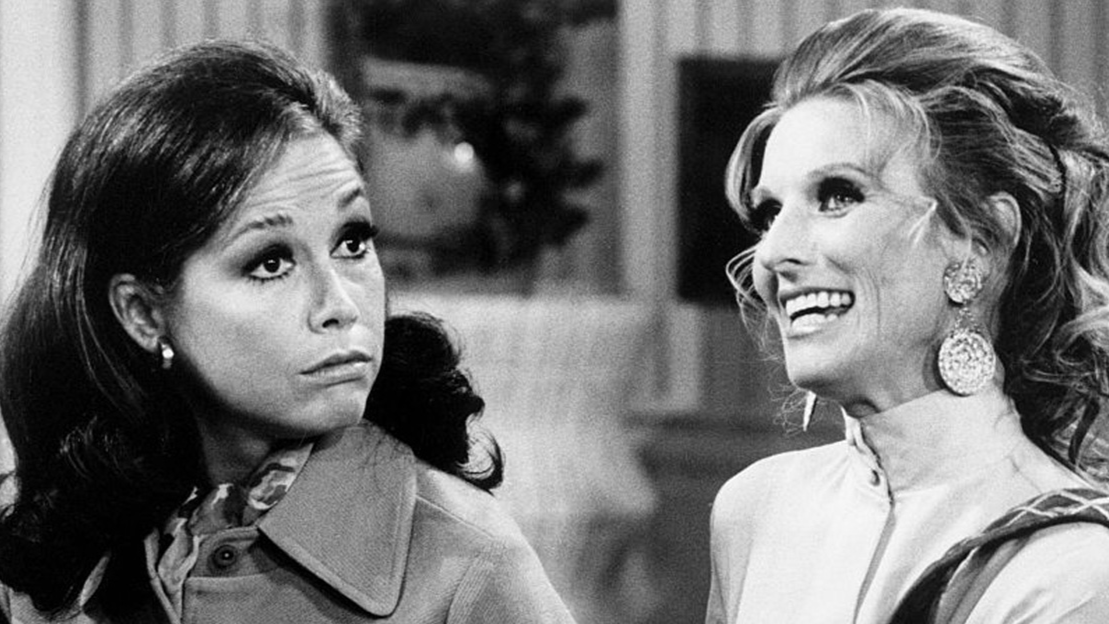
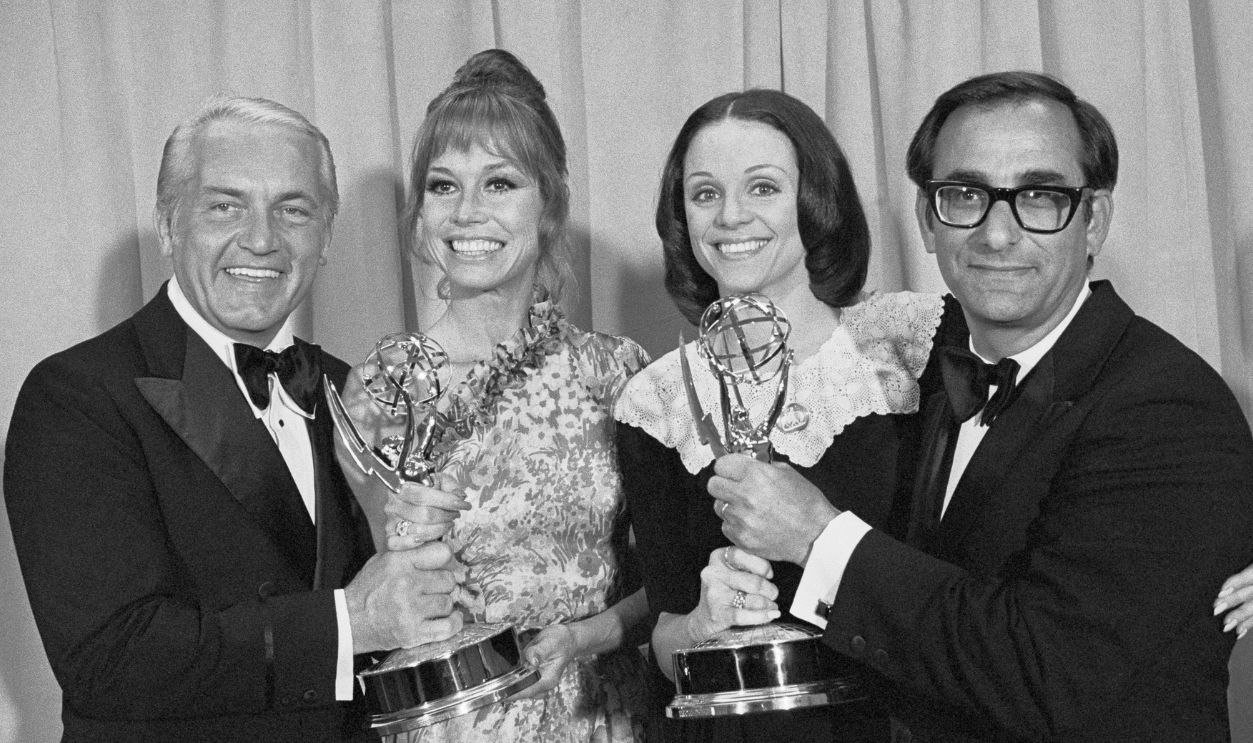
By the time the show ended in 1977, it had earned 29 Emmy Awards. Its influence extended well beyond comedy, helping demonstrate that a television series centered on an independent working woman could become one of America's most celebrated programs.
Saying Goodbye Wasn't Easy
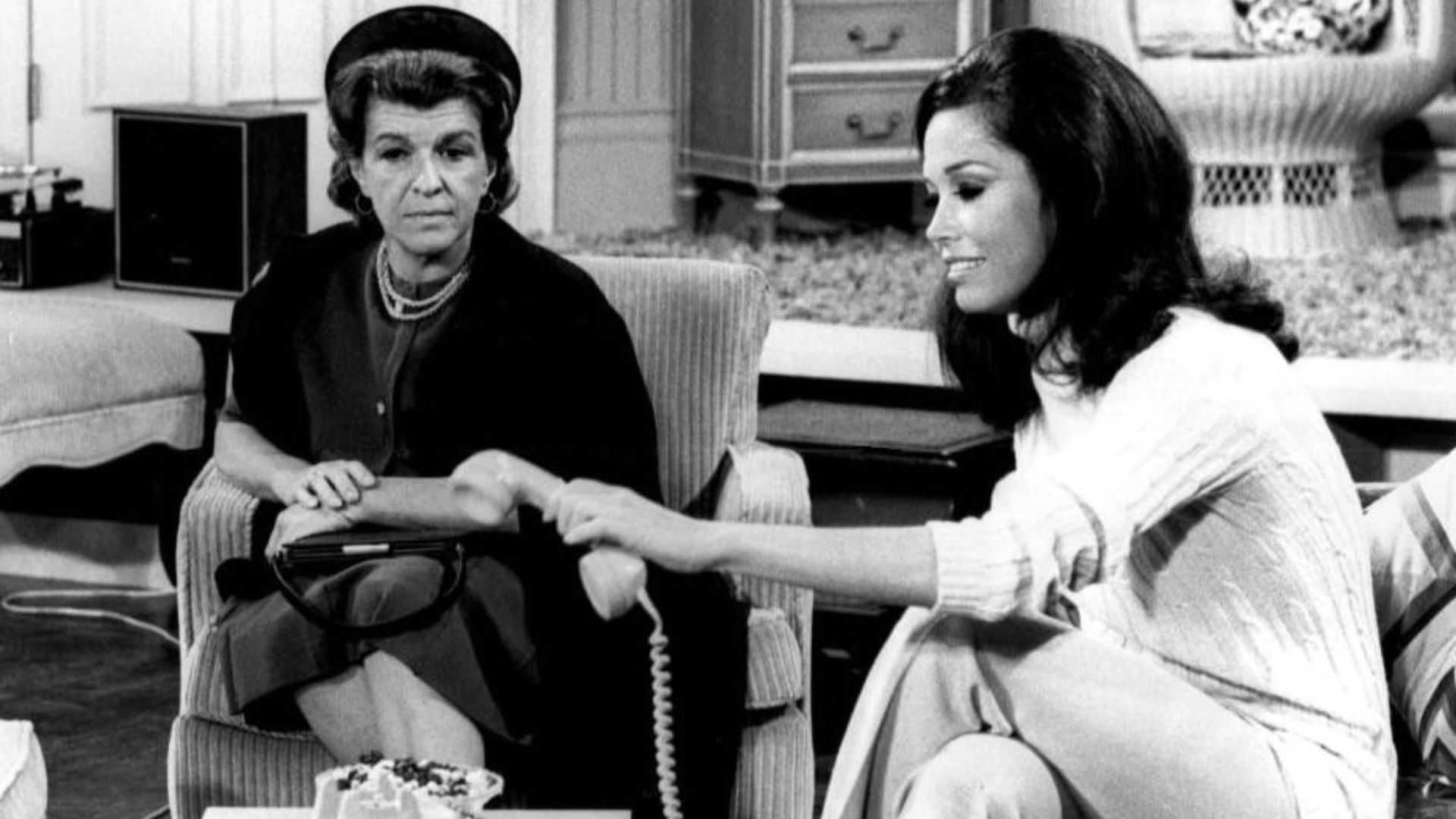
The final episode, broadcast on March 19, 1977, remains a classic television farewell. After the WJM staff learns they're losing their jobs, the characters gather for one last emotional embrace. Their awkward group shuffle toward a box of tissues perfectly captures the show's humor.
 CBS Television, Wikimedia Commons
Even Mary Tyler Moore Felt The Emotion
Moore later recalled that the famous group hug developed spontaneously during rehearsal. It became one of the show's defining moments. After seven seasons, the cast had created something special, and saying goodbye to those characters carried genuine emotional weight.
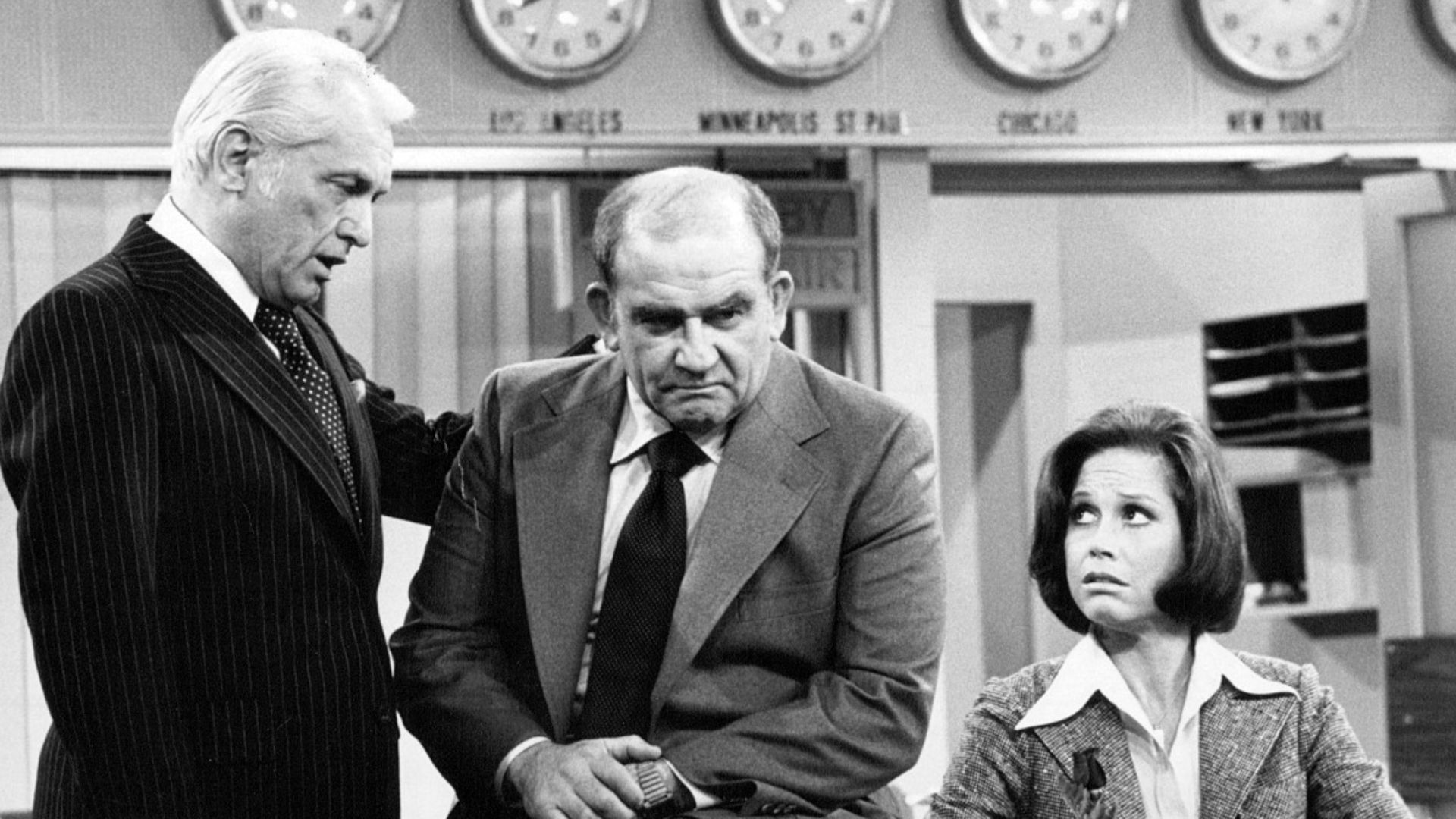 CBS Television, Wikimedia Commons
But What Came Next Wasn't Another Hit
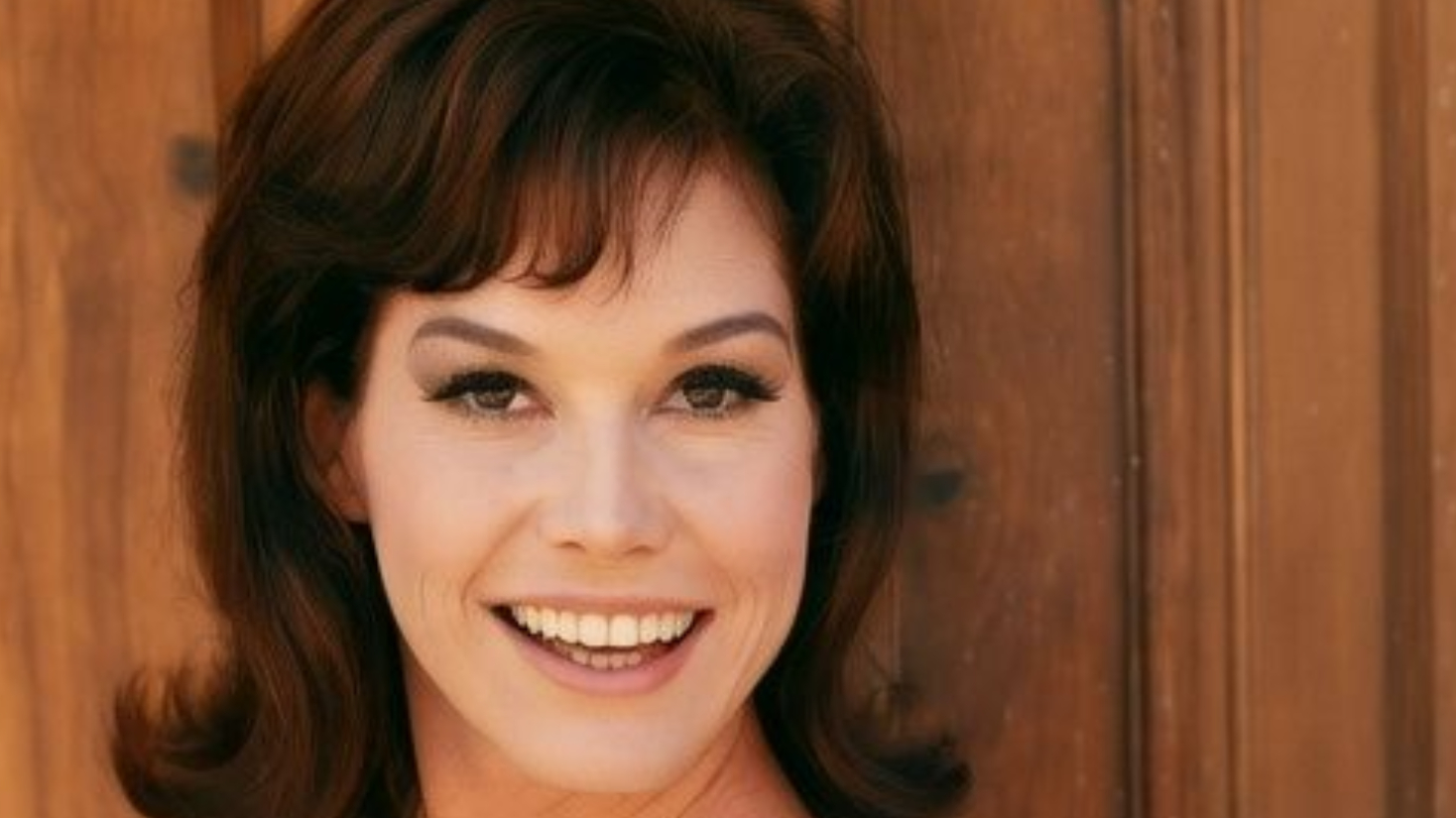
After the sitcom ended, Moore attempted to return to television with Mary in 1978 and The Mary Tyler Moore Hour in 1979. Neither lasted long. Her television career wasn't finished, but finding another success proved surprisingly difficult.
Meanwhile, Robert Redford Wanted Something Different
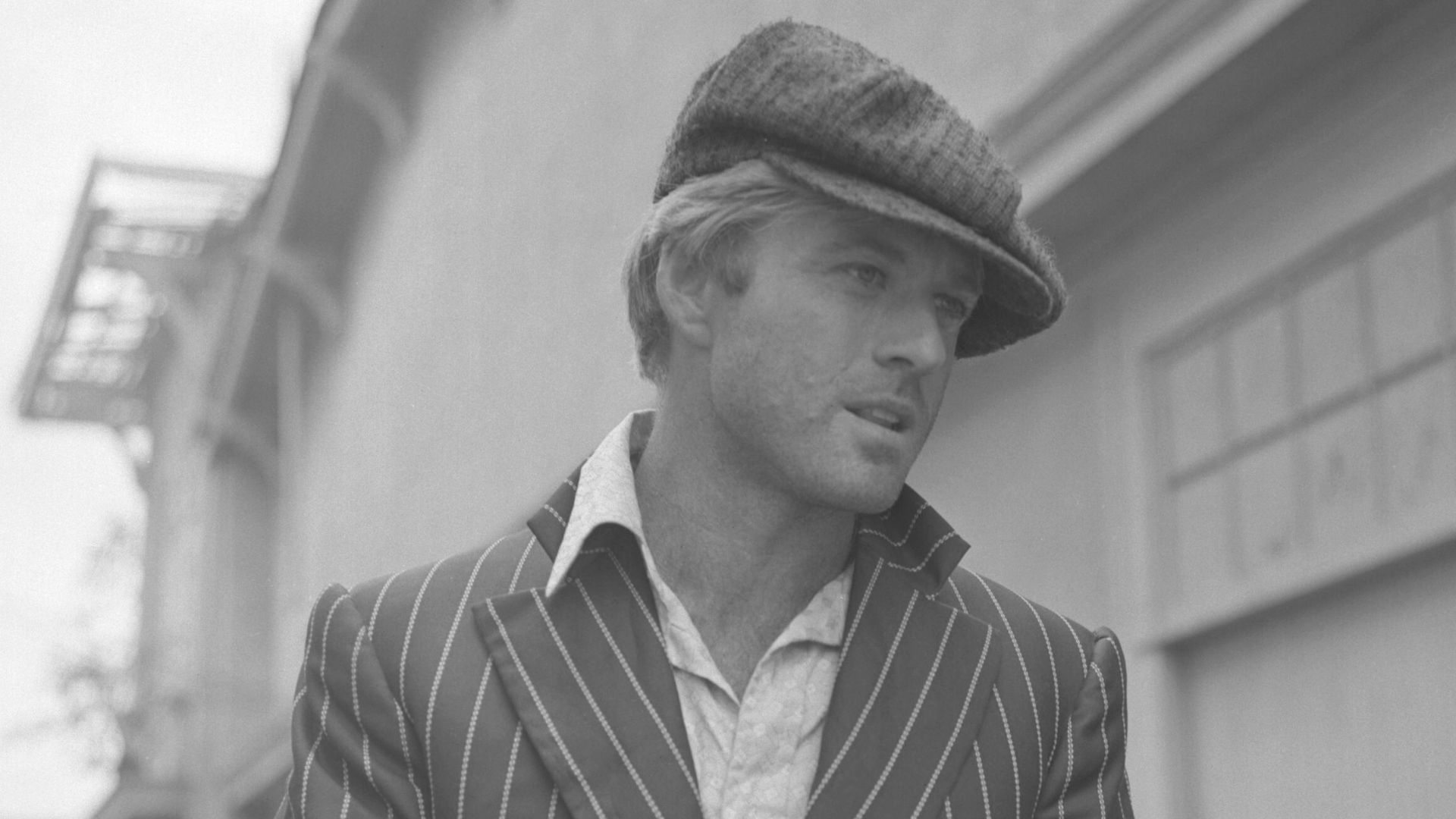
By the late 1970s, Robert Redford was already one of Hollywood's biggest movie stars. Audiences knew him from films like Butch Cassidy and the Sundance Kid and The Sting. What they hadn't seen was Redford directing a feature film.
 Michael Ochs Archives, Getty Images
A Novel Caught His Attention
Redford became interested in Judith Guest's novel Ordinary People, published in 1976. Its story concerned a seemingly comfortable suburban family struggling with devastating personal tragedy. Redford recognized something powerful in its examination of grief, guilt, and the difficulty of communicating.
 Ken Dare, Los Angeles Times, Wikimedia Commons
The Story Wasn't About Hollywood Glamour
Unlike Redford's better-known films, Ordinary People offered no glamorous adventure or larger-than-life hero. Its characters lived in an affluent Illinois suburb, surrounded by material comforts. Beneath their polished exterior, however, the Jarrett family was falling apart.
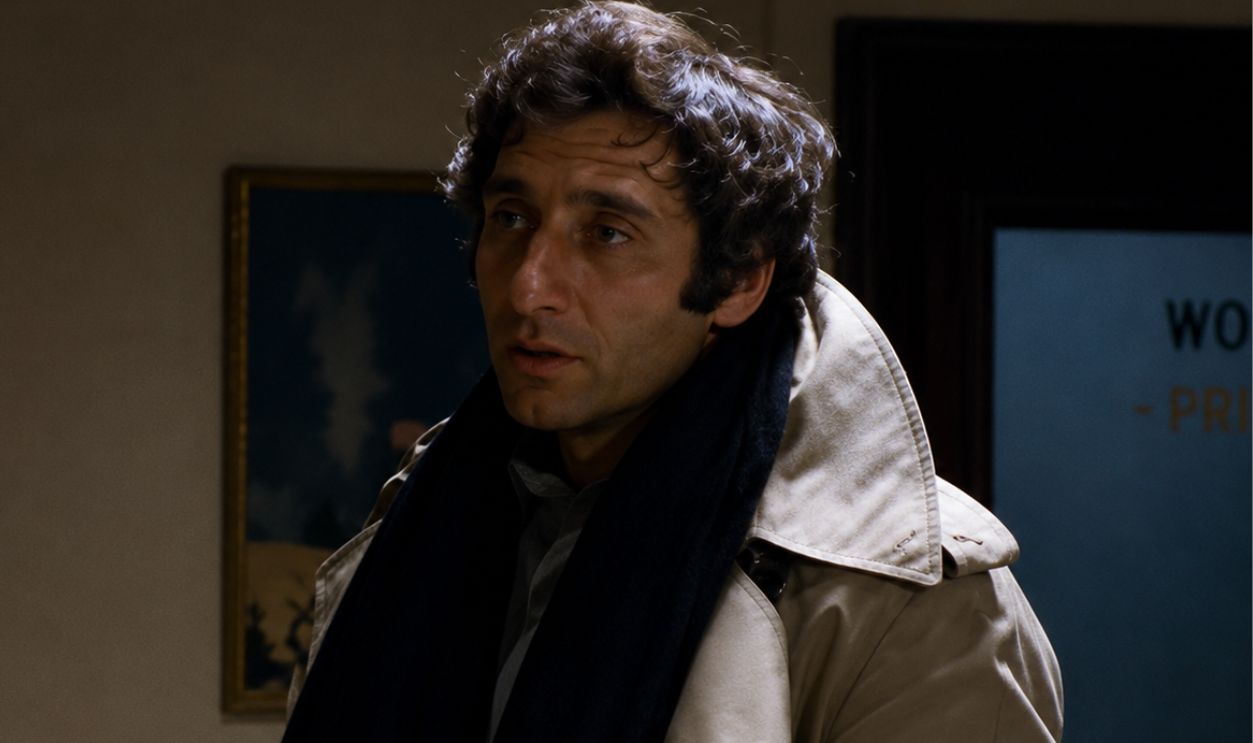 Screenshot from Ordinary People, Paramount Pictures (1980), Enhanced
Then Redford Made An Unexpected Casting Decision
When Redford considered actresses for the role of Beth Jarrett, he thought of Mary Tyler Moore. It was a startling possibility. America's beloved television sweetheart would play a mother whose emotional distance from her surviving son drives much of the drama.

He Had Seen Something Behind Her Smile
Redford later explained that he had wondered about the darker side of Moore's familiar public image. Rather than simply reproduce the warmth audiences expected, he wanted her to explore a character whose feelings were tightly controlled and difficult to express.
 Bettmann / Contributor, Getty Images
Moore Already Knew The Character
Interestingly, Moore had read Guest's novel and was drawn to Beth Jarrett before Redford approached her. She later explained that she recognized aspects of herself in the character. Playing Beth offered an opportunity to explore emotions far removed from Mary Richards.
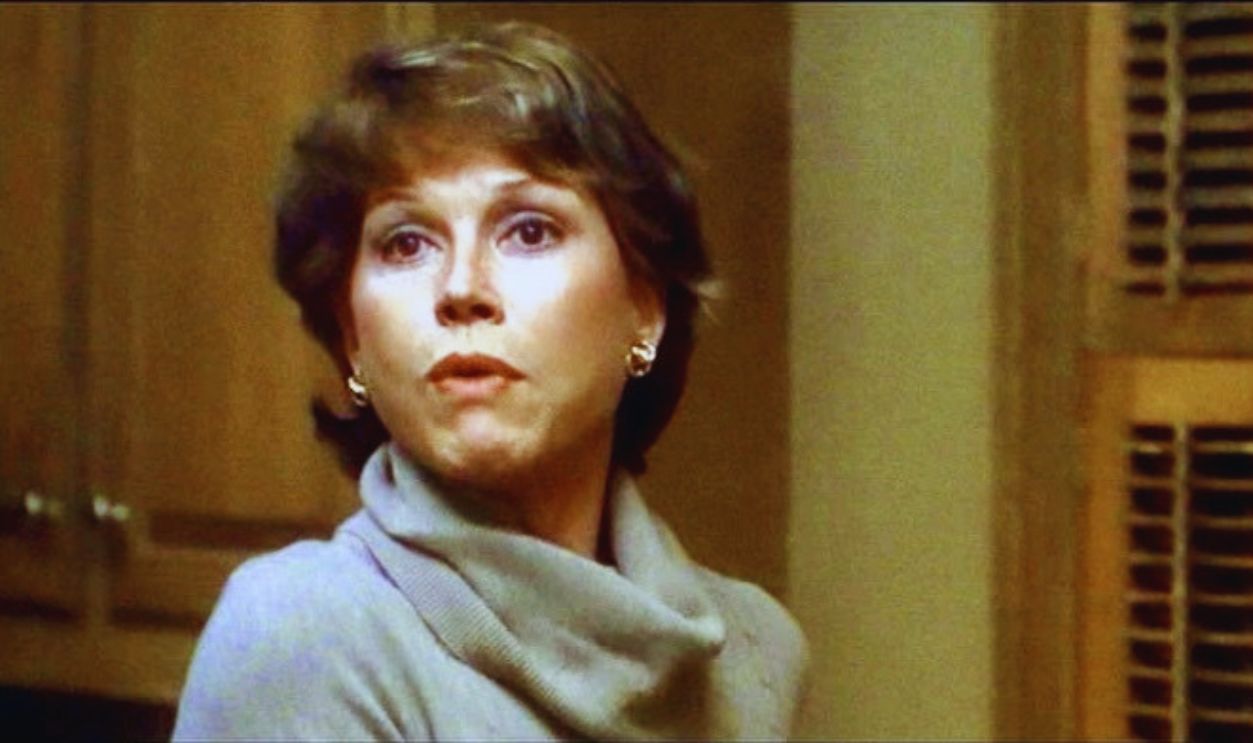 Screenshot from Ordinary People, Paramount Pictures (1980)
This Wasn't The Mary Anyone Remembered
When Ordinary People arrived in theaters on September 19, 1980, audiences encountered a very different Mary Tyler Moore. Gone was the warm, reassuring presence of WJM. In her place stood Beth Jarrett, an emotionally distant mother whose family desperately needed her affection.
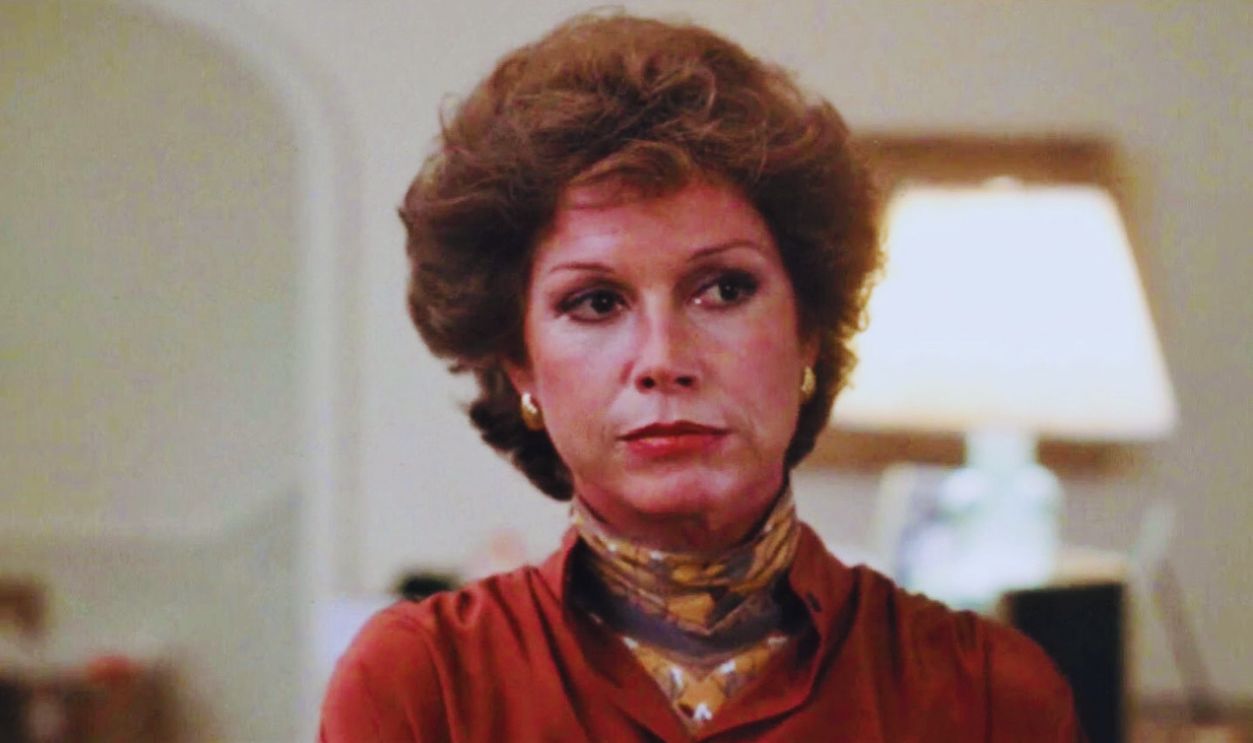 Screenshot from Ordinary People, Paramount Pictures (1980)
The Jarrett Family Had Suffered A Terrible Loss
Beth and her husband, Calvin, played by Donald Sutherland, are grieving the drowning of their eldest son, Buck. Their surviving son, Conrad, played by Timothy Hutton, struggles with guilt and depression following the tragedy. Their comfortable family life has become painfully fractured.
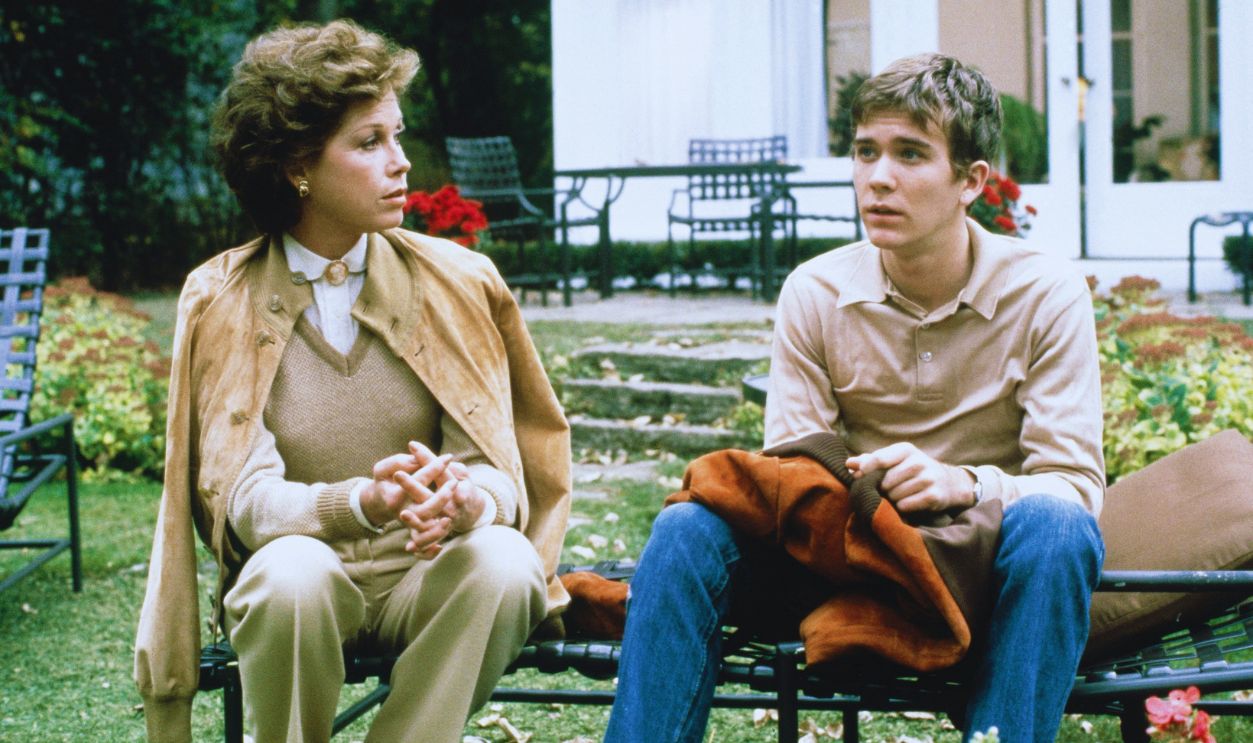 Screenshot from Ordinary People, Paramount Pictures (1980)
Beth Couldn't Give Conrad What He Needed
Conrad desperately wants reassurance from his mother, but Beth struggles to provide it. She maintains routines, appearances, and social obligations while avoiding difficult conversations. Moore portrays these moments with remarkable restraint, allowing Beth's discomfort to emerge through seemingly ordinary interactions.
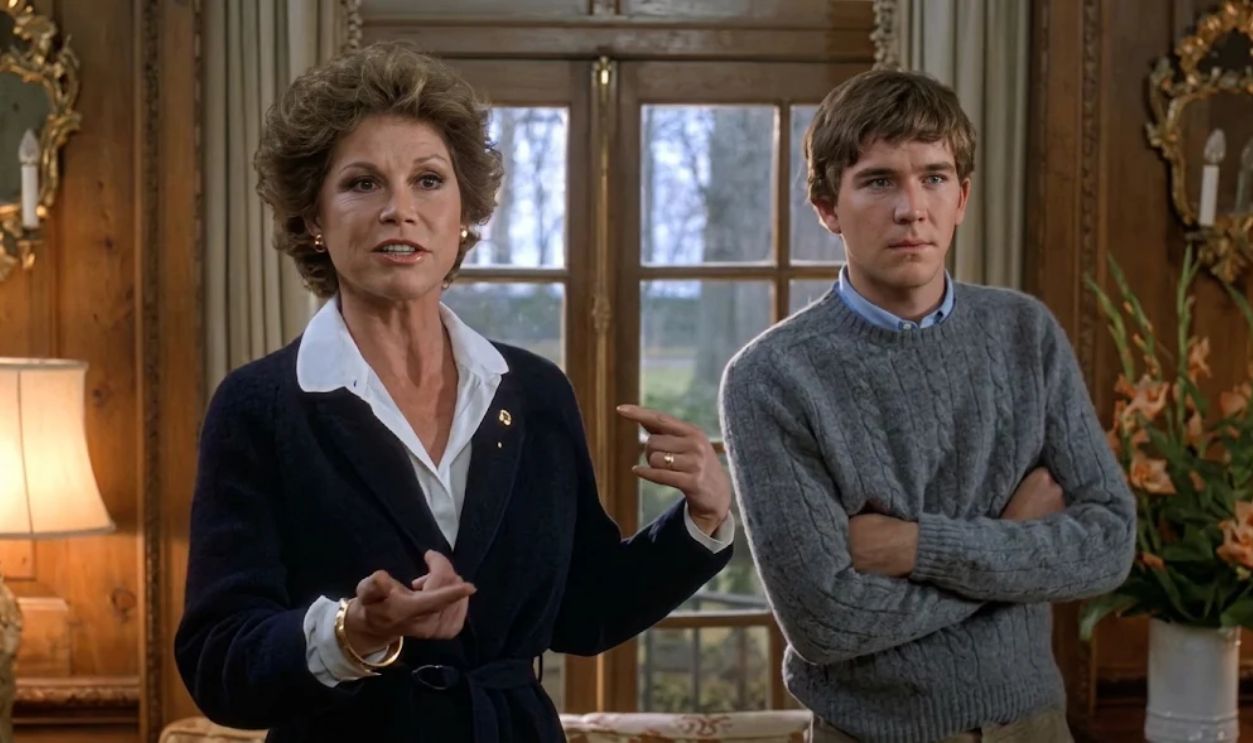 Screenshot from Ordinary People, Paramount Pictures (1980), Enhanced
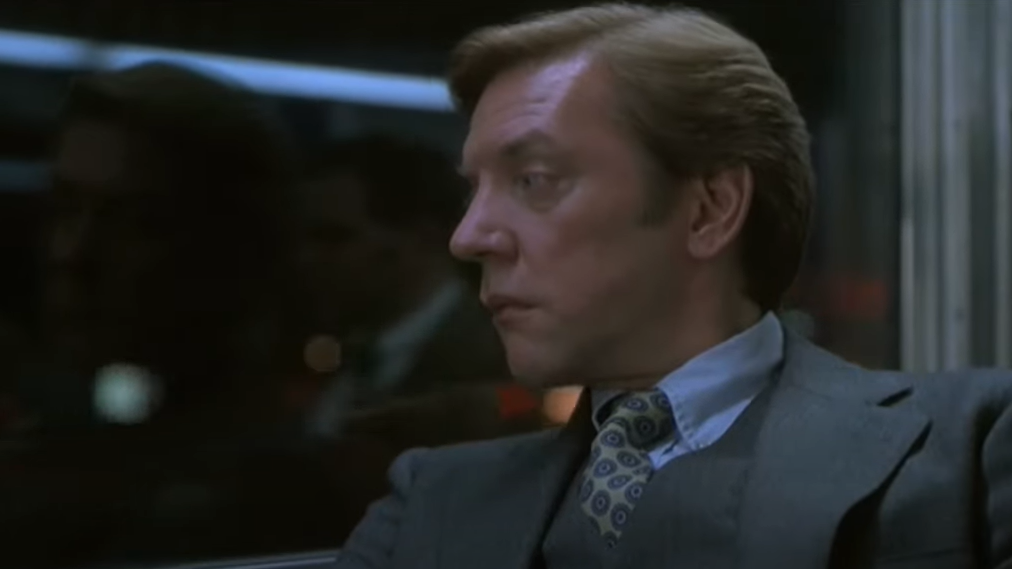
Donald Sutherland Provided The Perfect Counterpart
As Calvin Jarrett, Donald Sutherland plays a father struggling to understand what has happened to his family. He genuinely wants to help Conrad, but his attempts at holding everything together reveal how little he understands his wife's emotional distance.
 Screenshot from Ordinary People, Paramount Pictures (1980)
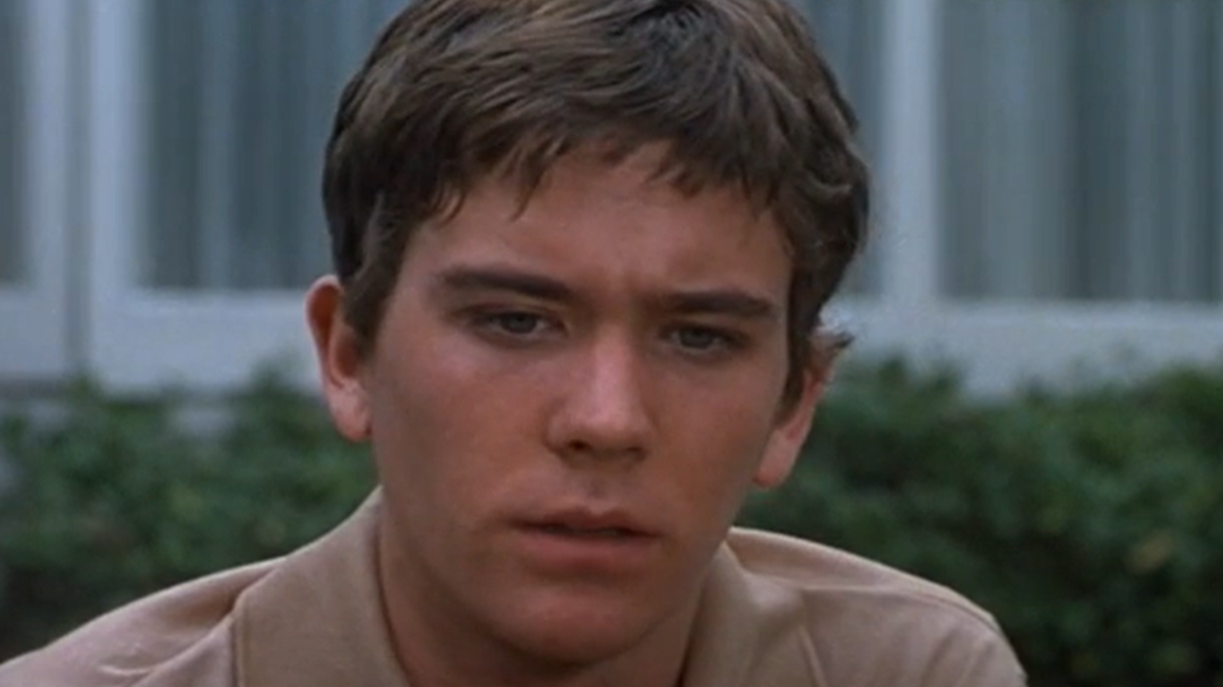
Timothy Hutton Became The Film's Emotional Center
Timothy Hutton was just 19 when the film was released, yet his performance as Conrad is astonishingly assured. Through Conrad's painful attempts to rebuild his life, audiences see the devastating effects of grief, survivor's guilt, and a family unable to communicate honestly.
 Screenshot from Ordinary People, Paramount Pictures (1980)
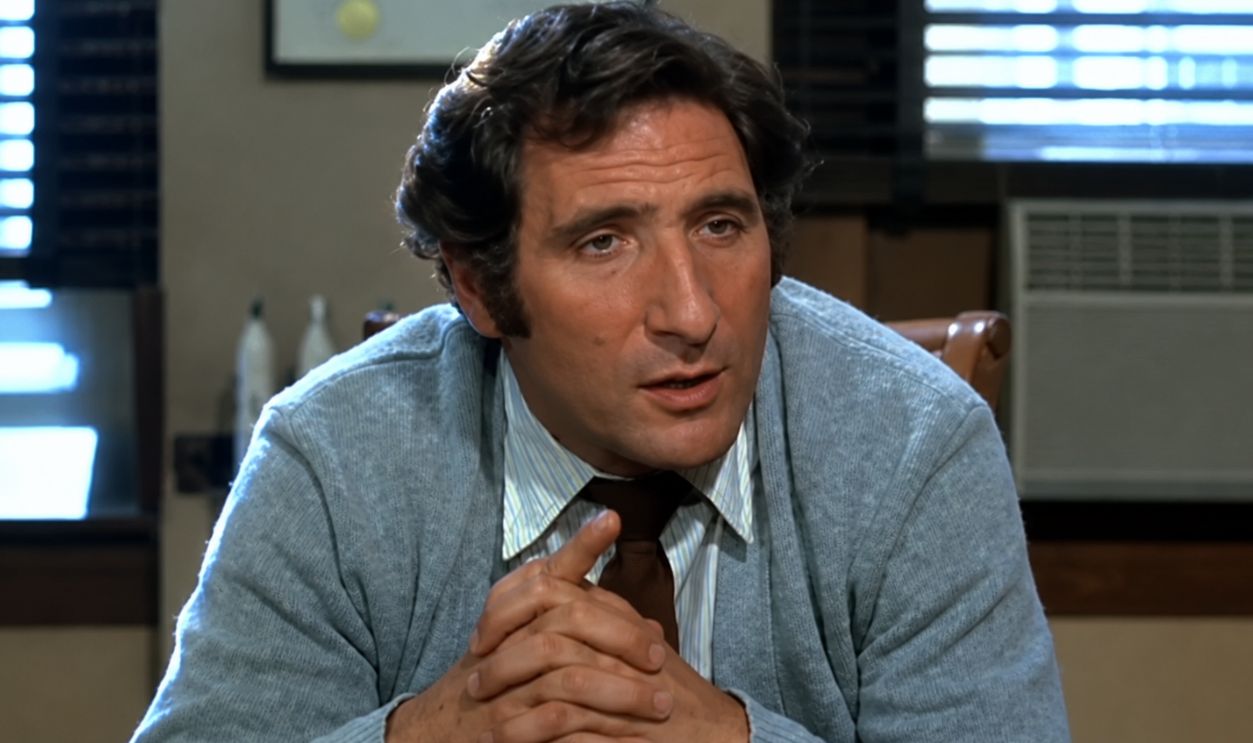
Judd Hirsch Brought Something Different
As psychiatrist Dr. Berger, Judd Hirsch provides Conrad with something his family cannot: a place to express his feelings openly. Their conversations gradually reveal the depth of Conrad's suffering. Hirsch's compassionate, occasionally blunt performance became another highlight of the film.
 Screenshot from Ordinary People, Paramount Pictures (1980), Enhanced
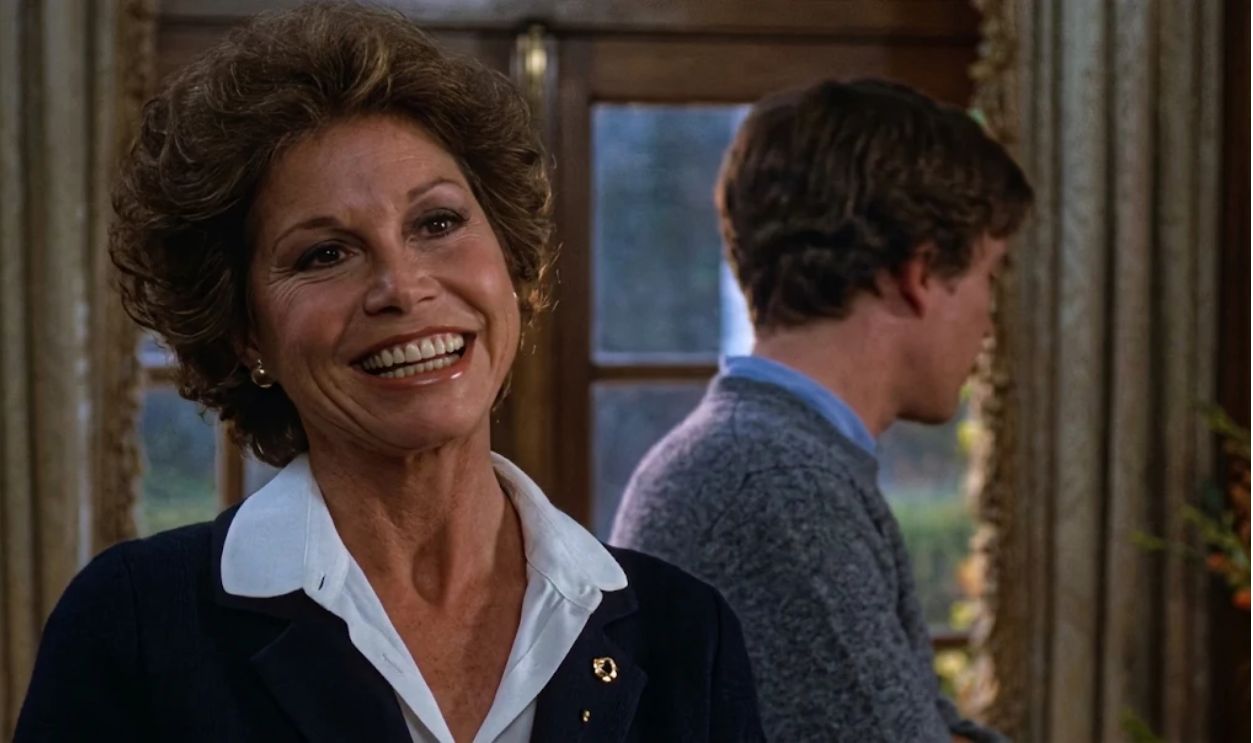
Redford Refused To Make Beth A Simple Villain
One of the film's greatest strengths is that Beth isn't presented as a cartoonishly cruel mother. She is emotionally restricted, uncomfortable with vulnerability, and unable to respond as Conrad needs. That complexity makes Moore's performance especially unsettling.
 Screenshot from Ordinary People, Paramount Pictures (1980), Enhanced
Her Silence Said More Than Words Could
Moore's performance relies heavily on small gestures, controlled expressions, and uncomfortable pauses. Beth's carefully maintained composure becomes increasingly difficult to watch as the family deteriorates. It is a dramatic departure from the lively physical comedy that helped make Moore famous.
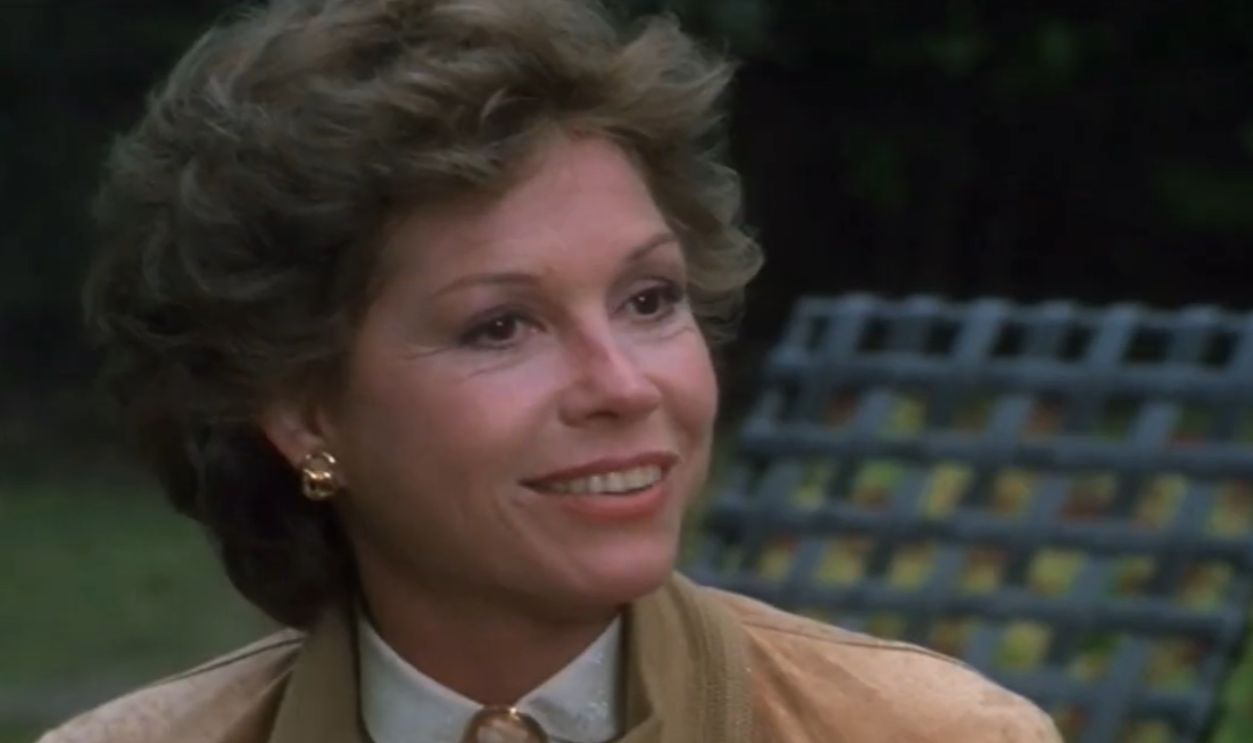 Screenshot from Ordinary People, Paramount Pictures (1980)
The Contrast Made The Performance Extraordinary
For longtime fans of The Mary Tyler Moore Show, the contrast was impossible to ignore. Mary Richards had been everyone's reassuring friend. Beth Jarrett could barely comfort her own son. Watching Moore inhabit both characters revealed a remarkable range that television audiences rarely witnessed.
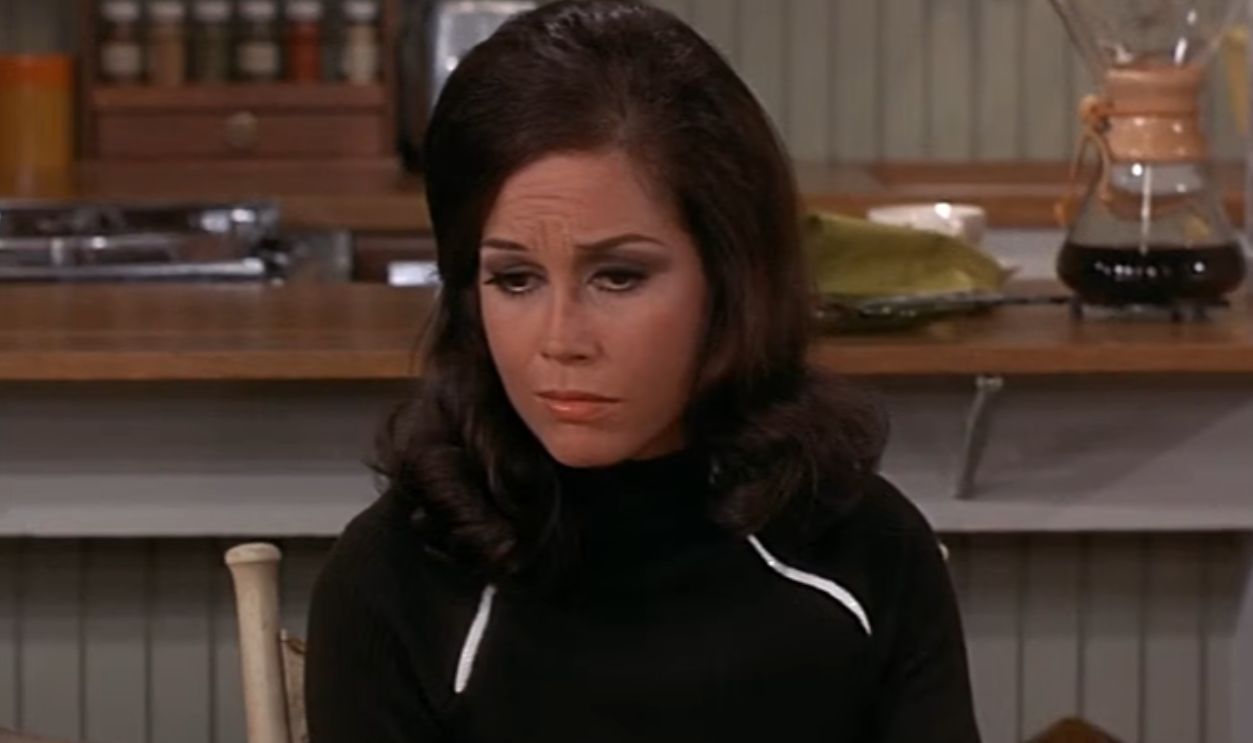 Screenshot from The Mary Tyler Moore Show, 20th Television (1970-1977)
Redford Made An Impressive Directorial Debut
Redford approached Ordinary People with an understated visual style that kept the focus firmly on the characters. Rather than overwhelm audiences with dramatic flourishes, he trusted his actors and the screenplay by Alvin Sargent to communicate the family's emotional struggles.
 Sunset Boulevard, Getty Images
Hollywood Took Notice
When awards season arrived, Ordinary People became a major contender. At the 1981 Academy Awards, the film received six nominations, including Best Picture, Best Director, and Best Actress for Moore. Her transformation had earned recognition from Hollywood's highest-profile awards ceremony.
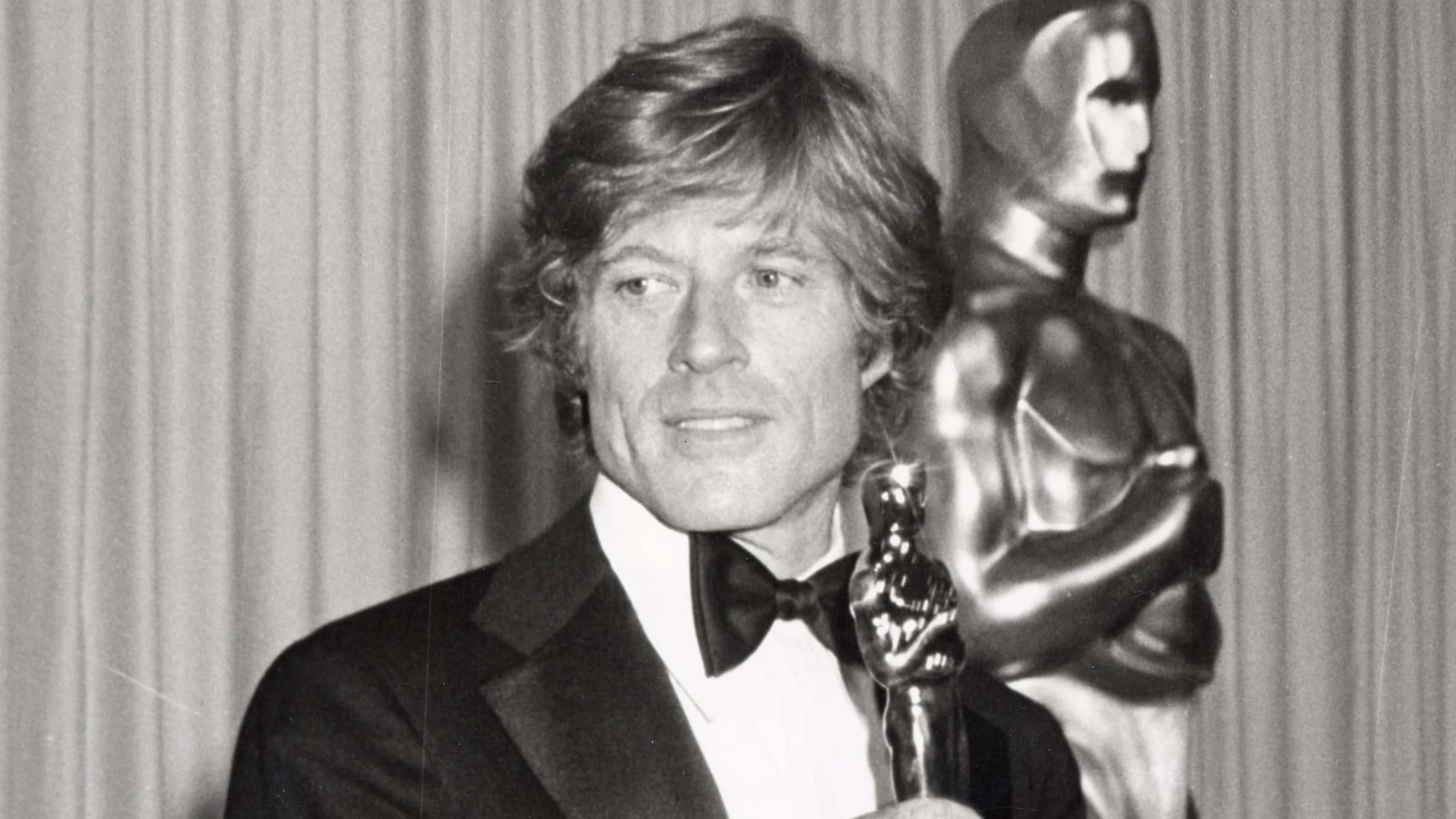
The Film Took Home Four Oscars
Ordinary People won Best Picture, Best Director for Robert Redford, Best Supporting Actor for Timothy Hutton, and Best Adapted Screenplay for Alvin Sargent. It was a remarkable achievement for Redford's first feature as director, confirming that his filmmaking talents extended beyond acting.
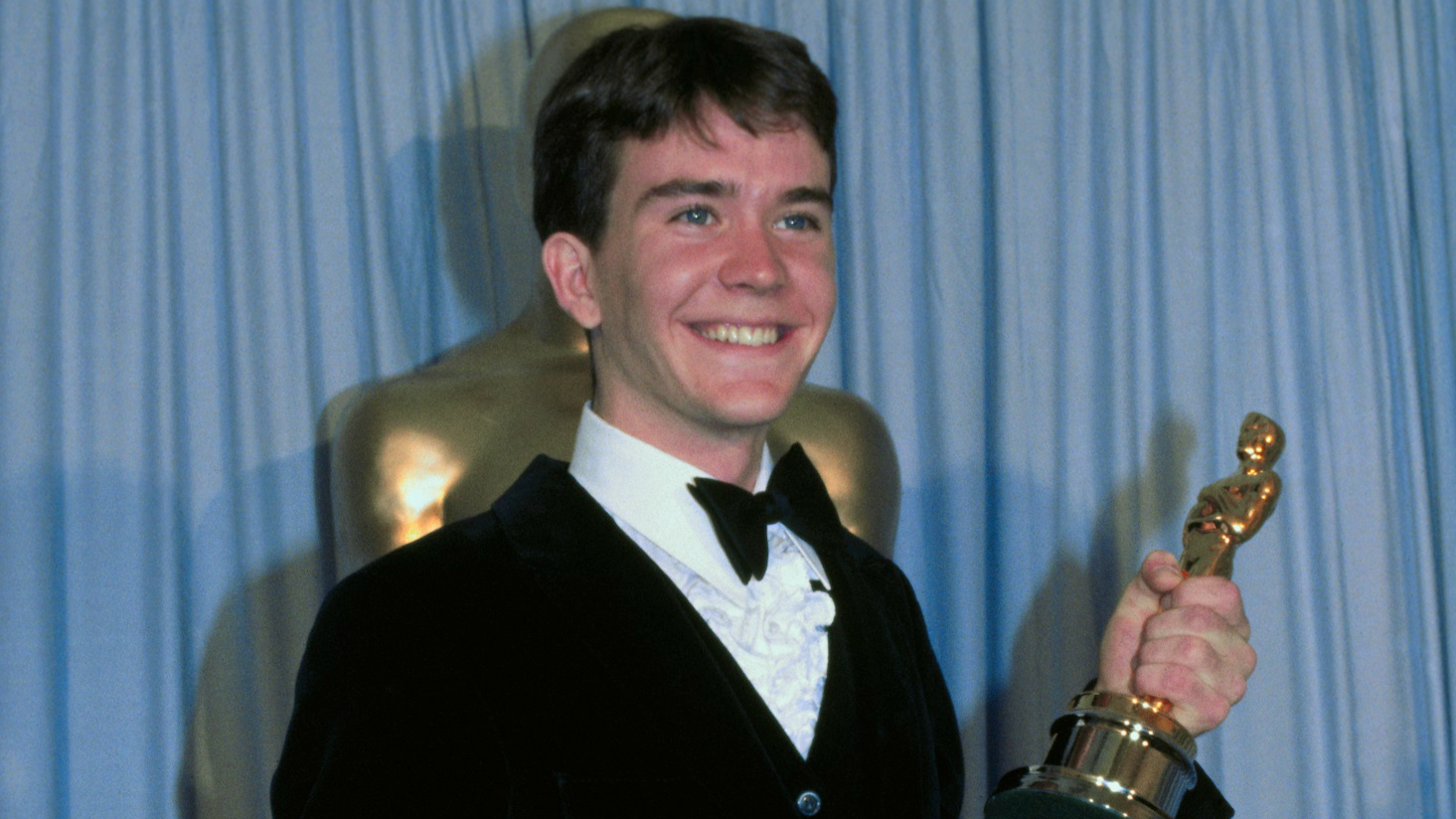
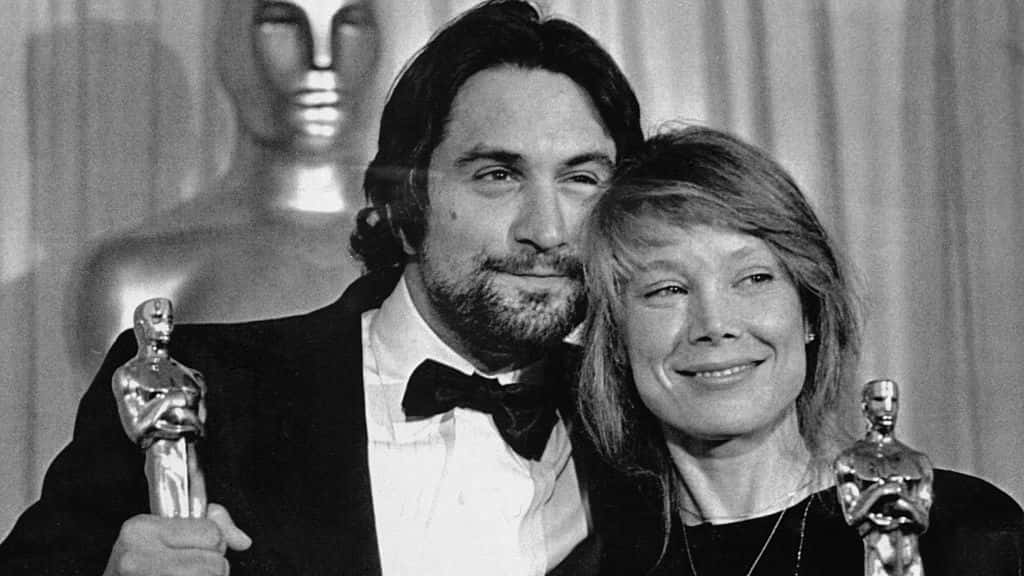
Moore Didn't Win The Oscar, But She Made History
Although Moore lost the Best Actress Oscar to Sissy Spacek for Coal Miner's Daughter, she won the Golden Globe for Best Actress in a Motion Picture Drama. The recognition established that her dramatic abilities extended far beyond her celebrated television roles.
She Never Forgot What Redford Had Given Her
Years later, Moore spoke warmly about her experience working with Redford. She praised his preparation and his ability to encourage emotional honesty from his actors. She also credited him with recognizing that she could convincingly portray someone so unlike Mary Richards.
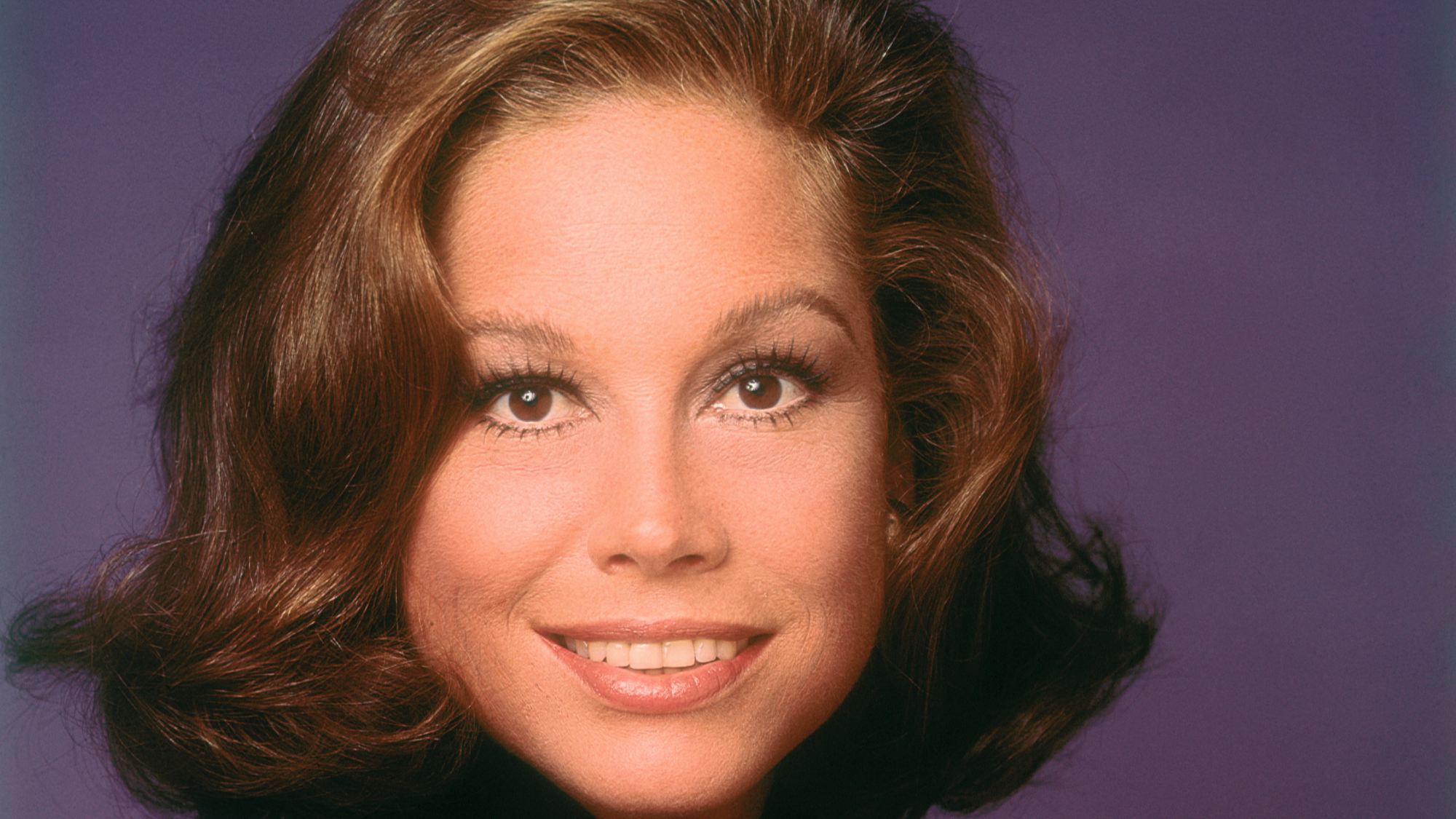
Two Remarkable Performances, One Extraordinary Career
Ordinary People remains special partly because audiences knew Mary Tyler Moore so well before seeing it. Mary Richards and Beth Jarrett could hardly have been more different, yet Moore made both unforgettable. Her achievement reminds us that a familiar television star can still surprise us.
You May Also Like:
Marlo Thomas Rejected A Traditional Wedding Ending For That Girl. Did She Make The Right Call?