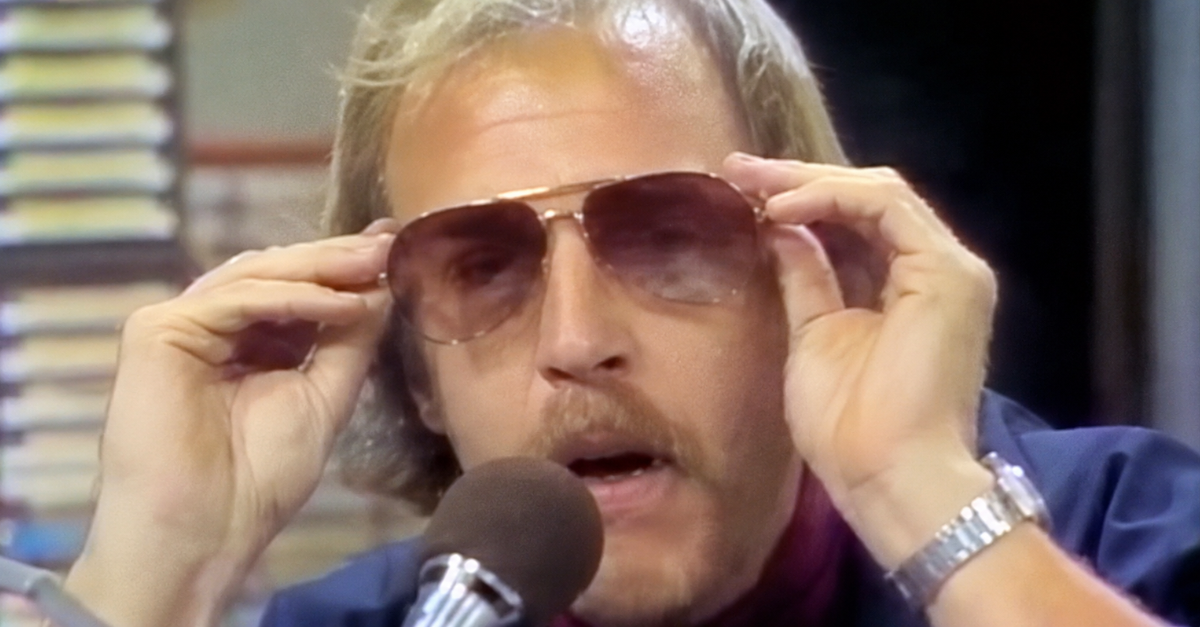
He Sounded Like The Real Thing.
Howard Hesseman brought more than comic timing to WKRP in Cincinnati because he had actually worked in underground theater, lived inside the San Francisco counterculture, and briefly sat behind a radio microphone before television came calling. Johnny Fever became memorable because Hesseman understood the difference between playing a rebellious disc jockey and actually sounding like one.
Oregon Was A Long Way From Johnny Fever
Hesseman was born in Lebanon, Oregon, in 1940 and attended the University of Oregon before heading south to California. His early adulthood coincided with the cultural upheaval that was transforming San Francisco. Rather than arriving in Hollywood as a conventional young leading man, he entered entertainment through comedy and experimentation.
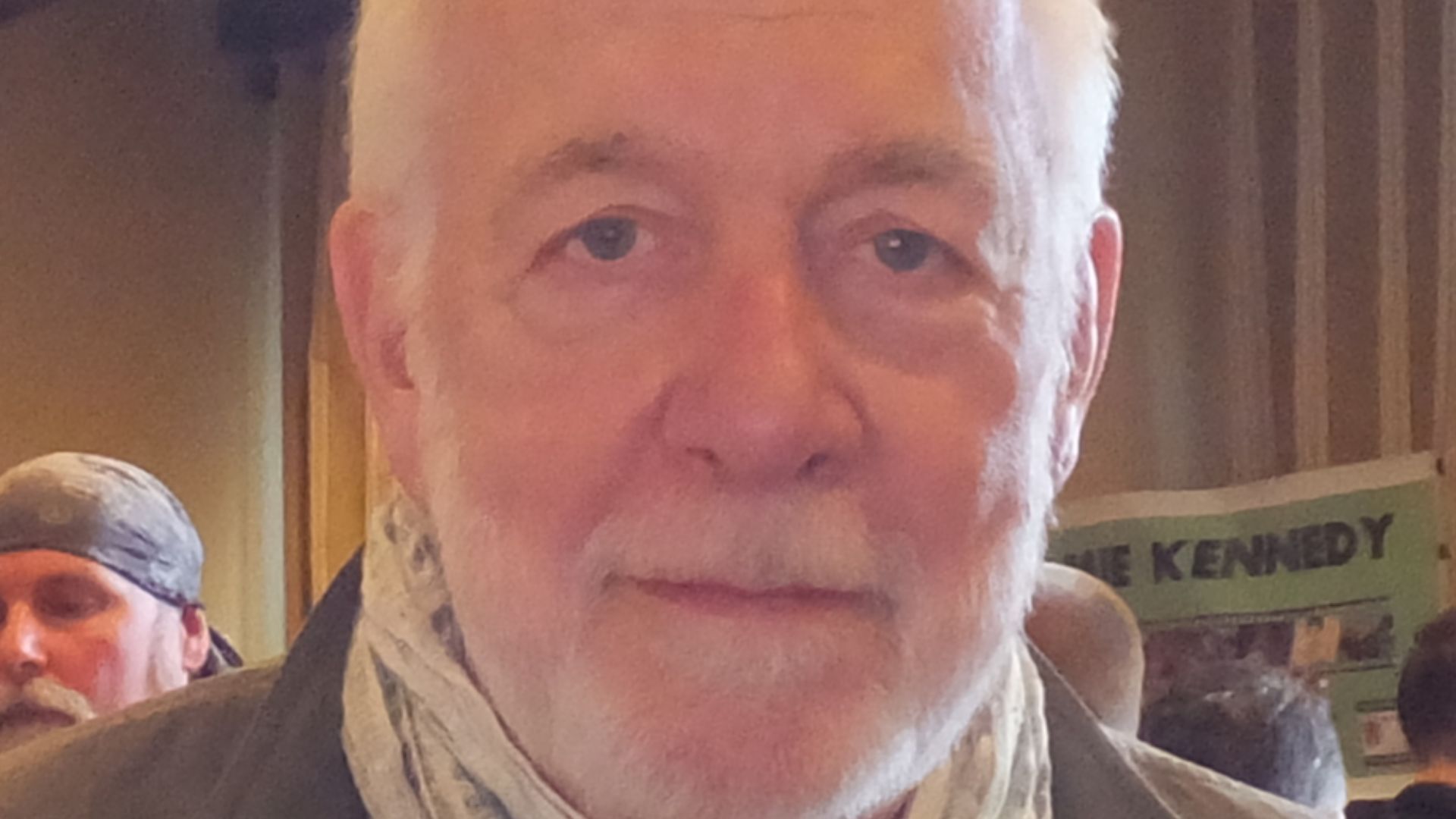 Rob DiCaterino from Clifton, NJ, USA, Wikimedia Commons
The Committee Became His Real Training Ground
In San Francisco, Hesseman joined the improvisational comedy troupe The Committee. The company demanded fast reactions, character invention, political satire, and an ability to build scenes without depending entirely on scripted dialogue. Those skills eventually became essential to Johnny Fever’s loose, spontaneous style.
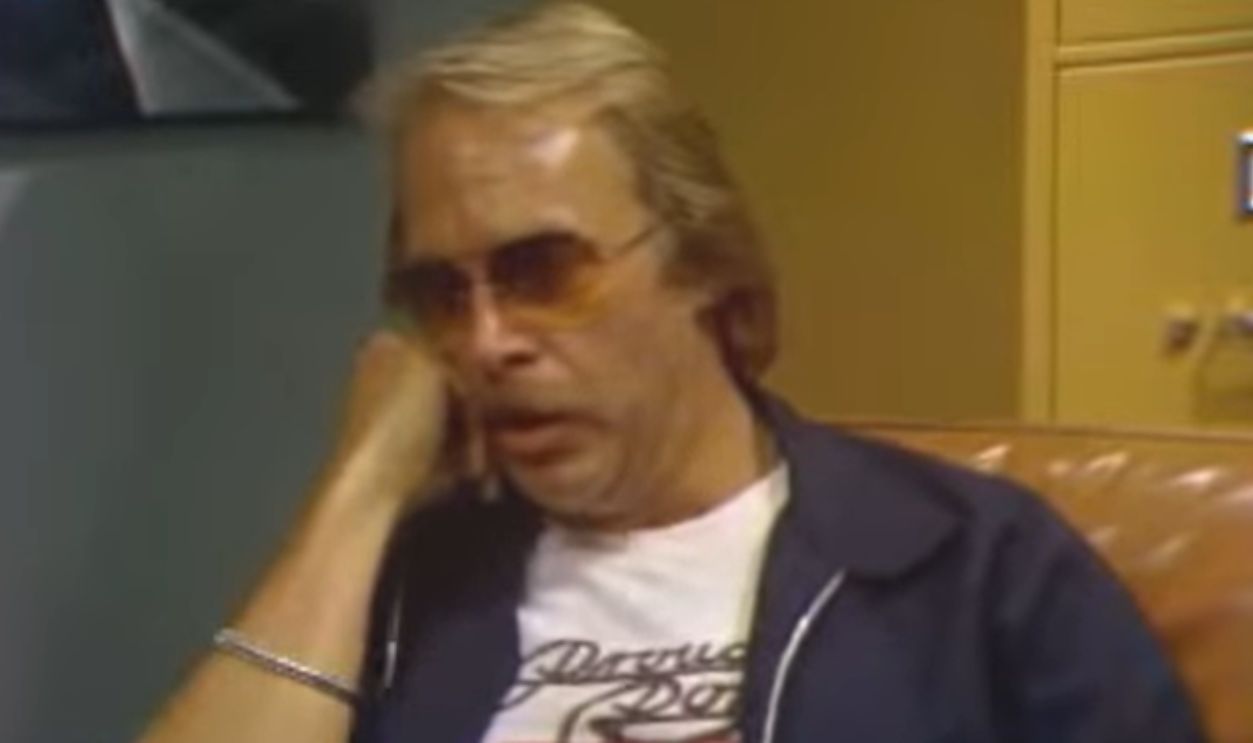 Screenshot from WKRP in Cincinnati, CBS (1978–1982)
Comedy And Protest Shared The Same Stage
The Committee regularly participated in antiwar and civil-rights demonstrations during the 1960s. Hesseman therefore developed as a comedian inside a political counterculture rather than within the safer world of television variety shows. That background gave him an instinctive understanding of people who distrusted authority, corporate language, and conventional respectability.
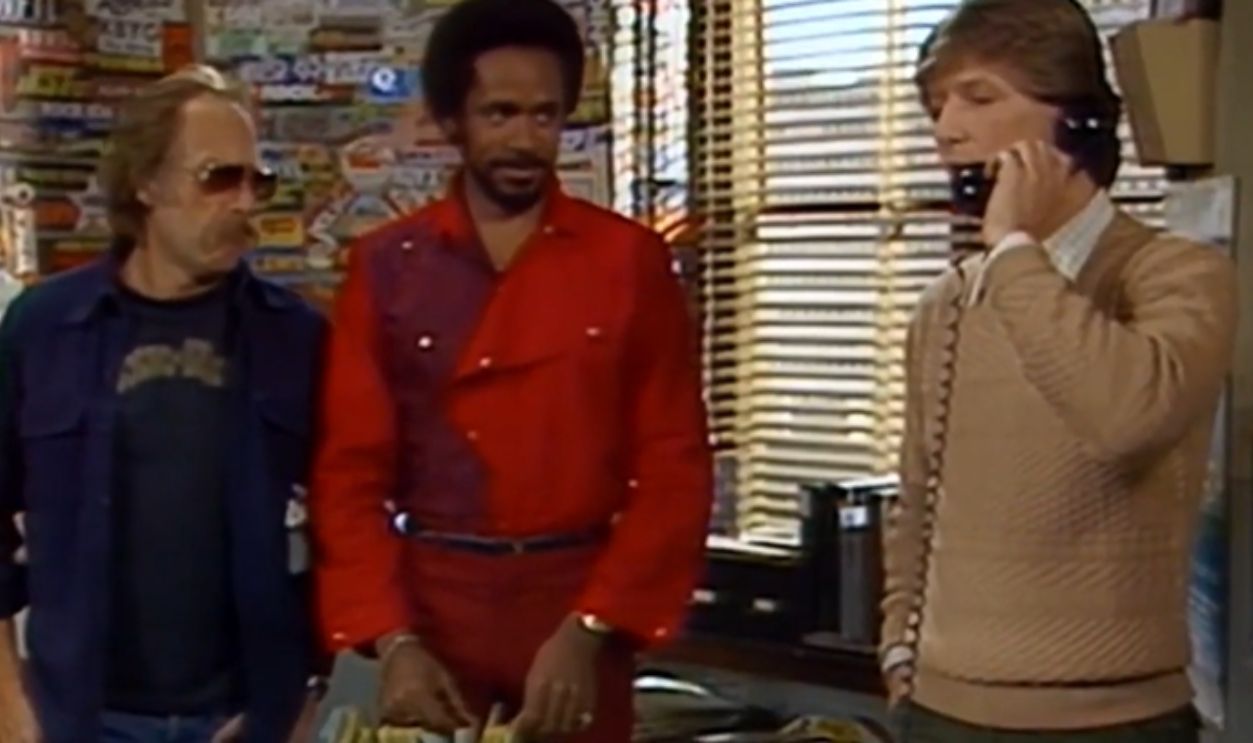 Screenshot from WKRP in Cincinnati, CBS (1978–1982)
Don Sturdy Was His First Television Disguise
Hesseman initially worked under the professional name Don Sturdy. Early television appearances included roles on shows such as The Andy Griffith Show and Dragnet, often casting him as a figure associated with the youth culture of the period. Long before Johnny Fever, television was already recognizing his ability to project a slightly subversive edge.
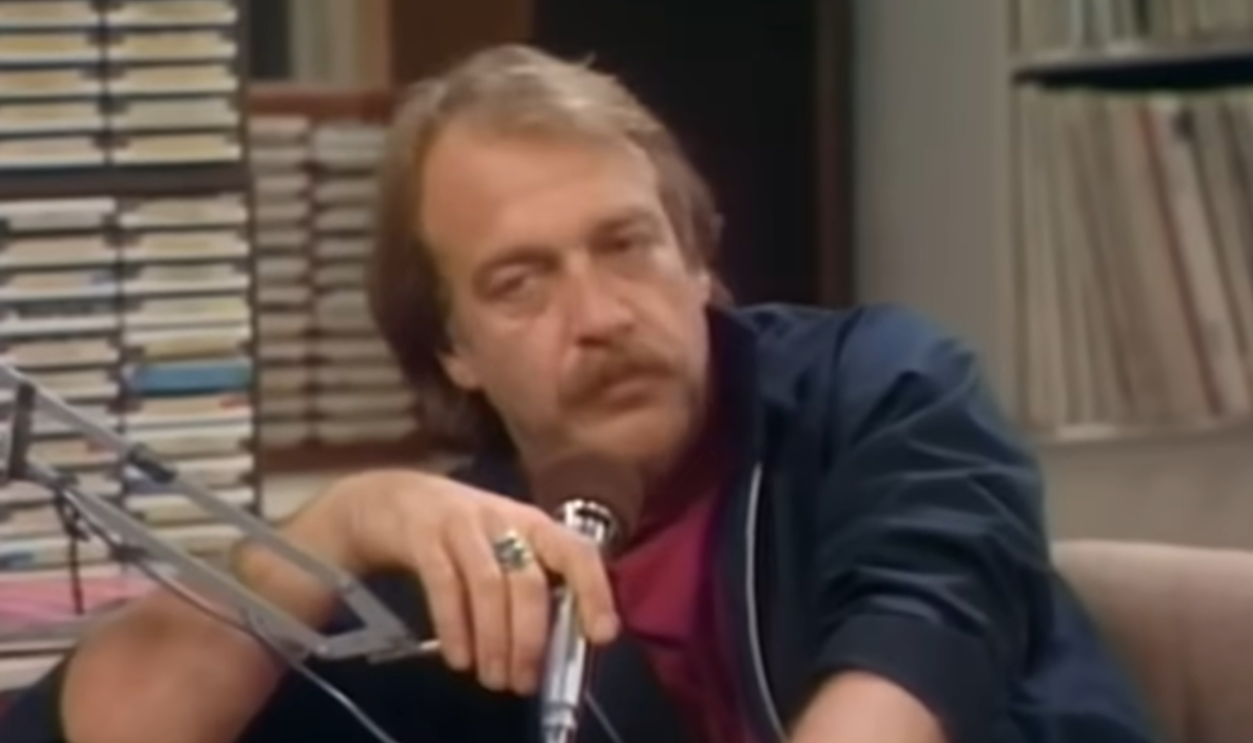 Screenshot from WKRP in Cincinnati, CBS (1978–1982)
He Really Had Been A Disc Jockey
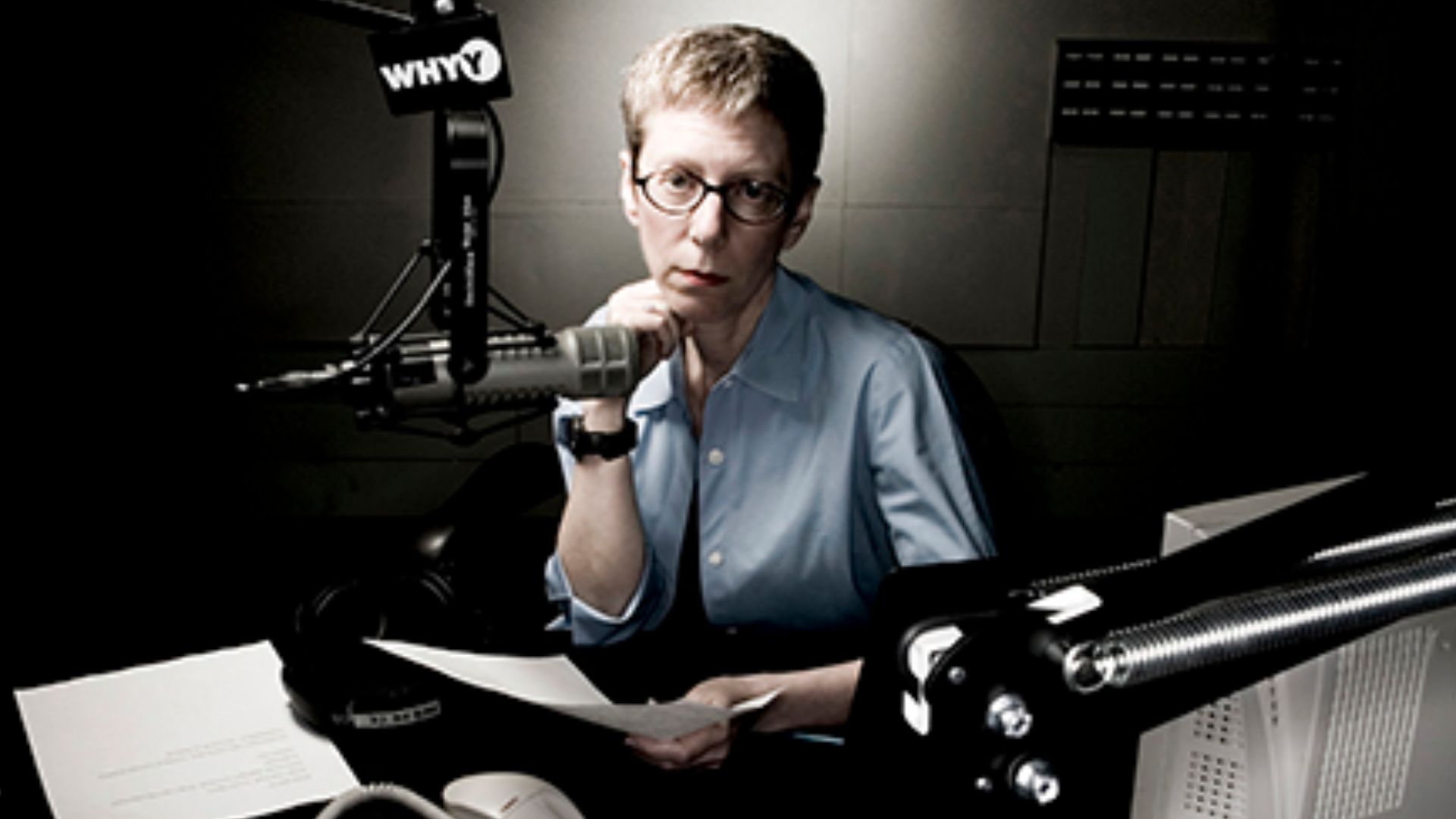
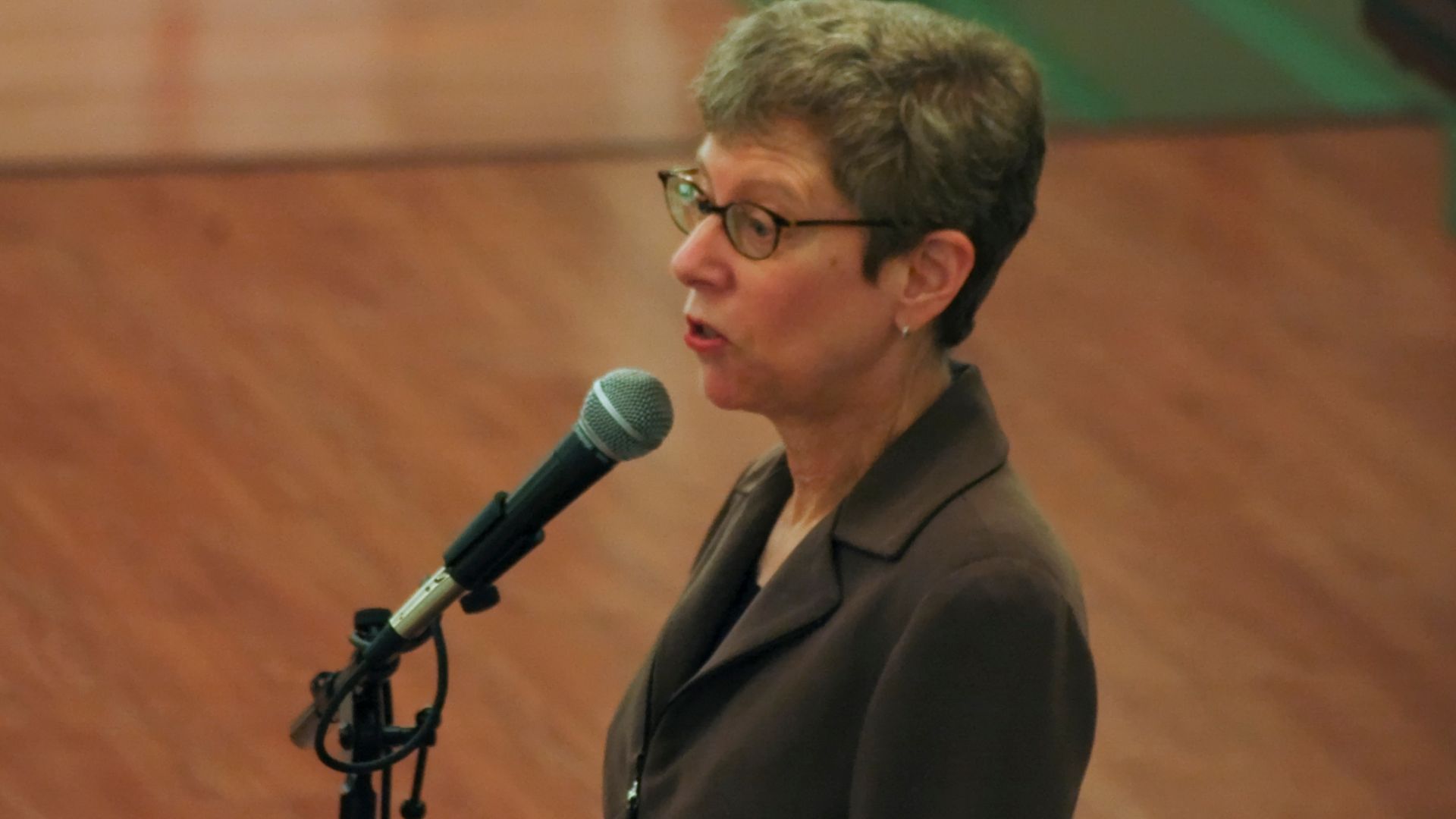
Hesseman briefly worked as a DJ at San Francisco rock station KMPX during the 1960s. He later downplayed the length and success of that radio career, telling Terry Gross that acting had already been his profession before the radio experiment. Even so, those months gave him first-hand knowledge of microphones, records, dead air, and the peculiar rhythm of speaking to listeners who could not answer back.
His Counterculture Credentials Were Not Manufactured
Hesseman’s life outside entertainment sometimes resembled the characters Hollywood later asked him to play. He discussed a 1963 possession conviction in his Fresh Air interview and noted that the record was eventually expunged. That history did not make Johnny Fever autobiographical, but it meant Hesseman did not have to study the counterculture from a distance.
Dragnet Cast Him As The Kind Of Man Friday Distrusted
One of Hesseman’s early Dragnet appearances placed him inside Jack Webb’s extremely square vision of 1960s youth culture. Playing hippie-era characters made use of his appearance and familiarity with the scene, even when the program viewed that world skeptically. The irony is that a decade later Hesseman would turn a similar cultural type into one of network television’s most sympathetic comic characters.
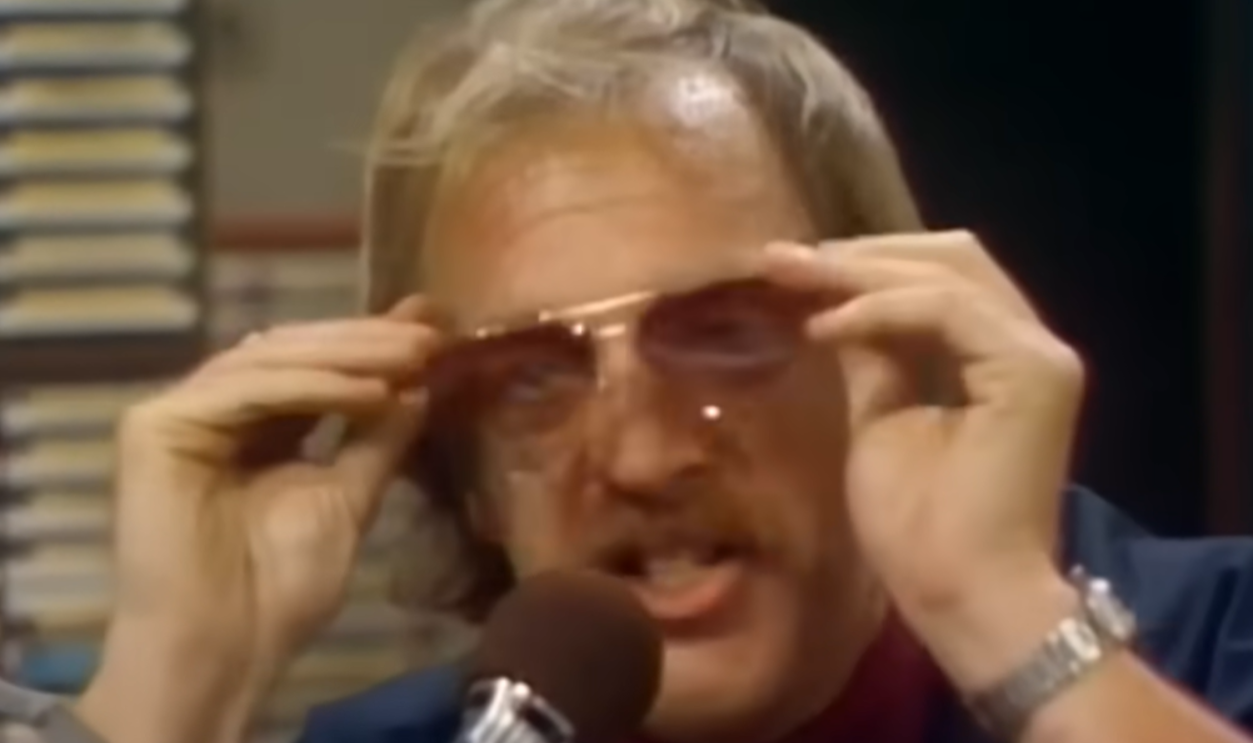 Screenshot from WKRP in Cincinnati, CBS (1978–1982)
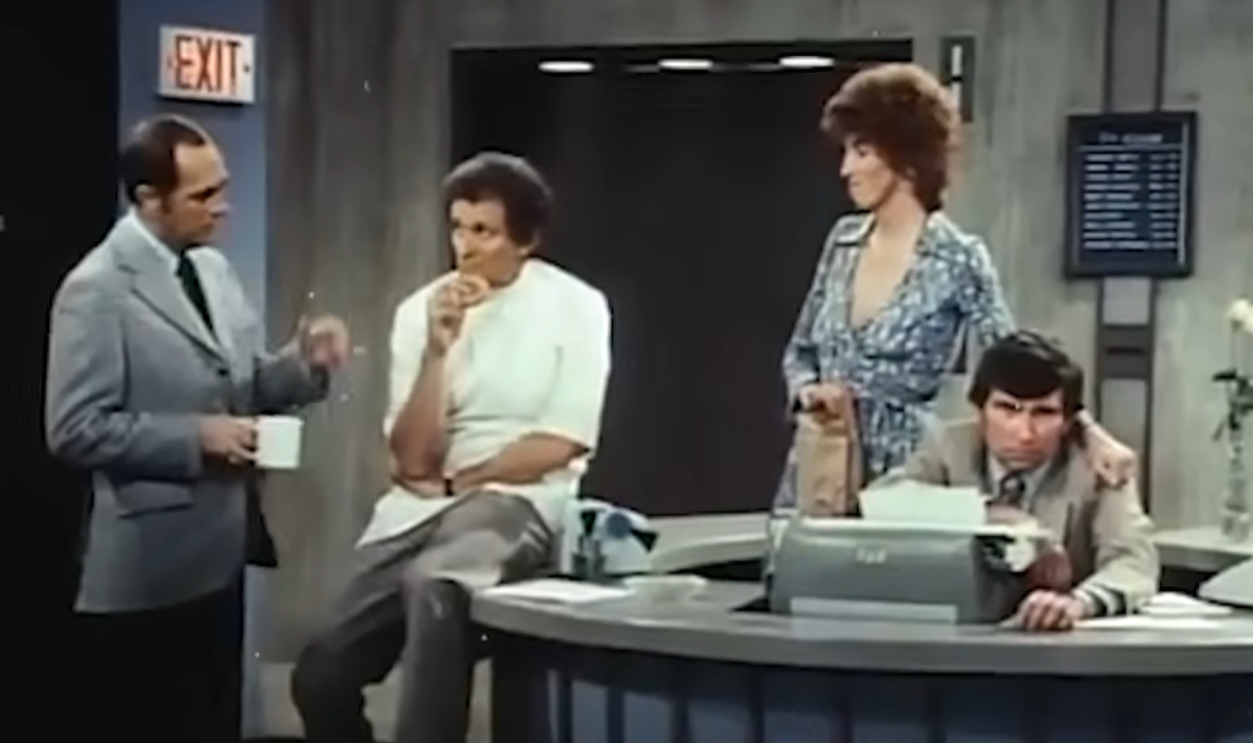
The Bob Newhart Show Put Him On MTM’s Radar
Hesseman appeared repeatedly on The Bob Newhart Show, an MTM Enterprises production. Director Jay Sandrich later recalled that this work helped make Hesseman familiar to the people involved in casting WKRP. A series of smaller character parts was quietly positioning him for the role that would define his career.
 Screenshot from The Bob Newhart Show, CBS (1972–1978)
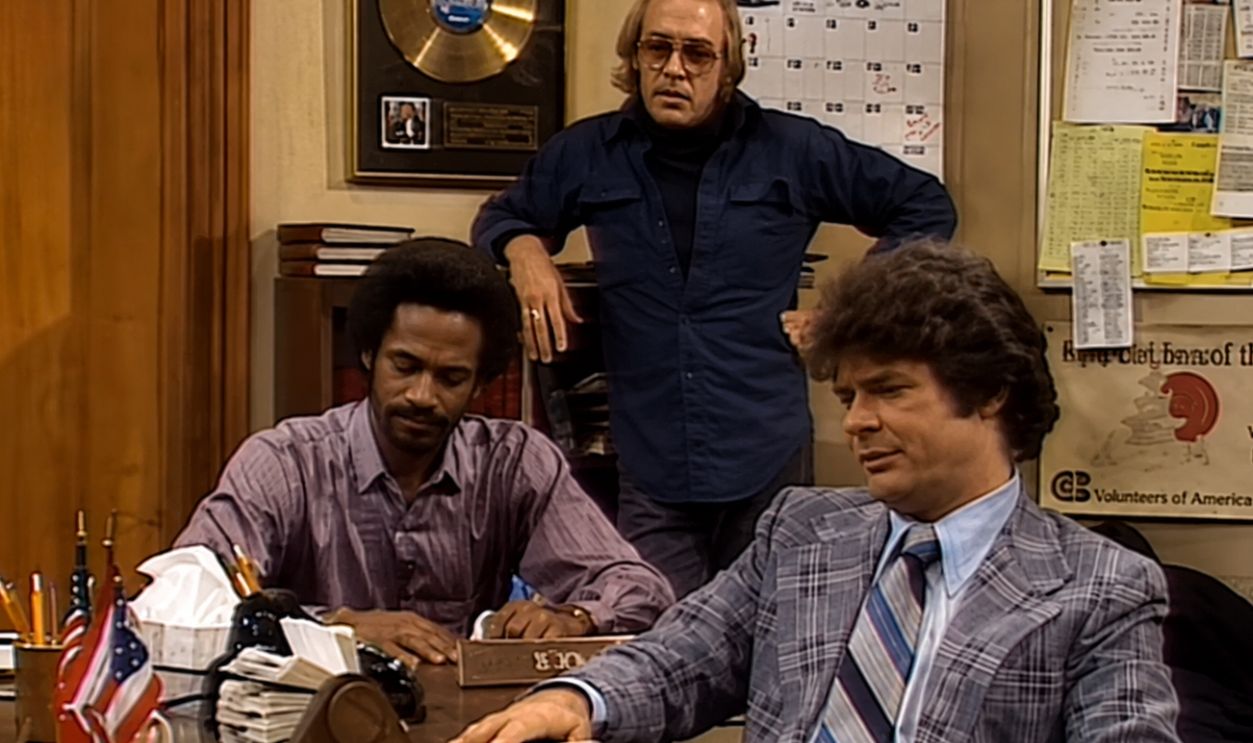
Johnny Fever Was Almost Someone Else
The role of Johnny was not originally built around Hesseman. Sandrich later discussed helping steer the casting toward him after another performer was unavailable. Once Hesseman entered the picture, his real radio background and improvisational instincts made the match unusually convincing.
 Screenshot from WKRP in Cincinnati, CBS (1978–1982)
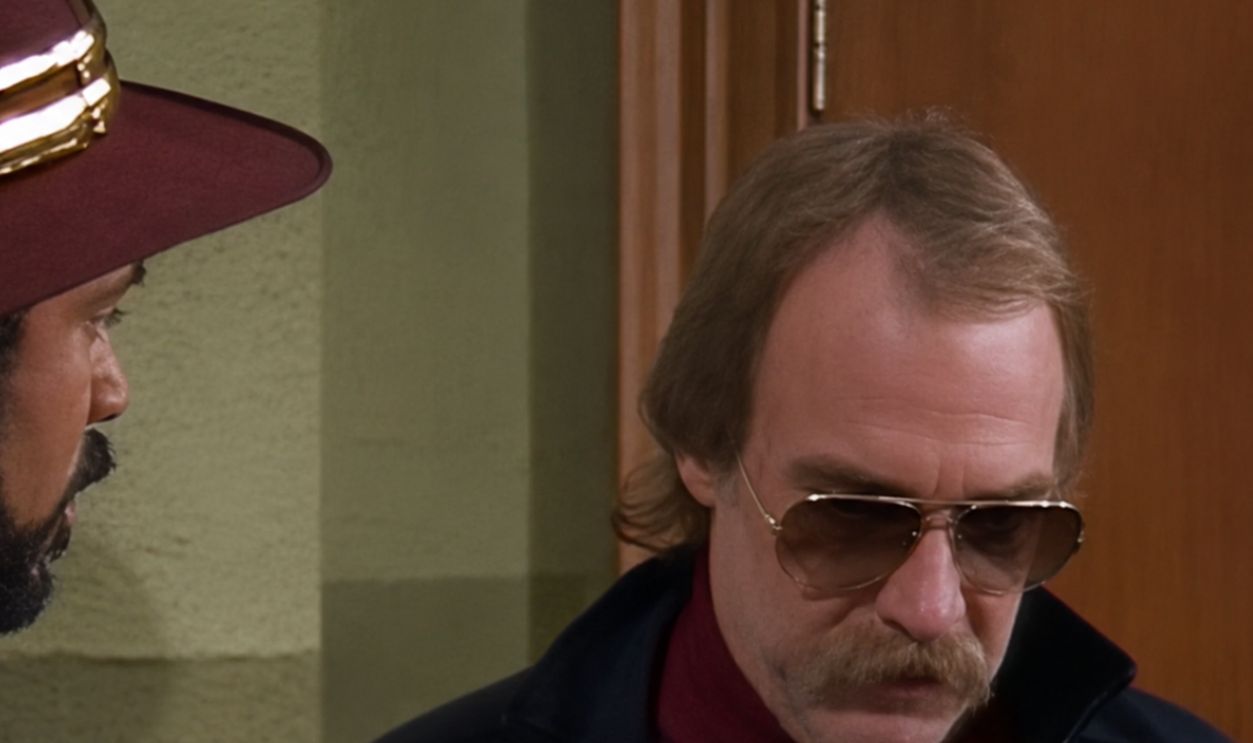
WKRP Began With A Revolution In The Booth
WKRP in Cincinnati premiered in September 1978 with a struggling station changing its format from easy listening to rock music. Program director Andy Travis wanted to make the sleepy station competitive, and Johnny became the voice that announced the transformation. Hesseman’s first big broadcast immediately established that the new WKRP would sound nothing like the old one.
 Screenshot from WKRP In Cincinnati, CBS (1978-1982)
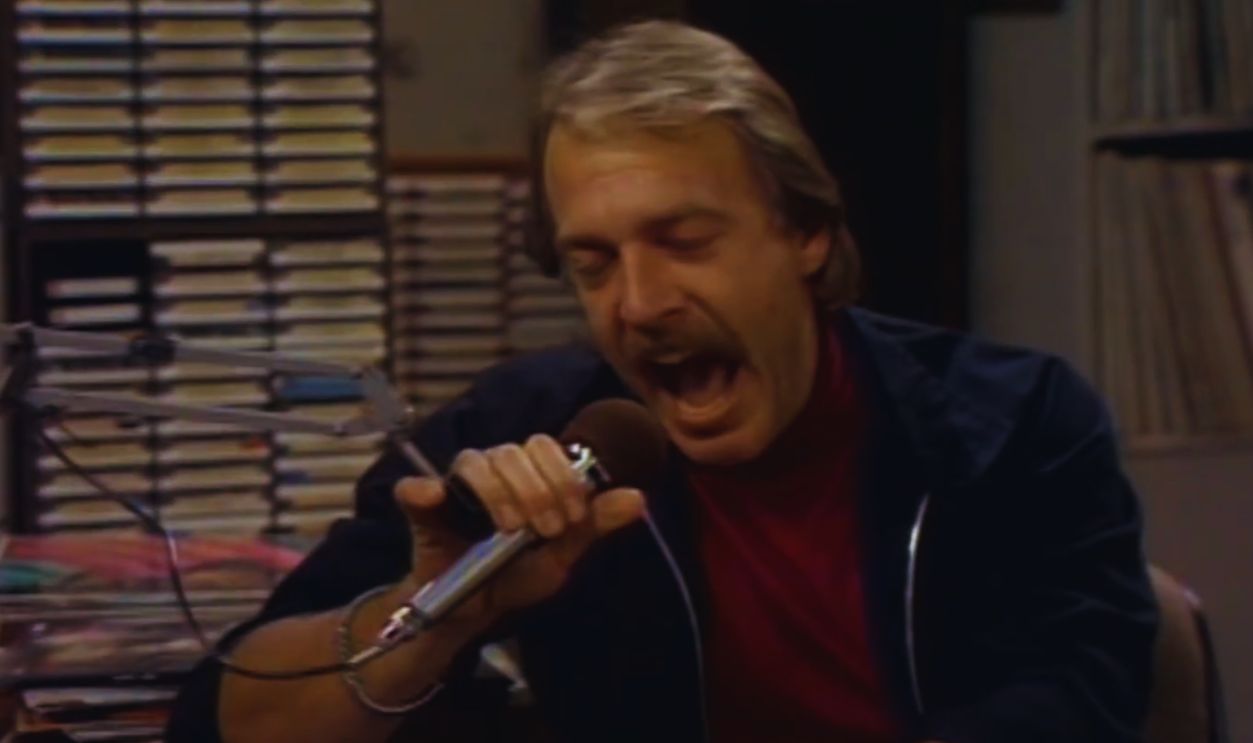
Johnny Had Already Been Fired For Being Johnny
The character arrived with a colorful professional history. Johnny had lost a previous Los Angeles radio job after saying an offending word on the air, a story that instantly marked him as someone uncomfortable with tightly controlled broadcasting. His résumé suggested a man who had spent years bouncing between stations because his personality did not fit corporate expectations.
 Screenshot from WKRP in Cincinnati, CBS (1978–1982)
Hesseman Made The Broadcasts Feel Improvised
Hesseman frequently improvised portions of Johnny’s on-air patter rather than delivering every introduction with rigid sitcom precision. His radio experience helped him fill space naturally, change rhythm, and sound as though he were actually choosing the next thought while a record spun. That looseness became one of the details that radio professionals and listeners found especially convincing.
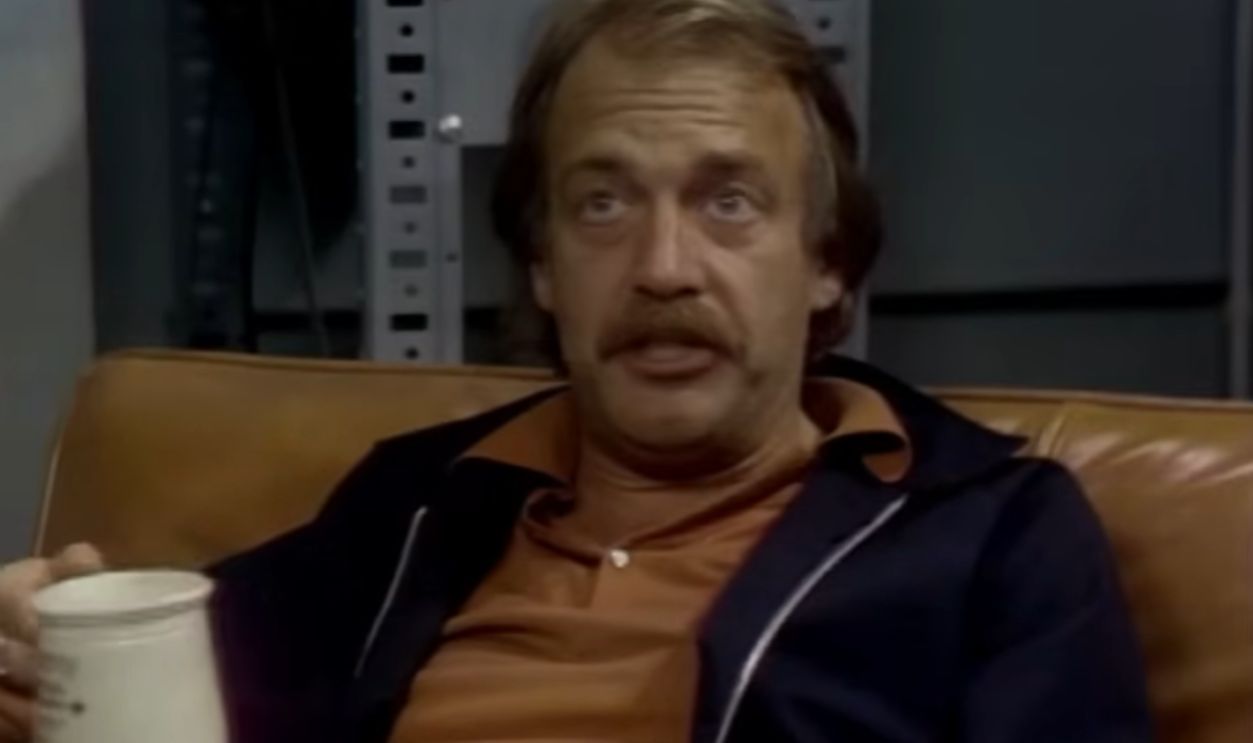 Screenshot from WKRP in Cincinnati, CBS (1978–1982)
Johnny Looked Like The Sixties Had Survived
By the late 1970s, television was moving into a different cultural moment, but Johnny still carried traces of the previous decade. His clothes, weary attitude, references to drugs, and suspicion of management made him look like someone who had survived the counterculture only to discover that adulthood required a paycheck. Hesseman played the fatigue as carefully as the rebellion.
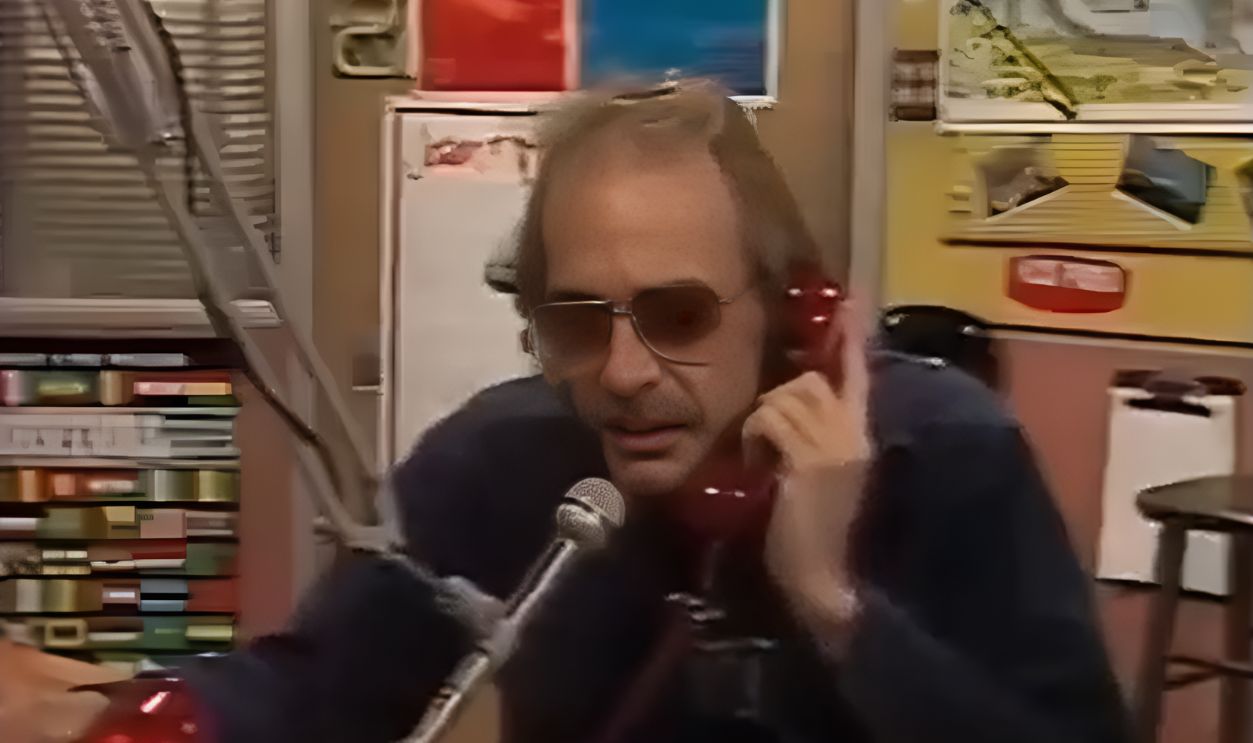 Screenshot from WKRP in Cincinnati, CBS (1978–1982), Modified
The Character Was Cynical Without Becoming Bitter
Johnny expected management to make bad decisions and usually assumed that commercial radio would disappoint him. Yet he still cared about music and remained loyal to the strange group of people at WKRP. That combination kept him from turning into a one-note burned-out hippie caricature.
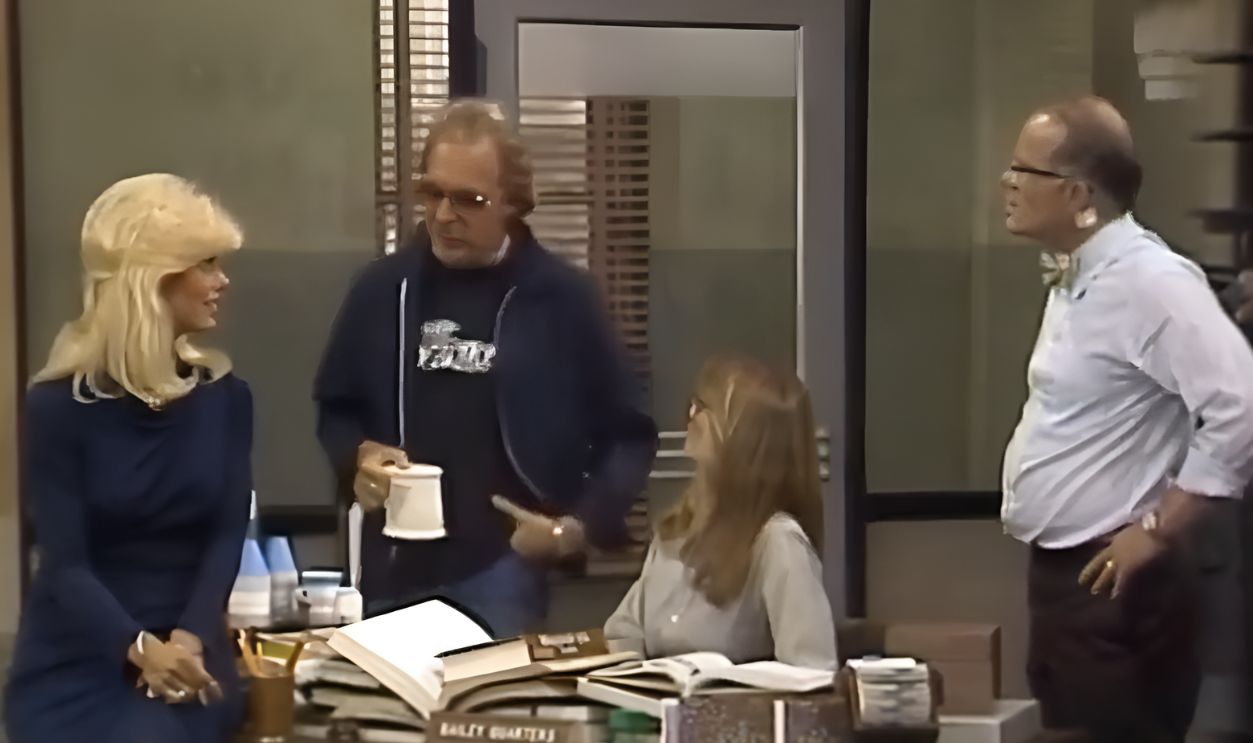 Screenshot from WKRP in Cincinnati, CBS (1978–1982), Modified
Network Television Rarely Showed Hippies This Sympathetically
The Associated Press later described Johnny Fever as a counterculture icon at a time when relatively few hippie characters occupied central positions on network television. Hesseman did not play him as a warning about what happened to rebellious youth. Johnny could be irresponsible and eccentric while also being perceptive, funny, and extremely good at his job.
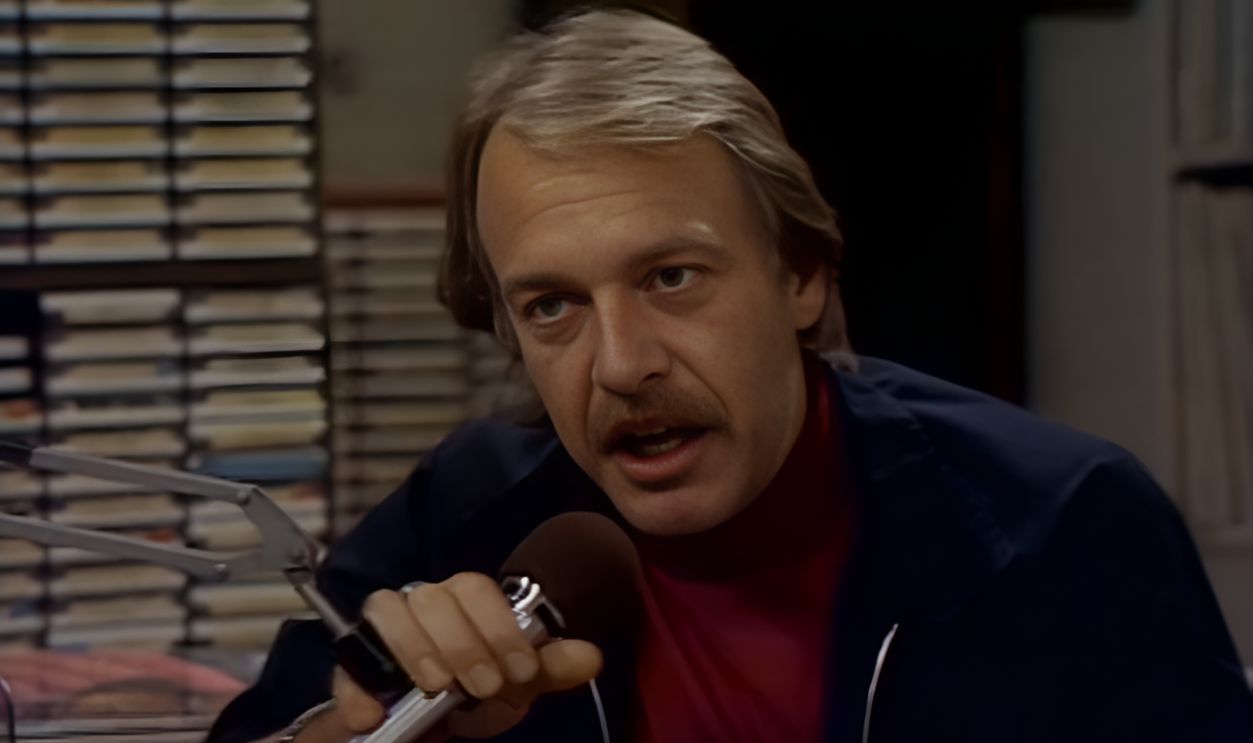 Screenshot from WKRP in Cincinnati, CBS (1978–1982), Modified
Andy Travis Gave Johnny Someone To Trust
Gary Sandy’s Andy Travis represented management, but he was also the person trying to make WKRP a credible rock station. That made him different from the authority figures Johnny instinctively distrusted. Their relationship worked because Johnny could complain about orders while still recognizing that Andy understood the value of good radio.
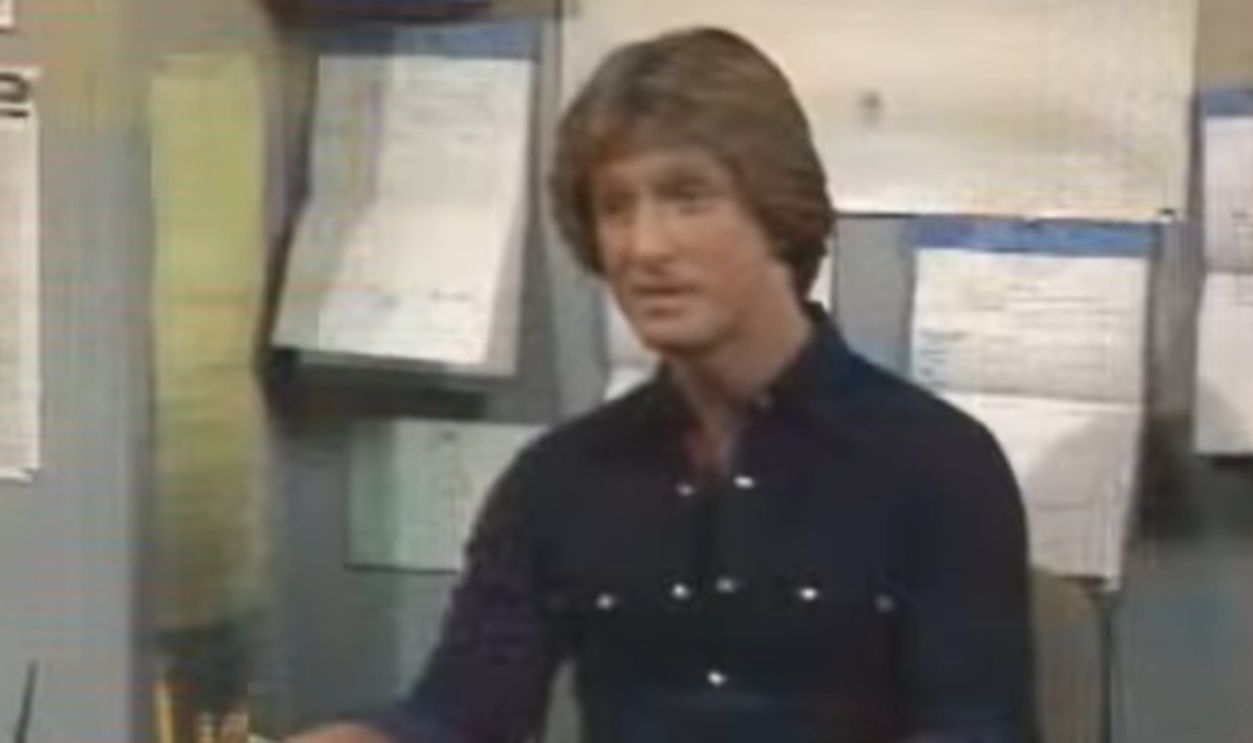 Screenshot from WKRP in Cincinnati, CBS (1978–1982)
Venus Flytrap Offered A Different Kind Of Cool
Tim Reid’s Venus Flytrap brought a polished late-night persona to the station that contrasted beautifully with Johnny’s scruffier morning style. Reid worked with creator Hugh Wilson to develop Venus’s music, clothes, beard, and distinctive presentation. Putting the two DJs in the same workplace allowed WKRP to show that radio cool did not come in only one form.
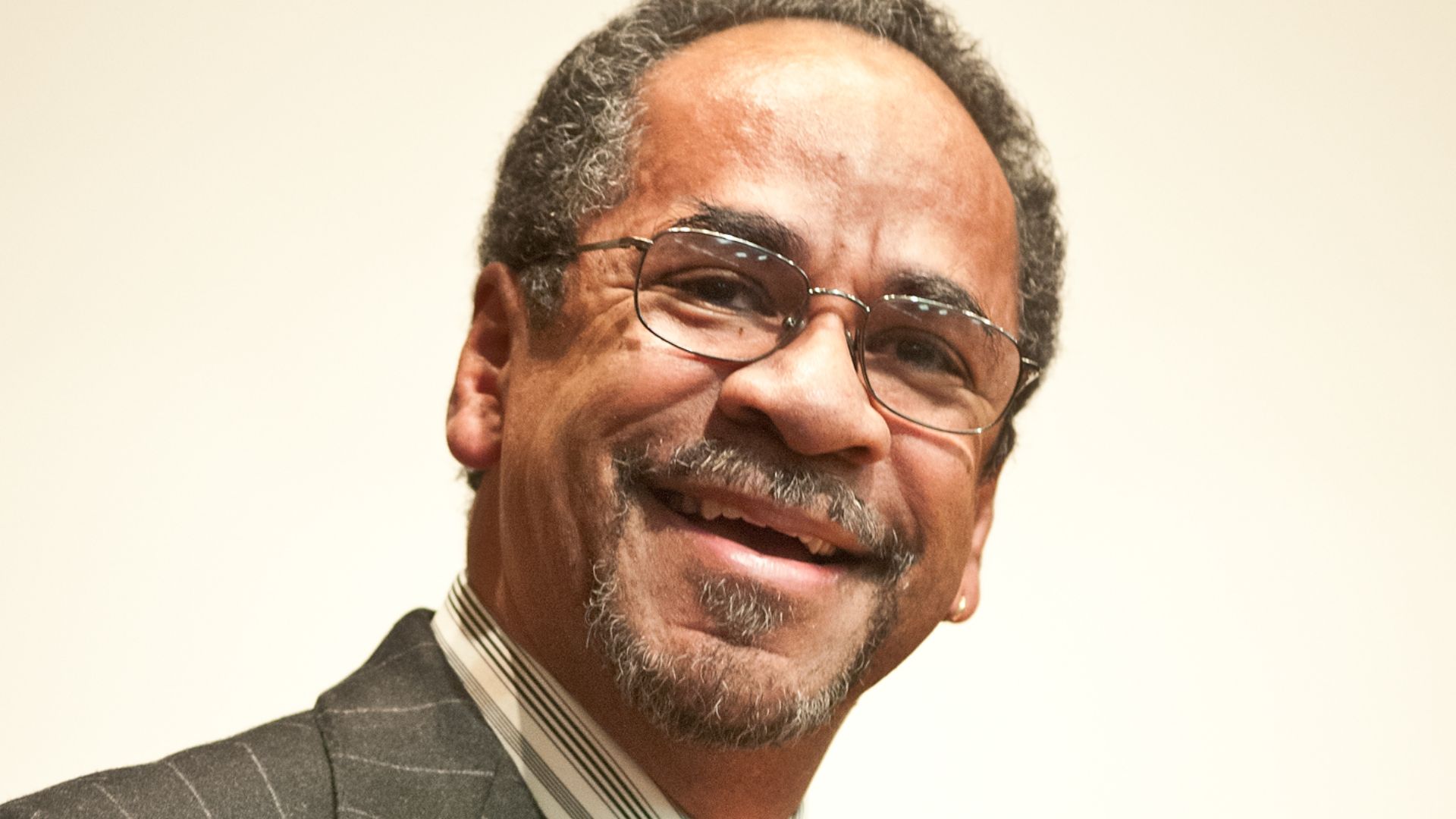 U.S. Department of Agriculture, Wikimedia Commons
Mr. Carlson Became The Boss Johnny Could Actually Like
Gordon Jump’s Arthur Carlson was technically the station’s general manager, but he was often as bewildered by the broadcasting business as everyone else. Johnny could mock management while still showing genuine affection for Carlson. That warmth mattered because it transformed WKRP from a workplace he tolerated into a community he repeatedly chose to remain part of.
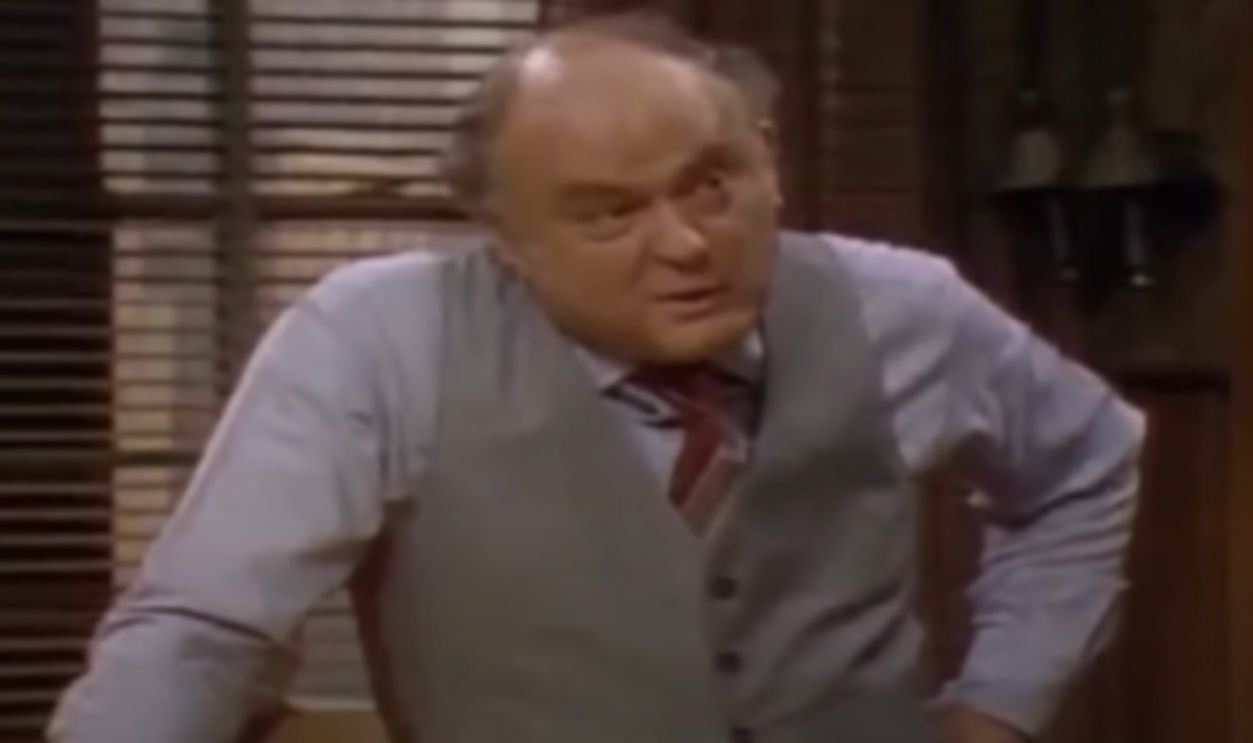 Screenshot from WKRP in Cincinnati, CBS (1978–1982)
The Whole Ensemble Made Johnny Funnier
Loni Anderson, Jan Smithers, Richard Sanders, Frank Bonner, Gordon Jump, Gary Sandy, and Tim Reid gave Hesseman a remarkably varied group of personalities to bounce against. Jennifer Marlowe rarely bought Johnny’s attempts at charm, while Les Nessman’s rigid worldview made Johnny’s looseness even more pronounced. The character became richer because he occupied a believable workplace rather than a comedy built solely around one star.
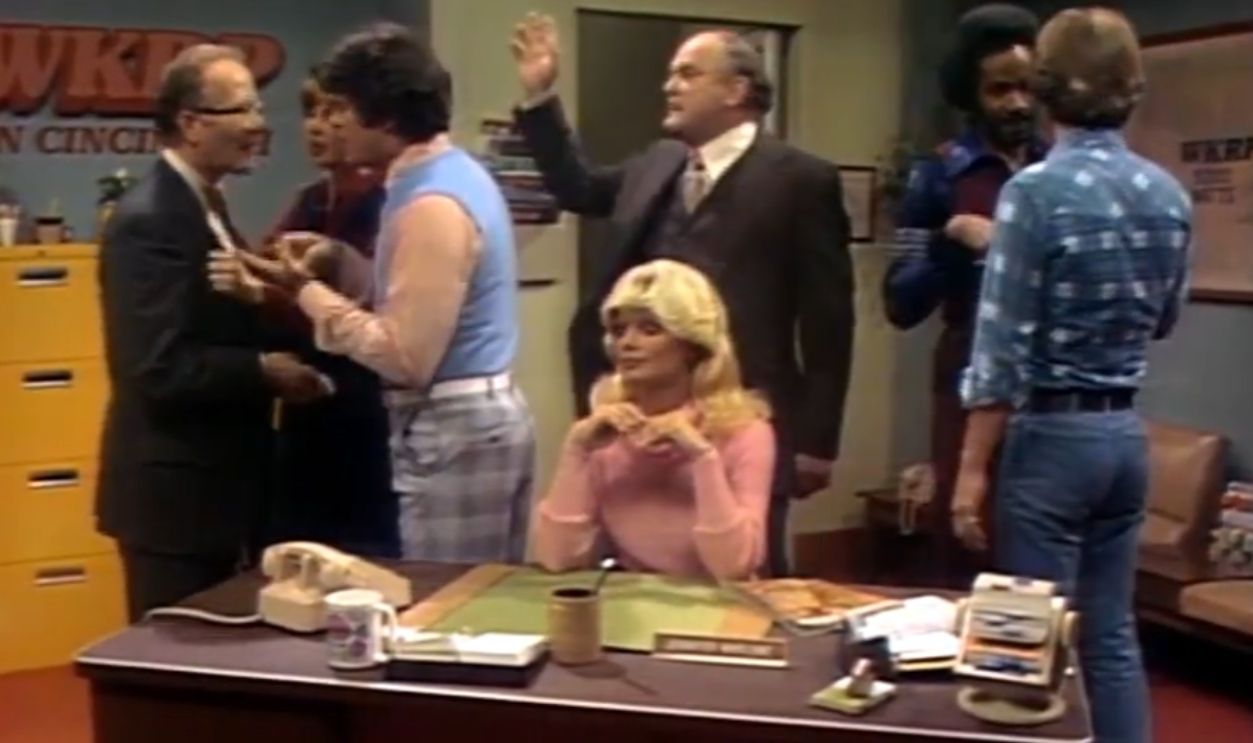 Screenshot from WKRP in Cincinnati, CBS (1978–1982)
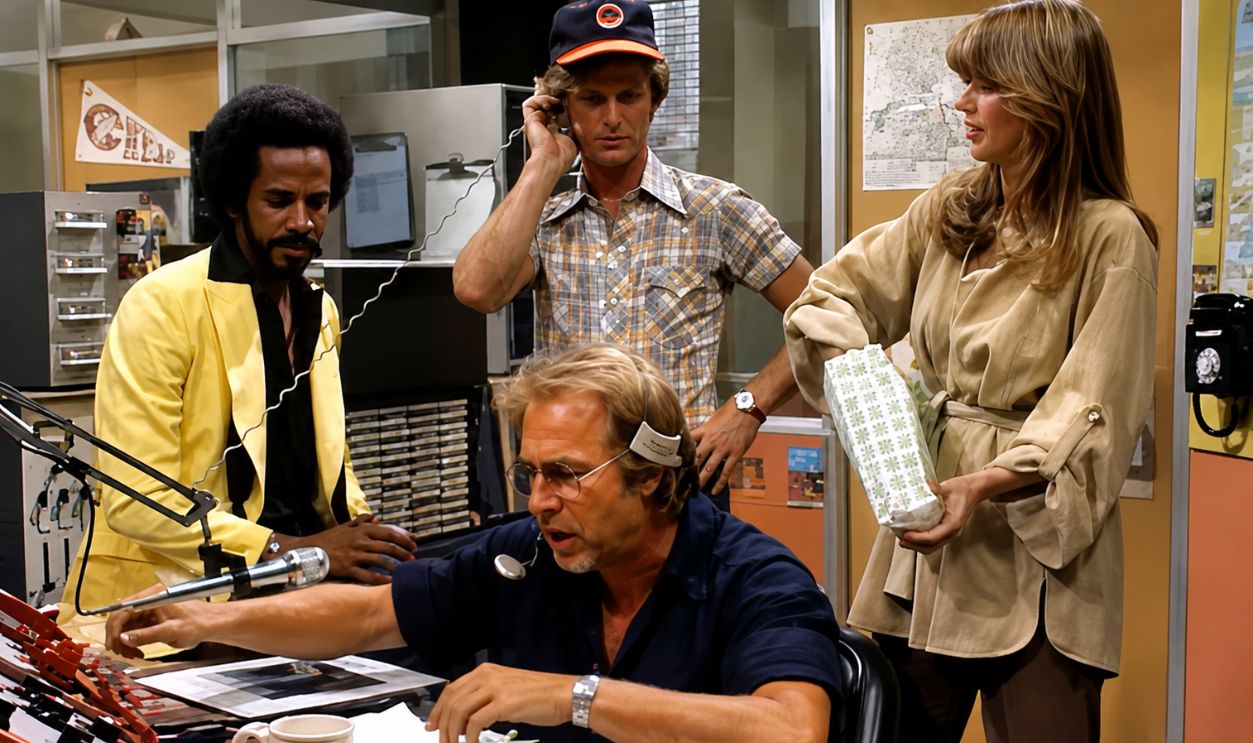
Turkeys Away Captured WKRP’s Particular Madness
“Turkeys Away” became the show’s most famous episode, inspired by creator Hugh Wilson’s experience in radio advertising. The disastrous Thanksgiving promotion worked because the station staff treated an increasingly ridiculous catastrophe with professional seriousness. Johnny belonged perfectly in a workplace where even he could be surprised by management’s capacity for chaos.
 Screenshot from WKRP In Cincinnati, CBS (1978-1982)
The Sobriety Test Became Classic Johnny Fever
In “Fish Story,” Johnny drinks alcohol while taking an on-air reaction test designed to demonstrate impairment. The joke turns wonderfully strange when his reflexes appear to improve as he drinks. Hesseman’s deadpan handling of the premise made the sequence feel like exactly the sort of anti-authority comedy Johnny would somehow stumble into.
Screenshot from WKRP in Cincinnati, CBS (1978–1982)
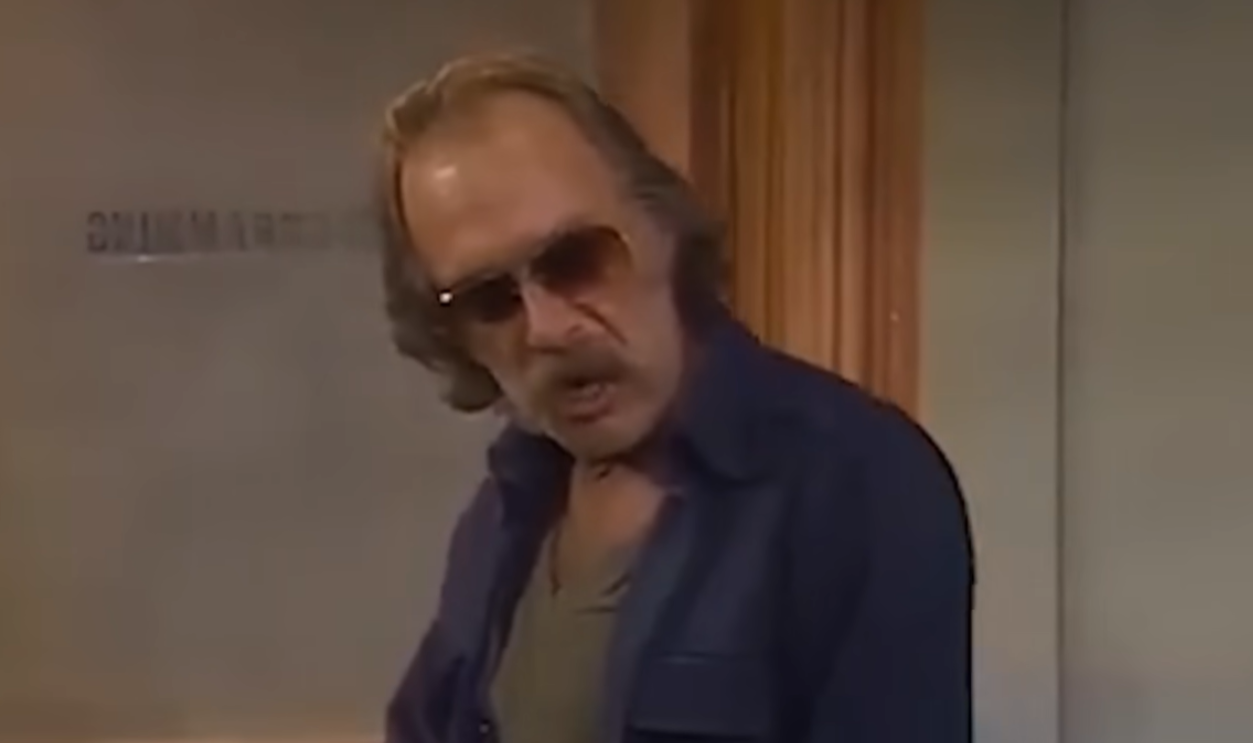
Hesseman Knew Johnny Made Executives Nervous
Hesseman discussed the character’s drug use frankly in a 1979 interview quoted by the Associated Press. He suggested that Johnny probably smoked weed and drank, while emphasizing that he viewed him as a moderate user rather than a cartoon addict. That interpretation was unusually candid for a network sitcom actor playing a prime-time regular.
 Screenshot from WKRP in Cincinnati, CBS (1978–1982)
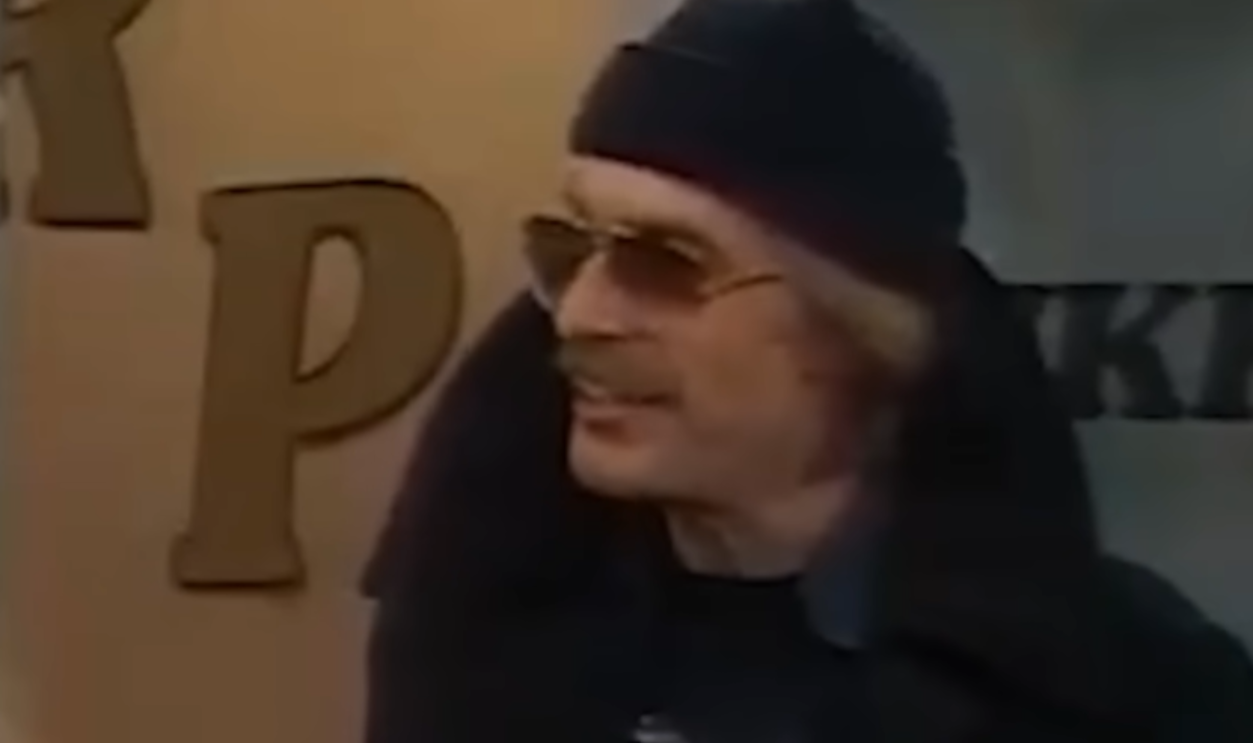
Emmy Voters Recognized The Performance
Hesseman received consecutive Emmy nominations for Outstanding Supporting Actor in a Comedy or Variety or Music Series in 1980 and 1981. WKRP itself accumulated ten Emmy nominations and was nominated for Outstanding Comedy Series three times. The industry recognition confirmed that Johnny’s loose delivery was the product of disciplined performance, not simply Hesseman behaving like himself.
 Screenshot from WKRP in Cincinnati, CBS (1978–1982)
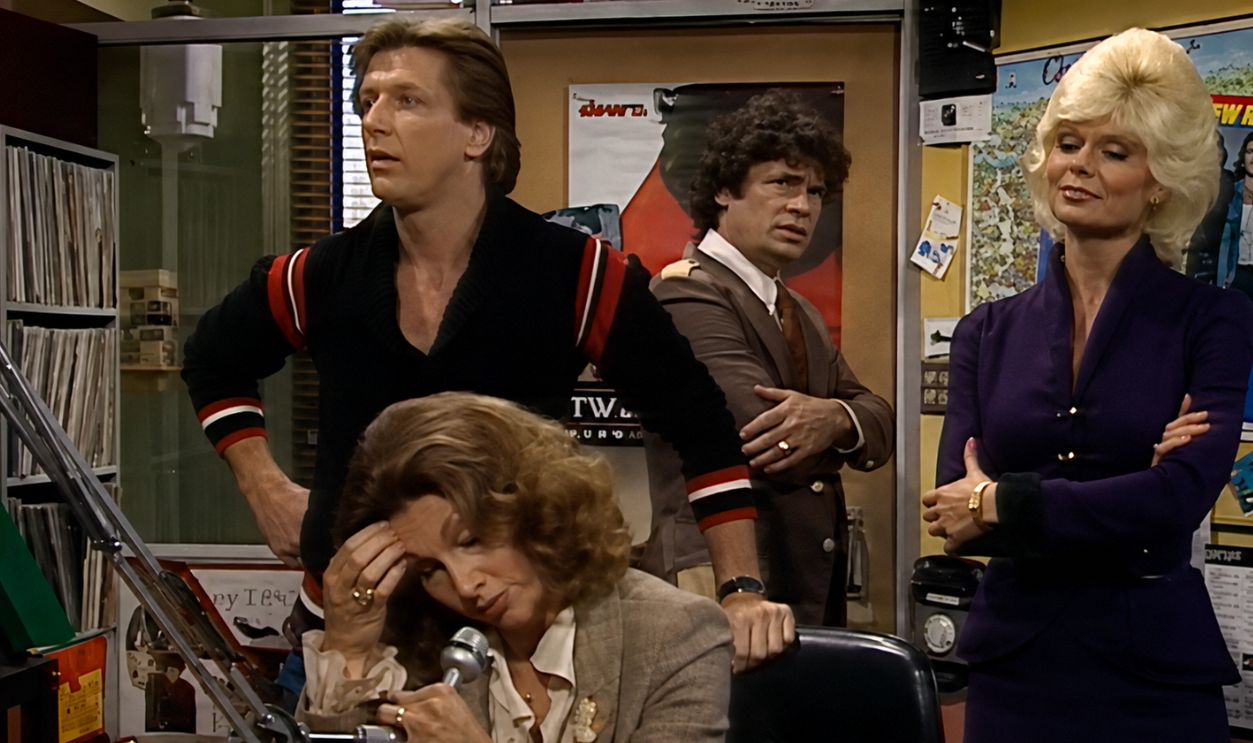
CBS Never Gave The Show An Easy Ride
WKRP ran for four seasons and 88 episodes from 1978 to 1982. The Television Academy’s series history notes that CBS repeatedly moved the sitcom around the schedule during its later seasons, contributing to falling ratings and cancellation. The show ended without becoming the huge first-run hit its admirers believed it deserved to be.
 Screenshot from WKRP in Cincinnati, CBS (1978–1982), Modified
Syndication Gave Johnny A Second Life
The story changed once WKRP entered syndication. The Television Academy notes that the series became unexpectedly successful in reruns and outperformed several programs that had enjoyed stronger prime-time ratings. Johnny Fever therefore became a cultural fixture partly after CBS had already shut the station down.
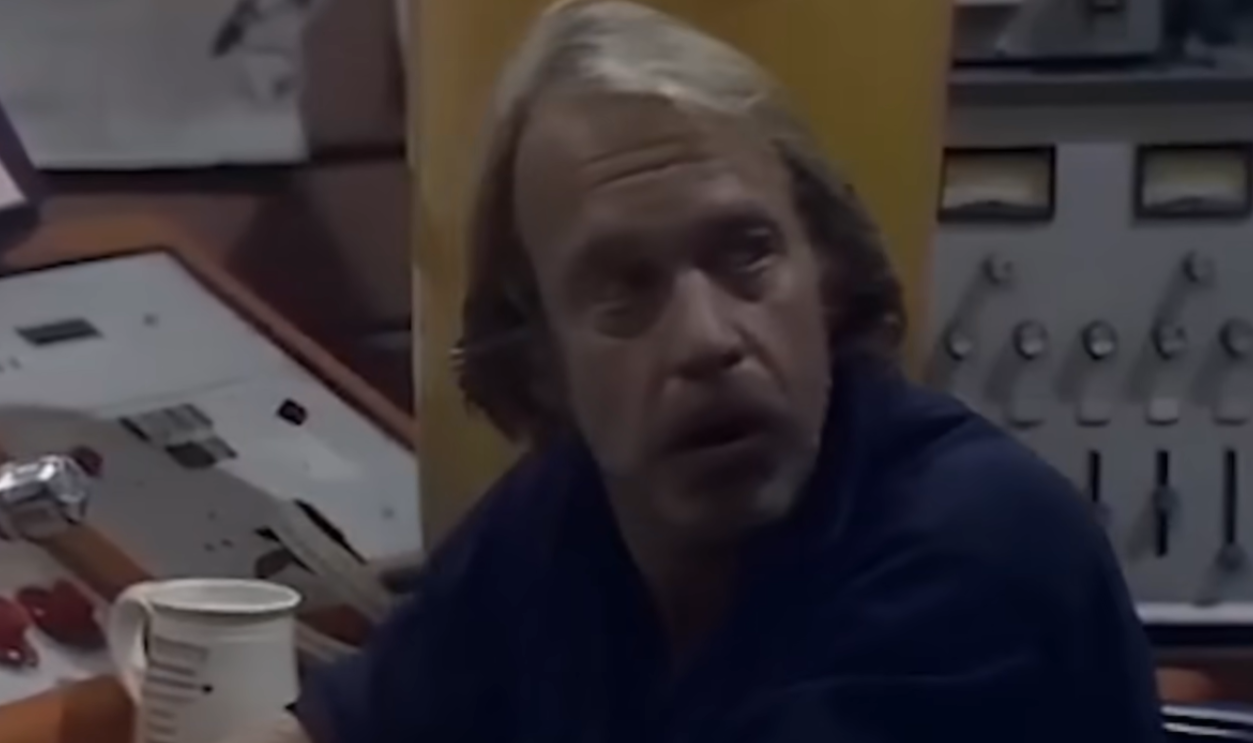 Screenshot from WKRP in Cincinnati, CBS (1978–1982)
Hesseman Was Willing To Become Johnny Again
When The New WKRP in Cincinnati arrived in syndication in the early 1990s, Hesseman returned for guest appearances as Johnny. Tim Reid and Loni Anderson also revisited their characters, while Gordon Jump, Richard Sanders, and Frank Bonner became regulars. The return demonstrated that Hesseman understood how much affection remained attached to the original station.
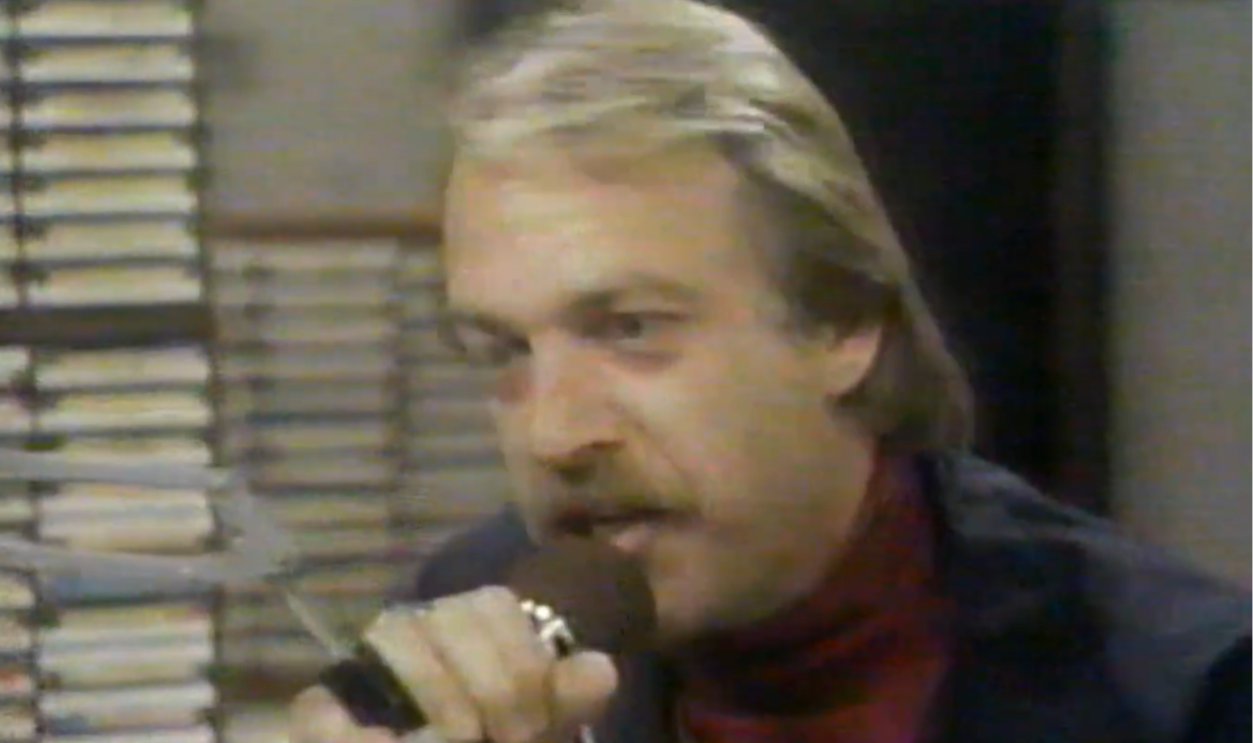 Screenshot from The New WKRP in Cincinnati, CBS (1991–1993)
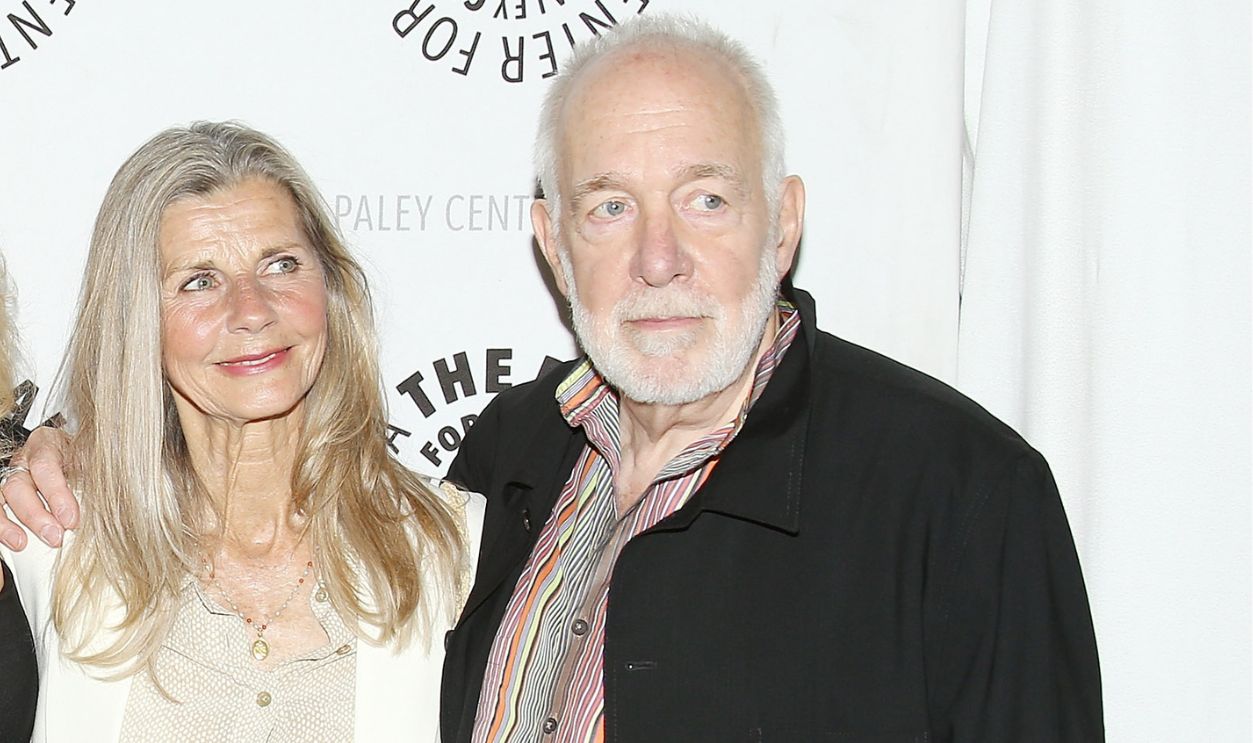
Head Of The Class Proved He Was More Than Fever
Hesseman later starred as unconventional teacher Charlie Moore on ABC’s Head of the Class. He played Moore for four seasons, trading the radio booth for a classroom of highly gifted students. The role kept Hesseman’s anti-authoritarian warmth while proving that Johnny’s beard, sunglasses, and record collection were never the whole performance.
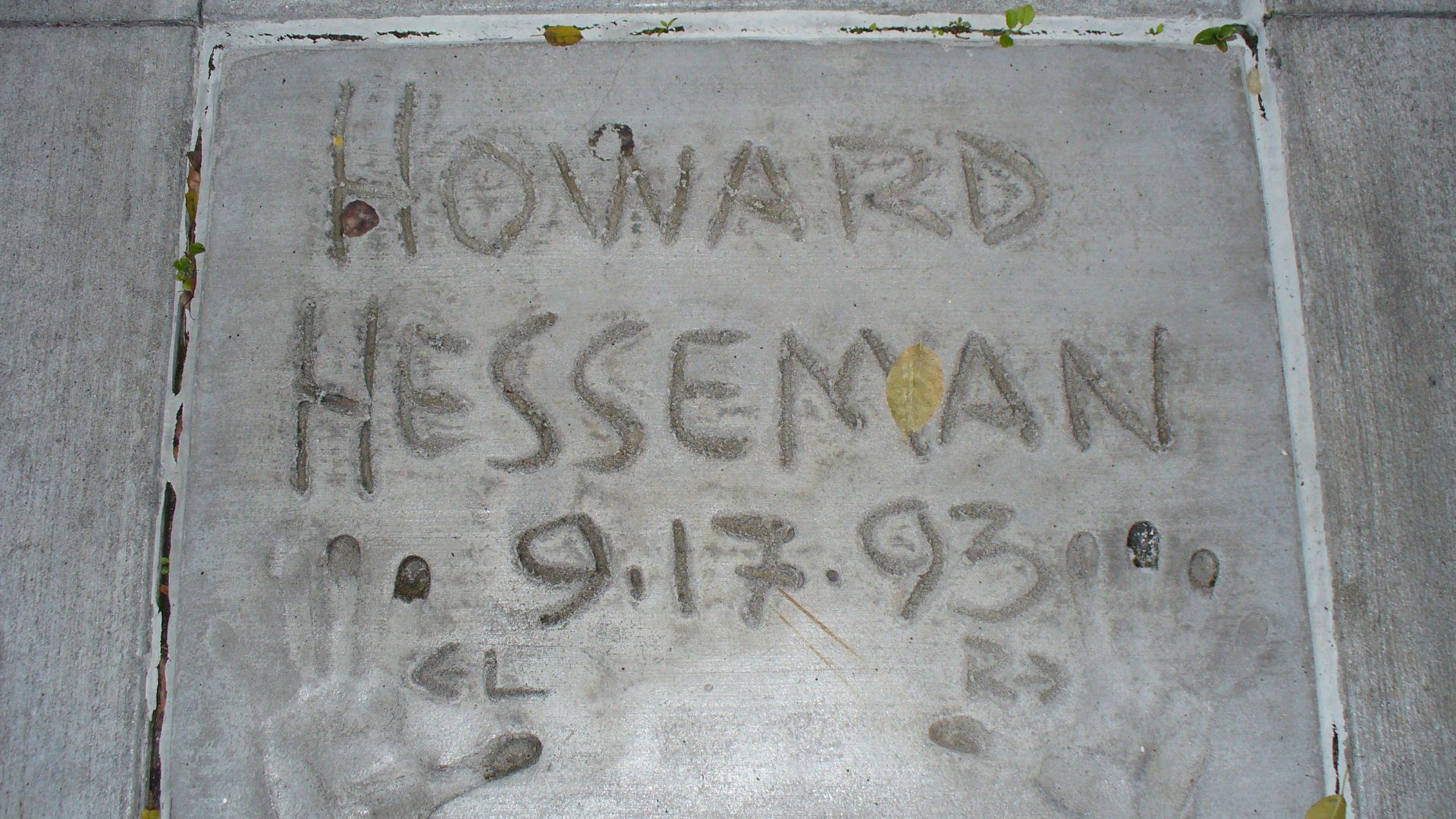
Johnny Fever Still Sounds Like Real Radio
Hesseman died in 2022 at 81, but Johnny Fever remains the role most consistently attached to his name. The performance survived because it captured a particular moment when underground culture, FM radio, and network television briefly collided. Hesseman made Johnny an icon by giving television something rarer than a funny DJ: a counterculture survivor who sounded as though someone had accidentally left a real microphone switched on.
You May Also Like:
George Lindsey Built Goober Pyle into a Character That Never Died
Feisty Facts About Adah Isaacs Menken, The First Scandal-Maker