Goober Never Went Away.
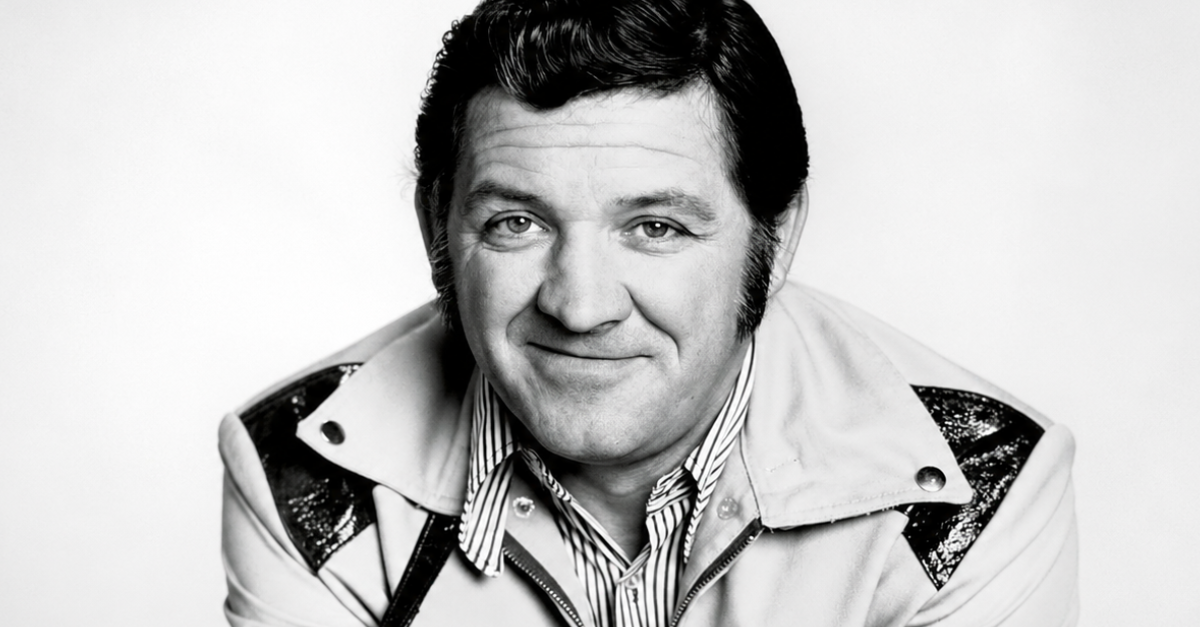
George Lindsey joined The Andy Griffith Show as a replacement for one beloved Mayberry mechanic, then turned a supporting role into a character he would play across nearly three decades of television. What could have been a brief comic assignment became a lifelong connection with audiences, charity work, reunions, and the small-town world that made him famous.
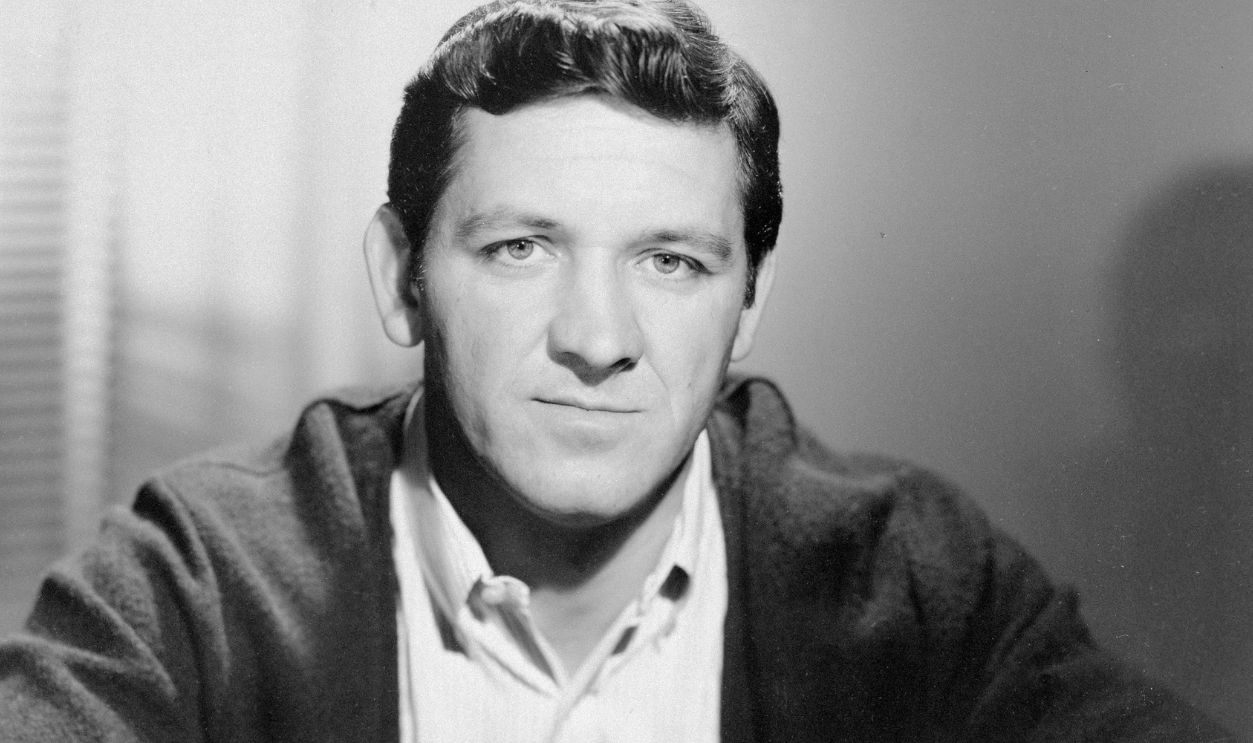
Alabama Gave Him His Small-Town Foundation
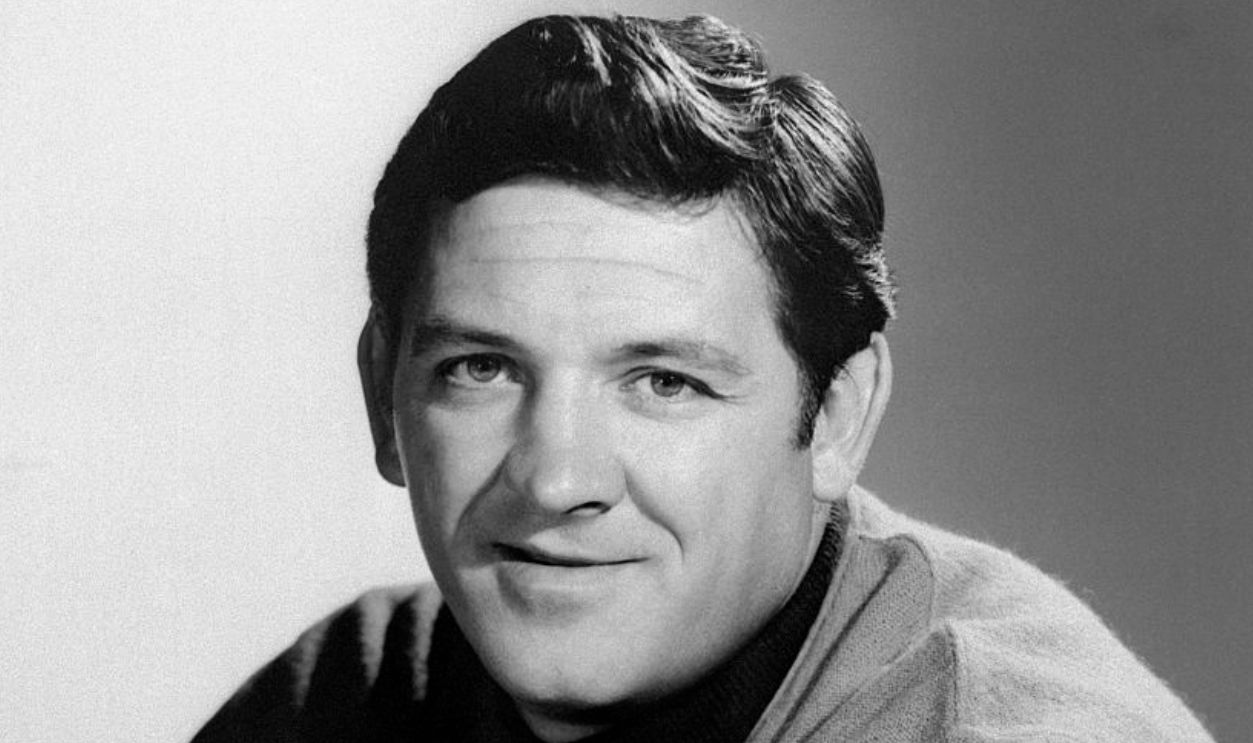
George Lindsey was born in Fairfield, Alabama, in 1928 and grew up in nearby Jasper. His father worked as a butcher, and Lindsey’s childhood unfolded far from Hollywood studios and national television. That background did not make Goober autobiographical, but it gave Lindsey an instinctive understanding of the rhythms and personalities found in small Southern communities. He could play rural without making the character feel like a visitor wearing borrowed overalls.
Football Came Before Comedy
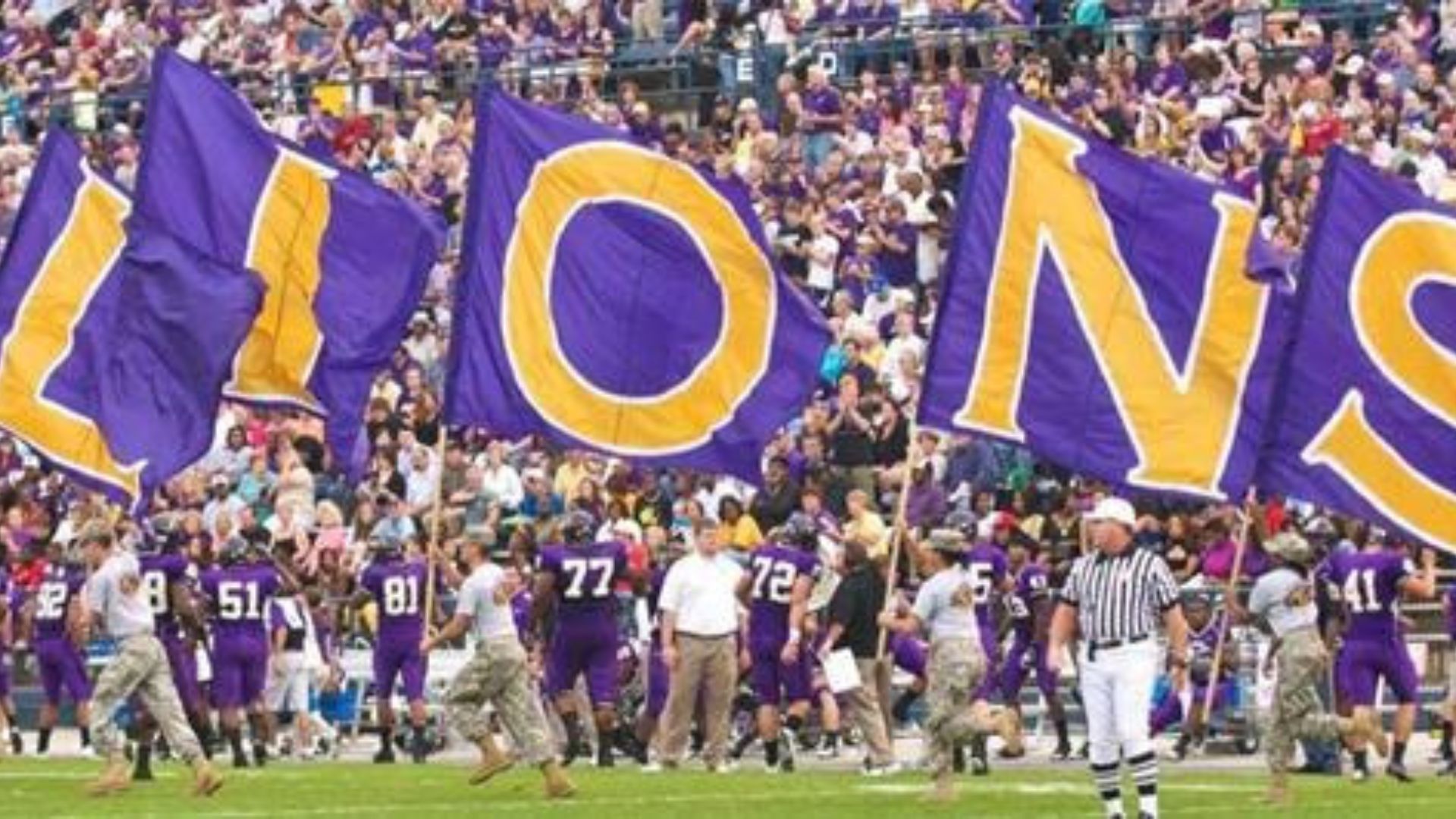
Lindsey attended Florence State Teachers College, now the University of North Alabama, on a football scholarship. He played quarterback while majoring in physical education and biology, earning his bachelor’s degree in 1952. The athletic training gave him confidence in physical performance and movement long before television viewers knew him for Goober’s loose posture and enthusiastic reactions. His college years also began a relationship with the university that would eventually produce a film festival bearing his name.
 Unaroarlions, Wikimedia Commons
He Once Stood At The Front Of A Classroom
After college and military service, Lindsey spent a year working at a high school near Huntsville, Alabama. He taught history and coached baseball and basketball before deciding to pursue entertainment professionally. The experience placed him in front of young audiences and required the same mixture of authority, energy, and quick thinking that performers need onstage. Goober may have seemed gloriously unprepared for most situations, but the actor behind him had once been responsible for an entire classroom.
The Air Force Delayed His Acting Dream
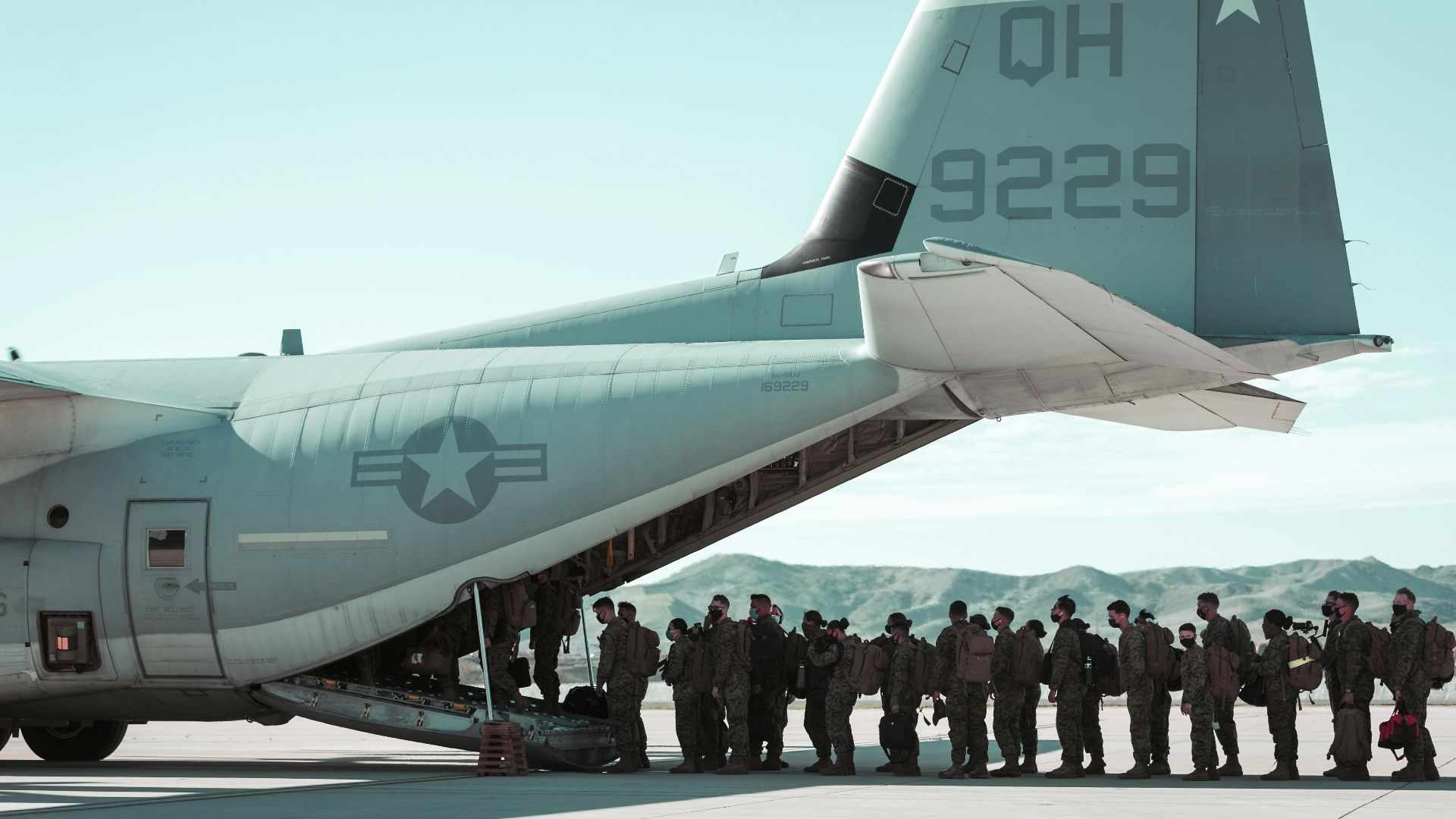
Lindsey served three years in the United States Air Force before beginning his professional acting career. Military life added another unexpected chapter to a résumé that already included football and education. By the time he entered acting school, he had accumulated far more real-world experience than the innocent mechanic who would define him. Those years also helped explain the discipline beneath his apparently effortless country comedy.
New York Was His Real Training Ground
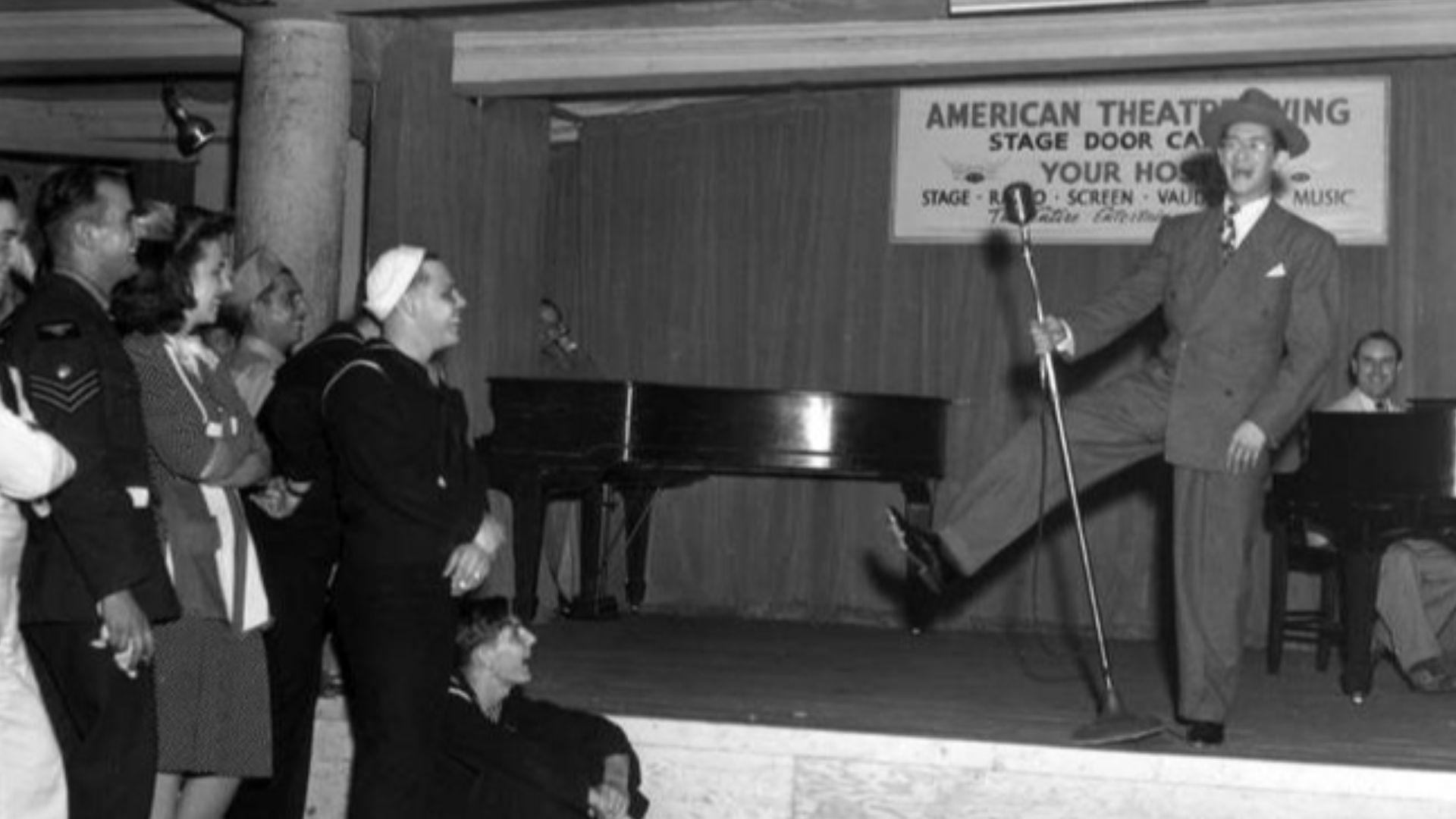
In 1956, Lindsey attended the American Theatre Wing in New York City. He studied performance seriously rather than relying only on his natural Southern delivery or comic personality. That training helped him understand how to build a character through posture, voice, rhythm, and carefully timed reactions. The exaggerated simplicity of Goober worked because Lindsey knew exactly how much craft to hide beneath it.
 Marjory Collins, Wikimedia Commons
Broadway Came Before Mayberry
Lindsey began his professional stage career in New York and appeared in Broadway musicals including All American and Wonderful Town. Live theater required him to sing, move, and keep a character alive without the safety of retakes. That background surprises viewers who know him only as a service station attendant in a work shirt and beanie. Goober’s comic timing was partly the product of a performer who had learned to hold a theater audience.
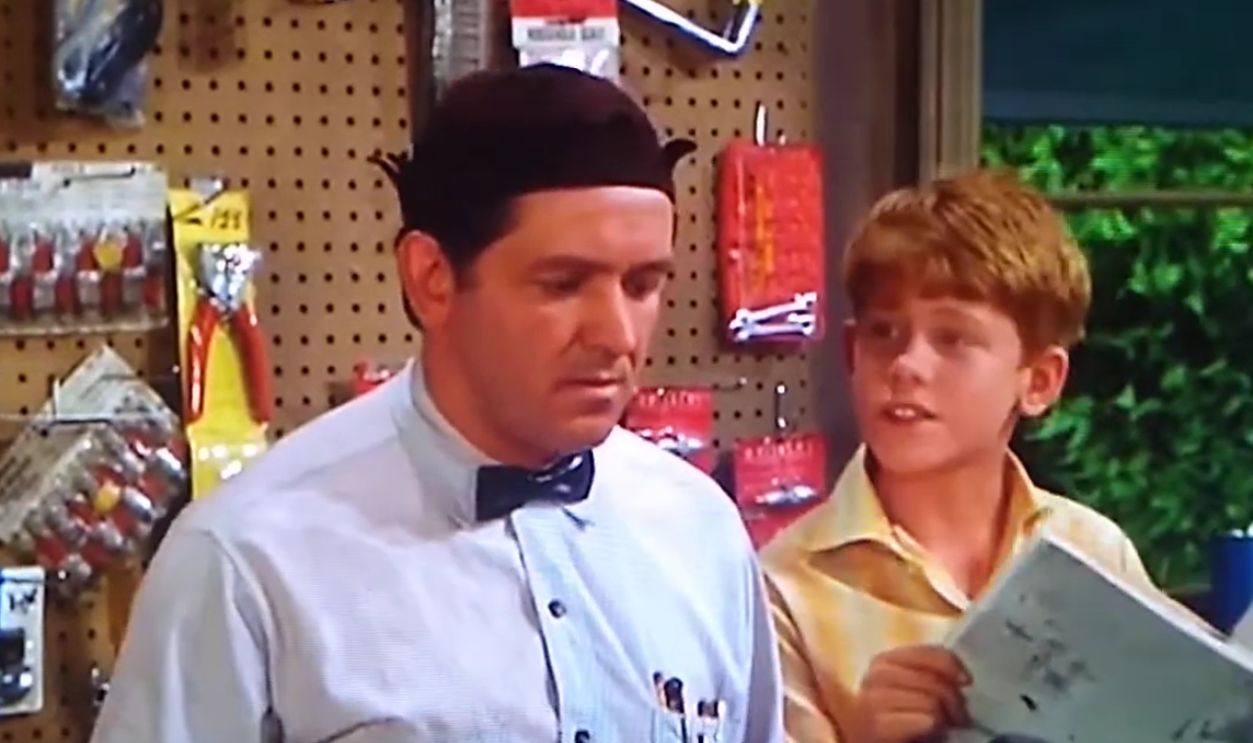 Screenshot from The Andy Griffith Show, CBS (1960–1968)
Hollywood Initially Saw A Tougher Actor
After moving to Los Angeles in the early 1960s, Lindsey found guest work on Westerns, dramas, and anthology programs. He appeared in series such as The Rifleman, The Alfred Hitchcock Hour, and The Twilight Zone before Mayberry claimed him. These early parts were not always comic, and he sometimes played threatening or unpleasant characters. His career could easily have developed around character villains if one rural sitcom had not recognized something warmer in him.
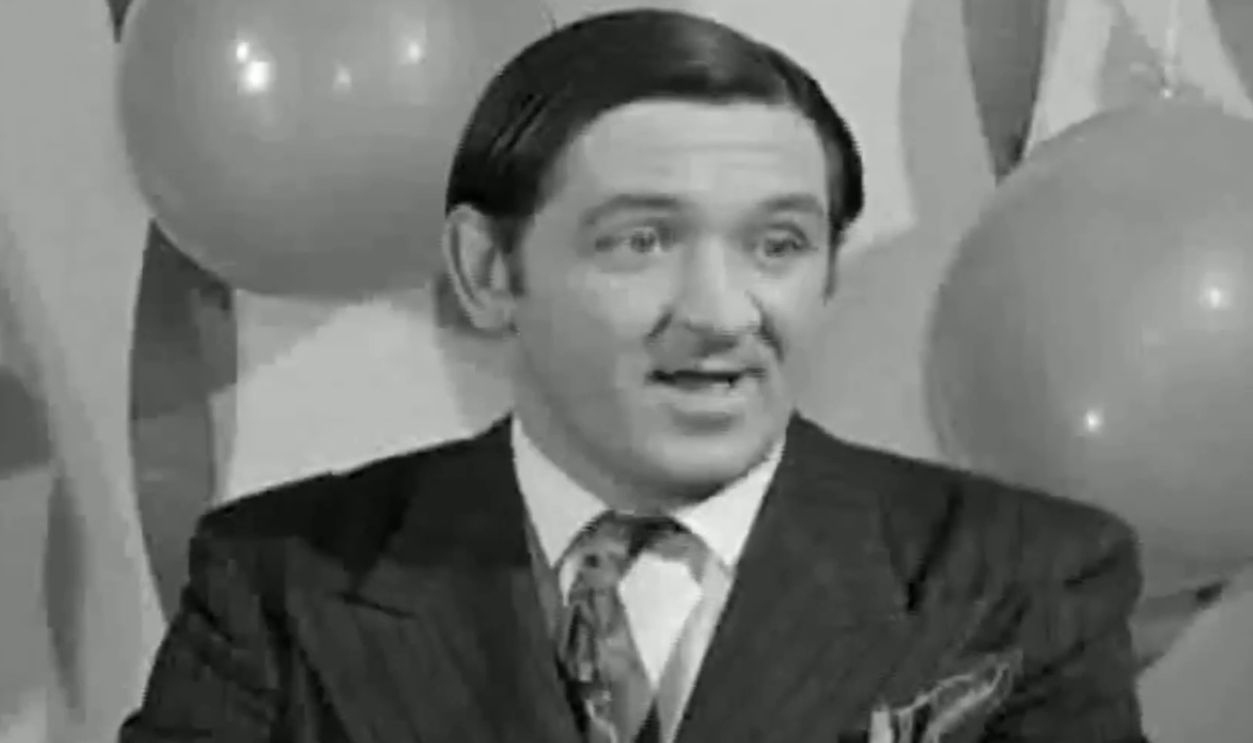 Screenshot from The Andy Griffith Show, CBS (1960–1968)
He Once Shot Matt Dillon
One of Lindsey’s pre-Mayberry appearances placed him opposite James Arness on Gunsmoke. The Associated Press later noted that he had once played a heavy who shot Marshal Matt Dillon. The role is almost startling when compared with the harmless Goober known to millions of viewers. It also demonstrates how completely Lindsey could change his screen energy when a production required menace instead of innocence.
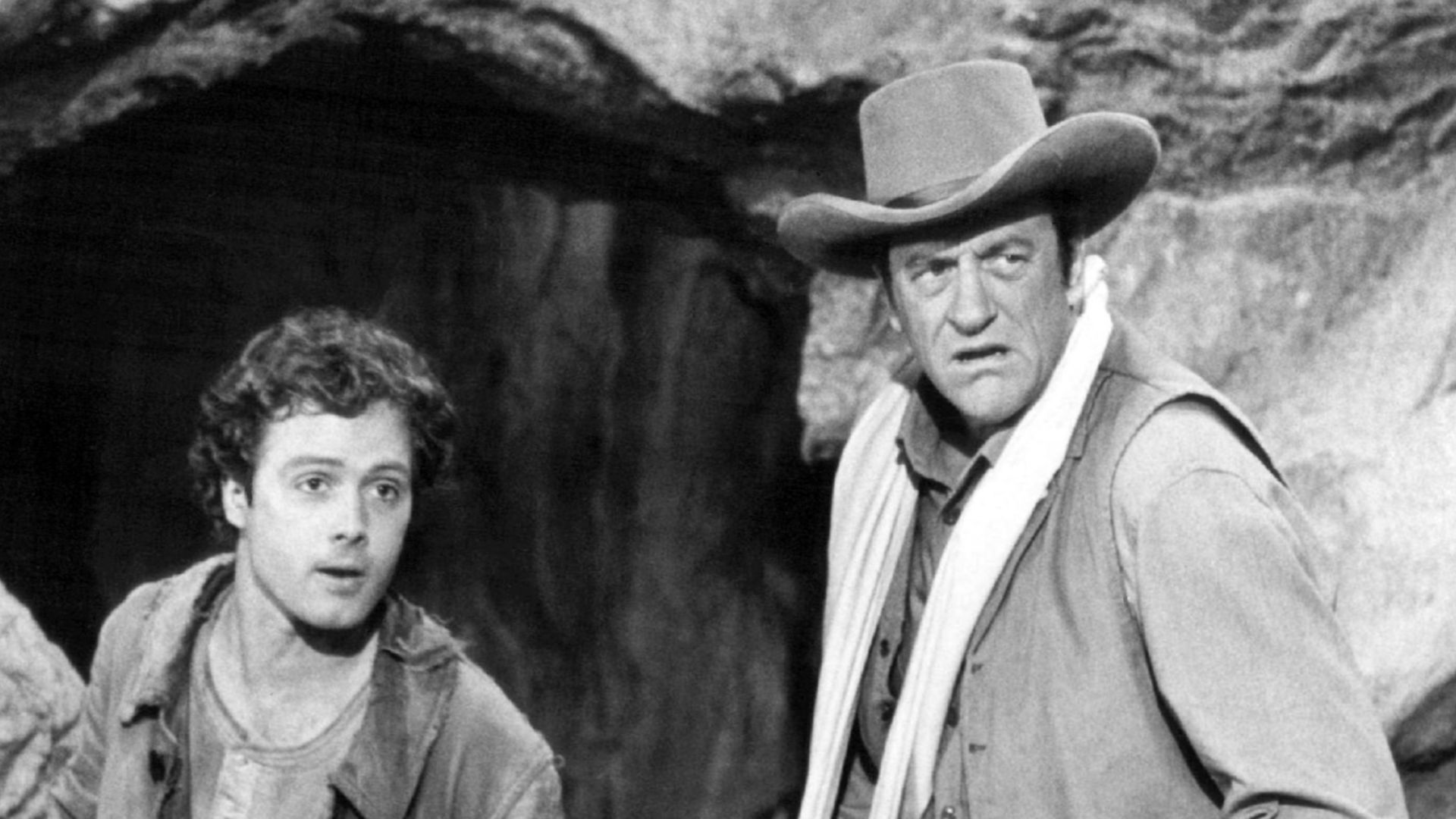 CBS Television, Wikimedia Commons
Gomer’s Departure Opened The Door
Jim Nabors became so popular as Gomer Pyle that CBS launched Gomer Pyle, U.S.M.C. in 1964. His departure created an opening for another mechanic who could preserve some of Mayberry’s comic innocence without simply copying Gomer. Lindsey joined The Andy Griffith Show that same year as Gomer’s cousin Goober. A role created partly to fill a gap soon developed a personality and following of its own.
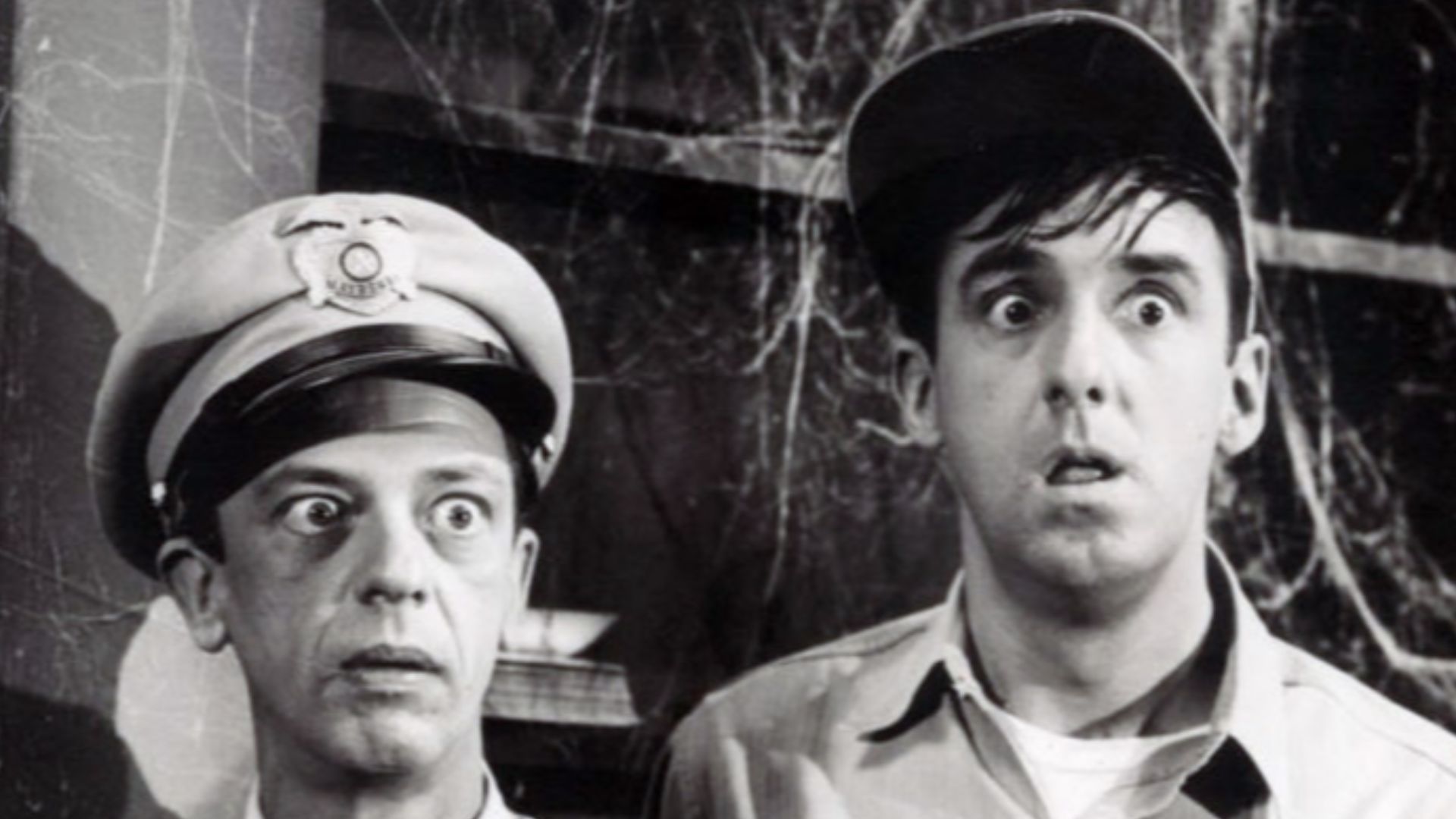 CBS Television, Wikimedia Commons
Goober’s Identity Took Shape Quickly
People’s retrospective history notes that the character was initially known as Goober Beasley before being established as Goober Pyle, Gomer’s cousin. Connecting him directly to Gomer gave the new mechanic an immediate place inside Mayberry’s social world. Lindsey still had to prove that Goober was more than a substitute wearing similar work clothes. His broader reactions, impressionist streak, and eager need for approval soon made the distinction clear.
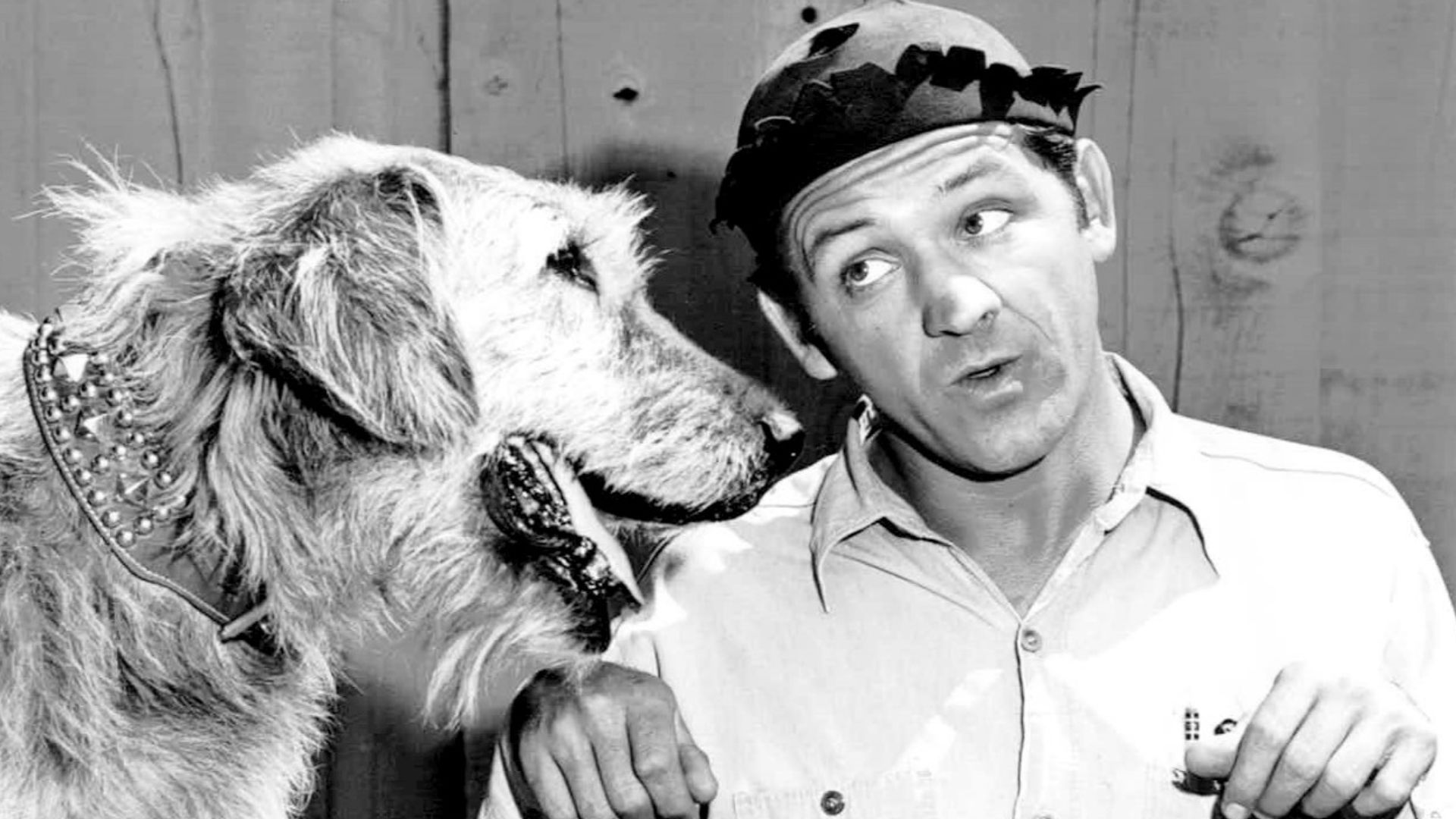 CBS Television, Wikimedia Commons
The Beanie Made Him Instantly Recognizable
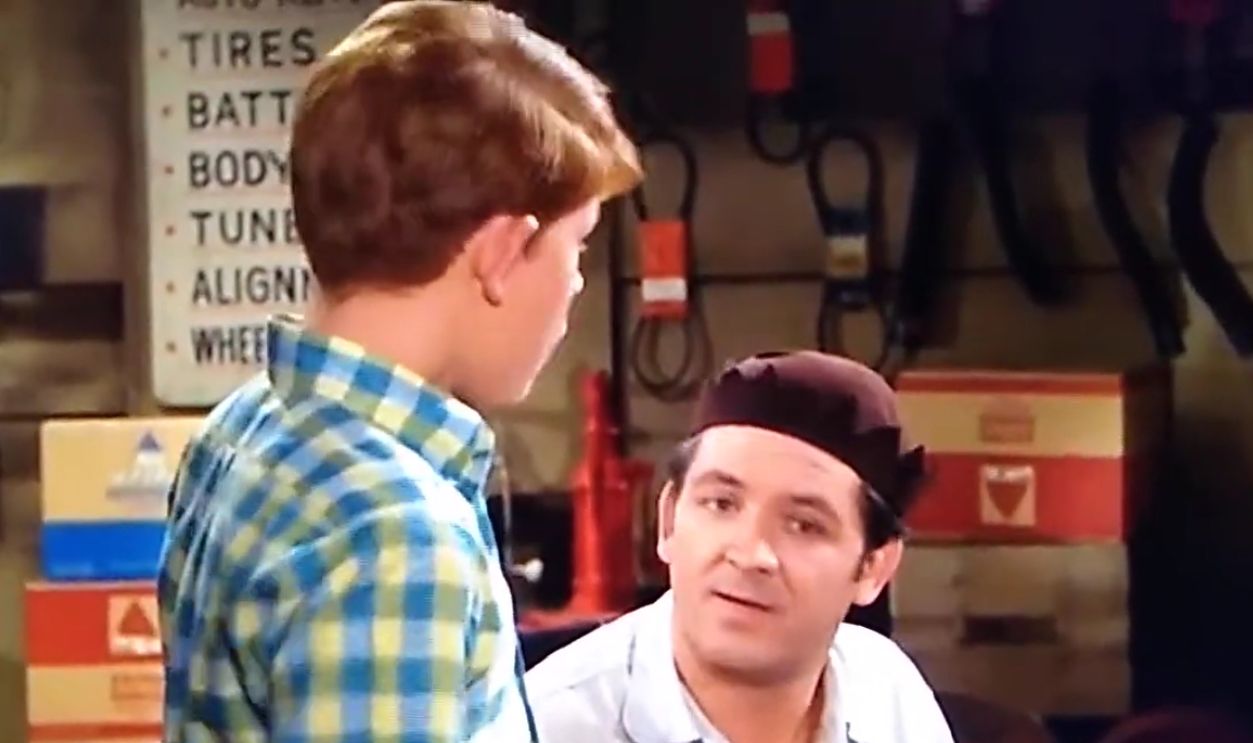
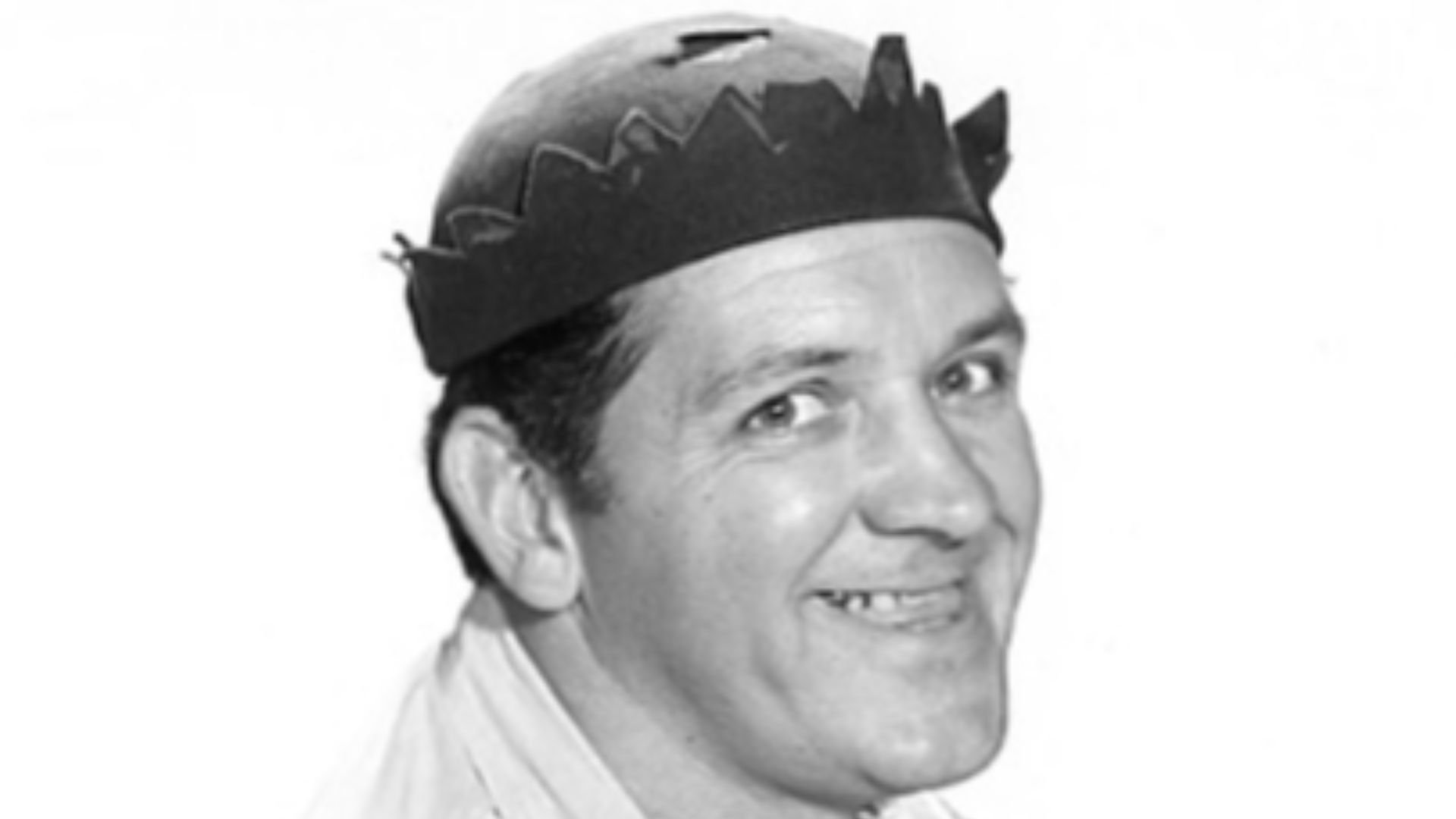
Goober’s beanie, work shirt, and relaxed stance created a silhouette audiences could identify immediately. The costume suggested a grown man who had preserved something boyish and uncomplicated. Lindsey never treated the clothing as an excuse to play Goober as completely helpless. Instead, he used the visual simplicity to hide flashes of pride, jealousy, competence, and surprisingly strong opinions.
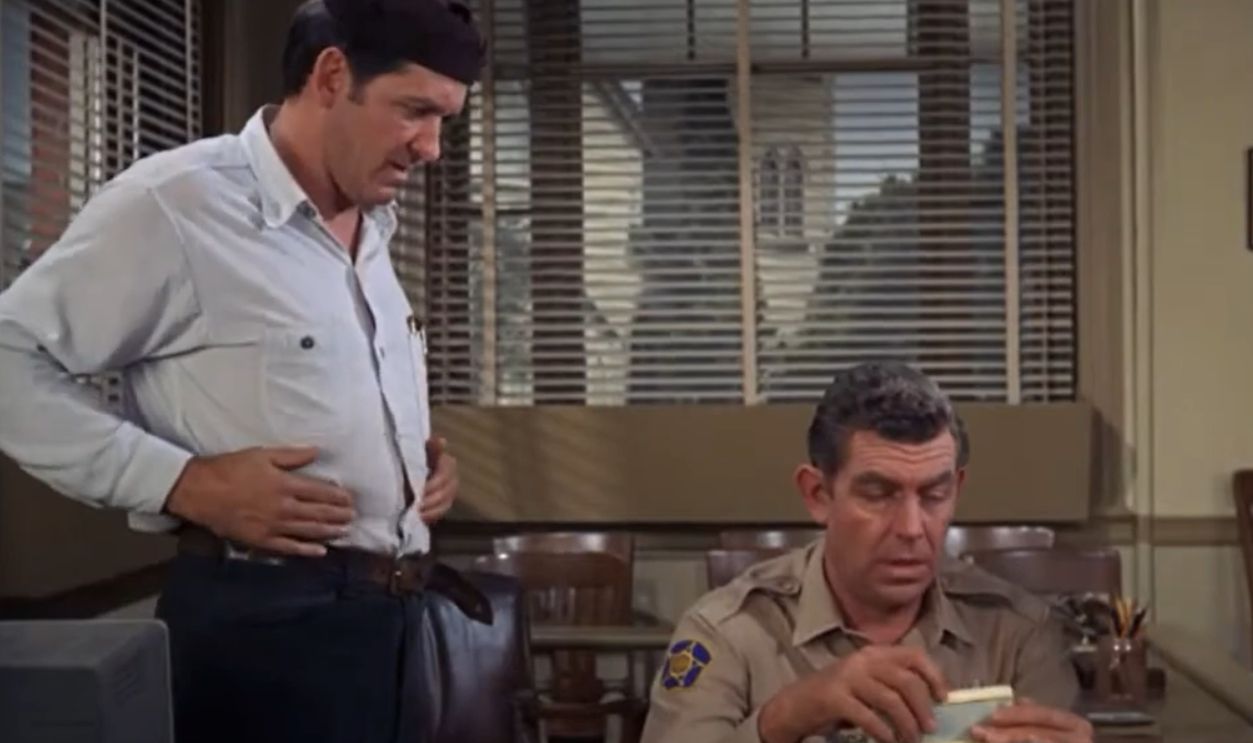 Screenshot from The Andy Griffith Show, CBS (1960–1968)
He Was Actually Good At His Job
Goober’s social judgment was often questionable, but his mechanical ability was generally treated as real. He took over the service station world associated with Gomer and became a dependable figure for Andy and the town. That competence kept him from becoming merely another fool wandering through Mayberry. Lindsey understood that Goober was funniest when he could repair a car more easily than he could navigate an ordinary conversation.
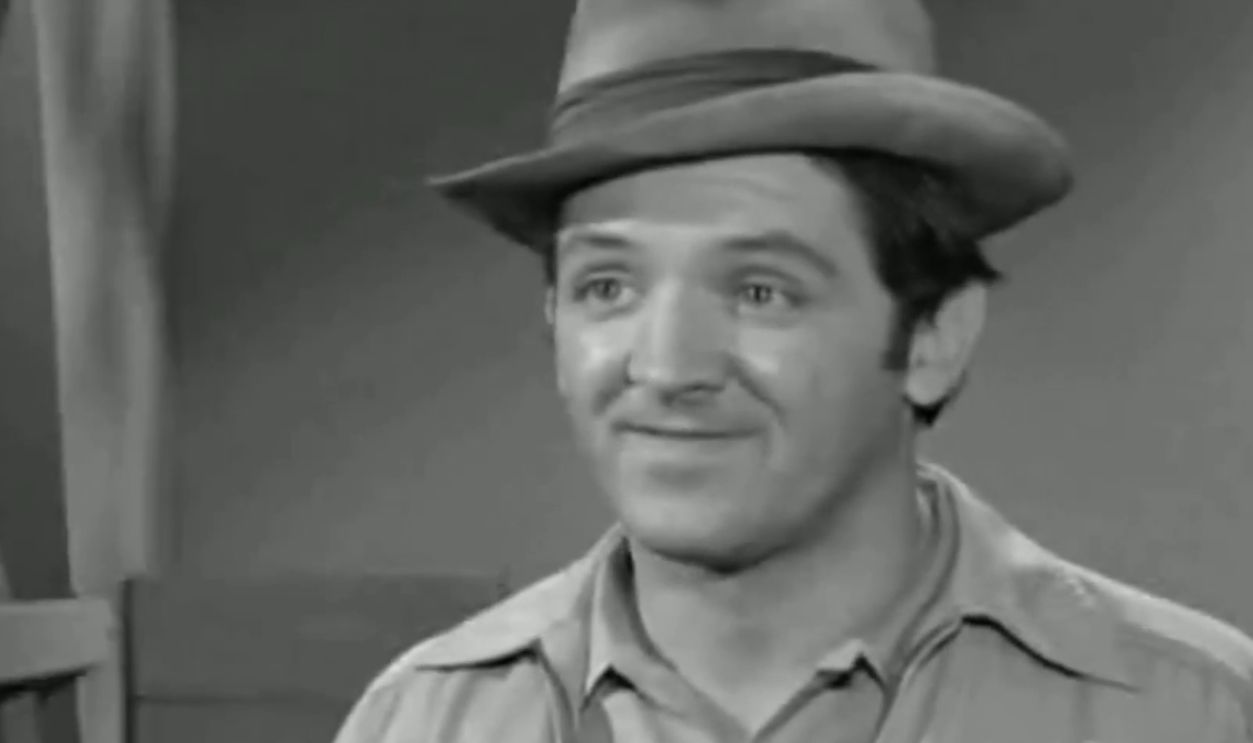 Screenshot from The Andy Griffith Show, CBS (1960–1968)
His Impressions Gave Goober An Inner Star
Goober loved performing impressions, even when the people around him were less impressed than he was. Those little routines revealed that he imagined himself as more sophisticated and entertaining than his everyday life allowed. Lindsey drew on his nightclub, stage, and musical experience to make the amateur performances deliberately imperfect. Goober was not funny because he lacked ambition, but because his ambition was so much larger than his self-awareness.
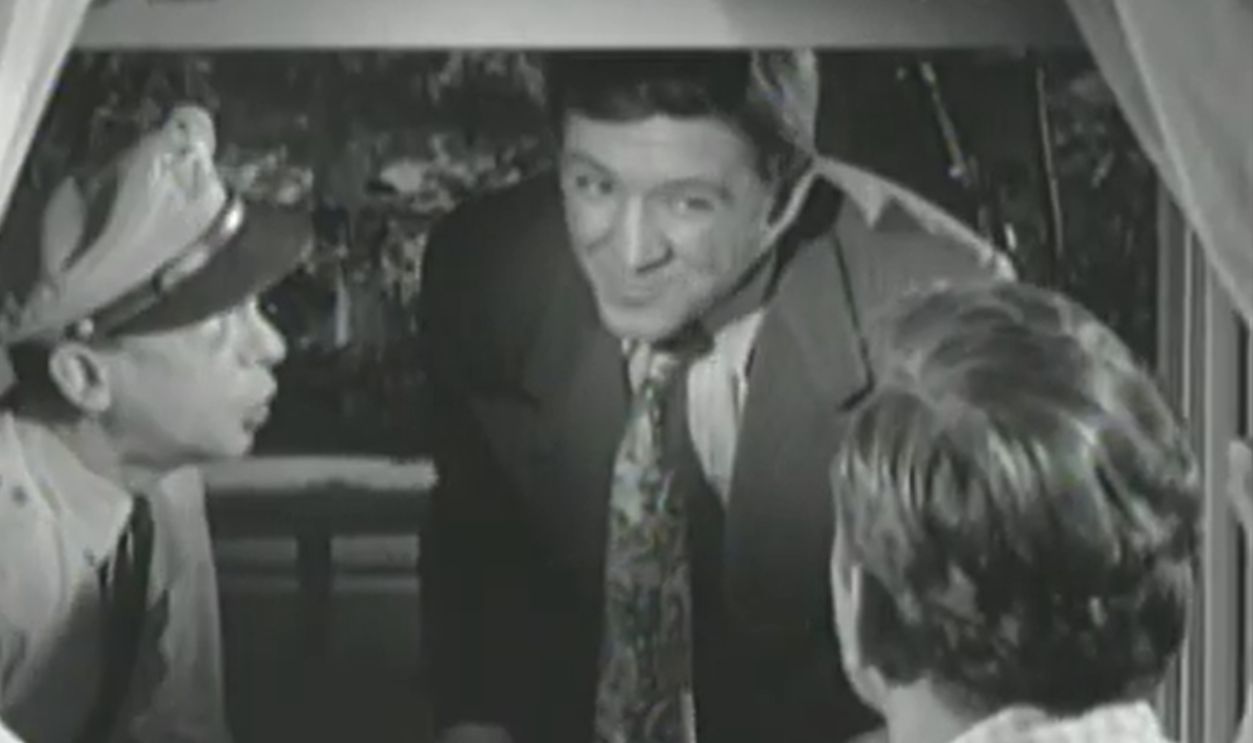 Screenshot from The Andy Griffith Show, CBS (1960–1968)
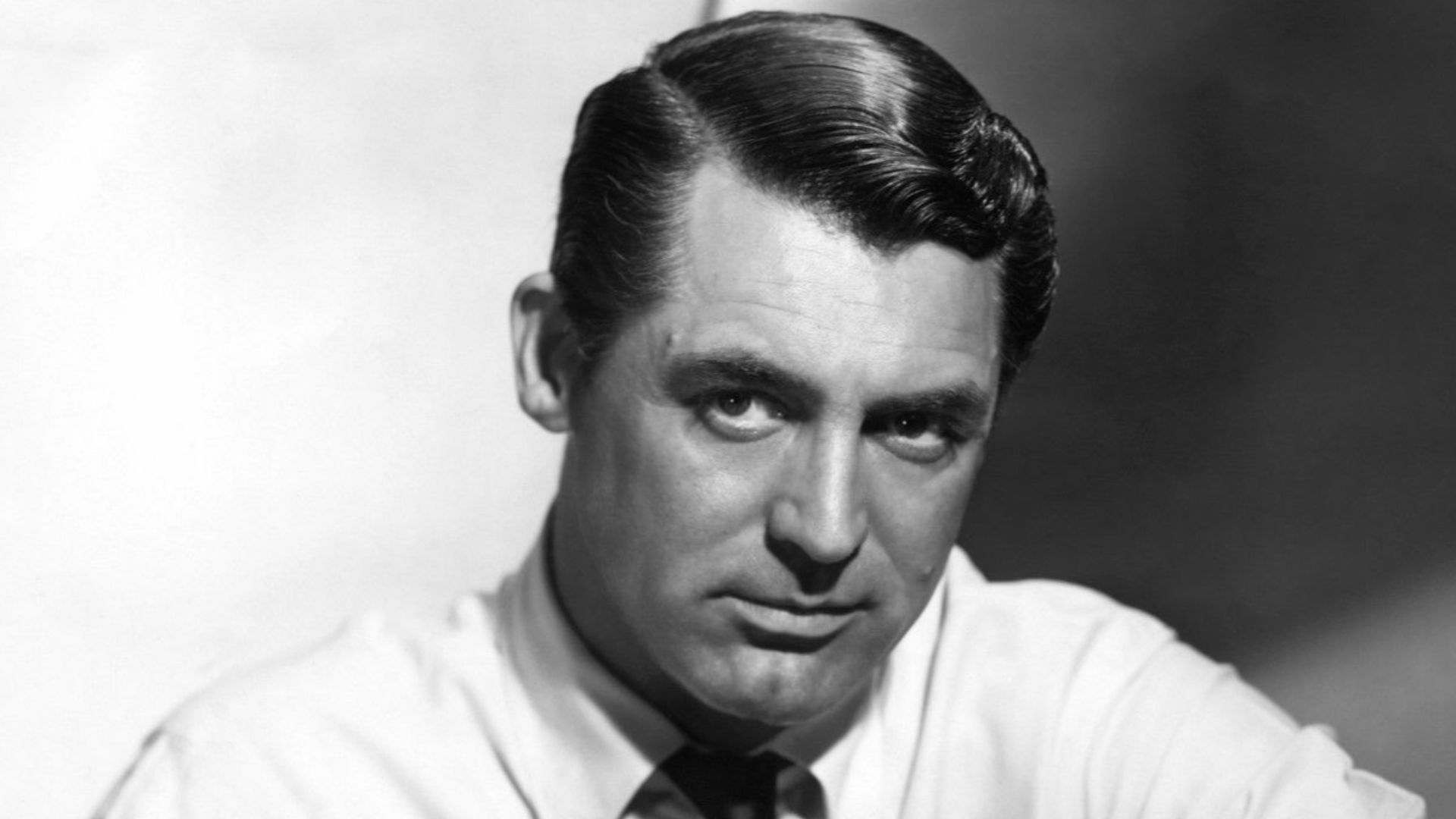
Cary Grant Became His Signature Takeoff
Goober’s imitation of Cary Grant became one of his best-remembered comic bits. Lindsey later said he developed the familiar “Judy, Judy, Judy” version himself after seeing a Cary Grant reference in a script, although other performers also claimed connections to the phrase. Grant did not actually use that exact line in his films, but Goober’s enthusiastic version helped attach it permanently to the actor’s public image. One intentionally shaky impression outlived countless more accurate ones.
 Unknown authorUnknown author, Wikimedia Commons
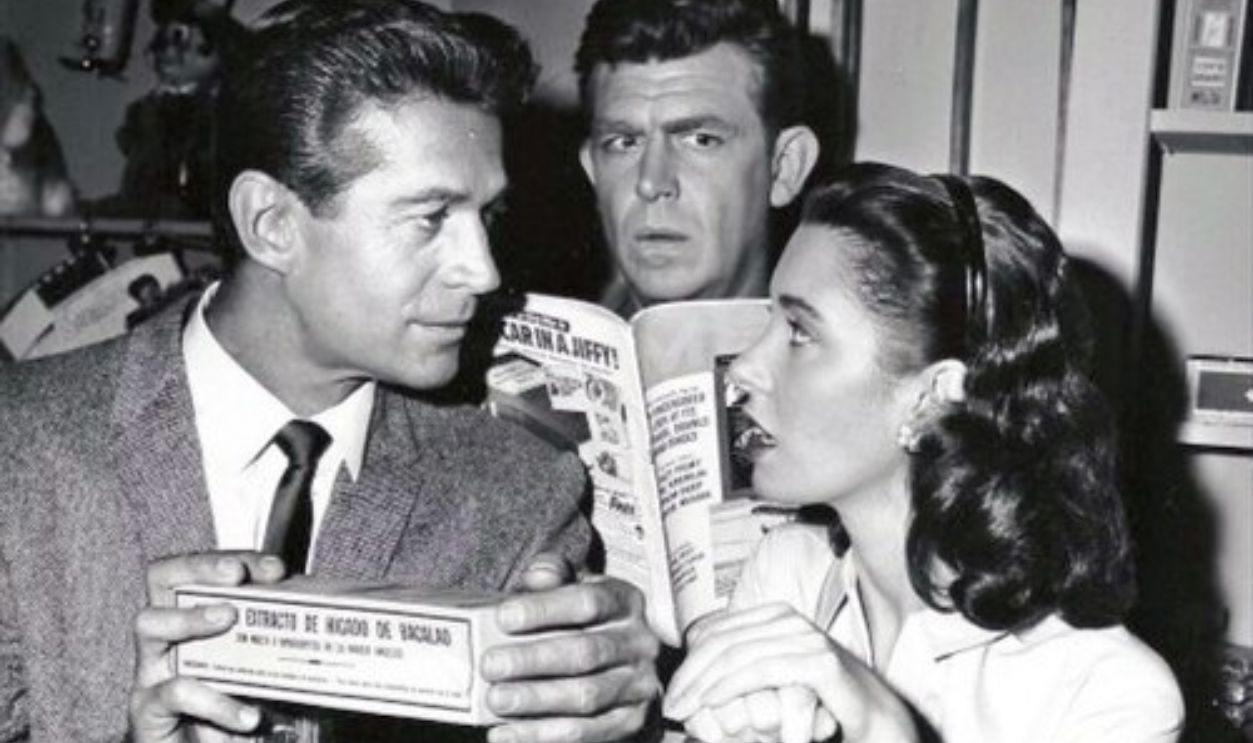
The Ensemble Forced Him To Raise His Game
Lindsey later praised the Andy Griffith Show cast as one of television’s finest acting ensembles. He singled out Griffith’s understanding of script construction and said performers had to raise their level to work beside him. That discipline mattered because Mayberry comedy often depended on subtle listening rather than obvious punch lines. Lindsey’s broadest reactions succeeded because they were surrounded by performers who knew when to remain still.
 CBS Television, Wikimedia Commons
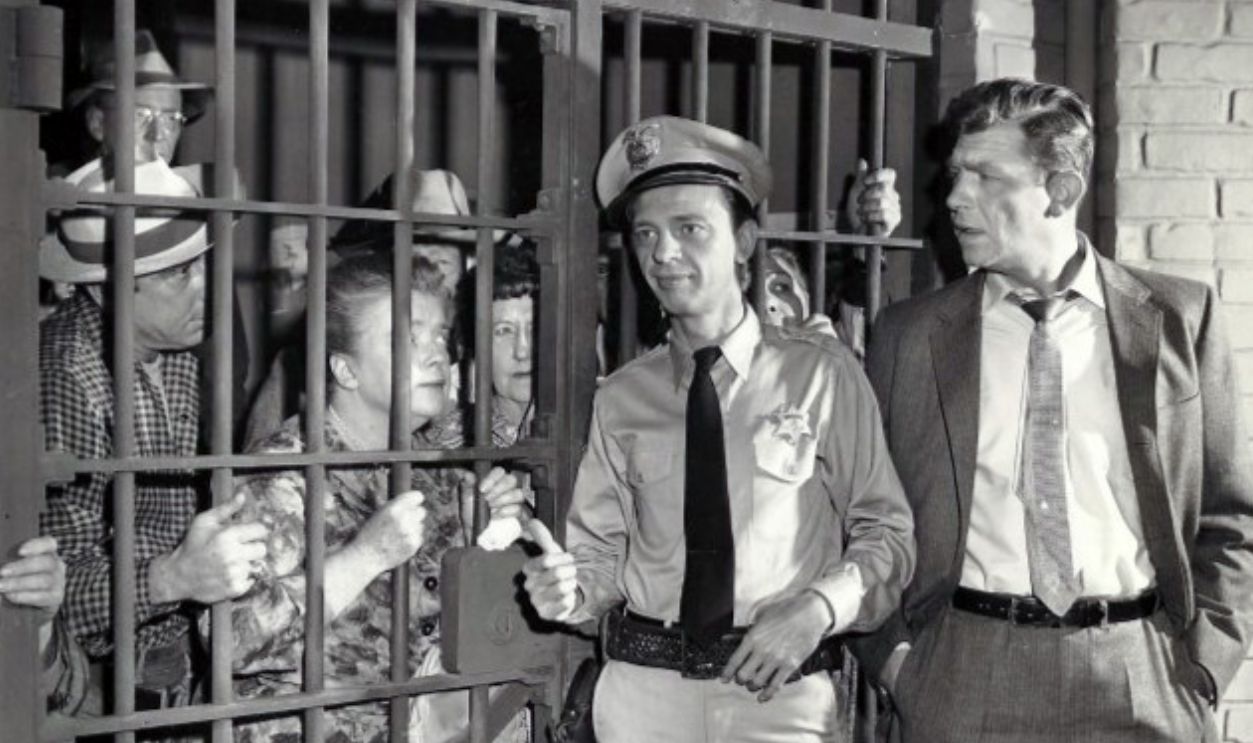
Andy Griffith Became More Than His Costar
Lindsey and Griffith maintained a friendship long after the original series ended. Following Lindsey’s death, Griffith said he respected both his talent and his human spirit, and he recalled that their final telephone conversation ended with the two men telling each other they loved one another. The statement revealed a bond much deeper than nostalgia for an old sitcom. Their connection helped explain why Lindsey continued to speak so warmly about the Mayberry years.
 CBS Television, Wikimedia Commons
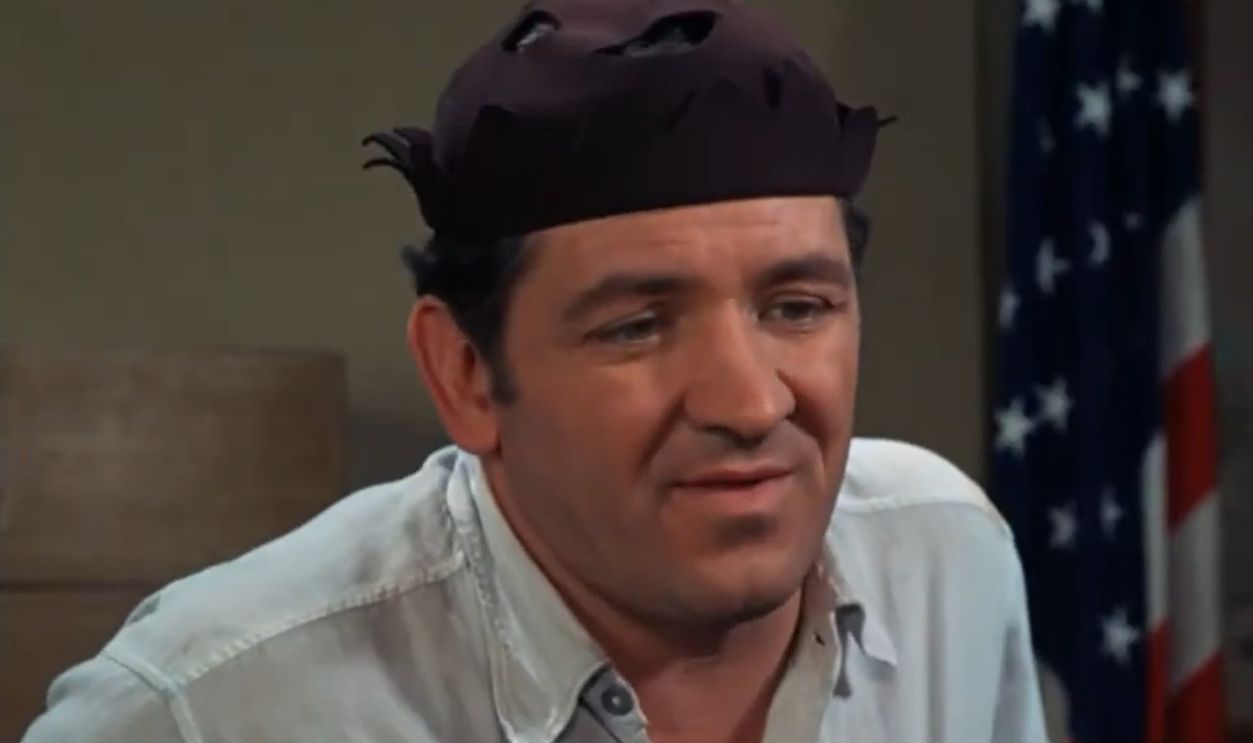
Goober Survived Television’s Move Into Color
Lindsey joined The Andy Griffith Show during its black-and-white years and remained when the series shifted to color. The visual transition made Mayberry look different, but Goober’s basic appeal did not depend on one production style. He could function in gentle character stories, broad romantic misunderstandings, and episodes built around the town’s changing social circle. His adaptability helped him remain useful after several original cast members had reduced their involvement or left.
 Screenshot from The Andy Griffith Show, CBS (1960–1968)
Mayberry R.F.D. Kept Him In Town
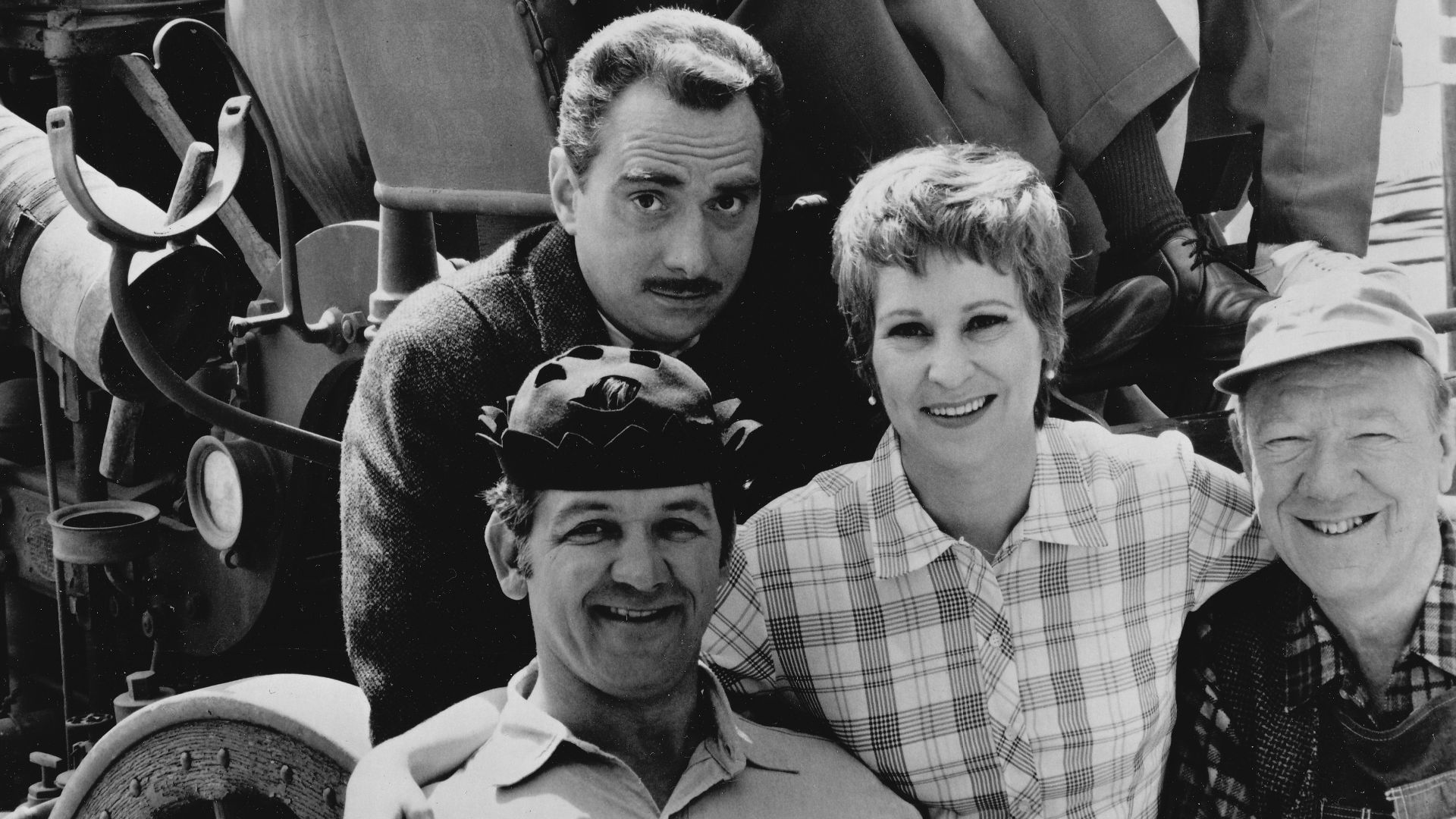
When The Andy Griffith Show ended in 1968, Lindsey carried Goober into the successor series Mayberry R.F.D. He remained with the spinoff until 1971, helping preserve continuity between the two programs. By then, Goober was no longer merely Gomer’s replacement because he had become one of the town’s established residents. The transition proved that audiences would accept him even when Andy Griffith was no longer the weekly center of Mayberry.
 CBS Television Network, Wikimedia Commons
Hee Haw Gave Goober A Third Home
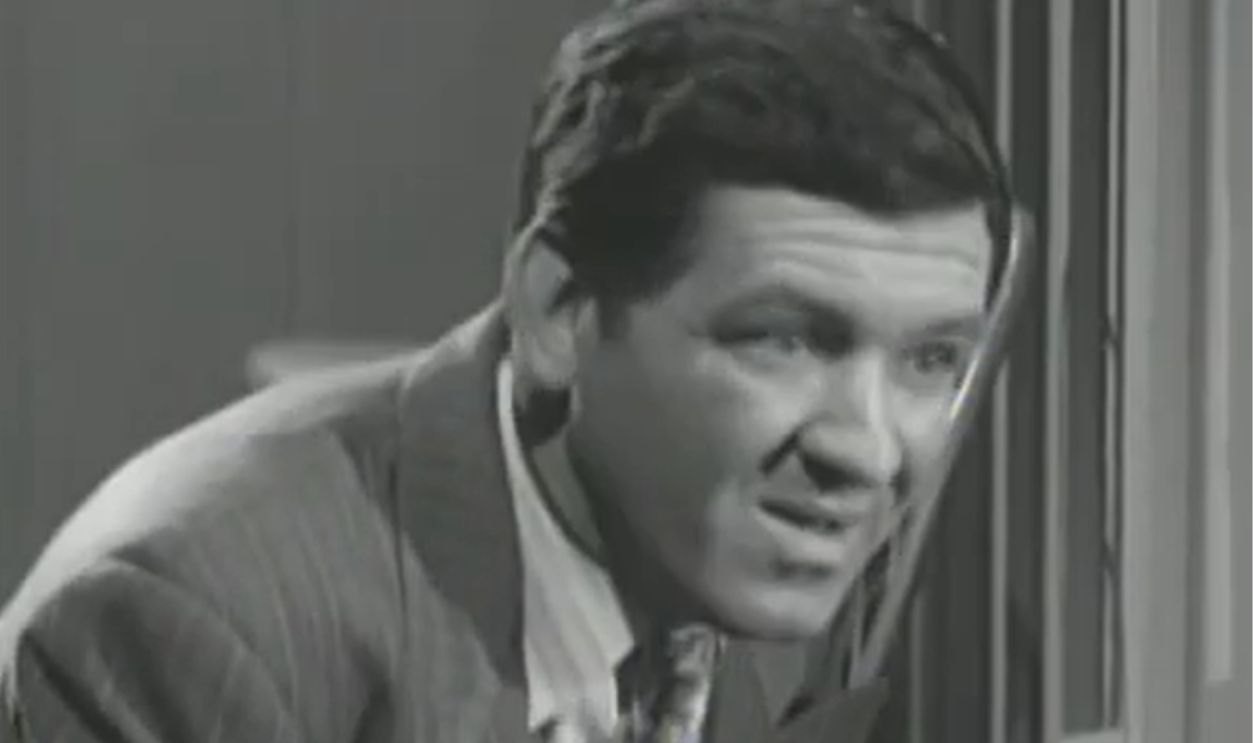
Lindsey brought Goober to the country-music variety series Hee Haw after his Mayberry run. He continued playing the character there from the early 1970s until the program ended production in 1993. The sketch format loosened Goober from Mayberry’s narrative world and allowed Lindsey to use him in jokes, musical comedy, and recurring rural routines. A sitcom mechanic had evolved into a national variety-show personality.
 Screenshot from The Andy Griffith Show, CBS (1960–1968)
One Character Lasted Nearly Thirty Years
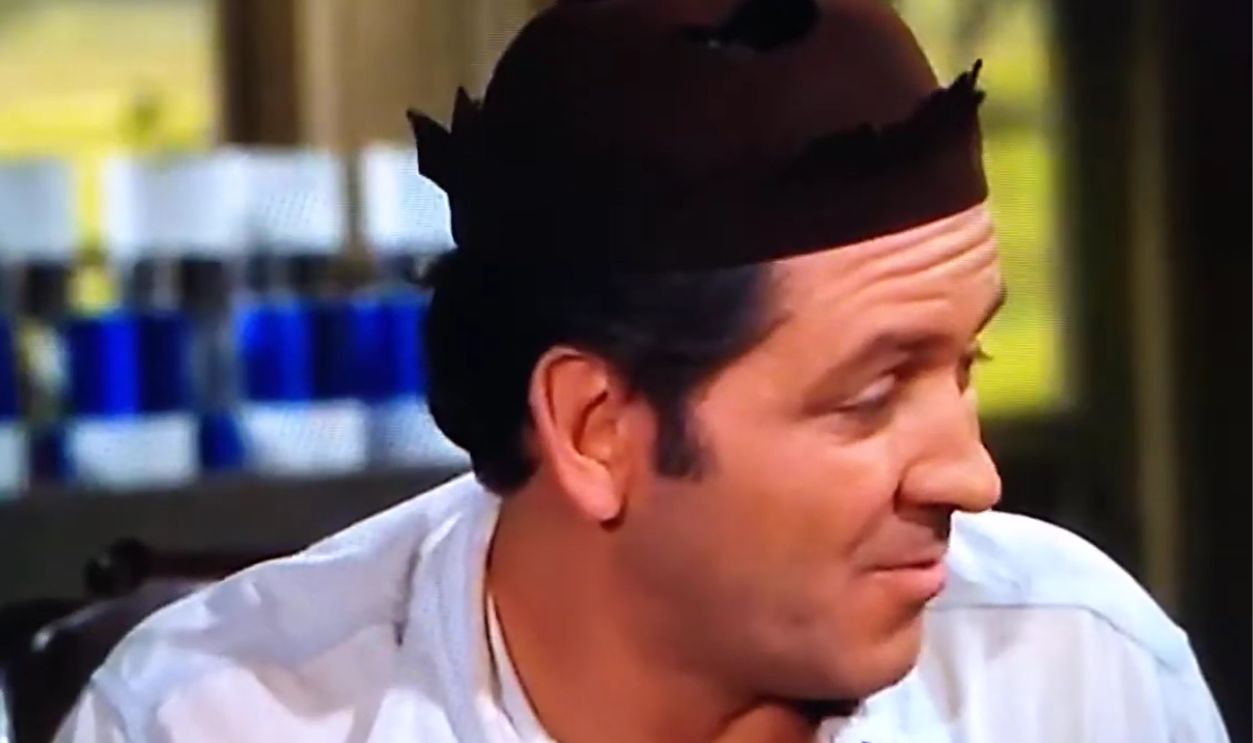
Between The Andy Griffith Show, Mayberry R.F.D., and Hee Haw, Lindsey spent close to three decades appearing as Goober. He said that Americans had grown up with him and described Goober as an everyman in whom audiences could recognize something likable. That longevity is especially remarkable because the character began as a supporting addition made after another actor left. Goober lasted because Lindsey found more emotional flexibility in him than the original job description required.
 Screenshot from The Andy Griffith Show, CBS (1960–1968)
Disney Let His Voice Travel Elsewhere
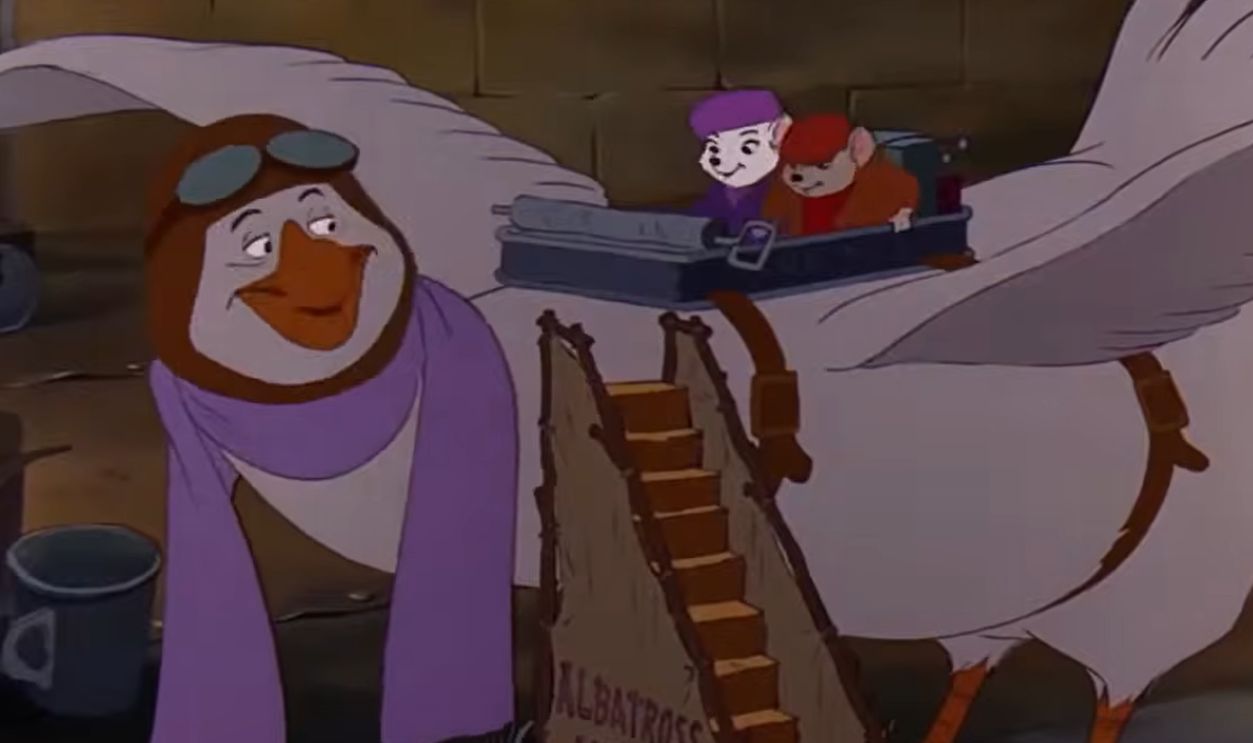
Lindsey also performed voice work for several Walt Disney animated features. His credits included The Aristocats, Robin Hood, and The Rescuers. These roles allowed audiences to hear his familiar country-inflected voice without seeing the beanie or service station uniform. Animation proved that his comic sound and timing could work even when Goober’s famous face was absent.
 Screenshot from The Rescuers, Walt Disney Productions (1977)
MASH Showed A Sharper Side
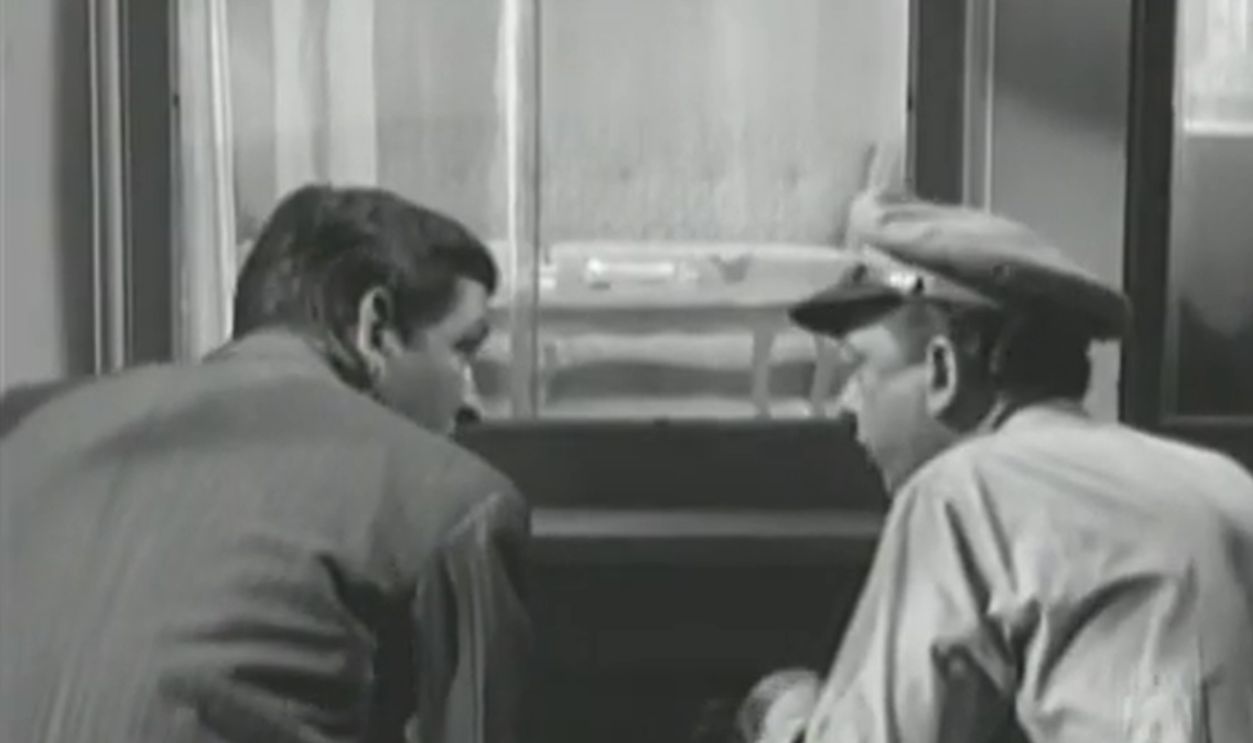
Lindsey later guest-starred on MASH*, demonstrating that he could still enter another established ensemble without playing Goober. The appearance was part of a broader post-Mayberry career that included CHiPs, The Wonderful World of Disney, and other television projects. These roles rarely displaced his signature character in the public imagination. They did, however, remind viewers that Lindsey remained a working actor rather than a man preserved entirely inside reruns.
 Screenshot from The Andy Griffith Show, CBS (1960–1968)
Stand-Up Let Him Speak As Himself
Lindsey performed stand-up comedy outside his television work and sometimes ended his act with tap dancing and even break dancing. His routines drew upon football, small-town observations, and the audience’s familiarity with his television image. Live appearances allowed him to acknowledge Goober without remaining completely trapped inside the character. The actor could use the recognition as an opening, then reveal the broader entertainer behind it.
Return To Mayberry Completed The Circle
Lindsey reprised Goober in the 1986 television movie Return to Mayberry. The reunion brought back Andy Griffith, Don Knotts, Ron Howard, Jim Nabors, and other familiar figures from the original series. Lindsey told People that the show represented a family audiences had grown up with and joked that he would probably be buried in his Goober hat. The special confirmed that the character remained instantly recognizable nearly two decades after the weekly series ended.
 Screenshot from The Andy Griffith Show, CBS (1960–1968)
He Turned Recognition Into Charity
Lindsey devoted substantial time to raising money for the Alabama Special Olympics and programs serving people with intellectual disabilities. For 17 years, he sponsored a celebrity golf tournament in Montgomery that benefited those causes. His philanthropic work earned him the Minnie Pearl Humanitarian Award. Goober’s popularity opened doors, and Lindsey repeatedly used that access to help people far beyond television.
 Dottie White (USASMDC/ARSTRAT), Wikimedia Commons
His University Connection Became A Film Festival
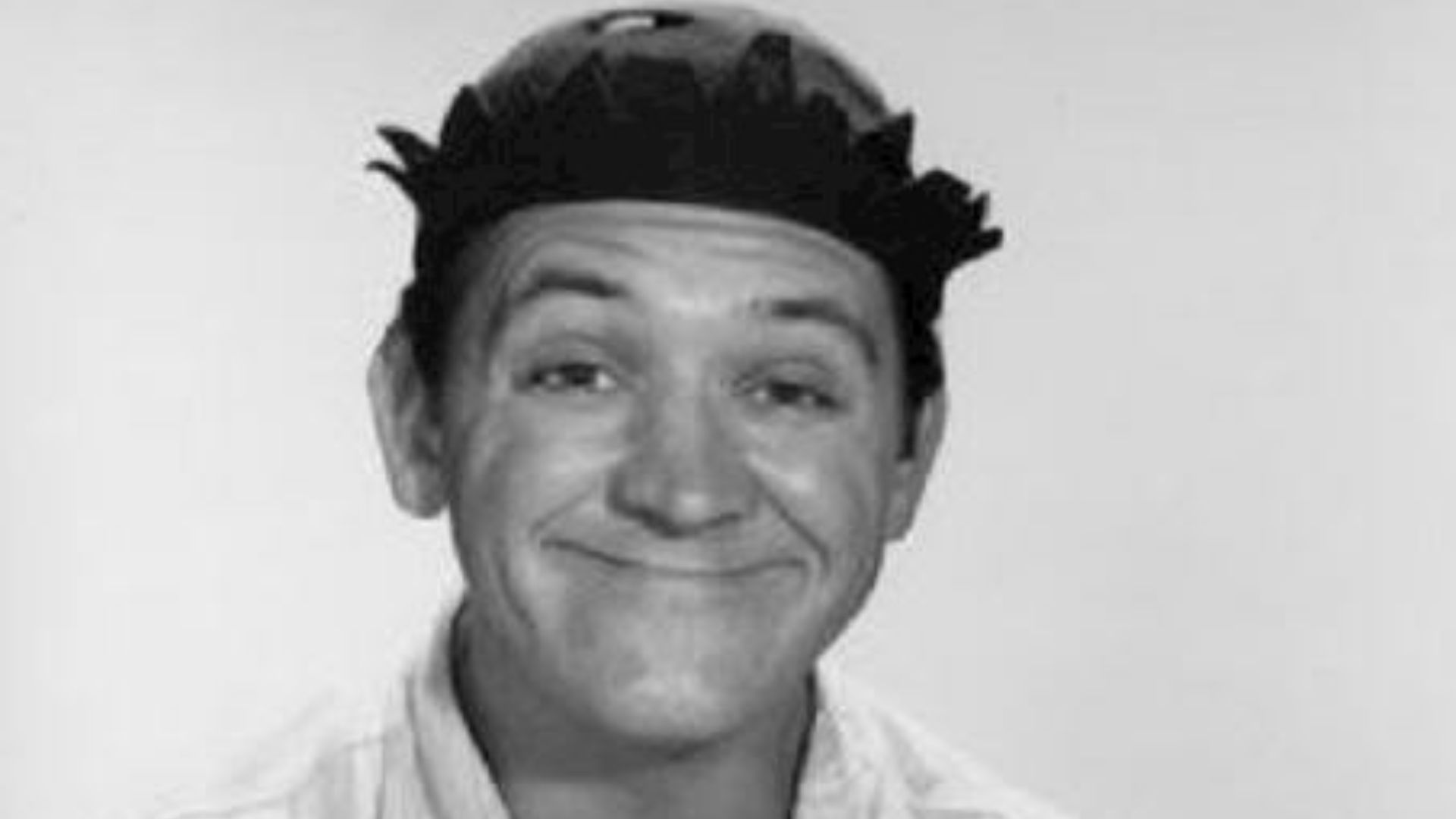
Lindsey created the George Lindsey UNA Film Festival at the University of North Alabama in 1997. The annual event supported filmmakers and strengthened his lifelong connection to the school where he had once played football and studied education. He later donated scripts, photographs, awards, correspondence, and memorabilia to the university’s archives. A performer known for an uncomplicated fictional mechanic helped create opportunities for future storytellers.
 CBS Television, Wikimedia Commons
He Accepted That Goober Would Outlive Him
Lindsey knew that many people recognized the character before they recognized the actor. He once observed that he could travel anywhere in the country and encounter people who knew Goober even when they did not know George Lindsey’s name. Rather than spend his later life rejecting that reality, he embraced reunions, fan events, charity appearances, and the affection attached to Mayberry. Goober lasted forever because Lindsey eventually treated the character not as a limitation, but as a gift he could keep sharing.
 UPI Telephoto, Wikimedia Commons
You May Also Like:
Why did The Andy Griffith Show star Don Knotts struggle to escape his signature role?
Andy Griffith: The Hidden Darkness Behind the Sheriff’s Badge