The Deputy Who Stole The Show
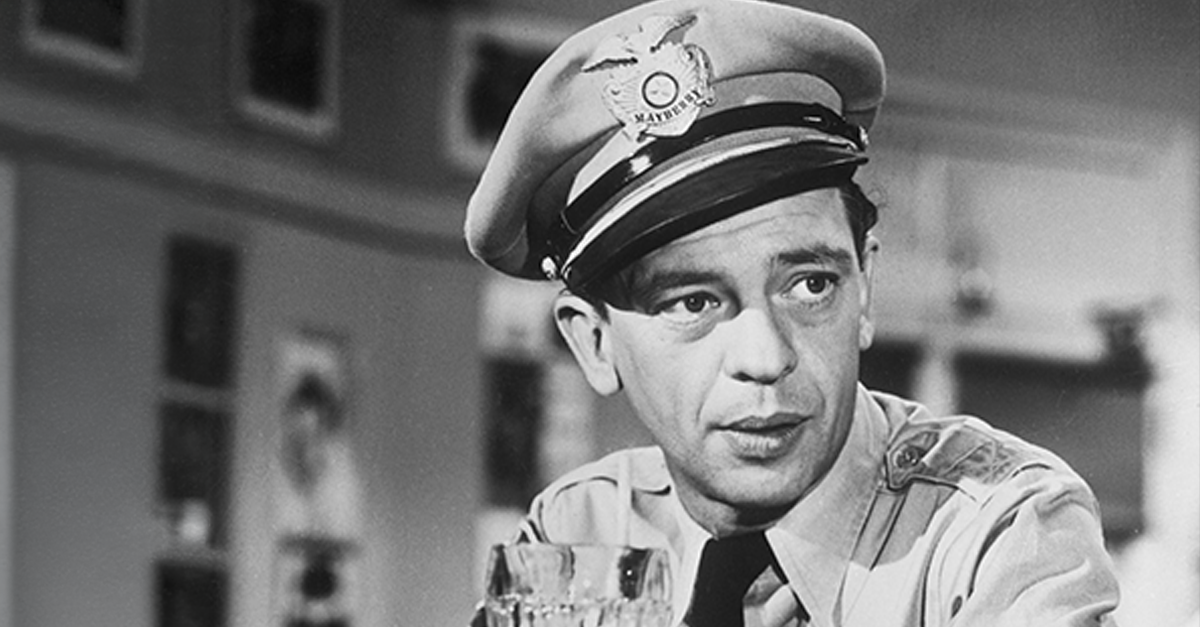
When The Andy Griffith Show premiered in 1960, Andy Griffith was expected to be the main comedic attraction. Instead, viewers quickly became captivated by Don Knotts as the nervous and hilariously overconfident Deputy Barney Fife. Knotts turned what could have been a simple supporting role into one of television's most memorable characters. Before long, Barney became one of the biggest reasons audiences tuned in every week
A Character Audiences Could Not Forget
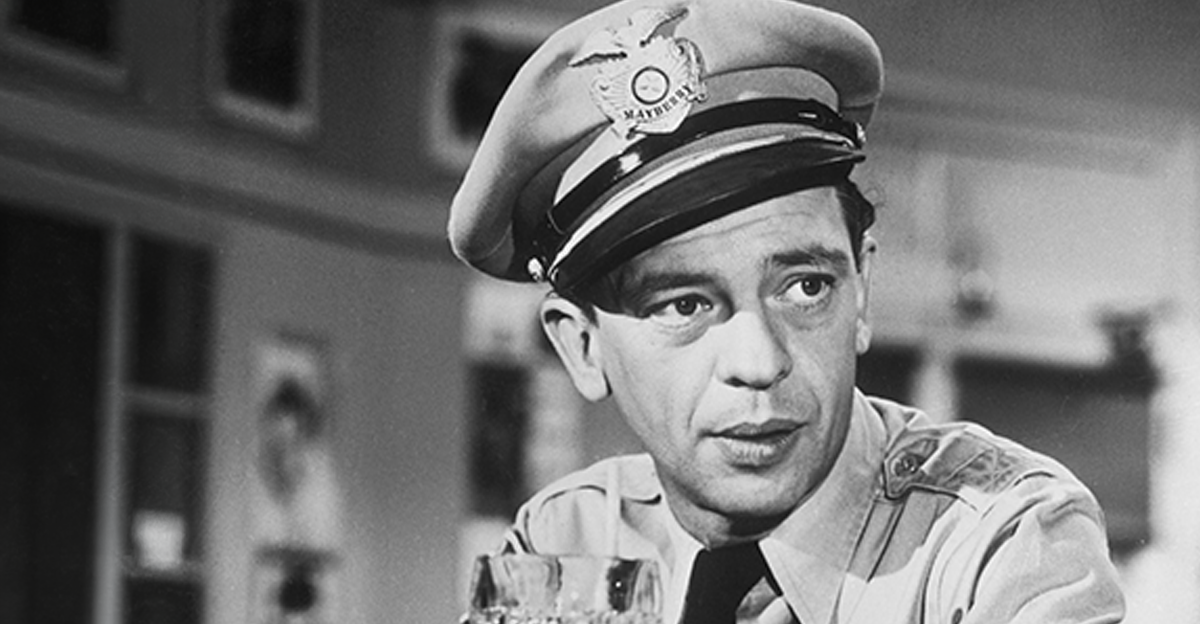
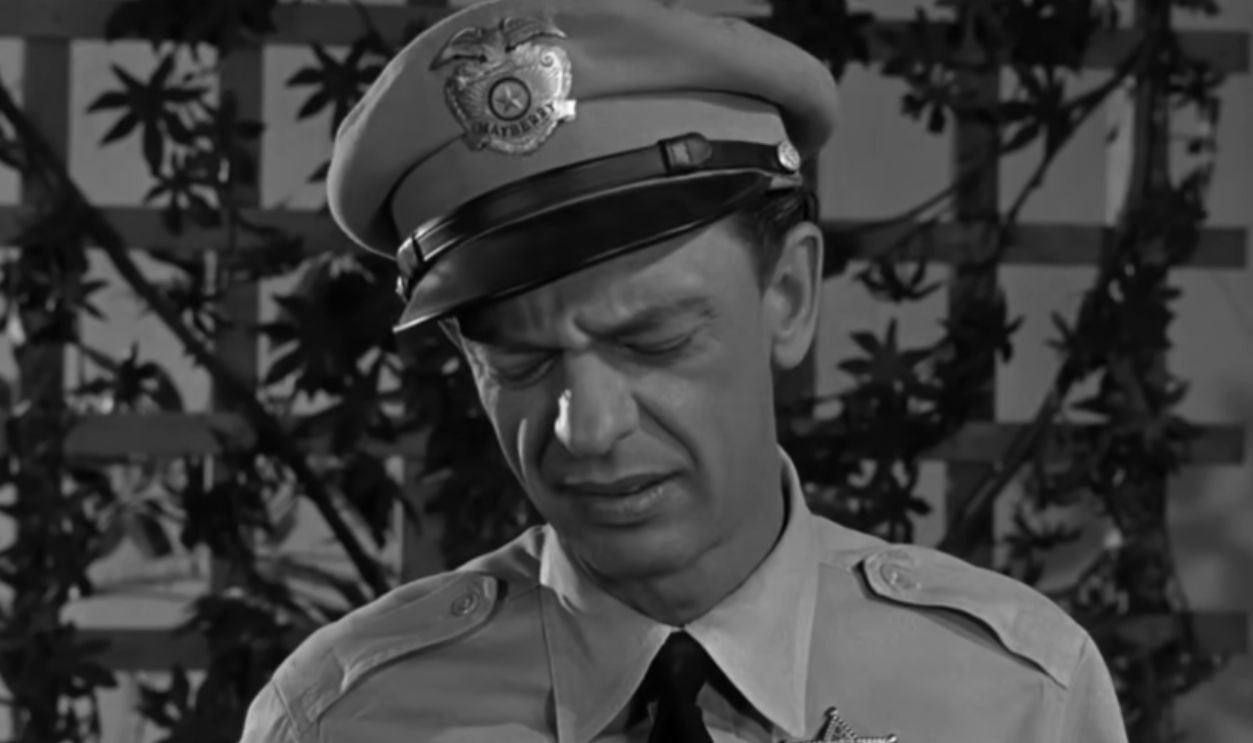
Barney Fife was unlike most television lawmen of the era. He was insecure, excitable, and constantly trying to prove himself, despite rarely succeeding. Those traits made him relatable and endlessly funny. Viewers connected with Barney so strongly that many struggled to separate the character from the actor who played him.
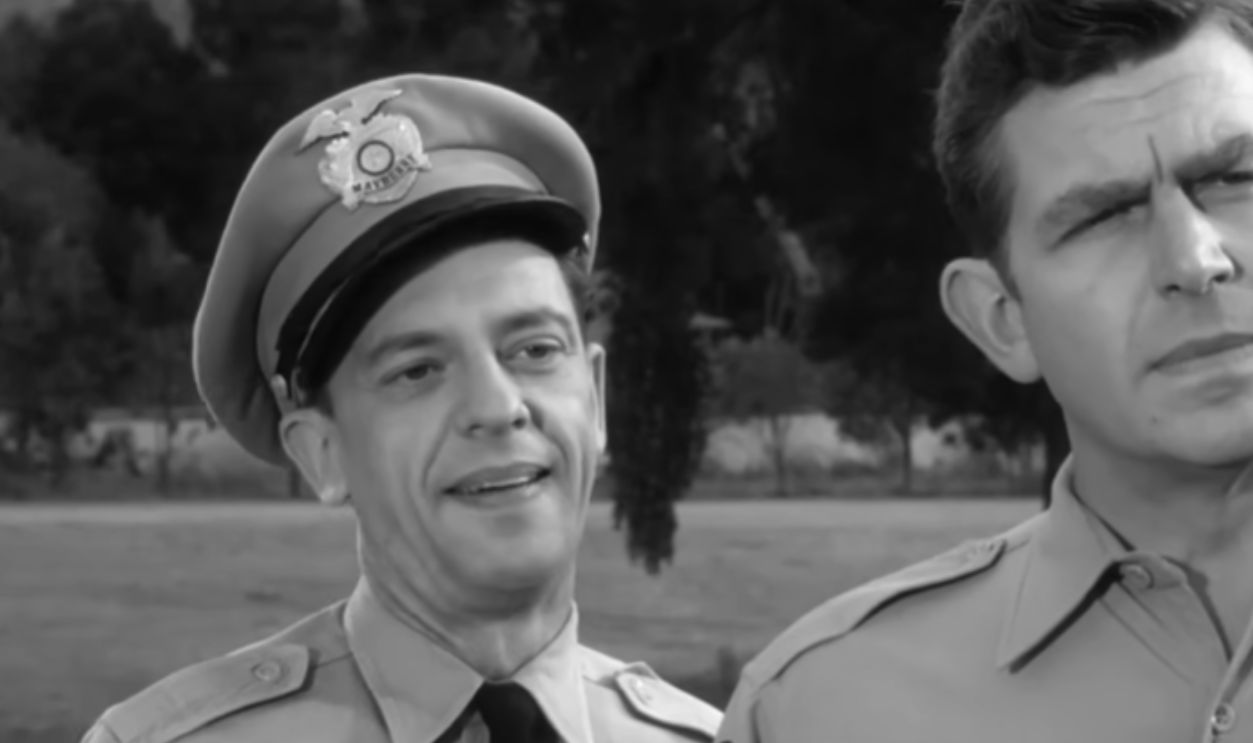 Screenshot from The Andy Griffith Show, Paramount Television (1960-1968)
Comedy Gold In Mayberry
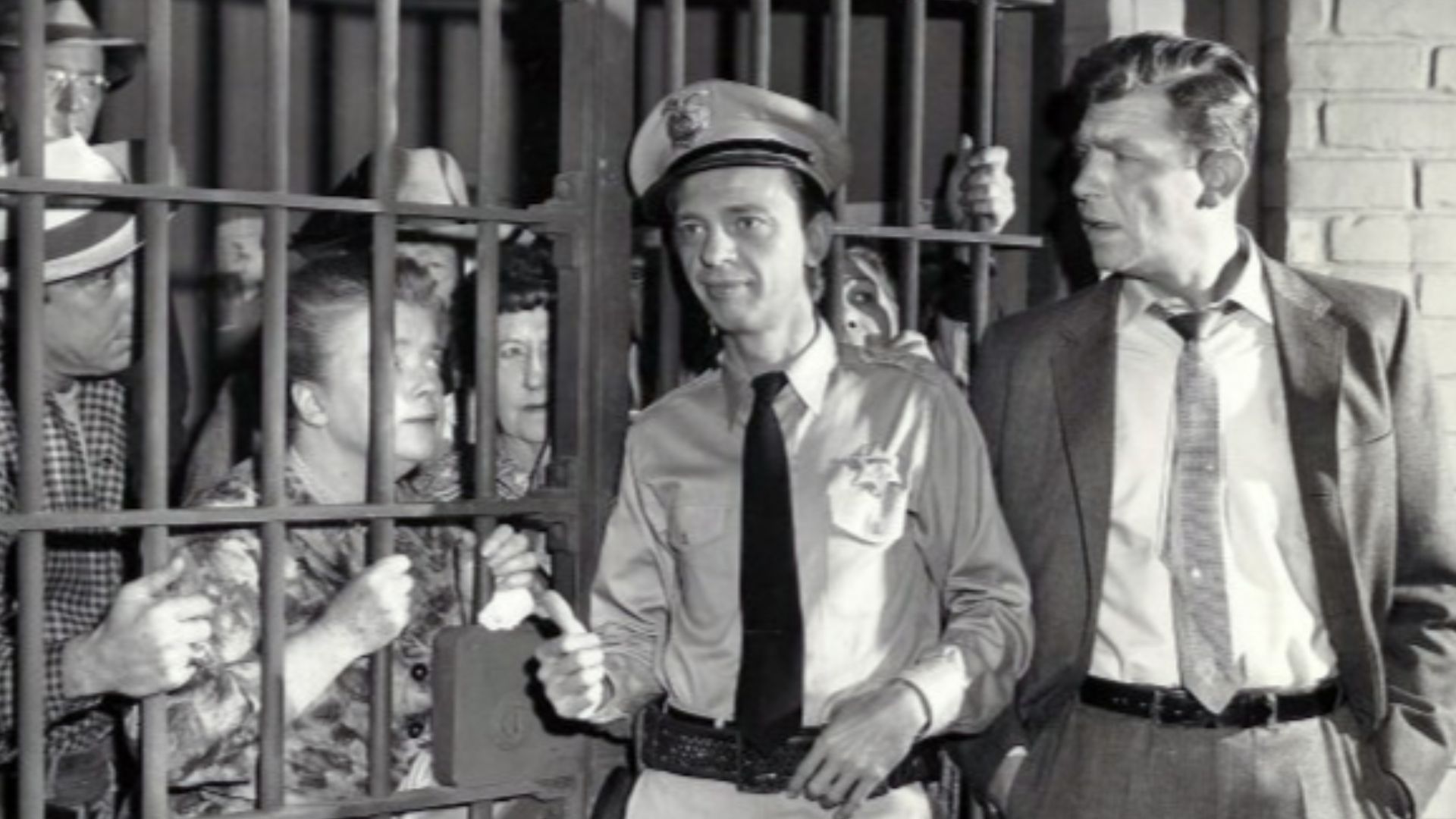
The chemistry between Don Knotts and Andy Griffith became the foundation of the series. Griffith later acknowledged that the show worked best when Knotts handled the comedy while he played the straight man. That dynamic allowed Barney's wild energy to shine. It also helped transform the series into one of the most beloved sitcoms in television history.
 Screenshot from The Andy Griffith Show, Paramount Television (1960-1968)
Emmy Awards Reinforced The Image
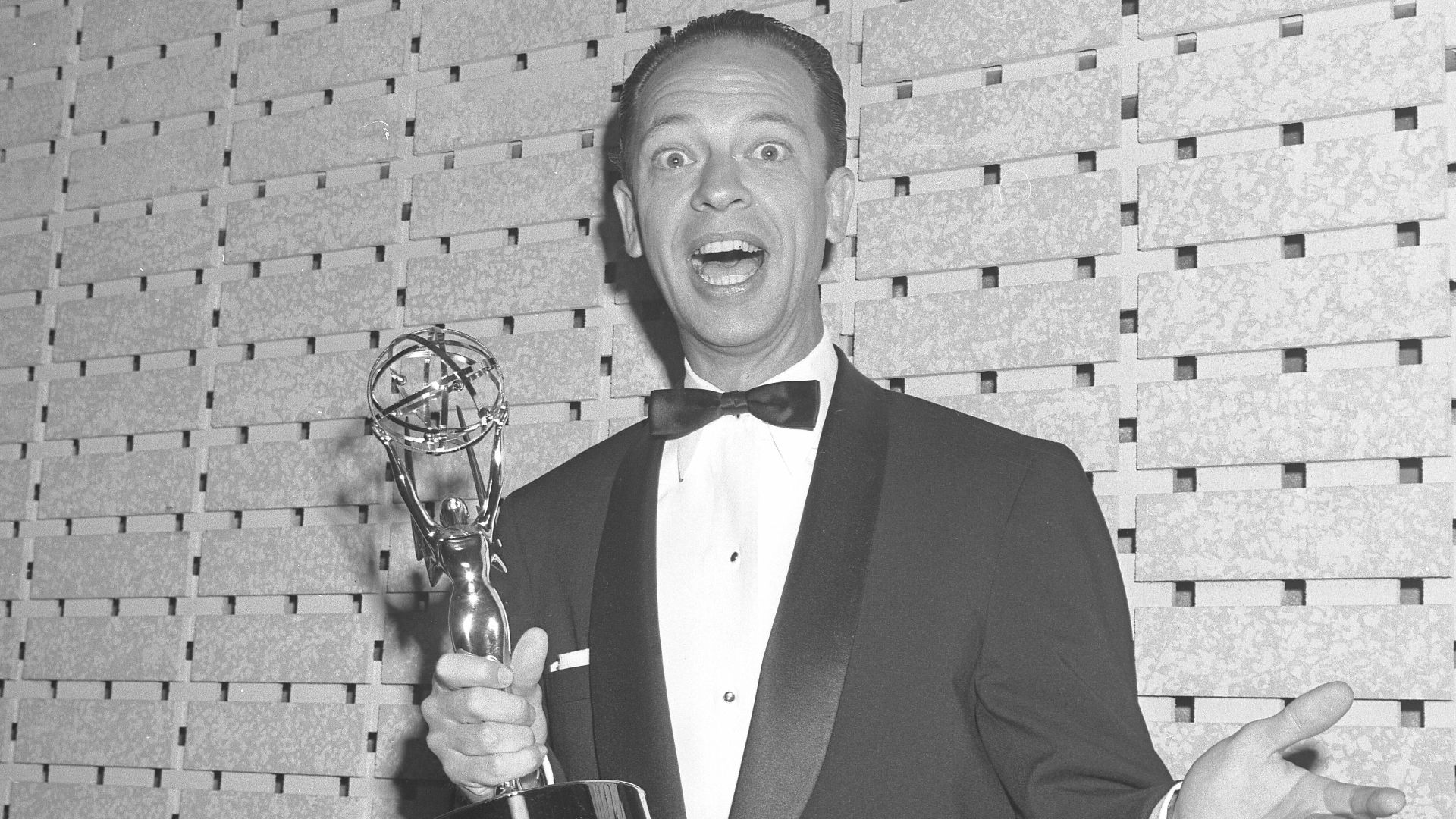
Knotts did not simply become popular. He became critically acclaimed as well. Between 1961 and 1967, he won five Emmy Awards for playing Barney Fife. Those honors cemented his reputation, but they also made it harder for audiences and casting directors to imagine him as anyone else.
 Los Angeles Times, Wikimedia Commons
Success Became A Double-Edged Sword
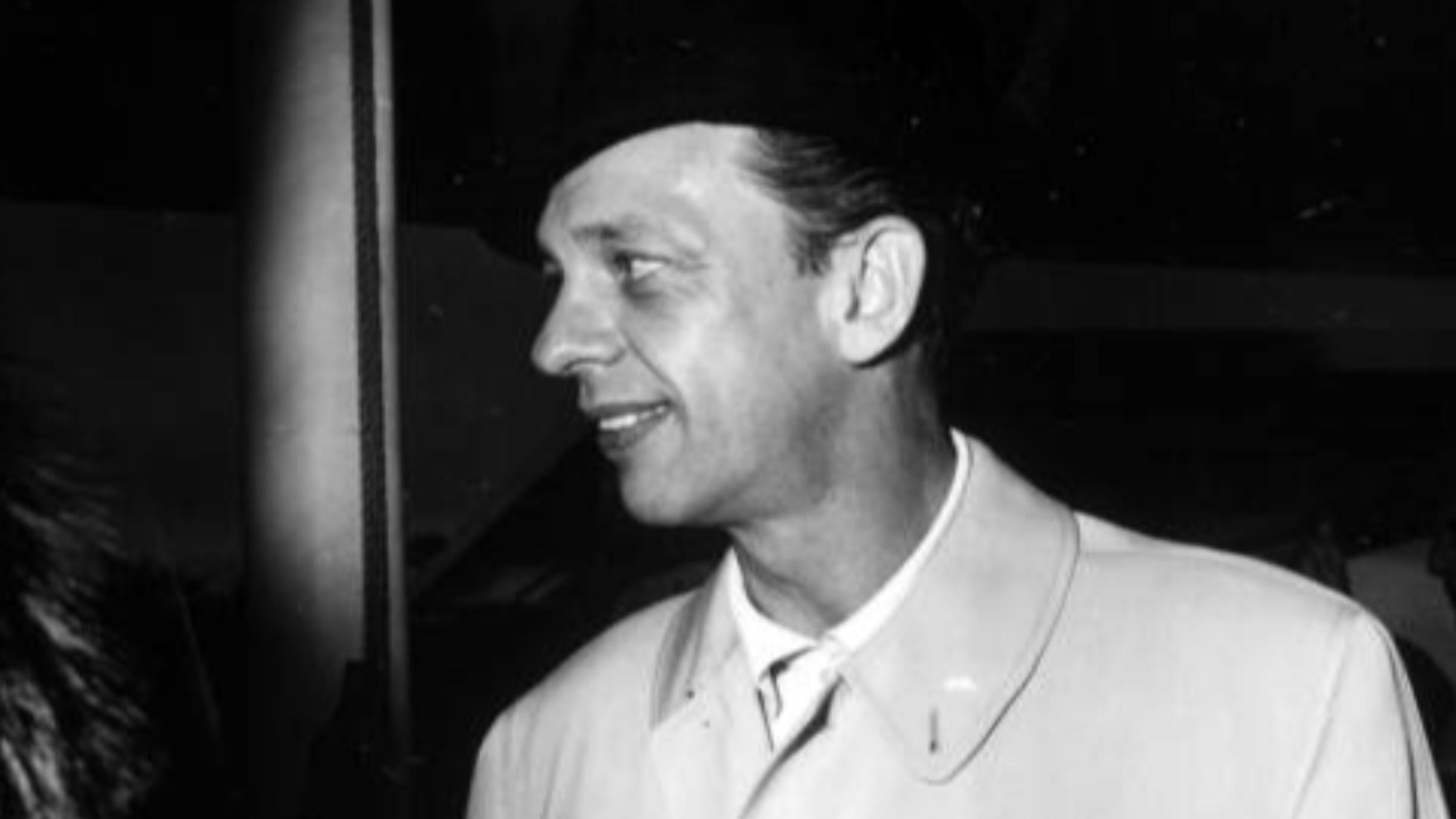
Many actors dream of creating an unforgettable character. Knotts achieved exactly that, yet the accomplishment came with consequences. The more beloved Barney became, the more difficult it was for Knotts to establish a separate screen identity. Hollywood often rewards familiarity, and executives knew audiences already loved him as Barney.
 State Library and Archives of Florida, Wikimedia Commons
Leaving Mayberry Was A Risk
Knotts eventually decided to leave The Andy Griffith Show as a regular cast member. He believed the series would conclude after five seasons, which influenced his decision to pursue other opportunities. That assumption turned out to be incorrect because the show continued without him. Suddenly, he faced the challenge of building a new career outside the role that made him famous.
 CBS Television, Wikimedia Commons
The Universal Pictures Gamble
After leaving the series, Knotts signed a five-film deal with Universal Studios. The arrangement seemed like a logical next step for a rising television star. It offered leading roles and the possibility of becoming a major movie comedian. However, many of the characters he played still resembled the anxious and awkward qualities audiences associated with Barney Fife.
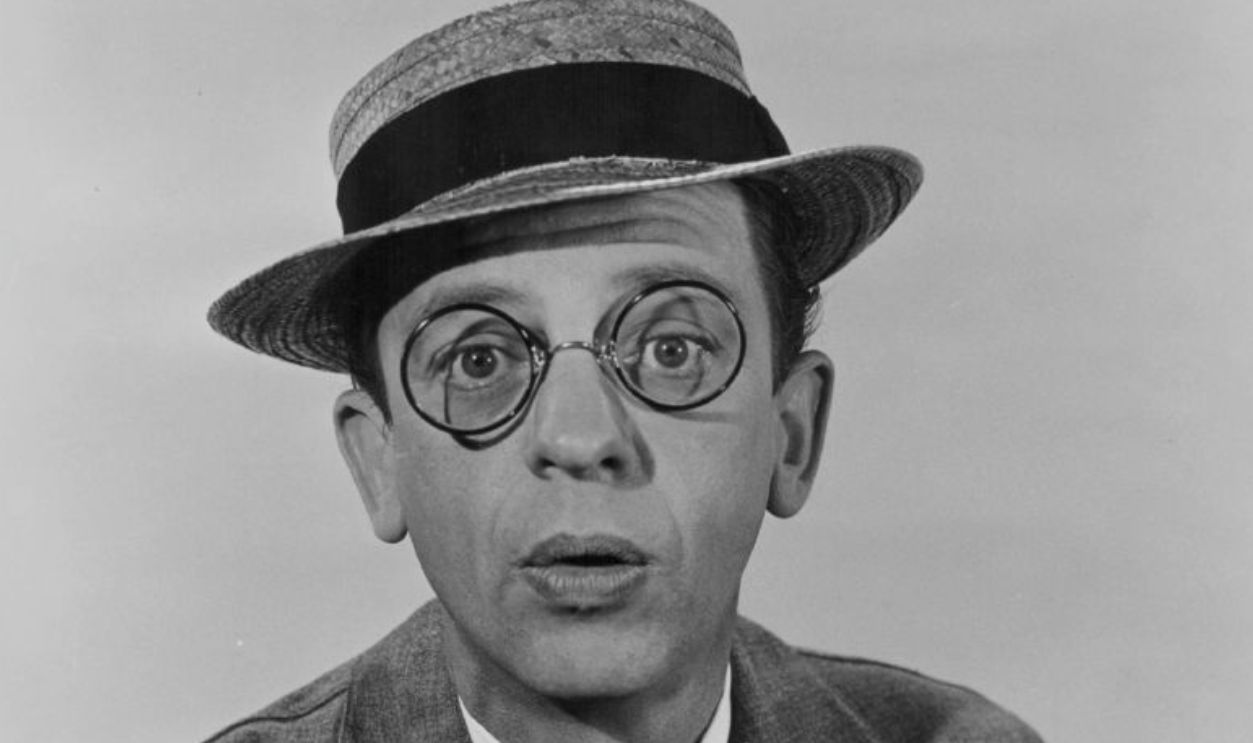 Pictorial Parade, Getty Images
The Incredible Mr. Limpet Opened Doors
One of Knotts' best-known films was The Incredible Mr. Limpet in 1964. The movie showcased his gift for physical comedy and lovable underdog characters. Audiences responded positively, and the film became a family favorite. Even so, the performance reinforced the screen persona people already expected from him.
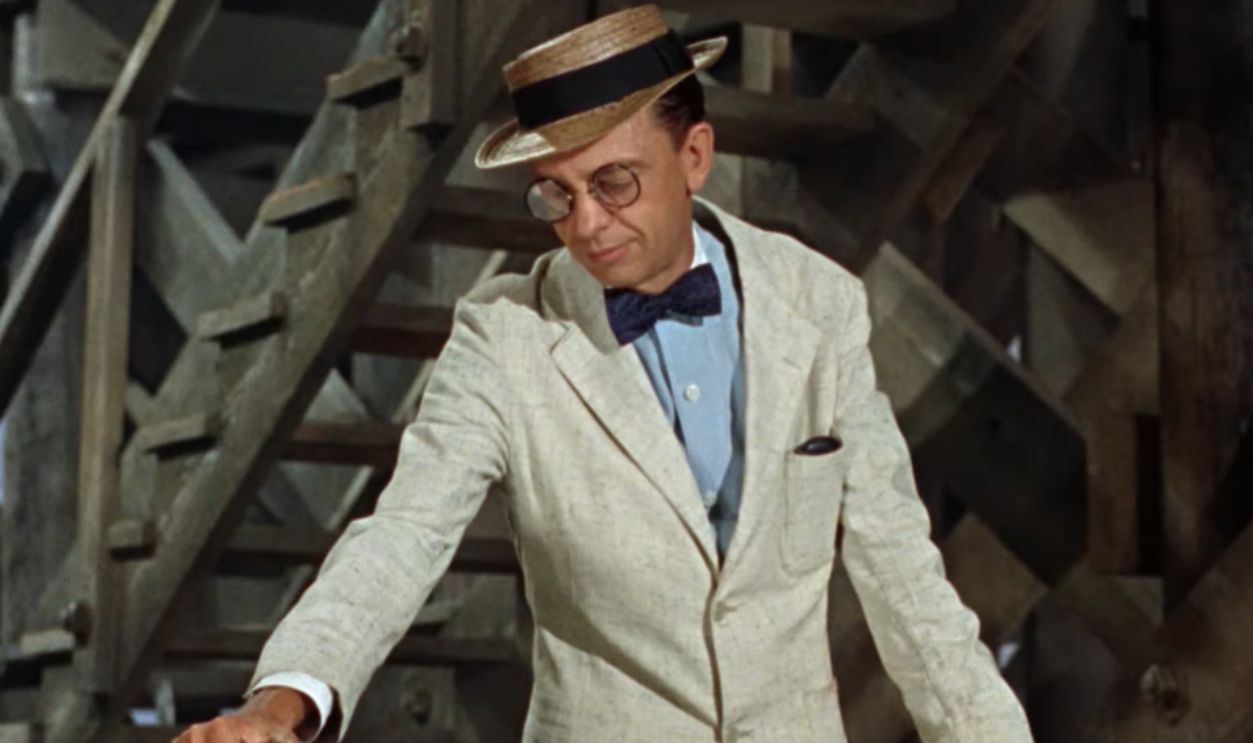 Screenshot from The Incredible Mr. Limpet, Warner Bros. Pictures (1964)
The Ghost Of Barney Followed Him
Films such as The Ghost and Mr. Chicken and The Reluctant Astronaut enjoyed success with family audiences. Yet many critics and viewers noticed familiar personality traits in his characters. The nervous reactions, exaggerated confidence, and frantic behavior echoed Barney Fife. As a result, Knotts never fully escaped comparisons to his television breakthrough.
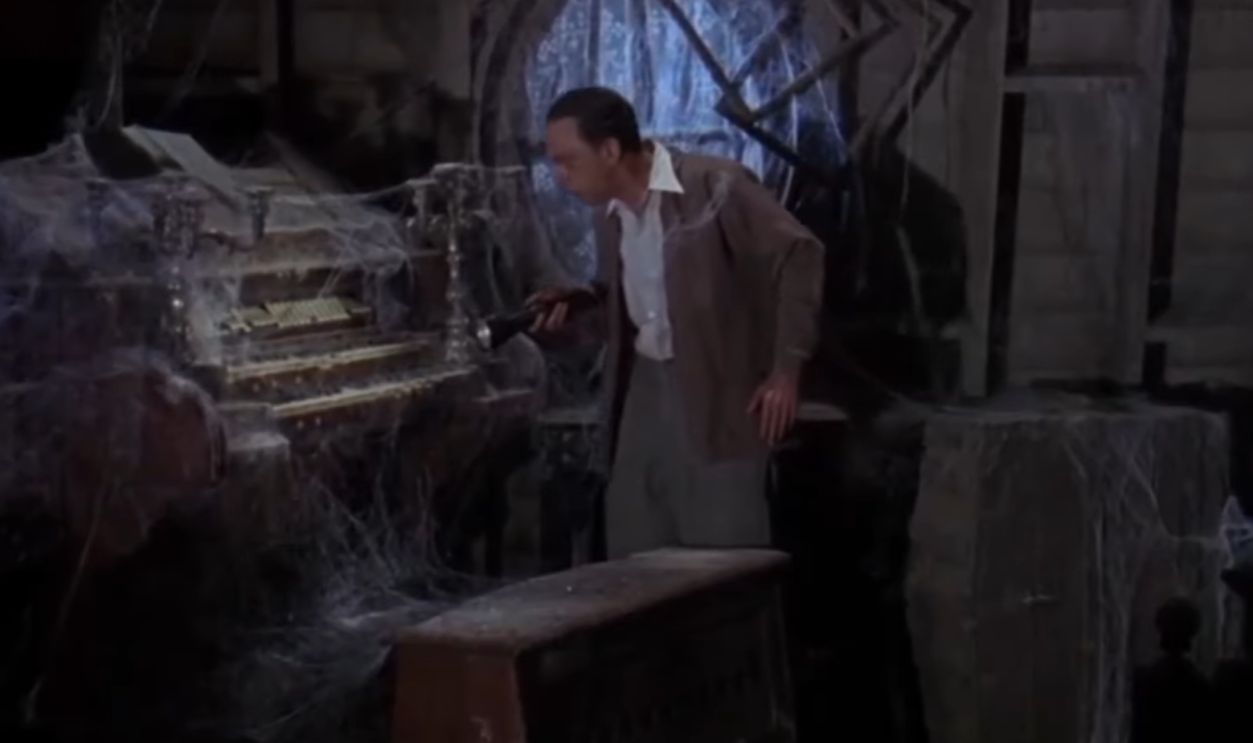 Screenshot from The Ghost and Mr. Chicken, Universal Pictures (1966)
Hollywood Loved Familiar Formulas
Studios often preferred to market actors based on what had already worked. Knotts had become synonymous with a specific comedic style. Producers knew audiences enjoyed seeing him play nervous and eccentric characters. Instead of pushing him toward dramatically different roles, many projects leaned into the image that had already proven successful.
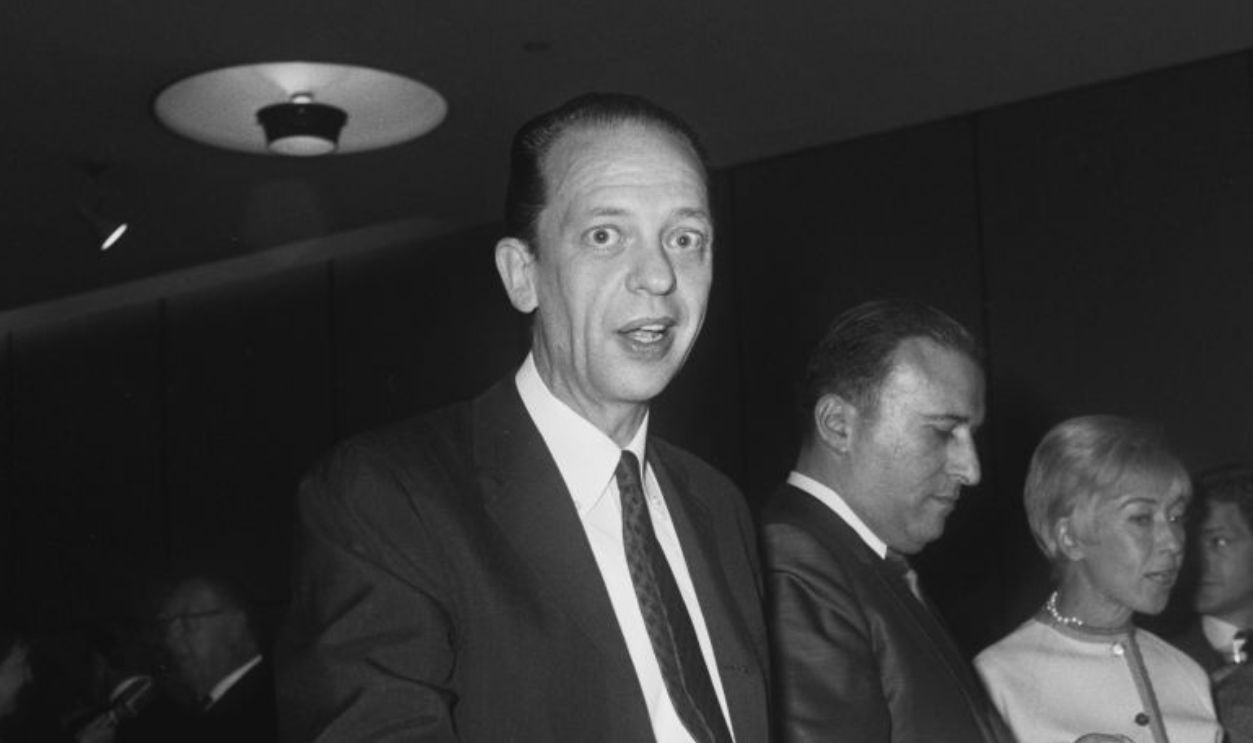
Typecasting Was Common In Television
Knotts was hardly alone in facing typecasting. Many television stars from the 1960s encountered similar challenges after defining roles became cultural phenomena. Once viewers associated an actor with a beloved character, it could be difficult to accept them in a completely different light. Knotts happened to experience one of the strongest examples of that phenomenon.
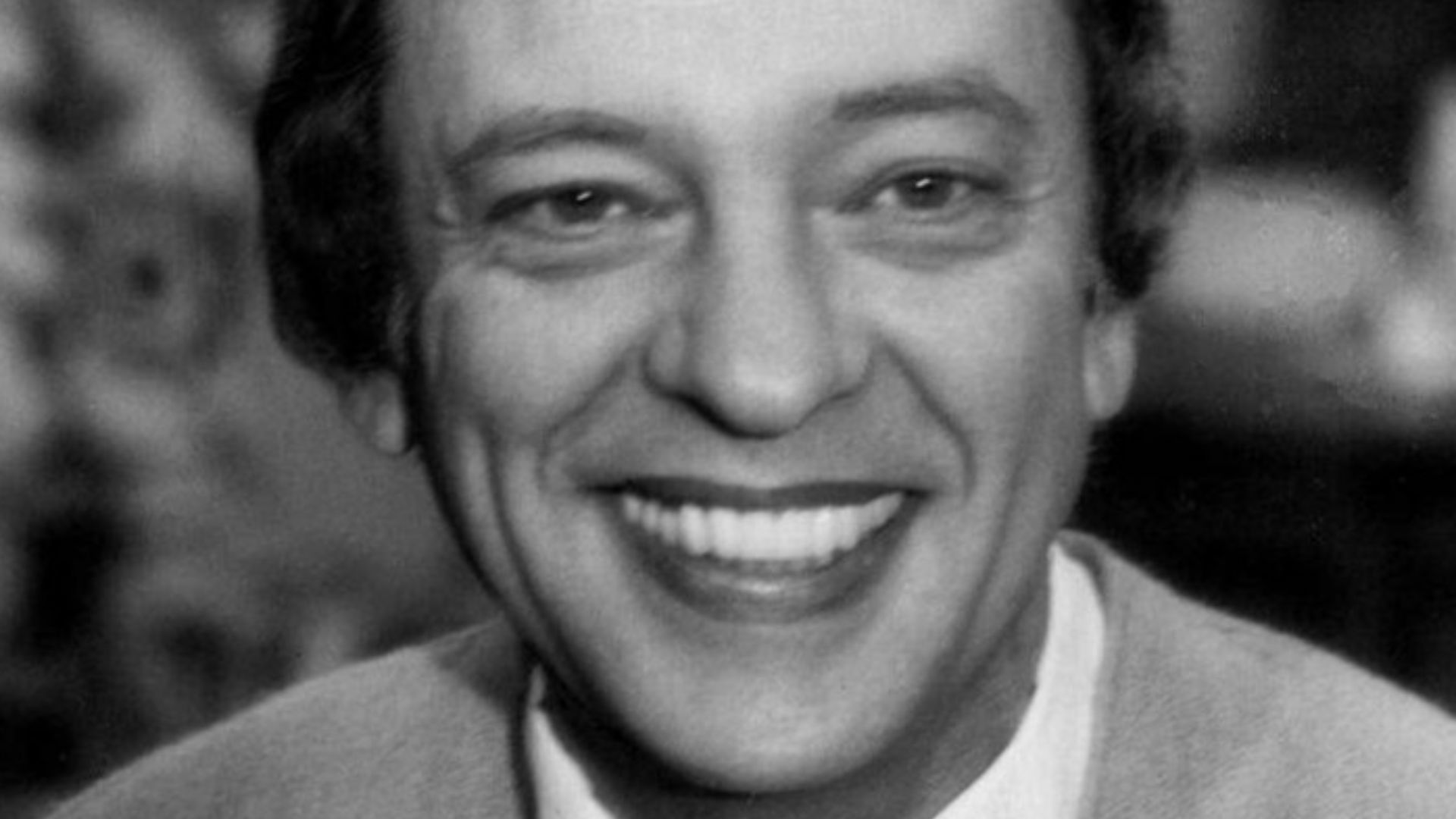 CBS Television, Wikimedia Commons
Audiences Wanted Barney Everywhere
Fans often approached Knotts as if Barney Fife were a real person. The character's popularity extended far beyond the original broadcasts through reruns and public appearances. Many people expected Knotts to behave like Barney in interviews and everyday interactions. That constant association made professional reinvention even harder.
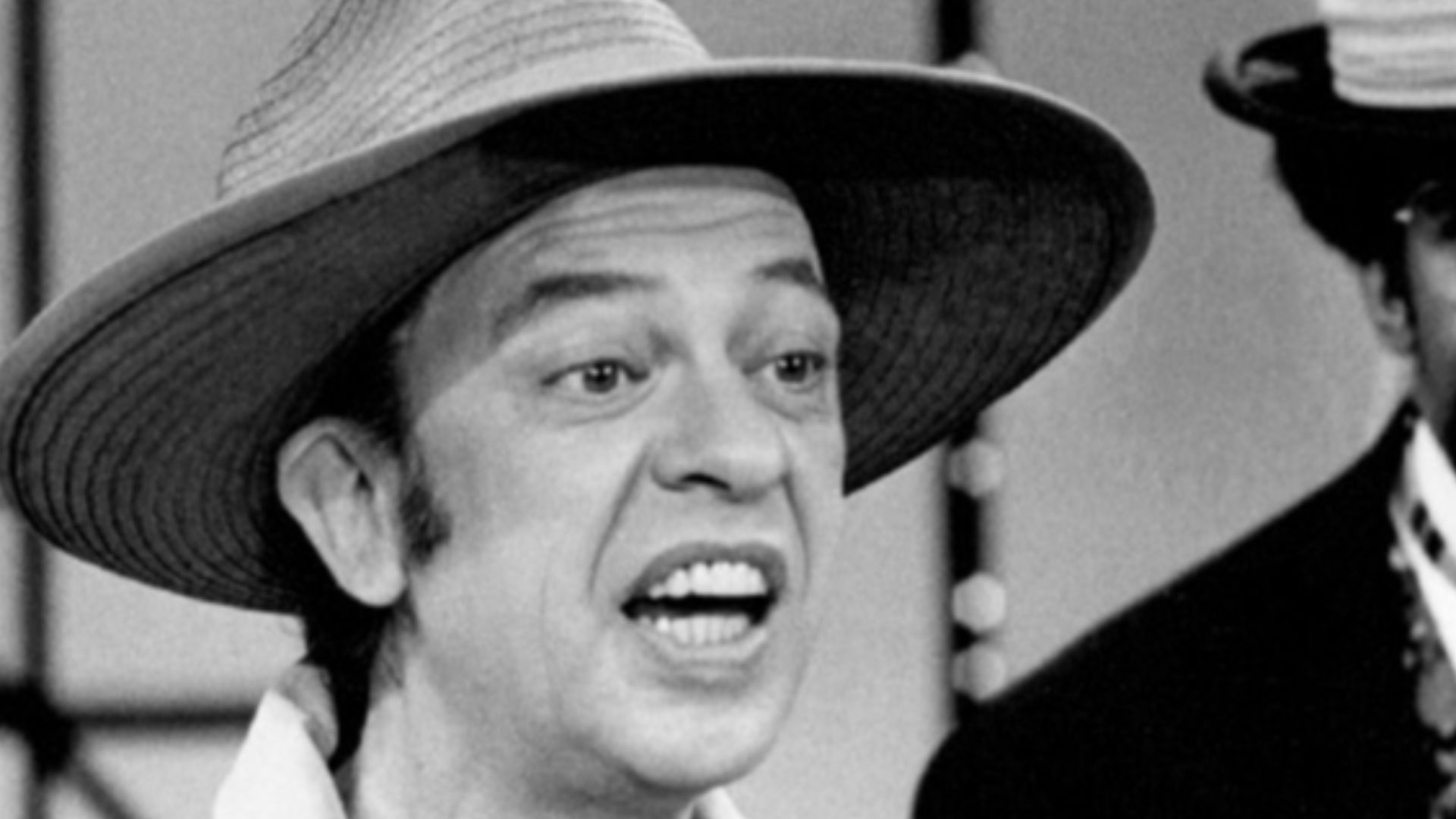 CBS Television, Wikimedia Commons
Real Life Don Knotts Was Different
Ironically, friends and colleagues frequently described Knotts as much quieter than his famous character. Interviews and biographies have noted that he was often gentle, reserved, and thoughtful. The contrast surprised people who expected nonstop comic chaos. Unfortunately, public perception rarely matched reality.
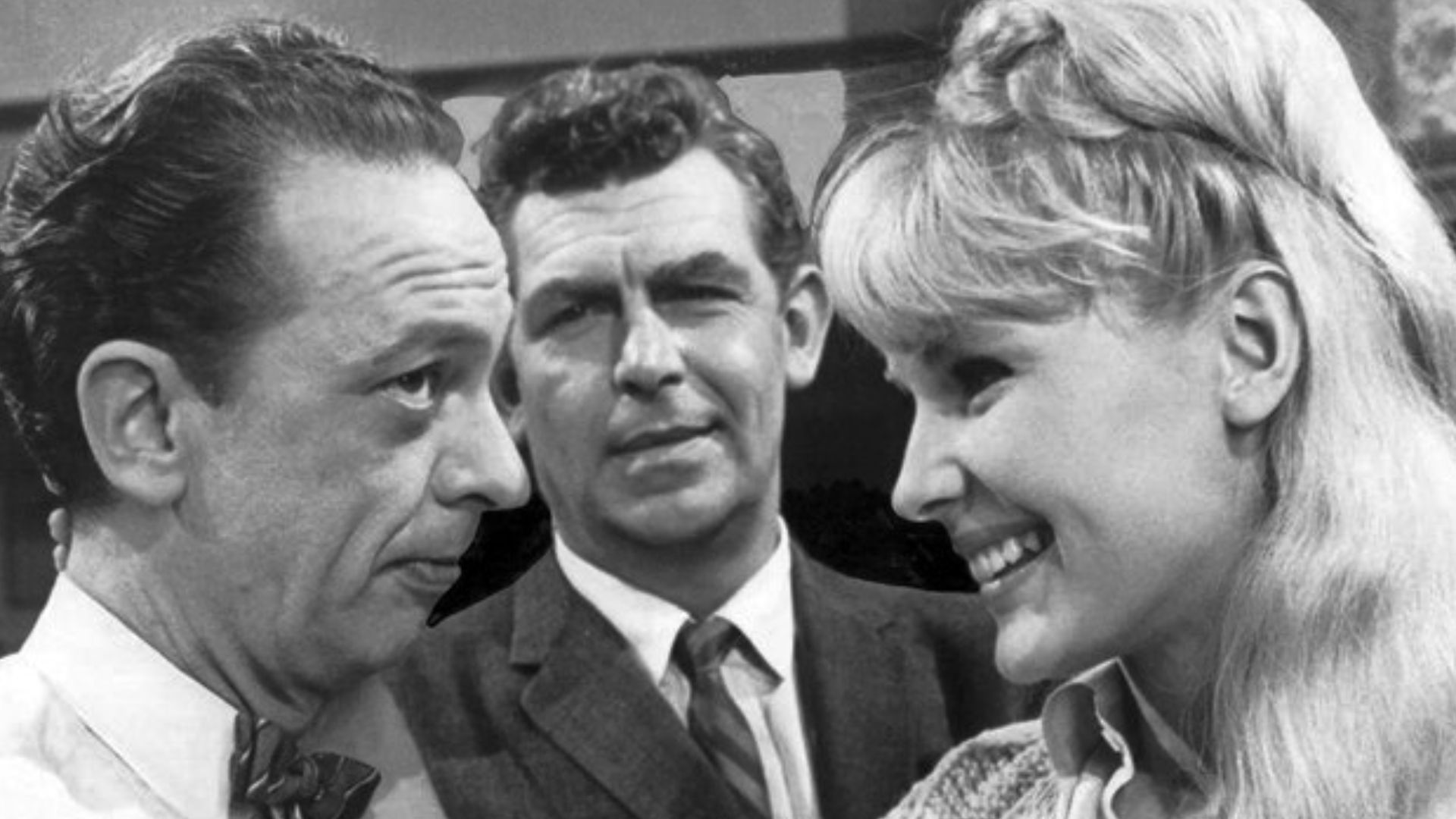
Television Projects Came And Went
Following his Mayberry years, Knotts remained busy on television. He made guest appearances, hosted programs, and starred in short-lived projects. However, none generated the same cultural impact as The Andy Griffith Show. Each new role was measured against Barney Fife, creating a difficult standard to overcome.
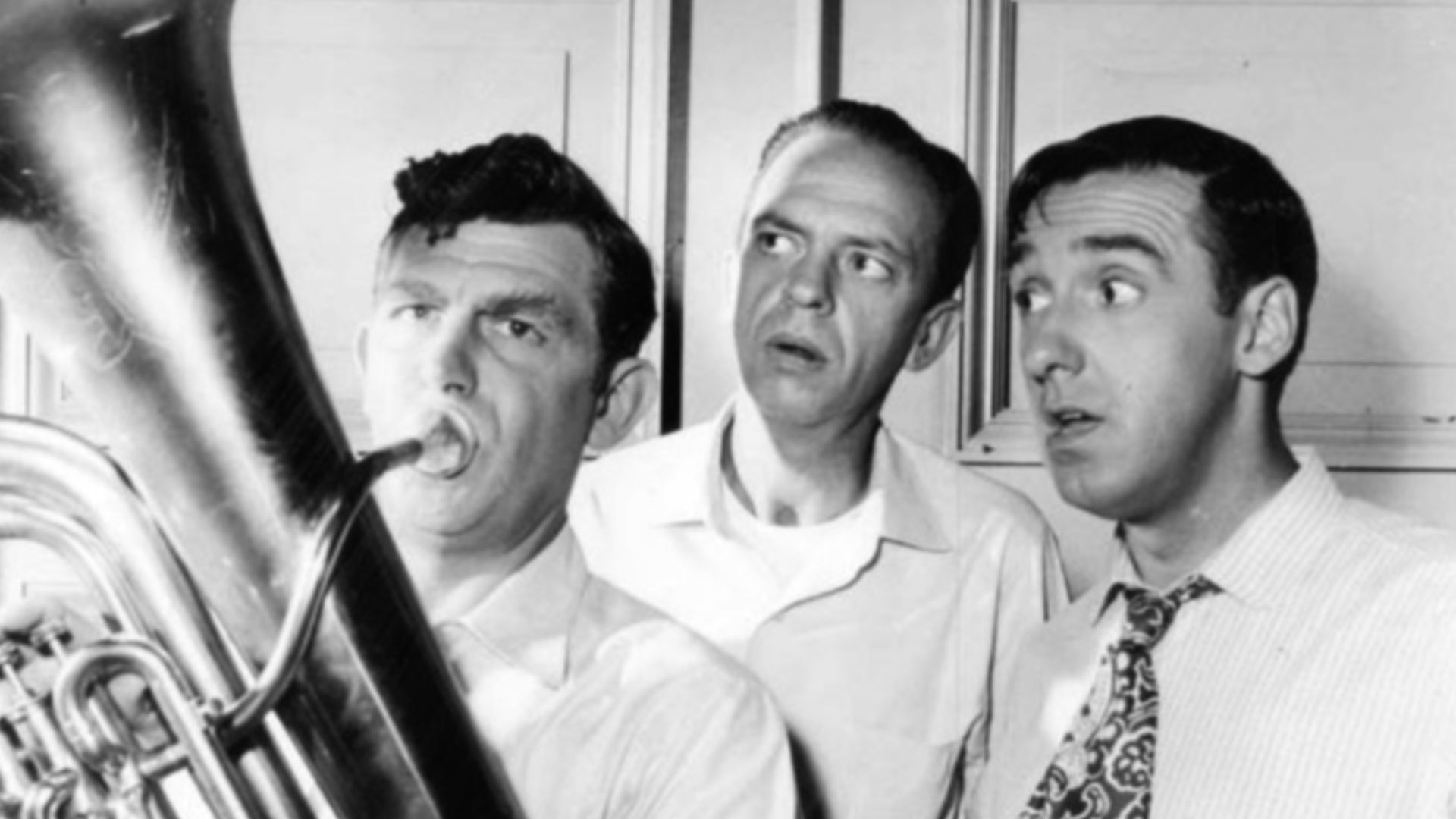
The Don Knotts Show Failed To Connect
NBC launched The Don Knotts Show in 1970 with hopes of capitalizing on his popularity. The series mixed comedy and variety-show elements. Ratings never reached the levels executives wanted, and the program ended quickly. The cancellation highlighted how difficult it was to build a lasting television identity beyond Mayberry.
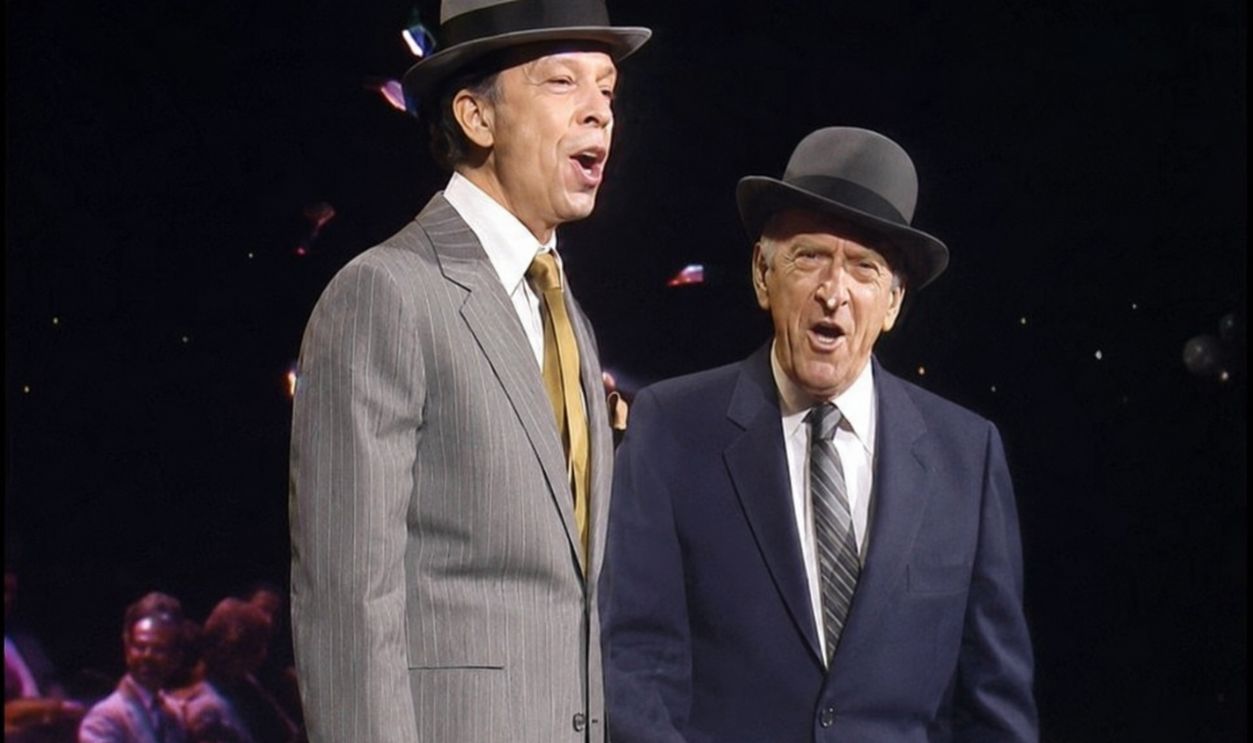 Screenshot from The Don Knotts Show, NBC (1970-1971)
Movie Success Did Not Change The Narrative
Although Knotts starred in several successful films, many were aimed at family audiences and relied on his familiar comedic strengths. Viewers enjoyed the movies, but they did not radically redefine his image. Instead, they reinforced the persona that audiences already knew. His success paradoxically strengthened the typecasting problem.
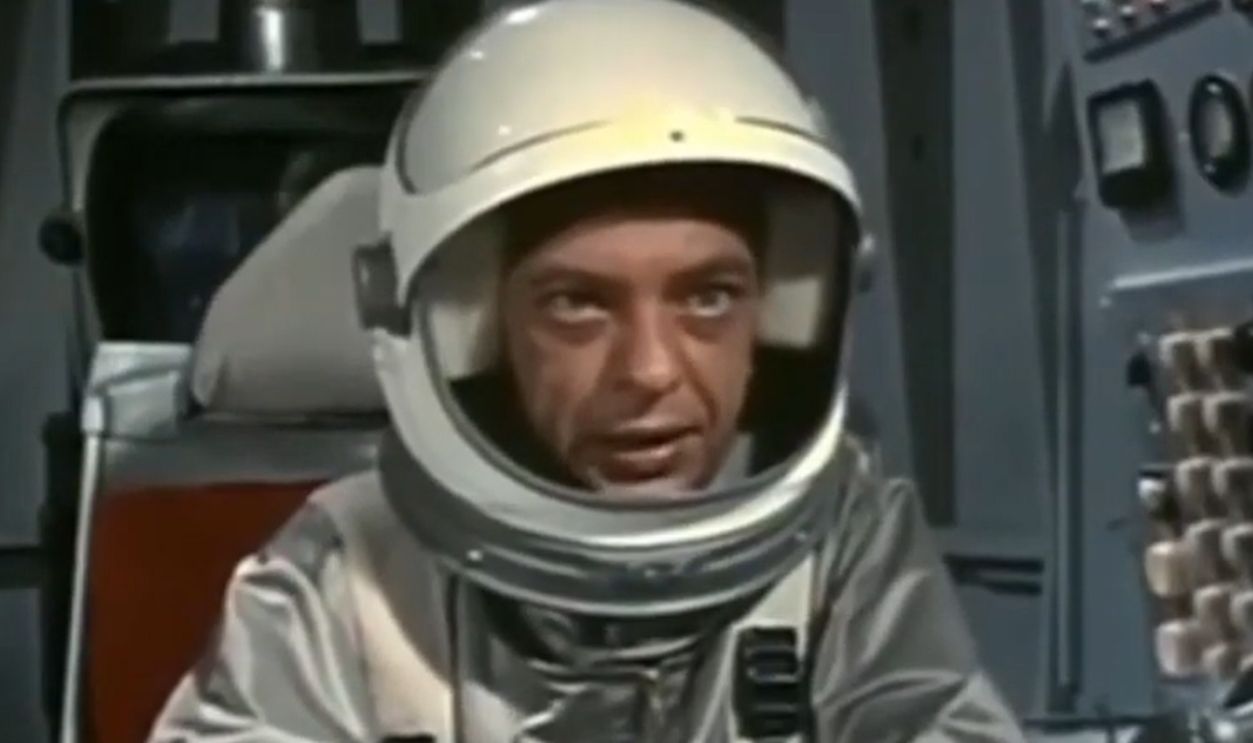 Screenshot from The Reluctant Astronaut, Universal Pictures (1967)
Disney Became A Comfortable Home
During the 1970s, Knotts found steady work in Disney productions. Films such as The Apple Dumpling Gang introduced him to younger audiences. His collaborations with Tim Conway became especially popular. While these projects kept him visible, they continued to emphasize the same lovable comic qualities associated with his earlier work.
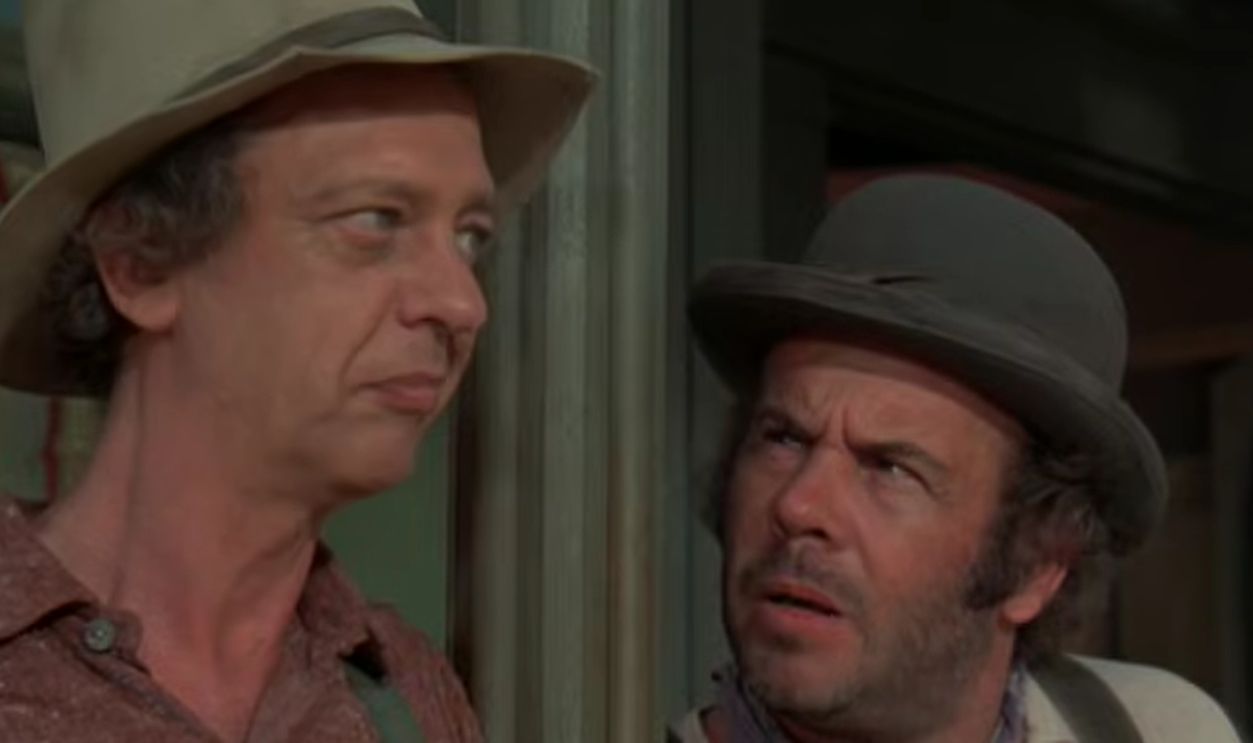 Screenshot from The Apple Dumpling Gang, alt Disney Studios Motion Pictures (1975)
Barney Never Truly Went Away
Even after leaving the series, Knotts occasionally returned to play Barney Fife. He made guest appearances on The Andy Griffith Show and later appeared in Mayberry R.F.D.. These returns delighted fans but also reinforced the connection between actor and character. Every appearance reminded audiences of the role they loved most.
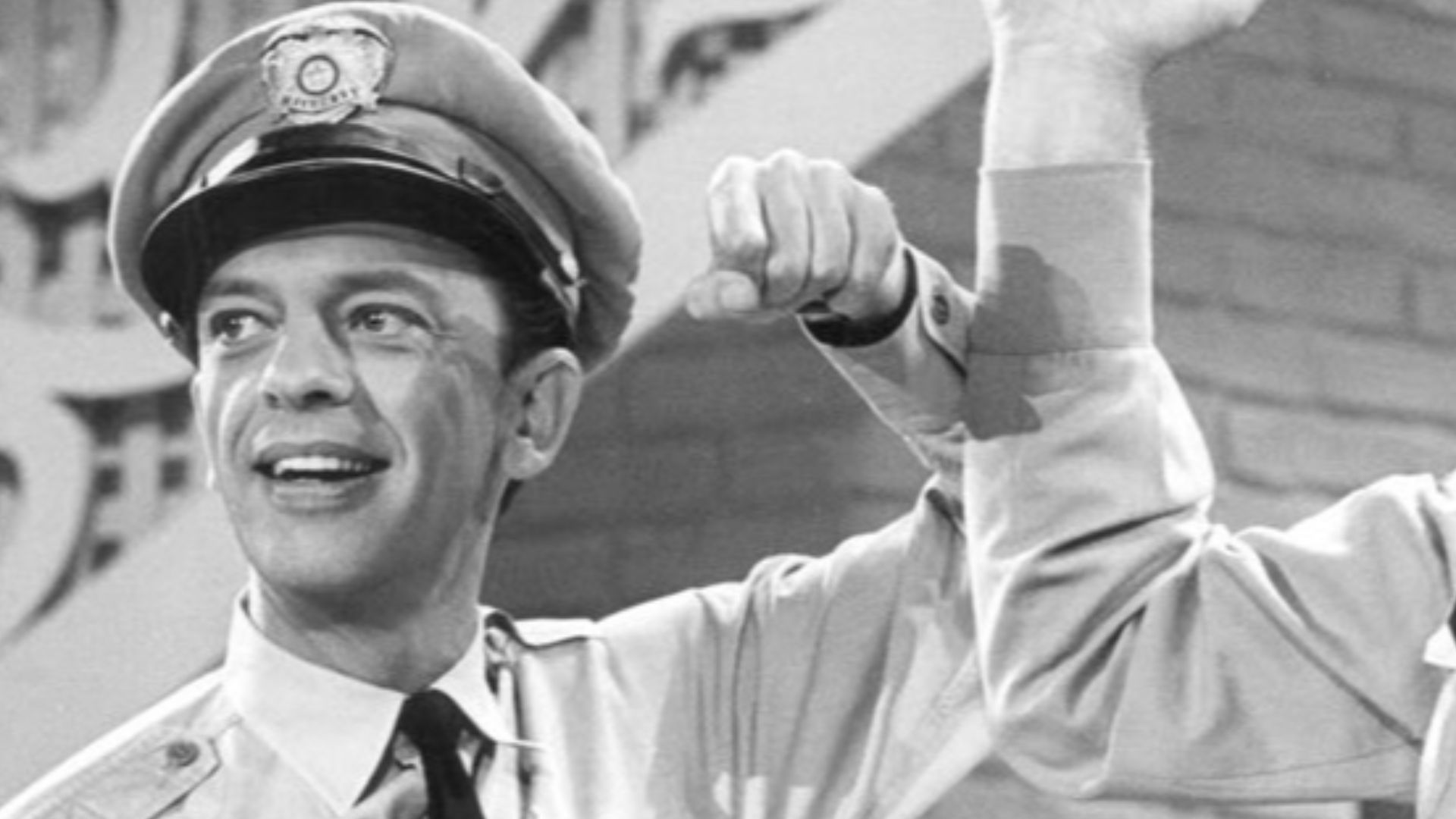 CBS Television, Wikimedia Commons
Three's Company Offered A New Opportunity
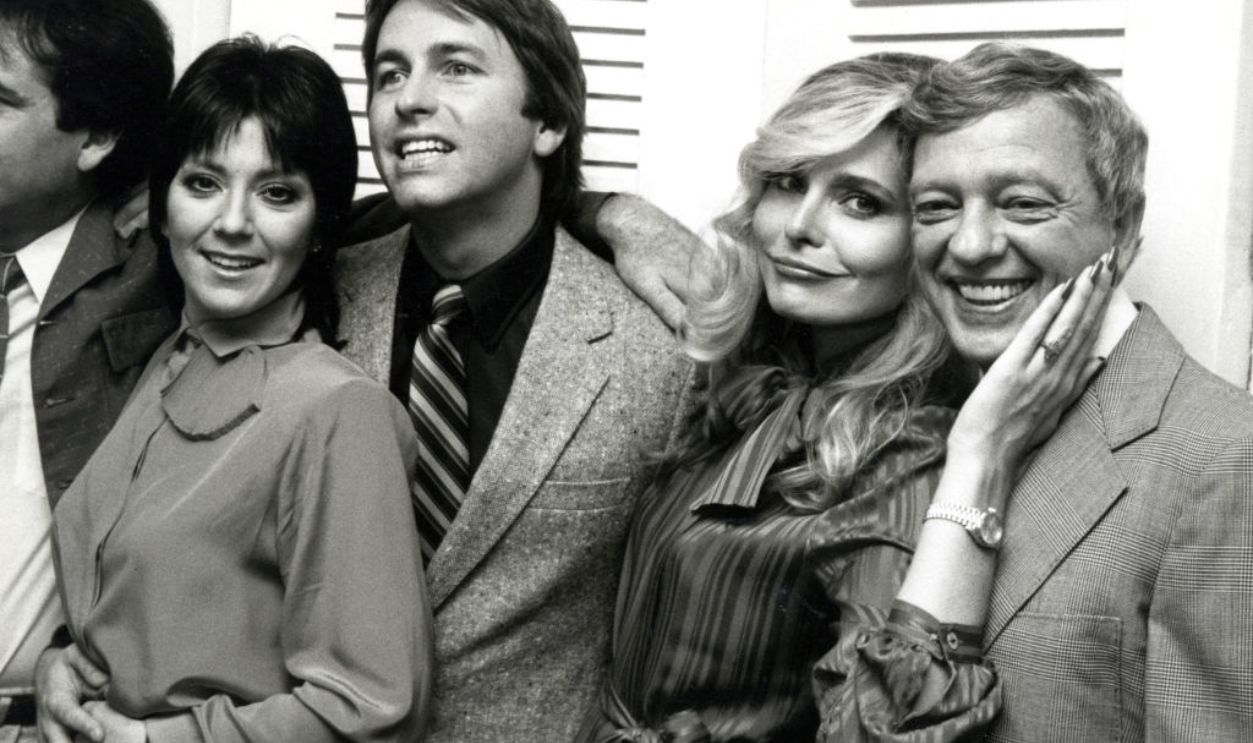
A major shift arrived in 1979 when Knotts joined Three's Company as landlord Ralph Furley. The character was eccentric and comedic, but he existed in a very different television world from Barney Fife. The role introduced Knotts to a younger generation of viewers. It also became his most successful post-Mayberry television project.
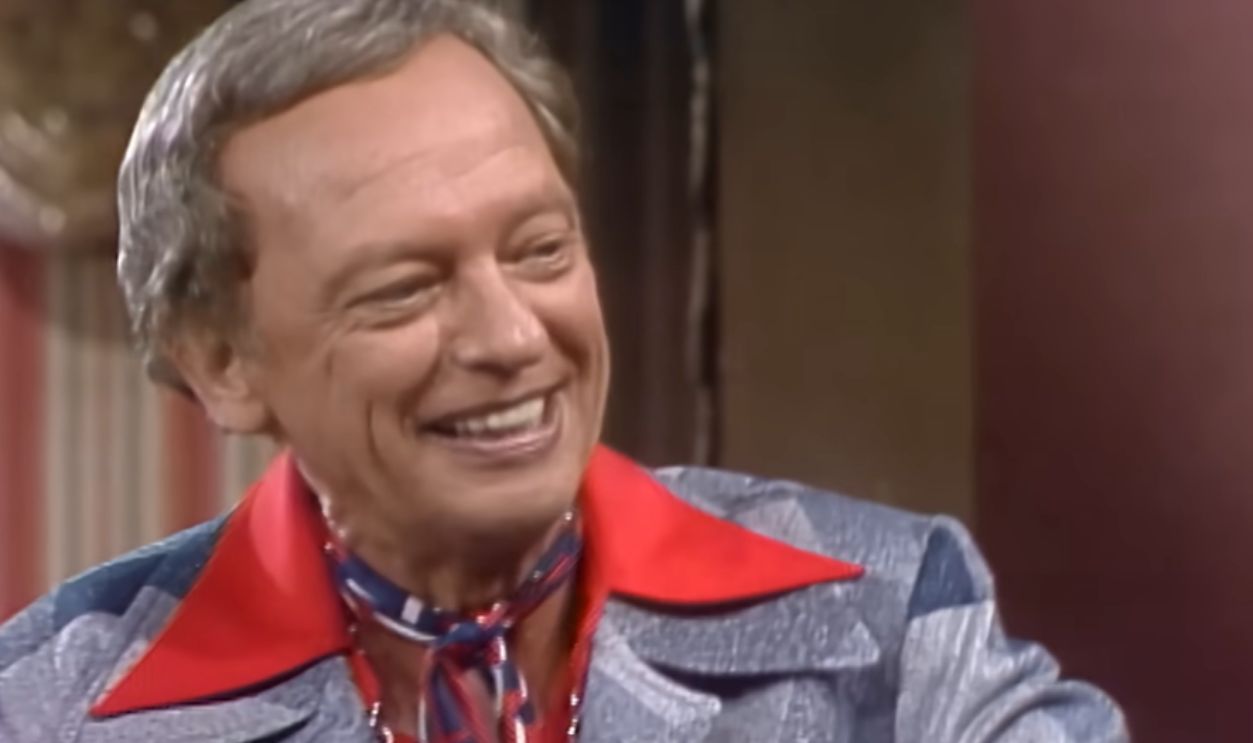 Screenshot from Three's Company, ABC (1977-1984)
Ralph Furley Was Familiar Yet Fresh
Furley shared some traits with Knotts' earlier characters, including comic misunderstandings and exaggerated confidence. However, he was not a direct copy of Barney. The faster pace and broader humor of Three's Company allowed Knotts to explore new comedic territory. Audiences embraced the performance.
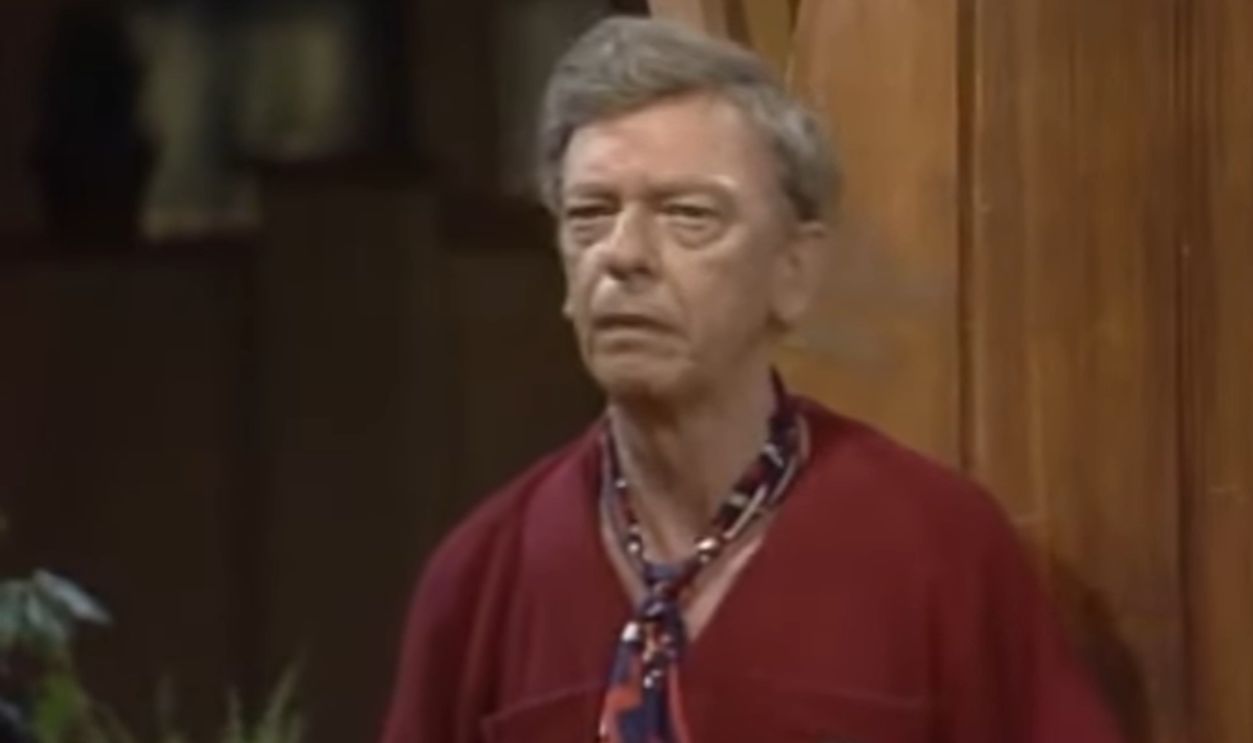 Screenshot from Three's Company, ABC (1977-1984)
A New Generation Knew Him Differently
Many younger viewers first encountered Knotts through Three's Company rather than The Andy Griffith Show. For them, Ralph Furley became the defining role. That generational divide helped broaden appreciation for his talents. Still, Barney remained the role most closely associated with his legacy.
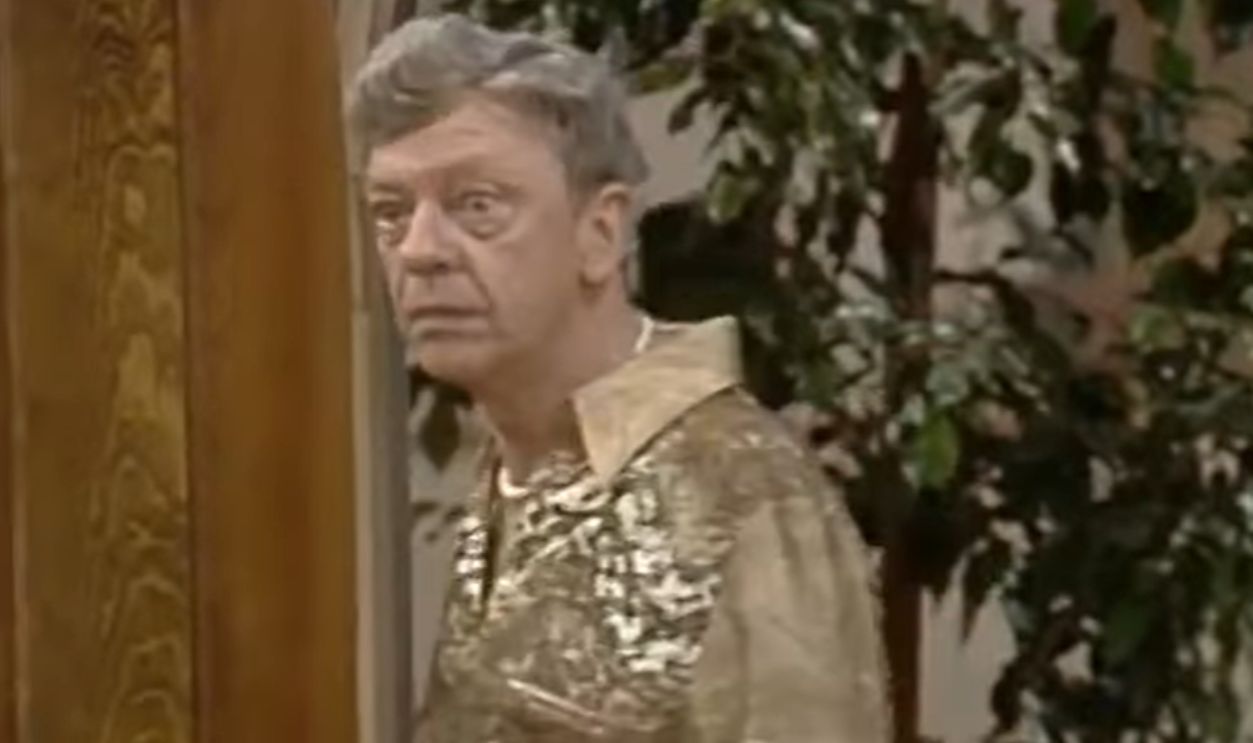 Screenshot from Three's Company, ABC (1977-1984)
Even Friends Recognized The Challenge
Andy Griffith and others frequently acknowledged the extraordinary impact Barney Fife had on Knotts' career. The character's popularity was both a blessing and a burden. It brought awards, fame, and lasting recognition. It also created expectations that followed him for decades.
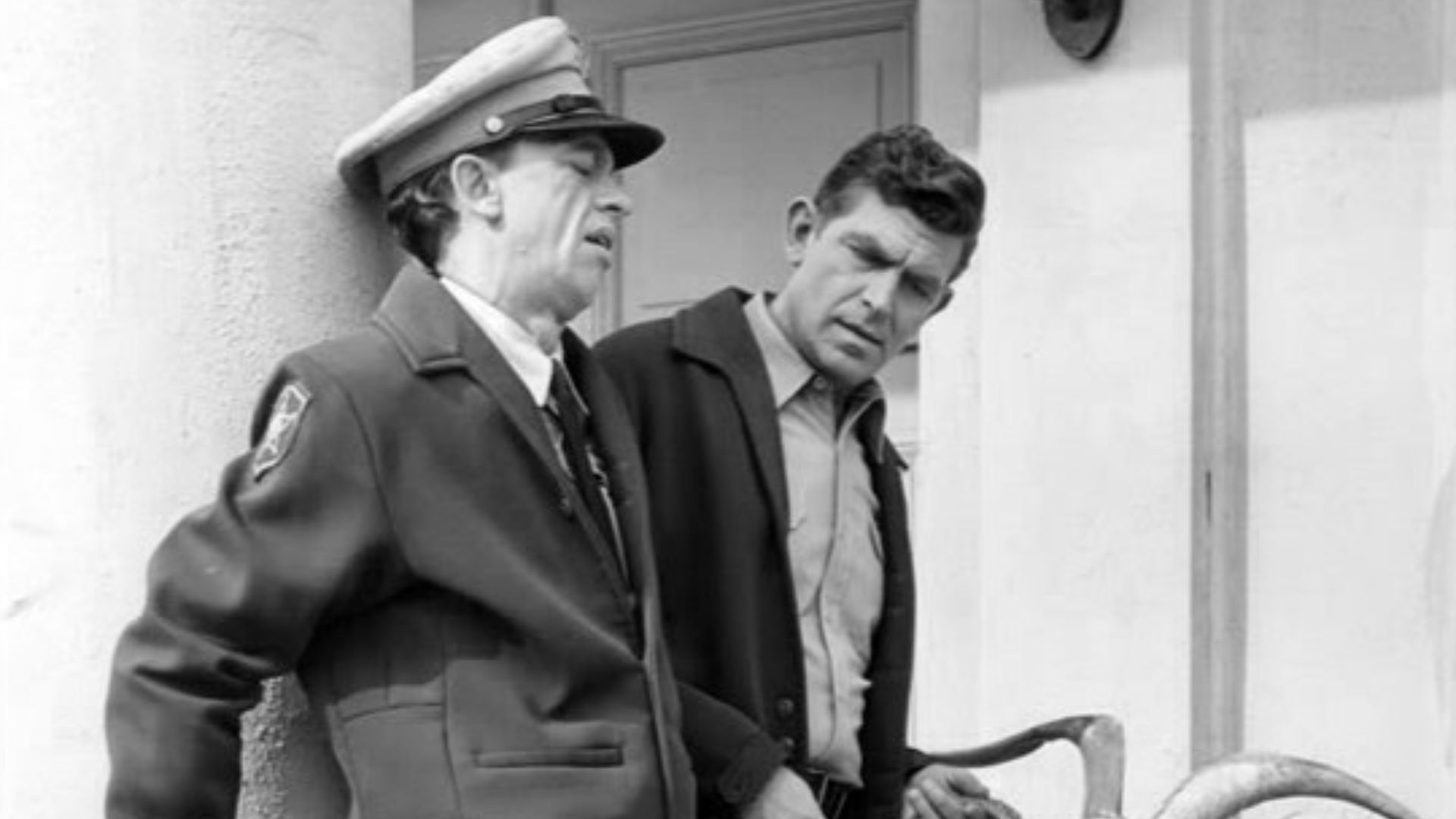 CBS Television, Wikimedia Commons
Knotts Understood The Situation
Throughout interviews later in life, Knotts spoke warmly about Barney Fife rather than expressing resentment. He recognized the role's importance and appreciated the opportunities it created. At the same time, he understood that audiences rarely stopped seeing him through that lens. Few actors experience such a powerful identification with a single character.
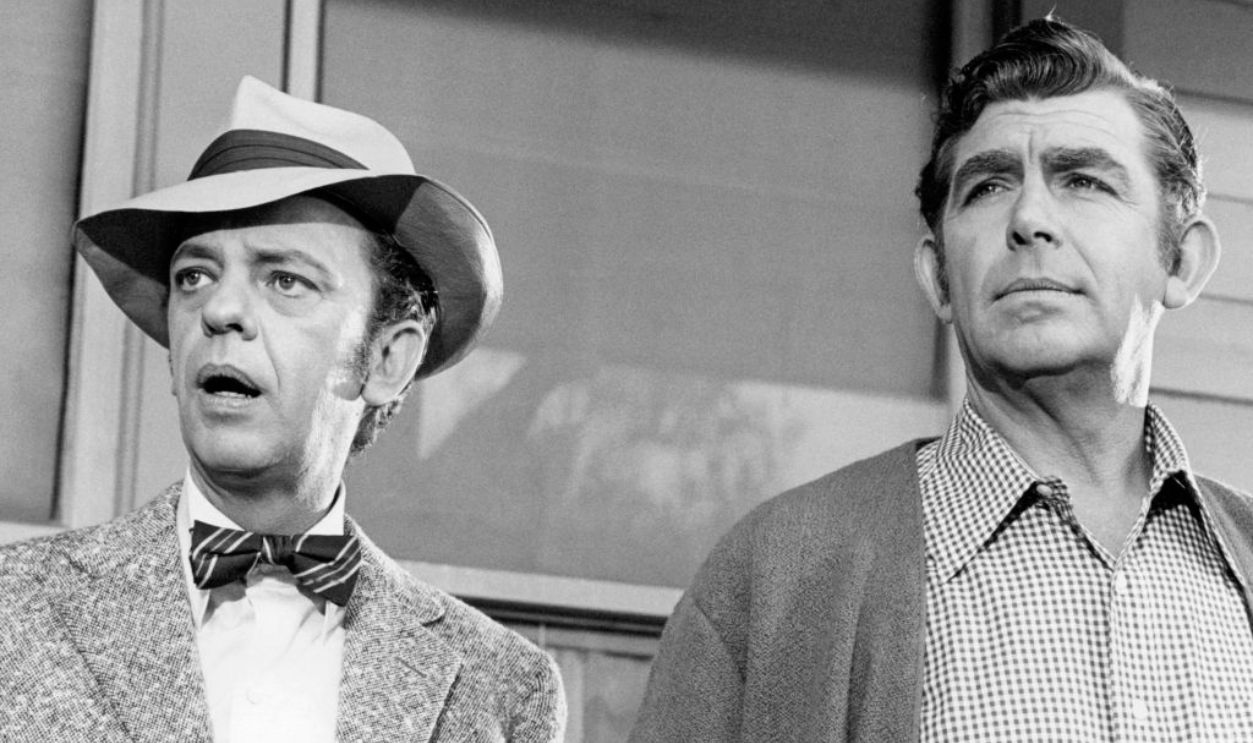 Silver Screen Collection, Getty Images
The Return To Mayberry Kept The Legend Alive
In 1986, Knotts reunited with former cast members for Return to Mayberry. Fans eagerly embraced the reunion. The project demonstrated how enduring the show's appeal remained. It also showed that Barney Fife still occupied a special place in American television culture.
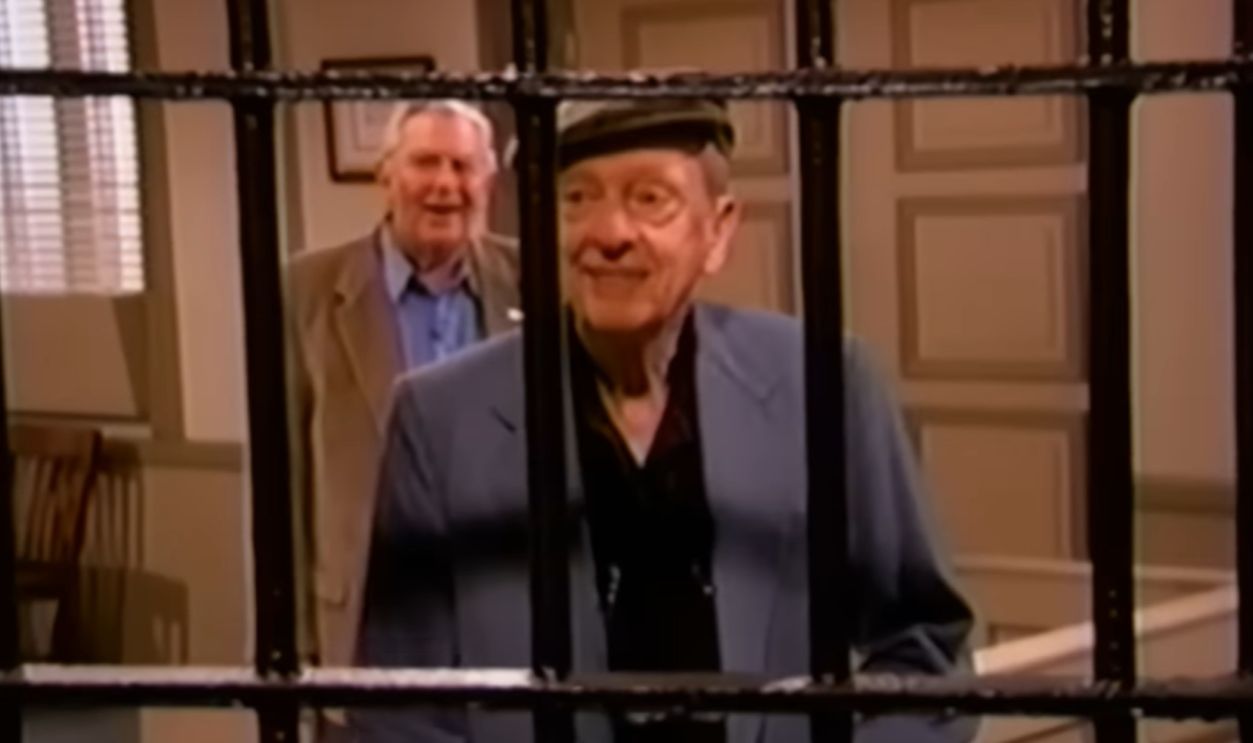 Screenshot from Return to Mayberry, NBC (1986)
His Legacy Expanded Beyond One Character
While Barney Fife remained his signature role, Knotts built a career that extended far beyond Mayberry. He appeared in films, sitcoms, stage productions, and television specials over several decades. His work on Three's Company and various Disney movies introduced him to entirely new audiences. Those accomplishments helped ensure he would be remembered for more than a single performance.
Why He Never Fully Escaped Barney Fife
The simple answer is that Barney Fife was too successful. The character became one of television's greatest comic creations and won the affection of millions of viewers. Knotts delivered many other memorable performances, but none generated the same cultural impact. In the end, escaping Barney Fife was nearly impossible because Don Knotts had played the role too brilliantly.
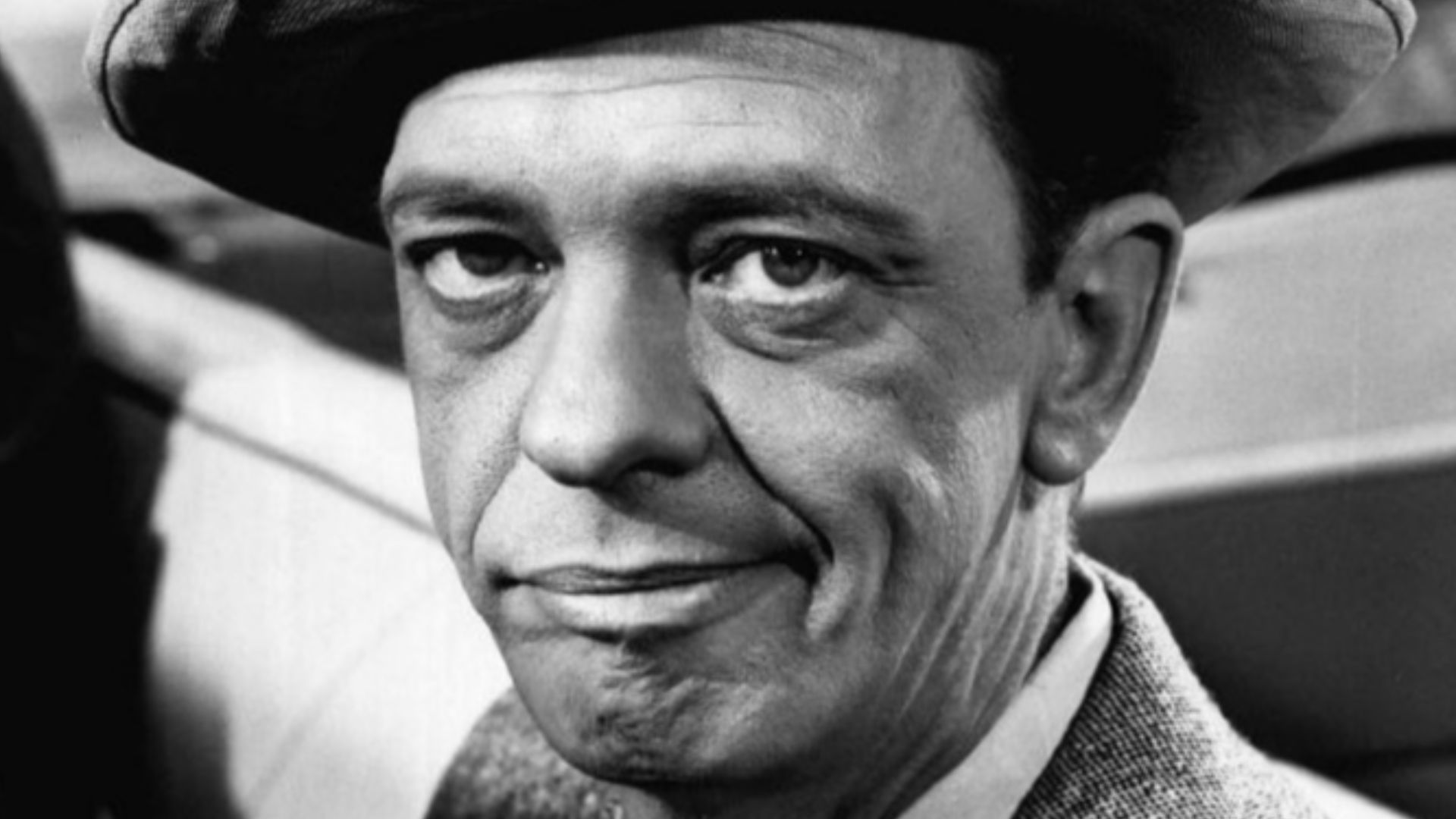 CBS Television, Wikimedia Commons
You May Also Like:
Anyone Remember These 1960s Television Catchphrases?
Wacky Facts About Bob Denver, The Lovable Goofball Who Became A TV Legend