Television's Most Memorable Songs Often Have Stories Of Their Own
Some television theme songs are so recognizable that just a few notes instantly bring back memories of favorite characters and storylines. What many viewers don't realize is that these iconic tunes often have fascinating origins involving last-minute rewrites, unexpected performers, unusual recording sessions, or surprising creative decisions. Here are 20 famous television theme songs whose real-life backstories are every bit as interesting as the shows they introduced.
 ABC Television, Wikimedia Commons
The Addams Family Turned Finger Snaps Into A Trademark
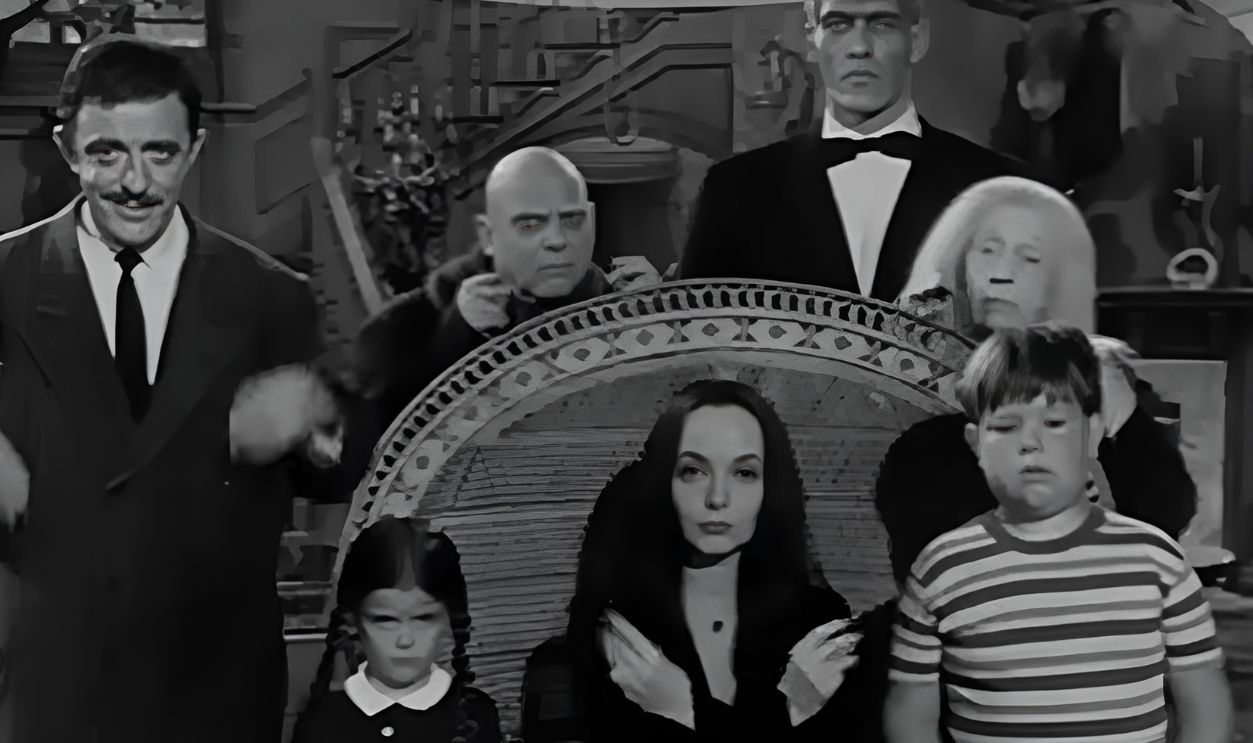
Vic Mizzy wanted the theme for The Addams Family to sound playful rather than spooky, so he built the song around a simple harpsichord melody and a pair of finger snaps. The snaps became so closely associated with the series that audiences instinctively joined in whenever the song played. The instantly recognizable rhythm helped make the theme one of television's most enduring musical signatures.
 Screenshot from The Addams Family, ABC (1964–1966), Modified
Gilligan's Island Changed Its Lyrics After Fan Favorites Emerged
Sherwood Schwartz and George Wyle wrote "The Ballad of Gilligan's Isle" to explain the show's entire premise before the first scene began. During the first season, the lyrics referred to "the Professor and Mary Ann" only as "the rest," but Bob Denver reportedly pushed producers to give the two popular characters equal billing. Beginning in season two, both names were added to the song.
 Screenshot from Gilligan's Island, CBS (1964–1967)
Mission: Impossible Was Built Around An Unusual Rhythm
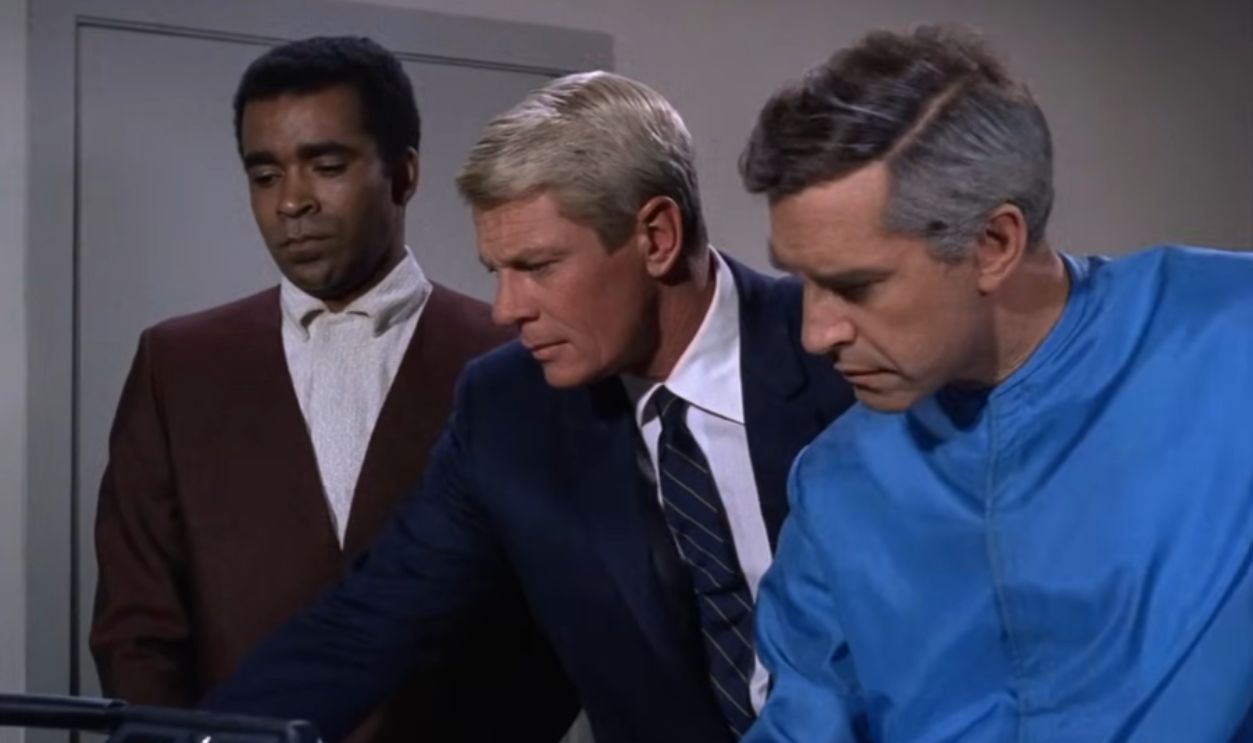
Composer Lalo Schifrin deliberately wrote the Mission: Impossible theme in 5/4 time instead of the more common 4/4 rhythm. The offbeat meter created a sense of urgency that perfectly matched the show's espionage stories. Combined with the famous self-destructing tape message, the music became one of television's most recognizable instrumental themes.
 Screenshot from Mission: Impossible, CBS (1966–1973)
MASH* Started As A Movie Theme
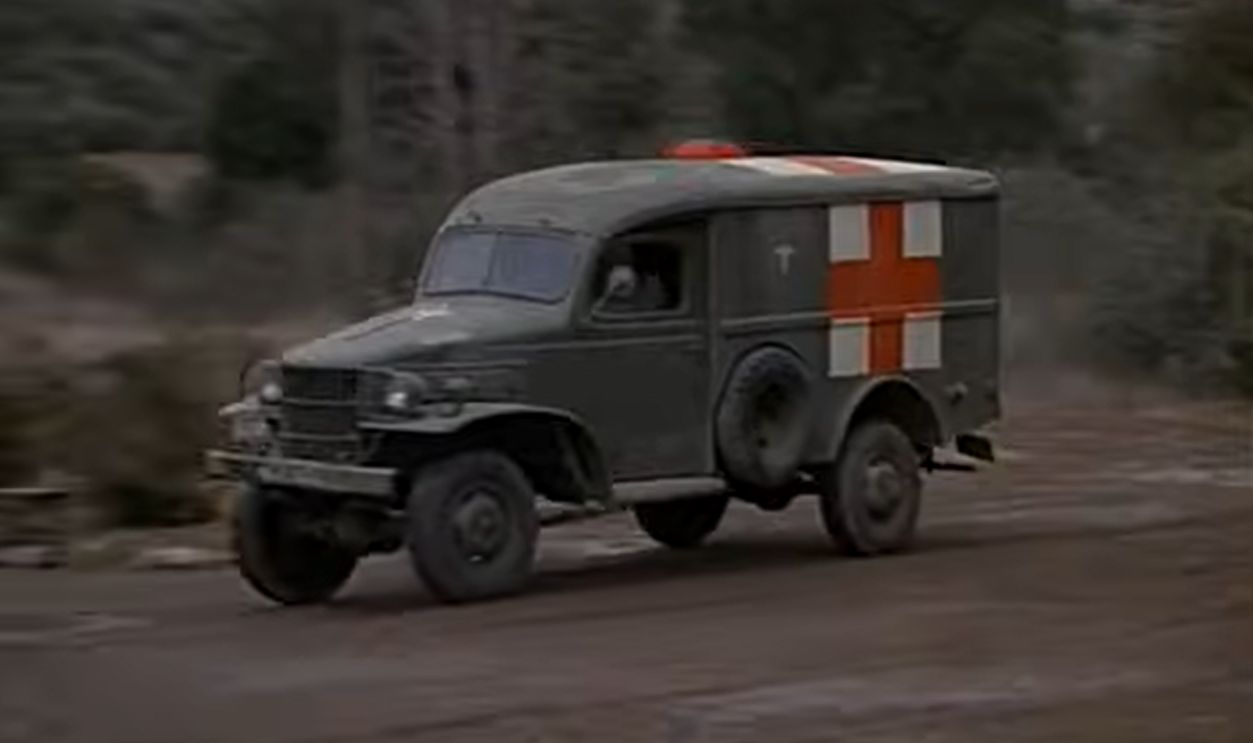
This theme song was originally written for Robert Altman's 1970 film MASH* before becoming the television series' theme. While the movie featured lyrics, producers chose to use only the instrumental version for the TV show. That decision allowed the bittersweet melody to set the tone without drawing attention away from the opening sequence.
 Screenshot from M*A*S*H, CBS (1972–1983)
Cheers Opened With A Song That Was Written Specifically For The Series
Gary Portnoy and Judy Hart Angelo wrote "Where Everybody Knows Your Name" after producers rejected several earlier ideas. The finished song perfectly captured the welcoming atmosphere of the Boston bar at the center of the sitcom. Although only part of the recording aired during the opening credits, the complete version was later released commercially.
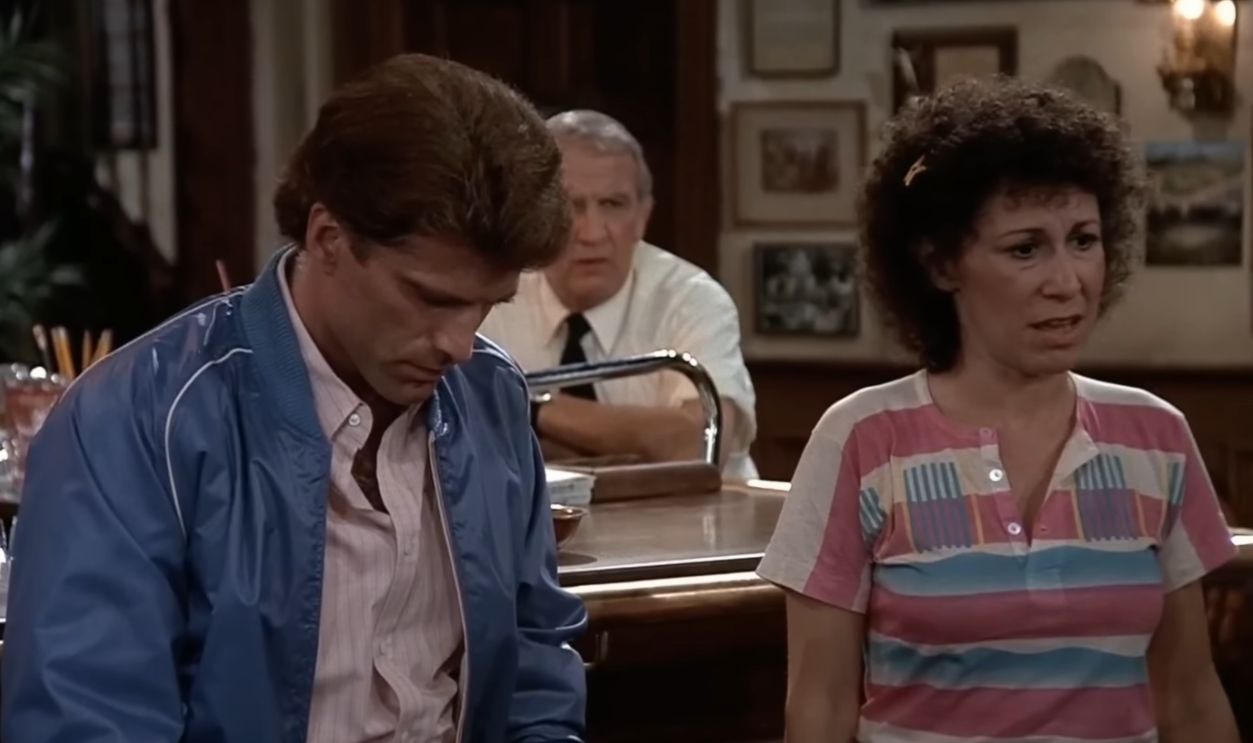 Screenshot from Cheers, NBC (1982–1993)
The Fresh Prince Of Bel-Air Told The Entire Story Up Front
Will Smith and DJ Jazzy Jeff transformed the sitcom's premise into a full rap that explained exactly how the main character ended up living with relatives in Bel-Air. The catchy lyrics quickly became as famous as the show itself, with generations of viewers memorizing nearly every word. Few television openings have ever summarized a series so completely.
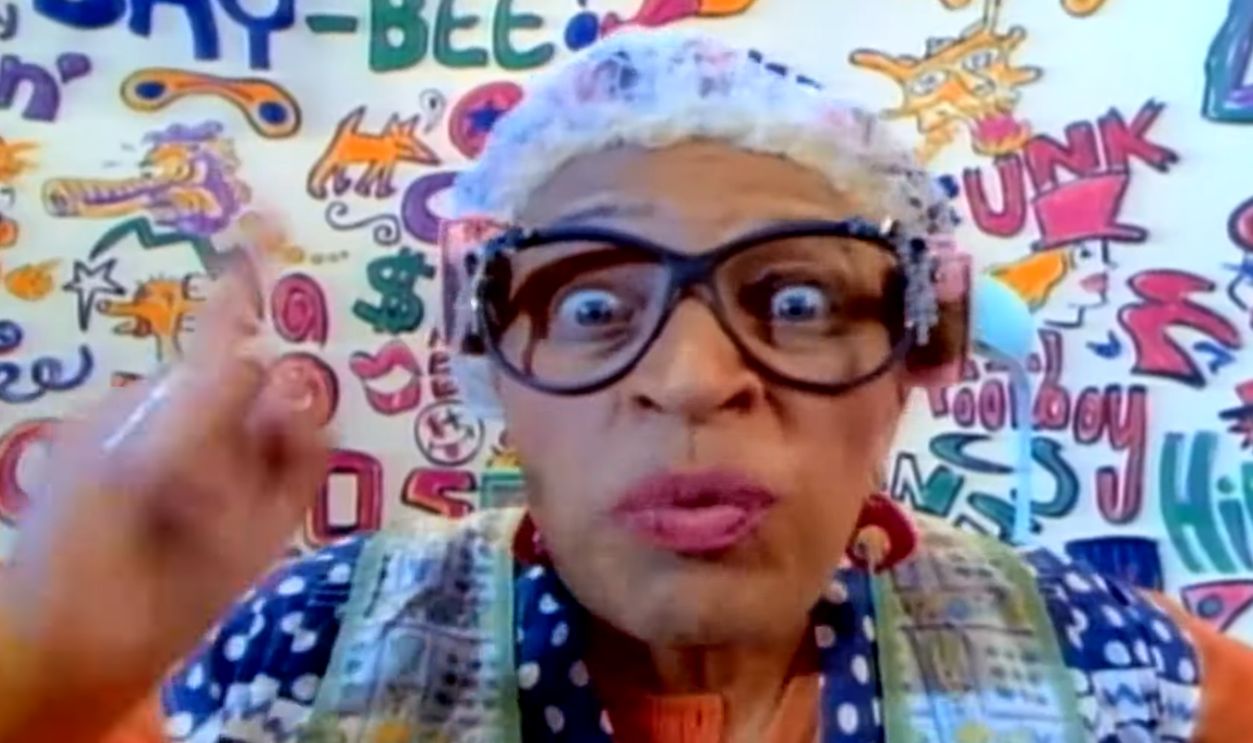 Screenshot from The Fresh Prince of Bel-Air, NBC (1990–1996)
Friends Helped Turn The Rembrandts Into Household Names
"I'll Be There For You" was initially created as a short television theme before audience demand convinced the Rembrandts to record a full-length version. The expanded song became a major radio hit and climbed the music charts around the world. It remains one of the rare television themes to achieve major success outside the show.
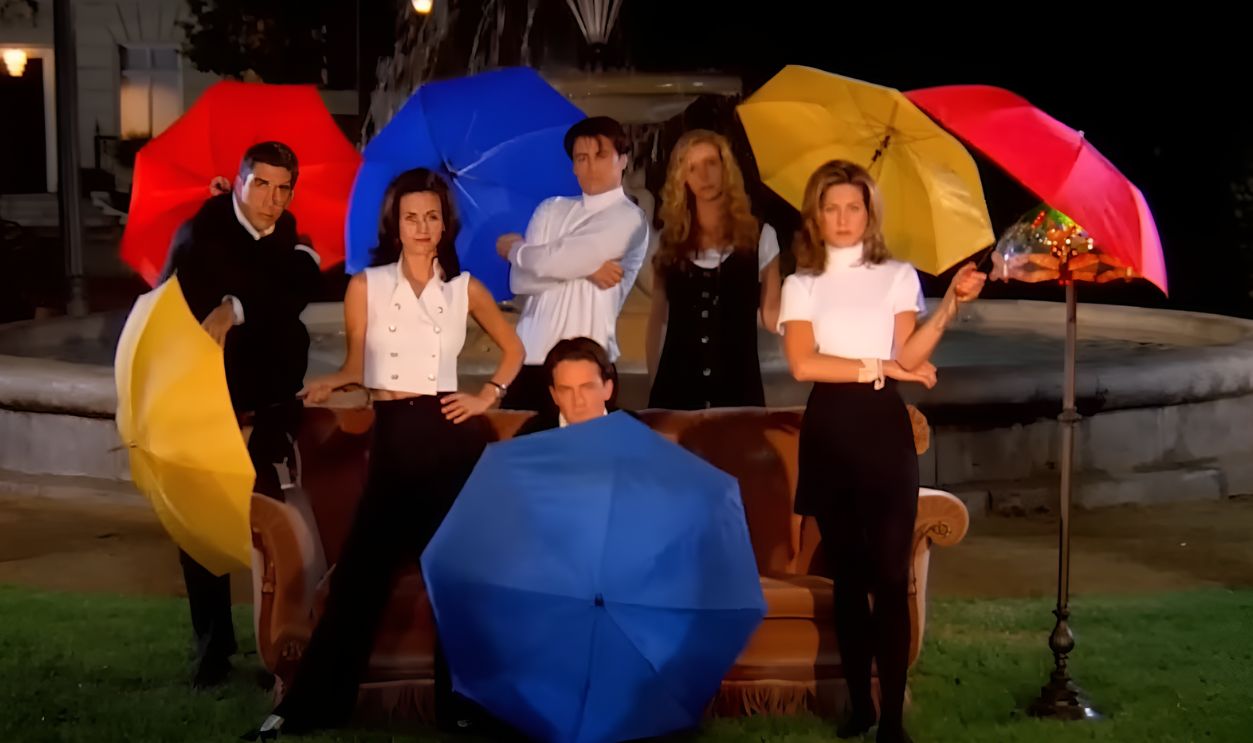 Screenshot from Friends, NBC (1994–2004), Modified
The Brady Bunch Introduced Every Family Member In Song
Sherwood Schwartz once again used music to explain a television premise, this time introducing both families before they merged into one household. The lyrics efficiently introduced every major character before viewers had seen them interact. The opening became one of the defining examples of television storytelling through song.
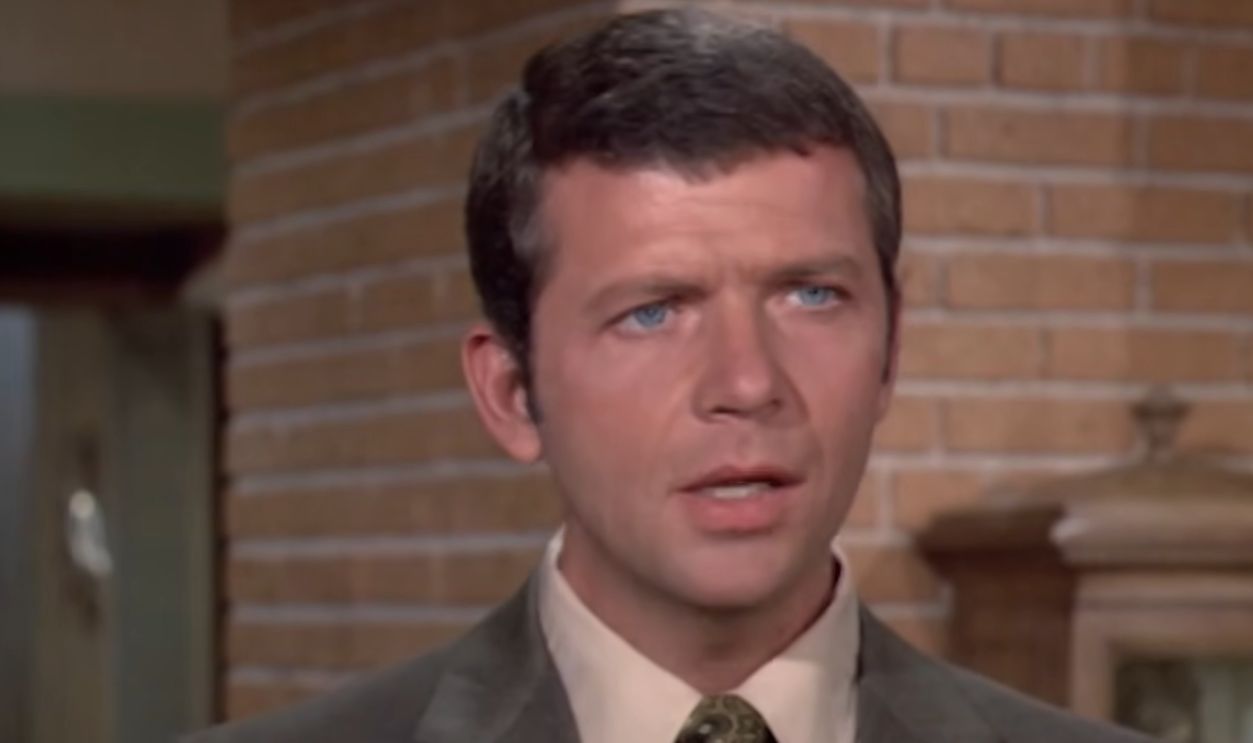 Screenshot from The Brady Bunch, ABC (1969–1974)
The Beverly Hillbillies Borrowed From Traditional Storytelling
"The Ballad of Jed Clampett" served almost like a folk song, narrating the entire setup before the first episode unfolded. Sung by bluegrass performer Jerry Scoggins, it immediately established the show's fish-out-of-water premise. The storytelling approach helped audiences understand the series within seconds.
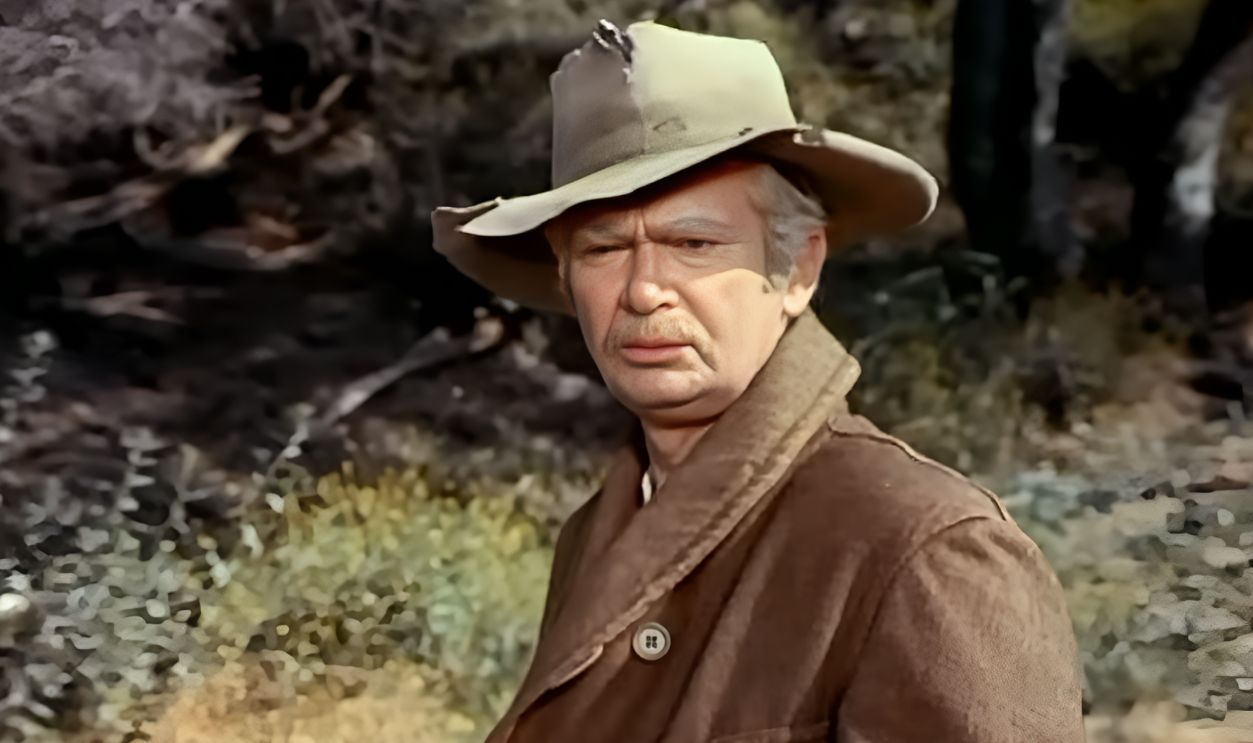 Screenshot from The Beverly Hillbillies, CBS (1962-1971)
The Mary Tyler Moore Show Changed Along With Mary Herself
The opening song "Love Is All Around" evolved during the series' run to reflect Mary Richards' growing independence. Early lyrics referenced uncertainty about the future, while later versions expressed greater confidence as the character matured. Even the theme subtly tracked the show's character development.
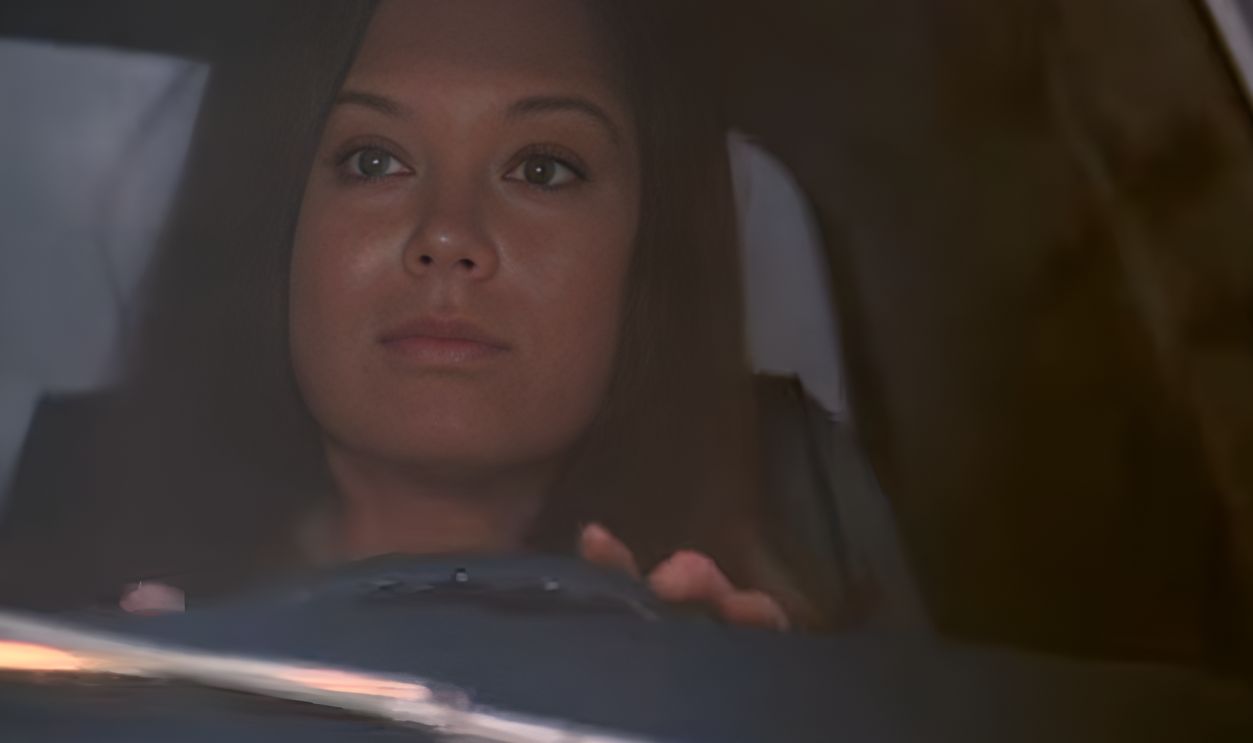 Screenshot from The Mary Tyler Moore Show, CBS (1970–1977), Modified
Sanford And Son Was Written In Just Minutes
Quincy Jones later recalled that he composed the unforgettable funk-inspired theme in about twenty minutes because he already understood Redd Foxx's personality so well. Rather than overcomplicate the arrangement, he wrote music that matched Foxx's swagger and comedic style. The result became one of television's defining instrumental openings.
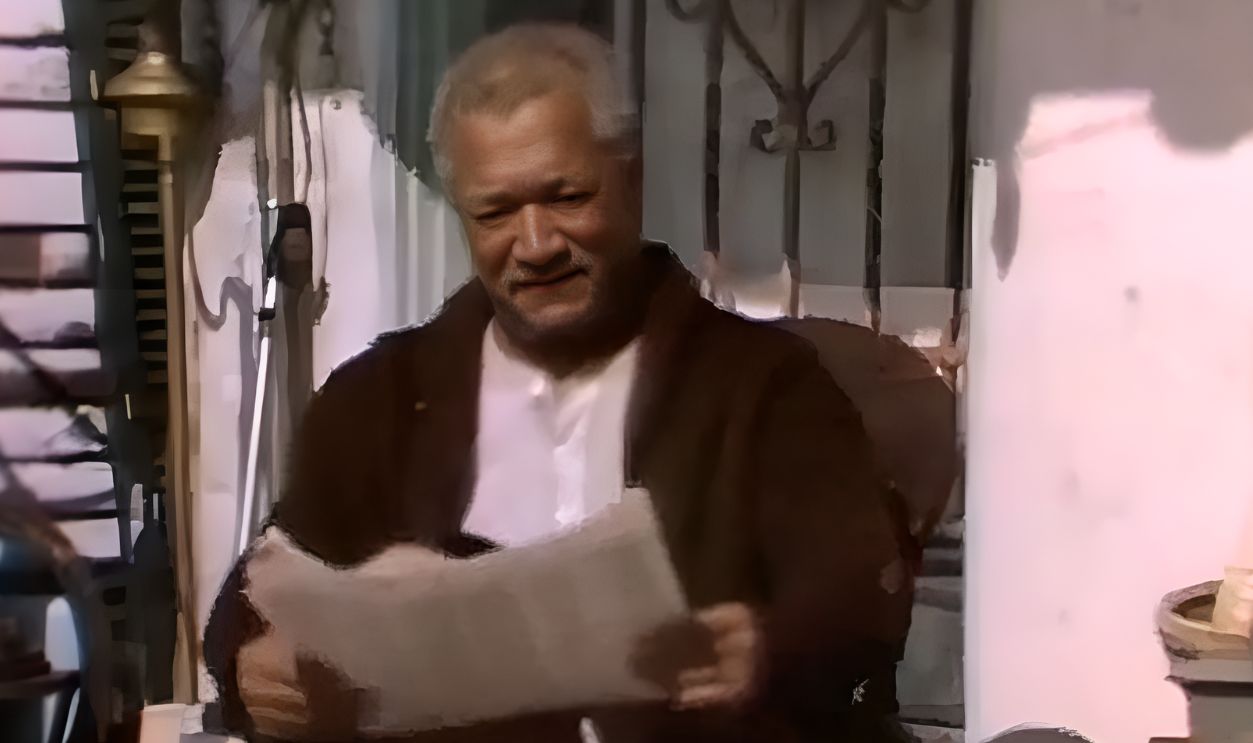 Screenshot from Sanford and Son, NBC (1972–1977), Modified
The Golden Girls Didn't Use The Original Recording
Although Andrew Gold wrote and originally recorded "Thank You For Being A Friend," the television series used a cover performed by session singer Cynthia Fee. Many viewers assumed they were hearing Gold's hit version, but the producers preferred Fee's recording for the sitcom. It has since become inseparable from the series.
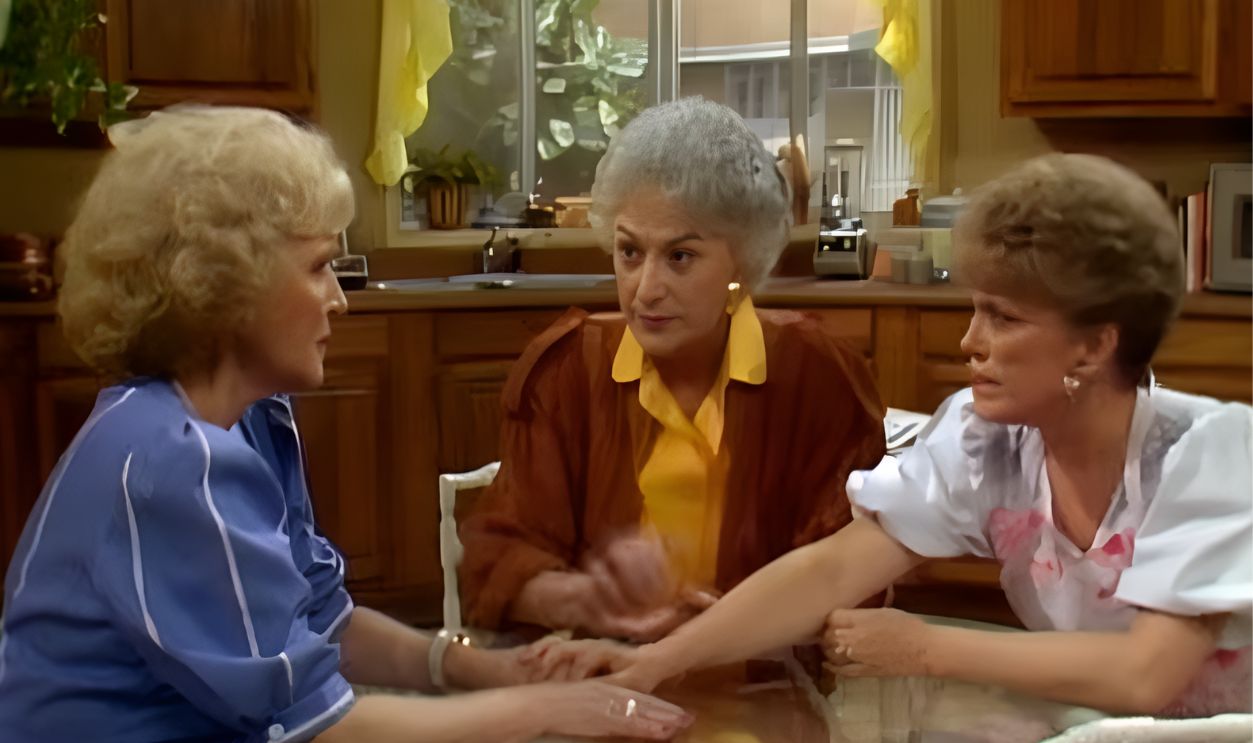 Screenshot from The Golden Girls, NBC (1985–1992), Modified
Welcome Back, Kotter Produced A Real Pop Hit
John Sebastian's "Welcome Back" wasn't just a television theme. After debuting with the sitcom, it reached No. 1 on the Billboard Hot 100 in 1976. The success demonstrated that a television opening could become a chart-topping single in its own right.
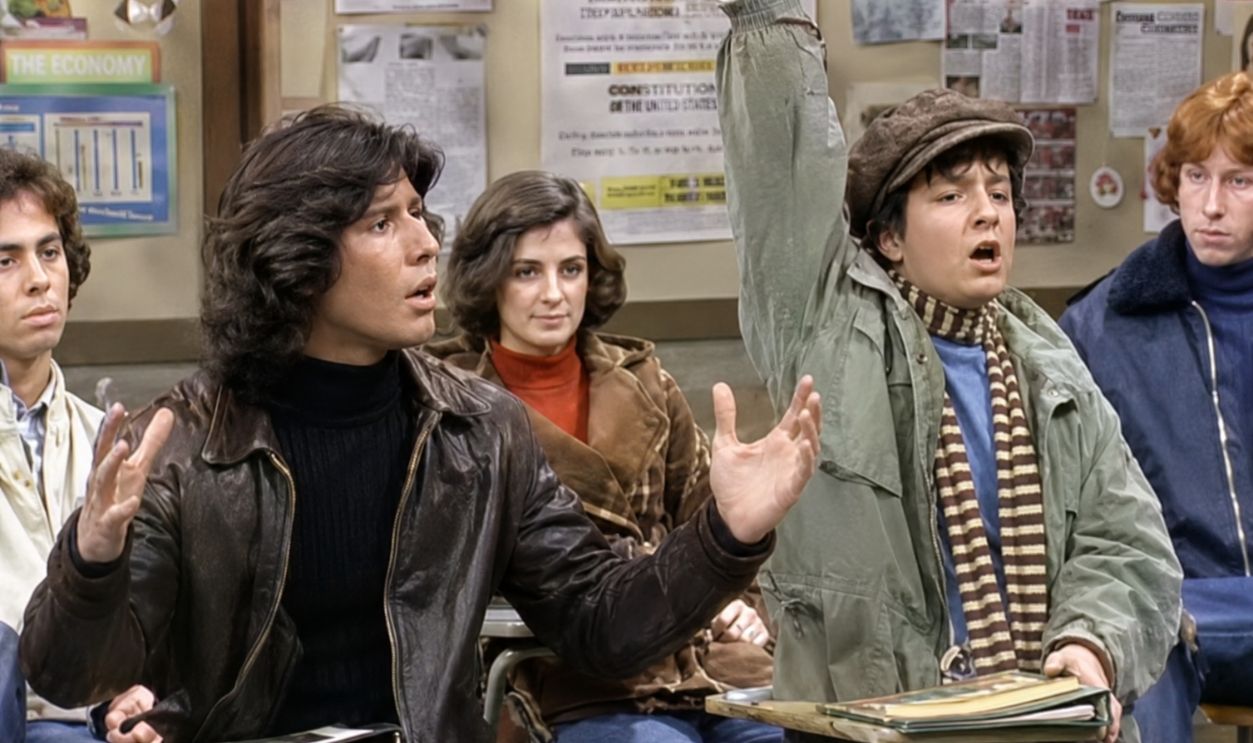 Screenshot from Welcome Back, Kotter, ABC(1975-1979), Modified
The Monkees Introduced A Fictional Band That Became Real
The energetic opening theme helped launch The Monkees, but the television group's popularity quickly expanded beyond the screen. The fictional band evolved into a genuine recording act that sold millions of records worldwide. The show's music ultimately became as important as the comedy itself.
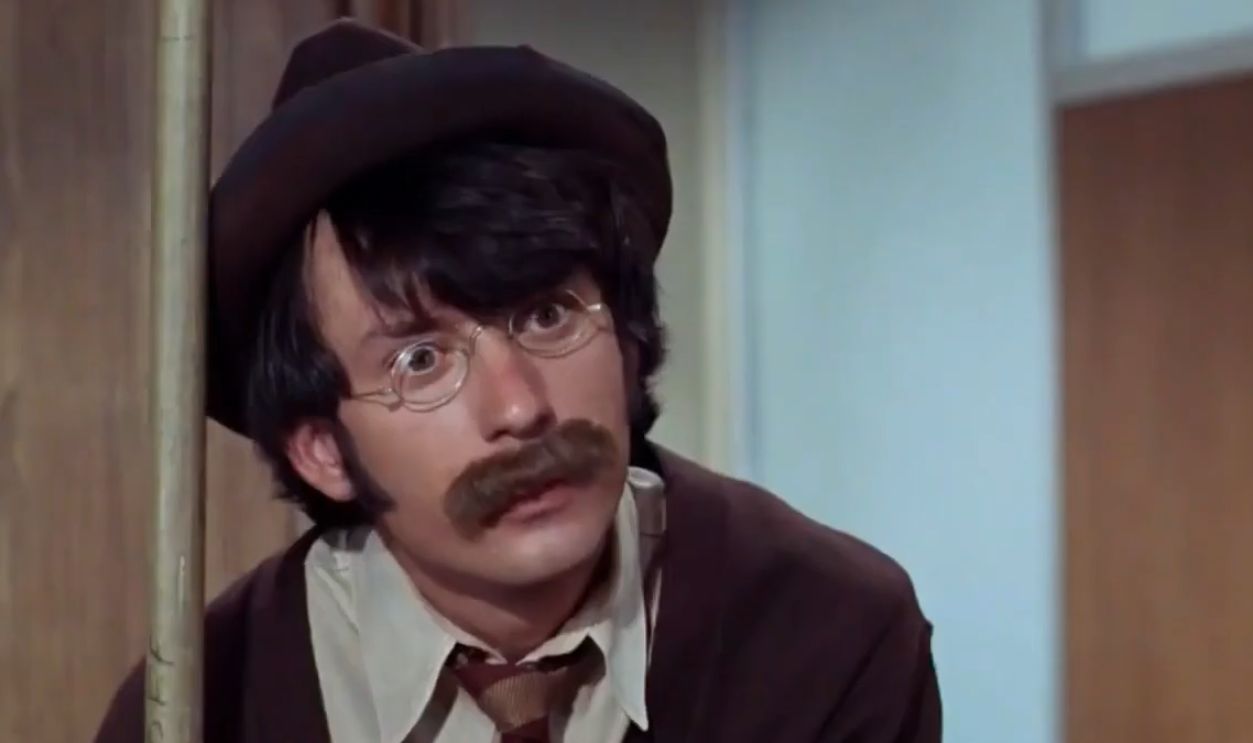 Screenshot from The Monkees, NBC (1966–1968)
The Jeffersons Celebrated Success Through Music
"Movin' On Up" instantly communicated George and Louise Jefferson's rise to prosperity. Performed by Ja'net DuBois and Jeff Barry, the upbeat anthem reinforced the sitcom's optimistic spirit from the very first note. Its memorable chorus remains widely recognized decades later.
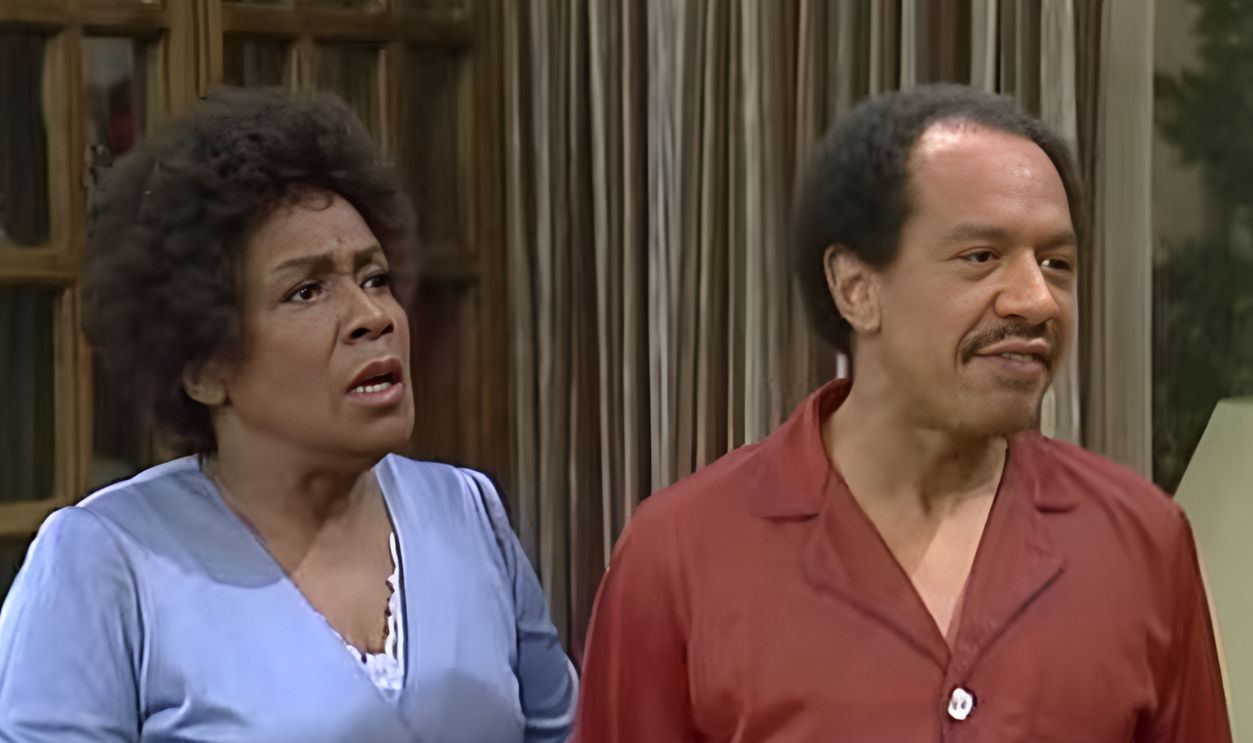 Screenshot from The Jeffersons, CBS (1975–1985), Modified
Family Ties Featured Famous Voices
The heartfelt theme "Without Us" was first recorded by Mindy Sterling and Dennis Tufano before producers later replaced it with a version sung by Johnny Mathis and Deniece Williams. The updated recording became the version most viewers remember. Its warm harmonies reflected the show's emphasis on family relationships. war
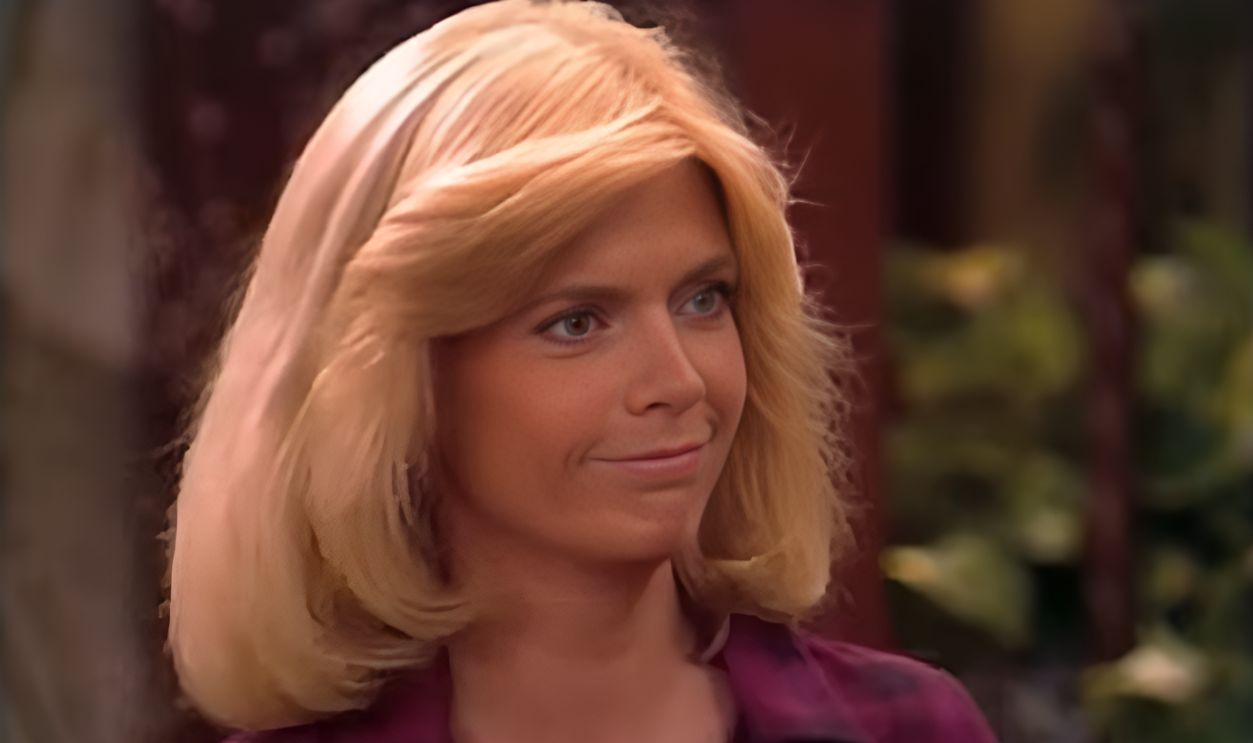 Screenshot from Family Ties, NBC (1982–1989), Modified
The Love Boat Invited Everyone Aboard
Charles Fox composed the cheerful music while Paul Williams wrote lyrics encouraging viewers to join the weekly voyage. Jack Jones' smooth vocals helped transform the opening into one of the most welcoming introductions in television history. The song's optimistic tone perfectly matched the show's lighthearted adventures.
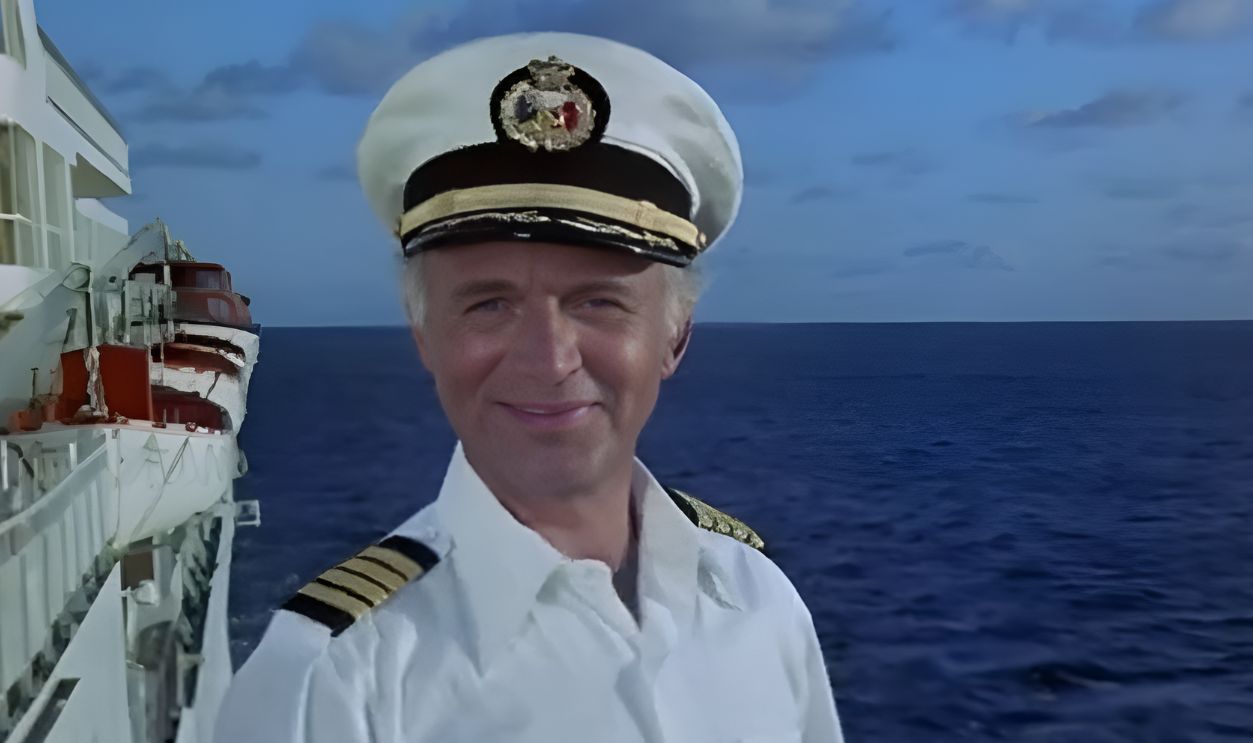 Screenshot from The Love Boat, ABC (1977–1986), Modified
Happy Days Didn't Always Use Its Best-Known Theme
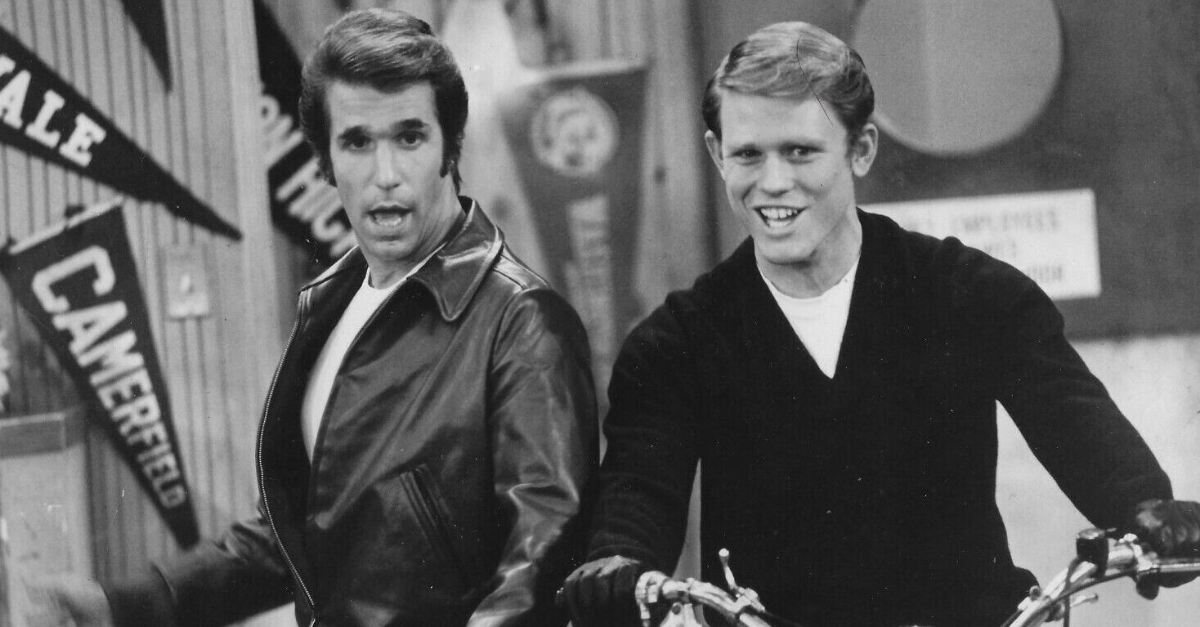
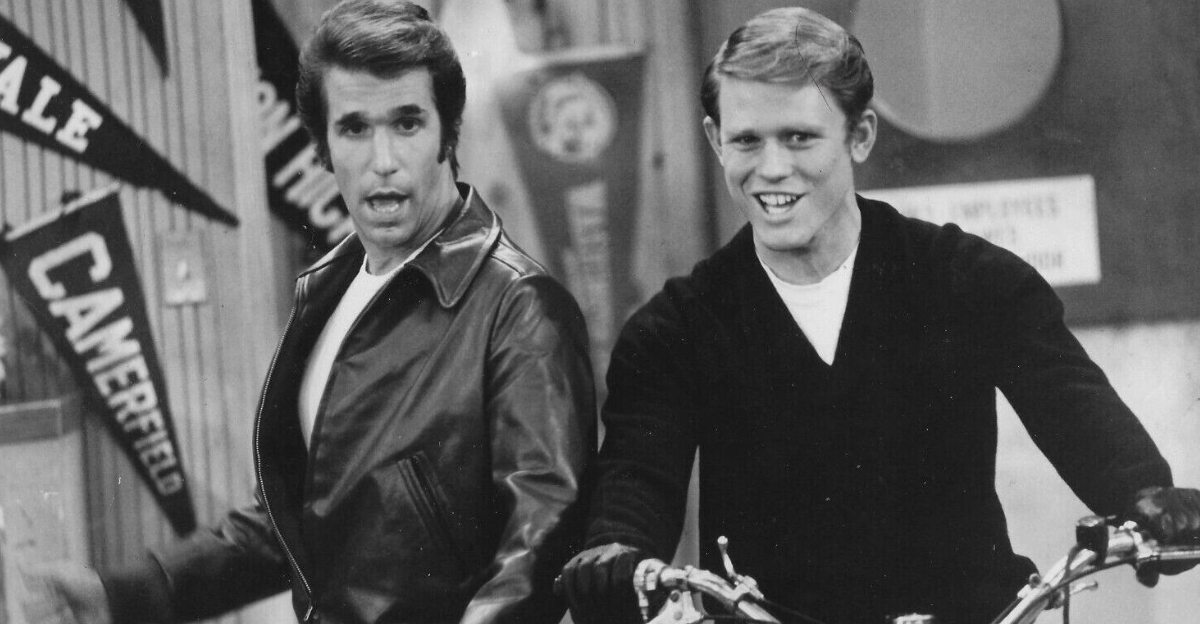
During its first season, Happy Days opened with Bill Haley's "Rock Around the Clock." Producers later switched to the original theme "Happy Days," written by Charles Fox and Norman Gimbel, which became permanently associated with the sitcom. The change gave the show its own unique musical identity.
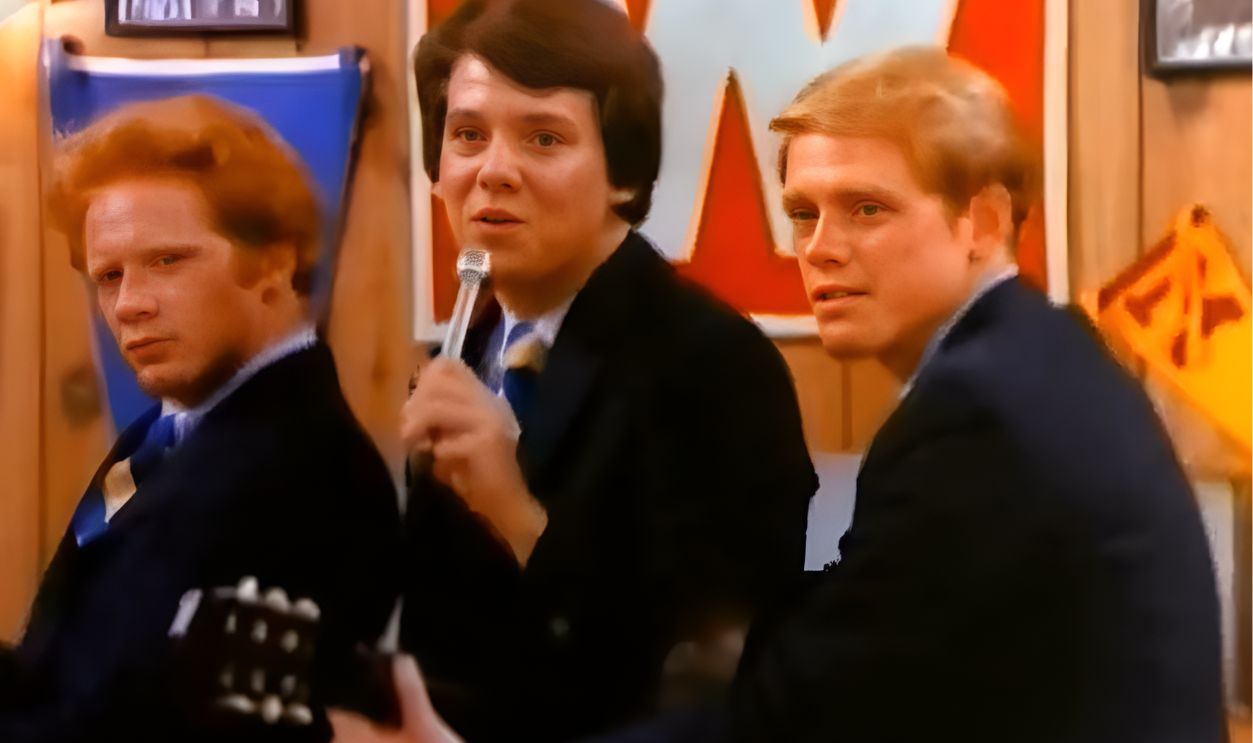 Screenshot from Happy Days, ABC (1974–1984), Modified
Frasier Hid Clever Jokes Inside Its Lyrics
Kelsey Grammer performed "Tossed Salads and Scrambled Eggs" himself, singing lyrics intentionally filled with humorous references that reflected psychiatrist Frasier Crane's confused patients. The unusual phrase became one of television's most quoted theme-song openings despite making little literal sense.
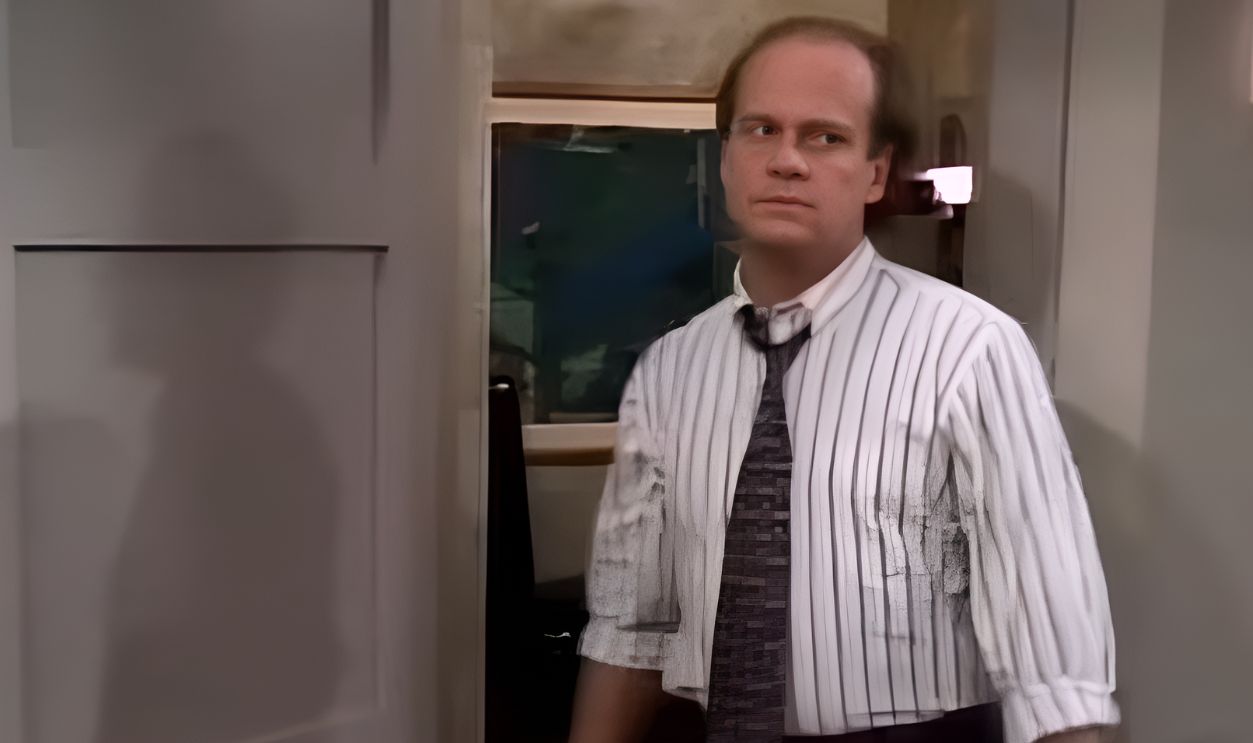 Screenshot from Frasier, NBC (1993–2004), Modified
Great Television Theme Songs Became Stars In Their Own Right
The best television themes did far more than introduce a program. Whether they explained the story, launched hit singles, featured surprising performers, or pioneered memorable musical styles, these songs became lasting pieces of popular culture. Long after the final episodes
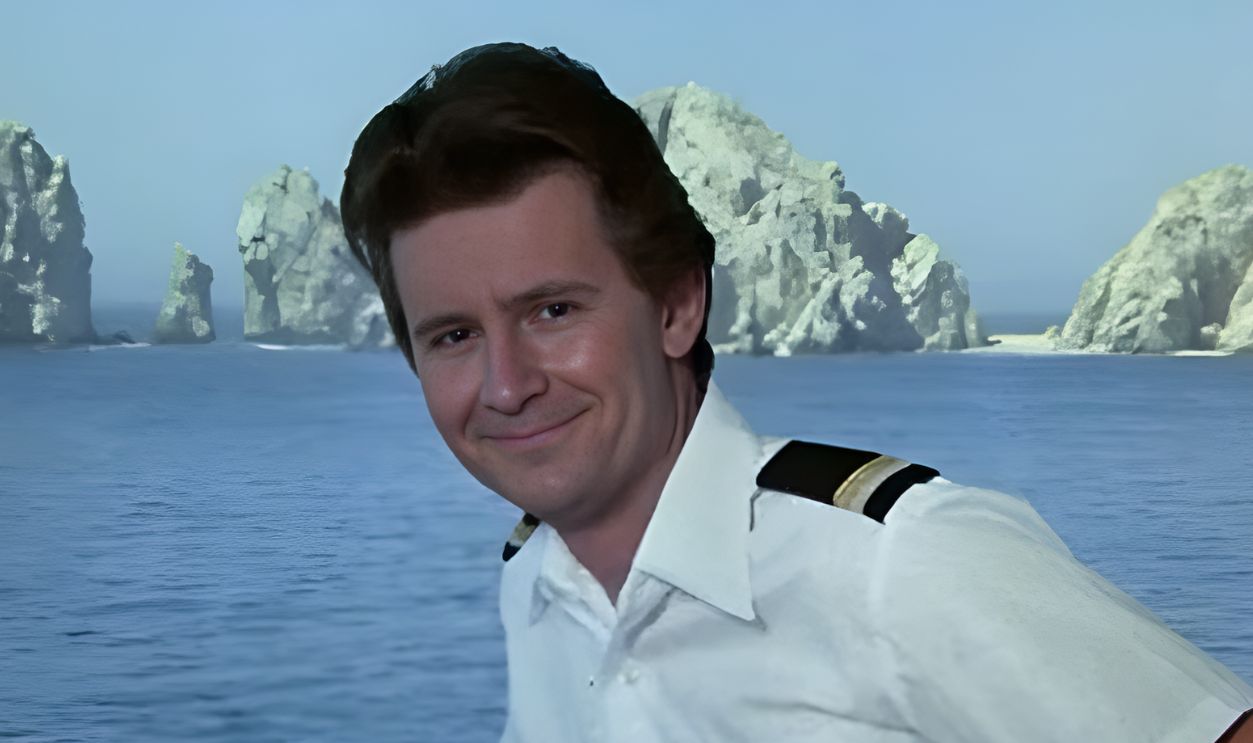 Screenshot from The Love Boat, ABC (1977–1986), Modified
You May Also Like:
The Hardest TV Trivia Quiz For Fans Of 1970s Sitcoms—How Many Can You Answer?
These 44 Shows Let Their Main Characters Slip Out Of Focus
How Larry Wilcox became one of television's most recognizable police officers.