When Television Doctors Became Superstars
Before ER and Grey's Anatomy, television had already created an unforgettable generation of fictional physicians. From handsome young surgeons to reassuring family doctors, these characters became weekly fixtures in American households, and some of the actors playing them achieved a level of celebrity that extended far beyond the hospital set.
 Silver Screen Collection / Getty Images
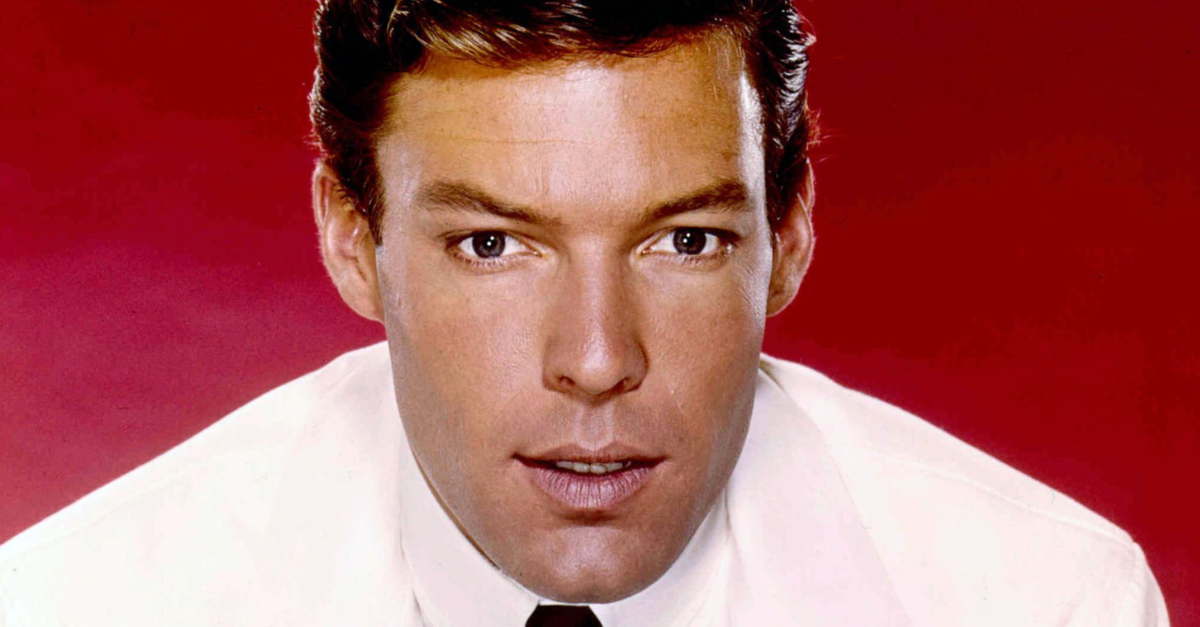
Richard Chamberlain Became America's Favorite Young Doctor
When Dr. Kildare premiered on NBC on September 28, 1961, Richard Chamberlain was a relatively unknown actor with an extraordinary opportunity ahead of him. Playing the compassionate Dr. James Kildare, he quickly captured audiences with his good looks, sincerity, and determination to help patients. The character worked at the fictional Blair General Hospital, where challenging medical cases provided plenty of opportunities for personal and professional growth.
 NBC Television, Wikimedia Commons
Dr. Kildare Turned Chamberlain Into A Teen Idol
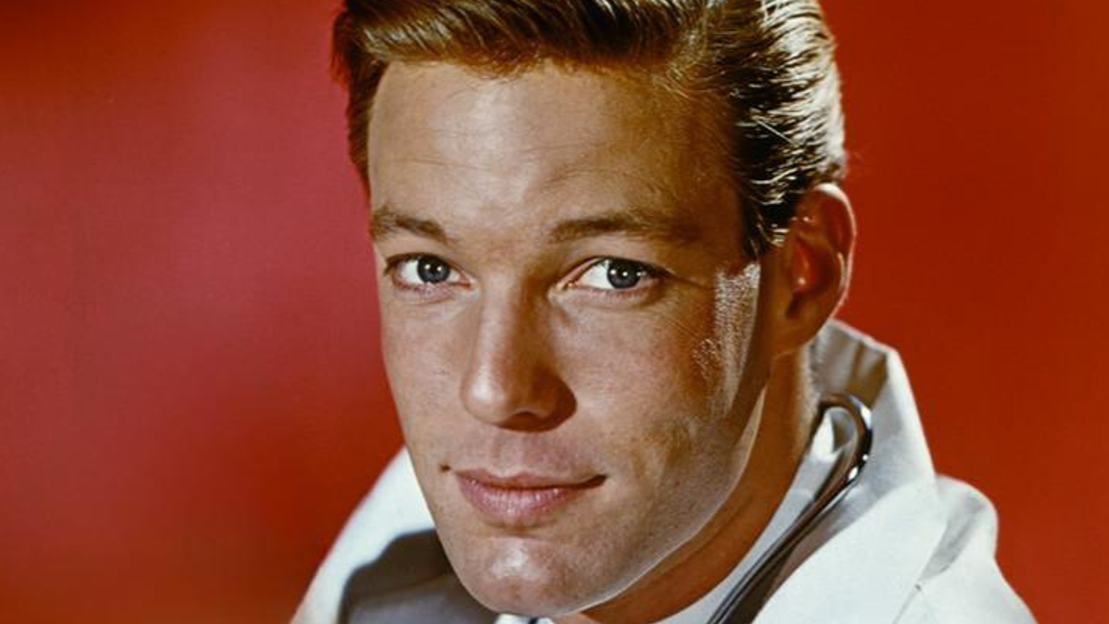
The show's success transformed Chamberlain into one of television's most recognizable young leading men. His popularity extended beyond the screen, with teenage fans collecting photographs, following his career, and buying records featuring his singing voice. Photoplay magazine named him its most popular male star three consecutive years from 1963 through 1965, demonstrating just how closely the public connected him with his television character.
The Young Doctor Had A Famous Mentor
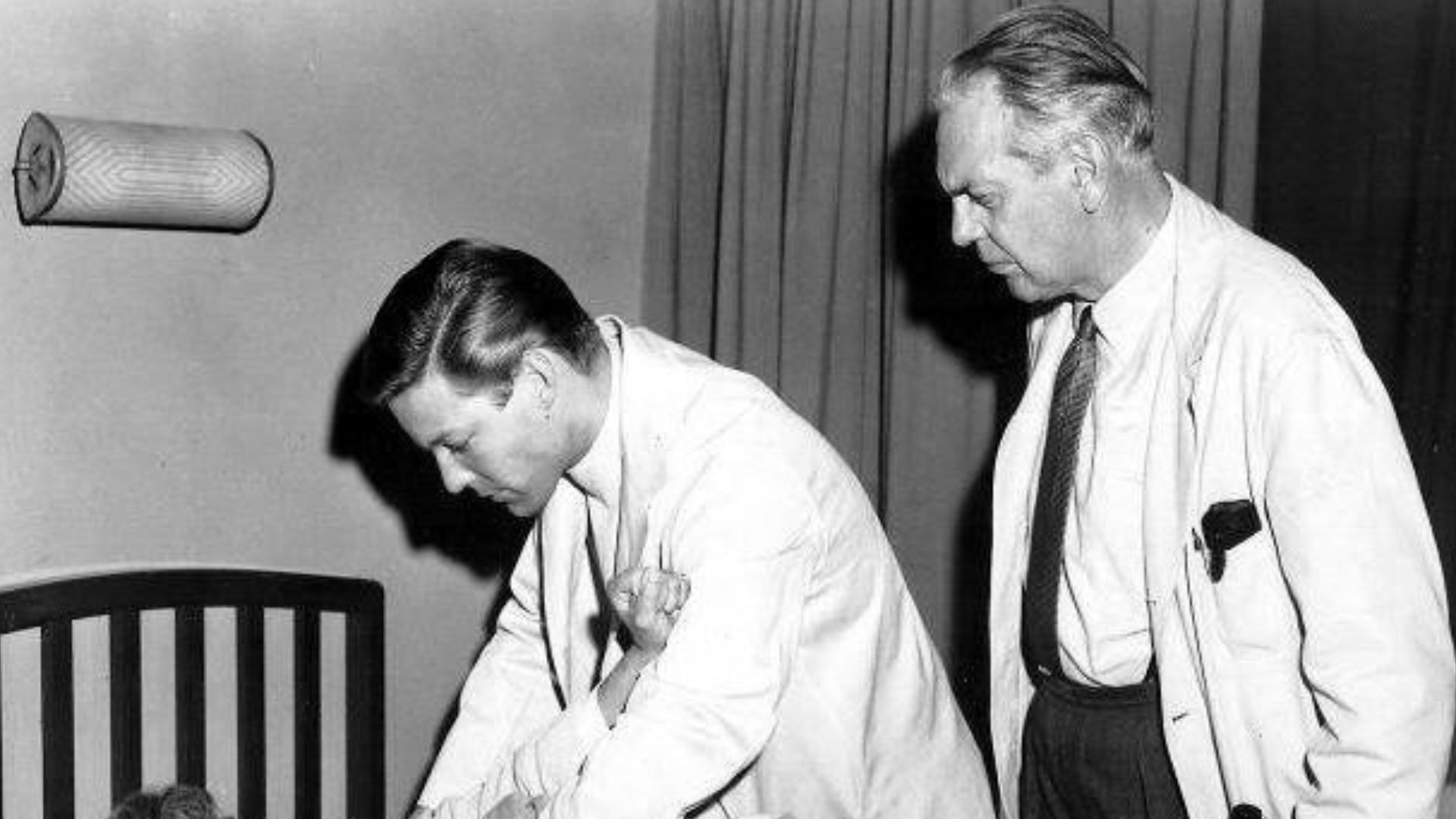
Although Chamberlain received enormous attention, the series also depended on veteran actor Raymond Massey, who portrayed Dr. Leonard Gillespie. Gillespie served as Kildare's experienced mentor, offering guidance while sometimes challenging the younger doctor's decisions. The relationship became an important part of the program's identity, helping establish the mentor-and-protégé formula that later medical dramas would revisit.

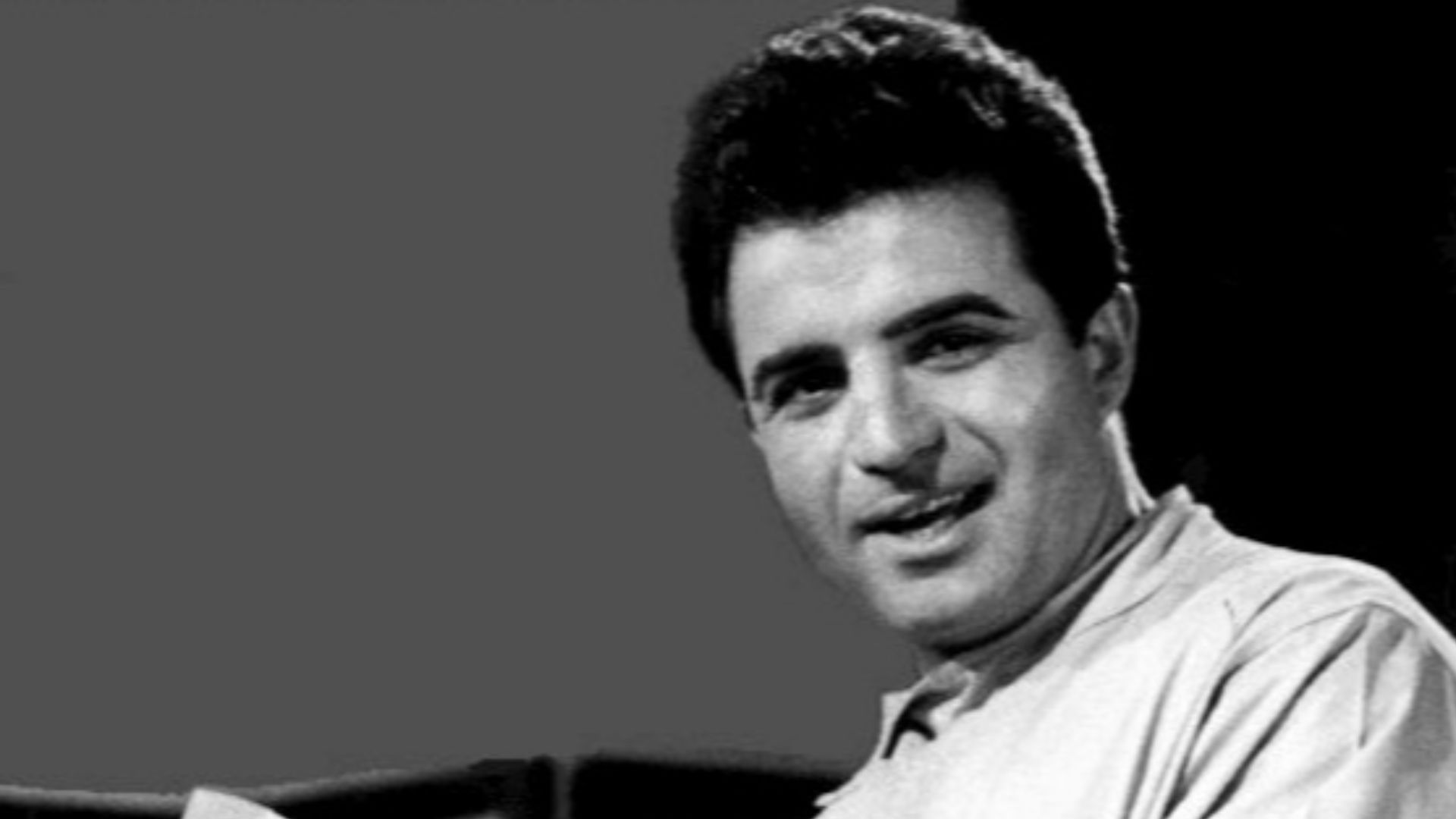
Vince Edwards Made Ben Casey A Television Sensation
Only days after Dr. Kildare premiered, ABC introduced another medical drama that would become a major success. Ben Casey debuted in October 1961, starring Vince Edwards as a talented but frequently confrontational neurosurgeon. Unlike Chamberlain's comparatively gentle character, Edwards portrayed a doctor whose intense personality sometimes created as many problems as the medical emergencies surrounding him.
 ABC Television-photo by Leigh Wiener, Wikimedia Commons
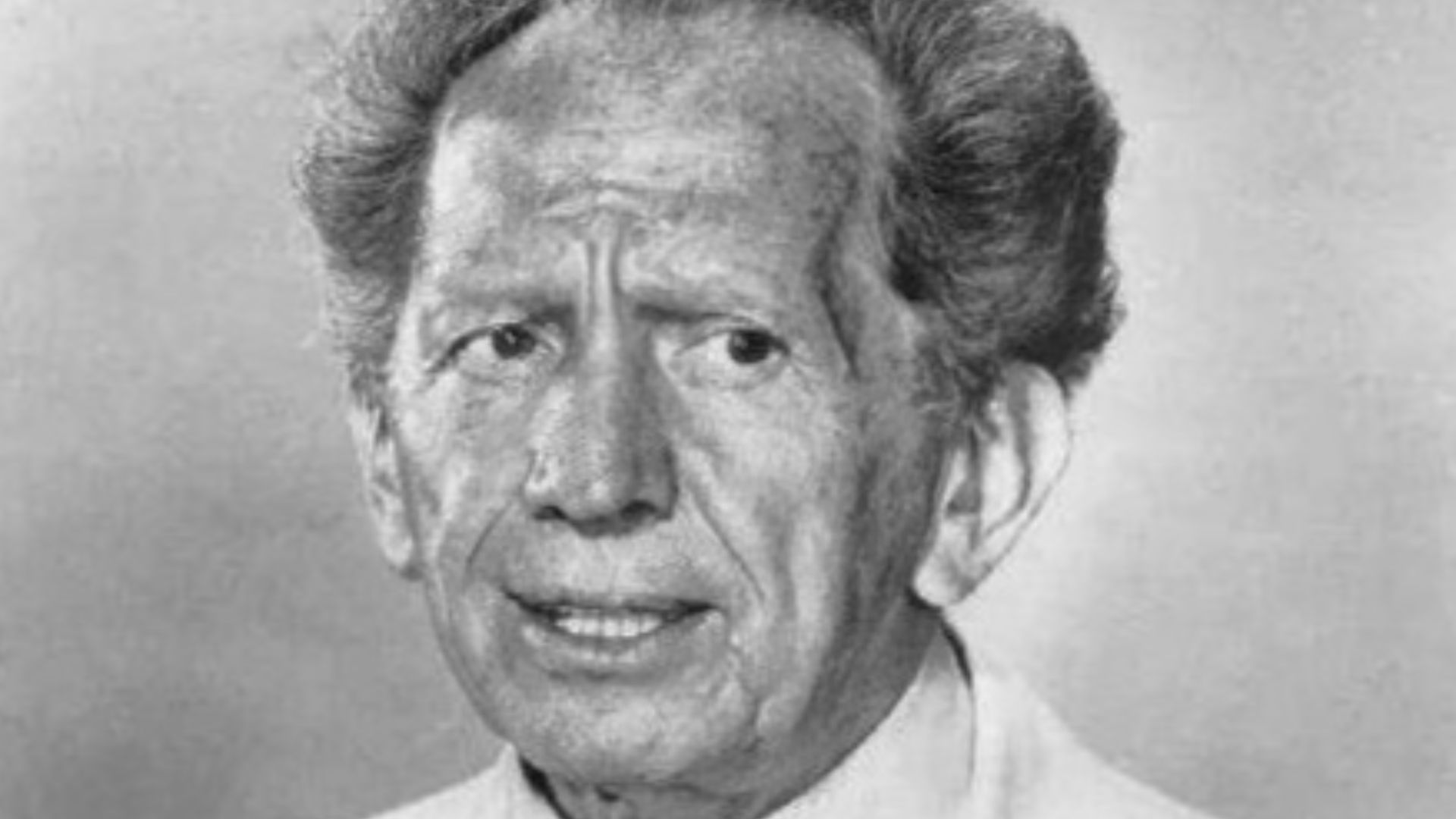
Ben Casey Wasn't Your Typical Friendly Doctor
The series frequently explored complicated social issues through the patients arriving at its fictional hospital. Casey's relationship with senior physician Dr. David Zorba, played by Sam Jaffe, provided opportunities for arguments about medical responsibilities and professional judgment. The approach gave the program a more serious tone than many contemporary television dramas, helping it become one of ABC's highest-rated shows during its early seasons.
 ABC Television, Wikimedia Commons
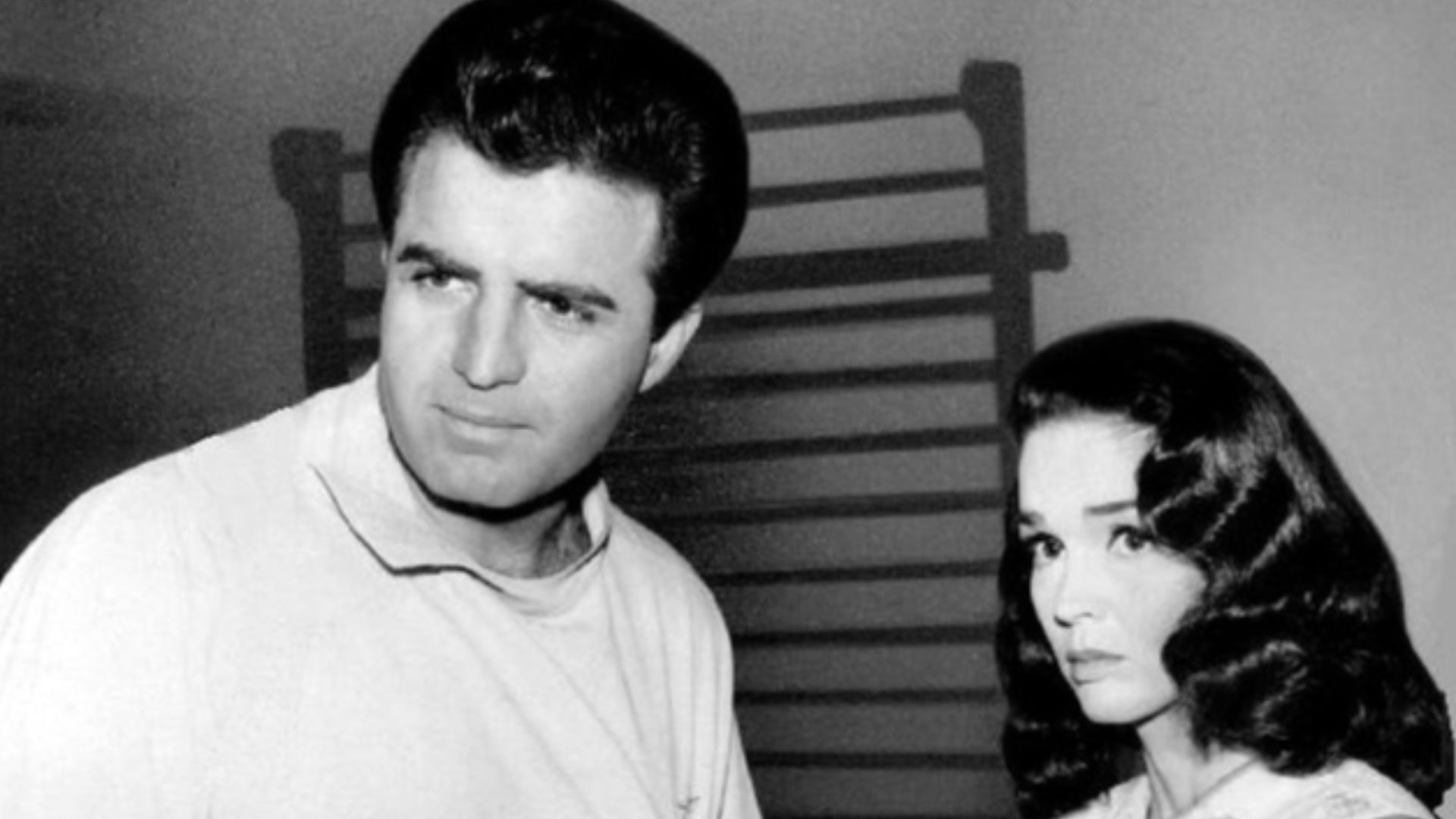
Vince Edwards Became A Cultural Phenomenon
The popularity of Ben Casey extended into everyday American culture, with merchandise and even clothing inspired by the fictional physician. Edwards became a familiar face in magazines and promotional photographs, while the show's distinctive opening credits and theme music attracted considerable attention. The series ran until 1966, and Edwards later returned to the character for the 1988 television movie The Return of Ben Casey.
 ABC Television, Wikimedia Commons
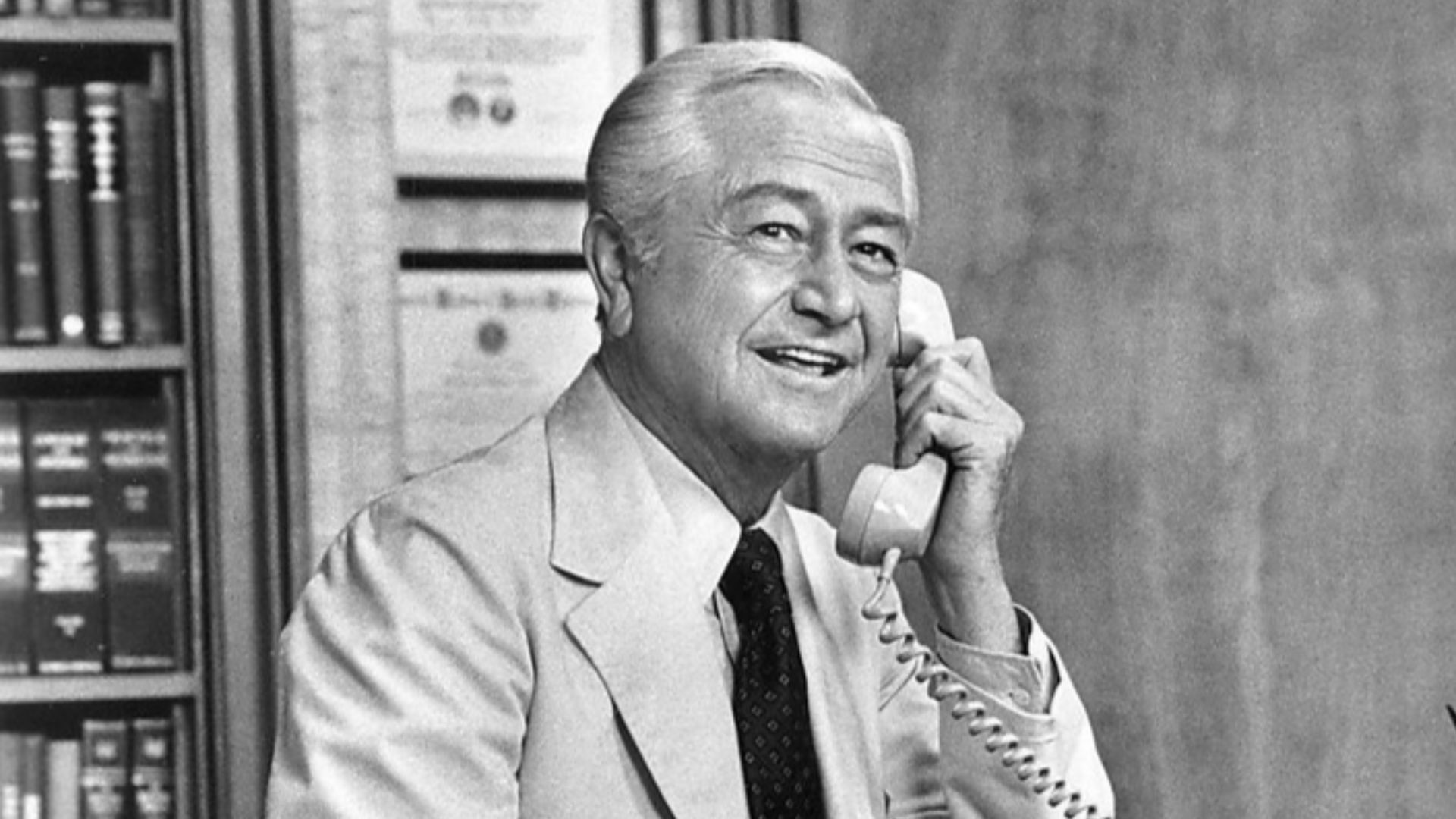
Robert Young Became The Doctor Everyone Trusted
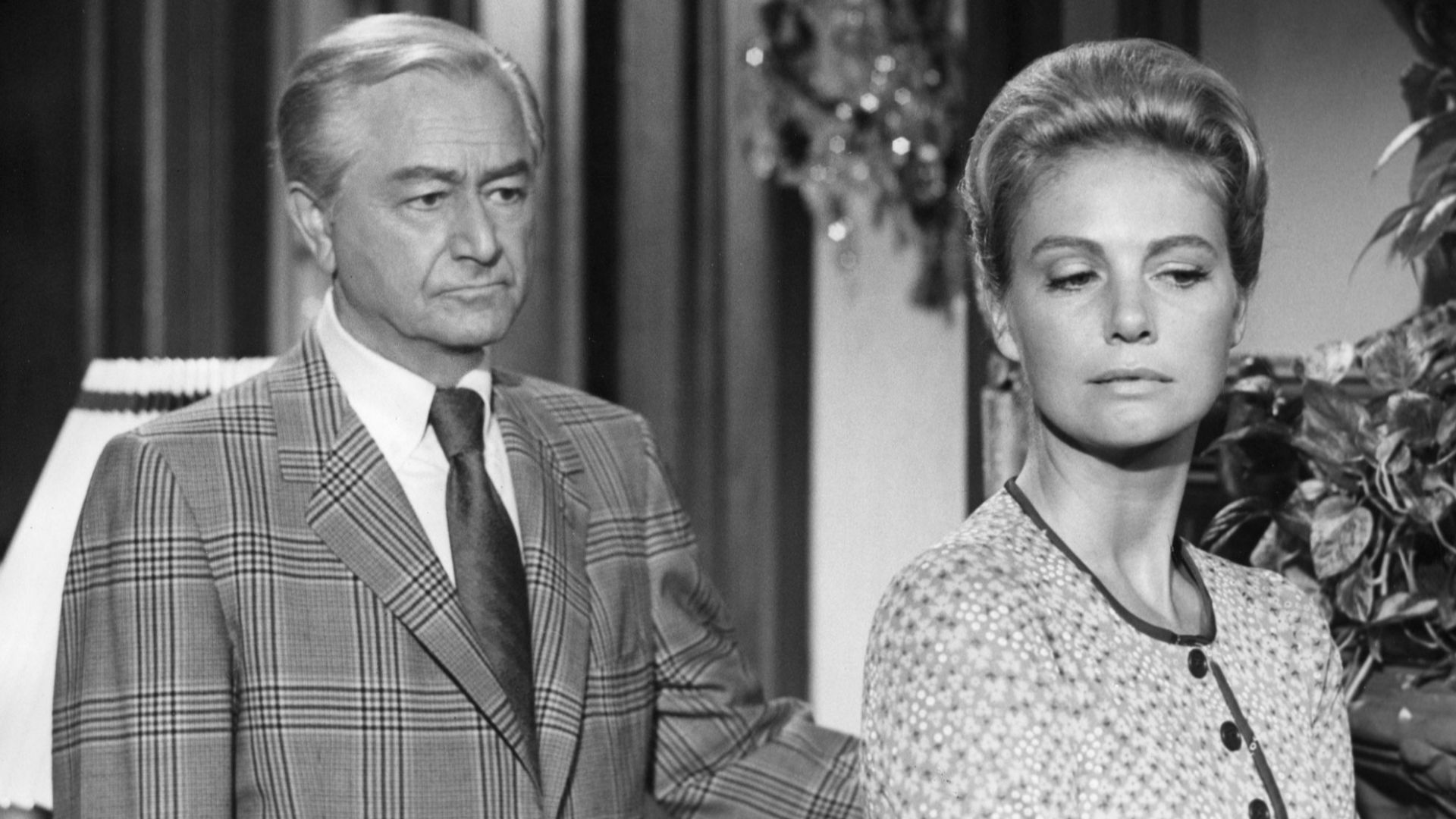
Robert Young had already become a beloved television personality through Father Knows Best when he accepted the leading role in Marcus Welby, M.D. The ABC series premiered in September 1969, presenting Young as a compassionate general practitioner working in a suburban medical office. Unlike hospital dramas emphasizing surgical emergencies, the show frequently focused on patients' personal struggles and their relationships with a doctor who seemed genuinely interested in their lives.
 ABC Television, Wikimedia Commons
Marcus Welby Became America's Number One Show
During the 1970 television season, Marcus Welby, M.D. reached number one in the Nielsen ratings. It became the first ABC series to hold the top position for an entire season, with estimates suggesting that roughly one in four American households watched regularly. Young's reassuring performance helped make Welby a familiar symbol of the kindly neighborhood physician, someone audiences could imagine trusting with their own family's health.
 unknown (Universal TV/ABC), Wikimedia Commons
James Brolin Gave Welby A Younger Partner
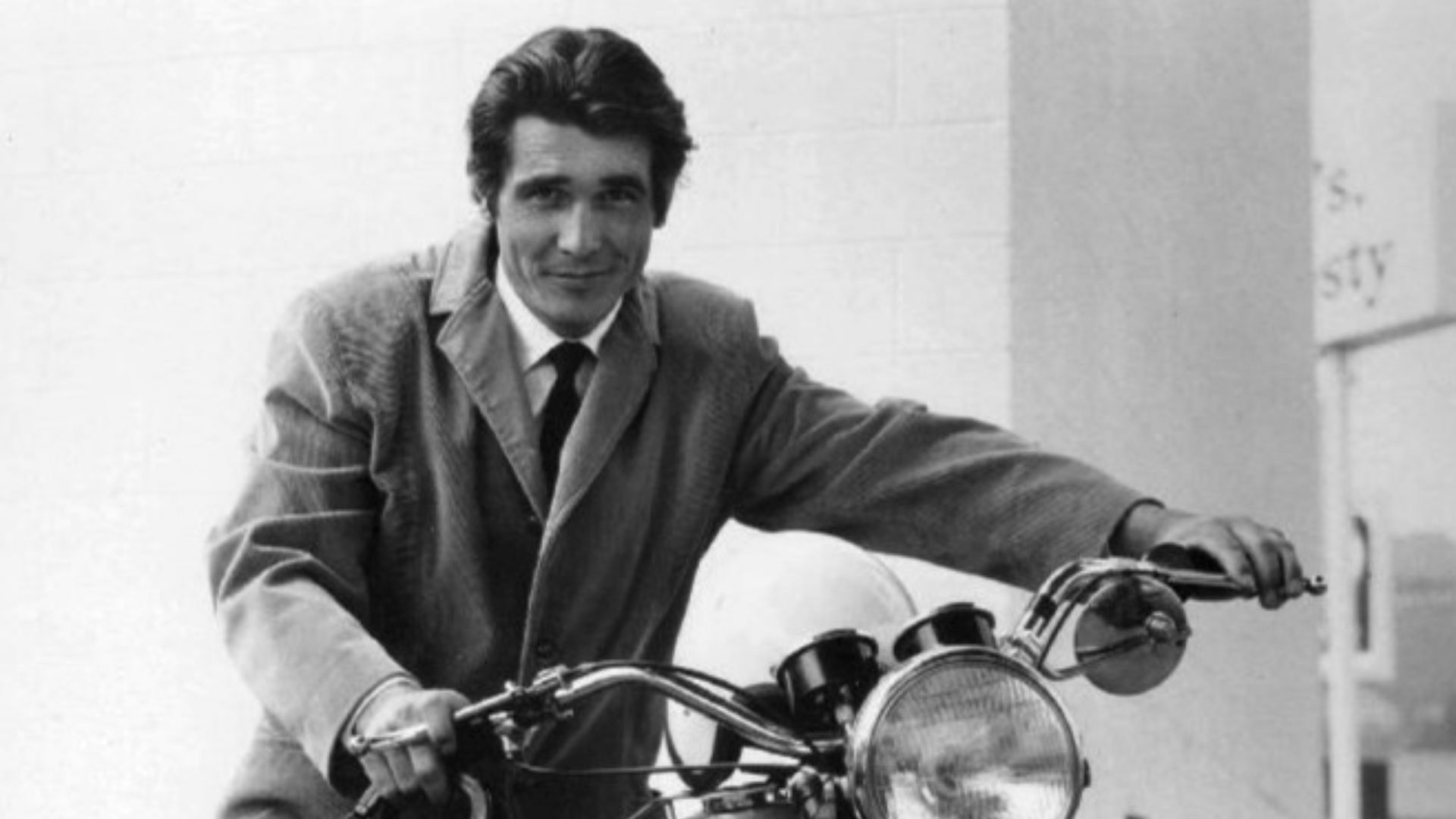
The series paired Young with James Brolin, who portrayed the younger Dr. Steven Kiley. Their contrasting personalities allowed the program to explore differences between established medical traditions and newer professional approaches. Brolin's performance earned him an Emmy Award for supporting actor in 1970, while the series itself collected major awards and remained on ABC until 1976.
 ABC Television, Wikimedia Commons
Chad Everett Made Medical Center A Major Hit
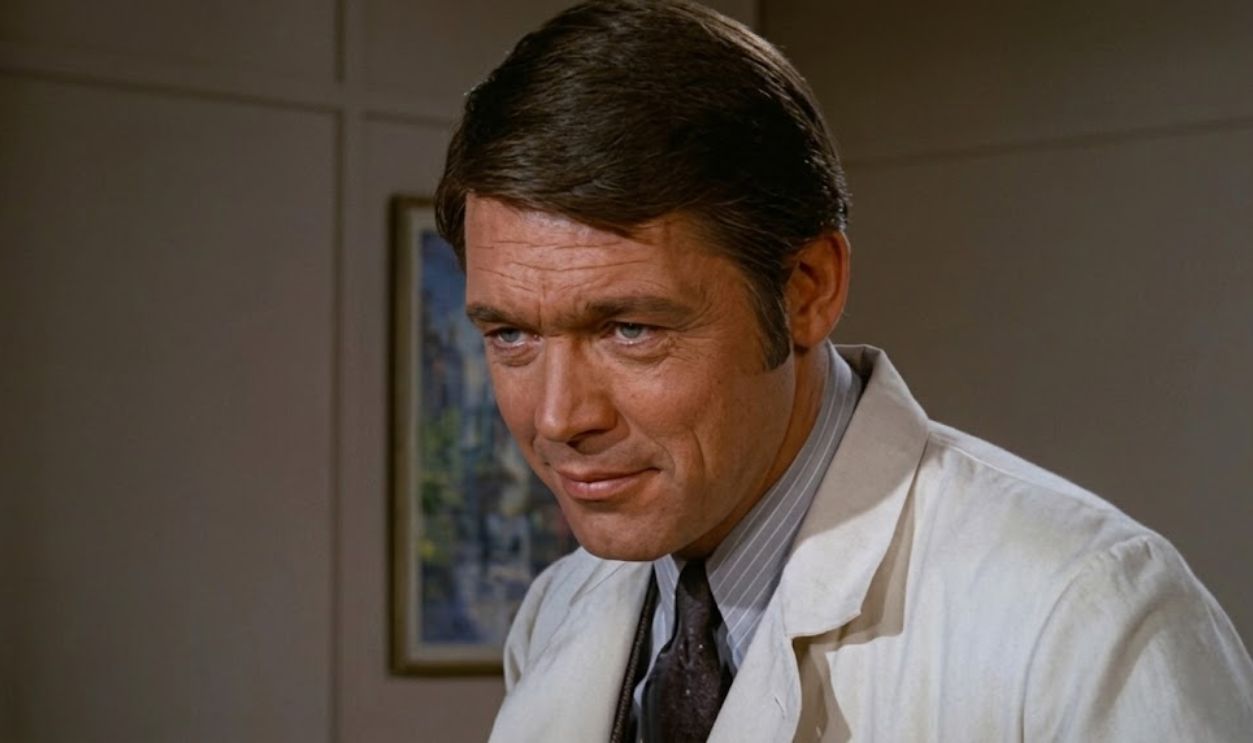
CBS introduced Medical Center on September 24, 1969, just one day after the premiere of Marcus Welby, M.D. The series starred Chad Everett as Dr. Joe Gannon, a handsome young surgeon working at a university-affiliated hospital in Los Angeles. Alongside James Daly's experienced Dr. Paul Lochner, Gannon faced challenging medical situations while navigating the demands of a changing profession.
 Screenshot from Medical Center, Metro-Goldwyn-Mayer Television (1969–1976), Enhanced
Dr. Joe Gannon Became A Television Heartthrob
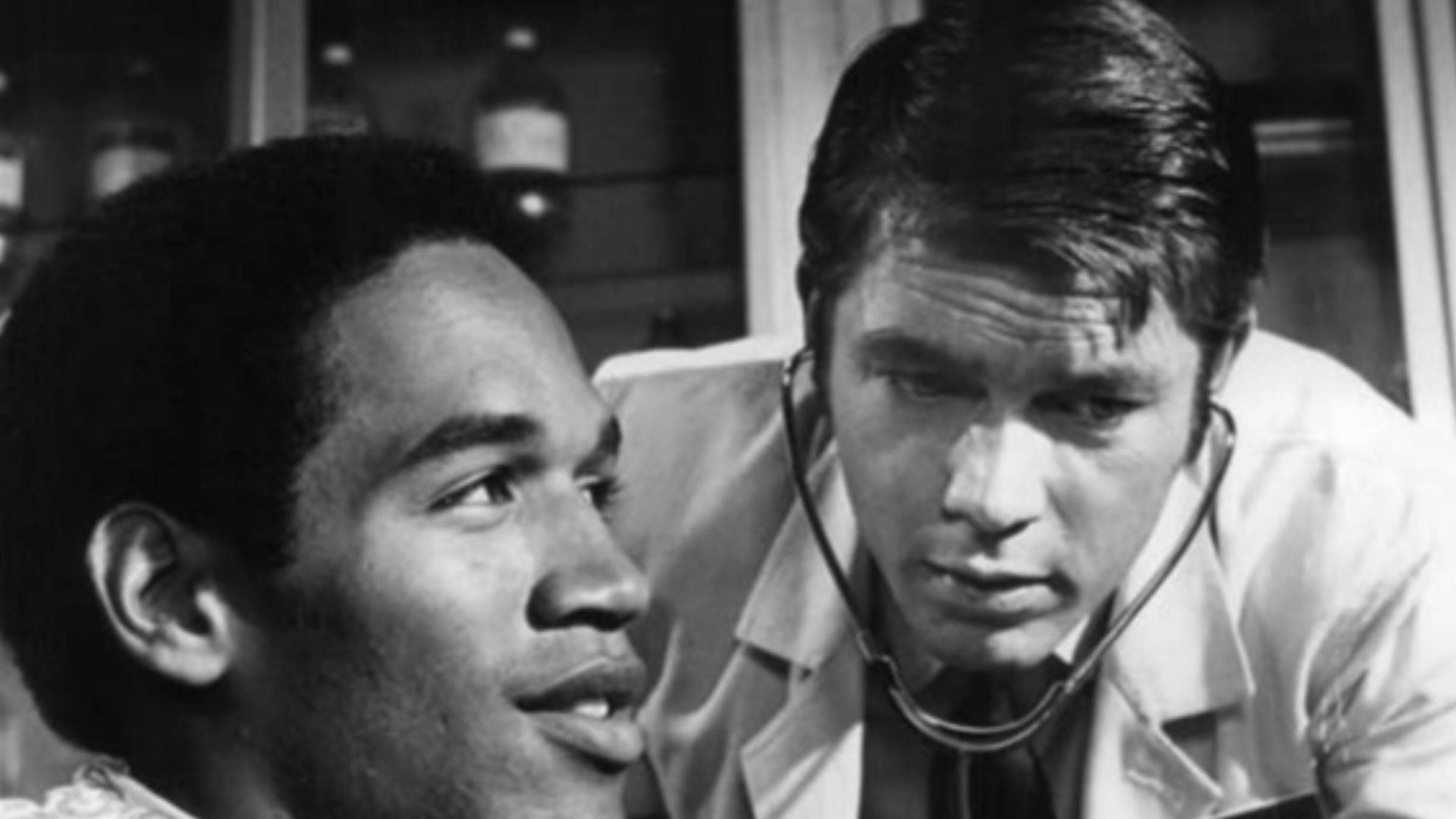
Everett's performance made him one of the most recognizable faces in medical television during the early 1970s. His character combined professional skill with a caring personality, and Everett received two Golden Globe nominations for his work. The popularity of Medical Center helped establish Everett as a major television star, allowing him to continue appearing in films and television programs for decades afterward.
 CBS Television, Wikimedia Commons
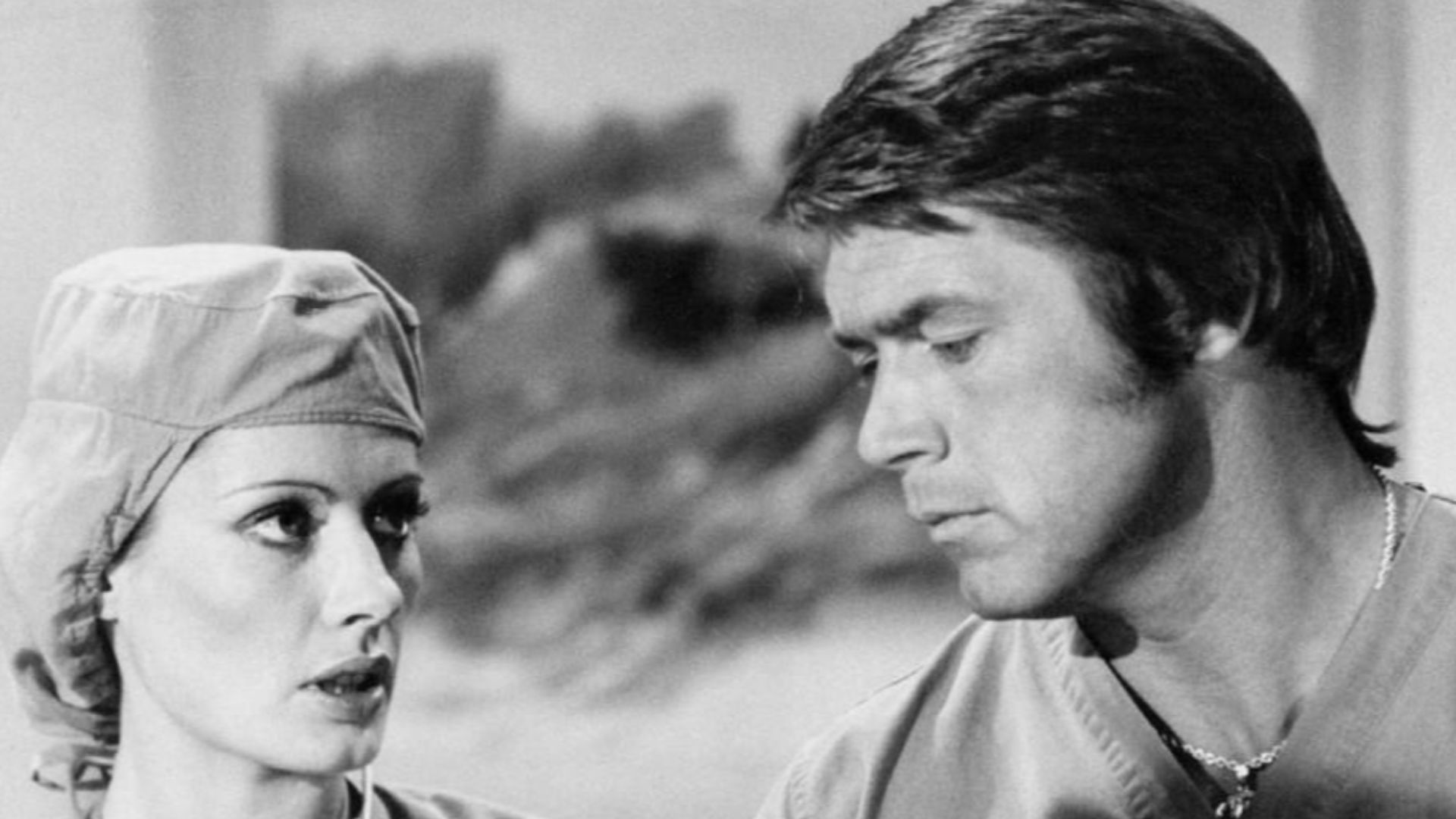
Chad Everett Wanted The Medicine To Look Real
One of Everett's most important concerns was ensuring that the medical procedures portrayed on the show seemed convincing. He later recalled noticing inaccuracies in other medical dramas, including doctors behaving in ways that could create obvious problems in an operating room. His attention to detail helped give Medical Center a reputation for taking its hospital environment seriously, while the series continued running on CBS until 1976.
 CBS Television, Wikimedia Commons
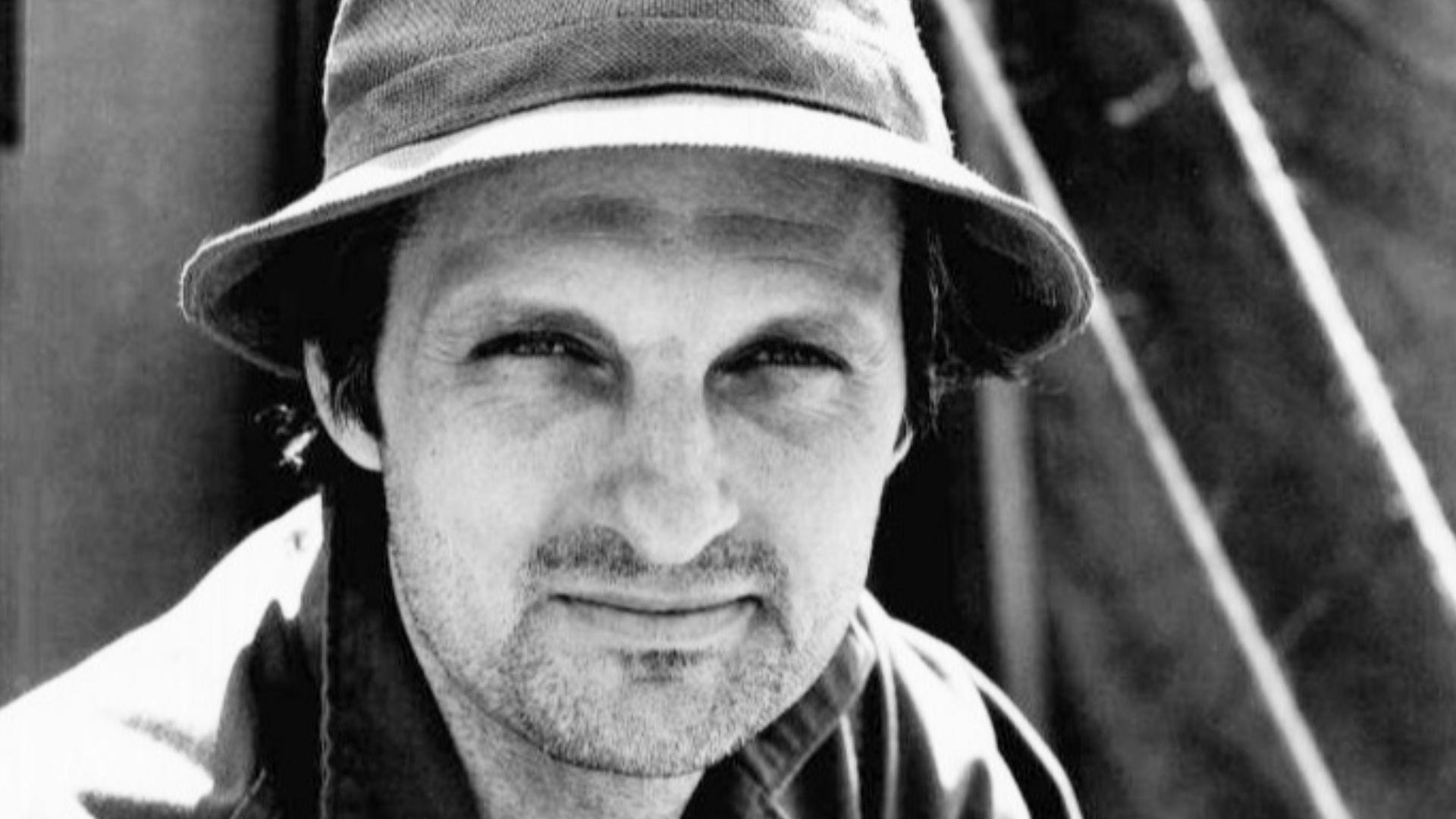
Alan Alda Made Hawkeye Pierce A Television Legend
When MASH* premiered on CBS in September 1972, Alan Alda introduced audiences to Captain Benjamin Franklin "Hawkeye" Pierce, a surgeon serving during the Korean War. The character approached difficult circumstances with humor, intelligence, and an occasional disregard for military formality. Although the series was a comedy, its hospital setting allowed the writers to explore serious questions about friendship, responsibility, and the human consequences of war.
 CBS Television, Wikimedia Commons
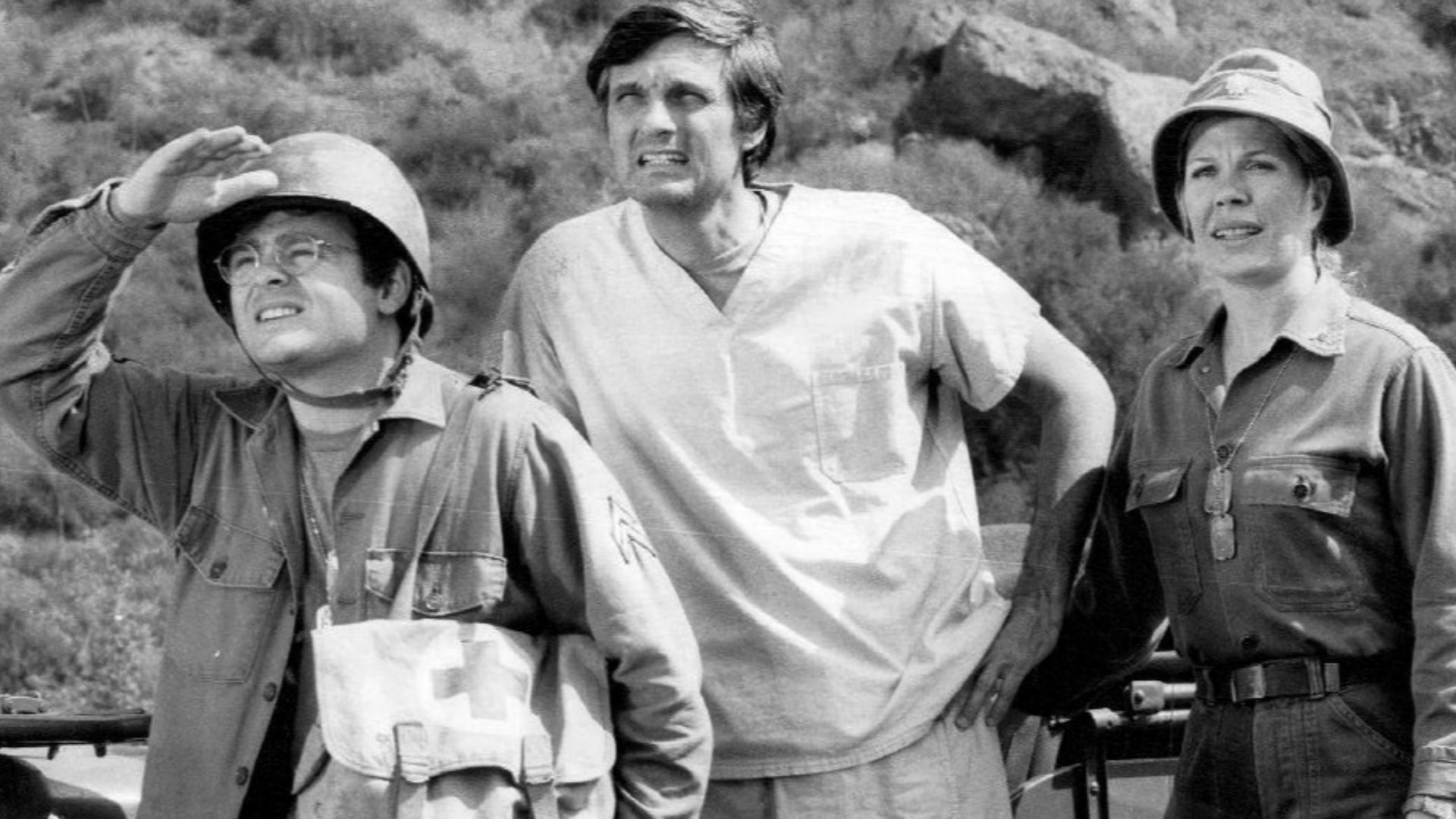
Hawkeye Wasn't Afraid To Challenge Authority
Unlike many earlier television doctors, Hawkeye frequently argued with commanding officers and questioned decisions that interfered with patient care. His friendship with fellow surgeons, including Trapper John McIntyre and later B.J. Hunnicutt, provided some of the program's most memorable moments. Alda's ability to balance humor with emotional performances helped transform Hawkeye into one of television's most beloved characters.
 CBS Television, Wikimedia Commons
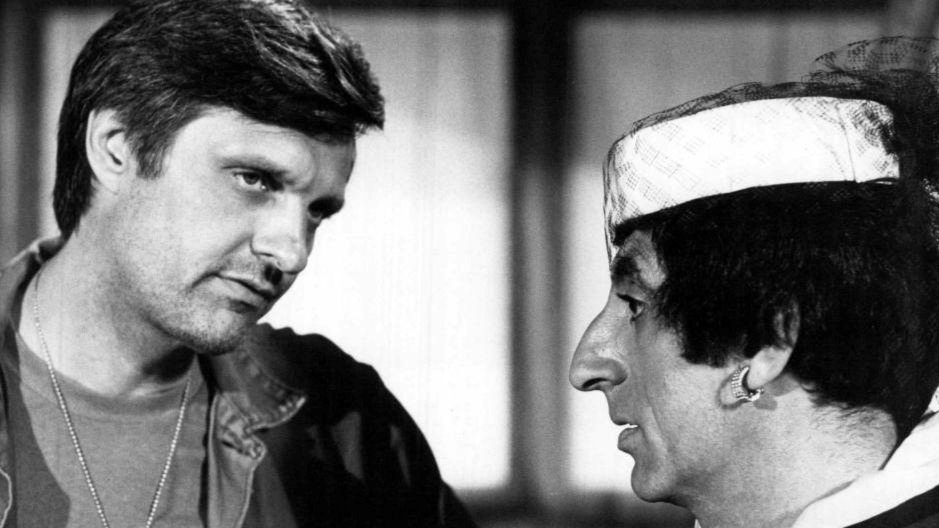
Alan Alda Helped Make Television History
MASH* ran for eleven seasons, concluding with its enormously popular finale in February 1983. Alda became increasingly involved behind the scenes, writing and directing episodes while continuing to star in the series. He eventually won Emmy Awards for acting, writing, and directing on the same program, an extraordinary achievement that reflected his importance to one of television's most celebrated comedies.
 CBS Television, Wikimedia Commons
Robert Fuller Went From Westerns To Emergency Rooms
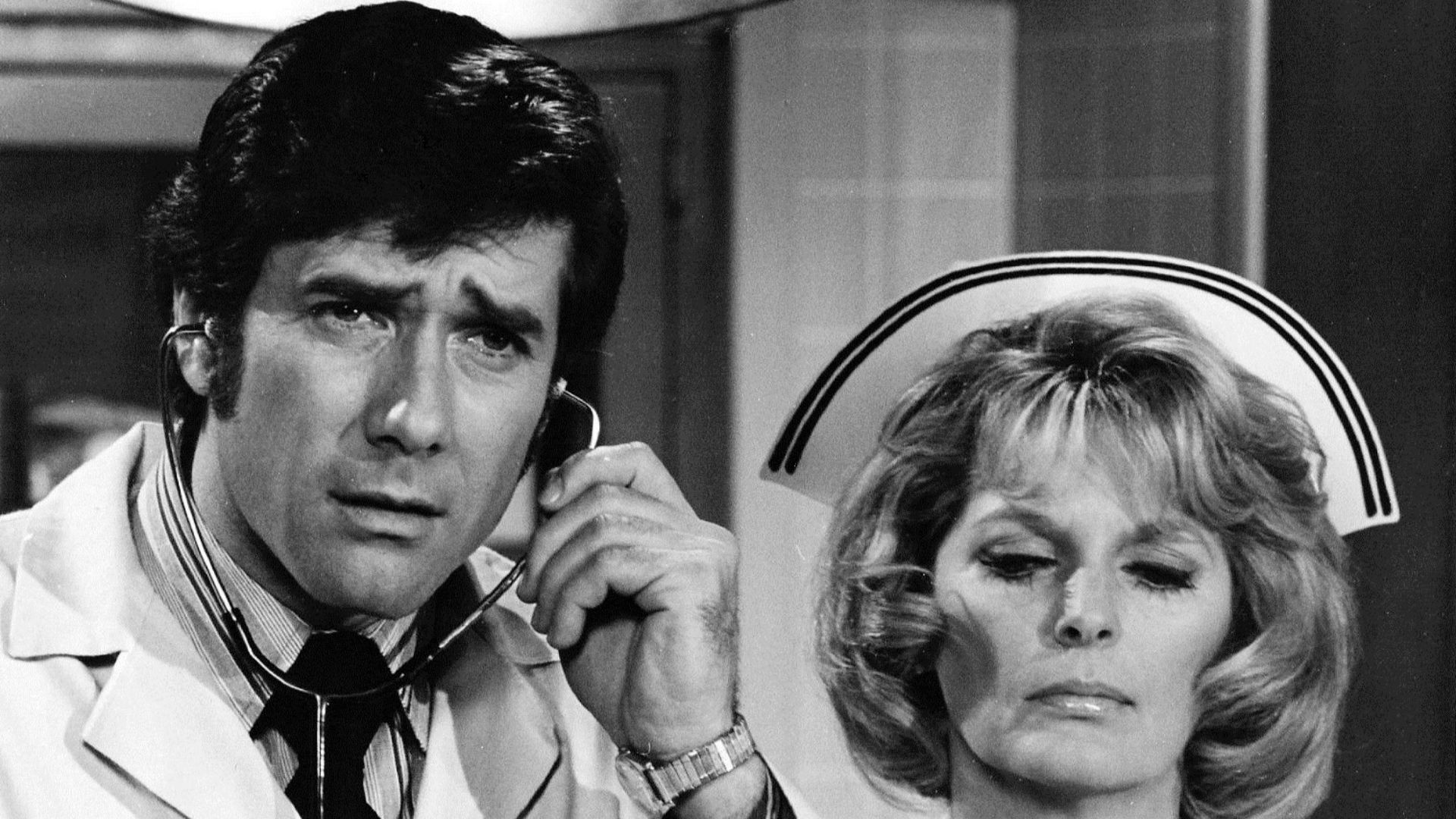
Robert Fuller had established himself through television westerns including Laramie and Wagon Train before accepting a completely different role. In 1972, he joined NBC's Emergency! as Dr. Kelly Brackett, a physician working at the fictional Rampart General Hospital. The series followed Los Angeles County firefighter-paramedics as they responded to emergencies and coordinated medical care with the hospital staff.
 NBC Television, Wikimedia Commons
Dr. Brackett Had A Tough Reputation
Brackett was frequently portrayed as a demanding physician who expected professionalism from the people working around him. His relationships with paramedics John Gage and Roy DeSoto created some of the show's recurring dramatic situations, particularly when difficult emergencies required rapid decisions. Fuller gave the character a combination of authority and genuine concern, helping make Brackett an important figure in the series.
 Screenshot from Emergency!, NBCUniversal (1972-1977)
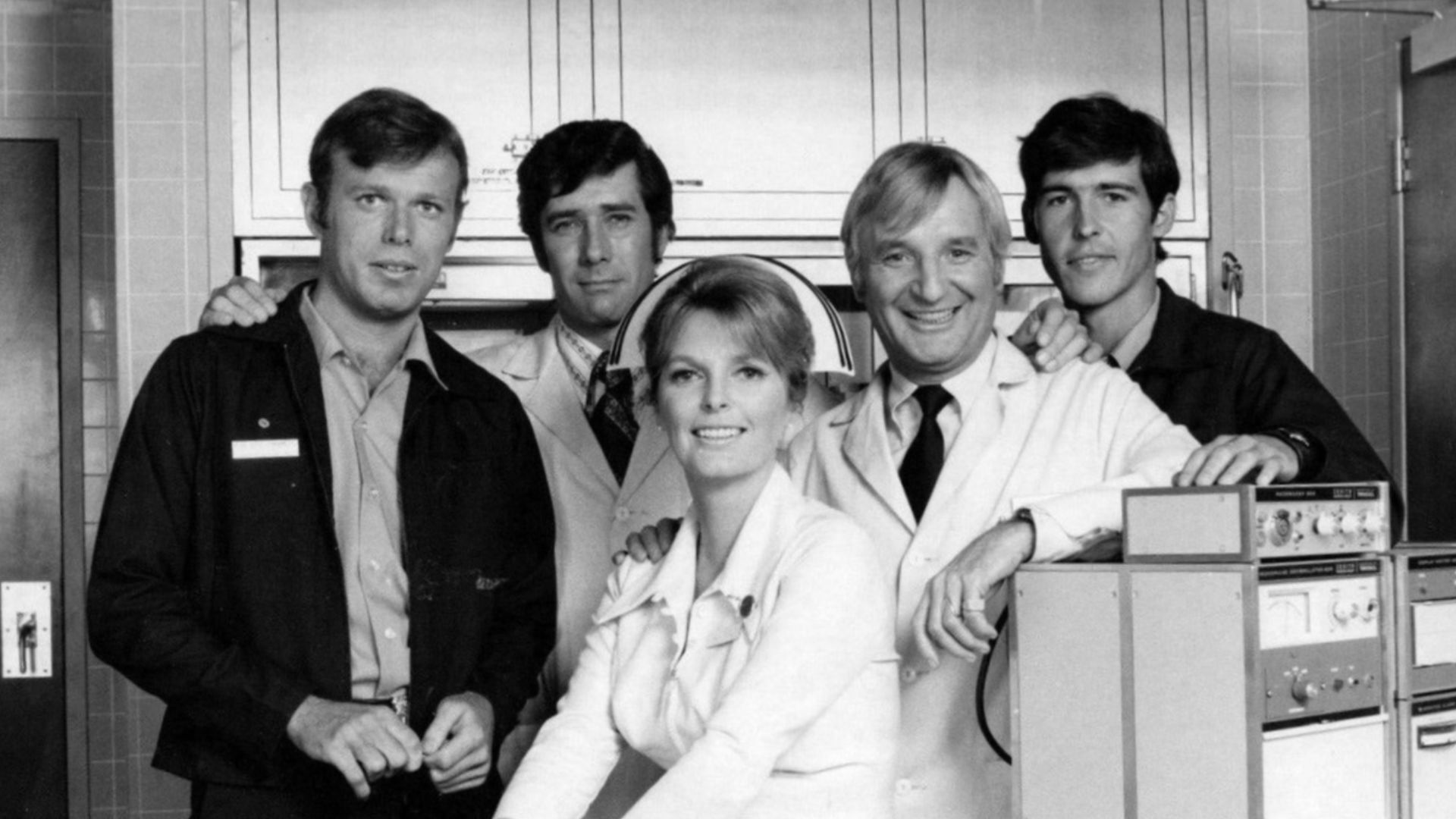
Emergency Helped Introduce Viewers To Paramedics
When Emergency! began, modern paramedic services were still developing in many American communities. The program introduced viewers to mobile emergency care, hospital communications, and the specialized training required of first responders. It ran as a weekly series through 1977, followed by television movies, and became an important early portrayal of the relationship between paramedics and emergency department physicians.
 NBC Television, Wikimedia Commons
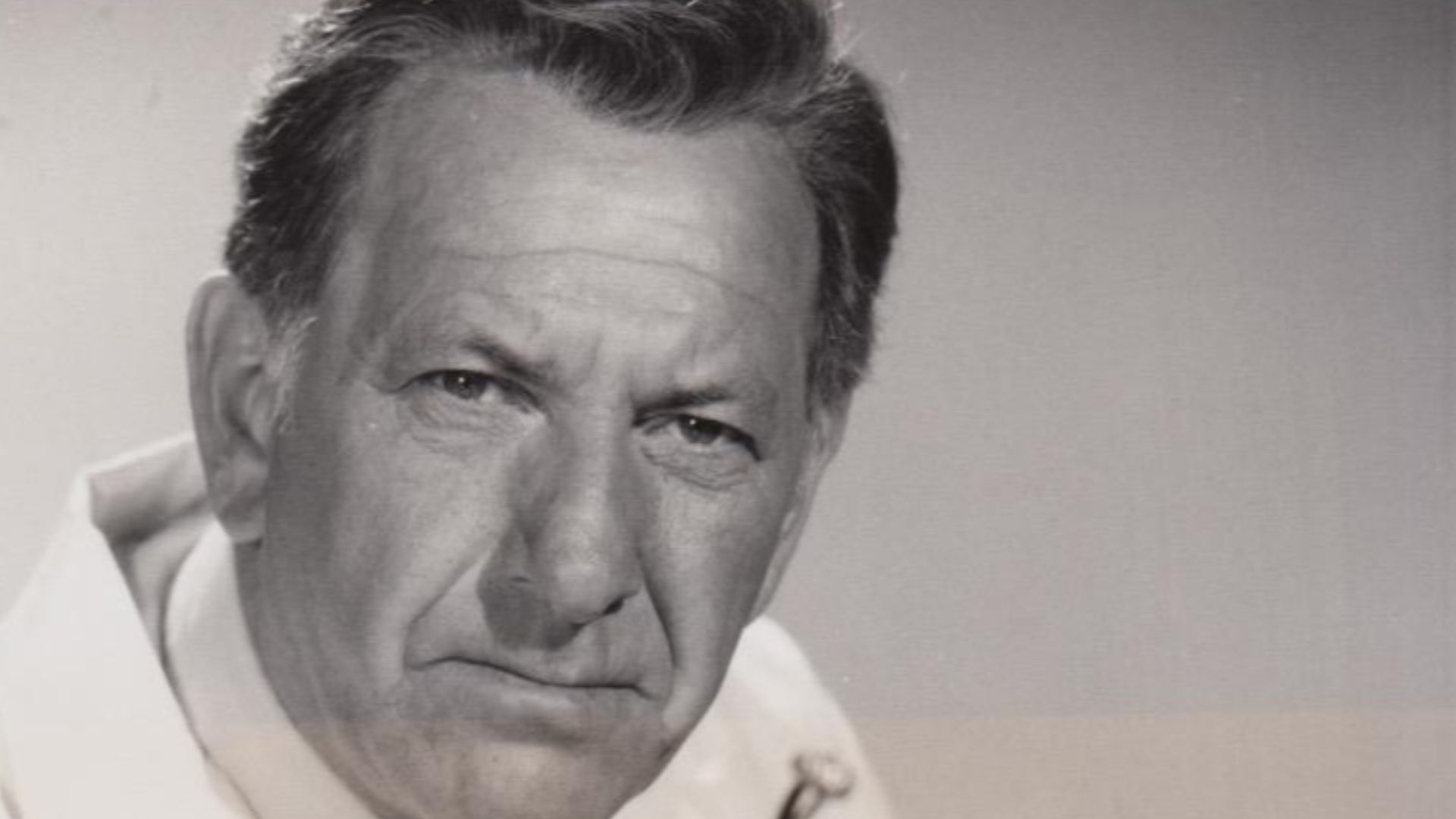
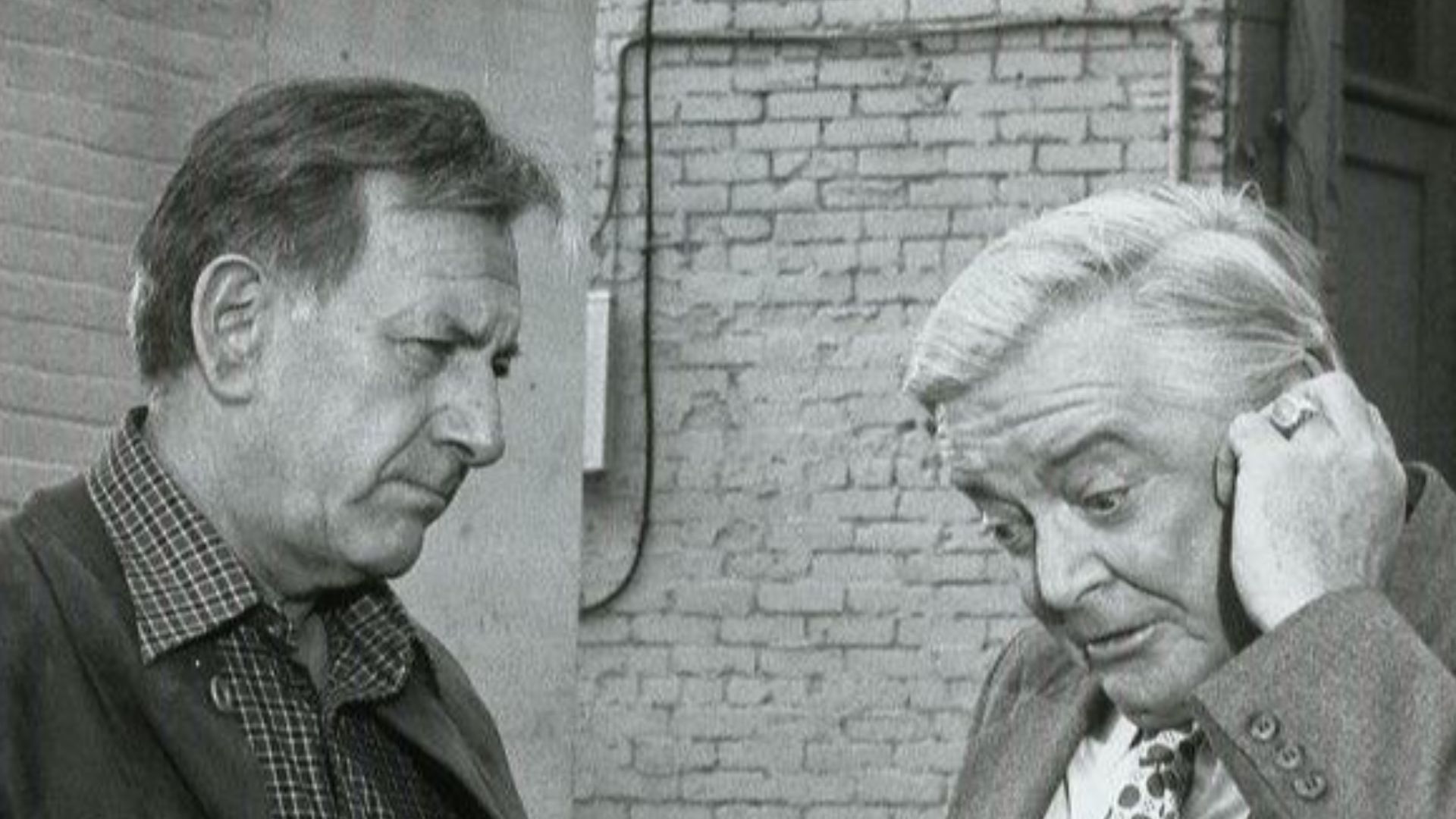
Jack Klugman Became Television's Most Determined Medical Examiner
Jack Klugman was already a household name thanks to The Odd Couple when he accepted another memorable television role in 1976. This time, he portrayed Dr. Quincy, a Los Angeles County medical examiner whose work involved investigating unexplained deaths. The NBC series Quincy, M.E. combined elements of medical drama and detective fiction, giving Klugman a character who seemed incapable of ignoring a mystery.
 NBC Television, Wikimedia Commons
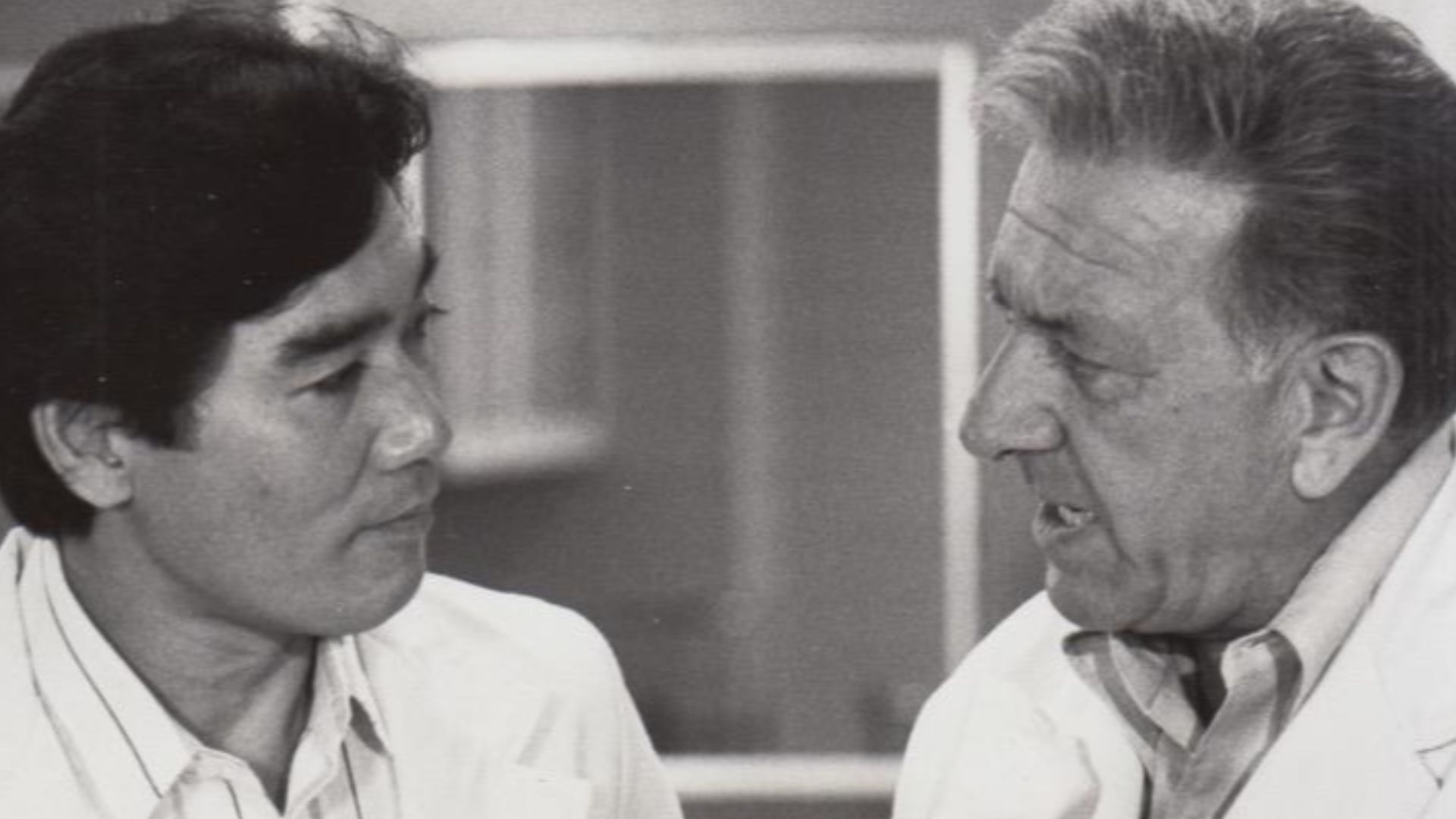
Quincy Never Accepted An Easy Explanation
The character frequently challenged police officers, hospital administrators, and other officials when he believed an investigation had been handled incorrectly. His determination to uncover the truth created conflicts with colleagues, particularly those frustrated by his willingness to question established conclusions. Unlike the surgeons and family physicians dominating earlier medical dramas, Quincy demonstrated how scientific investigation could become the center of a weekly television mystery.
 NBC Television, Wikimedia Commons
Quincy Became A Long-Running Television Favorite
The program began as part of The NBC Sunday Mystery Movie in October 1976, initially appearing in extended episodes. Its popularity led NBC to develop Quincy, M.E. into a regular hour-long series, which continued through 1983. Klugman's performance earned additional Emmy nominations and gave him a second defining television character after his celebrated portrayal of Oscar Madison.
 NBC Television, Wikimedia Commons
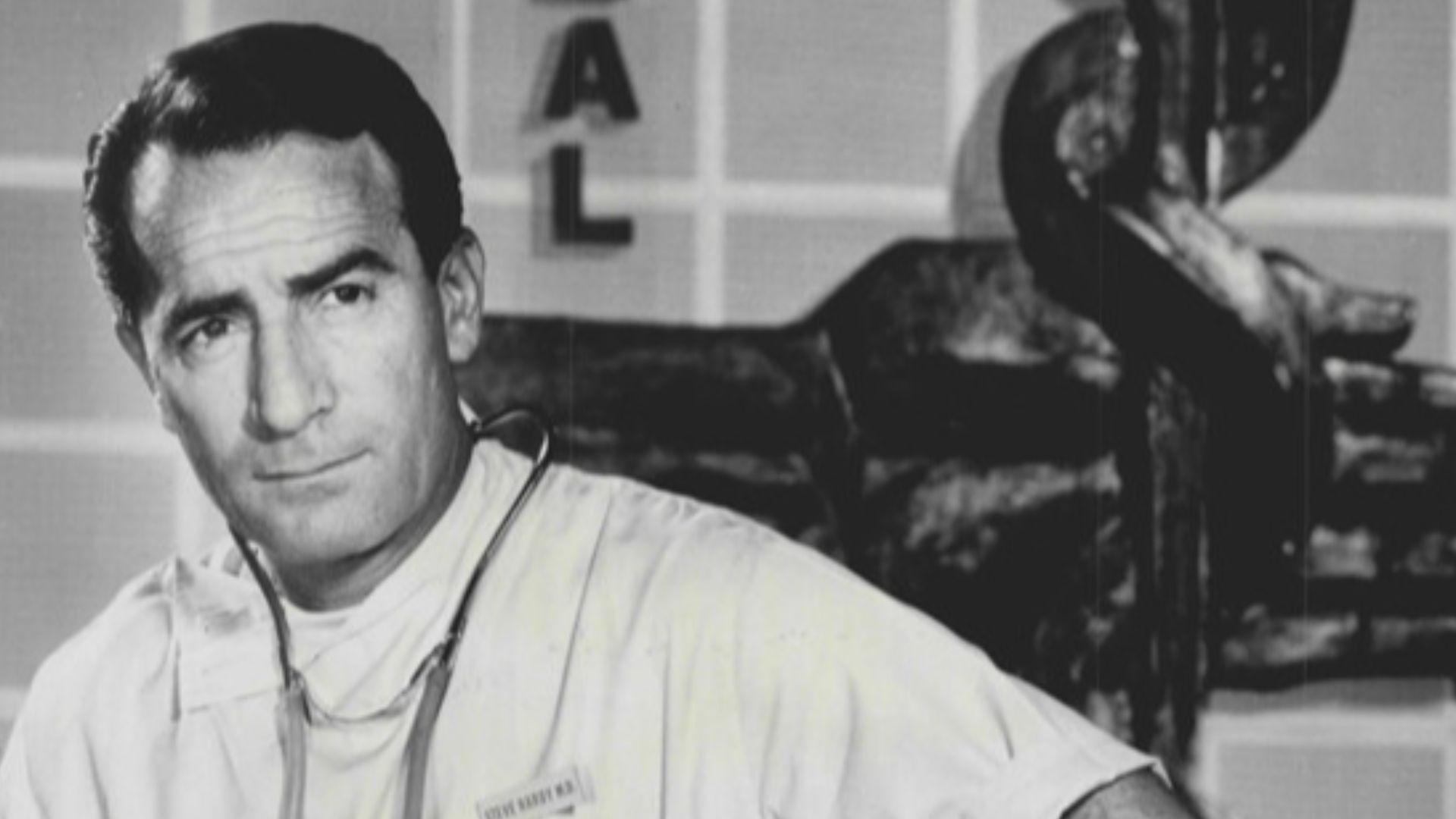
John Beradino Was General Hospital's Original Doctor
When ABC premiered General Hospital on April 1, 1963, former professional baseball player John Beradino introduced audiences to Dr. Steve Hardy. The character became one of the central figures at the fictional hospital in Port Charles, providing a dependable presence as the daytime drama developed. Unlike the physicians appearing in weekly evening programs, Hardy became a familiar face to viewers who followed the continuing story every weekday.
 ABC Television, Wikimedia Commons
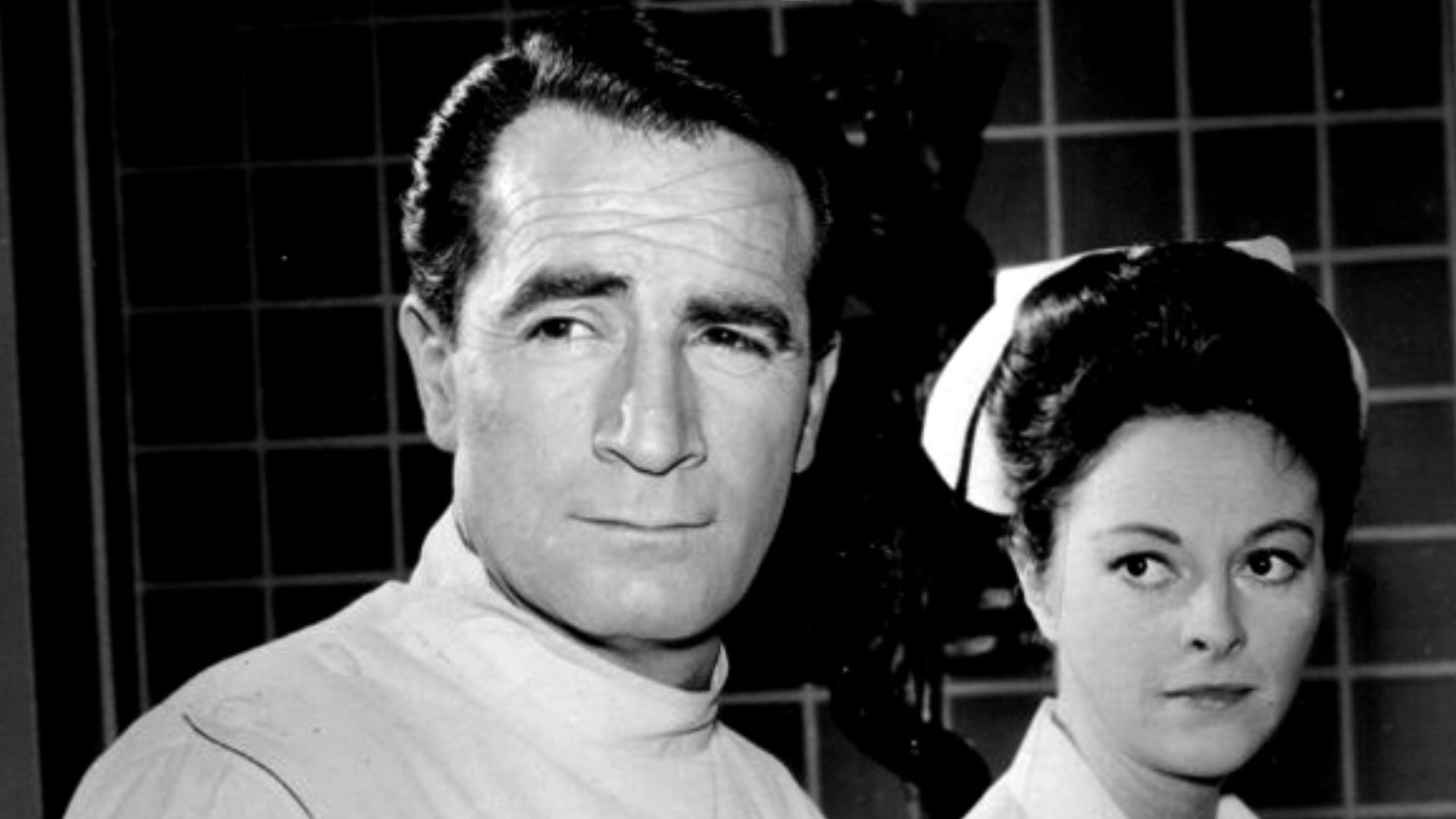
Dr. Steve Hardy Was There From The Beginning
Beradino's early years on General Hospital were remarkably different from the elaborate productions that later became associated with daytime television. According to the Los Angeles Times, the original budget was so limited that Beradino supplied his own wardrobe and even accepted a temporary salary reduction to help furnish the set. Despite those modest beginnings, the program gradually developed into one of American television's best-known daytime dramas.
 ABC Television, Wikimedia Commons
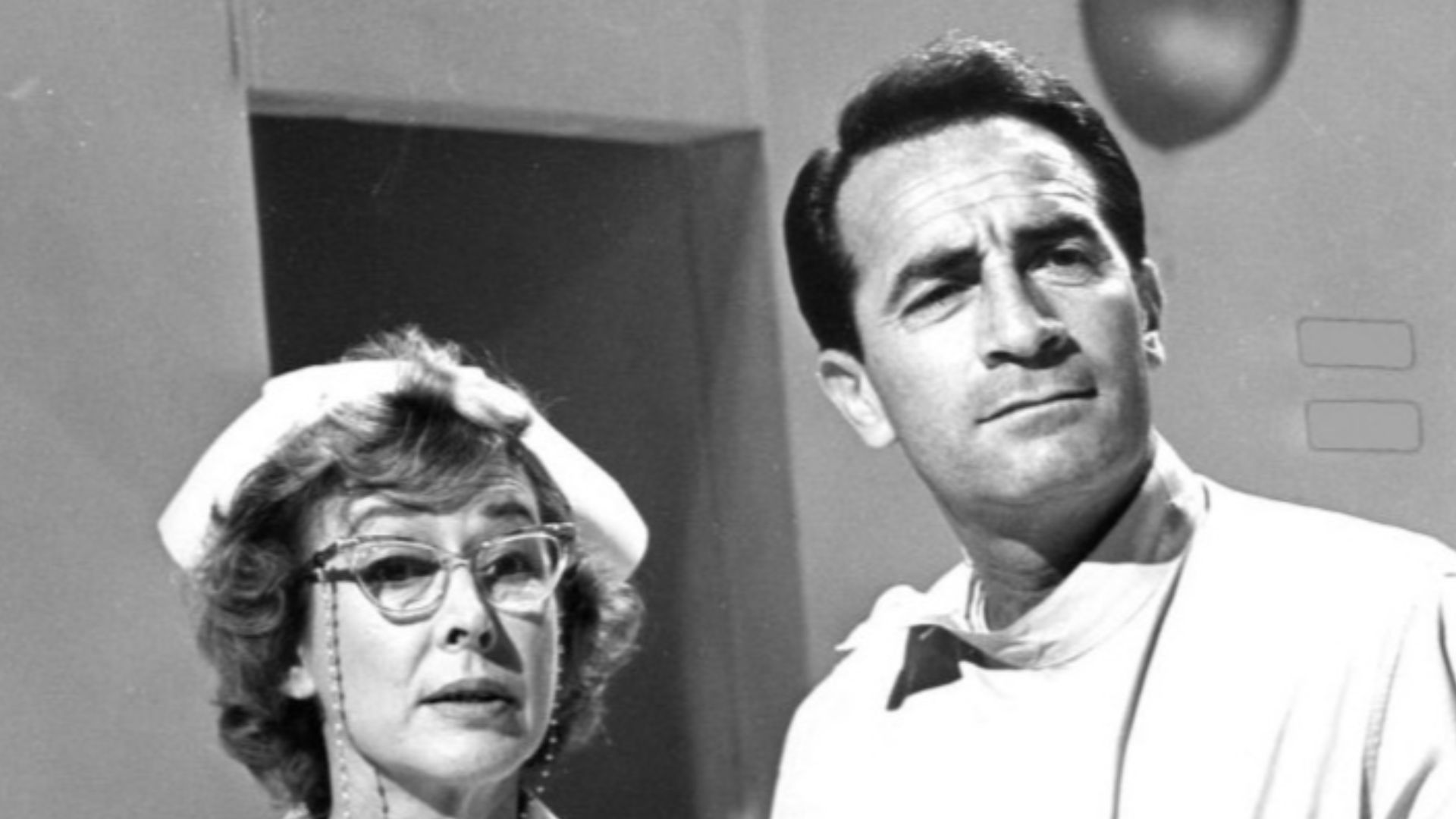
John Beradino Stayed With The Show For Decades
Beradino remained associated with General Hospital throughout the show's enormous expansion during the 1970s and 1980s. His character provided a sense of continuity as younger performers arrived and increasingly elaborate storylines attracted new audiences. By the time the program celebrated its 30th anniversary in 1993, Beradino was its only remaining original cast member, making Dr. Hardy one of daytime television's most enduring physicians.
 ABC Television, Wikimedia Commons
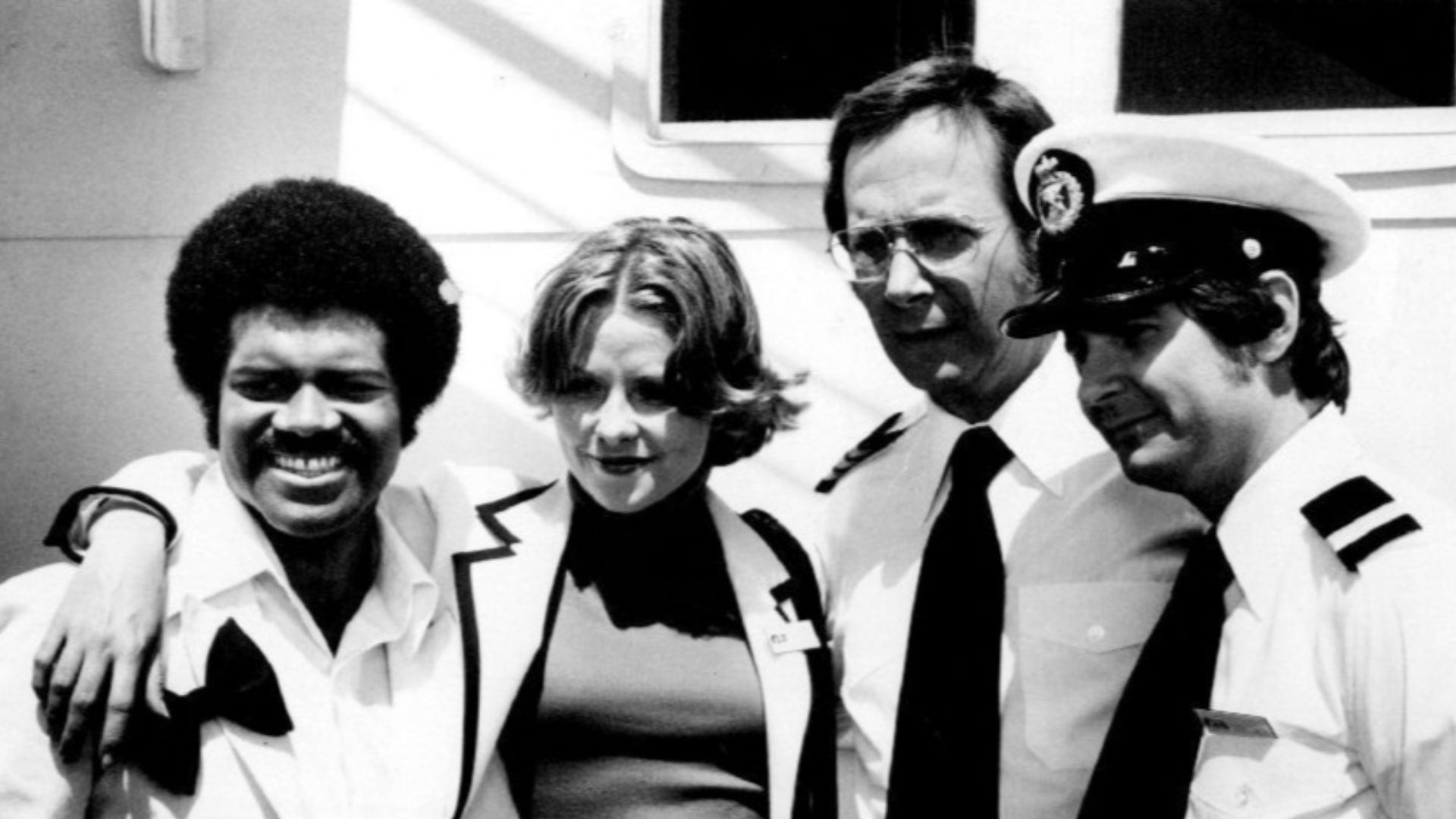
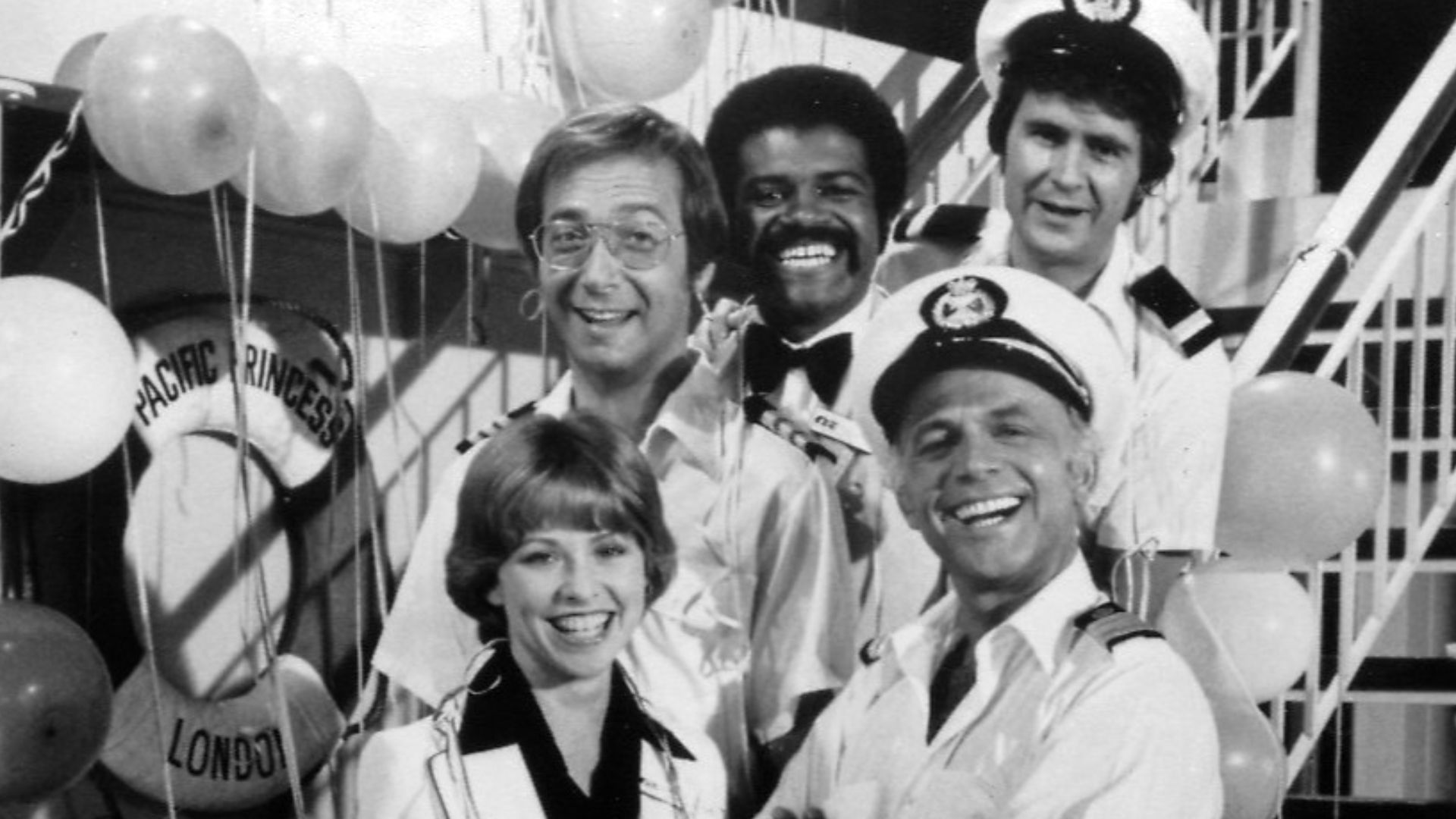
Bernie Kopell Became The Love Boat's Famous Ship Doctor
In 1977, Bernie Kopell joined the cast of ABC's The Love Boat as Dr. Adam Bricker, the resident physician aboard the Pacific Princess. Known affectionately as Doc, Bricker was an important member of a crew that included Captain Merrill Stubing, bartender Isaac Washington, and cruise director Julie McCoy. Unlike the serious medical dramas of the period, the series presented its physician as a charming, humorous character who frequently became involved in the passengers' personal adventures.
 ABC Television, Wikimedia Commons
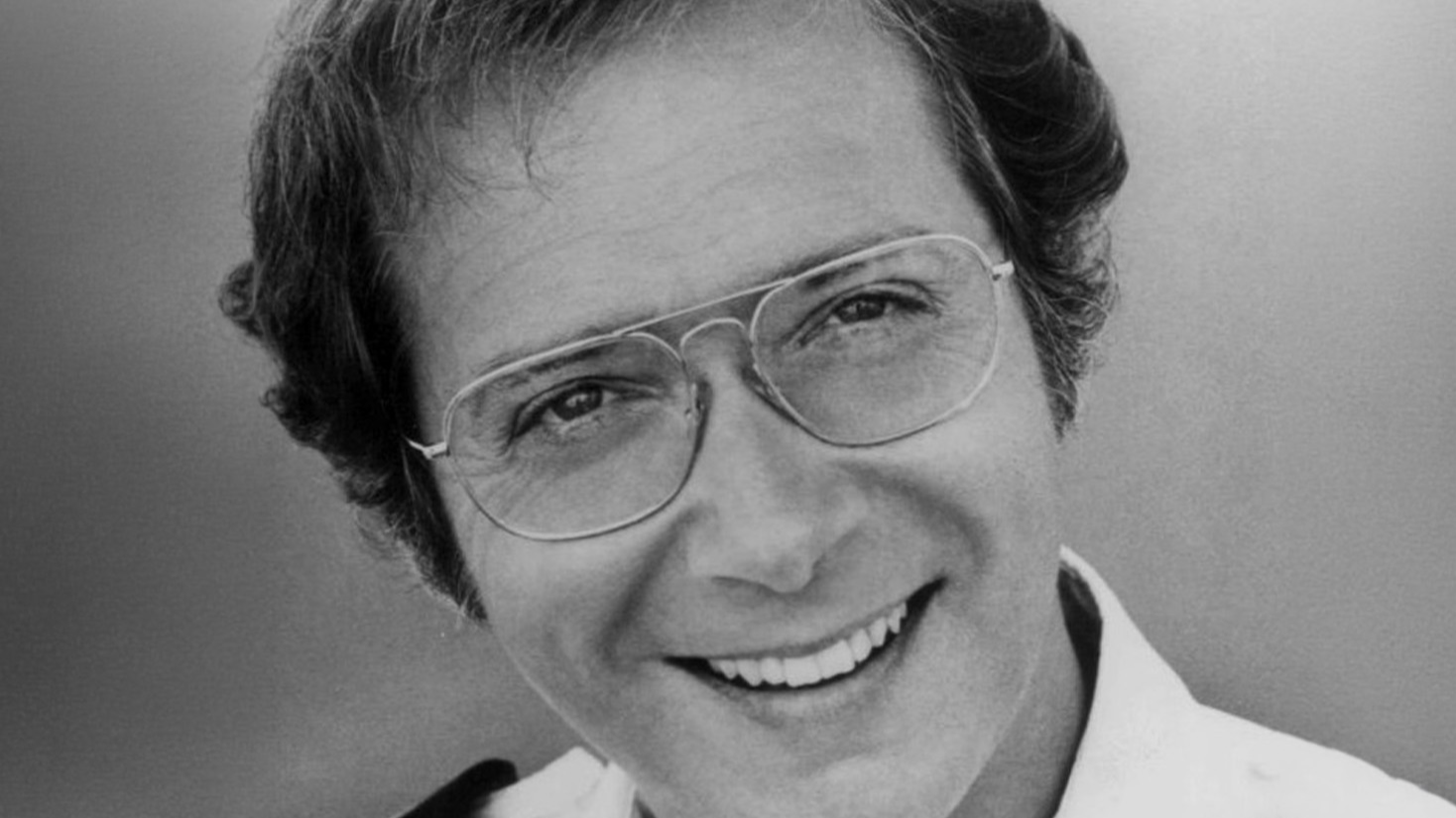
Doc Bricker Was Nothing Like Ben Casey
Bricker's responsibilities aboard the luxury cruise ship occasionally involved treating passengers, but his storylines generally emphasized comedy and relationships rather than major medical emergencies. Kopell's playful performance helped distinguish the character from the intense surgeons who had dominated television during the previous decade. His chemistry with the other regular cast members became part of the show's appeal, while a constant parade of celebrity guest stars kept the weekly adventures entertaining.
 ABC Television, Public Domain, via Wikimedia Commons
The Love Boat Made Doc A Household Name
The Love Boat ran from 1977 until 1986, giving Kopell one of the longest-running roles of his television career. He later spoke warmly about the unusual production, recalling opportunities to work with famous guest performers while filming aboard cruise ships. Although many viewers also remembered him as Siegfried from Get Smart, his portrayal of Doc Bricker established him as one of television's most recognizable fictional shipboard physicians.
 ABC Television Uploaded by We hope at en.wikipedia, Wikimedia Commons
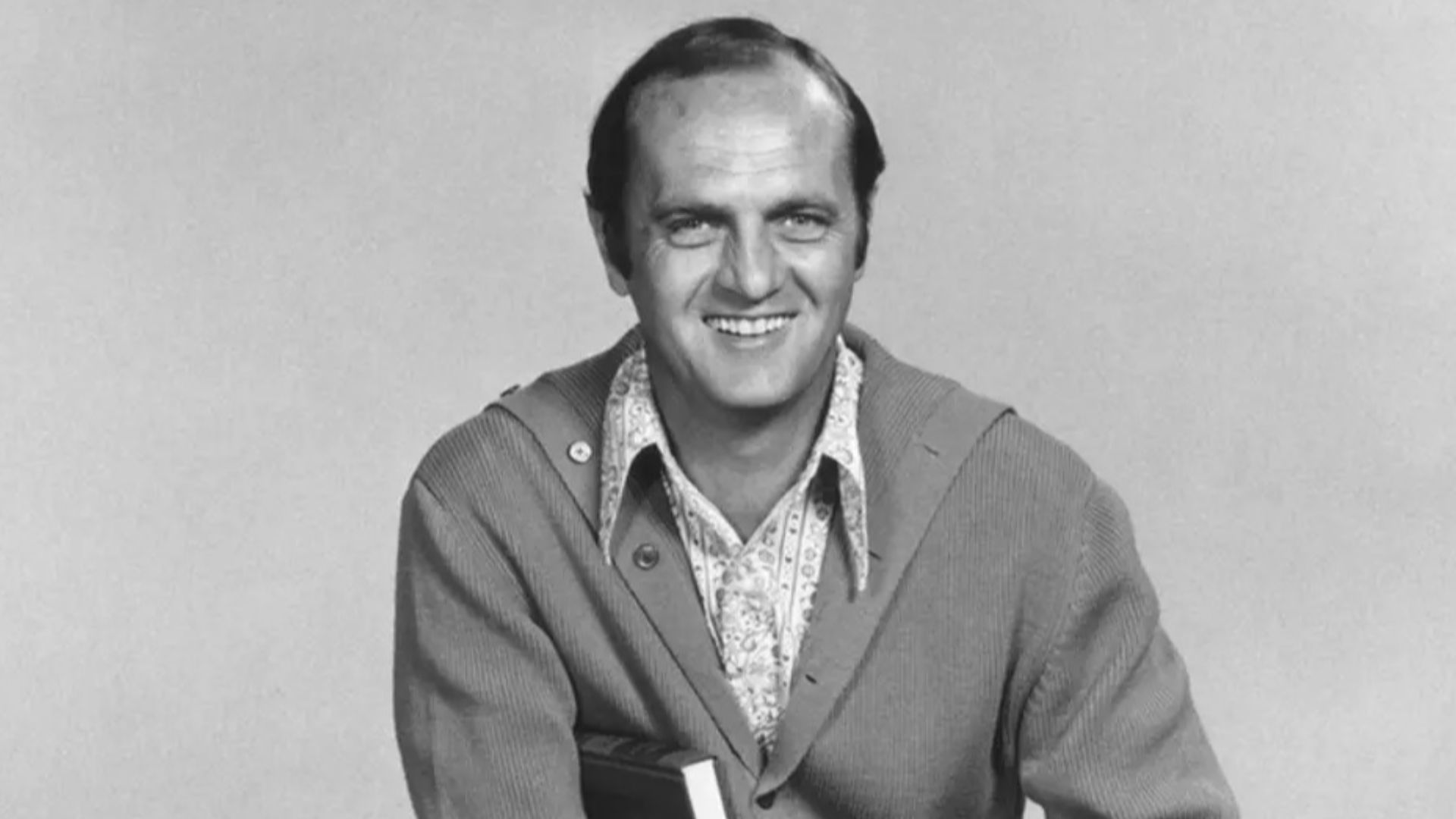
Bob Newhart Made A Psychologist Into A Comedy Star
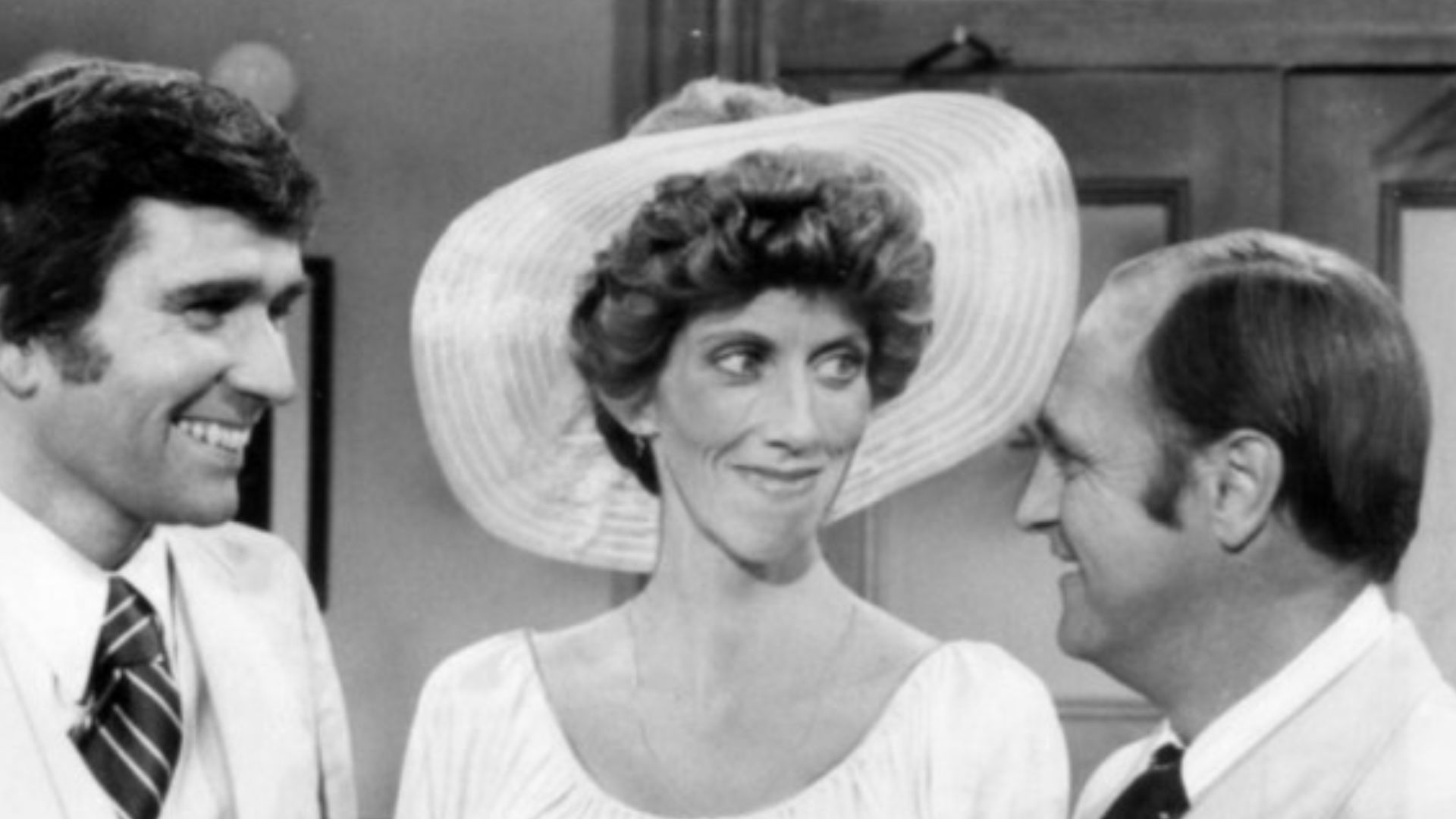
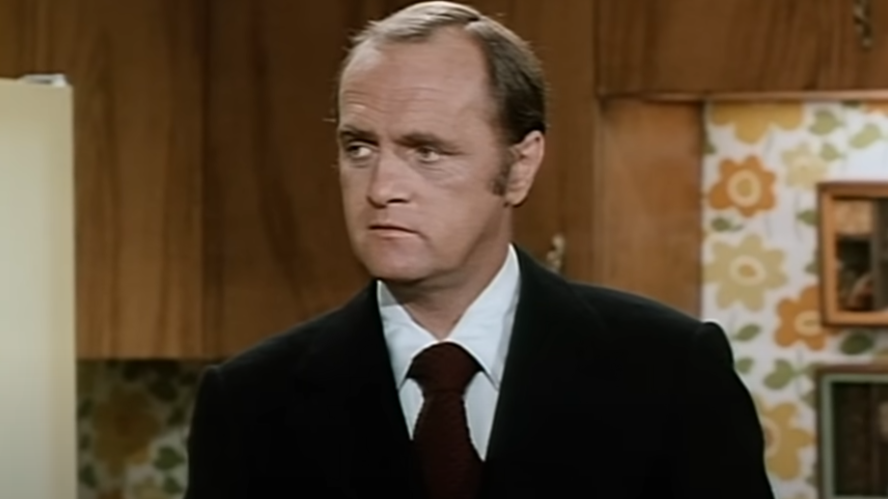
Not every famous television doctor worked in an operating room. When The Bob Newhart Show premiered on CBS in September 1972, Newhart portrayed Dr. Robert Hartley, a Chicago psychologist whose professional life revolved around listening to other people's problems. The character was a natural fit for Newhart's understated comic delivery, which relied on awkward pauses, deadpan reactions, and increasingly ridiculous conversations.
 CBS Television, Wikimedia Commons
Dr. Hartley's Patients Were Completely Unpredictable
Much of the show's comedy came from Bob's interactions with unusual patients, including the frequently difficult Elliot Carlin, played by Jack Riley. His workplace also included orthodontist Dr. Jerry Robinson, portrayed by Peter Bonerz, and their quick-witted receptionist Carol Kester, played by Marcia Wallace. Outside the office, Bob's relationship with his wife Emily, played by Suzanne Pleshette, provided another source of humor as he attempted to maintain some order in his unpredictable life.
 CBS Television, Wikimedia Commons
Bob Hartley Helped Redefine The Television Doctor
Newhart later explained that the psychologist role had been chosen because it allowed him to listen and react, two qualities central to his established comedy style. The Bob Newhart Show ran for six seasons, ending in 1978, and helped demonstrate that a television series about a mental health professional could succeed as a mainstream sitcom. Although Hartley wasn't a medical physician, his place among television's memorable fictional doctors illustrates how widely the profession was represented before the hospital dramas of the 1990s.
 Screenshot from The Bob Newhart Show, CBS (1972–1978)
You May Also Like:
TV Shows From The 1970s That No One Remembers—Seriously, Do You Remember Even 5 Of These Shows?
These 15 Films Were Behind-The-Scenes Disasters
Facts About Classic TV Shows That Will Make You Nostalgic
Sources: 1, 2, 3, 4, 5, 6, 7, 8, 9, 10, 11, 12, 13, 14, 15, 16, 17, 18, 19