Wait...These Were Actually On TV?
The 70s gave us legendary shows everyone still talks about-but it also gave us a ton of series that basically vanished into thin air. Some were weird, some were very weird, some were ahead of their time, and some feel like they were approved five minutes before filming started. But they all definitely aired. How many do you remember?
"The Magician" (1973-1974)
Bill Bixby plays a stage magician who uses illusions, sleight of hand, and pure showmanship to solve crimes. Not a superhero-just a very committed magician inserting himself into police work. The show leans into the idea that misdirection can be just as effective as brute force. It is stylish, a little mysterious, and somehow makes you believe magic tricks are a legitimate crime-fighting strategy.
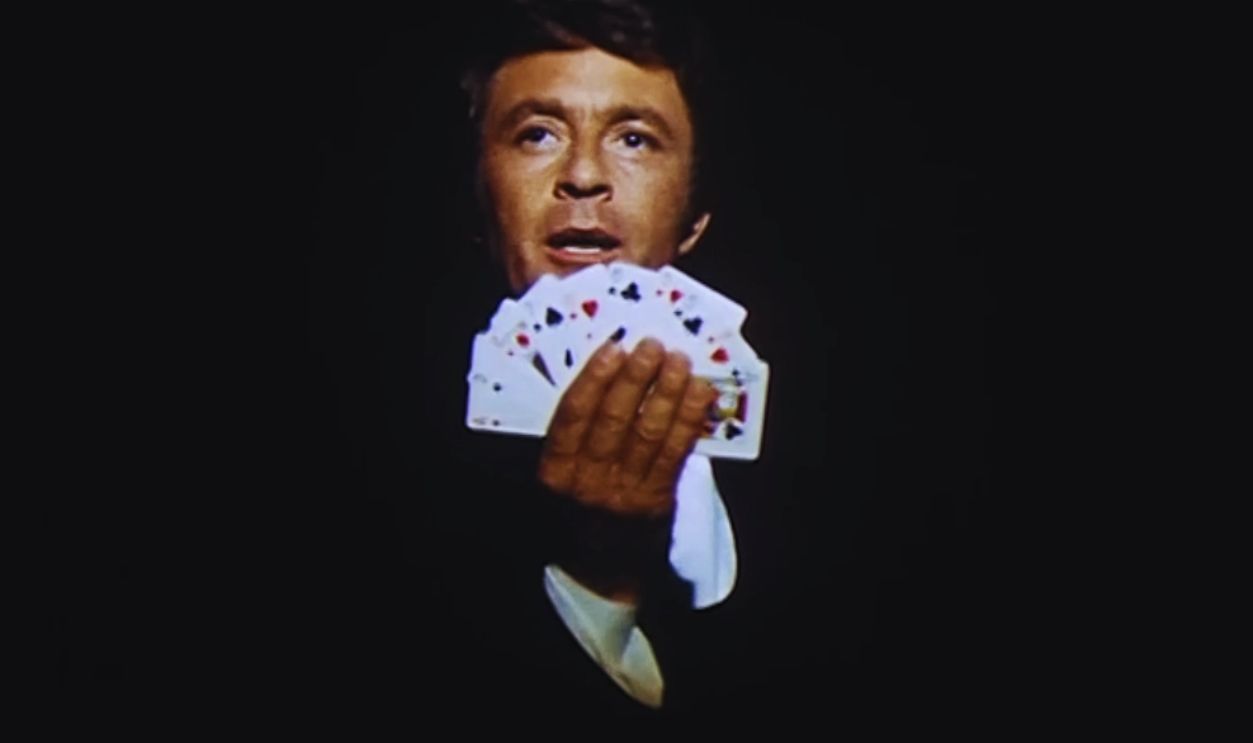 Screenshot from The Magician, NBC (1973-1974)
"Police Woman" (1974-1978)
Angie Dickinson stars as an undercover police officer in one of the era's more notable crime dramas. The show tackled serious subject matter while still carrying that unmistakable 70s look and pacing. It helped push the genre forward-even if it does not get talked about nearly as much today.
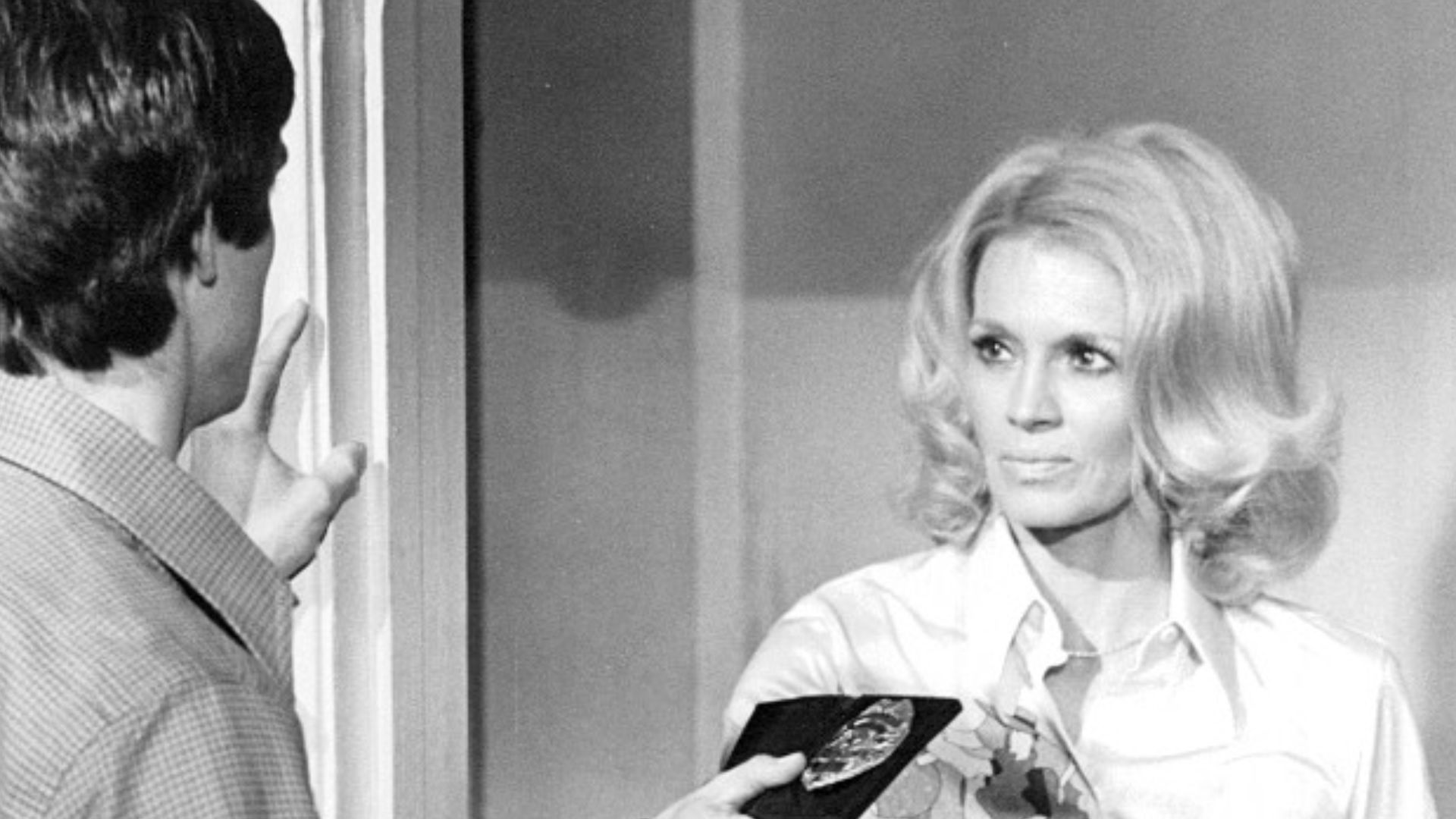 NBC Television, Wikimedia Commons
"The Rookies" (1972-1976)
A police drama following three young officers learning the job the hard way, often getting thrown into situations they are not fully ready for. It ran for several seasons and clearly found an audience. But in a decade packed with cop shows, this one just kind of blended in-like the rookie quietly doing the job while everyone else got the headlines.
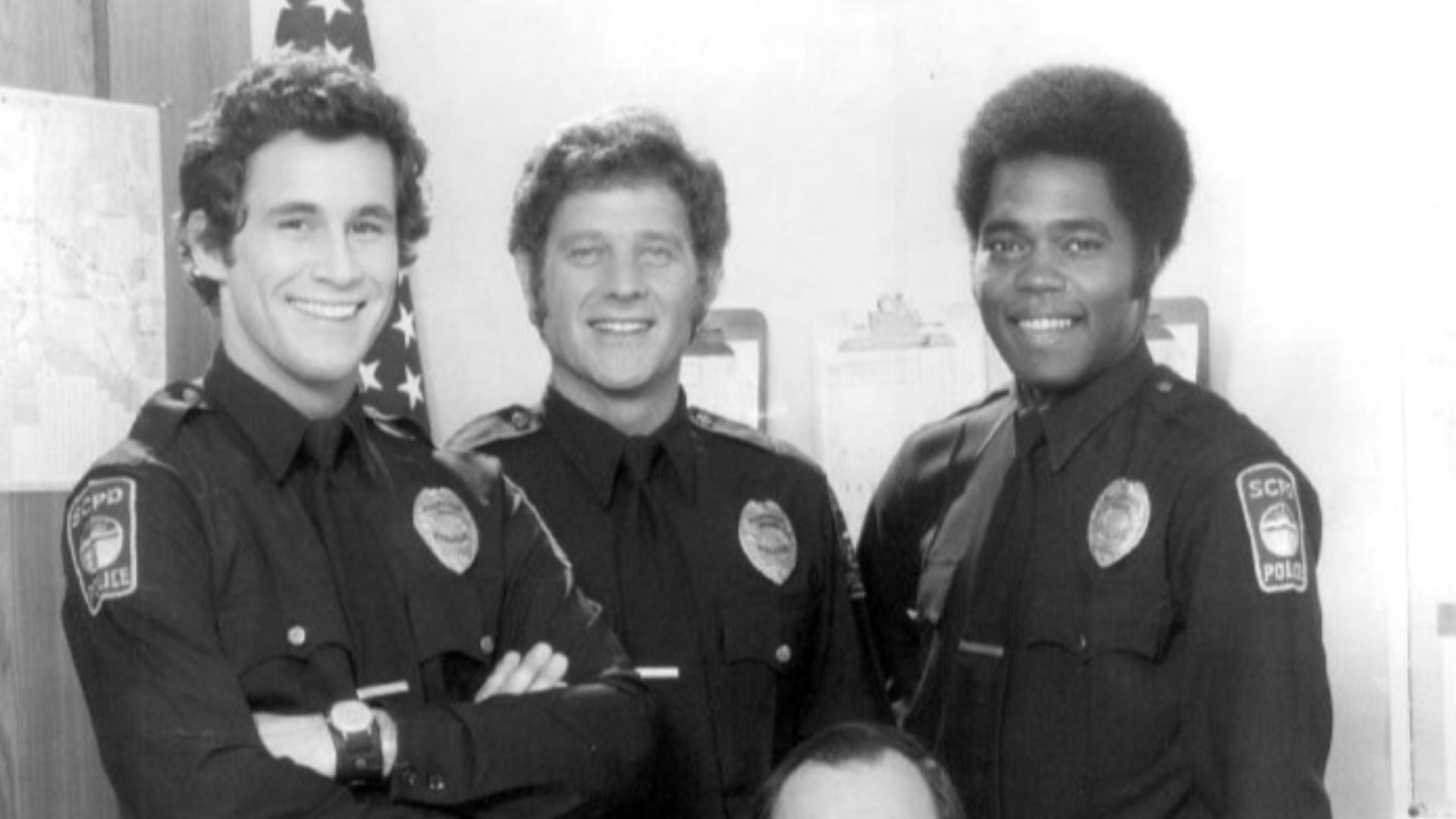 ABC Television, Wikimedia Commons
"The Man from Atlantis" (1977-1978)
Patrick Duffy plays an amphibious man with the ability to breathe underwater and survive extreme ocean conditions. Naturally, the solution is to immediately involve him in dangerous undersea missions. No training, no orientation-just straight to "go handle that situation at the bottom of the ocean."
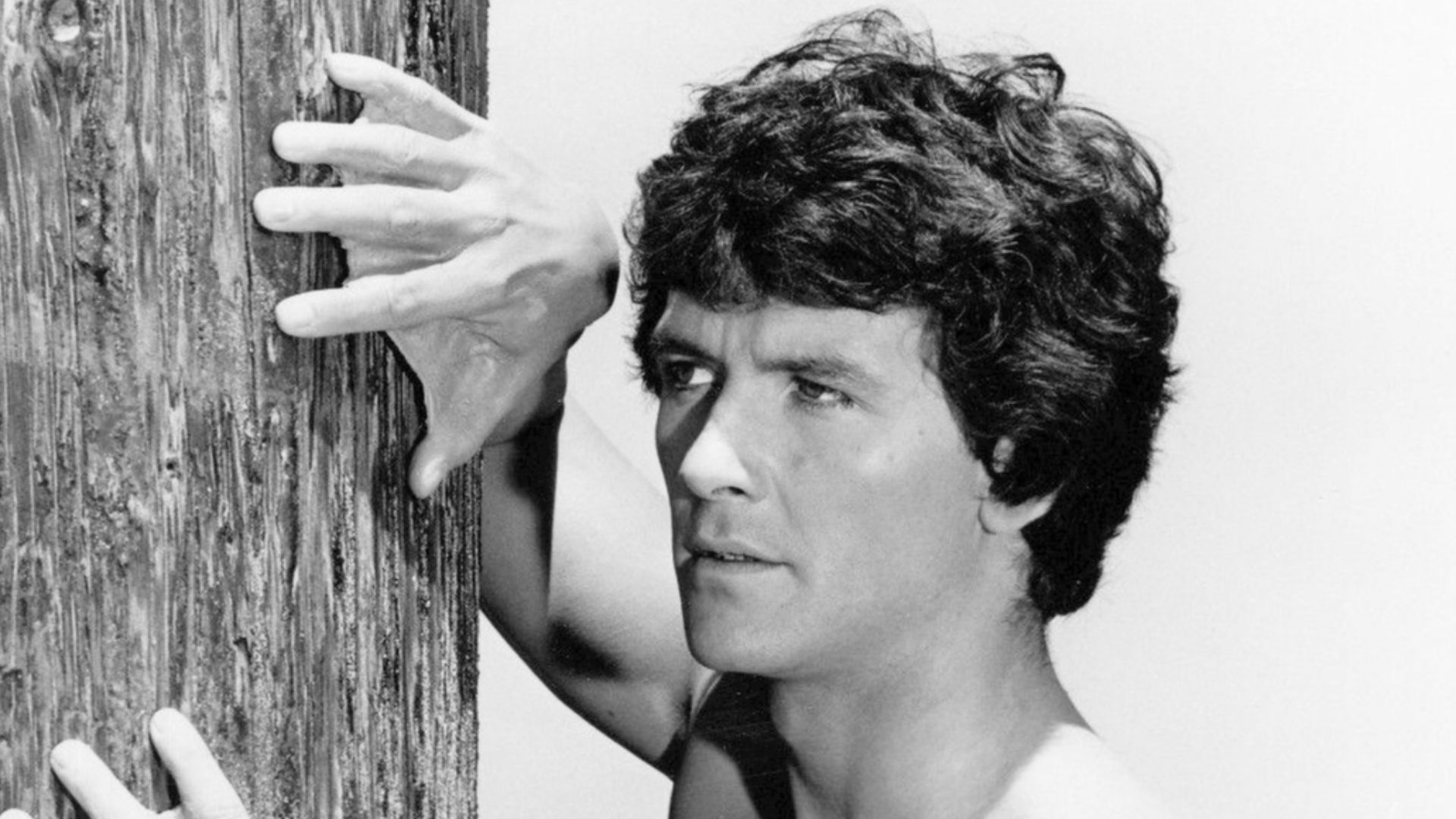 NBC Television, Wikimedia Commons
"Kolchak: The Night Stalker" (1974-1975)
A reporter investigates vampires, monsters, and other supernatural crimes-usually while everyone around him thinks he is completely wrong. Week after week, he is basically yelling, "It is a vampire!" and everyone is like, "Let us not jump to conclusions." Turns out...he is right almost every time.
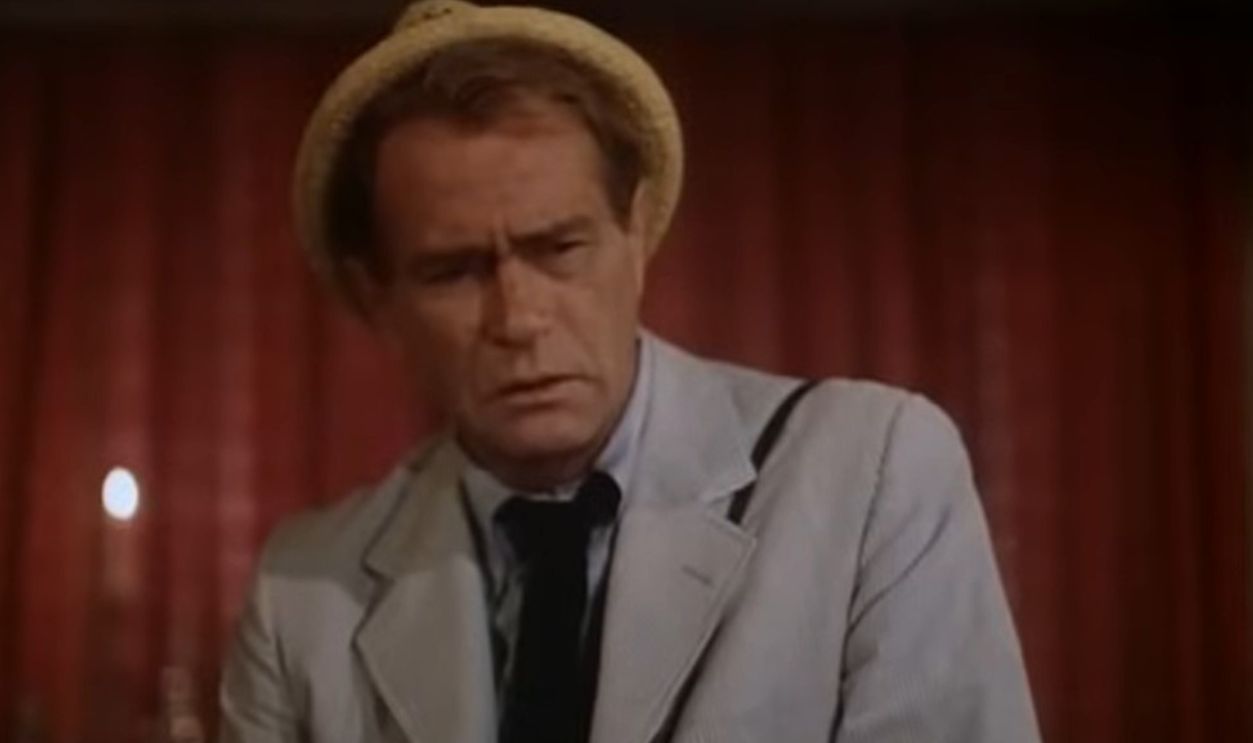 Screenshot from Kolchak: The Night Stalker, Universal Studios (1974-1975)
"Baretta" (1975-1978)
A gritty undercover detective navigating street crime-with a cockatoo named Fred along for the ride. And yes, the bird is just...there during scenes like it is completely normal. Nothing like trying to crack a serious case while a cockatoo is watching everything go down from your shoulder.
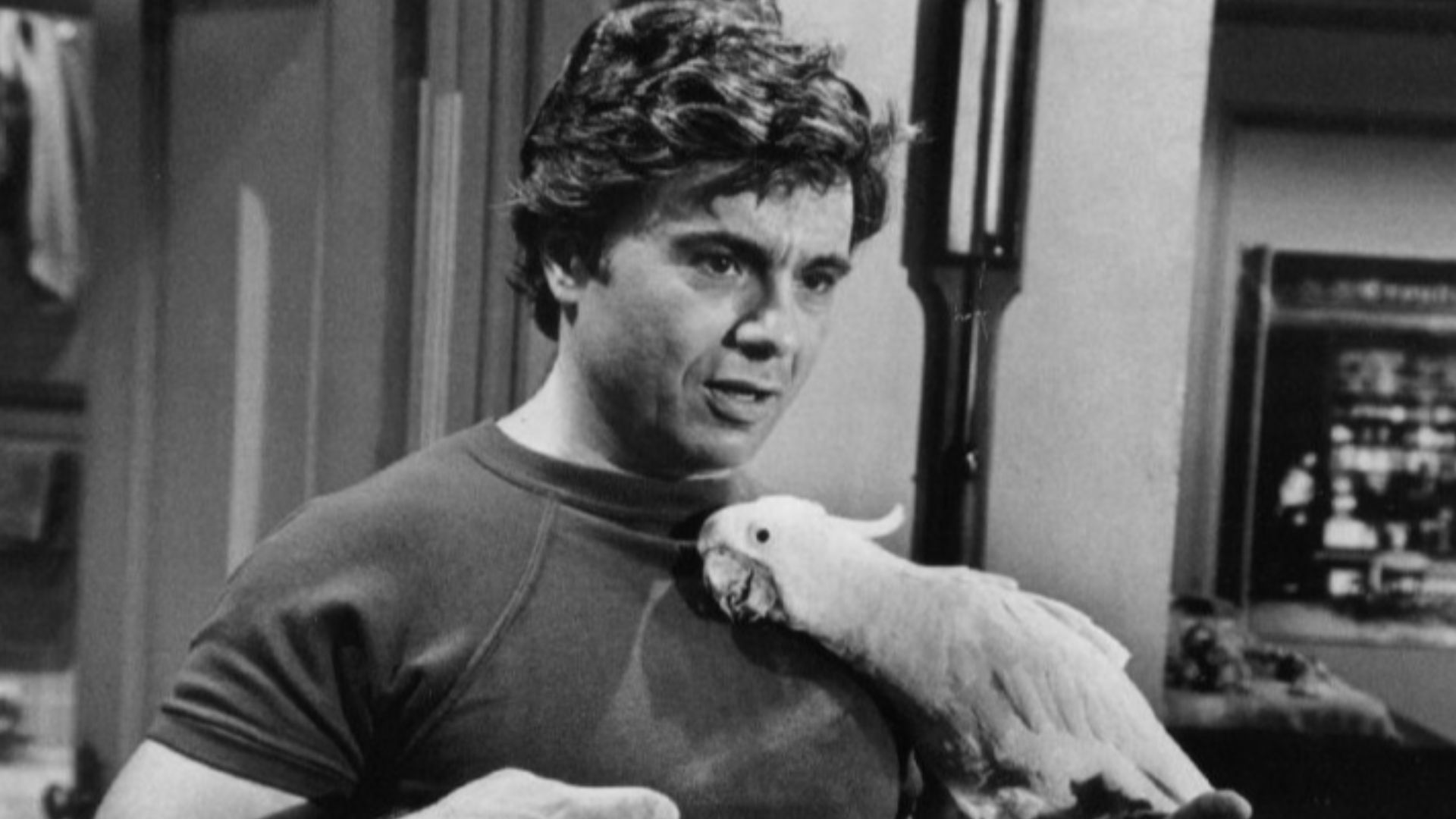 ABC Television, Wikimedia Commons
"Switch" (1975-1978)
An ex-cop and an ex-con team up to run a detective agency, using their combined skills to outsmart criminals. It is basically crime-fighting by thinking like the people you are chasing. Great premise, strong chemistry, and exactly the kind of show that could run for years without becoming the one everyone still talks about.
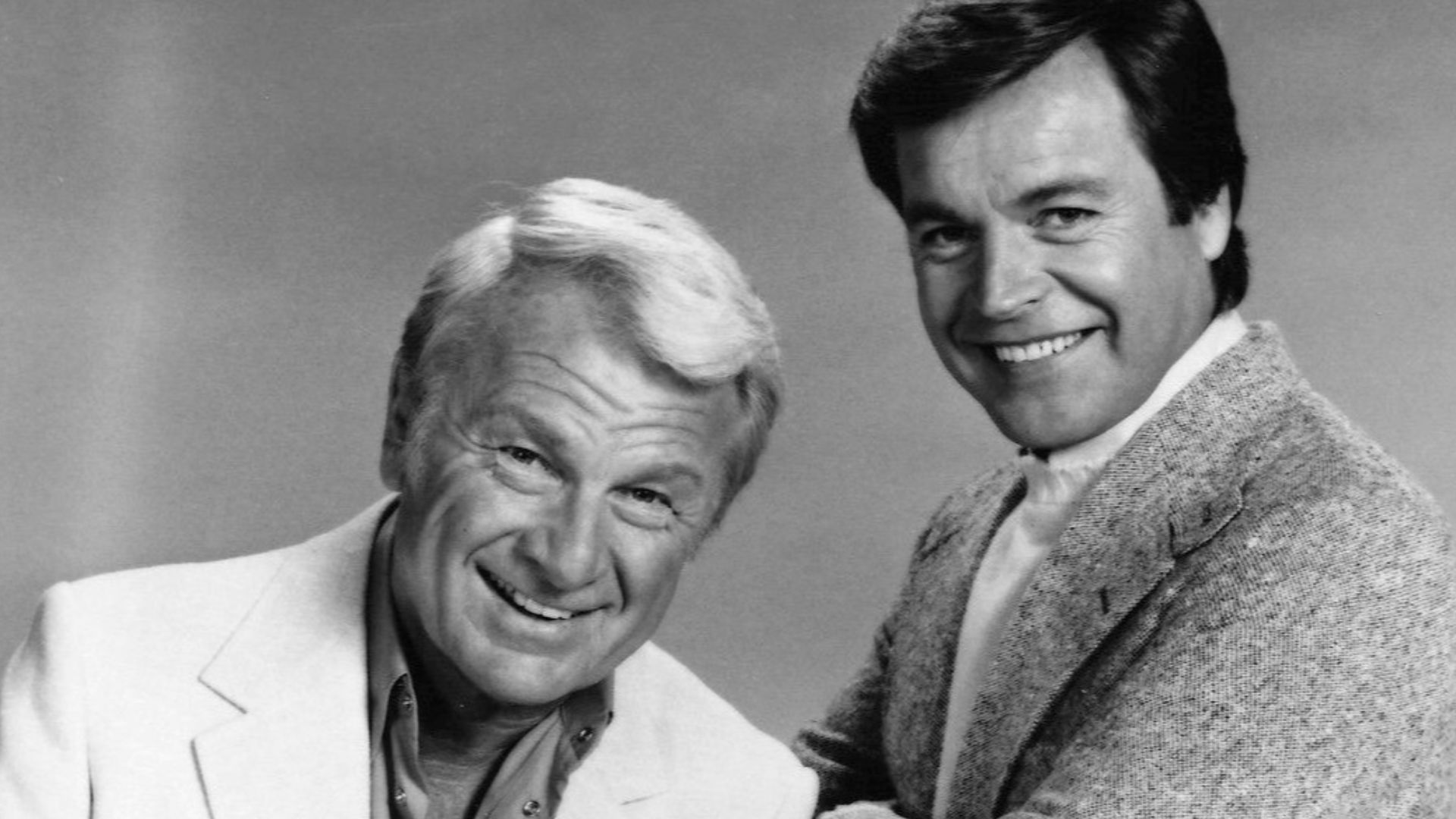 CBS Television, Wikimedia Commons
"Barnaby Jones" (1973-1980)
A retired private investigator comes back to work cases after a personal tragedy pulls him back in. It is steady, methodical, and a lot less flashy than other detective shows of the time. No wild gimmicks, no big twists-just solving cases the old-school way. Which might explain why it ran for years...and still somehow flies under the radar now.
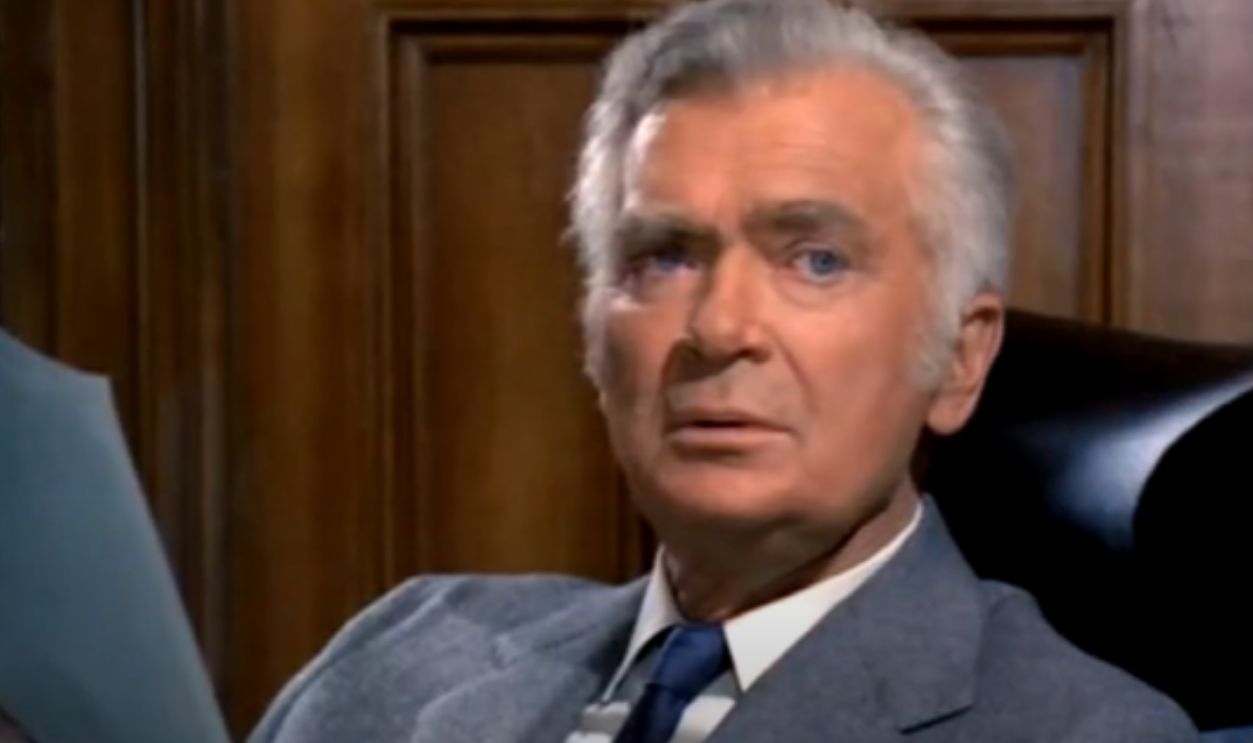 Screenshot from Barnaby Jones, CBS (1973-1980)
"Project U.F.O." (1978-1979)
Each episode presents a UFO case file like it is a real investigation, complete with interviews and dramatic recreations. The tone is serious, the pacing is slow, and everything feels just believable enough to be a little unsettling. It is the kind of show that makes you look up at the sky later and go...okay, but what if?
 Screenshot from Project U.F.O., NBC (1978-1979)
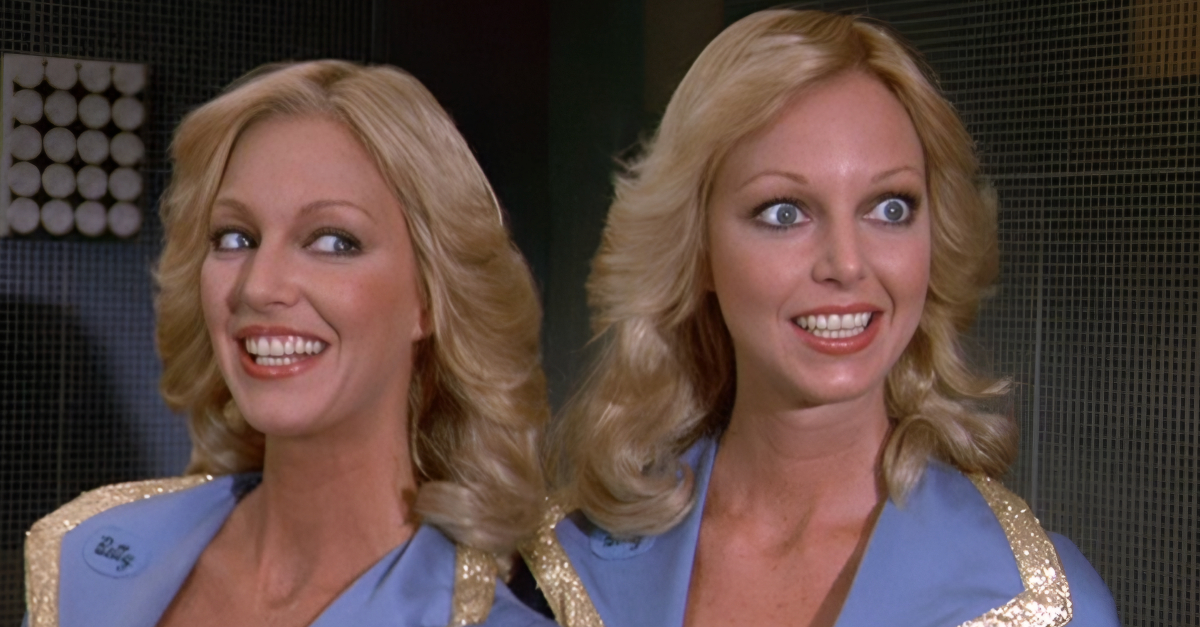
"Quark" (1977-1978)
A crew whose job is collecting garbage...in space. While Star Wars gave you heroic pilots and epic battles, this show gives you sanitation workers dealing with cosmic trash. It is basically, "What if space travel was just another job?" Not glamorous-but someone's gotta do it.
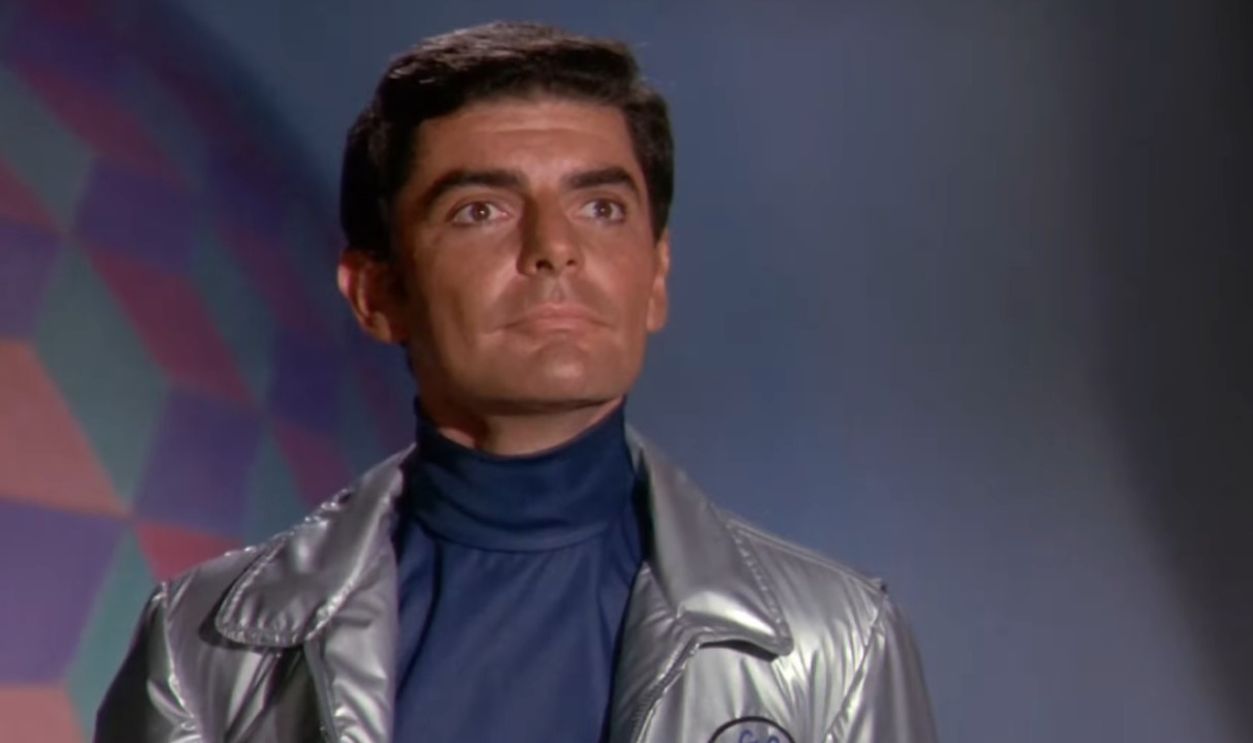 Screenshot from Quark, Columbia Pictures Television (1977-1978)
"Holmes & Yo-Yo" (1976-1977)
A detective is partnered with a robot designed to help solve crimes. The catch? The robot malfunctions constantly-freezing up, spinning out, or just completely breaking down mid-case. Imagine trying to interrogate a suspect while your partner short-circuits next to you. Yeah...that is most of the show.
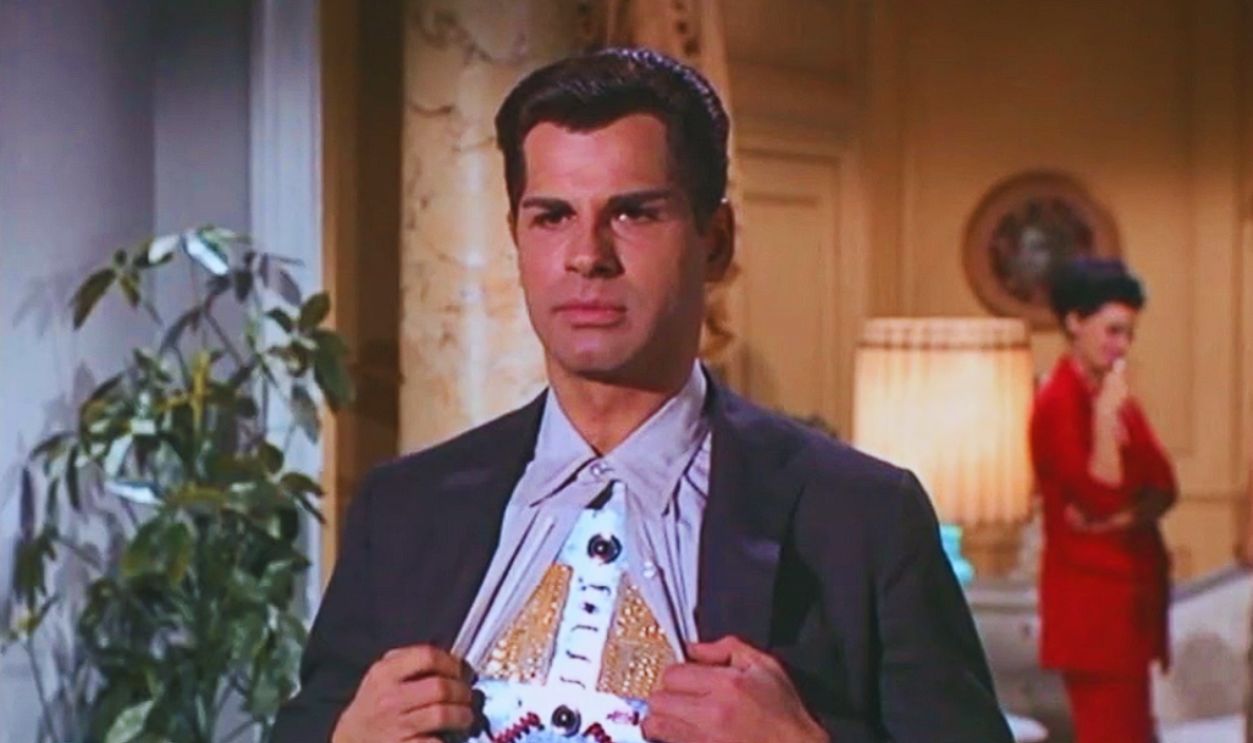 Screenshot from Holmes & Yo-Yo, ABC (1976-1977)
"Future Cop" (1976-1977)
Another attempt at pairing a human cop with a robot partner-because clearly one try was not enough. This version plays things a bit more serious, but the technology never quite lives up to the idea. It is an early swing at something that would eventually become a much smoother concept.
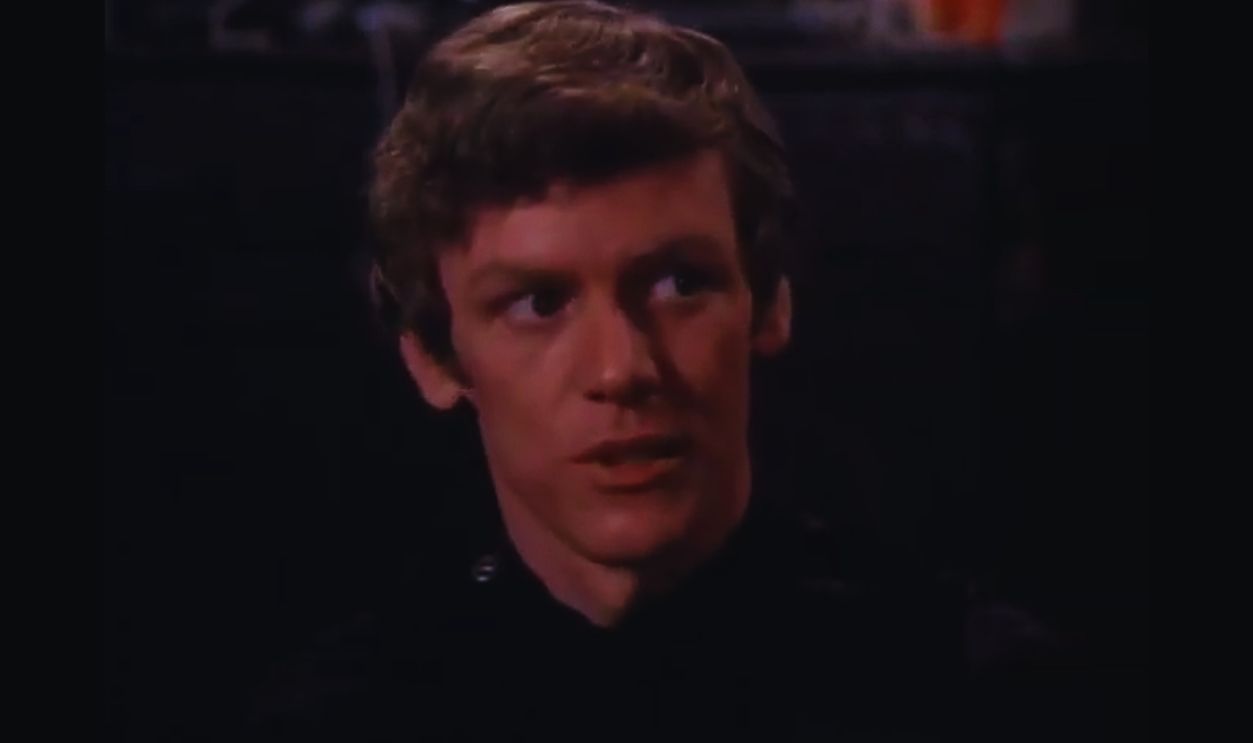 Screenshot from Future Cop, ABC (1976-1977)
"The Fantastic Journey" (1977)
A group of travelers gets trapped in a mysterious dimension filled with strange worlds and shifting realities. Basically Lost...about 25 years early. The ideas are there, the mystery is there-it just did not last long enough to fully pay it all off.
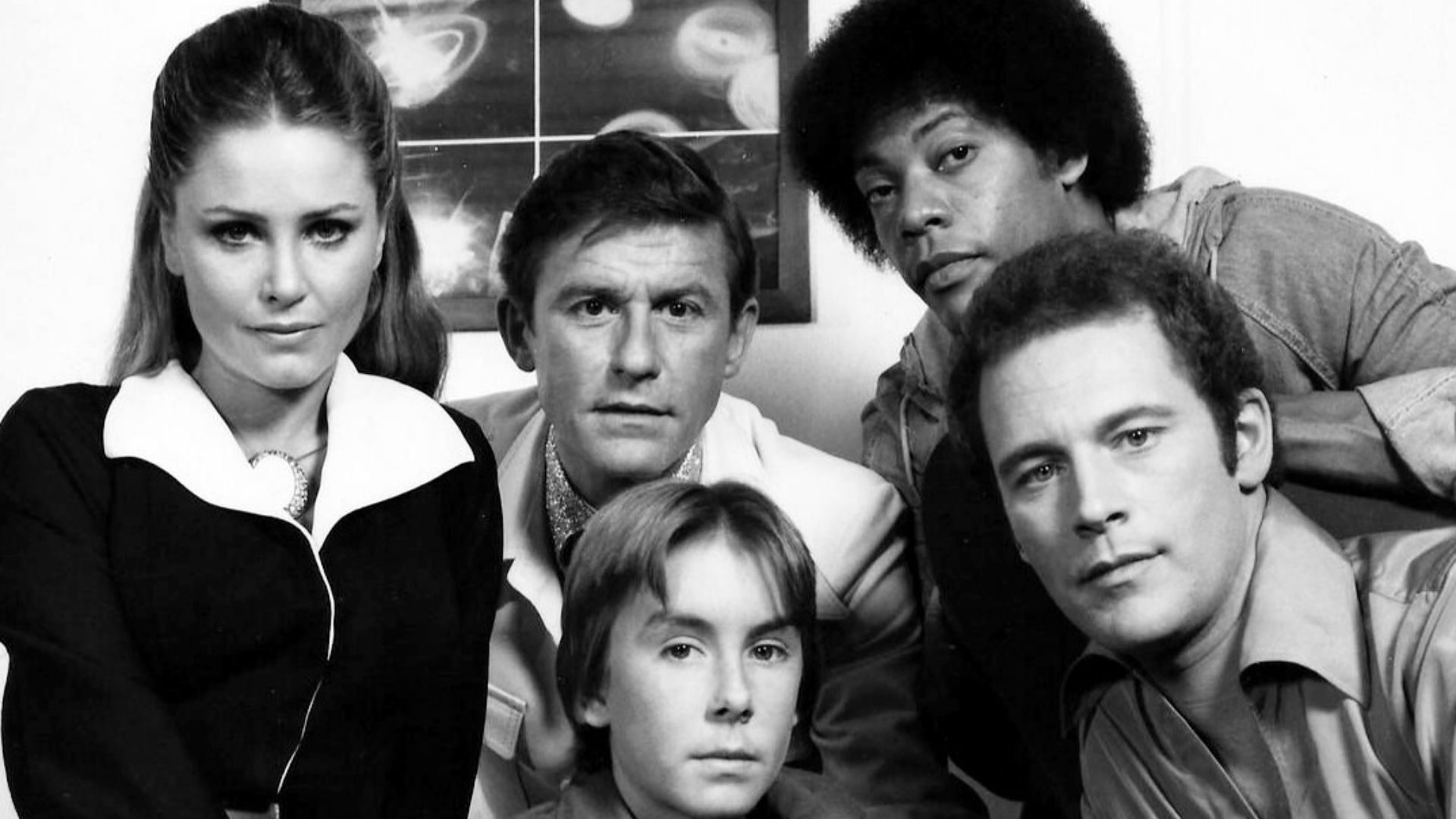 NBC Television, Wikimedia Commons
"Gemini Man" (1976)
A secret agent who can turn invisible-but only for short bursts. Stay invisible too long, and he will not be able to come back. It is a great built-in tension, because every time he uses the power, it is basically a risk.
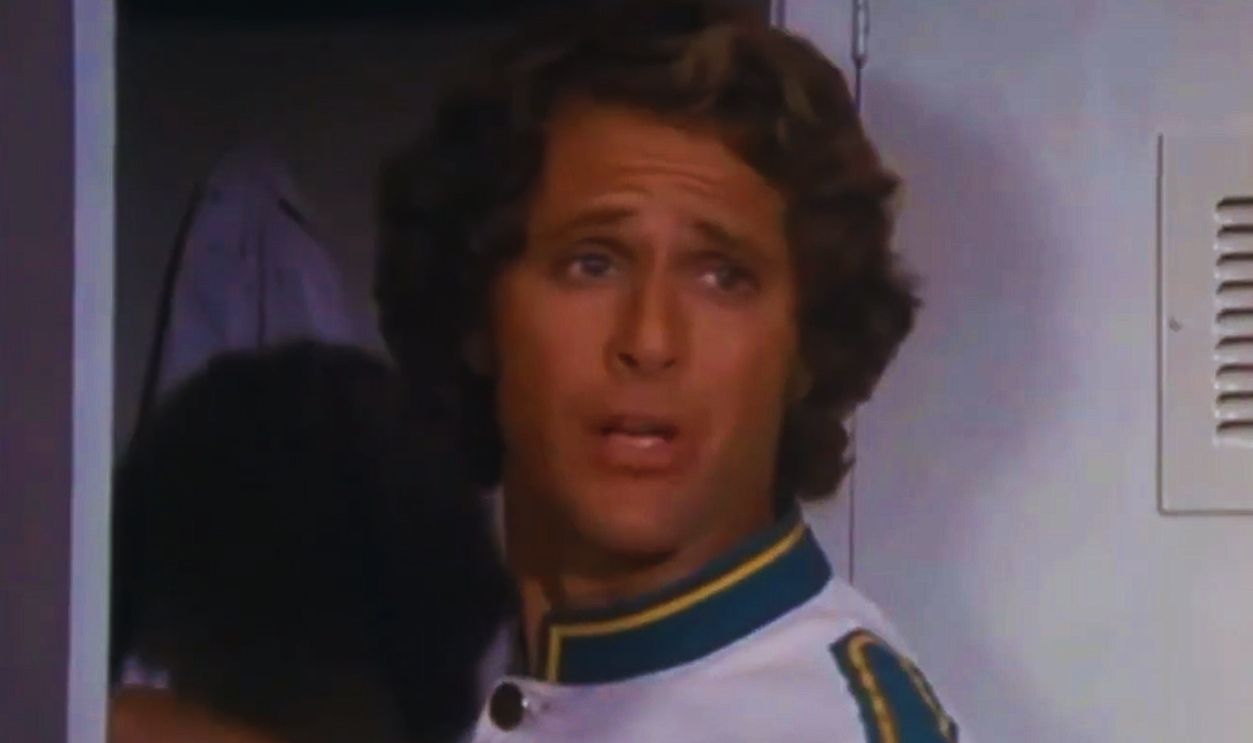 Screenshot from The Gemini Man, NBC (1976)
"Search" (1972-1973)
Agents use advanced surveillance tech to track criminals, including cameras, sensors, and communication gear that felt futuristic at the time. Now it looks like they are solving cases with equipment your uncle still has in a box somewhere.
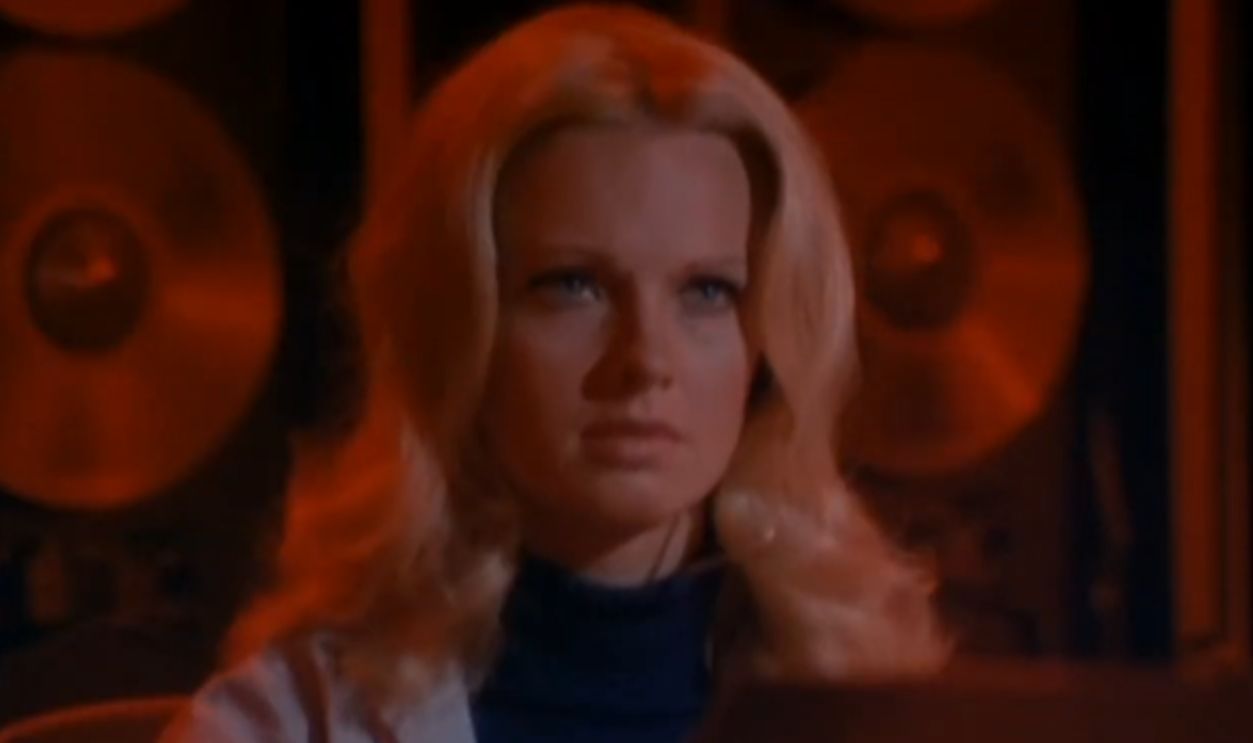 Screenshot from Search, Warner Bros. Television (1972-1973)
"Movin' On" (1974-1976)
Two truck drivers travel across the country, getting pulled into different situations along the way. It is basically a road movie every week-laid-back, episodic, and very 70s. Just the open road, a truck, and whatever trouble happens to show up next.
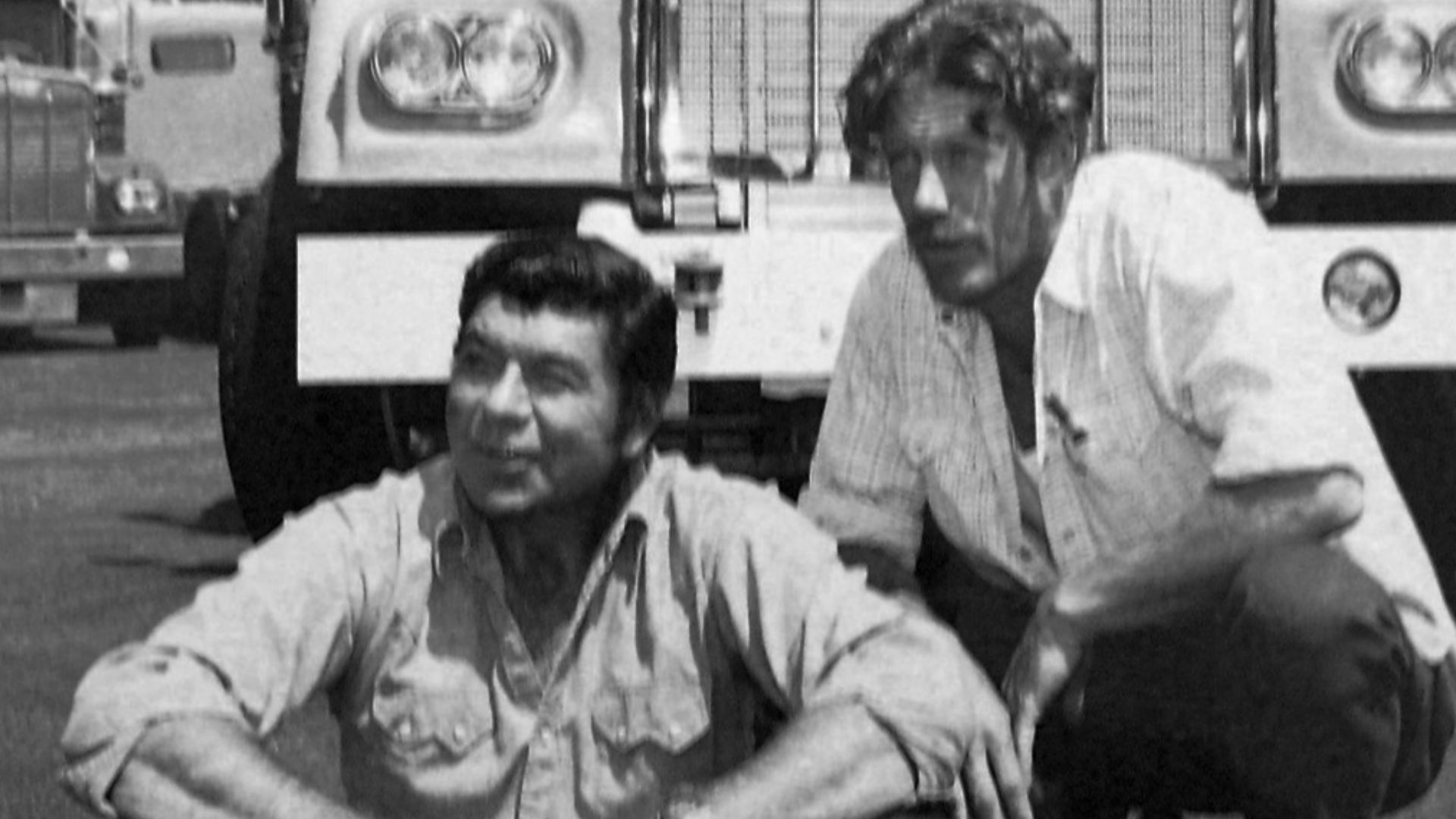 NBC Television, Wikimedia Commons
"Salvage 1" (1979)
Andy Griffith starred as a junk dealer who decides to build a rocket using salvaged parts and go to the Moon. And somehow, everyone around him treats this like a perfectly reasonable plan. In the opening narration, Harry lays it out: "I want to build a spaceship, go to the Moon, salvage all the junk that is up there, bring it back, sell it." I am sorry...what?
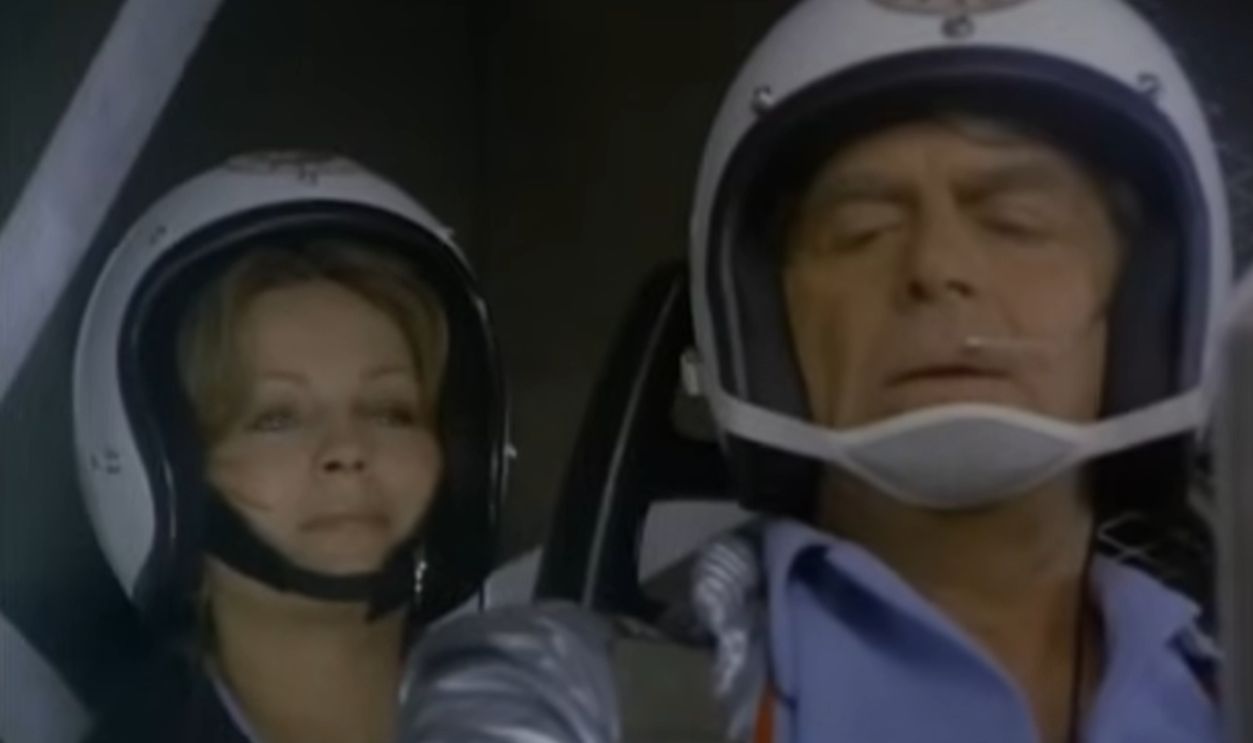 Screenshot from Salvage 1, ABC (1979)
"Lucas Tanner" (1974-1975)
A laid-back teacher connects with students in unconventional ways, focusing more on real-life lessons than strict academics. It is a softer, character-driven show that feels a little ahead of its time. Not flashy, but quietly effective.
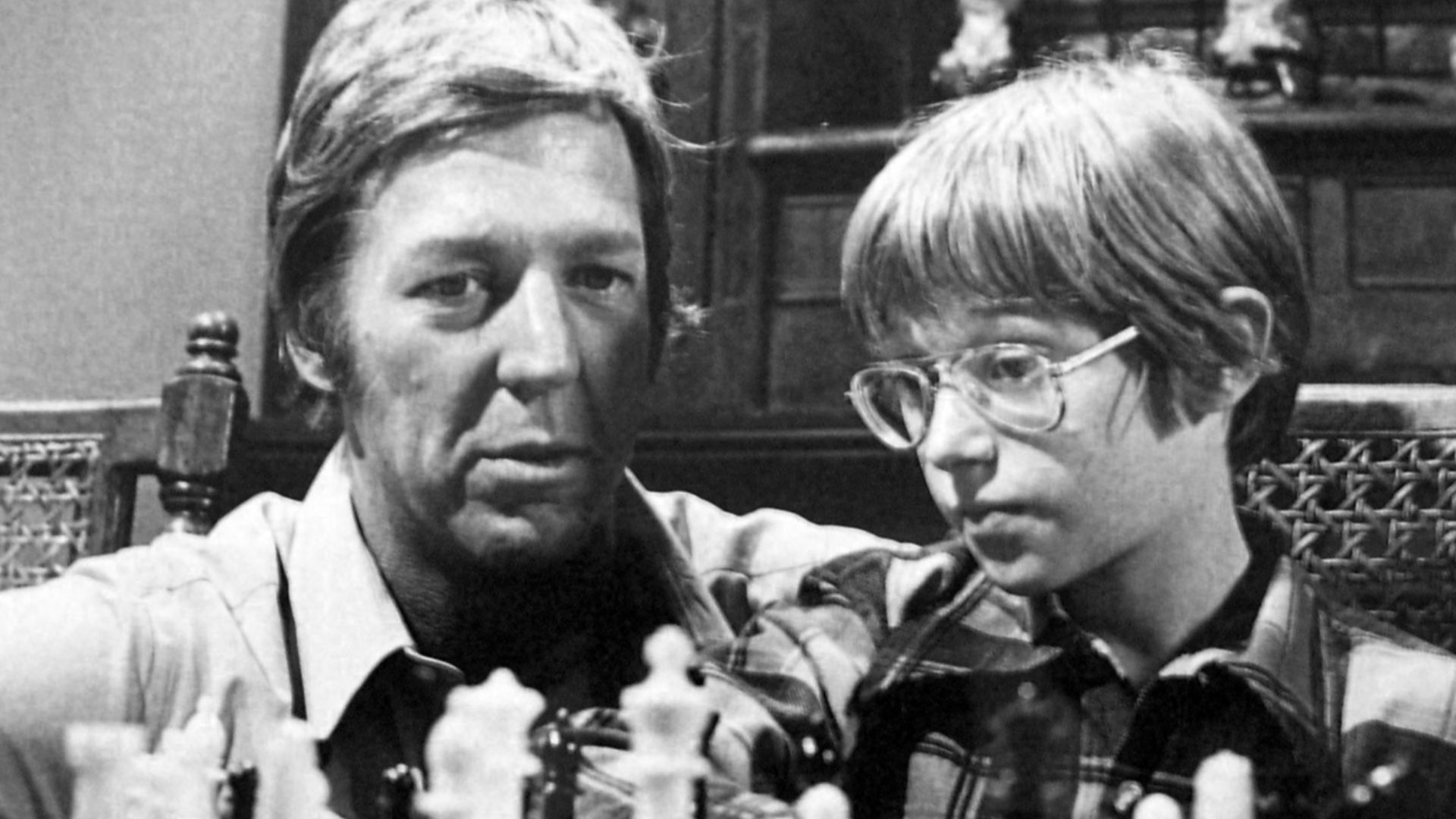 NBC Television, Wikimedia Commons
"Sirota's Court" (1976-1977)
A courtroom comedy mixing legal cases with humor-something that feels normal now, but was a bit of a gamble back then. It had the right idea and a solid cast, but audiences did not quite latch onto it.
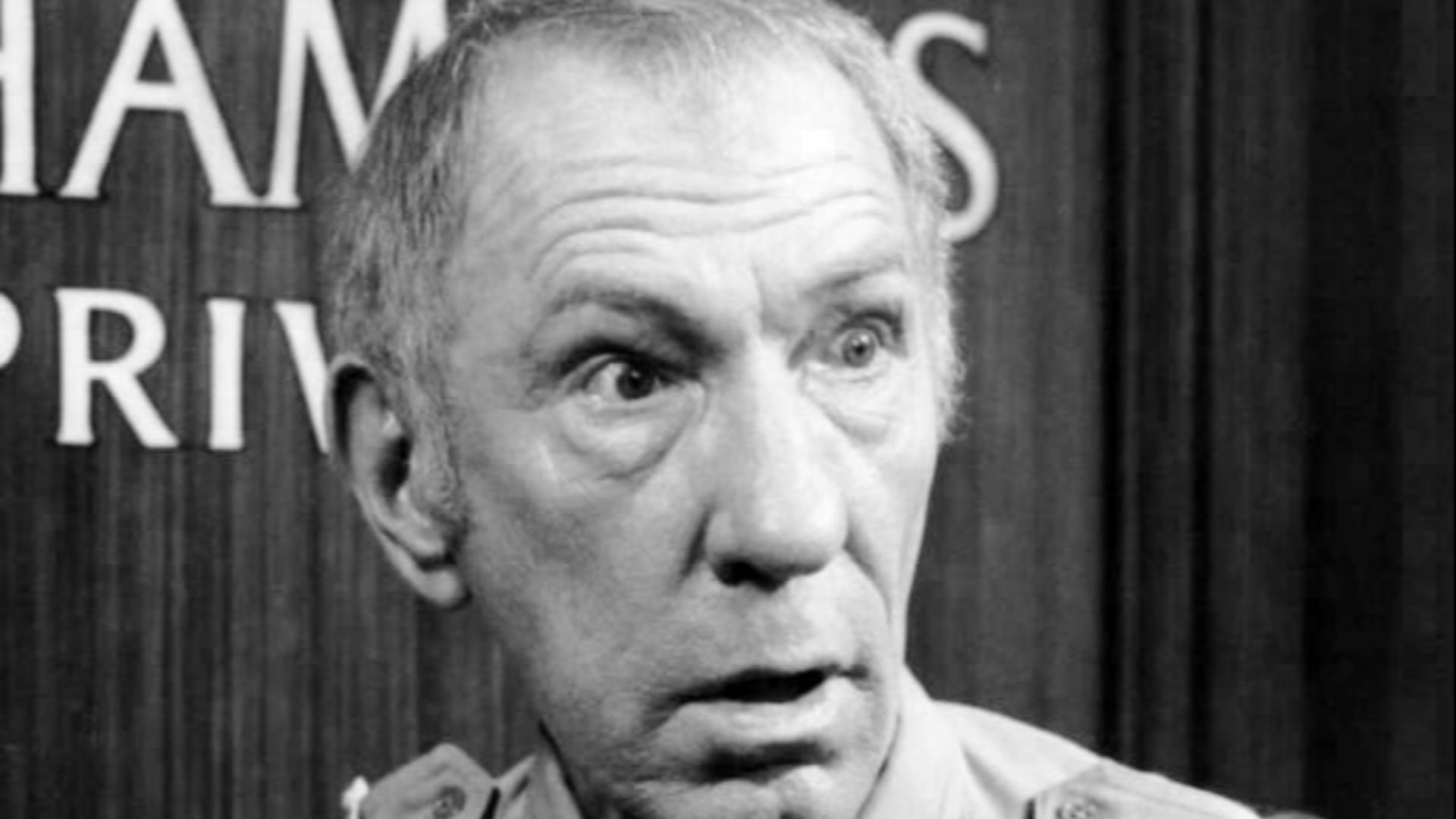 NBC Television, Wikimedia Commons
"Doc" (1975-1976)
This sitcom centers on an old-fashioned New York City doctor who gets deeply involved in the lives of his patients and family. It leans more on gentle humor and character moments than big punchlines. Charming-but in a decade full of louder comedies, easy to overlook.
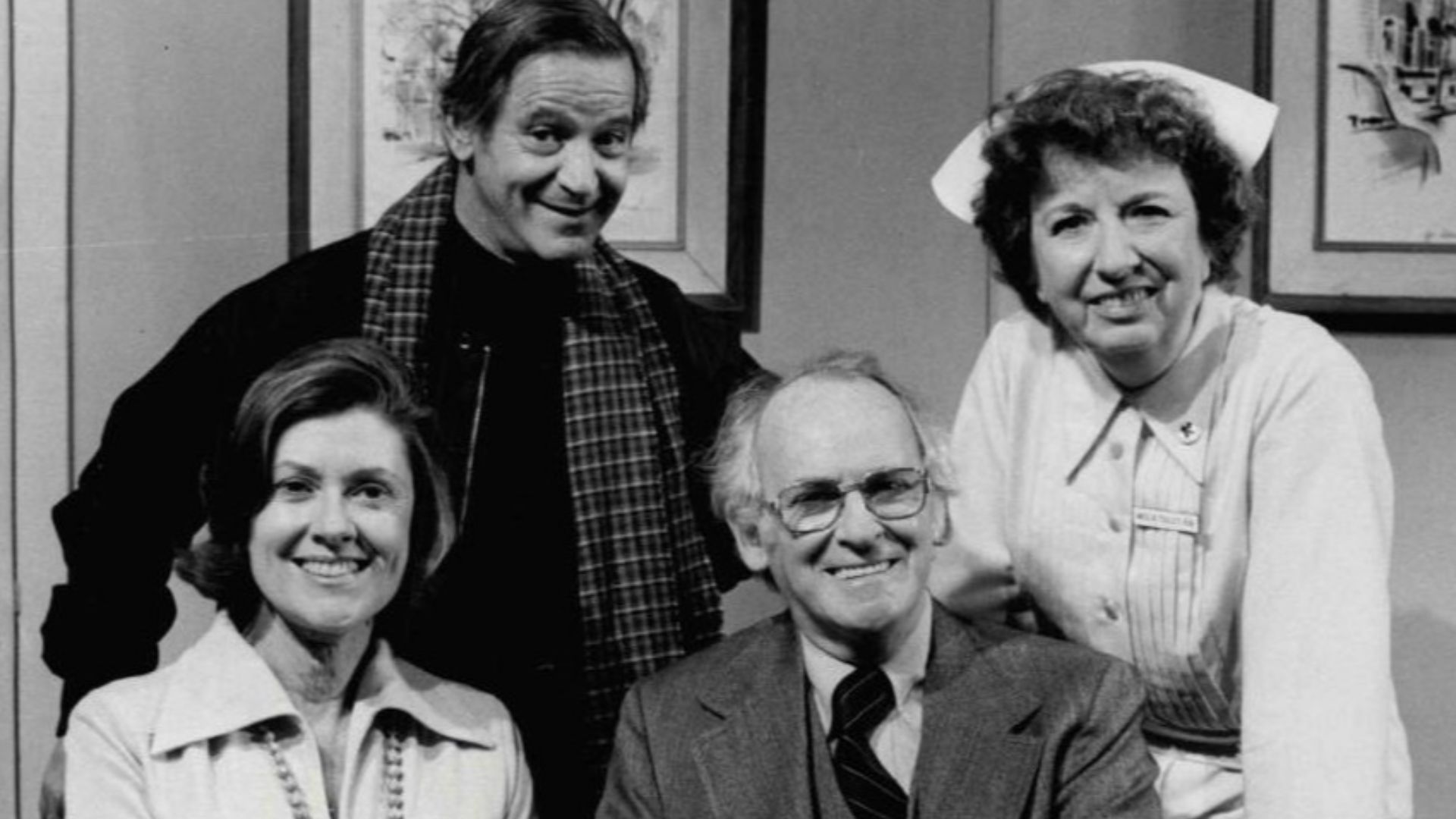 CBS Television, Wikimedia Commons
"Medical Center" (1969-1976)
A hospital drama focused on doctors dealing with difficult cases and personal dilemmas-basically the blueprint for a lot of shows that came later. It ran for years and was widely watched, even if it does not get mentioned much anymore when people talk about the genre.
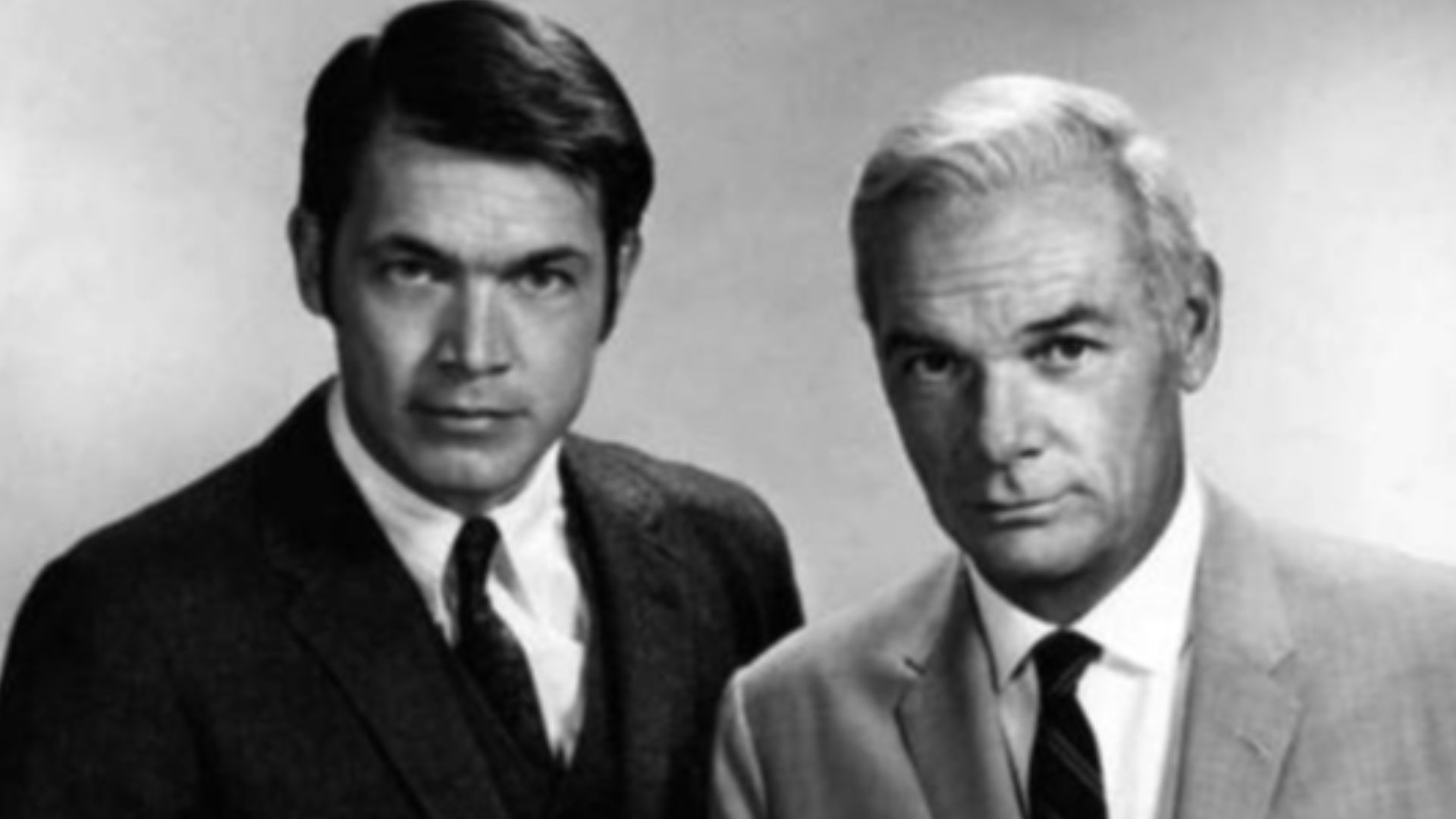 CBS Television, Wikimedia Commons
"The Texas Wheelers" (1974-1975)
A working-class family trying to get by, with a young Gary Busey in the mix. It balances humor with real-life struggles, but airing during a packed sitcom era is basically the TV version of bad timing.
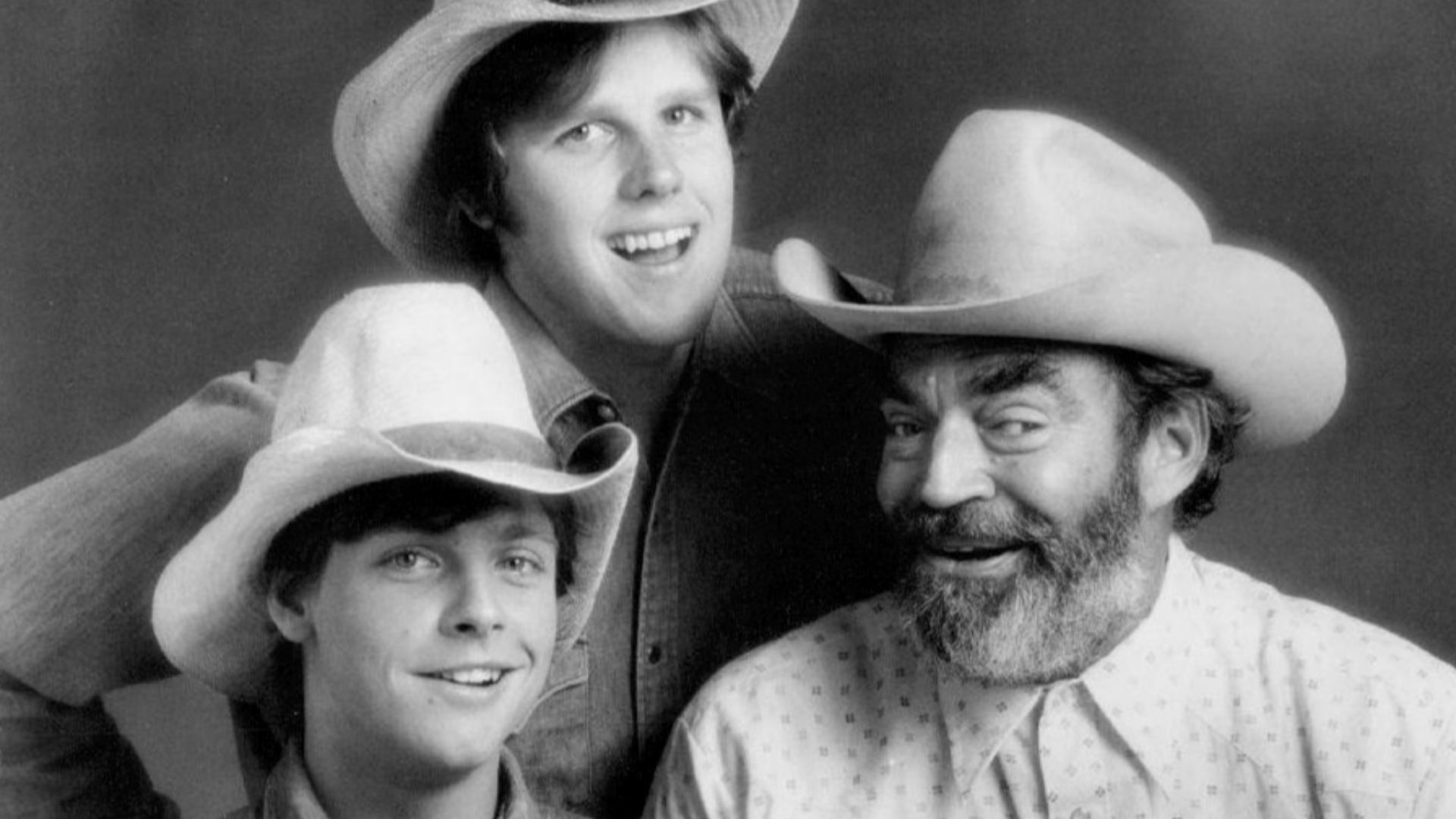 ABC Television, Wikimedia Commons
"Ball Four" (1976)
A sitcom based on a behind-the-scenes baseball book that did not exactly sugarcoat things. It is a bold concept, especially for the time-but maybe a little too inside-baseball for a wide audience.
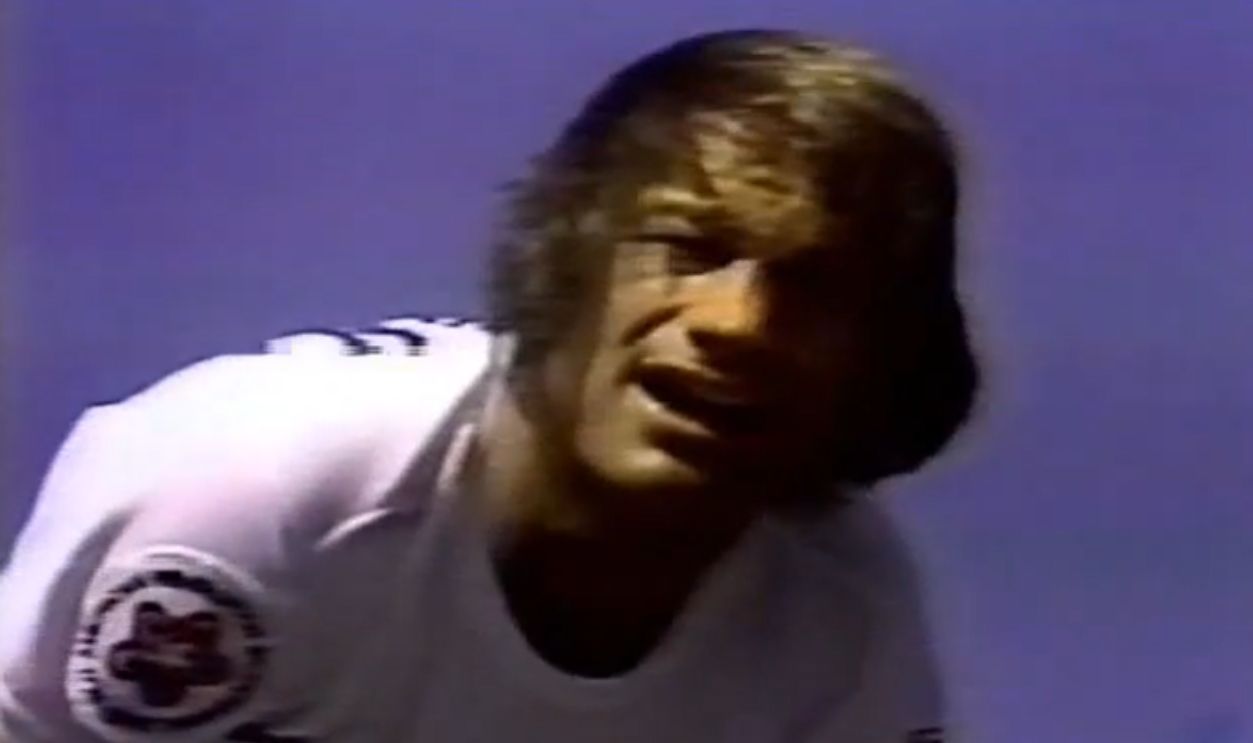 Screenshot from Ball Four, CBS (1976)
"The San Pedro Beach Bums" (1977)
A group of friends living the carefree beach life and getting into light mischief. It is going for that relaxed, hangout vibe-but without standout characters or big laughs, it just kind of drifts by.
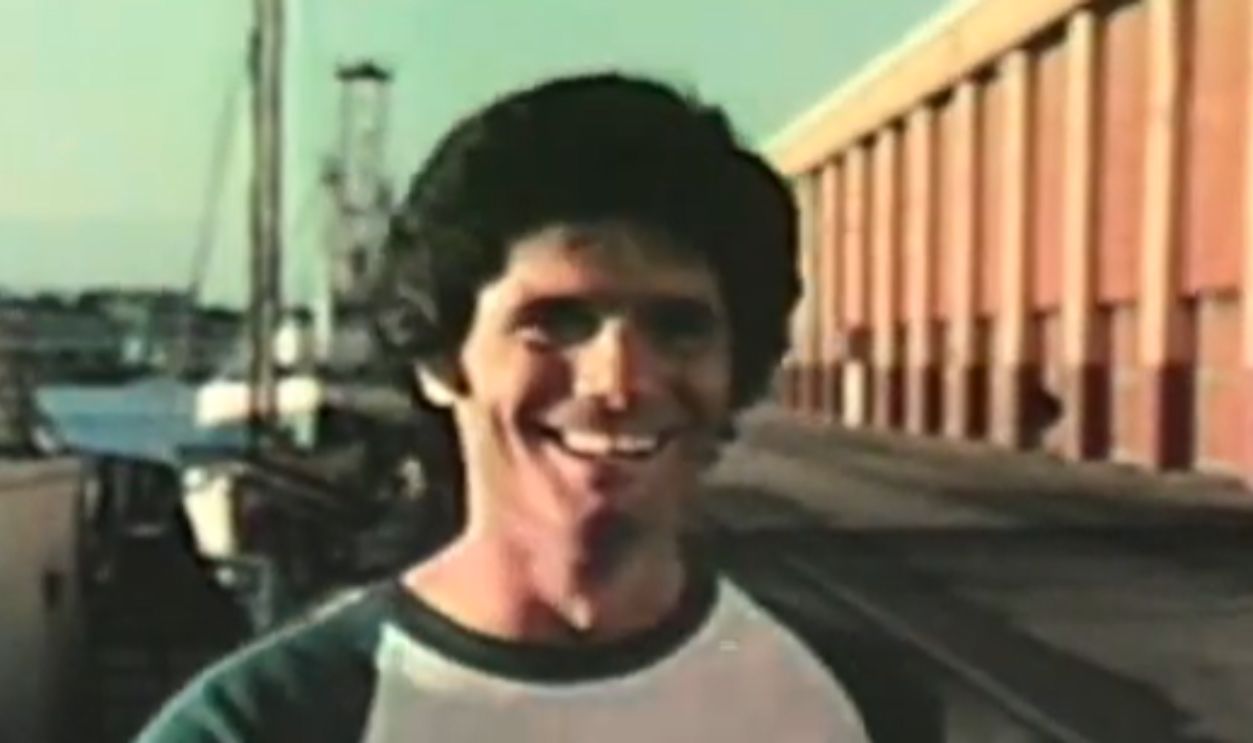 Screenshot from The San Pedro Beach Bums, ABC (1977)
"Szysznyk" (1977-1978)
A former Marine takes over an inner-city playground and has to deal with bureaucracy, neighborhood issues, and the people around him. That is already an unusual setup for a sitcom-and then there is the title. If people cannot pronounce it, they might not be tuning in.
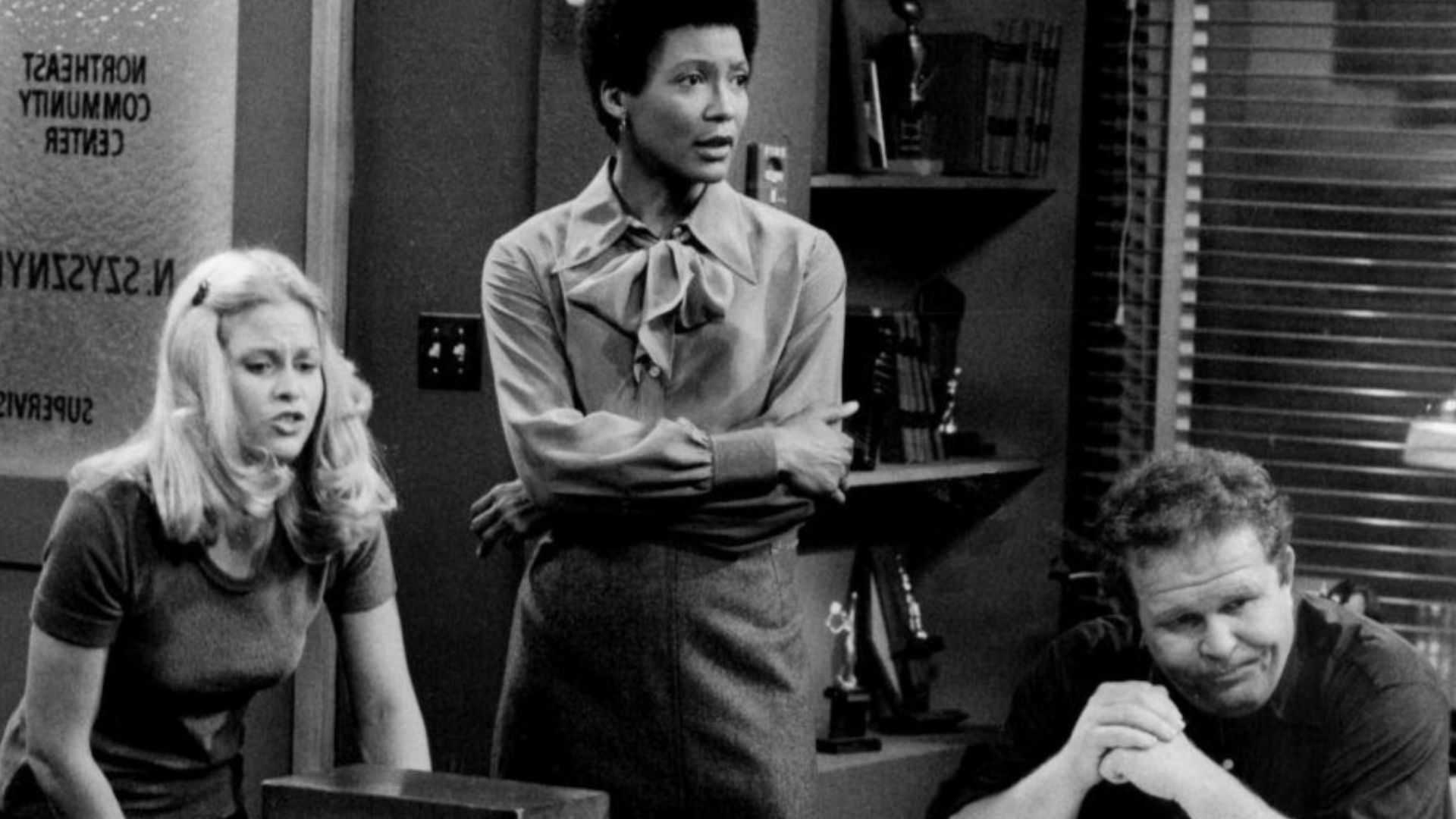 CBS Television, Wikimedia Commons
"Turnabout" (1979)
A married couple magically swaps bodies and has to live each other's lives. Which means every disagreement instantly becomes way more complicated. Great concept-just did not stick long enough to define it.
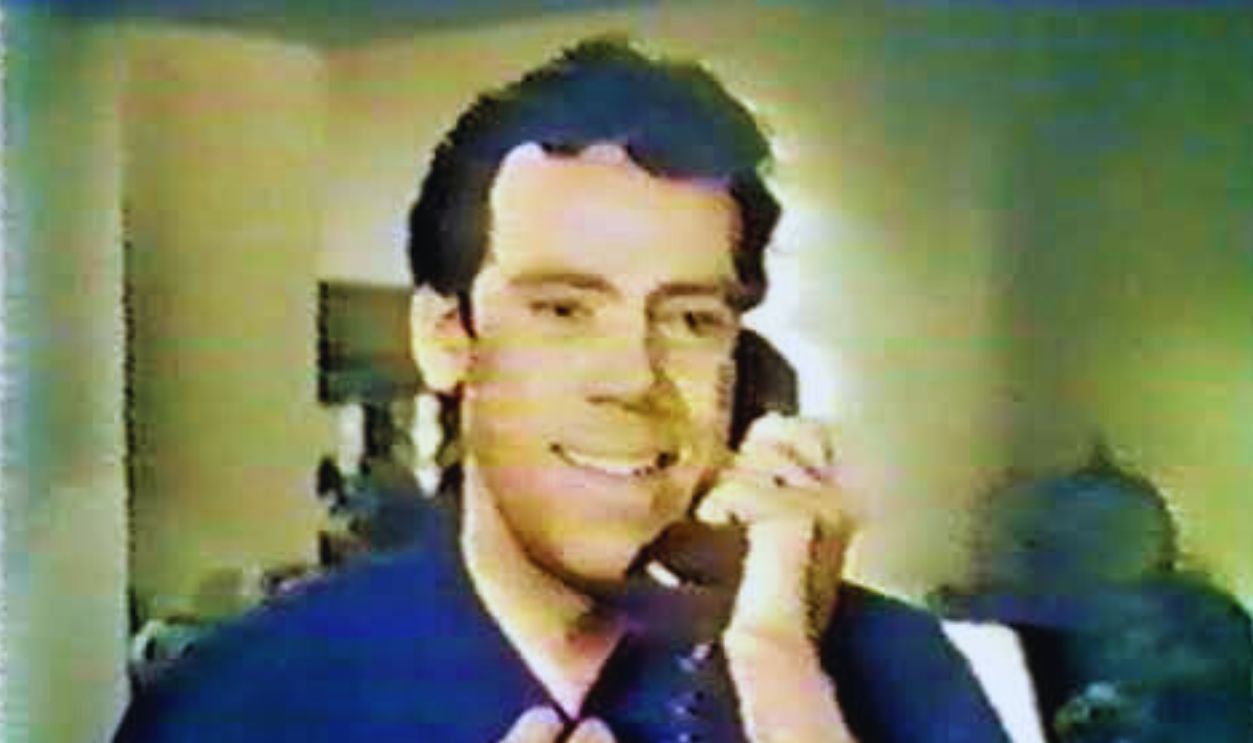 Screenshot from Turnabout, NBC (1979)
"Flatbush" (1979)
This one follows the misadventures of a Brooklyn gang called the Fungos, leaning into neighborhood humor and group dynamics. It was trying to capture a certain kind of street-level comedy-but in a crowded TV lineup, it never quite stood out.
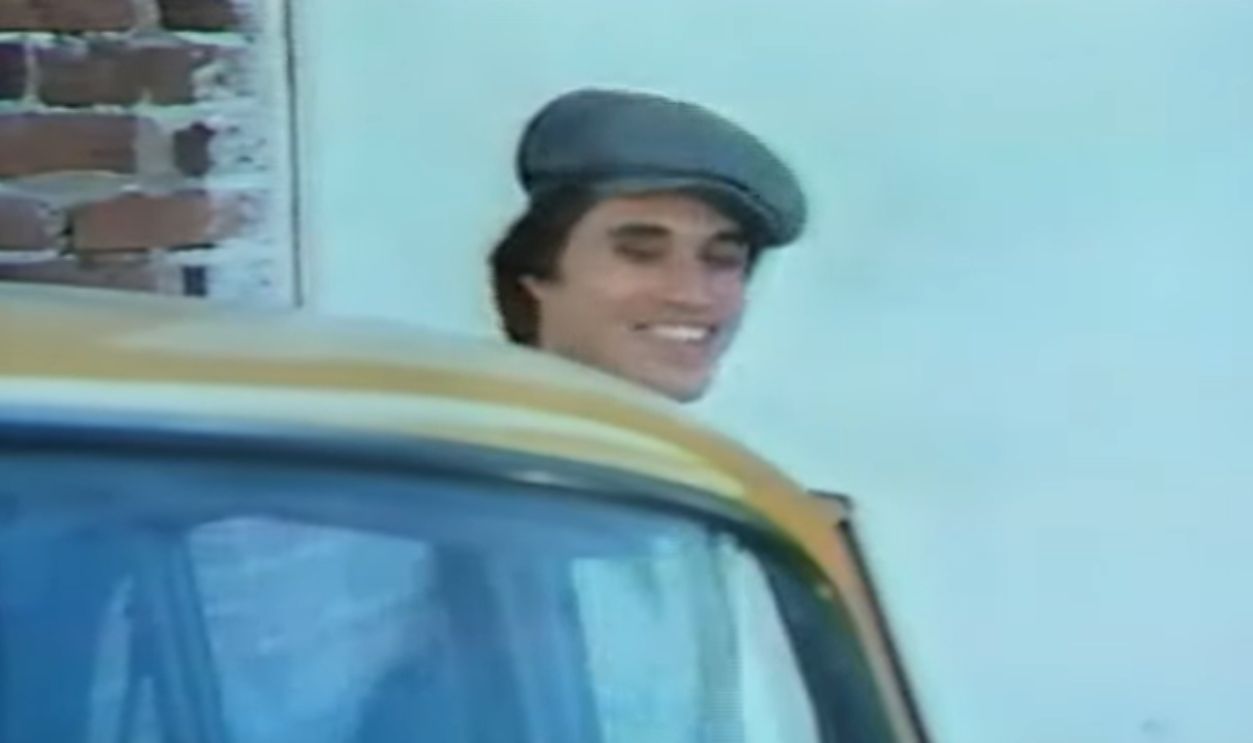 Screenshot from Flatbush, CBS (1979)
"Shields and Yarnell" (1977-1978)
A variety show built around mime and physical comedy-which already tells you this was not for everyone. It was definitely unique, and if you liked that style, you probably loved it. If not, this was the exact moment you reached for the dial-or, if you were fancy, the remote.
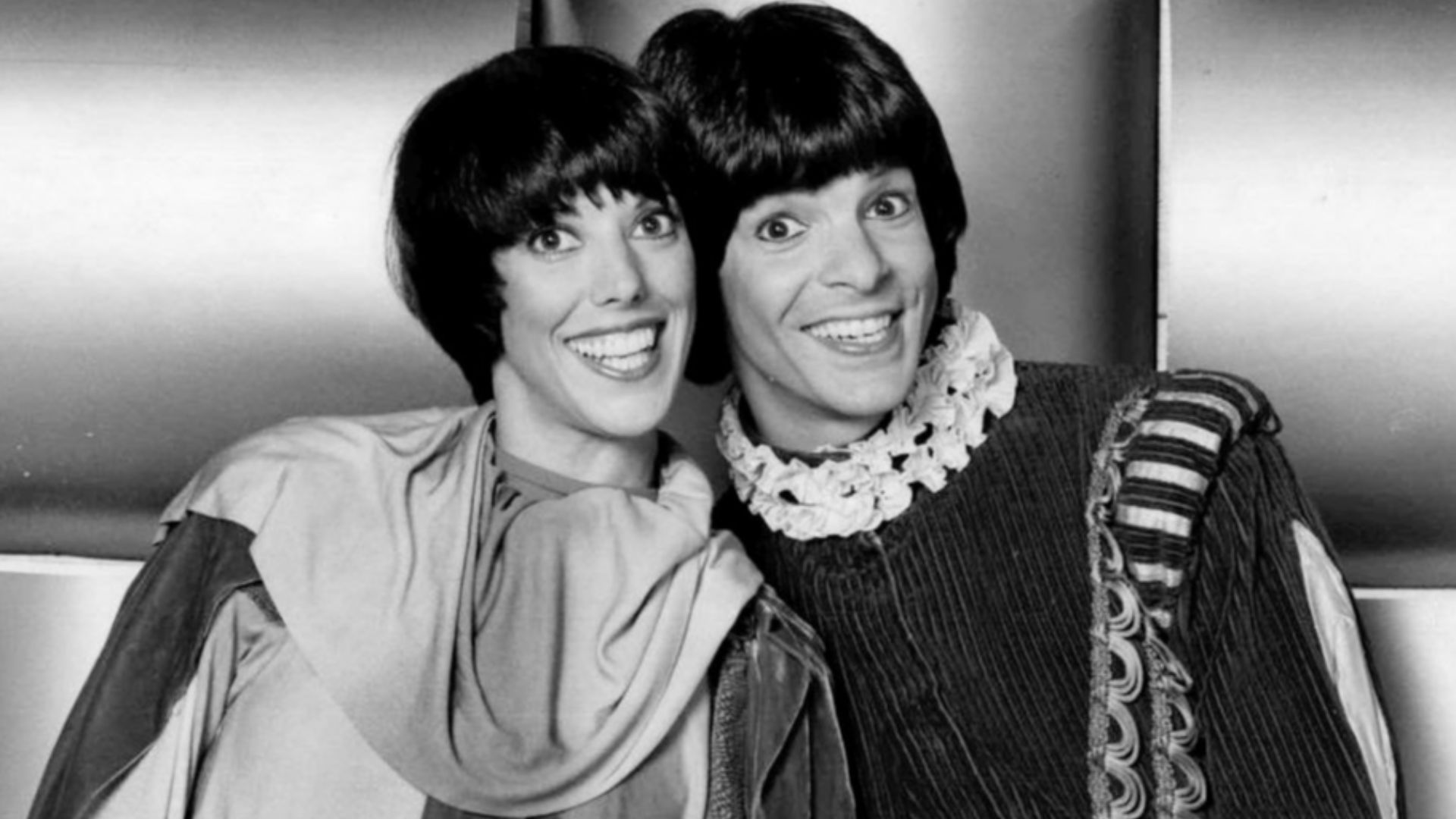 CBS Television, Wikimedia Commons
"The New Zoo Revue" (1972-1977)
Costumed animal characters teaching life lessons through songs and skits. It is wholesome, catchy, and just strange enough to feel slightly surreal-like something you half-remember but cannot fully explain.
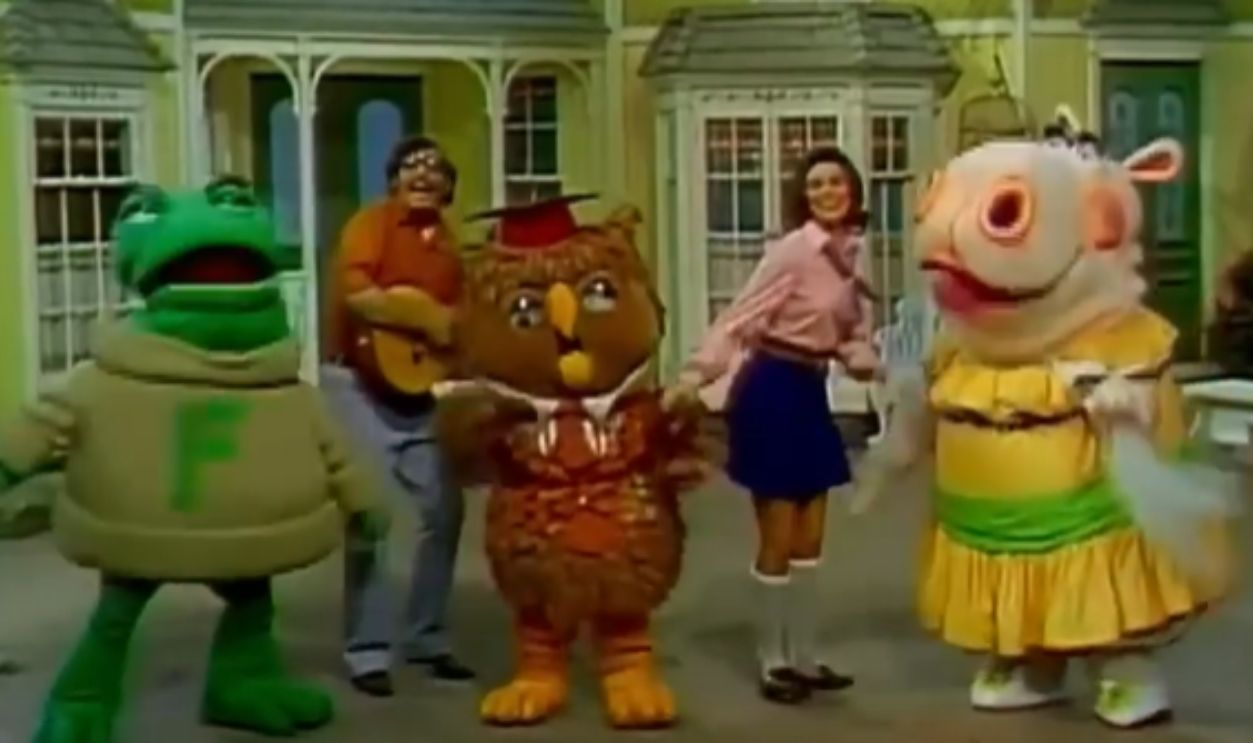 Screenshot from The New Zoo Revue, FunCo (1972-1977)
"Space: 1999" (1975-1977)
A serious sci-fi show about the Moon getting blasted out of Earth's orbit and drifting through space. Scientifically? Let us just say Neil deGrasse Tyson would have had a field day with this one. But visually, it was impressive for the time-and if you stop asking questions, it is actually a really fun ride.
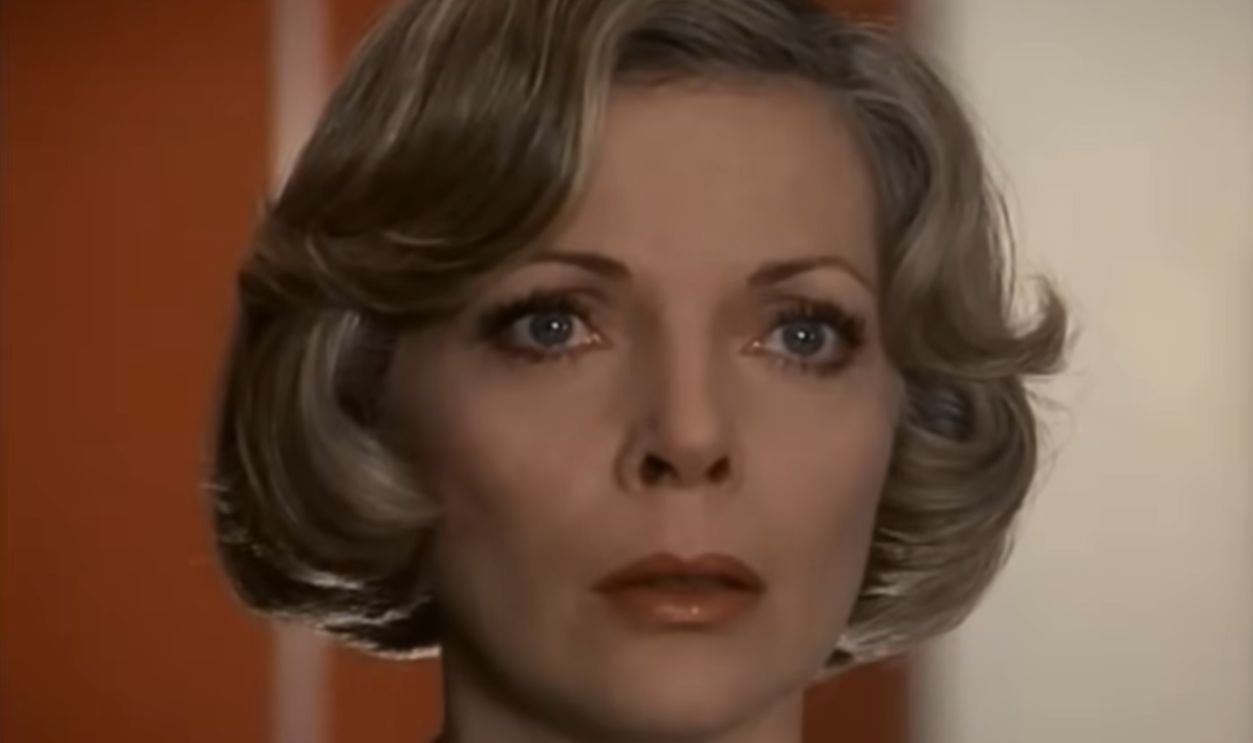 Screenshot from Space: 1999, ITC Entertainment (1975–1977)
So...Did You Even Get To Five?
So, were we right? Did even 5 of these series ring any bells for you? Some of these shows were hits for a moment. Others barely had a moment at all. But together, they show just how experimental 70s television could be-and how many ideas came and went before anyone had time to remember (or forget) them.
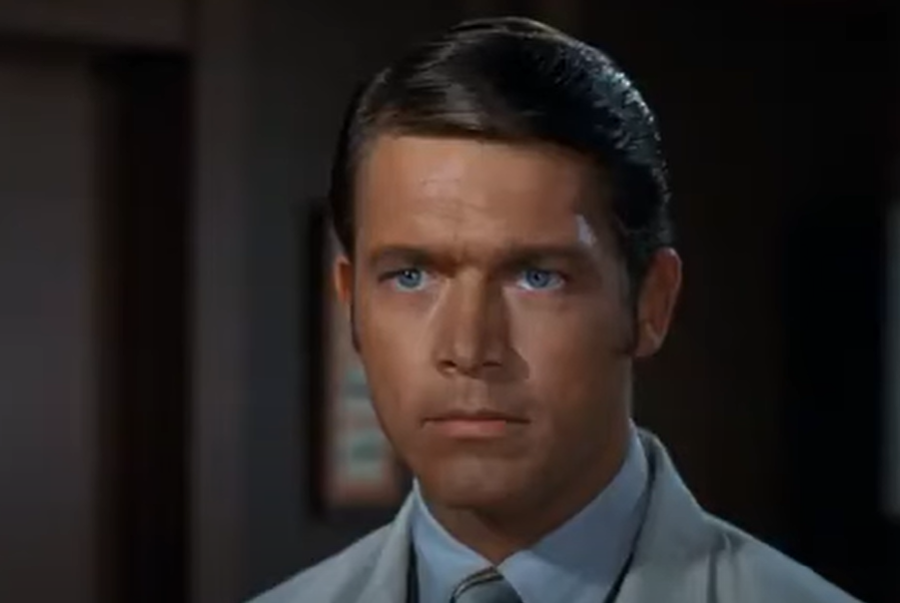 Screenshot from Medical Center, MGM (1969–1976)
You Might Also Like: