Hollywood's Almost-Famous Heartthrobs
They had the looks, the charisma, and sometimes even the starring roles that should have made them household names. During the 1960s, Hollywood and television studios promoted a generation of handsome young actors as potential successors to the biggest stars of the era. Some enjoyed brief moments of enormous popularity, while others became familiar faces without ever achieving lasting superstardom. These 26 leading men had everything going for them, except perhaps the one thing Hollywood couldn't manufacture: perfect timing.
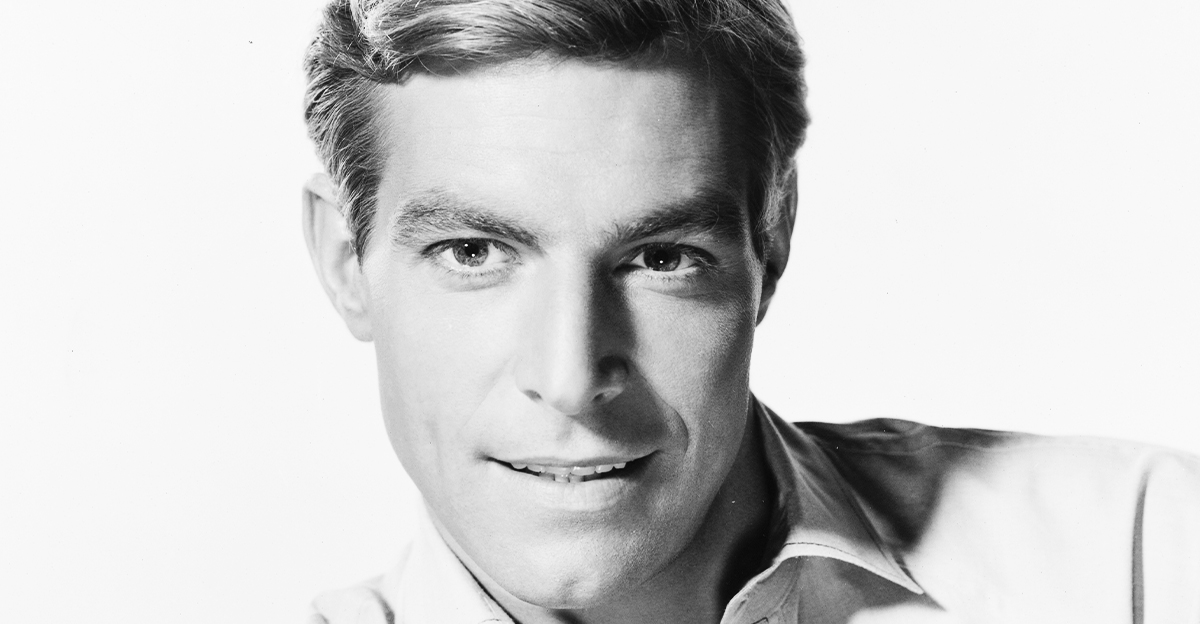 Portrait of James Franciscus by John Springer Collection, GettyImages
Troy Donahue
With his blond hair and California good looks, Troy Donahue seemed destined for movie stardom. Director Delmer Daves cast him opposite Sandra Dee in A Summer Place (1959), turning him into a teenage sensation. He subsequently starred alongside Connie Stevens in Parrish (1961) and Susan Slade (1961). But as Hollywood's tastes changed, Donahue struggled to escape his teen-idol image. His later appearance in Francis Ford Coppola's The Godfather Part II (1974) was a reminder of how far his career had traveled.

George Hamilton
George Hamilton looked like Hollywood royalty long before his famous tan became part of his public persona. He earned a Golden Globe for Crime & Punishment, USA (1959) and starred opposite Olivia de Havilland in Light in the Piazza (1962), directed by Guy Green. He later played Hank Williams in Your Cheatin' Heart (1964). Despite his charm and leading-man looks, Hamilton became almost as famous for his glamorous lifestyle and celebrity relationships as for his acting. He ultimately found greater longevity as a personality and character actor than as a conventional dramatic superstar.

James Franciscus
James Franciscus possessed the handsome, clean-cut appearance that television executives loved. He first attracted attention in Naked City before becoming the star of Mr. Novak, playing an idealistic high-school teacher. He later headlined Longstreet and appeared opposite Charlton Heston in Beneath the Planet of the Apes (1970), directed by Ted Post. Franciscus had considerable success on television, but his attempts to establish himself as a major motion-picture leading man never produced the breakthrough that might have placed him alongside Hollywood's biggest names.
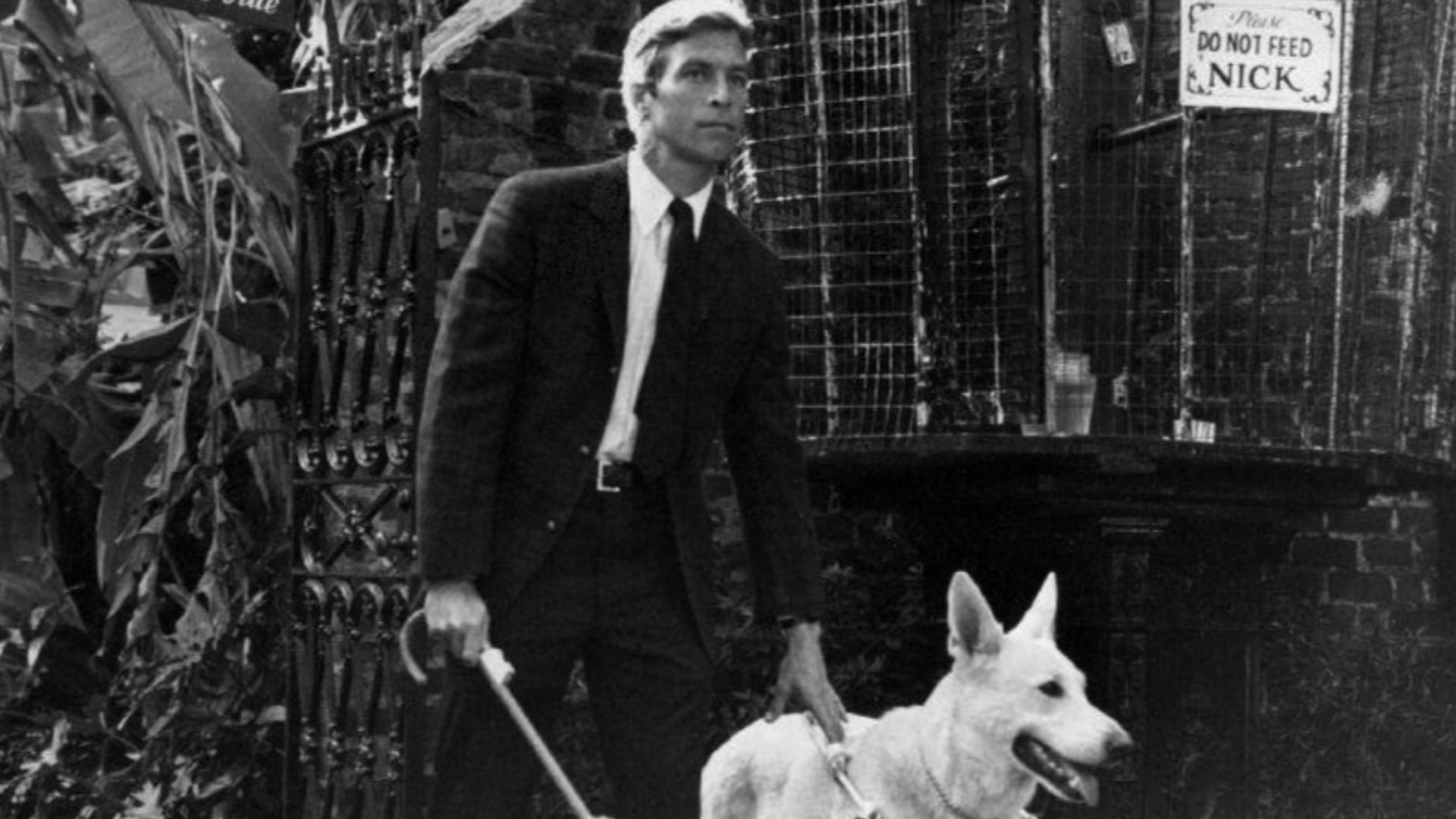 ABC TelevisionUploaded by We hope at en.wikipedia, Wikimedia Commons
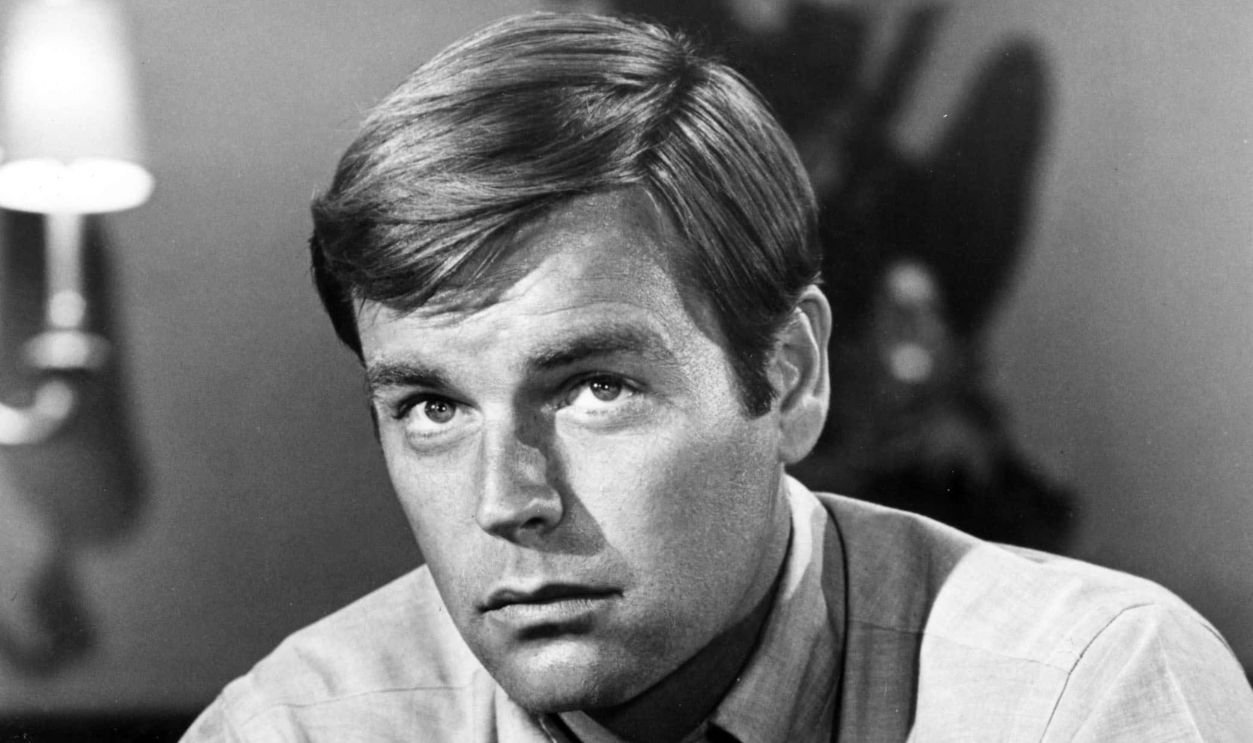
Robert Wagner
Robert Wagner was one of 20th Century Fox's most promising young contract players, appearing with Spencer Tracy in Broken Lance (1954) and with Joanne Woodward in A Kiss Before Dying (1956). During the 1960s, he starred opposite Natalie Wood in All the Fine Young Cannibals (1960) and headlined the television series It Takes a Thief. Wagner eventually became a major television celebrity through Switch and Hart to Hart. Yet the towering movie stardom once predicted for him never quite materialized.
Tab Hunter
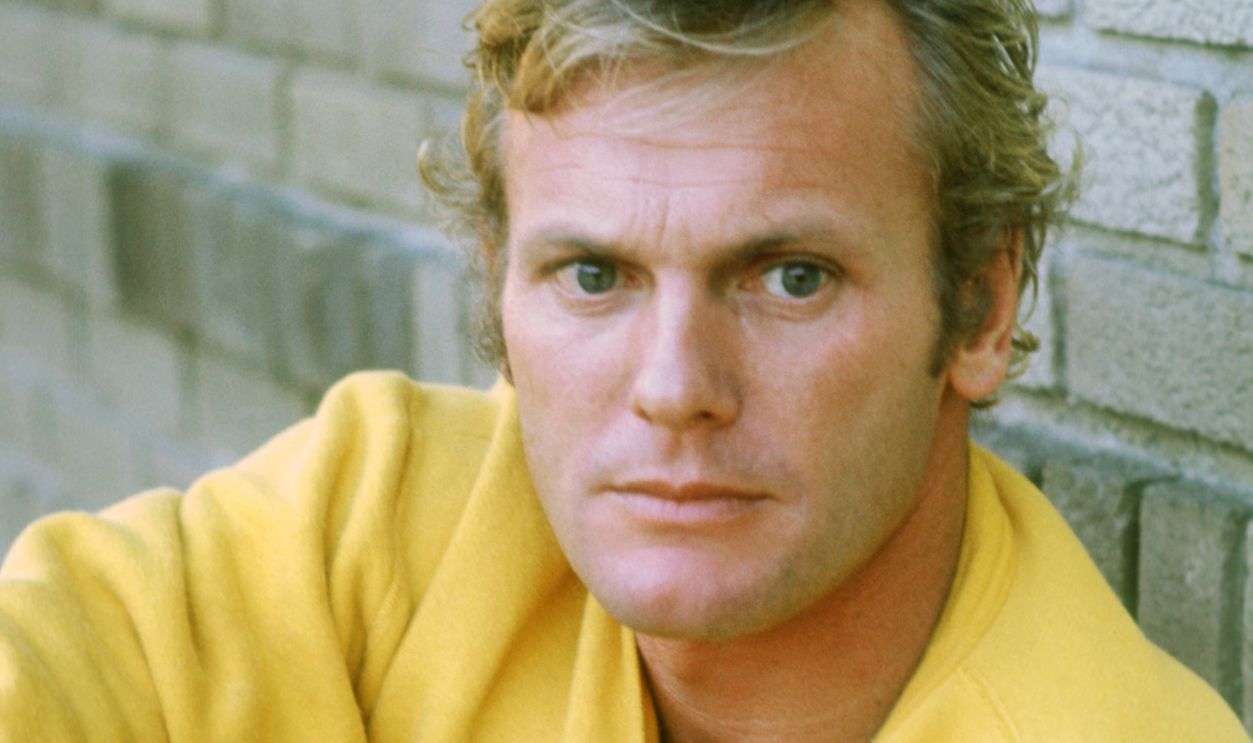
Tab Hunter was already a teenage idol when the 1960s began. His earlier films included Battle Cry (1955), directed by Raoul Walsh, and Damn Yankees (1958), opposite Gwen Verdon. Handsome, athletic, and enormously popular, Hunter appeared to have everything required for lasting stardom. But his association with wholesome romantic roles got tougher to sustain as audiences changed. By the 1960s, his film career had slowed considerably, although he later enjoyed an unexpected revival alongside Divine in John Waters-associated cult cinema.
 Michael Ochs Archives, Getty Images
Gardner McKay
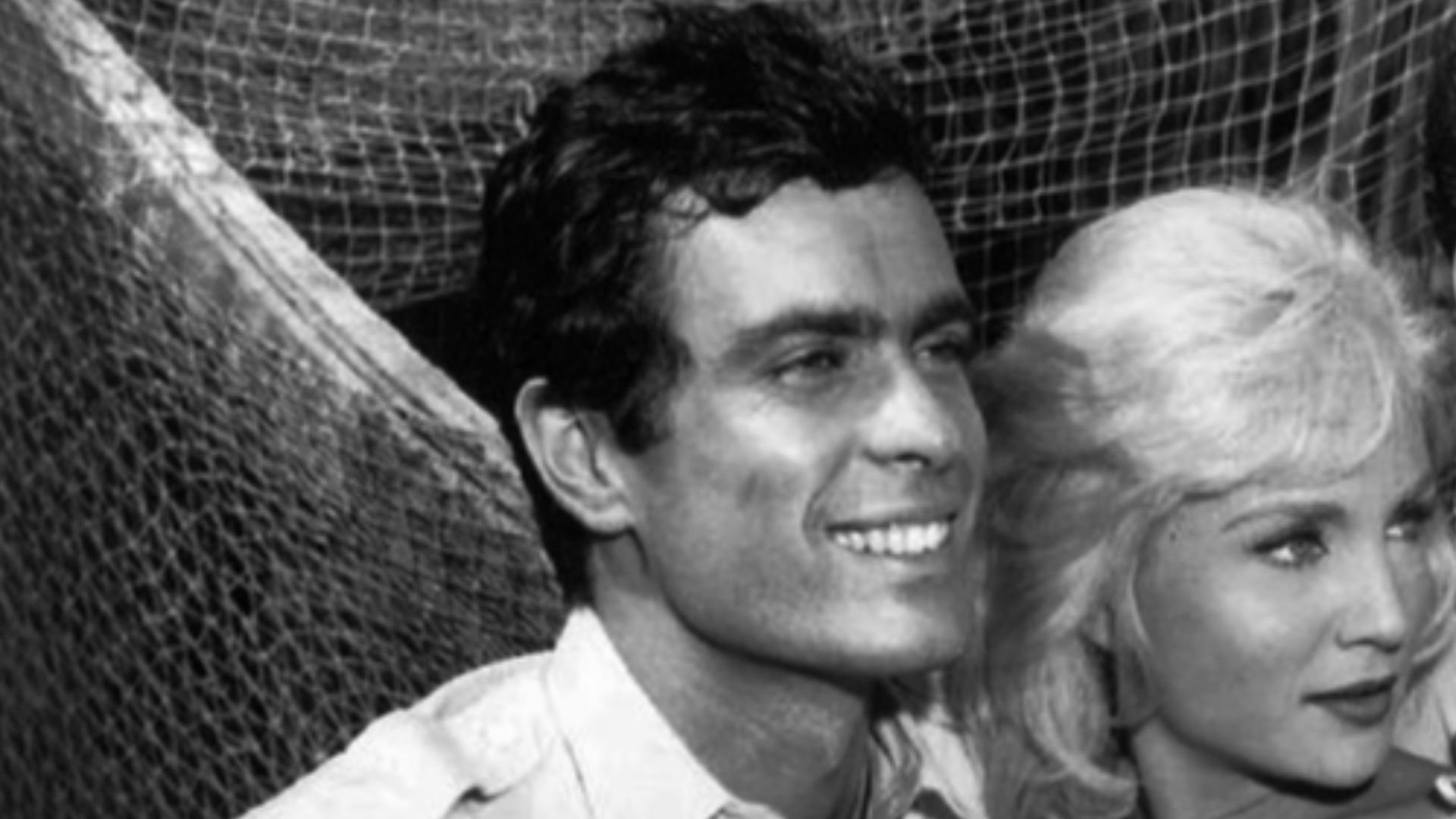
Gardner McKay became a television heartthrob almost overnight when he was cast as Adam Troy in Adventures in Paradise in 1959. The handsome former model played a schooner captain sailing through the South Pacific, surrounded by exotic locations and glamorous guest stars. Despite his popularity, McKay became increasingly dissatisfied with acting. He eventually turned away from Hollywood to pursue writing, leaving behind one of television's more intriguing cases of a potential superstar who simply chose another life.
 ABC Television, Wikimedia Commons
John Gavin
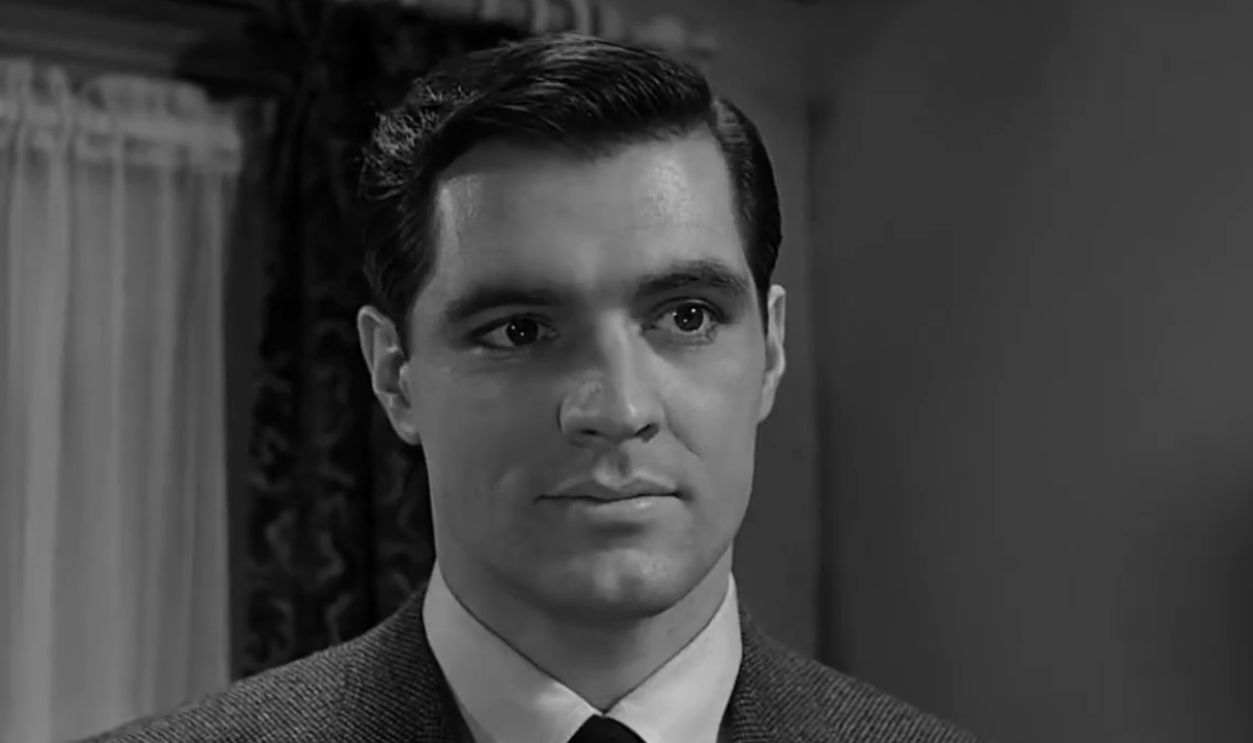
Tall, handsome, and classically elegant, John Gavin looked like the ideal Hollywood leading man. He starred opposite Lana Turner in Douglas Sirk's Imitation of Life (1959) and played Sam Loomis in Alfred Hitchcock's Psycho (1960), alongside Janet Leigh. He also appeared opposite Doris Day in Midnight Lace (1960). Yet Gavin's reserved screen presence never translated into the enormous stardom Universal had envisioned. He later found success outside acting, eventually serving as the United States ambassador to Mexico.
 Screenshot from Psycho, Paramount Pictures
Robert Fuller
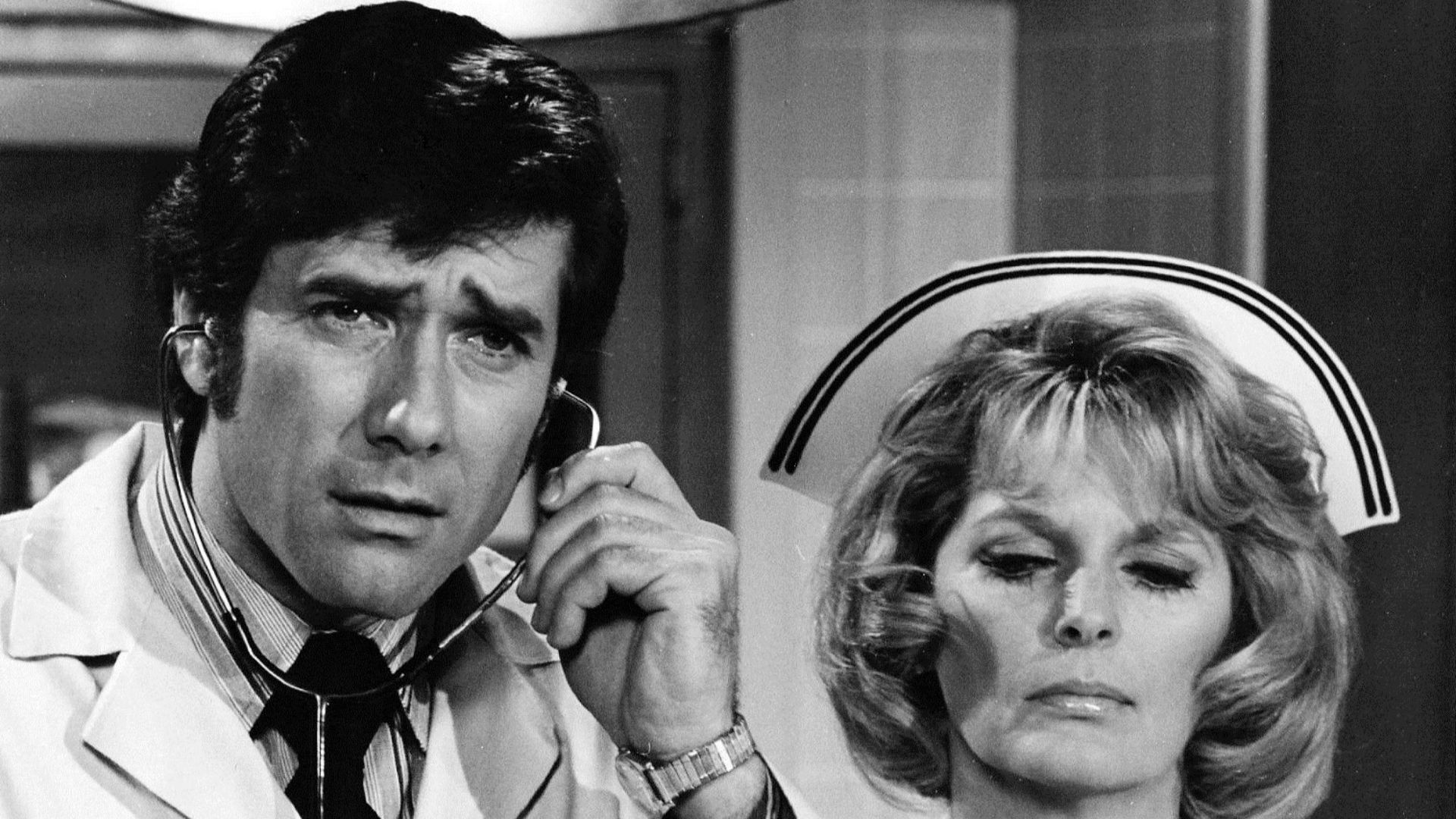
Robert Fuller was a familiar face to Western fans throughout the 1960s. He became popular playing Jess Harper in Laramie, then starred as Cooper Smith in Wagon Train. His rugged good looks and easygoing manner made him a natural television leading man. But while other Western stars transitioned into major film careers, Fuller remained primarily associated with television. He later found another successful role as Dr. Kelly Brackett in Emergency!, demonstrating his considerable staying power without ever becoming a major movie star.
 NBC Television, Wikimedia Commons
Ty Hardin
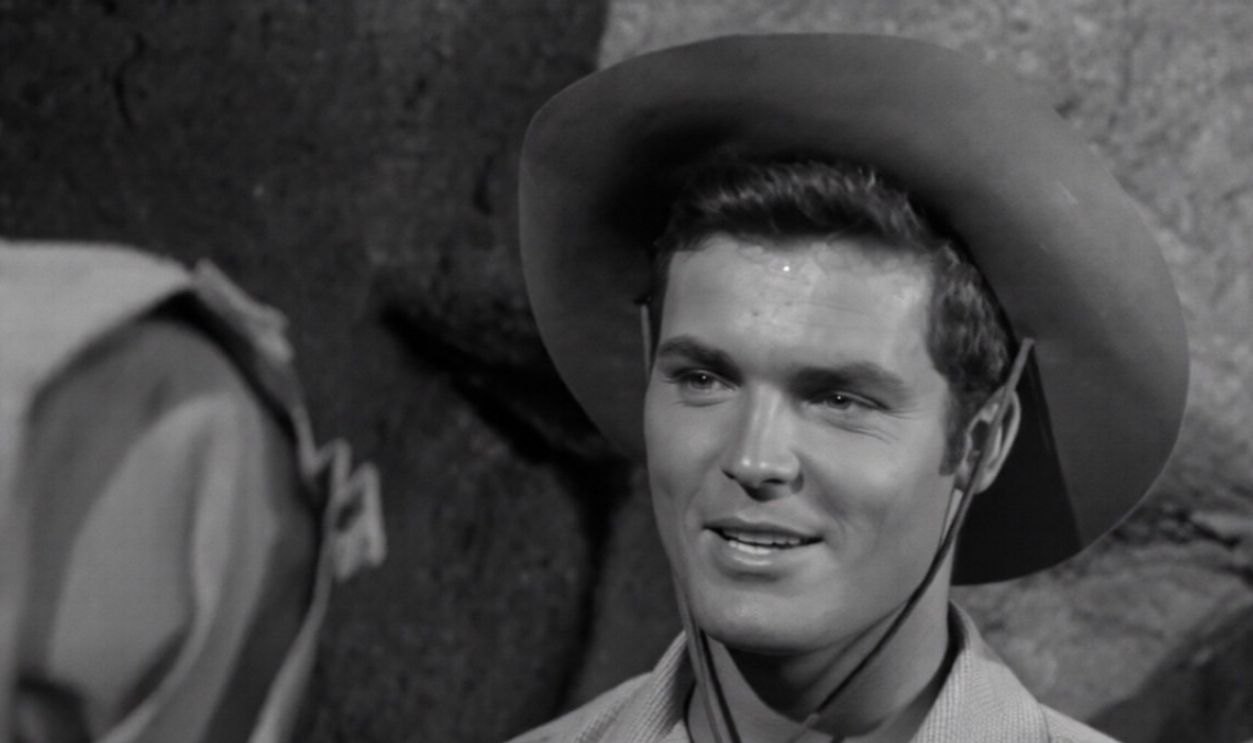
Ty Hardin became a television sensation playing the title character in Bronco, one of Warner Bros.' popular Western series. His square jaw, athletic physique, and rugged appearance seemed tailor-made for Hollywood adventure films. After leaving television, he appeared in PT 109 (1963), starring Cliff Robertson as John F. Kennedy, and Wall of Noise (1963), alongside Suzanne Pleshette. Hardin subsequently worked in European films, but the transition from Western television hero to major American movie star never fully materialized.
 Screenshot from Bronco, ABC (1958–1962), Enhanced
Doug McClure
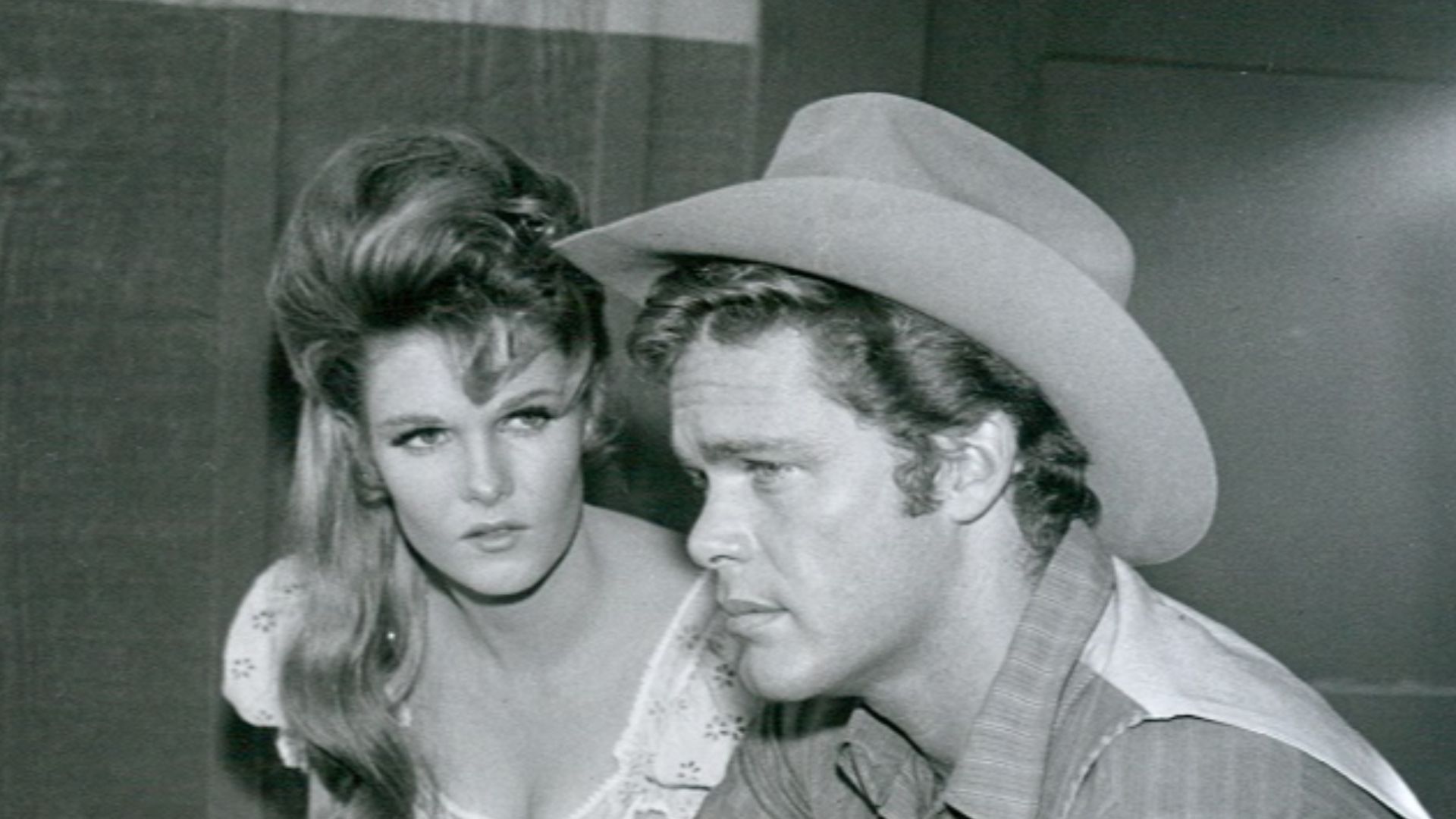
Doug McClure had the relaxed charm and blond good looks of a natural leading man. After appearing in Checkmate, he became enormously popular as Trampas in The Virginian, opposite James Drury. McClure later starred in adventure pictures including The Land That Time Forgot (1974), directed by Kevin Connor. Although his career was long and successful, he never quite escaped his identification with television Westerns and modestly budgeted adventure films. For many viewers, however, Trampas was more memorable than most movie stars.
 NBC Television, Wikimedia Commons
David Hedison
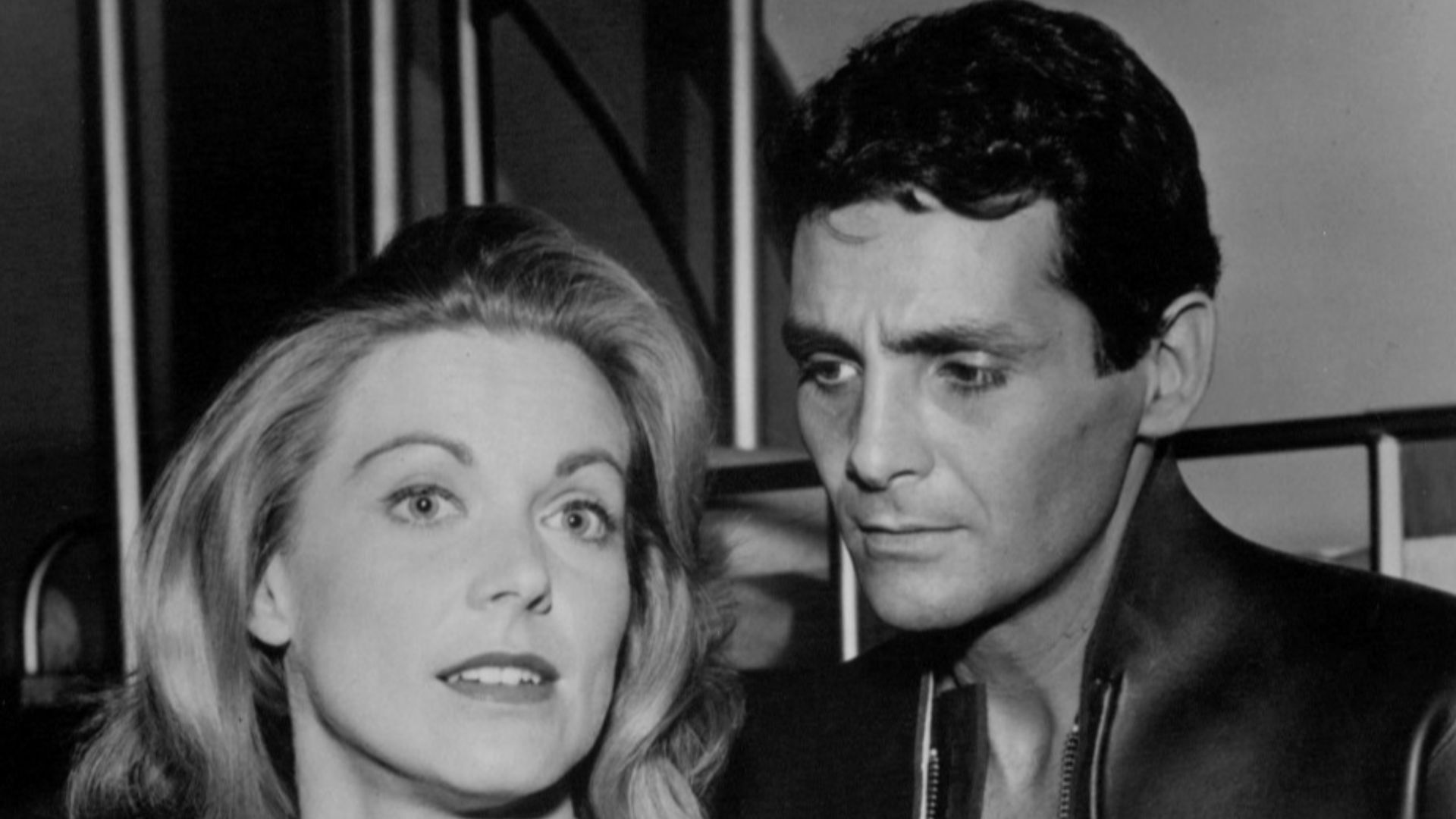
David Hedison's career appeared promising when he starred in Kurt Neumann's science-fiction classic The Fly (1958), opposite Patricia Owens and Vincent Price. His handsome appearance and serious demeanor subsequently helped him secure the lead role of Captain Lee Crane in Voyage to the Bottom of the Sea. Hedison later appeared as Felix Leiter opposite Roger Moore in Live and Let Die (1973). Although he remained a recognizable performer for decades, the major romantic-leading-man career once seemingly within reach never developed.
 ABC Television, Wikimedia Commons
Richard Long
Richard Long was already an experienced film actor when television gave him renewed prominence. He appeared alongside Claudette Colbert and Orson Welles in Tomorrow Is Forever (1946) before becoming a familiar television presence in Bourbon Street Beat and 77 Sunset Strip. His greatest success came as Jarrod Barkley in The Big Valley, opposite Barbara Stanwyck and Lee Majors. Long possessed polished good looks and considerable charm, but recurring health problems complicated his career. He died in 1974 at only 47.
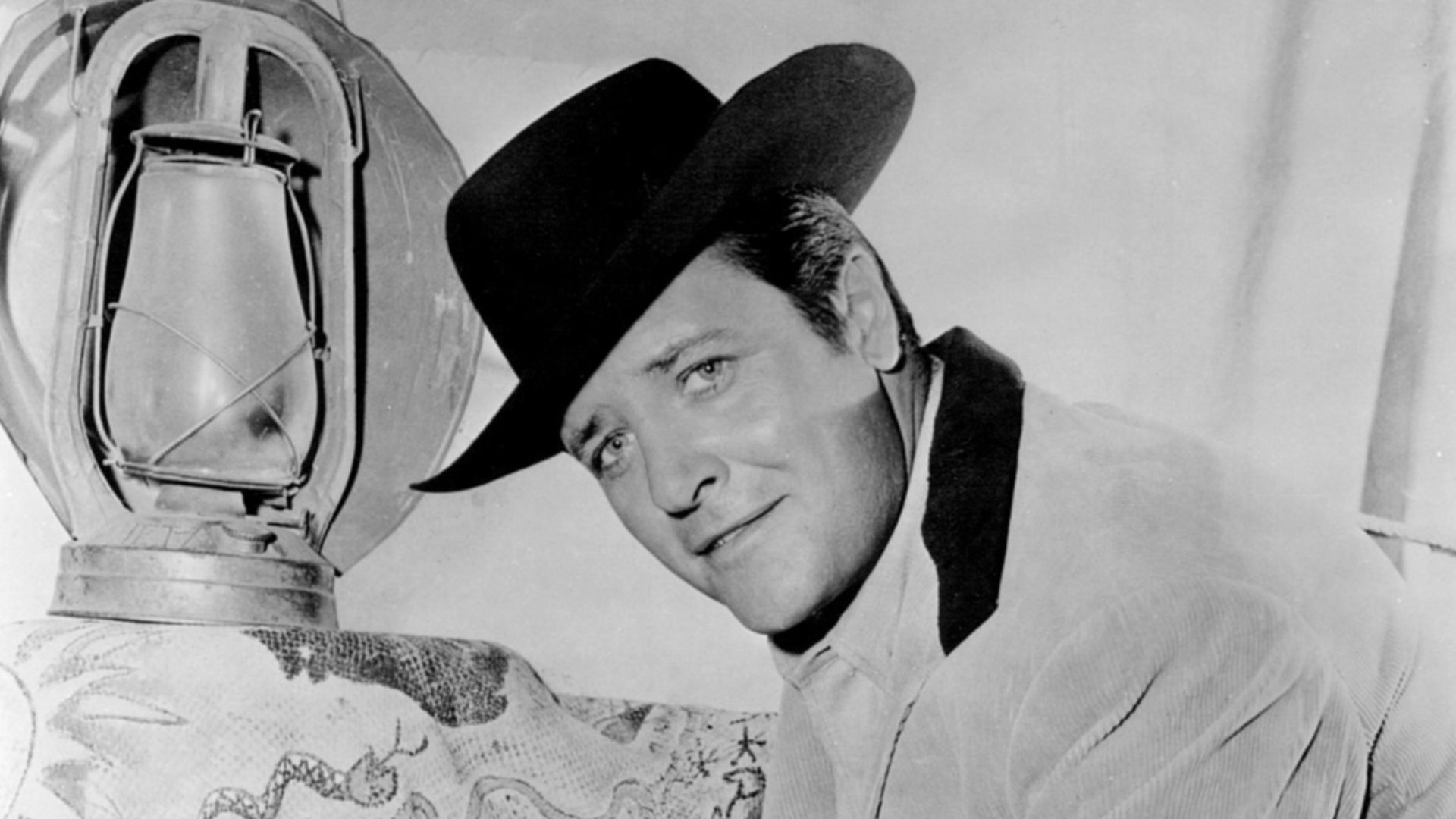 McFadden, Strauss, Eddy & Irwin for Armstrong, the program's sponsor., Wikimedia Commons
Van Williams
Van Williams had the square-jawed looks of a Hollywood action hero and the screen presence to match. He starred in Bourbon Street Beat before playing private investigator Ken Madison in Surfside 6. His biggest opportunity arrived with The Green Hornet, in which he played Britt Reid opposite Bruce Lee's Kato. Unfortunately, the series lasted only one season. Williams continued acting occasionally but eventually moved into business, leaving behind a career that seemed poised for something considerably bigger.

Peter Brown
Peter Brown was one of Warner Bros.' promising young television Western stars. He first attracted attention playing Deputy Johnny McKay in Lawman, opposite John Russell, before starring as Chad Cooper in Laredo. His athletic build and boyish charm made him popular with television audiences, and he later appeared in films such as Summer Magic (1963), alongside Hayley Mills and Burl Ives. But Brown never secured the major movie roles that might have elevated him beyond television's crowded field of handsome Western heroes.
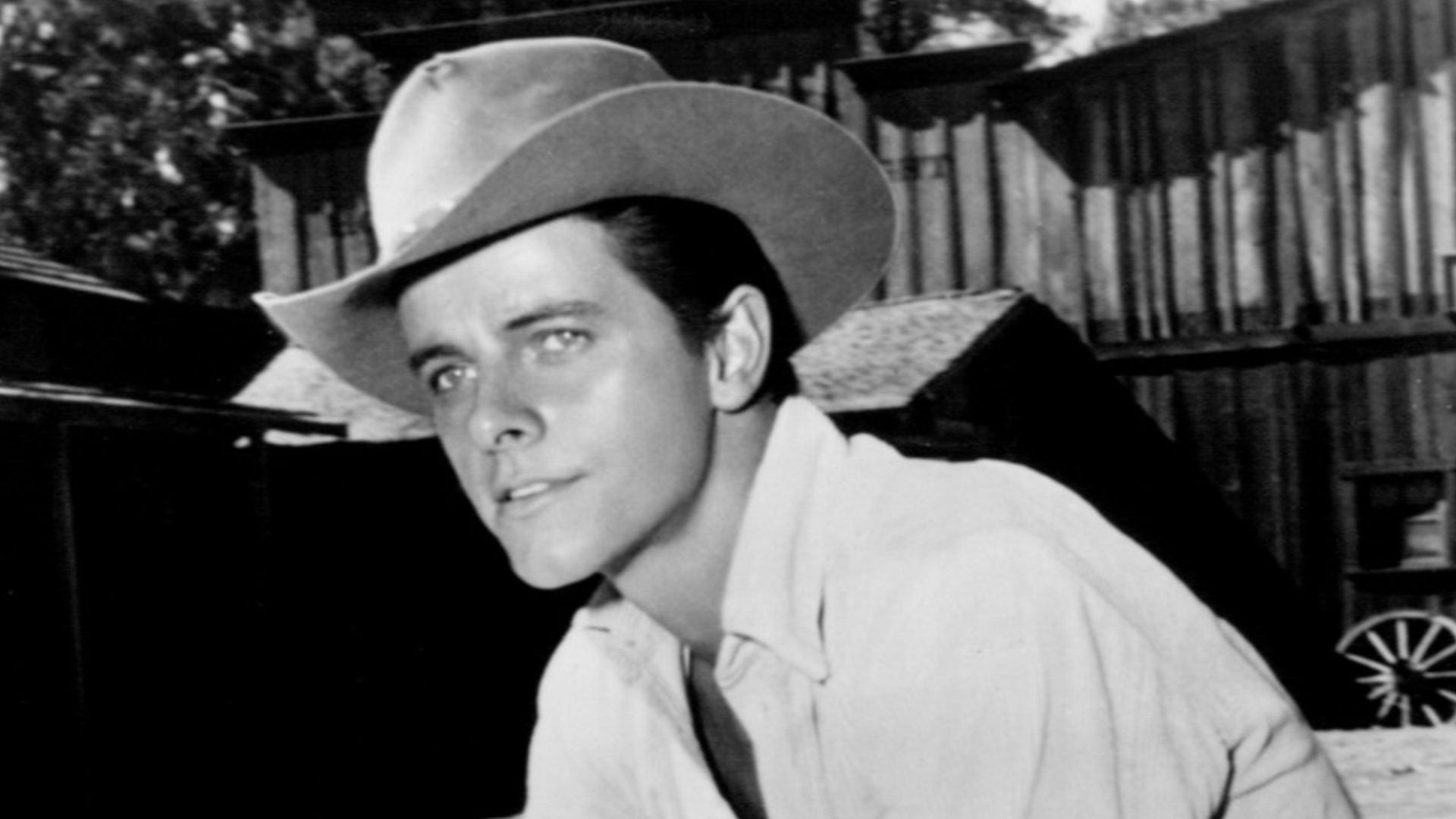 Pre-1978 no mark, Wikimedia Commons
Roger Smith
Roger Smith became a recognizable television leading man as private detective Jeff Spencer in 77 Sunset Strip. With his polished appearance and confident delivery, he seemed perfectly suited to the glamorous detective shows of the early 1960s. He later starred in Mister Roberts and married actress Ann-Margret in 1967. Unfortunately, serious health difficulties, including myasthenia gravis, eventually curtailed his acting career. Smith increasingly concentrated on managing his wife's career rather than pursuing his own Hollywood stardom.
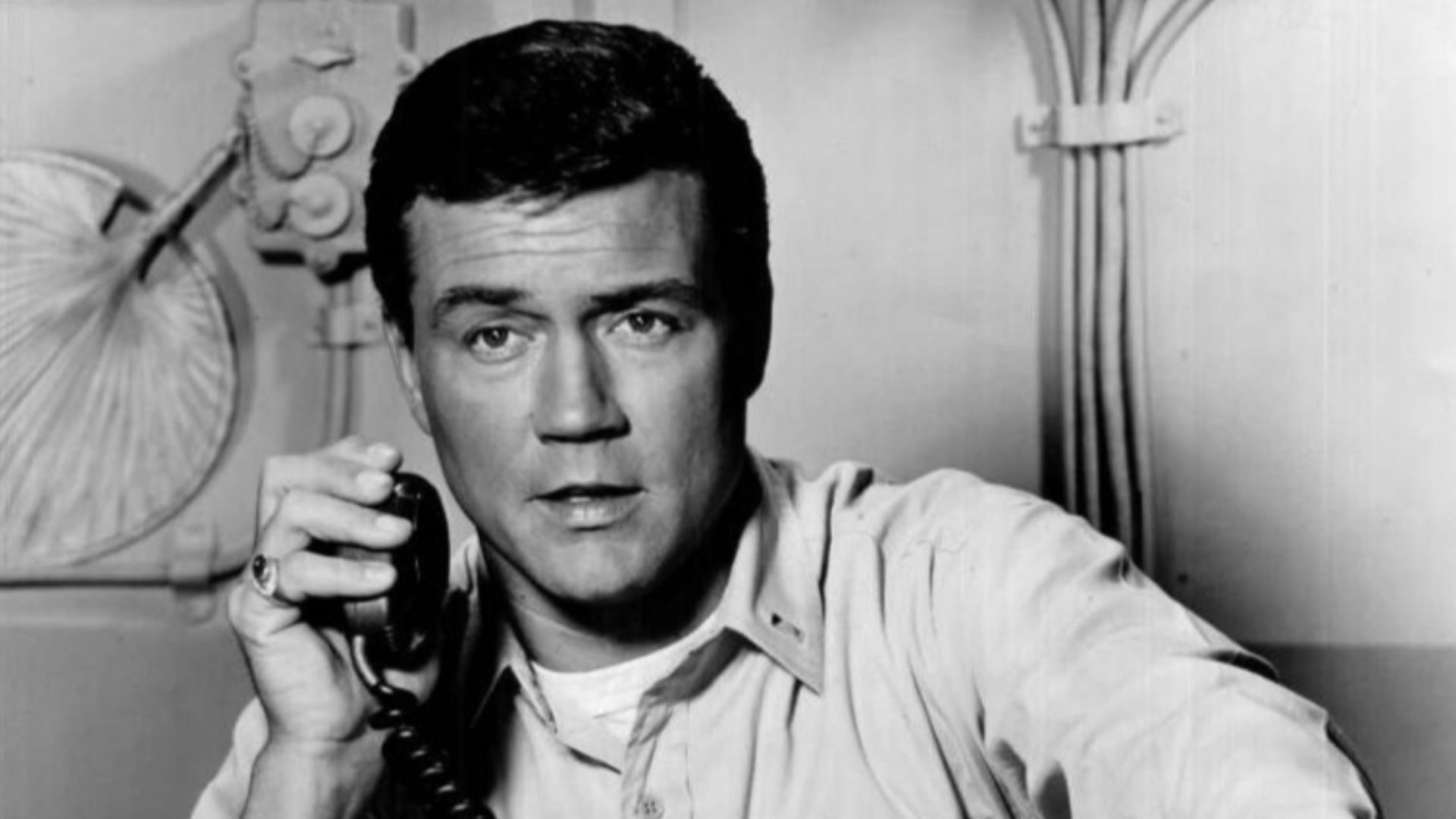 Warner Brothers Studios, Wikimedia Commons
Robert Conrad
Robert Conrad became one of television's most recognizable action heroes through Hawaiian Eye and The Wild Wild West. Playing Secret Service agent James West opposite Ross Martin, he performed many of his own stunts and cultivated a tough, athletic screen image. He later starred in Baa Baa Black Sheep, playing aviator Gregory “Pappy” Boyington. Despite his popularity and unmistakable charisma, Conrad's success remained overwhelmingly concentrated on television. Hollywood never quite found the major film franchise that could have transformed him into a theatrical action superstar.
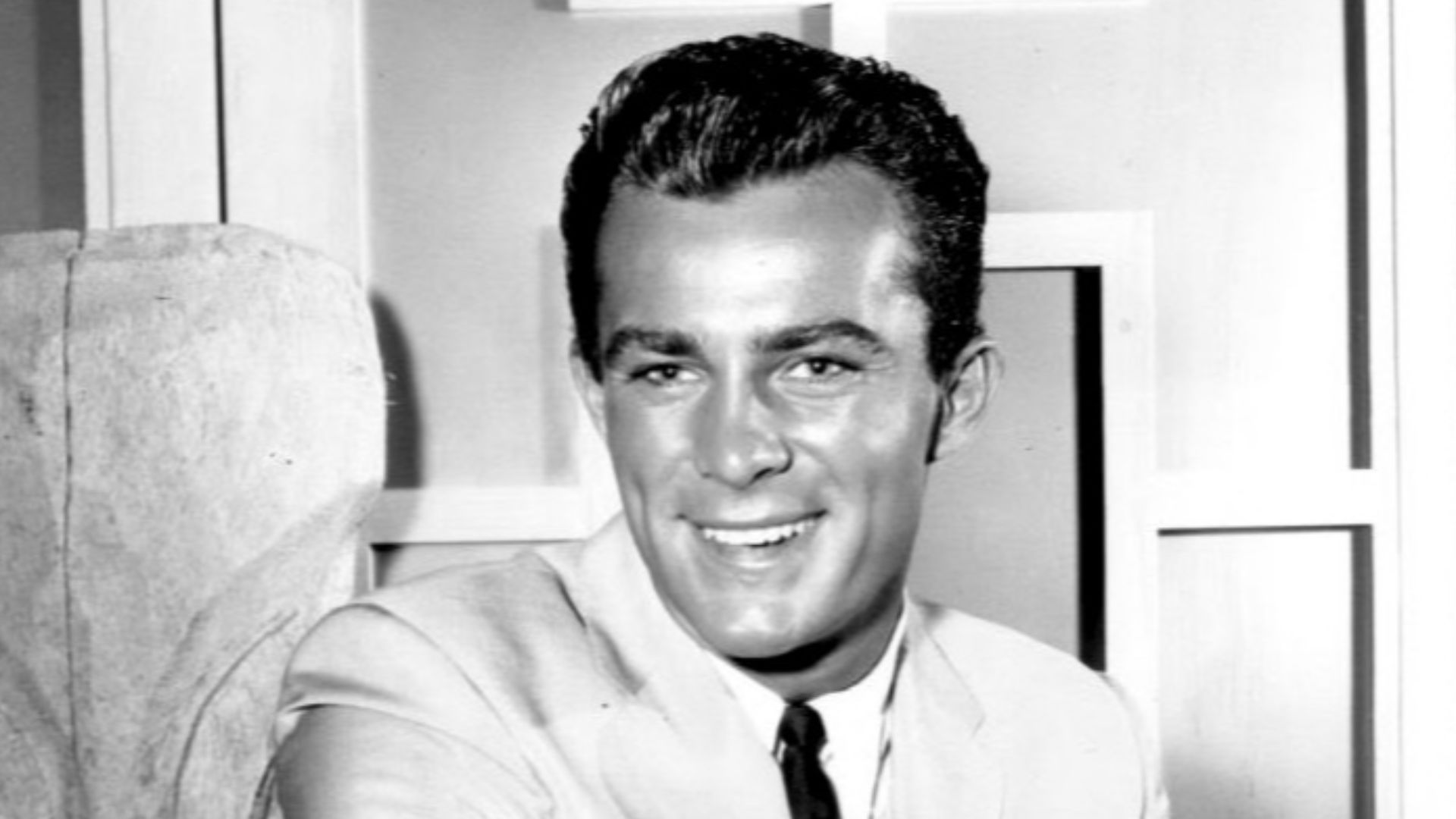 ABC Television, Wikimedia Commons
Chad Everett
Chad Everett seemed destined for leading-man status from his earliest screen appearances. After appearing in Claudelle Inglish (1961), opposite Diane McBain, he gradually established himself in television and film. His biggest success came playing the handsome Dr. Joe Gannon in Medical Center, which premiered in 1969. The series made Everett a familiar face in American households for seven seasons. However, his medical-drama popularity never produced a comparable career as a major motion-picture star, despite his obvious leading-man appeal.
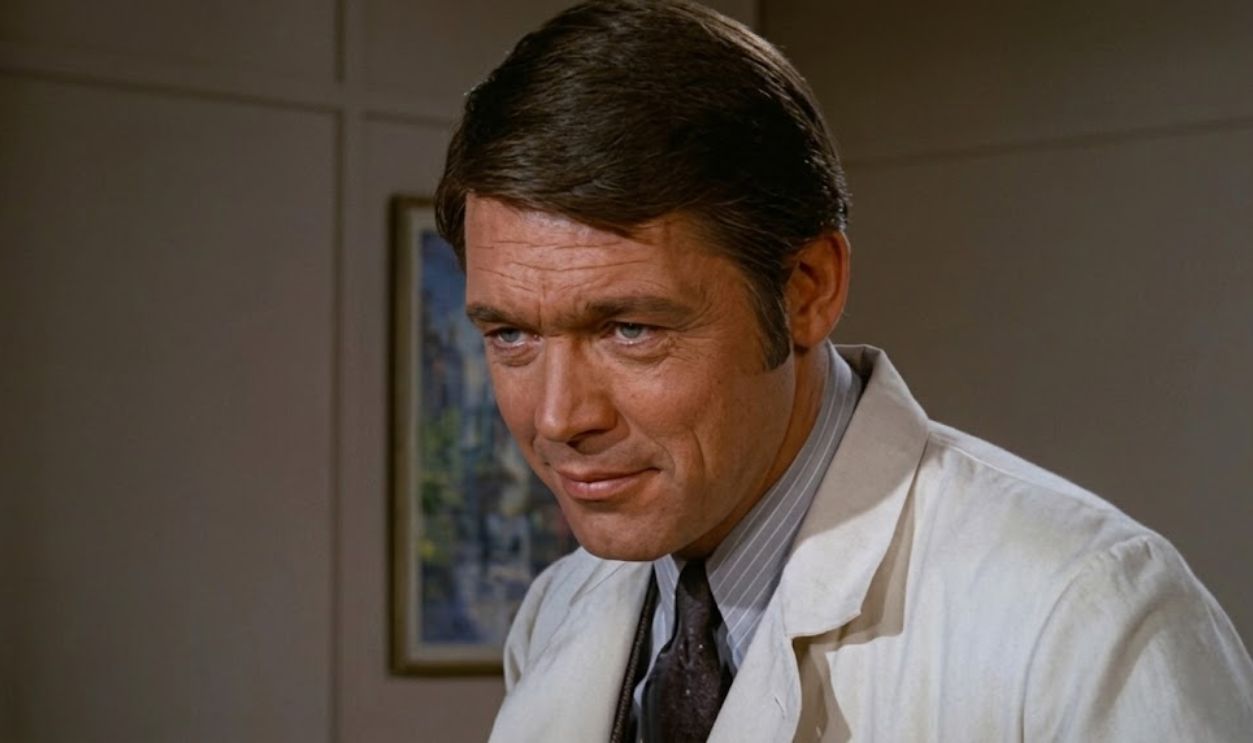 Screenshot from Medical Center, Metro-Goldwyn-Mayer Television (1969–1976)
Gary Lockwood
Gary Lockwood possessed the rugged good looks and physical confidence that made him a natural candidate for action roles. He starred opposite Elvis Presley in It Happened at the World's Fair (1963) and played Lieutenant Gary Mitchell in the second pilot of Star Trek. His most prestigious opportunity arrived as astronaut Frank Poole in Stanley Kubrick's 2001: A Space Odyssey (1968), opposite Keir Dullea. Despite appearing in one of cinema's most influential films, Lockwood never became the major star his early career suggested.
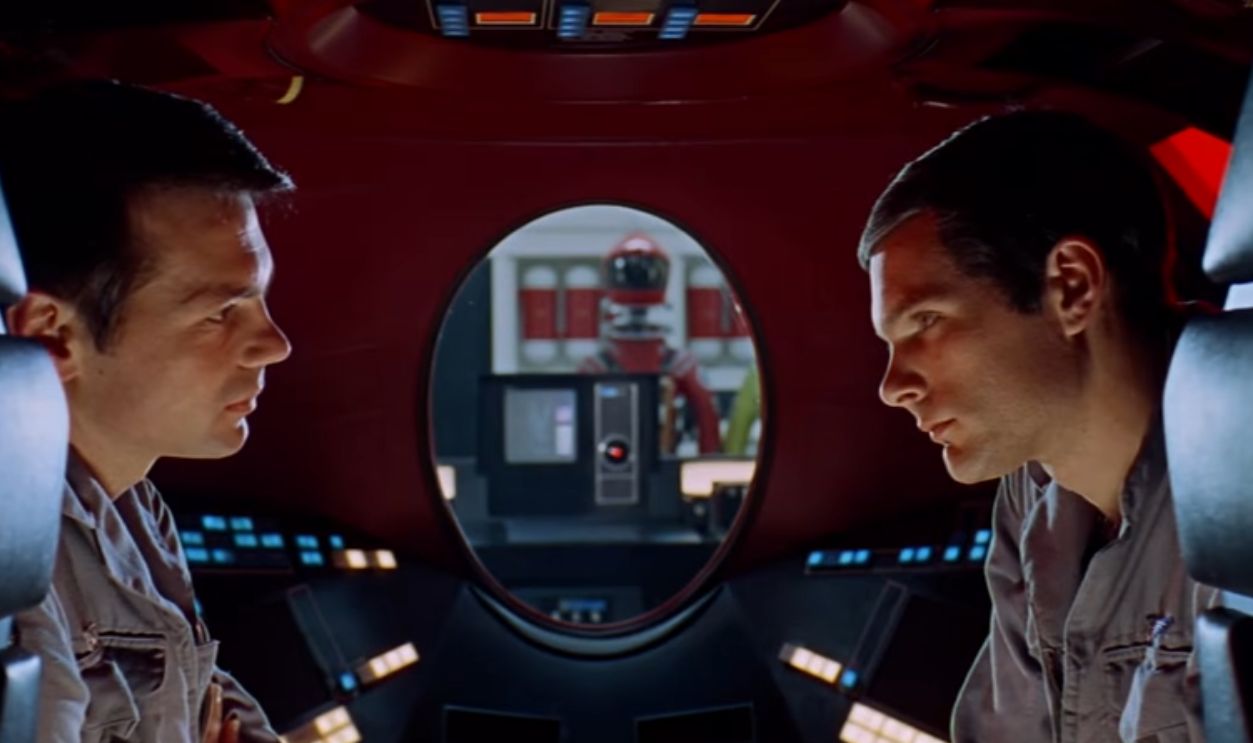 Screenshot from 2001: A Space Odyssey, Metro-Goldwyn-Mayer (1968)
James Stacy
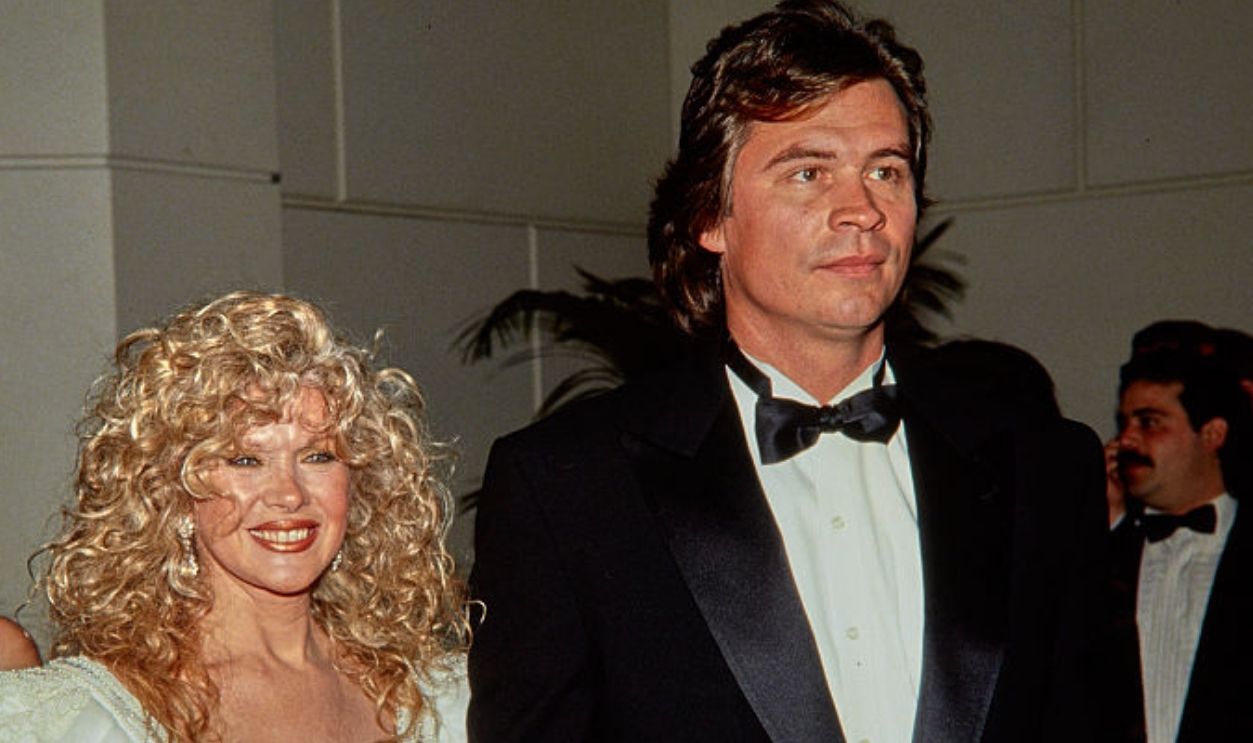
James Stacy became a television favorite playing Johnny Madrid Lancer in the Western series Lancer, opposite Wayne Maunder and Andrew Duggan. Before that breakthrough, he appeared in films including A Swingin' Summer (1965), alongside Raquel Welch. Stacy's handsome appearance and brooding screen presence suggested considerable leading-man potential. But a devastating motorcycle accident in 1973 resulted in the loss of his left arm and leg, fundamentally changing his career. He subsequently returned to acting in character roles rather than the romantic leads once expected of him.
Brian Kelly
Brian Kelly looked every bit the handsome Hollywood leading man, but his greatest success came playing Porter Ricks in the family adventure series Flipper. Starring alongside young actors Luke Halpin and Tommy Norden, Kelly became a familiar television father during the mid-1960s. However, a devastating motorcycle accident in 1970 left his right arm and leg paralyzed, effectively ending his on-camera career. He subsequently moved into film production, becoming an executive producer of Ridley Scott's science-fiction classic Blade Runner (1982).
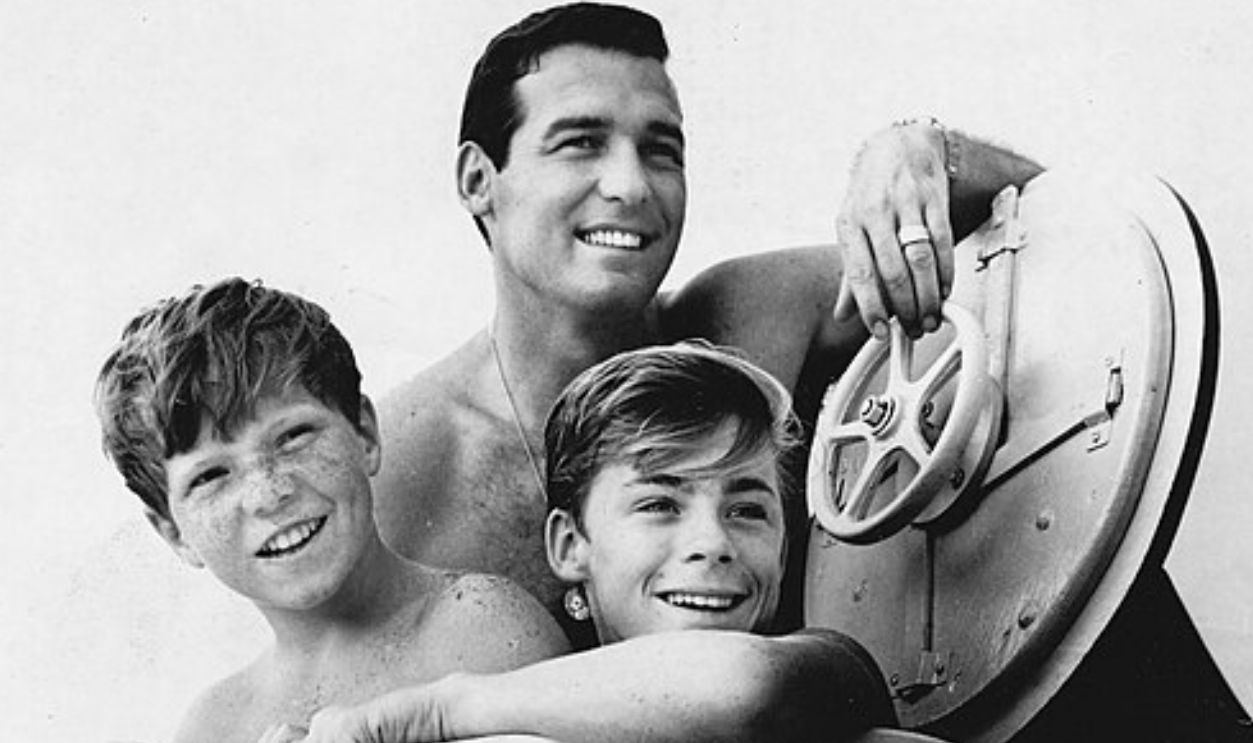 NBC television, Wikimedia Commons
Christopher George
Christopher George seemed ready for major stardom when he became Sergeant Sam Troy in the World War II adventure series The Rat Patrol. His rugged looks and military background made him convincing as the daring desert commando. He also appeared opposite John Wayne and Robert Mitchum in Howard Hawks's El Dorado (1967), followed by Chisum (1970). A serious Jeep accident during The Rat Patrol complicated his career, and subsequent roles increasingly came in lower-budget action and horror films. He died in 1983, aged only 52.
 Screenshot from The Rat Patrol, ABC (1966–1968)
Keir Dullea
Keir Dullea made an impressive early breakthrough starring in David and Lisa (1962), directed by Frank Perry, opposite Janet Margolin. His sensitive performance earned considerable critical attention and suggested the arrival of a major dramatic actor. He subsequently starred opposite Jack Warden in Andrew Marton's World War II drama The Thin Red Line (1964), before achieving lasting recognition as astronaut Dave Bowman in Stanley Kubrick's 2001: A Space Odyssey (1968), alongside Gary Lockwood. Yet the enormous cultural impact of that film never translated into sustained Hollywood superstardom for Dullea.
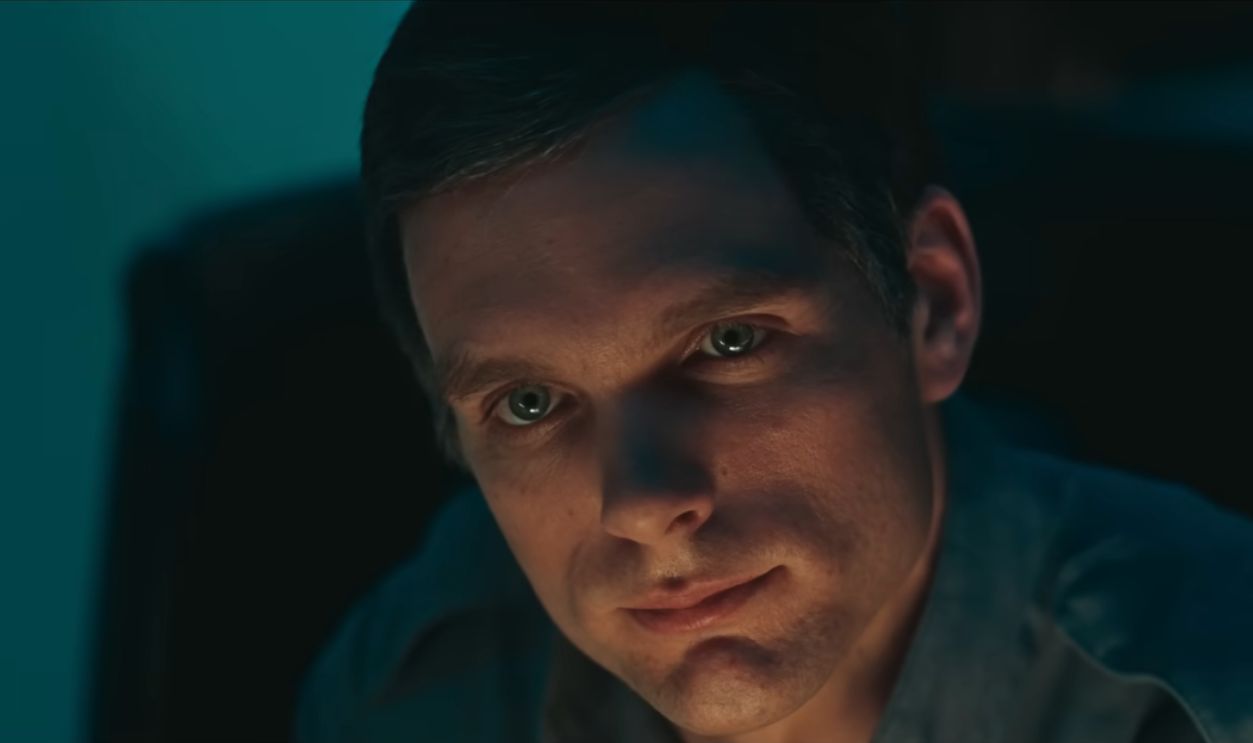 Screenshot from 2001: A Space Odyssey, Metro-Goldwyn-Mayer (1968)
Michael Parks
Michael Parks had the brooding looks and intense screen presence of a potential successor to James Dean. He appeared in Wild Seed (1965), opposite Celia Kaye, and starred as Adam in John Huston's The Bible: In the Beginning... (1966). His most recognizable television role came in Then Came Bronson, playing a disillusioned journalist traveling across America on a motorcycle. Although Parks later earned admiration from directors including Quentin Tarantino and Kevin Smith, his unconventional personality and career choices kept him outside Hollywood's conventional leading-man system.
 NBC Television,Wikimedia Commons, Enhanced
Michael Callan
Michael Callan attracted attention on Broadway in West Side Story before Columbia Pictures signed him to a film contract. His youthful looks and energetic personality led to roles in Gidget Goes Hawaiian (1961), opposite Deborah Walley, and The Interns (1962), alongside Cliff Robertson. He also appeared with Jane Fonda in Cat Ballou (1965), directed by Elliot Silverstein. Despite several promising opportunities, Callan never quite became the major romantic star Columbia appeared to envision. He later enjoyed a steady career in television and character roles.
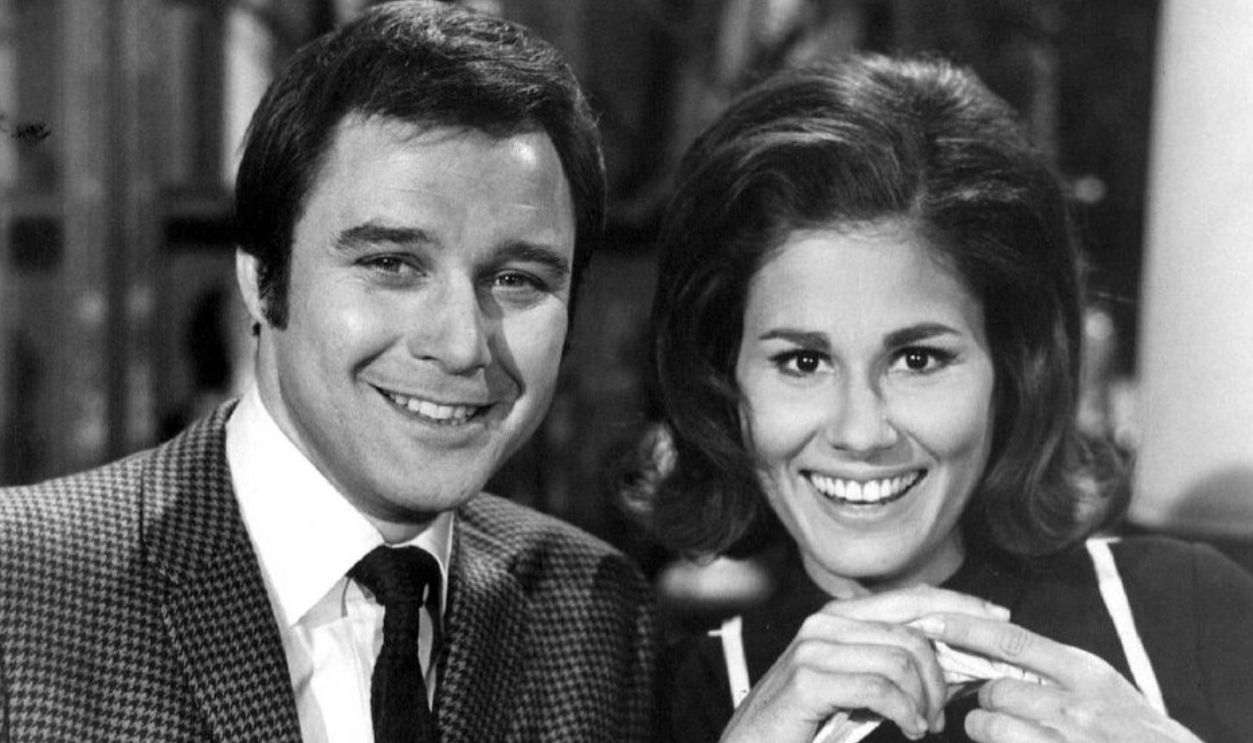 ABC Television, Wikimedia Commons
Vince Edwards
Vince Edwards became a television sensation as the brilliant but emotionally distant Dr. Ben Casey in the medical drama Ben Casey. His dark, handsome appearance and brooding intensity made him one of television's most recognizable leading men during the early 1960s. He subsequently attempted to build a film career, appearing in The Victors (1963), directed by Carl Foreman, and The Devil's Brigade (1968), alongside William Holden. Although Edwards remained active for decades, he never found another role that matched the enormous popularity of Ben Casey.
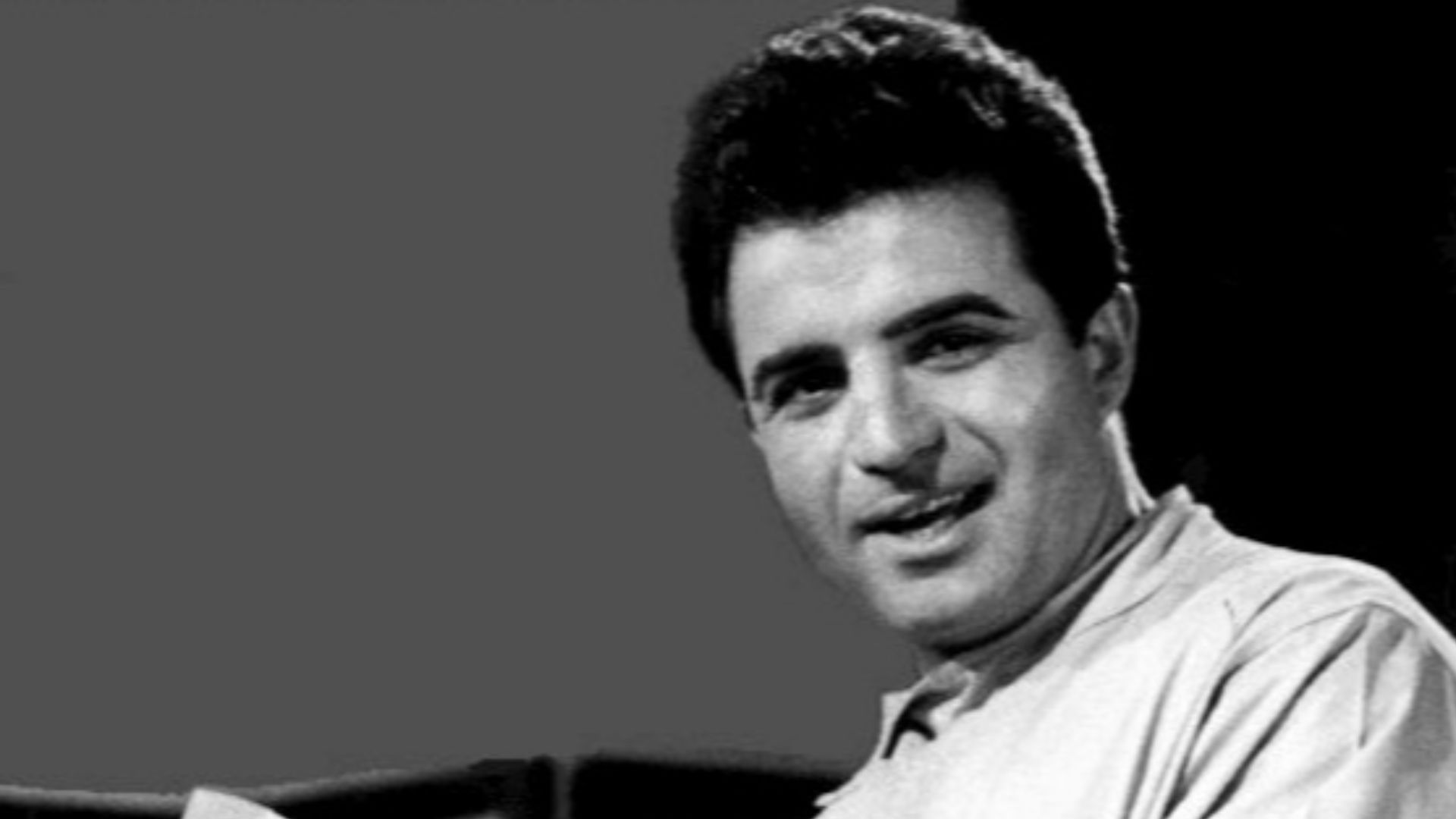 ABC Television-photo by Leigh Wiener, Wikimedia Commons
Robert Walker Jr.
Robert Walker Jr., the son of actors Robert Walker and Jennifer Jones, inherited both Hollywood connections and striking leading-man looks. He made an early impression starring opposite Diane Varsi in the romantic drama The Hook (1963), alongside Kirk Douglas, and later appeared in the Western The War Wagon (1967), starring John Wayne and Douglas. He also played the troubled teenager Charlie Evans in the memorable Star Trek episode "Charlie X." Despite promising early roles, Walker never established himself as a major star, gradually moving into guest appearances and smaller productions.
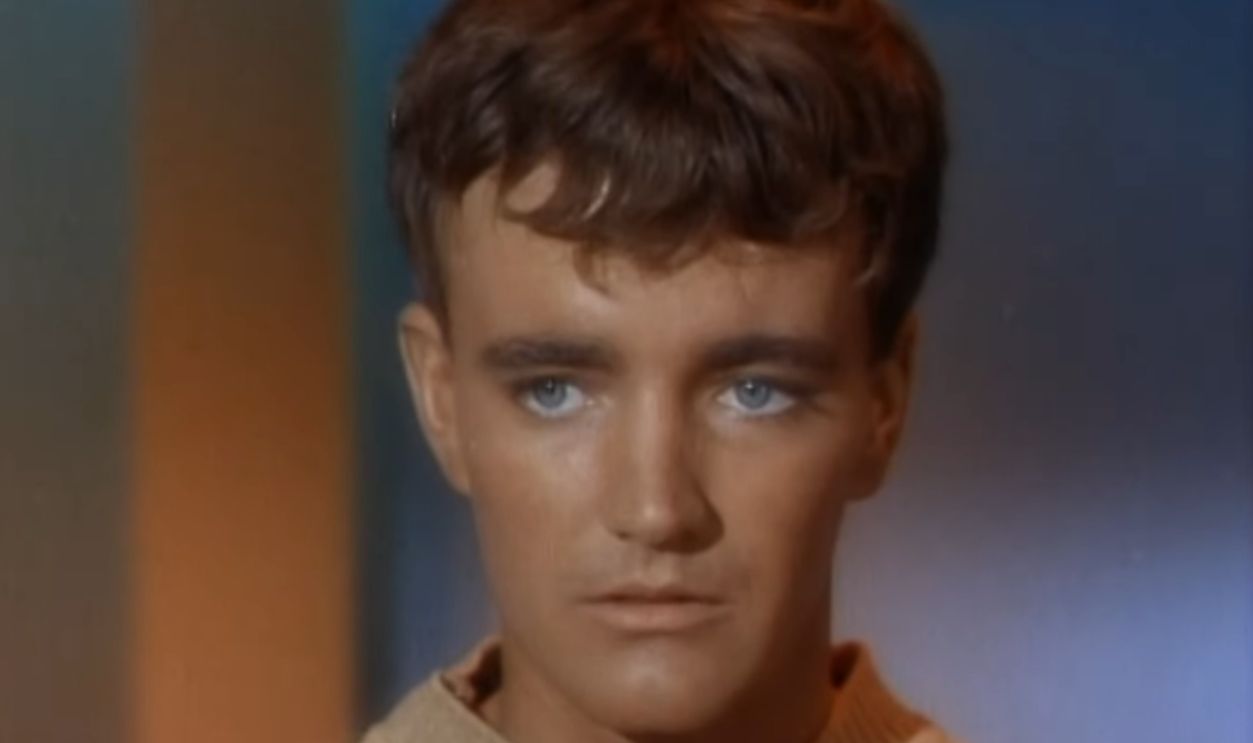 Screenshot from Star Trek: The Original Series, NBC (1966–1969)
You May Also Like:
Resilient Facts About Robert Conrad, Old Hollywood's Fall Guy
James Stacy Was A Rising TV Western Star, Then One Night Changed His Life Forever
Troubling Facts About Troy Donahue, The Superstar Who Burned Out