A Rising Star With A Story No One Saw Coming
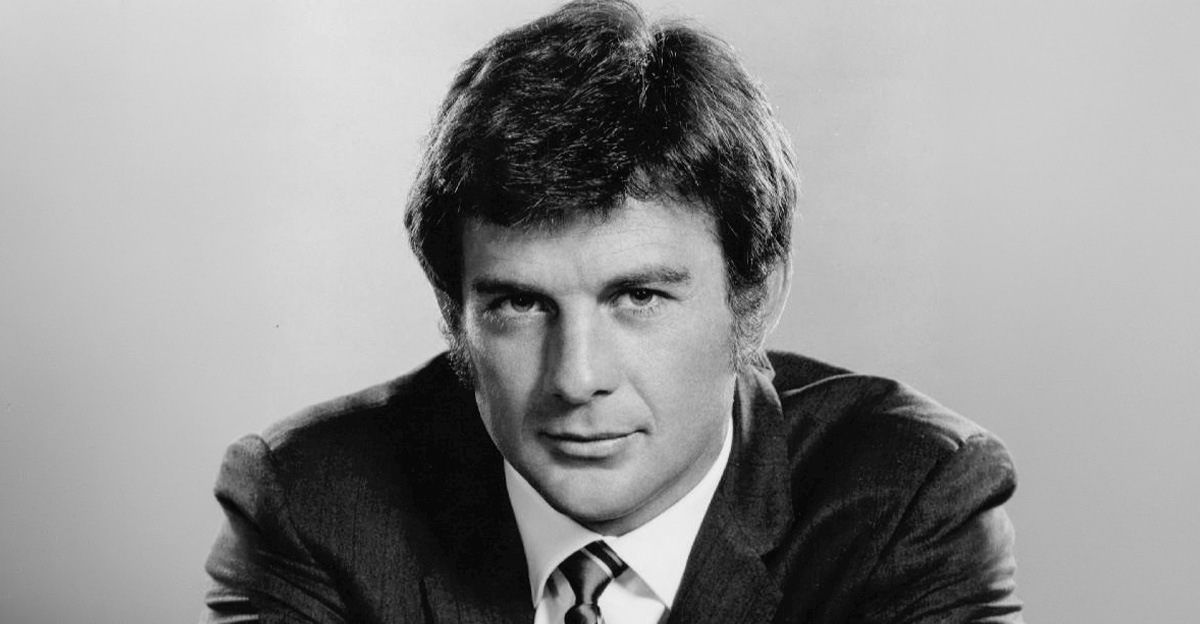
James Stacy looked like he had been built for television Westerns. Handsome, athletic, and effortlessly convincing on horseback, he seemed poised for a long run as a leading man. Then a horrific night in 1973 changed his career, his body, and the rest of his life forever.
 CBS Television, Public Domain, via Wikimedia Commons.
He Was Born Maurice Elias
The future TV cowboy was born Maurice William Elias in Los Angeles in 1936. Hollywood was practically in his backyard, but acting was not always the obvious destination. Stacy was athletic as a young man and initially imagined that sports might become his ticket to something bigger.
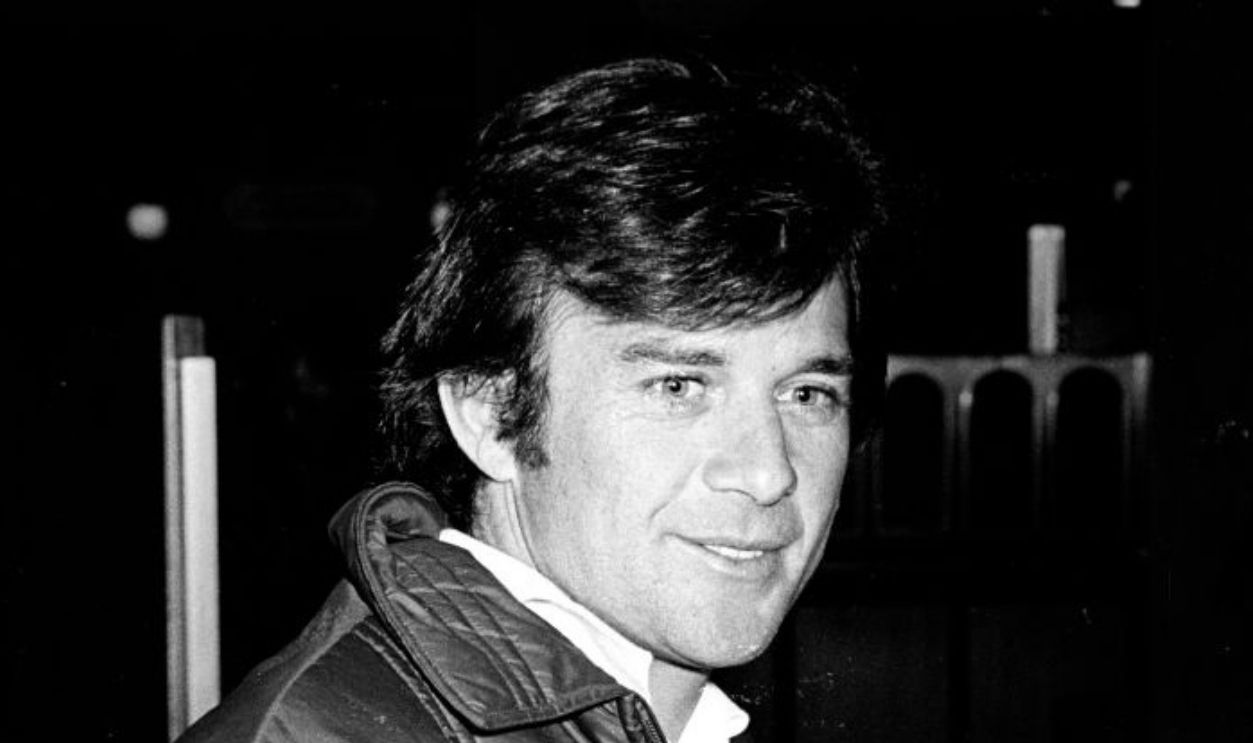
Football Nearly Came First
Before cameras became his focus, Stacy had serious athletic ambitions. Eventually, acting classes pulled him in another direction. It was a smart move. His good looks and easygoing screen presence made him a natural fit for the booming world of television, where producers constantly needed fresh young faces.
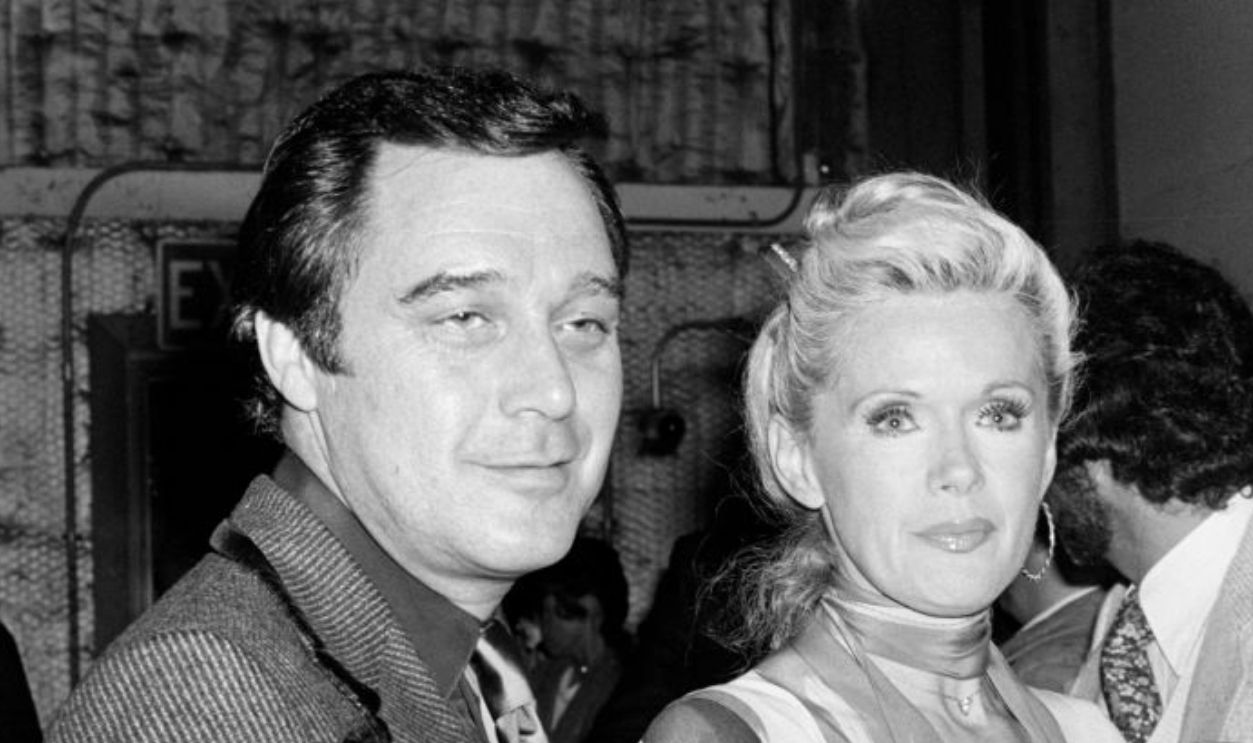
Becoming James Stacy
Maurice Elias eventually became James Stacy professionally, a name better suited to a marquee or television credit. Like plenty of young actors in 1950s Hollywood, he spent his early years trying to get noticed anywhere he could, accepting tiny roles while waiting for something substantial to arrive.
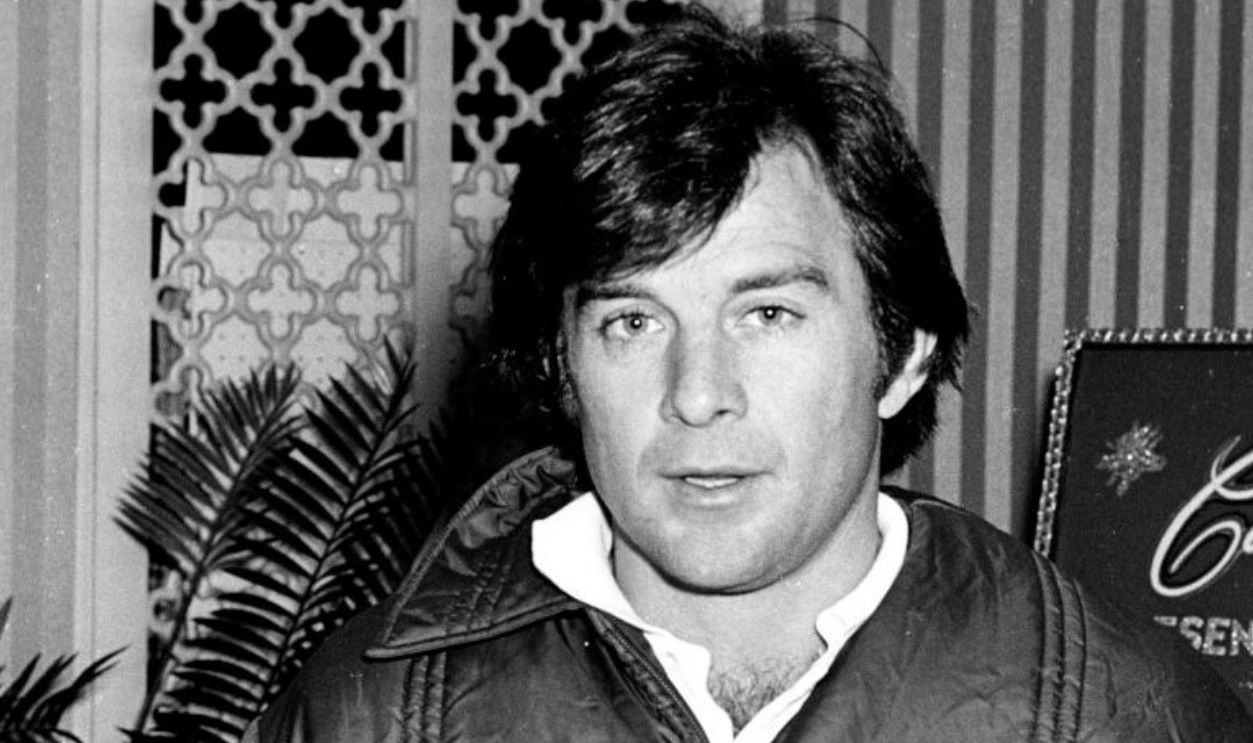
Hollywood Started Small
Stacy appeared uncredited in Sayonara, the 1957 drama starring Marlon Brando, and also turned up in South Pacific. Neither transformed him into a star overnight. Still, getting onto major sets mattered. He was learning how Hollywood worked while slowly becoming a familiar face to casting directors.
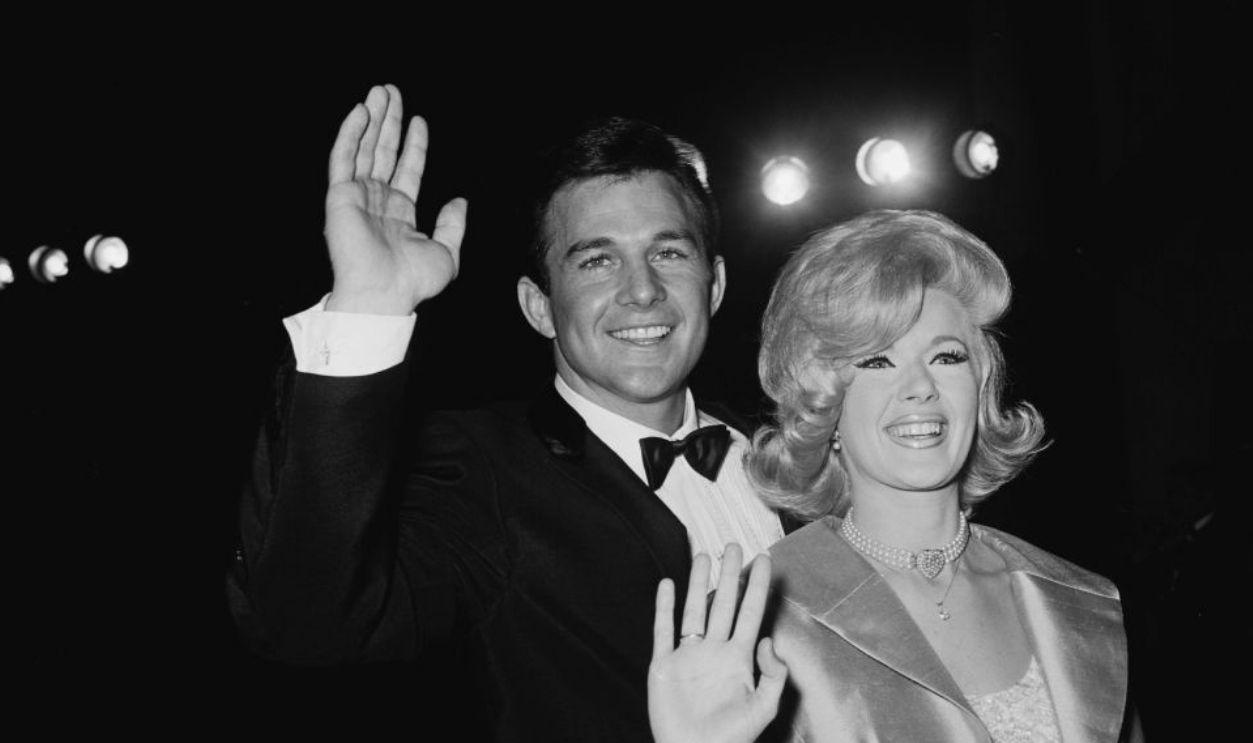
Ozzie And Harriet Helped
Television gave Stacy steadier opportunities. He appeared repeatedly as Fred on The Adventures of Ozzie and Harriet, gaining valuable experience on one of America's most recognizable family shows. He also popped up across other programs, slowly building the kind of résumé that working actors depended upon.
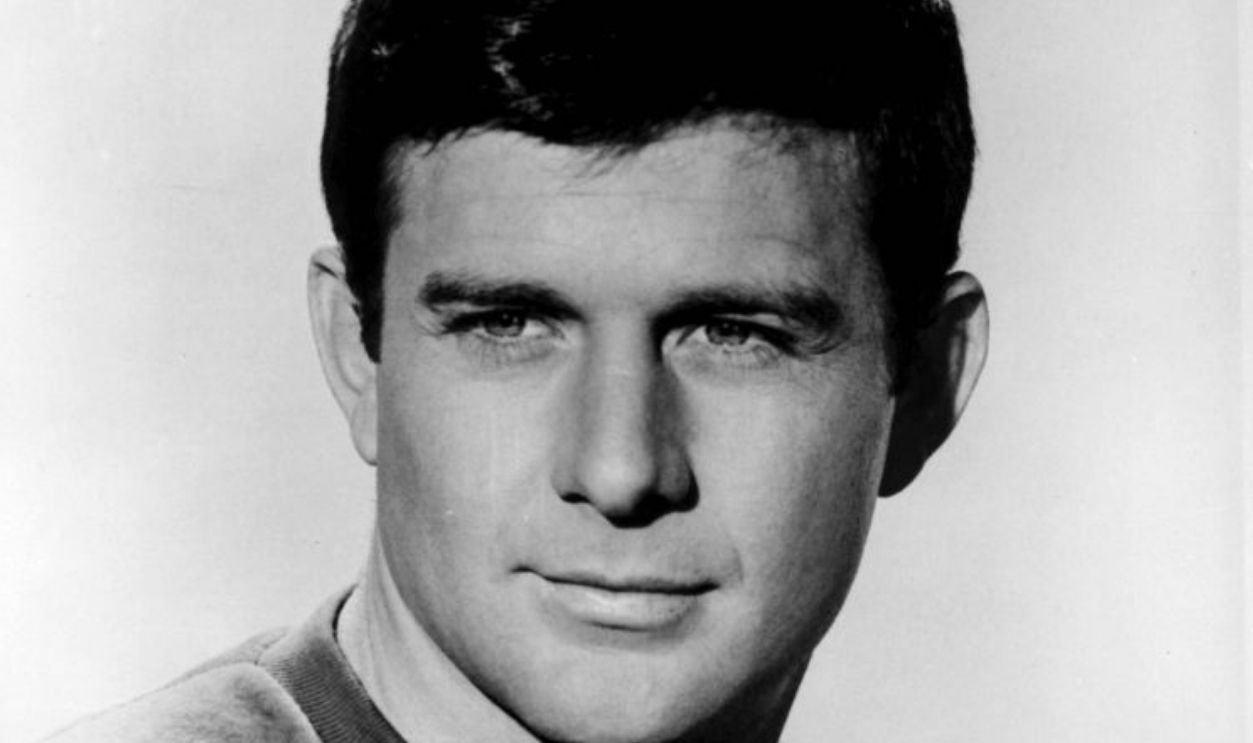
Western Television Was Everywhere
Stacy arrived at exactly the right moment for someone who could convincingly wear a gun belt. Westerns dominated television, and he appeared in shows including Cheyenne, Have Gun – Will Travel, Gunsmoke, and Perry Mason. Hollywood was beginning to understand what kind of performer it had.
Lancer Gave Him His Big Break
Then came Lancer. Premiering on CBS in 1968, the Western followed rancher Murdoch Lancer and his two very different sons. Stacy landed the role of Johnny Madrid Lancer, while Wayne Maunder played his brother Scott and Andrew Duggan played their formidable father.
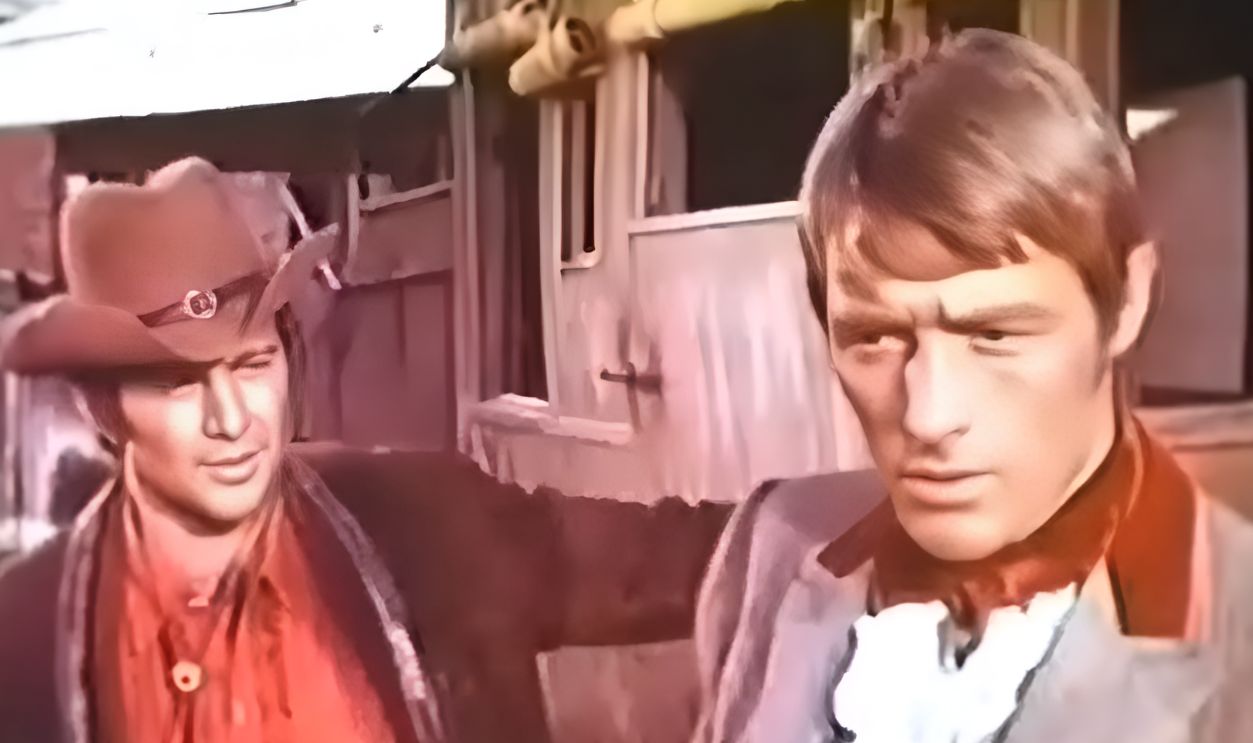 Screenshot from Lancer, CBS (1968–1970), Modified
Johnny Madrid Was The Cool One
Johnny was exactly the kind of character that audiences remembered. He was a former gunslinger with danger in his past, giving Stacy something more interesting to play than a spotless television cowboy. Johnny could be charming one minute and intimidating the next, and Stacy seemed completely comfortable doing both.
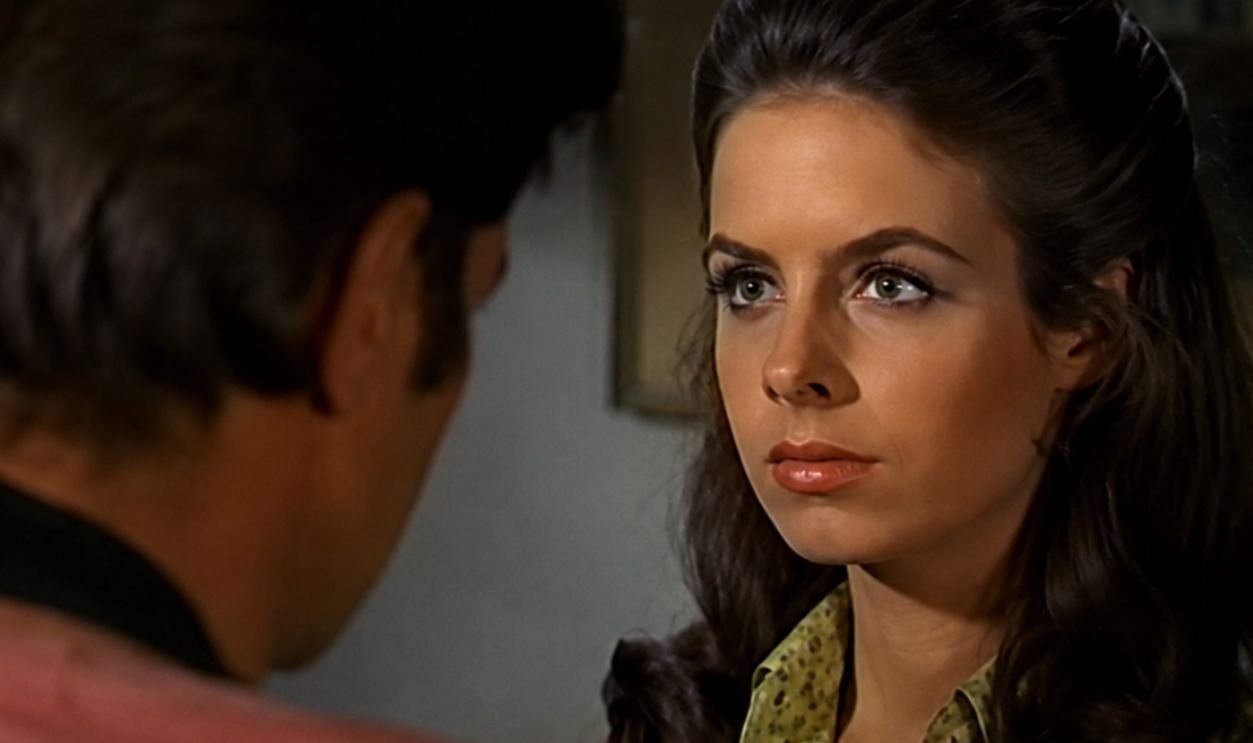 Screenshot from Lancer, The Walt Disney Company (1968-1970), enhanced
He Wasn't The Typical TV Cowboy
Part of Stacy's appeal on Lancer was that he didn't feel stiff or overly polished. Johnny had swagger, humor, vulnerability, and a slightly unpredictable quality. In an era filled with Western heroes, those differences mattered. Stacy suddenly had a character viewers could recognize the moment he walked into a scene.
 Screenshot from Cagney & Lacey, CBS (1982–1988)
The Family Dynamic Made It Work
The heart of Lancer wasn't simply gunfights and ranch trouble. Much of the show revolved around Murdoch trying to build relationships with two sons who had grown up apart. Stacy and Maunder brought different energies to those brothers, giving the series an entertaining family tension beneath all the Western action.
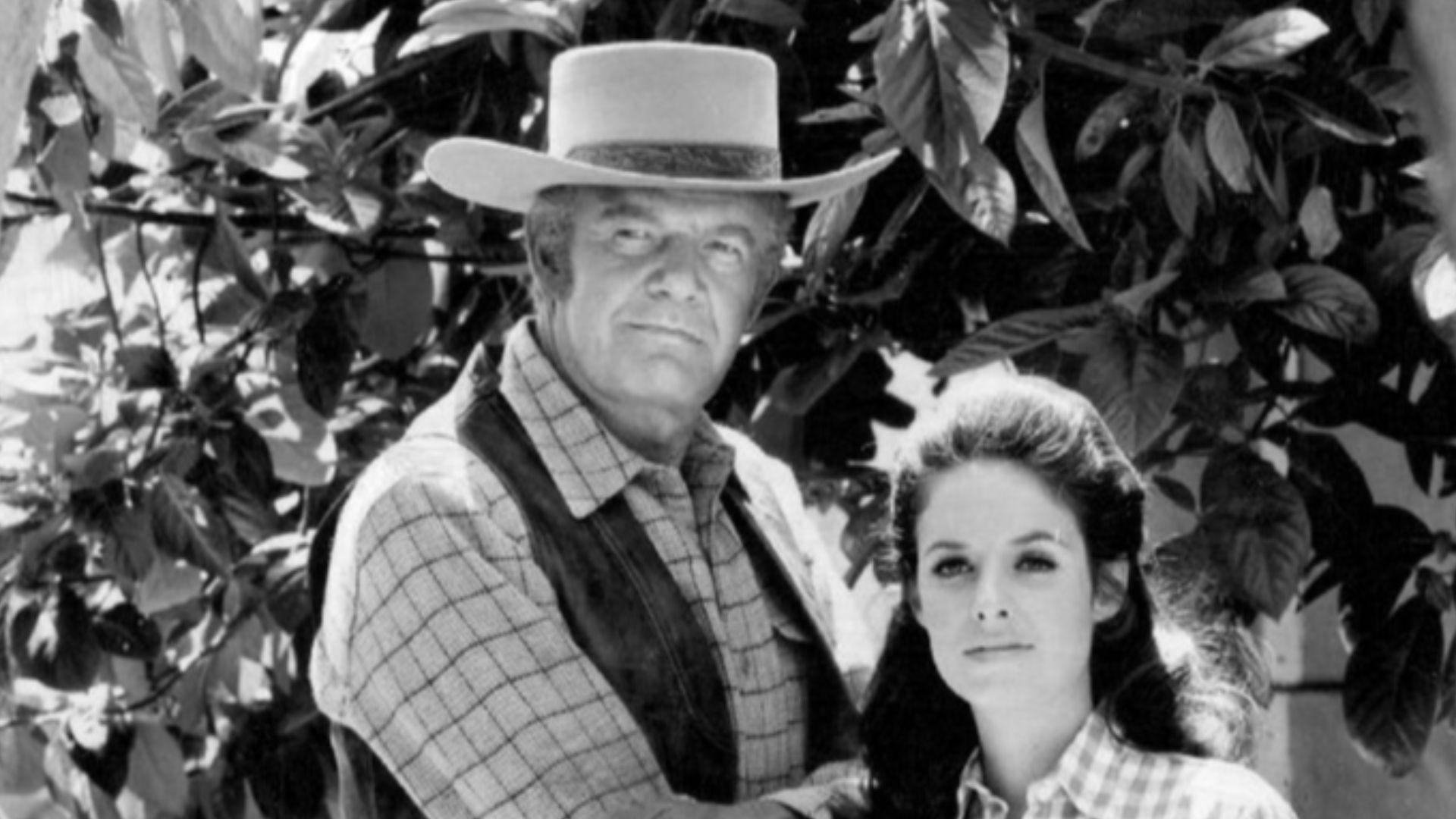 CBS Television, Wikimedia Commons
A Western At A Turning Point
Unfortunately, Lancer arrived as America's obsession with television Westerns was beginning to fade. The series lasted only two seasons, producing 51 episodes before ending in 1970. Stacy had found his breakthrough role, but the television landscape was already starting to move away from the genre that made him famous.
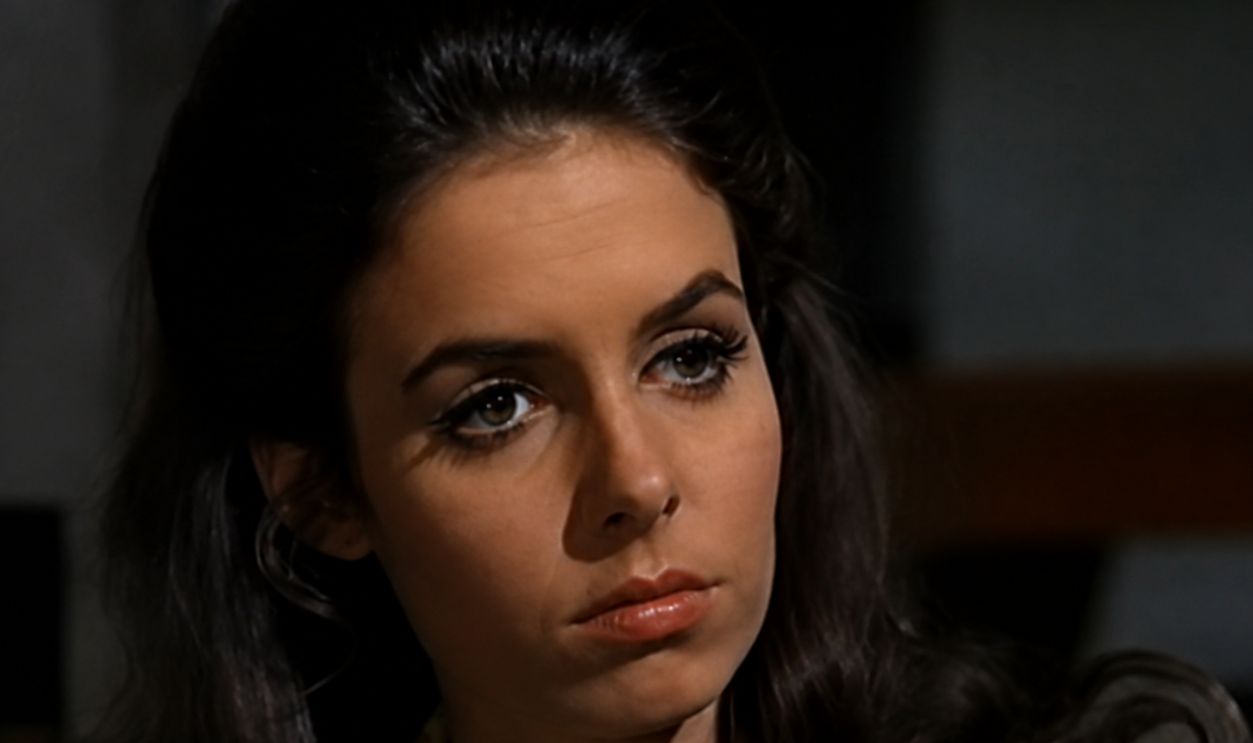 Screenshot from Lancer, The Walt Disney Company (1968-1970), enhanced
Stardom Didn't Disappear Overnight
The end of Lancer didn't leave Stacy unemployed. He continued appearing on television in shows and movies, including Gunsmoke, Medical Center, Marcus Welby, M.D., and The Streets of San Francisco. He had become exactly what Hollywood valued: a dependable, recognizable actor who could move between projects.
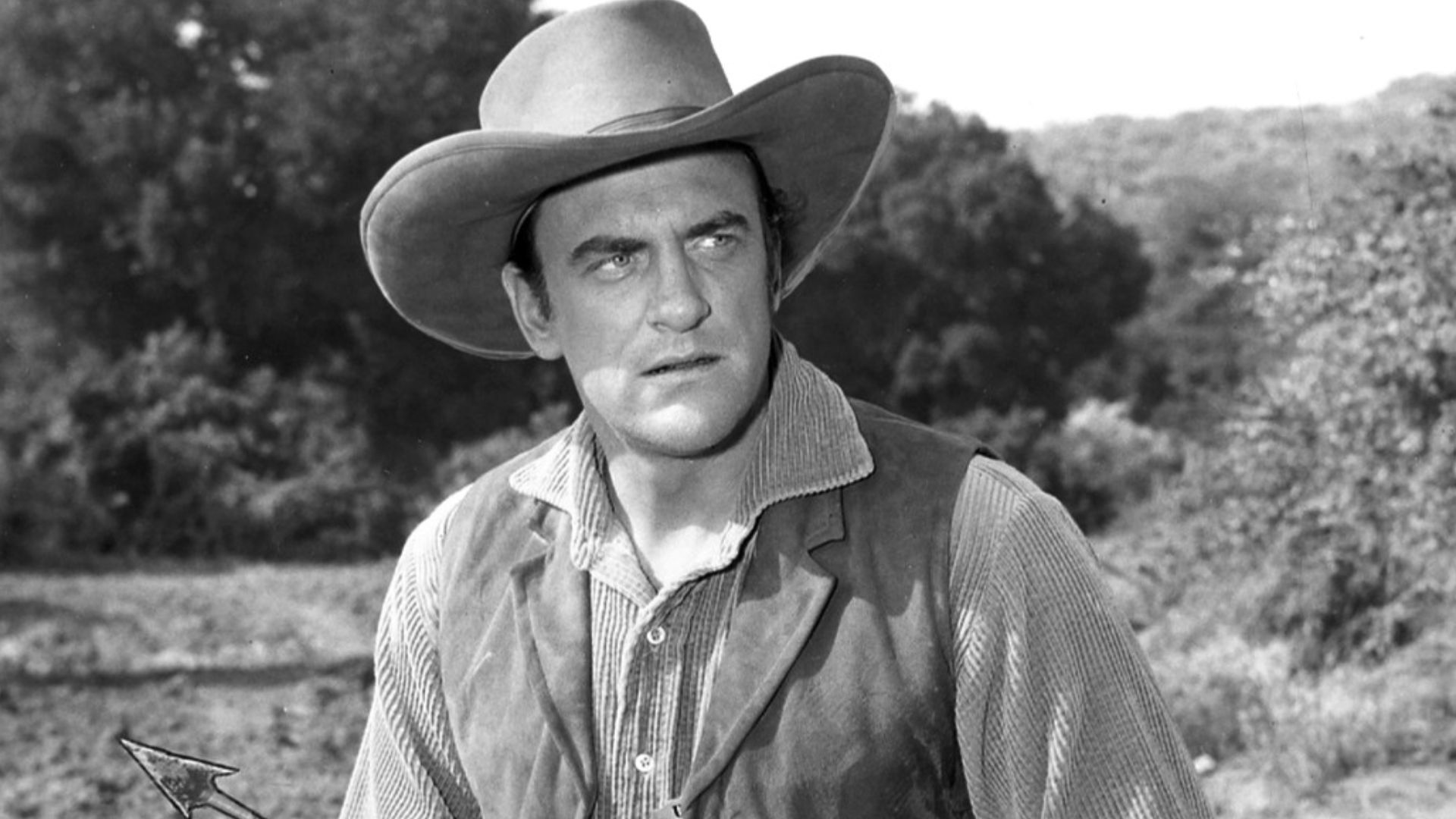 CBS Television, Wikimedia Commons
His Personal Life Drew Attention Too
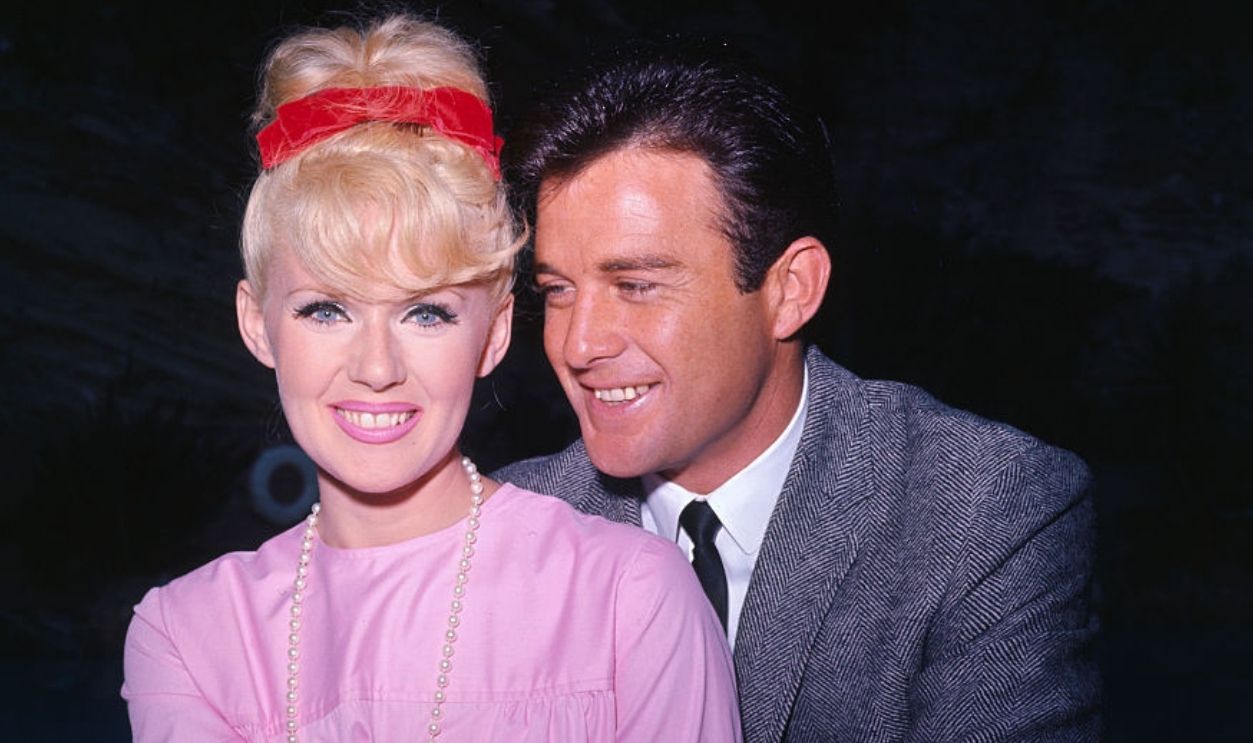
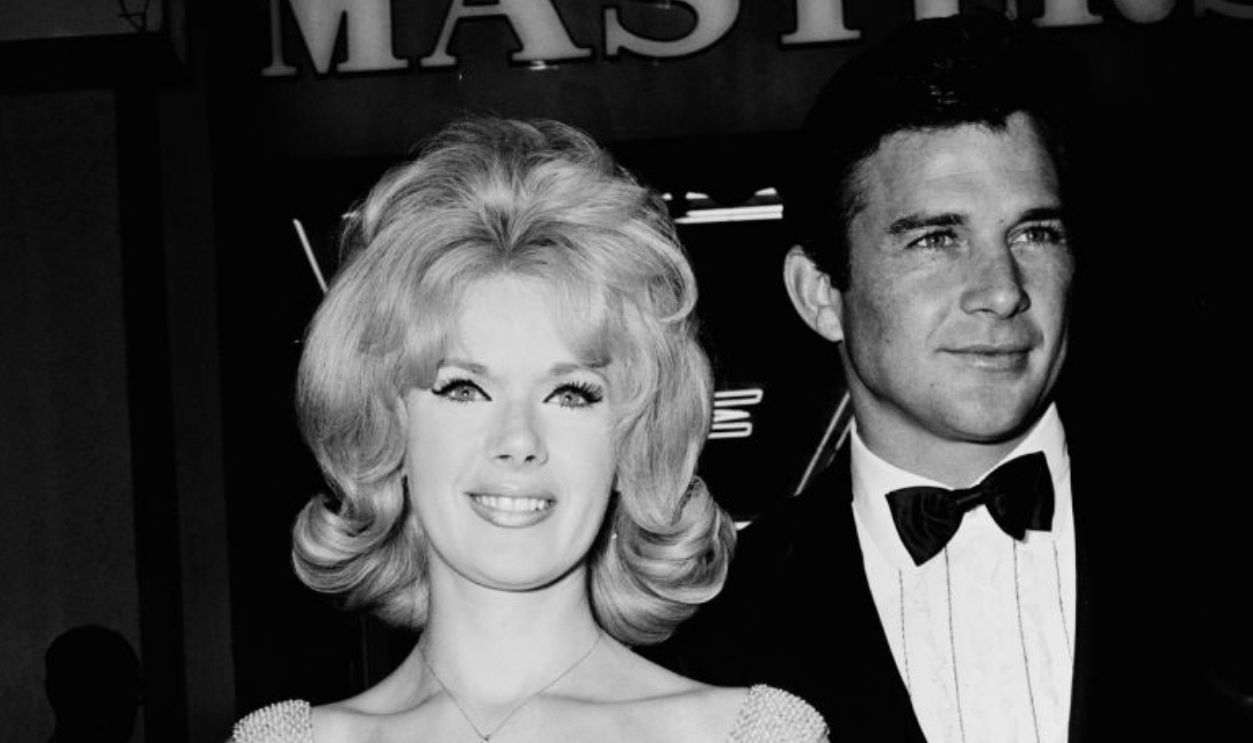
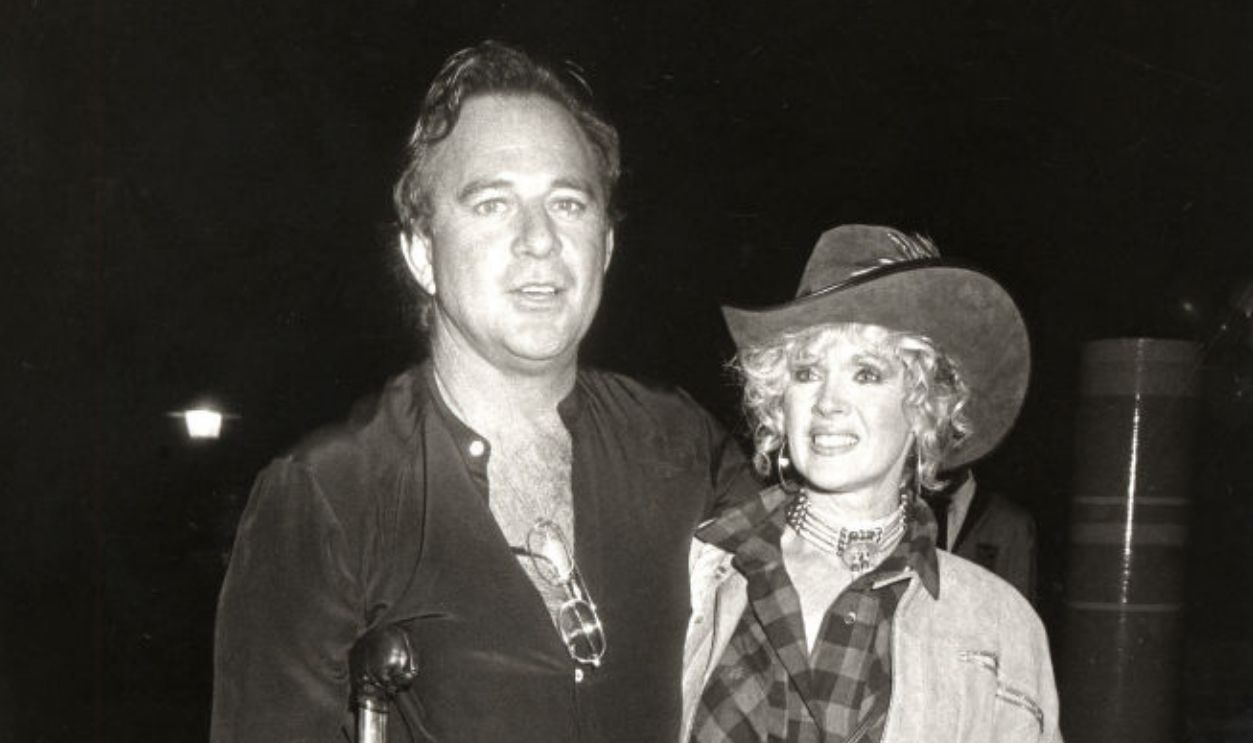
Stacy's off-screen life occasionally made headlines. He married singer and actress Connie Stevens in 1963, though the marriage ended in 1966. He later married True Grit actress Kim Darby in 1968. They had a daughter together before divorcing the following year.
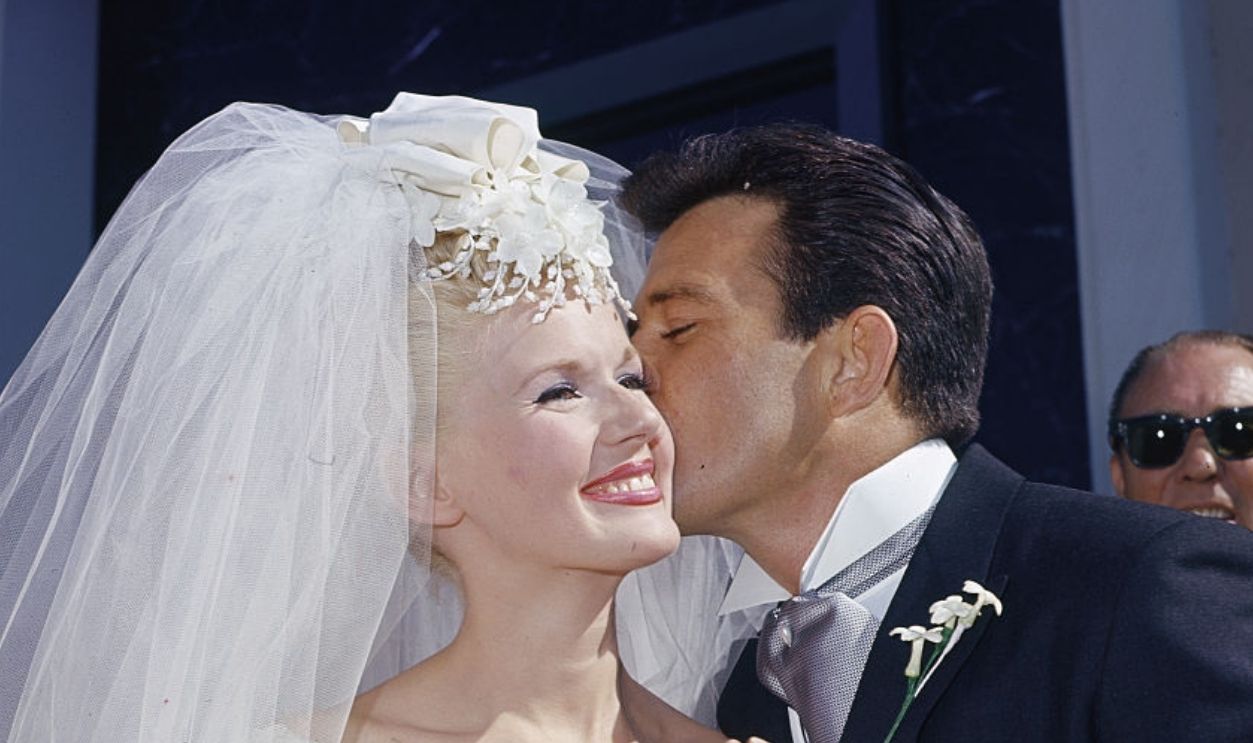
Then Came That Night
By 1973, Stacy was still a working actor with plenty of career ahead of him. Then, during a motorcycle ride in Los Angeles, everything changed. A vehicle driven by a drunk driver struck Stacy's motorcycle while he was carrying a passenger. What happened next was devastating.
The Crash Changed Everything
Stacy survived, but his injuries were catastrophic. He lost his left leg and left arm as a result of the collision. His girlfriend, who had been riding with him, was killed. In a matter of moments, the athletic television actor's life had been completely transformed.
Grief Came With Recovery
Physical recovery was only part of what Stacy faced. He was also grieving the death of his companion while adjusting to life as a double amputee. The medical bills were enormous, his acting future suddenly looked uncertain, and the independence he had taken for granted now required relearning.
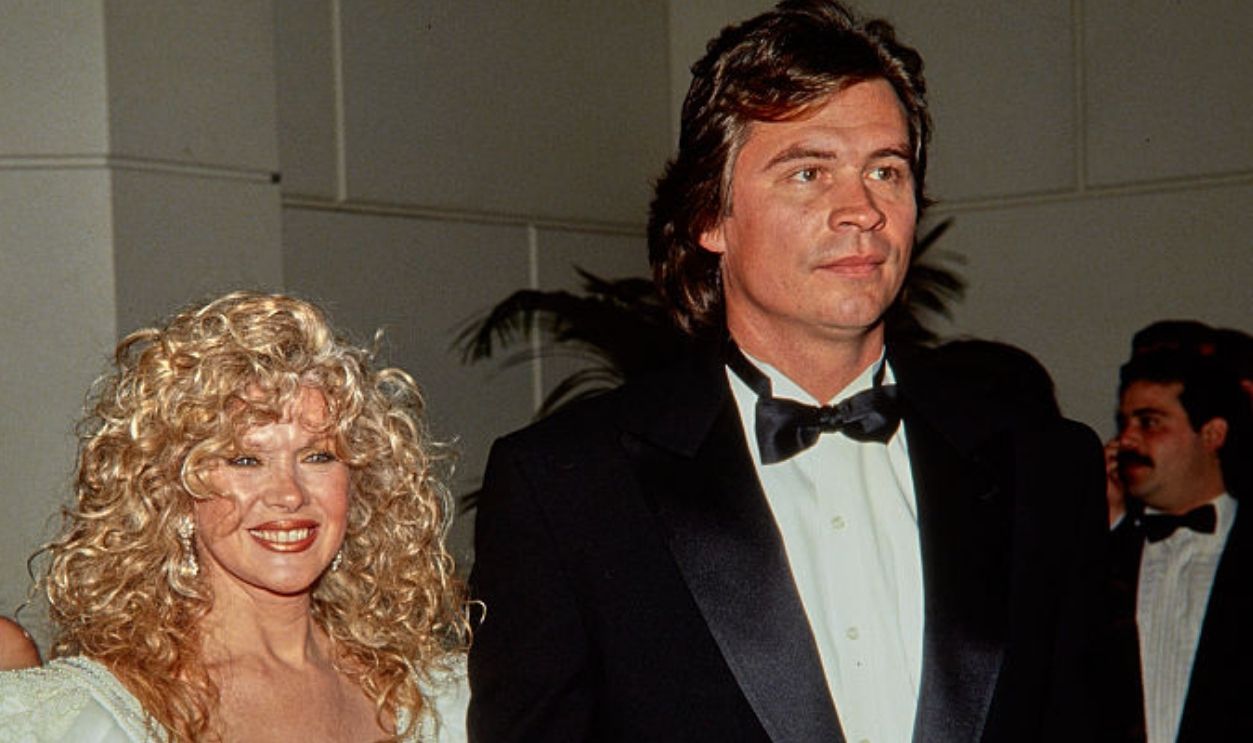
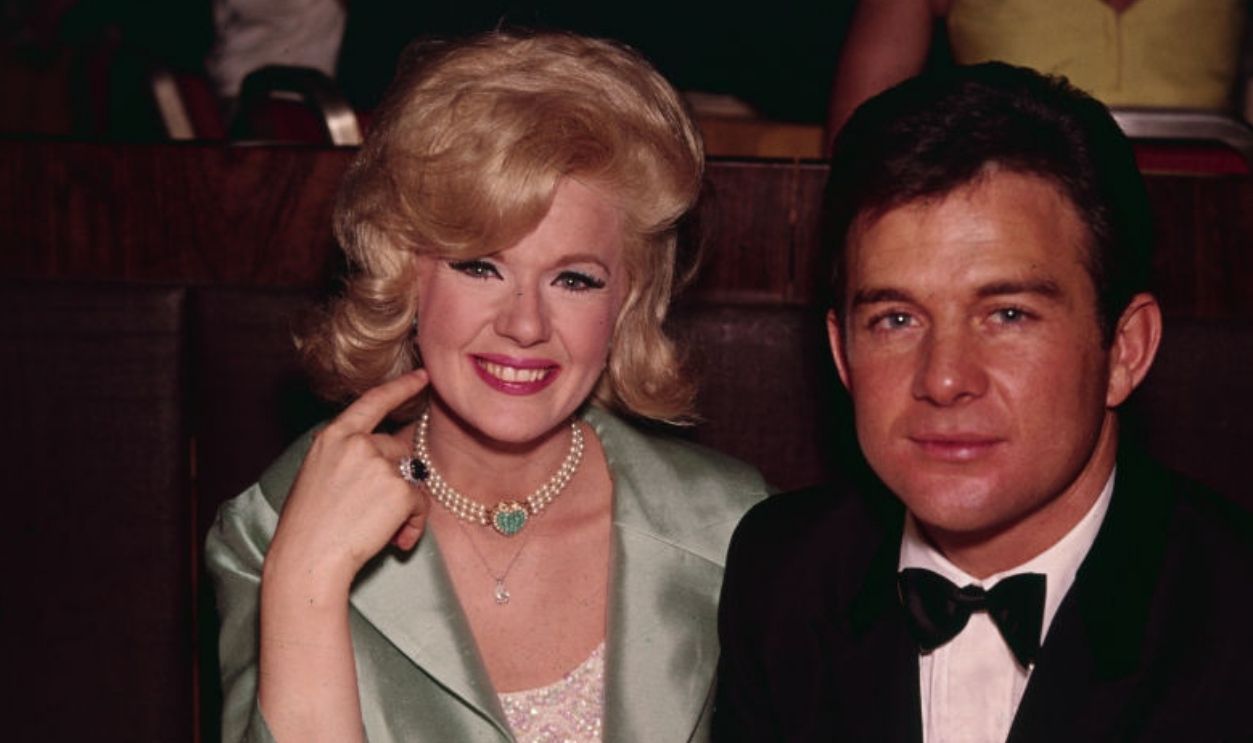 Fotos International, Getty Images
Hollywood Closed Ranks Around Him
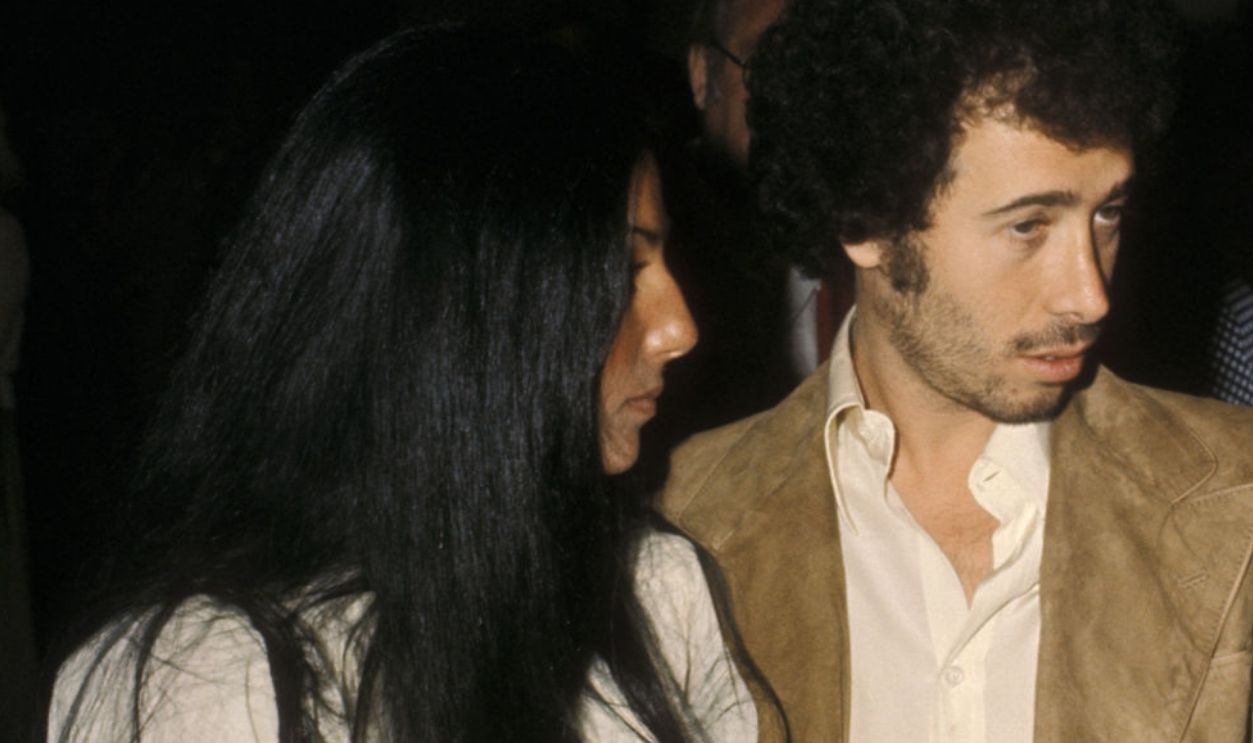
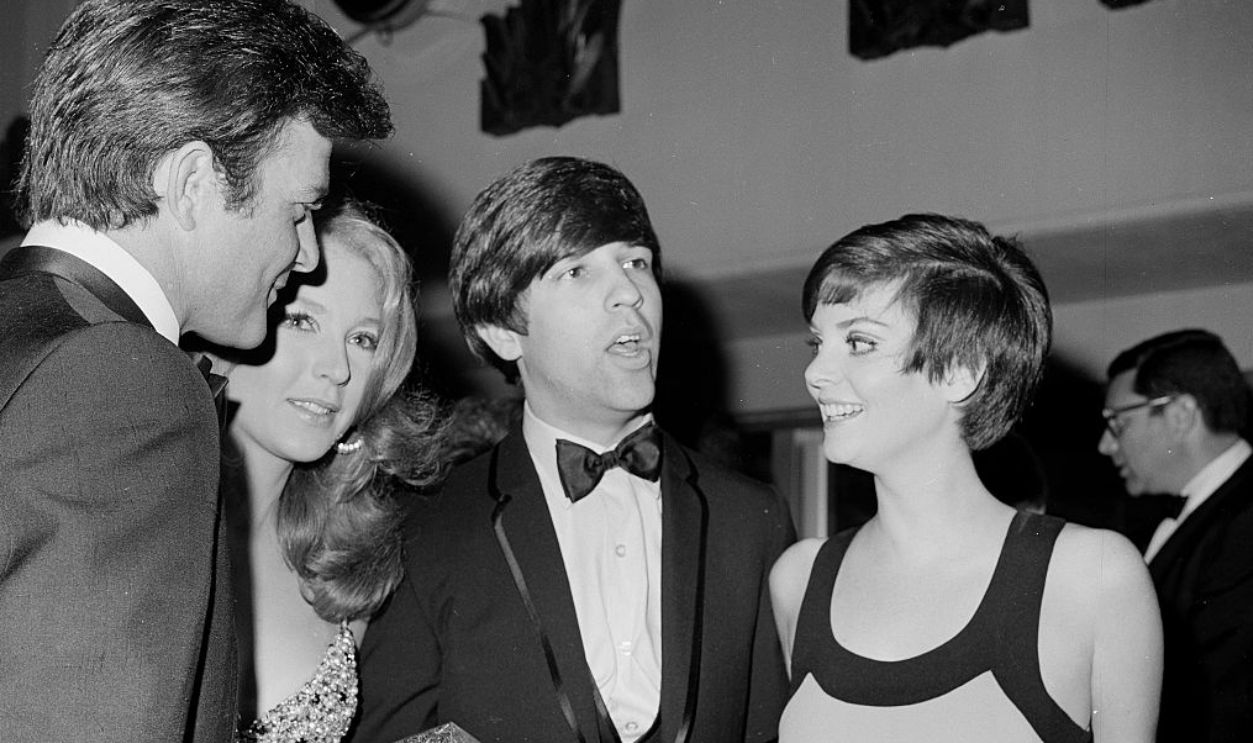
Stacy discovered that he had more friends in Hollywood than he may have realized. Former wives, actors, musicians, and others in the entertainment industry rallied around him, helping organize a major benefit to assist with his expenses. At one of his lowest moments, his Hollywood community showed up.
The Crash Led To A Landmark Case
The aftermath also produced an important legal fight. Stacy successfully pursued damages involving the establishment that had served alcohol to the drunk driver responsible for the collision. The case became notable in California's evolving rules surrounding the liability of businesses that continued serving intoxicated customers.
 Michael Ochs Archives, Getty Images
Kirk Douglas Opened A Door
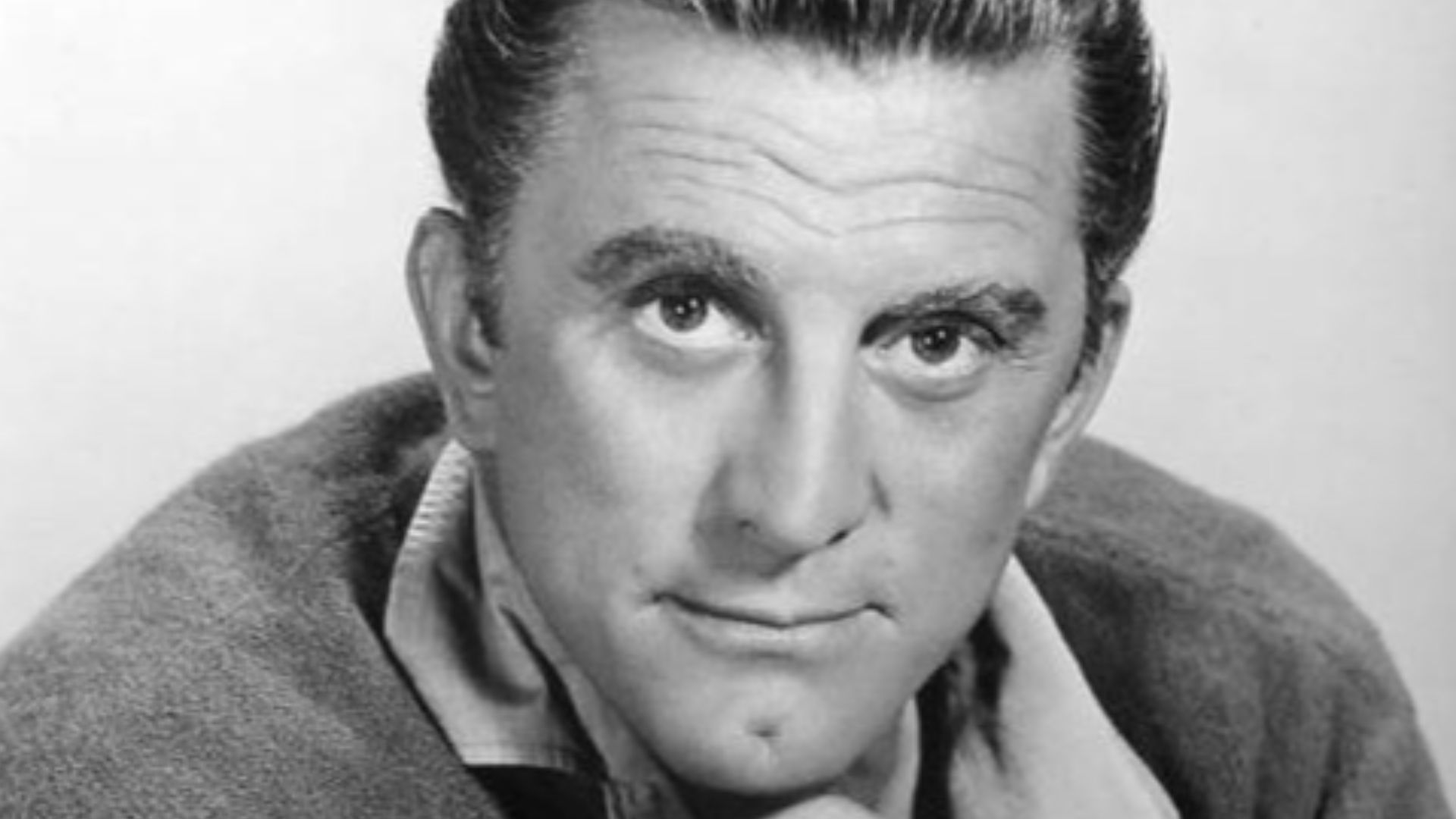
Many assumed Stacy's acting career was finished. Kirk Douglas apparently disagreed. When Douglas directed the 1975 Western Posse, a role was created for Stacy as newspaper editor Harold Hellman. Just two years after the crash, Stacy was back in front of a movie camera.
 Unknown authorUnknown author, Wikimedia Commons
Posse Was More Than A Cameo
The importance of Posse went far beyond screen time. Stacy was proving that losing two limbs had not taken away his ability to perform. Hollywood rarely offered disabled actors substantial opportunities at the time, making his return both personally significant and unusually visible.
Just A Little Inconvenience Made An Impact
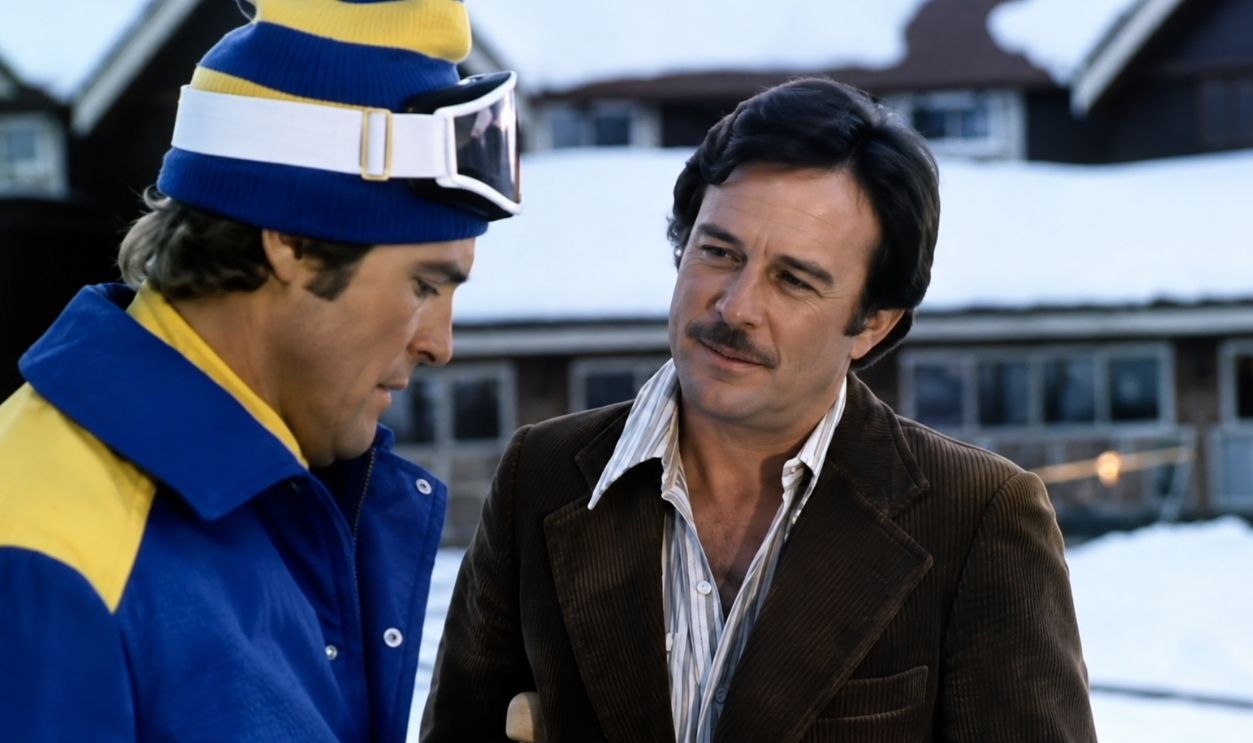
In the television movie Just a Little Inconvenience, Stacy played a double-amputee Vietnam veteran struggling to rebuild his life. The role obviously carried personal resonance, but Stacy didn't simply play himself. His performance had enough power to earn serious industry recognition.
 Screenshot from Just a Little Inconvenience, NBC (1977), Enhanced
Emmy Voters Took Notice
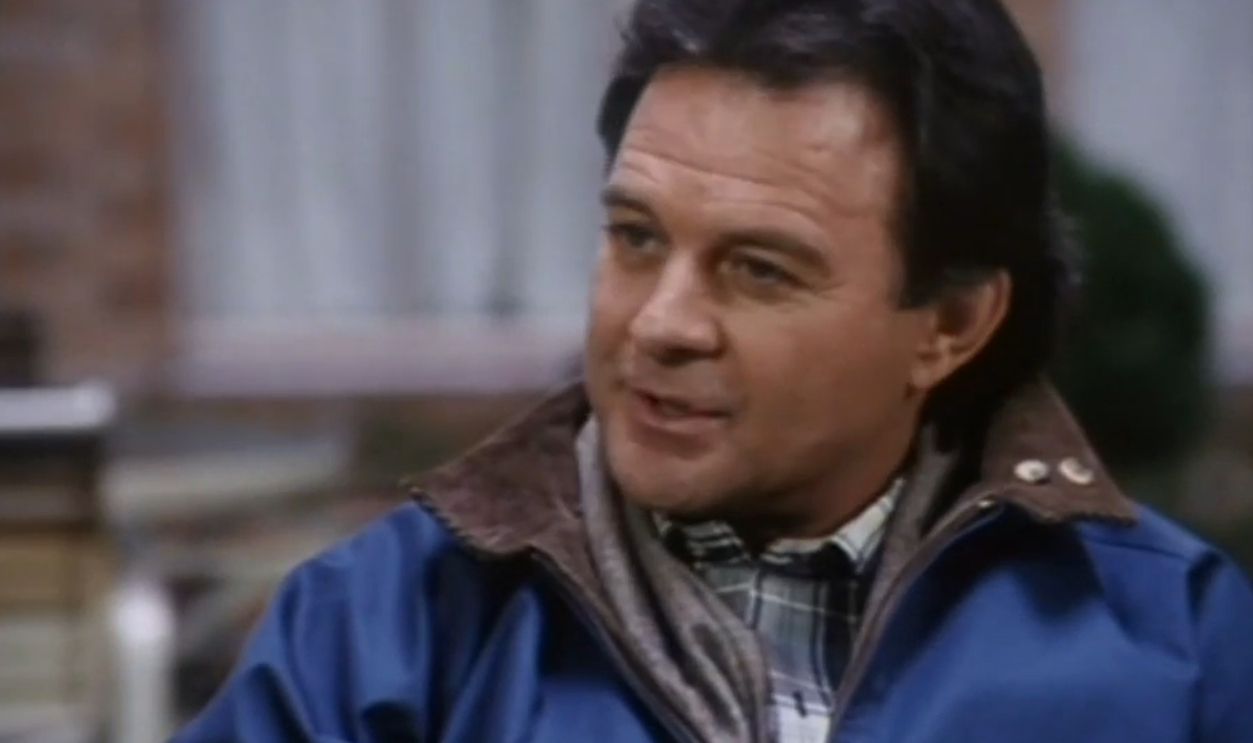
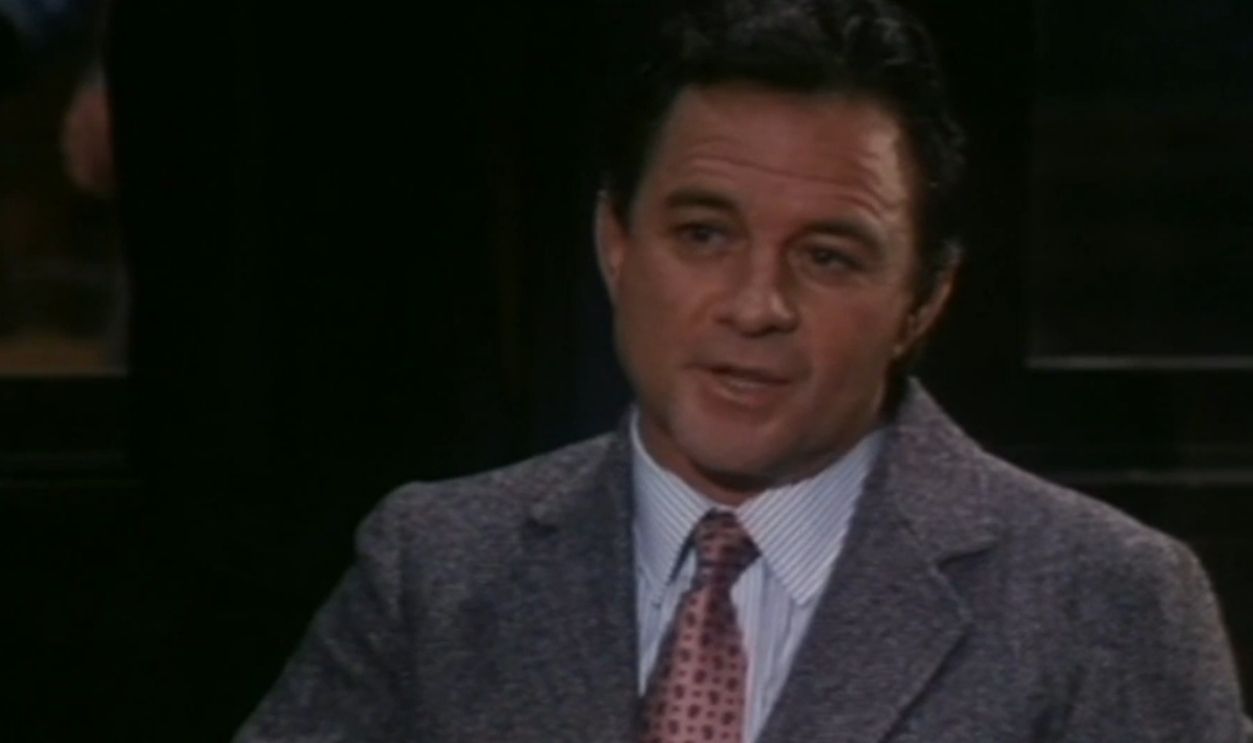
Stacy received an Emmy nomination for Just a Little Inconvenience. Nearly a decade later, he earned another nomination for a guest appearance on Cagney & Lacey. The second nomination proved his post-accident career wasn't based merely on sympathy. He could still command attention as a dramatic actor.
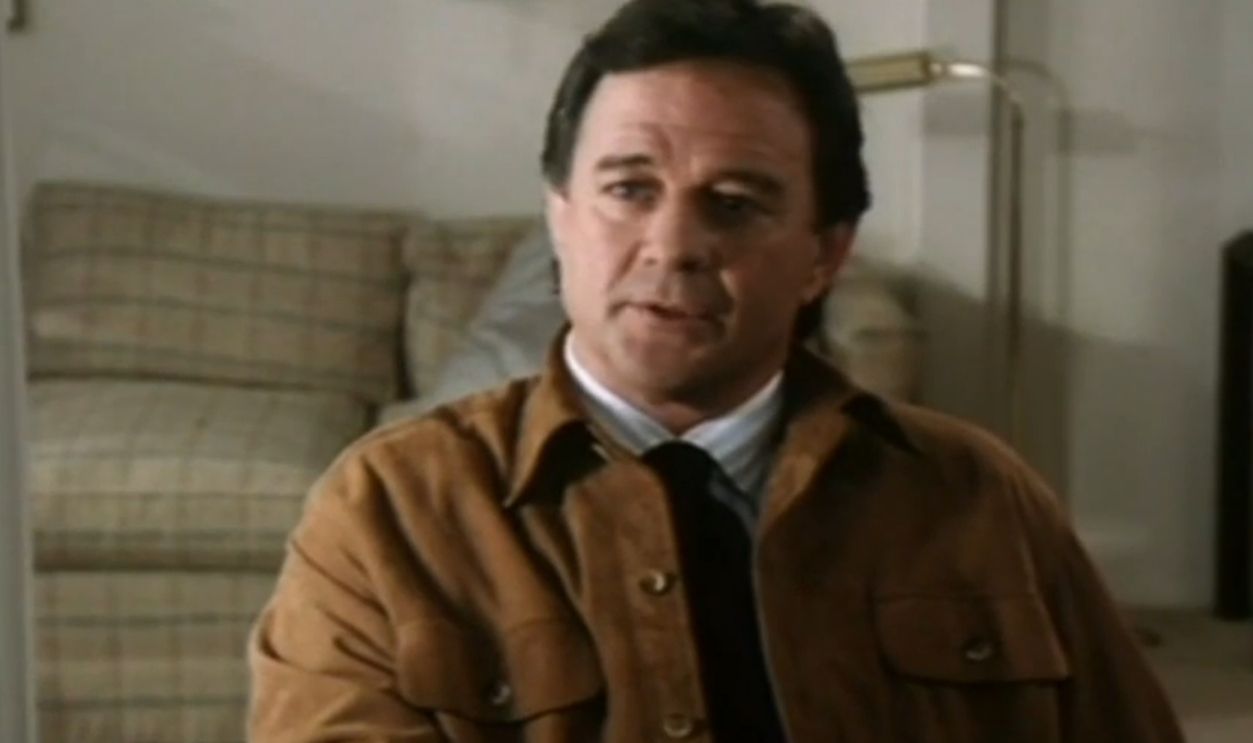 Screenshot from Cagney & Lacey, CBS (1982–1988)
Cagney And Lacey Gave Him Another Showcase
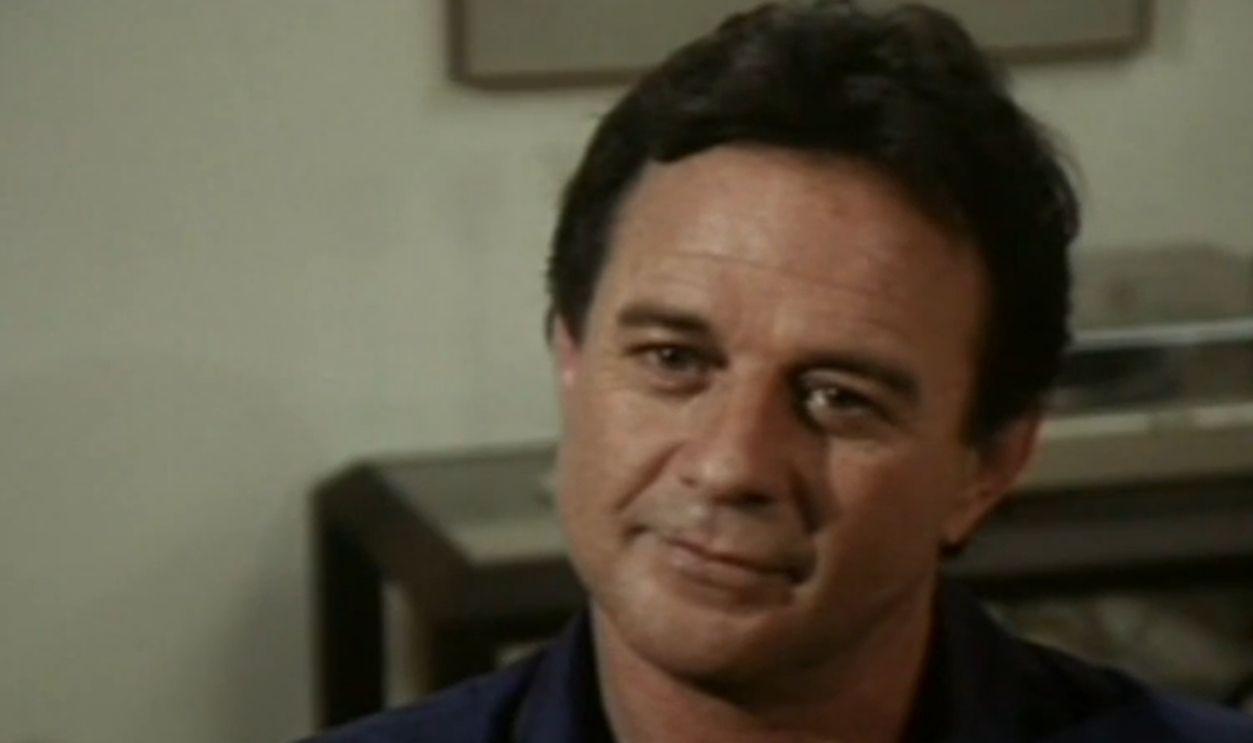
On Cagney & Lacey, Stacy played a disabled activist, once again taking a character whose physical condition was visible without allowing that condition to become the entire performance. The guest appearance earned him his second Emmy nomination, a remarkable achievement years after many believed his career had ended.
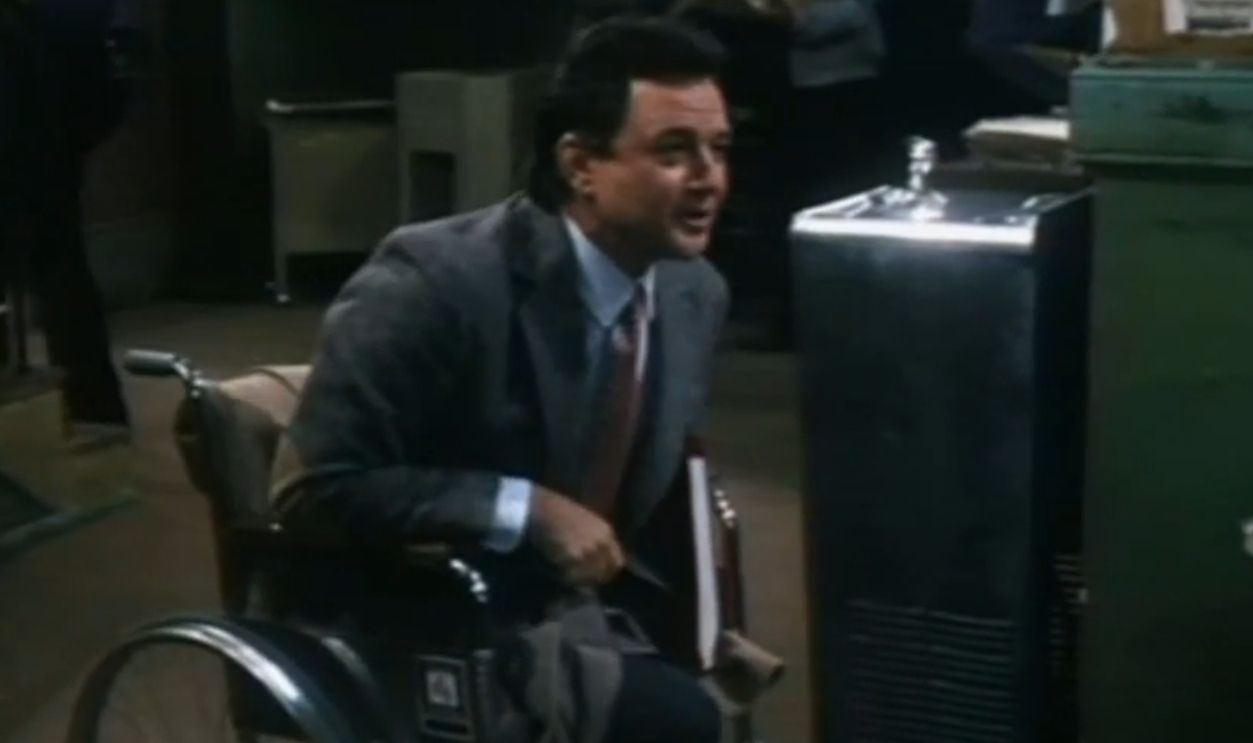 Screenshot from Cagney & Lacey, CBS (1982–1988)
He Wanted More Than Disability Roles
Stacy sometimes grew frustrated that producers mainly imagined him as injured veterans or disabled characters. He wanted complicated people to play, not simply inspirational symbols. A later multi-episode appearance on Wiseguy gave him another substantial part, playing a fiercely independent newspaper editor.
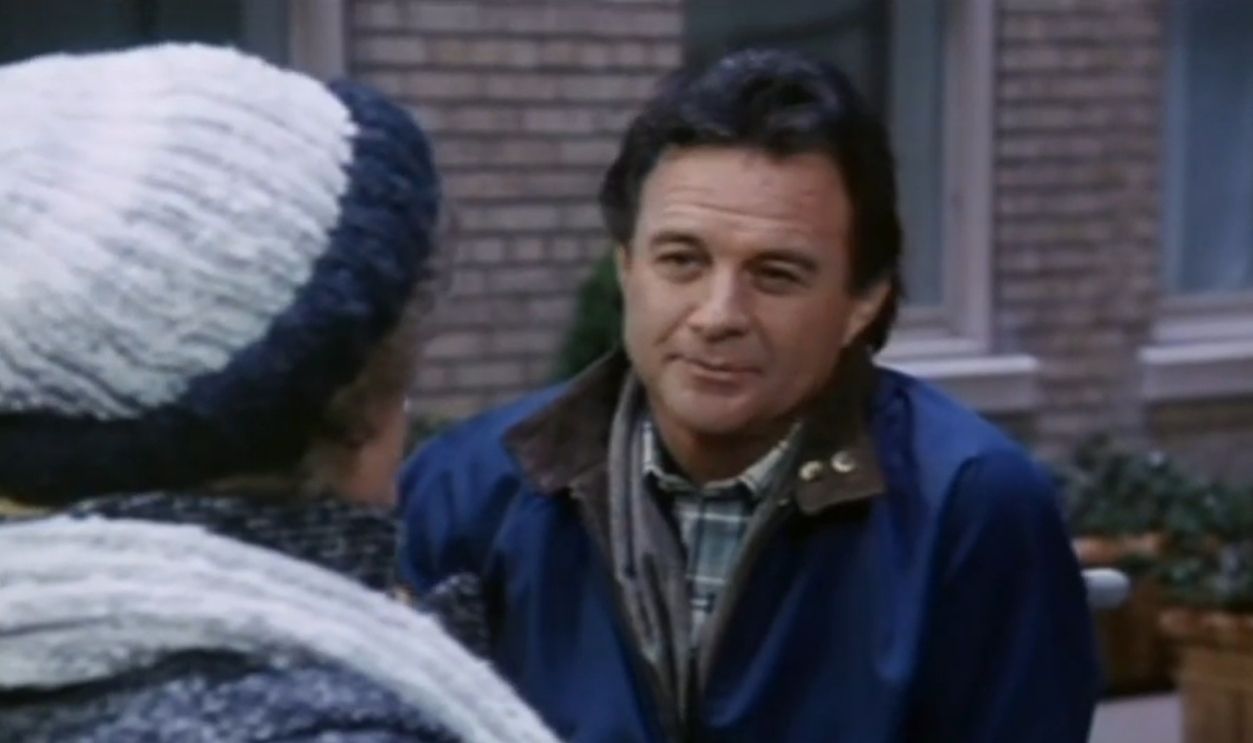 Screenshot from Cagney & Lacey, CBS (1982–1988)
His Acting Career Eventually Wound Down
By the early 1990s, Stacy's appearances had become less frequent, and his acting career effectively came to an end. His post-accident credits included Highway to Heaven, Wiseguy, Cagney & Lacey, and other projects, giving his career a second chapter few could have predicted in 1973.
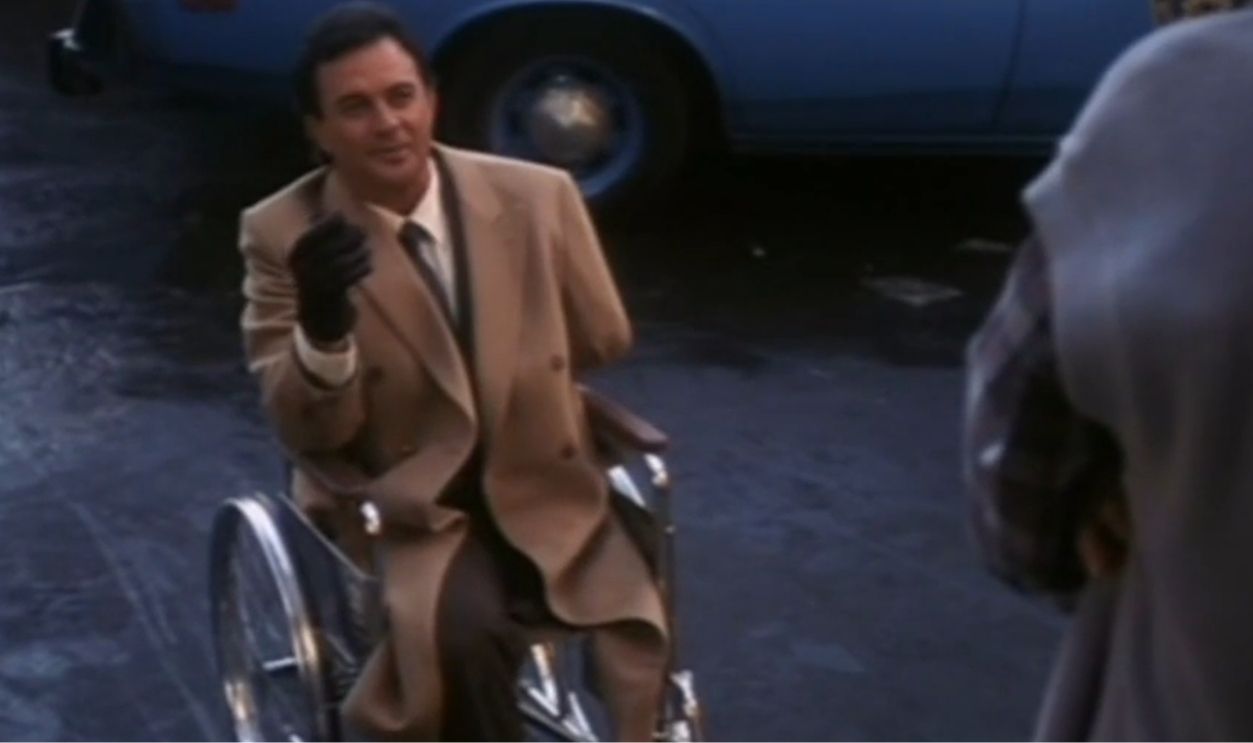 Screenshot from Cagney & Lacey, CBS (1982–1988)
His Later Life Took A Dark Turn
Any complete account of Stacy's life has to include what happened afterward. In 1995, he pleaded no contest to felony child molestation involving an 11-year-old girl. After additional legal problems and fleeing before sentencing, he was sentenced in 1996 to six years in prison.
 Screenshot from Cagney & Lacey, CBS (1982–1988)
A Complicated Hollywood Legacy
James Stacy died in 2016 at 79, leaving behind a story far more complicated than the usual tale of a forgotten TV cowboy. He was a promising Western star, a survivor who rebuilt an acting career after catastrophic injuries, an Emmy-nominated performer, and later a convicted offender. His life resisted any simple Hollywood ending.
 Screenshot from Cagney & Lacey, CBS (1982–1988)
You May Also Like: