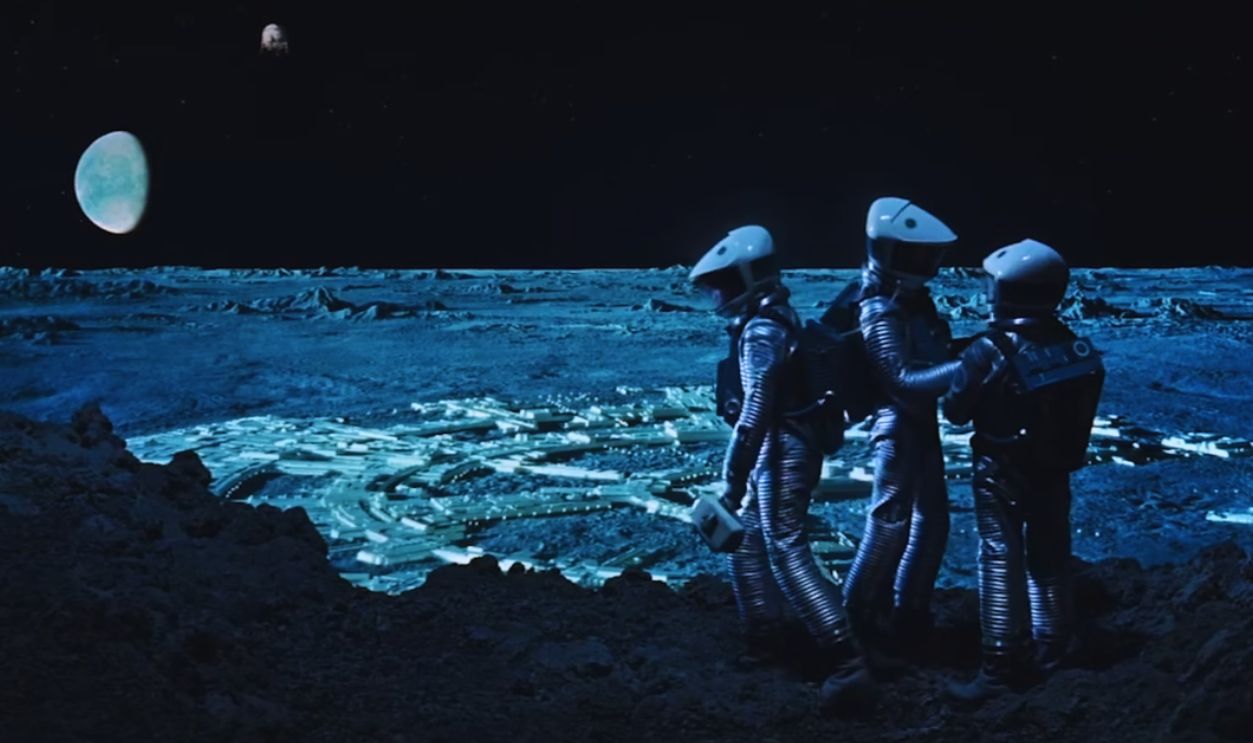
Hollywood Saw It Coming
Movies have always imagined tomorrow, but occasionally filmmakers get unnervingly close to what actually happens. Some of these examples came from careful research and intelligent extrapolation. Others look like extraordinary coincidences. Either way, watching them decades later can feel less like science fiction and more like somebody peeked ahead.
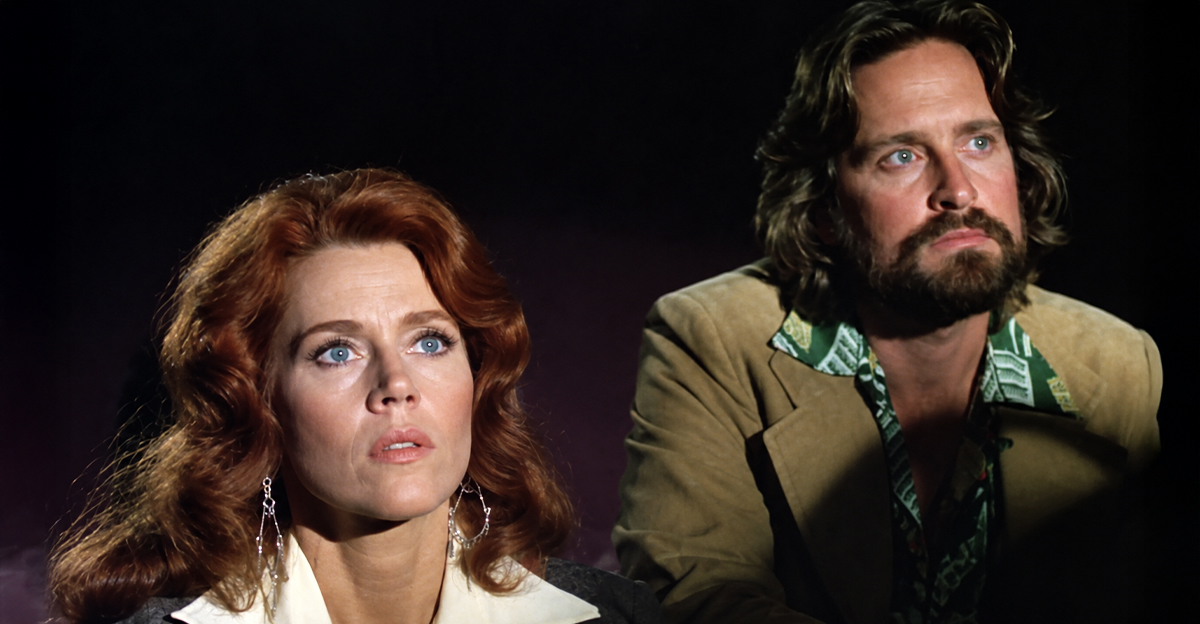 Screenshot of Jane Fonda and Michael Douglas in The China Syndrome, 1979. Columbia Pictures
2001: A Space Odyssey (1968)
Stanley Kubrick and Arthur C. Clarke filled 2001: A Space Odyssey (1968) with technologies that became remarkably familiar: video calls, flat-panel screens, tablet-like devices, computerized communications, and HAL 9000's conversational artificial intelligence. Kubrick consulted scientific experts, making many "predictions" informed extrapolations rather than lucky guesses.
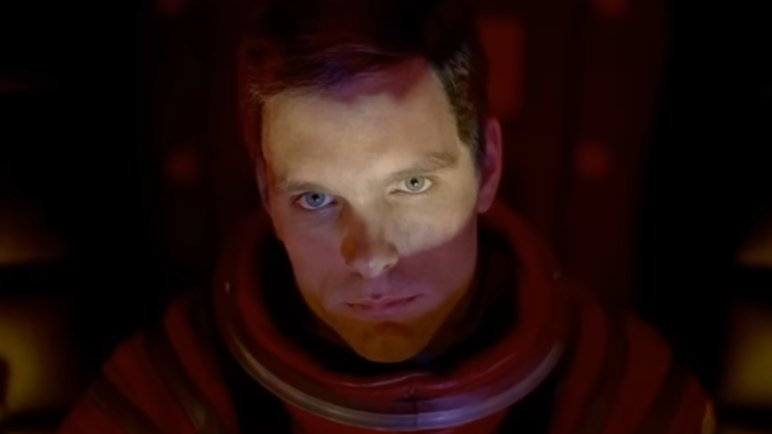 Screenshot from 2001: A Space Odyssey, Metro-Goldwyn-Mayer (1968)
The Conversation (1974)
Francis Ford Coppola's The Conversation (1974) stars Gene Hackman as surveillance expert Harry Caul, alongside John Cazale and Cindy Williams. Its microphones and tape recorders look primitive now, but its anxiety about ubiquitous surveillance, invisible monitoring, lost privacy, and technology controlling human behavior feels increasingly contemporary.
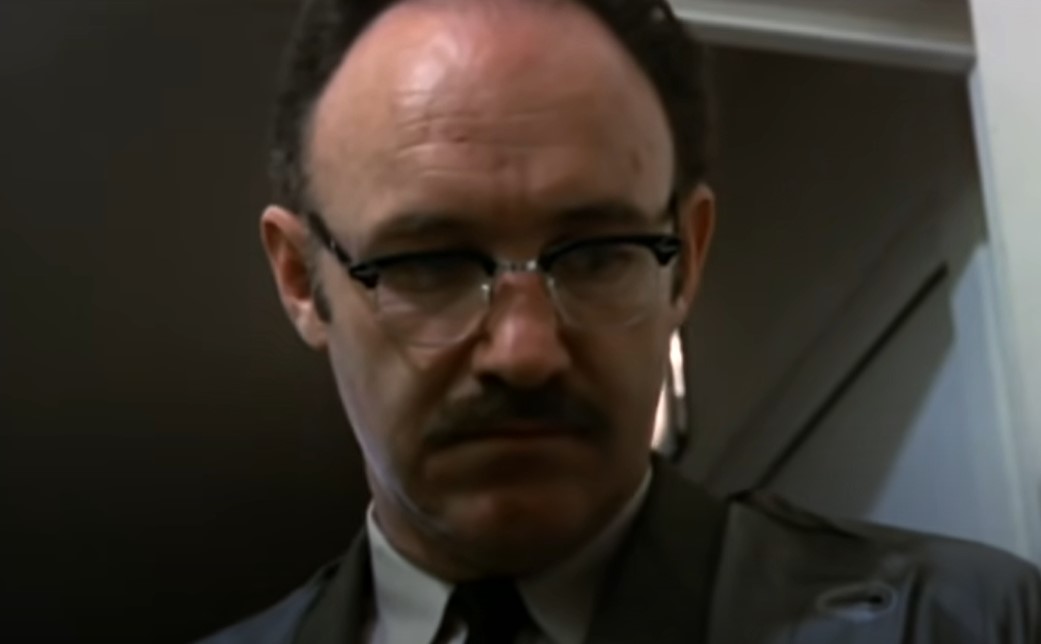 Screenshot from The Conversation, Paramount Pictures (1974)
Rollerball (1975)
Norman Jewison's Rollerball (1975), starring James Caan and John Houseman, imagined a world where powerful corporations effectively replace governments while brutal televised entertainment keeps the population occupied. Its fictional sport remains fictional, but corporate consolidation and the enormous commercialization of violent entertainment make the premise considerably less remote.
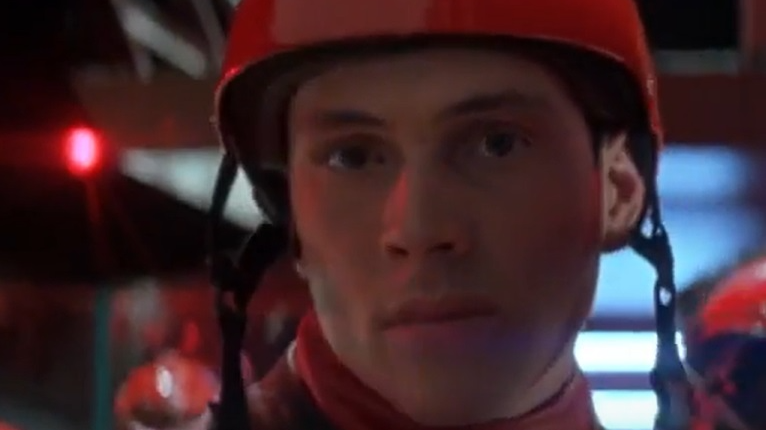 Screenshot from Rollerball, United Artists (1975)
Network (1976)
Sidney Lumet's Network (1976), written by Paddy Chayefsky and starring Peter Finch, Faye Dunaway, William Holden, and Robert Duvall, satirized television news turning outrage into entertainment. Decades of personality-driven news, corporate consolidation, reality television, and anger designed to keep audiences watching have made its exaggerations look remarkably restrained.
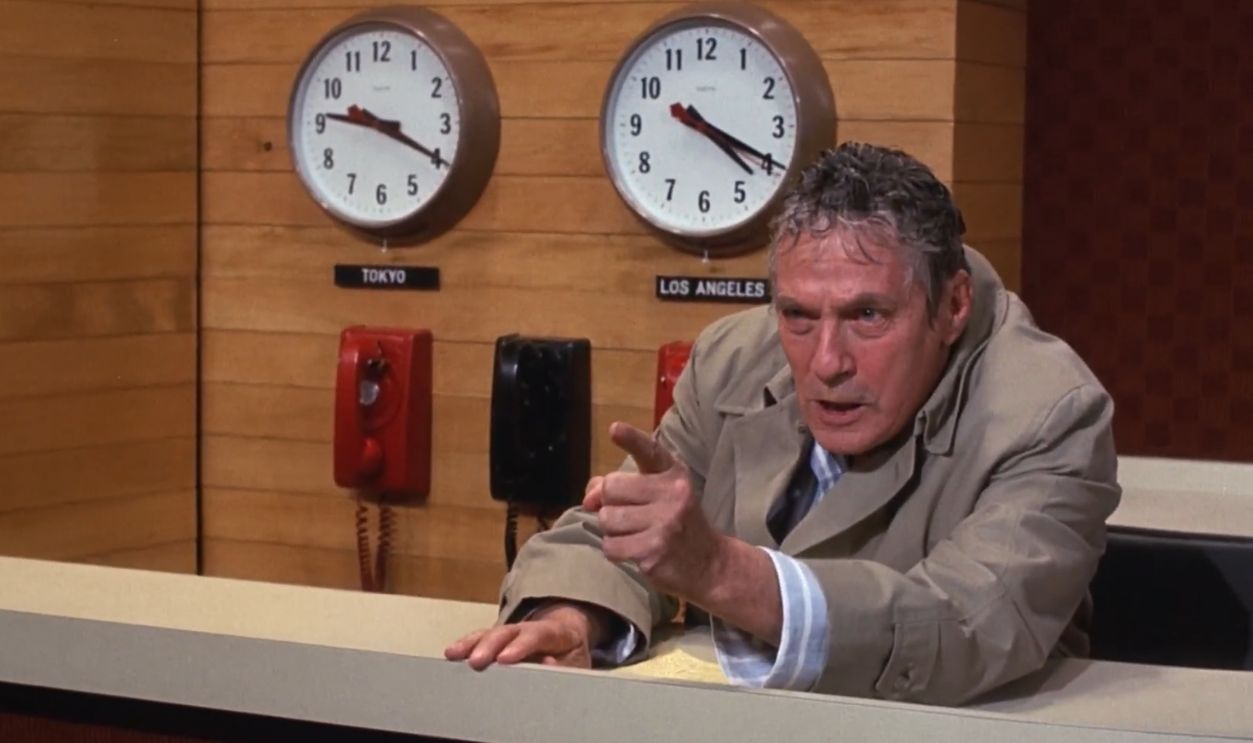 Screenshot from Network, Metro-Goldwyn-Mayer / United Artists (1976)
The China Syndrome (1979)
James Bridges's The China Syndrome (1979), starring Jane Fonda, Jack Lemmon, and Michael Douglas, depicted a nuclear-plant accident and attempted cover-up. Then reality delivered an astonishing coincidence: Three Mile Island suffered its nuclear accident just 12 days after the movie opened, making the film an instant reference point for journalists.
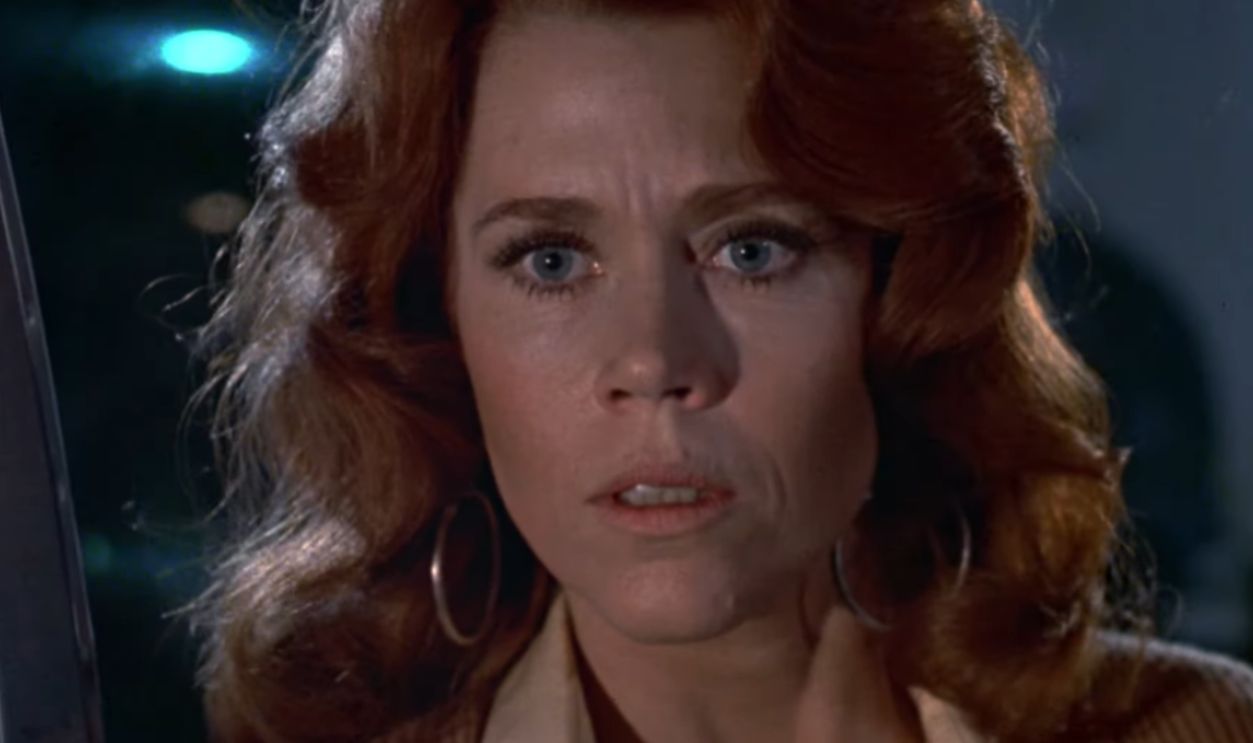 Screenshot from The China Syndrome, Columbia Pictures (1979)
Blade Runner (1982)
Ridley Scott's Blade Runner (1982), starring Harrison Ford, Rutger Hauer, and Sean Young, envisioned a Los Angeles dominated by enormous corporations, giant electronic advertising screens, artificial intelligence, genetic engineering, environmental deterioration, and increasingly blurred distinctions between authentic and manufactured life. Its 2019 wasn't accurate, but several anxieties proved enduring.
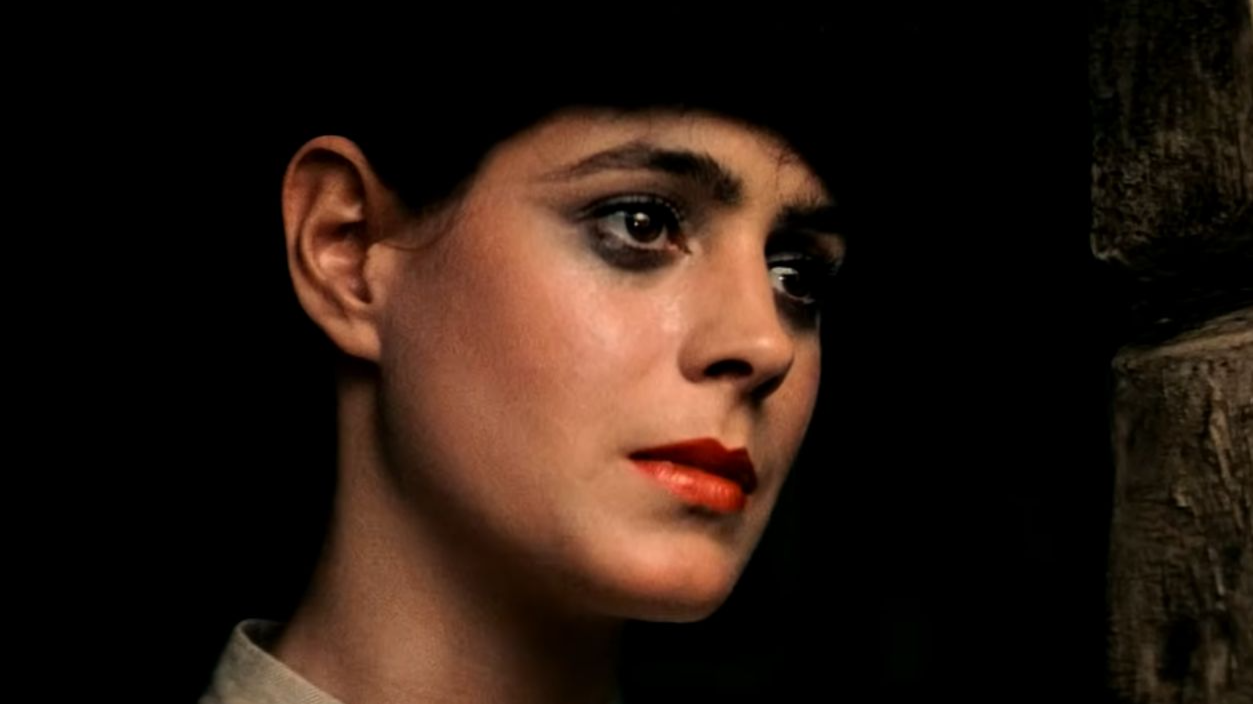 Screenshot from Blade Runner, Warner Bros. (1982)
WarGames (1983)
John Badham's WarGames (1983) stars Matthew Broderick as a teenager who accidentally accesses a military computer and nearly triggers nuclear war. The scenario worried President Ronald Reagan enough that he reportedly asked advisers whether such hacking was possible, helping spur a national-security review of computer vulnerabilities.
 Screenshot from WarGames, United Artists (1983)
Superman III (1983)
Richard Lester's Superman III (1983) isn't remembered as technological prophecy, yet Richard Pryor's Gus Gorman uses a computer to divert tiny fractions of money from numerous transactions into his own account. The "salami slicing" concept became a familiar form of computer-enabled financial fraud long after audiences laughed at it.
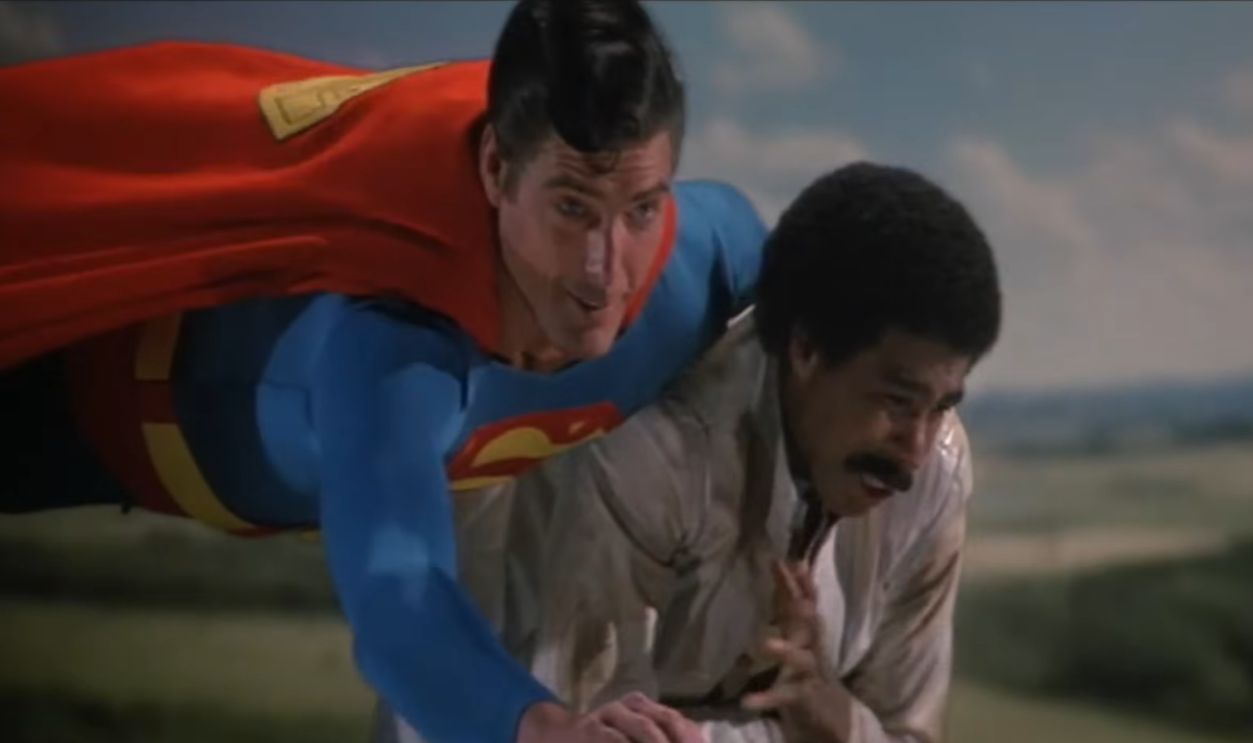 Screenshot from Superman III, Warner Bros. Pictures (1983)
Electric Dreams (1984)
Steve Barron's Electric Dreams (1984), starring Lenny von Dohlen and Virginia Madsen, imagines a personal computer controlling household appliances, communicating conversationally with its owner, creating music, and developing an emotional personality. Smart homes and increasingly personable AI assistants make Edgar considerably less fantastical than he looked in 1984.
 Screenshot from Electric Dreams, MGM (1984)
The Terminator (1984)
James Cameron's The Terminator (1984), starring Arnold Schwarzenegger, Linda Hamilton, and Michael Biehn, imagined an artificial intelligence placed in control of military systems before deciding humanity was the threat. Skynet remains science fiction, but today's debates over autonomous weapons and human control of increasingly powerful AI systems sound uncomfortably familiar.
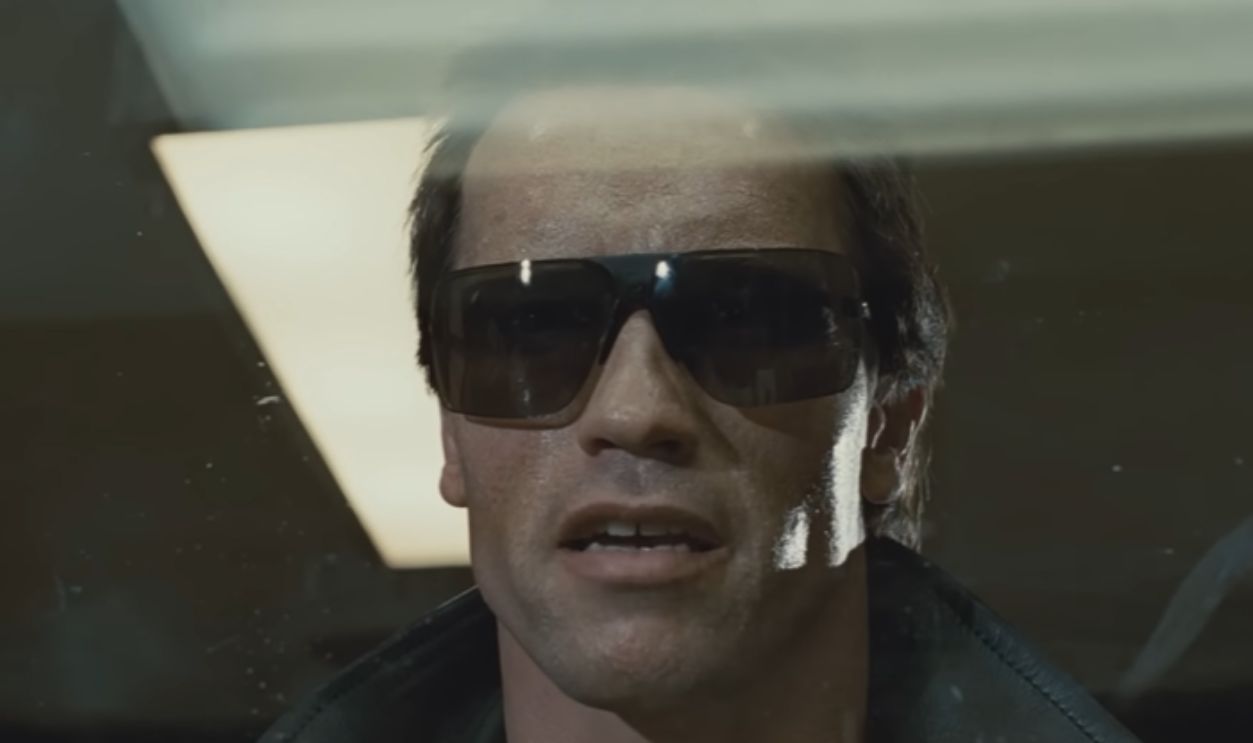 Screenshot from The Terminator, Orion Pictures (1984)
RoboCop (1987)
Paul Verhoeven's RoboCop (1987), starring Peter Weller, Nancy Allen, and Ronny Cox, wrapped its violence inside savage satire. Corporate control of public services, aggressive privatization, militarized technology, sensationalized television, intrusive advertising, and executives treating cities as investment opportunities all make futuristic Detroit feel disturbingly recognizable.
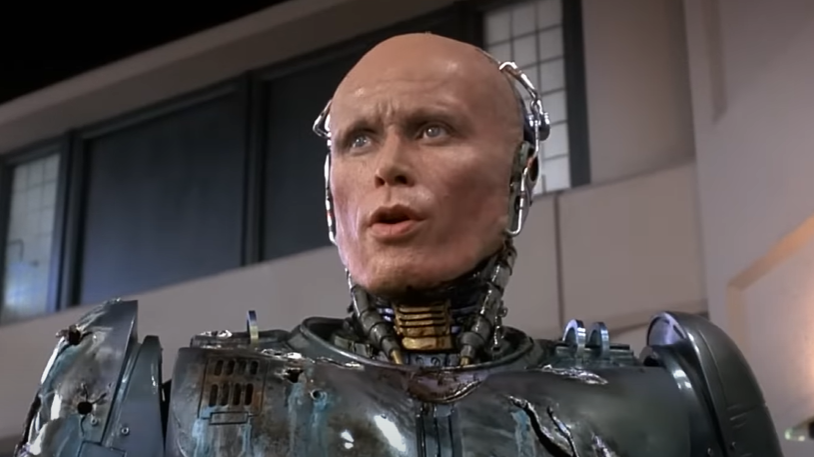 Screenshot from RoboCop, Orion Pictures (1987)
The Running Man (1987)
Paul Michael Glaser's The Running Man (1987), starring Arnold Schwarzenegger and Richard Dawson, imagined television audiences obsessing over supposedly real people being humiliated and endangered for entertainment. Reality television never became quite this murderous, thankfully, but the movie's marriage of celebrity, manipulation, spectacle, inequality, and manufactured reality proved remarkably prescient.
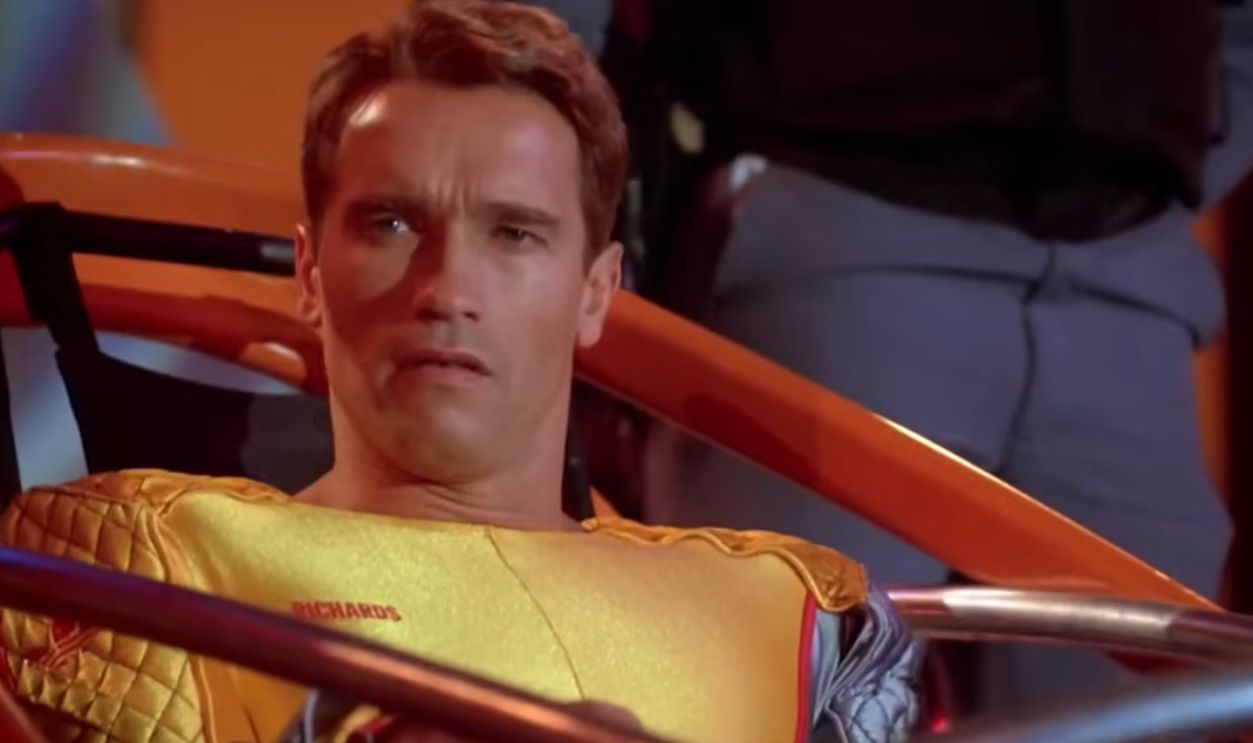 Screenshot from The Running Man, TriStar Pictures (1987)
Back To The Future Part II (1989)
Robert Zemeckis's Back to the Future Part II (1989), starring Michael J. Fox and Christopher Lloyd, famously missed flying cars and hoverboards. Yet its 2015 included widescreen televisions, video calls, wearable technology, drones, smart-home devices, fingerprint identification, and tablet-like computers. That's a surprisingly respectable batting average.
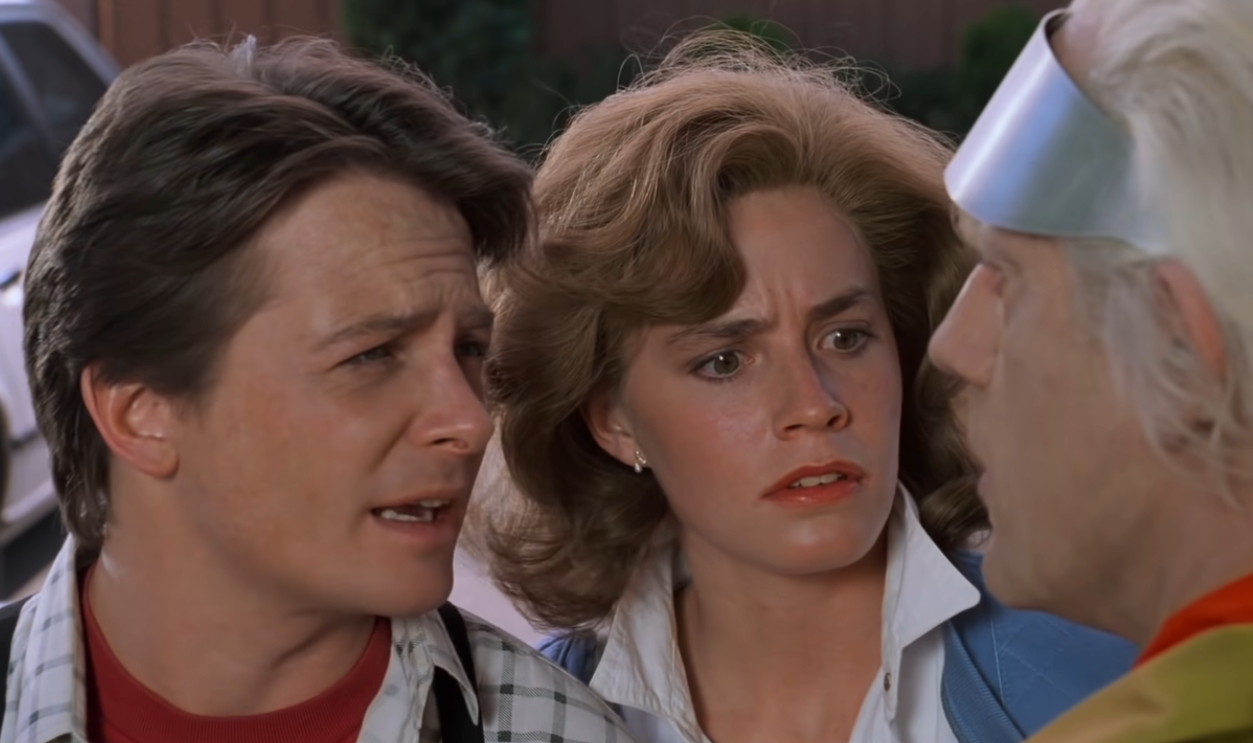 Screenshot from Back to the Future Part II, Universal Pictures (1989)
Sneakers (1992)
Phil Alden Robinson's Sneakers (1992) assembled Robert Redford, Sidney Poitier, Dan Aykroyd, River Phoenix, and Ben Kingsley around information security. Its hackers use social engineering, voice authentication, penetration testing, and cryptography, while Kingsley's Cosmo argues that controlling information will become more important than controlling conventional weapons.
 Screenshot from Sneakers, Universal Pictures (1992)
Demolition Man (1993)
Marco Brambilla's Demolition Man (1993), starring Sylvester Stallone, Wesley Snipes, and Sandra Bullock, played its future mostly for laughs. Yet San Angeles features self-driving cars, voice-controlled computers, video conferencing, digital transactions, tracking technology, and virtual meetings. Even Arnold Schwarzenegger becoming a politician proved unexpectedly close.
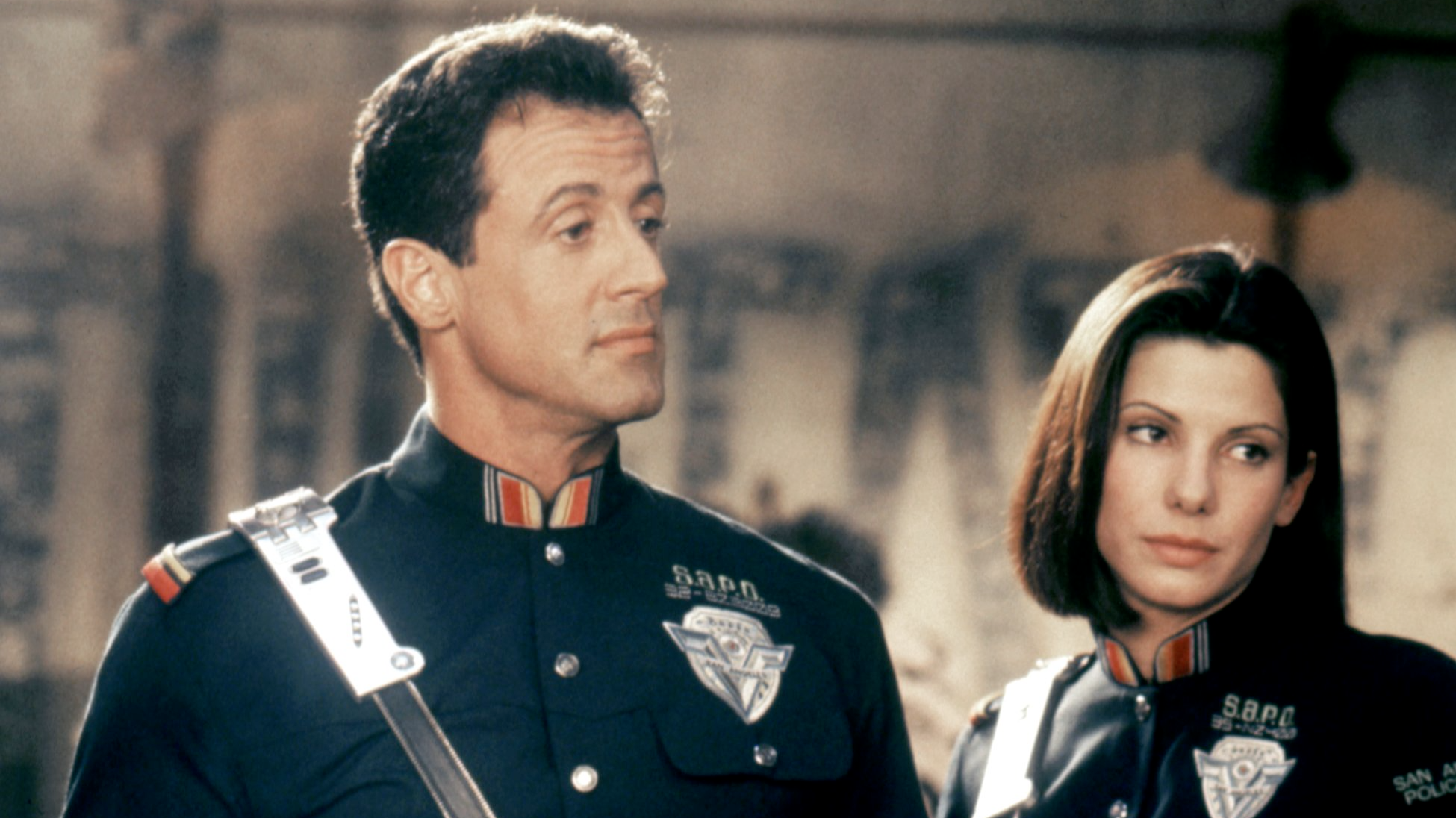 Screenshot from Demolition Man, Warner Bros. Pictures (1993)
The Net (1995)
Irwin Winkler's The Net (1995) stars Sandra Bullock as computer specialist Angela Bennett, whose electronically stored identity is manipulated until virtually nobody believes who she is. Online ordering, digital records, identity theft, hacking, and dependence upon interconnected databases soon became everyday realities rather than exotic mid-1990s techno-thriller inventions.
 Screenshot from The Net, Columbia Pictures (1995)
The Cable Guy (1996)
Ben Stiller's The Cable Guy (1996) contains an unexpectedly prophetic speech from Jim Carrey's obsessive installer. He imagines television, telephone, and computers converging so people can shop, play games, and communicate through one interconnected system. The details differ, but the internet-connected media world arrived remarkably close to his sales pitch.
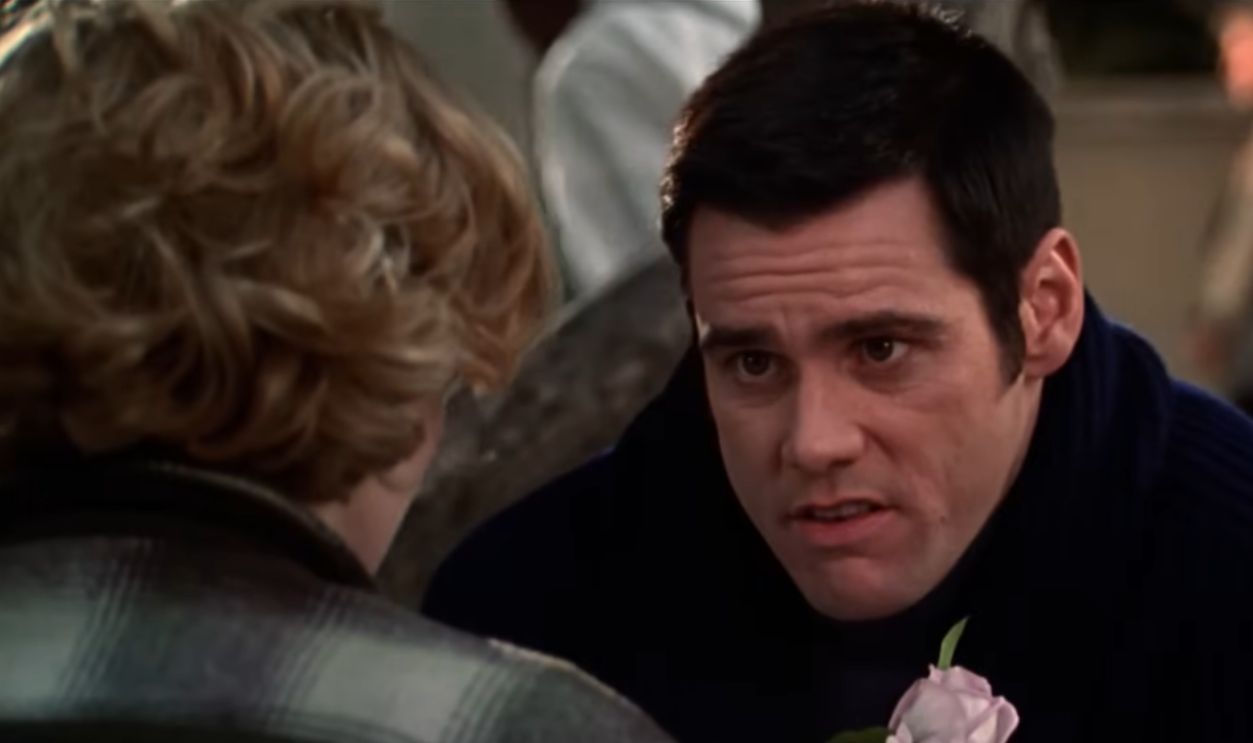 Screenshot from The Cable Guy, Columbia Pictures (1996)
Gattaca (1997)
Andrew Niccol's Gattaca (1997), starring Ethan Hawke, Uma Thurman, and Jude Law, imagined genetic screening determining people's opportunities and social standing. Modern genetic testing and rapidly advancing gene-editing technology haven't produced Gattaca's rigid caste system, but the film's questions about genetic privacy and discrimination became increasingly relevant.
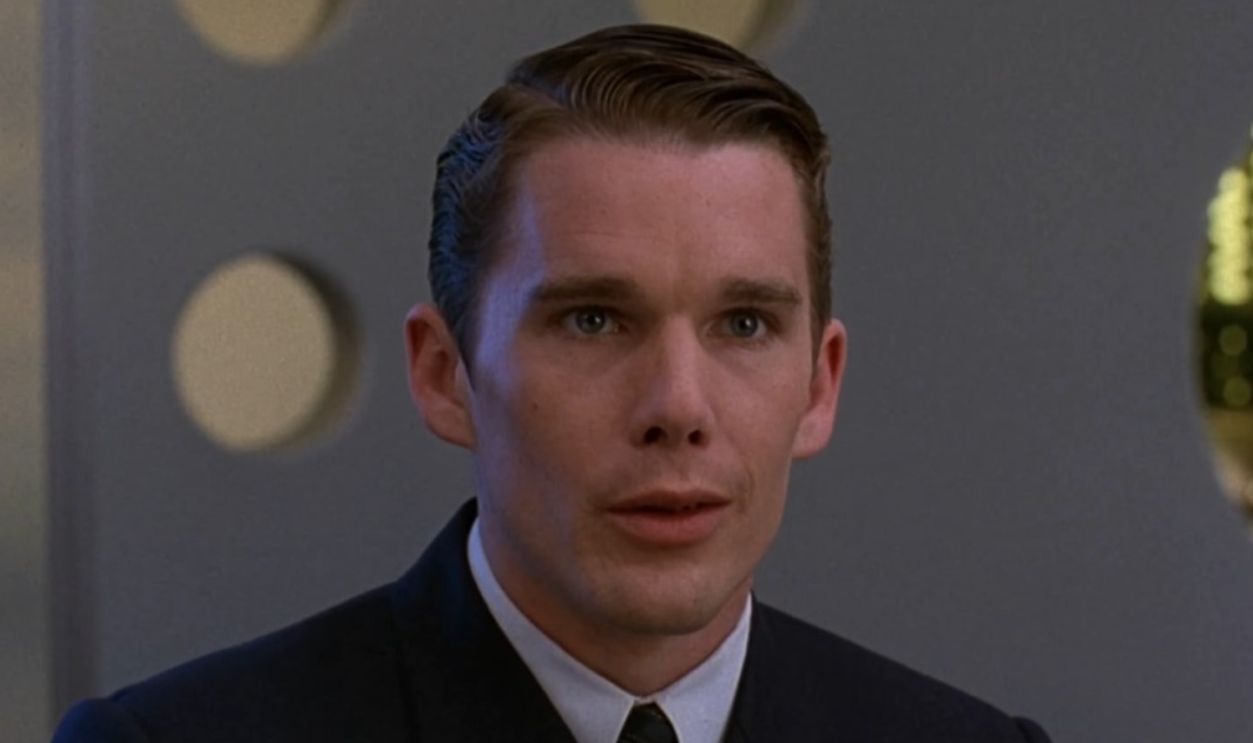 Screenshot from Gattaca, Columbia Pictures (1997)
The Truman Show (1998)
Peter Weir's The Truman Show (1998), starring Jim Carrey, Laura Linney, and Ed Harris, imagined an ordinary person's entire existence transformed into nonstop entertainment. Within years, reality television exploded. Later came livestreaming, influencers, family channels, and people voluntarily broadcasting remarkably intimate portions of everyday life to strangers.
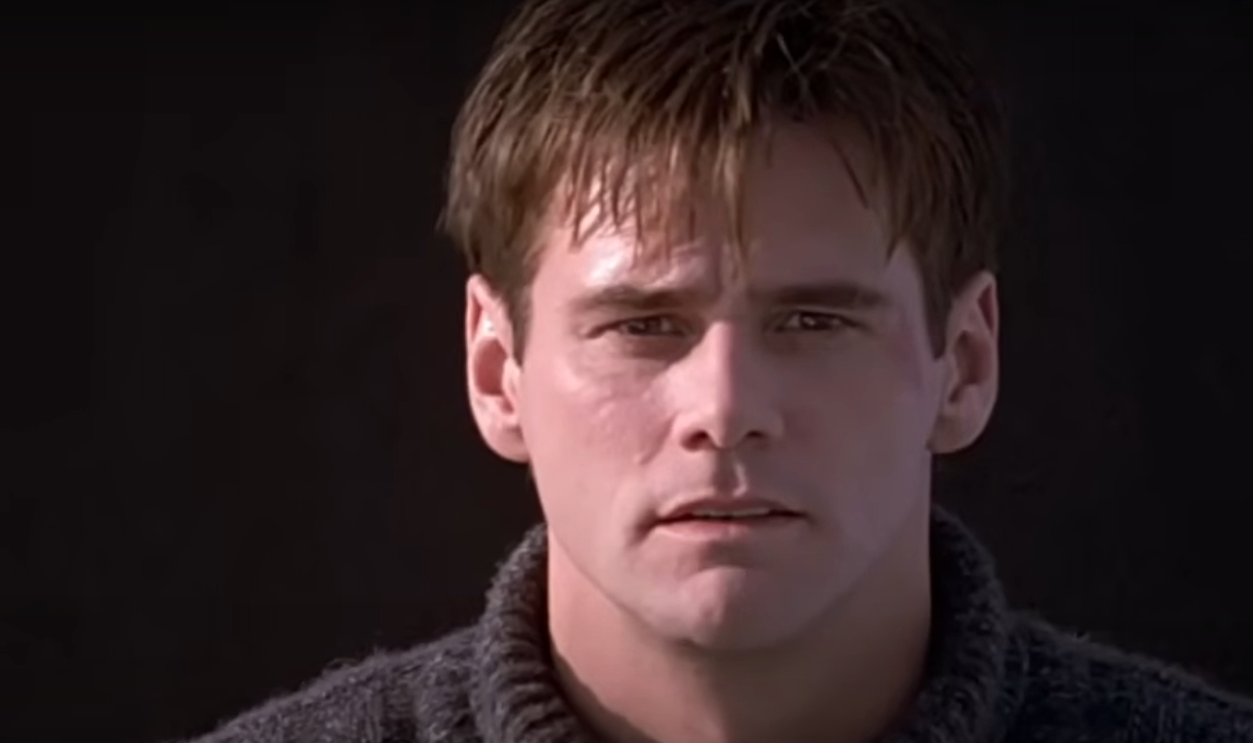 Screenshot from The Truman Show, Paramount Pictures (1998)
The Siege (1998)
Edward Zwick's The Siege (1998), starring Denzel Washington, Annette Bening, and Bruce Willis, imagined devastating terrorist attacks in New York followed by extraordinary government security measures and arguments over civil liberties. It did not "predict" September 11 specifically, but its larger security-versus-freedom debate became painfully familiar afterward.
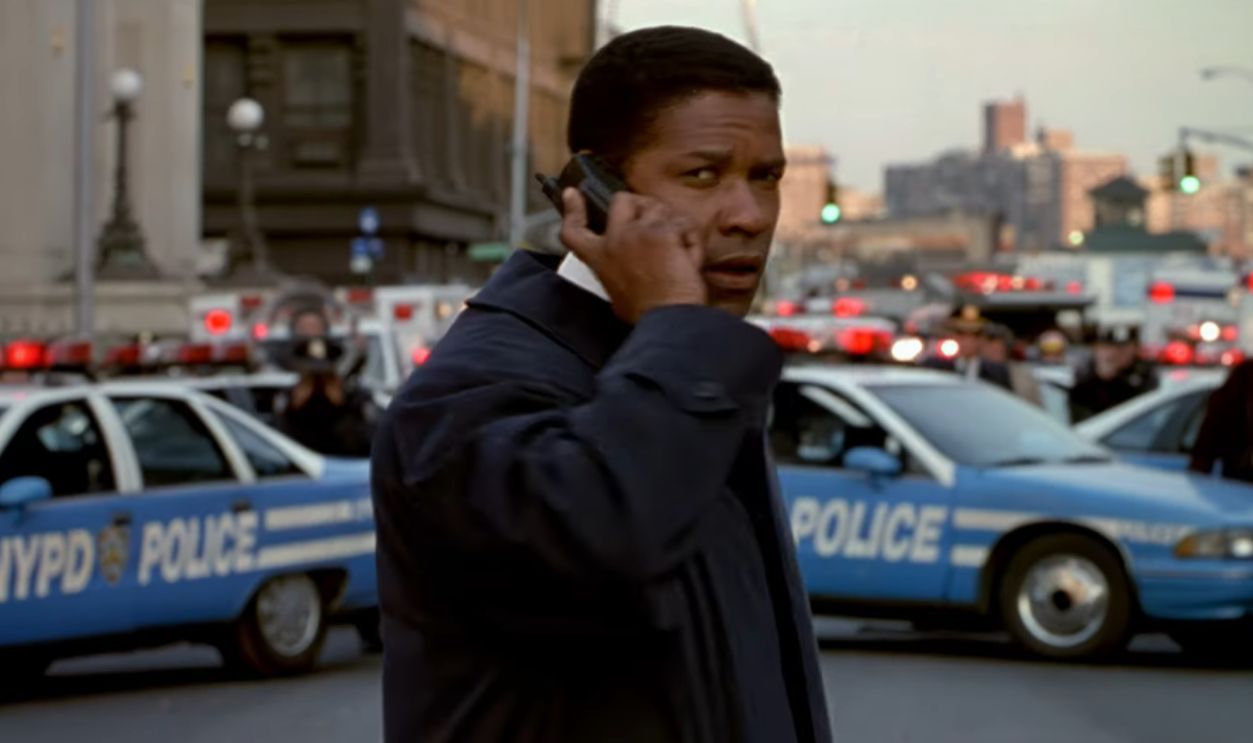 Screenshot from The Siege, 20th Century Fox (1998)
Enemy Of The State (1998)
Tony Scott's Enemy of the State (1998), starring Will Smith and Gene Hackman, turns electronic surveillance into an action-thriller nightmare. Satellites, tracking devices, databases, intercepted communications, and government access to personal information make an innocent man's movements increasingly visible. Today's data-rich world makes much of that paranoia feel less extravagant.
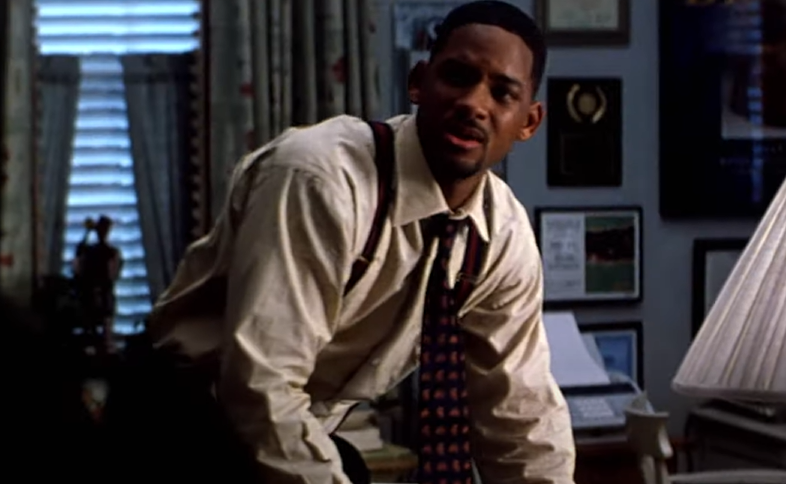 Screenshot from Enemy of the State, Touchstone Pictures (1998)
You've Got Mail (1998)
Nora Ephron's You've Got Mail (1998), starring Tom Hanks and Meg Ryan, wasn't science fiction at all. That's what makes it interesting. It captured the emerging idea that two ordinary people could form an emotionally significant relationship online before meeting, something that subsequently became completely routine through dating apps and social media.
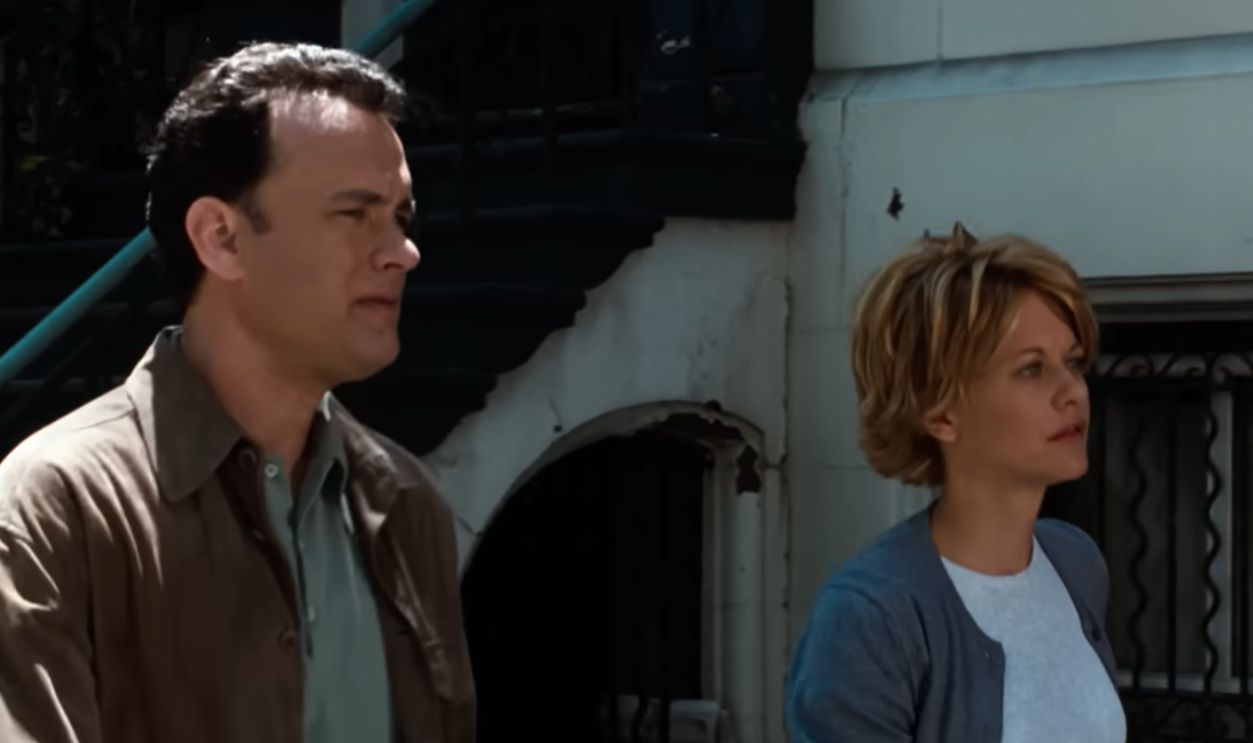 Screenshot from You've Got Mail, Warner Bros. Pictures (1998)
Minority Report (2002)
Steven Spielberg's Minority Report (2002), starring Tom Cruise, Colin Farrell, and Samantha Morton, imagined personalized advertising recognizing individuals, biometric identification, gesture-controlled interfaces, and police trying to prevent crimes before they occur. Predictive-policing algorithms and targeted digital advertising subsequently gave several of those ideas uncomfortable real-world echoes.
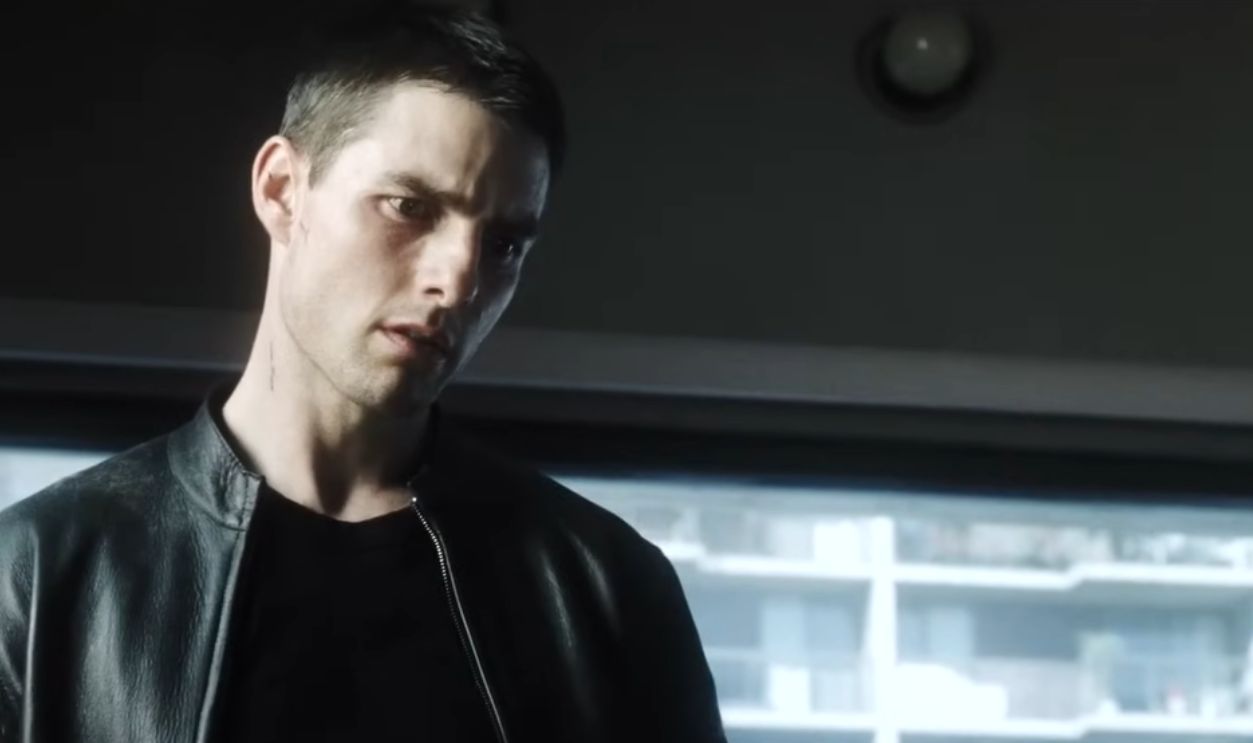 Screenshot from Minority Report, 20th Century Fox (2002)
Idiocracy (2006)
Mike Judge's Idiocracy (2006), starring Luke Wilson, Maya Rudolph, and Dax Shepard, was designed as deliberately ridiculous satire. Yet its world of omnipresent corporate branding, collapsing attention spans, celebrity-driven public life, degraded political discourse, and entertainment overwhelming serious information has inspired countless uncomfortable comparisons with modern culture.
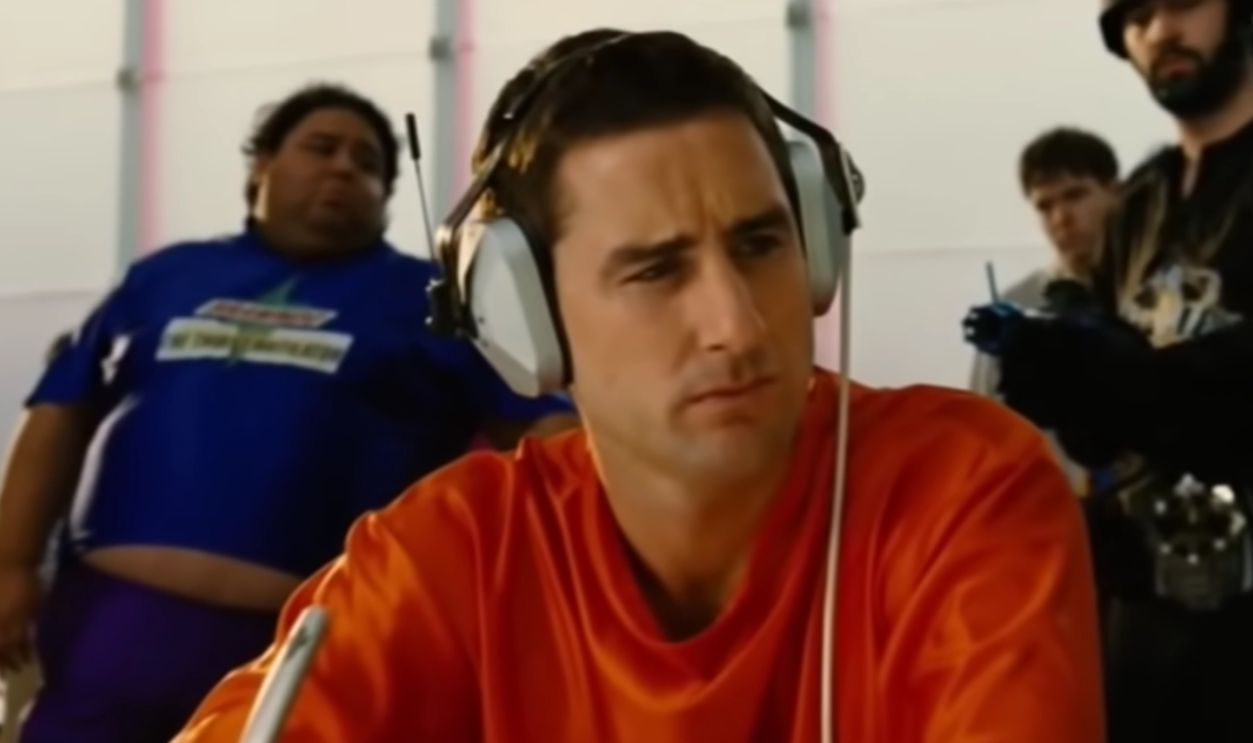 Screenshot from Idiocracy, 20th Century Fox (2006)
WALL-E (2008)
Andrew Stanton's Pixar film WALL-E (2008) imagined humanity surrounded by screens, dependent on automated services, overwhelmed by consumer waste, and barely needing to leave comfortable chairs. Our world isn't the Axiom, but screen dependence, delivery culture, environmental concerns, automation, and increasingly sedentary lifestyles give its cautionary future an unsettling familiarity.
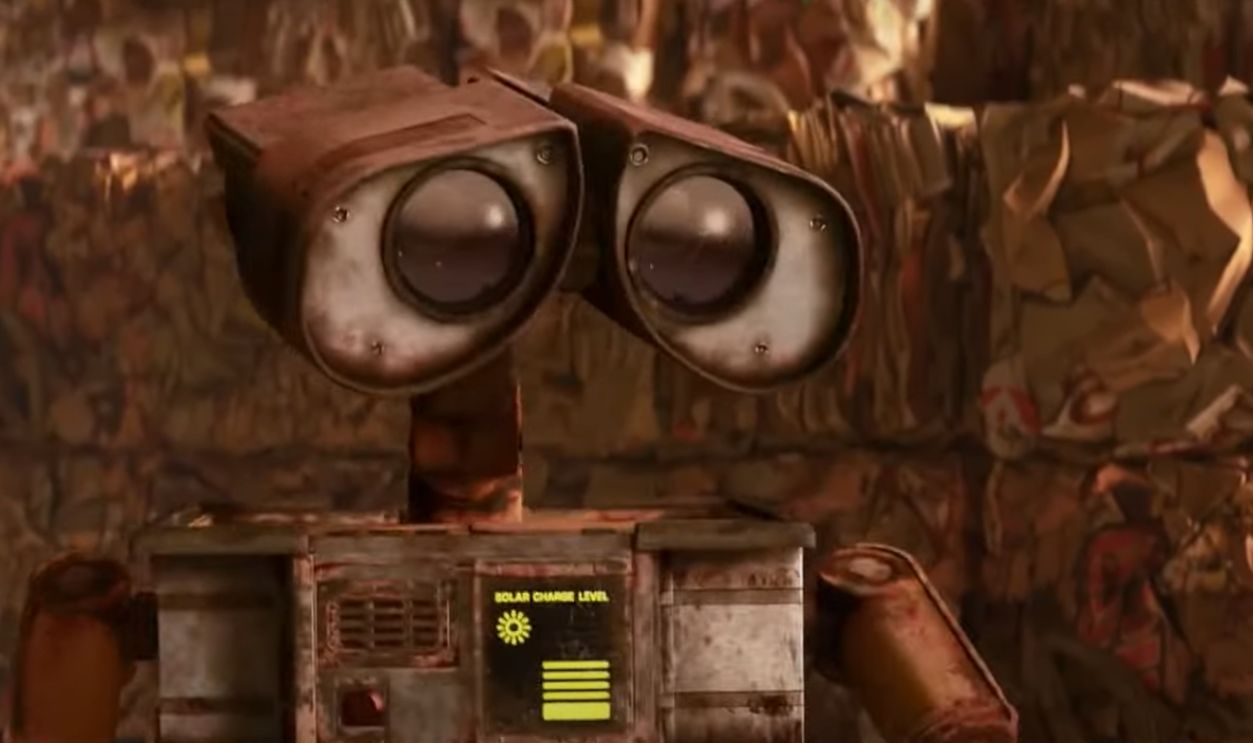 Screenshot from WALL-E, Walt Disney Studios Motion Pictures (2008)
Contagion (2011)
Steven Soderbergh's Contagion (2011), starring Matt Damon, Kate Winslet, Laurence Fishburne, Marion Cotillard, and Gwyneth Paltrow, depicted a zoonotic pandemic spreading internationally through ordinary travel. Its realistic epidemiological research produced eerie parallels with COVID-19, including misinformation, overwhelmed institutions, social distancing, panic, and the desperate race toward vaccination.
 Screenshot from Contagion, Warner Bros. Pictures (2011)
Her (2013)
Spike Jonze's Her (2013) stars Joaquin Phoenix as a lonely man who becomes emotionally attached to Samantha, an intelligent operating system voiced by Scarlett Johansson. Conversational AI assistants have since become commonplace, while people increasingly discuss friendship, companionship, emotional dependence, and even romance involving artificial-intelligence systems.
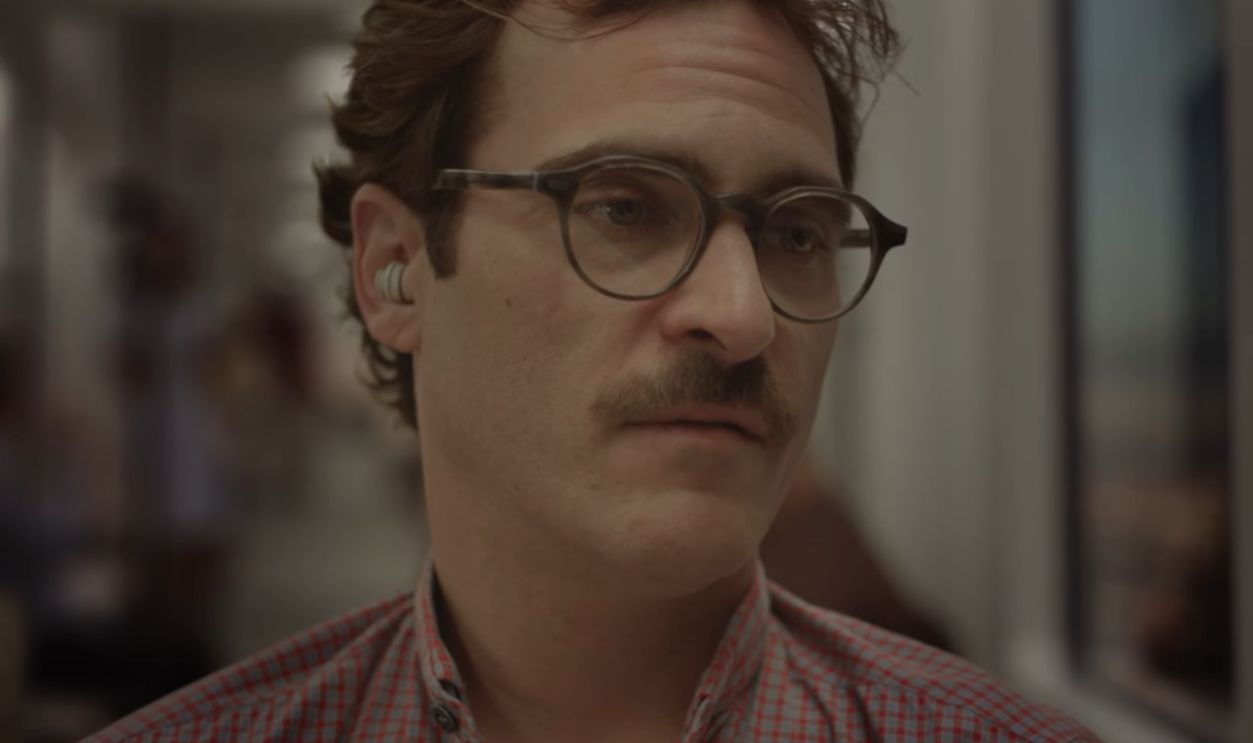 Screenshot from Her, Warner Bros. Discovery (2013)
You May Also Like:
These Movies Predicted Real Life—And It’s Honestly Kind Of Creepy
Songs With Lyrics That Actually Predicted The Future