Screams Of Terror...And Laughter
There was a time when a giant ant, a rubber-suited monster, or a flock of angry birds could send moviegoers screaming from the theater. For Baby Boomers who grew up watching horror movies in the 1950s, 60s, and 70s, some of these films were the stuff of nightmares. But show them to younger viewers raised on CGI monsters and modern horror, and you might get laughter instead of screams. Here are 23 horror classics whose once-frightening effects, creatures, and performances can look wonderfully cheesy today.
Them! (1954)
Director Gordon Douglas turned the American Southwest into a nightmare in Them! (1954), starring James Whitmore, Edmund Gwenn, and James Arness. Its giant, radiation-mutated ants terrified audiences with their clicking sounds and enormous mandibles. Today, the mechanical creatures can look like oversized theme-park props, but the film's suspenseful opening is still remarkably effective.
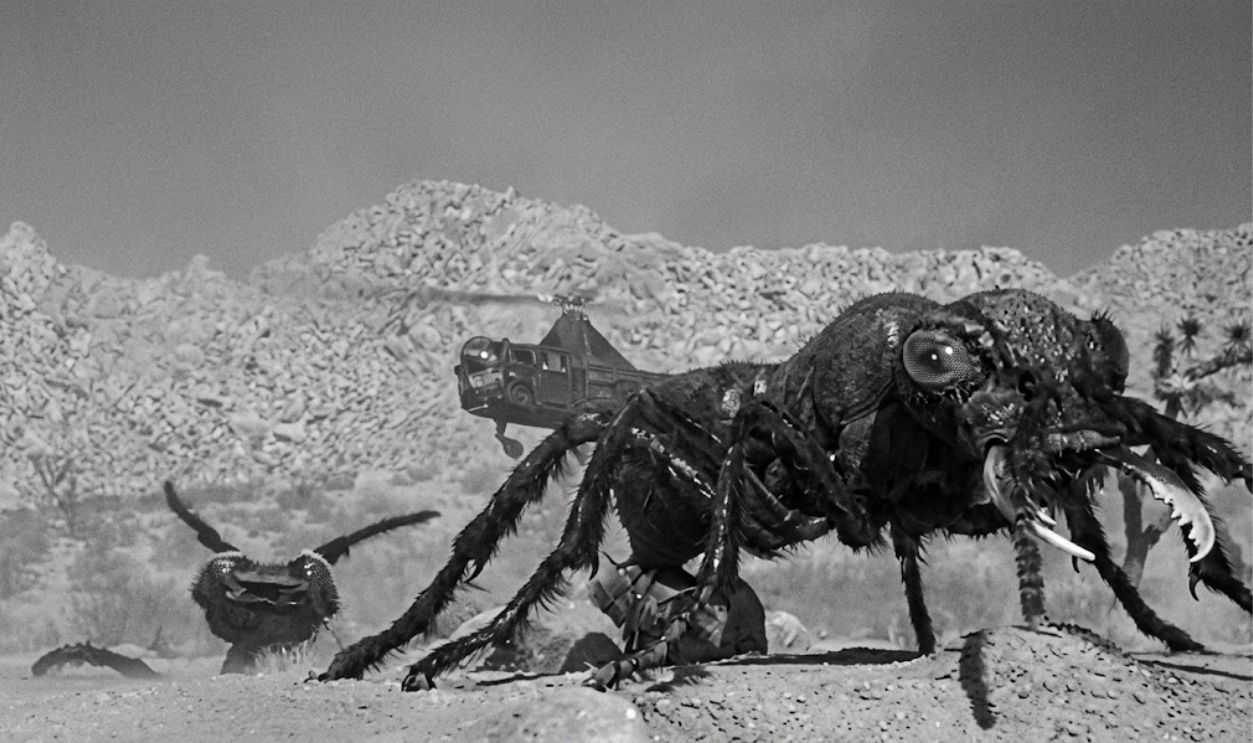 Screenshot from Them!, Warner Bros. Pictures, Inc. (1954), Modified
Creature From The Black Lagoon (1954)
Jack Arnold's Creature from the Black Lagoon (1954) introduced one of Universal's last great classic monsters. Richard Carlson and Julie Adams starred opposite the amphibious Gill-man, portrayed underwater by Ricou Browning and on land by Ben Chapman. His scaly rubber suit might invite a few chuckles today, although the beautifully filmed underwater sequences are still impressive.
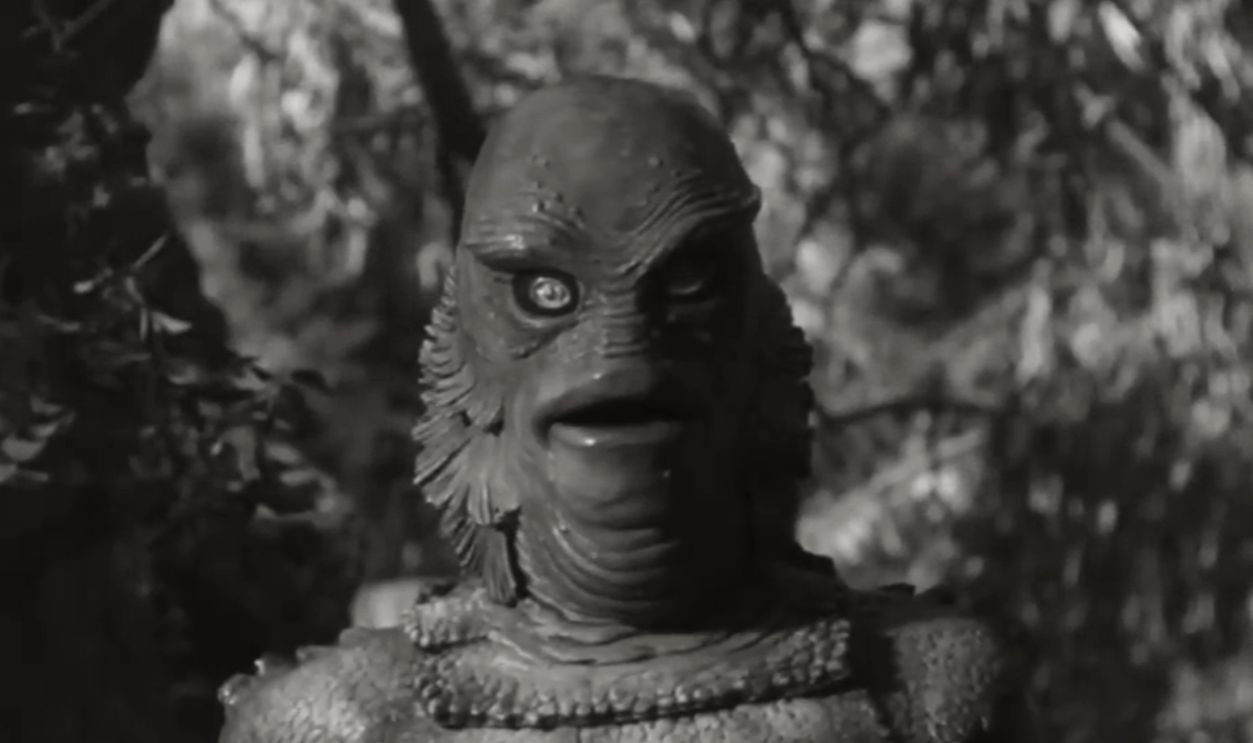 Screenshot from Creature from the Black Lagoon, NBCUniversal (1954)
Tarantula (1955)
Jack Arnold returned to giant-monster territory with Tarantula (1955), starring John Agar, Mara Corday, and Leo G. Carroll. A laboratory experiment produces an enormous spider that stalks the Arizona desert. The filmmakers used footage of a real tarantula, enlarged and combined with desert backgrounds through photographic effects. The resulting monster once seemed terrifying but can look delightfully oversized to modern eyes.
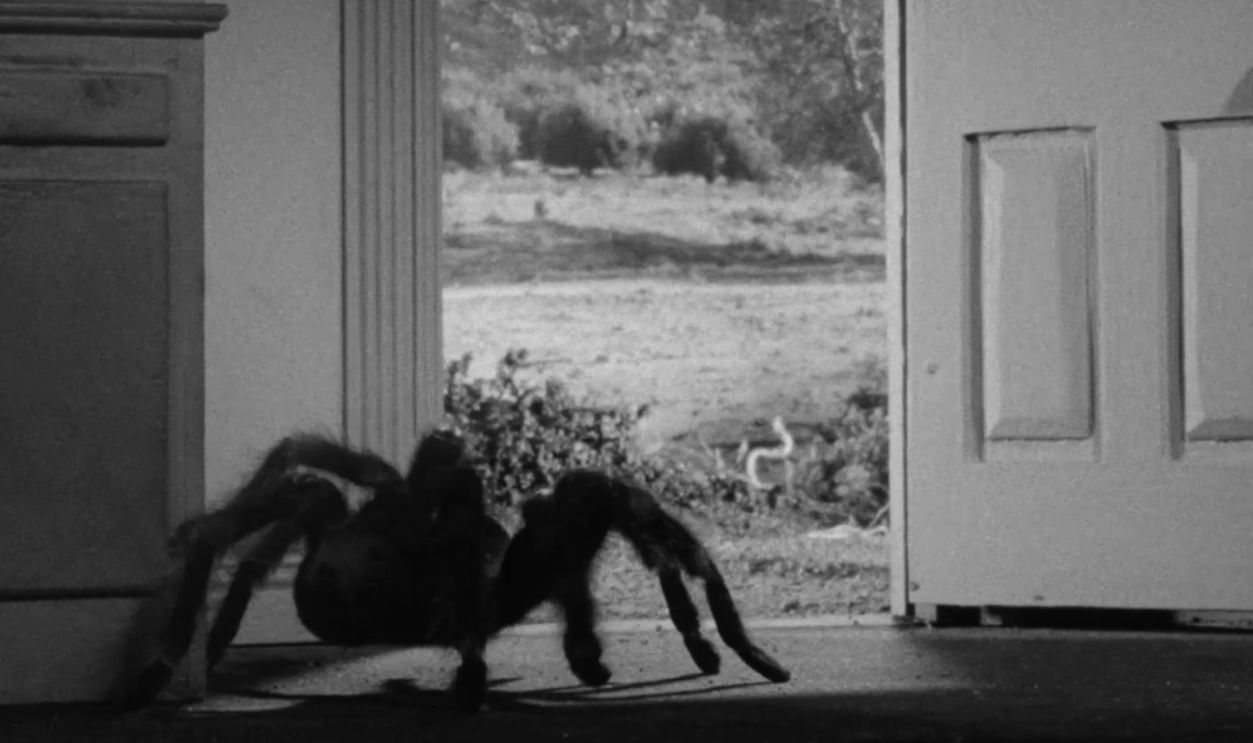 Screenshot from Tarantula, Universal-International (1955)
The Giant Claw (1957)
Few movie monsters have aged quite like the enormous bird in Fred F. Sears's The Giant Claw (1957). Jeff Morrow and Mara Corday battle an extraterrestrial creature with bulging eyes, a dangling beak, and a rather unfortunate expression. The famously unconvincing puppet was mocked even in its own era, making this a classic example of horror becoming accidental comedy.
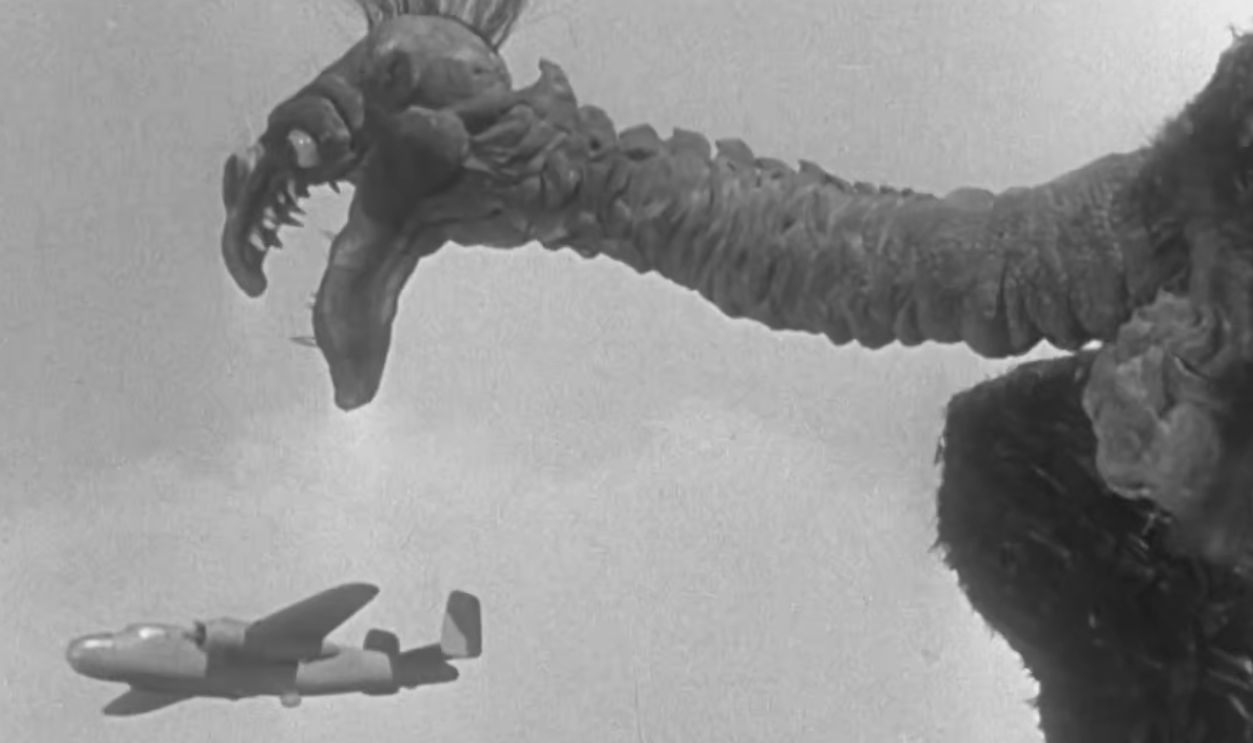 Screenshot from The Giant Claw, Columbia Pictures (1957)
The Deadly Mantis (1957)
Nathan Juran directed The Deadly Mantis (1957), starring Craig Stevens, William Hopper, and Alix Talton. A prehistoric praying mantis emerges from the Arctic ice and attacks North America. Audiences accustomed to giant-insect horror could enjoy its alarming premise, but the enormous insect model and its awkward movements make some of the attack sequences unintentionally entertaining today.
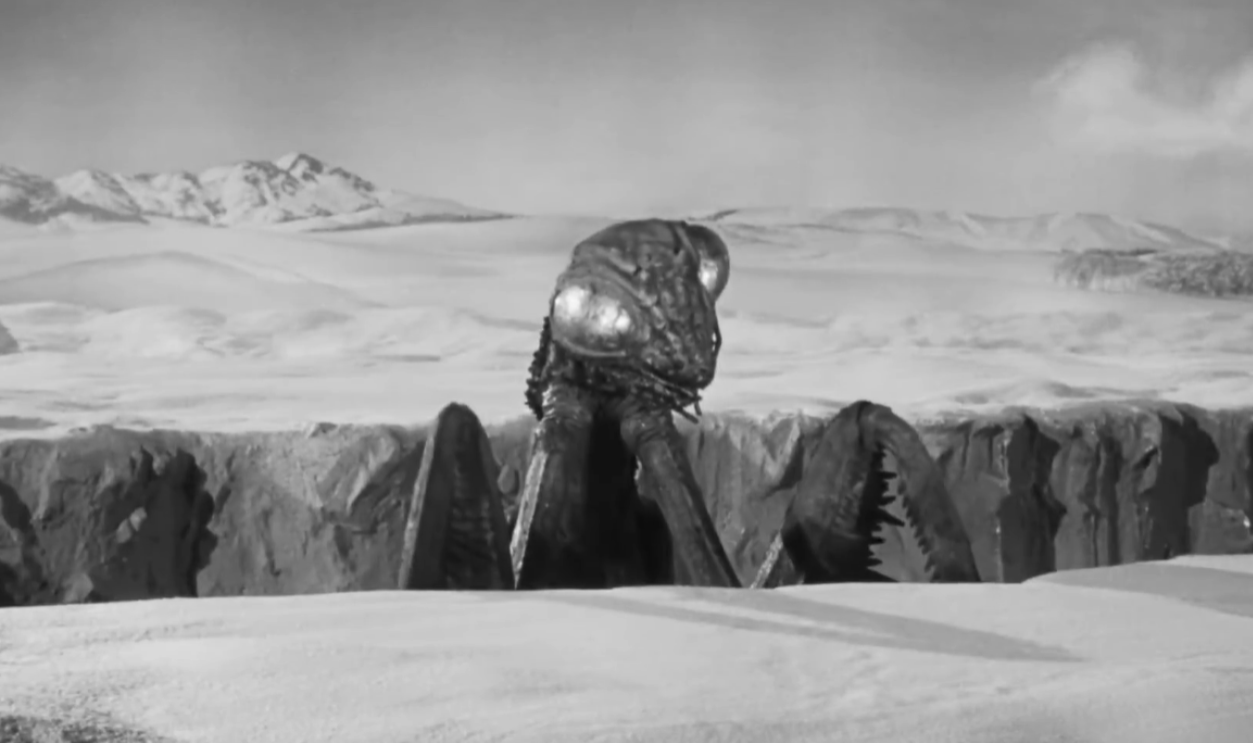 Screenshot from The Deadly Mantis, Universal-International Pictures (1957)
The Blob (1958)
Before becoming a major Hollywood star, Steve McQueen battled a gelatinous alien menace in Irvin S. Yeaworth Jr.'s The Blob (1958). The creature consumes living beings, growing larger with each victim, including unfortunate moviegoers. Its bright red, slowly advancing mass frightened younger audiences, but modern viewers may wonder how something resembling spilled dessert could become such an unstoppable threat.
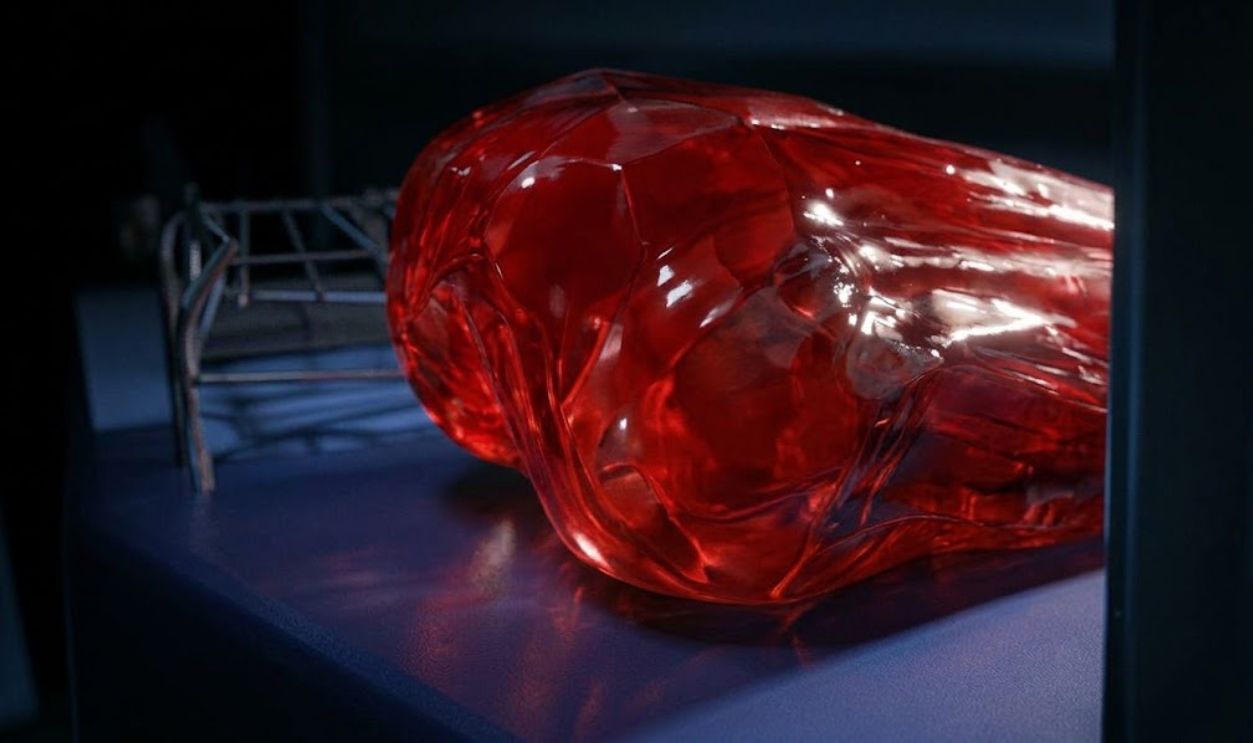 Screenshot from The Blob, Tonylyn Productions (1958), Modified
The Fly (1958)
Vincent Price, David Hedison, and Patricia Owens starred in Kurt Neumann's The Fly (1958), about a scientist whose teleportation experiment goes horribly wrong. The revelation of his grotesque fly head shocked audiences. Today, the oversized insect mask and tiny human-headed fly can seem more bizarre than frightening, especially compared with David Cronenberg's gruesome 1986 remake.
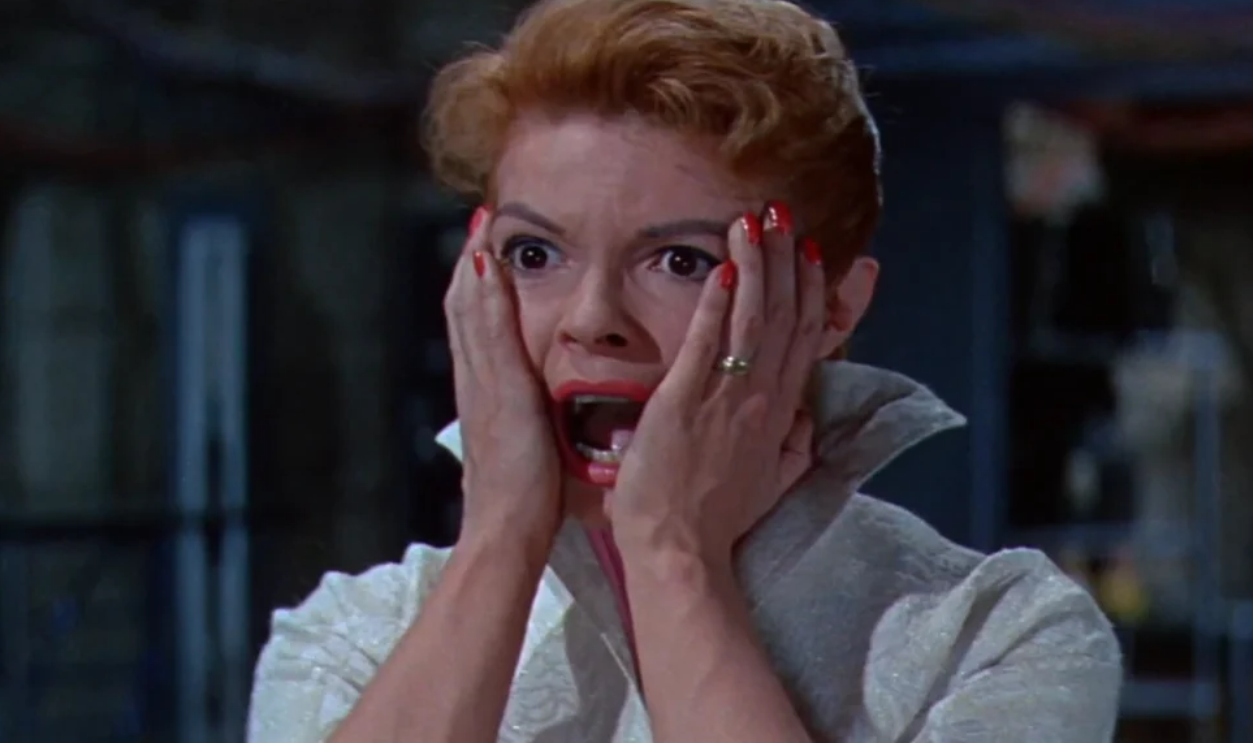 Screenshot from The Fly, Twentieth Century-Fox Film Corporation (1958)
The Crawling Eye (1958)
Released in America as The Crawling Eye (1958), Quentin Lawrence's British horror film was originally titled The Trollenberg Terror and adapted from a 1956 television serial. Forrest Tucker and Laurence Payne star in a story about enormous, tentacled eyeballs lurking in a mysterious Alpine cloud. The film builds an eerie atmosphere before revealing creatures that look like something assembled in a particularly imaginative school art class.
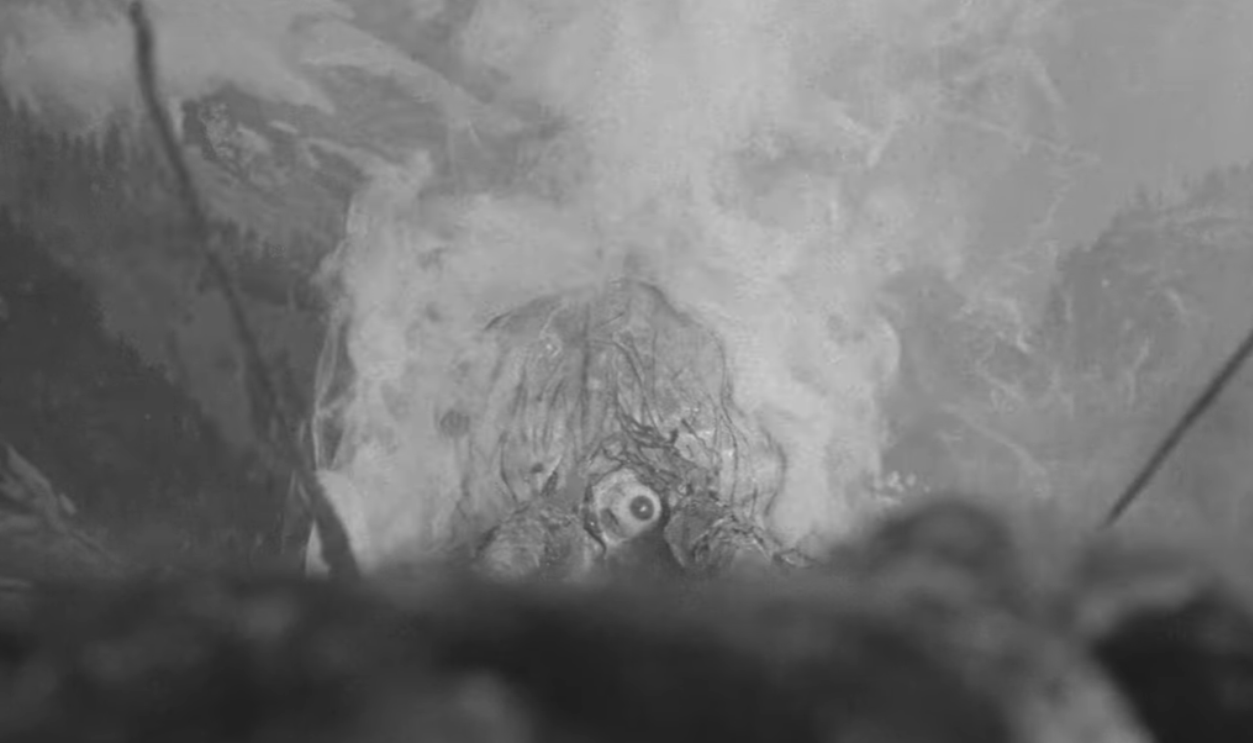 Screenshot from The Crawling Eye, Distributors Corporation of America (1958)
House On Haunted Hill (1959)
William Castle's House on Haunted Hill (1959) featured Vincent Price as an eccentric millionaire offering guests money to survive a night in a supposedly haunted mansion. Carol Ohmart and Richard Long co-starred. Castle introduced a gimmick called Emergo, sending a plastic skeleton flying above audiences in selected theaters. The dangling prop and elaborate trickery once delighted frightened moviegoers but might inspire more laughter than screams today.
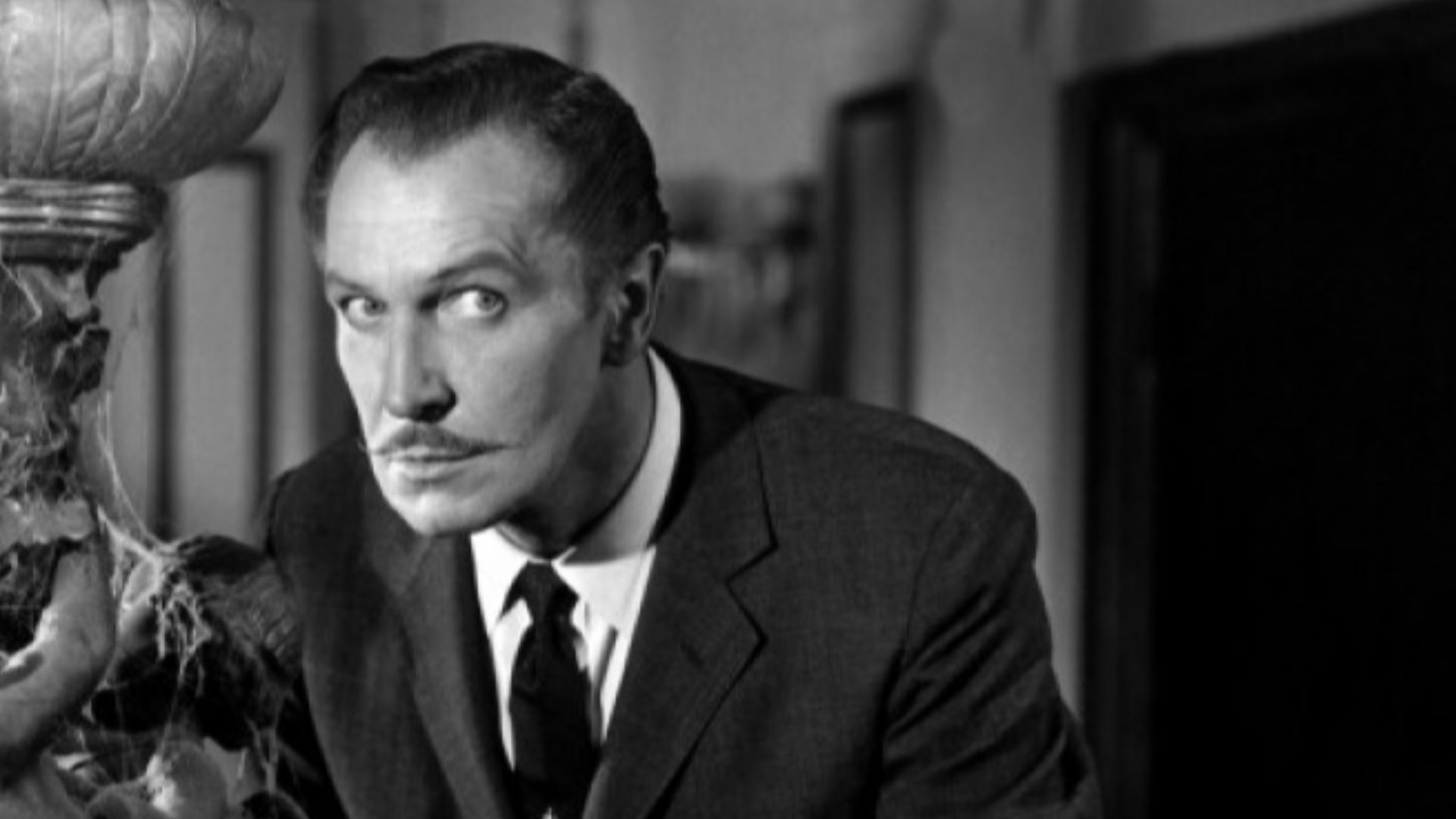 Allied Artists, Wikimedia Commons
The Tingler (1959)
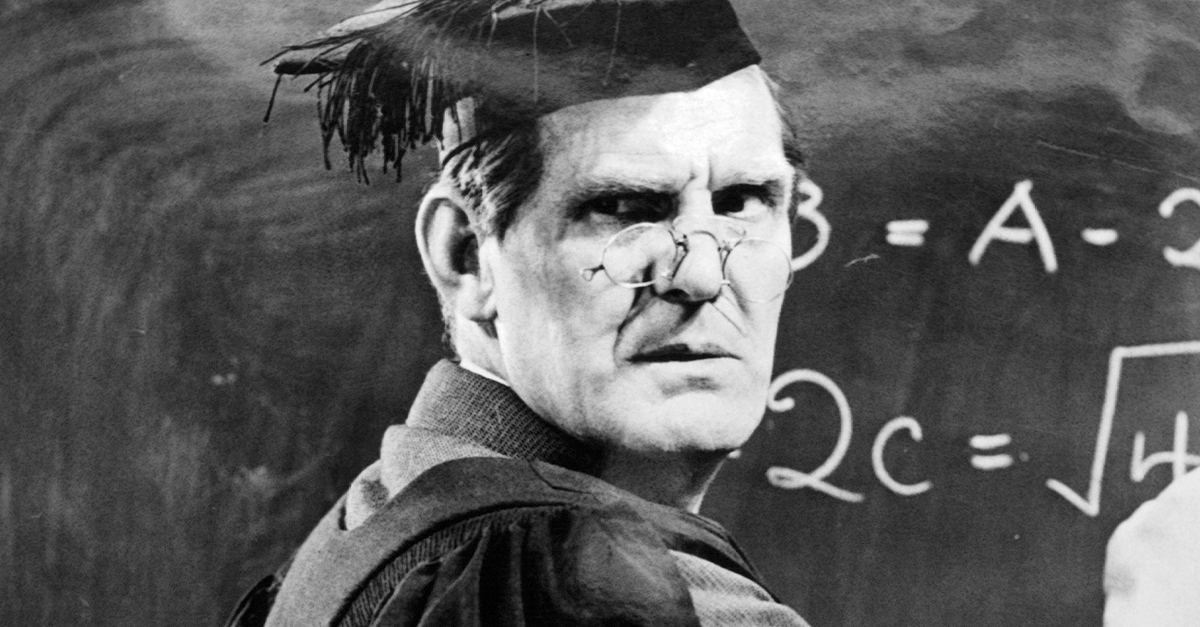
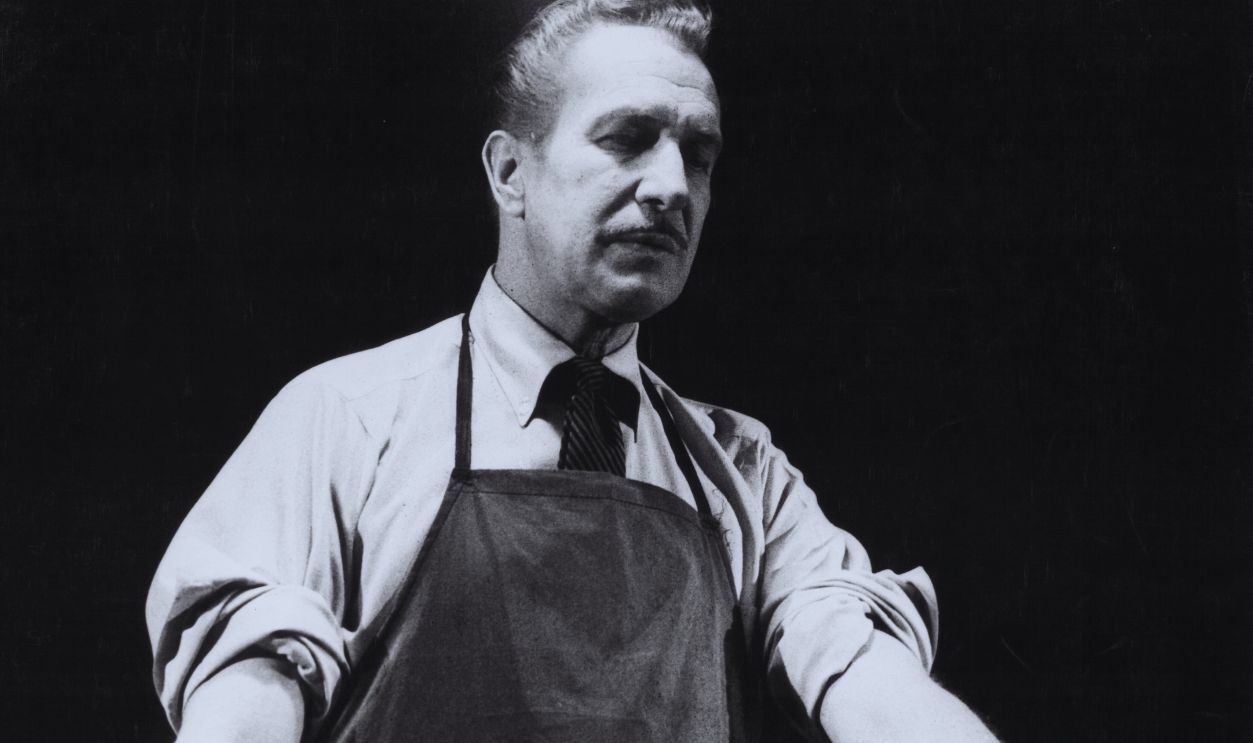
William Castle reunited with Vincent Price for The Tingler (1959), also starring Judith Evelyn and Darryl Hickman. The monster is a spine-dwelling parasite that grows when people experience fear. Castle famously equipped selected theater seats with vibrating devices for extra scares. Today, the rubbery creature looks rather silly, but the filmmaker's outrageous showmanship is still irresistible.
The Brain That Wouldn’t Die (1962)
Joseph Green directed The Brain That Wouldn't Die (1962), starring Jason Evers and Virginia Leith. Completed in 1959 but not released until 1962, the film follows a scientist who keeps his fiancée's severed head alive while searching for a replacement body. The talking head, laboratory equipment, and melodramatic dialogue can seem unintentionally hilarious today, although its gruesome premise was unusually bold for the period.
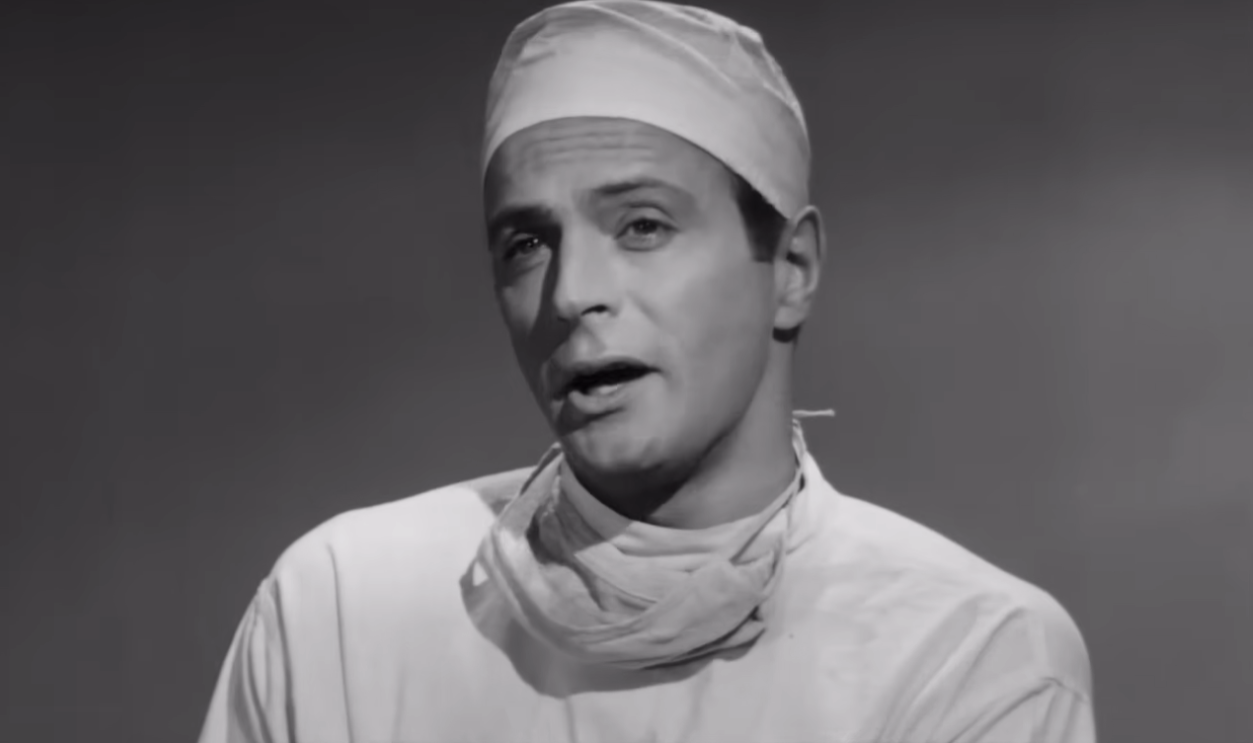 Screenshot from The Brain That Wouldn't Die, American International Pictures (1962)
The Birds (1963)
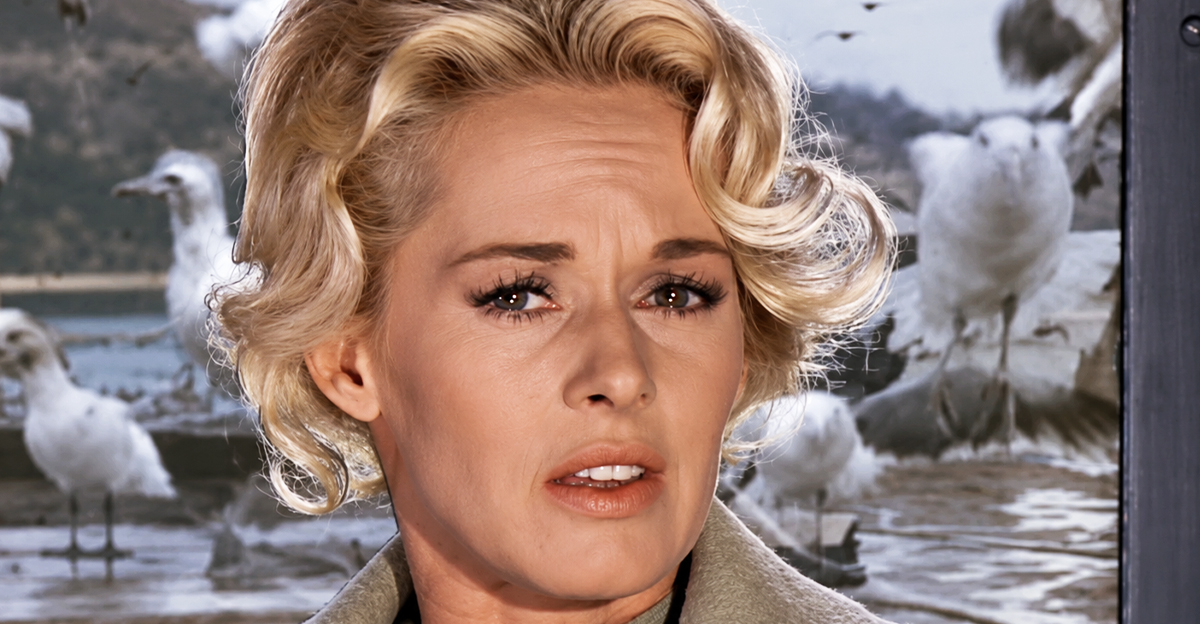
Alfred Hitchcock's The Birds (1963) starred Tippi Hedren, Rod Taylor, Jessica Tandy, and Suzanne Pleshette. Ordinary birds suddenly attack the residents of a California coastal town, creating scenes that left generations of viewers suspicious of passing seagulls. Some optical composites and mechanical birds look dated today, although Hitchcock's careful buildup of suspense remains masterful.
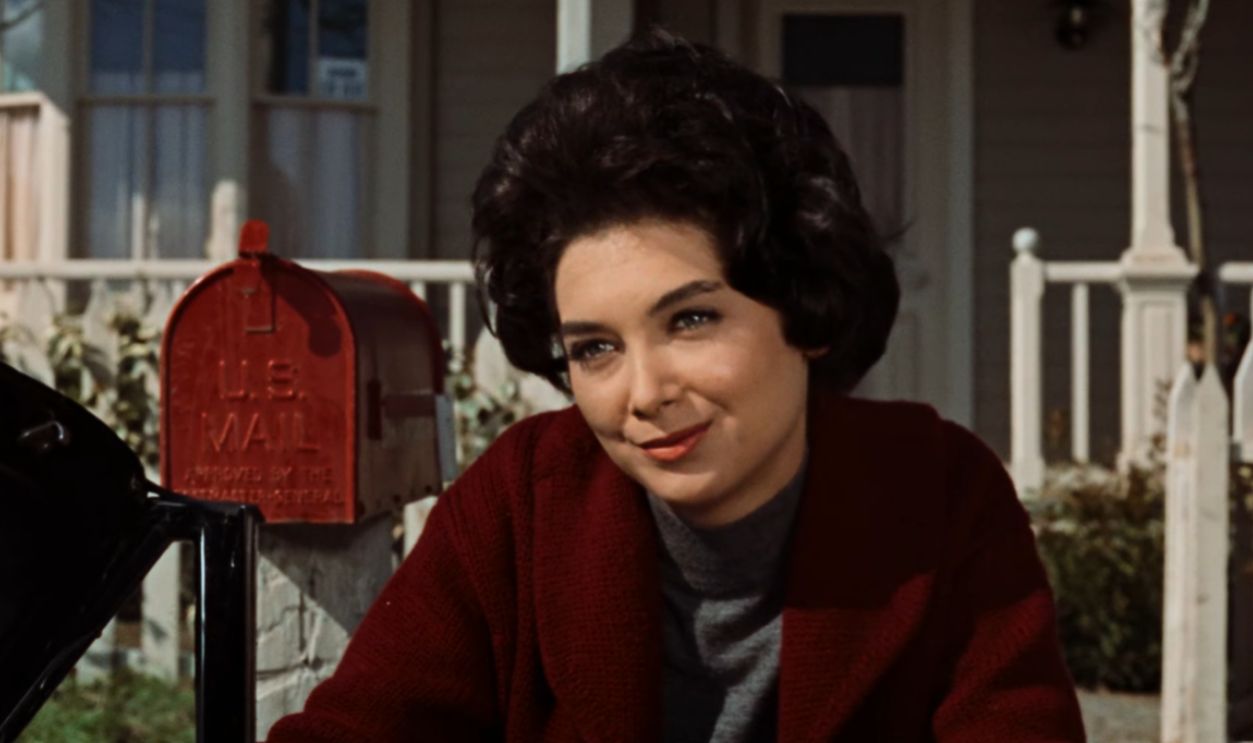 Screenshot from The Birds, NBCUniversal (1963)
The Haunting (1963)
Robert Wise directed The Haunting (1963), starring Julie Harris, Claire Bloom, Richard Johnson, and Russ Tamblyn. Instead of showing monsters, the film relies on ominous sounds, moving doors, and increasingly frightened characters. Viewers accustomed to elaborate supernatural effects might find its restrained approach old-fashioned, but the psychological tension is precisely why many horror enthusiasts still consider it a masterpiece.
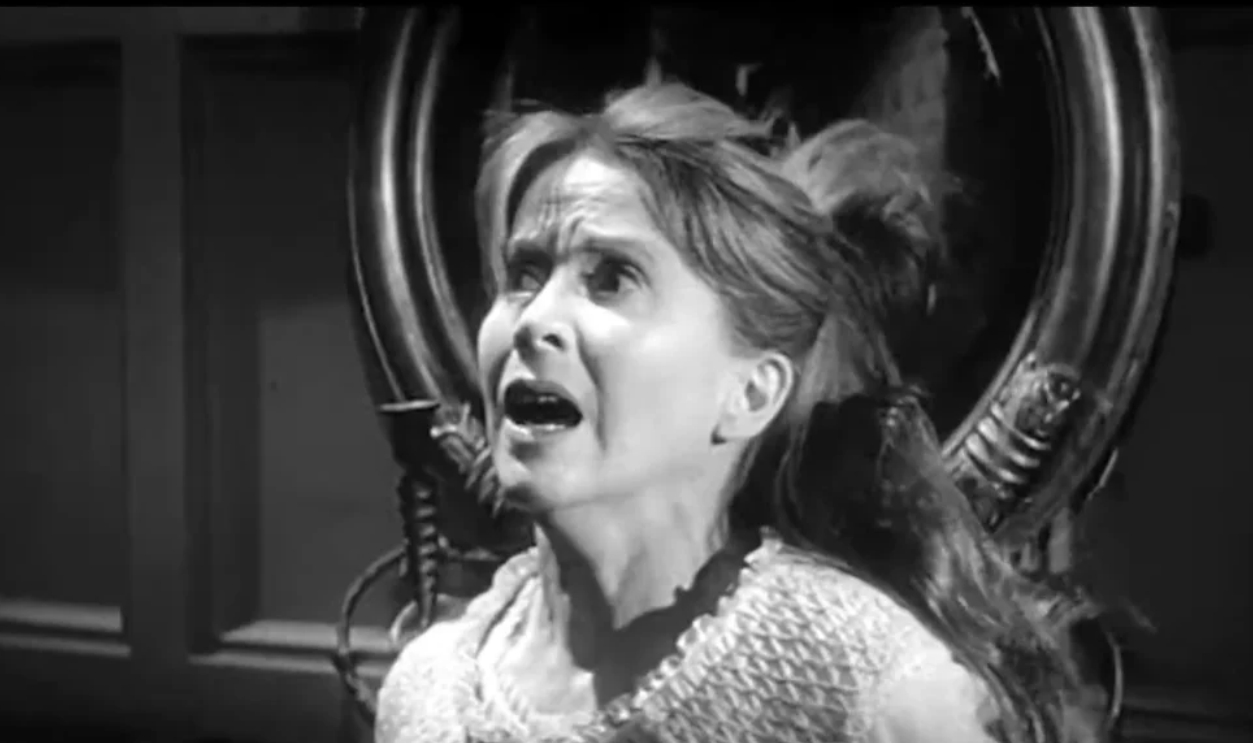 Screenshot from The Haunting, MGM (1963)
The Last Man On Earth (1964)
Vincent Price played a lonely survivor surrounded by infected, vampire-like creatures in Ubaldo Ragona and Sidney Salkow's The Last Man on Earth (1964). Based on Richard Matheson's novel I Am Legend, the film features attackers who shuffle around rather unconvincingly. Their slow movements can look comical today, although the film's bleak atmosphere influenced later zombie cinema.
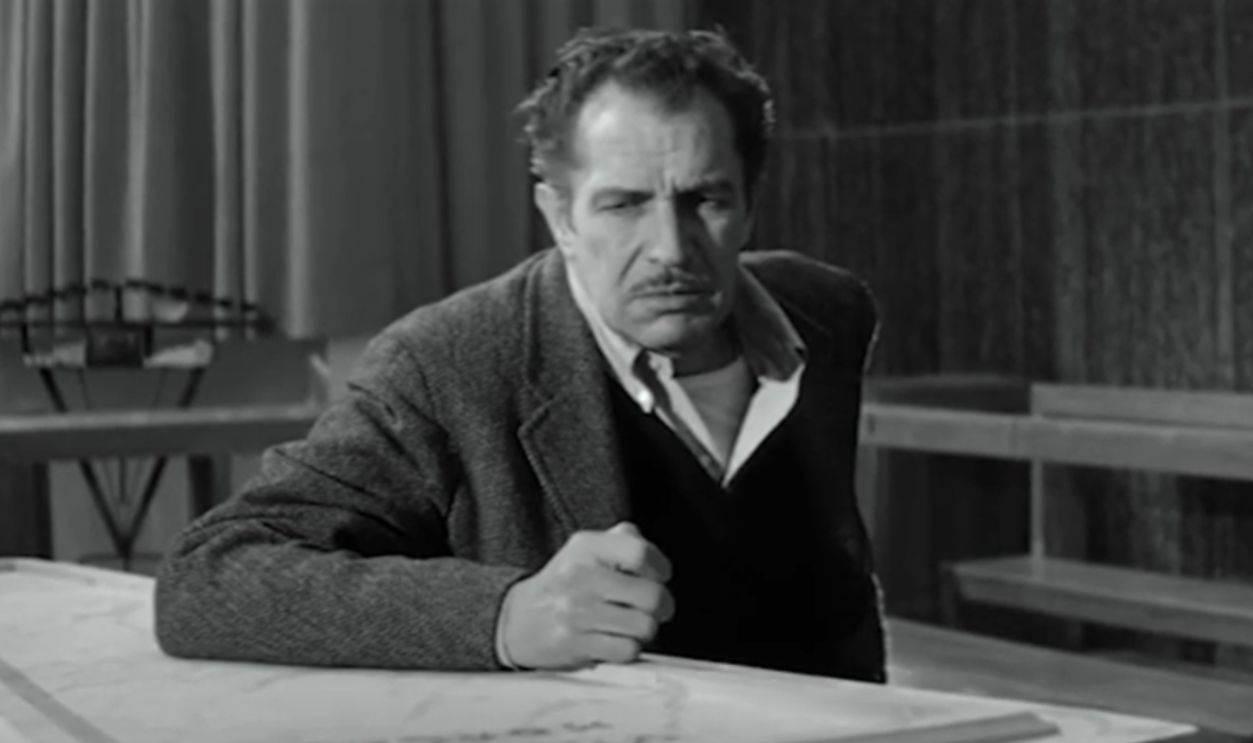 Screenshot from The Last Man on Earth, American International Pictures (1964)
The Gorgon (1964)
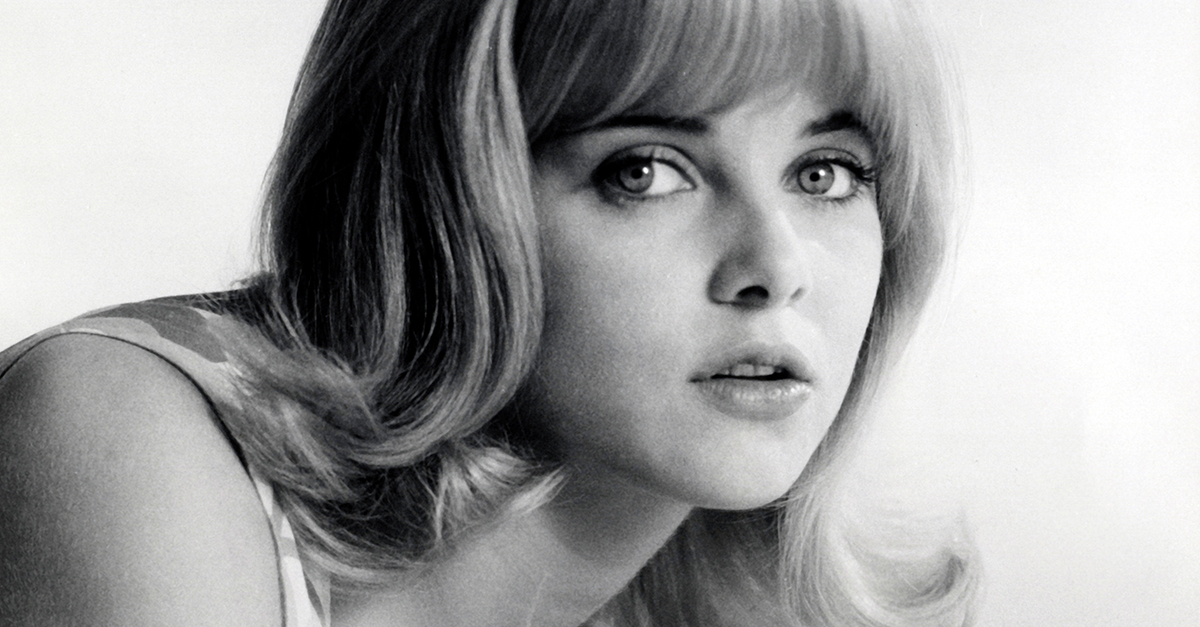
Terence Fisher directed Hammer Films' The Gorgon (1964), starring Peter Cushing, Christopher Lee, and Barbara Shelley. Its mythological monster can turn victims to stone with a single glance. Unfortunately, the creature's snake-covered hair looks noticeably artificial in some shots. What once promised a terrifying supernatural revelation now risks provoking laughter when the monster finally appears.
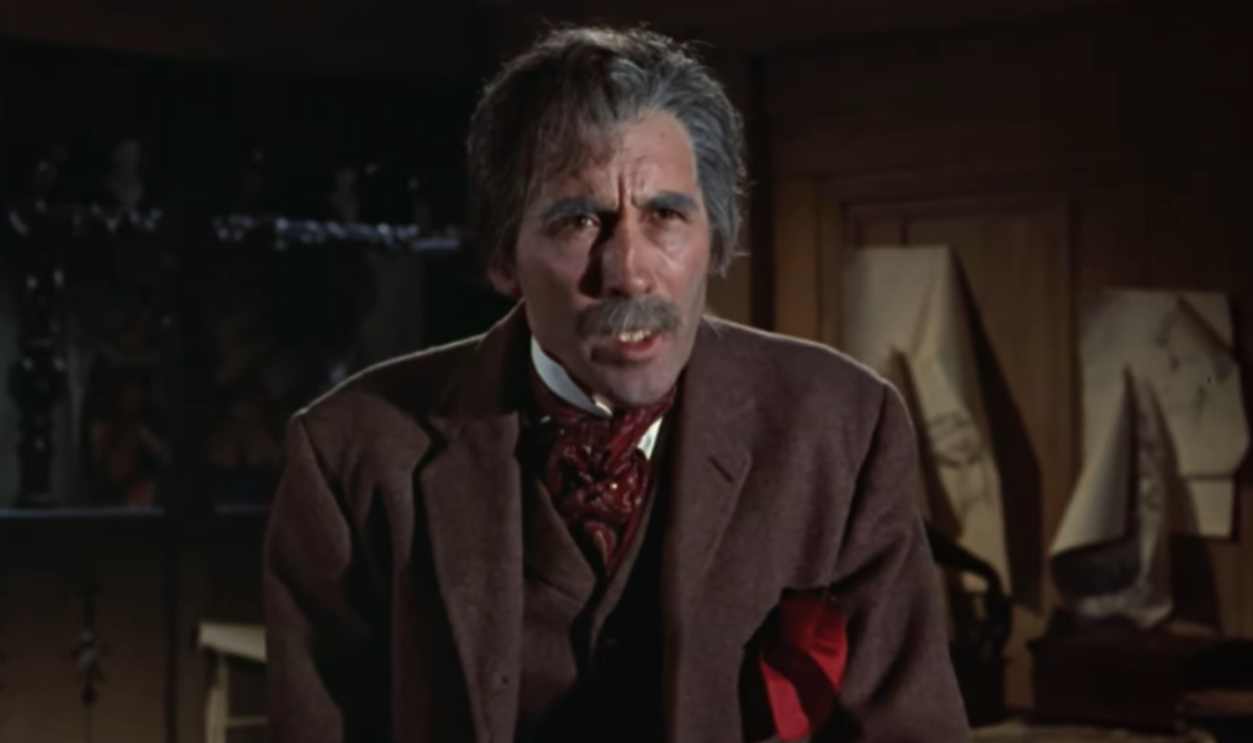 Screenshot from The Gorgon, British Lion-Columbia Distributors (1964)
Dracula: Prince Of Darkness (1966)
Christopher Lee returned as the famous vampire in Terence Fisher's Dracula: Prince of Darkness (1966), alongside Barbara Shelley and Andrew Keir. Lee's imposing presence and Hammer's vivid Gothic atmosphere frightened countless viewers. Modern audiences, however, might find the dramatic stares, elaborate blood rituals, and theatrical vampire attacks more entertaining than terrifying.
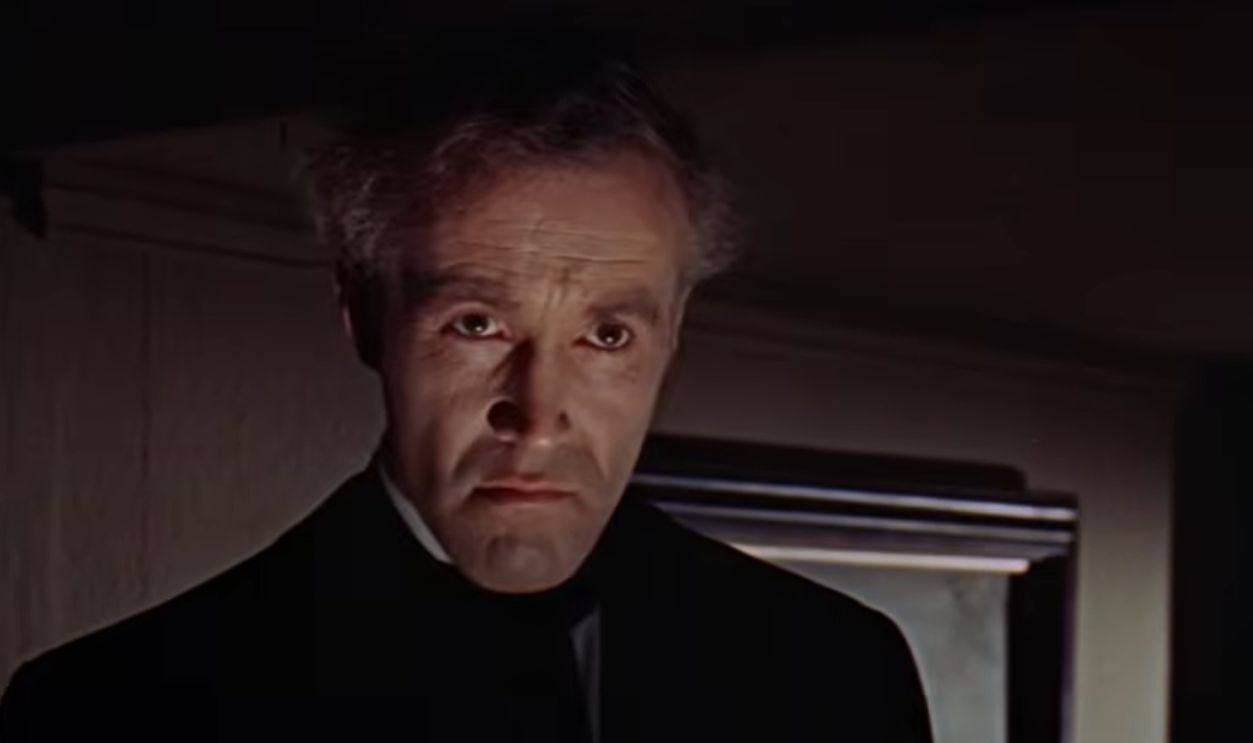 Screenshot from Dracula: Prince Of Darkness, Twentieth Century Fox (1966)
The Green Slime (1968)
Kinji Fukasaku directed the Japanese-American science-fiction horror film The Green Slime (1968), starring Robert Horton, Richard Jaeckel, and Luciana Paluzzi. Astronauts accidentally bring an alien organism aboard a space station, where it develops into tentacled monsters. Their rubber costumes, glowing eyes, and peculiar movements make the creatures look like enthusiastic performers at a monster-themed costume party.
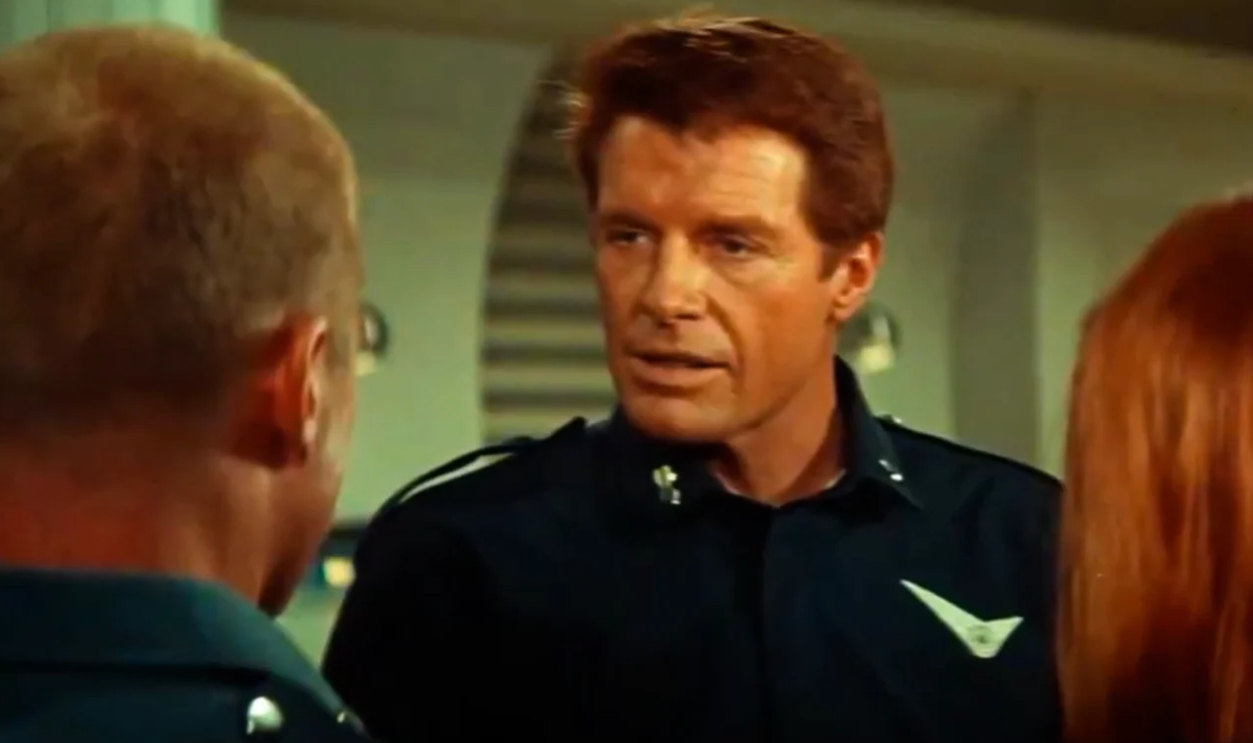 Screenshot from The Green Slime, Metro-Goldwyn-Mayer (1968)
Night Of The Living Dead (1968)
George A. Romero's Night of the Living Dead (1968), starring Duane Jones and Judith O'Dea, helped establish the modern zombie movie. Its shambling flesh-eaters, stark black-and-white photography, and graphic violence shocked audiences. Younger viewers familiar with elaborate zombie makeup might find some early effects modest, but the film's disturbing ending and relentless sense of dread remain remarkably powerful.
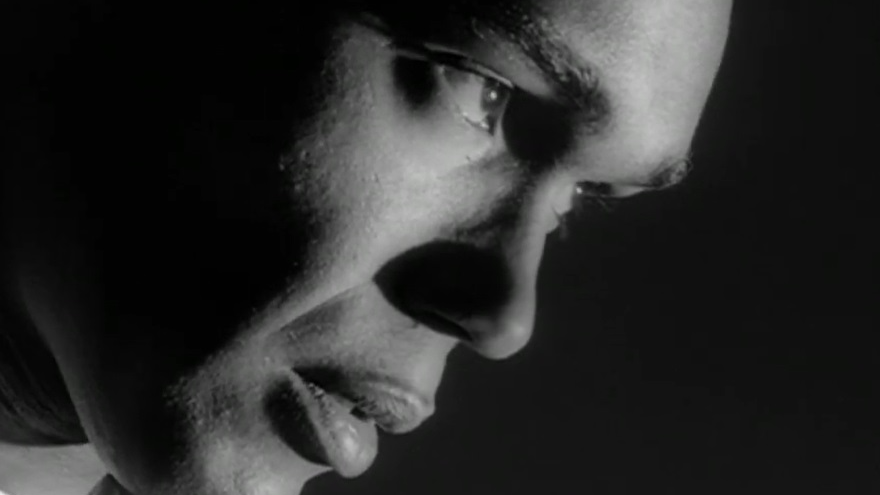 Screenshot from Night of the Living Dead, Image Ten (1968)
Frogs (1972)
George McCowan directed Frogs (1972), starring Ray Milland, Sam Elliott, and Joan Van Ark. The story follows a wealthy family whose pesticide-heavy lifestyle provokes nature's revenge. Despite the title, frogs mostly watch while snakes, lizards, spiders, and other creatures terrorize the household. The ominous close-ups of ordinary amphibians can seem absurd today, especially when the frogs themselves rarely do anything threatening.
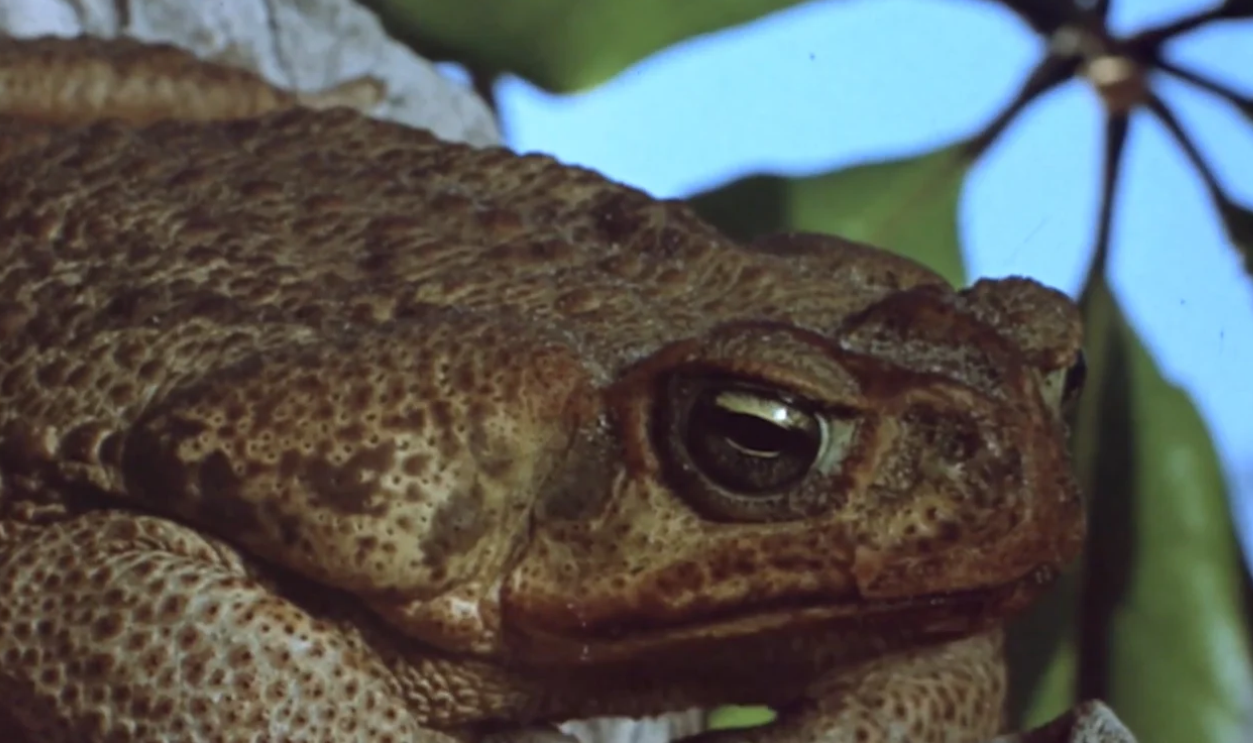 Screenshot from Frogs, American International Pictures (1972)
The Legend Of Boggy Creek (1972)
Charles B. Pierce's The Legend of Boggy Creek (1972) presented supposed encounters with Arkansas's mysterious Fouke Monster in a documentary-style format. Featuring local residents and reenactments rather than conventional Hollywood stars, the low-budget production became a drive-in sensation. Its shadowy glimpses of a hairy creature could frighten impressionable viewers, while modern audiences might find the grainy footage amusingly inconclusive.
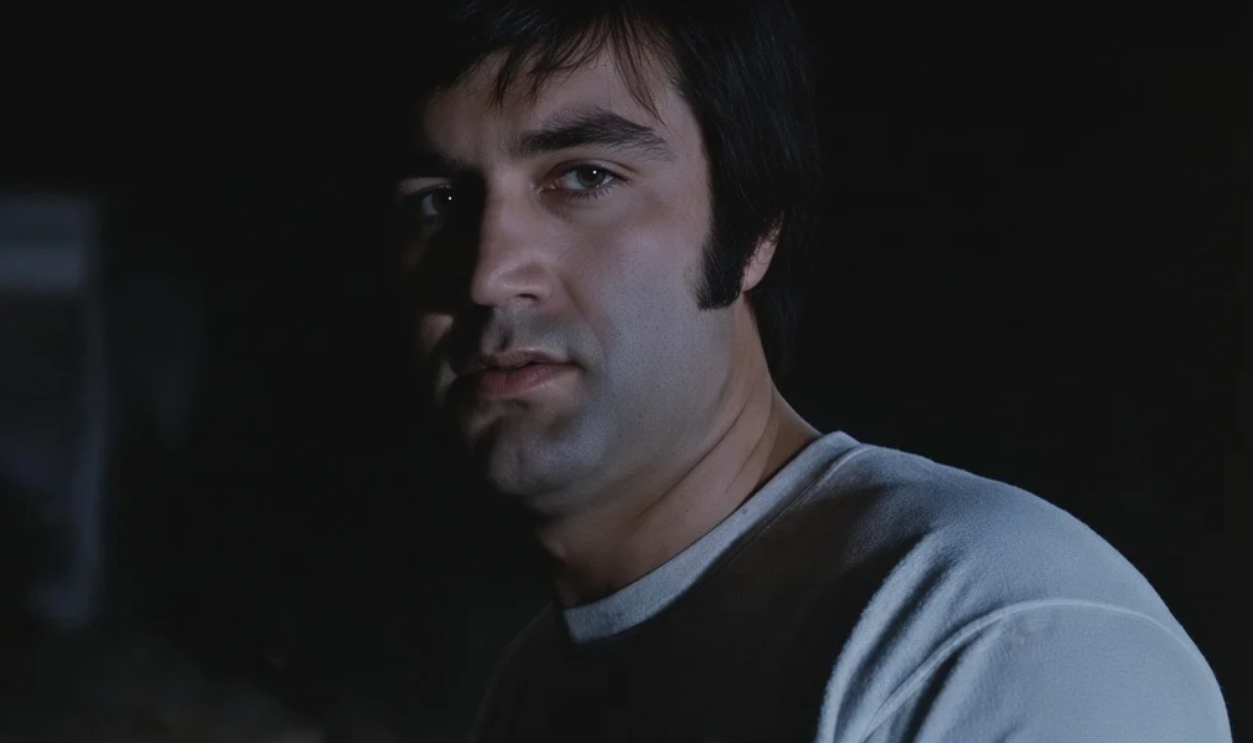 Screenshot from The Legend of Boggy Creek, Howco International (1973), Modified
The Exorcist (1973)
William Friedkin's The Exorcist (1973) starred Linda Blair, Ellen Burstyn, Max von Sydow, and Jason Miller. Its spinning head, levitating bed, and shocking possession scenes became legendary. Some younger viewers might find the elaborate makeup or notorious dialogue excessive, but the film's reputation as one of cinema's most frightening experiences has endured. This is one classic that can still silence a room.
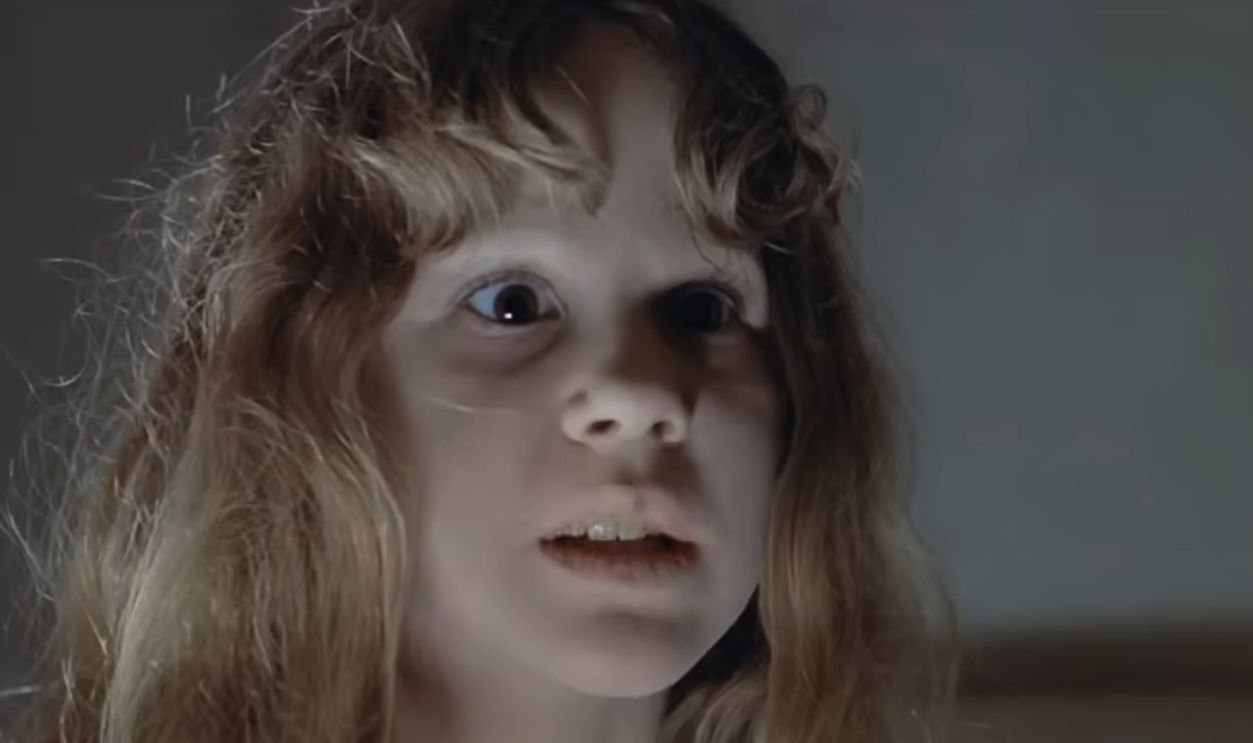 Screenshot from The Exorcist, Warner Bros. (1973)
It's Alive (1974)
Larry Cohen directed It's Alive (1974), starring John P. Ryan and Sharon Farrell as parents whose newborn baby turns out to be a murderous mutant. Special-effects artist Rick Baker helped create the terrifying infant. The combination of a tiny monster, frantic attacks, and a wildly improbable premise can inspire laughter today, even though the film also explores surprisingly serious anxieties about parenthood.
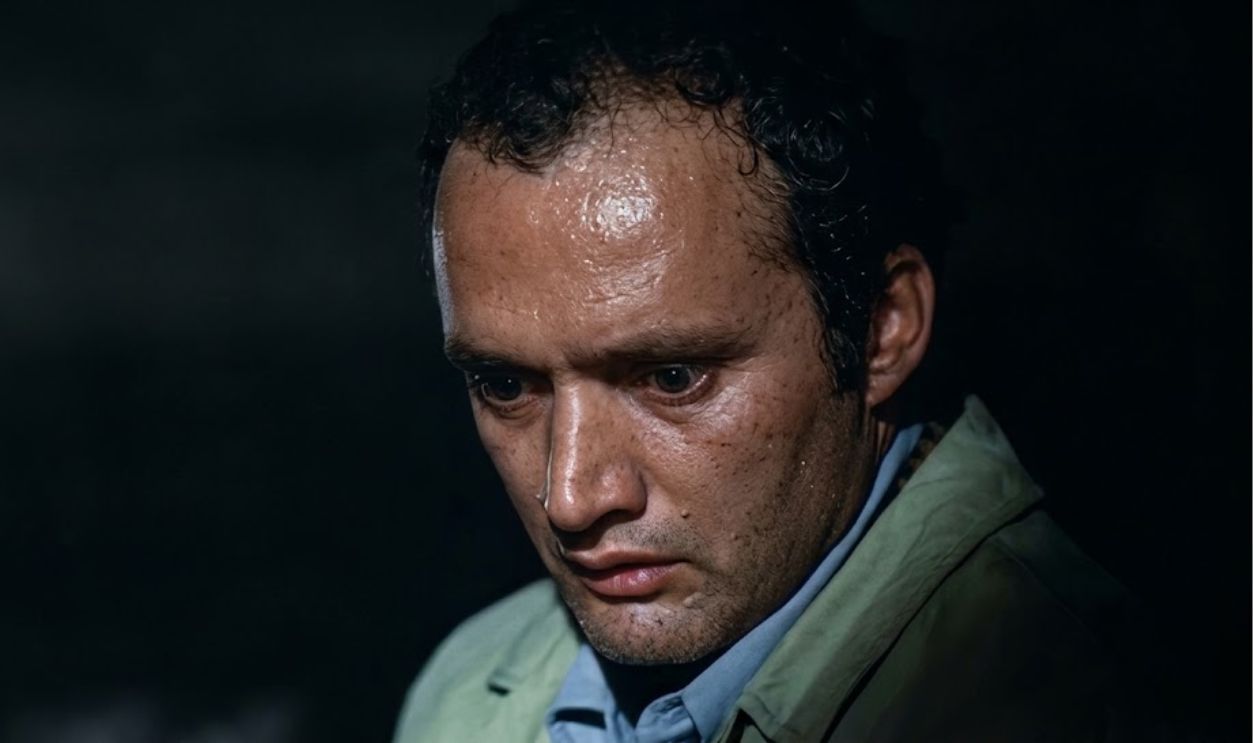 Screenshot from It's Alive, Warner Bros. Pictures (1974), Modified
Prophecy (1979)
John Frankenheimer's Prophecy (1979) starred Robert Foxworth, Talia Shire, and Armand Assante in an environmental horror story about industrial pollution creating a monstrous mutant bear. The creature's grotesque appearance was intended to be horrifying, but its bulky costume and awkward movements can look comical. It's a memorable example of an ambitious monster movie whose practical effects haven't aged gracefully.
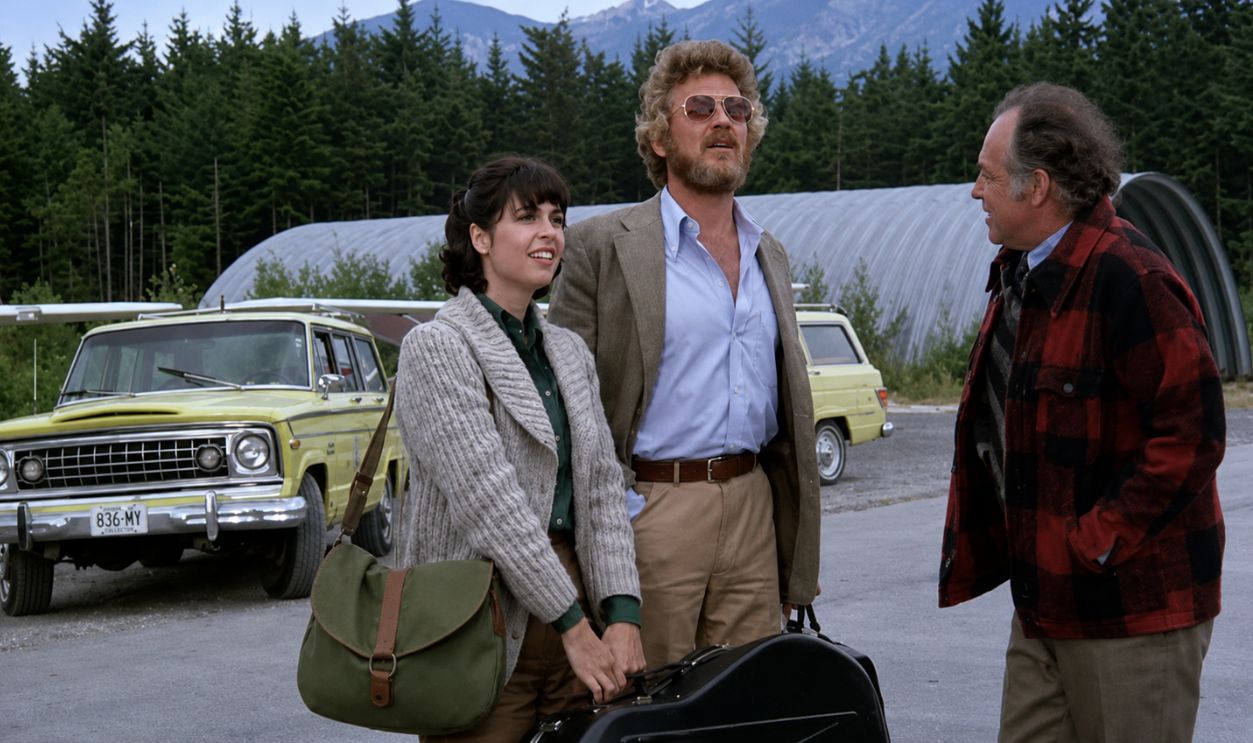 Screenshot from Prophecy, Paramount Pictures (1979), Modified
You May Also Like:
Horror Miniseries That Once Terrified America—How Many Do You Remember?
The Scariest Horror Movies Ever Made
Horror movies from the 1970s that were seriously scary—but almost nobody still remembers them today.