Hollywood Nearly Left These On The Floor
Some movie moments feel so inevitable that imagining the film without them is almost impossible. Yet a surprising number of 1980s classics came dangerously close to losing the very scenes audiences would spend decades quoting, imitating, and remembering.
Jack Torrance Finally Reached The Door
By the climax of The Shining, Jack Torrance has completely unraveled inside the isolated Overlook Hotel. Jack Nicholson attacks a bathroom door while Wendy, played by Shelley Duvall, desperately tries to stay beyond his reach. Nicholson then pushes his face through the broken wood and delivers the scene's unforgettable final touch.
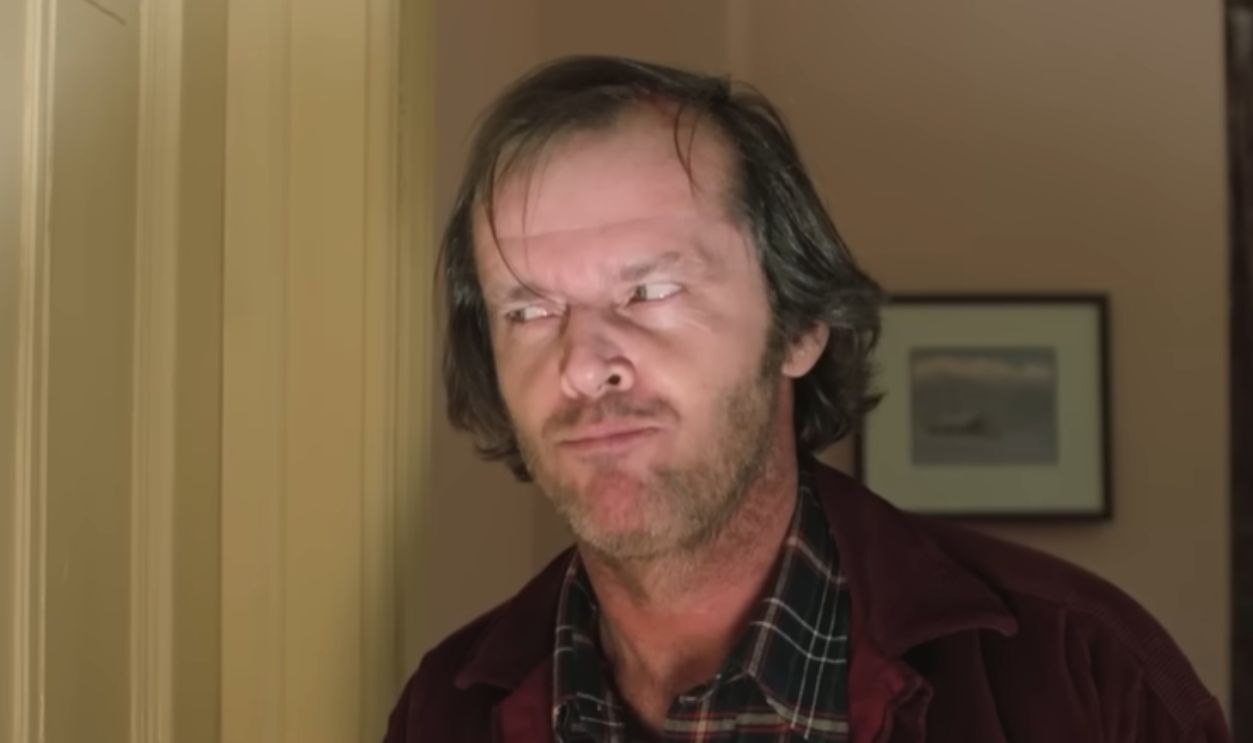 Screenshot from The Shining, Warner Bros. (1980)
Nicholson Added The Line Himself
"Here's Johnny!" was not written into the screenplay. Nicholson improvised the reference to Johnny Carson's Tonight Show introduction, but Stanley Kubrick had spent years living in Britain and reportedly did not immediately understand the American television reference. That made the director consider losing the line despite Nicholson's startling delivery.
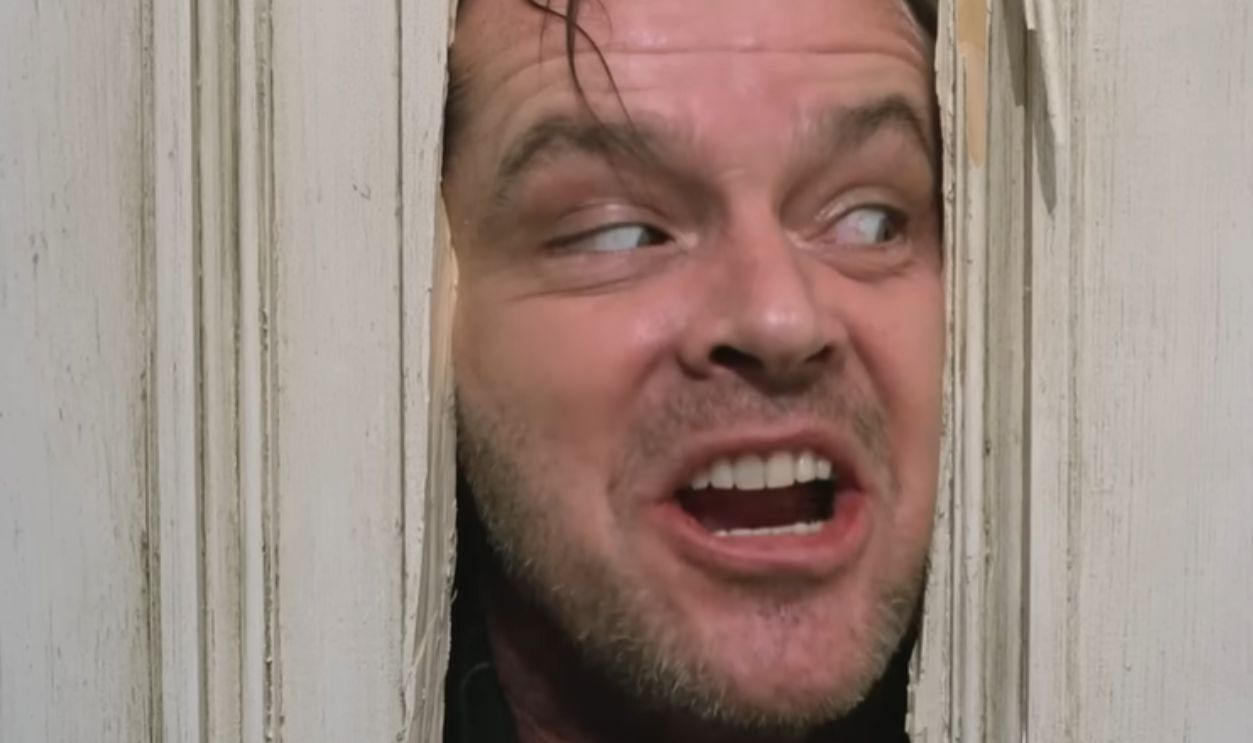 Screenshot from The Shining, Warner Bros. (1980)
Kubrick Was Right To Keep It
The unfamiliar reference barely mattered once Nicholson performed it. His expression and delivery made the moment understandable even to viewers who had no idea what television program he was imitating. What might have been discarded as a culturally specific joke instead became one of the most recognizable images in horror cinema.
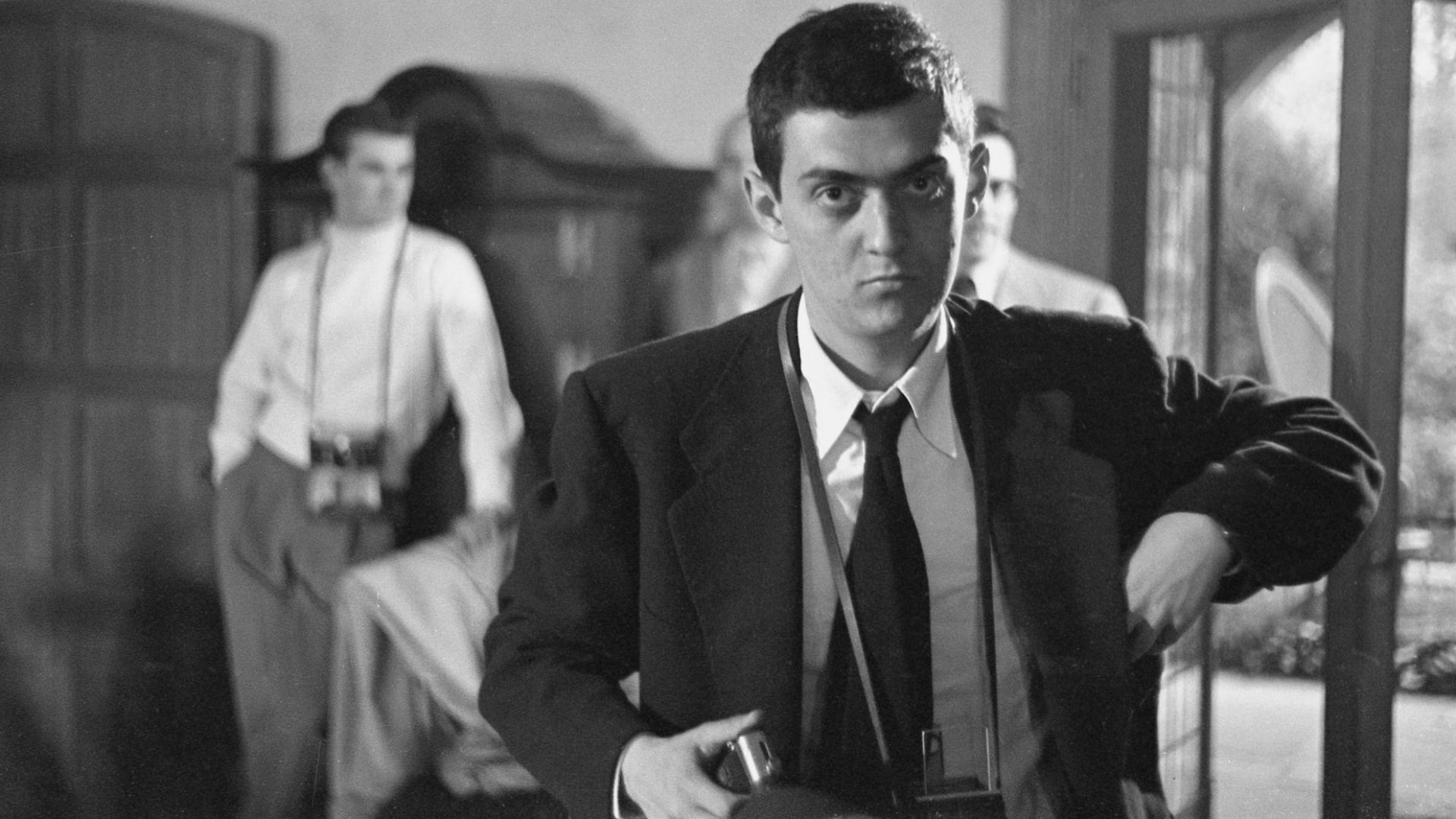
Raiders Had One Chase Too Many
Raiders of the Lost Ark already contained collapsing temples, snakes, airplanes, gunfights, and supernatural spectacle. Steven Spielberg still wanted an elaborate chase in which Indiana Jones pursues a truck carrying the Ark. The sequence required vehicles, stunt performers, location work, and considerably more effort than simply moving the plot to its next destination.
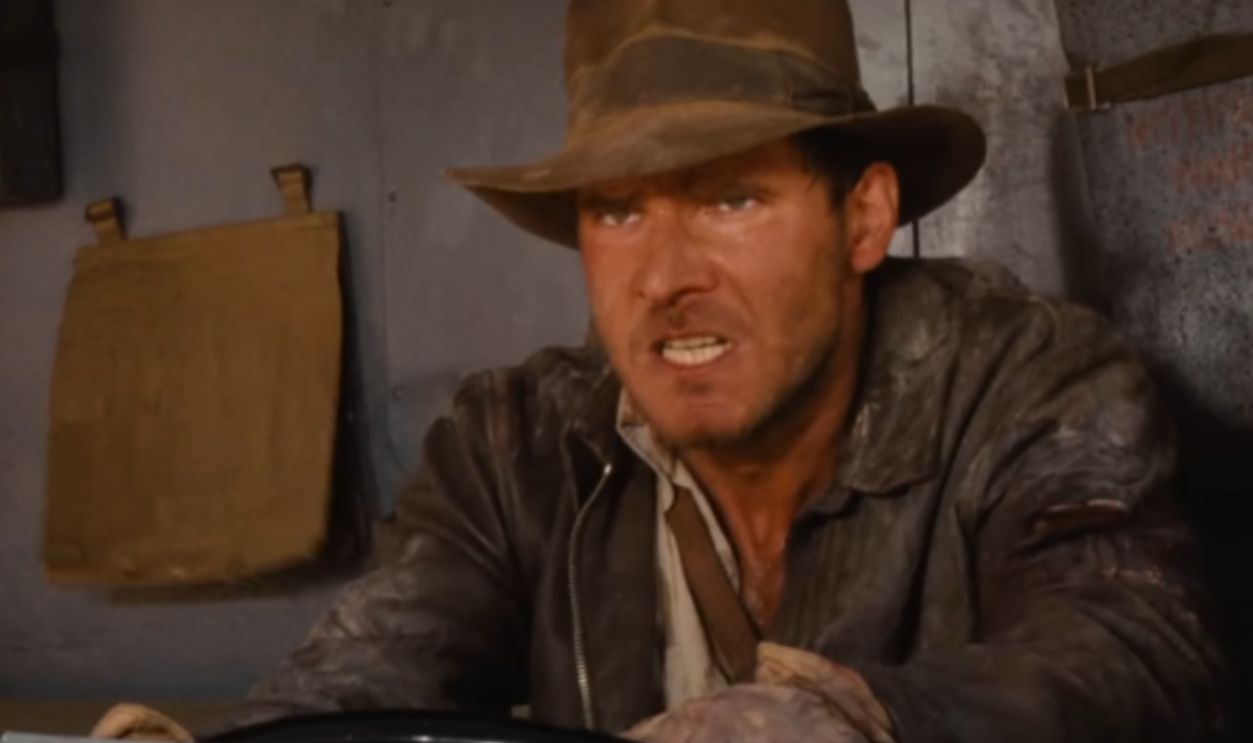 Screenshot from Raiders of the Lost Ark, Paramount Pictures (1981)
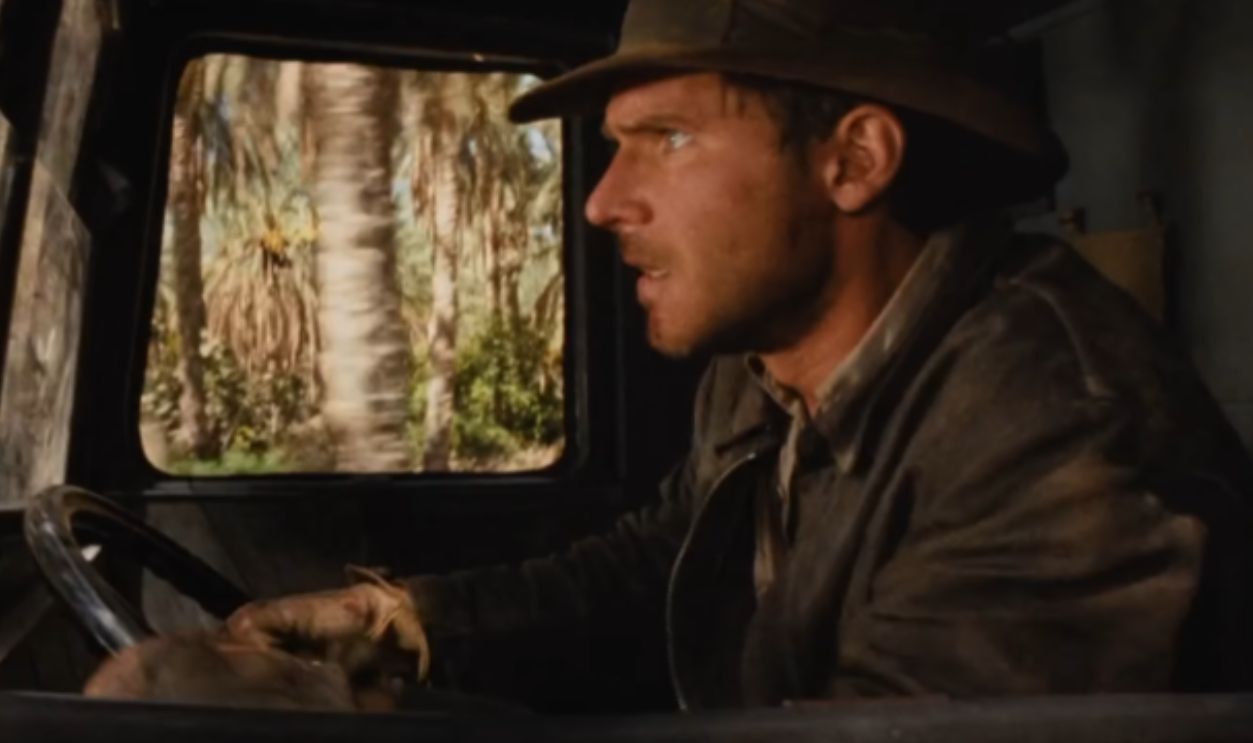
The Truck Chase Faced The Budget Axe
Accounts of the production describe the chase as vulnerable because of the movie's strict budget and schedule. Spielberg had arrived on Raiders determined to prove he could deliver a major adventure without the overruns that had plagued 1941. The studio's pressure to contain costs made a giant additional action sequence an obvious place to look for savings.
 Screenshot from Raiders of the Lost Ark, Paramount Pictures (1981)
Indy Going Under The Truck Became Essential
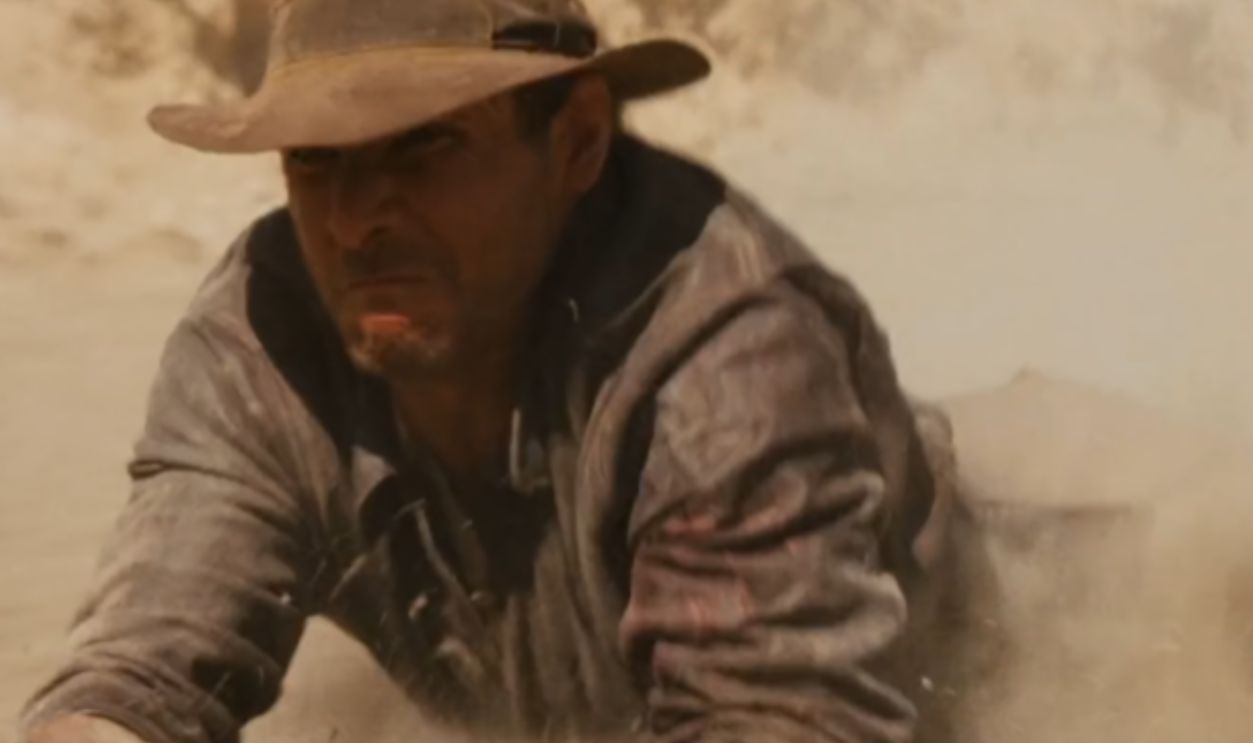
Spielberg kept the chase, and stunt coordinator Glenn Randall helped turn it into a showcase of old-fashioned physical filmmaking. One of its most famous moments sends Indiana underneath the moving truck before he pulls himself back aboard. Rather than an expendable action beat, the sequence became one of the clearest demonstrations of what made Harrison Ford's battered, improvising hero different from more invincible action stars.
 Screenshot from Raiders of the Lost Ark, Paramount Pictures (1981)
Mr. Miyagi Suddenly Became More Than A Mentor
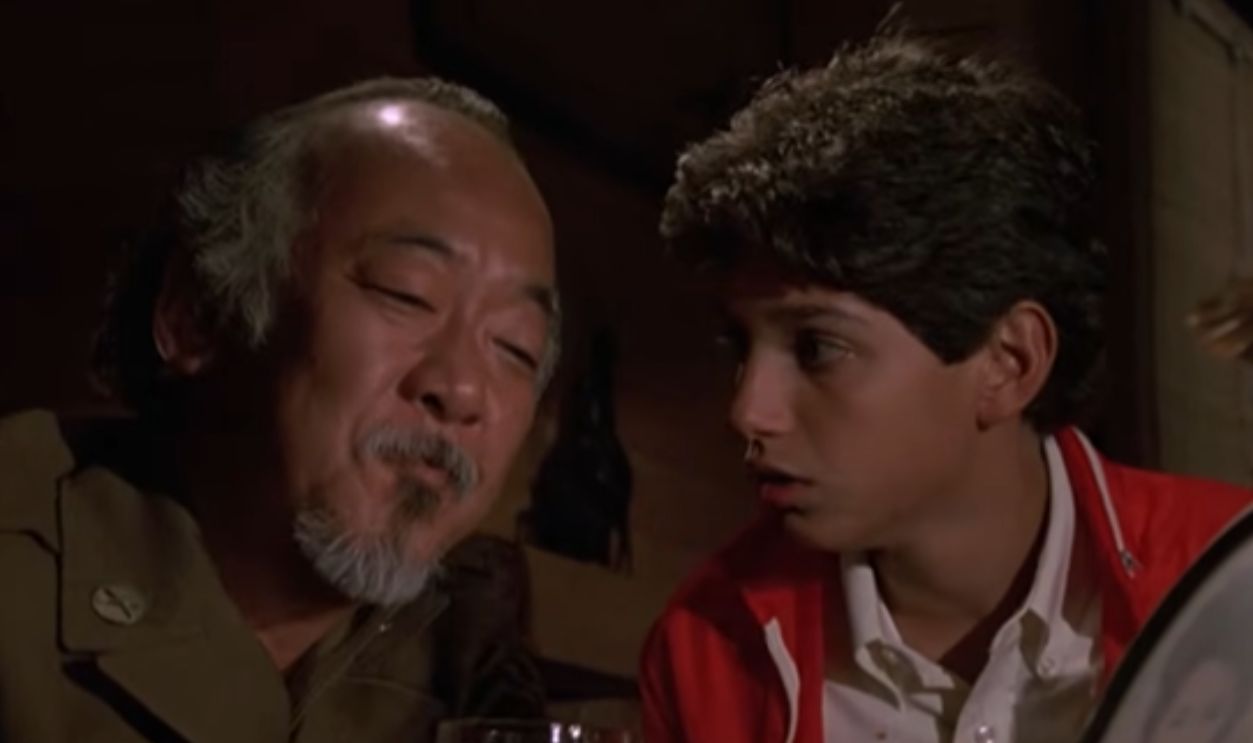
Most of The Karate Kid builds Mr. Miyagi through humor, patience, and his unusual methods of teaching Daniel. Then Daniel finds him alone on an emotional anniversary and slowly learns about the family Miyagi lost during World War II. The scene gives the character a history far deeper than the wise mentor audiences had met earlier.
 Screenshot from The Karate Kid, Sony Pictures (1984)
The Studio Thought It Slowed Everything Down
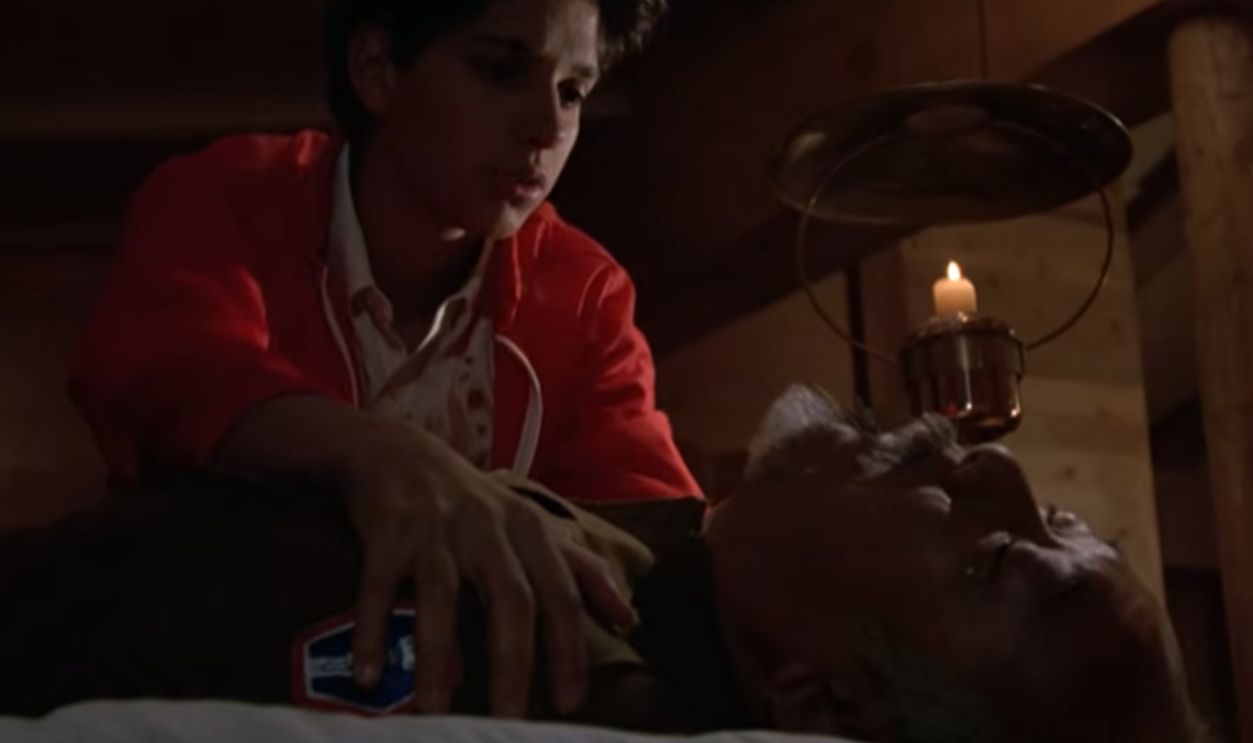
Director John G. Avildsen remembered pressure to remove the sequence because it slowed the movie, while Ralph Macchio later said the long running time worried the studio because it could reduce the number of daily screenings. Test audiences helped end that argument. Macchio recalled that once executives watched the scene play with an audience, the complaints stopped.
 Screenshot from The Karate Kid, Sony Pictures (1984)
Pat Morita Knew How Important It Was
Morita reportedly regarded the sequence as crucial to his performance, and Macchio later connected it directly with the actor's Academy Award nomination. Morita himself had spent part of his childhood confined with his family during the wartime incarceration of Japanese Americans, which gave the material unusual personal weight. A scene executives regarded as removable became the emotional heart of Mr. Miyagi's story.
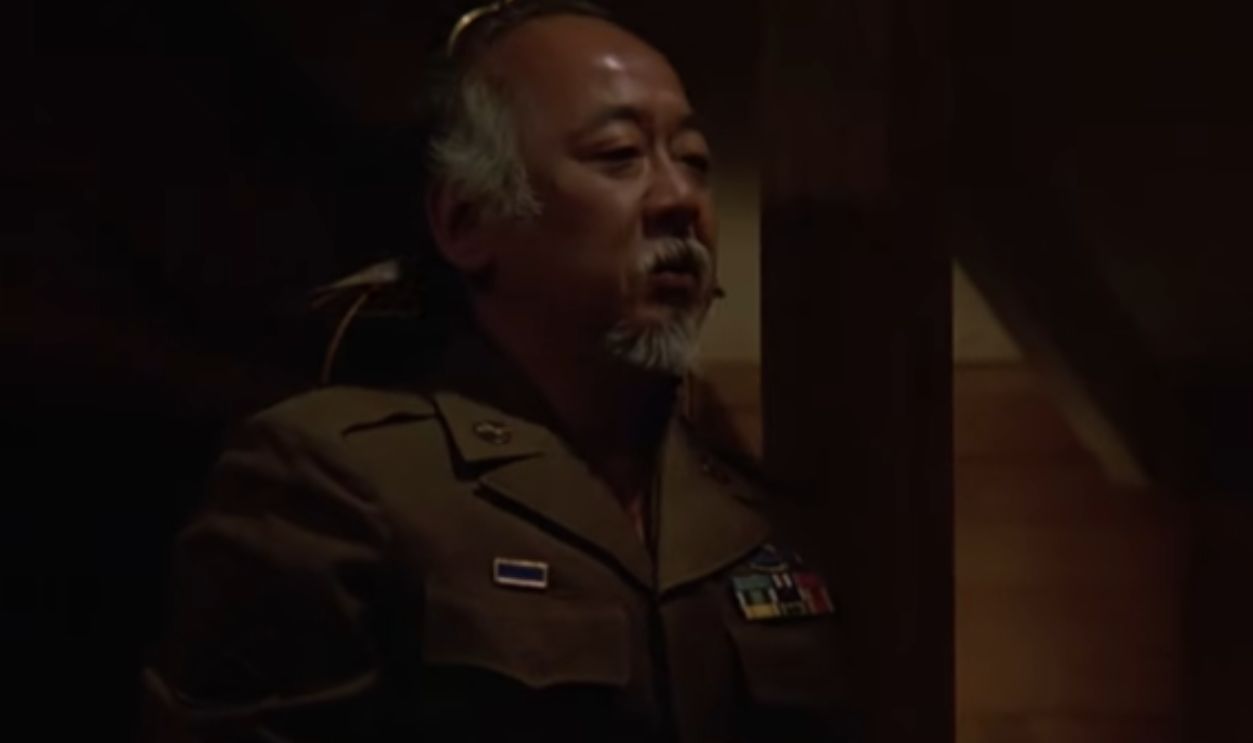 Screenshot from The Karate Kid, Sony Pictures (1984)
Marty McFly Took Over The School Dance
Near the end of Back to the Future, Marty McFly picks up a guitar at the Enchantment Under the Sea dance. What begins as a recognizable 1950s performance of "Johnny B. Goode" gradually turns into Marty showing the confused teenagers musical flourishes their generation has not encountered yet. It is one of the movie's purest comedy payoffs to the time-travel premise.
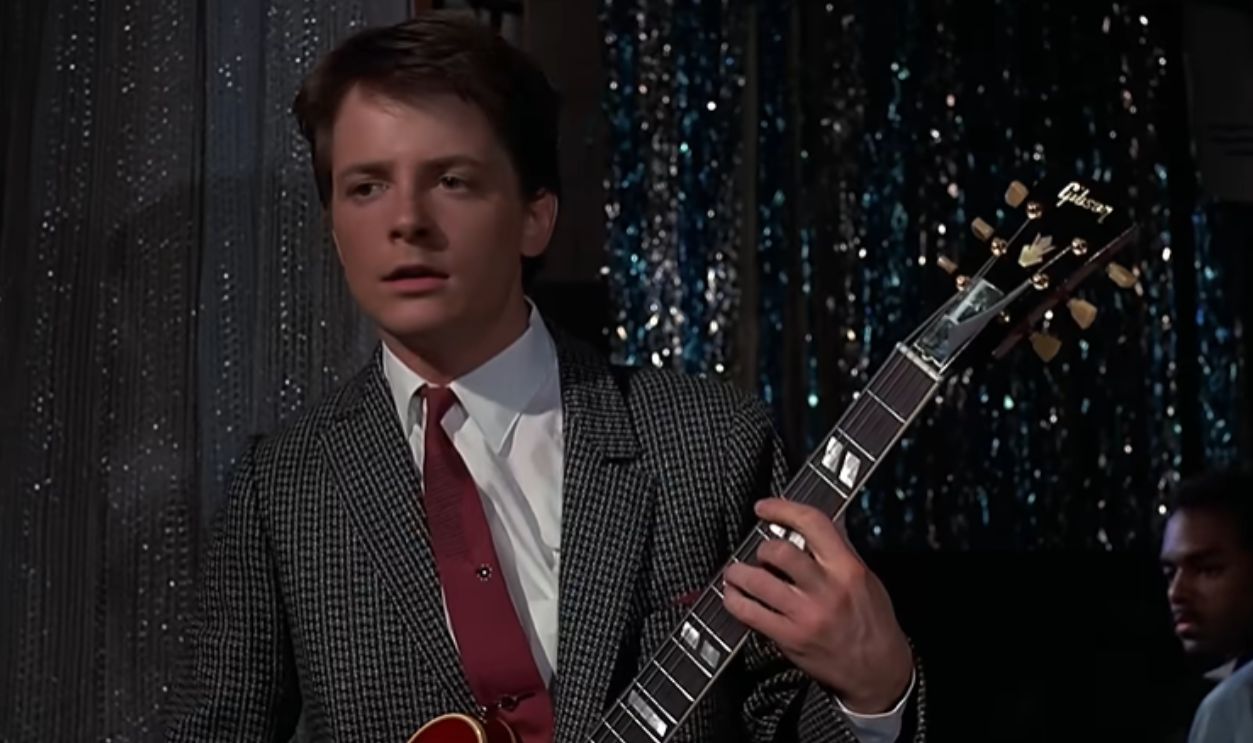 Screenshot from Back to the Future, Universal Pictures (1985)
Zemeckis Wondered If It Had To Go
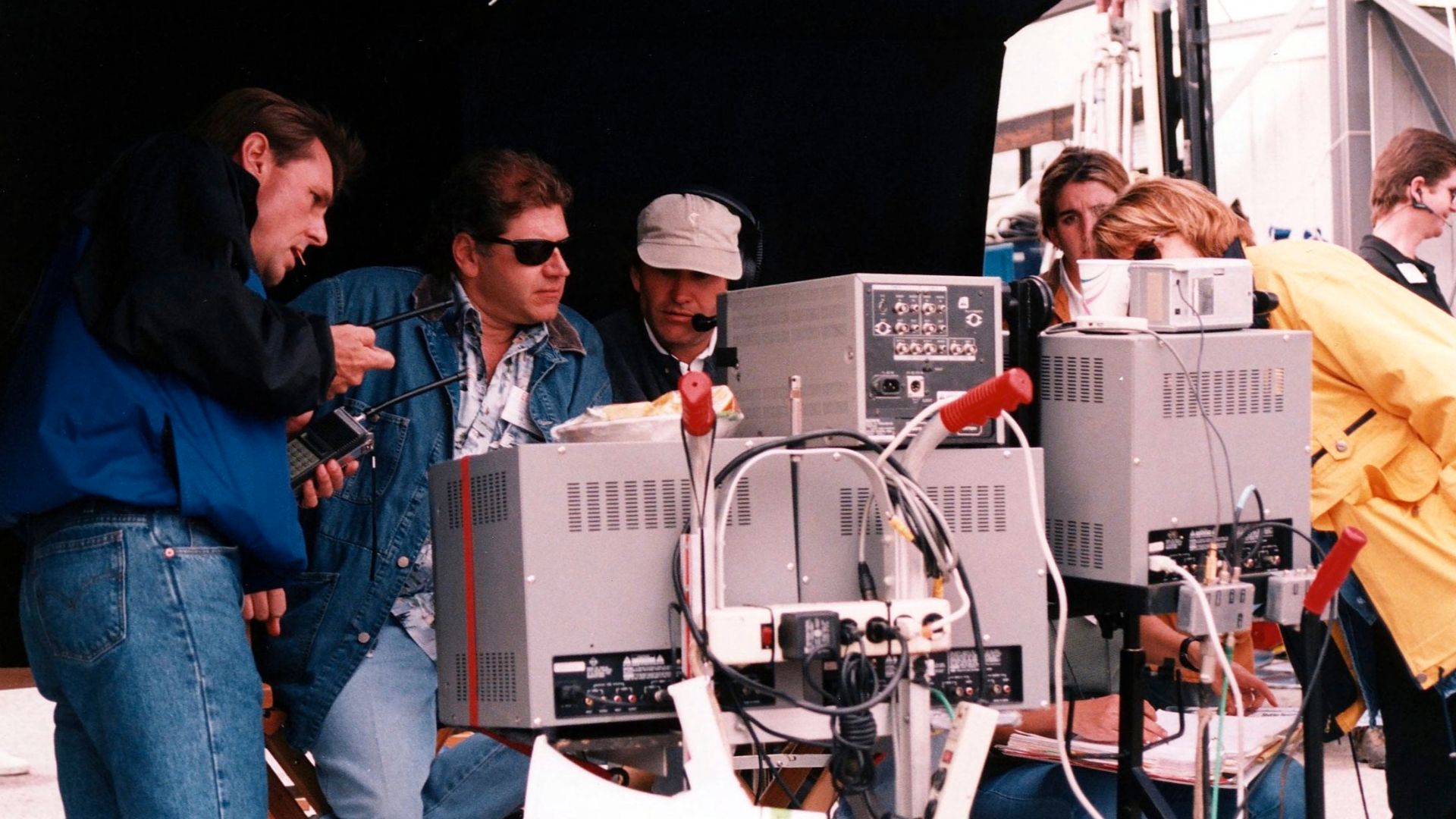
Robert Zemeckis considered cutting the performance during editing. The problem was structural rather than creative: Marty's extended guitar showcase did not really advance the central story once his parents had finally connected. With the filmmakers racing to finish the movie, anything that stopped the plot was vulnerable.
The Preview Audience Saved Rock And Roll
Test audiences reacted enthusiastically to the sequence, persuading Zemeckis to leave it alone. That response preserved Michael J. Fox's frantic stage performance and Marty's wonderfully misplaced confidence that his bewildered 1955 audience would eventually appreciate what he was doing. One of the film's biggest crowd-pleasers survived precisely because an actual crowd told the director not to touch it.
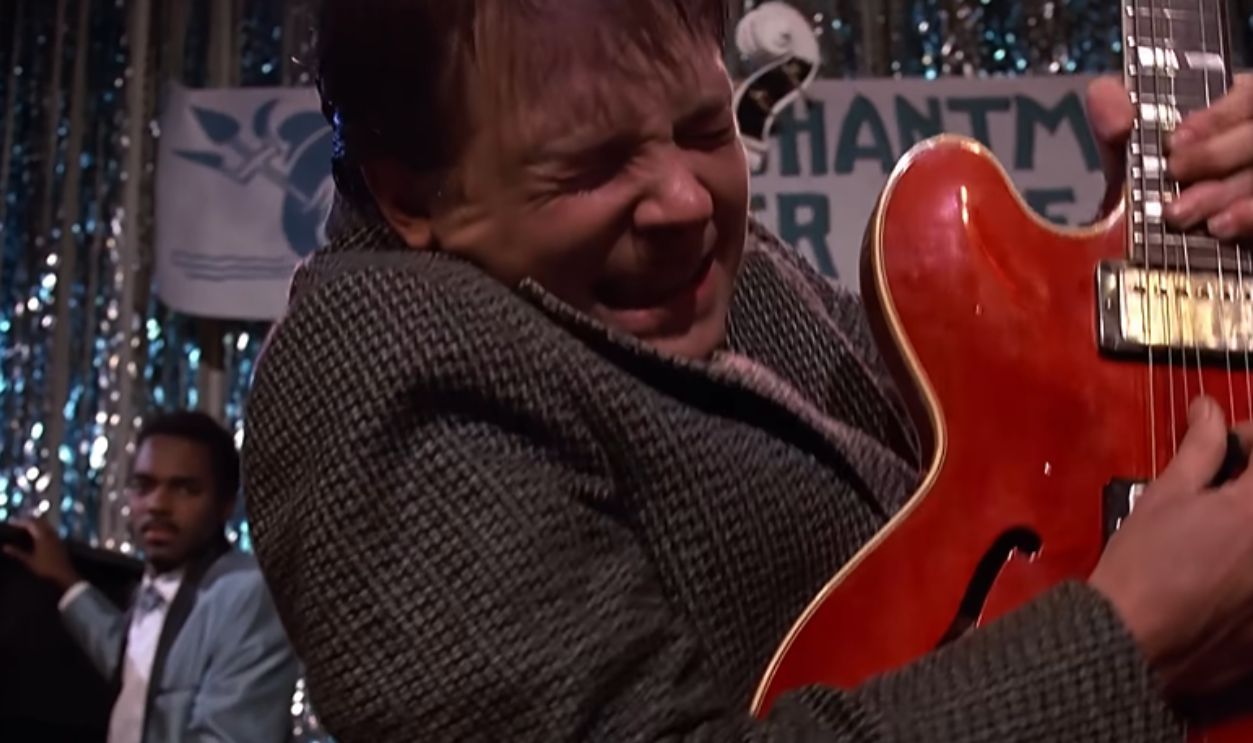 Screenshot from Back to the Future, Universal Pictures (1985)
Andie Made Her Decision Before The Prom
Pretty in Pink reaches a turning point when Andie, played by Molly Ringwald, decides she will attend the prom despite everything that has happened. Speaking with her father, she explains that going is about refusing to let other people defeat her. The moment turns the prom from a simple romantic destination into a statement about Andie's self-respect.
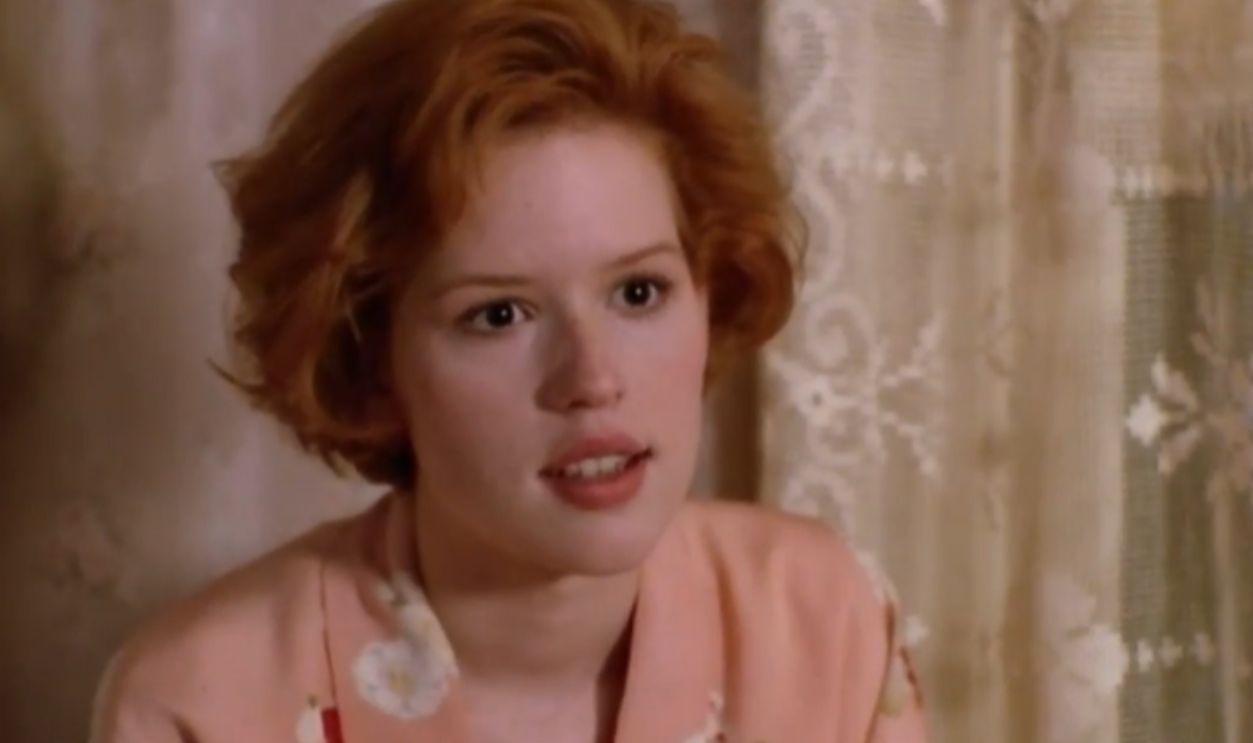 Screenshot from Pretty in Pink, Paramount Pictures (1986)
Howard Deutch Actually Removed It
Director Howard Deutch has admitted that he cut the scene while trying to shorten an early version of the film. He was worried about pacing and believed the movie needed tightening. That edit also removed one of Andie's clearest explanations of why she was going to the prom at all.
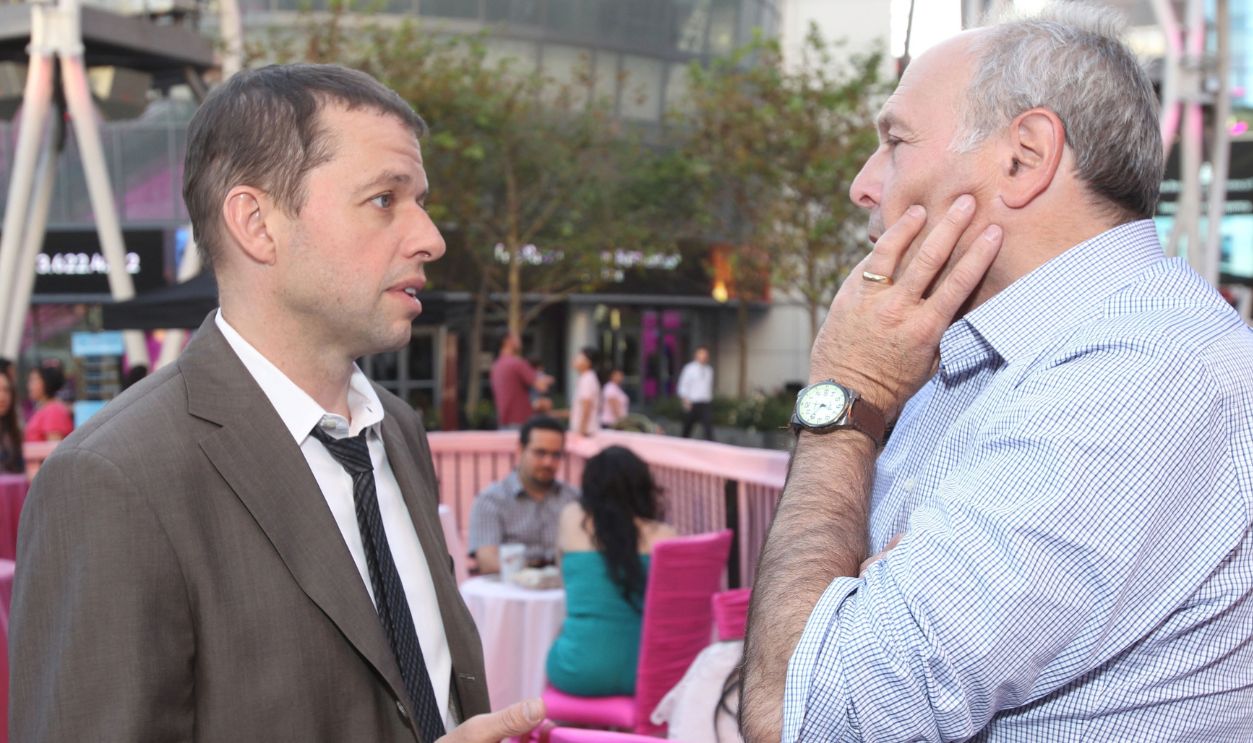
Paramount's Boss Asked Where It Went
When Paramount executive Ned Tanen watched the shortened cut, he immediately noticed the missing moment and asked what had happened to it. Deutch restored the scene and later described the experience as a lesson in trusting an audience's need for character moments rather than worrying only about running time. The line about refusing to be broken became one of Andie's defining statements.
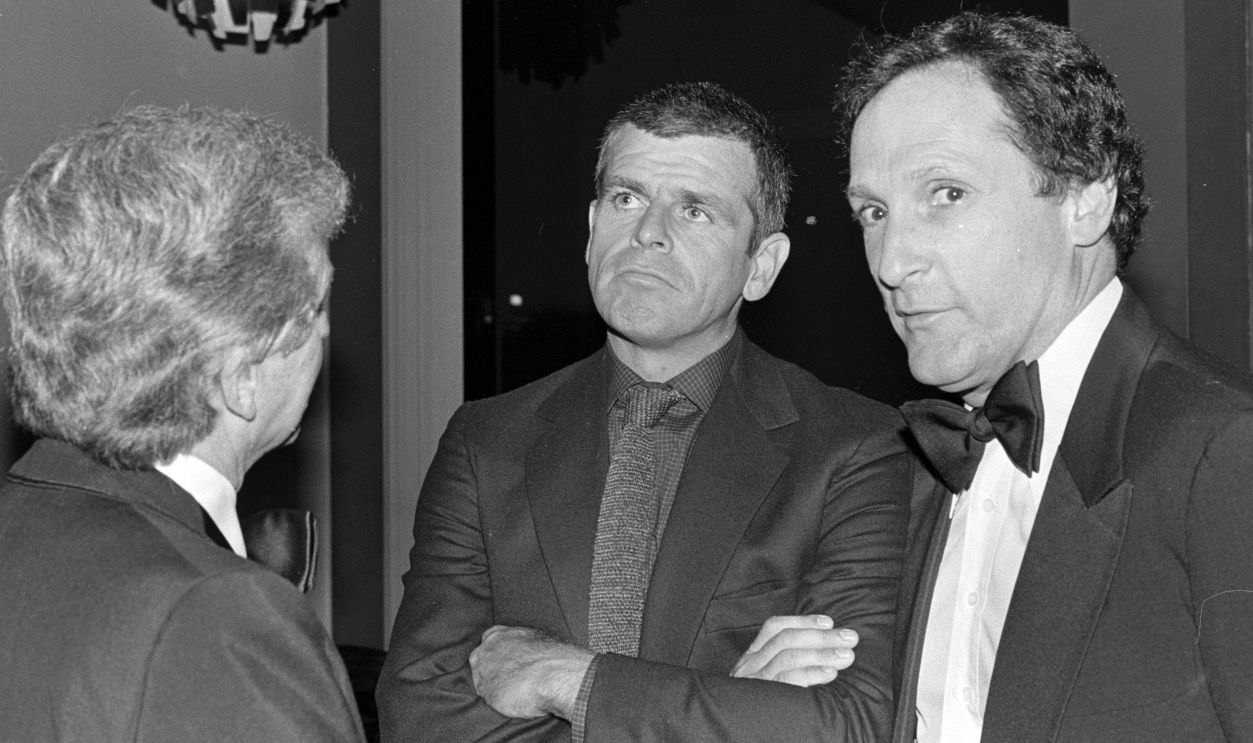 Fairchild Archive, Getty Images
Gordie's Imagination Took Over Stand By Me
The four boys in Stand by Me spend much of their journey swapping stories and trying to make each other laugh. Gordie eventually tells an elaborate revenge tale about an unpopular boy entering a pie-eating contest. Rob Reiner visualized the story as an exaggerated fantasy, temporarily allowing the otherwise grounded movie to become a broad live-action cartoon.
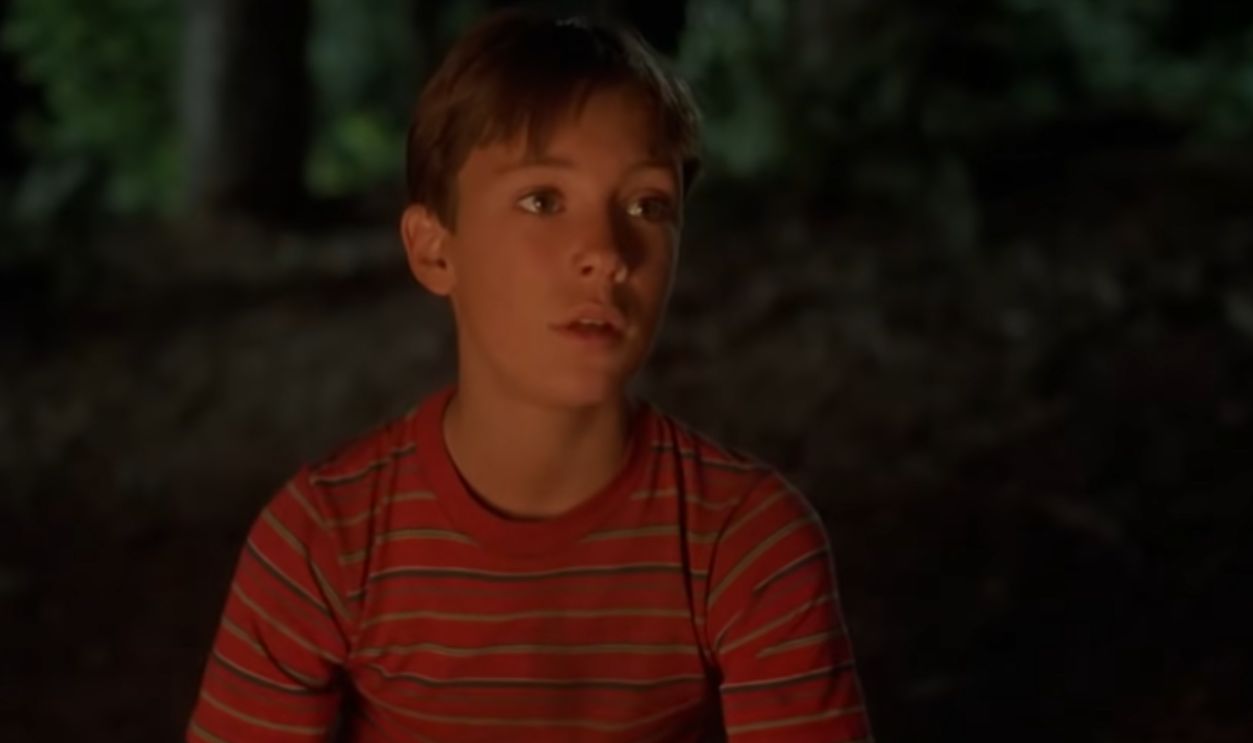 Screenshot from Stand by Me, Sony Pictures (1986)
Reiner Seriously Questioned The Whole Thing
Reiner later admitted that he agonized over whether the sequence belonged in the movie. His concern was character-based: Gordie was being established as a gifted storyteller who would eventually become a serious writer, and Reiner wondered whether such a ridiculous story undermined that idea. He ultimately decided that a talented future writer could still tell exactly the sort of outrageous tale that would delight his friends at 12.
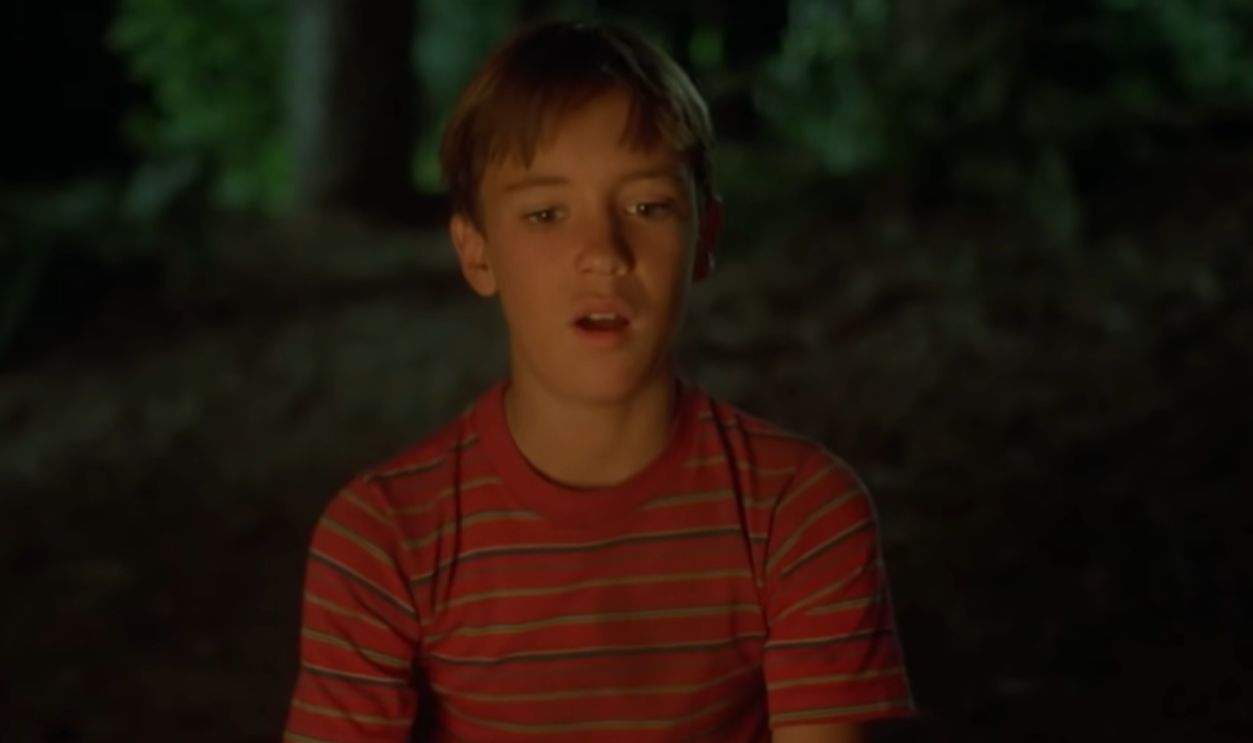 Screenshot from Stand by Me, Sony Pictures (1986)
The Pie Contest Became Impossible To Forget
Once Reiner committed to the sequence, he deliberately pushed its absurdity rather than apologizing for it. Turner Classic Movies recounts how he envisioned it through the exaggerated imagination of a young boy, which explains why it feels so different from the scenes surrounding it. The detour Reiner once questioned became one of the scenes most immediately associated with Stand by Me.
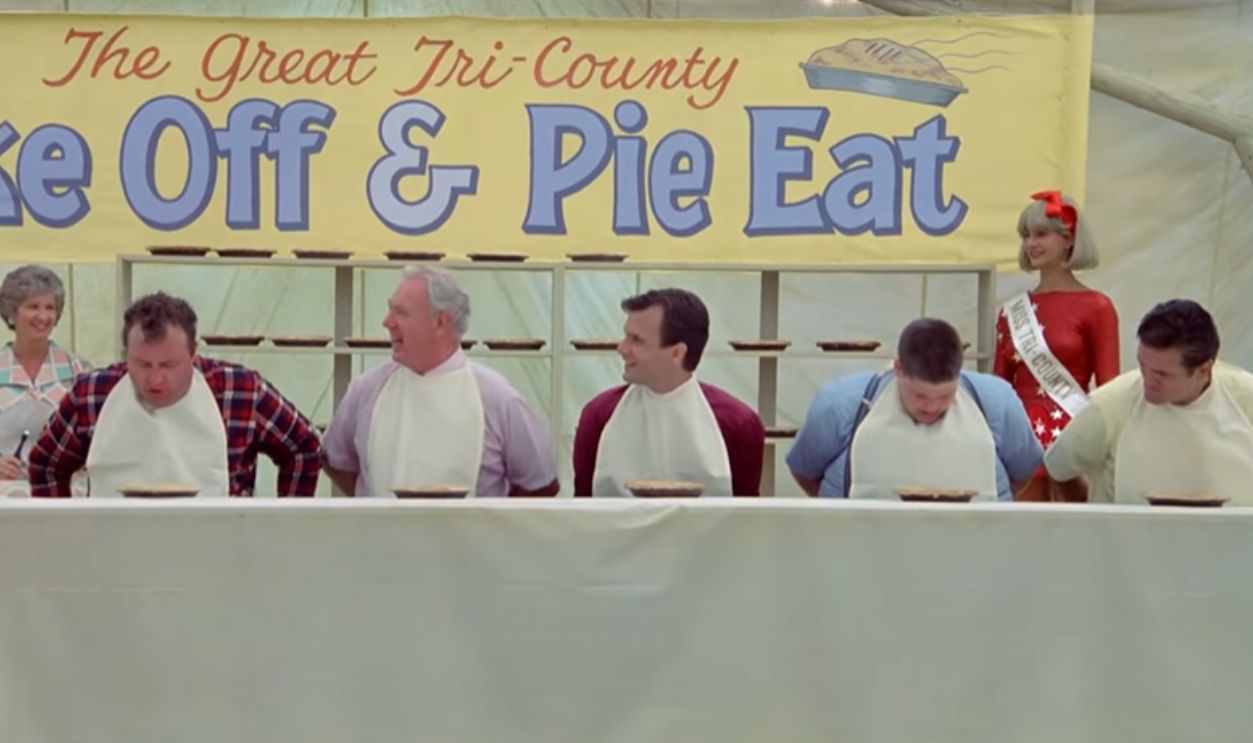 Screenshot from Stand by Me, Sony Pictures (1986)
Beetlejuice Invaded The Dinner Table
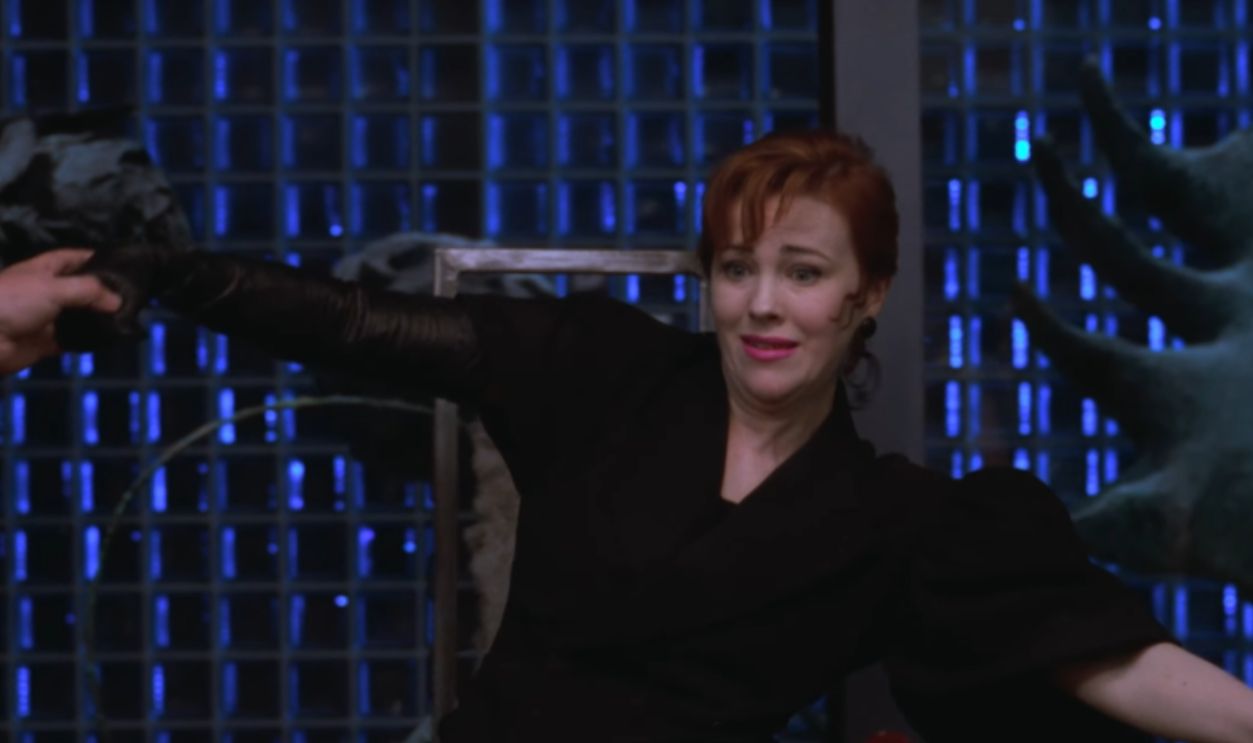
One of Beetlejuice's strangest scenes begins with an unbearably formal dinner at the Deetz house. The Maitlands take control of the guests, Harry Belafonte's "Day-O" starts playing, and everyone is forced into an increasingly ridiculous musical performance. By the time the meal itself joins the attack, Tim Burton has turned an ordinary dining room into something completely surreal.
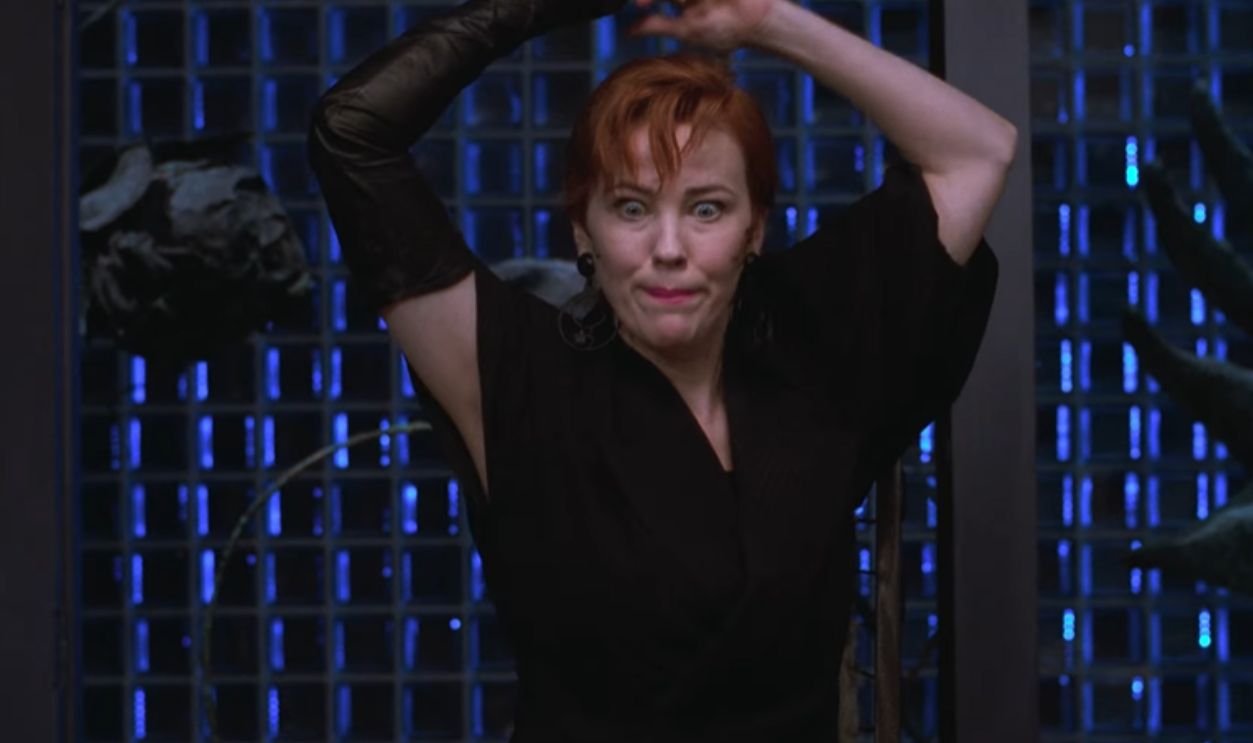 Screenshot from Beetlejuice, Warner Bros. (1988)
Burton Wasn't Sure Anyone Would Laugh
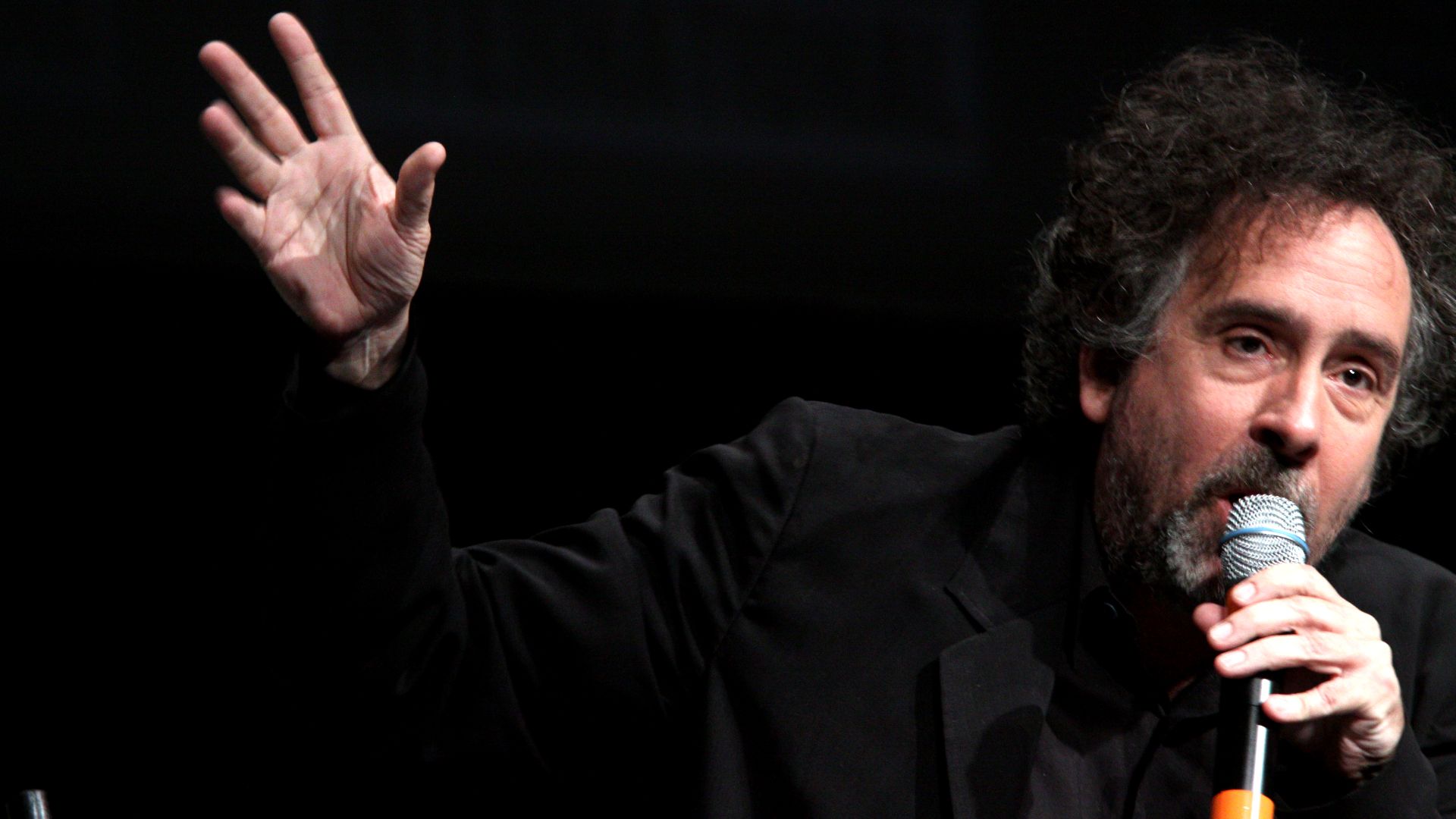
Burton worried intensely about whether the sequence actually worked. People involved with the film have recalled production pressure surrounding the number, while composer and music supervisor accounts describe Burton going into a test screening uncertain whether audiences would find it funny. His fears disappeared when the crowd responded enthusiastically.
 Gage Skidmore from Peoria, AZ, United States of America, Wikimedia Commons
Day-O Became Beetlejuice In Miniature
The sequence ultimately captured the movie's entire personality in a few minutes: spooky, funny, theatrical, colorful, and completely unpredictable. Pitchfork later described the number as the film's surreal centerpiece and noted that it also introduced Belafonte's music to a new wave of listeners. Cutting it would have removed one of the clearest examples of what made Burton's movie unlike anything else playing in theaters.
 Screenshot from Beetlejuice, Warner Bros. (1988)
Gremlins Suddenly Stopped Being Silly
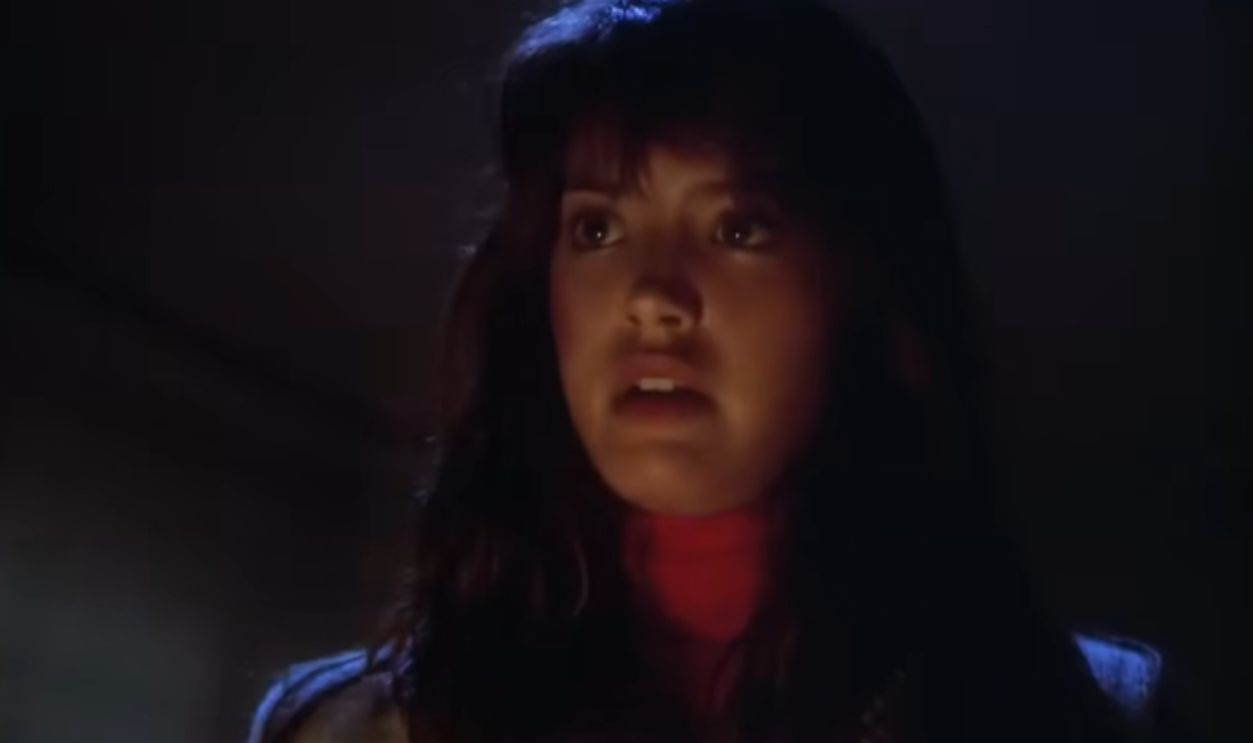
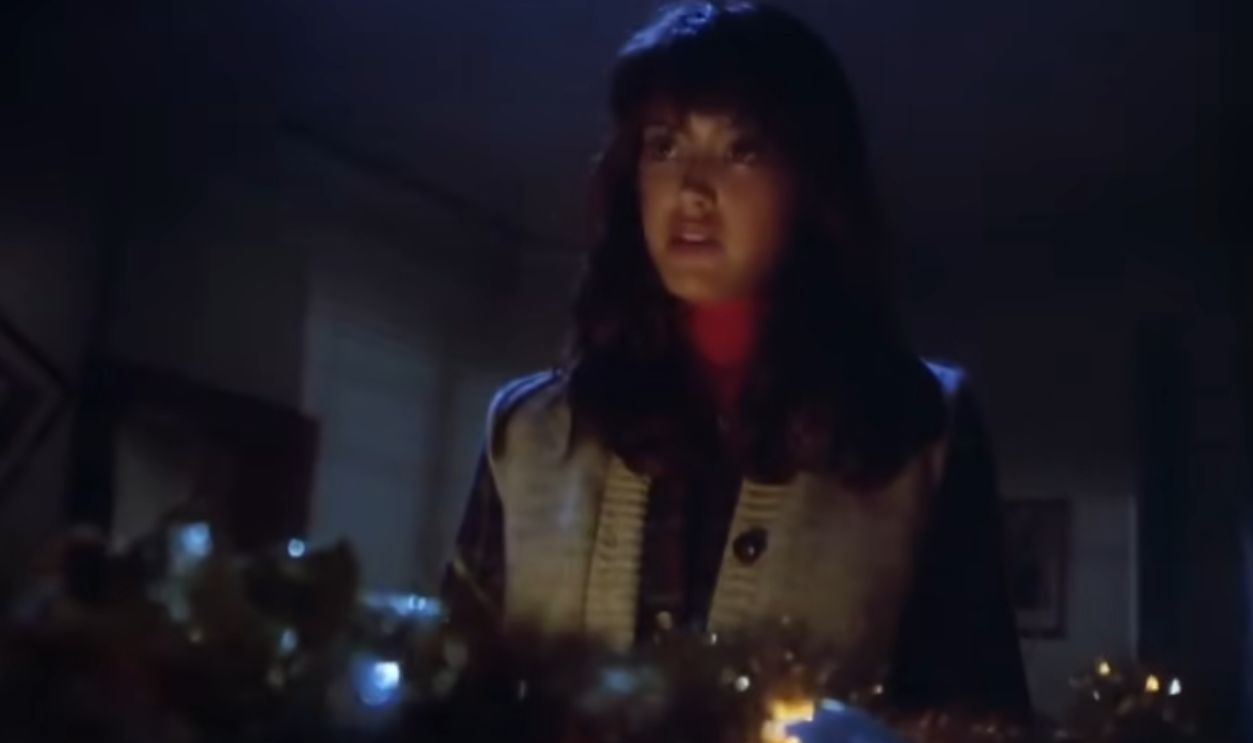
Most of Gremlins moves rapidly between creature mayhem and dark comedy. Then Kate, played by Phoebe Cates, calmly explains why Christmas brings back a particularly terrible childhood memory. The movie essentially stops to let her tell the story, which is precisely why the tonal shift lands so strangely.
 Screenshot from Gremlins, Warner Bros. (1984)
Even The Editor Thought It Would Disappear
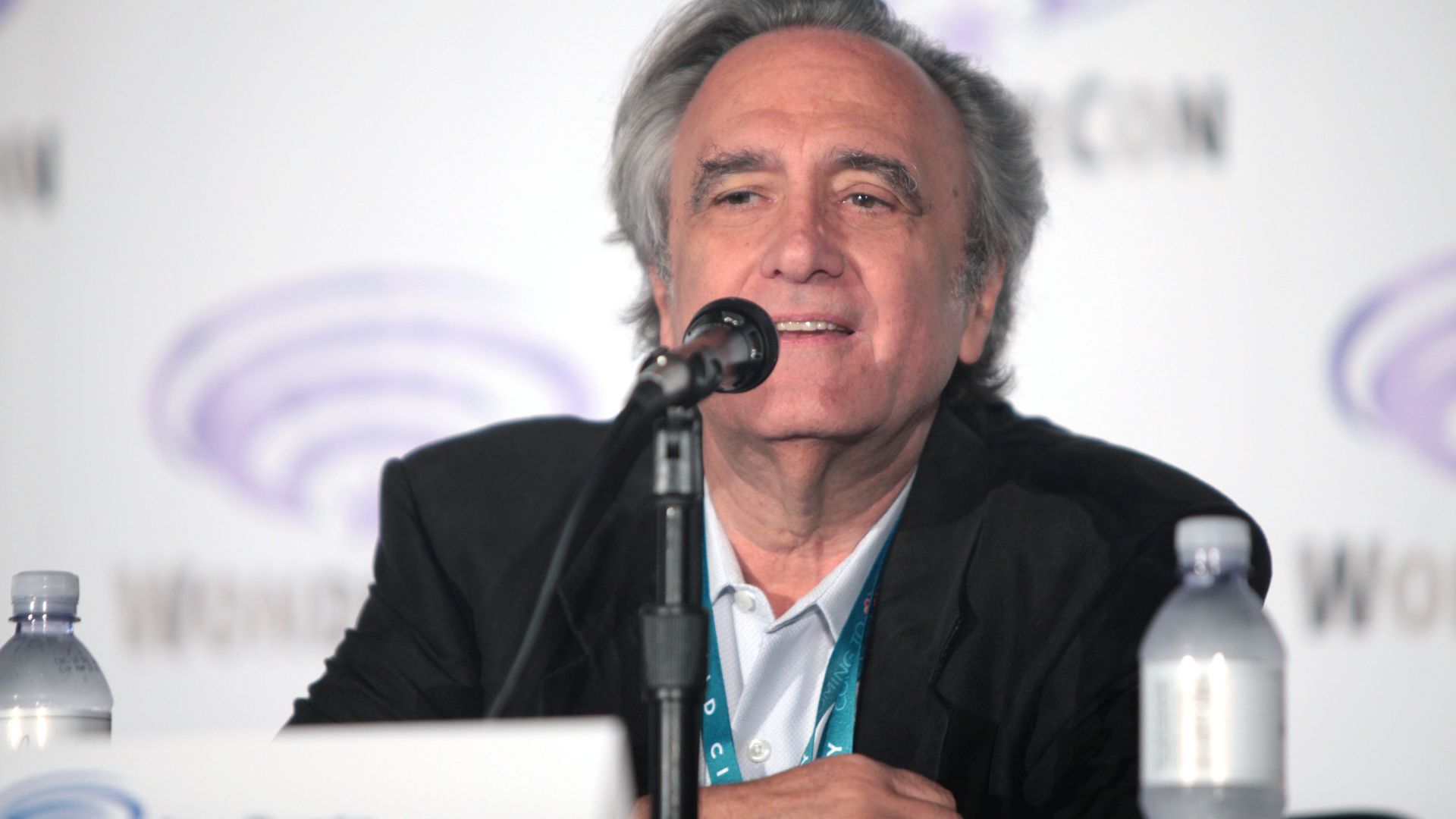
Director Joe Dante later recalled returning from watching the day's footage when his editor predicted that the monologue would never survive into the finished movie. The scene deliberately creates uncertainty over whether the audience should laugh or feel horrified. Dante considered that discomfort central to the movie rather than a flaw that needed fixing.
 Gage Skidmore from Peoria, AZ, United States of America, Wikimedia Commons
Dante Refused To Lose The Weirdness
In a later interview, Dante said the speech summed up the tone he wanted for Gremlins. Something can sound absurd from a distance while being awful for the person who actually experienced it, and the film continually plays in that uncomfortable space. The scene survived and became one of the moments fans still use to explain why Gremlins is much stranger than a conventional holiday creature comedy.
 Screenshot from Gremlins, Warner Bros. (1984)
Top Gun Took A Break For Volleyball
In the middle of fighter-pilot rivalries and aerial training, Top Gun suddenly pauses for a beach volleyball game. Tom Cruise, Val Kilmer, Anthony Edwards, and Rick Rossovich turn what could have been a quick athletic interlude into a glossy montage set to Kenny Loggins' "Playing With the Boys." Director Tony Scott shot it with the visual intensity of a commercial or music video.
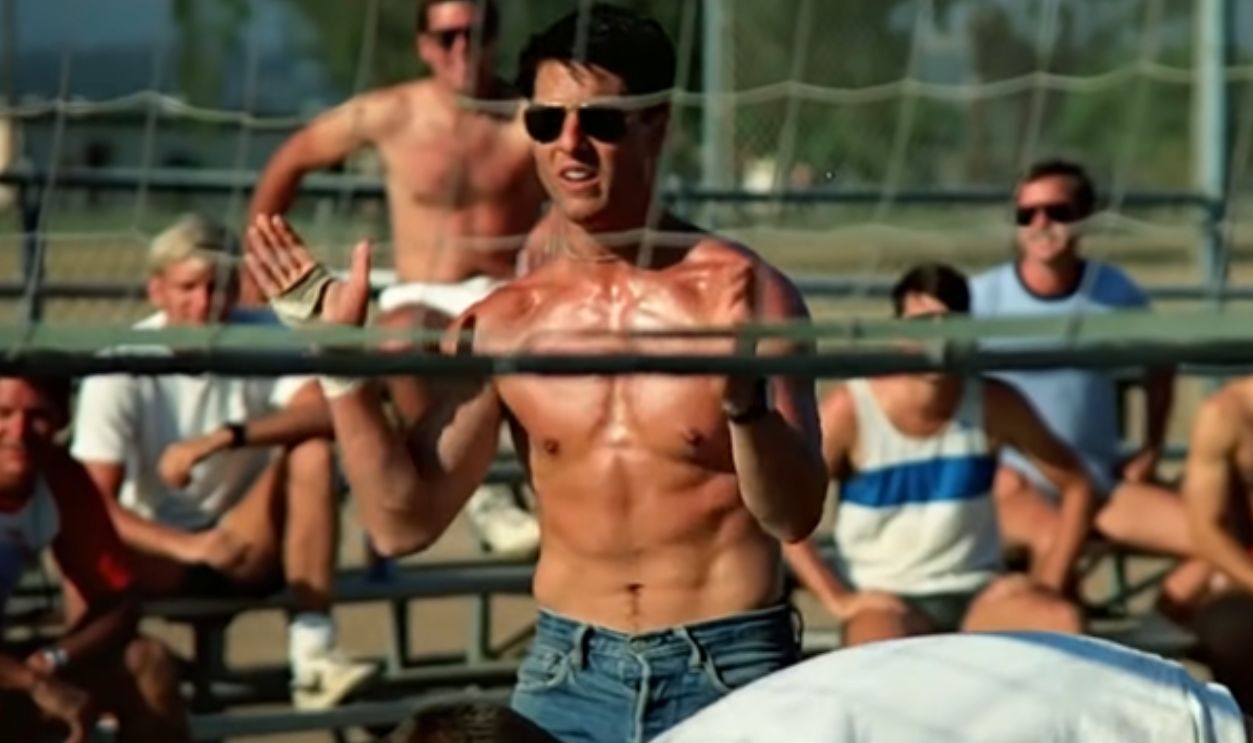 Screenshot from Top Gun, Paramount Pictures (1986)
Paramount Was Furious With Tony Scott
Editors Chris Lebenzon and Billy Weber later revealed that the scene occupied only a small amount of space in the screenplay. Scott nevertheless spent an entire production day filming it, angering Paramount's head of production so much that Weber remembered him threatening to fire the director. The studio saw wasted time where Scott saw a chance to establish the pilots' competitive world visually.
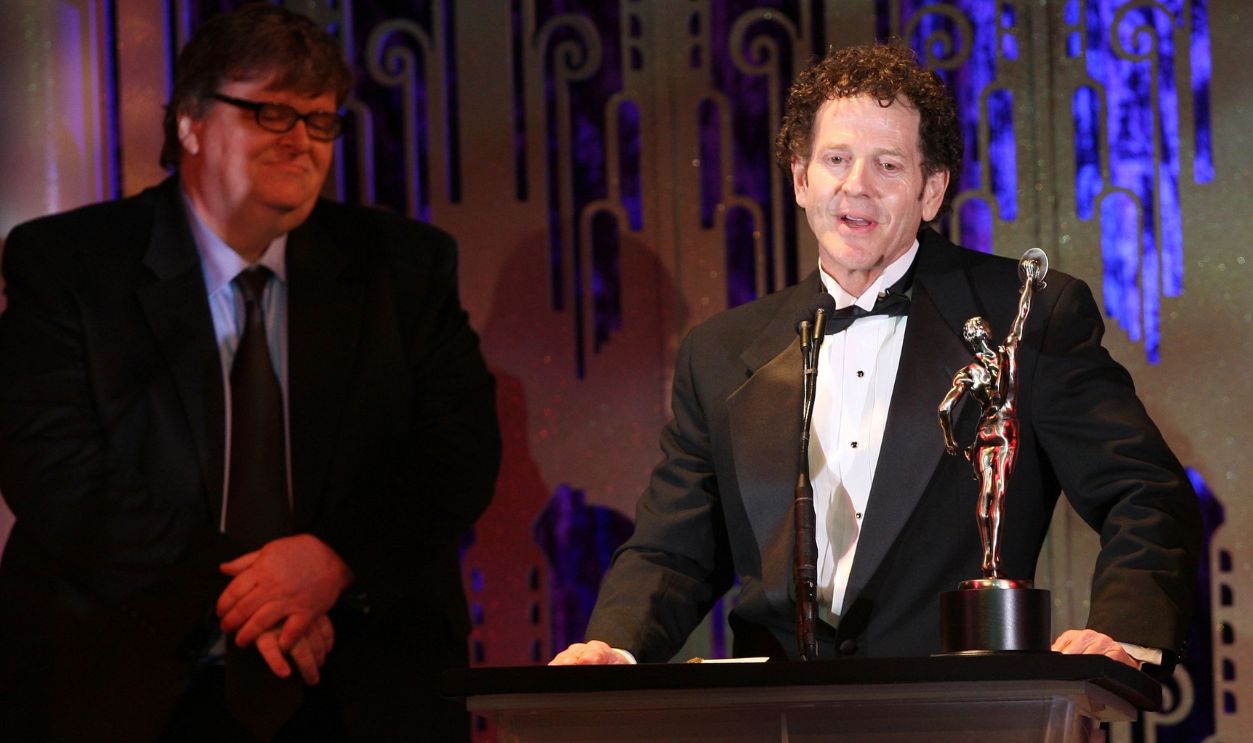
The Editors Got The Last Laugh
Lebenzon and Weber later acknowledged that nobody expected the sequence to acquire the reputation it eventually did. Weber specifically pointed out the irony that the scene which made the studio so angry became one of the movie's most famous moments. Decades later, Top Gun: Maverick deliberately included its own beach-game sequence, demonstrating just how firmly Scott's supposedly excessive detour had become part of the franchise's visual identity.
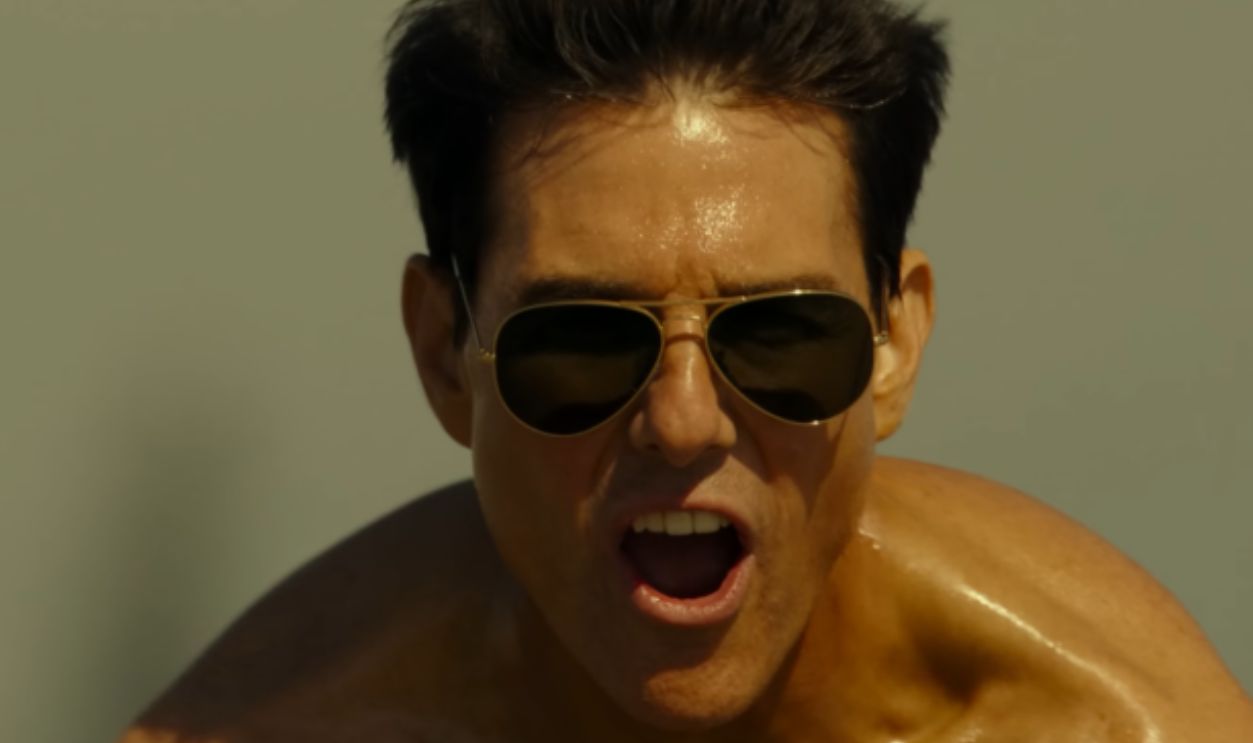 Screenshot from Top Gun: Maverick, Paramount Pictures (2022)
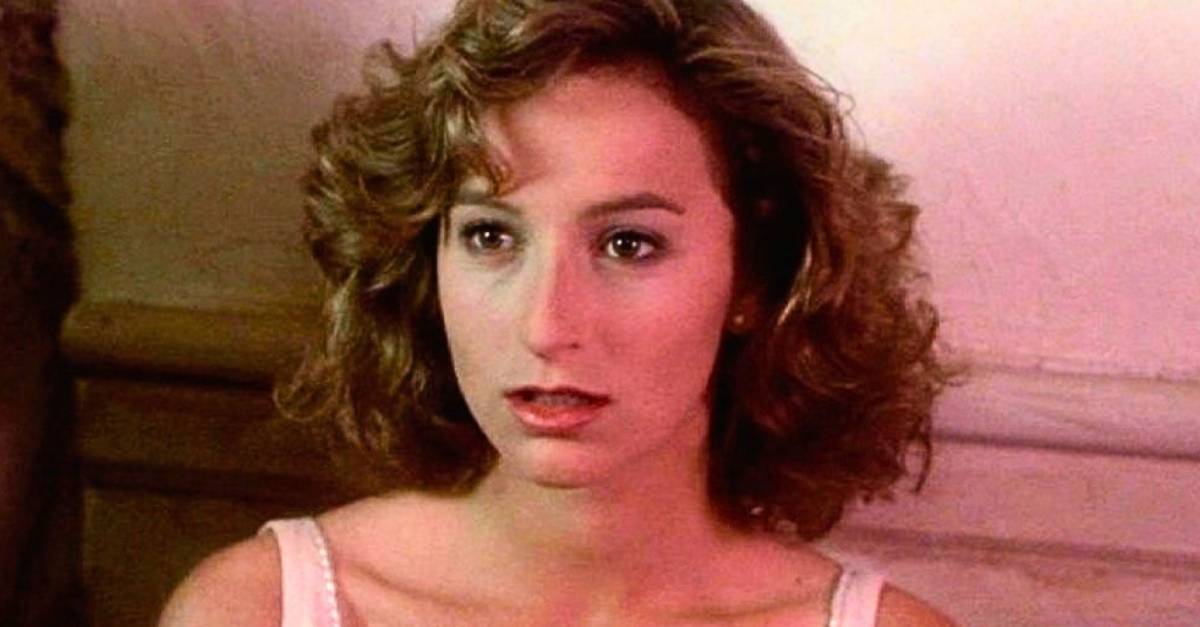
Johnny Castle Had One Line To Deliver
The finale of Dirty Dancing brings Johnny back into the room to retrieve Baby for one final performance. Before the dancing begins, Patrick Swayze delivers the short declaration that would follow the movie for decades: "Nobody puts Baby in a corner." It sounds inseparable from the film now, but the star performing it was not a fan.
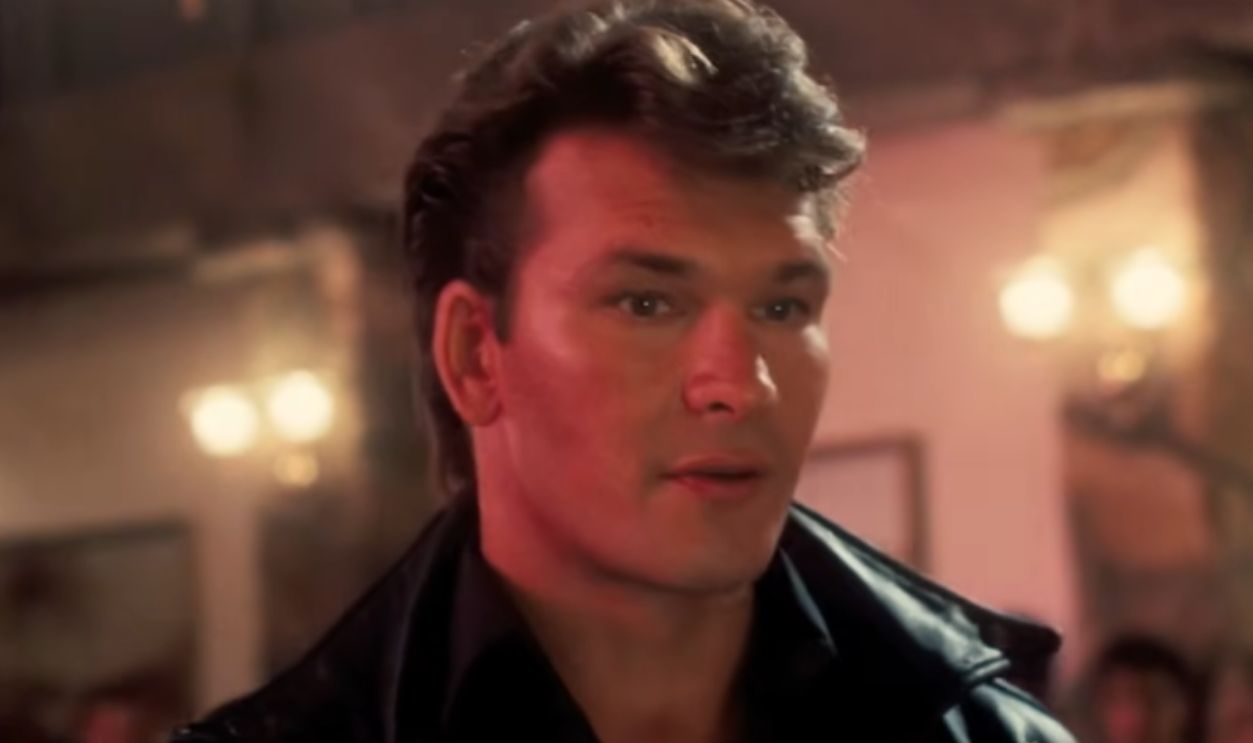 Screenshot from Dirty Dancing, Vestron Pictures (1987)
Patrick Swayze Wanted It Gone
Swayze disliked the line and tried to have it removed. Entertainment Tonight and later retrospectives have noted that the actor considered the wording awkward, while screenwriter Eleanor Bergstein did not initially expect it to become the movie's defining quotation either. The filmmakers kept it anyway.
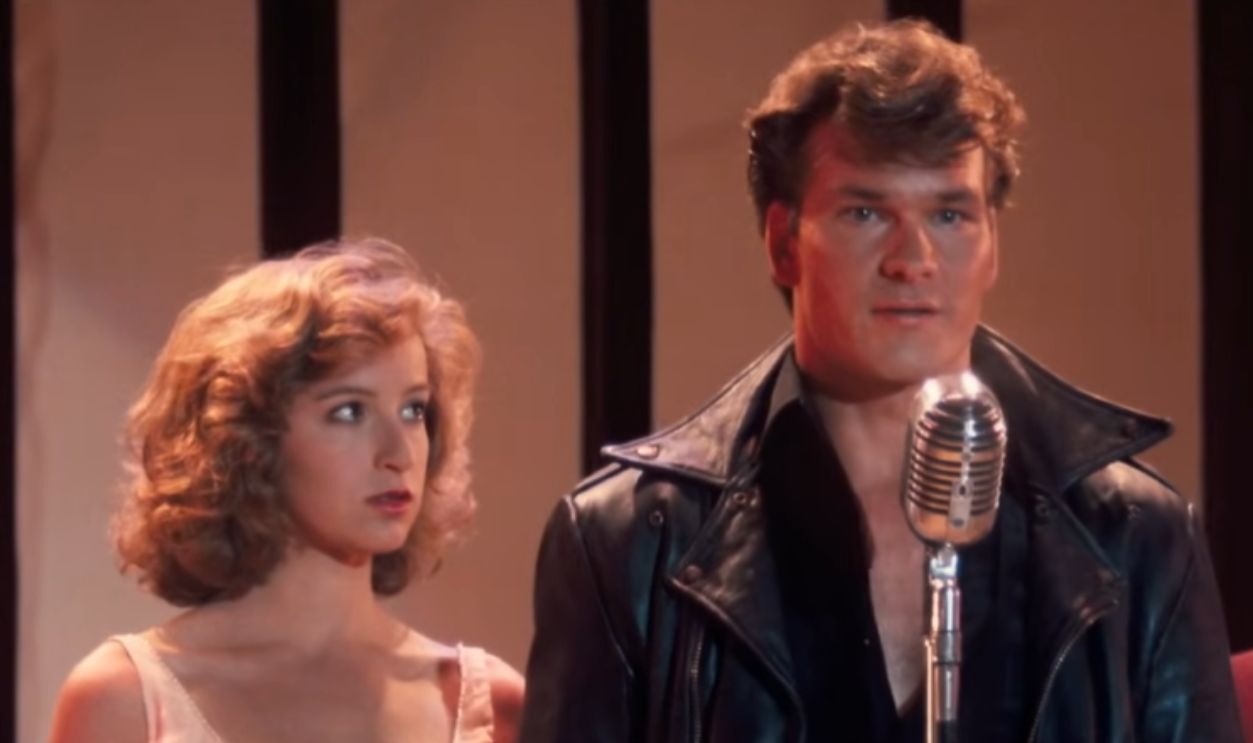 Screenshot from Dirty Dancing, Vestron Pictures (1987)
The Awkward Line Became The Famous One
Audiences responded very differently from Swayze. Playbill later used the line alongside "I carried a watermelon" as evidence of just how deeply Dirty Dancing had entered popular culture, while People continues to identify it among the film's most famous elements. A sentence its leading man wanted removed ultimately became shorthand for the entire movie.
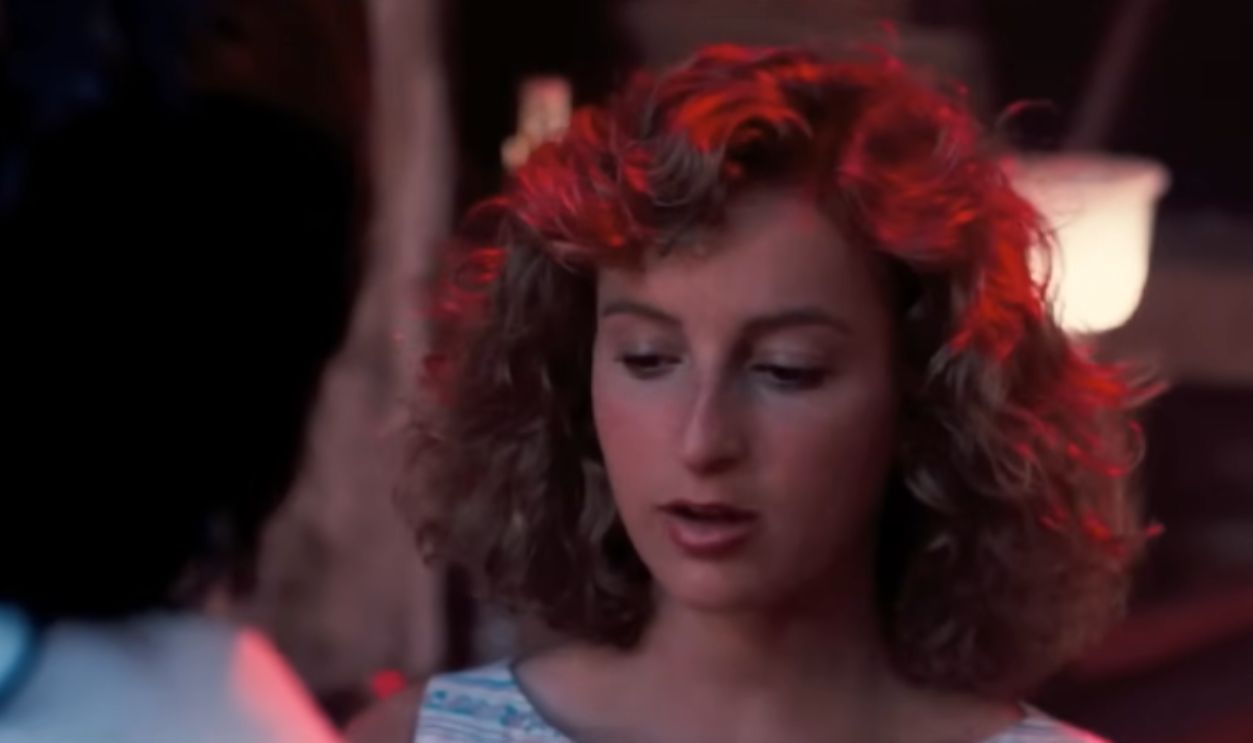 Screenshot from Dirty Dancing, Vestron Pictures (1987)
You May Also Like:
50-Year-Old Movies That We'd Still Rather See Than What They Put In Theaters Today
Sources: 1, 2, 3, 4, 5, 6, 7, 8, 9, 10, 11, 12, 13, 14, 15, 16, 17, 18