Nightmares On The Small Screen
Long before streaming services, horror miniseries became major television events. Families gathered round the television while networks delivered vampires, ghosts, killers, and supernatural mysteries directly into American homes. Many attracted enormous audiences, but surprisingly few are widely remembered today.
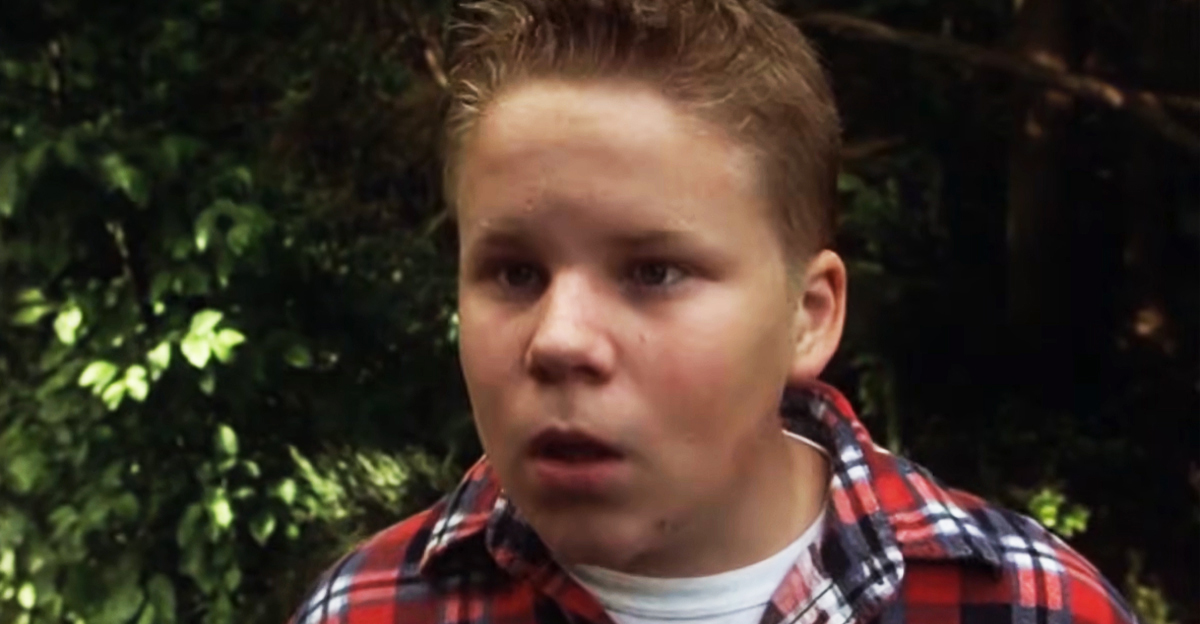
Salem's Lot (1979)
Directed by Tobe Hooper, Salem's Lot starred David Soul, James Mason, Lance Kerwin, and Bonnie Bedelia. Adapted from Stephen King's novel, the story of a small town slowly falling to vampirism produced some of television's most unforgettable scares and haunted viewers for years.
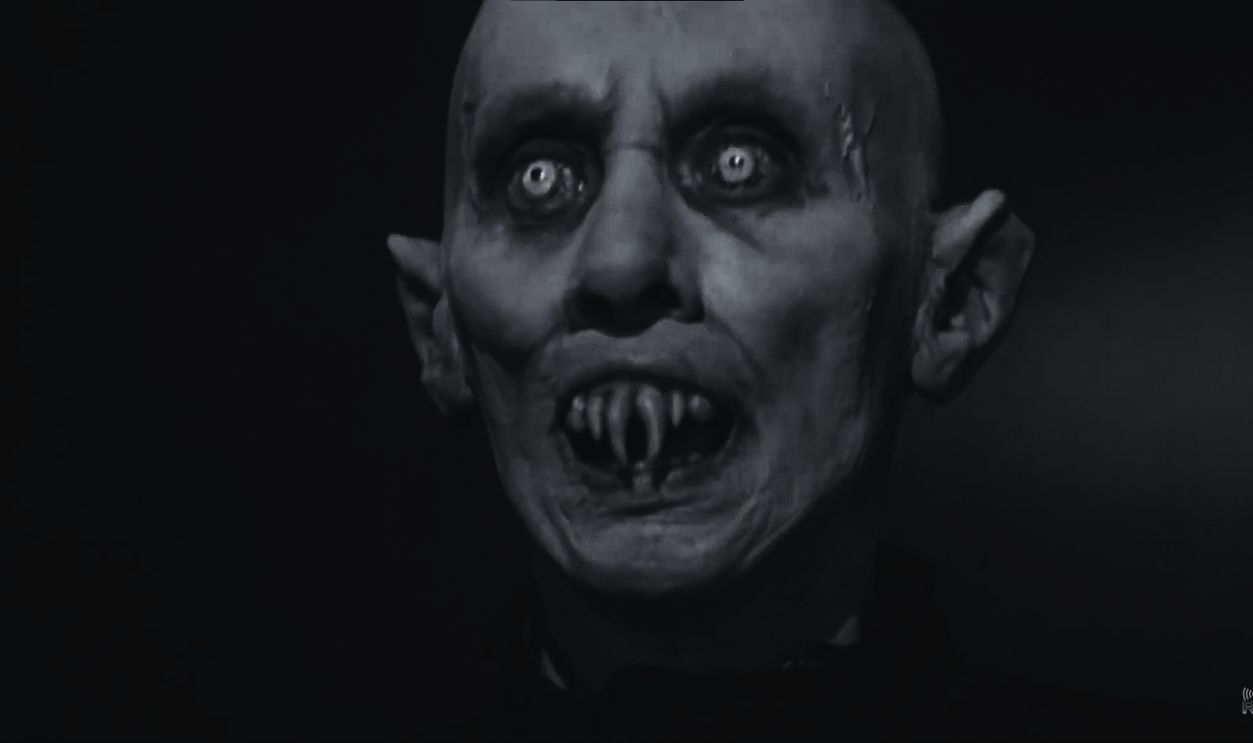 Screenshot from Salem’s Lot, Warner Bros. Television / CBS (1979)
The Dark Secret Of Harvest Home (1978)
Directed by Leo Penn, The Dark Secret of Harvest Home starred Bette Davis, David Ackroyd, Rosanna Arquette, and Norman Lloyd. Based on Thomas Tryon's novel, the miniseries blended folk horror and mystery as newcomers uncovered terrifying secrets in an isolated New England community.
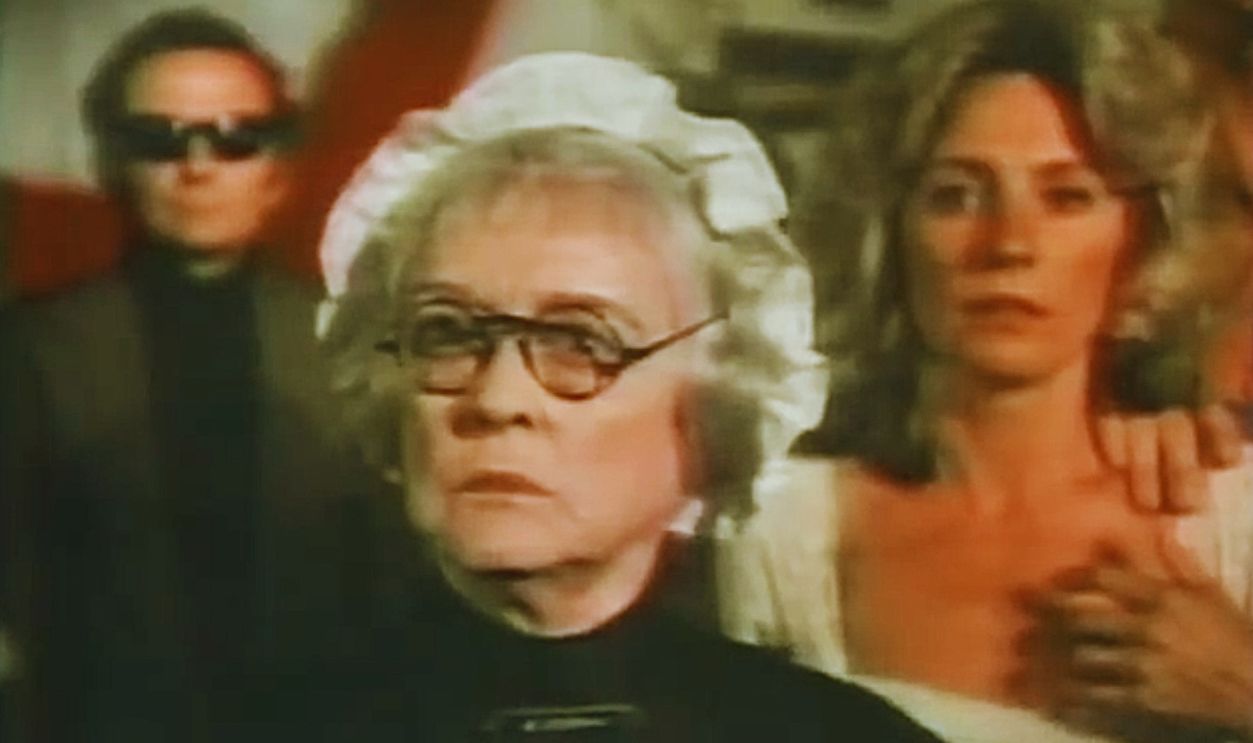 Screenshot from The Dark Secret of Harvest Home, Universal Television/NBC (1978)
The Martian Chronicles (1980)
Directed by Michael Anderson, The Martian Chronicles featured Rock Hudson, Darren McGavin, Bernadette Peters, and Roddy McDowall. Although primarily science fiction, its eerie atmosphere, psychological dread, and unsettling encounters gave it strong horror elements that captivated television audiences.
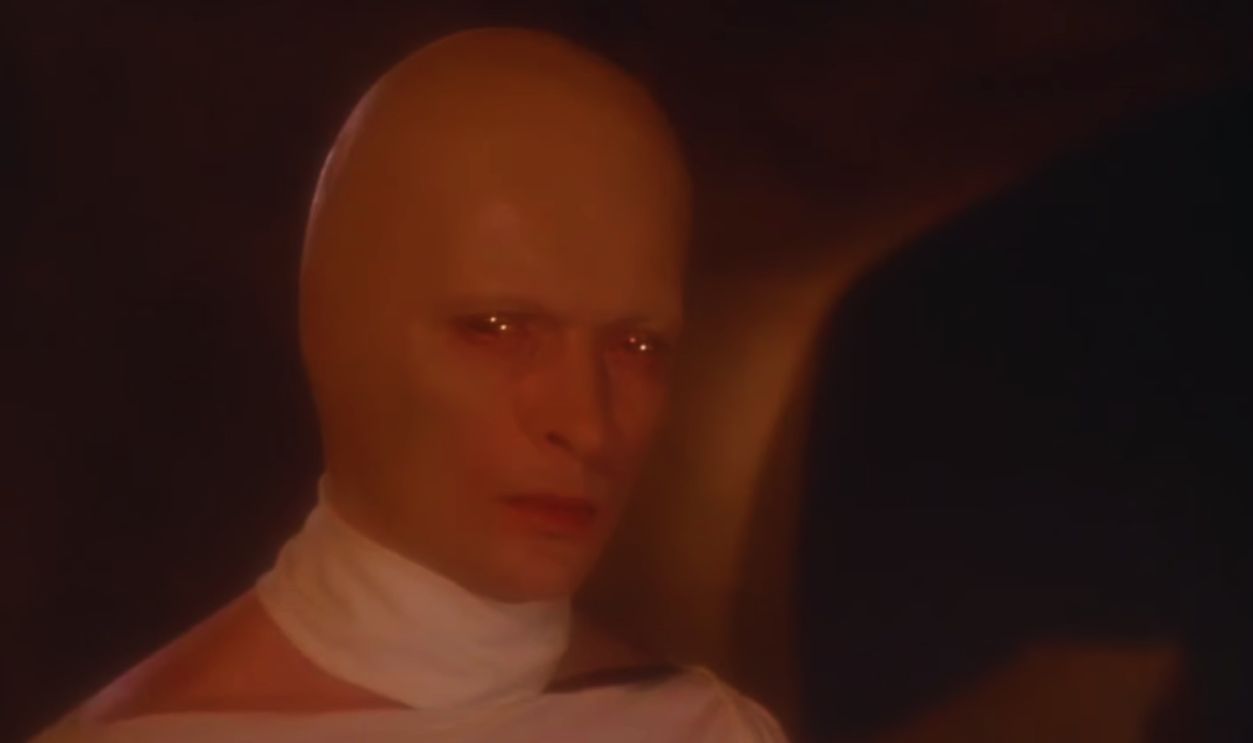
Golem (1980)
Directed by Frank De Felitta, Golem starred Richard Benjamin, Susan Strasberg, and Theodore Bikel. Drawing on Jewish folklore, the miniseries introduced viewers to the legendary clay creature while combining supernatural suspense with historical and mystical themes.
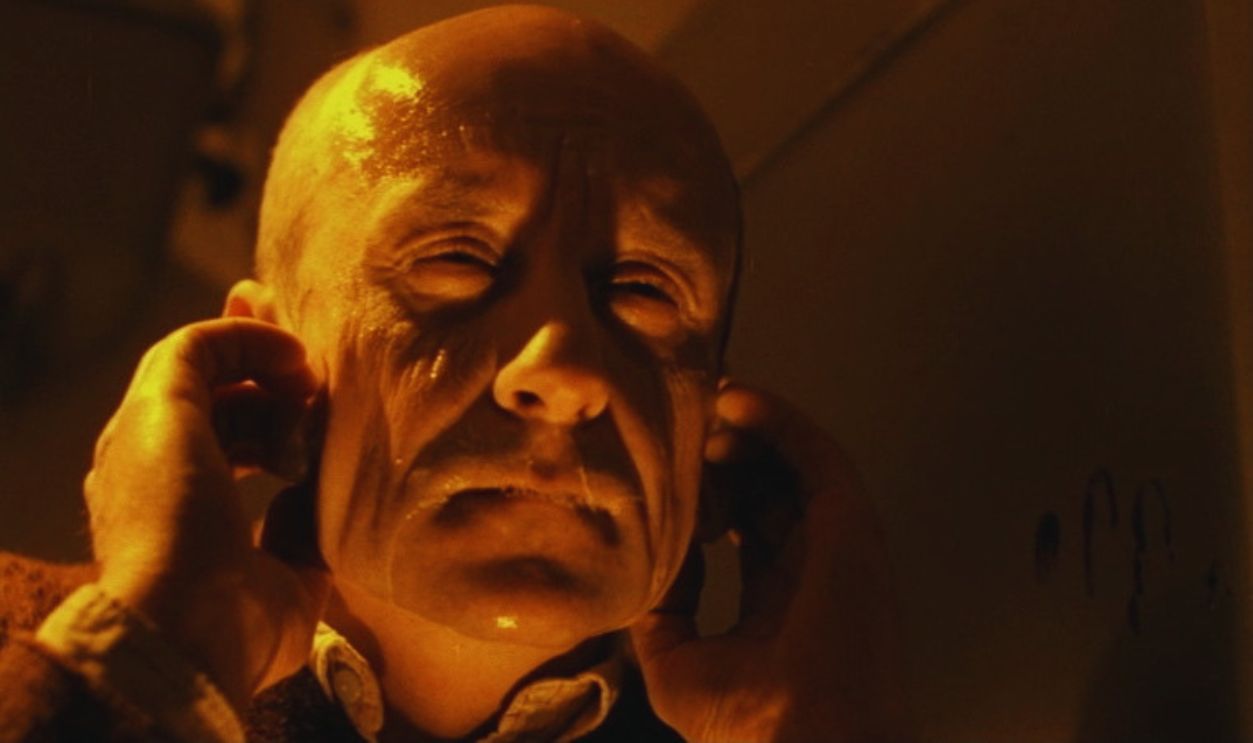 Screenshot from Golem, Zespół Filmowy "Perspektywa" (1980)
Helter Skelter (1976)
Directed by Tom Gries, Helter Skelter starred George DiCenzo, Steve Railsback, and Nancy Wolfe. Based on the Charles Manson murders, the miniseries blurred the line between crime drama and horror, frightening audiences precisely because the story was real.
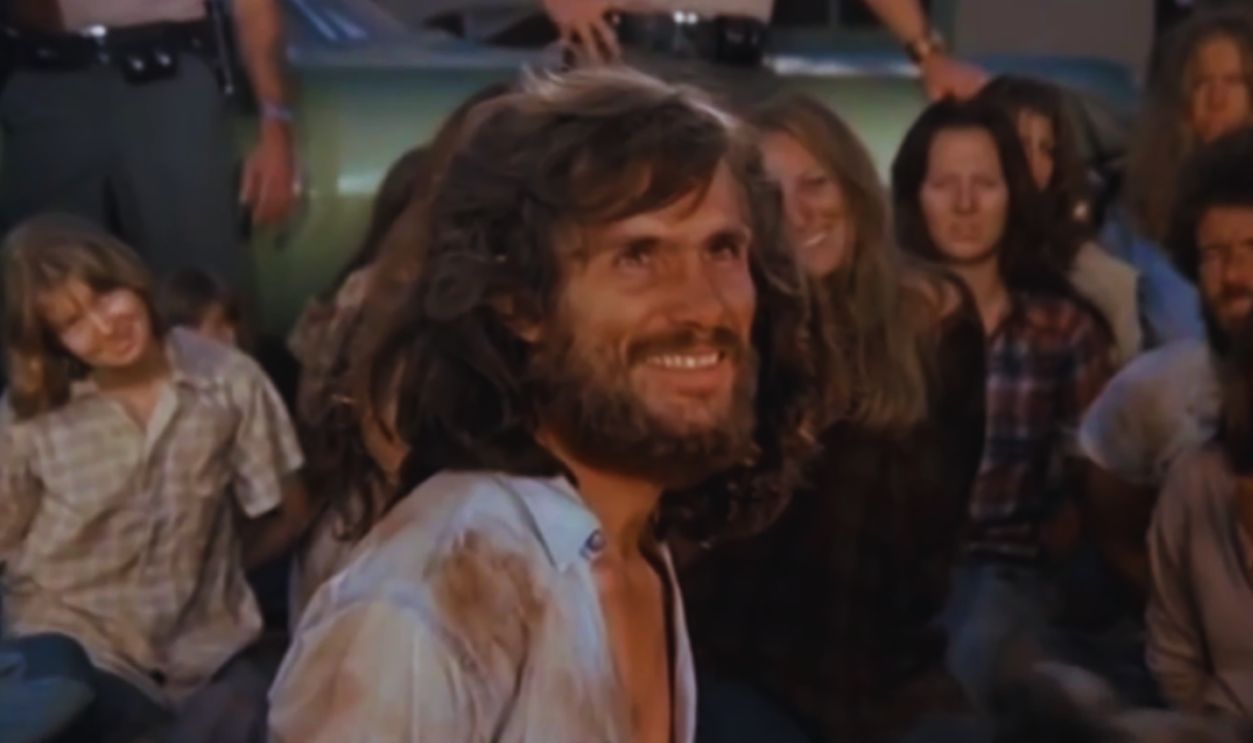 Screenshot from Helter Skelter, Lorimar Productions/CBS (1976)
The Woman In White (1982)
Directed by John Bruce, The Woman in White starred Diana Quick, Ian Richardson, and Jenny Seagrove. This adaptation of Wilkie Collins' gothic novel relied on suspense, mystery, and psychological tension rather than graphic scares, creating an unsettling viewing experience.
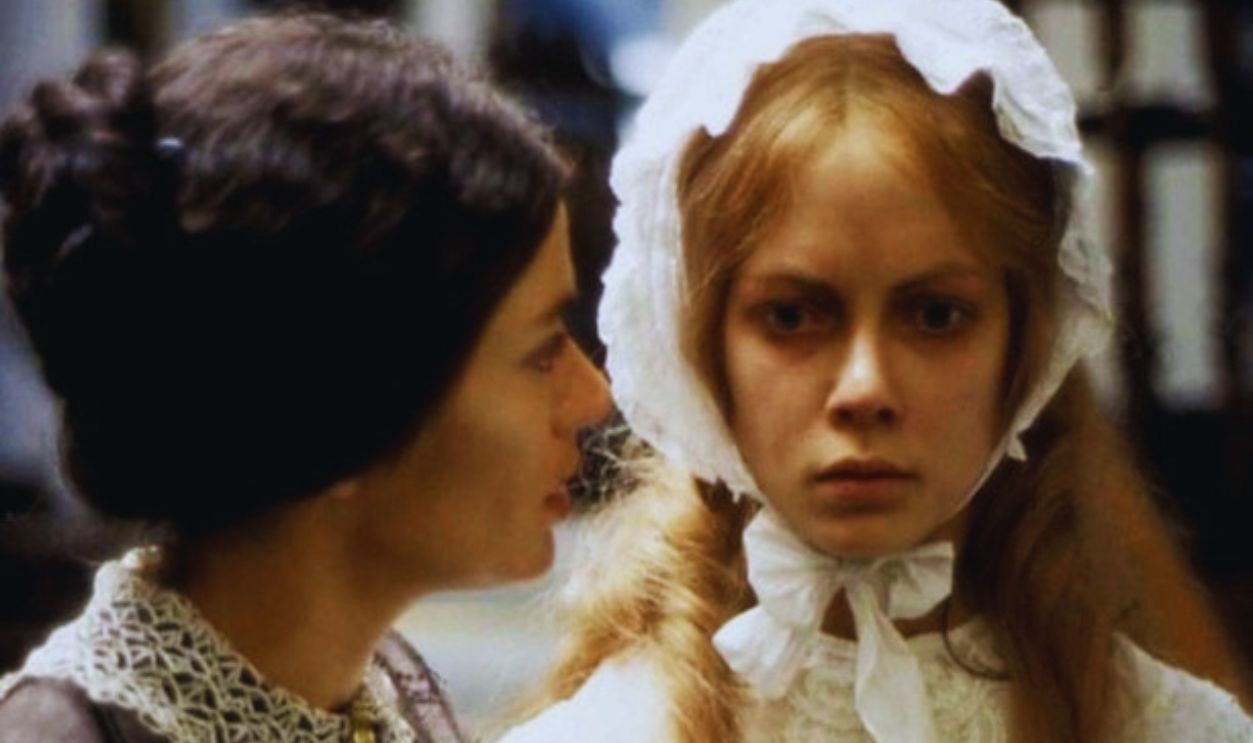 Screenshot from The Woman in White, BBC (1982)
Midnight Offerings (1981)
Directed by Rod Holcomb, Midnight Offerings starred Melissa Sue Anderson, Mary Beth McDonough, and Patrick Cassidy. The story of rival teenage witches and dangerous supernatural powers became a memorable television horror favorite among younger viewers.
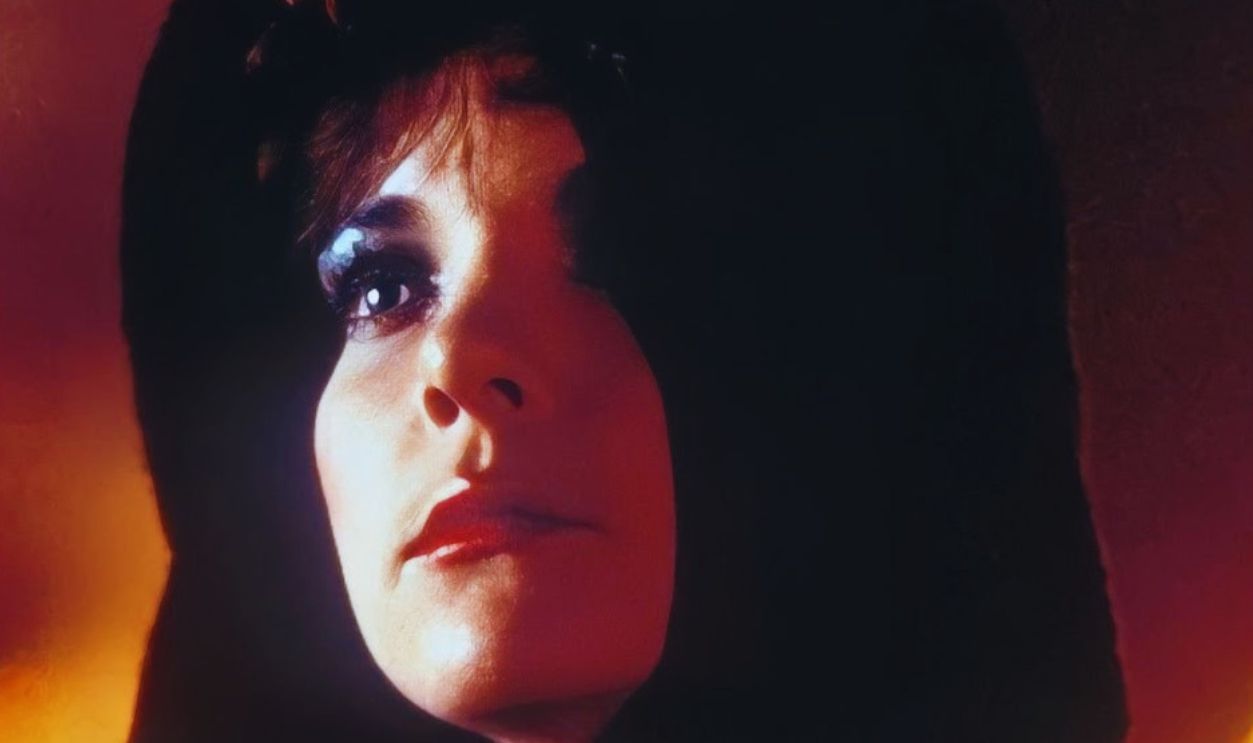 Screenshot from Midnight Offerings, Stephen J. Cannell Productions/ABC (1981)
Jack The Ripper (1988)
Directed by David Wickes, Jack the Ripper starred Michael Caine, Lewis Collins, and Armand Assante. Combining historical mystery with gruesome real-life crimes, the miniseries immersed viewers in Victorian London's atmosphere of fear and uncertainty.
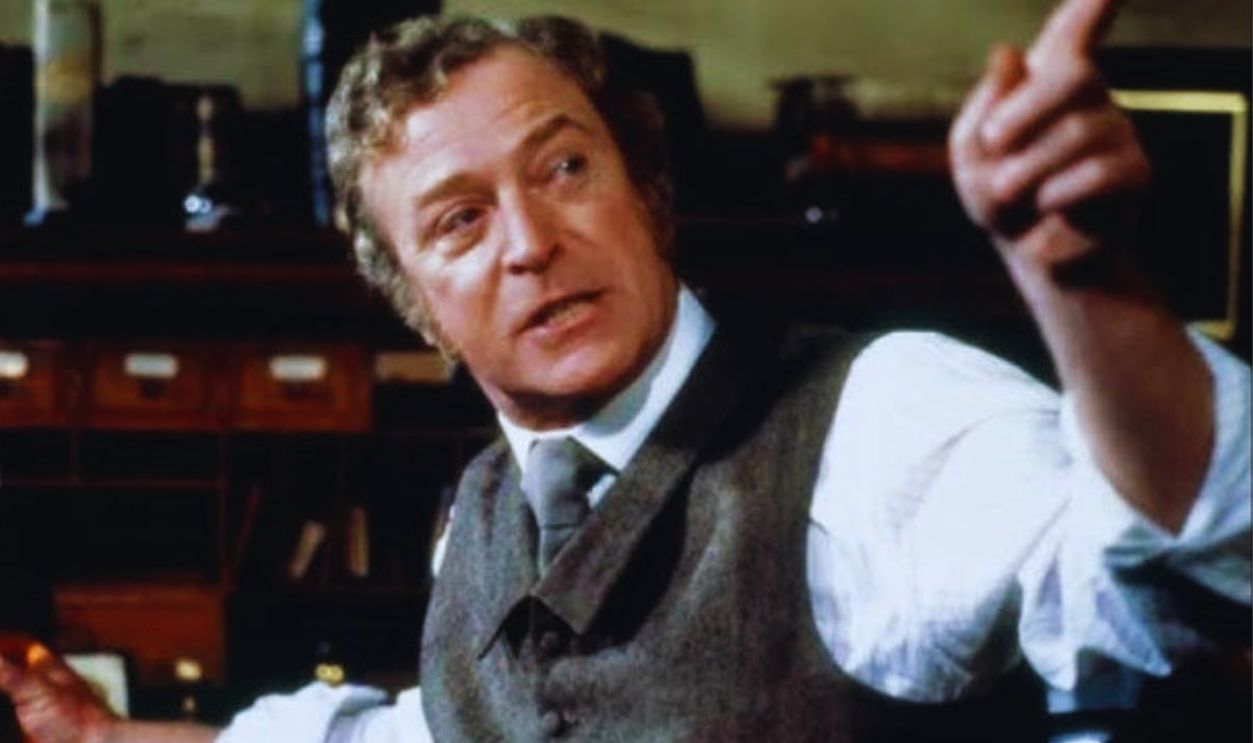
It (1990)
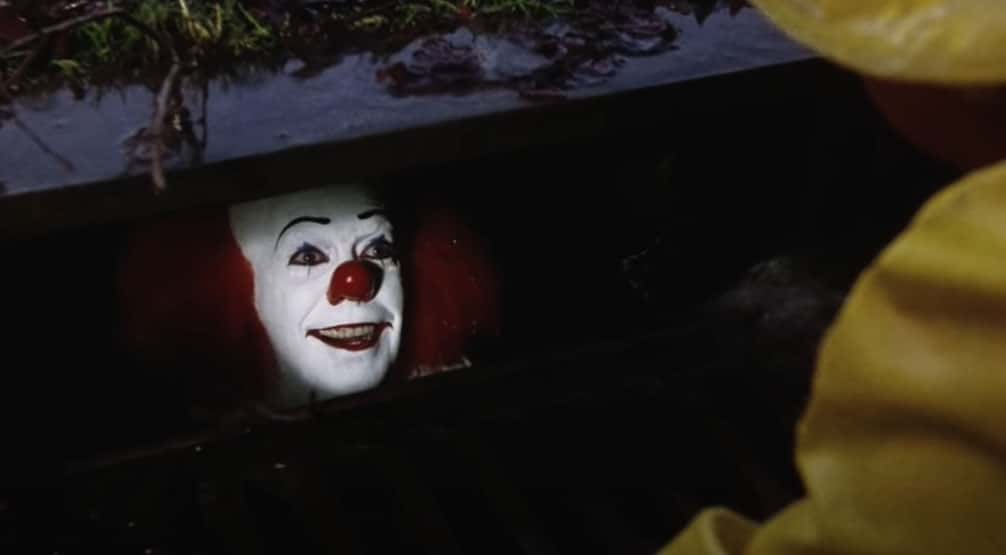
Directed by Tommy Lee Wallace, It featured Tim Curry, John Ritter, Richard Thomas, Harry Anderson, and Dennis Christopher. Curry's terrifying portrayal of Pennywise helped make the Stephen King adaptation one of the most famous horror miniseries ever produced.
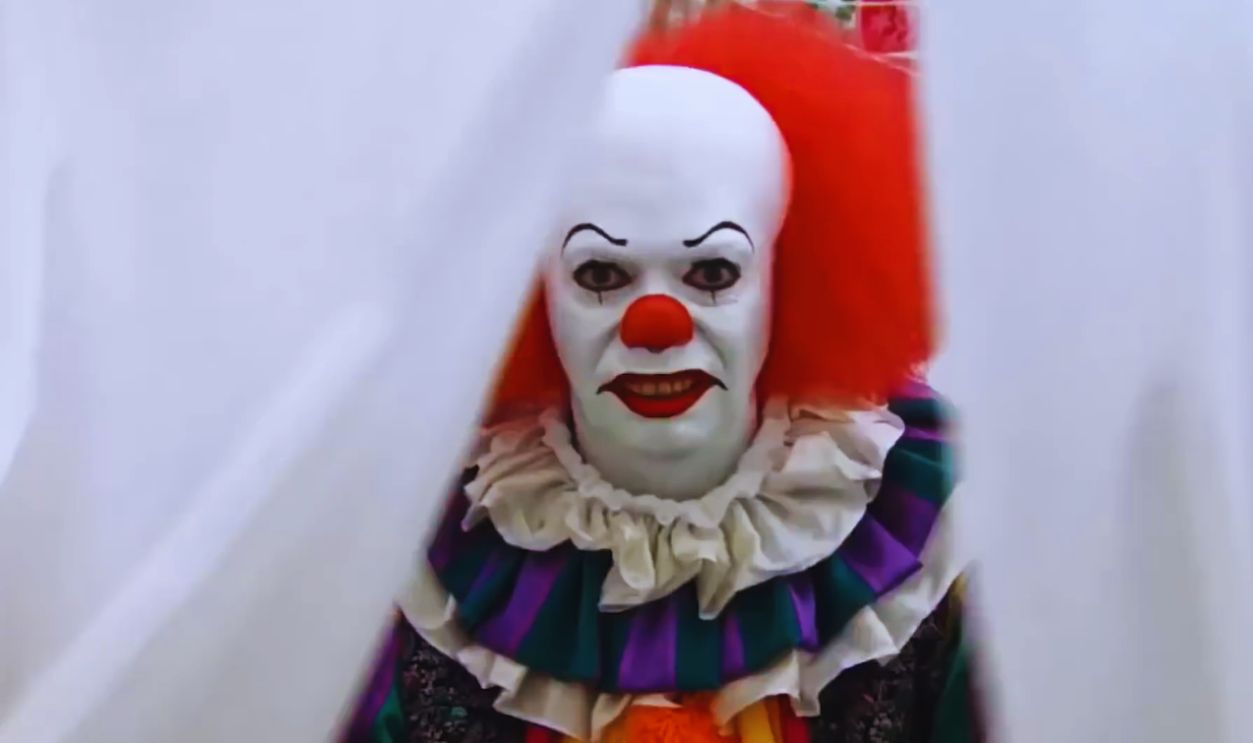 Screenshot from It, Warner Bros. Television (1990)
The Haunted (1991)
Directed by Robert Mandel, The Haunted starred Sally Kirkland, Jeffrey DeMunn, and Stephen Markle. Claiming inspiration from allegedly real paranormal events, the miniseries followed a family plagued by increasingly frightening supernatural disturbances.
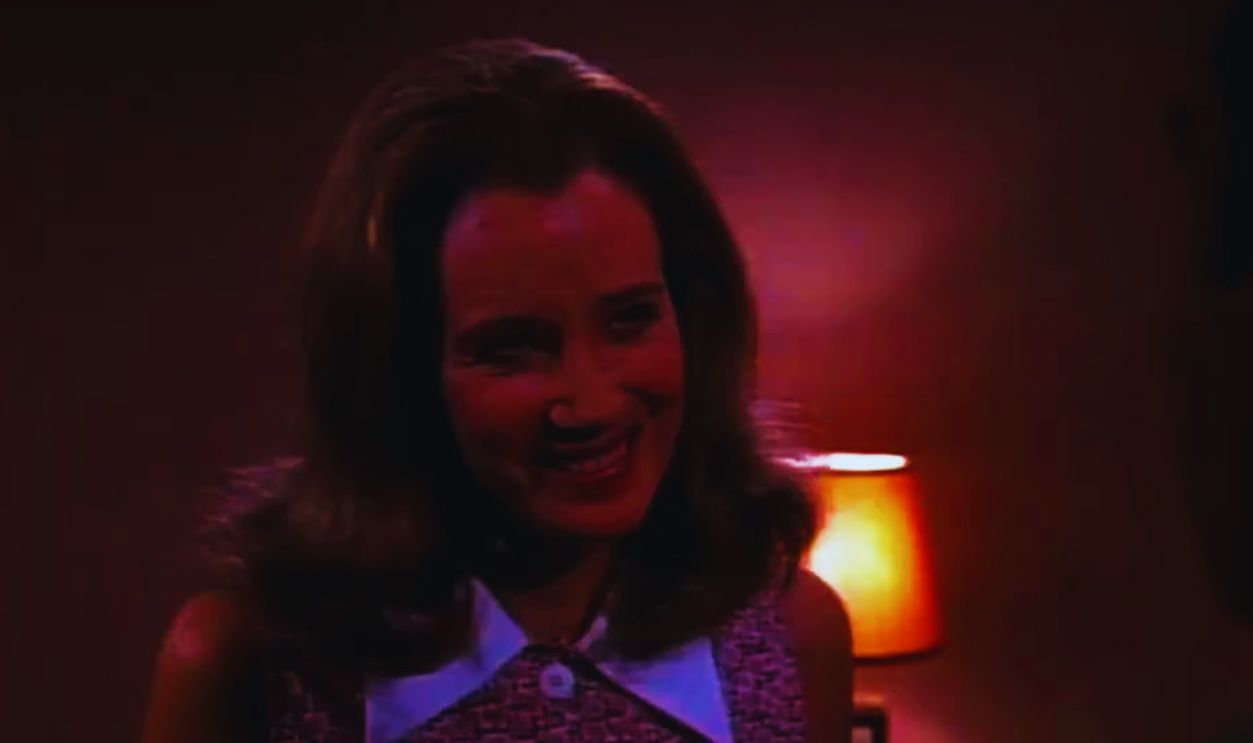 Screenshot from The Haunted, Fox Television Stations Productions (1991)
Intruders (1992)
Directed by Dan Curtis, Intruders starred Richard Crenna, Mare Winningham, and Ben Frank. At the height of America's fascination with alien abduction stories, the miniseries presented its chilling narrative with remarkable seriousness and realism.
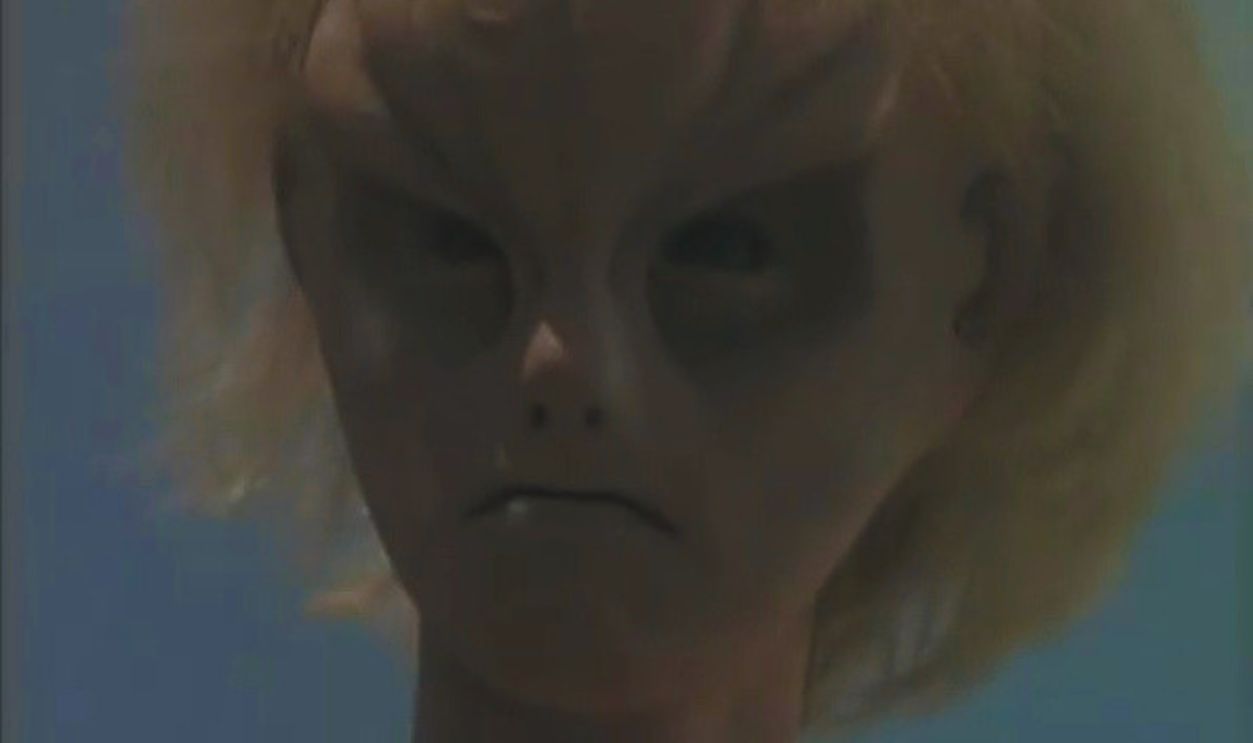 Screenshot from Intruders, Osiris Films/Dan Curtis Productions/CBS (1992)
The Tommyknockers (1993)
Directed by John Power, The Tommyknockers starred Jimmy Smits, Marg Helgenberger, and John Ashton. The tale of a Maine town corrupted by mysterious alien influence combined science fiction and horror in a way that attracted substantial television audiences.
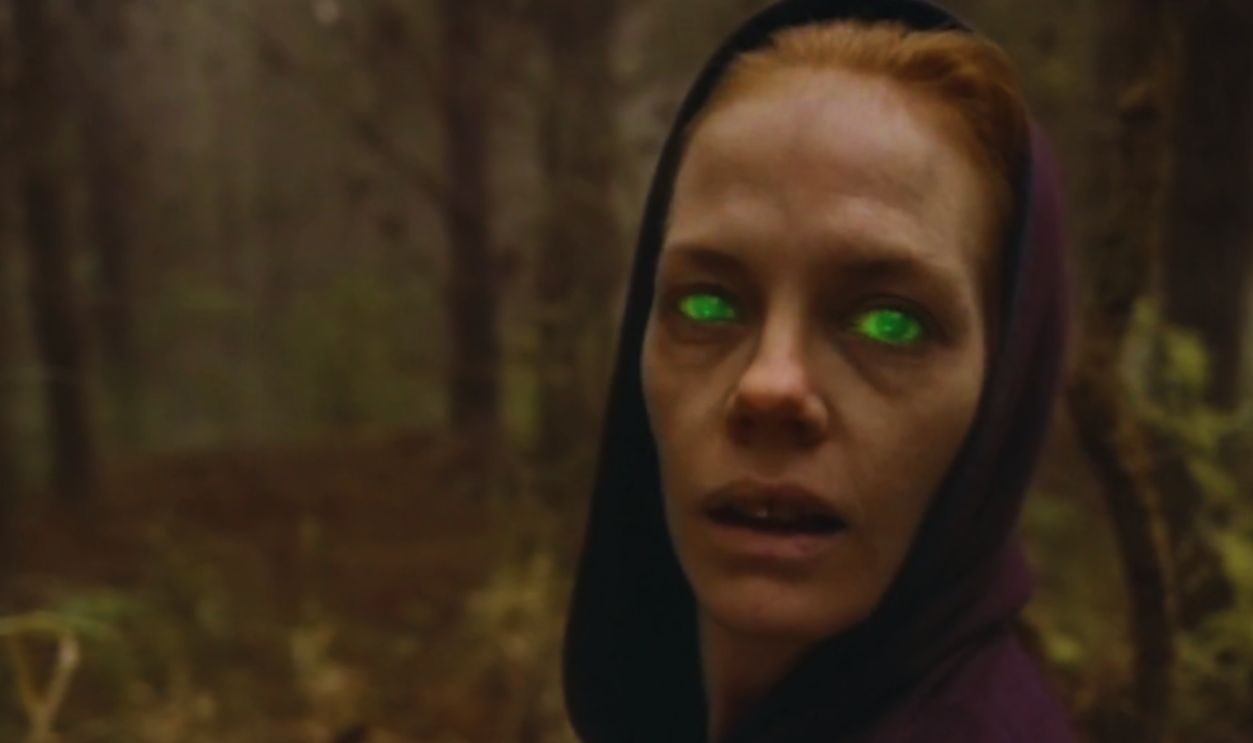 Screenshot from The Tommyknockers, Konigsberg/Sanitsky Company/Laurel Entertainment/ABC (1993)
The Stand (1994)
Directed by Mick Garris, The Stand featured Gary Sinise, Molly Ringwald, Jamey Sheridan, Ruby Dee, and Laura San Giacomo. Its sweeping story of plague, survival, and supernatural warfare became one of the largest and most ambitious horror miniseries ever attempted.
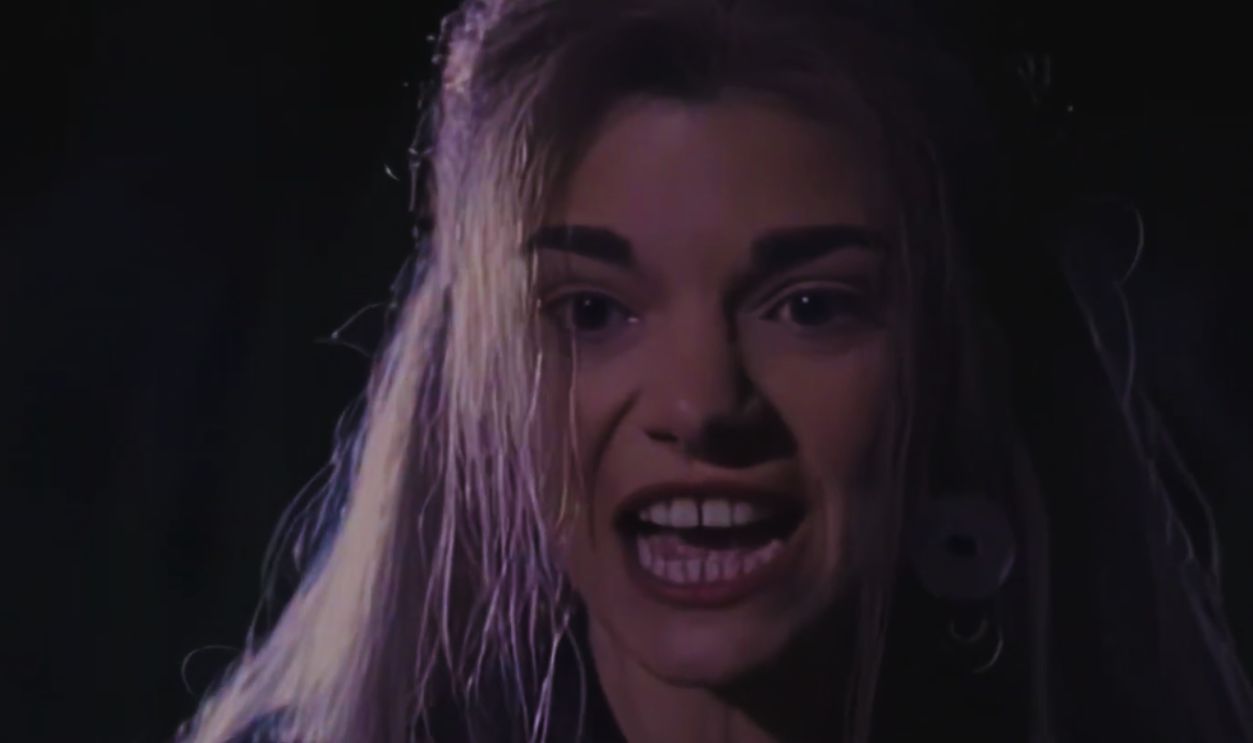 Screenshot from The Stand, Laurel Entertainment/Greengrass Productions/ABC (1994)
The Langoliers (1995)
Directed by Tom Holland, The Langoliers starred Patricia Wettig, Dean Stockwell, David Morse, and Bronson Pinchot. Passengers trapped in a collapsing reality faced bizarre creatures and existential terror in one of Stephen King's strangest adaptations.
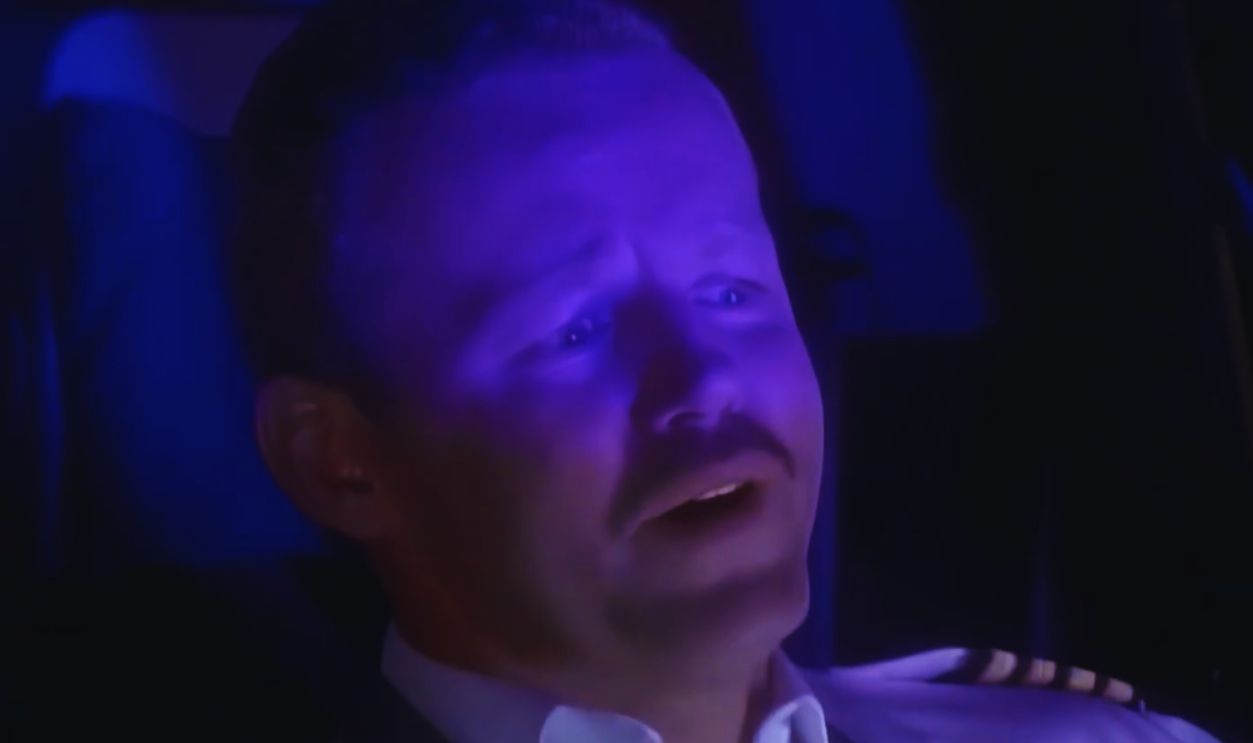 Screenshot from The Langoliers, Laurel Entertainment/Greengrass Productions/ABC (1995)
The Shining (1997)
Directed by Mick Garris, The Shining starred Steven Weber, Rebecca De Mornay, and Courtland Mead. Developed with Stephen King's involvement, the miniseries followed the novel much more closely than Stanley Kubrick's famous 1980 film adaptation.
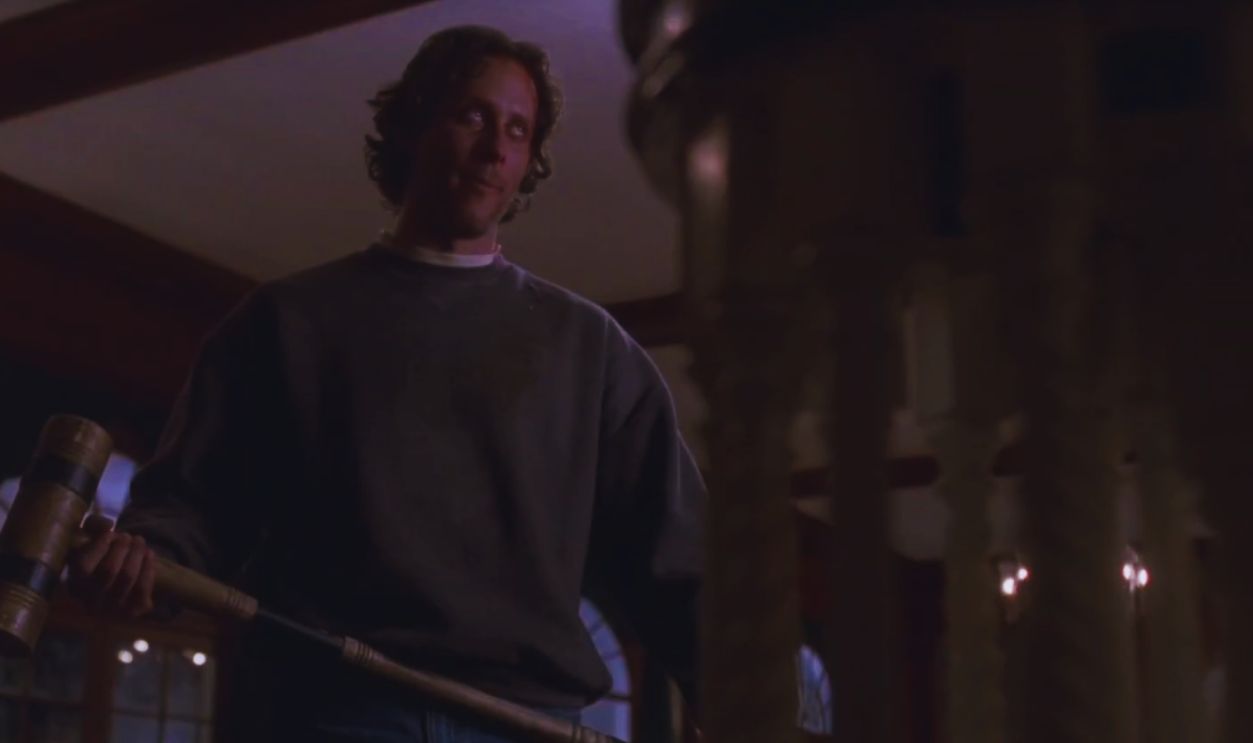 Screenshot from The Shining, Lakeside Productions/Warner Bros. Television/ABC (1997)
Storm Of The Century (1999)
Directed by Craig R. Baxley, Storm of the Century starred Tim Daly, Colm Feore, Debrah Farentino, and Casey Siemaszko. King's original screenplay and Feore's chilling performance as Andre Linoge made this snowbound nightmare unforgettable.
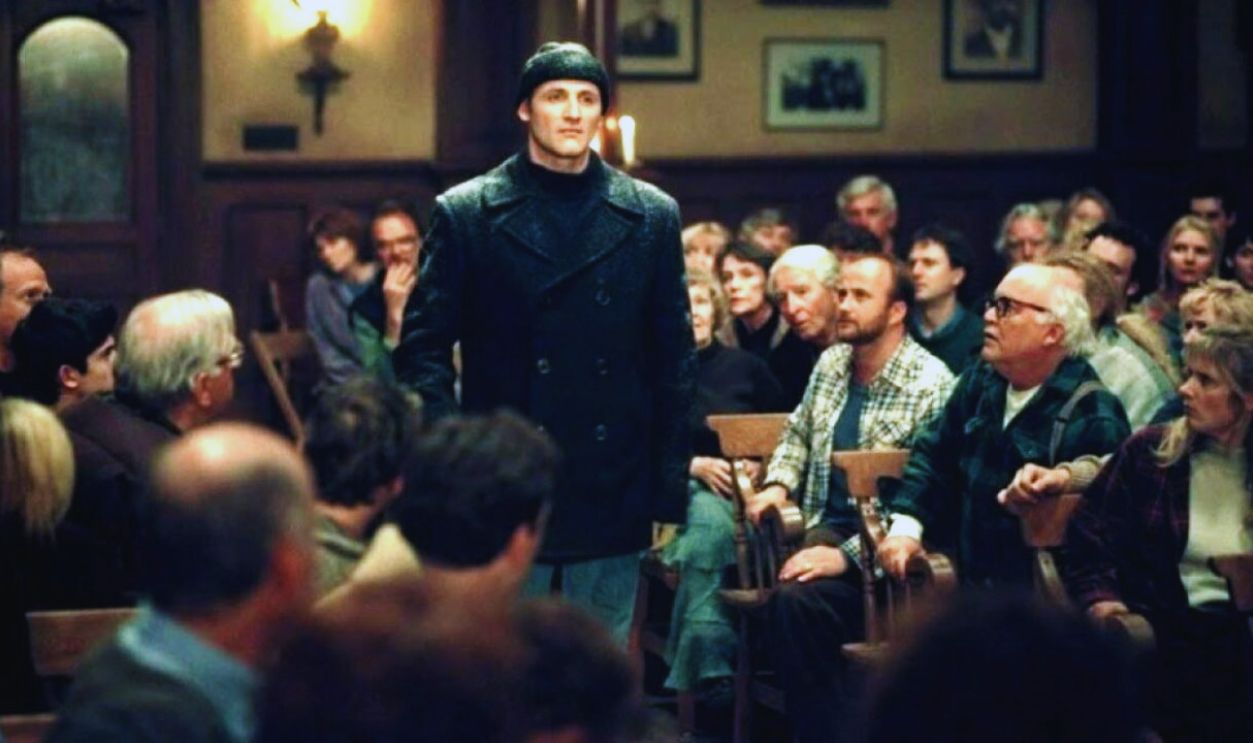 Screenshot from Storm of the Century, Greengrass Productions/Mark Carliner Productions/ABC (1999)
Rose Red (2002)
Directed by Craig R. Baxley, Rose Red featured Nancy Travis, Kimberly J. Brown, Matt Keeslar, and Julian Sands. The haunted mansion at the center of the story became one of television's most memorable supernatural settings.
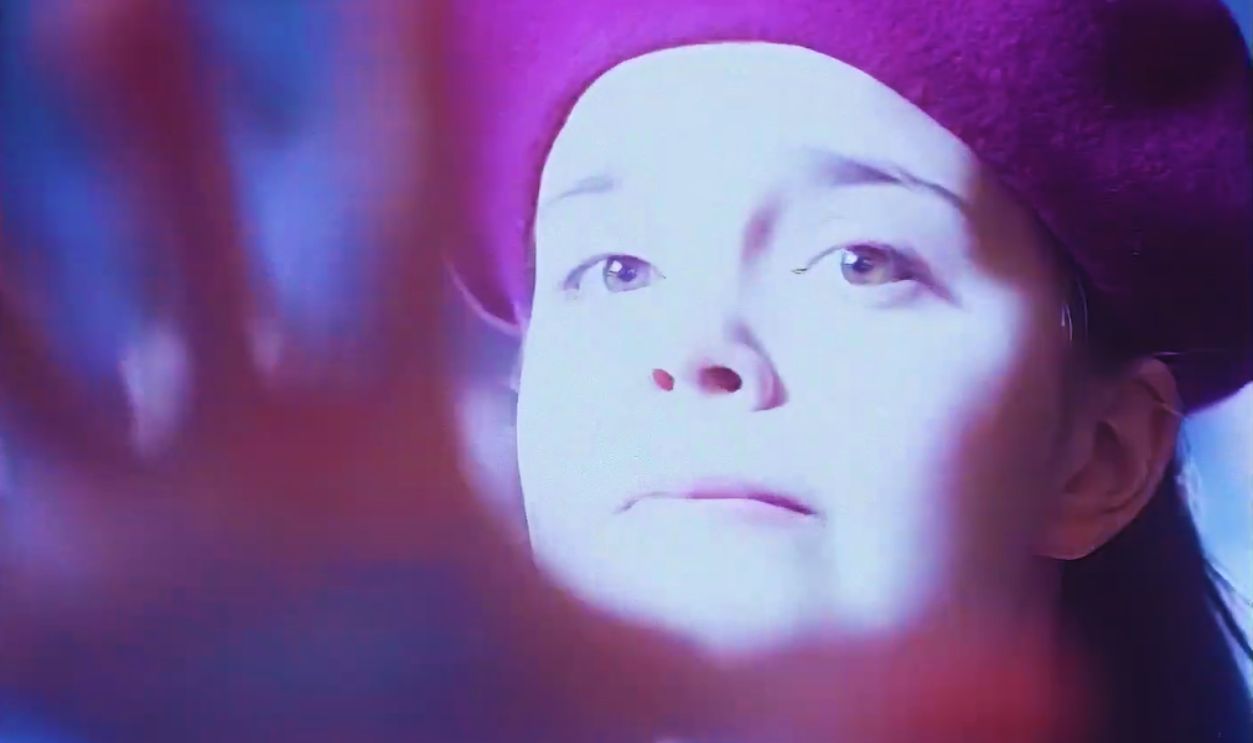
Taken (2002)
Produced by Steven Spielberg and directed by multiple filmmakers including Breck Eisner and Félix Enríquez Alcalá, Taken starred Dakota Fanning, Matt Frewer, and Emily Bergl. The alien-abduction saga blended science fiction and horror elements across generations of characters.
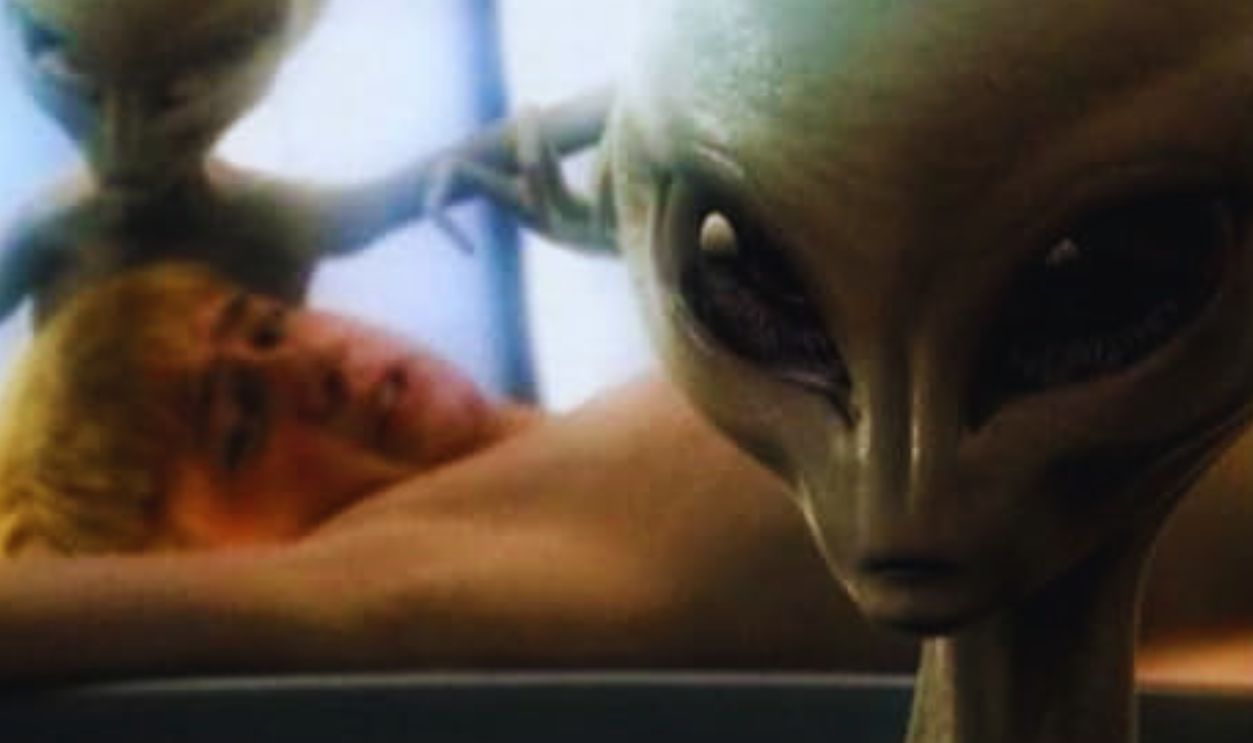 Screenshot from Taken, DreamWorks Television/Sci-Fi Channel (2002)
Kingdom Hospital (2004)
Directed primarily by Craig R. Baxley, Kingdom Hospital starred Andrew McCarthy, Bruce Davison, Diane Ladd, and Jack Coleman. Stephen King's adaptation of Lars von Trier's Danish series delivered ghosts, strange visions, and bizarre supernatural mysteries.
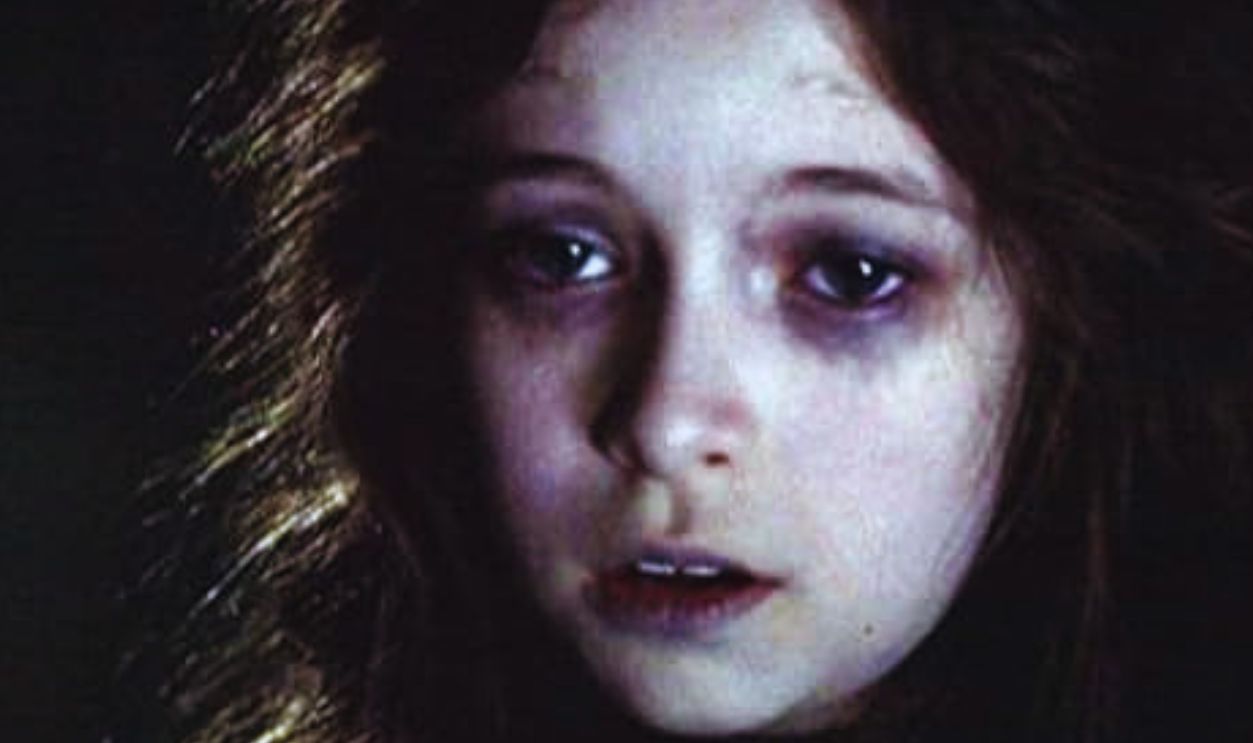 Screenshot from Kingdom Hospital, Sony Pictures Television/Mark Carliner Productions/ABC (2004)
Frankenstein (2004)
Directed by Kevin Connor, Frankenstein starred Parker Posey, Vincent Perez, Thomas Kretschmann, and Adam Goldberg. The adaptation revisited Mary Shelley's classic tale while emphasizing both gothic horror and tragic human drama.
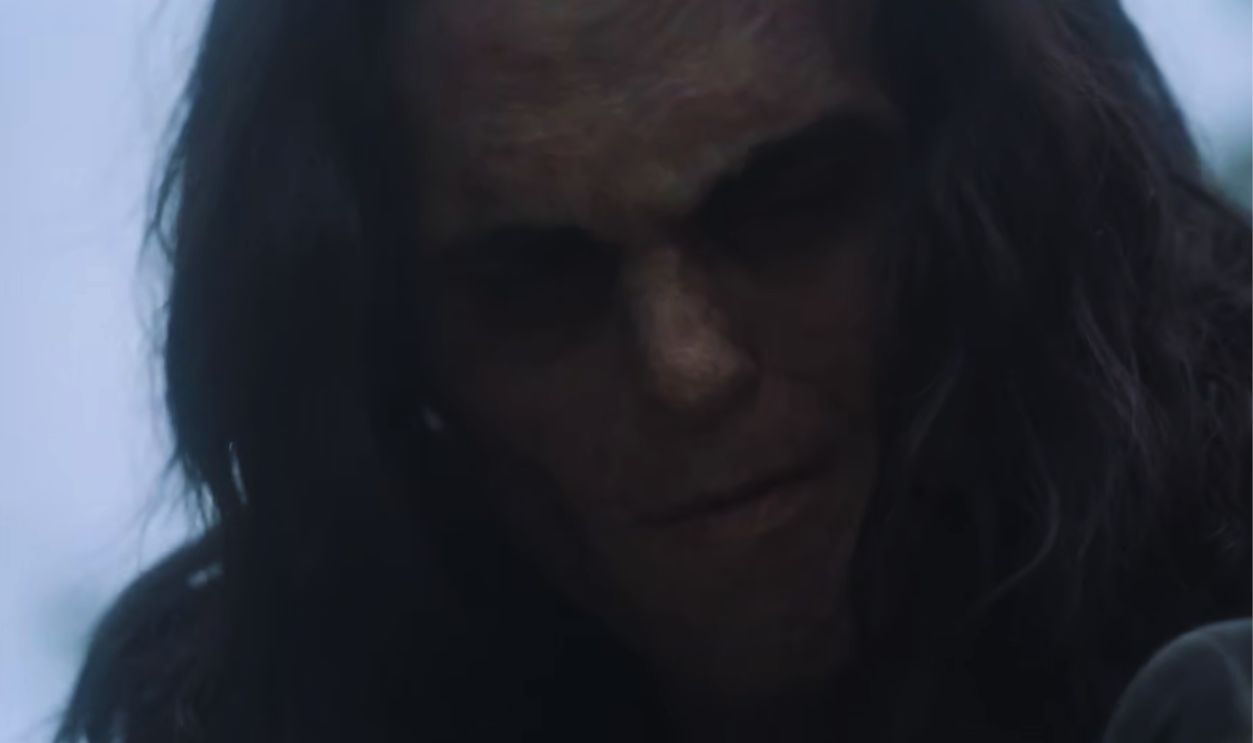 Screenshot from Frankenstein, Lions Gate Films/L.I.F.T./Flame Television/USA Network (2004)
The Lost Room (2006)
Directed by Craig R. Baxley, The Lost Room starred Peter Krause, Julianna Margulies, and Kevin Pollak. Although often categorized as science fiction, its eerie supernatural objects and unsettling atmosphere earned it a devoted following among horror fans.
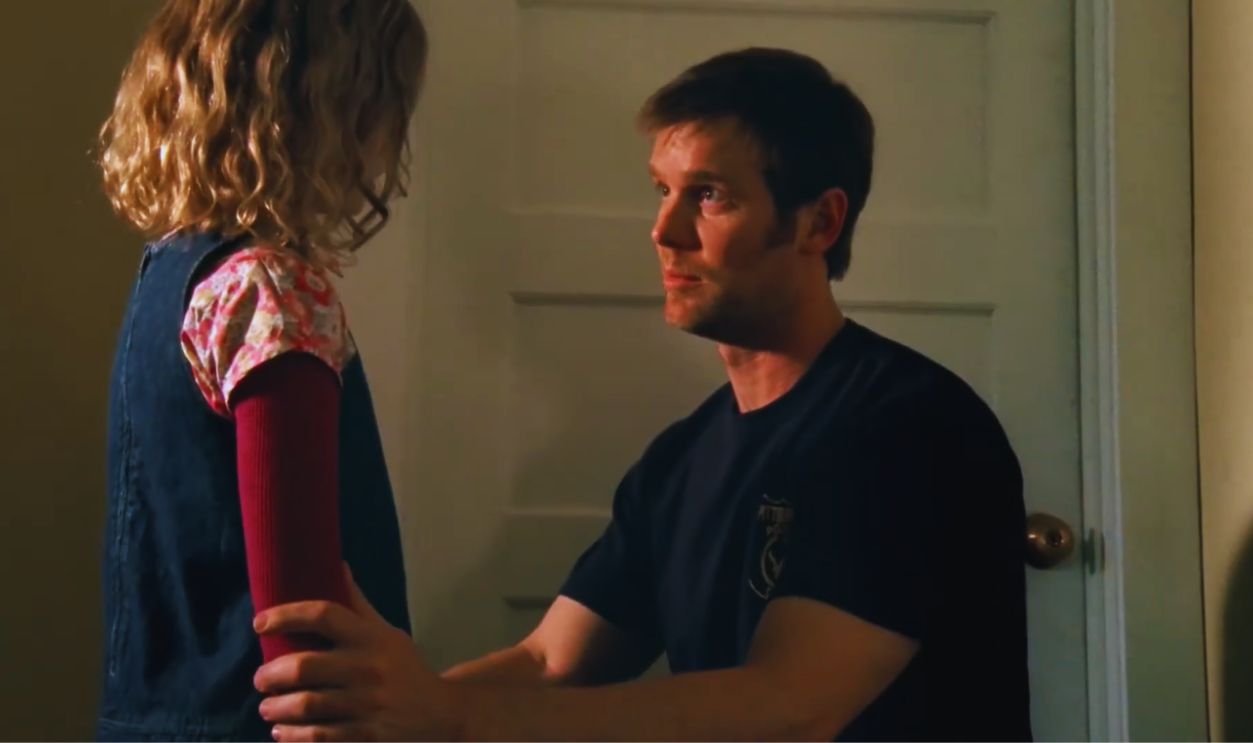 Screenshot from The Lost Room, Lionsgate Television/Sci-Fi Channel (2006)
The Legacy Of Television Terror
From vampires and haunted houses to alien invasions and supernatural mysteries, these miniseries once dominated American television. Many drew audiences that modern horror productions can only dream of, proving that some of the most memorable scares arrived through the living-room television set.
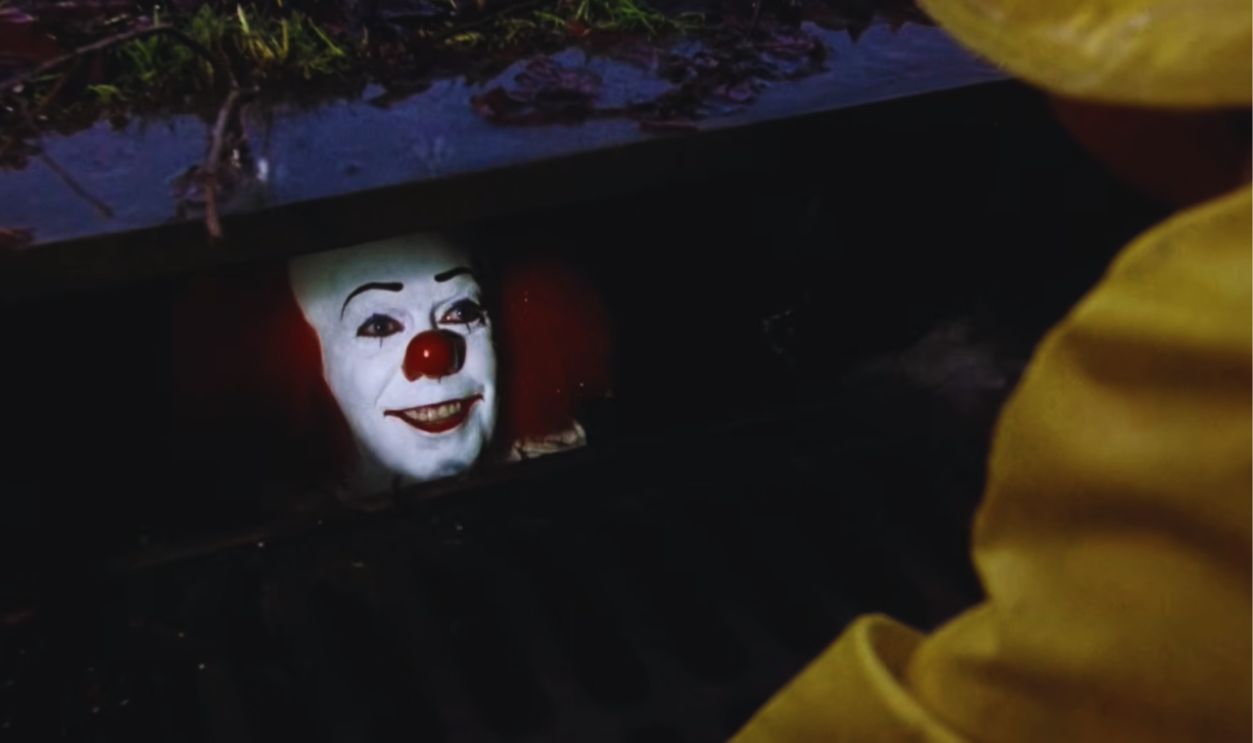 Screenshot from It, Warner Bros. Television (1990)
You May Also Like:
The Best TV Mini-Series Of The 1990s
Miniseries That Packed A Punch In Just A Few Episodes
Why We Keep Watching Horror—The Strange Comfort Of Being Scared In A Safe Space