Who's Excited To Watch A Horror Movie?
Horror movies are built to unsettle us, yet millions of people actively seek them out. From jump scares to slow-building dread, fear becomes something we willingly experience. The appeal isn’t just about being scared; it’s about how fear feels when we know we’re actually safe. And weirdly enough, it can often make people less anxious.

The Safe Space Paradox
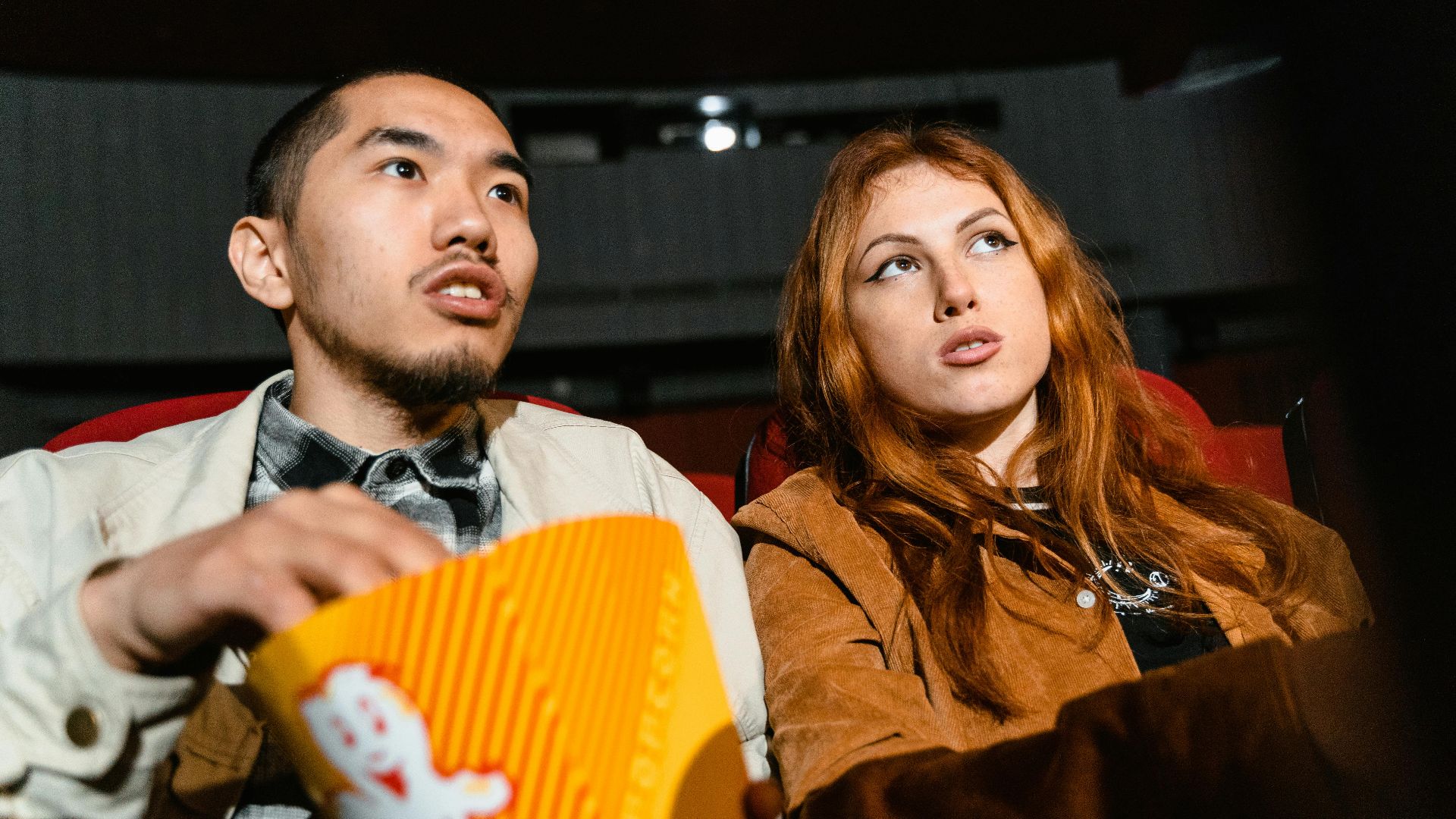
At the core of horror’s appeal is a contradiction: We feel fear without real danger. Sitting in a theater or on a couch creates a psychological buffer, allowing us to experience intense emotions while knowing nothing can actually harm us.
Fear With An Off Switch
Unlike real-life fear, horror comes with control. We can pause, look away, or leave the room. That sense of control transforms fear from something overwhelming into something we can manage and even enjoy.
The Body’s Reaction To Fear
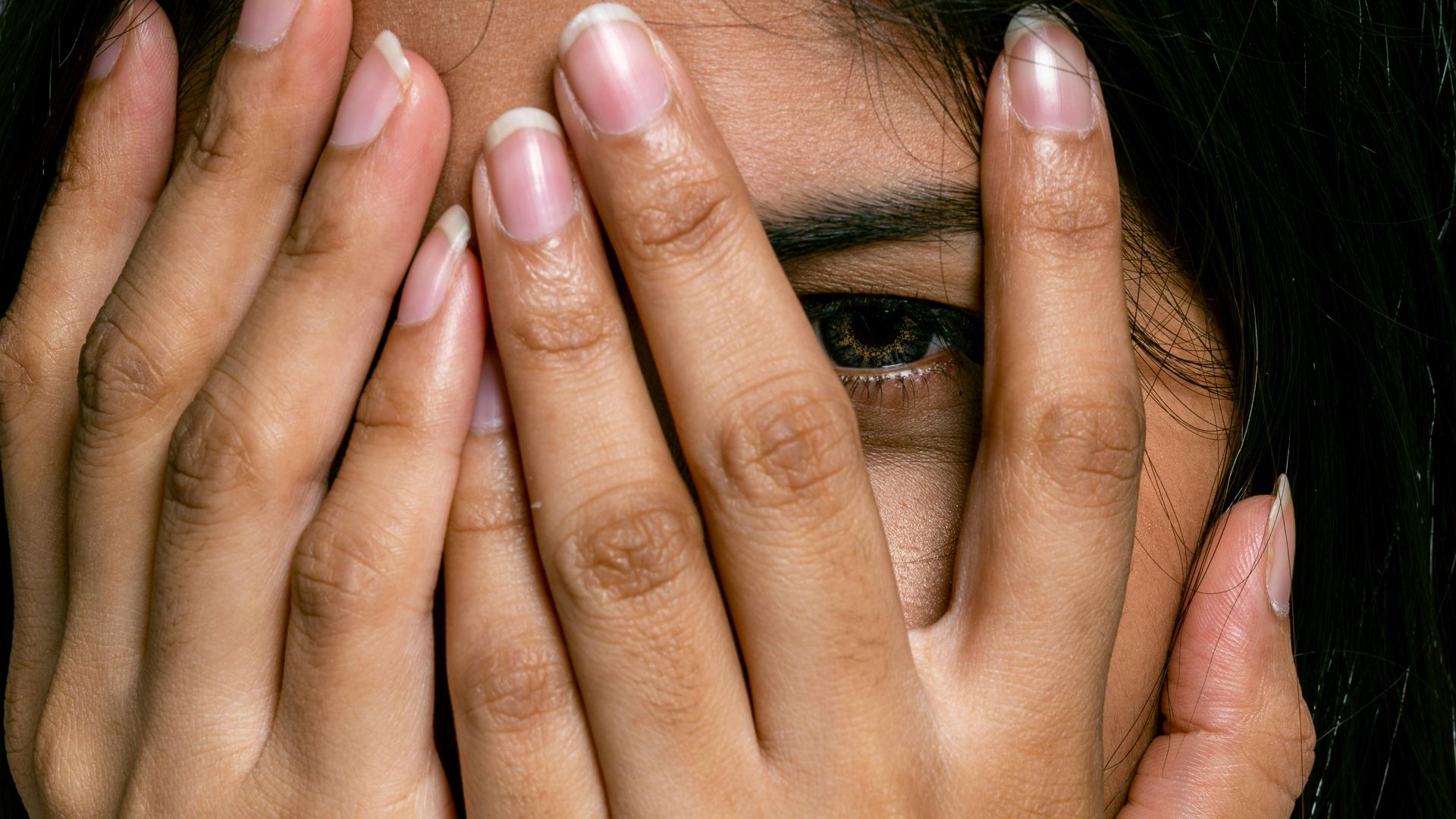
When we watch horror, our bodies react as if the threat is real. Heart rates rise, muscles tense, and adrenaline flows. This physical response creates excitement, similar to the rush of a roller coaster.

Adrenaline As Entertainment
The surge of adrenaline triggered by horror can feel energizing. For many viewers, this physiological response is part of the appeal—fear becomes a kind of thrill rather than something to avoid. But that isn't the most fascinating part.
Practicing Fear Responses
Some psychologists suggest horror allows us to rehearse fear. By watching dangerous situations unfold on screen, we mentally prepare for threats, even if they’re unlikely to happen in real life.

A Controlled Encounter With Anxiety
Horror provides a way to face anxiety in a structured environment. The narrative has a beginning, middle, and end, offering closure that real-life fears often lack. After all, one of the main elements of anxiety is an intolerance of uncertainty. And horror narratives? Well, they can help us grapple with uncertainty in a healthier way.
The Comfort Of Predictable Patterns
Even the most frightening horror films follow familiar structures. Viewers recognize pacing, tropes, and outcomes, which creates a sense of predictability beneath the surface fear. Controlled chaos. And for some people, this is enough to turn them into major horror buffs.

Why Jump Scares Work
Now, one of the most delightful parts of any horror movie has to be the jump scares—especially the ones that ambush you when you least expect them. Jump scares rely on timing and surprise. Films like The Conjuring and Insidious use silence and sudden noise to trigger shock, creating intense but brief moments of fear. But not all horror is sudden.
Slow-Burn Dread
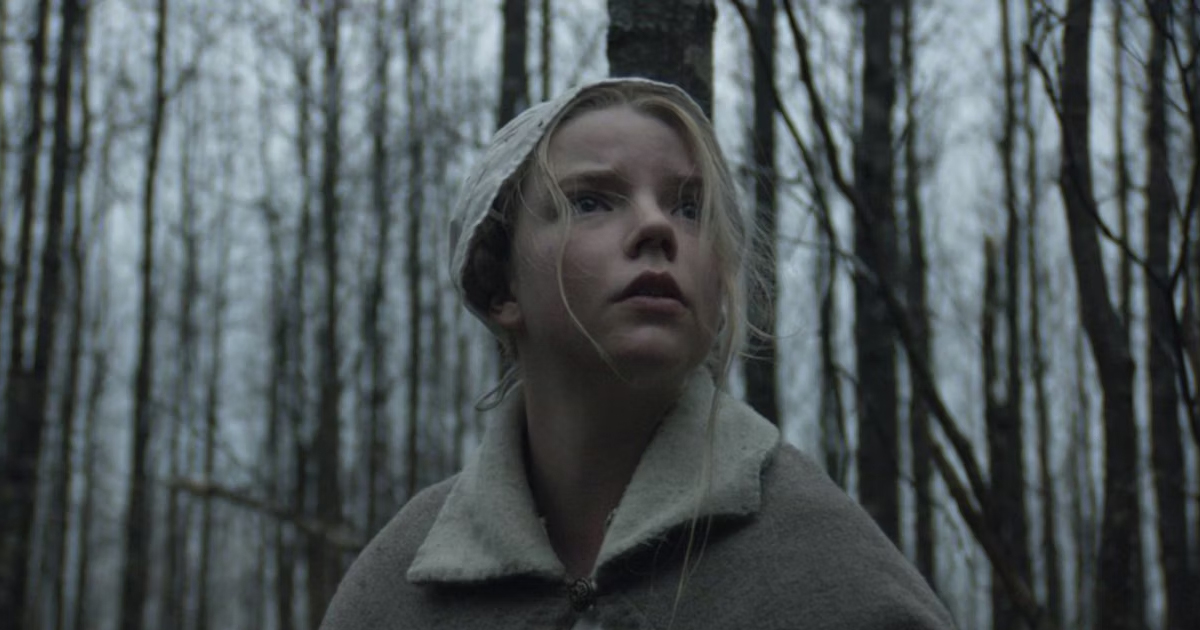
Sometimes, the best kind of suspense is borne of the brutal slow burn. Movies like Hereditary and The Witch build tension gradually, creating unease that lingers. This style keeps viewers engaged through anticipation rather than surprise.
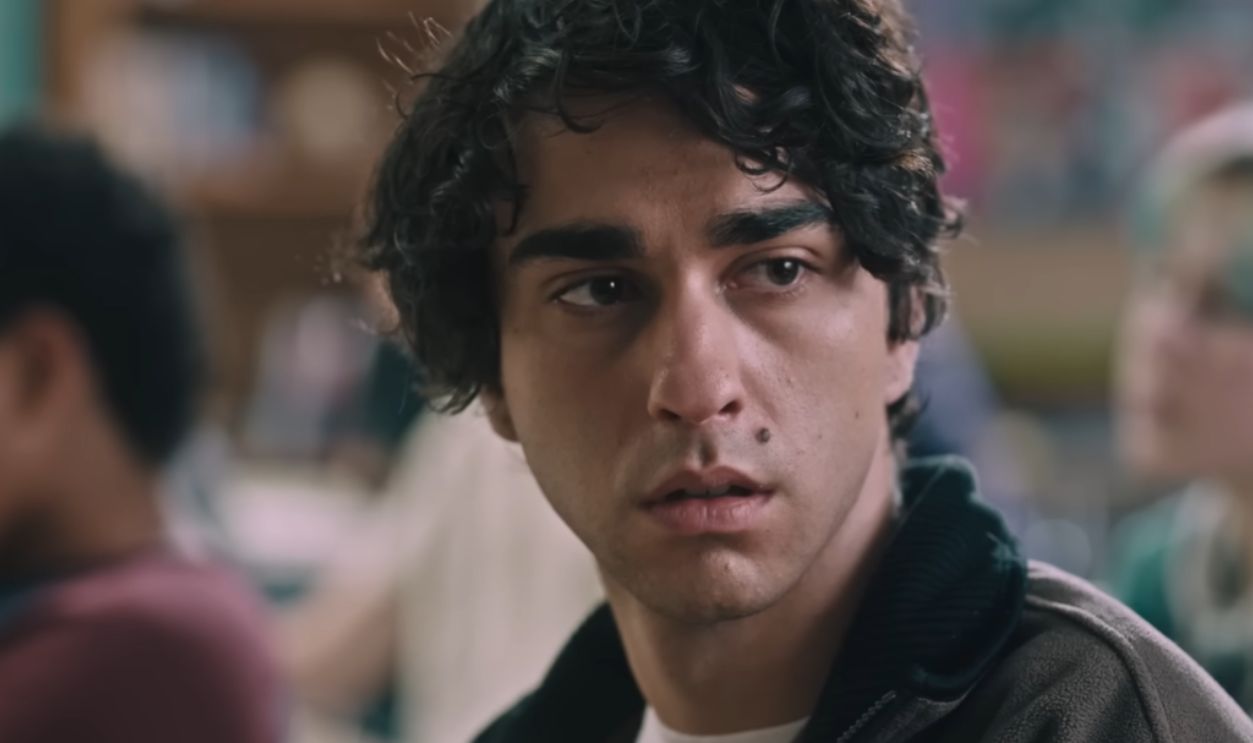 Screenshot from Hereditary, A24 (2018)
Watching Fear Together
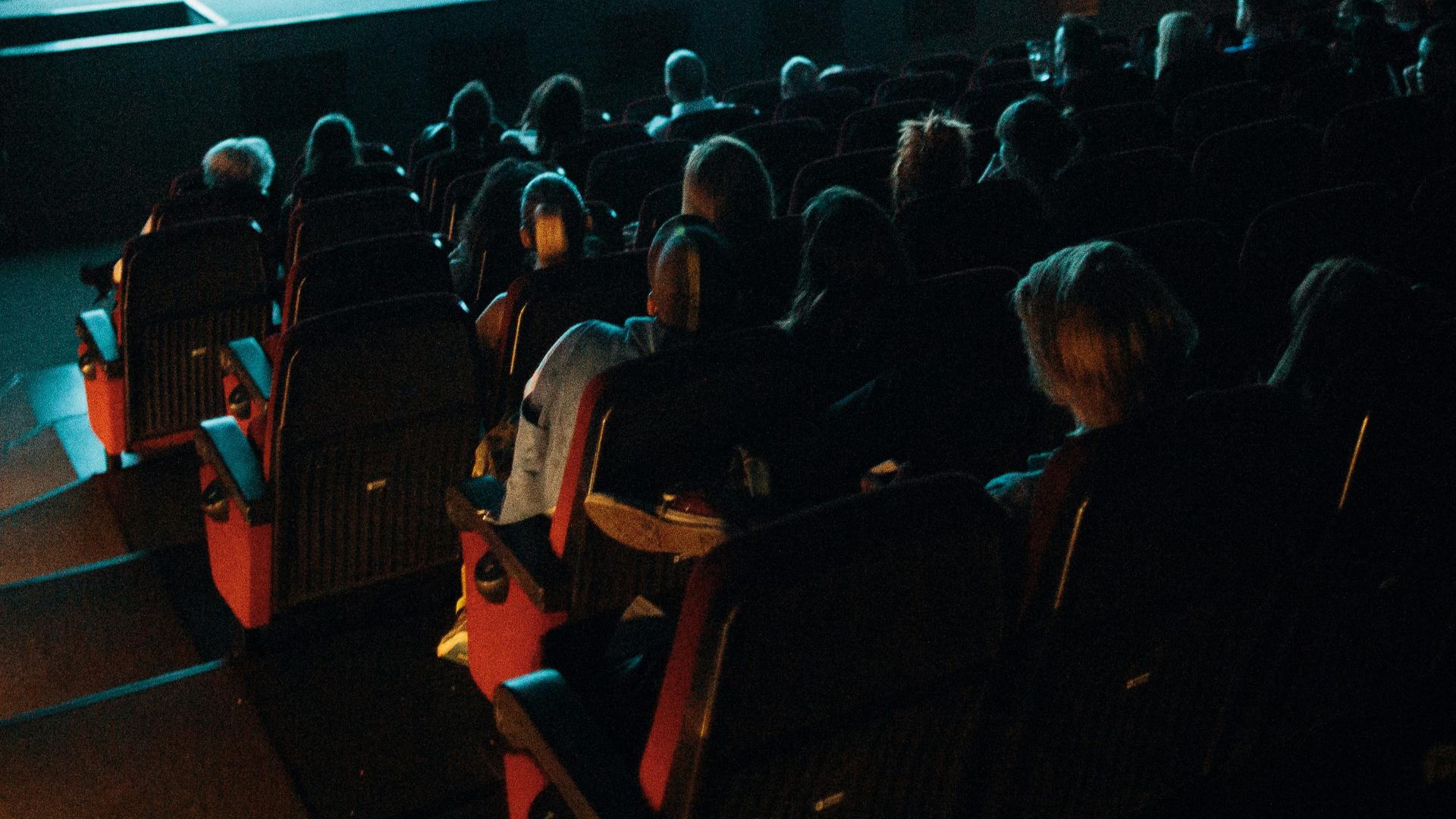
Horror is often a social experience. Watching with others can reduce fear, as shared reactions—screaming, laughing, or commenting—create a sense of connection. Agreeing to go watch a horror movie is like agreeing to go on a dark adventure together. And this feeling is heightened even more when you watch one with a massive crowd.
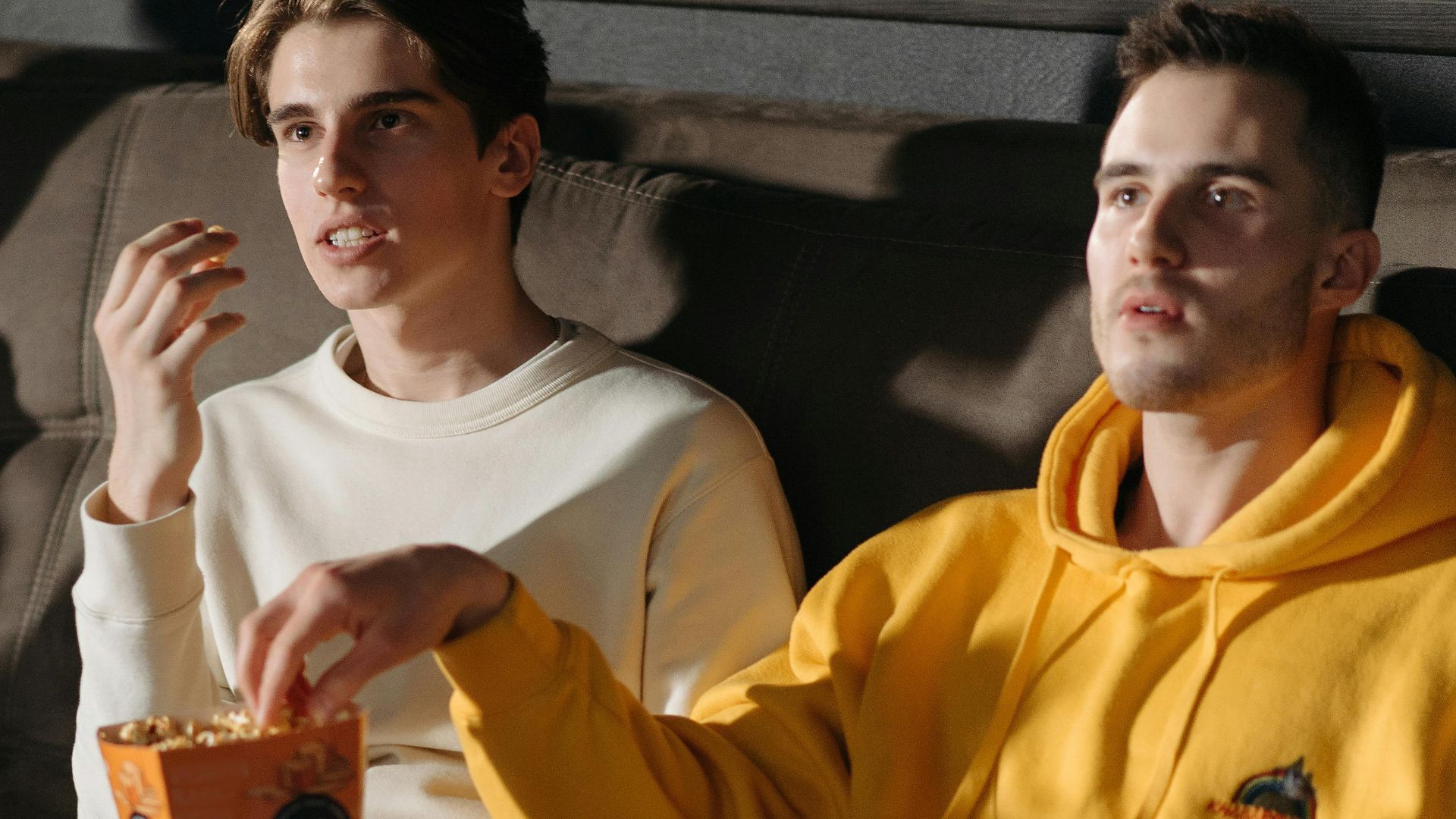
The Theater Reaction Effect
In packed theaters, horror films often produce loud, collective reactions. Movies like A Quiet Place and Get Out became known not just for their content, but for how audiences reacted together in real time. It's all part of what makes a horror film an even more enjoyable experience.
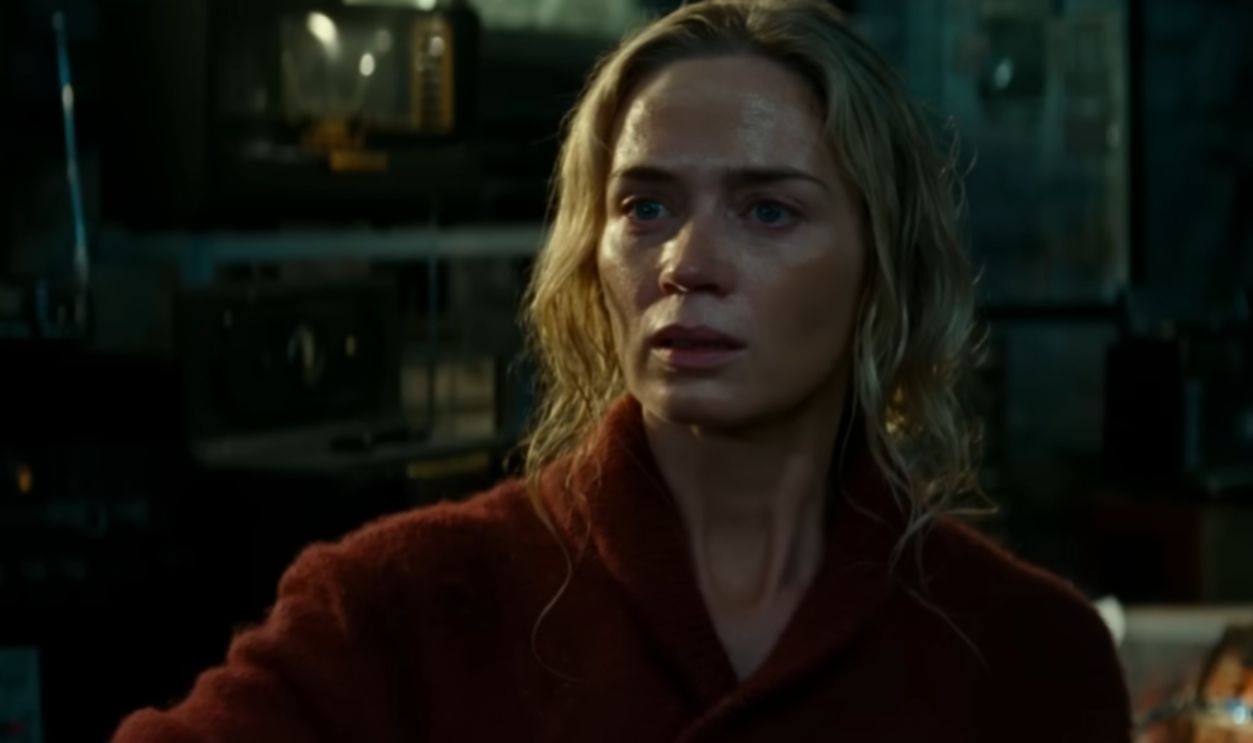 Screenshot from A Quiet Place, Paramount Global (2018)
People Leaving The Theater
Some movies are known for pushing audiences too far, especially when the content goes beyond what is expected. Reports say that people left early, fainted, or got sick during screenings of The Exorcist because it was so intense.
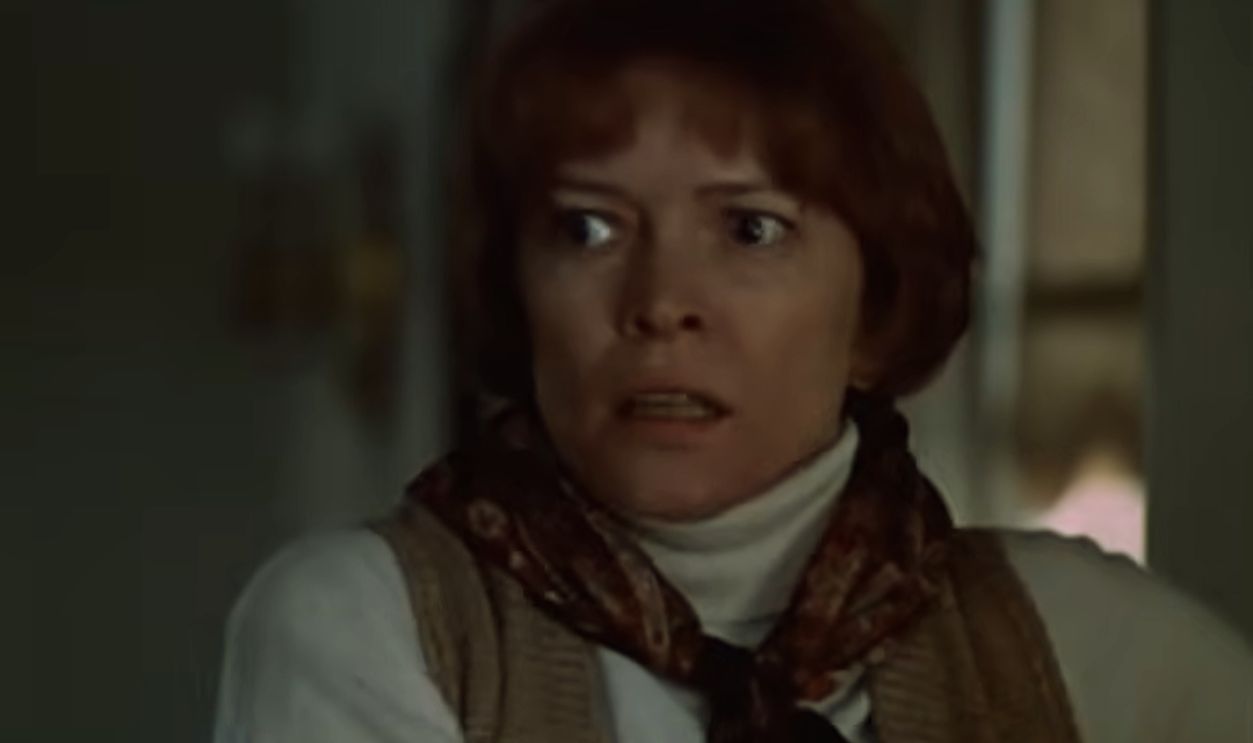 Screenshot from The Exorcist, Warner Bros. Discovery (1973)
Covering Eyes And Looking Away
In films like Paranormal Activity, audience members were often seen covering their eyes or peeking through their fingers. The tension built so slowly that viewers anticipated scares long before they happened.

Viral Fear Through Word Of Mouth
Movies like The Blair Witch Project spread fear beyond the screen, and sparked undeniable interest and conversation. Early audiences debated the story's veracity, heightening reactions and making screenings feel more unsettling.
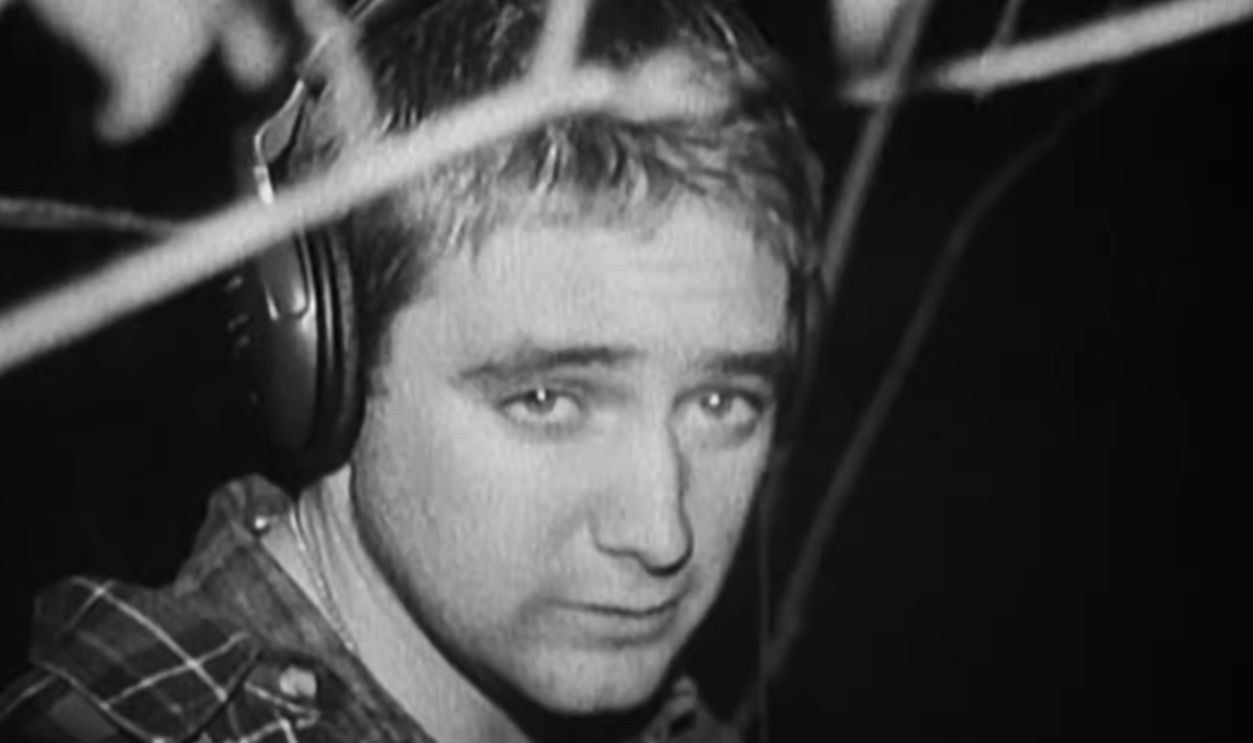 Screenshot from The Blair Witch Project, Lionsgate (1999)
The Silence Of A Crowd
During screenings of A Quiet Place, audiences became unusually silent, mirroring the film’s tension. Even small sounds—like eating popcorn—felt amplified, turning the theater itself into part of the experience. And it's exactly this flavor of tension that makes releasing it so comforting.

Laughter As A Release
After intense scares, audiences often laugh. This reaction isn’t random—it’s a release of built-up tension. Horror frequently creates moments where fear flips into nervous laughter.

The Role Of Curiosity
People are naturally curious about the unknown. Horror taps into that curiosity, encouraging viewers to confront what they might otherwise avoid. It also addresses subjects that are uncomfortable or socially restricted. It creates space to explore themes like death, violence, and the supernatural in a controlled way.
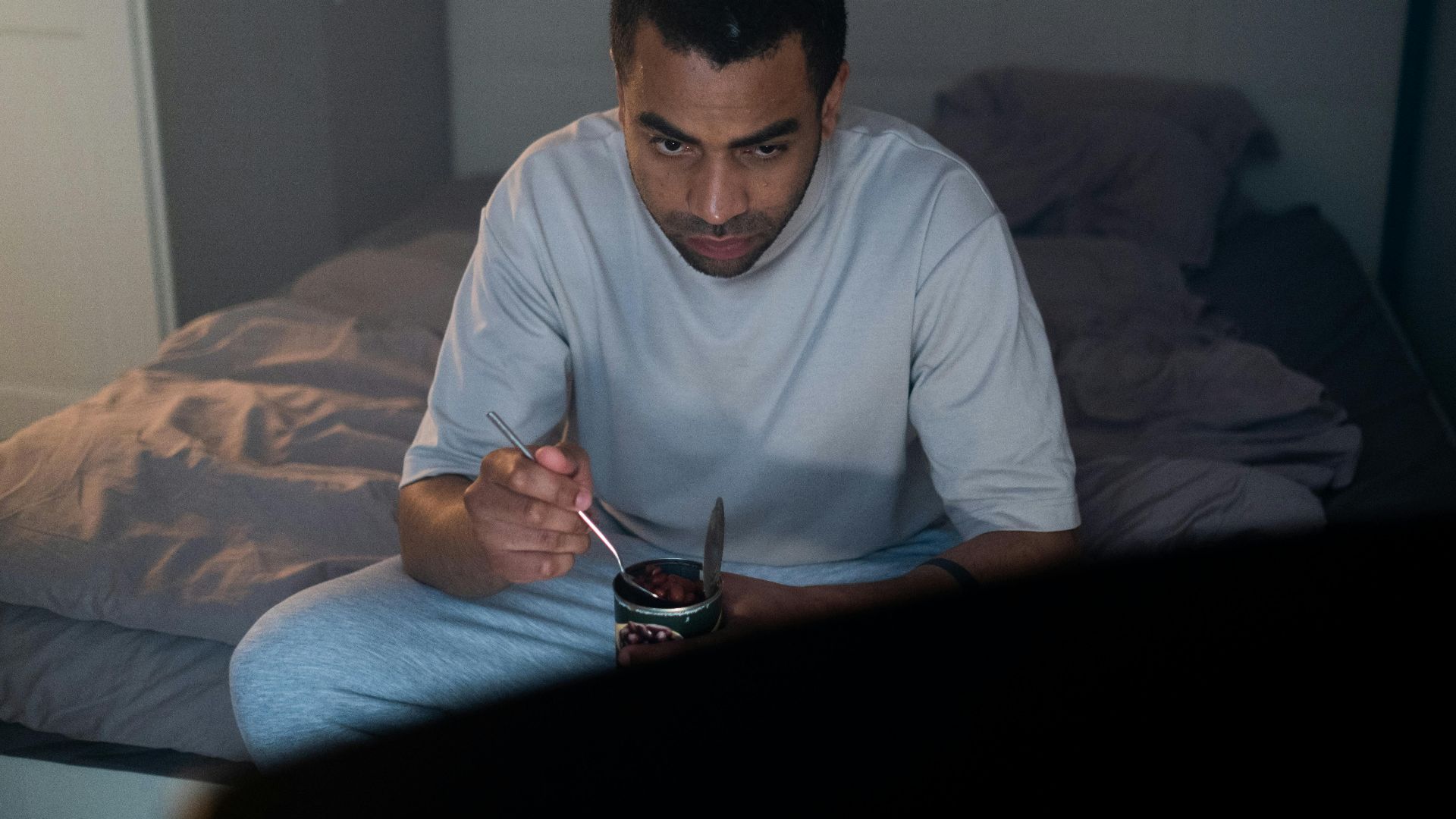
Emotional Release
Fear can act as a form of emotional release. Experiencing tension and then relief can leave viewers feeling calmer afterward, similar to the effect of a stressful situation resolving.

The Appeal Of Survival Stories
Films like Halloween and Scream focus on survival, placing viewers in the position of the characters. This perspective encourages audiences to imagine how they would react.
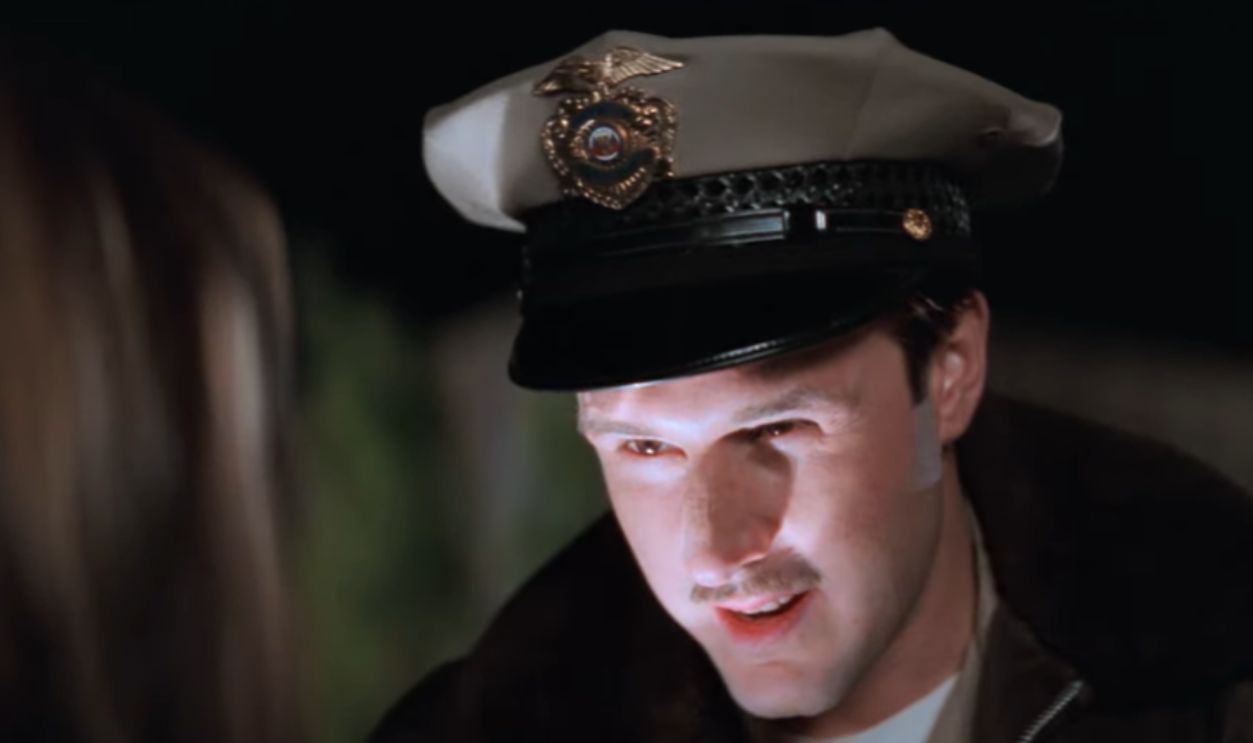 Screenshot from Scream, Paramount Global (1996)
Familiar Monsters, New Meanings
Recurring figures like zombies in 28 Days Later or vampires in Let the Right One In evolve over time. These familiar threats reflect changing cultural anxieties.
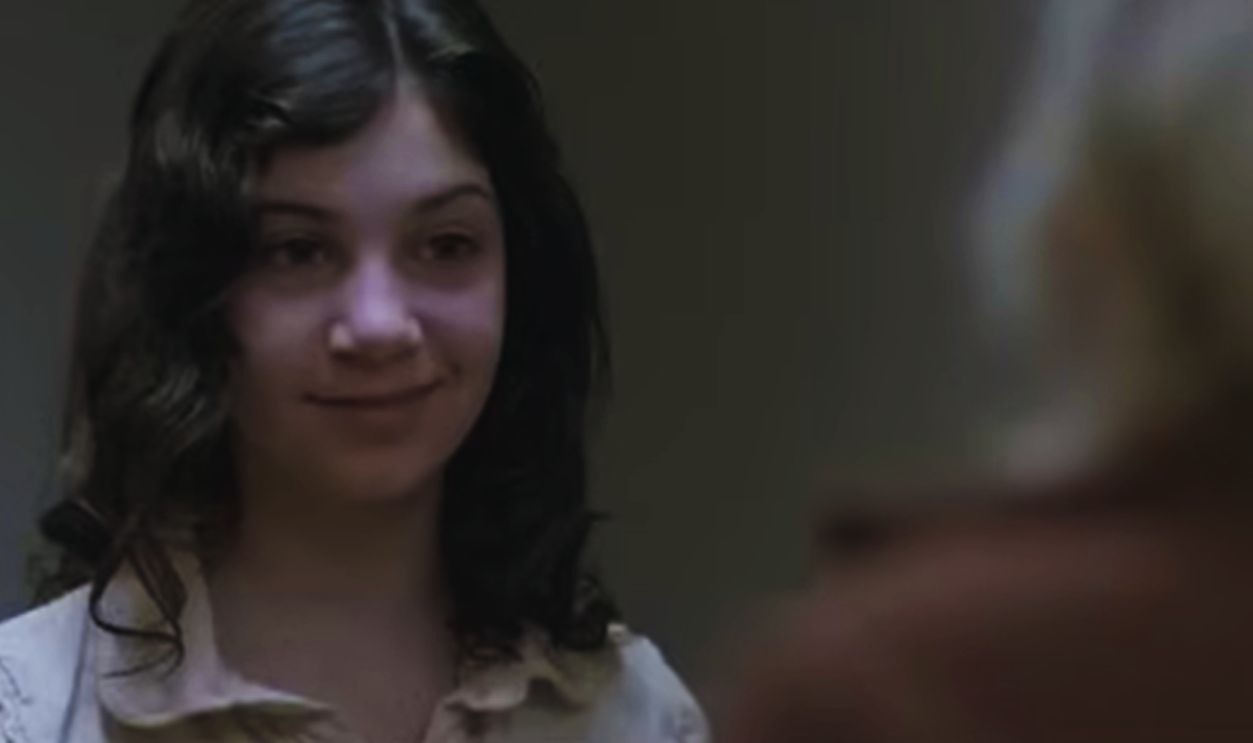 Screenshot from Let the Right One In, Sandrew Metronome Distribution (2008)
Horror As Reflection
Modern films like Get Out and The Babadook use horror to explore deeper themes, including social tension and mental health, giving the genre emotional and cultural relevance.
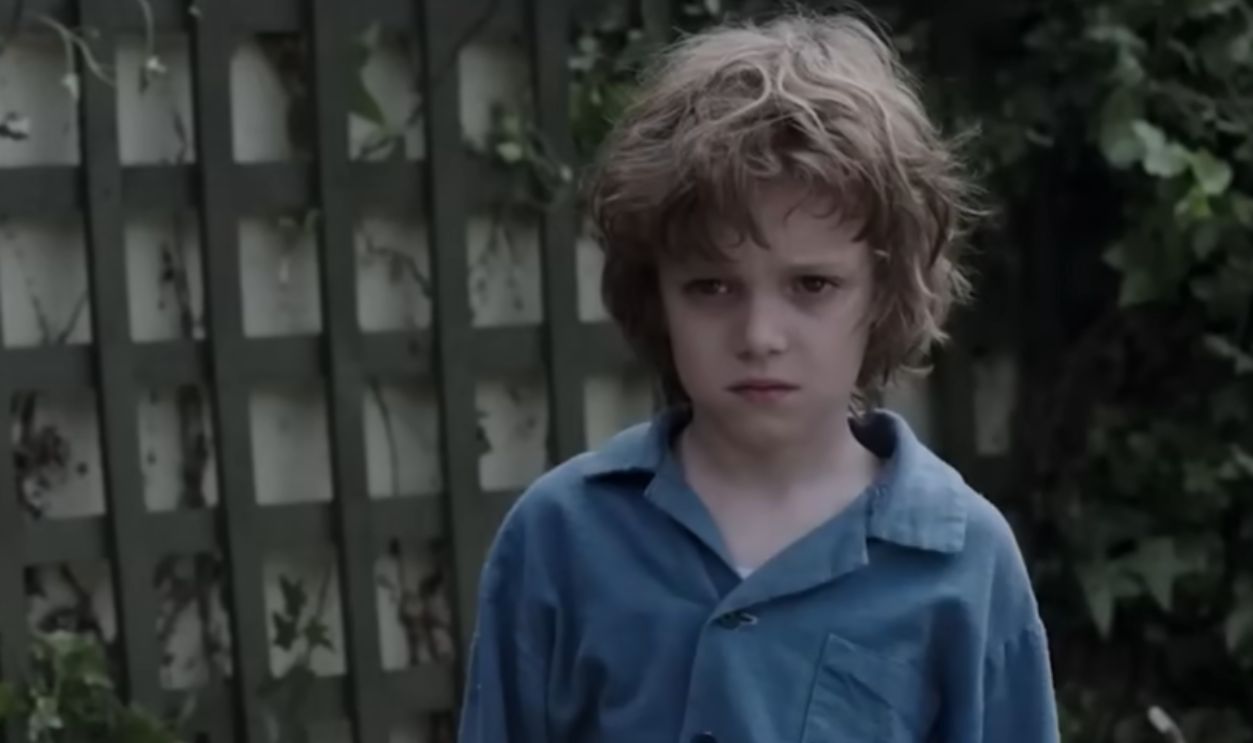 Screenshot from The Babadook, IFC Films (2014)
The Thrill Of Anticipation
Part of horror’s appeal lies in anticipation. Knowing something frightening might happen keeps viewers engaged, even in quieter scenes where nothing immediately occurs.

Why Some People Avoid It
Not everyone enjoys horror. For some, the emotional and physical responses are too intense, making the experience more stressful than entertaining. And this explains there's such a divide among viewers when it comes to horror.

The Balance Between Fear And Safety
Horror works because it balances two opposing forces: fear and safety. Without safety, fear becomes overwhelming. Without fear, the experience loses its impact. In everyday life, intense emotions can be difficult to access or process. Horror offers a structured way to feel something powerful without real-world consequences.
Why We Keep Watching
Ultimately, horror persists because it transforms fear into something meaningful. It allows people to explore emotions, test boundaries, and experience intensity—all while sitting safely in the dark. So how do you feel about horror? Are you seated? Or are you scrolling on by, looking for a different kind of thrill?
You May Also Like:
Best Film Easter Eggs You Probably Missed
Very Good Movies With Very Little Dialogue (If Any)