One Day Changed Everything
Most people remember Jan Smithers as the sweet, shy Bailey Quarters on WKRP in Cincinnati. But her road to television began 12 years earlier, when she was a 16-year-old high school student who made one tiny decision...that would change her life forever.
It sounds like an origin story right out of a Hollywood movie, but it's all true...
She Was A Shy California Kid
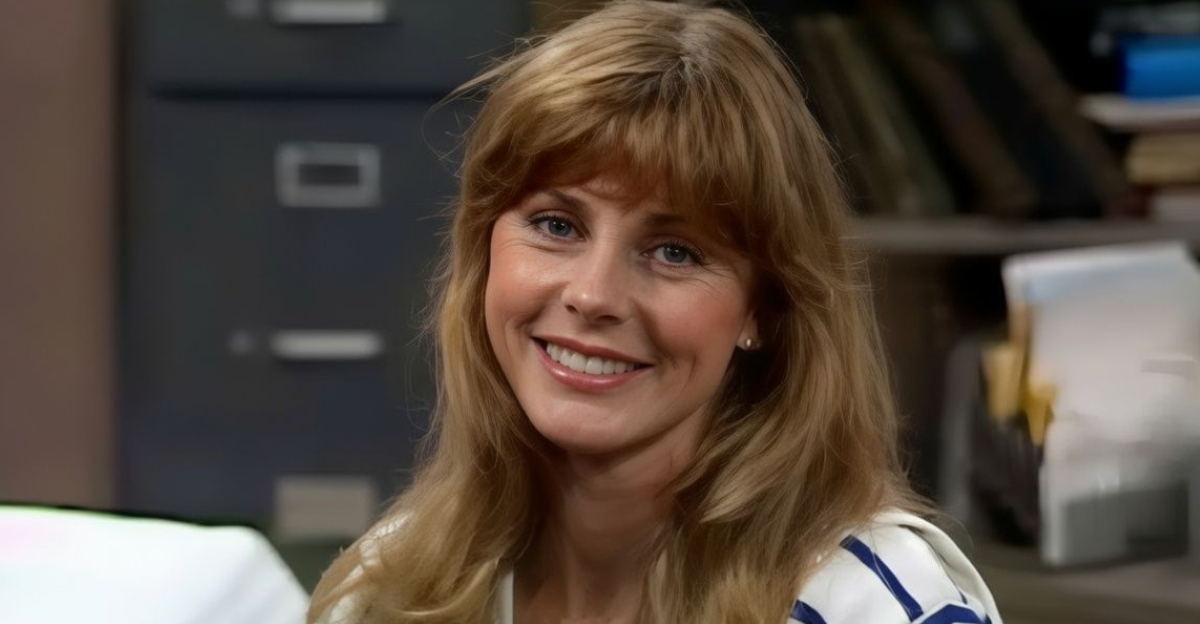
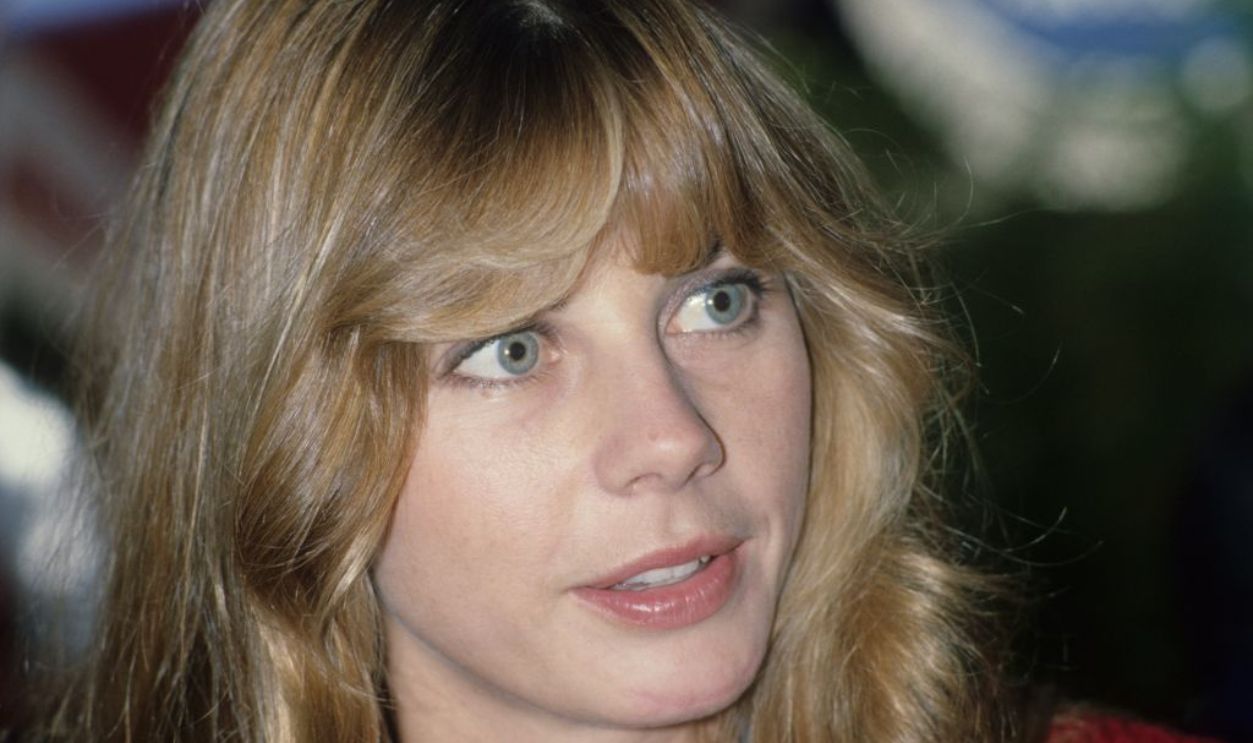
Smithers grew up in the San Fernando Valley and attended Taft High School. She loved art, wasn’t especially enthusiastic about school, and by her own later account was painfully shy. Nothing about her life suggested she was plotting some grand entrance into Hollywood. In fact, acting wasn’t even the plan.
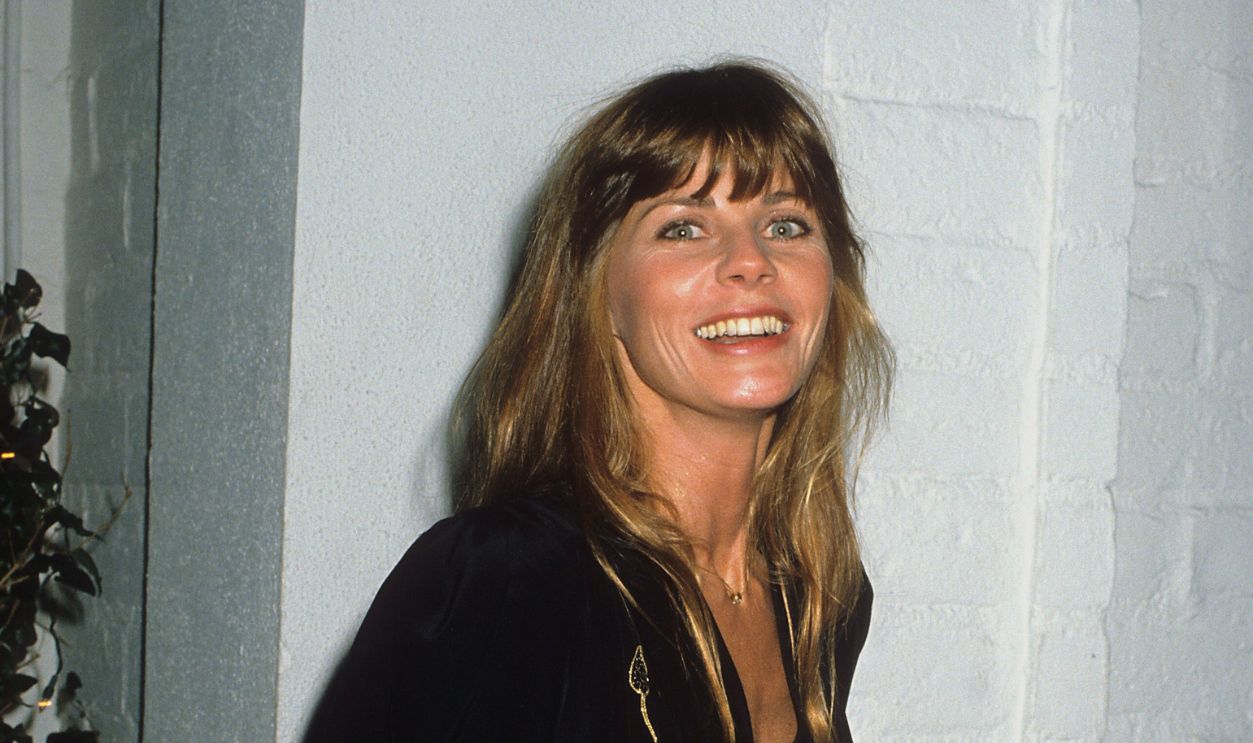 Donaldson Collection, Getty Images
Then A Friend Asked Her To Go Surfing
One day, a boy Smithers knew invited her to go surfing. There was one small problem: they were supposed to be in school. Smithers later remembered thinking she couldn’t possibly play hooky. He eventually convinced her. And like countless teenagers before her, she spent much of the adventure worrying about what her mother was going to say.
The Beach Was Practically Empty
Smithers sat on the sand watching her friend surf. Then she noticed two men dressed in black walking toward her, one carrying cameras. On an almost empty beach, they had somehow found exactly the person they were looking for. This is where the story gets almost absurdly lucky.
They Were From Newsweek
The men explained that Newsweek was working on a major story about American teenagers. They needed a California girl for the piece and wondered whether Smithers would be interested. She said yes. Remember, she was 16, skipping school and sitting on a beach. Suddenly Newsweek wanted her face.

Then Came The Motorcycle
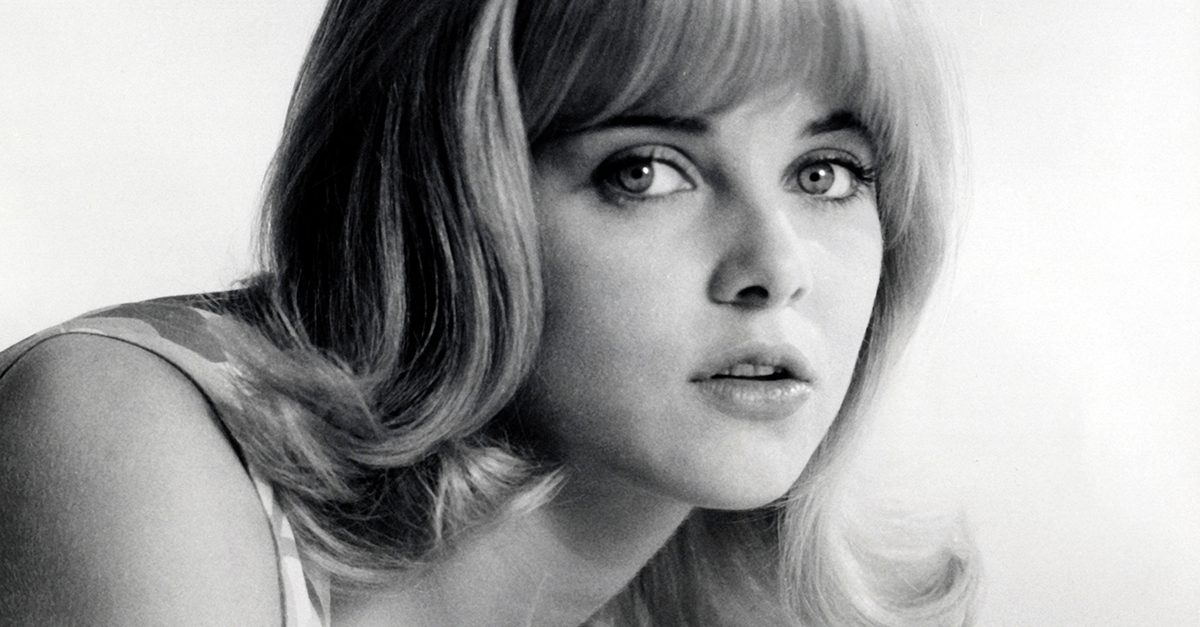
For the March 21, 1966 issue, Smithers was photographed sitting on the back of a motorcycle, looking every bit like Newsweek’s version of the carefree California teenager. There was just one amusing problem with the image: Smithers later said she’d never even been on a motorcycle before.

The Cover Wasn’t Exactly The Real Jan
The magazine portrayed Smithers as a sun-soaked California girl moving between the beach and the Sunset Strip. Years later, she admitted the image was a little generous. She rarely went to the beach, her mother expected her home by 9:30 that night, and that motorcycle appearance was apparently a one-time event. So much for the wild California lifestyle.
But Everyone Saw Her
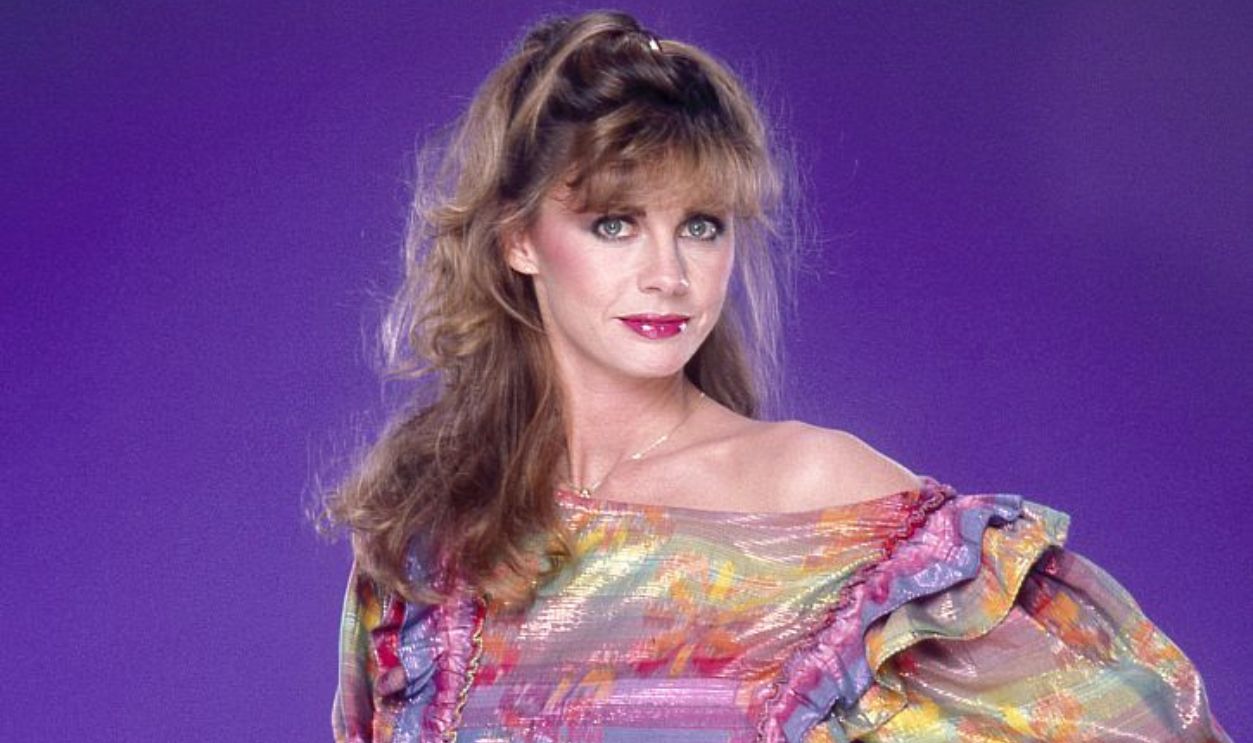
The important part wasn’t how accurately the cover represented Smithers. It was that her face was suddenly sitting on newsstands across America. In 2016, Smithers remembered receiving calls from “many, many” Hollywood agents who wanted to represent her. One day she was worried about getting caught skipping school. Now Hollywood was calling the house.
Her Mother Helped Her Navigate Hollywood
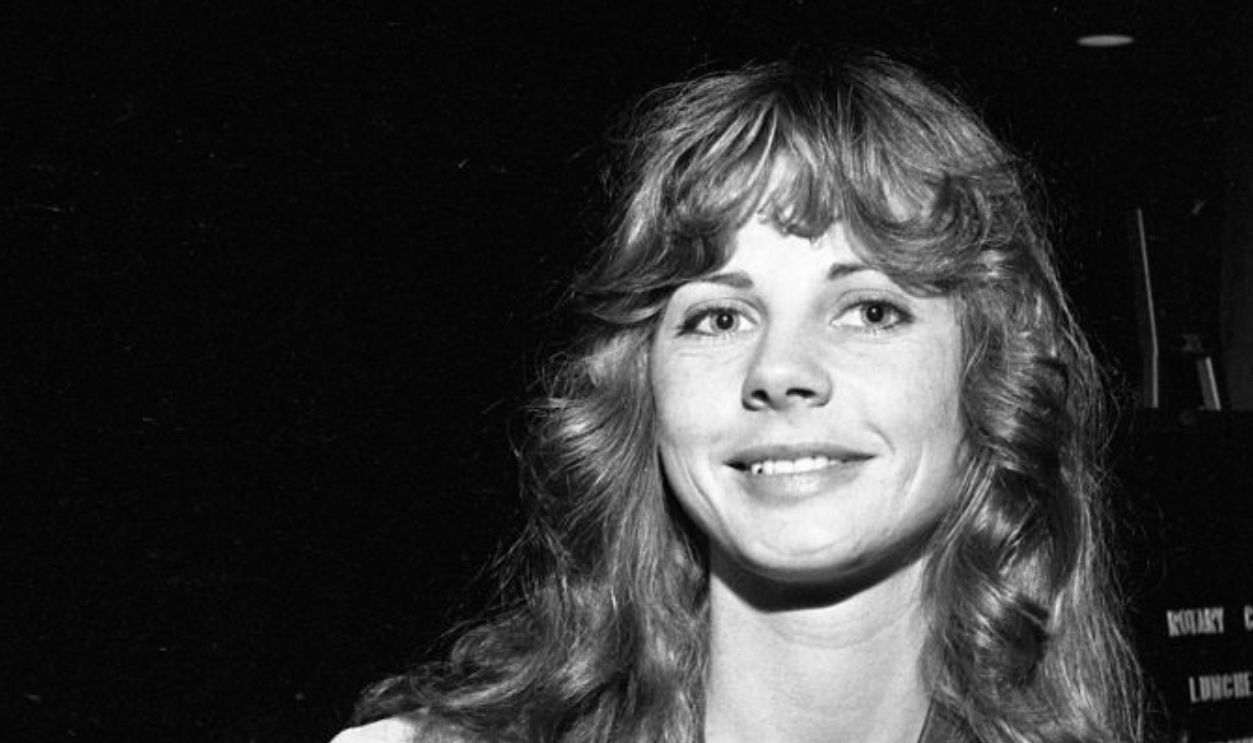
Smithers wasn’t immediately thrown into the movie business alone. Her mother drove around with her meeting prospective agents, trying to find someone trustworthy to represent her daughter. Smithers began appearing in commercials while finishing high school. That random afternoon on the beach had officially become a career.
The Happy Cover Hid A Harder Story
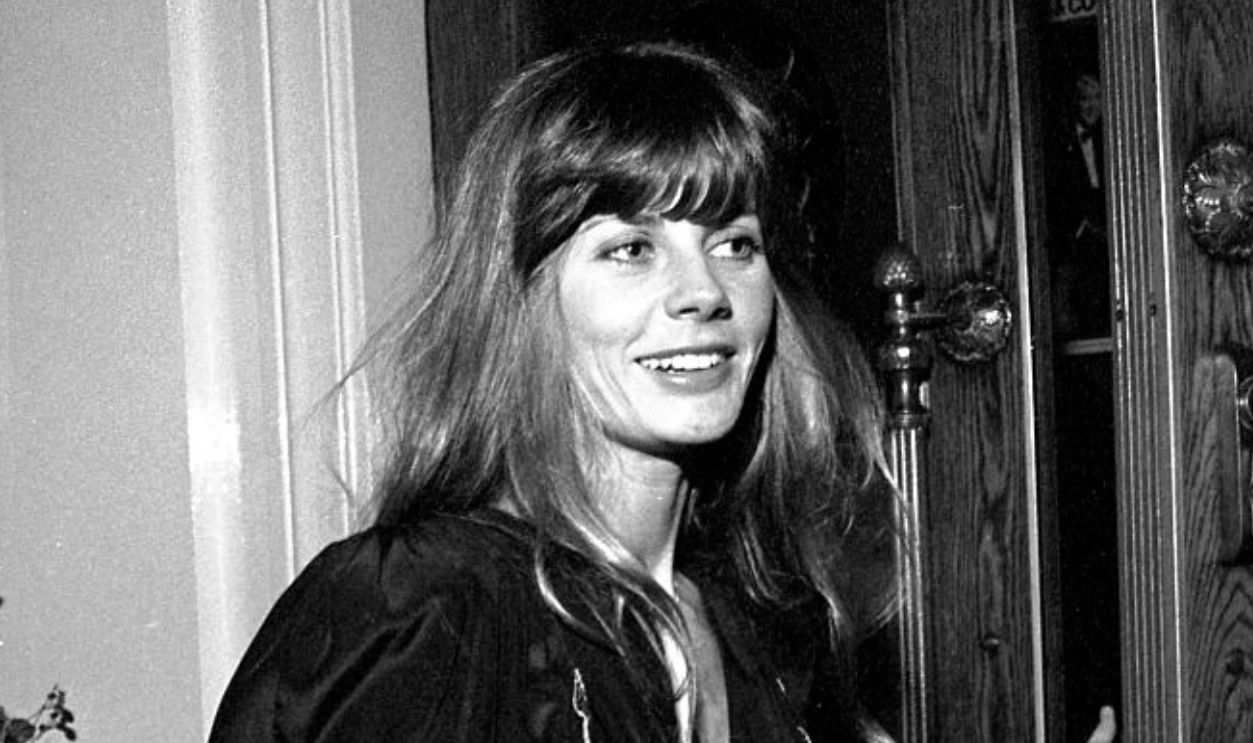
The smiling teenager on Newsweek had already dealt with more than that photograph suggested. Her parents had divorced two years earlier, and Smithers was later involved in a car accident that left a noticeable scar on her chin. She also lost her eldest sister in another car accident and later lost her mother. The picture was sunny. Life wasn’t always quite so simple.

Even The Scar Became An Obstacle
Smithers later said her facial scar sometimes worked against her professionally. According to TV Guide, she lost jobs because of it and learned to conceal it with makeup. Add her intense shyness, and Smithers hardly seemed designed for a profession built around auditions, cameras and people constantly judging your appearance. Yet somehow, she kept going.
Art Was Still The Plan
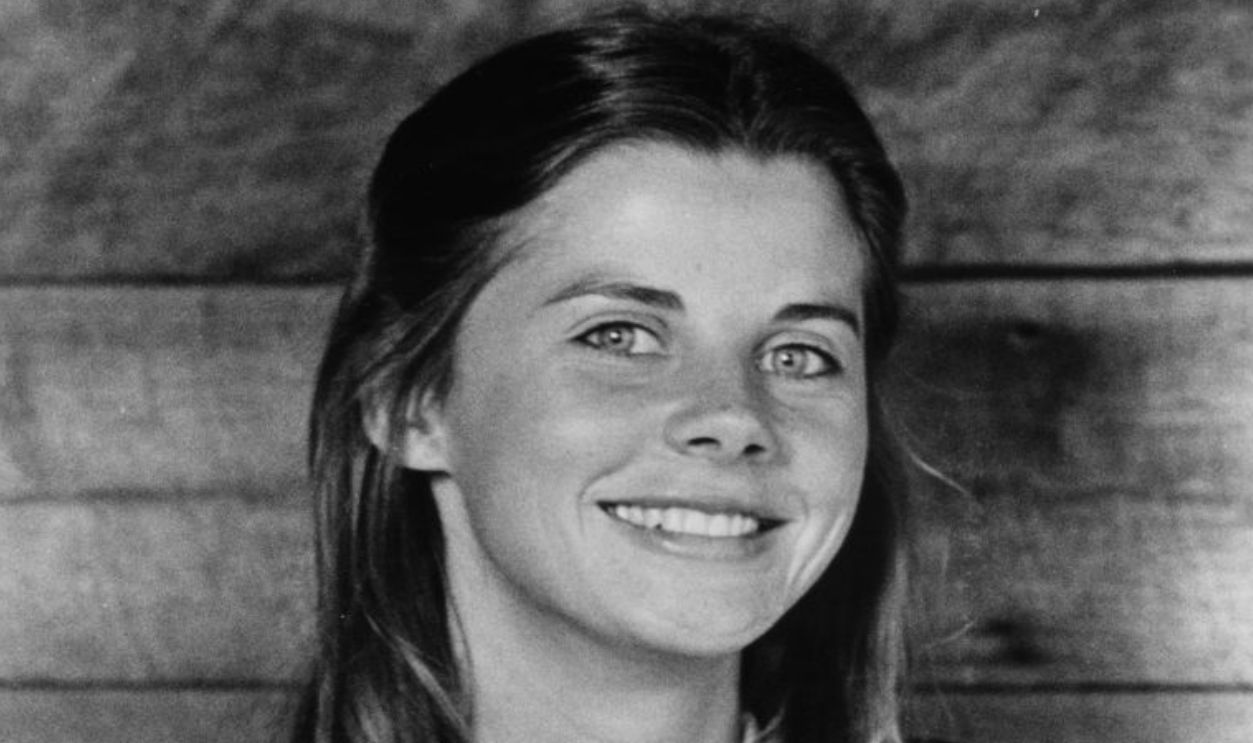
After high school, Smithers was accepted to the Chouinard Art Institute, which became part of the California Institute of the Arts. She studied there for a couple of years before finally choosing acting full time. The girl who hadn’t planned on becoming an actress was now deliberately betting on it.
 Donaldson Collection, Getty Images
Before “WKRP,” She Was Actually In A Band
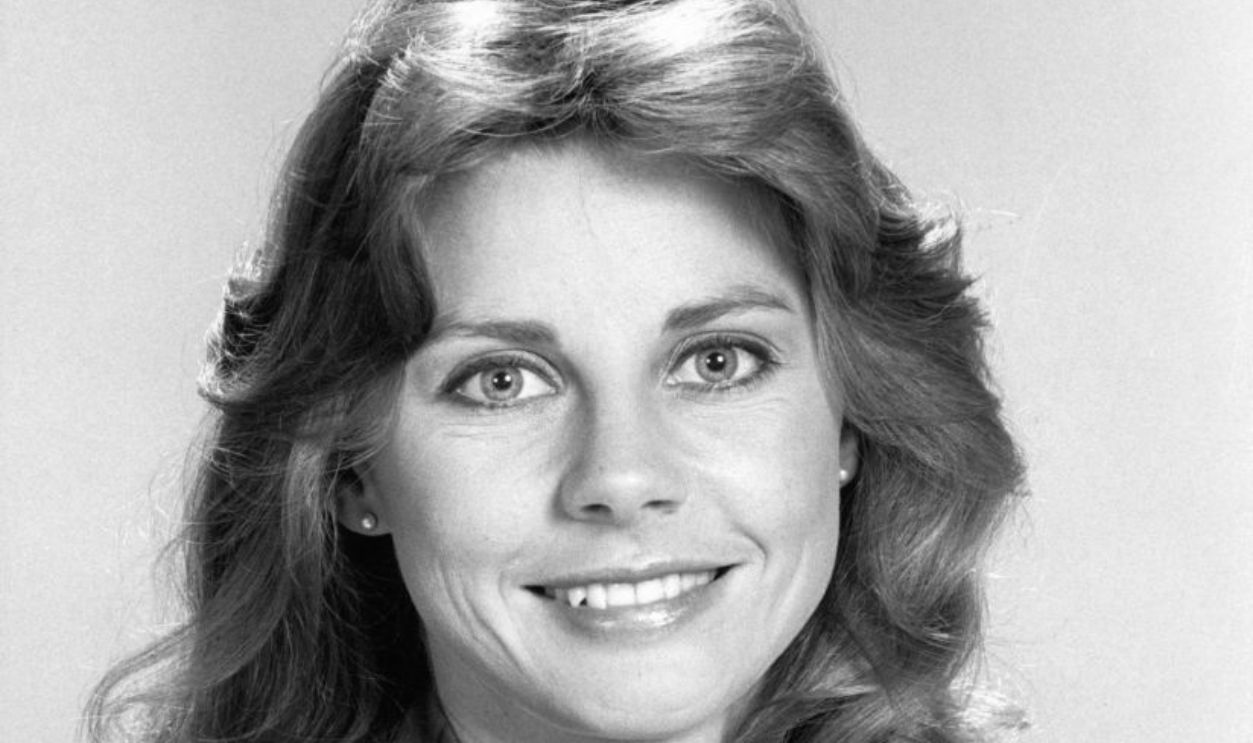
Long before Bailey Quarters worked at a rock station, Smithers briefly tried being the person making the music. She sang in a folk-rock group called Hot Cup of Friends with Chris Mancini, son of legendary composer Henry Mancini. In 1973, they even performed on The Midnight Special, with Henry introducing them. Apparently the road to WKRP took one very strange detour.
 Michael Ochs Archives, Getty Images
Her First Big Movie Came In 1974
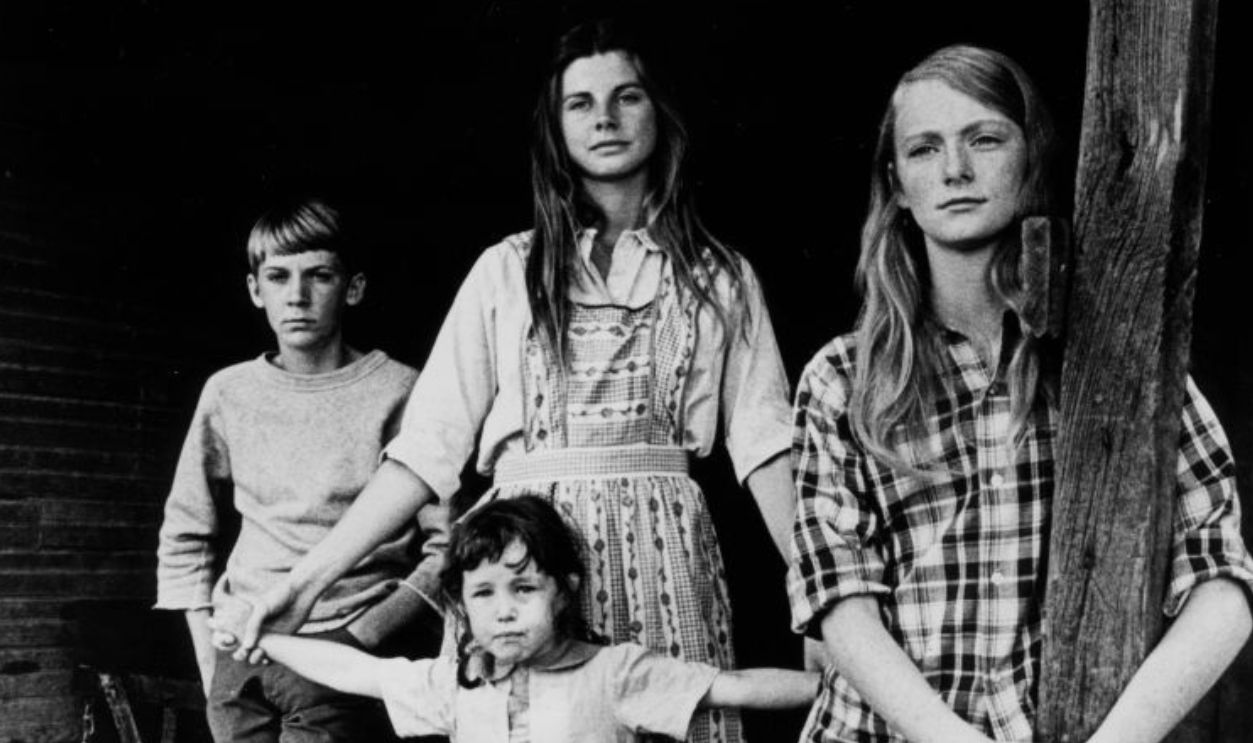
Smithers landed the role of Devola Luther in Where the Lilies Bloom, a 1974 drama about a family of children struggling to hold themselves together in Appalachia. The movie received generally positive reviews and gave Smithers a substantial early film credit. Four years later, however, television would make her unforgettable.
Then Came “WKRP In Cincinnati”
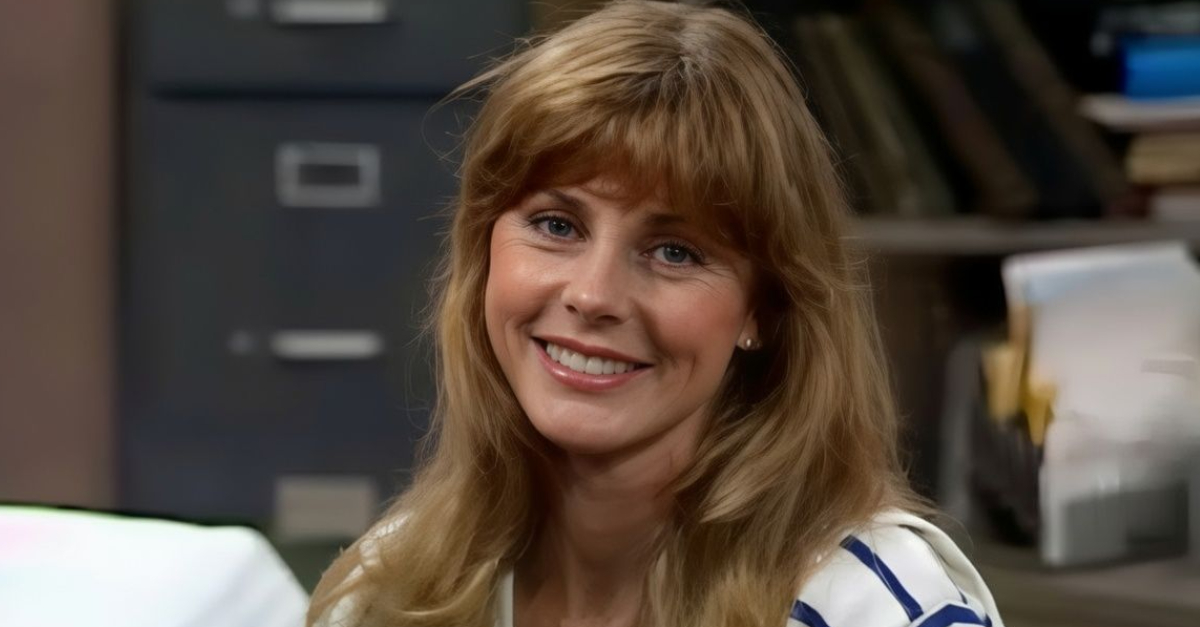
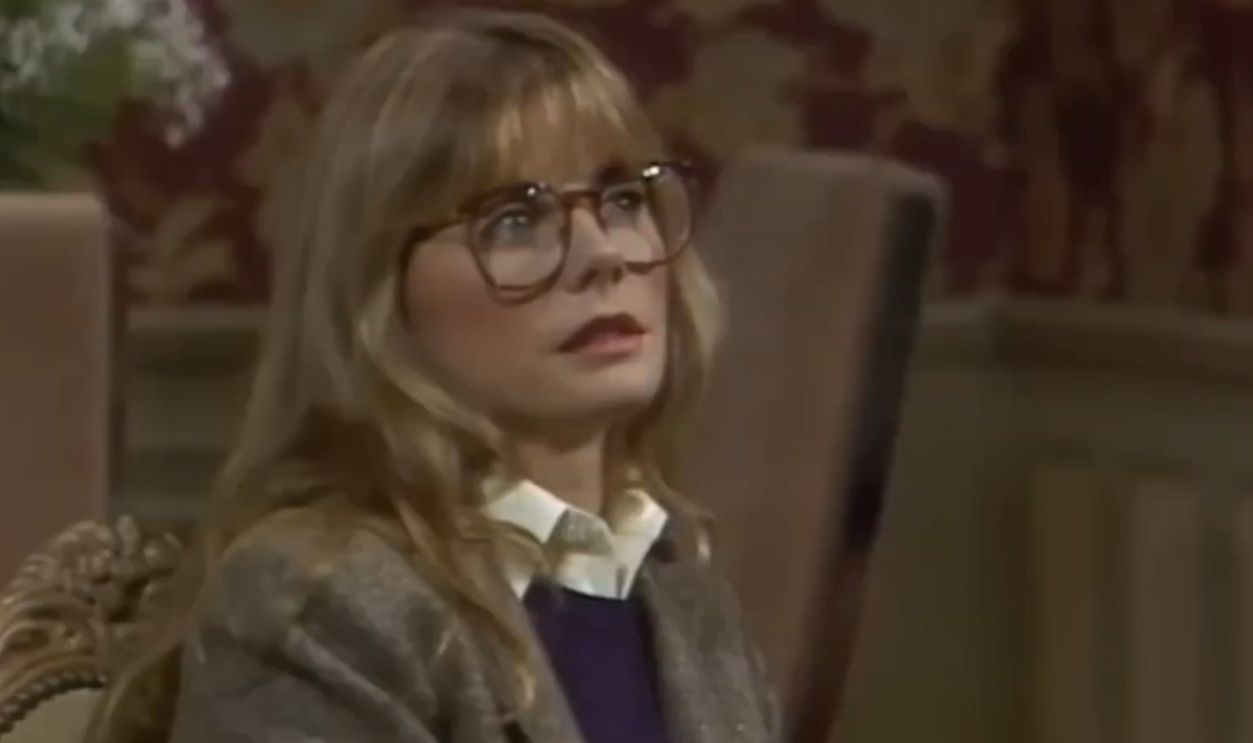
In 1978, Smithers auditioned for Bailey Quarters on WKRP in Cincinnati, the new CBS comedy about the eccentric staff of a struggling radio station. Bailey was intelligent, quiet, slightly awkward and nowhere near as flashy as some of the people surrounding her. In other words, Smithers didn’t have to manufacture much of the shyness.
 Screenshot from WKRP in Cincinnati, CBS (1978–1982)
Bailey’s Shyness Wasn’t Really Acting
Series creator Hugh Wilson later said other actresses had actually read better for Bailey. But there was something they couldn’t duplicate: they were playing shy. Smithers genuinely was shy. Sometimes the thing Hollywood tells you to overcome turns out to be exactly the thing that gets you the part.
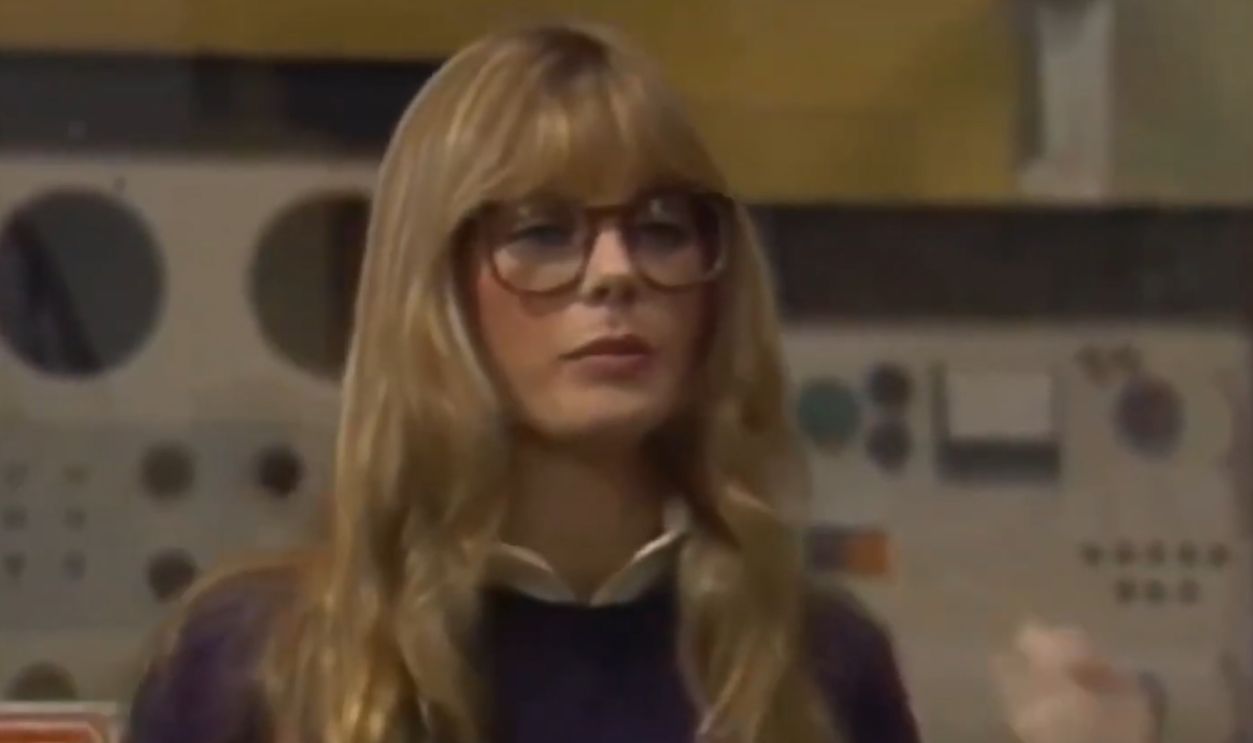 Screenshot from WKRP in Cincinnati, CBS (1978–1982)
Then It Nearly Cost Her The Job
Once production began, that same shyness became a serious problem. Wilson later revealed that Smithers came very close to being removed from the series. She spoke so quietly that the studio audience sometimes couldn’t hear her, and the whole process appeared uncomfortable for her. Bailey Quarters almost disappeared before audiences really got to know her.
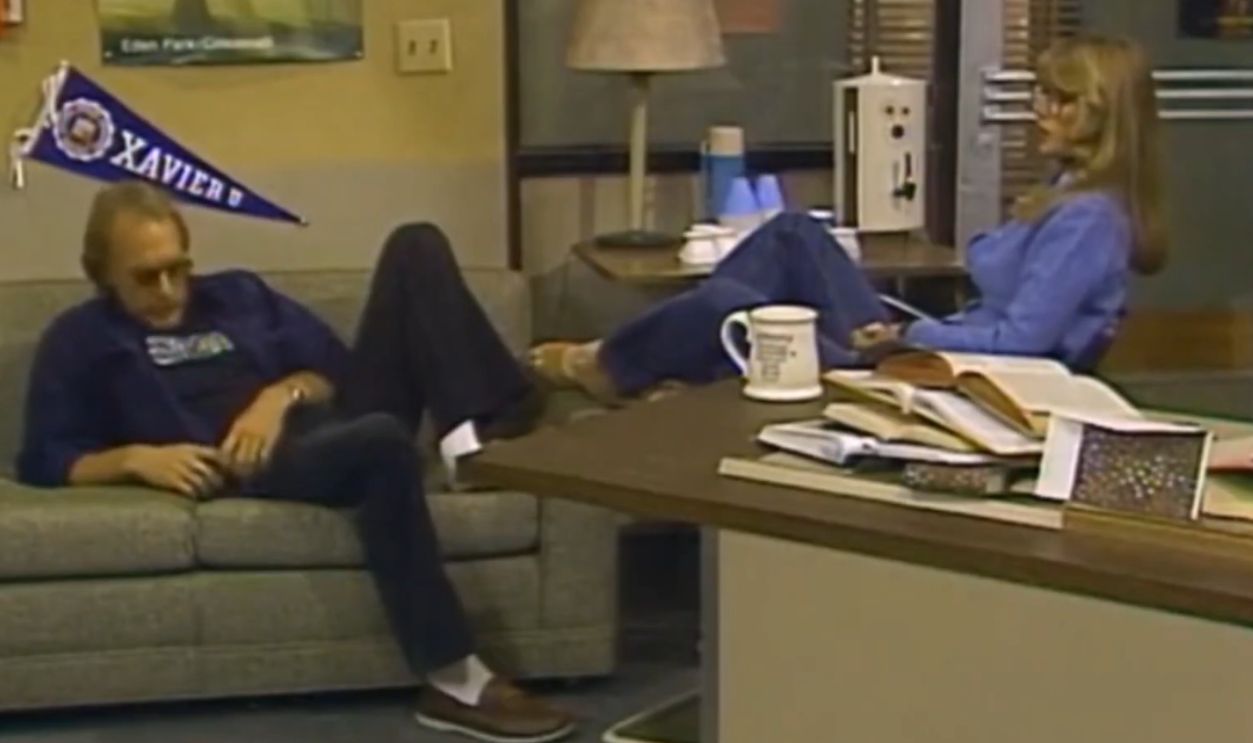 Screenshot from WKRP in Cincinnati, CBS (1978–1982)
Smithers Refused To Let That Happen
Wilson eventually confronted Smithers about the problem. Her response was essentially that she was going to make it work. And she did. As Smithers became more comfortable, Bailey became more visible too. The quiet employee in the background gradually became one of WKRP’s most beloved characters.
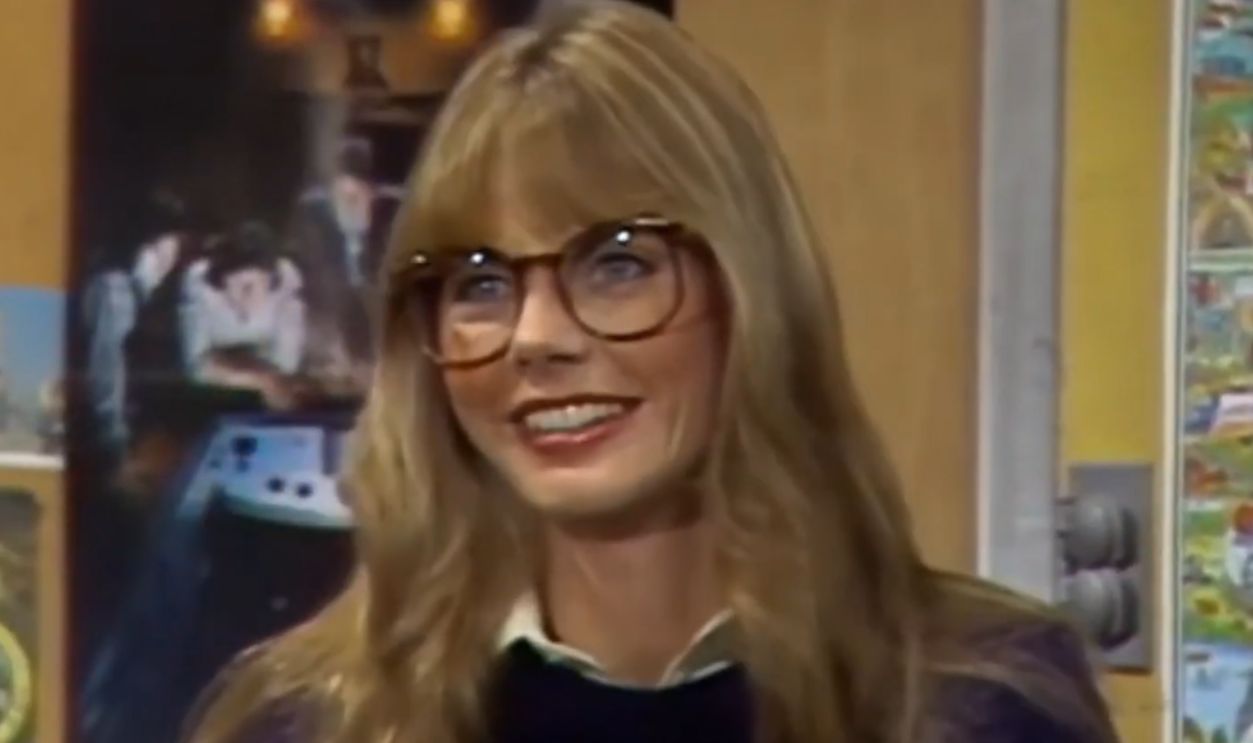 Screenshot from WKRP in Cincinnati, CBS (1978–1982)
And Then There Was Team Bailey
Loni Anderson’s glamorous Jennifer Marlowe may have been the obvious bombshell of WKRP, but plenty of viewers had their eyes firmly planted on Bailey. Even TV Guide later joked about the enduring Bailey-versus-Jennifer debate. Apparently television audiences had been choosing sides long before social media gave us somewhere to argue about it.
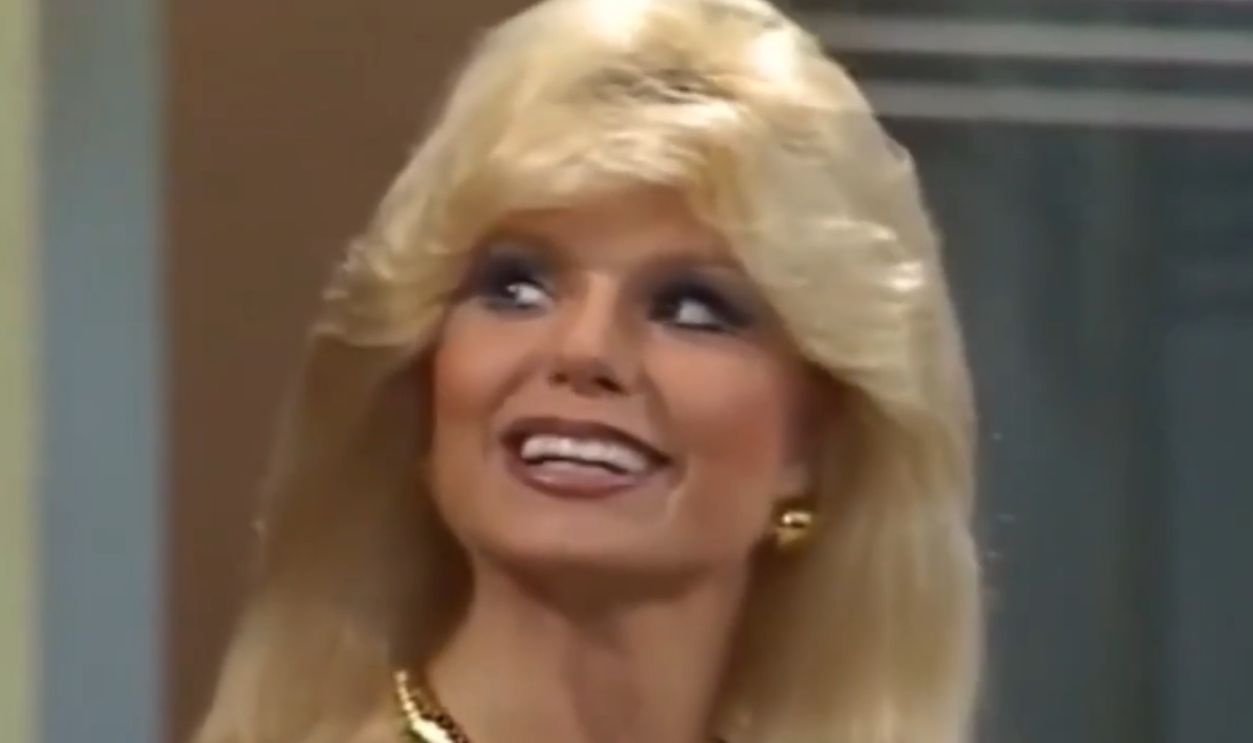 Screenshot from WKRP in Cincinnati, CBS (1978–1982)
The Contrast Was Exactly What Worked
Jennifer and Bailey weren’t really competitors. They worked because they were so different. Anderson herself pushed back against the idea that a television show couldn’t contain two attractive women without turning them into rivals. Bailey’s quieter personality simply gave WKRP another kind of character, and Smithers made that character feel completely natural.
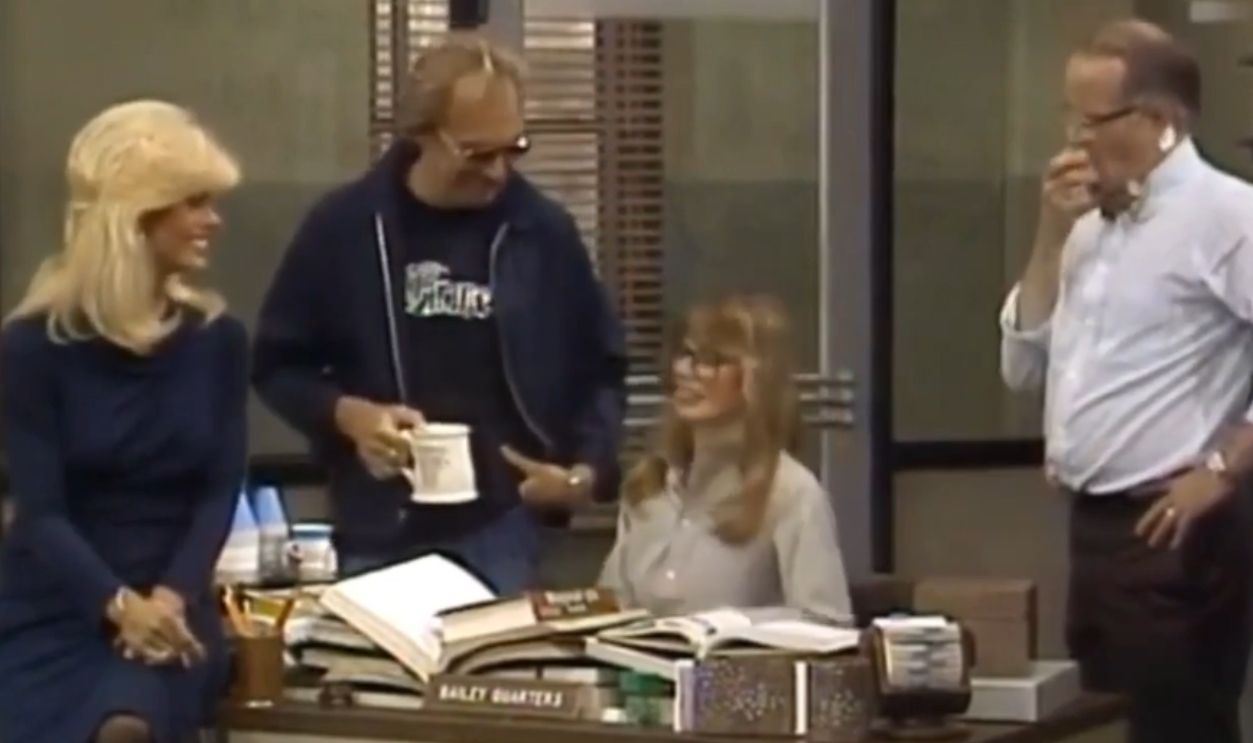 Screenshot from WKRP in Cincinnati, CBS (1978–1982)
Four Seasons Later, It Was Over
WKRP in Cincinnati ran on CBS from 1978 through 1982. Despite earning 10 Emmy nominations and one win during its four-season run, and developing an audience that still talks about flying turkeys all these years later, CBS canceled the series. For Smithers, the role that had finally pushed her past her shyness was suddenly finished.
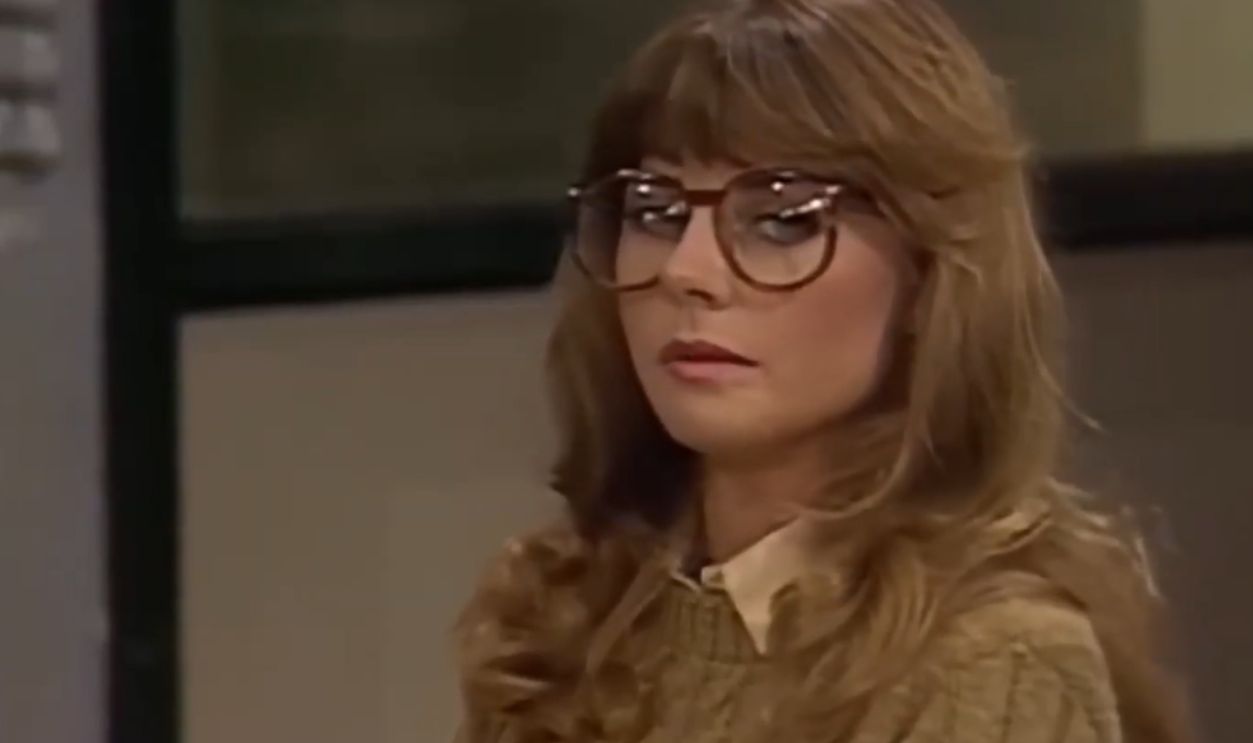 Screenshot from WKRP in Cincinnati, CBS (1978–1982)
She Didn’t Immediately Disappear
Smithers continued acting through the 80s, turning up on shows including The Love Boat, The Fall Guy and Murder, She Wrote. But she never seemed particularly interested in turning Bailey Quarters into the beginning of some relentless climb toward bigger celebrity. Then another television appearance changed her life again.
 Screenshot from WKRP in Cincinnati, CBS (1978–1982)
“Hotel” Introduced Her To James Brolin
Smithers met James Brolin while appearing on the Aaron Spelling series Hotel. She later remembered a moment before their scene when Brolin asked whether she was scared. Smithers realized that perhaps he was the nervous one. She saw a sincerity in him, and their relationship grew from there.
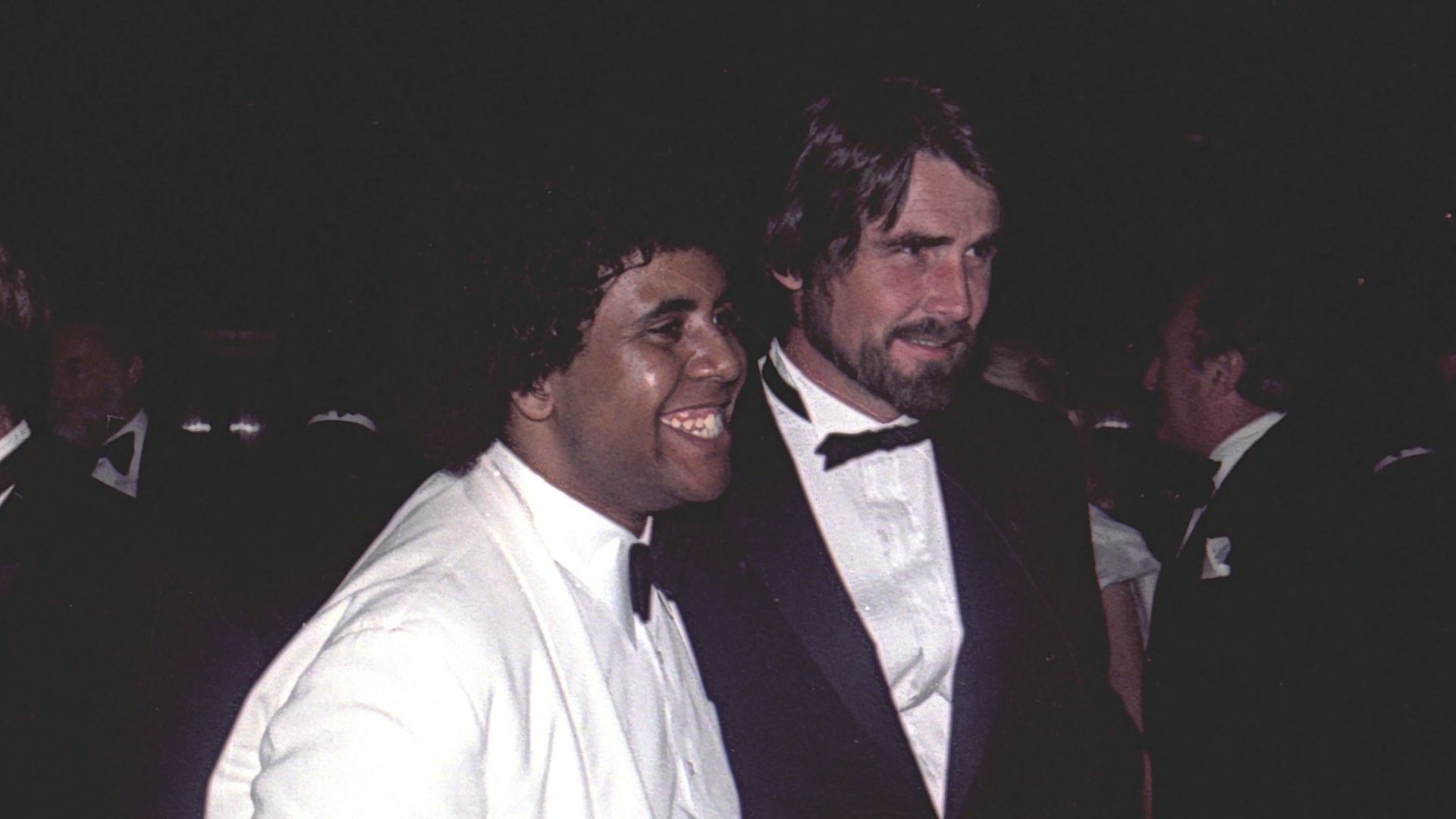 Photo by Alan Light., Wikimedia Commons
Then Her Priorities Changed Completely
Smithers and Brolin married in 1986 and had a daughter, Molly. When Smithers became pregnant, she initially planned to take six months away from acting and then return. But once Molly arrived, that plan basically evaporated. Smithers looked at her daughter and decided she wanted to be there.
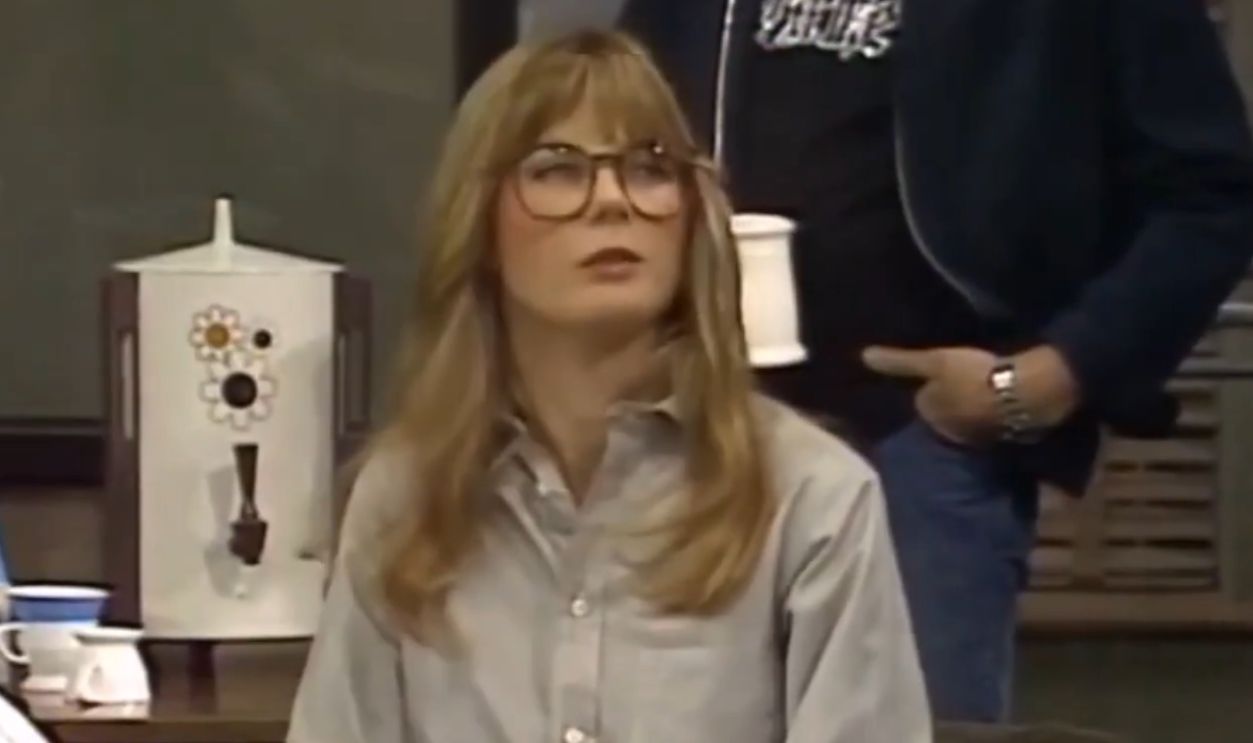 Screenshot from WKRP in Cincinnati, CBS (1978–1982)
Hollywood Suddenly Didn’t Matter As Much
Smithers had spent years overcoming her shyness to build a successful acting career. Now she willingly stepped away from it. She later explained that she wanted a quieter life in the country and distance from the Hollywood world. Her marriage to Brolin eventually ended after nine years, but Smithers never went chasing the spotlight again.
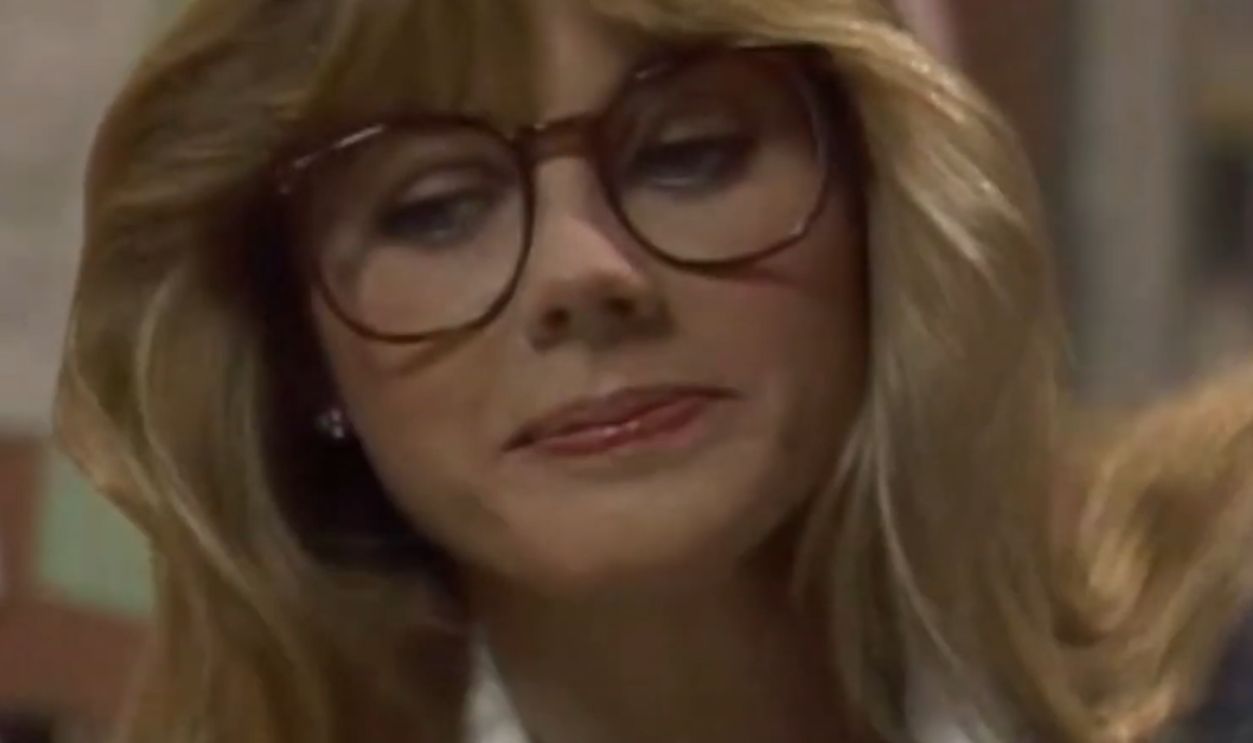 Screenshot from WKRP in Cincinnati, CBS (1978–1982)
Then India Changed Her Again
Once Molly reached high school, Smithers embarked on another completely unexpected chapter. She traveled to India with a charitable group and was stunned by the hardship she encountered. Instead of treating it like a one-time trip, she kept going back. Smithers later said she spent roughly 16 years returning to India and learned meditation there. Hollywood suddenly seemed very far away.
 Dr. Raju Kasambe, Wikimedia Commons
She Found Something Bigger Than Fame
Smithers became increasingly devoted to meditation, spirituality, humanitarian work and environmental causes. She supported solar power, opposed nuclear energy and even recalled speaking before a subcommittee in Washington. The teenager whom Hollywood had discovered almost by accident eventually found fulfillment about as far from Hollywood as you could imagine.

Eventually, Even Newsweek Had Trouble Finding Her
That might be the strangest full-circle detail of all. In 2016, 50 years after Newsweek unexpectedly put Smithers on its cover, the magazine decided to find the teenagers from that famous issue. Tracking Smithers down reportedly took half a dozen people and months of dead ends. The magazine that accidentally made her famous could barely find her.
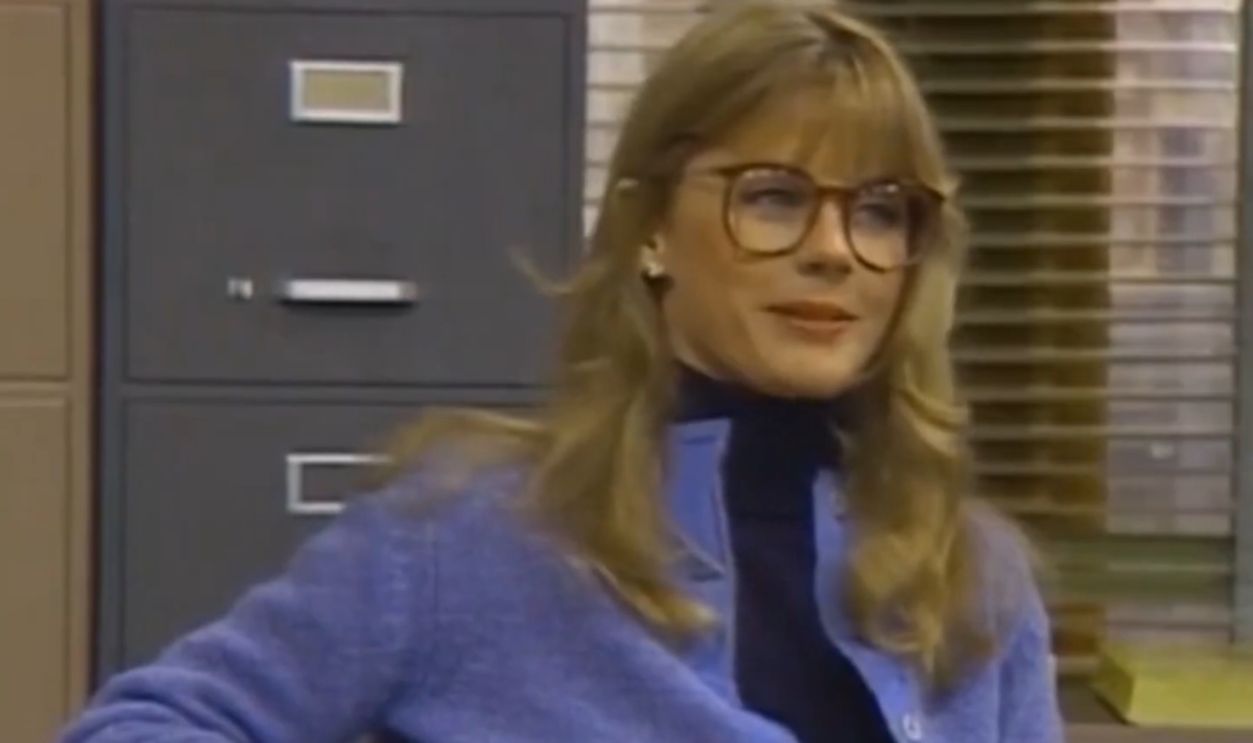 Screenshot from WKRP in Cincinnati, CBS (1978–1982)
She Had Truly Chosen A Different Life
By then, Smithers was living quietly in Southern California and guarding her privacy so closely that she said people around her sometimes didn’t even know she’d been an actress. Imagine being Bailey Quarters to millions of television viewers and having your neighbors potentially wondering why somebody keeps asking you about a fictional Cincinnati radio station.
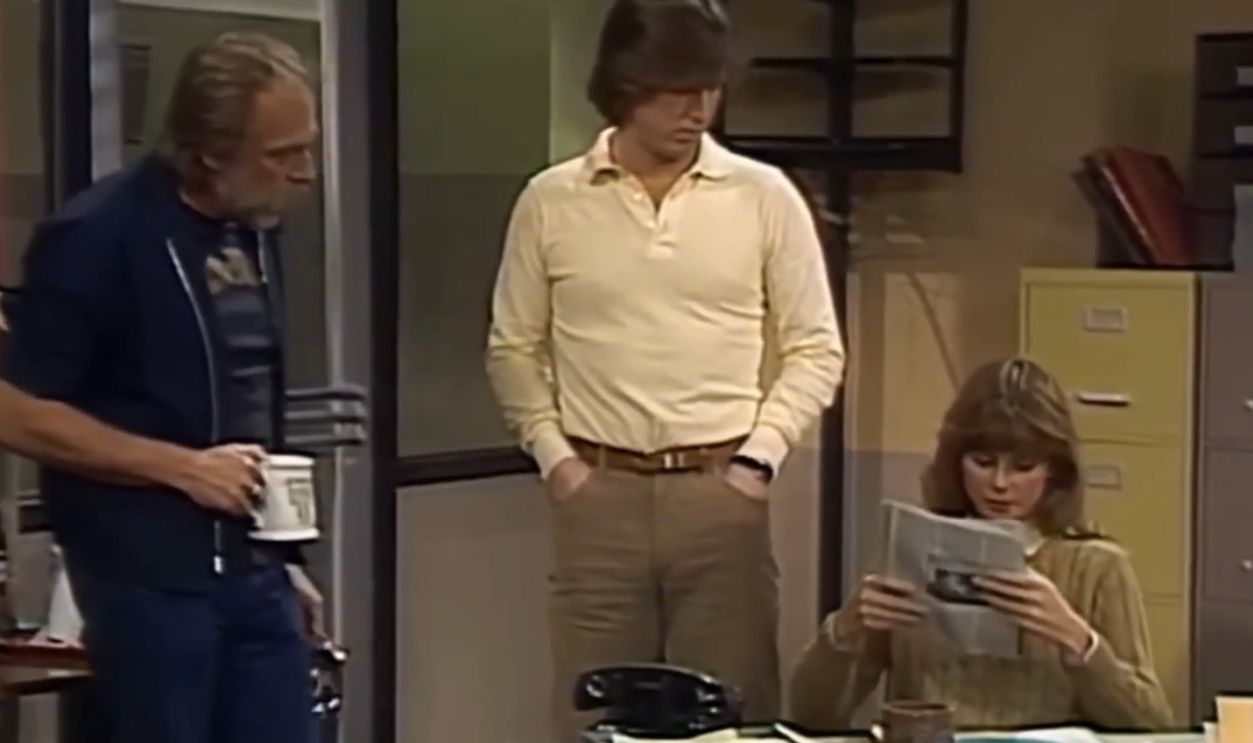 Screenshot from WKRP in Cincinnati, CBS (1978–1982)
She Eventually Returned To “WKRP”
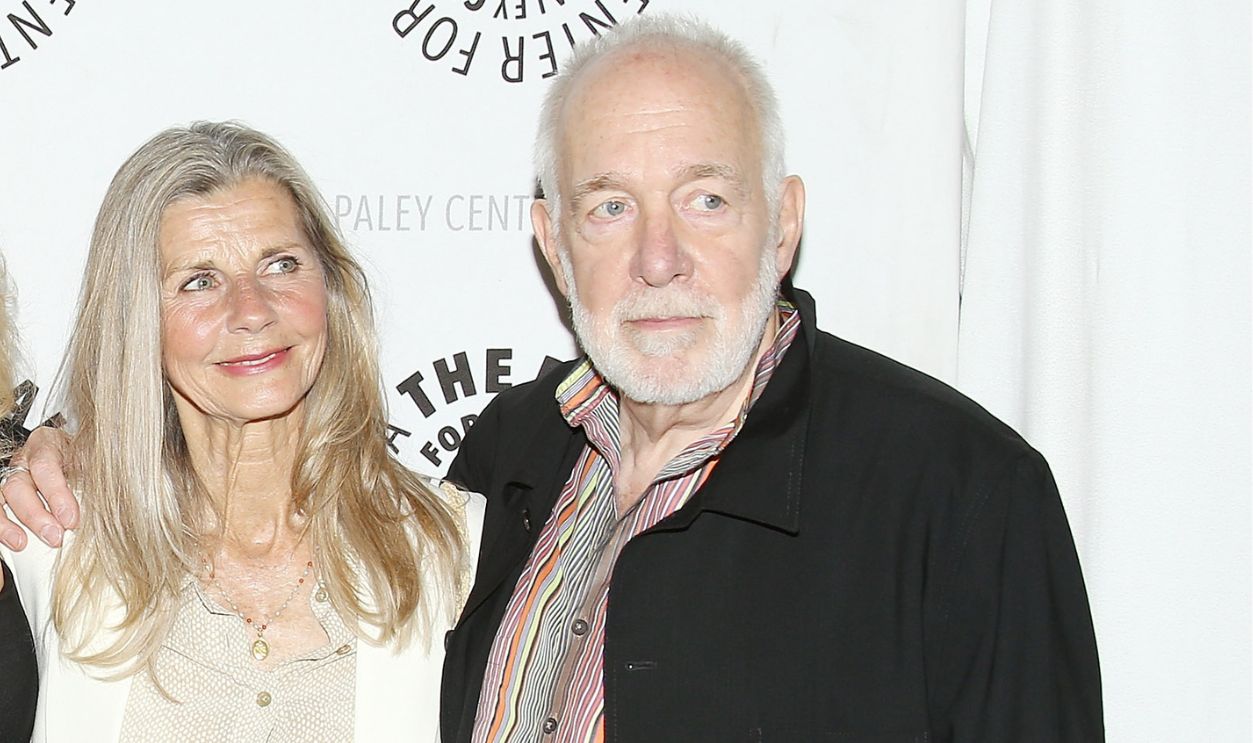
Smithers wasn’t completely disconnected from her television past. In 2014, she joined Loni Anderson, Howard Hesseman, Tim Reid, Gary Sandy, Hugh Wilson and others for a Paley Center reunion celebrating WKRP in Cincinnati. For fans, it was a rare chance to see Bailey back with the old gang.
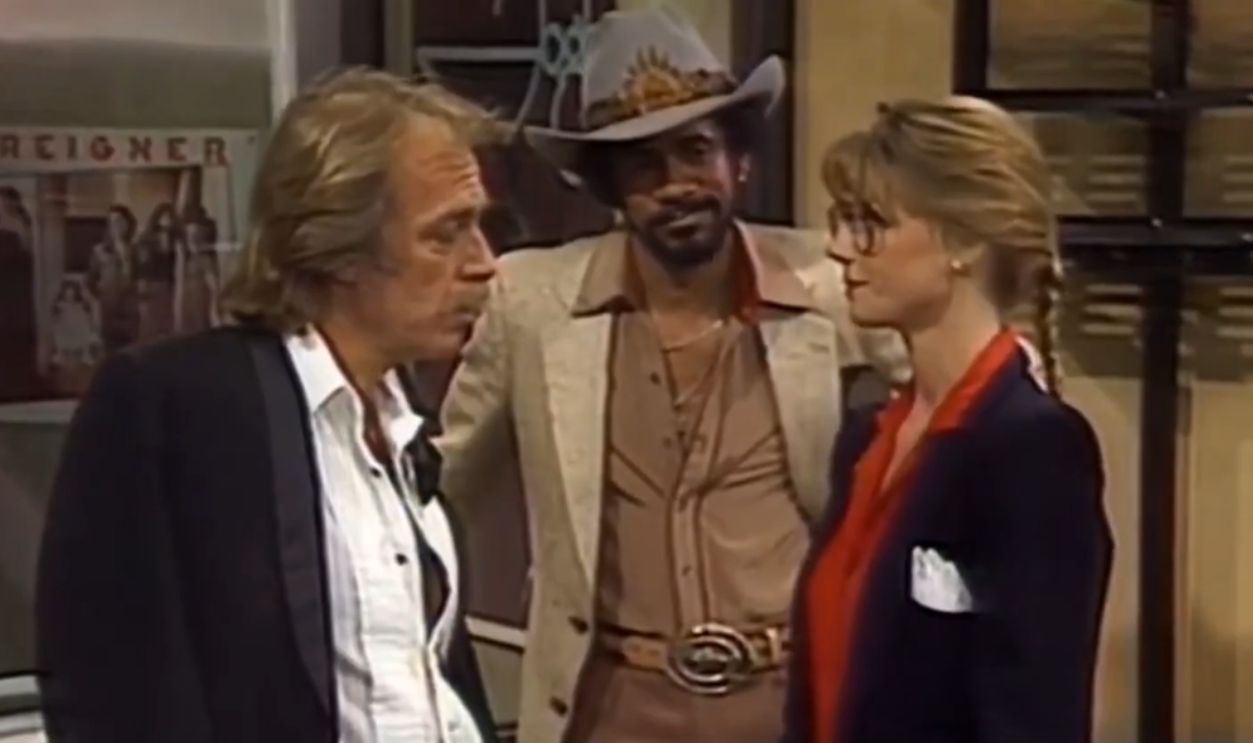 Screenshot from WKRP in Cincinnati, CBS (1978–1982)
And It All Goes Back To That Beach
When Newsweek asked Smithers in 2016 whether her life had unfolded the way she’d imagined, she laughed. How could it have? Before that magazine appeared, she hadn’t even had time to imagine this life. One skipped day of school led to a magazine cover, commercials, music, Hollywood, Bailey Quarters, motherhood, India and an entirely unexpected future.
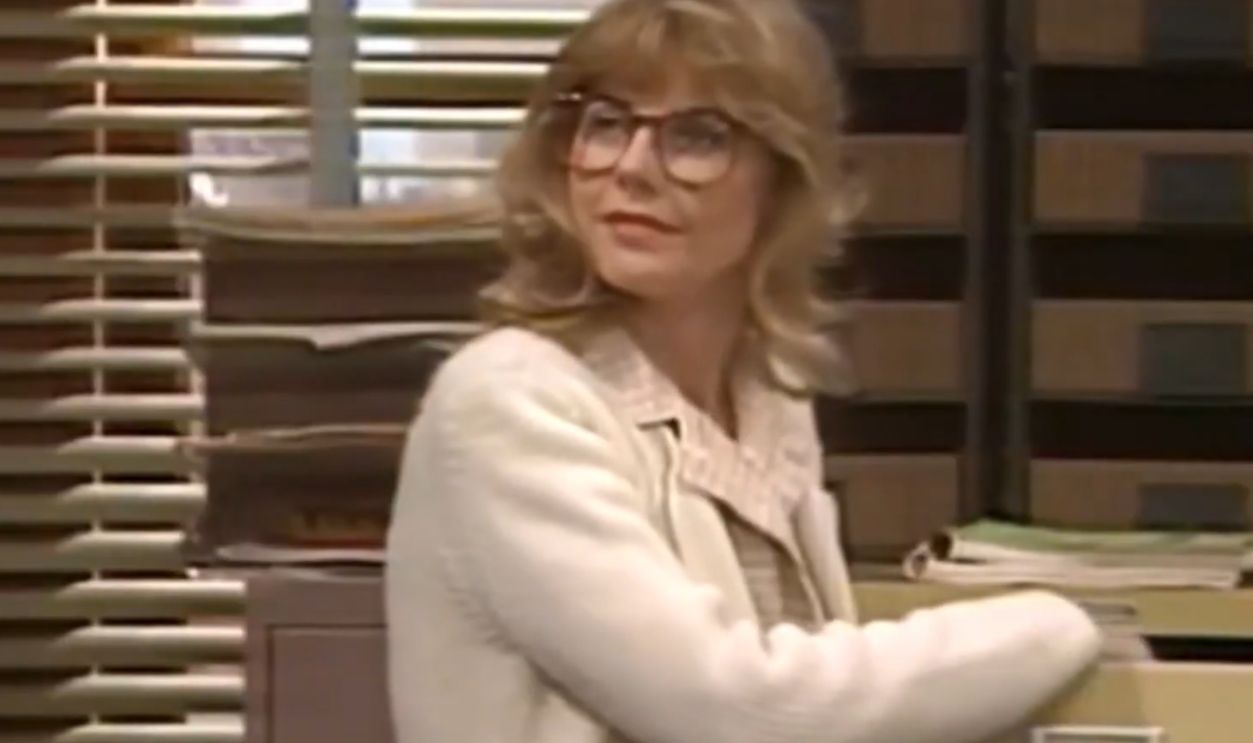 Screenshot from WKRP in Cincinnati, CBS (1978–1982)
Imagine If She Had Gone To School That Day
That’s the irresistible part of Jan Smithers’ story. She wasn’t discovered at an audition. She wasn’t a child actor being groomed for stardom. She was a shy 16-year-old sitting on an empty beach when two strangers carrying cameras walked toward her. And somehow, that eventually led all the way to WKRP in Cincinnati. Not bad for a day of playing hooky.
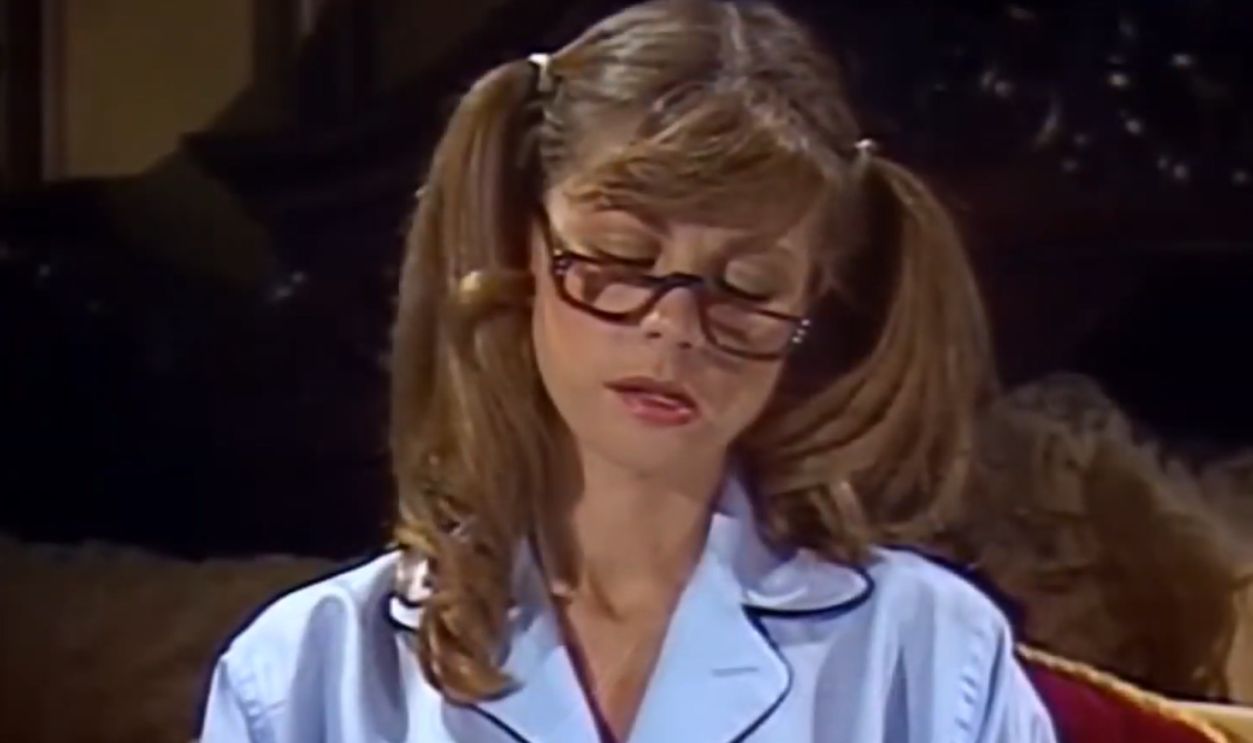 Screenshot from WKRP in Cincinnati, CBS (1978–1982)
You Might Also Like: