Long Before Ork Called
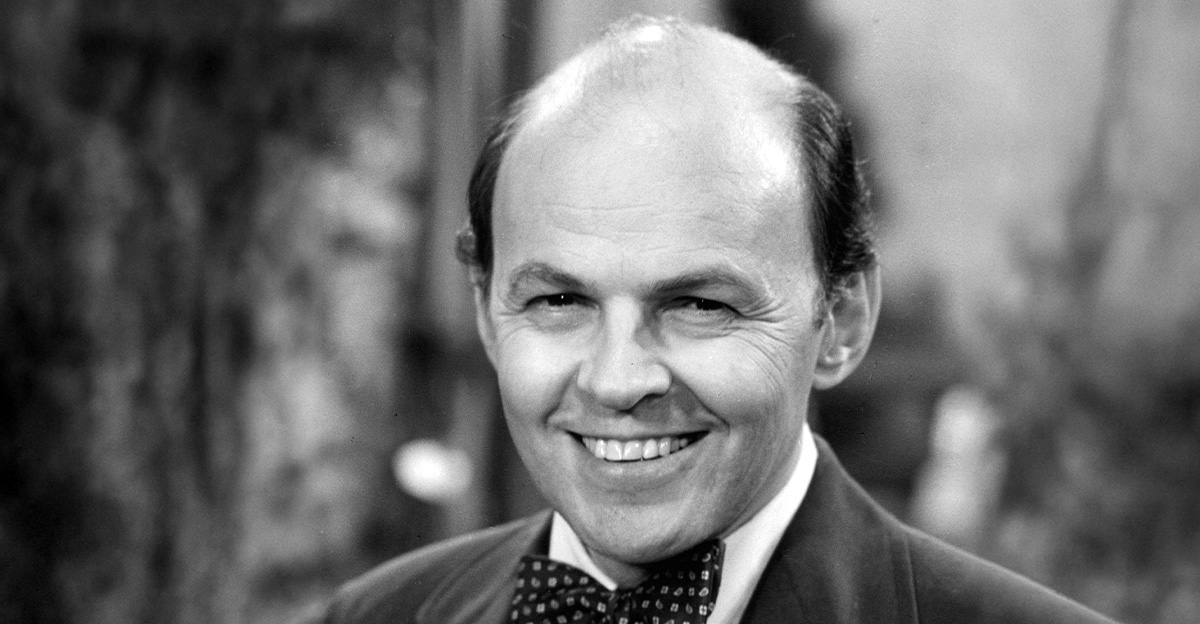
Conrad Janis became famous as Mindy’s cautious father on Mork & Mindy, but the role arrived after more than three decades of work. By 1978, he had conquered Broadway, old Hollywood, live television, traditional jazz, and even the high-stakes New York art world.
 Michael Ochs Archives, Getty Images
Raised Inside the Art World
Born in Manhattan in 1928, Janis grew up surrounded by creativity. His parents, Sidney and Harriet Janis, became influential modern-art collectors and gallery owners. Their world taught Conrad that artists could be playful, disciplined, unconventional, and completely serious about making something new.
 Screenshot from The Brasher Doubloon, The Walt Disney Company (1947)
Acting Instead of Going to School
Janis was performing onstage and on radio by age 13. He later joked that acting helped him avoid school, and he never attended high school. While other teenagers studied for exams, he traveled between New York and Hollywood, learning show business by doing it.
 Screenshot from Mork & Mindy, Paramount Global (1978-1982)
A Touring Show Sparked His Jazz Obsession
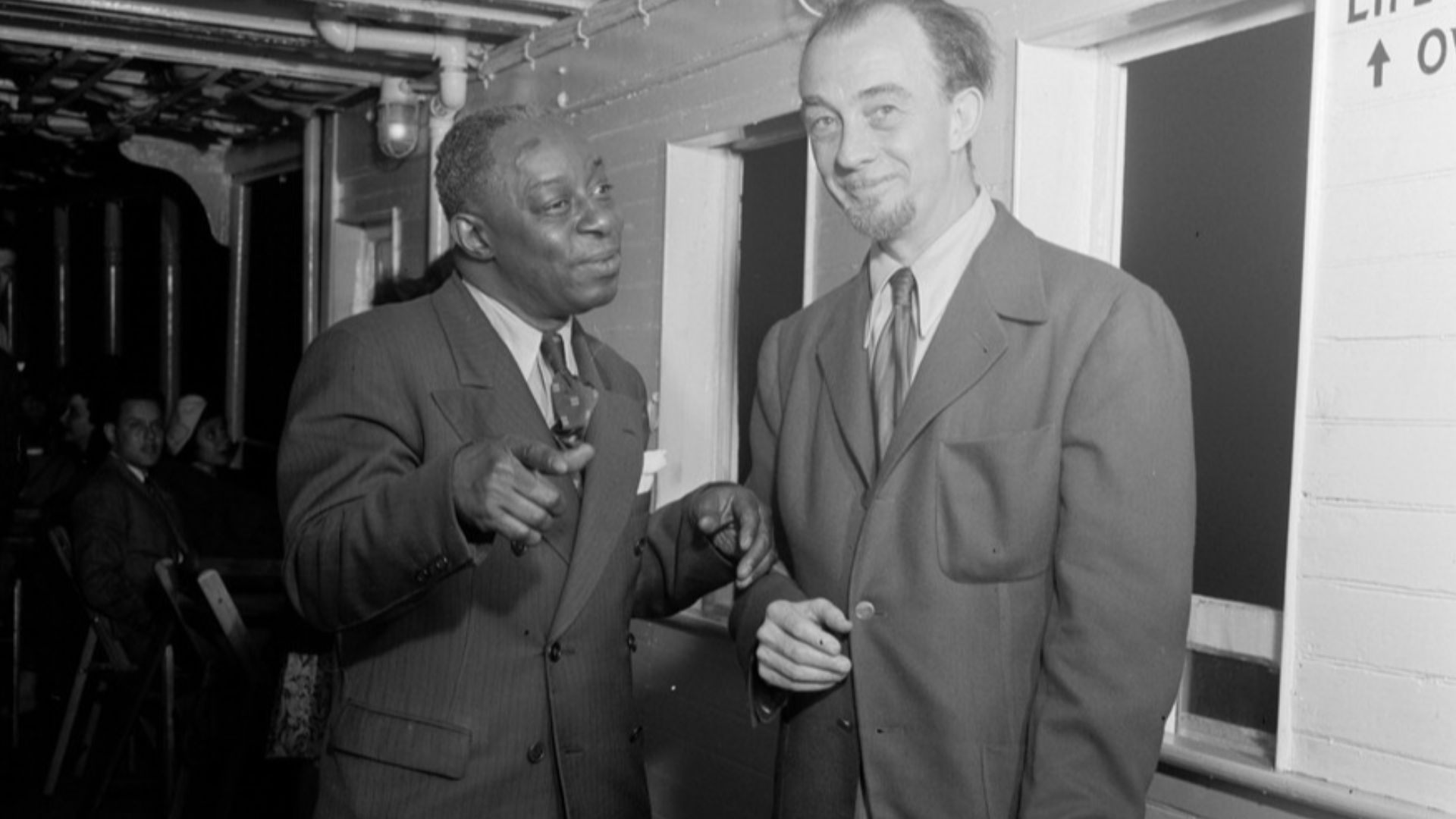
As a teenager, Janis toured with the comedy Junior Miss. During a 1943 stop in San Francisco, he heard musicologist Rudi Blesh give a lecture called This Is Jazz. The performance planted an obsession that would eventually become a full professional career.
 William P. Gottlieb, Wikimedia Commons
Broadway at Seventeen
In March 1945, Janis made his Broadway debut in Dark of the Moon as Floyd Allen. He was only 17, yet he already carried himself like a working actor. Before the year ended, he was back on Broadway in The Next Half Hour.
 Screenshot from Mork & Mindy, Paramount Global (1978-1982)
Hollywood Came Calling
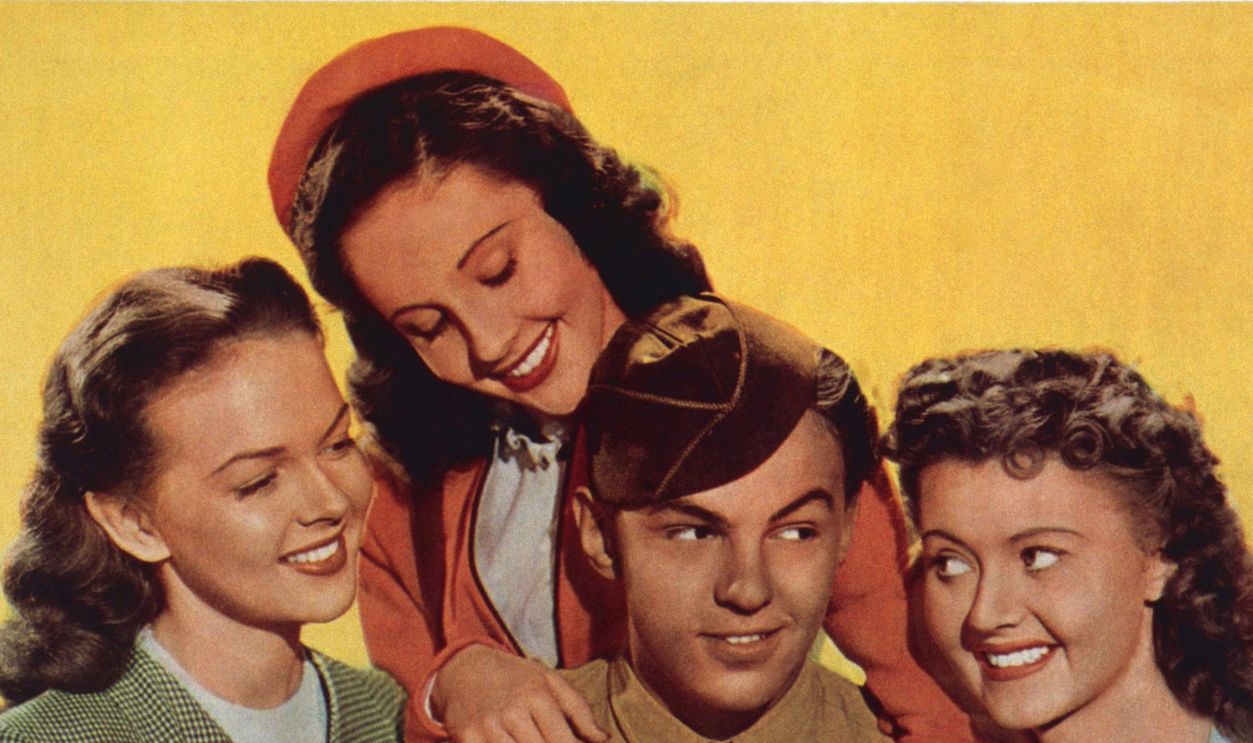
A talent scout noticed Janis during his early stage work, and Hollywood quickly followed. His film debut came in the 1945 comedy Snafu, where he played an underage Marine returning home with adult experiences, teenage confusion, and plenty of trouble.
Learning From Robert Benchley
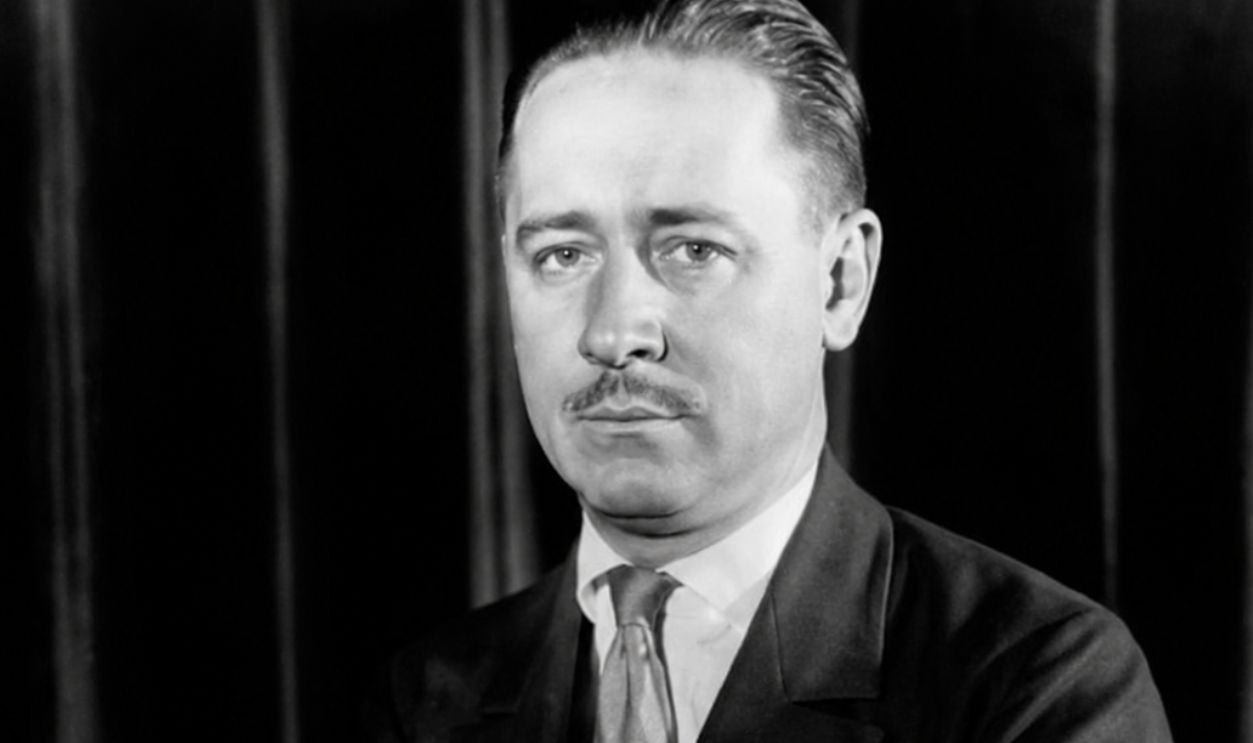
Snafu paired the young actor with celebrated humorist Robert Benchley. Janis later credited Benchley with teaching him a natural screen style. It was priceless training: movie acting needed smaller choices than Broadway, and Janis learned how to stay funny without pushing.
 Unknown author, Wikimedia Commons
Becoming a Teen Movie Regular
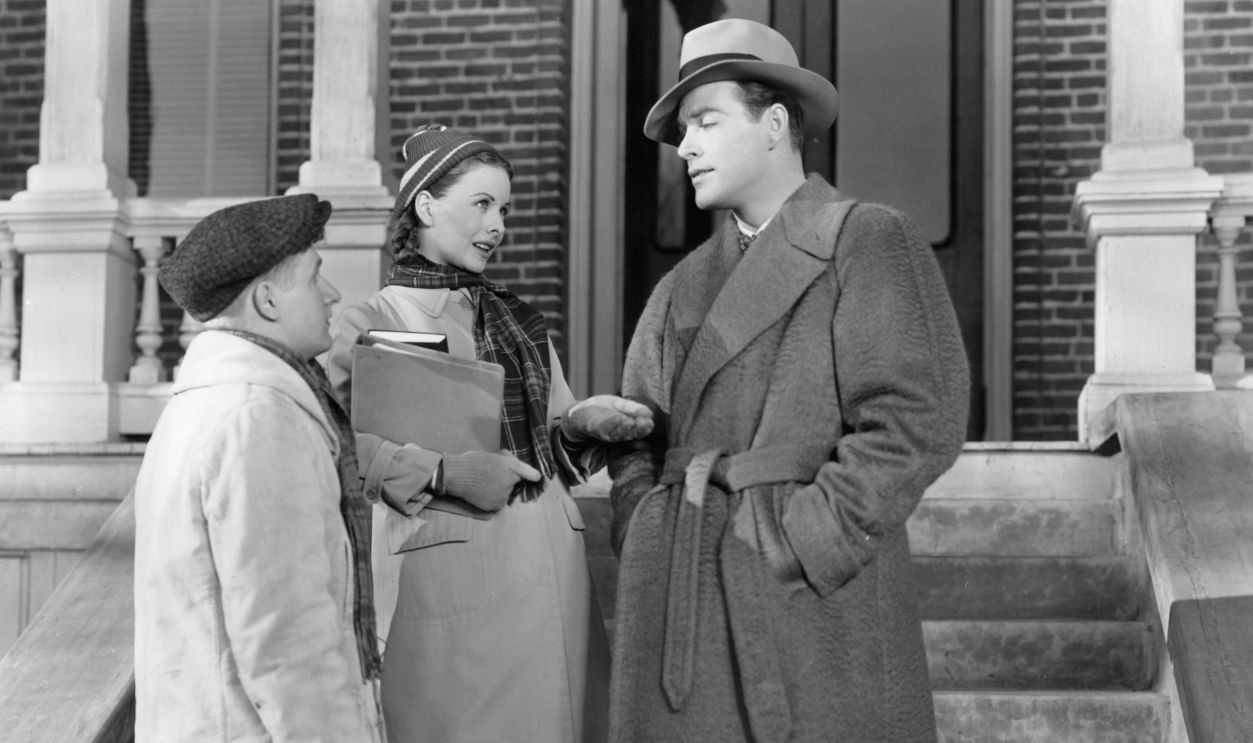
Janis followed Snafu with Margie in 1946, playing Johnny “Johnikins” Green opposite Jeanne Crain. The nostalgic comedy showed that he could fit easily into polished studio entertainment instead of being trapped in one dramatic type after his unusual debut.
 Michael Ochs Archives, Getty Images
Stepping Into Film Noir
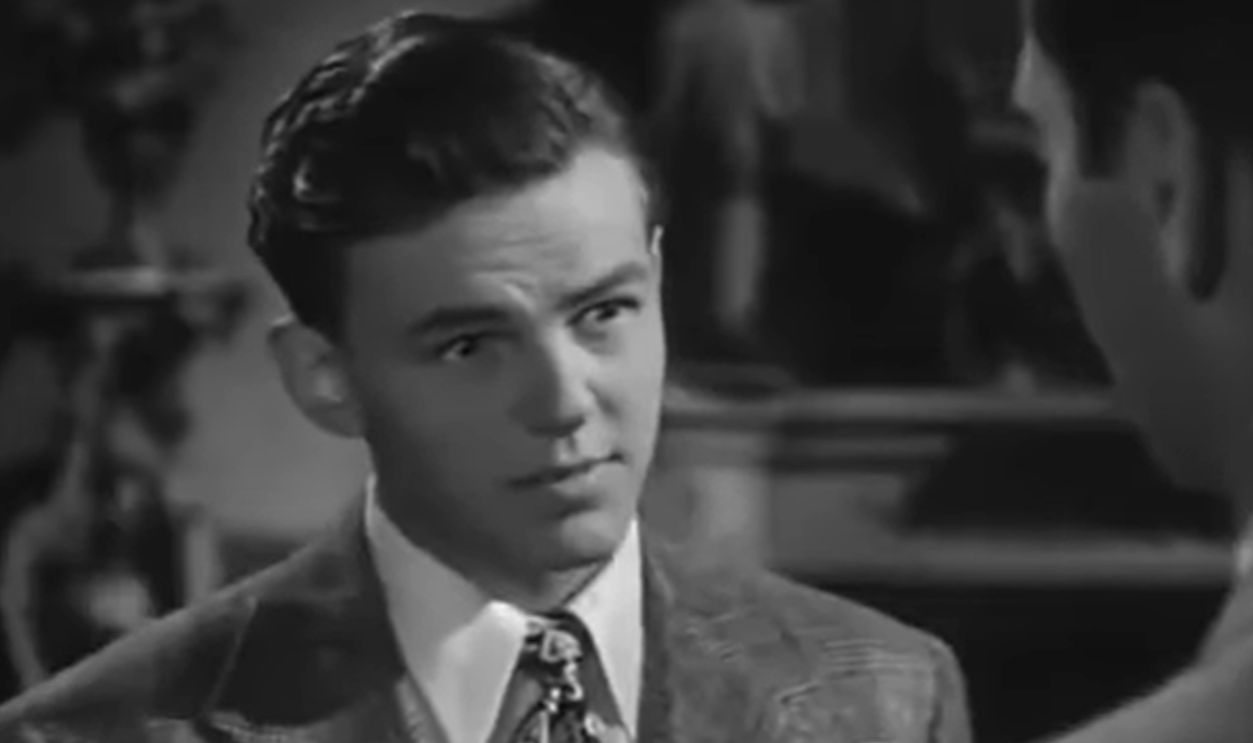
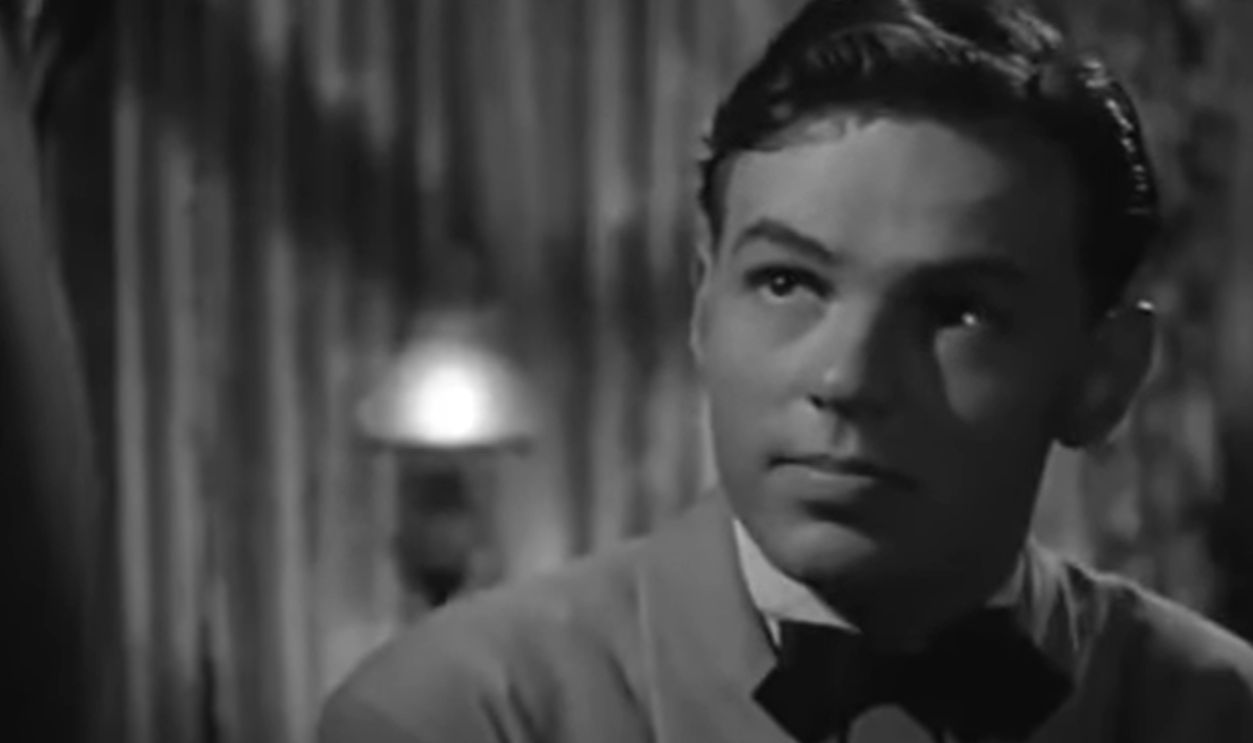
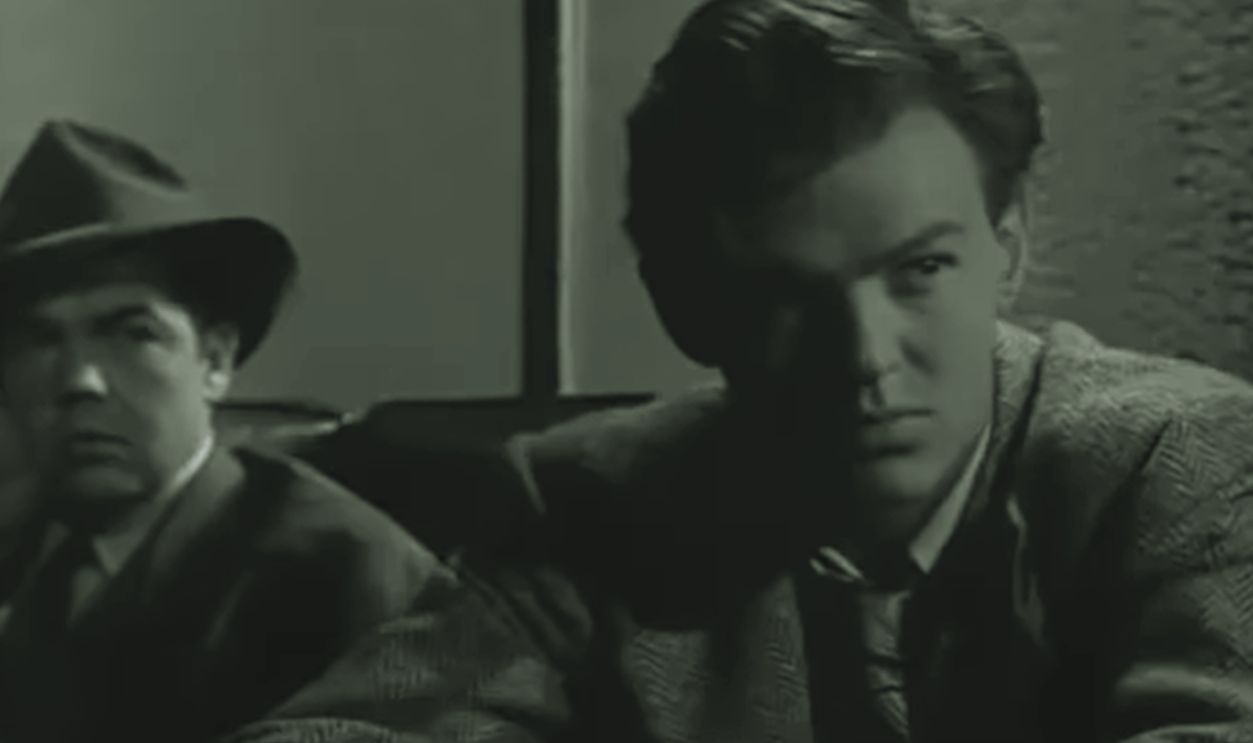
In 1947, Janis appeared in The Brasher Doubloon, adapted from Raymond Chandler’s The High Window. Playing Leslie Murdock placed him inside a shadowy detective story filled with suspicious characters and sharp dialogue. He was still a teenager, but his résumé looked remarkably grown-up.
 Screenshot from The Brasher Doubloon, The Walt Disney Company (1947)
Surviving the Studio System
More films followed, including That Hagen Girl and Beyond Glory. The roles were not always glamorous, but they taught Janis how quickly studio actors had to adjust. He became the dependable performer Hollywood could place in dramas, comedies, mysteries, or whatever arrived next.
Kid Ory Lit the Fuse
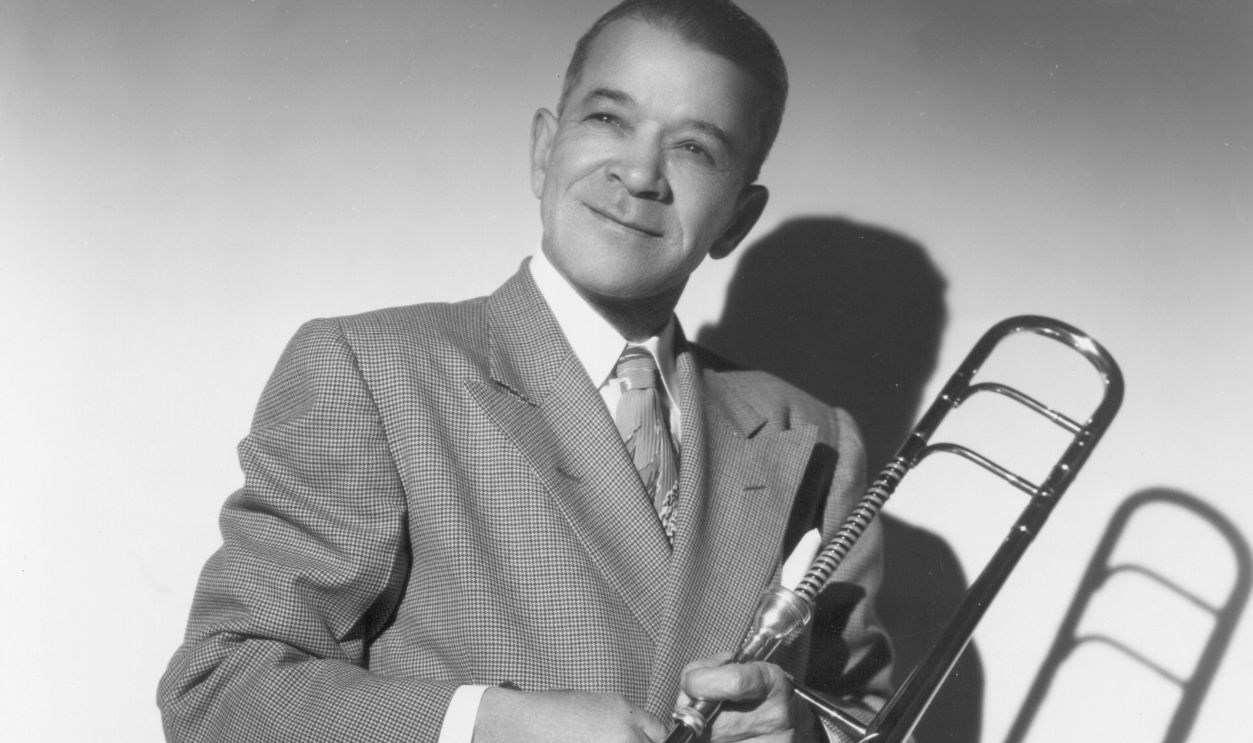
While working in Los Angeles during the late 1940s, Janis spent night after night listening to trombonist Kid Ory. He memorized Ory’s driving New Orleans sound and treated the club like a classroom. Soon, simply listening was no longer enough.
 Michael Ochs Archives, Getty Images
Picking Up the Trombone
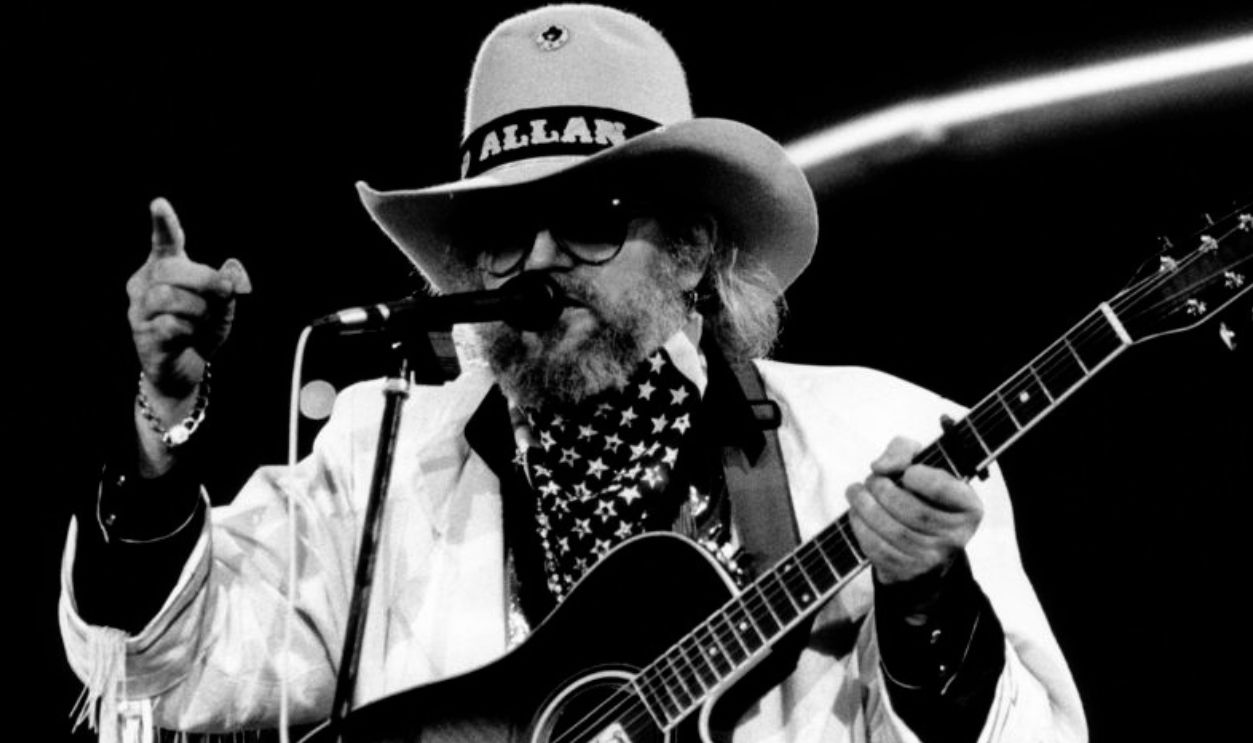
Janis began playing trombone in 1949 and progressed with stunning speed. He bought his first horn in New York and built his style by studying traditional jazz masters. Before long, he was not an actor with a hobby; he was a professional musician.
Playing With His Heroes
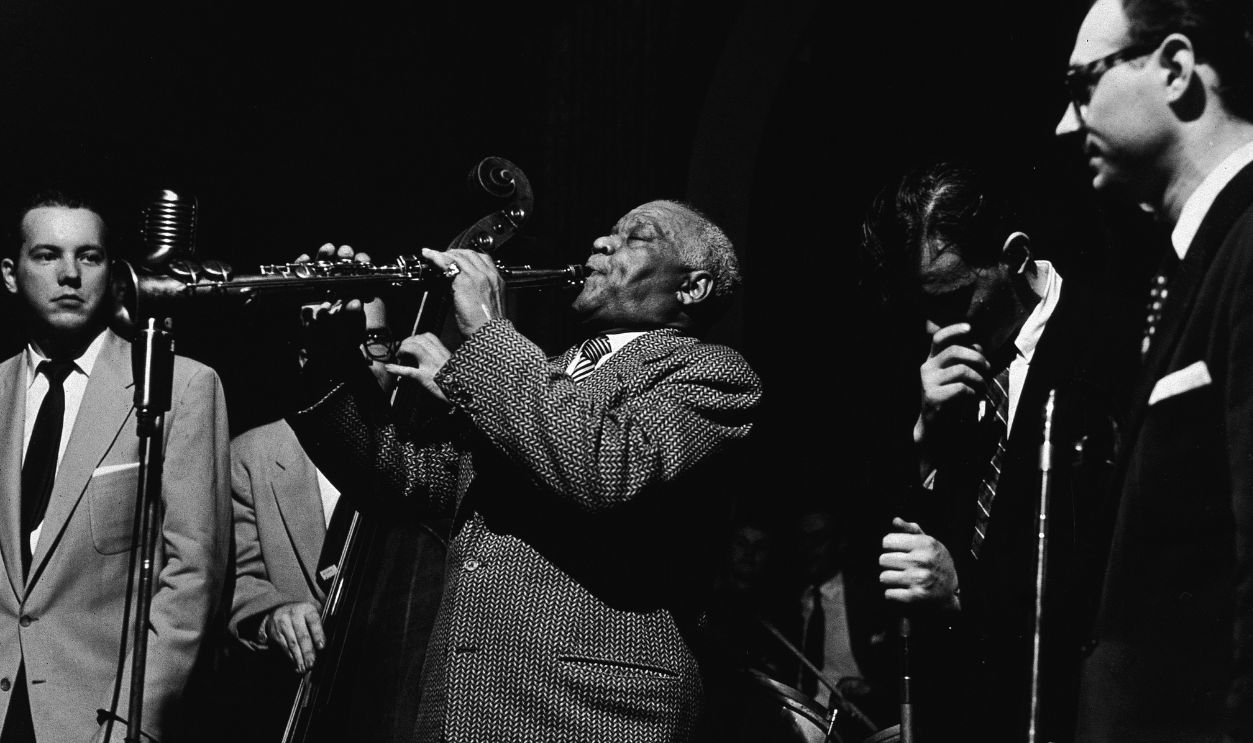
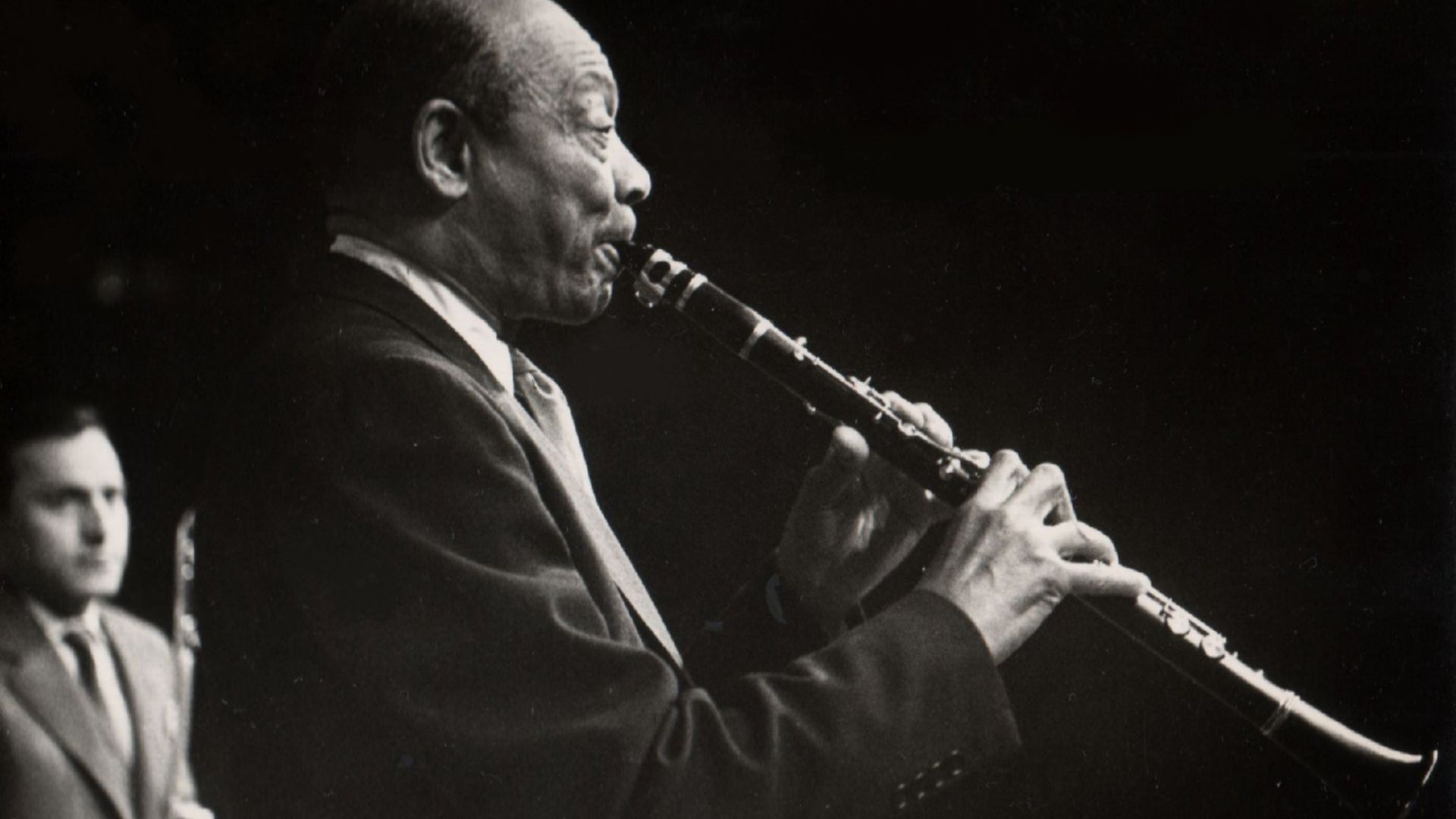
Janis led groups including Conrad Janis and His Tailgate Five and performed with musicians he had once admired from afar. His collaborators included James P. Johnson, Edmond Hall, Roy Eldridge, Baby Dodds, and Jo Jones—a lineup that could make any jazz fan jealous.
 creator Milos Budik, Wikimedia Commons
Entering Television’s Wild Early Days
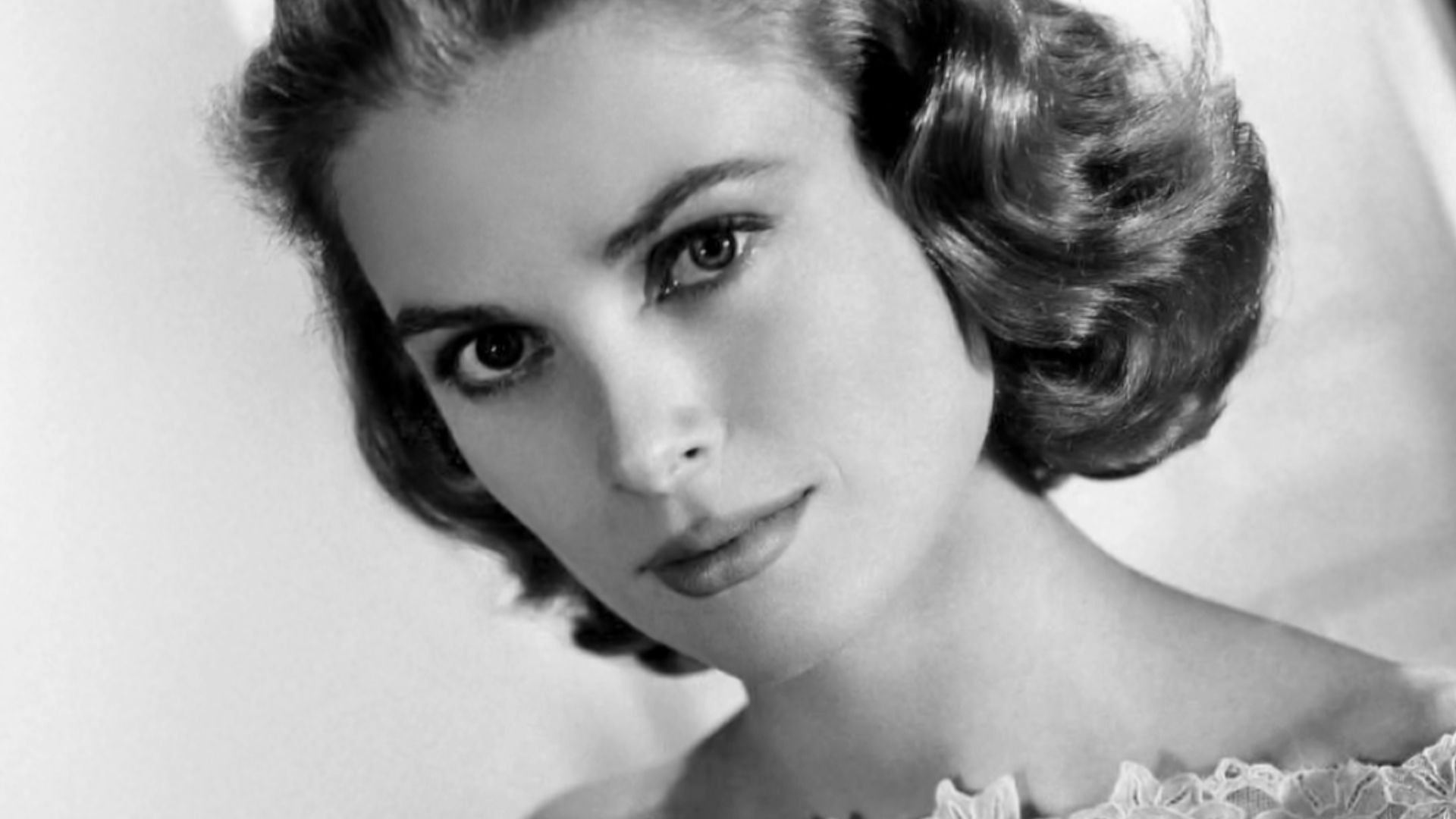
Back in New York, Janis joined television’s first generation of reliable actors. He worked in live dramas and comedies when mistakes could not be edited away. He later remembered sharing that demanding world with Grace Kelly, Paul Newman, Eva Marie Saint, and Robert Redford.
 Metro-Goldwyn-Mayer, Wikimedia Commons
Becoming a Sitcom Regular
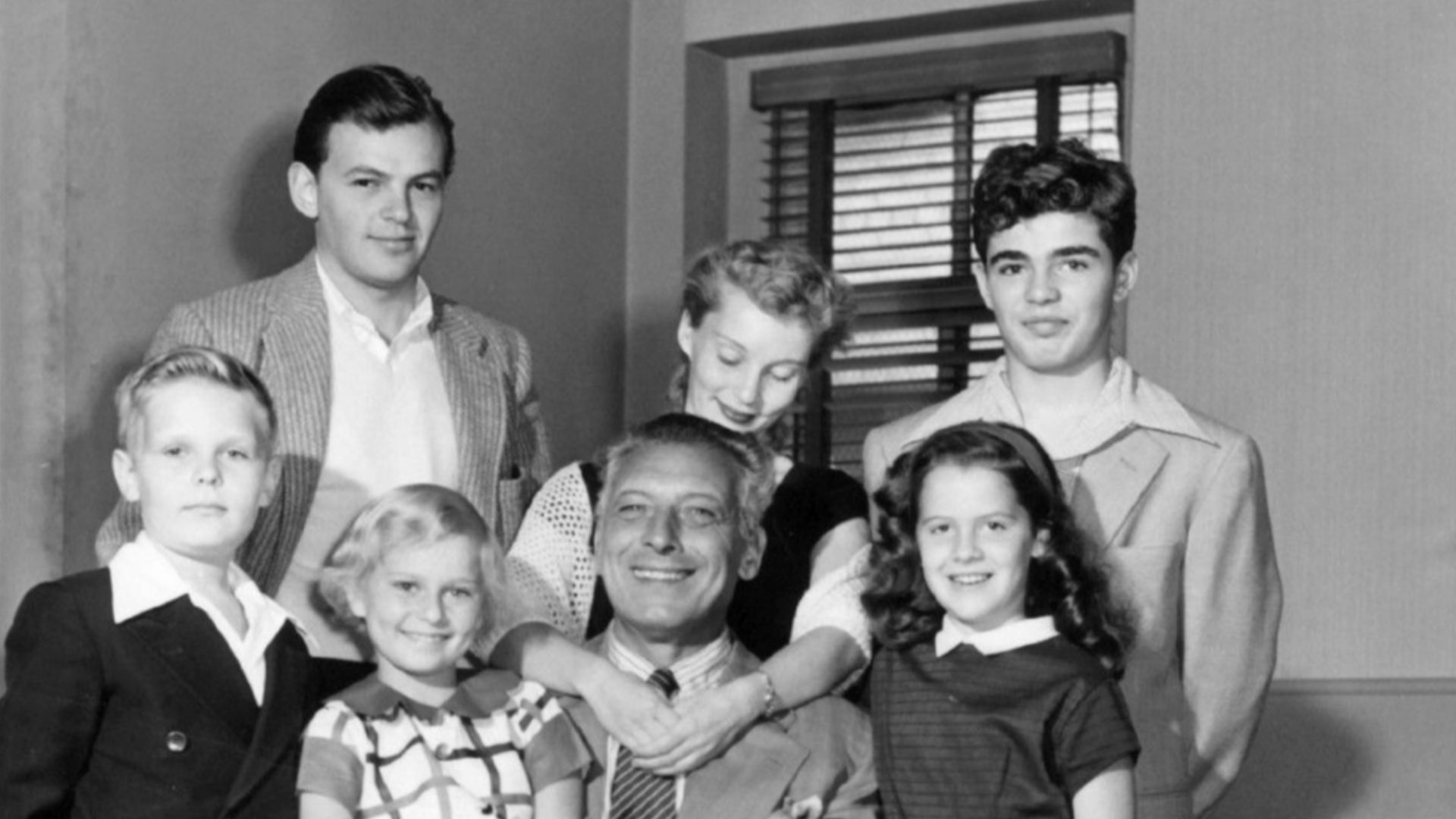
In 1953, Janis joined Bonino as Edward, the oldest son in an Italian-American family led by opera star Ezio Pinza. The series was brief, but it gave Janis an early taste of weekly television comedy decades before he became Mindy McConnell’s father.
 NBC Television, Wikimedia Commons
Winning Broadway Recognition
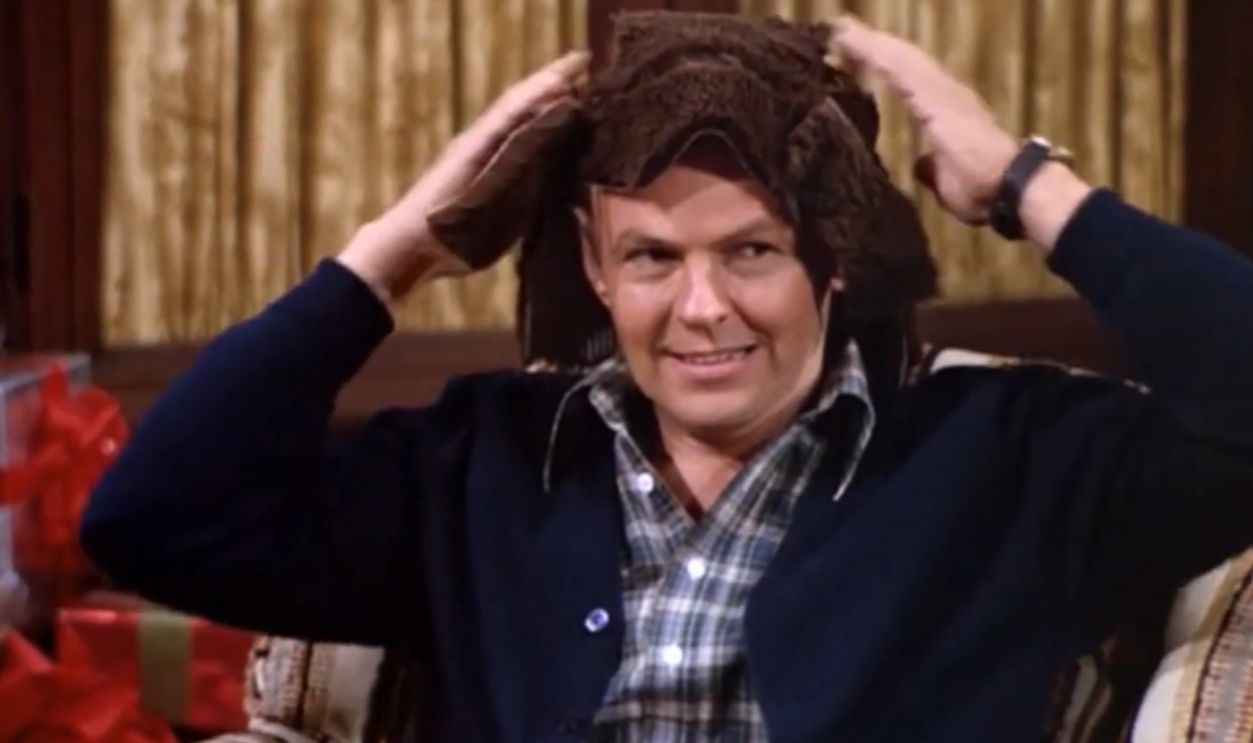
Janis earned a Theatre World Award for the 1952 Broadway play The Brass Ring. The production closed quickly, but his performance stood out. It was proof that even a short-lived show could leave a lasting mark when the right actor stepped into the spotlight.
 Screenshot from Mork & Mindy, Paramount Global (1978-1982)
Keeping Broadway Busy
Later in 1952, Janis appeared in Time Out for Ginger as Eddie Davis. He followed it with roles in The Terrible Swift Sword, Make a Million, and other productions. Theater remained a steady home base even as television and jazz crowded his calendar.
 Screenshot from The Brasher Doubloon, The Walt Disney Company (1947)
Visiting a Small Planet
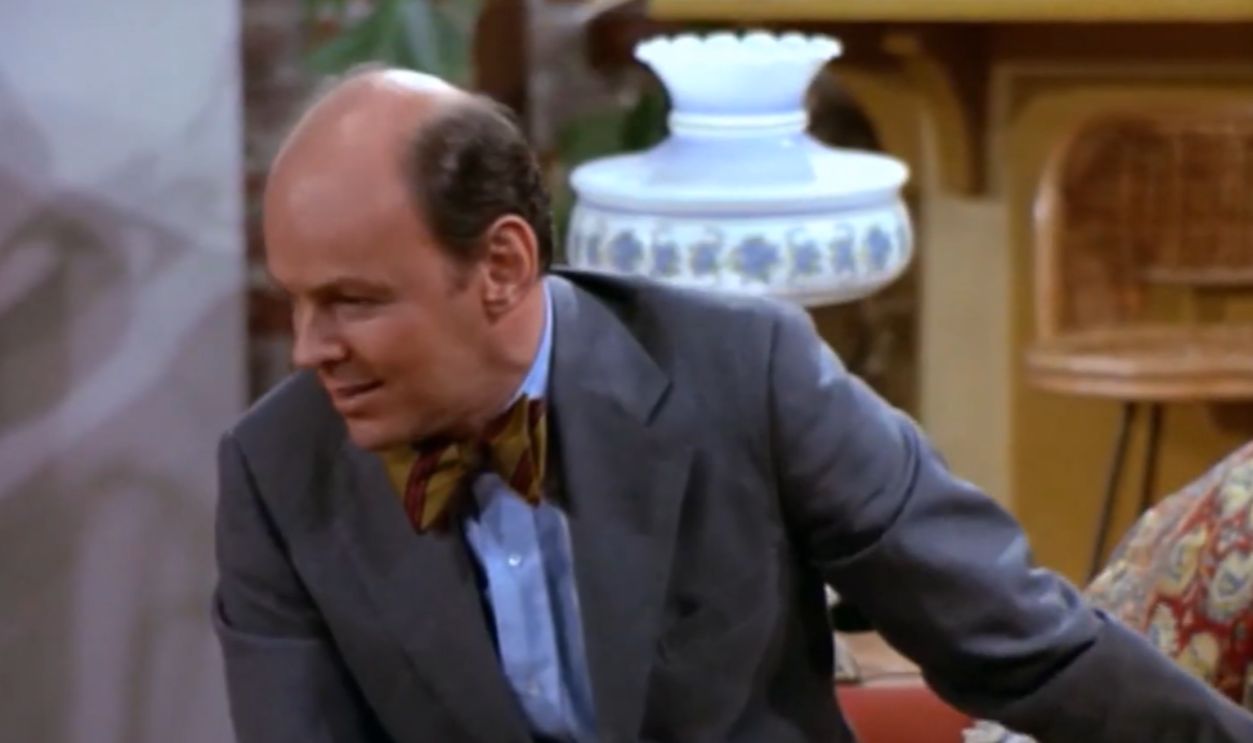
Janis joined Gore Vidal’s hit comedy A Visit to a Small Planet in 1957, playing Conrad Mayberry. Two decades before Mork landed in Boulder, Janis was already appearing in a popular story about an extraterrestrial visitor confusing the human race.
 Screenshot from Mork & Mindy, Paramount Global (1978-1982)
Sharing the Stage With Redford
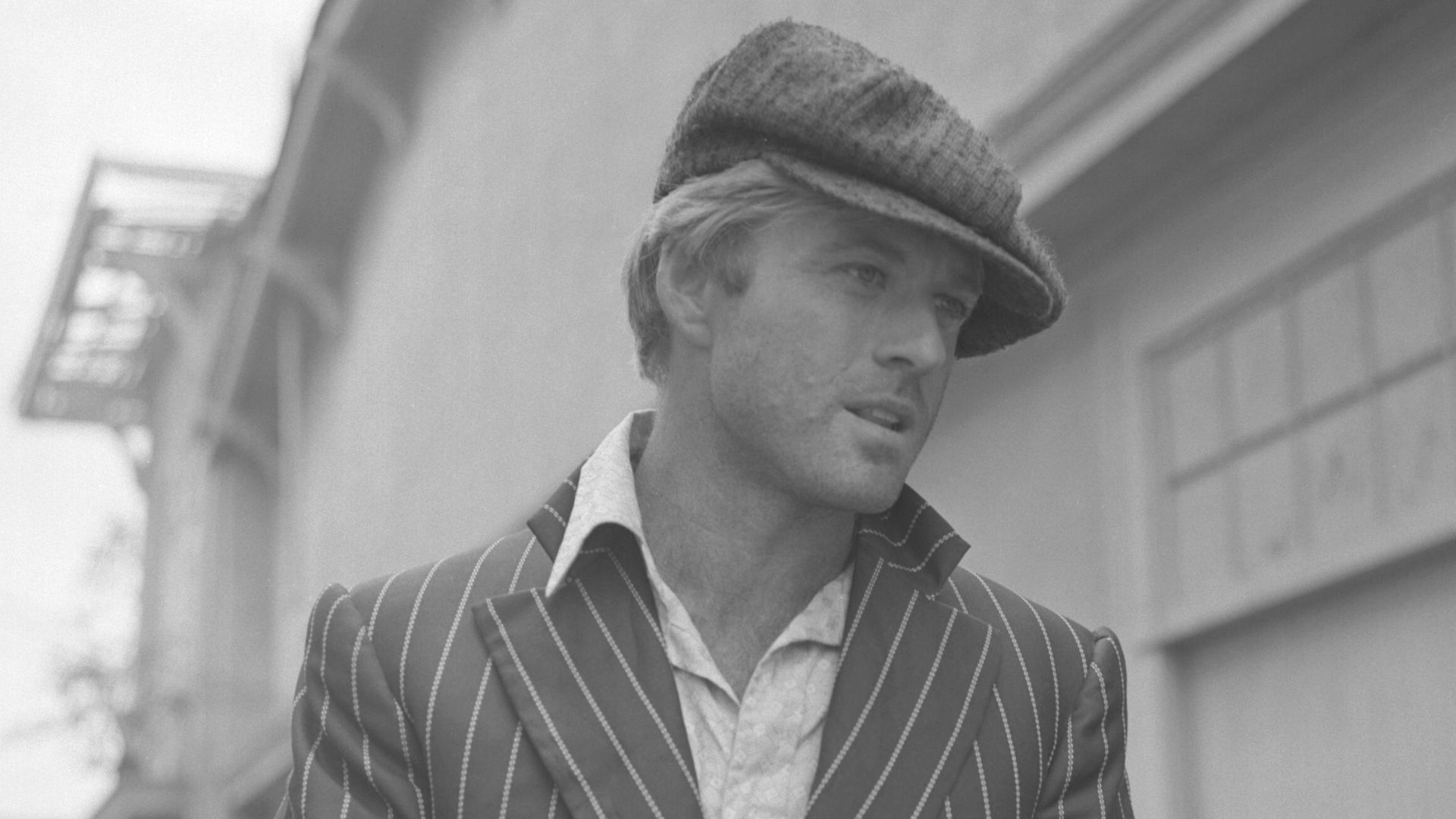
In 1961, Janis starred opposite Robert Redford and Pat Stanley in the Broadway comedy Sunday in New York. His role as Adam Taylor mixed romance and farce, while the production proved he could hold his own beside performers headed for major movie fame.
 Ken Dare, Los Angeles Times, Wikimedia Commons
Bringing Jazz to Broadway
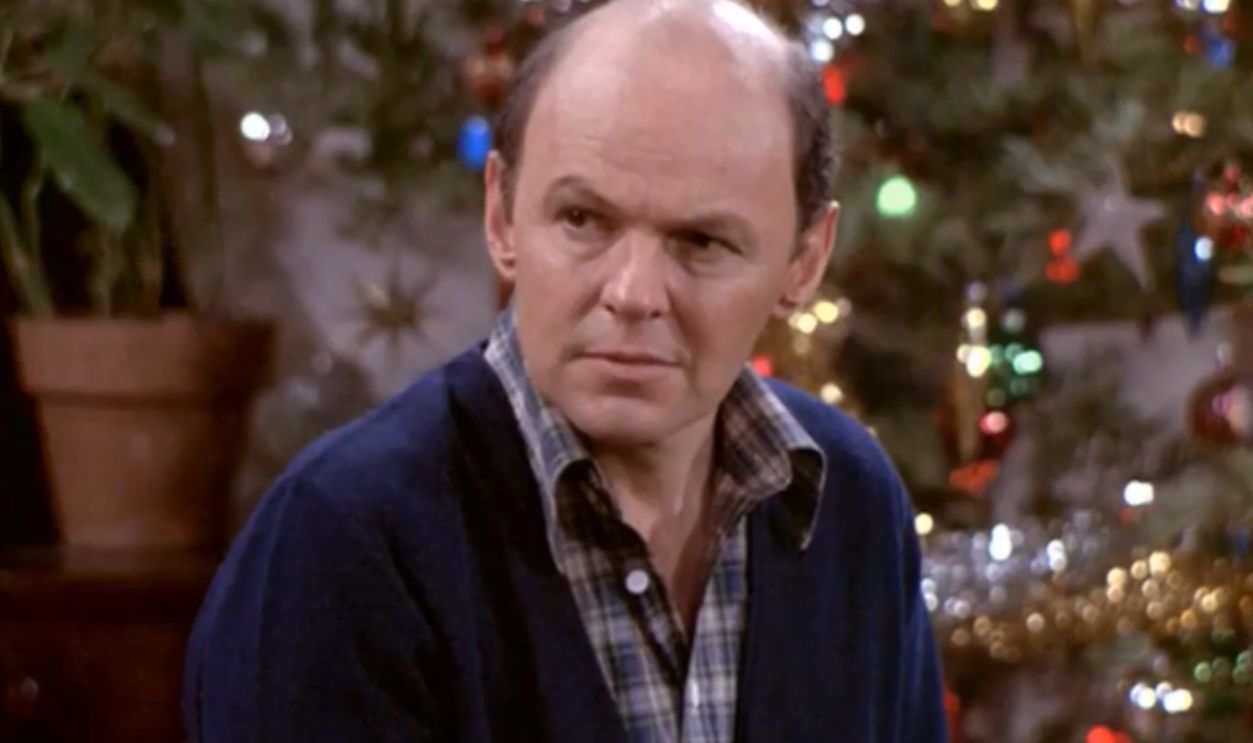
For Marathon ’33 in 1963, Janis did more than act: Conrad Janis and His Tail Gate 5 supplied the music. He later appeared in The Front Page and Same Time, Next Year, keeping his Broadway career active well into the 1970s.
 Screenshot from Mork & Mindy, Paramount Global (1978-1982)
Working at a Famous Gallery
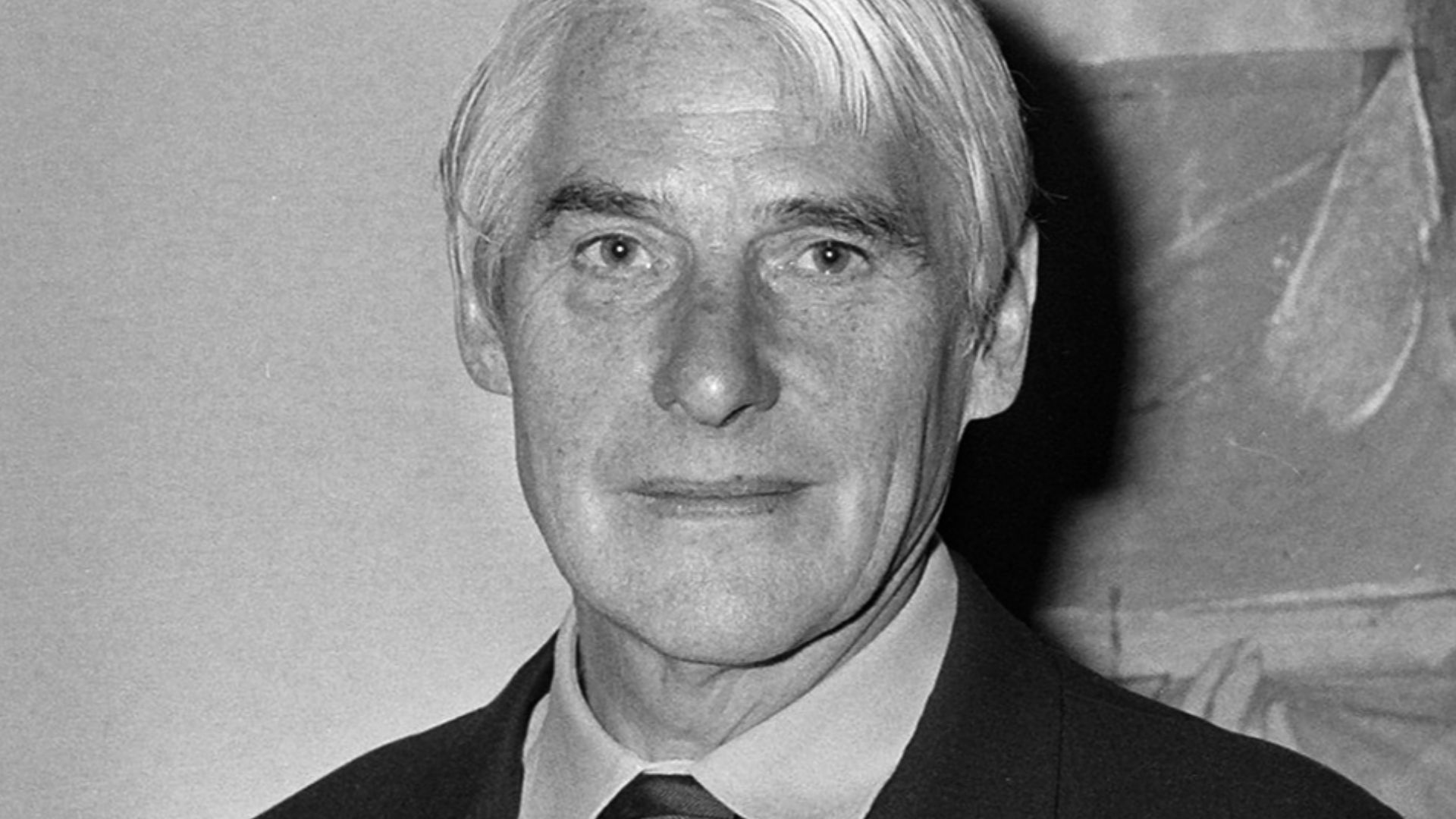
Acting and jazz were not enough for Janis. He also worked at the Sidney Janis Gallery, which championed artists including Jackson Pollock, Willem de Kooning, Mark Rothko, and Claes Oldenburg. Somehow, his crowded life still made room for modern art.
 Jack de Nijs for Anefo, Wikimedia Commons
Becoming Television’s Secret Weapon
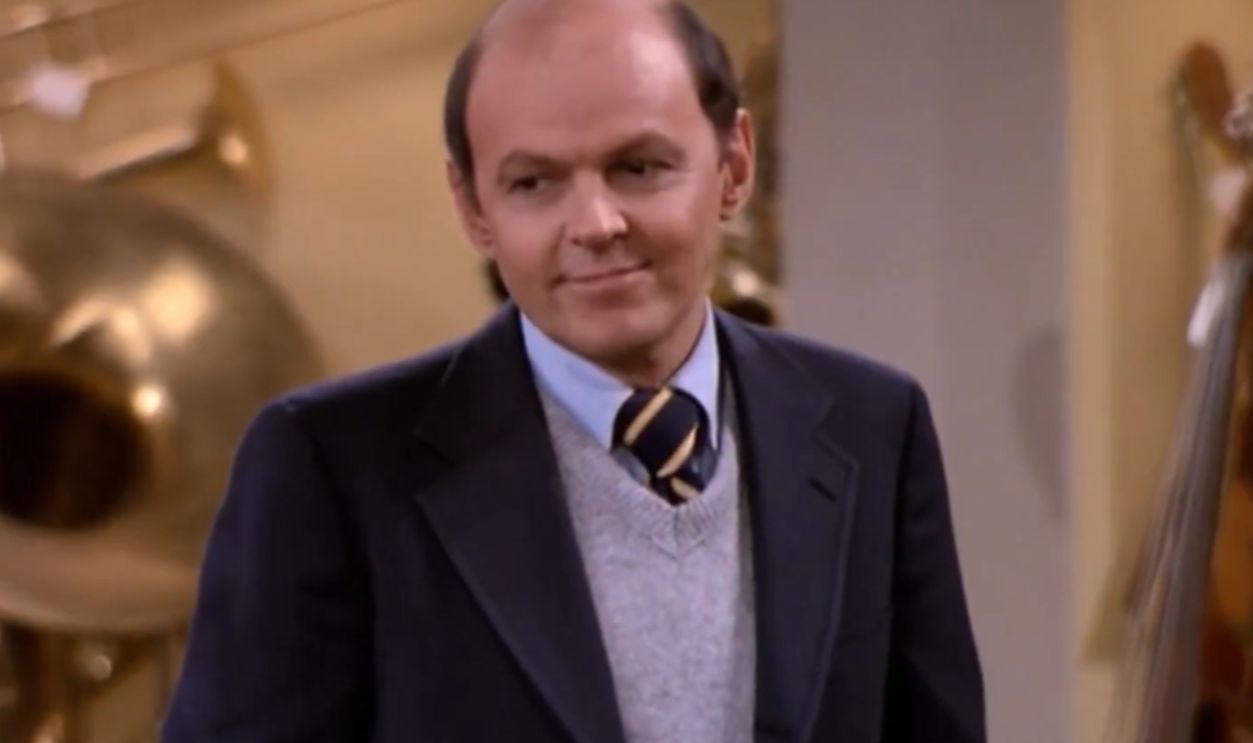
Janis appeared across television in Get Smart, My Favorite Martian, Banacek, Cannon, Happy Days, and Maude. His expressive face and crisp timing made him ideal for guest roles. He could establish a character, land the joke, and leave viewers wanting more.
 Screenshot from Mork & Mindy, Paramount Global (1978-1982)
Taking Every Kind of Movie Role
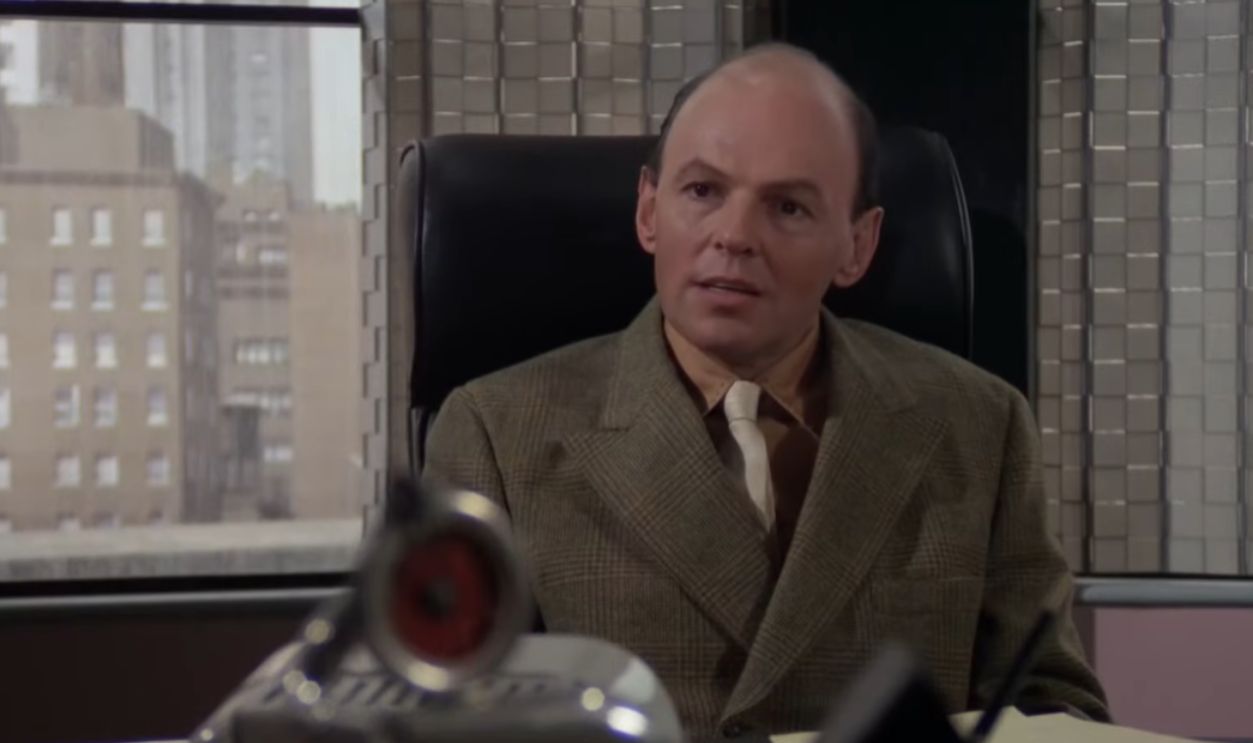
The 1970s brought Airport 1975, The Duchess and the Dirtwater Fox, Roseland, and The Buddy Holly Story. These projects ranged from disaster spectacle to musical biography, but Janis fit them all. His versatility made his face familiar even when audiences missed his name.
 Screenshot from The Buddy Holly Story, Sony Pictures Entertainment (1978)
Building a Hollywood Jazz Institution
Janis formed the Beverly Hills Unlisted Jazz Band, mixing top musicians with talented actors. The group played clubs, festivals, and Carnegie Hall. Jack Lemmon, George Segal, and Hal Linden sometimes joined in, turning regular rehearsals at Janis’s home into Hollywood jazz history.
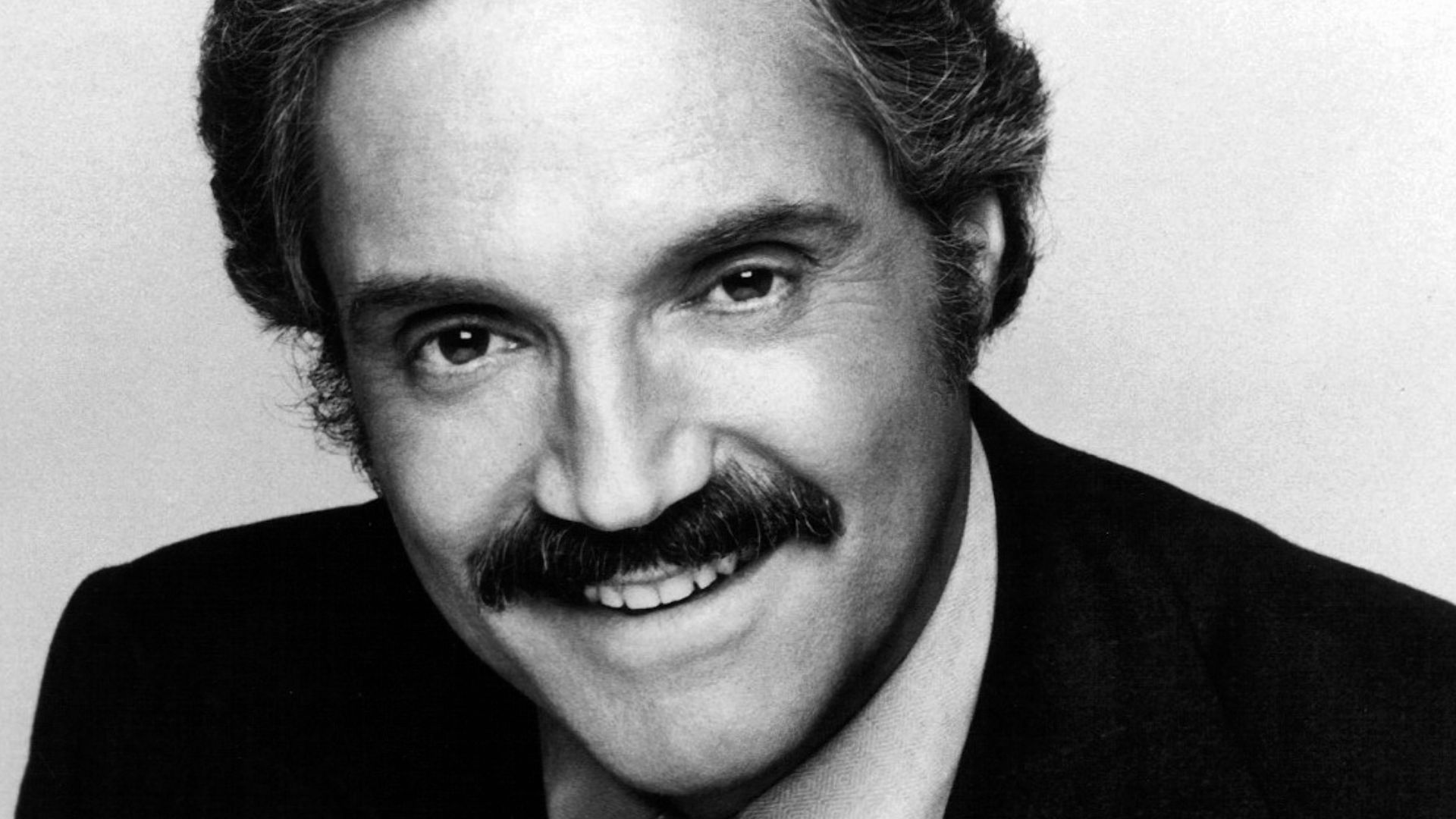
Joining the Strange World of Quark
In 1977, Janis became a regular on the science-fiction comedy Quark as bureaucrat Otto Bob Palindrome. The series lasted only a handful of episodes, but it let him embrace broad, absurd television comedy and brought him one cosmic step closer to Mork.
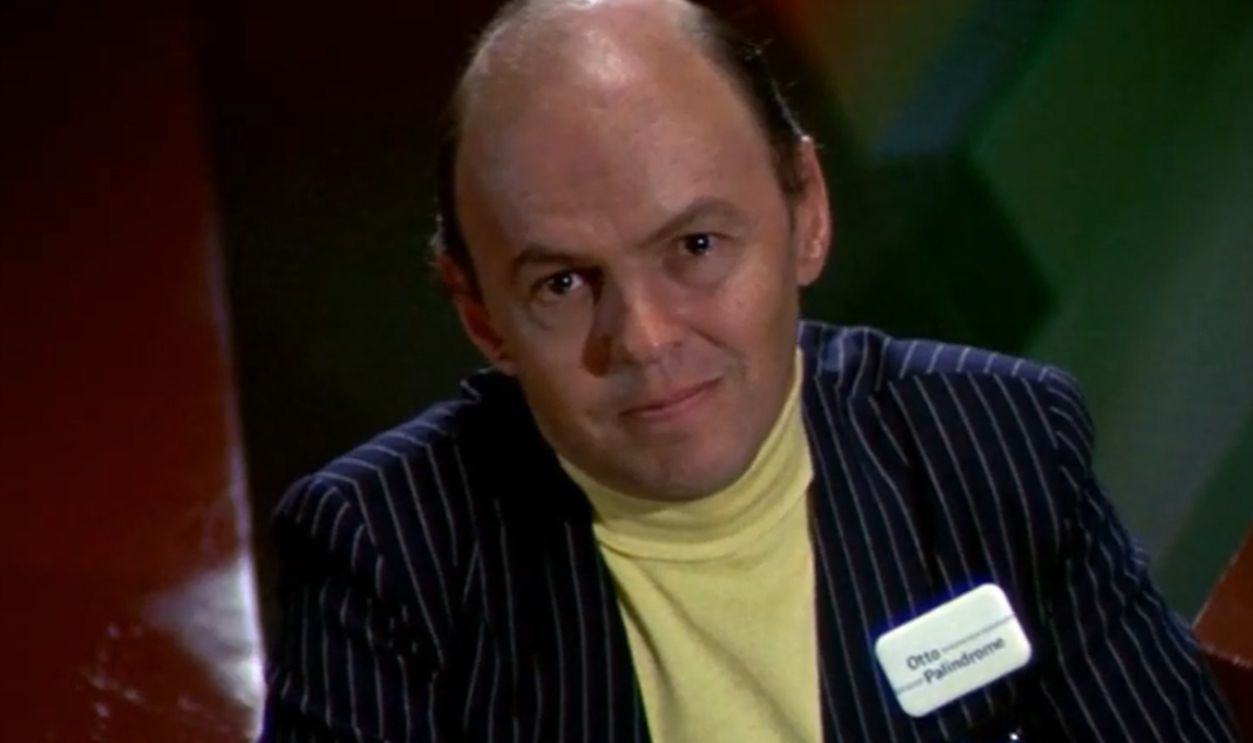 Screenshot from Quark, Sony Pictures Entertainment (1977-1978)
Then He Met Robin Williams
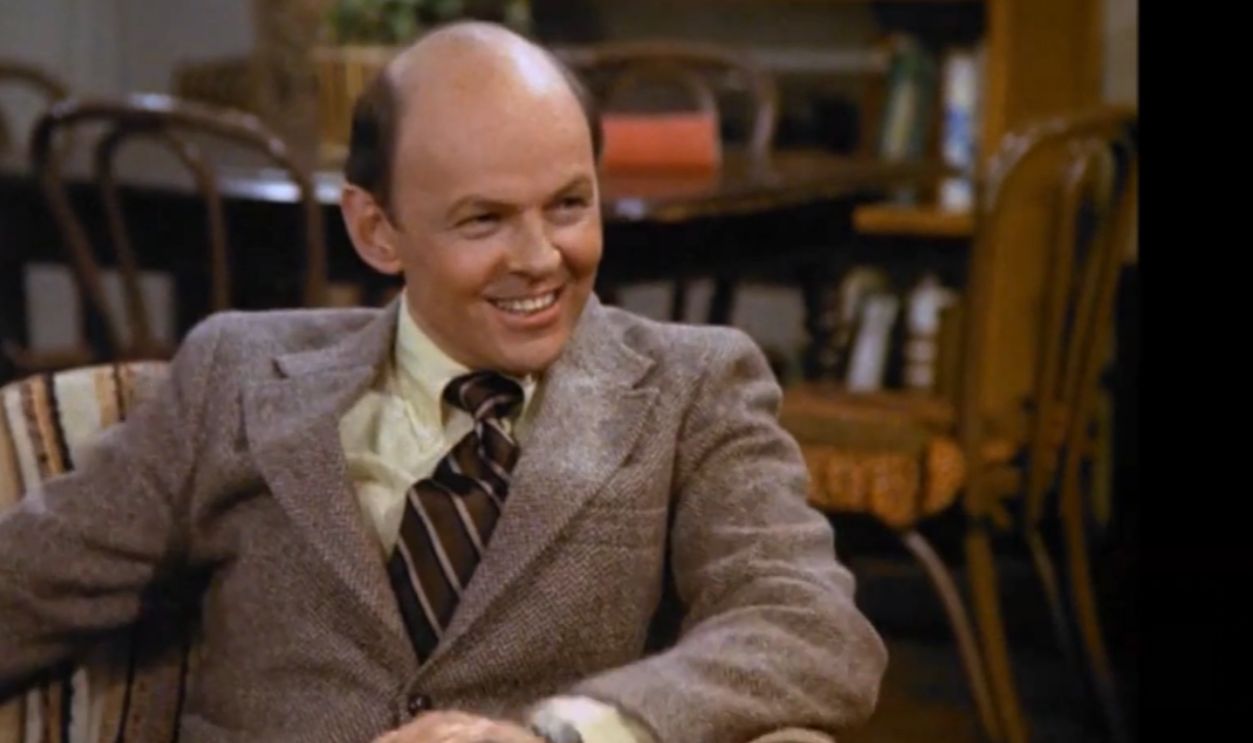
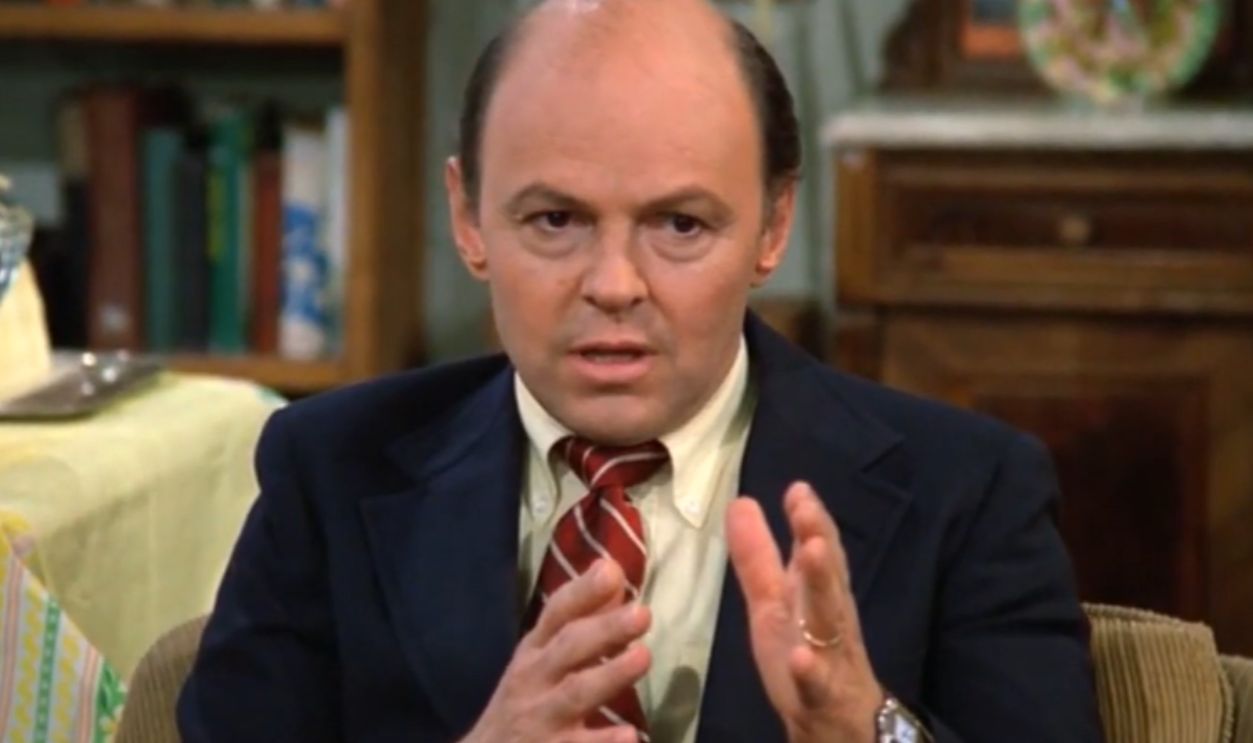
When Mork & Mindy premiered in 1978, Janis played Fred McConnell, Mindy’s protective father and a music-store owner. He arrived with 33 years of experience. Between takes, he jammed with Robin Williams, who impressed him with some surprisingly strong blues harmonica.
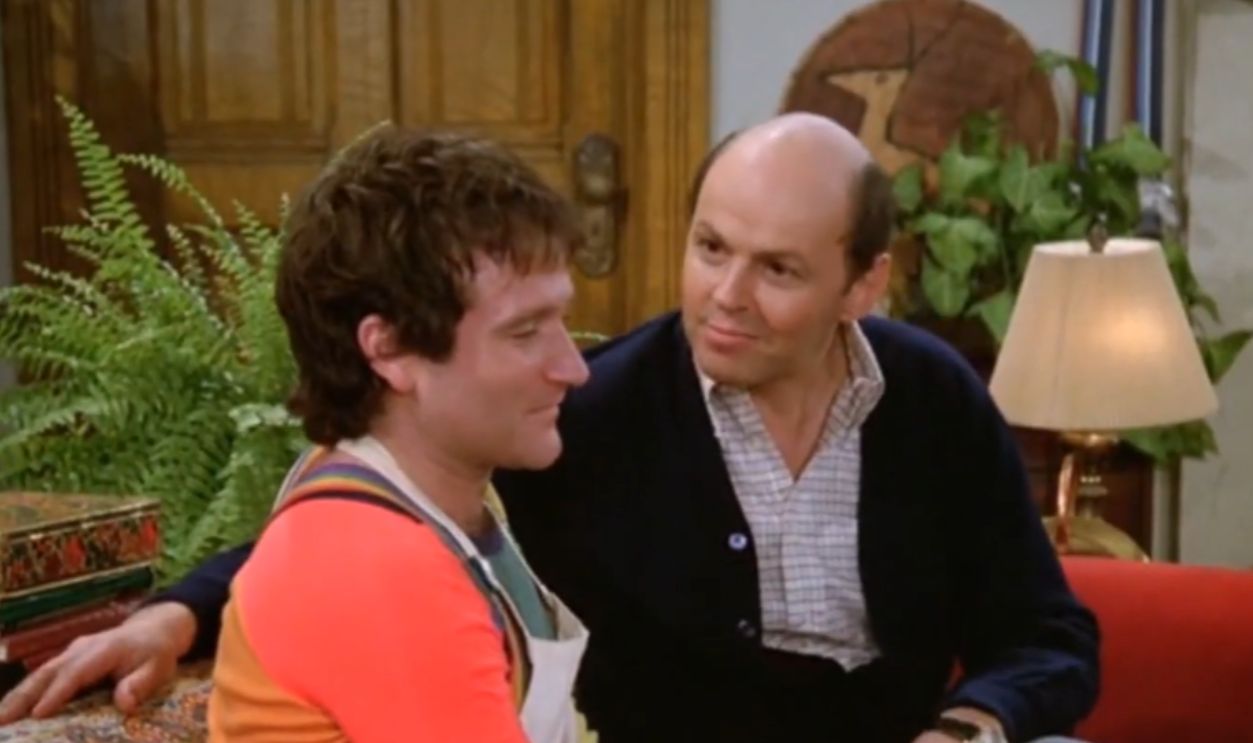 Screenshot from Mork & Mindy, Paramount Global (1978-1982)
A Career With More Than One Ending
Mork & Mindy made Janis instantly recognizable, but it never defined his limits. He kept acting in Murder, She Wrote, Frasier, Mr. Saturday Night, and The Cable Guy while continuing to play jazz. His real legacy was a lifetime spent refusing to choose only one art.
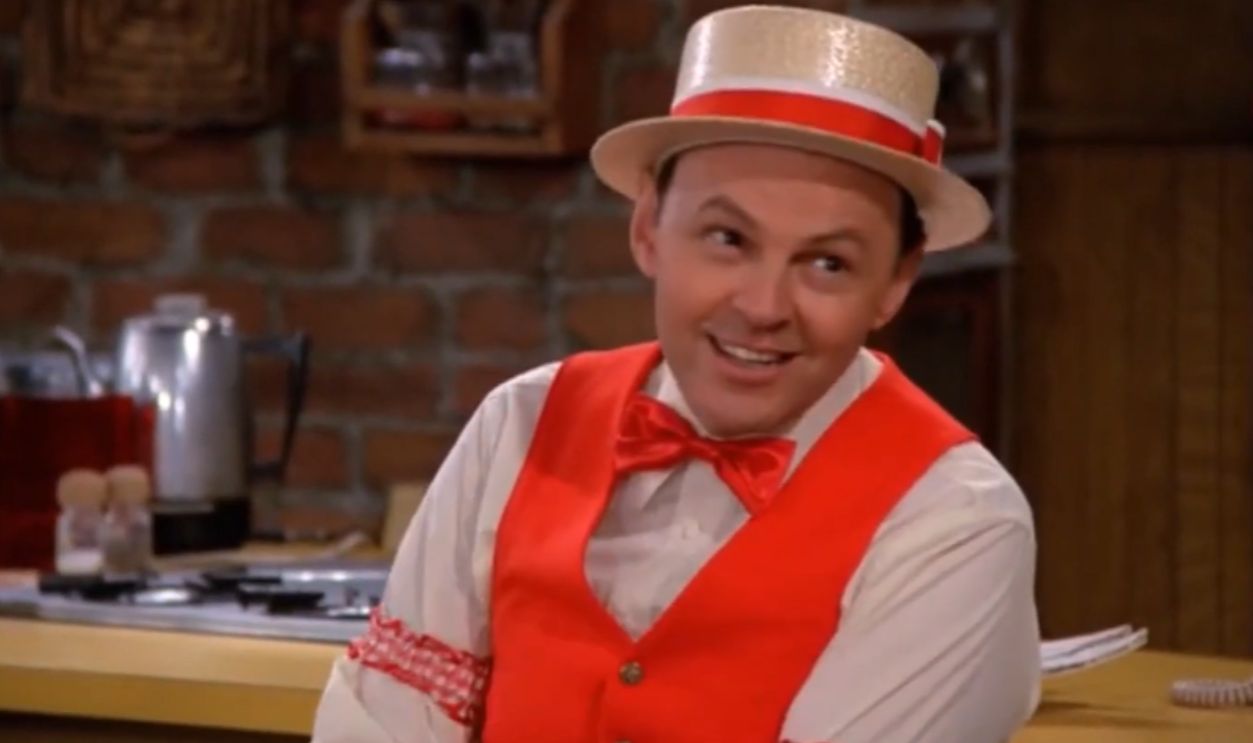 Screenshot from Mork & Mindy, Paramount Global (1978-1982)
You May Also Like:
How Alan Young helped make Mister Ed one of television's strangest success stories.
Andy Griffith: The Hidden Darkness Behind the Sheriff’s Badge