A Mayberry Character Who Never Left
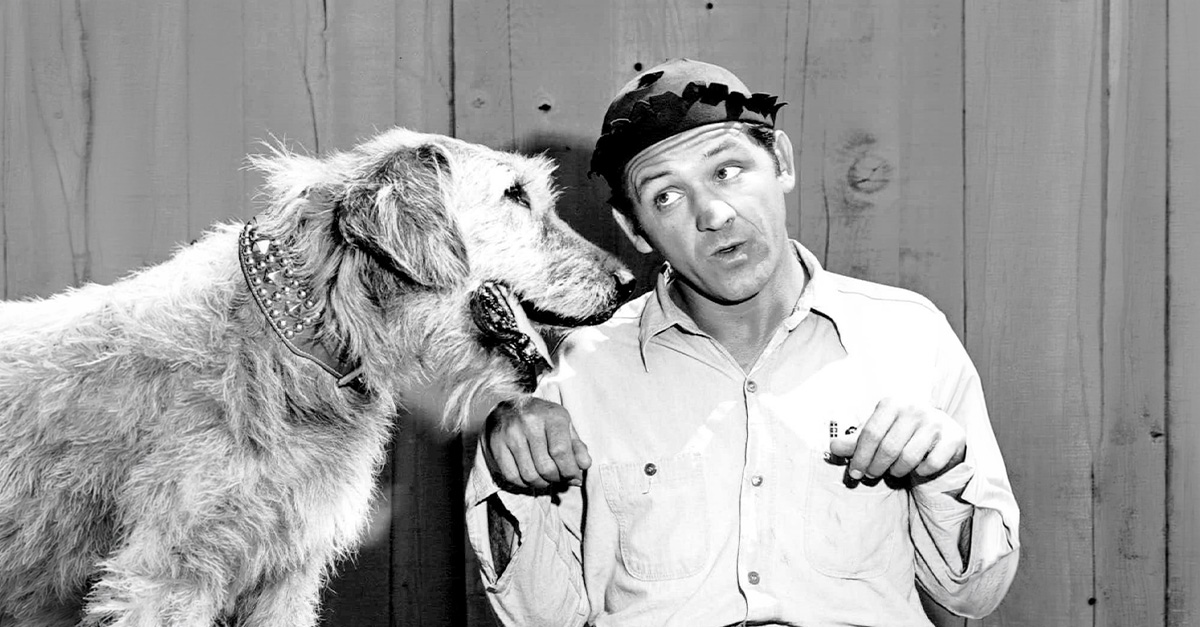
George Lindsey entered Mayberry as a replacement mechanic with an odd hat and an even odder name. He could have disappeared after a few episodes. Instead, Goober Pyle became Lindsey’s lifelong companion—and one of classic television’s most instantly recognizable characters.
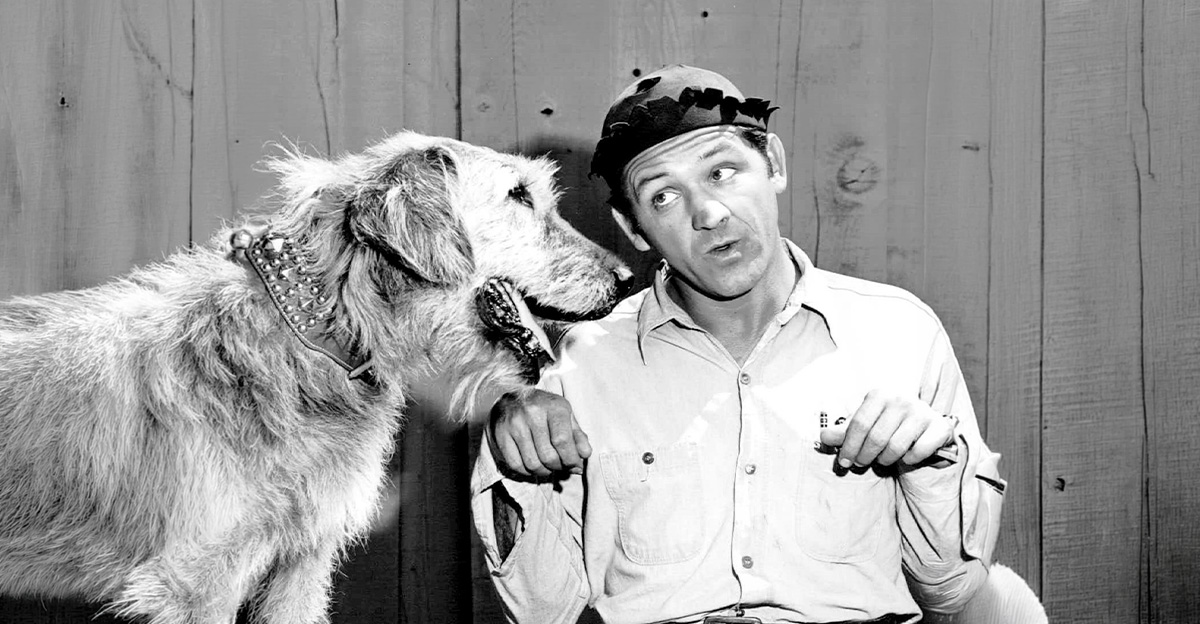 CBS Television, Public domain, via Wikimedia Commons
Alabama Roots
Lindsey was born in Fairfield, Alabama, in 1928 and grew up largely with his grandparents in Jasper. Small-town life was not something he had to research years later. He already understood its characters, rhythms, jokes, and occasionally colourful personalities.
Football Before Footlights
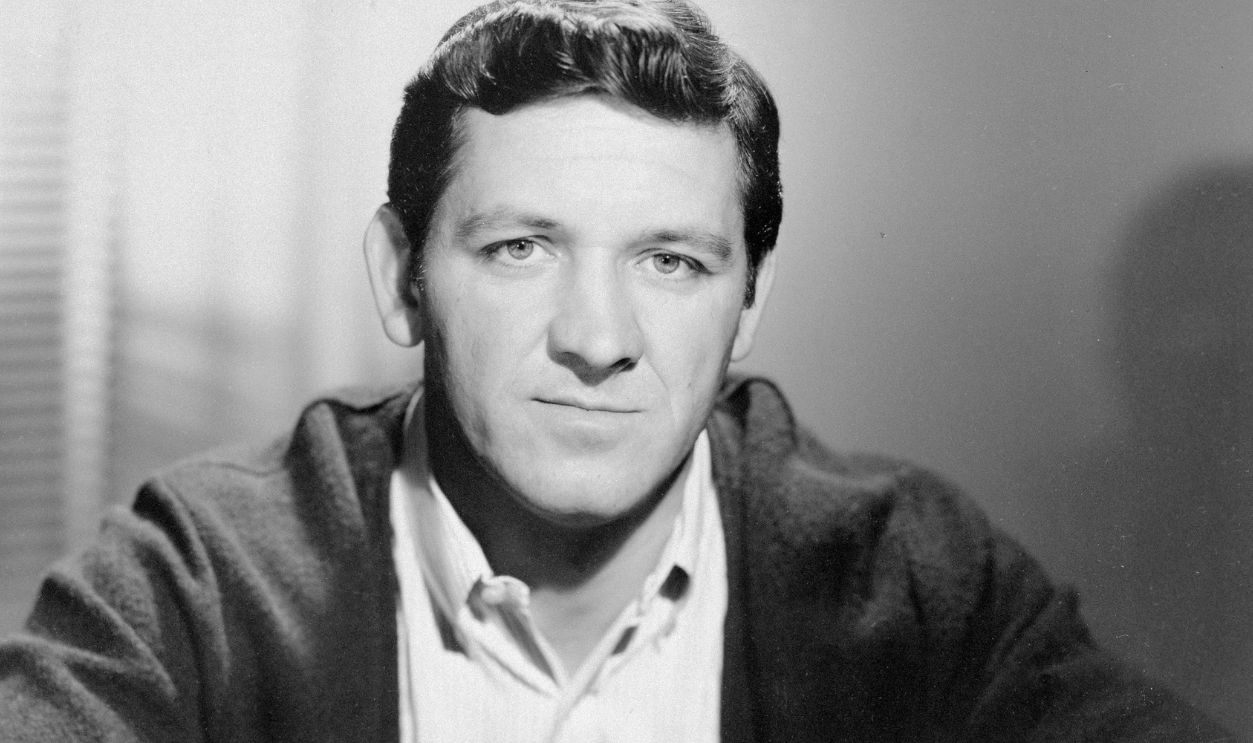
As a young man, Lindsey appeared more likely to find fame on a football field. He attended Florence State Teachers College—now the University of North Alabama—on an athletic scholarship and played quarterback. College theatre, however, gradually became his real passion.
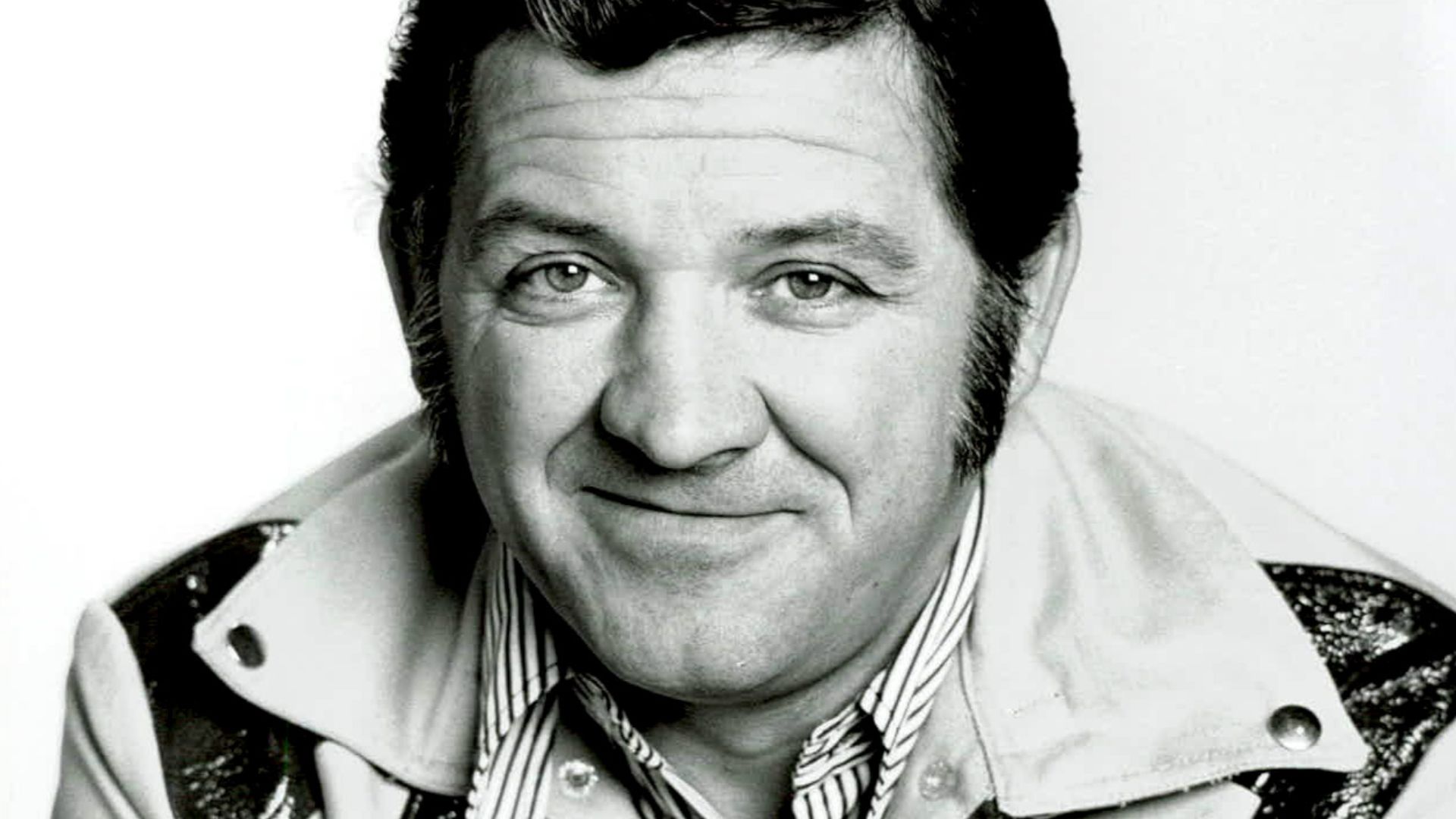 CBS Television, Wikimedia Commons
The Air Force Years
After graduating in 1952, Lindsey joined the United States Air Force. While working as a recreation director in Florida, he produced variety shows, performed comedy, and acted locally. Even in uniform, he kept finding ways to get himself onto a stage.
 UPI Telephoto, Wikimedia Commons
A Teacher With Bigger Plans
Following his military service, Lindsey briefly taught and coached basketball at an Alabama high school. It was respectable, steady work, but he wanted something different. Before long, he and his wife packed up and headed for New York so he could study acting seriously.
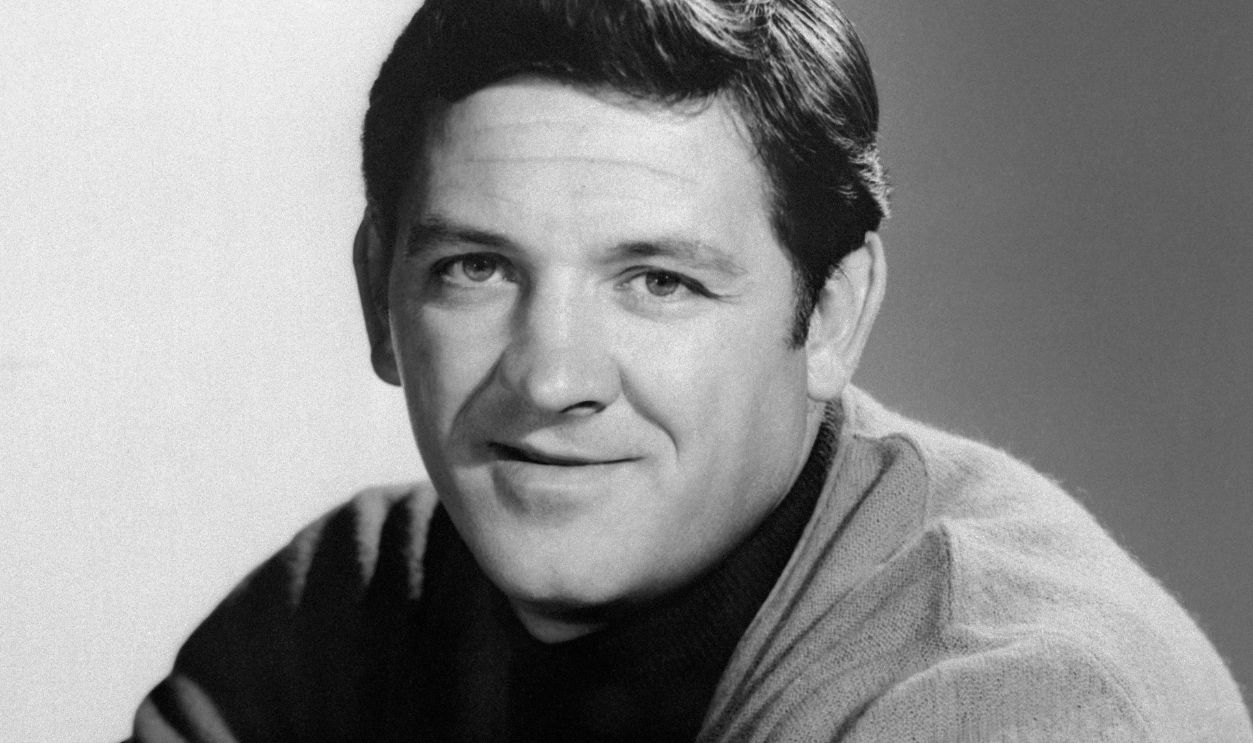
Learning The Craft In New York
Lindsey trained at the American Theatre Wing, studying acting, speech, voice, and even ballet. He worked in clubs, dinner theatres, and stage productions, building considerably more formal experience than anyone watching Goober struggle through a celebrity impression might have guessed.
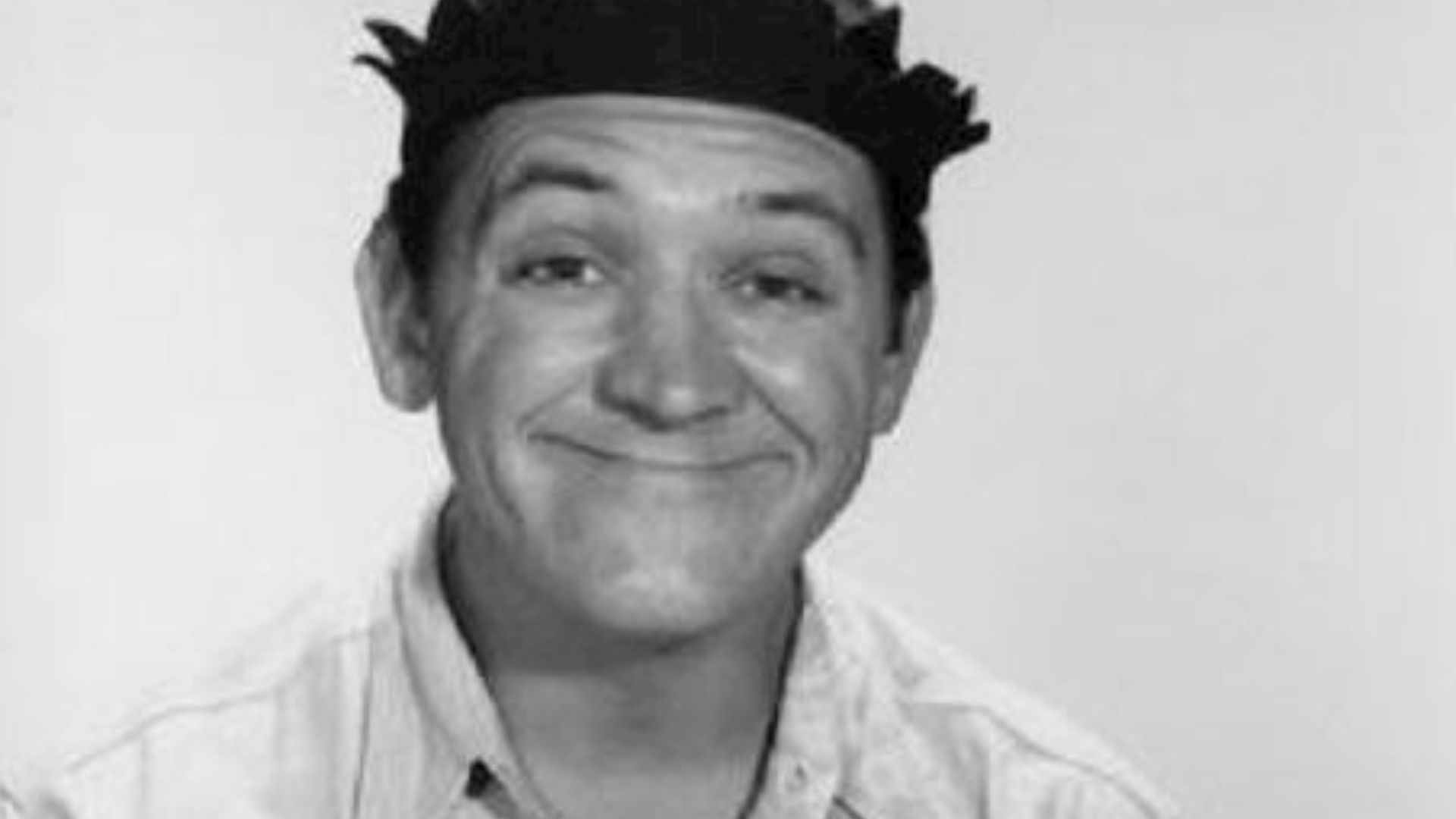 CBS Television, Wikimedia Commons
Hollywood Opens The Door
When a touring production closed in San Francisco in 1962, Lindsey continued west to Los Angeles. Television parts soon followed, including appearances on The Rifleman, The Twilight Zone, and The Alfred Hitchcock Hour, plus a role in the film Ensign Pulver.
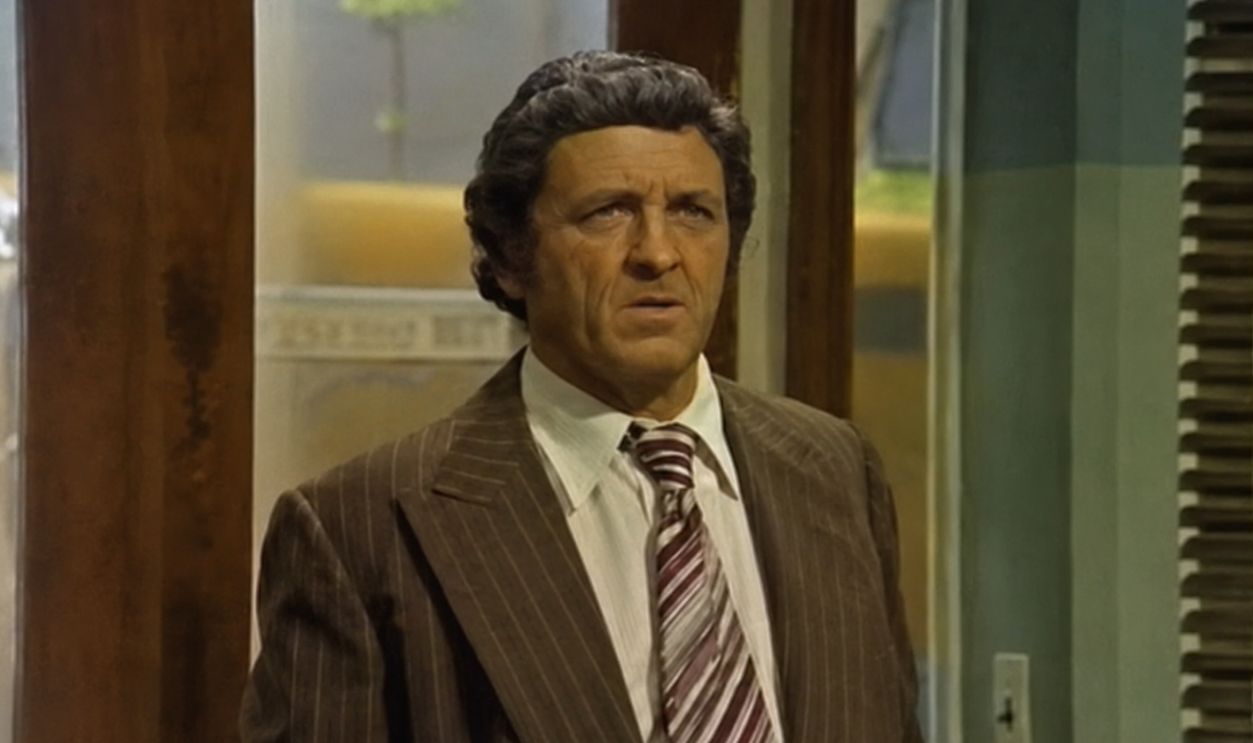 Screenshot from Goober And The Truckers' Paradise, Paramount Global (1978), enhanced
He Nearly Became Gomer
Lindsey originally auditioned to play Gomer Pyle, but the part went to fellow Alabama native Jim Nabors. That disappointment proved temporary. When Gomer received his own military spin-off, Mayberry needed another unusual mechanic, and Lindsey finally received his chance.
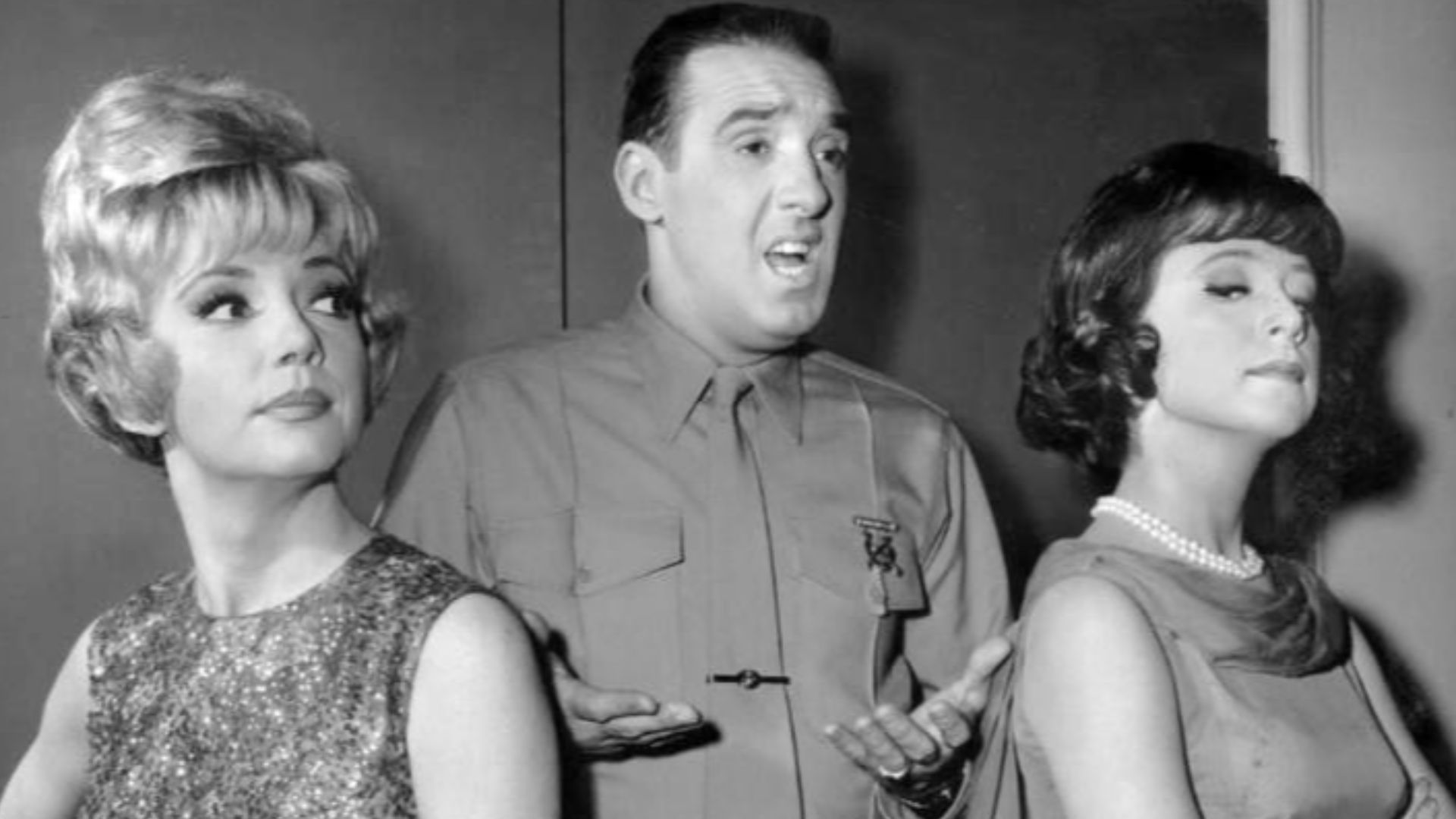 CBS Television, Wikimedia Commons
Enter Goober
Goober first appeared during the fourth season of The Andy Griffith Show. With his wide grin, work clothes, excitable voice, and homemade-looking cap, he seemed completely at home beside Mayberry’s barbers, deputies, farmers, and professional porch sitters.
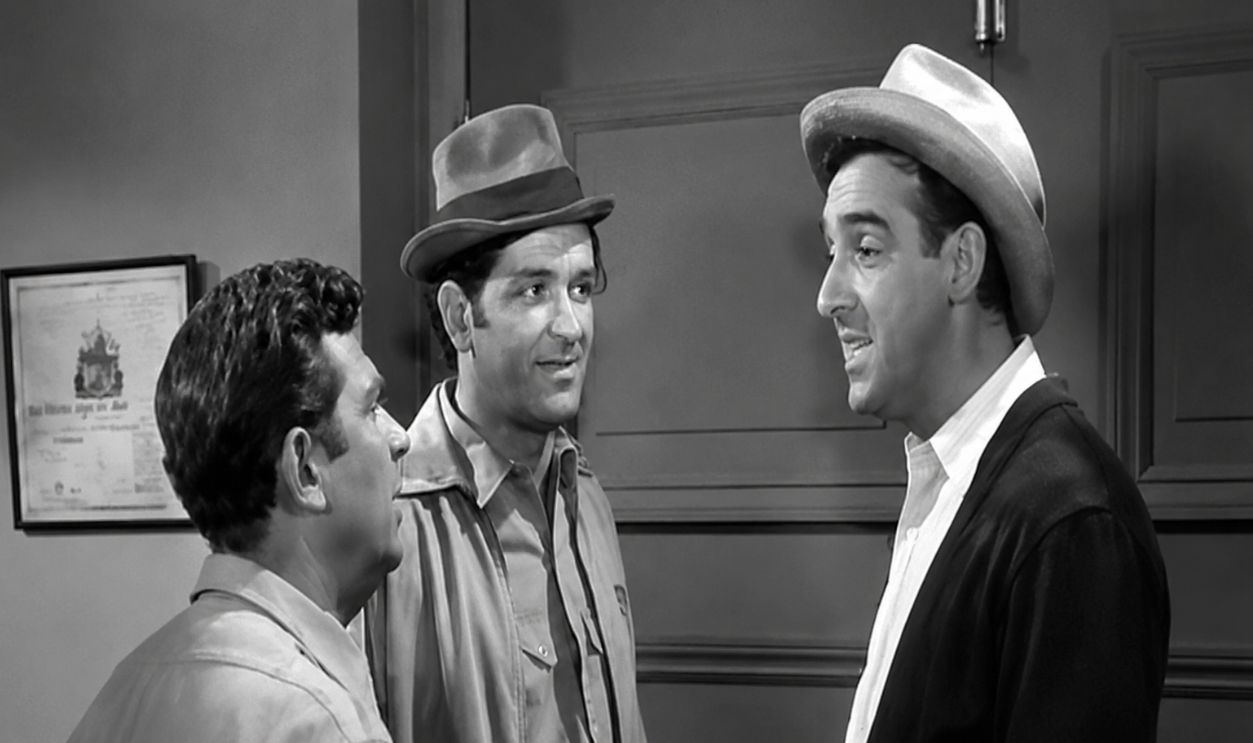 Screenshot from The Andy Griffith Show, Paramount Global (1960-1968), enhanced
More Than A Replacement
Goober could easily have felt like Gomer with a different face. Lindsey wisely made him his own creation. Gomer was sweet and innocent, while Goober was more energetic, boastful, and eager to prove he understood things that he clearly did not understand at all.
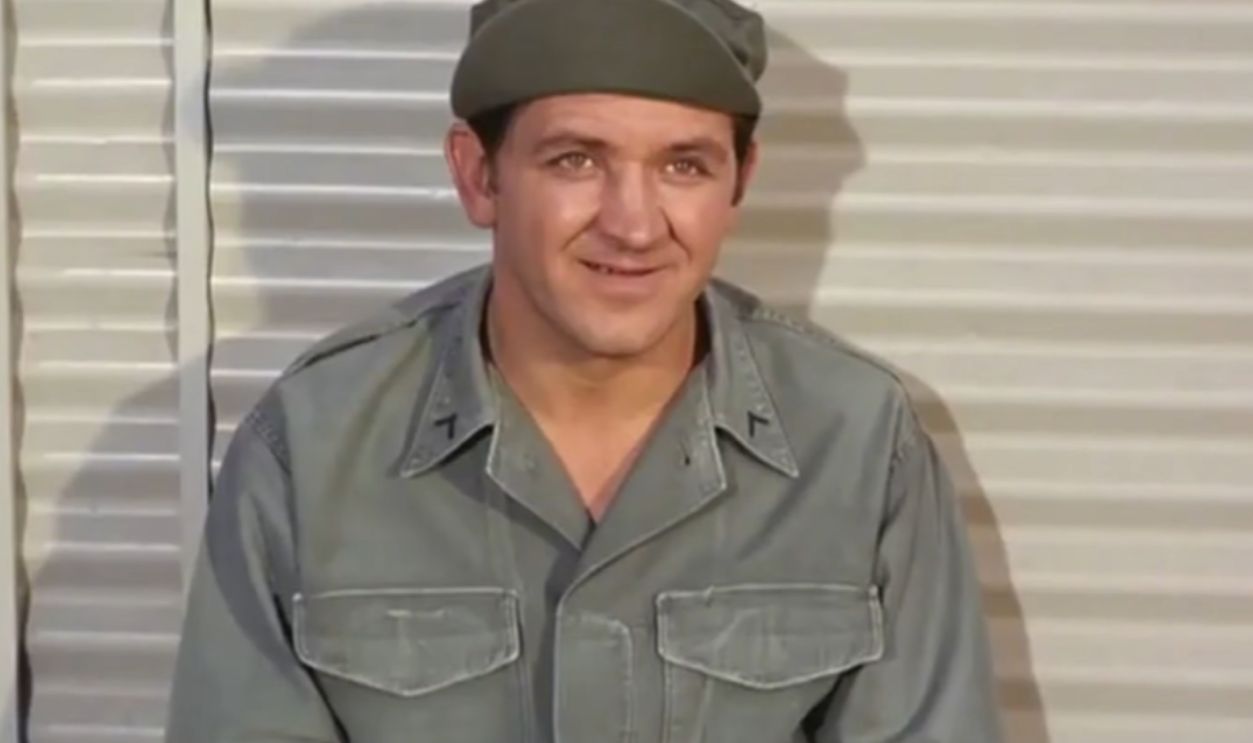 Screenshot from Gomer Pyle, U.S.M.C., Paramount Global (1964-1969)
The Hat Did Half The Talking
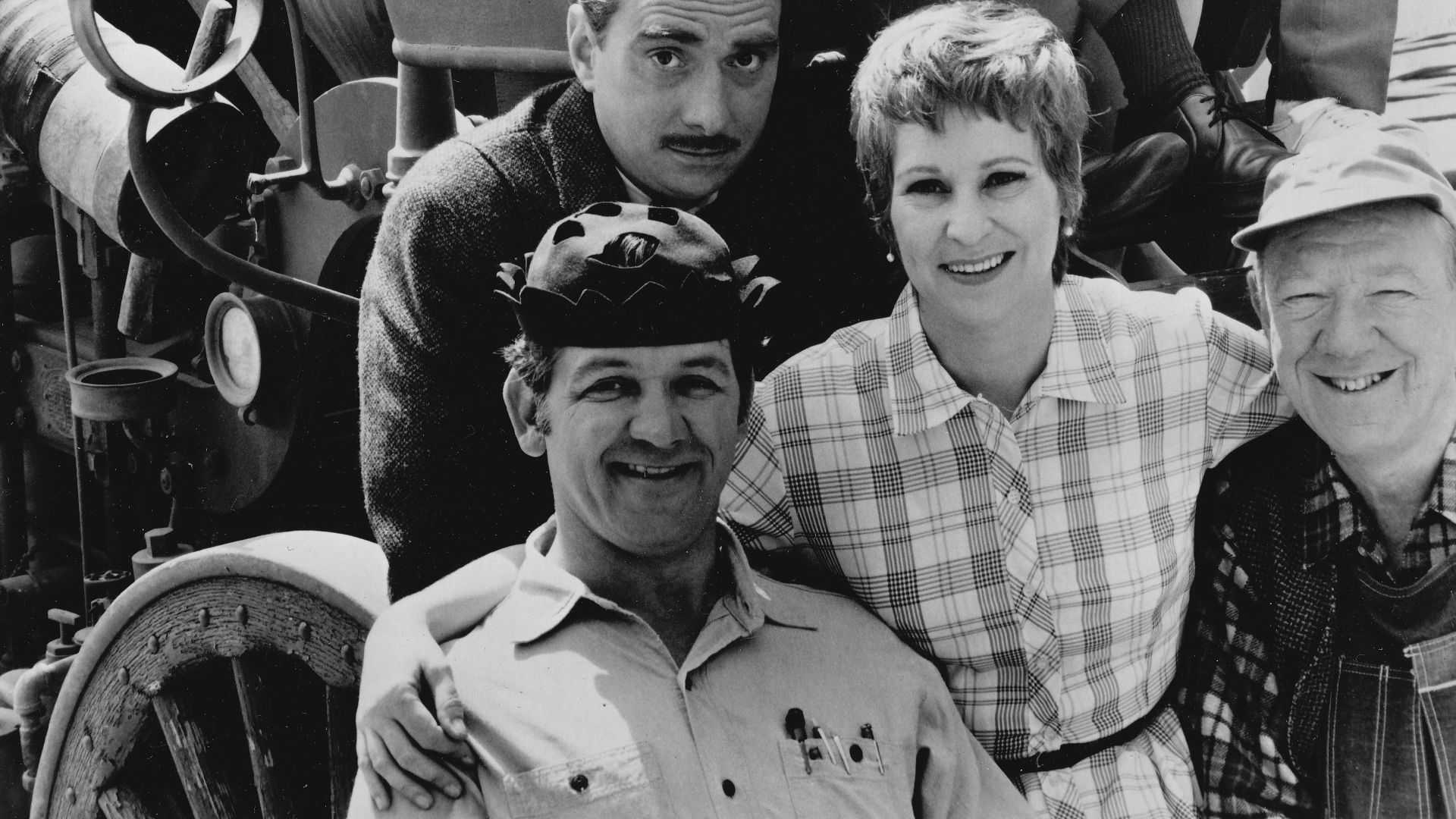
Goober’s strange cap became part of his identity. Combined with his high-waisted trousers, stuffed shirt pocket, and mechanic’s uniform, it gave him the appearance of a man who had dressed himself confidently without consulting another living person. Lindsey made the outfit unforgettable.
 CBS Television Network, Wikimedia Commons
A Mechanic With Perfect Timing
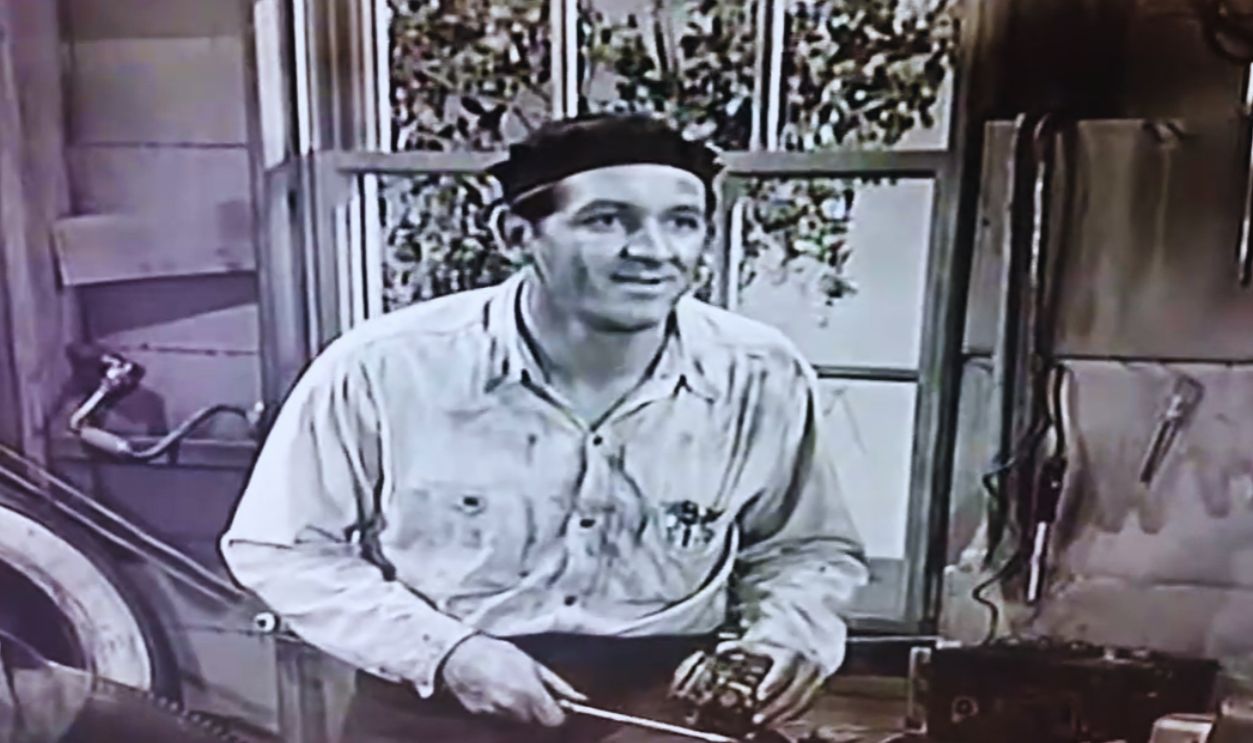
Goober might have seemed foolish, but Lindsey never played him without control. His pauses, expressions, and sudden bursts of excitement were carefully timed. The comedy worked because Goober believed every word he said, even when everyone around him knew he was hopelessly confused.
 Screenshot from The Andy Griffith Show, Paramount Global (1960-1968)
The Cary Grant Impression
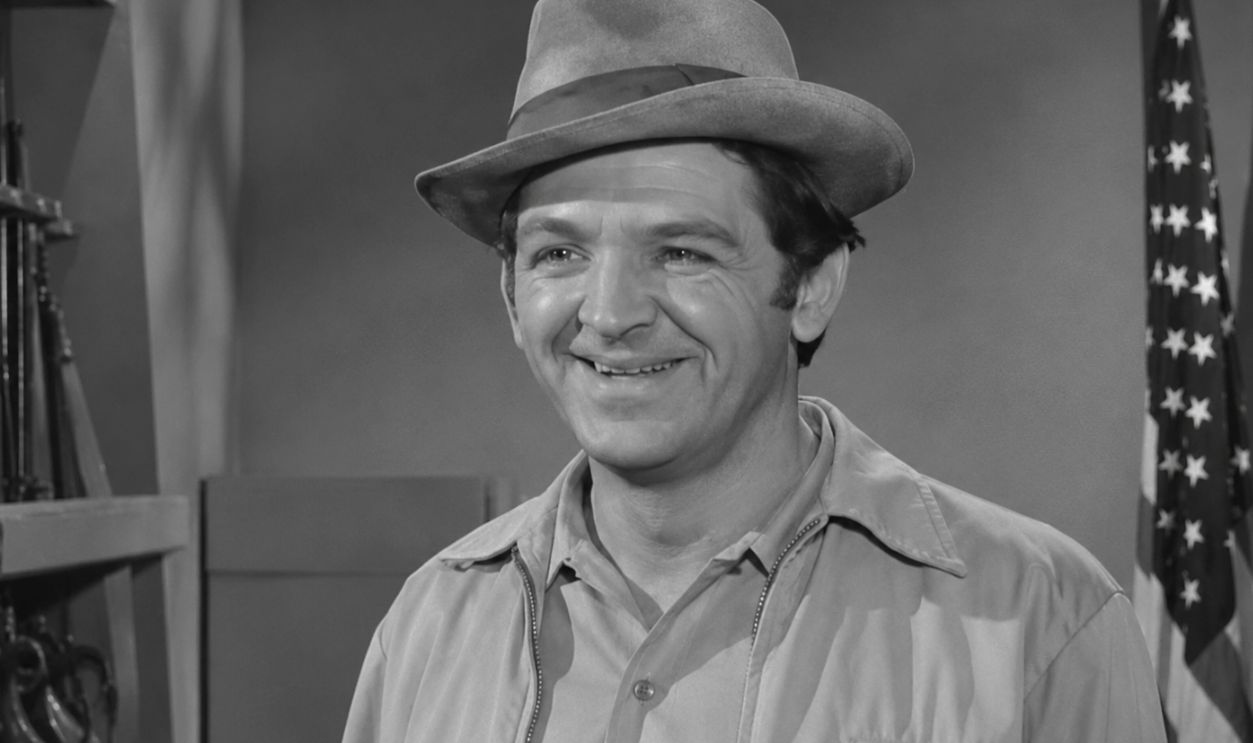
Goober’s celebrity impressions became one of his funniest habits. His version of Cary Grant consisted largely of repeating “Judy” in a fancy voice. It was hilariously inaccurate, yet Lindsey performed it with such confidence that the imitation became famous in its own right.
 Screenshot from The Andy Griffith Show, Paramount Global (1960-1968), enhanced
Goober Could Carry A Story
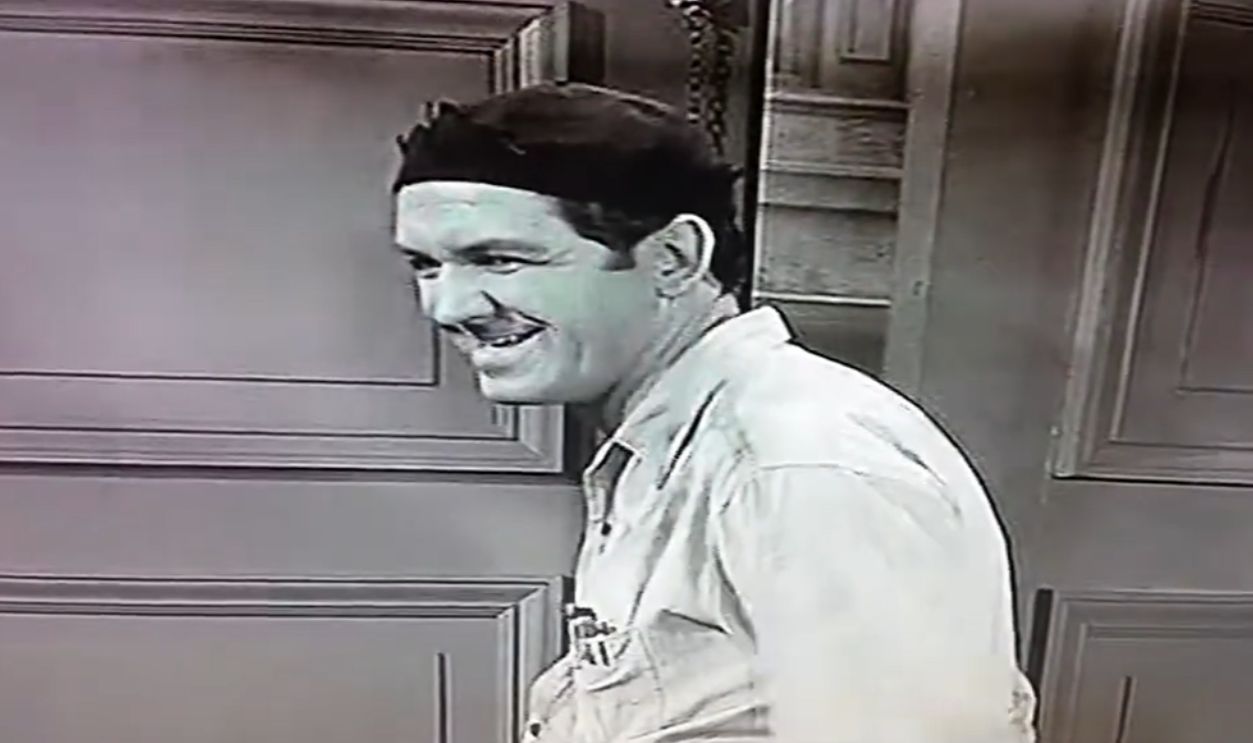
Lindsey was not limited to standing around Wally’s Filling Station waiting for a joke. Episodes placed Goober in romantic trouble, business disputes, misunderstandings, and embarrassing attempts at sophistication. His mixture of confidence and vulnerability allowed him to carry larger stories without becoming tiresome.
 Screenshot from The Andy Griffith Show, Paramount Global (1960-1968)
Chemistry With Andy
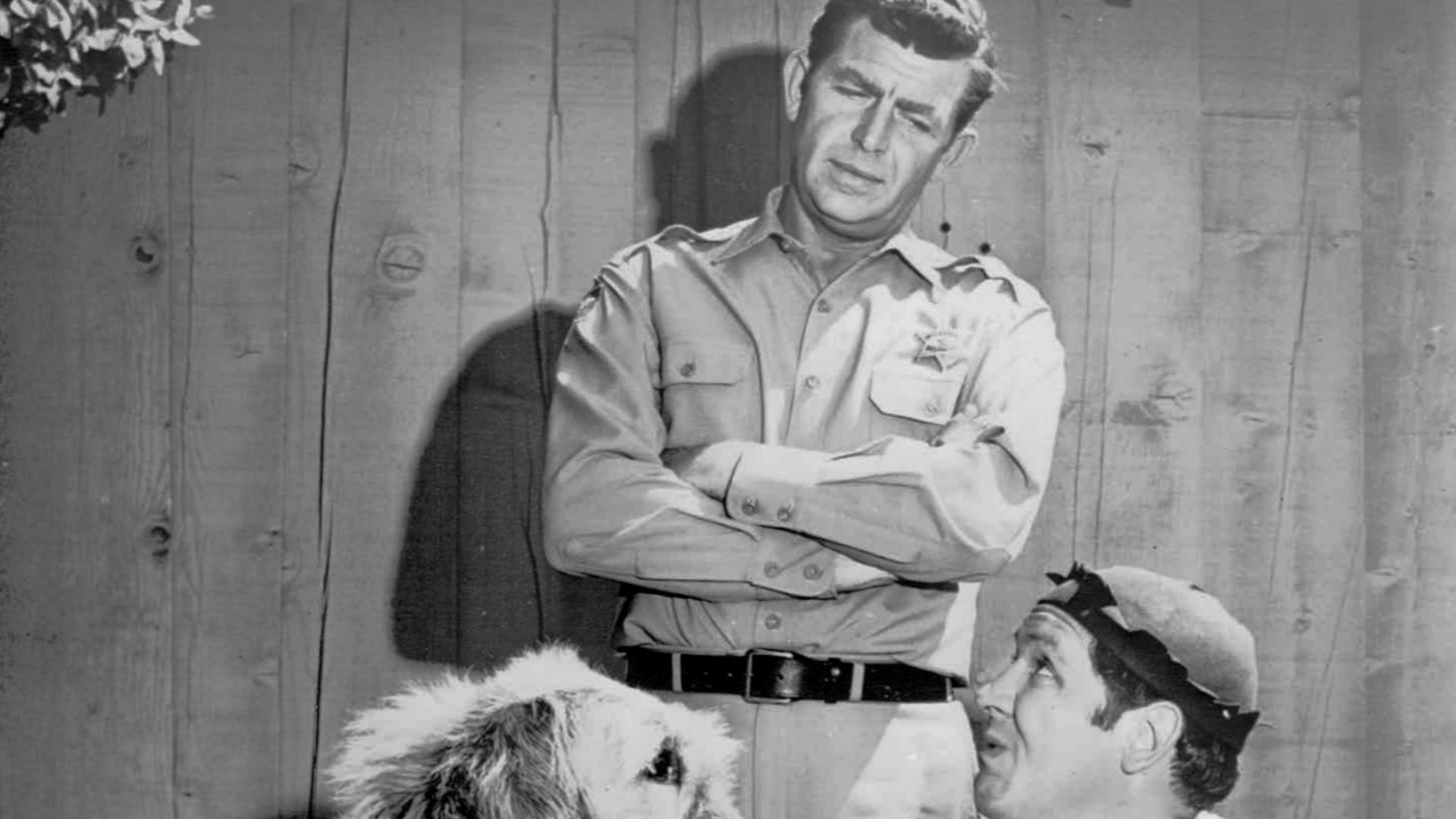
Goober worked especially well opposite Andy Griffith’s calm Sheriff Taylor. Andy rarely needed to mock him directly. A patient look, a quiet correction, or a carefully delivered question was usually enough. Lindsey’s excitement bouncing off Griffith’s restraint created effortless, dependable comedy.
 CBS Television, Wikimedia Commons
Mayberry Changes Around Him
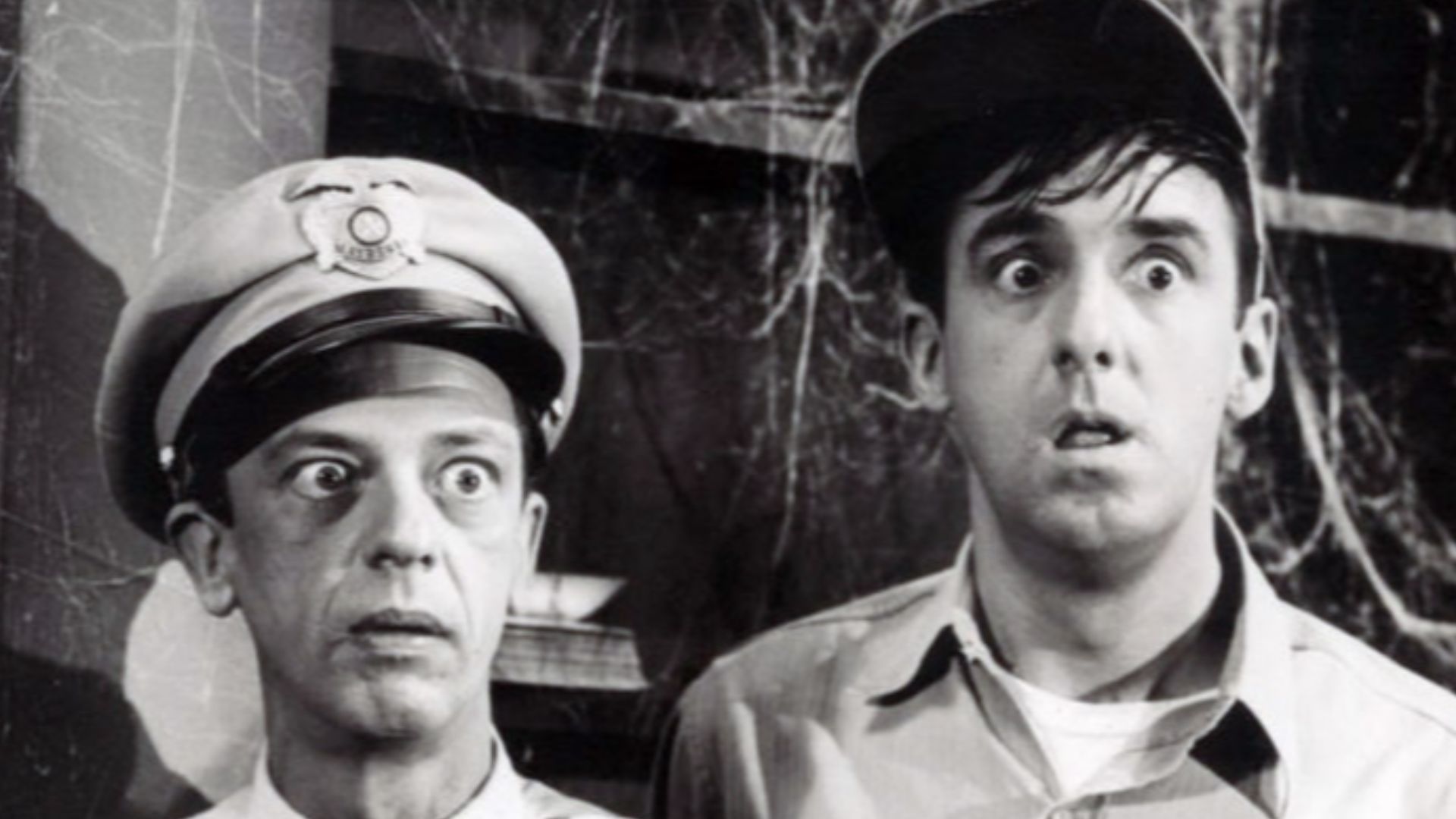
Don Knotts reduced his appearances, Jim Nabors moved to his own series, and other familiar faces came and went. Goober remained. Lindsey helped preserve Mayberry’s comic energy during the later colour seasons, when the show increasingly depended on its larger group of townspeople.
 CBS Television, Wikimedia Commons
From Goober Beasley To Goober Pyle
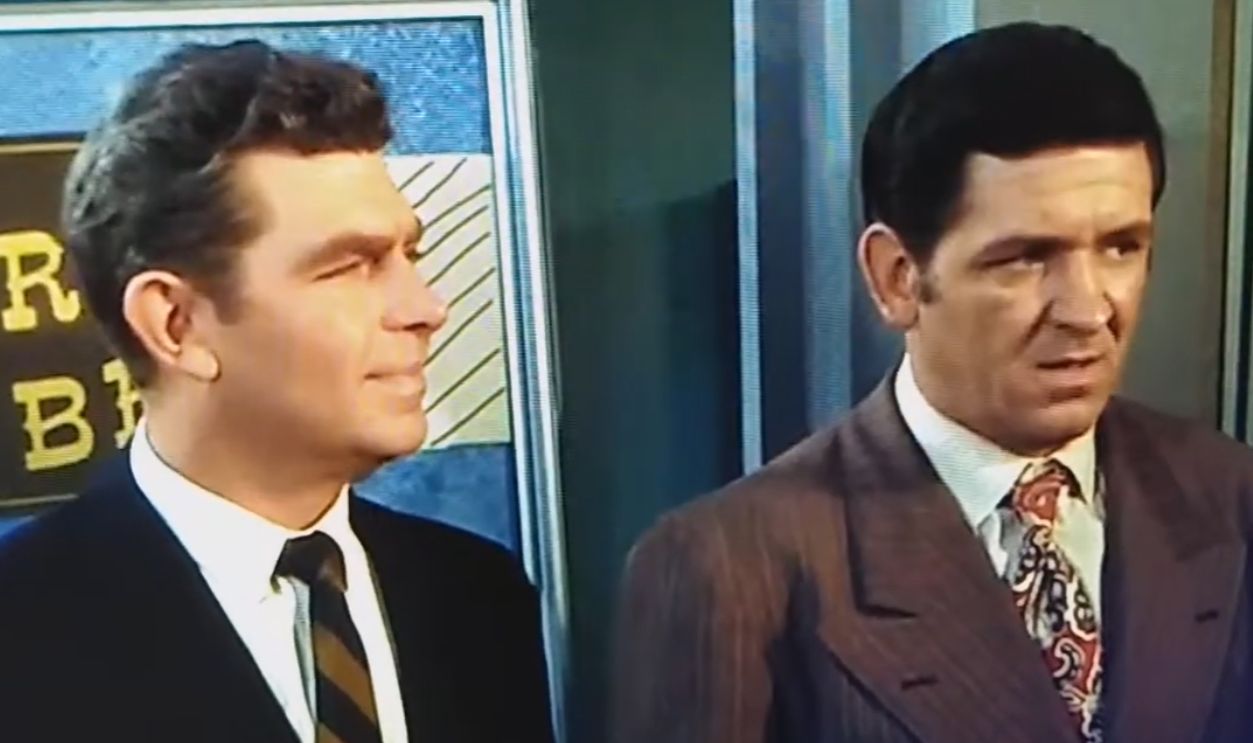
The character was initially identified as Goober Beasley before becoming Goober Pyle, officially connecting him to Gomer. The change strengthened his place in Mayberry history, but audiences did not need a family tree. Lindsey’s performance had already made Goober memorable.
 Screenshot from The Andy Griffith Show, Paramount Global (1960-1968)
Staying For Mayberry R.F.D.
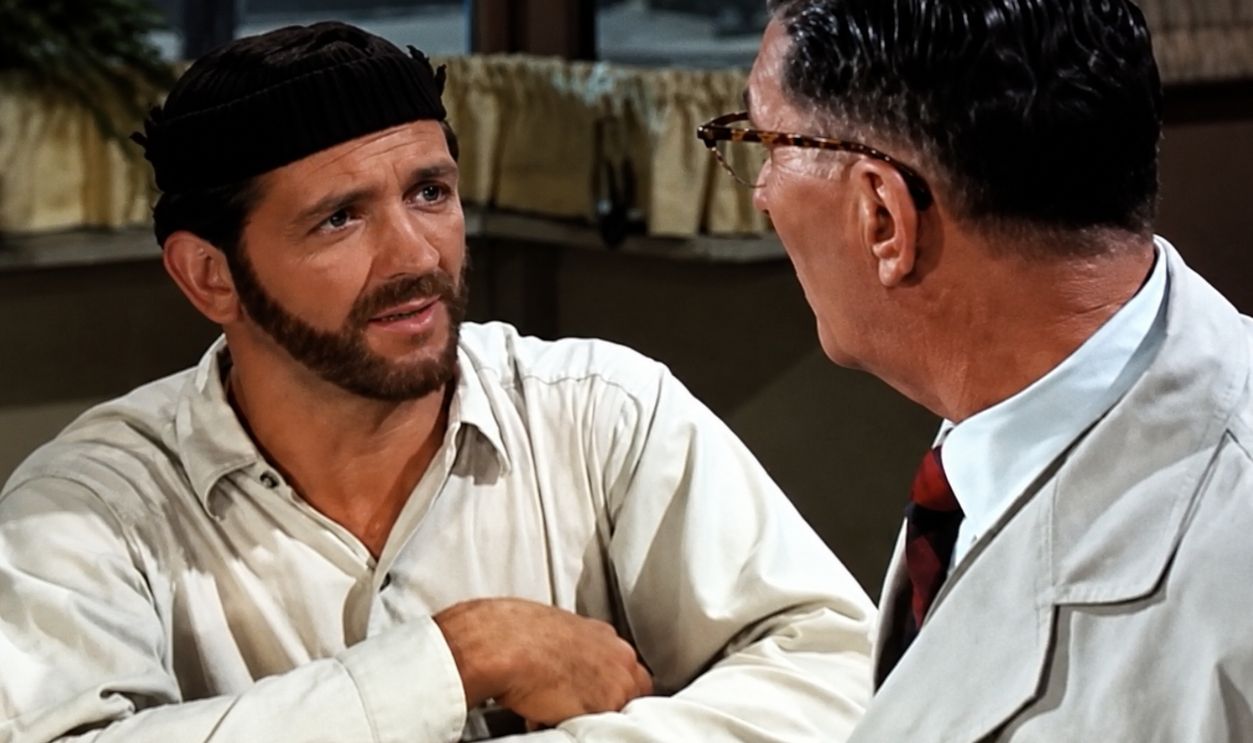
When The Andy Griffith Show ended in 1968, Lindsey did not leave town. Goober continued on Mayberry R.F.D., where he remained involved in the community’s business and social life. Lindsey played him there until the programme was cancelled in 1971.
 Screenshot from The Andy Griffith Show, Paramount Global (1960-1968), enhanced
Goober Finds A New Home
After Mayberry R.F.D., Lindsey recorded a comedy album called Goober Sings! The project helped attract the attention of Hee Haw, the country-themed variety series that offered exactly the kind of homespun comedy where Goober could comfortably continue.
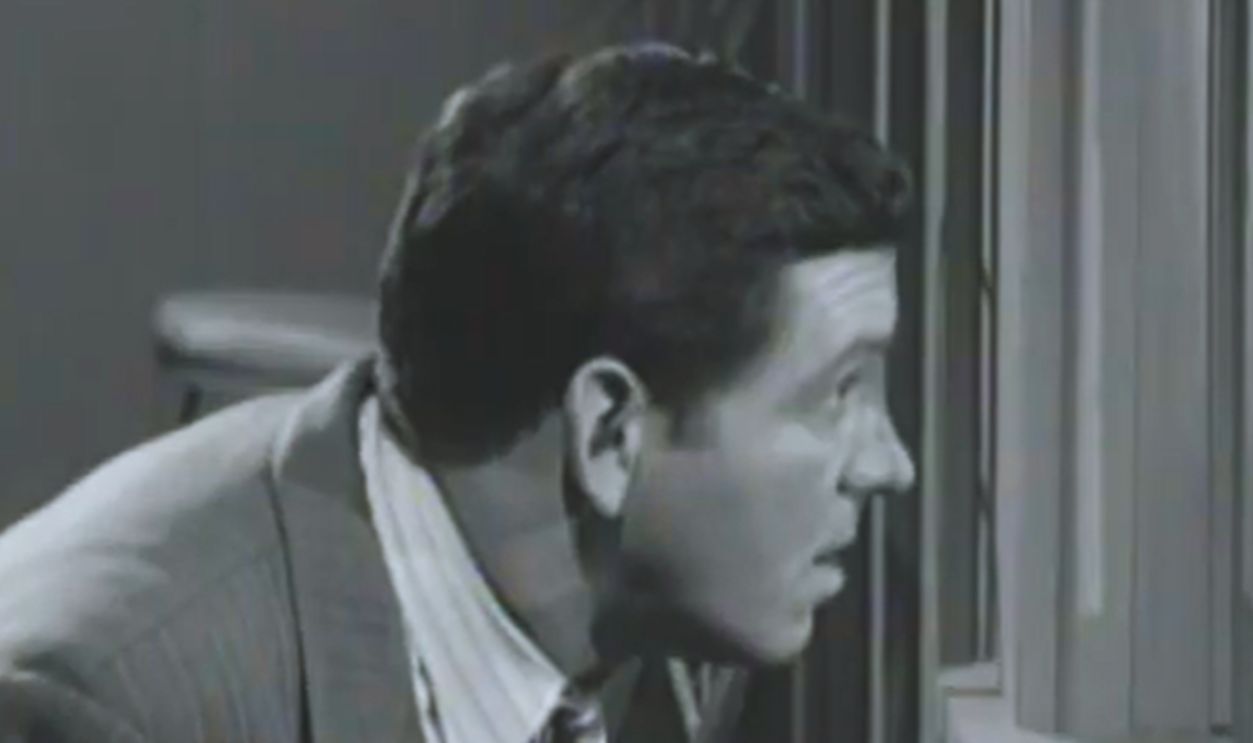 Screenshot from The Andy Griffith Show, Paramount Global (1960-1968)
Two Decades On Hee Haw
Lindsey spent roughly 20 years performing as Goober on Hee Haw. The setting had changed from fictional Mayberry to fictional Kornfield County, but the character remained familiar. New sketches and audiences kept Goober alive long after most sitcom roles would have disappeared.
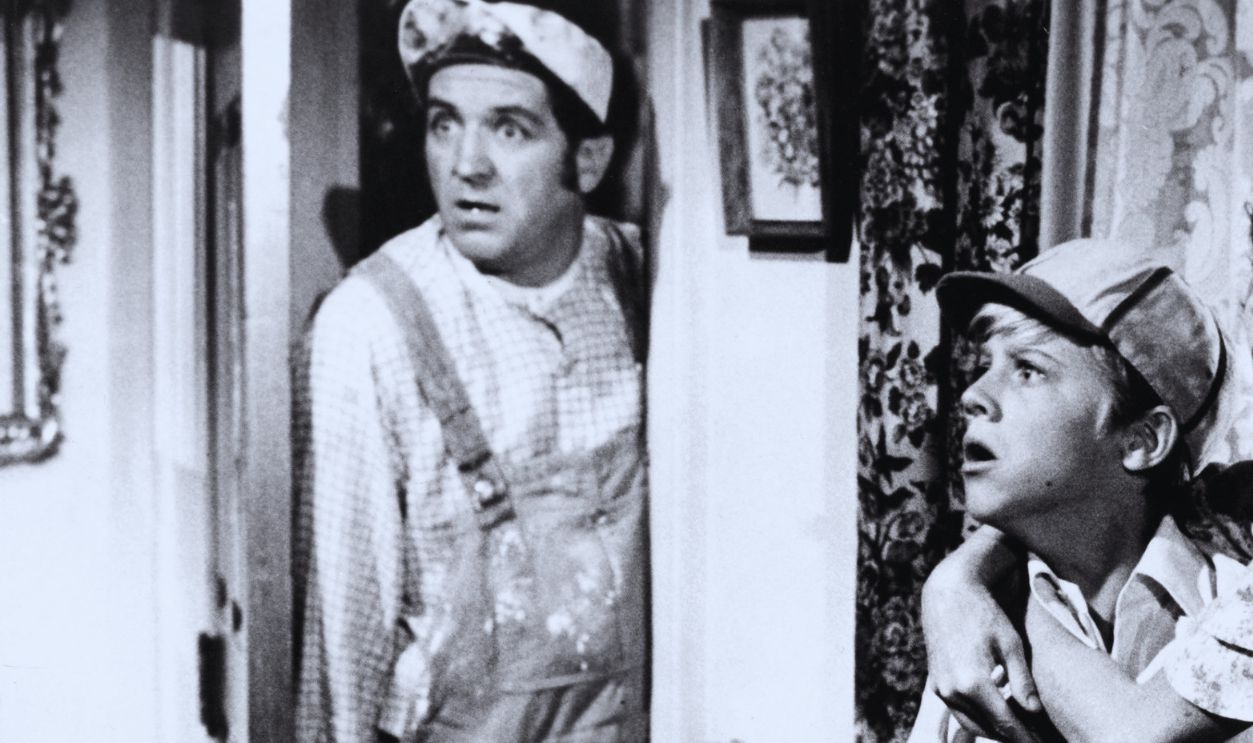 Michael Ochs Archives, Getty Images
Disney Heard Something Special
Lindsey’s expressive Southern voice also found a home in animation. He voiced characters in Disney films including The Aristocats, Robin Hood, and The Rescuers. Even without the hat or mechanic’s uniform, audiences could still hear the playful personality underneath.
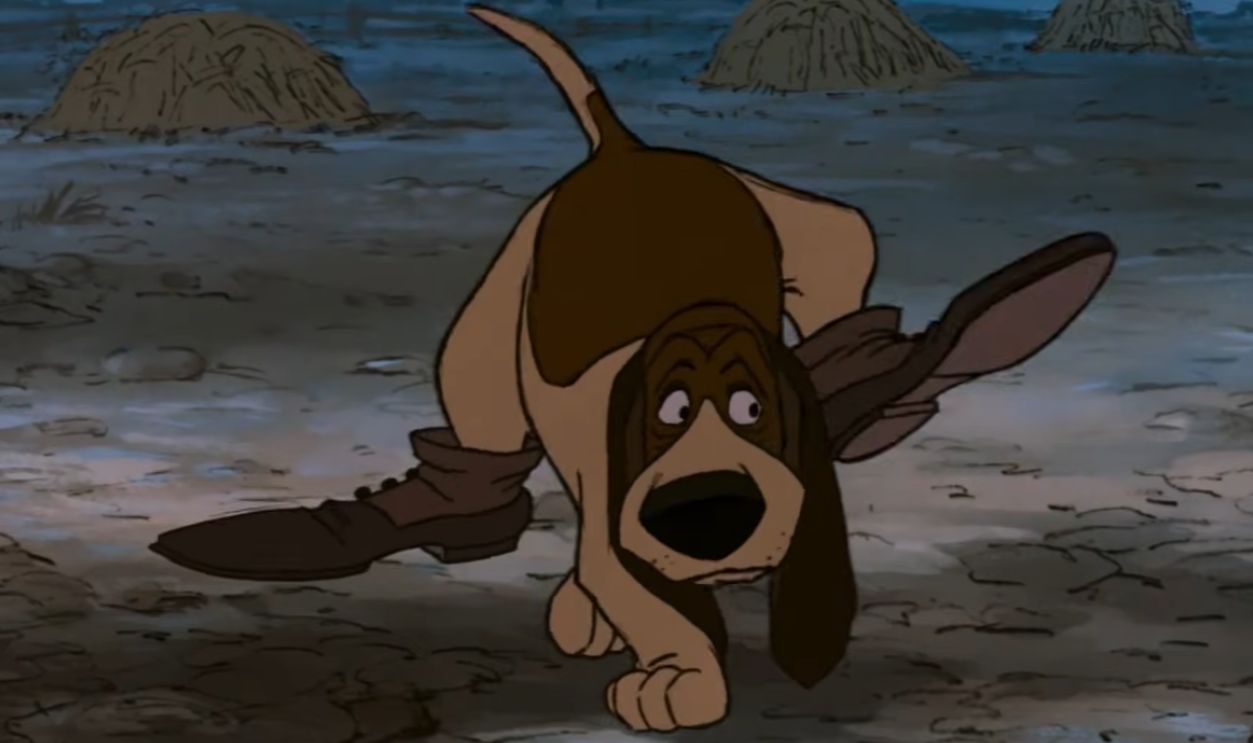 Screenshot from The Aristocats, The Walt Disney Company (1970)
Escaping Mayberry Now And Then
Although Goober dominated his career, Lindsey continued accepting other roles. He appeared on programmes including MASH*, CHiPs, and Banacek, along with films such as Take This Job and Shove It and Cannonball Run II.
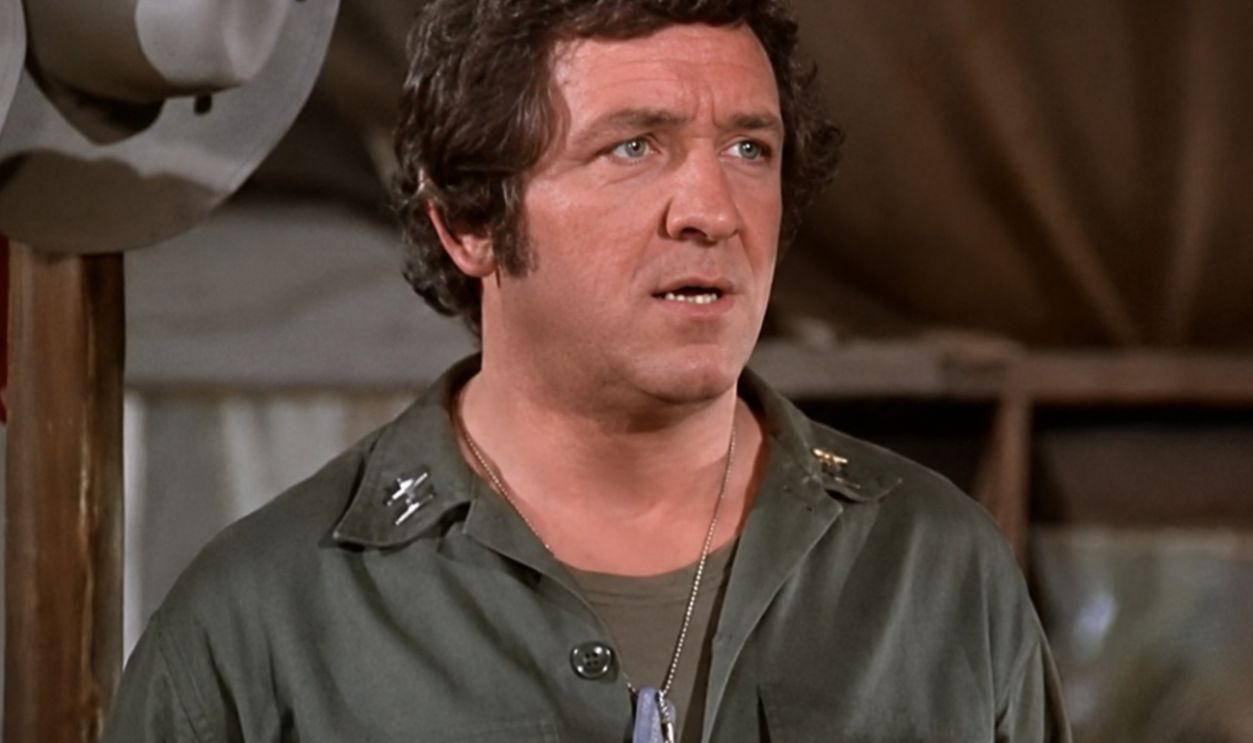 Screenshot from M*A*S*H, The Walt Disney Company (1972-1983), enhanced
Returning To Mayberry
In 1986, Lindsey reunited with many former cast members for the television movie Return to Mayberry. Goober was still repairing cars and proudly wearing his familiar cap. The special showed that the character had barely aged in spirit, even if Lindsey certainly had.
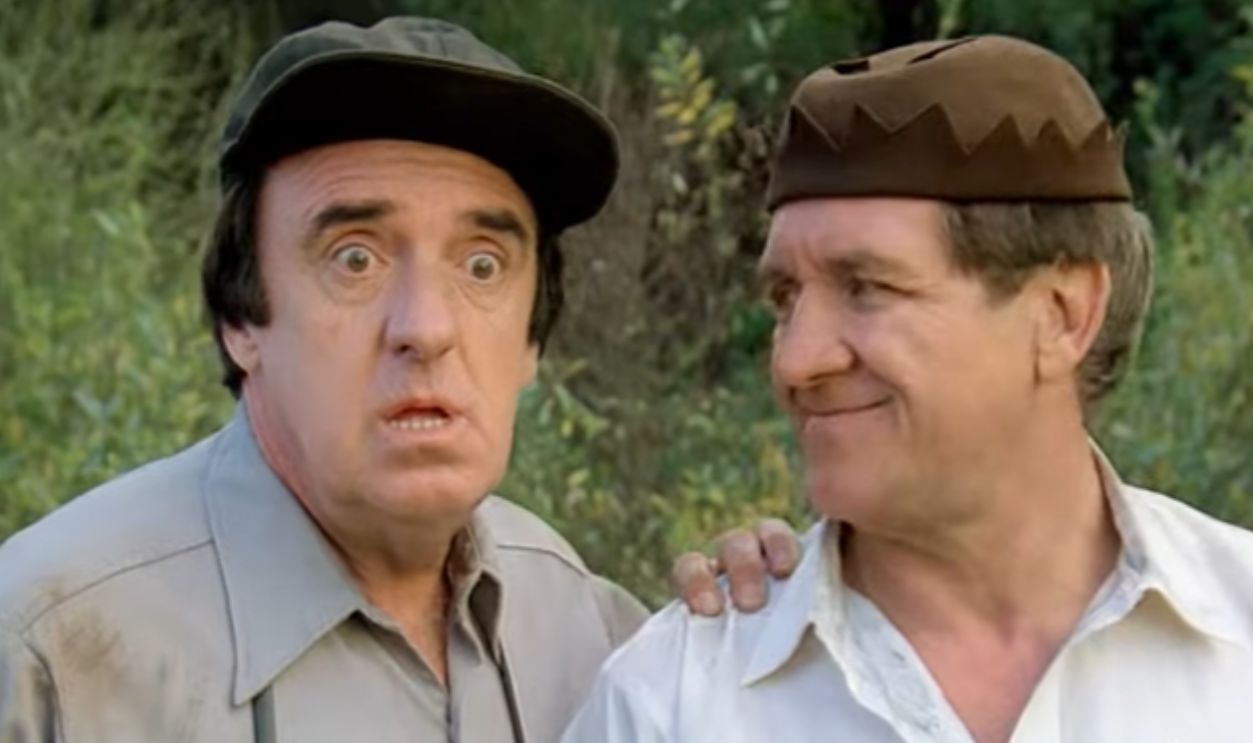 Screenshot from Return to Mayberry, Paramount Global (1986)
Living With A Famous Face
Lindsey understood that Goober would always follow him. Rather than running from the character, he generally embraced the connection. He once joked that they would have to bury him in his Goober hat, recognising how completely the mechanic had become part of his public identity.
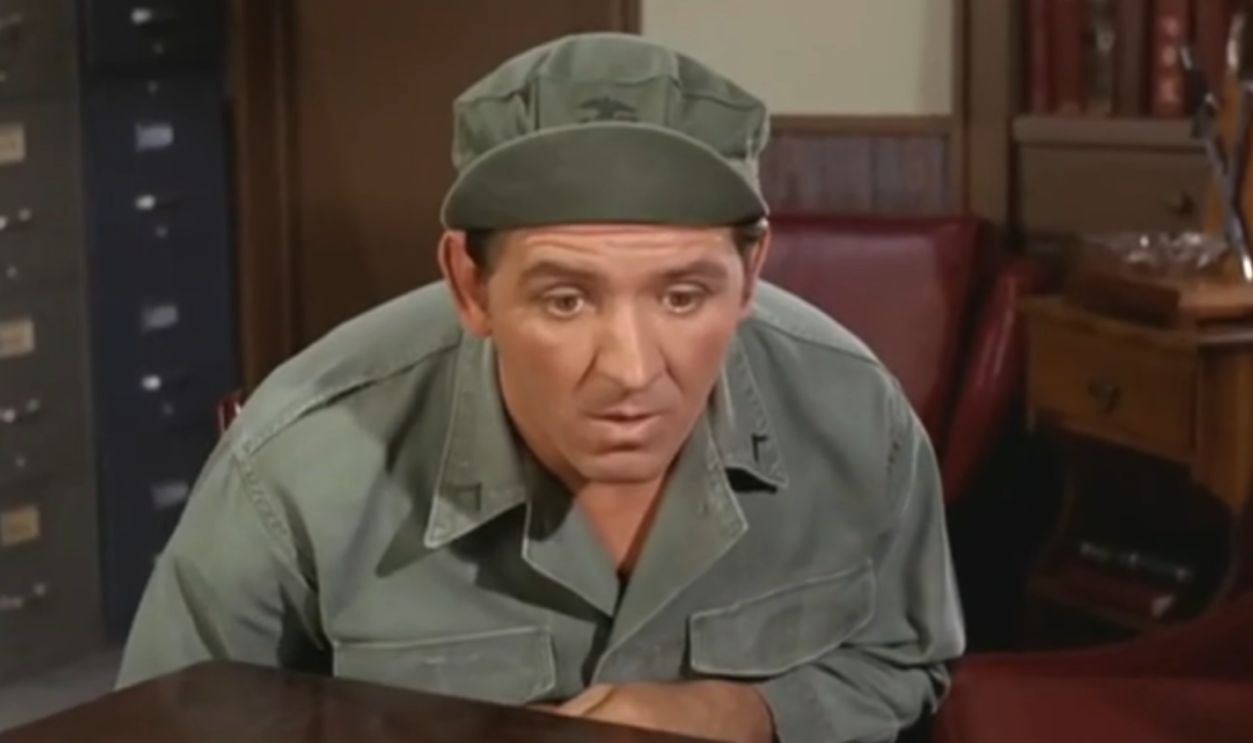 Screenshot from Gomer Pyle, U.S.M.C., Paramount Global (1964-1969)
Giving Back
Away from television, Lindsey devoted considerable energy to charitable work. His celebrity golf events helped raise more than $1 million for Special Olympics programmes in Alabama. He also supported scholarships and maintained strong ties to the university where his acting journey had begun.
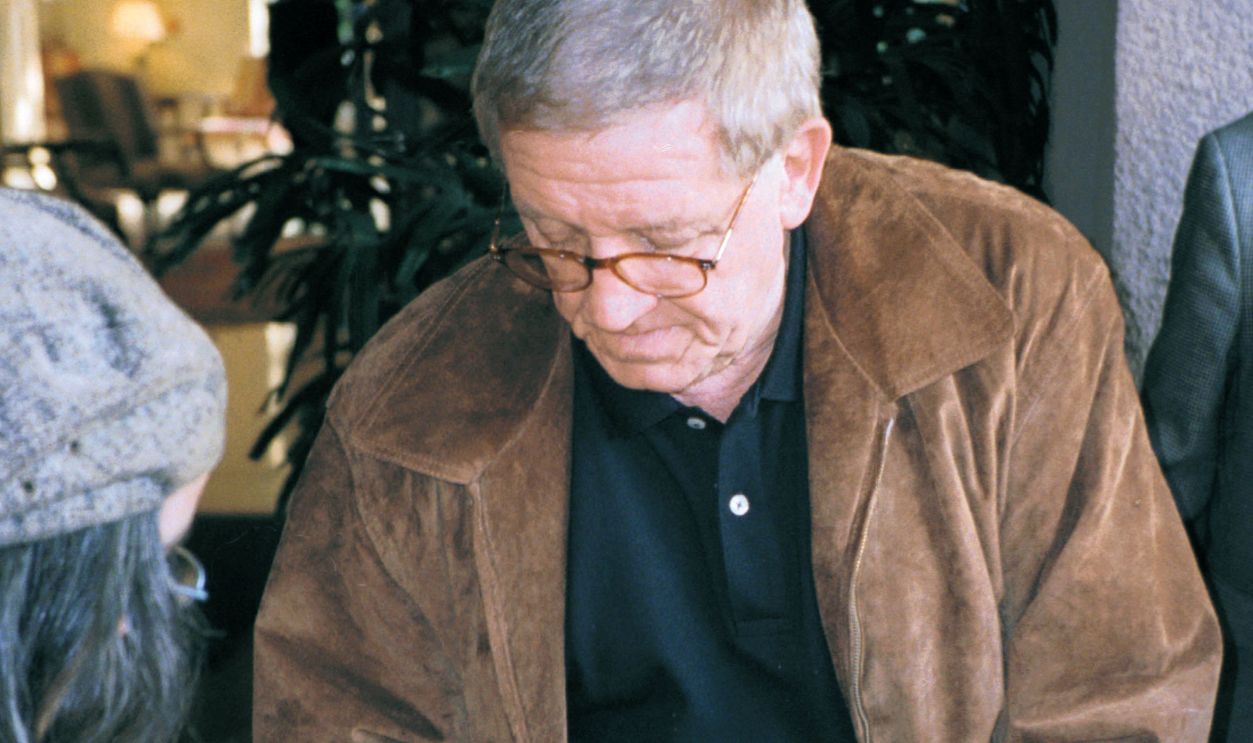
A Legacy Beyond The Laughs
Lindsey helped establish a television and film festival at the University of North Alabama in 1998. The event gave young filmmakers opportunities to screen work, enter competitions, and learn from industry professionals, ensuring his influence reached beyond the character that made him famous.
Goober Forever
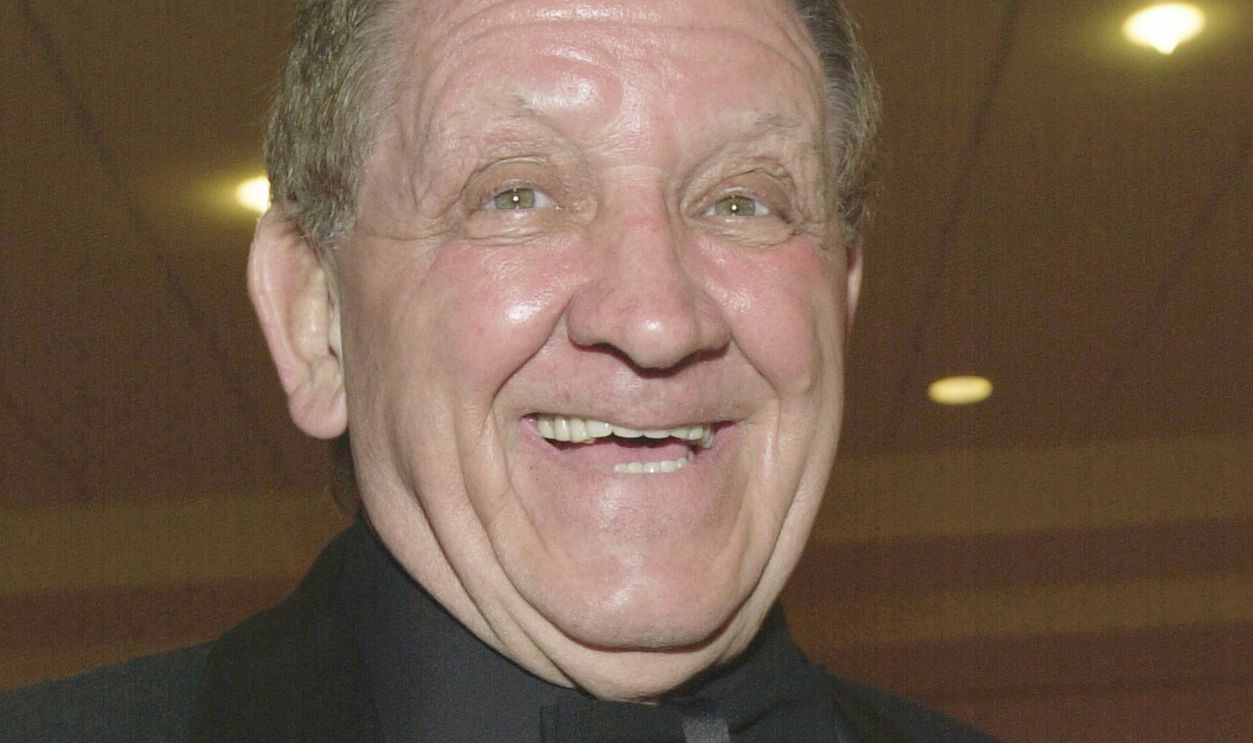
George Lindsey died in 2012 at the age of 83, but Goober never really left television. Reruns continue introducing that peculiar cap, enormous grin, and terrible Cary Grant impression to new viewers. Lindsey proved that a “small” character could become a wonderfully permanent one.
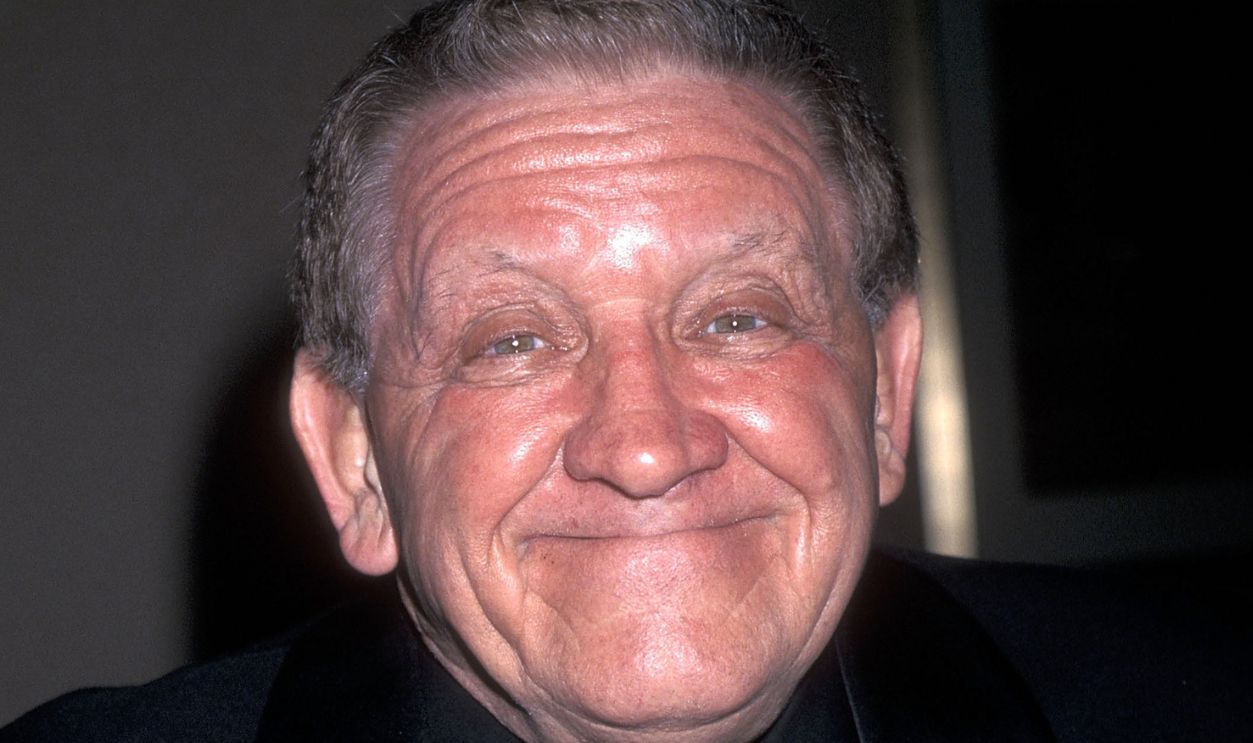 Ron Galella, Ltd., Getty Images
You May Also Like: