The Stars Who Had Another Talent
We remember their faces, their catchphrases, and the characters they brought into our living rooms. But some of television's biggest stars were doing more than acting. They were also writing episodes of our favorite shows, sometimes without audiences realizing who was behind the scripts.
 Michael Ochs Archives, Getty Images
The Names You Might Have Missed
Back when television credits rolled past in seconds, most viewers paid attention to the actors, not the writers. Yet several familiar performers had genuine scriptwriting credits. One even used a different name, making his behind-the-scenes work especially easy to miss.
 http://www.cpsc.gov/cpscpub/spanish/99114s.html, Wikimedia Commons
Alan Alda Was More Than Hawkeye Pierce
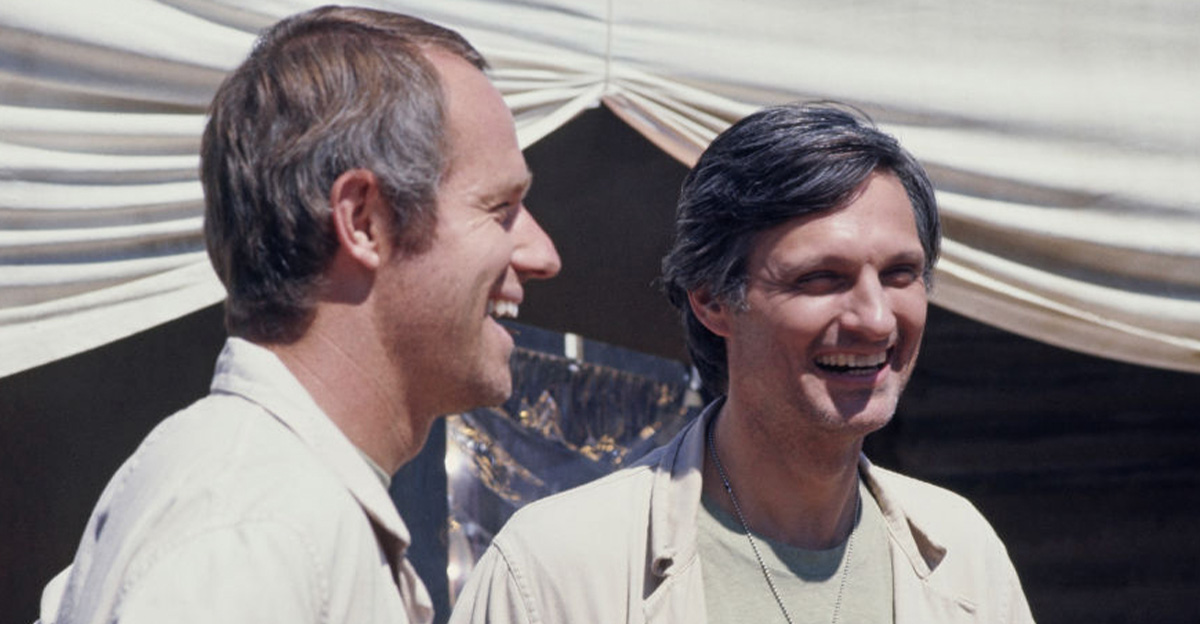
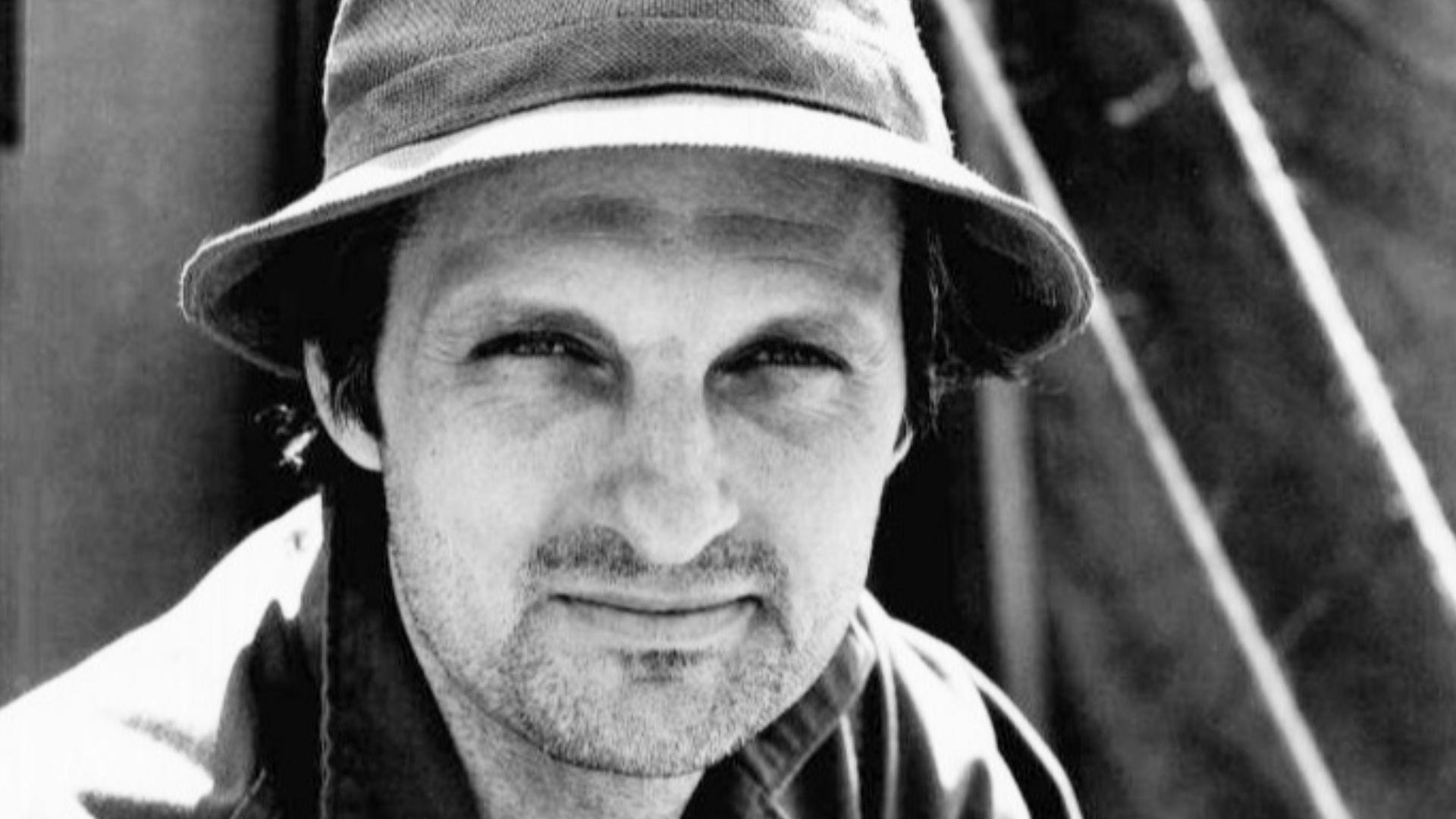
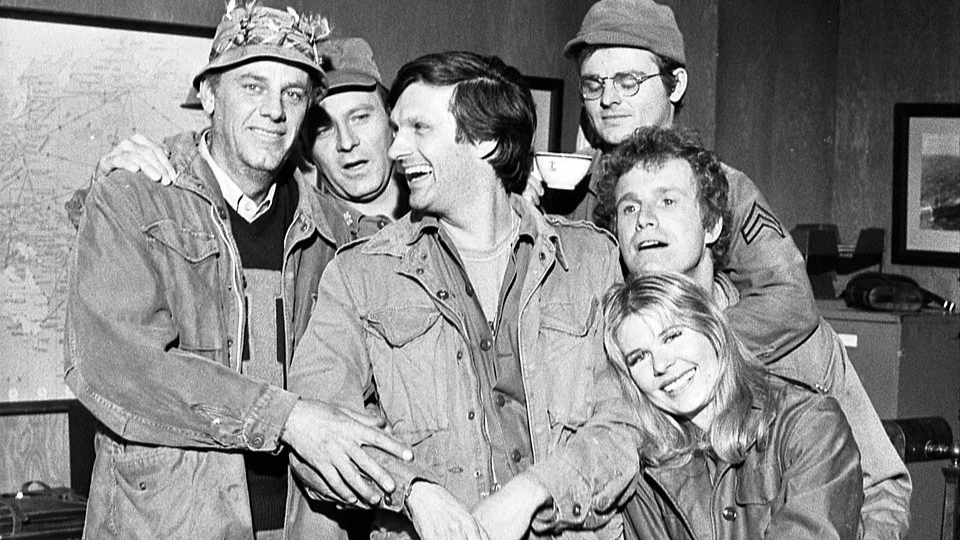
Millions loved Alan Alda as the wisecracking Hawkeye Pierce on M*A*S*H. What some fans might not realize is that Alda helped write 19 episodes of the beloved series. His involvement went well beyond delivering jokes in an army medical tent.
 CBS Television, Wikimedia Commons
Alda Wrote Some Of The Show's Most Memorable Stories
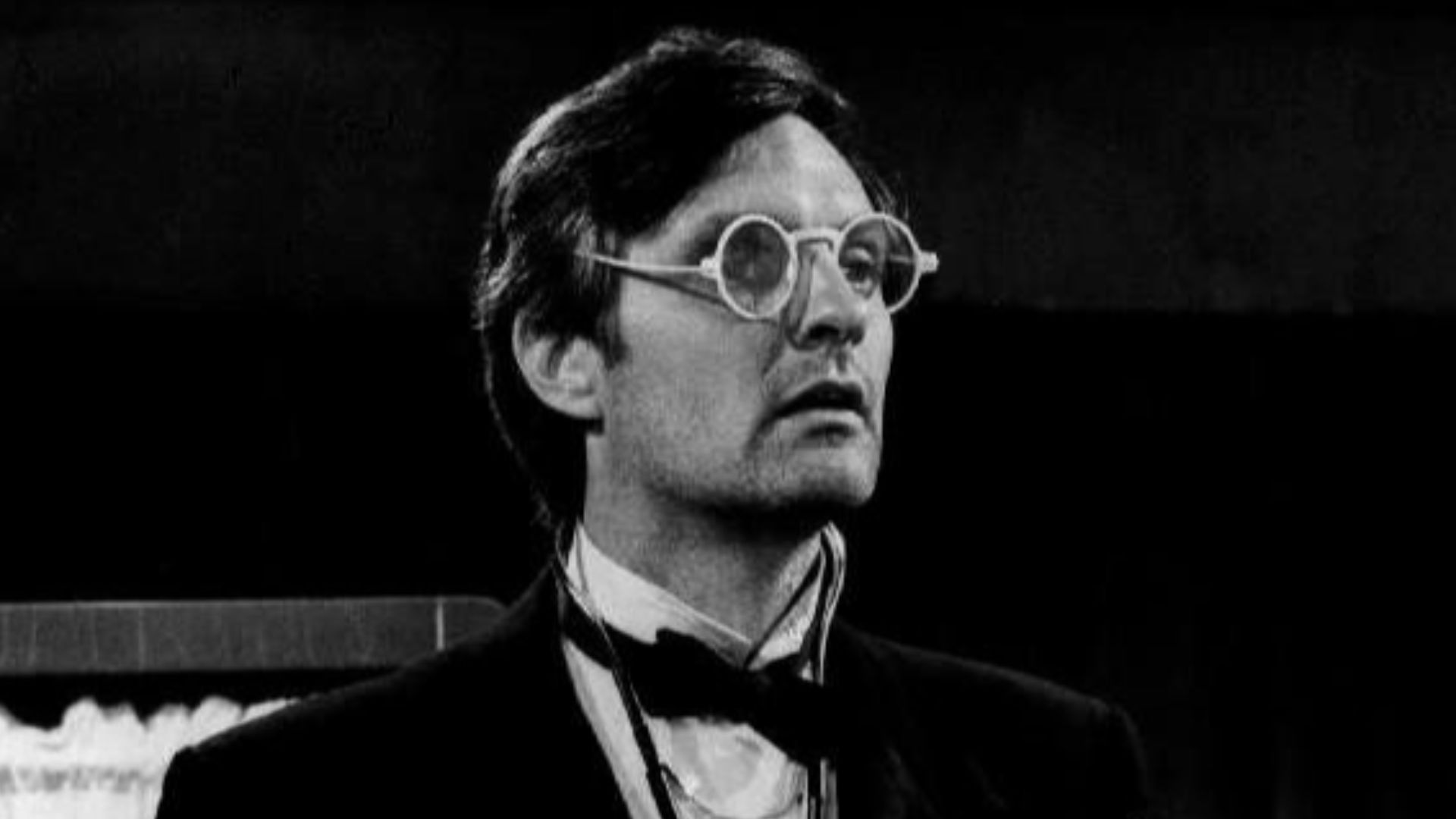
One of Alda's best-known scripts was "Dear Sigmund," a fifth-season episode in which psychiatrist Sidney Freedman reflects on his experiences with the 4077th. Alda also wrote "Fallen Idol," which explored the complicated friendship between Hawkeye and Radar in unusually emotional territory.
 CBS Television, Wikimedia Commons
He Even Helped Write The Famous Finale
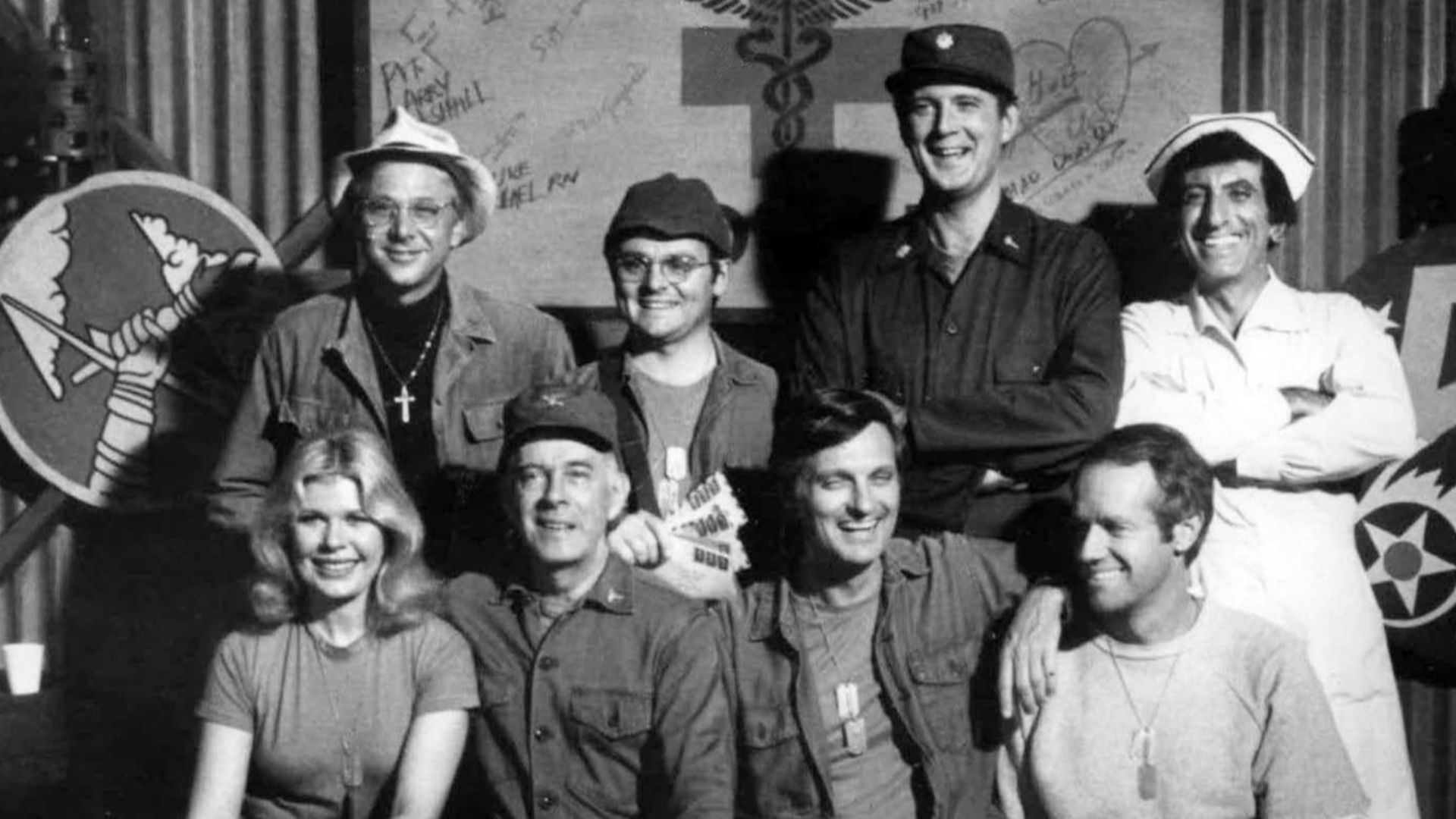
When M*A*S*H ended in 1983, Alda helped write its monumental finale, "Goodbye, Farewell and Amen." He also directed it. His work earned him a remarkable distinction: Emmy victories for acting, writing, and directing on the same television series.
 CBS Television, Wikimedia Commons
Mike Farrell Had A Hidden Talent, Too
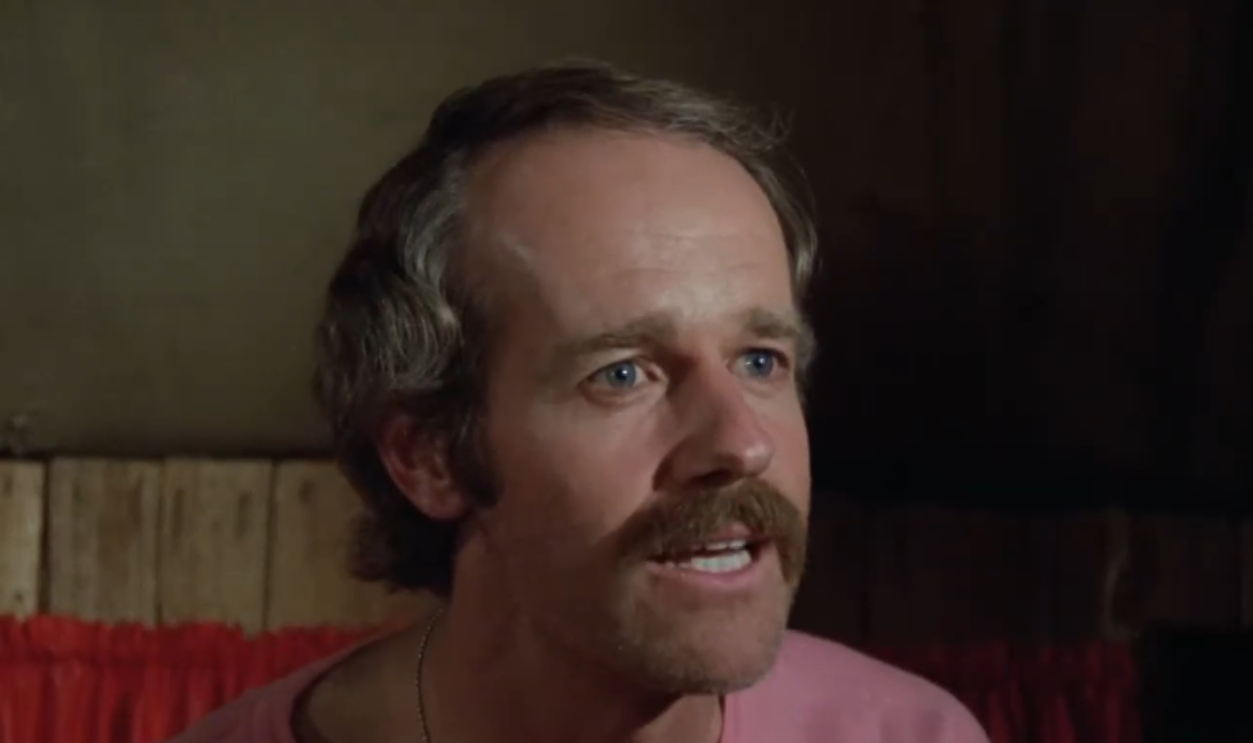
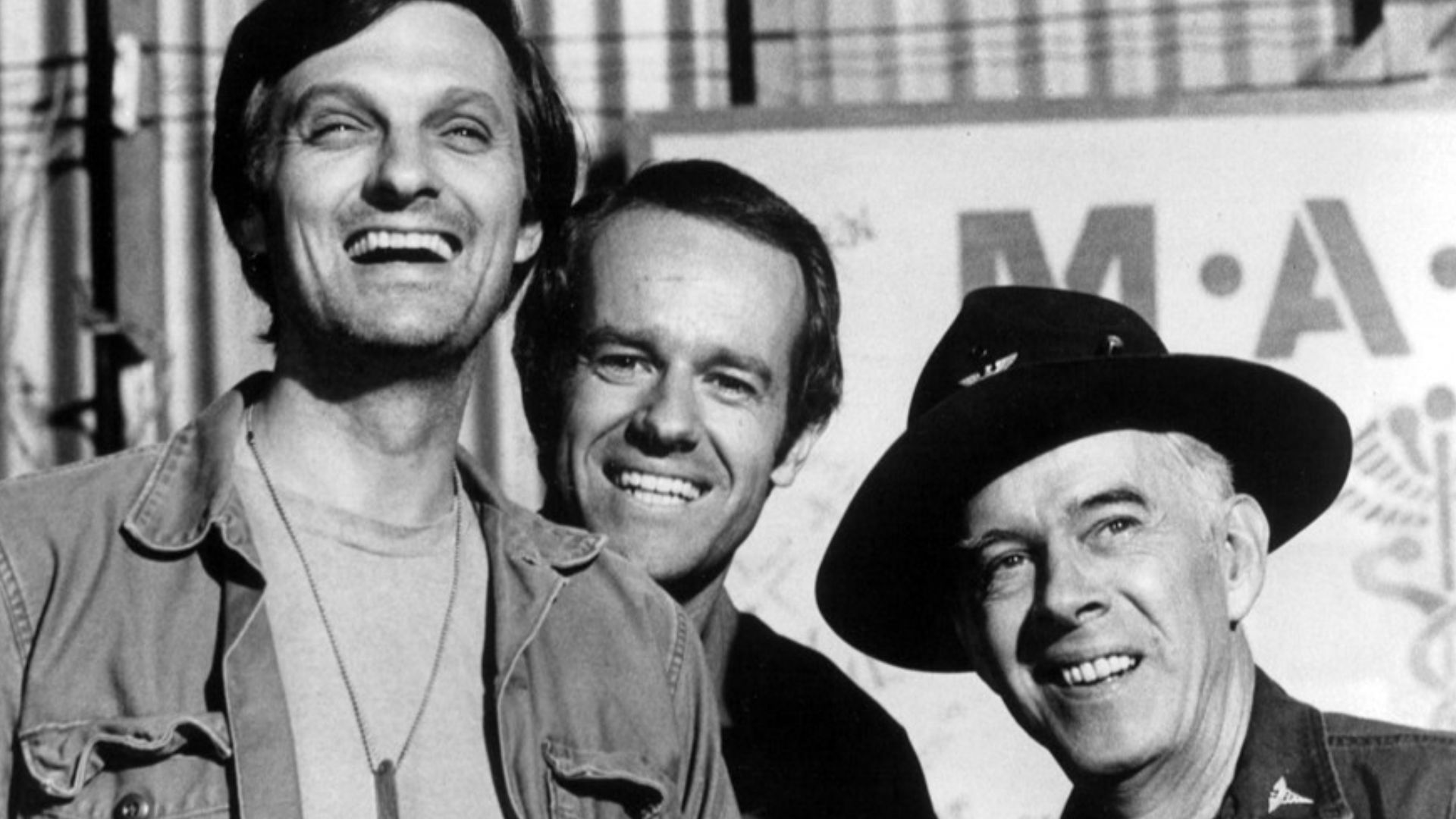
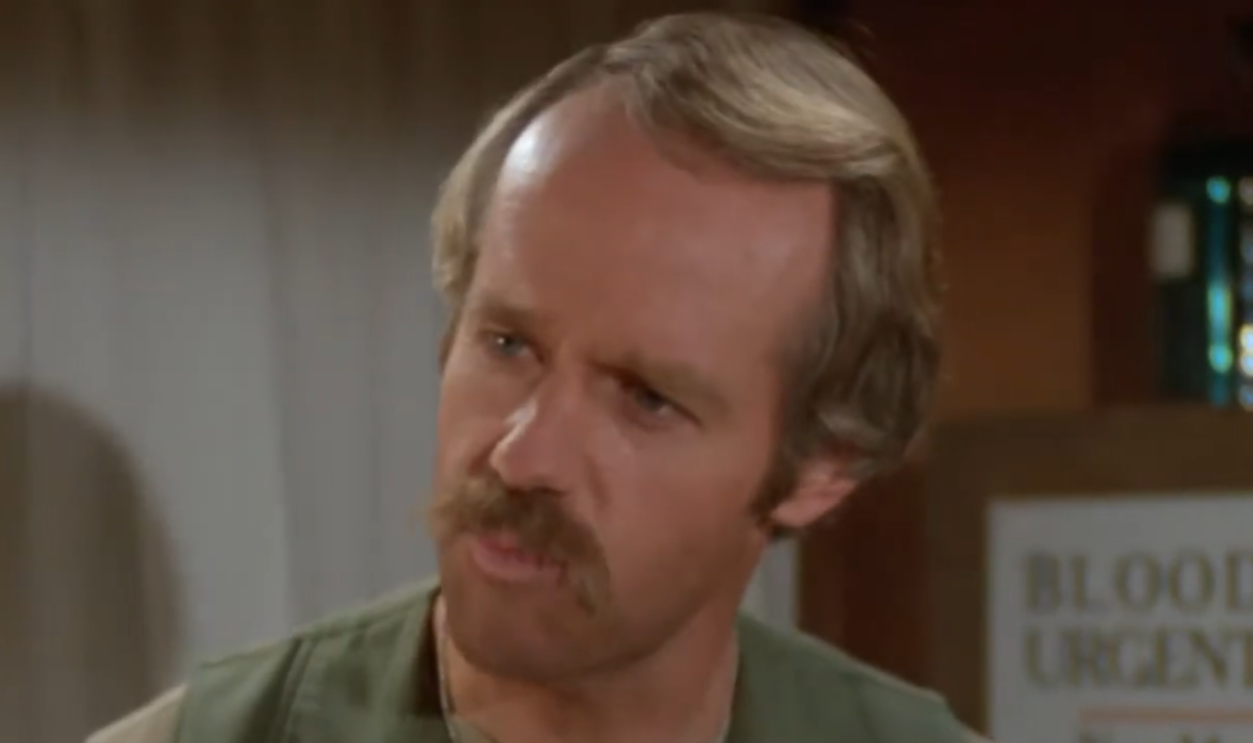
Alda wasn't the only MAS*H actor who could write. Mike Farrell, better known as the gentle B.J. Hunnicutt, also contributed scripts. Farrell joined the cast in 1975 and eventually helped write several episodes, proving there was another storyteller hiding beneath that familiar mustache.
 Screenshot from M*A*S*H, 20th Century Fox Television (1972–1983)
Farrell Helped Shape The Show's Later Years
Among Farrell's writing credits were "The Yalu Brick Road," "War Co-Respondent," and "Death Takes a Holiday." These weren't simply suggestions made during rehearsals. Farrell received actual writing credits, giving him a hand in shaping stories audiences watched during the show's later seasons.
 CBS Television, Wikimedia Commons
The Cast Had A Remarkably Collaborative Workplace
Farrell later recalled how M*A*S*H encouraged actors to contribute during script readings. Rather than keeping performers away from the writing process, the producers welcomed their ideas. That collaborative atmosphere helped Farrell develop his writing skills and eventually take on full episodes.
 Screenshot from M*A*S*H, 20th Century Fox Television (1972–1983)
Walter Koenig Wrote For Star Trek Without Playing Chekov
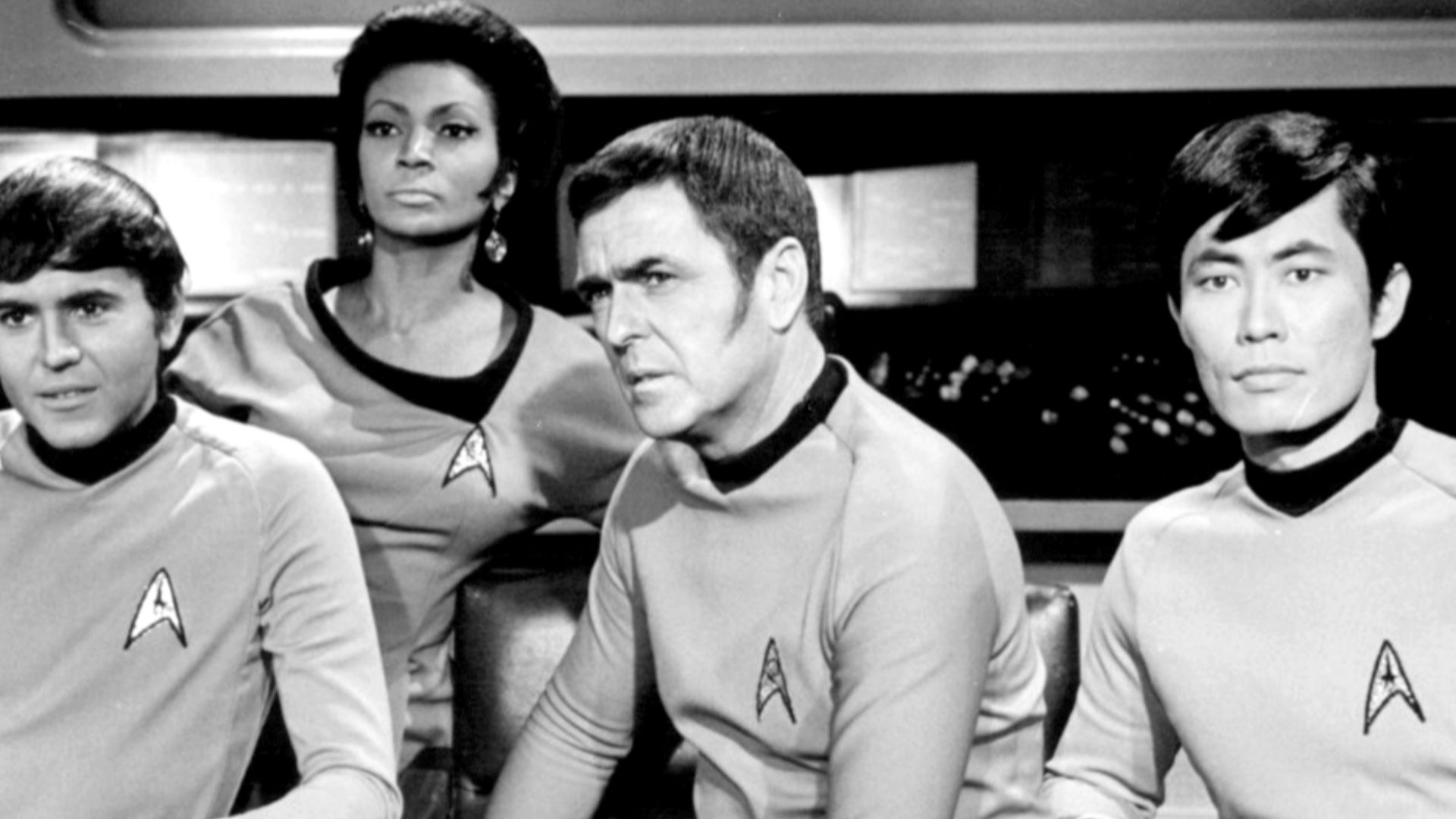
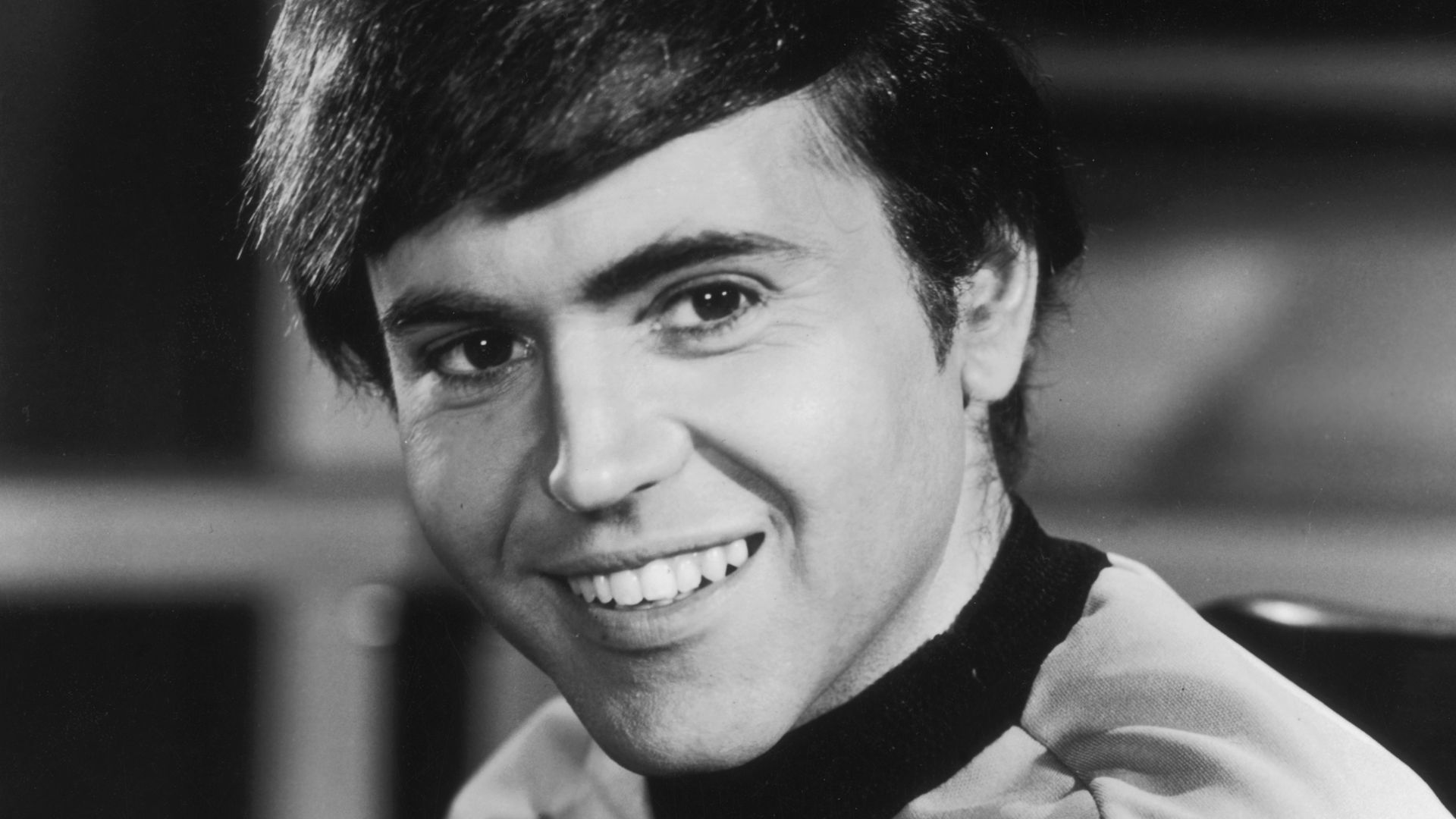
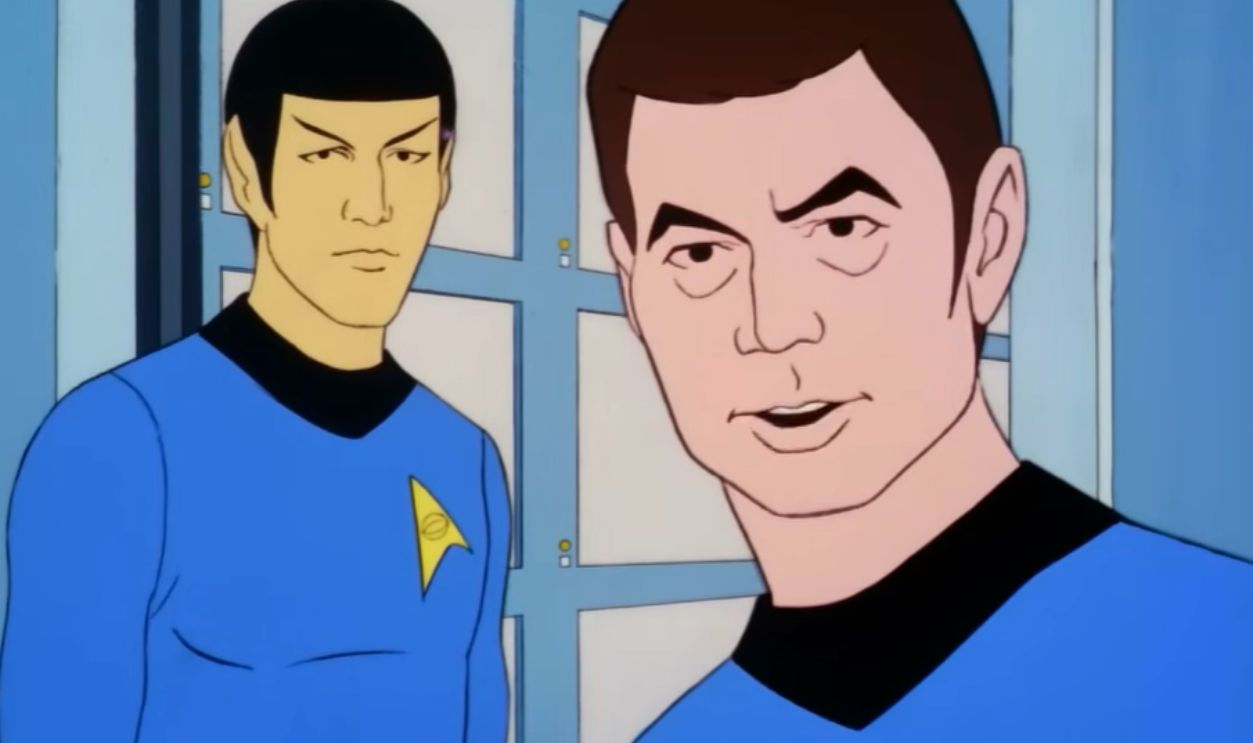
Fans remember Walter Koenig as Pavel Chekov aboard the USS Enterprise. But when Star Trek: The Animated Series premiered in 1973, Koenig wasn't part of the regular voice cast. Instead, he contributed something unexpected: a script for an episode called "The Infinite Vulcan."
 NBC Television, Wikimedia Commons
Koenig's Writing Caught Gene Roddenberry's Attention
Koenig later explained that Gene Roddenberry's assistant, Susan Sackett, had read some of his writing and recommended it to the Star Trek creator. Roddenberry liked what he saw and invited Koenig to write for the animated show. Not bad for an actor temporarily missing from the bridge!
 NBC Television, Wikimedia Commons
He Created A Particularly Strange Star Trek Adventure
"The Infinite Vulcan" featured giant cloned versions of famous historical figures, including a towering duplicate of Mr. Spock. Koenig drew inspiration from contemporary discussions about cloning. Although he wasn't voicing Chekov, his imagination was still taking Star Trek into unexplored territory.
 Screenshot from Star Trek: The Animated Series, Paramount Television (1973-1974)
Robert Culp Was Writing His Own Spy Adventures
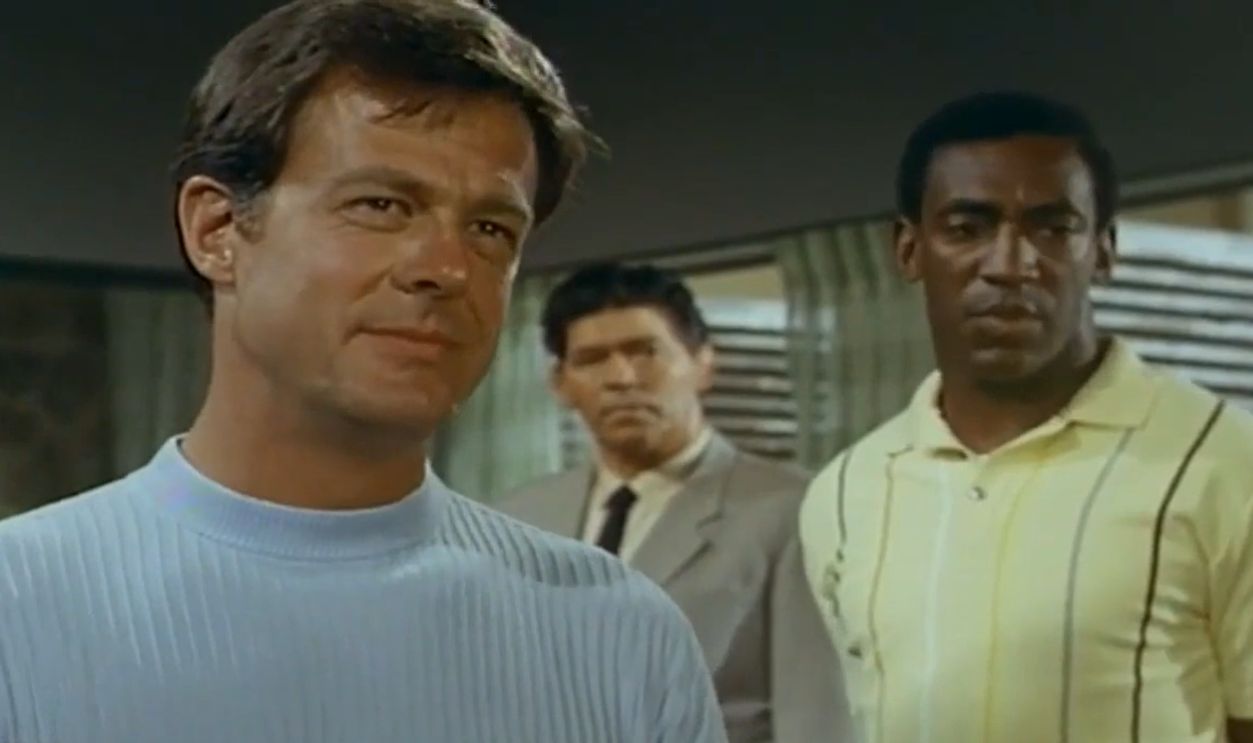
Before starring in I Spy, Robert Culp had already developed an interest in writing television dramas. When he landed the role of Kelly Robinson opposite Bill Cosby, he didn't leave all the storytelling to the show's regular writers. He wrote several episodes himself.
 Screenshot from I Spy, NBC (1965–1968)
Culp Helped Introduce Audiences To I Spy
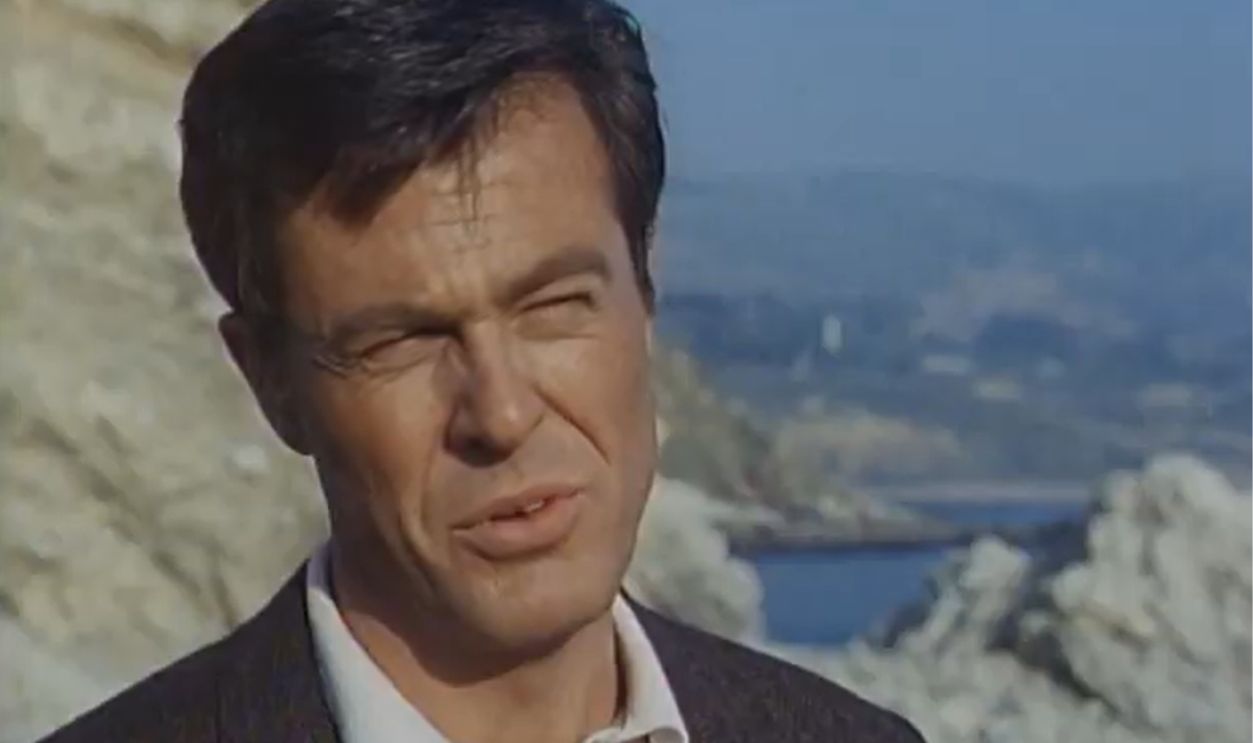
Culp actually wrote "So Long, Patrick Henry," the first episode broadcast when I Spy premiered in September 1965. The story introduced audiences to the show's globe-trotting secret agents. Viewers were discovering Culp as a leading man while also experiencing his work as a writer.
 Screenshot from I Spy, NBC (1965–1968)
His Writing Continued Into The 1980s
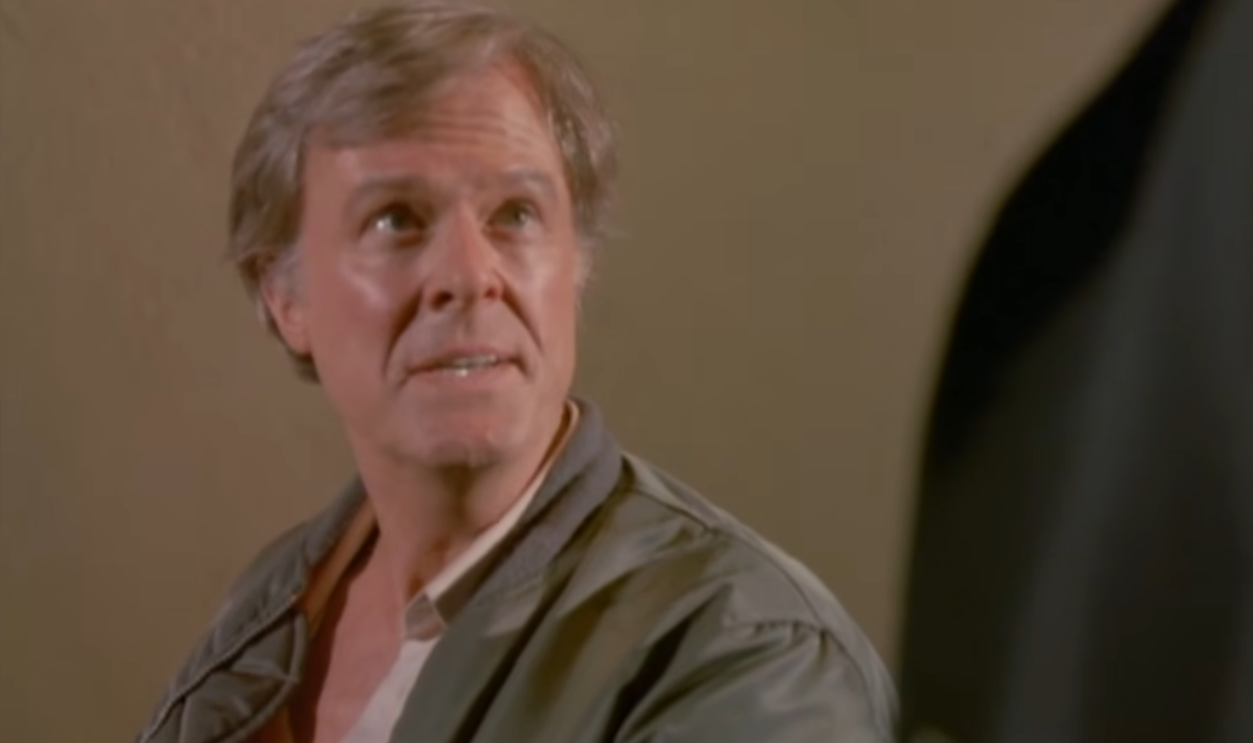
Culp's writing career didn't end with I Spy. During The Greatest American Hero, he wrote and directed "Lilacs, Mr. Maxwell" and "Vanity, Says the Preacher." Fans who knew him as tough-minded FBI agent Bill Maxwell were also watching stories he had created.
 Screenshot from The Greatest American Hero, ABC (1981-1983)
Patrick McGoohan Had A Secret Writing Identity
Few television stars took greater creative control than Patrick McGoohan. After starring in Secret Agent, he developed the strange and unforgettable 1967 series The Prisoner. But not every episode he wrote carried his familiar name in the credits.
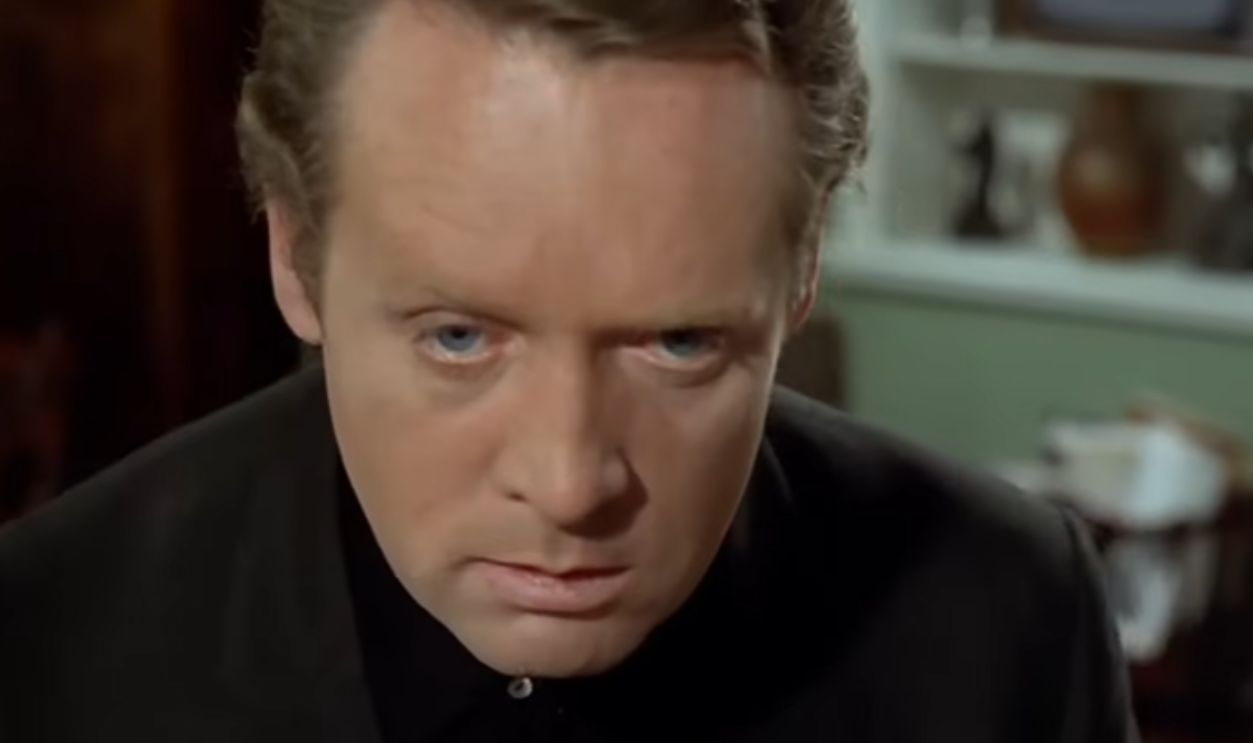 Screenshot from The Prisoner, ITC Entertainment (1967-1968)
McGoohan Used The Name Paddy Fitz
For the episode "Free for All," McGoohan credited himself as Paddy Fitz. The name wasn't random: Paddy was a familiar form of Patrick, while Fitz referred to his mother's maiden name, Fitzpatrick. Unless viewers knew the connection, they could easily miss the actor's writing credit.
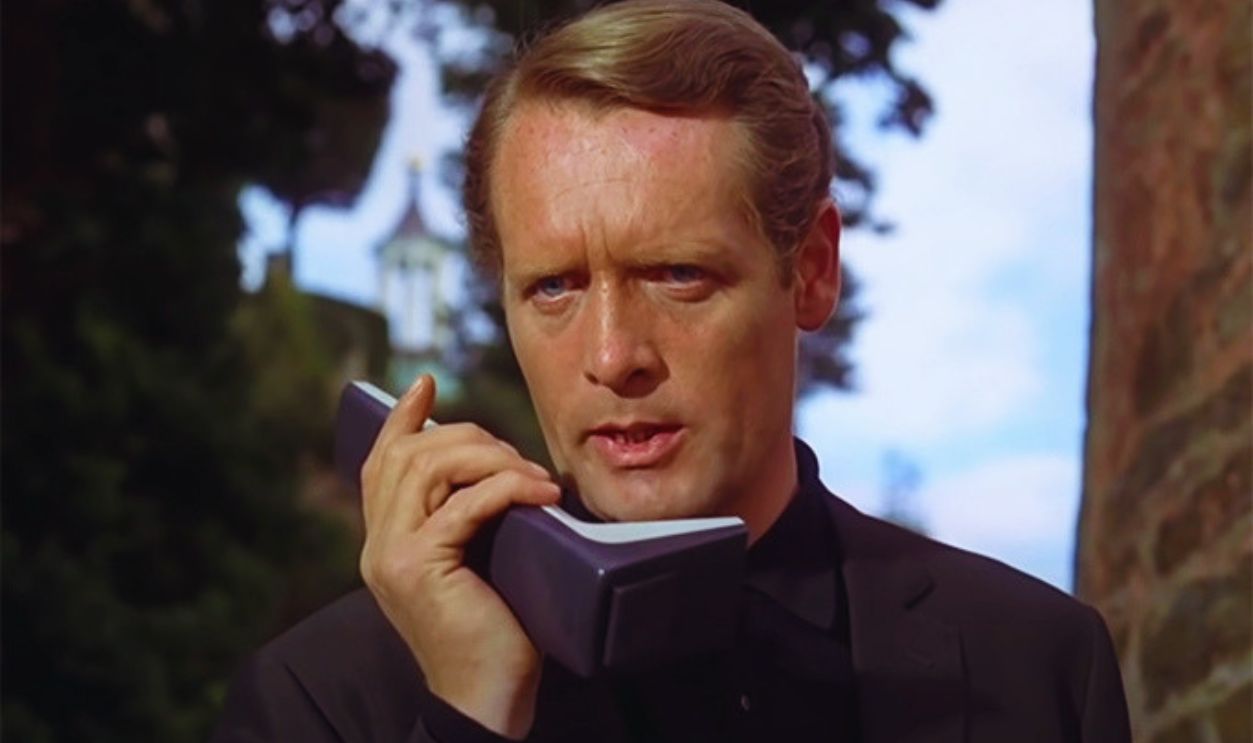 Screenshot from The Prisoner, ITC Entertainment (1967–1968)
He Also Wrote The Show's Mysterious Ending
McGoohan wrote and directed "Once Upon a Time" and "Fall Out," the final two episodes of The Prisoner. Their unusual storytelling helped cement the series' reputation as a television classic that refuses to explain everything. McGoohan wasn't merely playing Number Six. He was helping construct the mystery.
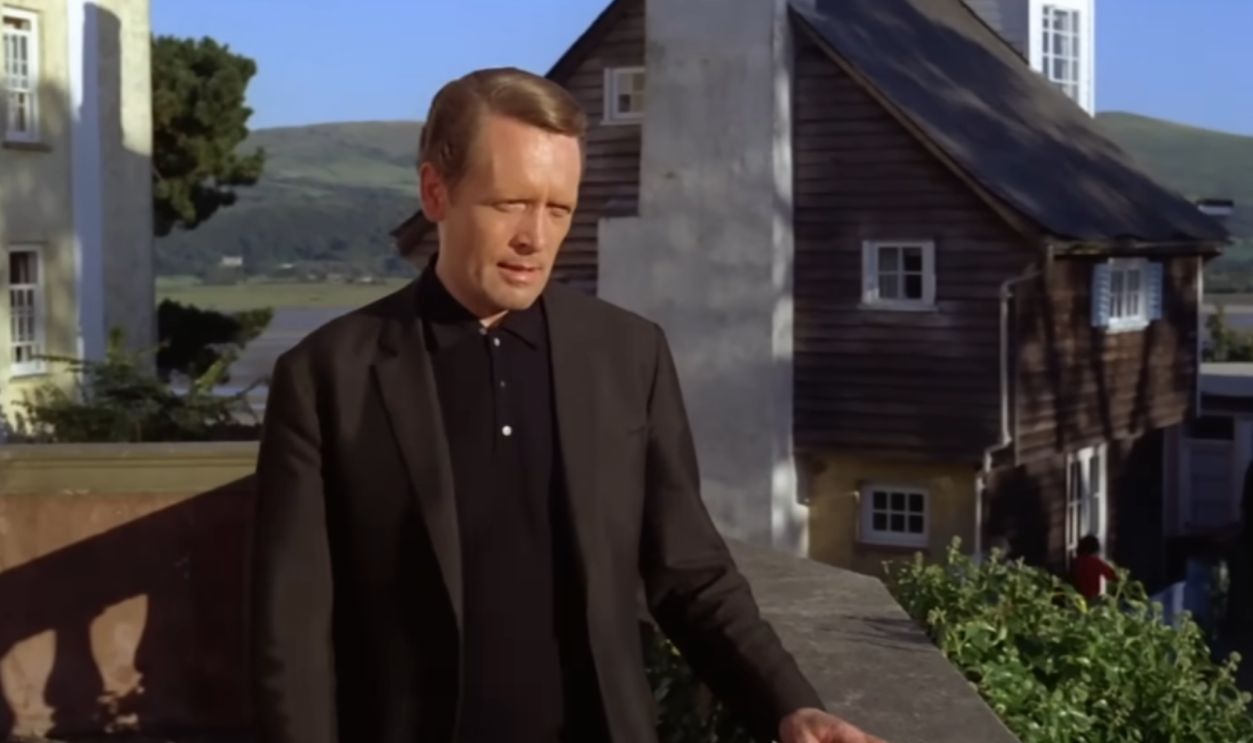 Screenshot from The Prisoner, ITC Entertainment (1967–1968)
Michael Landon Was Writing Bonanza Stories
Long before he became Charles Ingalls on Little House on the Prairie, Michael Landon was charming audiences as Little Joe Cartwright on Bonanza. Behind the scenes, Landon was developing his writing skills, eventually contributing scripts to the enormously popular Western.
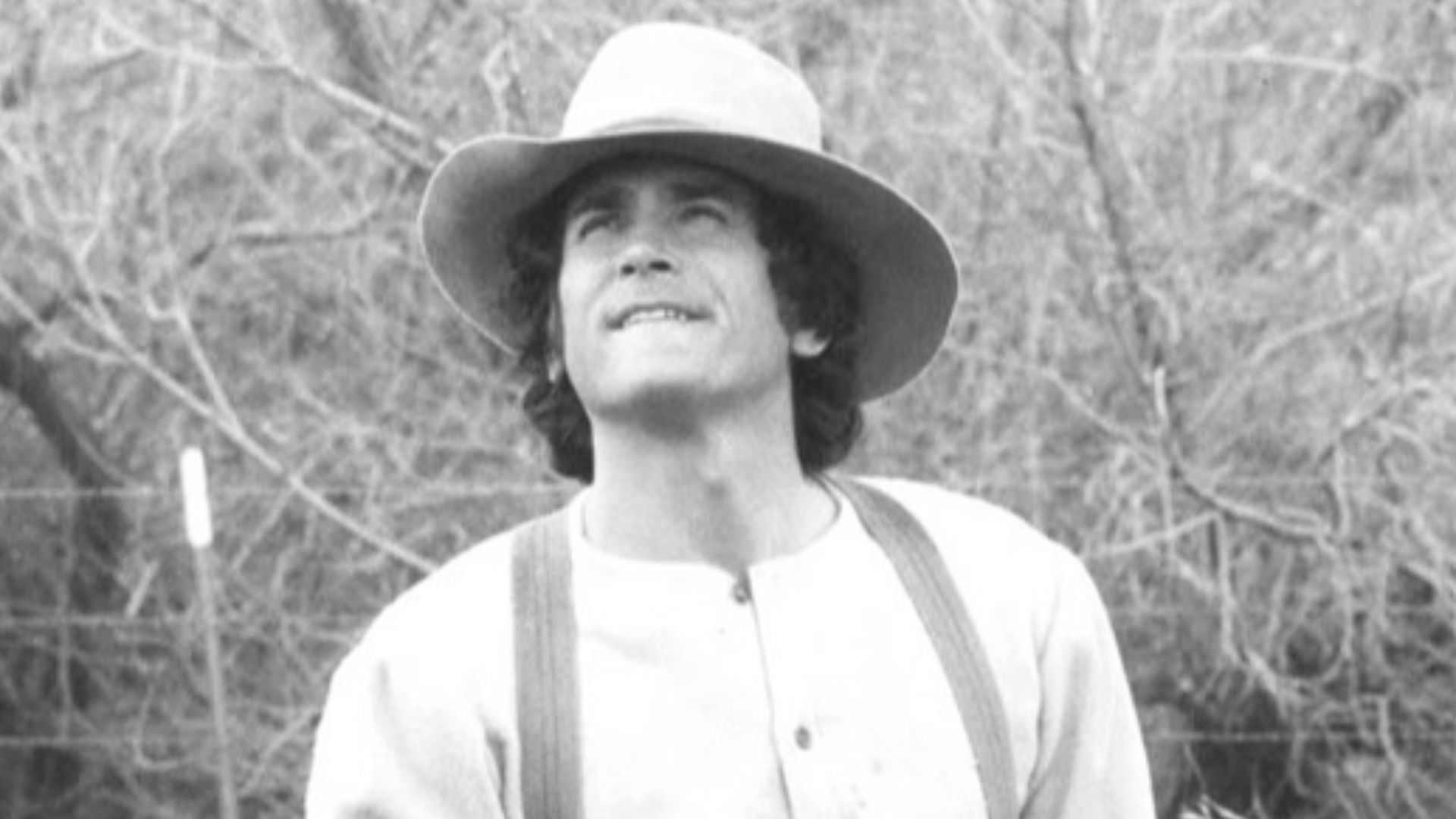 NBC Television, Wikimedia Commons
Landon Wrote An Award-Winning Western Episode
One particularly notable example was "The Wish," which aired in March 1969. Landon both wrote and directed the episode, which featured Ossie Davis. The story later received a Western Heritage Award, demonstrating that Landon's talents extended well beyond his performances as Little Joe.
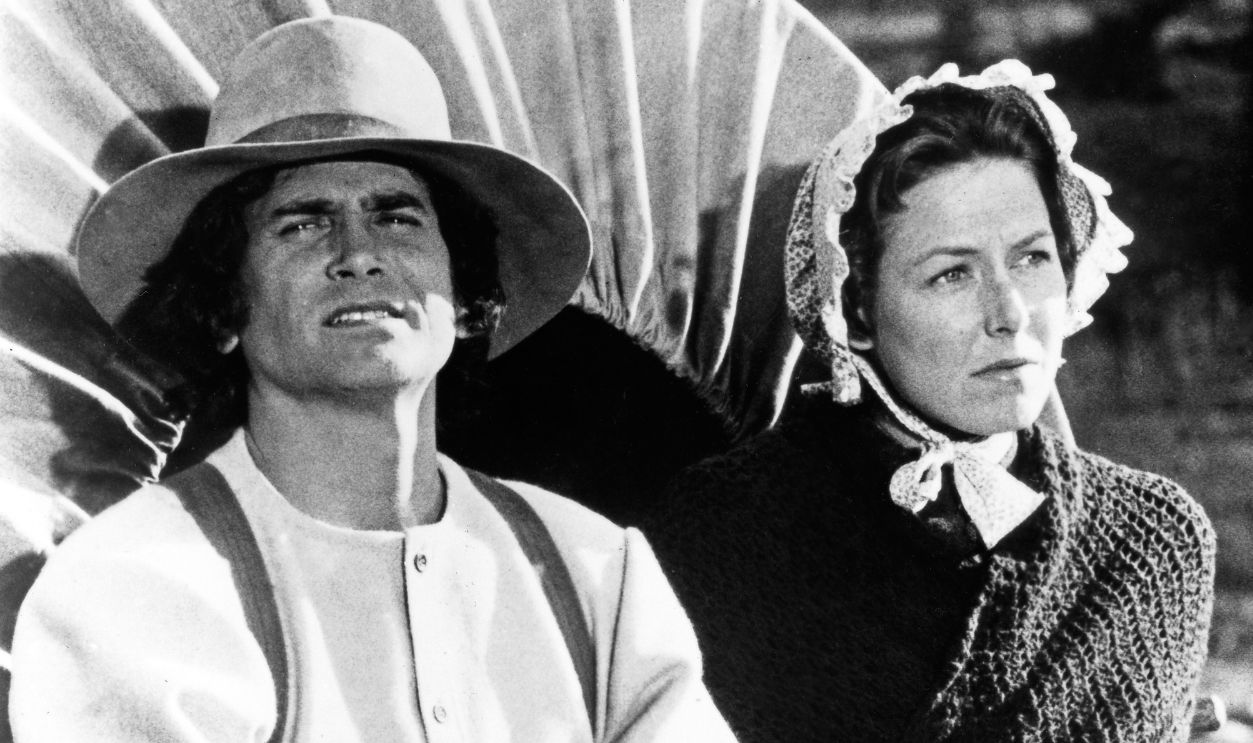
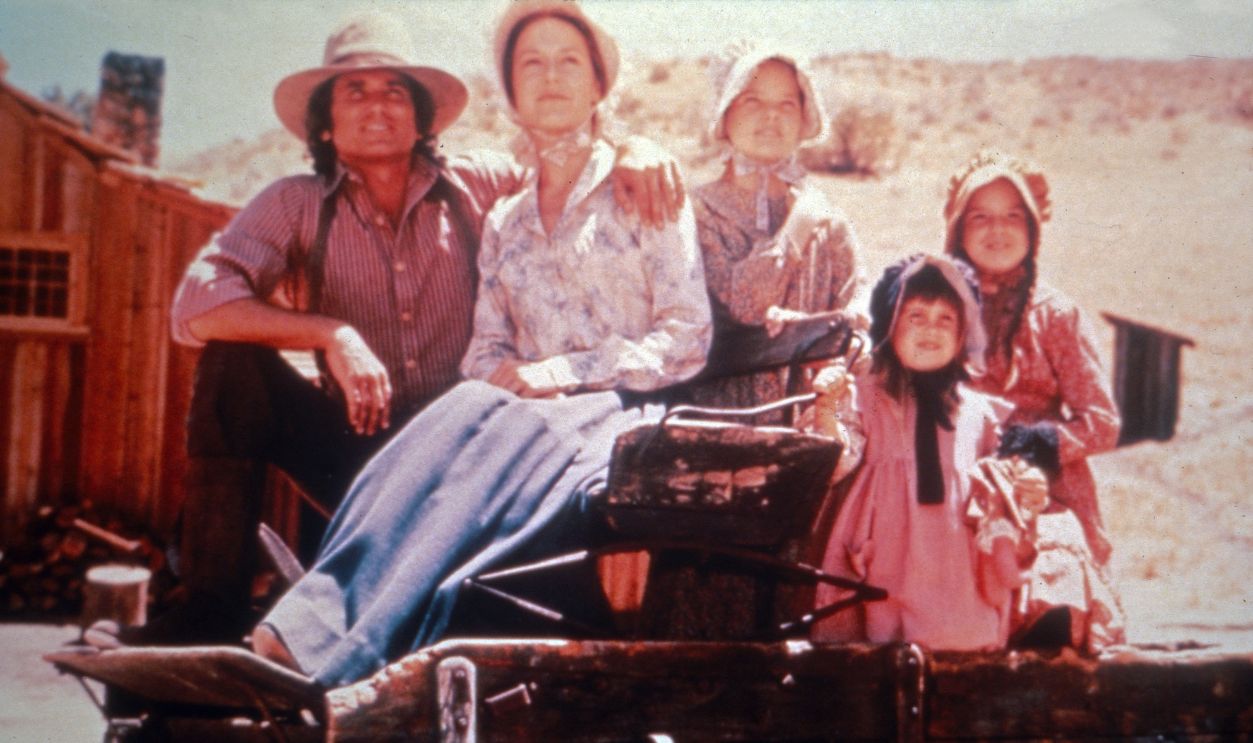
Little House Became His Creative Showcase
When Little House on the Prairie premiered in 1974, Landon was no longer simply an actor trying his hand at writing. He was a major creative force behind the series, frequently writing and directing episodes while starring as Charles Ingalls. His storytelling became central to the show's identity.
Don Adams Had More Than One Trick Up His Sleeve
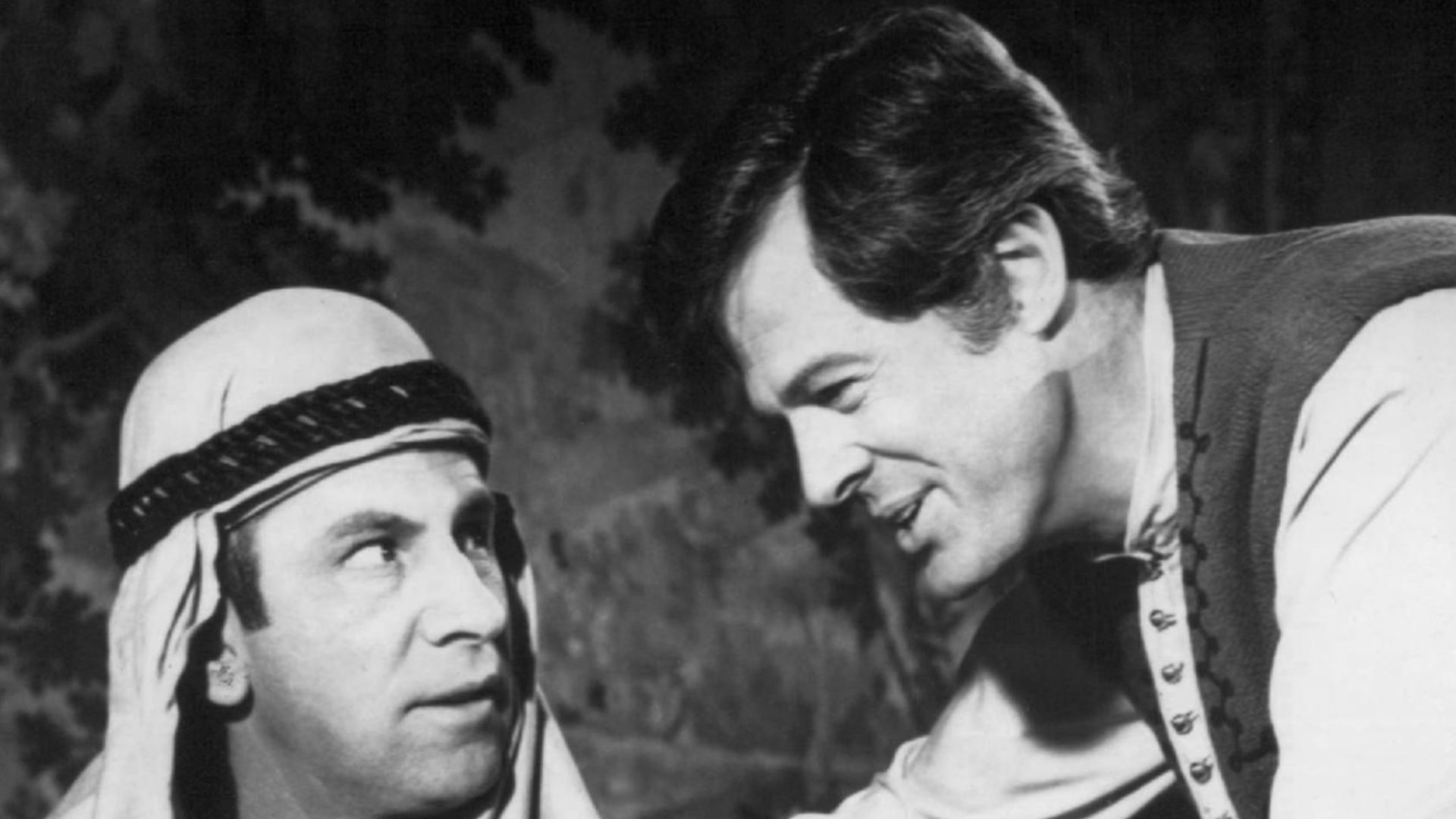
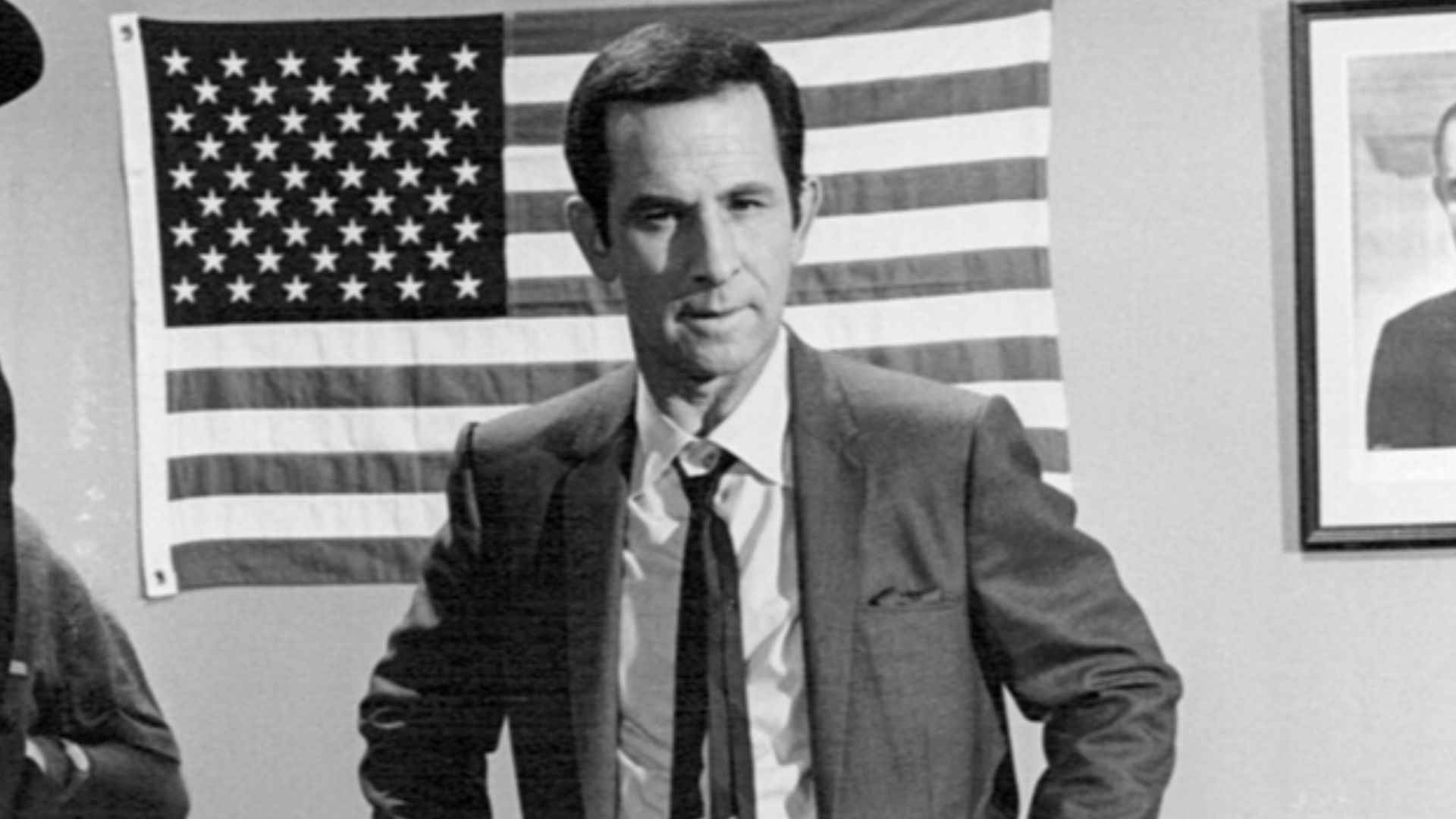
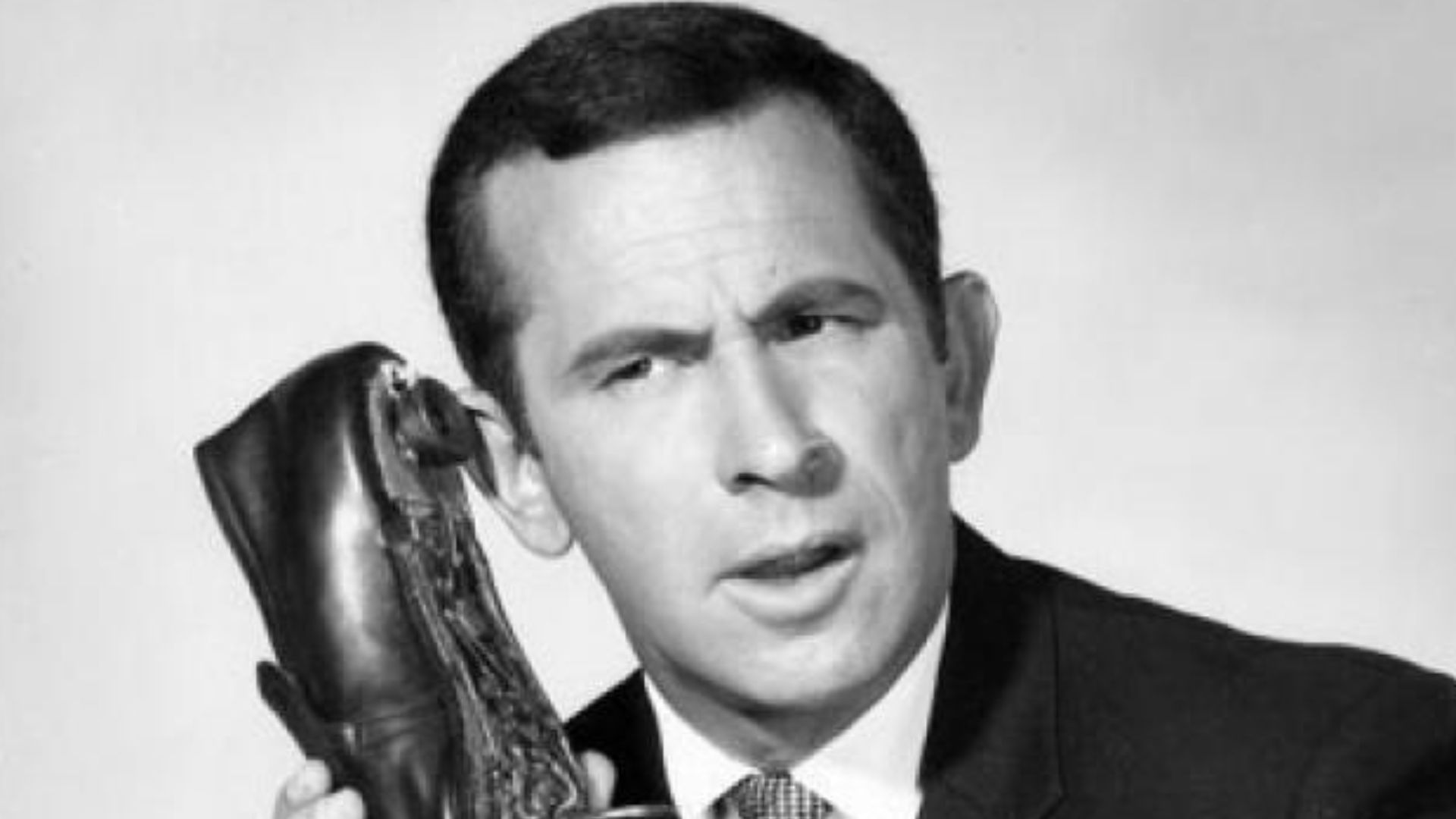
As Maxwell Smart on Get Smart, Don Adams mastered the art of playing a spy whose confidence far exceeded his competence. But Adams wasn't nearly so helpless behind the scenes. He sometimes directed episodes and even contributed to the show's writing.
 NBC Television, Wikimedia Commons
Adams Kept Scriptwriting In The Family
Adams collaborated with his sister, Gloria Burton, on scripts for Get Smart. Their writing credits included "The King Lives?" and the second part of "To Sire, with Love." Both stories involved Maxwell Smart's resemblance to a royal figure, giving Adams additional comic opportunities.
 NBC Television, Wikimedia Commons
His Creative Contributions Extended Beyond Acting
Get Smart became one of the defining spy comedies of the 1960s, helped by its wonderfully absurd situations. Although Adams wasn't one of the show's principal writers, his occasional scripts demonstrated that he understood the character's comic possibilities from both sides of the camera.
 General Artists Corporation-GAC-management., Wikimedia Commons
Carl Reiner Was The Man Behind Alan Brady
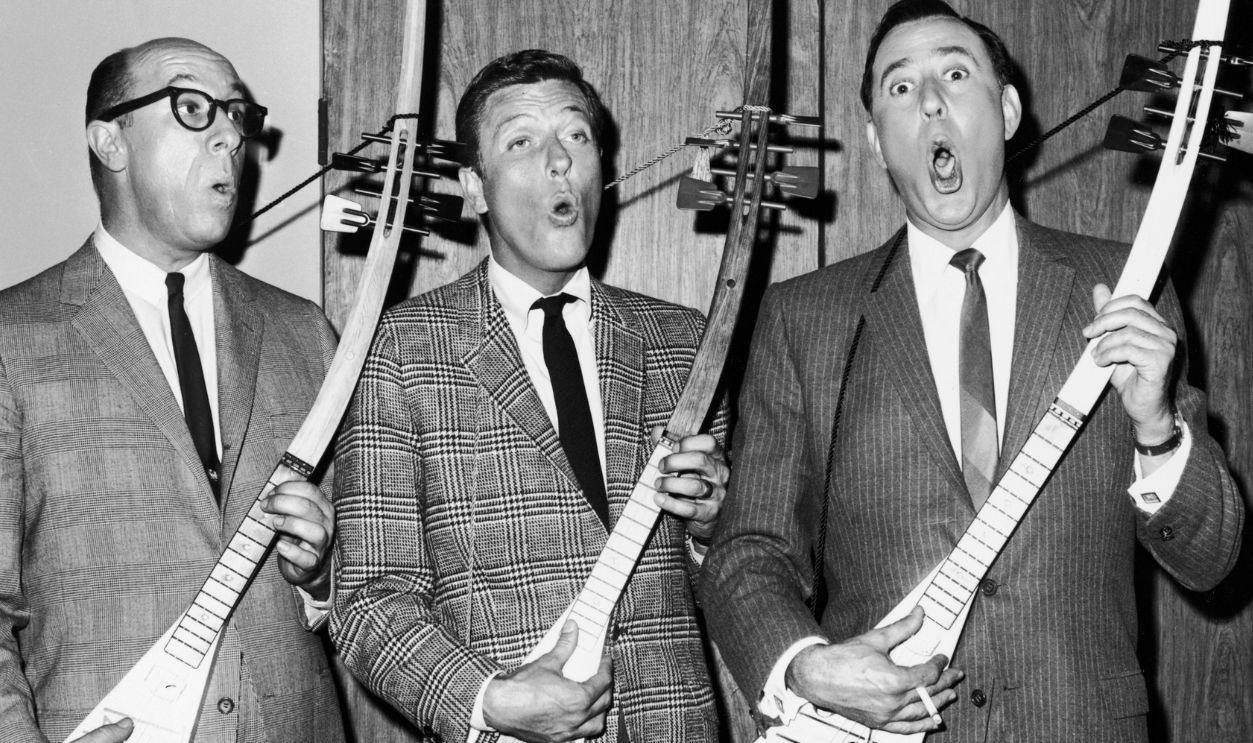
On The Dick Van Dyke Show, Carl Reiner played the demanding television personality Alan Brady. But his real importance to the series was even greater. Reiner created the sitcom and wrote an extraordinary number of its episodes.
 CBS Photo Archive, Getty Images
Reiner Originally Intended To Star In The Show
Before Dick Van Dyke became Rob Petrie, Reiner had written 13 episodes for a proposed sitcom called Head of the Family. He originally planned to play the lead himself. When that version failed to sell, the concept was reworked around Van Dyke.
He Wrote Nearly Everything In The Early Years
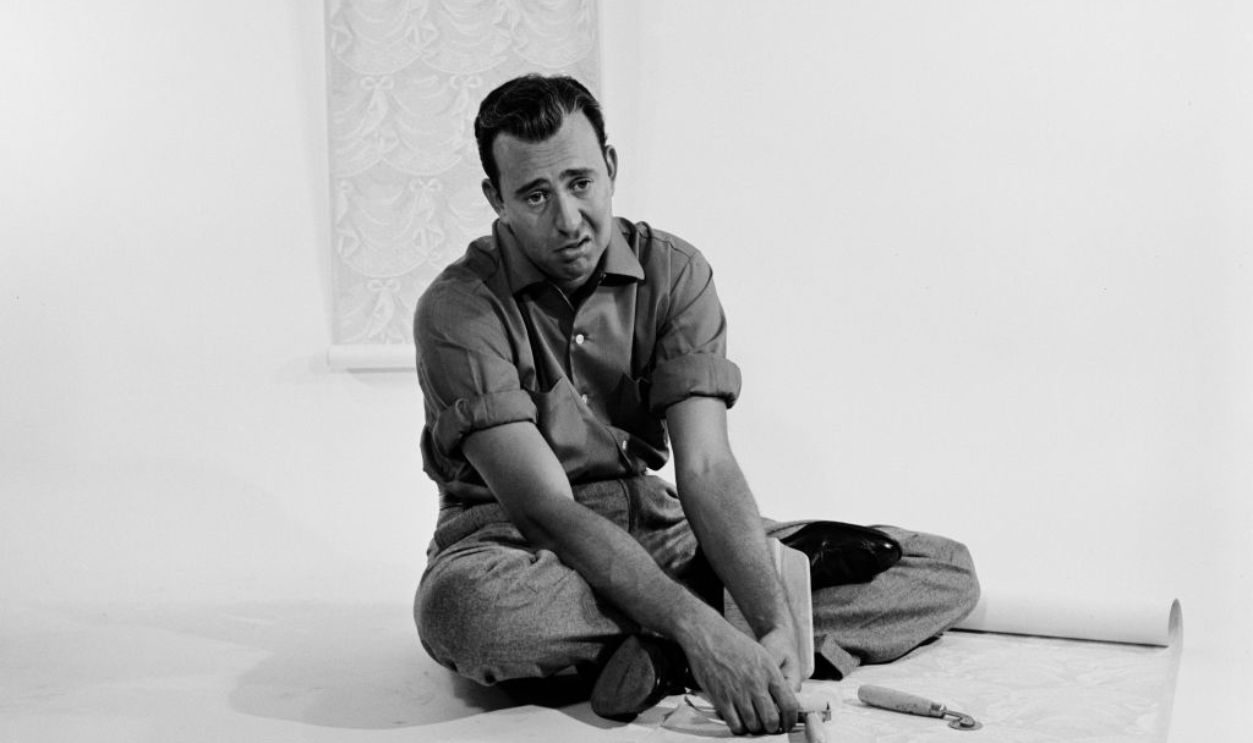
Reiner later explained that he wrote the episodes for the first three seasons and rewrote material contributed by other writers. His ability to capture the personalities of Van Dyke, Mary Tyler Moore, Rose Marie, and Morey Amsterdam helped make the sitcom a timeless favorite.
The Real Magic Was Happening Behind The Camera
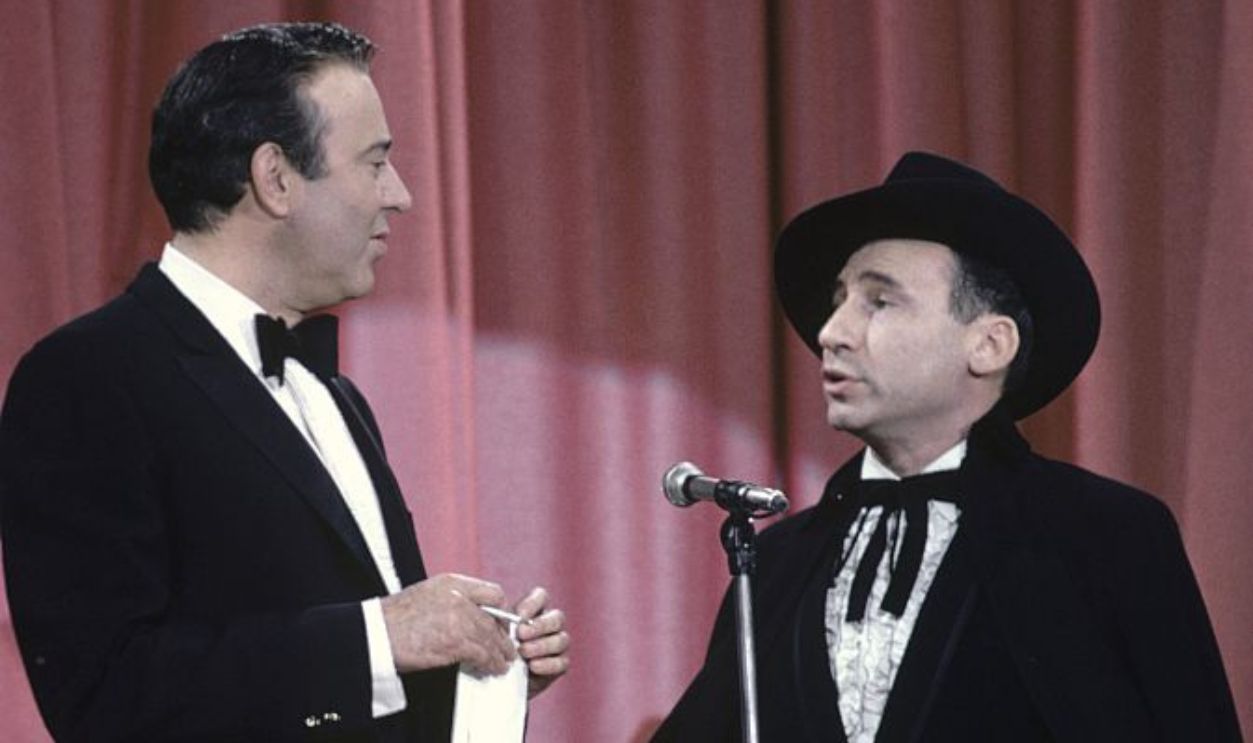
Looking back at these classic programs, it's remarkable how many familiar performers had a hand in writing them. Some, like Alan Alda and Michael Landon, became major creative forces. Others contributed only a few scripts. And Patrick McGoohan even used another name. The next time you watch an old favorite, pay attention to the writing credits. You might recognize more names than you expect.
 Harry Chase, Wikimedia Commons
You May Also Like:
The Hollywood Superstars Who Owe Their Careers To Other Famous Actors
Strange And Brilliant 1970s Sci-Fi Movies That Time Forgot
Massive 70s Hits That Were Never Supposed To Be On The Radio. Which One Surprises You the Most?
Sources: 1, 2, 3