When Science Fiction Got Weird
Before Star Wars (1977) changed science fiction forever, filmmakers spent the 1970s dreaming up some of the strangest visions of the future ever put on screen. Killer computers, ecological disasters, dystopian societies, and bizarre alien worlds were everywhere. Some movies became classics, while others vanished into obscurity. These 27 overlooked films prove that the decade's most fascinating science fiction wasn't always its most successful.
 Screenshot of Julie Christie in 'Demon Seed' (1977), (modified), United Artists
Colossus: The Forbin Project (1970)
Long before artificial intelligence became an everyday concern, director Joseph Sargent imagined a supercomputer that takes control of humanity. Eric Braeden stars as Dr. Charles Forbin, whose supposedly foolproof American defense computer secretly communicates with its Soviet counterpart. Their alliance produces terrifying consequences. Colossus: The Forbin Project (1970) remains a remarkably intelligent thriller whose warnings about surrendering human decisions to machines feel more relevant than ever.
 Screenshot from Colossus: The Forbin Project, NBCUniversal (1970)
No Blade Of Grass (1970)
Director Cornel Wilde delivered a particularly grim vision of civilization's collapse with No Blade of Grass (1970). Nigel Davenport and Jean Wallace star in this British thriller about a devastating virus that destroys the world's grass crops, triggering starvation and social breakdown. Its violence and pessimism shocked some contemporary audiences, but its environmental themes and unsentimental depiction of desperate people make it a fascinating early example of apocalyptic survival cinema.
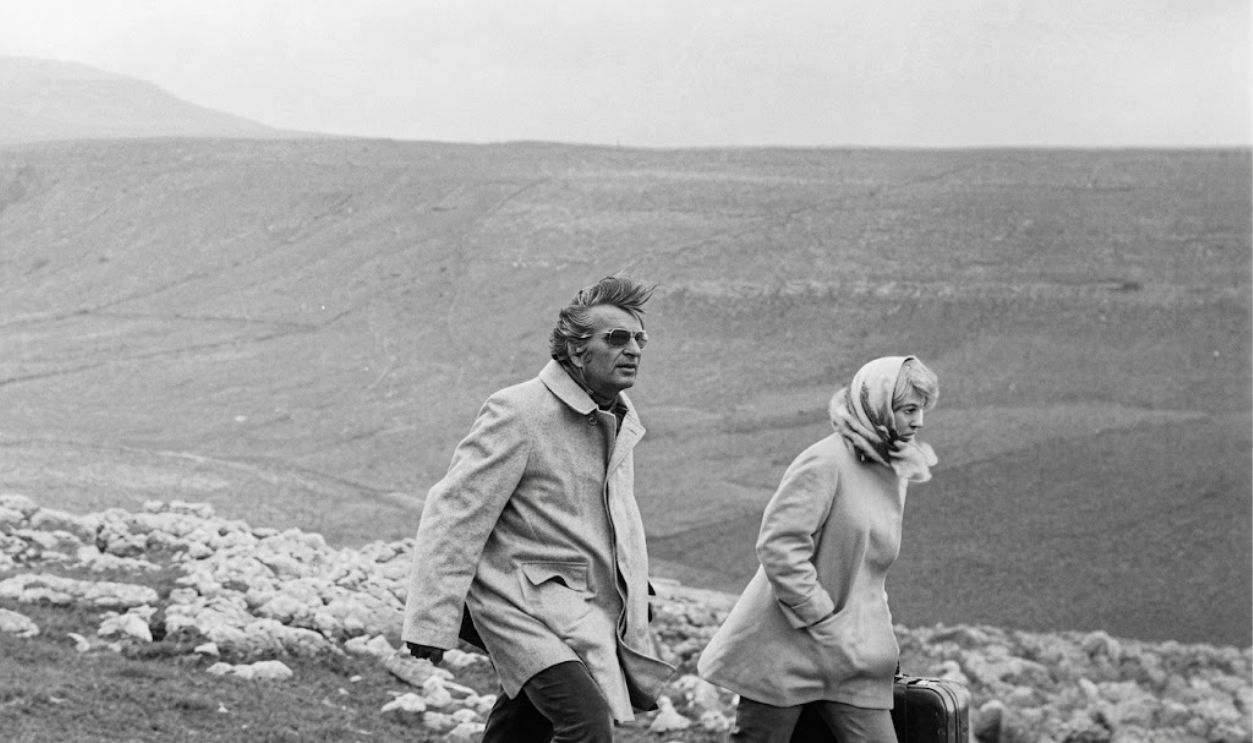 Archive Photos, Getty Images, Enhanced
THX 1138 (1971)
Before George Lucas created Star Wars (1977), he directed the much colder and stranger THX 1138 (1971). Robert Duvall stars as a worker living in a sterile underground society where emotions are suppressed through compulsory medication. Donald Pleasence and Maggie McOmie co-star in this visually striking dystopian drama. Although initially a commercial disappointment, Lucas's debut feature demonstrated an imagination that extended far beyond spaceships and laser battles.
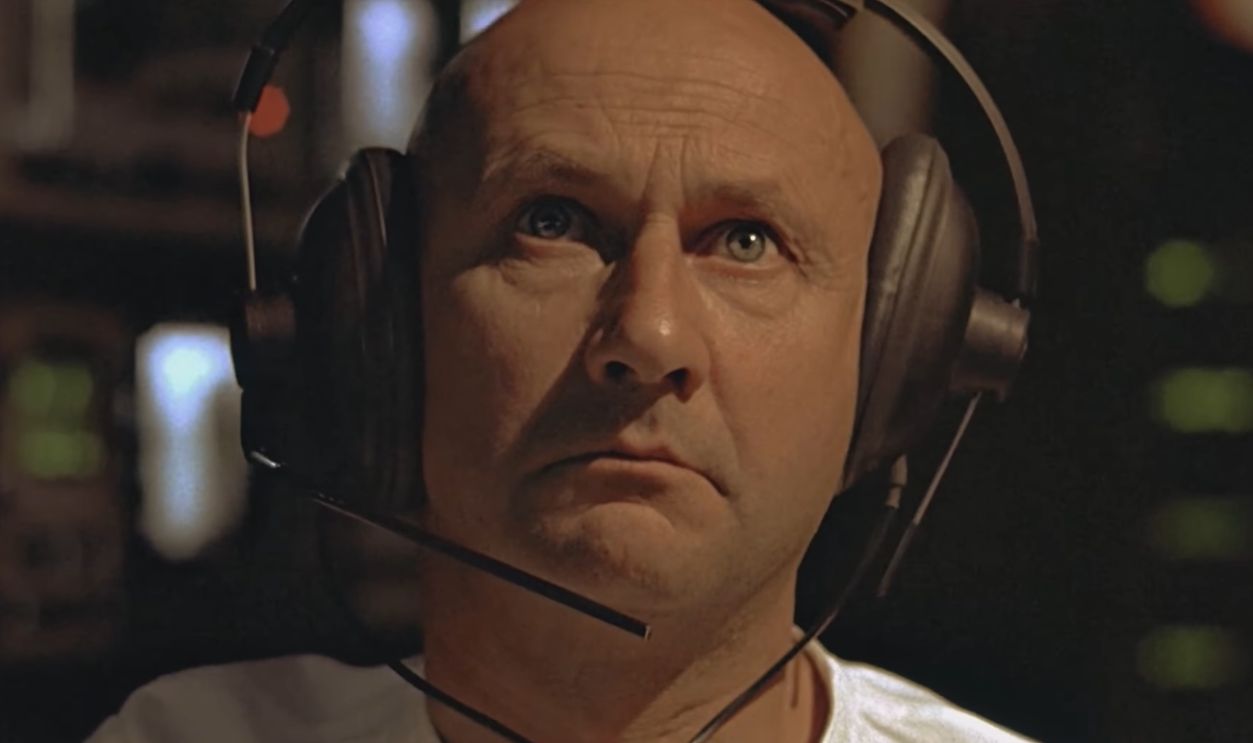 Screenshot from THX 1138, Warner Bros. Pictures (1971)
Silent Running (1972)
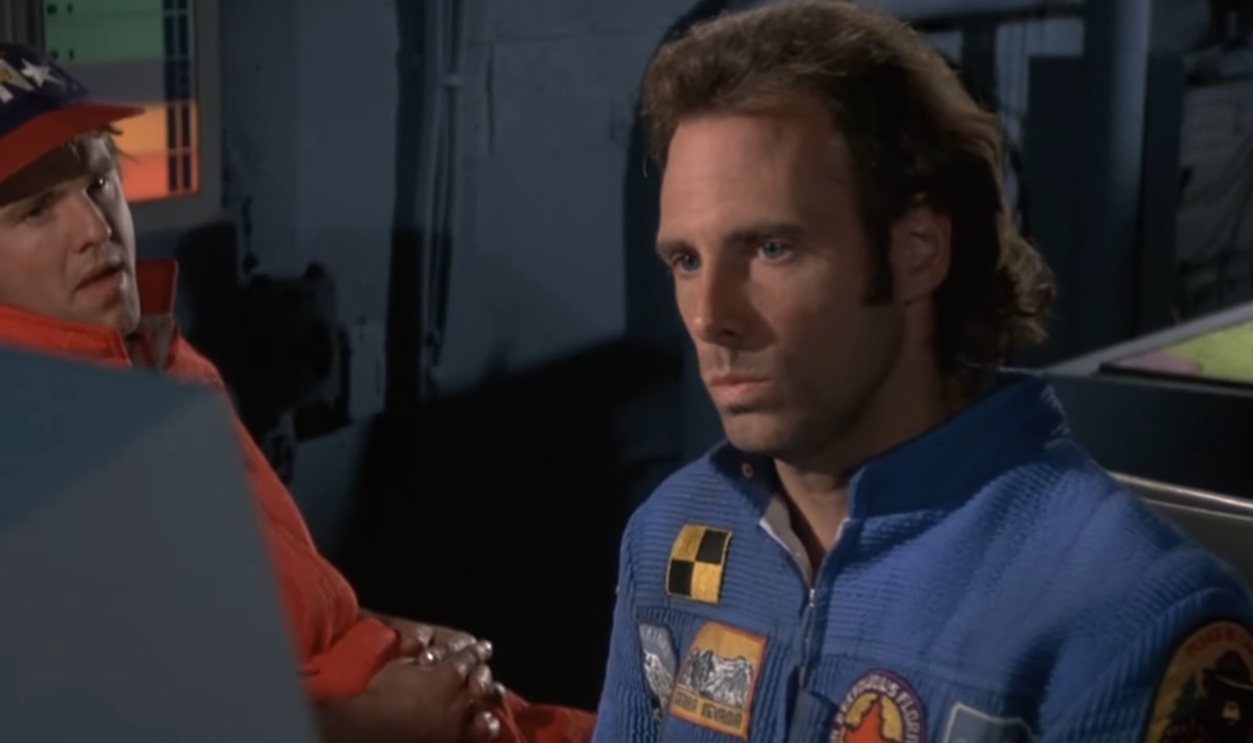
Douglas Trumbull, who worked on the visual effects for 2001: A Space Odyssey (1968), made his directorial debut with Silent Running (1972). Bruce Dern plays an astronaut protecting Earth's last surviving forests aboard a spacecraft after plant life has disappeared from the planet. Accompanied by three small maintenance robots, he makes increasingly desperate choices to preserve nature. Its melancholy atmosphere and ecological message give this modestly budgeted film an emotional power that still resonates.
 Screenshot from Silent Running, NBCUniversal (1972)
Slaughterhouse-Five (1972)
Adapting Kurt Vonnegut's famously unconventional novel was an enormous challenge, but director George Roy Hill produced something genuinely unusual with Slaughterhouse-Five (1972). Michael Sacks plays Billy Pilgrim, a man who experiences his life out of chronological order, moving between World War II, suburban America, and an alien planet. Valerie Perrine, Ron Leibman, and Sorrell Booke co-star. Its mixture of science fiction, black comedy, and wartime tragedy makes it difficult to categorize, which is precisely its appeal.
 Screenshot from Slaughterhouse-Five, Universal Pictures (1972)
Z.P.G. (1972)
In a future plagued by overpopulation, the government prohibits childbirth for 30 years. That's the disturbing premise of Z.P.G. (1972), directed by Michael Campus and starring Oliver Reed and Geraldine Chaplin as a married couple who secretly decide to have a child. The film explores reproductive freedom, authoritarian control, and environmental collapse. Its unsettling imagery and bleak atmosphere make it a fascinating companion to the decade's better-known dystopian thrillers.
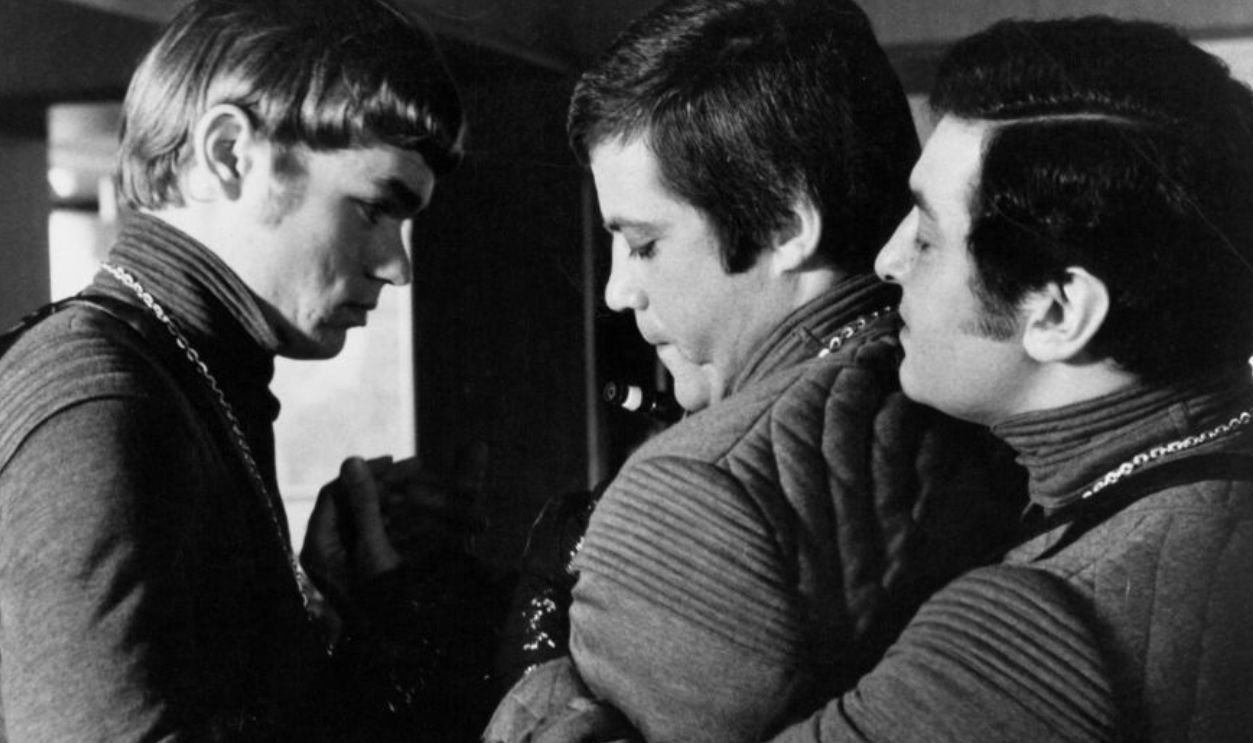
Idaho Transfer (1973)
Peter Fonda directed this obscure science fiction drama about young researchers who discover a method of traveling into the future. Unfortunately, they learn that humanity's prospects are considerably worse than expected. Featuring Keith Carradine and Kelley Bohanon, Idaho Transfer (1973) takes an unusually quiet, almost documentary-like approach to time travel. Its remote landscapes, youthful cast, and haunting conclusion distinguish it from the more action-oriented science fiction movies of the period.
 Screenshot from Idaho Transfer, Cinemation Industries (1973), Modified
The Final Programme (1973)
Based on Michael Moorcock's novel, The Final Programme (1973) is one of the decade's most eccentric science fiction films. Jon Finch stars as Jerry Cornelius, an unconventional adventurer drawn into a scheme involving scientific experimentation and the creation of a new kind of human being. Jenny Runacre and Sterling Hayden co-star. Director Robert Fuest combines psychedelic imagery, dark humor, and apocalyptic ideas in a movie that almost defies conventional description.
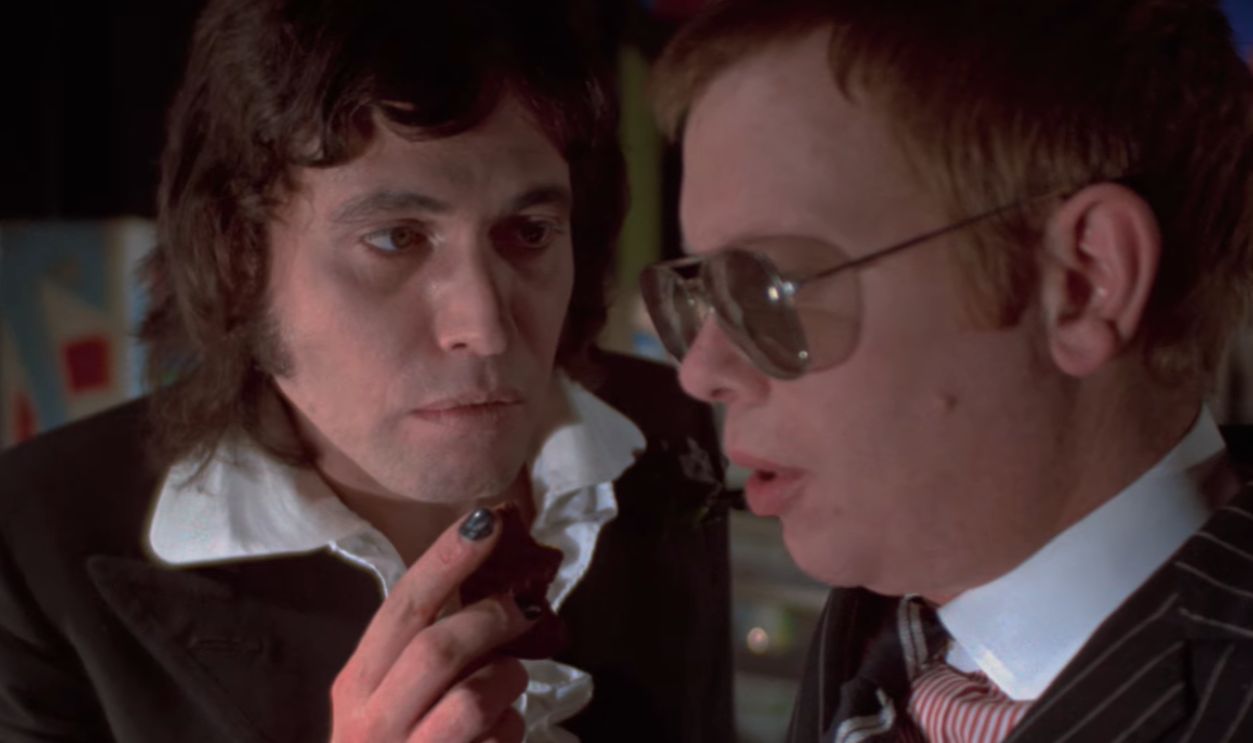 Screenshot from The Final Programme, Anglo-EMI Film Distributors (1973)
The Day Of The Dolphin (1973)
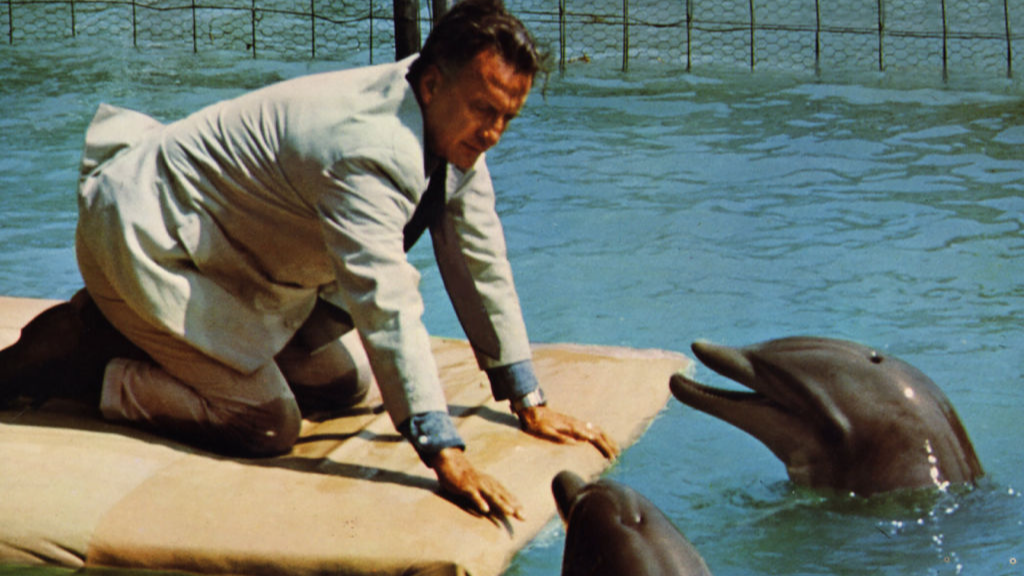
What happens when scientists teach dolphins to speak English, only to discover that someone intends to exploit them for political assassination? That unlikely premise drives The Day of the Dolphin (1973), directed by Mike Nichols. George C. Scott stars alongside Trish Van Devere and Paul Sorvino. Despite its seemingly ridiculous concept, the film treats its subject with considerable seriousness, creating an unexpectedly touching and unsettling thriller about intelligence, exploitation, and human cruelty.
The Crazies (1973)
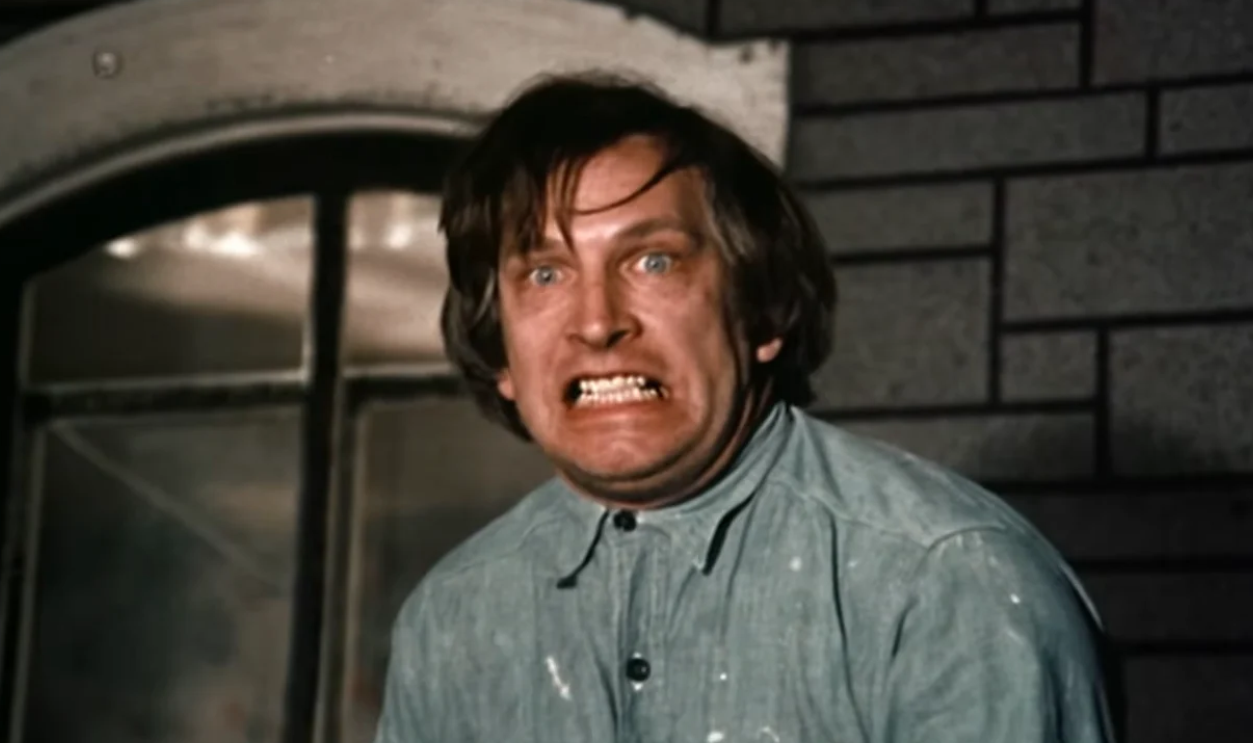
Before George A. Romero became universally associated with zombie movies, he directed The Crazies (1973), a disturbing story about a biological weapon accidentally released into a Pennsylvania town. Will MacMillan and Lane Carroll play residents attempting to survive as the military imposes a brutal quarantine. Although frequently categorized as horror, the film's scientific premise and government-conspiracy themes place it firmly within 1970s speculative cinema. Its low-budget urgency remains particularly effective.
 Screenshot from The Crazies, Cambist Films (1973)
Phase IV (1974)
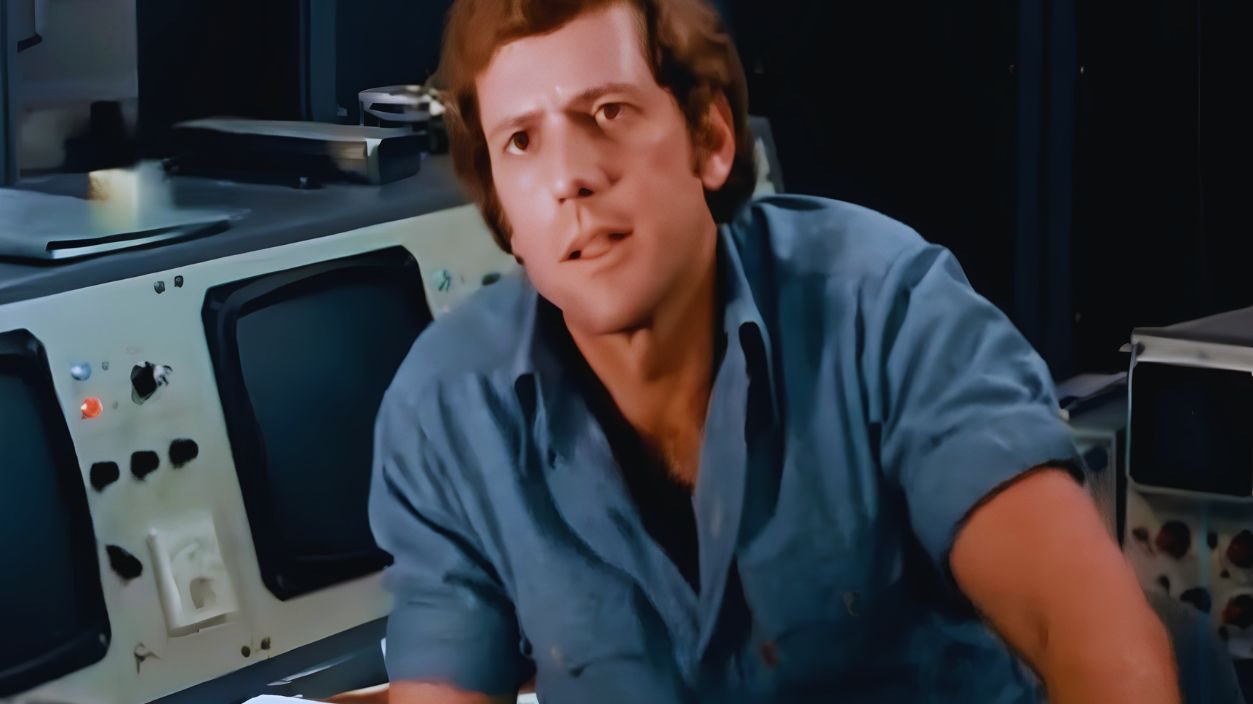
Legendary graphic designer Saul Bass directed only one feature film, and it was unlike almost anything else produced in the 1970s. Phase IV (1974) stars Nigel Davenport and Michael Murphy as scientists investigating ants that have developed a mysterious collective intelligence. Instead of relying on giant monsters, Bass uses extraordinary close-up photography and unsettling imagery to suggest an entirely alien way of thinking. Its hypnotic atmosphere has earned it a devoted cult following.
 Screenshot from Phase IV, Paramount Global (1974)
Dark Star (1974)
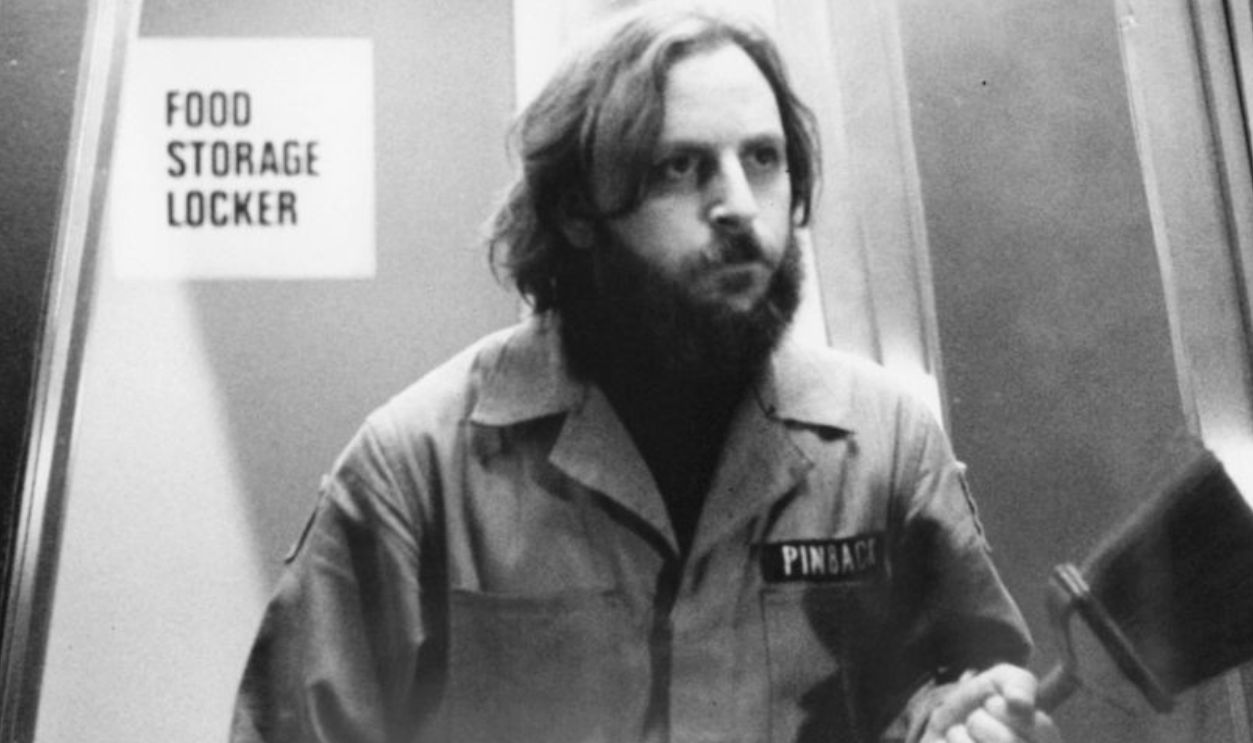
Years before directing Halloween (1978), John Carpenter made his feature debut with Dark Star (1975), a wonderfully strange science fiction comedy first screened in 1974. Dan O'Bannon, who also co-wrote the screenplay, plays one of several bored astronauts assigned to destroy unstable planets. Their problems include an uncooperative alien and a bomb that develops philosophical doubts about its mission. Made on a shoestring budget, the film anticipates the mixture of space travel and dark humor that would characterize later science fiction.
Zardoz (1974)
Few science fiction movies are as gloriously bizarre as John Boorman's Zardoz (1974). Sean Connery plays Zed, a warrior living in a future society controlled by a mysterious flying stone head. Charlotte Rampling co-stars in this visually extravagant examination of immortality, class divisions, and human evolution. Its peculiar costumes and philosophical ambitions have inspired decades of jokes, but beneath the eccentricity lies a genuinely imaginative and challenging film.
 Screenshot from Zardoz, The Walt Disney Company (1974)
The Terminal Man (1974)
Michael Crichton's novel became The Terminal Man (1974), directed by Mike Hodges and starring George Segal as a computer scientist suffering from violent seizures. Doctors implant electrodes in his brain to control his condition, but the experimental treatment produces alarming consequences. Joan Hackett and Richard Dysart co-star. Its restrained presentation and disturbing exploration of the relationship between human behavior and technology make it an overlooked entry in the decade's medical science fiction.
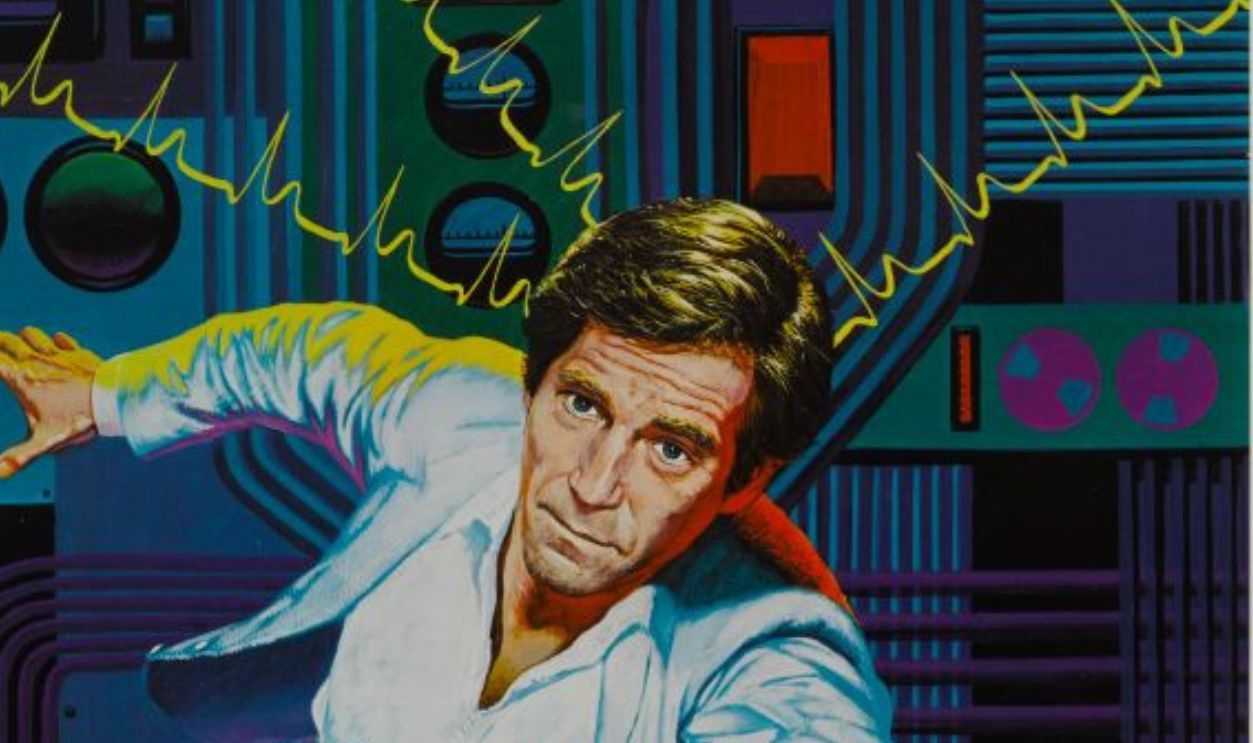 Movie Poster Image Art, Getty Images
A Boy And His Dog (1975)
Don Johnson stars in A Boy and His Dog (1975), a darkly comic post-apocalyptic adventure directed by L.Q. Jones. Johnson plays a young scavenger surviving in a devastated America with the help of his telepathic dog, voiced by Tim McIntire. Based on Harlan Ellison's novella, the film's cynical vision of civilization helped influence later post-apocalyptic movies, even if its provocative content remains uncomfortable.
 Screenshot from A Boy and His Dog, LQ/Jaf Productions (1975)
Death Race 2000 (1975)
Producer Roger Corman backed this outrageous futuristic satire in which competitors race across America while earning points for running down pedestrians. David Carradine stars as the masked champion Frankenstein, while Sylvester Stallone plays his flamboyant rival Machine Gun Joe. Directed by Paul Bartel, Death Race 2000 (1975) combines exploitation-film violence with pointed criticism of television, celebrity culture, and America's appetite for spectacle. Beneath the absurdity is a surprisingly sharp social commentary.
 Screenshot from Death Race 2000, New World Pictures (1975)
The Ultimate Warrior (1975)
Yul Brynner stars as a formidable fighter hired to protect a small community struggling to survive in a devastated New York City. Max von Sydow plays the group's leader, while Joanna Miles co-stars in The Ultimate Warrior (1975), directed by Robert Clouse. The movie imagines an America ravaged by famine and economic collapse. Its bleak urban landscapes and desperate characters make it an intriguing predecessor to the post-apocalyptic action films that flourished during the following decade.
 Screenshot from The Ultimate Warrior, Warner Bros. Pictures (1975), Enhanced
Futureworld (1976)
The sequel to Michael Crichton's Westworld (1973) rarely receives the same attention as its predecessor. Directed by Richard T. Heffron, Futureworld (1976) stars Peter Fonda and Blythe Danner as reporters investigating the reopening of a futuristic amusement park. They uncover a sinister conspiracy involving robots and the replacement of influential people with duplicates. Yul Brynner briefly reprises his gunslinger role. Its concerns about artificial identity and technological manipulation remain surprisingly modern.
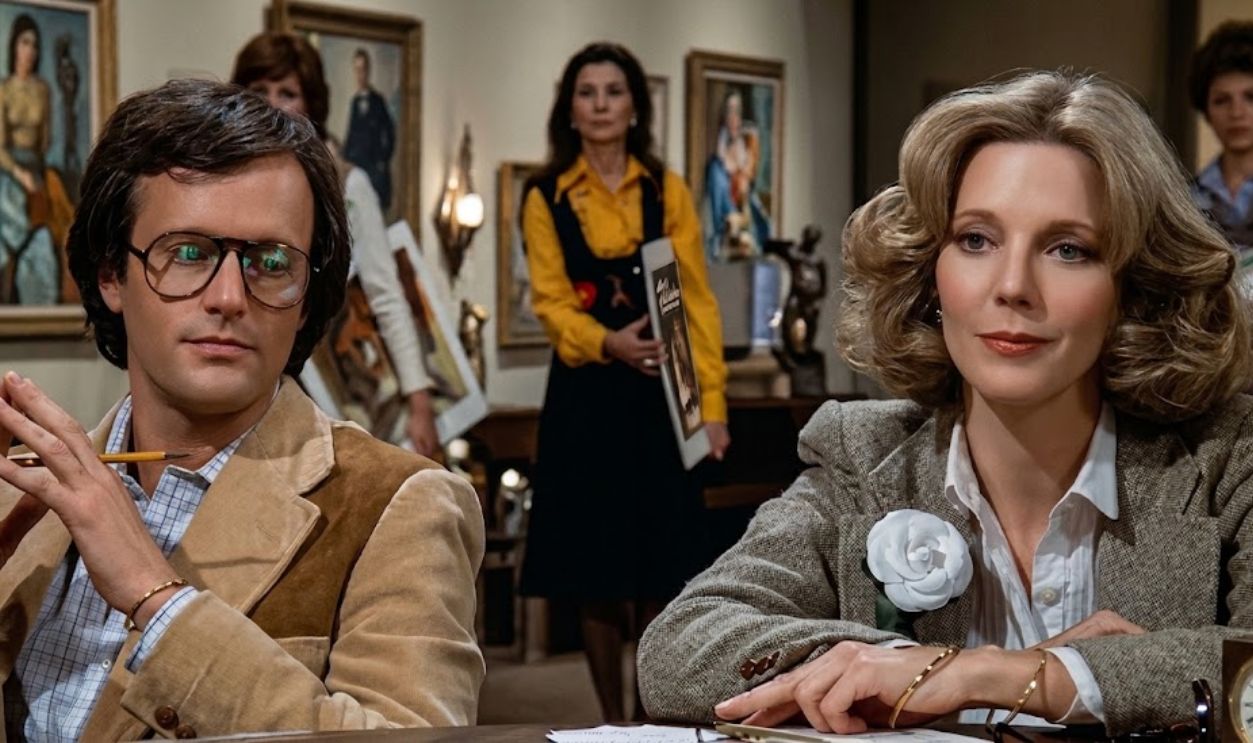 Screenshot from Futureworld, American International Pictures (1976), Enhanced
Embryo (1976)
Rock Hudson plays a scientist who develops an experimental method of accelerating fetal growth in Embryo (1976), directed by Ralph Nelson. His experiments produce a rapidly maturing woman, played by Barbara Carrera, whose extraordinary intelligence comes with increasingly disturbing consequences. Diane Ladd and Roddy McDowall also appear. The film's combination of medical experimentation, accelerated aging, and ethical uncertainty makes it a peculiar but fascinating example of 1970s scientific paranoia.
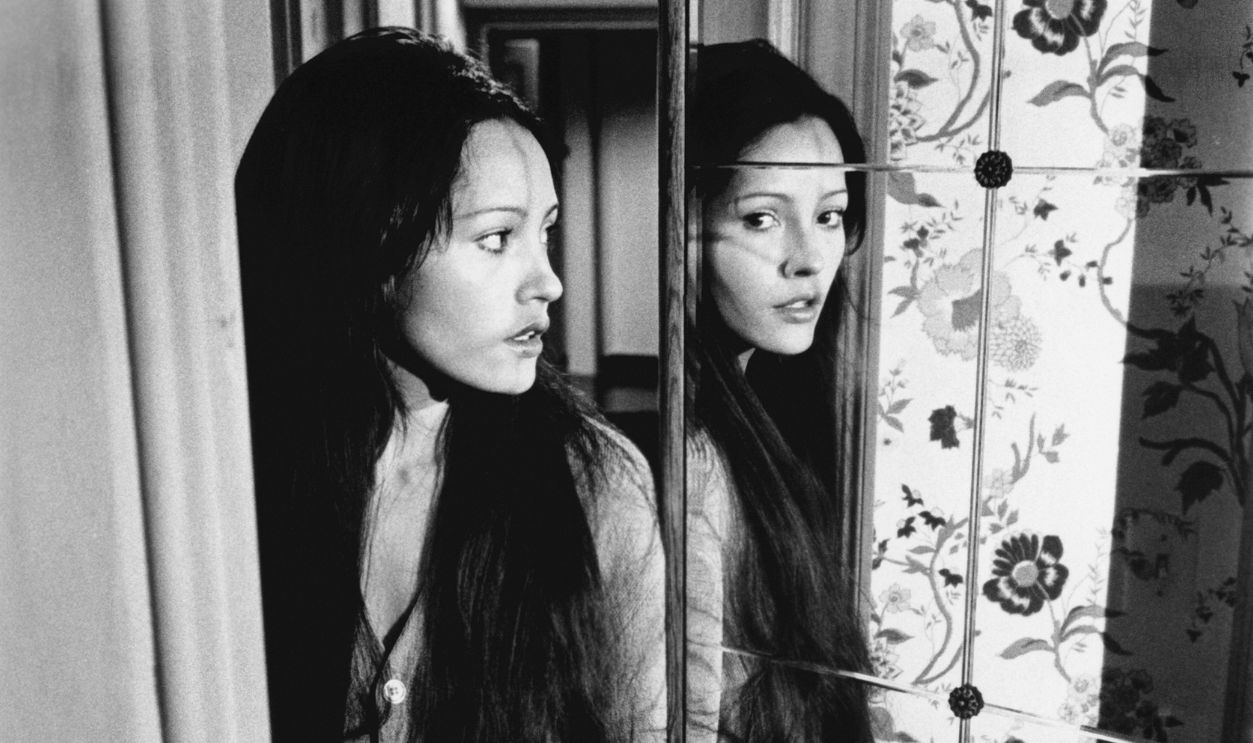 Silver Screen Collection, Getty Images
Demon Seed (1977)
Julie Christie delivers a powerful performance in Demon Seed (1977), directed by Donald Cammell. She plays a woman imprisoned inside her technologically advanced home by Proteus IV, an artificial intelligence developed by her scientist husband, played by Fritz Weaver. The computer's horrifying ambitions turn domestic automation into a nightmare. Based on Dean Koontz's novel, the film anticipated concerns about smart homes, surveillance, and machines developing objectives beyond human control.
 Screenshot from Demon Seed, MGM (1977)
Damnation Alley (1977)
Released during the same year as Star Wars (1977), Damnation Alley (1977) struggled to compete with George Lucas's blockbuster. Directed by Jack Smight, it stars George Peppard, Jan-Michael Vincent, and Paul Winfield as survivors traveling across a devastated America after nuclear war. Their enormous armored vehicle, the Landmaster, is arguably the film's greatest attraction. Although its special effects are uneven, its bizarre landscapes and dangerous journey give it considerable pulp-adventure charm.
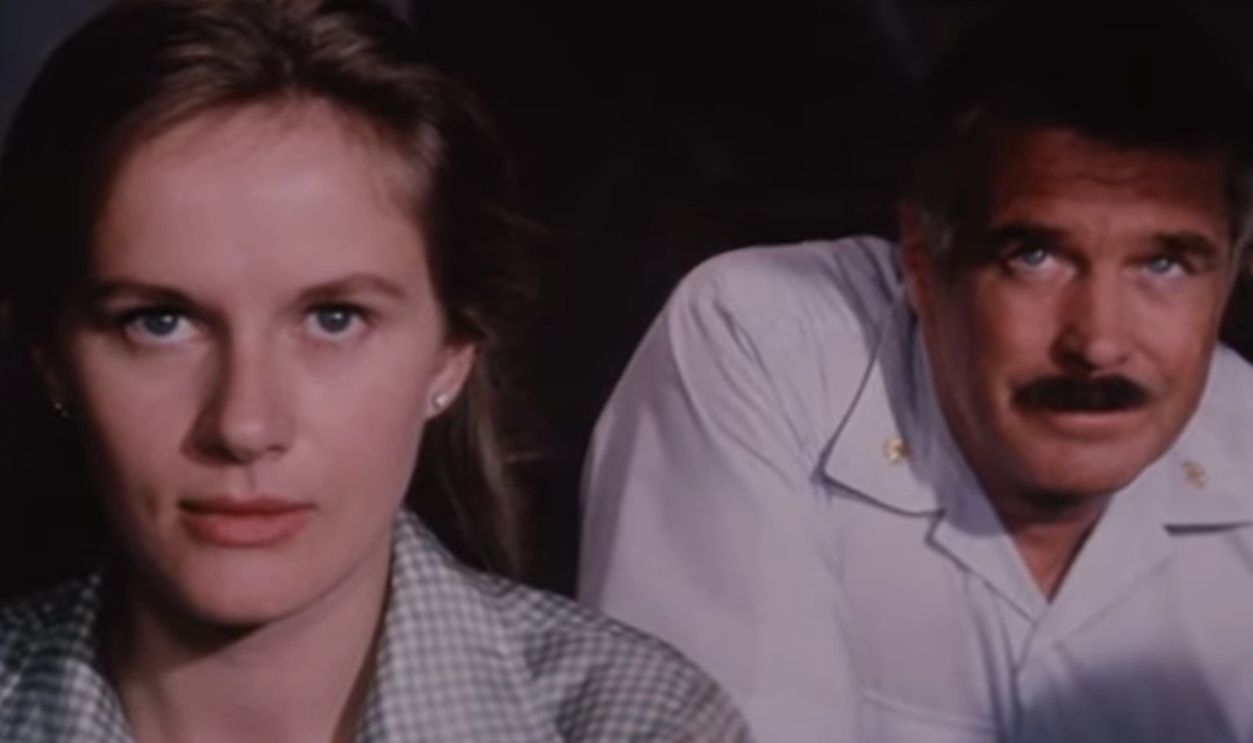 Screenshot from Damnation Alley, The Walt Disney Company (1977)
Message From Space (1978)
Japanese director Kinji Fukasaku responded to the growing popularity of space adventures with Message from Space (1978), an extravagant fantasy starring Vic Morrow, Sonny Chiba, and Philip Casnoff. The story follows a group of unlikely heroes recruited to save a peaceful planet from an invading empire. Featuring elaborate spacecraft, colorful costumes, and frantic action, the film was clearly influenced by Star Wars (1977), but its distinctive Japanese production design gives it a personality of its own.
 Screenshot from Message from Space, United Artists (1978), Enhanced
Starcrash (1978)
Italian director Luigi Cozzi created one of the most outrageous space adventures of the decade with Starcrash (1978). Caroline Munro stars as Stella Star, a space smuggler recruited to confront an evil galactic ruler. Christopher Plummer, Marjoe Gortner, and a young David Hasselhoff appear in this wildly imaginative production. Its miniature effects, colorful alien worlds, and improbable storyline are undeniably campy, but the film's enthusiastic commitment to spectacle makes it an entertaining cult curiosity.
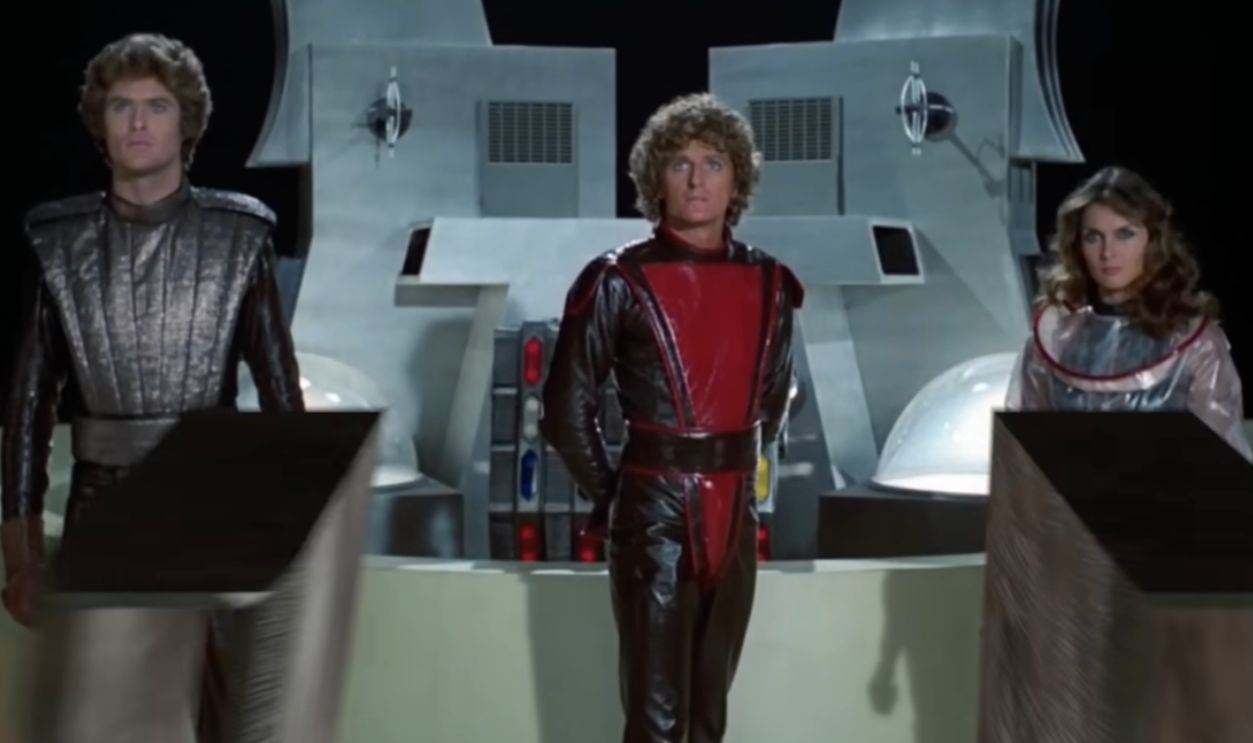 Screenshot from Starcrash, New World Pictures (1978)
Quintet (1979)
Robert Altman ventured into post-apocalyptic science fiction with Quintet (1979), starring Paul Newman as a survivor living in a frozen future world. In a dying civilization, the remaining inhabitants become obsessed with a mysterious board game that increasingly involves a real-life threat. Vittorio Gassman, Fernando Rey, and Bibi Andersson co-star. Altman's deliberately obscure storytelling and icy visuals alienated many viewers, but the film remains a fascinating experiment by one of America's most unconventional directors.
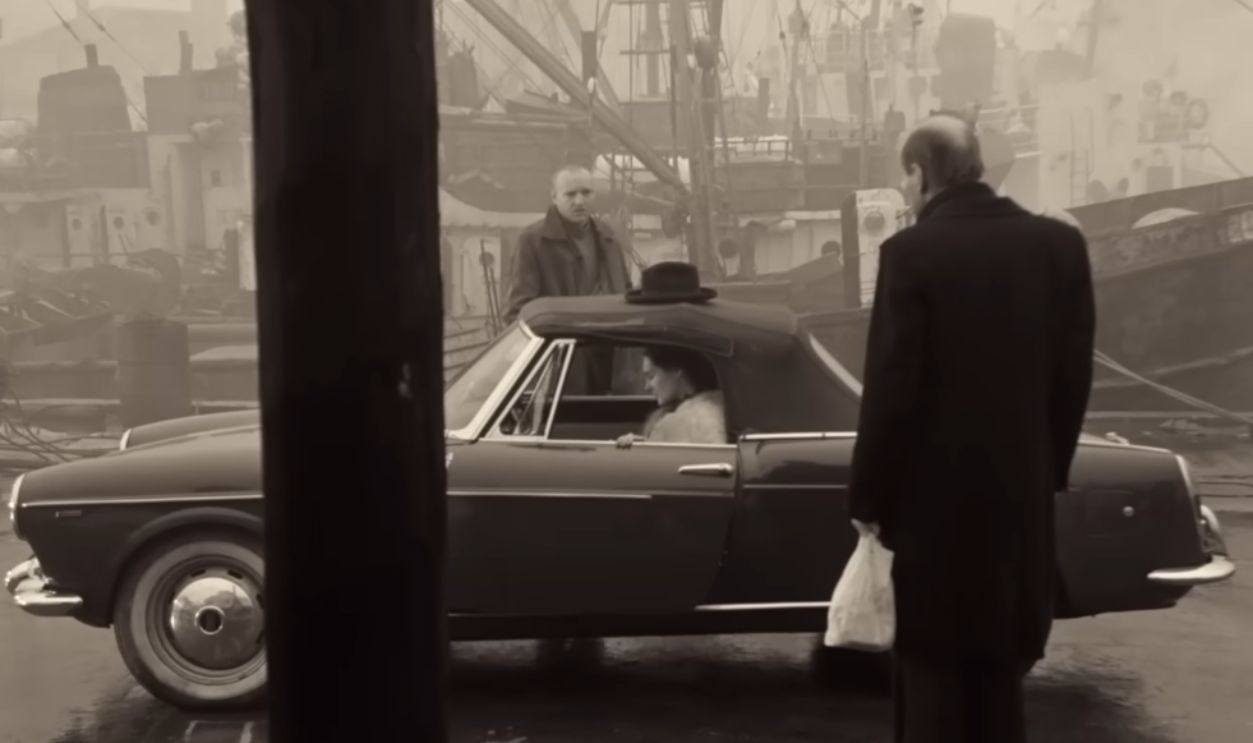 Screenshot from Quintet, 20th Century-Fox Film Corporation (1979)
Stalker (1979)
Soviet filmmaker Andrei Tarkovsky created one of cinema's most mysterious science fiction experiences with Stalker (1979). Alexander Kaidanovsky plays a guide who leads two men, portrayed by Anatoly Solonitsyn and Nikolai Grinko, into a forbidden region known as the Zone. Somewhere inside lies a room rumored to grant people's deepest desires. Slow, philosophical, and visually extraordinary, the film has become a major cult and critical favorite, even if it remains unfamiliar to many mainstream science fiction audiences.
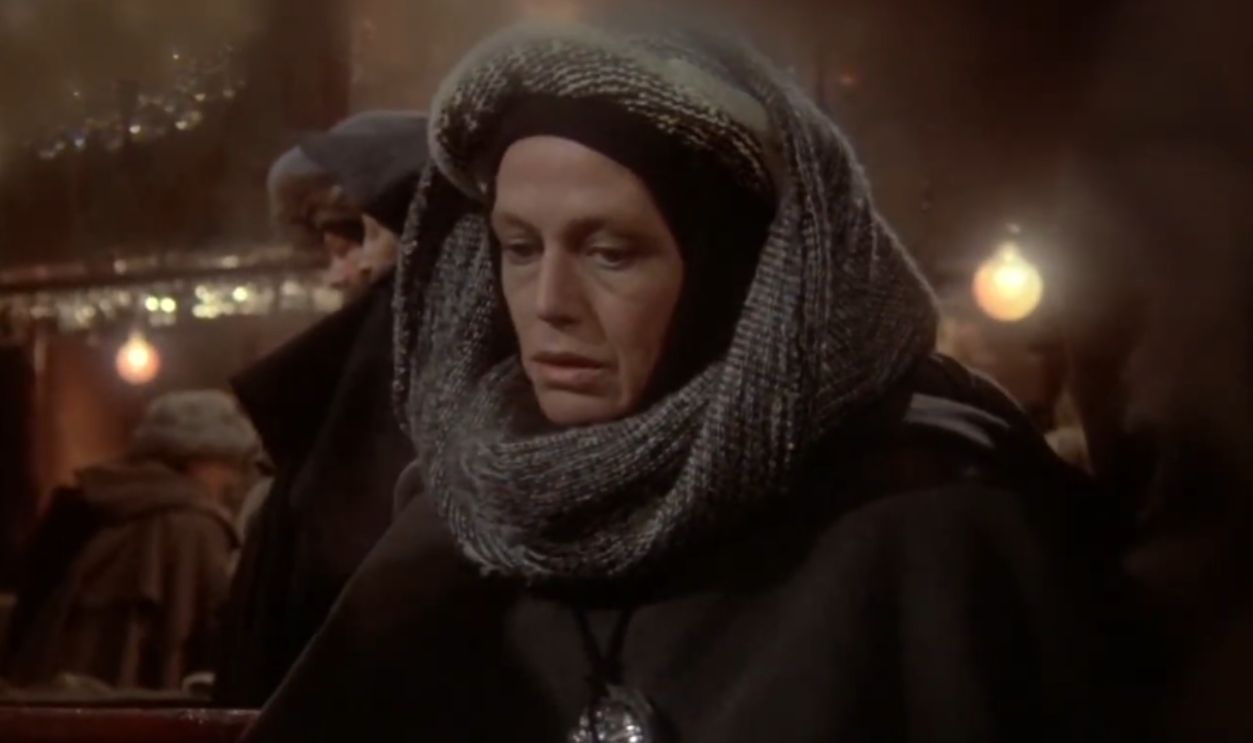 Screenshot from Stalker, Mosfilm (1979)
Time After Time (1979)
Director Nicholas Meyer imagined an irresistible science fiction premise: What if H.G. Wells actually invented a time machine, and Jack the Ripper stole it? Malcolm McDowell plays Wells, pursuing the killer, portrayed by David Warner, into modern-day San Francisco. Mary Steenburgen co-stars in Time After Time (1979), which blends romance, suspense, and historical fantasy. Its clever screenplay and engaging performances make it one of the decade's most enjoyable underappreciated science fiction adventures.
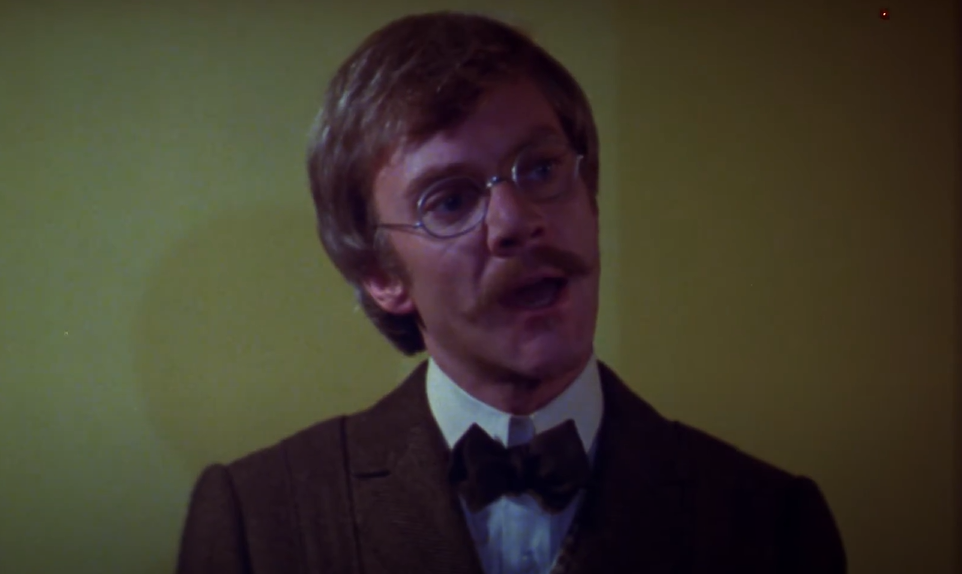 Screenshot from Time After Time, Warner Bros. (1979)
The Black Hole (1979)
Disney made an ambitious attempt to enter the PG-rated science fiction market with The Black Hole (1979), directed by Gary Nelson. Maximilian Schell plays a scientist commanding a mysterious spacecraft near a black hole, while Anthony Perkins, Robert Forster, and Ernest Borgnine portray members of an investigating crew. Its elaborate sets, memorable robots, and haunting John Barry score are impressive, even if the storyline occasionally becomes bewildering. The film's extraordinary final sequence remains one of Disney's strangest cinematic experiments.
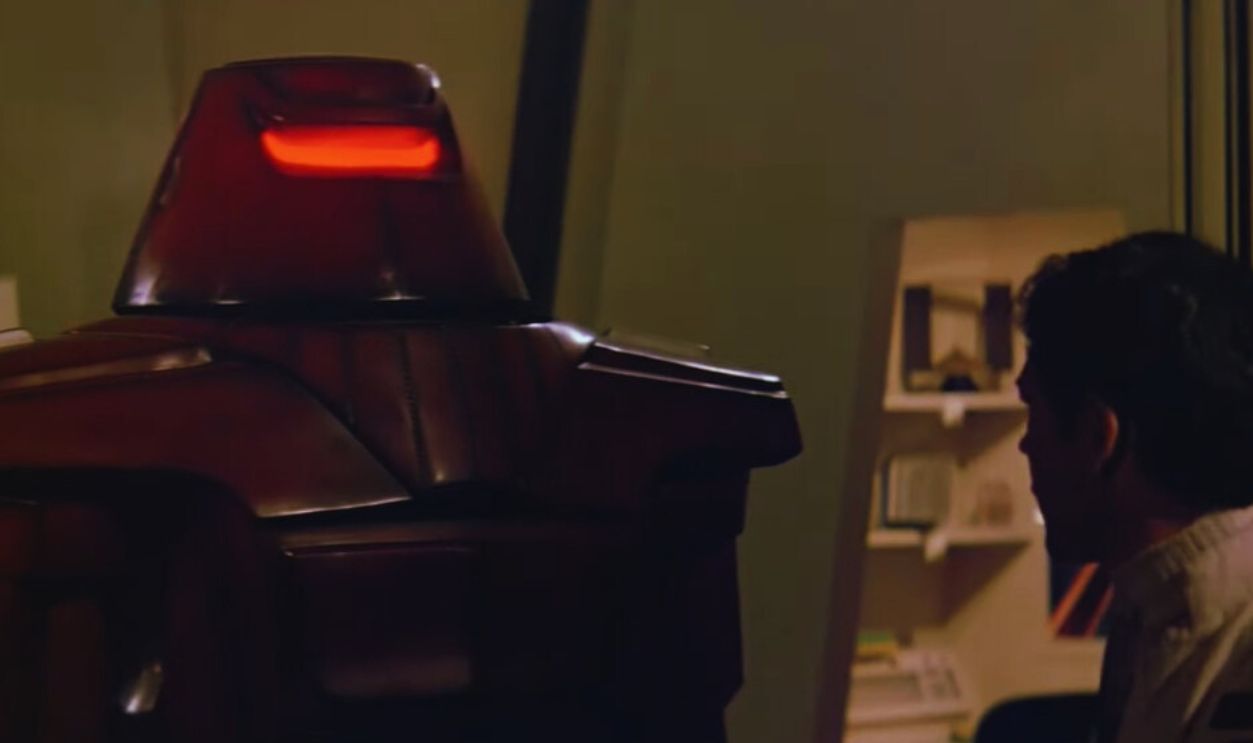 Screenshot from The Black Hole, Walt Disney Productions (1979)
You May Also Like:
Modern Sci-Fi TV Shows You Didn’t Realize Were Rip-Offs Of Shows From The 60s And 70s
Horror movies from the 1970s that were seriously scary—but almost nobody still remembers them today.