Some Ideas Never Die—They Just Get Better Cameras
Science fiction didn’t suddenly get smart in the streaming era. Long before prestige budgets and moody synth scores, TV writers in the 60s and 70s were already wrestling with identity, free will, surveillance, and the quiet terror of technology. Today’s “original” sci-fi often feels fresh—but only because it’s standing on some very old shoulders.
Black Mirror (The Twilight Zone)
This one isn’t even subtle. Charlie Brooker has openly cited The Twilight Zone as a core influence, once calling Black Mirror “The Twilight Zone for people who are afraid of phones.” Both shows use standalone stories to explore moral panic, social behavior, and technology’s darker impulses. The difference is mostly tone—and the fact that Rod Serling couldn’t swear on CBS.
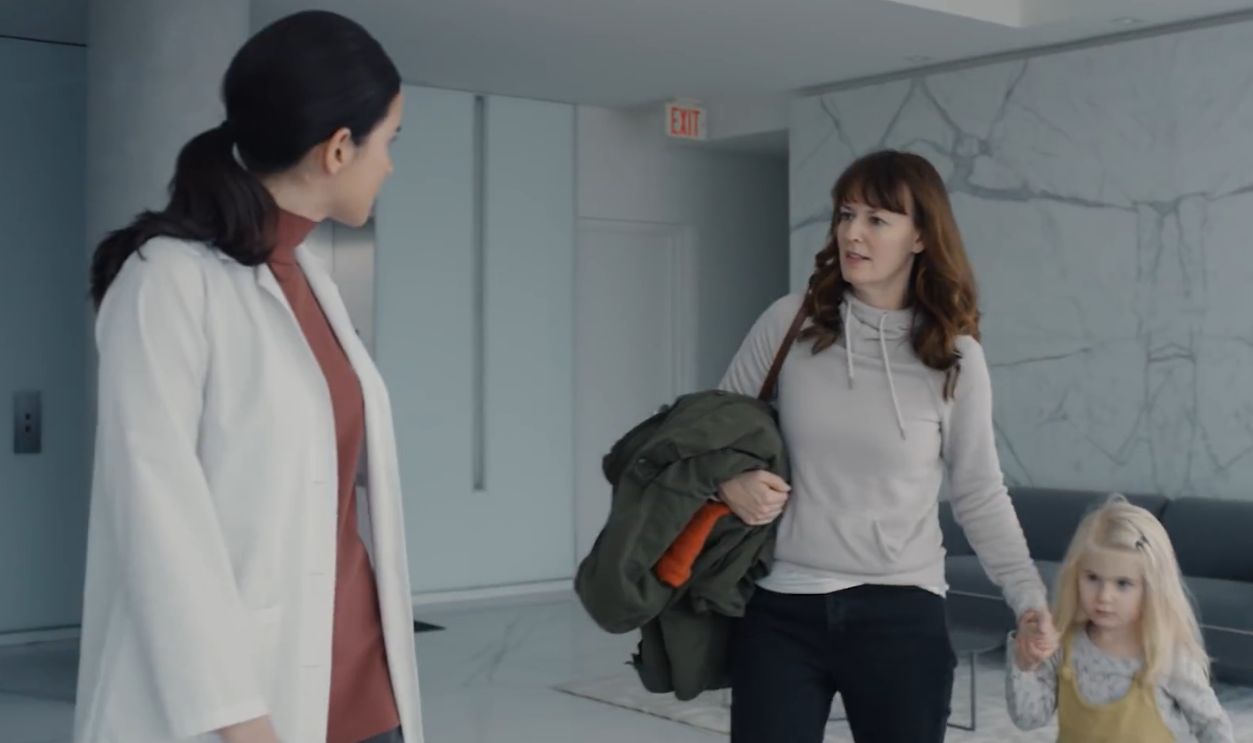 Screenshot from Black Mirror, Netflix (2016–present)
Severance (The Prisoner)
Employees trapped in a surreal workplace. A mysterious authority figure. Identity fractured by design. If Severance feels eerily familiar, that’s because The Prisoner did it in 1967. Creator Dan Erickson has acknowledged the influence, and once you see it, Lumon starts to look a lot like The Village—with better lighting and worse snacks.
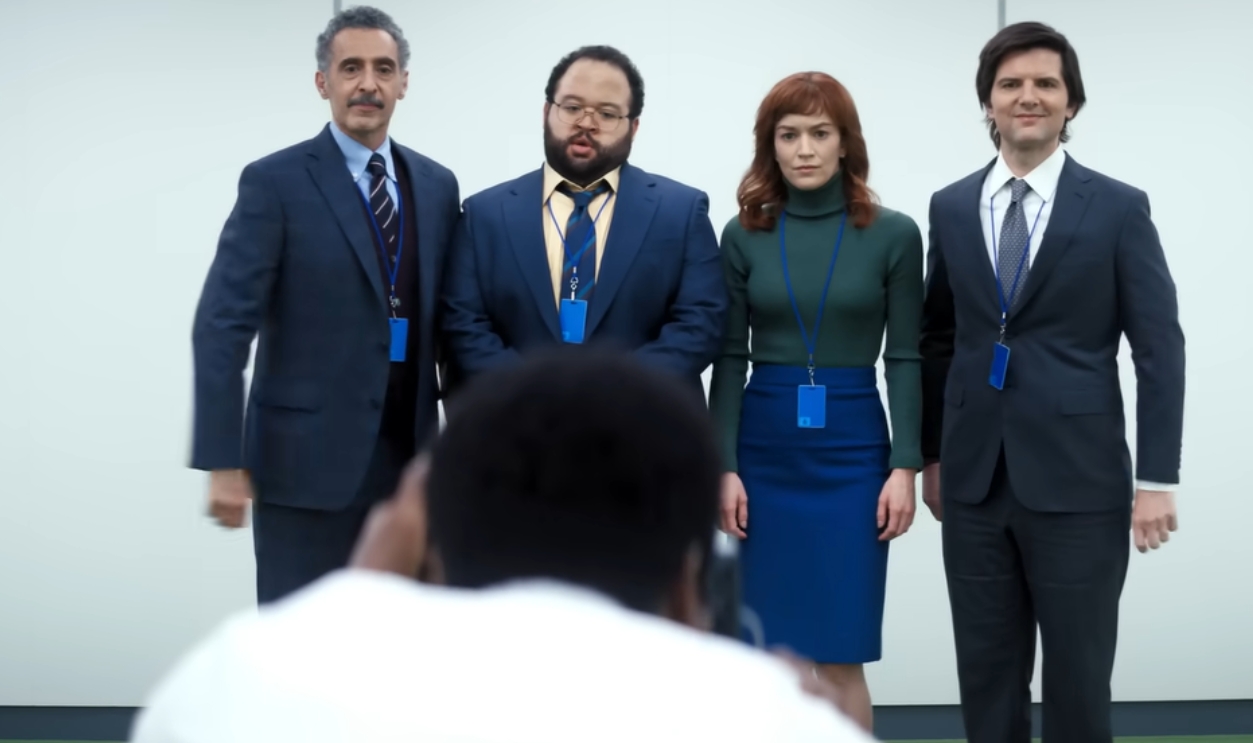 Screenshot from Severance, Apple TV+ (2022–)
Westworld (Westworld, 1973)
This isn’t a spiritual successor—it’s a direct lineage. HBO’s Westworld is based on Michael Crichton’s 1973 film, which itself grew out of 70s sci-fi paranoia about automation and control. The modern version adds philosophical density, but the core idea—technology reflecting humanity’s worst instincts—has been there from the start.
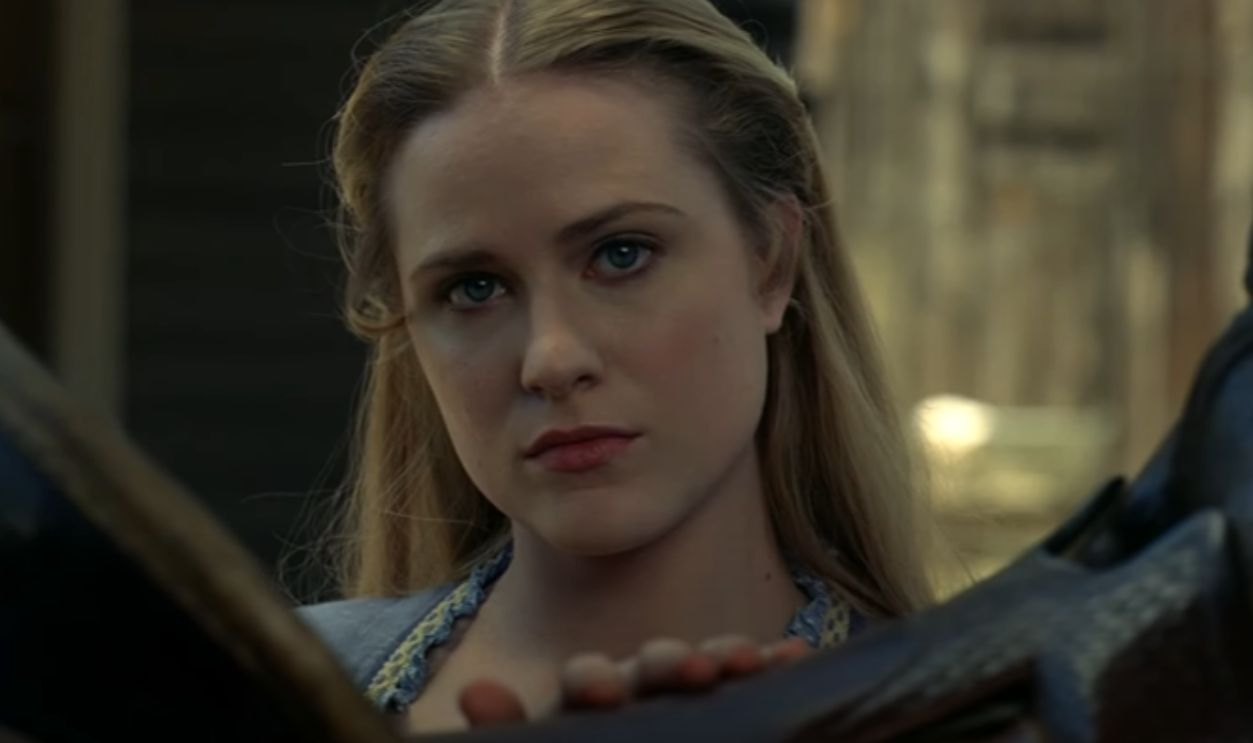 Screenshot from Westworld, HBO (2016–2022)
Dark (The Twilight Zone)
Time loops, predestination, and the horror of inevitability weren’t invented by Dark. The Twilight Zone tackled these ideas repeatedly, especially in episodes like “Judgment Night” and “No Time Like the Past,” where characters discover they’re trapped by fate rather than choice. Dark expands that concept into a generational maze, but its core question—whether anyone can truly change what’s coming—comes straight from classic anthology sci-fi.
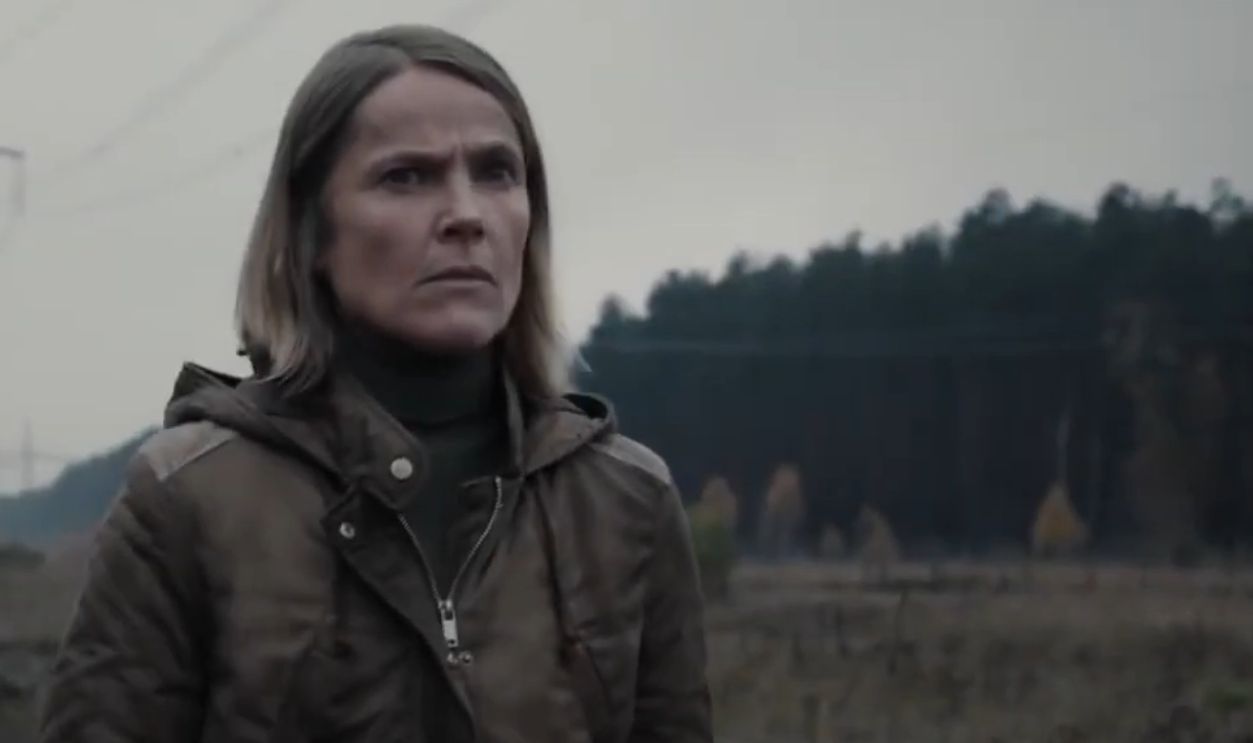 Screenshot from Dark, Netflix (2017–2020)
Stranger Things (Firestarter-Era Sci-Fi / Kolchak: The Night Stalker)
Government labs, psychic children, and Cold War paranoia were staples of late-60s and 70s sci-fi storytelling. TV movies inspired by Firestarter-style narratives fixated on children used as weapons, while Kolchak: The Night Stalker perfected the “small town hiding something impossible” structure. Stranger Things modernizes both traditions—government secrecy on one side, creeping local horror on the other—then wraps them in bikes, synths, and Spielbergian nostalgia.
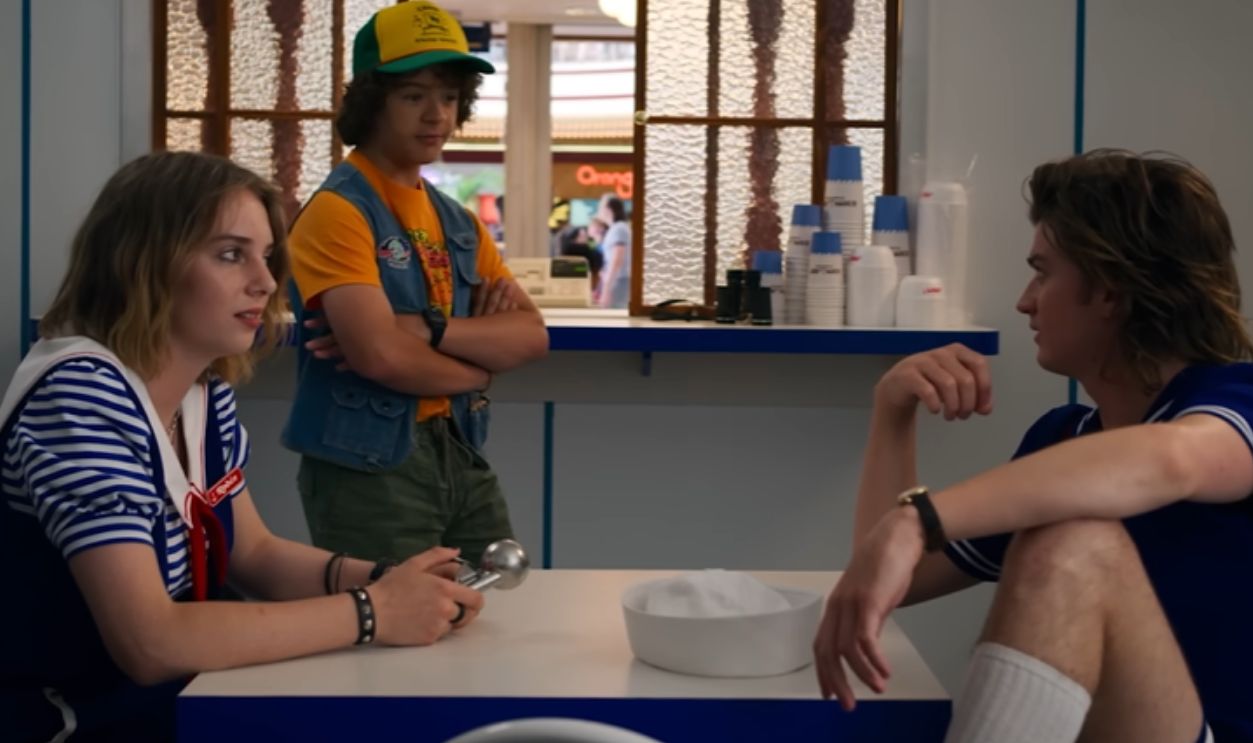 Screenshot from Stranger Things, Netflix (2016 - 2025)
Battlestar Galactica (Battlestar Galactica, 1978)
This one’s honest about it. Ronald D. Moore’s reboot took the bones of the original 1978 series and added post-9/11 politics, moral ambiguity, and serialized storytelling. The Cylons, the fleet, the religious undertones—they were all there before. The reboot just asked harder questions.
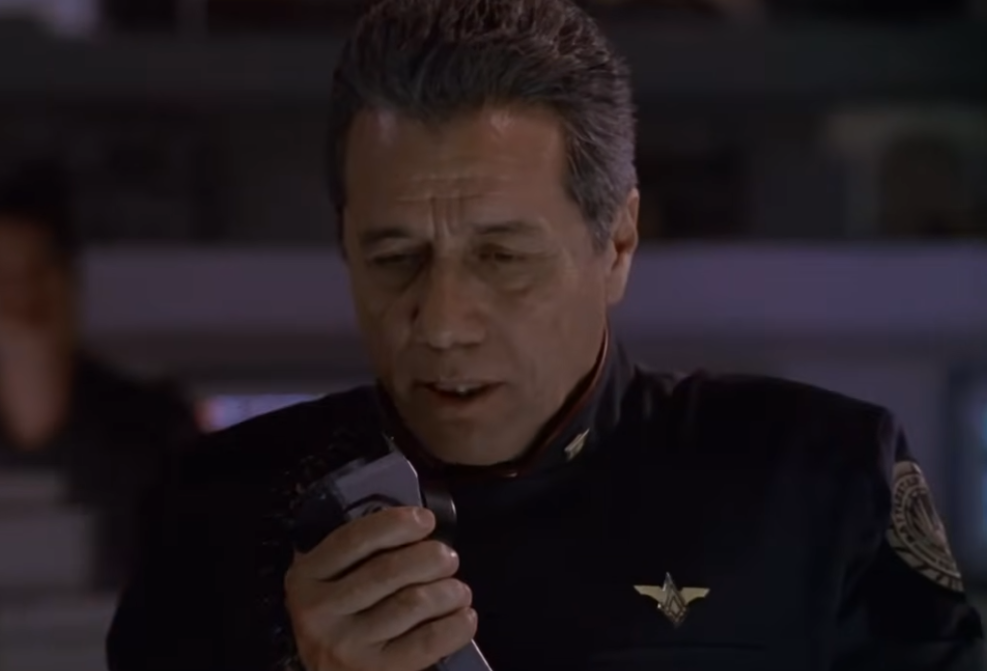 Screenshot from Battlestar Galactica, Sci-Fi (2003-2009)
Lost (The Invaders)
A mysterious threat. Authorities who deny what’s really happening. A growing sense that knowing the truth isolates you from everyone else. The Invaders built its paranoia around ordinary people slowly realizing the world wasn’t what it claimed to be. Lost uses the same structure—less aliens, more metaphysics—but the feeling of being trapped with knowledge no one else believes is straight out of late-60s sci-fi television.
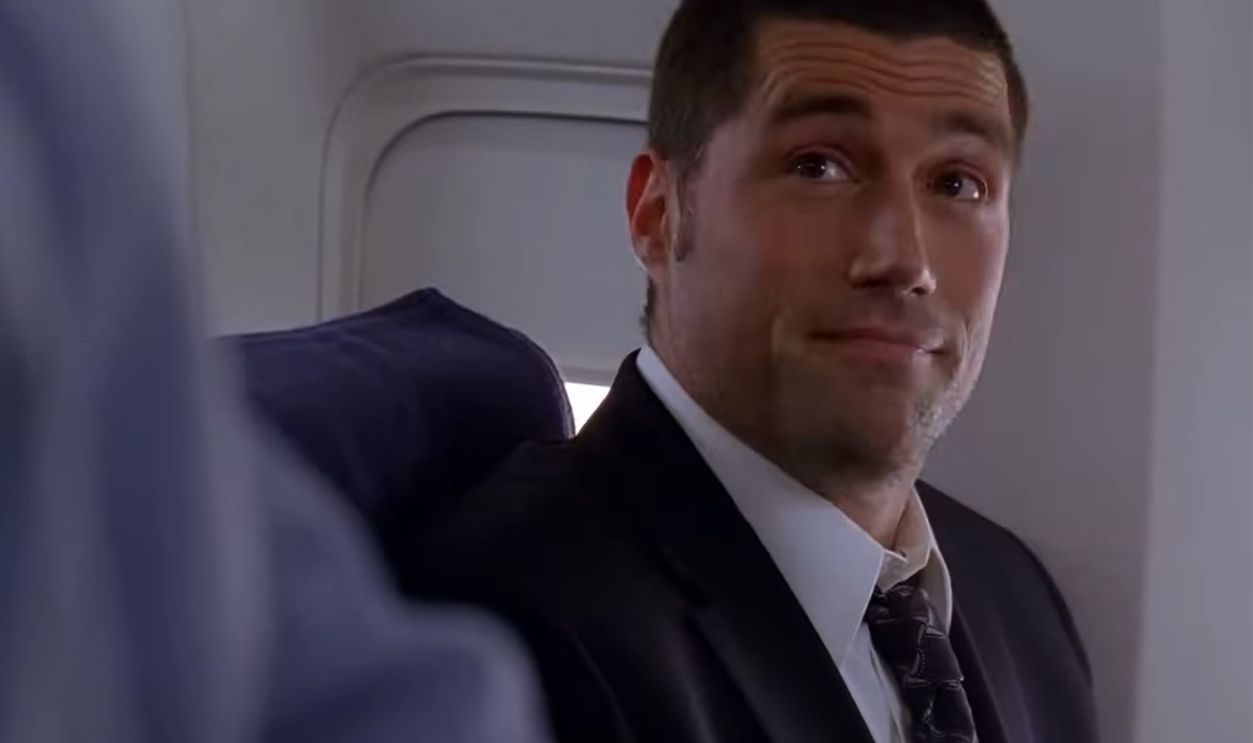 Screenshot from Lost, ABC (2004–2010)
Devs (The Outer Limits)
Determinism. Technology as destiny. The illusion of choice. The Outer Limits tackled these ideas repeatedly in the 60s, often framing science as something that quietly removes free will. Alex Garland’s Devs is more meditative, but its central question—are we already programmed?—is vintage sci-fi anxiety.
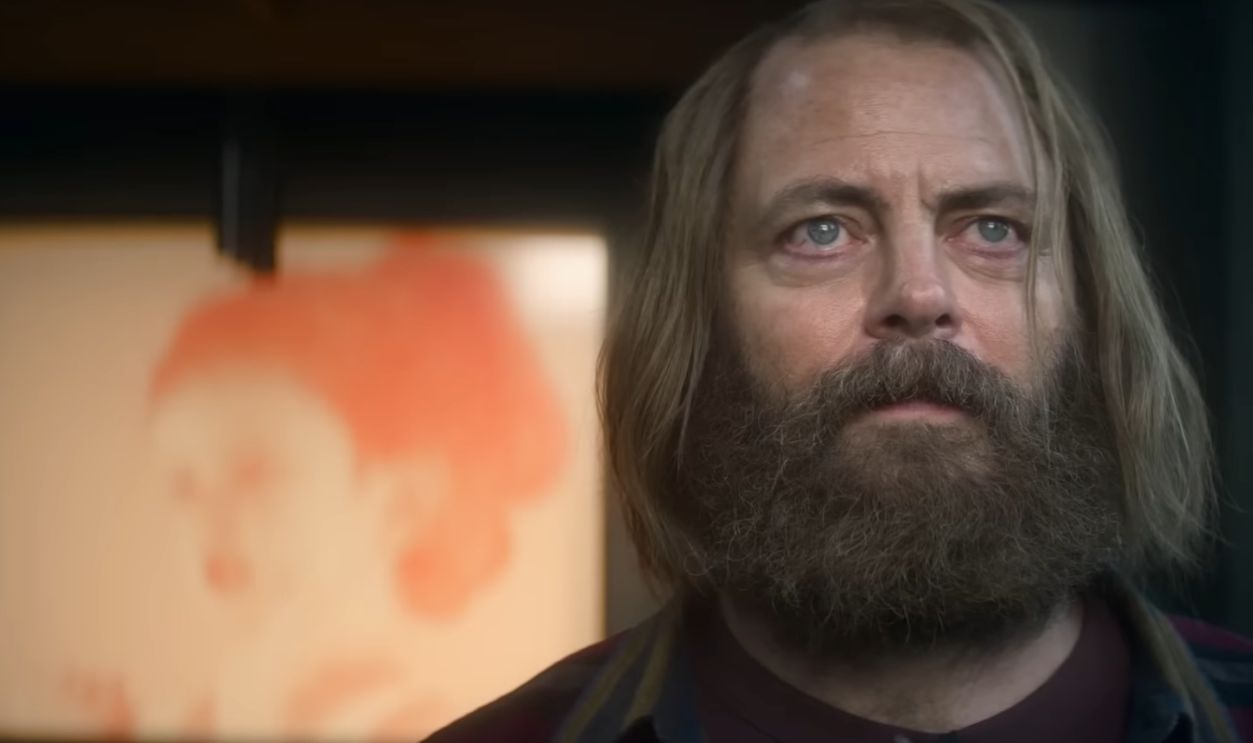 Screenshot from Devs, FX on Hulu (2020)
Counterpart (UFO)
Secret bureaucracies. Parallel operations. Personal lives quietly sacrificed for the sake of a larger mission. UFO specialized in Cold War-era paranoia, where institutions demanded loyalty while withholding truth. Counterpart modernizes that tension, but its focus on secrecy and institutional obedience fits cleanly within 70s British sci-fi DNA.
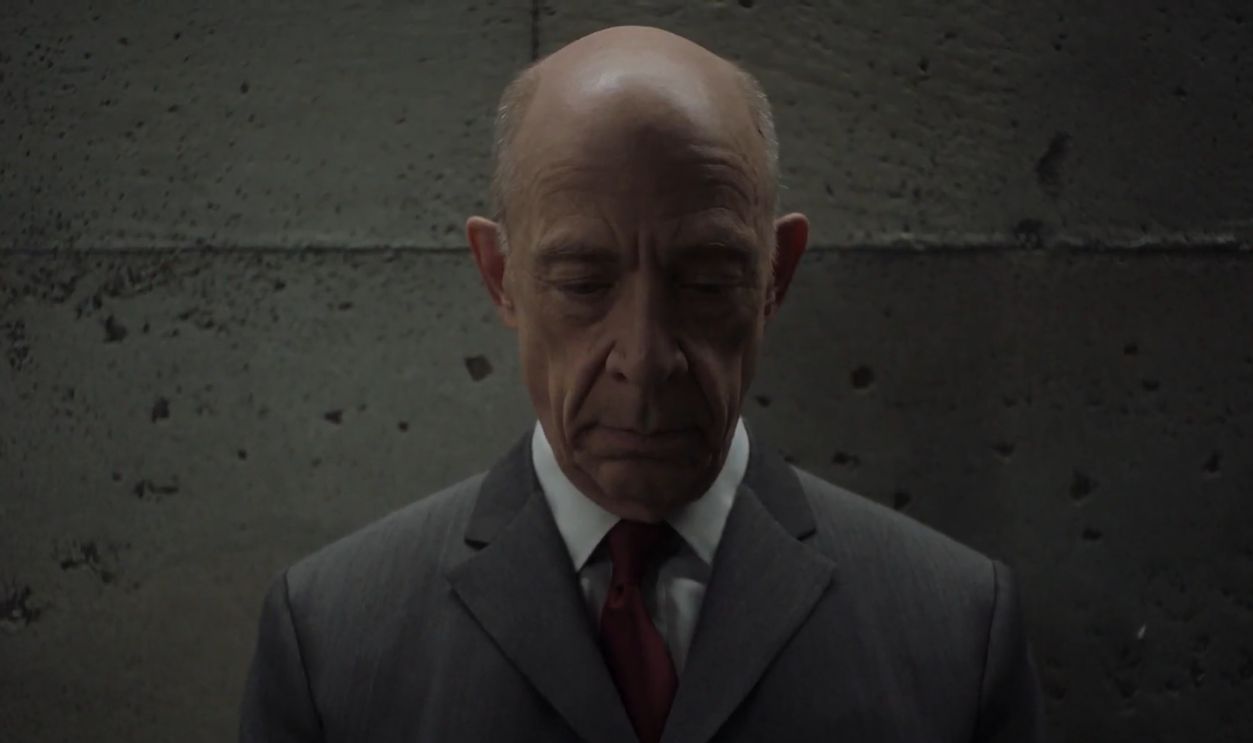 Screenshot from Counterpart, Starz (2017–2019)
Foundation (Star Trek)
While Foundation adapts Isaac Asimov directly, its television DNA owes a debt to Star Trek’s tradition of using sci-fi to debate power, governance, and moral responsibility. Episodes of Star Trek routinely framed political systems as ethical experiments, not action set pieces. Foundation scales that idea up to galactic size, but the intellectual inheritance is unmistakable.
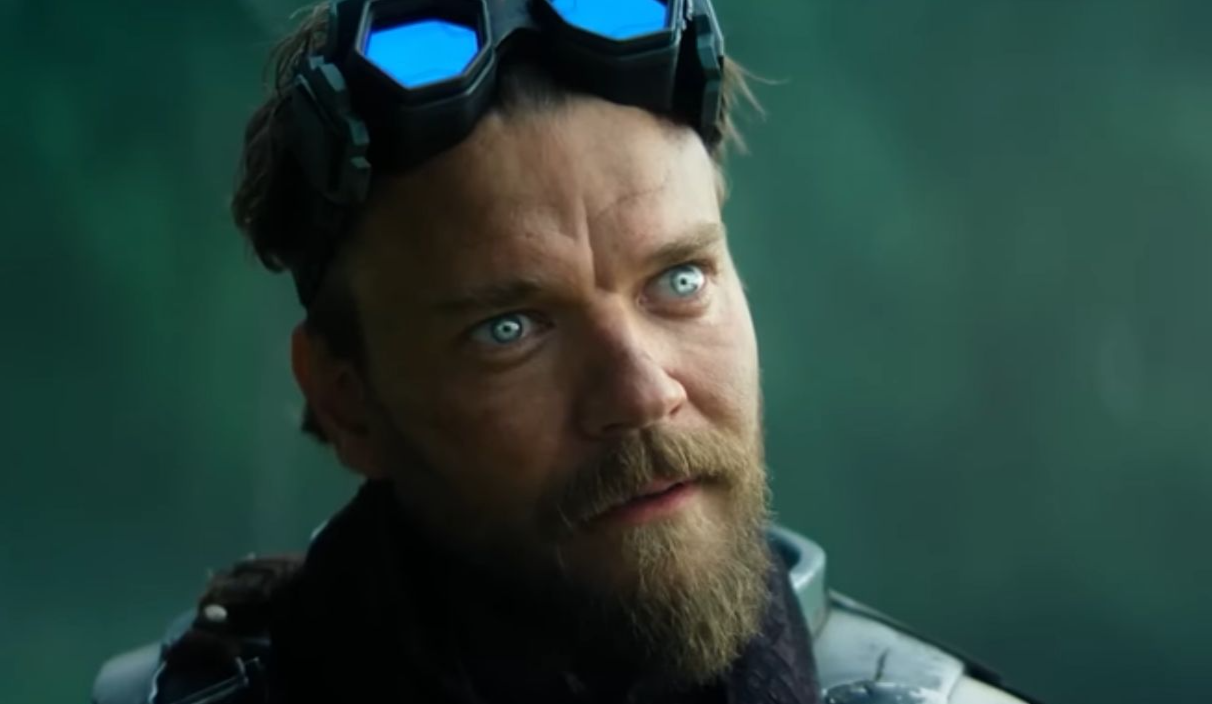 Screenshot from Foundation, Apple TV+ (Season 3, 2025)
The Man in the High Castle (The Twilight Zone)
The Twilight Zone regularly explored alternate realities shaped by a single wrong turn, including episodes like “The Parallel,” where familiar worlds feel subtly—and disturbingly—off. The Man in the High Castle stretches that idea into a full narrative, but the unease comes from the same place: the realization that history’s outcome was never guaranteed, and that the worst version of reality was always possible.
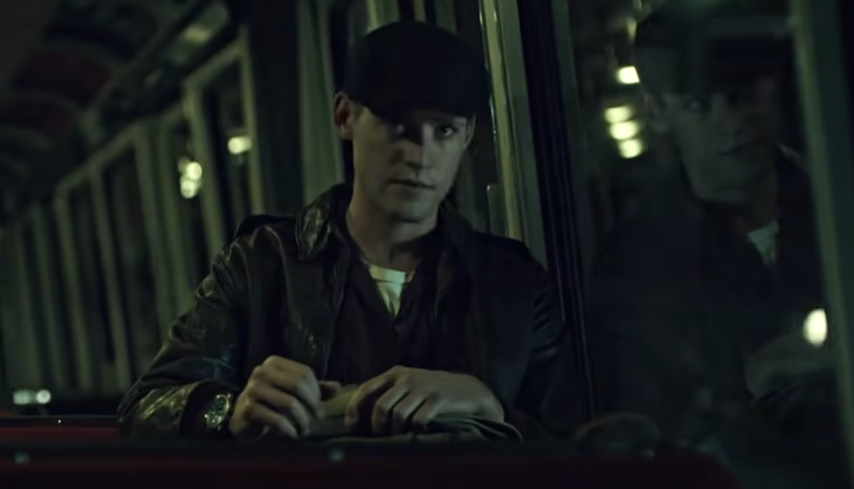 Screenshot from The Man in the High Castle, Amazon Studios (2015–2019)
Humans (The Outer Limits)
Long before Humans asked whether artificial beings deserve rights, The Outer Limits explored nearly identical fears. Episodes like “I, Robot” and “The Inheritors” questioned what happens when humanity creates something that looks human but exists outside moral protection. Humans updates the setting, but the anxiety—that empathy may arrive too late—has been baked into sci-fi since the 60s.
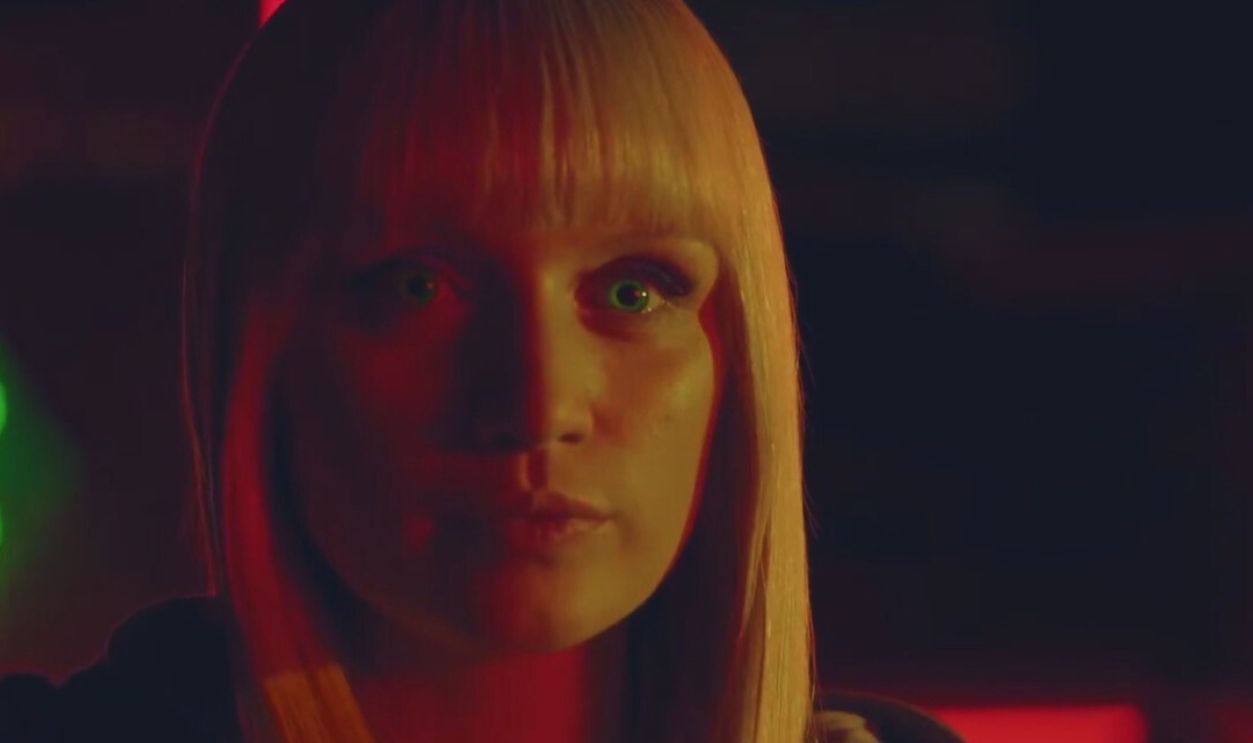 Screenshot from Humans, Channel 4 (2015–2018)
Fringe (The Tomorrow People, 1973)
Before Fringe made fringe science prestige television, The Tomorrow People explored parallel dimensions, human evolution, and abilities that set certain people apart from society. Both shows frame science as something that quietly rewrites what it means to be human. Fringe adds conspiracy and tragedy, but its fascination with “what comes next” has clear roots in 70s speculative TV.
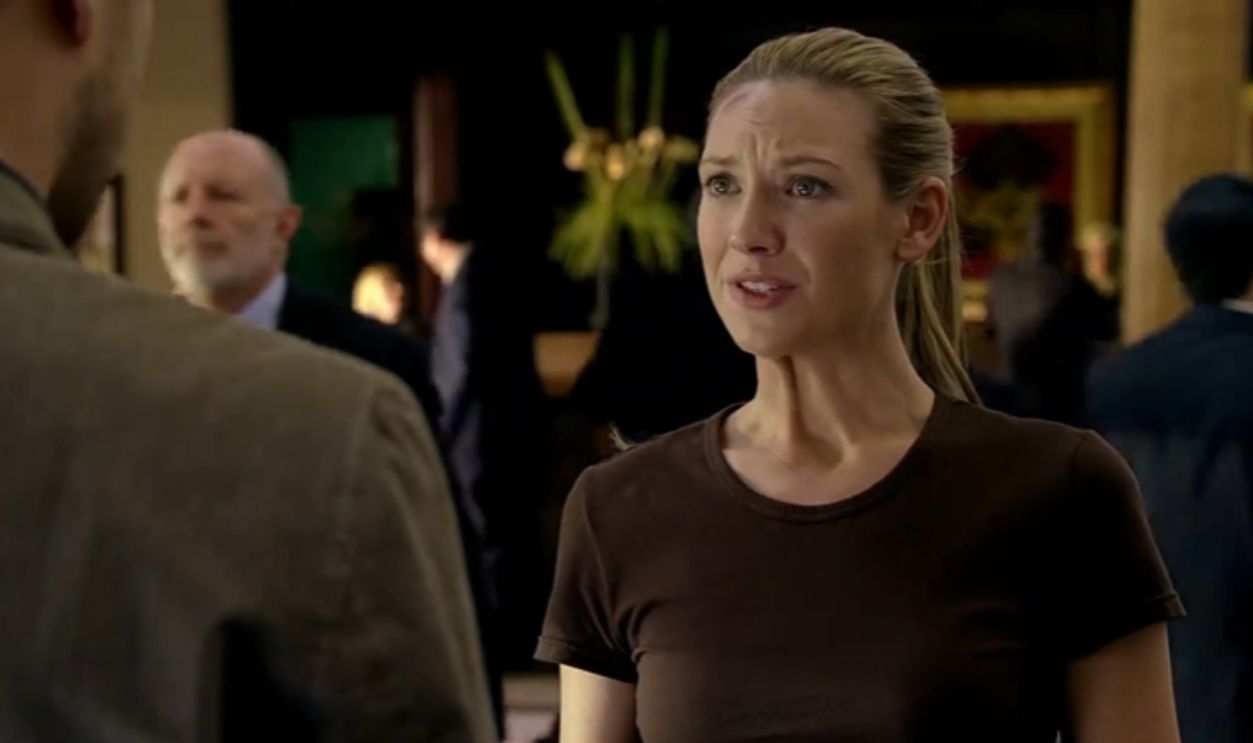 Screenshot from Fringe, Fox (2008-2013)
The OA (The Prisoner)
The Prisoner thrived on disorientation, refusing to explain who was in control or why obedience was expected. The OA adopts that same philosophy, prioritizing emotional truth over clear answers. Both shows treat identity as something imposed rather than chosen, and both frustrate audiences on purpose—using confusion not as a flaw, but as the point.
 Screenshot from The OA, Netflix (2016-2019)
Upload (The Six Million Dollar Man)
In 70s sci-fi television, technology often came with ownership attached. The Six Million Dollar Man introduced the idea that survival, enhancement, and even identity could belong to an institution. Upload modernizes that fear by turning the afterlife into intellectual property. The setting is digital, but the question is the same: who owns you once technology keeps you alive?
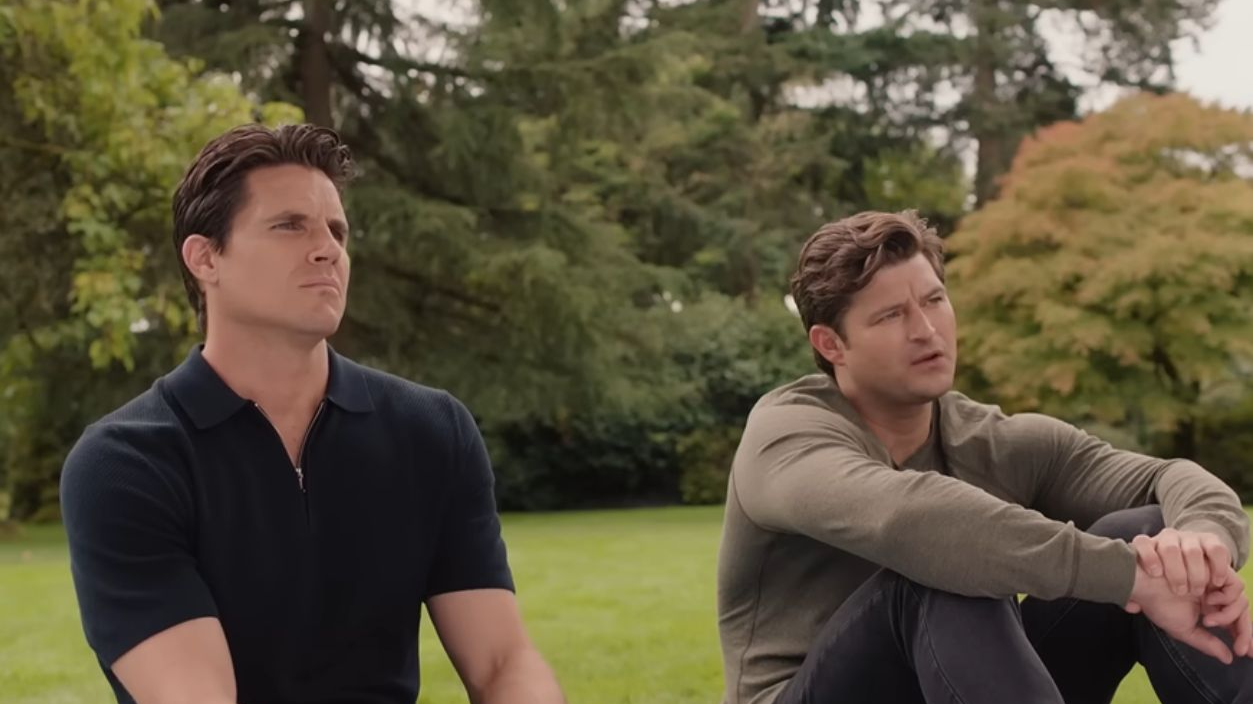 Screenshot from Upload, Amazon Prime Video (2020 - )
Silo (Logan’s Run)
A sealed society governed by lies. Rules justified as protection. Truth punished. Logan’s Run made these ideas mainstream in the 70s, and Silo builds on them with modern pacing. The fear that safety is just control in disguise hasn’t aged a day.
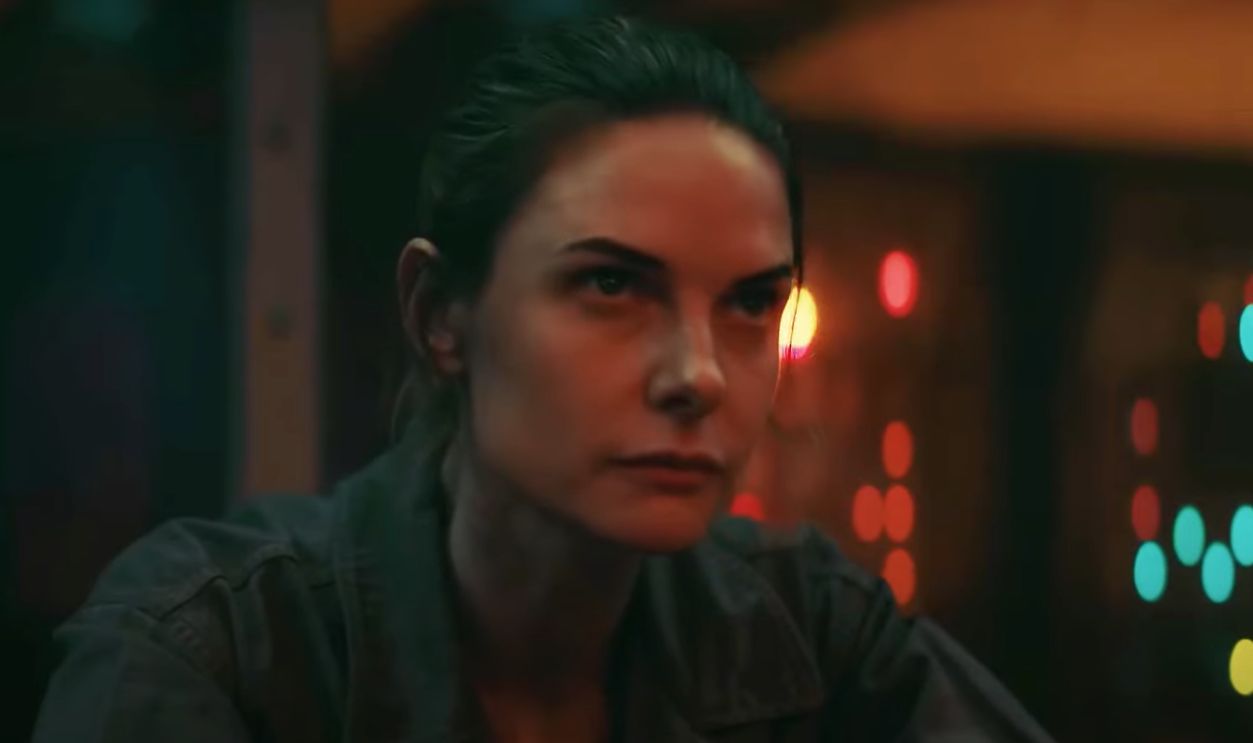 Screenshot from Silo, Apple TV+ (2023–present)
Raised by Wolves (Space: 1999)
Space: 1999 stood apart from its era by leaning heavily into existential dread, religious symbolism, and humanity’s smallness in the universe. Raised by Wolves carries that same DNA, using science fiction less as spectacle and more as a philosophical battleground. Both shows are less interested in answers than in the discomfort of asking the wrong questions.
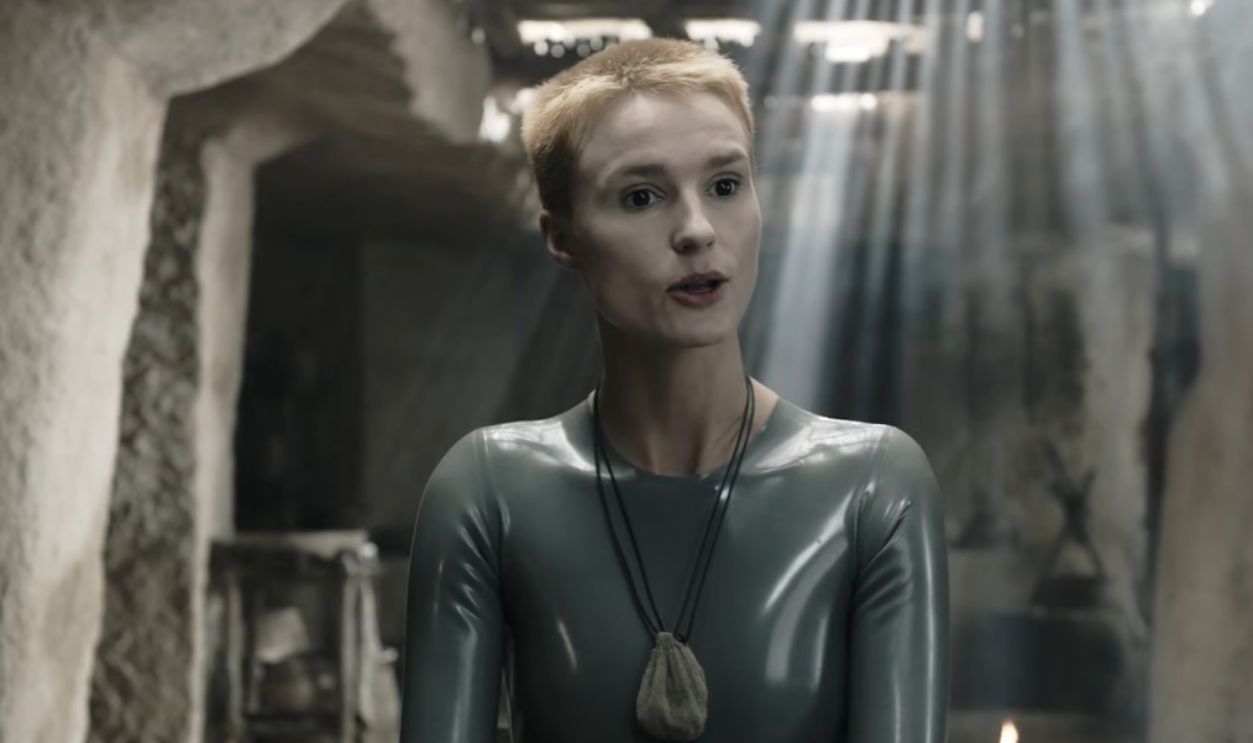 Screenshot from Raised by Wolves, HBO Max (2020–2022)
Travelers (The Time Tunnel)
Time travelers trying to fix history without breaking themselves is a concept older than streaming. The Time Tunnel tackled mission-based time travel in the 60s, while Travelers modernizes that concept by focusing on ethical fallout—what happens to the lives overwritten in the process.
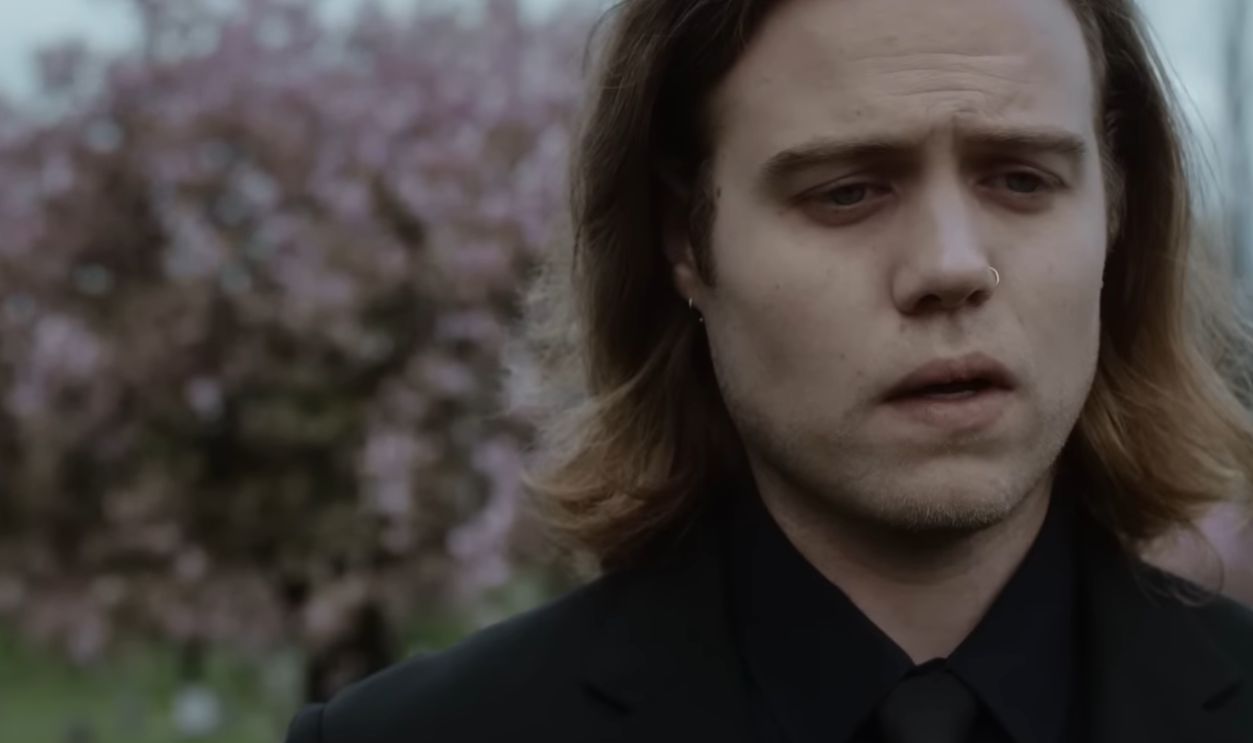 Screenshot from Travelers, Netflix (2016–2018)
Snowpiercer (Logan’s Run)
Rigid class systems, enforced movement, and survival dictated by obedience were central to Logan’s Run. Snowpiercer re-creates that structure in motion, dividing society into literal sections and punishing curiosity as rebellion. The metaphor is louder, but the blueprint is pure 70s controlled-society sci-fi.
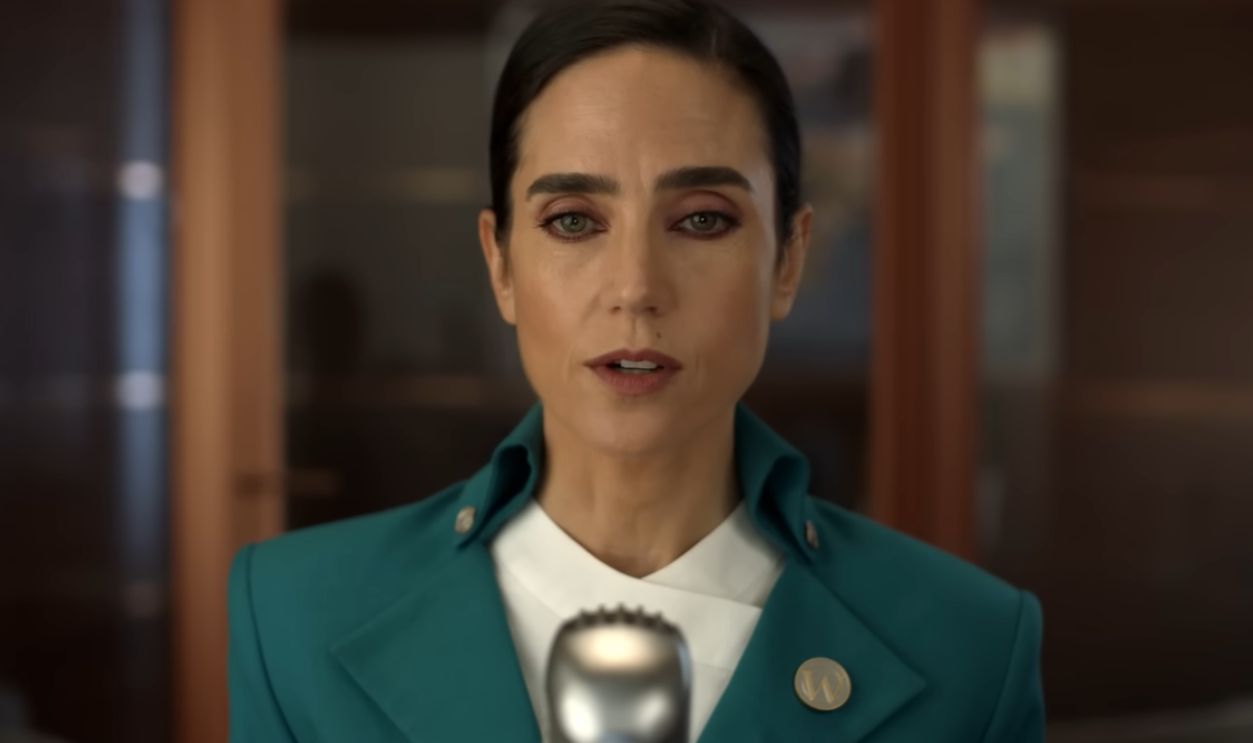 Screenshot from Snowpiercer, TNT (2020–2023)
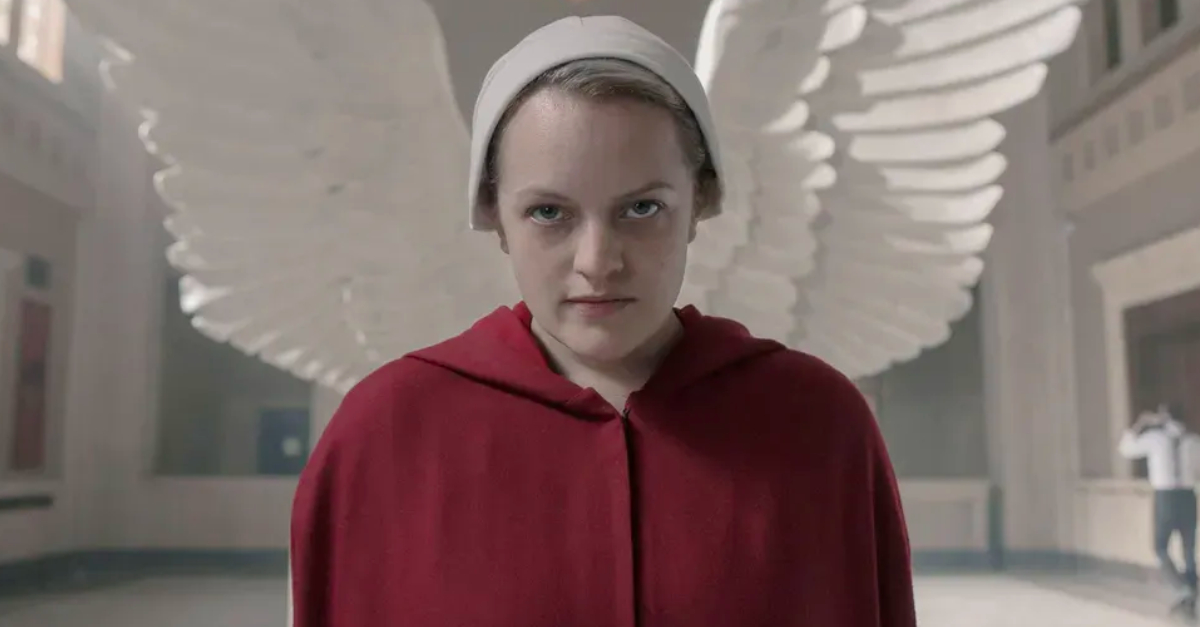
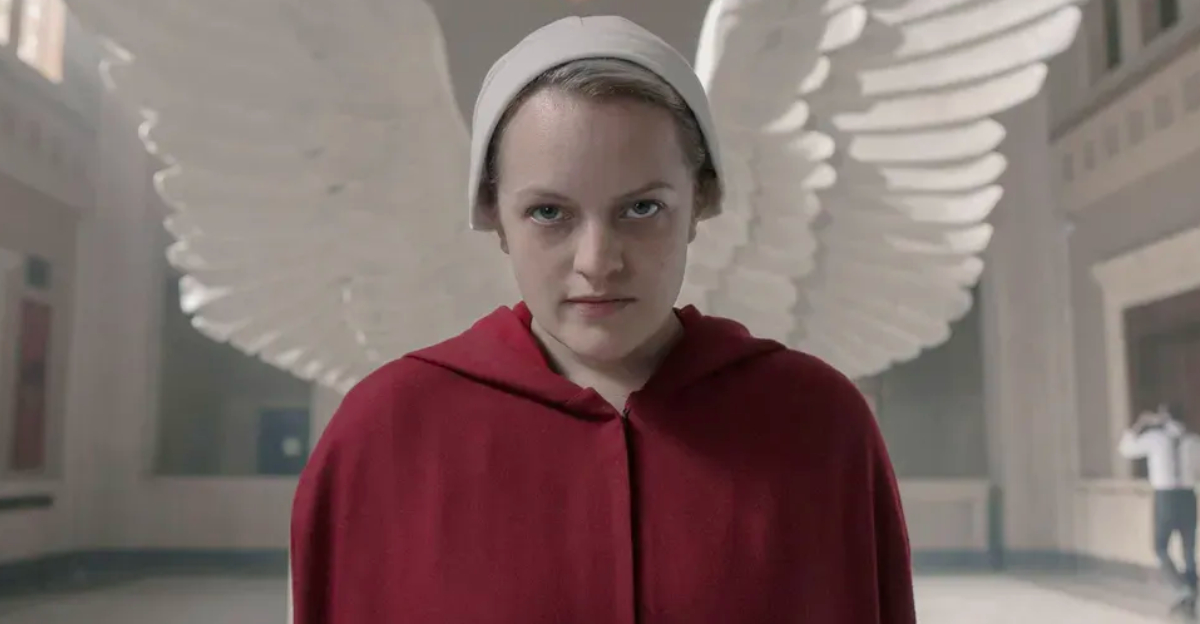
The Handmaid’s Tale (Logan’s Run)
Like Logan’s Run, The Handmaid’s Tale depicts a society that maintains order through ritualized control, restricted movement, and the promise of “safety” at the cost of freedom. The methods are different, but the logic is identical: survival is conditional, and compliance is mandatory.
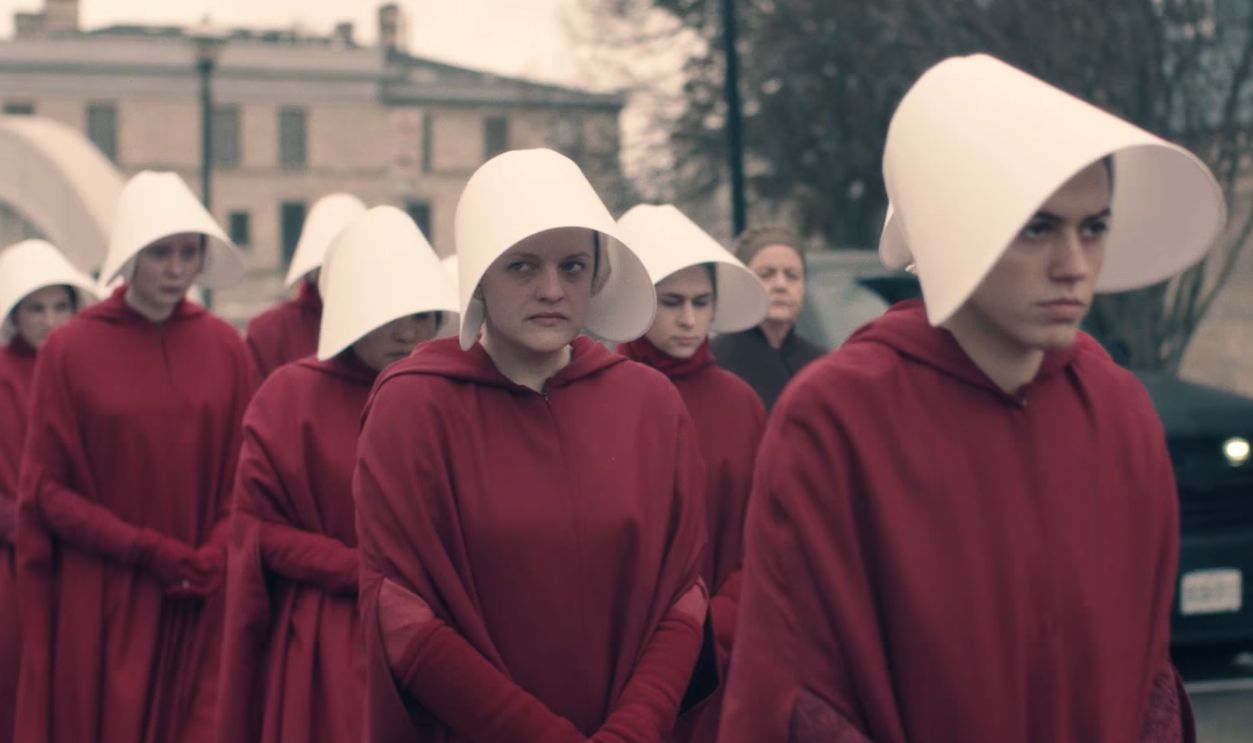 Screenshot from The Handmaid’s Tale, Hulu (2017–2025)
Electric Dreams (The Outer Limits)
Anthology sci-fi exploring the human cost of technology is practically The Outer Limits’ mission statement. Electric Dreams continues that tradition explicitly, updating Philip K. Dick’s stories for an era that finally caught up to his paranoia.
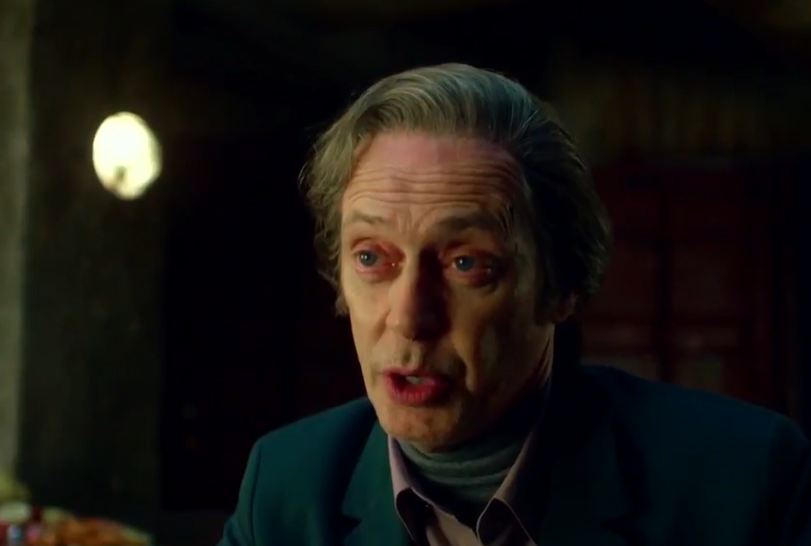 Screenshot from Electric Dreams, Channel 4 Television Corporation (2017–2018)
Orphan Black (1970s Bio-Experiment Sci-Fi TV)
In 70s sci-fi television, science often treated human bodies as property—subjects to be improved, owned, or replaced. Orphan Black updates that paranoia through cloning, corporate patents, and biological ownership. The specifics are modern, but the fear of becoming an experiment rather than a person is straight out of the era.
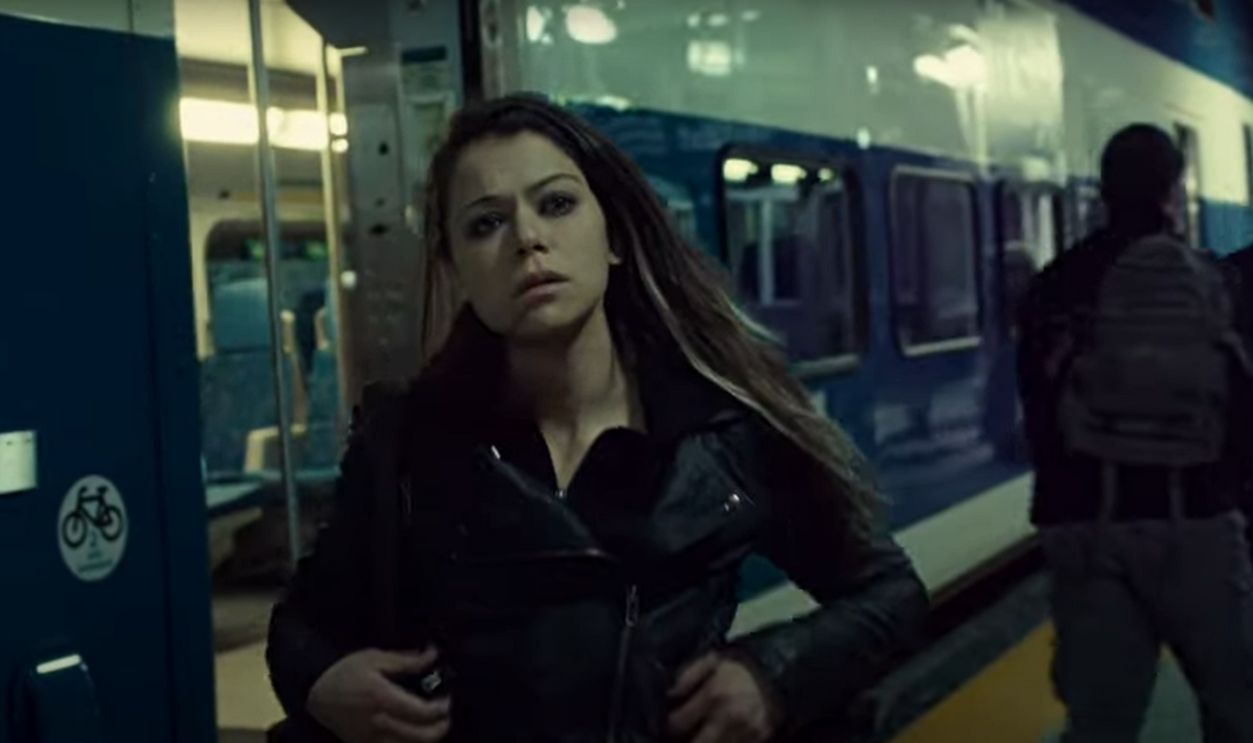 Screenshot from Orphan Black, BBC America (2013–2017)
The X-Files (Kolchak: The Night Stalker)
Long before Mulder and Scully, Kolchak followed a lone investigator uncovering truths authorities refused to acknowledge. Creator Chris Carter has directly cited Kolchak as a primary influence. The skepticism, the structure, and the idea that belief isolates you are all inherited—just with flashlights instead of typewriters.
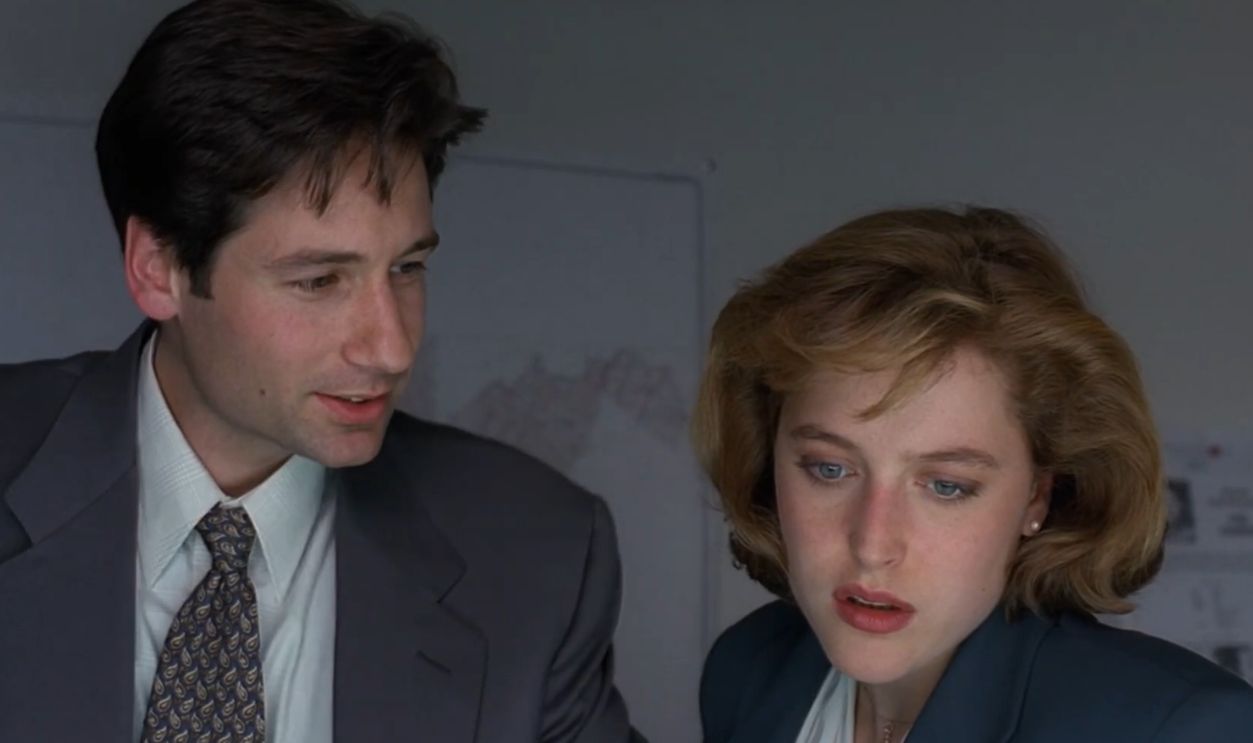 Screenshot from The X-Files, Fox Broadcasting Company (1993–2018)
Dark Matter (Star Trek)
A crew defined by moral ambiguity, memory loss, and shifting loyalties feels modern—but Star Trek explored those tensions decades earlier. The framework of space as a testing ground for ethics remains unchanged.
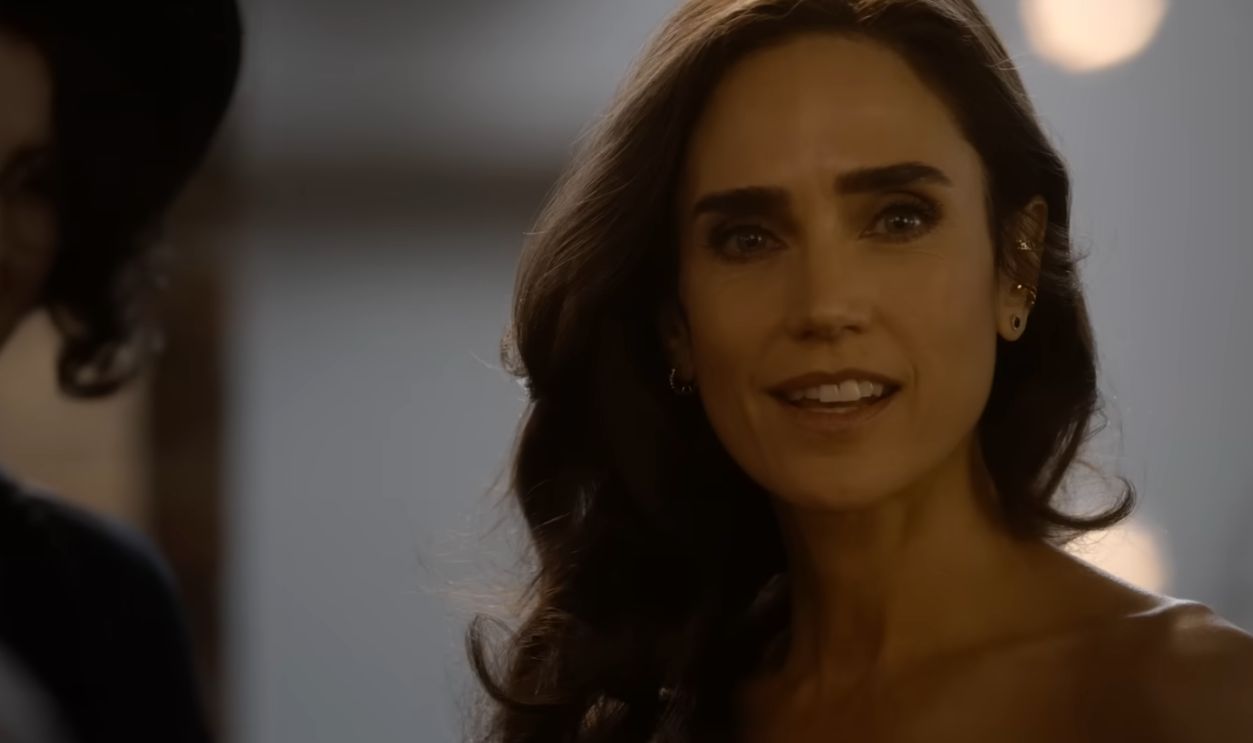 Screenshot from Dark Matter, Apple TV+ (2024-)
You Might Also Like:
Snowed In? These Are The Most Bingeable Series On Netflix Right Now
The Best Detective Shows Ever Made