Television Quotes Born In The 1960s
Some television lines refuse to stay in the past. Spoken decades ago, these phrases slipped into everyday language and never left. Many are still repeated without much thought, even as their original shows faded from memory.
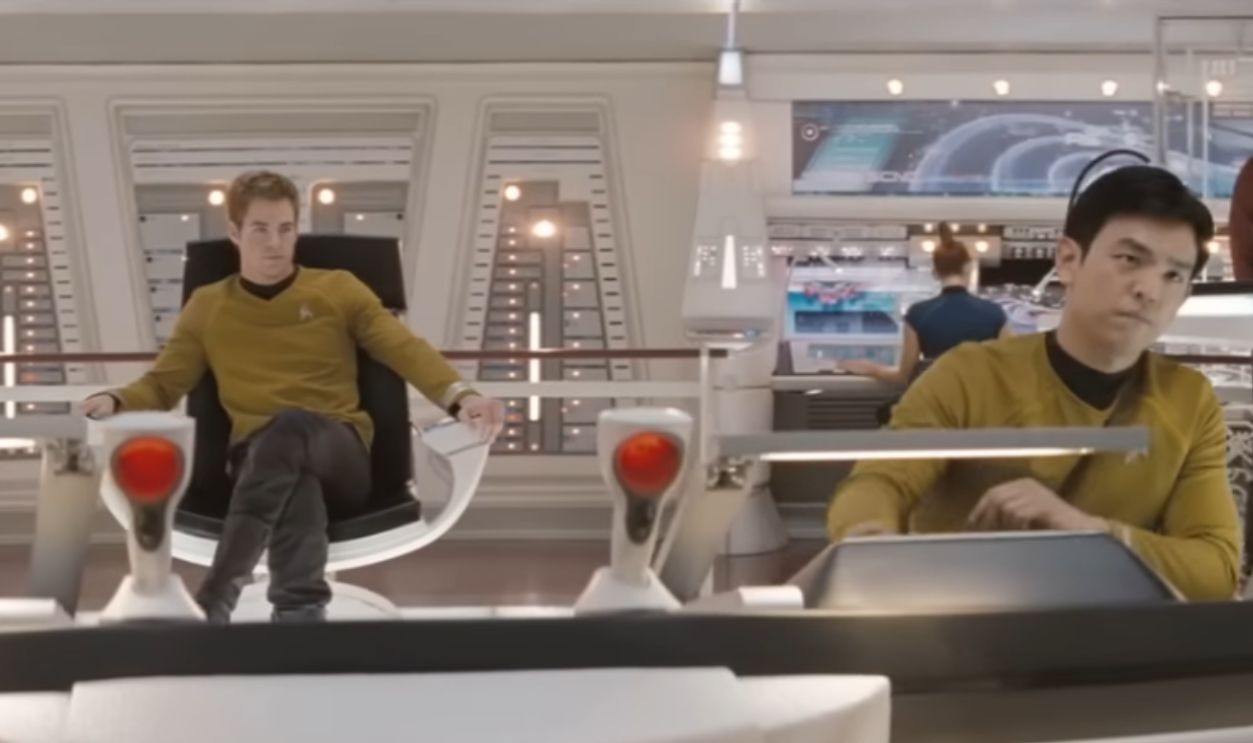
“To Boldly Go Where No Man Has Gone Before”
Spoken in every Star Trek opening beginning in 1966, this sentence framed exploration as a shared human mission. Its influence extends far beyond science fiction, often appearing in discussions when people describe bold steps into unfamiliar territory.
 Screenshot from Star Trek: The Original Series, Paramount Television (1966–1969)
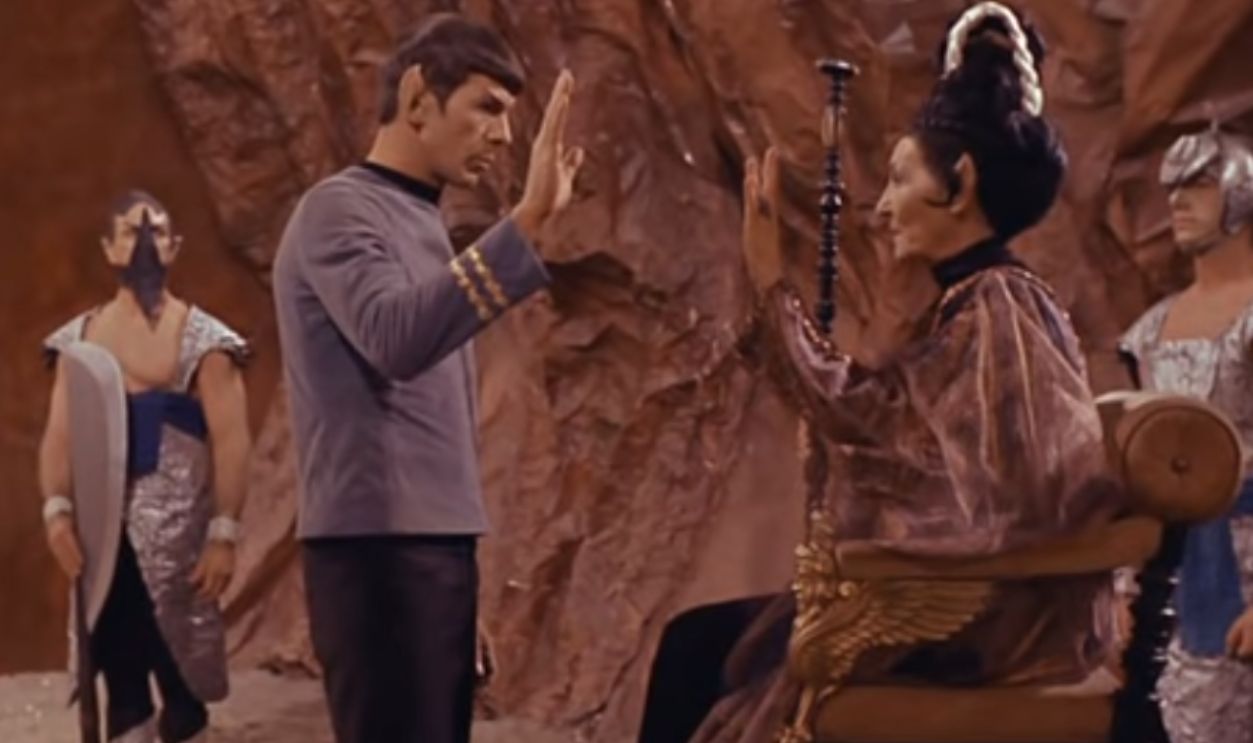
“Live Long And Prosper”
First spoken by Spock in Star Trek’s 1967 episode “Amok Time,” this Vulcan farewell blended science fiction with genuine warmth. Its lasting appeal comes from simplicity and optimism, which made it equally suited to pop culture references, graduation speeches, and everyday goodbyes across generations.
 Screenshot from Star Trek: The Original Series, Paramount Television (1966–1969)
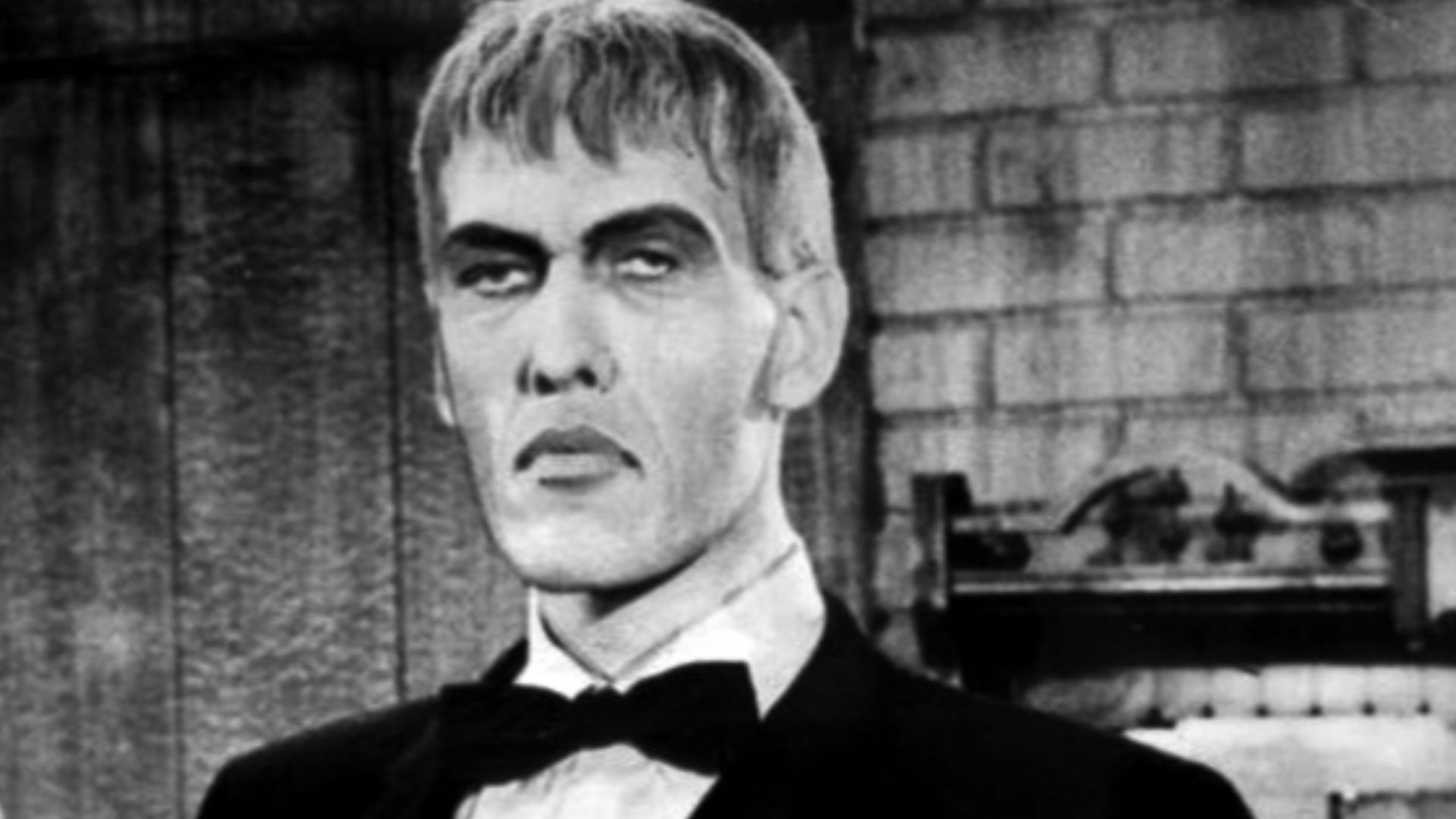
“You Rang?”
Lurch repeated this line on The Addams Family from 1964 to 1966, and this deadpan response became instantly memorable. Its appeal lies in timing and tone, which made it a lasting shorthand for formal obedience or eerie politeness.
 Pleasure Island Uploaded by We hope at en.wikipedia, Wikimedia Commons
“Danger, Will Robinson!”
Mentioned in Lost in Space during the mid-1960s, the Robot’s urgent warning quickly escaped the show itself. Today, Americans still use it to flag obvious mistakes or looming trouble, often without realizing its television origin or sci-fi legacy.
 Screenshot from Lost in Space, CBS Television Distribution (1965–1968)
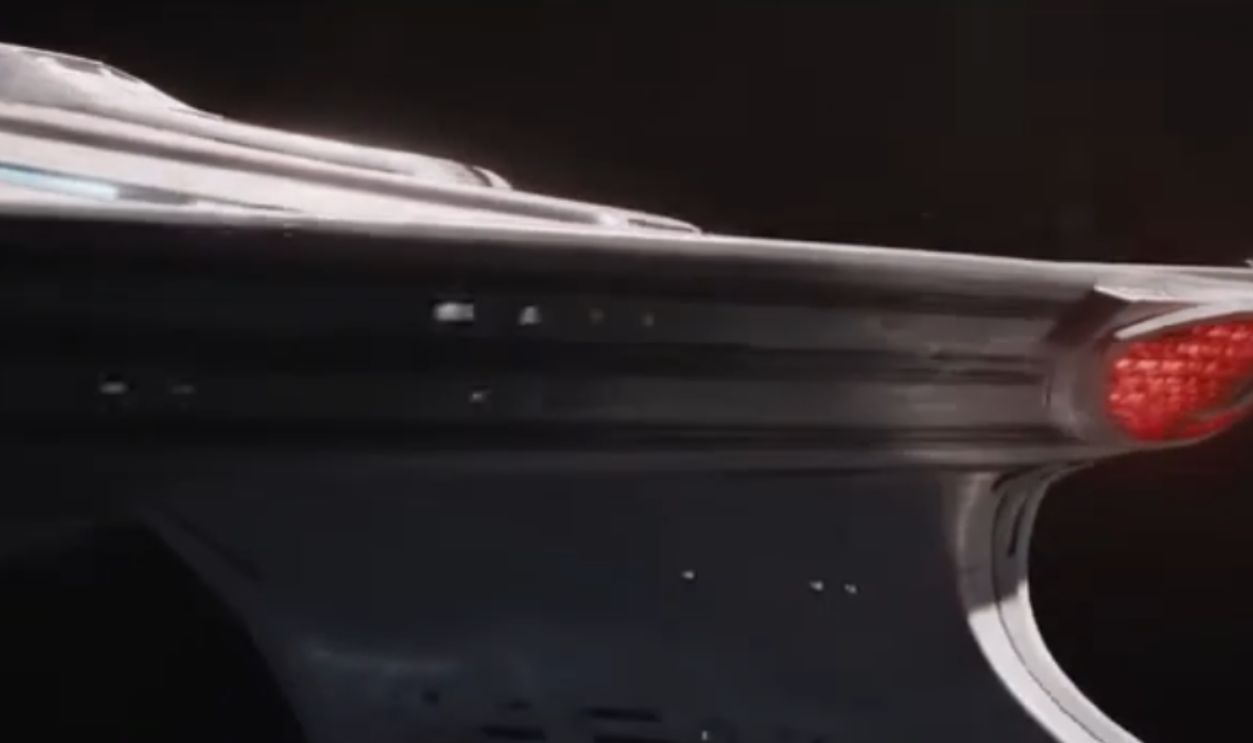
“Space… The Final Frontier”
Opening each episode of Star Trek, this phrase establishes grandeur and curiosity in just a few words. Its continued use reflects America’s fascination with discovery, whether applied to scientific research or entrepreneurship.
 Screenshot from Star Trek: The Original Series, Paramount Television (1966–1969)
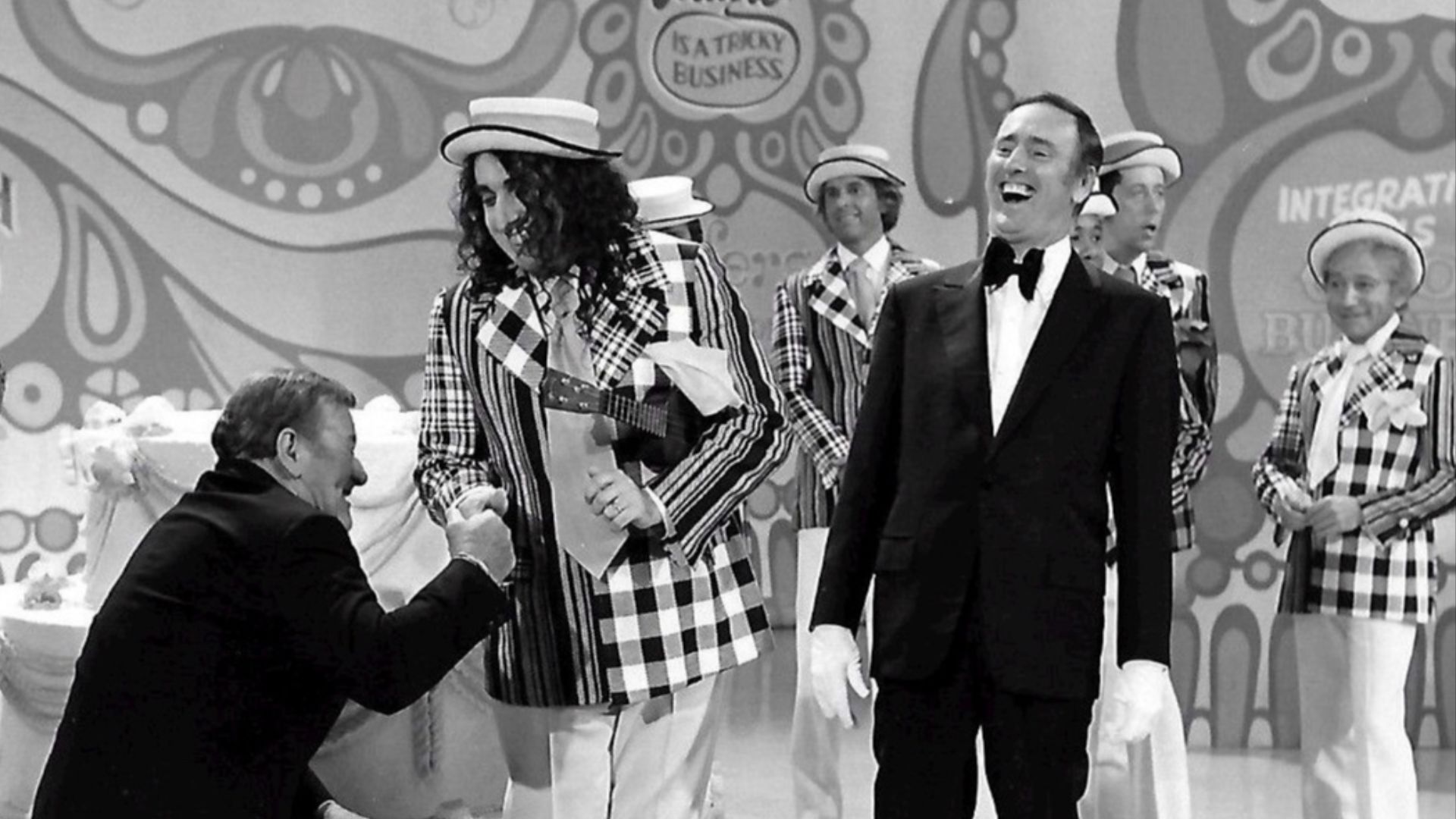
“Sock It To Me!”
Popularized on Rowan and Martin’s Laugh-In starting in 1968, this phrase captured the show’s fast-paced, countercultural energy. Its blunt challenge fit the era’s changing social tone, and this helped it survive well beyond sketch comedy to remain recognizable in modern conversation.
 NBC Television, Wikimedia Commons
“You’re Traveling Through Another Dimension”
This line appeared in multiple Twilight Zone openings during the early 1960s, immediately signaling unease and possibility. Its clear imagery made it memorable, and people still repeat it when describing surreal moments and unexpected changes.
 CBS Television, Wikimedia Commons
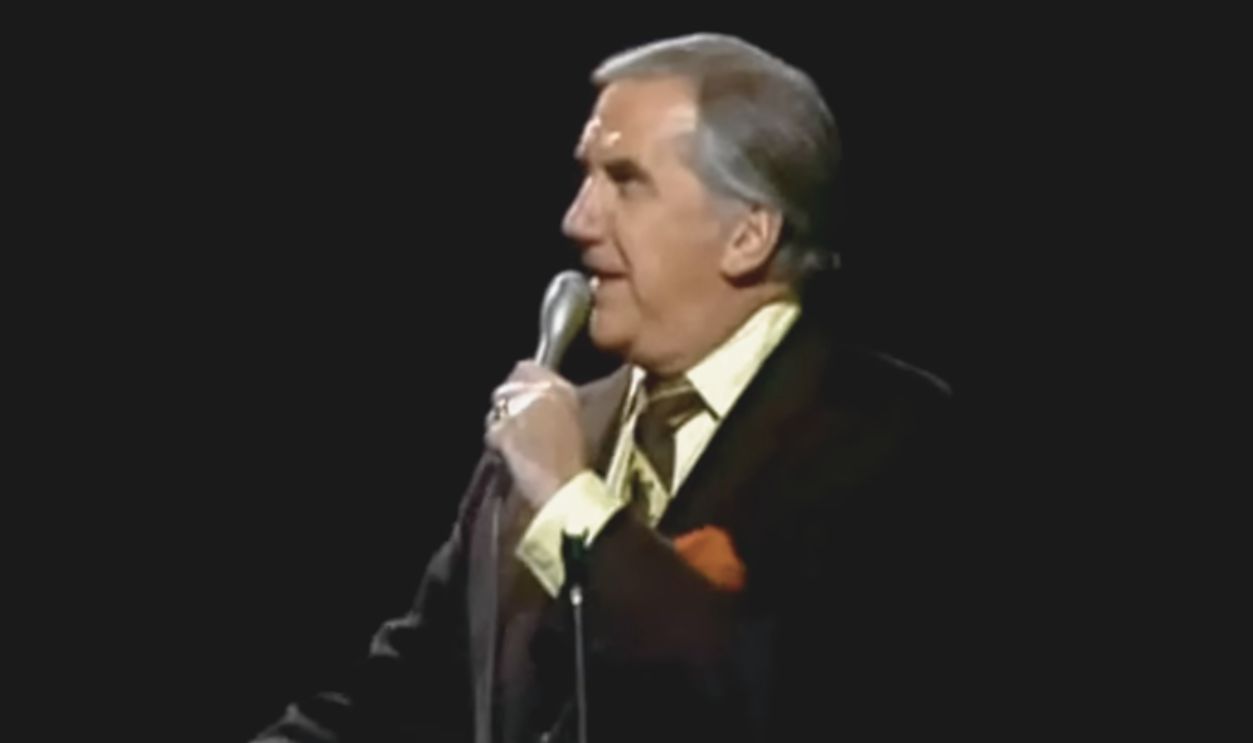
“Here’s Johnny!”
Night after night beginning in 1962, Ed McMahon introduced Johnny Carson with this now-famous line on The Tonight Show. Decades later, it remains shorthand for grand entrances, and proves how late-night television shaped shared language long before viral media dominated American homes.
 Screenshot from The Tonight Show, NBC (1962)
“Same Bat-Time, Same Bat-Channel”
Closing nearly every episode of Batman, this line reinforced the show’s playful connection with its audience. It trained viewers to expect continuity and routine, a concept that still resonates whenever Americans jokingly reference regular schedules or predictable appointments.
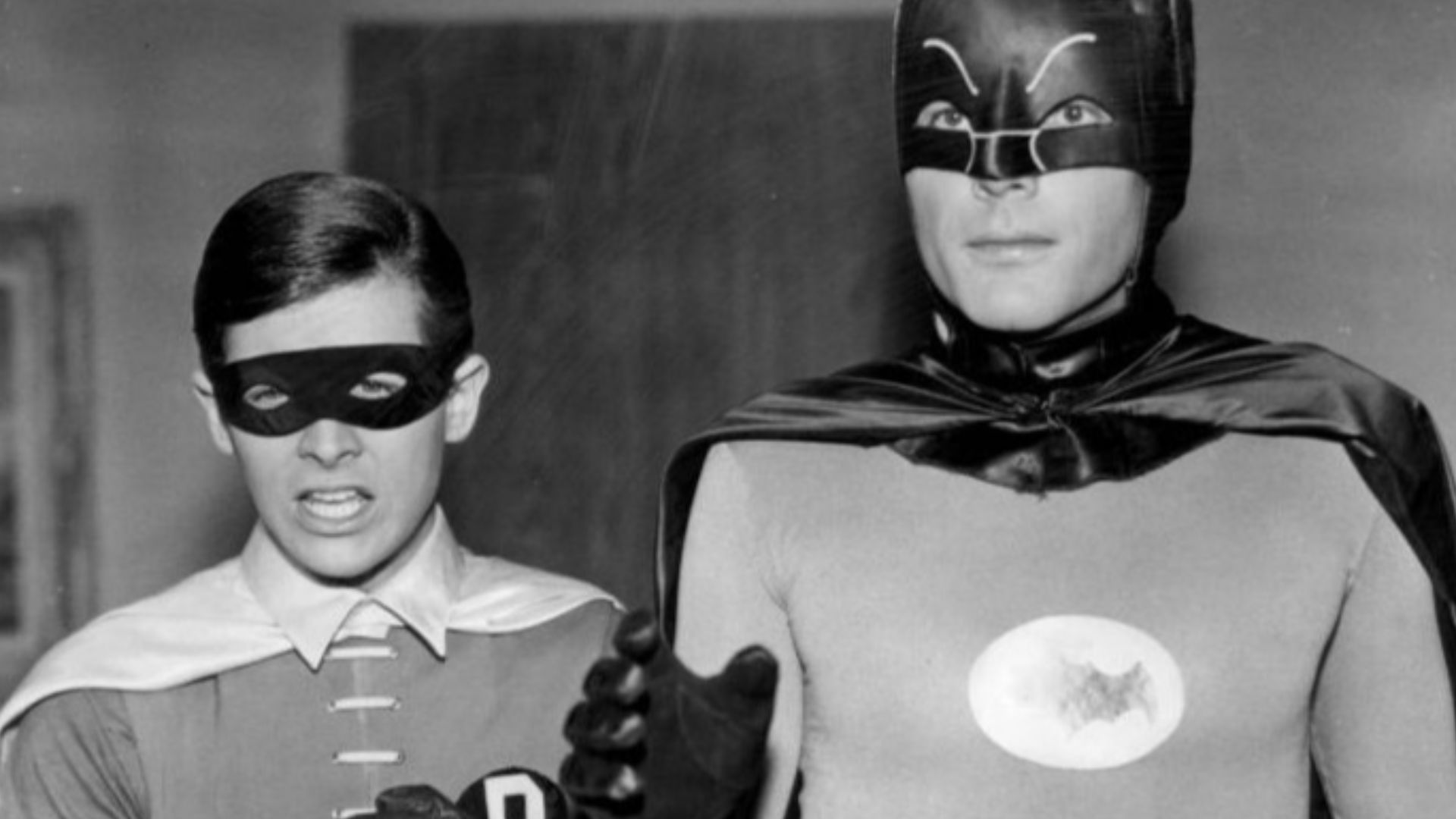 Greenway Productions-producer of both the television series and the 1966 film., Wikimedia Commons
“Missed It By That Much”
Don Adams’ Maxwell Smart turned failure into comedy on Get Smart starting in 1965. The phrase works because it softens disappointment with humor. It’s become a go-to expression when near-success falls short, whether discussing sports or personal goals.
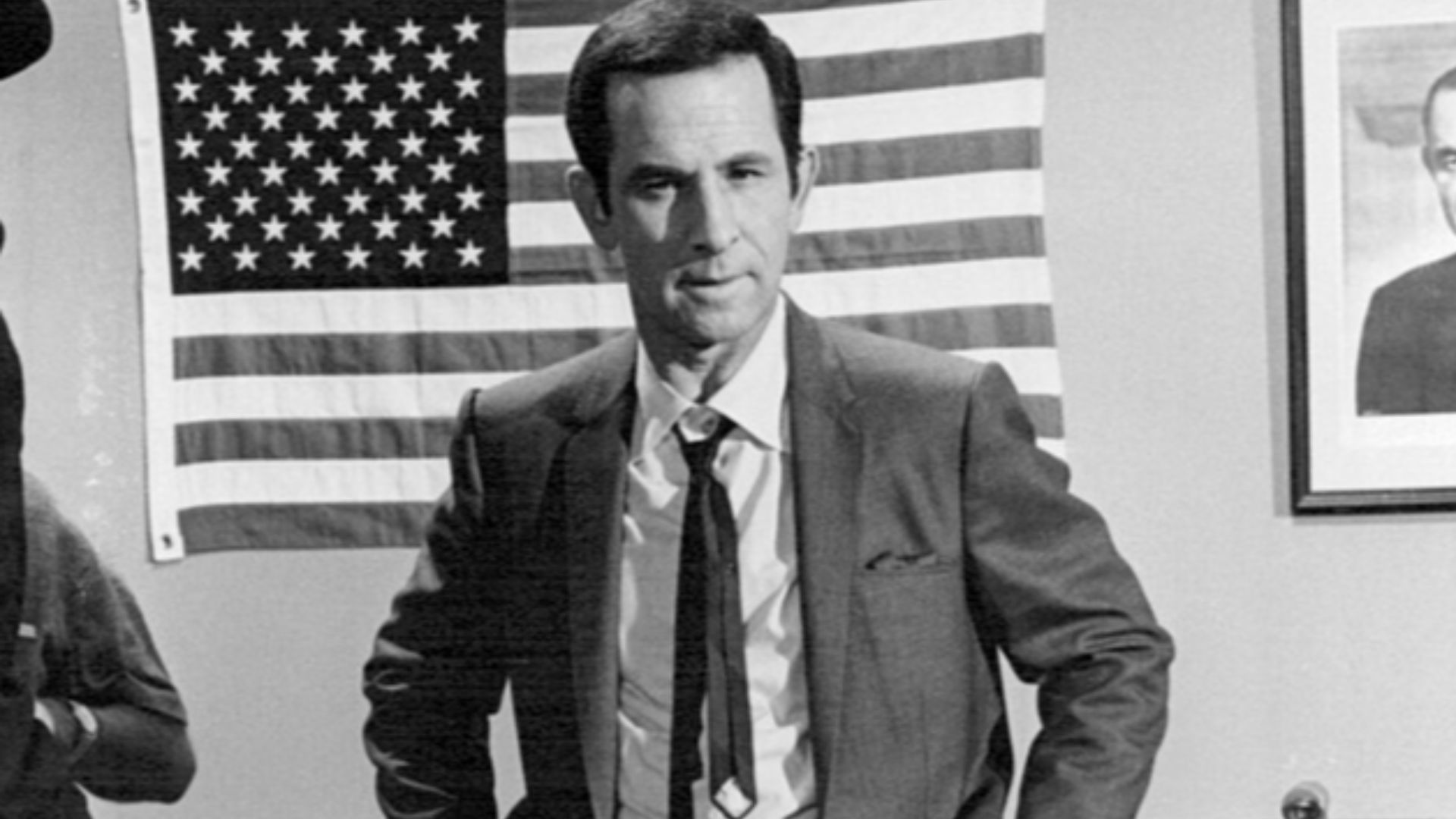 NBC Television, Wikimedia Commons
“Would You Believe…?”
Also from Get Smart, this line introduced increasingly ridiculous explanations with perfect timing. Its staying power comes from versatility, as people still use it to revise stories mid-sentence or pivot gracefully when an explanation no longer sounds believable.
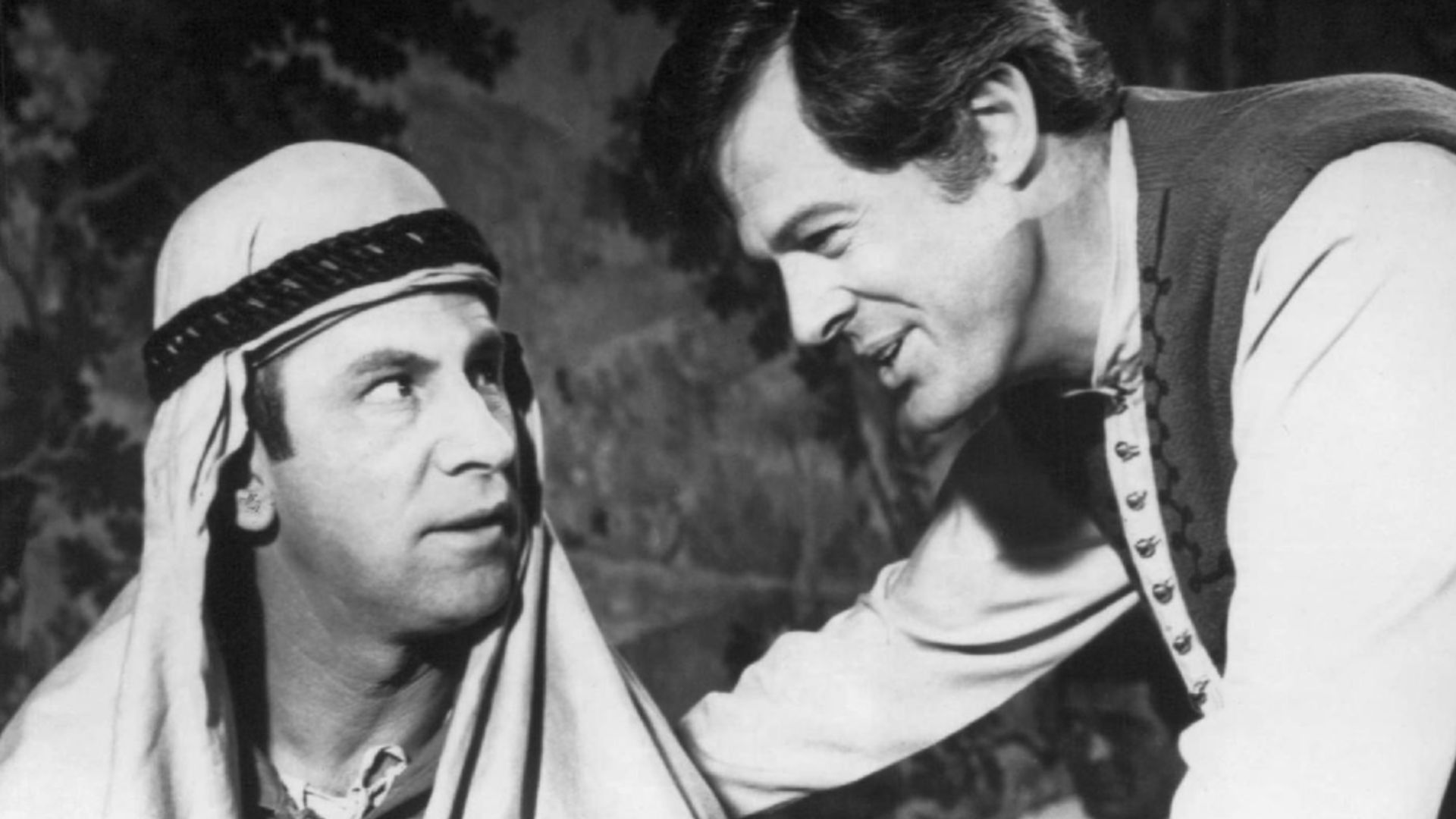 NBC Television, Wikimedia Commons
“Nip It In The Bud!”
Barney Fife delivered this advice repeatedly on The Andy Griffith Show, as he urged problems to be stopped early. The phrase stuck because it feels practical and timeless. Today, it’s common in conversations about preventing small issues from growing unnecessarily.
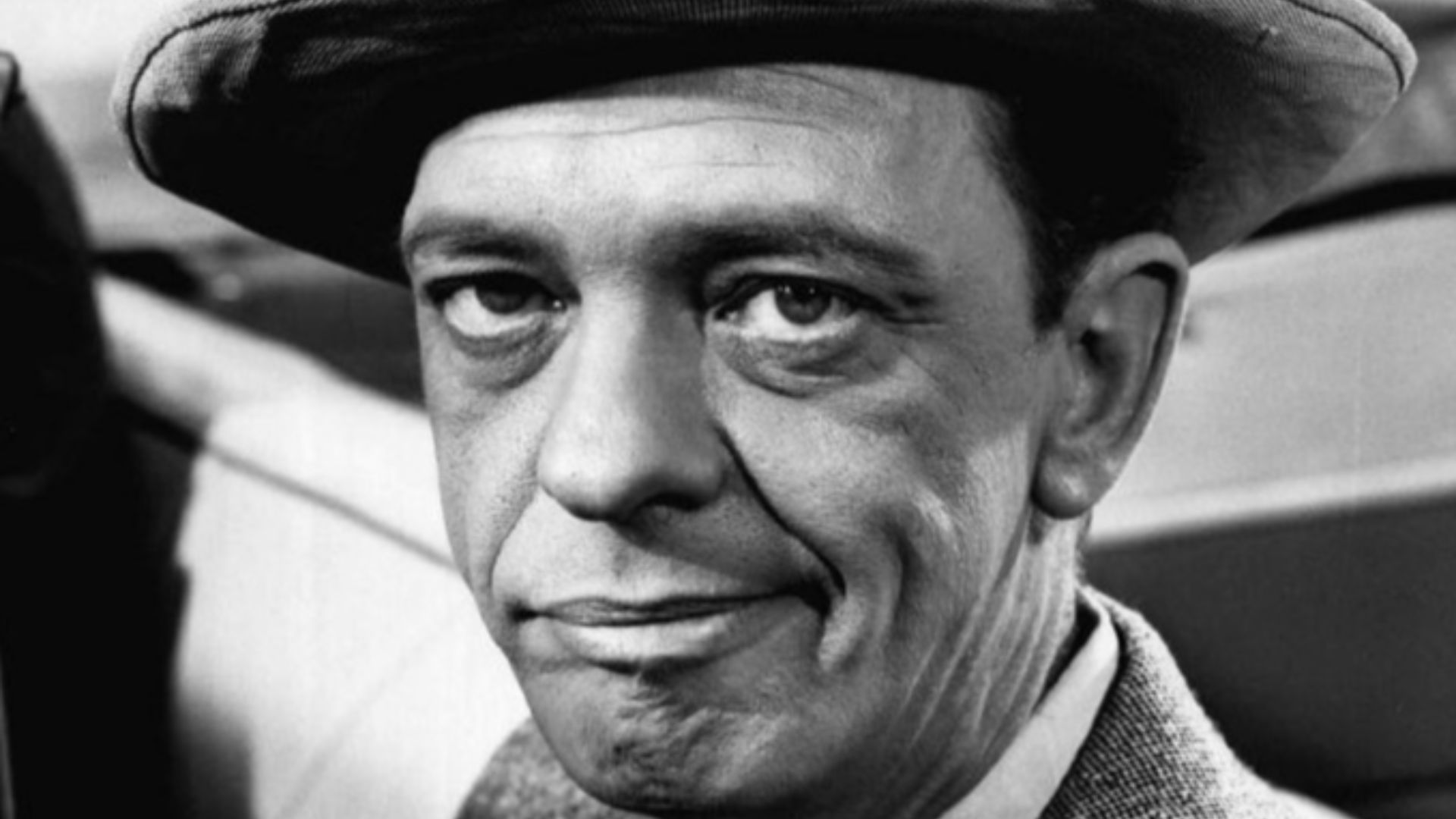 CBS Television, Wikimedia Commons
“Book ’Em, Danno”
First spoken in Hawaii Five-0 after its 1968 debut, this command signaled justice served. Its punchy delivery helped it cross into everyday speech, where Americans still use it to mark decisive endings or moments when consequences finally arrive.
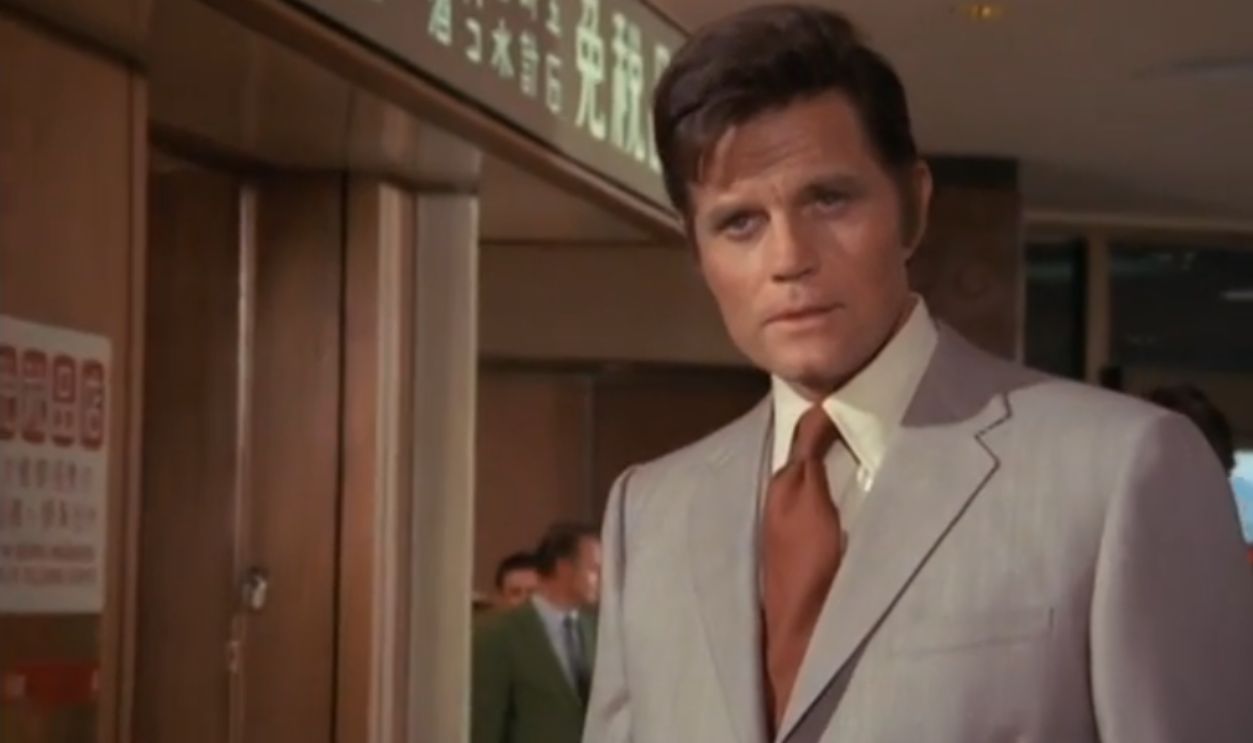 Screenshot from Hawaii Five-O, CBS (1968–1980)
“Just One More Thing…”
Introduced by Peter Falk’s Columbo in the show’s 1968 debut, this phrase disguised sharp intelligence behind casual politeness. Viewers embraced it because it mirrors real conversation, and it remains useful when someone circles back with a final, revealing question.
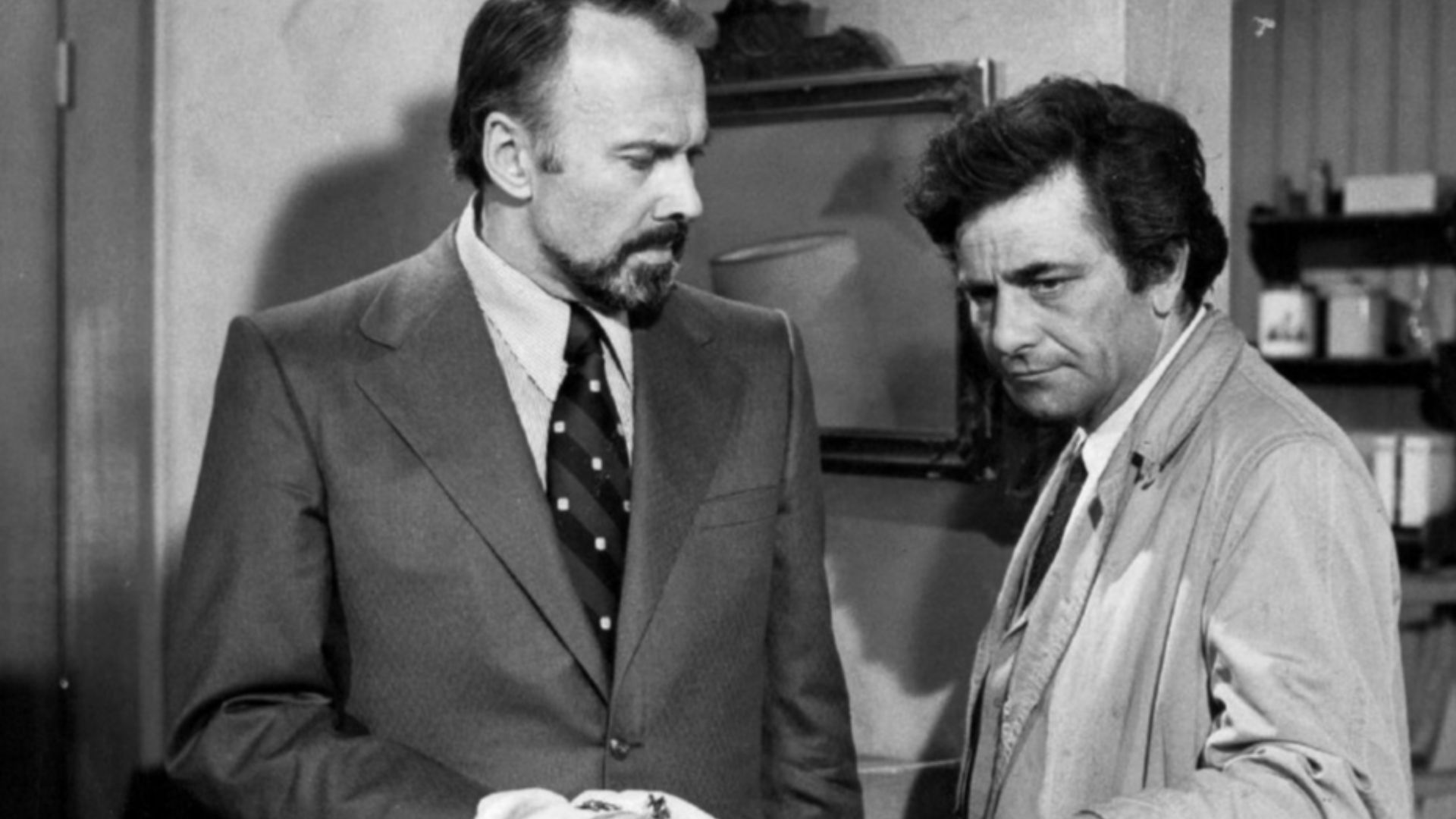 NBC Television, Wikimedia Commons
“Yabba-Dabba-Doo!”
Fred Flintstone shouted this exuberant catchphrase throughout The Flintstones during the early 1960s. Its playful sound and clear excitement made it easy to repeat, which allowed it to survive decades later as a lighthearted expression of celebration and success.
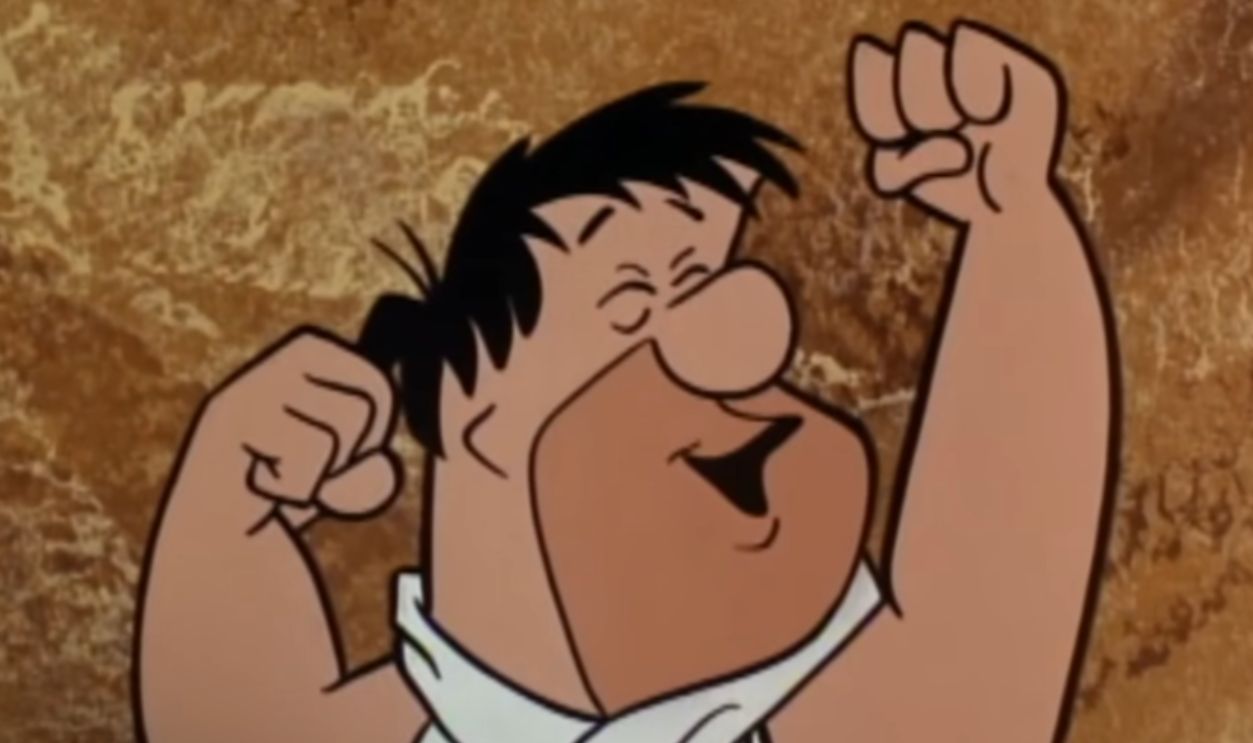 Screenshot from The Flintstones, ABC (1960–1966)
“Well, Doggies!”
Jed Clampett used this folksy reaction on The Beverly Hillbillies beginning in 1962. Its charm came from sincerity rather than punchlines. This helped the phrase endure as a friendly way to express surprise, especially when reacting to unexpected good fortune.
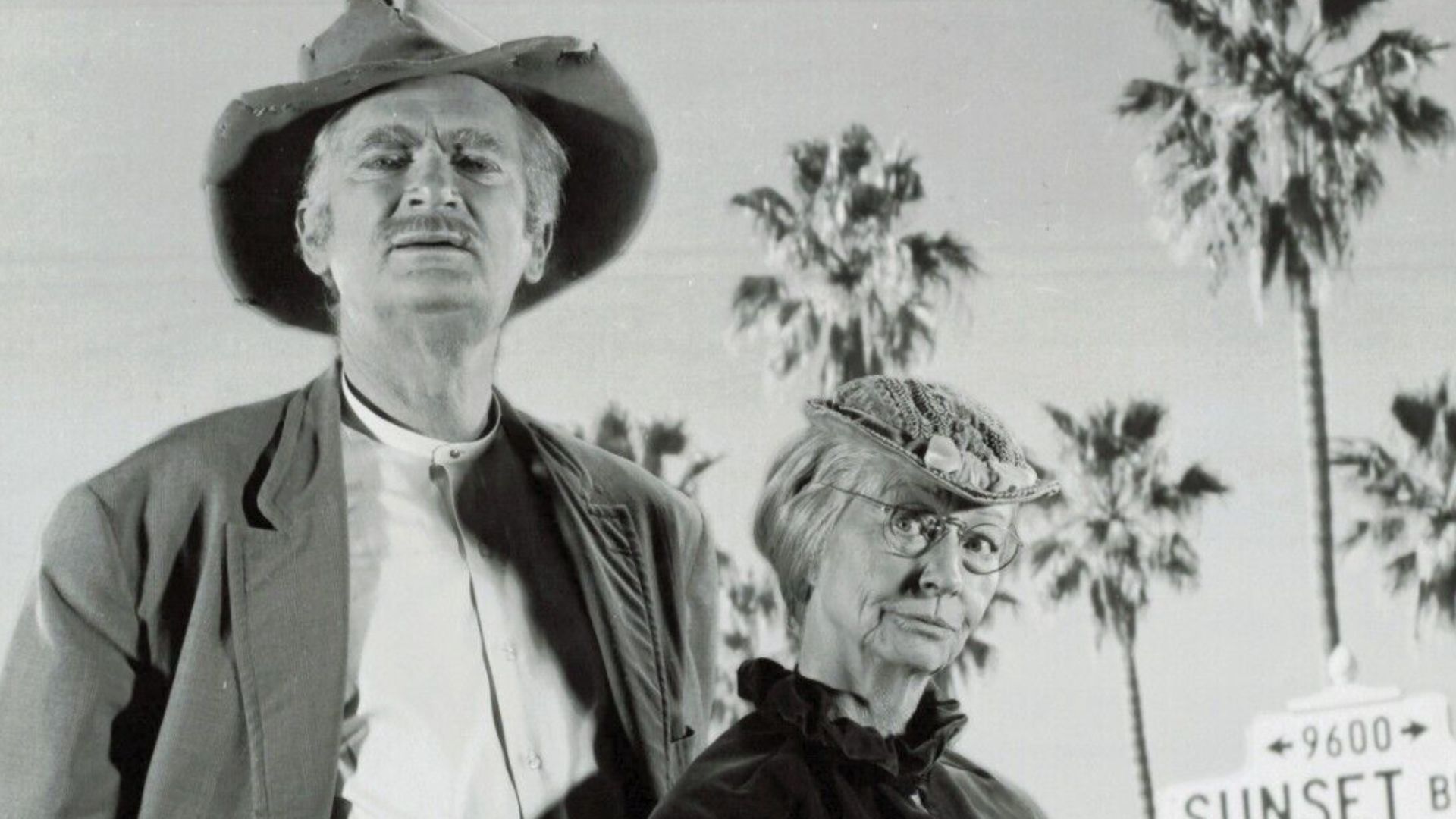 CBS Television, Wikimedia Commons
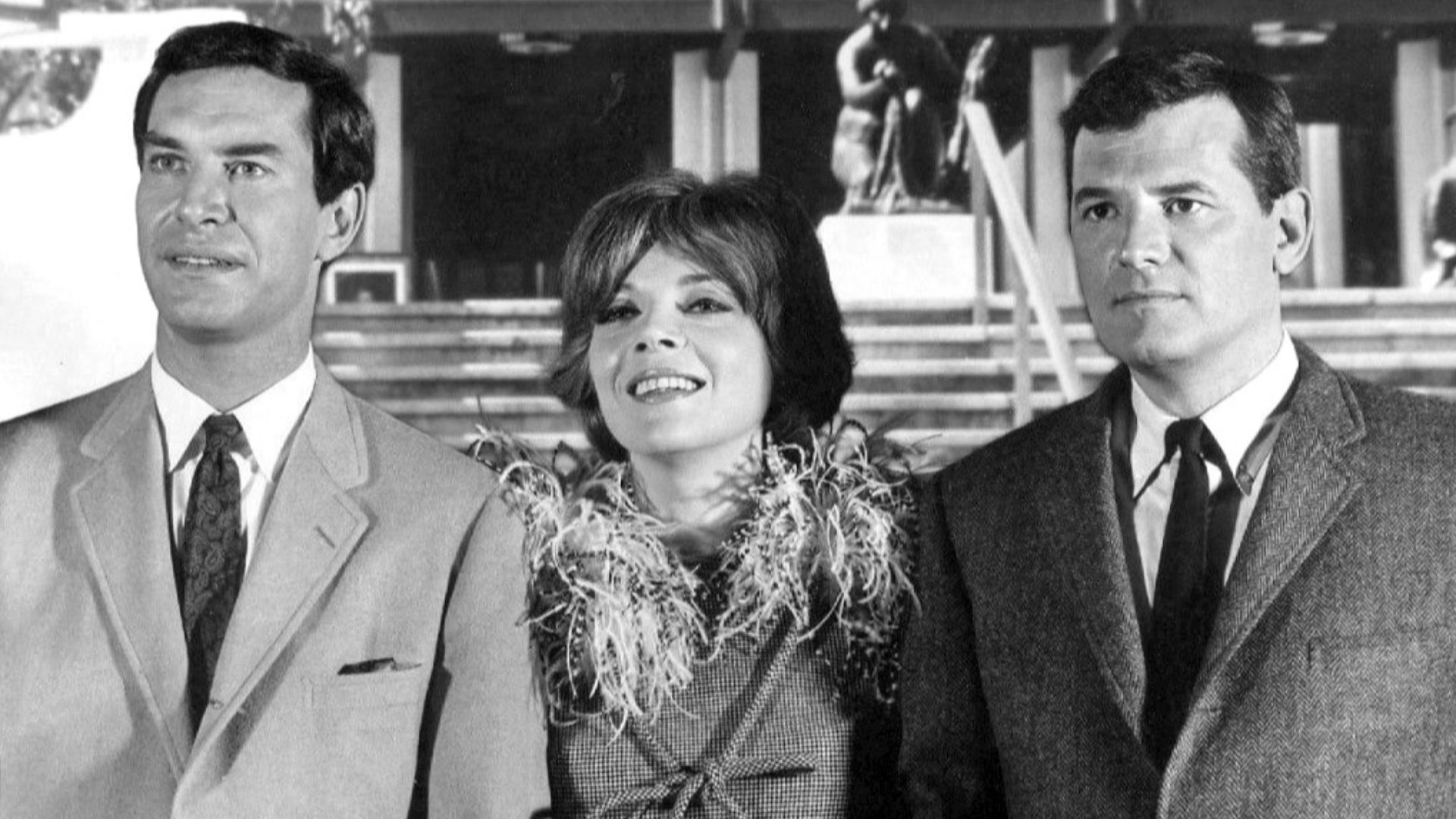
“This Message Will Self-Destruct”
Used at the start of Mission: Impossible episodes from 1966 onward, this warning introduced viewers to a world of secrecy and precision. The phrase felt futuristic yet practical, which explains why Americans still repeat it when discussing confidential plans.
 CBS Television, Wikimedia Commons
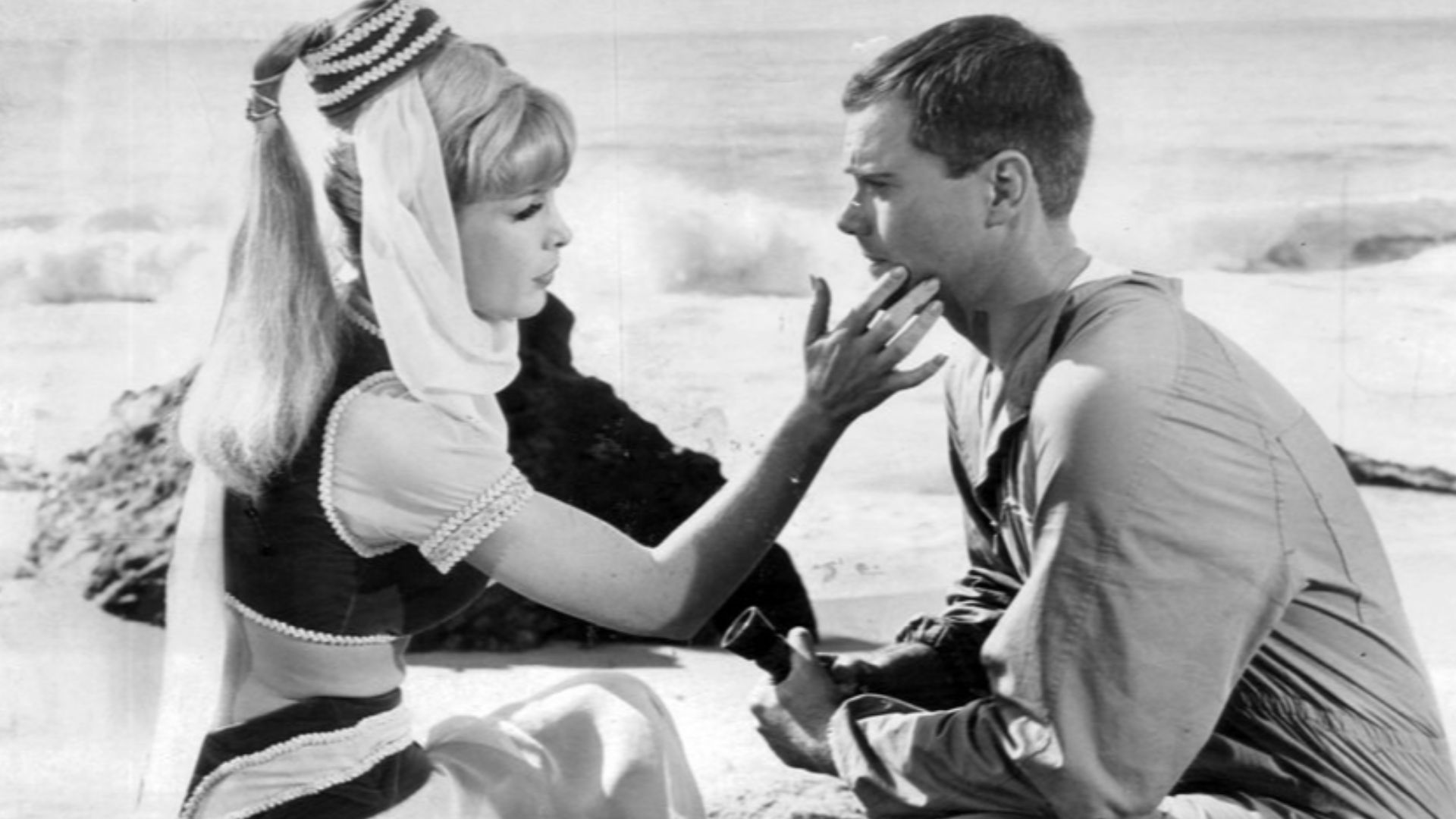
“Yes, Master”
The obedient reply on I Dream of Jeannie, first aired in 1965, quickly defined her relationship with Captain Nelson. Spoken verbatim across many episodes, the line reflected mid-century gender norms while remaining instantly recognizable as an example of exaggerated loyalty.
 NBC Television , Wikimedia Commons
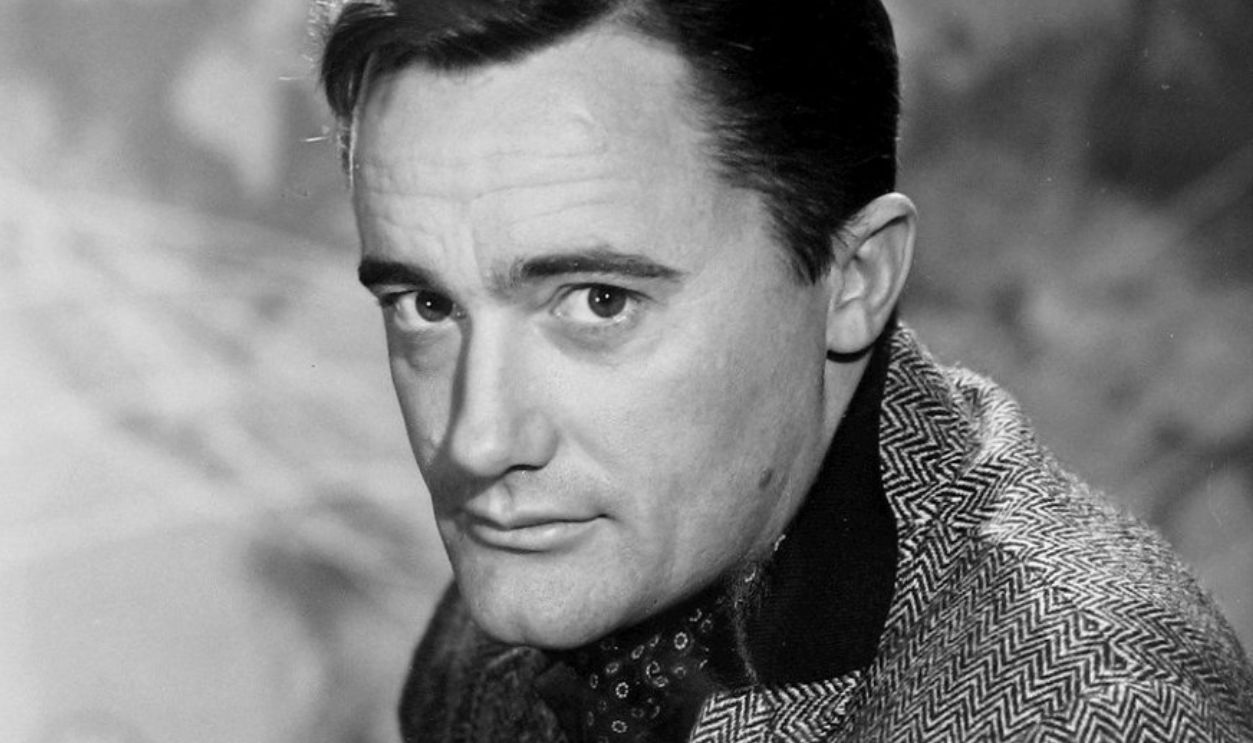
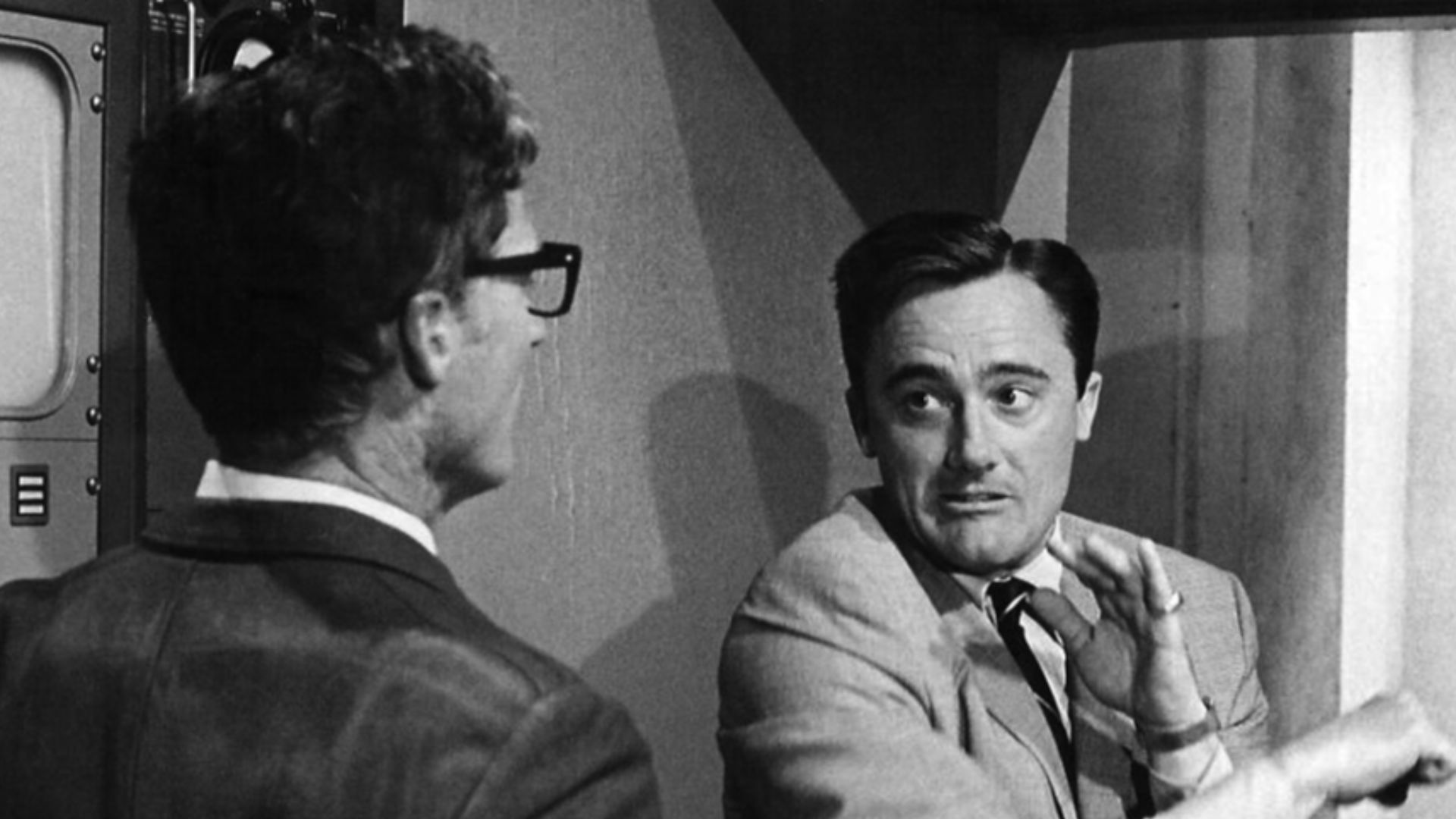
“The Name’s Napoleon Solo.”
Robert Vaughn said this multiple throughout The Man From U N C L E. This introduction reinforced the show’s sleek spy identity during the 1960s, and its confidence and simplicity matched Cold War intrigue, helping the character stand out in a decade fascinated by espionage.
 NBC Television, Wikimedia Commons
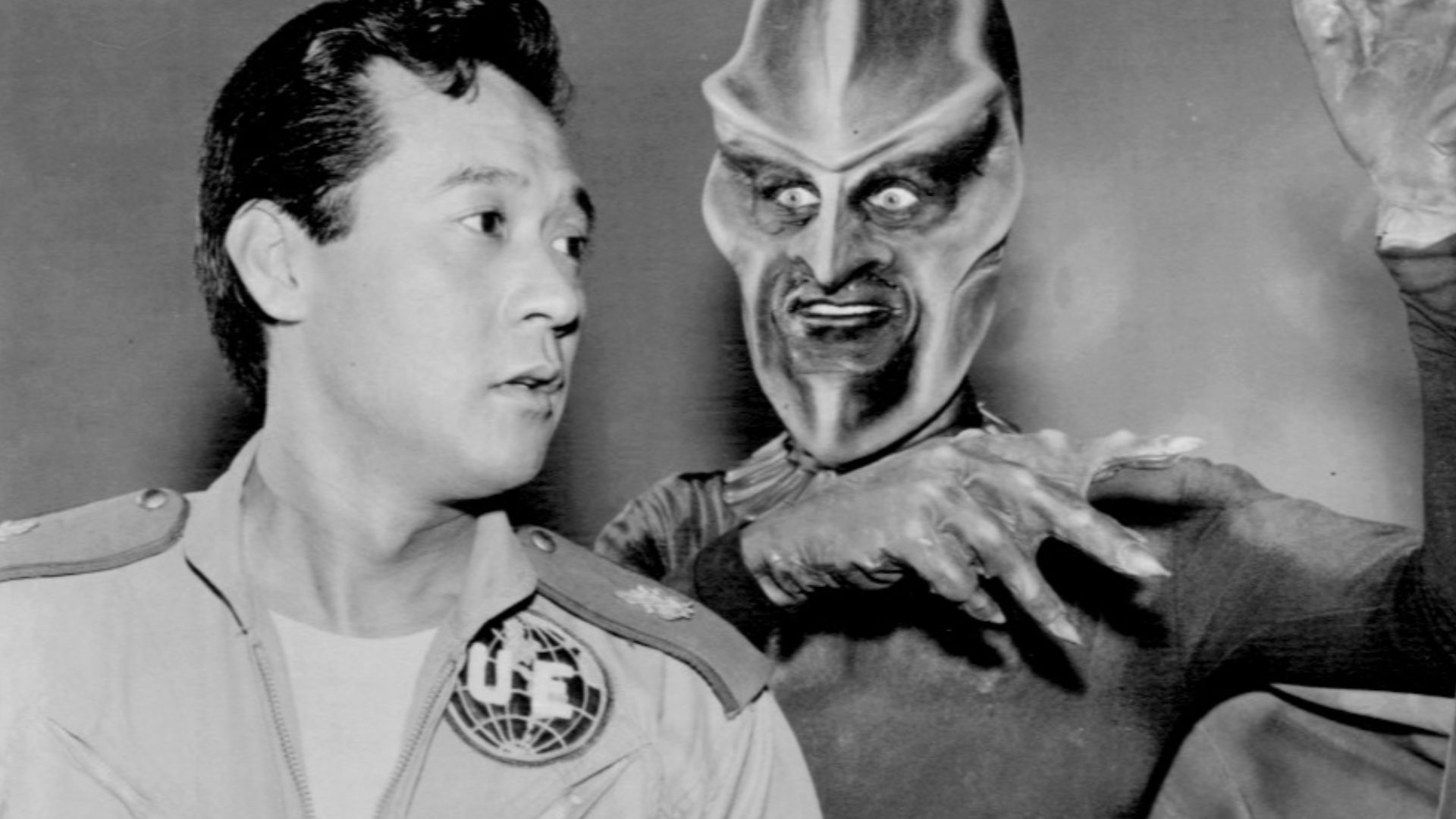
“There Is Nothing Wrong With Your Television Set”
Opening many episodes of The Outer Limits beginning in 1963, this unsettling line immediately captured attention. Its calm delivery contrasted with its ominous message, making it memorable and influential as audiences were invited to question reality and technology.
 ABC Television, Wikimedia Commons
“I Know Nothing!”
Spoken repeatedly by Sergeant Schultz on Hogan’s Heroes beginning in 1965, this line highlighted comedic denial during wartime farce. Its clarity and exaggerated innocence made it memorable, and Americans still repeat it when playfully avoiding responsibility.
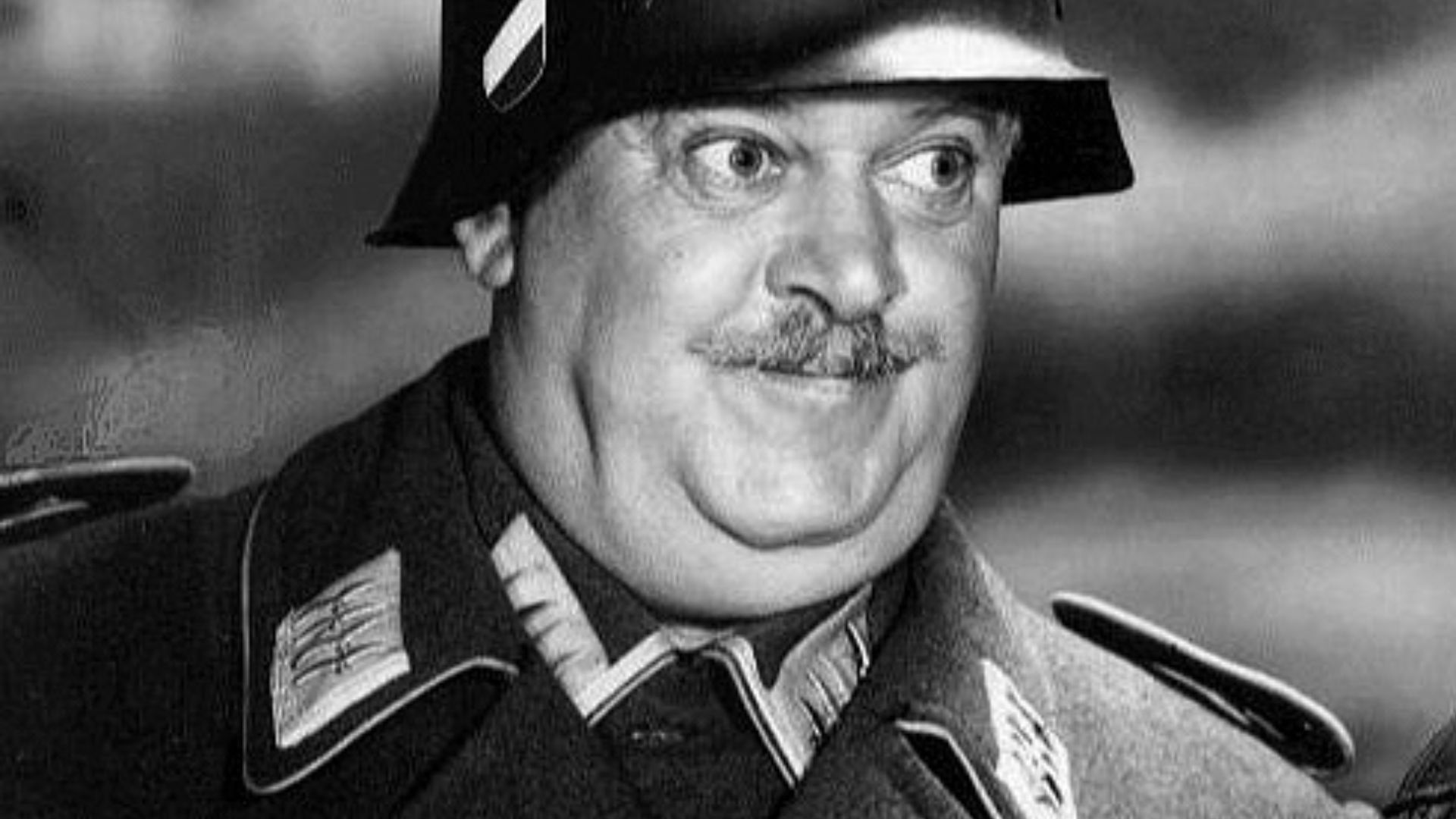 CBS Television, Wikimedia Commons
“To The Batmobile!”
Spoken frequently by Batman during the show’s 1966–1968 run, this urgent command signaled immediate action and high stakes. Its brisk delivery made it memorable, and Americans still use it today to announce sudden departures.
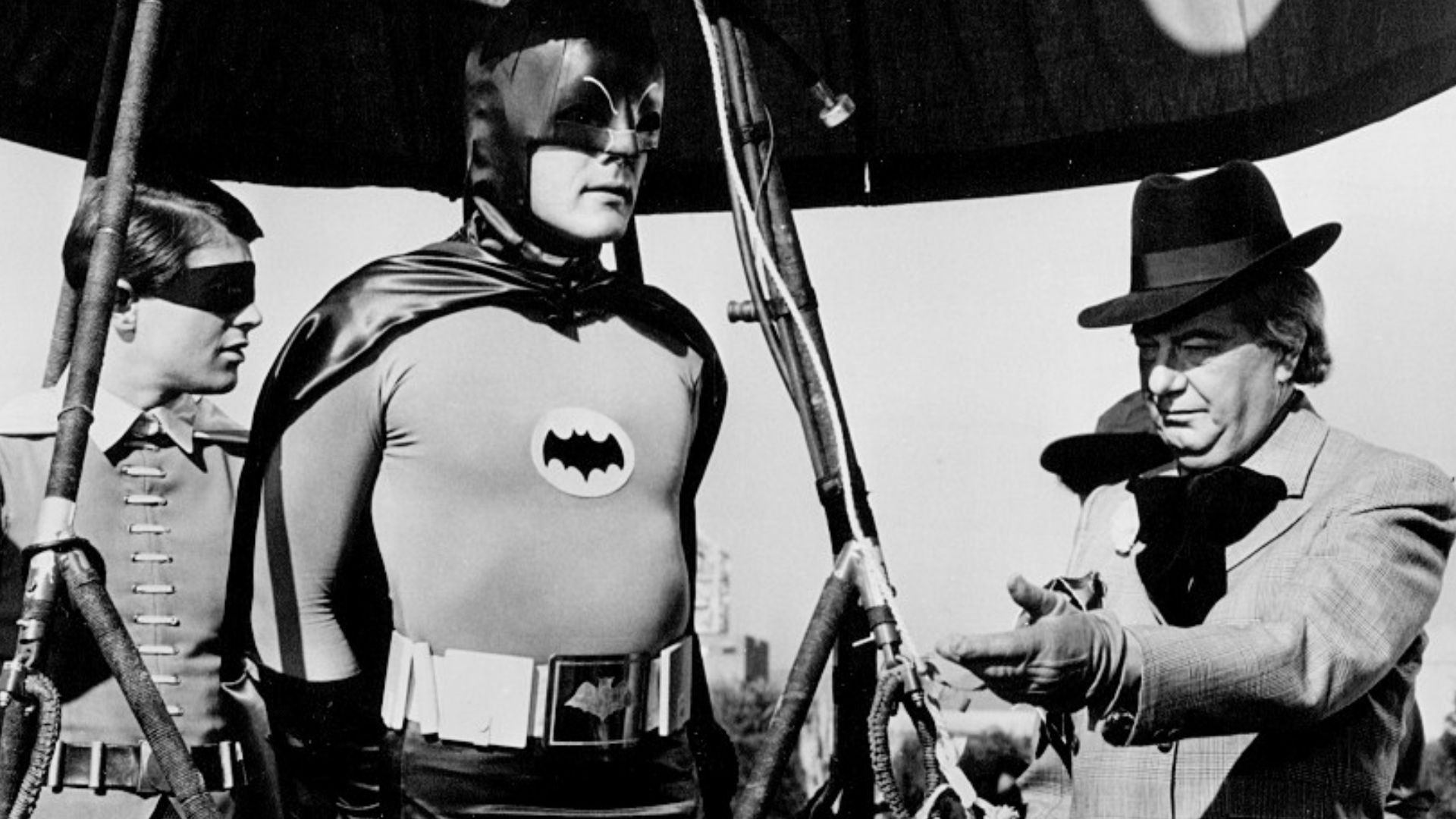 ABC Television, Wikimedia Commons
“Ruh-roh!”
Although it was first heard from Astro in The Jetsons, this phrase became popular with Scooby-Doo, Where Are You! Such a nervous reaction later became inseparable from Scooby-Doo’s character. Its exaggerated sound reflected instant anxiety, which helped it survive as a playful way to acknowledge trouble or an approaching problem.
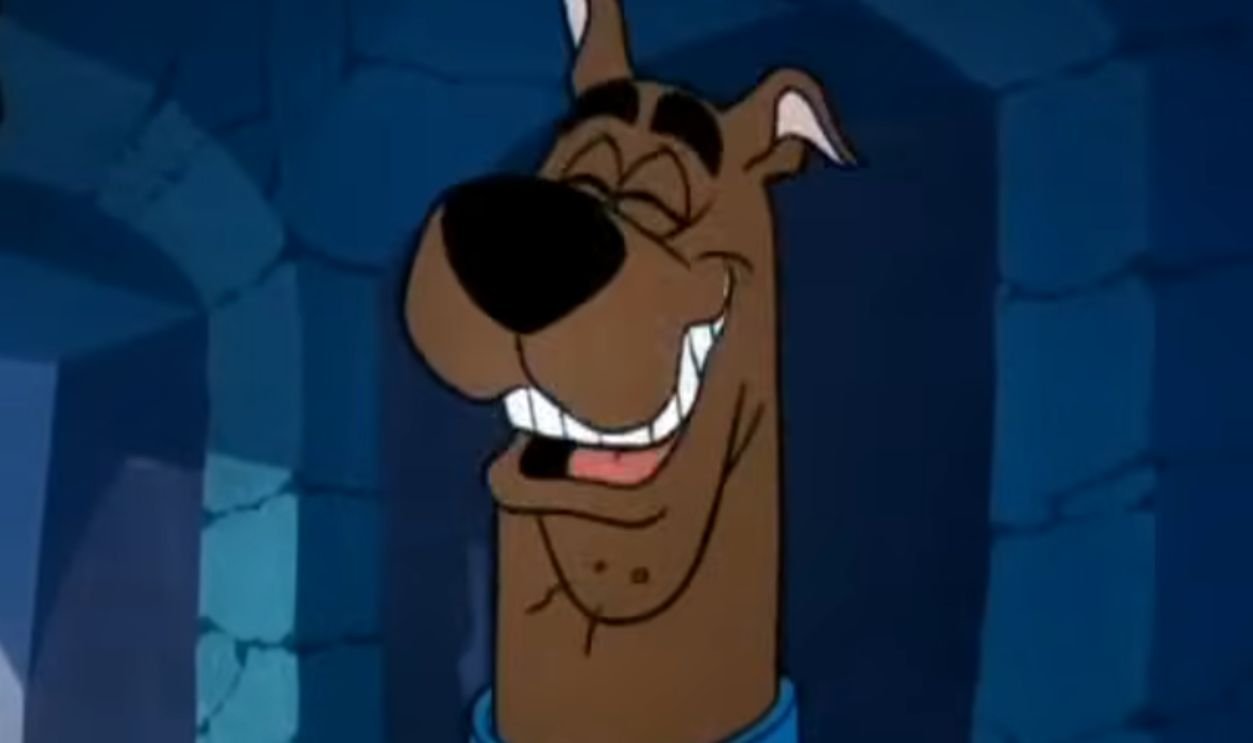 Screenshot from Scooby-Doo, Where Are You!, ABC(1969–1970)
“Y’all Come Back Now, Ya Hear?”
Used as a closing line on The Beverly Hillbillies throughout the 1960s, this warm farewell reinforced the show’s folksy tone. Its friendliness made it stick, and the phrase still appears today as a lighthearted send-off.
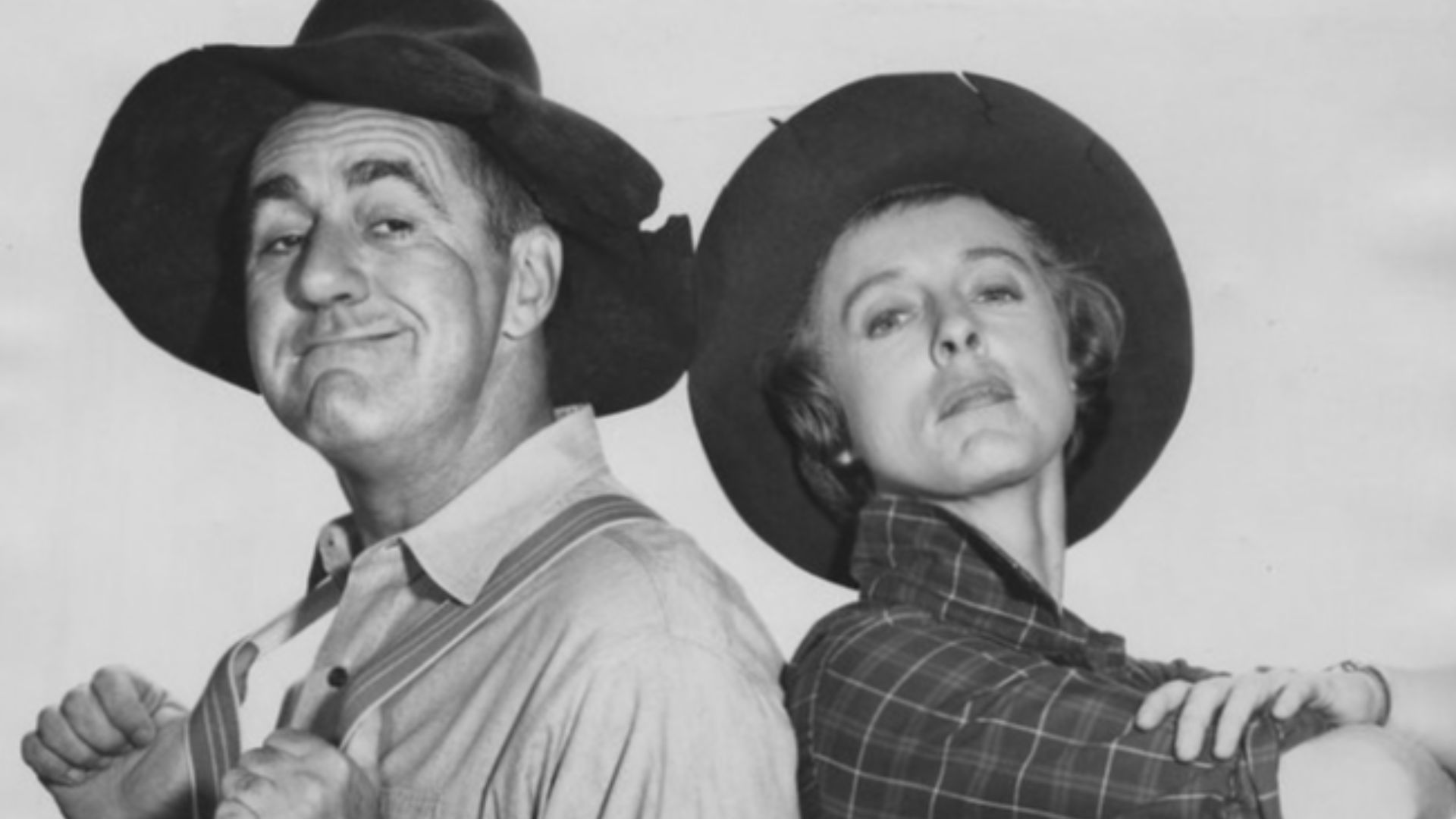 CBS Television, Wikimedia Commons
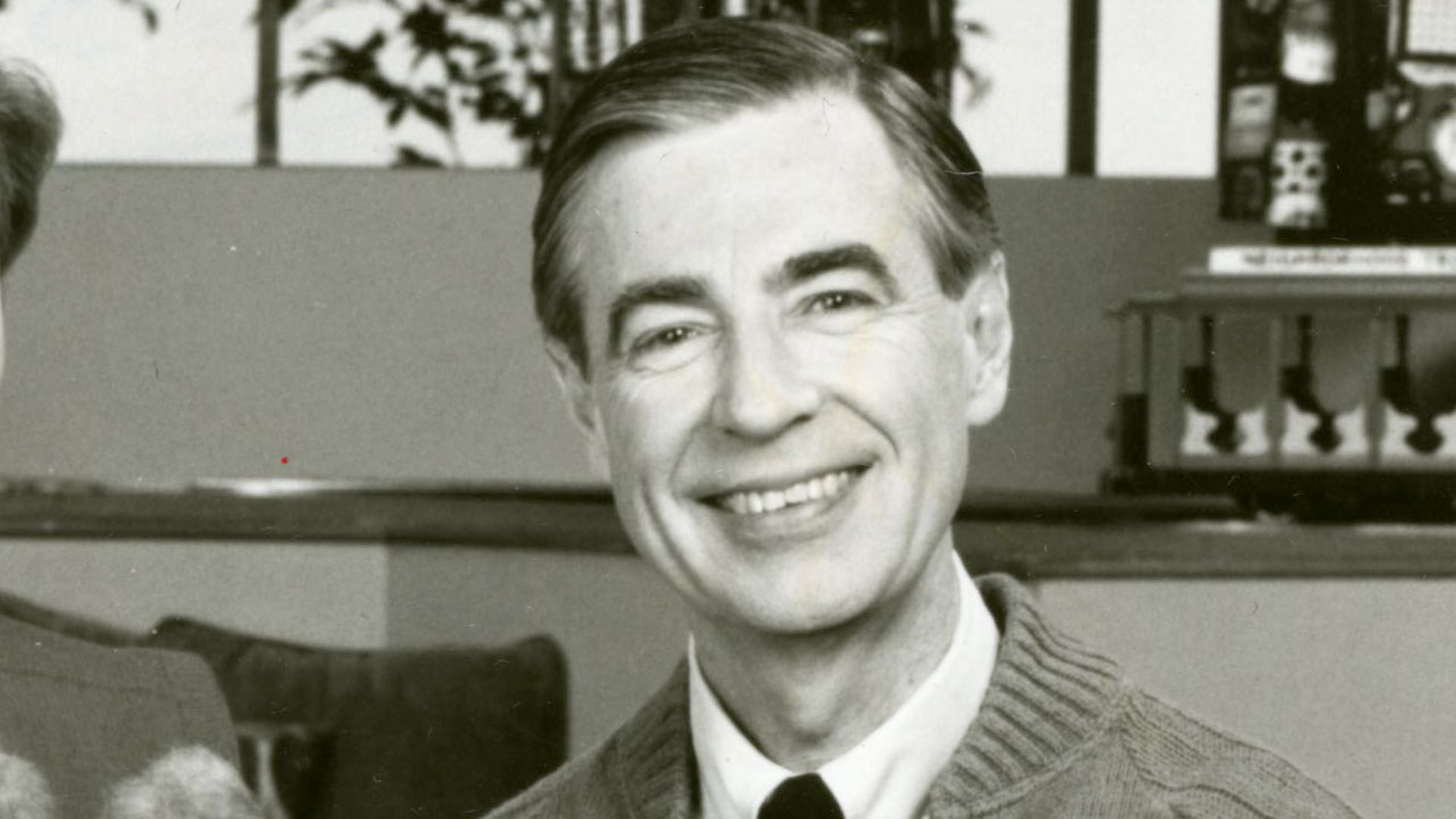
“Won’t You Be My Neighbor?”
Fred Rogers used this gentle question on Mister Rogers’ Neighborhood beginning in 1968. Spoken directly to viewers, it invited connection and trust. Its lasting power comes from sincerity, which made it a phrase Americans still associate with kindness and community.
 Unknown authorUnknown author, Wikimedia Commons