Forgotten Sci-Fi?
There was a time when science fiction TV was wild, experimental, and sometimes…just plain weird. The 60s and 70s pumped out dozens of shows in the genre—but most vanished fast (and not in the cool sci-fi way). Think you remember them? Let’s see if you can even recognize five.
The Starlost (1973–1974)
A generation ship drifting through space, with entire societies trapped in separate domes, completely unaware of each other. Keir Dullea (2001: A Space Odyssey) plays one of the few trying to fix it all. Great idea—but production issues and a tight budget derailed it fast.
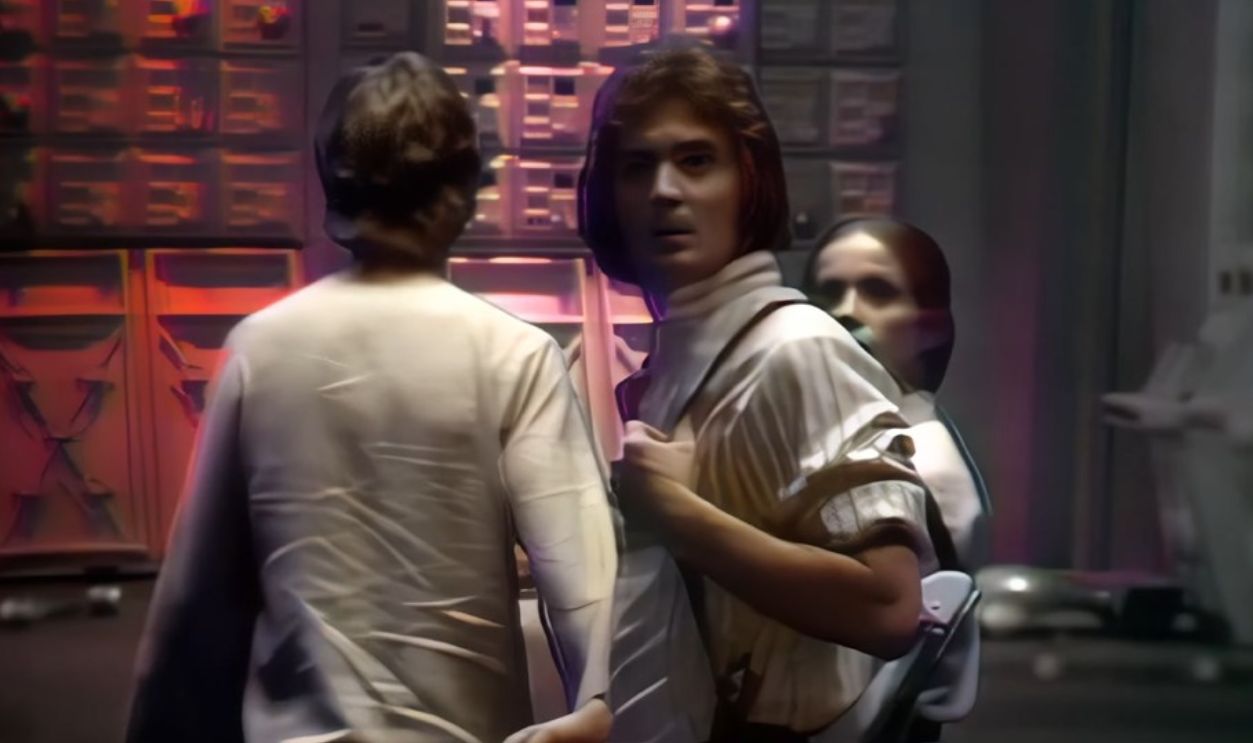 Screenshot from The Starlost, CTV (1973–1974)
The Invaders (1967–1968)
Aliens secretly infiltrating Earth, hiding in plain sight, and only one man is trying to expose them. It built real tension and paranoia, but later shows handled similar ideas in bigger ways, pushing this one out of the spotlight.
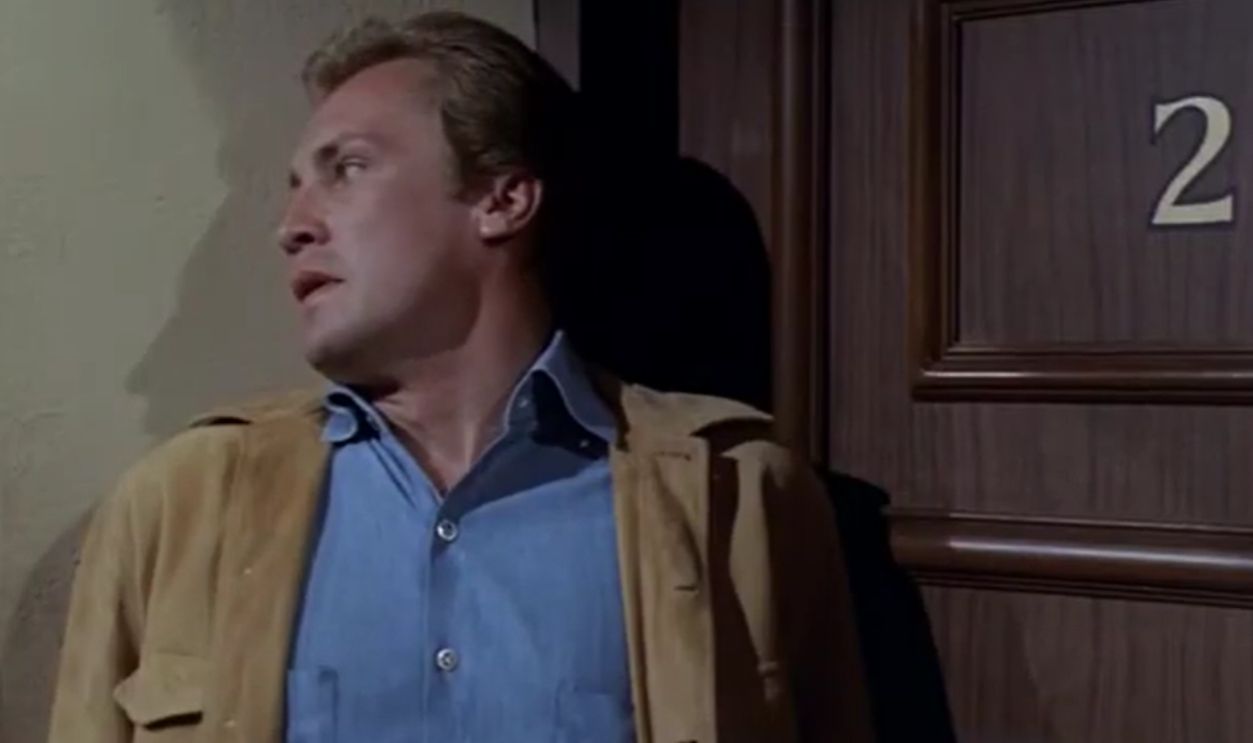 Screenshot from The Invaders, ABC (1967–1968)
The Fantastic Journey (1977)
A Bermuda Triangle-style portal sends a group of strangers to strange worlds each week. Time travel, alien societies, strange civilizations—it had range. The problem? It barely had time to find an audience before it vanished into its own mystery.
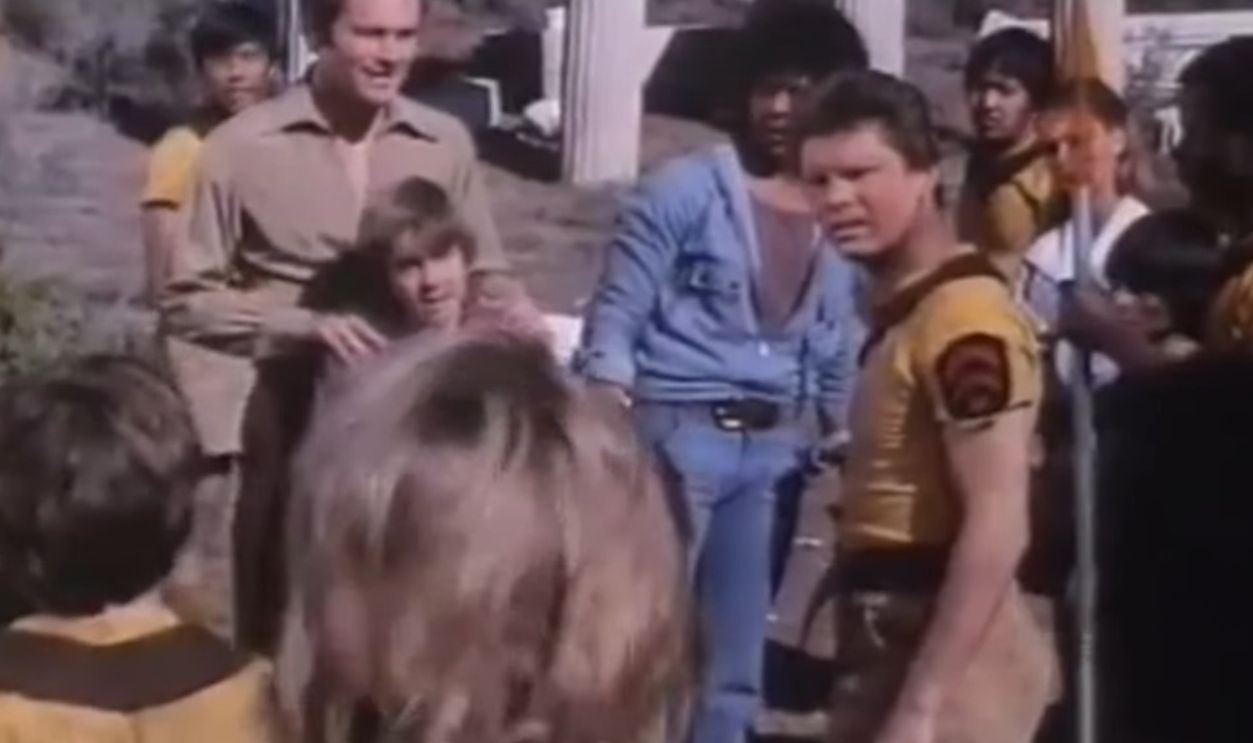 Screenshot from The Fantastic Journey , NBC(1977)
A for Andromeda (1961)
One of the earliest serious sci-fi TV dramas. Scientists receive a signal from space that contains instructions to build a powerful computer—and eventually, a human-like being. Big ideas for the time, but much of it is now lost, which hasn’t helped its legacy.
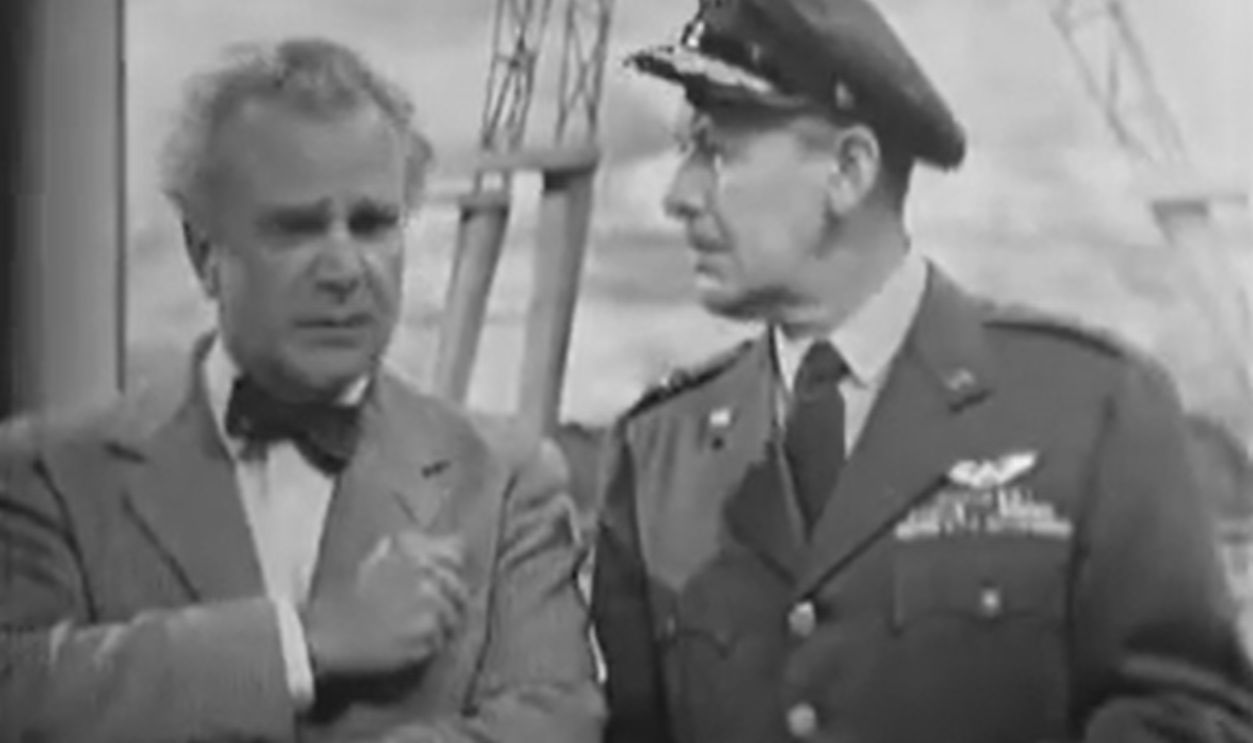 Screenshot from A for Andromeda, BBC (1961)
Planet of the Apes (1974)
Yes, it was a full TV series. Two astronauts crash on a planet ruled by apes and spend the series trying to survive and escape. It stayed faithful to the films—but couldn’t match their scale or impact, and didn’t last long.
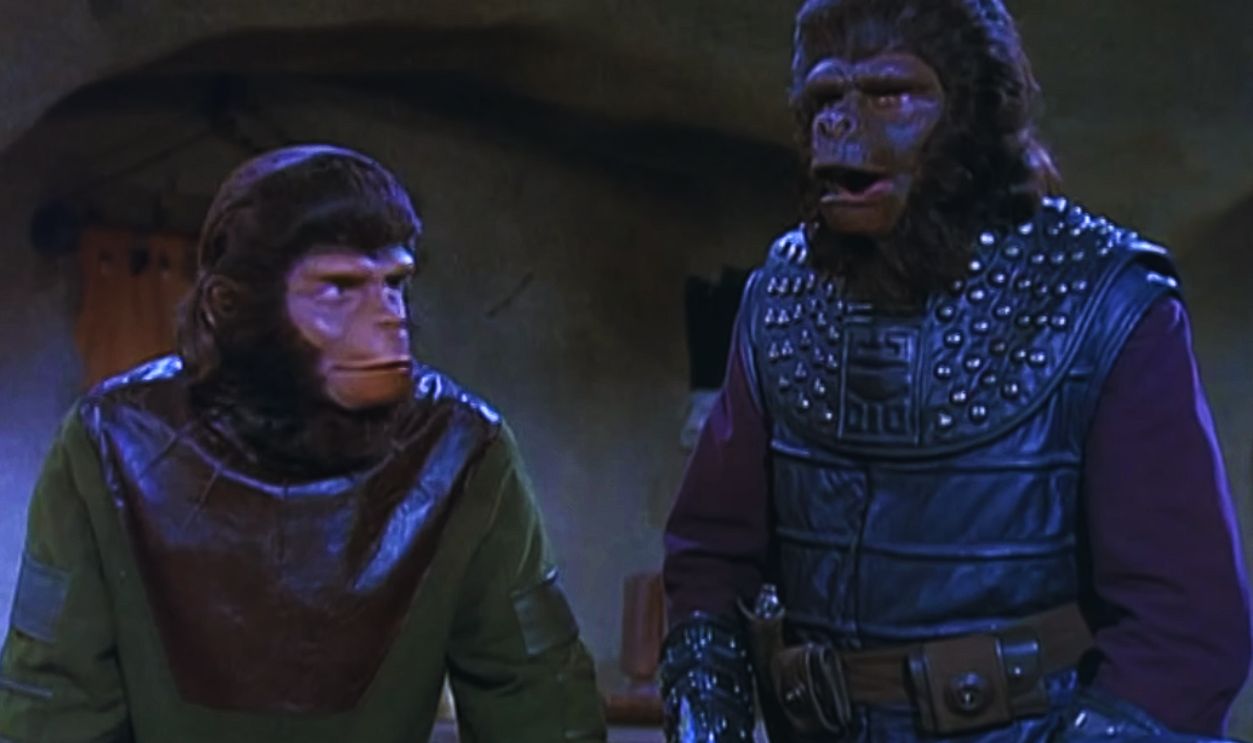 Screenshot from Planet of the Apes, CBS (1974)
Search (1972–1973)
A futuristic crime unit uses body cams, surveillance tech, and remote-controlled gadgets to solve cases. In the early 70s, this basically looked like sci-fi magic. Today, it looks like…your phone, your watch, and probably your doorbell camera.
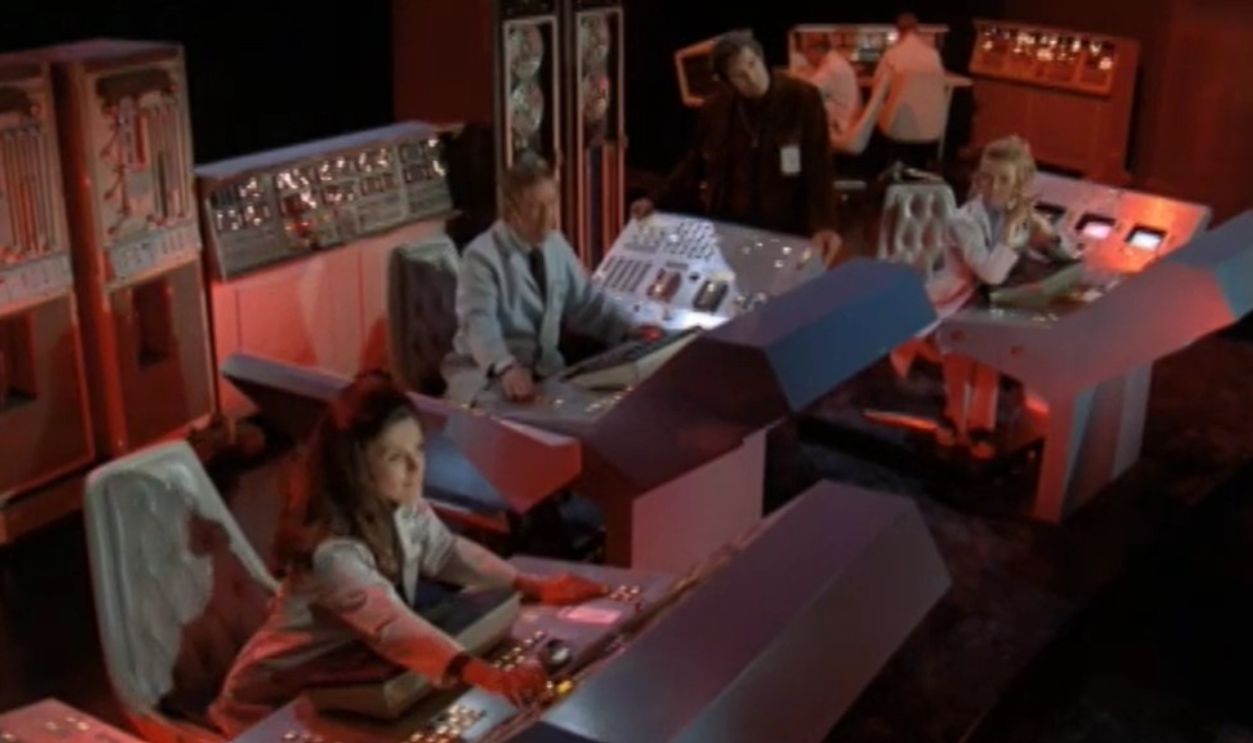 Screenshot from Search, Warner Bros. Television(1972–1973)
Captain Scarlet and the Mysterons (1967–1968)
A British sci-fi series using puppetry, following a war between Earth and a mysterious alien force that can recreate humans. It sounds quirky—but it was actually darker than expected, with some surprisingly unsettling concepts for a show like this.
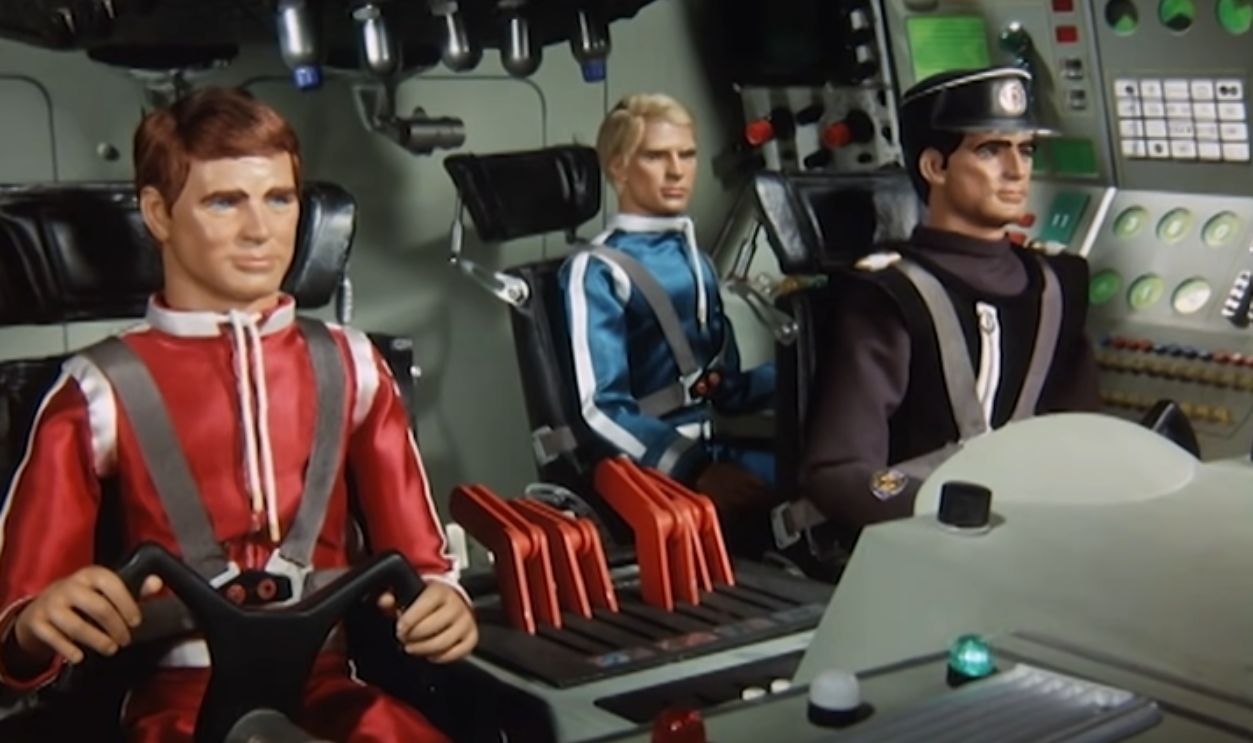 Screenshot from Captain Scarlet and the Mysterons, ITC Entertainment (1967–1968)
The Time Tunnel (1966–1967)
Two scientists get stuck bouncing through time—Titanic one week, Pearl Harbor the next—with zero control. It’s basically Quantum Leap…just remove Sam, Al, and the part where anything gets explained.
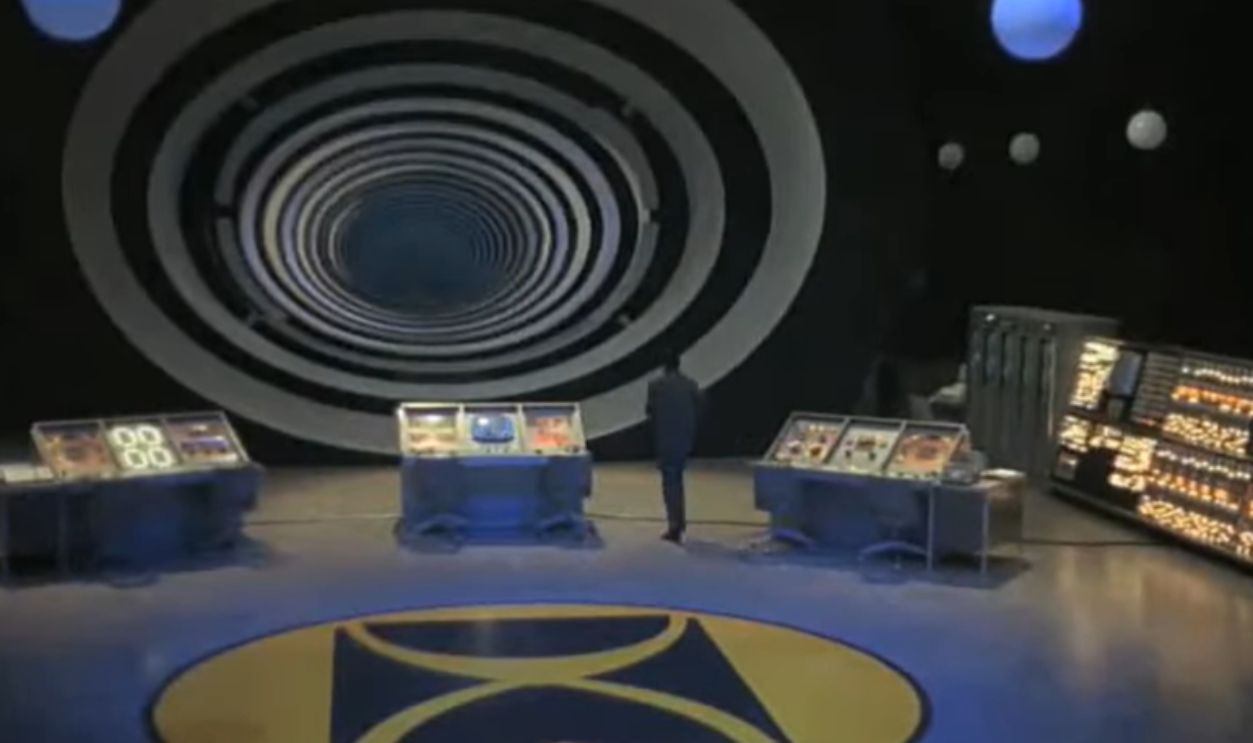 Screenshot from The Time Tunnel, 20th Century Fox Television (1966–1967)
Land of the Giants (1968–1970)
After a spaceflight accident, a group lands on a planet where everything is enormous. A housecat suddenly becomes a serious threat. It made everyday objects feel dangerous—but somehow never became larger than life itself.
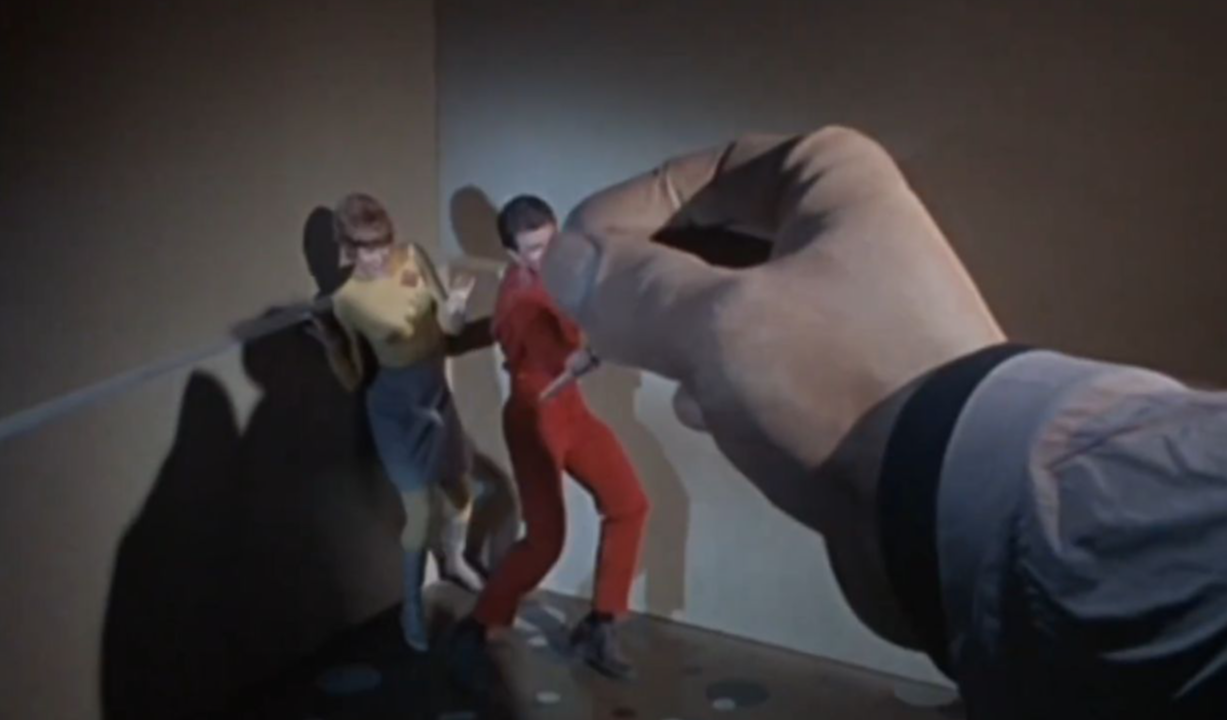 Screenshot from Land of the Giants, 20th Century Fox Television (1968–1970)
Ark II (1976)
Set in a post-apocalyptic future, a team travels across the wasteland in a futuristic vehicle, helping rebuild society. It even featured a chimpanzee crew member named Adam. Unique idea—but definitely one of the stranger entries of the decade.
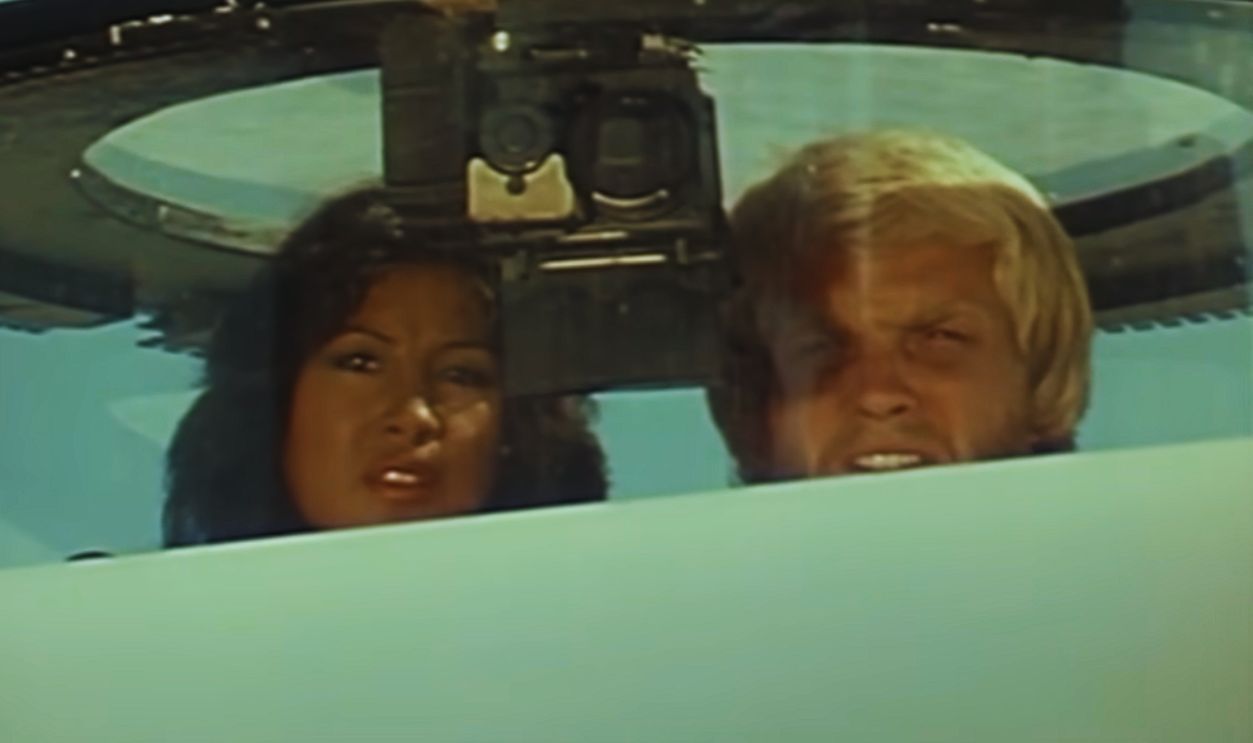 Screenshot from Ark II, CBS (1976)
Salvage 1 (1979)
Andy Griffith plays a junk dealer who decides to build a rocket and recover leftover NASA equipment from the moon. And yes, he actually gets there. It’s one of those ideas that sounds ridiculous…right up until the show commits to it.
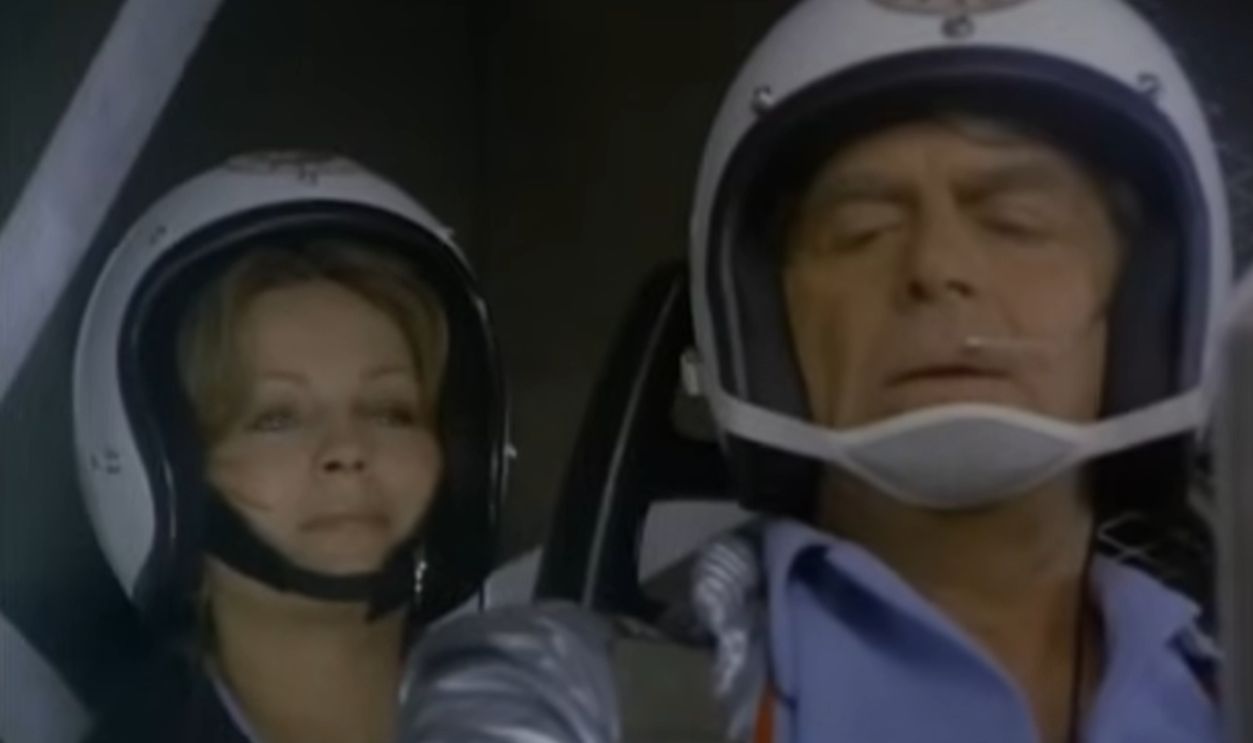 Screenshot from Salvage 1, ABC (1979)
Quark (1977–1978)
A garbage crew in space dealing with bizarre aliens, clones, and ridiculous missions. Think Star Trek…if the Enterprise was in charge of taking out the trash and nobody took anything seriously for even a second.
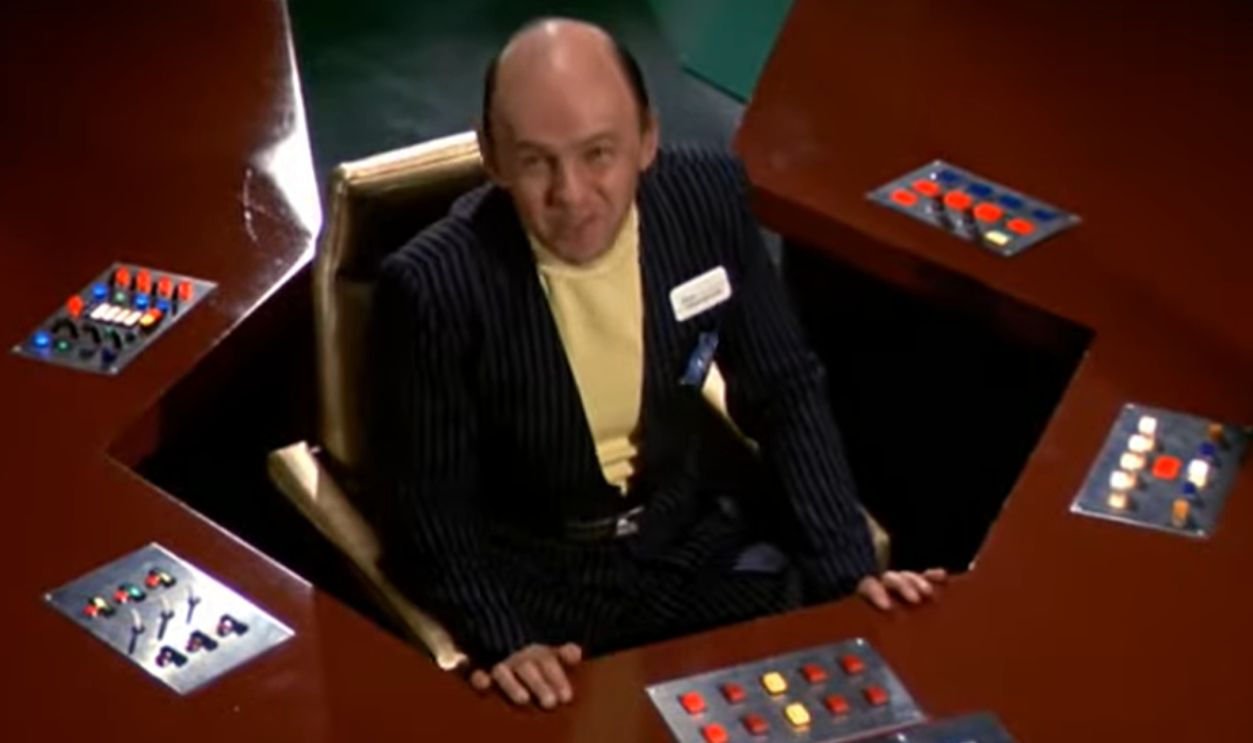 Screenshot from Quark, NBC (1977–1978)
The Immortal (1970–1971)
A man discovers his blood prevents aging, making him effectively immortal. That quickly turns him into a target for powerful people who want to control it. Strong concept, but it played more like a chase drama than full sci-fi.
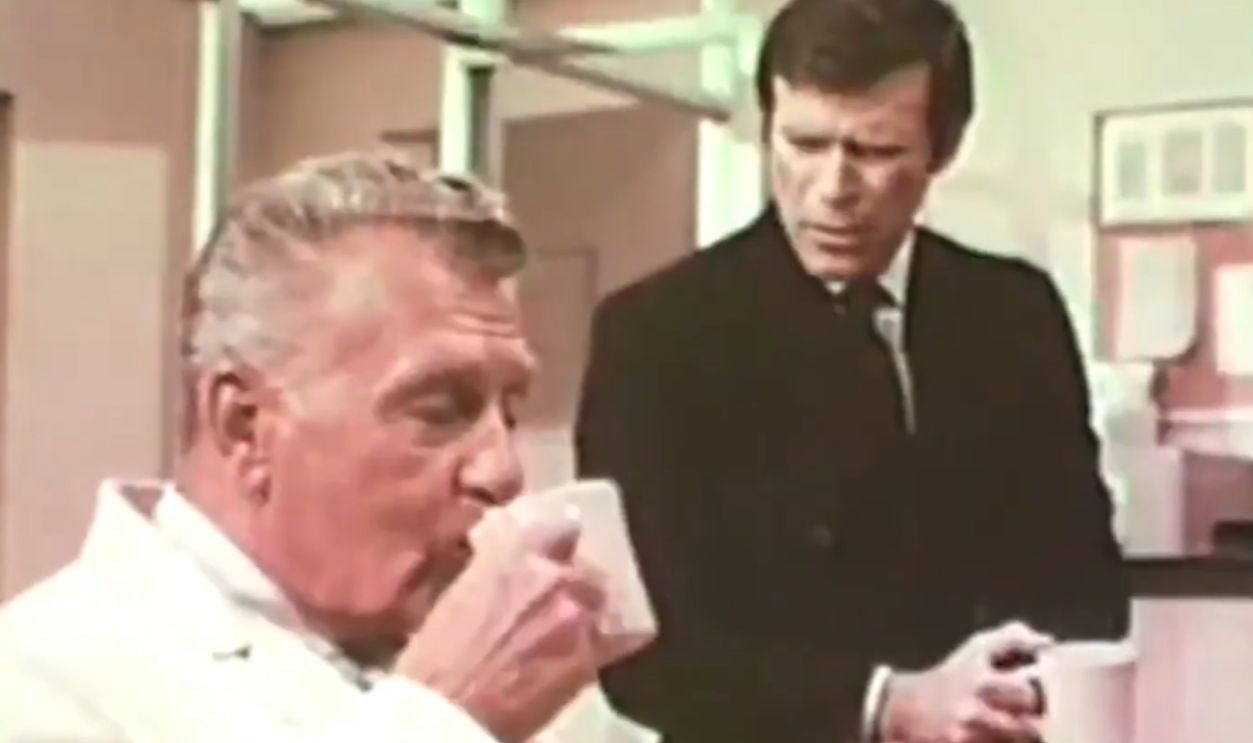 Screenshot from The Immortal, Paramount Television (1970–1971)
UFO (1970–1971)
A secret defense organization tracks alien threats using hidden bases and advanced tech. It had a distinct look—bold outfits, futuristic sets—and sometimes it felt like the wardrobe department was having just as much fun as the writers.
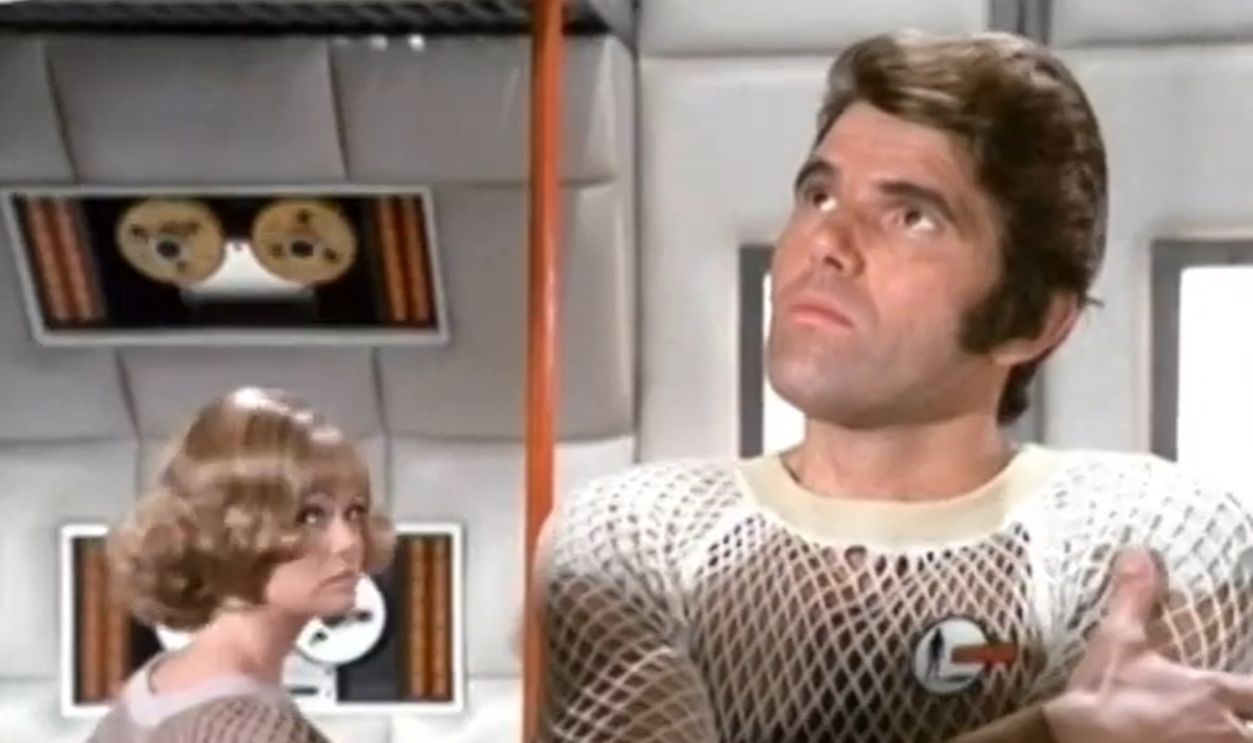 Screenshot from UFO, ITC Entertainment (1970–1971)
The Gemini Man (1976)
An agent can turn invisible—but every time he does, he ages faster. So yes, great power…with a built-in countdown clock. It’s basically the worst loyalty program ever—use it too much and you’re done.
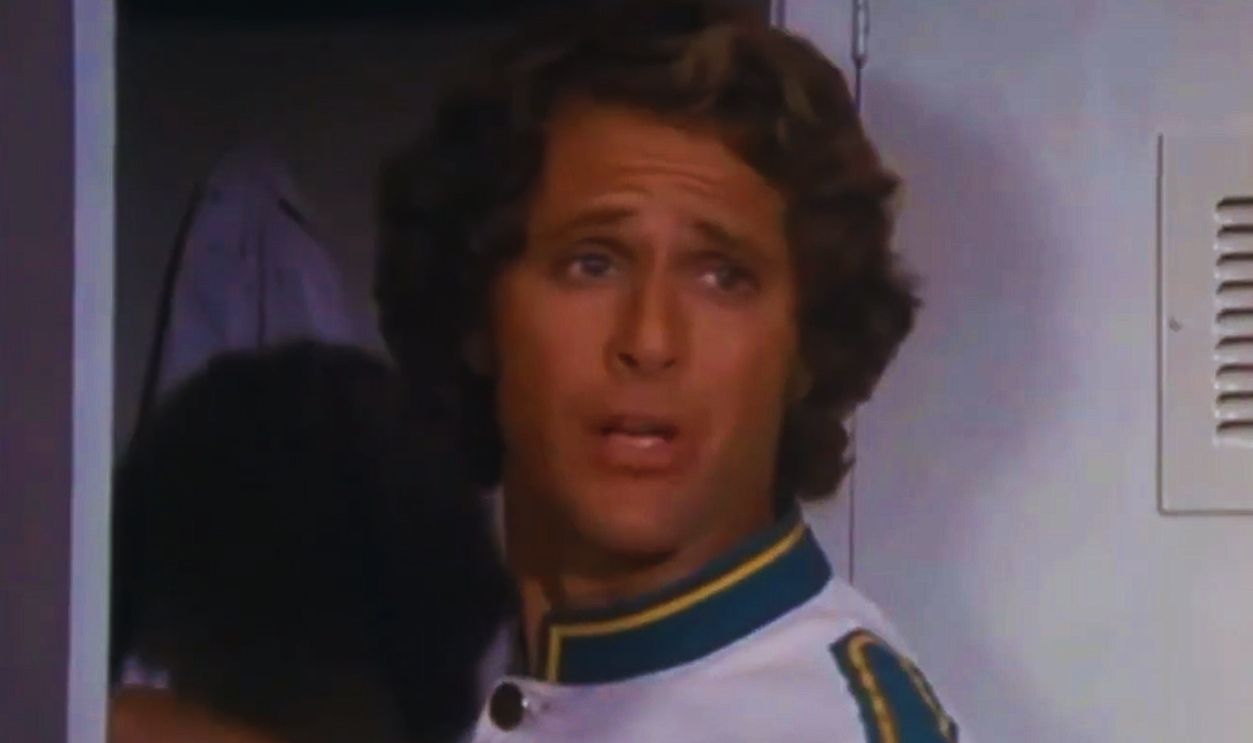 Screenshot from The Gemini Man, NBC (1976)
Out of the Unknown (1965–1971)
An anthology series adapting serious science fiction stories from major writers like Isaac Asimov. It focused more on ideas than action. Unfortunately, many episodes were wiped, which hasn’t helped its ability to be rediscovered.
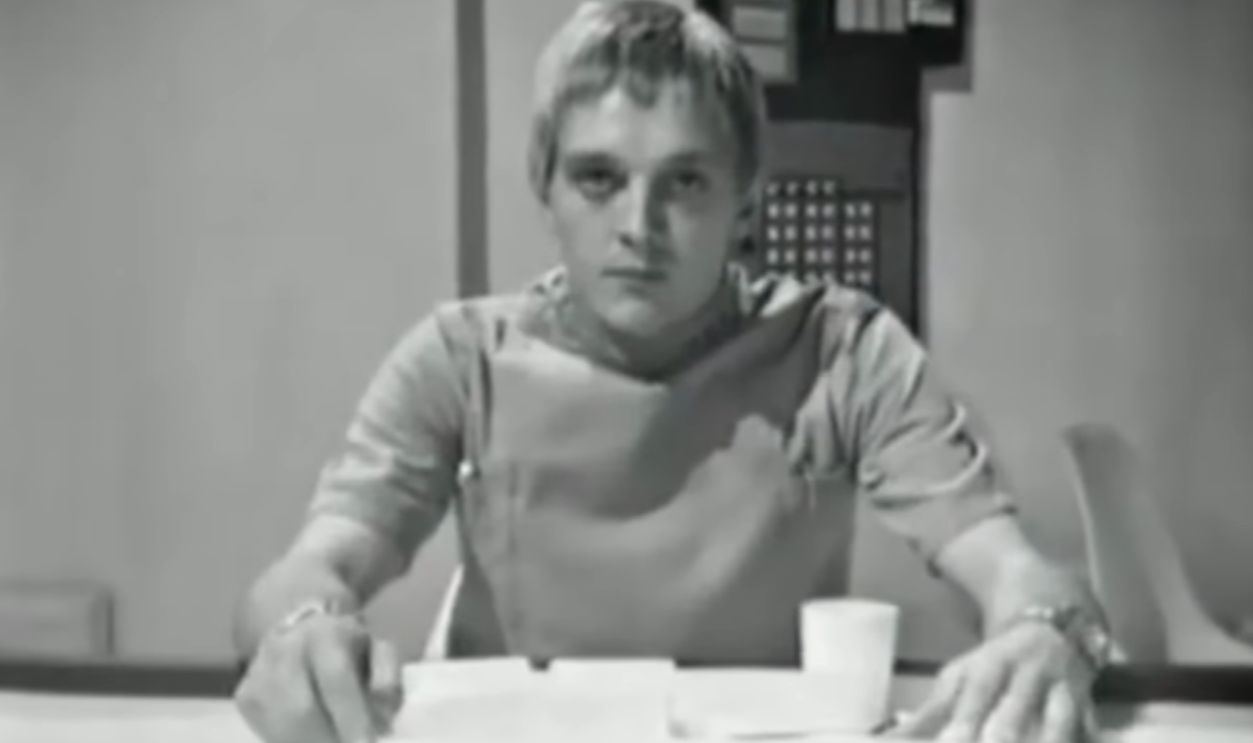 Screenshot from Out of the Unknown, BBC (1965–1971)
The Stranger (1973)
A man wakes up with no memory and wanders through a strange, broken world. Each episode reveals a little more, very slowly. The kind of slow where you start wondering if he’ll figure it out before you lose patience.
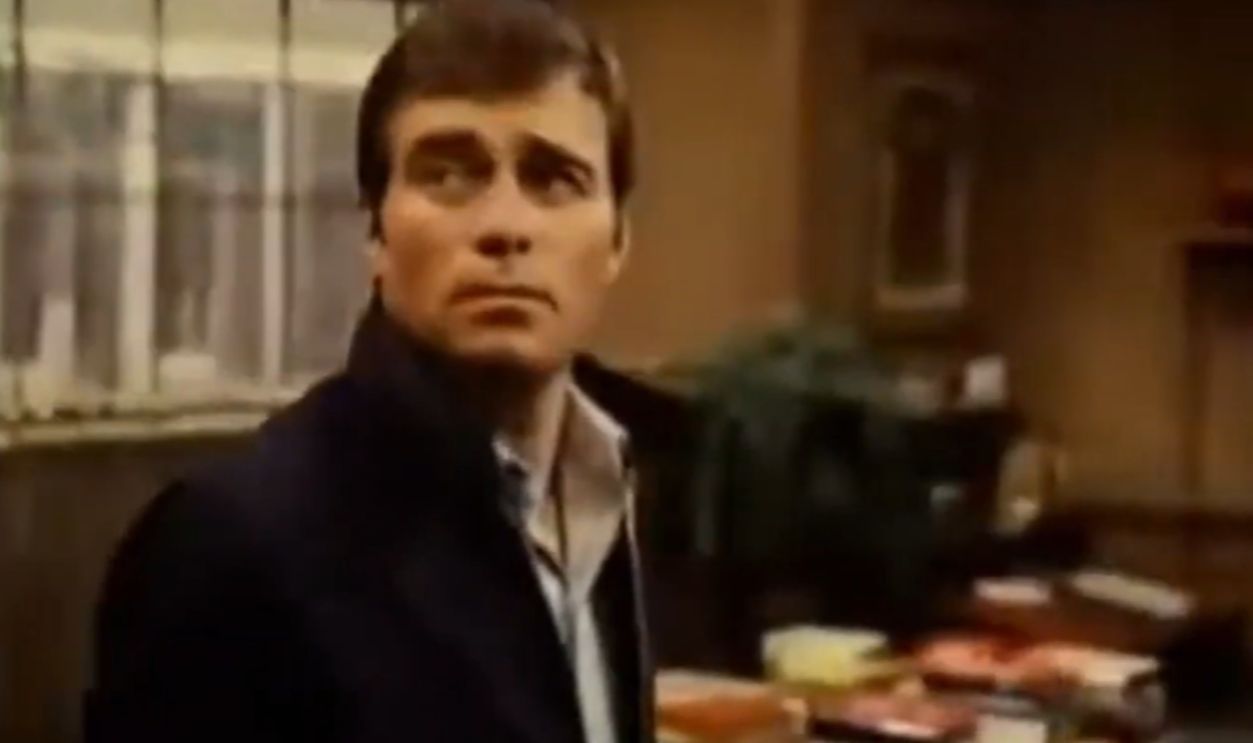 Screenshot from The Stranger, NBC (1973)
Space: 1999 (1975–1977)
The moon is blasted out of Earth’s orbit, sending a lunar base drifting through deep space. Huge premise, impressive visuals, and a loyal fanbase—but it still never reached the level of recognition you’d expect.
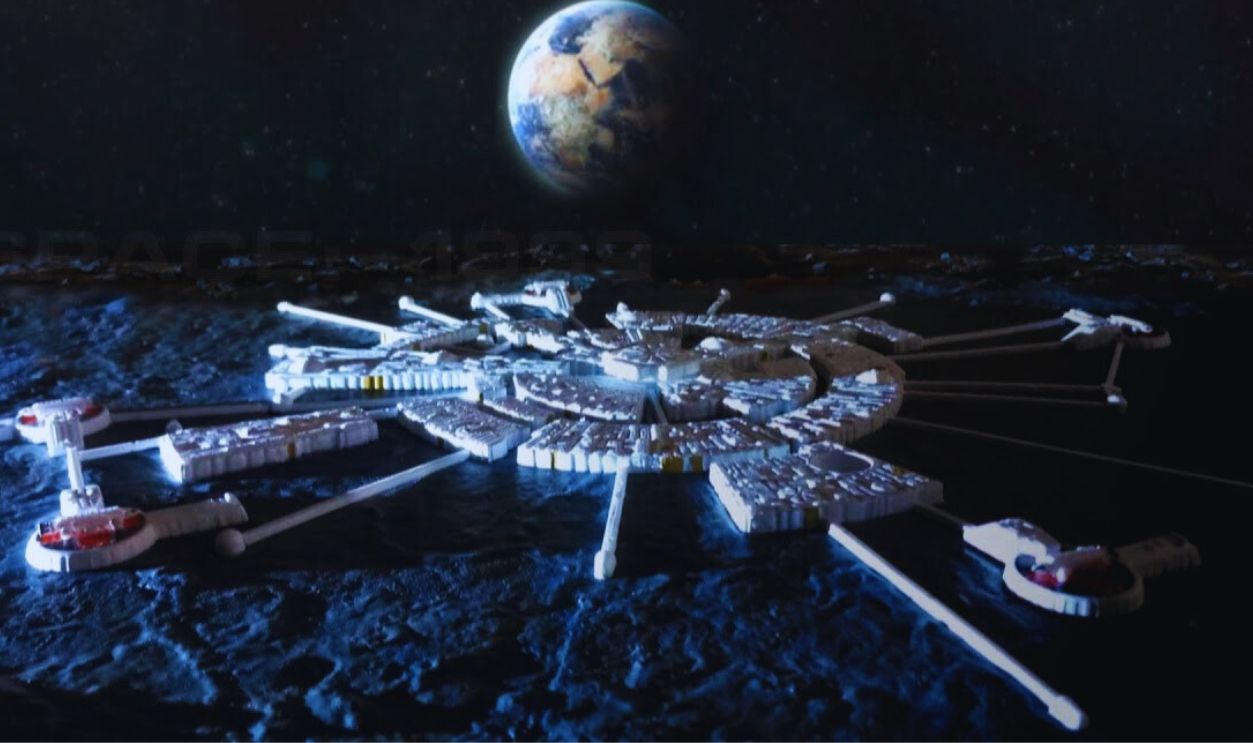 Screenshot from Space: 1999, ITC Entertainment (1975–1977)
The Tomorrow People (1973–1979)
Teenagers develop psychic abilities and represent the next stage of human evolution. It had a long and successful run in the UK, with storylines involving telepathy, teleportation, and hidden societies. But it didn’t fully break through internationally until much later.
 Screenshot from The Tomorrow People, ITV (1973–1979)
Doomwatch (1970–1972)
A team of scientists investigates environmental disasters, dangerous experiments, and hidden threats. It leaned heavily into realism—covering pollution, biohazards, and scientific ethics. That grounded approach made it compelling, but less flashy than other sci-fi shows.
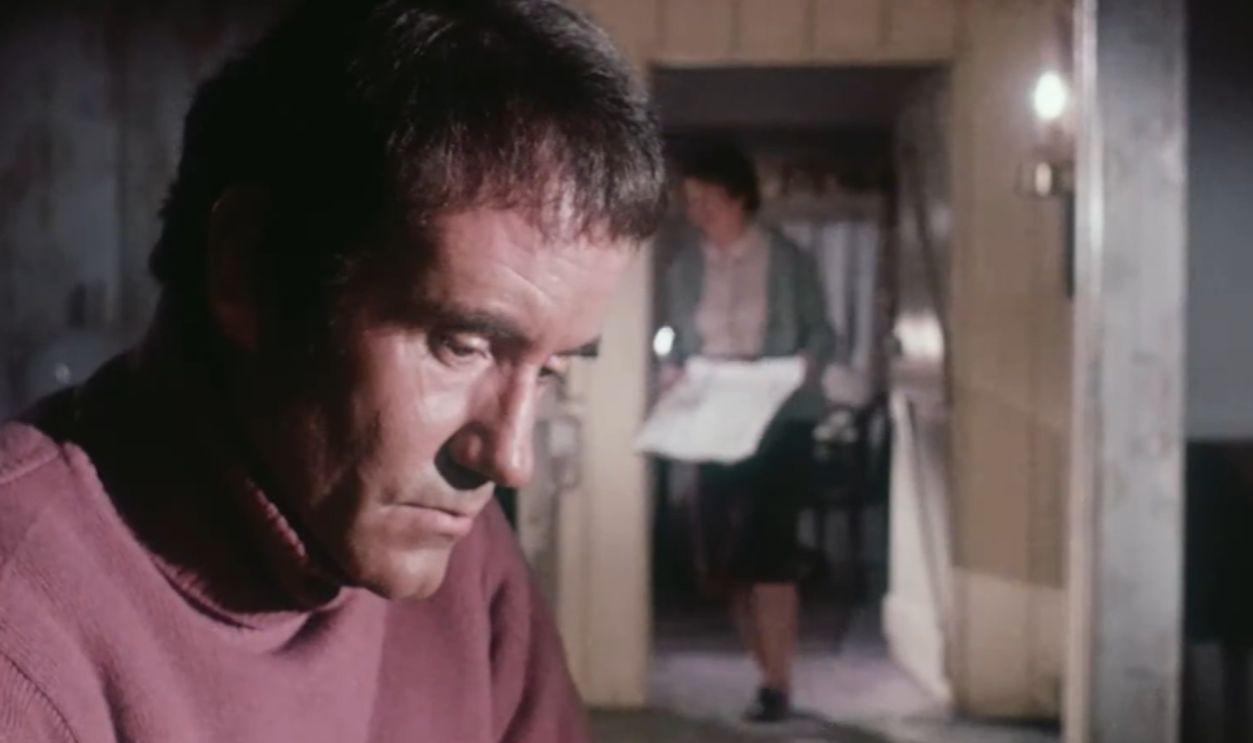 Screenshot from Doomwatch, BBC(1970–1972)
Timeslip (1970–1971)
Two characters move between present-day Britain and World War II-era timelines, uncovering a larger mystery tied to both periods. It blended time travel with suspense and gradually built a bigger story, but its limited reach kept it from becoming widely known.
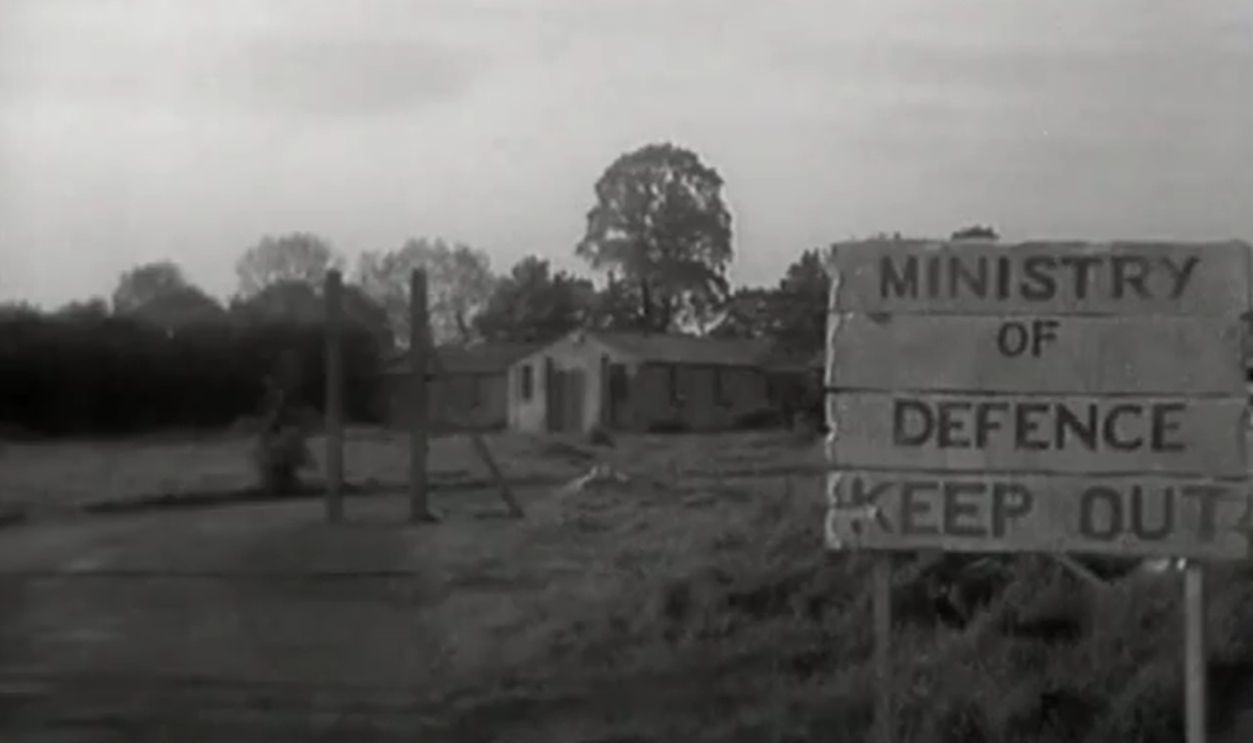 Screenshot from Timeslip, ATV (1970–1971)
The Changes (1975)
Without warning, people begin rejecting all technology—and violently turning on machines and modern systems. Society breaks down almost overnight, with communities collapsing and trust disappearing. It’s one of the darker and more unsettling concepts on this list.
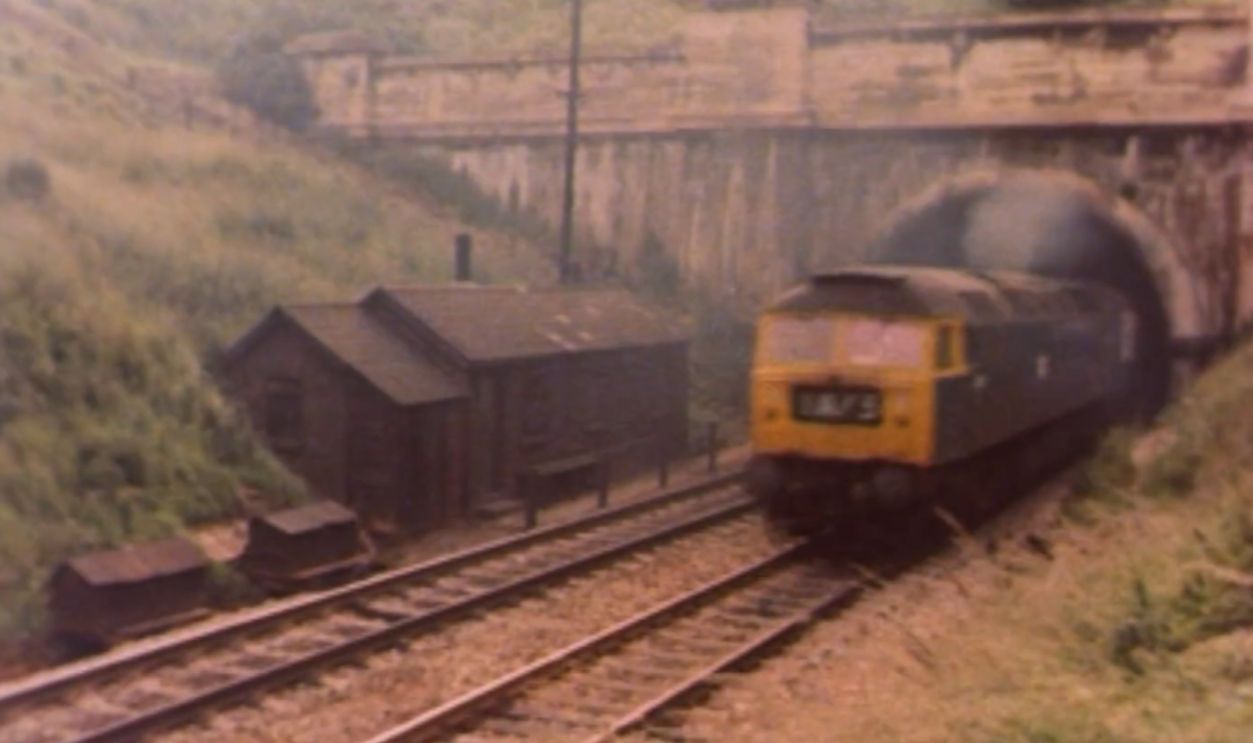 Screenshot from The Changes, BBC(1975)
Project U.F.O. (1978–1979)
Each episode dramatizes real UFO investigations based on government files and reported sightings. It avoided flashy effects and focused on witness accounts and evidence. It’s basically the calmest possible way to say, 'something weird is going on.'
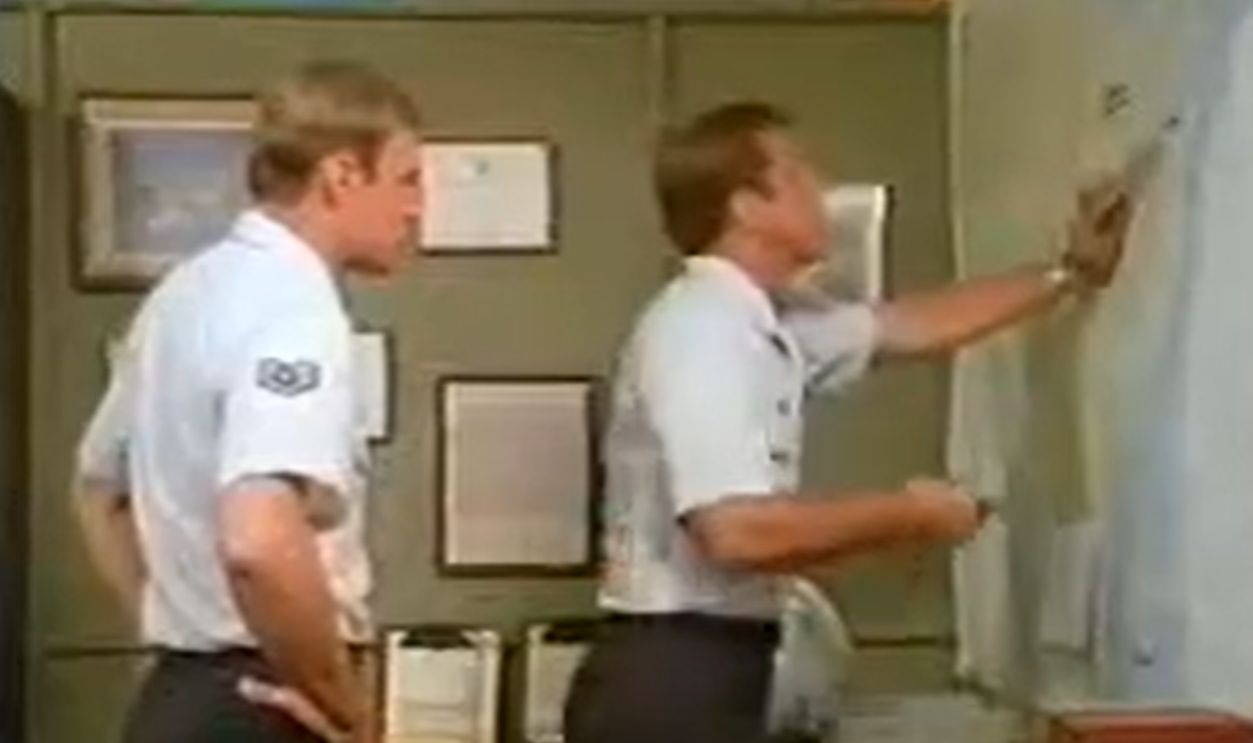 Screenshot from Project U.F.O., Worldvision Enterprises (1978–1979)
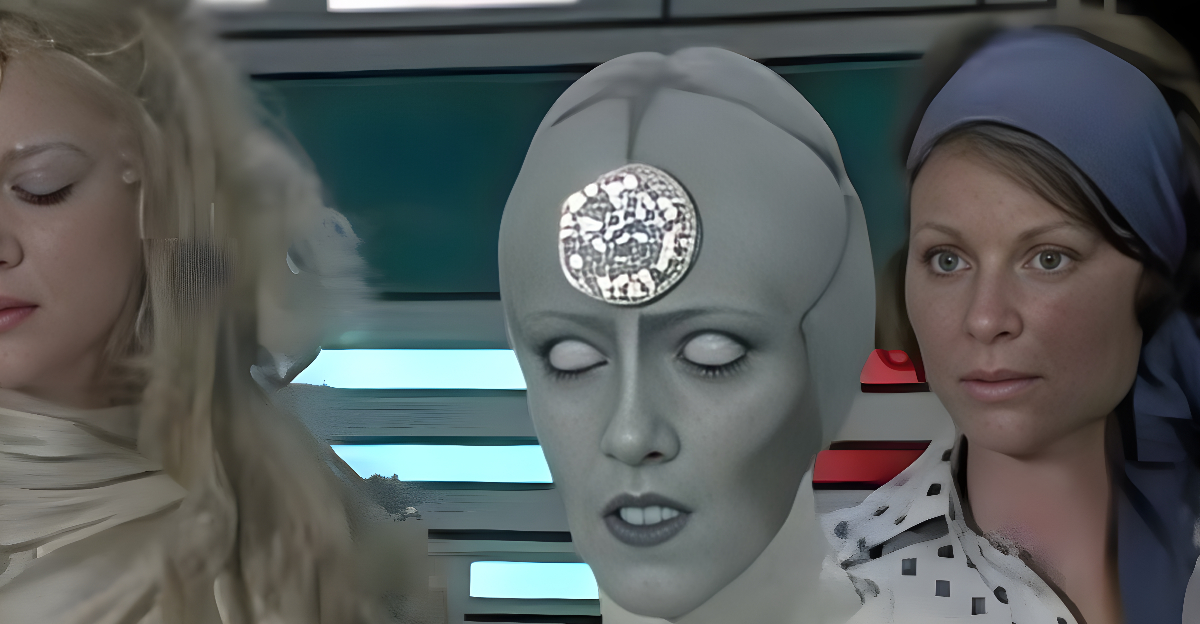
Star Maidens (1976)
A society from another planet, run entirely by women, arrives on Earth and challenges traditional roles. The show leaned heavily into its reversed power dynamics and cultural clashes. It was bold and different—but didn’t connect widely with audiences at the time.
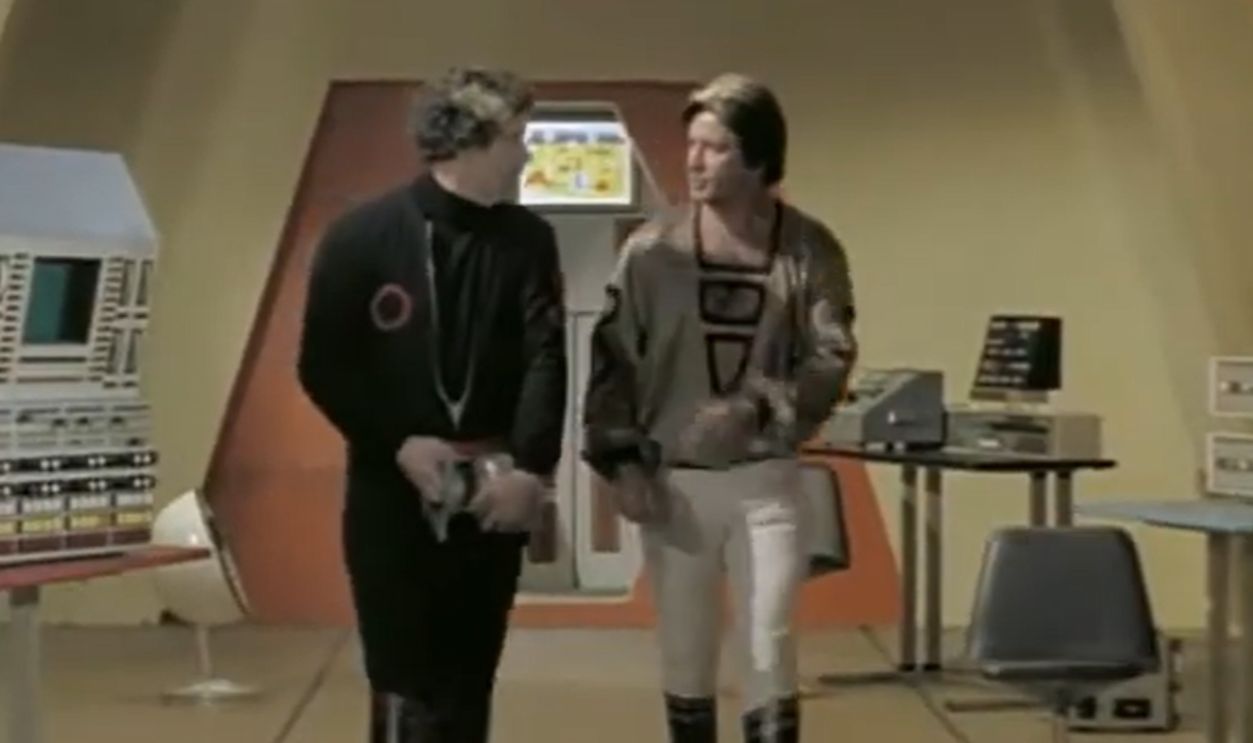 Screenshot from Star Maidens, Global Television Services(1976)
Jason of Star Command (1978–1979)
A fast-moving space adventure series aimed at younger viewers, packed with villains, gadgets, and serialized cliffhangers. It leaned heavily into action and spectacle, but the tone and style were very much tied to late-70s kids’ TV.
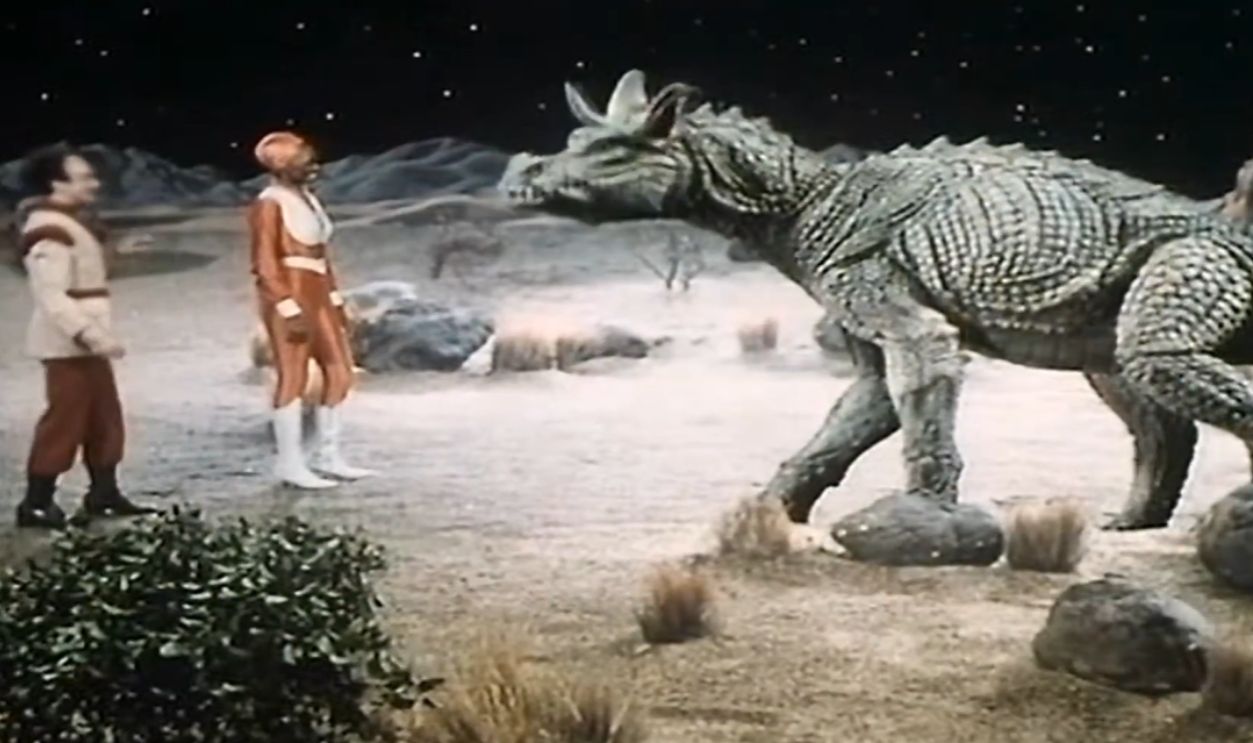 Screenshot from Jason of Star Command, Filmation Associates (1978–1979)
The Champions (1968–1969)
After a mysterious incident in the Himalayas, three agents gain enhanced abilities like strength, telepathy, and heightened senses. They use these powers on global missions, blending espionage with sci-fi. Strong premise—but it never became a lasting hit.
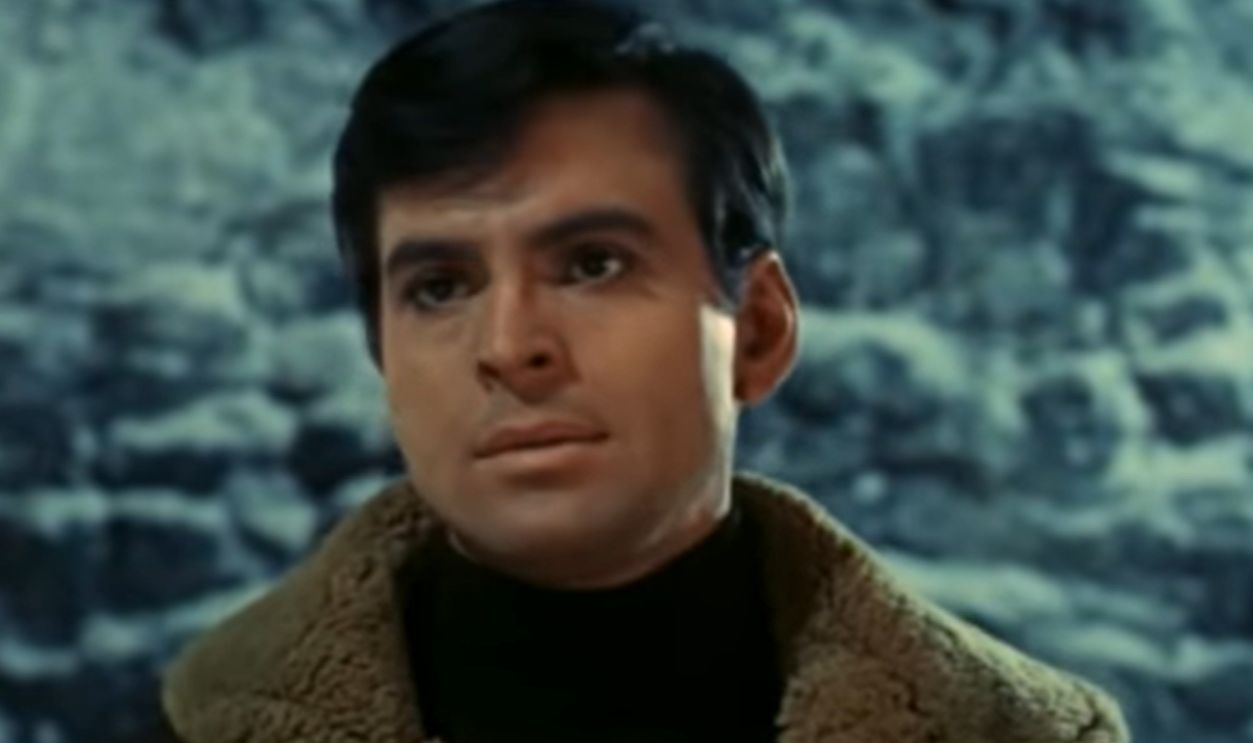 Screenshot from The Champions, ITC Entertainment (1968–1969)
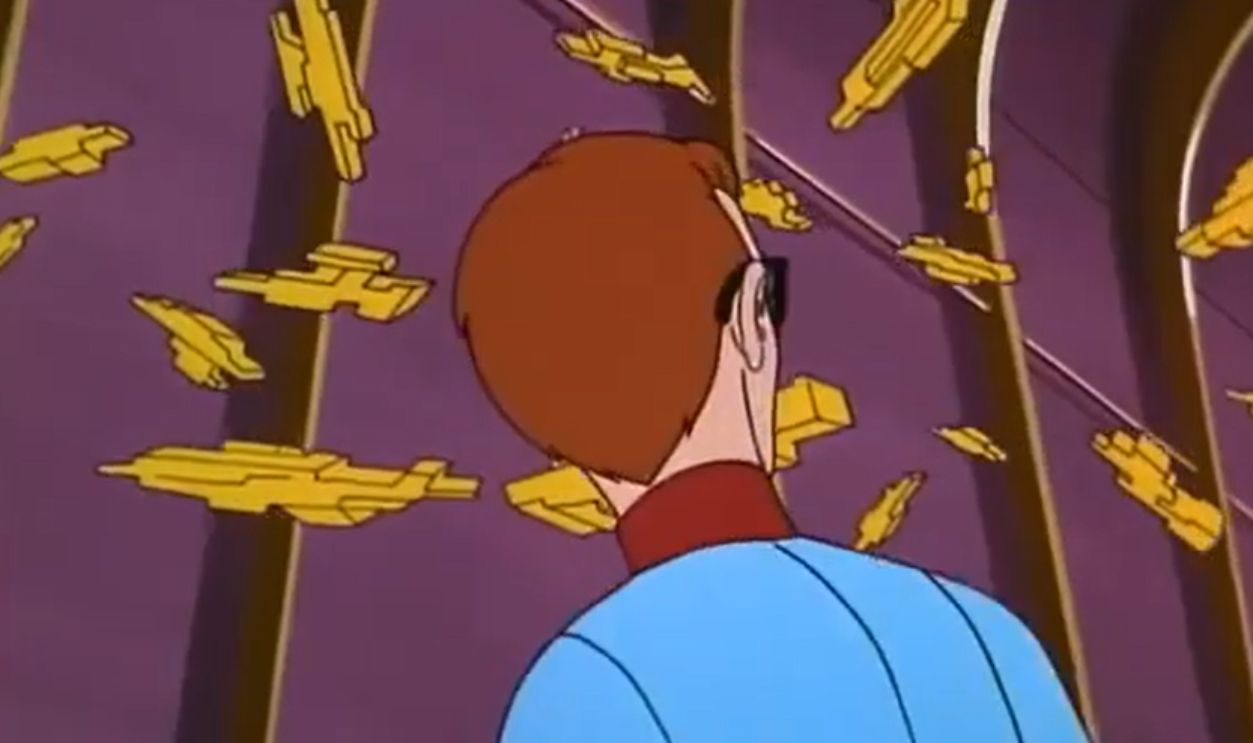
The Fantastic Voyage (1968)
An animated adaptation of the film, following a team miniaturized and sent inside the human body on scientific missions. It blended education with sci-fi storytelling, focusing on anatomy and biology—but didn’t leave much of a lasting impression.
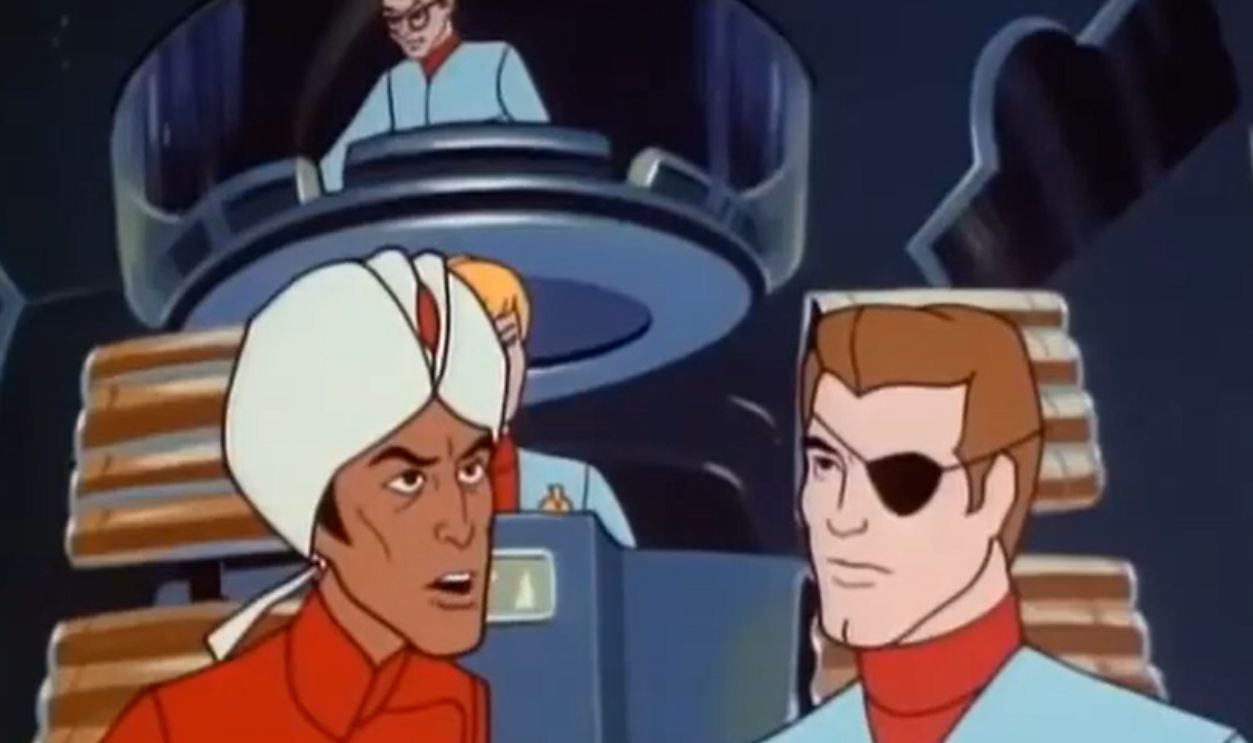 Screenshot from The Fantastic Voyage, Filmation Associates(1968)
Probe (1972)
A science-focused mystery series where problems were solved through logic, experimentation, and reasoning instead of action. Created by Isaac Asimov, it leaned heavily into real science concepts—but its niche approach limited its appeal.
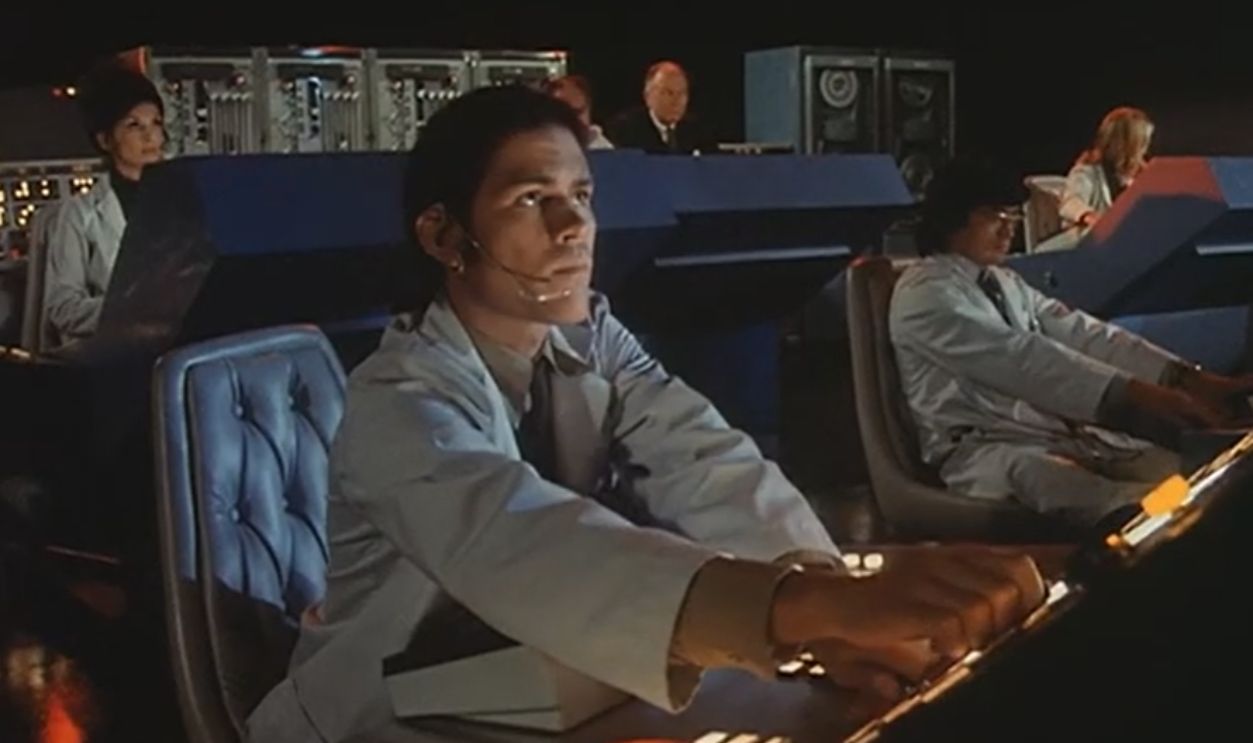 Screenshot from Probe, Warner Bros. Television (1972)
So…Did You Actually Recognize 5?
Be honest—how many of these actually rang a bell? One? Two? Are you one of the ones who remember all of these series? Let us know in the comments.
 Screenshot from The Fantastic Voyage, Filmation Associates(1968)
You Might Also Like:
Scott Bakula went far beyond Quantum Leap.
25 Years Of The Matrix: Behind The Scenes Stories
Once Beloved 80s Cartoons That Have Basically Vanished From Memory