For a While… They Were Everywhere
If you watched movies or TV in the 70s, some actors felt unavoidable. Their faces were on movie posters, TV Guide covers, talk shows—and your living room television every weekend. Then the 80s arrived, Hollywood changed, and some of the decade’s biggest stars slowly (and not so slowly) drifted out of the spotlight. How many do you still remember?
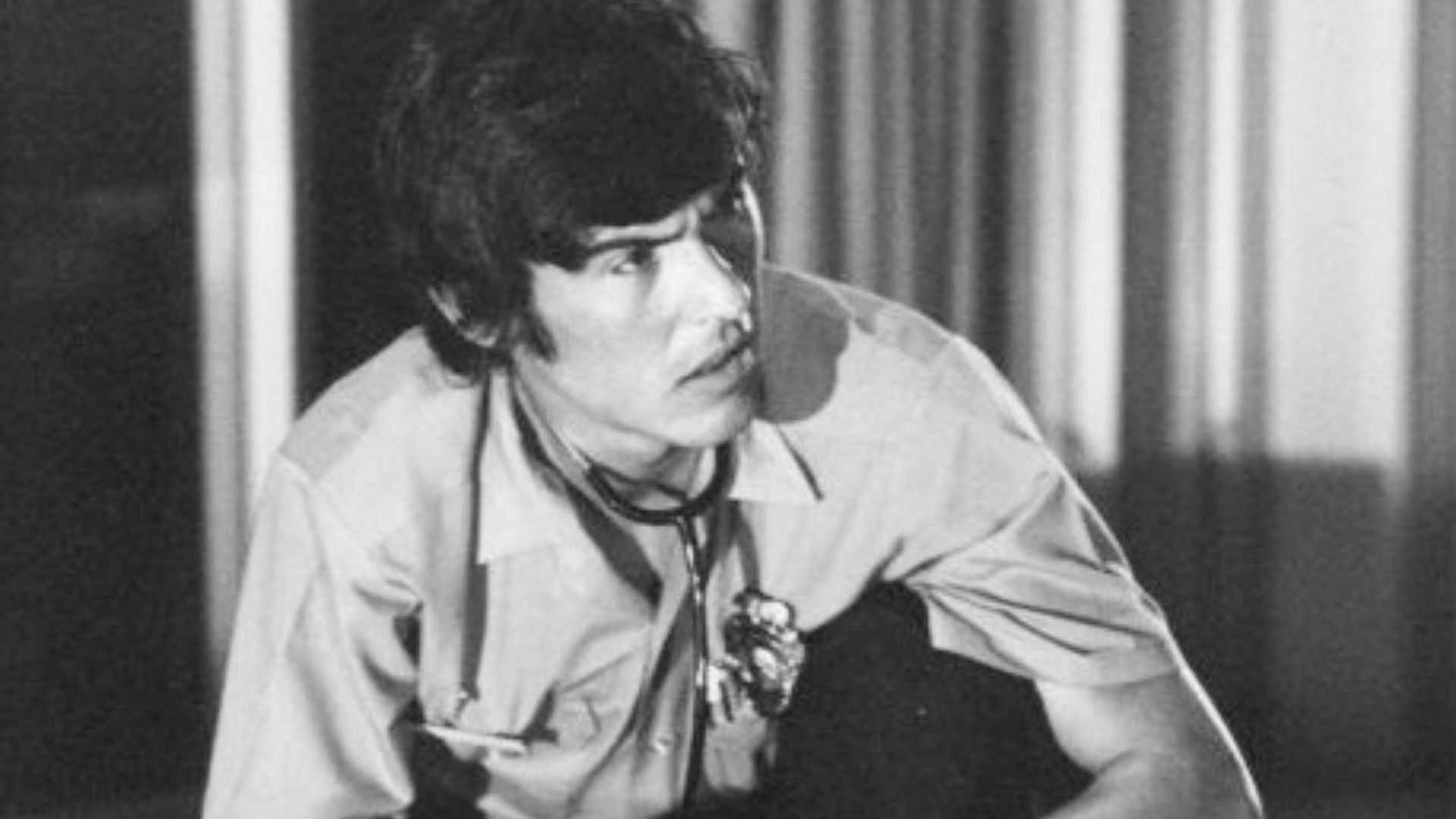
Randolph Mantooth
Randolph Mantooth became a household name starring as paramedic Johnny Gage on the hit series Emergency!. For much of the 70s, the show was one of the most popular dramas on television. If you grew up watching it, you probably still remember the sound of that siren before the opening credits even started. But if you didn’t… congratulations, you probably just learned Randolph Mantooth was a real person.
 NBC Television, Wikimedia Commons
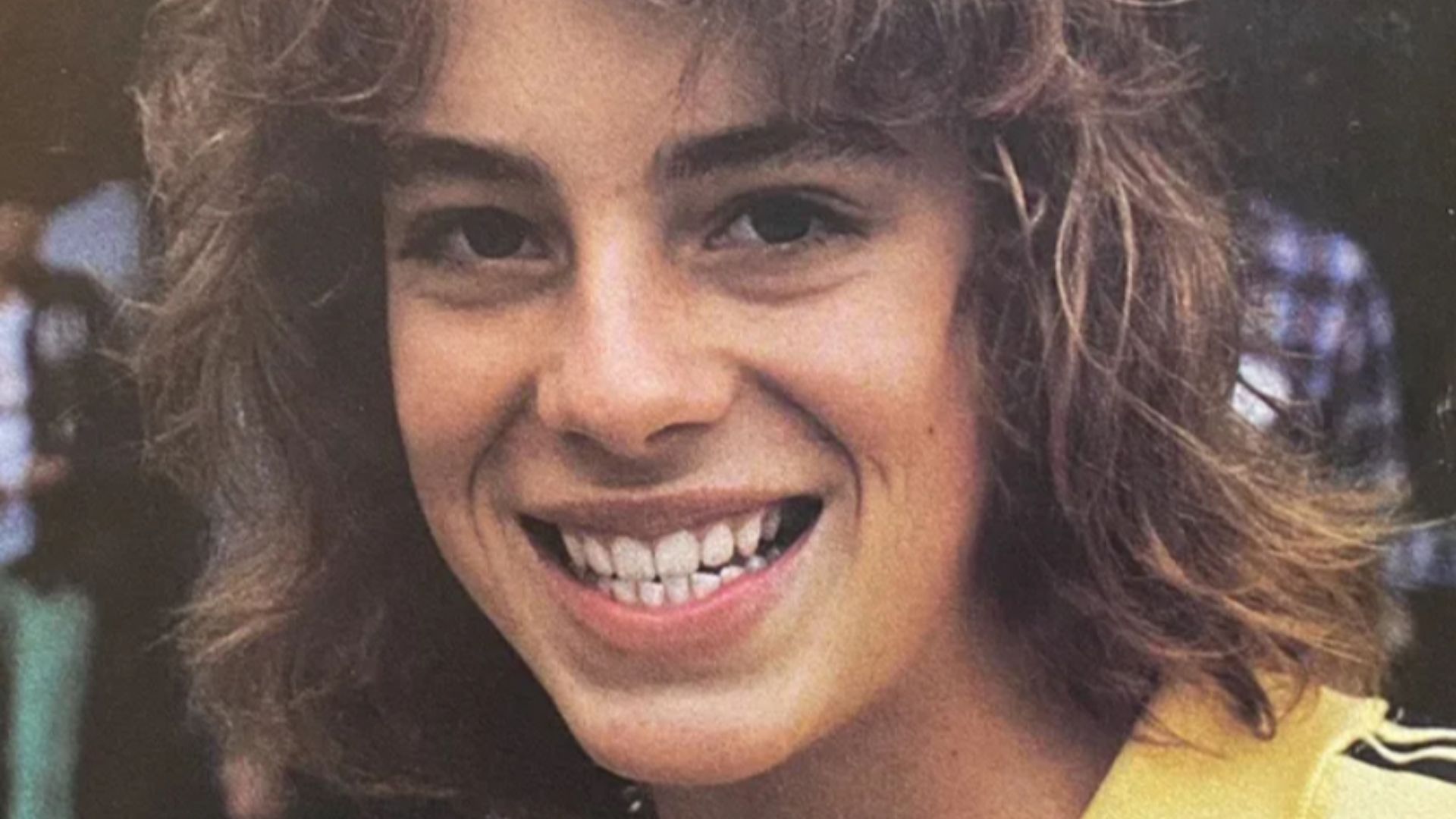
Leif Garrett
For a moment in the late 70s, Leif Garrett was one of the biggest teen idols in America. His face was everywhere—posters, magazines, and TV appearances. If you opened a locker in middle school around 1978, there was a decent chance Garrett was staring back at you from the inside door.
 Unknown authorUnknown author, Wikimedia Commons
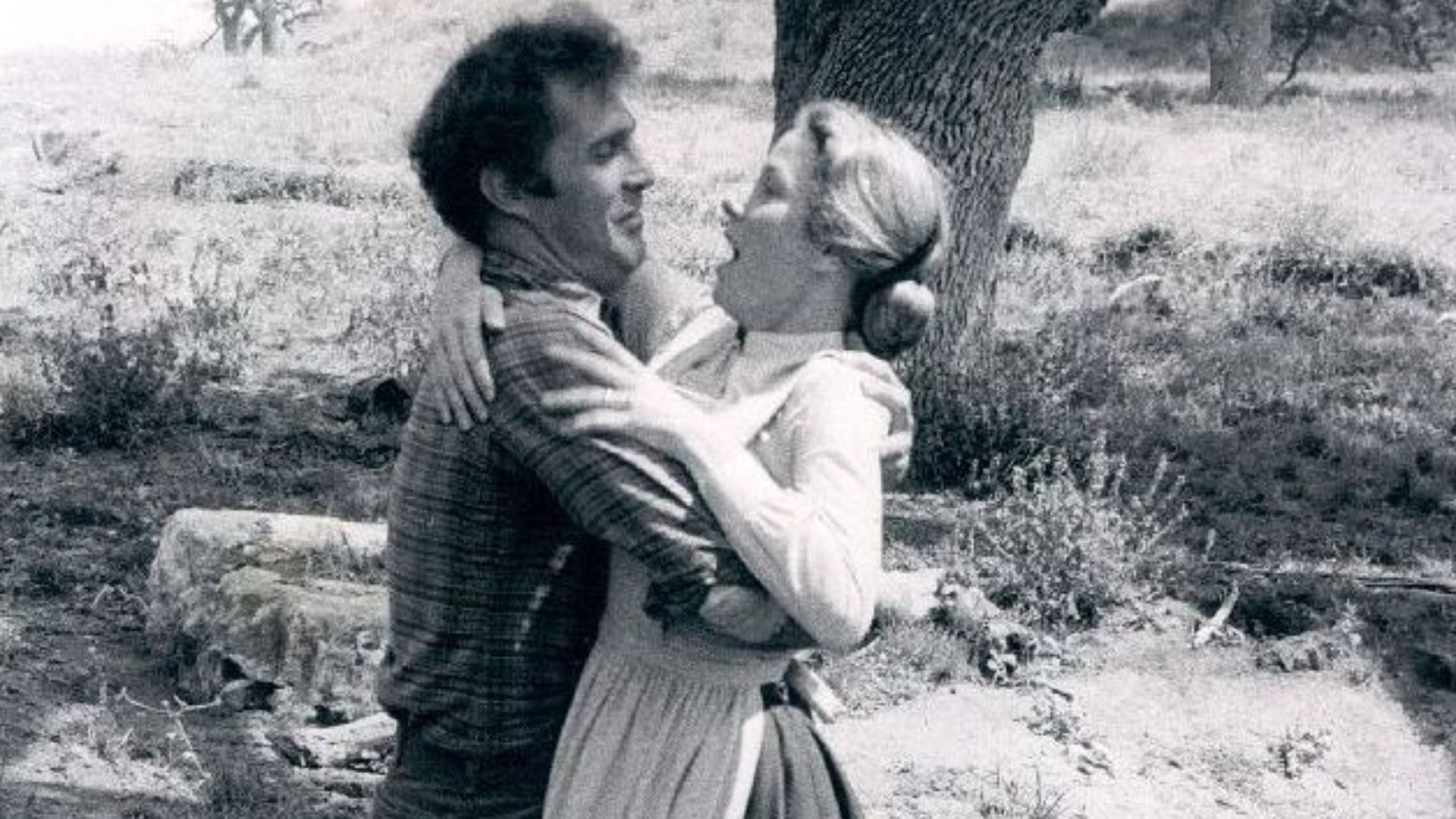
Gil Gerard
In 1979, Gil Gerard blasted onto television as the hero in Buck Rogers in the 25th Century. The show had robots, laser battles, and futuristic outfits that looked suspiciously like disco clothes. For a couple years Gerard was TV sci-fi royalty—but once the series ended, the rocket lost altitude quickly.
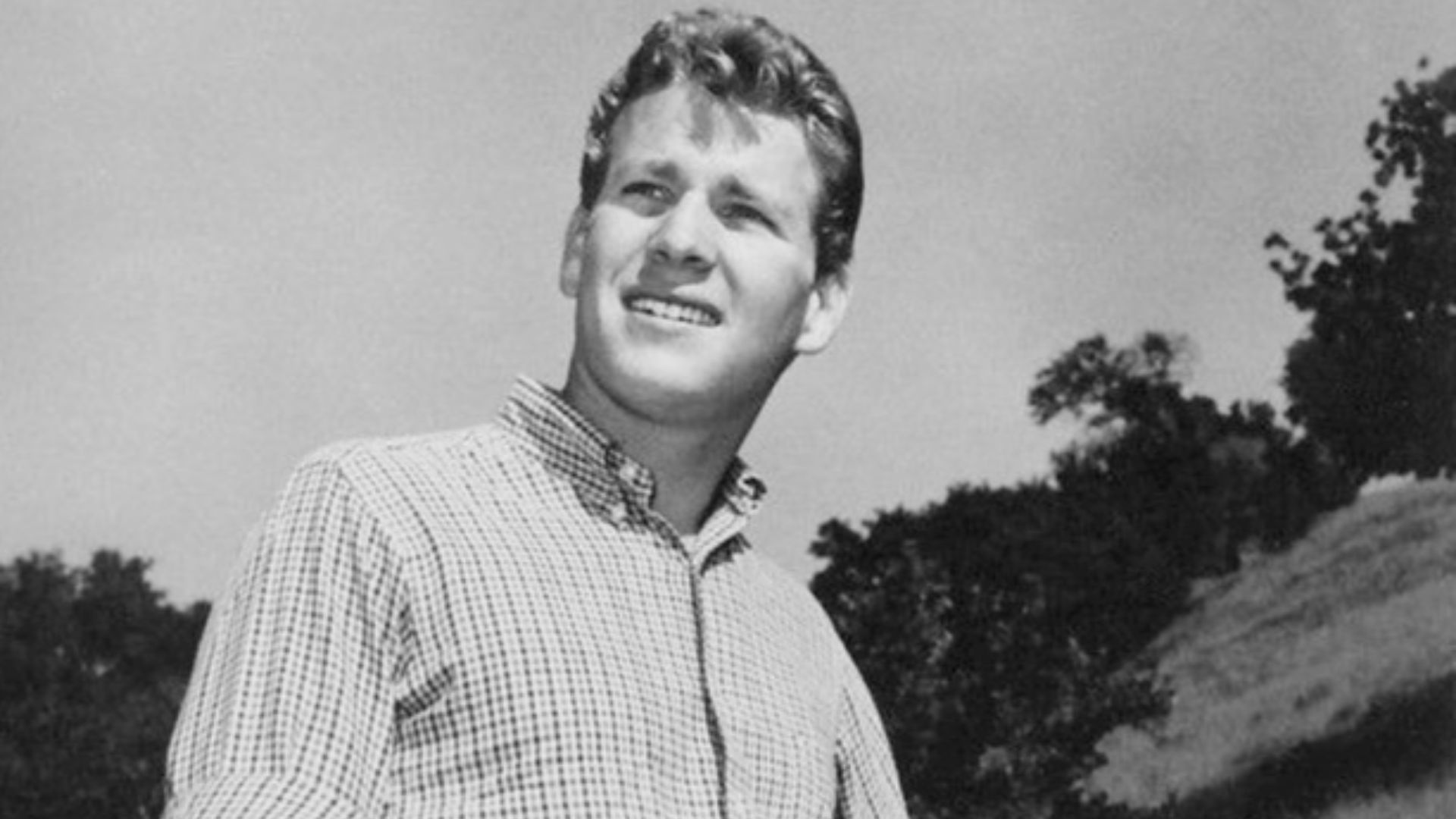
Ryan O’Neal
For a stretch in the early 70s, Ryan O’Neal was basically Hollywood’s official romantic lead. Love Story (1970) turned him into a superstar overnight and launched a thousand emotional date nights. He followed with hits like What’s Up, Doc? and Barry Lyndon. But by the time the 80s rolled in, Hollywood’s heartthrob rotation had shifted—and O’Neal wasn’t topping it anymore.
 NBC Television, Wikimedia Commons
Lee Majors
Lee Majors became a TV icon starring as Steve Austin in The Six Million Dollar Man. For much of the 70s it felt like every kid was trying to run in slow motion in their backyard. The show was huge. But by the 80s, the bionic craze had quietly powered down.
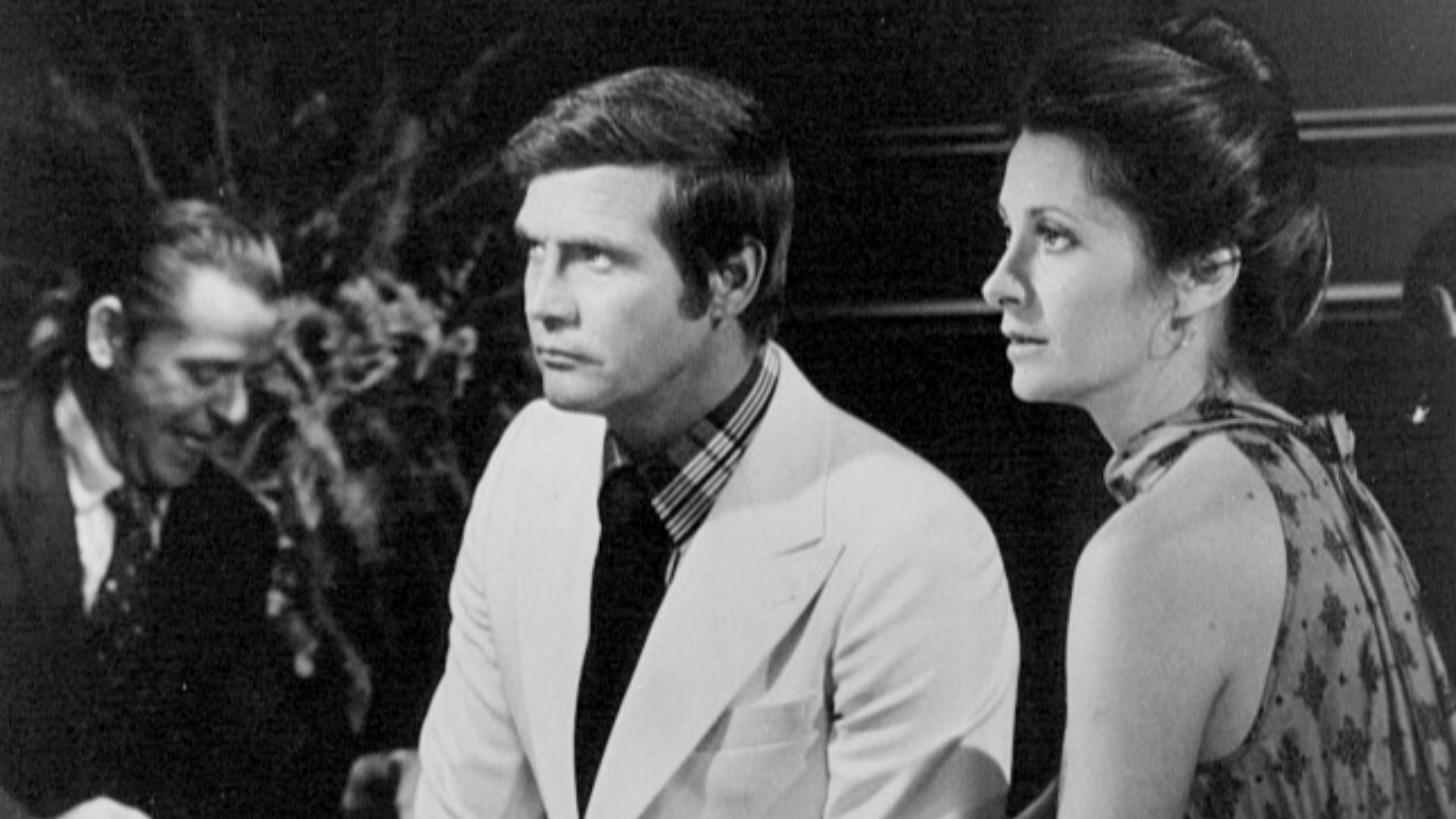 ABC Television, Wikimedia Commons
Susan George
Susan George became internationally famous for her intense role opposite Dustin Hoffman in Straw Dogs. The film was controversial, talked about everywhere, and very much part of the gritty 70s movie era. But as Hollywood shifted toward big blockbusters in the 80s, that style of filmmaking slowly faded.
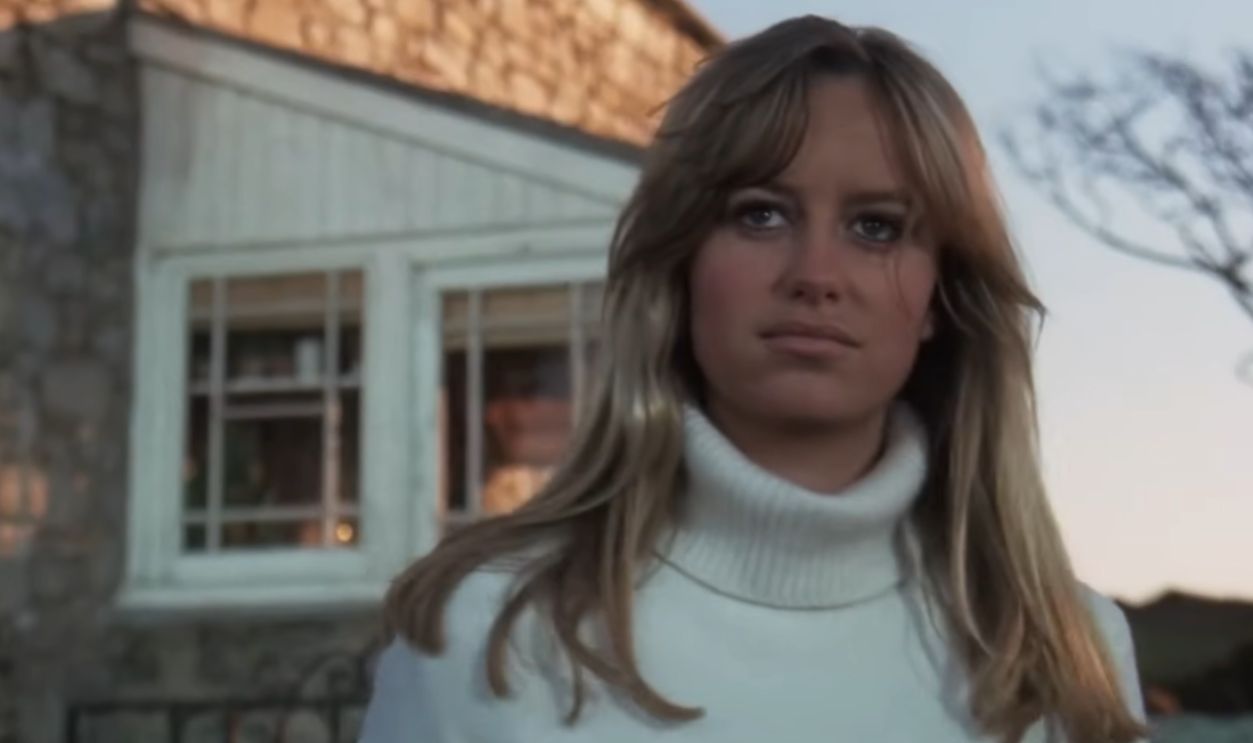 Screenshot from Straw Dogs, 20th Century Fox (1971)
Valerie Bertinelli
Valerie Bertinelli became a household name playing Barbara Cooper on One Day at a Time. Throughout the late 70s she was one of television’s most recognizable young stars. If you grew up then, that theme song probably still lives somewhere in your brain whether you want it there or not.
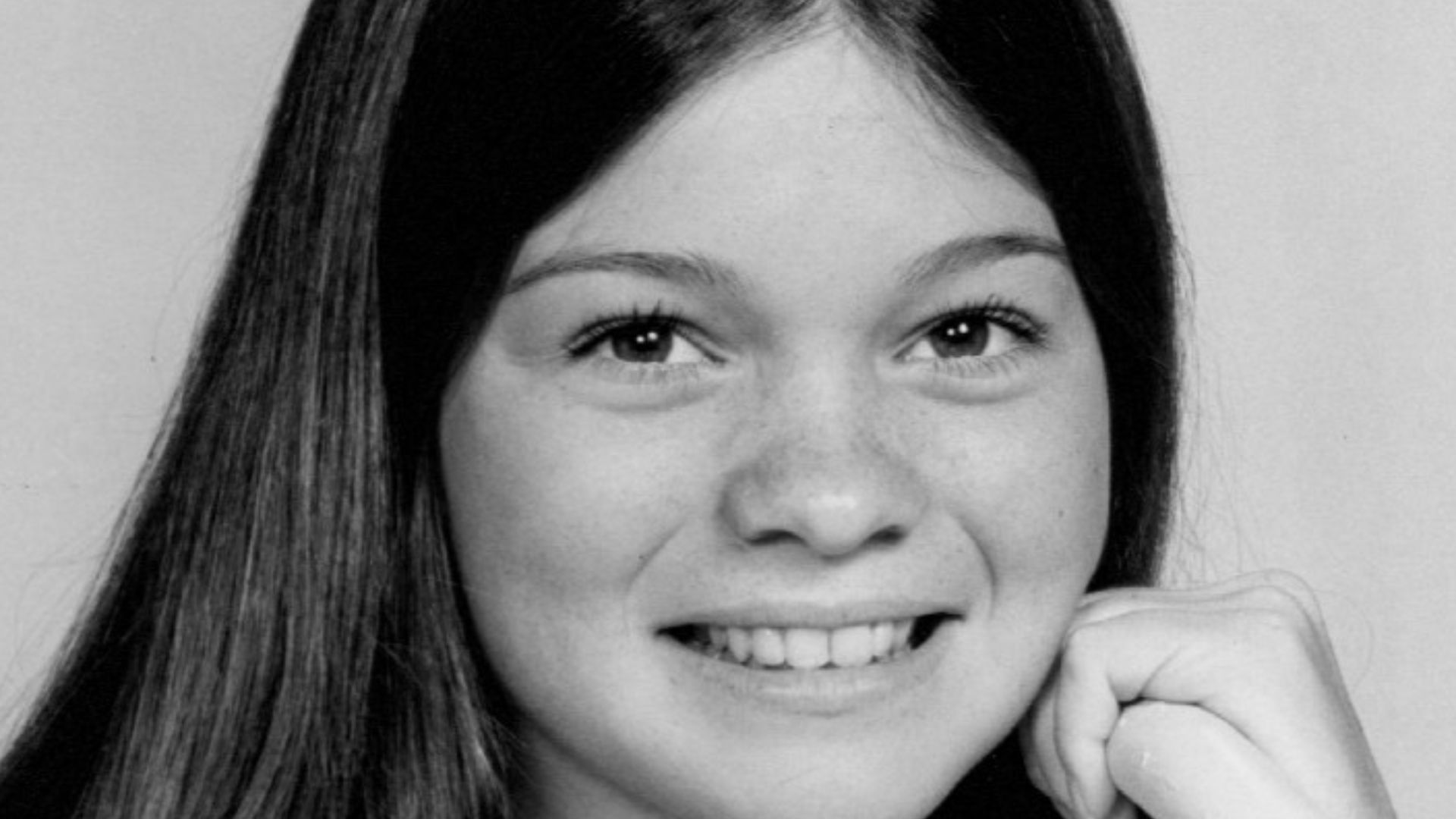 CBS Television, Wikimedia Commons
Christopher Knight
Christopher Knight became famous as Peter Brady on The Brady Bunch. The show ended in 1974, but endless 70s reruns meant the Brady kids basically lived on television forever. If you were home sick from school back then, there was about a 90 percent chance Peter Brady showed up on your TV before lunchtime.
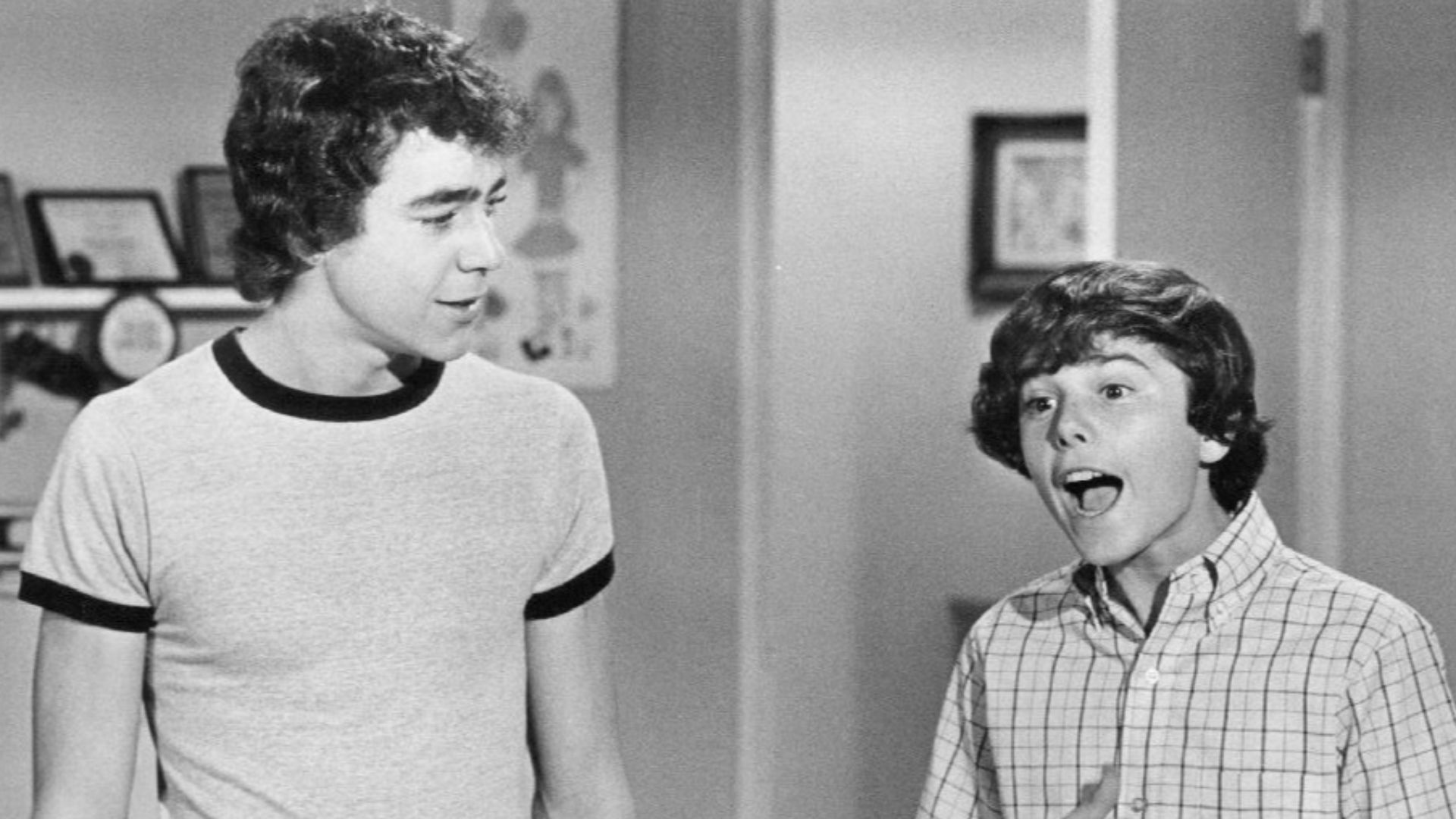 ABC Television., Wikimedia Commons
Karen Black
Karen Black had one of the most distinctive voices and screen presences in 70s cinema. She appeared in films like Five Easy Pieces, Airport 1975, and The Great Gatsby. She even earned an Academy Award nomination early in the decade. But as Hollywood’s style shifted in the 80s, the character-driven films that made her famous became less common.
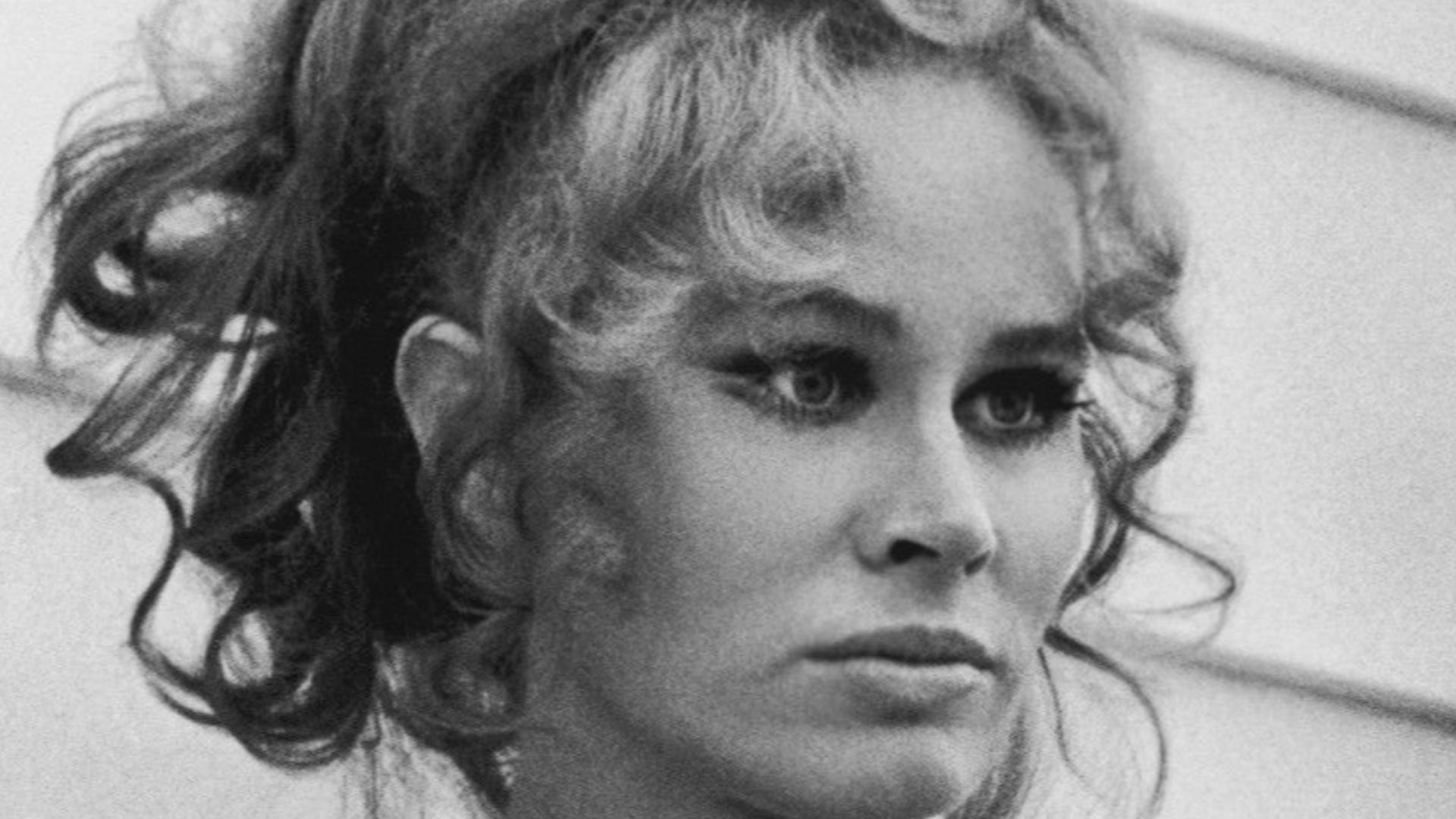 Columbia Pictures, Wikimedia Commons
Lynda Carter
To an entire generation, Lynda Carter simply was Wonder Woman. The series ran from 1975 to 1979 and made her one of television’s biggest stars. But once the show ended, Hollywood didn’t quite know what to do with a former superhero. This was decades before Marvel turned capes into a full-time career path.
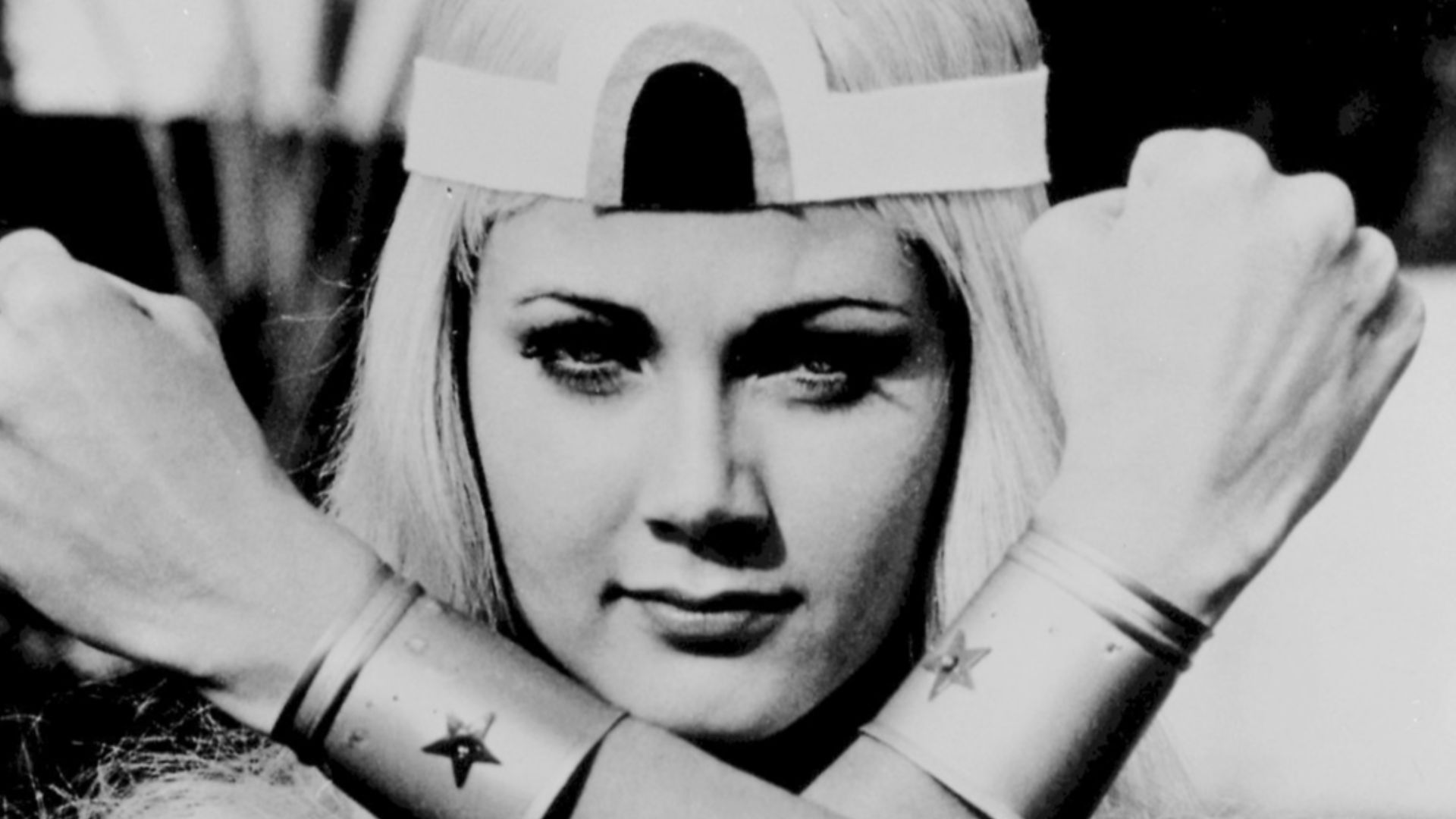 ABC Television, Wikimedia Commons
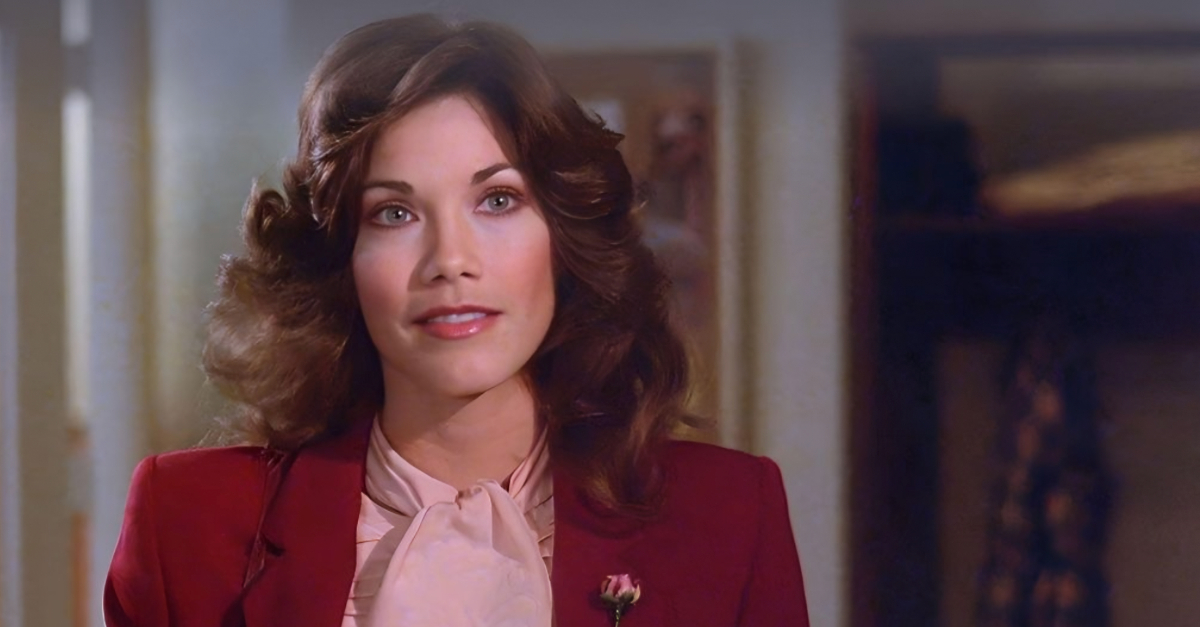
Barbi Benton
Barbi Benton seemed to pop up everywhere in the 70s—modeling, singing, acting, and appearing regularly on Hee Haw. Saturday night television back then often meant country music, cornfield jokes, and Benton smiling at the camera. By the time the 80s arrived, though, she had largely stepped away from the spotlight.
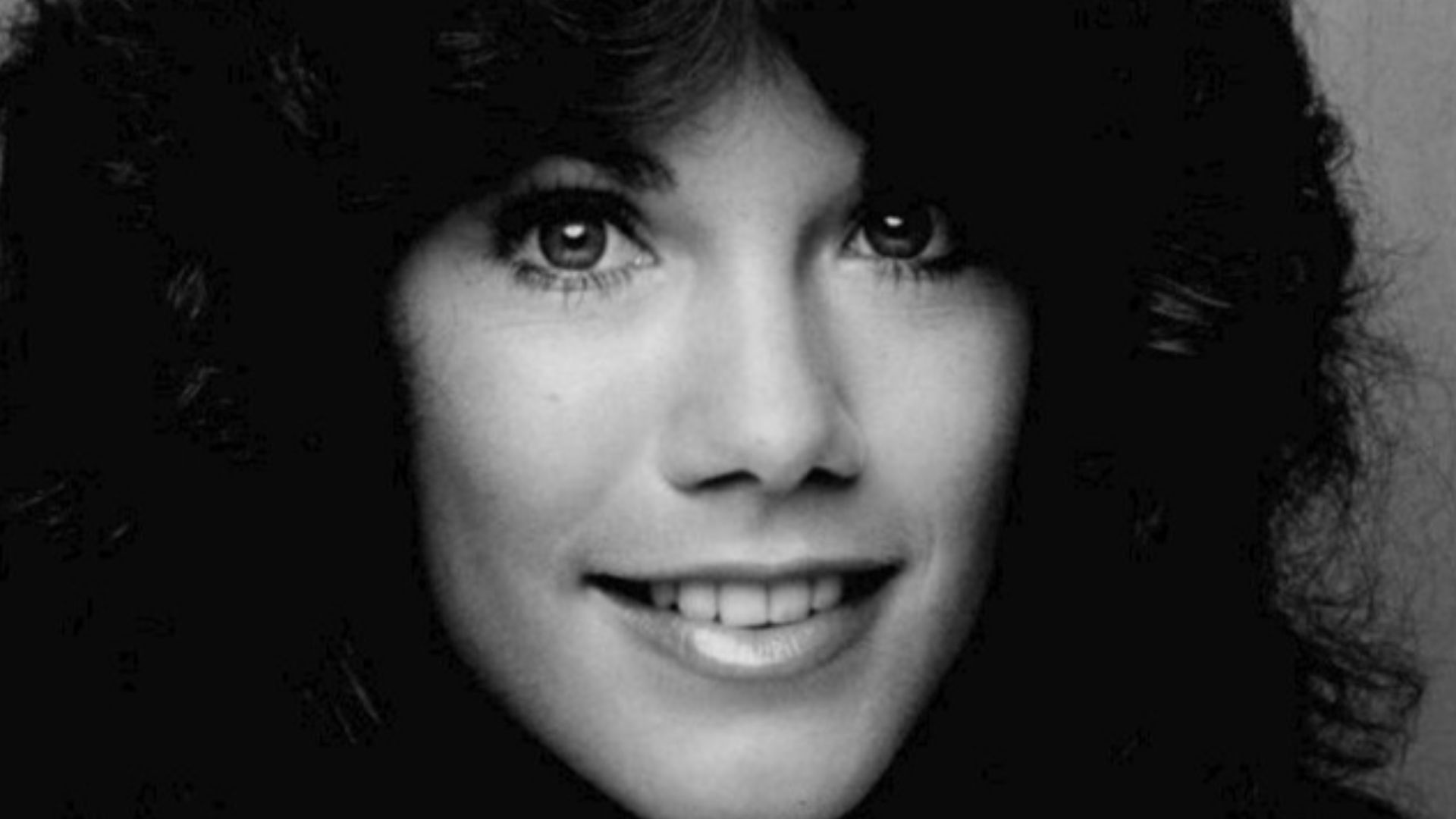 ABC Television, Wikimedia Commons
Erik Estrada
In the late 70s, Erik Estrada was one of the coolest guys on television thanks to CHiPs. Ponch had the motorcycle, the aviator sunglasses, and hair that somehow survived California freeway speeds. For a few years he was everywhere. Then CHiPs ended in 1983—and suddenly the TV highway got a lot less crowded.
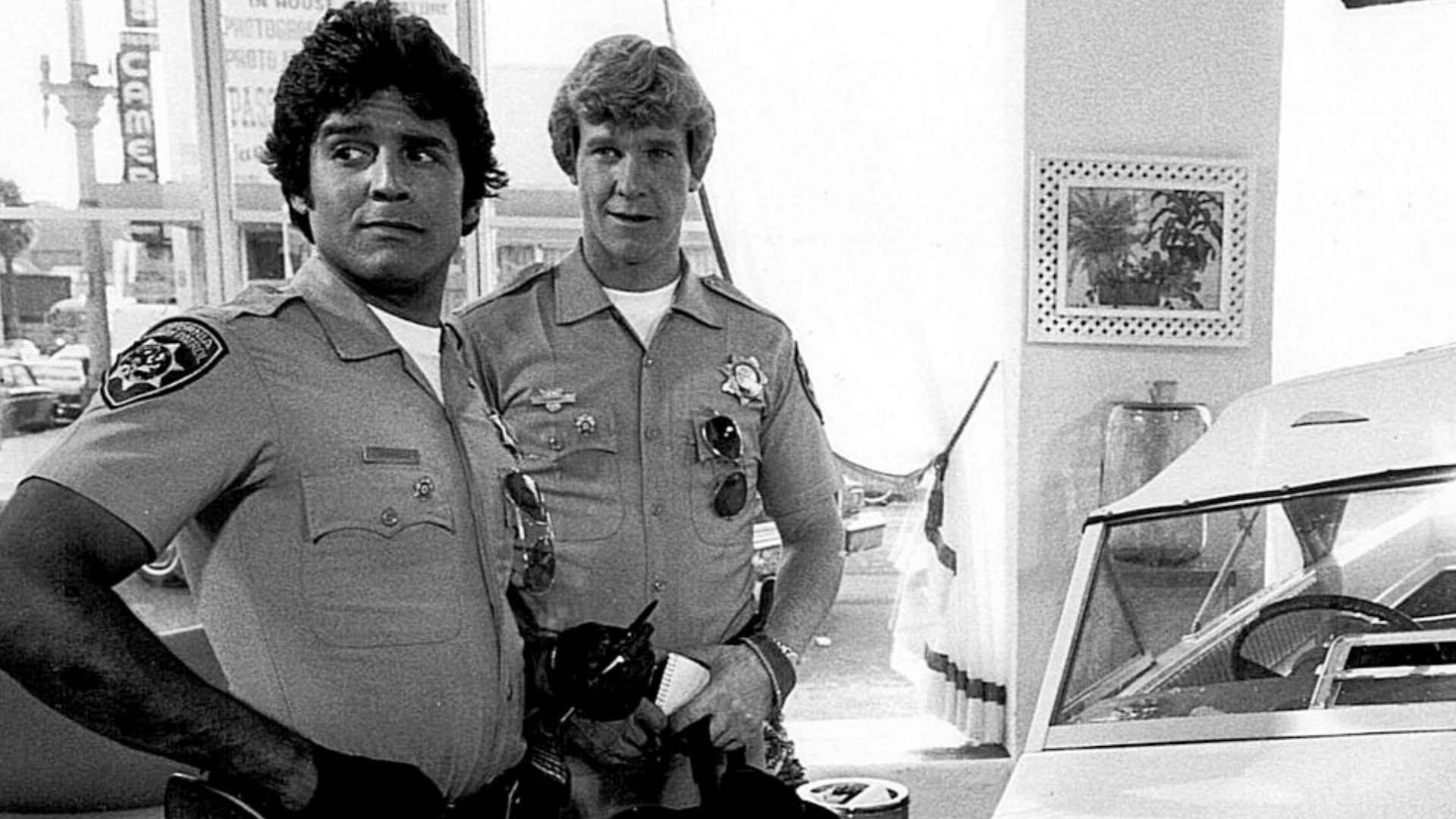 NBC Television, Wikimedia Commons
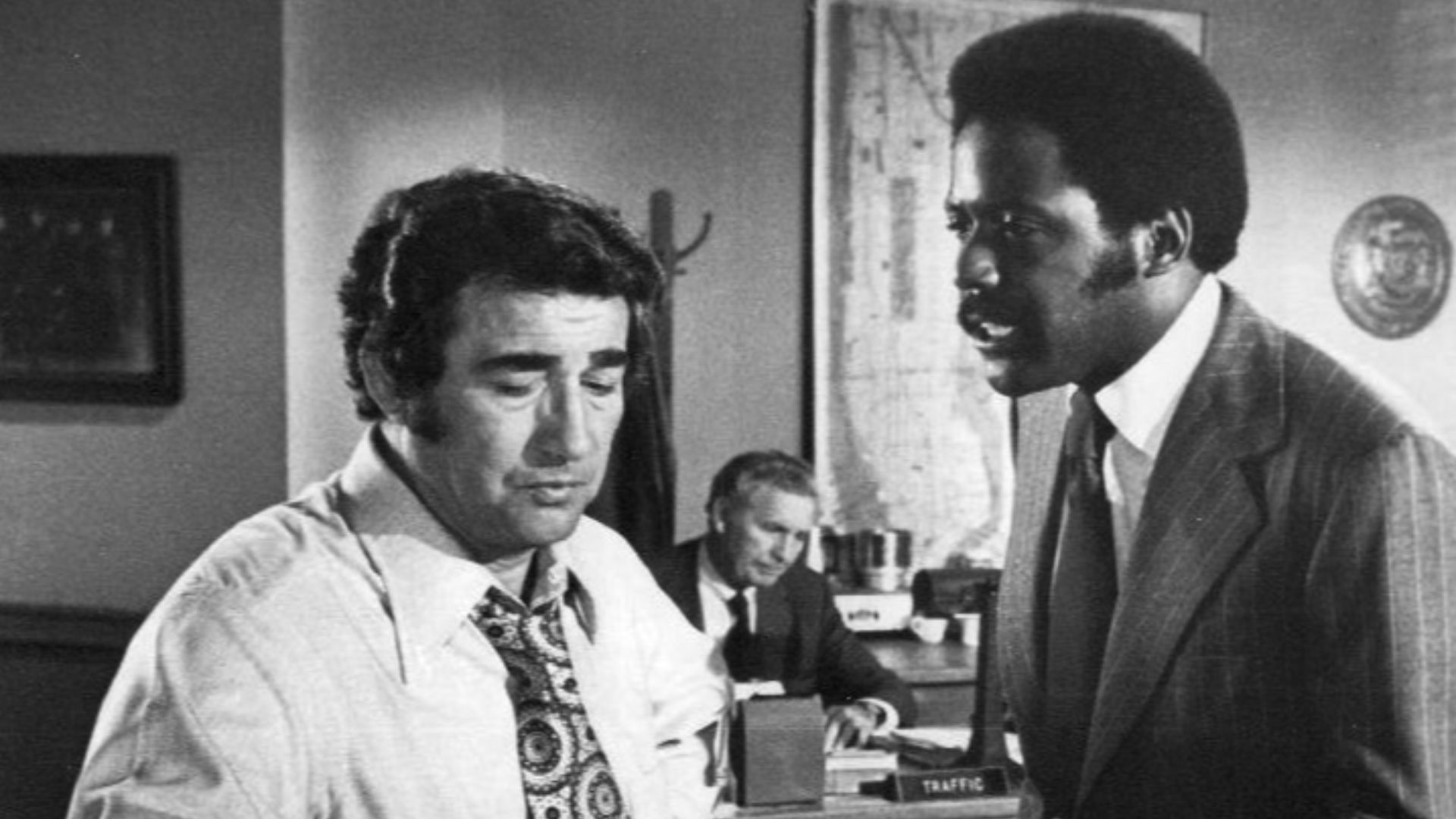
Richard Roundtree
When Shaft arrived in 1971, Richard Roundtree instantly became one of the coolest action stars in movies. The film launched a franchise and helped define the blaxploitation era. Roundtree worked steadily afterward, but the specific genre that made him a superstar faded by the end of the decade. Still—if you hear that theme song, you know exactly who it’s about.
 MGM Television, Wikimedia Commons
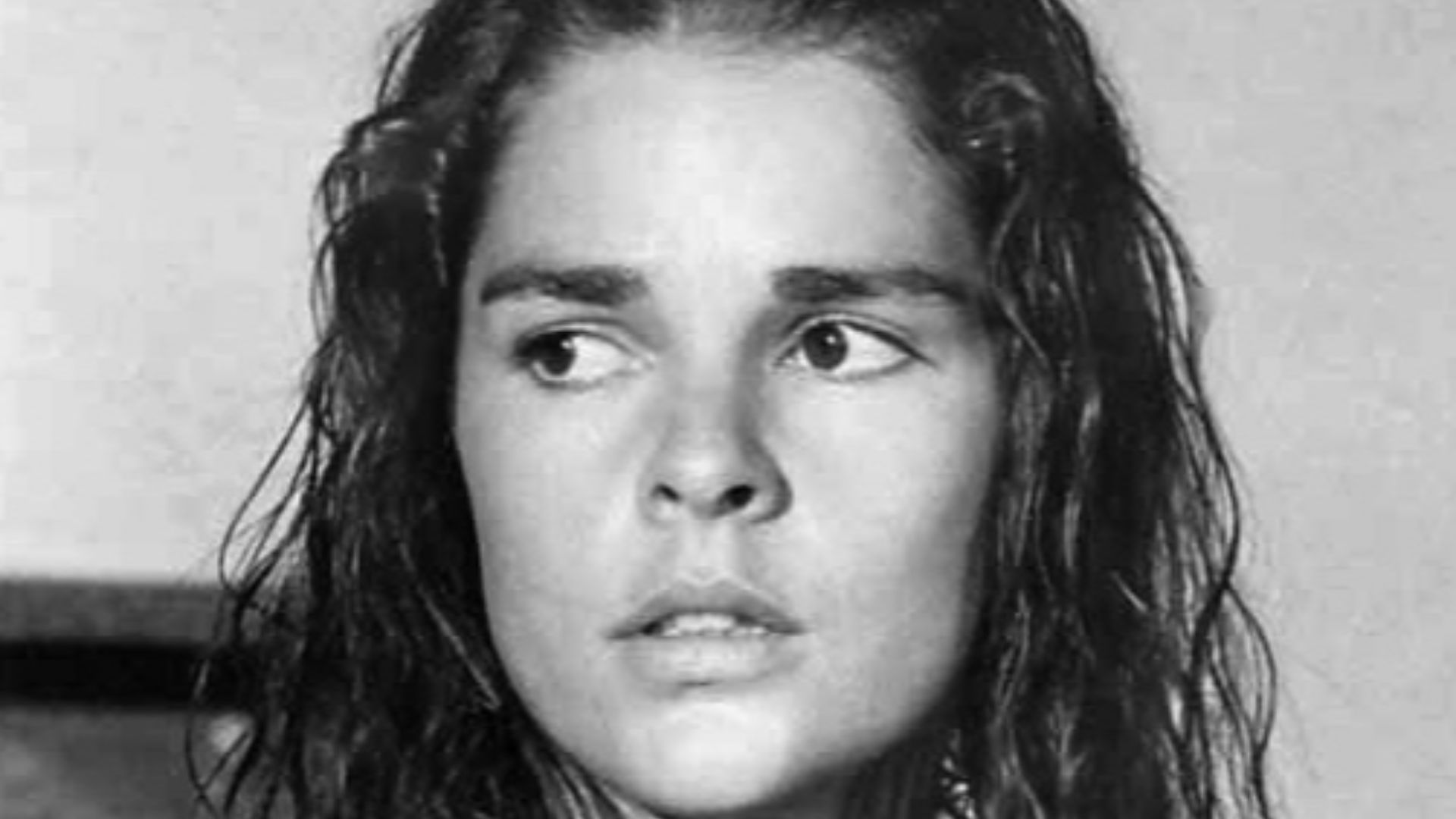
Ali MacGraw
Ali MacGraw became an instant icon thanks to Love Story. For a moment in the early 70s she was absolutely everywhere—magazine covers, red carpets, and one of Hollywood’s most talked-about stars. She followed it with The Getaway opposite Steve McQueen, which only fueled the attention. But stepping away from Hollywood for long stretches meant the spotlight eventually moved on.
 National General Pictures, Wikimedia Commons
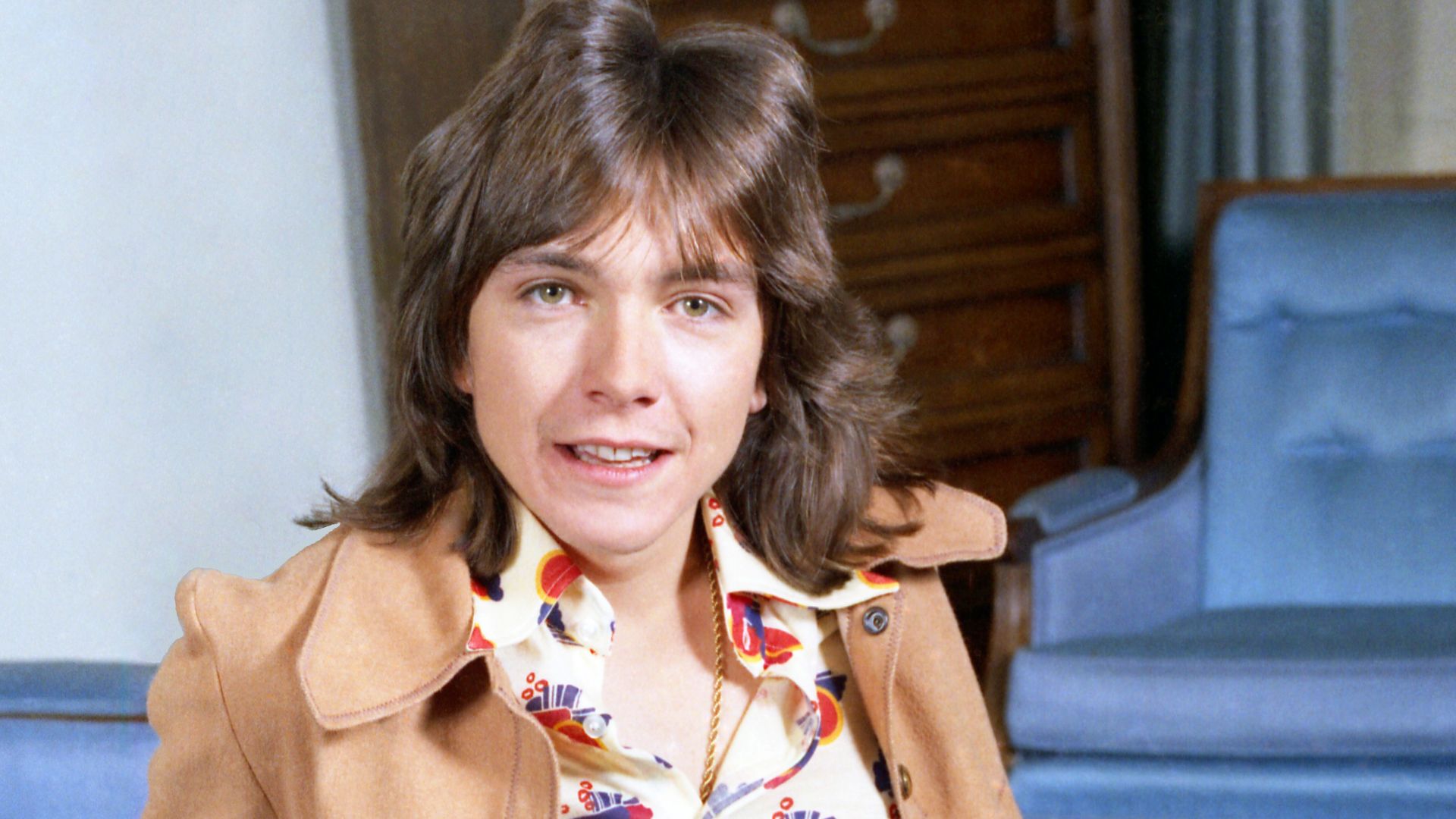
David Cassidy
In the early 70s, David Cassidy was the definition of a teen idol thanks to The Partridge Family. Posters, lunchboxes, screaming crowds—the full pop-star treatment. For a few years he was absolutely everywhere. Then the teen-idol wave moved on, leaving a lot of former heartthrobs wondering what just happened.
 Allan warren, Wikimedia Commons
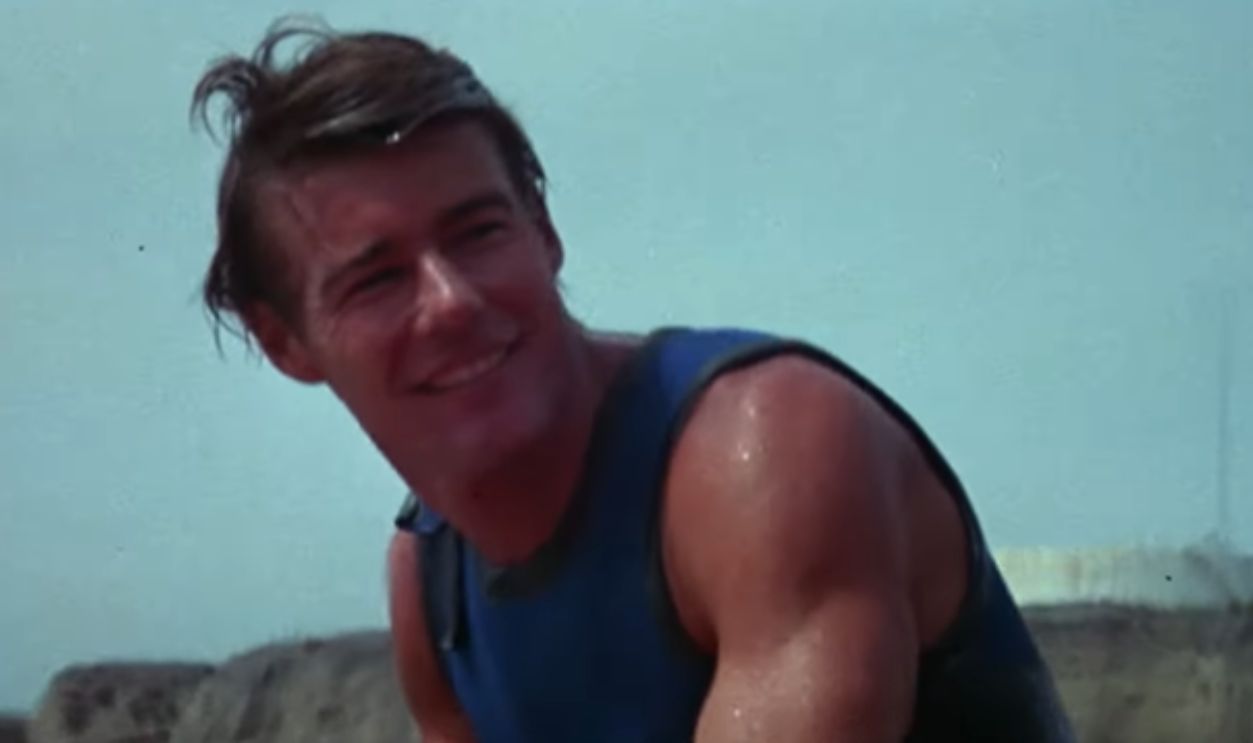
Jan-Michael Vincent
Jan-Michael Vincent had serious leading-man potential. Films like The Mechanic and Big Wednesday made him one of the coolest rising stars of late-70s cinema. But personal struggles affected his career, and by the early 80s his film appearances slowed. He later found TV fame again in Airwolf, proving Hollywood sometimes gives second acts. Although… does anyone born after 1990 even know what Airwolf is?
 Screenshot from Big Wednesday, Warner Bros. (1978)
Farrah Fawcett
Farrah Fawcett’s red swimsuit poster became one of the most famous images of the entire 70s. Millions were sold, and it hung on bedroom walls across America. Add in Charlie’s Angels and she became a global superstar. But after leaving the show following one season to focus on films, the career trajectory didn’t quite match the poster sales.
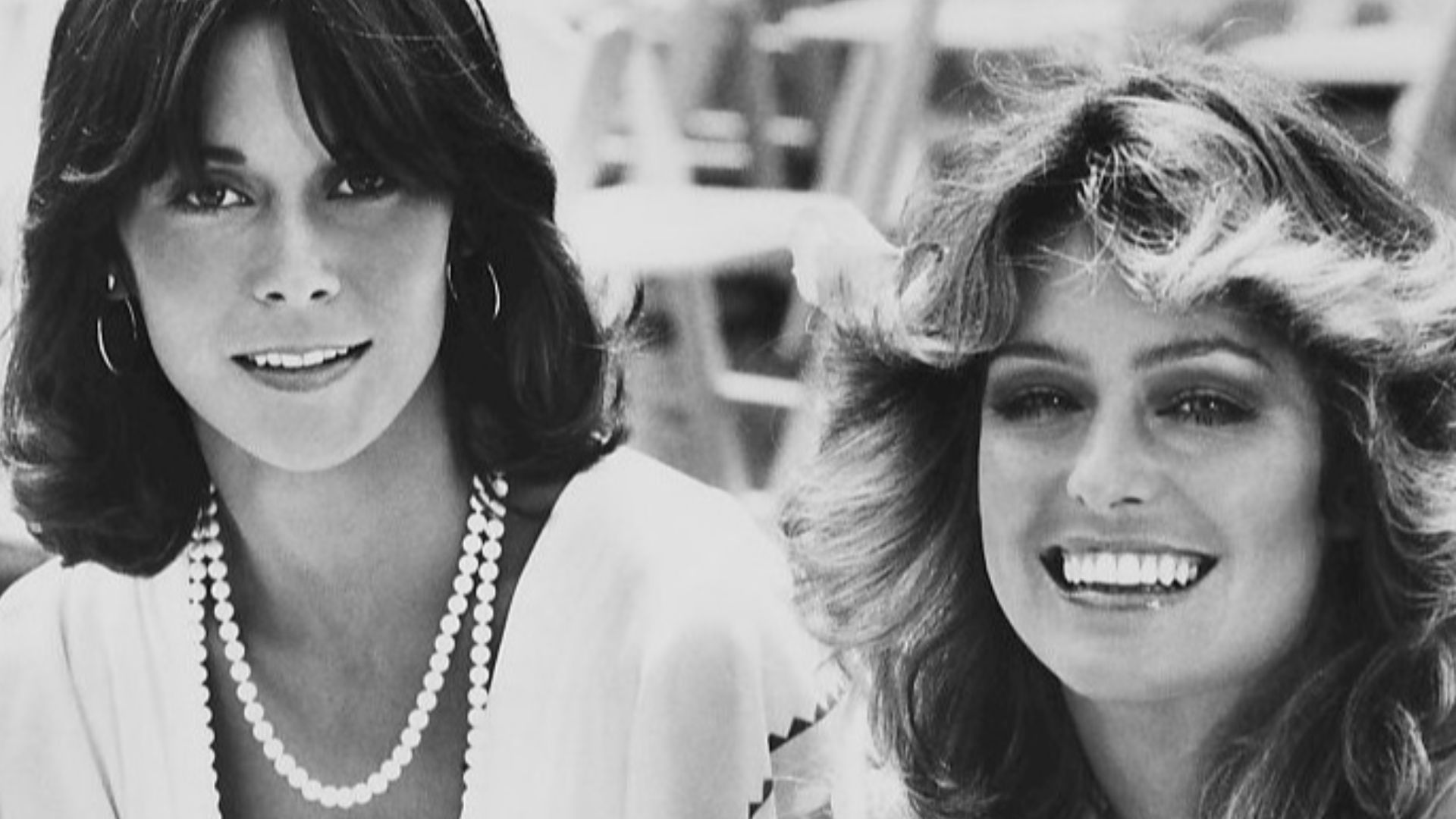 ABC Television, Wikimedia Commons
Lindsay Wagner
Lindsay Wagner became a huge TV star playing Jaime Sommers in The Bionic Woman. The series was one of the biggest sci-fi shows of the late 70s. For a while, bionic heroes were everywhere on television. But like many TV phenomena, the trend faded once the decade ended.
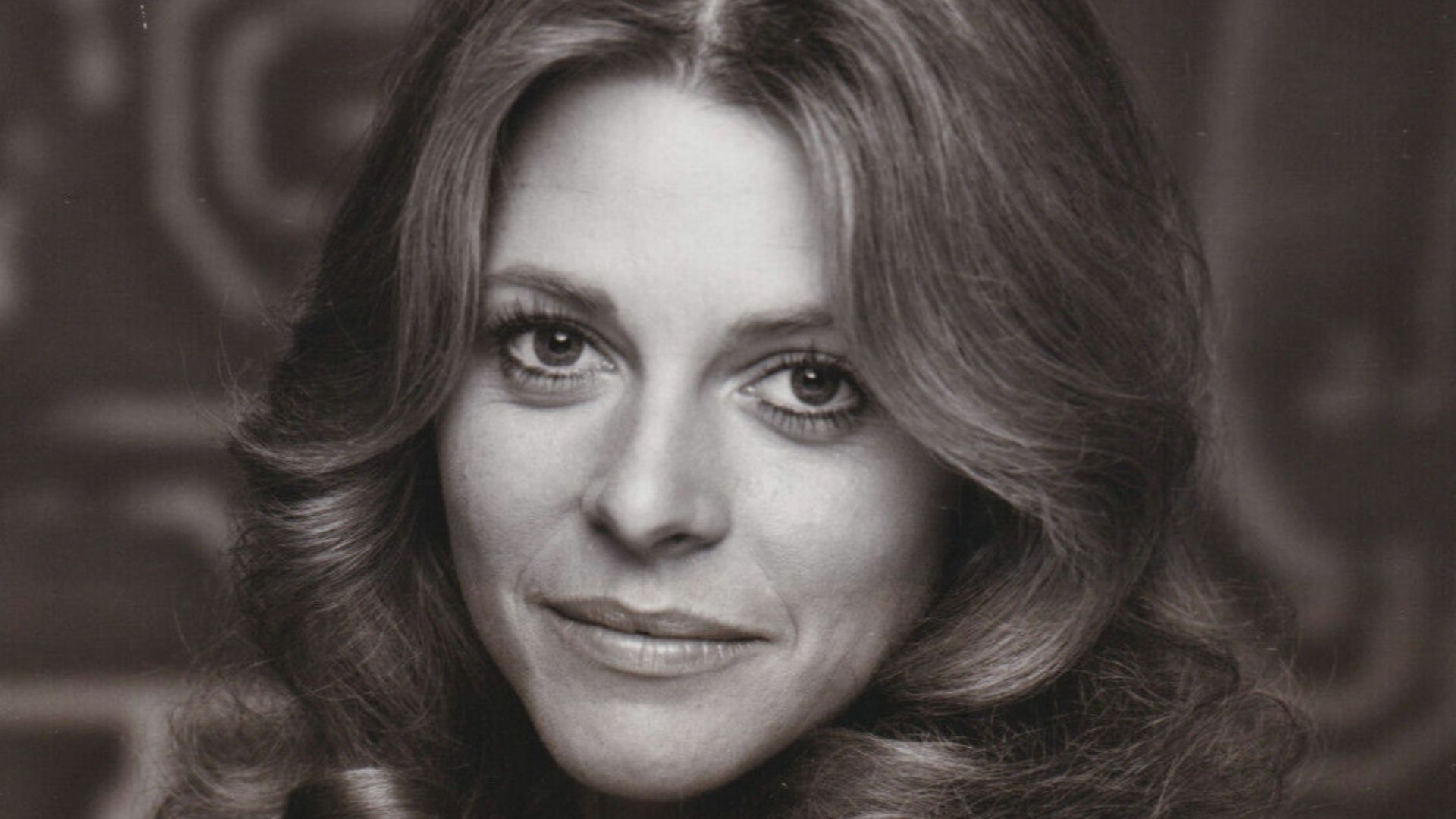 NBC Television, Wikimedia Commons
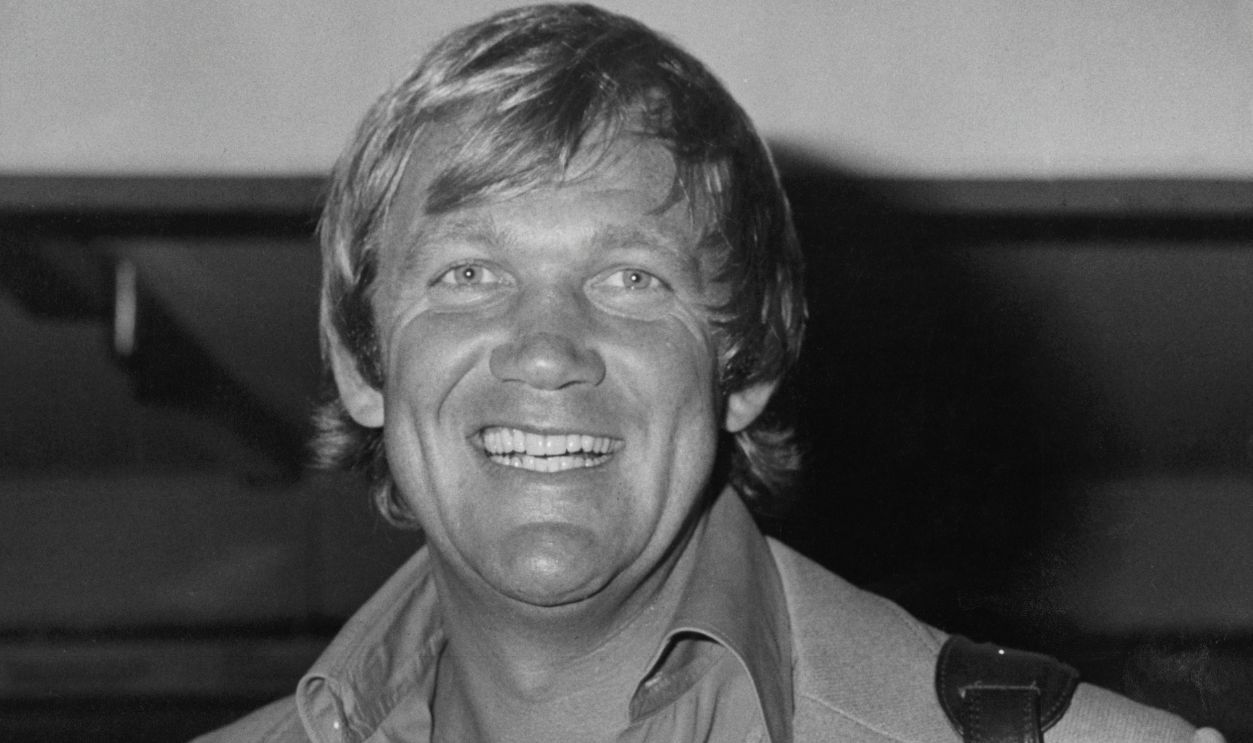
Bo Svenson
Before Stallone and Schwarzenegger completely took over action movies, actors like Bo Svenson were holding down the genre. He starred in films like Walking Tall Part II and Breakheart Pass, usually playing tough lawmen or rugged heroes. Then the 80s arrived—and suddenly every action star looked like they could bench-press a Buick.
Talia Shire
Talia Shire had one of the most impressive résumés of the decade. She appeared in The Godfather films as Connie Corleone and played Adrian in the Rocky franchise—two of the biggest movie series of the 70s. But outside those roles, major film opportunities became less frequent in the 80s.
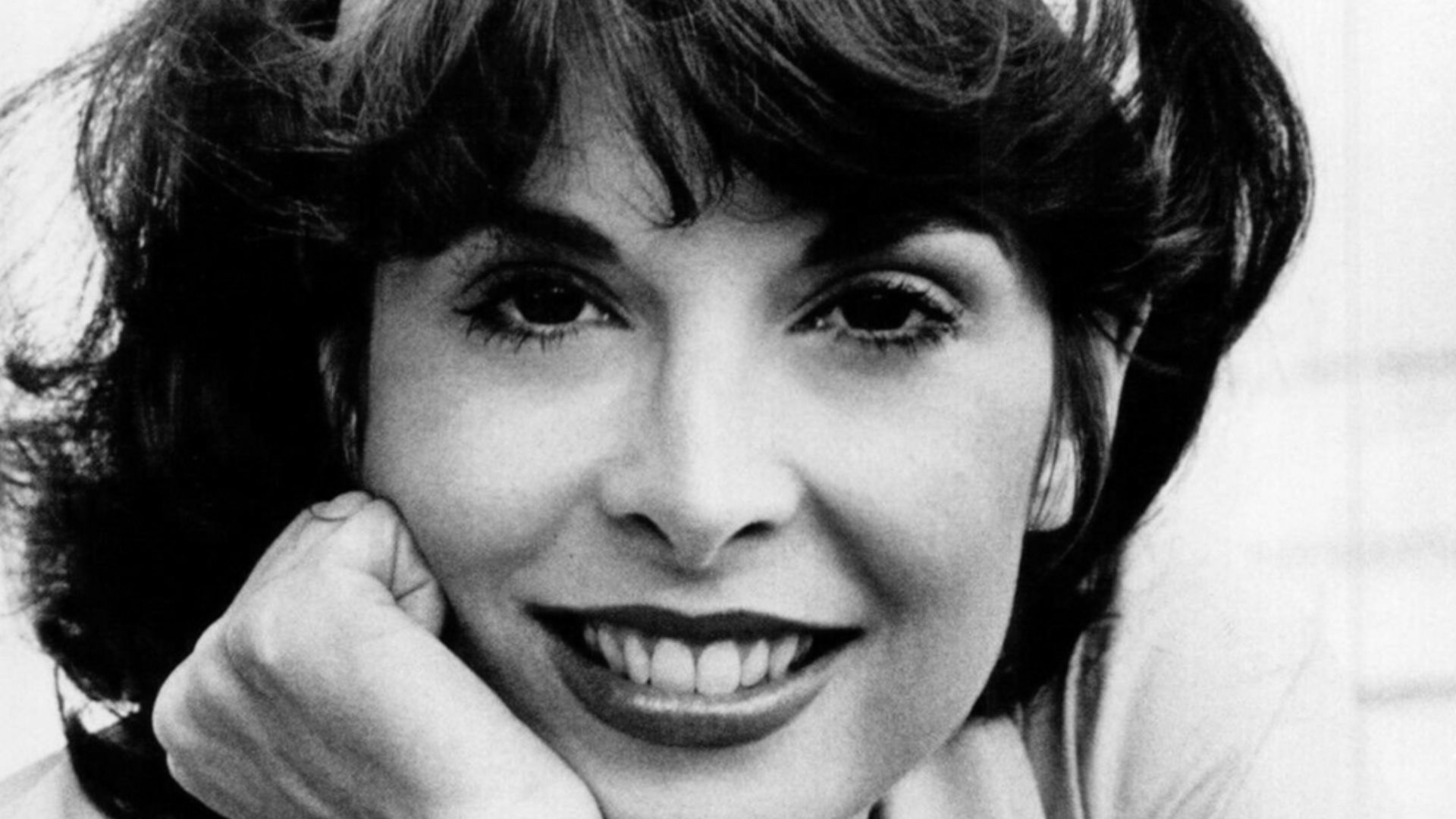 American Broadcasting Company, Wikimedia Commons
Robert Conrad
Robert Conrad spent years playing tough guys on television, first in The Wild Wild West and later in the hit series Baa Baa Black Sheep. For a while he seemed to pop up everywhere on TV. But by the 80s, the era of that kind of rugged television hero had mostly passed.
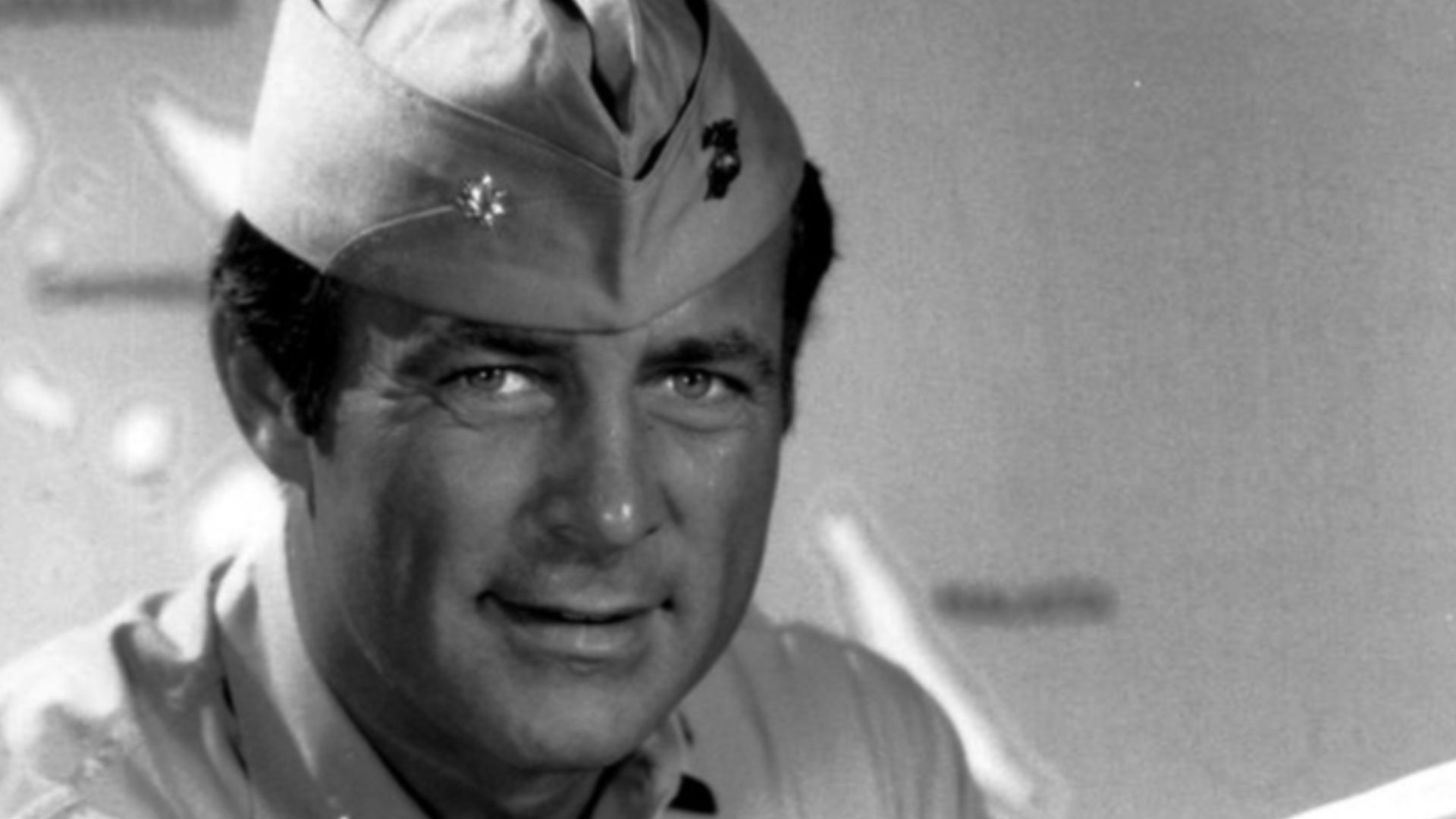 NBC Television, Wikimedia Commons
Linda Blair
Linda Blair became instantly famous for her unforgettable role in The Exorcist (1973). The film became a massive cultural phenomenon, and suddenly she was one of the most talked-about young actresses in Hollywood. But child stardom can be unpredictable, and sustaining that level of fame proved difficult.
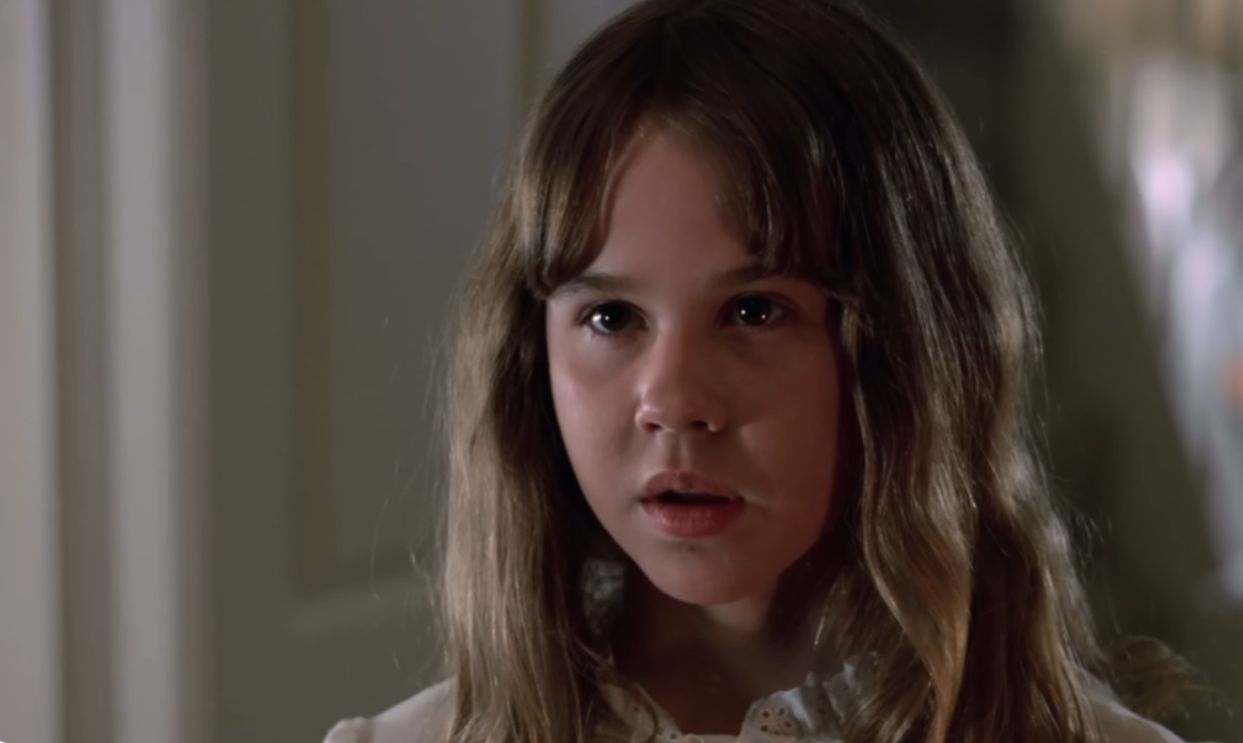 Screenshot from The Exorcist, Warner Bros. Pictures (1973)
Burt Ward
Burt Ward became famous as Robin on the colorful Batman TV series. The show exploded in popularity and lived forever in 70s reruns. 'Holy this!' and 'Holy that!' became part of pop culture—but Ward never quite escaped the shadow of the Boy Wonder.
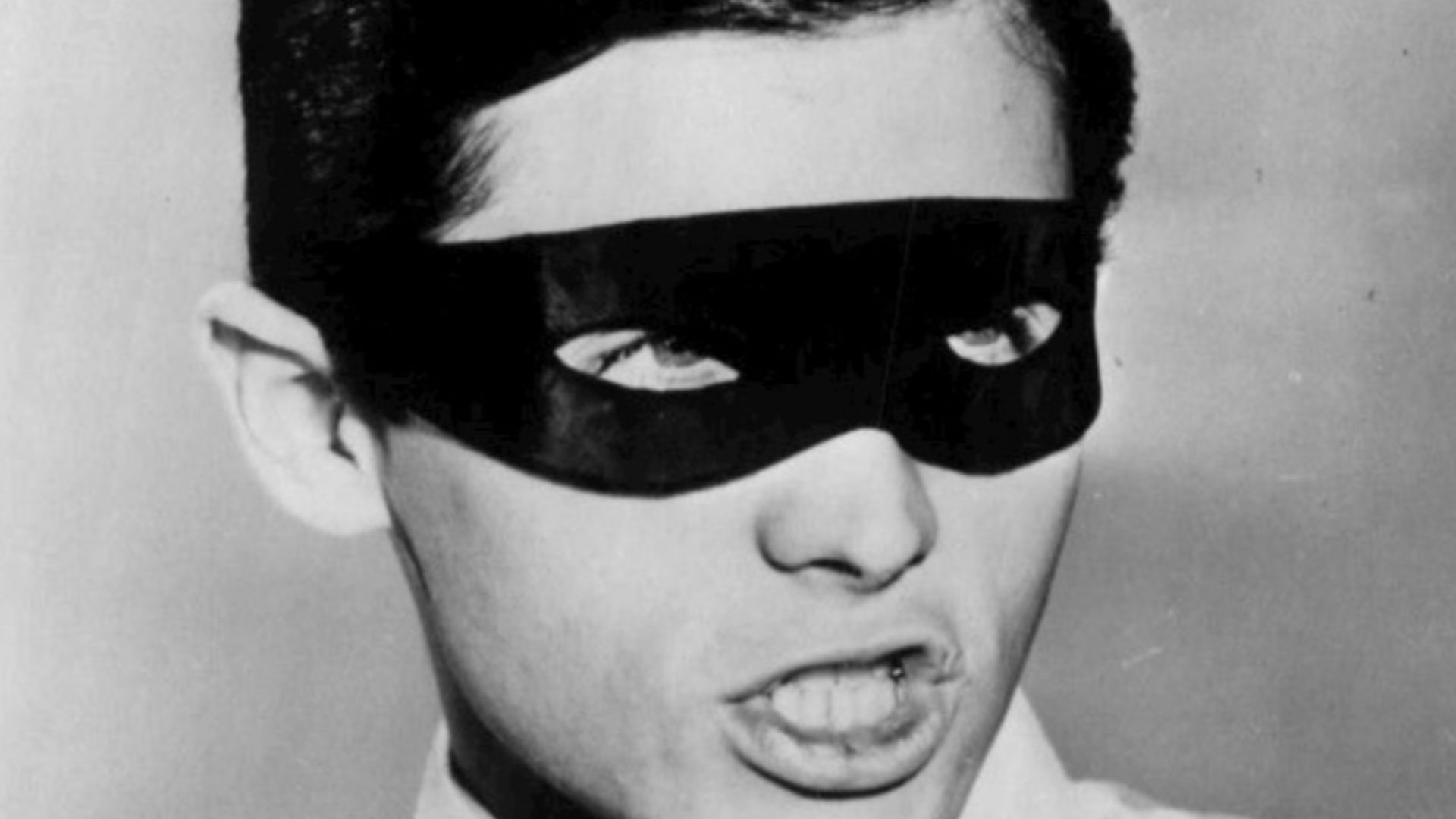 ABC Television, Wikimedia Commons
Richard Hatch
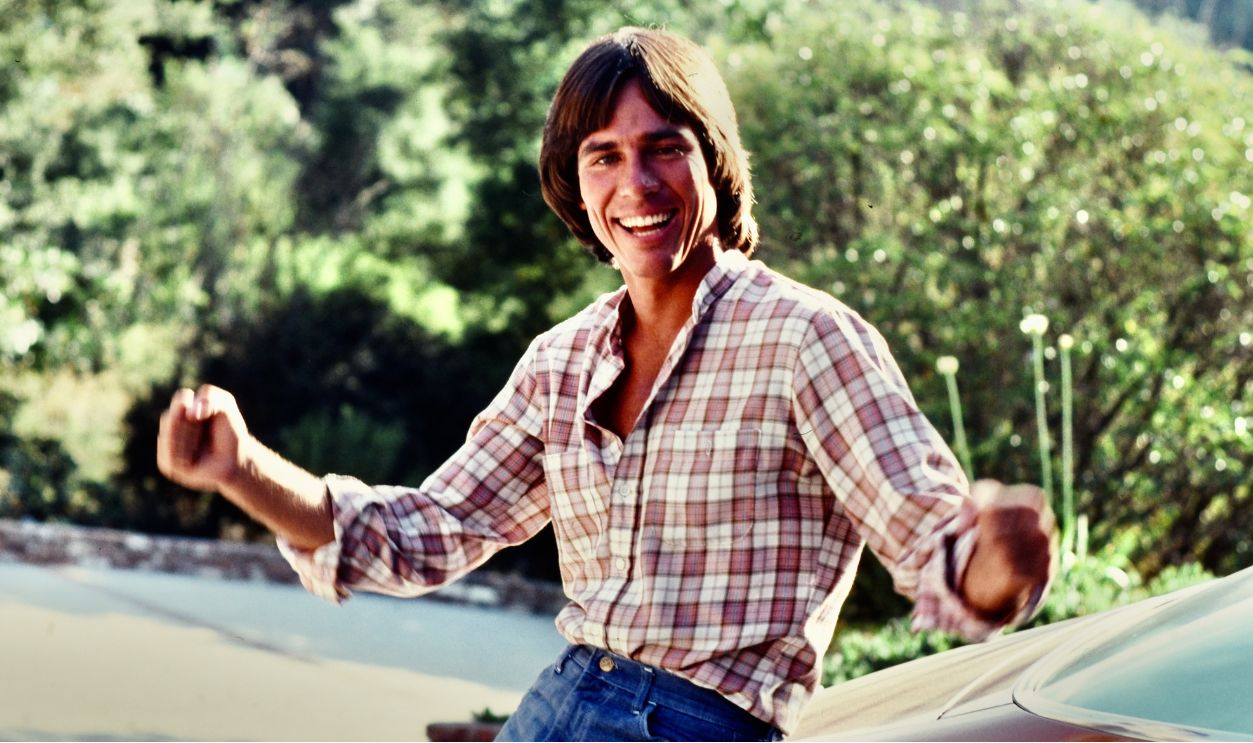
In the late 70s, Richard Hatch became a TV star playing Captain Apollo on the original Battlestar Galactica. Today more people might recognize the name as the guy who won the first season of Survivor. But this Richard Hatch fought Cylons, not Kelly Wiglesworth.
Kristy McNichol
Kristy McNichol was one of the most recognizable young stars of the late 70s thanks to the hit series Family. She won two Emmy Awards for the role and quickly became one of television’s biggest teen stars. But by the mid-80s she began stepping away from Hollywood, leaving behind a very 70s kind of fame.
You Might Also Like:
Most People Can’t Get 12/15 On This Science-Fiction TV Trivia Challenge—Can You?