Do You Know Sci-Fi TV?
This 15-question challenge spans decades of sci-fi television—from Cold War paranoia to modern streaming epics—and most people can’t get 12 out of 15. Think you can beat the odds? No googling. No time travel...Engage.
1. In Star Trek, what is the name of Captain James T. Kirk’s starship?
A) USS Voyager
B) USS Enterprise
C) USS Defiant
D) USS Discovery
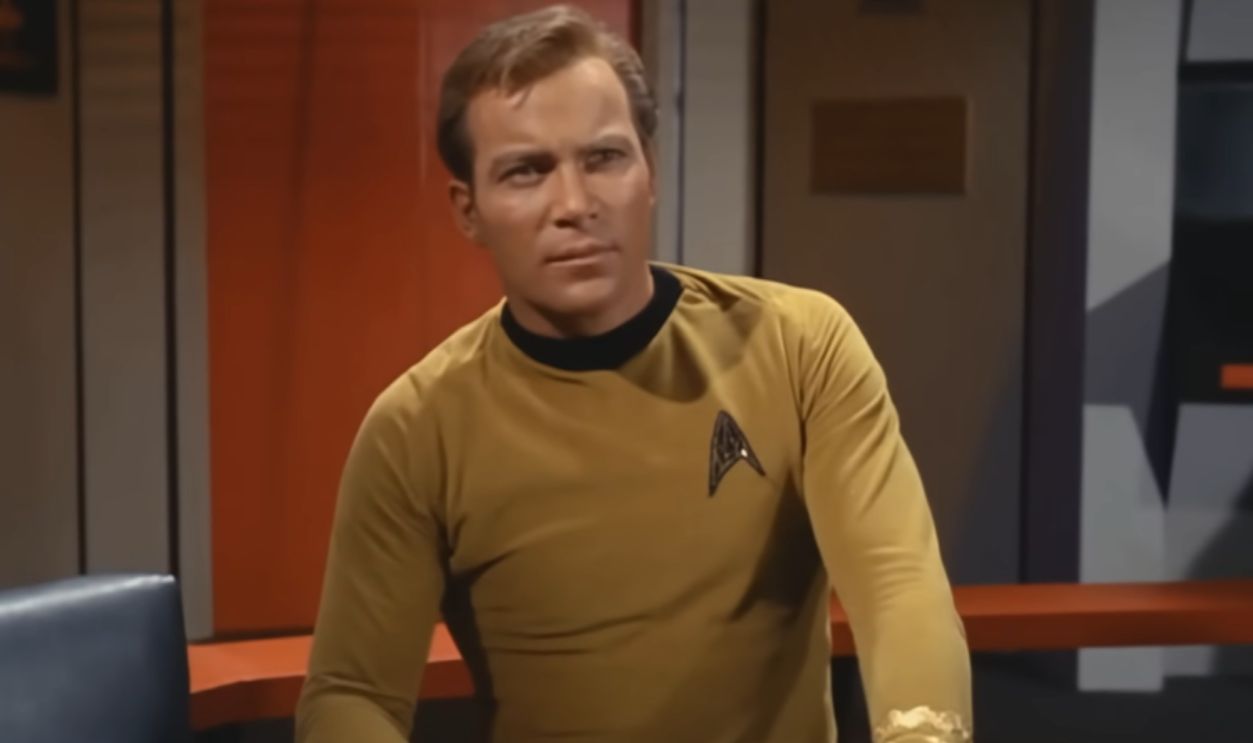 Screenshot from Star Trek: The Original Series, Paramount Television (1966-1969)
A: USS Enterprise
The USS Enterprise became one of the most recognizable ships in television history. Debuting in 1966, it defined on-screen space exploration and launched a franchise that’s still expanding.
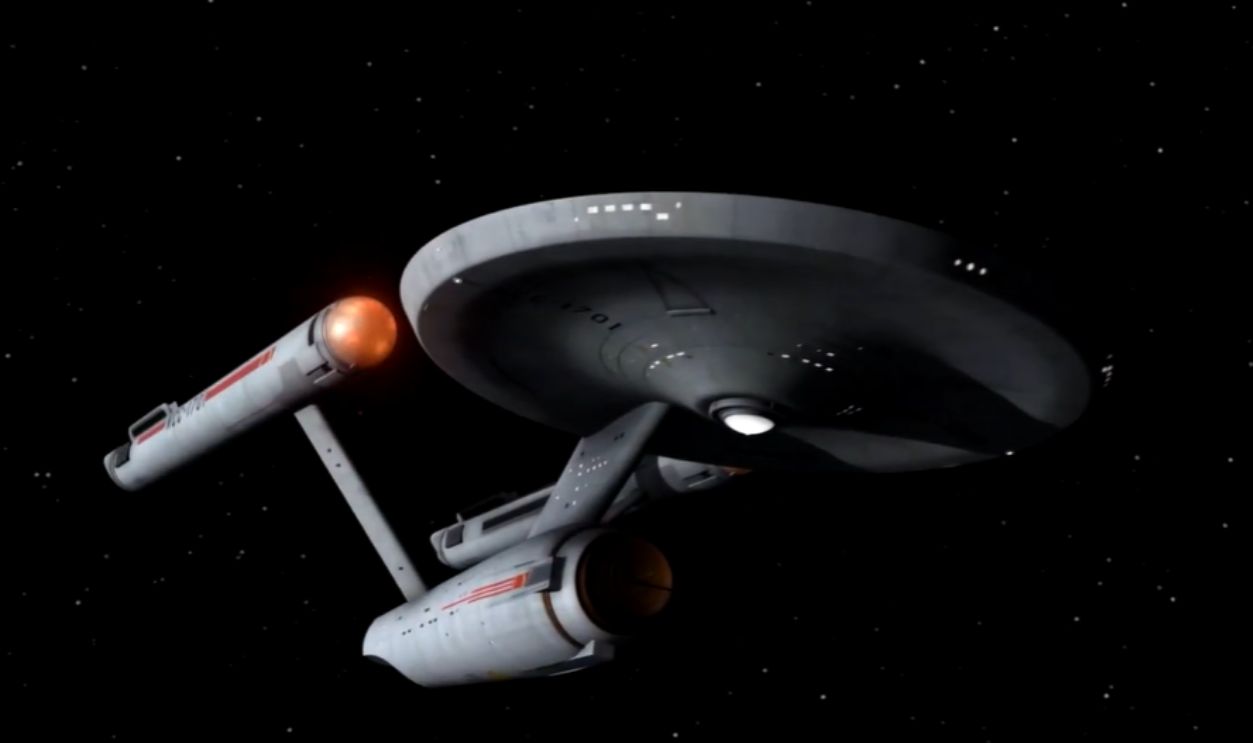 Screenshot from Star Trek: The Original Series, Paramount Television (1966-1969)
2. On Stranger Things, what is Eleven’s real first name?
Before Hawkins Lab turned her into a numbered experiment, she had a birth name connected to her mother and a life outside isolation rooms. What was it?
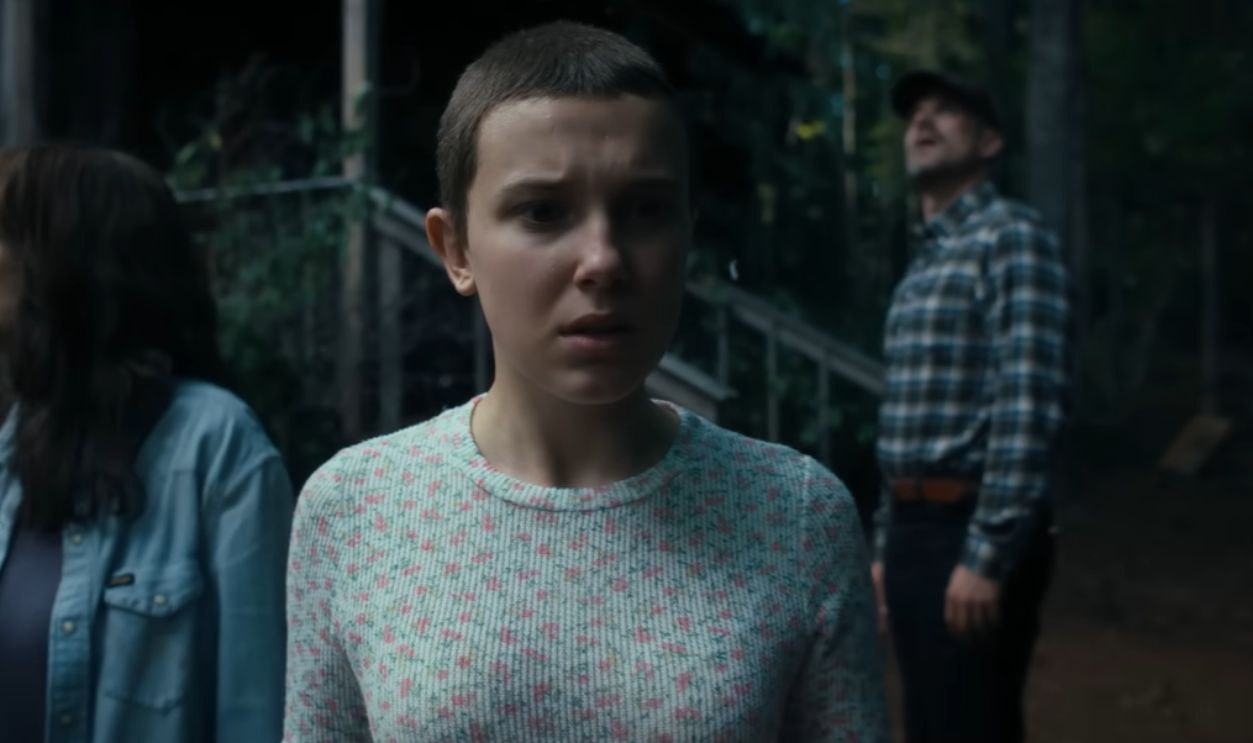 Screenshot from Stranger Things, Netflix (2016-2025)
A: Jane
Her full name is Jane Hopper. The reveal grounds the character emotionally and reminds viewers that beneath the powers and nosebleeds is a stolen childhood—and a real identity that predates the experiments.
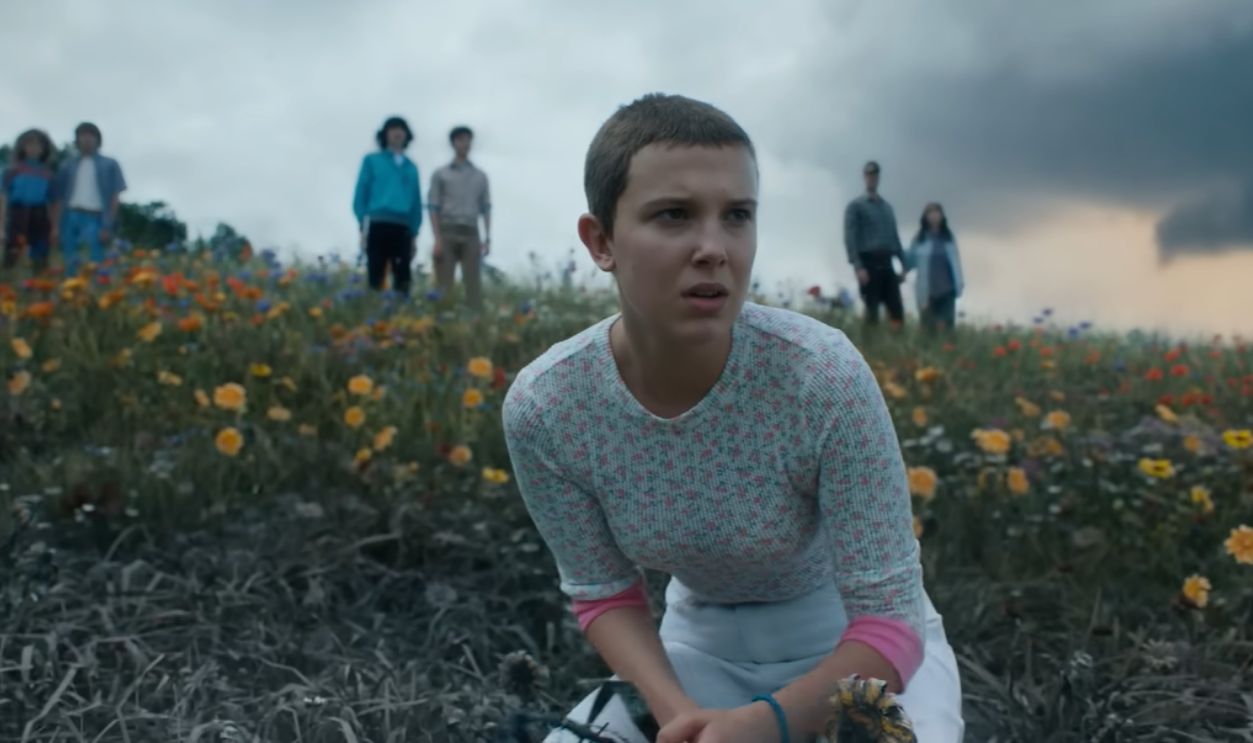 Screenshot from Stranger Things, Netflix (2016-2025)
3. In The Prisoner (1967), what number is assigned to the unnamed main character in The Village?
A) Number 1
B) Number 2
C) Number 6
D) Number 9
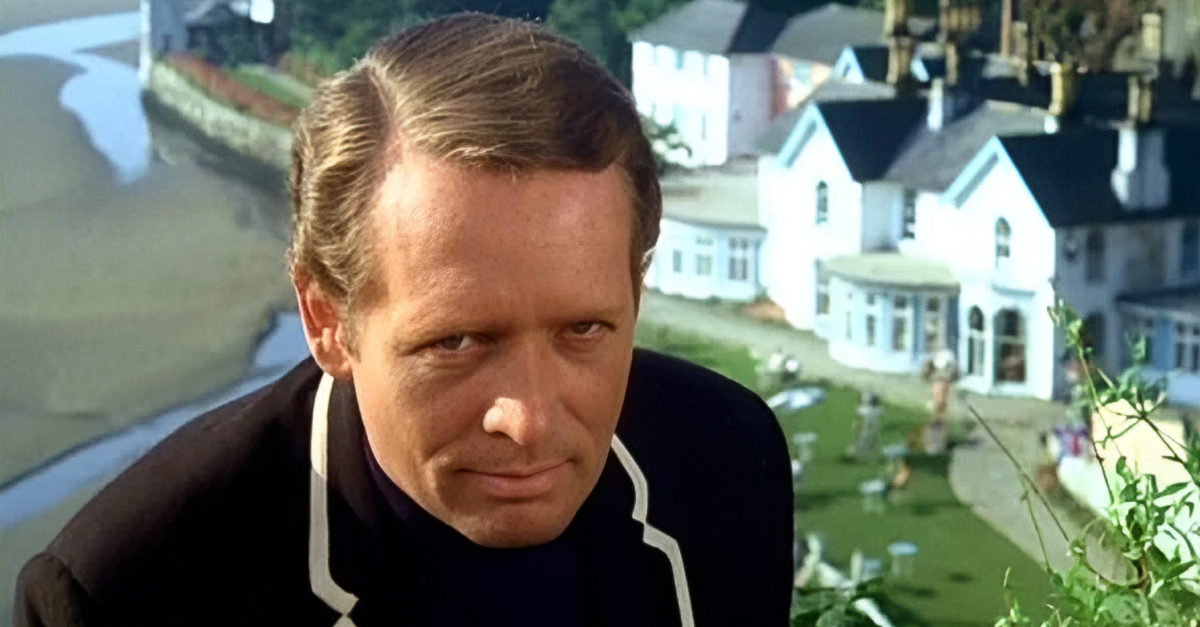
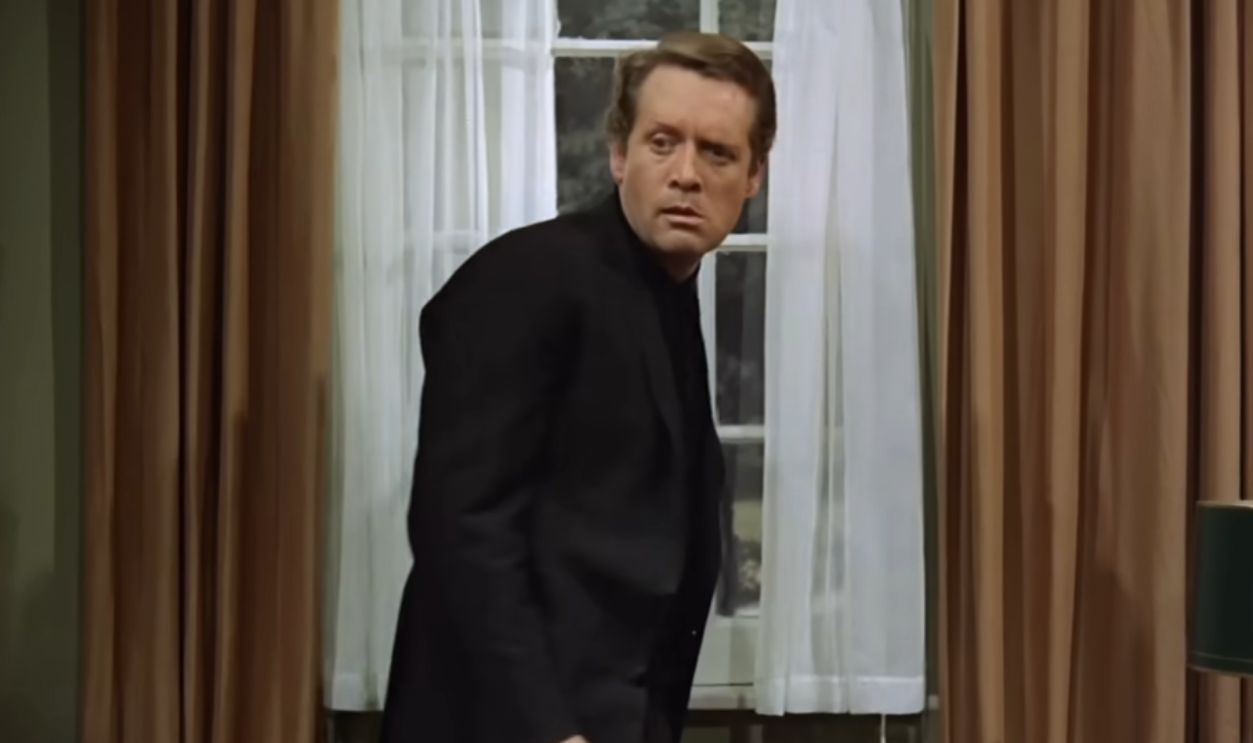 Screenshot from The Prisoner, ITC Entertainment (1967)
A: Number 6
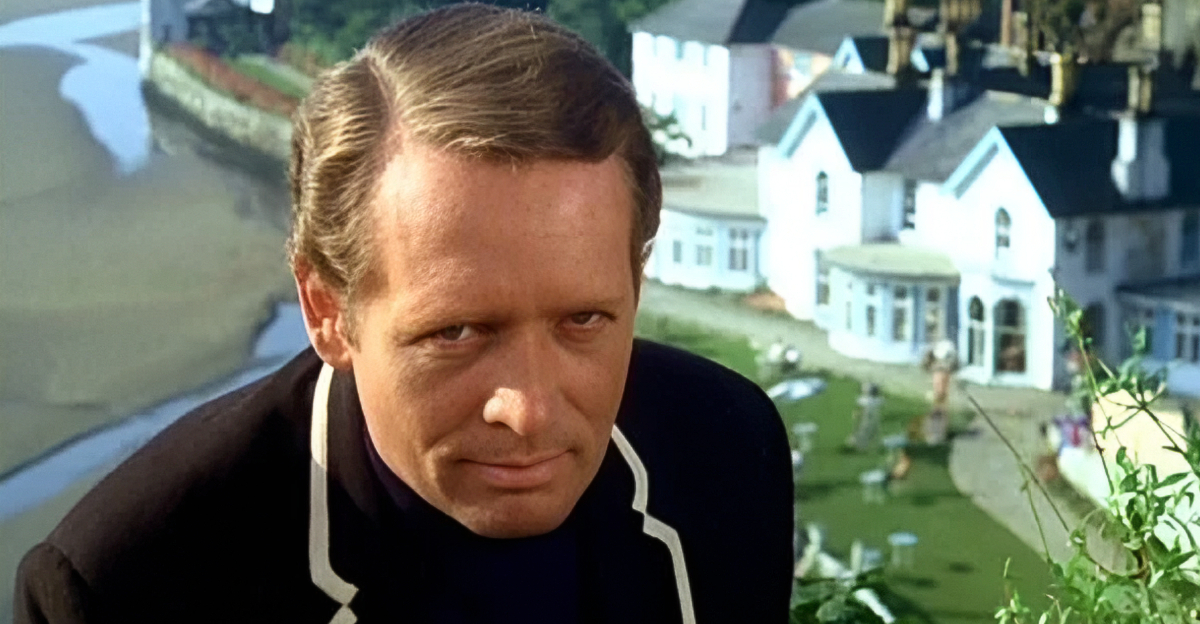
Patrick McGoohan’s character refuses to give his real name and becomes known only as Number 6. The surreal British series turned paranoia into art and gave us one of television’s most famous lines: “I am not a number—I am a free man!”
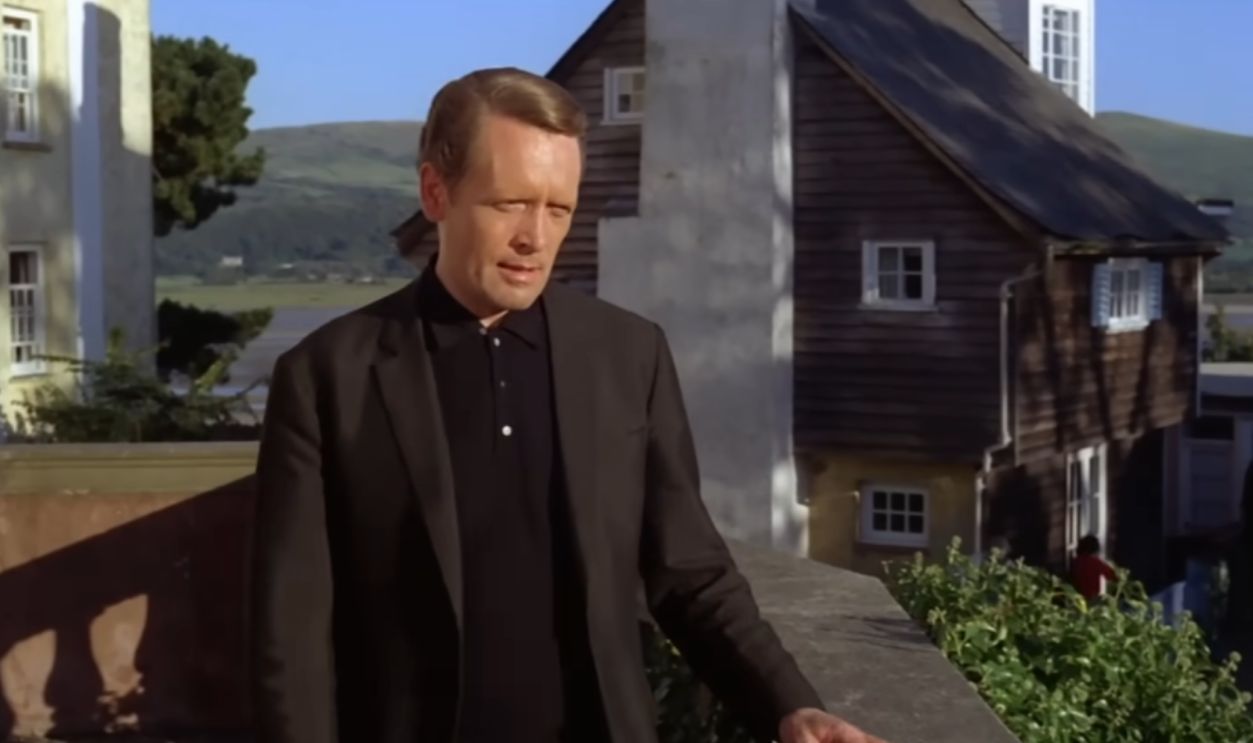 Screenshot from The Prisoner, ITC Entertainment (1967)
4. In The Invaders (1967), how could David Vincent identify the alien infiltrators hiding among humans?
A) They cast no reflection
B) They had no pulse
C) Their eyes glowed red in the dark
D) They couldn’t cross running water
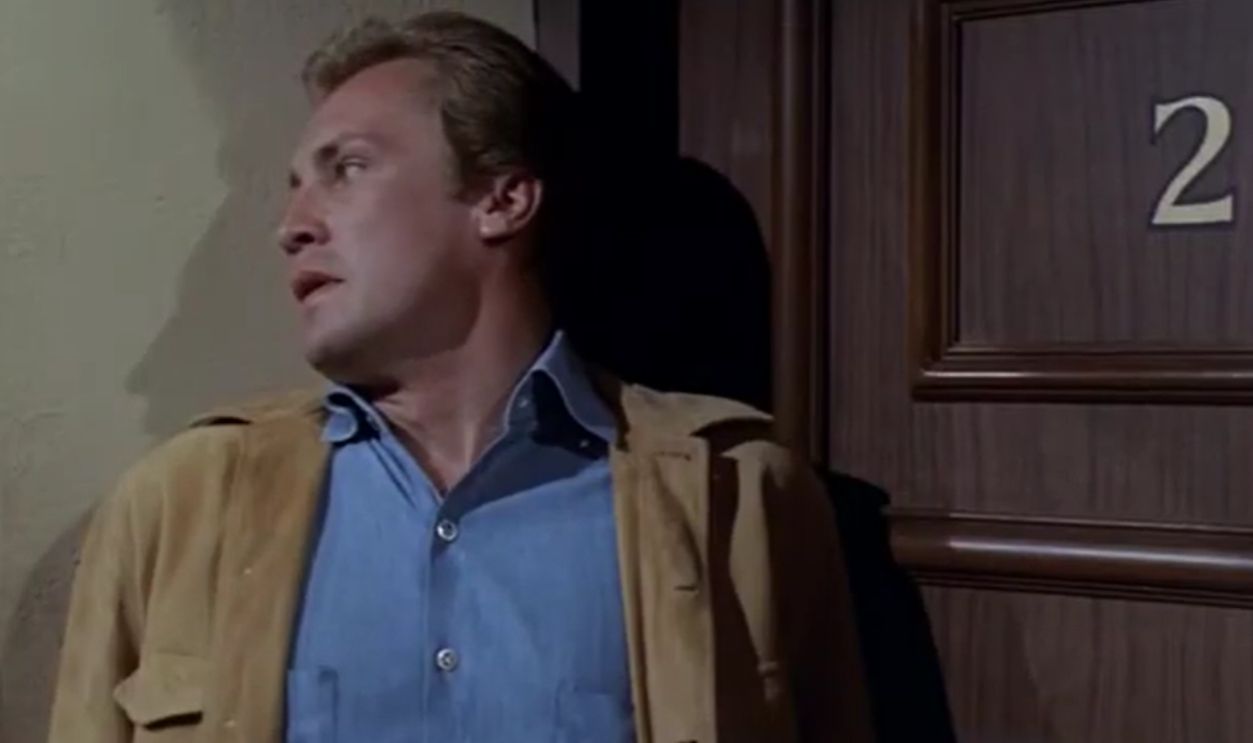 Screenshot from The Invaders, ABC (1967)
A: They had no pulse.
The invaders looked completely human, but they had no heartbeat. David Vincent often exposed them by checking for a pulse—usually in tense, life-or-death moments. It was a small detail that made the show’s paranoia feel chillingly plausible.
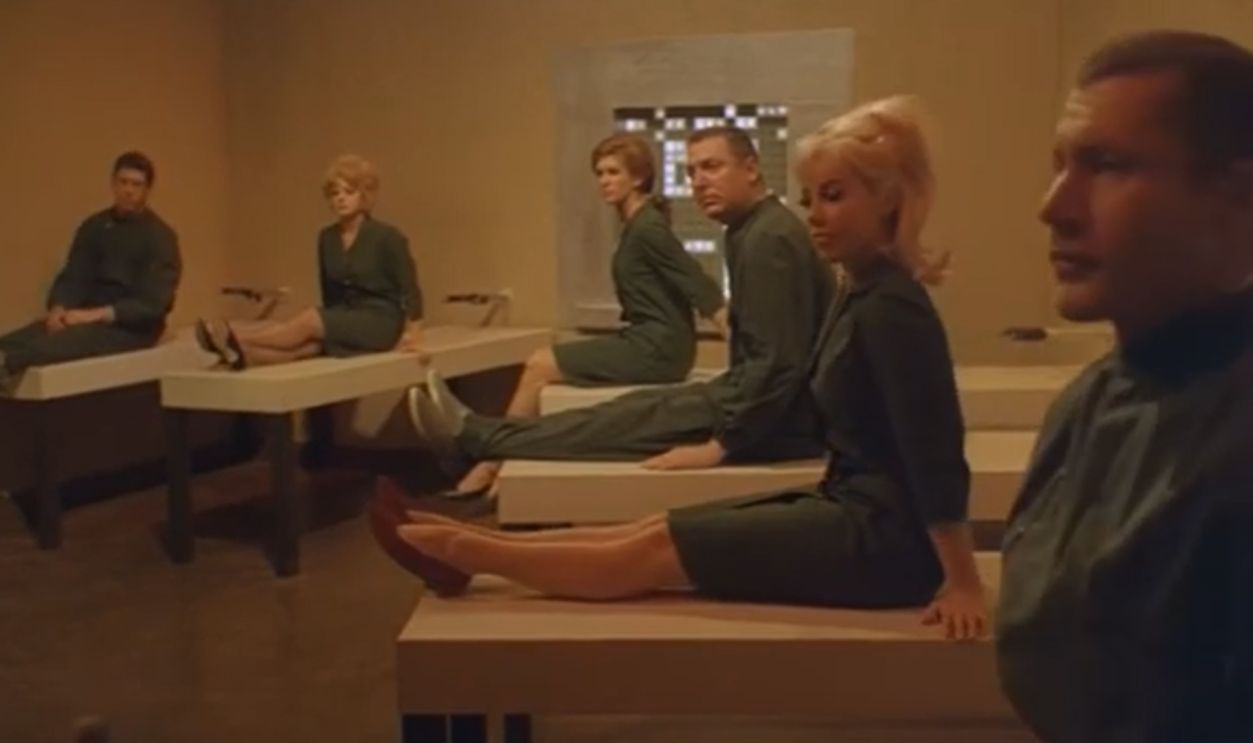 Screenshot from The Invaders, ABC (1967)
5. On Doctor Who, what is the Doctor’s time machine called?
A) The Vortex
B) The Nexus
C) The TARDIS
D) The Continuum
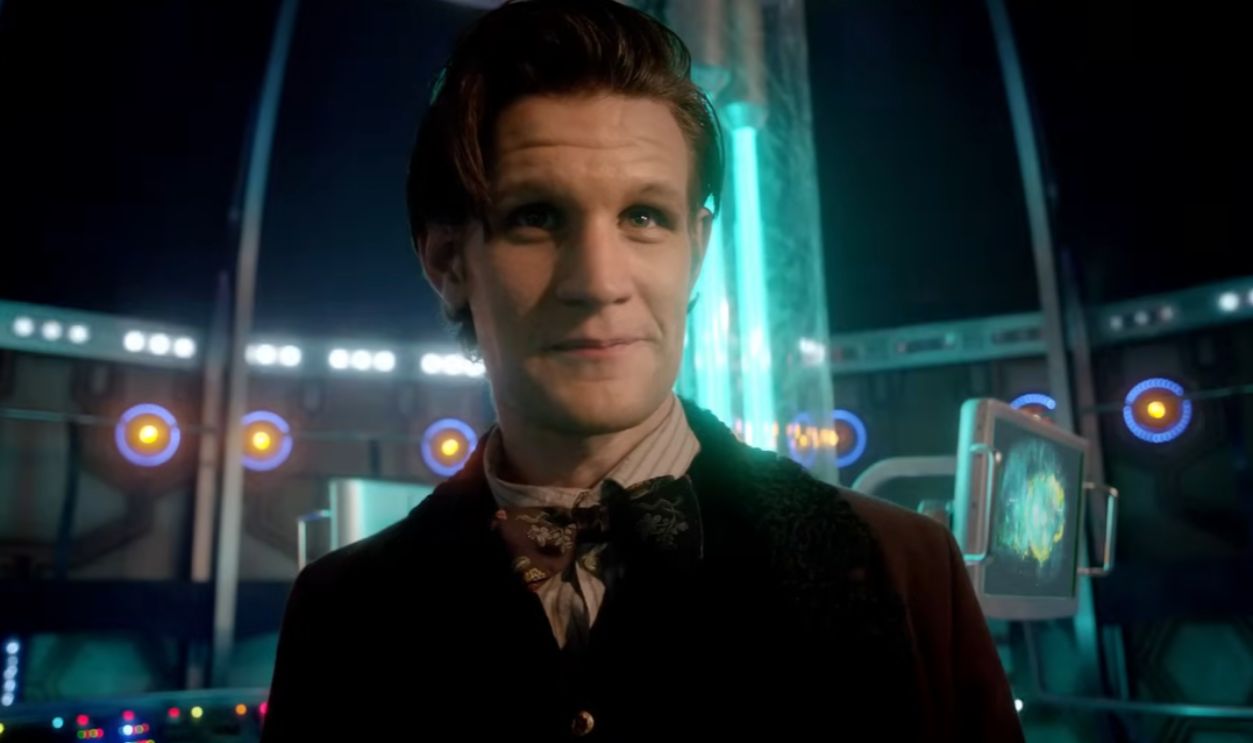 Screenshot from Doctor Who, BBC One (2011-2013)
A: The TARDIS
Short for Time And Relative Dimension In Space, the TARDIS has looked like a British police box since 1963. It’s famously bigger on the inside, and it may be the most beloved time machine in television history.
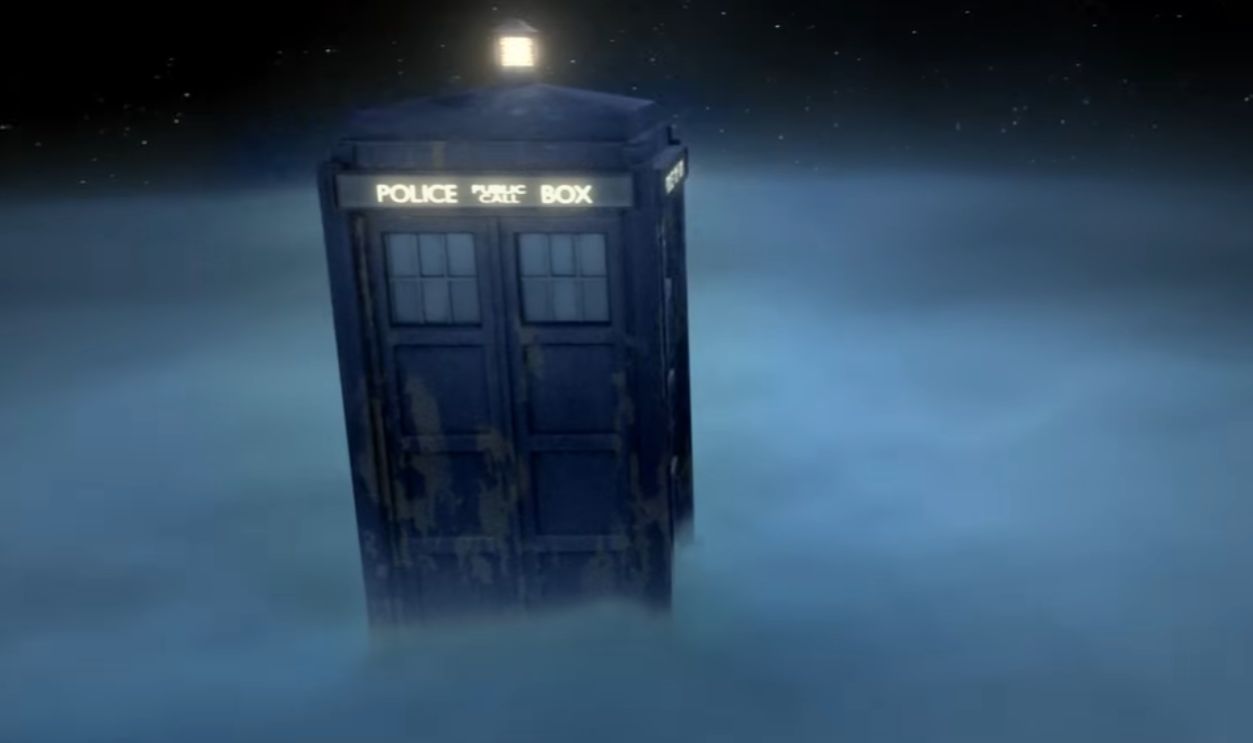 Screenshot from Doctor Who, BBC One (2011-2013)
6. In Lost in Space (1965), what warning phrase did the Robot repeatedly shout to young Will Robinson?
The Robinson family faced alien threats, cosmic disasters, and the endlessly scheming Dr. Smith—but one warning became the defining catchphrase of the entire series. What exact phrase did the Robot famously yell?
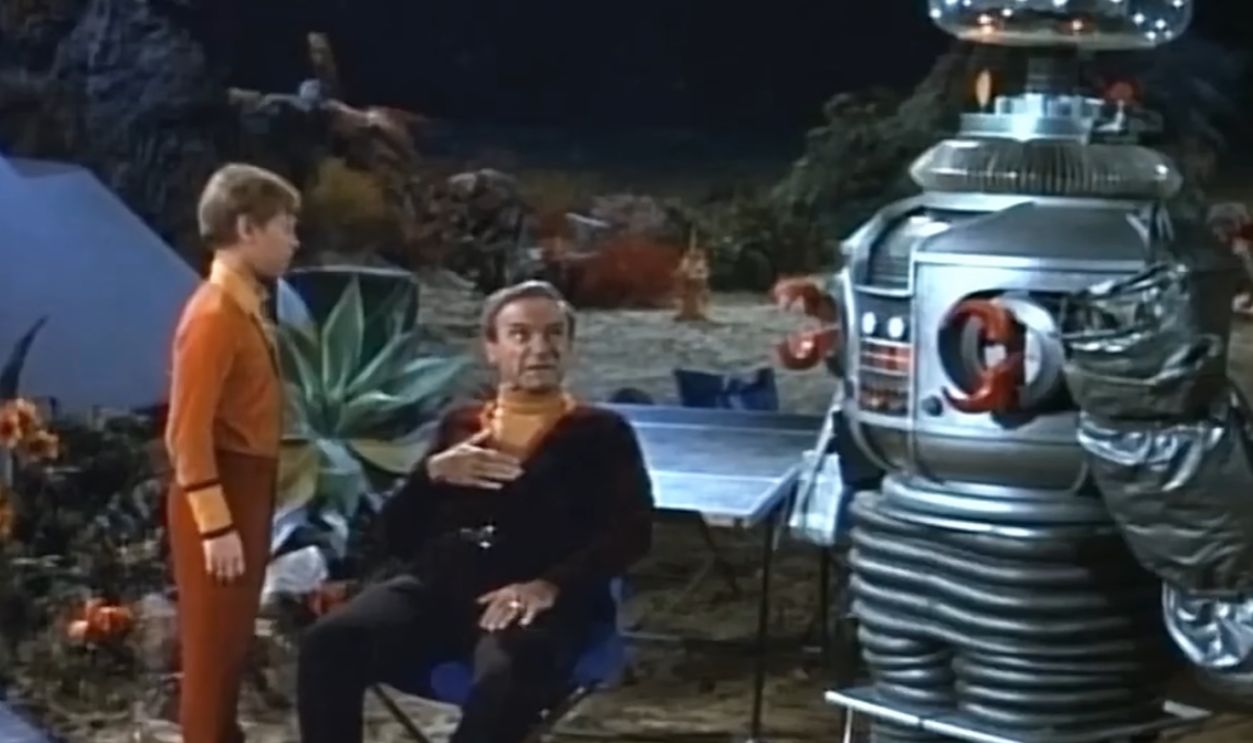 Screenshot from Lost In Space, 20th Century Fox Home Entertainment (1965)
A: “Danger, Will Robinson!”
One of the most recognizable lines in classic television history. The Robot’s dramatic arm-flailing and urgent delivery turned a simple warning into pop-culture legend.
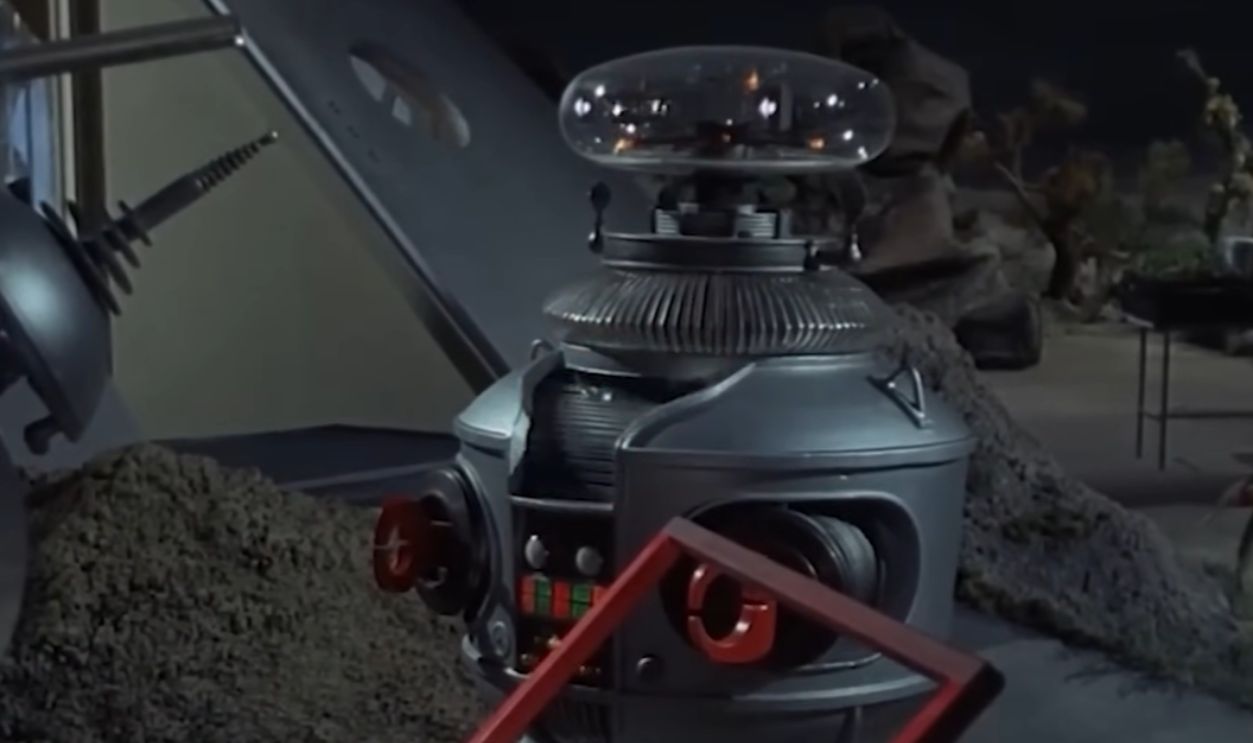 Screenshot from Lost In Space, 20th Century Fox Home Entertainment (1965)
7. On The Mandalorian, what nickname did fans immediately give Grogu?
A) Mini Yoda
B) Baby Jedi
C) Baby Yoda
D) Young Master
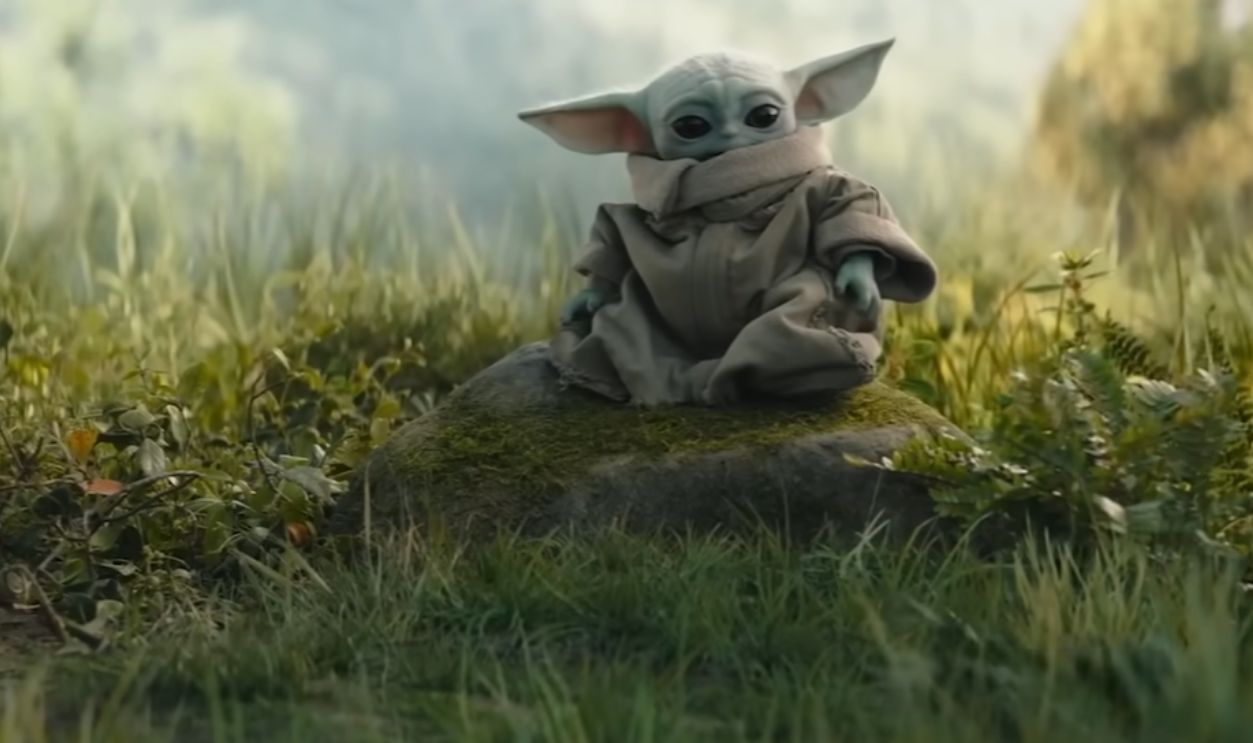 Screenshot from The Mandalorian, Disney+ (2019-2023)
A: Baby Yoda
Before the name Grogu was revealed, the internet had already decided. “Baby Yoda” dominated memes and merchandise within days. Technically inaccurate? Sure. Emotionally accurate? Absolutely.
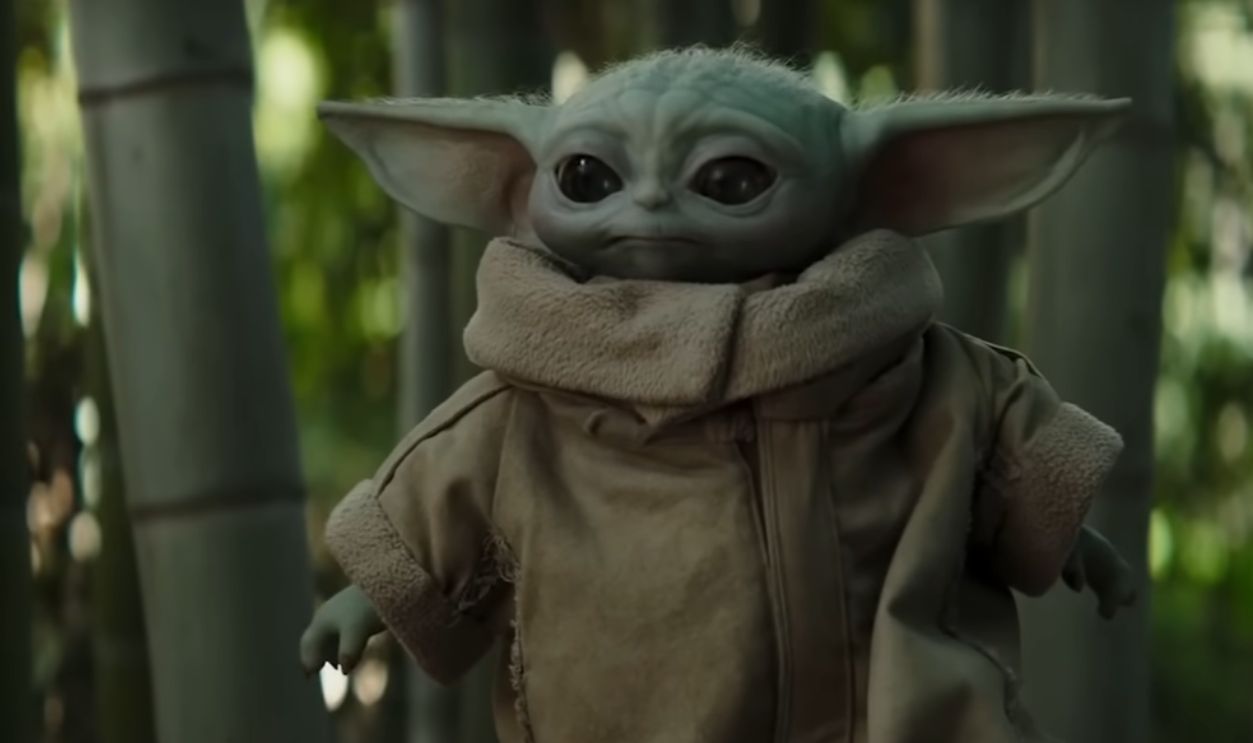 Screenshot from The Mandalorian, Disney+ (2019-2023)
8. Who hosted and narrated the original The Twilight Zone?
The series’ host didn’t just introduce episodes—he wrote many of them and delivered monologues that elevated pulp sci-fi into sharp social commentary. Who was he?
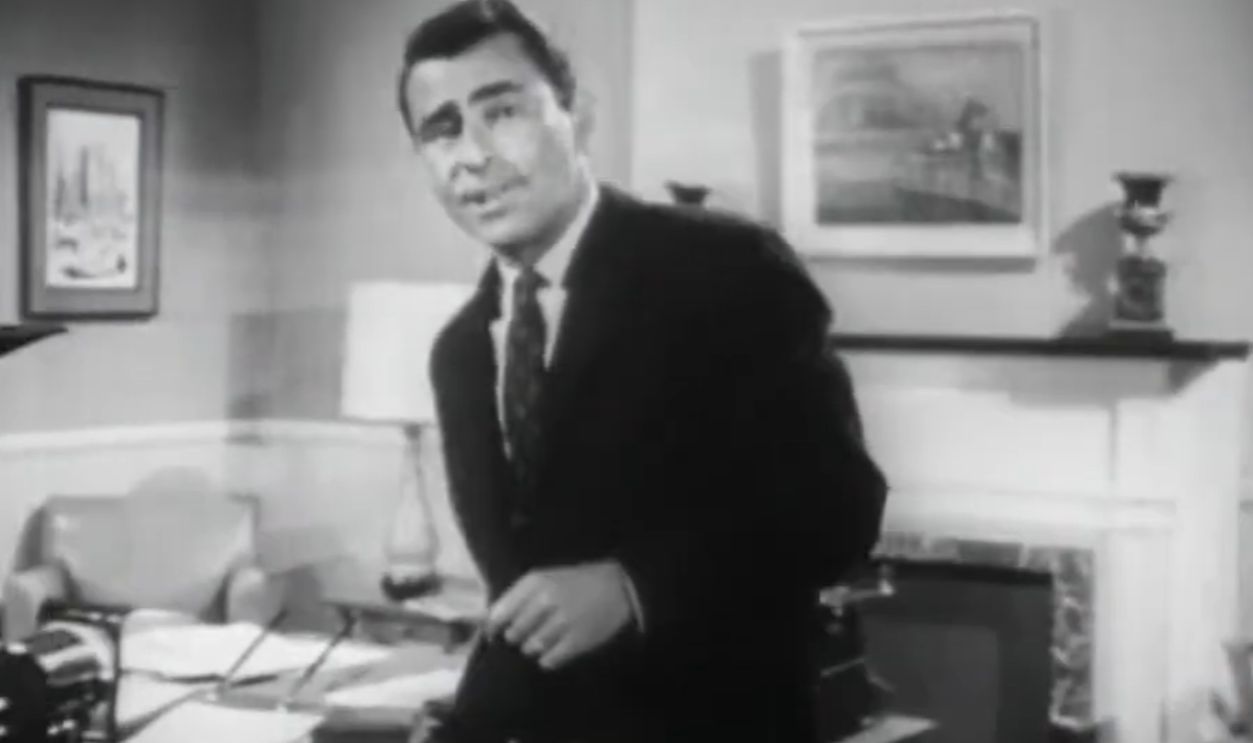 Screenshot from The Twilight Zone, CBS (1959)
A: Rod Serling
Rod Serling wasn’t just a narrator—he was the creative force behind the series. His calm delivery and pointed moral commentary helped turn the show into one of television’s most influential series.
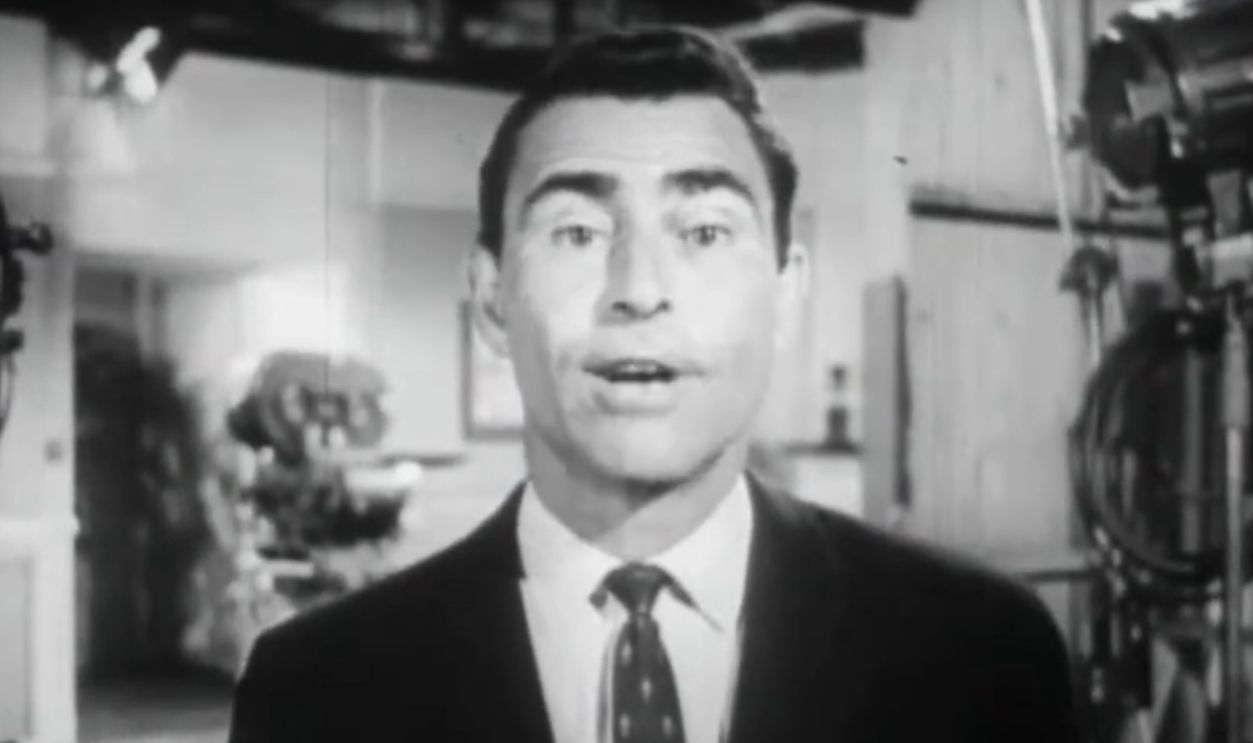 Screenshot from The Twilight Zone, CBS (1959)
9. In Westworld, what are the android inhabitants of the park officially called?
A) Replicants
B) Synths
C) Hosts
D) Constructs
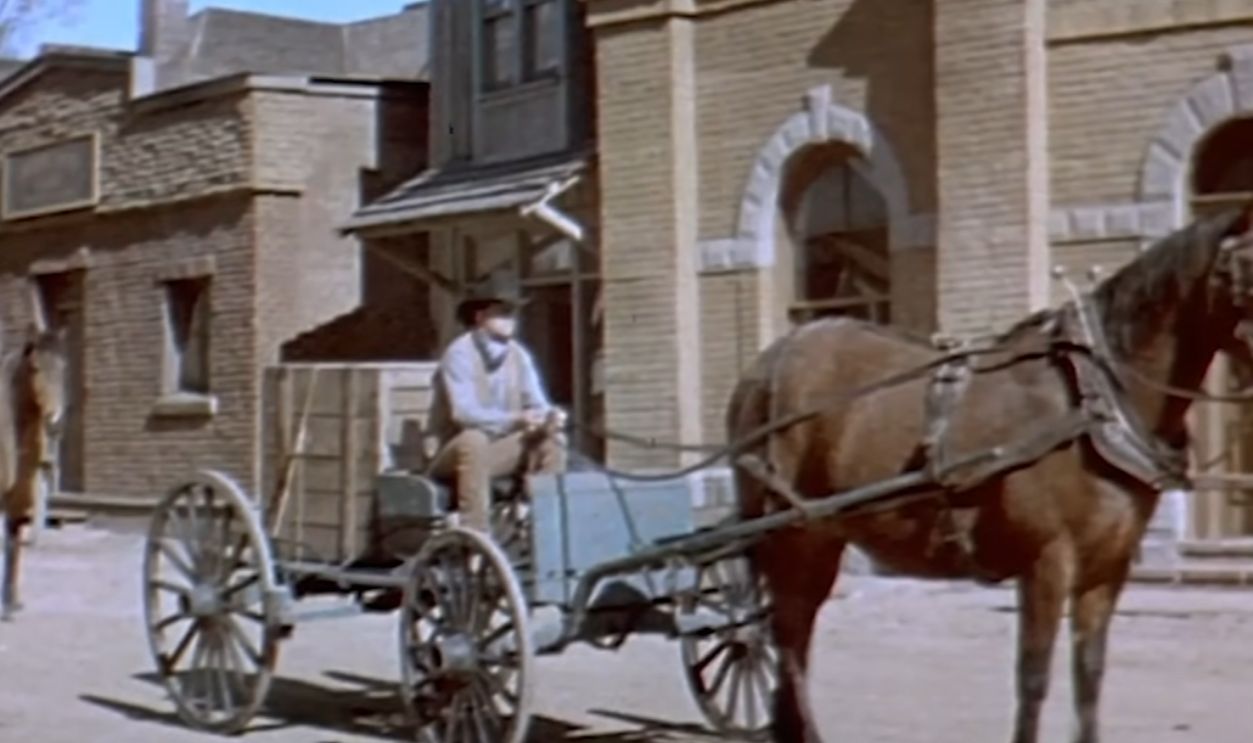 Screenshot from Westworld, MGM (1973)
A: Hosts
The term “hosts” reflects the park’s corporate branding—they’re there to serve guests. As the series unfolds, the name becomes ironic as they begin questioning their reality.
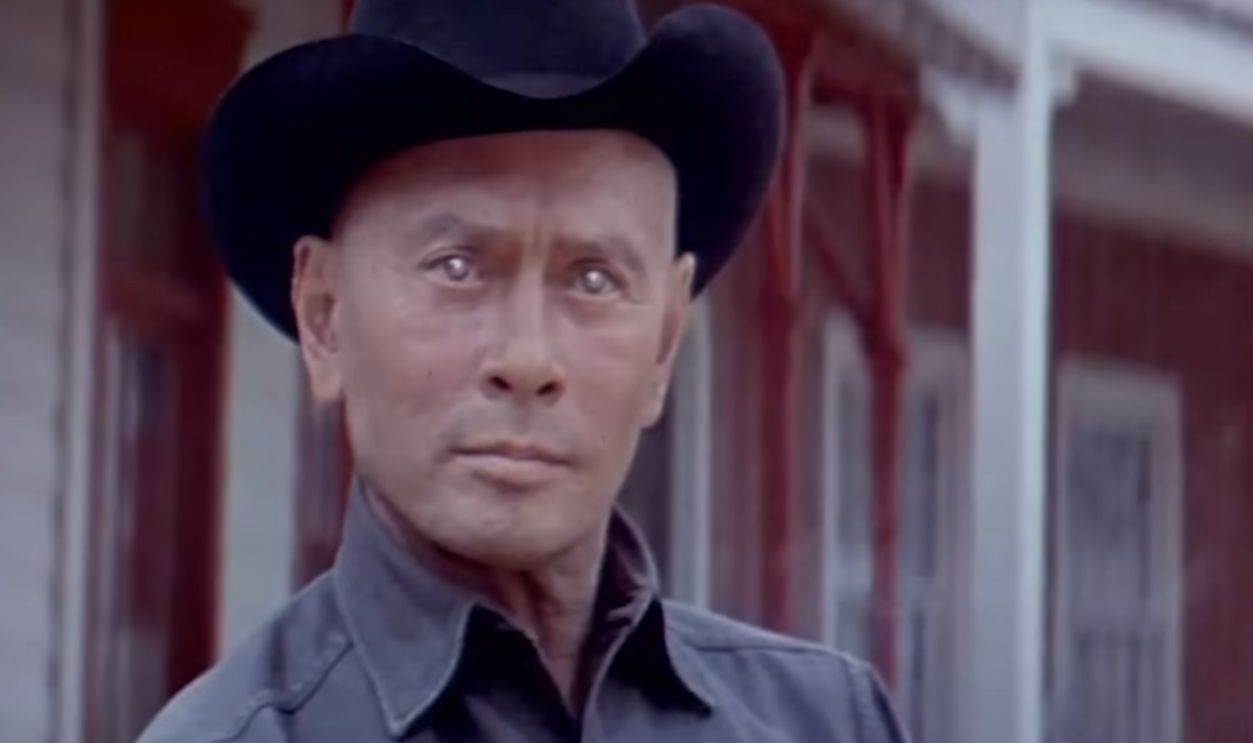 Screenshot from Westworld, MGM (1973)
10. On Lost, what are the six mysterious numbers repeated throughout the series?
A) 8 15 16 23 42 108
B) 4 8 15 16 23 42
C) 3 9 27 81 243 729
D) 1 2 3 5 8 13
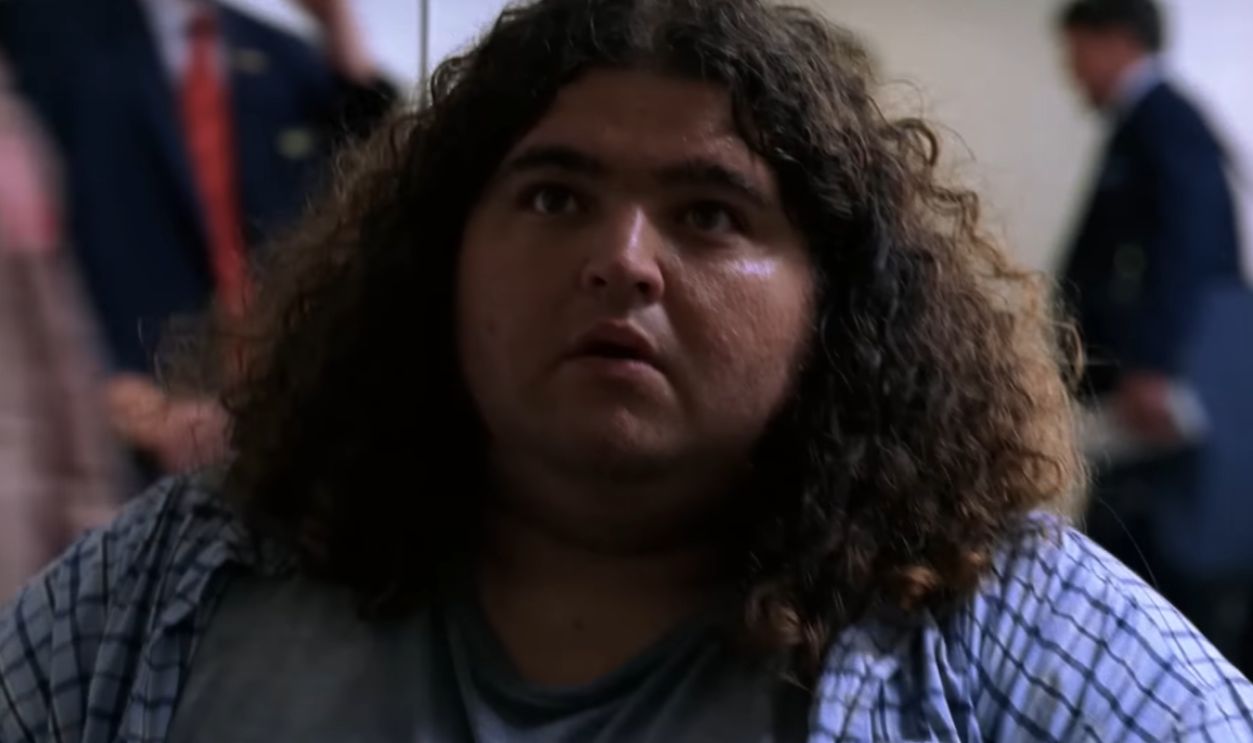 Screenshot from Lost, ABC (2004-2010)
A: 4 8 15 16 23 42
These numbers appear on the hatch and throughout the island’s mythology. If you watched the show live, you probably still have them memorized.
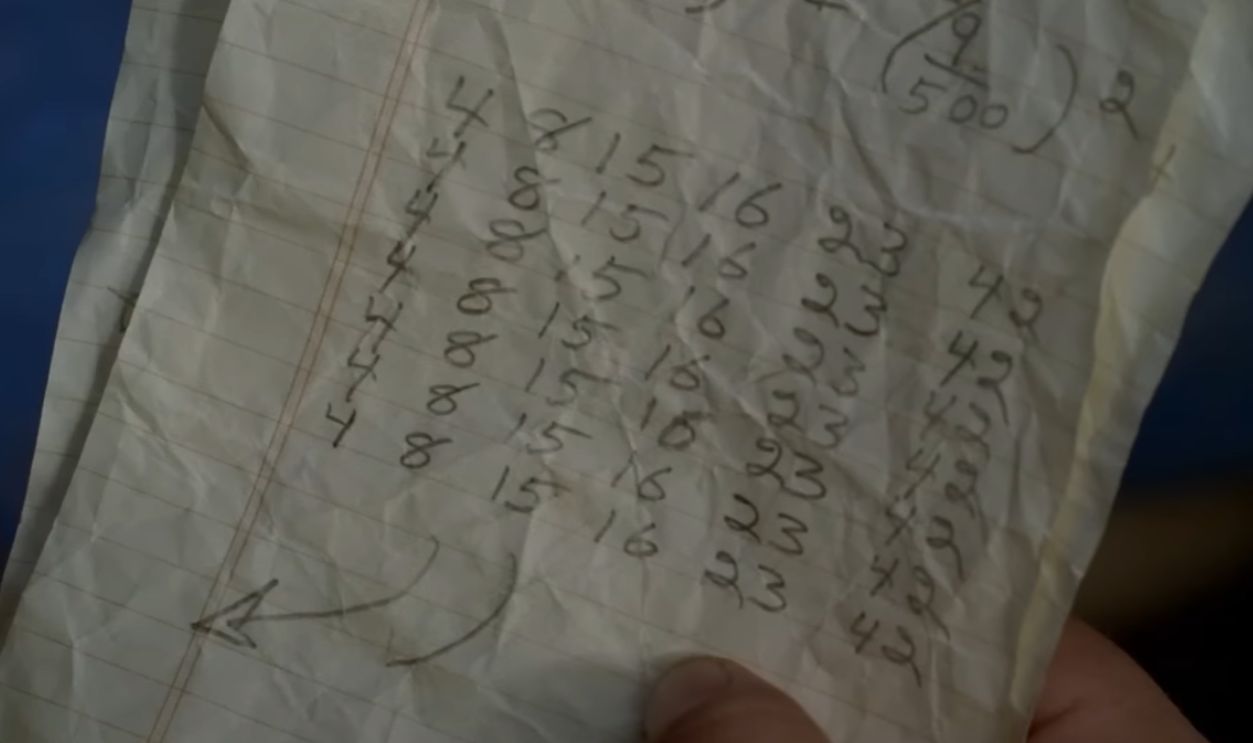 Screenshot from Lost, ABC (2004-2010)
11. In The Six Million Dollar Man, what was Steve Austin’s famous description after being rebuilt?
A) “Half man, half machine”
B) “Reconstructed for the future”
C) “Better, stronger, faster”
D) “Powered by science”
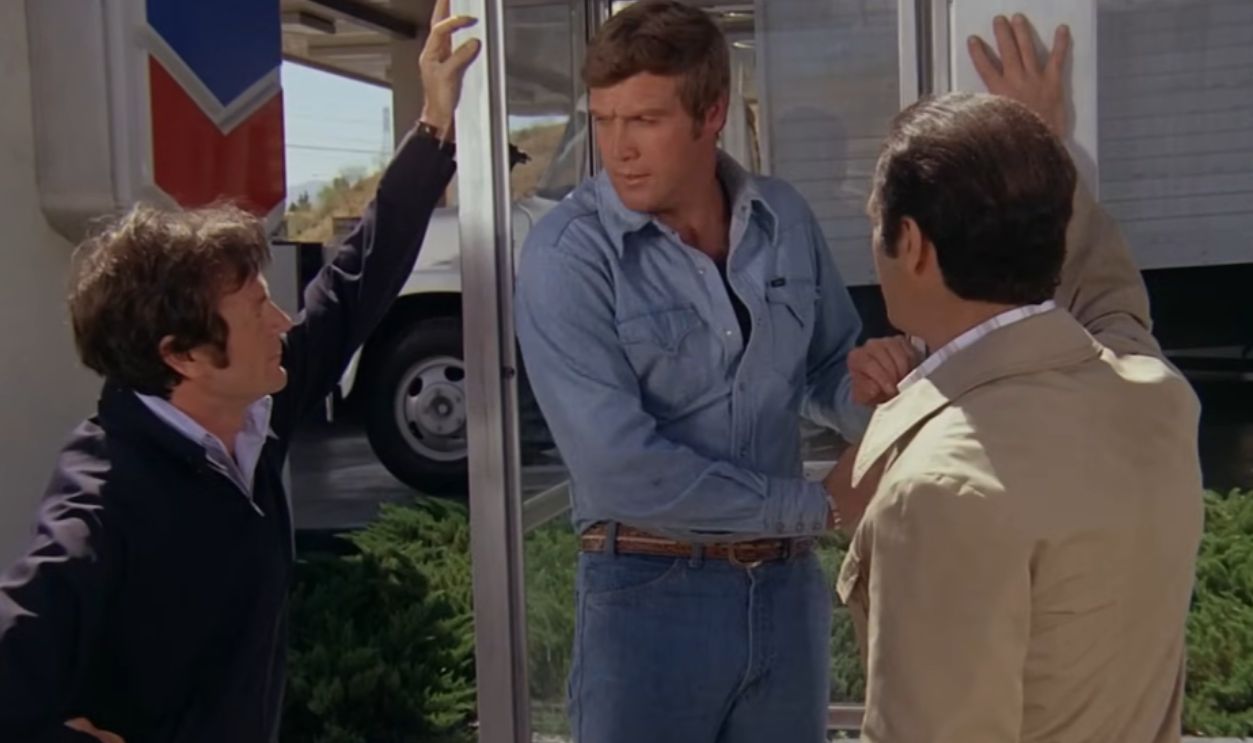 Screenshot from The Six Million Dollar Man, ABC (1973-1978)
A: Better, stronger, faster
The opening narration promised they had the technology to rebuild him: “We can make him better than he was. Better, stronger, faster.” It became pure 70s sci-fi legend.
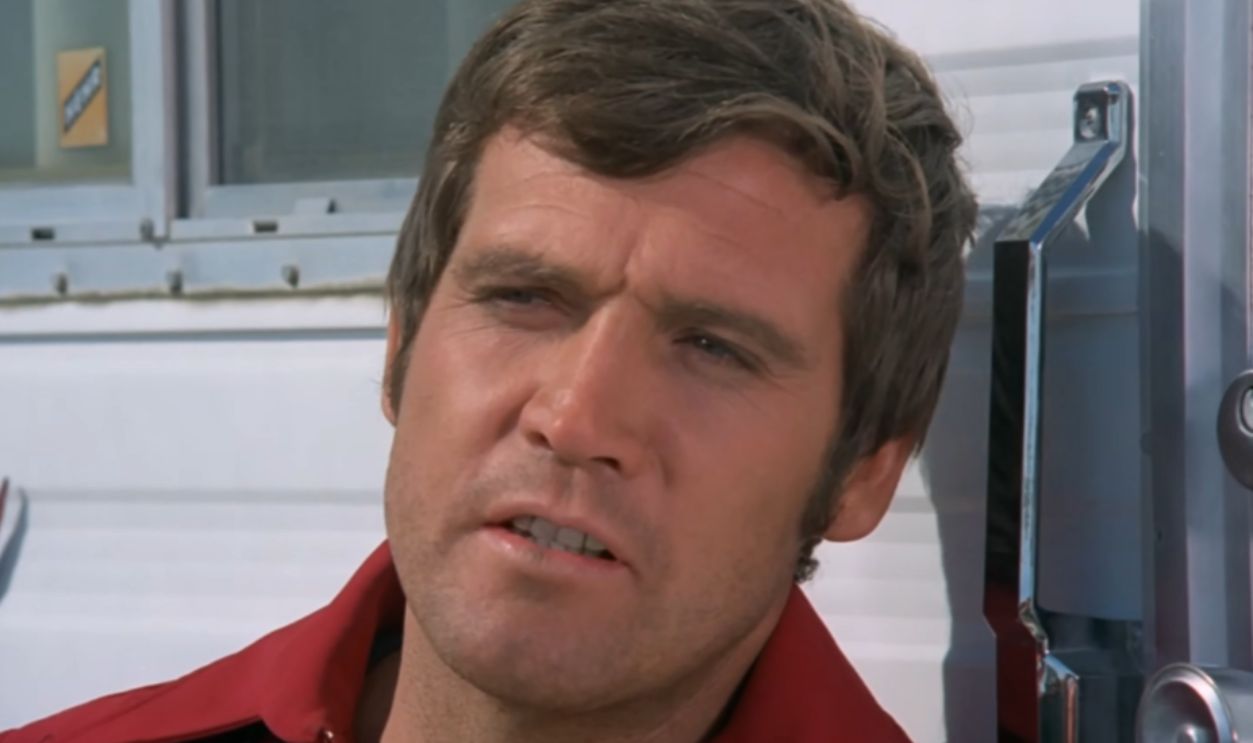 Screenshot from The Six Million Dollar Man, ABC (1973-1978)
12. In The Outer Limits (1963), what did the opening narration famously claim about the viewer’s television set?
A) “The signal is unstable”
B) “Your picture will distort”
C) “We control the horizontal and the vertical”
D) “Transmission will resume shortly”
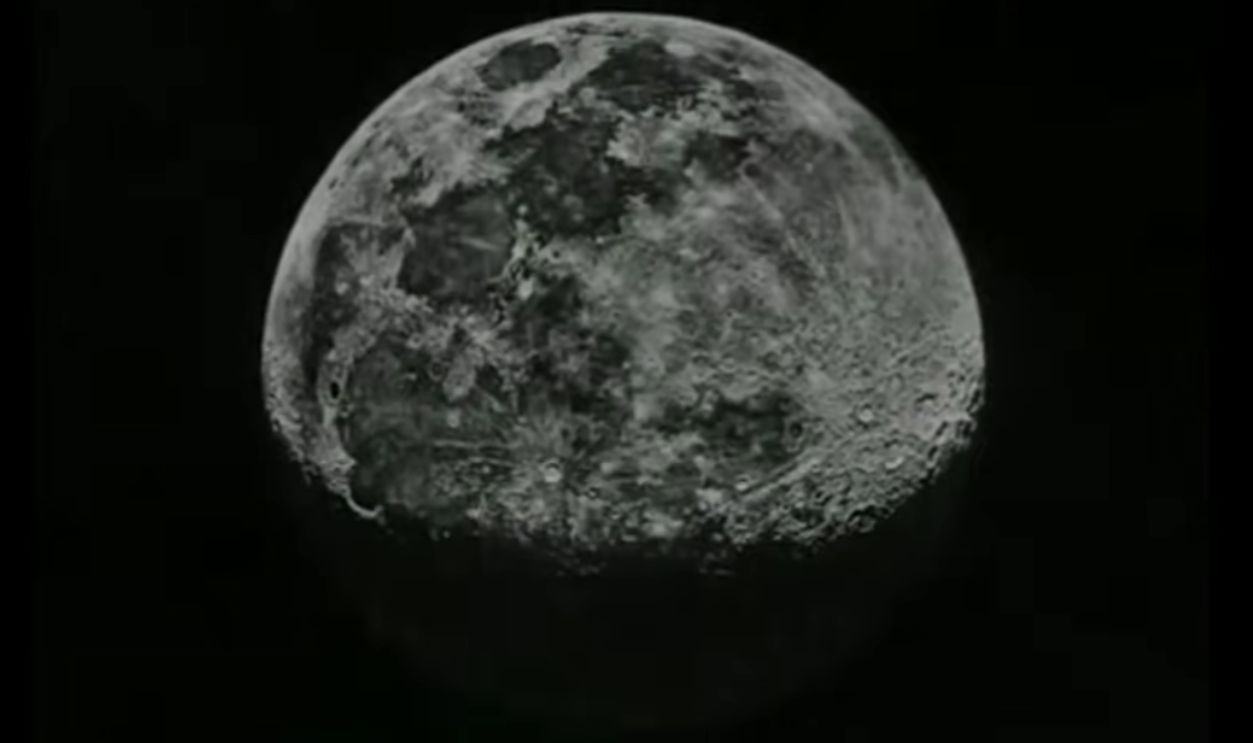 Screenshot from The Outer Limits, United Artists Television (1963)
A: We control the horizontal and the vertical
That chilling intro set the tone immediately, claiming control of your TV signal itself. It was eerie, bold, and perfectly Cold War–era unsettling.
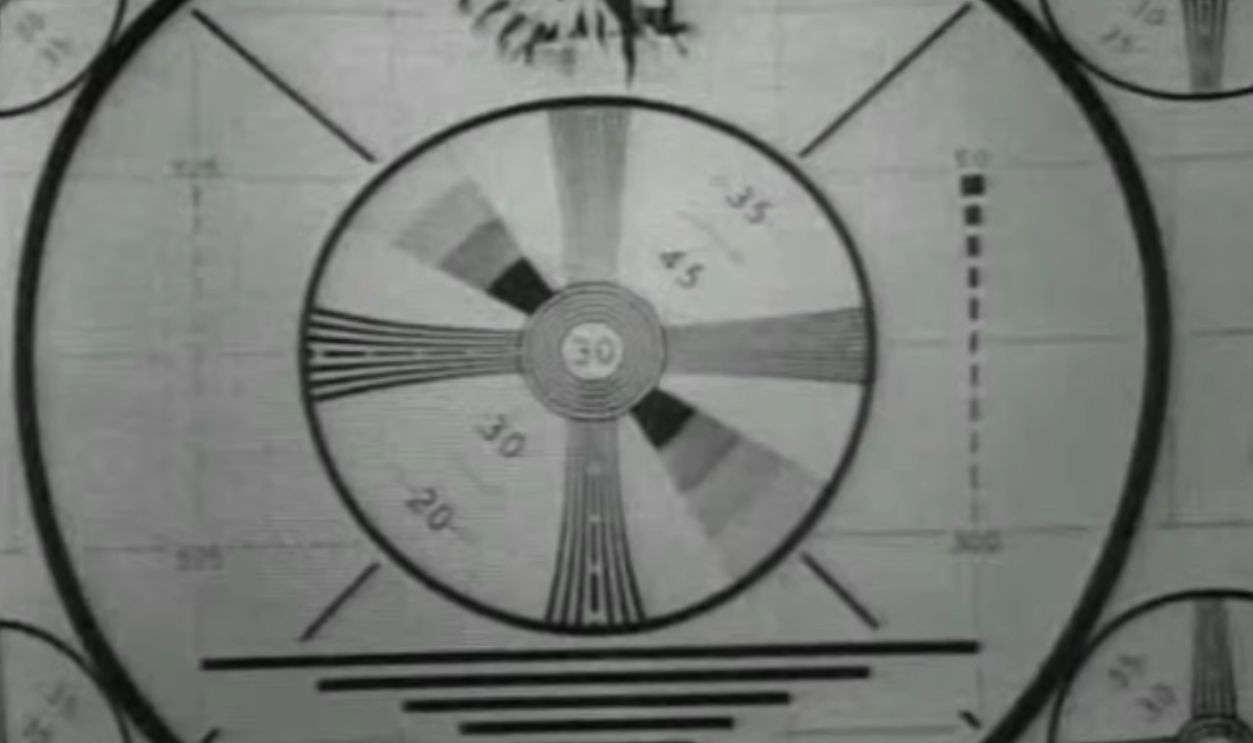 Screenshot from The Outer Limits, United Artists Television (1963)
13. In Fringe, what is the parallel universe most commonly called?
A) The Reverse
B) The Other Side
C) The Alt-World
D) Mirror Earth
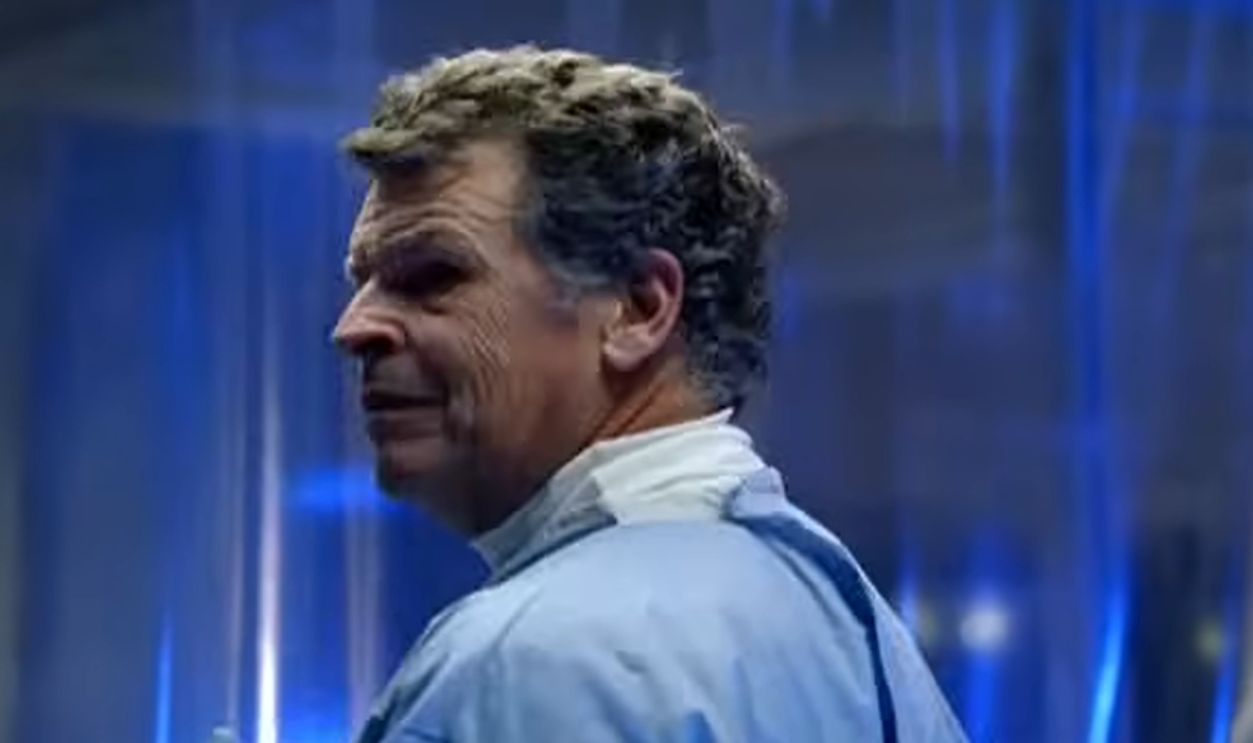 Screenshot from Fringe, Fox Network (2008–2013)
A: The Other Side
Simple name. Massive consequences. The alternate universe becomes central to the series’ emotional stakes.
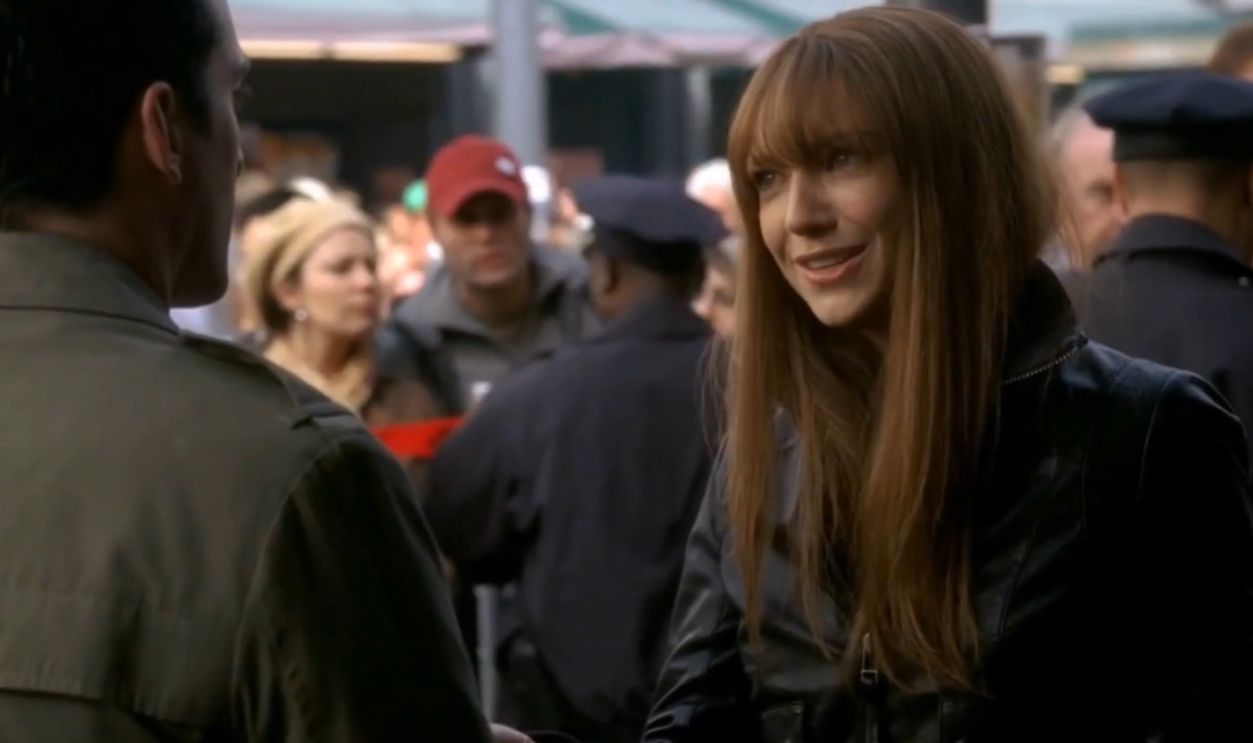 Screenshot from Fringe, Fox Network (2008–2013)
14. On Firefly, what is the name of Captain Malcolm Reynolds’ ship?
A) Enterprise
B) Nebuchadnezzar
C) Serenity
D) Event Horizon
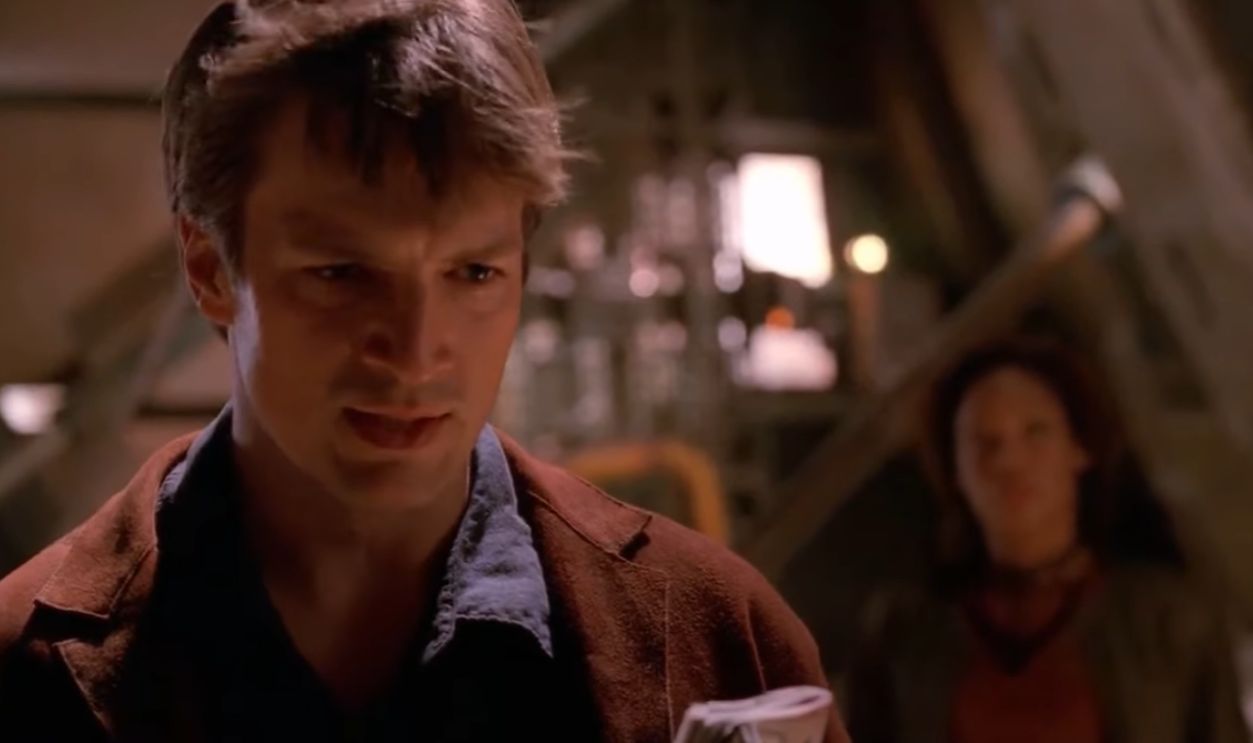 Screenshot from Firefly, Fox Network (2002-2003)
A: Serenity
Though the series lasted only one season, Serenity became iconic. The ship’s scrappy, lived-in feel helped define the show’s tone.
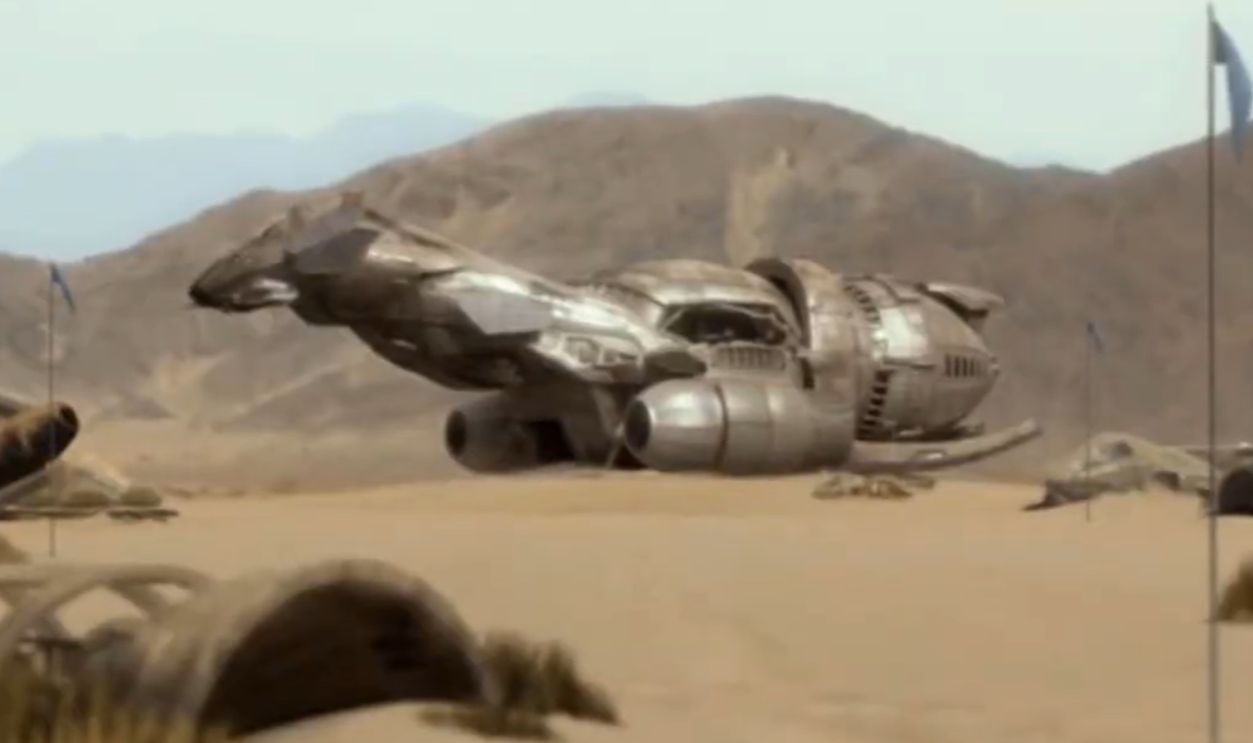 Screenshot from Firefly, Fox Network (2002-2003)
15. In The Handmaid’s Tale, what is the name of the regime that replaces the United States?
A) New America
B) The Dominion
C) Gilead
D) The Republic
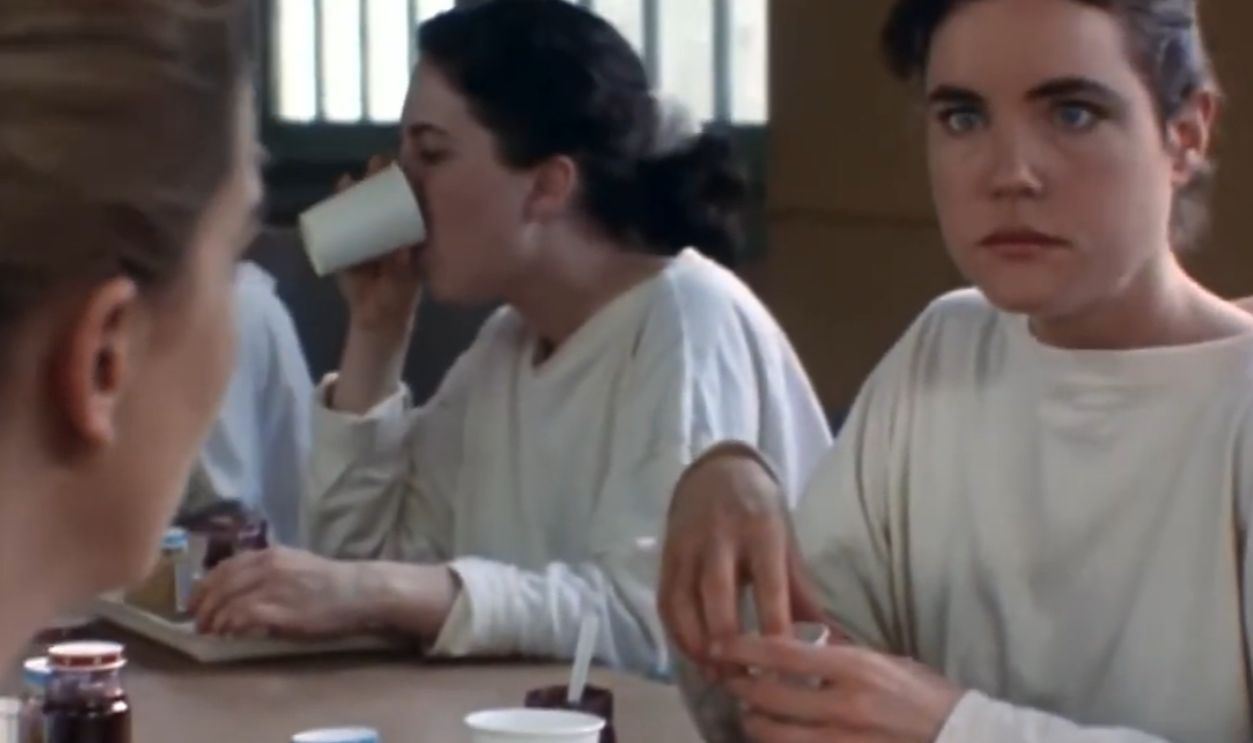 Screenshot from The Handmaid’s Tale, Cinecom Pictures (1990)
A: Gilead
Gilead is a theocratic dictatorship built on rigid class systems and extreme control. The show’s chilling realism has made the name feel uncomfortably plausible.
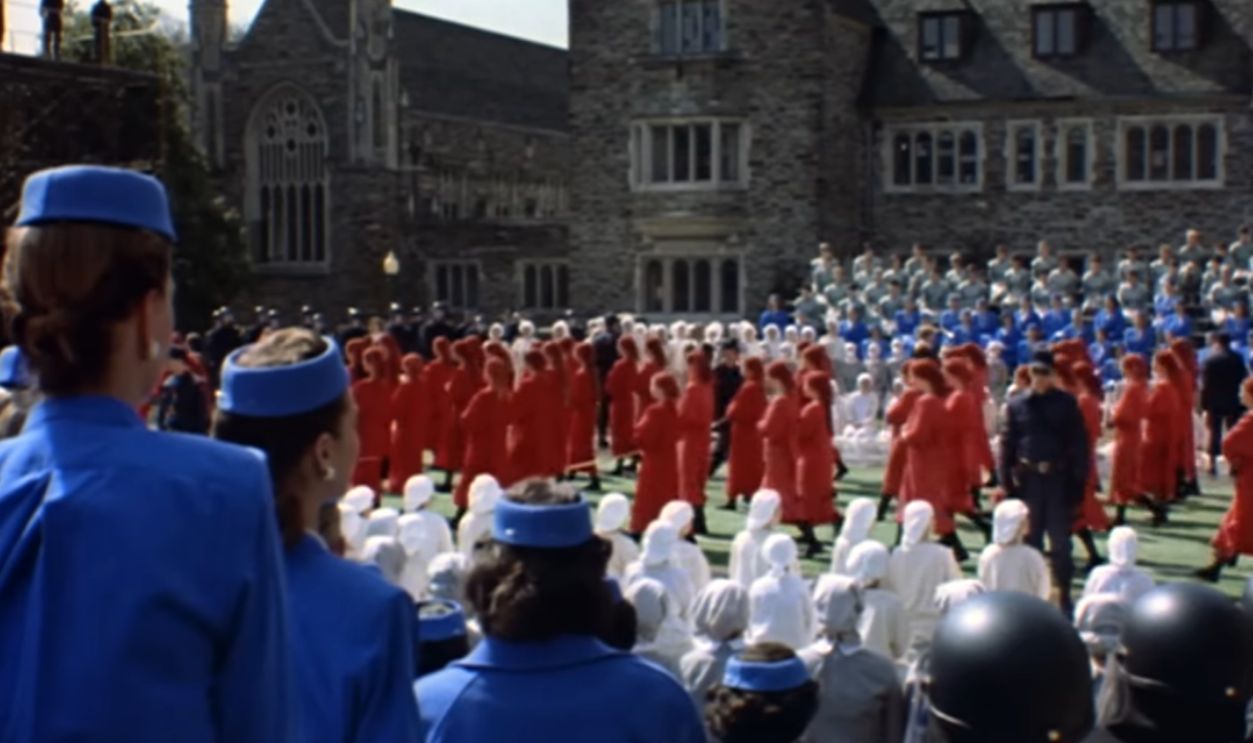 Screenshot from The Handmaid’s Tale, Cinecom Pictures (1990)
So… how’d you do?
Be honest. No retroactive answer changes.
15/15 — You’re ready to captain a starship.
12–14 — Respectable. The rebellion needs you.
Under 12 — Time for a serious rewatch marathon.
 Screenshot from Stranger Things, Netflix (2016-2025)
You Might Also Like:
These 44 Shows Let Their Main Characters Slip Out Of Focus
90s Sitcoms That Are Still Better Than Anything On TV Today