You Might Find It Hard To Believe That This TV Merch Actually Exists
TV shows don’t just live on the screen — they spill into our homes, closets, kitchens, and sometimes… places no one asked for. For decades, production companies have tried to turn hit shows into physical products, often with wildly questionable results. While some merchandise becomes beloved collectibles, other items leave fans scratching their heads, wondering who approved this and why. From bizarre food items to unsettling toys and deeply unnecessary household objects, here are the weirdest pieces of TV merchandise ever officially produced, celebrating the strange intersection of fandom, capitalism, and pure chaos.

Seinfeld’s “Puffy Shirt” Halloween Costume
Sony Pictures thought fans would love dressing like Jerry Seinfeld’s most mocked outfit — the infamous pirate-style puffy shirt. Unfortunately, without context, it just looked like a confused Renaissance extra wandered into a party. Wearing it required explaining the joke constantly, which somehow made it even more Seinfeld-esque.
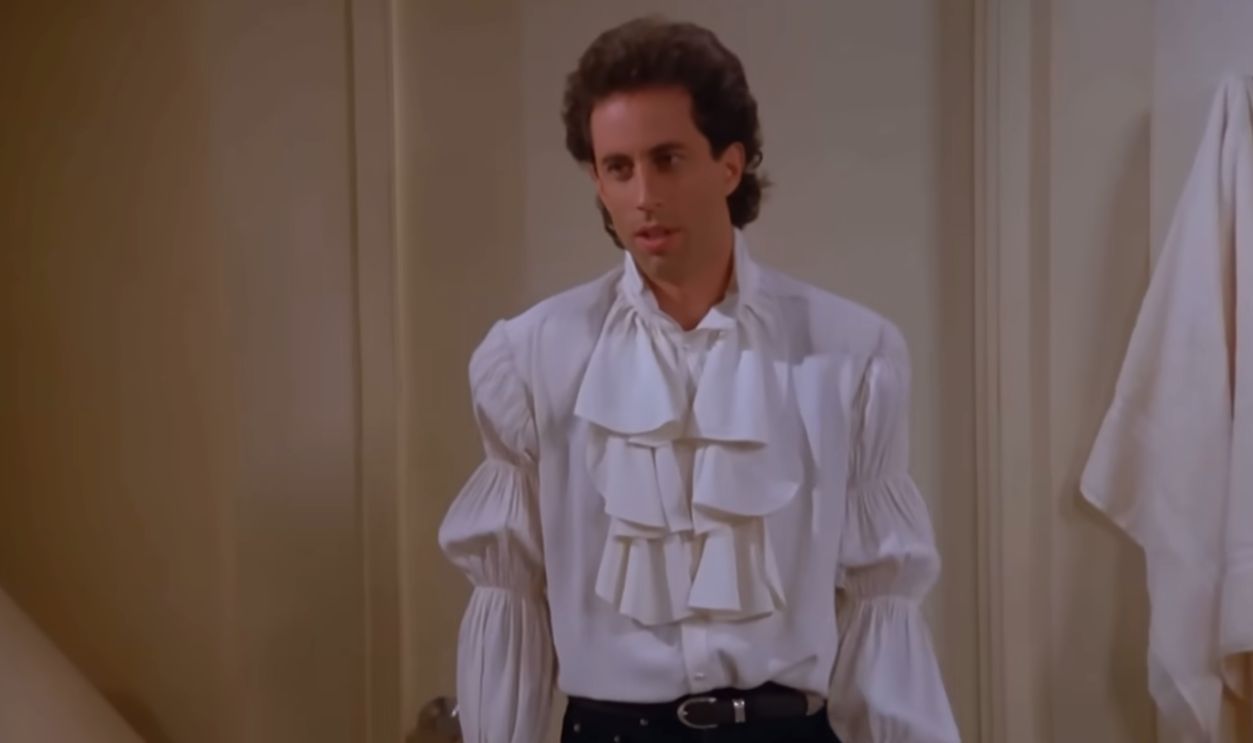 Screenshot from Seinfeld, NBC (1989–1998)
The Golden Girls Cheesecake-Scented Candles
Yes, they smelled like cheesecake. No, no one asked for that. Produced as novelty gifts, these candles leaned hard into the show’s running cheesecake joke. While charming in theory, many buyers reported the scent was… unsettling, like a dessert that had been left out too long.
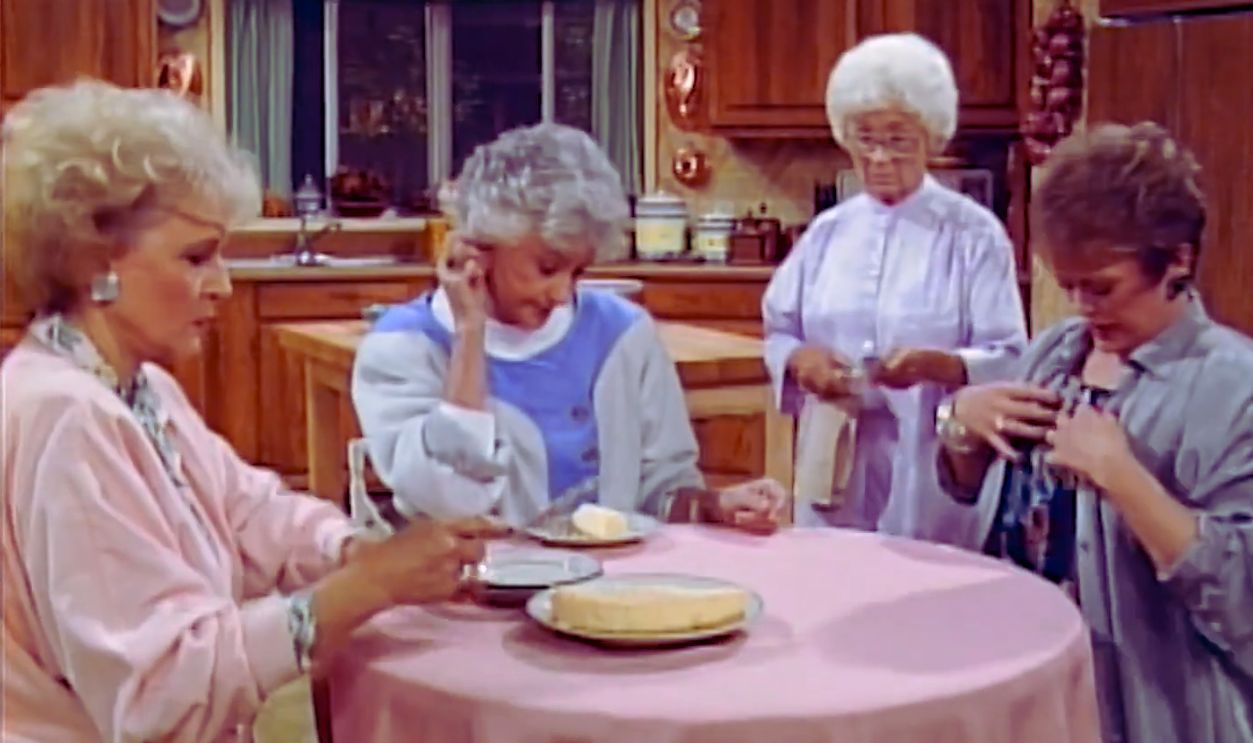 Screenshot from The Golden Girls, NBC (1985–1992)
Game of Thrones Iron Throne Toilet Seat
HBO officially licensed a toilet seat designed to resemble the Iron Throne. Sitting on a throne made of swords is one thing — sitting on it while using the bathroom is another. It was equal parts power fantasy and deeply uncomfortable metaphor.
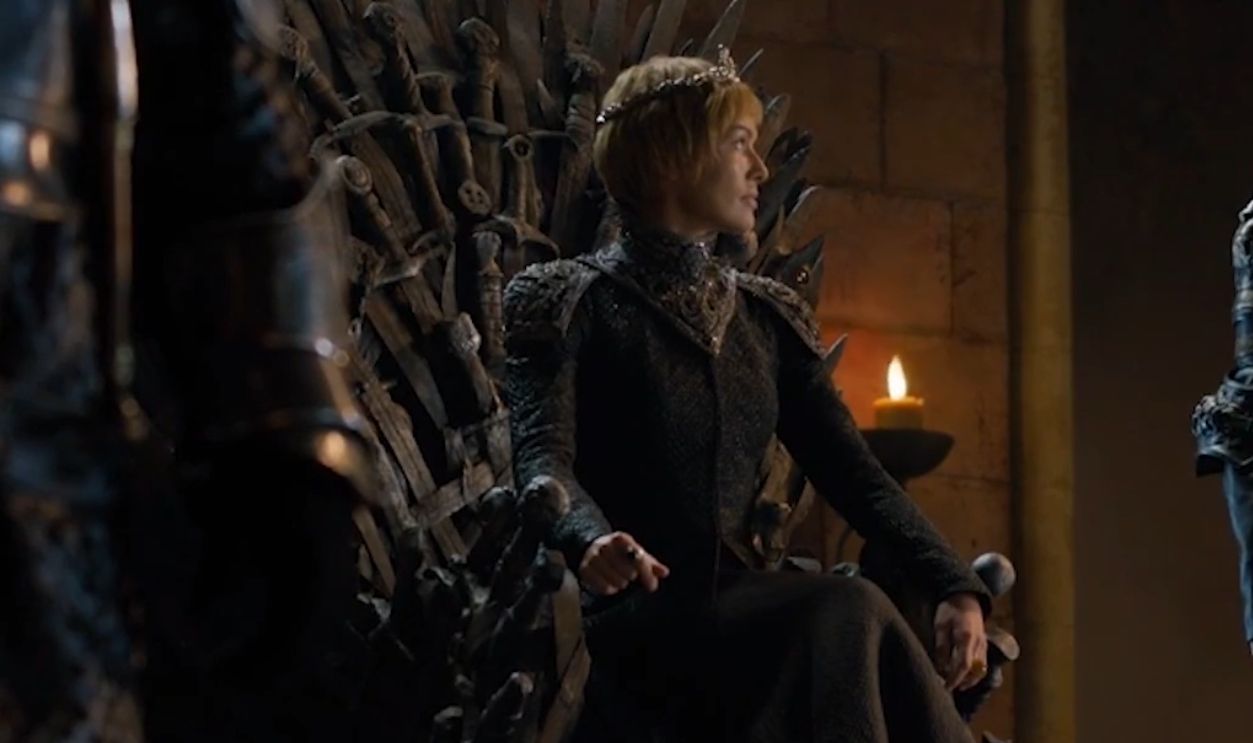 Screenshot from Game of Thrones, HBO (2011–2019)
Friends “Pivot!” Couch Movers Board Game
Capitalizing on one of the show’s most shouted moments, this board game revolved around moving furniture through awkward spaces. It existed mostly so players could yell “Pivot!” at each other repeatedly, which sounds fun until it’s not.
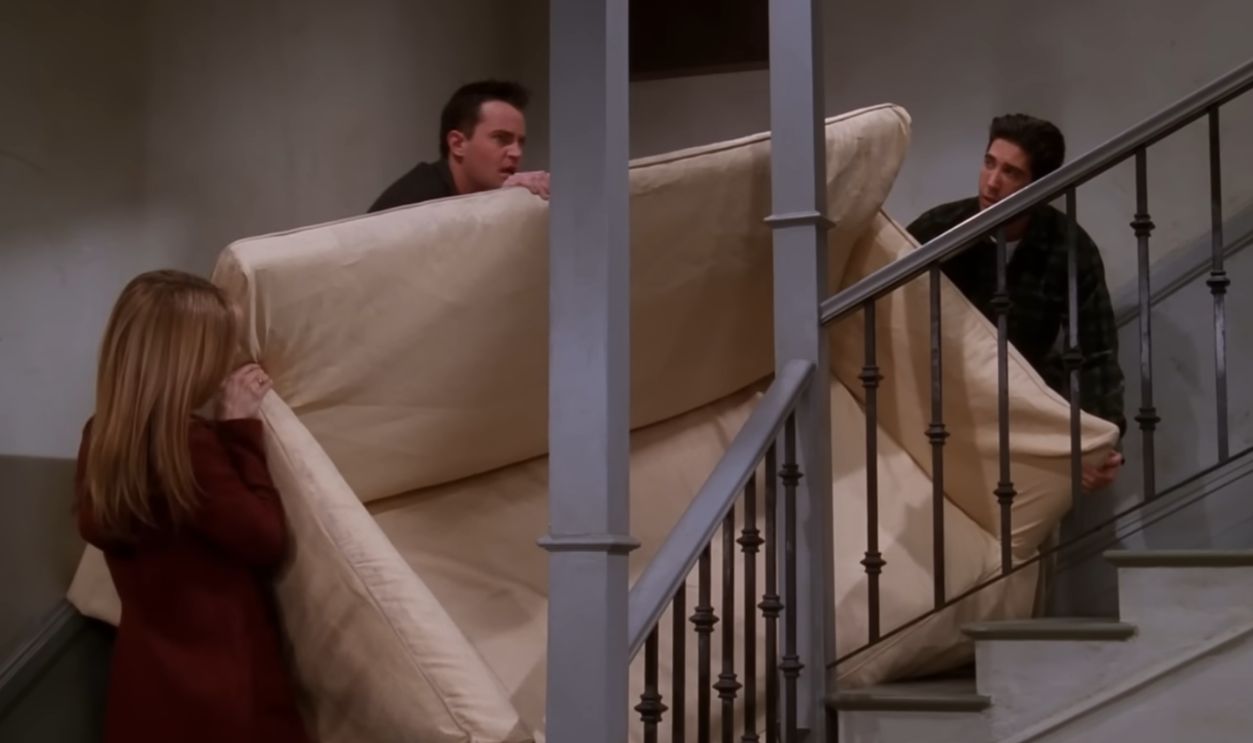 Screenshot from Friends, NBC (1994–2004)
The X-Files Alien Autopsy Playset
Fox approved a toy set featuring a tiny alien corpse and surgical tools. Marketed to kids. From a show about paranoia, death, and government conspiracies, this unsettling playset somehow made it to shelves, traumatizing an entire generation of toy-store wanderers.
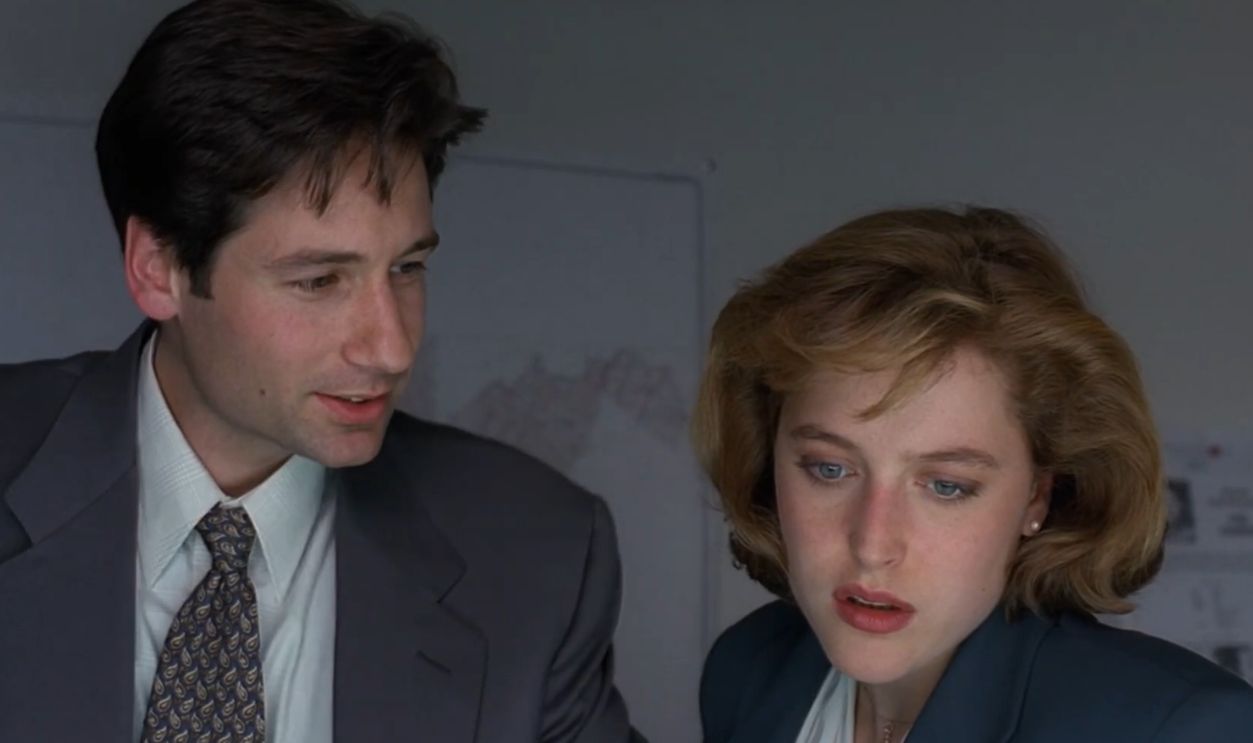 Screenshot from The X-Files, Fox (1993–2018)
Baywatch Slow-Motion Alarm Clock
This alarm clock woke users with slow-motion clips of lifeguards running on the beach. While undeniably on-brand, it also made mornings confusing and not particularly effective at getting anyone out of bed.
 Screenshot from Baywatch, NBC (1989–2001)
Twin Peaks Log Lady Log
ABC licensed literal chunks of wood inspired by the Log Lady. No functionality. No explanation. Just a log. Fans appreciated the absurdity, but even David Lynch might have raised an eyebrow at paying money for a stick.
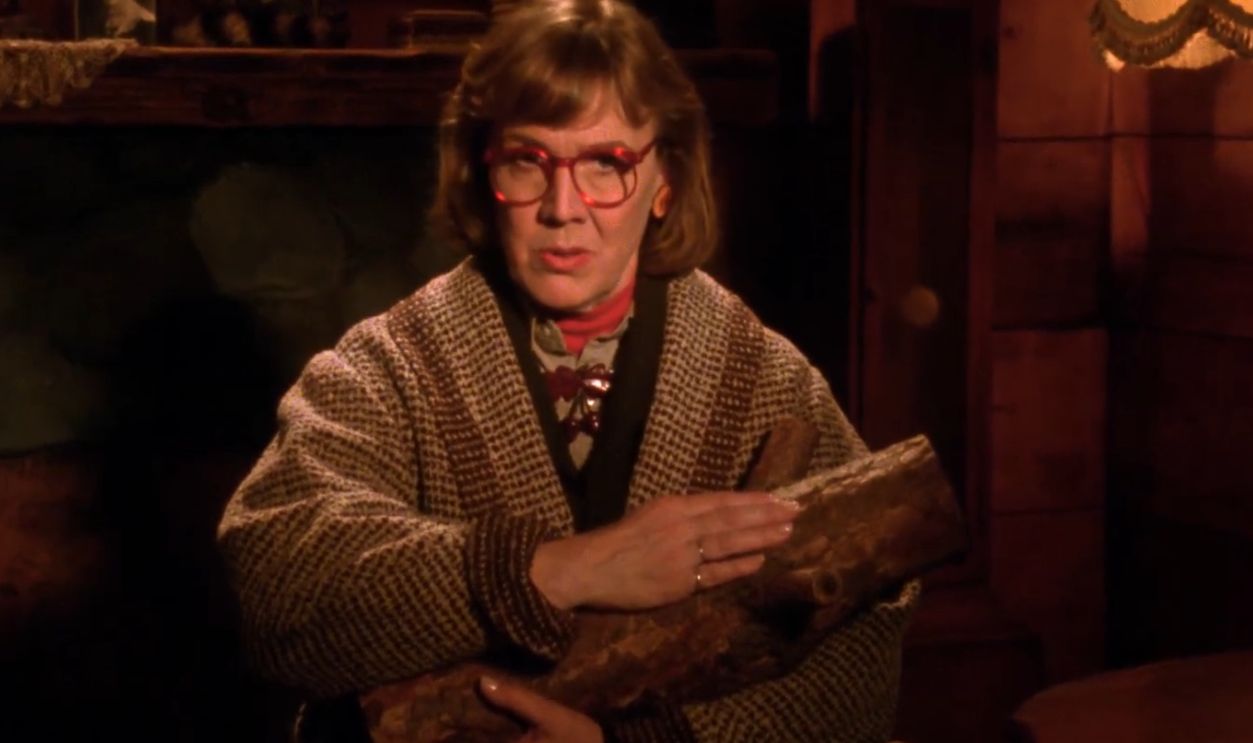 Screenshot from Twin Peaks, ABC (1990–1991)
South Park Talking Mr. Hankey Plush
A talking plush toy shaped like anthropomorphic feces was always going to be divisive. Parents were horrified, kids were delighted, and Comedy Central learned that not every fan-favorite character needs to be cuddly.
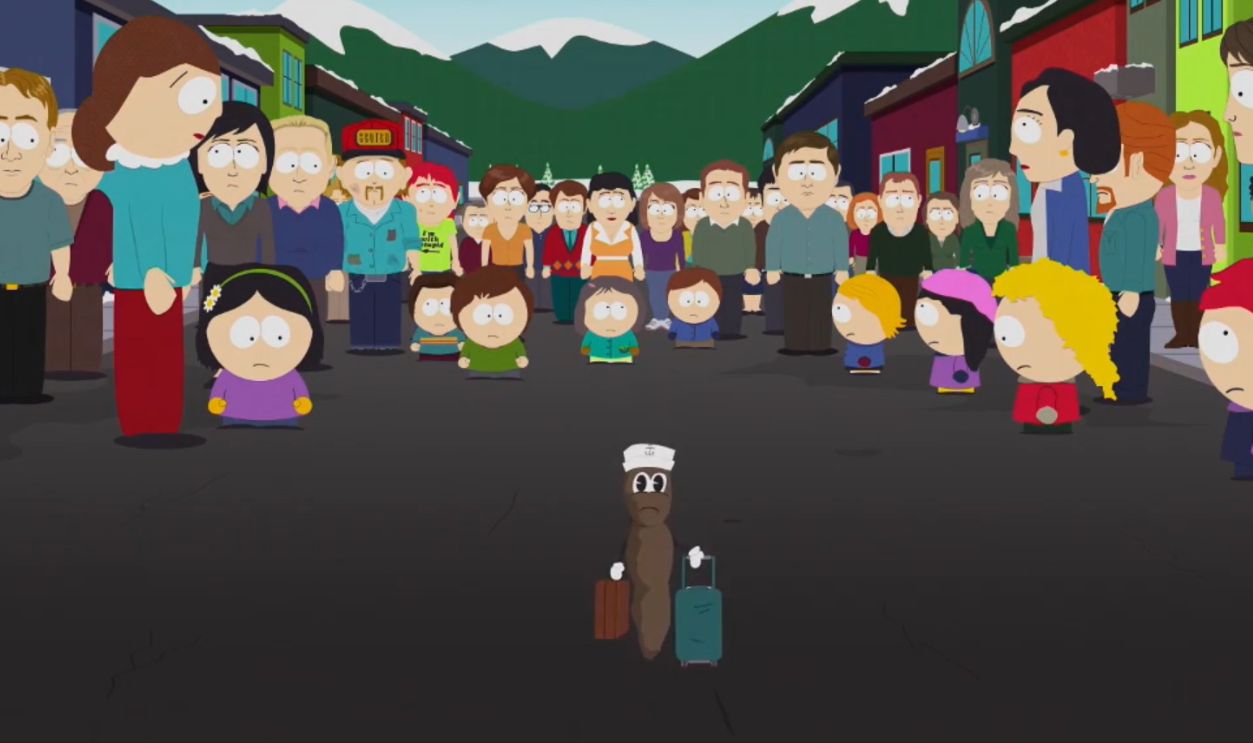 Screenshot from South Park, Comedy Central (1997–)
Lost Dharma Initiative Cereal
Nothing says mysterious island survival like branded breakfast food. ABC released Dharma-branded cereal boxes as part of viral marketing, complete with cryptic messaging. Eating it while watching Lost somehow felt wrong, like you were becoming part of the experiment.
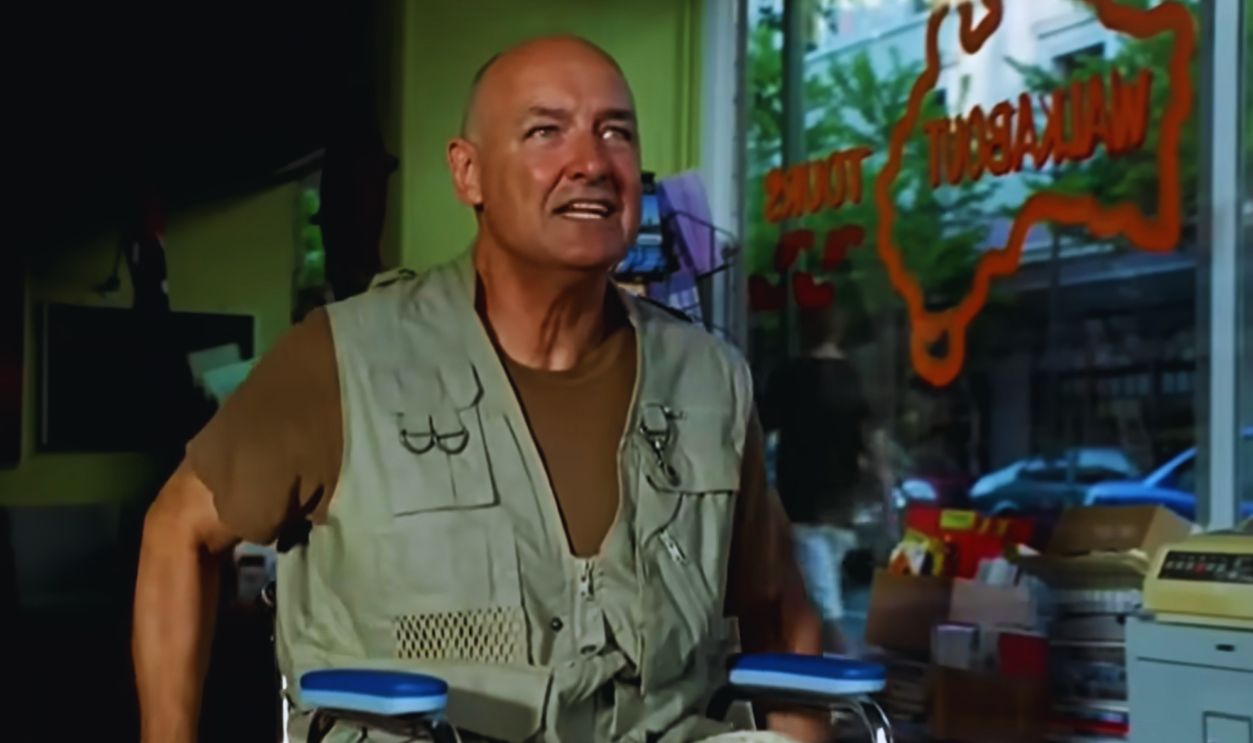 Screenshot from Lost, ABC (2004–2010)
The Walking Dead Zombie Baby Doll
AMC licensed a disturbingly realistic zombie baby doll tied to a controversial storyline. Even hardcore horror fans found it too much. It blurred the line between collectible and nightmare fuel in a way no one was prepared for.
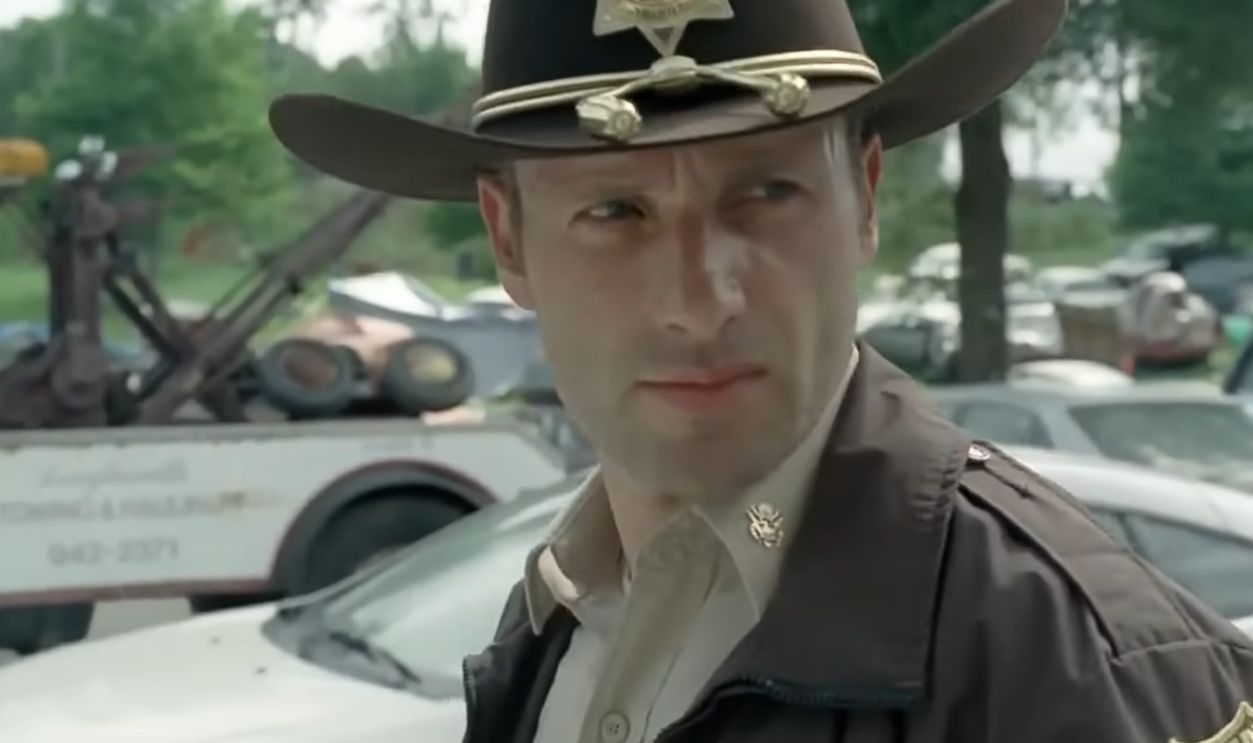 Screenshot from The Walking Dead, AMC Studios
Star Trek Spock Helmet Hair Dryer
In the 1970s, Paramount approved a hair dryer shaped like Spock’s head. The idea of blasting hot air out of Leonard Nimoy’s face remains one of merchandising’s most surreal achievements.
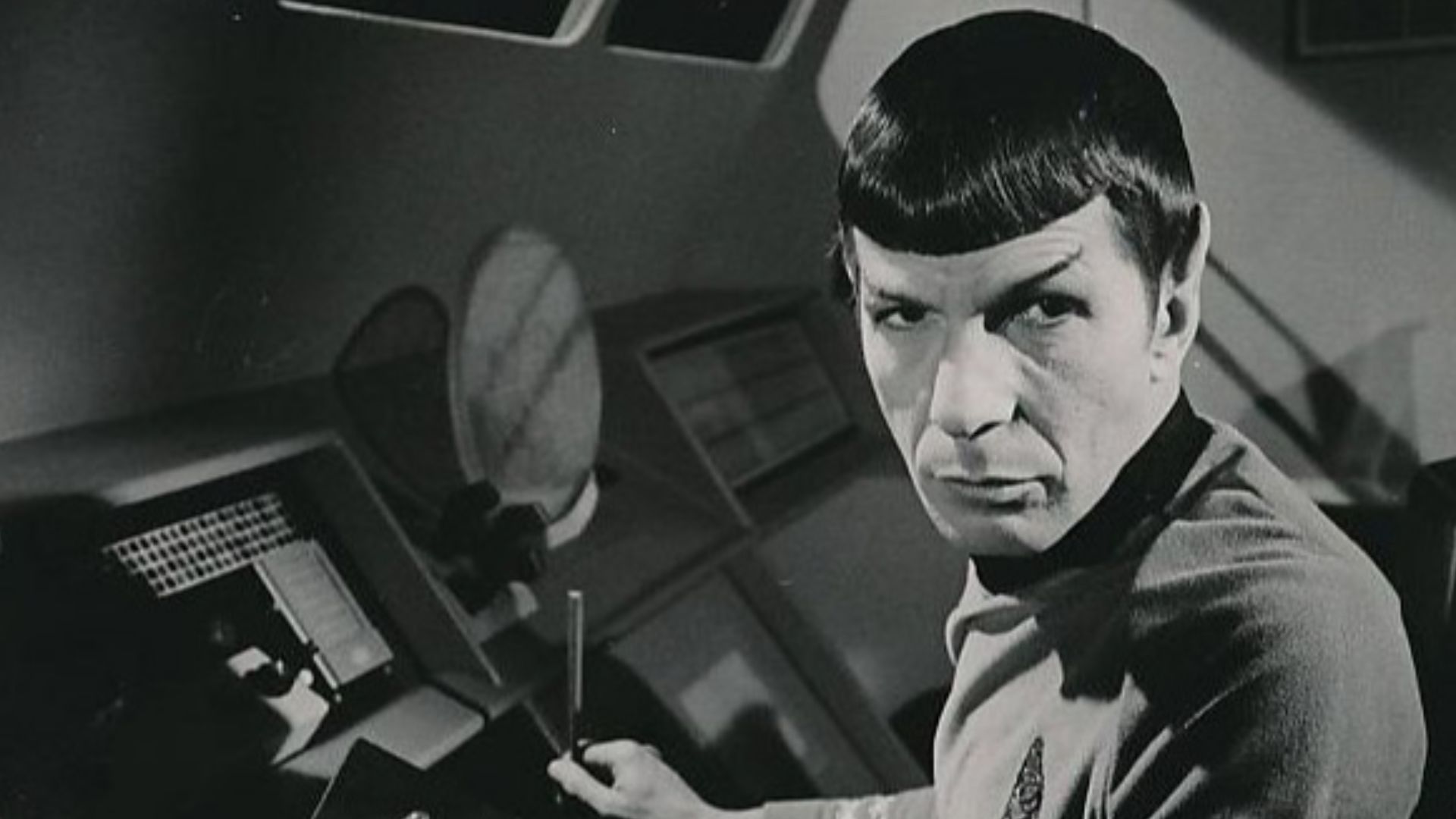 NBC Television, Wikimedia Commons
Doctor Who Dalek Bubble Bath
Children bathing in neon-colored liquid that turned them into slimy Daleks felt like a concept from an alternate universe. The BBC licensed it anyway, proving that even genocidal space robots can be softened with bubbles.
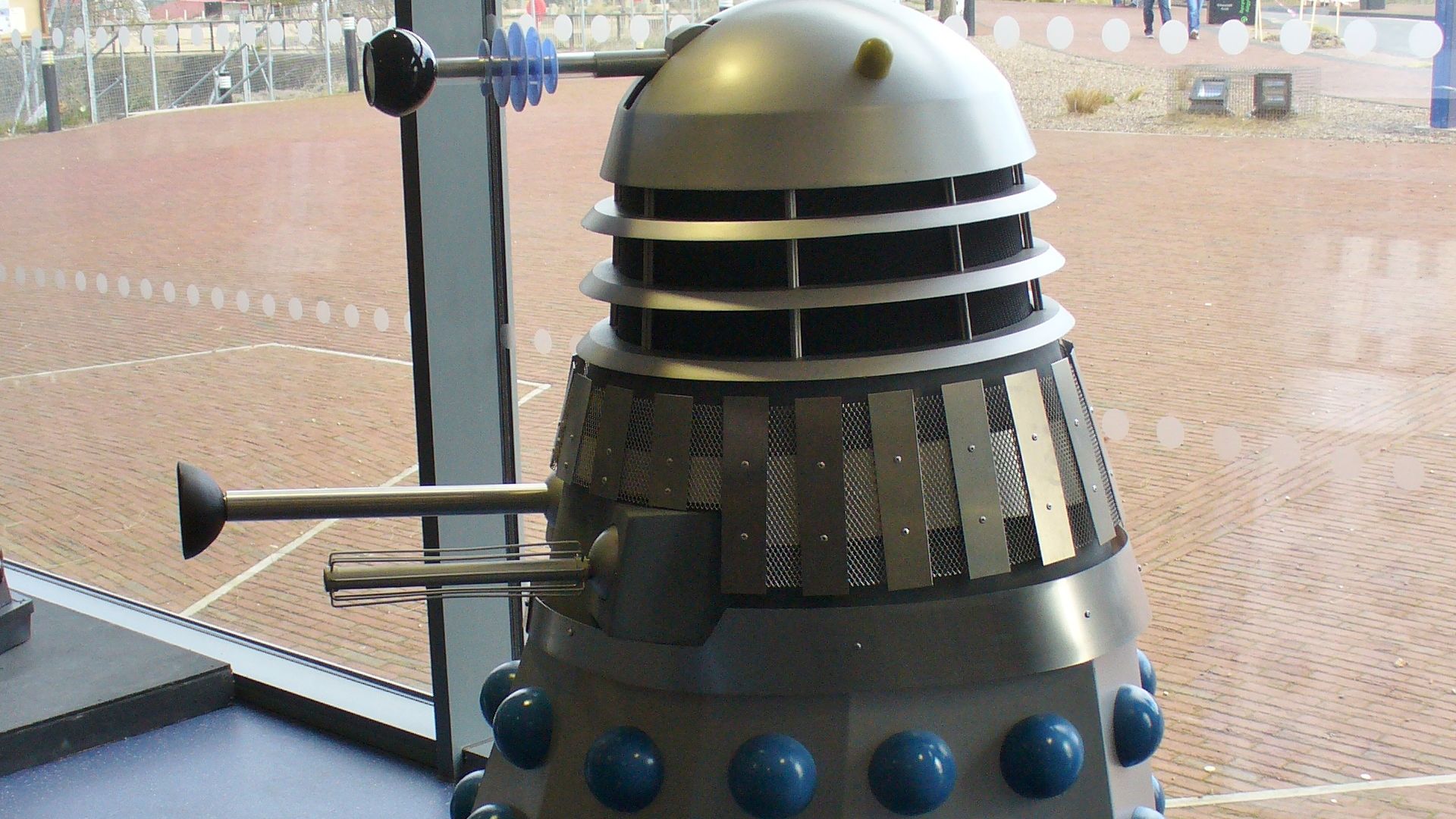 Colin Smith , Wikimedia Commons
The Office Dundie Awards Trophy Replicas
While less disturbing than some entries, selling plastic Dundie trophies encouraged fans to recreate deeply awkward workplace moments at home. Receiving one in real life felt like being roasted by Michael Scott himself.
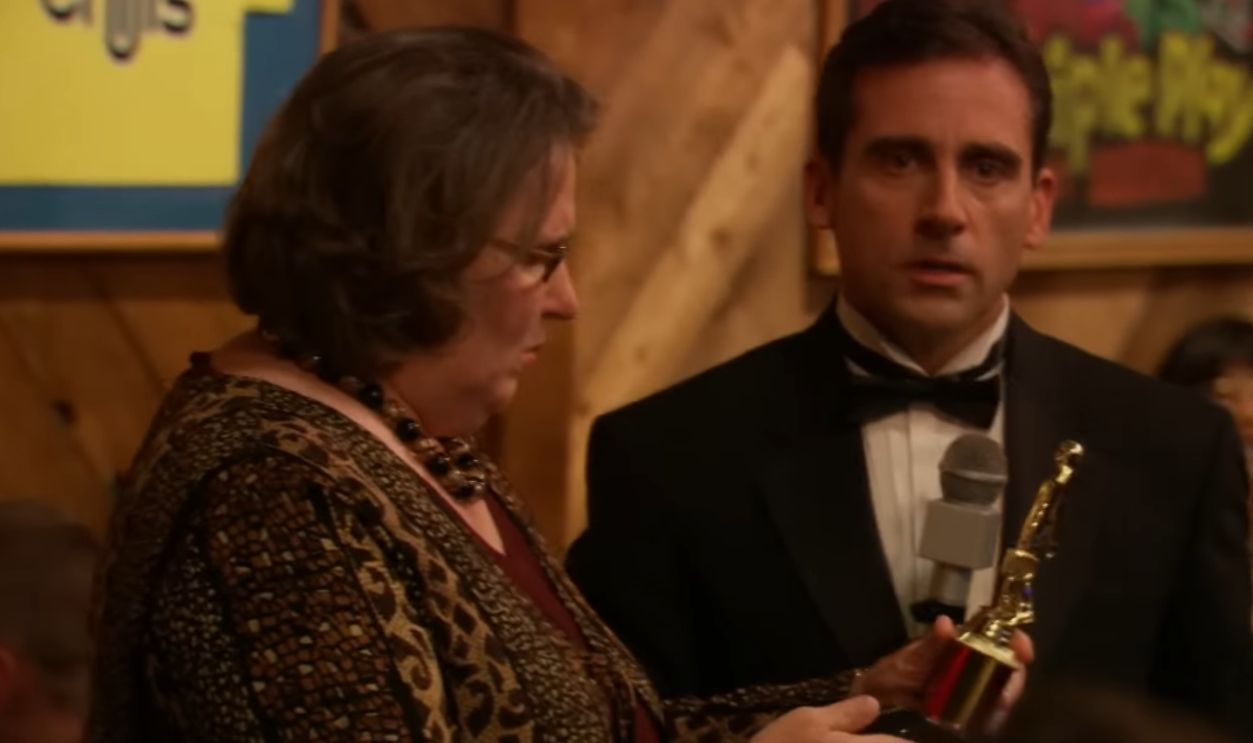 Screenshot from The Office, NBC (2005–2013)
SpongeBob SquarePants Krabby Patty Gummy Burgers
Nickelodeon-approved gummy burgers that vaguely resembled food from the show but tasted like confused sugar. The experience of eating a fake cartoon burger was more existential than enjoyable.
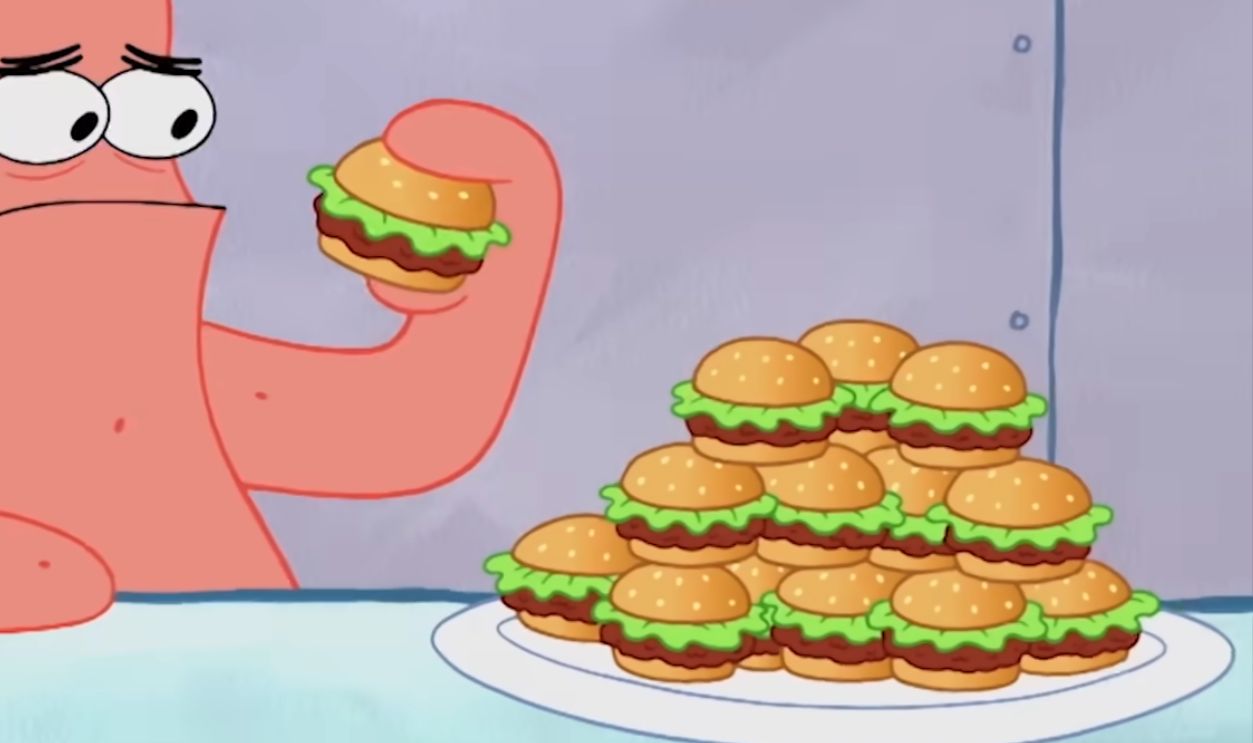 Screenshot from SpongeBob SquarePants, Nickelodeon (1999–)
Mad Men Lucky Strike Cigarette Case
AMC licensed retro cigarette cases inspired by Don Draper’s world. While stylish, it felt odd to glamorize smoking through a show that actively critiques it — irony wrapped in chrome.
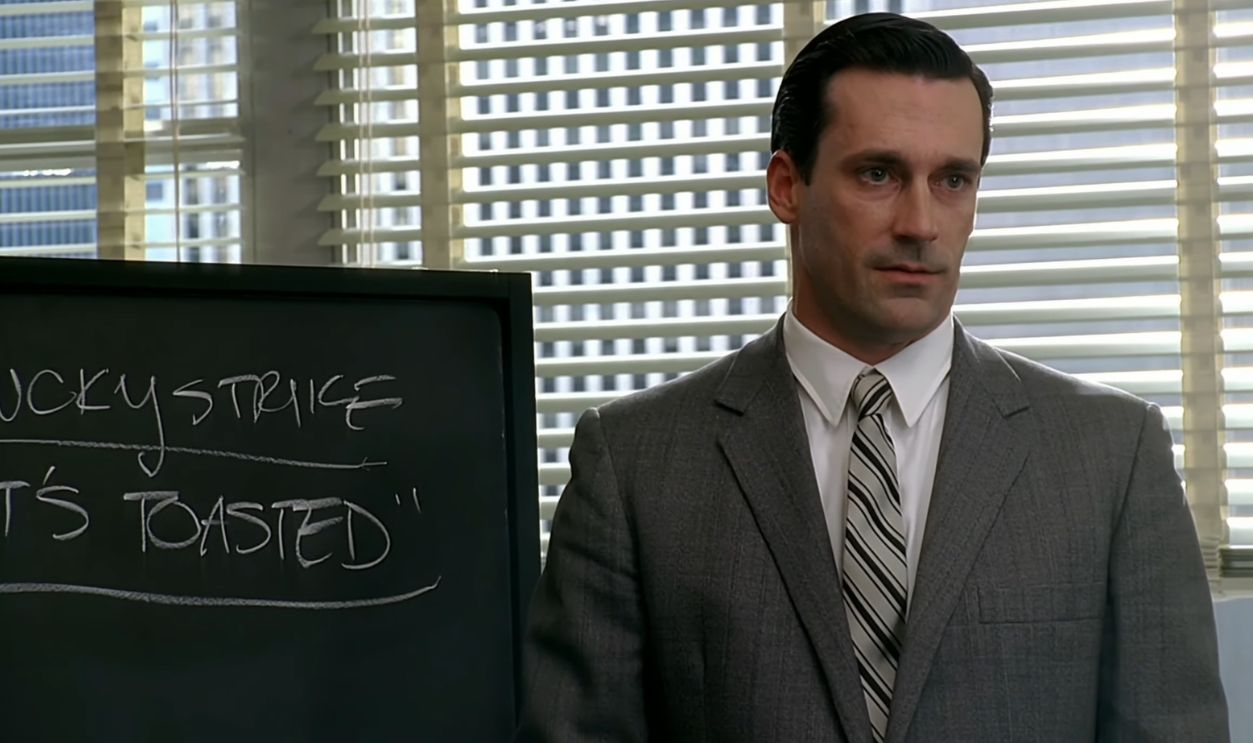 Screenshot from Mad Men, AMC (2007–2015)
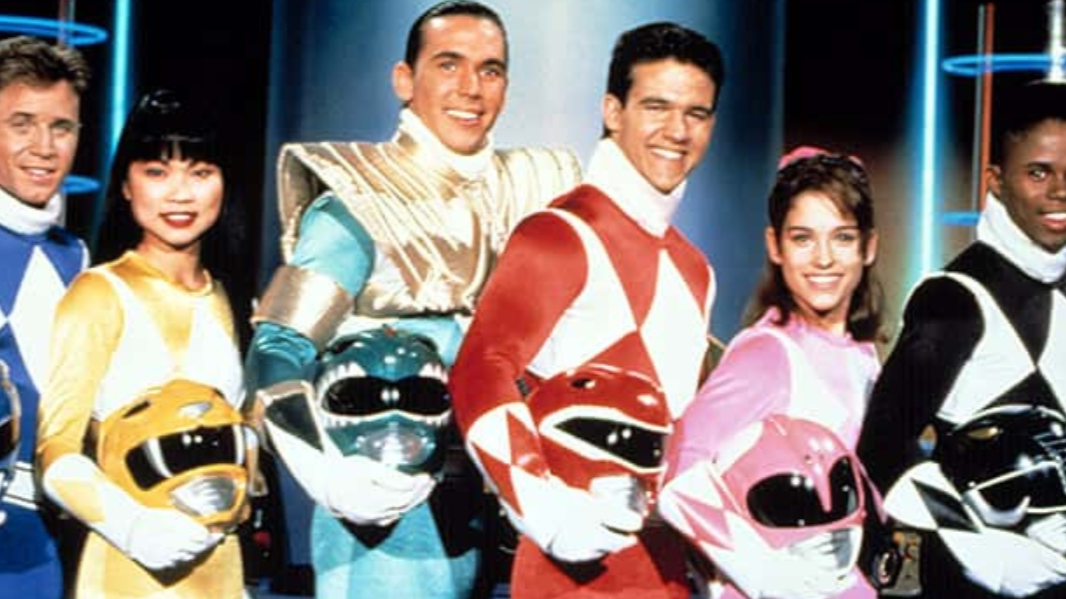
Power Rangers Morphin Time Toothbrushes
Toothbrushes that played theme music for exactly 30 seconds. Great for timing brushing, terrible for your sanity when the song got stuck in your head for the rest of the day.
Dexter Blood Slide Replica Set
Showtime produced collectible replicas of Dexter’s blood slides — tiny red samples in plastic cases. It was meticulous, creepy, and somehow very on-brand for a show about a serial killer with a code.
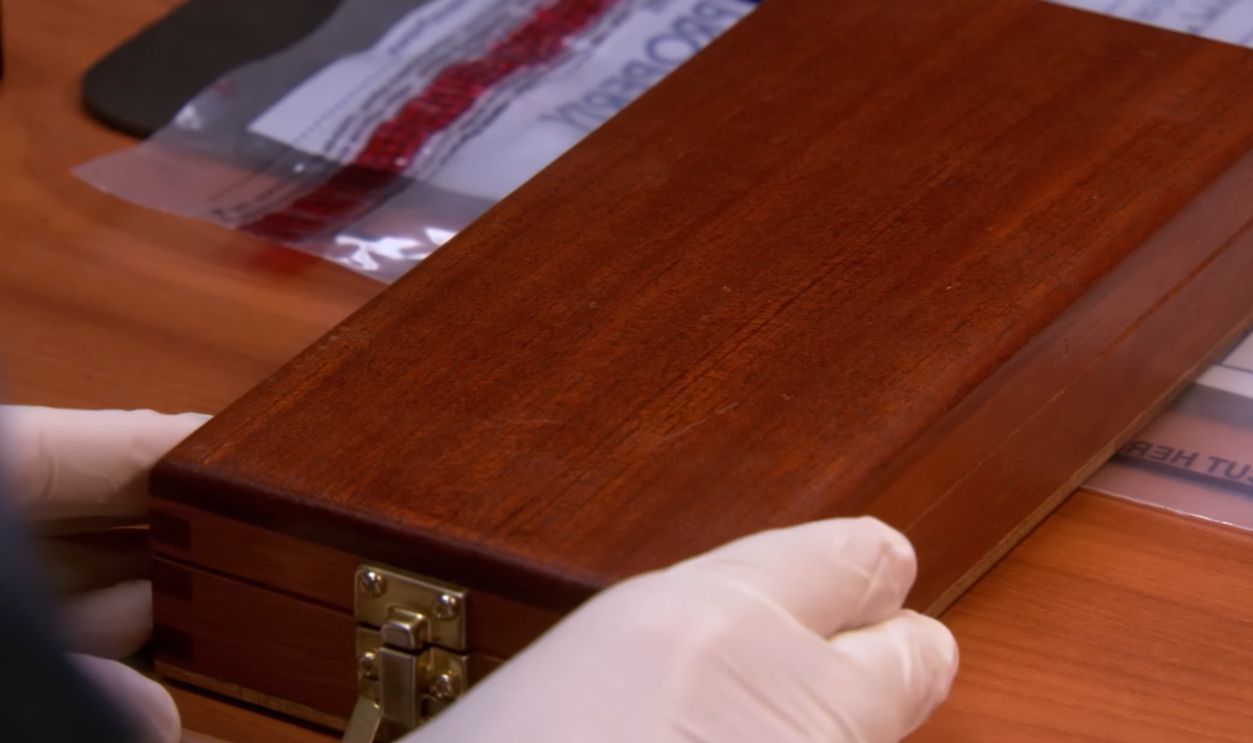 Screenshot from Dexter, Showtime (2006–2013)
Hannah Montana Lip Gloss Phone
A phone. That was also lip gloss. Disney Channel licensed a product that combined two things no one should ever combine, raising serious hygiene questions that were never answered.
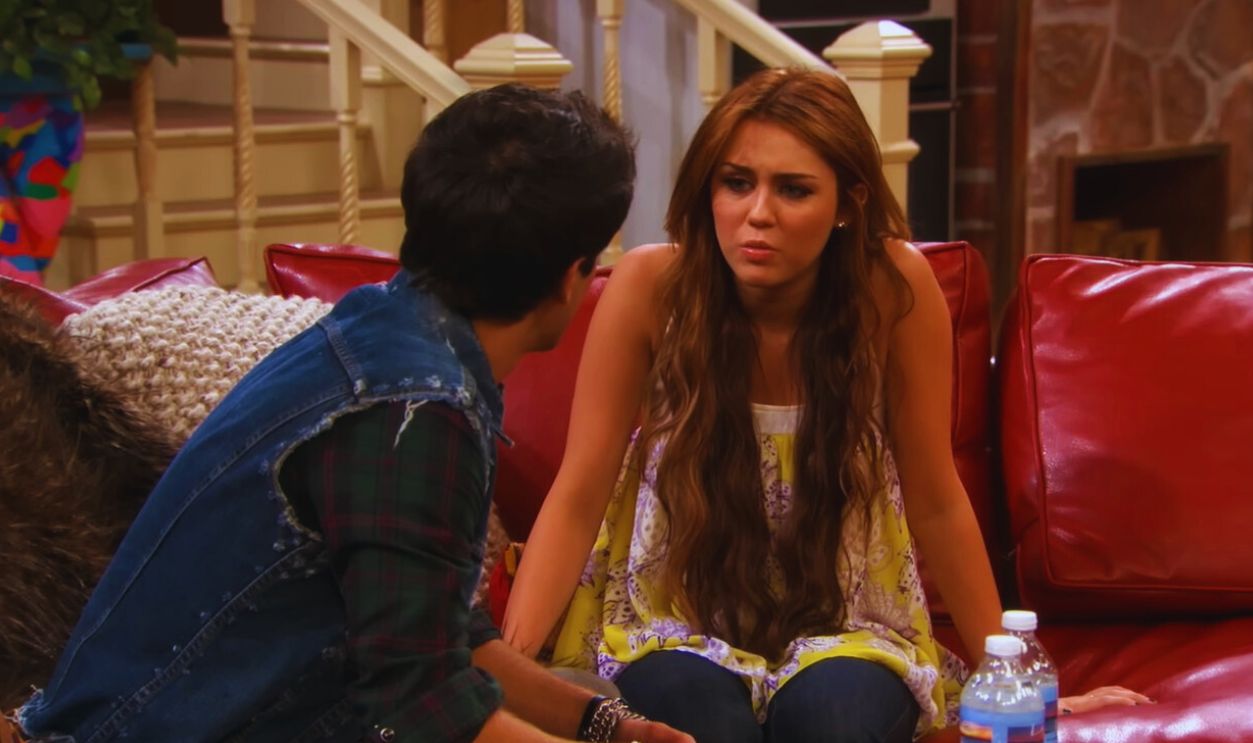 Screenshot from Hannah Montana, Disney Channel (2006–2011)
Stranger Things Eggo Waffle-Scented Candles
Netflix leaned hard into Eleven’s favorite food with candles that smelled like frozen waffles. Nostalgic? Yes. Appetizing? Debatable. Lighting one made your house smell like breakfast forever.
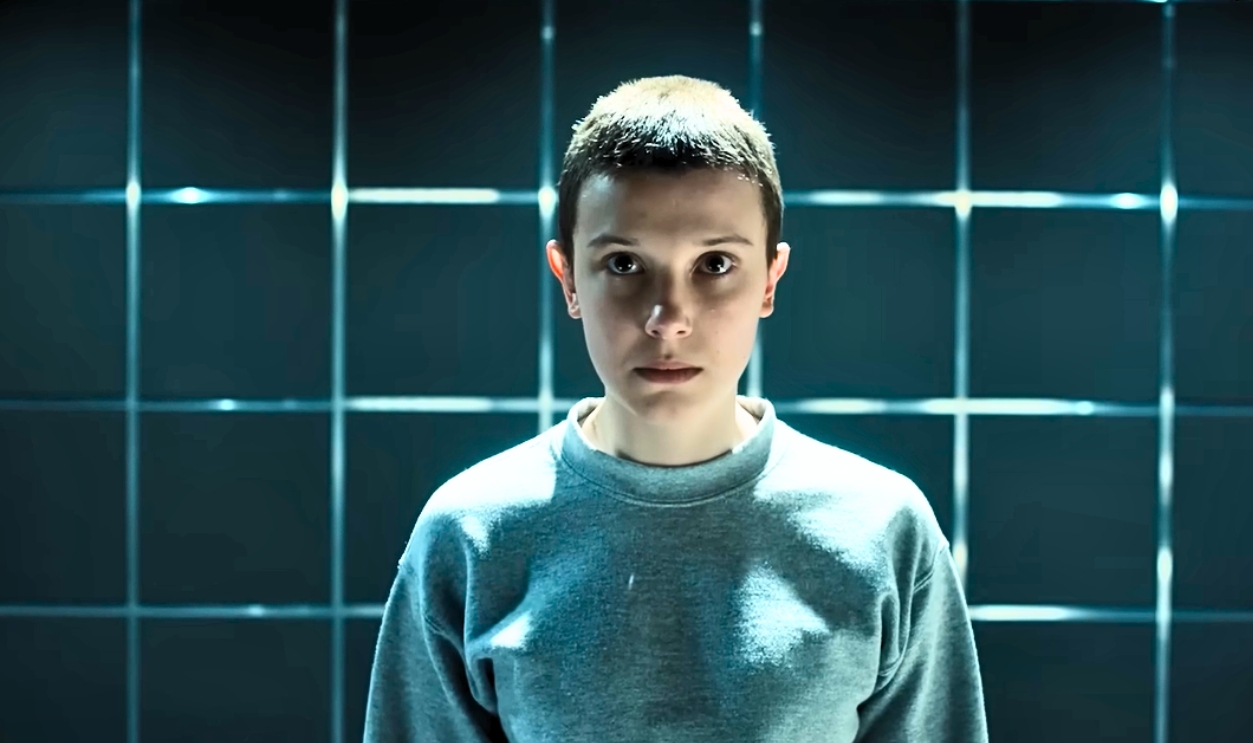 Screenshot from Stranger Things, Netflix (2016–2025)
Buffy The Vampire Slayer Stake Letter Openers
Officially licensed wooden stakes sold as desk accessories. Opening mail with a vampire weapon felt oddly empowering but also a little aggressive for everyday correspondence.
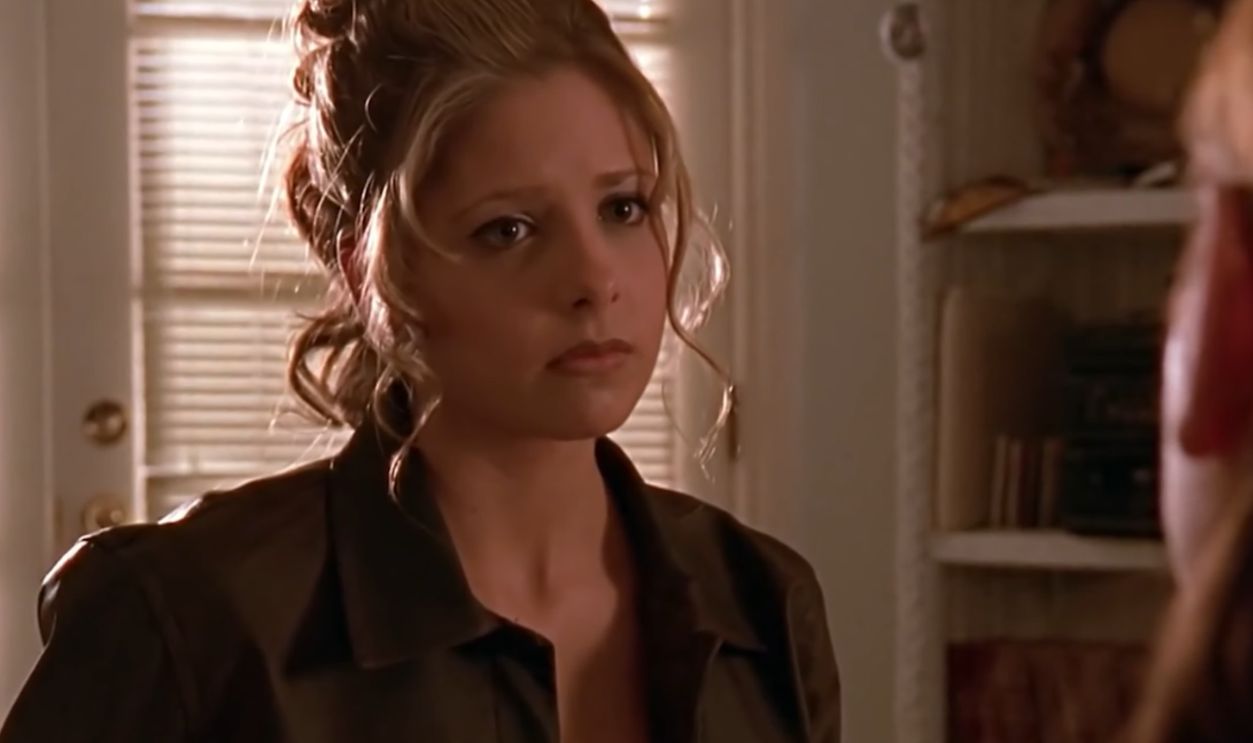 Screenshot from Buffy the Vampire Slayer, The WB (1997–2003)
Gilligan’s Island Coconut Radio Replica
A plastic replica of the coconut radio, celebrating the show’s most absurd prop. It didn’t actually work as a radio, which somehow made it more faithful to the source material.
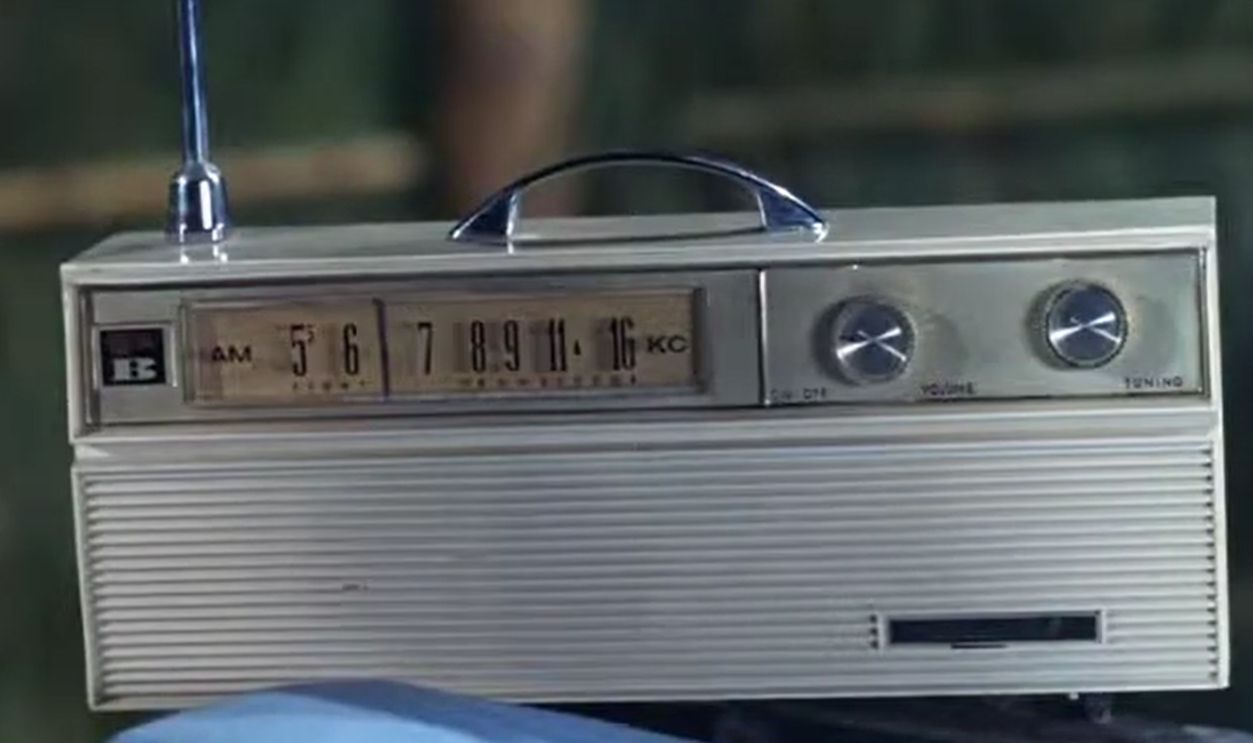 Screenshot from Gilligan’s Island, CBS (1964–1967)
The Big Bang Theory Bazinga Ball Pit Balls
Yes, ball pit balls with “Bazinga” printed on them. Warner Bros. approved them as novelty items, though no one could quite figure out where they were meant to go.
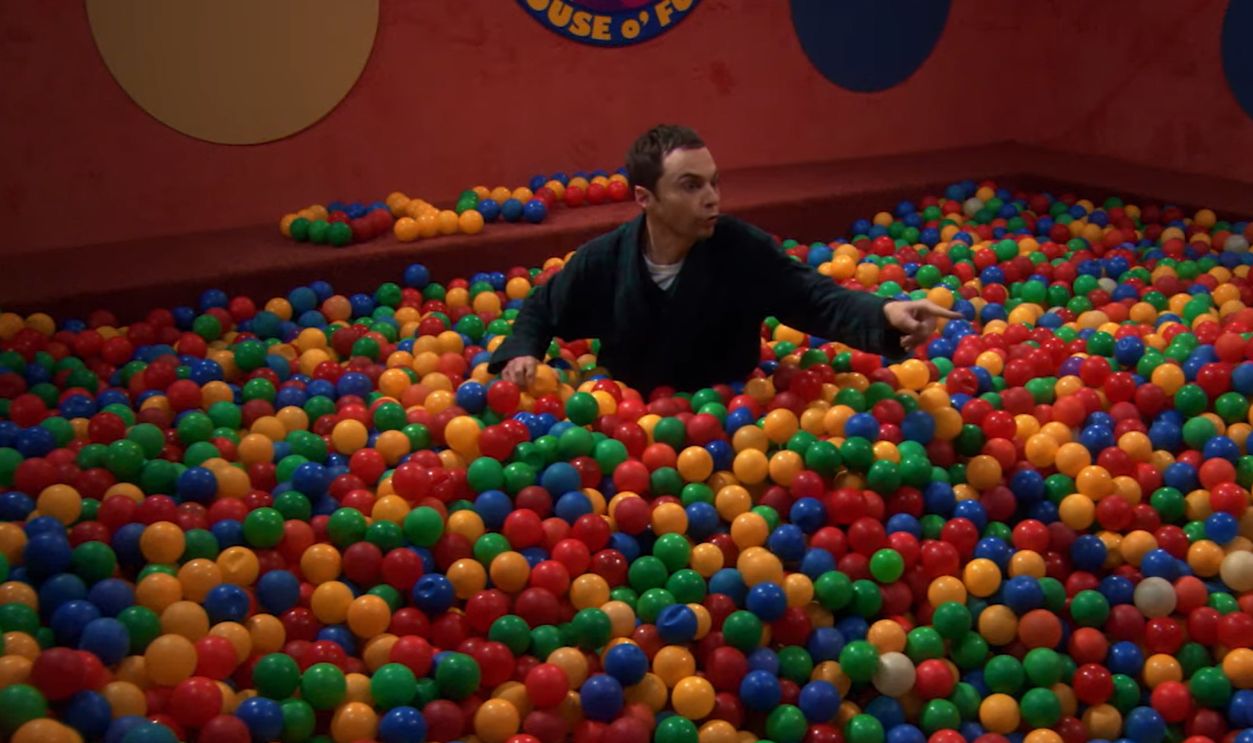 Screenshot from The Big Bang Theory, CBS (2007–2019)
When TV Merch Goes Too Far (And We Love It Anyway)
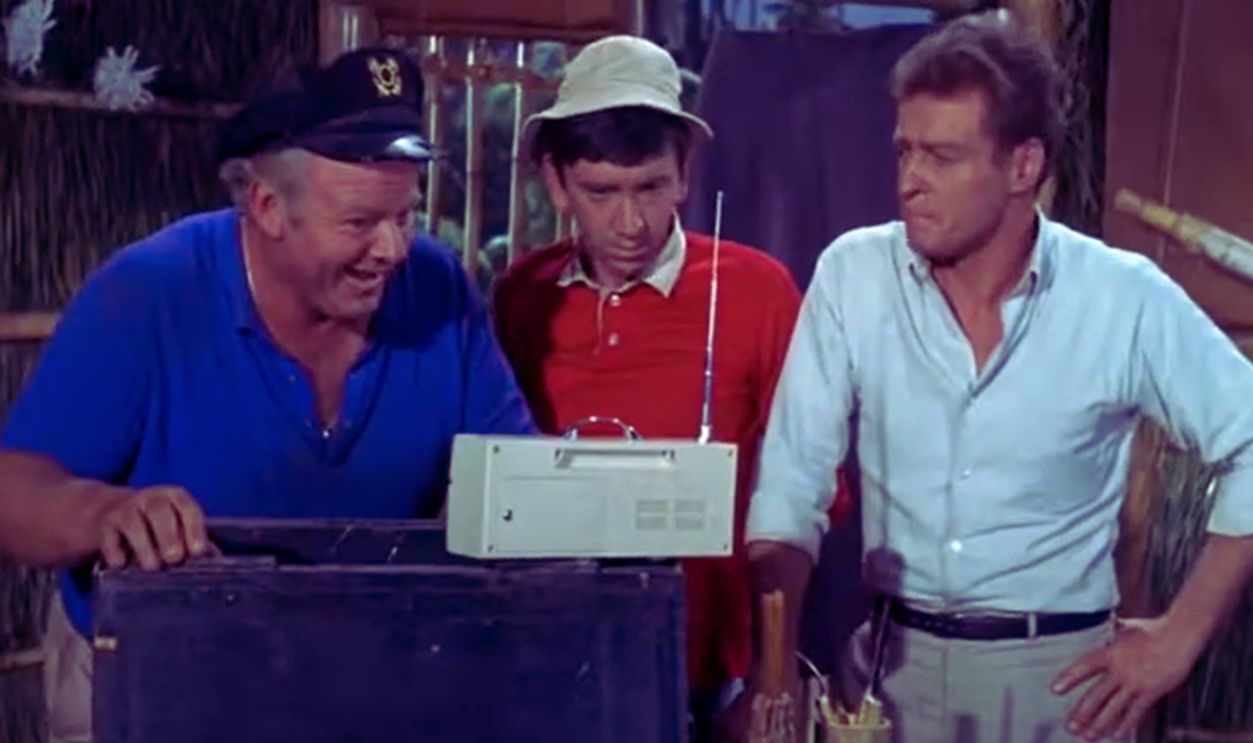
Weird TV merchandise exists because fandom is powerful, unpredictable, and occasionally unhinged. These products may not all have been necessary — or even advisable — but they represent something oddly beautiful: the moment a TV show becomes more than entertainment and starts invading everyday life. From toilet seats to scented candles to deeply questionable toys, these items prove that when a show is popular enough, nothing is off-limits. And honestly? We wouldn’t have it any other way.
 Screenshot from Gilligan’s Island, CBS (1964–1967)
You May Also Like:
Sandy Denny’s Story Is Sadder Than Her Songs
Music Stars That People Love, But Their Fan Bases Are Actually A Problem