When Fans Go From Fun To Freaky
Most music fans are totally normal. They stream the albums, buy a shirt, maybe argue online that their favorite record is “underrated” like it’s a full-time job. Fine. Harmless. But every once in a while, you get a fan base that doesn’t just support an artist—they build a whole lifestyle around them, treat criticism like a personal attack, and show up with an energy that makes everyone else quietly inch toward the nearest exit.
These are the music stars whose fan bases have a reputation for going way past “passionate” and landing somewhere around “please don’t look them in the eye”.
Insane Clown Posse
Insane Clown Posse didn’t become a phenomenon by trying to win over everyone. They made their own weird little universe—face paint, horrorcore, clown chaos, and a whole mythology that makes their discography feel like a saga. If you’re in, you’re in.
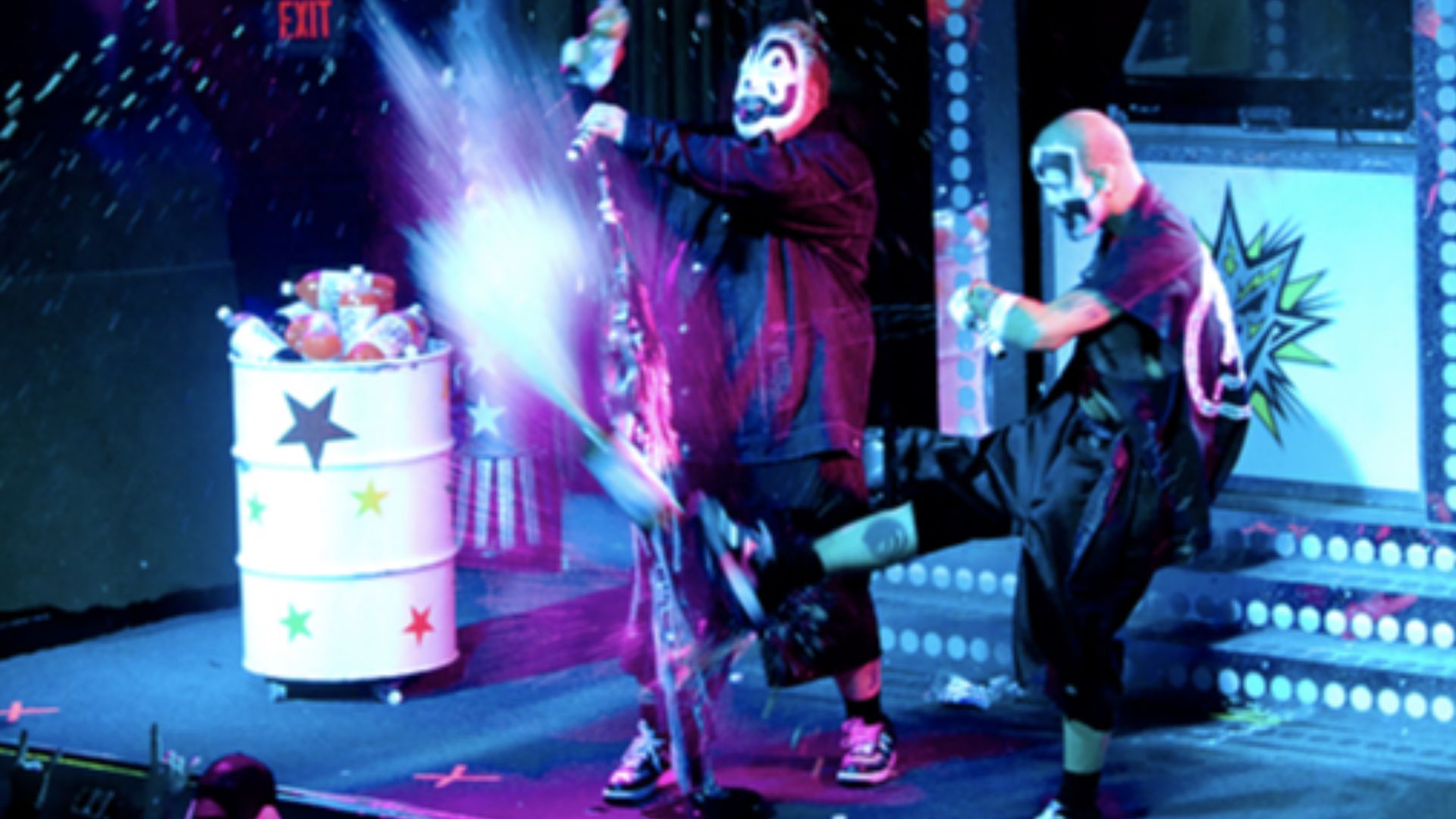
Juggalos And The Whole “We’re A Family” Thing
Juggalos don’t act like casual fans. They act like you’ve either joined the clan or you haven’t. Between the face paint, the symbols, the huge gatherings, and the “ride or die” loyalty, the vibe can feel less like fandom and more like a tight-knit crew that might absolutely jump in if you say the wrong thing. It’s the group identity that’s intense—like you’re witnessing a community that runs on its own rules.
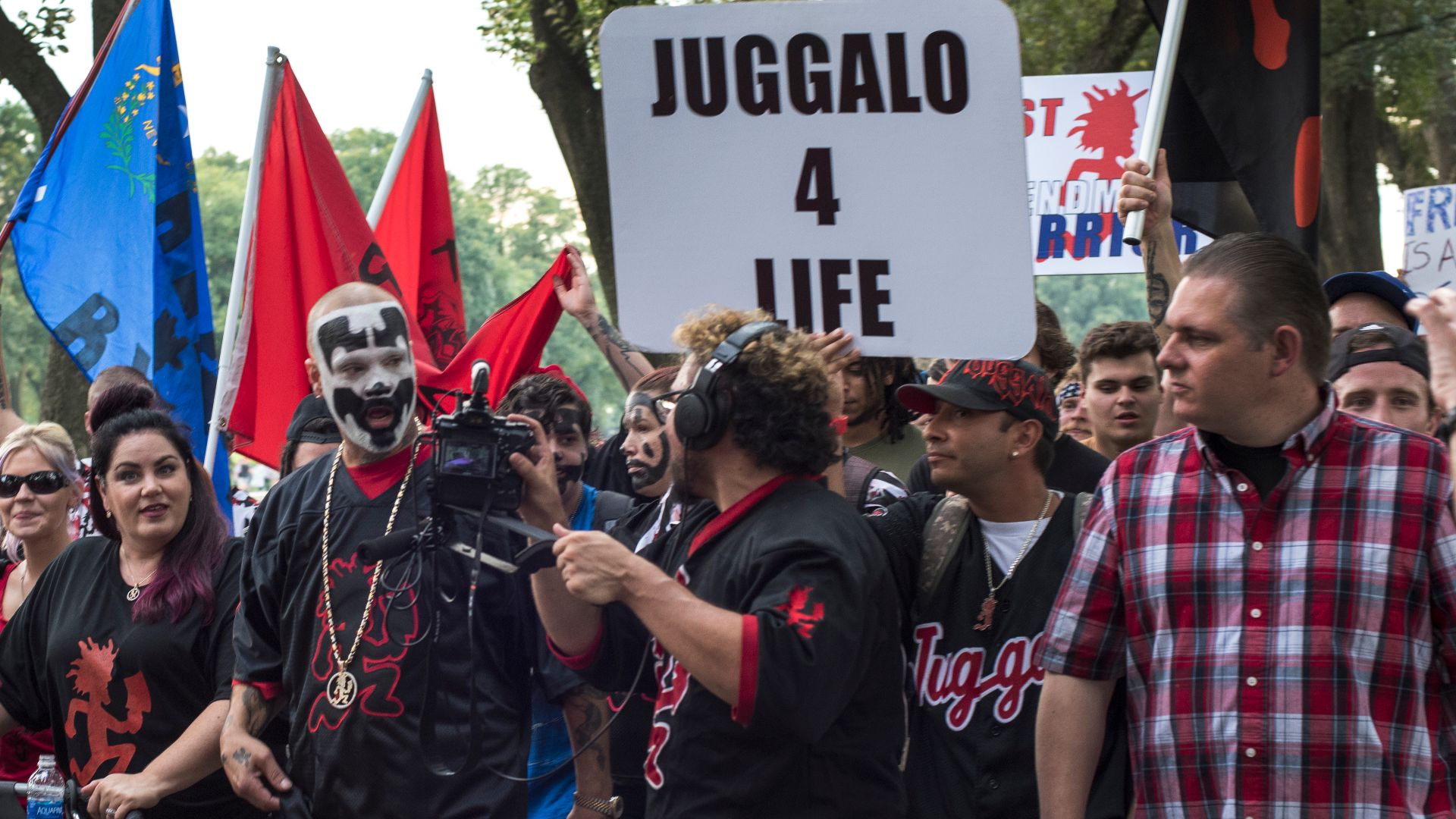 SullyDC from Alexandria, VA, USA, Wikimedia Commons
Justin Bieber
Bieber blew up young, fast, and worldwide. One day he’s a kid singing online, the next he’s basically everywhere at once. He didn’t just get famous—he became the centerpiece of a whole teen-pop obsession era.
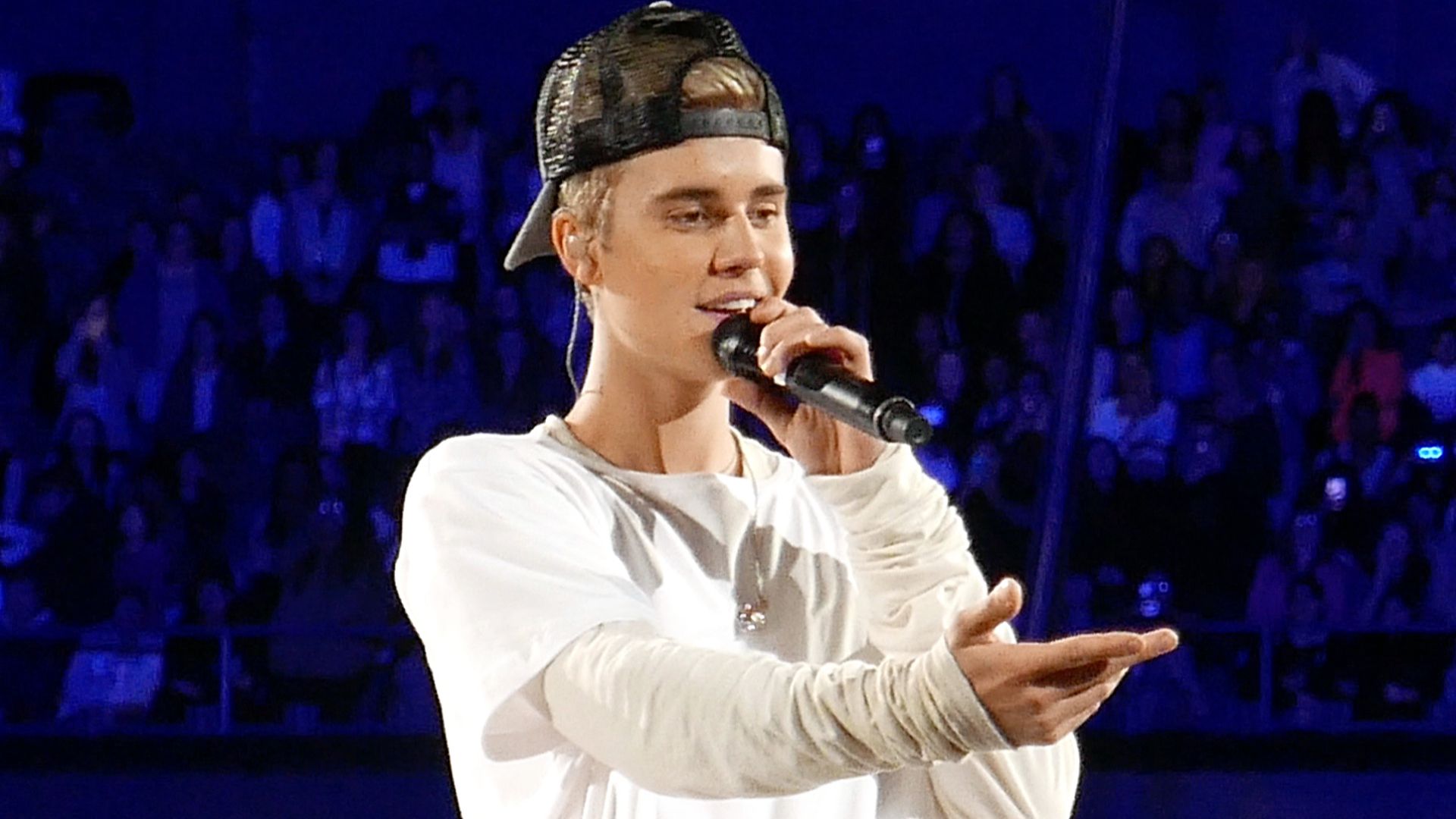 Lou Stejskal, Wikimedia Commons
Beliebers And The “Don’t You Dare Criticize Him” Energy
Beliebers were famous for screaming, crying, and going into full emotional crisis mode in public. But the scary part wasn’t just the concert noise—it was how quickly the fan base could turn into a swarm online. Say something negative about Bieber and it could feel like you just poked a hornet’s nest with a stick.
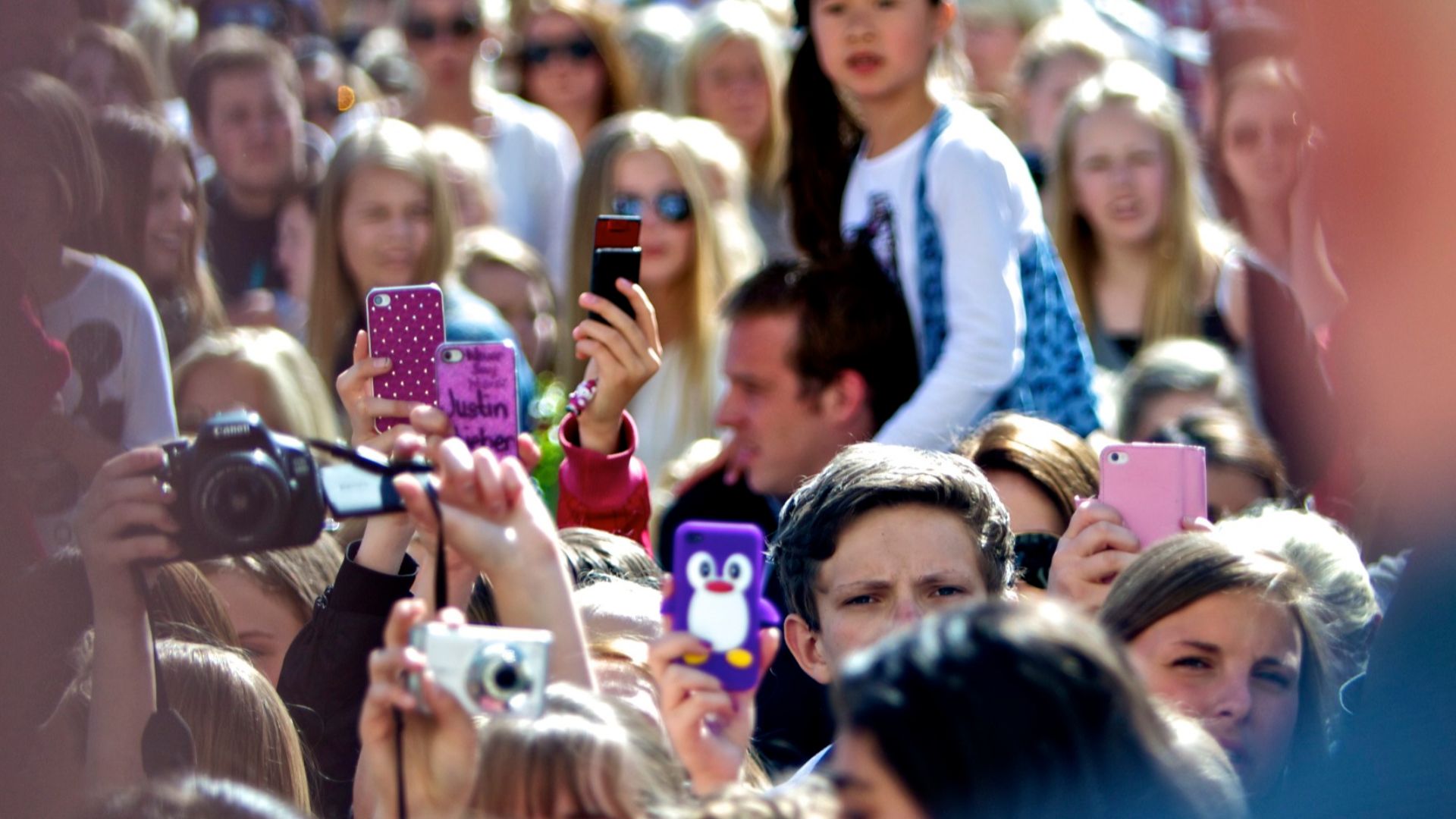 John Christian Fjellestad from Hamar, Norway, Wikimedia Commons
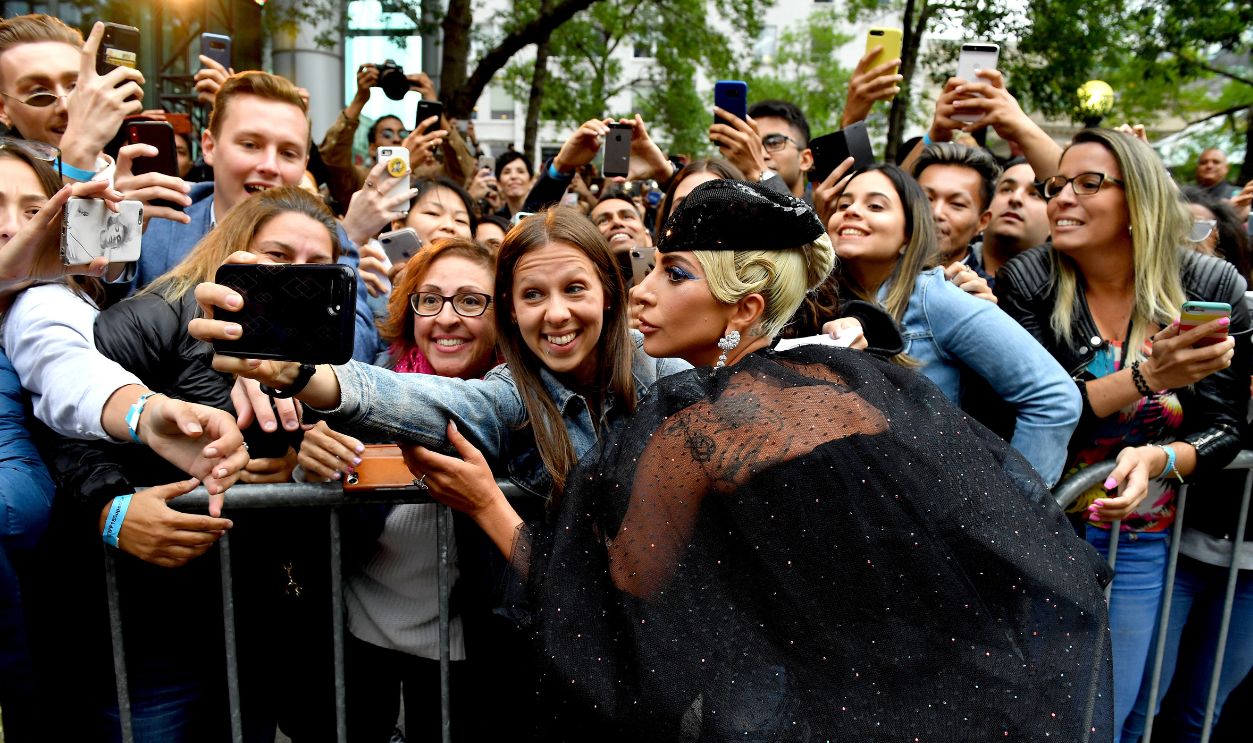
Lady Gaga
Lady Gaga came in like a glitter bomb. Big hooks, bigger outfits, and a whole vibe that screamed: be weird, be loud, be yourself. She made a lot of fans feel seen—and that kind of connection runs deep.
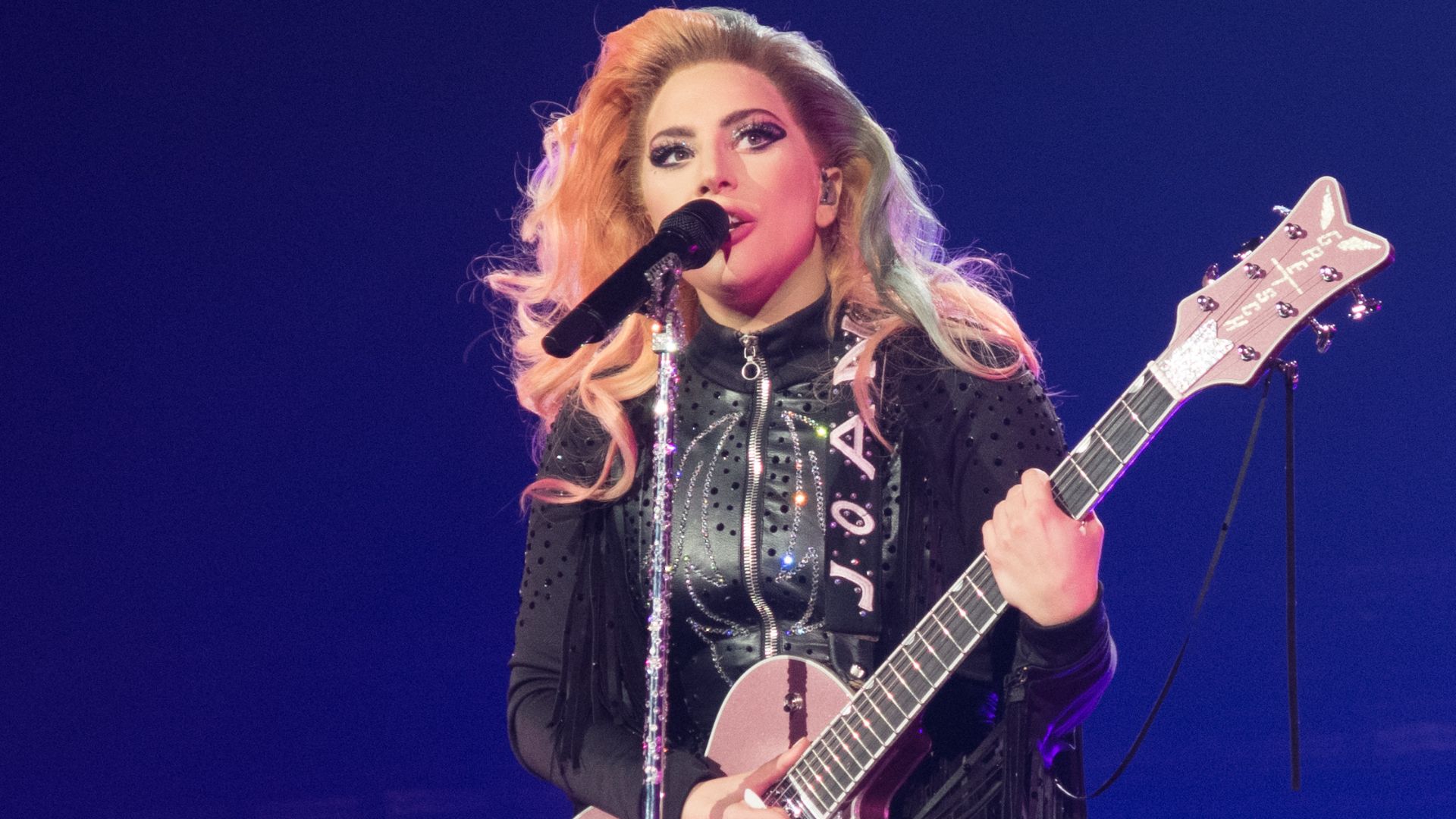 Marcel de Groot, Wikimedia Commons
Little Monsters And Their No-Questions Loyalty
Little Monsters didn’t just like Gaga, they identified with her. And that devotion can get intense. Sometimes it feels like you’re not allowed to have an opinion about Gaga unless it’s worship, and that’s where things start getting a little…cult-y.
Britney Spears
Britney’s career has been so public it feels like everyone watched it happen in real time. She wasn’t just a pop star—she became a story people followed like a weekly series, highs and lows included.
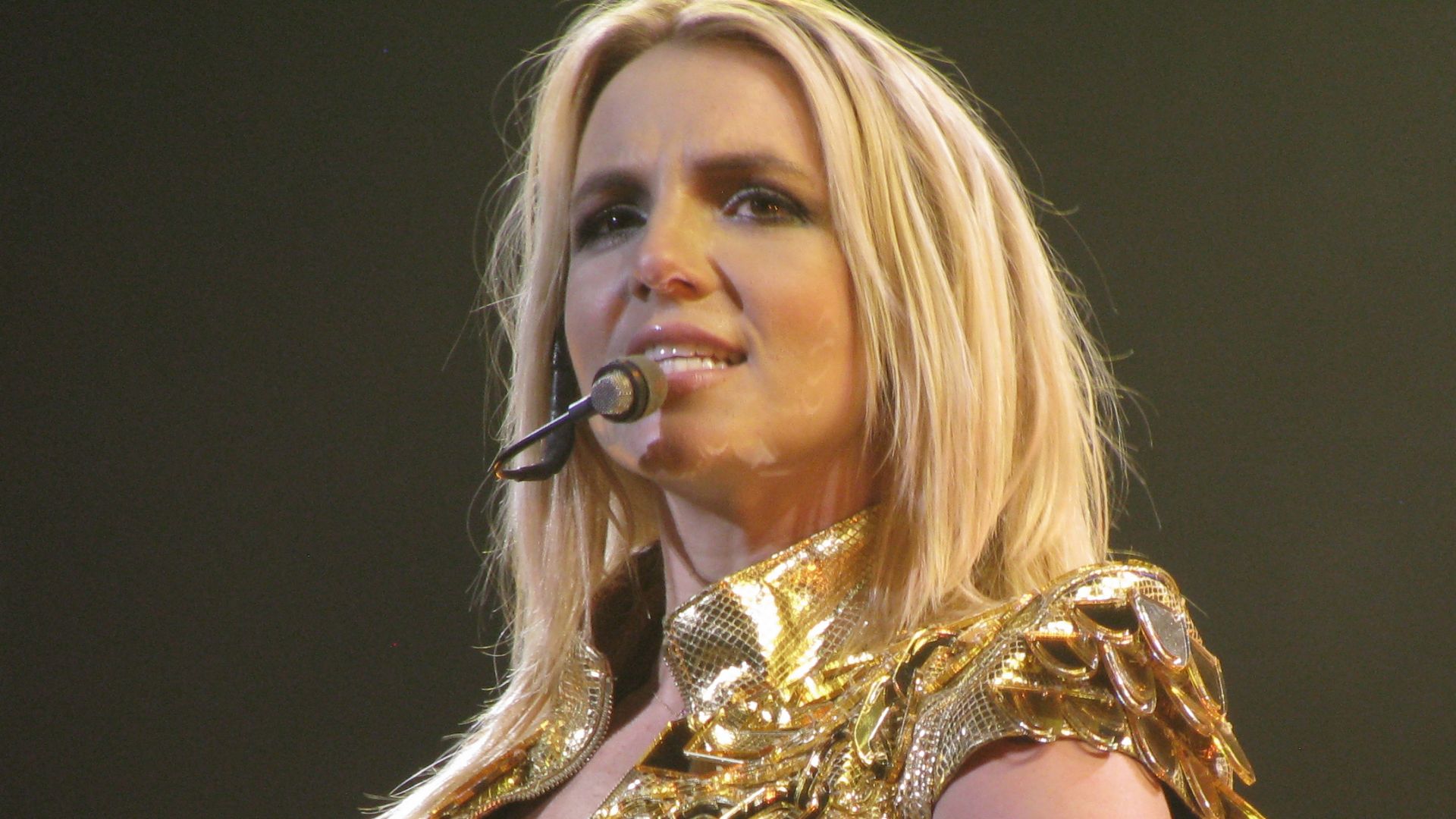 Jen from USA., Wikimedia Commons
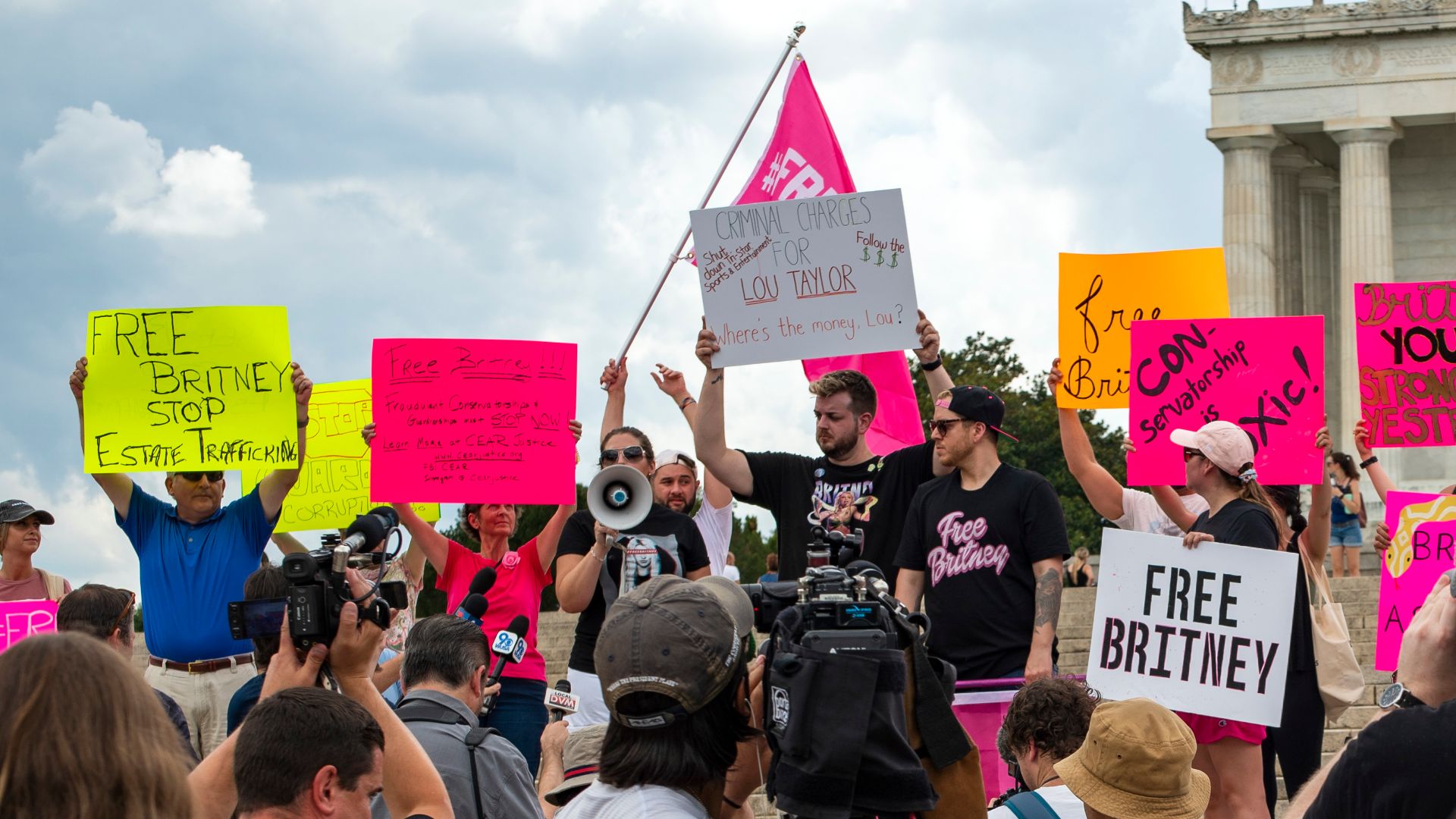
Britney’s Fans And The Stress Of Caring Too Much
Britney fans have always been super emotionally invested, which is sweet—until it turns into constant panic and outrage spirals. A rumor drops, and suddenly it’s alarms everywhere. They don’t just want her to succeed—they want to protect her like it’s their job.
 Mike Maguire, Wikimedia Commons
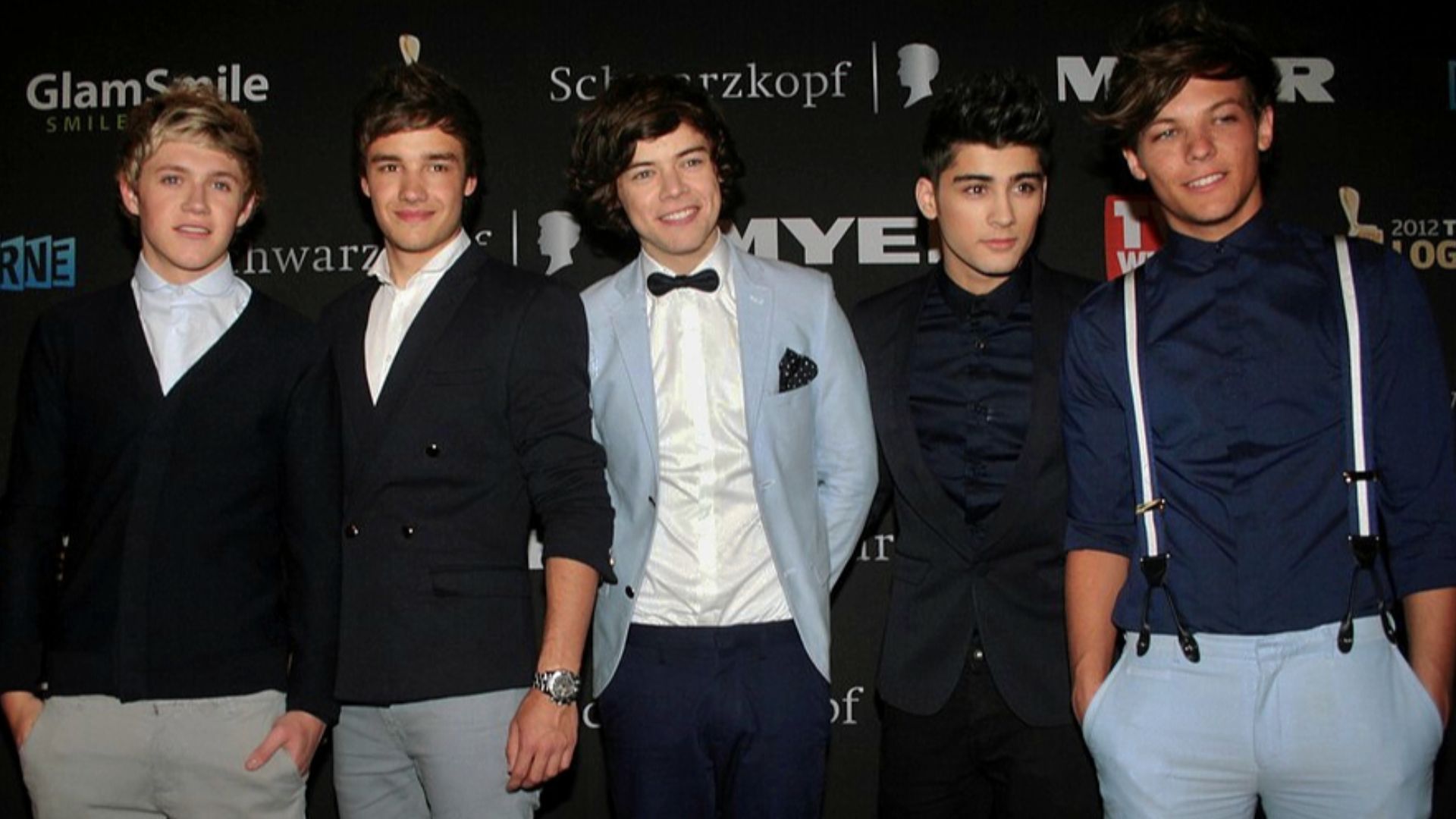
One Direction
One Direction had the perfect boy-band formula, plus the internet, plus constant access through social media. Fans weren’t just buying music—they were basically living in the band’s ecosystem.
 Brett Robson – Global Photographics, Wikimedia Commons
Directioners And The End-Of-The-World Reactions
Directioners had this vibe like One Direction had to last forever. When anything threatened that—hiatus rumors, solo projects, whatever—people acted like a disaster was unfolding. The intensity of the emotional attachment was what freaked people out, because it was never “aww, that’s sad” and more “oh no, are we okay here”.
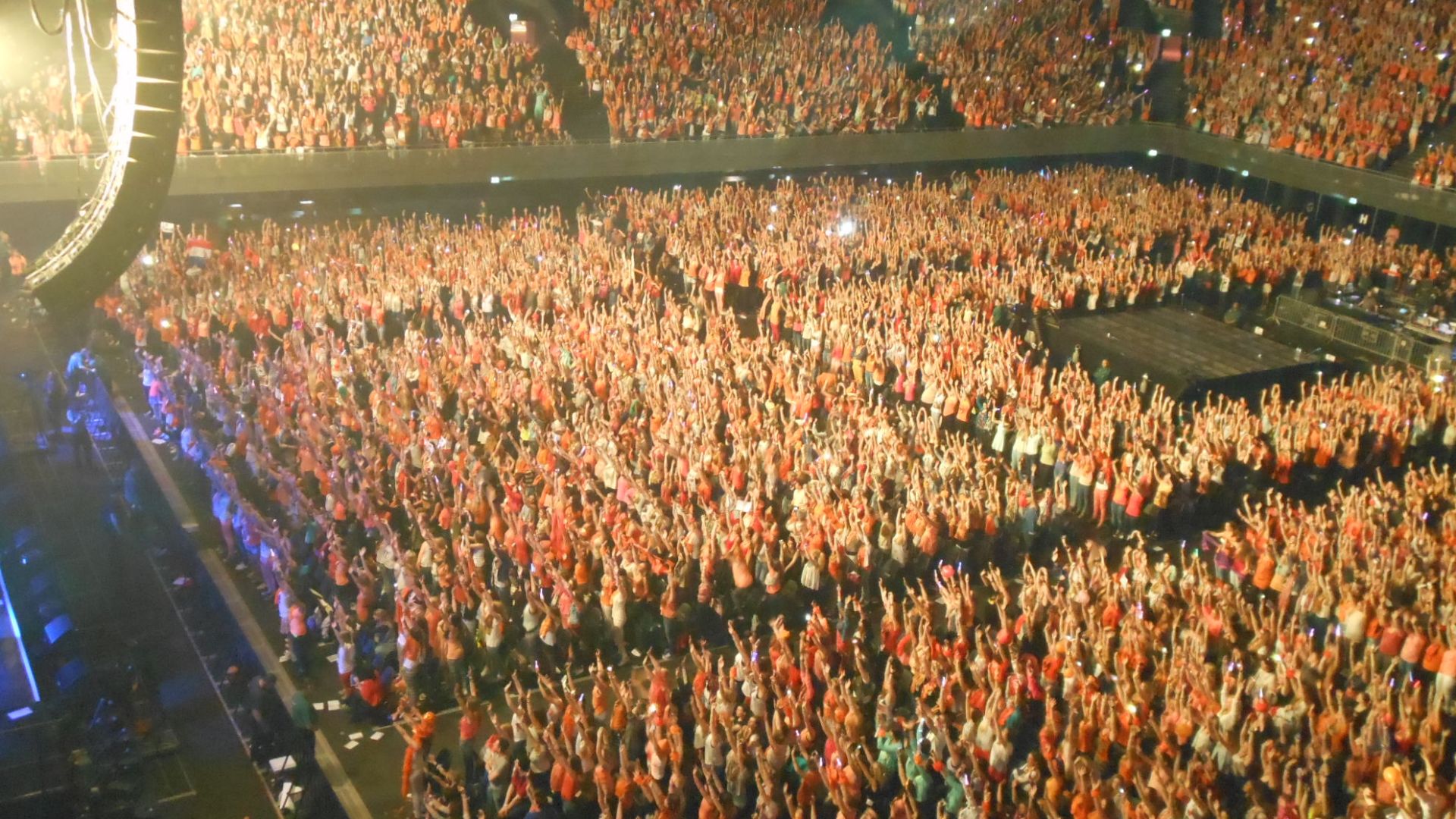 ItsJustSascha, Wikimedia Commons
The Beatles
The Beatles created the original blueprint for fan hysteria. These days we’re used to fandom being loud, but in the 1960s it was like society had never seen anything like it before.
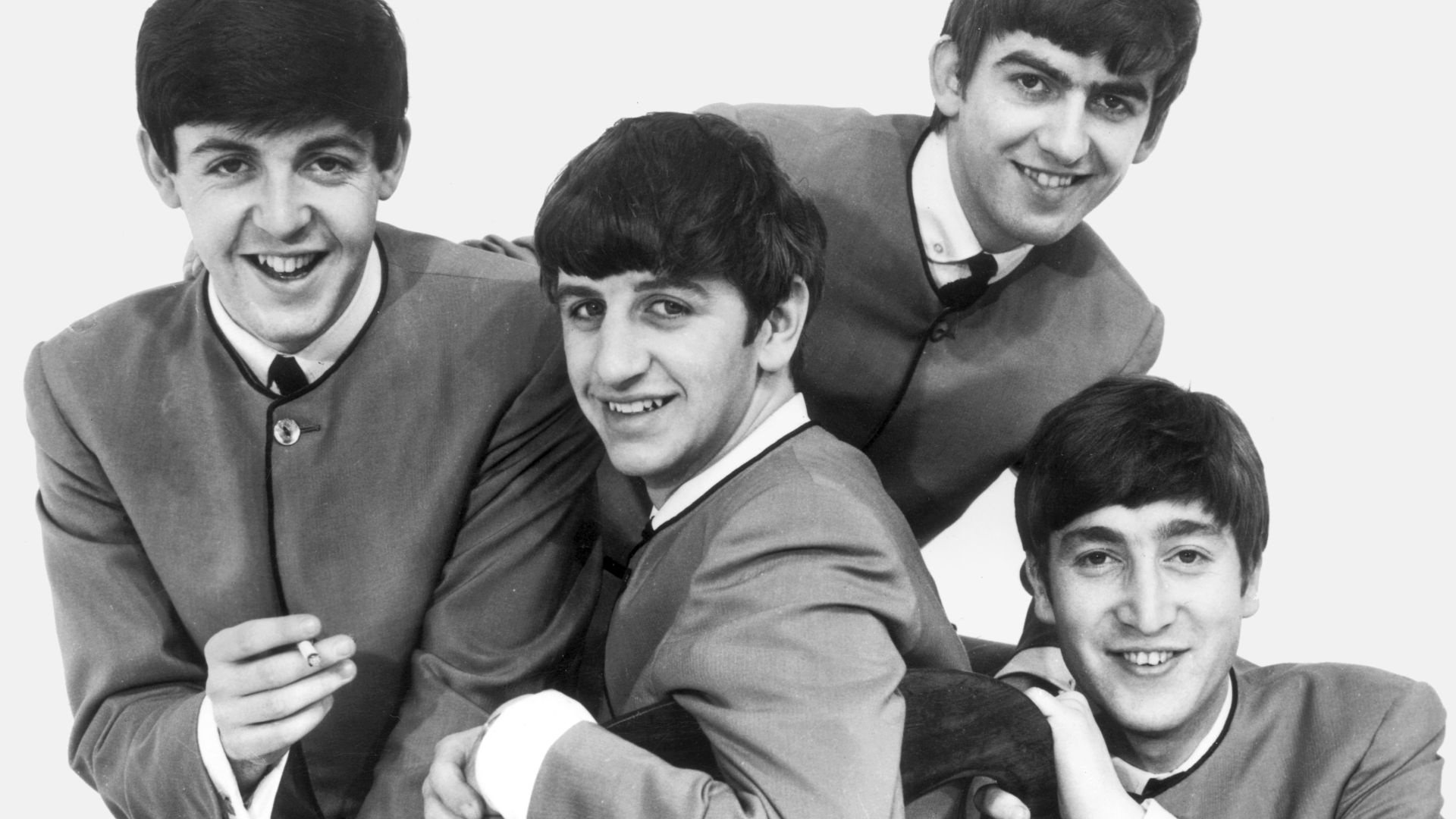 Dezo Hoffmann, Distributed by Capitol Records, Wikimedia Commons
Beatlemania And The Screaming Stampede
Beatlemania wasn’t subtle. People screamed until they couldn’t breathe, fainted, swarmed venues, chased cars—the whole thing looked like a movie scene. It scared adults back then because it seemed uncontrollable, like a crowd could just snap into chaos the second the band showed up.
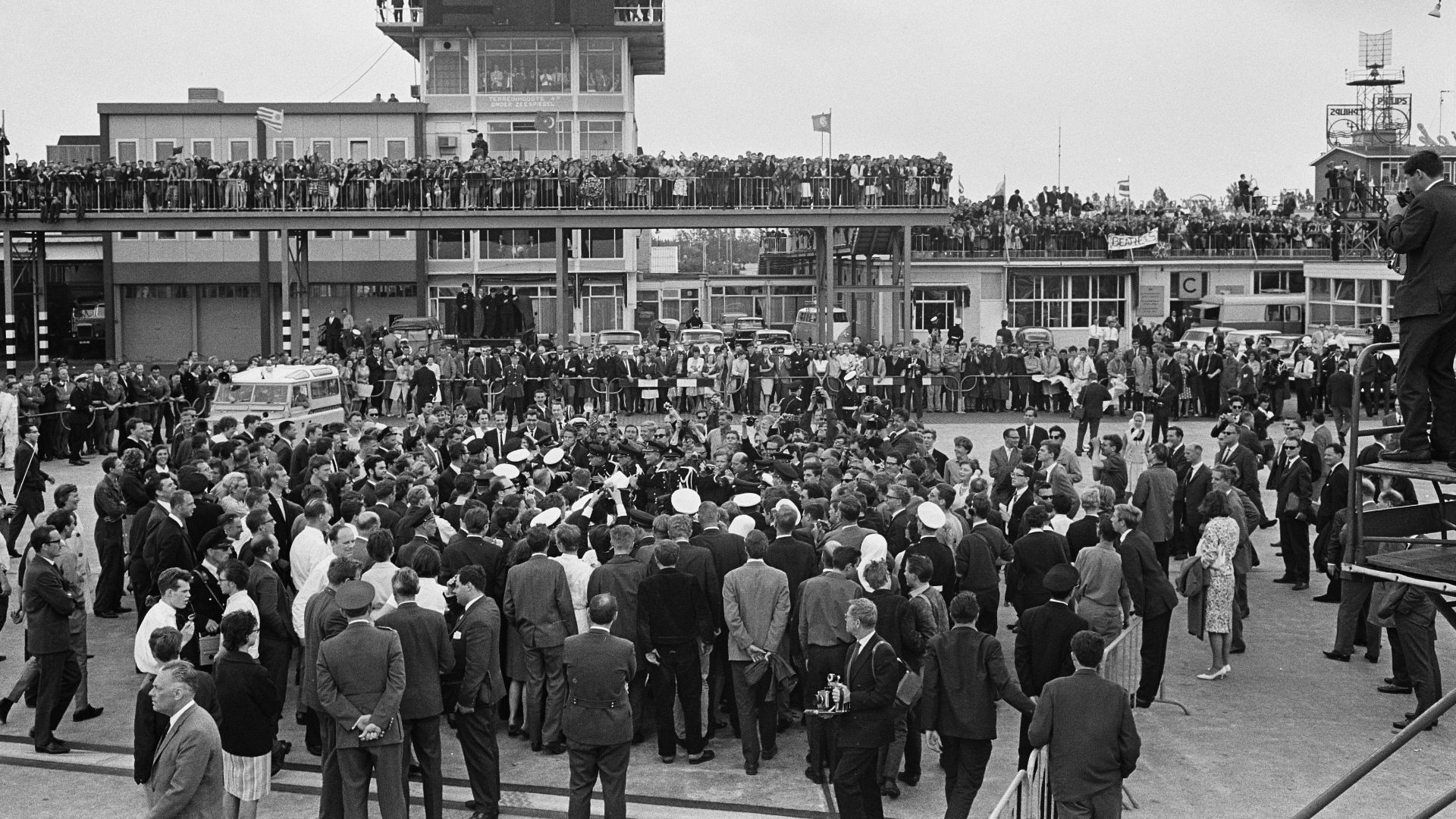 Harry Pot / Anefo, Wikimedia Commons
Morrissey
Morrissey has always had this intensely emotional, lonely-poet aura, and his lyrics hit hard for people who feel like outsiders. That’s a powerful bond to create with an audience.
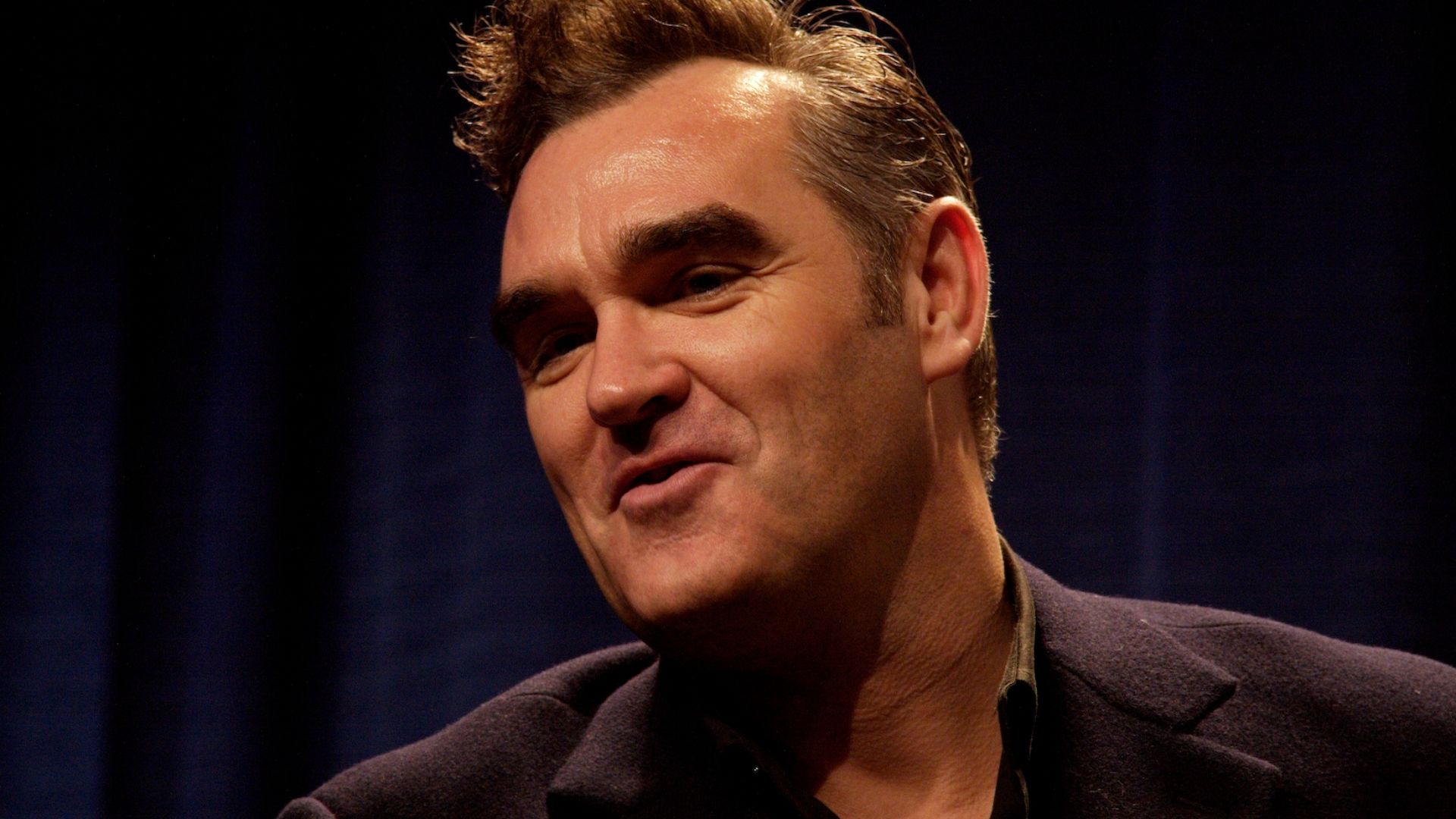 Charlie Llewellin from Austin, USA, Wikimedia Commons
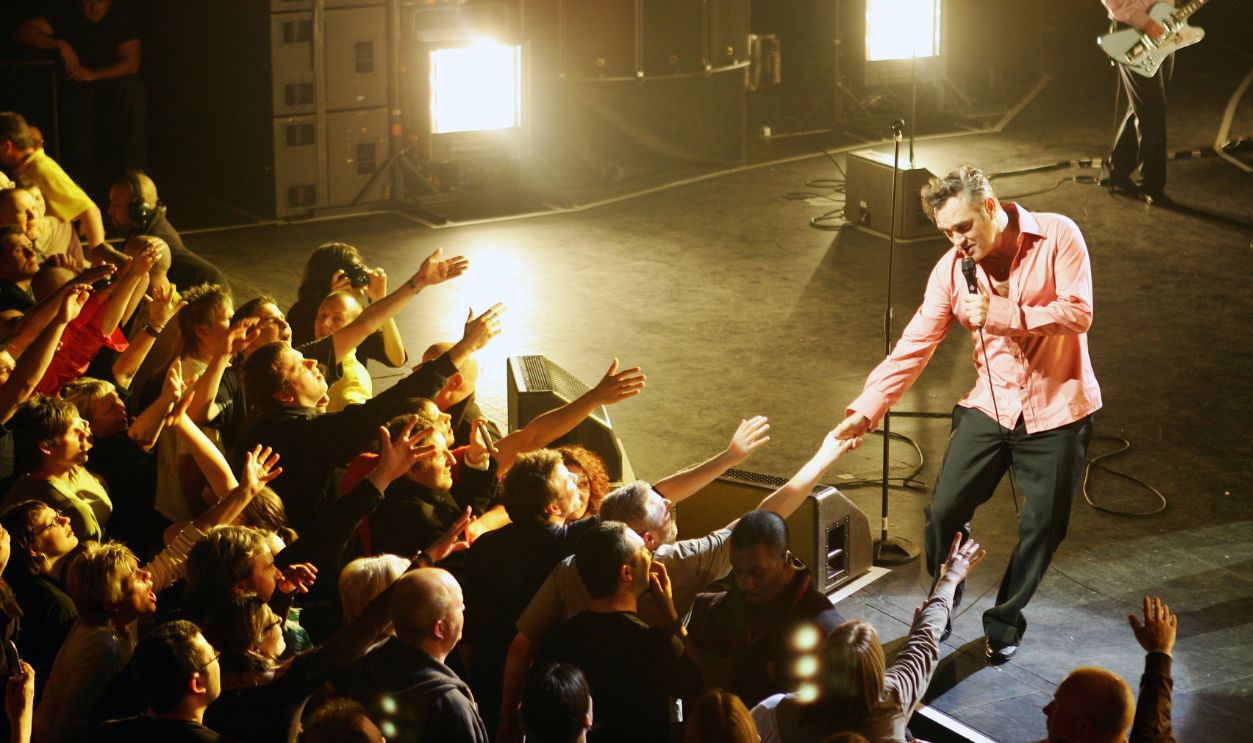
Moz Fans And The Whole “Rushing The Stage” Problem
Some Morrissey fans don’t just watch the show—they try to be part of it. Stage-rushing, grabbing, treating him like some kind of sacred figure they need to physically connect with. The lack of boundaries is what makes it unsettling, because you’re watching admiration turn into entitlement in real time.
Tori Amos
Tori Amos makes the kind of music that feels like a diary you weren’t supposed to read. It’s raw, personal, and emotional in a way that makes fans feel like she’s speaking directly to them.
 Justin Higuchi from Los Angeles, CA, USA, Wikimedia Commons
Tori Fans And The Intensity That Gets Heavy
Some of her fans connect so deeply it stops being casual listening and starts feeling like emotional dependence. It’s not loud scary—it’s quiet scary. Like…this music matters to people in a way that feels almost too serious for a normal concert setting.
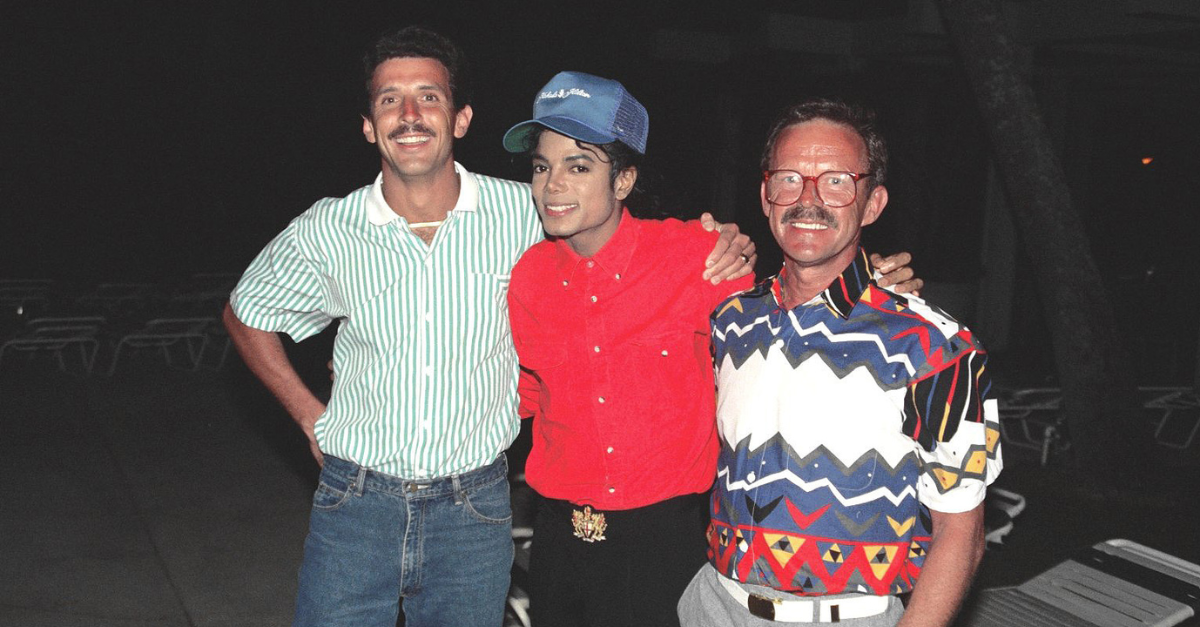
Michael Jackson
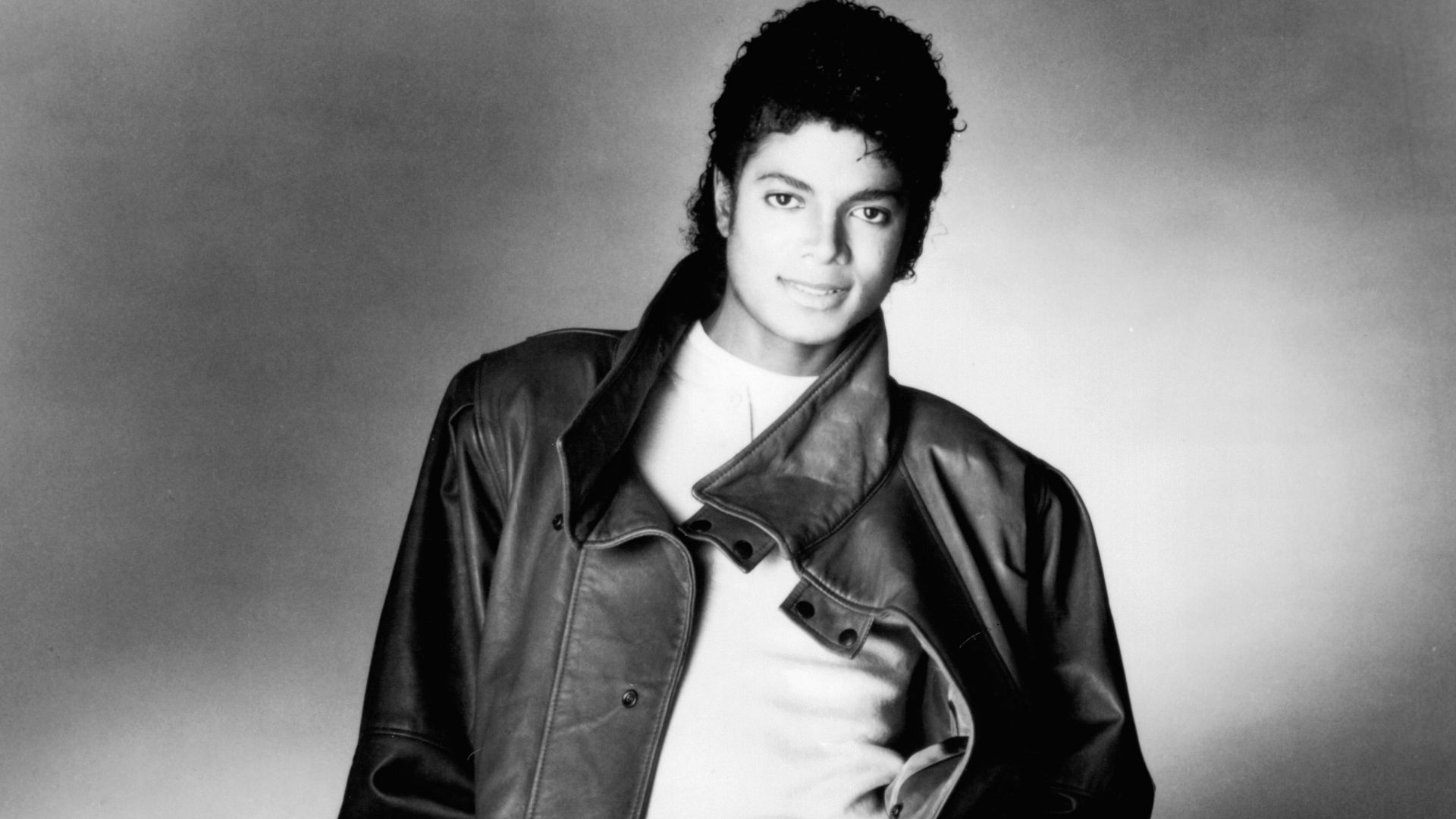
Michael Jackson was so famous it’s hard to even compare him to anyone else. His talent was enormous, his influence was worldwide, and his life was surrounded by controversy that people still argue about.
 Matthew Rolston; Distributed by Epic Records, Wikimedia Commons
Jackson Superfans And The Aggressive Defensiveness
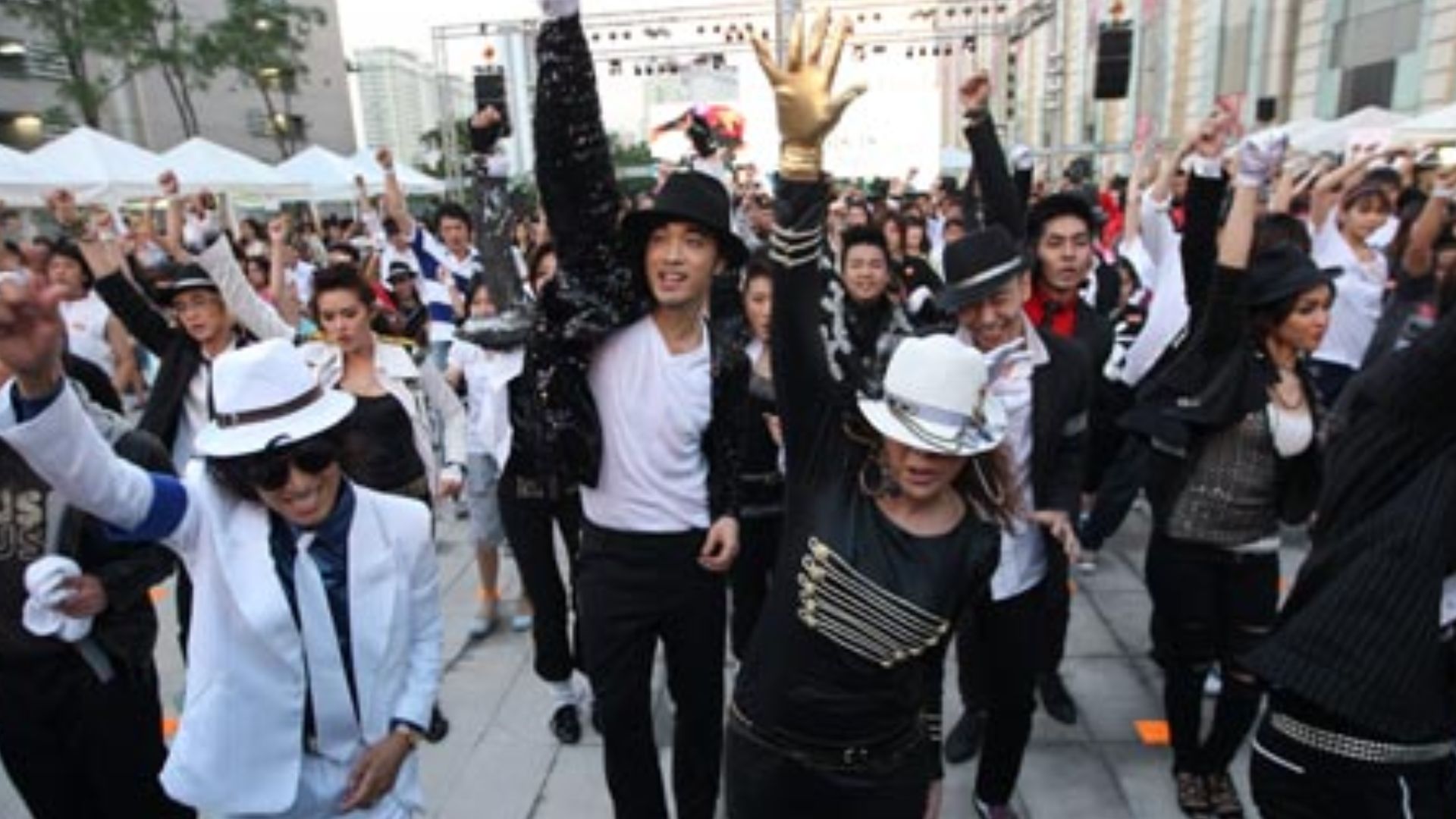
Jackson’s hardcore fans are known for going into full defense mode the second anyone brings up anything negative. It’s not just disagreement—it can turn into full-on refusal to engage with reality. The scary part is how relentless it can get, like you’re not debating a musician—you’re challenging a belief system.
Why This Stuff Still Freaks People Out
The scary fan bases usually have the same thing in common: the artist isn’t just an artist. They’re a symbol. A personality. A whole identity. And once people tie their identity to a celebrity, things get weird fast—because criticism feels personal, and boundaries start looking optional.
You May Also Like:
These Forgotten Female Pop Stars Deserve Much More Than They Got
Source: 1