Supreme Confidence, Solo Panic
Leaving the most successful girl group in pop history sounds like the kind of move legends make. In reality, Diana Ross’s exit from The Supremes was filled with second-guessing, stalled momentum, and moments where even Motown’s inner circle wondered if the leap had been mistimed. The woman who helped define the sound of the 1960s suddenly had to redefine herself—and that reinvention didn’t come easily.
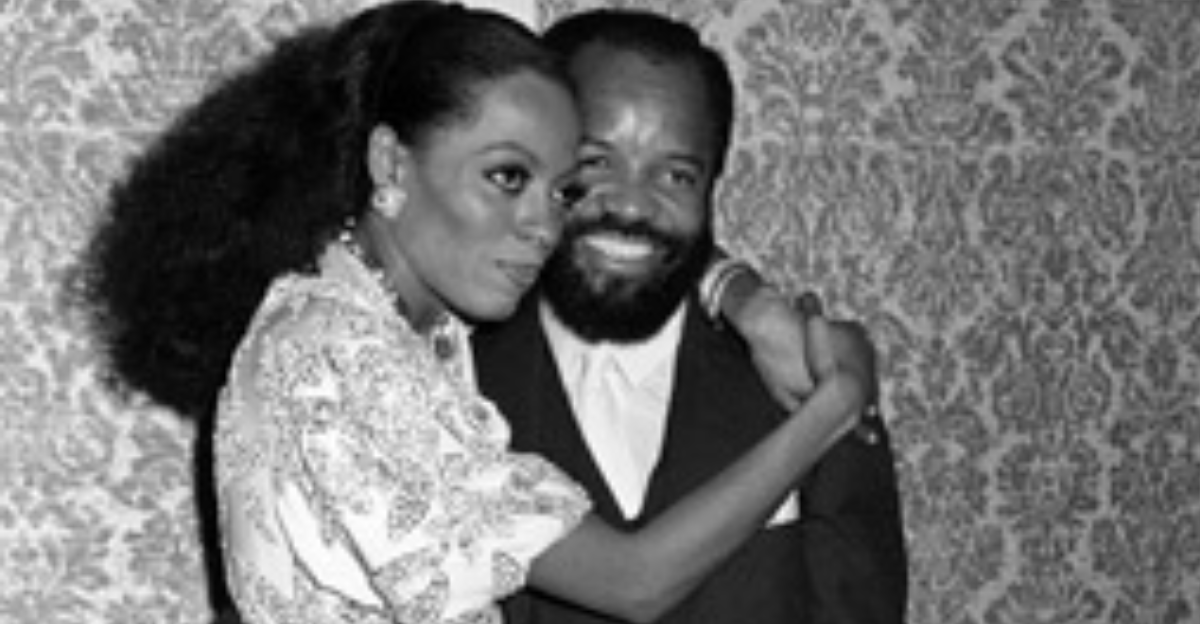
What ultimately saved her solo debut wasn’t luck or timing, but Berry Gordy’s stubborn refusal to let Diana Ross become anything less than inevitable.
 A Detroit Childhood Built On Hustle
Diana Ross grew up in Detroit’s Brewster-Douglass housing projects, surrounded by working families and constant motion. From an early age, she learned that talent mattered—but persistence mattered more.
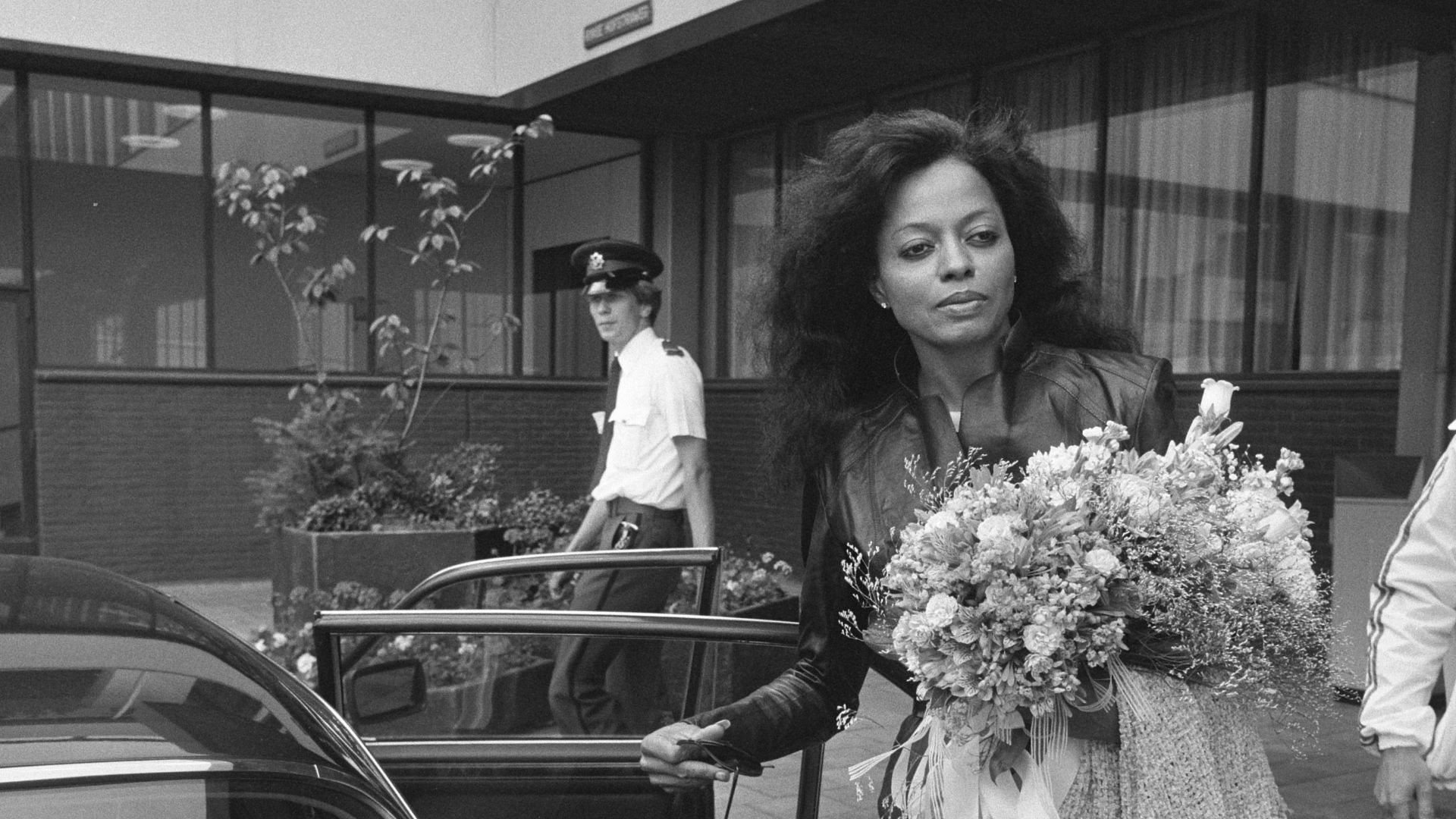 Rob Bogaerts / Anefo, Wikimedia Commons
The Primettes Start Dreaming Big
As a teenager, Ross joined the Primettes, a scrappy vocal group willing to rehearse endlessly for slim chances. Their ambition outweighed their access, but they kept showing up anyway.
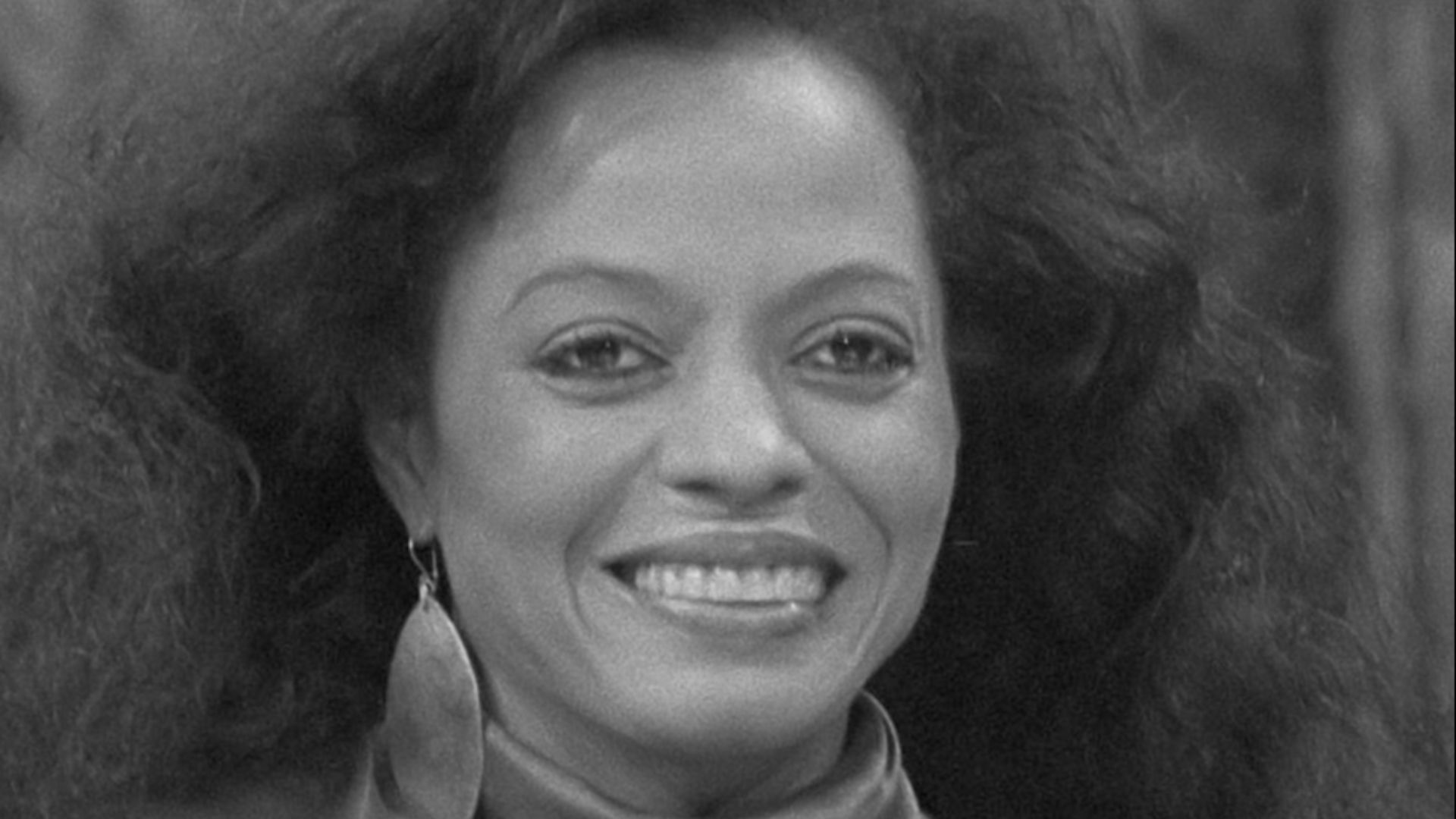 Hans van Dijk for Anefo, Wikimedia Commons
Motown Comes Calling
When Berry Gordy signed the group to Motown, he wasn’t just signing voices—he was investing in potential he believed could be molded, refined, and exported worldwide. The Primettes became The Supremes, and the clock started ticking.
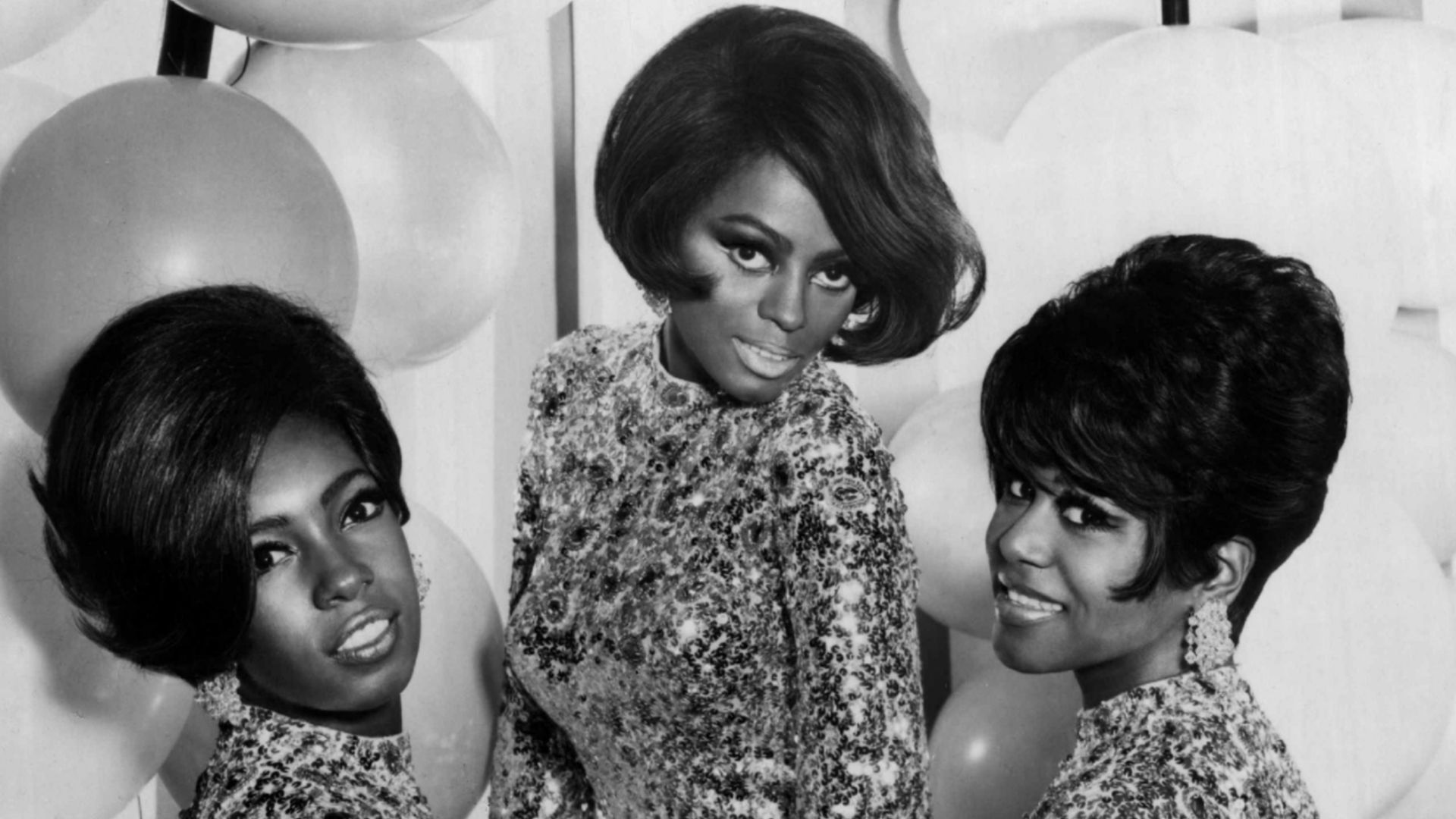 GAC-General Artists Corporation-IMTI-International Talent Management Inc., Wikimedia Commons
Becoming The Lead—And The Focus
Ross gradually emerged as the group’s lead vocalist, her voice lighter and more conversational than traditional soul powerhouses. That subtle distinction made her stand out on radio.
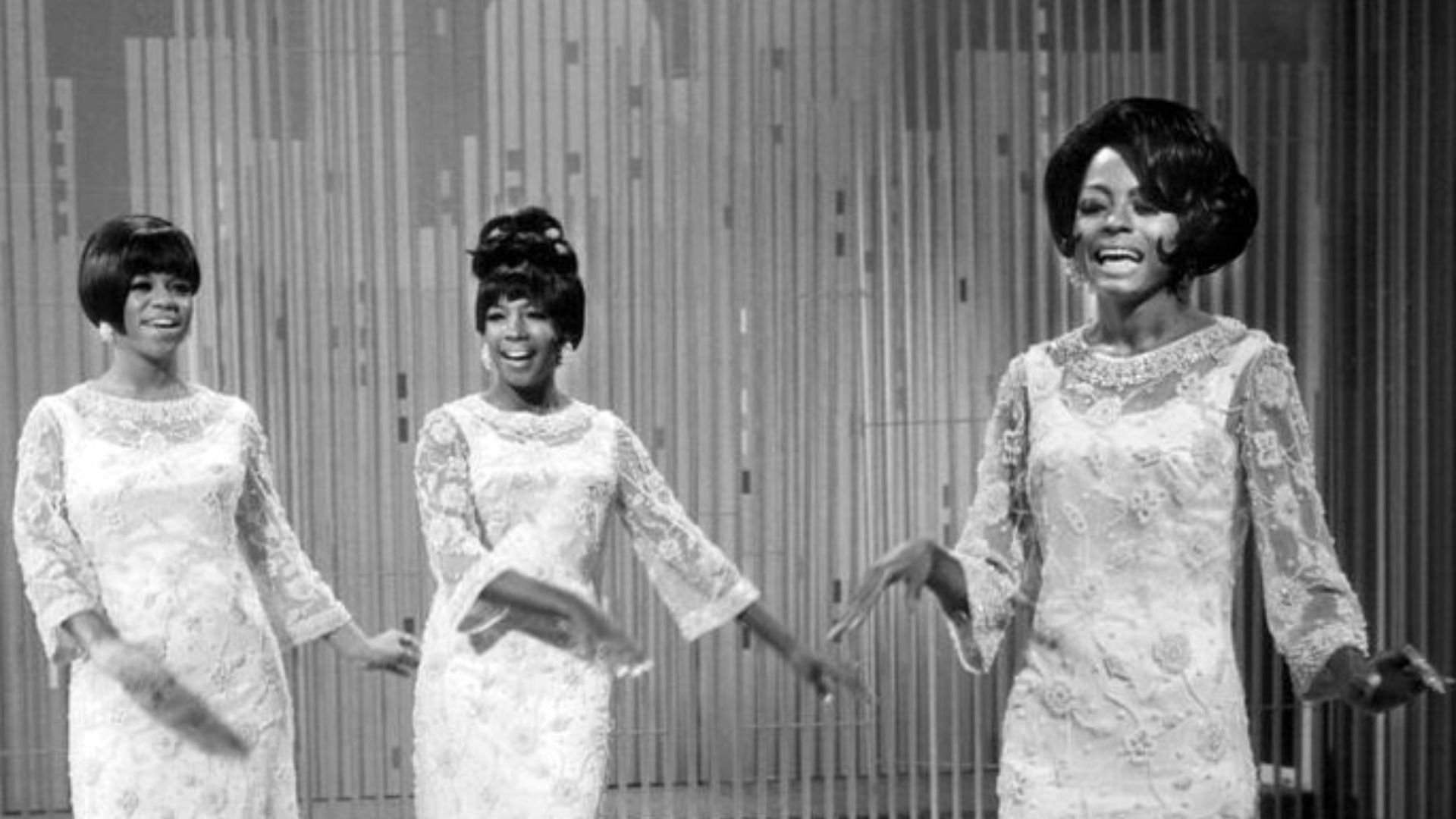 CBS Television, Wikimedia Commons
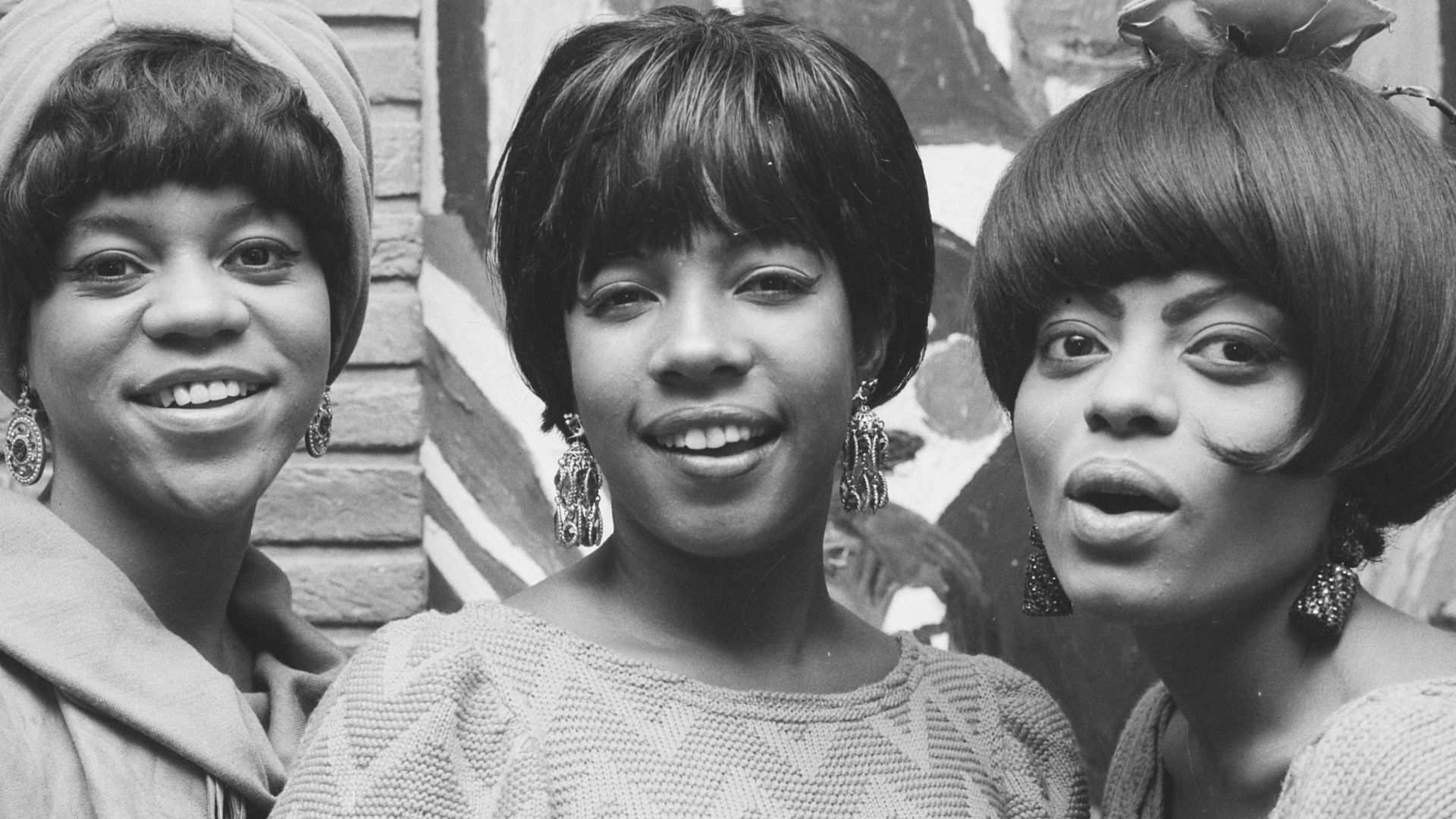
Early Singles And Slow Momentum
Initial releases barely registered, and Motown briefly wondered if the group was another near-miss. Success came slowly, not suddenly.
 Jack de Nijs for Anefo, Wikimedia Commons
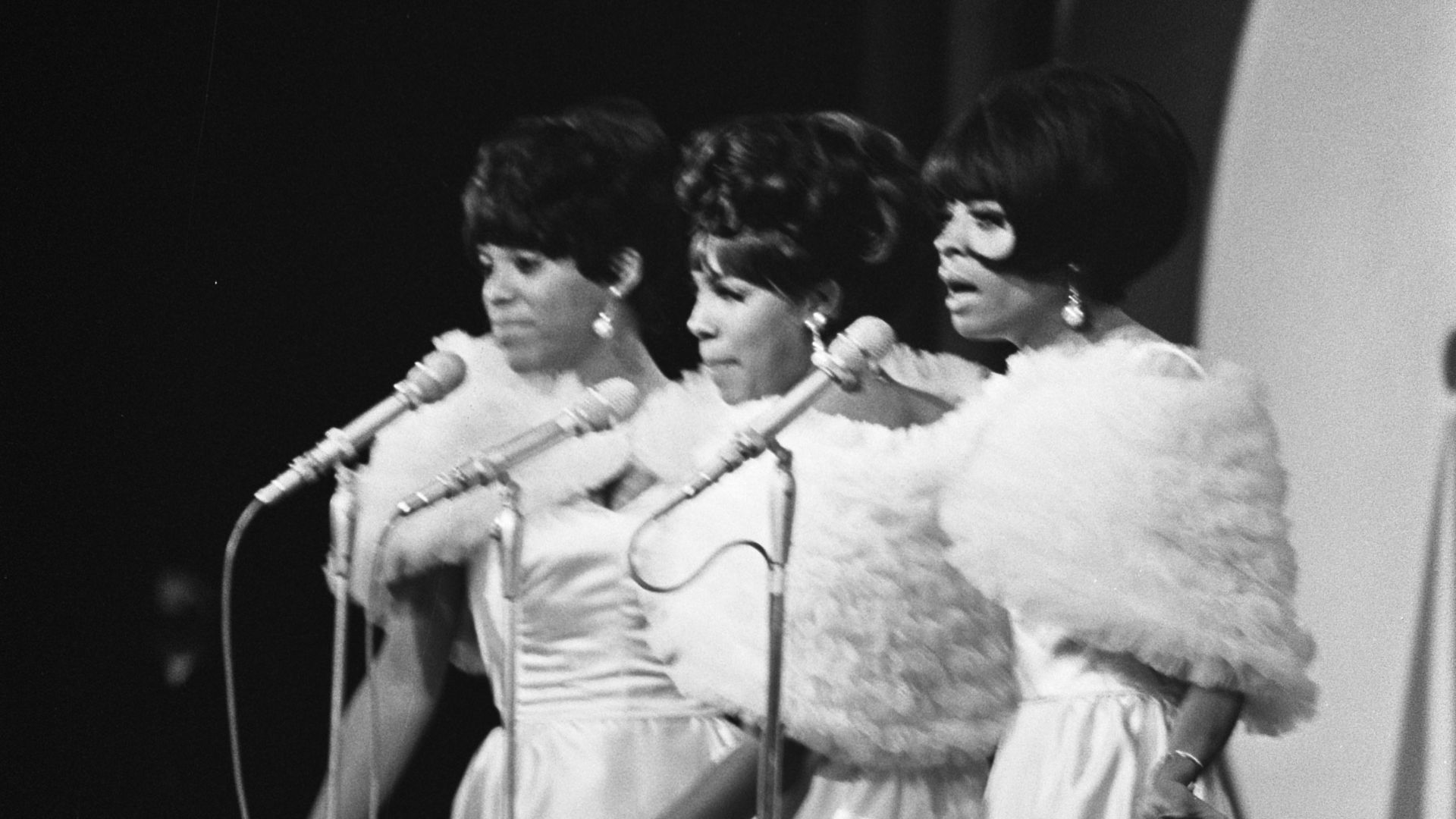
The First Number One Changes Everything
“Where Did Our Love Go” flipped the script overnight, launching a streak of hits that dominated the charts. The Supremes weren’t just popular—they became the sound of an era.
 Eric Koch for Anefo, Wikimedia Commons
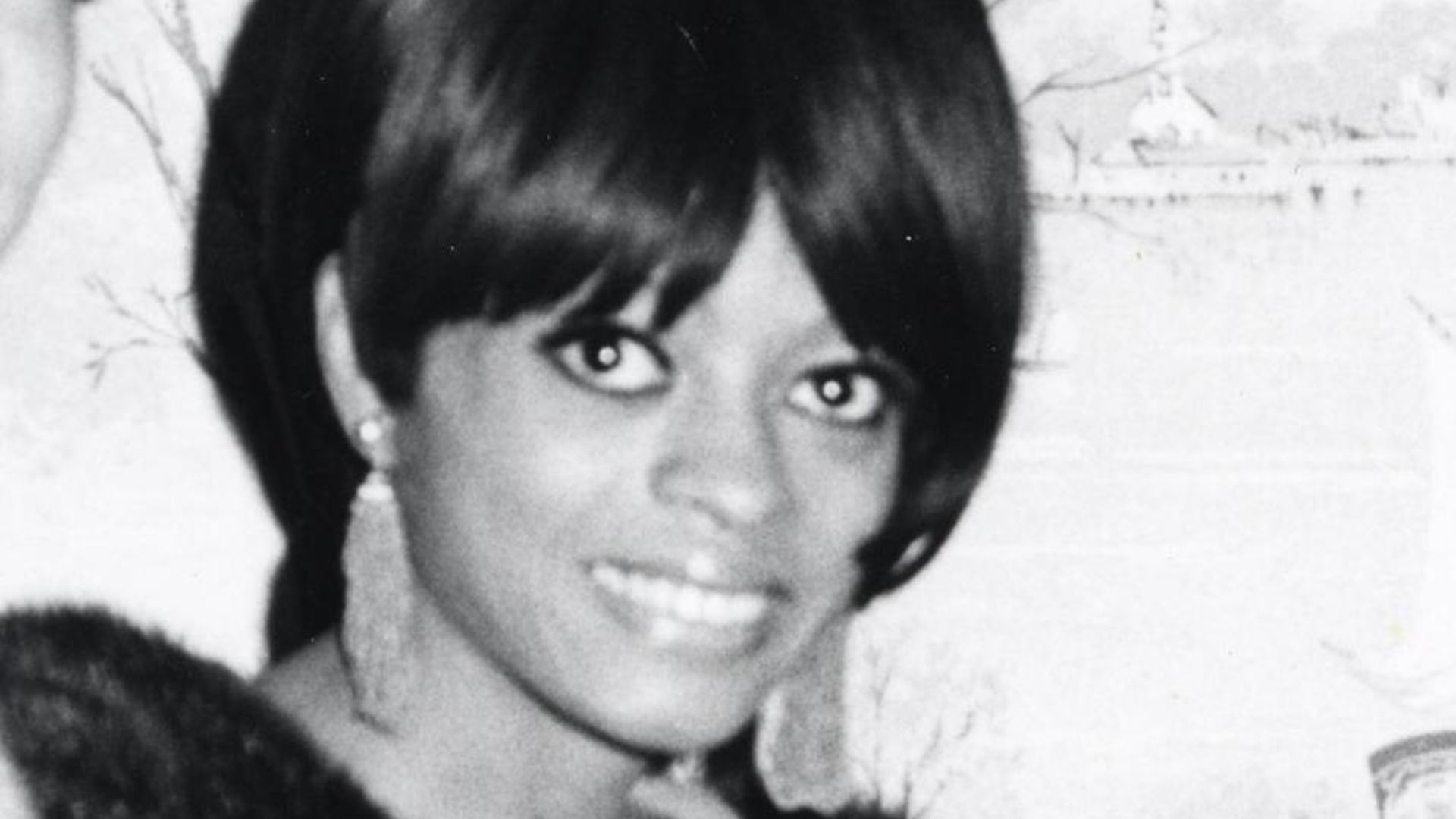
Fame Brings A New Kind Of Pressure
With success came relentless touring, nonstop recording sessions, and public scrutiny. Ross thrived onstage, but the pace was punishing.
 City of Boston Archives from West Roxbury, United States, Wikimedia Commons
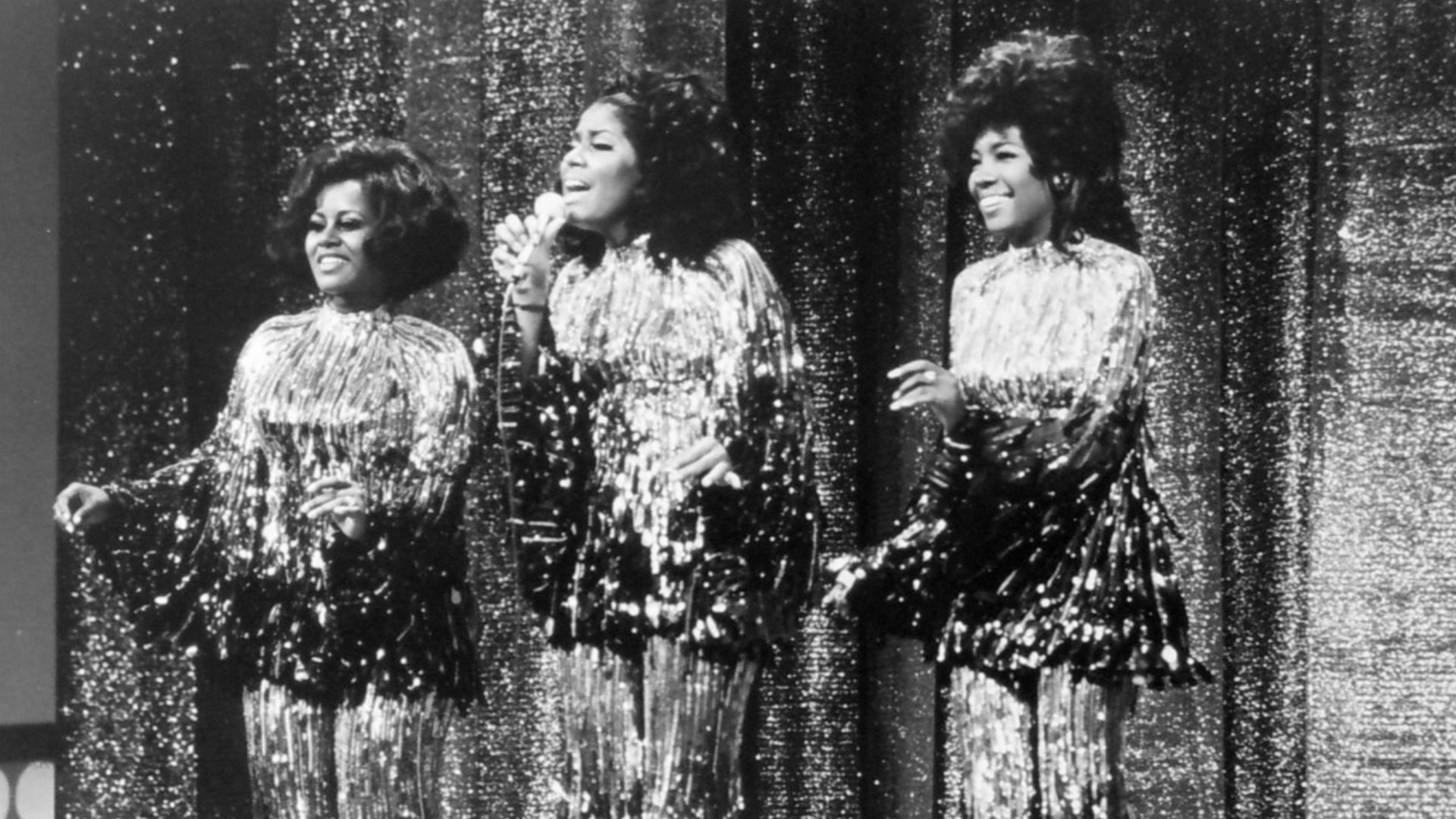
A Trio Onstage, A Hierarchy Offstage
While audiences saw unity, creative decisions increasingly revolved around Ross. That imbalance created quiet resentment that never fully disappeared.
 ABC Television, Wikimedia Commons
The Name Change That Said Everything
Renaming the group Diana Ross & The Supremes was a clear signal of Motown’s priorities. It wasn’t subtle, and it wasn’t accidental.
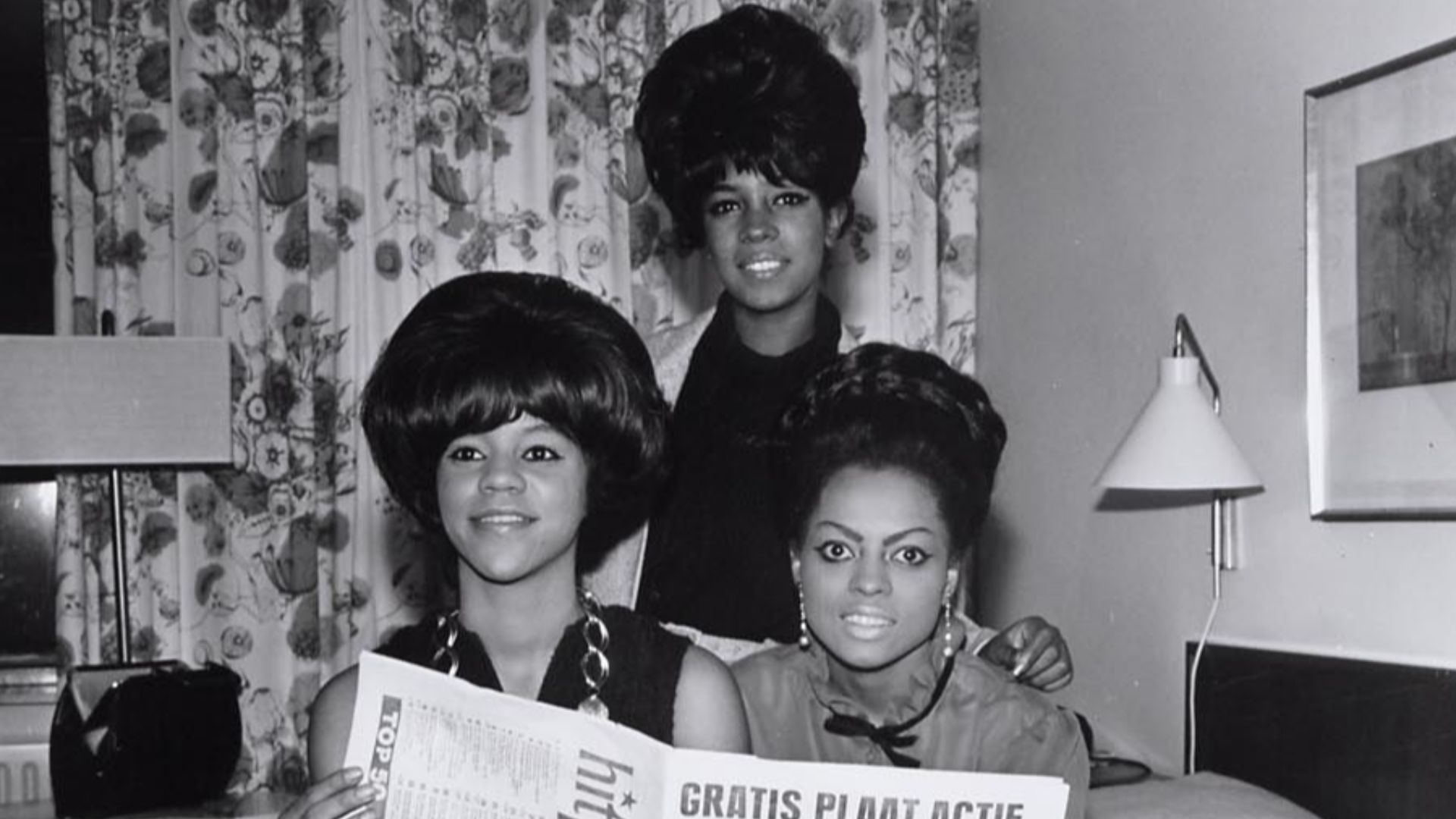
Tension Reaches A Breaking Point
As Ross’s prominence grew, relationships within the group frayed. The performances stayed polished, but the emotional glue was gone.
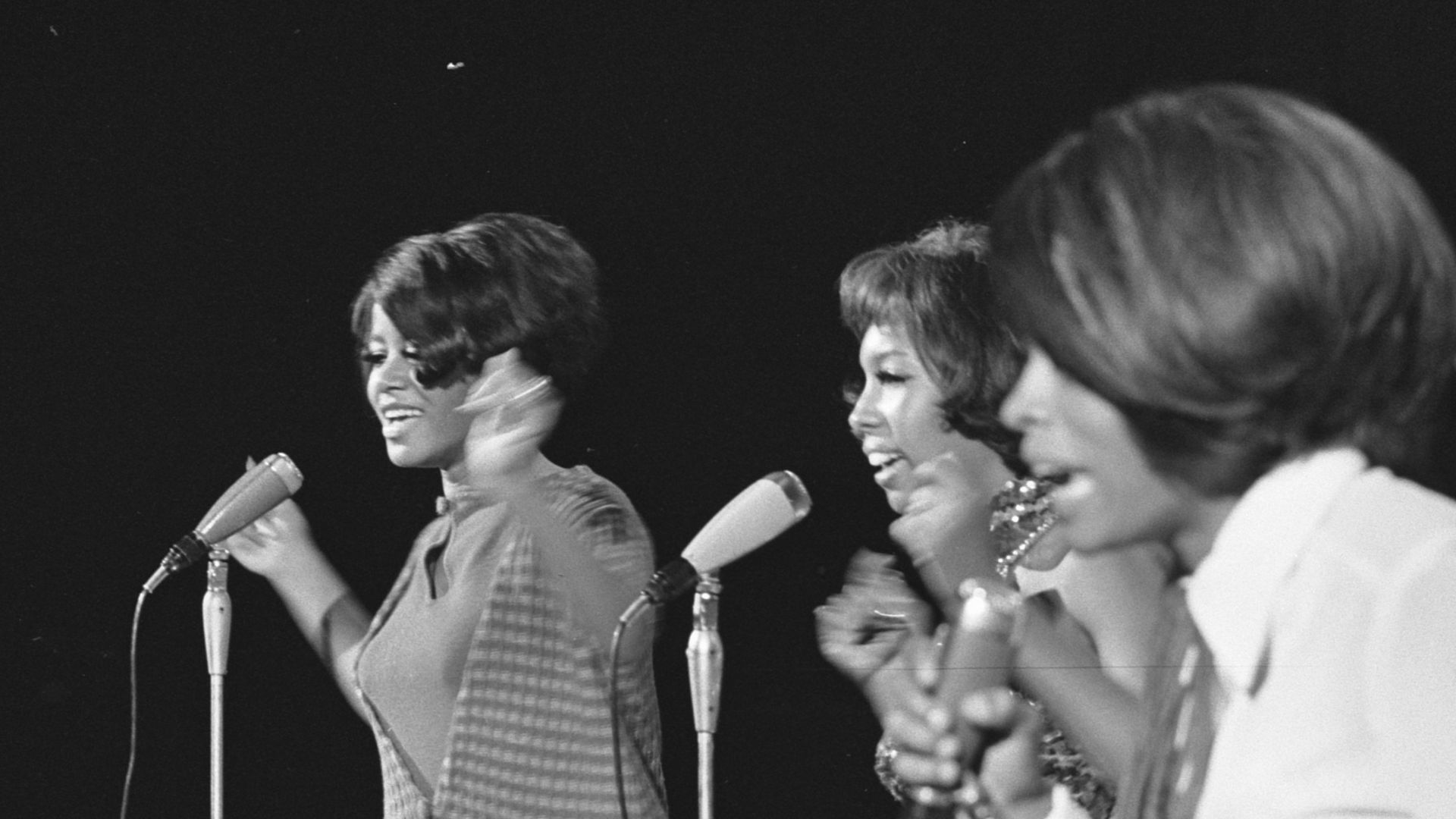 Eric Koch for Anefo, Wikimedia Commons
Berry Gordy’s Bigger Vision
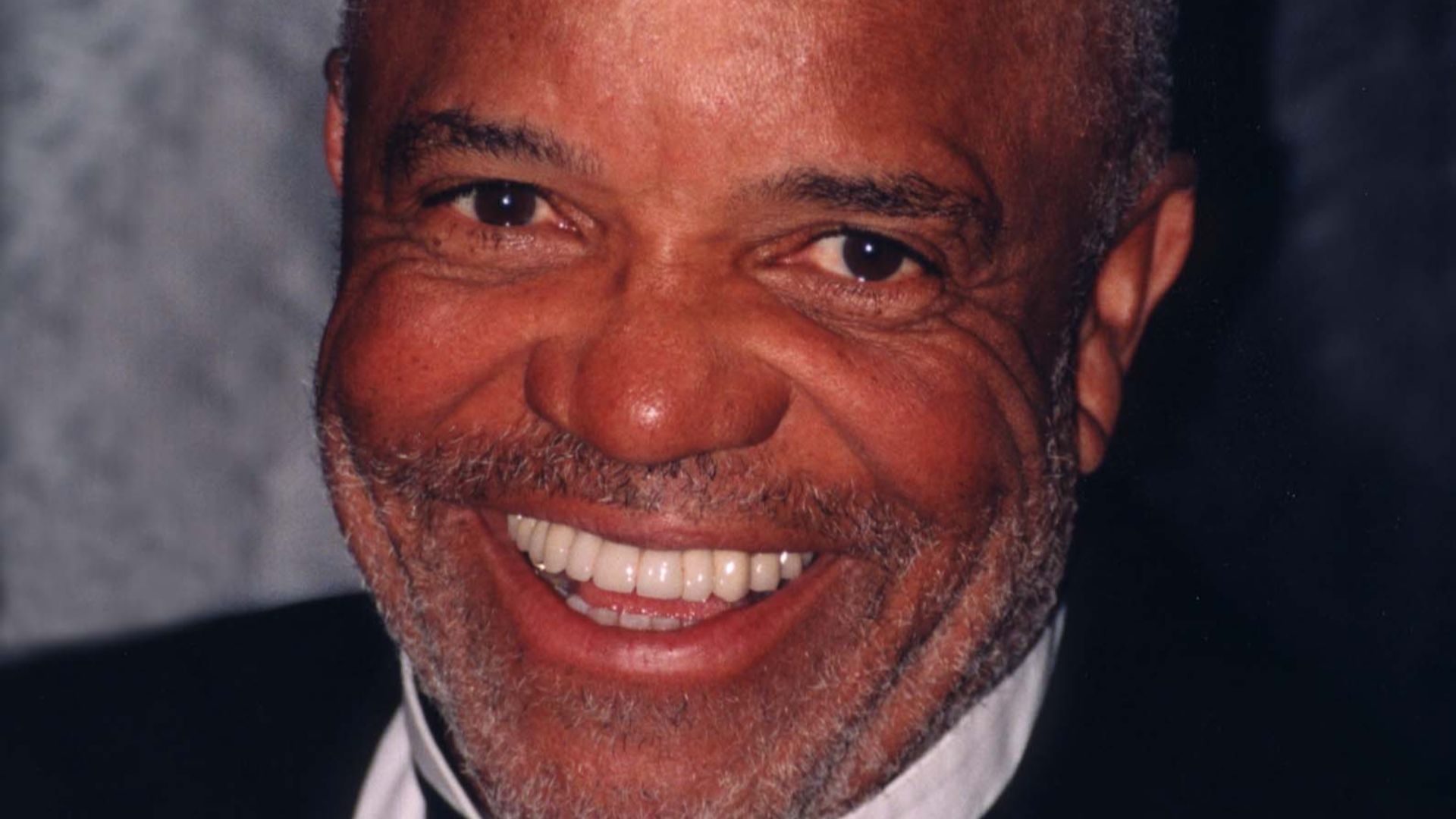
Gordy wasn’t thinking in singles—he was thinking in legacies. He envisioned Ross as a multi-platform star who could transcend music entirely.
 Kingkongphoto & www.celebrity-photos.com from Laurel Maryland, USA, Wikimedia Commons
The Final Supremes Era
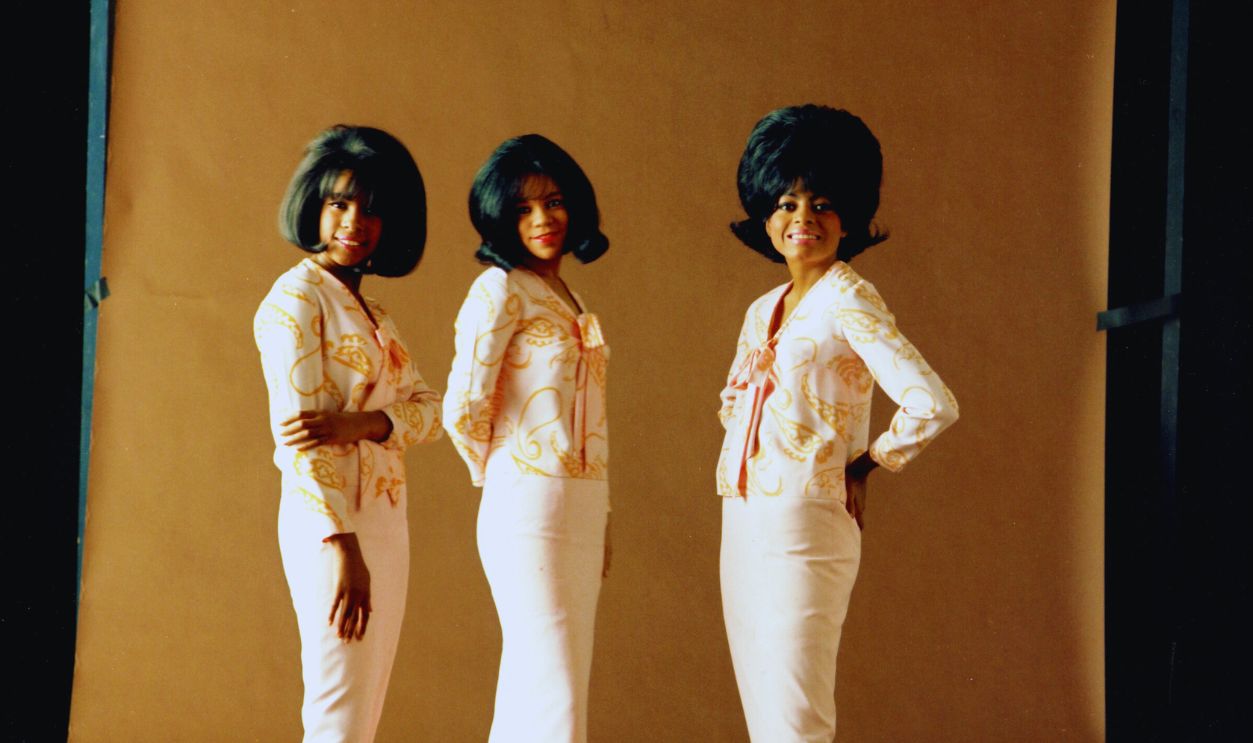
By the late 1960s, Ross’s future felt increasingly separate from the group’s. Even their final recordings carried the weight of something ending.
 Michael Ochs Archives, Getty Images
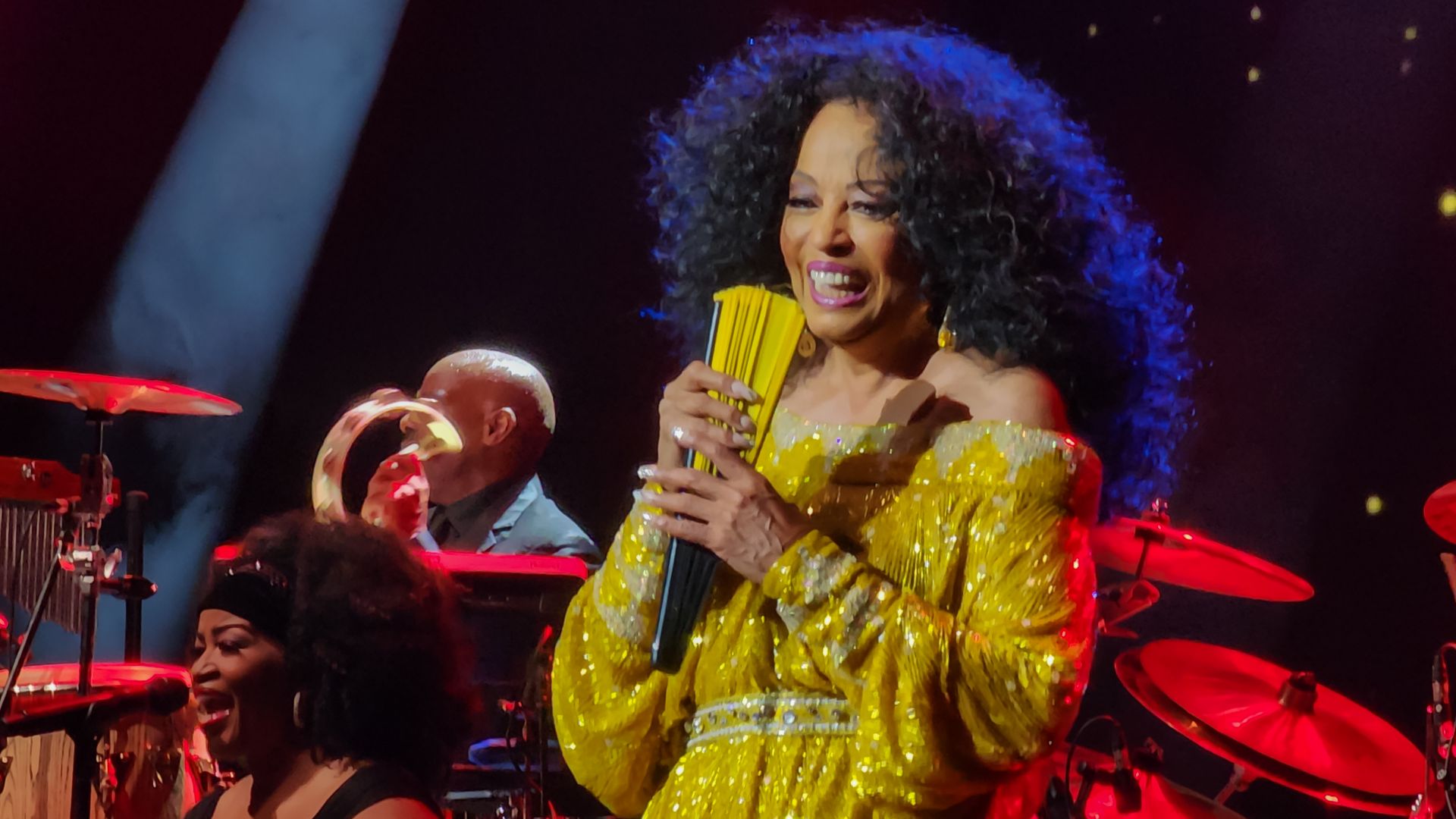
A Public Goodbye, Carefully Managed
Ross’s departure was announced with corporate calm, framed as evolution rather than rupture. Motown controlled the narrative down to the smallest detail.
 Crisco 1492, Wikimedia Commons
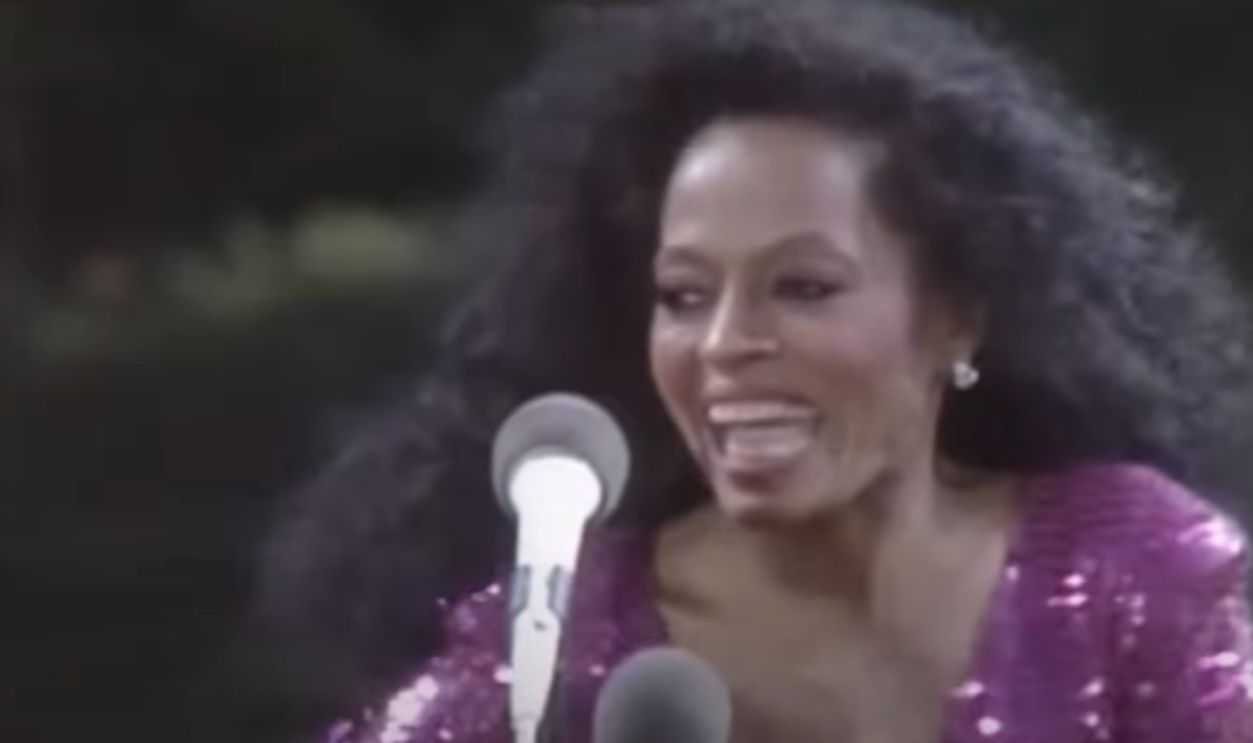
The Solo Career That Wasn’t Ready
Despite the buildup, Ross’s solo debut stalled. Songs were recorded and scrapped, concepts revised, and release dates quietly pushed.
 Screenshot from I’m Coming Out, Motown Records (1980)
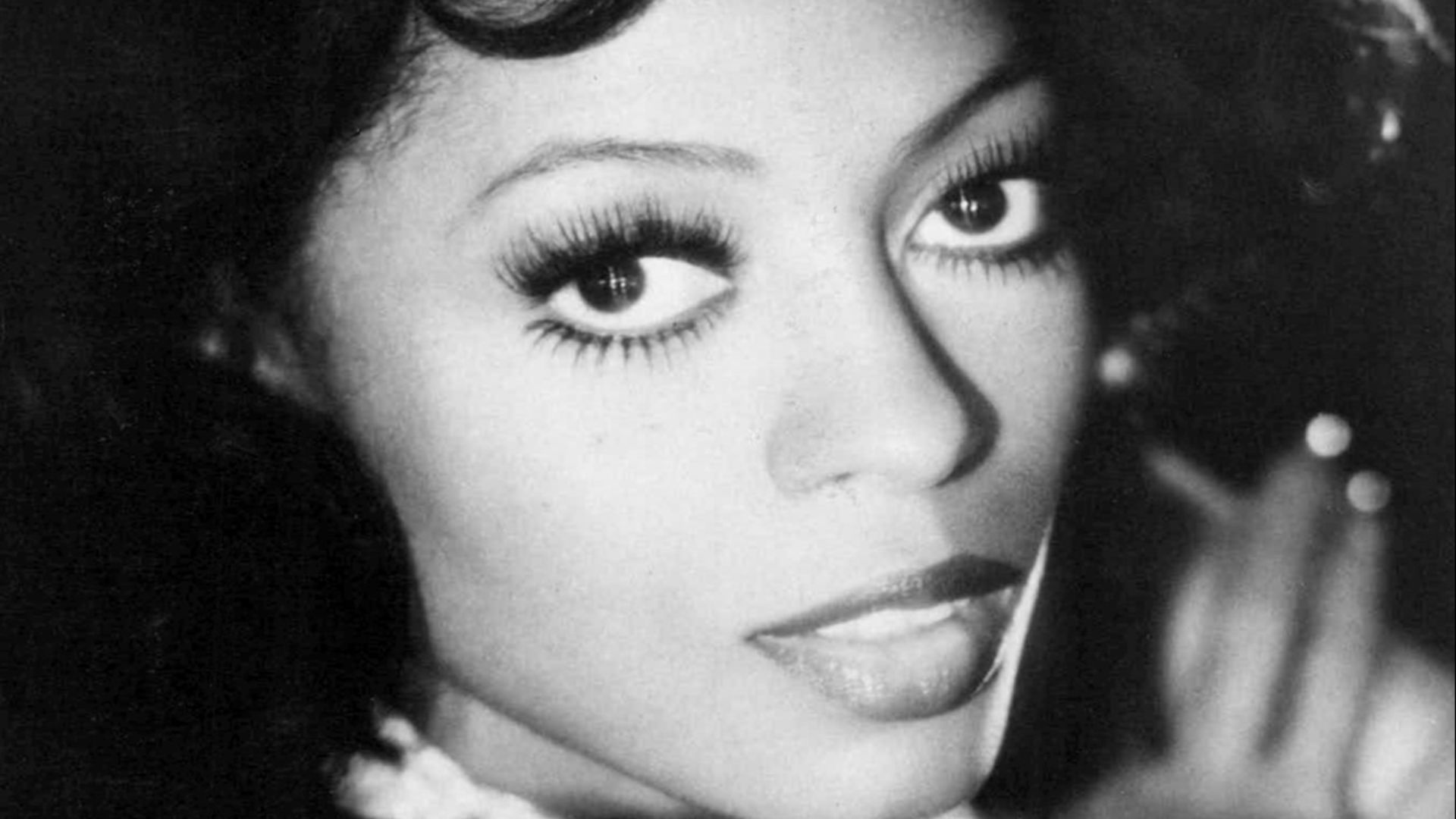
Creative Doubts Set In
Ross began questioning whether she could command the spotlight alone. After years of shared vocals, solo silence felt dangerously exposed.
 Motown Records, Wikimedia Commons
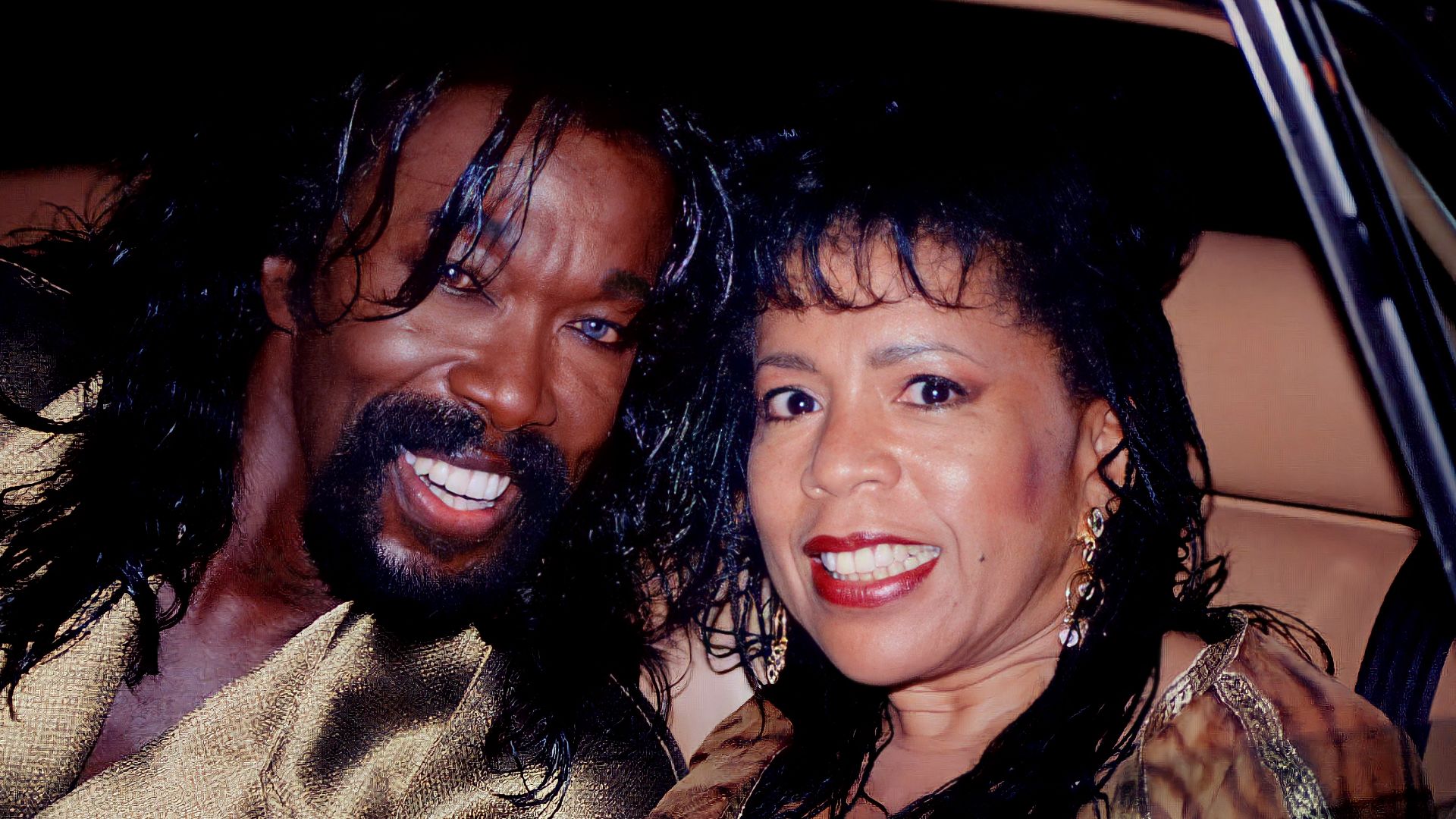
Songwriters Step In To Rebuild
Nick Ashford and Valerie Simpson helped recalibrate her sound, emphasizing emotional connection over group polish. Their songs gave Ross room to breathe.
 Kingkongphoto & www.celebrity-photos.com from Laurel Maryland, USA, Wikimedia Commons
The Push That Nearly Didn’t Happen
Berry Gordy hesitated over releasing her early singles, fearing they weren’t strong enough. That hesitation almost stalled her momentum entirely.
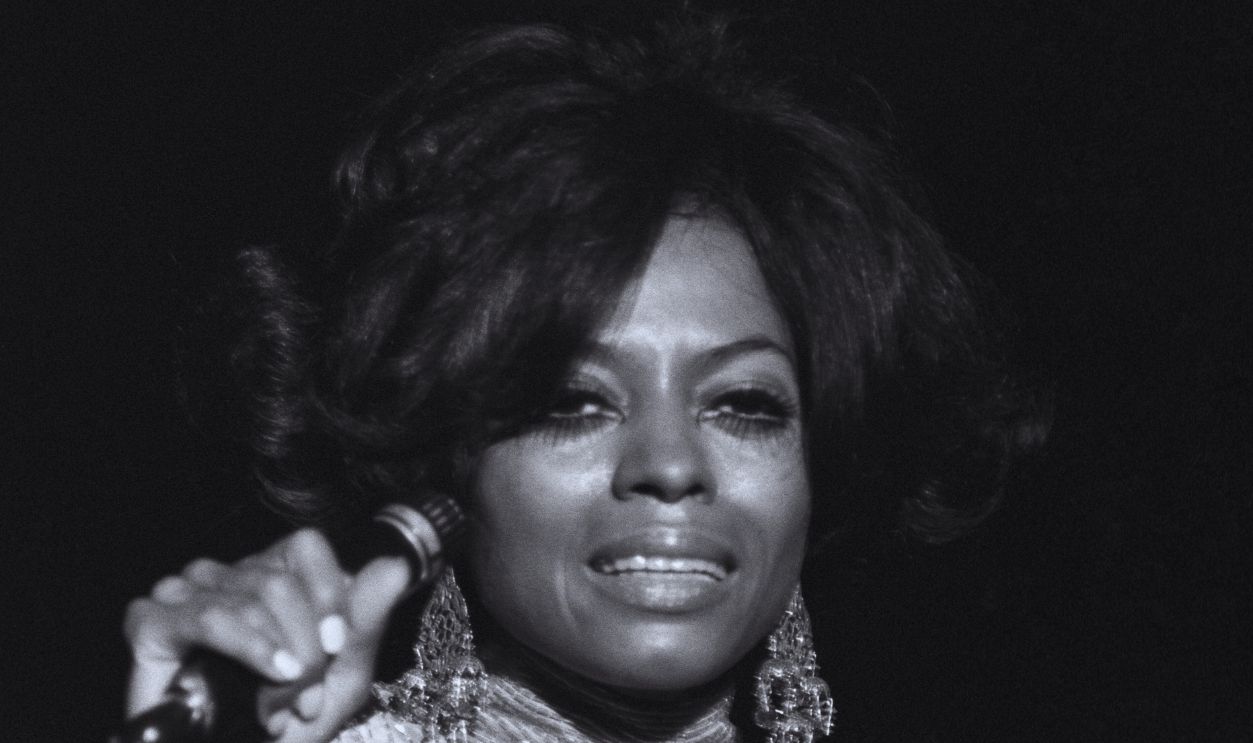 Fairchild Archive, Getty Images
A Breakthrough That Reframed Everything
“Ain’t No Mountain High Enough” erased uncertainty in one sweeping motion. The song didn’t just succeed—it reintroduced Diana Ross as an unstoppable force.
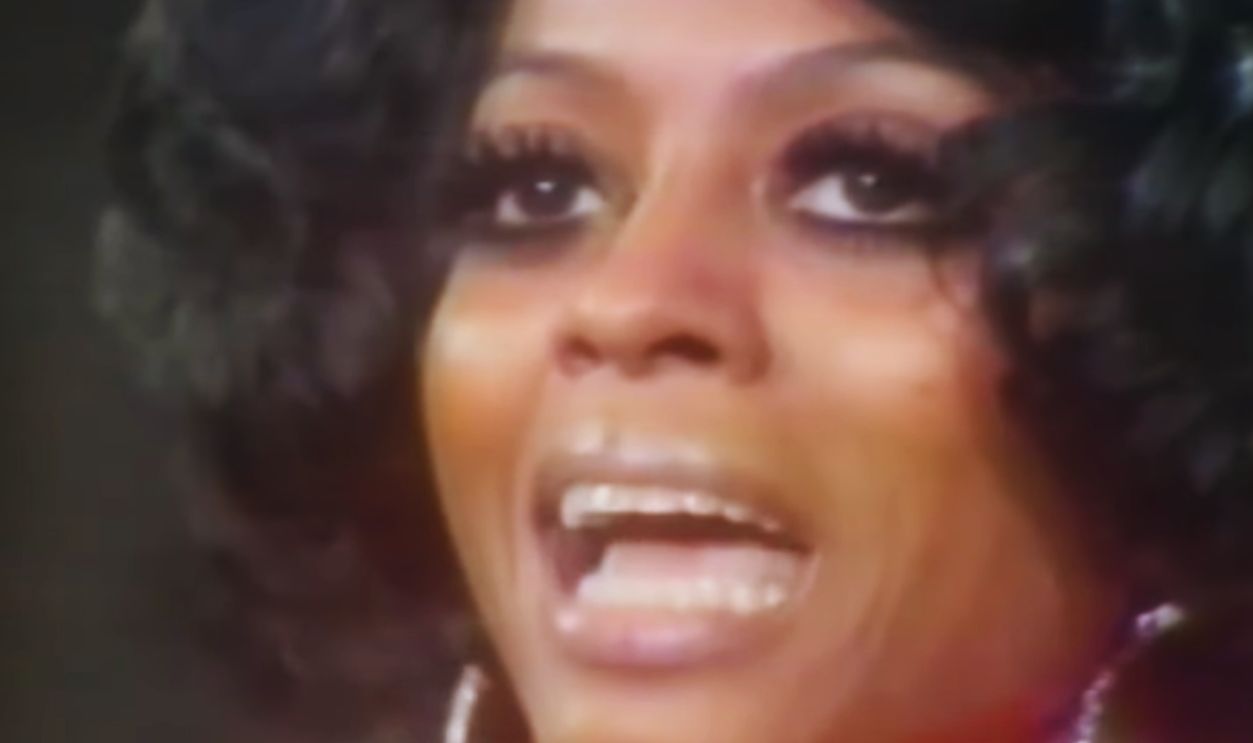 Screenshot from Ain’t No Mountain High Enough (Live on Diana!), Motown Records (1971)
The Debut Album Finally Lands
Her self-titled solo album balanced vulnerability and confidence, proving she didn’t need a group to anchor her identity.
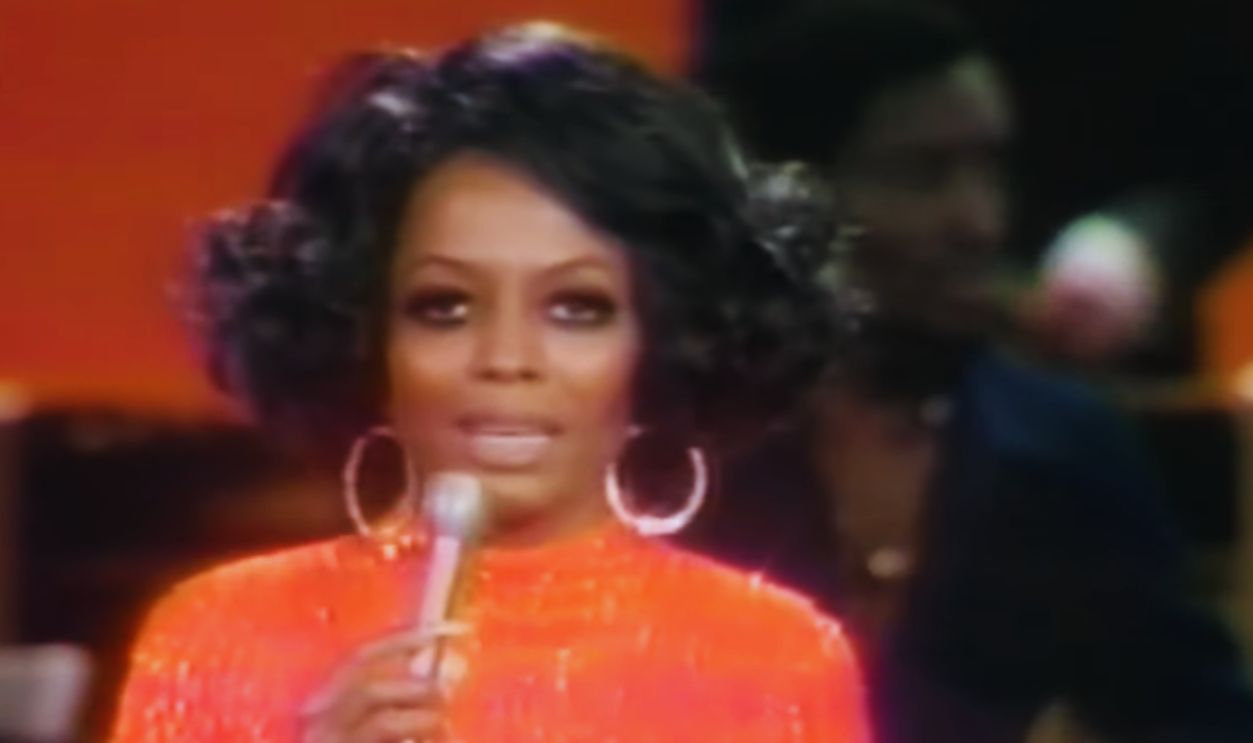 Screenshot from Ain’t No Mountain High Enough (Live on Diana!), Motown Records (1971)
From Singer To Star Persona
Ross refined her image quickly—fashion-forward, poised, and emotionally accessible. She wasn’t replacing The Supremes version of herself; she was evolving past it.
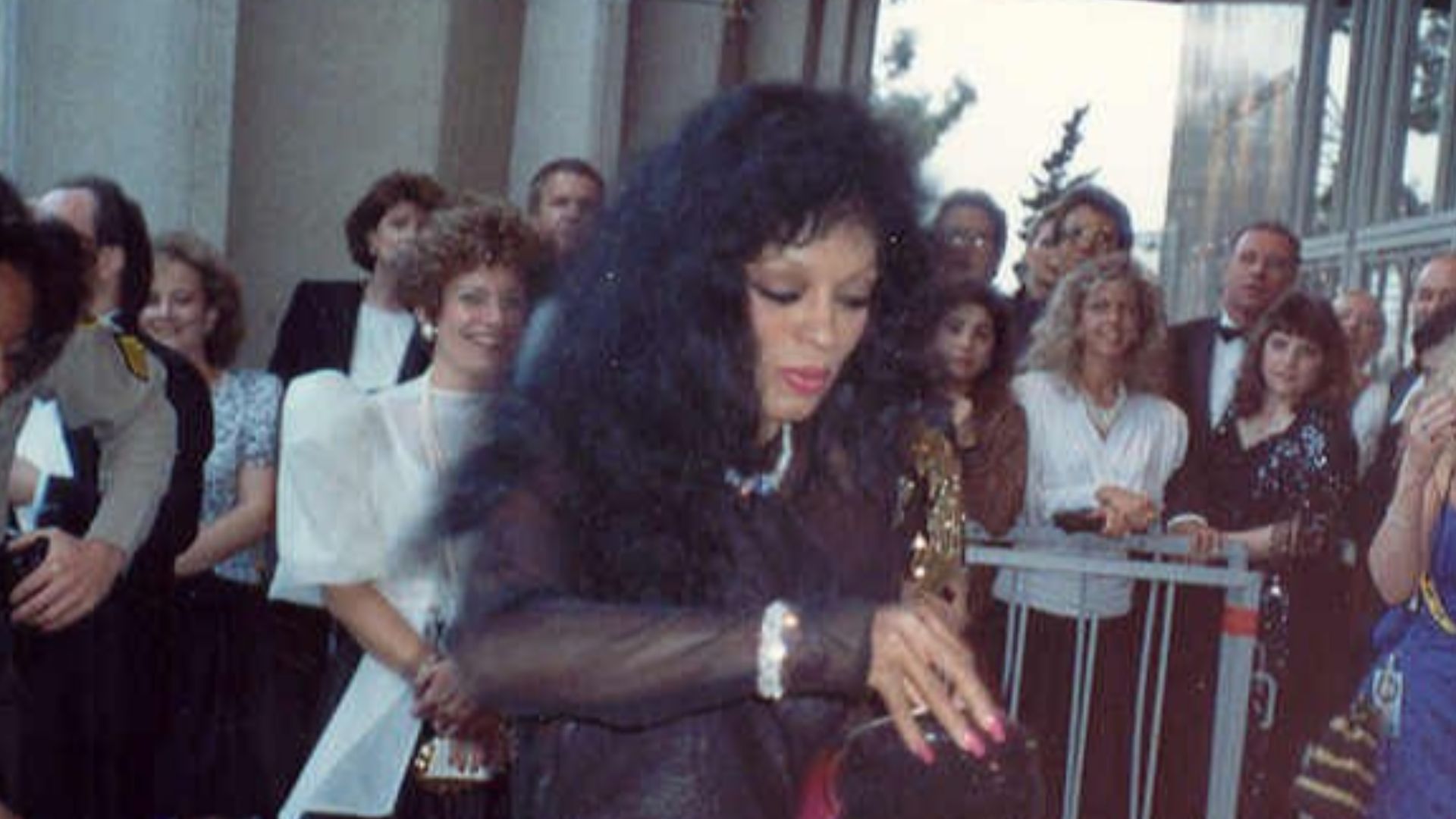
Berry Gordy’s Gamble Pays Off
Gordy’s relentless oversight paid dividends, shaping Ross into a global icon rather than a former group member. His control, controversial as it was, became the scaffolding for her ascent.
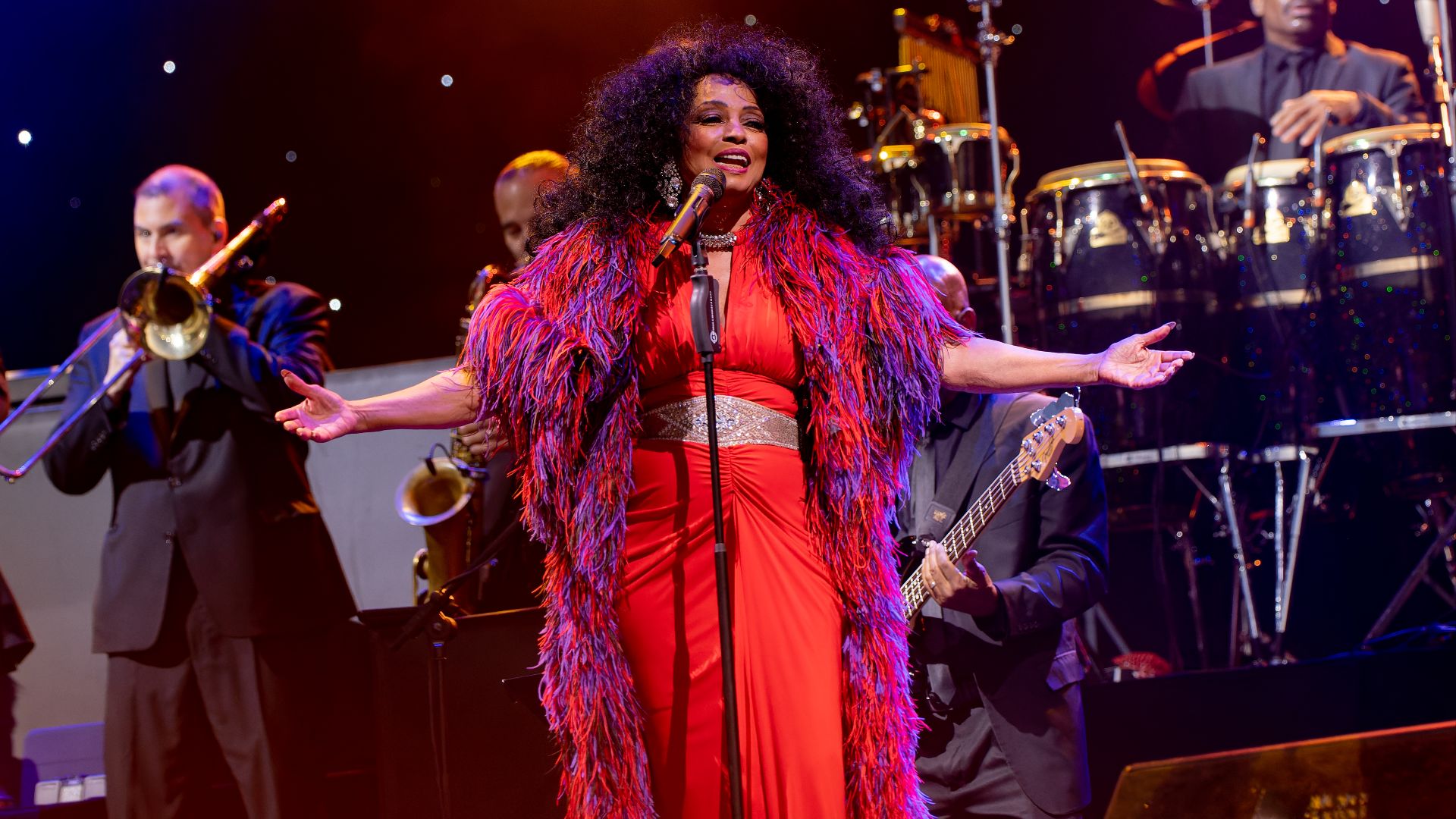
A Template For Solo Reinvention
Ross’s transition set the blueprint for artists leaving successful groups behind. The risk was enormous, the margin for error slim—but the result rewrote pop stardom itself.
 Crisco 1492, Wikimedia Commons
You May Also Like:
Iconic Songs That Turned Nobody Singers Into Superstars
Source: 1