When The Music Refused To Lie Down
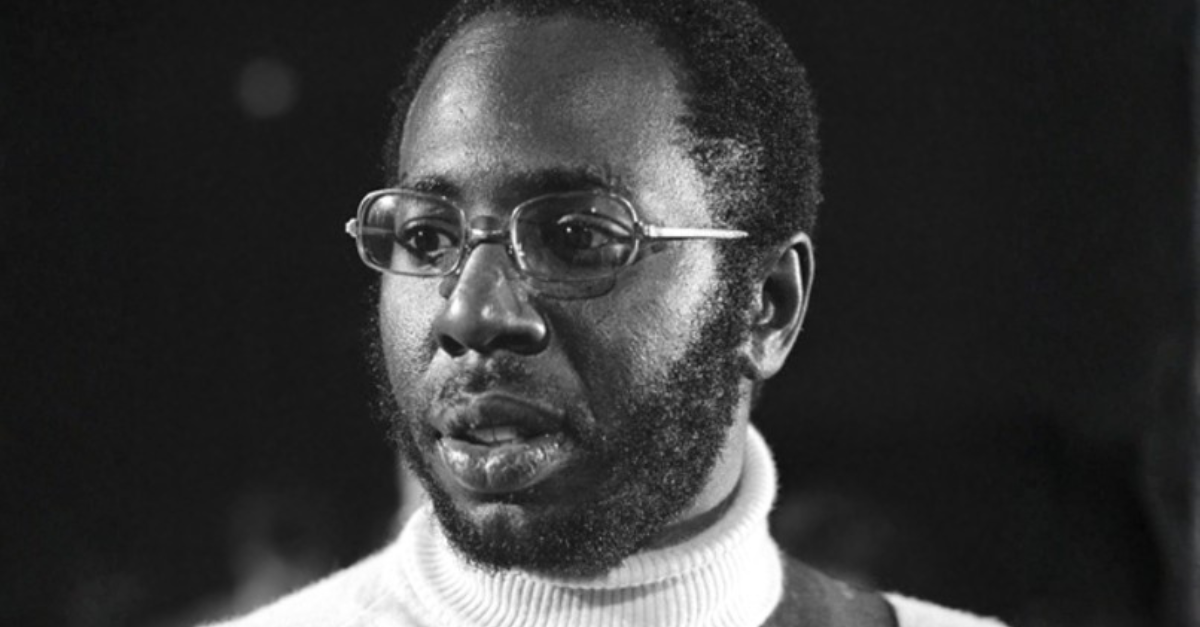
Curtis Mayfield had already lived several musical lifetimes by the time fate intervened. He’d helped invent socially conscious soul, soundtracked the civil rights movement, and quietly influenced generations of artists who followed. Then, in 1990, a falling stage light changed everything. What came next wasn’t a dramatic comeback or a victory lap—it was a slow, stubborn refusal to stop creating. This is how Curtis Mayfield kept making music when almost nothing worked the way it used to.
A Chicago Kid With A Church-Born Sound
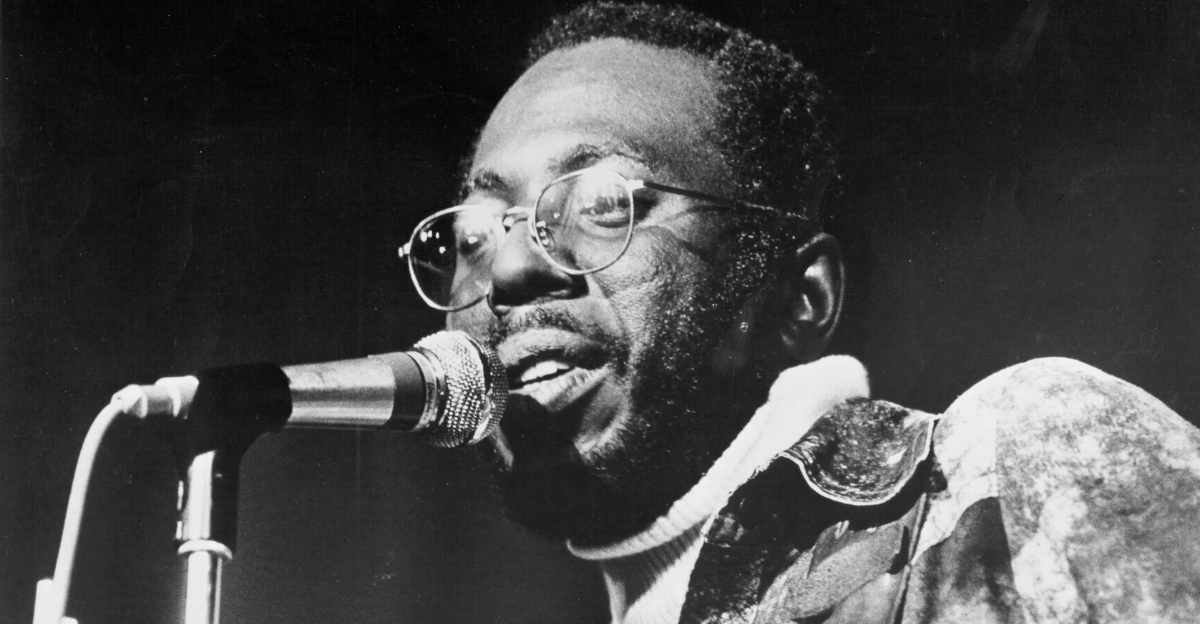
Curtis Mayfield grew up in Chicago, surrounded by gospel harmonies and spiritual music that stayed with him forever. Even early on, his ear leaned toward songs that meant something. That sense of purpose never left his work.
The Impressions And A New Kind Of Message
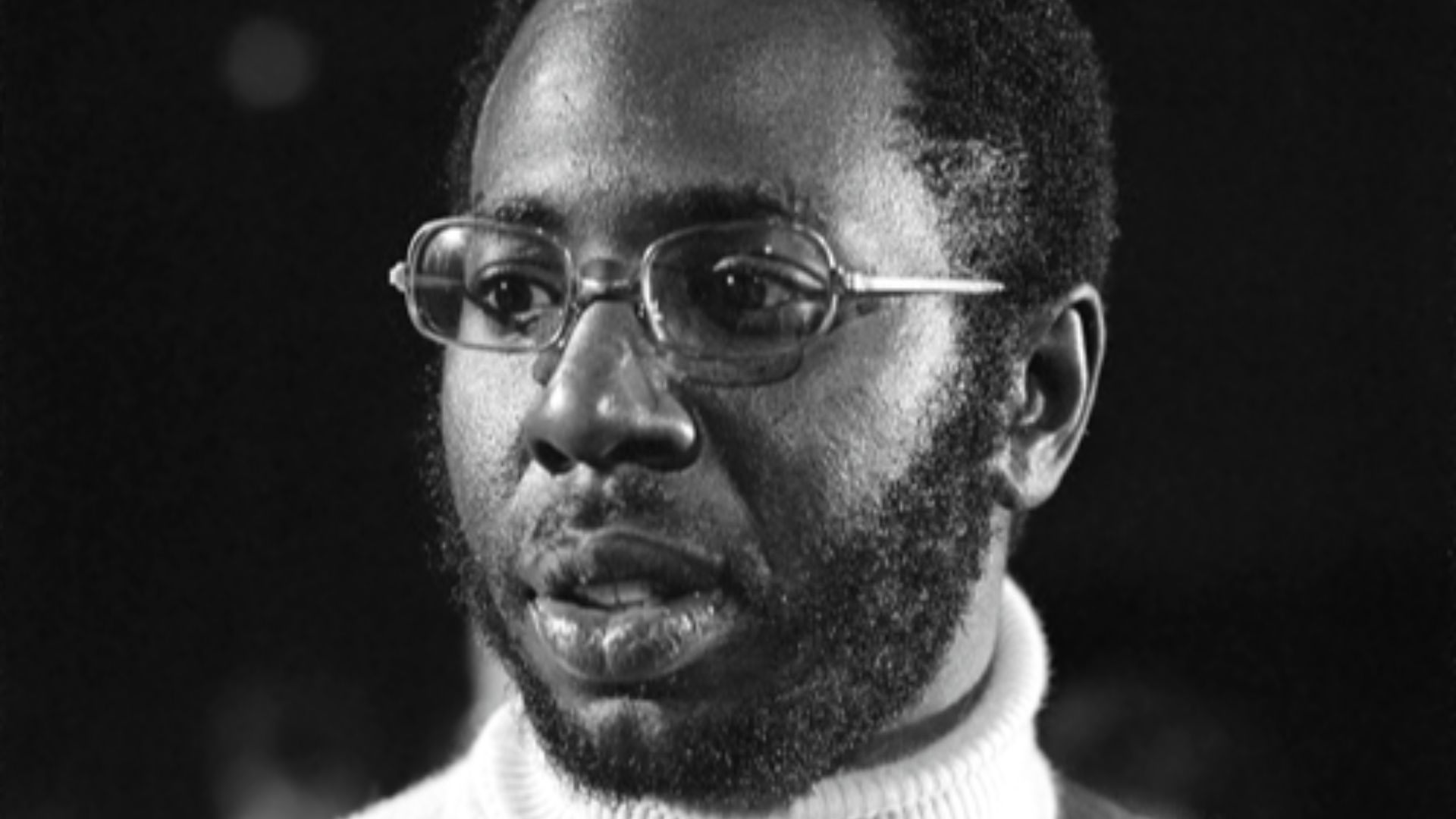
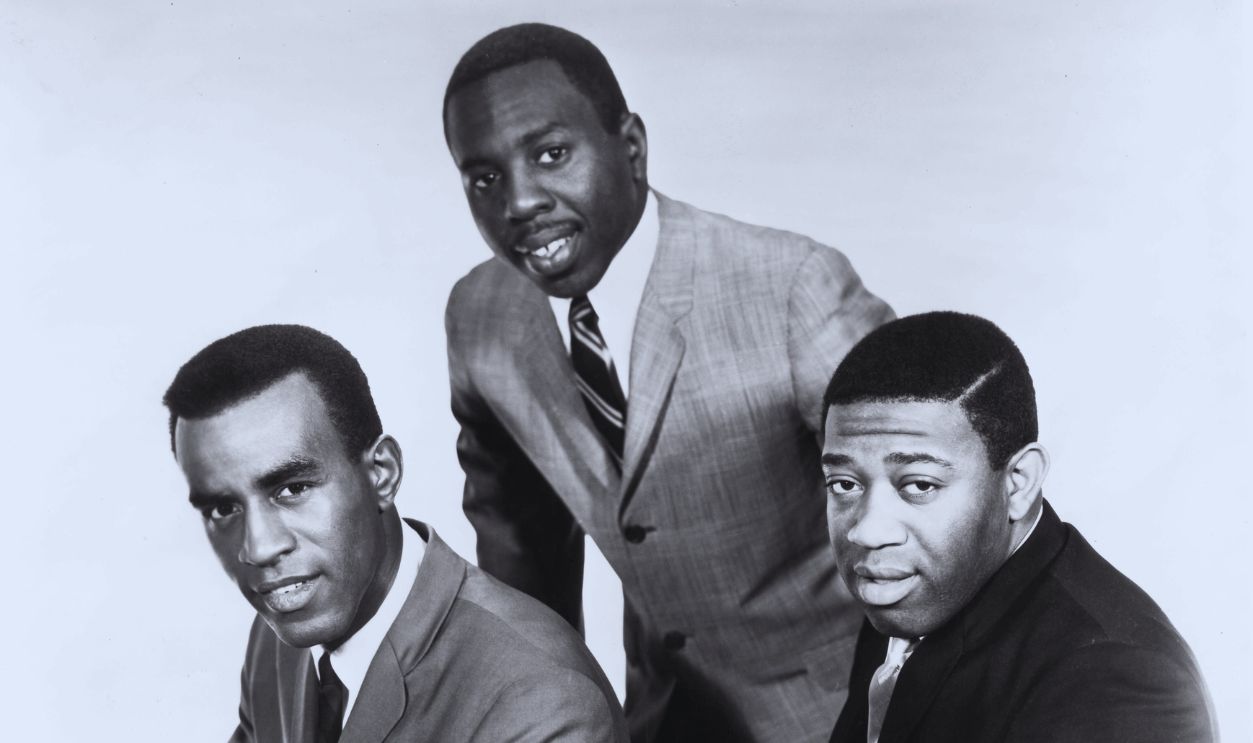
As a founding member of The Impressions, Mayfield helped shape a version of soul music that didn’t dodge reality. Their songs carried hope, reflection, and quiet strength. Curtis quickly became the group’s main creative voice.
Protest Songs That Didn’t Sound Like Lectures
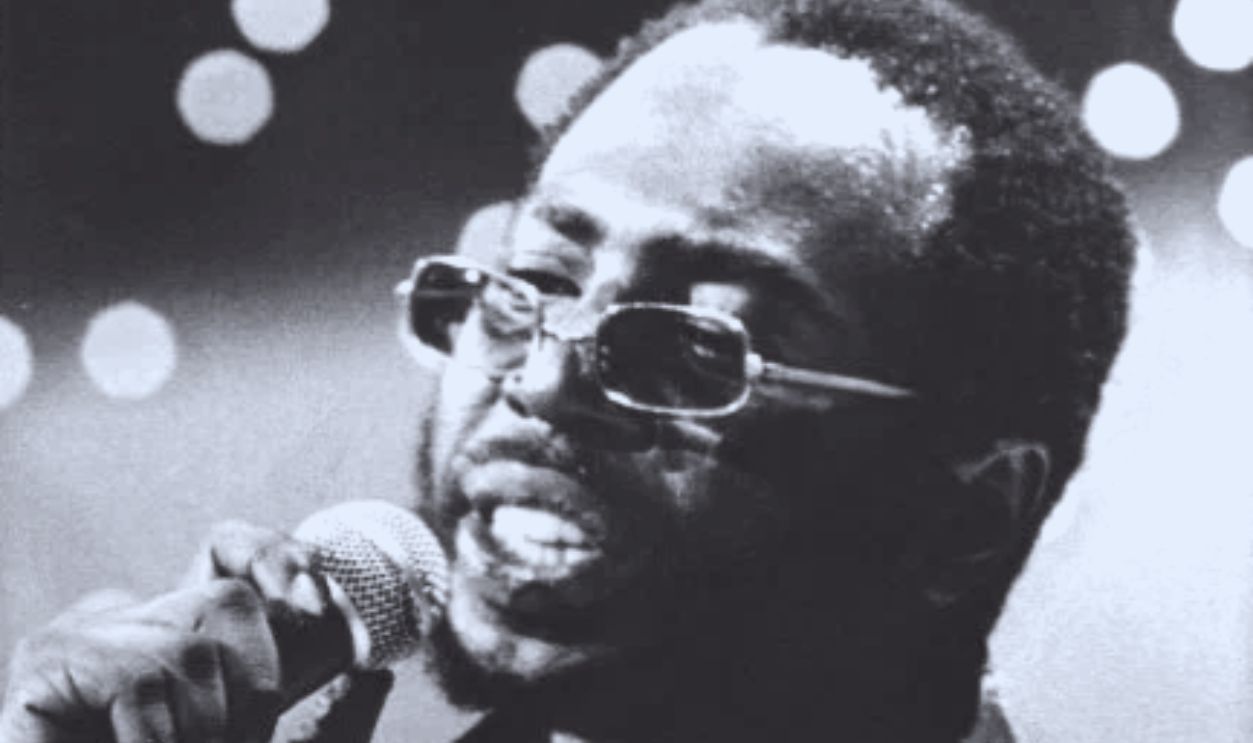
Mayfield had a rare gift for delivering serious messages without losing warmth. “People Get Ready” didn’t shout—it invited. That balance made his music feel universal instead of tied to a single moment.
 https://www.ebay.com/itm/156073507107, Wikimedia Commons
Stepping Out Solo Without Losing Direction
When Curtis left The Impressions, he didn’t leave the mission behind. Going solo gave him more freedom, and he used it to push deeper into themes of justice, faith, and survival.
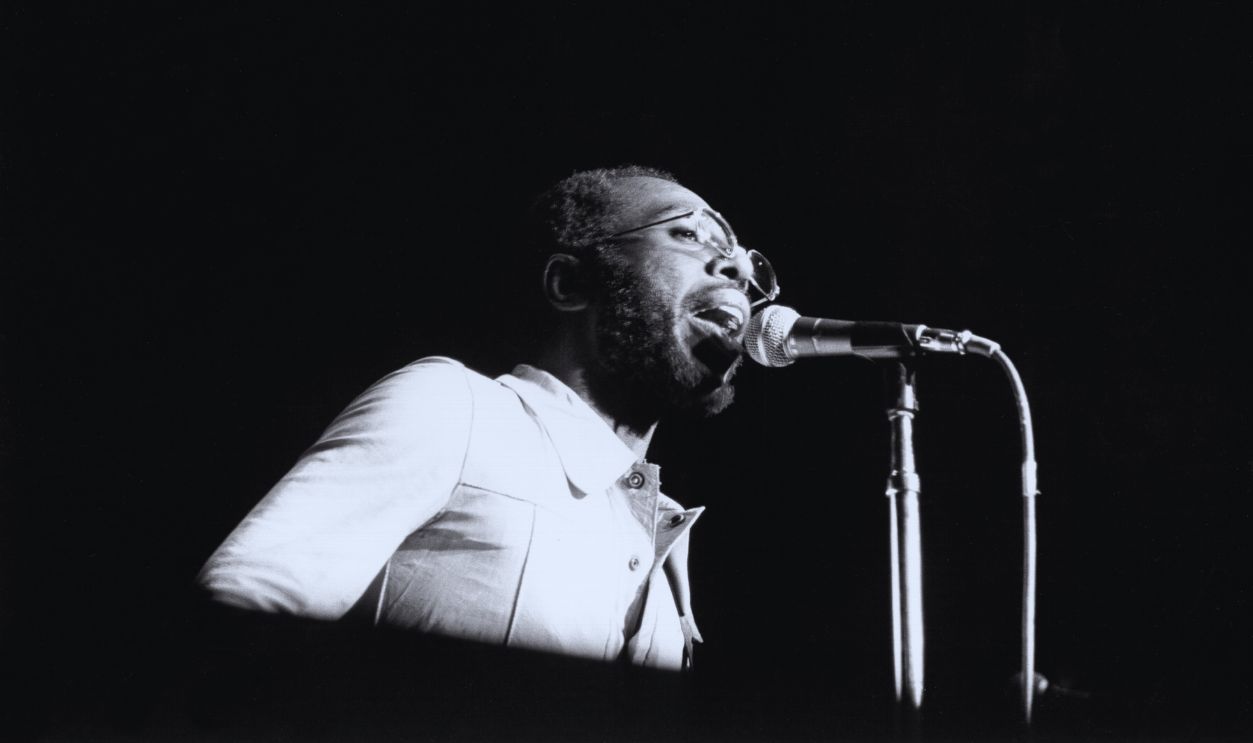 Michael Ochs Archives, Getty Images
The Super Fly Moment Changed Everything
His soundtrack for Super Fly became one of the most influential albums of the 1970s. The music criticized street life even as the film glamorized it. That tension made the album hit harder—and last longer.
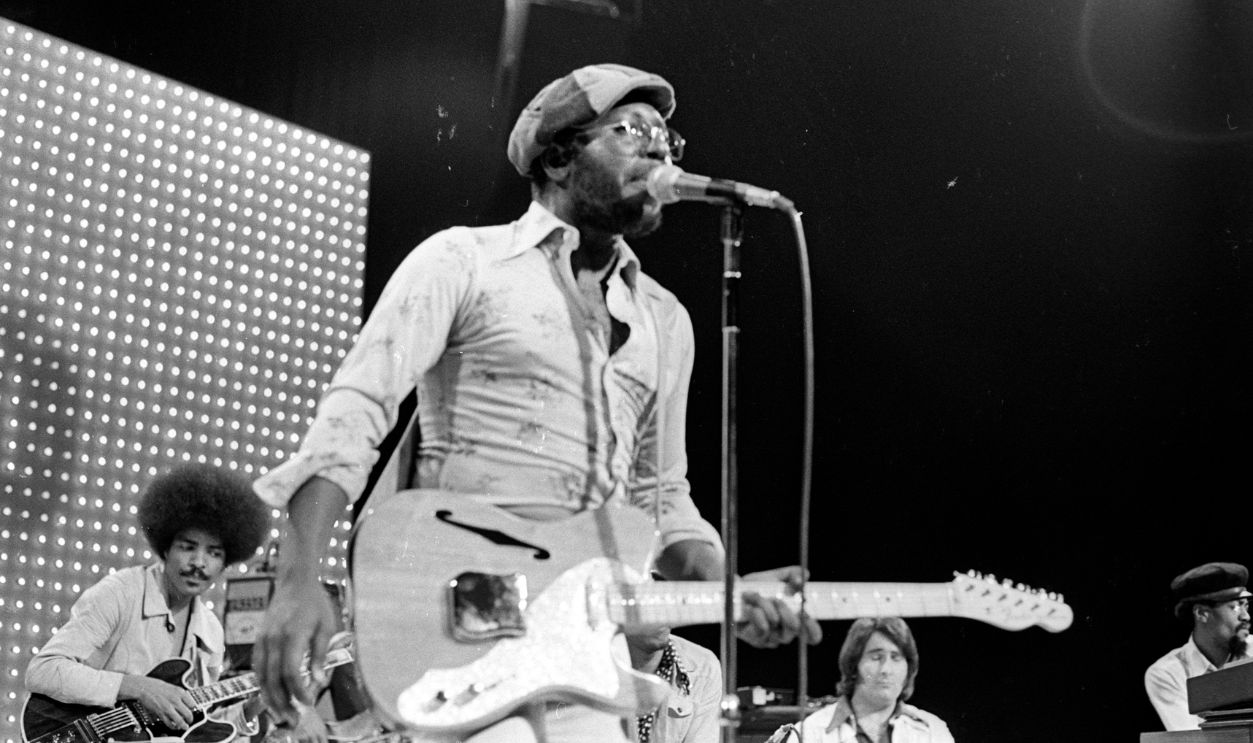 Michael Ochs Archives, Getty Images
Success Never Made Him Comfortable
Even at his commercial peak, Mayfield never sounded settled. His songs kept asking hard questions. He wasn’t interested in smoothing out the rough edges.
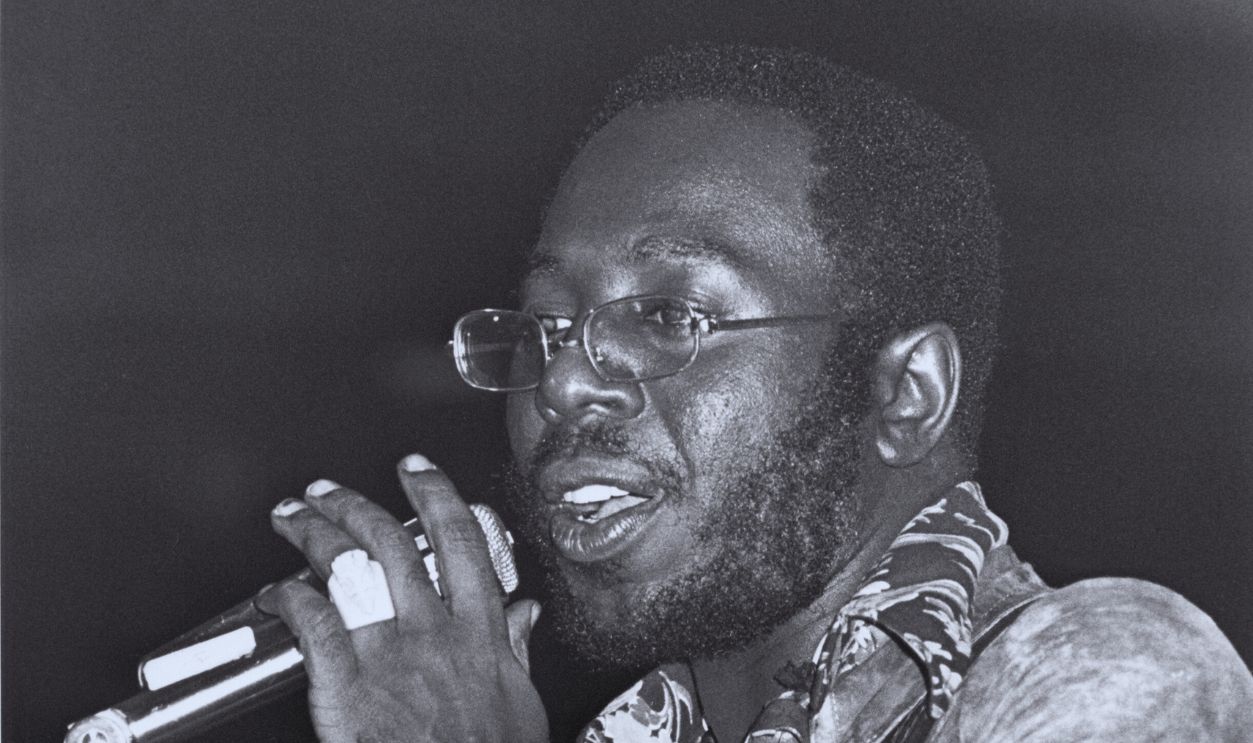
Still Touring Decades In
By the late 1980s, Curtis was still performing live, sharing stages with younger artists who saw him as a blueprint. His shows were steady, soulful, and deeply human. No one expected what happened next.
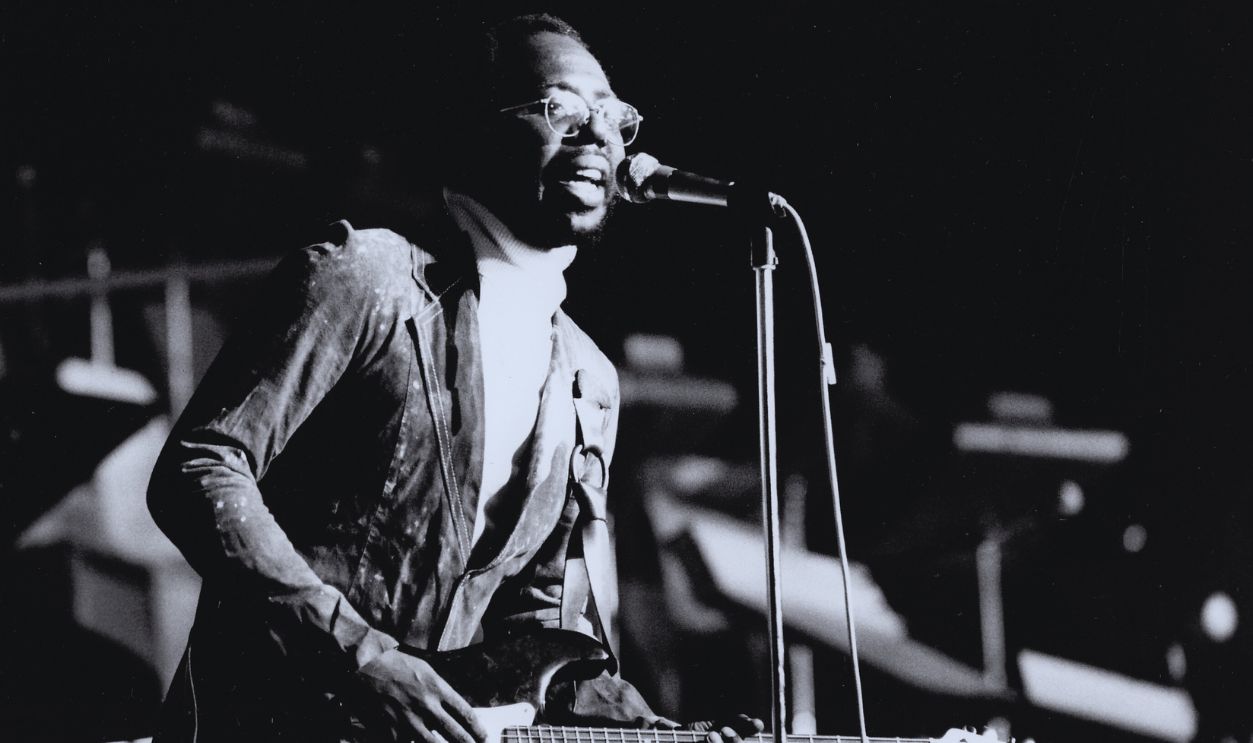
The Night The Stage Turned Dangerous
In August 1990, Mayfield was performing at an outdoor concert at Wingate Field in Brooklyn. High winds caused a lighting truss to collapse. A stage light struck him on the head.
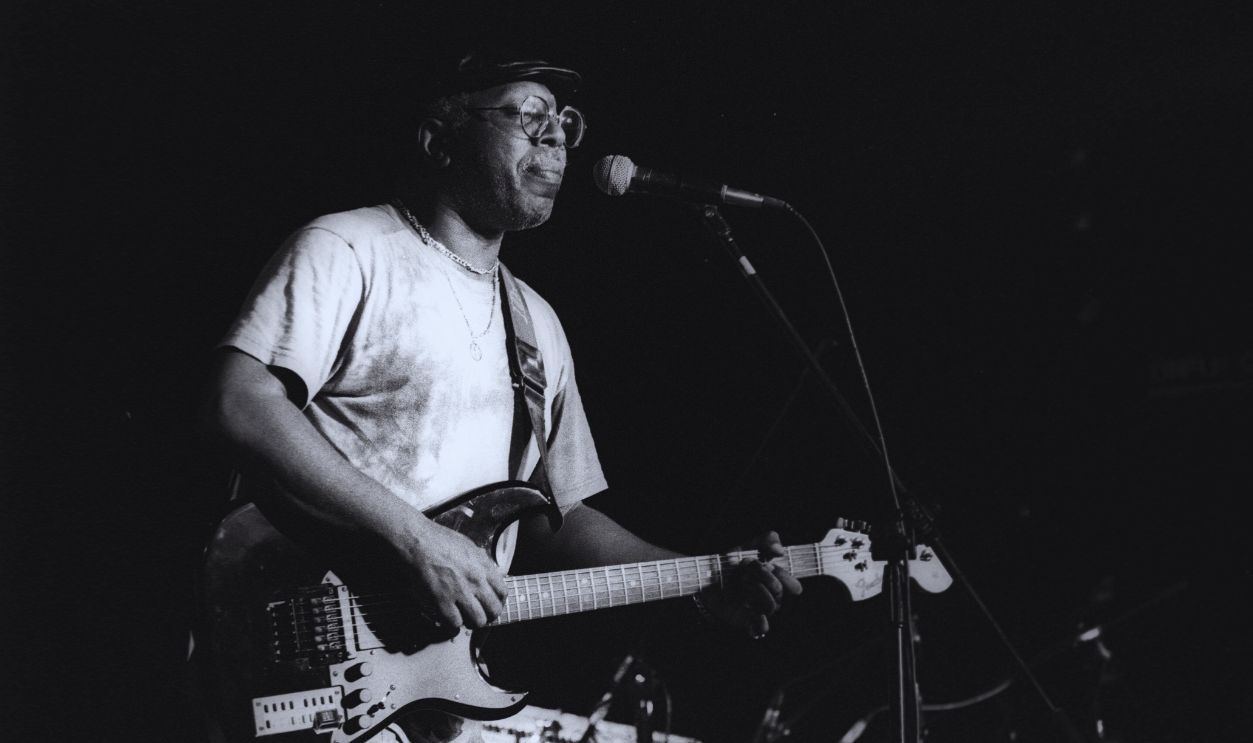
Injuries That Changed Everything
Curtis suffered catastrophic spinal injuries. After hospitalization, doctors determined the damage was permanent. He was left paralyzed from the neck down.
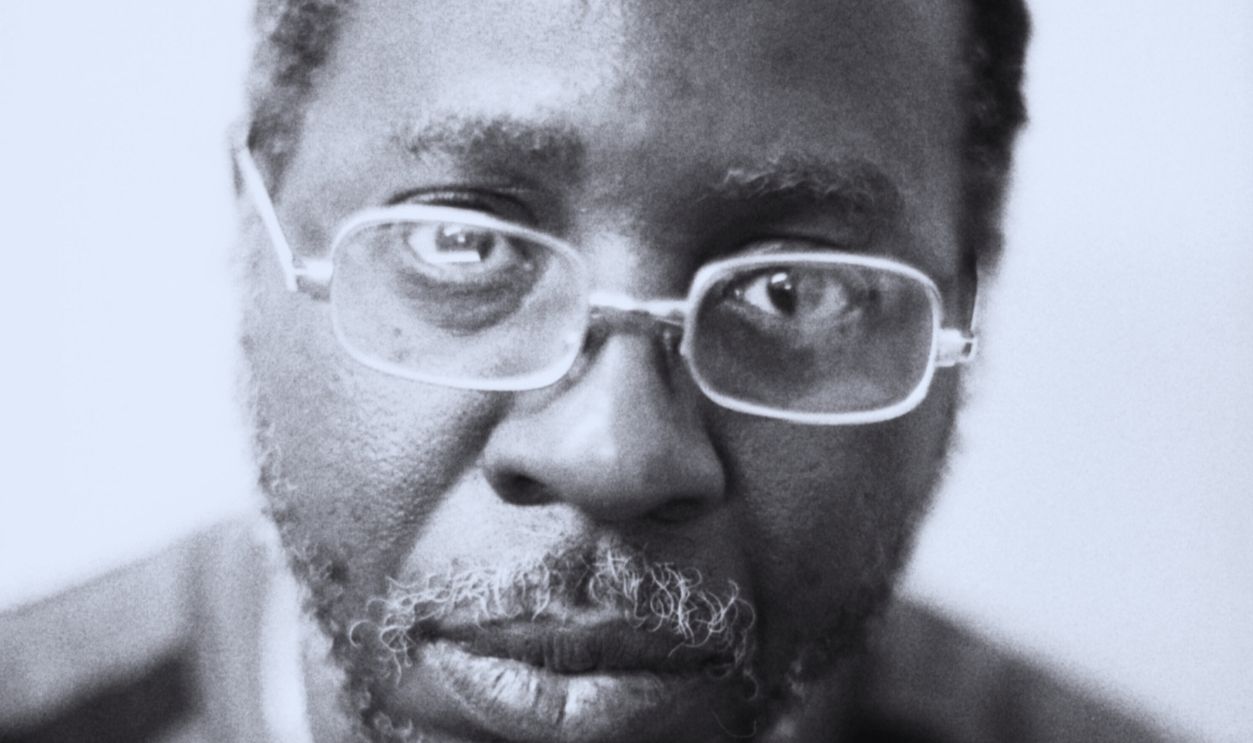
Adjusting To A New Reality
Suddenly, every part of daily life had to be relearned. Movement, independence, even breathing patterns became challenges. Music didn’t disappear—but making it became far more complicated.
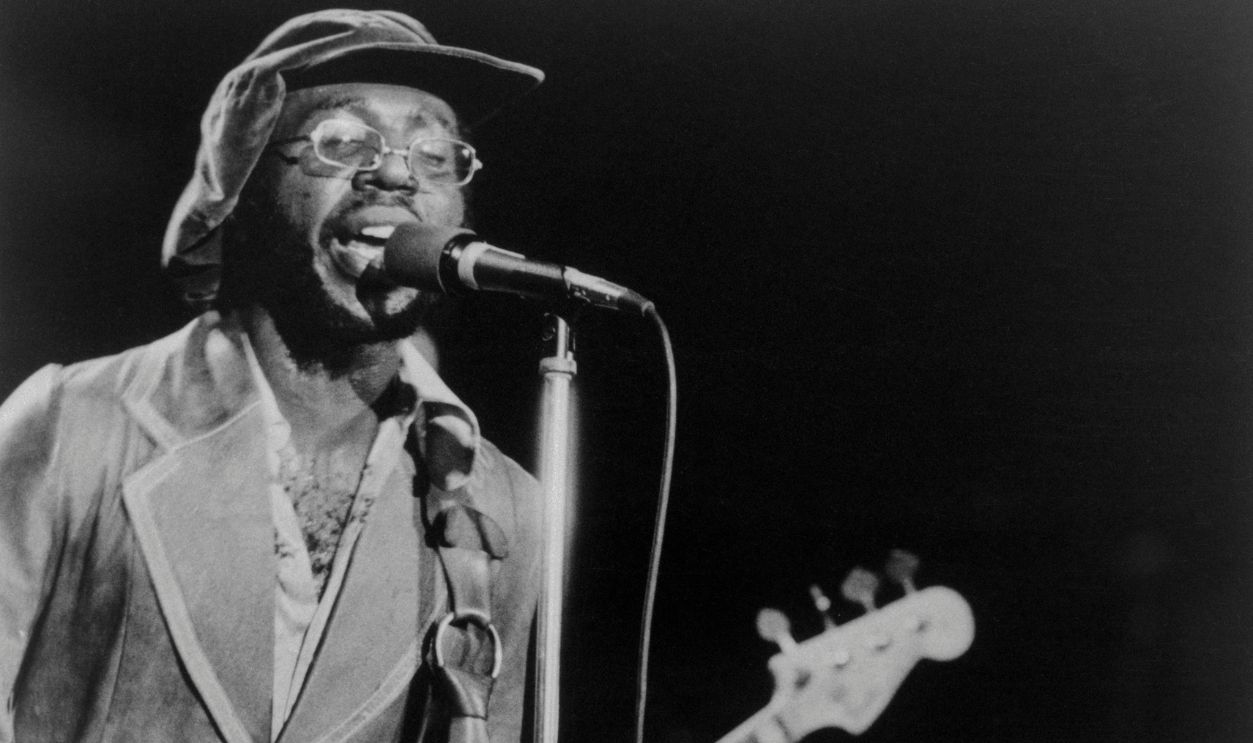
Deciding To Keep Going Anyway
Despite the injury, Curtis never seriously considered stopping. Songs still formed in his head. The question wasn’t whether he would record again—it was how.
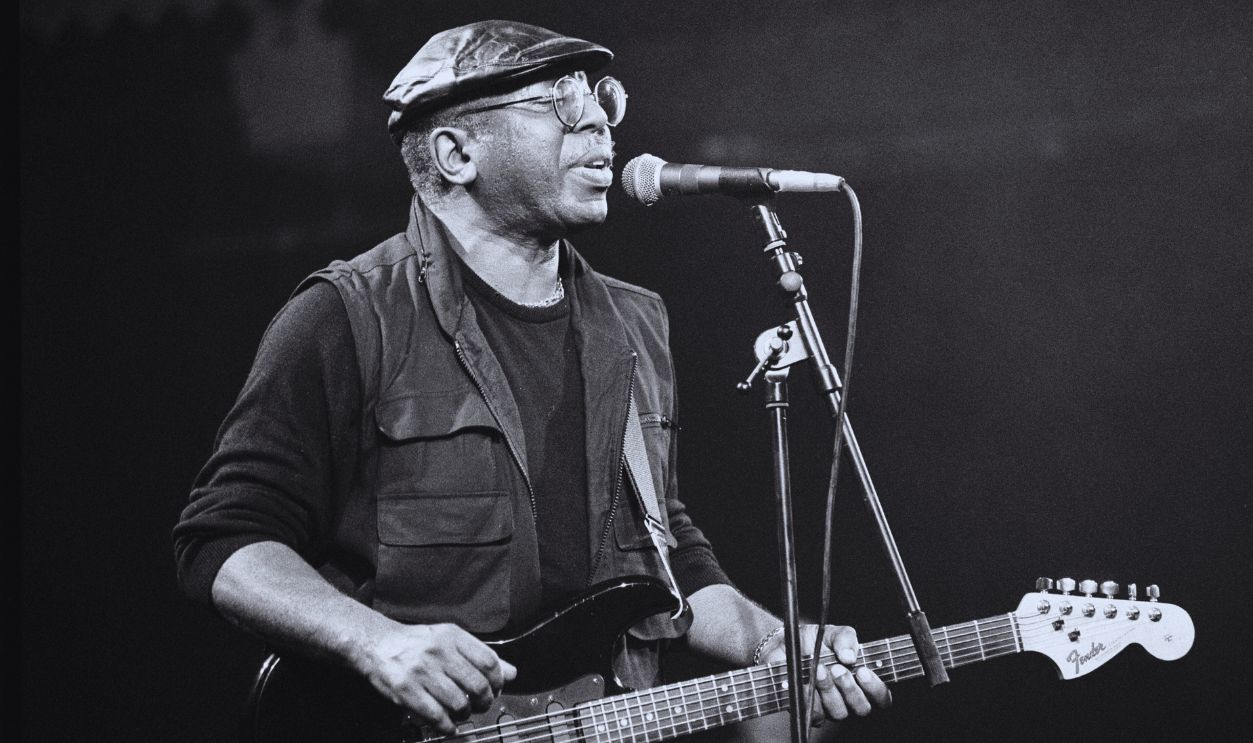 Frans Schellekens, Getty Images
Recording While Lying Flat
Because he couldn’t sit upright, Mayfield recorded vocals while lying on his back. Engineers suspended microphones above him. Every breath had to be measured, every take carefully planned.
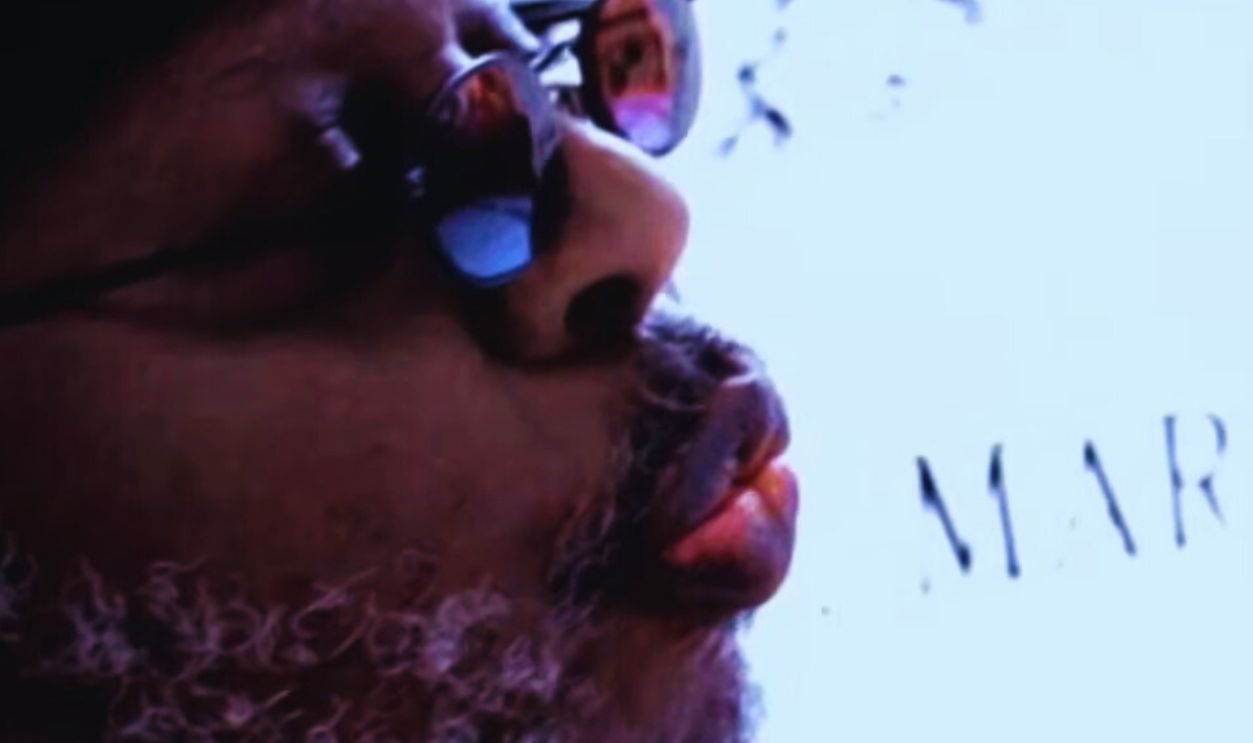 Screenshot from New World Order, Rhino Records (1996)
A Voice That Changed With Circumstance
Singing in that position altered his tone and phrasing. His falsetto sounded softer, more fragile. Instead of hiding it, he leaned in.
Relying On Others Without Giving Up Control
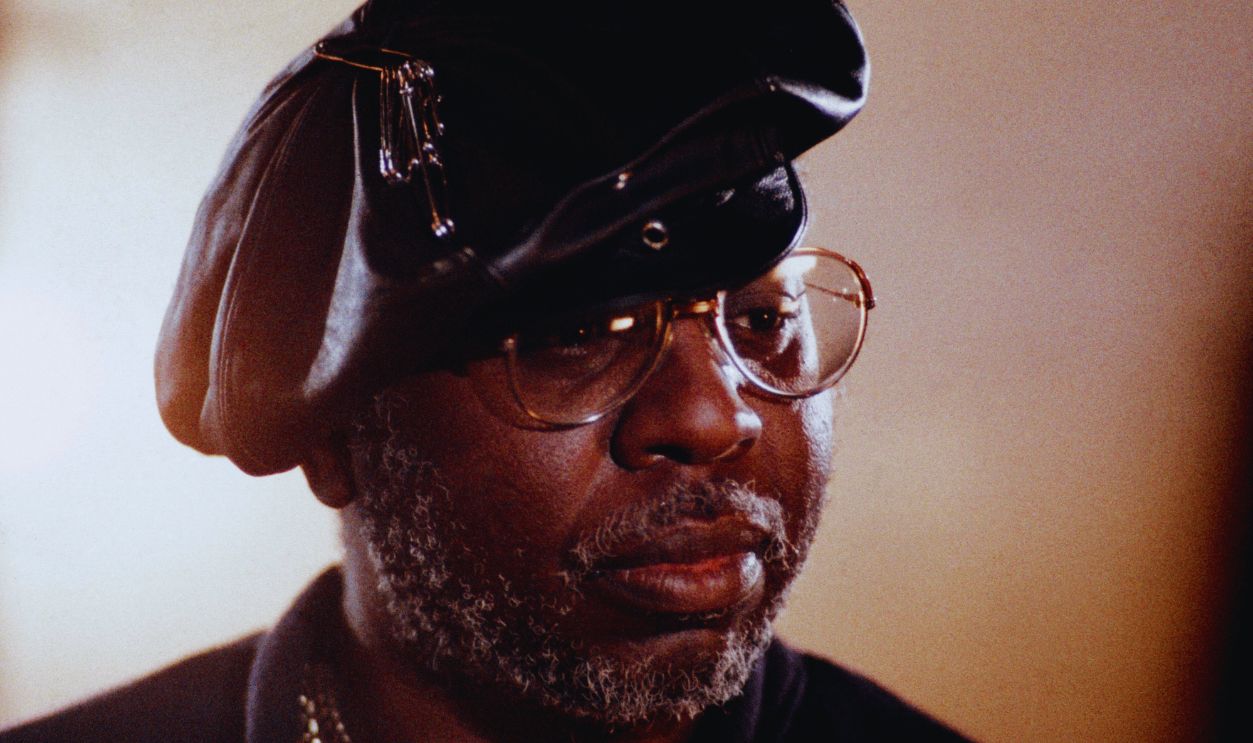
Friends and collaborators helped translate his ideas into finished tracks. They adjusted equipment, followed subtle cues, and respected his authority. Curtis was still the one steering.
The Long Road To New World Order
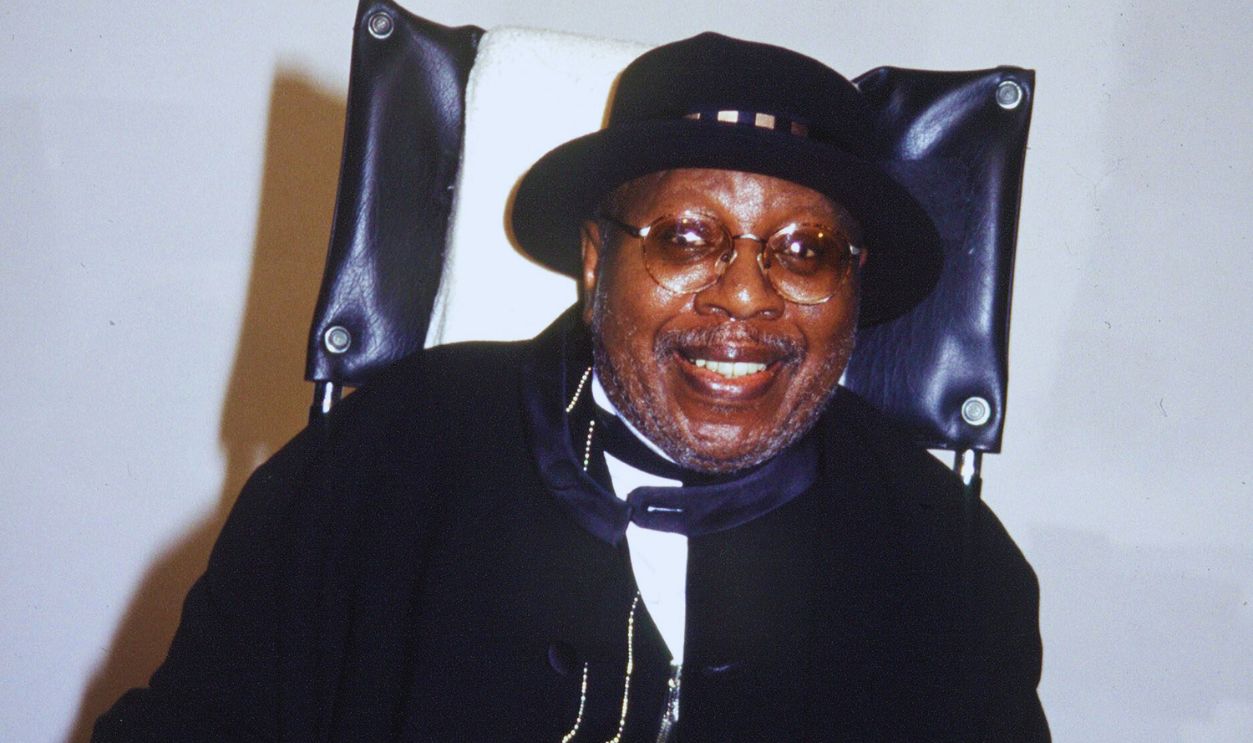
Recording didn’t happen quickly. It took years of adjustment and recovery before New World Order was completed and released in 1996. The patience shows in every track.
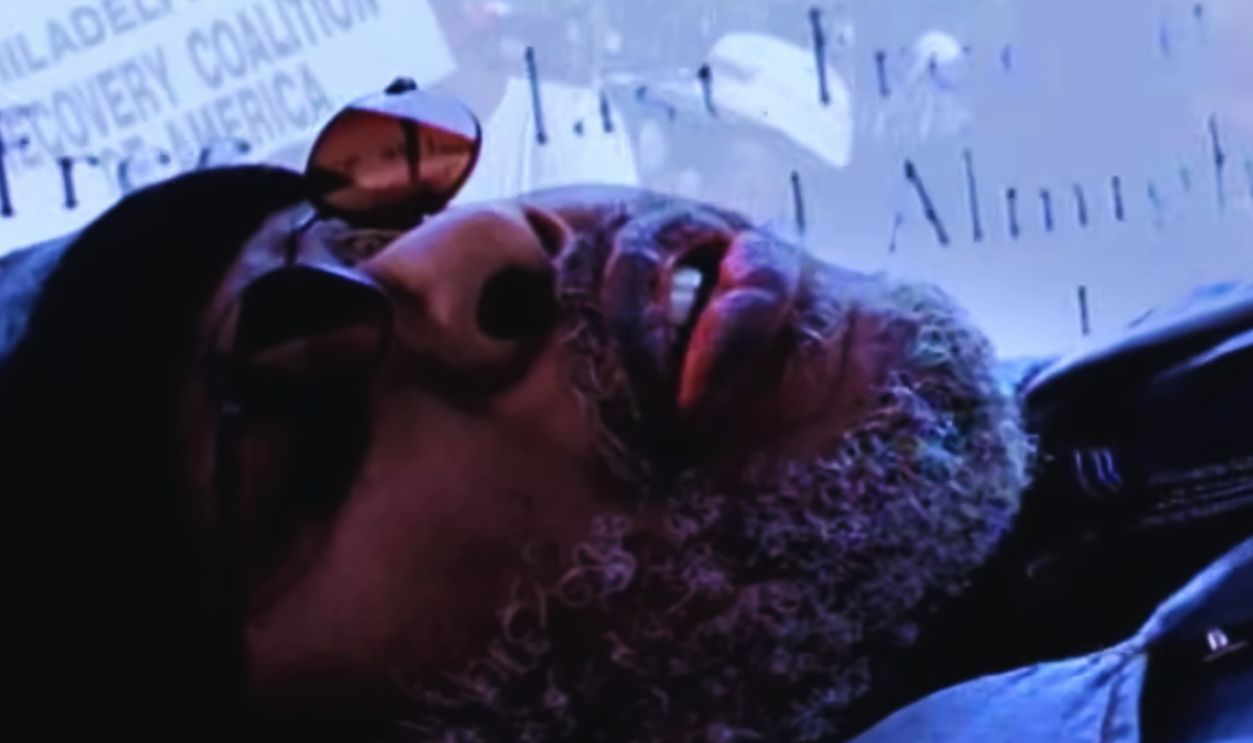 Screenshot from New World Order, Rhino Records (1996)
Lyrics Shaped By Survival
The album wrestles with endurance, injustice, and faith. These weren’t abstract ideas anymore. They were daily realities.
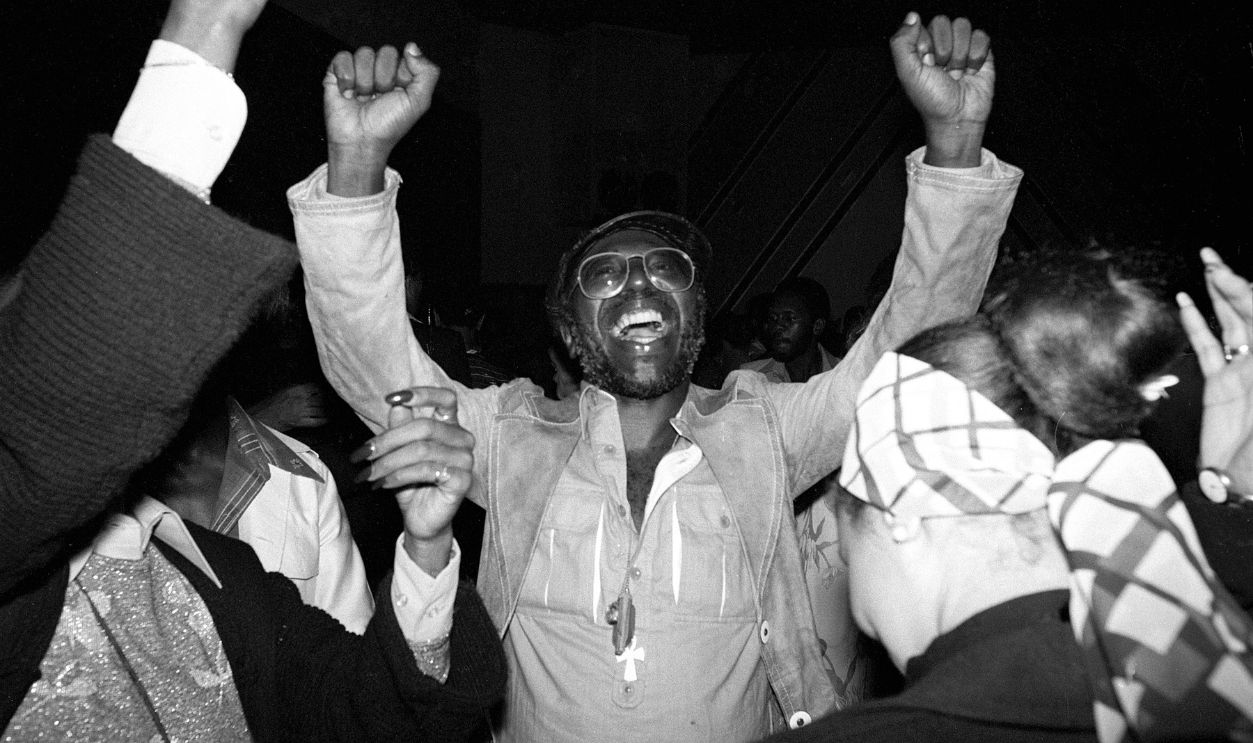 Richard E. Aaron, Getty Images
Life Away From The Spotlight
After his injury, Curtis appeared in public far less often. Interviews and events became rare. Still, his presence in music never faded.
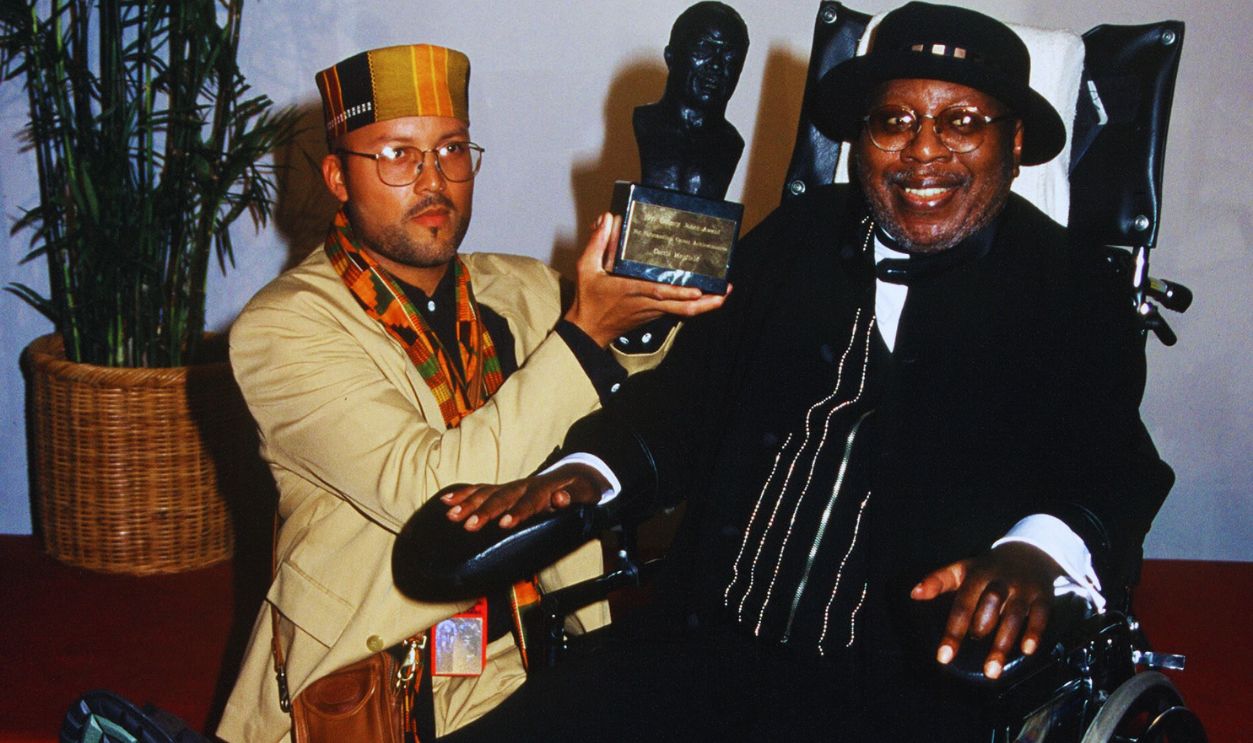
Recognition That Never Felt Like Pity
Tributes and honors continued to arrive. They focused on his body of work—not his condition. That distinction mattered to him.
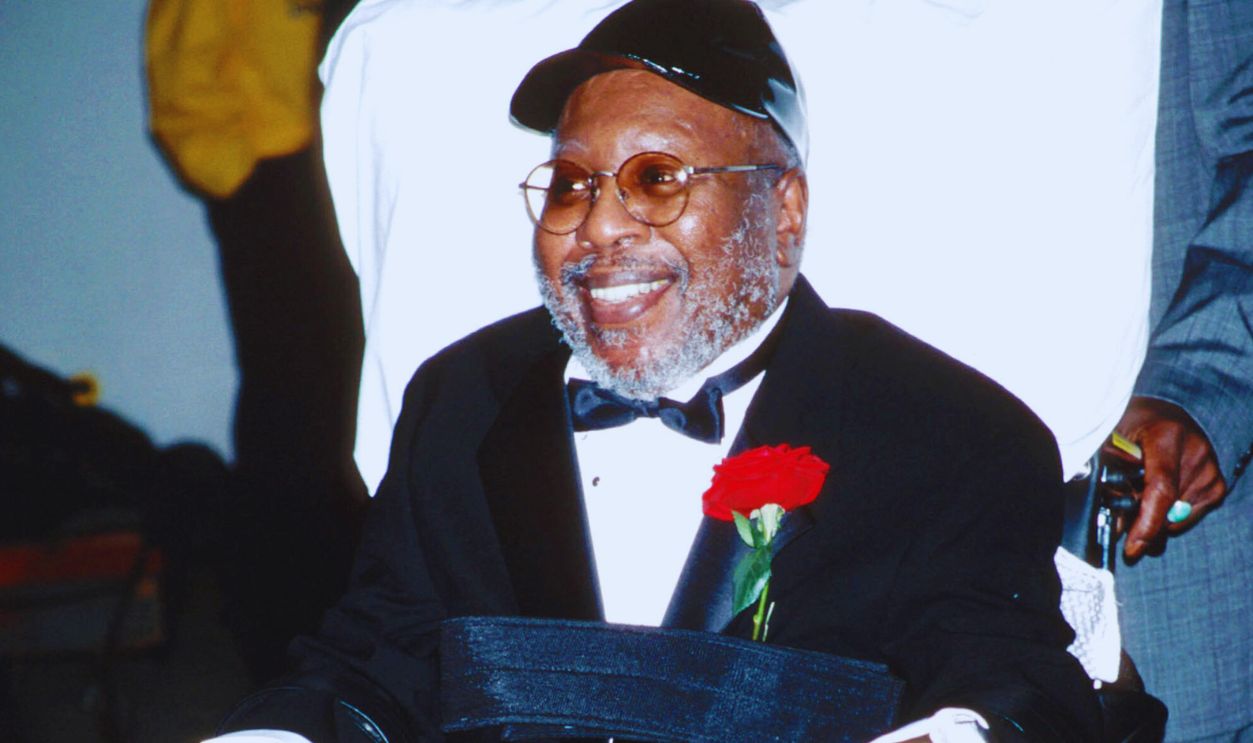
Living With Paralysis For Nearly A Decade
Curtis Mayfield spent almost ten years adapting to life after the accident. He stayed mentally sharp, creatively engaged, and deeply thoughtful.

A Quiet Ending Without A Final Bow
He passed away in 1999 at age 57 due to complications from type 2 diabetes. There was no farewell tour, no last performance.
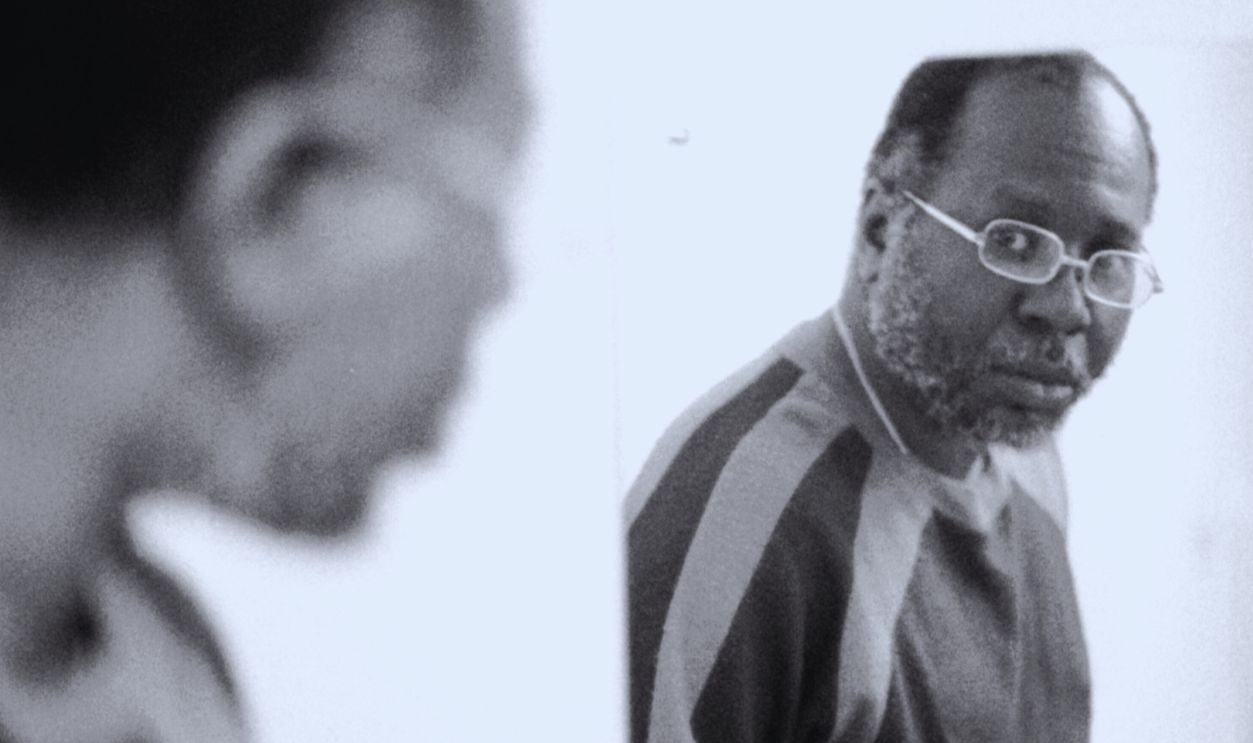
Why His Story Still Resonates
Curtis Mayfield kept recording because music wasn’t optional for him. It was essential. Even flat on his back, he found a way to stand inside the songs—and that’s the legacy that lasts.

You May Also Like: