
A Night That Refused To Stay Simple
Sam Cooke had reached a rare place in American music. He wasn’t chasing relevance—he was defining it. His voice crossed boundaries, his songwriting deepened with each release, and his business instincts put him years ahead of his peers. Then, during one chaotic night in Los Angeles, everything unraveled. The official explanation came together quickly. Understanding it, however, has never been easy.
A Voice That Always Felt Destined For More
From the beginning, Cooke sounded inevitable. His early church performances carried confidence without arrogance, warmth without excess. Even then, it felt like his voice belonged somewhere bigger than a single stage.
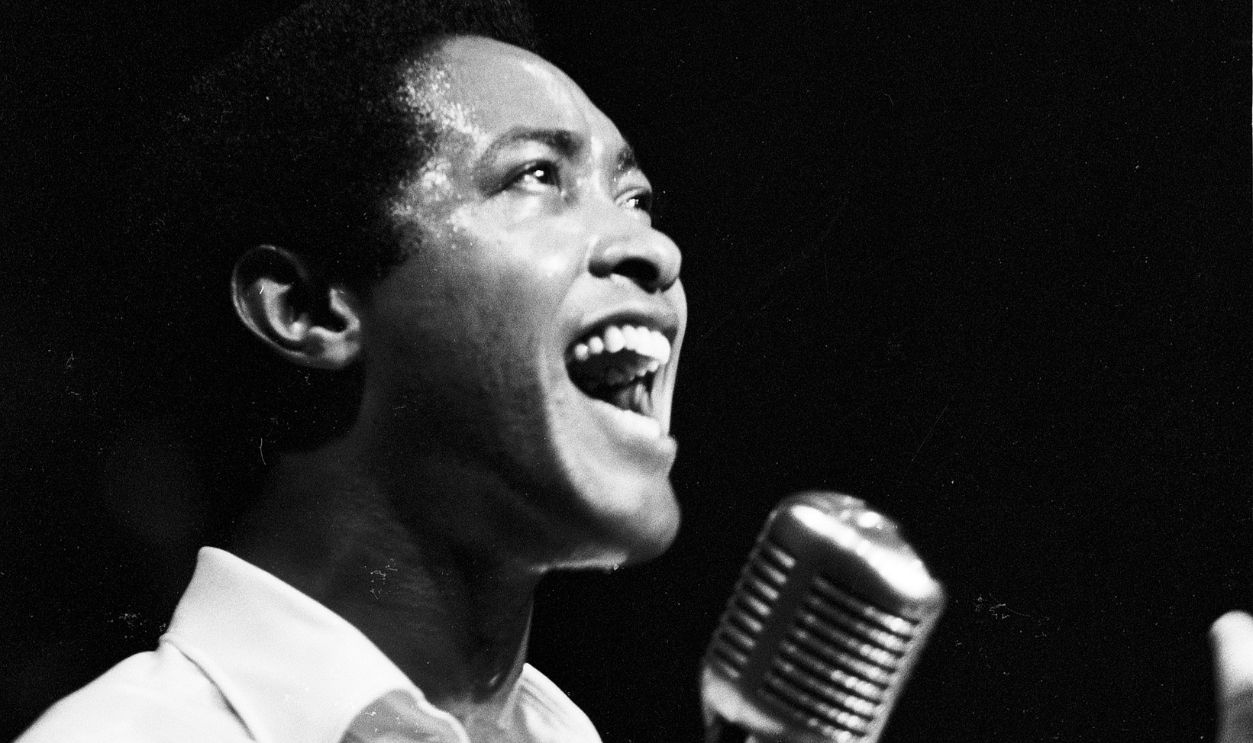
Leaving Sacred Music Without Losing His Core
When Cooke moved into mainstream recording, the decision raised eyebrows but won listeners immediately. Songs like You Send Me didn’t feel calculated—they felt sincere. He didn’t abandon where he came from; he expanded it.
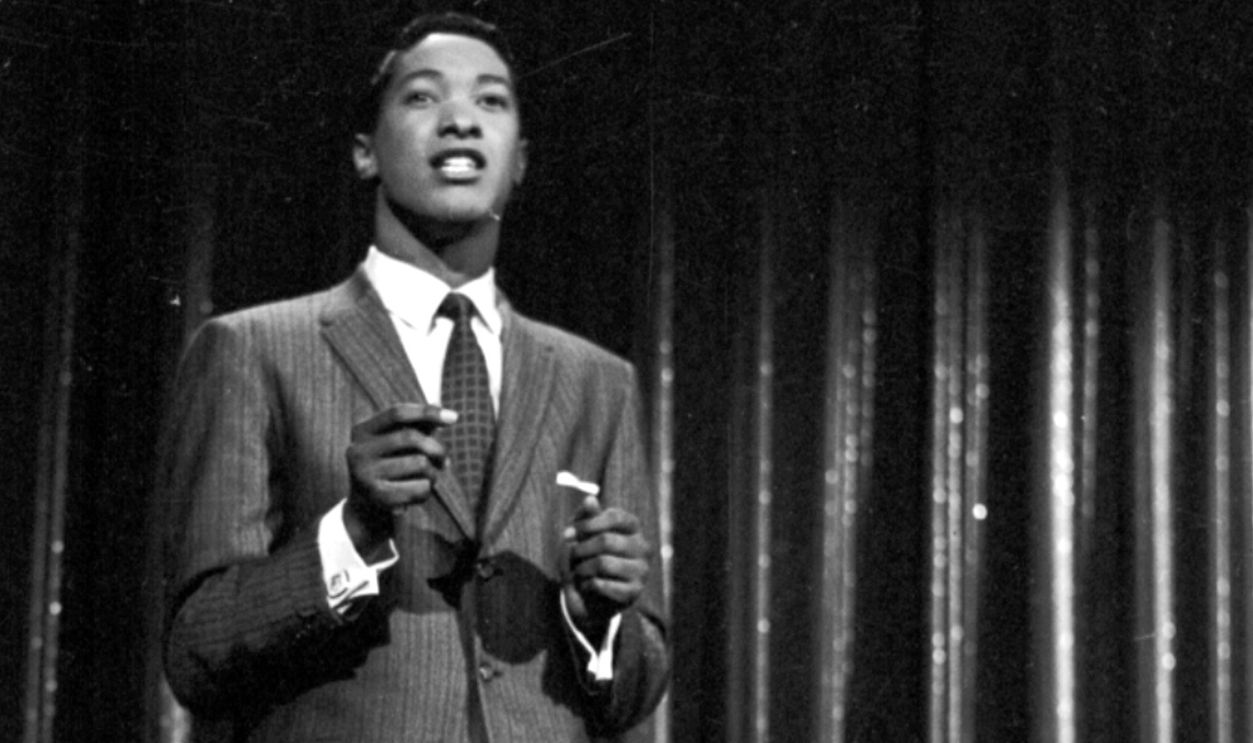 Michael Ochs Archives, Getty Images
A Performer Who Read The Contracts
Cooke paid attention to ownership, publishing, and long-term control at a time when many performers were told not to ask questions. That awareness quietly made him one of the most powerful figures in his industry.
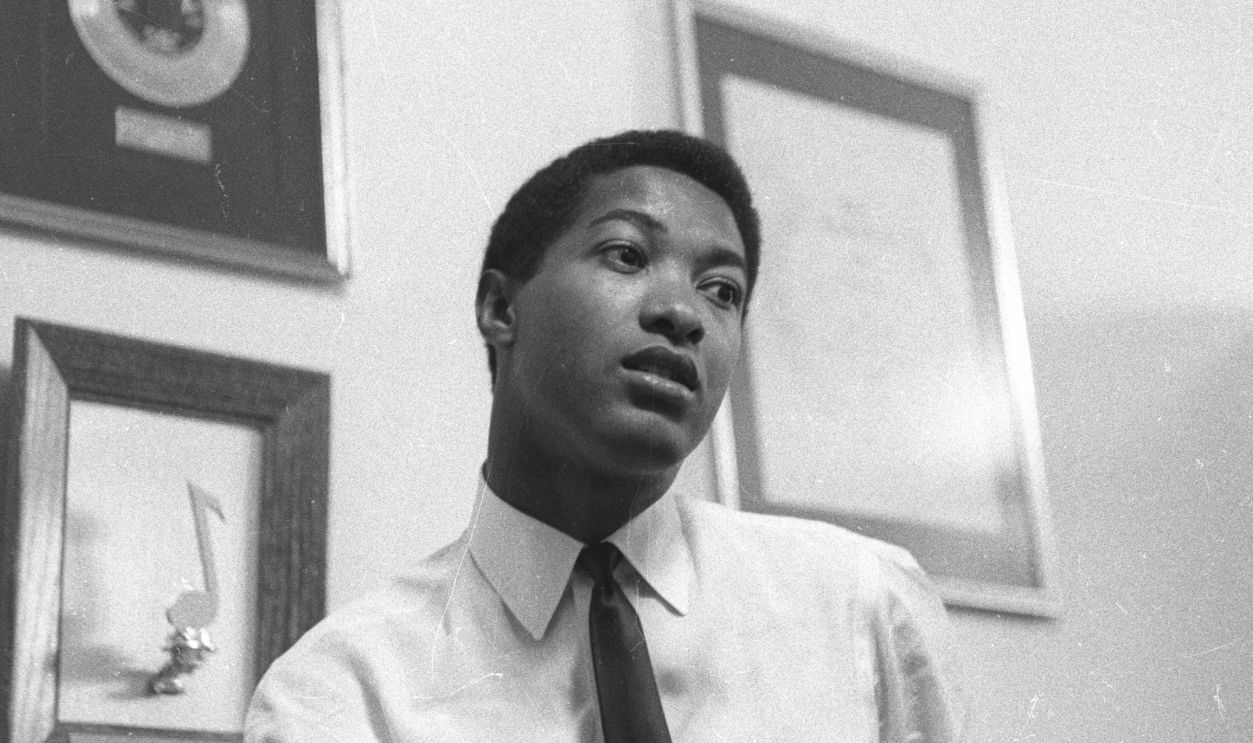 Michael Ochs Archives, Getty Images
Songs That Began Carrying History
As the cultural mood shifted, so did Cooke’s writing. A Change Is Gonna Come reflected frustration, patience, and hope all at once. It wasn’t just admired—it was felt.
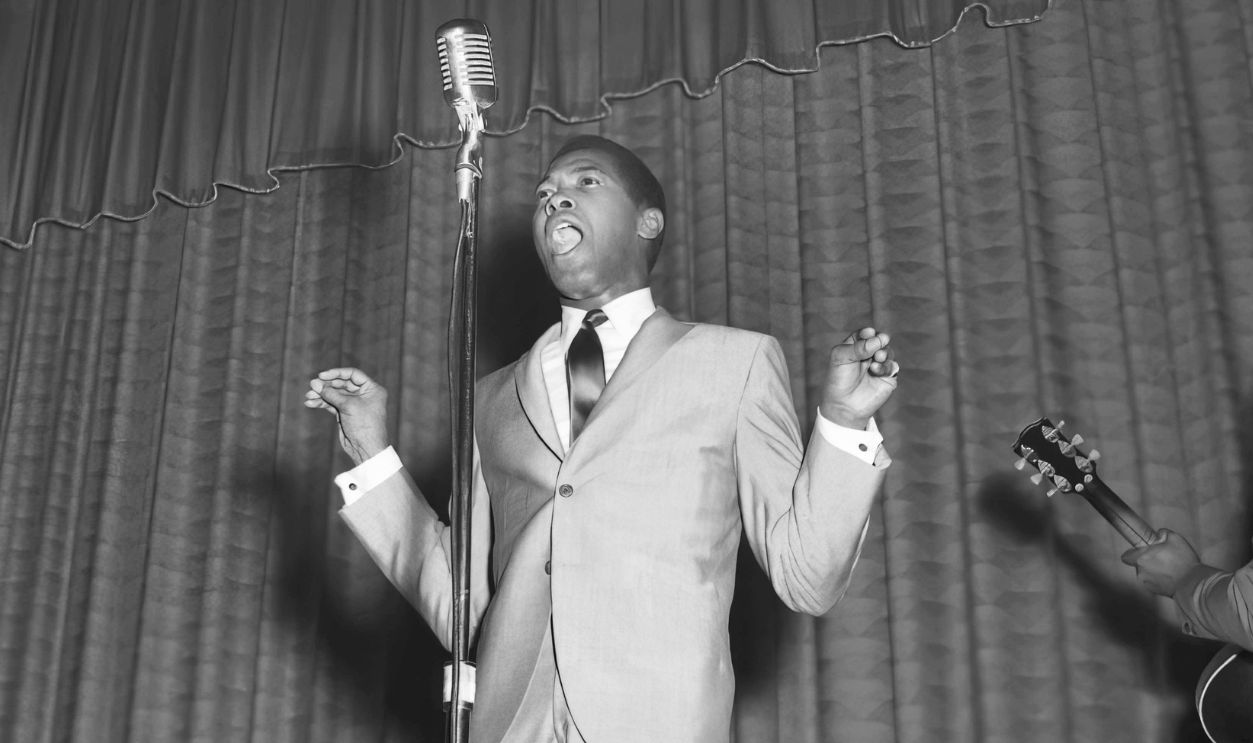 Claflin University, Getty Images
Success That Never Slowed Down
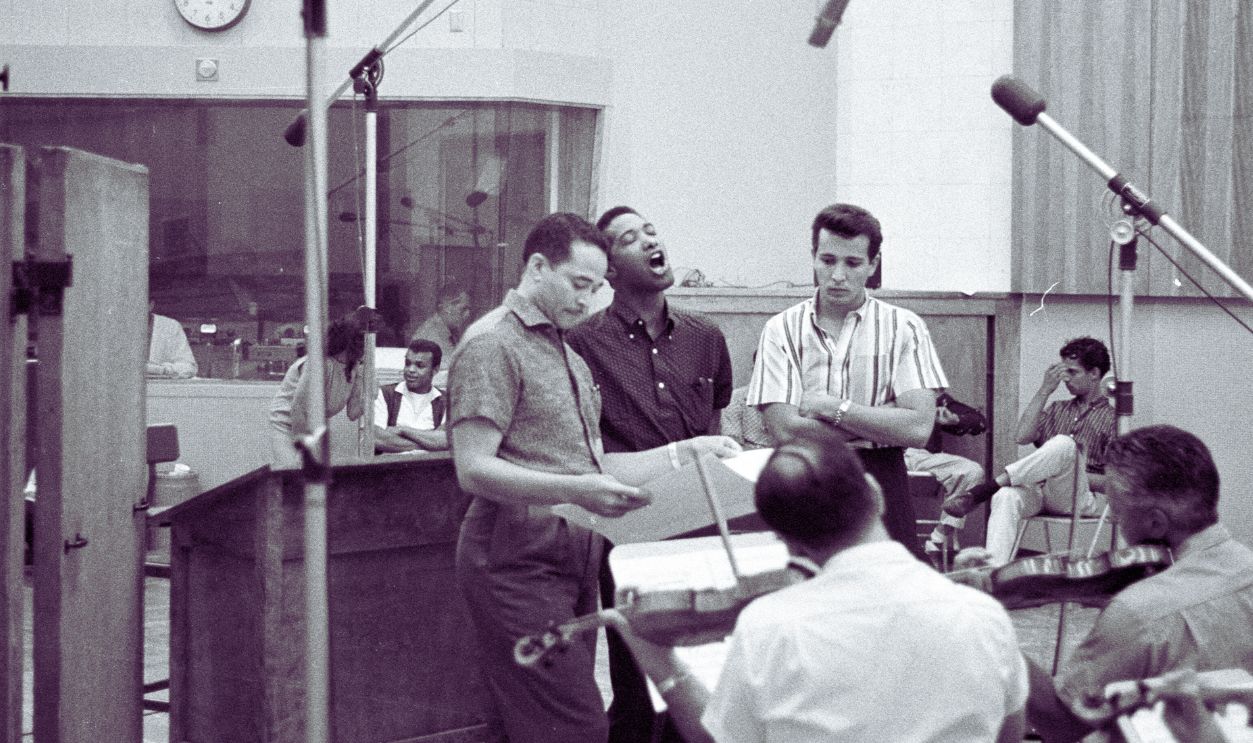
By late 1964, Cooke’s schedule was relentless. Touring, recording, meetings, and personal obligations stacked up quickly. Friends later described a man who was proud of what he’d built, but clearly worn down by the pace.
 Michael Ochs Archives, Getty Images
December 10, 1964 Begins Like Any Other Evening
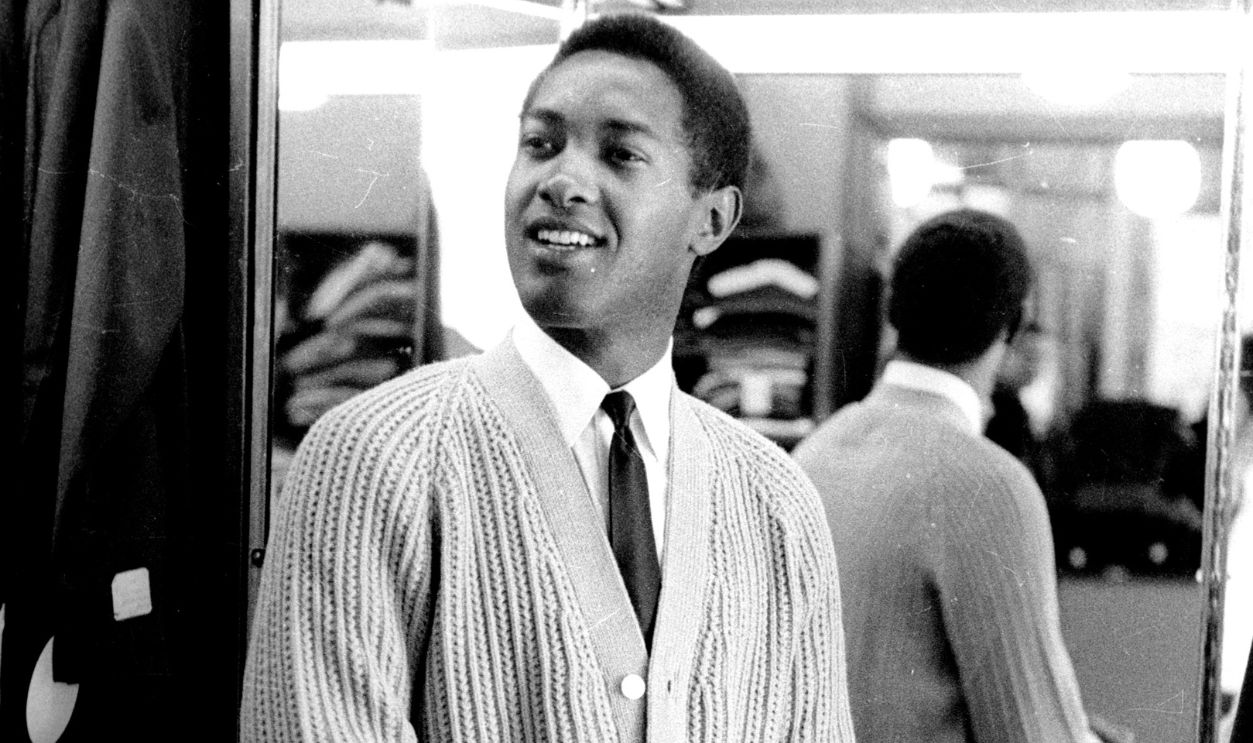
That Thursday night didn’t feel unusual. Cooke went out in Hollywood, socializing and enjoying himself in familiar settings. No one present reported anything alarming or unusual about his mood earlier in the evening.
 Michael Ochs Archives, Getty Images
Meeting Elisa Boyer
At a nightclub, Cooke met Elisa Boyer. Their interaction appeared brief and unremarkable at first, but it would soon become central to every account of what followed.

Driving South, Away From Familiar Places
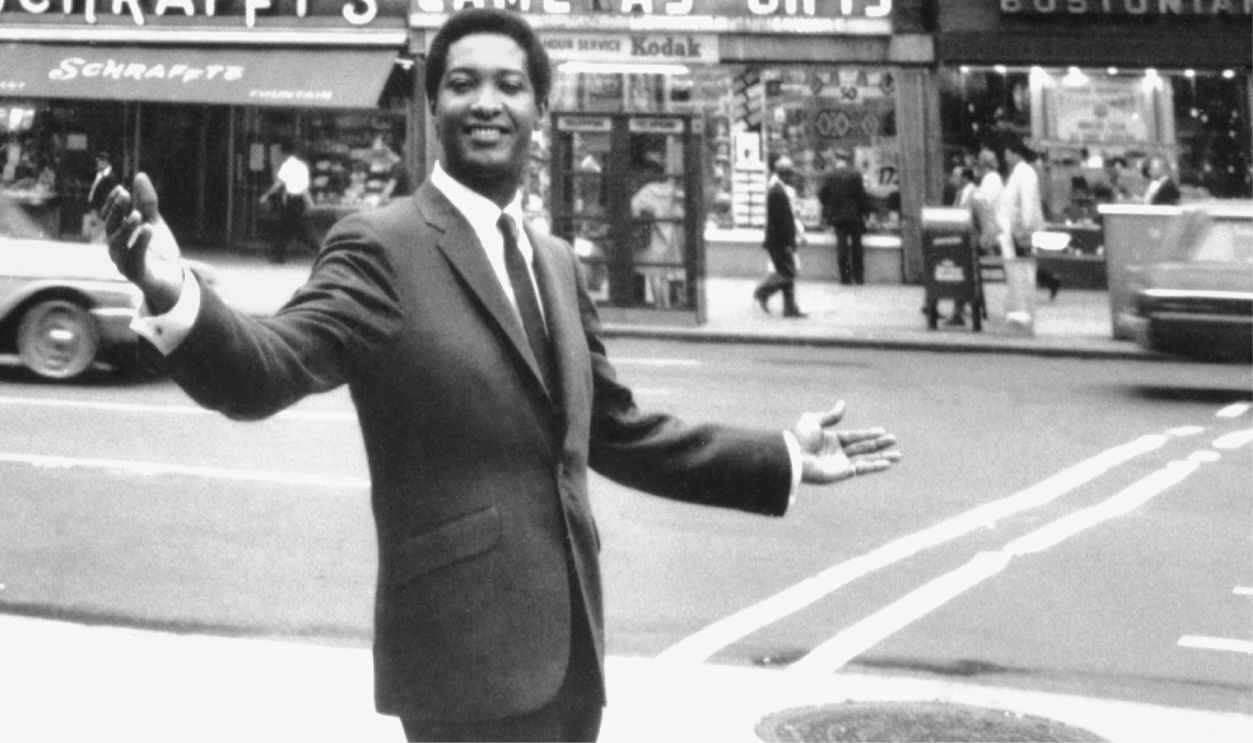
Later that night, Cooke and Boyer left together. Instead of heading somewhere upscale or familiar, Cooke drove to the Hacienda Motel, a modest property in South Los Angeles. The location would later feel strangely mismatched with his public image.
 Michael Ochs Archives, Getty Images
Checking In Under His Own Name
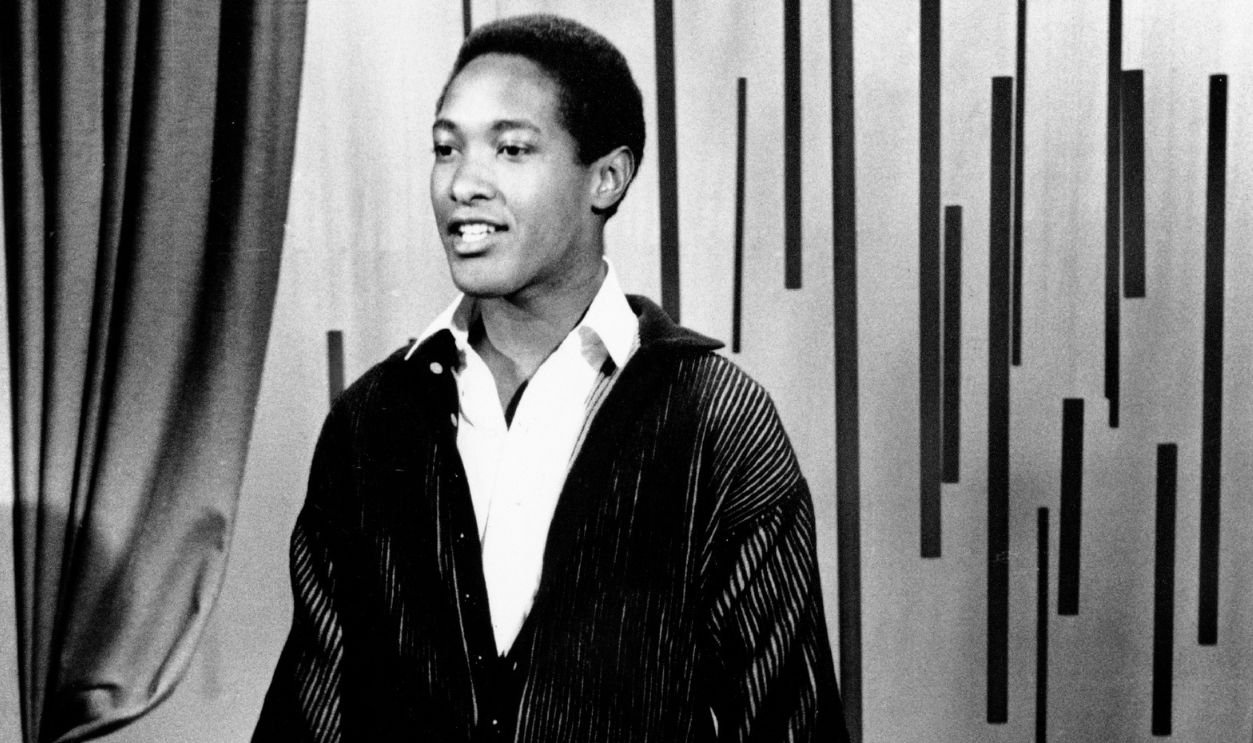
Cooke signed the motel register using his real name. Whether from confidence, habit, or fatigue, the decision ensured there would be no confusion about who had been present once events escalated.
 Michael Ochs Archives, Getty Images
Inside The Room: Accounts Begin To Diverge
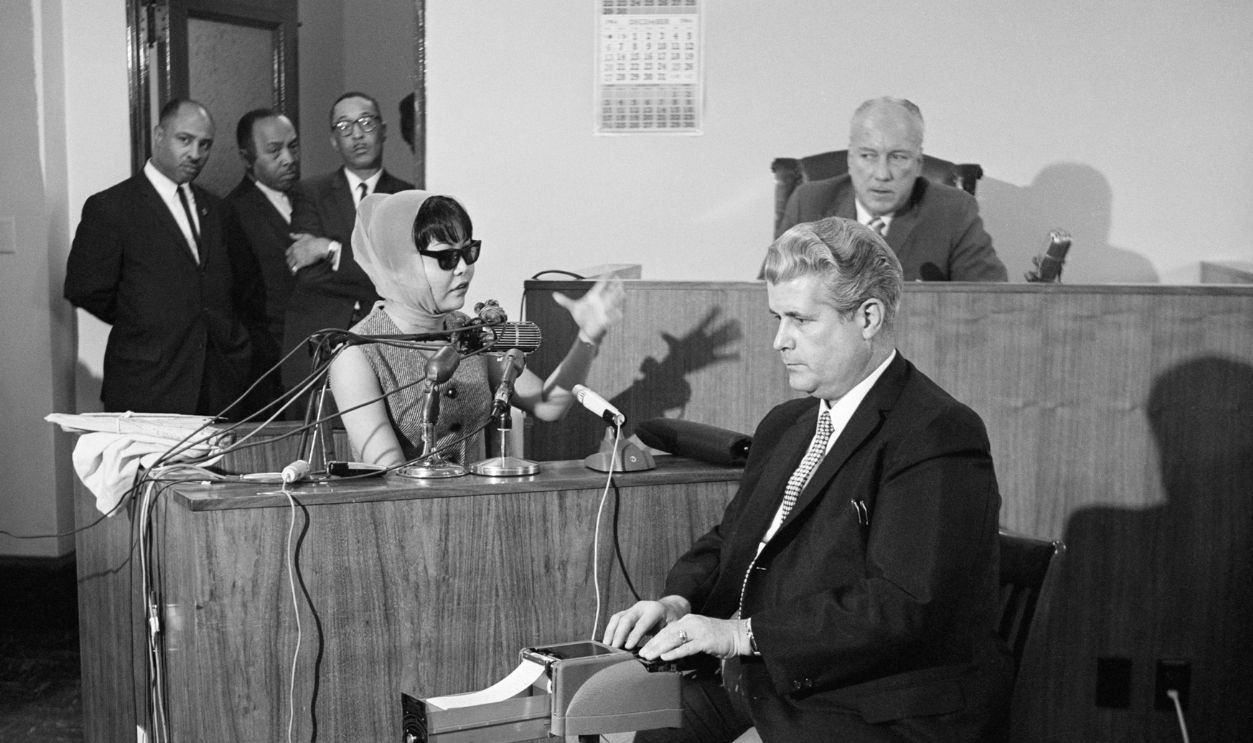
What happened next depends on who is telling the story. Boyer later claimed that once inside the room, she felt frightened and looked for a way to leave. According to her account, she managed to exit suddenly while Cooke was occupied.
Leaving With His Belongings
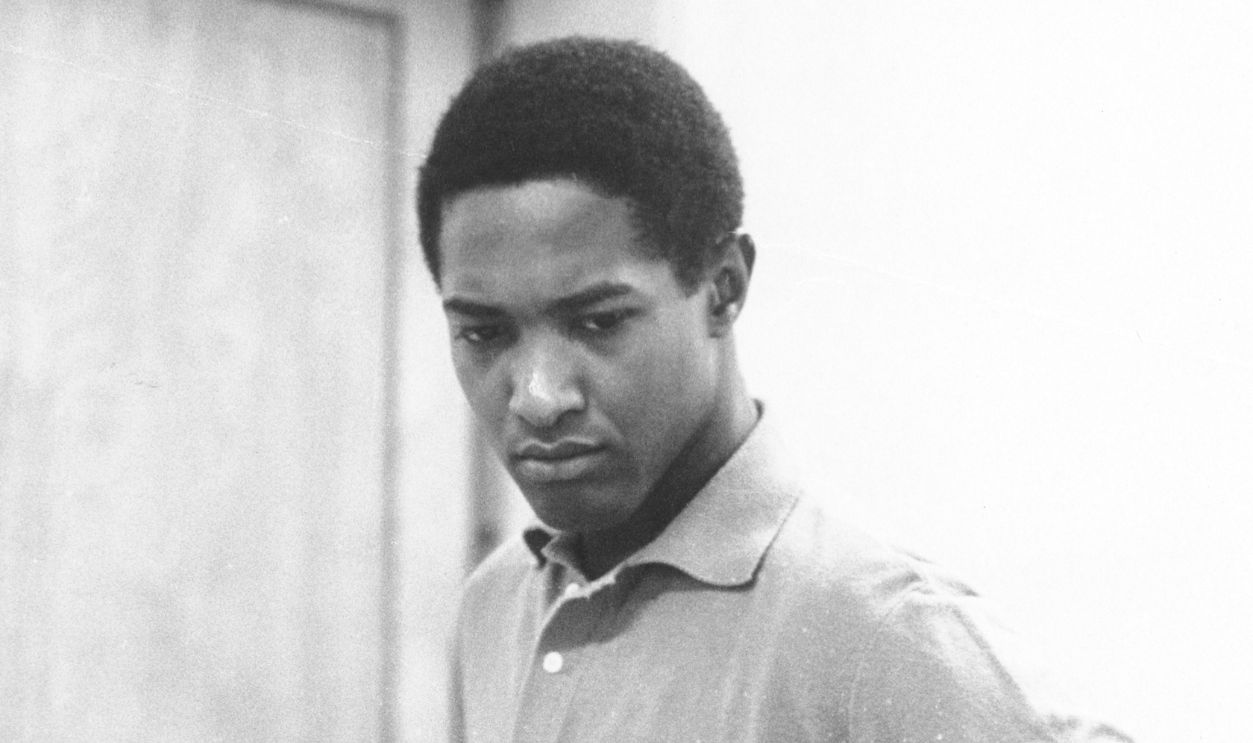
Boyer said she left wearing minimal clothing and took Cooke’s garments with her as she fled. Cooke, now alone in the room and unable to leave immediately, reportedly believed he had been tricked and robbed.
 Michael Ochs Archives, Getty Images
Realizing Something Was Wrong
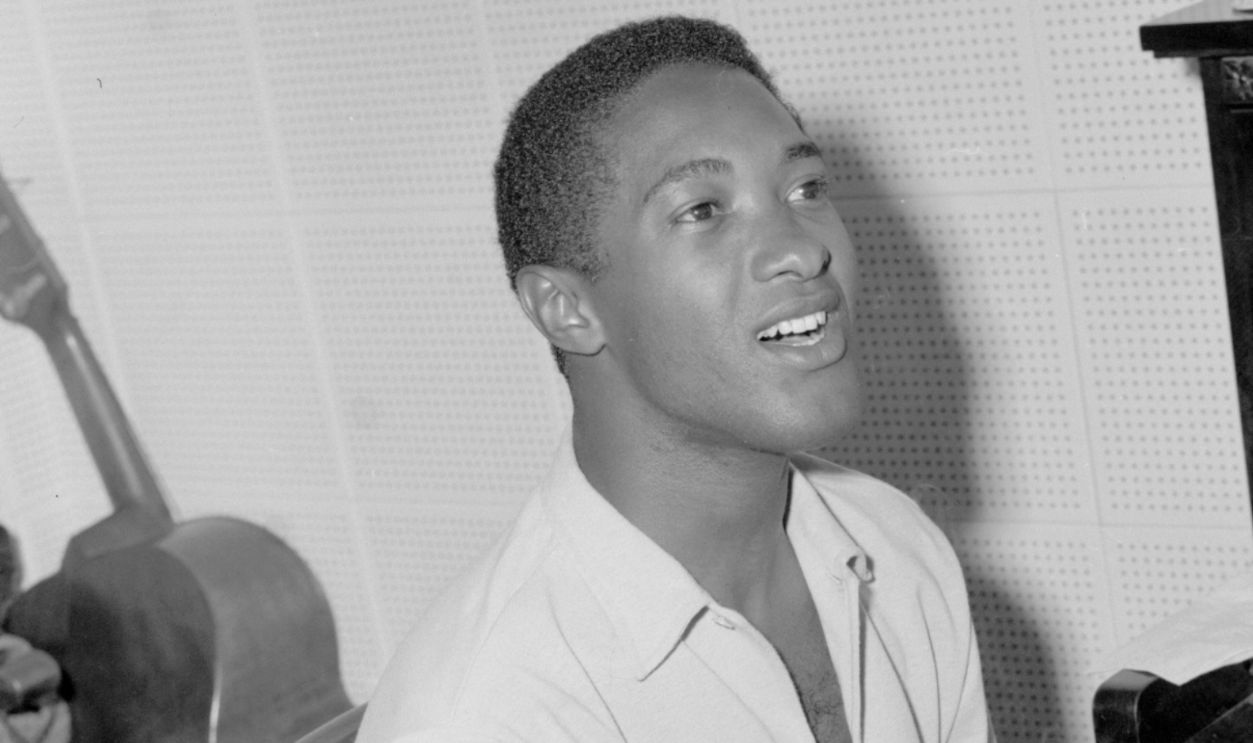
Cooke emerged from the room in a distressed state, partially dressed and visibly upset. Witnesses described confusion rather than aggression. He appeared focused on finding Boyer and understanding what had just happened.
 Michael Ochs Archives, Getty Images
Moving Toward The Motel Office
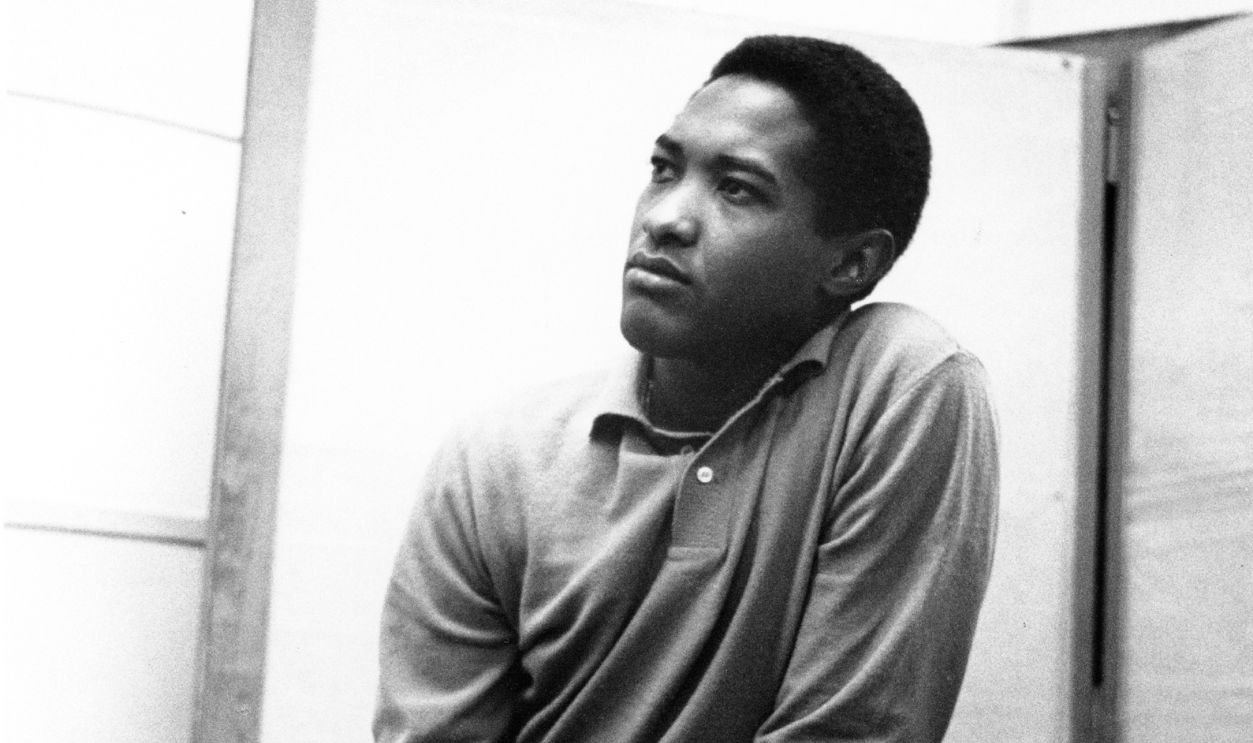
In the early morning hours, Cooke went to the motel office to ask about the woman who had just left. He demanded information, repeatedly asking where she had gone and what had happened to his belongings.
 Michael Ochs Archives, Getty Images
Encounter With The Motel Manager
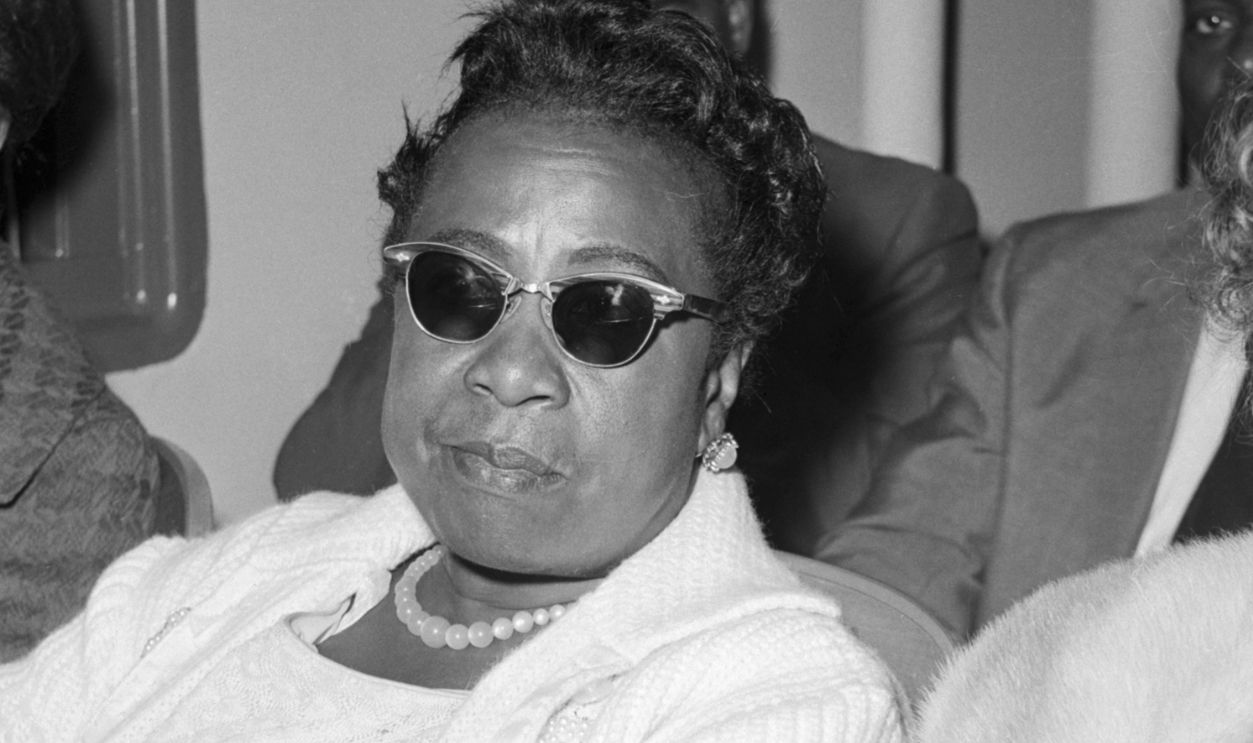
The motel manager, Bertha Franklin, was alone in the office when Cooke arrived. Her later account described him as frantic and demanding, while she described herself as fearful during the interaction.
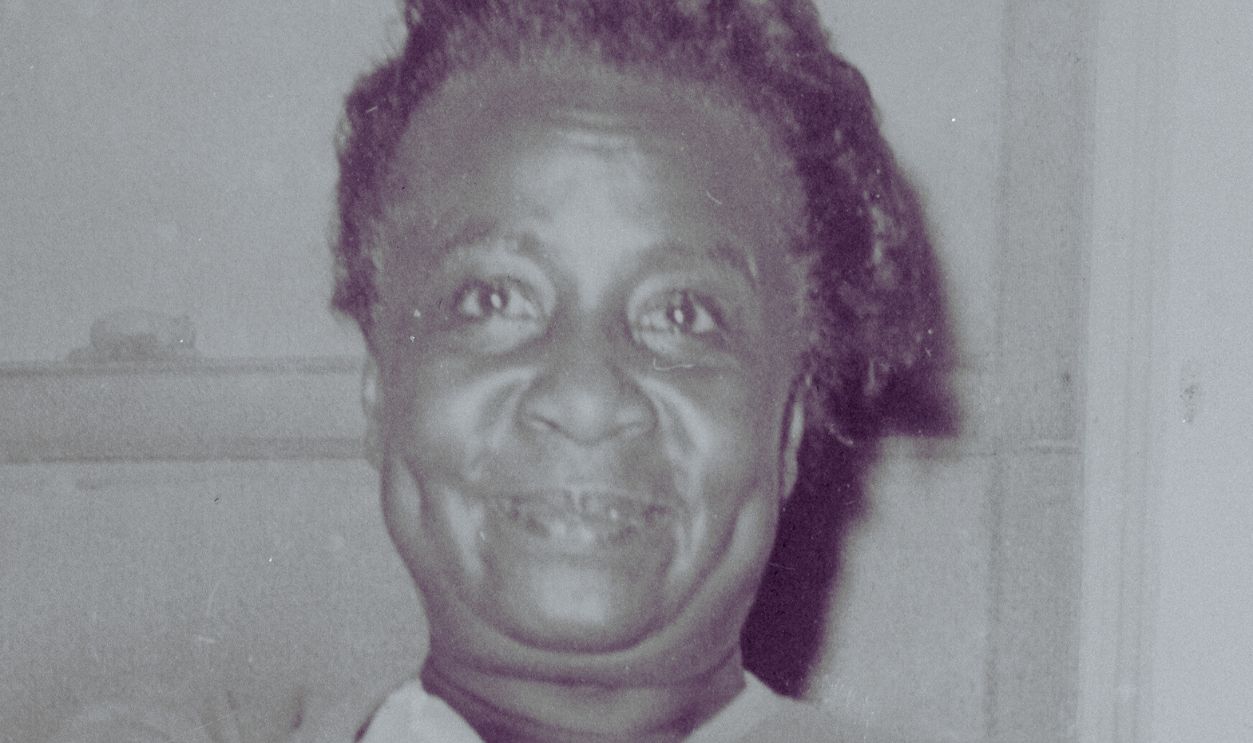
A Physical Struggle According To The Official Account
Franklin stated that Cooke moved behind the counter and restrained her. She claimed she believed she was in immediate danger. This claim became central to how authorities later evaluated her actions.
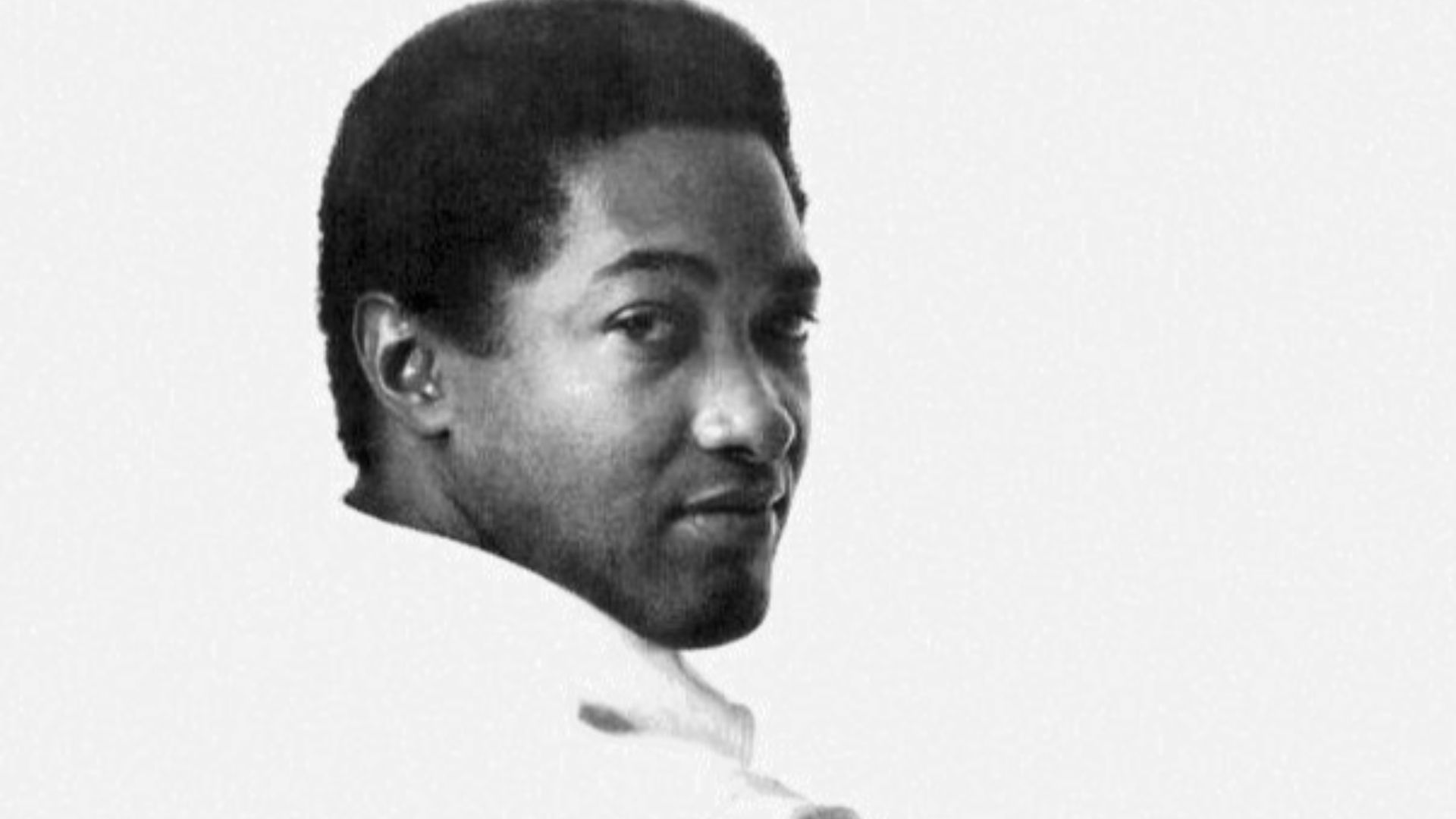 RCA Victor Records, Wikimedia Commons
A Sudden And Final Moment
Franklin reached for a gun kept in the office and fired it at close range. Cooke was struck and collapsed inside the office area. According to records, he expressed disbelief immediately afterward.
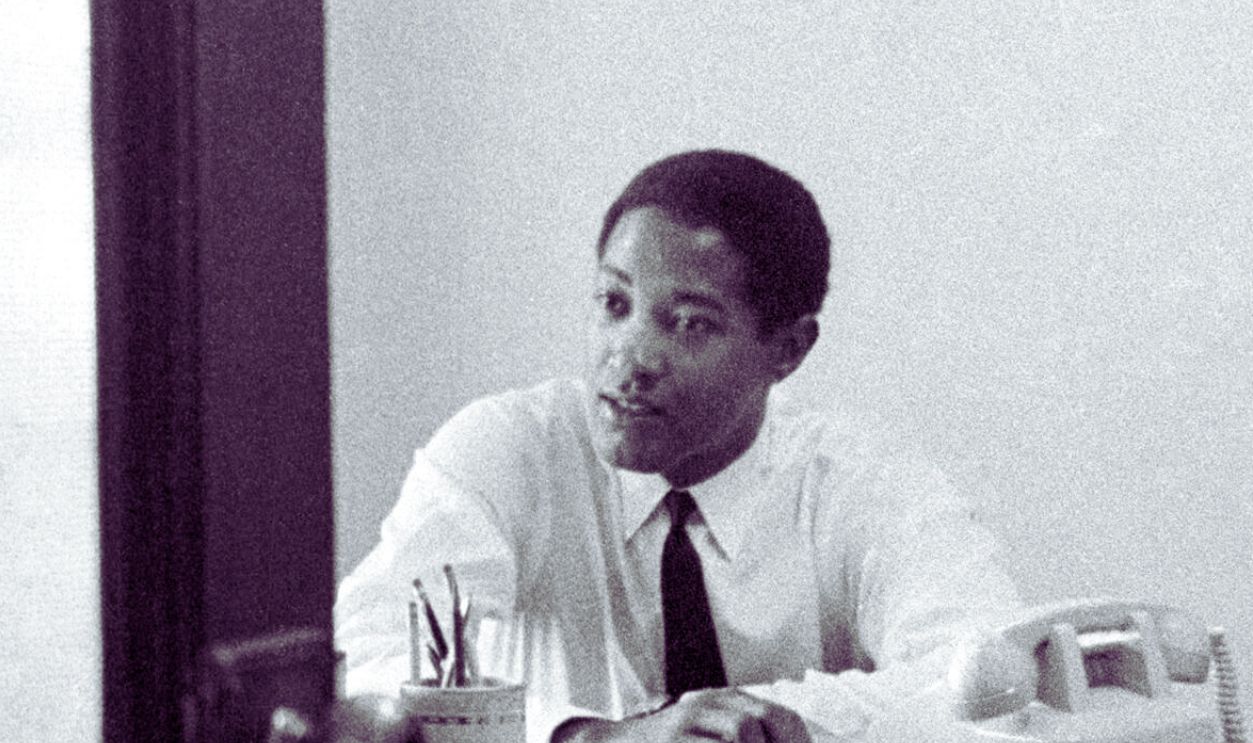
The Scene Afterward
Cooke remained inside the office as help was summoned. Emergency personnel arrived, but he could not be saved. He was 33 years old.
 Michael Ochs Archives, Getty Images
A Rapid Official Review
A formal review of the incident took place shortly afterward. The conclusion accepted Franklin’s account and determined that her actions were justified under the circumstances. No further proceedings followed.
Physical Evidence That Raised Questions
Friends who later viewed Cooke’s body reported extensive visible injuries, including damage to his hands. These details seemed difficult to reconcile with a brief encounter involving only one person, fueling skepticism.
 Michael Ochs Archives, Getty Images
Doubt From Those Who Knew Him
Several musicians who had known Cooke personally expressed disbelief. They didn’t claim certainty about what happened, but they felt the explanation didn’t align with his physical presence or character.
Elisa Boyer’s Later History
In the years that followed, Boyer faced legal issues unrelated to that night. While none directly altered the official ruling, they influenced how the public assessed her credibility in hindsight.
Why Questions Never Went Away
Over time, alternative explanations surfaced—some focusing on money, others on influence or control. None were supported by proof, but their persistence reflected how incomplete the official story felt to many.
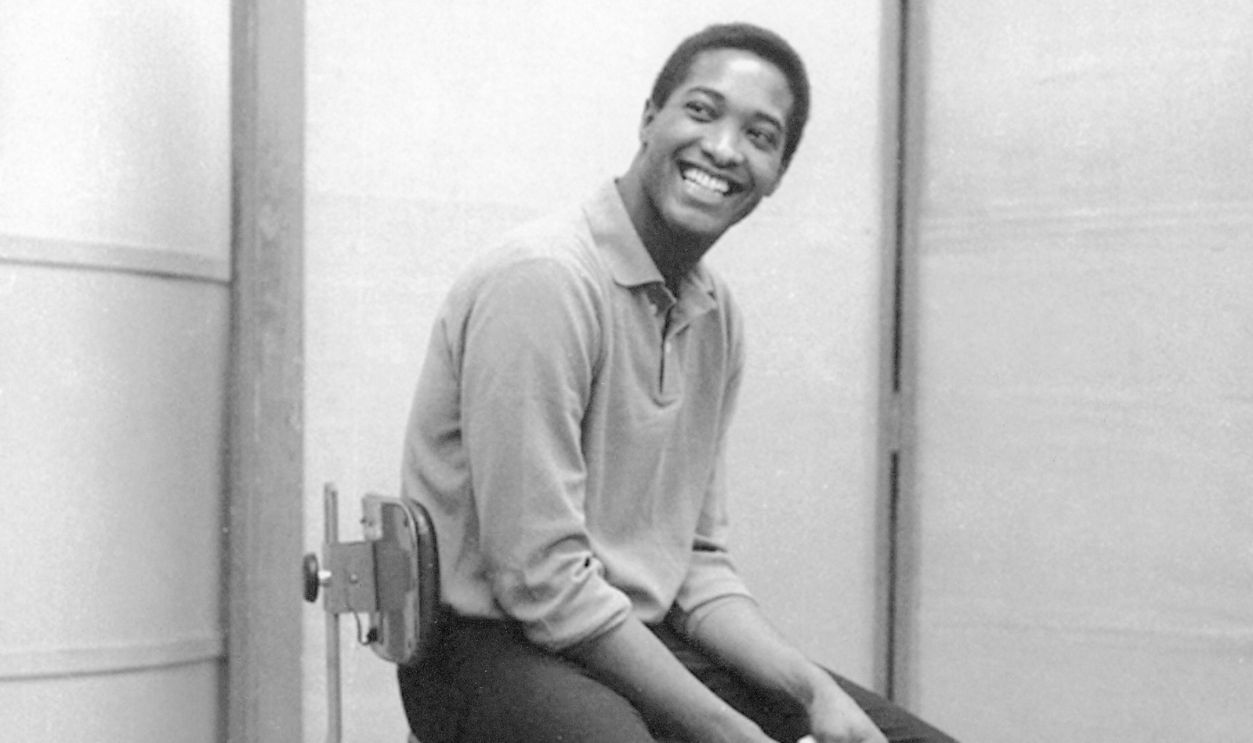 Michael Ochs Archives, Getty Images
A Future That Felt Interrupted
At 33, Cooke was entering a powerful new phase. His writing was deepening, his influence expanding, and his business instincts sharpening. The sense that something monumental had been cut short never faded.
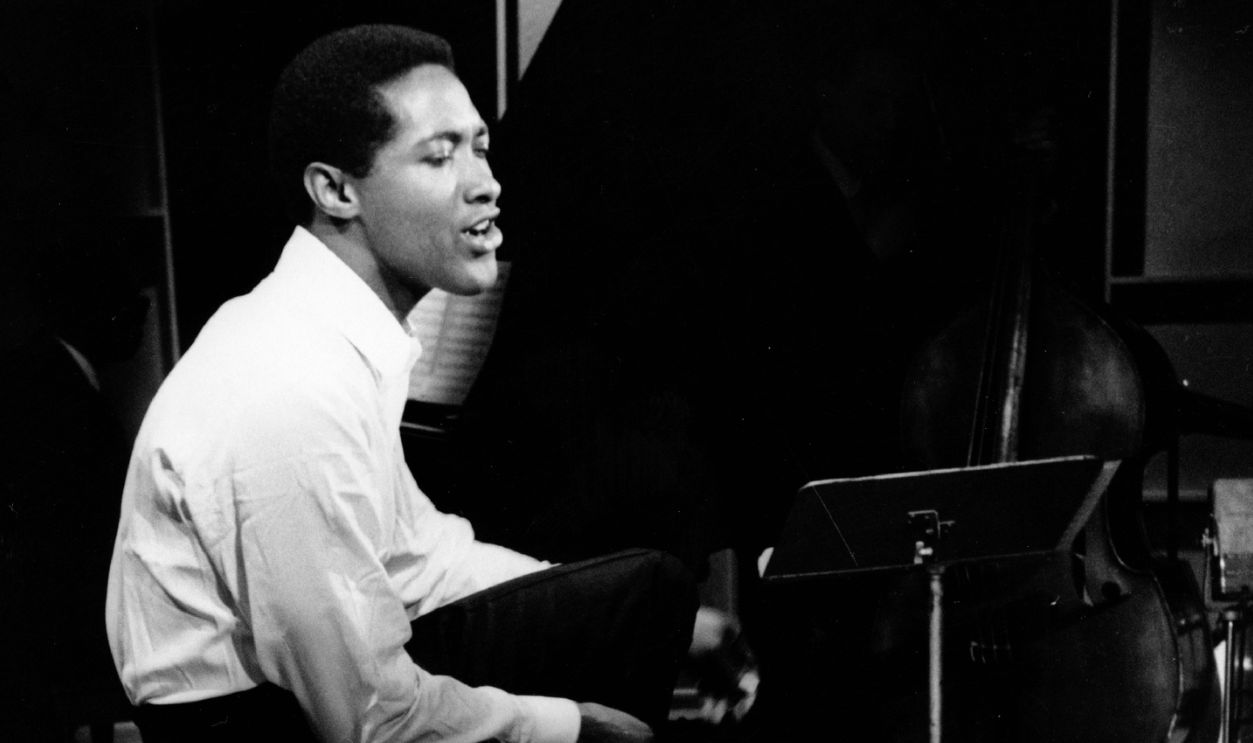 Michael Ochs Archives, Getty Images
A Legacy That Keeps The Conversation Alive
Sam Cooke’s voice still sounds present, not historical. His songs continue to resonate because they still mean something. And the unanswered questions surrounding his final night endure because his story never reached a natural ending.
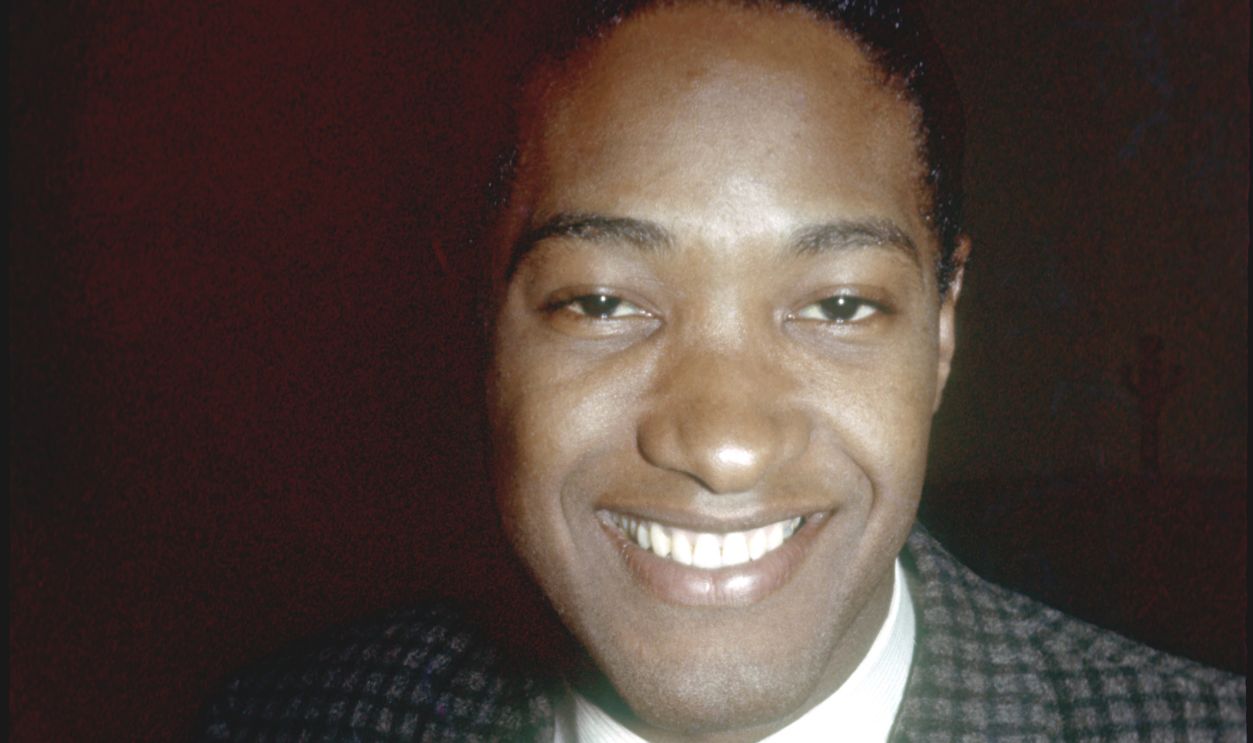 Michael Ochs Archives, Getty Images
You May Also Like: