Spotlight, Silence, And A Song That Wouldn’t Bow
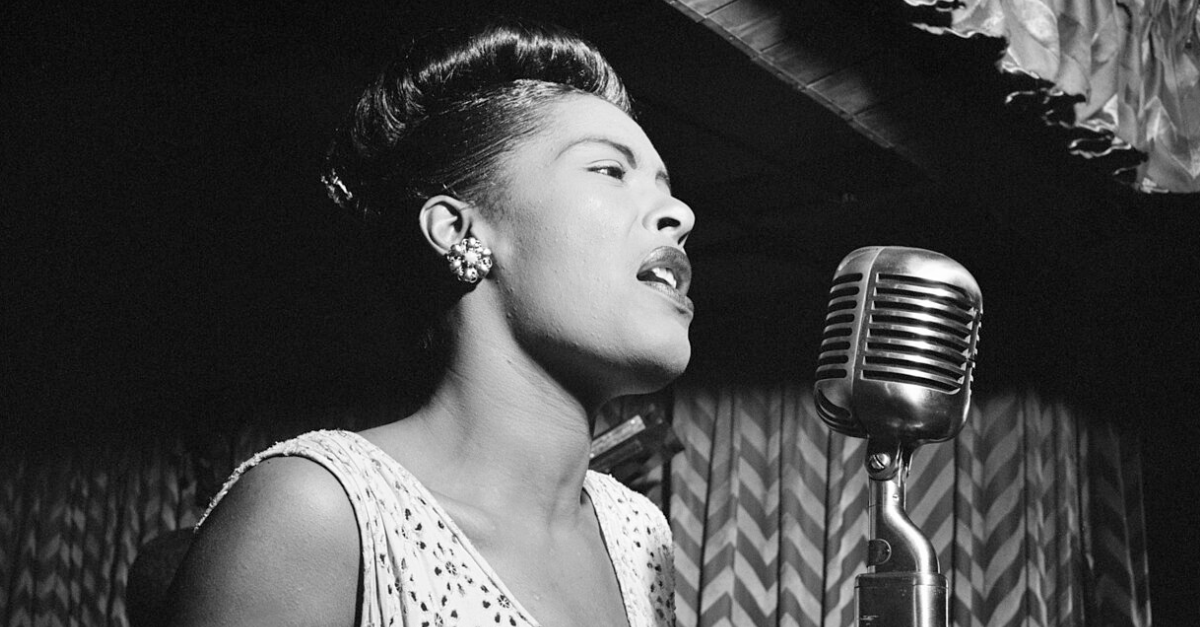
When Billie Holiday first wrapped her voice around Strange Fruit, she wasn’t just performing—she was stepping into territory so charged it seemed to rearrange the air itself. The song forced audiences to confront truths the country preferred to ignore, and it placed Holiday in a spotlight that felt equal parts triumphant and dangerous. What followed was a career shaped by bravery, pressure, and a piece of music that refused to stay quiet.
Early Life In A World That Wasn’t Gentle
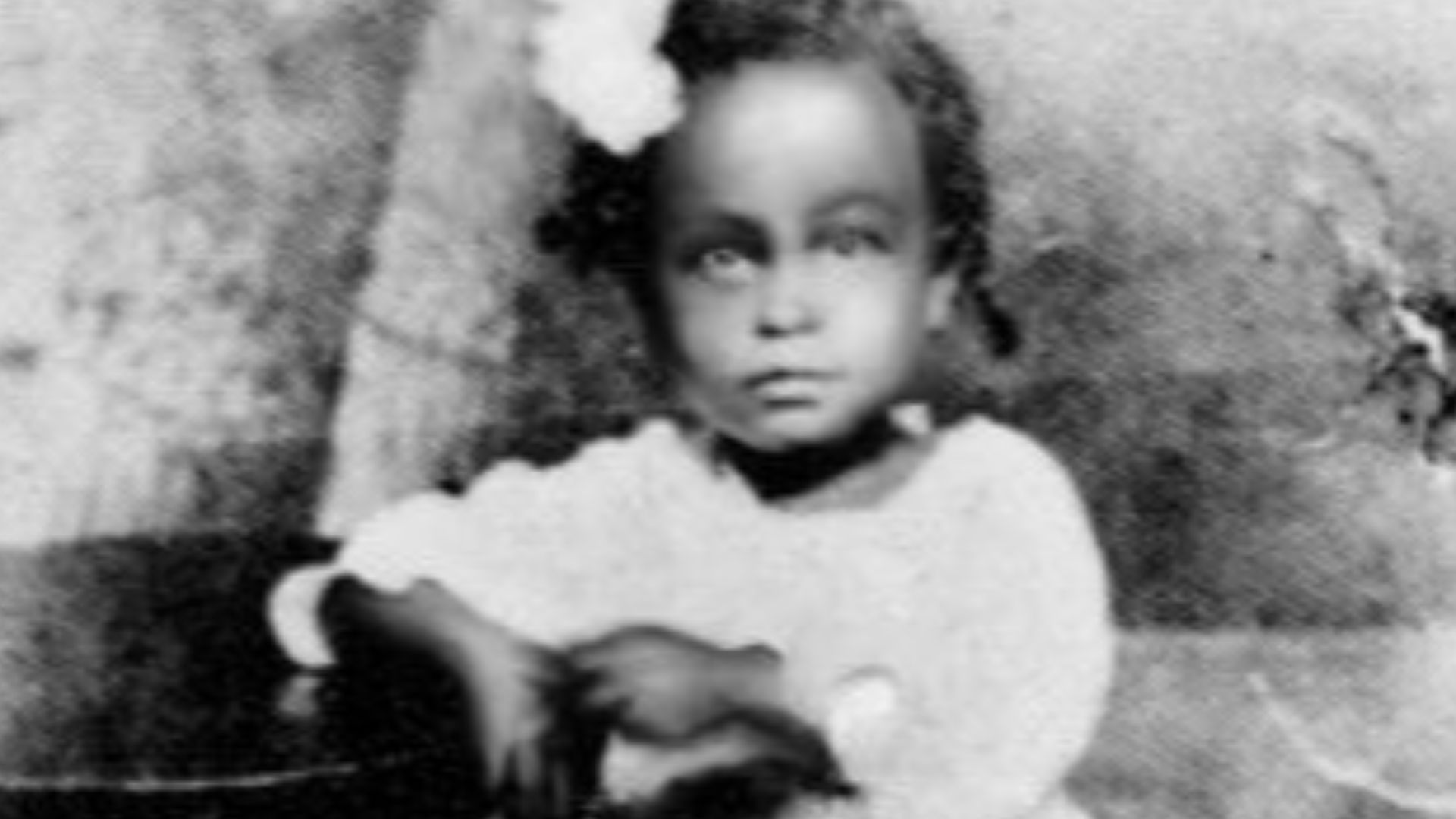
Billie Holiday’s early years were marked by instability, constant moves, and long stretches spent fending for herself. With little structure and even fewer safety nets, she grew up learning quickly that the world wasn’t built with softness in mind. Music became her escape long before it became her livelihood.
Finding A Voice In Harlem’s Nightclubs
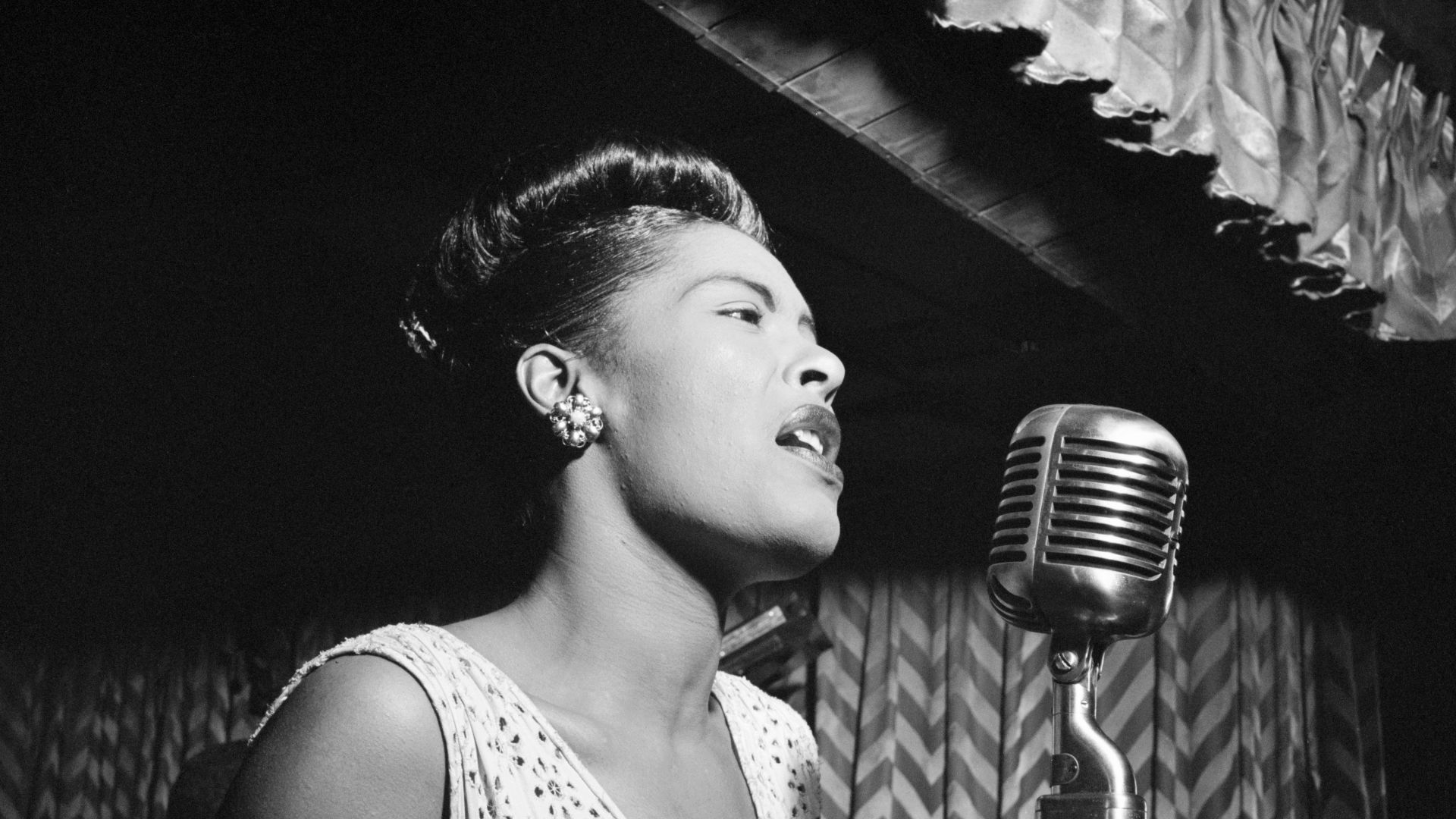
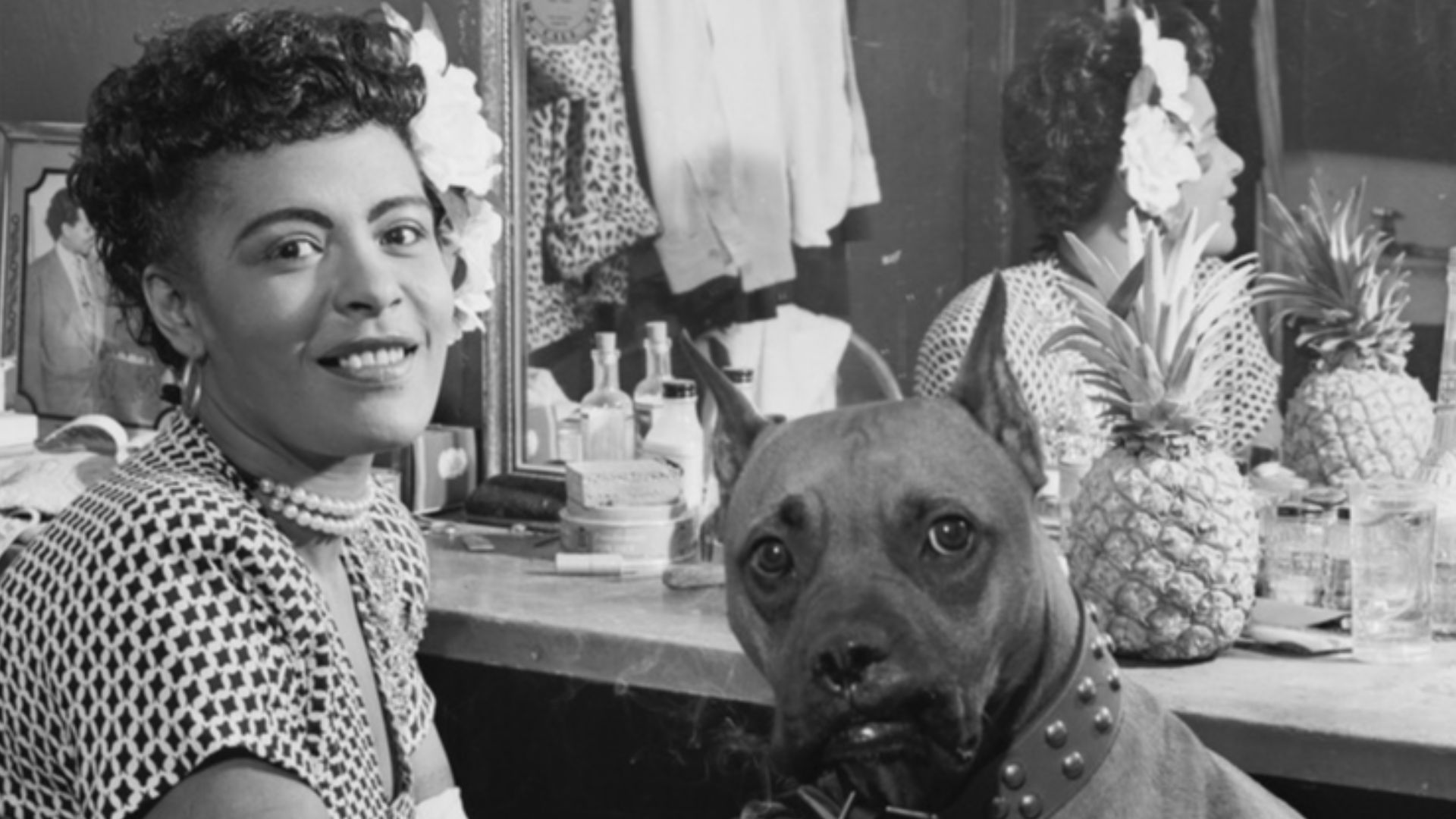
As a teenager, Holiday began singing in Harlem clubs, drawing attention with a style that was more instinct than technique. She didn’t copy anyone. Instead, she bent melodies into her own phrasing, turning familiar lines into something newly emotional. Night after night, her confidence grew alongside her audience.
 William P. Gottlieb, Wikimedia Commons
A Breakthrough With Benny Goodman
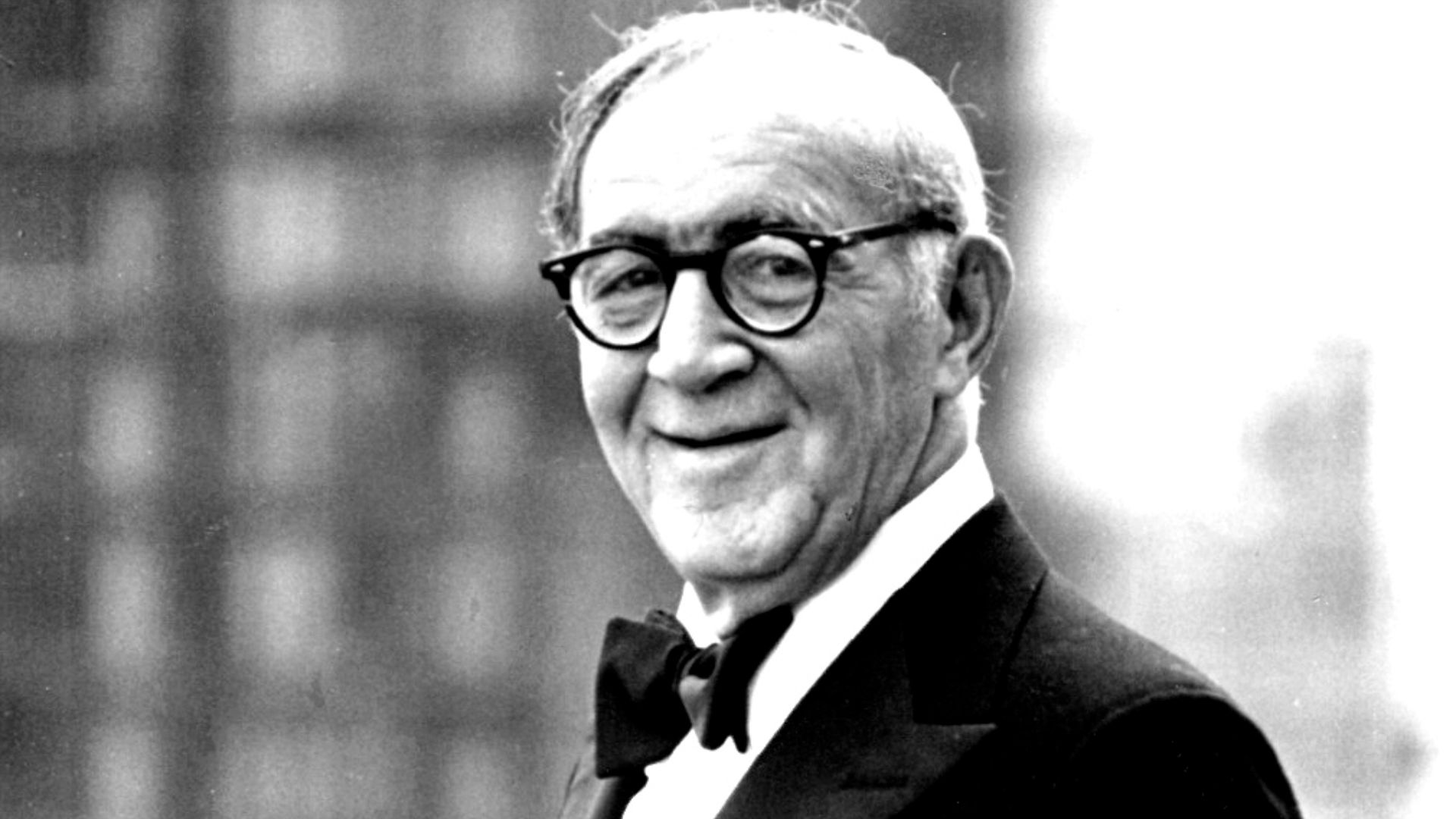
Holiday’s early studio work with Benny Goodman gave her first national exposure. Although the collaboration was brief and mostly limited to recording sessions, it marked a turning point. Her performance on songs like Riffin’ the Scotch hinted at the singular talent people would soon come to recognize.
 Unknown authorUnknown author, Wikimedia Commons
The Discovery Of A Song That Would Change Everything
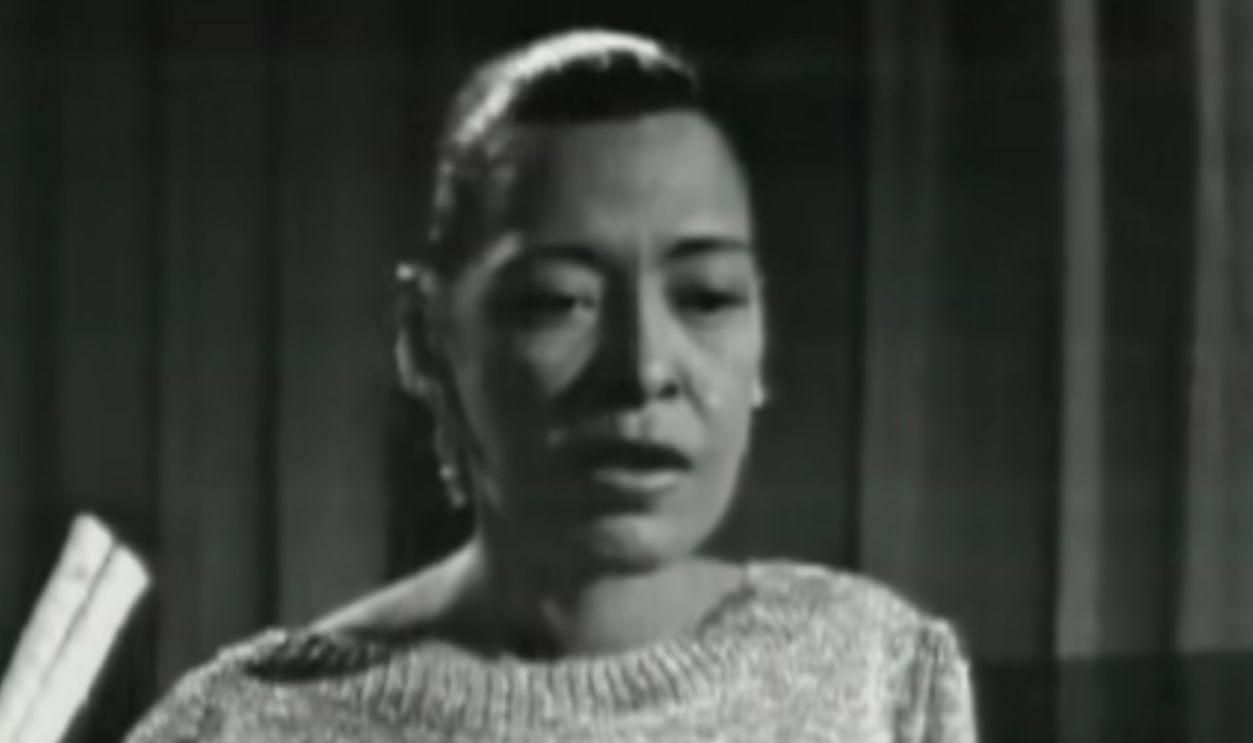
The poem that would become Strange Fruit was written by Abel Meeropol, a teacher and activist. When Café Society’s owner introduced the song to Holiday, she immediately understood its weight. It wasn’t just another ballad—it was a mirror held to the nation.
 Screenshot from Strange Fruit, Commodore Records (1939)
Performing Strange Fruit For The First Time (and nothing in the room was ever the same)
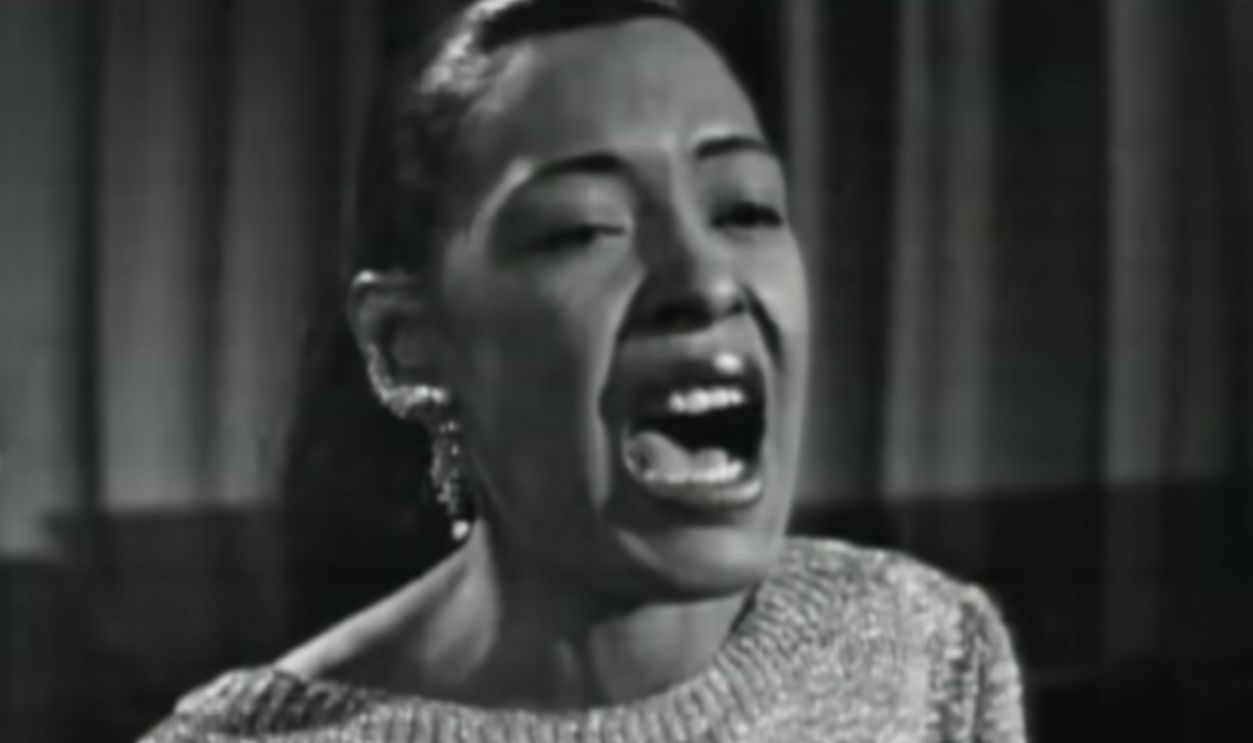
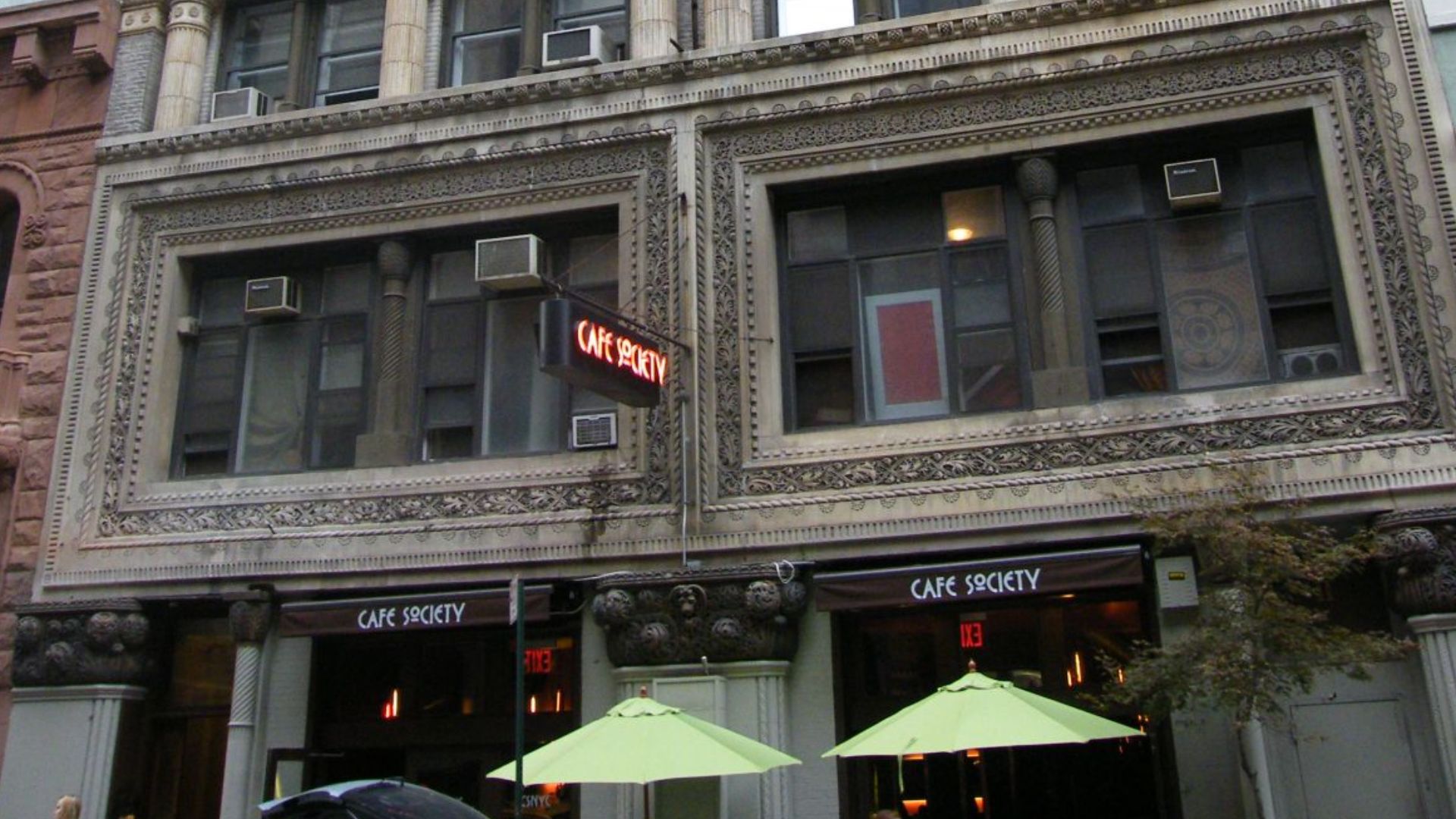
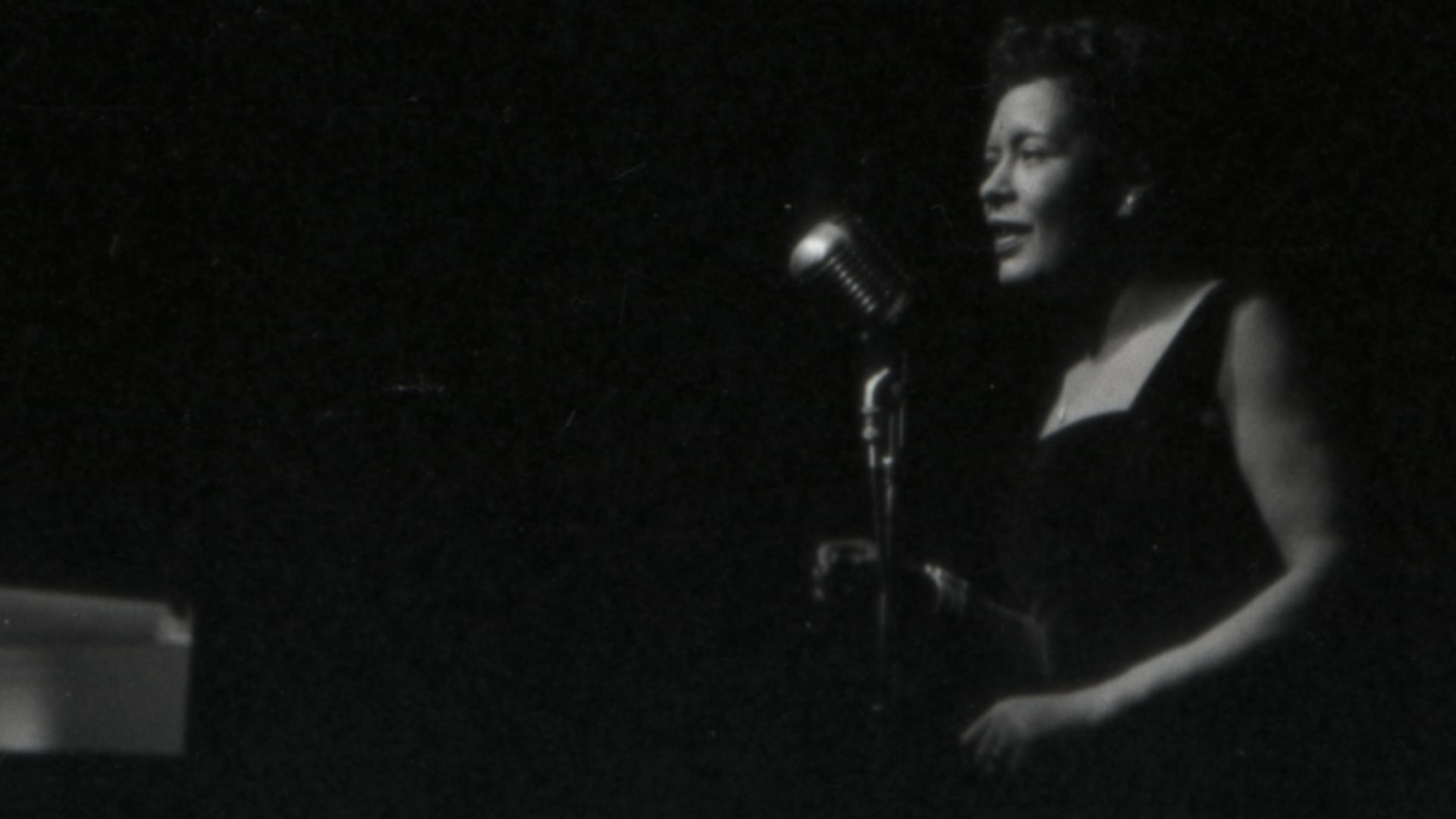
Holiday premiered the song at Café Society with a stage setup designed entirely around its message. Service stopped, lights dimmed, and a single spotlight captured only her face. When the final note fell away, there was a pocket of silence before applause surged forward. The moment rewrote the atmosphere of the club.
 Screenshot from Strange Fruit, Commodore Records (1939)
The Federal Bureau’s Growing Interest
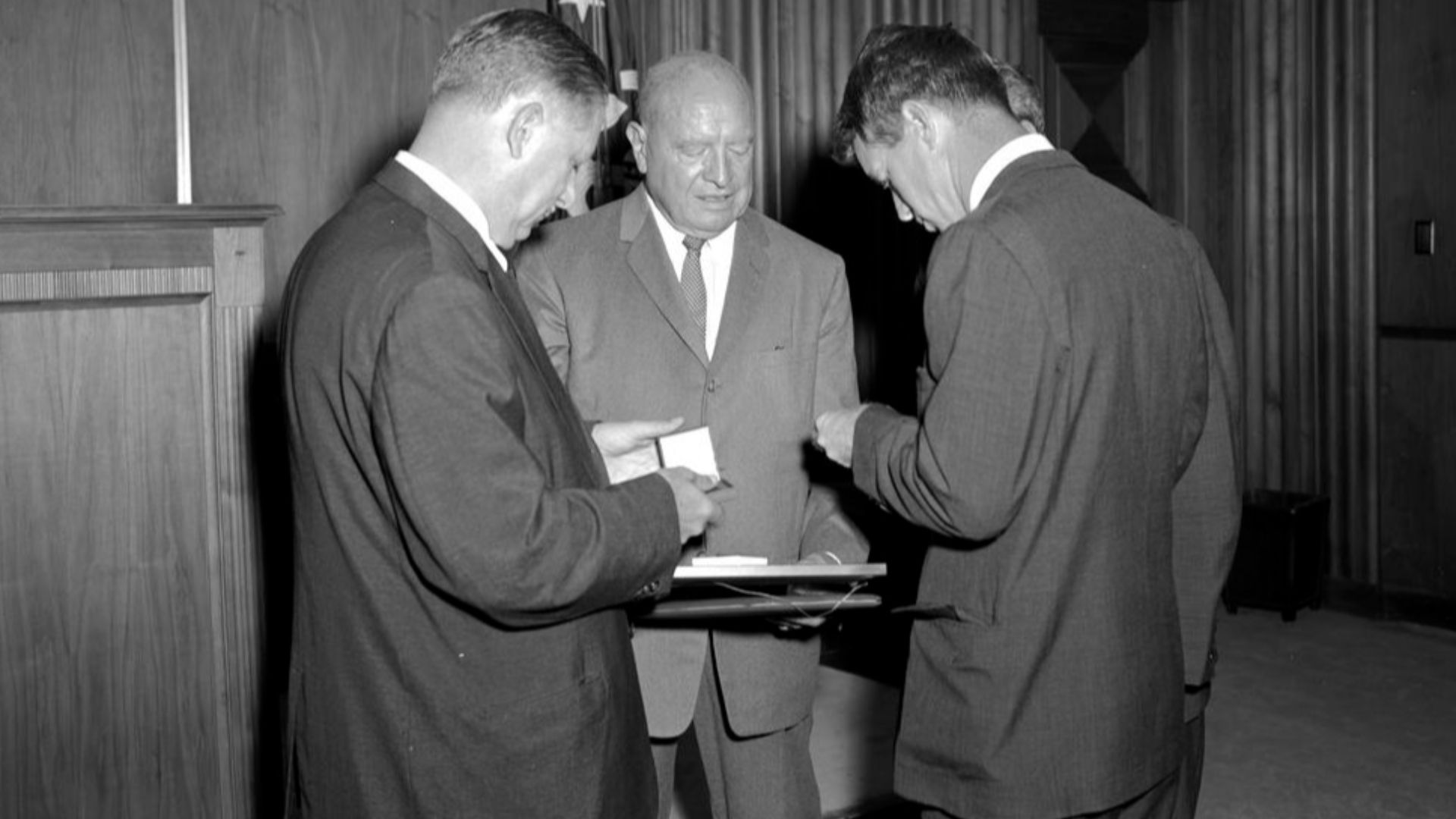
Holiday’s insistence on performing Strange Fruit drew the attention of government officials, particularly within the Federal Bureau of Narcotics. Her defiance made certain authorities uneasy, and their scrutiny intensified as she continued performing the song. It became clear that her artistic choices were being watched as closely as her personal life.
Café Society Becomes Her Sanctuary
Café Society stood behind Holiday when others hesitated. As the first racially integrated club of its kind, it embraced material that challenged social norms. There, she found the rare freedom to sing Strange Fruit without compromise and without censorship from the venue itself.
 Americasroof (talk), Wikimedia Commons
The Song That Wouldn’t Stay Quiet
Despite pressure from officials and discomfort from some listeners, Holiday refused to remove Strange Fruit from her sets. The song resonated with audiences who saw in it a truth they weren’t hearing anywhere else. As word spread, it became one of her most requested pieces.
 Commodore Records, Wikimedia Commons
A Career Reshaped By Defiance (and by a reputation too powerful to contain)
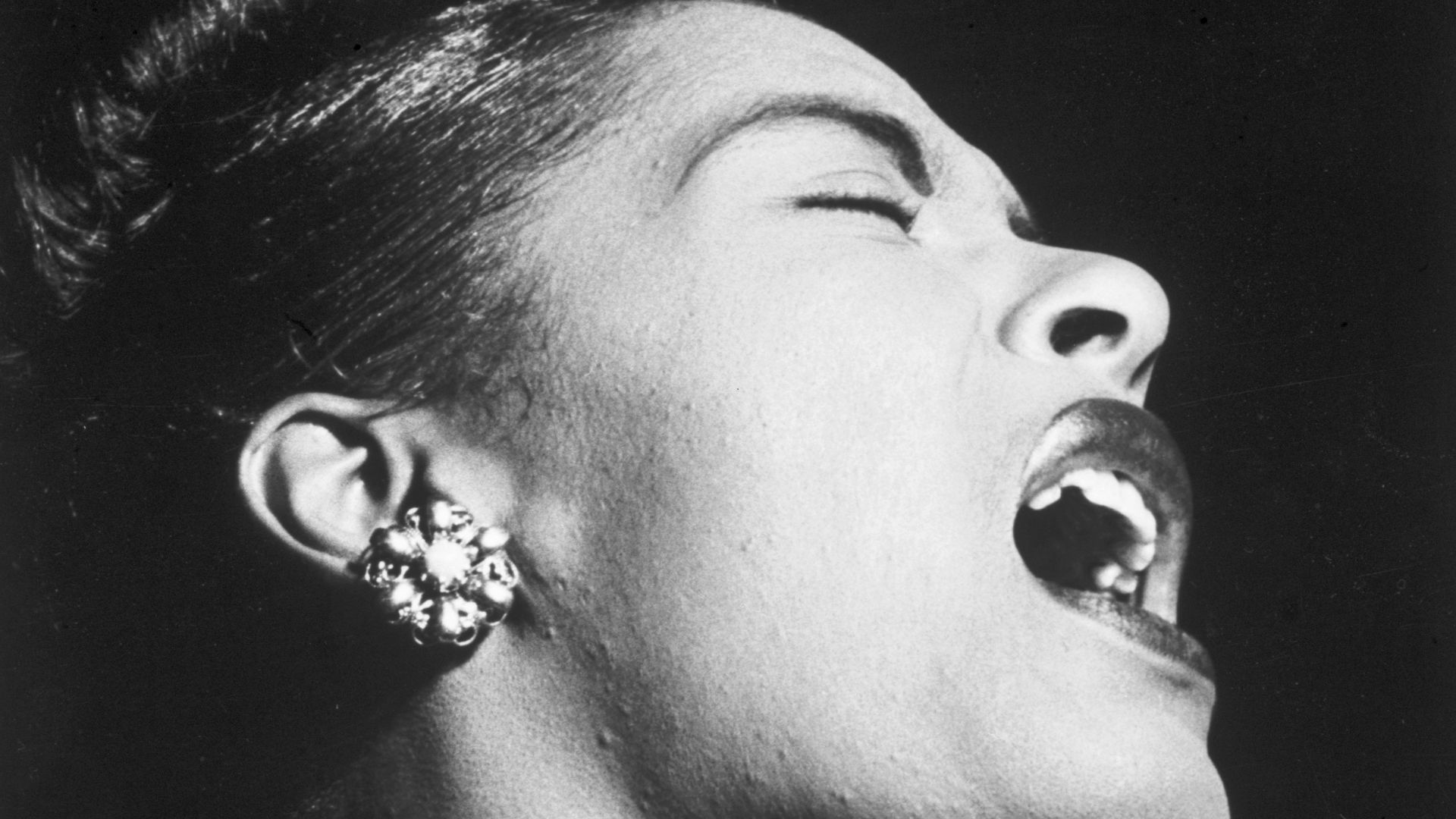
Holiday’s connection to the song reshaped public perception. She became not only a vocalist but a cultural force—someone willing to stand at the edge of what was considered acceptable and refuse to step back. That reputation followed her, enhancing her artistry even as it exposed her to new challenges.
 William P. Gottlieb, Wikimedia Commons
Her Record Labels Refuse To Touch It
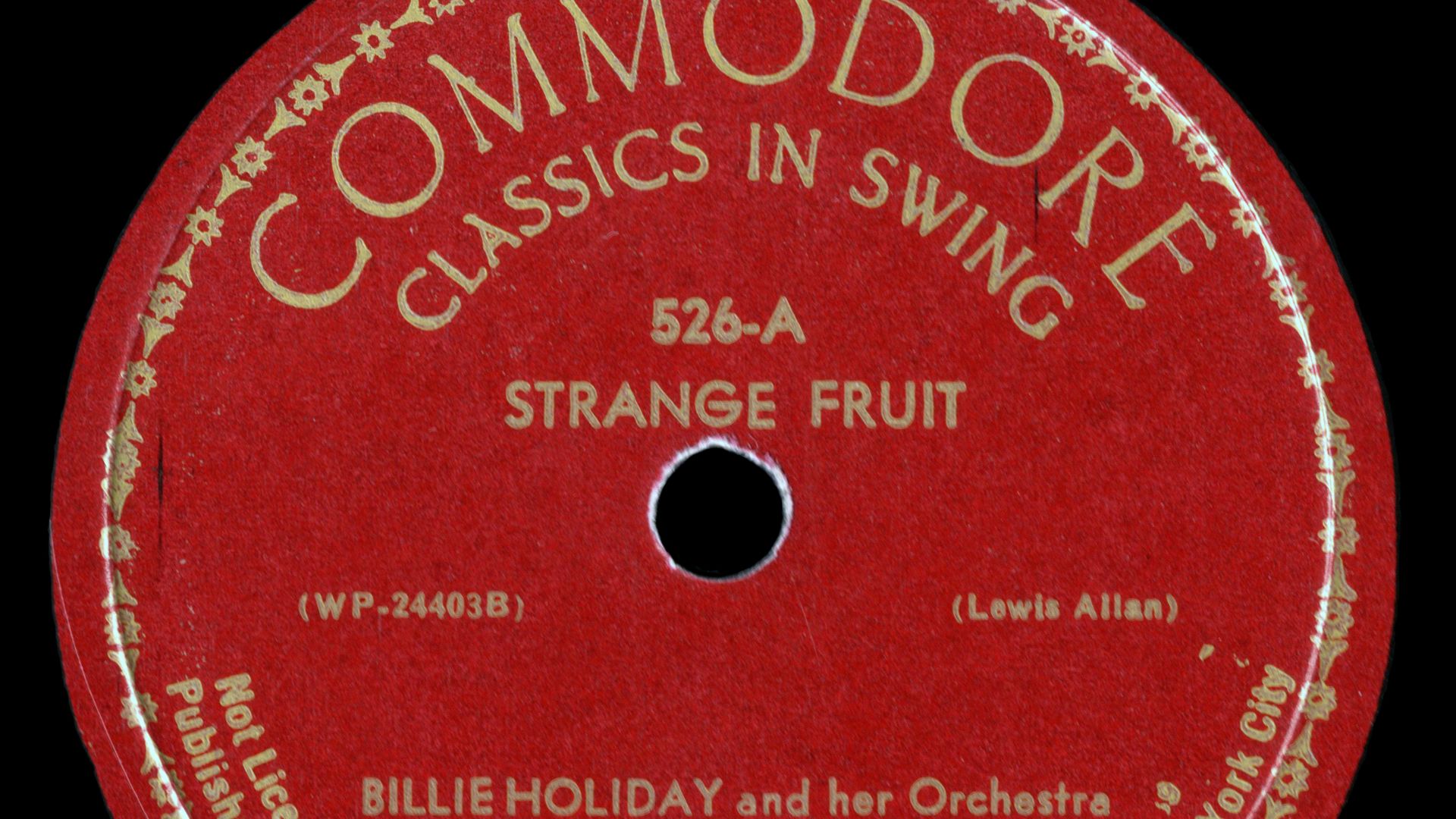
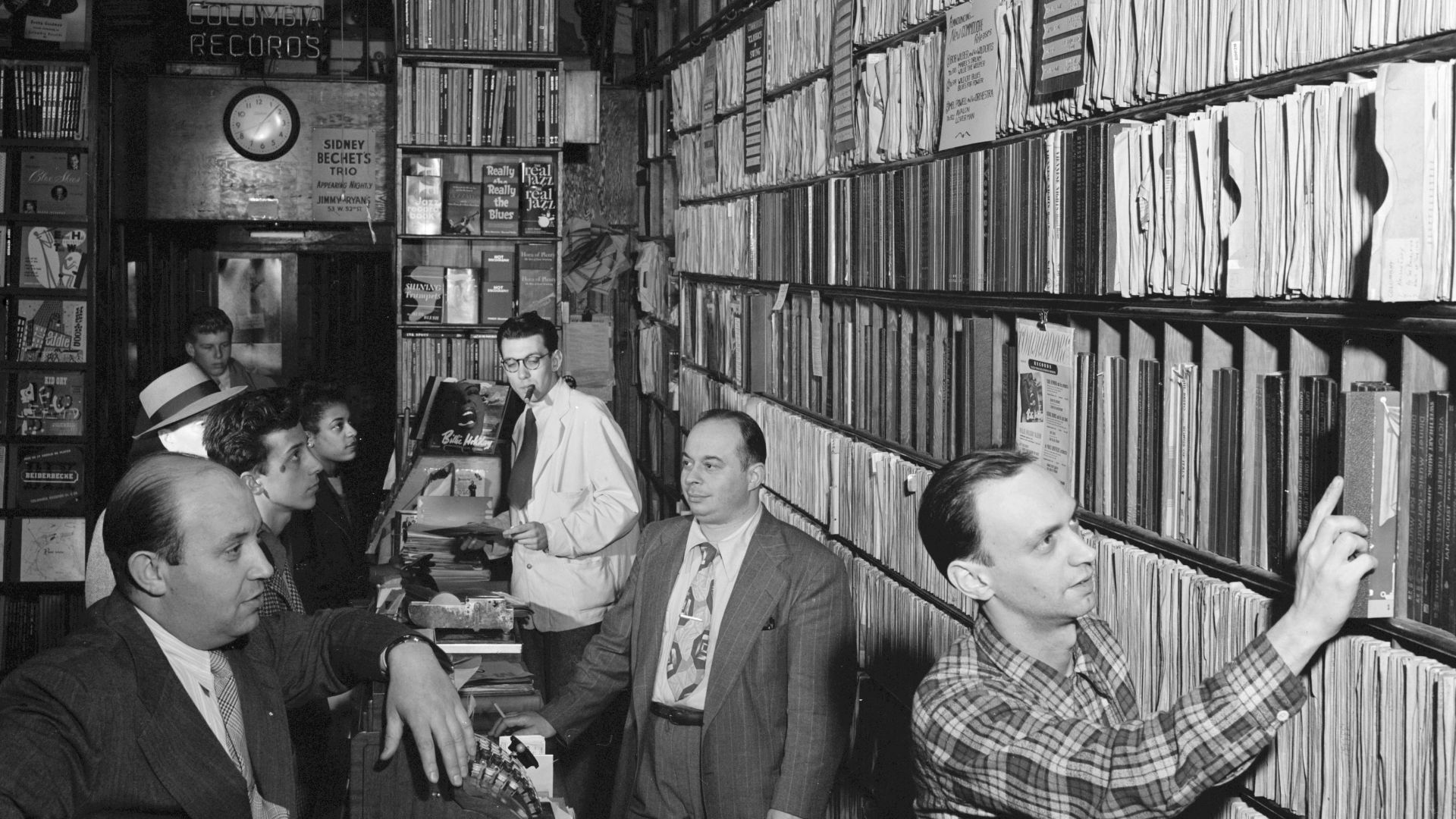
Columbia, her label at the time, declined to record Strange Fruit due to fears of controversy. Holiday didn’t let that stop her. She took the song to a smaller label, Commodore Records, where she finally recorded the version that would become one of the defining interpretations of American music.
 William P. Gottlieb, Wikimedia Commons
Touring With A Target On Her Back
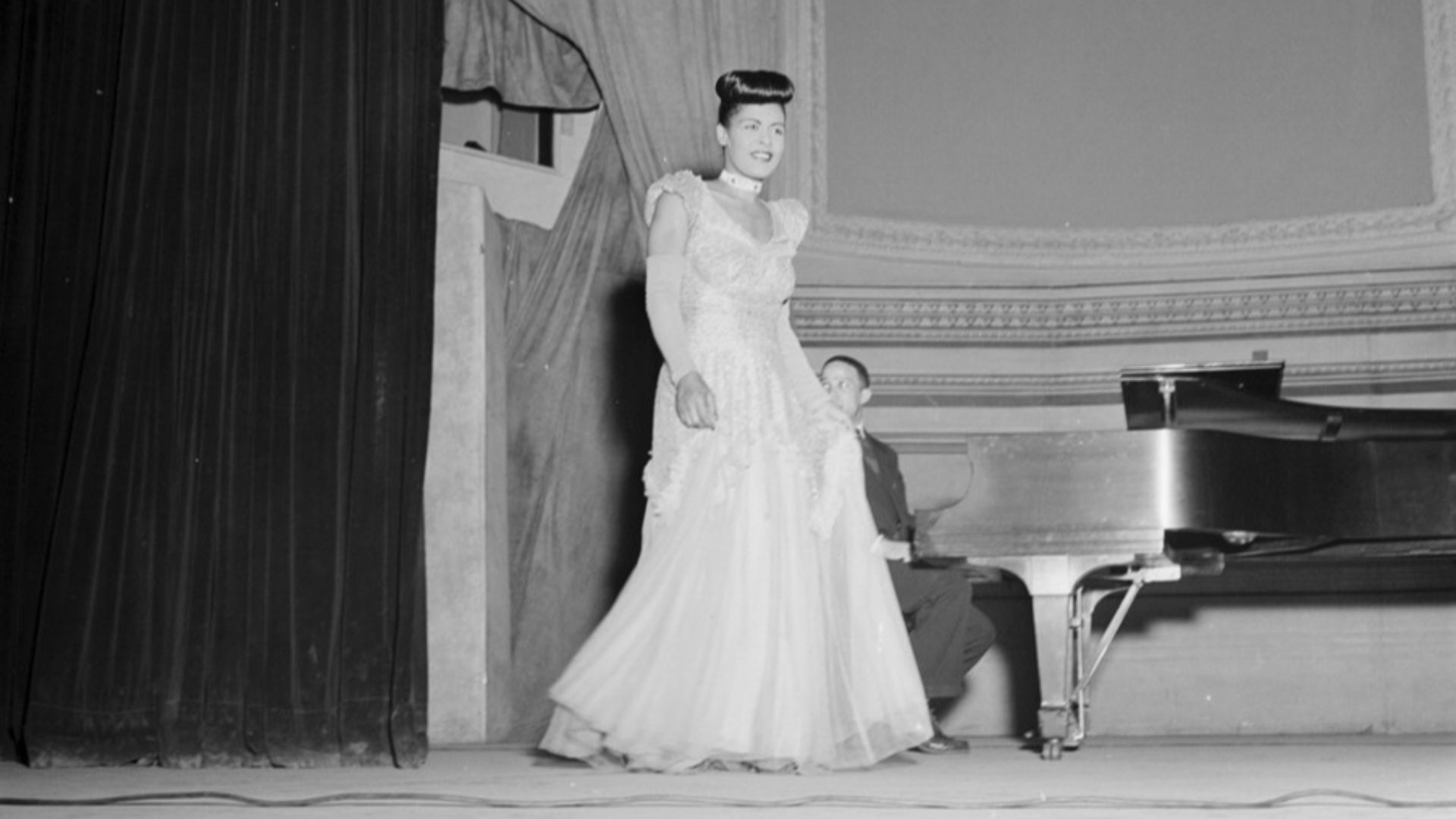
Holiday continued performing the song on the road, aware that doing so heightened the attention she was receiving from law enforcement. Though the sources don’t detail venue bans, they make clear that official pressure followed her wherever she went. Singing Strange Fruit meant singing under watchful eyes.
 William P. Gottlieb, Wikimedia Commons
The Public Reaction—Praise And Fury (and almost nothing in between)
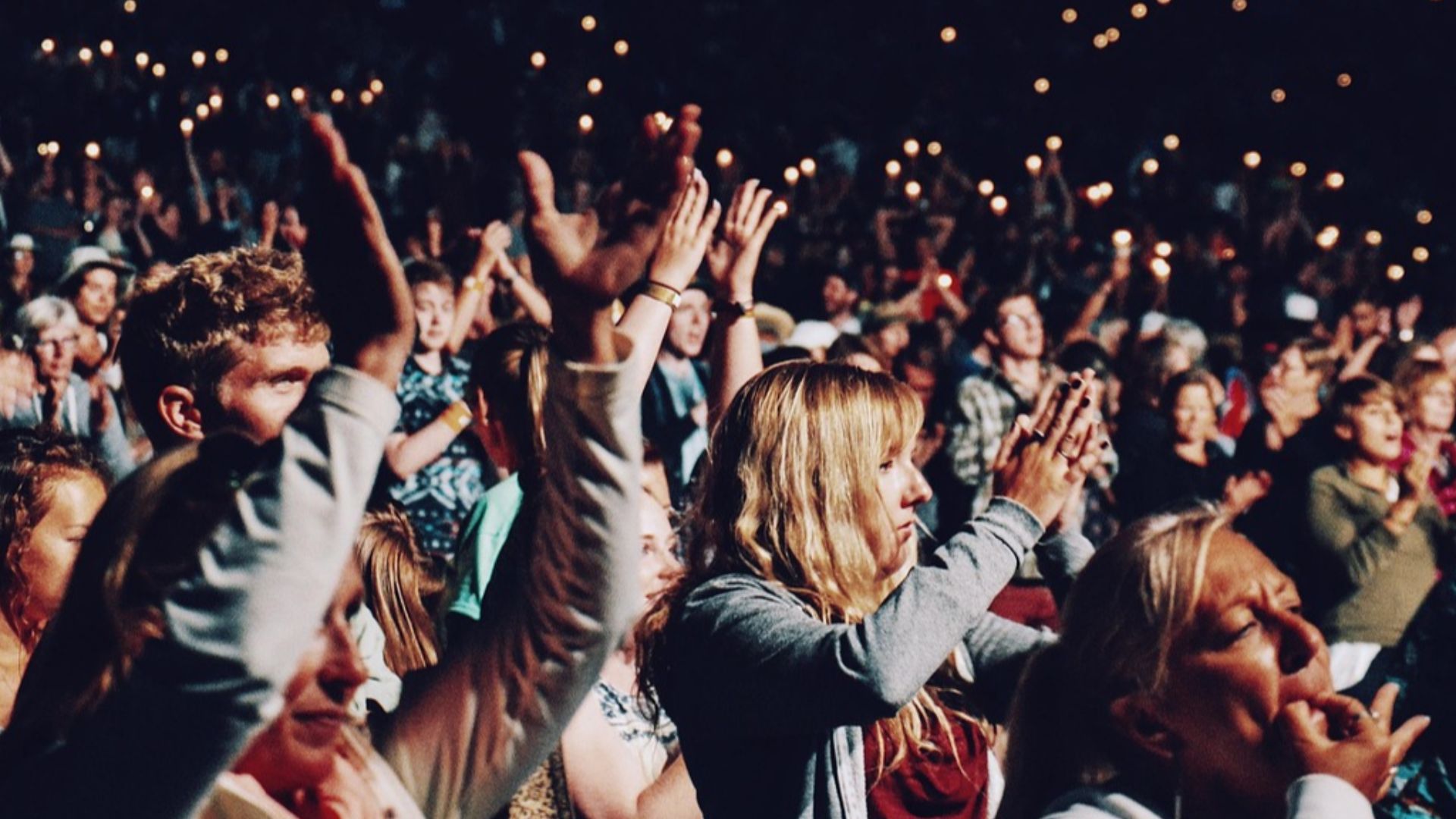
Critics and audiences were sharply divided. Some hailed the song as groundbreaking and necessary, while others accused it of being too provocative. Holiday saw this tension firsthand, yet her commitment never wavered. The split reaction only underscored the song’s power.
Confrontations Behind The Scenes
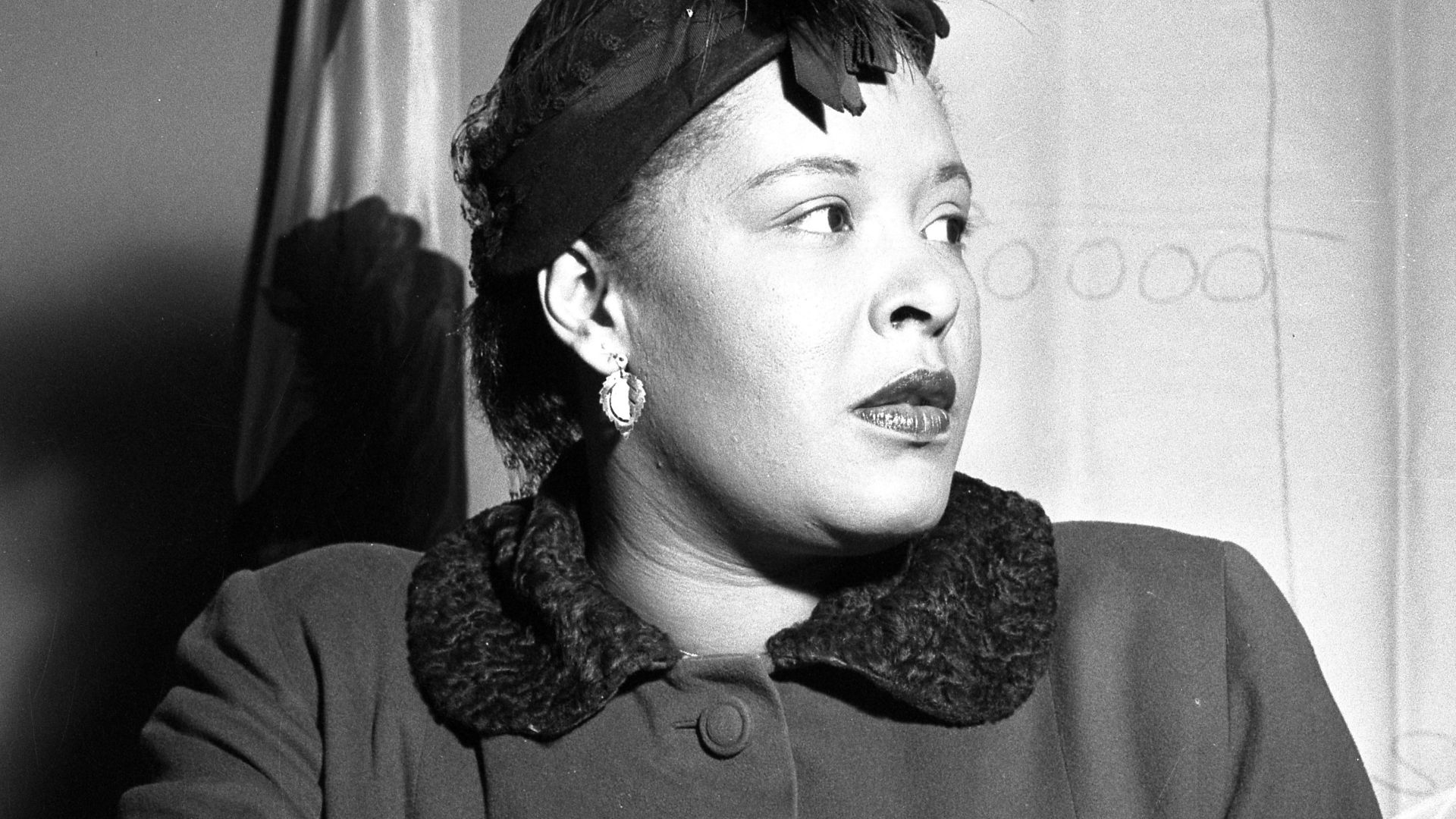
Although the sources focus more on official pressure than backstage conflicts, it’s clear that Holiday navigated a landscape where many people wished she would stop performing the song. She held her ground, even when the easier path would have been silence.
 Los Angeles Daily News, Wikimedia Commons
The Endless Shadow Of Surveillance
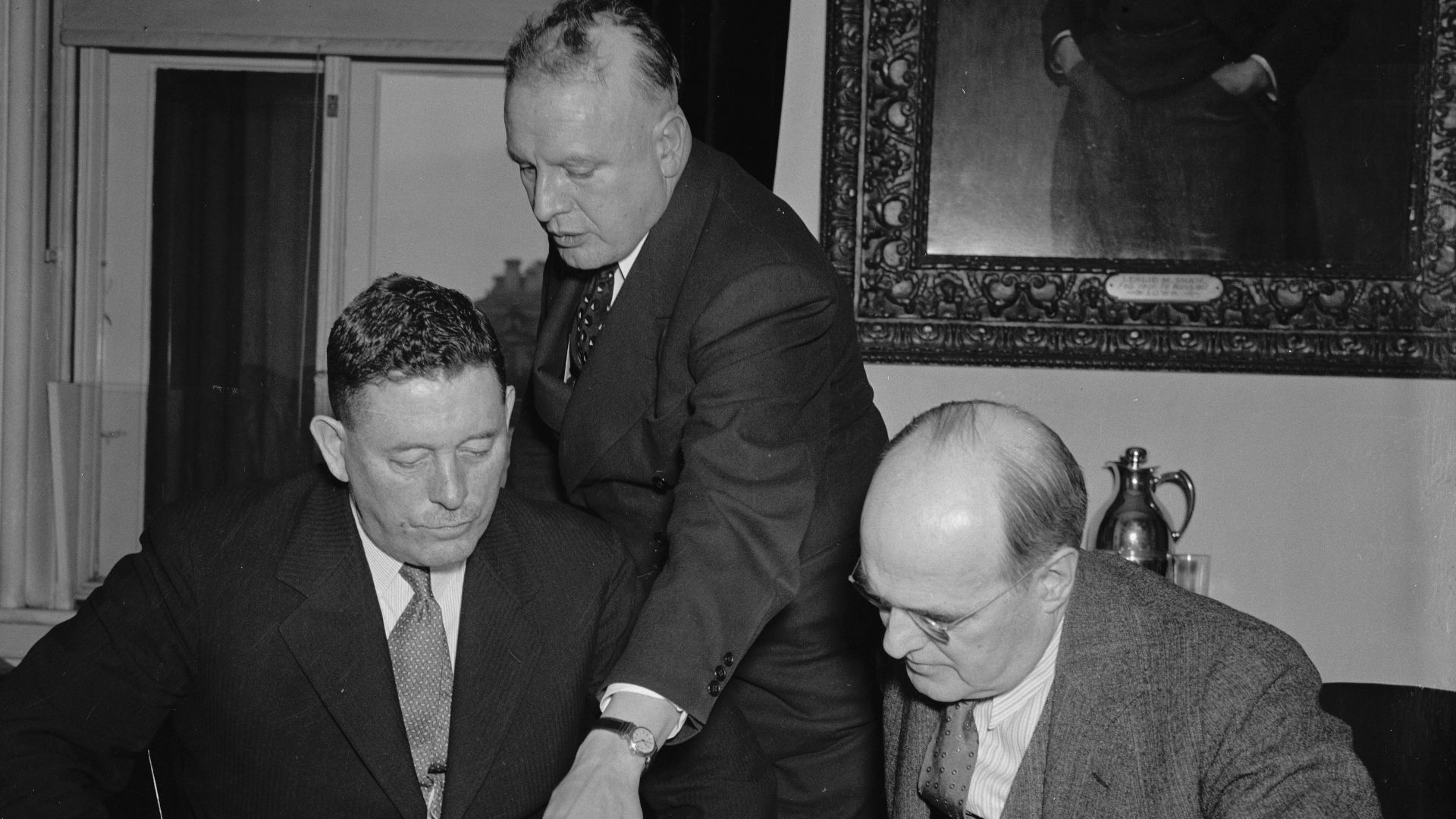
Holiday became a recurring target of federal attention, particularly from Harry Anslinger’s bureau. The scrutiny extended far beyond her performances, affecting multiple areas of her life. The decision to keep singing Strange Fruit came with a cost she felt daily.
 Harris & Ewing, photographer, Wikimedia Commons
The Emotional Toll Of Carrying A Nation’s Grief
Holiday often said the song affected her deeply. Performing it wasn’t just an artistic act—it was an emotional undertaking. The stark imagery aligned with her own sense of vulnerability, making each rendition feel intimate and heavy.
Audiences Who Understood Her Bravery
Crowds reacted strongly to the song—sometimes with stunned silence, sometimes with overwhelming applause. Many listeners recognized that singing Strange Fruit required a level of courage rarely asked of entertainers. Holiday felt that support even in the midst of rising pressure.

A Legacy Built On Honesty
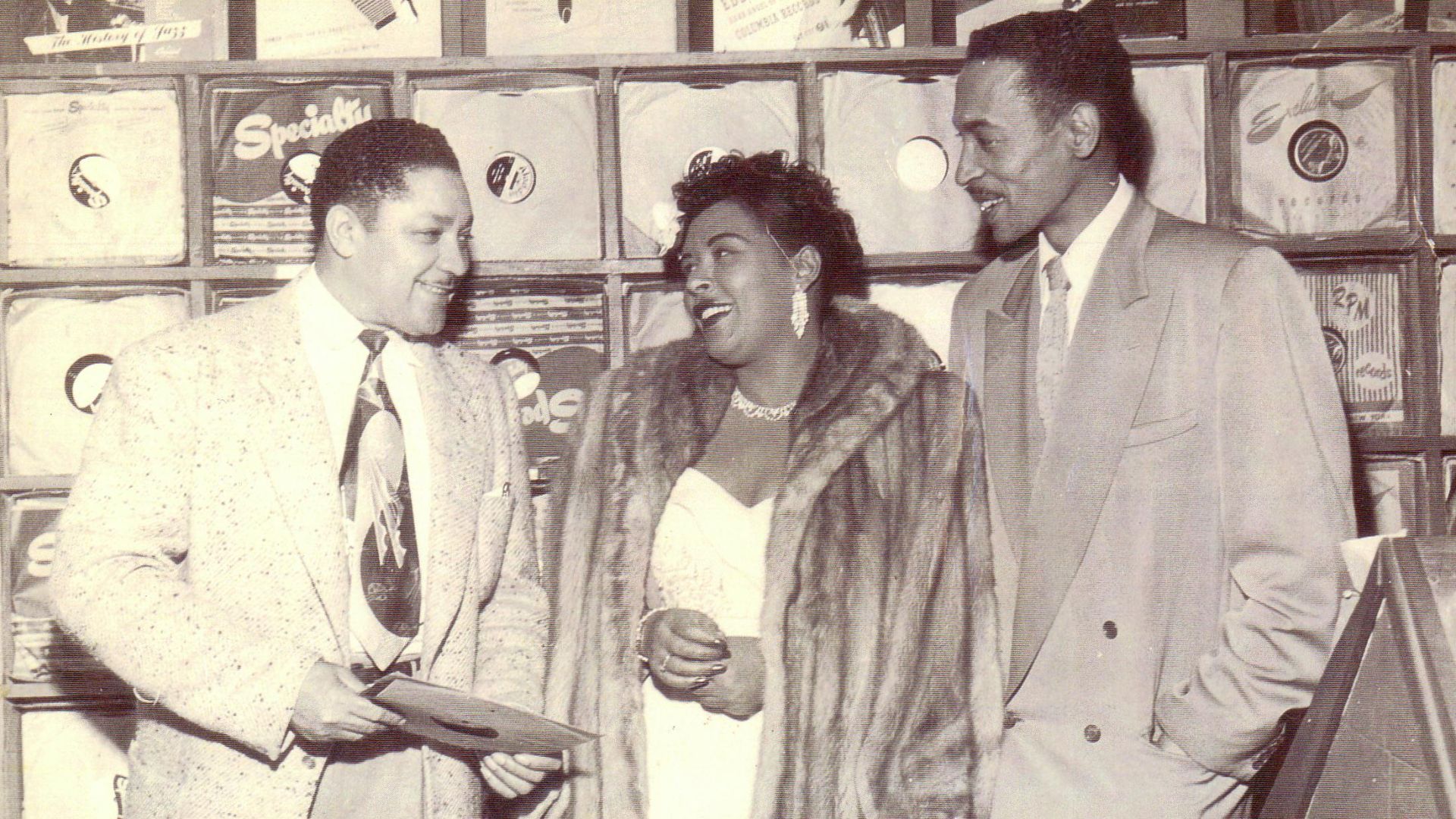
Over time, critics and historians came to view Strange Fruit as one of the most important songs ever recorded. Holiday’s performance transformed it from a protest poem into a work of art that crossed generations. Its legacy is inseparable from her own.
 Jamelle Dolphin, Wikimedia Commons
Later Performances Grow Even More Intense
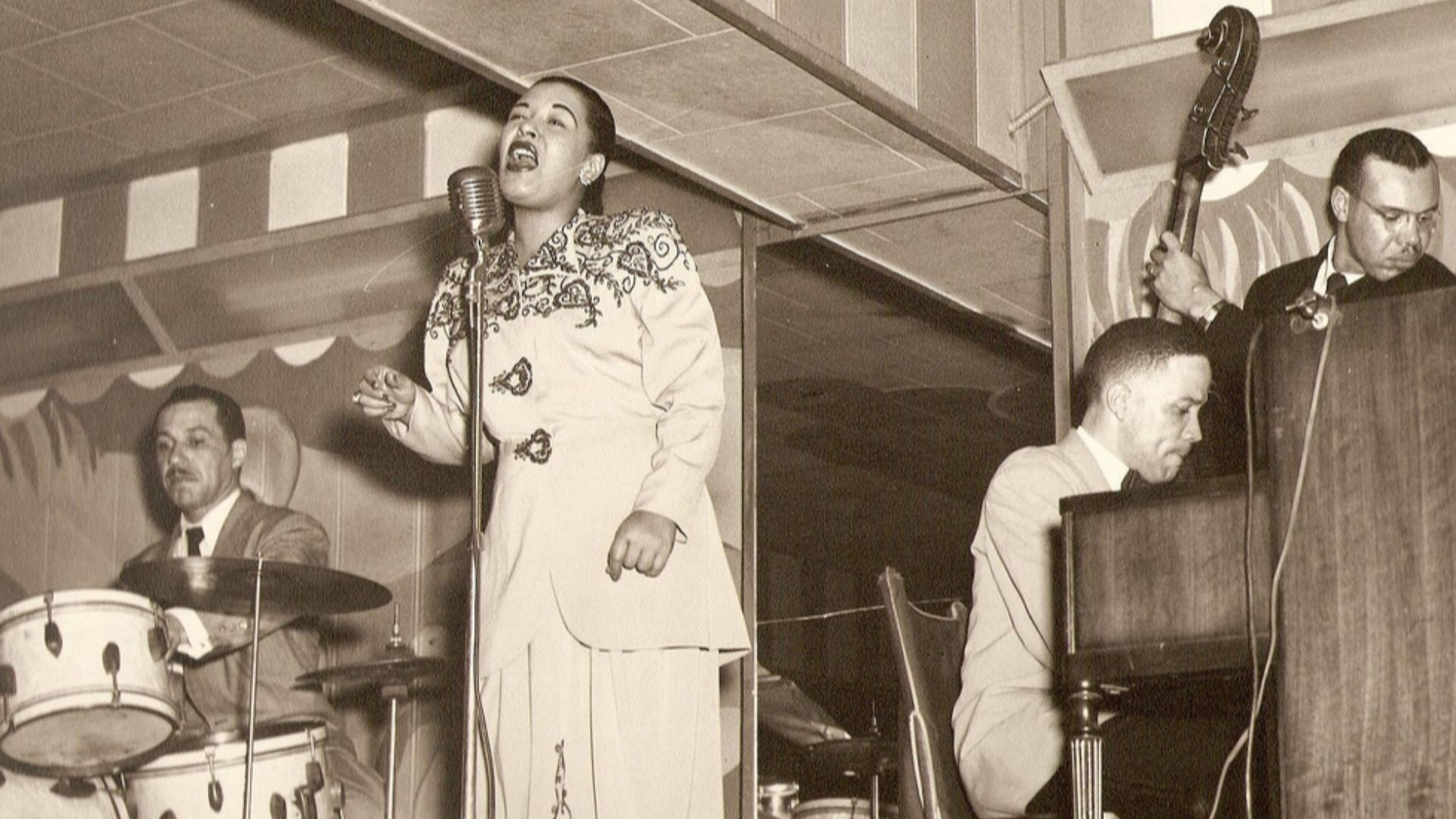
As Holiday aged, her voice changed—growing rougher, deeper, and more emotionally raw. While the sources do not discuss specific later performances of Strange Fruit, her evolving vocal style gave all her material a new gravity, which only deepened the song’s impact.
 Ralph F. Seghers c/o Ken Seghers, Wikimedia Commons
Artists And Movements Inspired By Her Courage
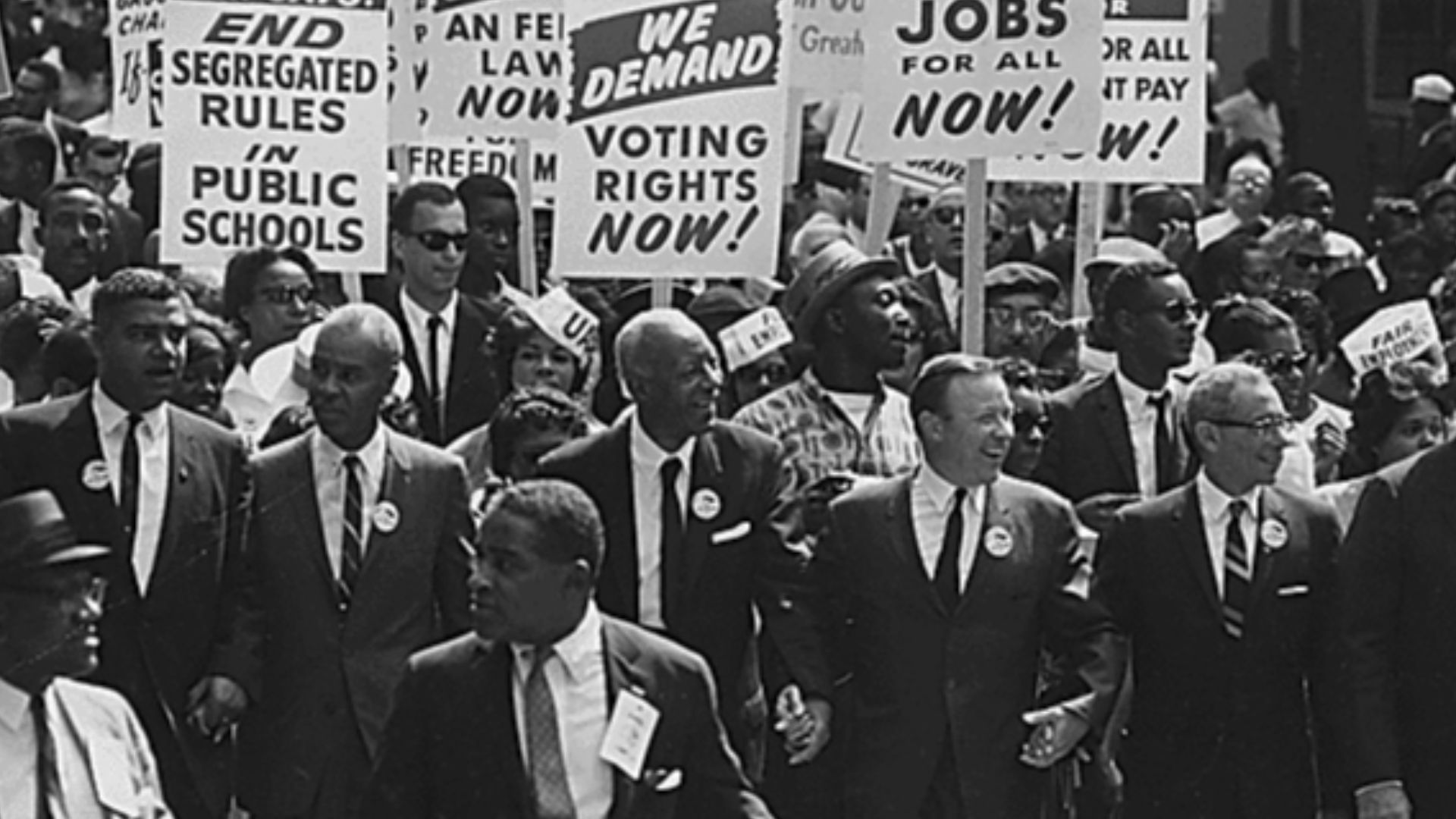
Strange Fruit influenced musicians, activists, and cultural leaders who saw in it a blueprint for art that speaks boldly. Its presence in the civil rights conversation is well documented, and Holiday’s interpretation remains a reference point for artistic bravery.
 Rowland Scherman, Wikimedia Commons
Honors That Arrived Long After The Applause
Although Holiday didn’t live to see the full recognition of the song’s importance, later generations have honored its influence. Scholars, musicians, and cultural institutions continue to cite it as a landmark moment in American music.
 William P. Gottlieb, Wikimedia Commons
The Song That Still Echoes Today
Decades later, Strange Fruit remains chilling, resonant, and deeply relevant. Holiday’s voice—trembling, fierce, unflinching—continues to carry its message into new eras. She didn’t just sing a song. She carved a permanent space in history for a truth too large to ignore.
 Unknown authorUnknown author, Wikimedia Commons
You May Also Like: