When Vinyl Turned Into Vengeance
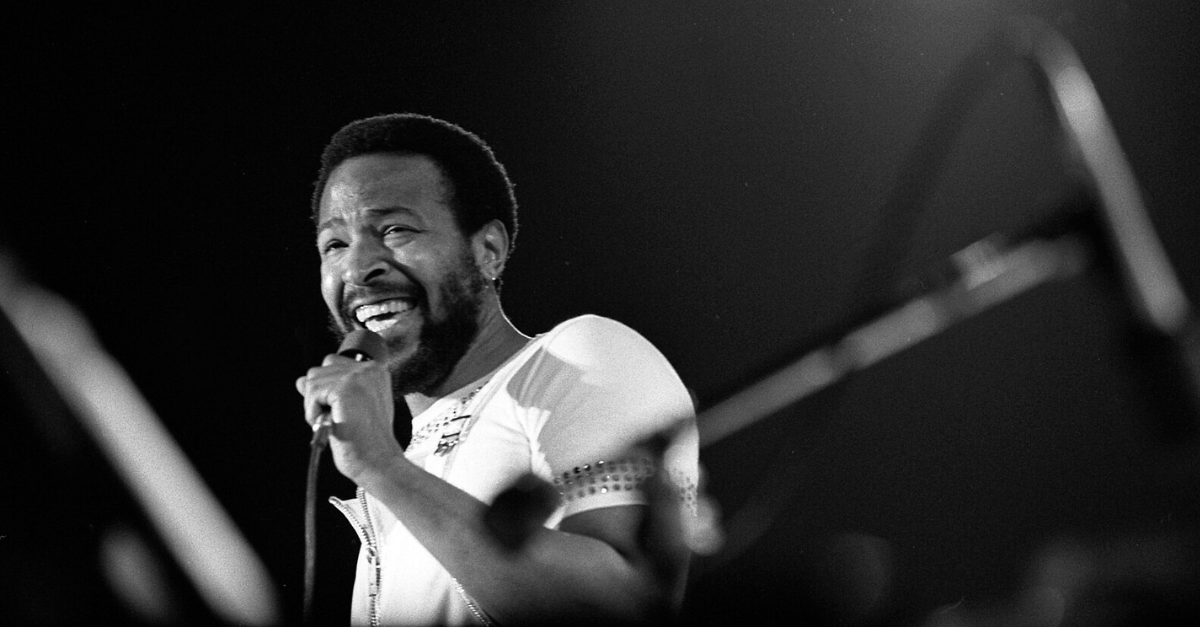
Before the needle even drops, Marvin Gaye’s Here, My Dear already feels like a diary he never meant to hide. It’s bruised, soulful, a little petty, and completely unlike anything Motown had ever expected from its most velvet-voiced hitmaker. Gaye didn’t just record an album—he built a monument to heartbreak wrapped in funk grooves and emotional side-eye. And the story behind it is equal parts confession, coping mechanism, and cosmic payback.
A Soul Icon With Storm Clouds Overhead
By the late 1970s, Marvin Gaye had already reshaped soul music several times over. He’d gone from polished crooner to socially conscious visionary to chart-topping romantic philosopher. But behind the spotlight, his life was fraying at the seams. Financial trouble, creative exhaustion, and a troubled marriage all collided at once, pushing him toward one of the strangest artistic crossroads in music history.
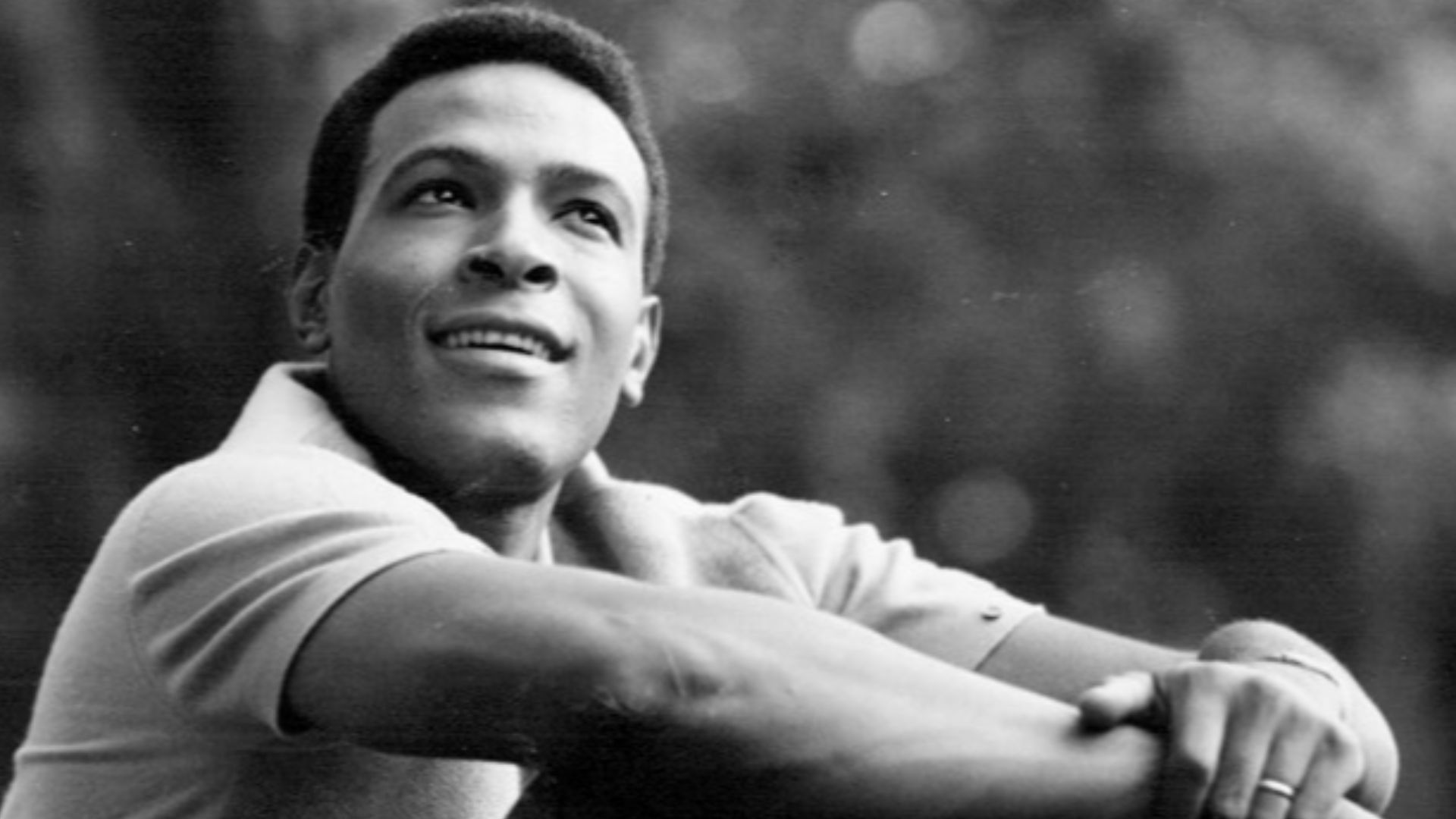 photo by-J. Edward Bailey, Wikimedia Commons
The Marriage That Began With Promise
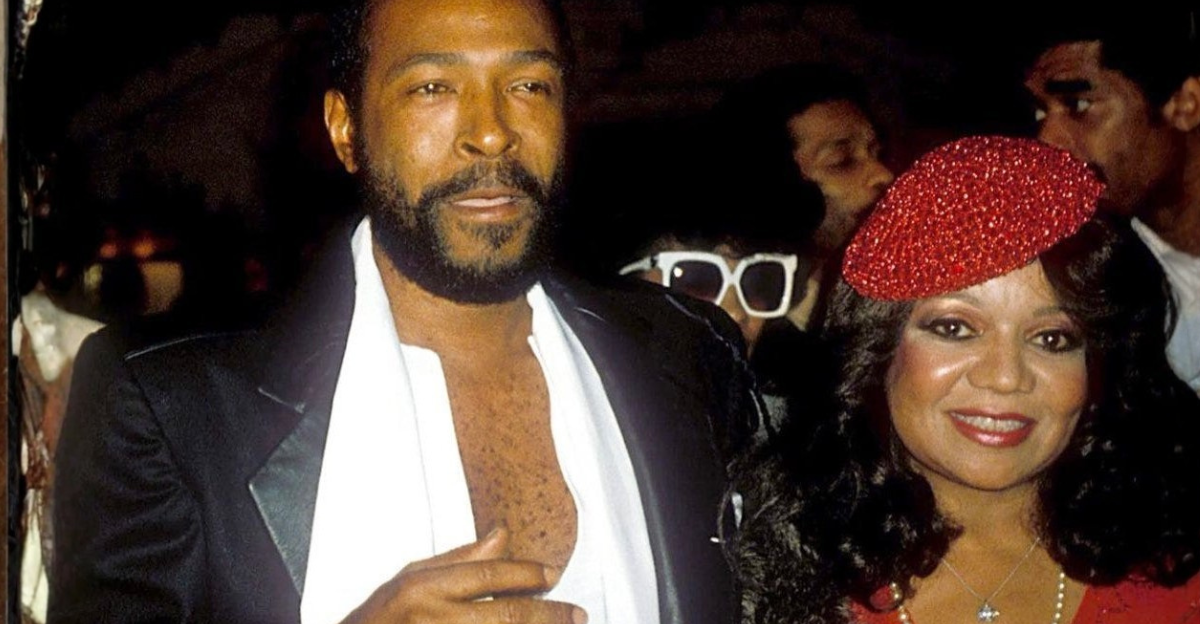
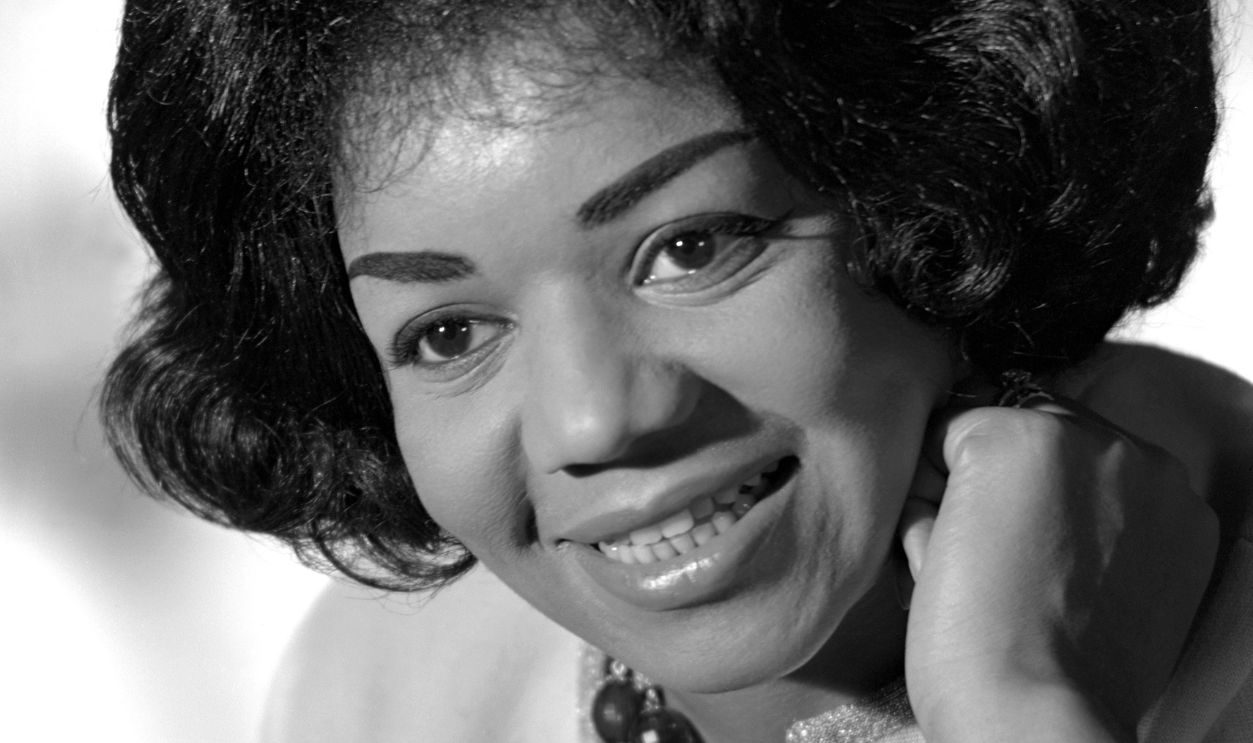
Marvin’s marriage to Anna Gordy once looked like a Motown fairy tale. She was savvy, connected, and a powerful figure in the label he called home. He was her rising superstar. But years of tension, age gaps, and personal battles slowly pulled the foundation apart, leaving both partners more resentful than romantic.
 Donaldson Collection, Getty Images
Lawyers Enter The Conversation—And Nobody Smiles
Divorce filings arrived with the force of a slammed door. Anna pushed for financial support, and Marvin—already behind on multiple bills—found himself staring down obligations he could barely meet. What had once been a home built on music and companionship became a ledger of alimony numbers and courtroom appointments. This moment marked a turning point, the kind where emotions and dollars blur into one messy storyline.
A Warrant, A Disappearing Act, And Europe Calling
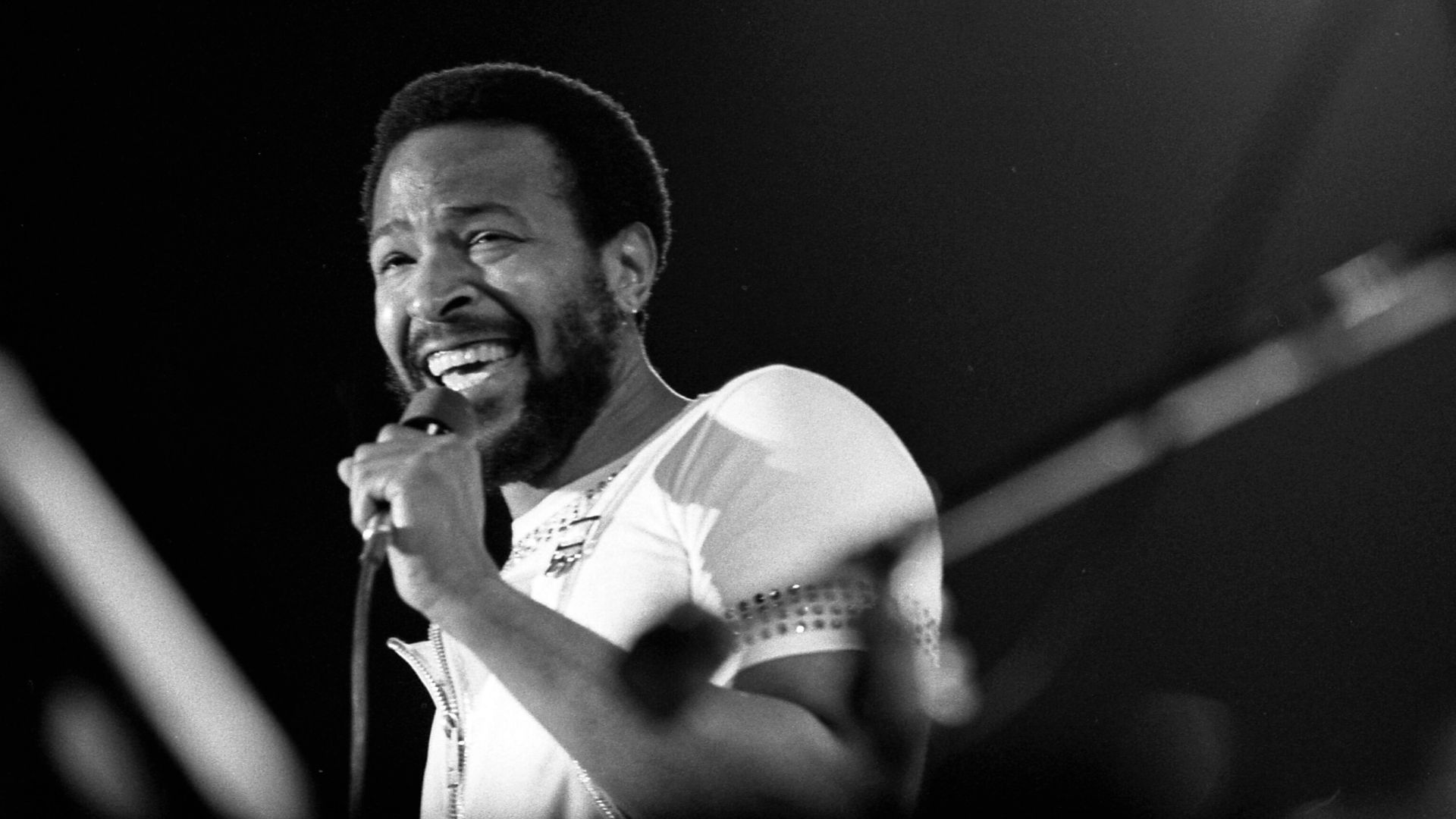
Financial strain eventually led to a warrant for Marvin’s arrest. Instead of spiraling under the pressure, he stepped out of the country and onto European stages. Touring overseas gave him a temporary shield from the chaos. Audiences adored him, but even during applause he carried the weight of unfinished business waiting back home.
 Los Angeles Times, Wikimedia Commons
Creative Sparks In A Dark Moment
When he finally returned to the States, Marvin found himself riding high again thanks to a surprise hit. That success offered brief relief, but the larger issue still loomed: divorce negotiations. And it was in those negotiations that a strange, fateful agreement emerged—one that would birth a masterpiece.
 Global Reactions, Wikimedia Commons
The Divorce Deal That Changed Music History
The settlement required Marvin to hand over half the royalties from his next album. He could have phoned in a quick project, tossed together something uninspired, and moved on. But Marvin wasn’t wired that way. Instead of surrendering creatively, he leaned in. If he was going to make a record under financial duress, he would make it one the world couldn’t ignore.
 Tamla Records, Wikimedia Commons
An Album Born Out Of Obligation—And Defiance
Initially, Marvin considered rushing through the recording. But the more he sat with the idea, the more intriguing it became. Here was a chance to tell his side of the story. To express grief, frustration, nostalgia, and fury without editing himself for radio play. Thus began the sessions for Here, My Dear, a double album stitched together from truth, melody, and emotional courage.
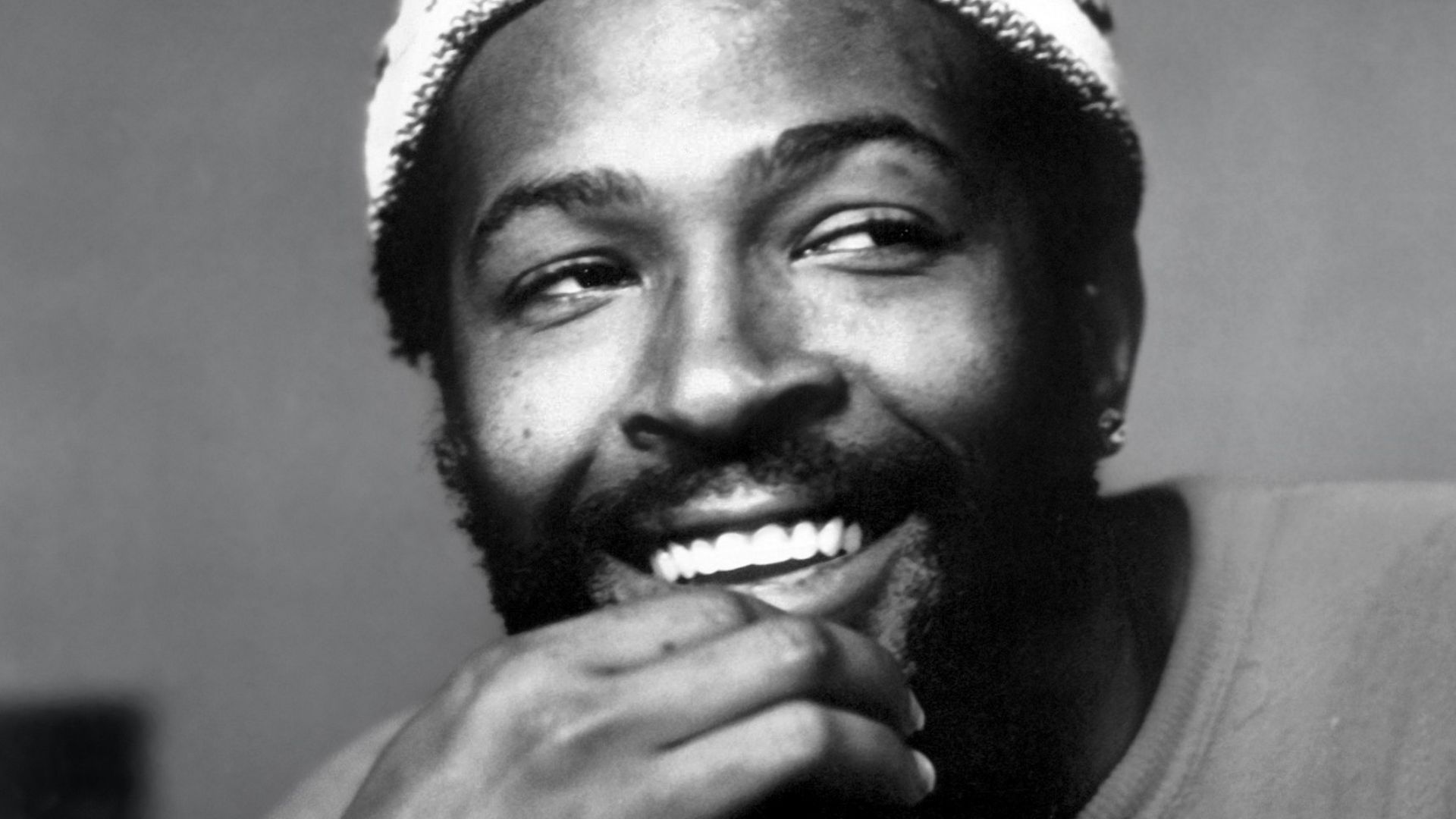
A Concept Album With No Mask On
This wasn’t a breakup album. It was an autopsy. Marvin structured the record around the entire arc of his marriage: the beginning, the unraveling, the betrayal, the lessons, and the aftermath. Every detail was fair game. Every emotion was welcome. The result felt almost too intimate, the kind of candor that usually stays locked inside a journal.
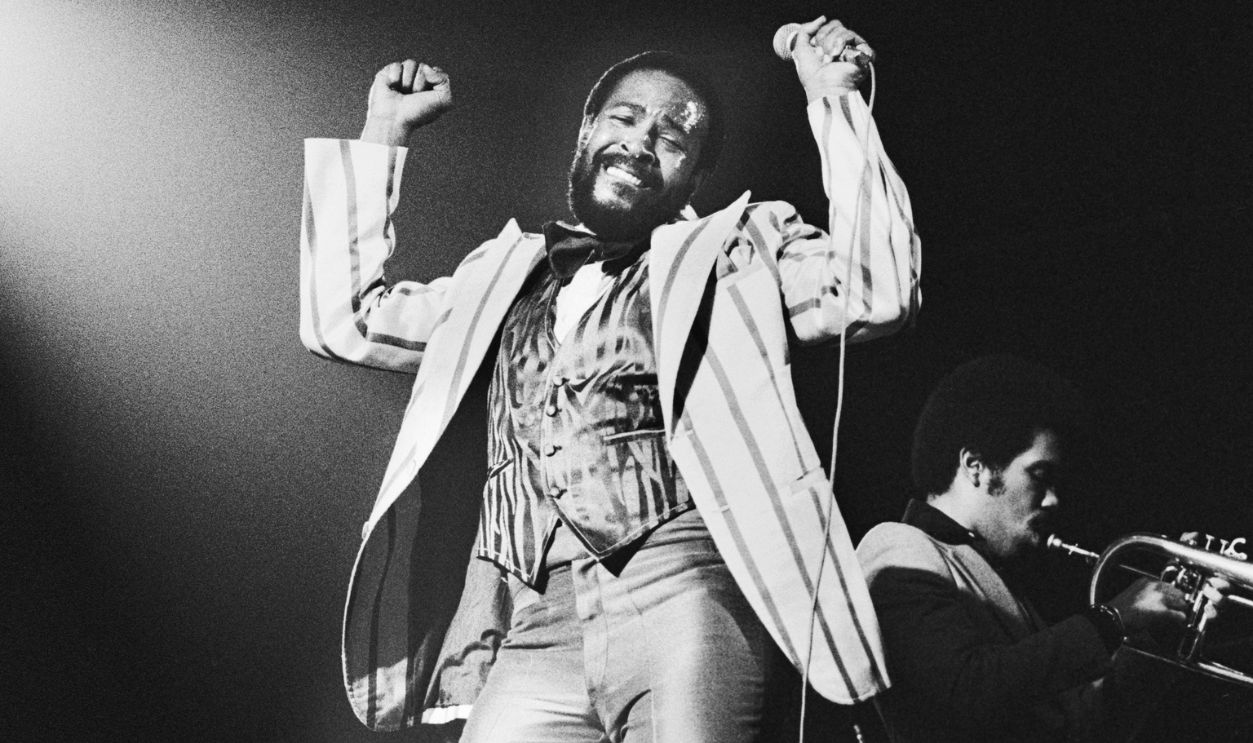 Gijsbert Hanekroot, Getty Images
The Title Track Arrives With A Raised Eyebrow
Here, My Dear opens with a blend of sarcasm and solemnity. Marvin practically hands the album to Anna with a theatrical flourish, voice dripping with a mixture of hurt and disbelief. The track sets the tone: raw, honest, and tinged with the exhaustion of someone who loved deeply and got burned just as deeply.
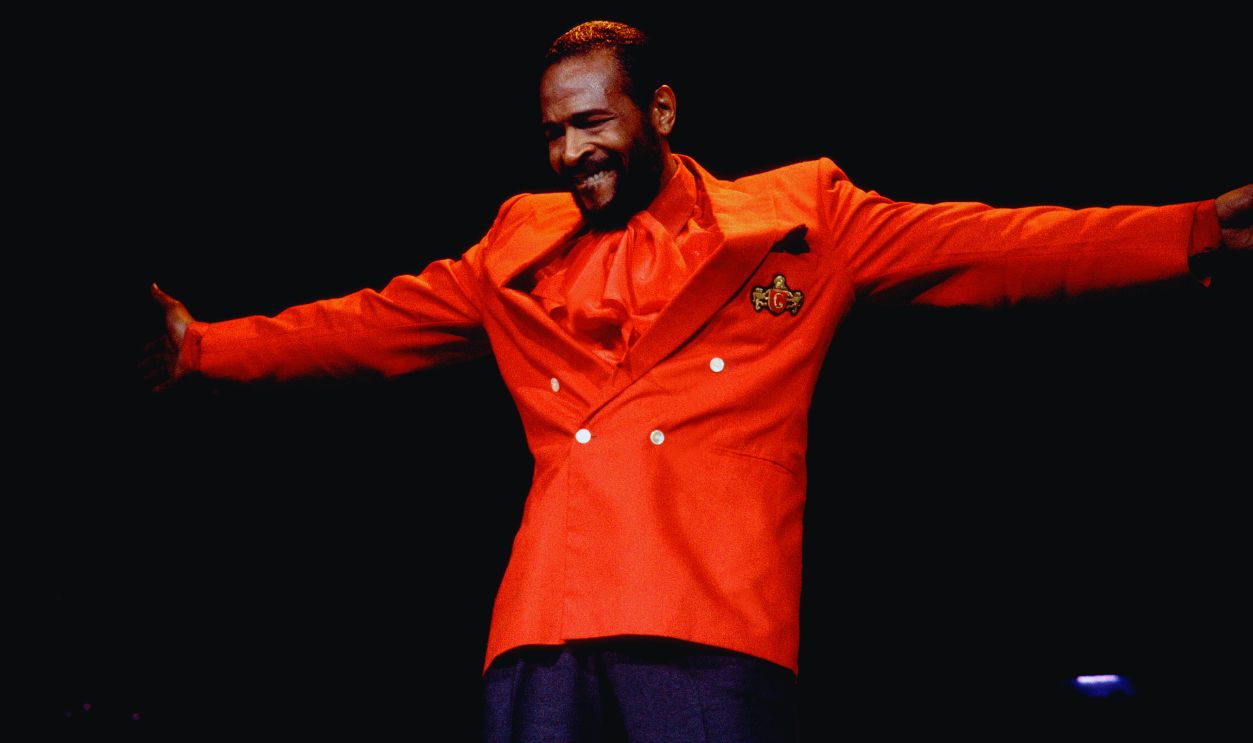
Turning The Studio Into A Therapy Room
Song after song dives into memories he clearly hadn’t processed until the tape was rolling. Some tracks ache with longing for the early days; others snap with bitterness. The emotional whiplash feels real because it was real. Marvin was untangling his own knots in real time, and the listener was invited to sit in on the process.
 Manuelarosi, Wikimedia Commons
Anger, Wit, And Vulnerability Collide
What makes the album riveting isn’t just its honesty but its mixture of moods. Marvin could be mournful in one verse and biting in the next. Sometimes he sounds wounded. Sometimes he sounds wise. And sometimes he sounds like a man who’s been pushed too far for too long. He lets every version of himself speak, even the ones artists usually hide.
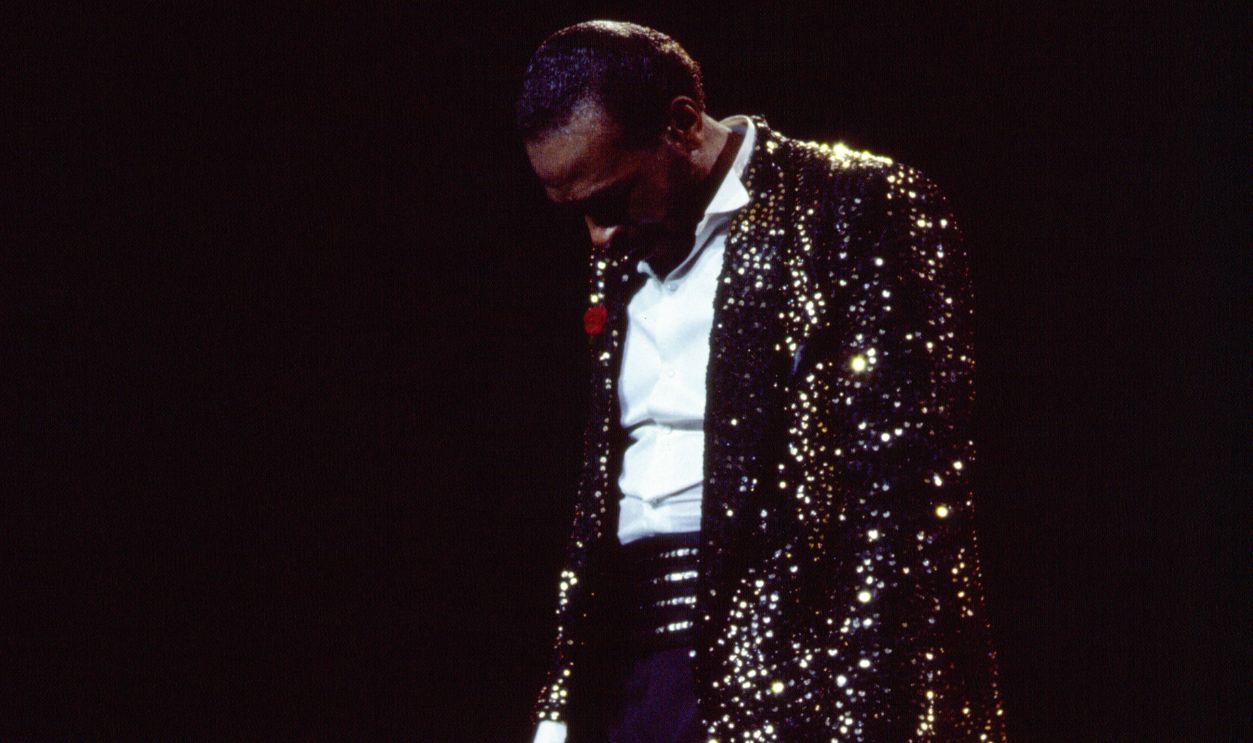
Production Choices As Emotional Clues
Marvin handled almost every part of the record himself—arranging, playing, producing. The result is minimalist compared to his earlier lush works. Sparse keyboards, drifting rhythms, and floating harmonies frame the vocals, giving the lyrics all the spotlight. It sounds like a man alone at midnight sorting through the pieces of his life.
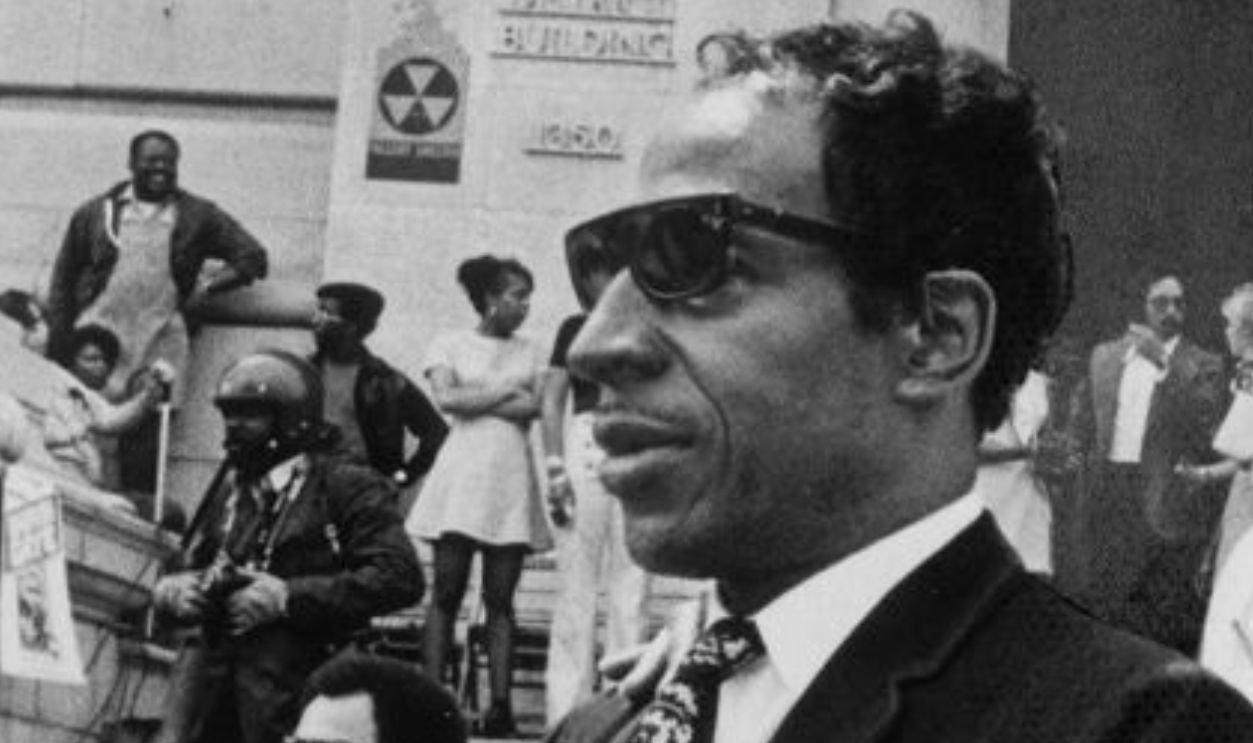 The Washington Post, Getty Images
Listeners Didn’t Know What To Make Of It
When the album finally dropped in 1978, audiences blinked in confusion. This wasn’t romantic. This wasn’t danceable. This wasn’t smooth. It was messy, complicated, and deeply personal. Many listeners weren’t ready for a soul star to turn his private turmoil into a double-length confessional.
 Richard E. Aaron, Getty Images
Critics Shrug While Marvin Stands Firm
Reviews were lukewarm, sometimes puzzled. But Marvin didn’t flinch. He knew what he made. He knew why he made it. And he understood—perhaps better than anyone—that sometimes art isn’t meant to soothe. Sometimes it’s meant to document.
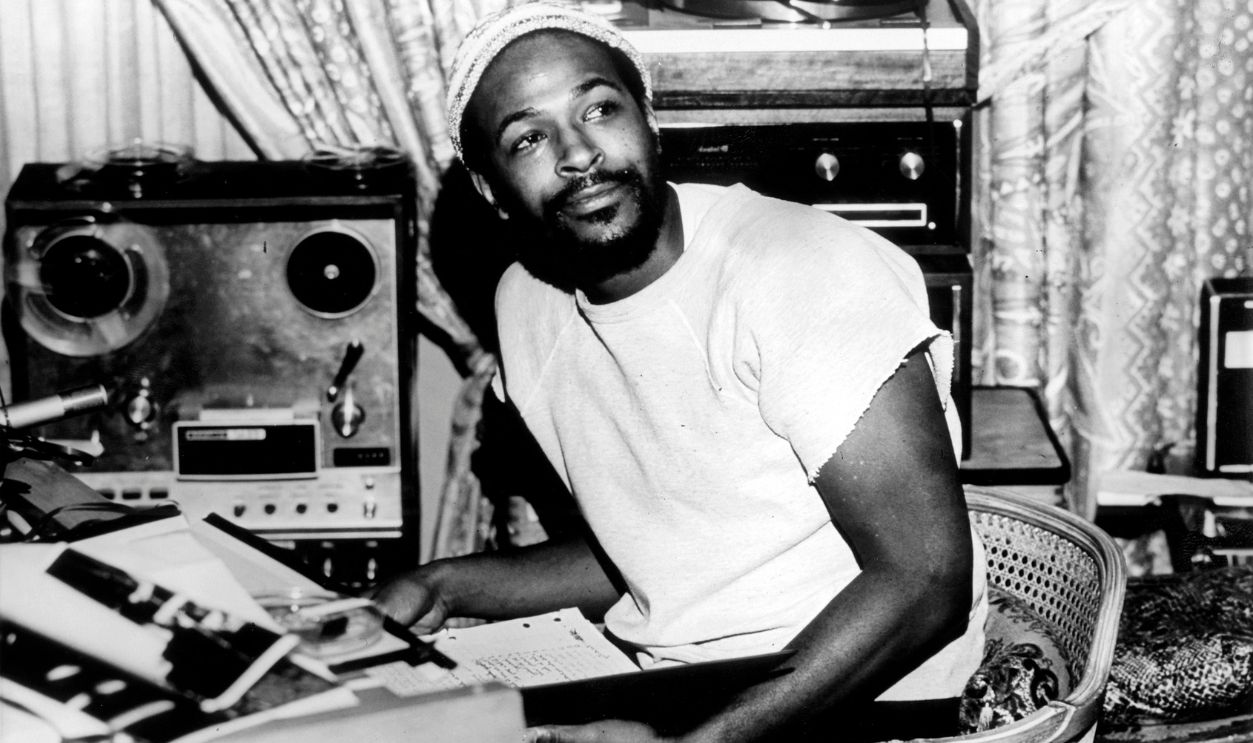
A Record Weighted With Shadows
As innovative as the album was, it also carried the weight of the divorce agreement. Marvin joked that Anna would get the royalties and, therefore, the raw truth that inspired them. It was half artistic statement, half financial surrender. And yet, in that surrender, he reclaimed control of the narrative.
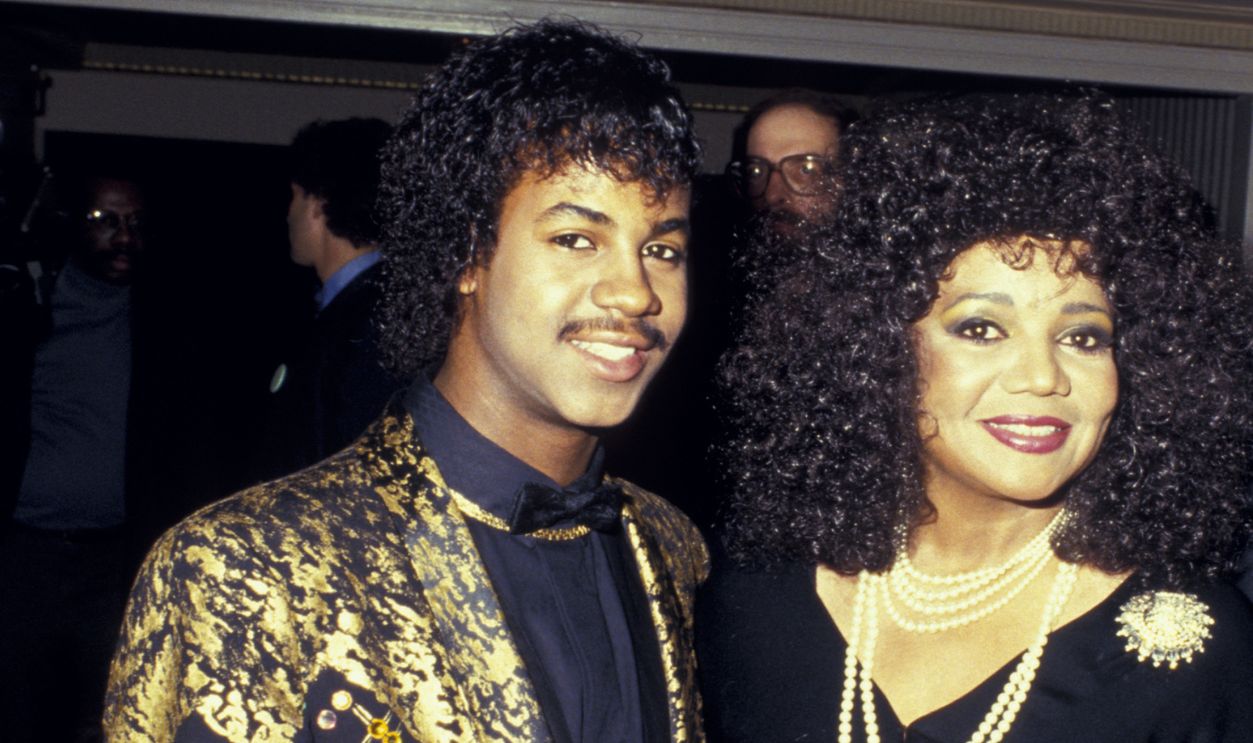
The Album Nearly Sparked Another Battle
Anna did not appreciate her portrayal. Rumors swirled of a lawsuit, though nothing materialized. The album had already carved its place in the public consciousness, and Marvin’s story—however imperfect—was now preserved in vinyl grooves.
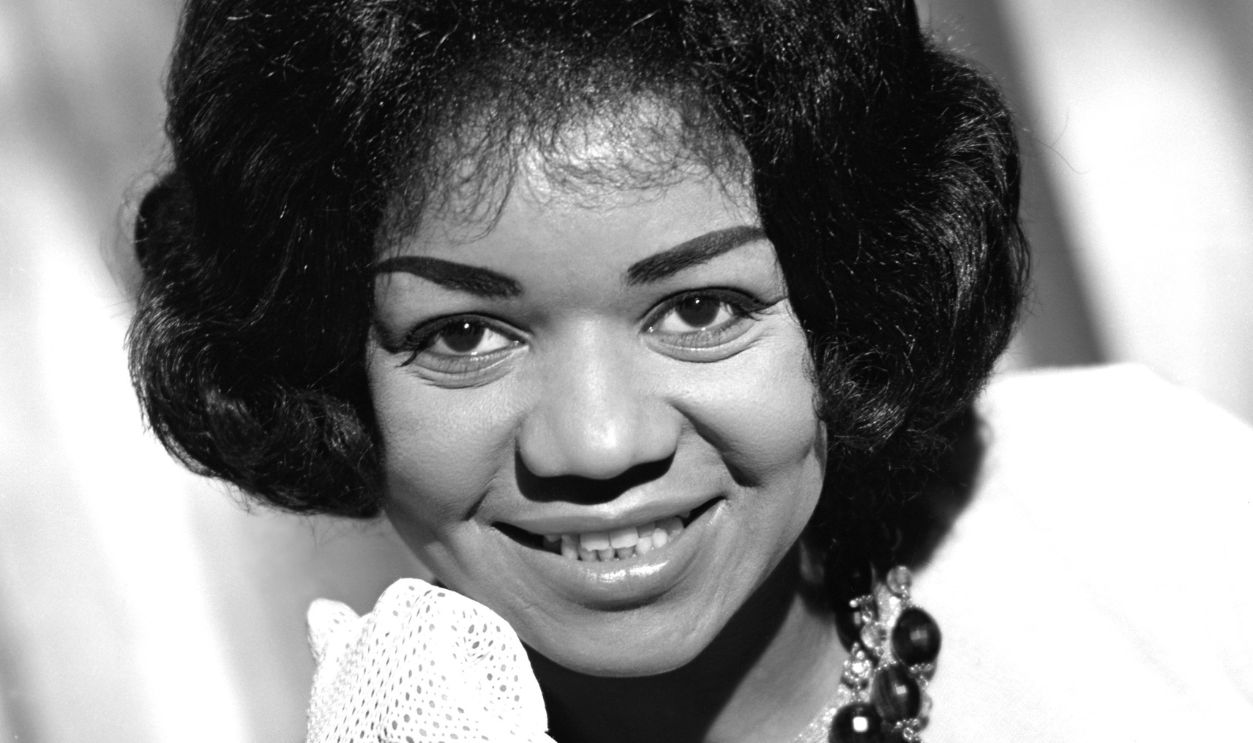 Donaldson Collection, Getty Images
Time Rewrites Its Reputation
Years later, the same album dismissed as indulgent started receiving praise for its bravery. Listeners who once found it uncomfortable now heard its emotional craftsmanship. What once seemed too personal became a template for future artists exploring heartbreak without filters.
 Michael Ochs Archives, Getty Images
A Blueprint For Confessional Music
Modern breakup albums owe more than a little to the path Here, My Dear paved. Its fearless intimacy showed musicians that vulnerability could be a strength, not a liability. It pushed soul music into more psychological territory, sparking a lineage that still echoes today.
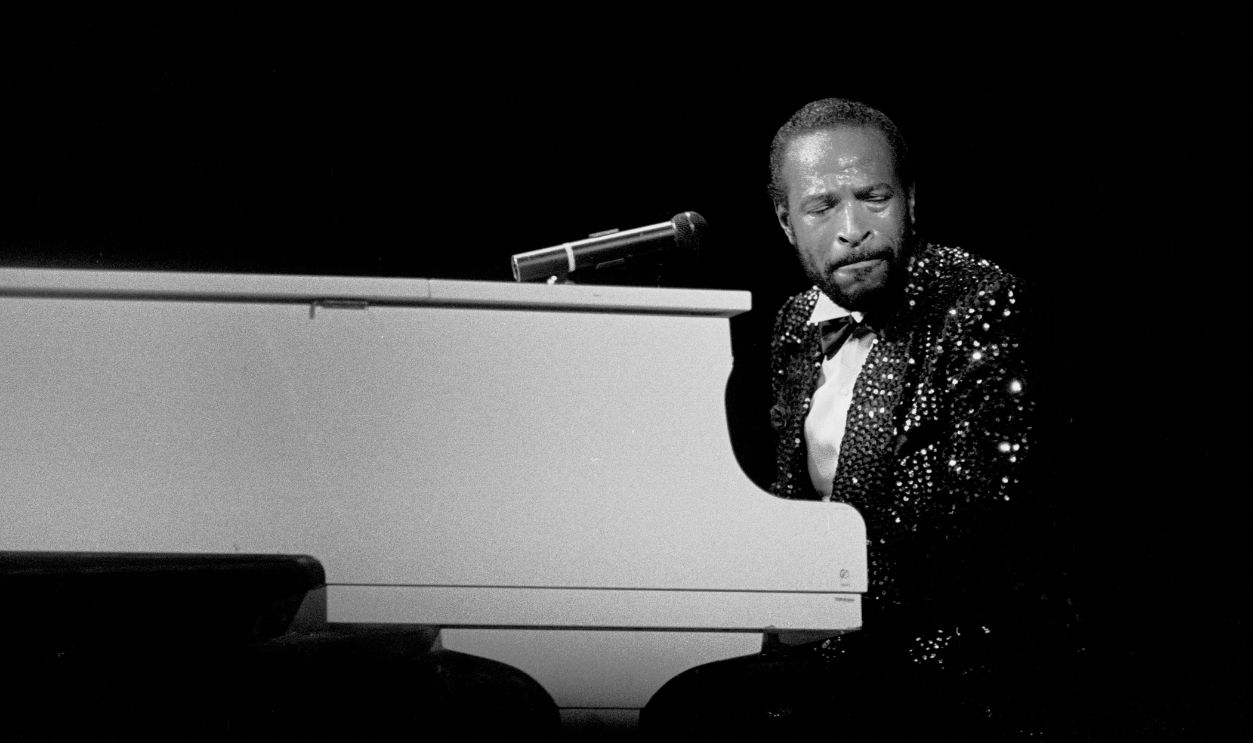
A Portrait Of A Man At His Lowest—And Most Honest
Marvin never pretended to be perfect. The album captures his mistakes, regrets, and moments of clarity. It shows a man trying to understand himself as much as he was trying to explain himself. In that raw humanity, listeners found a connection that outlived the scandal that inspired it.
 Donaldson Collection, Getty Images
Catharsis Pressed Into Wax
For Marvin, making the album was its own healing process. It was also, undeniably, a way of speaking his truth in a situation where he often felt unheard. The music became a release valve, a mirror, and a megaphone all at once.
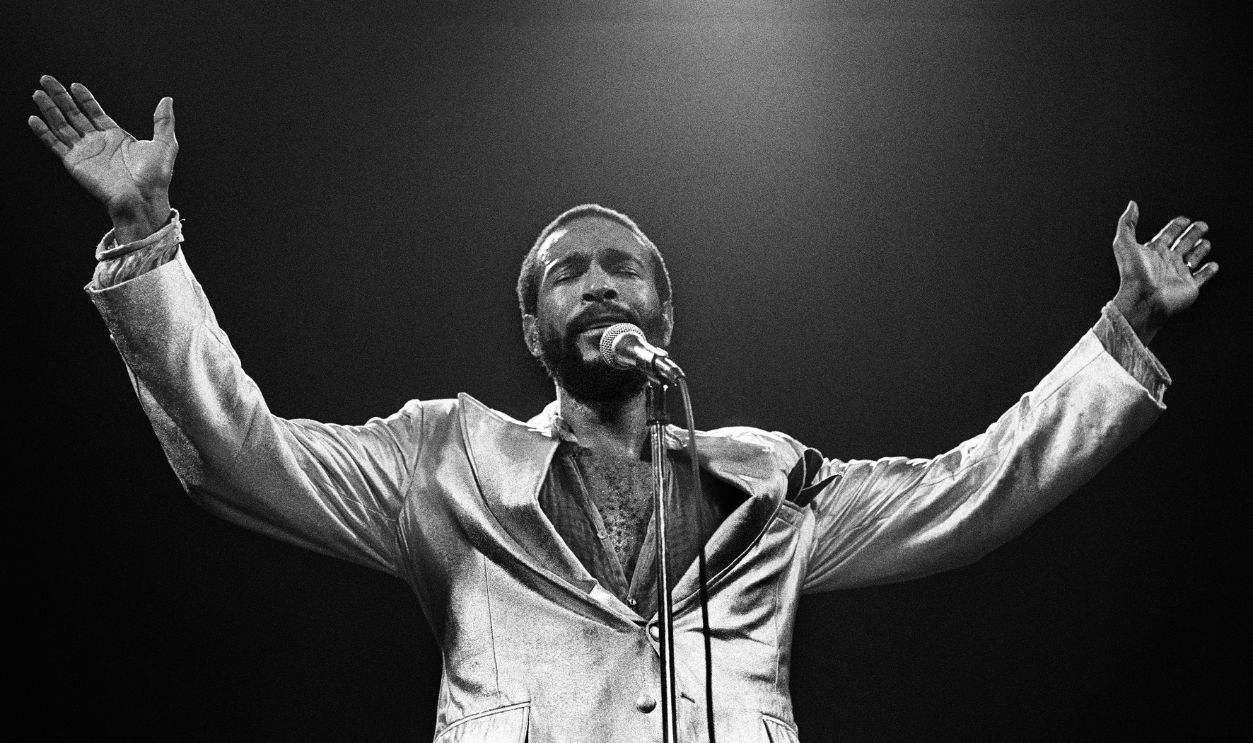
The Last Laugh Belongs To The Record
The final irony? The album made its way into the world long after the emotional dust had settled. The marriage ended. The battle ended. The bitterness faded. But Here, My Dear stayed—an artistic triumph born from personal turmoil, and one of Marvin Gaye’s most fearless creations.
You May Also Like: