When The Lights Went Out
Jackie Wilson didn’t just sing—he detonated notes. He danced like the floor was wired to electricity. And even though his life ended in heartbreak after collapsing onstage, the sound he left behind is so powerful it still ripples through R&B today. His story is wild, bright, messy, and unforgettable, so let’s walk through the life of the man who earned the name “Mr. Excitement”.
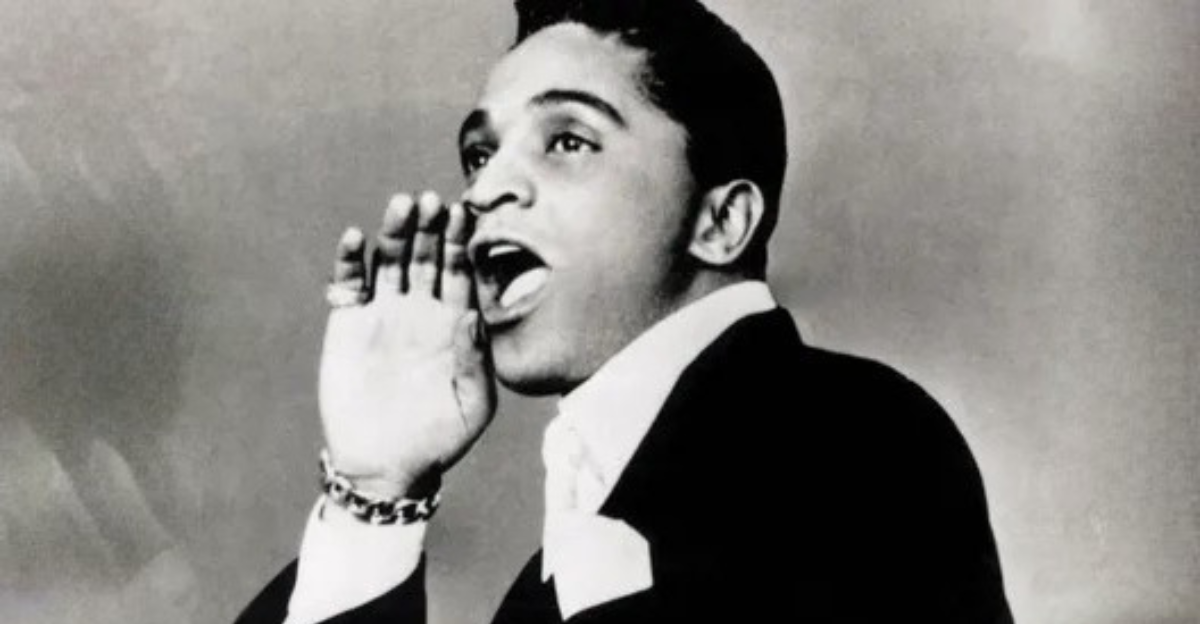
Early Roots In Detroit
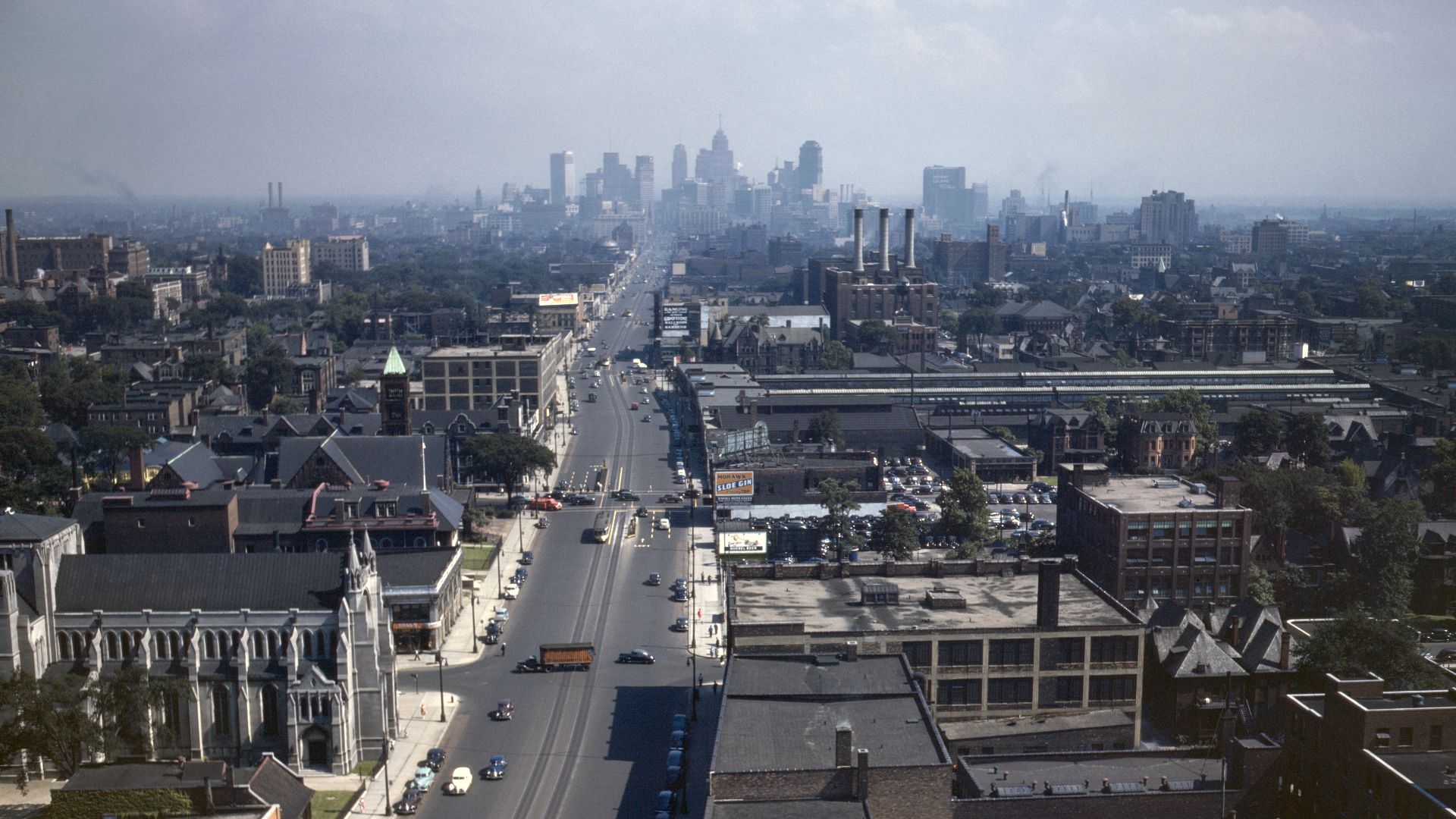
Jackie Wilson grew up in Detroit, soaking up the city’s nonstop swirl of music and community. He was singing before he had any real plan for his life, but everyone around him could tell he had something special. Even as a kid, you could hear the future in his voice.
 Arthur S. Siegel, Wikimedia Commons
From Teen Trouble To True Talent
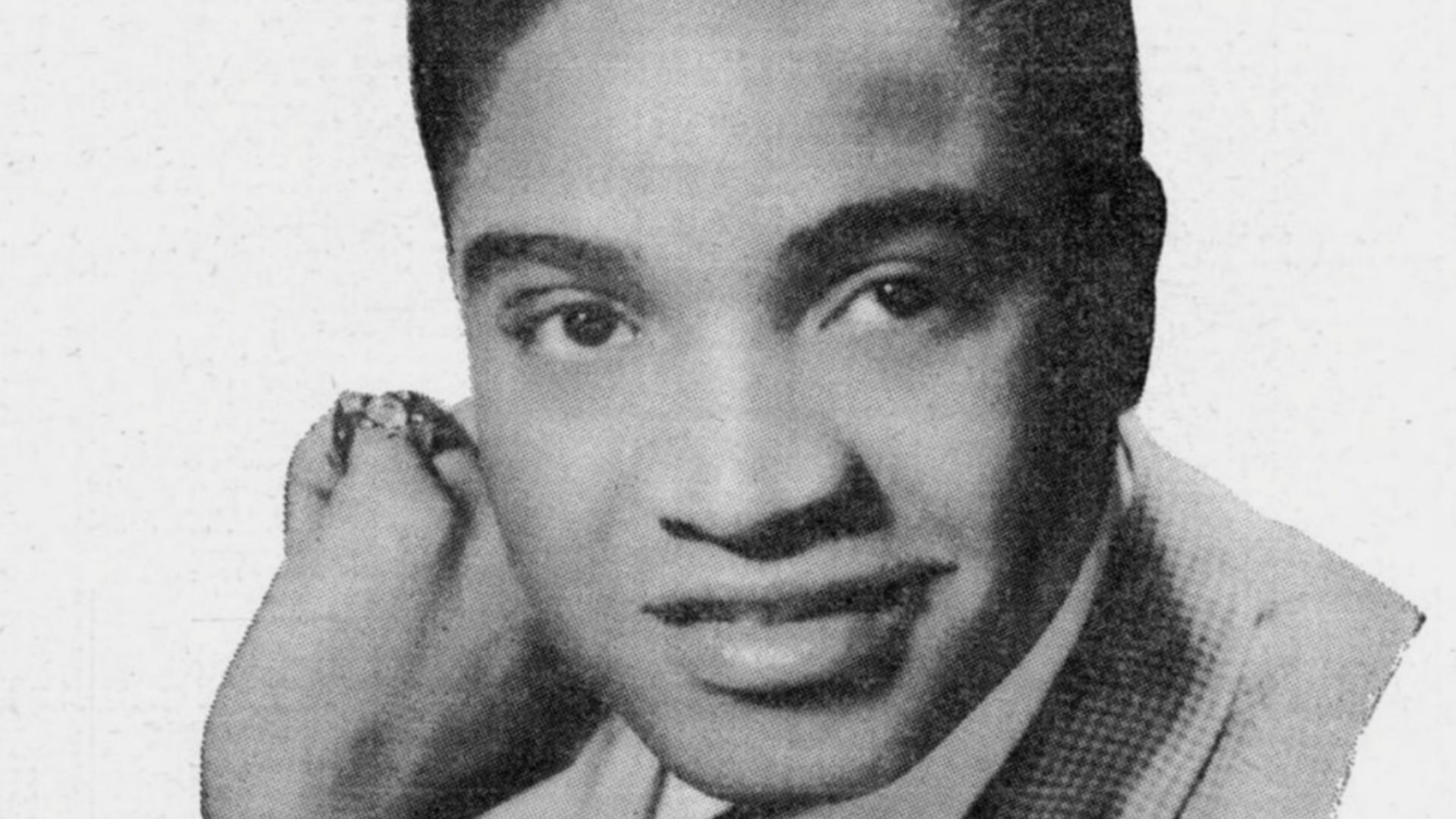
Wilson’s early years weren’t smooth sailing—he had a few run-ins and rough patches. But performing gave him direction that nothing else did. Once he realized he could build a life on his voice, he didn’t look back.
 Brunswick Records, Wikimedia Commons
The Dominoes Make Him A Star (and fast)
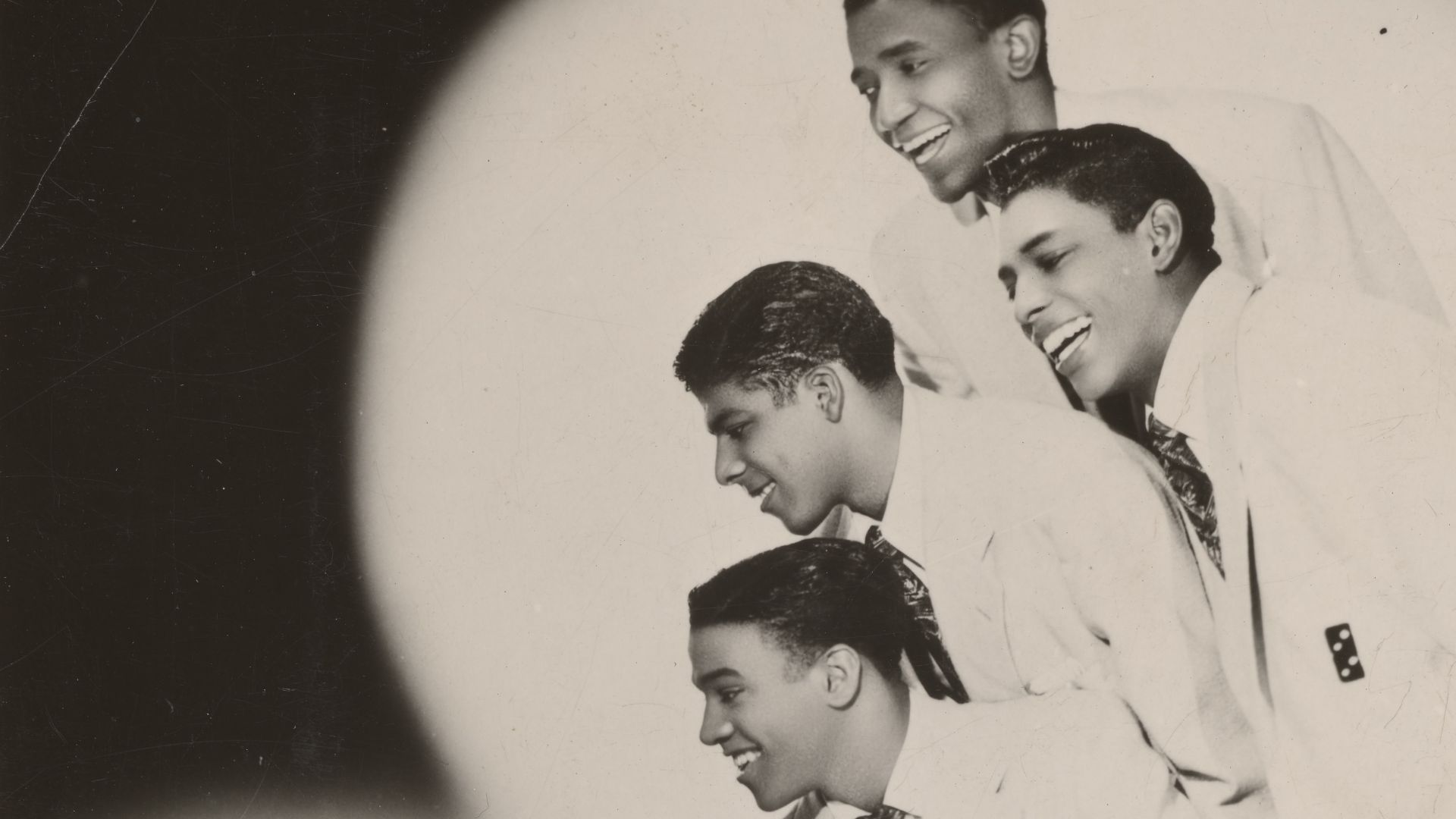
Joining Billy Ward and His Dominoes changed everything for him. Replacing Clyde McPhatter was a tall order, but Wilson pulled it off with ease. By the time audiences finished processing what they just heard, he was already a star.
 Maurice Seymour Studio, Wikimedia Commons
A Solo Career Built On Fire
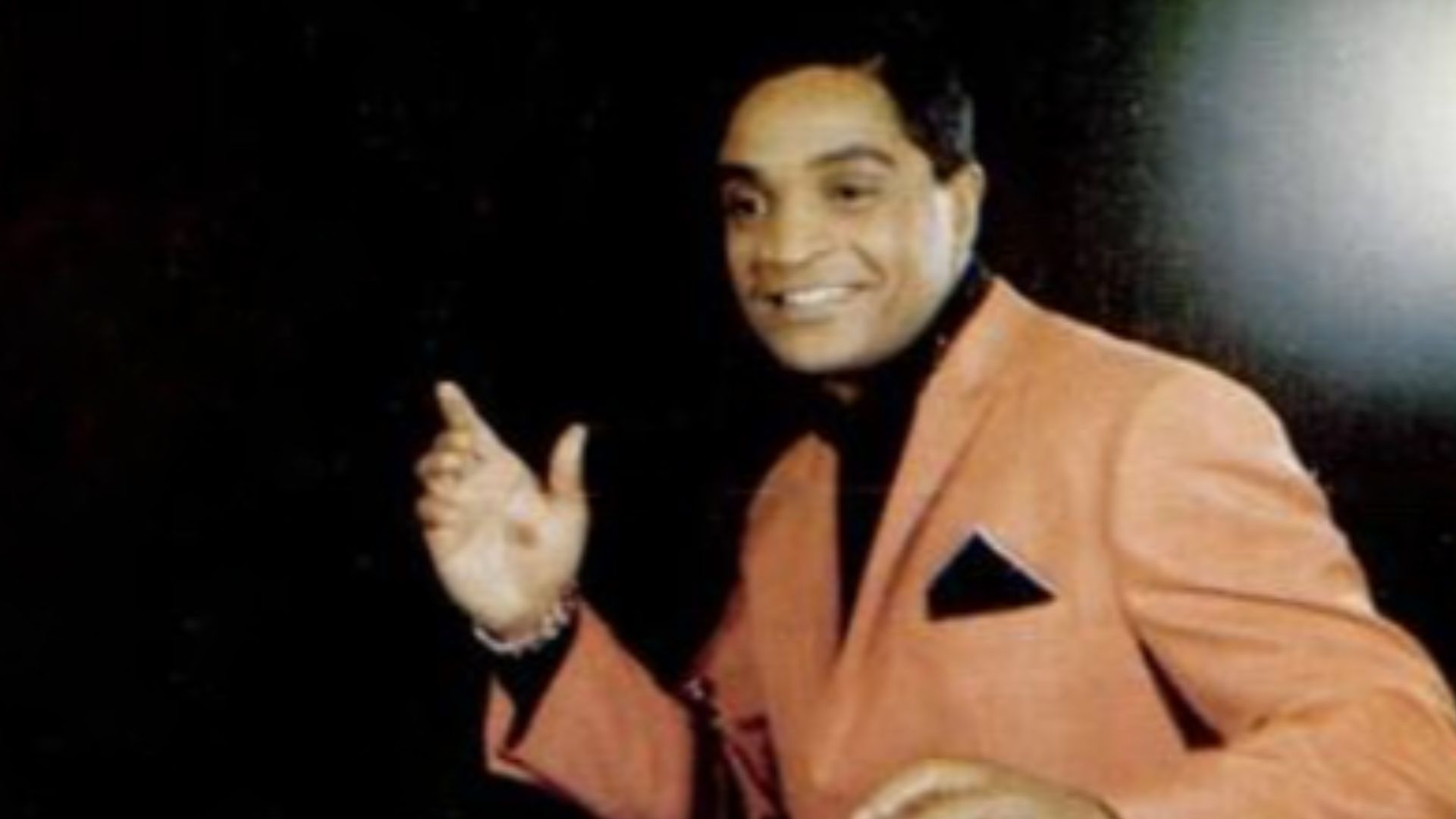
Going solo turned out to be the best move he ever made. His voice was explosive, his presence felt larger than life, and the hits started coming one after another. It was clear he wasn’t meant to blend in—he was meant to lead.
 Brunswick Records, Wikimedia Commons
Rewriting R&B With Vocal Acrobatics
Wilson didn’t just sing high notes; he launched them. He’d jump between registers like he was playing a game only he could win. His ability to fuse operatic flair with raw soul energy made him feel completely new.
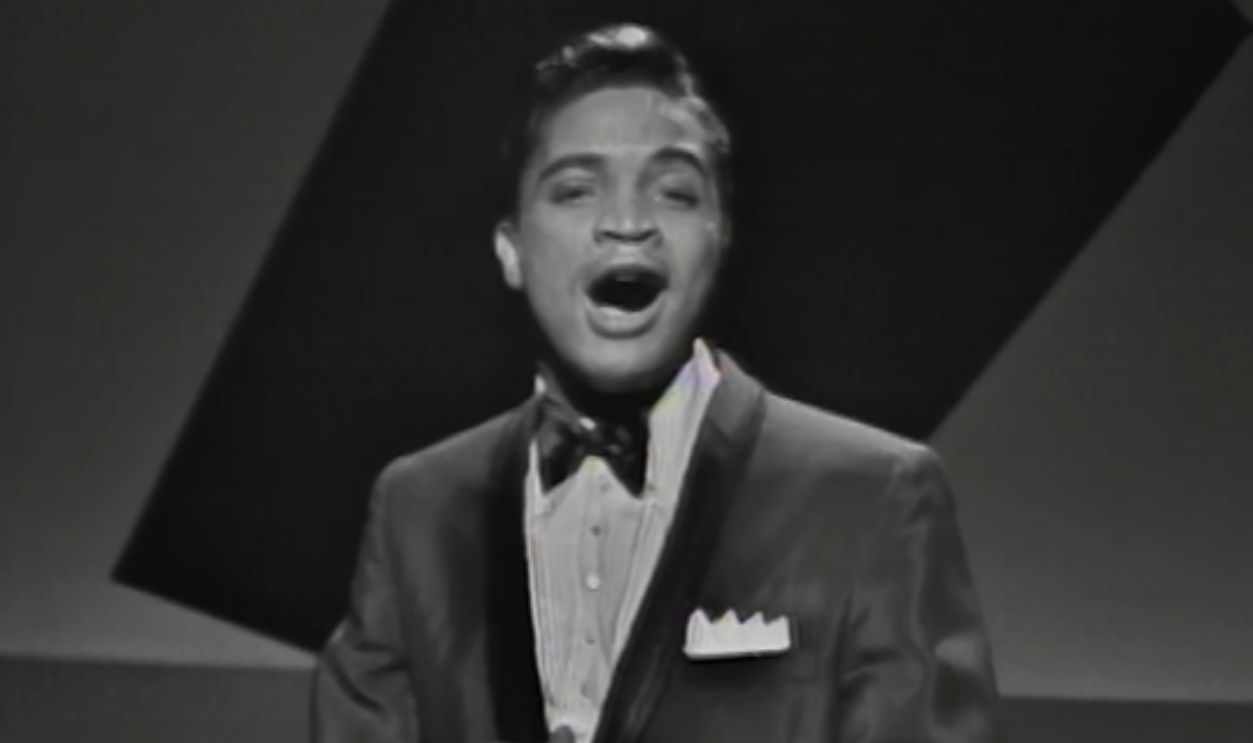 Screenshot from The Ed Sullivan Show, CBS (1948-1971)
“Reet Petite” Sparks His Rise
When Reet Petite dropped, people realized they were listening to someone different. The song had this energetic bounce that matched Wilson’s personality perfectly. Fans ate it up, and the industry took notice.
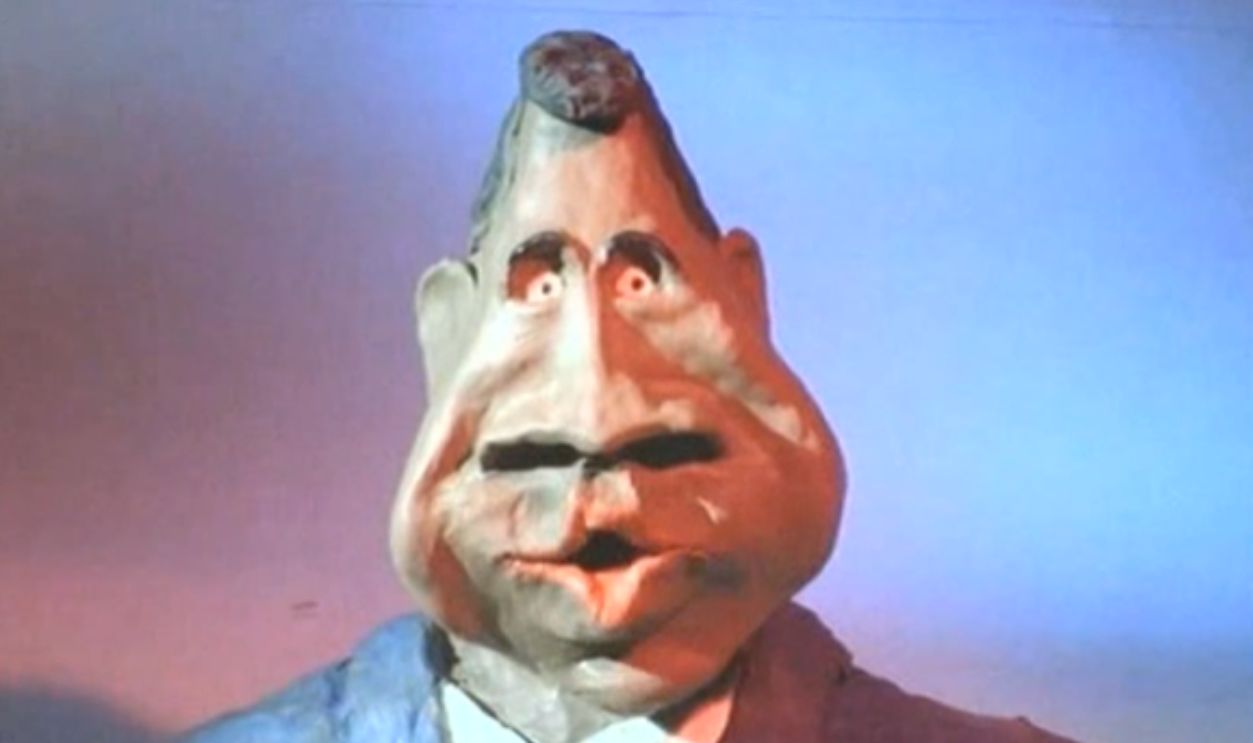 Screenshot from Reet Petite, Brunswick Records (1957)
The Opera-Tinged “Lonely Teardrops” Defines An Era
Lonely Teardrops is the kind of song you belt even if you can’t sing. Wilson turned every verse into a little emotional explosion, and it instantly became his calling card. It’s still a showstopper today.
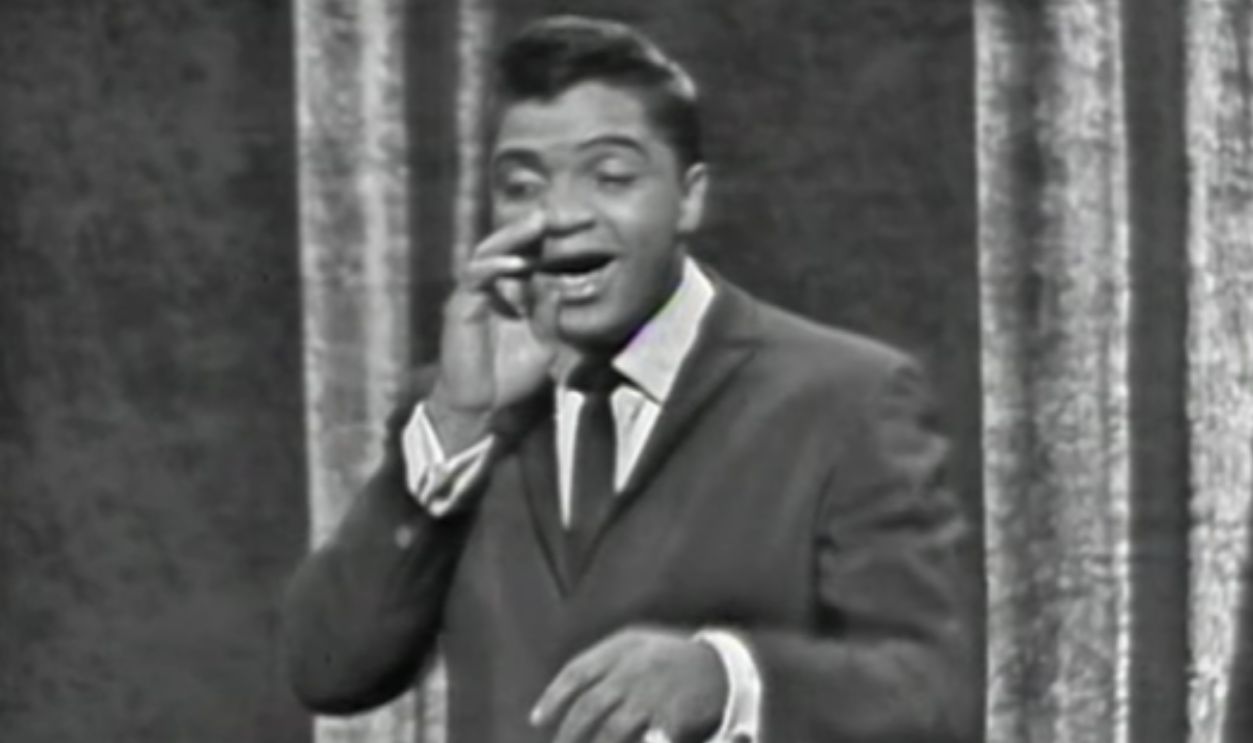 Screenshot from The Ed Sullivan Show, CBS (1948-1971)
Live Shows That Felt Electrified
Seeing Jackie Wilson live was like watching lightning try to outrun itself. He was constantly in motion—dancing, spinning, sliding, doing moves nobody else even attempted. He made every stage feel too small for him.
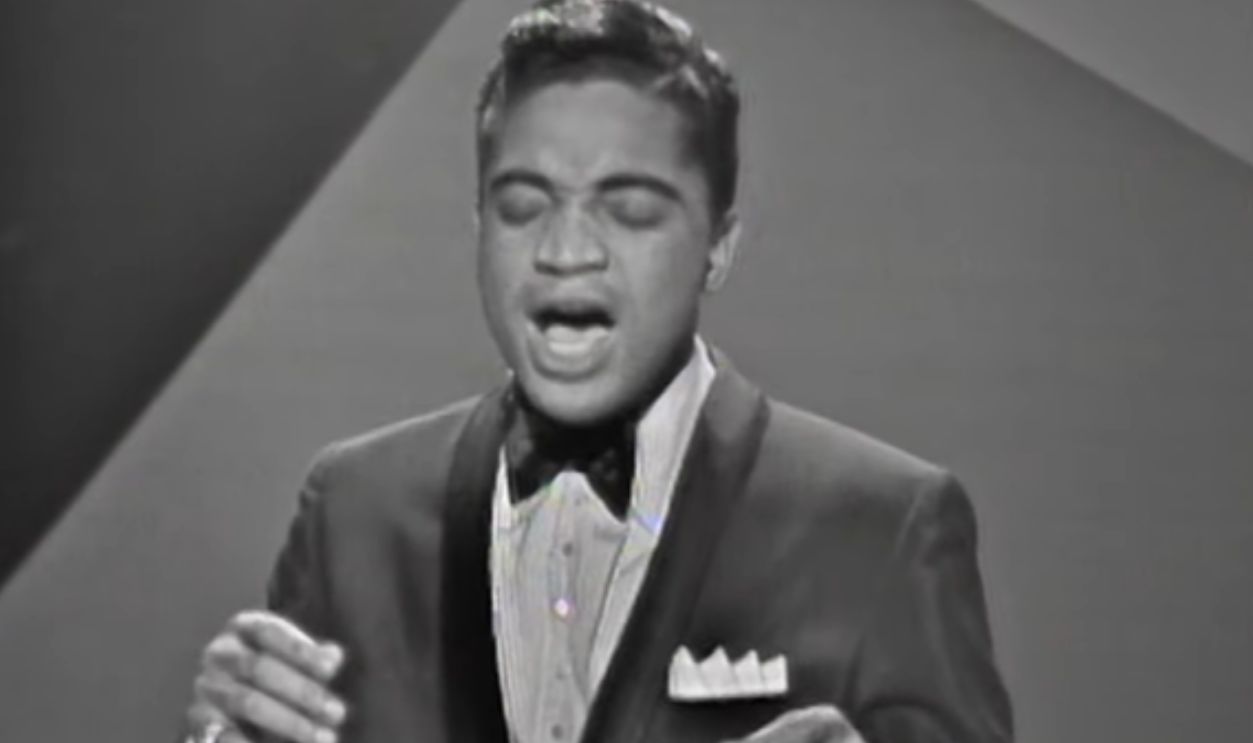 Screenshot from The Ed Sullivan Show, CBS (1948-1971)
Friendships With Other Music Giants
Jackie Wilson didn’t move through the music world unnoticed—far from it. Artists like Elvis Presley openly admired his style and performance energy, and you can hear Wilson’s influence in plenty of Presley’s early stage moves. He also worked in the same circles as huge names like Sam Cooke, shaping and being shaped by the era’s sound. Even if they weren’t all close personally, the respect flowed both ways.
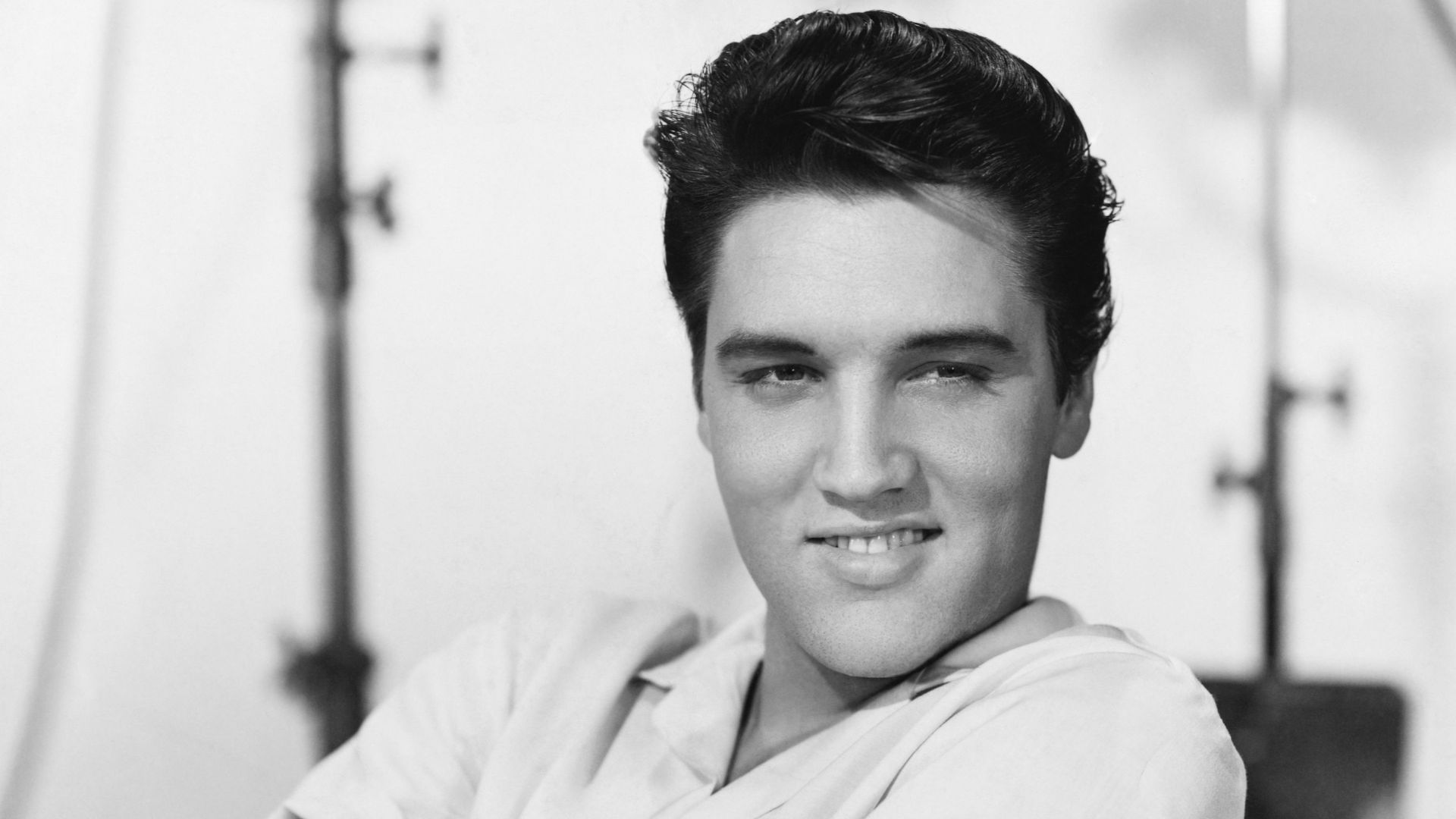 Unknown authorUnknown author, Wikimedia Commons
A Personal Life Wrapped In Turbulence
As dazzling as his career was, his personal life could get chaotic. Relationships, money issues, and public drama showed up often. Fame didn’t simplify his world—it just made everything louder.

Chart Success That Seemed Endless
Wilson kept dropping hits like it was nothing—Night, Baby Workout, and plenty more. He had a way of adjusting to whatever sound was current without losing the magic that made him unique. His voice carried every song like it weighed nothing.
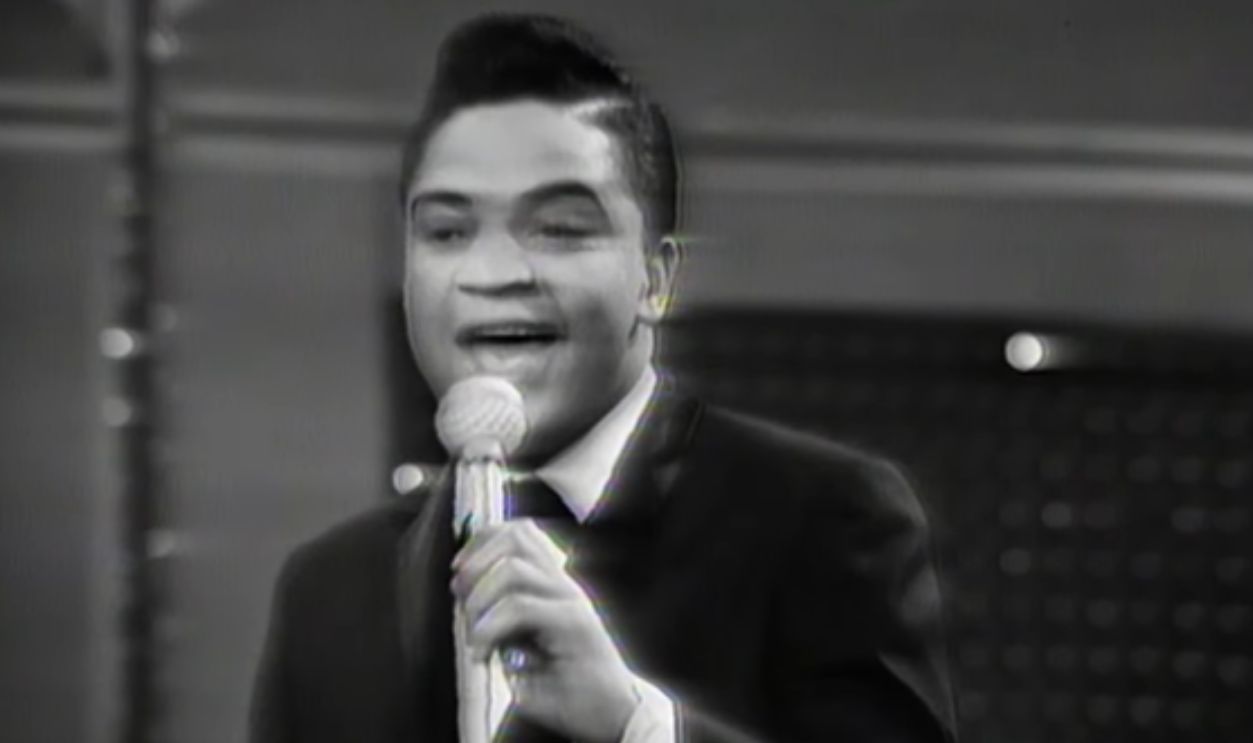 Screenshot from The Ed Sullivan Show, CBS (1948-1971)
Reinvention In The 1960s
Music changed fast during the 60s, but Wilson rolled with it. He updated his image, refreshed his sound, and kept pushing forward. Reinvention wasn’t scary to him—it was part of the fun.
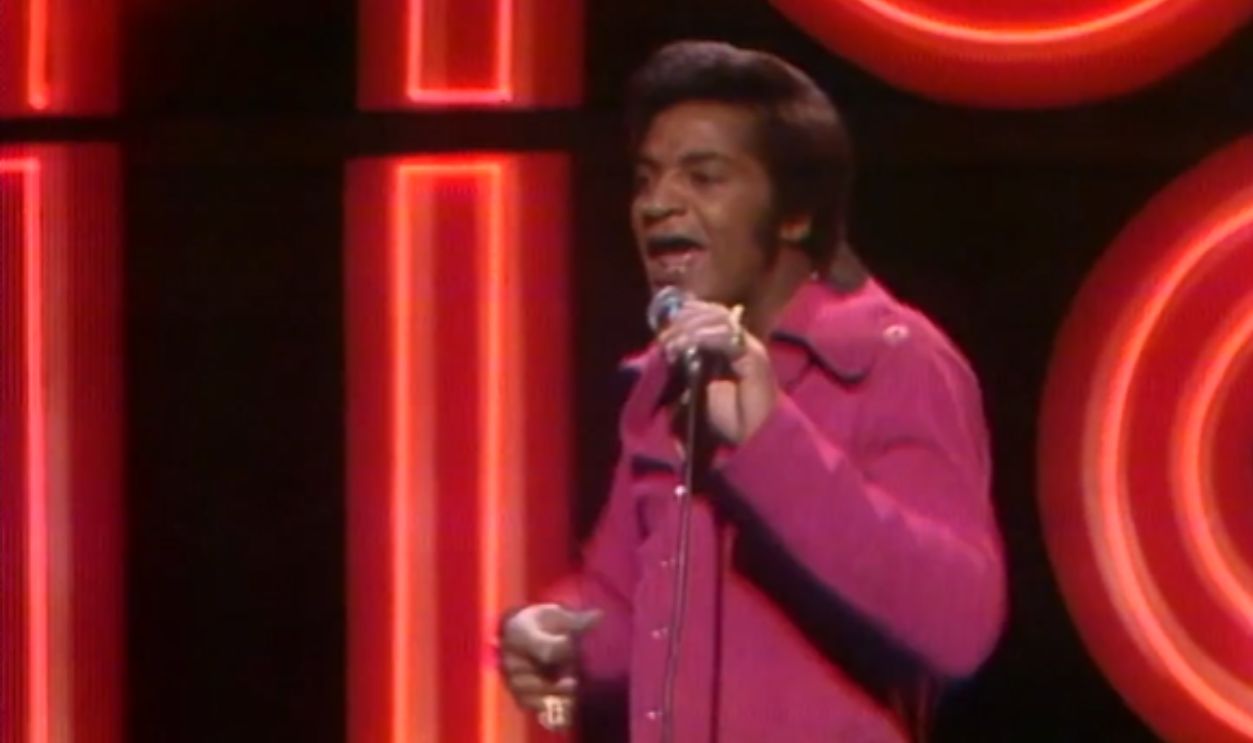 Screenshot from (Your Love Keeps Lifting Me) Higher and Higher, Brunswick Records (1967)
A Career Marked By Showmanship
Wilson didn’t just perform; he took over the stage. He moved with this mix of grace and adrenaline that performers still try to copy today. Even at his most energetic, he never lost control of his voice.
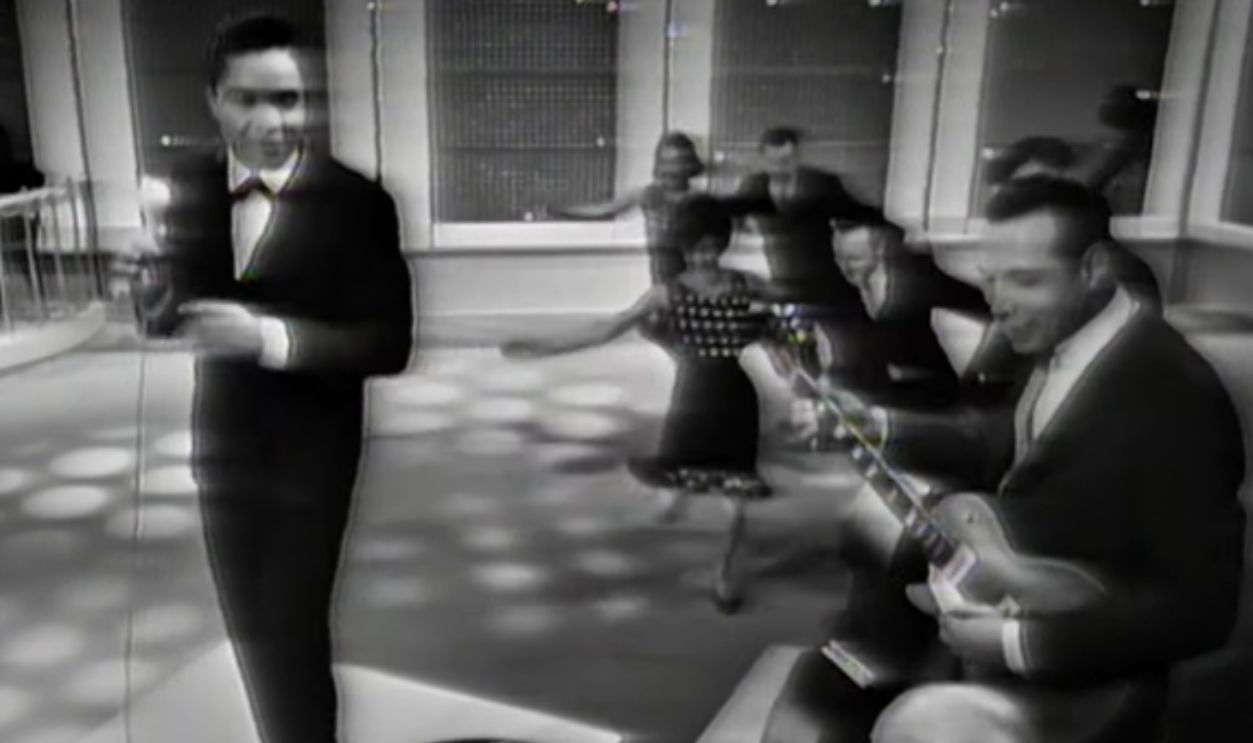 Screenshot from The Ed Sullivan Show, CBS (1948-1971)
Influence On Future Generations
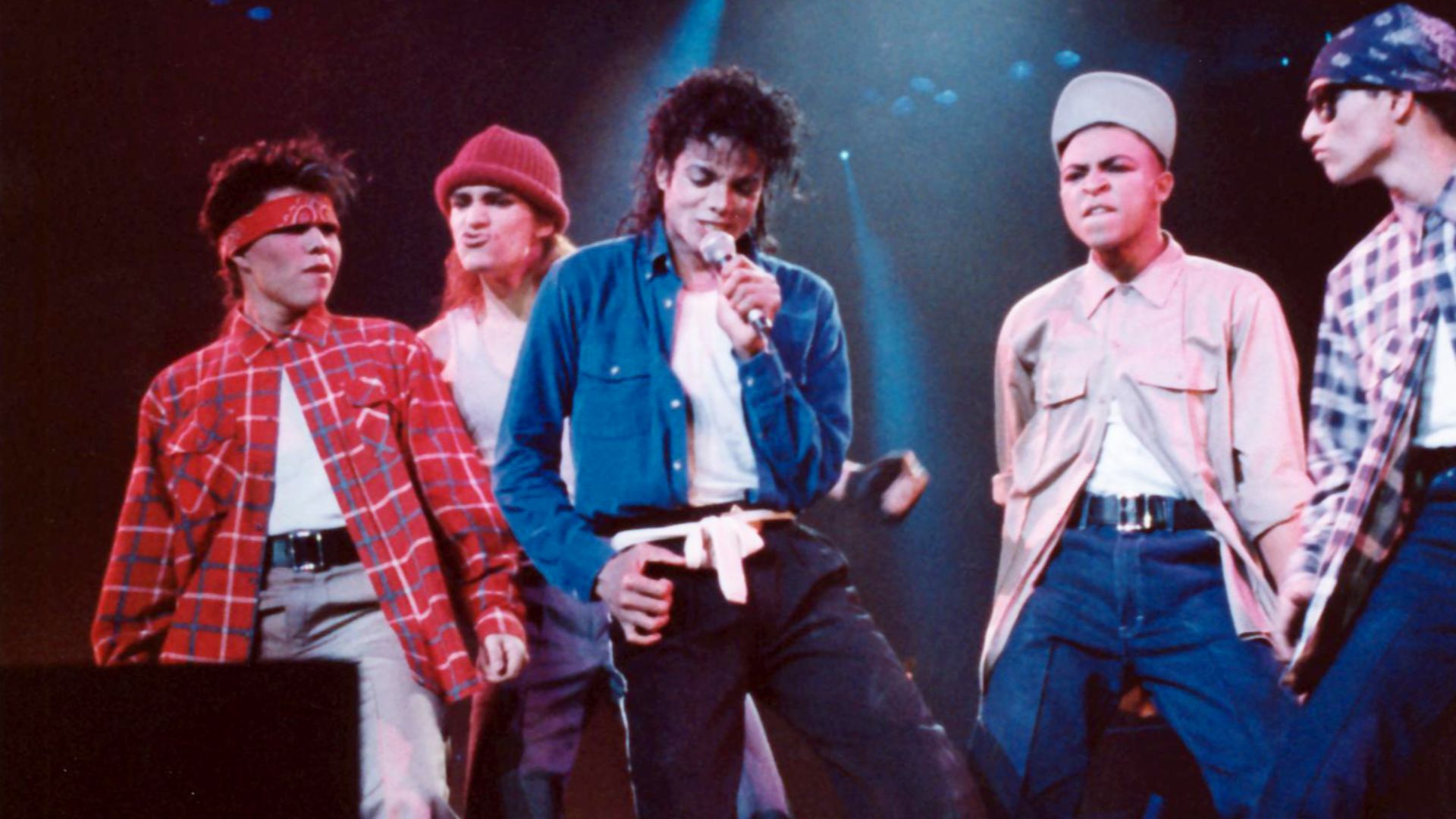
If you listen closely, you can hear Wilson’s fingerprints all over modern soul, pop, and R&B. Singers who stretch notes or add dramatic flair owe a little something to him. His style is still echoing through new artists whether they realize it or not.
 Drew H. Cohen, Wikimedia Commons
Tragedy Strikes On Stage
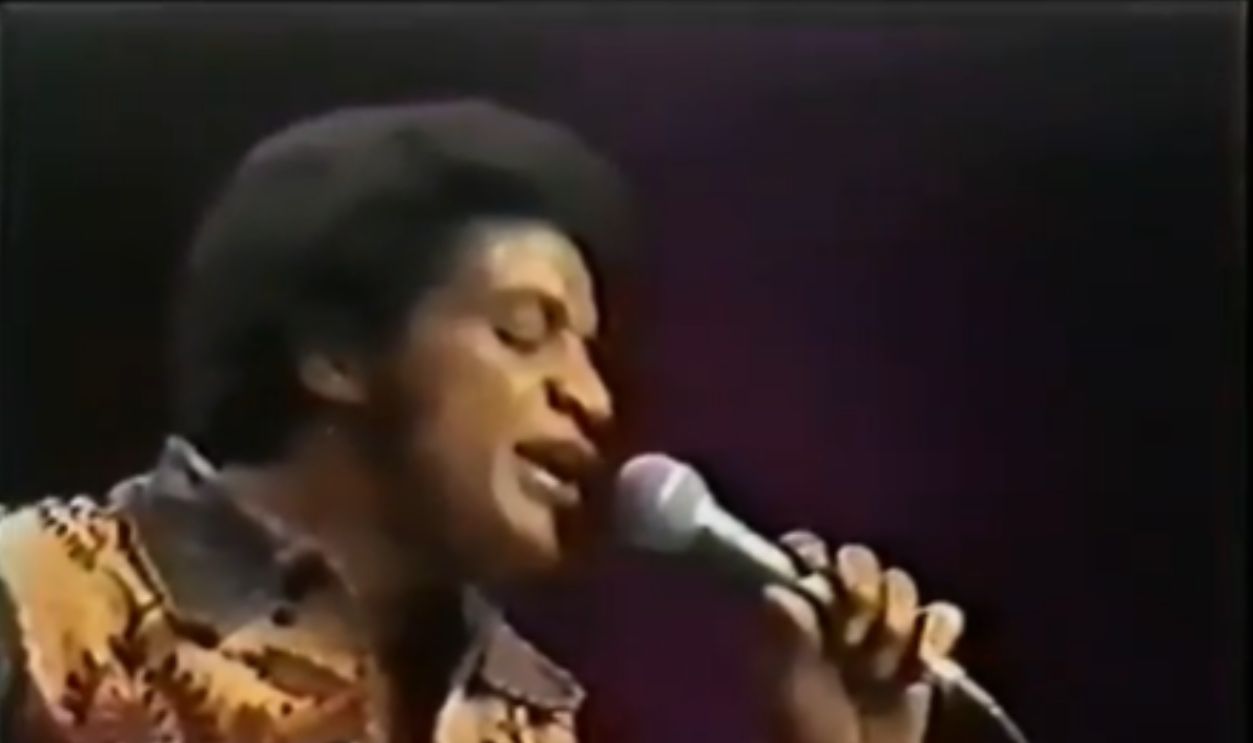
During a 1975 show, Wilson suffered a heart attack right in the middle of performing Lonely Teardrops. He collapsed, hit his head, and the moment changed everything. It remains one of the most heartbreaking scenes in music history.
 Screenshot from That's Why (I Love You So), Brunswick Records (1959)
Years Spent In A Minimal State Of Awareness
After the collapse, Wilson spent years in hospitals and care facilities. He had small improvements but never regained full awareness. For a man who once commanded entire rooms, the contrast was devastating.

Support From Fans And Fellow Artists
People didn’t forget him. Fans and musicians from across the industry worked to support him through benefit shows and fundraising efforts. Their loyalty said everything about the impact he made.

Posthumous Honors Begin To Pour In
Awards and accolades finally started stacking up after his passing in 1984. It felt overdue, but it helped cement his place among the greats. History eventually corrected the mistake of underestimating him.

Legacy As “Mr. Excitement”
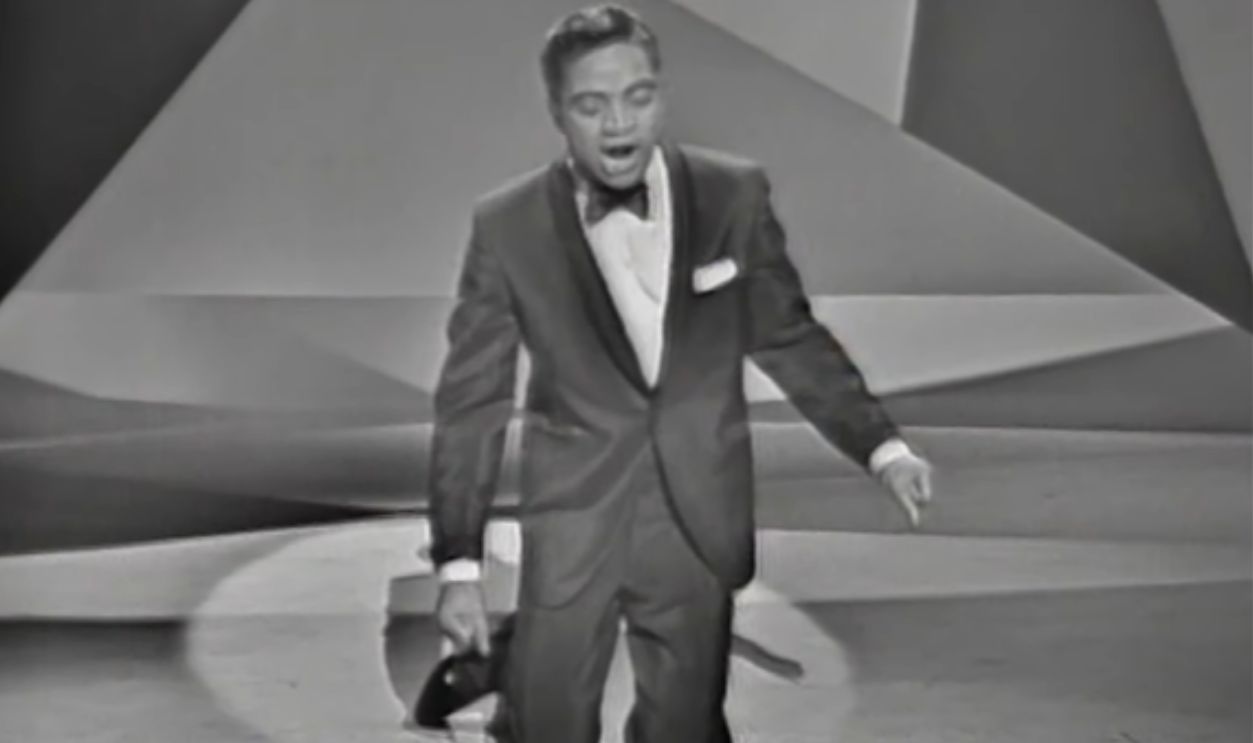
The nickname wasn’t just catchy—it was accurate. Wilson put every ounce of energy into his performances, giving crowds more than they expected every single time. His style became a blueprint for generations of entertainers.
 Screenshot from The Ed Sullivan Show, CBS (1948-1971)
Songs That Still Feel Untouchable
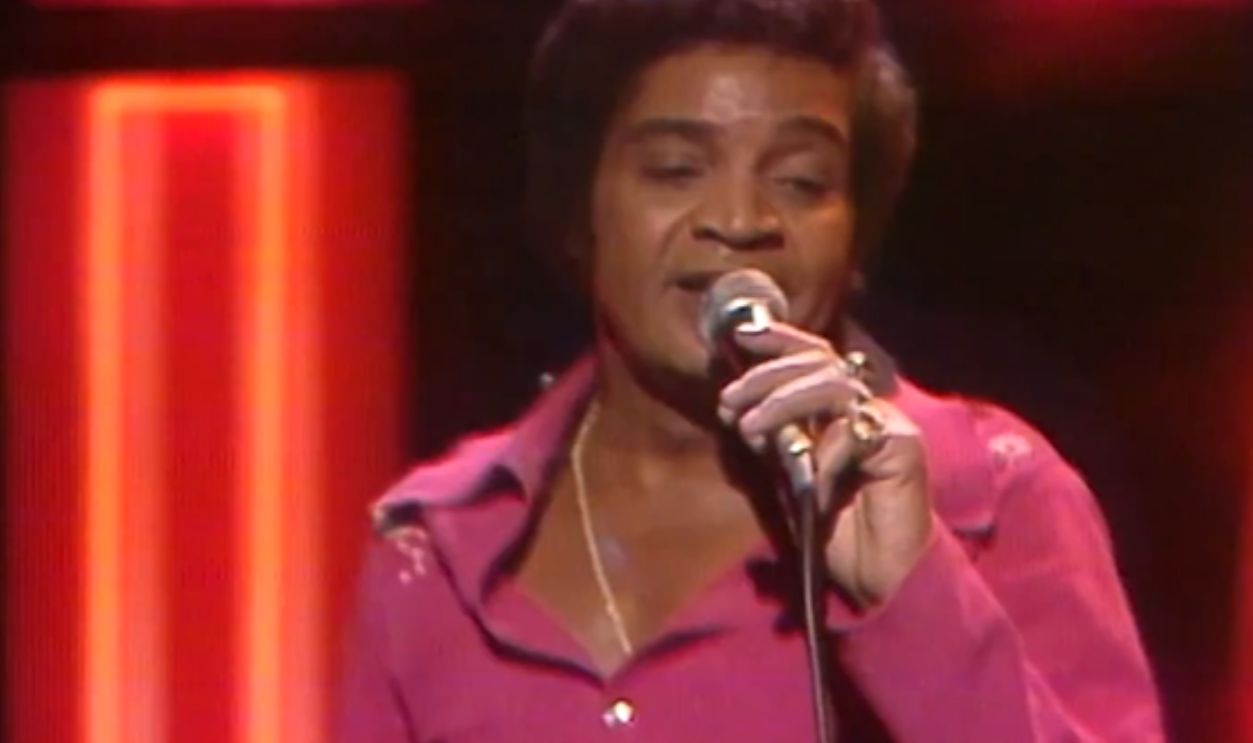
Tracks like Higher and Higher and To Be Loved still hit just as hard today as they did decades ago. They’re timeless, warm, emotional, and packed with the kind of vocal brilliance that never goes out of style.
 Screenshot from (Your Love Keeps Lifting Me) Higher and Higher, Brunswick Records (1967)
A Voice That Lives Beyond The Man
Even though his life ended far too soon, Jackie Wilson’s voice didn’t fade with him. His influence continues to shake through R&B and soul, shaping artists who weren’t even born when he performed. His story may be tragic, but his sound is forever.
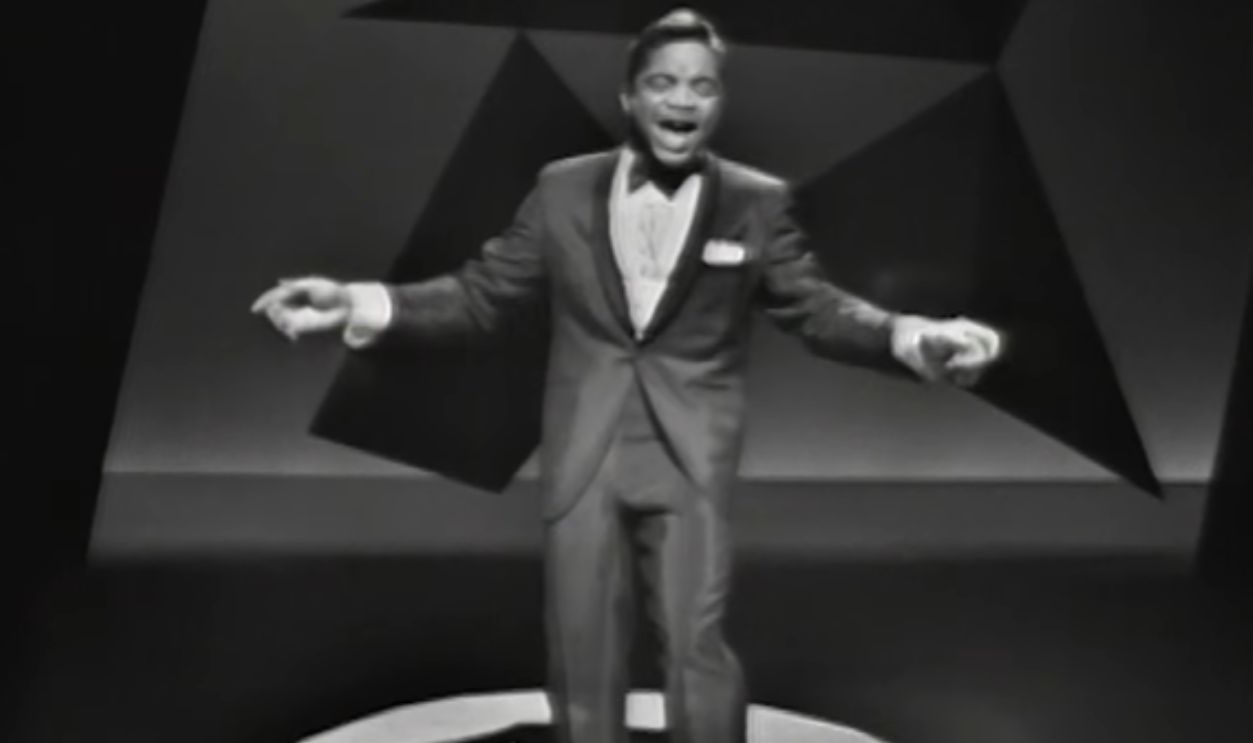 Screenshot from The Ed Sullivan Show, CBS (1948-1971)
You May Also Like:
London Calling: The Greatest Songs About The British Capital
Source: 1