OK, Boomer…Which One?
The Baby Boomer generation runs from 1946 to 1964—which means the oldest Boomers saw Elvis on The Ed Sullivan Show live, and the youngest Boomers were cranking arena rock while trying to parallel park a Camaro. Same generation. Completely different playlists.
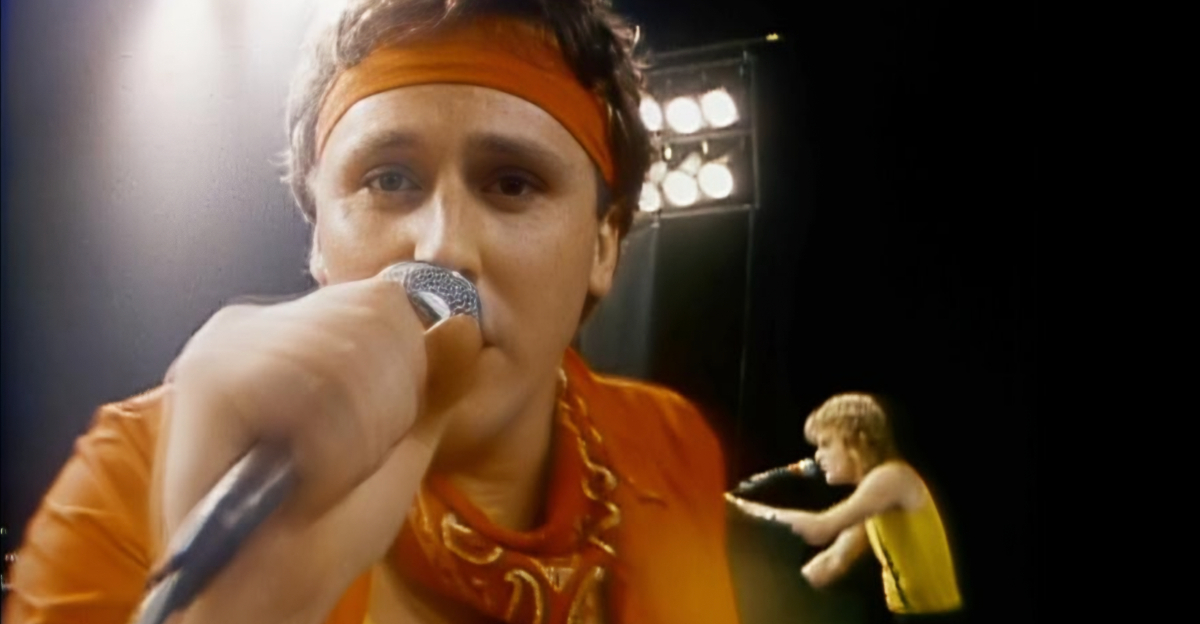
“Driver’s Seat” (Sniff ’n’ the Tears)
If you’re a younger Boomer, you instantly hear that groove. If you’re an older Boomer, you might stare blankly at the band name and assume we made it up. This is pure late-70s FM mood—very specific, very atmospheric, and very easy to miss if you were already grown.
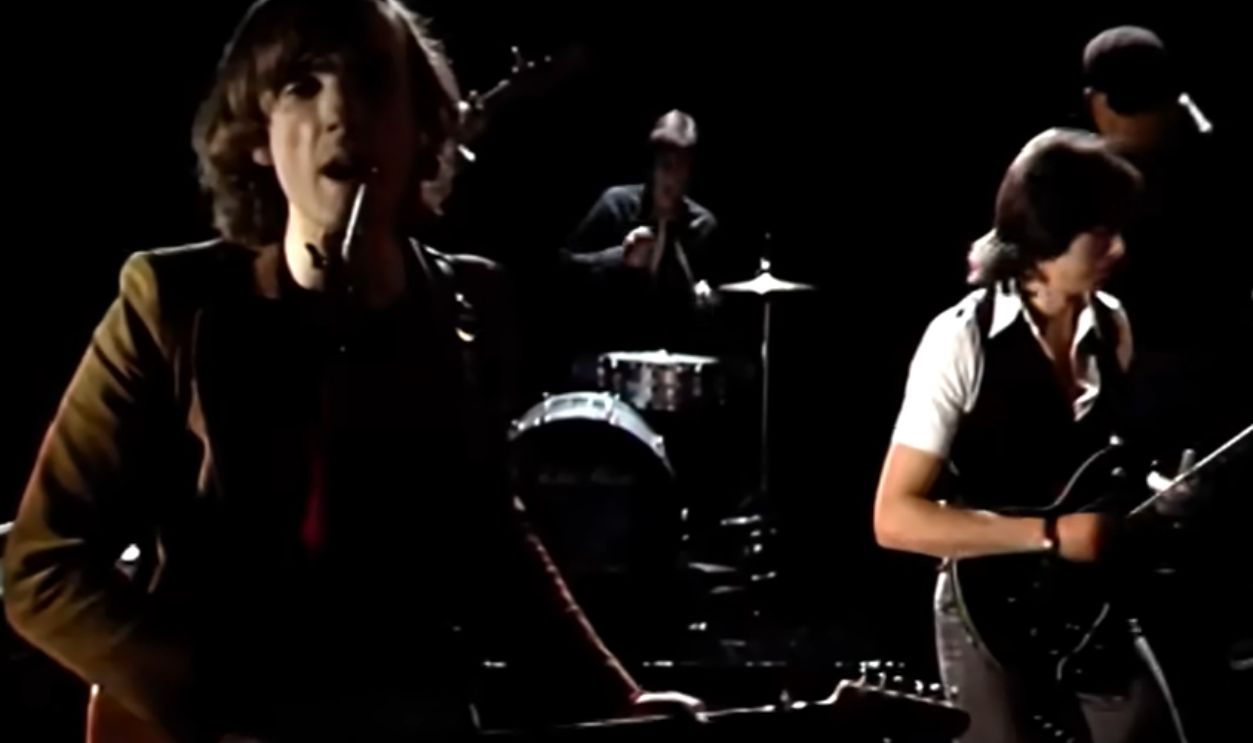 Screenshot from Driver’s Seat - Sniff ’n’ the Tears, Atlantic Records (1978)
“Smoke From a Distant Fire” (Sanford-Townsend Band)
This is the definition of “you had to be there.” Younger Boomers remember it being everywhere for about five minutes. Older Boomers? Total blank. It’s one of those radio hits sealed tightly inside a narrow age window.
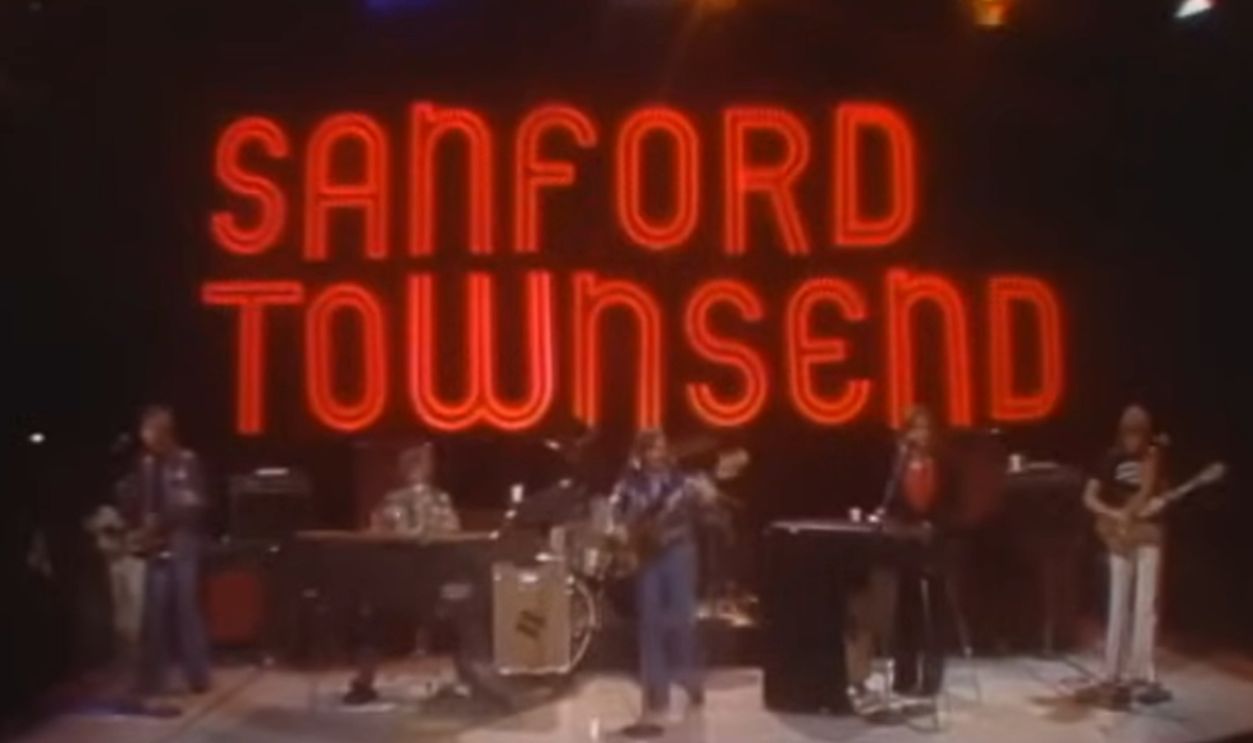 Screenshot from Smoke From a Distant Fire - Sanford-Townsend Band, Warner Bros. Records (1977)
“Working for the Weekend” (Loverboy)
If you were born in the early 60s, this was your anthem. If you were born in the late 40s, you were already working for the weekend without needing a synth hook to explain it. This one lives almost entirely on the youngest edge of Boomer memory.
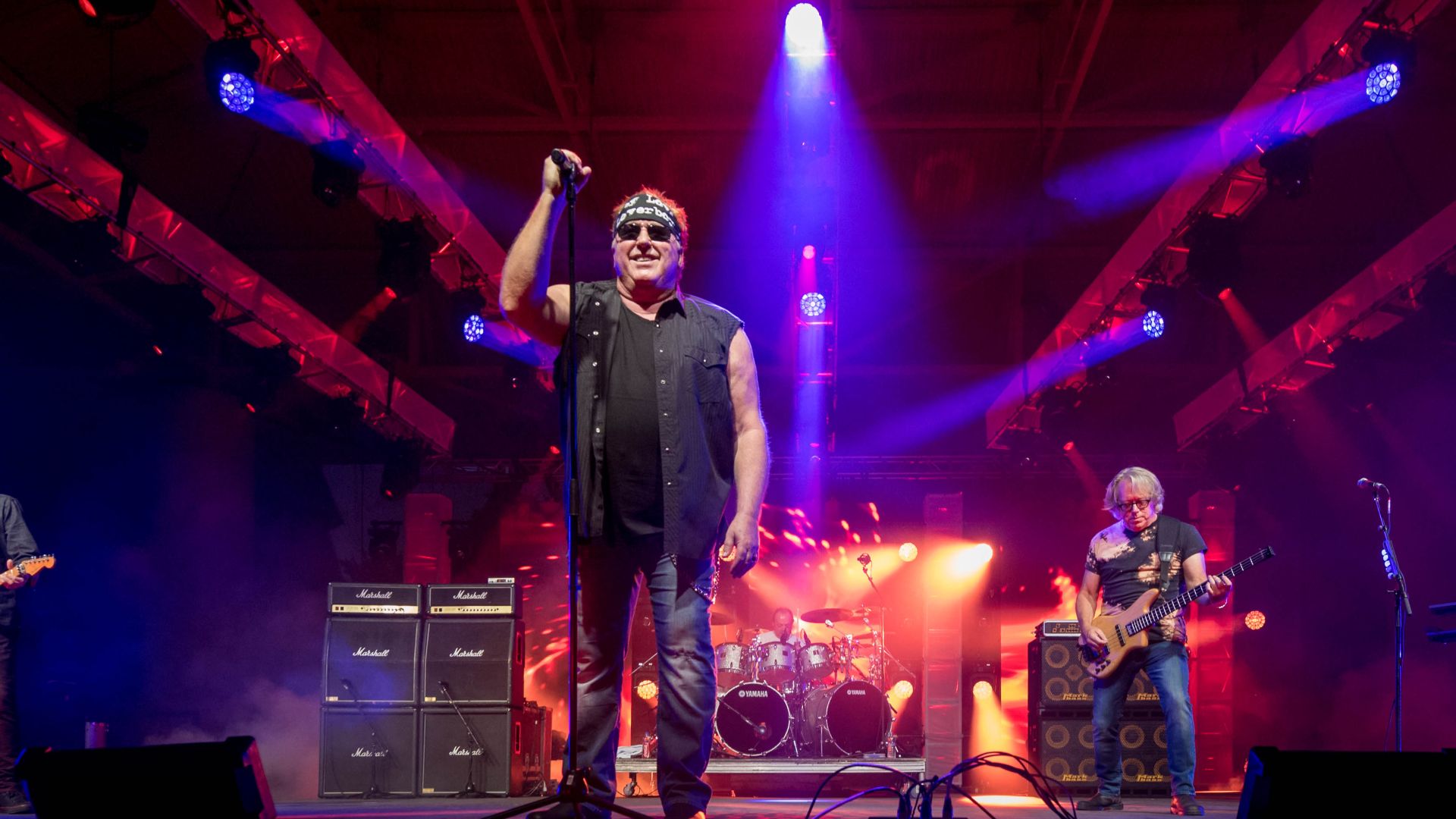 2017 Canada Summer Games, Wikimedia Commons
“Double Vision” (Foreigner)
Younger Boomers leaned into Foreigner’s slick arena dominance. Older Boomers often lump it into the “corporate rock” pile that followed their beloved 60s revolution. To one group, it’s iconic. To the other, it’s background noise.
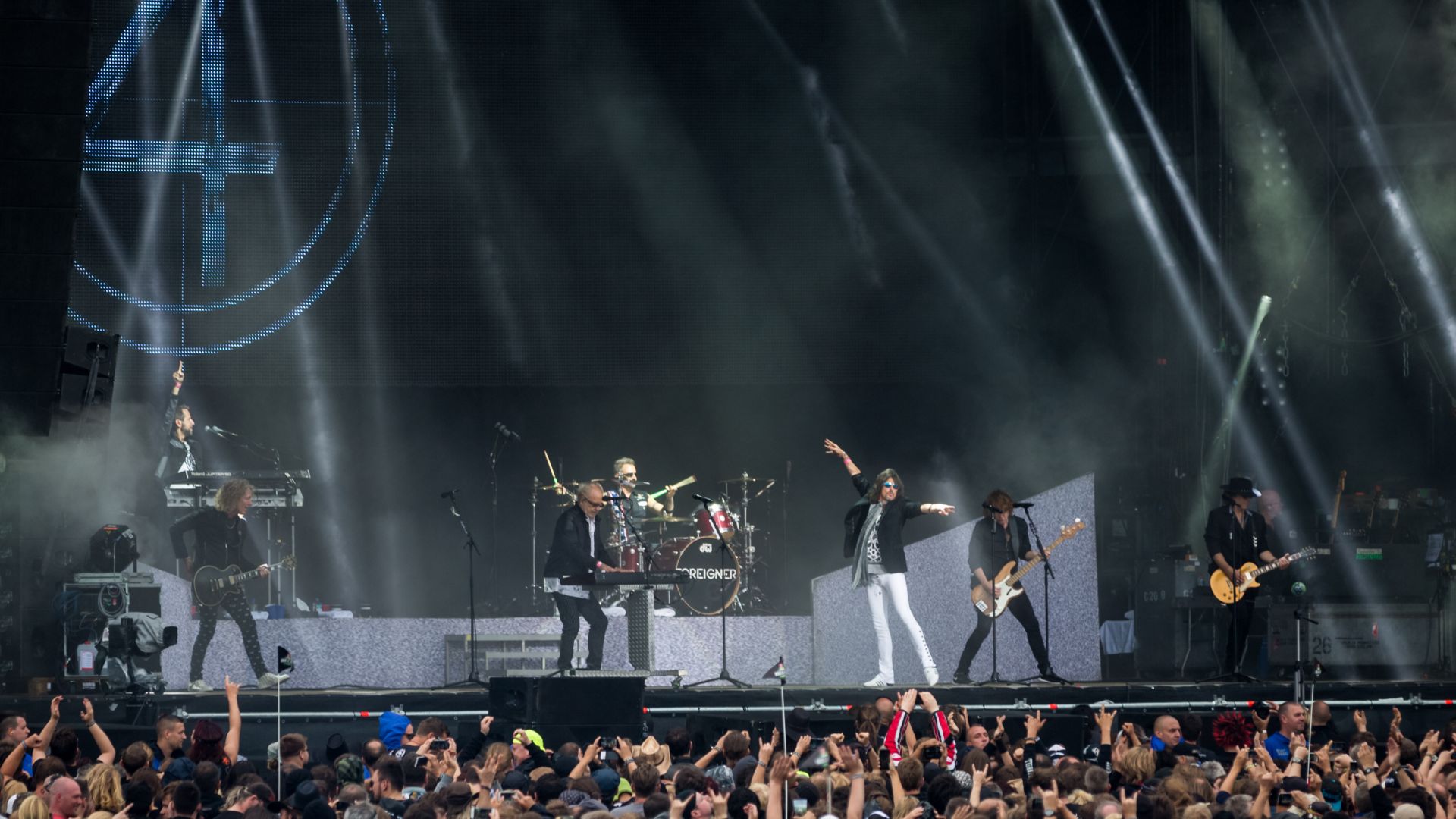 Andreas Lawen, Fotandi, Wikimedia Commons
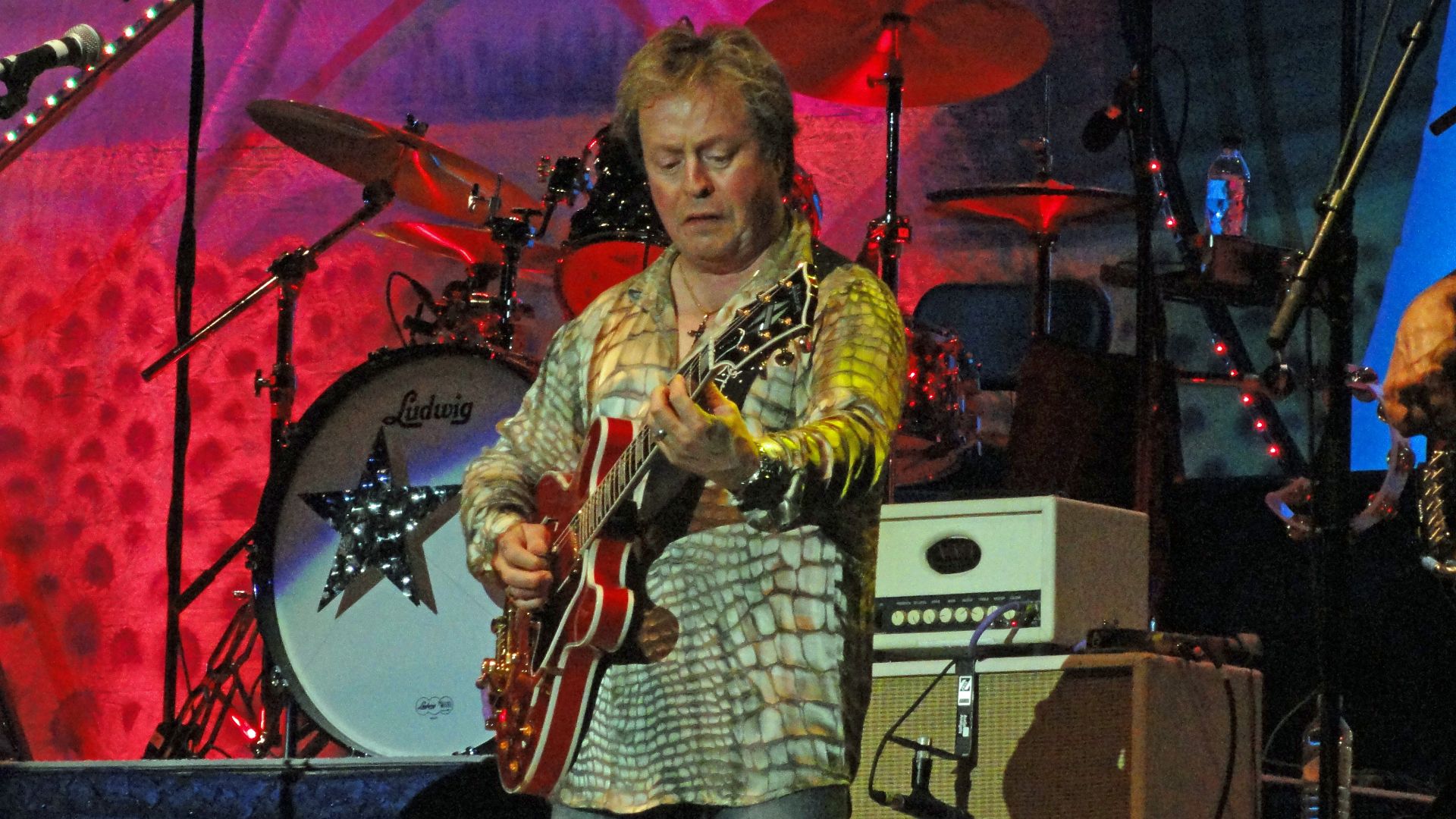
“Rock and Roll, Hoochie Koo” (Rick Derringer)
Raw, loud, and proudly unpolished. Younger Boomers heard swagger. Older Boomers who grew up on early 60s pop polish sometimes just hear distortion. If your formative years involved matching suits and tidy harmonies, this felt like chaos.
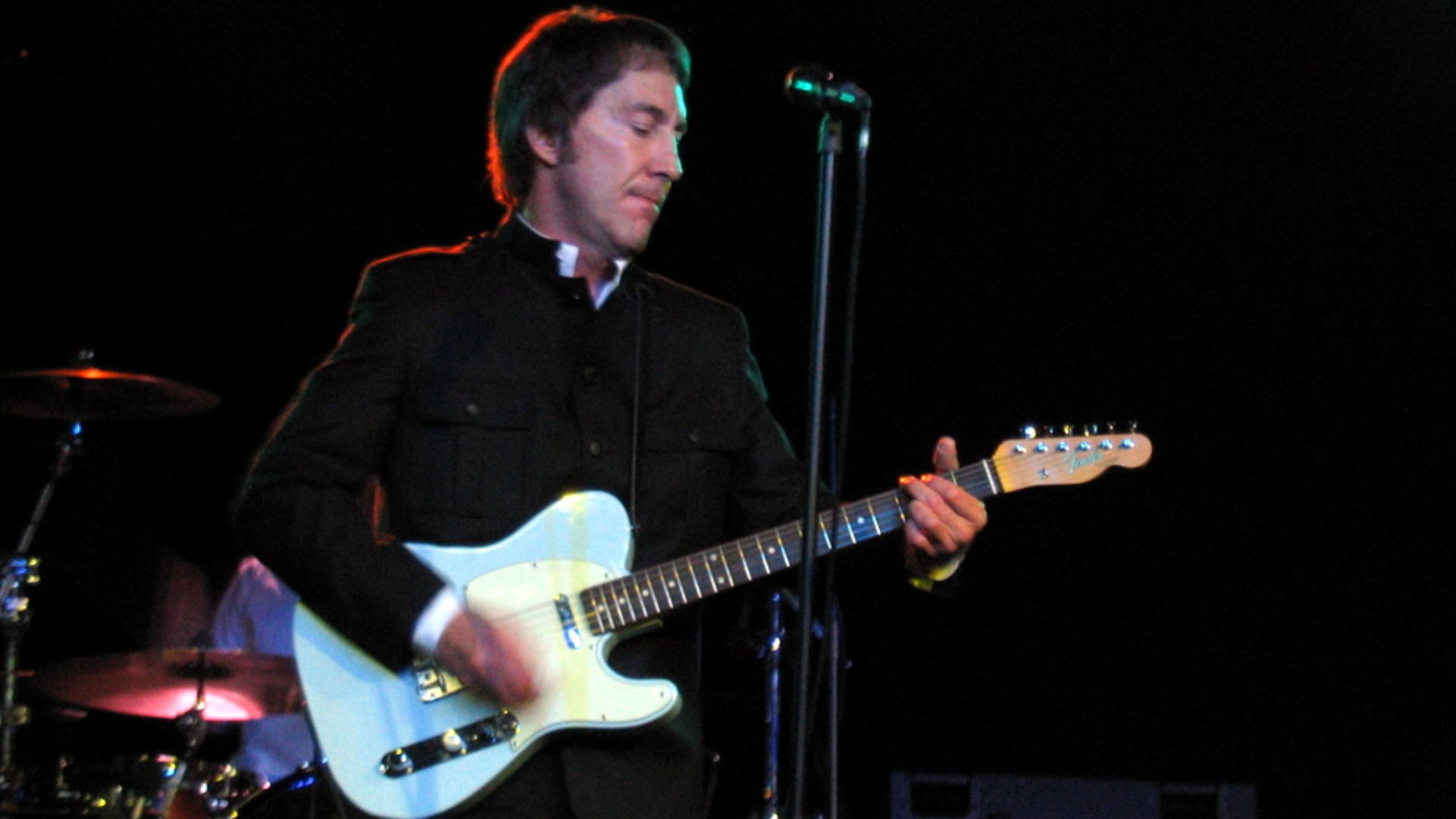
“My Sharona” (The Knack)
For younger Boomers, this was unavoidable. Radio saturation level: extreme. Older Boomers may remember it vaguely as “that late-70s song” but don’t always grasp how inescapable it actually was. If you were 16 in 1979, it practically followed you home.
 James No from Seattle, WA, Wikimedia Commons
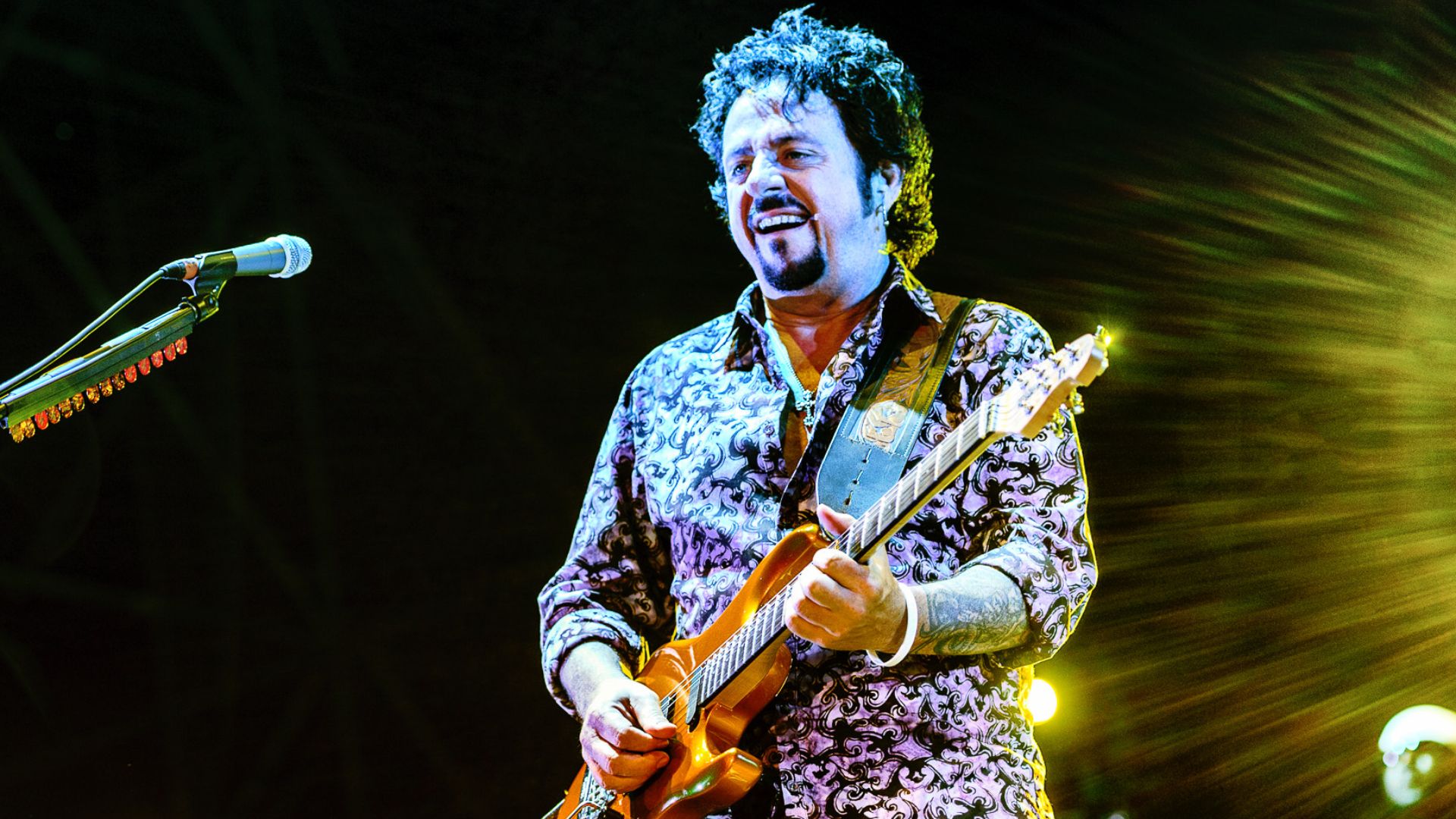
“Hold the Line” (Toto)
Polished. Precise. Big production. Younger Boomers embraced it as radio perfection. Older Boomers sometimes hear it and think the 70s got a little too shiny. If your coming-of-age soundtrack had tambourines instead of synthesizers, this one doesn’t hit the same.
 Gianni Guerra, Wikimedia Commons
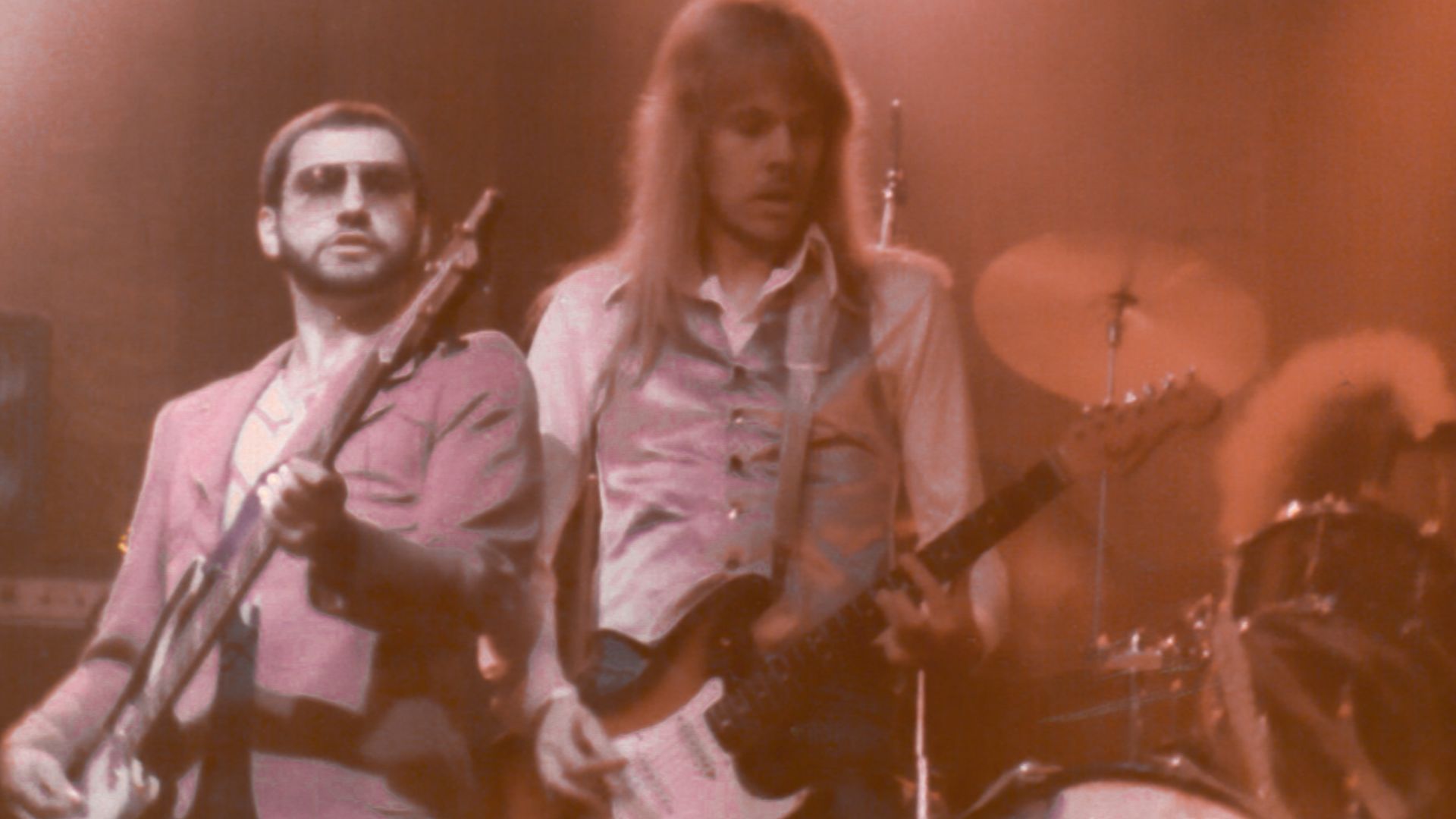
“Renegade” (Styx)
The harmonies. The drama. The volume. Younger Boomers still sing along instinctively. Older Boomers often only recognize it from sporting events or classic rock playlists. Buying your own records in 1978 makes a difference.
 Donald Lee Pardue, Wikimedia Commons
“We’re an American Band” (Grand Funk Railroad)
Younger Boomers treated this like a declaration. Older Boomers sometimes shrug and return to their British Invasion glory days. Arena rock landed hardest if you were just young enough to feel unstoppable when it arrived.
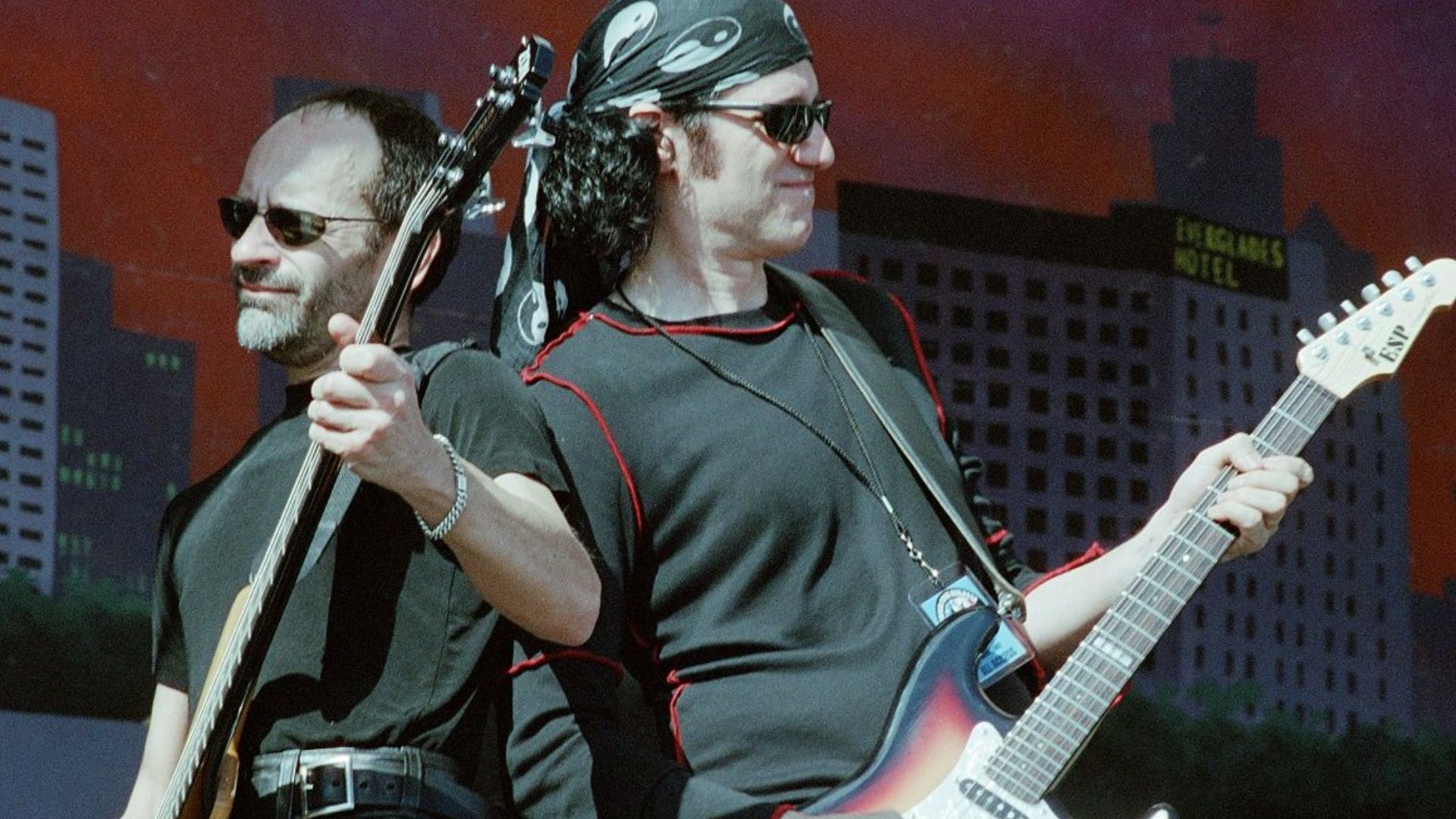 Carl Lender at https://www.flickr.com/photos/clender/, Wikimedia Commons
“Sister Christian” (Night Ranger)
Younger Boomers remember this blasting out of car speakers at night like it was legally required. Older Boomers were already done discovering new arena rock bands by the early 80s. Some only recognize it because of Boogie Nights—which either clarified or complicated things.
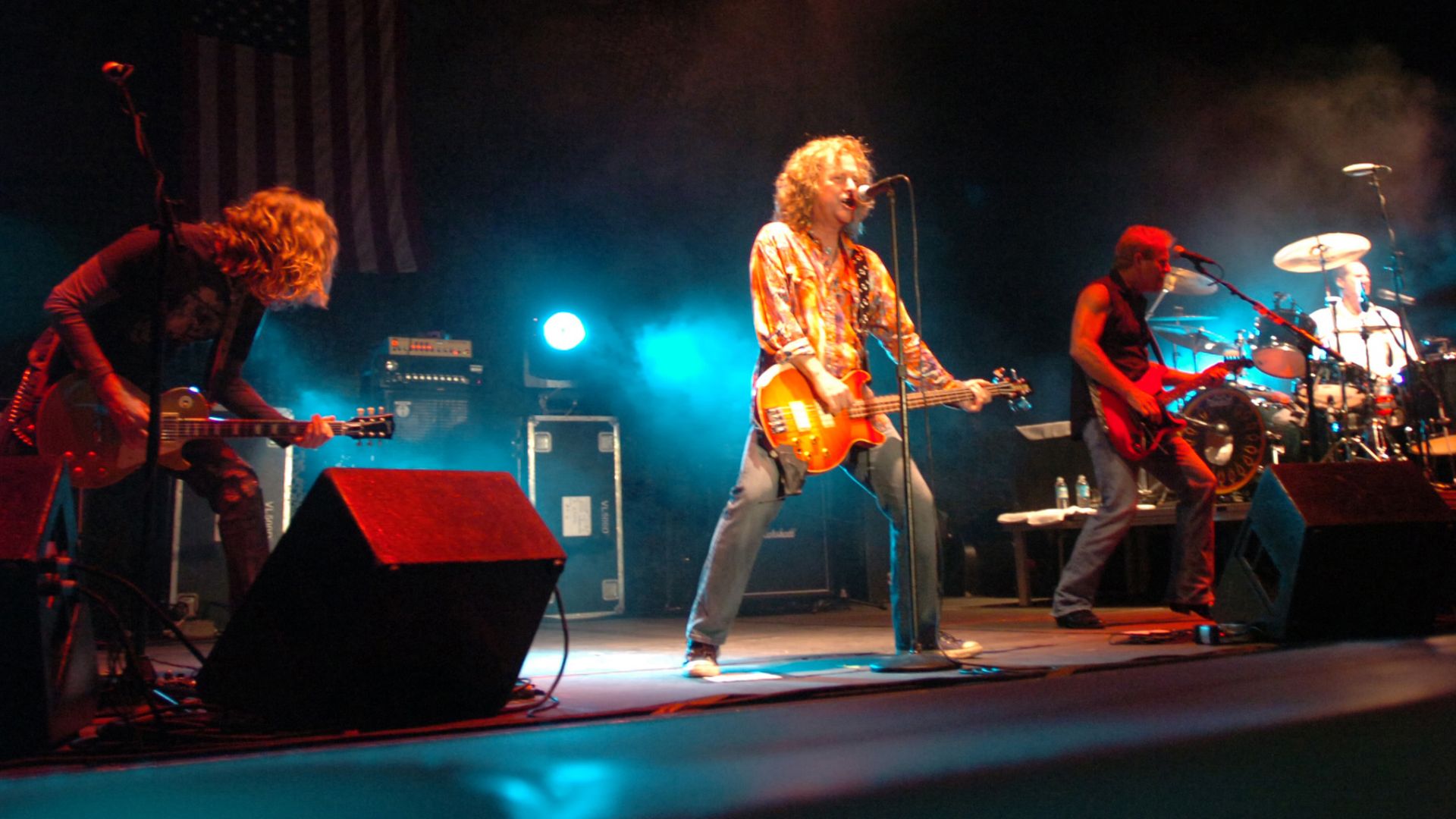 JTF Guantanamo photo by Navy Petty Officer 3rd Class William Weinert, Wikimedia Commons
“Slow Ride” (Foghat)
This was cruising music. Windows down. Questionable mustaches. Older Boomers might file it under “generic 70s guitar stuff.” Younger Boomers remember exactly where they were when that riff hit the airwaves.
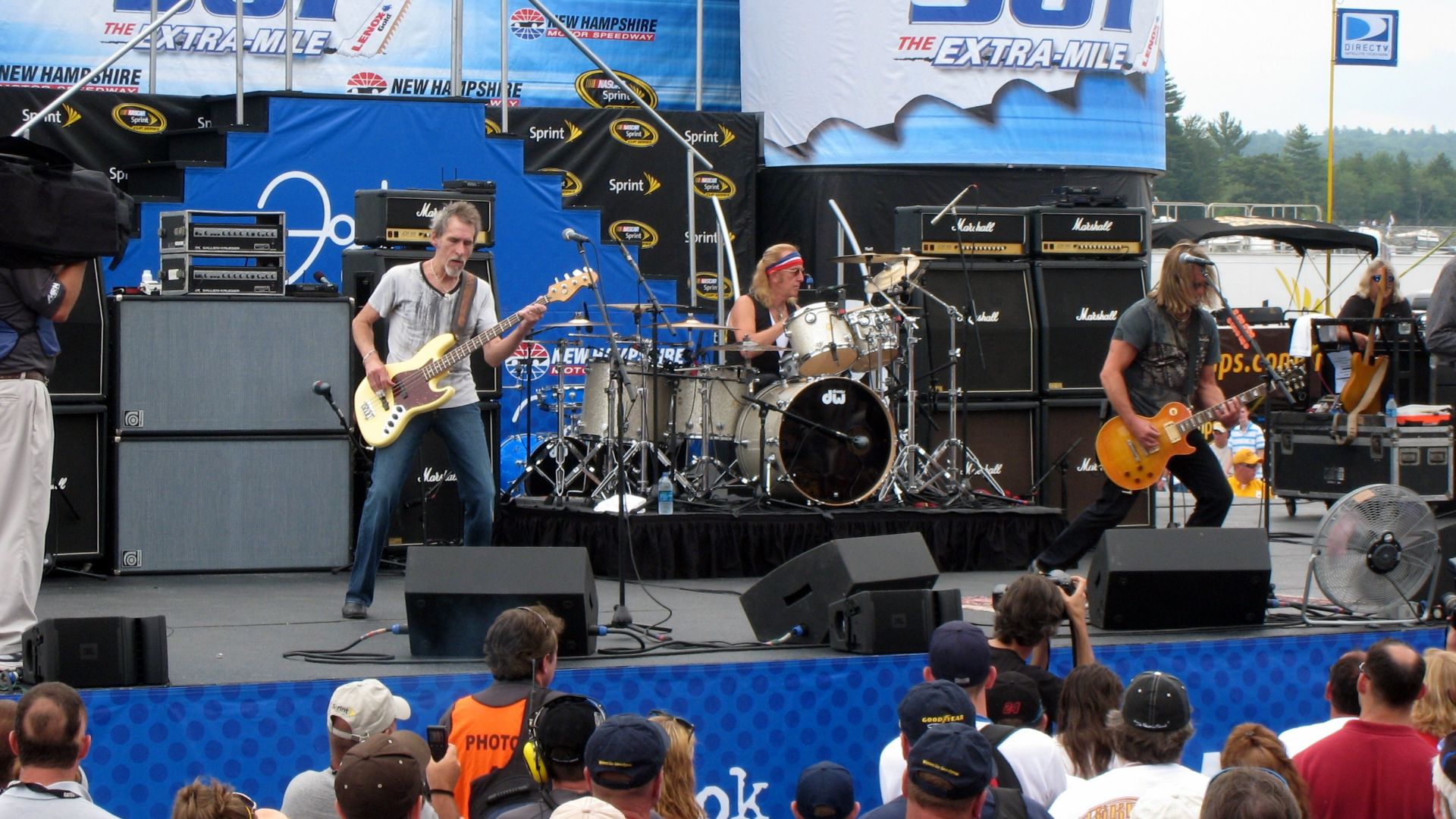 Jeff L from Epping, NH, USA, Wikimedia Commons
“Barracuda” (Heart)
Aggressive and unforgettable. Younger Boomers loved the punch. Older Boomers raised on softer early-60s harmonies sometimes find it intense. Same band. Very different teenage soundtrack.
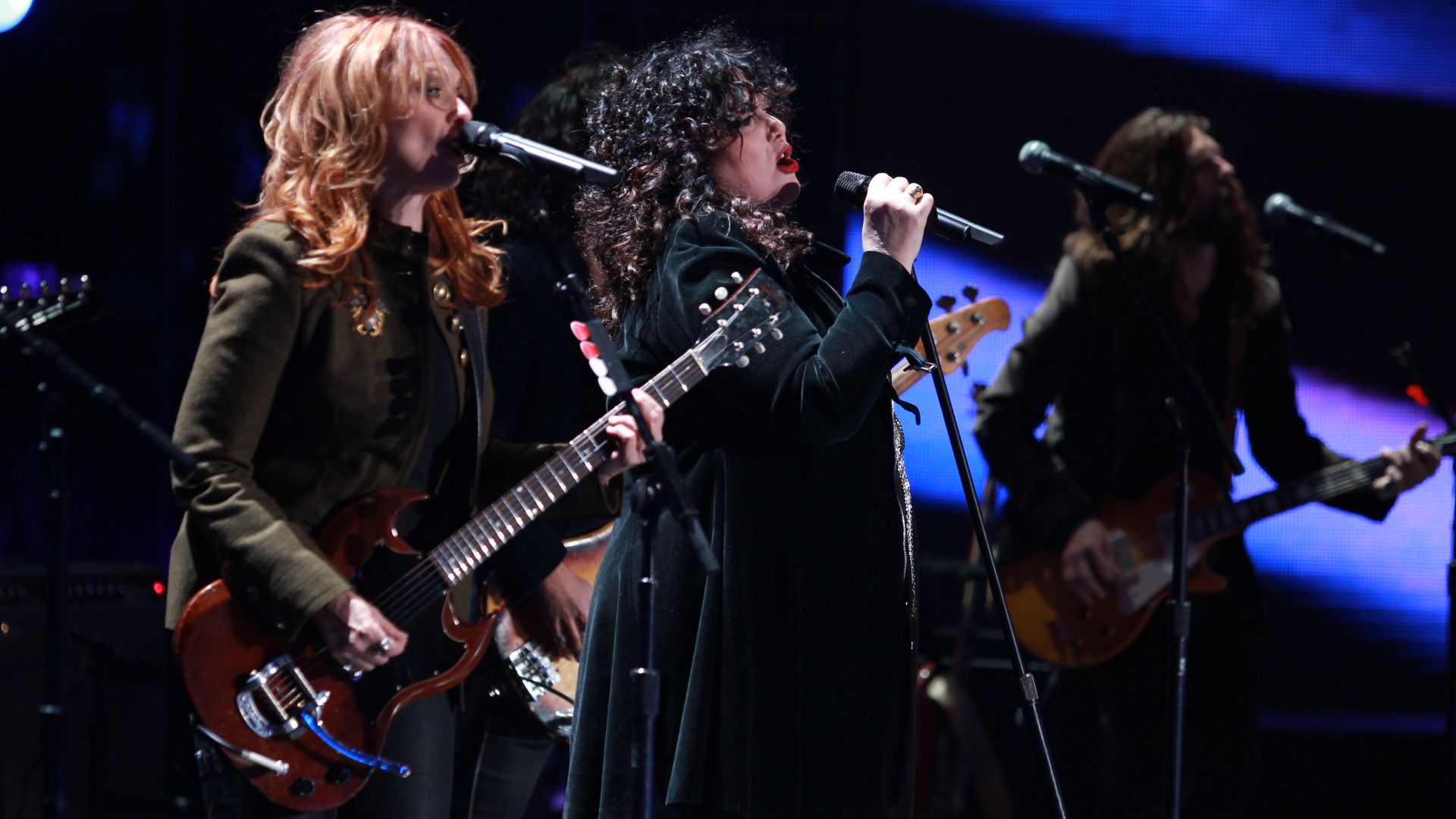
“Takin’ Care of Business” (Bachman-Turner Overdrive)
Younger Boomers heard this as the ultimate “I’ve got my own paycheck now” anthem. Older Boomers were more likely to associate rebellion with protest songs than office-adjacent rock swagger. Same generation—different milestones.
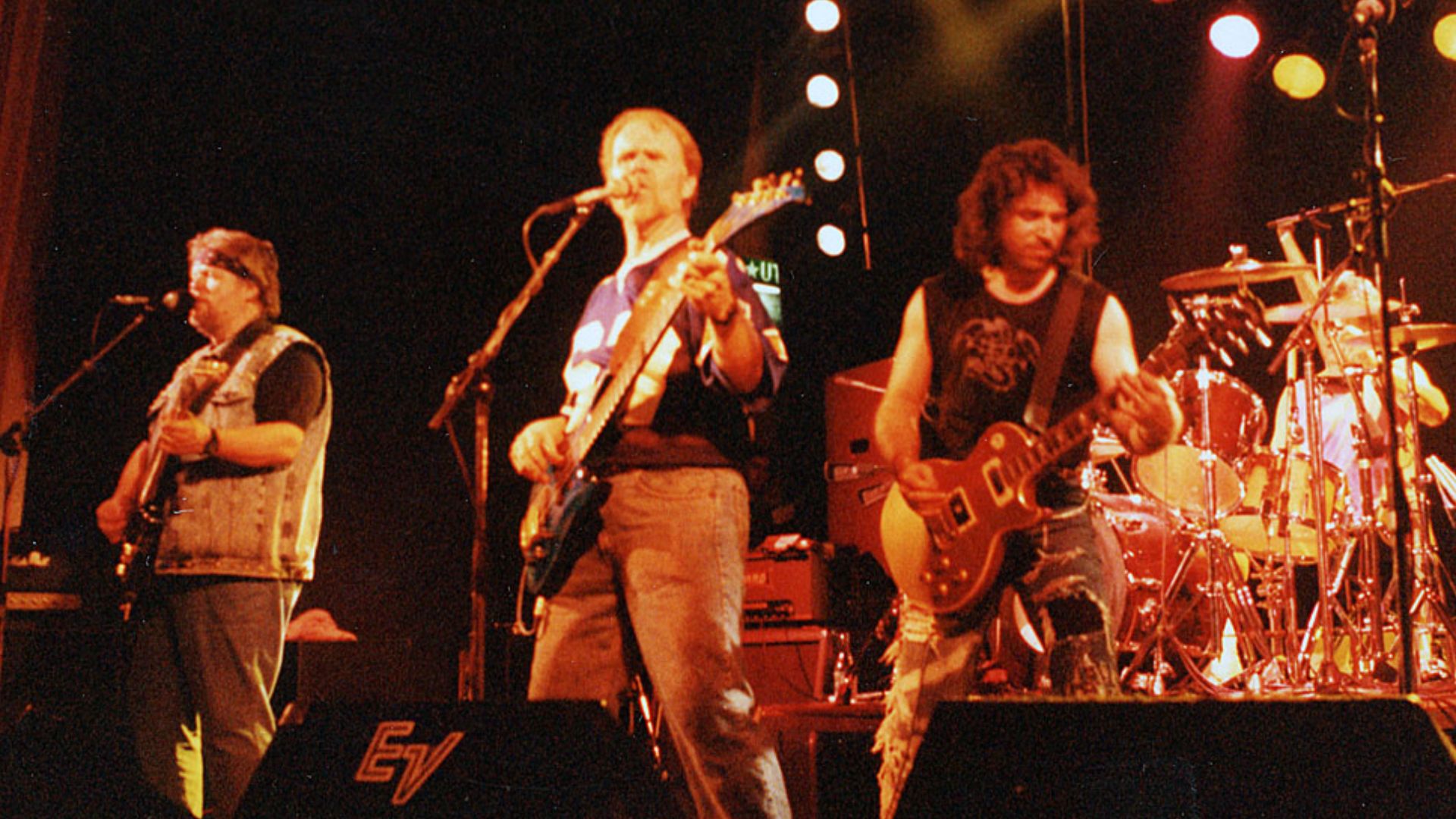 Håkan Henriksson (Narking), Wikimedia Commons
“Fly Like an Eagle” (Steve Miller Band)
Cool, spacey, and slightly futuristic. Younger Boomers heard possibility. Older Boomers sometimes hear background music at a home improvement store. Nostalgia depends heavily on what year you turned 17.
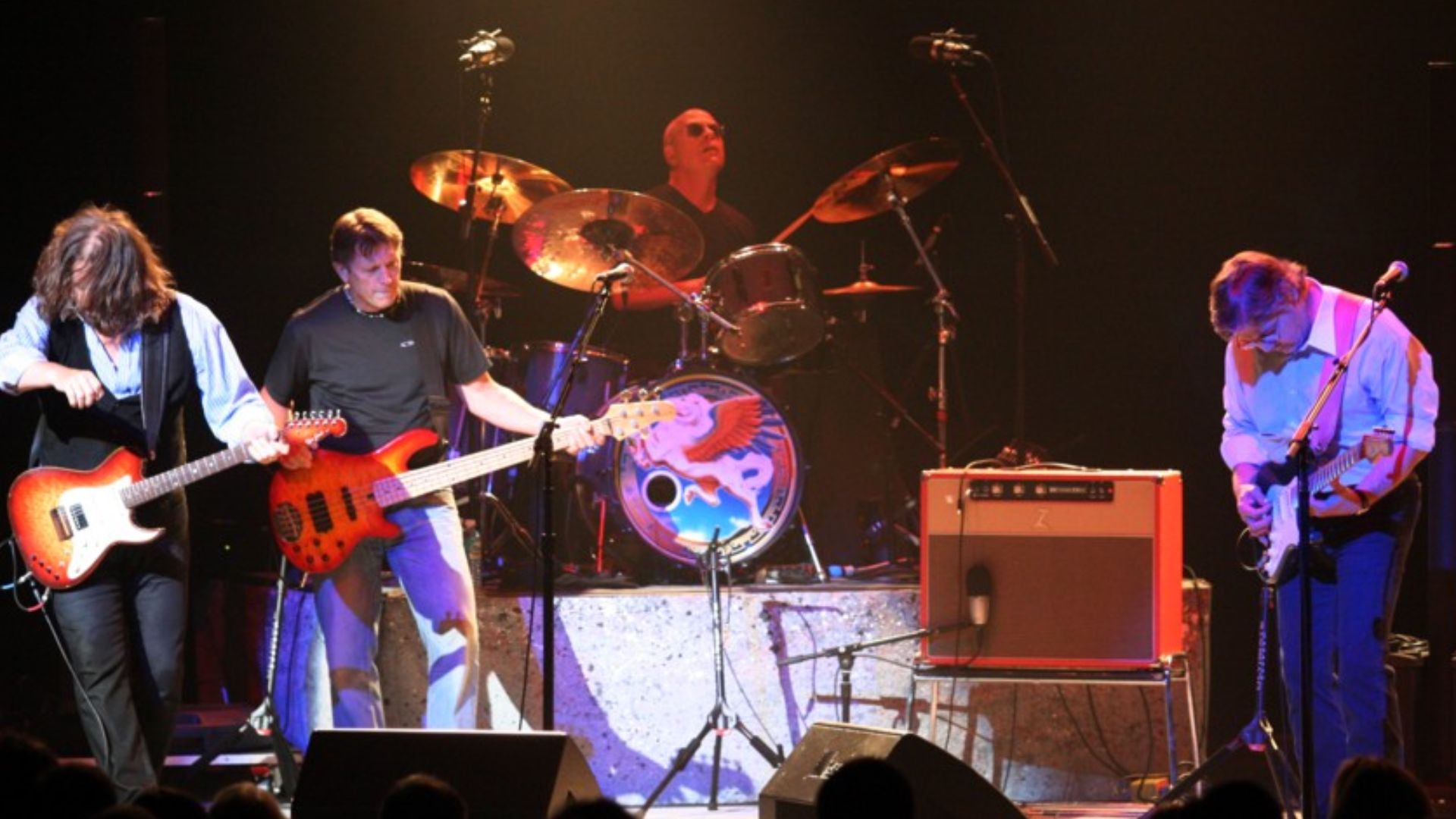 Craig ONeal, Wikimedia Commons
“Come Sail Away” (Styx)
Piano ballad… then sudden space opera. Younger Boomers embraced the drama. Older Boomers sometimes hear it and think, “We went from civil rights marches to aliens?” The 70s were a ride.
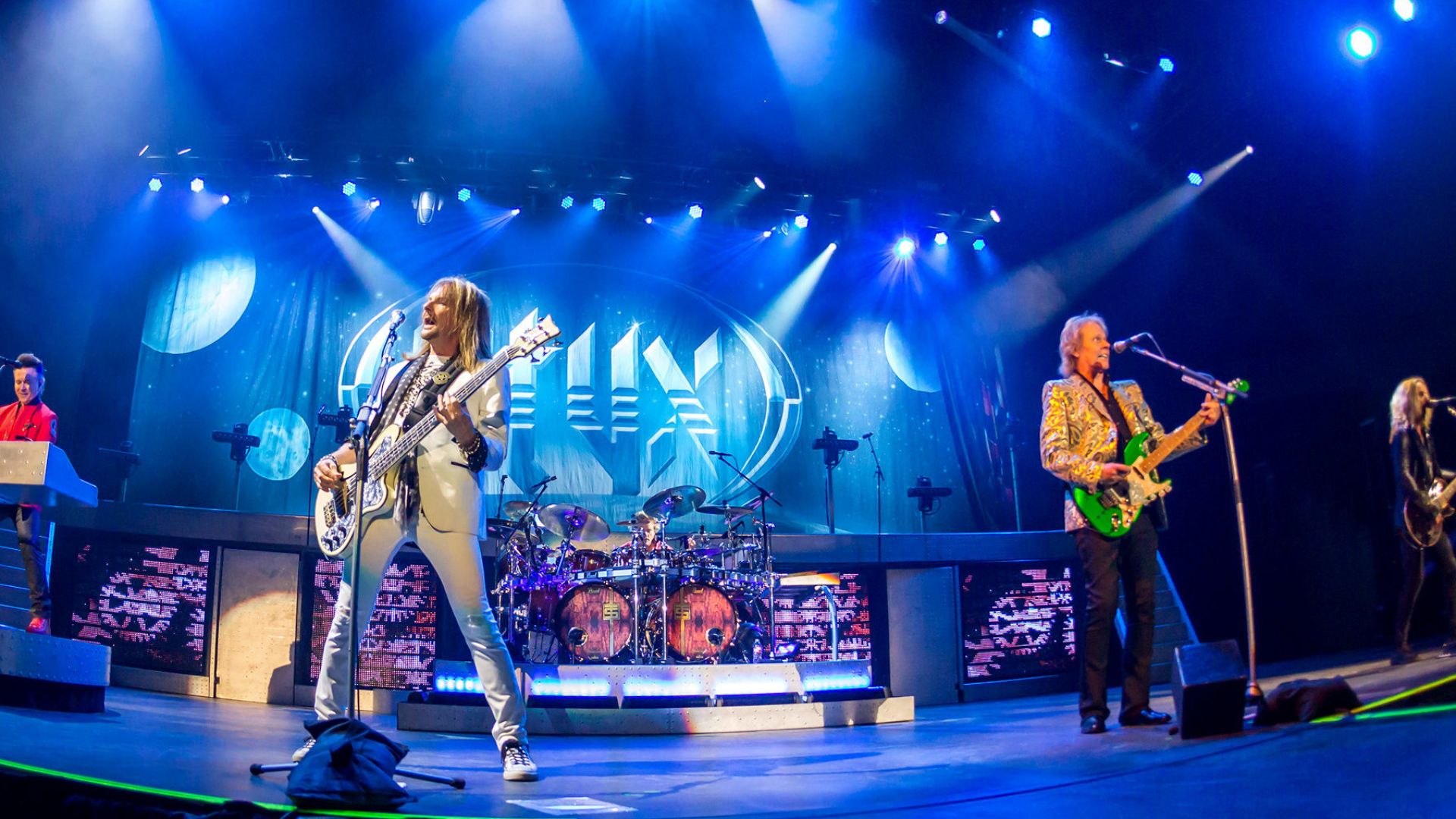 Ralph Arvesen, Wikimedia Commons
“Magic Man” (Heart)
For younger Boomers, Heart was powerful and loud in all the right ways. Older Boomers remember girl groups and early folk revival more vividly. Magic Man hits differently depending on whether your teen idol was Ann Wilson or Peter, Paul and Mary.
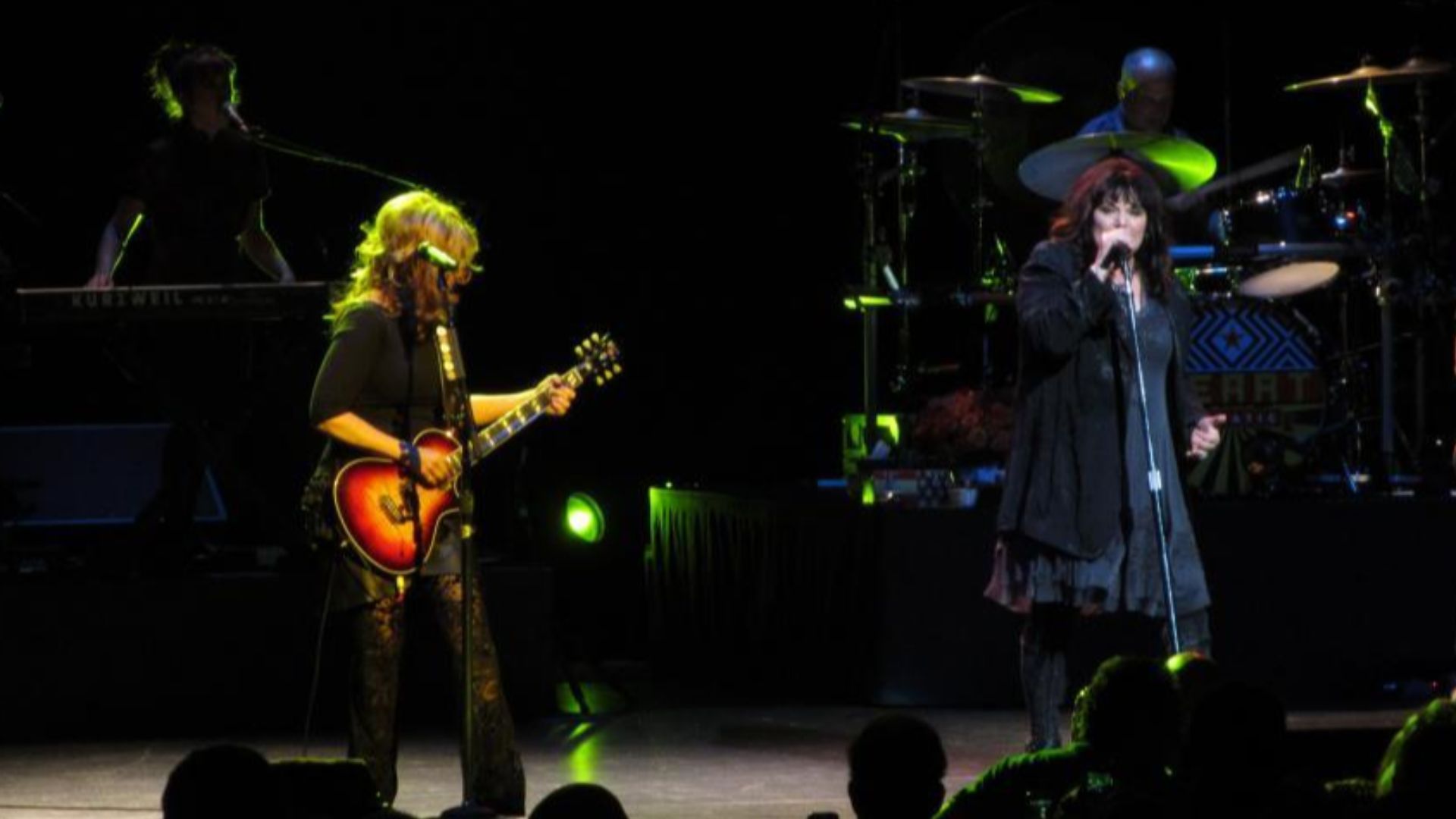 Mick man34 at English Wikipedia, Wikimedia Commons
“Blinded by the Light” (Manfred Mann’s Earth Band)
Older Boomers might remember the Springsteen original. Younger Boomers remember the bombastic, keyboard-heavy version that absolutely dominated FM radio. One thing we all have in common, though? Almost none of us confidently know the actual lyrics after he says “revved up.” We’ve all been singing…something…for decades—and hoping no one notices.
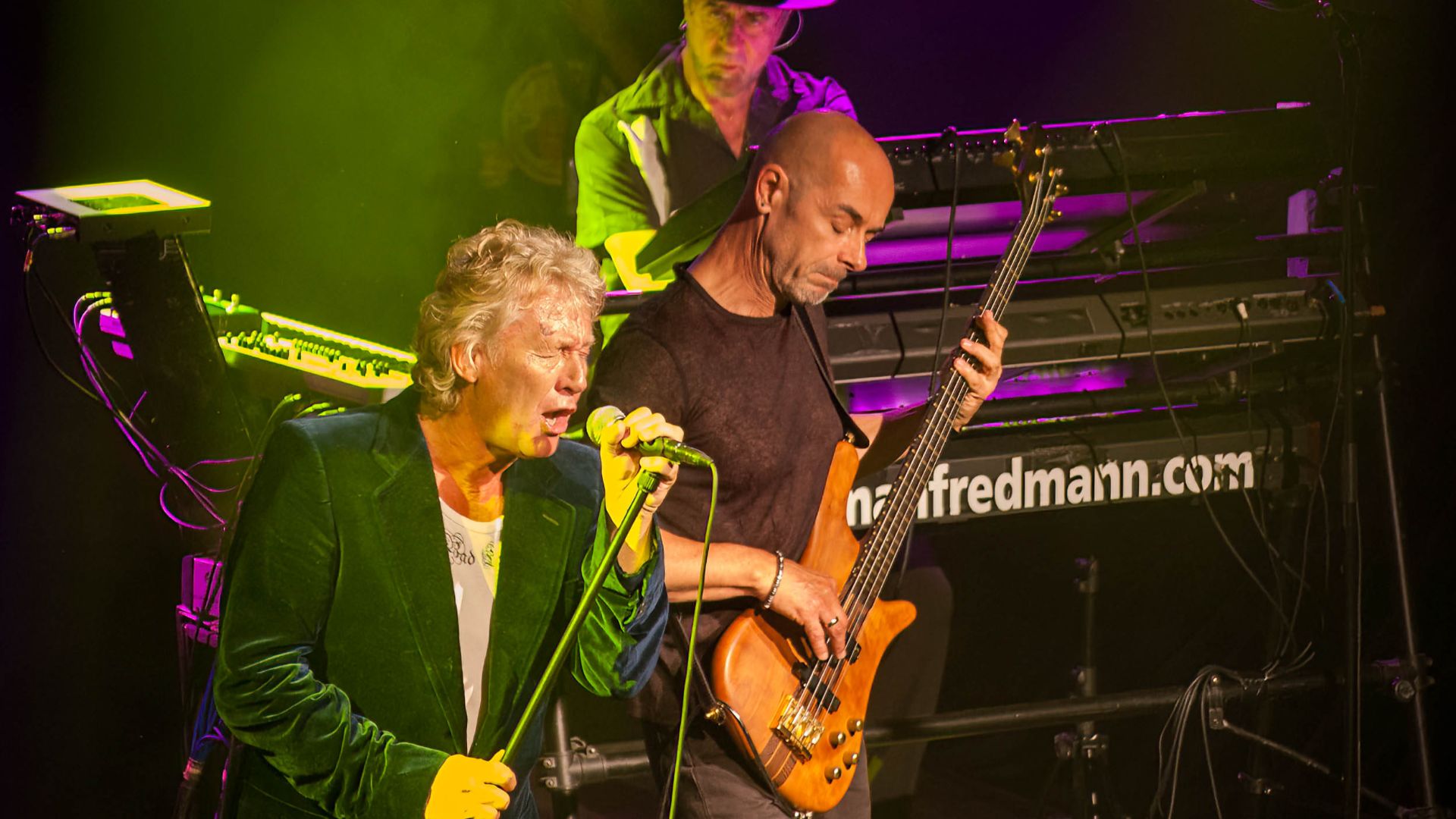 Hans Olav Elsebø, Wikimedia Commons
“Turn the Page” (Bob Seger)
Younger Boomers felt seen by this one. Road life, restlessness, late nights. Older Boomers often tie Seger more loosely to their youth. It resonates strongest if you were just starting to understand what adulthood actually meant.
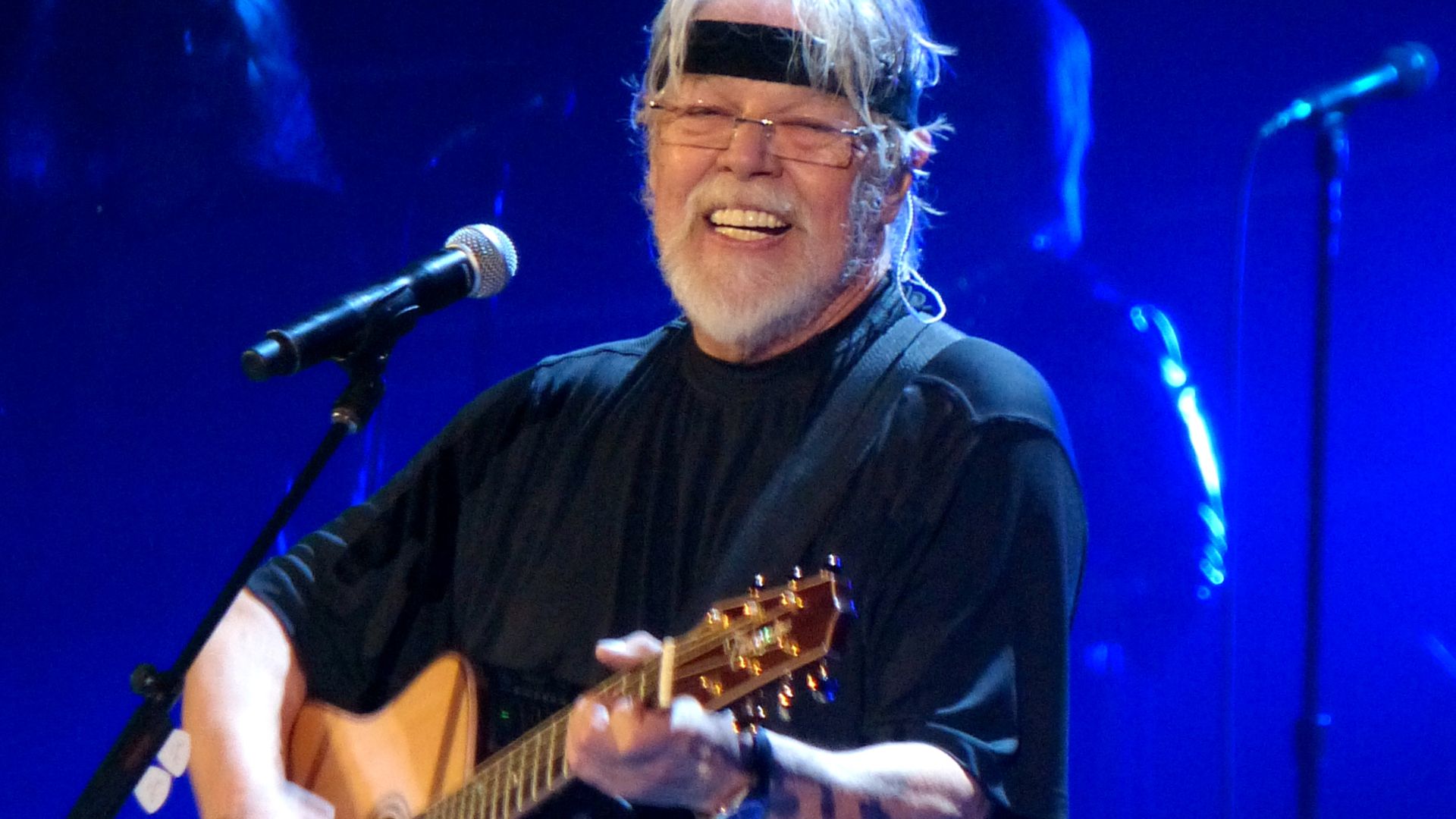 Adam Freese - Mitchell, SD, Wikimedia Commons
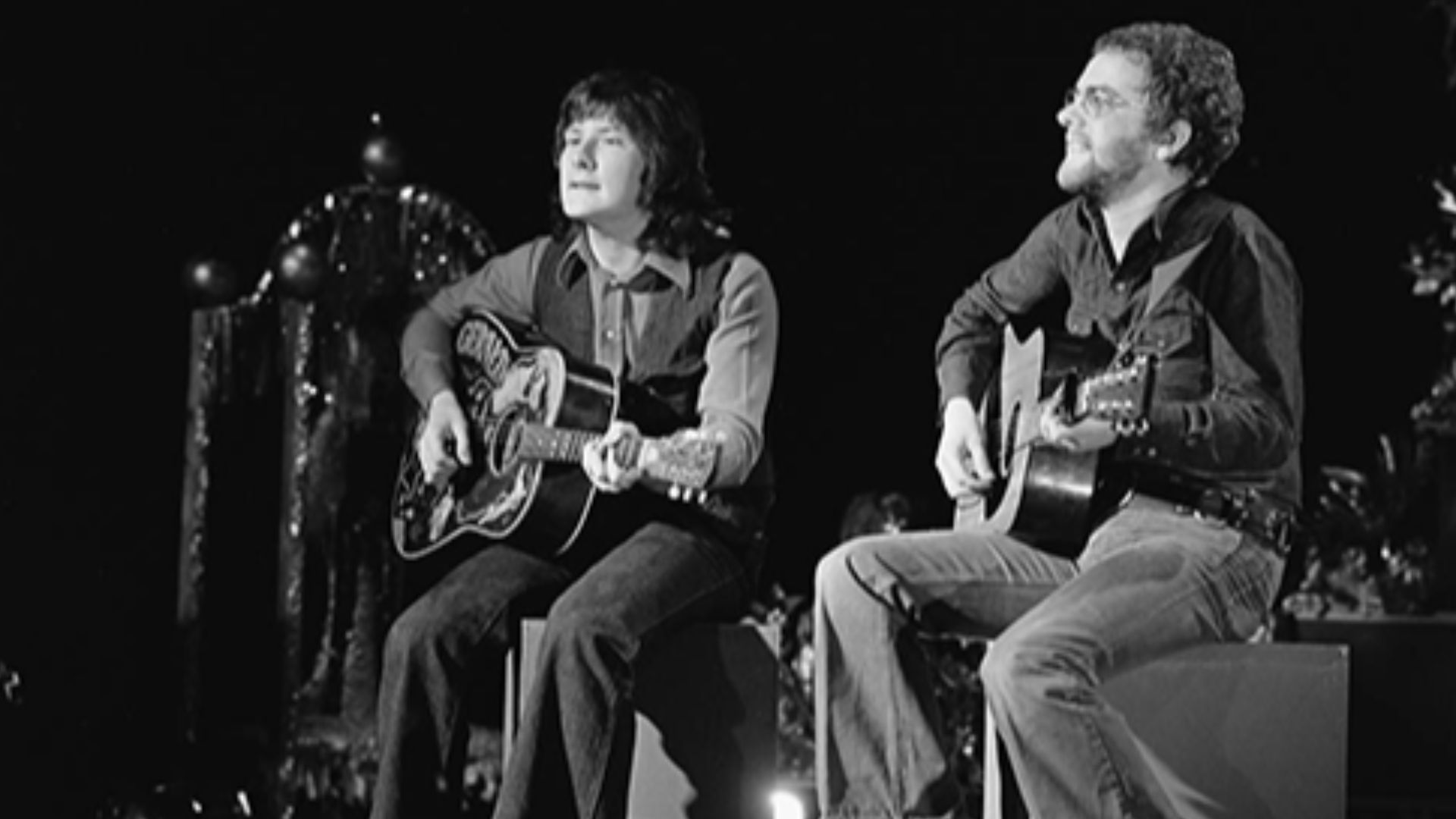
“Baker Street” (Gerry Rafferty)
That sax riff is undeniable. Younger Boomers associate it with late-70s adulthood creeping in. Older Boomers may recognize it but don’t attach it to a high school memory. It’s the difference between “great song” and “our song.”
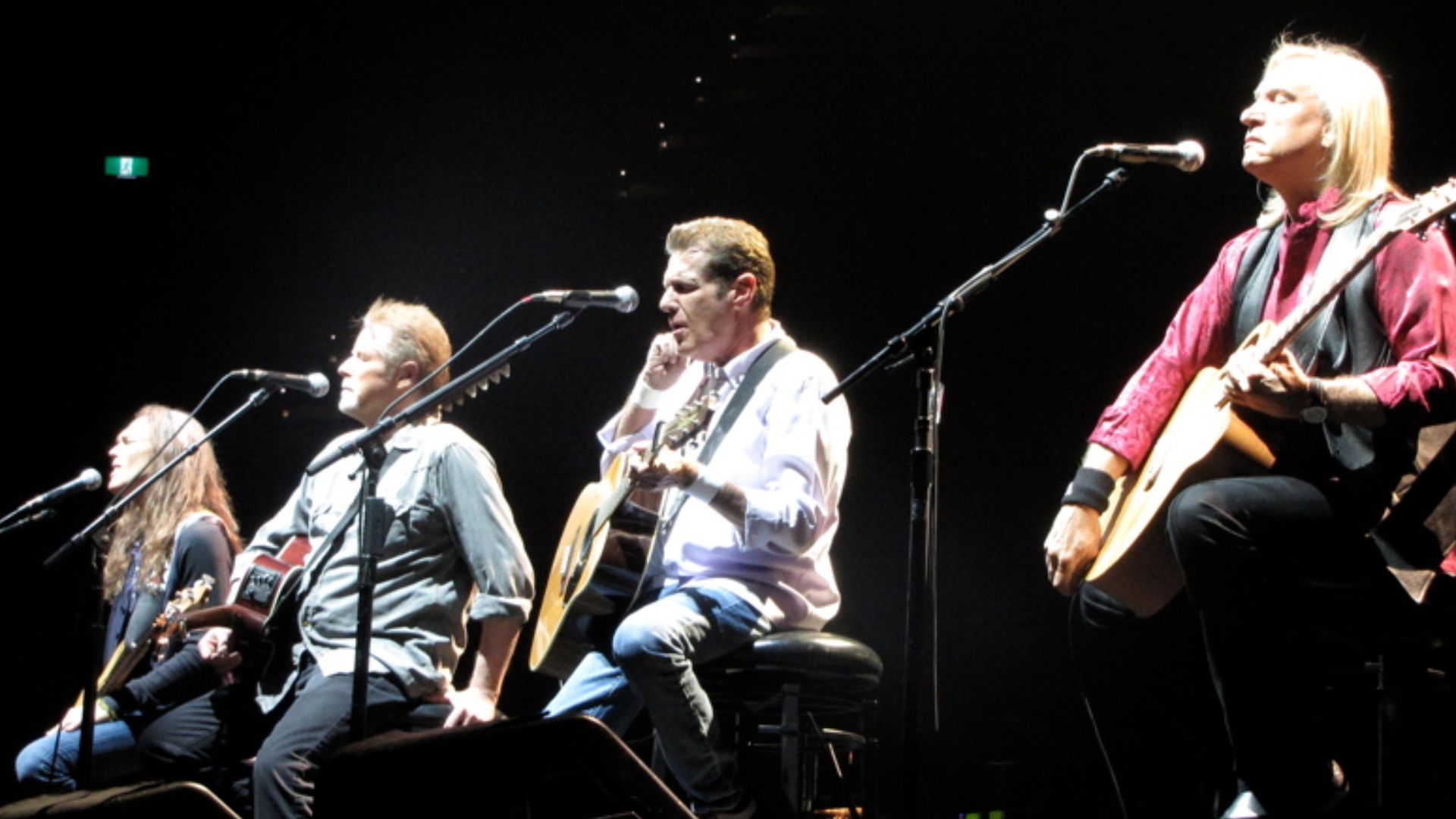
“Life in the Fast Lane” (Eagles)
The Eagles crossed generations—but this one especially resonated with younger Boomers watching 70s excess unfold in real time. Older Boomers often connect more strongly with early 70s singer-songwriter material instead.
“Don’t Fear the Reaper” (Blue Öyster Cult)
Moody. Dramatic. Slightly spooky. Younger Boomers loved the mysterious vibe. Older Boomers sometimes remember flower power more vividly than cowbell. And yes—Saturday Night Live made sure the cowbell outlived everything.
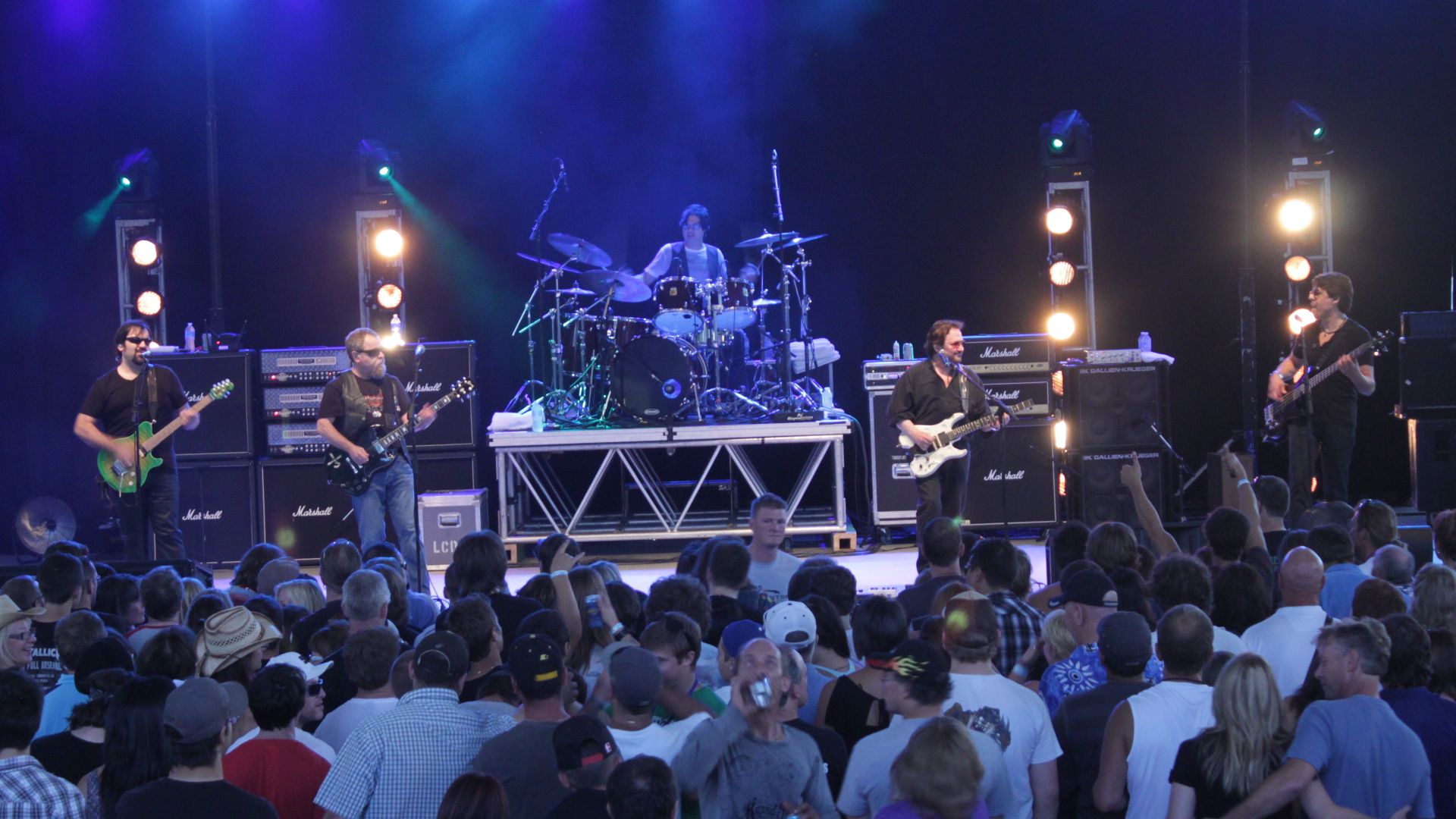
“Dream On” (Aerosmith)
It came out early—but it landed hardest mid-decade when younger Boomers claimed it. That scream at the end? Pure teenage release. Older Boomers were more likely to stay loyal to the Stones and Beatles era.
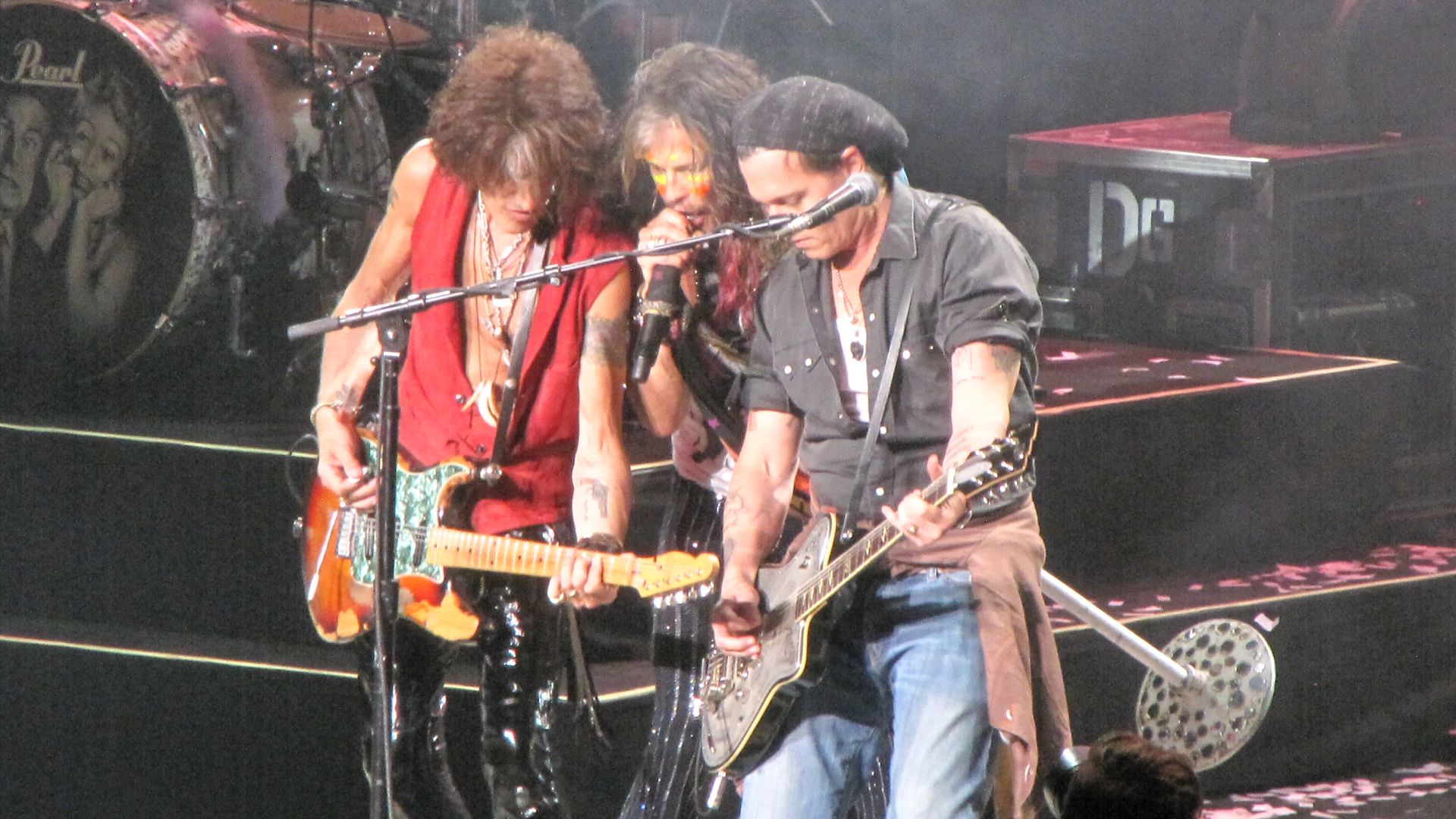 https://www.flickr.com/photos/bobnjeff/14498259708/, Wikimedia Commons
“Carry On Wayward Son” (Kansas)
Younger Boomers treated this like scripture with distortion. Air drums required. Older Boomers sometimes hear it and think, “Is this prog-rock church?” If you were the right age, you believed every dramatic second.
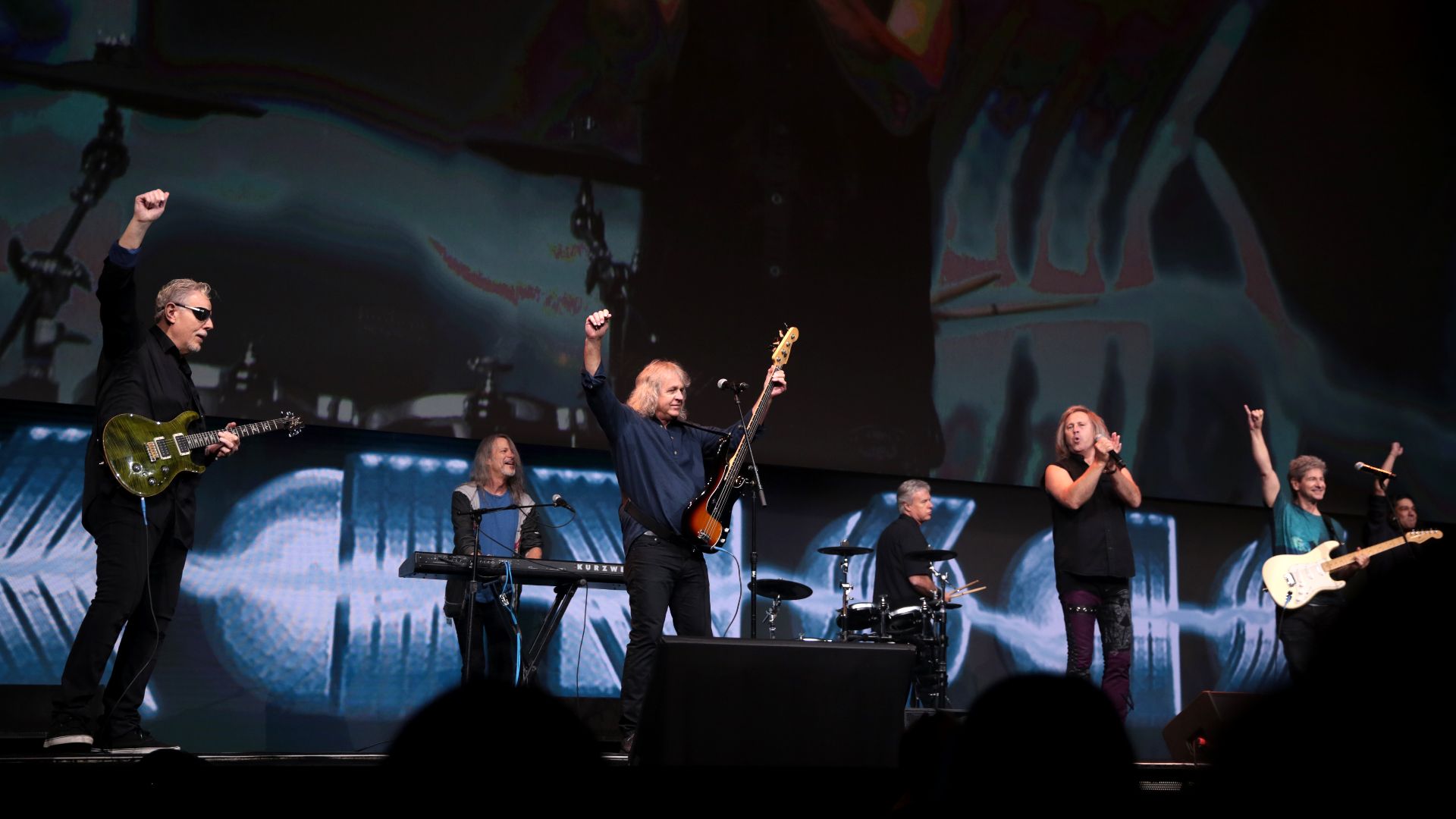 Gage Skidmore, Wikimedia Commons
“More Than a Feeling” (Boston)
For younger Boomers, this wasn’t just a hit—it was a graduation ceremony in guitar form. Older Boomers often just nod politely. To them, Boston is either a city or something that happened after the British Invasion ended.
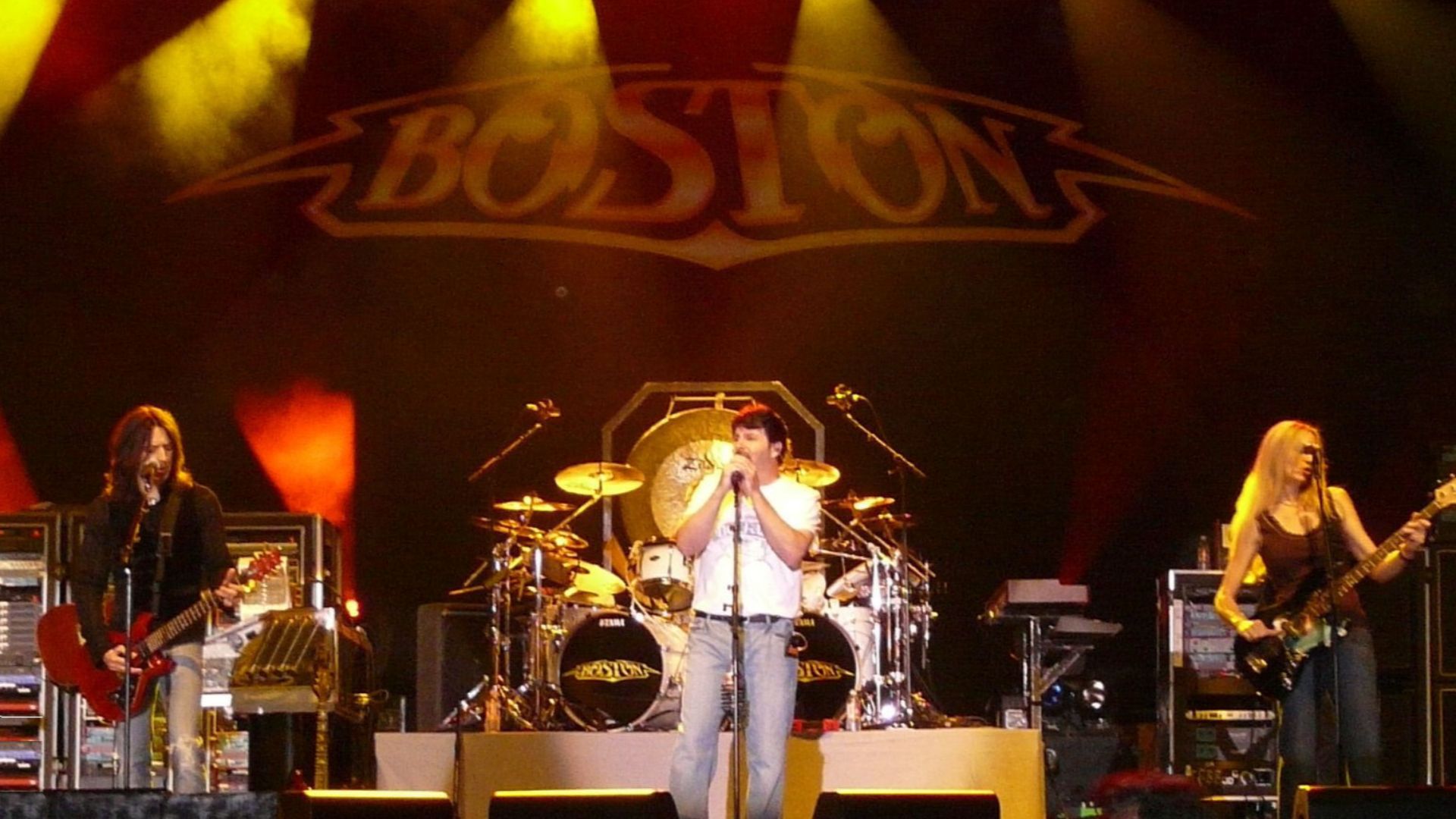 Matt Becker, Wikimedia Commons
You Might Also Like:
Forget The Critics: These Are The 50 Greatest Albums Of All Time—Do You Agree?
Modern Sci-Fi TV Shows You Didn’t Realize Were Rip-Offs Of Shows From The 60s And 70s