The Backbone Of Rock
Rock fans are more likely to celebrate lead guitarists, songwriters and epic frontmen, but the drummer has always been the engine that drives everything forward. From explosive power to subtle groove, the best rock drummers remind us all that without them, we’d all be nowhere. This ranking draws on expert lists and fan polls to highlight the drummers who shaped the sound of rock through the decades.
 Fin Costello/Redferns, Getty Images
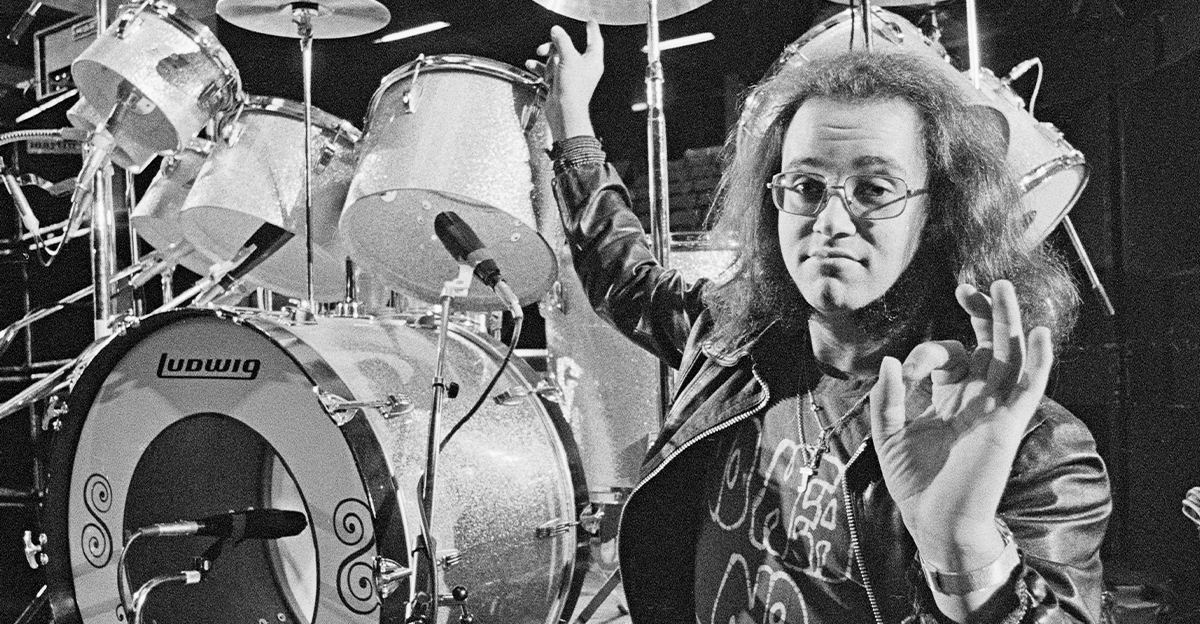
Bill Ward — Black Sabbath
Bill Ward helped invent heavy metal drumming with a style rooted in a clear jazz influence but delivered with crushing authority. His work on the early Black Sabbath albums blends swing, chaos, and precision, forming the backbone of the metal sound. Ward’s ability to shift between delicate passages and thunderous attacks set a high bar for future generations of metal drummers to aspire to.
 Vertigo Records, Wikimedia Commons
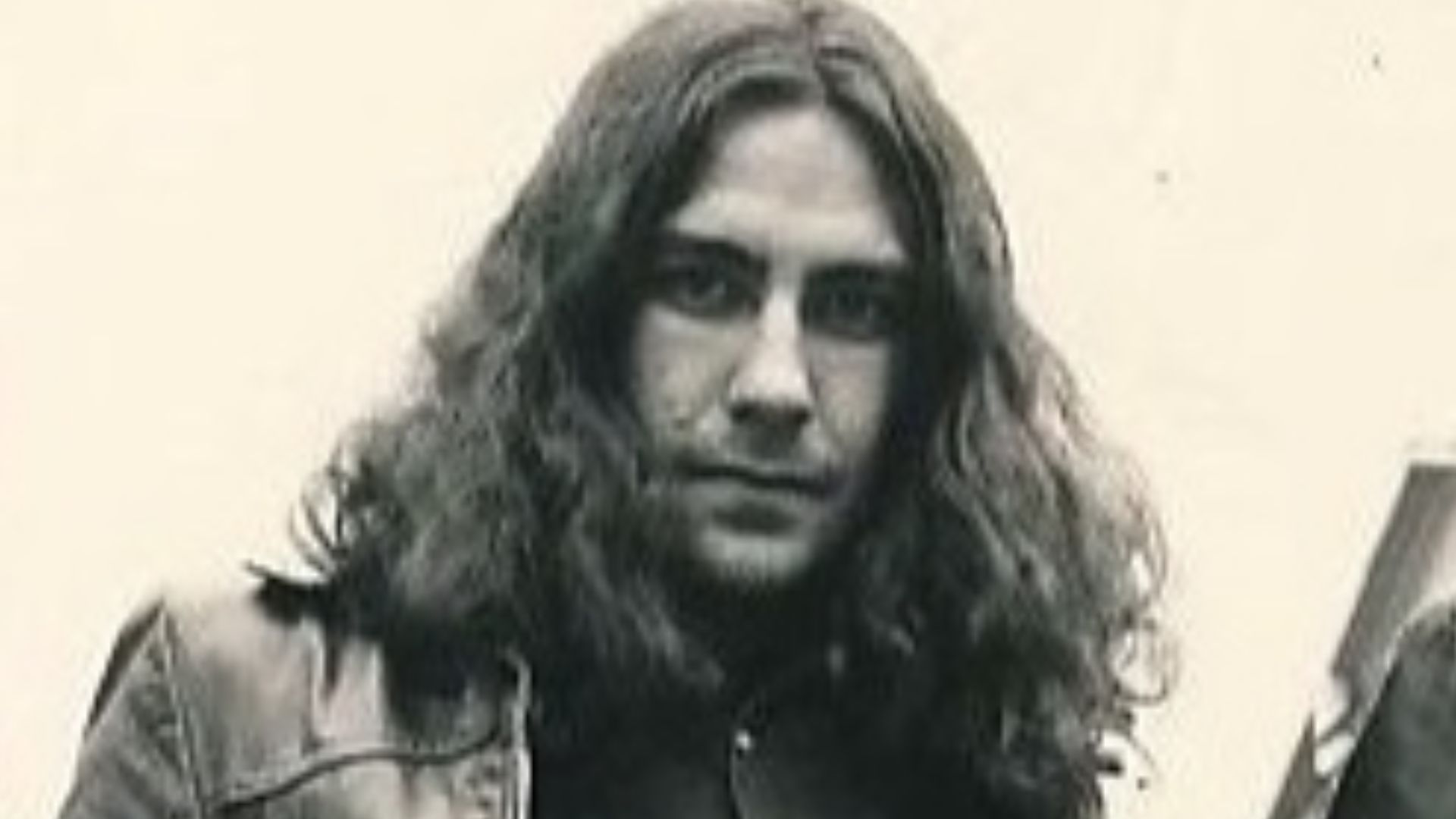
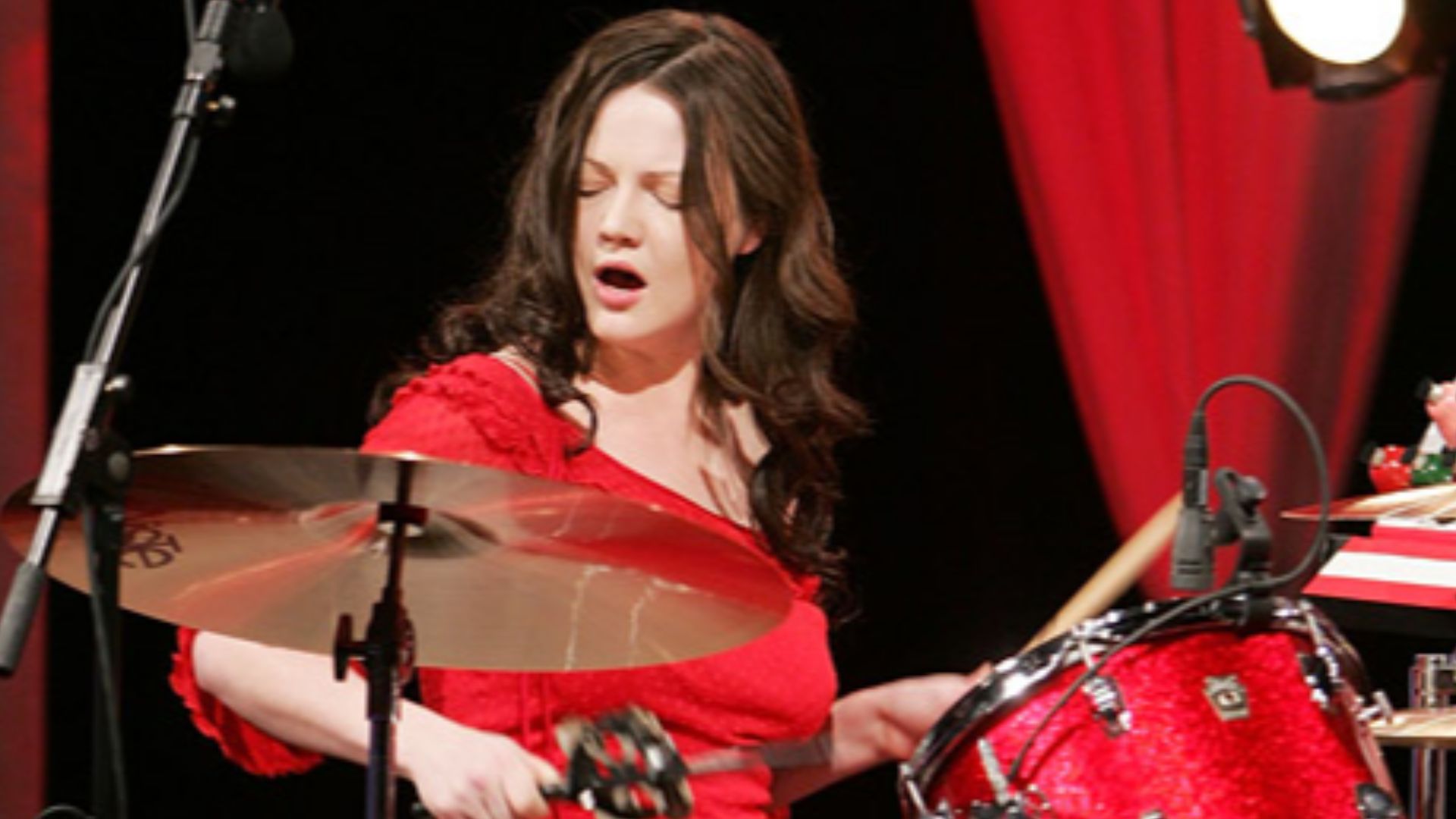
Meg White — The White Stripes
Meg White proved that simplicity can be powerful. Her minimalist approach gave The White Stripes a raw, primal energy that spurred a garage rock revival. Rather than technical flash, she focused on feel and timing, showing that restraint and personality can be just as impactful as lightning-fast slam-bang hand and foot action in rock drumming.
 John Griffiths, Wikimedia Commons
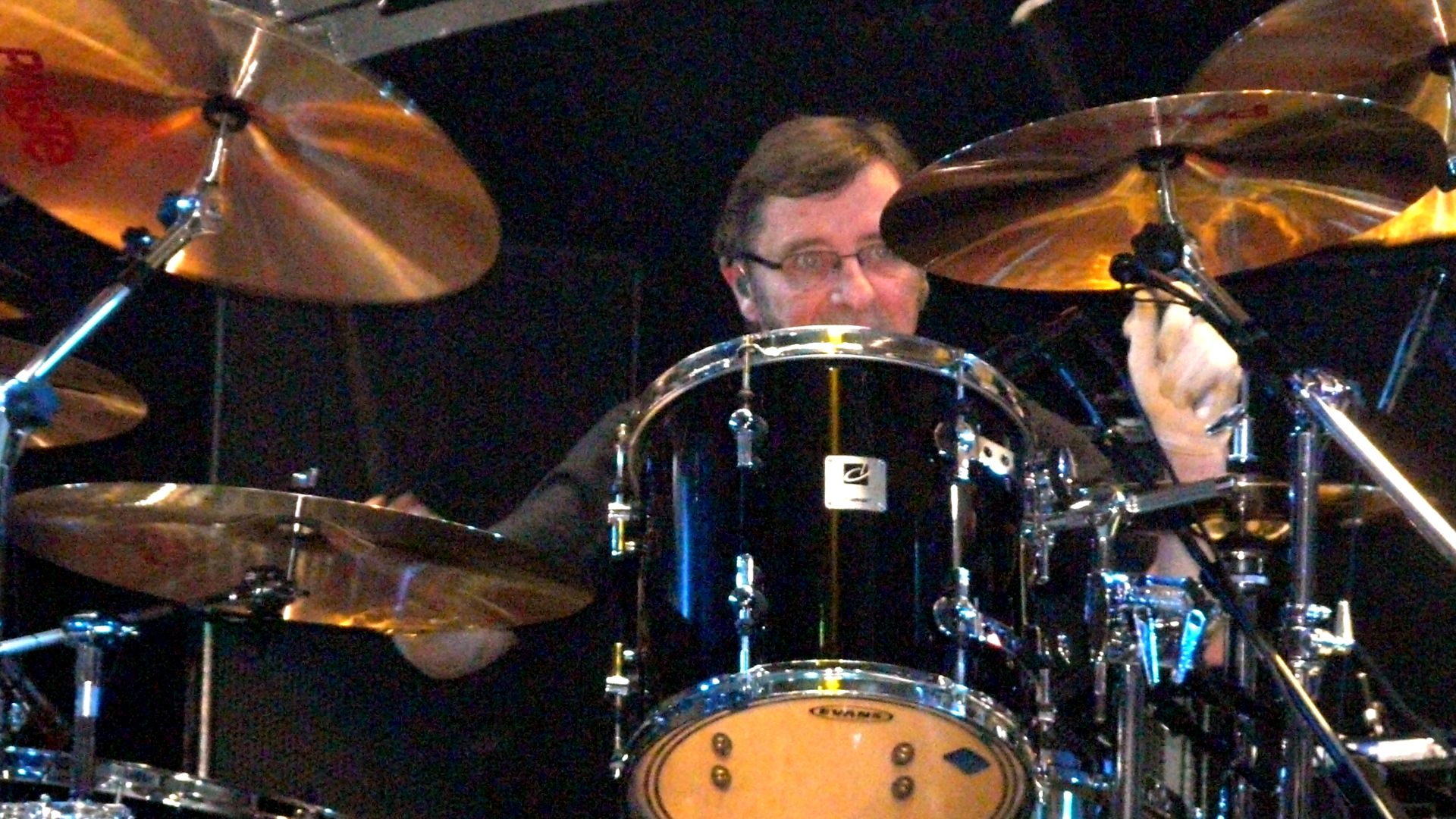
Phil Rudd — AC/DC
Phil Rudd’s drumming is a zen-like masterclass in consistency and groove. His steady, no-nonsense style became inseparable to AC/DC’s sound, locking in with the bands guitars to generate some of the most recognizable rhythms in rock’n’roll. Rudd proved that discipline and timing can be just as important as speed or technical flair.
 Matt Becker, Wikimedia Commons
Taylor Hawkins — Foo Fighters
Taylor Hawkins brought incendiary energy and charisma to the Foo Fighters. Influenced by many of the previous classic rock drummers described elsewhere in this article, his playing was a blend of power with melodic phrasing. Hawkins wasn’t just marking time, but providing the driving force in the band’s live performances, elevating songs with his dynamic and passionate approach.
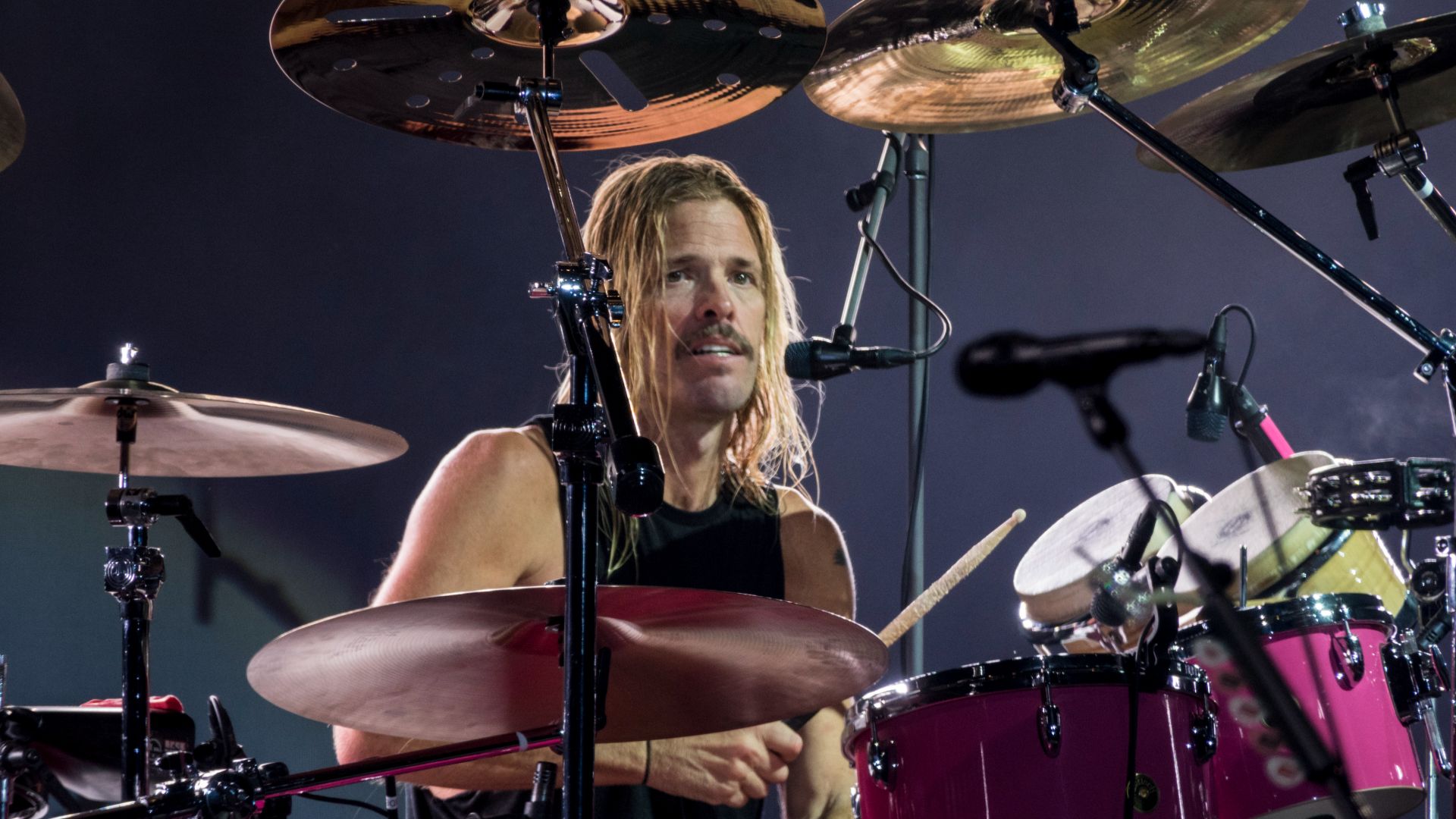
Nick Mason — Pink Floyd
Nick Mason’s drumming served the atmosphere of Pink Floyd’s music rather than dominating it. His restrained, textural style helped to create the band's immersive soundscapes, particularly on albums like The Dark Side of the Moon (1973). Mason’s contribution shows how drumming can enhance mood and storytelling in rock music.
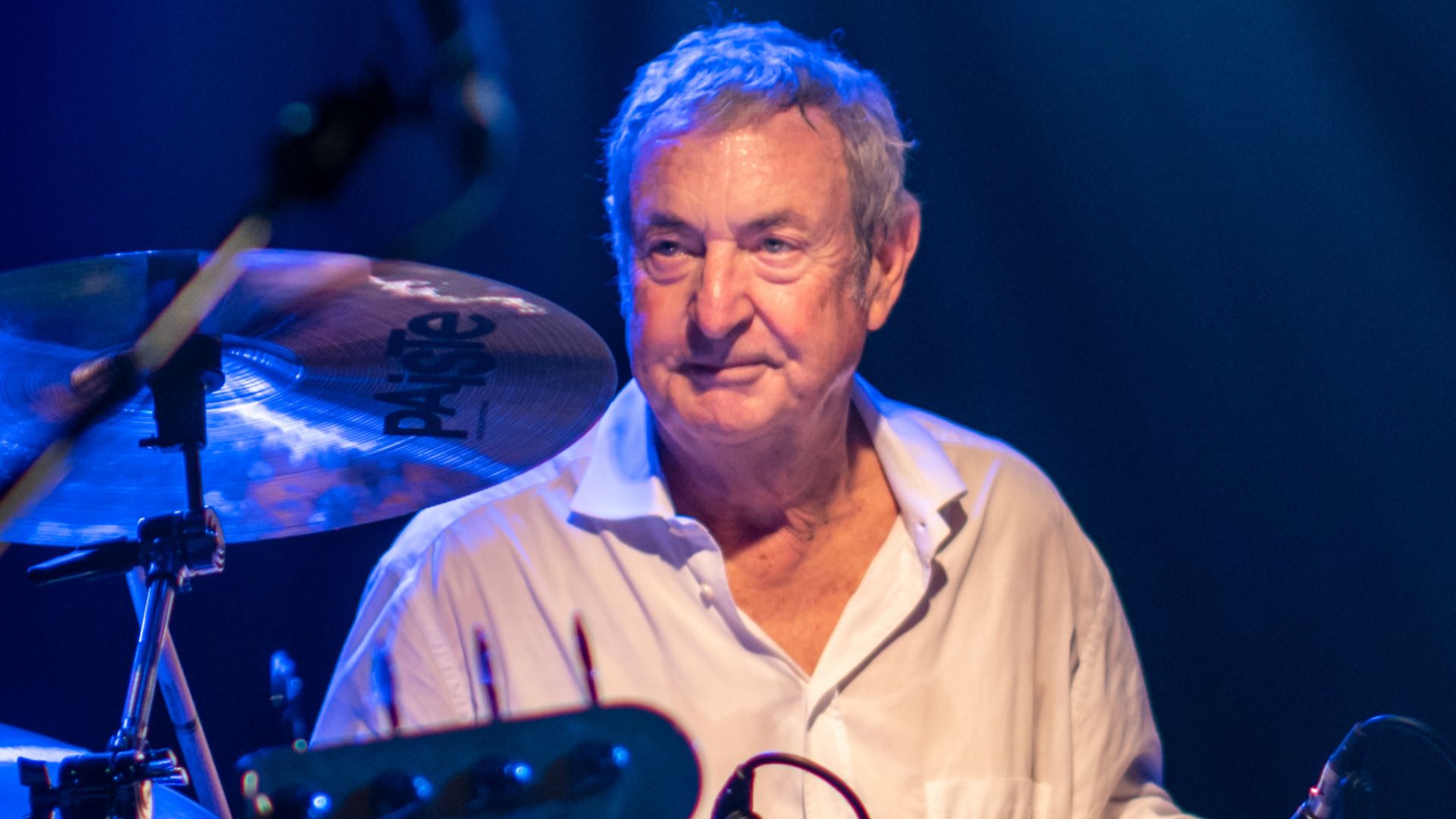
Peter Criss — KISS
Peter Criss brought personality and groove to KISS during their rise to fame. His straightforward, punchy style anchored the band’s theatrical performances. Criss also contributed vocally, adding another dimension to his role. His drumming exemplifies how strong fundamentals supported KISS’s larger-than-life image while showing that their collective skills as musicians were often very underrated.
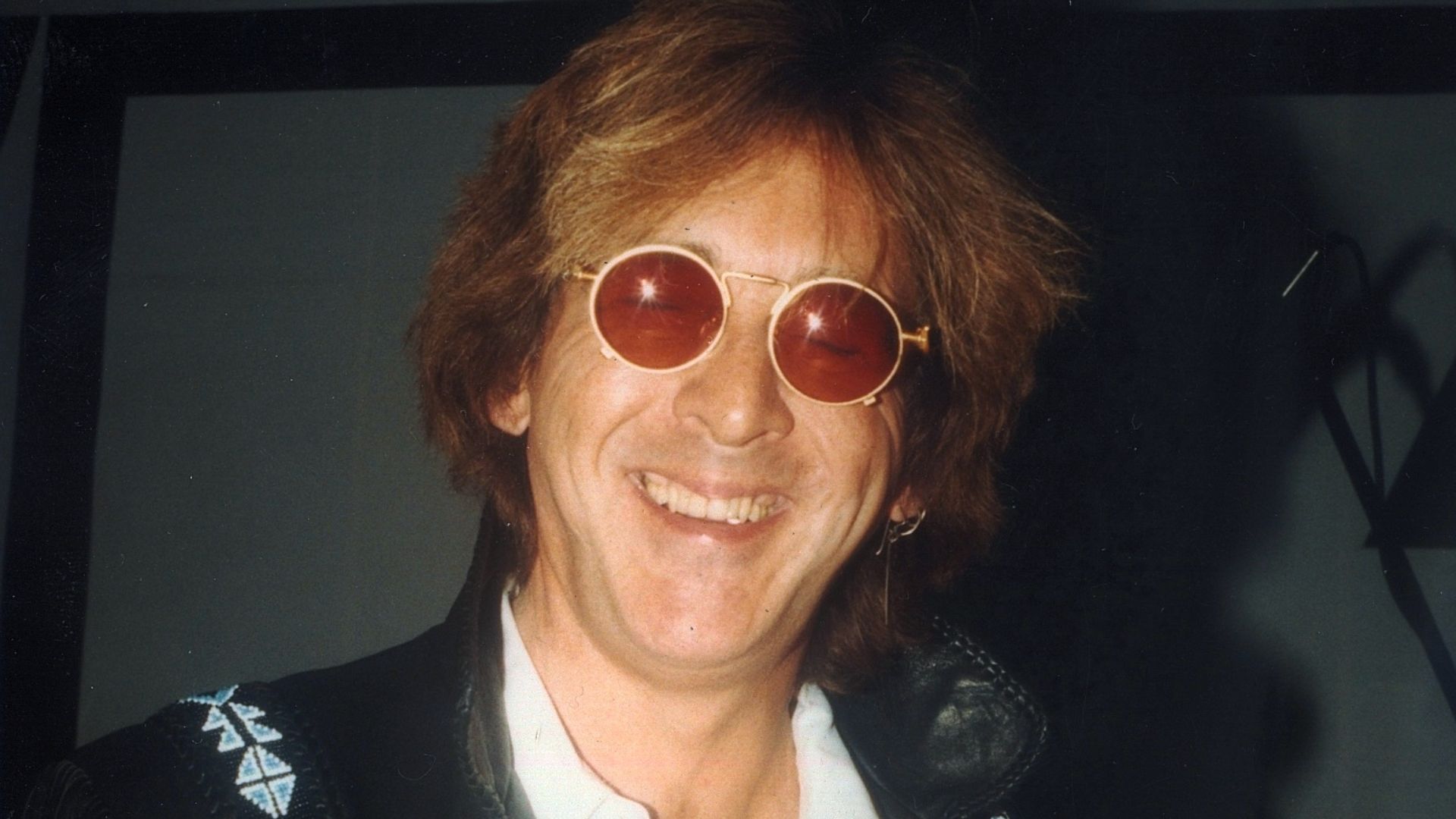 Steven Hoffmaster, Wikimedia Commons
Roger Taylor — Queen
Roger Taylor combined precision with theatrical flair, perfectly complementing Queen’s grandiose and bombastic sound. His powerful drumming and vocal contributions added a layer depth to the band’s music. Taylor’s ability to shift between delicate arrangements and arena-sized anthems made him one of rock’s most versatile drummers.
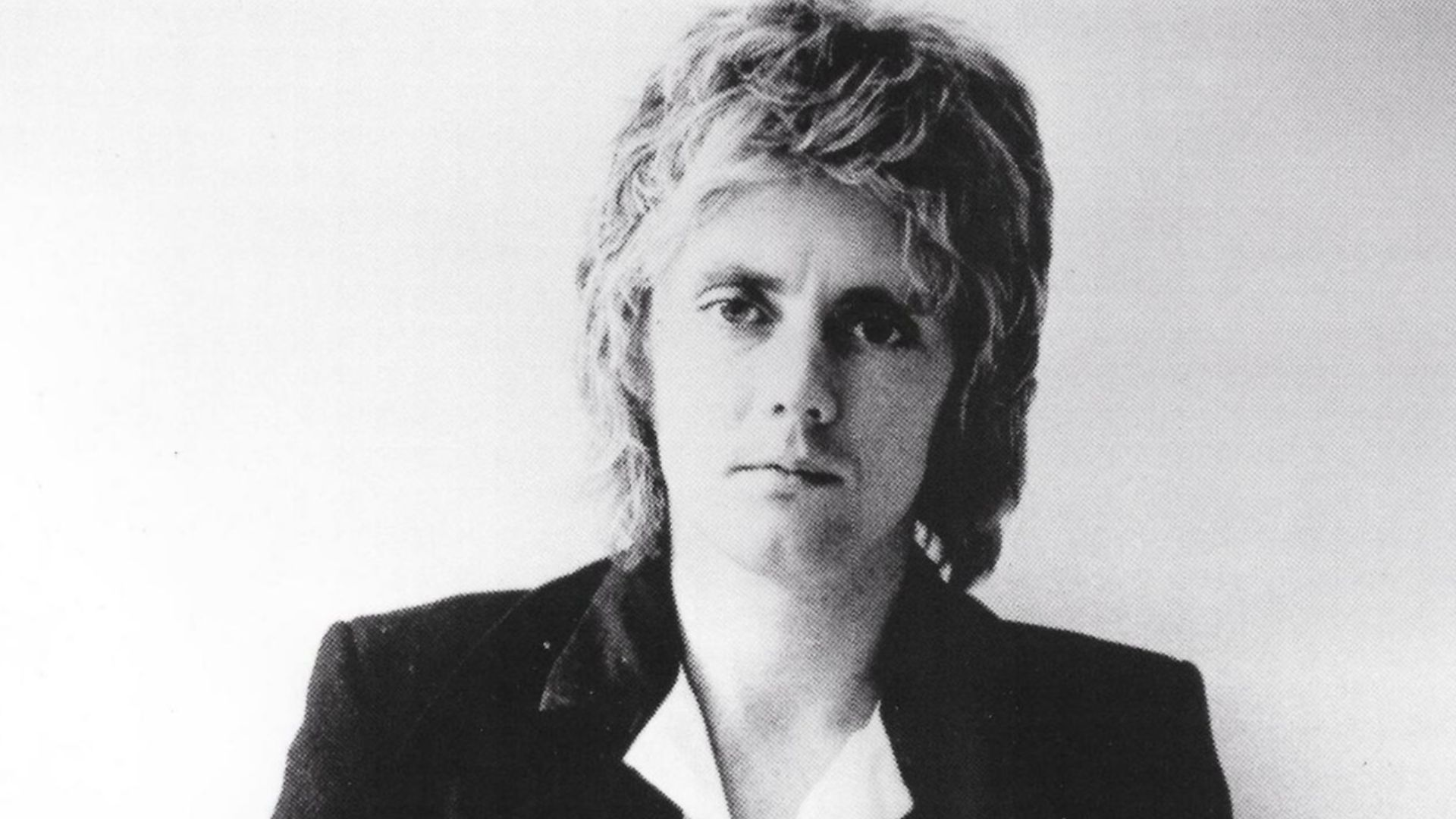 Christopher Hopper; Distributed by Elektra Records, Wikimedia Commons
Alex Van Halen — Van Halen
Alex Van Halen’s drumming is often overshadowed by his brother’s six-stringed detonations, but his contributions are integral to the band’s sound. His aggressive, high-energy style and inventive fills helped define Van Halen’s swaggering rock’n’roll identity. He brought both power and creativity to the forefront of hard rock drumming.
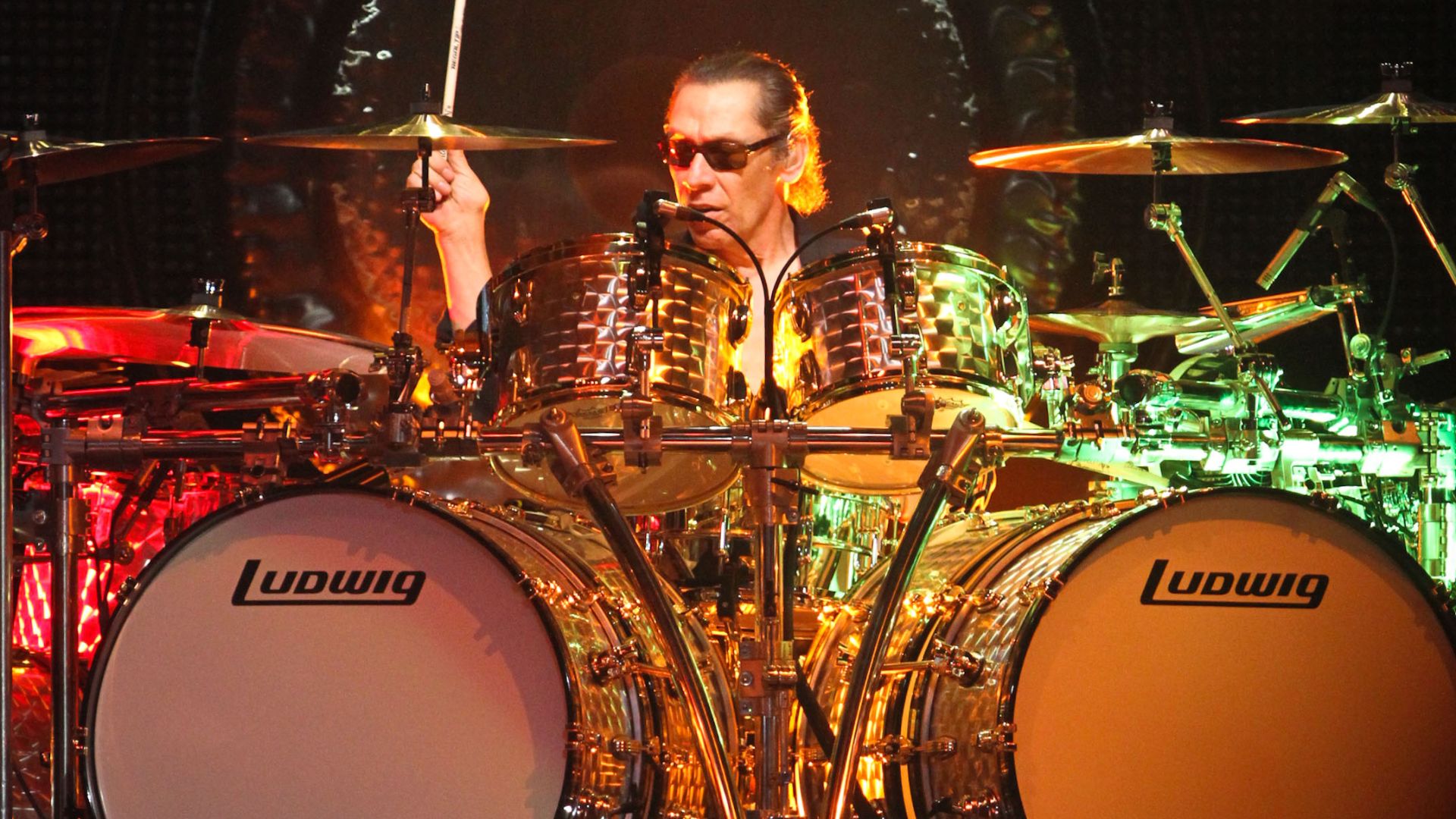 Craig ONeal, Wikimedia Commons
Tommy Lee — Mötley Crüe
Tommy Lee combined showmanship with technical skill, becoming one of hard rock’s most recognizable drummers in the 80s. His powerful playing and innovative stage setups made him a standout performer. While the band’s offstage antics have come to overshadow their music, Lee deserves credit for being a great drummer in the video-driven MTV era.
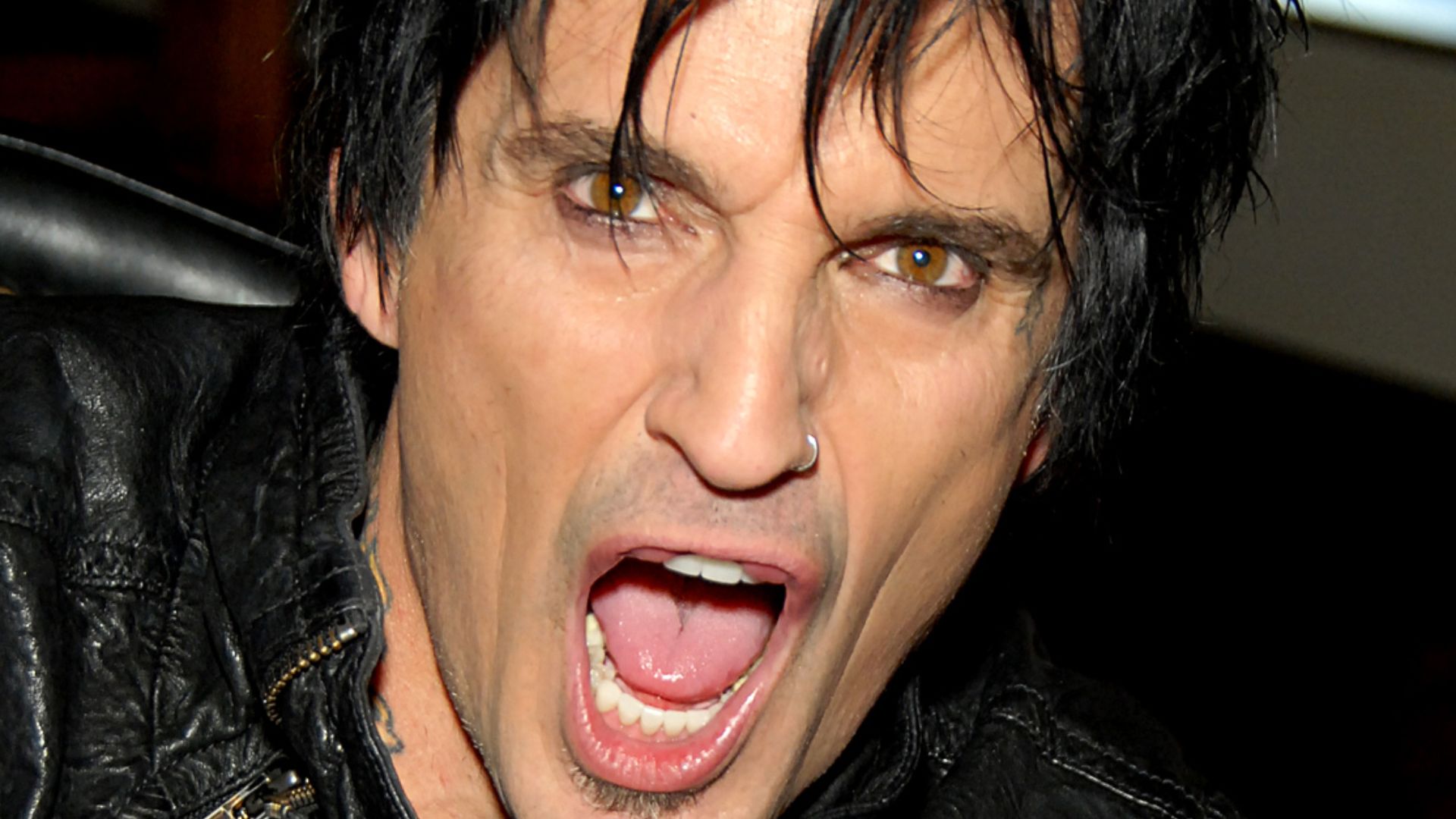
Levon Helm — The Band
Levon Helm’s drumming was planted deeply in American roots music. His relaxed, groove-oriented style perfectly complemented The Band’s storytelling approach. Helm often sang while drumming, adding emotional depth to performances. His work highlights the importance of feel and musicality in rock drumming.
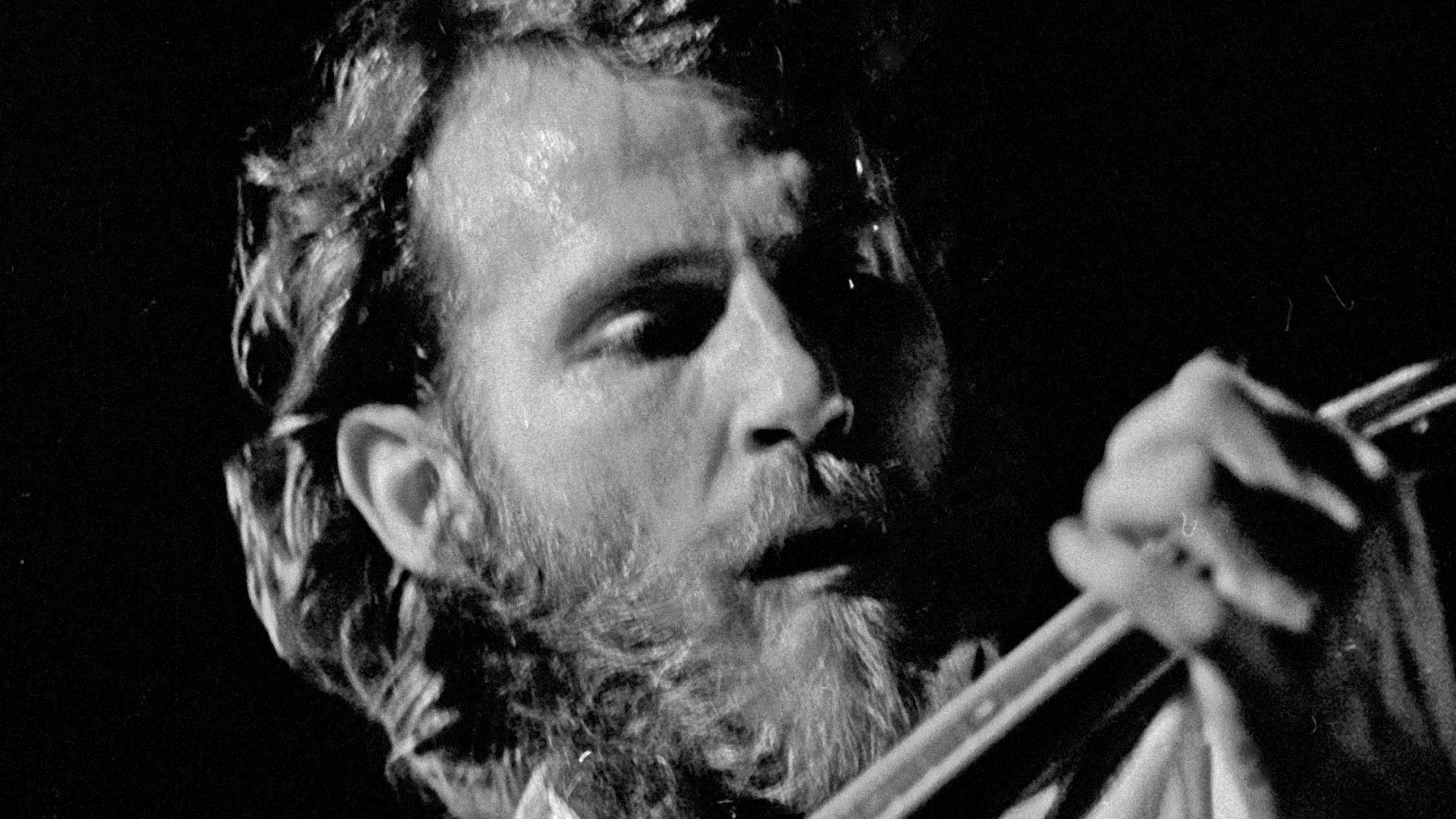 Heinrich Klaffs, Wikimedia Commons
Micheal Shrieve — Santana
Mike Shrieve first gained fame for his performance of “Soul Survivor” at Woodstock at the age of 20, showcasing a fusion of rock and Latin rhythms. His expressive, improvisational style brought a unique flavor to the music that brought Santana to fame. Shrieve’s approach expanded the possibilities of rock drumming by incorporating global influences.
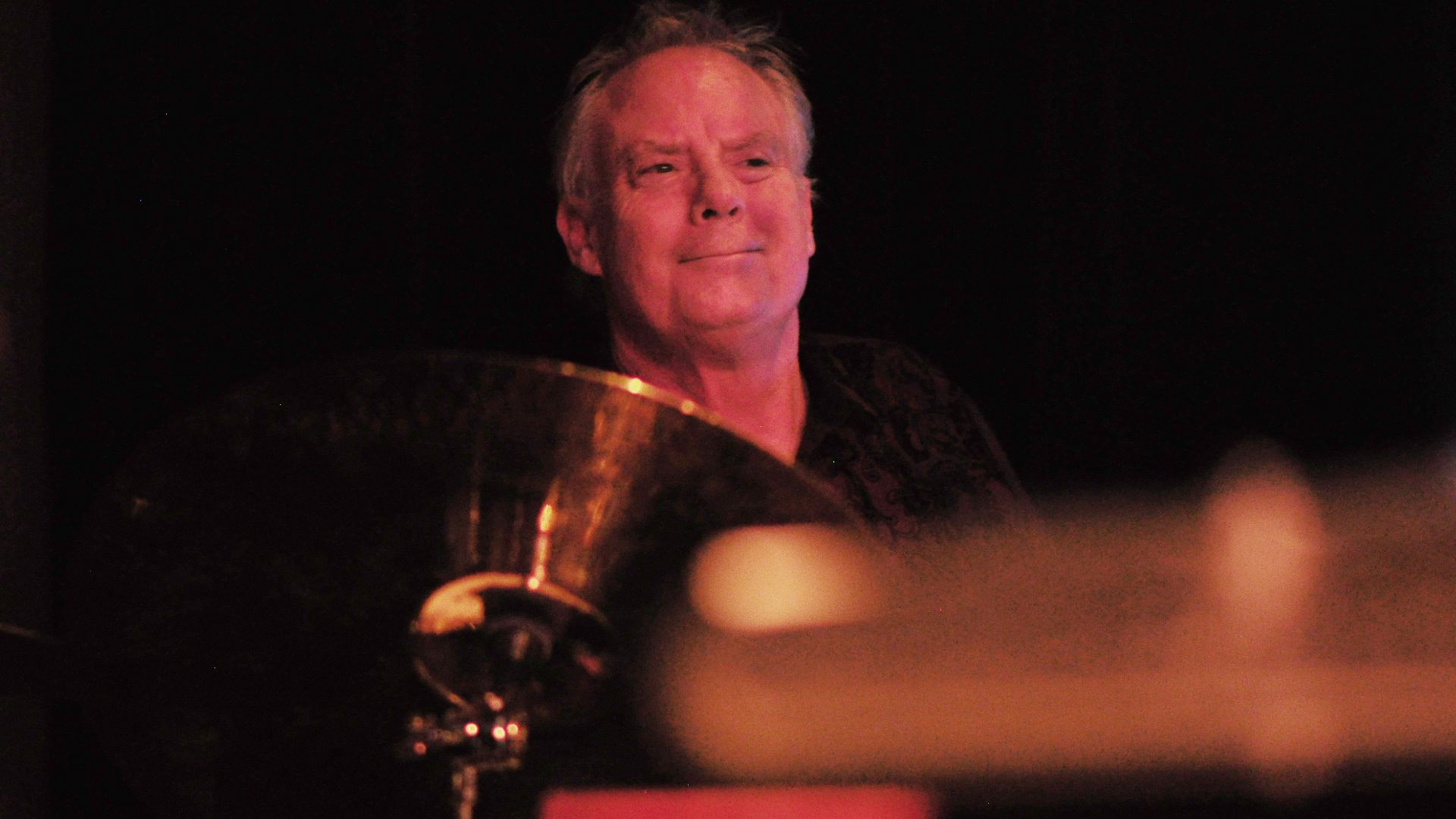 Joe Mabel on Flickr as Joe Mabel from Seattle, US, Wikimedia Commons
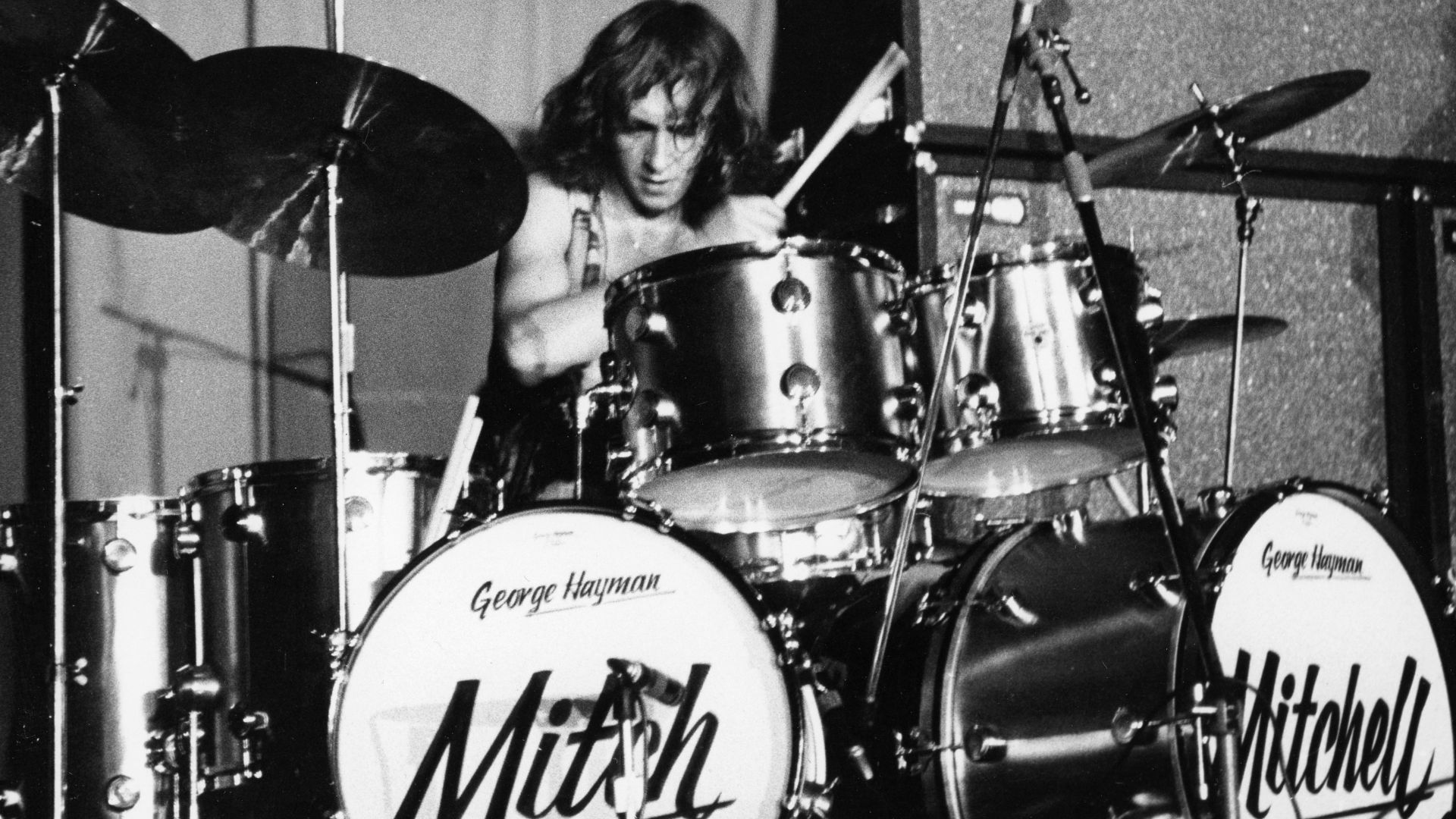
Mitch Mitchell — The Jimi Hendrix Experience
Mitch Mitchell blended jazz sensibilities with rock power, creating a fluid and dynamic drumming style. His work with Jimi Hendrix allowed for improvisation and experimentation, making the drums feel like a lead instrument even as Hendrix pushed the boundaries with his guitar playing.
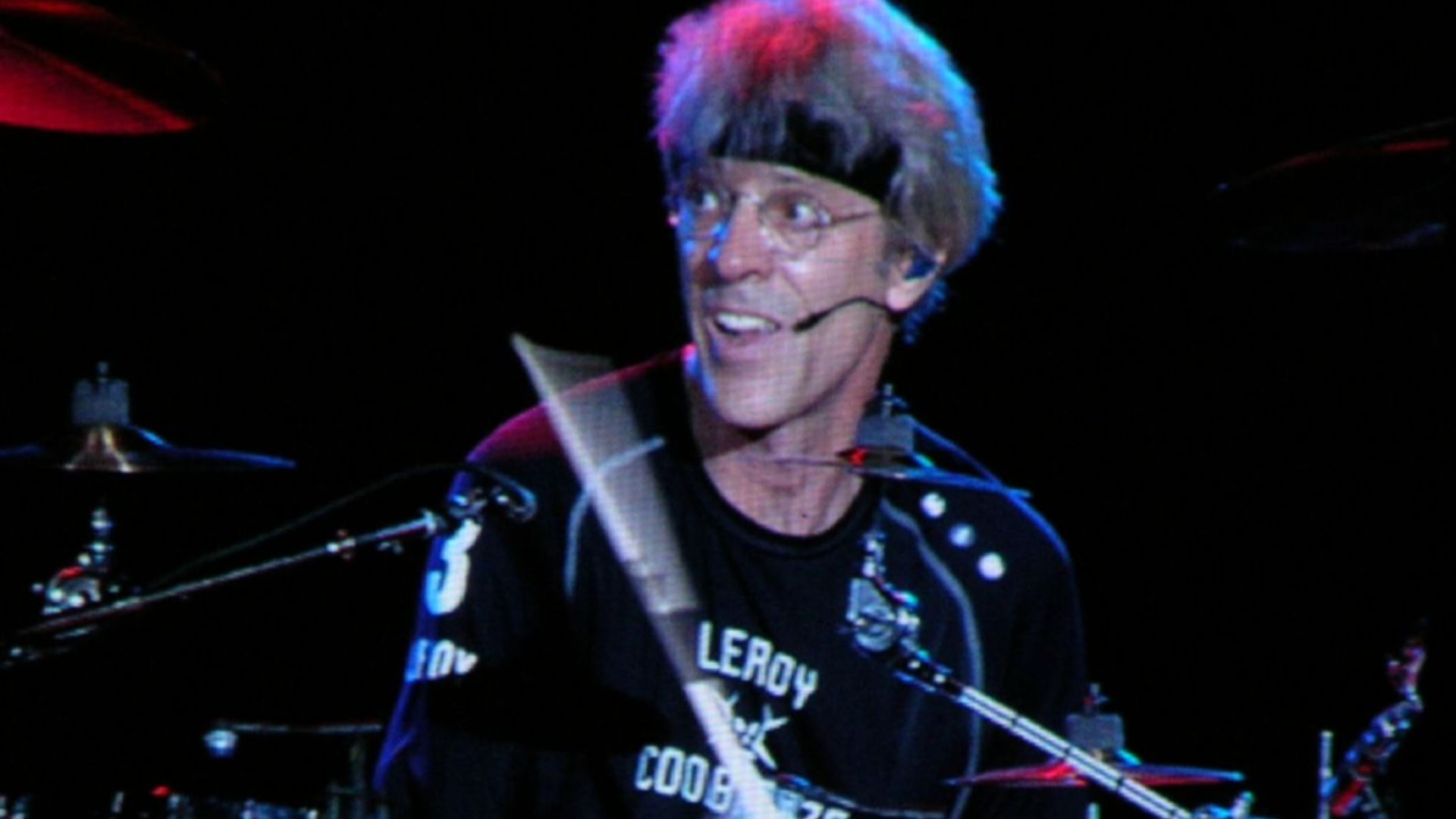
Stewart Copeland — The Police
Stewart Copeland’s drumming is instantly recognizable for its precision and creativity. He fused reggae rhythms with rock energy, creating a unique sound that defined The Police. One of Copeland’s many strengths was use of cymbals and syncopation bringing a fresh, modern feel to revitalize rock in the late 70s and early 80s.
 S Pisharam from Columbus, US, Wikimedia Commons
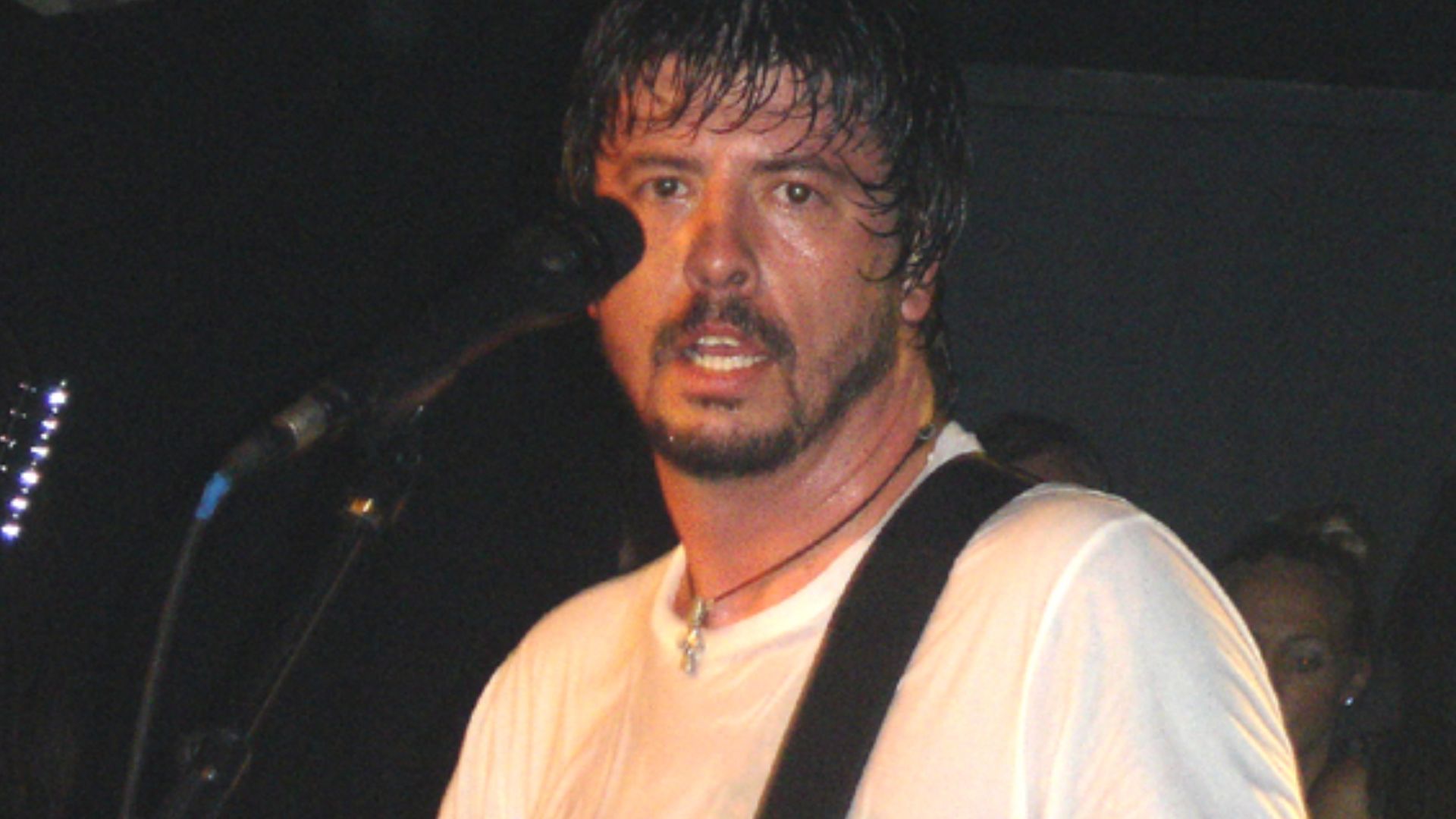
Dave Grohl — Nirvana / Foo Fighters
Dave Grohl’s drumming on Nevermind (1991) helped define the sound of the 1990s. His powerful, aggressive style brought intensity and emotion to grunge. Grohl’s ability to balance raw energy with tight execution made him one of the most influential drummers of his time.
 Lola's Big Adventure! / Laura, Wikimedia Commons
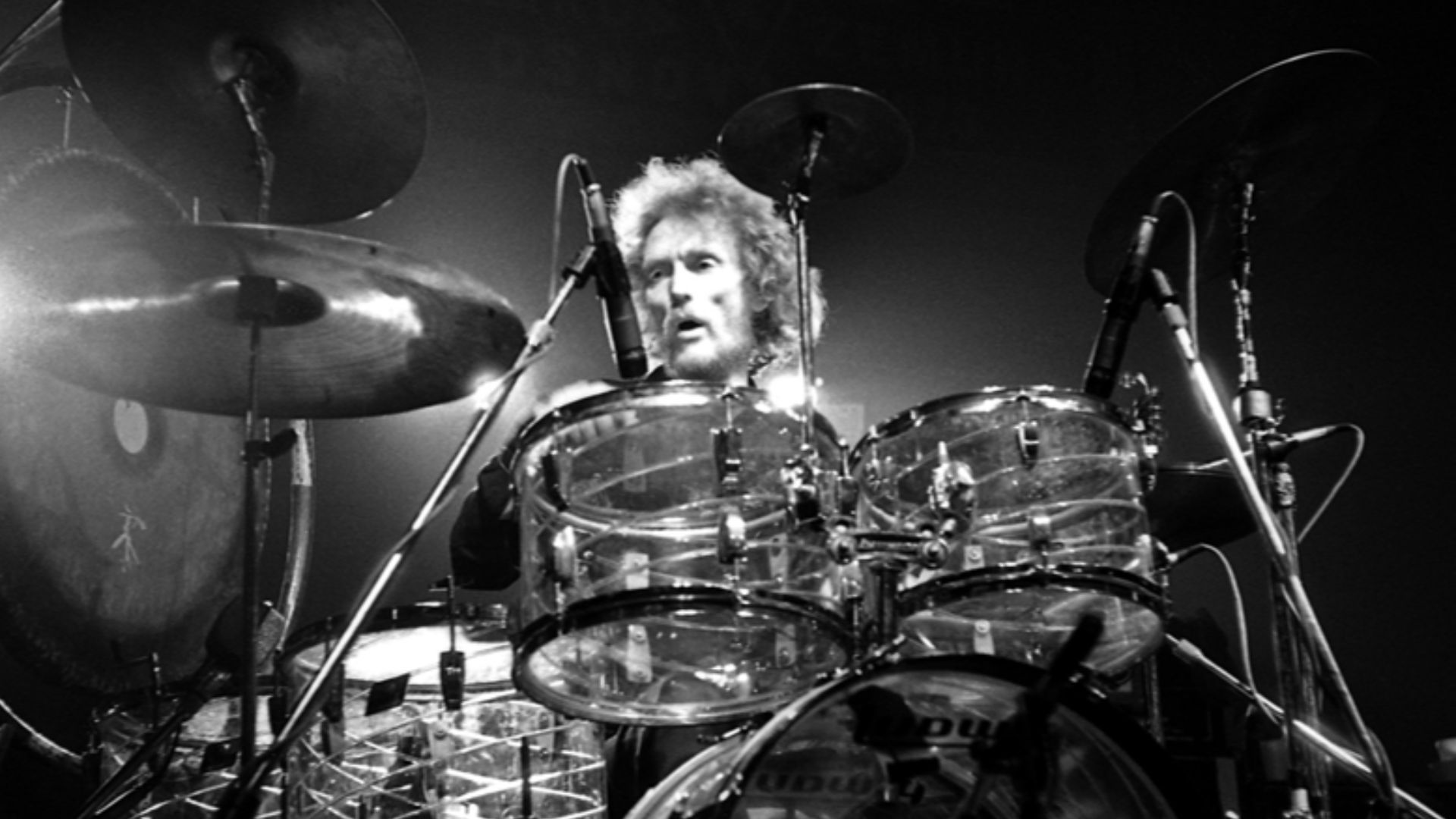
Ginger Baker — Cream
Ginger Baker was one of the first rock drummers to incorporate jazz techniques into his playing. His work with Cream featured extended solos and complex rhythms, elevating the drummer’s role within a band. It wasn’t always pretty, and Cream didn’t last long, but Baker’s approach helped establish drumming as a central element of rock music.
 Zoran Veselinovic, Wikimedia Commons
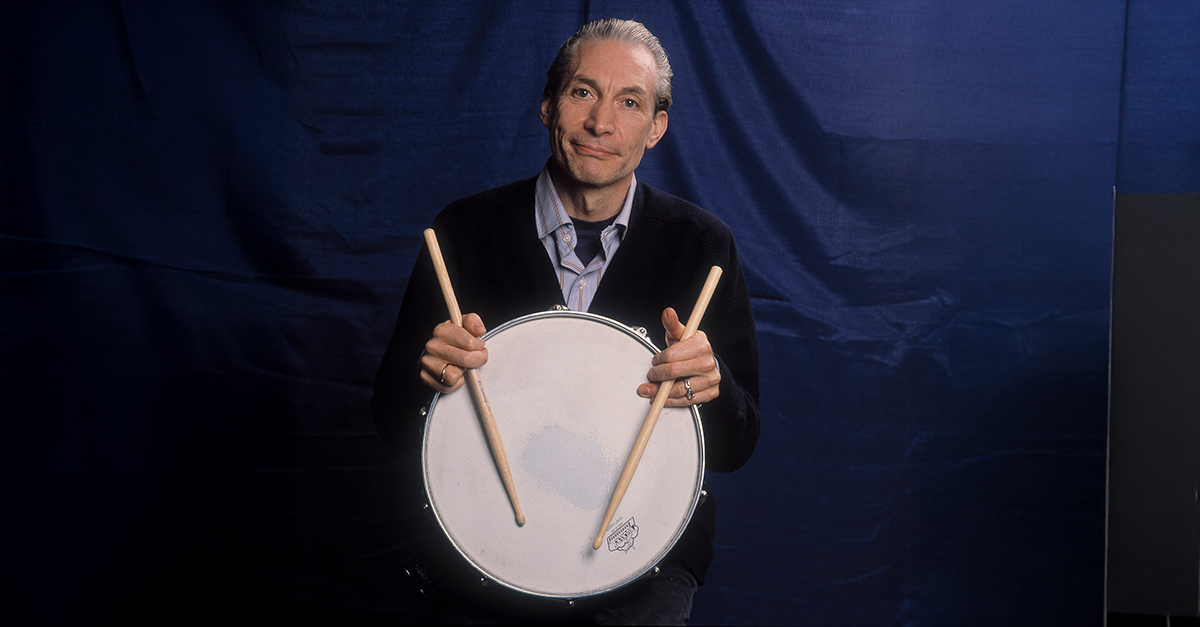
Charlie Watts — The Rolling Stones
Charlie Watts brought a jazz-influenced sensibility to rock drumming. His understated style provided a steady foundation for The Rolling Stones’ music. Watts showed that subtlety and consistency can be more effective than flashy technique, making him one of the most respected drummers in rock.
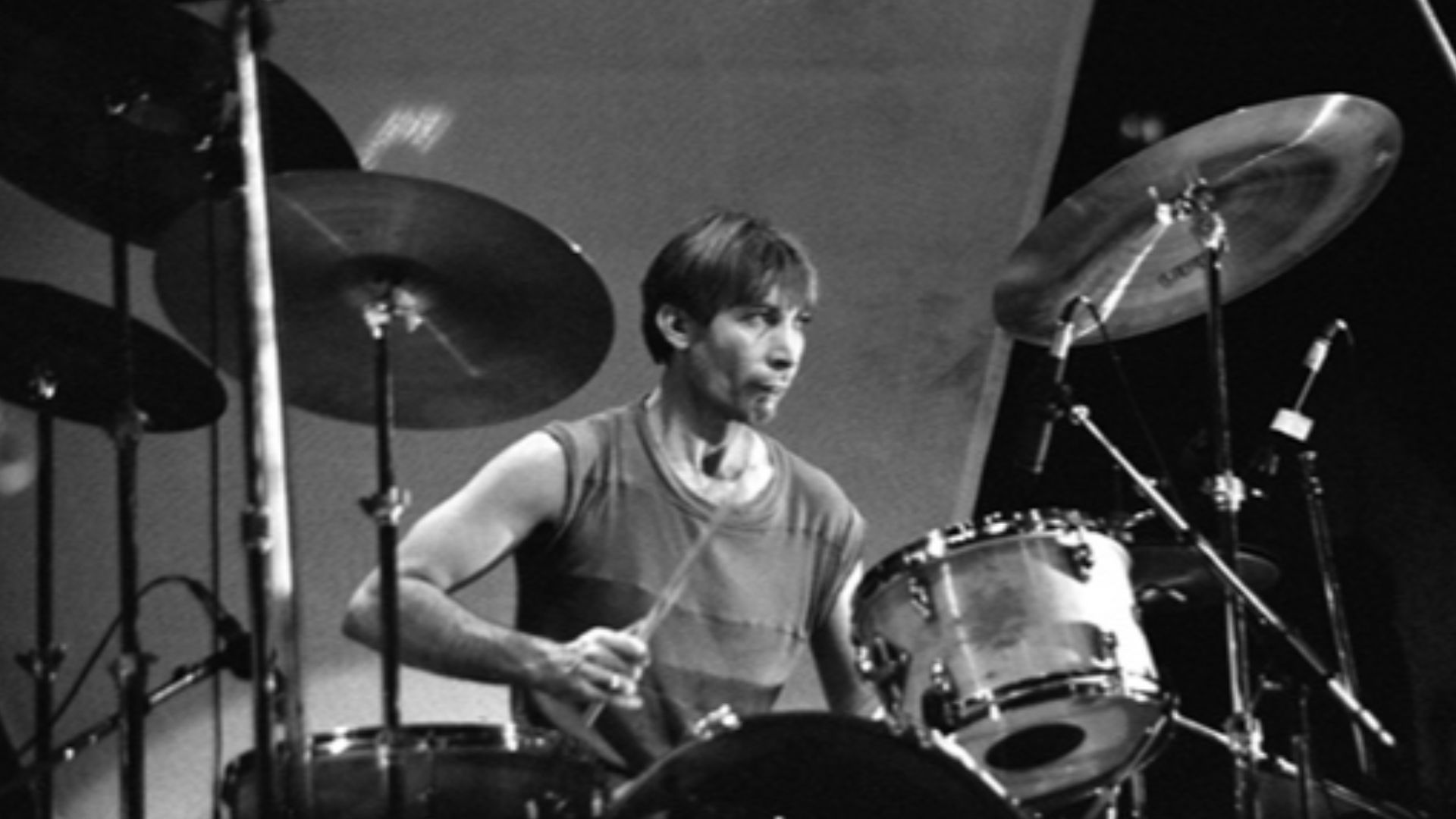 Michael Conen, Wikimedia Commons
Bill Bruford — Yes / King Crimson
Bill Bruford’s drumming is known for its complexity and creativity. As a key figure in what people now call “prog rock,” he pushed the boundaries of rhythm and structure. Bruford’s willingness to experiment made him a pioneer, influencing countless drummers who sought to expand rock’s musical possibilities.
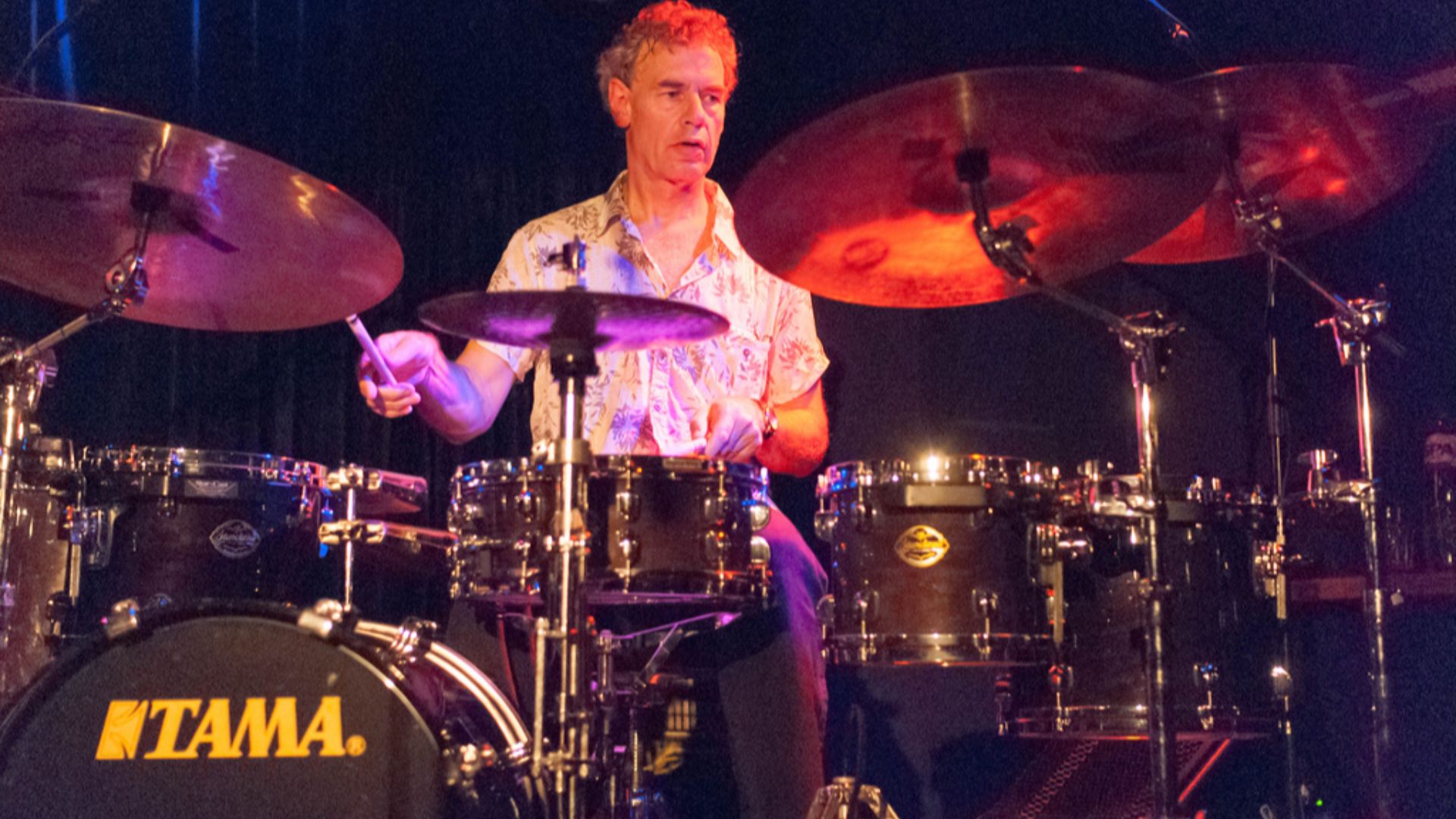 Steven Rieder, Wikimedia Commons
Jeff Porcaro — Toto
Jeff Porcaro was a master of groove and precision. His work with Toto and as a session musician has made him one of the most recorded drummers in history. Porcaro’s famous shuffle beat on “Rosanna” remains a benchmark for drummers seeking to master feel and timing.
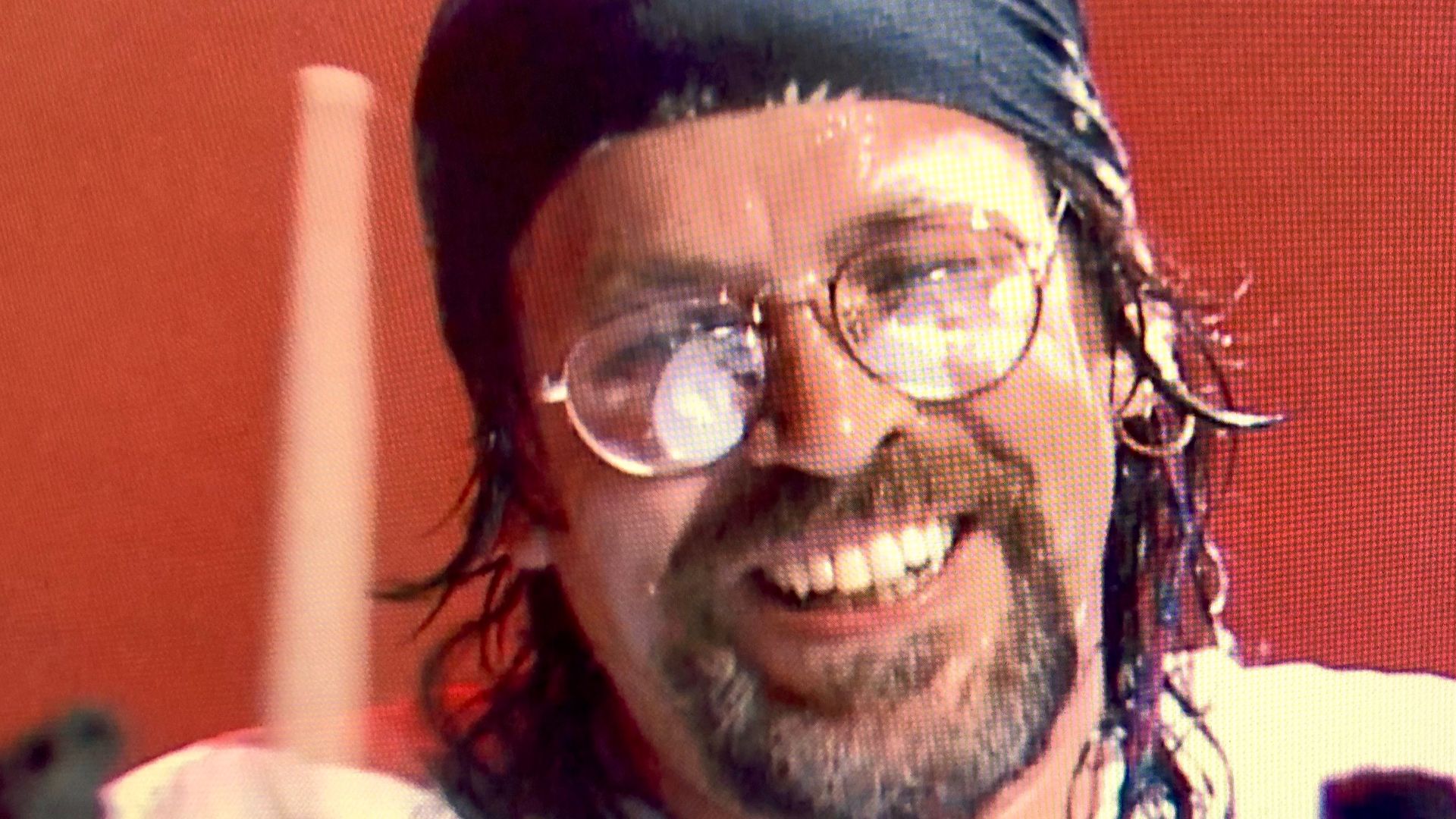
Ringo Starr — The Beatles
Ringo Starr’s drumming was integral to The Beatles’ success. His inventive fills and impeccable timing elevated the band’s songs without overpowering them. Starr’s ability to serve the music rather than showcase himself made him one of the most influential drummers in rock history. None other than the great Ian Paice remarked that Starr’s drumming on Sgt Pepper’s Lonely Hearts Club Band (1967) was “perfect.”
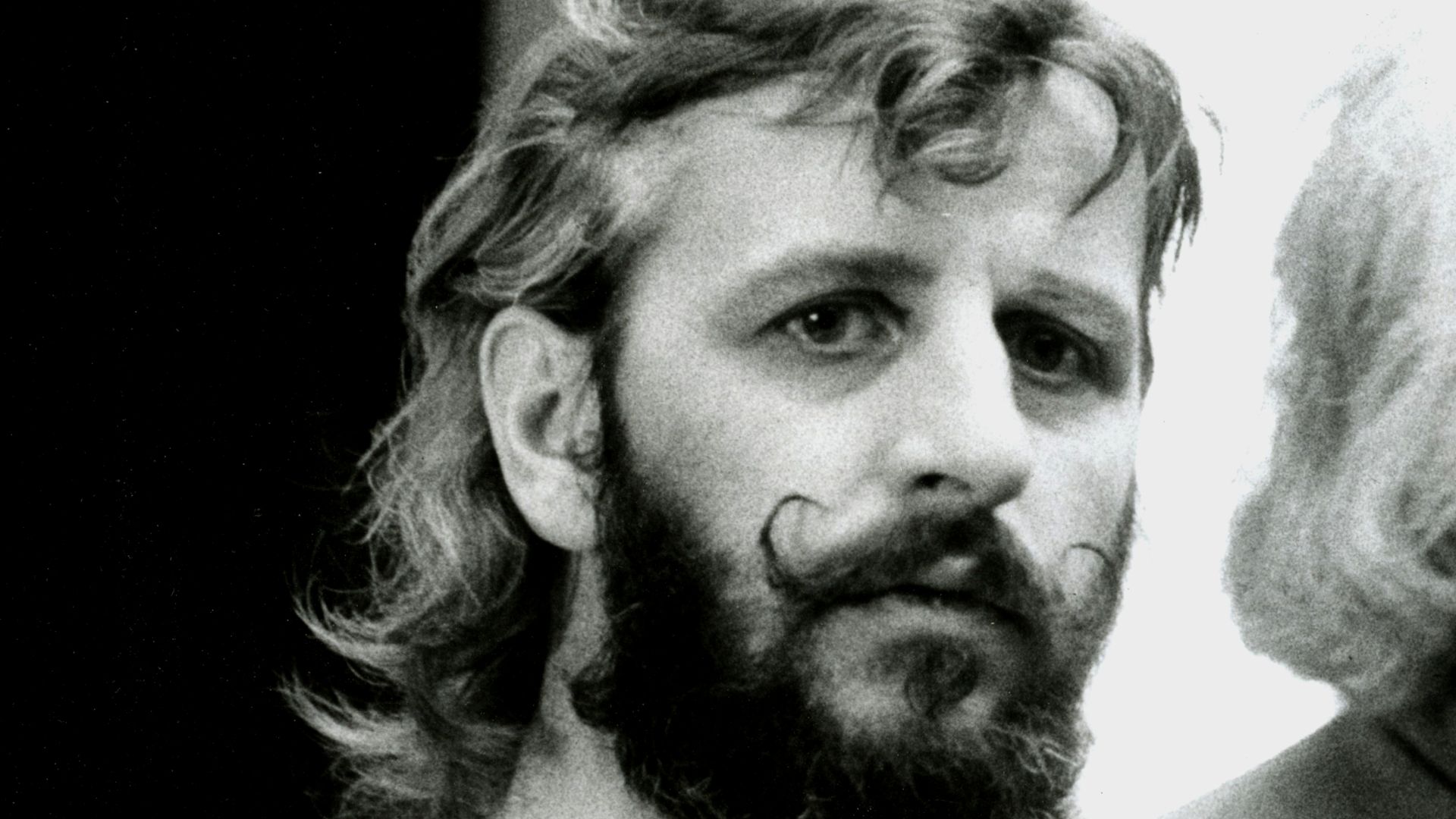 Rossano aka Bud Care, Wikimedia Commons
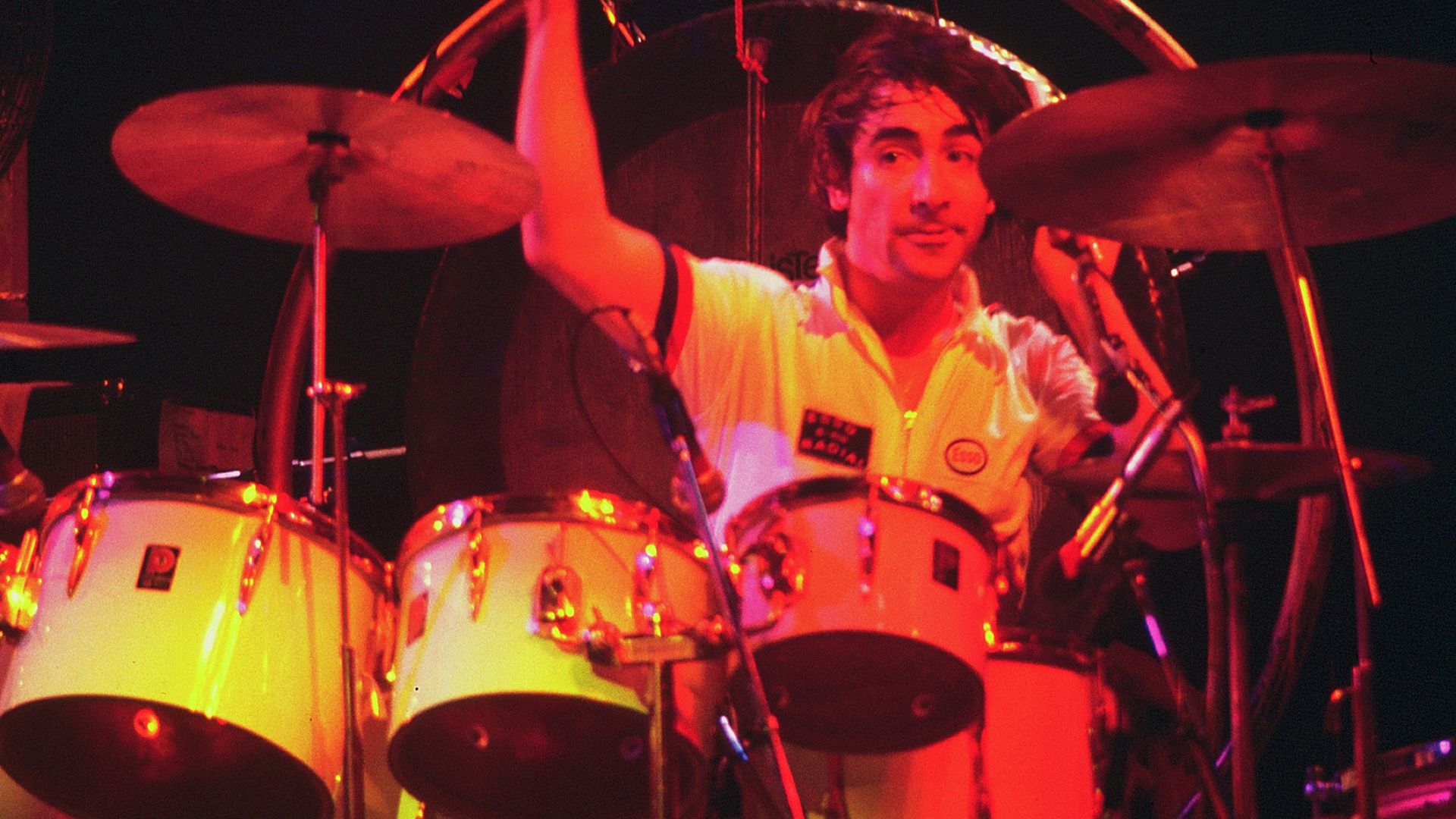
Keith Moon — The Who
Keith Moon revolutionized rock drumming with his wild, unpredictable style. He treated the drum kit as a lead instrument, filling every space with energy and creativity. Moon’s chaotic approach to life caused problems off stage but brought excitement and intensity to The Who’s music, making him one of rock’s greatest drummers.
 Jim Summaria, Wikimedia Commons
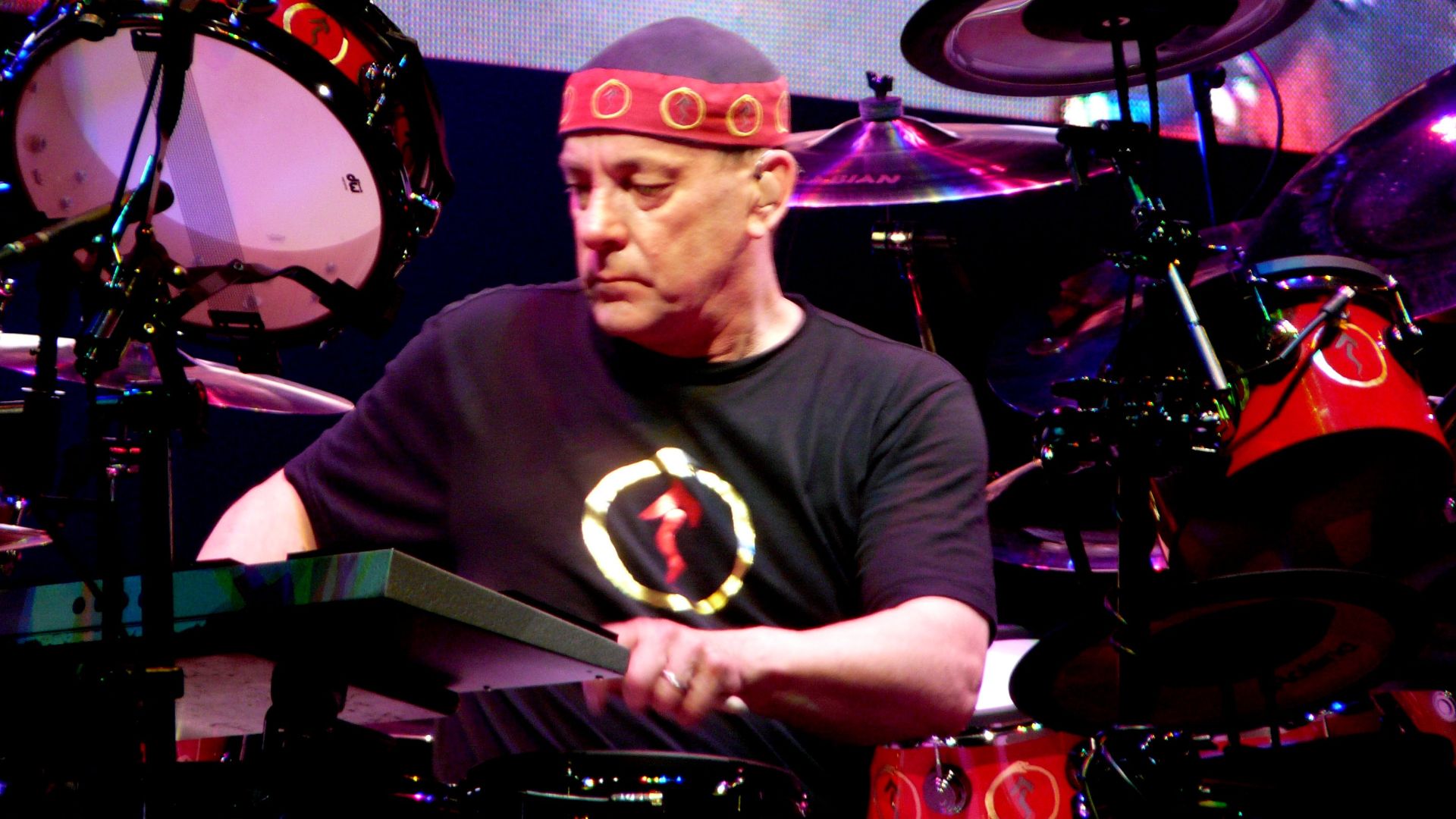
Neil Peart — Rush
Neil Peart combined technical mastery with compositional brilliance. His intricate patterns and use of odd time signatures set a new standard for progressive rock drumming. Peart’s precision and creativity earned him widespread recognition as one of the all-time greats.
 Matt Becker, Wikimedia Commons
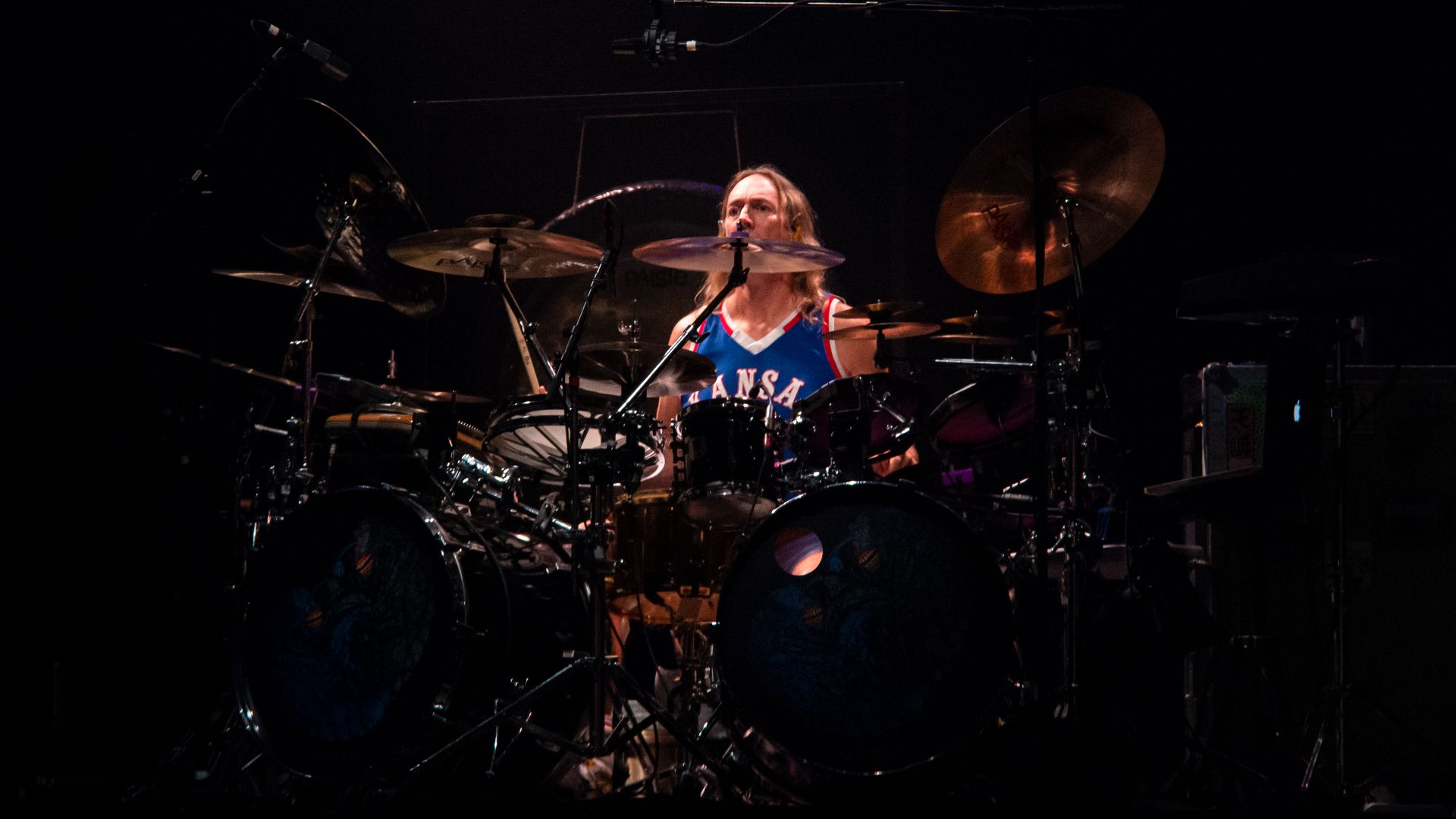
Danny Carey — Tool
Danny Carey’s drumming is known for its complexity and innovation. He incorporates polyrhythms and unconventional time signatures, pushing the boundaries of modern rock. Carey’s technical prowess and creative approach have made him a leading figure in progressive and alternative metal drumming.
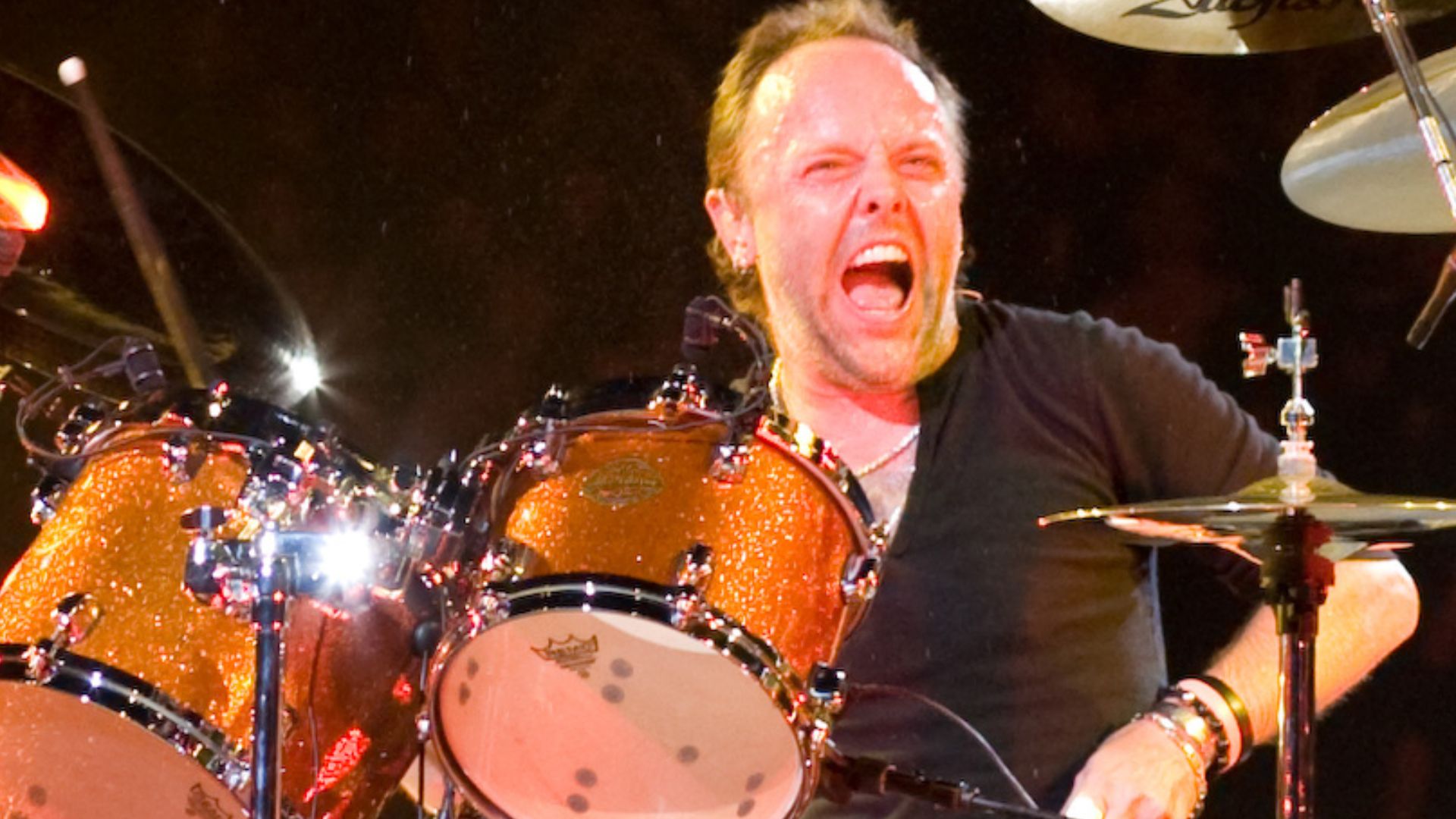
Lars Ulrich — Metallica
Lars Ulrich helped define the sound of thrash metal with his aggressive and fast-paced drumming. While his skills are often debated among fans, his influence on heavy music is beyond reproach. Ulrich’s work with Metallica shaped the metal genre into what we take for granted today and inspires countless drummers in the metal scene.
 creepin Death, Wikimedia Commons
Chad Smith — Red Hot Chili Peppers
Chad Smith blends funk and rock with remarkable precision. His energetic playing and tight grooves are central to the Red Hot Chili Peppers’ sound. Smith’s ability to combine technical skill with infectious rhythm has made him a highly respected drummer in modern rock.
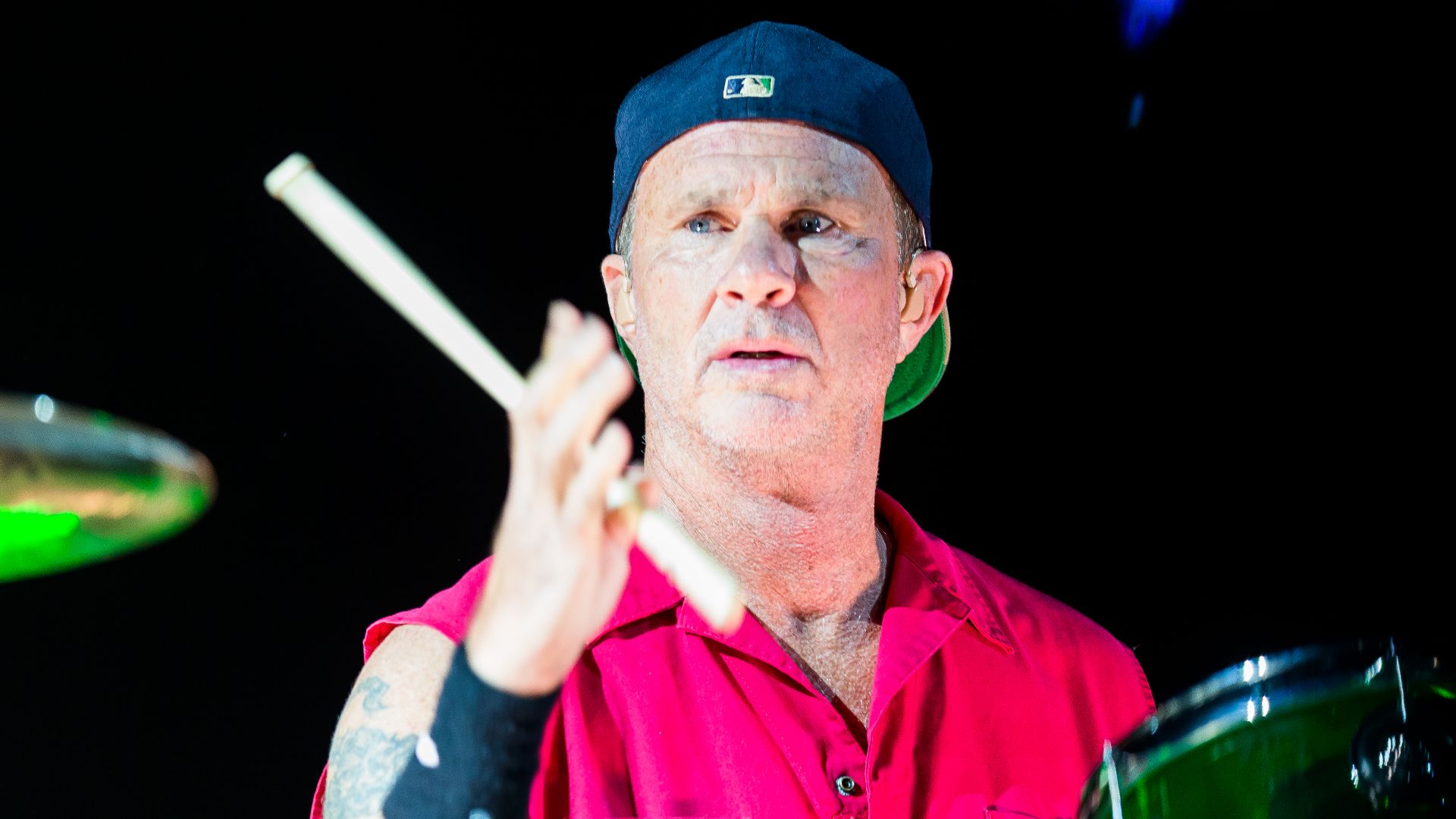 Sven Mandel, Wikimedia Commons
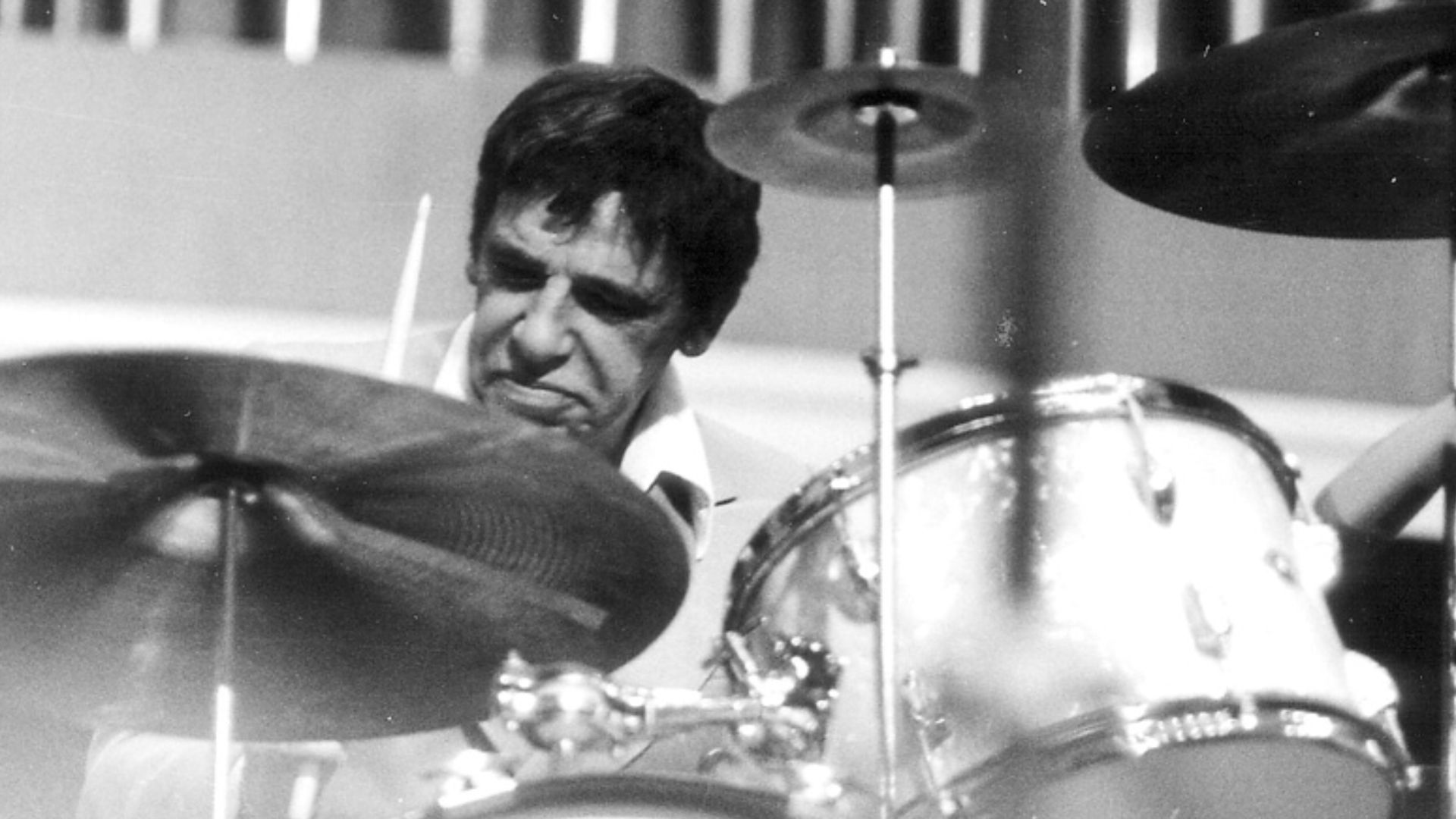
Buddy Rich — Influence On Rock
Though he was primarily a jazz drummer, it’s impossible to overestimate Buddy Rich’s influence on rock. His speed, technique, and showmanship set a standard that many rock drummers have always aspired to. Rich’s legacy demonstrates the reach of cross-genre influences.
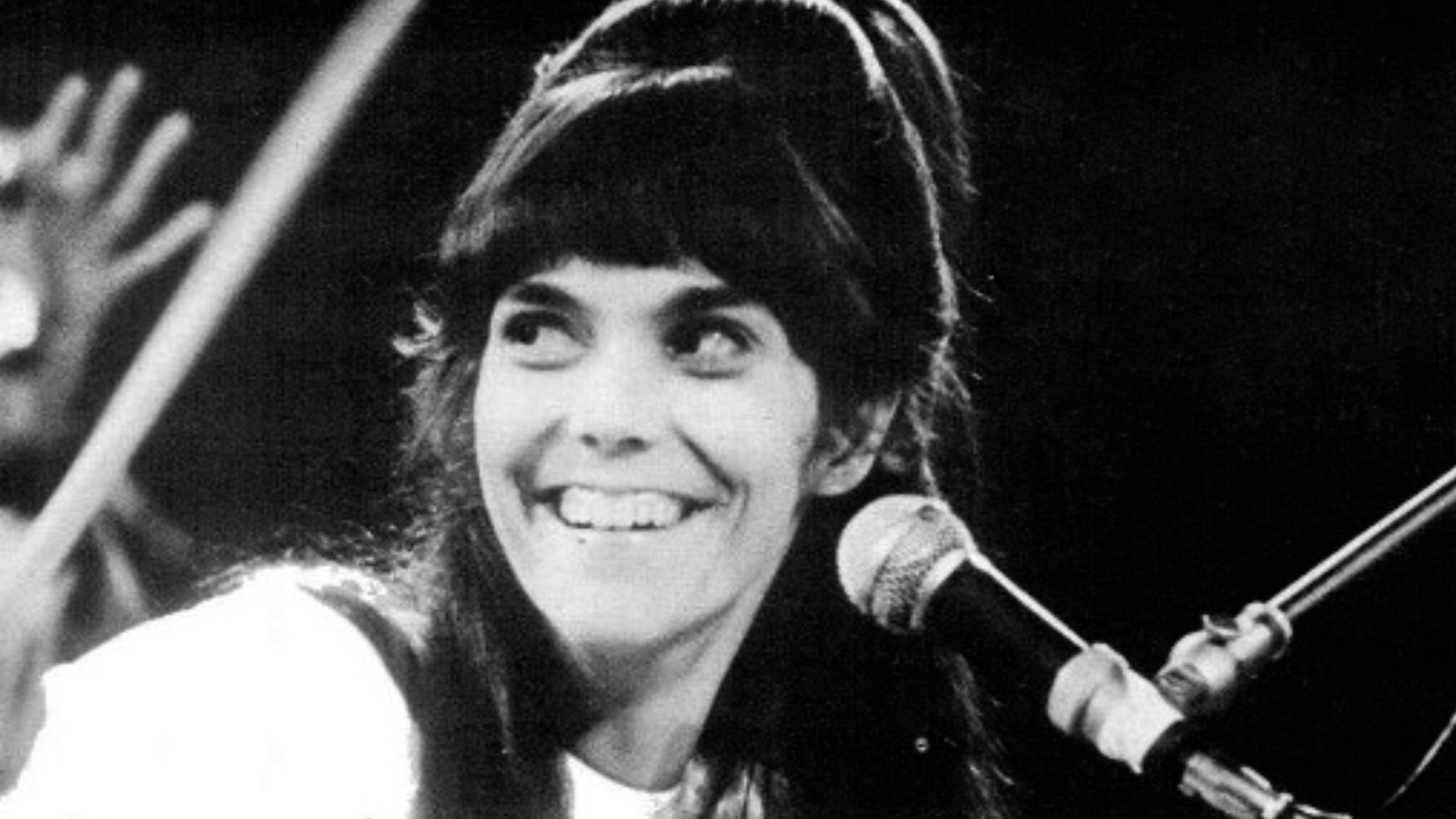
Karen Carpenter – The Carpenters
While not a rock drummer, Karen Carpenter deserves a mention in discussions of great drummers. Balancing her role as a lead vocalist, she displayed remarkable control, precision, and groove behind the kit. Her understated style perfectly complemented The Carpenters’ sound, showing that technical brilliance doesn’t need to be loud to be influential.
John Bonham — Led Zeppelin
John Bonham is widely regarded as the greatest rock drummer of all time, not only for his immense power, but his groove. From the dominant earlier playing that helped Led Zeppelin redefine rock, to later fusion-inspired standouts like “Fool in the Rain”, Bonham inspired countless musicians in the decades since. Bonham’s influence remains unmatched, with many considering him the benchmark for greatness.
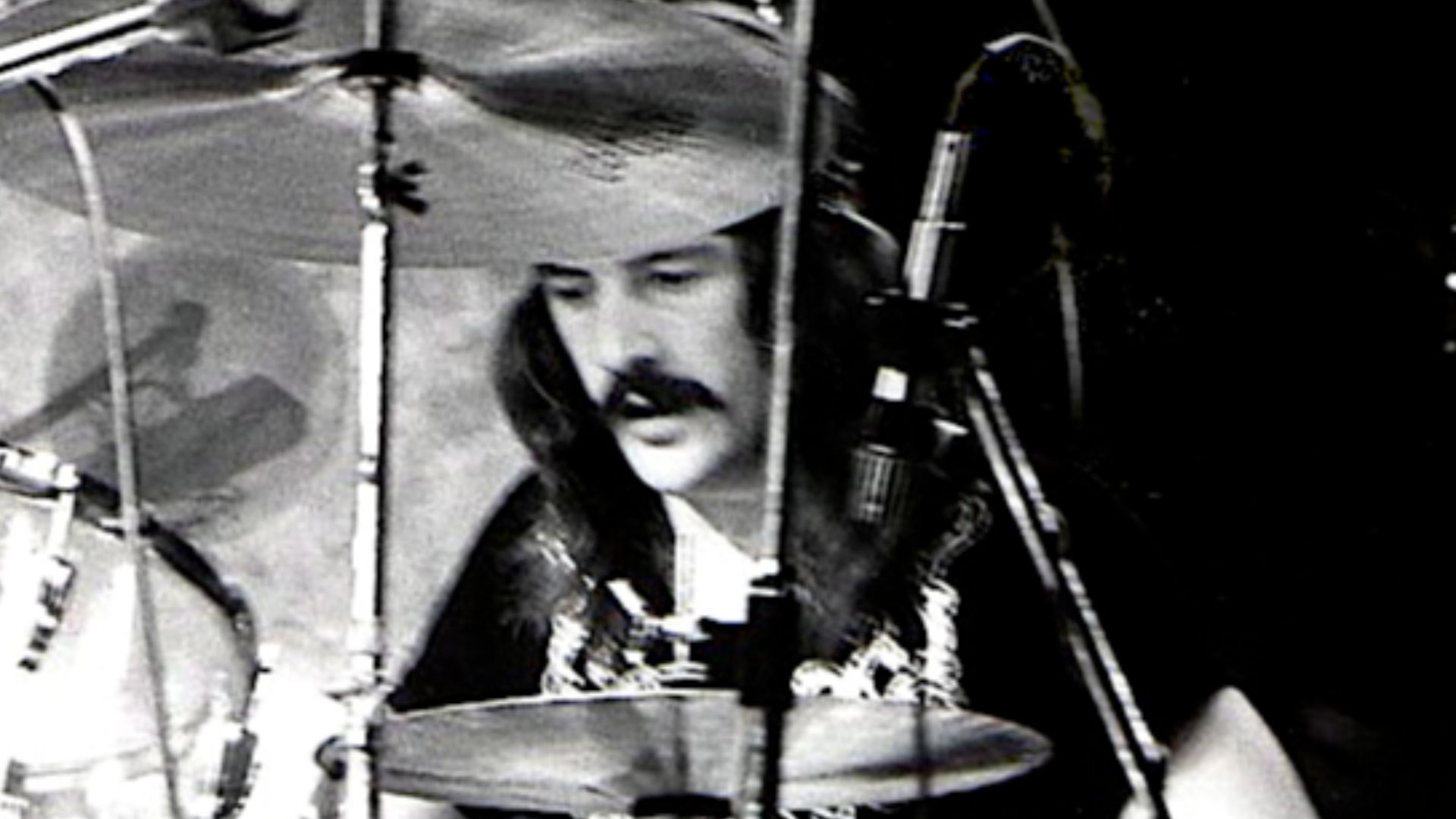 Dina Regine, Wikimedia Commons
Ian Paice — Deep Purple
Ian Paice takes the top spot for his extraordinary blend of speed, precision, and musicality. As the rhythmic force behind Deep Purple, he helped shape hard rock and heavy metal drumming. His lightning-fast rolls and technical control set him apart, earning him recognition among the greatest ever.
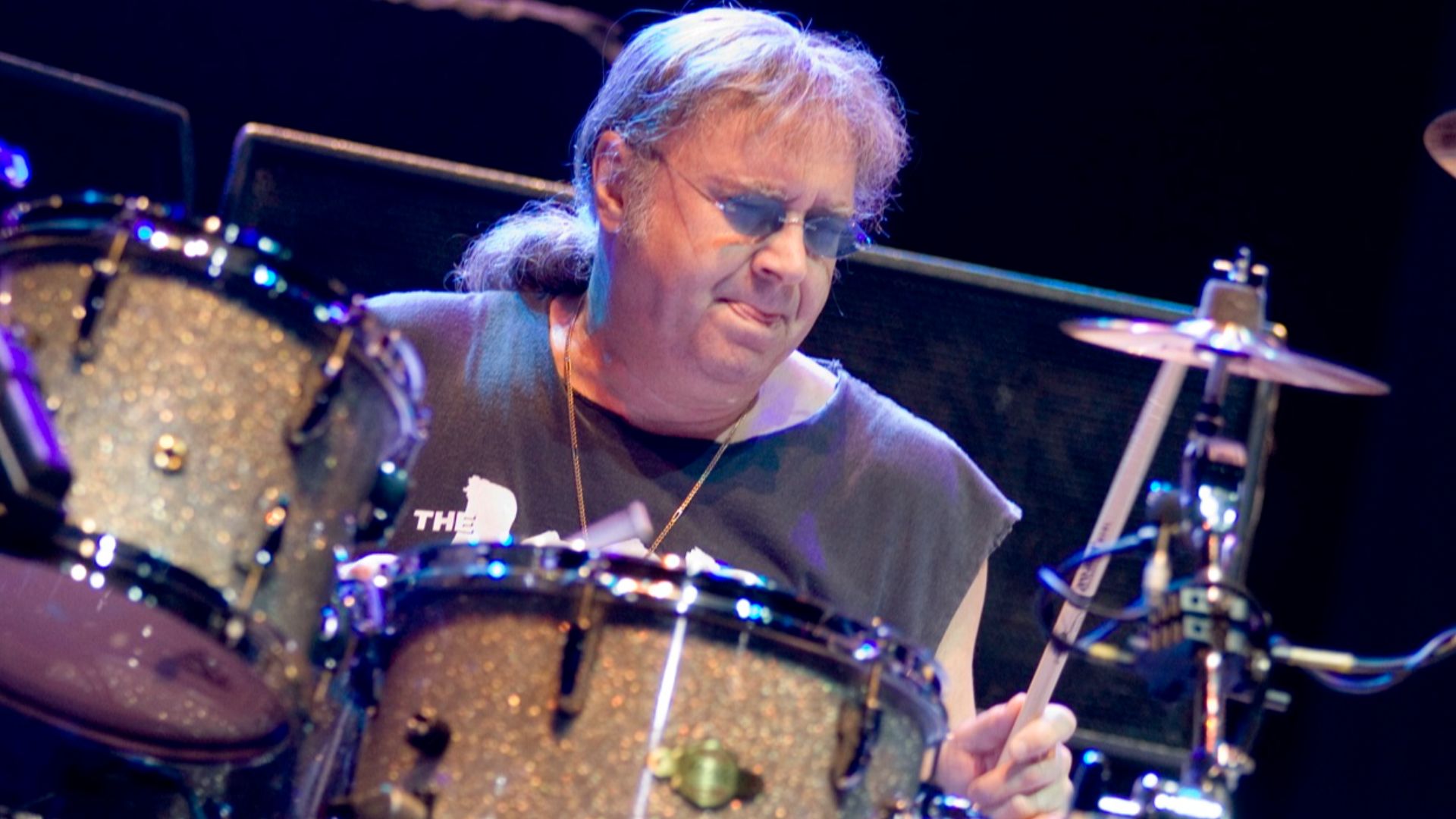 Alexandre Cardoso from Guarulhos, Brazil, Wikimedia Commons
You May Also Like:
Heart-Pounding Facts About John Bonham, Rock’s Wildest Drummer
The Most Unhinged Drummer in Rock History
Keith Moon was the greatest drummer of all time—and the most dangerous man in rock and roll.