Freddie Mercury's Final Chapter Was Heartbreaking Yet Inspiring
Freddie Mercury’s final months were marked by a quiet urgency. While the world still saw the iconic frontman of Queen, those closest to him witnessed a man facing the reality of a terminal illness. His last music video shoot would become a powerful moment—both a performance and a farewell.
A Diagnosis Kept Private
Freddie Mercury was diagnosed with AIDS in the late 1980s, though he kept his condition private for years. Only a small circle knew the truth, as he chose to continue working without public discussion of his illness. It was a heartbreaking secret to keep.
 Koh Hasebe; Distributed by Elektra Records, Wikimedia Commons
He Continued To Record Despite Illness
Even as his health declined, Mercury remained committed to music. He continued recording with Queen, pushing to keep working despite his personal struggles and completing songs that would later appear on Innuendo.
Rumors Circulated
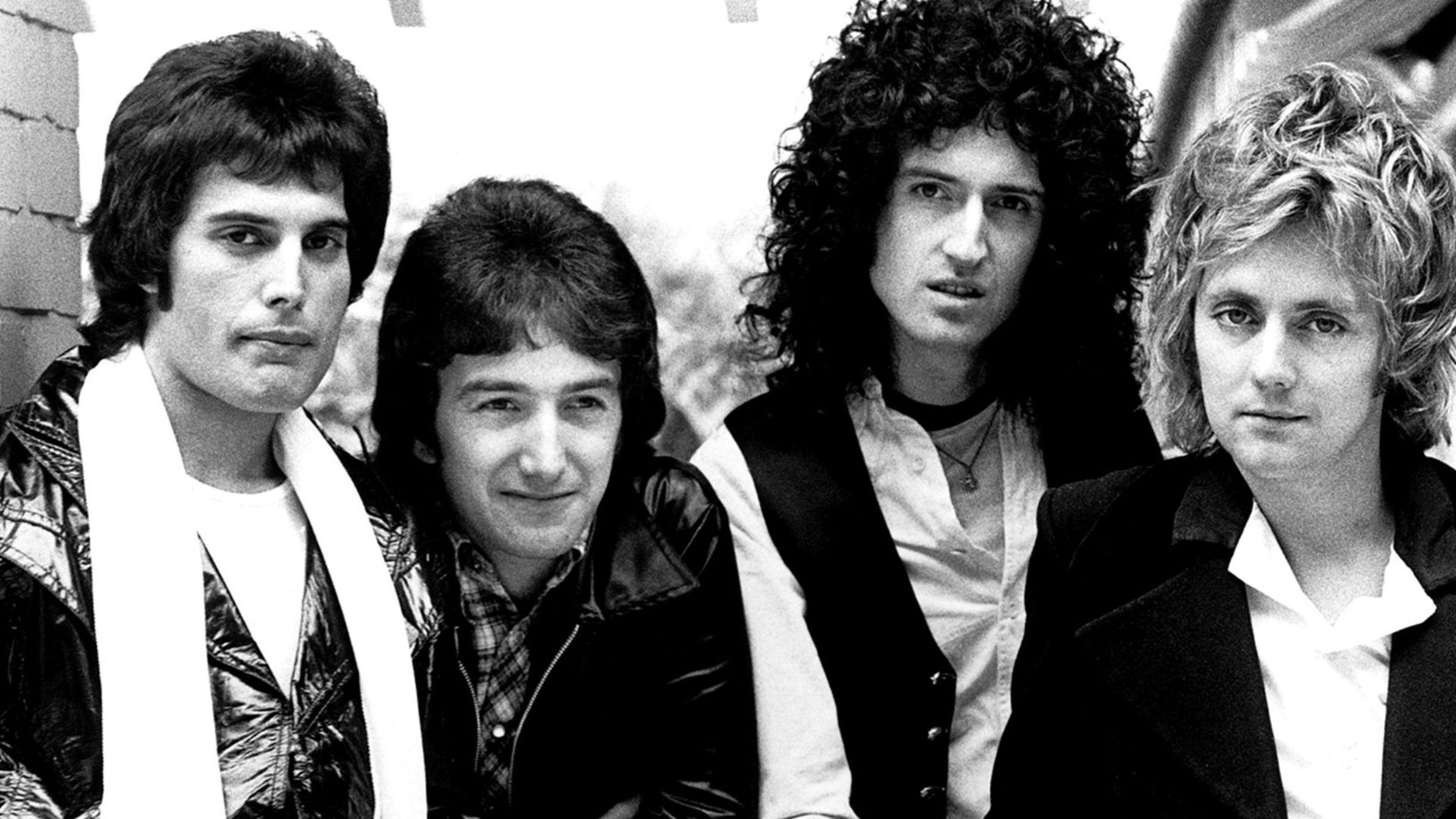
Though Innuendo was recorded between 1989 and 1990, rumors about his health had begun circulating as early as 1988. Queen's band members staunchly protected Mercury's privacy, shutting down the rumors left, right, and center. Speaking to the press, Robert Taylor even shared that their frontman was "healthy and working".
Still, the public was beginning to notice that there was something alarmingly different about Mercury's appearance.
 Christopher Hopper; distributed by Elektra Records, Wikimedia Commons
Visible Changes In His Health
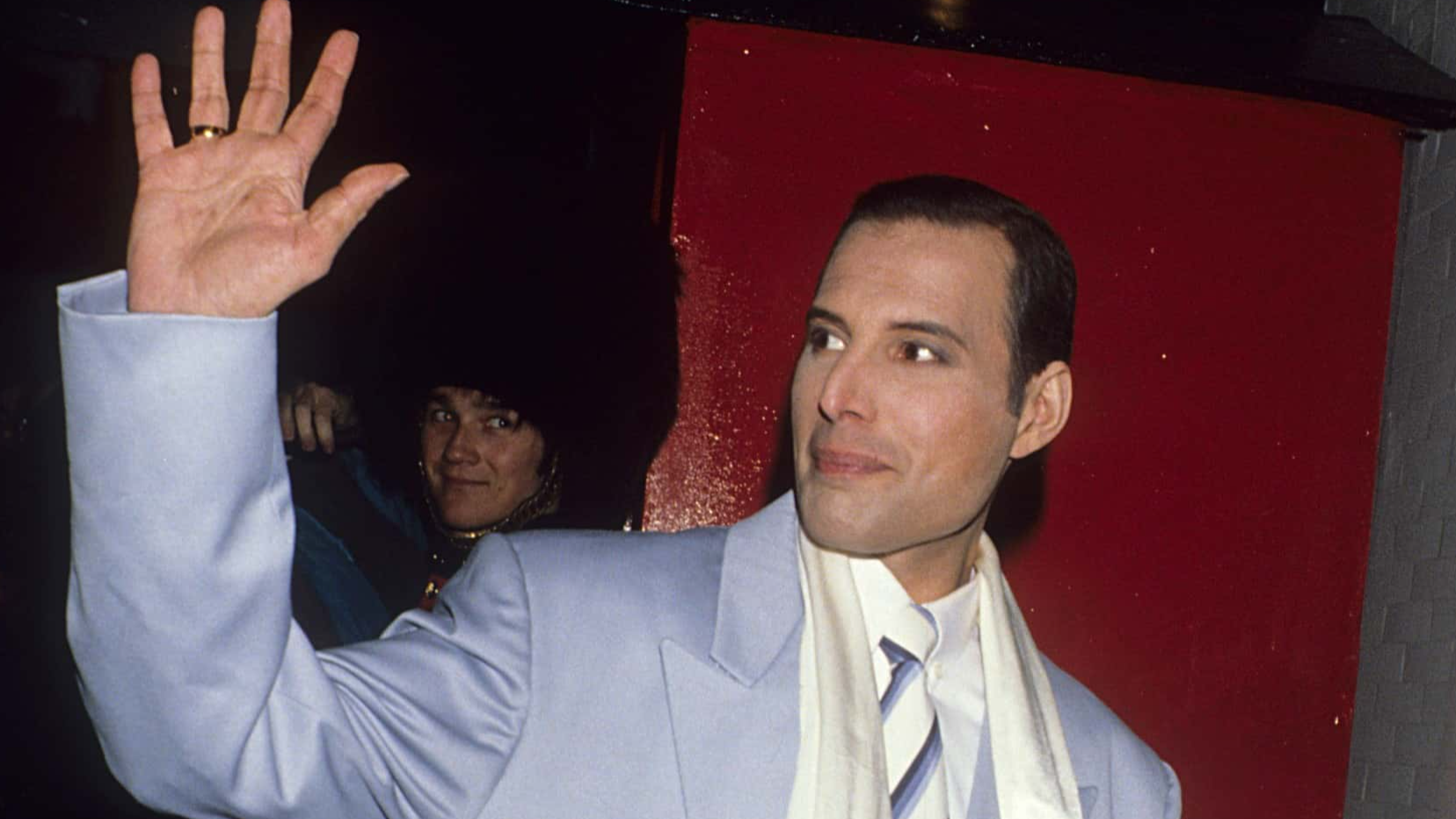
By the early 1990s, Mercury’s appearance had noticeably changed. He had lost weight, and his movements became more restrained. These changes were difficult to hide, even as he avoided public appearances.
The Decision To Keep Filming
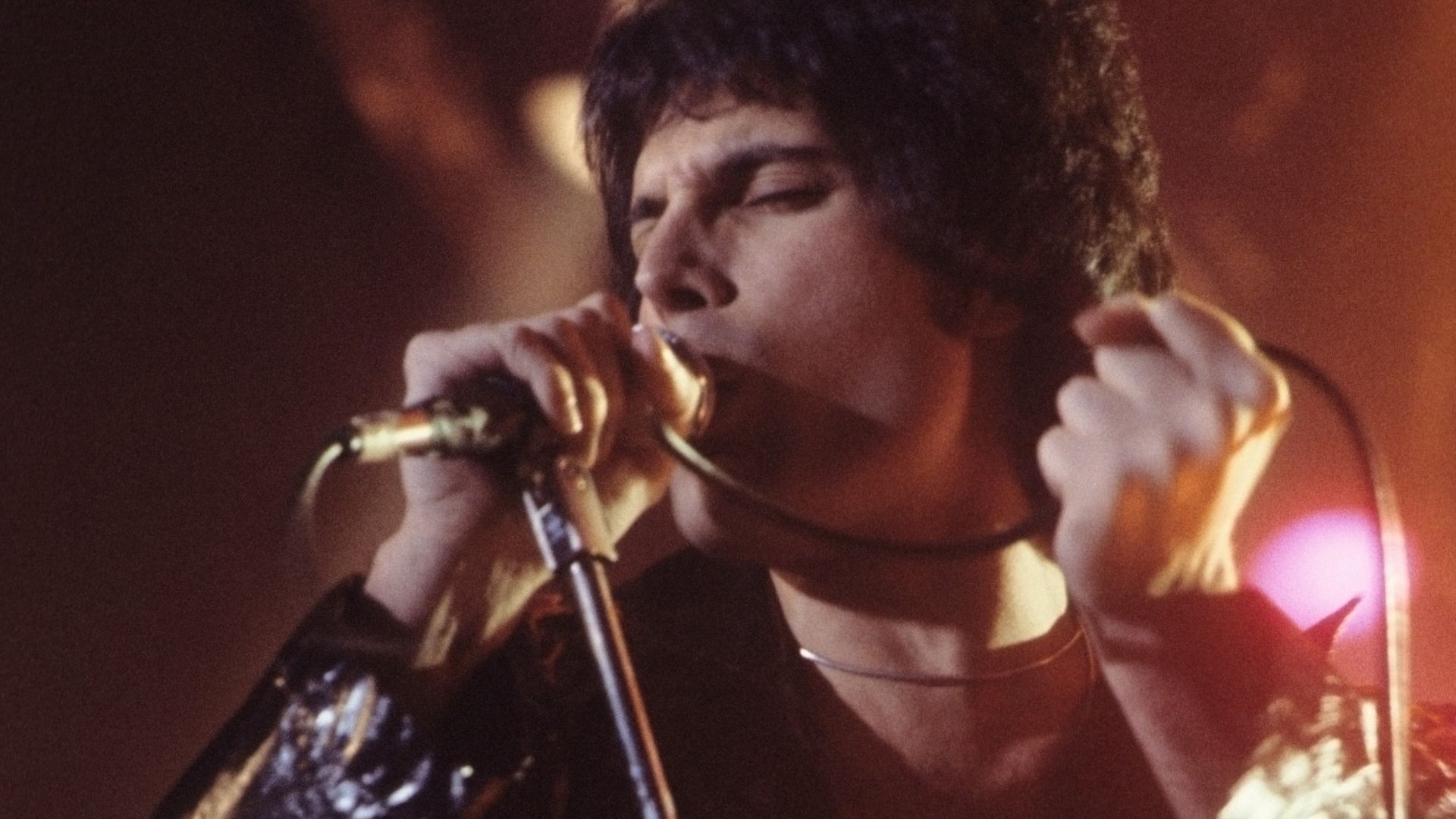
Despite his condition, Mercury agreed to film music videos. He understood that these would likely be among his final performances and approached them with determination.
 Carl Lender, Wikimedia Commons
Preparing For "These Are The Days Of Our Lives"
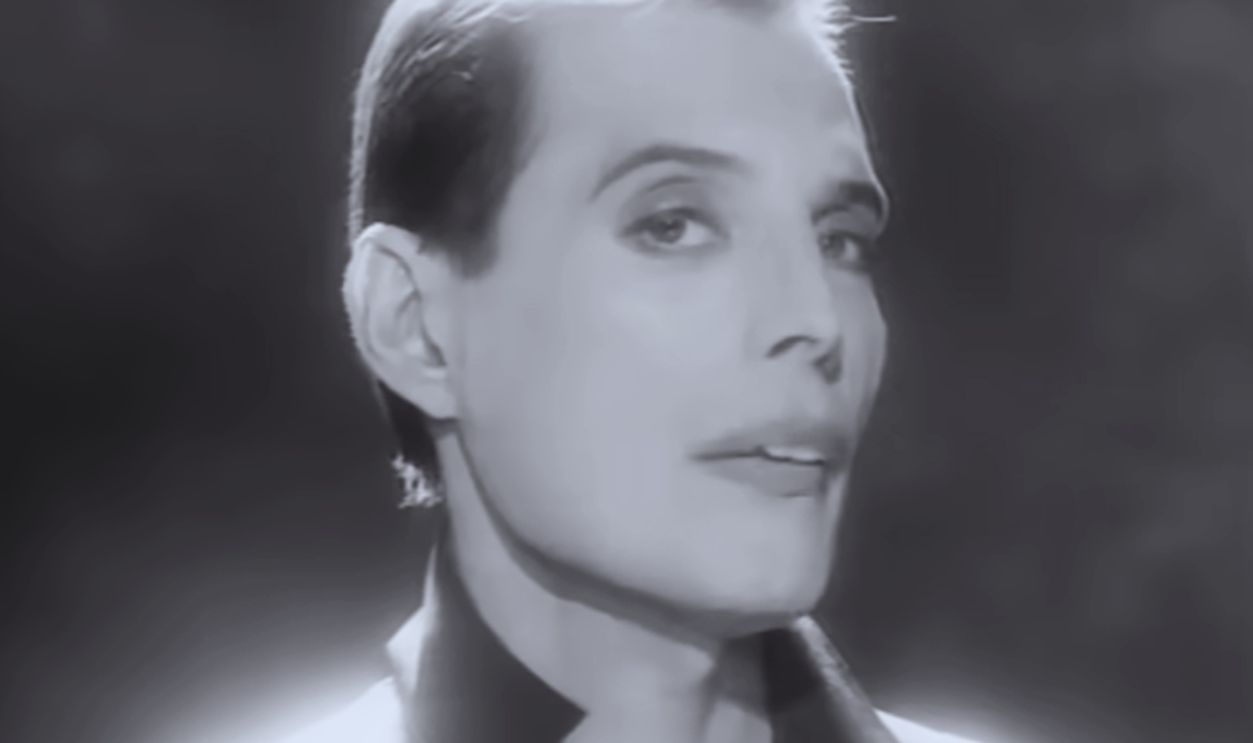
The video for "These Are the Days of Our Lives" was filmed in May 1991. By then, Mercury’s health had significantly declined, and the shoot was adjusted to accommodate his condition. According to the director Rudi Dolezal, he had been instructed to keep the shoot as quick as possible because Mercury wasn't doing well.
 Screenshot from These Are the Days of Our Lives, Universal Music Group (1991)
Filming In Black And White
Dolezal made the artistic decision to film the music video in black and white, but the reason why was tragic: He hoped the color scheme would help diminish how poorly Mercury looked. The singer had lost a shocking amount of weight. Though he put on a brave face, there was no doubt that he was in incredible pain.
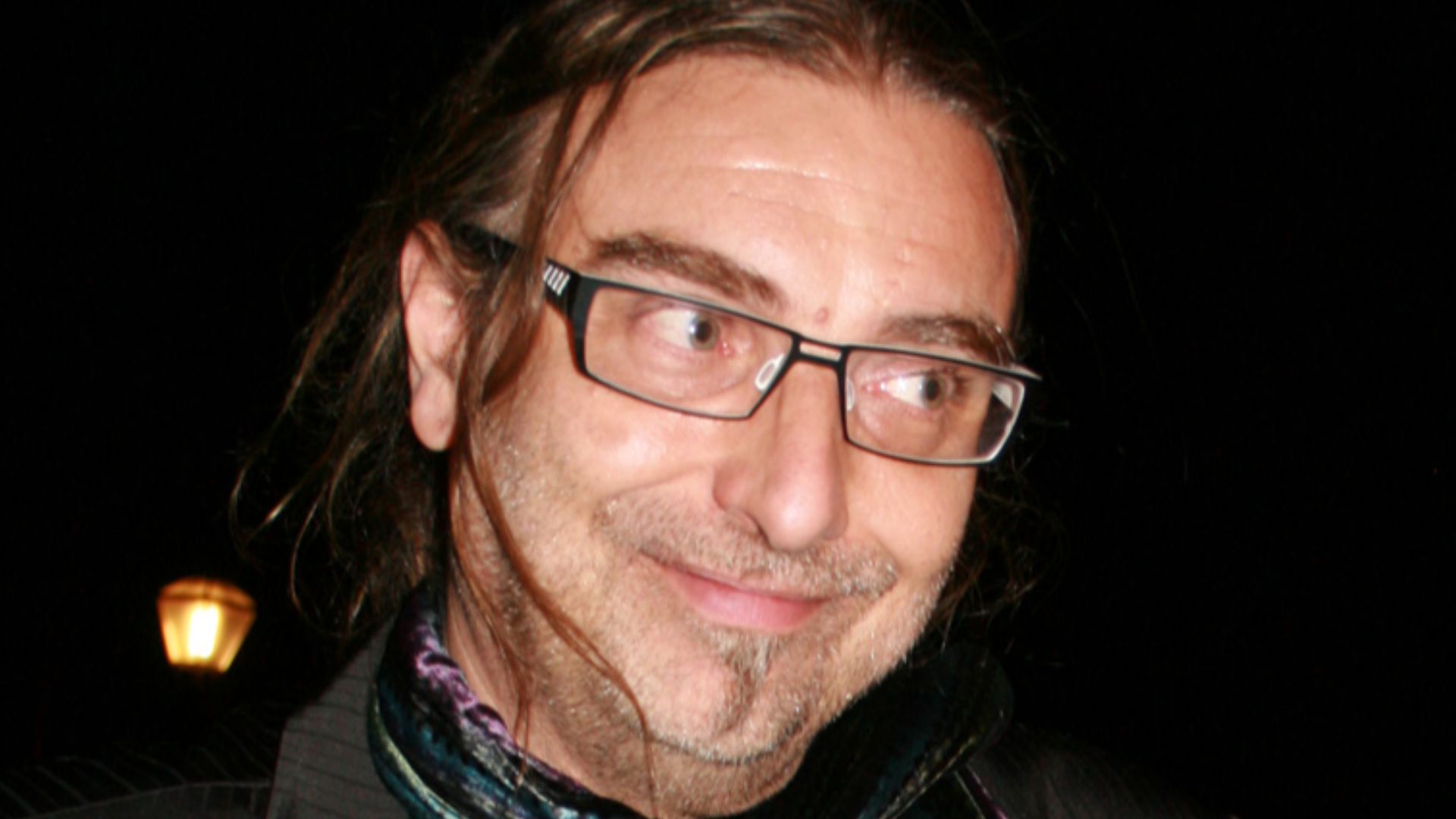 Manfred Werner - Tsui, Wikimedia Commons
He Was Extremely Unwell
According to Dolezal, "The bottom of his foot was a completely open wound". But though he was physically weak, Mercury brought an undeniable strength to the shoot. He wasn't demanding or entitled despite his illness, and was willing to keep going to get the vision right.
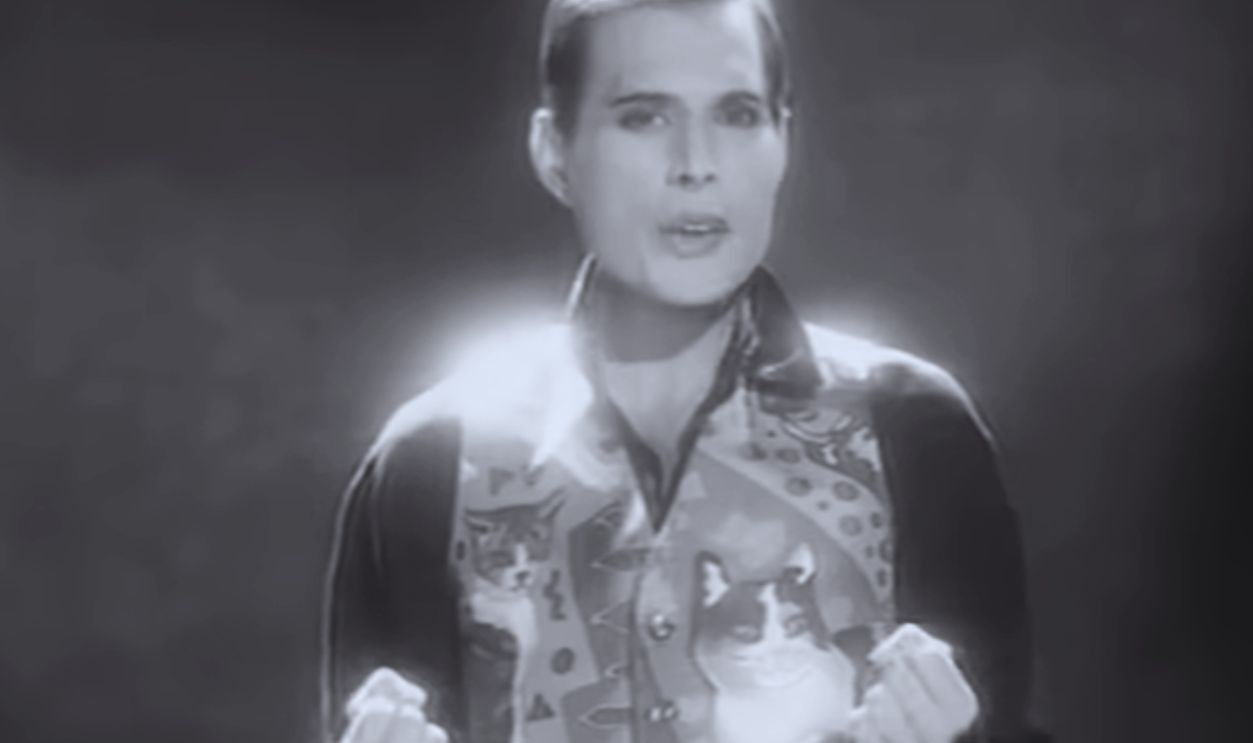 Screenshot from These Are the Days of Our Lives, Universal Music Group (1991)
He Went The Extra Mile
Freddie Mercury didn't rush the shoot and even asked for an extra take. He wanted to give the song's final lyrics another go—his final words captured on camera. To wrap things up, he looks straight into the camera, connecting with his viewers while delivering those unforgettable lines: "Those days are gone now but one thing’s still true / When I look and I find I still love you."
Mercury was right: It was important to get this last shot right.
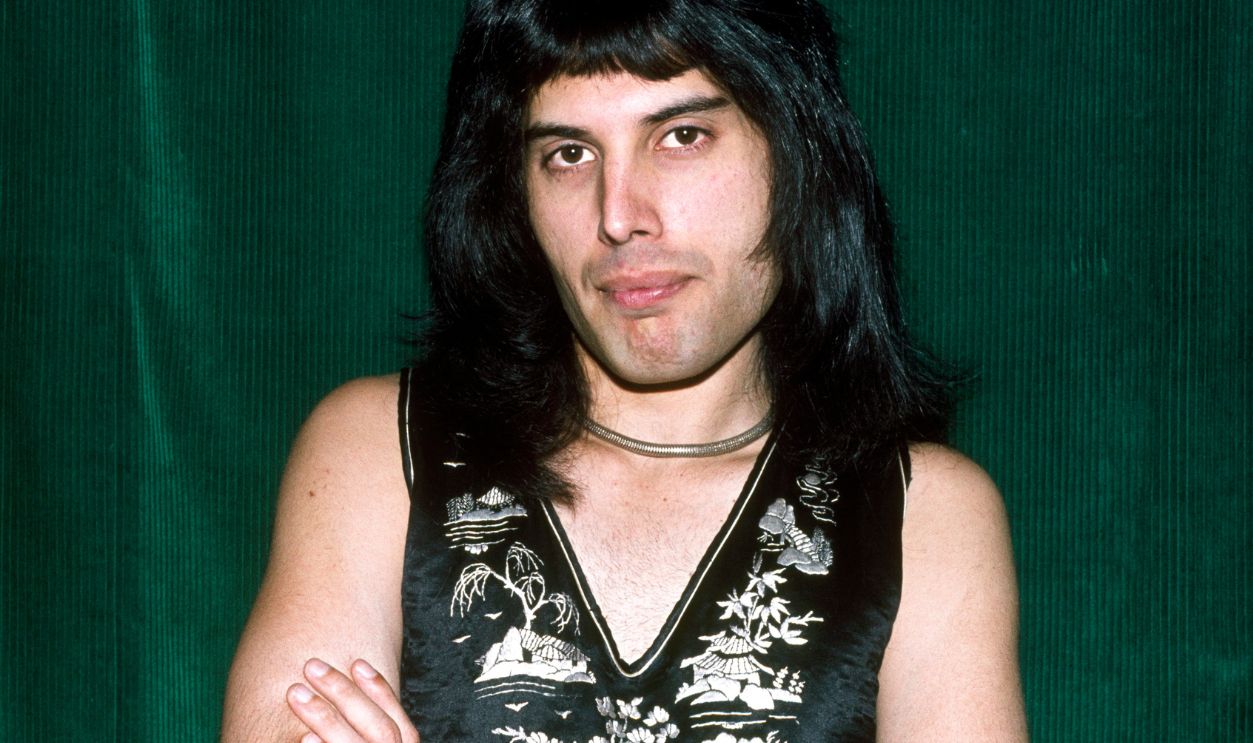 George Wilkes Archive, Getty Images
He Made A Dramatic Exit
The director, Dolezal, later interpreted the music video's final moments in a touching way. He shared with the People, “In these last few seconds of that song, he gives us a resume of his whole life: ‘I was a big superstar, but don’t take it too seriously.’ And then, ‘I still love you,’ which is to the fans. Then he walks out of life. Even in his last moments, he planned his exit artistically. That’s how he wanted it to be".
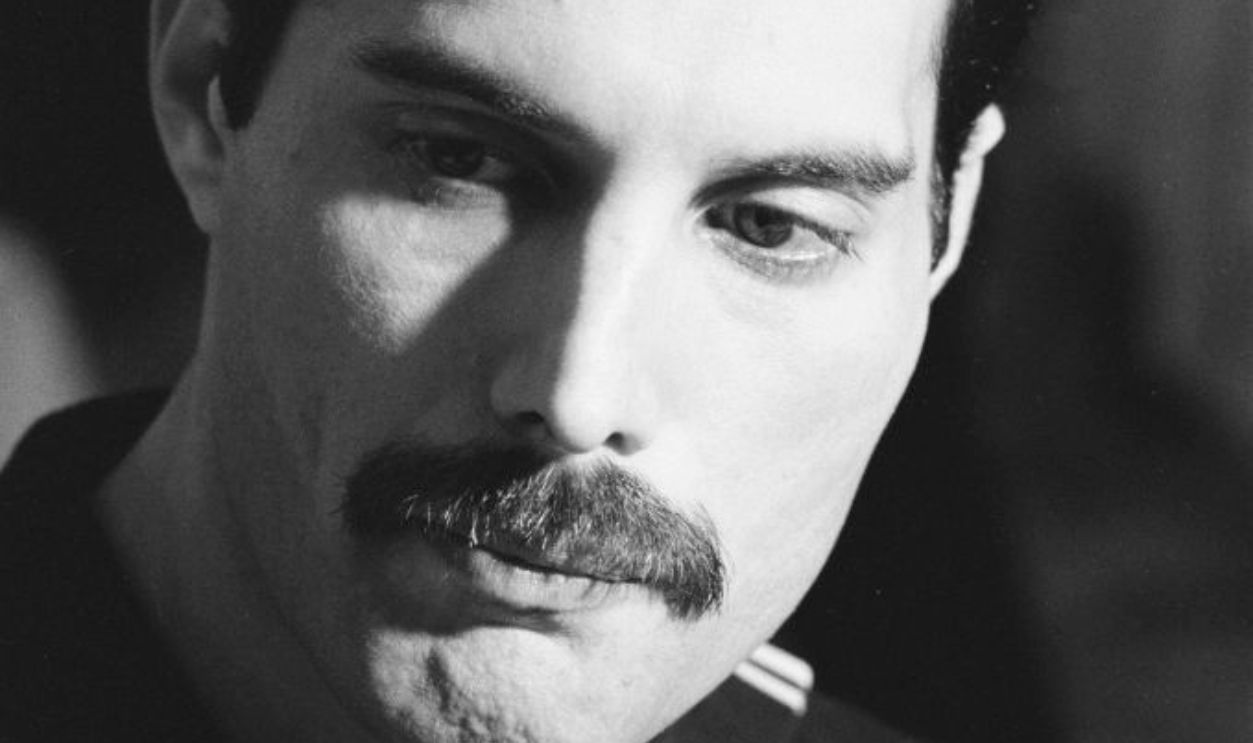 Midori Tsukagoshi/Shinko Music, Getty Images
Quiet Support In The Studio
The band adjusted their recording process to fit Mercury’s energy levels. Sessions were shorter, and breaks were frequent, allowing him to contribute as much as possible.
A Sense Of Urgency
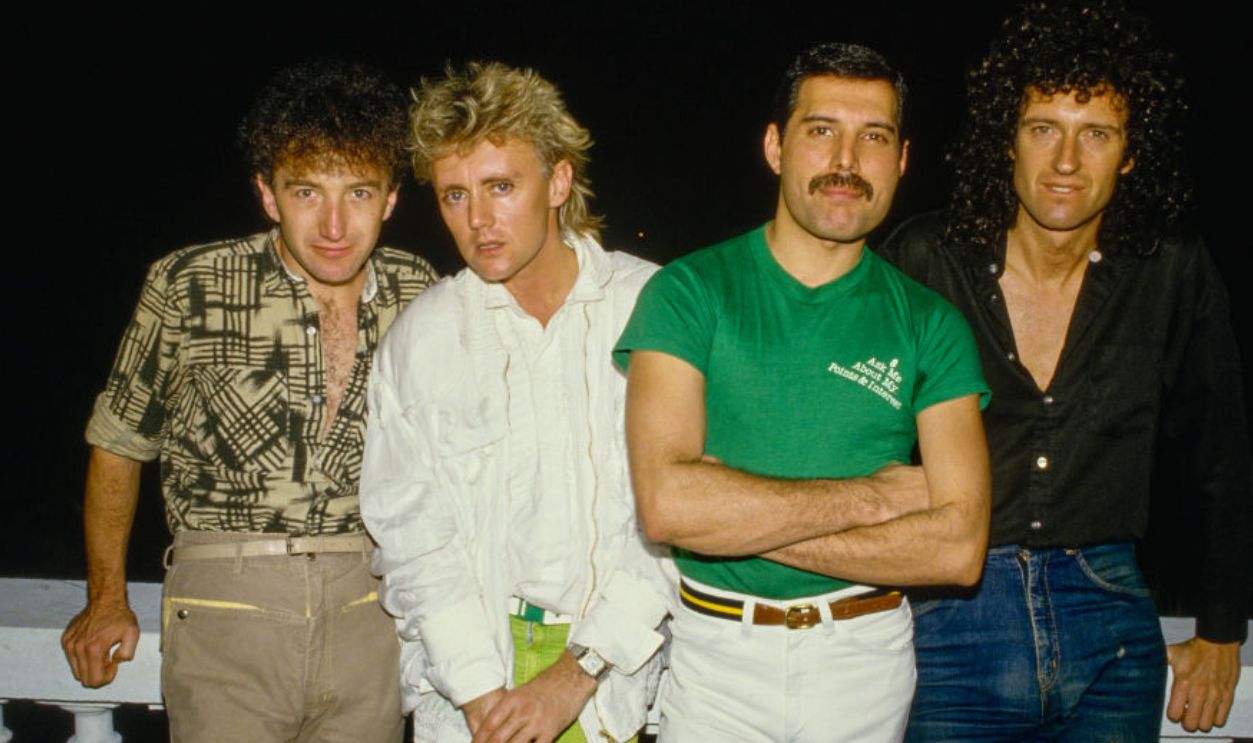
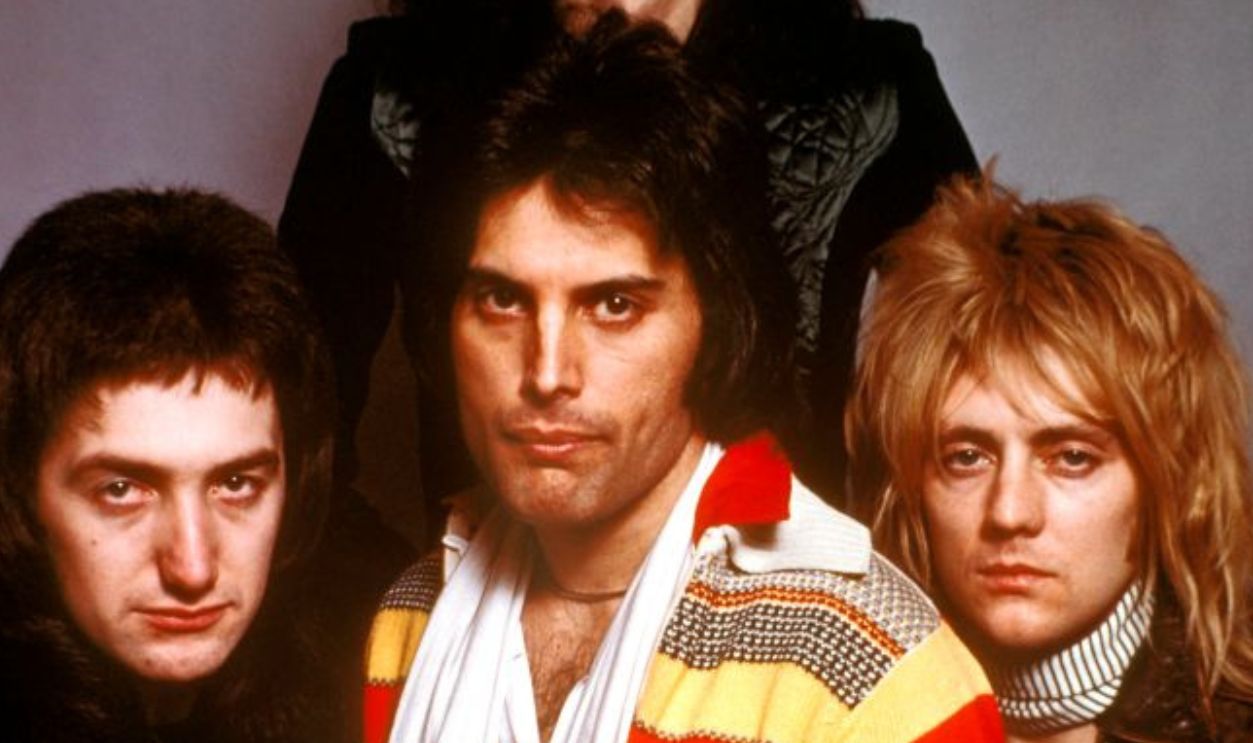
There was an unspoken understanding among the band that time was limited. This awareness influenced their work, as they focused on completing as much material as they could together. Brian May, Roger Taylor, and John Deacon were aware of Mercury’s condition. They continued working with him, adapting to his limitations while supporting him through the final stages of recording.
 Richard E. Aaron, Getty Images
Freddie’s Approach to Mortality
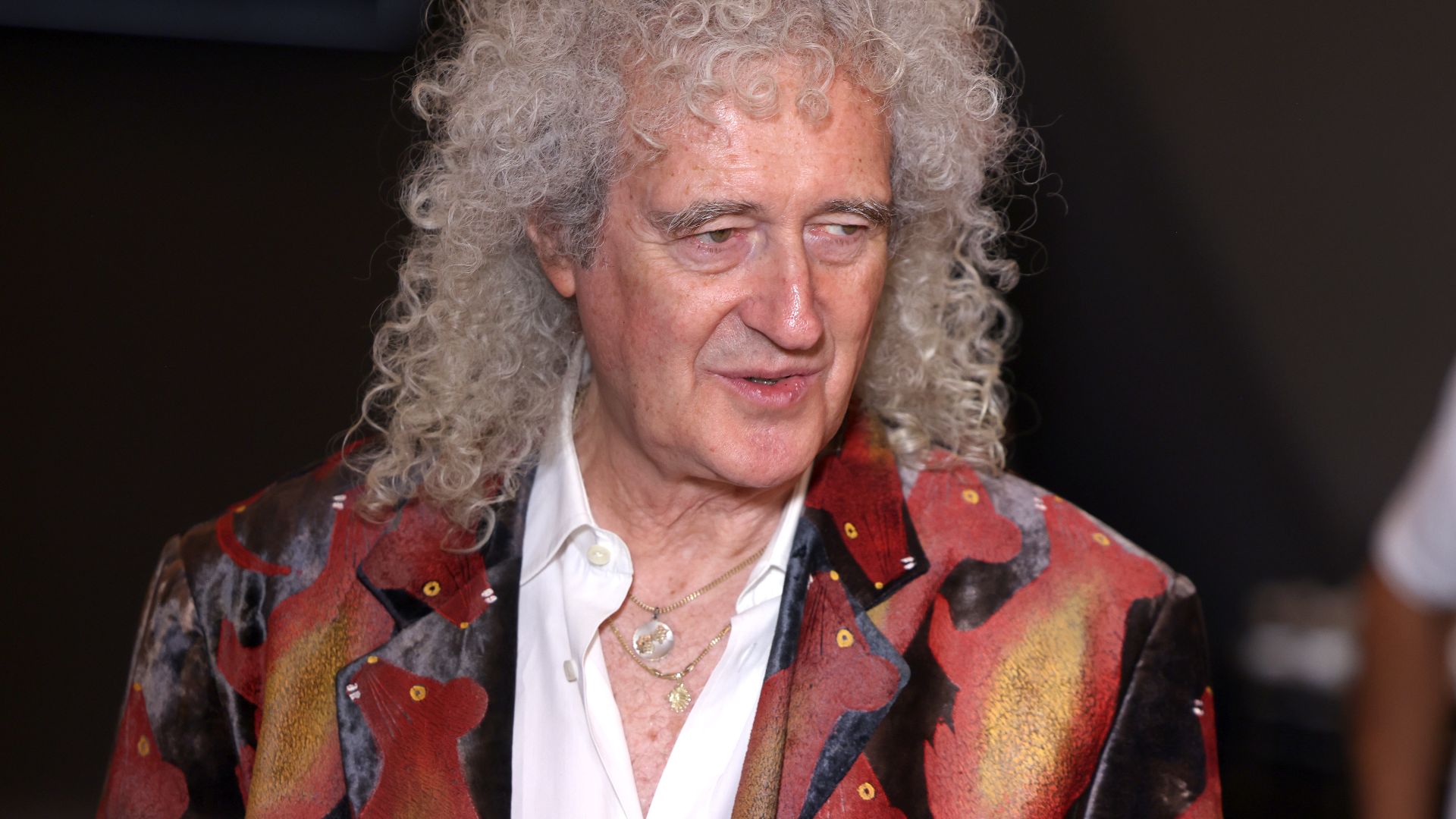
Mercury rarely spoke publicly about his illness, but those close to him noted that he faced it with a mix of realism and determination. He remained focused on music rather than dwelling on his fate. According to Brian May, "He just kept saying. 'Write me more. Write me stuff. I want to just sing this and do it and when I am gone you can finish it off.' He had no fear, really".
 Gage Skidmore, Wikimedia Commons
Choosing Privacy Over Publicity
He chose not to publicly confirm his diagnosis until the very end of his life. This decision allowed him to maintain control over his narrative and continue working without constant media attention. Mercury finally stepped away from music in June 1991. The following months were not easy.
He Went Home
After so many years of living in the fast lane, Mercury slowed down and returned to his home in West London. Thankfully, he wasn't alone during this trying time. Mary Austin, whom he used to date, was still one of his closest friends and was with him during his final weeks. His condition was heartbreaking.
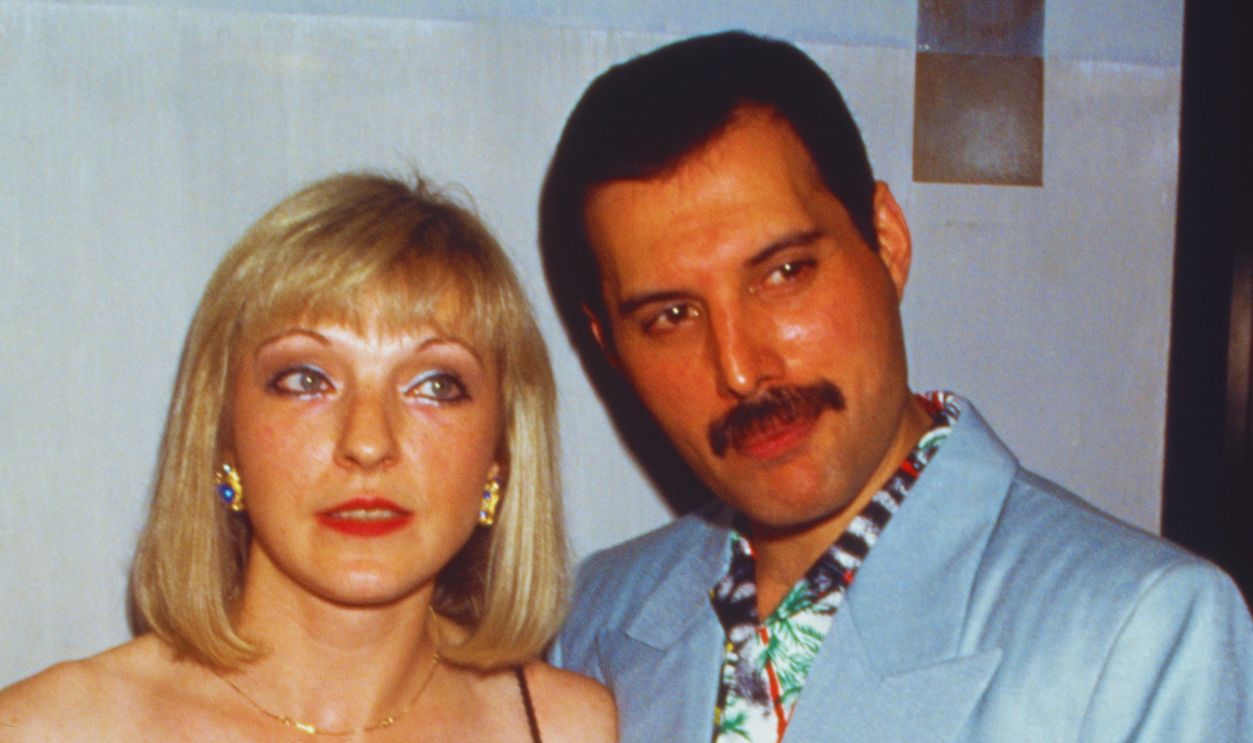
Bedridden And Accepting The End
As November 1991 drew to a close, Mercury's body began failing in earnest. He was bedridden, and his sight worsened. Accepting the inevitable, he gave up his medication and relied only on painkillers to carry him through. It was finally time to speak his truth.
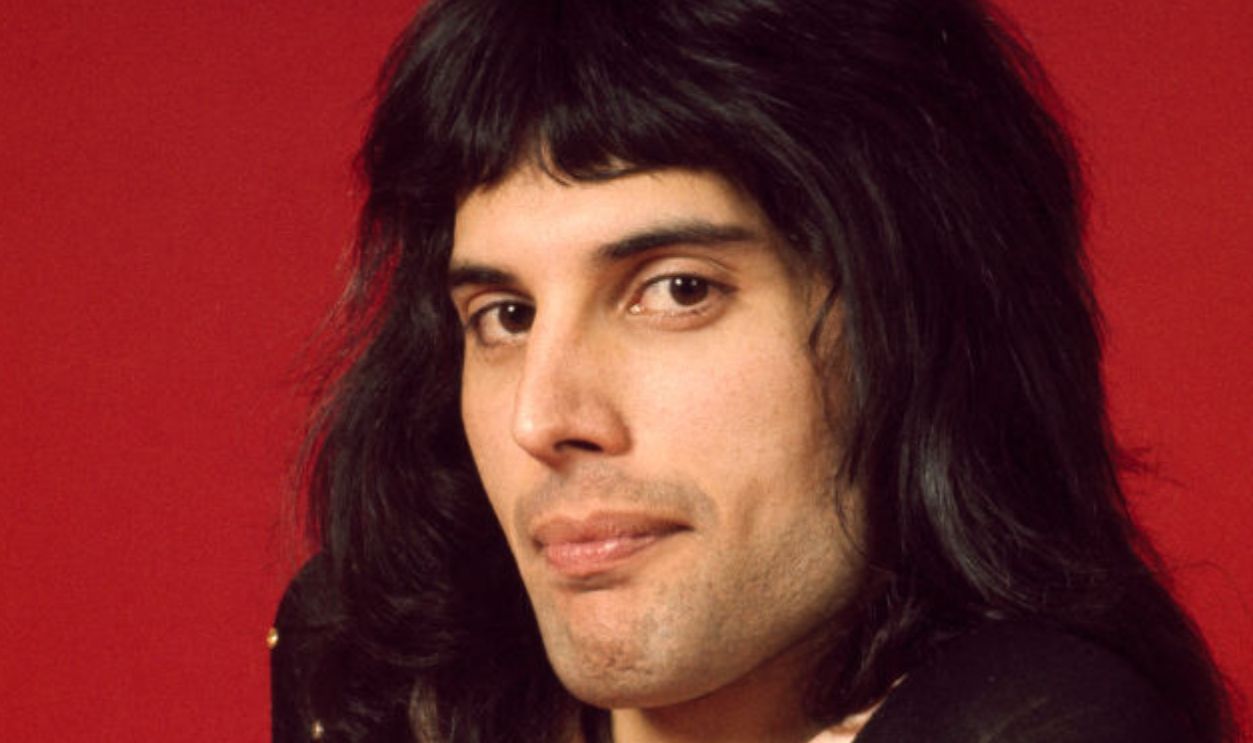
Finally Sharing The Truth
Around 24 hours before he passed on November 24, 1991, Mercury released a statement that shattered hearts around the world. Part of the statement read: "Following the enormous conjecture in the press over the last two weeks, I wish to confirm that I have been tested HIV positive and have AIDS. I felt it correct to keep this information private to date to protect the privacy of those around me".
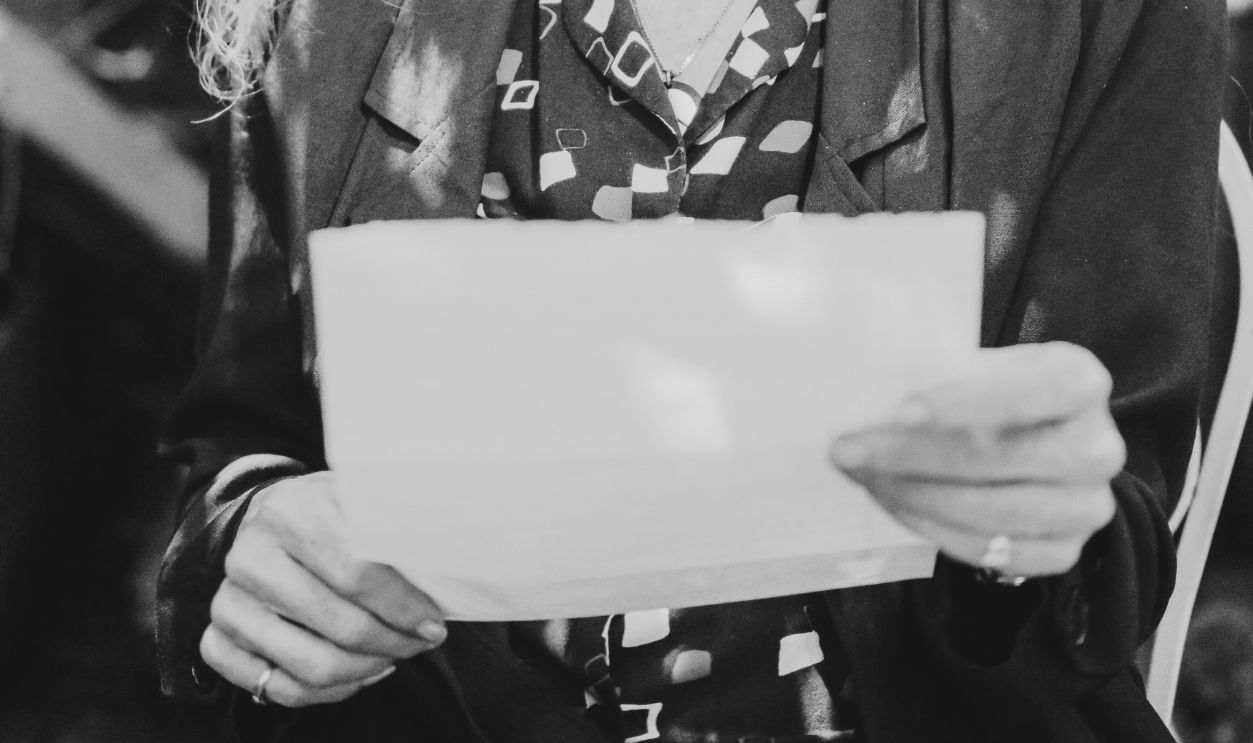
Saying Goodbye
Freddie Mercury was only 45 years old when he died of bronchial pneumonia—a complication of AIDS. Three days later, 35 of his dearest friends, as well as his family, attended his funeral. But when it came to his remains, Mercury had a curious wish.
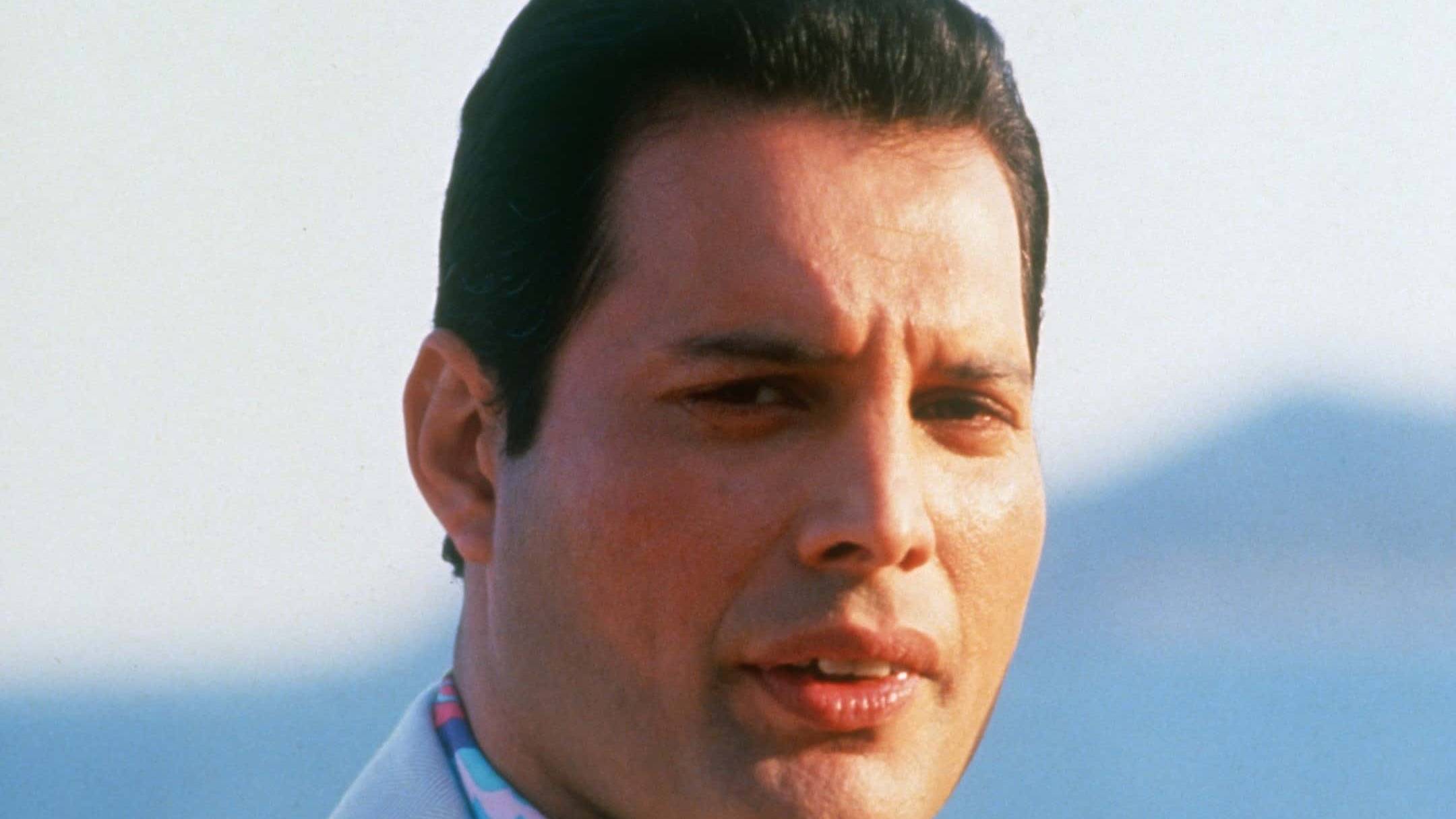 FG/Bauer-Griffin, Getty Images
Only One Person Knows His Final Resting Place
As one of the most important people in his life, Mary Austin was entrusted with Mercury's cremated remains. Sources say that only Austin knows the superstar's final resting place. She has never revealed the spot where she buried his ashes.
 Evening Standard, Getty Images
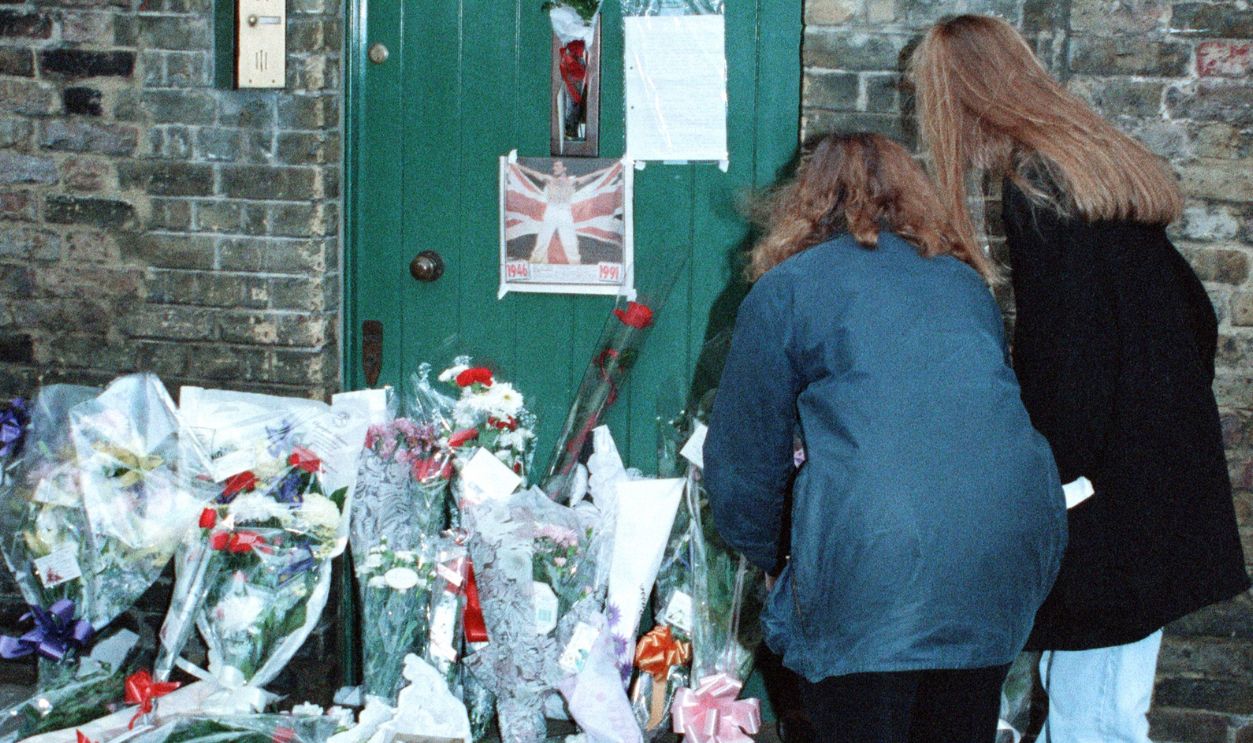
A Public Mourning
Freddie Mercury’s passing helped bring greater awareness to AIDS at a time when the illness was still widely misunderstood. His openness, even at the end, contributed to broader conversations.
The Legacy Of The Final Video
"These Are the Days of Our Lives" became one of the most emotionally resonant pieces of Queen’s work. The video stands as a record of Mercury’s final performance and state of mind. This, and his final recordings, serve as a lasting farewell. They capture not only his talent but also his resilience during a time of profound personal challenge.
You May Also Like:
The Rock Legend Of Phil Lynott
Brilliant Folk Songs That Captured The Heart Of America