What Makes A Band “Influential”?
Influence isn’t just about album sales or chart success. It’s about what comes next—how a band reshapes sound, culture, or even the business of music. The groups on this list didn’t just dominate their moment. They changed what other artists sounded like and how music genres evolved.
 Samir Hussein/Getty Images for Live Nation UK; Randy Bachman/Getty Images
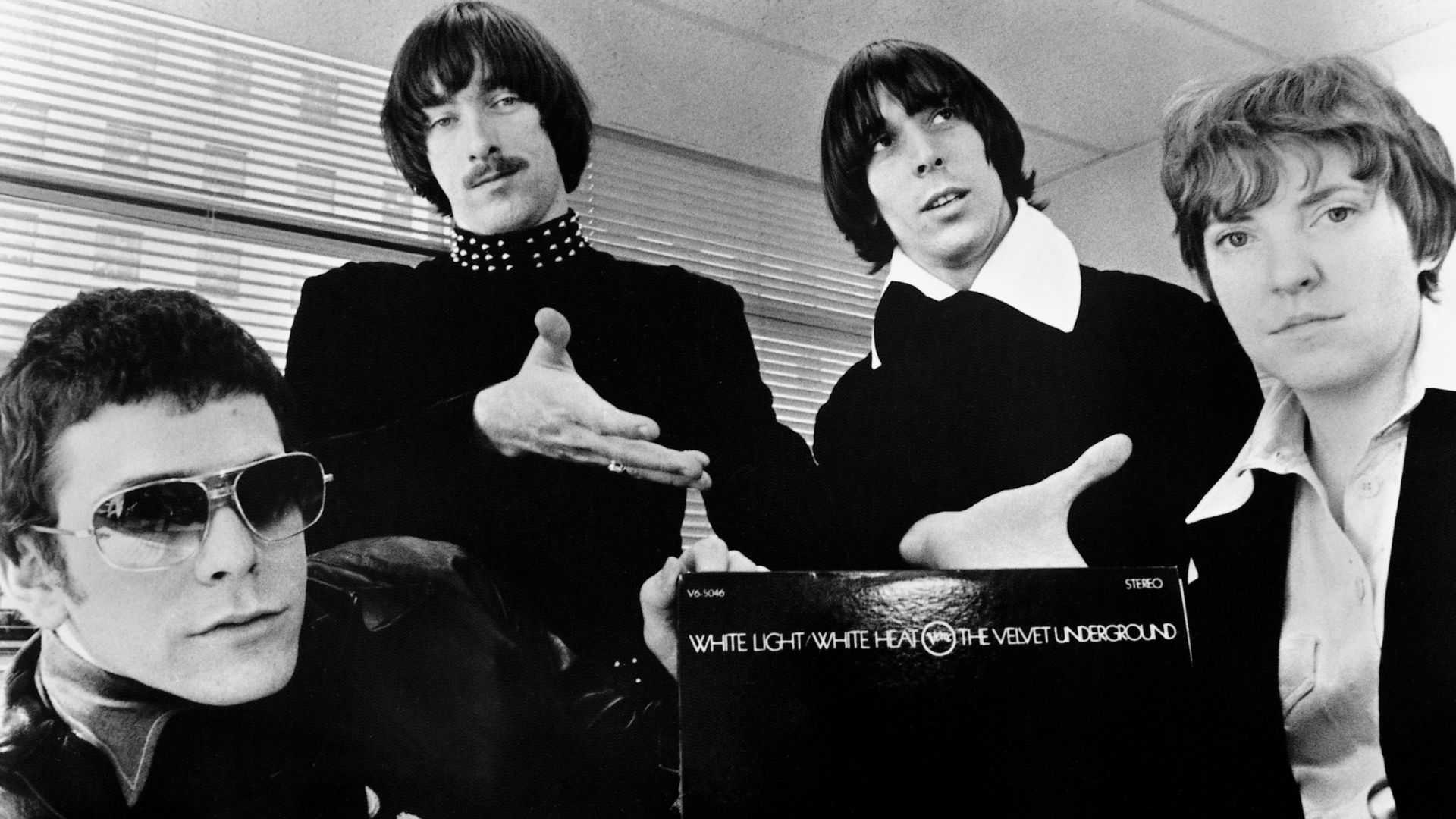
The Velvet Underground
The Velvet Underground barely sold any records in their prime active years, but their raw, minimalist sound became a blueprint for punk, indie, and alternative rock. Artists from David Bowie to R.E.M. cited them as foundational, proving that influence doesn’t always correspond with commercial success.
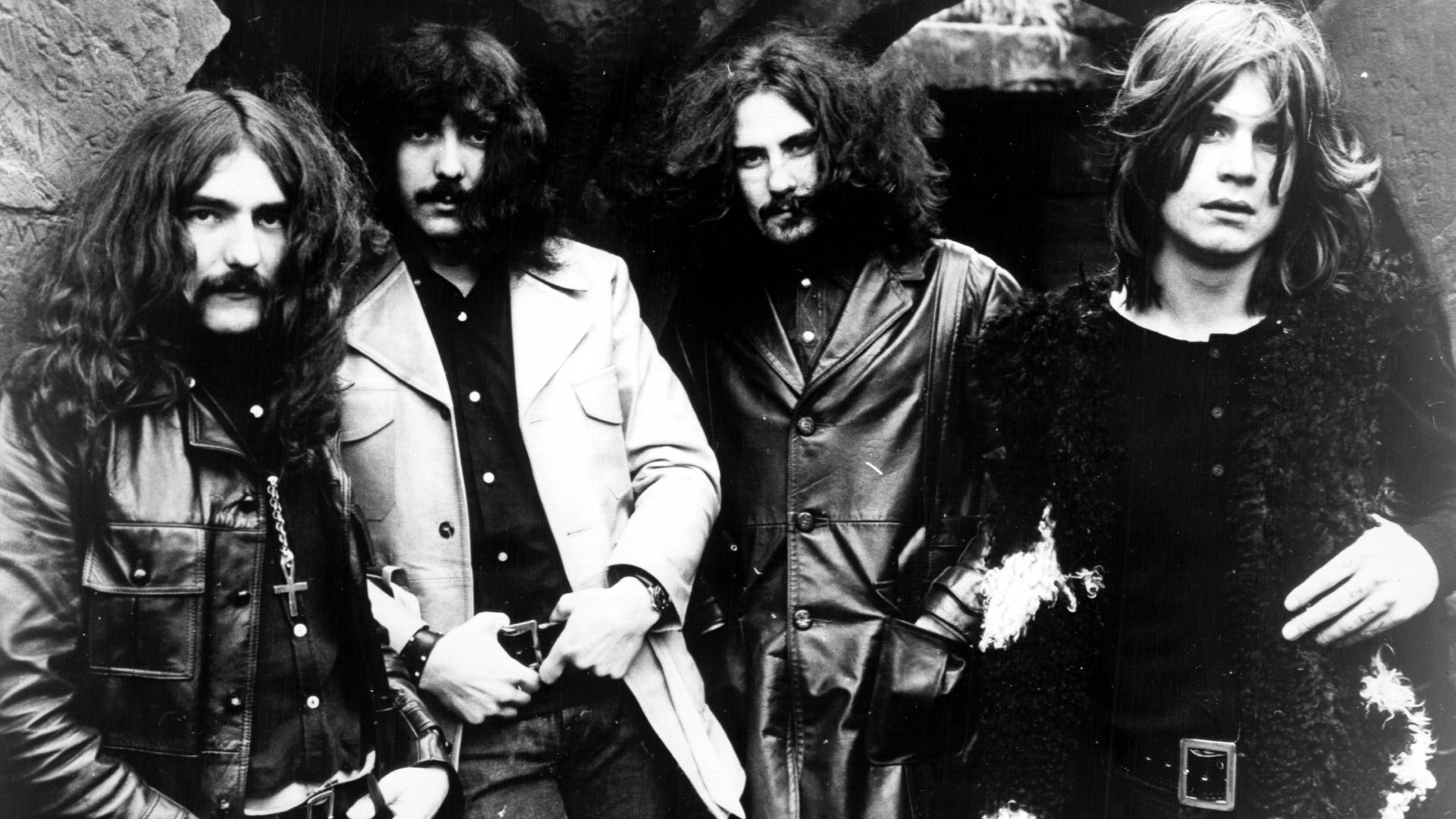
Black Sabbath
Where would metal be today without Black Sabbath? Most people would say “nowhere,” affirmation that Black Sabbath essentially invented the genre. Tony Iommi’s dark riffs, down-tuned guitars, and ominous themes created the sonic template that countless metal bands and subgenres still follow today, from doom to thrash.
 Warner Bros. Records, Wikimedia Commons
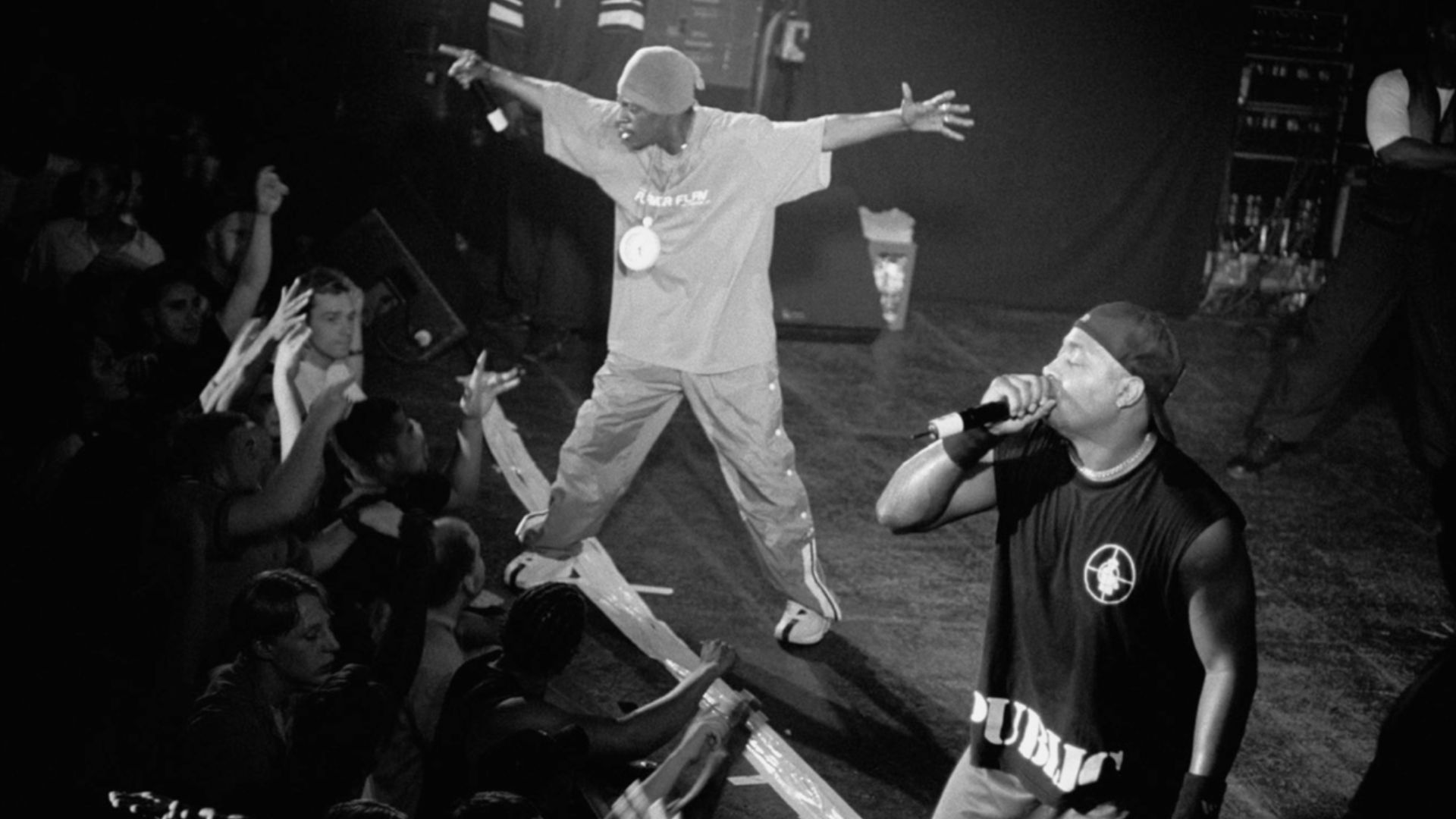
Public Enemy
Public Enemy revolutionized hip-hop by merging dense, aggressive production with some strong political messaging for the era. Their work expanded rap’s scope beyond party tracks, influencing generations of artists to treat hip-hop as a platform for social commentary and activism.
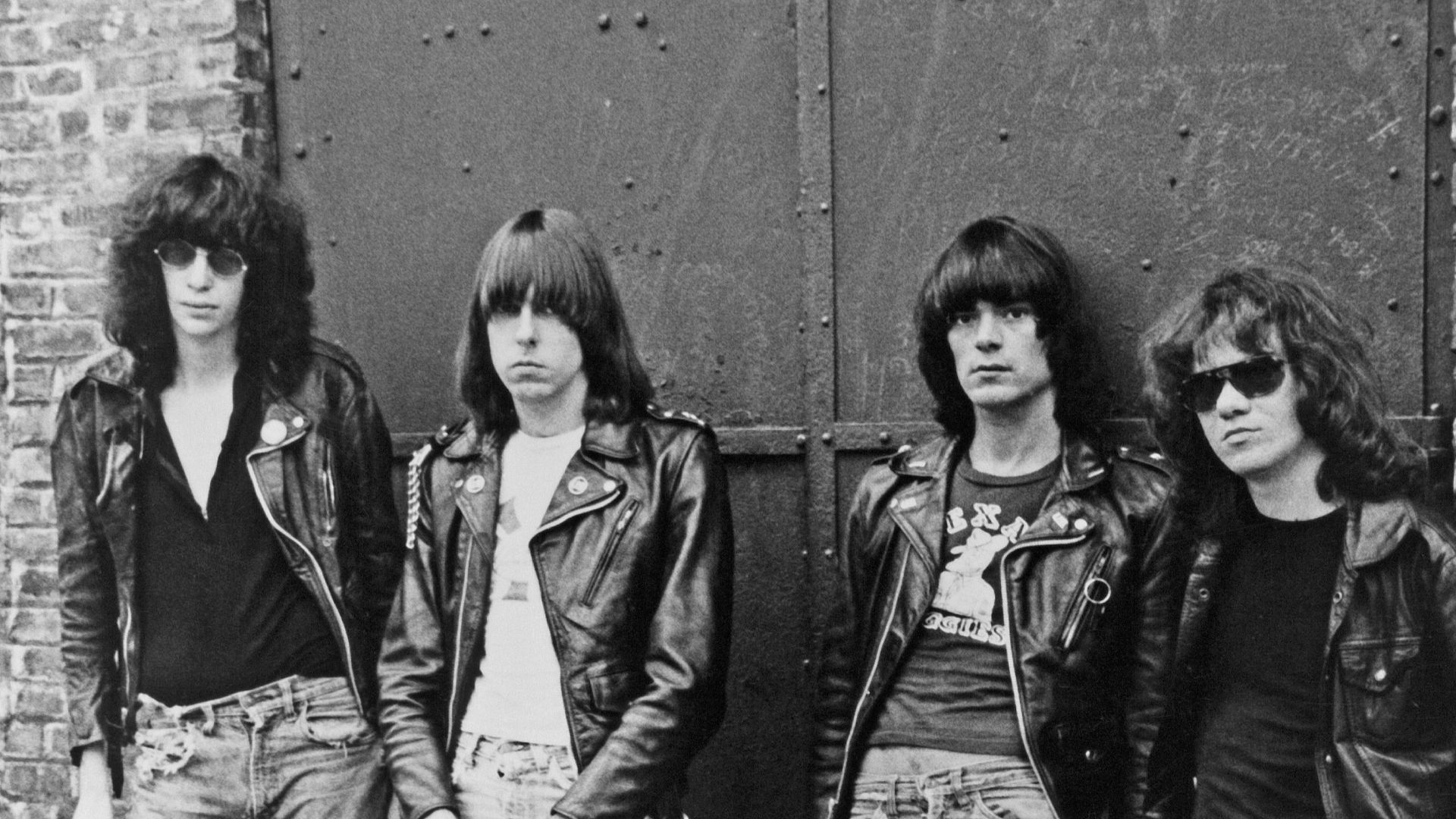
The Ramones
The Ramones stripped rock down to its bare essentials. Fast, loud, and simple, their sound became the foundation of punk rock. Bands across the U.S. and U.K. adopted their style, launching entire scenes that reshaped rock music in the late 1970s.
 Danny Fields, Wikimedia Commons
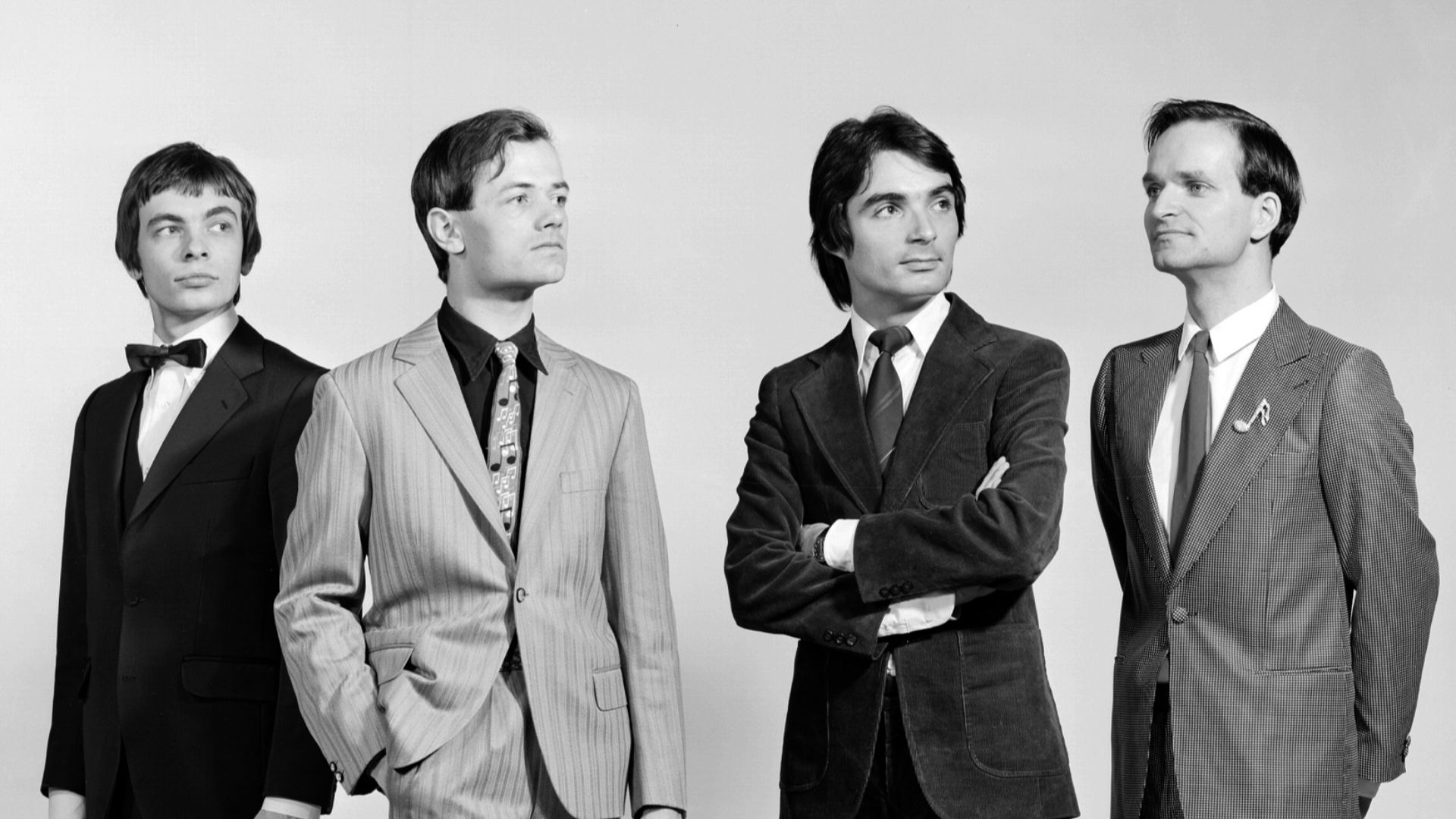
Kraftwerk
Kraftwerk were pioneers of electronic music. These guys used synthesizers and robotic rhythms to lay the groundwork for techno, house, and even hip-hop in the decades that followed their 70s heyday. Their influence can be heard everywhere from club music to modern pop production.
 Maurice Seymour Studio - New York, Wikimedia Commons
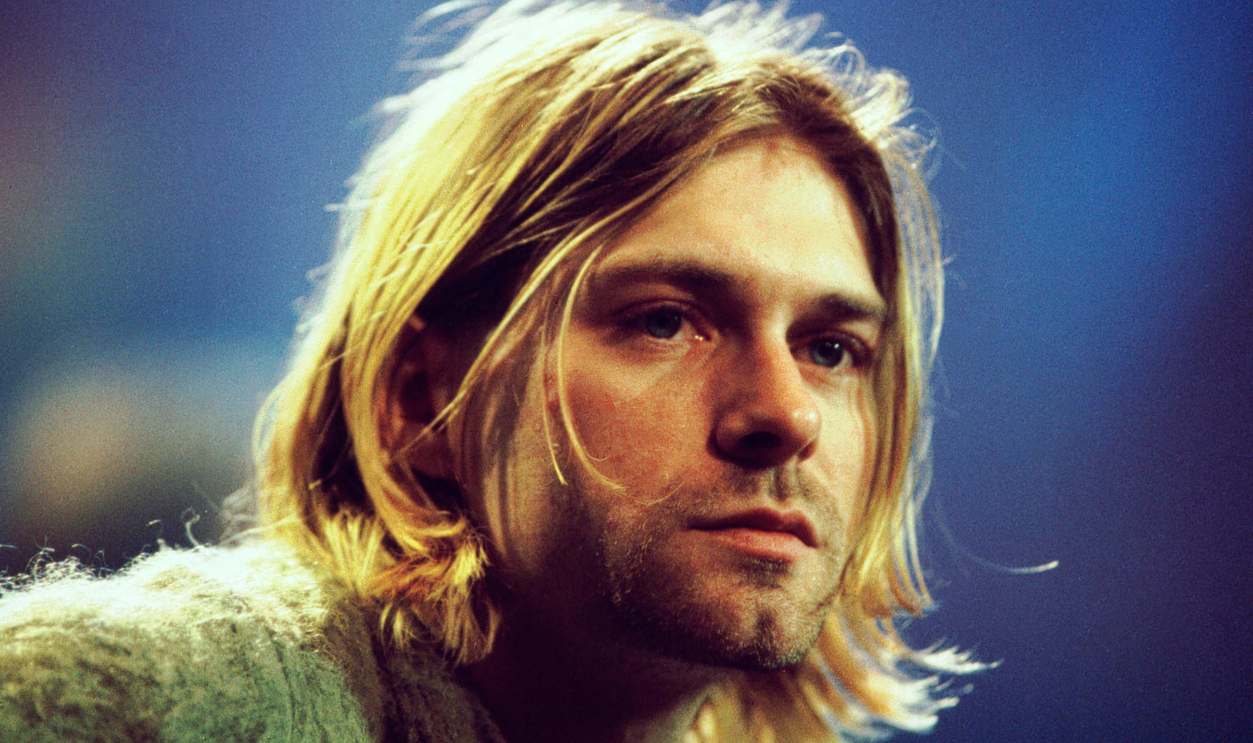
Nirvana
Nirvana didn’t invent grunge, but they made it global. Their totally unforeseen success shifted the industry away from the mindless hedonism of hair metal toward raw, more emotionally driven music. Overnight, record labels started rushing around trying to sign alternative acts, reshaping the sound of the 1990s.
The Beatles
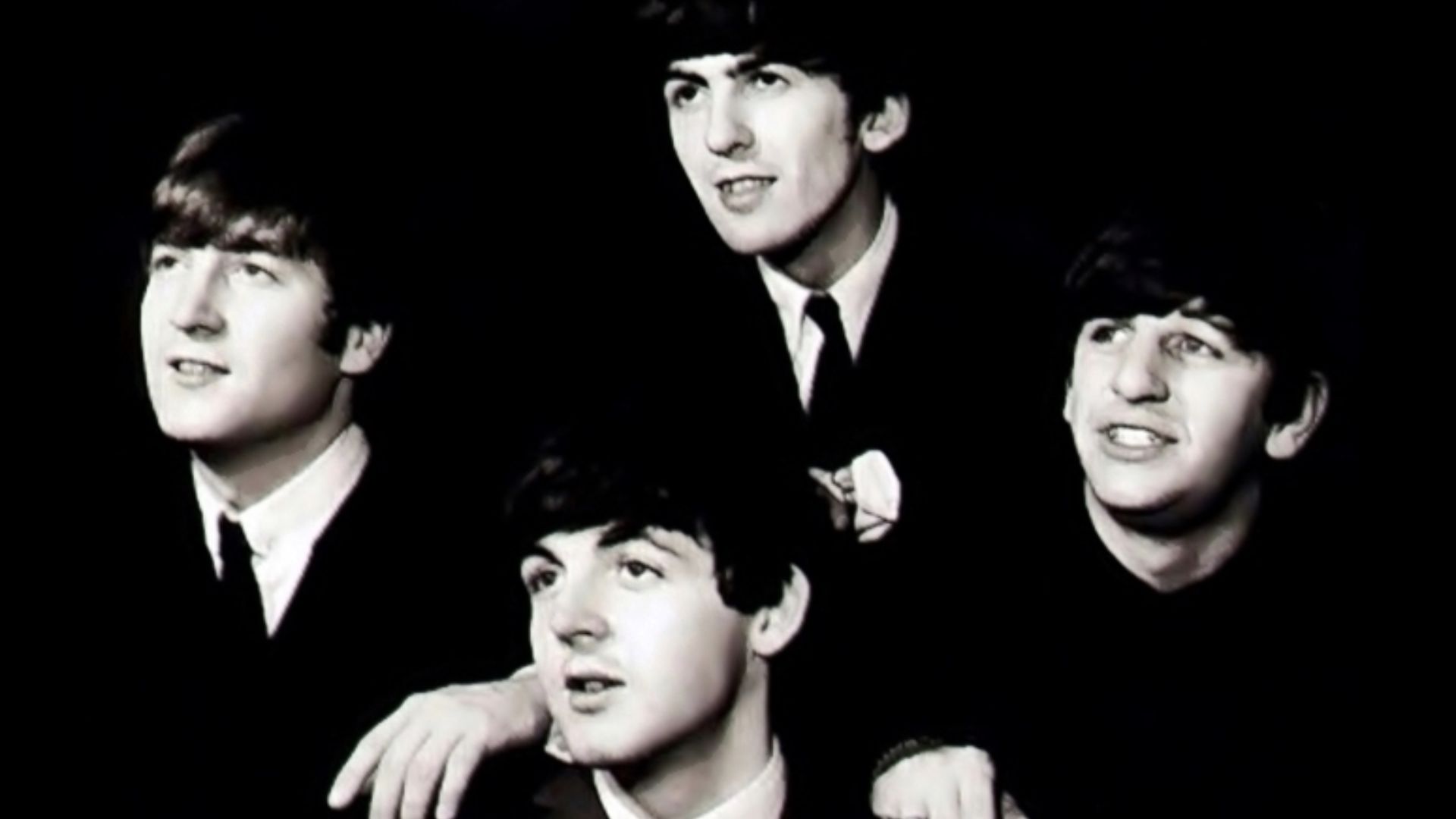
The Beatles transformed songwriting, studio recording, and the whole idea of what a band was. Very few bands were recording the bulk of their music from their own original material. From experimenting with studio techniques to redefining albums as cohesive works, their 60s innovations became a standard blueprint for modern music.
Led Zeppelin
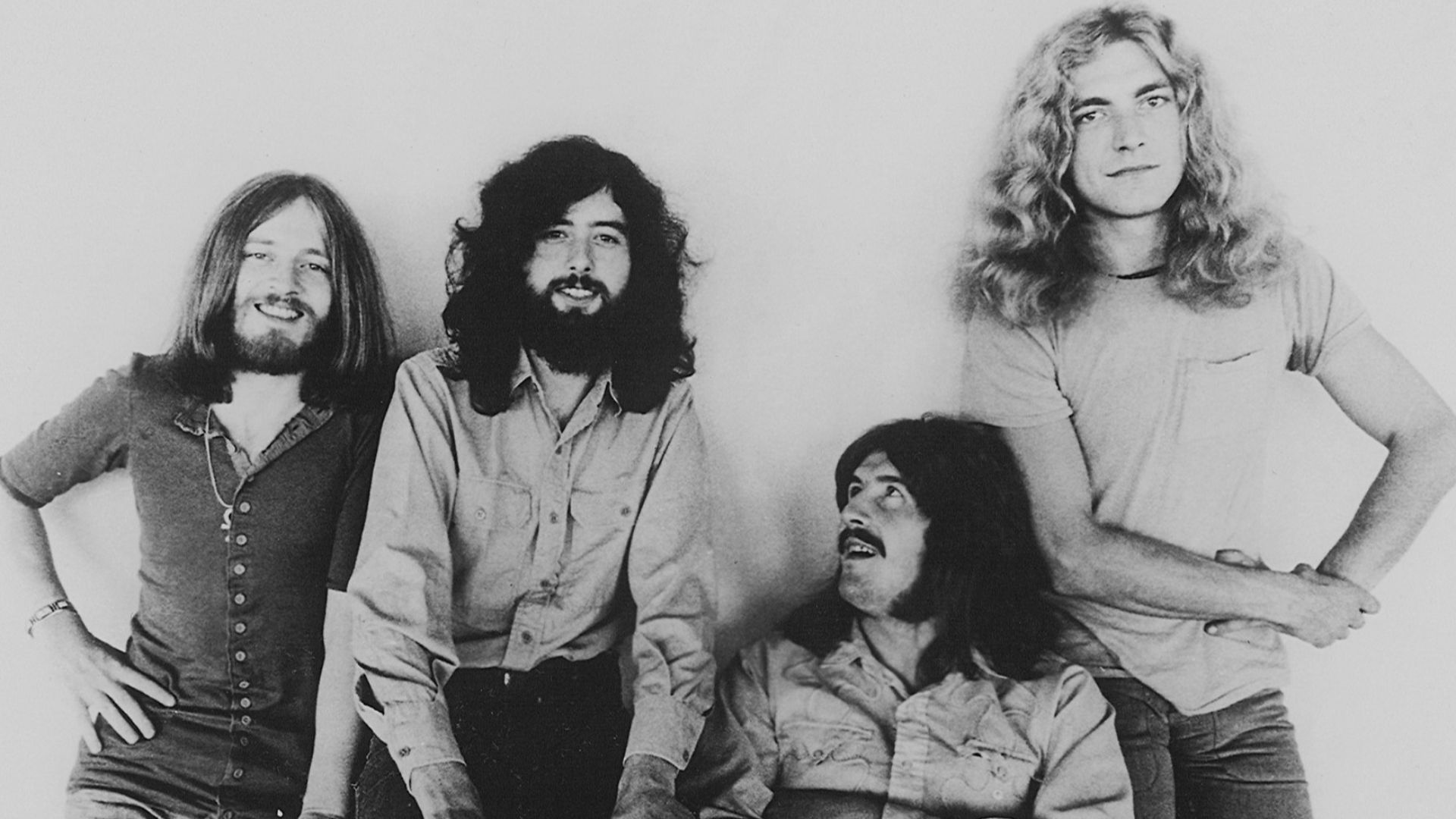
Led Zeppelin fused blues, rock, and mysticism into a heavier, more expansive sound. Their approach influenced hard rock and metal, while their emphasis on albums over singles helped shape how people listened to rock. The band’s manager, Peter Grant, redefined how bands negotiated concert proceeds with tour venues, improving the financial situation for performers.
 Atlantic Records, Wikimedia Commons
Run-D.M.C.
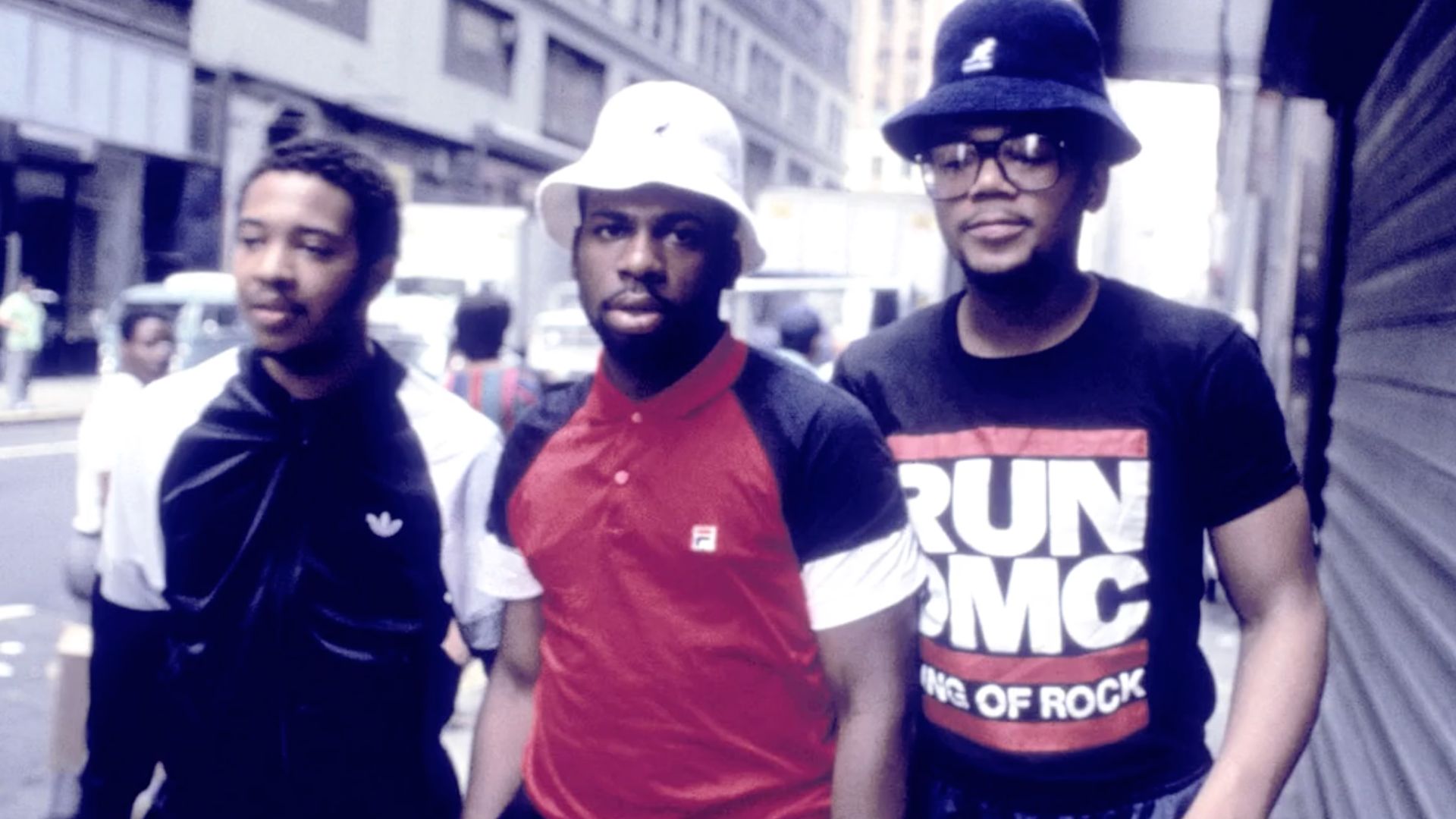
Run-D.M.C. brought hip-hop into the mainstream. By blending rap with rock elements and securing major endorsements, they expanded the genre’s audience and commercial viability in ways that are still appreciated today.
 Jeff Pinilla, Wikimedia Commons
The Rolling Stones
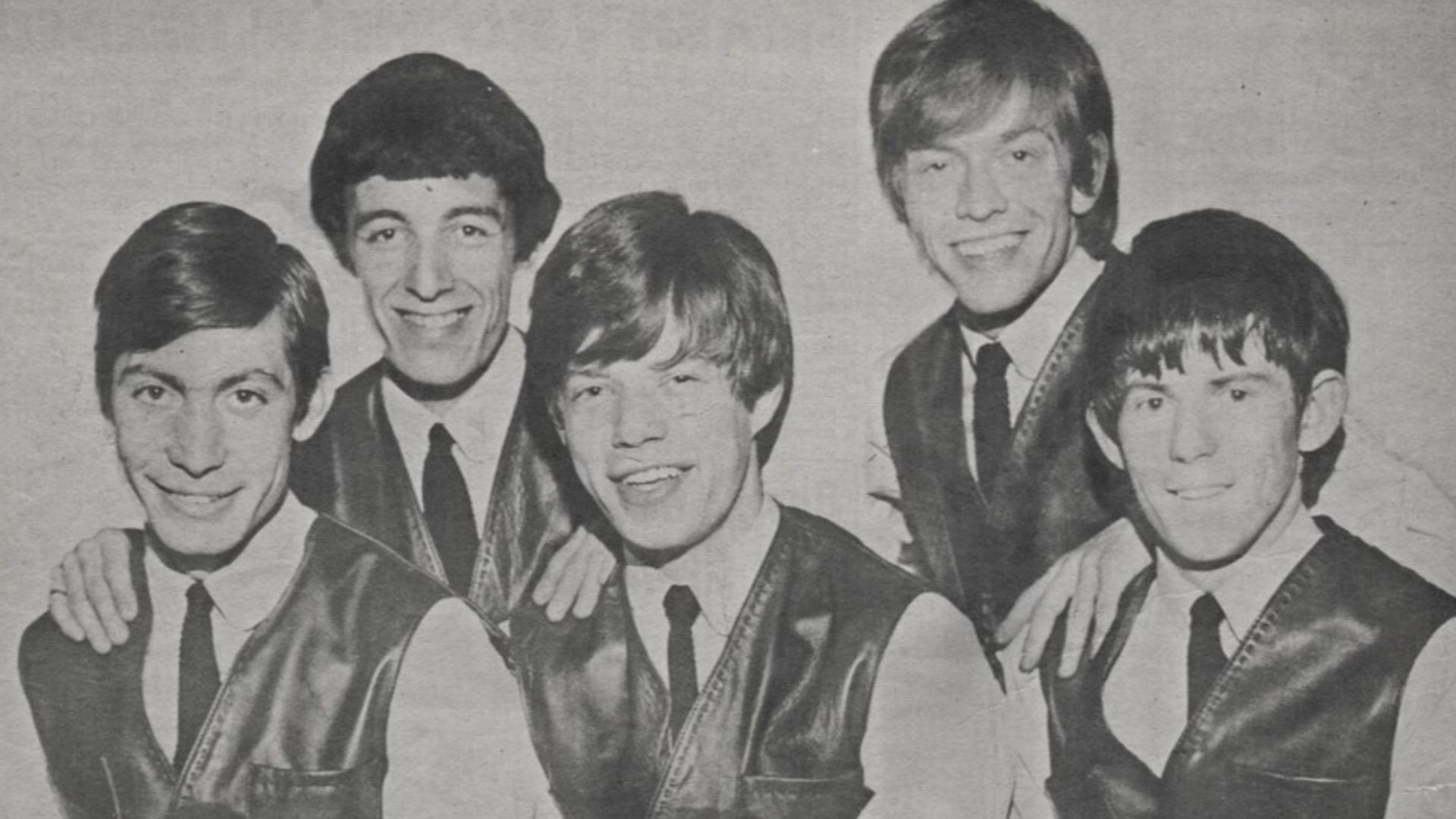
The Rolling Stones were the complete embodiment of rock’s rebellious spirit in the most rebellious decade of the 20th century, the 1960s. No other British band captured the American blues sound better. Their sound and image influenced countless bands that followed.
Metallica
Metallica pushed thrash metal into the mainstream, an accomplishment that most of us thought was impossible at the time. But the band’s commercial success proved heavy music could dominate globally, while their combination of speed, precision, and aggression influenced an entire generation of metal bands.
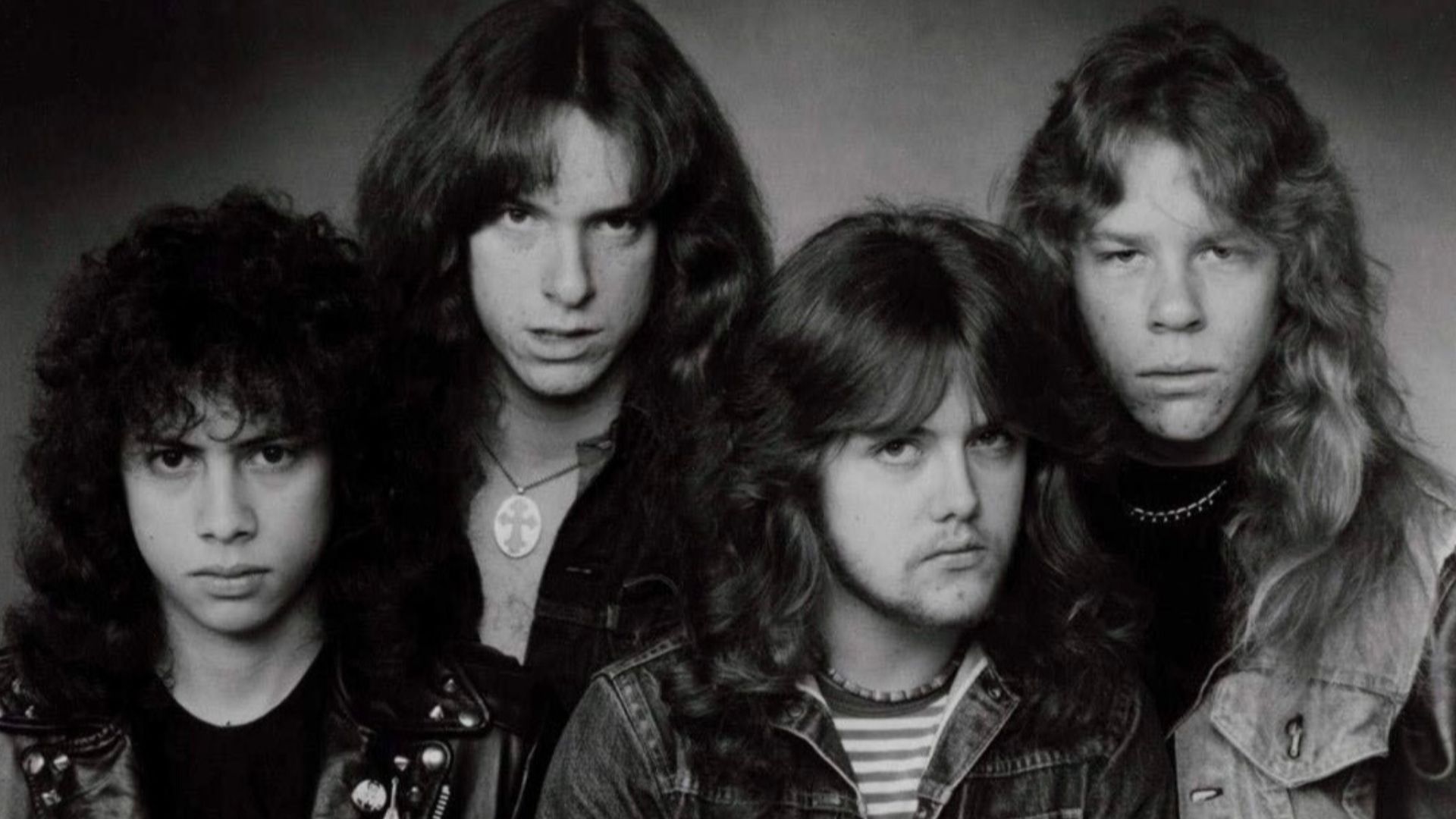 Distributed by Megaforce Records, Wikimedia Commons
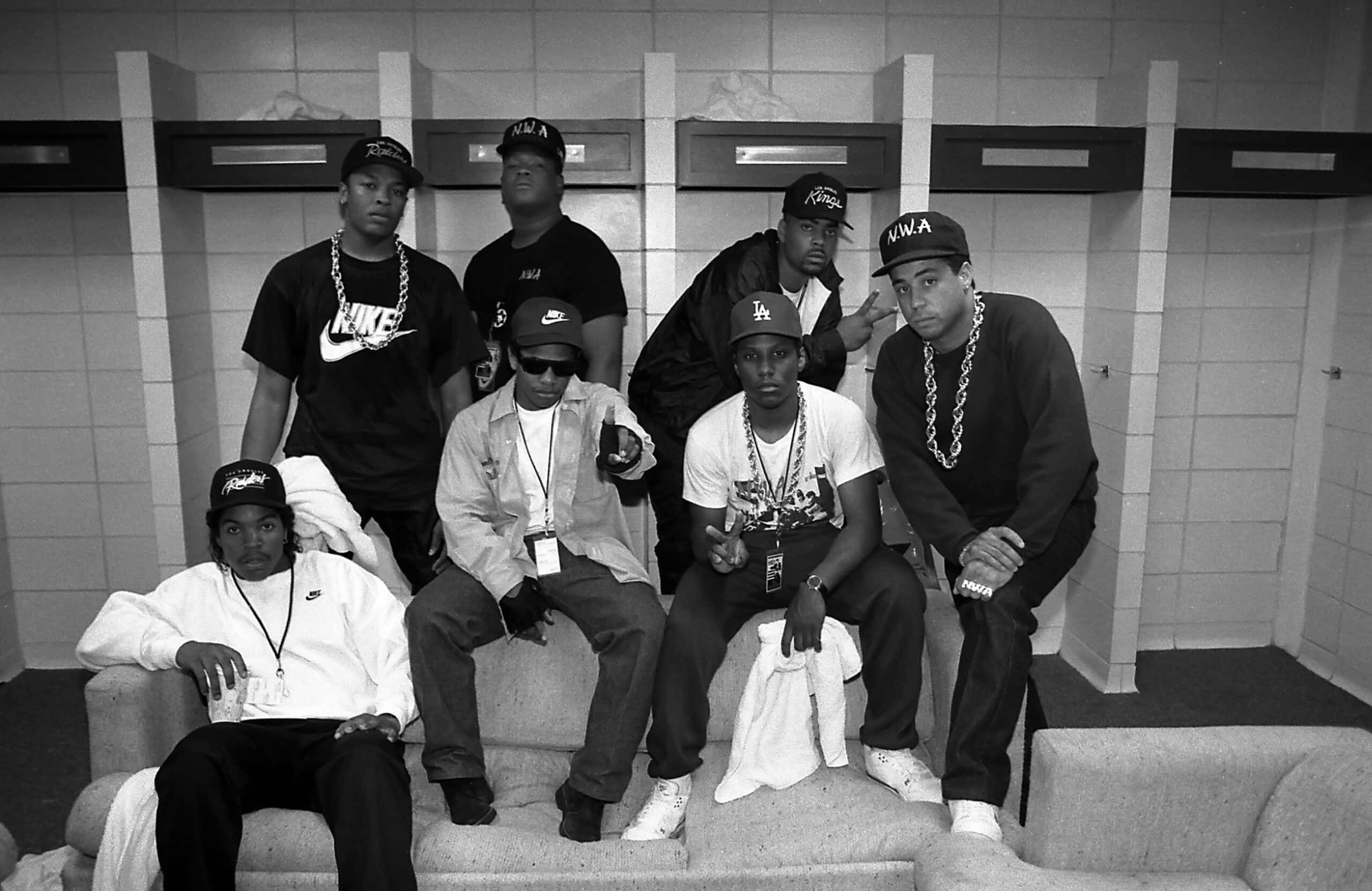
N.W.A.
N.W.A. changed hip-hop by introducing unfiltered, confrontational storytelling. Their portrayal of life in Los Angeles sparked controversy but also reshaped rap’s tone, paving the way for gangsta rap and beyond.
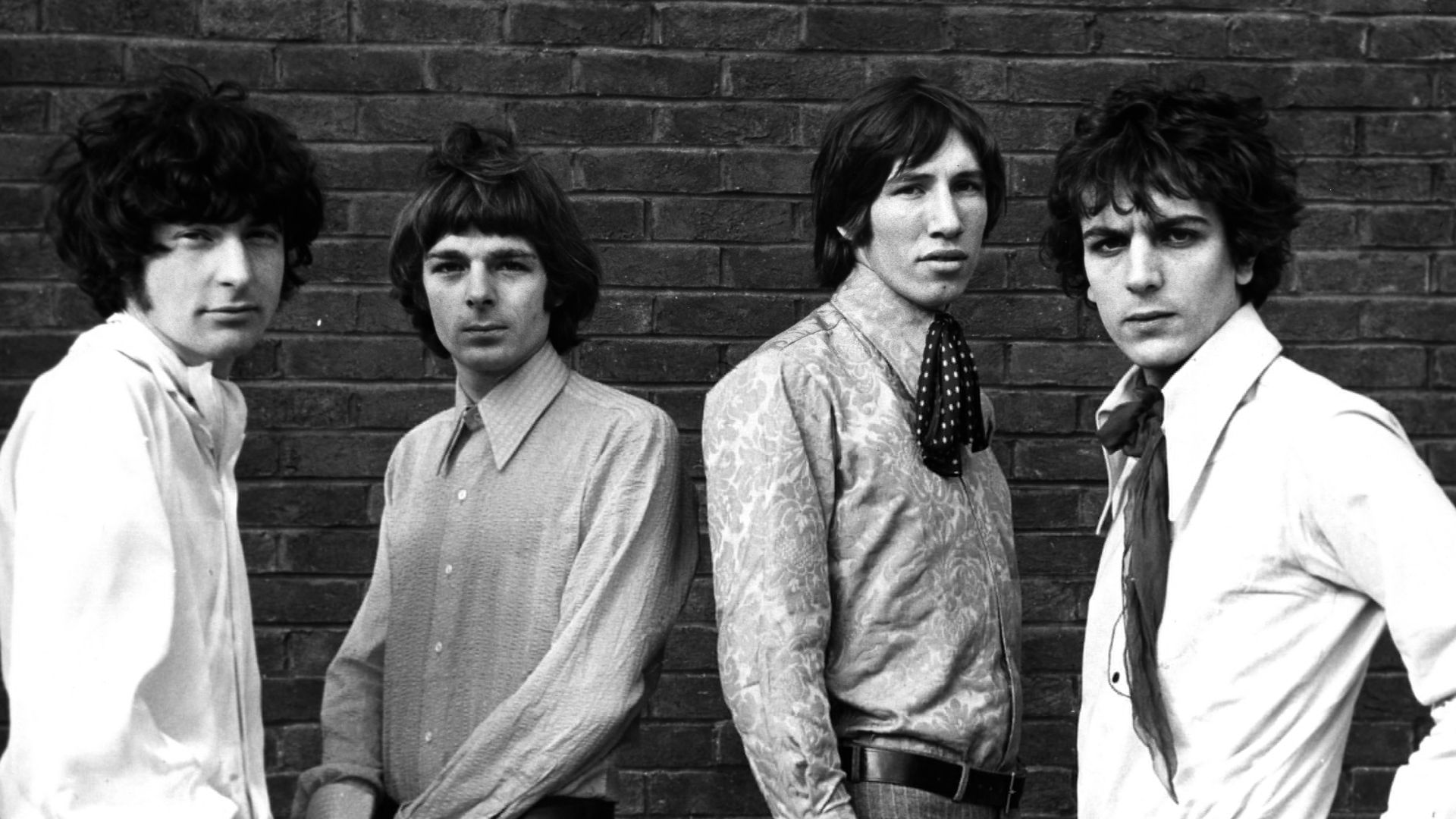
Pink Floyd
Pink Floyd’s Dark Side of the Moon (1973) and later releases redefined what albums could be. Their concept-driven records combined music, visuals, narrative continuity, and studio perfectionism into immersive experiences, influencing mainstream rock and modern album storytelling.
The Clash
The Clash expanded punk’s boundaries by incorporating reggae, ska, and political themes. They proved punk could be both rebellious and musically diverse, influencing alternative and post-punk movements.
 UCLA Library Special Collections, Wikimedia Commons
Outkast
Outkast reshaped hip-hop by blending genres and defying expectations. Their willingness to experiment opened doors for artists to move beyond traditional rap structures, influencing everything from pop to modern trap.
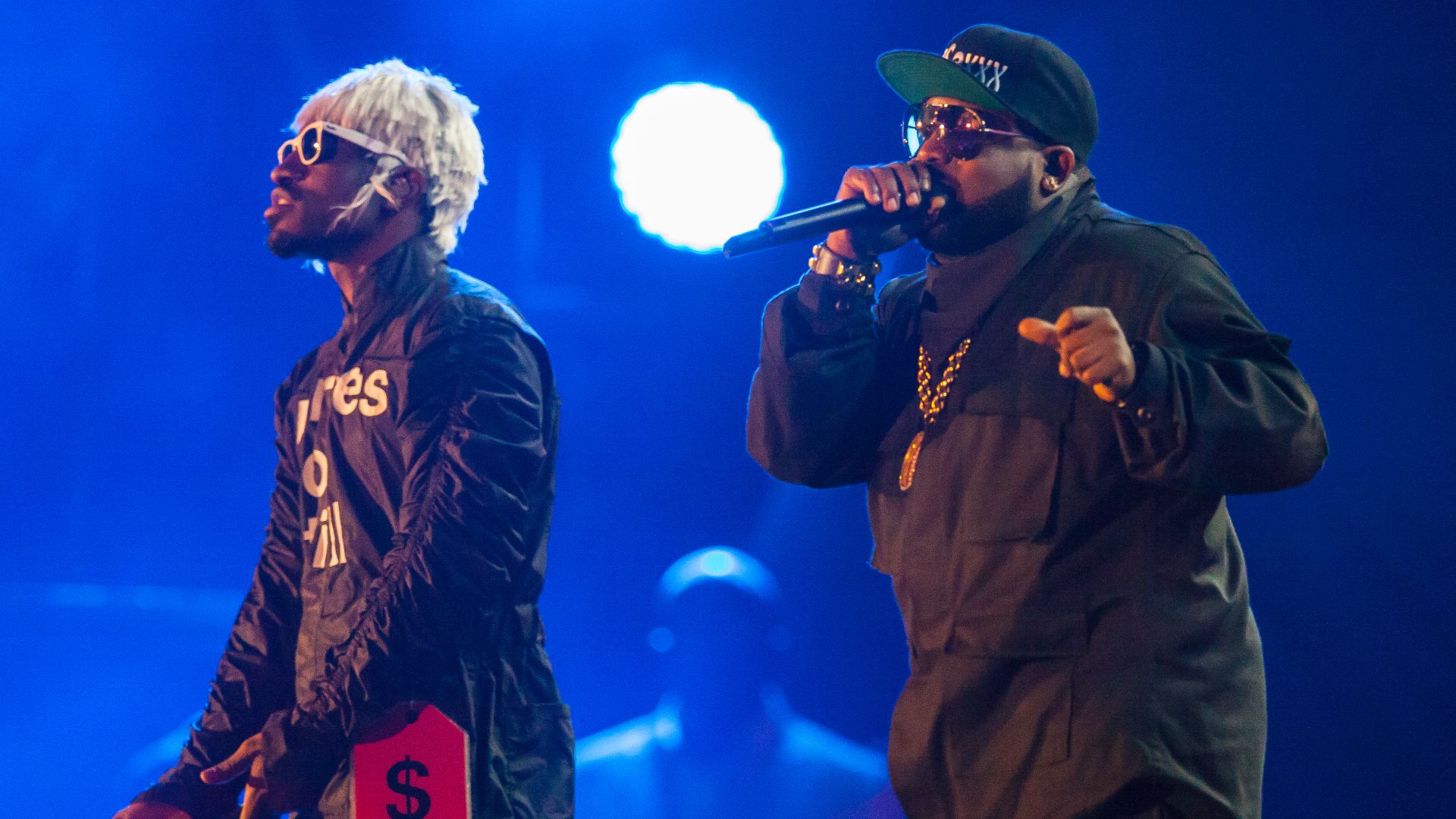 Sven Mandel, Wikimedia Commons
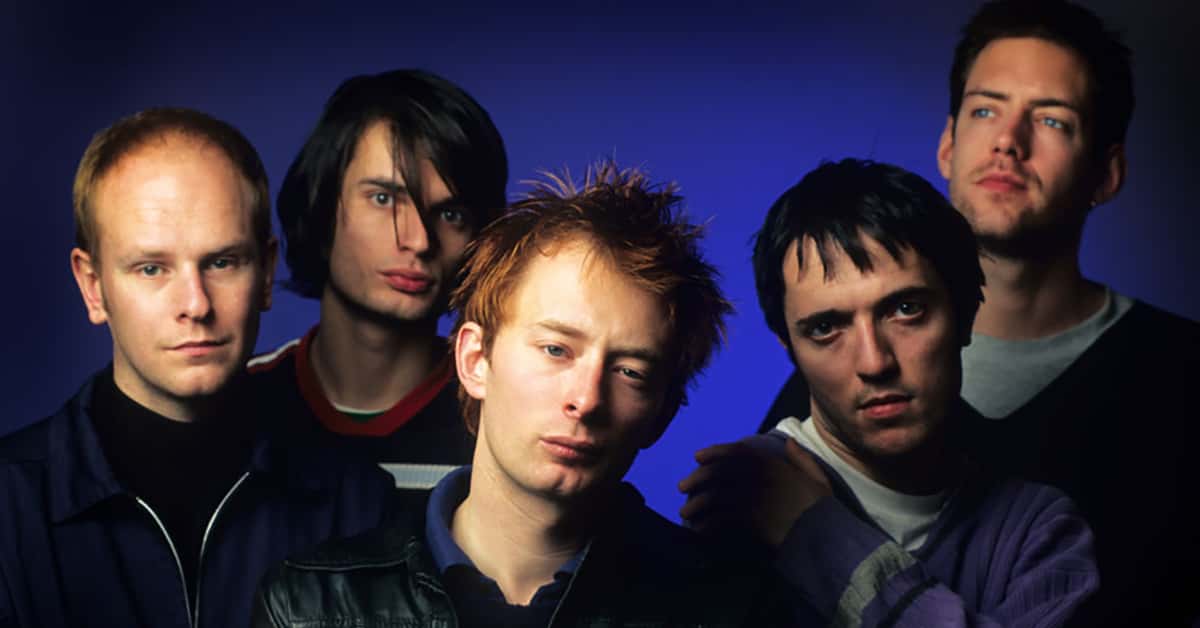
Radiohead
Radiohead pushed alternative rock into experimental territory as the 90s went on. Their embrace of electronic elements and unconventional song structures influenced countless artists seeking to break out of traditional sounds and formats.
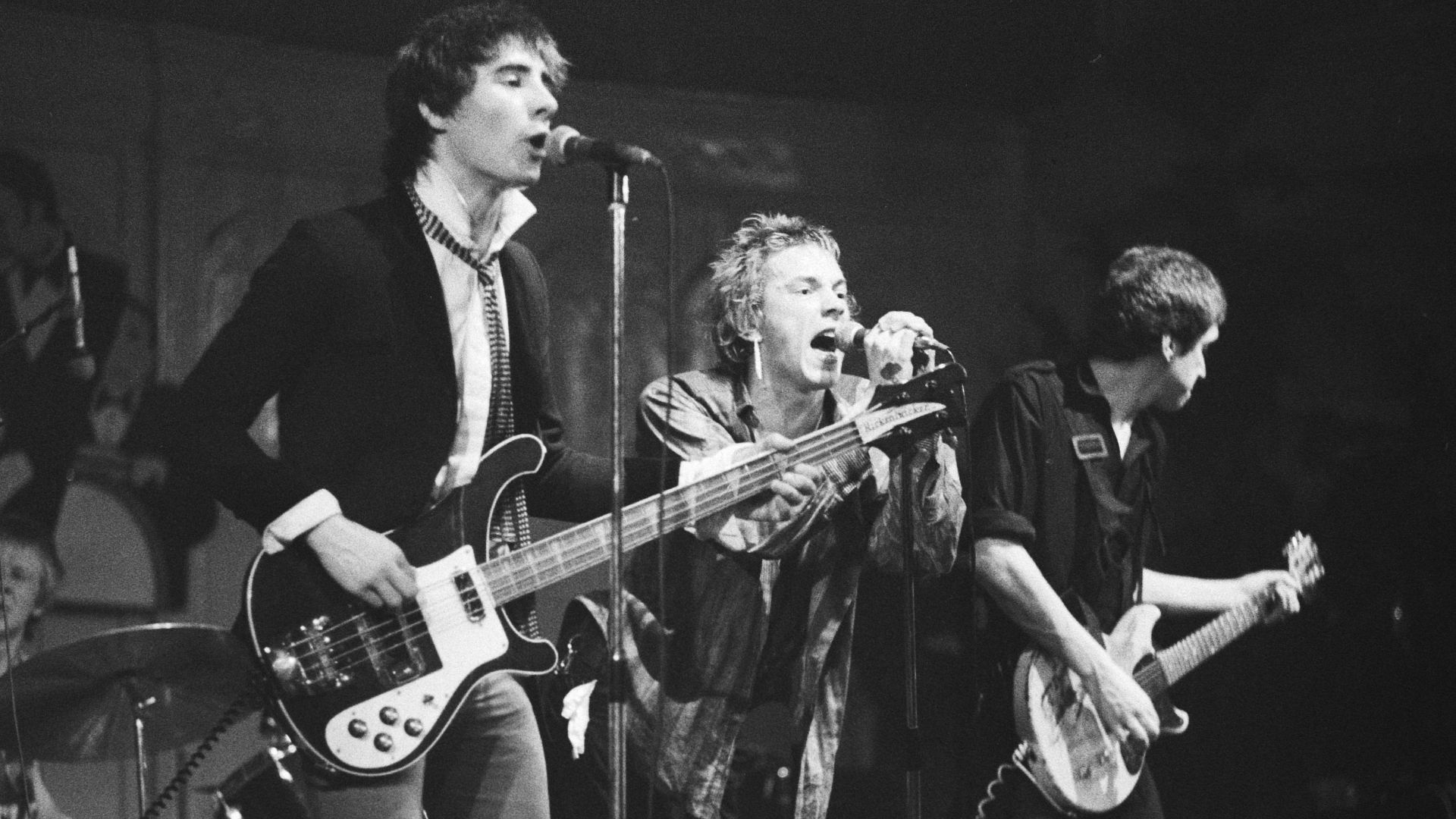
The Sex Pistols
The Sex Pistols ignited the punk explosion in the U.K. Though their presence was short-lived, it was explosive, inspiring a wave of bands and a cultural movement that challenged authority and reshaped music scenes worldwide.
Parliament-Funkadelic
Parliament-Funkadelic revolutionized funk with layered grooves, theatrical performances, and expansive concepts. Their sound became a cornerstone for R&B, hip-hop sampling, and modern funk revivalists.
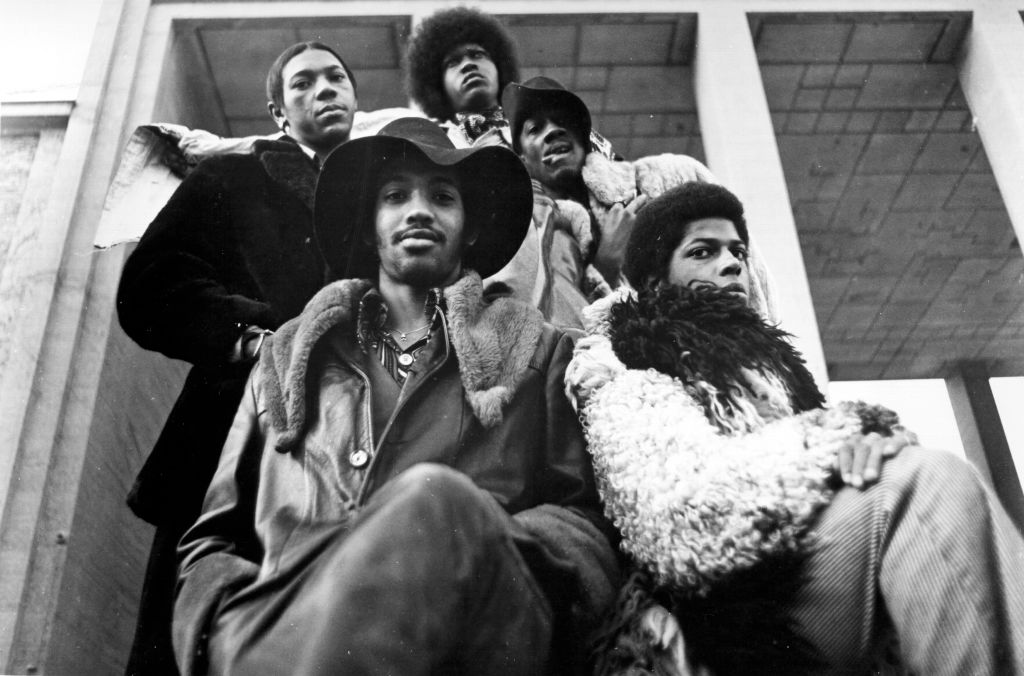 Michael Ochs Archives, Getty Images
U2
U2 combined arena rock with political and emotional depth. Their use of atmospheric guitar effects and socially conscious themes influenced both mainstream rock and global pop acts, a relief from the parade of hard rock acts that populated the 80s charts.
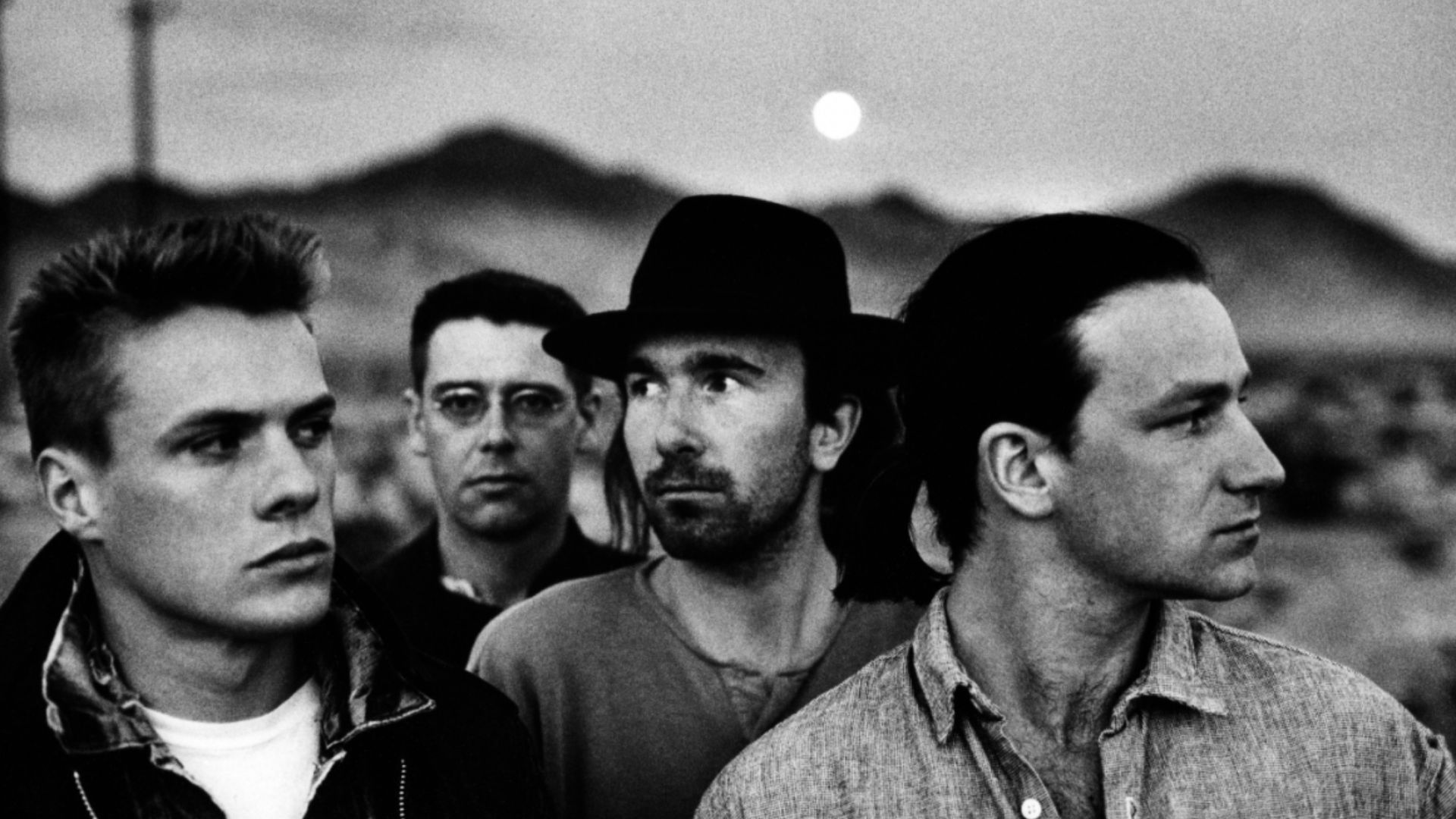 Anton Corbijn, Distributed by Island Records, Wikimedia Commons
The Eagles
The Eagles helped define country rock, blending genres in a way that appealed to massive audiences. Their polished sound influenced both country and rock artists for decades.
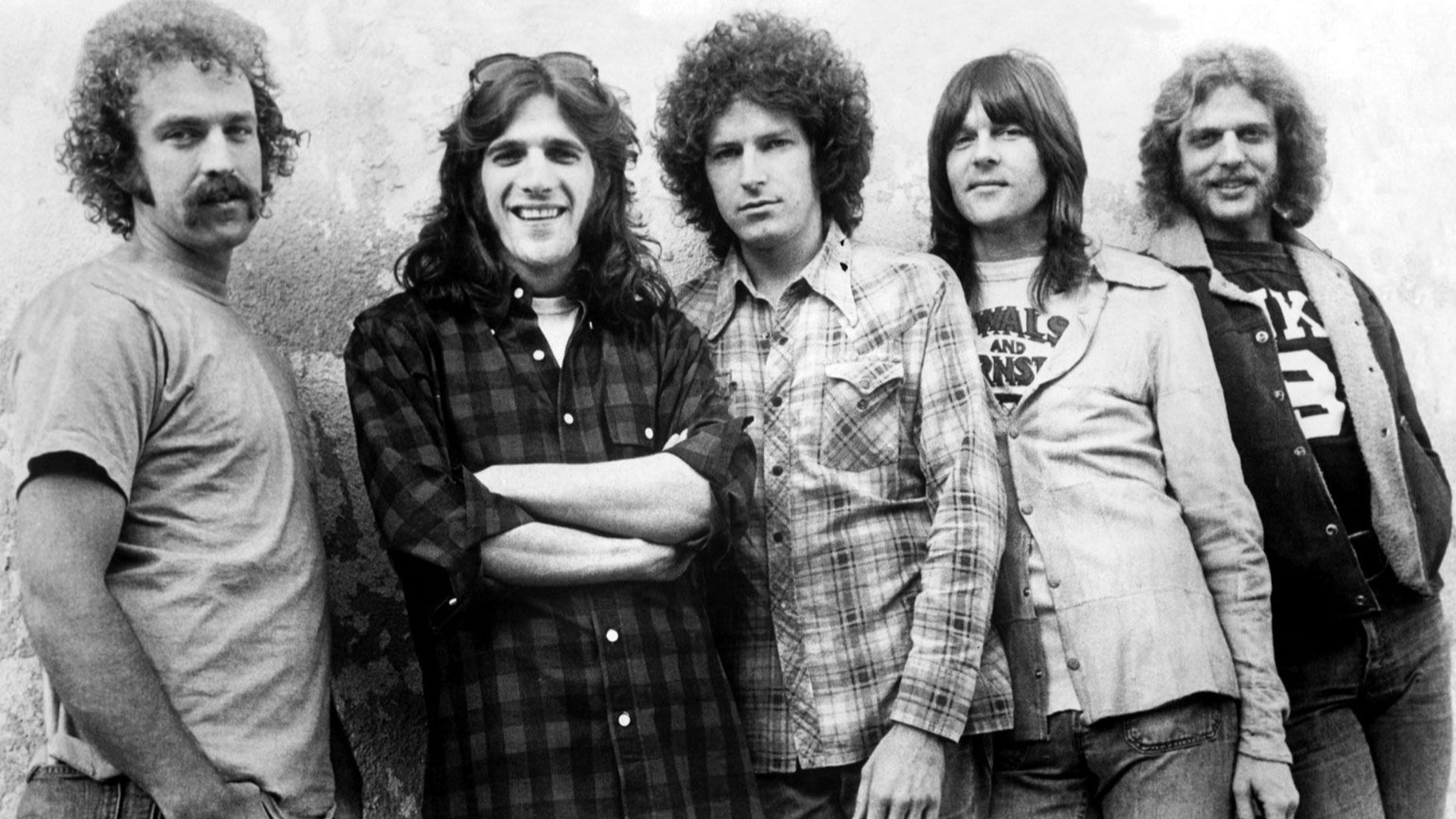 Distributed by Asylum Records, Wikimedia Commons
BTS
BTS redefined global pop influence. By breaking language barriers and leveraging digital platforms, the Korean boy band demonstrated how music could transcend traditional industry structures and reach worldwide audiences instantly.
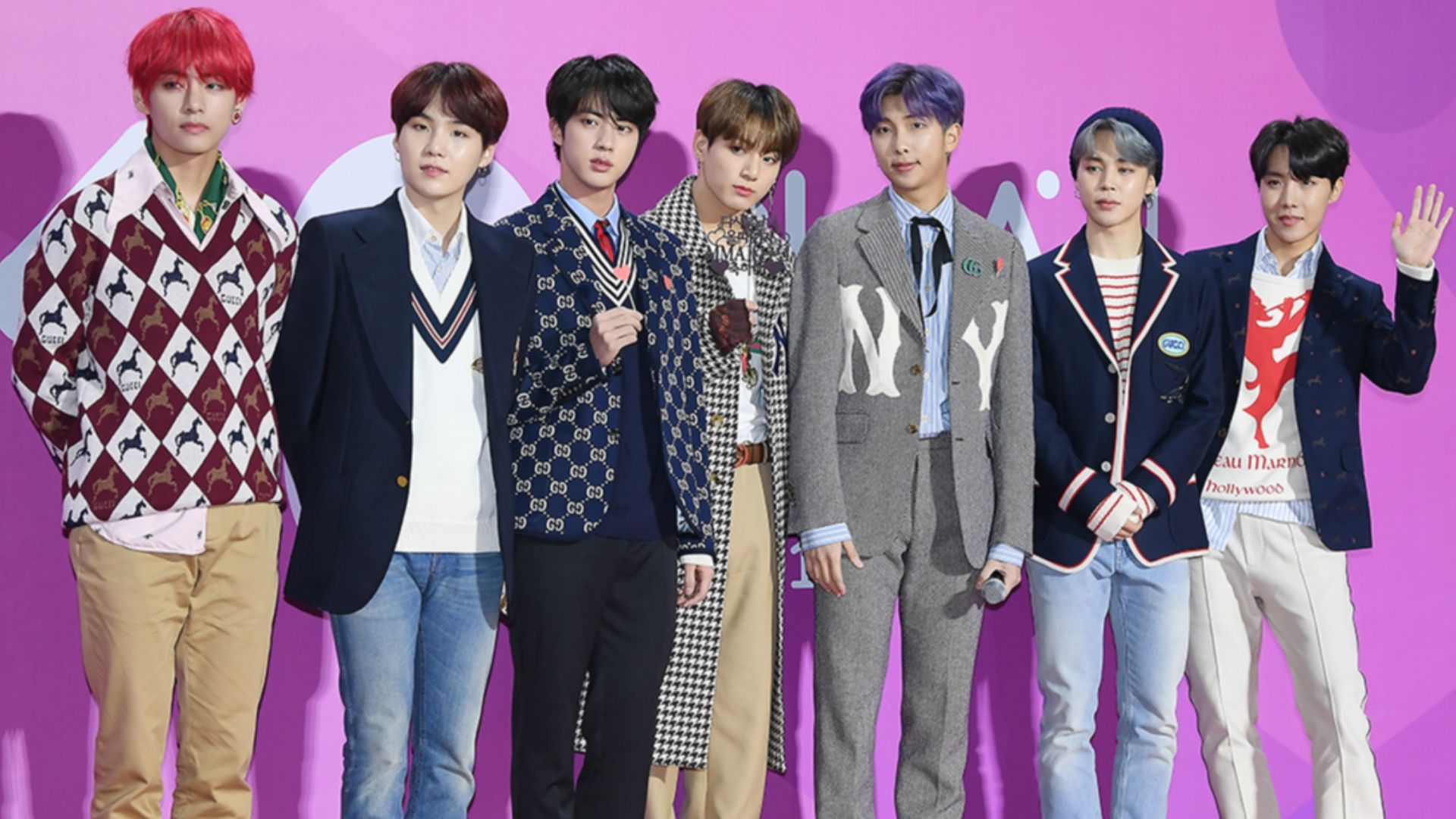 TV10/TenAsia, Wikimedia Commons
The Legacy Of Influence
From underground pioneers to global superstars, these bands didn’t just succeed, but changed the direction of music itself. Their innovations are still felt and heard through new generations, proving that true influence isn’t measured in hits alone, but in how much it reshapes everything that follows.
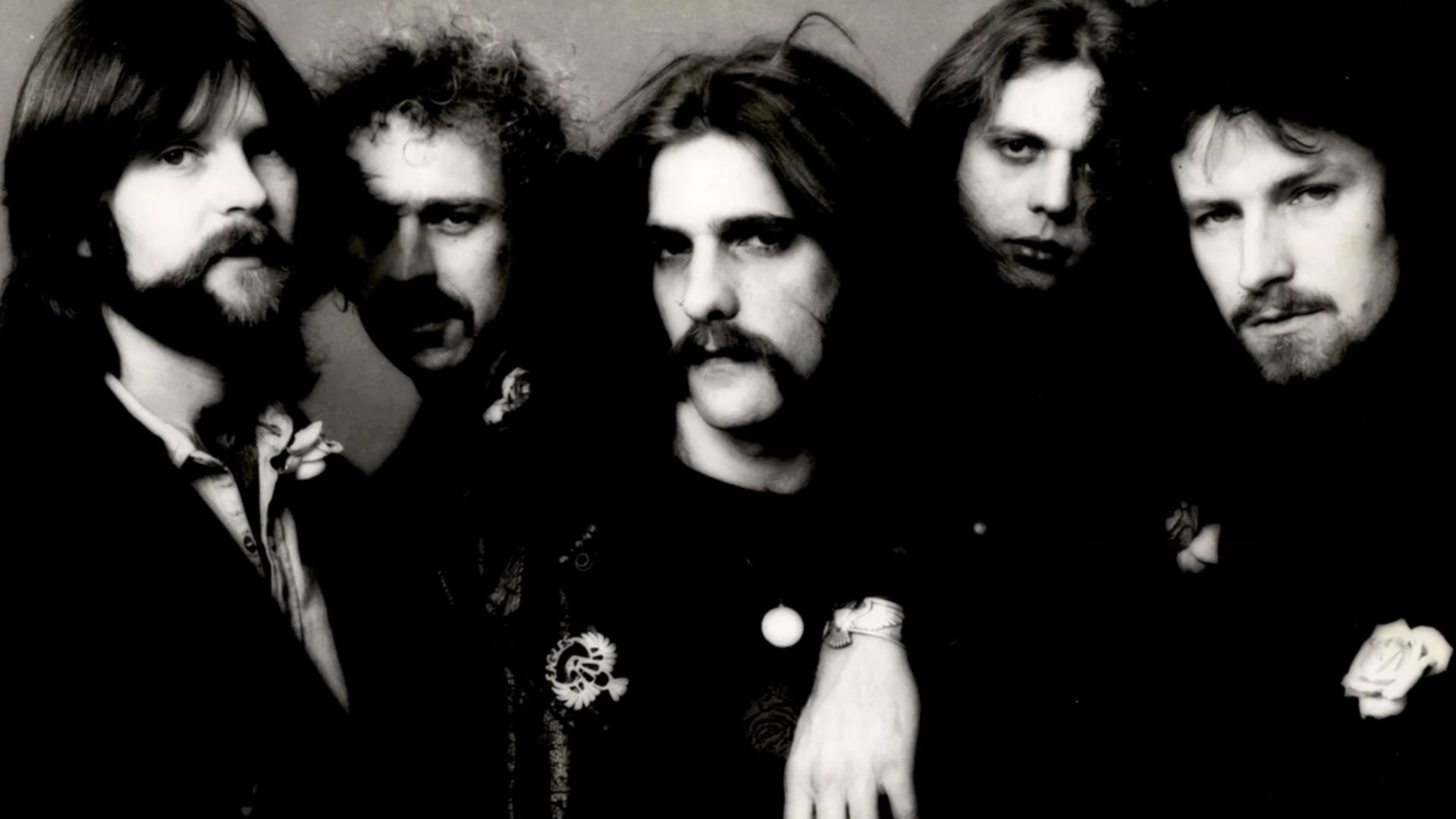 Distributed by Asylum Records, Wikimedia Commons
You May Also Like:
Brilliant Folk Songs That Captured The Heart Of America