The Year Pop Got Bigger, Stranger, And Impossible To Ignore
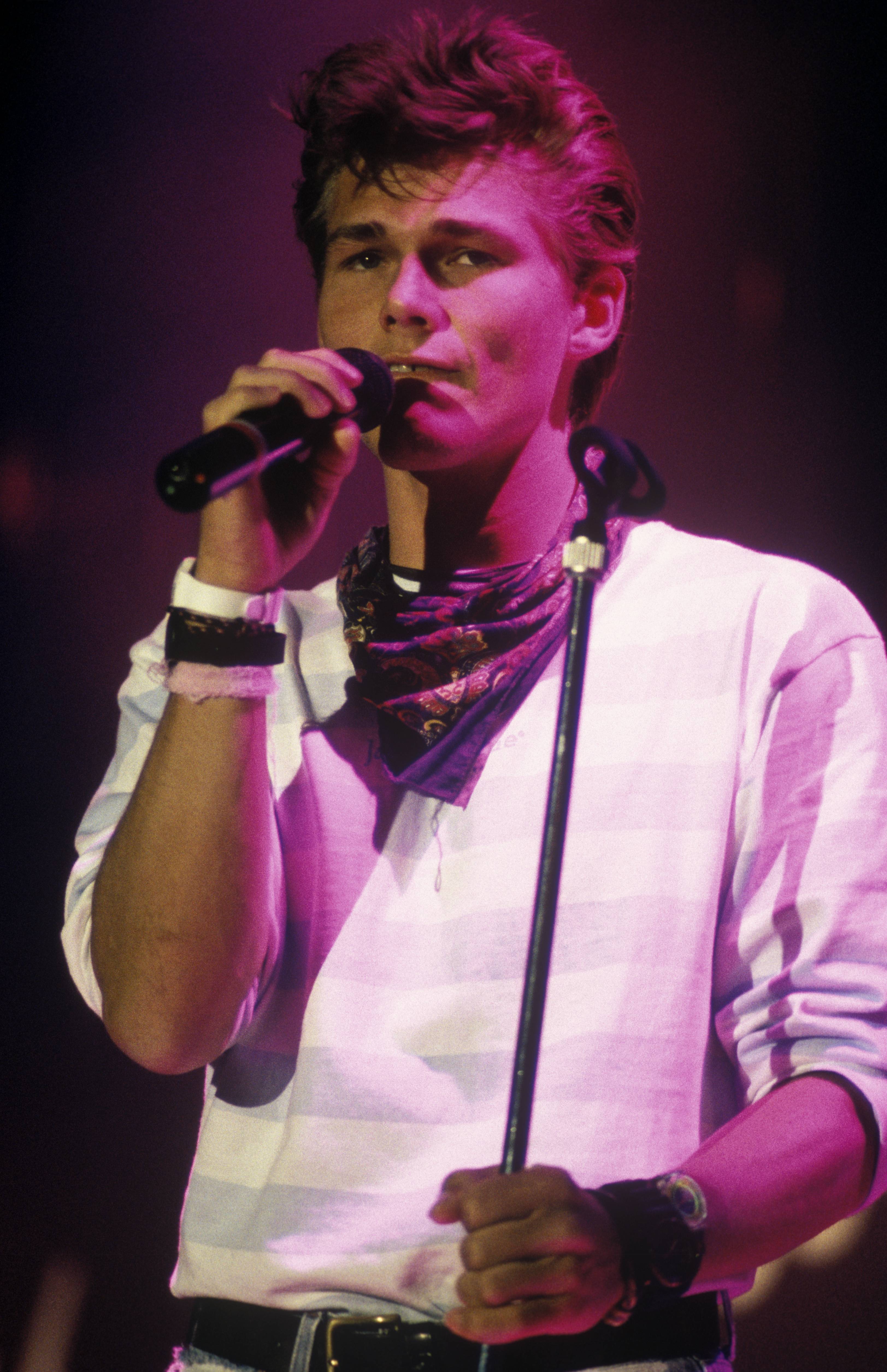
1985 wasn’t just another year in music, it was a turning point. MTV was in full control, synths were everywhere, and pop songs started feeling larger than life. Rock bands went glossy, pop stars went global, and even the weirdest ideas somehow worked.
From cinematic ballads to offbeat experiments, these songs didn’t just define the charts. They defined the sound of the decade.
Starship — “We Built This City”
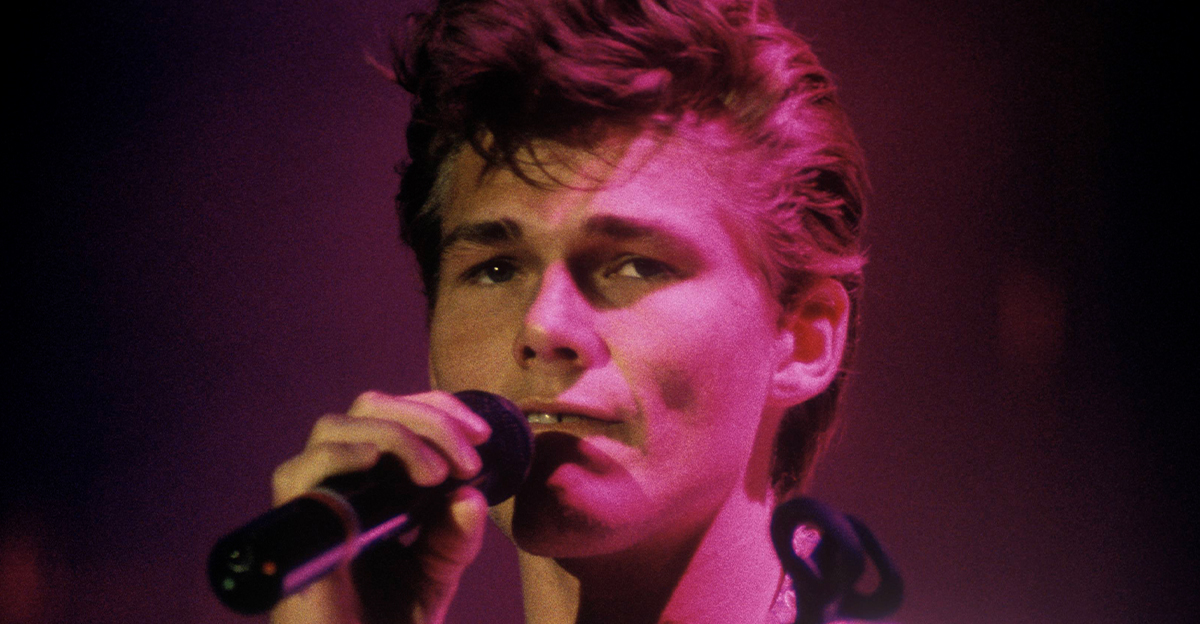
“We Built This City” became one of the most debated hits of the decade. Built on slick production and radio-friendly hooks, it marked Starship’s full shift from their Jefferson Airplane roots into polished ’80s pop-rock. Critics called it overproduced, but its bold, synthetic sound captured exactly where mainstream rock was heading at the time.
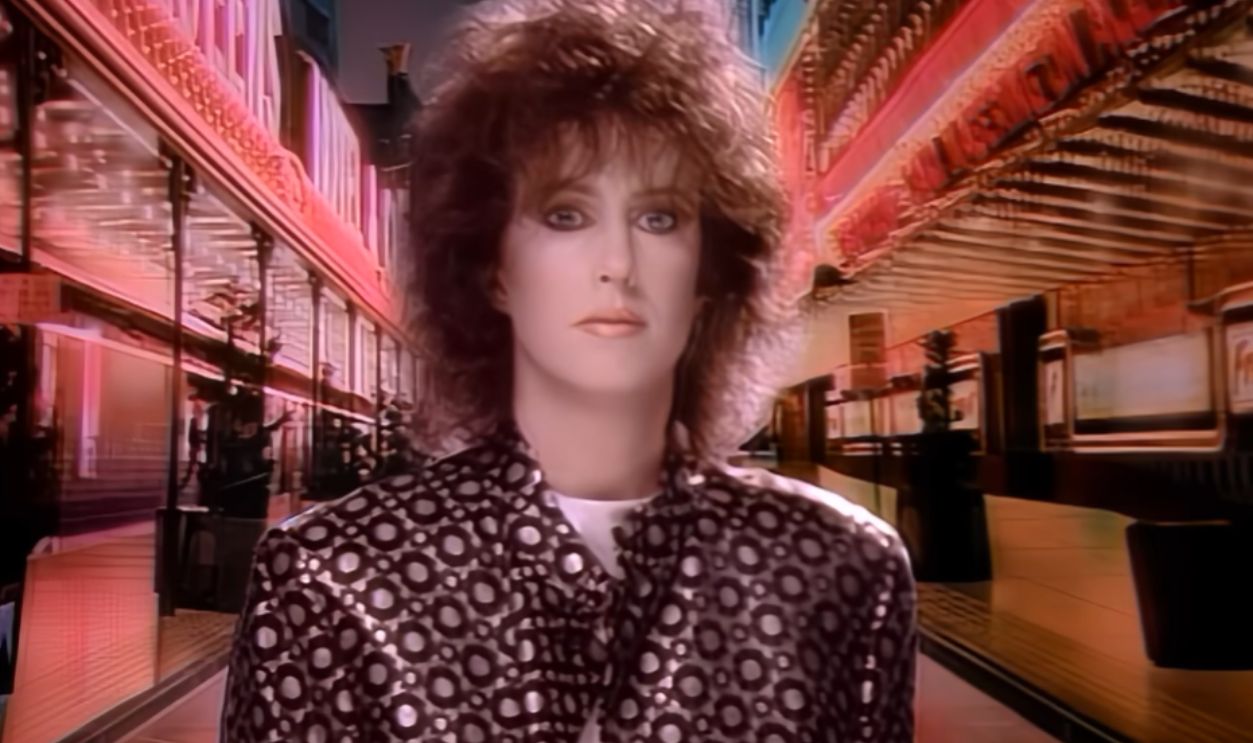 Screenshot from We Built This City, Sony Music Entertainment (1985)
Tears For Fears — “Everybody Wants To Rule The World”
Tears for Fears traded darker themes for a smoother, more accessible sound on this track. Driven by clean guitar lines and airy synths, the song explored power and control without losing its melodic appeal. It became one of their defining hits, showing how introspective songwriting could still thrive in a pop-heavy era.
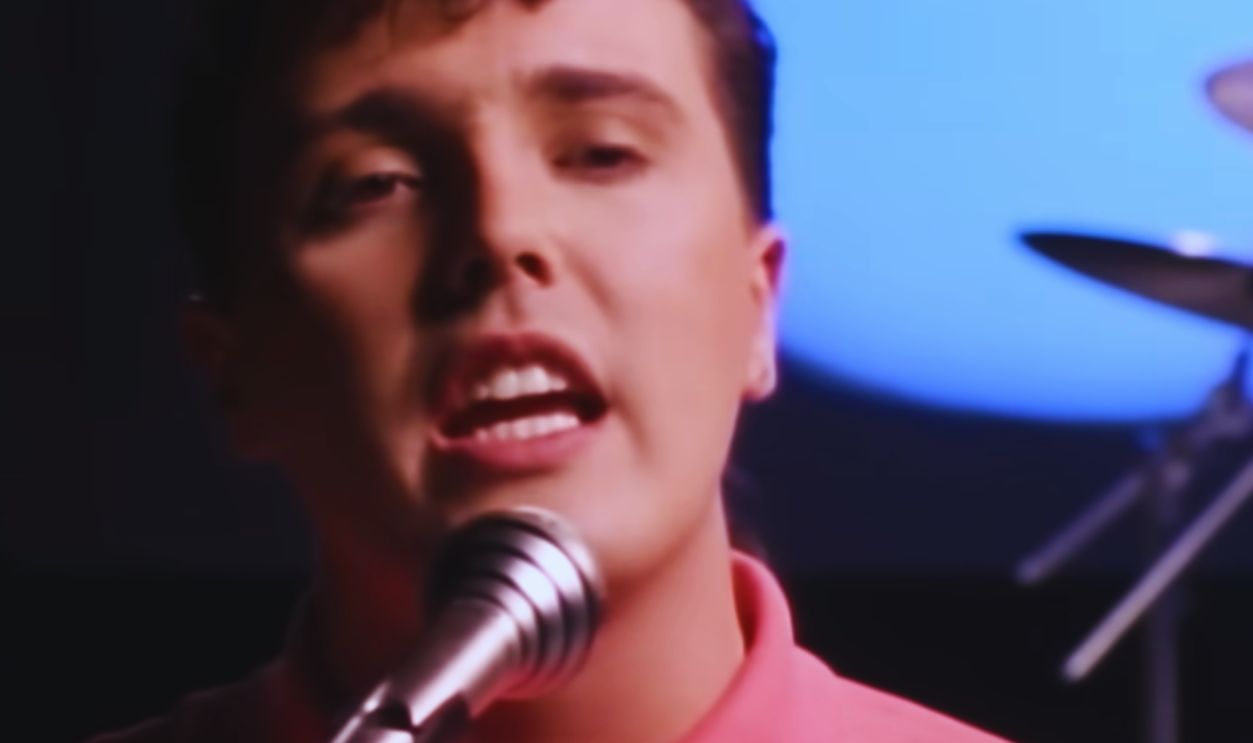 Screenshot from Everybody Wants to Rule the World, Universal Music Group (1985)
Simple Minds — “Don’t You (Forget About Me)”
Originally written for The Breakfast Club, this song nearly didn’t happen, as Simple Minds were hesitant to record material they didn’t write. Once released, though, it became inseparable from the film. Its slow build and emotional payoff turned it into one of the most recognizable anthems of the decade.
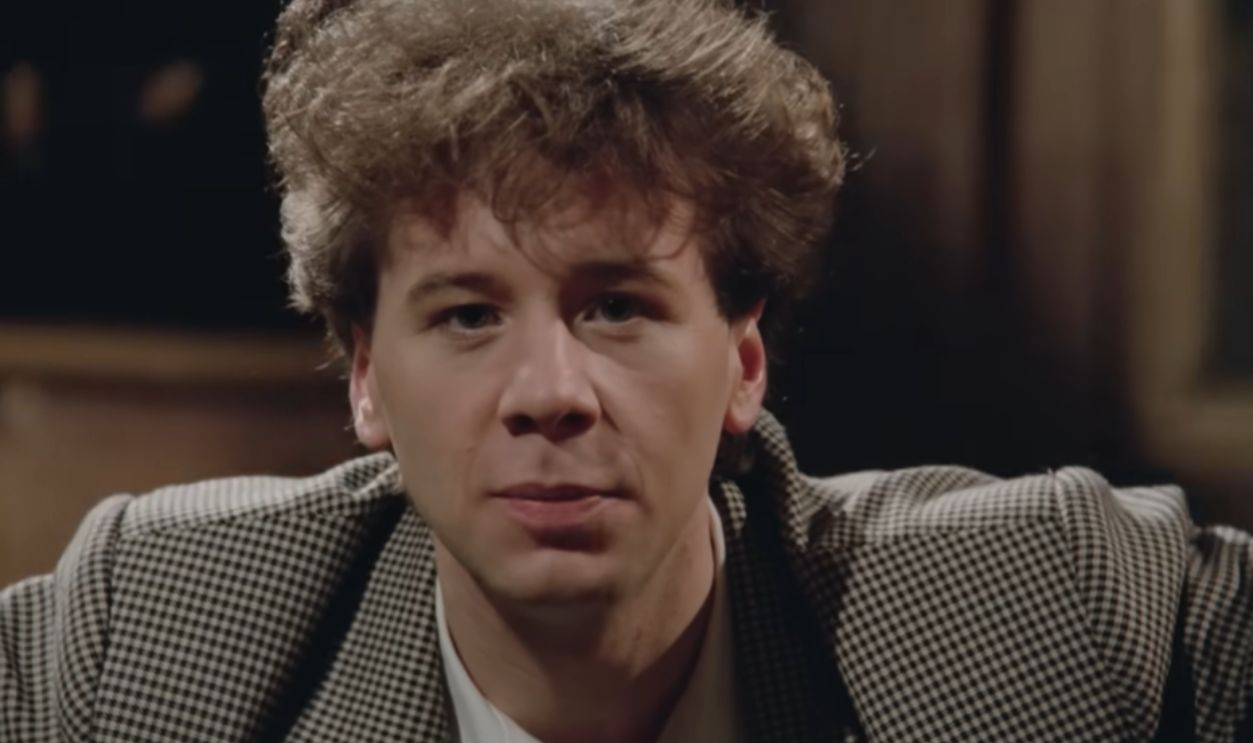 Screenshot from Don’t You (Forget About Me), Universal Music Group (1985)
Kate Bush — “Running Up That Hill”
“Running Up That Hill” stood apart from most 1985 hits with its moody atmosphere and unconventional structure. Kate Bush combined drum machines with emotional, almost spiritual lyrics about swapping places with another person. It didn’t follow typical pop formulas, which is exactly why it felt so distinctive at the time.
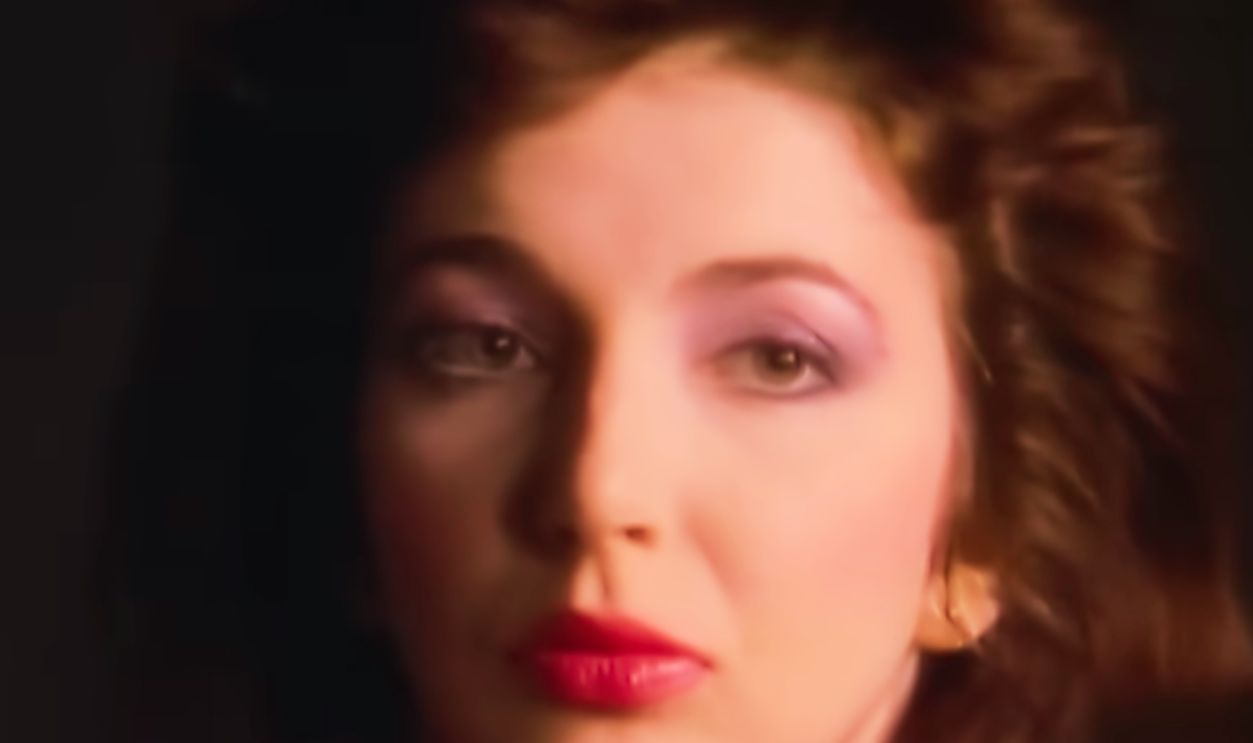 Screenshot from Running Up That Hill, Universal Music Group (1985)
Tom Petty And The Heartbreakers — “Don’t Come Around Here No More”
This track leaned heavily into psychedelic influences, blending Tom Petty’s rock roots with swirling production and unusual instrumentation. Co-written with Dave Stewart of Eurythmics, it pushed the band into stranger territory. The song’s surreal tone and structure made it feel more experimental than most mainstream rock releases of the year.
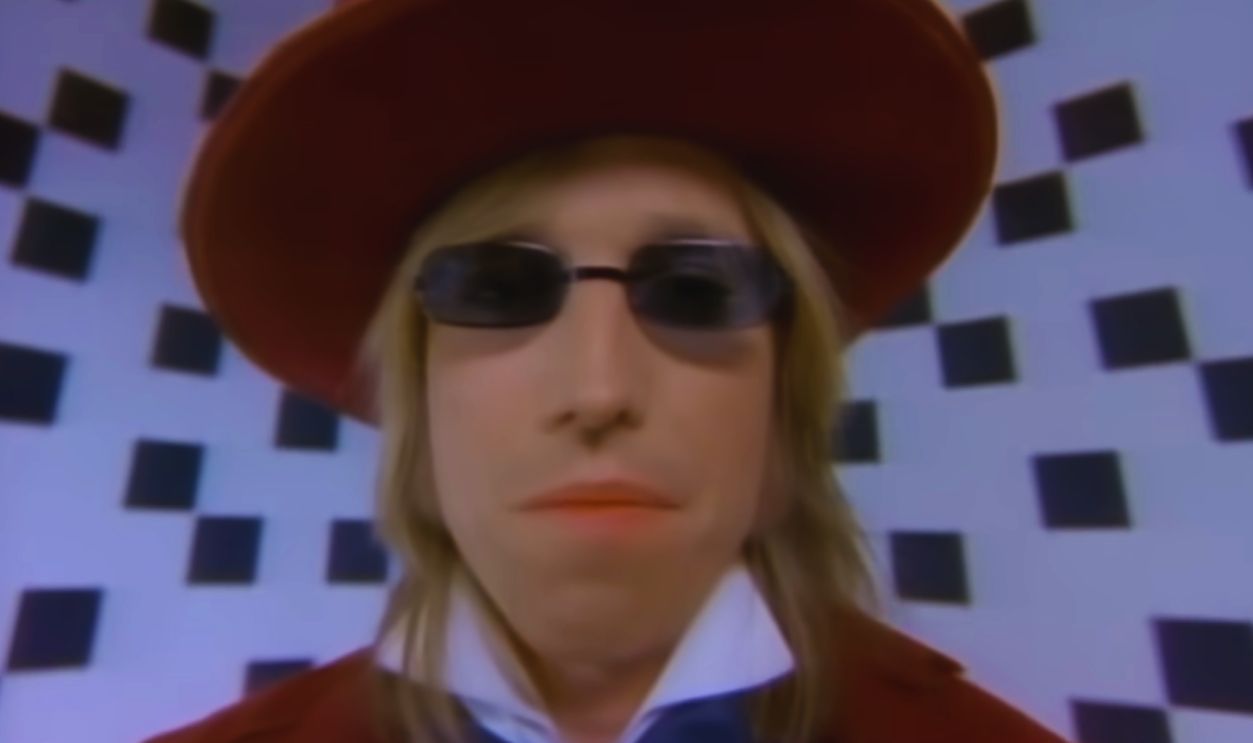 Screenshot from Don’t Come Around Here No More, Universal Music Group (1985)
Prince And The Revolution — “Raspberry Beret”
“Raspberry Beret” showed Prince moving into a brighter, more colorful sound. With its layered instrumentation and storytelling lyrics, it stood apart from his funk-driven hits. The song’s playful tone and detailed narrative made it feel almost cinematic, highlighting Prince’s ability to shift styles without losing his identity.
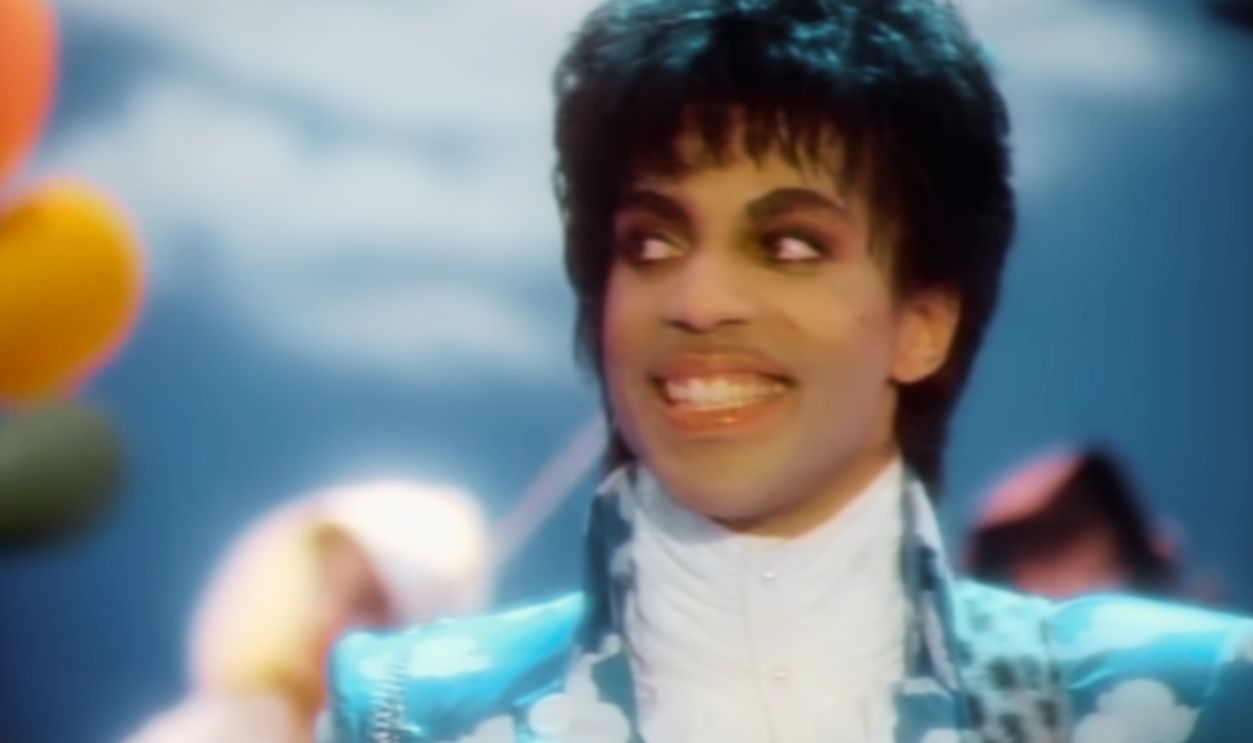 Screenshot from Raspberry Beret, Warner Music Group (1985)
The Cure — “In Between Days”
“In Between Days” marked a shift for The Cure toward a more upbeat, accessible sound. The jangly guitar and fast tempo contrasted with lyrics about aging and insecurity. It helped introduce the band to a wider audience, balancing their darker tendencies with a lighter, more immediate approach.
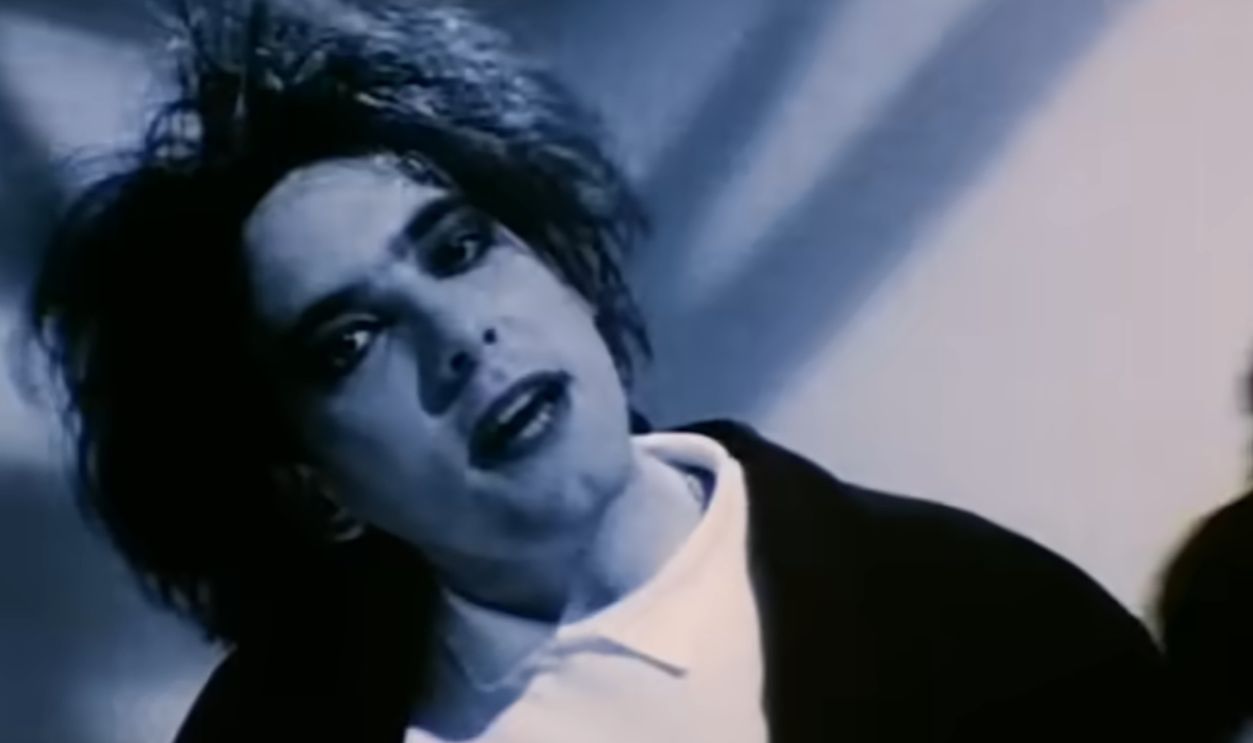 Screenshot from In Between Days, Universal Music Group (1985)
John Cougar Mellencamp — “Small Town”
“Small Town” captured a sense of identity rooted in place, reflecting Mellencamp’s Midwestern background. Its straightforward structure and relatable lyrics made it feel grounded compared to the more polished pop songs of the time. The song became one of his signature tracks, resonating with listeners who saw their own lives reflected in it.
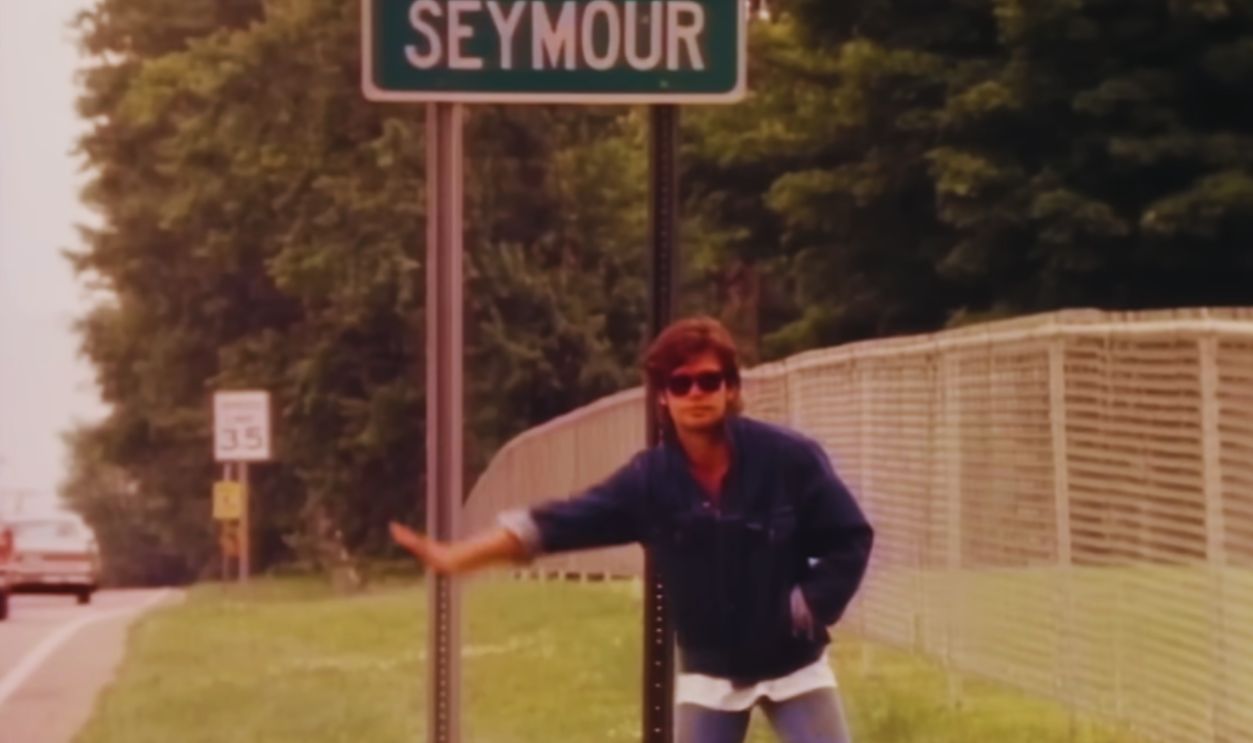 Screenshot from Small Town, Universal Music Group (1985)
Mötley Crüe — “Home Sweet Home”
“Home Sweet Home” helped define the power ballad formula that would dominate late-’80s rock. Combining piano with heavy guitar elements, it showed a softer side of Mötley Crüe. The song’s emotional tone and slower pacing made it stand out within the band’s typically high-energy catalog.
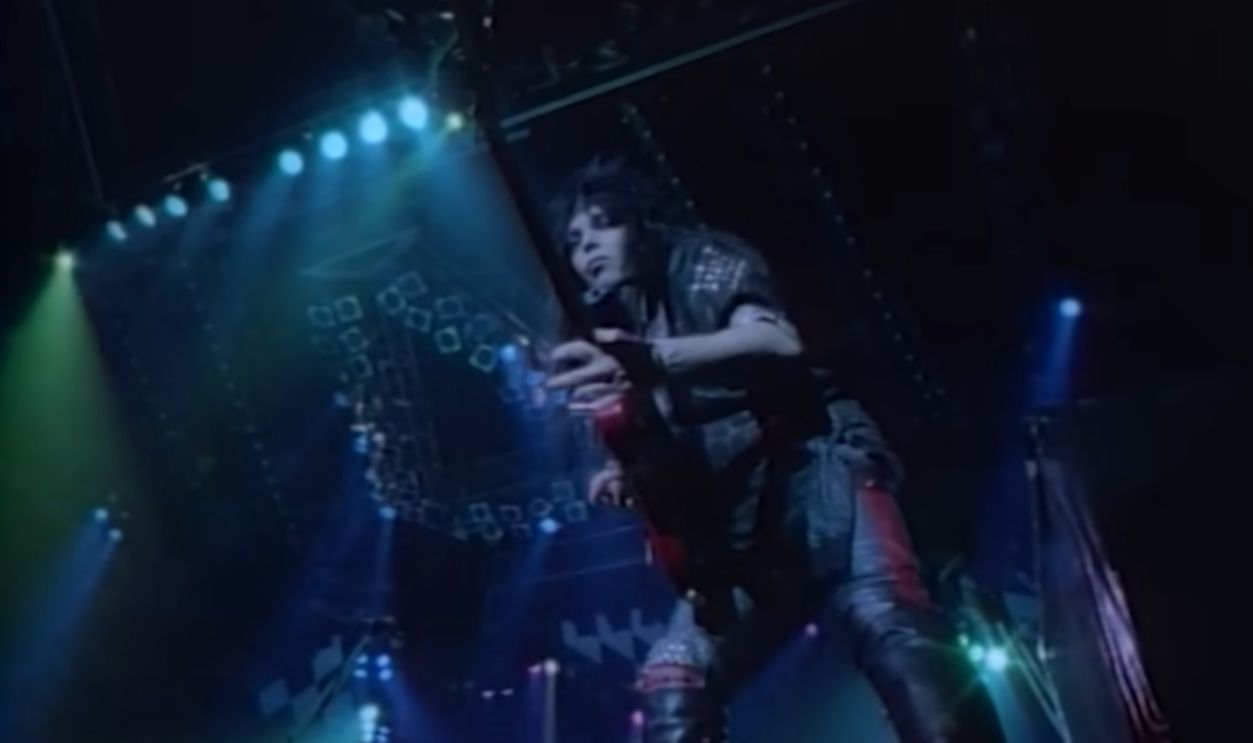 Screenshot from Home Sweet Home, Warner Music Group (1985)
Talking Heads — “And She Was”
“And She Was” blends Talking Heads’ quirky sensibility with a more melodic, radio-friendly sound. The song’s light, almost floating rhythm contrasts with its strange, slightly surreal lyrics. It reflects the band’s ability to make unconventional ideas feel accessible without losing their distinctive style.
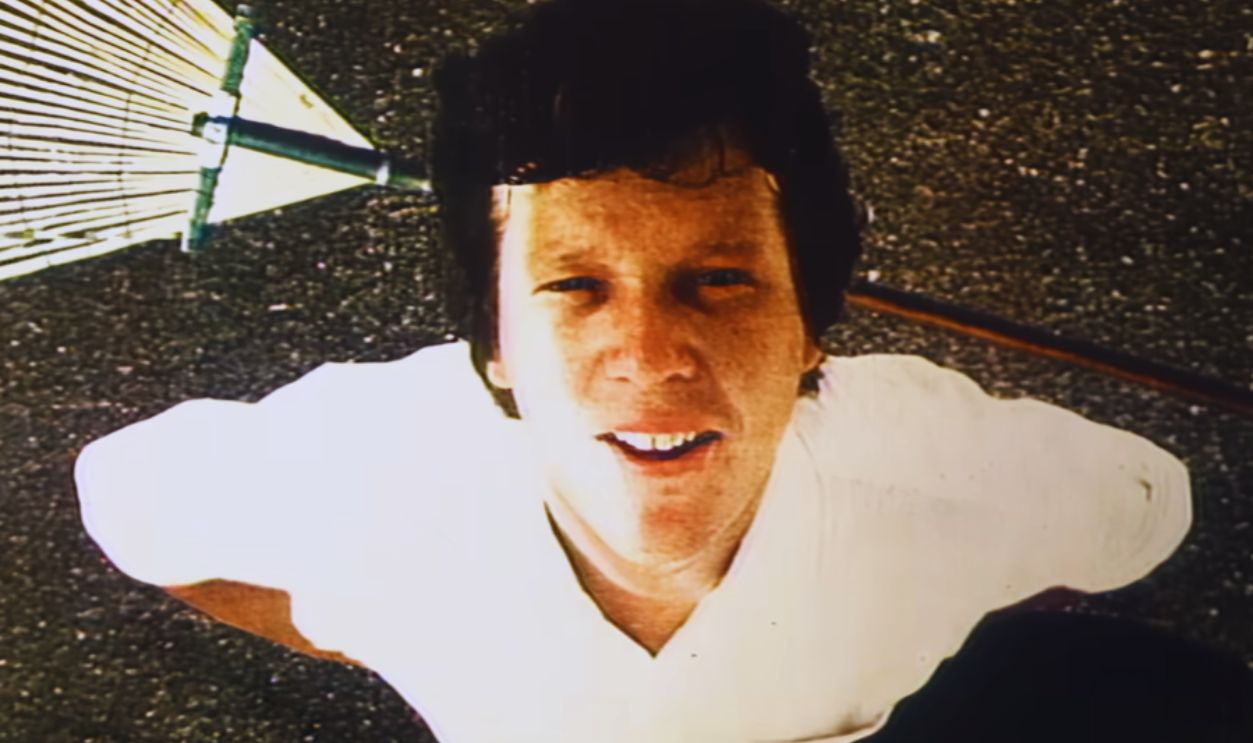 Screenshot from And She Was, Warner Music Group (1985)
ZZ Top — “Sleeping Bag”
ZZ Top fully embraced synthesizers on “Sleeping Bag,” continuing the sound they developed on Eliminator. The track mixes blues-rock roots with electronic production, creating something that felt modern while still grounded in their earlier style. It’s a clear example of how classic rock bands adapted to the changing sound of the ’80s.
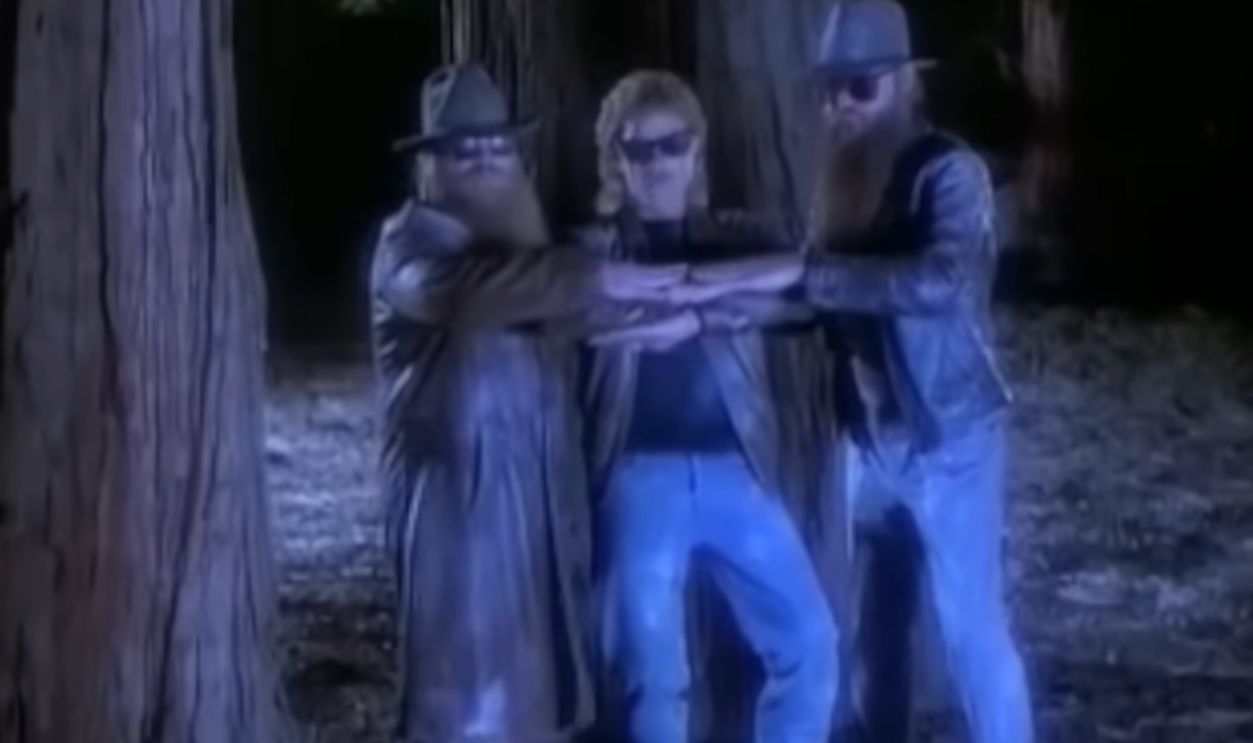 Screenshot from Sleeping Bag, Warner Music Group (1985)
INXS — “What You Need”
“What You Need” helped introduce INXS to a global audience. Its tight groove and confident vocal delivery gave it a strong identity, blending rock with danceable rhythms. The song laid the groundwork for their later success, showing how the band could balance energy with a polished, accessible sound.
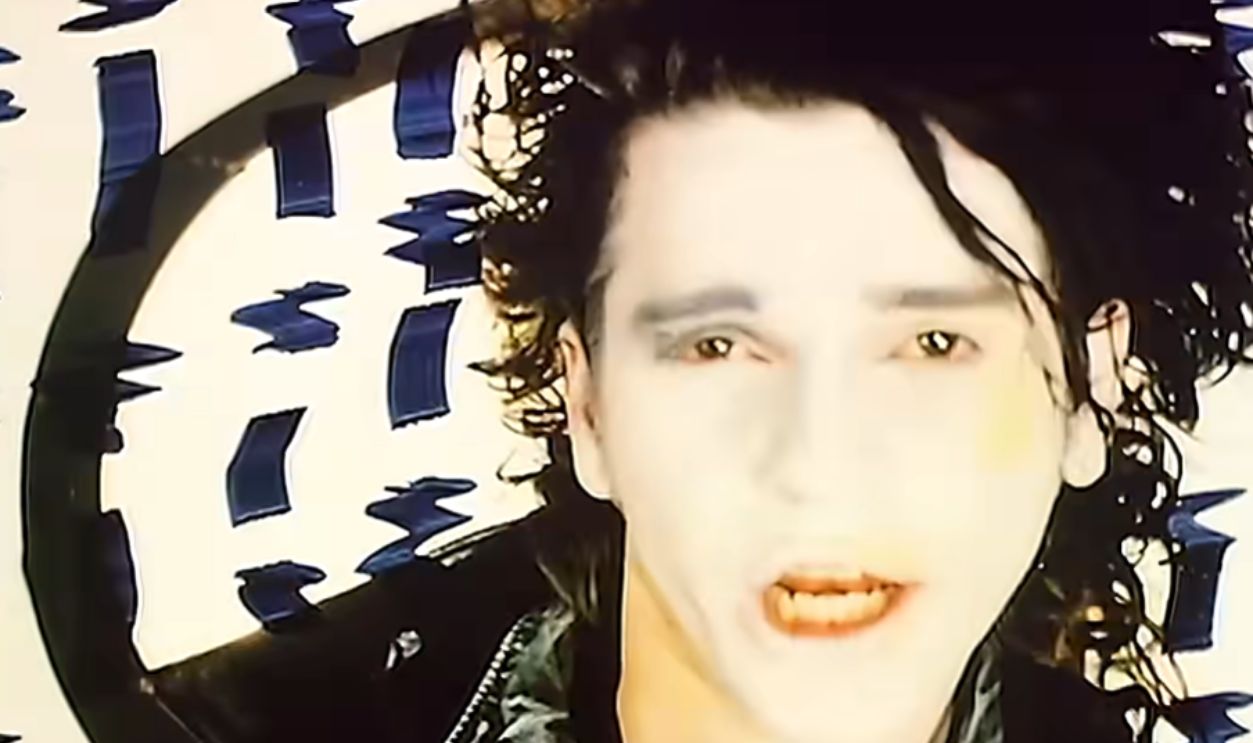 Screenshot from What You Need, Warner Music Group (1985)
Duran Duran — “A View To A Kill”
Written for the James Bond film of the same name, this track combined cinematic scale with Duran Duran’s sleek pop style. It became the only Bond theme to reach number one in the U.S. The song’s dramatic structure and polished production made it feel larger than typical chart hits.
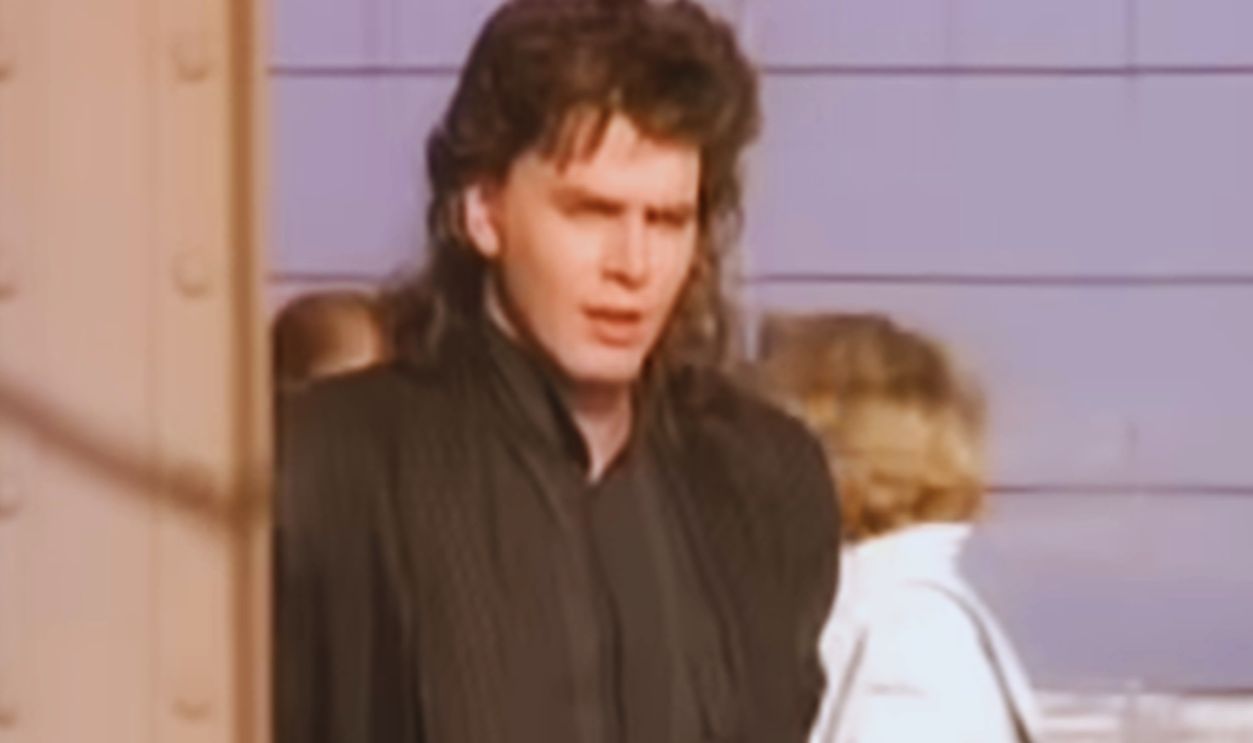 Screenshot from A View to a Kill, Universal Music Group (1985)
Madonna — “Into The Groove”
“Into the Groove” captured Madonna at a moment when her influence was rapidly expanding. Built around dance rhythms and catchy hooks, it became a defining club track of the era. Its emphasis on movement and freedom reflected the growing importance of dance culture in mainstream pop.
 Screenshot from Into the Groove, Warner Music Group (1985)
Huey Lewis And The News — “The Power Of Love”
Featured in Back to the Future, “The Power of Love” combined rock energy with pop sensibility. Its upbeat tempo and straightforward message made it instantly accessible. The song’s connection to the film helped boost its popularity, turning it into one of the most recognizable tracks of the year.
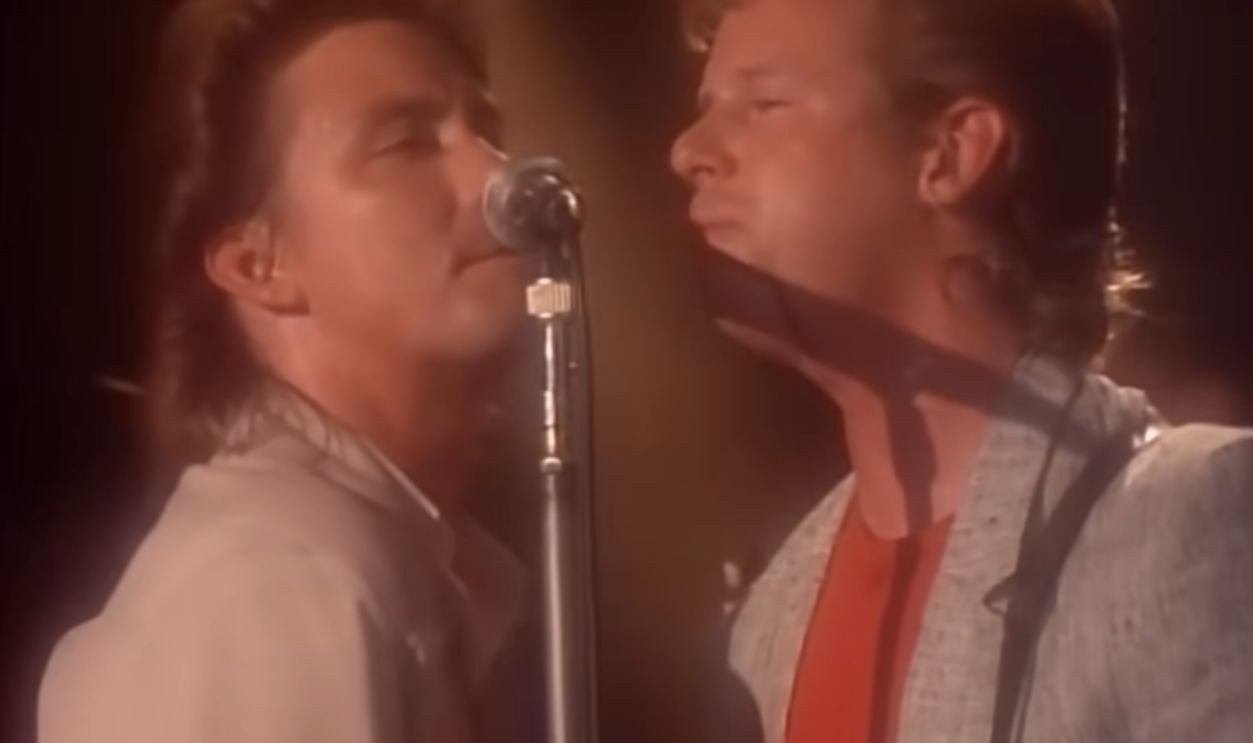 Screenshot from The Power of Love, Warner Music Group (1985)
A-ha — “Take On Me”
“Take On Me” is as famous for its sound as it is for its groundbreaking music video. The song’s soaring vocals and synth-driven melody created a distinct identity, while the video’s animation style set a new standard for MTV. Together, they turned the track into a global phenomenon.
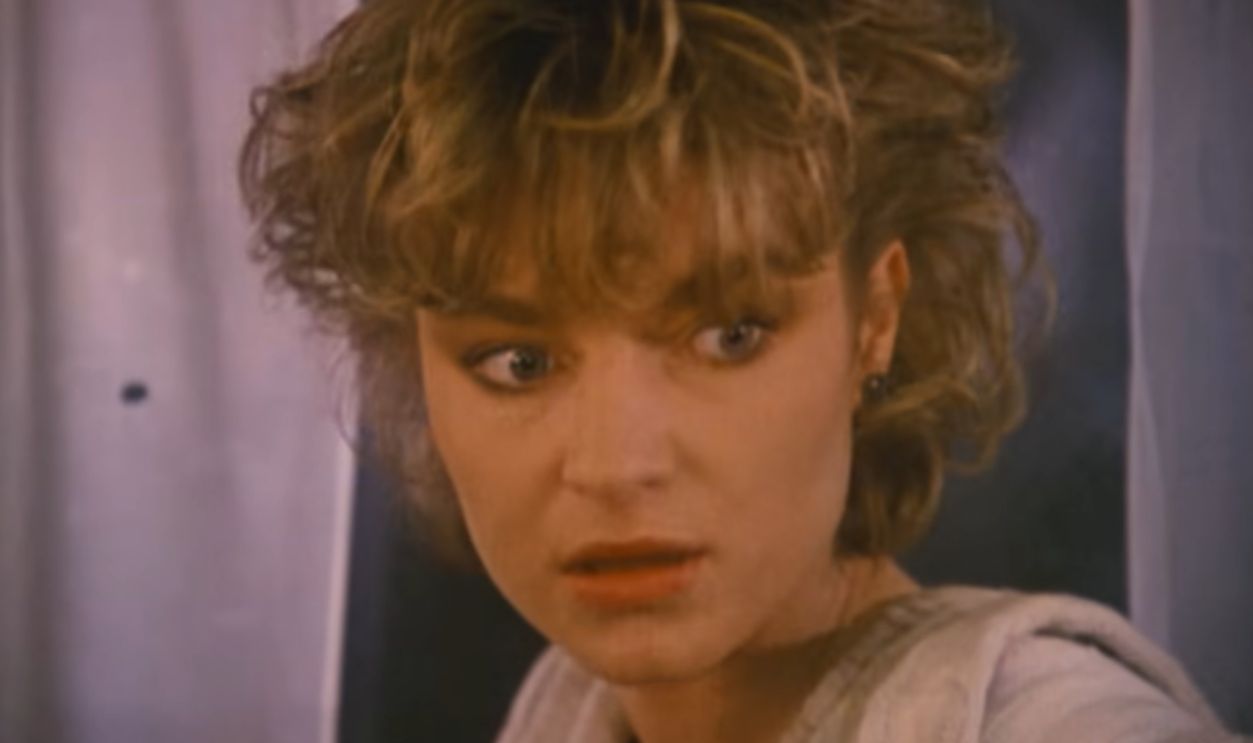 Screenshot from Take On Me, Warner Music Group (1985)
Dire Straits — “Money For Nothing”
“Money for Nothing” blended sharp guitar riffs with commentary on fame and the music industry. Its distinctive intro and use of early digital effects made it stand out sonically. The song also benefited from heavy MTV rotation, becoming closely tied to the rise of music television.
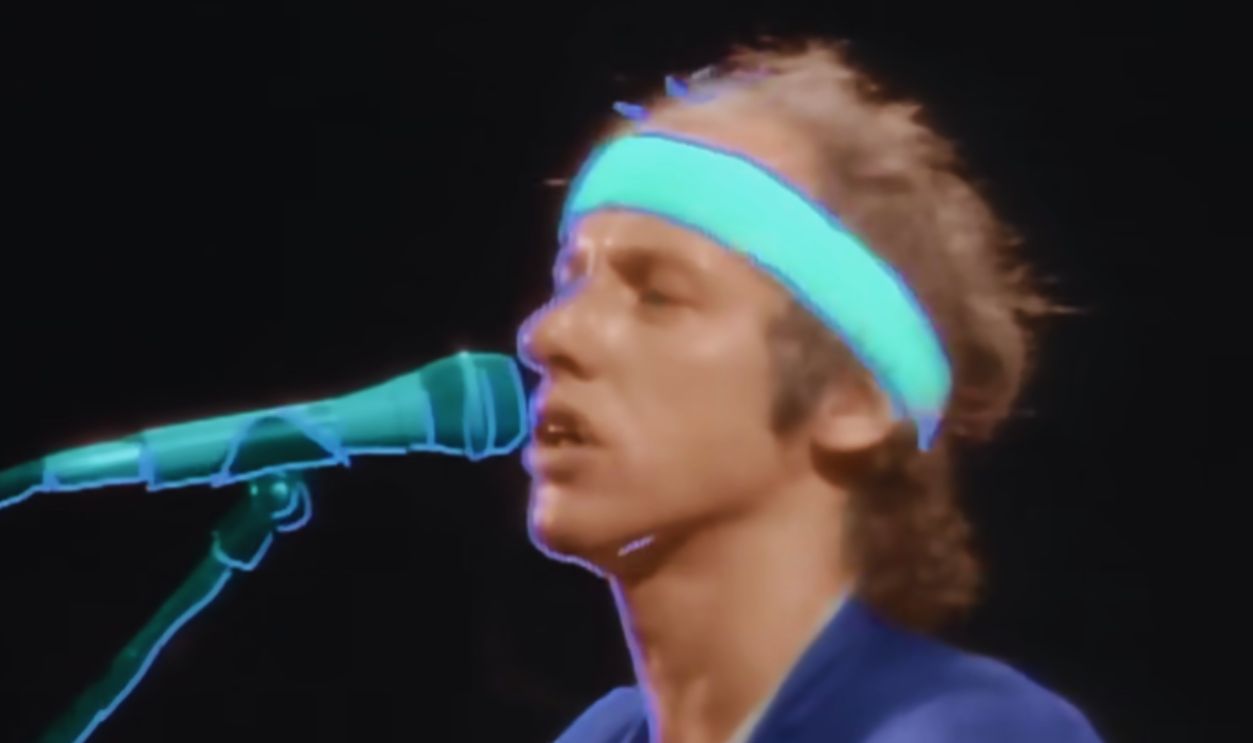 Screenshot from Money for Nothing, Universal Music Group (1985)
Whitney Houston — “Saving All My Love For You”
This ballad showcased Whitney Houston’s vocal control and emotional delivery early in her career. Its traditional arrangement stood out among the more synth-heavy hits of the time. The song helped establish her as a major voice in pop and R&B, setting the stage for her later dominance.
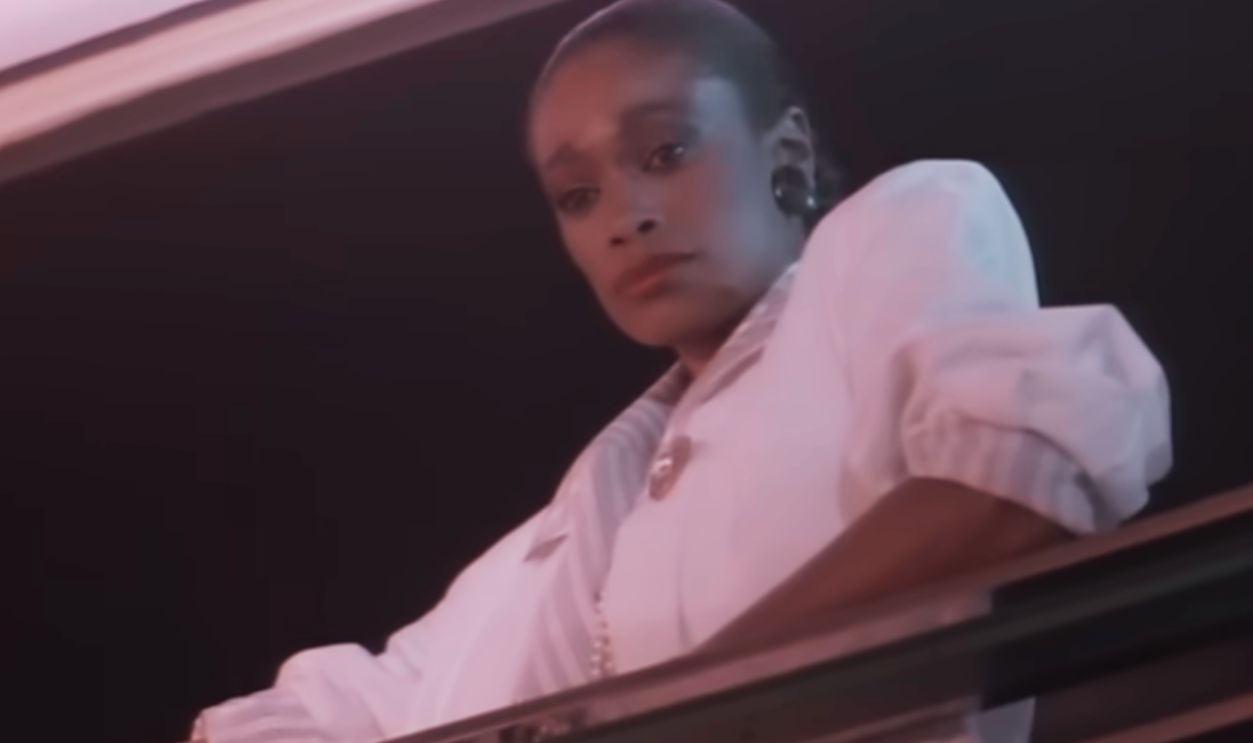 Screenshot from Saving All My Love for You, Sony Music Entertainment (1985)
Phil Collins — “Sussudio”
“Sussudio” leaned fully into synth-pop, driven by a bright, repetitive hook. Collins later admitted the title came from improvisation, which adds to the song’s unusual feel. Its infectious rhythm and polished production made it a standout hit, even as its lyrics remained intentionally vague.
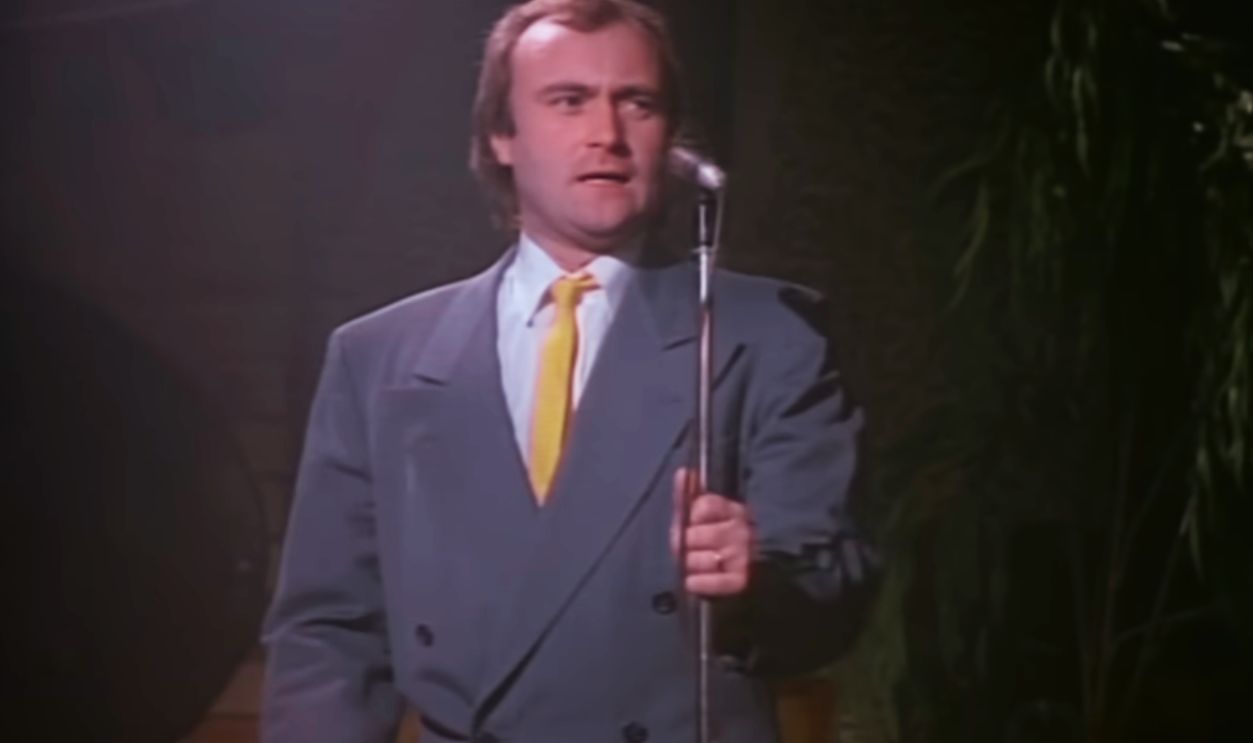 Screenshot from Sussudio, Warner Music Group (1985)
Foreigner — “I Want To Know What Love Is”
“I Want to Know What Love Is” combined rock instrumentation with a gospel choir, creating a dramatic and emotional sound. The song’s slow build and powerful chorus helped it stand out among more upbeat tracks. It became one of Foreigner’s biggest hits, emphasizing feeling over complexity.
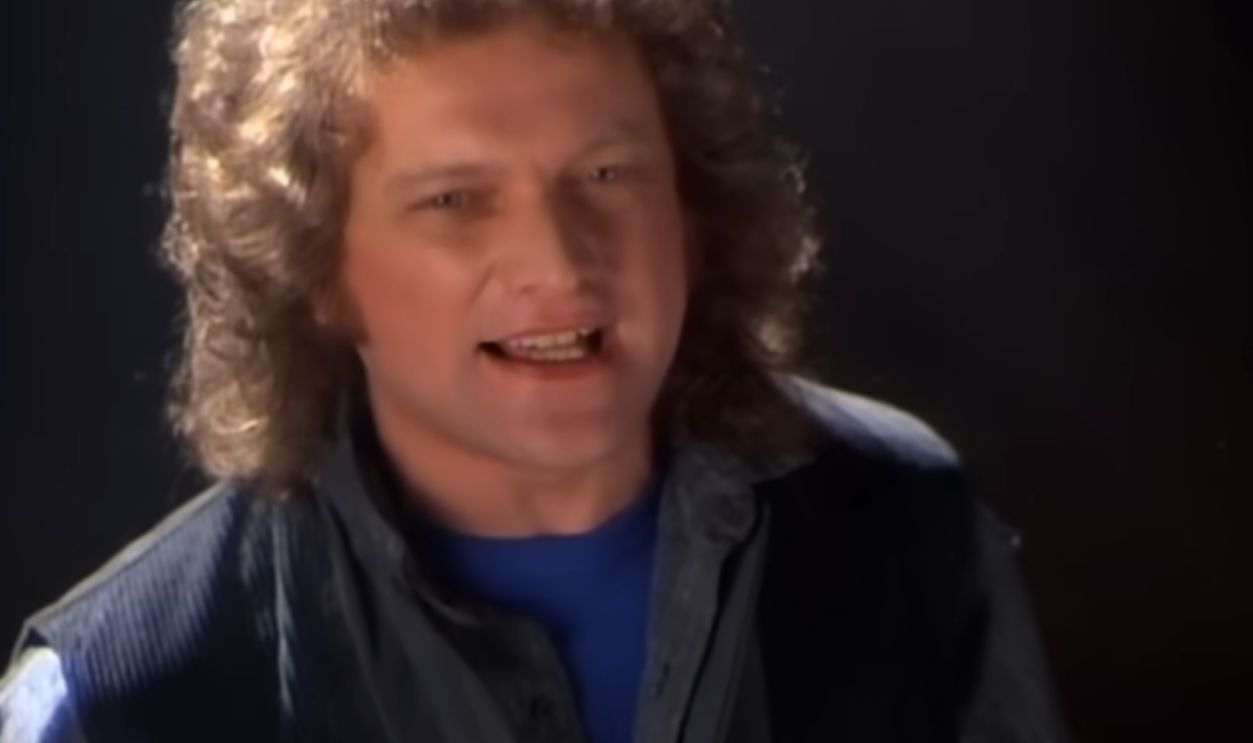 Screenshot from I Want to Know What Love Is, Warner Music Group (1984)
You May Also Like:
Pop Hits That Make Us Wish We Could Go Back To The 2000s
These R&B Groups Totally Defined the 1990s And 2000s